Advertiser

Motherhood with Kate

upairy.comMeta Ad Library

14
Running ads
1 new in 30 days
Dec 2025
Advertising since
longest ad 11 months
—
Reach
running ads, summed
0% video
Formats
0 video · 1 image
5
Products advertised
1 shop

How I discovered the cause of my potty training issues...

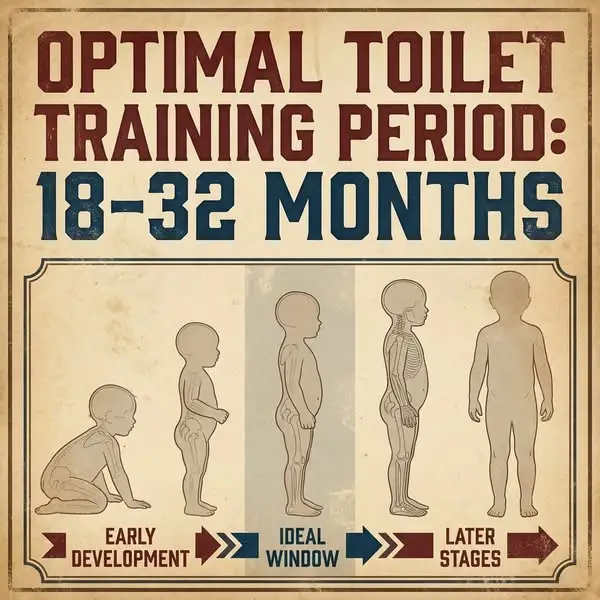
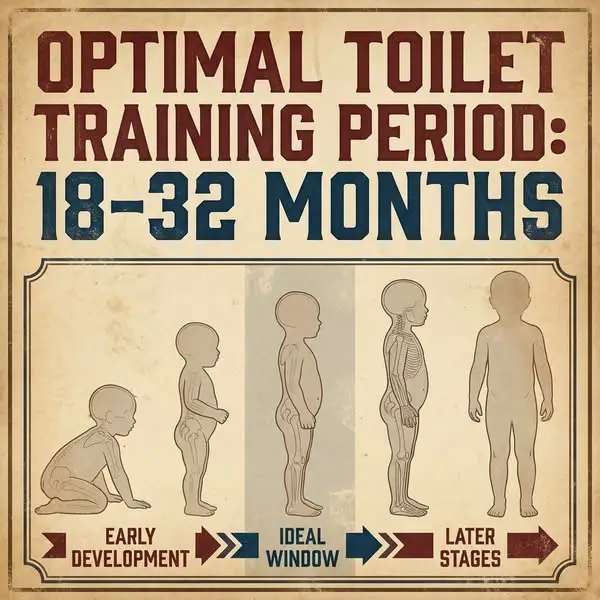
Children who potty train after 32 months are 3x more likely to develop chronic constipation, urinary incontinence, or daytime accidents. I found this out two weeks after my daughter's 4th birthday. While she's still in diapers. My name is Kate. I'm 29 years old. And I'm genuinely terrified I've waited too long. We've been "trying" to potty train for 18 months. I put trying in quotes because I don't even know if you can call it trying anymore. We did the 3-day method at 2 and a half. Failed. Tried again at 3. Failed. Tried rewards, timers, special underwear, potty seats. All failed. Every time, same pattern. A few days of minimal progress, then total shutdown. Back to diapers. Her pediatrician kept saying "some kids take longer. Don't stress." So I didn't stress. I figured she'd get there eventually. But last week, I got the kindergarten enrollment packet in the mail. There was a highlighted section at the bottom: "All children must be fully toilet trained to attend kindergarten. No exceptions." Kindergarten starts in 5 months. And my daughter still can't tell me when she needs to go. So I really wanted to find a solution and needed it FAST. I was up late googling "4 year old not potty trained" for probably the hundredth time. And I found an actual study that is mind blowing... "Children who were toilet trained after 32 months old had significantly higher rates of urge incontinence (daytime wetting and bedwetting) between ages 4-12." My daughter is 48 months old. That's 16 months past the 32-month mark. I kept reading. The study said kids who train late are more likely to have accidents and bladder control issues in preschool and elementary school. Not just during training. For years after. Because the bladder learns through practice. If toddlers ignore the urge for too long because they're in diapers, it creates bad habits that persist. I sat there at 1 AM thinking "have I already messed this up?" So I went to Reddit and posted asking if anyone else had dealt with this. Within 20 minutes, someone replied: "I was in the exact same situation. Waited too long, felt terrible about it. But I found out it's not behavioral. It's sensory. The diapers were blocking her from feeling anything." She linked to a comment from a child psychologist. I clicked on it and read the whole thing twice. The psychologist explained: "When kids stay in super-absorbent diapers past age 2 or 3, their brain has spent years learning to tune out elimination signals. It becomes background noise they literally cannot detect." "This is why you'll hear parents say 'my child doesn't know when they're going.' They're not lying. The child genuinely can't feel it." "By age 4, they've spent four years in products designed to make them feel nothing. That's sensory erasure." She continued: "The bladder control issues we see in late-training kids aren't random. If a child spends years ignoring the urge because they can't feel it, that pattern becomes ingrained." "The bladder and bowel learn through feedback loops. Feel urge → go to potty → stay dry. But if they can't feel the urge? That loop never forms." "This is why kids who train after 32 months have higher rates of daytime wetting and bedwetting at ages 4-12. They missed the critical window when their body was trying to establish that connection." I felt sick reading this. My daughter is 48 months old and I'm still buying diapers. Have I already created a problem that's going to last for years? I kept reading comments. Someone asked "so what do you do if you've already waited too long?" The psychologist replied: "It's not too late, but you need to restore the sensory feedback immediately. The brain is still capable of forming those connections, but it needs a signal strong enough to break through years of conditioning." "You can't use regular diapers or pull-ups. They still absorb too fast. You need training pants that hold wetness against the skin but contain it." "The moment the child feels wetness, their brain starts paying attention again. That's when the learning loop can finally begin." Someone asked what training pants actually work for older kids. Another mom replied and said "most don't. They're designed for 2-year-olds just starting. But UpAiry training pants work for 3, 4, even 5-year-olds because they're specifically designed to create strong sensory feedback." "They have a layer that holds wetness so the child feels it immediately. Not absorbed away. Actually felt. That's what retrains the brain." I looked them up immediately. Reviews from parents of 4 and 5-year-olds. "My son was 4 and a half. Couldn't train for 2 years. These worked in 3 weeks." "I was terrified we'd waited too long. She trained in 16 days." "Finally something that let him actually feel what was happening." I ordered them that night with overnight shipping. When they arrived, I explained to my daughter: "These are different. You're going to feel it when you pee. That's okay. That's how you learn." Day 1, she had 6 accidents. But something happened that never happened in 18 months of trying. Every single time, she stopped mid-accident. "Mommy, I'm wet." She looked down at herself, confused. In four years, she'd never felt that sensation. Day 2, five accidents. All noticed immediately. She came to tell me each time. "Mommy, it's wet." Day 3, she was playing with blocks. Suddenly grabbed herself. "Mommy, I feel something weird." We rushed to the bathroom. She went. Four years old. First time in her life she'd felt the urge before it happened. Day 5, she started telling me before accidents instead of during. "Mommy, I think I need to go." Her brain was finally recognizing the signal. Week 2, making it to the potty 80% of the time. Week 3, two accidents all week. Week 4, completely dry for 5 days straight. My husband said "I thought this was going to take months. Maybe years." I said "it would have if she still couldn't feel anything." This morning, she's been accident-free for 9 days. She tells me when she needs to go. Sometimes takes herself. LIFE CHANGING....... Also!!! I went back to that Reddit thread and posted an update. Four other moms messaged me. All with kids 4+ who'd been stuck for over a year. I sent them the link. Three weeks later, all four messaged back. Every single one said their kid trained in under a month. One said "my daughter is 4 and a half. I thought we'd missed the window. She trained in 19 days." Another said "my son had been in diapers for 5 years. I was sure he'd have bladder issues forever. He's been dry for 3 weeks." The sensory feedback did what 18+ months of trying couldn't. Look, if you have a 3 or 4-year-old who's been stuck for months or years... If you're worried you've waited too long... This study is real: kids who train after 32 months have higher rates of bladder control problems at ages 4-12. But it's not because you waited too long to try. It's because they've spent years in products that block the signal the bladder needs to learn from. The study also showed: kids who started training before 24 months, 68% were fully trained by age 3. After 24 months? Only 54% were trained by 3. Waiting doesn't make it easier. It makes it harder. Because the longer kids stay in super-absorbent products, the more their brain tunes out the signal. My daughter is proof. Four years in diapers. Eighteen months of failed attempts. Three weeks once her brain could actually feel what was happening. These training pants worked because they create feedback strong enough for the brain to finally pay attention. Not too late. Just needs the right signal. EDIT: Getting SO MANY DMs about this 😅 A lot of you are asking what brand I used. It's UpAiry: https://www.upairy.com/pages/training-underwear I don't work for them. Just a mom who was terrified she'd waited too long and created permanent problems. My daughter's not in diapers anymore. She's trained. And we did it in time for kindergarten. You don't need a new method. You need sensory feedback strong enough to break through years of conditioning. That's what finally worked.

Loading the ad's image
Motherhood with Kate — How I discovered the cause of my potty training issues...
Winning

How I discovered the cause of my potty training issues...

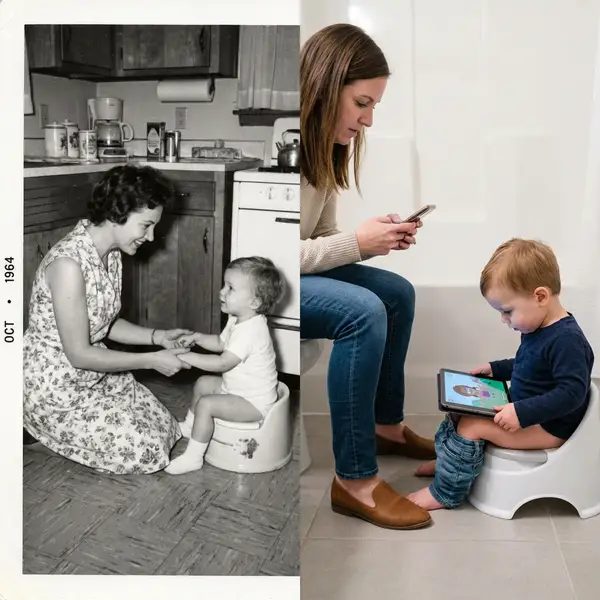
Only 4% of 2-year-olds in America are fully potty trained today. But in the 1950s, that number was nearly 100%. What changed? Disposable diapers. And I'm sitting here absolutely furious because I've been buying diapers for my 3-year-old when kids her age used to be trained for over a year already. — So for the past 10 months everyone kept telling me "just wait until she's ready." My pediatrician gave me this whole list of readiness signs to watch for. Stays dry for 2 hours, shows interest in the potty, can pull pants up and down. So I waited and watched while she stayed in diapers. And every few weeks I'd think "okay maybe she's ready now?" But there was always something holding me back from trying so I'd tell myself just wait a little longer. Month after month after month. Meanwhile she's 3 years old and my neighbor's 2-year-old daughter is already trained. And I'd think "what am I doing wrong?" But everyone said don't rush it, she'll tell you when she's ready. So I kept waiting. For 10 months. — So last week I was scrolling Reddit looking for advice. And I saw this comment: "Only 4% of American 2-year-olds are fully potty trained today. But in the 1950s, over 95% of kids were trained by 24 months." Then: "By 1999, that 95% had dropped to 4%. That's not a typo. We went from nearly all kids trained by age 2 to almost none." And I'm staring at my phone thinking... wait, WHAT? My daughter is 36 months old and I'm being told to wait for readiness. But in the 1950s, kids her age had been trained for over a year? So I kept reading and the next line actually pissed me off. "The shift happened because of disposable diapers. They were introduced in 1961." "Within 40 years, the percentage of 2-year-olds trained dropped from 95% to 4%." Like an entire generation of kids staying in diapers longer because of a product? And I've been sitting here waiting for readiness for 10 months while the diapers were the problem the whole time? So I went down a complete rabbit hole that night. I found data showing in 1980, the average training age was 26 months. By 2003, it had climbed to 36.8 months. That's nearly a full year longer in just 23 years. And today? Only 24.3% of 2-year-olds are out of diapers during the day. That means 75% of 2-year-olds are still in diapers. When in the 1950s, 95% were already trained. These are all legit stats I found, like what the fuck??!! The timeline didn't change because kids changed. It changed because diapers changed. — So the next morning I posted in the group asking "why do disposables delay training so much?" And a psychologist who specializes in toddlers replied within an hour. She said "modern disposables create something called sensory erasure and that breaks operant conditioning." And I'm thinking okay, explain that in English because I haven't got a CLUE what any of that means. So let me try to explain it simply: So she said operant conditioning is how all learning works. You do something, you feel a result, your brain connects the two. Touch a hot stove, feel pain, learn not to touch it. Pee in your pants, feel wetness, learn to use the potty instead. But disposable diapers remove the "feel a result" part completely. When toddlers pee in a disposable, it absorbs in seconds. They never feel wet, never feel uncomfortable, never feel anything. So their brain never connects "I peed" with "something happened." This is sensory erasure — the learning signal gets erased before the brain can process it. Like imagine trying to teach a kid not to touch a hot stove that never gets hot. They'd touch it forever because there's no consequence to learn from. And THIS is why we're told to wait for readiness. Without sensory feedback, kids genuinely don't develop awareness. But it's not that they're not ready — the diapers are blocking the signal that creates readiness. So she said in the 1940s and 50s, kids wore cloth diapers that stayed wet. They felt it immediately and their brain made the connection fast. So parents didn't wait for readiness — kids developed it naturally through sensory feedback. She also said "the data proves this. In 1980, before super-absorbent technology improved, kids still trained at 26 months on average. " "By 2003, with better absorption, it jumped to 36.8 months. The better diapers got at keeping kids dry, the longer training took." — So I'm reading this absolutely FUMING. I've been waiting 10 months for my daughter to "show signs" she's ready. "So what do I do now?" And she said you can't go back to cloth diapers because at age 3 that's just chaos. But you can't keep waiting hoping she magically develops awareness they're blocking. So you need training pants that restore the sensory feedback. When kids pee in them, they feel it immediately. Pee → Feel wet → Learn to stop doing that. The learning loop finally gets completed. So she recommended UpAiry training pants. They're designed with Feel & Learn technology that creates immediate sensory feedback. Like they restore the learning signal that disposables erase. She said most training pants are really sh*t, especially the ones on amazon. But these ones were specifically designed for this exact problem. These actually let kids feel wetness long enough for their brain to make the connection. "That's what kids in the 1950s had naturally with cloth. This recreates it without the mess." — So I ordered them that day because I was done waiting. Day 1 she had 5 accidents but came to tell me about every single one. That had NEVER happened in disposables because she couldn't feel them. And each time she looked down like "wait, what's happening?" The sensory feedback was finally reaching her brain. Day 2 she had 4 accidents and noticed all of them immediately. Day 3 she said "Mommy I'm wet" BEFORE I even noticed. We didn't make it to the potty in time but she recognized it while it was happening. That awareness I waited 10 months for appeared in 3 days. Week 1 she started walking to the potty on her own. No prompting, no reminders, just responding to her body's signals. Week 2 she had 3 accidents total. My husband came home and said "wait, is she actually using the potty now?" I said "yeah, once I stopped using something that erased the learning signal." Week 3 we went to the grocery store for 45 minutes and she stayed dry. She told me once she needed to go and we made it to their bathroom. LIFE CHANGING.... — Also!!! I posted about this in the original thread. Four other moms messaged me — all waiting months for readiness, all using disposables. I sent them the link and three weeks later all four said their kids trained faster than expected. One said "my son went from zero awareness to fully trained in 18 days." Another said "I didn't realize 2-year-olds used to be trained. My daughter is 3 and she trained in 2 weeks once she could feel it." The sensory feedback did what 10 months of waiting couldn't. — So if you've been waiting months or years for readiness signs that aren't coming... What they're wearing might be erasing the sensory feedback that creates readiness. 95% of 2-year-olds were trained in the 1950s. Today only 4% are. That's not genetics. That's diapers blocking the learning signal. Because we're using something that breaks the learning loop. Hope this helps someone else who wasted months waiting like I did. EDIT: My bad I didn't even send the link, so my DMs are full of questions. Here's their link: https://www.upairy.com/pages/training-underwear This page should answer all the questions you have about them too.

Loading the ad's image
Motherhood with Kate — How I discovered the cause of my potty training issues...
WinningImage

How I discovered the cause of my potty training issues...

Kids who train after 32 months take significantly longer to complete potty training and have more accidents. I found this study three weeks ago when my daughter was 34 months old. And it finally explained why we've been stuck for 8 months. — So my daughter just turned 34 months (almost 3). And we've been "trying" to potty train since she was 26 months. I put trying in quotes because nothing has actually worked. We did the 3-day method. Failed after day 2. Tried rewards at 28 months. Didn't work. Tried taking her every hour at 30 months. Nothing. Every method I tried, same result. A few accidents, no progress, back to diapers. Her pediatrician kept saying "some kids aren't ready yet. She'll get there." So I figured she'd train when she was ready. But I kept thinking about my neighbor's daughter. Same age as mine. Started training at the same time. She was fully trained in 3 weeks. Meanwhile we're 8 months in and still completely stuck. So what's different? — Last week I was scrolling Reddit at 2 AM looking for answers. And I saw this comment that actually explained it: "There was a study in the Journal of Pediatric Urology that found kids who started toilet training after 32 months took significantly longer to train and had more frequent accidents during the process." I kept reading. The study was from Robert Wood Johnson Medical School. It said something I'd never heard before: The issue isn't that older kids CAN'T train. It's that their brain has spent more time learning to ignore elimination signals. So training takes longer because you're asking them to suddenly pay attention to something they've been tuning out for years. Another comment said "the bladder and brean learn through feedback. The longer kids go without feeling the urge, the weaker that signal becomes." And I'm sitting there thinking... that's exactly what's happening. My daughter will say "I don't need to go" and pee 3 minutes later. She's not lying. She genuinely can't feel it coming. — So I kept reading trying to understand why this happens. And someone asked "why does training after 32 months make it harder?" A psychologist who specializes in toddlers replied: "It's not actually about the specific age. It's about how long they've been in products that block sensory feedback." She explained: "By 32 months, a child has spent nearly 3 years in super-absorbent diapers. Their brain has learned to tune out elimination signals because there's no consequence to detect. That's sensory erasure." "When you try to train them, you're asking their brain to suddenly recognize a signal it's been filtering out for years. That's why it takes longer." "The good news? The brain can absolutely still learn this. It just needs sensory feedback strong enough to break through that conditioning." Then she said something that made everything click: "This is why some kids train in weeks at age 2, while others struggle for months at age 3. It's not readiness. It's how long they've been in products that erase the learning signal." — So I asked "what does that mean? How do you create that feedback?" And she said "you can't use regular diapers or pull-ups. They still absorb too fast." "You need training pants that hold wetness against the skin so they feel it immediately. That sensory feedback is what allows the brain to finally make the connection." "Most training pants don't actually do this. They're just thinner pull-ups." "But UpAiry training pants are designed specifically for this. They have Feel & Learn technology that holds wetness so kids feel it, but contains it." She continued: "I've seen kids who were stuck for months train in weeks once they could actually feel what was happening. The brain just needs that signal." Someone else asked "does this work for kids past 32 months?" She said "absolutely. The brain can form these connections at 3, 4, even 5 years old. Starting after 32 months just means you're working against more conditioning, so the sensory feedback needs to be stronger. But it definitely works." — So I'm reading this thinking okay, this actually makes sense. My daughter isn't broken. Her brain just can't detect a signal that diapers have been blocking for 34 months. That's why every method failed. The methods weren't the problem. The diapers were blocking the one thing that makes any method work: feeling it. So I looked up UpAiry training pants immediately. Reviews from parents with older kids who'd been stuck for months. "My son was 36 months. Nothing worked until these. Trained in 3 weeks." "My daughter was 38 months. Finally something that let her feel what was happening. Trained in 2 weeks." "I didn't realize the diapers were blocking the signal she needed to learn from." I ordered them that day. — When they arrived, I explained to my daughter: "These are different. You're going to feel it when you pee. That's how your body learns." Day 1 she had 6 accidents. But something happened that never happened in 8 months of trying. Every single time, she stopped immediately. "Mommy, I'm wet." She looked down, surprised. In 34 months, she'd never felt that. Day 2, five accidents. All noticed instantly. She came to tell me each time. "Mommy, it's wet." Day 3, she was playing and suddenly stopped. "Mommy, I feel something." We got to the bathroom. She went. She looked amazed. "That's what it feels like?" Week 1 she started telling me BEFORE accidents. "Mommy, I think I need to go." Her brain was finally recognizing the signal. Week 2, making it to the potty most of the time. Week 3, one accident all week. My husband said "I can't believe the difference." I said "she just needed to actually feel it." This morning she's been accident-free for 11 days straight. She tells me when she needs to go. Takes herself sometimes. — Also!!! I went back to that Reddit thread and posted an update. Five other moms messaged me. All with kids 33-40 months who'd been stuck for months. I sent them the link. Three weeks later, all five messaged back. Every single one said their kid trained in under a month. One said "my daughter is 37 months. She trained in 16 days once she could feel it." Another said "my son is 39 months. Trained in 3 weeks. His pediatrician said the sensory feedback helped his bladder learn the proper patterns." The sensory feedback did what 8 months of different methods couldn't. — So if your child is past 32 months and you've been stuck for months... That study explains why: the longer kids stay in absorbent products, the more conditioning you're working against. But here's what the psychologist said: "Kids can absolutely train at 34, 36, 38 months. They just need stronger sensory feedback to override the conditioning." My daughter is proof. 34 months old. Eight months of failed attempts with every method. Trained in 3 weeks once her brain could actually feel what was happening. You can try every method. Every reward system. Every potty seat. But if their brain can't feel the signal, none of them work. These training pants worked because they create the sensory feedback that allows the brain to finally learn. Not too late. Just needs the right signal. EDIT: Getting SO MANY DMs about this 😅 A lot of you are asking what brand I used. It's UpAiry: https://www.upairy.com/pages/training-underwear I don't work for them. I'm just a mom who finally understands why we were stuck for 8 months. My daughter's not in diapers anymore. She's trained. It just took the right sensory feedback. That's what finally worked.

Loading the ad's image
Motherhood with Kate — How I discovered the cause of my potty training issues...
Winning

How I discovered the cause of my potty training issues...

I've worked in early childhood education for 11 years. I've helped potty train hundreds of kids across three different daycares. And I can tell you something that most parenting books won't. I can predict within the first week which kids are going to train fast and which ones are going to struggle for months. It has nothing to do with the child's intelligence. It has nothing to do with their personality. And it has very little to do with the parents approach. It has to do with one thing. And once I explain it, you'll probably look at your own child's situation completely differently. — Let me back up. When I first started working in childcare, I assumed potty training was mostly about timing and temperament. Some kids were ready at 2. Some weren't ready until 3 or later. Some were stubborn. Some were easygoing. And for the first few years, I didn't question it. But somewhere around year three or four, I started noticing a pattern that I couldn't explain. We'd get a class of ten toddlers starting the potty training transition around the same age. And without fail, the class would split into two groups. Group one would show potty awareness pretty quick, and group two don't have a care in the world You could ask them "did you just go?" and they'd say no. Genuinely. They weren't lying and they weren't being difficult. They had no idea. And this group would struggle for months. Sometimes half a year. Sometimes longer. I kept thinking it had to be a personality thing. Some kids just develop that awareness later. But it wasn't consistent. I'd see a kid who was sharp as anything, sit in a wet pull-up for an hour without noticing. And I'd see a kid who was still barely talking, walk himself to the potty at 22 months like it was nothing. It didn't track with development. It didn't track with temperament. It didn't track with anything I'd been trained on. But it DID track with one thing. What they were wearing when they arrived. — It took me years to put this together because I wasn't looking for it. But once I saw it, I couldn't unsee it. The kids who trained fast almost always came in wearing either cloth-style training pants or thin cotton underwear from day one. The kids who struggled for months were almost always in disposables/diapers Every. Single. Time. I started paying closer attention. Not just to the kids in my class but across the entire center. Same pattern. Pull-ups and disposables = months of issues and zero awareness. Cloth or cotton training pants = fast awareness and trained within weeks. I brought this up to the center director once. She said "well yeah, kids in underwear feel it when they go, so they learn faster." And I remember thinking... that's it? That's the whole thing? Because if that's the whole thing, then why is everyone still putting their kids in disposables? Why are we recommending them in our parent packets? If the thing they're wearing is the thing blocking the awareness, then aren't we actively making it harder? — There was a little girl in my class a couple years ago. I'm going to call her Sophie. Sophie was 3 and a half. Smart. Social. One of the most verbal kids in the room. She could tell you about her weekend in full sentences. She knew every kid's name, every teacher's name. But she could not potty train. Her mom had been trying since Sophie turned 2. She was stressed. She'd pull me aside at least once a week. "Any progress today?" And I'd have to tell her no. Sophie had three, four, five accidents a day. I'd often walk over and say "Sophie, I think you might be wet." She'd look at me confused. Then look down. Then say "Oh." This went on for months. Her mom tried everything. She brought special treats for rewards, every method and thing you've probably done yourself Nothing changed. Seeing Sophie say "I didn't go" when she obviously had. And I kept thinking about the pattern I'd been seeing for years. Sophie was in disposables every single day. Thick, absorbent, dry to the touch within seconds. And she had zero awareness of her own body. Those two things weren't a coincidence. — Around this same time, I started reading more about child development in toddlers. Not just the daycare training manual stuff — actual research. There's a concept in child development called sensory filtering. It's the brain's ability to tune out repeated sensations so they don't distract you. It's the same reason you stop noticing the feeling of your shirt on your skin after you put it on. Your brain filters it out. It's not useful information anymore so your brain stops paying attention to it. When a baby pees in a diaper, the diaper absorbs it instantly. The skin stays dry. The brain gets no feedback. So the brain learns: this sensation is irrelevant. Filter it out. At 18 months, the filter is still weak. Most kids can still feel the signal if you take the diaper off. That's why early training often works quickly. But by 2 and a half, 3, 3 and a half — the filter is strong. Years of the brain practicing ignoring a signal that never produced any feedback. Parents often put these kids in a classroom and ask them to tell us when they need to go. But their brain is filtering the signal. That's why Sophie would say "I didn't go" and genuinely mean it. Her brain had spent three and a half years erasing the sensation. It wasn't anyones fault. It was the product she'd been wearing since birth doing exactly what it was designed to do - keep her dry. This is also why our parents' generation trained earlier. In the 1950s, 92% of children trained by 18 months. Cloth diapers stayed wet. The brain always got the signal. The filter never built up. Disposables removed the signal. The average training age nearly doubled. And once I understood this, the pattern I'd been watching for years finally had a name. Sensory erasure. — So here's what I did with Sophie. I talked to her mom at pickup one day and told her everything I'd been observing. I told her about the two groups I see and what they're wearing being the only consistent difference. I told her about how the disposable were erasing the signal Sophie's brain needed to learn. And I told her that she needed to get Sophie out of disposables and into training pants. Real training pants. The kind that let the child feel wetness against the skin but contain it so there's no puddle on the floor. She asked me which ones. I told her the ones I'd seen work best with the kids in our center were UpAiry training pants. They have special layer that holds wetness against the skin long enough for the brain to register it, but the outer layer catches everything. I'd seen other parents bring in different brands. Some leaked. Some were cheap polyester that irritated kids' skin. The UpAiry ones were the only ones I'd consistently seen produce that awareness shift in the first few days. She ordered them that night. — The next Monday, Sophie came in wearing them. Around 10 AM she was at the art table painting. And she stopped. Brush in the air. Looked down. "Miss? Pee pee." Three and a half years old. Months in my classroom. She had NEVER said that. Not once. I walked over and said "You're right, you are. Let's go get changed." She looked at me and said "I didn't want to be wet." She FELT something. And she didn't like it. And she told me about it. That is the entire learning loop. Feel it → don't like it → communicate it → eventually learn to prevent it. By the end of the first week, she was walking to the bathroom before most accidents. Not every time. But most. Her mom came in on Friday and I said "She's telling us before she goes now." She just stood there in the doorway. Didn't say anything for a second. Then said "Are you serious?" Week two, Sophie was using the bathroom independently. Raising her hand, walking over, going. Coming back to the table. Week three, not a single accident for three straight days. I wrote it in her daily report and her mom was SO happy She said "I've been trying for a year and a half. Thank you for telling me what was actually wrong." But I didn't do anything special. Sophie did it by herself. All we did was stop blocking the signal it needed. — That was two years ago. Since then I've had this same conversation with probably fifty parents. Maybe more. It's always the same situation. Kid has been struggling for months. Parent has tried everything. And every time I ask the same question: "What are they wearing during the day?" And every time the answer is some sort of disposable. And every time I explain what they are actually doing to the learning process and recommend they switch to UpAiry. And almost every time, the parent comes back telling me things are finally clicking. Because their child's brain finally had something to learn from. — Here's what I tell every parent who walks into my classroom. If your child is 2 and a half or older and potty training isn't progressing, the first thing I'd look at is what they're wearing. If they're in disposables during the day, their brain may not be getting the sensory feedback it needs to build awareness. Get them into training pants that let them feel wetness but contain it. That's the bridge between diapers and underwear that most parents skip. The ones I've seen work consistently are UpAiry training pants. Here's the link: https://www.upairy.com/pages/training-underwear I have zero affiliation with them. I just see what works in my classroom every day. In 11 years I've watched hundreds of kids go through this. The pattern is always the same. Sensory feedback = fast learning. Sensory erasure = months of frustration. It really is that simple. I wish someone had explained it to me in my first year instead of my eleventh. It would have saved a lot of parents a lot of hard months.

Loading the ad's image
Motherhood with Kate — How I discovered the cause of my potty training issues...
Winning

How I discovered the cause of my potty training issues...

Potty training pants are a SCAM!! Who in their right mind would pay $21.00 for underwear?? I’m a full grown woman, I wouldn’t even spend that on my own pants, let alone for a 3 year old… That’s exactly what I thought before I tried UpAiry training pants. Now I've changed my mind. Here’s the thing… I read the positive reviews, I saw other parents say how they trained in weeks. But I was skeptical. The price just didn’t make sense to me… So I posted in a Facebook group to ask if anyone had tried them. The next day I had 10 replies. Here were some of them: “We wasted months stuck in diapers until I found these” “My daughter wouldn’t have got into preschool without them” “My 18 month old is already using the potty” Even a child development expert replied. “I recommend these to every parent”. I decided to reply back to her… I wanted to know exactly what made these different from a regular pair of pants. Here’s what she told me: 1. They aren’t just regular pants. They’re specifically designed to help with potty training. They provide the sensory feedback your child needs to learn. They pee in them, they feel the wetness on their skin, their brain gets feedback that something has happened. Diapers do the opposite. They absorb moisture in seconds. They stay perfectly dry. They could pee in a diaper every day and never feel a thing. That’s why wearing disposables for too long can make potty training so much harder than it needs to be. 2. They’re a one time purchase. You think $21.00 is expensive? But how much do you spend on diapers every other week? You wear them once, you throw them away, you have to buy more. Training pants are reusable. You buy them once, you wash them, you wear them time and time again. So they're not expensive, they’re actually a saving. 3. They’re leak resistant. Unlike a pair of cloth pants that just soak through and go everywhere, making a mess of clothes and your floor. These are different. They have a leak resistant outer layer. It catches accidents the second they happen, and keeps everything contained. So no more cleaning up puddles 5 times a day. After that, I was sold. I ordered them that night. Here’s how it went: Day 3: She looked up and said "momma, wet." She'd never said that before. She could feel the wetness on her skin and she was starting to recognize it. When she was wearing diapers she wouldn't have noticed at all. Day 7: Now she'd tell me every time. She even started walking herself to the potty to finish. Day 10: She was making it to the potty most of the time. Only the odd accident here and there. Day 12: She was using the potty on her own. No encouragement. She'd just go. I couldn't believe it. Not even how quick they worked. Not even that they did work. I just couldn't believe how wrong I was this whole time. I'd spent months procrastinating, putting them off, finding every excuse not to buy them. When in reality I actually cost myself time and money by keeping her in diapers longer than I needed to. So if you're like me, and you're hesitant about buying training pants, just do it. My only regret is not buying them sooner. But don't cheap out and buy the ones from Amazon. I tried them. They leaked everywhere. The only ones I'd recommend are UpAiry. I don't have any affiliation with the brand. I'm not trying to sell these to anyone. I just want to let people know that I was skeptical too. But I was wrong. Here's the link: https://www.upairy.com/pages/training-underwear

Loading the ad's image
Motherhood with Kate — How I discovered the cause of my potty training issues...
Winning

How I discovered the cause of my potty training issues...

Potty training pants are a SCAM!! Who in their right mind would pay $21.00 for underwear?? I’m a full grown woman, I wouldn’t even spend that on my own pants, let alone for a 3 year old… That’s exactly what I thought before I tried UpAiry training pants. Now I've changed my mind. Here’s the thing… I read the positive reviews, I saw other parents say how they trained in weeks. But I was skeptical. The price just didn’t make sense to me… So I posted in a Facebook group to ask if anyone had tried them. The next day I had 10 replies. Here were some of them: “We wasted months stuck in diapers until I found these” “My daughter wouldn’t have got into preschool without them” “My 18 month old is already using the potty” Even a child development expert replied. “I recommend these to every parent”. I decided to reply back to her… I wanted to know exactly what made these different from a regular pair of pants. Here’s what she told me: 1. They aren’t just regular pants. They’re specifically designed to help with potty training. They provide the sensory feedback your child needs to learn. They pee in them, they feel the wetness on their skin, their brain gets feedback that something has happened. Diapers do the opposite. They absorb moisture in seconds. They stay perfectly dry. They could pee in a diaper every day and never feel a thing. That’s why wearing disposables for too long can make potty training so much harder than it needs to be. 2. They’re a one time purchase. You think $21.00 is expensive? But how much do you spend on diapers every other week? You wear them once, you throw them away, you have to buy more. Training pants are reusable. You buy them once, you wash them, you wear them time and time again. So they're not expensive, they’re actually a saving. 3. They’re leak resistant. Unlike a pair of cloth pants that just soak through and go everywhere, making a mess of clothes and your floor. These are different. They have a leak resistant outer layer. It catches accidents the second they happen, and keeps everything contained. So no more cleaning up puddles 5 times a day. After that, I was sold. I ordered them that night. Here’s how it went: Day 3: She looked up and said "momma, wet." She'd never said that before. She could feel the wetness on her skin and she was starting to recognize it. When she was wearing diapers she wouldn't have noticed at all. Day 7: Now she'd tell me every time. She even started walking herself to the potty to finish. Day 10: She was making it to the potty most of the time. Only the odd accident here and there. Day 12: She was using the potty on her own. No encouragement. She'd just go. I couldn't believe it. Not even how quick they worked. Not even that they did work. I just couldn't believe how wrong I was this whole time. I'd spent months procrastinating, putting them off, finding every excuse not to buy them. When in reality I actually cost myself time and money by keeping her in diapers longer than I needed to. So if you're like me, and you're hesitant about buying training pants, just do it. My only regret is not buying them sooner. But don't cheap out and buy the ones from Amazon. I tried them. They leaked everywhere. The only ones I'd recommend are UpAiry. I don't have any affiliation with the brand. I'm not trying to sell these to anyone. I just want to let people know that I was skeptical too. But I was wrong. Here's the link: https://www.upairy.com/products/potty-training-underwear

Loading the ad's image
Motherhood with Kate — How I discovered the cause of my potty training issues...
Winning

How I discovered the cause of my potty training issues...

My autistic son potty trained faster than most toddlers. Not faster than most autistic toddlers. Faster than most toddlers. Period. The average child in America takes until 35 months. Ezra did it in five weeks. At 4. And the reason he trained that fast is the same thing everyone told me would make it take longer. His sensory system. — Let me explain. Because every autism parent needs to hear this. For three years, every professional in Ezra's life told me potty training would be harder for him. Slower. That autistic children take longer. That we needed to be patient. They were wrong. Not about autism being different. About what that difference means for potty training. Ezra's brain processes sensory information with more intensity than a neurotypical child's. That's why he feels a sock wrinkle through two layers of fabric. That's why he notices when I change laundry detergent. That's why a hand dryer in a public bathroom is overwhelming. His OT was the one who connected this to potty training. She said: "If his brain processes sensation with that much precision, why would potty training be slower? It should be faster. IF his brain is actually receiving the signal." And that was the problem. His brain wasn't receiving it. Pull-ups absorb in under two seconds. Skin stays dry. Zero feedback. His sensory system — the most responsive part of his brain — was getting absolute silence. Every method we tried assumed he could feel the signal. He couldn't. Not because of autism. Because the product was erasing it. — His OT told me to get him into training pants that let him feel wetness but contain it. Soft cotton. No tags. No seams. Something his sensory system would tolerate. She recommended UpAiry training pants. Feel & Learn technology. The inside stays wet long enough for the brain to register what happened. The outside catches everything. She said for sensory-sensitive children the awareness shift usually starts within days. Not because they're catching up. Because their brains respond with more intensity once the signal is there. I put them on Ezra the next morning. Mid-morning he was lining up his trains. Stopped. Looked down. "Wet." Three years. He had never said that. Not once. Then his face scrunched up. He pulled at the waistband. "Off. Wet. Off." His brain didn't just notice. It REACTED. With the full intensity his sensory system brings to everything. The signal wasn't subtle to him. It was loud. Because that's how his brain works. By day four he was pausing before accidents. Moving toward the bathroom. Week two he was going independently. Using his visual schedule. Managing the routine himself. Week five. Dry days are the norm. Faster than the American average for ANY child. — His BCBA watched this happen and said she'd never seen him acquire a self-care skill this quickly. I wanted to say: because you were trying to teach a behavior. His brain needed a sensation. Different problem. Different solution. Faster result. — I'm sharing this because every autism parent deserves to know what their child's brain is capable of. Not the limitations. The capabilities. Your child's sensory system processes information with extraordinary precision. That precision isn't just the thing that makes socks hard and restaurants overwhelming. It's the thing that makes potty training FAST. Once the signal is there. Three years of professionals telling me autism would make this harder. Five weeks proving them wrong. These are the training pants his OT recommended: https://www.upairy.com/pages/our-of-diapers-listicle-v3 UpAiry with Feel & Learn technology. Soft cotton. No tags. No seams. Ezra's brain responded on day one. Because that's what his brain does. It just needed something to respond to.

Loading the ad's image
Motherhood with Kate — How I discovered the cause of my potty training issues...
Winning

How I discovered the cause of my potty training issues...

My autistic son potty trained faster than most toddlers. Not faster than most autistic toddlers. Faster than most toddlers. Period. The average child in America takes until 35 months. Ezra did it in five weeks. At 4. And the reason he trained that fast is the same thing everyone told me would make it take longer. His sensory system. — Let me explain. Because every autism parent needs to hear this. For three years, every professional in Ezra's life told me potty training would be harder for him. Slower. That autistic children take longer. That we needed to be patient. They were wrong. Not about autism being different. About what that difference means for potty training. Ezra's brain processes sensory information with more intensity than a neurotypical child's. That's why he feels a sock wrinkle through two layers of fabric. That's why he notices when I change laundry detergent. That's why a hand dryer in a public bathroom is overwhelming. His OT was the one who connected this to potty training. She said: "If his brain processes sensation with that much precision, why would potty training be slower? It should be faster. IF his brain is actually receiving the signal." And that was the problem. His brain wasn't receiving it. Pull-ups absorb in under two seconds. Skin stays dry. Zero feedback. His sensory system — the most responsive part of his brain — was getting absolute silence. Every method we tried assumed he could feel the signal. He couldn't. Not because of autism. Because the product was erasing it. — His OT told me to get him into training pants that let him feel wetness but contain it. Soft cotton. No tags. No seams. Something his sensory system would tolerate. She recommended UpAiry training pants. Feel & Learn technology. The inside stays wet long enough for the brain to register what happened. The outside catches everything. She said for sensory-sensitive children the awareness shift usually starts within days. Not because they're catching up. Because their brains respond with more intensity once the signal is there. I put them on Ezra the next morning. Mid-morning he was lining up his trains. Stopped. Looked down. "Wet." Three years. He had never said that. Not once. Then his face scrunched up. He pulled at the waistband. "Off. Wet. Off." His brain didn't just notice. It REACTED. With the full intensity his sensory system brings to everything. The signal wasn't subtle to him. It was loud. Because that's how his brain works. By day four he was pausing before accidents. Moving toward the bathroom. Week two he was going independently. Using his visual schedule. Managing the routine himself. Week five. Dry days are the norm. Faster than the American average for ANY child. — His BCBA watched this happen and said she'd never seen him acquire a self-care skill this quickly. I wanted to say: because you were trying to teach a behavior. His brain needed a sensation. Different problem. Different solution. Faster result. — I'm sharing this because every autism parent deserves to know what their child's brain is capable of. Not the limitations. The capabilities. Your child's sensory system processes information with extraordinary precision. That precision isn't just the thing that makes socks hard and restaurants overwhelming. It's the thing that makes potty training FAST. Once the signal is there. Three years of professionals telling me autism would make this harder. Five weeks proving them wrong. These are the training pants his OT recommended: https://www.upairy.com/pages/training-underwear UpAiry with Feel & Learn technology. Soft cotton. No tags. No seams. Ezra's brain responded on day one. Because that's what his brain does. It just needed something to respond to.

Loading the ad's image
Motherhood with Kate — How I discovered the cause of my potty training issues...
Winning

How I discovered the cause of my potty training issues...

My autistic son potty trained faster than most toddlers. Not faster than most autistic toddlers. Faster than most toddlers. Period. The average child in America takes until 35 months. Ezra did it in five weeks. At 4. And the reason he trained that fast is the same thing every professional in his life told me would make it take longer. His sensory system. I need every parent to hear this. Because what I'm about to tell you is the opposite of everything you've been told. And it's the truth. — Ezra was diagnosed at 26 months. If you're an autism parent you already know what our world looks like. The specific fabrics he'll wear and the ones he'll tear off his body. The noise-canceling headphones that go everywhere with us. The weighted blanket that's the only thing that settles him at night. The food textures he won't tolerate. The hand dryers in public bathrooms that send him into a full spiral. I know Ezra better than I know myself. I can tell you which sock brands he'll tolerate and which ones make him scream. I can tell you the exact volume where background noise goes from okay to overwhelming. That he'll eat crunchy but not mushy. That he needs transition warnings before any change in routine or his whole system floods. His brain processes sensory information with extraordinary intensity. Every input gets the full treatment. Nothing slips past. Nothing gets filed as background noise. That's what makes daily life harder for him. And that's exactly what made potty training faster than any professional predicted. But I didn't know that for three years. Because for three years, every single person I trusted told me the opposite. — For three years we tried to potty train Ezra and got absolutely nowhere. Not slow progress. Not occasional wins. Nothing. His behavioral therapist designed an ABA-based toileting protocol. Scheduled sits. Data sheets. Token reinforcement. At the clinic he'd sit on the potty beautifully. Follow every prompt. Earn his tokens. But at home? Nothing transferred. He'd sit for ten minutes, get up, walk to the living room, and pee in his pull-up five minutes later. Because ABA was teaching him to follow a command. Not to feel a sensation. We tried visual schedules. Social stories. Video modeling. Sitting on the potty at the same time every day. Rewards tailored to his specific interests — three minutes of his favorite train video for every successful sit. We tried Oh Crap. Lasted less than two days. He stood in his own pee on the kitchen floor and completely panicked. For a child with sensory sensitivities, standing naked and wet on cold tile isn't a learning experience. It's terrifying. The meltdown lasted forty minutes. It took a week before he'd walk into the kitchen without shoes on. Reward charts. Sticker charts. M&Ms in a jar next to the potty. He'd sit there happily for twenty minutes watching trains on my phone. Nothing happened. He'd get up, walk away, and pee on the floor ten minutes later. Every professional said the same thing. Be patient. Autistic children take longer. His interoception is still developing. He'll get there. Three years of patience. Three years of "he'll get there." Zero progress. But this isn't a story about three years of failure. I'm telling you what we tried so you understand what DIDN'T work and why. Because the why is the whole point. Every single method had the same blind spot. They all assumed Ezra could feel when he needed to go. He couldn't. — His OT was the one who finally explained what was actually happening. She's been working with Ezra since his diagnosis. She knows his sensory profile inside and out. She's the one who figured out the weighted blanket. The compression vest for noisy environments. The brushing protocol that got him to tolerate new food textures. She's the person I trust most in his care team. Because she doesn't just manage behaviors. She understands WHY his brain does what it does. When I mentioned the potty training situation during one of his sessions, she asked one question. "What's he wearing during the day?" Pull-ups. Obviously. She said: "You just told me Ezra feels everything. Every fabric. Every texture. Every temperature change on his skin. His sensory system is incredibly responsive. So ask yourself — why can't he feel when he's wet?" I didn't have an answer. She said: "Because he CAN'T feel it. The pull-up absorbs everything in under two seconds. His skin stays completely dry. His sensory system — the same system that detects a sock wrinkle through two layers of fabric — is getting absolute silence. There's nothing to feel. The signal doesn't exist." She said there are two ways the brain learns bladder control. The first is interoception — feeling internal body signals. A full bladder. Pressure building. For a lot of children that signal is weak or delayed or inconsistent. That's what every professional had focused on. "His interoception is still developing. Be patient." But there's a second pathway. The external one. Feeling the wetness AFTER peeing. Wet against skin. Uncomfortable. Brain registers it. Brain starts connecting that feeling to what happened right before. Over time, brain learns to catch it earlier. For autistic children with weak interoception, that second pathway isn't just a backup. It's the primary learning channel. And pull-ups eliminate it completely. Every pee absorbed in seconds. Skin stays dry. Brain gets nothing. Both channels silent. Then she said the thing I need every autism parent to hear. "For a child like Ezra — a child with heightened sensory sensitivity — that second pathway should work FASTER than it does for typical children. Not slower." She said think about it. His sensory system is MORE responsive. It picks up MORE input. It processes with MORE intensity. The same sensitivity that makes sock wrinkles unbearable and hand dryers overwhelming means his brain will grab the wetness signal hard. The moment it's actually there. Because that's what his brain does. It grabs sensory information with precision and intensity that a typical brain doesn't have. For a typical child, the wetness signal is noticeable. For a child like Ezra, it should be impossible to ignore. IF it's actually there. Three years of professionals telling me his autism was the reason he couldn't train. His OT telling me his autism is the reason he'll train fast. — She told me to get him into training pants that let him feel wetness against his skin but contain everything. Nothing that creates puddles — for a sensory-sensitive child, mess and unpredictability cause anxiety that shuts learning down. Soft cotton. No tags. No seams. Something his sensory system would tolerate wearing. She recommended UpAiry training pants. Feel & Learn technology. The inside stays wet long enough for the brain to register what happened. The outside catches everything. She'd recommended them to other families with sensory-sensitive children and said the awareness shift usually starts within days. Not weeks. Days. Because sensory-sensitive brains don't respond slowly to new input. They respond intensely. I ordered them that night. — Put them on Ezra when they came. Didn't change his visual schedule. Didn't change the routine. Just swapped the pull-up and let him do his thing. He put them on without protest. Soft cotton. No tags. No bulk. He didn't even comment on the change. Mid-morning he was in the living room lining up his trains. And he stopped. Both hands went still. He sat completely motionless for about two seconds. Then he looked down at his lap. Then up at me. "Wet." Three years. Over a thousand days. Not once — not one single time — had he ever acknowledged that anything had happened. Not a look. Not a word. Not a pause. And then his face changed. He didn't just notice. He REACTED. With the full intensity his sensory system brings to everything. His face scrunched up. He pulled at the waistband. "Off. Wet. Off." The same child who supposedly couldn't feel when he was peeing was demanding to be changed immediately because the sensation was THAT loud to him. His OT was right. His sensory system didn't need to be taught to notice. It needed something TO notice. And the moment the signal was there, his brain grabbed it. Immediately. With more intensity than any typical child would have. Because that's how his brain is wired. The sensitivity that makes daily life harder for him made this part faster. — The first three days were intense. I want to be honest about that because autism parents need realistic expectations, not Instagram timelines. Ezra had four to five accidents a day. He noticed every single one. And he did NOT like the sensation. It was brand new. Unfamiliar. Uncomfortable. There were difficult moments. Moments where his sensory system was processing something it had never encountered and the overwhelm was real. I didn't push. I didn't force the potty. I let him feel it and process at his pace. Same visual schedule. Same routine. Same words every time. "Wet means pee happened. Pee can go in the potty. We'll try next time." Consistency and predictability. The two things his brain needs most. Everything else was new. The routine stayed the same. Day four. Something shifted. He started pausing right BEFORE an accident. This look would cross his face — a flash of recognition. His brain was connecting the internal pressure to what was about to happen. He didn't make it to the potty. But he moved toward it. Got up and walked in that direction. That had never happened in three years. End of week one. Making it about a third of the time. When he didn't make it, he came and told me. "Wet. Potty. Didn't make it." Full communication about a body signal that didn't exist for him two weeks earlier. Week two. Making it about half the time. Going independently sometimes. Using the visual schedule to manage the routine himself. Walking to the bathroom, pulling his training pants down, going, pulling them back up. Coming back to his trains. His BCBA watched this during a session and said "I've never seen him acquire a self-care skill this fast." And that's the line I want every autism parent to sit with. This fast. Not "for an autistic child." Not "considering his challenges." This fast. Period. Faster than the timeline his BCBA sees with ANY child. Because his sensory system isn't a limitation. It's precision engineering. And when you give precision engineering the right input, it outperforms everything else in the room. End of week three. Two accidents in four days. Both times he caught himself mid-stream and ran to finish in the bathroom. Week five. Dry days are the norm. He still has an occasional accident. But he catches it. He knows. The signal is there and his brain is using it with the same intensity it uses for everything else. — Last week he walked to the bathroom by himself. Pulled his training pants down. Went. Pulled them back up. Walked back to his trains. Didn't announce it. Didn't ask for help. Just did it. I didn't cry. I didn't cover my mouth. I just stood there and felt proud. Not relieved. Not grateful it was finally over. Proud. Proud of what his brain did. Proud of how fast it did it. Proud that the thing everyone called his biggest challenge turned out to be his biggest asset. — I'm sharing this because the narrative around autism and potty training is wrong. Every article says it takes longer. Every professional says be patient. Every support group normalizes years of struggle as just part of the journey. It doesn't have to be. Your child's sensory system is not a deficit in this area. It is a superpower. The same brain that picks up every texture, every sound, every seam, every temperature change — that brain will grab the potty training signal with more intensity than any typical child. Once it's actually there. The reason it's not there is the pull-up. Years of instant absorption. Years of zero feedback on the one channel that could actually teach them. And then everyone blamed the neurology. Your child isn't behind because they're autistic. They're behind because they're wearing something that blocks the one signal their extraordinarily responsive brain needs to learn. Now this doesn’t just apply to toddlers with autism, I feel as if it could apply to ANY toddler. These are the training pants his OT recommended: https://www.upairy.com/pages/training-underwear UpAiry with Feel & Learn technology. Soft cotton. No tags. No seams. No sensory issues wearing them. Ezra's brain responded on day one. Faster than average. Faster than expected. Faster than anyone said was possible. Because his sensory system was never the problem. It was the advantage. And I'm done letting anyone tell me otherwise.

Loading the ad's image
Motherhood with Kate — How I discovered the cause of my potty training issues...
Winning

Diapers to trained in four weeks

Here's what happened when we swapped diapers for UpAiry training pants. Day one. My daughter had five accidents. But something happened that never happened before. She stopped, looked down and said "Mommy, I'm wet." She felt it. The wetness on her skin. For the first time. She'd never felt it the whole two years of wearing diapers. That's because diapers are designed to absorb moisture in seconds. They soak up accidents so fast kids barely know it happened. And no sensation = no learning. Because their brain gets no feedback. Day three. She was playing with her toys. She stopped. Ran over to me. "Mommy, I feel something." We ran to the bathroom. She went. She looked amazed. Week one. She started telling me before accidents. Her brain was finally starting to recognize the signal. Week two. She made it to the potty almost every time. Week four. Completely dry. Not a single accident in almost two weeks. My husband looked at me and said "I can't believe the difference." Neither could I. Four weeks. That's all it took. After almost a year of trying everything. And the only thing we changed was what she was wearing. The 3-day method, reward charts, stickers, timers. None of it worked. The reason? She was wearing diapers the whole time. We thought diapers were helping her but they were actually starving her brain of the feedback it needs to learn. It's like touching a hot stove. You touch it once. It hurts. You don't do it again. Why? Because you felt something. Your brain got feedback. That's what kids need to learn too. But when they wear a diaper and stay bone dry, they have no sensation to learn from. That's why we switched to UpAiry training pants. They're specifically designed to help with potty training. They have an inner layer that holds wetness against the skin. They feel it. They don't like it. They learn to do something about it. Their brain starts to make the connection. Pee = wet. Wet = yuck. And they soon realize they can end that yucky feeling by using the potty instead. That's exactly what happened for us. So if potty training is taking longer than you hoped and you've tried every method with no success, this is probably why. We spent a year blaming the methods. Turns out the only thing standing between her and the potty was what she was wearing every single day. One switch. Four weeks. Done. Here's the link: https://www.upairy.com/pages/training-underwear

Loading the ad's image
Winning

Diapers to trained in four weeks

Here's what happened when we swapped diapers for UpAiry training pants. Day one. My daughter had five accidents. But something happened that never happened before. She stopped, looked down and said "Mommy, I'm wet." She felt it. The wetness on her skin. For the first time. She'd never felt it the whole two years of wearing diapers. That's because diapers are designed to absorb moisture in seconds. They soak up accidents so fast kids barely know it happened. And no sensation = no learning. Because their brain gets no feedback. Day three. She was playing with her toys. She stopped. Ran over to me. "Mommy, I feel something." We ran to the bathroom. She went. She looked amazed. Week one. She started telling me before accidents. Her brain was finally starting to recognize the signal. Week two. She made it to the potty almost every time. Week four. Completely dry. Not a single accident in almost two weeks. My husband looked at me and said "I can't believe the difference." Neither could I. Four weeks. That's all it took. After almost a year of trying everything. And the only thing we changed was what she was wearing. The 3-day method, reward charts, stickers, timers. None of it worked. The reason? She was wearing diapers the whole time. We thought diapers were helping her but they were actually starving her brain of the feedback it needs to learn. It's like touching a hot stove. You touch it once. It hurts. You don't do it again. Why? Because you felt something. Your brain got feedback. That's what kids need to learn too. But when they wear a diaper and stay bone dry, they have no sensation to learn from. That's why we switched to UpAiry training pants. They're specifically designed to help with potty training. They have an inner layer that holds wetness against the skin. They feel it. They don't like it. They learn to do something about it. Their brain starts to make the connection. Pee = wet. Wet = yuck. And they soon realize they can end that yucky feeling by using the potty instead. That's exactly what happened for us. So if potty training is taking longer than you hoped and you've tried every method with no success, this is probably why. We spent a year blaming the methods. Turns out the only thing standing between her and the potty was what she was wearing every single day. One switch. Four weeks. Done. Here's the link: https://www.upairy.com/products/potty-training-underwear

Loading the ad's image
Winning

Potty Train In Weeks, Not Months

What even are diapers? 😎 Okay, I'm being dramatic. But a few months ago I honestly thought we'd be buying diapers forever. She'd pee and keep playing. Didn't stop. Didn't look down. I'd ask "did you go?" and she'd say "nope," with a full diaper. Then a friend who teaches preschool told me she wasn't lying. Diapers pull it away so fast she never felt a thing. So we switched to training undies. Soft cotton inside so she feels it when she goes. Waterproof outside so it's not all over my floor. Day 2 she looked down and said "uh oh, wet." First time EVER. It wasn't overnight. We had accidents for a couple of weeks. But once she could feel it, she started running to the potty on her own. Now she's in big girl undies and very proud of it (see: sunglasses). These are the ones we use 👇 https://www.upairy.com/pages/sale

Loading the ad's image
Testing

From the ads Sniped has collected from this page (14 so far, first seen Nov 2026). Reach is what Meta reports; no spend or sales estimates.