Advertiser

Caroline Moore

metabolae.comMeta Ad Library

39
Running ads
22 new in 30 days
Aug 2026
Advertising since
longest ad 3 months
—
Reach
running ads, summed
3% video
Formats
1 video · 25 image
6
Products advertised
1 shop

Ceylon Cinnamon 7200mg Equivalent with MCT Oil

I almost had a heart attack on a Caribbean cruise. The ship's doctor was from Switzerland. She asked me ONE question that made my American doctor look 15 years behind. I'm 64 years old. My husband and I had been saving for this trip for almost three years. Caribbean cruise. Ten days. Puerto Rico, St. Thomas, St. Lucia. We'd talked about this trip since the kids were in college. The kind of trip you plan in your forties for your sixties. The reason you keep showing up to a job you stopped loving years ago. Day four, we're walking up the cobblestone streets of Charlotte Amalie toward Blackbeard's Castle for sunset. You've seen the pictures. White and coral colonial buildings climbing the hillside. Red tin rooftops in the sun. The turquoise Caribbean spread out below. Cobblestones underfoot worn smooth by two hundred years of Danish, then American, then tourist feet. The kind of place you put on a wall when you finally get home. My husband was walking ahead of me. He had his phone out taking pictures. Laughing at something a vendor had said in broken English. I was about thirty feet behind him. I'd noticed the climbing starting to get to me about halfway up. My heart was pounding hard. Not just the regular hard you'd expect on a hill. The deep pounding that I'd been feeling at home for the last six months walking up the stairs to our bedroom. I'd been telling myself it was just getting older. Just being out of shape from a winter of sitting at a desk. I'd been telling my husband the same thing. I stopped on the cobblestones to catch my breath. Put my hand on a stone wall. Tried to slow my breathing. It didn't slow. The pounding got worse. My chest started to feel tight, not painful exactly, but like someone was pressing a hand against my sternum. I started to sweat through my blouse. I felt the blood drain out of my face. I sat down on the wall. I tried to call out to my husband but my voice wouldn't come. Tourists kept walking around me. Stepping over my feet. Taking pictures of the view behind me. I sat there with my hand on my chest thinking about my father. My father died of a heart attack at 72. He was sitting at his kitchen table on a Sunday morning reading the sports section. He just slumped forward. I was 39 when that happened. And here I was, 64 years old, on a Caribbean cobblestone wall two thousand miles from home, doing the same thing. My husband turned around. I will never forget his face. He'd been laughing one second. The next second he dropped his phone on the cobblestones and ran back to me. 'Caroline. Caroline what's happening.' I couldn't speak. He grabbed my arm. Yelled for someone to help. A local man in his sixties from a nearby cafe came running with a chair. They got me into the chair. Somebody brought water. The cafe owner called for a vehicle. We're in the old town of Charlotte Amalie. The streets are too narrow for ambulances to move fast. They had a small cart that could navigate the cobblestones. They got me onto it and drove us down to the port. My husband held my hand the whole way down. He didn't say anything. Just held my hand and looked at me with the face I had been seeing in nightmares for twenty-five years since my father died. We got onto the tender boat back to the ship. He kept his hand on my chest the whole way across the water. I told him I was okay. I wasn't. The ship's doctor was waiting for us when we got on board. Someone had radioed ahead. Her name was Dr. Steiner. Swiss accent. White hair cut short. Maybe early sixties. She had me lie down on the exam table in the medical center on Deck 3. Hooked me up to a monitor. Took my blood pressure twice. Frowned at the reading. Drew blood. Ran a finger-prick glucose. Looked at the numbers. 'You did not have a heart attack today,' she said. 'But you came close.' I was lying there with my husband sitting next to me holding my hand. I just looked at the ceiling. 'Your blood pressure is 178 over 104. Your pulse is irregular. Your blood sugar is 264. You are diabetic, yes?' 'Type 2. Thirteen years. I'm on Metformin.' 'How long has your American doctor been calling your A1C managed?' The question hit me sideways. I said something about how my A1C had been between 6.6 and 7.1 for years and my doctor always said it was fine. He'd been talking about adding Ozempic at my last appointment. Dr. Steiner looked at me for a moment. Then she set down her stethoscope. 'How long has your American doctor been telling you your A1C is managed while your blood pressure has been climbing?' I tried to answer. Couldn't. Because the answer was years. My BP had been creeping up at every annual for at least five years. My doctor kept saying we'd watch it. Maybe add a blood pressure medication next year if it didn't come down. It never came down. 'I want to tell you something I have spent the last two years quietly frustrated about,' she said. 'I trained in Switzerland. I practiced for almost twenty years in Zurich before I took this ship contract. And what I see when I see American diabetic patients is the same thing every time.' She pulled up a chair. 'American diabetic patients come to me on cruise ships from all over the country. Different states. Different insurance plans. Different doctors. And every single one of them tells me the same story. Their A1C is well-controlled. Their doctor has been monitoring them for years. They are doing everything they were told.' 'And every single one of them is sitting in front of me with their feet tingling, their kidneys leaking protein, their blood pressure climbing, and their hearts straining to move blood through vessels that have been damaged for a decade.' 'The American healthcare system has decided that monitoring a diabetic patient is the same thing as treating one. It is not. Monitoring is watching the damage happen and writing it down. Treating is addressing what is causing the damage in the first place. American doctors are very good at the first one. They are not trained for the second one.' 'That is not a criticism of your doctor. He is doing what he was taught. He looks at your A1C. He looks at your blood pressure. He adjusts the doses. He writes the next prescription. That is the protocol. And the protocol is what is failing you.' She paused. 'And what I see, every time I treat an American diabetic patient, is what just happened to you on that hill. A 64-year-old woman with a managed A1C, on Metformin for thirteen years, with climbing blood pressure her doctor has been watching, who came within a hair of a cardiac event on what should have been a vacation walk.' I asked her what I should have been told. 'You should have been told that Type 2 diabetes is not really an A1C problem. The A1C is just the surface measurement. What is actually happening is that after years of constant carbs and elevated insulin, your cells stop responding to insulin. The doors on your muscle cells, your liver cells, your organ cells. The doors that are supposed to open when insulin knocks. They have stopped responding.' She held up her hand. 'So the sugar from every meal you eat cannot get into your cells where it is supposed to be burned for energy. It stays in your blood. Trapped. And once it is trapped, it does not sit politely. It moves with every heartbeat. It grinds against the inside lining of every blood vessel in your body. It coats the proteins. It hardens the linings. It strangles the small vessels that feed your nerves, your kidneys, your eyes, your liver, and eventually your heart.' She looked at me. 'That trapped sugar is what causes every diabetic complication. Not the A1C. The trapped sugar. And it has been damaging you for years before your doctor told you anything was wrong.' I wanted to say something but she held up her finger. 'The smallest vessels go first. The ones feeding the nerves in your feet. Do your feet tingle at night?' 'Yes.' 'The ones filtering your kidneys. Has your doctor mentioned anything about your creatinine.' 'Yes. He said it was creeping up. Said we would watch it.' 'The vessels in the back of your eyes. Has your vision changed.' 'My ophthalmologist mentioned some early changes last year.' 'The vessels feeding your liver. Have your liver enzymes been climbing.' I just looked at her. She read me like a book. 'And then. The arteries feeding your heart muscle.' She paused. 'What just happened to you on that hill was the same disease that has been damaging your feet and your kidneys and your eyes and your liver for thirteen years. It just reached your heart today. The arteries feeding your heart muscle are stiffer than they should be for a woman your age. The hill demanded blood flow your vessels could no longer deliver. Your heart pounded because it was trying to compensate. You came close to a cardiac event.' My husband was crying silently next to me. I could feel his hand shaking against mine. 'My father died of a heart attack at 72,' I said. Dr. Steiner nodded. 'Then you have known what this looks like. And you have been walking toward it for thirteen years while your doctor told you everything was fine.' I asked her what the Metformin had been doing for me if all of this was happening underneath it. 'Metformin tells your liver to make less new sugar. It reduces the supply coming in. The number on your chart drops. Your doctor is satisfied. But it does not open the cellular doors. It does not move the sugar already trapped in your blood. The grinding through your vessels continues whether you take the pill or not. It manages the number while the disease finishes what it has been doing the whole time.' 'You can shut off the faucet. If the drain is still clogged, the water does not drain.' I sat with that. 'And the Ozempic,' I said. 'My doctor wanted to put me on Ozempic next.' She nodded slowly. 'All the GLP-1 shots everyone is calling a miracle right now. Ozempic. Mounjaro. Wegovy. They slow how fast your stomach empties so less new sugar enters your blood after a meal. They take some weight off. Some patients see real benefits. But what they cannot do is open the cellular doors that have stopped responding to insulin. The trapped sugar is still trapped. The grinding does not stop.' She let that land. 'And the lawsuits stacking up against them right now, the gastroparesis, the muscle wasting, the bone density loss, are real problems showing up in people who took the shots and trusted they were safe. GLP-1s are like draining a flooded basement while the pipe is still leaking.' 'I have seen it in patients who came to me after Ozempic. Good initial response. Real weight loss. And 12 months later, the trapped sugar still doing its damage underneath. Because nothing had permanently restored the cellular response.' I asked her what addresses it if the medications don't. 'In Switzerland, we have been working with insulin-mimetic protocols for over a decade. The research led to a specific compound that opens the cellular doors directly. It is called MHCP. MHCP is found in true Ceylon cinnamon. Not the cinnamon you buy at the grocery store. That is mostly cassia, a completely different tree from China, which does nothing for blood sugar and contains coumarin that is toxic for your liver at daily doses.' She pulled out a small notebook from her pocket. Started writing. 'True Ceylon is Cinnamomum verum. The MHCP in it signals the cellular doors to start responding to insulin again. Once those doors open back up, the trapped sugar finally moves out of your blood and into your cells where it gets used. Published research in Diabetes Care, the American Diabetes Association's own journal, documented this twenty years ago. American doctors still do not recommend it.' She kept writing. 'There is a second compound in the same plant. Cinnamaldehyde. The one that gives cinnamon its smell. Cinnamaldehyde supports the lining of the blood vessels that have been damaged for years. The endothelium. It helps the lining start producing nitric oxide on its own again. Nitric oxide is what tells your vessels to relax and let blood flow back to the places it stopped reaching. Your feet. Your kidneys. Your eyes. Your liver. And the arteries feeding your heart.' She tore off the page and handed it to me. 'Two compounds. From one plant. One opens the doors. The other helps the damage already done start to repair. Together they address the disease where it actually lives instead of just managing the number on the chart.' I looked at what she had written. 'There is one caveat. It has to be real Ceylon at clinical research concentration, suspended in an oil that actually delivers it. The drugstore cinnamon capsules are mostly cassia. And even the real Ceylon at the drugstore is in dry capsule form, which is useless because the active compounds are fat-soluble. Without an oil to carry them, they pass straight through your gut and never reach your bloodstream. You need a brand that has DNA-verified Ceylon, concentrated to match the dose in the research, suspended in MCT oil, and third-party tested.' She named a company her cardiologist colleague in Zurich had been recommending to his diabetic patients for two years. Metabolae. She wrote that name down too. 'I called this company myself before I recommended it to anyone,' she said. 'That is how I was trained in Switzerland. You do not put your name behind a supplement the way you would not put your name behind a medication. You verify the source. You read the lab work. You make sure the patient is taking what the label says. They sent me everything within the day. DNA-verified Cinnamomum verum, sourced from Sri Lanka. Concentrated 12 to 1 to match the dosing in the published research. Suspended in organic MCT oil. Third-party tested. Made in the USA. The species was real. The oil was real. The labs were clean.' She looked at me one more time. 'Your body is not failing you. The protocol treating your compliance as the solution is failing you. The trapped sugar is the barrier. The cellular doors are the lock. The MHCP and the cinnamaldehyde are the key and the repair. That is what we do in Switzerland. That is what you should be doing in the US.' I asked her what I should do for the rest of the cruise. She told me to take it easy. No more hills. She gave me a beta blocker to bring the blood pressure down. Told me to skip the buffet and stick to grilled fish or chicken with vegetables at dinner. Plenty of water. She would check on me again in two days. She also said something I have not been able to forget. 'You did not have a heart attack today. But your body is telling you it is preparing for one. Your doctor has been monitoring you. He has not been treating you. There is a difference.' My husband and I went back to our cabin. I sat on the edge of the bed for a long time and just stared at the wall. My husband sat next to me without saying anything. He finally said, 'Your father died at 72. We have eight years if we do nothing different.' I told him I knew. We did not go on the St. Lucia excursion the next day. We sat on the ship's deck and watched the island go by from the railing. I did not feel sorry for the missed excursion. I felt sorry for the thirteen years. The rest of the cruise was different. I kept thinking about what Dr. Steiner had said. About the trapped sugar. About the cellular doors. About how the same disease that had been making my feet tingle at night had just made my heart pound on the hill. I had been treating those things like separate problems for years. The tingling in my feet I had blamed on neuropathy that my doctor said could happen with diabetes. The foam in the toilet I had been ignoring for years. The blurry vision I had blamed on my reading glasses needing an update. The liver enzymes climbing on my bloodwork that my doctor told me we would watch. The fatigue I had blamed on getting older. The blood pressure I had told myself I would deal with at some point. The heart pounding on the stairs at home I had blamed on being out of shape. Dr. Steiner had connected all of it in twenty minutes. My American doctor had been seeing me twice a year for thirteen years. He had never once connected any of it. We got home on a Sunday. That night I could not sleep. My husband was already in bed. I went downstairs at 11:30 PM and opened my laptop. I typed in what Dr. Steiner had written down. True Ceylon cinnamon. MHCP. Cinnamaldehyde. Diabetes Care. I went down the rabbit hole. The 2003 Diabetes Care trial. Real human patients. Type 2 diabetics. Fasting glucose drops of up to 29 percent. A 2024 meta-analysis. Twenty-eight randomized trials. Over three thousand patients. Same results across the board. I sat there at my kitchen table at 1 AM reading study after study. The mechanism was exactly what Dr. Steiner had described. The dormant cellular doors. The trapped sugar. The endothelial repair. All of it published. All of it in journals American doctors should have been reading. All of it sitting there in the medical literature while my doctor wrote me Metformin scripts for thirteen years and watched my blood pressure climb without ever asking what was causing it to climb. I felt something rising in my chest. Not anger. Something else. The same thing I had felt sitting on that wall in Charlotte Amalie knowing my father had died this way. I started searching for the brand Dr. Steiner had named. Metabolae. Most cinnamon supplements online were garbage. Cassia at the drugstore. Dry capsules at the health food store. Generic powders with no species verification. Nothing matching what the research used. Metabolae was the only one I found that matched what Dr. Steiner had described. DNA-verified true Ceylon. Sourced from Sri Lanka. Concentrated 12 to 1 to match the dosing in the published research. Suspended in organic MCT oil so the active compounds actually absorb. Third-party tested. Made in the USA in small batches. I read the reviews. Diabetics describing exactly what I had been going through. Years of Metformin that never moved their numbers. Then daily A1C drops within months once they fed the cells the compounds the research said they needed. I ordered three bags at 2:15 AM. I was not going to do this halfway. The bags arrived 6 days later. One softgel with breakfast. That was the whole protocol. Week one. I want to be honest about what the first week felt like. It wasn't much. No buzz. No surge. Cinnamon isn't caffeine. It doesn't announce itself. I just took my softgel in the morning. Came home. Took it again the next morning. Week two. The afternoon fatigue I had been pushing through for years started lifting. I came home from work on a Wednesday and did not collapse into the recliner like I had every weekday for the last decade. I cooked dinner with my husband. Sat at the table. Watched a full movie awake. Week three. The tingling in my feet at night was easing. I lay in bed and realized my feet were just my feet. Not buzzing. Not pins and needles. Just warm and quiet. Week four. The blurry vision in the afternoons started lifting. I picked up a printout at work one day and could read it without holding it at arm's length. Week five. I bought a finger-prick glucose meter at the same pharmacy that filled my Metformin scripts. Tested my fasting glucose that morning. 118. Down from 152 the day before we left for the cruise. Week six. 96 fasting. Then 92 the next morning. Then 89. Week eight. The stairs. I came up the stairs to our bedroom one night and realized halfway up that my heart was not pounding. The same stairs that had been making me stop at the landing for months. The same pounding that had nearly killed me on the hill in Charlotte Amalie. I went up. Then back down. Then up again. Just to make sure. My husband was already in bed reading. He looked up at me confused. I told him what I had just done. He set his book down. We both just sat there for a minute. Week twelve. I went to my regular doctor's office for a follow-up. Full panel. A1C: 5.7. Down from 7.0 at my last appointment three months earlier. Fasting glucose: averaging 91 across two weeks of morning tests. Blood pressure: 124 over 76. LDL: down 22 points. Liver enzymes: back in normal range for the first time in four years. Kidney creatinine: back in the normal range. The nurse ran the A1C twice because the first one came back so different from my prior numbers that she thought the lab had made a mistake. My doctor walked in. Pulled up my chart. Stopped. Scrolled. Looked at me. 'Caroline. What did you change?' I told him. The Swiss ship doctor. The hill in Charlotte Amalie. The trapped sugar. The two compounds. The 2003 Diabetes Care trial. I talked for twenty minutes. He did not interrupt once. He was quiet for a long time. Then he said, 'I have not been trained on this. But your numbers have come down significantly. Let's cut your Metformin in half and see where they hold at the next panel.' I walked out of his office with my Metformin halved. I never started the Ozempic. I am writing this because I almost died on a hill in Charlotte Amalie and my American doctor would never have known why. If I had had the heart attack that day, my husband would have flown my body home and buried me next to my father. The autopsy would have said the same thing my father's said. Cardiac event in a Type 2 diabetic patient with managed A1C. Common in patients her age. Nothing that could have been done. Nobody would have asked why a woman with a 'managed' A1C had been steadily losing her feet and her kidneys and her eyes and her liver and her heart for thirteen years while her doctor wrote prescriptions for a drug that only addressed the number on the chart. It took a Swiss ship doctor twenty minutes to explain what my American doctor never explained in thirteen years. It took a hill in Charlotte Amalie to make me listen. If you are a Type 2 diabetic and your A1C has been 'managed' for years while you have been quietly losing function. Tingling feet. Climbing blood pressure. Foam in the toilet. Blurry vision. Liver damage. Heart pounding on the stairs you have been blaming on being out of shape. Please listen. The same disease that almost killed me on that hill is doing the same thing to you right now. The Metformin is not stopping it. The Ozempic will not stop it. They manage the number on the chart. They do not open the cellular doors. They do not move the trapped sugar that has been grinding through your vessels every day for years. There is something that does. Metabolae is the product Dr. Steiner wrote down for me on a piece of paper in the medical center of that cruise ship. The same product her cardiologist colleague in Zurich had been recommending to his diabetic patients for two years. True Ceylon cinnamon. DNA-verified from Sri Lanka. Concentrated 12 to 1 to match the dosing in the published research. Suspended in organic MCT oil so the active compounds actually absorb. Third-party tested. Made in the USA. No fillers. One softgel every morning. With breakfast. That is the whole protocol. 90-day money-back guarantee. If your numbers do not move, you get a full refund. I have been ordering Metabolae monthly since I got home from that cruise. It is backordered more often than not. They produce in small batches to keep the potency intact. There are also Chinese knockoffs flooding Amazon with the same bag and the same softgels but cassia and seed oils inside instead of real Ceylon and MCT. The cassia is the cheap stuff that does nothing for blood sugar and actually puts strain on your liver. Only order through the official site. If it is in stock when you click, do not wait. If you have a doctor's appointment in the next 30 or 60 days and you want to give your body a real chance before that visit, check availability now. Don't wait. Every day the trapped sugar keeps grinding is another day closer to the prescription escalation your doctor is already planning. And another day closer to the hill that might not have a Swiss ship doctor at the bottom of it. — Caroline M.

Loading the ad's image

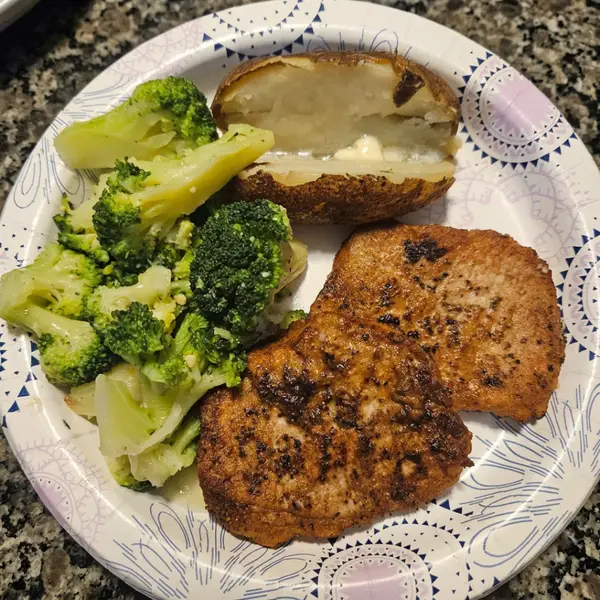
Caroline Moore — Ceylon Cinnamon 7200mg Equivalent with MCT Oil
WinningImage

Ceylon Cinnamon 7200mg Equivalent with MCT Oil

I'm so fu*king frustrated. I lost 140 pounds and gained it all back. I'm 63. Type 2 diabetic for eleven years. And until about a year ago I genuinely believed the problem was me. Let me list them, because I think you'll recognize your own list in mine. Weight Watchers in my forties. Lost thirty-two. Had it all back inside a year. Atkins at 51. Lost twenty-six. Back by the following Christmas. The eighteen months I weighed chicken breasts on a kitchen scale and logged every almond in an app. Lost thirty-eight. That one held the longest. Nineteen months. Then it came back too. Keto at 58. Lost twenty-two, gave back twenty-five, which is its own special kind of insult. Then Ozempic at 61, and Mounjaro after that when the Ozempic stopped doing much. Lost forty-one pounds over fourteen months. Regained twenty-nine of them in under eight. Five rounds. Five regains. And in between every single one of them, the cravings. That's the part nobody puts in the before and after photos. The 4 PM feeling where you are not hungry, you have eaten lunch, and your body is still telling you to go find something sweet with a voice you cannot argue with. Standing in the pantry at 9:30 at night with the door open, not choosing anything, just standing there. Getting into the car after work and knowing you're going to stop somewhere, and being angry about it before you've even pulled out of the lot. I thought that was weakness. Eleven years, I thought that was a character flaw. I want to tell you what it actually was, because when someone finally explained it to me at 62 years old I sat in my kitchen and cried, and not out of sadness. It was relief. It was the relief of finding out I had not been failing at something for two decades. Here's the whole thing, in plain language. Sugar in your blood is not supposed to stay in your blood. It's supposed to go into your cells and get burned for energy. That's what food is for. To get in, it has to go through a door. Every cell in your body has these doors on its surface. Scientists call them GLUT4 transporters, but doors is close enough. Insulin is the knock. When you eat, your pancreas sends out insulin, insulin knocks, the doors open, the sugar goes in, and you feel fed and steady. Insulin resistance is what happens when those doors stop answering the knock. That's it. That's the whole disease. The doors quit responding. So your pancreas knocks louder. It sends out more insulin. Then more. The doors still don't open. Now you've got sugar sitting in your blood with nowhere to go, and a body swimming in insulin trying to force a door that won't budge. Now think about what that does to a person day to day. Your cells are not getting fed. So your body does the only thing it knows how to do when cells go hungry. It tells you to eat. That is the 4 PM feeling. That is the pantry at 9:30. Your cells are starving in a bloodstream full of sugar, and they are screaming at you to bring more food, and no amount of willpower talks a starving cell out of asking. And all that extra insulin? Insulin's other job is storage. It's the hormone that tells your body to put fat away and keep it there. So you're walking around with a storage signal running at full volume, all day, every day. Which means the diet was never the problem. You can cut calories to nothing. You can lose the forty pounds. I did it five times and I have the photos. But if the doors never opened, you have changed nothing about the machine. You have just starved a body that was already telling you it was starving. And the second you stop, the same broken doors and the same flood of insulin are still there, still storing, still screaming for food. That's why it always came back. Every time. You can turn the faucet down as far as you want. If the drain is clogged, the water does not go anywhere. Nobody ever told me this. Eleven years of appointments. Twice a year. Metformin scripts. An A1C printed on a sheet of paper and handed to me. Not once did anyone sit down and explain that the reason I could not stop eating at 4 PM was that my cells could not get fed. Now let me tell you about the shots, because that was round five, and it was the most expensive lesson of the five by a wide margin. The shots work on your stomach and your appetite. They slow how fast your stomach empties and quiet the part of your brain that asks for food. So you eat less, and the scale goes down, and it goes down fast. They do not open the doors. Not one of them. Not Ozempic, not Wegovy, not Mounjaro, not Zepbound. They are a very effective, very expensive way to eat less. Which is exactly what my kitchen scale was, at four dollars. Here's what I paid for that. The first four months my insurance covered part of it and I was out around two hundred a month. Then they reclassified my coverage and I was paying the full retail. Between eleven hundred and thirteen hundred dollars a month depending on the pharmacy, for ten more months. I added it up once at the kitchen table with a calculator and my husband sitting across from me. Just over fifteen thousand dollars. And the nausea. Fourteen months of a stomach that never settled. I stopped eating dinner with my husband for a stretch because I couldn't predict which nights I'd have to get up from the table. The cravings came back the day I stopped. Not gradually. Immediately. Because the shot had been sitting on top of them like a hand over a mouth, and the second the hand came off, the mouth was still there. Twenty-nine pounds back in eight months. And my A1C, which had been 6.4 while I was on it, was 7.3 eight months after I stopped. Higher than before I ever started. I sat with that number for a long time. Because that's when I found out the thing about the shots that nobody had said to me, and I think it's the most important thing in this entire letter. Roughly forty percent of the weight I lost on those injections was not fat. It was muscle. People talk about this in terms of your face. Ozempic face. The hollowing at the temples. I have a photo from my niece's wedding at 62 where I looked ten years older than I had at 61, and I remember thinking I'd earned it somehow. But the face is not the problem. The face is a symptom. The problem is that your muscle is where the doors are. The overwhelming majority of those GLUT4 doors, the ones that have to open for sugar to leave your blood, live in skeletal muscle. That's where sugar goes. Muscle is not decoration. It is the disposal system. So a drug that strips muscle off a sixty-three year old diabetic woman is not just taking her face. It is taking her doors. You come off the shot with less capacity to handle sugar than you had going in. That is why my A1C came back higher instead of the same. I spent fifteen thousand dollars and fourteen months making my insulin resistance worse while the scale told me I was winning. Five rounds. Five regains. And the last one left me worse off than it found me. So when I finally went looking, I was not looking for another way to eat less. I had done eat less. I was very good at eat less. I was looking for the doors. What I found was true Ceylon cinnamon. Not the jar in the spice aisle. I'll get to why that distinction matters, because it's the reason most people reading this have already tried cinnamon and gotten nothing. There are three compounds in it that do three different things. The first is called MHCP. Methylhydroxy chalcone polymer. It behaves like insulin at the cell surface. It signals dormant doors to start responding again. It isn't forcing sugar down. It's opening the way out. The second is a group called Type-A polymers, which switch on a pathway inside the cell running from LKB1 to AMPK to GLUT4. AMPK is the switch your body flips during exercise. It's the signal that tells cells to pull sugar in and burn it. In a body that's been insulin resistant for a decade, that switch has gone quiet and stayed quiet. The third is cinnamaldehyde, the compound that gives cinnamon its smell. It supports the lining of the vessels that have been ground down by years of sugar circulating with nowhere to go. Three compounds. One plant. The trial that got my attention ran in 2003 in Diabetes Care, which is the American Diabetes Association's own journal. Real Type 2 patients. Fasting glucose down as much as 29 percent. A 2024 meta-analysis pulled twenty-eight randomized trials across more than three thousand people and found the same direction of effect. Published in their own journal. Twenty years ago. Nobody mentioned it in eleven years of appointments. Now here's the catch, and this is the part I need you to actually read. Three things have to be right, and almost nothing on the shelf gets all three. First, the species. What's in the spice aisle and in most supplement capsules is Cassia. A different tree, mostly from China and Indonesia. It's cheap and it smells identical. It does not do what the research describes. And it carries coumarin, which stresses the liver at daily supplement doses. Real Ceylon is Cinnamomum verum, and it's a small fraction of the world's supply. Second, the concentration. The trials used clinical amounts. A spoonful in your oatmeal is not that. It isn't close. Third, and this is the one that ruins almost everything on the market, the delivery. The active compounds are fat soluble. Put them in a dry powder capsule and they pass right through you. You buy them, you swallow them, they leave. That third one is why I bought cinnamon capsules at a health food store in 2019, took them for two months, felt nothing, and decided the whole idea was nonsense. Metabolae was the only one I found that solved all three. True Ceylon from Sri Lanka, DNA verified for species. A 12 to 1 concentrated extract, 7,200 milligrams equivalent in a single softgel. Suspended in organic MCT oil, so the fat soluble compounds have something to ride in on. Third party tested. Coumarin free. It comes in resealable bags instead of bottles, which confused me at first until I realized they weren't charging me for glass. Founder's a man named Cristian. Around 88,000 customers now. One softgel with breakfast. That's the whole protocol. Under fifty cents a day, against eleven hundred a month. Here's what happened, and I'm including the part where I nearly quit. Week one, nothing. I want to say that plainly because I think people lie about this part. No surge. No appetite switch flipping off like day three on the shot. Cinnamon doesn't announce itself. I took a softgel with my eggs and went to work. Week two, the afternoon crash started lifting. That 3 PM wall I'd been walking into since my fifties. I got to Thursday and realized I hadn't fallen asleep in the recliner once that week. Week three is where I almost threw the bag out. Down two pounds. Two. After three weeks. On Mounjaro I'd have been down nine by then. I sat on the edge of the tub after the Saturday weigh-in and thought, well, there it is again, round six. My husband said the thing that kept me on it. He said, You lost forty on the shot and gave back twenty-nine. What did the fast version actually buy you. Week four is when I noticed the pantry. I walked past it at night and did not open the door. I didn't decide not to. I just wasn't pulled. Down six pounds. That was the first thing in twenty years that made me think something underneath had actually changed. Not because of the scale. Because of the pantry. Week six. Fasting glucose 108 on a Tuesday morning. It had been sitting at 141 the month before. Down eleven pounds. Week eight. Fourteen pounds down. And I looked in the bathroom mirror and my face was still my face. Full at the cheeks. Nothing hollowed out. The weight was leaving my middle and leaving the rest of me alone. That had never happened on the shot. On the shot everything went at once, and the first thing to go was always the part I wanted to keep. Week twelve, full panel. A1C 5.9, down from 7.3. Fasting glucose averaging 97 across two weeks of morning tests. Nineteen pounds down. Four inches off my waist. My doctor scrolled the chart twice and said, Caroline, what are you doing. I told him the whole thing, and he listened all the way through without interrupting, which he had not done once in eleven years. Then he said, I wasn't trained on this. But I'd like to see the next panel before we talk about your Metformin. Month nine. Thirty-four pounds down. Zero regained. I've never written that sentence before. Five times I lost weight and five times I had to write the other sentence. And I know why it's different now, and it isn't willpower, because I have the same willpower I had at 43 and it was never enough then. It's that the drain is open. The sugar is going where it's supposed to go. My cells are getting fed, so they stopped screaming at me at 4 PM. I'm not holding a door shut against cravings. There's nothing pushing on the other side of it. Every one of those five diets turned the faucet down. Not one of them touched the clog. If you're a diabetic woman over sixty and you have your own list, and every item on it worked and then stopped working, I need you to hear one thing. It was never you. It was never discipline. The doors were closed the entire time and nobody told you they existed. You do not need a sixth way to eat less. You have already proven you can eat less. You've done it five times. You need the doors open. Metabolae is one softgel with breakfast. Ninety day money back guarantee, which means the only thing you stand to lose is the weight. Five times managed. Once, finally, improving. -- Caroline M." Caroline_M_Script.txt "I'm so fu*king frustrated. I lost 140 pounds and gained it all back. I'm 63. Type 2 diabetic for eleven years. And until about a year ago I genuinely believed the problem was me. Let me list them, because I think you'll recognize your own list in mine. Weight Watchers in my forties. Lost thirty-two. Had it all back inside a year. Atkins at 51. Lost twenty-six. Back by the following Christmas. The eighteen months I weighed chicken breasts on a kitchen scale and logged every almond in an app. Lost thirty-eight. That one held the longest. Nineteen months. Then it came back too. Keto at 58. Lost twenty-two, gave back twenty-five, which is its own special kind of insult. Then Ozempic at 61, and Mounjaro after that when the Ozempic stopped doing much. Lost forty-one pounds over fourteen months. Regained twenty-nine of them in under eight. Five rounds. Five regains. And in between every single one of them, the cravings. That's the part nobody puts in the before and after photos. The 4 PM feeling where you are not hungry, you have eaten lunch, and your body is still telling you to go find something sweet with a voice you cannot argue with. Standing in the pantry at 9:30 at night with the door open, not choosing anything, just standing there. Getting into the car after work and knowing you're going to stop somewhere, and being angry about it before you've even pulled out of the lot. I thought that was weakness. Eleven years, I thought that was a character flaw. I want to tell you what it actually was, because when someone finally explained it to me at 62 years old I sat in my kitchen and cried, and not out of sadness. It was relief. It was the relief of finding out I had not been failing at something for two decades. Here's the whole thing, in plain language. Sugar in your blood is not supposed to stay in your blood. It's supposed to go into your cells and get burned for energy. That's what food is for. To get in, it has to go through a door. Every cell in your body has these doors on its surface. Scientists call them GLUT4 transporters, but doors is close enough. Insulin is the knock. When you eat, your pancreas sends out insulin, insulin knocks, the doors open, the sugar goes in, and you feel fed and steady. Insulin resistance is what happens when those doors stop answering the knock. That's it. That's the whole disease. The doors quit responding. So your pancreas knocks louder. It sends out more insulin. Then more. The doors still don't open. Now you've got sugar sitting in your blood with nowhere to go, and a body swimming in insulin trying to force a door that won't budge. Now think about what that does to a person day to day. Your cells are not getting fed. So your body does the only thing it knows how to do when cells go hungry. It tells you to eat. That is the 4 PM feeling. That is the pantry at 9:30. Your cells are starving in a bloodstream full of sugar, and they are screaming at you to bring more food, and no amount of willpower talks a starving cell out of asking. And all that extra insulin? Insulin's other job is storage. It's the hormone that tells your body to put fat away and keep it there. So you're walking around with a storage signal running at full volume, all day, every day. Which means the diet was never the problem. You can cut calories to nothing. You can lose the forty pounds. I did it five times and I have the photos. But if the doors never opened, you have changed nothing about the machine. You have just starved a body that was already telling you it was starving. And the second you stop, the same broken doors and the same flood of insulin are still there, still storing, still screaming for food. That's why it always came back. Every time. You can turn the faucet down as far as you want. If the drain is clogged, the water does not go anywhere. Nobody ever told me this. Eleven years of appointments. Twice a year. Metformin scripts. An A1C printed on a sheet of paper and handed to me. Not once did anyone sit down and explain that the reason I could not stop eating at 4 PM was that my cells could not get fed. Now let me tell you about the shots, because that was round five, and it was the most expensive lesson of the five by a wide margin. The shots work on your stomach and your appetite. They slow how fast your stomach empties and quiet the part of your brain that asks for food. So you eat less, and the scale goes down, and it goes down fast. They do not open the doors. Not one of them. Not Ozempic, not Wegovy, not Mounjaro, not Zepbound. They are a very effective, very expensive way to eat less. Which is exactly what my kitchen scale was, at four dollars. Here's what I paid for that. The first four months my insurance covered part of it and I was out around two hundred a month. Then they reclassified my coverage and I was paying the full retail. Between eleven hundred and thirteen hundred dollars a month depending on the pharmacy, for ten more months. I added it up once at the kitchen table with a calculator and my husband sitting across from me. Just over fifteen thousand dollars. And the nausea. Fourteen months of a stomach that never settled. I stopped eating dinner with my husband for a stretch because I couldn't predict which nights I'd have to get up from the table. The cravings came back the day I stopped. Not gradually. Immediately. Because the shot had been sitting on top of them like a hand over a mouth, and the second the hand came off, the mouth was still there. Twenty-nine pounds back in eight months. And my A1C, which had been 6.4 while I was on it, was 7.3 eight months after I stopped. Higher than before I ever started. I sat with that number for a long time. Because that's when I found out the thing about the shots that nobody had said to me, and I think it's the most important thing in this entire letter. Roughly forty percent of the weight I lost on those injections was not fat. It was muscle. People talk about this in terms of your face. Ozempic face. The hollowing at the temples. I have a photo from my niece's wedding at 62 where I looked ten years older than I had at 61, and I remember thinking I'd earned it somehow. But the face is not the problem. The face is a symptom. The problem is that your muscle is where the doors are. The overwhelming majority of those GLUT4 doors, the ones that have to open for sugar to leave your blood, live in skeletal muscle. That's where sugar goes. Muscle is not decoration. It is the disposal system. So a drug that strips muscle off a sixty-three year old diabetic woman is not just taking her face. It is taking her doors. You come off the shot with less capacity to handle sugar than you had going in. That is why my A1C came back higher instead of the same. I spent fifteen thousand dollars and fourteen months making my insulin resistance worse while the scale told me I was winning. Five rounds. Five regains. And the last one left me worse off than it found me. So when I finally went looking, I was not looking for another way to eat less. I had done eat less. I was very good at eat less. I was looking for the doors. What I found was true Ceylon cinnamon. Not the jar in the spice aisle. I'll get to why that distinction matters, because it's the reason most people reading this have already tried cinnamon and gotten nothing. There are three compounds in it that do three different things. The first is called MHCP. Methylhydroxy chalcone polymer. It behaves like insulin at the cell surface. It signals dormant doors to start responding again. It isn't forcing sugar down. It's opening the way out. The second is a group called Type-A polymers, which switch on a pathway inside the cell running from LKB1 to AMPK to GLUT4. AMPK is the switch your body flips during exercise. It's the signal that tells cells to pull sugar in and burn it. In a body that's been insulin resistant for a decade, that switch has gone quiet and stayed quiet. The third is cinnamaldehyde, the compound that gives cinnamon its smell. It supports the lining of the vessels that have been ground down by years of sugar circulating with nowhere to go. Three compounds. One plant. The trial that got my attention ran in 2003 in Diabetes Care, which is the American Diabetes Association's own journal. Real Type 2 patients. Fasting glucose down as much as 29 percent. A 2024 meta-analysis pulled twenty-eight randomized trials across more than three thousand people and found the same direction of effect. Published in their own journal. Twenty years ago. Nobody mentioned it in eleven years of appointments. Now here's the catch, and this is the part I need you to actually read. Three things have to be right, and almost nothing on the shelf gets all three. First, the species. What's in the spice aisle and in most supplement capsules is Cassia. A different tree, mostly from China and Indonesia. It's cheap and it smells identical. It does not do what the research describes. And it carries coumarin, which stresses the liver at daily supplement doses. Real Ceylon is Cinnamomum verum, and it's a small fraction of the world's supply. Second, the concentration. The trials used clinical amounts. A spoonful in your oatmeal is not that. It isn't close. Third, and this is the one that ruins almost everything on the market, the delivery. The active compounds are fat soluble. Put them in a dry powder capsule and they pass right through you. You buy them, you swallow them, they leave. That third one is why I bought cinnamon capsules at a health food store in 2019, took them for two months, felt nothing, and decided the whole idea was nonsense. Metabolae was the only one I found that solved all three. True Ceylon from Sri Lanka, DNA verified for species. A 12 to 1 concentrated extract, 7,200 milligrams equivalent in a single softgel. Suspended in organic MCT oil, so the fat soluble compounds have something to ride in on. Third party tested. Coumarin free. It comes in resealable bags instead of bottles, which confused me at first until I realized they weren't charging me for glass. Founder's a man named Cristian. Around 88,000 customers now. One softgel with breakfast. That's the whole protocol. Under fifty cents a day, against eleven hundred a month. Here's what happened, and I'm including the part where I nearly quit. Week one, nothing. I want to say that plainly because I think people lie about this part. No surge. No appetite switch flipping off like day three on the shot. Cinnamon doesn't announce itself. I took a softgel with my eggs and went to work. Week two, the afternoon crash started lifting. That 3 PM wall I'd been walking into since my fifties. I got to Thursday and realized I hadn't fallen asleep in the recliner once that week. Week three is where I almost threw the bag out. Down two pounds. Two. After three weeks. On Mounjaro I'd have been down nine by then. I sat on the edge of the tub after the Saturday weigh-in and thought, well, there it is again, round six. My husband said the thing that kept me on it. He said, You lost forty on the shot and gave back twenty-nine. What did the fast version actually buy you. Week four is when I noticed the pantry. I walked past it at night and did not open the door. I didn't decide not to. I just wasn't pulled. Down six pounds. That was the first thing in twenty years that made me think something underneath had actually changed. Not because of the scale. Because of the pantry. Week six. Fasting glucose 108 on a Tuesday morning. It had been sitting at 141 the month before. Down eleven pounds. Week eight. Fourteen pounds down. And I looked in the bathroom mirror and my face was still my face. Full at the cheeks. Nothing hollowed out. The weight was leaving my middle and leaving the rest of me alone. That had never happened on the shot. On the shot everything went at once, and the first thing to go was always the part I wanted to keep. Week twelve, full panel. A1C 5.9, down from 7.3. Fasting glucose averaging 97 across two weeks of morning tests. Nineteen pounds down. Four inches off my waist. My doctor scrolled the chart twice and said, Caroline, what are you doing. I told him the whole thing, and he listened all the way through without interrupting, which he had not done once in eleven years. Then he said, I wasn't trained on this. But I'd like to see the next panel before we talk about your Metformin. Month nine. Thirty-four pounds down. Zero regained. I've never written that sentence before. Five times I lost weight and five times I had to write the other sentence. And I know why it's different now, and it isn't willpower, because I have the same willpower I had at 43 and it was never enough then. It's that the drain is open. The sugar is going where it's supposed to go. My cells are getting fed, so they stopped screaming at me at 4 PM. I'm not holding a door shut against cravings. There's nothing pushing on the other side of it. Every one of those five diets turned the faucet down. Not one of them touched the clog. If you're a diabetic woman over sixty and you have your own list, and every item on it worked and then stopped working, I need you to hear one thing. It was never you. It was never discipline. The doors were closed the entire time and nobody told you they existed. You do not need a sixth way to eat less. You have already proven you can eat less. You've done it five times. You need the doors open. Metabolae is one softgel with breakfast. Ninety day money back guarantee, which means the only thing you stand to lose is the weight. Five times managed. Once, finally, improving. -- Caroline M.

Loading the ad's image
Caroline Moore — Ceylon Cinnamon 7200mg Equivalent with MCT Oil
WinningImage

Ceylon Cinnamon 7200mg Equivalent with MCT Oil

Please don't buy this cinnamon. I was diagnosed with type 2 six months ago. A1C 7.1. Here's what happened when I took Metabolae for 30 days . I'm Caroline Moore. I've been a diabetes educator for 22 years. I teach type 2 patients how to check their glucose, count their carbs, take their metformin, and accept that they'll be on the meds for the rest of their lives. Six months ago I sat in an exam room and heard my own doctor say the same words I've said to hundreds of patients. Your A1C came back at 7.1. We're going to start you on metformin. This is manageable. She handed me the prescription. I filled it. The bottle has been sitting on my counter, unopened, for six months. I couldn't do it. Not yet. I've spent 22 years watching type 2 patients follow every instruction and watch their numbers climb anyway. Metformin at 40. Blood pressure medication at 44. Statin at 47. By 55 they're on four drugs and their kidneys are starting to slip. I know the trajectory. I teach the trajectory. I wasn't ready to walk it. A colleague at a continuing education conference mentioned Metabolae. She said her mother's A1C dropped a full point in ninety days. Ceylon cinnamon, not Cassia. Concentrated 12:1 and suspended in MCT oil so it actually absorbs. I'd heard the cinnamon claims for years and dismissed them all — because every study I'd read used a specific species, dose, and delivery that no supplement on Amazon was actually shipping. I figured I had nothing to lose. The metformin bottle would still be on the counter if this didn't work. Day 1: One softgel with breakfast. Didn't expect anything. Day 3: I checked my fasting glucose. 156. Not what I wanted but 20 points below my usual morning read of 178. Tested again. 154. I didn't say anything to my husband. Day 5: 148. Three days in a row under 160. That hadn't happened since the diagnosis. Day 7: I slept through the night. First time in months. I'd blamed the diagnosis stress. Turns out it was the 3am cortisol spike from a liver still overproducing glucose. Nobody told me that in any of my training. Day 10: 138. I stopped dreading my morning finger pricks. For 22 years I've told patients the meter is not a report card. This week I finally believed it about my own. Day 14: The afternoon crashes stopped. The 2pm wall I'd been coffee-medicating my way through disappeared. Steady all day. Day 17: My cravings loosened. The bread-and-sugar pull I've been telling patients was normal for insulin resistance — gone. Not managed. Gone. Day 21: Fasting glucose 118. I tested twice. My husband was watching. He didn't say anything. He just put his hand on my shoulder. He's been carrying the diagnosis with me for six months. Day 24: I ate pasta for dinner. Real pasta. With bread. First time since the diagnosis. Tested two hours later expecting the worst. 132. That used to be my fasting. Day 27: Slept through the night again. Every night that week. Day 30: Fasting glucose 108. I sat on the edge of the bed and stared at the meter. Six months ago I was 178. Today I was 108. 108. My husband came in and saw my face. What's wrong? I showed him the meter. He started crying. Six weeks after I started, I went back for bloodwork. A1C came back at 5.6. She pulled up my chart. Looked at me. What did you change? I told her about Metabolae. About the species, the dose, the MCT oil suspension. She made a note. Then she said something I wasn't expecting. Whatever this is, keep doing it. We're going to want to reconsider what we called this at your next appointment. The metformin bottle is still sitting on my counter. Unopened. Six months old. I'm furious. I'm furious because I've spent 22 years teaching patients that type 2 is a management condition. That metformin is for life. That the number is the enemy and the meter is the report card. And nobody at any conference in any of those years told me about the species, the dose, the delivery. Here's what I learned. Most cinnamon supplements aren't Ceylon. They're Cassia — a different species with up to 250 times more coumarin, which can damage the liver at supplement doses. The clinical studies that showed real blood sugar benefits used true Ceylon cinnamon. Cinnamomum verum. Most are underdosed. The studies used concentrated extract equivalent to 6,000-7,200mg daily. Most capsules have 500-1,500mg of powder. Most use dry powder that doesn't absorb. Cinnamon's active compounds are fat-soluble. Without a fat carrier they pass right through you. That's why Metabolae is suspended in MCT oil. True Ceylon. 7,200mg equivalent. MCT oil suspension. Third-party tested. GMP certified. 90-day money-back guarantee. If your numbers don't move, you pay nothing. No hassle. No paperwork. One softgel with breakfast. That's all I did. So don't buy it. There will be more for me. Hopefully they don't sell out again — the buy two get one free deal is what got me here, and I'd like it to still be there when I reorder. If your A1C just crossed the line. If your doctor just handed you a prescription. If the bottle is sitting on your counter and you're not ready to open it. If you were told this is manageable and something in you refuses to accept that management is the whole story. Try this. Track your fasting glucose every morning. Give it 30 days. I went from 7.1 to 5.6. From newly diagnosed to my doctor asking to reconsider the diagnosis. The metformin bottle is still unopened. ~ Caroline Moore

Loading the ad's image
Caroline Moore — Ceylon Cinnamon 7200mg Equivalent with MCT Oil
PromisingImage

Ceylon Cinnamon 7200mg Equivalent with MCT Oil

I took care of my 88-year-old neighbor for his inheritance, but he left me nothing. The next morning, his lawyer knocked and said, "Actually, he left you ONE THING." His name was John Roover. Everyone on the block called him Mr. Roover and nobody called him John except the mailman, and he didn't like the mailman. I was 20. Just aged out of foster care. No family. No one. I'd been renting the basement apartment in the duplex next to his house for two months when he knocked on my door on a Saturday morning and said: "You. The tall one. My rain gutters are full of leaves and I'm not climbing a ladder at my age. I'll pay you fifty dollars." That was the beginning. He didn't need a caretaker. He needed someone to do the things his body wouldn't let him do anymore, gutters, storm windows, the heavy bags of salt for the water softener. He was sharp. Funny in a way that took you off guard because he'd say something devastating with a completely straight face and then go back to watching his TV like nothing happened. One afternoon he watched me fix a running toilet in his upstairs bathroom and said: "You've got a knack for plumbing. Somebody should've taught you young." Nobody had ever said a thing like that to me. Nobody had ever looked at the one thing I was good at and given it a name. He insisted on cooking me dinner every Monday and Wednesday. I told him he didn't have to do that. He told me he wasn't asking. The food was terrible. He knew it. I knew it. He'd set a plate in front of me with the confidence of a five-star chef and I'd take a bite and he'd watch my face and we'd both start laughing. Every time. He never got better at cooking and I never stopped showing up. "You eat like a boy who raised himself," he said once, watching me microwave a gas station burrito through his kitchen window. "Come over at six. Bring nothing. Don't be late." I came over at six. I brought nothing. I wasn't late. For five years. Every Monday and Wednesday. Overcooked pasta. Burnt garlic bread. A red sauce he said was Helen's recipe but he'd forgotten so many of the steps that Helen wouldn't recognize it anymore. He talked about Helen sometimes, his wife. Dead eleven years by the time I met him. The sugar took her at seventy-three. He kept her photo on the mantle and her gardening gloves by the back door and her reading glasses on the side table next to her chair and he never moved any of them in the five years I knew him. I sorted his pills every Sunday night. The plastic Monday-through-Sunday organizer, the six prescriptions, the calcium supplement he took with dinner. I'd sit at his kitchen table on Sunday evenings and fill the little compartments while he told me stories about the neighborhood, about Helen, about the world. He watched me. I didn't know how carefully. I thought the arrangement was simple. He needed help. I needed something I couldn't name. He gave me fifty dollars for the gutters and what he really gave me was a kitchen table to sit at and a person who expected me to show up. In six years in the foster system nobody ever expected me to show up. Mr. Roover expected it. And not showing up was not an option. "Marcus. You're three minutes late." "I was—" "You were across the street. I watched you sit in your car for four minutes looking at your phone. Come in. The pasta is getting cold." It was on one of those Sunday evenings that I told him the one thing I knew about the family that gave me up. That the men in it had the sugar, and it took them young. My father. His father before him. I didn't know much else about them, not a face, not a town, not a reason. But I knew that. He didn't say anything for a long moment. Just set down the pill he was holding and looked at me. "Helen's doctor told her her numbers were perfect," he said. "Right up until they took her foot." He picked the pill back up. Put it in the compartment. Didn't say another word about it that night. I didn't think anything of it. I didn't know he was already turning it over. He was the closest thing to a father I'd ever had. I didn't say that to him. I think he knew. He got sick fast. The kind of fast that doesn't give you time to prepare. Three weeks from normal to gone. I drove him to the hospital. I sat in the waiting room. I went home and sorted his pills into the organizer even though he wasn't there to take them because I didn't know what else to do with my hands. He died on a Wednesday. One of our dinner nights. I found out about the will from his lawyer. He called me and said there'd be a reading. That I was invited. He said it in a way that made me think being invited meant something. The lawyer's office was small. Wood paneling. A conference table that seated eight. I sat at the end. There were four of us. Me. A man from the church, Mr. Roover had been a member for forty years. A representative from a children's charity. And a man I'd never seen before, mid-forties, wearing a gray blazer and checking his phone. The lawyer opened the folder. The house, a three-bedroom colonial Mr. Roover and Helen had owned since 1974, went to the children's charity. To be sold, proceeds to the organization. The savings account, I didn't know how much, the lawyer didn't say, went to the church. All of it. Building fund. The watch collection, Helen's father's pocket watch, a set of cufflinks Mr. Roover wore to church every Sunday, two pieces I'd seen in the wooden box on his dresser, went to the man in the gray blazer. A great-nephew. I learned later he'd visited twice in five years. Once at Christmas. Once when Mr. Roover was already in the hospital. That was it. The lawyer closed the folder. The church man shook his hand. The great-nephew signed something and left without looking at me. I sat there. Five years. Every gutter. Every storm window. Every bag of salt. Every Monday and Wednesday. Every Sunday evening sorting pills at his kitchen table while he told me about Helen. Nothing. Not a sentence. Not a mention. Not my name anywhere in the document. I drove home with my hands tight on the wheel and my jaw clenched and I told myself I didn't do it for the money. I told myself it wasn't about that. And it wasn't about the money, it was about the fact that he didn't think of me at all. Five years of showing up and he walked out of this life without putting my name on a single piece of paper. I sat in my apartment that night and I was twenty-five years old and I had no one again. The knock came at 8:15 the next morning. His lawyer. Standing on my doorstep in a coat and tie, holding something under his arm. A dented metal lunchbox. Green. The paint chipped at the corners. The kind of lunchbox a man would carry to a factory in 1968. "Mr. Roover left specific instructions," he said. "This was to be delivered to you separately. Not at the reading. The morning after." He held it out. "He was very clear about the timing." I took it. It was heavier than it looked. "There's a letter inside," he said. "And a key. He asked that I tell you the key opens a safe deposit box at Union Trust on Archer Street. Box 3028. He added your name to the access list six months ago." He paused. "He also asked me to tell you, and these are his words, 'He's going to be angry. Tell him to read the letter before he does anything stupid with the key.'" That sounded exactly like him. I closed the door. Set the lunchbox on my kitchen table. Sat down and stared at it. I didn't open it. I was too angry. Too raw. I'd spent the night convincing myself I meant nothing to him, and now here was this object, Helen's lunchbox, I recognized it from a photo on his mantle, with a letter inside that I didn't want to read because what if it made it worse? What if it was an apology? What if it was an explanation that didn't explain anything? I picked it up. Carried it to the closet in my hallway. Set it on the top shelf behind a box of winter clothes. Closed the door. I was twenty-five. I was grieving. I was angry at a dead man for not loving me the way I thought he did. I didn't open that lunchbox for twenty-six years. I'm fifty-one now. Sitting in a paper gown on an exam table. The paper crinkles every time I shift my weight. Dr. Brennan pulls up my bloodwork on his laptop. Turns the screen toward me. "Marcus, your A1C is 6.9. Your fasting glucose is 146. That's well into the range where we need to act." "What does that mean?" "It means we need to have a conversation about medication. I'd like to start you on M*tformin. Five hundred milligrams twice daily. It's the gold standard for —" "No." The word came out before I'd thought about it. He looked at me. "Marcus, this is a straightforward —" "I said no. Not yet. Give me time." He leaned back. Put his hands on his knees. "I can give you ninety days. But if these numbers don't improve, we're having this conversation again. And next time I'm going to be less flexible." I drove home. Sat on the edge of my bed. My hands were shaking and I didn't know why. I knew the signs, even if I hadn't named them yet. The heavy crash after lunch that hit like someone had unplugged me, I'd started eating at my desk just so nobody would see me fade. The mornings my hands trembled before breakfast, a fine shake I could only see when I held them flat over the table. The strange numbness creeping into my toes I'd been blaming on new work boots. The feeling of never knowing which direction my body would go, foggy and dragging by three o'clock, then wide awake at two in the morning with my heart racing and my shirt damp. My body couldn't decide what to do with the sugar it had, and I couldn't predict it from one hour to the next. Something about the word, M*tformin. Something about the way he'd said it. Gold standard. Take this. Trust me. And then it hit me. Helen. Helen Roover. The photo on the mantle. The gardening gloves by the back door. The sugar took her at seventy-three. Perfect numbers every checkup, Mr. Roover had said. Never missed a dose. The pill bottles I'd seen on his kitchen counter. Helen's bottles. He'd kept some of them even after she died. I remembered now. A brown prescription bottle with Helen's name on it. I couldn't remember the drug name then. But sitting on the edge of my bed at fifty-one, with M*tformin ringing in my ears, I could see the bottle. M*tformin. Helen had been on M*tformin. I got up. Walked to the hallway closet. Reached past the winter coats, past the boxes I'd never unpacked from my last move. Back behind everything. Top shelf. The lunchbox was still there. Dusty. The green paint still chipped. Twenty-six years in a closet. I carried it to the kitchen table. Sat down the same way I used to sit when I sorted his pills. The latch was stiff. I had to work it with my thumbnail. It opened with a click that echoed off the walls. Inside: a sealed envelope, yellowed at the edges. My name on the front in his handwriting, the same handwriting I'd seen on grocery lists and recipe cards for five years. Steady. Precise. The handwriting of a man who'd learned penmanship when penmanship still mattered. And a key. Small. Brass. Taped to an index card that read: Union Trust. Archer Street. Box 3028. I picked up the envelope. Slid my finger under the seal. The paper was dry and it tore unevenly. A stack of pages. His handwriting filling every line. Marcus, If you're reading this, I'm gone. And if you're reading this the morning after the will reading, you're angry. I know you. You're sitting at your kitchen table with your jaw tight and you're thinking I forgot you. I didn't forget you. I could never forget you. You were the best thing that walked into my life after Helen died and I need you to understand that what I left you is worth more than the house or the savings or my father's watch. I left you Helen. Not her things. Her story. The one her doctors never told her. The one I spent the last four months of my life figuring out because it was too late for Helen but it is NOT too late for you. Helen took a pill for her sugar for twelve years. Every morning. Never missed a dose. Her doctor checked her numbers every six months and every six months the number was beautiful. The doctor would smile. Helen would smile. They'd shake hands. See you in six months. They took her foot at sixty-eight. Her number was still beautiful the week they took it. Then a second sore came on the same leg. It didn't heal either. The infection reached the bone, osteomyelitis, the doctor called it, and once it's in the bone there's no antibiotic that reliably clears it. It got into her blood after that, and a few winters later she was gone before the spring. Seventy-three years old. Twelve years of medication. Twelve years of perfect numbers. And they buried my wife with one leg. But the foot wasn't the only thing the pill did to her, Marcus. I want you to understand that. The amputation was the ending. The disease wrote a different story first, for years, while the pill was busy managing a number that was never the actual problem. Year three, Helen started getting tired. Not normal tired. Bone tired. The woman who tended our garden from sunrise to noon couldn't walk to the mailbox without sitting on the porch steps for twenty minutes afterward. I told her doctor. Her doctor said it was age. Year five, the feeling started leaving her feet. She'd get out of bed in the morning and have to stand there, pressing her soles into the cold floor, waiting until she trusted them enough to walk. Then her hands, the hands that could grow anything in that garden. She'd wake up and run hot water over her fists trying to get them to open. The doctor said it was neuropathy. "Common with the diabetes." That was the word he used. Common. Manageable. Year eight, I noticed the fog. Helen would start a sentence and lose the end of it. She'd walk into a room and stand there. She forgot our neighbor's name, a man she'd known for thirty years. I thought it was dementia. I was terrified. Her doctor said it was "age-related cognitive changes." Not the medication. Not the sugar. Never the disease. Always age. I watched my wife disappear in pieces, Marcus. First her energy. Then her feet. Then her hands. Then her mind. Then a sore she never felt begin because by then she couldn't feel her foot at all. Then her leg. Then her life. And the whole time, the number was perfect. For years after she died, I accepted it. Bad luck. Genetics. These things happen. That's what the doctor said. That's what the church said. That's what the world says when someone dies of the thing the medication was supposed to manage. Then I got angry. And when I get angry, I don't yell. I read. I spent four months at the library. At the computer. Printing articles. Talking to a pharmacist at the pharmacy on Eighth Street who was patient enough to explain things to an old man who wouldn't stop asking questions. Here's what I found, Marcus. And I'm going to say it plain because I'm not a scientist and I'm not going to pretend to be: Helen's medication lowered a number. That's what it does. It goes to the liver and tells it to release less sugar into the blood, so the reading drops and the chart looks clean. The doctor is happy. But the number wasn't the disease. The number was just what was floating in her blood that morning. Nobody was watching what the sugar that stayed trapped in her blood between doses was actually doing to her. The pharmacist told me it does two things at once, Marcus, and nobody ever explained either one to Helen. The first thing. That trapped sugar moves through the body with every heartbeat and it chemically attacks the nerve fibers directly. Hardens them. Inflames them. That's the burning, the tingling, the numbness that shows up with nothing touching the skin at all. It's not aging. It's the sugar itself, grinding against the fiber the way sandpaper grinds against wood, wearing down the coating that lets a nerve signal travel at all. The second thing, happening at the exact same time. That same trapped sugar damages the tiny blood vessels feeding those nerves. Stiffens them. Chokes off the oxygen and nutrients the nerve needs just to survive. So the nerve isn't just being attacked directly. It's being starved at the same time, from the outside, by the very vessels that were supposed to be keeping it alive. The pharmacist put it plainly. "Your wife's nerves were being attacked and starved in the same breath. And the medication she was taking never touched either one. It only ever looked at what was floating in her blood that morning." That's why Helen's feet went first. There's a clinical name for the pattern, Marcus. Distal symmetric polyneuropathy. Distal means it starts at the farthest points from the body's center. Symmetric means both sides, both feet, then both hands, at close to the same time. The smallest vessels, feeding the farthest nerves, fail first. That's why it reached her hands next. That's why, by year eight, the same kind of vessel damage had started reaching further in, and her mind went soft at the edges too. I asked the pharmacist what would have actually stopped it. He told me there's a specific compound, found only in real Ceylon cinnamon, called MHCP. Not the cinnamon in your spice cabinet. A completely different plant. MHCP signals the little transport doors on the surface of your cells, the ones that stopped listening to insulin years ago, to open back up. Once they open, the trapped sugar finally has somewhere to go besides grinding through Helen's vessels and nerves. The attack at the source stops. But stopping the attack doesn't undo what's already been damaged, Marcus. That's the second piece almost nobody talks about. There's a second compound in the same plant called cinnamaldehyde. It works directly on the vessel lining that's already been stiffened, supporting it as it heals, so blood and oxygen can reach the starving nerve again. And there's a third, Marcus. The pharmacist said most products, even the honest ones, stop there. But true Ceylon cinnamon has a compound called eugenol too. Eugenol is what boosts something called nerve growth factor, the actual chemical signal a damaged nerve needs to regrow. Not just stop dying. Grow back. I asked him if b*rberine did this. He said no, it only touches the sugar number, same as the pill. Chromium. Same thing. Magnesium alone, the same. Every one of them chasing the number. Not one of them reaching the nerve itself, and not one of them touching the growth factor that lets a nerve come back. He said it plainly. "The medication kept the score. The disease was still eating her." Twelve years of medication. And nobody ever asked whether the nerve itself had what it needed to survive, let alone heal. The pharmacist told me there's something that addresses all three parts at once, and he said it's in the safe deposit box with everything else. I couldn't fit it all in a lunchbox, and I know you, Marcus. If I handed you a folder full of medical studies at twenty-five, you'd throw it in the same closet you're about to throw this lunchbox in. I also put a checklist in the box. The pharmacist helped me write it. Five things to look for when you find the treatment. Five things that matter. Follow it exactly. Don't skip steps. Don't buy the cheap one. Promise me, Marcus. You'll need all of this someday. I know because I watched you, Marcus. When you weren't looking, I saw how tired you were by four in the afternoon. I saw you sit down on my porch steps after carrying the salt bags and not get up for five minutes. I saw you eat like a man who doesn't know what food does to him and doesn't think he needs to care. I noticed the things you didn't want me to notice because that's what I do. That's what I did with Helen for thirty-eight years and I wasn't fast enough. I won't make that mistake twice. When your doctor says the word "M*tformin," and he will, someday, open the box. Read what I found. And then decide for yourself. Helen trusted her doctor. I trusted her doctor. We were all trusting the wrong thing. Don't trust the number, Marcus. Ask what the sugar is doing to your nerves. That's the question that would have saved Helen's life. I won't let it go unasked for yours. I love you like you were my own. John I read it three times. Then I put my head on the kitchen table and I cried. Not the angry crying from the night before. A different kind. The kind that comes when you realize someone saw you, really saw you, and you didn't know it. The kind that comes twenty-six years too late. He hadn't forgotten me. He'd been watching me the entire time. The way he watched Helen. The way he watched everything, quiet, careful, noticing the things no one else noticed. He saw how tired I was. He saw me sit on his porch steps and not get up. He saw a pattern he recognized because he'd watched it destroy his wife, and he spent his last months alive trying to make sure it didn't destroy me. And he was right. Twenty-five years later, sitting at my own kitchen table with an A1C of 6.8 and a doctor pushing the same pill that failed Helen, he was right about all of it. I drove to Union Trust the next morning. Hadn't been inside a bank in years. Showed my ID. They looked up the box. My name was there, just like the lawyer said. Added six months before he died. The safe deposit box was small. Inside it was a manila folder, thick, held shut with a rubber band that snapped when I tried to slide it off. Studies. Printed from medical journals. Some highlighted in yellow, some in pink. Margin notes in his handwriting, the same steady hand as the letter, but smaller, more cramped, as if he was running out of time and trying to fit more on each page. And paper-clipped to the inside of the folder, a single index card. His handwriting. Block letters. Underlined twice at the top: CURTIS — FOLLOW THIS. DO NOT SKIP STEPS. Must be verified true Ceylon. Cinnamomum verum. DNA-tested at the species level. Not cassia. Not a "cinnamon blend." Must be concentrated to at least 12 to 1. The equivalent of 6,000 to 7,200 milligrams of raw bark per serving. Not a sprinkle. Not a token amount. Must be suspended in a real fat, like MCT oil. The active compounds are fat-soluble. A dry capsule will not carry them anywhere. Must publish a Certificate of Analysis. Species verification. Potency. Coumarin and heavy metal screening. If they won't show you, don't buy it. Must contain the eugenol too, not just the sugar-clearing compound. Eugenol is what lets a damaged nerve actually grow back. Most products leave it out entirely. Don't trust the reviews. Trust the lab results. That was Mr. Roover. Even from the grave, he was handing me a checklist and telling me not to come back with the wrong thing. I set the checklist on the passenger seat and started reading the studies. The first printout was from the ADA's own journal, Diabetes Care. He'd highlighted a section and written next to it: "THIS. This is what happened to Helen." I had to put the folder down before I finished the first page. The studies described what the letter only hinted at. Trapped sugar attacking nerve fibers directly, the coating that lets a signal travel worn thin like sandpaper on wood. Damaging the small vessels feeding those same fibers, starving them of blood at the exact same time they were being chemically attacked. Once the fiber's coating is gone, the signal dies. That's the numb feet. That's the hands that can't feel. That's the wound you never notice forming because the nerve that was supposed to tell you is already gone. Helen's feet at year five. Her hands. The sore she never felt. All of it, confirmed in black and white in research her doctor never mentioned. And the medication, M*tformin, J*nuvia, all of them, aimed at the number in the blood. The amount. Not one of them designed to reach the nerve fiber being attacked, or the vessel that had stopped feeding it. Not one of them within a mile of what was actually killing the nerve. Helen's M*tformin never touched any of it. Twelve years. The number looked clean. The nerve kept dying underneath it. I sat in my car in the bank parking lot and stared at the page. Mr. Roover had written in the margin next to the study: "The A1C was the cover of the book. Nobody ever read what was inside." He'd read past the pills, too. There were pages on the things people reach for when they want to manage it naturally, b*rberine, chromium, magnesium alone, the cassia cinnamon capsules off the pharmacy shelf. A line drawn through every one, with a note on why. Every single one was chasing the same thing the pill chased: the number. The amount. Not one of them went anywhere near the nerve itself. I kept reading. My hands were shaking. Not from the cold. From anger. From grief. From the realization that an old man with a library card and a patient pharmacist had figured out what Helen's doctor missed for twelve years. The next section of the folder was about the two compounds working together, and then the third. MHCP. Cinnamaldehyde. Eugenol. Three compounds, one plant, three different jobs. Mr. Roover had highlighted the key finding in three different studies with the same yellow marker: A study published in Diabetes Care found up to a 29 percent reduction in fasting blood glucose. A 2025 meta-analysis of 28 trials and more than 3,000 patients found consistent drops in A1C across the board. He'd written in the margin, in his own words: "Most of what's sold as cinnamon isn't even the plant that matters. It's the wrong species, at a fraction of the dose, that never even gets absorbed. That's not the compound failing. That's the product failing." That was the difference. Cassia, mislabeled as Ceylon, doesn't carry the same compounds at any meaningful level, and carries meaningful coumarin besides, hard on the liver at daily doses. Even real Ceylon in a dry capsule does close to nothing, because the compounds are fat-soluble and a dry powder capsule has no fat to carry them across the cell wall. MCT oil is that fat bridge. Mr. Roover had underlined it twice: "The oil is the door. Without it, none of this reaches where it needs to go." But the page that tied everything together was the one on eugenol, and I had to read it twice because the first time I didn't believe what I was seeing. Most things that address blood sugar stop at stopping the damage. Eugenol goes further. It boosts nerve growth factor, the actual biological signal a nerve needs to regenerate fiber that's already been damaged. Not just stop the bleeding. Regrow what was lost. Helen's feet at year five never had a chance to come back, because nothing she was taking ever tried to bring them back. It only ever managed the number while her nerves kept losing ground. He'd written in the margin: "Not about lowering the number. About giving the nerve a reason to heal instead of just a reason to stop getting worse." I found one more margin note, near the back. He'd written "too late for Helen" and then crossed it out. Pressed so hard with the pen that the cross-out tore the paper slightly. Underneath it, the one he let stand: "In time for Marcus." He'd assembled all of this in four months. Dying. Printing studies at the library. Asking a pharmacist to explain words he'd never heard before. For me. I closed the folder. Pressed it against my chest. And I sat in that bank parking lot and let twenty-six years of anger dissolve into something I didn't have a word for. He didn't leave me nothing. He left me everything. I went home and did what any man in my position would do. I ignored the checklist. Not completely. I read it. I understood it. I set it on my kitchen table next to the folder and I told myself I'd follow it. But I also found a cinnamon capsule on Amazon for fourteen dollars with four and a half stars and two thousand reviews, and I ordered it because I'm the kind of person who buys the first thing he finds even when a dead man specifically told him not to. Mr. Roover knew me better than I knew myself. The bottle arrived in three days. I checked the label against his checklist that same night. No species verification anywhere on it. Just the word "cinnamon." 750 milligrams per serving. Nowhere close to 6,000. Dry capsule. No oil listed at all. No Certificate of Analysis. No lab results anywhere on the site. No mention of eugenol. Not one word about it. Four out of five. Failed. Failed. Failed. Failed. I'd spent two and a half weeks taking a product that Mr. Roover had already told me wouldn't work. He'd written the checklist. He'd underlined it twice. He'd said DON'T BUY THE CHEAP ONE. And I did it anyway because I was fifty-one years old and still the same kid who tries to fix a gutter with the wrong screws. I threw the bottle in the trash. And then I did what I should have done from the start. I sat down with Mr. Roover's checklist and I went through every true Ceylon product I could find online, one by one, checking each against his five criteria. Most weren't DNA-verified at all. Failed step one. The ones that were true Ceylon were mostly dosed at a fraction of the clinical range. Failed step two. Almost none of them used any kind of oil suspension. Failed step three. A few published a Certificate of Analysis, but even those left eugenol off the label entirely. Failed step five. I was crossing off everything. Then I found one that passed all five. Metabolae. DNA-verified true Ceylon, Cinnamomum verum, sourced from Sri Lanka. Concentrated 12 to 1, the equivalent of 7,200 milligrams per softgel, the dosing range that matched the studies in John's folder. Suspended in organic MCT oil, so it actually absorbs instead of passing straight through. A published Certificate of Analysis, species verification, potency, coumarin and heavy metal screening. And all three compounds together, MHCP, cinnamaldehyde, and eugenol, not just one isolated piece of the puzzle. Every line on his checklist. Check. Check. Check. Check. Check. I could almost hear him: "See? Was that so hard?" I ordered it. More expensive than the Amazon bottle. Mr. Roover didn't send me to a safe deposit box to save eleven dollars. When it arrived, I opened the bag and took the first softgel with breakfast the next morning. Sat at the same table where I'd read his letter. Where I'd ignored his checklist. Where I'd wasted two and a half weeks on a product he'd already told me wouldn't work. I didn't feel anything dramatic that first day. Cinnamon isn't a stimulant. It doesn't announce itself. End of week one: the afternoon fatigue that had been my constant companion for three years was noticeably lighter. Not gone yet. Lighter. Week two: I noticed it in the mornings. I'd wake up and swing my feet out of bed and they were there. No stamping them into the floor. No waiting for the tingling to quiet down enough to trust my weight. I just stood up and walked. And the swinging stopped, the heavy crash after meals, the shaking hands before breakfast, the feeling of never knowing which direction my body was going to go. It leveled out. For the first time in years, my body wasn't lurching between too high and too low. Week three: I was in my shop, I'd gone into furniture-building, the slow kind, hand-cut joinery, the craft Mr. Roover saw in me before anyone else did. I reached into the hardware tray for a screw and my fingers found it by feel, in the dark, the way they used to. I didn't notice I'd done it until it was already in my hand. My hand just knew what it was touching again. I stood there for a long time. Because a month ago, I'd been dropping screws. Fumbling them. Reaching into that same tray and not being sure what my fingers were closing around. And I'd been calling it age, the same way Helen's doctor had called everything age. Week four: I got my blood drawn. Sat in the lab waiting room and thought about Helen sitting in her own waiting room. Thought about Mr. Roover sitting at the library, printing one more study, writing one more margin note, trying to finish before his body finished first. The results came back. A1C: 6.3. Down from 6.9. I stared at the number. Took a photo. Stared at it again. Week eight: went back for a full panel. Asked them to add the tests that measure nerve function, the monofilament exam, a thin nylon fiber pressed against the skin to see if you can still feel it, and a nerve conduction study measuring actual conduction velocity, not just a doctor asking if your feet feel numb. The tests Helen's doctor never ran. The tests Mr. Roover spent his last months learning about. A1C: 5.6. Normal range. Fasting glucose: 101. Down from 146. And then the results on the one test I'd asked for that you can't argue with, the nerve conduction study. Sensory conduction velocity back in the normal range, both feet. The one that measures whether your feet can still feel. Two years ago, I'd started losing it. The tingling. The numbness. The mornings where I'd press my soles into the floor and wait. The feeling was back. I sat in my car outside the lab and I called no one. Because I had no one to call. Mr. Roover was dead. Helen was dead. I had no wife, no family, no one to read the numbers to. So I drove to the cemetery. But that's not where the story ends. The story ends in Dr. Brennan's office. Dr. Brennan pulled up my chart at the ninety-day appointment. Looked at the screen. Looked at me. Back at the screen. "Marcus." A pause. "What did you do?" "Changed some things." He scrolled. Read the numbers again. His eyebrows pulled together. "Your A1C dropped from 6.9 to 5.6. Your fasting glucose is 101. Your nerve conduction results are —" He shook his head. "These are excellent numbers." He closed the laptop halfway. Leaned forward. "Whatever you're doing, don't stop." "No M*tformin?" "No M*tformin. Not with these numbers. Not even close." He opened the laptop again. "I'm ordering another panel in six months. I want to see if this holds. But Marcus, this is remarkable progress." He didn't ask what I was taking. Didn't endorse it. Didn't say the word "supplement." Just shook his head the way a mechanic shakes his head when you bring in a car he expected to be totaled and it runs clean. I drove to the cemetery that afternoon. His headstone is small. Gray granite. Next to Helen's. John William Roover. Beloved husband of Helen. I stood there with the folder in my hands. The one he'd assembled. The studies. The margin notes. The checklist on the index card. The sticky note that said "the A1C was the cover of the book." "You left me everything," I said. The wind moved through the trees. "I thought you forgot me. For twenty-six years I thought you forgot me. And you were the only person who ever really saw me." I set my hand on the stone. Cold granite. The October sun low behind me. "Helen would be proud of you. You figured out what her doctor couldn't. And you left it for a kid who wasn't smart enough to open it. Or follow the checklist." A long pause. "Thank you, Mr. Roover." I drove home. Set the folder on my kitchen table. Took a softgel with a glass of water. And I sat in the same chair where I used to sort his pills and I drank it down. That was seven months ago. My last blood panel: A1C 5.4. Fasting glucose 95. Nerve conduction normal. No medication. No M*tformin. No side effects. No four-o'clock collapse. No numb feet in the morning. No fog. No version of Helen's twelve years playing out in my body. Not forcing the number lower. Fixing why it stayed high in the first place. That's the line Mr. Roover would have used if he'd lived long enough to see it work. I'm fifty-one years old. I grew up with no one. But I had Mr. Roover. And Mr. Roover left me the one thing that mattered more than a house or a savings account or a watch. He left me the truth about what took his wife. And it saved my life. I'm writing this because Mr. Roover can't. He spent four months assembling research for one person, me. He didn't have Facebook. He didn't have a platform. He had a library card and a pharmacist and a lunchbox and not enough time. If he'd had more time, he would have told everyone. I know that because I knew him. He would have knocked on every door on the block. So I'm knocking for him. You're standing where I stood seven months ago. Where Helen stood for twelve years. Your doctor is saying the same words, the number, the medication, the gold standard. One path leads where Helen's led. Fill the prescription. Start the M*tformin. Watch the number drop and trust that the number means you're safe. Hope the tiredness is just aging. Hope the numbness in your feet is just neuropathy. Hope the fog doesn't mean what you think it means. Hope the sore heals. Hope the next one heals too. And every six months, sit in that exam room and shake hands and hear "looking good" while the nerve nobody is testing keeps losing ground one fiber at a time. Helen walked that path for twelve years. Perfect numbers. Perfect compliance. They took her foot. Then they buried her. There's another path. The one Mr. Roover spent his last four months building. The one I was too angry and too young to walk for twenty-six years. Ask for the tests Helen's doctor never ordered, the monofilament exam, nerve conduction velocity, the ones that show whether the sugar is actually damaging the nerve, not just sitting at a number. Address what M*tformin was never designed to touch. Give the nerve a real chance to heal instead of just a slower way to die. Track your numbers. Verify the results with your own blood work. Walk into your next appointment with data your doctor can't argue with. That's what I did. That's what Mr. Roover wanted me to do. It's what he would have wanted for Helen if he'd found it in time. He ran out of time for Helen. He didn't run out of time for me. And you're reading this now. Which means he didn't run out of time for you, either. P.S. John wrote one line in the margin of his research that I think about more than any other. He'd crossed out "too late for Helen" and let one line stand underneath it instead: "In time for Marcus." He ran out of time for Helen. He didn't run out of time for me. If you're reading this, he didn't run out of time for you either. P.P.S. The product John's research led me to is Metabolae. One softgel a day with breakfast. It comes with a 90-day money-back guarantee, even on empty bags. It's a small operation, and true Ceylon only grows in Sri Lanka, so they sell out regularly. There are cassia knockoffs out there wearing the same kind of packaging. Only order through the official page, and if it's in stock, don't wait.

Loading the ad's image
Caroline Moore — Ceylon Cinnamon 7200mg Equivalent with MCT Oil
Promising

Ceylon Cinnamon 7200mg Equivalent with MCT Oil

I almost didn't buy Metabolae Ceylon Cinnamon. I'd seen so many cinnamon supplements making the same promises. What made this one any different? I asked that question out loud at my kitchen table. Five brands sat in a row in front of me. Every one of them was empty, and every one was a promise I'd already paid for. Eight months. Five brands. $412.18 in receipts I kept in a manila folder. Not one number moved. I'm 71. I spent thirty-four years as an insurance claims adjuster. My whole job was reading promises and finding out which ones were lies. You learn things in that job. A claim that sounds too good usually is. A receipt can be real while the story behind it isn't. And the people who talk the most about trust are usually the ones you can't trust. So when the cinnamon supplements kept failing me, I didn't get upset. I got suspicious. I kept a notebook, a plain composition book from the drugstore. Every page had the same columns: supplement name, date started, fasting glucose every morning, whether there was foam in the toilet, and my kidney labs every time my doctor ran them. Eight months of entries. 241 mornings. Fasting glucose between 138 and 152. Every morning. Foam in the toilet. Most mornings. And every time the lab work came back, the kidney numbers had slid a little further. If you've already tried cinnamon and gotten nothing, I was you. Exactly you. Let me back up. I was diagnosed with type 2 at 66. My doctor wanted me on medication right away. I said no. I'd watched what one prescription turns into. Then two. Then a kitchen drawer full of them and a pill organizer the size of a tackle box. I told her I wanted to handle it myself first. She agreed, but she wasn't happy about it. For a while, my A1C looked fine. 7.1. Then 7.3. Then 7.4. She called it managed. Then, at one appointment, she turned her screen toward me and pointed at a line I had never once looked at. GFR. Your kidney filtering rate. 64. Then 59. Then 56. Creatinine 1.0. Then 1.1. Then 1.2. Protein in my urine 38. Then 54. Then 71. She said, Your kidneys are starting to feel this, Caroline. If these keep going, I want you to see a nephrologist. And we need to talk about medication again. I said no again. She typed something into my chart without looking at me. So I did what I'd done my whole career. I read the fine print. Medical journals. Kidney studies. Diabetes research. No blog posts, no videos. The research on Ceylon cinnamon was real. But inside that research was something nobody had ever explained to me. I started calling it The Average Trap. Your A1C is an average, three months of blood sugar rolled into one number. It can look managed while your blood sugar spikes after every single meal. Your kidneys have about a million tiny filters. Every spike pushes thick, sugar-heavy blood through those filters under pressure. It's like pouring gravel through a coffee filter, three times a day, for years. The filters stretch. They scar. Then they start to leak. That foam in the toilet is protein slipping through filters that are supposed to hold it back. Your A1C says managed. Your filters say something else. Most doctors treat the blood sugar and the kidney numbers as two separate problems. They aren't. They come from the same root: the spikes, and the insulin resistance underneath them. I bought my first cinnamon supplement the next week. I didn't know yet that I'd buy five of them before I understood why none of them could work. The first came from a health food store in Daphne. It said Ceylon cinnamon on the label. Thirty days later my fasting was 147, and the foam was still there. The second came from Walmart, at half the price, also labeled Ceylon. Six weeks later my fasting was 149, and my next GFR came back at 57. The third came from Amazon, with thousands of five-star reviews and maximum strength printed on the label. It cost $44. My fasting was 151. The fourth was recommended in an online diabetes group by a woman who swore it fixed her kidney numbers. Two months later, my numbers were the same. The fifth was the most expensive at $68, with a gold label that said premium grade. My numbers were the same. I remember sitting at the kitchen table after that last one, looking at the empty pack in my hand. I wasn't upset. I was just quiet, like the part of me that kept expecting something had finally gone silent. But in my old job, when five claims from five different sources all fail the same way, you don't call it bad luck. You look for the common defect. My husband, Dale, found me there that night with the receipt folder open. He picked it up. Four hundred and twelve dollars, Caroline? And not one of them did anything, I said. Maybe cinnamon just doesn't work for kidneys, he said quietly. The studies aren't wrong, I told him. I was sure of that. Something else is wrong. These products aren't what the studies used. He didn't argue. He closed the folder and set his hand on top of it. Then he said, You sound like your mama did. That one landed somewhere I wasn't ready for. My mother worked thirty years in a school cafeteria in Hattiesburg, Mississippi. She fed half that town's children and never missed a church supper. Her sugar was diagnosed at 60. Her doctor said to keep an eye on it. At 69, her kidney numbers dropped under 60. They kept an eye on it. 58. Then 47. Then 36. Then 24. At 74, they put a fistula in her left arm. After that, it was dialysis three days a week. Monday, Wednesday, Friday. Four hours in a recliner at a clinic off Highway 49, with a machine doing the job her kidneys couldn't. She came home so drained she slept through the afternoons. She missed my daughter's recitals. She stopped going to church suppers because she couldn't drink the sweet tea anymore and couldn't stand watching everyone else drink it. She died at 79. Ten years from the first warning to the end. Her GFR first slipped under 60 at 69. Mine slipped under 60 at 70. I wasn't heading toward the point where her story started. I was already past it. That's what the notebook was really about. It was me trying, carefully and on paper, not to end up in that recliner. My follow-up appointment was in five weeks, and the nephrology referral was waiting. Three weeks before that appointment, I woke up at 1:50 in the morning and couldn't get back to sleep. I picked up my phone and typed: why don't cinnamon supplements work for kidney numbers. This time I didn't read the glowing reviews. I read the angry ones. I read lab test reports. I read about where the cinnamon actually comes from. By 4 AM, I understood every page of my notebook. There were three defects. Problem One: The Counterfeit Cinnamon Problem. Much of what's sold online as Ceylon cinnamon may actually be Cassia. Cassia is a different plant, cheaper, and often sourced from China. It has different chemistry and doesn't do what the studies describe. It also carries a compound called coumarin that your body has to work to clear. That's the last thing you want when your filters are already struggling. Problem Two: The Underdose Problem. The research used amounts most capsules come nowhere near. A capsule with a few hundred milligrams of powder isn't the dose in the studies. It's a sprinkle. Problem Three: The Phantom Dose Problem. The part of cinnamon that works needs fat to get absorbed. Dry powder without a fat like MCT oil mostly passes right through you. You swallow it, but your body never gets it. Five brands. Possibly the wrong plant, in the wrong amount, in the wrong form. Cinnamon wasn't what failed me. Every one of those formulas was defective. So I made a checklist with three items. If a product couldn't prove all three, I wouldn't buy it. One: Proof it's real Ceylon from Sri Lanka. Not a label claim, but an outside lab confirming the species. Two: A dose that matches the research, stated plainly on the label. Three: The extract delivered in MCT oil, not dry powder. And every batch had to be tested. I wasn't going to trust a single sample. I didn't expect anything to pass. Nothing I'd tried in eight months could prove even the first item. I heard about Metabolae standing in line at the pharmacy on Airport Boulevard, picking up Dale's blood pressure medicine. Two women behind me were talking about cinnamon. One of them was explaining why most of it doesn't do anything for kidney numbers. She described the wrong plant, the wrong amount, and the wrong form. It was my checklist, almost word for word. I turned around. She was in her fifties and steady, with a hospital badge on a lanyard. RN. Dialysis unit. Excuse me, I said. I've tried five brands. Nothing moved my kidney numbers. She nodded like she'd heard it a hundred times. Nineteen years in a dialysis unit, she said. I see where that road ends three days a week. Most of what people take is the wrong plant, too little of it, in a form the body can't even absorb. So what does work? She looked at me the way nurses do when they're deciding whether to give you the real answer. Then she said, Metabolae. Real Ceylon from Sri Lanka. A 12 to 1 extract, so each softgel equals 7,200 milligrams of raw Ceylon cinnamon. It's in MCT oil, and every batch is third-party tested. One softgel a day with your first meal. I wrote it on the back of my receipt. And I didn't buy it. Not that night. I'd heard confident people before. I'd paid five of them. What made this one any different? So I investigated, the same way I'd worked claims for thirty-four years. I pulled up the batch lab report. It showed the species confirmation and the coumarin levels from an outside lab. I'd spent three decades looking at forged documents, and this was not one. Then I called the company. A real person answered, and I asked three questions. My first question was where to buy it. Only from the official Metabolae website, she said. Not Amazon, not Walmart, not any third-party marketplace. Those sites are where a lot of the cheap Cassia gets sold under a Ceylon label. Buying direct is how you know you're getting the real plant, the stated dose, the MCT oil, and a tested batch. My second question was how long it would take before I'd know. Give it three months, she said. Kidneys are slow. You'll feel some things in the first weeks, but the full picture shows up in your labs around twelve weeks. That's why there's a three-month supply. That's why the guarantee is 90 days. My third question was what happens if it doesn't work. Open the bags, take it for 90 days, and if your numbers don't move, you get every dollar back. Opened bags are fine. Then she added one more thing. The three-month supply is the one most people order, so it runs out. If it's available, that's the one to get. In my old job, a company with something to hide dodges your questions. This one answered mine before I finished asking. I ordered the three-month supply that night. The bags arrived on a Tuesday. I started a new page in the notebook. Wednesday morning, I took one softgel with breakfast. One softgel, exactly as directed. Week one: The afternoon slump I'd accepted for years was lighter. I was up once that night instead of three times. Week two: One morning, I looked down. No foam. I checked again the next morning. Still none. My fasting was 139. Week three: My fasting reached 131 and then held there for four days. I thought it had stalled. On day five, it was 124. Week four: 118. Dale caught me humming in the kitchen and asked what was wrong with me. Week seven: I wasn't willing to wait for my scheduled labs, so I went to a walk-in lab. Creatinine 1.1. It was the first kidney number to move the right way in two years. I sat in the car in that parking lot for a long time before I started the engine. Week twelve: My doctor had the nephrology referral printed and sitting on her desk when I walked in. I could read the header from my chair. She pulled up my last three panels, then the new one. GFR 61. Creatinine 1.0. Protein 39. A1C 6.6. She studied it for a full minute without saying a word. What changed? I handed her the notebook. Every page. She read the kidney columns twice. Then she said, Your filtering rate is up. Your protein is nearly cut in half. I'm not sending this referral today. Keep doing exactly what you're doing. I called Dale from the parking lot. GFR 61. No nephrologist. No new prescription. He went quiet. Then he took a breath that sounded like he'd been holding it for a year. No dialysis talk? No dialysis talk. That night I wrote one last line in the notebook. Claim investigated. Defect found. Cinnamon was never the problem. The supplements were. My numbers this month: GFR 63. Creatinine 0.98. Protein 31. Fasting 98. In June, Dale and I drove down to Gulf Shores with our daughter's family. It was the first trip in three years where I didn't map out every gas station bathroom between here and the beach. I spent a whole afternoon on my knees in the sand, building a castle with my granddaughter. I wasn't counting trips to the restroom, and I wasn't thinking about a recliner off Highway 49. Dale took a picture of us, sandy up to the elbows. It's on the refrigerator now. He says it's the first picture in years where I look like myself. I know what it is to sit at a kitchen table with five empty brands and nothing to show for it. If that's where you are, read this next part carefully. I'm not going to ask you to believe me. I spent thirty-four years not believing people. I'm going to ask you to check. If you've taken cinnamon and your kidney numbers didn't move, it almost certainly came down to the plant, the dose, or the delivery. Maybe all three. Here's what Metabolae was the first to prove on my checklist. Verified Ceylon: Real Ceylon cinnamon from Sri Lanka, with the species confirmed by an outside lab, not just printed on a label. The research dose: A 12 to 1 extract, equal to 7,200 milligrams of raw Ceylon cinnamon in one softgel. MCT oil delivery: The extract is in MCT oil, not dry powder, so it actually gets into your blood. Every batch is third-party tested. One important thing before you look: Metabolae is not sold on Amazon, Walmart, or any third-party marketplace. Many cinnamon products on those sites may be cheaper Cassia, often from China. The official Metabolae website is the only place where you can be sure you're getting the authentic formula. And give it the full three months. Kidneys heal on their own schedule. That's why the three-month supply exists, and that's why the guarantee is 90 days. Take one softgel a day for 90 days. If your numbers don't move, you get every dollar back. The three-month supply is the one most people order, and it doesn't stay in stock long. If it's there when you look, take it. One path: Keep taking cinnamon that may be the wrong plant, in the wrong amount, in a form your body can't absorb. Watch your GFR keep sliding while your A1C reads managed. And eventually hear the word my mother heard at 74. Another path: Try one formula made the right way, aimed at the spikes wearing down your filters. Track your fasting. Watch for the foam. Get your labs drawn at twelve weeks, and let the numbers speak. I chose the second path. I'm not asking you to take my word for it. I'm asking you to give it 90 days and let your own labs answer the question I asked at my kitchen table. What made this one any different? Caroline Moore Mobile, Alabama P.S. My afternoon energy came back in the first week. The foam cleared by week two. My fasting dropped by week four. Creatinine moved by week seven. My GFR climbed by week twelve. I kept the referral off my doctor's desk, and I kept the conversation my mother had about dialysis out of my life. P.P.S. Every spike after every meal is one more pass of gravel through your filters. The damage is quiet. It doesn't hurt until it's far along. I lost eight months to the wrong cinnamon. You don't have to.

Loading the ad's image
Caroline Moore — Ceylon Cinnamon 7200mg Equivalent with MCT Oil
PromisingImage

Ceylon Cinnamon 7200mg Equivalent with MCT Oil

I told my endocrinologist to f*ck himself in his own office with 2 numb toes and 3 more going. Then I walked out and did the one thing he told me no medication on earth could do. Last Tuesday I stood on my son's porch in bare feet and felt cold concrete under every toe. Both feet. Full sensation. Four months after the same doctor used the phrase loss of protective sensation in a sentence about my future and I knew exactly what that meant because I had watched a man lose his foot to it. I am 62 years old. Type 2 diabetic. And every nerve in my feet is alive. Let me tell you how I got here. My name is Caroline Moore. I live in Dallas, Texas. I am a Certified Diabetes Educator. I have been one for 26 years. In that time I have sat across a desk from roughly twelve thousand people on the worst day of their lives and taught them how to live with Type 2 diabetes. I have been married to my husband John for 34 years. We have one son, one daughter-in-law, and two grandkids. I say this because I want you to understand who I am before I tell you what I found out about my own feet. There is a speech I have given more times than any other in 26 years. It is the foot check speech. I have given it to every single patient who ever sat in my office. Run your hand along the bottom of each foot. Press a pencil eraser against each toe. Can you feel it. Look for cuts, blisters, redness, swelling. Check between the toes. Every day. Both feet. Do not skip a day. I believed in that speech. I believed it the way you believe in a smoke detector. You put it on the wall and you trust that if something goes wrong it will catch it in time. I want to tell you about one patient. Because he is the reason I am writing this. His name was Gerald. He was 57 years old. Type 2 diabetic for six years. Compliant. Did everything right. Did the foot check. His wife helped him. He stepped on a piece of glass in his kitchen. Did not feel it. Did not know it happened until his wife saw blood on the carpet three weeks later. By the time he got to the wound clinic the infection had gone to the bone. I was standing next to his bed when the surgeon told him they were going to take his left foot. Gerald looked at me. Not at the surgeon. At me. Because I was the one who had taught him the foot check that was supposed to prevent this. I want to be honest about what I said. I said nothing. I held his hand and I said nothing because there was nothing to say. The foot check did not fail. It did exactly what it was designed to do. It found the wound. But the nerve damage that let the wound happen had been there for years before the glass ever touched his foot. Nothing on my handout. Nothing in my protocol. Nothing his doctor had prescribed. None of it had done a single thing about the nerves. The foot check is a smoke detector in a house that is already on fire. It does not stop the damage. It finds the damage after the nerves that were supposed to protect that foot have already died. I did not understand that when I was standing next to Gerald's bed. I thought he was an outlier. A worst case. I told myself most patients do not end up there. I was wrong. Gerald was not the outlier. Gerald was the destination. He just arrived before the others. I carried that with me for years. I did not know how much it weighed until it became about my own feet. I got diagnosed with Type 2 in June. A1C came back at 7.4 at a routine physical I had almost skipped. My doctor referred me to an endocrinologist. Younger man. Late thirties. Bright office. Diplomas everywhere. He sat me down and told me the way things were going to have to change. No more soda. No more bread. No more of the pecan pie my daughter-in-law brings to every family dinner. No more of the cornbread I had been baking for 30 years from John's mother's recipe. No more mashed potatoes. No more pancakes. No more of anything I had grown up eating. He went through it fast. He could see my credential on the intake form and he assumed I did not need it explained. He was right. I did not need it explained. I could have said the whole thing with him. I have said the whole thing. What he did not know is that I had never once heard it from this chair. I want to tell you what that felt like, because I had delivered that list a thousand times and I did not know until that morning what I had been handing people. It felt like being told the last third of my life was going to be spent eating things I did not want to eat. I used to have a sentence for that. It is a lifestyle change, not a punishment. I believed it when I said it. I want to be honest about that. I was not saying it to get through the hour. I sat in my car in that parking lot for twenty minutes and I did not think about my heart or my kidneys or my grandkids. I thought about Thanksgiving. I thought about the dressing I make every year and have made every year since John's mother died and passed the recipe to me. I thought about Sunday dinner at my sister's. I thought about the diner on Greenville where John and I have gone every Saturday morning for nineteen years, where the waitress does not ask what I want, she just brings it. Twenty-six years telling people that food is fuel and not a feeling. And the first thing I did when it was my turn was sit in a Toyota and grieve a table. That should have told me something. It took me another three months to hear it. He prescribed Metformin, 500 mg twice a day. Told me to walk 30 minutes a day. Told me to come back in 3 months for a repeat A1C. I walked out of his office and I did every single thing he told me to do. For 3 months I was the most compliant patient he had ever had. I know exactly how compliant, because for 26 years I was the one who measured it. I took the Metformin every morning at 7 AM with breakfast and every evening at 7 PM with dinner. John put them in a Sunday-through-Saturday pill organizer for me. I never missed a dose. I cut sweet tea entirely. John made unsweet tea for me. I hated it. I drank it anyway. I ate egg whites for breakfast. Grilled chicken breast and steamed broccoli for lunch. Baked fish and green beans for dinner. No sauce. I walked 45 minutes every morning at 5:30 AM before the Dallas heat set in. Sometimes 60. On the days it was cold I still went out. I logged every meal in the same booklet I used to hand out at the clinic. I sat through my sixty-second birthday cookout at my son's house eating grilled chicken while my family ate ribs and potato salad and my daughter-in-law's pie. I sat at Sunday dinner at my sister's house eating a naked salad while everyone else ate the cornbread I taught her to make. I sat at my grandson's fourth birthday in July, six weeks in, watching him blow out candles while I drank a bottle of water. And at the same time something was happening in my feet that the Metformin was not touching and I was not yet willing to name. Week 4 is when it started. A tingling in my toes at night. Not painful. Just a low buzzing. Like the feeling in my feet was trying to leave. I have taught peripheral neuropathy for 26 years. I knew what that buzzing was the first night I felt it. I told myself it was nothing. By week 6 the tingling had turned to burning. Both feet. Worse at night. I would get into bed and within ten minutes my feet felt like someone had set them on a stove. I would push the covers off because even the weight of the sheet was too much. I would put my feet on the cold floor. I would go to the bathroom and run cold water over them. Nothing helped. I would lie in the dark with my feet hanging off the edge of the mattress and wait for sleep to come. Some nights it came around 2. Some nights it came around 3. Some nights it did not come at all. John slept through it at first. Then he started waking up when I left the bed. By week 8 the burning had spread to my calves. And something worse had started. Shooting pains. Electric jolts that came out of nowhere and went from my toes up through my ankle. They lasted two or three seconds. They came five or six times a night. I could not predict them. I could not prepare for them. I would be lying still and my foot would feel like it had been hit with a live wire. I was sleeping three hours a night. Some nights two. John started sleeping in the guest room because every time a jolt hit I would sit straight up in bed and gasp. He was not sleeping either. I told him to go. He did not want to. I told him one of us needed to be functional in the morning and it was not going to be me. And then around week 10 something happened that scared me more than the burning and the jolts combined. Parts of my feet went quiet. The tips of my three smallest toes on my right foot. The burning stopped there. Not because it got better. Because the feeling left. I pressed my thumb into the pad of my smallest toe and felt nothing. I pressed harder. Nothing. I knew what that was. The burning is the nerve screaming. The numbness is the nerve going silent. And once it goes silent it does not come back. That is what I taught. That numbness was the same numbness Gerald had. The numbness that meant he could not feel the glass. The numbness that cost him his foot. And it was starting in mine. I sat on the edge of my bed that night and I did the foot check on myself. The same check I had taught twelve thousand people. I pressed the eraser end of a pencil against each toe on my right foot. Big toe. Felt it. Second toe. Felt it. Third toe. Barely. Fourth toe. Nothing. Fifth toe. Nothing. I put the pencil down and I sat there for a long time. I had always taught the foot check as a safety tool. Something that catches problems early. Something that gives you time. What I understood that night is that the foot check does not give you time. It tells you how much time you have already lost. Two of my toes were already gone. The question was how many more were next. I went to my 3-month follow-up wi

Loading the ad's image
Caroline Moore — Ceylon Cinnamon 7200mg Equivalent with MCT Oil
PromisingImage

Maintaining Internal Balance Beneath The Surface

My daughter sat me down and told me she was canceling our family portraits, and what happened next nearly broke me.Completely.Hello, my name is Caroline. I'm a 63-year-old grandmother of four.And right here in this post, I'm going to share the most humiliating conversation of my entire life, and what I discovered in the weeks after that finally explained everything.So let me start from the beginning.My mouth wasn't always like this.In my forties and early fifties, I was consistent. I brushed twice a day. I flossed most nights. I went to the dentist every six months without being reminded. I wasn't obsessive about it. I was just responsible, the way you are.I'd notice a little bleeding on the floss sometimes, but I thought nothing of it. That's just what happens, isn't it? You nick the gum, you rinse, you carry on.Then around 55, my gums started looking different.Not badly at first. Just slightly lower on my lower front teeth. A little more tooth showing than I remembered. My dentist said it was normal recession and told me to use a softer brush.I bought a soft-bristle brush. Used it faithfully.Then the back molars started. A raw, achy sensitivity whenever I drank anything cold. Some mornings my whole jaw felt sore, like I'd been clenching all night without knowing it.I stopped drinking my morning coffee at the temperature I liked. Ice water was out completely. I started chewing on the left side because the right side punished me for it.My gums bled more. Not just on the floss. When I bit into an apple, when I ate toast, sometimes for no reason I could identify at all.I tried prescription mouthwash. I tried an electric toothbrush. I tried oil pulling because a woman in my church group swore by it. I tried every sensitive-formula toothpaste on the pharmacy shelf. Nothing made a lasting difference.I went back to my dentist. She probed around each tooth, made notes I couldn't see, and told me she wanted to do something called scaling and root planing. A deeper clean than a regular hygiene appointment.She said it matter-of-factly, like it was routine. I didn't ask enough questions. I came back, sat through an hour of uncomfortable work on one side of my mouth, then came back the following week for the other side.Two weeks and four hundred dollars later, she said to keep brushing carefully and come back in three months instead of six.She didn't explain why the interval had halved. I didn't connect the dots.By 58, I wasn't really smiling fully at all. Not by choice. Because every time I did, I felt the creeping awareness of what my mouth looked like now.And that's when the self-consciousness started taking over.I covered my mouth when I laughed. Then I stopped laughing openly altogether.I turned slightly to the side in conversation. Not because I was being rude. Because I was terrified someone would smell something and be too polite to say it.I stopped letting my grandchildren press their little faces against mine the way they always had. I'd hug them and turn my head. They were four and six years old. They didn't understand why Nana had changed.I stopped smiling with my mouth open in photographs. You know how you do. You smile but keep your lips pressed together. That became automatic. I have whole years of family photos where I look like I'm bracing for something.I went to my dentist. Told her the bleeding had never really stopped after all the treatment. That my gums still looked pulled down. That something was still wrong.She looked at my chart, looked at my mouth, and said the words I'd hear on repeat for two more years: 'Home care needs to be more consistent, Caroline. Are you flossing every single night?'I was flossing every single night. I was brushing twice a day. I was using the prescription rinse. I was doing the warm saltwater rinse she'd recommended. I was doing every single thing she'd told me to do.So I did what you do. I tried harder.I bought a water flosser. The bleeding continued.I switched to a different prescription mouthwash. The gums still pulled back.I tried the charcoal toothpaste from the health food store. Nothing changed.I saw a different dentist for a second opinion. She said the same thing. Better home care. More consistent flossing. Come back in three months.Every appointment was a fresh attempt. Every three months was the same result. Every year, the measurements in my chart quietly moved in the wrong direction.I was doing everything every dentist had ever told me to do. Watching every single thing I put near my teeth. And my gums kept deteriorating anyway.Do you know what that does to you? When you're standing at the sink twice a day faithfully doing every single thing you've been told, and your body just refuses to respond?You start to believe there is something fundamentally wrong with you. Not with your toothbrush. With you. That you are, on some deeper level, just unclean. That no matter how hard you try, your mouth will keep betraying you.I had bloodwork done at my annual physical. Thyroid? Normal. Blood sugar? 'Fine for your age.' Everything? 'Normal for your age.'Everything was always 'normal for my age.' And I still couldn't stop my gums from receding.At 60, I quietly gave up on finding an answer. Not dramatically. Just quietly. I stopped asking dentists why it kept happening. Stopped believing a third opinion would say anything new. Stopped mentioning it to my husband because I was embarrassed and he wouldn't know what to say anyway.Started accepting that this was just my mouth now. That I would go to the hygienist every three months for the rest of my life, sit through those uncomfortable appointments, pay the bills, and watch things slowly get worse regardless.My daughter Sarah said she hadn't noticed anything different. 'You look fine, Mom.' Sweet girl. But I had noticed. And I was hiding it from her, the way I was hiding it from everyone.Here's the thing about losing your confidence gradually. You don't notice the accumulation.First it was Sarah offering to take the family Christmas photo on her phone. 'I'll get a good angle, Mom. It'll look better than the tripod.'Then she started standing next to me in group shots. 'Come here, I'll take it.' Positioning me. Adjusting.Then she was suggesting we skip the professional portraits we'd booked every two years since the grandchildren were born. 'The kids are at a funny age this year. Let's wait until next summer.'Then she was making excuses at family dinners when I'd fall quiet. Covering for the gaps. Steering conversations away from me when I'd pulled back from the table.Each thing was so small on its own. So reasonable. So gradual. I didn't see what was happening. I just thought my daughter was being considerate.She was. But she was also watching her mother disappear.And then one Thursday afternoon — and this is the part that changed everything — Sarah came over with coffee.She set two mugs down on the kitchen table. Started the way she always did. Sat across from me.But she didn't start talking about the grandchildren or her husband's work the way she normally would. She wrapped both hands around her mug.Her face looked different. She looked like she'd been thinking about this for a while.She told me we needed to talk about something.The way she said it made my chest tighten.I sat across from her, already bracing.She couldn't look at me at first. She stared at the table. Then she took a breath.She said she'd been noticing things. That I'd pulled back at family dinners. That I didn't smile in photos anymore. Not really. That her kids had asked her privately why Grandma didn't kiss them hello anymore the way she used to.Then she slid something across the table.A letter. From my dentist's office.Sarah had been listed as my contact for correspondence. The letter had come to her address by mistake.It was a referral. To a periodontist.My dentist had written that my pocket depths had reached 6 and 7 millimeters on multiple teeth. That there was bone loss visible on my most recent X-rays. That she was concerned about the rate of progression and felt specialist review was now necessary.Bone loss.I sat there staring at the letter.I had been brushing and flossing and rinsing and using the prescription mouthwash and going to every single three-month appointment.And there was bone loss visible on my X-rays.Sarah's eyes were wet. She reached across the table and put her hand over mine.'Mom. Something is driving this. And I don't think it's your toothbrush.'Three weeks later I was sitting in Dr. Katherine Sterling's chair.She'd been a periodontist for thirty-one years. She had the manner of someone who has delivered difficult information many times. Unhurried, clear, and never unkind.She did her own full examination. Measured every pocket. Reviewed my X-rays. Asked about my health history, my medications, my diet, my blood sugar numbers.Then she pulled up a chair next to me. Not behind the desk. And said she wanted to explain something most of her patients had never heard before.She said my problem wasn't my brushing technique.It wasn't my flossing consistency or my mouthwash or my hygiene routine.She said: 'Caroline, I see patients every week who are meticulous about their oral care and still losing bone. And I see patients who brush once a day with a two-dollar toothbrush and have perfectly stable gums. The difference is almost never the hygiene. It's almost always what's happening in the blood.'I stared at her.She asked me what my fasting blood sugar typically ran.I told her what my GP had told me. Normal for my age.She nodded slowly. Like she'd heard that answer a hundred times. And asked if she could explain what was actually happening inside my mouth.I nodded.She asked how long the bleeding had been going on.I told her years. Since my mid-fifties.She asked when I'd started going to three-month appointments instead of six.I told her around the same time. Because the dentist said I needed more frequent cleaning.She nodded again, like she'd expected exactly that sequence.Then she told me to bear with her, because what she was about to explain is something most dentists never connect for their patients.She said: 'Caroline, every single week I see people in their 50s, 60s, and 70s referred to my chair. Pockets at 6, 7, 8 millimeters. Bone loss on the X-rays. Teeth that are mobile. Some of them I cannot save. Some of them leave my office knowing they will have dentures within five years. And the vast majority of them have one thing in common: blood sugar that has been running too high for too long.'I stared at her. Blood sugar? I thought my blood sugar was normal.She could see my confusion.She said: 'Bear with me. Let me walk you through what has been happening to you.'She held up one finger.'It starts with blood sugar. Not the kind that sends you to the emergency room. That's a crisis, that's obvious. I'm talking about blood sugar that runs a little high, year after year. The kind that your GP calls 'fine for your age.' The kind that never triggers an alarm. But the kind that never fully comes down either.'She explained that your mouth is one of the most glucose-rich environments in your body. When blood sugar runs consistently elevated, the fluid in your gum tissue, the crevicular fluid, the moisture your gums are bathed in, carries that excess glucose directly into the space between your teeth and your gums.And oral bacteria feed on glucose.Specifically, a bacterium called Porphyromonas gingivalis, the keystone pathogen behind serious gum disease, thrives in exactly that environment. The higher your blood sugar, the more glucose feeds its growth. The more it grows, the deeper it burrows into your gum tissue.'And that,' Dr. Sterling said, 'is where your problems began.'She called it the Glucose-Gum Loop. Blood sugar feeds the bacteria. The bacteria lock your immune system into permanent attack mode. The immune system destroys the tissue it was meant to protect. And the systemic inflammation from your gums circles back and worsens the very blood sugar that started it.She held up a second finger.'When these bacteria establish themselves deep in the gum pocket, your immune system responds. It sends inflammatory signals to attack the infection. And that's correct. That's what your immune system is supposed to do. But here's what nobody tells you about what happens next.'She said the problem is that the bacteria don't leave. Because the glucose keeps feeding them. So the immune system's inflammatory response doesn't switch off either.It stays on.Day after day, year after year, your gums are bathed in a constant inflammatory response that was designed to be temporary.She explained it clearly: that inflammatory response, the same cytokines and enzymes attacking the bacteria, also begins to break down the surrounding tissue. Not the bacteria. The gum tissue itself. The ligaments holding your teeth in place. Eventually, the bone beneath.'Your immune system,' she said, 'is caught in a loop it cannot exit. It keeps attacking because the bacteria keep coming back. And the bacteria keep coming back because the glucose keeps feeding them. Your gums are not failing because of how you brush. They are failing because your immune system has been fighting a battle it was never given the ammunition to win.'I sat there, stunned. My dentist had told me for years it was about my technique. My hygiene. Dr. Sterling was telling me it was my blood sugar.She continued.'When gum disease takes hold, and for most people this begins quietly in their late forties or early fifties, the mouth becomes a second source of inflammation. The same inflammatory molecules pouring out of your infected gum tissue spill into your bloodstream.'She paused.'And here is the part that makes this cycle so vicious. That systemic inflammation, coming from your gums, circulating through your blood, makes your cells more resistant to insulin. It makes blood sugar harder to control. The same blood sugar that was feeding the bacteria in your gums now gets worse because of the gum disease itself.'She looked me in the eye.'So now the cycle tightens. Elevated blood sugar feeds the bacteria. The bacteria drive chronic gum inflammation. The gum inflammation spills into your bloodstream and worsens insulin resistance. Worsened insulin resistance raises blood sugar further. Higher blood sugar feeds the bacteria more.The cycle doesn't just continue, Caroline. It accelerates. Every year, the loop gets tighter.'I felt sick.But she wasn't finished.She said there were two more things happening simultaneously. Both caused by the same cycle.First: the bacteria were physically destroying my bone.She explained that the inflammatory enzymes released during chronic periodontal infection, specifically matrix metalloproteinases, actively digest the collagen and bone matrix supporting each tooth. This isn't passive decay. This is enzymatic destruction. Your immune system trying to fight the infection ends up dismantling the structure it was protecting.'People think bone loss means their teeth are old,' she said. 'It doesn't. I see bone loss in people in their forties. Almost always, there is a blood sugar story underneath it. Nobody connected it.'And high blood sugar makes it worse. She said elevated glucose impairs the function of the cells responsible for laying down new bone. So the destruction continues while the repair mechanism is suppressed.'You don't feel it,' she said. 'Bone loss is completely silent. You don't wake up one morning and think 'my jaw is thinner today.' You find out when a tooth that should be stable isn't. Or when an X-ray shows what should never have been allowed to progress this far.'Second: my immune response itself had been compromised.She explained that chronically elevated blood sugar impairs the white blood cells, the neutrophils, that are your mouth's first line of defense against bacterial invasion. These cells are supposed to engulf and destroy oral pathogens before they gain a foothold.When blood sugar runs high for years, those cells become sluggish. Slower to respond. Less effective at clearing infection.'Think of it like a security guard who hasn't slept in four years,' she said. 'Technically still at his post. But the intruders keep walking past him. And eventually they own the building.'She looked me in the eye.'That is your immune system in your gum tissue. Still showing up. Still trying. But too impaired by years of elevated glucose to do what it was designed to do.'She paused.'This is not poor hygiene, Caroline. This is a cycle. And the cycle starts with blood sugar that was never properly addressed. The blood sugar fed the bacteria. The bacteria drove gum inflammation. The gum inflammation worsened the blood sugar. The worsened blood sugar impaired your immune defenses and fed the bacteria more. The bacteria destroyed the bone. Every year it's been getting worse. And the measurements in your chart are the first time you've seen it in writing.'She paused again.'But it won't keep progressing like this. Unless you break the cycle at the root.'I sat in that chair, trying to absorb everything she'd just told me.And all I could think was: my mother.My mother had lost most of her back teeth by her early seventies. She'd worn a partial plate since I was in my thirties. She'd always laughed it off, said it was just what happened when you got older. That her mother had been the same.By 72 she had full dentures on the bottom. She never ate at restaurants anymore. She stopped coming to family dinners and said it was the drive, but I knew it was the food. I knew she couldn't chew.She died at 78. Her last years were quiet in a way she never was when she was younger.My grandmother. Same story. Teeth gone by 65. Dentures. The soft food. The pulled-back smile in every photograph.Everyone in our family had always said it ran in the blood. That we just had soft teeth. That it was genetic and there was nothing to be done.I said this to Dr. Sterling.She shook her head.She said it wasn't genetics. It was the cycle. Running unchecked through three generations.'Your mother almost certainly had the same blood sugar picture. The same gum inflammation feeding back into her blood sugar. The same impaired immune response that couldn't clear the bacteria. The same bone loss that nobody connected to anything other than age. Her dentist told her to brush better. Nobody measured her fasting glucose in relation to her pocket depths. Nobody connected the pieces.'She said: 'Your mother didn't lose her teeth because she had soft teeth. She lost them because the cycle was never broken. Her dentist treated her gums as a local problem. Cleaned them. Prescribed rinses. Told her to floss. But nobody ever addressed the blood sugar driving the whole cycle. Nobody ever connected what was happening in her mouth to what was happening in her bloodstream.'She told me the only reason she understood this connection was because she'd spent thirty-one years watching patients lose teeth that should never have been lost.And too many of them were told, right up until the end, that they just needed to brush better.So she'd started going further. Reading the bidirectional research on periodontal disease and blood sugar. Studying the immune impairment literature. Looking at outcomes data across her own patient charts. Connecting the gum health to the metabolic picture.And that's where she found the cycle. Documented across dozens of peer-reviewed studies. Affecting millions of people. Almost never discussed in a standard dental appointment.After hearing all that, I sat in that chair completely overwhelmed.I thought of my mother's dentures in a glass on her bathroom counter.All I could think was: I'm 63 years old. My mother had mostly lost her teeth by her early seventies. My grandmother's were gone by 65. I'm already in the cycle. I might have even less time than they did.I asked Dr. Sterling what I needed to do.She leaned forward and said there were two things that needed to happen at the same time if I wanted to break the cycle and keep the teeth I had left.She held up one finger.'First, you need to reduce the bacterial load in your gum pockets AND calm the immune response that the bacteria have locked into permanent activation. The bacteria are the fire. The chronic inflammatory response they've triggered is the smoke filling every room. You need to address both. Otherwise the cycle keeps running. The bacteria keep feeding on glucose. The inflammation keeps destroying your gum tissue and bone. And the systemic inflammation from your gums keeps worsening the blood sugar that feeds the bacteria.'Then she held up a second finger.'Second, you need to restore your cells' ability to handle blood sugar properly. Your cells have been exposed to elevated glucose for so long that they've become resistant to insulin's signal. They're like a door that's been swollen shut. Glucose is piling up in your bloodstream, unable to get in. Your blood sugar stays elevated. And that elevated blood sugar keeps feeding the bacteria in your gum pockets. You need to unstick that door so blood sugar finally comes down and stops feeding the infection.'Then she said the part that changed everything for me.'Caroline, you need BOTH. One without the other doesn't work.'I asked her what she meant.She explained it with an analogy I will never forget.'Imagine a dripping pipe inside a wall and the mold it's feeding. If you remove the mold but leave the dripping pipe, the mold comes back within weeks. But if you fix the pipe but leave the existing mold, the damage keeps spreading from what's already there. You need to fix the pipe AND clear the mold. At the same time.'She said: 'The dripping pipe is your blood sugar. Every meal, every day, glucose is seeping into your gum tissue and feeding the bacteria that are destroying it. That pipe needs to be fixed. Blood sugar needs to come down and stay down.The mold already in the wall is the entrenched bacterial infection and the chronic immune response it has locked into place. Years of Porphyromonas gingivalis establishing itself deep in your pockets. Years of inflammatory enzymes digesting your bone and gum tissue. That can't just be cleaned away. The inflammation itself needs to be calmed. The immune system needs support it can actually use.Fix the blood sugar but leave the entrenched inflammation, the bacteria still have a weakened immune system to exploit and tissue damage that accelerates on its own.Calm the inflammation but leave the blood sugar elevated, you're clearing the mold from a wall that still has a broken pipe. It comes straight back.'I understood immediately.She said both problems needed to be addressed at once. And she told me there's one natural compound that does both.I asked her what it was.She said: 'Ceylon cinnamon.'I almost laughed. Cinnamon?She told me she gets that reaction every time. But then she explained why, and it made complete sense.She said Ceylon cinnamon contains two active compounds that work together in a way nothing else she'd found does.The first is called MHCP. Methylhydroxychalcone polymer. MHCP activates the same cellular pathways that insulin is supposed to trigger. It opens the doors that years of elevated blood sugar have caused to swell shut. Glucose moves into cells. Blood sugar comes down. The glucose feeding the bacteria in your gum pockets finally begins to drop.Dr. Sterling said: 'That's fixing the pipe. The source of the problem, the elevated blood sugar that's been feeding the bacterial infection for years, starts to be addressed. The bacteria begin to lose the fuel supply that's been sustaining them.'The second active compound is cinnamaldehyde. The one that gives cinnamon its smell. Ceylon cinnamon is also extraordinarily rich in polyphenols, and together, cinnamaldehyde and those polyphenols block the specific inflammatory pathways your immune system has been locked into. COX-2, which drives the prostaglandin production keeping your gum tissue in a constant state of inflammation. NF-kB, the master switch that keeps cytokine production running even when there's no acute threat left to fight.By blocking these pathways, cinnamaldehyde and Ceylon's polyphenols help the chronic inflammatory response in your gum tissue begin to settle, so the enzymes stop digesting your bone and ligament at the rate they have been.Dr. Sterling said: 'That's clearing the mold. The chronic immune response that's been destroying your gum tissue year after year starts to calm. The damage stops accelerating.'She leaned back and said: 'MHCP fixes the pipe. Cinnamaldehyde and the polyphenols clear the mold. Ceylon cinnamon does both. From one source.'She said: 'When blood sugar comes down, the bacteria lose their primary fuel. When the bacteria lose fuel, the infection weakens. When the chronic inflammatory response calms, the enzymatic destruction of your bone and tissue slows. When the tissue is no longer under constant attack, it can stabilize. The pockets stop deepening. The bleeding settles. And as blood sugar continues to improve, your immune cells, the neutrophils that had been too impaired to fight, begin to function properly again.'I asked her about the things I'd already tried.What about chlorhexidine mouthwash? I'd been prescribed that more than once.Dr. Sterling nodded. She said chlorhexidine kills bacteria in the mouth effectively. Reduces the bacterial load. Gives inflamed gums a chance to settle.And yes, it helps. Short-term.But chlorhexidine cannot lower your blood sugar. It cannot address the glucose feeding the bacteria back the moment you stop rinsing. It cannot calm the systemic inflammatory response that has already been switched on for years. It cannot unblock your cells' insulin response.'It removes the mold you can see,' she said, 'while the pipe keeps dripping behind the wall.'She said patients are given chlorhexidine, the gums settle, they feel better, they think the problem is handled. Three months later they're back in her chair with the same pockets. Because the blood sugar never changed. The pipe was never fixed.What about scaling and root planing? I'd had that done twice now.Dr. Sterling nodded. She said scaling and root planing is the most effective mechanical intervention she has. It removes calculus and bacterial deposits from below the gum line. Gives the tissue a genuine chance to reattach.But it is a cleaning, not a cure. If the blood sugar feeding the bacteria is never addressed, they recolonize the cleaned pocket within weeks.'Scaling is essential,' she said. 'But it's cleaning the mold off a wall with a broken pipe. You have to keep coming back and doing it again. Every three months for the rest of your life. Because the pipe is still dripping.'What about antibiotics? My dentist had prescribed a course after one of my deep cleans.She said antibiotics reduce the bacterial population significantly. Can help break an acute cycle of infection.But they cannot lower blood sugar. They cannot calm chronic systemic inflammation. They cannot restore proper immune function to the neutrophils that have been impaired for years.Same problem. Working on one piece. Missing the underlying driver entirely.What about oil pulling? I'd done that for months.She said oil pulling has some evidence for reducing bacterial load in the mouth. Can support hygiene at the margins.But it cannot touch blood sugar. It cannot address the systemic inflammatory picture. It does nothing for the immune impairment that's been letting bacteria gain ground for years.'It's rinsing the visible surface,' she said, 'while the infection is five millimeters below the gum line, feeding on glucose your bloodstream keeps delivering.'What about just doing more frequent scaling? Coming in every six weeks instead of three months?She paused on that one. She said more frequent scaling would help mechanically. Shorter recolonization windows.But the same trap. Cleaning without fixing the source.'You'd spend the rest of your life in my chair,' she said, 'and you'd still be losing ground. Because we'd be cleaning the infection without addressing what keeps bringing it back.'She said: 'None of these address both sides, Caroline. You need something that lowers the blood sugar feeding the bacteria AND calms the inflammatory response the bacteria have locked on. You need both. Ceylon cinnamon is the only thing I've found that does both. From one source.'Every treatment I'd ever been given was aimed at the mouth. Not one of them touched what was happening in my bloodstream. They were all mopping the floor while the tap ran.But then she held up a finger and said there's a problem.She said most Ceylon cinnamon supplements on the market are essentially useless.I asked why.She explained three issues.First: it's often not even real Ceylon. She said products labeled as Ceylon cinnamon frequently contained significant coumarin levels, meaning they were actually cassia cinnamon in disguise. Cassia contains up to 250 times more coumarin than Ceylon, a compound linked to liver damage with daily use. Without a published Certificate of Analysis from an independent lab verifying coumarin levels, you have no idea what's actually inside the capsule. 'You might be taking the right idea,' she said, 'and slowly stressing your liver.'Second: dosage. She said most cinnamon supplements on the market contain 500 to 1,000 milligrams of raw powder. But the research on blood sugar and inflammatory benefits, including the studies specifically examining periodontal and metabolic outcomes, uses doses equivalent to 3,000 to 7,200 milligrams of whole cinnamon. A quality 12:1 concentrated extract delivers 7,200 milligrams equivalent in a single softgel. At 500 milligrams of raw powder, you are nowhere near the concentration of MHCP, cinnamaldehyde, and polyphenols needed to meaningfully lower blood sugar or calm the inflammatory response driving the gum disease.She said: 'It's like rinsing your mouth with a glass of water and calling it a cleaning. Technically the right direction. Completely insufficient execution.'Third: absorption. The active compounds in Ceylon cinnamon, particularly the polyphenols and cinnamaldehyde, are fat-soluble. In a dry powder capsule, a large proportion passes through your digestive system without being absorbed at all. Delivering these compounds in a fat-based carrier significantly improves bioavailability. The right format matters as much as the right dose.I asked her what I should take.She told me there's one brand she's found that gets all three things right.A 12:1 concentrated Ceylon extract delivering 7,200 milligrams equivalent per softgel.Suspended in MCT oil for maximum absorption, so the MHCP, cinnamaldehyde, and polyphenols actually reach your cells instead of passing straight through.Third-party tested for coumarin with published results. Verified true Ceylon. No guessing.She said she takes it herself every morning. She recommends it to her patients. She gave it to her own mother, who had the same pattern three years ago.Then she wrote the name on a piece of paper and said Sarah should order it as soon as possible.It's called Metabolae. One softgel daily with breakfast.She said it's not something you'll find at a pharmacy. Sarah would need to order it directly.But she told me this is something she considers essential for anyone dealing with gum disease who wants to address what's actually driving it. Not just manage the surface symptoms with rinses and repeated cleanings.She could refer me for another round of scaling and root planing. But unless the blood sugar feeding the bacteria was addressed, and the chronic inflammatory response driving the tissue destruction was calmed, the pockets would reopen.And the next visit, it might not just be the gums she was concerned about.It might be the teeth themselves.Sarah ordered it for me that same evening.The bag arrived two days later, with instructions to take one softgel daily with food.I started that morning.And here's what happened in the first eight weeks.Week 1: I took the first softgel with breakfast. Easy to swallow. No aftertaste, no stomach upset, nothing like the burning I'd gotten from chlorhexidine. Nothing dramatic happened that first week. Dr. Sterling had told me to be patient. The polyphenols need time to start settling the inflammatory response, and the MHCP needs to build in your system. So I took it every morning without missing a day.Week 2: The bleeding was less. Not gone, but noticeably less. I'd been seeing blood on my floss every single night for four years. That week, there were two nights where I checked and there was nothing there. I stood over the sink and looked at the floss and looked again. I hadn't seen that in years. I slept better. The dull heaviness I'd been carrying in my jaw every morning was starting to ease.Week 3: I noticed something I hadn't expected. I stopped dreading the mirror. Not consciously. I didn't decide to stop. I just noticed one morning that I hadn't covered my mouth when I laughed at something on the television. I had laughed and not thought about my mouth once. That sounds like nothing. It was not nothing. I'd been monitoring every social moment for years. And one morning I simply forgot to. I had more energy than I'd felt in a long time. My mouth felt less inflamed. Less hot. Less reactive.Week 4: I went back to see Dr. Sterling for a follow-up check. She probed several of the pockets she'd been most concerned about. Two that had been measuring 6 millimeters were now at 5. One that had been 7 was at 6. She looked at the readings, looked at me, and said she was genuinely encouraged by what she was seeing. That the tissue was looking less inflamed. Less angry. I went home and smiled properly at myself in the bathroom mirror for the first time in longer than I could clearly remember. Not a pressed-lip smile. A real one.Week 6: Sarah came over for Sunday lunch. I made a roast. We sat at the table and I talked through the whole meal without once turning my head or covering my mouth or checking whether she'd noticed anything. Afterward she looked at me and said: 'Mum. You seem different. You seem like yourself.' I didn't explain. I just nodded.Eight weeks in, I had my regular hygiene appointment.My hygienist measured every pocket.Then she sat back and looked at her chart. Then at me.'These readings are better than your last visit,' she said. 'The inflammation has come down significantly. I'm not seeing the same bleeding response on probing.'She asked me what I'd changed.Week 8: I bit into an apple. A whole apple, held in my hand, the way I used to before any of this started. The way I hadn't done in three years because I knew what would happen. Nothing bled. I stood in my kitchen and looked at the apple and felt something shift behind my eyes.It's been four months now.My pockets haven't reversed. Dr. Sterling had been clear that the tissue doesn't regrow without surgery, and I wasn't expecting miracles. But they have stabilized. The pockets that were deepening every quarter have stopped moving. The bleeding on probing at my last appointment was minimal.But here's what matters more than the measurements.I smile in photographs now.I laugh at my grandchildren's jokes without thinking once about my mouth.I kissed my youngest grandchild on the cheek when she ran up to me last Sunday and I didn't turn away. She looked up at me like everything was exactly as it should be.I have sat through four dinners with my family this month and not monitored myself once.Last week, Sarah brought over the photos from her phone. Candid shots from a birthday lunch. She showed me one of me mid-laugh, head thrown back, mouth open, not a care visible anywhere on my face.She said: 'That's you, Mum. That's the one I'm printing.'I nearly cried.Sarah hasn't mentioned anything being wrong since. And two weeks ago, she sent me a text that made me laugh out loud.'Can you do the family portraits in September? The kids are finally at a good age.'The portraits are back on the table.I'm telling you this because I nearly lost something I didn't think could be lost.Not a tooth. Not yet. Something quieter than that. I nearly lost the version of myself that laughs at a dinner table, that smiles in photographs, that kisses her grandchildren on the cheek without thinking about it.To a cycle I couldn't see. Driven by blood sugar that was feeding bacteria in my gum pockets while my immune system slowly lost the fight to stop them.And nobody told me. Not my GP. Not my dentist. Not any of the hygienists. Not the prescription rinses. Nobody connected the pieces.Every dentist treated my mouth like the problem started there. Not one of them asked about my bloodstream. The Glucose-Gum Loop was running the entire time and nobody had a name for it.My mother wasn't told either. My grandmother wasn't told.And both of them lost their teeth.I am not going to lose mine.So if you're someone who brushes and flosses and rinses and still bleeds, still watches the gum line pull back, still gets the same news at every three-month appointment. You need to hear this.It might not be your technique.It might not be that you need to 'floss more consistently.'It might not be something you're doing wrong at all.It might be a cycle your body has been stuck in for years. Blood sugar quietly elevated, feeding oral bacteria that your impaired immune system can't clear, driving chronic gum inflammation that spills back into your bloodstream and worsens the very blood sugar keeping the bacteria alive.The bleeding you can see is not the most dangerous part. The bone loss, the pocket deepening, the immune impairment you can't see. That's what costs you your teeth. Or your smile. Or the quiet confidence of just sitting at a table with people you love and not thinking once about your mouth.You might not have felt the full weight of it yet.I had. I just hadn't understood why.Until my daughter slid a referral letter across the kitchen table and everything I'd been carrying quietly for years finally had a name.According to Dr. Sterling, the most effective way to break the cycle is to address both sides simultaneously. Lower the blood sugar feeding the bacteria AND calm the chronic inflammatory response that years of infection have locked into place.And the only natural compound she's found that does both is Ceylon cinnamon. Concentrated, verified, delivered in MCT oil at a clinical dose.That means Metabolae.Now here's the thing.If you were to buy a prescription antimicrobial rinse, a separate blood sugar support formula, a quality anti-inflammatory supplement, and a probiotic for oral health, and still not get both sides of the cycle addressed, you'd be spending well over $100 a month. And you'd be using multiple products every day, hoping they work together the way the research says they need to.Metabolae puts the complete dual-mechanism solution into one daily softgel. 7,200mg equivalent of third-party verified Ceylon cinnamon, concentrated 12:1, suspended in MCT oil for full absorption of the fat-soluble active compounds. Both MHCP and cinnamaldehyde intact and bioavailable.A single bag costs less than what most people spend on prescription rinses and repeated co-pays combined.Metabolae has made it available at a significant discount from the regular price. And because they know that if you're dealing with this, there's a good chance someone in your family is dealing with it too, they're including bundle pricing that lets you stock up and share.Order now while it is in stock. Third-party verified, 12:1 concentrated Ceylon at this quality level isn't mass-produced.And here's what makes this a no-brainer.Metabolae offers a full 90-day money-back guarantee.That means you can try it for 90 days. See if the bleeding settles. See if the inflammation calms. See if the sensitivity eases. See if the morning heaviness in your jaw starts to lift. See if your next hygiene appointment gives you different numbers than the last one.And if for any reason you don't feel a difference, they'll refund every penny. No questions asked.90 days. That's three full months to decide if it works for you. There is zero risk.So don't wait until the measurements get worse.Don't wait until the referral letter is sitting on your kitchen table.Don't wait until the cycle takes your teeth the way it took your mother's, the way it took your grandmother's.The cycle doesn't stop on its own. It only gets tighter. Every month the blood sugar goes unaddressed, the bacteria have another month of fuel.But it can be broken. I'm living proof.I wish I had found this before that letter landed on my kitchen table.I wish my mother had found it before she stopped eating at restaurants.Don't wait until you're the one smiling with pressed lips in every photograph.The cycle can be broken.But only if you break it.

Loading the ad's image
Caroline Moore — Maintaining Internal Balance Beneath The Surface
PromisingImage

Ceylon Cinnamon 7200mg Equivalent with MCT Oil

I need to tell you something that will make you f*cking livid about your doctor. My name is Caroline. I am 62 years old. I have been a Type 2 diabetic for 15 years. Take Metformin twice a day, every morning and every night. And for the last five years, I have had diabetic neuropathy in both feet. The last three years, the burning and the numbness have gotten worse every single month no matter what I did. And when I say no matter what I did, I mean every damn thing. Gabapentin for almost three years. Made me foggy enough that I would forget conversations my husband and I just had. Gained 18 pounds. Still woke up at 3am with my feet on fire. Tried Lyrica next. $380 a month out of pocket. Worse than the Gabapentin. Felt like I was wearing a wet blanket over my brain. Could not think straight in the kitchen. I took B12. I took Alpha Lipoic Acid. I bought one of those expensive advanced nerve formulas off Amazon with four thousand five-star reviews. Nothing. I stopped taking my morning walks. Stopped going out to the garden at sunrise. Stopped going to my granddaughter's dance recitals because sitting on those hard auditorium seats felt like sitting on hot coals. You know what my doctor said? Caroline, this is just how diabetic neuropathy progresses. We can up your Gabapentin and add a second diabetes pill. I damn near walked out of that office. I am about to tell you exactly what they are hiding from you and why you will never hear it in a doctor's office. And by the end of this, you are gonna be upset too. Because once you see what is actually going on, you will understand why nothing you have tried has worked, and why the medical system has no real interest in telling you. There are three things happening right now. One, your body is screaming at you that something is very wrong. Two, the medical system is telling you to just accept it and take more pills that fog your head and pack on weight. Three, there is a multibillion-dollar industry that profits every single day you stay in pain. I used to love getting up at 7 in the morning and walking my dog out to the trail behind my house. I used to love spending Saturday mornings in my garden before the sun got too high. I used to love sitting on the porch with a cup of coffee, before anybody else in the house was up. That is not my life anymore. Now I plan every step around my feet. I check the floor before I take a step because half the time I cannot feel where they are landing. I fell off my own porch step a year ago and broke my wrist. Could not feel I had missed it. My husband tells me to slow down. My daughter thinks I am just getting old. They do not know that some nights the burning is so bad I lie there with my feet hanging off the end of the bed because the weight of a sheet feels like sandpaper. Nobody knows. That is the worst part. You look fine standing there. You are shaking hands at church and you look fine. Inside, you are counting down the minutes until you can sit. Until you can get your shoes off. Until the day is over. And when you finally get home, you sit in the recliner at 11pm with your feet in a bucket of cold water because that is the only thing that helps anymore. My mother had diabetes too. She took Metformin for 22 years. I watched what the disease did to her anyway. First they took two toes off her right foot. Then they took the whole foot. By 67 she was in a wheelchair. She died at 70, two weeks before my daughter's wedding. She never met her great-grandkids. I think about her every single day. I am 62. She started losing feeling in her feet at 58. By 64 she was already missing toes. I know what road I am on. Last Christmas, I was sitting at my kitchen table while the whole family was over. My grandkids were running through the house yelling. My daughter was making a pie. My husband was setting the table. And I was sitting. Not because I wanted to. Because I was scared to get up and walk across the kitchen in front of everybody. I had fallen twice that month. I did not want my granddaughter to see me go down. So I sat there. Smiled. Passed the food. Laughed at the right moments. Nobody at that table knew I had been dreading that night for two weeks. Nobody knew I was tracking every step I would have to take from the kitchen to the bathroom and back. I was not there. I was just surviving the room. I was terrified. Because I had watched what happened to my mother. And I knew I was on the same road. I did everything right. I watched my blood sugar. I took every pill the doctor wrote me. I went to every nerve test, every six months, like clockwork. And every six months, the results came back a little worse. A little more nerve damage. A little more numbness creeping up. Then about four months ago, I was up at 2 in the morning because the burning would not let me sleep. I was on my phone, scrolling YouTube, just trying to distract myself. I found a 90-minute interview with a guy named Dale. Former Army medic from Tennessee. He had been Type 2 for over 20 years, had neuropathy bad enough his doctors had told him amputation was probably coming within five years. He did not get the amputation. Three years later, he is walking three miles a day. Sleeping through the night. Feet warm again. And he explained something in that interview I had never heard before. He said diabetic neuropathy is not really a separate condition. It is what diabetes does to your nerves when the disease keeps running underneath your medication. And it comes from two things happening at the same time, in the same place. The first is the trapped sugar in your blood. Your cells stopped responding to insulin years ago, so glucose sits in your bloodstream with nowhere to go. Metformin does not pull that sugar out. It just slows your liver from making more. So the existing trapped sugar stays in your blood. And it does not sit there politely. It chemically attacks the proteins inside your nerve fibers. It bonds to them. Hardens them. Inflames them. That is why the signals start firing wrong, burning when nothing is touching you, tingling when there is nothing there. The sugar is grinding your nerves down from the inside. The second is the small blood vessels that feed those nerves. Same trapped sugar damages those vessels too. They stiffen. They stop delivering oxygen and nutrients. So while your nerves are being chemically attacked, they are also starving. They cannot repair themselves because the supply line bringing them what they need has been cut off. That is diabetic neuropathy. And here is why Gabapentin does not fix any of it. Gabapentin does not pull the sugar out. Does not heal the vessels. Does not repair the nerves. All it does is numb the brain so it receives less of the pain signal. The damage is still happening underneath. The nerves are still dying. You just cannot feel it as much. That is not treatment. That is a blindfold. And the same goes for B12, Alpha Lipoic Acid, and every nerve supplement on the market. They support nerve function in general. But they do not pull the trapped sugar out. They do not repair the vessels. They are trying to feed a nerve that is being attacked from two sides at once, and they are not built strong enough to fight either attack. That is why nothing you have tried has worked. It was never a vitamin problem. It was never a nutrient problem. It is a two-front attack on your nerves that almost nothing addresses. Dale said the only thing he had ever found that did was a compound system inside a spice your grandmother had in her kitchen. True Ceylon cinnamon. Not the cinnamon on your spice rack. That stuff is Cassia, a cheap lookalike from China that comes from a completely different tree. It is barely related to true Ceylon chemically. The compounds your nerves actually need are barely present in it. And it contains a compound called coumarin that is hard on your liver in daily doses. True Ceylon comes from Sri Lanka. The chemistry is completely different. And inside the bark are three specific compounds that address the two-front attack on diabetic nerves. The first compound is cinnamaldehyde. It is the compound that gives cinnamon its warmth. But what most people do not know is that cinnamaldehyde activates something called GLUT4 translocation. Think of GLUT4 as the doors on your cells that let sugar in. When you have diabetes, those doors get stuck shut. Insulin knocks, but the doors do not open. Metformin does not open those doors either. Cinnamaldehyde activates those doors through a completely different pathway. The same pathway that exercise uses. The trapped sugar finally moves out of your blood and into your cells where it belongs. The sugar attack on your nerves stops at the source. But stopping the attack only solves half the problem. The vessels feeding your nerves have already been damaged from years of that same sugar grinding against them, and they are still not delivering. That is what the second compound, the proanthocyanidins concentrated in true Ceylon bark, takes care of. These are powerful antioxidant compounds that reduce the oxidative stress on the small blood vessels your nerves depend on. They support the vessel lining. Blood reaches the nerves again. The starving nerves finally get fed. And the third compound is the one that surprised me the most. Ceylon cinnamon contains anti-inflammatory polyphenols that suppress something called NLRP3 inflammasome activation. That is the master switch behind chronic inflammation. While the sugar is being pulled out and the vessels are coming back online, the nerve fibers themselves still need protection from the inflammation that has been building inside them for years. Research published in 2024 in the Journal of Inflammation found that cinnamaldehyde directly inhibits this inflammatory pathway, reducing the chemicals that destroy nerve tissue and supporting the body's own repair process. Three compounds. From one spice. Doing three things no nerve supplement or medication on the market is built to do. Dale said your doctor will never tell you about it. You cannot patent a tree. I was skeptical. Everything else had failed me. But I figured, what do I have left to lose? My nerve test results were getting worse every six months. I was already walking the same road my mother did. I went back to that YouTube interview and scrolled through the comments. Hundreds of comments from other diabetic people who had tried cinnamon. And what they said lined up with what I had been suspecting. Most cinnamon supplements are useless. They use Cassia instead of Ceylon. They are processed at high heat that kills the active compounds. They come in dry capsules, and here is the part I did not know, the three compounds in cinnamon are fat-soluble. They do not absorb in a dry capsule. They have to be carried into your bloodstream by the right kind of fat. Without it, they just pass through you. So even if you buy real Ceylon, in a dry capsule, you are paying for cinnamon that never reaches your nerves. The brand that kept coming up in the comments was Metabolae. Real Ceylon, DNA-verified for the species. Concentrated 12 to 1. Suspended in organic MCT oil that actually carries the compounds across your gut wall and into your bloodstream where they can do something. Third-party tested. Made in the USA in small batches. That is the difference. Same spice. Right form. Right delivery. I ordered a bag. One softgel with breakfast. That is it. Week 1. I slept five hours straight before the burning woke me up. Five hours. I had not done that in three years. Week 2. The numbness in my left big toe, gone for almost two years, started feeling like something again. Not normal. But not nothing. A tingling. A warmth. Something that was not there yesterday was there today. I sat on the edge of my bed at six in the morning and put my fingers on my own toe and felt it back. I did not tell anybody. I just sat there. Week 4. I walked out to my garden at sunrise like I used to. Stood there tending my flowers for two hours without having to sit down. Week 6. Fasting glucose, 102. Down from 158. Week 10. I walked Sadie all the way to the creek behind the house and back. About a mile each way. I came home and sat on the porch and my feet did not hurt. Last month, I went to my granddaughter's recital. Sat on those hard auditorium seats for two hours and forgot about my feet the whole time. Just watched her perform. After the show I walked across the lobby and hugged her teacher. I cried in the car on the way home. My husband asked me what happened. I told him I was just happy to be there. He did not know I was crying because for the first time in three years I had been at one of her shows and actually been at it. Not surviving it. Being at it. Three months in, I went back to my doctor. She ran the nerve test. Then ran it again. Then pulled up my chart, scrolled to my A1C, and stopped. 5.9. Down from 7.2. She sat there looking at the chart for a long second. Caroline, I do not know what you are doing differently. But keep doing it. I told her about Metabolae. She wrote it down in my file. Did not argue. I have been telling every diabetic woman I know about this. My sister started on it two months after I did. She is 65, had neuropathy for eight years. Down to two hours of burning at night from six. Sleeping through most nights now. My friend at church started on it last month. Already says the tingling in her hands is fading. We started calling it the wake-up. Because that is what it feels like. Not just turning down the volume on the pain. Actually waking the nerves back up. I am telling you this because I was exactly where you are right now. Up at 2am with your feet on fire, scrolling on your phone, scared of where this is heading. Watching the same pattern your mother or your father or your grandmother went through. Knowing you are on that road and not knowing how to get off it. Gabapentin does not get you off it. It just blindfolds you while you keep walking down it. The supplements you have already tried did not get you off it because they do not address the two-front attack happening in your nerves right now. Metabolae is different because it goes after both sides at the same time. Cinnamaldehyde activates the GLUT4 doors and stops the sugar attack at the source. The proanthocyanidins restore the vessels feeding your nerves. The anti-inflammatory polyphenols suppress the NLRP3 inflammasome and protect the nerve fibers themselves. That is the difference. That is why everything else failed you. That is why this worked when nothing else did. I know you are skeptical. I was too. You have tried things. They did not work. Why would this be any different? Because everything else was treating the symptom while the disease kept eating your nerves. This goes after the disease. It really is that simple. And that infuriating. 15 years of diabetes. Three years of Gabapentin fog. $380 a month on Lyrica. Nerve tests getting worse every six months like clockwork. Three months of Metabolae and I was walking my dog to the creek, standing in my garden at sunrise, sitting through my granddaughter's whole recital without thinking about my feet once. My mother never got to know any of this was possible. She started losing feeling in her feet at 58. By 64 she was missing toes. By 67 she was in a wheelchair. By 70 she was gone. And I spent five years thinking I was walking the same road until I was not anymore. If you are reading this because your feet are burning at 3am and you cannot sleep, if your A1C looks managed while your nerve tests keep getting worse, if Gabapentin made you foggy and Lyrica drained your bank account, if you have taken every supplement and nothing moved, if you are quietly watching the numbness spread further every six months and wondering how much time you have before this takes something from you that you cannot get back, you are not crazy. You are not weak. You are not just getting older. You were just giving your nerves what they needed without stopping the two-front attack that was destroying them faster than anything could save them. Metabolae stops the attack. That is why this works. True Ceylon contains three compounds that address the two specific failures of diabetic neuropathy. Cinnamaldehyde activates the GLUT4 doors and stops the sugar at the source. The proanthocyanidins restore the vessels. The anti-inflammatory polyphenols protect the nerves. But only if it is the right cinnamon, in the right form, with the right delivery. Cassia from your spice rack does not do this. Dry capsules or powders from Amazon do not do this. Metabolae is the only brand I have found that gets all of it right. DNA-verified true Ceylon. Concentrated 12 to 1. Suspended in organic MCT oil. Third-party tested. Made in the USA in small batches. 90 days to try it. If your burning does not quiet, if the numbness does not lift, if your sleep does not change, send back what is left and they refund every dollar. No paperwork. No questions. One last thing before you go. Metabolae has been going viral the last few months. The before and afters people like me are posting. The stories. The nerve test results. And anytime something works that well, the knockoffs show up. Cheap imitators on Amazon and lookalike sites with names that sound almost like Metabolae. Same label. Cassia instead of Ceylon. Filler oils instead of MCT. No DNA testing. No idea what is actually in the softgel. If you are going to try this, only order through the official site. Not Amazon. Not eBay. Not whatever pops up first on Google. The real bag ships from the company directly with the 90-day guarantee attached. Caroline Moore P.S. The first time I walked all the way to the creek without my feet burning, I sat on a rock for ten minutes just listening to the water. I had forgotten what that sounded like at sunrise. You forget a lot of things when you are spending every minute managing your pain. You do not realize how much you forgot until you start to get it back. P.P.S. Do not wait until your doctor mentions the word amputation. My mother waited. I almost did too.

Loading the ad's image
Caroline Moore — Ceylon Cinnamon 7200mg Equivalent with MCT Oil
PromisingImage

Ceylon Cinnamon 7200mg Equivalent with MCT Oil

NEVER TRUST YOUR NEPHROLOGIST when he says your sugar is managed. My A1C was 6.8. He smiled and told me I was safe. I trusted him, until I saw the foam in my toilet. My name is Caroline Moore. I am 63 years old. I have had type 2 diabetes for eleven years. And I need to tell you what happened after that foam, because if your doctor has ever smiled at you and said the word managed, you deserve to hear it. My father died on dialysis. He was 66. Type 2 for twenty years. His doctor called his sugar managed right up until the day he called it kidney failure. After that it was three mornings a week, four hours a session, two needles in his arm. I drove him to every one. I sat in that waiting room with bad coffee and listened to the machines for three years. Then he died in that chair. So when I was diagnosed with type 2 at 52, I did not need anyone to scare me. I was already terrified. I did everything they told me. I took my metformin every morning without missing once. I gave up bread, pasta and the cookies I used to bake with my granddaughter. I walked every day. I checked my sugar. I kept every appointment. And at every appointment, I heard the same word. Managed. When protein showed up in my urine four years ago, my doctor sent me to a nephrologist. A kidney specialist. He added a blood pressure pill to protect my kidneys. He looked at my A1C, 6.8, and he smiled. “You are doing great,” he said. “Your sugar is managed. We will keep an eye on your kidneys.” I believed him. Why would I not? He was the specialist. Every six months I went back. Every six months he smiled. And every six months, on the same lab sheet, a number I did not understand was quietly moving. My creatinine went from 1.0 to 1.2, then 1.4. My GFR, which I later learned is how much kidney function you have left, went from 68 to 57, then 51, then 46. “Keep an eye on it,” he said. Then one morning I looked down before I flushed. There was foam. A layer of small bubbles sitting on the water. I flushed again. It was still there. I sat on the edge of the bathtub and looked it up on my phone. And there it was. Foamy urine can be a sign of protein leaking from the kidneys. I thought about my father’s bathroom. I remembered seeing the same thing there years before his kidneys failed, and thinking nothing of it. I did not sleep that night. At my next appointment I told my nephrologist about the foam. He nodded. Wrote something down. He said, “Your GFR is 46. If it drops below 45, we will start talking about planning ahead.” I asked him what planning ahead meant. He said, “Preparing for the possibility of dialysis down the road. But your sugar is managed, so let us not get ahead of ourselves.” That was the moment I stopped trusting the word managed. My sugar was managed. My kidneys were failing. And the man smiling at me had just said the word dialysis in the same breath. I want to be fair to him, and I will explain why in a minute. But that day I walked out of his office and called my daughter from the parking lot. I was crying so hard she could barely understand me. She did something I would never have thought to do. She found me a second opinion. Her name was Dr. Margaret Hale. A different kidney specialist, across town, with a three-week wait. Dr. Hale did not smile when she read my labs. She put them down, looked at me, and asked a question nobody had asked me in eleven years. “Has anyone ever explained to you why your kidneys are failing while your sugar is managed?” Nobody had. So she did. And I am going to tell you exactly what she told me, because this is the part I wish someone had told my father. “Your kidneys,” she said, “have about a million tiny filters in each one. They clean your entire blood supply every thirty minutes. And they do not grow back. When one is gone, it is gone.” “Your A1C is an average. Ninety days of blood sugar blended into one number. You can have an A1C of 6.8 and still spend two or three hours after every meal with your sugar at 180, 200, 220. The average hides the spikes.” “Your kidneys do not get the average. They get every spike, in real time, every single day.” “Think of fine sand moving through a water pipe,” she said. “It makes no sound. It leaves no warning. It just wears the inside thinner, grain by grain. That is what sugar does to those little filters, hour after hour, year after year, until they start to leak. The protein that is supposed to stay in your blood slips through.” “That is your foam, Caroline. It is not a warning that something might happen. It is evidence that something has been happening for years.” Then she told me about my medications. “Your blood pressure pill eases the pressure on those filters,” she said. “That is good, and you should keep taking it. Your metformin turns down how much sugar your liver makes. That is good too. But neither one fixes why the sugar is staying in your blood in the first place.” She drew a little circle on the back of my lab sheet. A cell. Then she drew doors on it. “Every cell in your body has doors called GLUT4 transporters,” she said. “When insulin knocks, those doors are supposed to open and pull sugar out of your blood. In insulin resistance, the doors get stuck. Insulin knocks and nothing happens. The sugar stays in your blood, and it keeps grinding through your kidneys.” “Your medications manage the flood. Nobody has opened the doors.” Then I asked her the question I had been afraid to ask. “So my nephrologist was lying to me?” She shook her head. “No. He is not lying. He is doing what we are trained to do. Manage the number. Watch the decline. Plan for dialysis when it gets close. The research on opening those doors exists, but it is sitting in journals. You cannot patent a bark compound, so no drug company funds the trials and no sales rep walks it into our offices. It is not malice. It is a system that only gives patients half the answer.” Then she told me about the other half. She told me that true Ceylon cinnamon, not the Cassia in grocery stores, contains compounds called Type-A Polymers and MHCP. They go to the cell and help those stuck doors open, so sugar can leave the blood and go where it belongs. She told me about a study in the Journal of the American College of Nutrition that found MHCP was 20 times more effective at activating that pathway than any other natural compound tested, and a study in Diabetes Care that found an 18 to 29 percent drop in fasting blood sugar. I told her I had tried cinnamon. Two years earlier. Capsules from the pharmacy. Nothing changed. She nodded like she had heard it a hundred times. Then she explained the three reasons it failed. First, the plant. Almost all cinnamon sold here is Cassia, not true Ceylon. Cassia carries up to 250 times more coumarin, which is hard on the liver, and it does almost nothing for those doors. She said I had not been taking too little of the right thing. I had been taking the wrong plant. Second, the dose. The research used amounts equal to 6,000 to 7,200 milligrams of cinnamon a day. Most capsules hold 500 to 1,500 milligrams of raw powder. That is a decorative dose, not a therapeutic one. Third, the delivery. The active compounds in Ceylon are fat-soluble. They need fat to get through your cell walls. A dry powder capsule has none, so the compounds pass straight through you. “Your cinnamon did not fail because cinnamon does not work,” she said. “It failed because it was never delivered.” Then she wrote one word on a sticky note and handed it to me. Metabolae. True Ceylon cinnamon from Sri Lanka. A 12:1 concentrated extract, equal to 7,200 milligrams of raw Ceylon in each softgel. Suspended in MCT oil from coconut, the fat that carries it in. Third-party tested every batch. One softgel a day. “Keep taking your medication,” she said. “Add this. Watch your numbers. Then go back to your nephrologist and let him see them.” I ordered my first bag in the parking lot. Week one, the first thing I noticed was the night. I had been getting up three or four times. By the fifth night it was once. I lay there at 3 AM, awake out of habit, and realized I did not need to go. Week two, I looked down before I flushed, the way I had every morning for months. The foam was thinner. By the end of the week, it was gone. Not less. Gone. I held onto the sink and cried for the second time that year, for a very different reason. Week three, my fasting sugar had been running 135 to 140 for two years. That Monday it was 122. By Friday it was 116. Week four, it was 109. The 2 PM crash I had lived with so long I had stopped noticing it was gone. I was baking with my granddaughter again, just the two of us, sugar-free, and I was still awake for the evening news. Week six, the puffiness under my eyes in the mornings was gone. So were the sock marks on my ankles at night. Week eight, Dr. Hale ran my labs. My creatinine was 1.3, down from 1.4. She smiled, and this time I trusted the smile. Then came my regular six-month appointment with my first nephrologist. The one who had smiled and said managed. He looked at my labs. He looked again. GFR 51. Up from 46. Creatinine 1.2. Protein spillage 280, down from 510. My A1C had come down from 6.8 to 6.2. He did not smile this time. He put down his pen. “Caroline,” he said. “What did you change?” I reached into my purse and set the bag on his desk. He picked it up. Read the label. Set it down. He was quiet for a long time. Then he said, “I have had patients bring me things before. Your kidney function does not move like this. Not in three months. Whatever you are doing, keep doing it.” Then he used a word he had never used with me in four years. “Improving.” Not managed. Improving. That was eight months ago. My last labs showed a GFR of 55. The word dialysis has not come up since. And every morning when I look down before I flush, the water is clear. I am not telling you your doctor is a bad doctor.

Loading the ad's image
Caroline Moore — Ceylon Cinnamon 7200mg Equivalent with MCT Oil
PromisingImage

Ceylon Cinnamon 7200mg Equivalent with MCT Oil

I almost collapsed on an Eastern Caribbean cruise. The ship's chief medical officer trained in London and Switzerland. She asked me ONE question about my kidneys that made my doctor back home look twenty years behind. I'm 63 years old. A retired high school administrator. My husband Tom and I had been saving for this trip since our youngest finished college. Ten days. St. Thomas, St. Maarten, San Juan. We'd talked about this for years. The kind of trip you plan while you're still working so you have something to look forward to when it's over. The reward for thirty years of early mornings in public education. Day four, we're walking up the stone hill toward Blackbeard's Castle in St. Thomas. You know the view. Pastel buildings climbing the hillside. Red rooftops baking in the Caribbean sun. Turquoise water spread out below. Cobblestones underfoot that have been worn smooth for centuries. The kind of scene you frame for the living room when you get home. Tom was walking ahead of me, phone out, laughing with a vendor selling handmade hats along the road. I was about twenty paces behind him. The climb started getting heavy halfway up. My heart was pounding, not the regular breathlessness you'd expect from a hill, but that deep thumping I'd been feeling at home for months every time I carried the laundry basket up from the basement. I'd been telling myself it was just age. Just the extra weight around my middle since menopause. Just being out of shape after a long winter. I stopped on the cobblestones and put my hand against a warm stone wall. It didn't help. The pounding moved into my throat. My chest went tight, like something was wrapped around my ribs and pulling taut. Cold sweat broke across my forehead. The edges of my vision blurred. I sat down on the curb. I tried to call out to Tom, but my voice came out as nothing. Tourists stepped around me. Took photos. Kept walking. I sat there with my hand pressed against my chest, thinking about my mother. My mother spent her last four years on dialysis. Three mornings a week, every week, for four years. I drove her to most of those sessions. I was in the room with her the morning her heart gave out. She was 66. I was 44 when we buried her. And here I was, 63, sitting on a curb two thousand miles from home, wondering if I was heading to the same place. Tom turned around. I'll never forget the look on his face. He'd been smiling. The next second he dropped his phone on the cobblestones and ran. Caroline. Caroline, look at me. I couldn't form words. He grabbed my shoulders and yelled for help. A shop owner rushed out with a chair and water. Someone called the port. Because the streets were too narrow for an ambulance, they brought a transport cart down to carry me to the dock. Tom held my hand the whole way. He didn't speak. He just held on. They brought me back to the ship on a tender boat. Tom kept his palm pressed over mine the entire crossing. I told him I was fine. I was terrified in a way I hadn't been since my mother's last morning. The ship's chief medical officer was waiting in the medical bay on Deck 3. Her name was Dr. Helen Ashford. Tall woman. Close-cropped silver hair. A British accent with something warmer underneath it. Early sixties. The kind of person who has seen a great deal and isn't rattled by any of it. She had me lie down, ran an EKG, and took my blood pressure twice. She drew blood and did a finger-prick glucose test. Then she did something my doctor in Knoxville had never once done in fourteen years of treating my diabetes. She dipped a small test strip into a urine sample. Held it up. Looked at it. Then she looked at me. How long has your doctor known about your kidneys? Not how are you feeling. Not let's see what we have here. How long has your doctor known about your kidneys? Your blood pressure is 184 over 110, she said. Your blood sugar is 261. Type 2 diabetic? Fourteen years. Metformin and Lisinopril. And your A1C. Your doctor has been telling you it's managed? He always says we're managing it well. At my last visit he mentioned O*zmpic. She set the test strip down on the tray where I could see it. There was a dark band across it. That band is protein, she said. Your kidneys are leaking it. That doesn't happen overnight. It has been building for a long time. And what happened on that hill today and what I'm looking at on this strip are not two separate events. Tom's hand tightened on mine. I need to ask you a few things, Dr. Ashford said. She looked at me directly. Do your feet tingle or burn at night? Yes. I thought it was from standing too long. Do you get up two or three times a night? Every night for the past year. Foam in the toilet in the mornings? I glanced at Tom. I had never told him about the foam. Sometimes, I said. Not sometimes, she said. Regularly. You just stopped looking at it. She was right. Swollen ankles by evening? My shoes have been fitting tighter. Afternoon fatigue. A wall you hit every day around two or three o'clock that you can't get past. I thought that was just getting older. She nodded once. Every one of those things is the same disease. Your doctor has been noting them and writing 'monitor,' or not addressing them at all. Watching them happen is not the same as treating them. She pulled the rolling stool in front of us and sat down. I trained in London and practiced in Switzerland before taking this contract, she said. The American system is very good at monitoring diabetic patients. It is not designed to address the mechanism causing the damage. Your doctor manages the A1C number and writes the next prescription. The damage continues underneath. I asked her what was actually happening inside me. Every cell in your body has doors on its surface, she said. GLUT4 receptors. When insulin signals those doors, they open and pull glucose out of your bloodstream and into the cell, where it gets used as fuel. After years of the wrong signals, those doors stop responding. They lock shut. She laced her fingers together. The glucose can't get in. It stays in your blood. And trapped sugar does not sit quietly. It moves through your vessels with every heartbeat and grinds against the inner lining of your blood vessels like liquid sandpaper. That lining is the endothelium. When it's healthy your vessels flex. When it's been ground down for years it stiffens and narrows. Now, she said. The vessels that feed your kidneys narrow the same way. Your kidneys sense reduced blood flow. They do the only thing they can. They push your blood pressure up to force more blood through. Your doctor sees the rising blood pressure and raises your Lisinopril. The Lisinopril eases the force temporarily. But it doesn't open the narrowed vessel. The glucose keeps circulating. The stiffening continues. The blood pressure climbs back. And the higher blood pressure, she continued, begins to pound your kidney filters directly. They're called the glomeruli. Tiny structures that do the actual filtering inside your kidneys. High pressure damages them on top of the glucose damage that is already happening. As the glomeruli wear down, they lose their ability to hold protein inside the bloodstream where it belongs. It leaks through into your urine. She paused. That is your foam. And here is the part nobody has explained to you. Damaged glomeruli become less efficient at regulating blood pressure. So the blood pressure climbs more. Which damages the glomeruli more. Which pushes the blood pressure higher. It is a cycle. Lisinopril alone cannot break it. Tom had his head bowed. I asked what the Metformin had been doing for me all this time. Metformin tells your liver to release less new glucose, she said. Your A1C drops a few points. Your doctor is satisfied. But the cellular doors are still locked. The glucose already circulating is still grinding. Metformin reduces the incoming supply. It does not clear what is already trapped. It does not open the doors. What about Oz*mpic? Tom asked. The GLP-1 medications slow how quickly your stomach empties, so less new glucose enters the blood after meals. They have their place. But they don't unlock the cellular doors. The mechanism grinding your vessels and your kidney filters continues underneath them. I asked her what actually unlocked the doors. She reached for a notepad. European functional medicine has been working with specific plant-derived compounds for over a decade, she said. There is a compound called MHCP found in true Ceylon cinnamon. Not the cinnamon at the grocery store, which is almost entirely cassia, a different species sourced mostly from China, with almost no MHCP. True Ceylon is Cinnamomum verum, grown in Sri Lanka. She wrote as she spoke. MHCP was documented in a paper published in the Journal of the American College of Nutrition in 2001. Its role is to mimic the insulin signal at the cellular door. The door that has stopped responding to insulin begins to respond to MHCP instead. When those doors open, the trapped glucose moves out of the bloodstream and into the cells. The grinding on your vessel walls and your glomeruli begins to ease. The second compound is cinnamaldehyde. The compound that gives true Ceylon its smell. It supports the endothelial lining of your blood vessels, including the tiny vessels that feed the kidney filters. It supports nitric oxide production in that lining, which signals the vessels to relax and let blood move through more freely. Less pressure on the glomeruli. She tore the page off and handed it to me. Two compounds. One bark. One supports the cellular doors opening so the trapped glucose can clear. The other supports the vessel lining that has been taking the damage. Not the number on the chart. The mechanism behind it. She looked at me carefully. One important thing. Cassia, which is what almost every cinnamon supplement sold in the United States contains, has almost none

Loading the ad's image
Caroline Moore — Ceylon Cinnamon 7200mg Equivalent with MCT Oil
PromisingImage

Metabolae: Blood Sugar Support That Actually Works—Or You Pay Nothing

I'm about to say something that might annoy a few people in skin care nursing, but after what I discovered, I can't keep quiet anymore. I'm Linda Miller. I've been a skin nurse for 38 years. I've held the hands of diabetics while I unwrapped wounds that wouldn't close. I've watched slow-healing skin destroy quality of life for decades. I've seen the trajectory. I've watched their blood sugar spiral. I've watched their skin stop healing because of it. I've watched a scrape on the shin turn into an ulcer, not because their skin was born weak, but because 10 years of uncontrolled glucose and chronic inflammation slowly suffocated the small blood vessels feeding it. So when my own fasting glucose hit 187 and my A1C climbed to 7.2, I knew exactly what was coming. And then I noticed something that terrified me more than the blood sugar itself. For two years, I'd been noticing my skin changing. It started subtly—a paper cut from a chart that took a week to close, a shaving nick that was still pink days later—but by last winter, a scrape on my shin from the dishwasher door had been open for five weeks, and I couldn't pretend I didn't know what it meant. Small cuts that won't heal. That's the signal your skin is losing its ability to repair itself. Not because it's weak. Because years of high blood sugar and oxidative stress have been slowly damaging the tiny capillaries that feed your skin. Glucose-driven inflammation is toxic to healing tissue. I've watched this happen to patients hundreds of times. I knew the trajectory. High blood sugar doesn't just raise your A1C. It triggers chronic oxidative stress that damages your cells' ability to respond to insulin. But more than that—that same stress is slowing down every part of your skin's repair crew, year after year, while you're walking around thinking it's just a number problem. It's not a number problem. It's a cellular repair problem. And the skin is where you see it first. A cut that won't close means the repair crew can't do its job. The white blood cells that should clean the wound are sluggish. The collagen that should rebuild it is stiff. And the tiny vessels that should feed it oxygen are damaged by glucose that has nowhere to go. And if you let it go long enough? You're looking at: Small cuts that turn into open sores that won't close. Skin infections that need antibiotics, then stronger antibiotics. More dressings at every visit, managing the wound while the root cause keeps going. Months of daily dressing changes just to keep one wound clean. Foot ulcers that can lead to amputation. Most diabetes-related amputations start with a wound that didn't heal. Cracked heels that split and bleed. Hiding your legs and arms under bandages and long sleeves. And the constant fear every time you nick yourself that this is the one that won't close. I wasn't about to wait for that. I refused metformin for 3 years. I'm not proud of that. Then the scrape on my shin hit five weeks open and my doctor said, We're out of time. I knew she was right. I'd seen this before. Without intervention, I was heading toward the same wounds I'd spent my career dressing. My skin was being starved by my own blood sugar. So I started the metformin that week. But I also knew it would take months to move my numbers, and I couldn't ignore the trajectory anymore. For those three years, I'd tried everything else. Apple cider vinegar before meals. Cinnamon in my coffee. Berberine twice daily. Vitamin E oil and antibiotic ointment on every scratch. I cut carbs so aggressively I was eating 40 grams a day. I walked 10,000 steps. I did resistance training three times a week. My fasting glucose dropped from 187 to 170. My A1C went from 7.2 to 6.8. Better. But not good enough. Not even close. And the cuts never sped up. That scrape on my shin was still open. I was running out of time. My husband found me crying in the bathroom one night at 11 PM, peeling the bandage off my shin. Five weeks. Still pink, still weeping at the edges. Do whatever your doctor says, he said. Please. I am, I whispered. It's still not enough. But I was running out of options. Then something happened that changed everything. I was discharging a patient—type 2 diabetic, 61 years old, admitted three months earlier with a foot ulcer and cuts on his arms that wouldn't heal. Standard progression for someone whose blood sugar had been out of control for years. But this time, something was different. He looked lighter. Not just physically. His whole energy was different. The scratches on his forearms had healed into faint lines. He was cracking jokes with the physical therapist. I pulled up his chart. His fasting glucose that morning: 94. Three months ago at admission: 178. The ulcer on his foot: closed. Three months ago at admission: three centimeters, and not moving. The cuts on his arms were gone. I walked back into his room. Your blood sugar. Your foot. Your arms. What changed? He grinned. You're not going to believe me. Try me. I kept taking my metformin. And I started taking this Ceylon cinnamon supplement my daughter found. Metabolae. Took about two weeks and my blood sugar started dropping. After a month my foot looked better than it had in a year. A cut on my hand from yard work closed in four days. Talked to my doctor, she ran labs, said whatever I was doing was working. She even lowered my metformin dose. I stared at him. You're telling me a cinnamon supplement helped drop your fasting glucose AND heal your foot? I'm telling you my cuts close in days now. I'm not wrapping my arms every morning. My foot healed instead of getting worse. And my doctor is thrilled with my numbers. I went home that night and couldn't sleep. Not because of my blood sugar. Because of what he'd said. I've been a nurse for 38 years. I don't believe in magic pills. I don't trust testimonials. I trust mechanisms and evidence. So at 2:47 AM, still awake, I started researching. Ceylon cinnamon. The true cinnamon—Cinnamomum verum—grown in Sri Lanka. Not the cheap Cassia variety that fills most supplement shelves. The real thing, used in traditional medicine for centuries and now being studied for metabolic health. The first study I found was a clinical trial in people with type 2 diabetes. Cinnamon lowered their fasting glucose over several weeks. The second was a review that pooled the results of several trials. Cinnamon was linked to modest improvements in fasting blood sugar. The third was laboratory research. Cinnamaldehyde—cinnamon's main active compound—calmed inflammatory signals and protected cells from oxidative damage. None of them were about cuts. But all of them were about what was slowing my cuts down. I kept reading. The mechanism made sense. Type 2 diabetes isn't just high blood sugar. It's chronic inflammation and oxidative stress damaging your cells' ability to respond to insulin. But here's what matters for the skin: that same stress is damaging the tiny capillaries that feed it. That's where the slow healing comes from. Metformin lowers how much glucose your liver releases. It's one of the most studied drugs in medicine, and I take it. But it wasn't designed to do everything. Ceylon cinnamon works through a different pathway. In laboratory research, cinnamaldehyde appears to activate some of the same metabolic pathways that exercise activates, helping move glucose into cells. It may calm the NLRP3 inflammasome—a key switch behind chronic metabolic inflammation. It may reduce the oxidative stress that's getting in the way of your insulin receptors and your skin's repair. It's not forcing anything. It's removing the interference. And that matters for the skin too. Slow healing in diabetes isn't random. It's glucose-driven stress on the small blood vessels and repair cells in your skin, year after year. Reduce the blood sugar. Reduce the inflammation. Give the skin a chance to repair. I ordered a bag that morning. The same Ceylon cinnamon extract my patient had mentioned. Metabolae. 7,200mg equivalent, suspended in MCT oil. I told my doctor I'd added it. Took one with breakfast on a Monday, alongside my metformin. Didn't expect anything. The first few days, nothing changed on my skin. I didn't expect it to. Skin takes time. I tested my fasting glucose every morning anyway. Day one: 182. Day three: 176. Day seven: 168. Small steps. But steps. Week two: 152. And the paper cut I got from a patient chart on Tuesday had closed by Saturday. I checked it three times because I didn't believe it. I hadn't seen a cut close that fast in over two years. But here's what really got my attention. Week three: I peeled the bandage off my shin one morning and realized something was different. The scrape was closed. Thin, pink, new skin. No weeping at the edges. For the first time in almost two months, I didn't need a bandage. Week four: I nicked my knuckle on a cheese grater. I watched it every day. Six days later, it was gone. My skin was starting to heal on schedule again. Three months later, I walked into my doctor's office for my quarterly checkup with a printout of my glucose log and photos of every cut since I'd started. She stared at it for a long time. Your fasting glucose is consistently in the 110s. Yes. Your A1C is 6.4. Down from 7.2. Yes. And your shin... She looked down at my leg. That scrape was open for five weeks. Yes. Her face softened. Linda— I took the metformin, every dose. And I added Ceylon cinnamon. Concentrated extract, 7,200mg equivalent, suspended in MCT oil. There are studies. I brought them. I handed her a folder with six published papers. She flipped through them. Read for five minutes. Closed the folder. Your healing has caught up. Once skin slows down like that, it doesn't usually turn around this quickly. But yours has. I know. How is that possible? Beca

Loading the ad's image
Caroline Moore — Metabolae: Blood Sugar Support That Actually Works—Or You Pay Nothing
TestingImage

See What's Happening Inside

My husband died of liver failure. He was still joking with me over dinner on a lovely Sunday night in Portugal. But suddenly, he was in an emergency room on Monday afternoon. I came back home alone. He never came home. He died in a hospital in Lisbon, Portugal, on September 30th at 4:12 AM. He was only 61. I started writing this in a small rented apartment a ten minute walk from that hospital, while I waited seventeen days for the paperwork to bring him home. We had gone there for the trip he promised me the day he sold his roofing business. I am finishing it at our kitchen table in San Antonio, Texas. While I was still in Lisbon, our son Matt went over to water the plants and called me. Mark's Longhorns pint glass was upside down in the dish rack. Matt asked if he should put it away. I said leave it. It is still there. I need to tell you what happened to Mark. Because every morning in that apartment I opened my phone and saw the same posts. The same questions my patients bring me every week, and the same ones I was quietly asking about my own husband three years ago. "Husband's liver enzymes came back high, he hardly drinks, any advice?" "Doctor says fatty liver and to cut back on beer, is that really it?" "They said watch it and recheck in six months. That's the whole plan?" That was us three years ago. Before Lisbon. Before September 30th. If your husband drinks even a little, or someone you love does, or a doctor has told you to recheck in six months, please read this all the way through. I know it is long. I know you are busy. I know you are about to scroll past. Some of you know me. I have spent fifteen years as a clinical nutrition and integrative medicine specialist, and most of the people who sit across from me are there because of their liver. I am writing this anyway. Because the hardest thing I have ever had to admit is that I missed it in my own husband. Three years ago, I needed someone to tell me what I am about to tell you. Even me. Mark found out at a routine physical. He was 58. He had run his own roofing company in San Antonio for thirty-one years. He coached our son's Little League team for nine years and never missed a game. He knew the name of every waitress at every diner in a twenty mile radius and he asked about their kids by name. When Mark walked into a room, the room got louder in a good way. The doctor called two days after the bloodwork. ALT 152. AST 118. "Mark, your liver enzymes are high. We need to talk about the beer." Mark drank the way men who work outside drink. A cold one on the tailgate with the crew every Friday at four. A few at the Cowboys games. A glass of red with me on Saturday nights. Nobody who knew him would have called him a heavy drinker. He was a man whose whole working life ended every week with a beer in his hand and his crew laughing around him. The doctor told him to cut way back. Come back in six months. Mark put the phone down and sat at the kitchen table without saying a word for a long time. Then he said, "Alright. I'm done." And for three years, he was. I could have stepped in. I did not. When it is your own husband, you want to be his wife, not his clinician. I told myself his doctors had it handled, and that he did not need me reading his labs over his shoulder. No more Friday tailgate. The crew stopped asking him after a while. He skipped the Super Bowl party at his brother's. His best friend Mike told him he had gotten boring and slowly stopped calling. He turned down the supplier dinners because he did not want to be the guy holding a club soda while everyone else ordered another round. One by one, he gave up three decades of Friday nights. He never complained once. Because the doctor told him to. He lost twenty-one pounds the first year. He gave up bread and sugar. He cooked chicken and vegetables and weighed his food like it was a science project. He started milk thistle, the extra strength kind from the health food store, every morning with his coffee. He rode the exercise bike in the garage before I was up. He ate a salad every single day, and this was a man who used to call lettuce "rabbit food." He also added a cinnamon supplement from the pharmacy shelf. I recommended it. I had read studies about cinnamon and blood sugar support, and since his fasting glucose was creeping up at his physicals, I handed him the bottle one morning and said to add it to his stack. He took it without question. Every morning, right next to the milk thistle. He did everything right. Here is what three years of doing everything right looked like. Year one. Down twenty-one pounds, milk thistle every morning, on the bike every day, cinnamon added to the stack. Follow-up ALT: 146. Six points lower. The doctor said nice work, keep it up, see you in six months. Year two. ALT 141. His liver specialist added a "liver detox" supplement. Mark took it every night, the bottle sitting on the counter next to the milk thistle and the cinnamon. Six months later his ALT was 139. Year three. ALT 144. Up again. His FibroScan showed early scarring, F2. The specialist said it was progressing slowly. Keep doing what you are doing. Recheck in six months. Monitoring. By then that word meant something to me. It was not a plan. It was a waiting room. I watched Mark that year. No beer. Clean food. On the bike in the dark. After dinner he would press his fingers into his right side, under his ribs, without even noticing he was doing it. He had stopped expecting that dull ache to go away. By two in the afternoon his energy was gone, and he started planning his whole day around it. He scheduled every estimate before lunch. Nothing important after noon. He never mentioned any of it. Neither did I. Three months before our trip, his ALT came back at 142. Ten points in three years. The specialist said the scarring looked stable. Keep doing what you are doing. See you in six months. Mark came home from that appointment and sat at the kitchen table. He was quiet for a long time. Then he said, "Ten points. Three years. Ten points." I did not know what to say to him. That spring I had my own physical. I had been so busy watching Mark's numbers that I had not looked at mine in years. My doctor walked in holding the printout. "Your ALT is elevated. Sixty-nine. Your fasting glucose is 122 and your A1C is 6.1. With your husband's history, let's keep an eye on it. Come back in six months." I sat there for a second. Then I said, "Please don't mention this to Mark." He looked at me and nodded. He understood. I drove home, made dinner, watched Mark swallow his milk thistle, and said nothing. Five months later we flew to Lisbon. It was Mark's dream, not mine. He had seen a show about Portugal years ago and never let it go. We kept putting it off. When he sold the business, he booked it the same week. That Sunday we had dinner at a little place by the river. A man was singing fado in the corner. We stayed long after our plates were cleared, talking the easy way we used to before any of the doctor visits. Mark ordered dessert. Mark never orders dessert. We walked back up the hill to our apartment. He held my hand the whole way and did not say much. I remember thinking, there he is. There's my Mark. The man who made every room louder. I had not seen him like that in a long time. We went to bed around eleven. I did not know that was our last normal night. Monday morning he said he felt strange. Not sick. Just strange. He had said that before. I told him to drink some water and lie down. By the afternoon, he was yellow. Not a little pale. Yellow. His eyes. His skin. I knew exactly what it meant. A liver that can no longer do its job cannot clear bilirubin, so it backs up into the blood and into the tissue. Knowing did not help. My husband's face was the wrong color, and I ran down to the cafe on the corner and begged the owner to call an ambulance. The hospital was modern, and most of the doctors spoke English. None of that mattered, because it was not home, Mark was not okay, and I was alone in a city where I could not read the street signs. "His liver has stopped compensating," the doctor told me. "Advanced cirrhosis. His bilirubin is very high. We need to admit him now." "He quit drinking three years ago," I said. "He has taken his supplements every day. He changed everything he eats." The doctor nodded slowly. "I can see in his labs that he made real changes," he said. "The damage underneath kept going anyway. A liver can reach a tipping point without any warning. When we see this, it has usually been building for years." Over the next nine days I watched everything I had only ever read about in textbooks happen to my own husband. When a scarred liver finally gives out, everything else follows. Toxins stop getting cleared. The kidneys, which depend on the liver, begin to fail. Ammonia builds up and reaches the brain. On day four Mark asked me whether the crew had finished the Henderson roof. He completed that job in 2019. On day seven Mark opened his eyes and looked right at me. Clear. Completely himself. "Did you tell Matt the truck registration is due on the first?" Day seven. Kidneys failing. Still Mark. "I told him," I said. "The papers are in the glove box," he said. "Blue folder." Then he closed his eyes. He never really opened them again. At 4:12 in the morning on September 30th, I was in the family room down the hall. They had asked me to step out. At 3:58 I heard the long tone. I stood up. The doctor came in at 4:15. I already knew. "I am so sorry. We did everything we could." I walked back up the hill to the apartment at sunrise. His reading glasses were on the nightstand. On the kitchen table sat his crossword, half finished, the pen still lying on it. And on the back of the chair hung his Longhorns cap. I stayed in that apartment for seventeen days. Every day they told me the paperwork was almost ready. Every morning I walked to the cafe on the corner, ordered a coffee, and sat by the window. And every morning I opened my phone and saw the same posts. "Husband's liver enzymes came back elevated. Doctor said to watch it and come back in six months. Has anyone else been through this?" That was us. And I know some of those families will end up where we did. Not in Lisbon, but in a hospital somewhere, with a man who did everything right and never knew the damage under his numbers had not stopped. I could not sit in that apartment and let that happen. But I also could not ignore my own labs folded in my coat pocket since April. ALT 69. Fasting glucose 122. A1C 6.1. The numbers I had told myself we would deal with when we got home. Mark was gone. And my numbers were still there. So I opened my laptop at that little kitchen table and I started reading. Not because I wanted to. Because if Mark died and I could not warn even one other family, I did not know how I would live with it. And because I needed to understand, finally, what had actually happened inside his body while we were all watching and waiting. I need to tell you what I found that night. Because what I found explains everything that happened to Mark over three years. And it is the same thing that was happening quietly to me. Your liver has two jobs. The first job is the one everyone knows. It filters. It clears toxins, processes alcohol, manages cholesterol, breaks down what the body has finished with. Every supplement on Mark's counter was built for that first job. The second job is the one that killed my husband. Your liver is the master regulator of your blood sugar. Every time you eat, blood sugar rises. Insulin rises with it. And insulin sends one very specific message to the liver: we already have enough glucose. Stop making your own. A healthy liver receives that message and pulls back. Blood sugar comes down. That message. That one signal. Is what insulin resistance slowly destroys. Not all at once. Over years. The liver's ability to hear that stop signal gets weaker and weaker. And here is what I had never said out loud in fifteen years of practice—and what six bi-annual appointments never put on a lab report printed with Mark's name on it: A liver that can no longer hear the stop signal does not slow down on its own. It keeps making glucose. Around the clock. Without stopping. Because it never gets the message to stop. So here is what was happening inside Mark's body while we sat in waiting rooms watching numbers that barely moved. Glucose was arriving from his food. That was the glucose his doctor could measure. The glucose on the lab report. But Mark's liver was simultaneously producing its own glucose from the inside, because the stop signal had failed. Two separate sources pouring into the same blood at the same time. And circulating glucose is not passive. It is abrasive to blood vessels. Year after year, that excess glucose inflamed the tiny blood vessels inside the liver itself. That inflammation is what creates scarring. That scarring is what showed on Mark's FibroScan at year three. And that scarring is what was killing him in Lisbon while a doctor told me the damage had been building for years. None of the supplements on his counter had ever touched what was driving it. The milk thistle told Mark's liver to produce more of its own protective compounds. But it never addressed the failed stop signal. The detox blend supported filtration. The problem was not filtration. The liver cleanse tried to flush what it could reach. The mechanism underneath it kept running without interruption. And the cinnamon I handed him from the pharmacy shelf. I thought I understood cinnamon. I did not understand what I was about to read at that little kitchen table. I need to tell you what I found next. Because this is the part that made me sit back from the screen and stare at the ceiling. Every cell in your body has small doors on its surface. Glucose cannot enter a cell on its own. It needs these doors to open. They are called GLUT4 transporters. In a healthy body, insulin is what opens those doors. After a meal, blood sugar rises, insulin rises with it, and insulin signals those doors to swing open. Glucose flows from the bloodstream into the cells and becomes energy. Blood sugar drops because the glucose is now inside the cells where it belongs. In insulin resistance, those doors stop responding to insulin's signal. Insulin still arrives. But the doors do not open. Glucose cannot get inside the cells. It has nowhere to go. It pools in the blood and keeps circulating. And here is where the liver comes back into the picture. The liver's sensors are always watching the blood. When blood sugar stays high and does not come down, the liver should be getting the stop signal from insulin. But in insulin resistance, the liver's response to that stop signal has also weakened. The liver cannot hear it properly. So the liver's internal glucose production keeps running. Two failures. Happening at the same time. The cell doors stuck shut, so glucose cannot enter the cells. The liver's brake worn down, so the liver keeps pouring its own glucose into the blood. Both problems feeding the same rising level. And the whole time, that excess circulating glucose is grinding away at the liver's own blood vessels from the inside. There is a compound in real Ceylon cinnamon from Sri Lanka that addresses what the broken insulin signal can no longer do. It is called MHCP. Methyl-Hydroxy-Chalcone-Polymer. MHCP does not work through insulin. It does not wait for the broken signal. It goes directly to those GLUT4 cell doors and opens them through a completely separate pathway. Think of it this way. Insulin has a key. In insulin resistance, that key no longer fits the lock the way it should. MHCP has a different key. Both keys open the same door. But MHCP's key still works even when insulin's key has stopped being recognized. The doors open. Glucose flows out of the blood and into the cells where it becomes energy. When the blood glucose level begins to drop because those doors are finally working, something follows that no doctor had ever described to us in three years. The liver's sensors detect the drop. The blood is finally clearing. The stop signal that had been arriving too weakly suddenly has a better environment to land in. The liver's own glucose production begins to slow. The brake that had been failing because the glucose was never clearing starts to re-engage. The same plant that contains MHCP contains a second compound. Cinnamaldehyde. And cinnamaldehyde has documented anti-inflammatory properties that support the recovery of liver tissue that was under constant inflammatory stress from years of excess circulating glucose. One plant. Two compounds. One chain. The cell doors open. The glucose clears from the blood. The liver's overproduction slows because the stop signal can finally be heard. And the liver tissue that was inflamed and scarring while the glucose circulated is given a chance to recover. That is the chain. From the stuck cell doors to the clearing blood to the liver's brake finally re-engaging to the damaged tissue beginning to heal. Not one thing on Mark's counter had touched any link in that chain. Then I read the reason the cinnamon I had handed him had done nothing. MHCP is fat-soluble. It does not dissolve in water. To cross the gut wall and reach the GLUT4 doors in muscle and fat tissue, it needs to travel suspended in fat. A dry powder capsule, like the one from the pharmacy shelf, delivers cinnamon extract with no fat carrier. The compound reaches the gut, finds nothing to carry it through the intestinal wall, and passes out of the body largely unused. The cell doors stay shut. The glucose keeps circulating. The liver's brake keeps failing. And even before the delivery problem, there is the species problem. Ninety percent of what is sold as cinnamon in supplements in the United States is not Ceylon. It is Cassia. A different plant, from China and Vietnam. Cassia contains almost none of the MHCP that opens those cell doors. And it contains up to two hundred and fifty times more coumarin than real Ceylon cinnamon. Coumarin is hepatotoxic. The European Food Safety Authority has established strict daily intake limits on coumarin because of its capacity to stress liver tissue. A daily supplement serving of Cassia can exceed those limits. Which means the cinnamon supplement I had been handing my husband, while his liver was already under inflammatory stress, may have been adding a different kind of load to the same organ he was trying to protect. I sat at that table in Lisbon and understood why nothing had moved in three years. I closed the laptop and sat back in that borrowed chair. Outside the apartment in Lisbon, a tram was running on its tracks. I listened to it until the sound faded. I had been reading for three hours. I had not cried. I had not felt angry. I had felt something quieter than anger and worse than grief: I had understood. Then I picked up the laptop and started looking for a product that got every part of this right. He had followed every instruction. He had simply never been given the right one. I went through every product I could find from that table in Lisbon. Most got one thing wrong. Almost none got everything right. Then I found a company that had done what almost no supplement company does. DNA verification. Third-party, batch-by-batch testing to confirm the species was actually Cinnamomum verum from Sri Lanka. Not Cassia. Not a blend. The verified plant. A 12 to 1 concentrated liquid extract, so each softgel delivered the equivalent of 7,200 milligrams of raw Ceylon cinnamon bark. The dose the peer-reviewed research had actually used to show meaningful liver enzyme and blood sugar results. Not 500 milligrams of dry powder. The clinical dose. Suspended in MCT oil. Because MHCP is fat-soluble, and without a fat carrier it cannot cross the gut wall to reach the GLUT4 doors in the cells where the brake signal has failed. The MCT oil is not a marketing feature. It is the vehicle that determines whether the compound gets from the capsule to the cells. Softgels. Not powder capsules. Not a bottle. A bag, sealed and batch-tested. The company was called Metabolae. I called Mark's liver specialist from the apartment the next morning. The same doctor who had seen his labs every six months for three years. I told him everything I had been reading. And I asked him as a colleague, not as a widow: am I seeing what I want to see because I cannot accept that Mark is gone? He was quiet for a moment. Then he said, "The research on insulin resistance driving hepatic glucose overproduction is real and well documented. The mechanism you are describing is increasingly recognized as central to why some patients with liver disease keep progressing even when they change their diet and stop drinking. The upstream metabolic dysfunction drives the inflammation. If that had been addressed earlier, these last three years might have looked very different." I had to put the phone down. I sat on the edge of the bed in that apartment and cried harder than I had since the morning of September 30th. Because the doctor who had told us to keep doing what we were doing for three years was now telling me, from across an ocean, that what I found at a kitchen table in Lisbon might have changed everything. If someone had just told us. If we had only known. I ordered Metabolae that night and had it shipped to Matt's house in San Antonio. He called me the day it arrived. "Mom. It is here. When are you coming home?" "I am working on it," I said. When I finally walked into our kitchen, twenty-nine days after we had left for the trip, I just stood there. His pint glass was still upside down in the dish rack, right where he had left it the morning we drove to the airport. The faded Longhorns letters worn thin from twelve years in the dishwasher. I stood there a long time. Then I opened Mark's side of the medicine cabinet. I had been putting it off. I sat on the edge of the tub and took out every bottle. Milk thistle. Three years of it. Extra strength, every morning. The label read "Supports liver health." I had read those words a hundred times and never once asked what exactly it was supporting, or how. The liver detox pills his specialist suggested. Twelve herbs, each at a dose so small it barely registers. A twenty-one day liver cleanse kit he had done twice. Made for frightened people trying everything they can think of. The generic cinnamon supplement from the pharmacy shelf. The one I had handed him. Species unlisted. Form a dry powder. Dose a fraction of what any published study had used. Cassia almost certainly, though the label said nothing about it. Mark had been aiming at the right organ without ever being told what that organ actually needed. I was furious. I still am. Three years. Six appointments. Six chances to explain any of this. Not one doctor told us there is a difference between supporting the liver's filtration work and addressing the failed stop signal that was driving Mark's liver to keep producing glucose it could not clear. And I never said it either, and I knew better. Fifteen years as a clinical nutrition specialist, and I had been handing patients milk thistle and liver detox blends without connecting the mechanism that made everything else insufficient. I am angry at the system. And I am angry at myself. Then I opened the bag of Metabolae. I want to be honest about what starting it felt like. I had just buried my husband. I was living in a house full of his things. I was sitting with my own lab results. ALT 69. Fasting glucose 122. A1C 6.1. Numbers that put me on the same road Mark had been on, earlier in the journey but pointed in the same direction. I did not feel hopeful. I had not felt hopeful about anything since September 30th. But I had felt helpless long enough. I understood the mechanism now. And I was willing to let the mechanism show me whether I was right. I felt like I finally understood what we had been missing. I started the morning after I got home. One softgel with scrambled eggs and toast. That is all. I did not expect anything dramatic in the first weeks. I am a clinician. I know that real metabolic change does not happen overnight. The damage that puts you at ALT 69 and fasting glucose 122 and A1C 6.1 did not build in a week. I was not going to evaluate something in a week that needed ninety days to show what it could do. So I tracked. Week one. I kept my routine. Tracked everything. Felt nothing dramatic. Had not expected to. By day ten, the dull ache I had been quietly carrying under my right ribs for several months felt different. Lighter. Not gone. But the quality of it had shifted. I noticed it while getting dressed on a Thursday morning. My hand went to that spot the way it always did, and there was less there than the week before. I wrote it down. I did not tell anyone. I have learned not to get my hopes up too early. Week two. My afternoon drop. The one I had been managing for over a year by scheduling everything important before noon. I had told myself it was grief, or age, or accumulated stress. By week two I was still thinking clearly at four in the afternoon. Still myself at six. One evening I looked up and realized I had not planned my entire day around my energy window. Week three. Something quieter. I made dinner on a Wednesday and ate it without the background dread I had been carrying for months. I am not going to overclaim that. Grief does not lift in three weeks. But the metabolic noise that compounds grief had softened in a way I noticed. Week four. I took a fasting blood sugar reading before breakfast. 108. Down from 122 the month before. My blood pressure at the same time: 118 over 72. I wrote both numbers down. Week five. Fasting glucose 101. I read it twice. I had not seen a number below 110 in over a year. Week six. I walked to the end of our street and back at six in the morning for the first time since coming home from Portugal. Not for my health. Not because I was supposed to. Just because the morning looked like a morning worth walking into. Week eight. I went back to my doctor. He pulled up my labs. Read them once. Read them again. Then turned the screen so I could see it. ALT: 26. Down from 69. Fasting glucose: 96. Down from 122. A1C: 5.6. Down from 6.1. He looked at me over the top of his reading glasses. "Caroline. What did you change?" I told him all of it. The liver's failed stop signal. The two sources of glucose stacking in the blood. The GLUT4 cell doors that had stopped opening. The MHCP in real Ceylon cinnamon that opens those doors through a completely separate pathway. The Cassia versus Ceylon distinction. The MCT oil that carries the fat-soluble MHCP through the gut wall to the cells where the doors are stuck. Metabolae. One softgel every morning with breakfast. He wrote it down. Then he said something I will not forget. "If we had been addressing this mechanism three years ago, Mark's labs might have told a very different story." I had to get up and look out his window. Three years of fixing the wrong thing. Now I tell everyone. Every patient who sits across from me hears about Mark. And about my own numbers. Because I am not going to sit behind a desk and hand someone a milk thistle recommendation without explaining what I now understand that I did not three years ago. Mark's brother Dennis is sixty years old with the same Friday-beer history and the same monitoring carousel. His last ALT was elevated, almost exactly where Mark's had started. I sent him everything. Eight weeks later his numbers had dropped significantly from where they had been. He called me from the lab parking lot. He said, "Mark would want you to know this is working. And I am not ending up in a hospital in Portugal." I set the phone on the counter. For the first time since coming home from Portugal, I felt something that was not grief. My friend Joanne from church. Her husband has been "slightly elevated, recheck in six months" for nine years. She had stopped believing anything would change. I went over the week my labs came back and told her everything. She ordered that night. Three weeks later she called me. His afternoon energy had come back. He had asked her out to dinner on a Saturday, just because. She cried on the phone. So did I. And our son Matt. He is thirty. He watched his father's numbers stall for three years and saw where the monitoring ended. He started Metabolae last month. Not because his numbers are high. Because he watched what happened to his father and he is not going to wait for a phone call from another country. I have treated metabolic health and liver support for fifteen years. I am the one who should have known. I am a 55-year-old woman sitting at the kitchen table in San Antonio where Mark used to read the paper on Saturday mornings, with his pint glass still upside down in the dish rack because I cannot bring myself to put it away. Mark never knew. He went to every appointment. He did everything they told him. He gave up the things that had defined thirty years of Friday nights and never asked for them back. Not once. He believed the monitoring was protecting him. He believed that ten points of improvement in three years was better than nothing. He believed that if something were seriously wrong with the approach, someone would have told him. So did I. There are men right now sitting through the same appointments, taking the same supplements, while the mechanism underneath their numbers continues uncorrected. And there are women reading lab printouts and telling themselves the numbers are stable enough to deal with later. If that is you, or someone you love, now is the time to address the upstream mechanism. Before the FibroScan advances. Before anyone has to call an ambulance. Here is what I want you to know about Metabolae specifically, because not everything labeled cinnamon opens those cell doors. Metabolae is not sold on Amazon. It is not sold at Walmart or through any third-party marketplace. Many of the cinnamon products on those platforms use cheap Cassia sourced from China without disclosing the species, and Cassia contains up to two hundred and fifty times more coumarin than real Ceylon. Coumarin at daily supplement doses stresses the liver. For anyone with elevated liver enzymes, taking the wrong cinnamon is not a neutral choice. Metabolae sells directly through its own website, and that matters because it is the only way to verify you are receiving Cinnamomum verum from Sri Lanka, DNA-confirmed and coumarin-tested per batch, at the full 7,200 milligram equivalent per softgel, suspended in MCT oil so the fat-soluble MHCP can actually cross the gut wall and reach the GLUT4 cell doors where the stop signal has failed. True Ceylon cinnamon from Sri Lanka. DNA-verified to confirm the species that contains the MHCP that opens the GLUT4 cell doors. Concentrated twelve to one at 7,200mg equivalent per softgel, the dose from the trials that documented liver enzyme improvements and blood sugar support in metabolically compromised patients. Suspended in MCT oil so the fat-soluble compounds actually reach the cells where the doors have been stuck closed. Third-party tested every batch. GMP-certified. Comes in a bag, not a bottle. One softgel every morning with breakfast. That is the whole protocol. Verified Ceylon from Sri Lanka at this concentration and in this form is not mass-produced. When it is in stock, order it. If it is out, get on the notification list. There is a promotion running currently. Three bags at a significant discount. That is the ninety-day window where the mechanism has time to respond, and where your next lab panel will tell you something meaningful. And Metabolae backs it with a ninety-day money-back guarantee. If your liver numbers do not move at your next blood panel, if the afternoon drop does not lift, if the fasting glucose does not respond, send back what is left and get every dollar back. One more thing before I close this. What I have shared is my experience and the experience of the people I love. I am a clinician who believes in this mechanism. But results may vary based on individual experience. What happened to my labs in eight weeks is what I felt and what I saw. Your results may be different. I am not making a promise. I am telling you what I found when I stopped accepting "watch and wait" as a plan and started asking why the upstream mechanism had never been addressed. Mark used to say, "There's a difference between patching a roof and fixing it." He was talking about roofs. He was right about this too. Mark gave it three years. Milk thistle every morning, the bike before sunrise, cutting back, eating clean, adding the cinnamon I handed him, doing everything he was told, and came back every six months to a number that moved ten points in total. Meanwhile, what his liver and his blood sugar regulation were actually missing costs less than his Friday six-pack, and not one of his six monitoring appointments ever explained it. The hospital bill from Lisbon is over ninety-four thousand dollars and still growing. I still have not opened all of the envelopes. Please do not wait for envelopes of your own. The GLUT4 cell doors are still stuck right now. The glucose is still circulating. The liver is still producing glucose it was never meant to produce, because the stop signal has never been heard. The inflammation is still accumulating under the numbers your doctor is monitoring. You know now that it does not have to stay that way. P.S. I drove to the Gulf last month for the first time since Mark died. I stood at the water for a long time and watched the pelicans work the shallows the way Mark used to watch them. He loved pelicans. He said they were the most efficient hunters in nature. No wasted motion. No missed dive. He was a lot like that. No wasted effort. He did everything right. He just never knew what the right thing actually was. I am finishing this at our kitchen table in San Antonio where his crossword still sits on the corner of the counter, the pen lying right where he left it the morning we drove to the airport. If one person reads this and gets their blood sugar and liver labs checked before the FibroScan shows what Mark's showed, then something good came out of the worst thing that ever happened to me. P.P.S. The morning after I got back from that appointment with my new lab results, I sat down at Mark's side of the kitchen table. I do not usually sit there. I looked at the dish rack. At the pint glass. I thought about what Mark would have done if someone had walked onto one of his job sites and said, the reason this roof keeps leaking is not the shingles. It is the structure under them. He would have stopped what he was doing. He would have listened. He would have fixed it. That is the kind of man he was. He just never got that conversation about his own health. I am trying to make sure someone does. P.P.P.S. Share this with any person you love who has elevated liver enzymes, even slightly elevated, even if they are already doing everything their doctor told them to do. Especially if they are already doing everything their doctor told them to do. Please. ~ Caroline Moore

Loading the ad's image
Caroline Moore — See What's Happening Inside
TestingImage

Ceylon Cinnamon 7200mg Equivalent with MCT Oil

I looked my dermatologist in the face and told her to go f*ck herself after she said I would be diabetic with a bad heart in five years. Then I walked out and did in twelve weeks what three years of her snipping, freezing, and creams never could. Last week I wore my mother's pearl necklace to Sunday dinner for the first time in three years. It did not catch on a single skin tag. I am 65 years old. Insulin resistant. And my skin has not looked this good since before the first tag showed up. Let me tell you how I got here. My name is Caroline. I live in Springfield, Massachusetts. I spent 38 years as a reading specialist in the Springfield public school system. I retired three years ago. I still substitute two days a week because I cannot stay away from the kids and they cannot seem to find anyone to replace me. I have been married to my husband Richard for 37 years. We have two daughters, one son-in-law, and three grandchildren. I say this because I want you to understand who I am before I tell you what I did. I am not the kind of woman who talks back to a doctor. Not the kind of woman who curses at professionals in their own office. Not the kind of woman who researches medical journals at her kitchen table until 2 AM three nights in a row. I am the kind of woman who takes her prescription and does what she is told. Or I was. Until the day my dermatologist told me that if I did not do what she said, I was going to be diabetic with a bad heart in five years. Then something in me broke. I found out three years ago. I had gone to a dermatologist to have one skin tag removed from my neck. It kept catching on my necklace. I almost canceled the appointment because my youngest granddaughter had a soccer game that afternoon. The dermatologist was a woman about my daughters' age. Clean office. Framed degrees on every wall. She did not just look at the one tag. She counted 31 of them. On my neck, my eyelids, under my arms, along my bra line. Then she turned my head and pointed at the dark, velvety patches on the back of my neck I had been scrubbing for a year thinking they were dirt. She ordered bloodwork. My A1C came back at 6.1. My fasting insulin was high. She said the tags and the patches were my skin telling her my body had stopped responding to insulin. She sat me down and told me the way things were going to have to change. No more of the banana bread I bake every Sunday morning for Richard. No more of the pasta I have been making for my family for 37 years. No more of the apple crisp my daughter Emily brings to every holiday dinner. No more of the cranberry scones I make for the teachers' lounge when I substitute. No more rolls. No more rice. No more of anything I had grown up cooking and eating. I want to tell you what that felt like, because unless you are a woman my age sitting in that chair for the first time, you cannot know. It felt like being told the last third of my life was going to be spent eating things I did not want to eat and watching everyone else at my own table enjoy the food I made for them. She snipped off the tag on my neck. She prescribed a tretinoin cream for the dark patches, every night before bed. Told me to walk 30 minutes a day. Told me to come back in 3 months so she could check my skin again. I walked out of her office and I did every single thing she told me to do. For three years I was the most compliant patient she had ever had. I put that cream on my neck every single night at 10 PM. I never missed a night. Not once. Not in three years. I cut my evening glass of wine entirely. I switched to black coffee. I hated it. I drank it anyway. Every morning. For three years. I ate egg whites and dry toast for breakfast. Grilled chicken and steamed vegetables for lunch. Baked salmon and a side salad for dinner. No dressing. No butter. No bread on the side. I walked 40 minutes every morning at 6 AM. In the dark. In the rain. In the snow. Through three Massachusetts winters. I sat through three Thanksgivings at my daughter Emily's house eating plain turkey breast while my family ate stuffing and mashed potatoes and Emily's apple crisp with vanilla ice cream. I sat through three Christmases at my sister's house eating a naked salad while everyone else ate her lasagna. I sat through three of my granddaughter's birthdays watching her blow out candles while I drank a glass of water. She went from four to seven years old during the time I was not allowed to eat cake at her party. I made banana bread for Richard every Sunday morning for three years and did not eat a single slice. I cooked Thanksgiving dinner. Christmas dinner. Easter dinner. Sunday dinner. I set the table. I served the food. I sat down with my family and I ate something different from what I had made for them. Every time. For three years. Three years of that does not just take your food. It takes your place at your own table. You become a guest in your own kitchen. The woman who cooks for everyone and eats nothing. The woman who says “no thank you” when your own granddaughter offers you a bite of the cake you baked for her. After three years of that, something inside you goes quiet. You stop being angry. You stop being sad. You just accept it. And that acceptance is the worst part. Because it means you have given up on ever getting your life back. At the same time I was watching things on my own skin get worse year after year. The tags on my neck. In the first year there were a few along my collar. By the second year there was a cluster. By the third year I had stopped counting. They caught on every necklace I owned. My mother's pearls went into the jewelry box and stayed there. I started buying blouses with high collars. The tags on my eyelids. In the first year there was one. By the third year there were four, and one hung down into my lashes. I stopped wearing mascara. When I read at night, I could feel it every time I blinked. The tags under my arms and along my bra line. Once in a while the first year. Constantly by the third. They rubbed raw against the straps. I would undress at night and find small spots of blood on my bra. I stopped wearing sleeveless anything. The dark patches. The back of my neck first. Then under my arms. Thick, velvety, brown, like dirt that would not wash off. I scrubbed them until they were raw. One Sunday my granddaughter touched the back of my neck and asked me, “Grandma, why is your neck dirty?” I laughed it off. Then I went into the bathroom and I cried. The itching. In every fold where the tags grew. Worst at night, when I could not stop picking at them in my sleep. The weight I could not lose. I had gained 23 pounds in three years despite eating like a bird. My dermatologist told me to “be more disciplined.” I wanted to scream. And one more thing. The one I did not tell my dermatologist. The one no woman my age talks about at appointments. The tags were not only where people could see them. They were under my breasts. In the creases of my thighs. Places that were supposed to be just for Richard and me. I started turning the lights off. I kept my nightgown on. I pulled away before he could get close enough to notice. By the third year Richard and I slept in the same bed like two strangers. He never complained. He just quietly stopped reaching for me. And I quietly stopped wishing he would. That was the loneliest part of all of this. And I never said a word about it to anyone. Over three years my dermatologist adjusted my protocol nine times. At my first follow-up she snipped off six more tags. By the next visit, four new ones had grown in. She said that was normal. Six months later she froze the cluster on my neck. The blisters took two weeks to heal. Within the year, five new tags had grown back in the same spot. A year in she switched me to a stronger cream because the first one was doing nothing for the dark patches. The stronger one burned. The skin on my neck turned red and peeled off in sheets. A boy in my third-grade reading group asked me if I had a sunburn in March. I started wearing scarves to school in May. I kept a spare scarf in a bag in my car. I never told anyone why. At 18 months she burned the tags off my eyelids. They left small white scars. The patches on my neck had not changed at all. At two years she started talking about Metformin. I told her I did not want another pill. At two and a half years she started talking about a full removal session under local anesthetic, every tag at once. My tag count bounced between 38 and 45 for the last 18 months. Never below 38. Never stable. Snipping, freezing, burning, cream every night, walking every morning, eating nothing I wanted, and the tags kept coming back. Then came the appointment that changed everything. She pulled up my chart. She read it. She read it again. Then she looked at me. “Caroline. I counted 44 tags today. We are back where we started.” I did not say anything. I just sat there. “Caroline, I have to be direct with you. We have tried removal. We have tried freezing. We have tried two different creams. I want to start you on Metformin this week. And I want to book you for a full removal session next month. These tags are not the problem. They are the warning. We are running out of options.” I sat in the chair and I felt something I had not felt in a doctor's office in my life. I was not scared. I was angry. I told her I had been doing everything she asked for three years. Three Thanksgivings. Three Christmases. Three birthdays. I had walked in the dark in 12-degree weather. I had given up wine. I had given up bread. I had given up cooking for myself at my own table. I had put her cream on my neck every night. I had let her snip and freeze and burn me. I had done every single thing she told me to do for three years. She looked at me the way you look at a student who does not understand the lesson. “Caroline, women your age who fight the protocol don't get to regret it. I need you on board here. Otherwise you are looking at full diabetes in five years. Then a heart attack. Maybe a stroke.” That was the sentence. I sat there for about ten seconds. I remember the second hand on the clock behind her because I was staring at it. Then I stood up. “Doc. You can go fck yourself.” She blinked. I said it again, calmer this time, because I wanted her to hear it. “I have put your cream on my neck every night for three years. I have been snipped. I have been frozen. I have been burned. I have lived with the blisters. The peeling. The scars on my eyelids. The scarves in May. I have given up every food I love for three years. And I have more tags today than when I walked in here the first time. Now you are telling me to add a pill and a surgery on top of everything that did not work and call it aggressive care. I am not the problem here. You are. The process is.” She tried to say something. I do not remember what. I picked up my coat and I walked out. Richard was in the waiting room. He stood up when he saw my face. I told him what happened in the car on the way home. He was quiet for a long time. Then he said, “Caroline, please go back. Book the removal. We will figure out the rest later.” I told him no. I told him whatever the answer to this was, it had not been in that woman's office for three years. That night I sat at my kitchen table until 2 in the morning with my laptop open. I started reading. Actually reading. Not beauty blogs. Not Facebook posts from women sharing apple cider vinegar tricks for skin tags. Medical journals. Dermatology studies. Research out of countries where women eat differently than American women do and do not get covered in skin tags the way we do. I did that Tuesday night. And Wednesday night. And Thursday night. Thursday around 1 AM I found an interview with a researcher from a university in Colombo, Sri Lanka. He had spent 22 years studying a compound in a plant that grows on his island. He said something that stopped me cold. He said: “Skin tags are not really a skin problem. The tag is just the surface sign. The real problem is that after years of constant carbohydrate exposure, the cells in your body stop responding to insulin. Cutting the tags off does nothing to fix that. Creams do nothing to fix that. Both of them work on the skin you can see. Neither one touches the cause.” I read the interview three times. And for the first time in three years, I understood why nothing my dermatologist had done had worked. Everything I had been experiencing — everything — was what happens when the cells in your body stop responding to insulin. Every cell in your body has a door. When you eat, your body breaks food down into sugar. Insulin is the key that knocks on those doors and tells them to open. When the doors open, the sugar moves out of your blood and into your cells where it gets burned for energy. But after years of constant carbohydrate exposure, those doors stop responding. Insulin knocks. The doors stay shut. So the sugar from every meal has nowhere to go. It stays trapped in your blood. And your body keeps pumping out more and more insulin, trying to force the doors open. My blood was flooded with both. That was why the tags kept growing. At those levels, insulin is not just a key. It acts like a growth signal for your skin. It tells the skin cells to multiply. And they do it wherever skin rubs on skin. My neck. My eyelids. Under my arms. Along my bra line. That was why the dark velvety patches spread across the back of my neck. The same growth signal, thickening and darkening the skin in the folds. That was why the tags came back after every snip, every freeze, every burn. You can cut off the tag. You cannot cut off the signal that grew it. That flood of insulin had been working on my skin every hour of every day for three years. Every month a few more tags. Every year the patches a little darker, spreading a little further, from my neck to my underarms. Every night more itching in the folds. And every year I covered more of myself. With collars. With scarves. With the lights off. That was what had been disappearing between Richard and me. And the same insulin resistance growing those tags was walking me straight toward diabetes. Then toward my heart. That was where the heart attack my dermatologist was warning me about was going to come from. But the tags were not the disease. The tags were the RESULT of the disease. The disease was the closed doors. Snipping does not open the doors. It removes the tag you can see. Never touches the signal that grows the next one. Freezing does not open the doors. It kills the tag on the surface. The signal underneath grows another one in the same spot. Burning does not open the doors. It leaves scars. That was why I had small white marks on my eyelids. Lightening creams do not open the doors. They peel the top layer of the dark skin away. The signal makes more of it underneath. A full removal session does not open the doors. It clears your skin for a season. Then the tags come back. Because the flood of insulin is still there. Three years. Two creams. Nine protocol adjustments. And not one of them had done the one thing that needed to be done. Open the doors. I found what did. One compound had been studied for over 20 years for this exact mechanism. MHCP, from true Ceylon cinnamon. Sourced from Sri Lanka. Not the powder in my spice cabinet. Not the capsules at CVS. Something concentrated to match the dose the studies had used. MHCP signals the cellular doors to start responding to insulin again. Once the doors open, the trapped sugar finally moves out of the blood and into the cells where it gets burned as energy. Your body no longer has to flood itself with insulin to force the doors. The growth signal on the skin quiets down. There was a second compound in the same plant. Cinnamaldehyde. It helps calm inflammation and supports the lining of the small blood vessels that feed the skin. The ones under the itching, irritated folds where the tags had been growing for years. Two compounds. From one plant. One opens the doors. The other helps the skin that has been under attack start to settle. I needed DNA-verified true Ceylon cinnamon from Sri Lanka. Concentrated to match the clinical dose. Suspended in something fat-soluble so the compounds could actually absorb. Third-party tested so I could trust what was inside. I found one that met every requirement. It was called Metabolae. I ordered it that afternoon. It arrived on a Friday. I took one softgel the next morning with my breakfast. Week 1. The itching in the folds went quiet at night. I slept six straight hours for the first time in over a year. It felt like someone had turned the lights back on. Week 2. The tags along my bra line stopped getting red and sore. I undressed that Sunday night and there was no blood on my bra. I stood there holding it. I had not seen it clean in two years. Week 3. No new tags. I had been finding one or two new ones every month for three years. I checked my neck with a hand mirror every morning. Nothing new. Week 4. I wore a V-neck blouse to substitute. No scarf. The first time in two years. I stood in front of my reading group and nobody asked about my neck. I did not realize what I had done until I was back in my car. Then I put my hands on the steering wheel and I cried. Week 5. The thing I had not told my dermatologist about started coming back. I stopped turning off the lights. I stopped pulling away. The closeness with Richard that I had been quietly grieving for three years. I am not going to say more than that. He reached for me for the first time in a very long time. And I was there. Week 6. The patches on the back of my neck were lighter. Not gone. Lighter. My granddaughter did not ask about my neck at Sunday dinner. The two smallest tags on my eyelid had shrunk so much I had to look for them. Week 7. I bought a home glucose meter at CVS, because if the doors were opening, I wanted to see it. Fasting glucose one morning. 98. Then 94. Then 92 three mornings in a row. My fasting had been running 108 to 115 at every checkup for three years. The walk to the mailbox turned into the end of the block. Then two blocks. Then a full mile through Forest Park in short sleeves, the same route I used to walk with Richard before any of this started. For the first time in three years, I felt like Caroline. By week 8 I started doing something I want to tell you about carefully. I started eating things I had not touched in three years. I did not go overboard. But one Saturday morning I went to Mom's Diner on Liberty Street and I ordered a stack of pancakes. Three of them. Real maple syrup. Butter. Bacon on the side. Coffee with half-and-half for the first time in three years. I ate every bite. I sat there for 45 minutes. Then I pricked my finger. 116. The Saturday after that I baked my banana bread for the first time in three years. I ate a thick slice, warm, with butter, standing at my own kitchen counter. Richard walked in and stopped in the doorway. He looked at the loaf. He looked at the slice in my hand. He did not say a word. He just smiled. Glucose an hour later. 122. The next morning I checked my neck in the mirror the way I had every morning for three years. Nothing new. No angry red tags. Nothing. Three years ago, a weekend like that would have meant new tags by the end of the month. The MHCP had done its work. The doors on my cells were responding to insulin again. The sugar from my Saturday breakfast had somewhere to go. My body did not have to flood itself with insulin. My skin was finally doing what three years of creams had never allowed it to do. Which brings me to last week. I baked Emily's apple crisp for Sunday dinner at my house. I took my mother's pearl necklace out of the jewelry box and I put it on. I served the apple crisp warm with vanilla ice cream. I ate a full portion in front of my entire family. My granddaughter sat next to me and asked me to share mine because hers was already gone. I gave her a bite off my plate. She reached up and touched the pearls. She said, “Grandma, your necklace is pretty.” She was four when this started. She is seven now. Three of her birthdays passed while I sat at the table drinking water with a scarf around my neck. She asked me once why my neck looked dirty. She never asked again. Children do not ask twice. They just watch. Richard caught my eye from across the table. He smiled the smile he used to smile at me at Sunday dinners before all of this started. I had not seen that smile in three years. I stood at my kitchen sink later that night and I cried. Not because of the pearls. Because I had gotten a piece of my life back that I thought I had lost forever. And it was over. In twelve weeks, it was over. Two days later I went back to my dermatologist's office. Same waiting room. Same receptionist who looked nervous when I signed in. Same doctor. She came into the exam room with my chart already pulled up. She did not say hello. She looked at my neck. Then she counted. “Caroline. Twelve weeks ago you had 44 tags. You have 44 today. Not one new tag. The irritated ones have calmed down. The patches on your neck are half as dark as they were in your photos. And your A1C is 5.6. It was 6.1. What are you doing?” I told her. About the MHCP. About the doors. About the two compounds. About the three years of snipping and freezing and creams that had never touched the actual cause. She interrupted me halfway through. “Caroline, this is anecdotal. Supplements are not regulated. There is no way a cinnamon extract did in 12 weeks what three years of treatment could not.” I told her it did. She stared at the chart. Then she said, and this is the sentence I will not forget: “That number cannot be right. I want to redraw the labs today.” She redrew them. I sat in the exam room for 40 minutes while the lab ran the panel again. She came back with the printout in her hand. A1C 5.5. Fasting insulin down by half, from 22 to 11. Even better than the first draw. She sat down on the stool and she did not say anything for what felt like a very long time. Then she said, very quietly: “Caroline. I owe you an apology. I do not understand what you are doing. But whatever it is, keep doing it.” I did not say anything. I let her sit with it. I wanted to say three years. I wanted to say I gave you three years of my life. I gave up my banana bread and my wine and my Sunday cooking and my necklaces and my short sleeves and my intimacy with my husband because you told me to trust the process. And the process did nothing. I did not say any of that. I just let her sit with it. Then she said: “Can you write down what you are taking? I want to look at this.” I wrote it down for her. She folded the paper and put it in the pocket of her white coat. She canceled the removal session that day. She took me off the cream. She did not mention Metformin. On my way out the receptionist smiled at me. I smiled back at her for the first time in three years. I am 65 years old. I am insulin resistant, my A1C is 5.5, and I have not found a new skin tag in over three months. I have eaten pancakes with real maple syrup and banana bread with butter and apple crisp with ice cream in the last four weeks. My skin has stayed calm through every one of those meals. I am writing this for one reason. Because if you are sitting where I was sitting three years ago — or one year ago — or last week — angry, embarrassed, cornered by a doctor who wants to snip and freeze and burn the same spots one more time — and you are hiding your neck under a scarf and watching your grandchildren from across the room and telling yourself this is just how it has to be for the rest of your life — I am here to tell you it does not have to be. The doors on your cells may have stopped responding to insulin. Every snip and every cream your doctor has given you is aimed at the skin you can see. Not one of them is aimed at the doors. There is something that is. Metabolae. DNA-verified true Ceylon cinnamon from Sri Lanka. Concentrated 12 to 1 to match the dose in the published research. Suspended in organic MCT oil so the fat-soluble compounds actually absorb. Third-party tested per batch. Made in the USA. No fillers. One softgel every morning with breakfast. That is the whole protocol. 90-day money-back guarantee. If your skin does not change, you send the bags back and they refund you every dollar. ~ Caroline P.S. My A1C at the follow-up redraw four weeks ago was 5.5. I have not found a new skin tag since week three. The patches on my neck have faded to a shadow. I sleep straight through until the alarm. I walk a mile through Forest Park in short sleeves three mornings a week. I wear my mother's pearls on Sundays again. Richard got his wife back. After three years, that is everything. P.P.S. Please do not go buy the cheap cinnamon capsules off the shelf and think you have done what I did. Most of what is sold as cinnamon in this country is cassia. Different tree. Different compounds. And cassia is high in coumarin, which can harm your liver at high daily doses. The cheap Amazon capsules I almost bought could have hurt me. Metabolae DNA-verifies the species at the source and publishes the lab results for every batch. That is what makes the difference. P.P.P.S. Please talk to your doctor before you change anything. I did not stop my cream on my own. My dermatologist stopped it after she saw my skin and my numbers. Bring your doctor into this. Show her the results. Let her watch you get better. That is how you do this correctly. And if any spot on your skin bleeds on its own, changes color, or grows quickly, have it checked. Not every growth is a skin tag. P.P.P.P.S. If you are the husband of a woman who has started hiding her neck under scarves, turning the lights off, and pulling away when you reach for her, please leave this where she will find it. On the kitchen counter next to her coffee mug on a Saturday morning. She will not ask you for help. She will not tell you she is embarrassed. But if you put this in front of her, she will read it. Richard did not do that for me. I wish he had. It would have saved me three sleepless nights. And three years. P.P.P.P.P.S. If you are a woman managing this alone — no husband, no partner, nobody in the house who understands what you are going through — I want you to know I see you. This is lonelier for us than anyone talks about. You deserve to wear a necklace without it catching. You deserve to bake what you want in your own kitchen. You deserve to walk out of the house in short sleeves. One softgel. Every morning. That is all I am asking you to try.

Loading the ad's image
Caroline Moore — Ceylon Cinnamon 7200mg Equivalent with MCT Oil
TestingImage

Natural Relief in Weeks

I'm going to lose my f*cking mind if one more person posts I've been getting advanced dental treatments for six months and my gum is still receding — what am I doing wrong? and gets flooded with comments saying try cutting sugar instead and maybe you need better hygiene and brush more frequently. YOU'RE NOT DOING ANYTHING WRONG. THE TREATMENTS ARE DOING EXACTLY WHAT THEY'RE DESIGNED TO DO. THAT'S THE PROBLEM. Scaling and root planing removes the bacteria sitting on the surface of your roots. It does that job well. But underneath that surface, your blood sugar is running a separate operation that no dental procedure was designed to address. Chronic glucose elevation is firing an inflammatory cascade inside your gum tissue around the clock. The tissue breaks down faster than it can heal. The bacteria repopulate within days. And because the inflammatory environment keeps their conditions favorable, they come back harder each time. Scaling, deep cleaning, laser therapy, chlorhexidine rinses -- they are all working. They are just working against a current that nobody in the treatment room has been asked to look at. My name is Dr. Katherine Sterling. I've been a board-certified periodontist for 21 years across three different hospital-affiliated practices. In that time I've worked with thousands of patients dealing with advanced gum disease. Because for 16 years I watched the same pattern repeat itself over and over. Someone comes in with advanced periodontitis. Pockets at 5, 6, 7 millimeters. Bone loss showing on the X-ray. Gum tissue pulling away from the roots. They're doing everything right. Brushing twice a day. Flossing. Using the prescription rinse. Coming in every three months for maintenance cleanings instead of every six. Spending thousands on treatment they can barely afford. And the recession keeps progressing. They call my office. I don't know what's wrong. I've been doing every single thing you told me to do. But every time I come back the pockets are deeper. I tell them: Let's try a more aggressive maintenance schedule. Come in every eight weeks. They come in every eight weeks. Three months later: Still progressing. Let's add localized antibiotic therapy. We'll place it directly into the pockets after each cleaning. Still progressing. Let's schedule you for osseous surgery. We'll go underneath the gum line and reshape the bone. Still progressing. Consider grafting. We'll take tissue and use it to cover the exposed roots. Still progressing. Your home care needs to be perfect. I'll refer you to a hygienist for personalized brushing instruction. Still progressing. This conversation happened so many times I lost count. And every time I gave the same advice: more frequent treatment, more aggressive intervention, better home care. Because that is what we are trained to do. Periodontitis equals scale it, treat it, maintain it, manage it. Except the disease wasn't being managed. The patients were losing tissue on a treatment schedule their insurance barely covered. In 2021 I decided to do something different. I started tracking every patient in my practice who had chronic periodontitis that was not responding to standard treatment. Over 14 months I collected data on 52 patients. All of them were on maintenance schedules of 8 to 12 weeks. All of them had undergone at least one round of scaling and root planing. Many had undergone osseous surgery or grafting. All of them were still experiencing measurable tissue and bone loss at consecutive appointments. I started going back through the literature. Not the standard clinical guidelines. The actual research on why periodontitis persists despite treatment in certain patient populations. And I found something I had never been taught in 21 years of periodontics. A cluster of studies examining the relationship between blood sugar dysregulation and periodontal treatment outcomes. The researchers were tracking patients with advanced periodontitis who showed poor response to standard care. They examined not just their oral health markers but their metabolic markers. Fasting glucose. Insulin resistance scores. HbA1c. What they found stopped me completely. In a large portion of patients whose gum disease would not respond to treatment, high blood sugar was the hidden driver. The elevated glucose was quietly fueling a fire inside their gum tissue that no cleaning or surgery could put out, because the moment the procedure was done, the fire started again. Here is what that means in plain terms. When blood sugar runs high for long enough, the excess glucose starts sticking to proteins all over your body. Inside your gum tissue, those sugar-coated proteins act like alarm signals. Your body reads them as damage and fires up an inflammatory response. That response was supposed to be temporary. But as long as the blood sugar stays elevated, the alarm never turns off. The inflammation starts breaking down the tissue from within. The collagen that holds your gum tissue together softens and degrades. The tiny fibers connecting your teeth to the surrounding bone loosen. The bone itself starts slowly pulling back. And here is the part that makes professional treatment feel useless. That same inflammation weakens your immune cells. The cells that are supposed to fight the bacteria in your gums stop working efficiently. So the bacteria your periodontist cleared away at your last cleaning come back faster than they should. And because the inflammatory environment inside the tissue is already elevated, even a small amount of bacteria causes a much bigger reaction than it should. Your body is not just fighting bacteria. It is fighting itself. Think of it like trying to rebuild a house while a fire is burning in the walls. The contractor can remove damaged material. Can install new supports. Can shore up the structure. But if the fire in the walls is not addressed, every repair begins deteriorating the moment it is placed. Your periodontal treatments are the contractor. Blood sugar dysregulation is the fire in the walls. Scaling removes bacteria from the surface. It does not stop the glycation cascade destroying the tissue from the inside. Grafting covers the exposed root. It does not stop the inflammatory environment consuming the new tissue. And here is what stopped me cold, reading study after study at 11 PM with 21 years of periodontics behind me. Research on how to interrupt that inflammatory cascade at the cellular level exists. It has been published. Peer reviewed. Sitting in journals that a treatment day packed with eight patients leaves no time to read. There is a specific compound that addresses the blood sugar dysregulation fueling the destruction. Most periodontal treatments address bacteria. What they do not address is why the tissue cannot defend itself and heal. The GLUT4 transporters, the cellular machinery responsible for pulling glucose out of the bloodstream and into the cells where it belongs, are stuck. When glucose is not clearing properly, it circulates longer. It binds to more proteins. It drives more glycation. The inflammatory cascade runs harder. The tissue keeps breaking down. And for years I was not connecting these dots for my patients. Not because the research wasn't there. Because the gap between metabolic research and periodontal clinical practice is not anyone's fault. It is a structural problem. Dentistry and medicine are siloed in ways that leave the patient sitting between two specialties, neither of which is looking at the whole picture. That is not your fault. You went to every appointment. You did the treatments. You bought the prescription rinse and the electric toothbrush and the water flosser and the rubber tip stimulator. You did everything the system told you to do. The system was only giving you half the answer. Let me tell you about the other half. Eight months ago a patient came into my practice. Periodontitis for nine years. Pocket depths averaging 6 millimeters with several sites at 8. Bone loss visible across the entire mouth on panoramic X-ray. On a quarterly maintenance schedule for four years. Had already undergone two rounds of full-mouth scaling and root planing and osseous surgery on the lower right quadrant. Following every instruction. And at her last three consecutive appointments her tissue measurements had continued to worsen. Her bacterial levels were controlled. Her treatment compliance was perfect. Her tissue was still losing ground. Three months later she came back for her quarterly appointment. I started probing. The numbers were different. The tissue looked different. Less red. Less swollen. Less fragile when I touched it. Sites that had been measuring at 7 and 8 millimeters had pulled back toward 5 and 6. The average pocket depth across her whole mouth had dropped meaningfully. I looked at her chart. Looked at her. What did you change? She reached into her bag and set something on the counter. A bag of Ceylon cinnamon softgels suspended in MCT oil. Called Metabolae. I picked it up the way I pick up anything a patient brings me. Skeptically. Read the label. Set it down. Told her the tissue response was meaningful and that we would continue monitoring. That evening I could not stop thinking about those numbers. Pocket depth does not improve like that in a treatment-resistant patient. Not in three months. Not without a significant intervention. Not in a patient who had been losing tissue for four consecutive quarters. At 10:30 PM I started reading. Here is what I found. True Ceylon cinnamon, not cassia, not the spice in your kitchen, not a generic capsule off a pharmacy shelf, contains active compounds called MHCP and cinnamaldehyde. These compounds do something that periodontal treatment does not. They go directly to the cell and trigger the GLUT4 transporters to surface. They activate the cellular machinery that pulls glucose out of the bloodstream and into the cells where it was always supposed to go. When glucose begins clearing properly from the blood into the cells, the circulating glucose drops. Less glucose circulating means less binding to tissue proteins. Less binding means less glycation. Less glycation means the inflammatory cascade running inside your gum tissue begins to quiet down. The fire in the walls starts losing fuel. Published research in peer-reviewed journals including Diabetes Care showed an 18 to 29 percent reduction in fasting blood glucose across multiple doses of cinnamon in patients with blood sugar dysregulation. A randomized double-blind human trial showed significant reduction in markers of systemic inflammation. Additional research documented that cinnamaldehyde directly inhibits the NLRP3 inflammasome, the specific molecular switch that drives the chronic inflammatory response connected to tissue breakdown in periodontitis patients. This is not fringe research. This is published science sitting in databases that my treatment schedule leaves no time to read. Now. You have probably heard that cinnamon does not do anything meaningful for blood sugar. Or perhaps you tried it years ago and noticed nothing. I need you to understand exactly why. First: you were almost certainly using the wrong plant. The cinnamon in your kitchen cabinet is cassia. It looks the same. It smells similar. It is a completely different species. At the doses required to affect blood sugar and inflammation, cassia silently stresses your liver. The European Food Safety Authority has documented that cassia cinnamon contains coumarin at levels that exceed safe daily limits at therapeutic doses. Coumarin damages liver tissue. You were not taking the wrong amount. You were taking the wrong plant. True Ceylon cinnamon contains 250 times less coumarin. It is the only species appearing in the clinical research showing real metabolic and anti-inflammatory results. Second: even real Ceylon cinnamon in a dry powder capsule will likely do nothing. The active compounds in Ceylon are fat-soluble. Your cell membranes are built from a double layer of fat molecules. Fat-soluble compounds need a fat carrier to pass through them. A dry powder capsule has no fat. The compounds reach your gut and find no bridge to cross the cell wall. They pass through without ever reaching the cells that need them. Your cinnamon did not fail because cinnamon does not work. It failed because it was never delivered. That patient who set the bag on my counter was taking Metabolae. True Ceylon cinnamon. Cinnamomum verum, sourced from Sri Lanka. DNA-verified at the species level, not a label claim, an actual Certificate of Analysis. Dosed at 7,200mg raw-equivalent per softgel as a 12:1 concentrated extract. The concentration range that corresponds directly to the published clinical research. Suspended in MCT oil from coconuts. Not as a filler. As the delivery system, the fat bridge that carries the active compounds through your cell membrane and into the cells where they need to go. Third-party tested per batch. GMP-certified. Every bag verified for purity, potency, and coumarin levels. I ordered a bag that night. Not for myself. For a colleague. A colleague of mine, Dr. Reyes, an internist I had trained alongside years earlier, had been dealing with borderline blood sugar for two years. Fasting glucose stuck at 114. On no medication, just monitoring. She had mentioned it to me twice in passing the way physicians mention things they are quietly worried about but not yet ready to act on. I sent her the research I had been reading. Then I sent her a bag. I told her what I was looking for. Energy. Sleep. And the number on her glucometer every morning. Week one, she texted me: Energy is different. Can't explain it yet. Week two: 114 to 101. I tested three times. Week three: Sleeping through the night. That hasn't happened in eight months. Week six, she called me. Katherine. I had my labs run. Fasting glucose came back at 93. My internist asked me what I changed. I showed her the bag. She paused. She read the label for a long time. Then she said, whatever you are doing, keep doing it. I had what I needed. The mechanism was working exactly the way the research said it would. The blood sugar was dropping. The systemic inflammation was calming. In someone who was not my patient. In someone who had no dental complaints at all. Which told me this was not primarily a gum disease problem. It was a blood sugar problem that gum disease was living inside. That patient, the one who had set the bag on my counter, came back for her six-month appointment. Pocket depths had continued improving. Average now at 4.2 millimeters. Her tissue was pink. Firm. Not bleeding on probing at sites that had bled at every single appointment for four years. I sat across from her and told her the truth. Your tissue is stabilizing. She nodded slowly. The fire is going out. I have recommended Metabolae to fourteen patients now. Every single one dealing with treatment-resistant periodontitis and blood sugar dysregulation in the same pattern. Every single one reported the same sequence. Sleep improving within the first week. Fasting glucose dropping within the first month. And at the subsequent periodontal maintenance appointment, tissue that was behaving differently. One patient, a 64-year-old woman who had been told she needed four additional teeth extracted due to bone loss that was beyond the point of treatment, came back at her 90-day follow-up with pocket depths that had stabilized across every remaining site. Her oral surgeon, who had been preparing her for the extraction appointments, told her the progression appeared to have paused. Another patient's tissue had not bled on probing at two consecutive appointments for the first time in seven years of treatment. This is based on my personal observations. Individual results may vary. But here is what I need you to understand about why most cinnamon products will do nothing for you. The research behind this mechanism is published, replicated, and sitting in peer-reviewed journals. The reason most cinnamon products will do nothing for you has nothing to do with whether it works. Most products use the wrong species. Cassia sold as Ceylon is common in this market, not rare. Without DNA verification at the species level you have no way of knowing what you are actually taking. Most products are not dosed anywhere near the research threshold. Clinical studies use concentrated extract equivalent to 6,000 to 7,200mg daily. Most standard capsules contain 500 to 1,500mg of raw powder. That gap is not small. That is the difference between a therapeutic dose and a decorative amount. And most products use the wrong delivery format. Fat-soluble compounds in a dry powder capsule do not absorb. The research on this is not ambiguous. There is one more thing I need to warn you about specifically. Metabolae is not sold on Amazon. Not on Walmart's website. Not through any third-party marketplace. This matters for your safety, not just as a preference. The cinnamon supplement market has a mislabeling problem. Many products sold online, including products sold under Ceylon cinnamon names, have been independently tested and found to contain cassia cinnamon, including cinnamon sourced from China, rather than authenticated Ceylon from Sri Lanka. At therapeutic doses, that substitution means consistent coumarin exposure your liver was not meant to handle. When you purchase from the official Metabolae website directly, you are getting the authenticated formula. The correct species. The correct concentration. The MCT oil delivery system. The batch-tested product with the Certificate of Analysis that confirms what is actually inside the softgel. Buying from a third-party listing means you have no way to verify any of that. The difference between a generic cinnamon capsule I would have dismissed eight months ago and Metabolae is not marketing. It is the difference between a product that cannot reach your tissue and one that carries the active compounds through your cell membrane at the concentration the research actually studied. The delivery system is what makes that difference. The same compound in a dry powder capsule passes straight through. In MCT oil, it crosses the cell wall and reaches the tissue where the fire is burning. But here is what concerns me about what happens next for most of you. Every month you spend on treatments that address the surface while the fire burns underneath, the cycle deepens. The blood sugar stays elevated. The glycation continues. The tissue breaks down faster than it rebuilds. The bacteria come back stronger. The bone continues to pull back. The longer you wait, the more damage accumulates. That patient with the bag had been losing tissue for over four years before she found Metabolae. She still responded. But she spent four years on treatments that could not reach the actual problem. Four years she did not need to suffer through. I am writing this because I see so many of you posting the same things she was posting. I do everything my periodontist tells me. Still getting worse. Third round of scaling and root planing. Numbers keep climbing. My dentist says my bone loss is progressing. She doesn't know why. You are not dealing with a needs better home care problem. You are dealing with a fire in the walls that no cleaning can put out. And the research is clear: the earlier you address the blood sugar driving that fire, the stronger the tissue response. Do not let your mouth become a chronic management case. If you are dealing with: Gum tissue that keeps pulling away from your teeth no matter how many treatments you complete. Pocket depths that your periodontist tells you are progressing at every single appointment. Bone loss showing on your X-rays that nobody can fully explain. Fasting glucose your doctor calls borderline while your body keeps sending signals that something is wrong underneath. The quiet fear that you are going to lose your teeth the way your mother did, and that nothing you are doing is actually stopping it. Try Metabolae risk-free. One softgel daily with breakfast. That is the whole protocol. Ninety-day money-back guarantee. Full refund. If your numbers do not move, you get every dollar back. But if they do -- if your pocket depths hold or improve, if your periodontist pauses over the measurements and says the word you have not heard in years of appointments: stabilizing -- you will understand why I now have a standing conversation with every periodontitis patient whose disease is not responding the way it should. The fire in the walls has been burning the whole time. Now you know it can be addressed. Not by another cleaning. By addressing what has been fueling it. They sell out. It is a small company sourcing verified Ceylon from a certified supply chain in Sri Lanka and doing it correctly. If you see out of stock, sign up for the notification. If it is available, order now. There is a promotion running currently. Three bags at a meaningful discount. That is the commitment window where the tissue markers actually have time to move. Our mothers did not have this option. We do. The treatments have been managing the surface. The fire was never addressed. You know now that it can be. ~ Dr. Katherine Sterling, DDS, Periodontology, 21 years

Loading the ad's image
Caroline Moore — Natural Relief in Weeks
TestingImage

Ceylon Cinnamon 7200mg Equivalent with MCT Oil

I have type 2 diabetes and chronic gum disease. I had already tried cinnamon. Two months, nothing moved, and I threw the bottle in the trash and decided the connection between blood sugar and gum disease and cinnamon was something the wellness industry invented. The mechanism was never the problem. The product was. And the difference between that bottle and what I take with breakfast every morning is the difference between eight years of losing ground and the first appointment where my periodontist went quiet over my chart and said the word improving. Let me tell you what eight years of treating gum disease with type 2 diabetes actually looks like. Not the clinical version. The real one. The one where you wake up every morning and run your tongue across your bottom front teeth before you are fully awake. Checking. Not deciding to check. Just checking, the way the body goes to what hurts before the mind catches up. The one where you keep a tissue near the sink because rinsing is easier than watching the water. I was diagnosed with type 2 diabetes at 51 and gum disease at 54. I am 62 now. I took the Metformin every morning without missing a dose for eight years. I used chlorhexidine every morning without missing a day for six years. I went to every cleaning appointment, every periodontal follow-up, and every three-month probing. My A1C was managed to 7.0. My periodontist called my disease stable. At my last appointment, my deepest pocket was 7 millimetres and still moving. I stopped smiling with my teeth in photos around the five-year mark. Not a decision I made out loud. Just one I made. I had started keeping my lips pressed together in photos before I consciously registered I was doing it. I stopped eating apples. Stopped eating anything that required real pressure from my front teeth because the sensation had changed and I did not want to understand what the change meant. I checked that same bottom front tooth with my tongue so many times a day that my husband noticed and asked about it. I told him it was just a habit. It was not just a habit. I developed a rinse and floss routine that took 22 minutes each night and required supplies I had to pack in a separate bag whenever I stayed anywhere away from home. My daughter made a gentle joke about the bag once. I smiled with my lips together and changed the subject. Over $13,000 in eight years. Chlorhexidine refills, prescription toothpaste, water flosser, three electric toothbrush models, scaling and root planing done twice, antibiotic chips at $200 per placement, specialist referrals, and emergency visits when something felt different in the night. And at every appointment, the same sentence, delivered in a slightly different voice each time. “The tissue heals slowly. Keep doing what you are doing.” I did. Somewhere in year six I started researching on my own because I could not sit in my car after one more appointment and feel the way I felt leaving those appointments. I found the research on blood sugar and gum disease. I read about the bacteria that feed on glucose. I read about the inflammatory pathway. I thought: this is the connection. This is what nobody has explained. I ordered Ceylon cinnamon capsules from a brand with strong reviews and a clinical-looking label. Two months. My fasting glucose moved from 131 to 127. My pockets did not move at all. I threw the bottle in the trash. Decided the connection was real but that nothing natural could actually reach it. Went back to the chlorhexidine. Back to the appointments. Back to keeping my lips pressed together in photos. What I did not know was that I had the right mechanism and the completely wrong product. Those are not the same mistake. A year later I made an appointment with a functional medicine physician a colleague had mentioned once in passing. She was different from anyone I had seen. She did not ask me to choose between my dental history and my blood work. She asked for both and read them at the same time. When she looked up she said, “Have you ever tried Ceylon cinnamon for your blood sugar?” “Yes,” I said. “Two months. It did nothing.” She nodded. “Tell me what you took.” I described the capsules. The dose on the label. She set her pen down. “What you took failed for three specific reasons,” she said. “None of them have anything to do with whether the mechanism is real. The mechanism is real. What failed was the product.” I was listening. “The first reason is species,” she said. “Most supplements sold as Ceylon cinnamon contain cassia. It is a completely different plant. They look identical inside a capsule. Cassia contains coumarin at levels the European Food Safety Authority flagged as potentially harmful with daily therapeutic use. It is not a dosing issue. It is a species issue. Without DNA verification and a published Certificate of Analysis, there is no way to know what was actually in that bottle.” “The label said Ceylon,” I said. “Most do,” she said. “That does not make it Ceylon.” “The second reason is delivery,” she said. “The active compounds in true Ceylon cinnamon are fat-soluble. Your cell walls are a lipid layer. A fat-soluble compound needs a fat carrier to cross that layer and reach the receptor on the other side. A dry powder capsule contains no fat. The compounds reach your digestive system and pass straight through before ever arriving at the cell that needs them. Nothing was ever delivered.” I thought about two months of taking that capsule every morning. “And the third reason is dose,” she said. “Clinical trials that showed real blood sugar changes used concentrated extract equivalent to 6,000 to 7,200 milligrams daily. Most capsules contain 500 to 1,500 milligrams of raw powder. That is not a minor difference. That is a fraction of what the research actually used. A decorative amount in place of a therapeutic one.” “The mechanism you read about is correct,” she said. “Your blood sugar is feeding your gum disease. Not as a background factor. As the primary driver.” “Inside your gum tissue, there are tiny receptors called GLUT4. They are the doors that open to pull glucose out of your bloodstream and into the cell where it belongs. In type 2 diabetes, those doors stop responding. They go quiet. The glucose stays in the blood. The gum tissue starves for clean energy. And the bacteria most responsible for periodontal destruction, Porphyromonas gingivalis, feeds directly on the blood sugar your cells cannot accept.” “Your medication manages the level in the blood,” she said. “It does not open the doors. The bacteria have been fed the entire time. Every rinse and every antibiotic chip only ever reached the infection where it showed up on the surface. Not where it was being driven from.” “True Ceylon cinnamon, at the correct dose and in a fat-based softgel, triggers those doors to open again. Its active compounds restore the cellular mechanism that was built to clear blood sugar in the first place. When those doors open, glucose moves into the cells where it belongs. The bacteria lose their fuel. The gum tissue gets the energy it needs to defend itself.” I asked about the research. “A randomized, double-blind, twelve-week human trial showed significant A1C reduction in type 2 patients,” she said. “Research published in Diabetes Care, the American Diabetes Association’s flagship journal, found an 18 to 29 percent reduction in fasting blood glucose across multiple doses. A study in the Journal of the American College of Nutrition found the active compound in true Ceylon cinnamon was 20 times more effective at activating that cellular pathway than any other natural compound tested.” “Why does nobody prescribe it?” I asked. “You cannot patent a bark compound,” she said. “No pharmaceutical company runs the trials that would put it on a representative’s desk. The research exists. The patients keep taking products that cannot deliver it.” She wrote a name on a card and slid it across. Metabolae. “True Ceylon,” she said. “Cinnamomum verum, sourced from Sri Lanka, DNA-verified at the species level with an actual Certificate of Analysis. Not a label claim. Concentrated at 7,200mg equivalent per softgel. A 12:1 extract. Suspended in MCT oil from coconuts, which is the fat carrier that delivers the active compounds through the cell wall to the receptor that needs them. Third-party tested. GMP-certified. Every batch verified for purity, potency, and coumarin levels.” I looked it up before I left the building. True Ceylon. Sri Lanka sourced. DNA-verified. 7,200mg equivalent per softgel. 12:1 concentrated extract. Suspended in MCT oil. Third-party tested. GMP-certified. 90-day money-back guarantee. I had thrown the wrong version of this in the trash twelve months earlier. I ordered a bag from my phone in the parking lot. I brought it home that evening. I set it next to the chlorhexidine I had used every single morning for six years. I poured a little chlorhexidine into a white dish. Thin. Sharp. Antiseptic. I twisted a Metabolae softgel open over the same dish. Deep amber oil spread across the surface. Warm. The actual smell of cinnamon. A completely different thing in every way that mattered. I took my first softgel the next morning with breakfast. I did not tell my husband. I did not want to announce another thing that did not work. Day 4, the low background tenderness I had carried along my gumline so long I had stopped recognizing it as tenderness had settled. I noticed when I reached for something cold and nothing registered. Week 1, my fasting glucose came down from 134 to 117 by the end of the week. I had been stuck at 134 for five months. I tested twice. Then a third time. Week 2, my fasting glucose dropped to 104. The water at the sink was lighter. Not clear yet but noticeably lighter. I started looking at the drain again instead of looking away. Week 3, I brushed on a Wednesday morning and the water ran clear. Completely clear. I stood at the sink and held the faucet handle and did not move for a while. My daughter came in and found me standing there. “Mom. What happened?” I did not know how to explain eight years in a bathroom doorway. Week 5, the tenderness was gone. I pressed along the gumline with one finger and felt firmness where I had felt sensitivity for years. Week 7, I bit into an apple at the kitchen counter without thinking about it. Got three bites in before I realized what I was doing and stopped. My husband was watching from across the room. He did not say anything. He just looked at me. Week 8, my fasting glucose was sitting between 96 and 104 every single morning. Numbers I had not seen since before my diagnosis. Three months later I went back for my probing. My periodontist worked quietly. She re-probed three teeth before she said anything. “Your deepest pocket has come from 7 millimeters to 4 millimeters.” She looked at the bleeding chart. “I had you flagged on six teeth at your last visit. Today I am reading almost nothing.” She pulled up my A1C from the same week. 6.3. Down from 7.0. She was quiet for a long time. “What did you change?” she asked. I told her about the functional medicine appointment. About finding out exactly why the first cinnamon product had failed. About the species verification, the fat-soluble delivery, the clinical dose. About one Metabolae softgel every morning with breakfast. She listened without interrupting. Then she looked at the numbers again. “I want to see you back in eight weeks,” she said. “Not because something is wrong. Because something is right and I want to watch it continue.” Then she said the word I had sat in that chair for eight years without hearing. “Improving.” Not stable. Not keep doing what you are doing. Improving. I kept my Metformin. I kept my cleaning appointments. I kept everything my doctors had prescribed. Metabolae worked alongside what was already in place, not instead of it. If you have type 2 diabetes and gum disease and you have already tried a cinnamon supplement that did nothing. If your pockets keep climbing despite everything your periodontist has placed and recommended. If your fasting glucose sits above 130 month after month on a medication that is supposedly handling it. If you threw a bottle in the trash and decided the connection was not real. Try Metabolae risk-free. Ninety-day money-back guarantee. No questions asked. If your fasting glucose does not come down, if your pocket depths do not stabilize, if you see no difference in 90 days, you pay nothing. That is my experience. Your body will take its own path and its own timeline. But if the water runs clear one morning. If your fasting glucose drops to numbers you stopped expecting. If your periodontist goes quiet over a chart she has been watching for years and uses the word that changes the register of every appointment you have ever sat through. “Improving.” Not stable. Improving. You will understand why I now tell every woman I know who threw out a cinnamon bottle and decided the connection was not real to look again. Not at the mechanism. At what was in the bottle. It is a small company. They source verified Ceylon from Sri Lanka and do it properly. Stock runs out. If it is available, order now. If you see out of stock, sign up for the notification. There is a promotion running currently. Three bags at a significant discount. That is the window where the pocket depths have real time to move. The mechanism was never wrong. The product was. ~ Caroline M., age 62 P.S. Over $13,000. Eight years. Six years of chlorhexidine without missing a morning. Scaling and root planing done twice. Antibiotic chips at $200 a placement. A bottle of cinnamon capsules I threw in the trash because nothing happened, not knowing the plant was unverified, the dose was a fraction of what clinical trials used, and the dry powder format meant the active compound never once reached the cell that needed it. Three months after fixing all three of those problems, my periodontist re-probed my worst tooth and went quiet for a long time. That silence was worth eight years of waiting. P.P.S. Metabolae is not on Amazon and not in stores. True Ceylon at the clinical dose, suspended in MCT oil, is expensive to source and produce correctly. That is why it is sold direct and nowhere else. If you see a Metabolae listing at any retailer or on Amazon, it is not the real product. I receive nothing from this. I am writing this because I spent a year believing the mechanism was a myth because the product had failed. If you threw out a cinnamon bottle and moved on, you may have made the same mistake I made.

Loading the ad's image
Caroline Moore — Ceylon Cinnamon 7200mg Equivalent with MCT Oil
TestingImage

Showing 15 of 39 · all in Meta's Ad Library

From the ads Sniped has collected from this page (39 so far, first seen Nov 2026). Reach is what Meta reports; no spend or sales estimates.