Advertiser

My Clean Pet Home

order.uprootclean.comMeta Ad Library

4
Running ads
2 new in 30 days
Jul 2026
Advertising since
longest ad 4 months
—
Reach
running ads, summed
0% video
Formats
0 video · 4 image
3
Products advertised
2 shops

I Run A Dog Daycare. My Laundry Room Smelled Worse Than My Kennels.

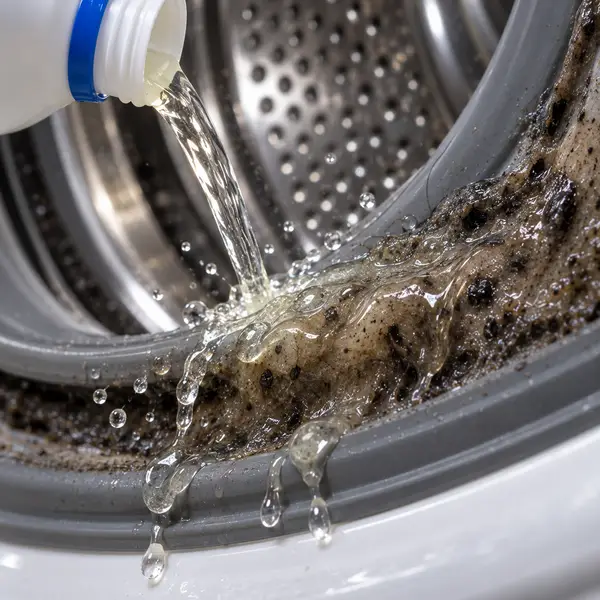
I've run my daycare for six years. Boarding, grooming, the works. Nap blankets, grooming smocks, hand towels — I run about nine loads of laundry a week just keeping up. Two years ago, something changed. All of it started smelling musty, no matter what I ran through the wash. I tried bleach. I tried baking soda. I tried a $40 box of Affresh that promised the same thing the last two products promised. None of it lasted more than a few days. Keeping the place smelling clean isn't optional in this business. It's the first thing a new client notices walking in, and it's the reason they trust me with their dog for eight hours at a stretch. About two summers ago, I started noticing a mustiness in the blankets that wouldn't go away no matter what I threw at it. I tried the obvious stuff first. Baking soda in the drum, a full box, run on the hottest setting. Didn't touch it. Bleach next, diluted the way you're supposed to for a front-loader. Helped for maybe two days, then right back. I bought a box of Affresh after a groomer friend swore by it. Ran it exactly like the instructions said. Four days, and the smell was back like I hadn't done anything at all. At that point I figured the consumer stuff just wasn't strong enough for the volume I run through this machine, so I called my equipment supplier and asked about something industrial. He sold me a descaling treatment built for commercial laundry equipment, sixty dollars a bottle. Ran it. Genuinely thought that would be the end of it. Four days later, same smell, right on schedule. I called him back a little annoyed, honestly, and asked if something was wrong with the machine itself. He had me check the drainage, the motor, the drum seal. Everything checked out fine mechanically. Just a smell that wouldn't quit no matter what I ran through it. The part that actually got to me happened on a Tuesday in July. Mrs. Patterson has trusted her dog with me for three years. Sweet dog, easy client, never once complained about anything. She picked up his nap blanket at pickup, held it out at arm's length without quite meaning to, and asked if we'd switched detergent recently. We hadn't. I told her that, and she just kind of nodded, the way you nod when you don't want to make something awkward. I run a business where cleanliness is the entire pitch. Standing there unable to explain why my own laundry room had beaten every product I'd thrown at it for two months was not a great Tuesday. That night after close I actually sat down and looked into it properly instead of grabbing whatever was next on the shelf. Turns out every washing machine, mine included, has a sealed gap between the inner drum and the outer housing around it. Water moves through that space on every single cycle. You can't see it, can't reach it with a hose or a scrub brush, and none of what I'd tried was ever built to deal with what actually collects back there. With the volume running through my machine — forty dogs' worth of hair, dander, and skin oil a week — that hidden space had been building up for two years straight. Every cycle after that, water moved through it and carried some of it right back onto the next load. The baking soda, the bleach, the Affresh, even the industrial descaler — different price points, same basic active ingredient underneath: oxygen bleach. Good for mineral deposits and general grime. Not built to break down protein or fat, which is what pet hair, dander, and skin oil actually are once you get down to it. What actually works is enzymes. Three specific enzymes, each doing something different. These are the ones you need, apparently: Alpha amylase because it breaks down the detergent film holding everything else in place against those hidden surfaces. Protease because it flushes out hair instead of just recirculating it. And then lipase to strip the oily residue that's actually feeding the bacteria causing the smell in the first place. I found a tablet built around all three called Uproot Washing Machine Cleaner Pro and figured I'd try it, without much hope left after two months of paying for things that hadn't worked. Ran it on a hot cycle with nothing else in the machine. The water that came out looked like it had been sitting in a garage for a decade. I actually took a picture of it, mostly to show my staff what had apparently been building up this whole time. Washed a full load the next morning and pulled a blanket straight out of the dryer to check. Just clean. No edge to it at all. Mrs. Patterson picked Cooper up about two weeks later and mentioned, completely unprompted, that his blanket smelled normal again. I hadn't said a word to her about any of this. I should say — I don't sell this stuff, I don't get any kind of commission or code, nothing like that. I posted about this in a couple of pet-industry Facebook groups I'm part of a while back and it got a genuinely good response from other groomers and boarding folks dealing with the same thing, so figured I'd share it here too. I honestly don't even know what it costs off the top of my head, but it wasn't expensive. Cheaper than most things I bought from Target, if I'm remembering right. Try it for yourself if you want — I've dropped a link below. If you’ve had musty laundry and can’t get rid of the smell, I think you’ll see what I’m talking about pretty quickly, though. https://order.uprootclean.com/wmt008-l4v2-mustyclothes

Loading the ad's image
My Clean Pet Home — I Run A Dog Daycare. My Laundry Room Smelled Worse Than My Kennels.
WinningImage

The Worst Thing You Can Do If Your Washer Smells

Bleach doesn't clean your washing machine. It makes it smell better. There's a difference. I’ve cleaned houses professionally for 17 years. I’ve cleaned just about everything you can think of, from range hoods to chimney flues. But there’s one thing I refuse to clean anymore: Washing machines. I used to. Until about six years ago, when a woman asked me to do something about the horrible musty smell coming from hers. It was a front-loader, and the second I opened the door I knew exactly what she meant. It smelled like somebody had left a wet dog wrapped in a towel overnight. So I did what I would’ve done with almost anything else in the house. I cleaned it. I wiped down the drum. I scrubbed the rubber gasket. I cleaned out the detergent drawer. Then I ran a hot cycle with bleach. When it finished, the machine looked spotless. More importantly, it smelled great. I remember thinking: There. Fixed. Then, while I was wiping the last bit of water out of the gasket, my rag caught on something. I pulled the rubber back a little farther than I had before. And there it was. A thick strip of black-gray slime packed into the fold behind the gasket. I kept pulling. There was more. Hair. Detergent residue. Little black flecks. This sticky gray sludge that looked like it had been growing there for months. And the weirdest part was that I had just cleaned the machine. It smelled completely clean. If I hadn’t accidentally pulled that gasket back, I would’ve walked out of the house thinking I’d done a great job. That bothered me. Because if I could make a filthy washing machine smell clean without actually getting rid of what was making it dirty... then how many times had I done exactly that before? So I started paying attention. And over the next few months, whenever I came across a musty washer, I stopped trusting my nose. I’d check the gasket. The detergent tray. Any little seam or crevice I could get into. And I kept finding the same thing. Machines that smelled fine after bleach or vinegar... with nasty buildup still hiding inside them. That’s when I finally understood the mistake I’d been making. The smell wasn’t the dirt. The smell was a warning. Bleach could make the warning disappear. Vinegar could make the warning disappear. A heavily scented cleaner could make the warning disappear. But if the sticky buildup causing the problem was still sitting somewhere inside the washer, then I was basically hitting the snooze button on an alarm bell. Because I wasn’t actually cleaning it. Not really. I’d just made it harder to tell that it was dirty. And that can actually make the problem worse. Because once the washer smells fresh again, you stop worrying about it. You keep doing laundry. More detergent goes in. More fabric softener. More body oils, skin, lint, hair and everything else washing off your clothes. And all of that keeps passing through the same hidden areas where the old buildup is already stuck. Eventually the smell comes back. So you clean it again. It smells better again. And the cycle starts over. That was the point where I stopped thinking about washer odor as something I needed to deodorize. I needed to figure out what that slime actually was — and how to get rid of it instead of just making it smell better. So I started reading everything I could find about that black slime. That’s when I learned it had a name: Biofilm. It isn’t just dirt sitting loose inside the machine. It’s a sticky layer that can form when mold, bacteria, and other microorganisms grow on surfaces, mixed in with all the organic junk washing off your laundry. Which explained why wiping down the drum hadn’t solved anything. But it also made me rethink the bleach. Because bleach was incredibly good at giving me the result I was looking for. I wanted the washer to stop smelling. So I poured in bleach. The smell disappeared. Success. Except now I knew I’d been measuring the wrong thing. I didn’t need something that could make the machine smell cleaner. I needed something that could break down the stuff that was making it dirty. And bleach couldn’t do that. It just bounces off the biofilm. I tried vinegar. Baking soda. Those washing machine cleaning tablets you can buy at the grocery store. Sometimes I’d get a little gunk out. Sometimes the washer smelled better. But when I pulled back the gasket afterward, I could still find that same sticky buildup. At one point I actually sat there with a toothbrush and started scrubbing it out by hand. Twenty minutes later, I’d cleaned the part I could reach. But by then I knew enough to realize that was almost beside the point. Because if this stuff could grow behind the gasket, what was happening in all the places I couldn’t reach? Behind the drum. Inside the outer tub. Through the hoses. Places I couldn’t scrub without taking the washing machine apart. That was the real problem. I didn’t need a better way to scrub a washing machine. I needed something I could put inside the machine that would attack that sticky buildup while the water was circulating through all those hidden areas. So I did what I usually do when I run into a cleaning problem I can't solve. I asked other cleaners. I’m in a few Facebook groups for professional housecleaners, so I posted a picture of the black slime I’d found and asked what everybody else was using to get rid of it. I got about twenty different answers. Bleach. Vinegar. Borax. Dishwasher tablets. One woman told me she takes the whole gasket off and scrubs it in her bathtub. But a couple of cleaners mentioned something I hadn't tried before: Enzymes. At first, I had no idea why. I knew enzymes were in laundry detergent, but I’d always assumed they were just another cleaning ingredient. Then I learned what they actually do. Different enzymes break down different kinds of organic material. Protease works on proteins. Lipase works on fats and oils. Alpha-amylase works on starches and carbohydrates. And suddenly I was thinking about everything I’d been finding inside those washing machines. Body oils. Dead skin. Food residue. All that organic mess washing off your clothes and collecting inside the machine. That was the first thing I’d found that seemed designed to attack the mess itself instead of just making the machine smell better. So I started looking for a washing machine cleaner that actually used those enzymes. Most of the washing machine cleaners I found relied on other cleaning agents. Then I found Uproot Washing Machine Cleaner Pro. And just to be clear, I don't work for Uproot. They didn't hire me to say this. I almost skipped right past it until I looked at the ingredients. Protease. Lipase. Alpha-amylase. All three. So I ordered a box. And when it arrived, I decided I wasn’t going to judge it by how the washing machine smelled. I’d made that mistake enough times. I wanted to see what actually came out. I dropped one tablet into an empty washer and ran the cleaning cycle. For the first few minutes, nothing happened. Then I started seeing little gray and black flecks floating in the water. By the end of the cycle, there was nasty gray sludge that definitely hadn’t been visible when I started. But the real test was the gasket. I pulled it back. The buildup I’d been scrubbing with a toothbrush had loosened dramatically. I wiped it with a white rag, and instead of fighting that sticky film for twenty minutes, most of what I could reach came away with a few passes. That was the first time I felt like I was actually removing the problem instead of deodorizing it. And that’s why I don’t “clean” smelly washing machines anymore. Not the way I used to. Because I learned the hard way that a washing machine can smell perfectly clean and still be filthy inside. The smell isn’t the problem. It’s the warning. And making the warning disappear doesn’t mean you fixed what caused it. Now, when I come across a musty washer, I don’t reach for bleach or vinegar. I drop in an Uproot Washing Machine Cleaner Pro tablet and let the enzymes work while the cleaning cycle carries them through the machine. No taking the washer apart. No trying to reach behind the drum. And no pretending the job is finished just because everything suddenly smells like bleach. If your washer has that wet-dog smell — or your supposedly clean towels and clothes are starting to pick it up — don’t just make it smell clean. Get rid of what’s making it smell in the first place. If you want to learn exactly how the enzymes work — and see what I use in my own machine — you can read more about it below. https://order.uprootclean.com/wmt008-l4v2-mustyclothes

Loading the ad's image
My Clean Pet Home — The Worst Thing You Can Do If Your Washer Smells
PromisingImage

My ex's new wife kept rewashing my daughter's clothes.

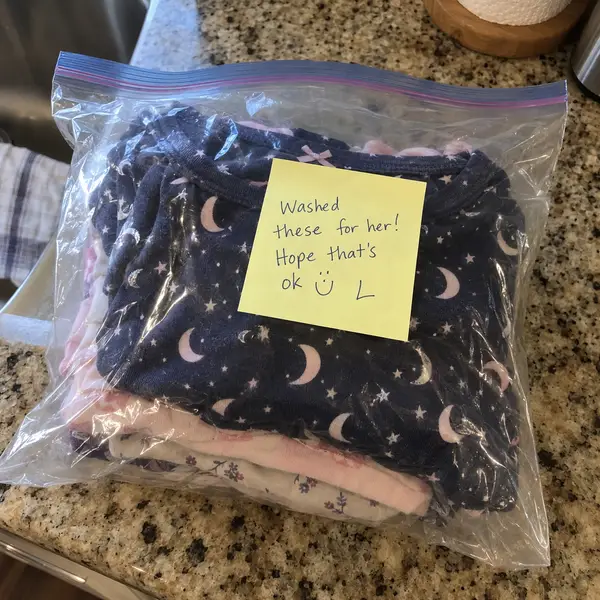
My ex-husband's new wife sends my daughter home every other Sunday with her clothes rewashed, folded, and sealed in a Ziploc bag. With a sticky note. And a smiley face. Every other Friday at 6, Josh's silver Highlander picks Piper up for the weekend. Every other Sunday at 5, it backs into my driveway and brings her home. She climbs out with her purple suitcase in one hand and her stuffed fox in the other. The fox is named Clementine. She has survived two houses, one divorce, and more trips through the washing machine than I can count. Piper doesn't sleep without her. The first time it happened was in April. I unzipped the suitcase on Piper's bed, and right on top was a gallon Ziploc bag. Her leggings. Two school shirts. The pajamas with the little moons on them. All folded into perfect squares. Sealed. A yellow sticky note was on the bag, in round, bubbly handwriting. "Washed these for her! Hope that's ok 🙂 L" L is Lauren. Lauren married my ex-husband last spring. She's 31, she teaches Pilates, and according to my daughter, her house has "a white couch you're allowed to sit on." I stood there holding that bag. I had washed those exact clothes on Thursday night. I'd folded them and packed them myself. I told myself she was being nice. Some women are. Two Sundays later there was another Ziploc. Then another one two weeks after that. Every other Sunday, the bag, the note and the smiley face. I should tell you who I am, because it matters. I'm 39. I manage a dental office. Four chairs, two dentists, eleven people. My whole job is making sure nothing gets missed. Sterilizer logs. Waterline logs. The OSHA binder nobody else wants to touch. I tell my staff the same thing every week. If it isn't written down, it didn't happen. When Josh moved out, I bought the little house on Bramble Court with the fenced yard. I made Piper a deal: smaller house, but we get a dog. That's Otto. He's a 32-pound beagle mix from the county shelter, and one of his ears won't stand up no matter what. He sleeps on Piper's bed every night. Here's the part I'm not proud of. On the fourth Sunday, I took Lauren's Ziploc, dumped it into my washer, and washed everything again. My machine. My detergent. Then I hung it all in Piper's closet like that settled something. It didn't settle anything. Then came a Tuesday in June. 9:14 p.m. My phone lit up on the nightstand. It was a message from Josh in the co-parenting app the judge ordered us to use. "Hey. Lauren mentioned Piper's stuff has kind of a smell when she gets here. Like a damp dog smell? Maybe check the washer. Not a big deal." Everything in that app is a record. Time-stamped. Saved. Readable by a judge. I know, because I'm the one who told Josh to stop texting me and use it. So now there's a record. My daughter comes from the house that smells. I read it three times in bed. Then I got up. I smelled the towels in the hall closet. Then Piper's pillowcase. Then I picked Clementine up off her bed and put my face in her. Wet dog. Faint, and buried under the detergent. Like a basement nobody's been down to in a while. And once I smelled it, I smelled it everywhere. The bath towels went sour about an hour after they came out of the dryer. My scrubs smelled damp by lunch. A month earlier, Denise at our front desk had offered me a spritz of her body spray. "Want some? It's new." I'd thought SHE was being nice, too. So I did what I do at work. I made a checklist. Vinegar cycle. Baking soda. Bleach scrubbed into the rubber seal with an old toothbrush. Hot water on every load. Three different detergents. A full cap of those purple scent beads in every wash. The washer door propped open all night. And Otto got two baths a week, until he started hiding under Piper's bed every time he heard the tub run. I logged all of it on a legal pad on top of the dryer. Sixteen days. On day 16, I smelled a fresh towel an hour after it came out of the dryer. Lavender. And right under the lavender, the same damp dog. I asked Denise about it, because she has two labs. She laughed, but not like anything was funny. "We bought the new LG. Thirteen hundred dollars. Five weeks later it smelled exactly like the old one. Now I just buy candles." That Friday, Piper was packing for her dad's. I went in to help, and she was standing next to her bed holding Clementine in both arms. "Mom? Can Clementine live at Dad's?" I asked her why. I already knew. Kids don't lie about this stuff. "Lauren washed her and she smells nice there. When she comes back here she smells like Otto again." She looked at the floor. "Everything here smells like Otto." Then she put Clementine in the suitcase. Right on top. And zipped it closed. I said okay. I said, sure, baby, whatever you want. After the Highlander pulled away, I sat down on the laundry room floor with my back against the washer. I lost the marriage. I made my peace with that a long time ago. I did not know I could lose the house too. Not the building. The part that makes it home. My daughter was moving her favorite thing out of it. The answer showed up on Monday morning, at work, on chair 3. Dr. Patel had just come back from two weeks of leave, so chair 3 hadn't been used the whole time. Every month we test the water that runs through each chair. It comes out of thin little tubes that feed the drills and the water sprayers. We have to stay at or under 500 on that test. Chairs 1, 2 and 4 came back fine. Chair 3 came back way over. Same water, same treatment, same schedule. Figuring out why was my job. The only difference was that chair 3 had sat still for two weeks. That's the thing every dental office learns the hard way. It’s not good when water sits still. Water that sits still inside a line grows a film on the walls. The bacteria build a slime over themselves, like a little roof. Then the rinse water runs right over the top and leaves them alone underneath. It's called biofilm. I've sat through a training on it every single year for twelve years. I was standing next to chair 3 with the report in my hand when it hit me. What in my house holds water that never gets flushed out? That night I took the back panel off my washer with a screwdriver from the junk drawer and shined my phone flashlight inside. My washer has a drum, the part you see. Behind it is a whole second tub wrapped around it, the part you never see. Water passes through that space every single load. It never really drains, and it never really dries. The inside of that outer tub was coated in a brownish-tan film. And stuck all through the film was gray fuzz. Hair. Dog hair. Otto. He was lying in the laundry room doorway watching me, with his one ear flopped over. Then I thought about what we do with instruments at work, and the rest of it clicked. At our office, we never put a dirty instrument straight into the sterilizer. Heat doesn't break protein down. It just cooks it on even harder. So everything goes into an enzyme soak first. An enzyme is a protein built to take apart one specific thing. One kind breaks down protein. Another breaks down grease. Soap can't do that. Bleach only gets the top layer. Otto's hair is protein. His skin oils and dander are grease. And the detergent and softener were leaving a sticky film back there for all of it to grab onto. Every time I washed his blanket, I was feeding it. Every single fix on my legal pad was a rinse. The vinegar. The hot water. The bleach on the seal. Each one cleaned the top for a day, and the film underneath kept going. The scent beads were worse. They left more sticky film behind. I'd been spraying perfume on a basement. At work we would never throw a dirty instrument into the sterilizer and hope for the best. I'd been doing exactly that to my washer for two years. I sat back on my heels and said it out loud to the dog. "I'd been washing Lauren's clean clothes in the machine that made them smell." Otto thumped his tail. I'd been giving him two baths a week like he was the problem. He was never the problem. He was just the food. Now, here's the dumb thing I did next, because I'd bet some of you would do it too. On my way home Tuesday, I grabbed a box of washer cleaner tablets at Target. "Deep Clean" printed right across the front. I ran one. And because at work we always look at what comes out of a line, I stuck the drain hose in a mop bucket. The water came out almost clear. Clear means it never touched the film. I read the back of the box. It was mostly oxygen bleach and soap. That's a rinse. It's the rinse without the soak. So I made a list, the way I'd make a supply rep prove what's in our instrument solution before I sign the order. The enzymes have to be named on the label. Not "enzyme power." Actual names. One for protein. One for grease. One for the starchy film detergent leaves behind. Oxygen in it too, to lift everything after the enzymes loosen it. And it has to be safe for my front-loader. Most boxes failed the first rule. They either didn't list enzymes at all, or they hid behind "advanced formula." The one that passed came from a brand I already had in my car. Uproot. I keep their little pet hair scraper in my glove box to get Otto off my scrubs before work. They make a washing machine cleaner built for pet homes. The ingredient list names Protease, Lipase and Alpha-Amylase. That's protein, grease and starch. There's oxygen in it too, for after. Works in HE machines. Two other things made me trust it. First, the Pro has no fragrance. None. It doesn't try to smell like anything. Second, their own FAQ says it doesn't completely dissolve pet hair. It loosens it, and you wipe the seal and drum afterward. A supply rep who tells me the limits up front is one I order from. Plus, wiping the hair away gives you proof that it worked. Most other tablets just ask you to trust them. It was $19.99 for a box. I bought the 4-box bundle for $39.99, because I'd already spent more than that on scent beads that summer. When it came, I emptied the drum and set one tablet right in the drum, not the detergent drawer. I ran the hottest cycle. Drain hose in the mop bucket. The water came out brown. Dark, ugly brown. I took a picture of that bucket the same way I'd photograph a failed test for the binder. Then I started a new page on the legal pad. Day 1. Rewashed every towel. Smelled one an hour out of the dryer. Nothing. Not lavender. Not dog. Nothing at all. Day 4. Wore fresh scrubs to work. At lunch, Denise leaned over in the break room and sniffed. "Did you change your perfume?" I don’t wear any. Week 2. Second tablet, same bucket. The water came out lighter. I wiped the dog hair off the seal like the FAQ said. I'm not going to pretend a tablet fixed my life. The divorce is still the divorce. Lauren is still Lauren. But for sixteen days I threw everything I had at that smell and couldn't move it at all. One hot cycle did what my whole legal pad couldn't. Two Sundays later, the Highlander backed into the driveway at 5 o'clock. I unzipped the purple suitcase on Piper's bed. Leggings. School shirts. The pajamas with the little moons. Folded the way I fold them, on Thursday night, in my house. No Ziploc. No sticky note. Lauren was standing next to the car when I walked Piper's backpack out. She hesitated. "Hey, um. What detergent are you using now?" "Same one," I said. That's all I said. She didn't ask again. I'm not going to tell you we're friends now. We're not. That message from Josh is still in the app. 9:14 p.m. It's a record, and it'll be there forever. But so is everything that came after it. Which is nothing. Six Sundays of nothing. Last Friday, Piper packed for her dad's by herself. When I went in to check on her, the suitcase was zipped and Clementine was sitting on her pillow. "She's staying here this time," Piper said. "She likes it here." Otto jumped up on the bed and curled around the fox like he was guarding her. The Ziploc and the sticky note are in my junk drawer, next to the screwdriver. Empty. I keep them. Not for the binder. For me. Maybe nobody in your life is sealing your clothes in a Ziploc bag. But somebody is smelling your laundry. Your mother-in-law when she hugs you. The coworker who offers you her body spray. The mom picking her kid up from your sleepover. Your own child, with her face in her pillow. If you have a dog, and your towels go sour an hour after the dryer, it isn't the dog. And it isn't you. It's water sitting in a place nothing ever flushes, getting fed every time you wash the dog's blanket. Here's exactly what I do now, the way I'd write it in the binder. Uproot Washing Machine Cleaner Pro. Empty drum. One tablet in the drum, never the detergent drawer. Hot or "Clean Washer" cycle. Wipe the seal after. Once every two weeks. One dog, small or medium, get the Pro. If you've got a big dog or a houseful, they make an Ultra. It's $19.99 for one box, or $39.99 for the 4-box bundle. And there's a 30-day money-back guarantee if it doesn't work for you. Here's where I got mine: 👉 https://uprootclean.com/products/uproot-washing-machine-cleaner-pro P.S. Put your drain hose in a bucket the first time. Don't take my word for it, or theirs. If the water comes out dark, it reached the film. If it comes out clear, whatever you used was just a rinse. P.P.S. Rewash your towels and sheets after the first cycle. Then smell one an hour out of the dryer. If it smells like nothing, that's what clean smells like. I'd forgotten.

Loading the ad's image
My Clean Pet Home — My ex's new wife kept rewashing my daughter's clothes.
TestingImage

Get Rid of Bacteria & Pet Odor from Your Washer

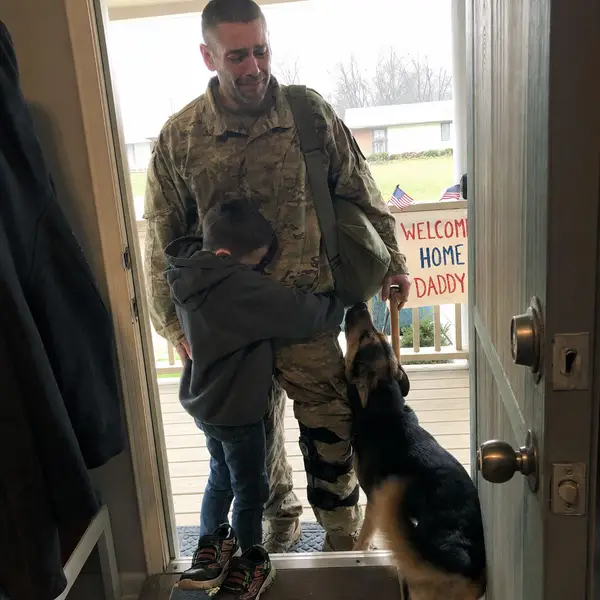
I wrote my husband 212 letters while he was deployed, and I read the last 30 out loud to him in a hospital bed in Germany while he couldn't open his eyes. When he finally came home to us, he slept on the floor instead of beside me, and I couldn't understand why. Two days before Thanksgiving, I stood in the hallway of a military hospital in Germany at 3am and looked through a window at the man I married 16 years ago. Tubes in both arms. A machine breathing for him. His left leg in a frame of metal pins. The nurse said I could hold his hand, so I did. I held it for 9 hours straight. Then I put my face down against his neck, the way I'd done every night for 16 years before he left, and I breathed in. He smelled like hospital soap and iodine, and under all of it, very faintly, like Mike. I'd know that smell anywhere. Keep that in mind, because it matters more than anything else in this story. When his orders came the spring before, everybody told me to move back home to Ohio with our son until Mike got back. My mom said it. My sister said it every single month. "You don't have to do this alone, Kayla." I stayed anyway, right where I was. I wanted him to come home to our house, our son, and our street, exactly the way he left them. And I have to tell you something I've never told anybody, because I won't tell this story with the ugly part cut out. The morning Mike deployed, we'd had the worst fight of our marriage. The fight was about money, about the car, about nothing at all. We were in a gym on base at 4am, and every other wife in that room was crying into her husband's chest. I didn't hug him. I mean, I hugged him the way you hug a coworker, quick and with one arm, because I was still mad. He looked back at me over his shoulder on his way out the door. I have thought about that look every single day since. So I wrote him a letter every night he was gone. 212 letters in all. Every one started the exact same way: "I should have hugged you." And standing in that hospital in Germany, I believed the worst thing that could ever happen to us had already happened. I was completely wrong. The Army was done with Mike. The thing waiting for him back home was not, and it had been there long before he ever left. The phone rang at 4:12 on a Tuesday morning. If you're a military wife, you already know that a knock on the door means one thing, and a phone call means another. A phone call means he's still breathing. "Mrs. Hale, your husband has been wounded." Here's what happened, the way his sergeant told it to me later, because Mike still won't. Mike is a water treatment specialist. For 14 years, wherever the Army sent him, his job was to make sure thousands of soldiers had clean water to drink. He talks about water the way other men talk about football. Tanks, lines, pressure, and what's growing where it shouldn't be. That night he was out at the water site checking a pump when a fuel truck caught fire at the motor pool next door. A 20-year-old private named Ortiz was still inside the cab, pinned behind the wheel. Every other soldier was running away from that truck. Mike ran toward it, pried the door open, and dragged Ortiz out and behind a 3,000-gallon water tank. The truck exploded 30 yards away. Ortiz walked away with a cut on his chin. Mike took shrapnel in his back and his left leg, and the blast threw him into a flooded drainage ditch behind that tank. With the fire burning between him and everyone who could help, he lay there for 47 minutes, in the dark and the mud and the standing water, waiting for the helicopter. His heart stopped for 40 seconds on the flight out. A medic named Torres brought him back. Mike had planned on doing 20 years. He used to say he'd retire at 38 and coach Tyler's baseball team. That leg ended his career at 14 years, six short of the finish line he'd been counting toward since he was 18. The Army was the only thing he'd ever been, and one night took it. He doesn't remember Germany. He was under for most of it. So I read him my letters out loud, one a night, starting from the very first one. "I should have hugged you." The nurses told me he probably couldn't hear me. I read them anyway. On day 11, halfway through letter 189, he squeezed my hand. After Germany came four months at a military hospital in Maryland. Learning to walk with a cane. Learning to sleep in a room without jolting awake at every door. Tyler and I drove up every other weekend, 9 hours each way, with Ranger in the back seat and his head in Tyler's lap. Ranger is the 70-pound shepherd mix I adopted from the county shelter a month after Mike deployed, because the house was too quiet at night. He slept pressed against my side of the bed for the entire 11 months. Mike came home different in some ways. He doesn't sit with his back to a door anymore. He checks the locks twice before bed. And he can name every smell in a room before he's two steps inside it. His counselor says that happens a lot. Smell is the fastest road back to a memory there is. And he came home to two things I had made just for him. The first was his list. Before he left Maryland, his physical therapist wrote his goals on a sheet of paper, and I taped it to our fridge. Walk to the mailbox. Climb the stairs without the cane. Carry Tyler on your shoulders. Sleep through the night. I added a fifth goal at the bottom in my own handwriting. Sleep in our bed. The second thing was his old gray Army hoodie, the one I'd slept in every night he was gone. I washed it, folded it, and set it on his pillow. A man who almost didn't come home doesn't need a banner. He needs his own bed and his own hoodie. Here's what I was counting on. 212 letters, 9 hours in a hospital chair, and four months of driving to Maryland. All of it was for one night, the first night he lay down next to me again. I didn't get to hug him goodbye, so I was going to hold him when he came home. The first night home, I woke up at 2am and his side of the bed was empty. I found him on the living room floor, on a blanket, with Ranger pressed against his bad leg. His eyes were wide open. I asked him what was wrong. He said nothing was wrong. I asked him again, and I knelt down next to him. He didn't want to say it. I could see that on his face. Then he said, very quietly, "The sheets, babe. They smell like the ditch." I didn't understand at first. Then all at once, I did. Musty and damp, like wet dog and standing water. The smell of 47 minutes in the mud behind that tank, coming off sheets I had washed two days before. Then I saw his hoodie lying on the couch. He'd tried it on, and he'd taken it off. I went back to our bed alone and pressed my face into my own pillowcase. He was completely right. Musty, like a wet dog. I had slept in that smell for 11 months, and somewhere along the way I'd stopped smelling it. I'd noticed, if I'm honest. The towels went a little musty an hour after I hung them up. My shirts had that damp, wet-dog smell by lunch. I blamed Ranger and figured that's what you get with a big dog. I'd gone nose-blind in my own home. The next morning, there was a laundromat receipt on the kitchen counter, stamped 6:10am, for three loads. He didn't say a word about it. Mike doesn't complain, and the Army trains the rest of that out of you. He'd just driven our sheets and his clothes to a laundromat across town at dawn, on a leg with 14 pins in it, and left the receipt where I'd find it. That receipt said more than he ever could. So I called the appliance store where we bought our washer. The salesman barely let me finish. "Front-loaders all do that, ma'am. Most folks just upgrade." Then he quoted me $1,400 for a new one and told me to grab some scent boosters on the way out. I'd stood in that cleaning aisle a hundred times without seeing what it was. Scent beads, softener, sprays, and tablets that promise "fresh." Every single thing on those shelves makes your laundry smell like lavender for a day. Not one of them is built to fix why it smells musty in the first place. Those products cover the smell, you buy more, and everybody calls that clean. And I already knew how the upgrade story ends, because I've watched it happen next door for a year. My neighbor Linda's husband, Dave, came home from his last deployment a year ago. Their washer smelled musty, so they bought a brand new one, top of the line. Three weeks later, the new one smelled just as musty. Now Linda pours a cup of scent beads into every load and keeps a candle burning in her laundry room. And Dave has slept in their guest room for a year. Everybody, including Linda, thinks it's the deployment. I looked at Linda's candle and saw my next ten years. "No," I told the salesman. "Not a new washer." I want you to understand the corner I was standing in. Buy the new washer, and if it went the way Linda's went, we'd be $1,400 poorer with my husband still on the floor. Do nothing, and every night our sheets put him back in that ditch. Either way, the man I almost lost came home, and he still wasn't really home. A few nights later, I was tucking Tyler in, and he asked me something I wasn't ready for. "Mom, why does Dad sleep on the floor? Is he mad at us?" I told him Daddy's back was sore from the long trip. Then at 3am I looked out the front window and saw the dome light on in Mike's truck. He was sitting up in the driver's seat with the engine running for heat, asleep. The cab of that truck was the only place on our property that didn't smell like that ditch. I went into the laundry room, shut the door, and cried into a stack of towels that smelled like a wet dog. So I went to war on it. I'd spent 11 months handling everything alone, so I could handle a smell. I ran vinegar cycles and baking soda, scrubbed bleach into the rubber seal with an old toothbrush, washed every load on hot, tried three different detergents, and left the washer door open day and night. I bathed Ranger twice a week until he hid under the deck every time he saw the hose. Two weeks, and I didn't skip a single step. Then I did the sniff test on a fresh towel, an hour after it came out of the dryer. Still musty, exactly like before. Two weeks of everything I had, and I couldn't move that musty smell an inch. I didn't tell Mike the towel was still musty. That's the closest I've come to lying to him in 16 years. He found me in the laundry room that Saturday, sniffing towels with the door shut. He leaned on his cane in the doorway for a while. "Are we still blaming the dog? Or do you want to know what it actually is?" "I've bathed that dog twice a week for two weeks, Mike." "I believe you," he said. "And the towels still smell musty. So the dog isn't the problem." Then he went out to the garage for his tool bag. Getting down onto that laundry room floor took him almost four minutes with his leg, and he wouldn't let me help him. He slid the washer away from the wall, pulled the back panel off, and pointed his flashlight inside. "Babe, this is a water system. Same as the ones I ran overseas, just smaller." He traced the outer tub with the light. "Every water system has what we call a dead leg. A spot the water passes through but never really flushes. In your washer, the dead leg is the gap between the drum and the outer tub. Water runs through it every wash, and you can't reach it with a sponge or a towel or anything else." The whole outer tub was coated in a brownish-tan layer. "In a dead leg, bacteria settle in, and they build a slime over themselves. We call it biofilm. I've scraped it out of 3,000-gallon tanks. That slime is their armor. You can hit it with all the chlorine you want, and you'll get what's on top, but the colony underneath just keeps going." He sat there looking at it for a second. "That ditch I was in was the same thing. Standing water with nowhere to go, and that's exactly what you're smelling." "That's also why the sniff test fooled you," he said. "Everything you ran cleaned the surface for a day. Nothing you ran ever got under the armor." His phone buzzed on the dryer, and the text was from his mom. "How's the first month home?? Bet you're sleeping like a baby in your own bed!" He read it, didn't answer, and looked down the hall at our bedroom door. "Keep going," I said. "In a pet home, it's worse," he said. "Soap and softener leave a sticky film back here. Ranger's hair sticks to the film. Dander and skin oils pile on top. And the bacteria feed on all of it. Dog hair is protein, and dander is grease. Ranger didn't cause this, babe. He just fed it." I sat down on the floor next to him. I'd been blaming the one living thing in that house that kept me company for 11 months. I asked him about the tablets I'd bought. "Give them credit, because they do something," he said. "Those tablets cut soap scum and mineral scale, and your laundry smells fresh for a few days. But I read the box. Those tablets are oxygen bleach, the same chemical people have been using since 1904. Oxygen bleach can't break down protein, and it can't break down grease. So it foams up, rinses right over the armor, and leaves the colony right where it was." "And the scent beads?" "The beads are even worse. The beads and the softener lay down more of that sticky film. You've been building the colony a nicer house." I asked how he knew all this, since he purifies drinking water for a living. "That's how I know. Overseas, you can't dump harsh chemicals into a line people drink from. So you learn real fast that you either break the biofilm apart, or it grows right back. Blasting it with chlorine just buys you a week." "So what breaks it apart?" "You need enzymes," he said. "An enzyme isn't a chemical. An enzyme is a protein that's built to take apart one specific material and nothing else. NASA worked this out for sealed spacecraft, where biofilm grows in the water lines and you can't use anything harsh without wrecking the equipment. Hospitals picked it up after that, and to this day hospitals clean surgical instruments with enzyme cleaners, the same kind of tools that took the shrapnel out of my back." "For this, you'd need three of them. One to dissolve the soap and softener film, so the colony loses its grip. One to break down the protein in Ranger's hair. And one to strip the grease the bacteria feed on, so the bacteria starve. Skip any one of the three, and the layer builds right back." I sat on that laundry room floor looking at the layer. The Army had sent my husband home. And every single night, our own sheets were still putting him back in that ditch. "Don't take my word for it," he said, and handed me the flashlight. "Look at it yourself." Now here's where I have to tell on myself, because I did exactly what you might be about to do. That night I typed "washer cleaner tablets" into Amazon and bought the cheapest box with the most stars. "Deep clean" was printed right across the front. I ran one the next day. The towels smelled fine for about three days, and I thought I'd solved it. By Friday, the musty smell was back. Mike read the back of the box. "Oxygen bleach," he said, and handed it back. "Did you watch what drained out?" I hadn't even looked. So we ran another one and put the drain hose in a bucket. The water came out almost clear. "Clear water means it never touched the layer," he said. "If something's really breaking that colony apart, you'll see it in the bucket." "So should we just get a new washer and start over?" "In a pet home, a brand new machine grows that same layer in about two weeks," he said. "Go ahead and ask Linda." He wrote three things on the back of an envelope from one of my letters, the same way he checks anything that goes into a water system. All three enzymes in one tablet, built for pet hair and dander. Safe on rubber seals and septic, because we're on septic. A real money-back guarantee, because anybody who believes in what they sell will stand behind it. We spent two evenings at the kitchen table with my laptop, Mike reading labels like they were equipment manuals. The store tablets were oxygen bleach, every one we checked. The "enzyme" sprays were made for carpets, not the inside of a washer. The fancy ones had nice packaging and nothing on the label we could actually check. One name kept coming up: Uproot, a small company out of Florida, the same people who make those pet hair removal tools. All three enzymes, Alpha-Amylase, Protease and Lipase, in one tablet built for pet homes. Safe on seals and septic. A 60-day money-back guarantee. And more than 2,092,051 pet households had already switched to it. Three for three, and nothing else we found passed even two. When the box came, Mike ran the first one himself. Empty drum, one tablet, the hottest cycle, and the drain hose in the bucket. We stood there in the laundry room like we were waiting on test results from that hospital in Germany. The water that came out was dark brown, almost black. Mike tilted the bucket toward me. "That's the ditch," he said. I'll be honest, the first night nothing changed. Mike still slept on the floor, and I don't blame him. He'd smelled that ditch on our sheets once already. On day 3, I rewashed every sheet and towel in the house. I pressed a pillowcase to my face an hour after it came out of the dryer and waited for the musty smell. The musty smell never came. The pillowcase just smelled like nothing at all. On night 4, I woke up at 2am and Mike was in our bed. Ranger was asleep across his feet. The next morning, there was a line through number five on the fridge list, in his handwriting. In week 2, Tyler came down for breakfast and said, "Dad's not sleeping on the floor anymore," like he was reporting the weather. Kids notice everything you think they don't. In week 6, Mike carried Tyler on his shoulders from the mailbox to the front door, bad leg and all. Number three, crossed off. I'm not going to tell you one tablet fixed everything about coming home. His counselor matters, his physical therapy matters, and time matters. But I'd spent two weeks throwing everything I had at that wet-dog smell and couldn't move it an inch. One hot cycle did what I couldn't. A few weeks later, Linda came over for coffee. She picked up a folded towel off the dryer, smelled it, and looked at me like I'd pulled off a magic trick. "What did you do?" Mike told her about the dead leg. She went home and had Dave pull their panel that same night. Three weeks later, Linda texted me one line. "Dave moved back into our room." Now, remember that hospital in Germany, with my face against his neck? Last week I woke up at 2am, the way I had for 11 months, and Mike was asleep next to me, wearing his old gray hoodie. I put my face against his neck, the same way I did in that hospital, and breathed in. No iodine, no ditch, and no wet dog. Just Mike, in our bed, in our house. I'd know that smell anywhere. Then I did the thing I didn't do at 4am in that gym on base. I wrapped both arms around him and held on, and I didn't let go until morning. The next night there was an envelope on my pillow, in his handwriting. Letter 213 started, "You did hug me, every single night." Maybe nobody you love is coming home from a deployment. But somebody comes home to you. A husband after a 12-hour shift. Kids off the school bus. Your parents for Thanksgiving. And what they walk into is your towels, your sheets, and whether your laundry smells musty. If you've been blaming your dog for that musty, wet-dog smell, I'd bet your dog is just feeding it. If you've tried the vinegar, the baking soda, the bleach, the scent beads, and the store tablets, and the musty smell keeps coming back, it isn't because you're not trying hard enough. None of those were built to get under the armor. And if a salesman told you to just upgrade, ask Linda how that went. I'm not a water treatment specialist, but my husband is. I'm just the one who finally got to see what was behind the panel. Here's the whole thing in plain words, the way Mike would put it. Uproot Washing Machine Cleaner Pro. One tablet in the empty drum, run your hottest cycle, and walk away. Run one to break up what's built up, then one every two weeks to keep it from coming back. Three enzymes, Alpha-Amylase, Protease and Lipase, built for pet hair and dander. Safe on seals and septic. Here's their link: https://order.uprootclean.com/wmt008-l4v2-mustyclothes PS: About the first night, so you don't quit early. You may not notice the difference until you rewash your sheets and towels. The proof on day one is in the drain water. If what comes out is dark, you'll know it reached the layer. PPS: To the husbands reading this, and I know some of you are. You don't have to sleep on the floor or drive to a laundromat at 6am. Pull the panel with her, and look at it together. PPPS: If you've got somebody coming home for the holidays, run it before they walk through the door. PPPPS: Right now they're doing buy two, get two free, which comes to about $9.99 a box, and there's a 60-day money-back guarantee, so if it doesn't work, you send it right back.

Loading the ad's image
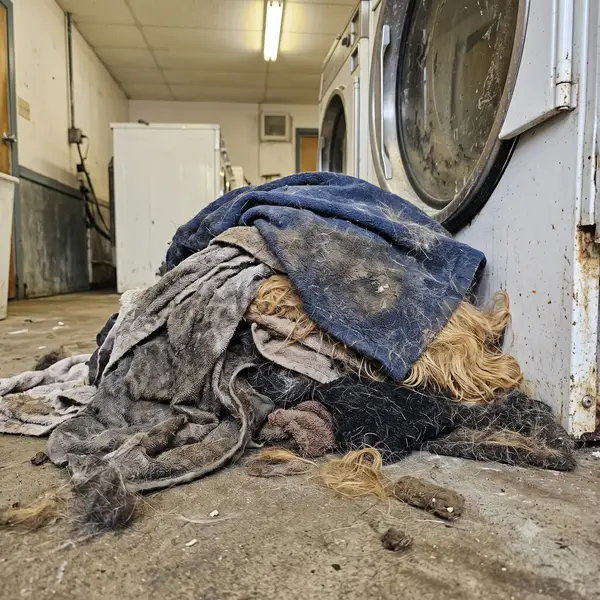
My Clean Pet Home — Get Rid of Bacteria & Pet Odor from Your Washer
TestingImage

From the ads Sniped has collected from this page (4 so far, first seen Nov 2026). Reach is what Meta reports; no spend or sales estimates.