Advertiser

Ella's Pet Diary

purepathshop.coMeta Ad Library

49
Running ads
7 new in 30 days
Oct 2026
Advertising since
longest ad 1 month
—
Reach
running ads, summed
0% video
Formats
0 video · 1 image
5
Products advertised
2 shops

Read This If You Own A Pet 👆

I had a lint roller in every bag I owned. My purse, my work tote, my gym bag, the glove box. A dry cleaner looked at my coat and told me every one of them was making it worse. She handed the coat back and said she wouldn't clean it because of the embedded pet hair. I stood there holding a $300 wool coat with my face burning while the line behind me shifted. "The adhesive from those rollers," she said, not unkindly. "It leaves a film. It makes the hair stick deeper into the fibers." That was Tuesday, November 14th. 3:47 PM. I know because I took a photo of the receipt she gave me for the coat she refused to clean. I needed evidence this was really happening. See, I'd already thrown away three blazers that month. Black ones. The kind you need for client meetings when you work in corporate finance and people judge you before you open your mouth. My two cats, Milo and Luna, are the loves of my life. They were also wrecking my career. My alarm went off at 5:15. That was 45 minutes of "hair time" before I even made coffee. My work clothes lived in vacuum-sealed bags on the top shelf, where Luna couldn't reach. I drove to work in an old sweatshirt, parked on P2 of the office garage, and changed into my blazer in the front seat with the sun visor down. Then I'd roll. Shoulders, sleeves, the back I couldn't see. The roller from the glove box, then the one from my purse. Still, by 10 AM, someone would brush past me and I'd see it. That look. The small step back. The polite attempt not to stare at the fur on my shoulders. That night I couldn't sleep. 2:23 AM. On my laptop, searching "why does pet hair stick to clothes permanently" for probably the hundredth time. This time I added two words. Textile science. A textile engineer at North Carolina State had published a paper on static charge in synthetic fabrics. Dense language, but one line stopped me cold. Modern fabrics generate up to 35,000 volts of static through normal friction. Thirty-five thousand. Pet hair carries a natural positive charge. Our clothes, especially the synthetic blends in most work clothes, build a negative charge just from moving around. We're walking magnets. And here's what made me sit up in bed. Adhesive products don't just remove hair. They leave microscopic adhesive behind, and that film holds more static. Every roller in every bag. Every time I rolled in that garage. I was making my clothes more magnetic to cat hair. I was sabotaging myself. Every single morning. The paper mentioned something else. Before synthetic fabrics took over closets in the 1950s, people used a slightly damp rubber glove. Rubber neutralizes the static and lifts the hair without leaving anything behind. At 3 AM I was in my bathroom with my yellow dish gloves under the tap. I grabbed yesterday's "ruined" black sweater from the hamper. So much white fur it looked grey. Damp glove. One smooth pull down the sleeve. The hair came off in a sheet. Like peeling a sticker. I did the other sleeve. The front. The back. Three minutes. I held it up to the light and turned it. Nothing. No fur. No residue. No damage. My hands were shaking. I wore that sweater to work the next morning. By lunch, still clean. By 5 PM, when I usually looked like I'd been attacked by a Persian, still clean. But dish gloves aren't practical. Wet. Bulky. I couldn't keep a dripping glove in the glove box. So I went looking for something built on the same principle, friction that kills static instead of adding to it, that works dry. That's how I found the PurePath glove. No water. No residue. You run it down the fabric and the hair rolls into a strip you peel off and throw away. The first time I used it on my black pants, I cried. One swipe down each leg. Maybe 20 seconds. It's been four months. My alarm goes off at 6 now. I get dressed in my bedroom, like a normal person. I park on P2 and walk straight to the elevator. The rollers came out of every bag. There's one glove in my purse. Last week I ran into the dry cleaner at Starbucks. She looked at my coat, the one she wouldn't take, and asked what I'd done. When I told her, she asked me to write down the name. The solution was never trying harder or buying more. It was understanding the physics everyone was ignoring, and putting down the tools that were feeding it. You're not crazy. You're not dirty. You don't have to choose between your career and your cats. Press Learn More to read what I found, and see what actually fixes it. P.S. If you have a roller in every bag and still walk in covered, you're not failing at it. Every one of those rollers is charging your clothes up for the next shed. That's the whole problem, and it takes thirty seconds to fix once you know.

Loading the ad's image
Ella's Pet Diary — Read This If You Own A Pet 👆
Promising

Read This If You Own A Pet 👆

Every grandmother has a good black dress. Mine has been to every wedding, funeral and christening in our family. Last fall I nearly gave up on it, and a dry cleaner is the one who told me why. She handed my coat back and said she wouldn't clean it because of the embedded pet hair. Then she told me my lint roller was making it worse. I stood there holding a $300 wool coat with my face burning while the line behind me shifted. "The adhesive from those rollers," she said, not unkindly. "It leaves a film. It makes the hair stick deeper into the fibers." That was Tuesday, November 14th. 3:47 PM. I know because I asked my grandson to show me how to take a photo of the receipt. I needed evidence this was really happening. The dress was already in bad shape. So were the black slacks I wear to Sunday dinner, and the cardigan the grandkids gave me. My two cats, Milo and Luna, are the loves of my life. They sleep on my bed and, it turns out, in my closet. They were also making me look like I'd stopped trying. I'd started keeping the dress in a vacuum-sealed bag. Getting up 45 minutes early before family events for "hair time." Rolling it again in the car before I went inside. Still, someone would hug me hello and I'd see it. That look. My daughter-in-law picking at my shoulder. The little ones asking why Grandma was furry. That night I couldn't sleep. 2:23 AM. On my tablet, searching "why does pet hair stick to clothes permanently" for probably the hundredth time. This time I added two words. Textile science. A textile engineer at North Carolina State had published a paper on static charge in synthetic fabrics. Dense language, but one line stopped me cold. Modern fabrics generate up to 35,000 volts of static through normal friction. Thirty-five thousand. Pet hair carries a natural positive charge. Our clothes, especially synthetic blends like my good dress, build a negative charge just from moving around. We're walking magnets. And here's what made me sit up in bed. Adhesive products don't just remove hair. They leave microscopic adhesive behind, and that film holds more static. Every time I rolled that lint roller over my good dress, I made it more magnetic to cat hair. I was ruining the very thing I was trying to save. The paper mentioned something else. Before synthetic fabrics took over closets in the 1950s, people used a slightly damp rubber glove. Rubber neutralizes the static and lifts the hair without leaving anything behind. I remembered that from when I was little. I'd forgotten all about it. At 3 AM I was in my bathroom with my yellow dish gloves under the tap. I took the black dress off its hanger. So much white fur it looked grey. Damp glove. One smooth pull down the skirt. The hair came off in a sheet. Like peeling a sticker. The sleeves. The front. The back. Three minutes. I held it up to the lamp and turned it. Nothing. No fur. No residue. No damage. My hands were shaking. But dish gloves aren't practical. Wet. Bulky. I couldn't carry them in my purse to a wedding. So I went looking for something built on the same principle, friction that kills static instead of adding to it, that works dry. That's how I found the PurePath glove. No water. No residue. You run it down the fabric and the hair rolls into a strip you peel off and throw away. The first time I used it on my black slacks, I cried. One swipe down each leg. Maybe 20 seconds. It's been four months. I wore the dress to my granddaughter's recital. Nobody picked at my shoulder. The little ones just hugged me. Last week I ran into the dry cleaner at Starbucks. She looked at my coat, the one she wouldn't take, and asked what I'd done. When I told her, she asked me to write down the name. The solution was never trying harder or buying more. It was understanding the physics everyone was ignoring, and putting down the tools that were feeding it. You're not careless. You haven't stopped trying. You don't have to choose between your good clothes and your cats. Press Learn More to read what I found, and see what actually fixes it. P.S. If you lint roll your good dress before every family event and still walk in covered, you're not failing at it. The roller is charging your clothes up for the next shed. That's the whole problem, and it takes thirty seconds to fix once you know.

Loading the ad's image
Ella's Pet Diary — Read This If You Own A Pet 👆
Promising

Read This If You Own A Pet 👆

I bought one glove and got the second one free. The free one lives on my mother's chair, and it's the reason my cats are still here. Here's why. My mother lives with us. She's seventy-one. She's not cruel. She was tired of grey fur on every black thing she owned, and she'd decided the cats were the cause. She said if the hair didn't get under control, the cats would have to go. I had six weeks, and I was losing. I work in corporate finance. I'd thrown out three black blazers that month. My clothes were in vacuum bags. I was changing in my car. Then a dry cleaner refused my $300 wool coat. Handed it back. Embedded pet hair. "And the lint roller is making it worse." Tuesday, November 14th. 3:47 PM. I photographed the receipt. 2:23 AM. "Why does pet hair stick to clothes permanently." Then "textile science." A textile engineer at North Carolina State had the answer, and it wasn't the cats. Synthetic fabrics build up to 35,000 volts of static from normal friction. Pet hair carries a positive charge. Clothes build a negative one from being worn. The hair isn't on the clothes. It's pulled in and held. And adhesive feeds it. Lint rollers leave a microscopic film that holds more static. My mother rolled her cardigans every morning too. We'd both been charging our clothes up and blaming Milo and Luna. The paper mentioned the old fix. A damp rubber glove. Rubber kills the charge and lifts without residue. 3 AM. Yellow dish gloves. My black sweater, so furry it looked grey. One pull. A sheet of hair. Three minutes, black again. I did her black cardigan next. Left it on her chair. She picked it up and said, "What did you do to this?" Dish gloves don't go in a purse, so I looked for the same principle built to work dry. That's how I found the PurePath glove. Twenty seconds a garment. The hair rolls into a strip you peel off. They were running buy one, get one free. Two gloves for about thirty dollars. I didn't even think about it. One for me, one for her chair. That second glove mattered most. If only I had one, she'd still be reaching for the roller every morning, and we'd be right back where we started. Four months. The cats are still here. My mother uses her glove on her cardigans and tells her friends about it like she found it. If there are two people in your house fighting the hair, you need two gloves. Press Learn More. It's buy one, get one free, shipping is free, and there's a 60-day money-back guarantee if it doesn't work on your clothes. It was never the cats. It was the rollers, on everyone's clothes. P.S. I ran into the dry cleaner at Starbucks last week. She looked at the coat and asked what I'd done. She wrote the name down.

Loading the ad's image
Ella's Pet Diary — Read This If You Own A Pet 👆
Promising

Read This If You Own A Pet 👆

A while back I posted in here that my mother had given my cats six weeks. A lot of you asked how it ended. So here's the update. The cats are still here. For anyone who missed it, here's the short version. My mother lives with us. She's seventy-one. She's not cruel. She was tired of grey fur on every black thing she owned, and she'd decided the cats were the cause. If the hair didn't get under control, the cats would have to go. I was losing badly when I posted. I work in corporate finance. I'd thrown out three black blazers that month. My clothes were in vacuum bags. I was changing in my car. Then the week after I posted, a dry cleaner refused my $300 wool coat. Handed it back. Embedded pet hair. "And the lint roller is making it worse." Tuesday, November 14th. 3:47 PM. I photographed the receipt. 2:23 AM that night. "Why does pet hair stick to clothes permanently." Then "textile science." A textile engineer at North Carolina State had the answer, and it wasn't the cats. Synthetic fabrics build up to 35,000 volts of static from normal friction. Pet hair carries a positive charge. Clothes build a negative one from being worn. The hair isn't on the clothes. It's pulled in and held. And adhesive feeds it. Lint rollers leave a microscopic film that holds more static. My mother rolled her cardigans every morning too. We'd both been charging our clothes up and blaming Milo and Luna. The paper mentioned the old fix. A damp rubber glove. Rubber kills the charge and lifts without residue. 3 AM. Yellow dish gloves. My black sweater, so furry it looked grey. One pull. A sheet of hair. Three minutes, black again. I did her black cardigan next. Left it on her chair. In the morning she held it up and said, "What did you do to this?" Dish gloves don't go in a purse, so I looked for the same principle built to work dry. That's how I found the PurePath glove. Twenty seconds a garment. The hair rolls into a strip you peel off. I bought two. One for me, one for her chair. That was four months ago. My mother uses the glove on her cardigans and tells her friends about it like she found it. I've stopped correcting her. For everyone who asked what I used, press Learn More. It was never the cats. It was the rollers, on everyone's clothes. P.S. I ran into the dry cleaner at Starbucks last week. She looked at the coat and asked what I'd done. She wrote the name down.

Loading the ad's image
Ella's Pet Diary — Read This If You Own A Pet 👆
Promising

Read This If You Own A Pet 👆

I'm a little ashamed of this, but I almost let my mother win. I'd started quietly asking friends if anyone could take two cats together. She'd said if the hair didn't get under control, the cats would have to go. She lives with us. She's not cruel. She's seventy-one and she was tired of grey fur on every black thing she owned, and honestly, so was I. I had six weeks to prove her wrong, and I'd mostly stopped trying. I work in corporate finance. I'd thrown out three black blazers that month. My clothes were in vacuum bags. I was changing in my car. Then a dry cleaner refused my $300 wool coat. Handed it back and said she wouldn't clean it. Embedded pet hair. "And the lint roller is making it worse." Tuesday, November 14th. 3:47 PM. I photographed the receipt. Part of me thought it was evidence for my mother. Part of me thought it was the end. 2:23 AM. One last try. "Why does pet hair stick to clothes permanently." Then "textile science." A textile engineer at North Carolina State had the answer, and it wasn't the cats. Synthetic fabrics build up to 35,000 volts of static from normal friction. Pet hair carries a positive charge. Clothes build a negative one from being worn. The hair isn't on the clothes. It's pulled in and held. And adhesive feeds it. Lint rollers leave a microscopic film that holds more static. My mother rolled her cardigans every morning too. We'd both been charging our clothes up and blaming Milo and Luna. I sat there in the dark feeling awful for ever doubting them. The paper mentioned the old fix. A damp rubber glove. Rubber kills the charge and lifts without residue. 3 AM. Yellow dish gloves. My black sweater, so furry it looked grey. One pull. A sheet of hair. Three minutes, black again. I did her black cardigan next. Left it on her chair. Dish gloves don't go in a purse, so I looked for the same principle built to work dry. That's how I found the PurePath glove. Twenty seconds a garment. The hair rolls into a strip you peel off. I bought two. One for me, one for her chair. I texted my friends the next week and told them never mind. Four months. The cats are still here. My mother uses the glove on her cardigans and tells her friends about it like she found it. I ran into the dry cleaner at Starbucks last week. She looked at the coat and asked what I'd done. She wrote the name down. If you're close to giving in, press Learn More first. It was never the cats. It was the rollers, on everyone's clothes. P.S. My mother's exact words when she picked up the cardigan: "What did you do to this?" Same thing the dry cleaner said.

Loading the ad's image
Ella's Pet Diary — Read This If You Own A Pet 👆
Promising

Read This If You Own A Pet 👆

My mother said if the hair didn't get under control, the cats would have to go. She lives with us. She's not cruel. She's seventy-one and she was tired of grey fur on every black thing she owned, and she'd decided the cats were the cause. I had six weeks to prove her wrong, and I was losing. I work in corporate finance. I'd thrown out three black blazers that month. My clothes were in vacuum bags. I was changing in my car. Then a dry cleaner refused my $300 wool coat. Handed it back and said she wouldn't clean it. Embedded pet hair. "And the lint roller is making it worse." Tuesday, November 14th. 3:47 PM. I photographed the receipt. I was going to need evidence for my mother too. 2:23 AM. "Why does pet hair stick to clothes permanently." Then "textile science." A textile engineer at North Carolina State had the answer, and it wasn't the cats. Synthetic fabrics build up to 35,000 volts of static from normal friction. Pet hair carries a positive charge. Clothes build a negative one from being worn. The hair isn't on the clothes. It's pulled in and held. And adhesive feeds it. Lint rollers leave a microscopic film that holds more static. My mother rolled her cardigans every morning too. We'd both been charging our clothes up and blaming Milo and Luna. The paper mentioned the old fix. A damp rubber glove. Rubber kills the charge and lifts without residue. 3 AM. Yellow dish gloves. My black sweater, so furry it looked grey. One pull. A sheet of hair. Three minutes, black again. I did her black cardigan next. Left it on her chair. Dish gloves don't go in a purse, so I looked for the same principle built to work dry. That's how I found the PurePath glove. Twenty seconds a garment. The hair rolls into a strip you peel off. I bought two. One for me, one for her chair. Four months. The cats are still here. My mother uses the glove on her cardigans and tells her friends about it like she found it. I ran into the dry cleaner at Starbucks last week. She looked at the coat and asked what I'd done. She wrote the name down. If someone in your house has issued an ultimatum about the hair, press Learn More. It was never the cats. It was the rollers, on everyone's clothes. P.S. My mother's exact words when she picked up the cardigan: "What did you do to this?" Same thing the dry cleaner said.

Loading the ad's image
Ella's Pet Diary — Read This If You Own A Pet 👆
Promising

Read This If You Own A Pet 👆

The cat hair took three black blazers from me in one month. Then it took my good wool coat. The third thing it took was harder to replace. The blazers went in the trash. The kind you need for client meetings when you work in corporate finance and people judge you before you open your mouth. The coat went to the dry cleaner. She handed it back and said she wouldn't clean it because of the embedded pet hair. Then she told me my lint roller was making it worse. I stood there holding a $300 wool coat with my face burning while the line behind me shifted. "The adhesive from those rollers," she said, not unkindly. "It leaves a film. It makes the hair stick deeper into the fibers." That was Tuesday, November 14th. 3:47 PM. I took a photo of the receipt for the coat she refused to clean. I needed evidence this was really happening. The third thing was my confidence. My two cats, Milo and Luna, are the loves of my life. But I'd started changing in my car before work. Keeping my clothes in vacuum-sealed bags. Setting my alarm 45 minutes earlier for "hair time." Still, by 10 AM, someone would brush past me and I'd see it. That look. The small step back. The polite attempt not to stare at the fur on my shoulders. I stopped speaking up in meetings. I stood at the back of the elevator. I kept my arms crossed so nobody could see my sleeves. That night I couldn't sleep. 2:23 AM. On my laptop, searching "why does pet hair stick to clothes permanently" for probably the hundredth time. This time I added two words. Textile science. A textile engineer at North Carolina State had published a paper on static charge in synthetic fabrics. Dense language, but one line stopped me cold. Modern fabrics generate up to 35,000 volts of static through normal friction. Thirty-five thousand. Pet hair carries a natural positive charge. Our clothes, especially the synthetic blends in most work clothes, build a negative charge just from moving around. We're walking magnets. And here's what made me sit up in bed. Adhesive products don't just remove hair. They leave microscopic adhesive behind, and that film holds more static. Every morning I rolled that lint roller over my clothes, I made them more magnetic to cat hair. I hadn't lost those blazers to my cats. I'd lost them to my roller. The paper mentioned something else. Before synthetic fabrics took over closets in the 1950s, people used a slightly damp rubber glove. Rubber neutralizes the static and lifts the hair without leaving anything behind. At 3 AM I was in my bathroom with my yellow dish gloves under the tap. I grabbed yesterday's "ruined" black sweater from the hamper. So much white fur it looked grey. Damp glove. One smooth pull down the sleeve. The hair came off in a sheet. Like peeling a sticker. The other sleeve. The front. The back. Three minutes. I held it up to the light and turned it. Nothing. No fur. No residue. No damage. My hands were shaking. I wore that sweater to work the next morning. By 5 PM, when I usually looked like I'd been attacked by a Persian, still clean. I uncrossed my arms for the first time in months. But dish gloves aren't practical. Wet. Bulky. I couldn't carry them in my purse without looking insane. So I went looking for something built on the same principle, friction that kills static instead of adding to it, that works dry. That's how I found the PurePath glove. No water. No residue. You run it down the fabric and the hair rolls into a strip you peel off and throw away. The first time I used it on my black pants, I cried. One swipe down each leg. Maybe 20 seconds. It's been four months. I wear black whenever I want. I stand at the front of the elevator. I talk in meetings again. Last week I ran into the dry cleaner at Starbucks. She looked at my coat, the one she wouldn't take, and asked what I'd done. When I told her, she asked me to write down the name. I got the coat back. I stopped losing blazers. And the third thing came back too. You're not crazy. You're not dirty. You don't have to choose between your career and your cats. Press Learn More to read what I found, and see what actually fixes it. P.S. If you lint roll every morning and still walk in covered, you're not failing at it. The roller is charging your clothes up for the next shed. That's the whole problem, and it takes thirty seconds to fix once you know.

Loading the ad's image
Ella's Pet Diary — Read This If You Own A Pet 👆
Promising

Read This If You Own A Pet 👆

My husband said if the hair didn't get under control, the cats would have to go. He's not cruel. He loves them, in his way. But he was tired of grey fur on every black thing he owned, and he'd decided the cats were the cause. I had six weeks to prove him wrong, and I was losing. I work in corporate finance. I'd thrown out three black blazers that month. My clothes were in vacuum bags. I was changing in my car. Then a dry cleaner refused my $300 wool coat. Handed it back and said she wouldn't clean it. Embedded pet hair. "And the lint roller is making it worse." Tuesday, November 14th. 3:47 PM. I photographed the receipt. I was going to need evidence for my husband too. 2:23 AM. He was snoring. I was typing. "Why does pet hair stick to clothes permanently." Then "textile science." A textile engineer at North Carolina State had the answer, and it wasn't the cats. Synthetic fabrics build up to 35,000 volts of static from normal friction. Pet hair carries a positive charge. Clothes build a negative one from being worn. The hair isn't on the clothes. It's pulled in and held. And adhesive feeds it. Lint rollers leave a microscopic film that holds more static. My husband rolled his black sweaters every morning before work. So did I. We'd both been charging our clothes up and blaming Milo and Luna. The paper mentioned the old fix. A damp rubber glove. Rubber kills the charge and lifts without residue. 3 AM. Yellow dish gloves. My black sweater, so furry it looked grey. One pull. A sheet of hair. Three minutes, black again. I did his black sweater next. Left it on his chair. Dish gloves don't go in a purse, so I looked for the same principle built to work dry. That's how I found the PurePath glove. Twenty seconds a garment. The hair rolls into a strip you peel off. I bought two. One for me, one for his side of the closet. Four months. The cats are still here. My husband uses the glove on his sweaters and tells the guys at work about it like he found it. I ran into the dry cleaner at Starbucks last week. She looked at the coat and asked what I'd done. She wrote the name down. If someone in your house has issued an ultimatum about the hair, press Learn More. It was never the cats. It was the rollers, on everyone's clothes. P.S. My husband's exact words when he picked up the sweater: "What did you do to this?" Same thing the dry cleaner said.

Loading the ad's image
Ella's Pet Diary — Read This If You Own A Pet 👆
Promising

Read This If You Own A Pet 👆

Every morning my mother stood next to her chair and rolled her black church cardigan. Then she sat down in that chair and got up grey again. She did it every single day. Roll, sit, sigh. She lives with us. She's seventy-one. She's not cruel. But she has three black cardigans she saves for church, and none of them had looked black in a year. She'd decided the cats were the cause. One Sunday she came home, held up her sleeve, and said it. If the hair didn't get under control, the cats would have to go. I had six weeks, and I was losing. I work in corporate finance. I'd thrown out three black blazers that month. My clothes were in vacuum bags. I was changing in my car. Then a dry cleaner refused my $300 wool coat. Handed it back. Embedded pet hair. "And the lint roller is making it worse." Tuesday, November 14th. 3:47 PM. I photographed the receipt. 2:23 AM. "Why does pet hair stick to clothes permanently." Then "textile science." A textile engineer at North Carolina State had the answer, and it wasn't the cats. Synthetic fabrics build up to 35,000 volts of static from normal friction. Pet hair carries a positive charge. Clothes build a negative one from being worn. The hair isn't on the clothes. It's pulled in and held. And adhesive feeds it. Lint rollers leave a microscopic film that holds more static. I thought about her morning roll. Every sheet she pulled off that roller was leaving a little film behind. Then she sat in the chair where Milo naps. Of course the cardigan came up grey. We'd both been charging our clothes up and blaming Milo and Luna. The paper mentioned the old fix. A damp rubber glove. Rubber kills the charge and lifts without residue. 3 AM. Yellow dish gloves. My black sweater, so furry it looked grey. One pull. A sheet of hair. Three minutes, black again. Then I went downstairs and did her best church cardigan. The one with the pearl buttons. I left it folded on the arm of her chair. She found it before breakfast. "What did you do to this?" Dish gloves don't go in a purse, so I looked for the same principle built to work dry. That's how I found the PurePath glove. Twenty seconds a garment. The hair rolls into a strip you peel off. I bought two. One for me, and one that lives on the arm of her chair. Four months. The cats are still here. Milo still naps in her chair. Her morning roll is a morning glove now, and she tells her church friends about it like she found it. If someone in your house rolls their clothes every morning and blames the pets, press Learn More. It was never the cats. It was the rollers. P.S. I ran into the dry cleaner at Starbucks last week. She looked at the coat and asked what I'd done. She wrote the name down.

Loading the ad's image
Ella's Pet Diary — Read This If You Own A Pet 👆
Promising

Read This If You Own A Pet 👆

When we moved in with my mother, she had one rule about the cats. Keep the hair off her things. Her house. Her rules. Her black cardigans. She's seventy-one. She's not cruel. She'd made room for me and two cats, and within a few months there was grey fur on every black thing she owned. So she made a new rule. If the hair didn't get under control, the cats would have to go. I had six weeks, and I was living in her guest room. I was losing. I work in corporate finance. I'd thrown out three black blazers that month. My clothes stayed in vacuum bags in the closet she'd cleared for me. I was changing in my car in her driveway. Then a dry cleaner refused my $300 wool coat. Handed it back. Embedded pet hair. "And the lint roller is making it worse." Tuesday, November 14th. 3:47 PM. I photographed the receipt. In her house, you bring evidence. 2:23 AM. Her guest room. "Why does pet hair stick to clothes permanently." Then "textile science." A textile engineer at North Carolina State had the answer, and it wasn't the cats. Synthetic fabrics build up to 35,000 volts of static from normal friction. Pet hair carries a positive charge. Clothes build a negative one from being worn. The hair isn't on the clothes. It's pulled in and held. And adhesive feeds it. Lint rollers leave a microscopic film that holds more static. My mother had rolled her cardigans every morning for years, long before we moved in. We'd both been charging our clothes up and blaming Milo and Luna. The paper mentioned the old fix. A damp rubber glove. Rubber kills the charge and lifts without residue. 3 AM. Yellow dish gloves from under her sink. My black sweater, so furry it looked grey. One pull. A sheet of hair. Three minutes, black again. I did her black cardigan next. Left it on her chair in the living room. In the morning she held it up and said, "What did you do to this?" Dish gloves don't go in a purse, so I looked for the same principle built to work dry. That's how I found the PurePath glove. Twenty seconds a garment. The hair rolls into a strip you peel off. I bought two. One for me, one for her chair. Four months. The cats are still here, and so am I. My mother uses the glove on her cardigans and tells her friends about it like she found it. It's practically a house rule now. If you're living under someone else's roof with pets and their rules, press Learn More. It was never the cats. It was the rollers, on everyone's clothes. P.S. I ran into the dry cleaner at Starbucks last week. She looked at the coat and asked what I'd done. She wrote the name down.

Loading the ad's image
Ella's Pet Diary — Read This If You Own A Pet 👆
Promising

Read This If You Own A Pet 👆

Between my mother and me, we tried everything to get the cat hair off our black clothes. Lint rollers. Hers in the kitchen drawer, mine in my purse, a spare in the car. Packing tape wrapped around our hands. Brushing the cats on the porch. Keeping them out of her bedroom. Vacuum bags for every black thing I owned. Changing in my car so I'd get to work clean. Throwing out three black blazers in one month. None of it worked. And my mother had run out of patience. She lives with us. She's seventy-one. She's not cruel. She was tired of grey fur on everything she owned, and she'd decided the cats were the cause. She said if the hair didn't get under control, the cats would have to go. I had six weeks, and I was losing. Then a dry cleaner refused my $300 wool coat. Handed it back. Embedded pet hair. "And the lint roller is making it worse." Tuesday, November 14th. 3:47 PM. I photographed the receipt. I work in corporate finance. I keep receipts. 2:23 AM. "Why does pet hair stick to clothes permanently." Then "textile science." A textile engineer at North Carolina State had the answer, and it wasn't the cats. Synthetic fabrics build up to 35,000 volts of static from normal friction. Pet hair carries a positive charge. Clothes build a negative one from being worn. The hair isn't on the clothes. It's pulled in and held. And adhesive feeds it. Lint rollers leave a microscopic film that holds more static. The tape too. So half the things on our list weren't just failing. They were making it worse. My mother rolled her cardigans every morning. We'd both been charging our clothes up and blaming Milo and Luna. The paper mentioned the old fix. A damp rubber glove. Rubber kills the charge and lifts without residue. The one thing we hadn't tried was sitting under her sink. 3 AM. Yellow dish gloves. My black sweater, so furry it looked grey. One pull. A sheet of hair. Three minutes, black again. I did her black cardigan next. Left it on her chair. In the morning she said, "What did you do to this?" Dish gloves don't go in a purse, so I looked for the same principle built to work dry. That's how I found the PurePath glove. Twenty seconds a garment. The hair rolls into a strip you peel off. I bought two. One for me, one for her chair. Four months. The cats are still here, and they sleep in her bedroom again. My mother uses the glove on her cardigans and tells her friends about it like she found it. If you've tried everything on that list, press Learn More. It was never the cats. It was the rollers, on everyone's clothes. P.S. I ran into the dry cleaner at Starbucks last week. She looked at the coat and asked what I'd done. She wrote the name down.

Loading the ad's image
Ella's Pet Diary — Read This If You Own A Pet 👆
Promising

Read This If You Own A Pet 👆

I'm not selling anything. There's no code at the bottom of this and nobody's paying me. I just have cats, I wear black to work, and enough people have asked me what changed that I'm writing it down once. Here's what happened. The dry cleaner handed my coat back and said she wouldn't clean it because of the embedded pet hair. Then she told me my lint roller was making it worse. I stood there holding a $300 wool coat with my face burning while the line behind me shifted. "The adhesive from those rollers," she said, not unkindly. "It leaves a film. It makes the hair stick deeper into the fibers." That was Tuesday, November 14th. 3:47 PM. I know because I took a photo of the receipt she gave me for the coat she refused to clean. I needed evidence this was really happening. I'd already thrown away three blazers that month. Black ones. The kind you need for client meetings when you work in corporate finance and people judge you before you open your mouth. My two cats, Milo and Luna, are the loves of my life. They were also wrecking my career. I'd started changing in my car before work. Keeping my clothes in vacuum-sealed bags. Setting my alarm 45 minutes earlier for "hair time." Still, by 10 AM, someone would brush past me and I'd see it. That look. The small step back. The polite attempt not to stare at the fur on my shoulders. That night I couldn't sleep. 2:23 AM. On my laptop, searching "why does pet hair stick to clothes permanently" for probably the hundredth time. This time I added two words. Textile science. A textile engineer at North Carolina State had published a paper on static charge in synthetic fabrics. Dense language, but one line stopped me cold. Modern fabrics generate up to 35,000 volts of static through normal friction. Pet hair carries a natural positive charge. Our clothes, especially the synthetic blends in most work clothes, build a negative charge just from moving around. We're walking magnets. And adhesive products don't just remove hair. They leave microscopic adhesive behind, and that film holds more static. Every morning I rolled that lint roller over my clothes, I made them more magnetic to cat hair. The paper mentioned something else. Before synthetic fabrics took over closets in the 1950s, people used a slightly damp rubber glove. Rubber neutralizes the static and lifts the hair without leaving anything behind. You can try that part for free tonight. That's what I did. At 3 AM I was in my bathroom with my yellow dish gloves under the tap. I grabbed yesterday's "ruined" black sweater from the hamper. So much white fur it looked grey. Damp glove. One smooth pull down the sleeve. The hair came off in a sheet. Like peeling a sticker. I did the other sleeve. The front. The back. Three minutes. I held it up to the light and turned it. Nothing. No fur. No residue. No damage. I wore that sweater to work the next morning. By 5 PM, still clean. But dish gloves aren't practical. Wet. Bulky. I couldn't carry them in my purse without looking insane. So I went looking for something built on the same principle, friction that kills static instead of adding to it, that works dry. The one I ended up with is the PurePath glove. No water. No residue. You run it down the fabric and the hair rolls into a strip you peel off and throw away. The first time I used it on my black pants, I cried. One swipe down each leg. Maybe 20 seconds. It's been four months. I wear black whenever I want. I don't change in my car. I don't set the alarm early. Last week I ran into the dry cleaner at Starbucks. She looked at my coat, the one she wouldn't take, and asked what I'd done. When I told her, she asked me to write down the name. Same as everyone else. That's it. That's the whole story. No catch. You're not crazy. You're not dirty. You don't have to choose between your career and your cats. If you want to read the rest of what I found, press Learn More. P.S. If you lint roll every morning and still walk in covered, you're not failing at it. The roller is charging your clothes up for the next shed. That's the whole problem, and it takes thirty seconds to fix once you know.

Loading the ad's image
Ella's Pet Diary — Read This If You Own A Pet 👆
Promising

Read This If You Own A Pet 👆

At 2 AM I had a rehoming page open for my two cats. I'd typed their names. Milo and Luna. Bonded pair. Indoor only. I couldn't make myself type the next line. My mother lives with us. She's seventy-one and she's not cruel. But she was tired of grey fur on every black thing she owned, and she'd decided the cats were the cause. If the hair didn't get under control, the cats would have to go. She gave me six weeks, and I was losing. I work in corporate finance. I'd thrown out three black blazers that month. My clothes were in vacuum bags. I was changing in my car. That afternoon a dry cleaner had refused my $300 wool coat. Handed it back. Embedded pet hair. "And the lint roller is making it worse." Tuesday, November 14th. 3:47 PM. I photographed the receipt. Evidence for my mother, I told myself. So at 2:23 AM I sat there with that page open. Then I opened a second tab instead. "Why does pet hair stick to clothes permanently." Then "textile science." That second tab is why this story ends well. A textile engineer at North Carolina State had the answer, and it wasn't the cats. Synthetic fabrics build up to 35,000 volts of static from normal friction. Pet hair carries a positive charge. Clothes build a negative one from being worn. The hair isn't on the clothes. It's pulled in and held. And adhesive feeds it. Lint rollers leave a microscopic film that holds more static. My mother rolled her cardigans every morning. So did I. We'd both been charging our clothes up and blaming Milo and Luna. The paper mentioned the old fix. A damp rubber glove. Rubber kills the charge and lifts without residue. 3 AM. Yellow dish gloves. My black sweater, so furry it looked grey. One pull. A sheet of hair. Three minutes, black again. I closed the rehoming page. I never opened it again. I did her black cardigan next and left it on her chair. In the morning she picked it up and said, "What did you do to this?" Dish gloves don't go in a purse, so I looked for the same principle built to work dry. That's how I found the PurePath glove. Twenty seconds a garment. The hair rolls into a strip you peel off. I bought two. One for me, one for her chair. Four months. The cats are still here. Luna is asleep on my feet as I write this. My mother uses the glove on her cardigans and tells her friends about it like she found it. If you've ever had that page open, press Learn More first. It was never the cats. It was the rollers, on everyone's clothes. P.S. I ran into the dry cleaner at Starbucks last week. She looked at the coat and asked what I'd done. She wrote the name down.

Loading the ad's image
Ella's Pet Diary — Read This If You Own A Pet 👆
Promising

Read This If You Own A Pet 👆

I owe a woman at my office an apology. Every day around 10 AM, she'd walk past my desk in her black blazer, and I'd glance at the cat hair on her shoulders and lean away. Just a little. I thought I was being polite about it. I wasn't. She saw every single time. We work in corporate finance. People judge you before you open your mouth. I was one of those people. Then one Monday she walked past, and there was nothing on her. Not one hair. Black blazer, black pants, spotless. That went on for weeks. Finally I asked her. She laughed and said, "You really want to know?" Then she told me all of it. She has two cats, Milo and Luna. The loves of her life. And for a long time, they were wrecking her career. She'd thrown away three black blazers in one month. She was changing in her car before work. Keeping her clothes in vacuum-sealed bags. Setting her alarm 45 minutes earlier for "hair time." And still, by 10 AM, someone would brush past her and give her that look. The small step back. "Mostly you," she said. I wanted to sink into the floor. Then a dry cleaner handed her coat back and said she wouldn't clean it because of the embedded pet hair. And told her the lint roller was making it worse. "The adhesive from those rollers. It leaves a film. It makes the hair stick deeper into the fibers." She showed me the photo on her phone. The receipt for a $300 wool coat the dry cleaner refused to clean. Tuesday, November 14th. 3:47 PM. That night she couldn't sleep. At 2:23 AM she was searching "why does pet hair stick to clothes permanently" for probably the hundredth time, and she added two words. Textile science. She found a paper by a textile engineer at North Carolina State on static charge in synthetic fabrics. Modern fabrics generate up to 35,000 volts of static through normal friction. Pet hair carries a natural positive charge. Our clothes, especially the synthetic blends in work clothes, build a negative charge just from moving around. "We're walking magnets," she told me. And adhesive products leave microscopic adhesive behind. That film holds more static. So every morning she rolled her clothes, she was making them more magnetic to cat hair. The paper also said that before synthetic fabrics took over closets in the 1950s, people used a slightly damp rubber glove. Rubber neutralizes the static and lifts the hair without leaving anything behind. At 3 AM she was in her bathroom with yellow dish gloves under the tap. One smooth pull down the sleeve of a black sweater, and the hair came off in a sheet. Like peeling a sticker. She wore that sweater to work the next morning. I probably walked right past it. But wet dish gloves aren't something you carry in your purse. So she went looking for something built on the same principle, friction that kills static instead of adding to it, that works dry. That's how she found the PurePath glove. No water. No residue. You run it down the fabric and the hair rolls into a strip you peel off and throw away. She said the first time she used it on her black pants, she cried. It's been four months. She wears black whenever she wants. She doesn't change in her car. She even ran into that dry cleaner at Starbucks last week. The dry cleaner looked at the coat she'd refused and asked what she'd done. Then asked her to write down the name. So here's my apology, to her and to anyone I ever stepped back from. You're not crazy. You're not dirty. And you don't have to choose between your career and your cats. Press Learn More to read what she found, and see what actually fixes it. P.S. If you lint roll every morning and still walk in covered, it's not you. The roller is charging your clothes up for the next shed. That's the whole problem, and she says it takes thirty seconds to fix once you know.

Loading the ad's image
Ella's Pet Diary — Read This If You Own A Pet 👆
Promising

Read This If You Own A Pet 👆

If you have cats, you have one. The black blazer or coat at the back of the closet that you gave up on because the hair never comes out. Mine was a $300 wool coat, and a dry cleaner refused to clean it. She handed it back and said she wouldn't take it because of the embedded pet hair. Then she told me my lint roller was making it worse. I stood there with my face burning while the line behind me shifted. "The adhesive from those rollers," she said, not unkindly. "It leaves a film. It makes the hair stick deeper into the fibers." That was Tuesday, November 14th. 3:47 PM. I know because I took a photo of the receipt she gave me for the coat she refused to clean. I needed evidence this was really happening. See, I'd already thrown away three blazers that month. Black ones. The kind you need for client meetings when you work in corporate finance and people judge you before you open your mouth. My two cats, Milo and Luna, are the loves of my life. They were also wrecking my career. I'd started changing in my car before work. Keeping my clothes in vacuum-sealed bags. Setting my alarm 45 minutes earlier for "hair time." Still, by 10 AM, someone would brush past me and I'd see it. That look. The small step back. The polite attempt not to stare at the fur on my shoulders. That night I couldn't sleep. 2:23 AM. On my laptop, searching "why does pet hair stick to clothes permanently" for probably the hundredth time. This time I added two words. Textile science. A textile engineer at North Carolina State had published a paper on static charge in synthetic fabrics. Dense language, but one line stopped me cold. Modern fabrics generate up to 35,000 volts of static through normal friction. Thirty-five thousand. Pet hair carries a natural positive charge. Our clothes, especially the synthetic blends in most work clothes, build a negative charge just from moving around. We're walking magnets. And here's what made me sit up in bed. Adhesive products don't just remove hair. They leave microscopic adhesive behind, and that film holds more static. Every morning I rolled that lint roller over my clothes, I made them more magnetic to cat hair. I was sabotaging myself. Every single morning. The paper mentioned something else. Before synthetic fabrics took over closets in the 1950s, people used a slightly damp rubber glove. Rubber neutralizes the static and lifts the hair without leaving anything behind. At 3 AM I was in my bathroom with my yellow dish gloves under the tap. I didn't start with something easy. I grabbed the worst thing I owned, yesterday's "ruined" black sweater from the hamper. So much white fur it looked grey. Damp glove. One smooth pull down the sleeve. The hair came off in a sheet. Like peeling a sticker. I did the other sleeve. The front. The back. Three minutes. I held it up to the light and turned it. Nothing. No fur. No residue. No damage. My hands were shaking. But dish gloves aren't practical. Wet. Bulky. I couldn't carry them in my purse without looking insane. So I went looking for something built on the same principle, friction that kills static instead of adding to it, that works dry. That's how I found the PurePath glove. No water. No residue. You run it down the fabric and the hair rolls into a strip you peel off and throw away. The first time I used it on my black pants, I cried. One swipe down each leg. Maybe 20 seconds. Then I got the coat out. The one the dry cleaner wouldn't touch. It's been four months, and I wear that coat every week. Last week I ran into the dry cleaner at Starbucks. She looked at it and asked what I'd done. When I told her, she asked me to write down the name. So here's what I'd tell you to do. Don't test it on something easy. Go get the blazer you gave up on. The one at the back of the closet. Use it on that. If the hair doesn't come off, send it back. You have 60 days, and you get your money back. Press Learn More to read what I found, and try it on the one you gave up on. P.S. If you lint roll every morning and still walk in covered, you're not failing at it. The roller is charging your clothes up for the next shed. That's the whole problem, and it takes thirty seconds to fix once you know.

Loading the ad's image
Ella's Pet Diary — Read This If You Own A Pet 👆
Promising

Read This If You Own A Pet 👆

If you have cats and you wear black, there's one word I want you to hold onto. Film. A dry cleaner said it to me while she was handing my coat back. She wouldn't clean it because of the embedded pet hair. Then she told me my lint roller was making it worse. I stood there holding a $300 wool coat with my face burning while the line behind me shifted. "The adhesive from those rollers," she said, not unkindly. "It leaves a film. It makes the hair stick deeper into the fibers." A film. I'd never once thought about what the roller left behind. That was Tuesday, November 14th. 3:47 PM. I know because I took a photo of the receipt she gave me for the coat she refused to clean. I needed evidence this was really happening. See, I'd already thrown away three blazers that month. Black ones. The kind you need for client meetings when you work in corporate finance and people judge you before you open your mouth. My two cats, Milo and Luna, are the loves of my life. They were also wrecking my career. I'd started changing in my car before work. Keeping my clothes in vacuum-sealed bags. Setting my alarm 45 minutes earlier for "hair time." Still, by 10 AM, someone would brush past me and I'd see it. That look. The small step back. The polite attempt not to stare at the fur on my shoulders. That night I couldn't sleep. That word kept going around in my head. 2:23 AM. On my laptop, searching "why does pet hair stick to clothes permanently" for probably the hundredth time. This time I added two words. Textile science. A textile engineer at North Carolina State had published a paper on static charge in synthetic fabrics. Dense language, but one line stopped me cold. Modern fabrics generate up to 35,000 volts of static through normal friction. Pet hair carries a natural positive charge. Our clothes, especially the synthetic blends in most work clothes, build a negative charge just from moving around. We're walking magnets. And there it was again. Adhesive products don't just remove hair. They leave microscopic adhesive behind, and that film holds more static. The film. Every morning I rolled that lint roller over my clothes, I laid down another layer of it. I made them more magnetic to cat hair. I was sabotaging myself. Every single morning. The paper mentioned something else. Before synthetic fabrics took over closets in the 1950s, people used a slightly damp rubber glove. Rubber neutralizes the static and lifts the hair without leaving anything behind. No film. At 3 AM I was in my bathroom with my yellow dish gloves under the tap. I grabbed yesterday's "ruined" black sweater from the hamper. So much white fur it looked grey. Damp glove. One smooth pull down the sleeve. The hair came off in a sheet. Like peeling a sticker. I did the other sleeve. The front. The back. Three minutes. I held it up to the light and turned it. Nothing. No fur. No residue. No damage. My hands were shaking. I wore that sweater to work the next morning. By 5 PM, when I usually looked like I'd been attacked by a Persian, still clean. But dish gloves aren't practical. Wet. Bulky. I couldn't carry them in my purse without looking insane. So I went looking for something built on the same principle, friction that kills static instead of adding to it, that works dry and leaves no film. That's how I found the PurePath glove. No water. No residue. You run it down the fabric and the hair rolls into a strip you peel off and throw away. The first time I used it on my black pants, I cried. One swipe down each leg. Maybe 20 seconds. It's been four months. I wear black whenever I want. I don't change in my car. I don't set the alarm early. Last week I ran into the dry cleaner at Starbucks. She looked at my coat, the one she wouldn't take, and asked what I'd done. When I told her, she asked me to write down the name. So next time you reach for the roller, think of that one word. Film. You're not crazy. You're not dirty. You don't have to choose between your career and your cats. Press Learn More to read what I found, and see what actually fixes it. P.S. If you lint roll every morning and still walk in covered, you're not failing at it. The film from the roller is charging your clothes up for the next shed. That's the whole problem, and it takes thirty seconds to fix once you know.

Loading the ad's image
Ella's Pet Diary — Read This If You Own A Pet 👆
Promising

Read This If You Own A Pet 👆

The night before my biggest client meeting of the year, I didn't own one clean black thing. Everything was in a pile on my bed. Two blazers, black pants, a black sweater. All of it covered in white cat hair. And the coat I was counting on had just been turned away by my dry cleaner. That afternoon she'd handed it back and said she wouldn't clean it because of the embedded pet hair. Then she told me my lint roller was making it worse. I stood there holding a $300 wool coat with my face burning while the line behind me shifted. "The adhesive from those rollers," she said, not unkindly. "It leaves a film. It makes the hair stick deeper into the fibers." That was Tuesday, November 14th. 3:47 PM. I know because I took a photo of the receipt she gave me for the coat she refused to clean. I needed evidence this was really happening. I'd already thrown away three blazers that month. Black ones. The kind you need for client meetings when you work in corporate finance and people judge you before you open your mouth. My two cats, Milo and Luna, are the loves of my life. They were also wrecking my career. I'd started changing in my car before work. Keeping my clothes in vacuum-sealed bags. Setting my alarm 45 minutes earlier for "hair time." Still, by 10 AM, someone would brush past me and I'd see it. That look. The small step back. The polite attempt not to stare at the fur on my shoulders. And tomorrow, that look would come from a client. I couldn't sleep. 2:23 AM. On my laptop, searching "why does pet hair stick to clothes permanently" for probably the hundredth time. This time I added two words. Textile science. A textile engineer at North Carolina State had published a paper on static charge in synthetic fabrics. Dense language, but one line stopped me cold. Modern fabrics generate up to 35,000 volts of static through normal friction. Pet hair carries a natural positive charge. Our clothes, especially the synthetic blends in most work clothes, build a negative charge just from moving around. We're walking magnets. And here's what made me sit up in bed. Adhesive products don't just remove hair. They leave microscopic adhesive behind, and that film holds more static. The pile on my bed? I'd rolled every piece of it that week. I'd made every piece more magnetic to cat hair. The paper mentioned something else. Before synthetic fabrics took over closets in the 1950s, people used a slightly damp rubber glove. Rubber neutralizes the static and lifts the hair without leaving anything behind. I had nothing to lose and about six hours left. At 3 AM I was in my bathroom with my yellow dish gloves under the tap. I grabbed the black sweater off the pile. So much white fur it looked grey. Damp glove. One smooth pull down the sleeve. The hair came off in a sheet. Like peeling a sticker. I did the other sleeve. The front. The back. Three minutes. I held it up to the light and turned it. Nothing. No fur. No residue. No damage. My hands were shaking. I wore that sweater to the meeting. Shook every hand in the room. Nobody stepped back. Nobody looked at my shoulders. By 5 PM, when I usually looked like I'd been attacked by a Persian, still clean. But dish gloves aren't practical. Wet. Bulky. I couldn't carry them in my purse without looking insane. So I went looking for something built on the same principle, friction that kills static instead of adding to it, that works dry. That's how I found the PurePath glove. No water. No residue. You run it down the fabric and the hair rolls into a strip you peel off and throw away. The first time I used it on my black pants, I cried. One swipe down each leg. Maybe 20 seconds. It's been four months. I don't panic the night before anything anymore. I wear black whenever I want. I don't change in my car. Last week I ran into the dry cleaner at Starbucks. She looked at my coat, the one she wouldn't take, and asked what I'd done. When I told her, she asked me to write down the name. If you've got something important coming up and a closet full of fur, you have more time than you think. You're not crazy. You're not dirty. You don't have to choose between your career and your cats. Press Learn More to read what I found, and see what actually fixes it. P.S. If you lint roll every morning and still walk in covered, you're not failing at it. The roller is charging your clothes up for the next shed. That's the whole problem, and it takes thirty seconds to fix once you know.

Loading the ad's image
Ella's Pet Diary — Read This If You Own A Pet 👆
Promising

Read This If You Own A Pet 👆

I used to change my clothes in the front seat of my car, on level two of the office garage. Clean blazer in a sealed bag on the passenger seat. Cat-hair sweater balled up on the floor. Every morning. Praying nobody from accounting pulled in next to me. I work in corporate finance. Black clothes, client meetings, people who judge you before you open your mouth. And I have two cats, Milo and Luna. The loves of my life. They were also wrecking my career. The car wasn't the only thing. Keeping my clothes in vacuum-sealed bags. Setting my alarm 45 minutes earlier for "hair time." Three black blazers thrown away in one month. Still, by 10 AM, someone would brush past me and I'd see it. That look. The small step back. The polite attempt not to stare at the fur on my shoulders. Then the dry cleaner handed my coat back and said she wouldn't clean it because of the embedded pet hair. And she told me my lint roller was making it worse. I stood there holding a $300 wool coat with my face burning while the line behind me shifted. "The adhesive from those rollers," she said, not unkindly. "It leaves a film. It makes the hair stick deeper into the fibers." That was Tuesday, November 14th. 3:47 PM. I know because I took a photo of the receipt she gave me for the coat she refused to clean. I needed evidence this was really happening. That night I couldn't sleep. 2:23 AM. On my laptop, searching "why does pet hair stick to clothes permanently" for probably the hundredth time. This time I added two words. Textile science. A textile engineer at North Carolina State had published a paper on static charge in synthetic fabrics. Dense language, but one line stopped me cold. Modern fabrics generate up to 35,000 volts of static through normal friction. Pet hair carries a natural positive charge. Our clothes, especially the synthetic blends in most work clothes, build a negative charge just from moving around. We're walking magnets. And here's what made me sit up in bed. Adhesive products don't just remove hair. They leave microscopic adhesive behind, and that film holds more static. Every morning I sat in that garage rolling my clean blazer "just in case," I was making it more magnetic to cat hair. I was sabotaging myself. Every single morning. The paper mentioned something else. Before synthetic fabrics took over closets in the 1950s, people used a slightly damp rubber glove. Rubber neutralizes the static and lifts the hair without leaving anything behind. At 3 AM I was in my bathroom with my yellow dish gloves under the tap. I grabbed yesterday's "ruined" black sweater from the hamper. So much white fur it looked grey. Damp glove. One smooth pull down the sleeve. The hair came off in a sheet. Like peeling a sticker. I did the other sleeve. The front. The back. Three minutes. I held it up to the light and turned it. Nothing. No fur. No residue. No damage. My hands were shaking. The next morning I got dressed at home. In my bedroom. Like a normal person. By 5 PM, when I usually looked like I'd been attacked by a Persian, still clean. But dish gloves aren't practical. Wet. Bulky. I couldn't carry them in my purse without looking insane. So I went looking for something built on the same principle, friction that kills static instead of adding to it, that works dry. That's how I found the PurePath glove. No water. No residue. You run it down the fabric and the hair rolls into a strip you peel off and throw away. The first time I used it on my black pants, I cried. One swipe down each leg. Maybe 20 seconds. It's been four months. I park, I lock the car, I walk in. That's it. No bags on the passenger seat. No alarm 45 minutes early. Last week I ran into the dry cleaner at Starbucks. She looked at my coat, the one she wouldn't take, and asked what I'd done. When I told her, she asked me to write down the name. If you've ever changed in a parking garage because of your cat, I see you. You're not crazy. You're not dirty. You don't have to choose between your career and your cats. Press Learn More to read what I found, and see what actually fixes it. P.S. If you lint roll every morning and still walk in covered, you're not failing at it. The roller is charging your clothes up for the next shed. That's the whole problem, and it takes thirty seconds to fix once you know.

Loading the ad's image
Ella's Pet Diary — Read This If You Own A Pet 👆
Promising

Read This If You Own A Pet 👆

"If this hair doesn't get under control, those cats have to go." My mother. Seventy-one. She lives with us. She's not cruel. She was holding up a black cardigan that had gone grey. "I mean it. Six weeks." I was losing already. I work in corporate finance. I'd thrown out three black blazers that month. My clothes were in vacuum bags. "Why are you getting dressed in the car?" she asked one morning. Because it was the only place the cats couldn't reach. Then a dry cleaner refused my $300 wool coat. She handed it back across the counter. "I can't clean this. Embedded pet hair. And the lint roller is making it worse." Tuesday, November 14th. 3:47 PM. I photographed the receipt. At dinner my mother looked at it. "See? The cats." 2:23 AM. "Why does pet hair stick to clothes permanently." Then "textile science." A textile engineer at North Carolina State had the answer, and it wasn't the cats. Synthetic fabrics build up to 35,000 volts of static from normal friction. Pet hair carries a positive charge. Clothes build a negative one from being worn. The hair isn't on the clothes. It's pulled in and held. And adhesive feeds it. Lint rollers leave a microscopic film that holds more static. I thought about what she'd said every morning for a year, roller in hand. "Just need to do my cardigan." We'd both been charging our clothes up and blaming Milo and Luna. The paper mentioned the old fix. A damp rubber glove. Rubber kills the charge and lifts without residue. 3 AM. Yellow dish gloves. My black sweater, so furry it looked grey. One pull. A sheet of hair. Three minutes, black again. I did her black cardigan next. Left it on her chair. 7 AM. "What did you do to this?" "Dish gloves," I said. "Dish gloves?" Dish gloves don't go in a purse, so I looked for the same principle built to work dry. That's how I found the PurePath glove. Twenty seconds a garment. The hair rolls into a strip you peel off. I bought two. One for me, one for her chair. Four months later, the cats are still here. Last week I heard her on the phone with a friend. "You have to get this glove. I found it." I let her have that one. If someone in your house has said those words about your pets, press Learn More. It was never the cats. It was the rollers, on everyone's clothes. P.S. I ran into the dry cleaner at Starbucks last week. She looked at my coat. "What did you do to this?" Same words as my mother. She wrote the name down.

Loading the ad's image
Ella's Pet Diary — Read This If You Own A Pet 👆
Promising

Read This If You Own A Pet 👆

If anything in your house sheds, a cat, a dog, a rabbit, and you own anything dark, a dry cleaner told me something last year that you need to hear. She handed my coat back and said she wouldn't clean it because of the embedded pet hair. Then she told me my lint roller was making it worse. I stood there holding a $300 wool coat with my face burning while the line behind me shifted. "The adhesive from those rollers," she said, not unkindly. "It leaves a film. It makes the hair stick deeper into the fibers." That was Tuesday, November 14th. 3:47 PM. I know because I took a photo of the receipt she gave me for the coat she refused to clean. I needed evidence this was really happening. See, I'd already thrown away three blazers that month. And a black sweater. And my navy work pants. And I'd stopped wearing my charcoal dress altogether. Anything dark, the hair found it. My two cats, Milo and Luna, are the loves of my life. They were also wrecking my career. I'd started changing in my car before work. Keeping my clothes in vacuum-sealed bags. Setting my alarm 45 minutes earlier for "hair time." Still, by 10 AM, someone would brush past me and I'd see it. That look. The small step back. The polite attempt not to stare at the fur on my shoulders. That night I couldn't sleep. 2:23 AM. On my laptop, searching "why does pet hair stick to clothes permanently" for probably the hundredth time. This time I added two words. Textile science. A textile engineer at North Carolina State had published a paper on static charge in synthetic fabrics. Dense language, but one line stopped me cold. Modern fabrics generate up to 35,000 volts of static through normal friction. Thirty-five thousand. Pet hair carries a natural positive charge. Our clothes, especially the synthetic blends in most of what we wear, build a negative charge just from moving around. It didn't matter whose hair it was. Cat, dog, anything with fur. We're walking magnets. And here's what made me sit up in bed. Adhesive products don't just remove hair. They leave microscopic adhesive behind, and that film holds more static. Every morning I rolled that lint roller over my clothes, I made them more magnetic to hair. I was sabotaging myself. Every single morning. The paper mentioned something else. Before synthetic fabrics took over closets in the 1950s, people used a slightly damp rubber glove. Rubber neutralizes the static and lifts the hair without leaving anything behind. At 3 AM I was in my bathroom with my yellow dish gloves under the tap. I grabbed yesterday's "ruined" black sweater from the hamper. So much white fur it looked grey. Damp glove. One smooth pull down the sleeve. The hair came off in a sheet. Like peeling a sticker. I did the other sleeve. The front. The back. Three minutes. I held it up to the light and turned it. Nothing. No fur. No residue. No damage. My hands were shaking. Then the navy pants. Then a scarf. Then a black throw pillow I'd given up on. But dish gloves aren't practical. Wet. Bulky. I couldn't carry them in my purse without looking insane. So I went looking for something built on the same principle, friction that kills static instead of adding to it, that works dry. That's how I found the PurePath glove. No water. No residue. You run it down the fabric and the hair rolls into a strip you peel off and throw away. The first time I used it on my black pants, I cried. One swipe down each leg. Maybe 20 seconds. It's been four months. I wear black whenever I want. Navy. Charcoal. The dress came back out. Last week I ran into the dry cleaner at Starbucks. She looked at my coat, the one she wouldn't take, and asked what I'd done. When I told her, she asked me to write down the name. So whatever sheds in your house, and whatever dark thing you've stopped wearing, it isn't your fault, and it isn't hopeless. It's static. And the roller is feeding it. Press Learn More to read what I found, and see what actually fixes it. P.S. If you lint roll every morning and still walk out covered, in any color, from any pet, you're not failing at it. The roller is charging your clothes up for the next shed. That's the whole problem, and it takes thirty seconds to fix once you know.

Loading the ad's image
Ella's Pet Diary — Read This If You Own A Pet 👆
Promising

Read This If You Own A Pet 👆

The woman who refused to clean my coat asked me for a favor last week. We were both in line at Starbucks. She looked at my coat, the same one she'd handed back to me across her counter, and asked what I'd done to it. When I told her, she asked me to write down the name. Four months earlier, I'd have hidden from her. She was the dry cleaner who handed my coat back and said she wouldn't clean it because of the embedded pet hair. Then she told me my lint roller was making it worse. I stood there holding a $300 wool coat with my face burning while the line behind me shifted. "The adhesive from those rollers," she said, not unkindly. "It leaves a film. It makes the hair stick deeper into the fibers." That was Tuesday, November 14th. 3:47 PM. I know because I took a photo of the receipt she gave me for the coat she refused to clean. I needed evidence this was really happening. See, I'd already thrown away three blazers that month. Black ones. The kind you need for client meetings when you work in corporate finance and people judge you before you open your mouth. My two cats, Milo and Luna, are the loves of my life. They were also wrecking my career. I'd started changing in my car before work. Keeping my clothes in vacuum-sealed bags. Setting my alarm 45 minutes earlier for "hair time." Still, by 10 AM, someone would brush past me and I'd see it. That look. The small step back. The polite attempt not to stare at the fur on my shoulders. That night I couldn't sleep. 2:23 AM. On my laptop, searching "why does pet hair stick to clothes permanently" for probably the hundredth time. This time I added two words. Textile science. A textile engineer at North Carolina State had published a paper on static charge in synthetic fabrics. Dense language, but one line stopped me cold. Modern fabrics generate up to 35,000 volts of static through normal friction. Thirty-five thousand. Pet hair carries a natural positive charge. Our clothes, especially the synthetic blends in most work clothes, build a negative charge just from moving around. We're walking magnets. And here's what made me sit up in bed. Adhesive products don't just remove hair. They leave microscopic adhesive behind, and that film holds more static. Every morning I rolled that lint roller over my clothes, I made them more magnetic to cat hair. I was sabotaging myself. Every single morning. The paper mentioned something else. Before synthetic fabrics took over closets in the 1950s, people used a slightly damp rubber glove. Rubber neutralizes the static and lifts the hair without leaving anything behind. At 3 AM I was in my bathroom with my yellow dish gloves under the tap. I grabbed yesterday's "ruined" black sweater from the hamper. So much white fur it looked grey. Damp glove. One smooth pull down the sleeve. The hair came off in a sheet. Like peeling a sticker. I did the other sleeve. The front. The back. Three minutes. I held it up to the light and turned it. Nothing. No fur. No residue. No damage. My hands were shaking. I wore that sweater to work the next morning. By 5 PM, when I usually looked like I'd been attacked by a Persian, still clean. But dish gloves aren't practical. Wet. Bulky. I couldn't carry them in my purse without looking insane. So I went looking for something built on the same principle, friction that kills static instead of adding to it, that works dry. That's how I found the PurePath glove. No water. No residue. You run it down the fabric and the hair rolls into a strip you peel off and throw away. The first time I used it on my black pants, I cried. One swipe down each leg. Maybe 20 seconds. That's the name I wrote on her napkin. It's been four months. I wear black whenever I want. I don't change in my car. I don't set the alarm early. You're not crazy. You're not dirty. You don't have to choose between your career and your cats. Press Learn More to read what I found, and see what actually fixes it. P.S. If you lint roll every morning and still walk in covered, you're not failing at it. The roller is charging your clothes up for the next shed. That's the whole problem, and it takes thirty seconds to fix once you know.

Loading the ad's image
Ella's Pet Diary — Read This If You Own A Pet 👆
Promising

Read This If You Own A Pet 👆

I'll never buy another lint roller, and the reason is something a dry cleaner said to me in front of a line of strangers. She handed my coat back and said she wouldn't clean it because of the embedded pet hair. Then she told me my lint roller was making it worse. I stood there holding a $300 wool coat with my face burning while the line behind me shifted. "The adhesive from those rollers," she said, not unkindly. "It leaves a film. It makes the hair stick deeper into the fibers." That was Tuesday, November 14th. 3:47 PM. I know because I took a photo of the receipt she gave me for the coat she refused to clean. I needed evidence this was really happening. See, I'd already thrown away three blazers that month. Black ones. The kind you need for client meetings when you work in corporate finance and people judge you before you open your mouth. My two cats, Milo and Luna, are the loves of my life. They were also wrecking my career. I'd started changing in my car before work. Keeping my clothes in vacuum-sealed bags. Setting my alarm 45 minutes earlier for "hair time." Still, by 10 AM, someone would brush past me and I'd see it. That look. The small step back. The polite attempt not to stare at the fur on my shoulders. That night I couldn't sleep. 2:23 AM. On my laptop, searching "why does pet hair stick to clothes permanently" for probably the hundredth time. This time I added two words. Textile science. A textile engineer at North Carolina State had published a paper on static charge in synthetic fabrics. Dense language, but one line stopped me cold. Modern fabrics generate up to 35,000 volts of static through normal friction. Thirty-five thousand. Pet hair carries a natural positive charge. Our clothes, especially the synthetic blends in most work clothes, build a negative charge just from moving around. We're walking magnets. And here's what made me sit up in bed. Adhesive products don't just remove hair. They leave microscopic adhesive behind, and that film holds more static. Every morning I rolled that lint roller over my clothes, I made them more magnetic to cat hair. I was sabotaging myself. Every single morning. The paper mentioned something else. Before synthetic fabrics took over closets in the 1950s, people used a slightly damp rubber glove. Rubber neutralizes the static and lifts the hair without leaving anything behind. At 3 AM I was in my bathroom with my yellow dish gloves under the tap. I grabbed yesterday's "ruined" black sweater from the hamper. So much white fur it looked grey. Damp glove. One smooth pull down the sleeve. The hair came off in a sheet. Like peeling a sticker. I did the other sleeve. The front. The back. Three minutes. I held it up to the light and turned it. Nothing. No fur. No residue. No damage. My hands were shaking. I wore that sweater to work the next morning. By 5 PM, when I usually looked like I'd been attacked by a Persian, still clean. But dish gloves aren't practical. Wet. Bulky. I couldn't carry them in my purse without looking insane. What I needed was a glove that does it dry. Same principle. Friction that kills static instead of adding to it. No tap, no film, nothing sticky. It took some looking, but I found one. No water. No residue. You run it down the fabric and the hair rolls into a strip you peel off and throw away. The first time I used it on my black pants, I cried. One swipe down each leg. Maybe 20 seconds. It's been four months. I wear black whenever I want. I don't change in my car. I don't set the alarm early. The rollers are in a bag in the garage. Last week I ran into the dry cleaner at Starbucks. She looked at my coat, the one she wouldn't take, and asked what I'd done. When I told her, she asked me to write down the name. The solution was never trying harder or buying more. It was understanding the physics everyone was ignoring, and putting down the tools that were feeding it. You're not crazy. You're not dirty. You don't have to choose between your career and your cats. Press Learn More to see the glove that does it dry. P.S. If you lint roll every morning and still walk in covered, you're not failing at it. The roller is charging your clothes up for the next shed. That's the whole problem, and it takes thirty seconds to fix once you know.

Loading the ad's image
Ella's Pet Diary — Read This If You Own A Pet 👆
Promising

Read This If You Own A Pet 👆

The dry cleaner handed my coat back and said she wouldn't clean it because of the embedded pet hair. Then she told me my lint roller was making it worse. I stood there holding a $300 wool coat with my face burning while the line behind me shifted. "The adhesive from those rollers," she said, not unkindly. "It leaves a film. It makes the hair stick deeper into the fibers." That was Tuesday, November 14th. 3:47 PM. I know because I took a photo of the receipt she gave me for the coat she refused to clean. I needed evidence this was really happening. See, I'd already thrown away three blazers that month. Black ones. The kind you need for client meetings when you work in corporate finance and people judge you before you open your mouth. My two cats, Milo and Luna, are the loves of my life. They were also wrecking my career. I'd started changing in my car before work. Keeping my clothes in vacuum-sealed bags. Setting my alarm 45 minutes earlier for "hair time." Still, by 10 AM, someone would brush past me and I'd see it. That look. The small step back. The polite attempt not to stare at the fur on my shoulders. That night I couldn't sleep. 2:23 AM. On my laptop, searching "why does pet hair stick to clothes permanently" for probably the hundredth time. This time I added two words. Textile science. A textile engineer at North Carolina State had published a paper on static charge in synthetic fabrics. Dense language. I read it three times. Here's what it says, in plain words. Step one. Modern fabrics build static just from normal friction. Sitting down. Standing up. Your arm brushing your side. The paper says it can reach up to 35,000 volts. Thirty-five thousand. Step two. Pet hair carries a natural positive charge. Our clothes, especially the synthetic blends in most work clothes, build a negative charge. Opposites pull together. Remember rubbing a balloon on your sweater as a kid, then sticking it to the wall? It hung there because the rubbing charged it up. Your work clothes are that balloon. All day long. And every cat hair in the room is drifting toward them. We're walking magnets. Step three. This is the one that made me sit up in bed. Adhesive products don't just remove hair. They leave microscopic adhesive behind. A film. And that film holds more static. So picture it. You roll the balloon clean. But rolling it leaves it sticky and more charged than before. You walk out the door, and it starts pulling hair in faster than it did yesterday. That was my morning. Every morning. Every time I rolled that lint roller over my clothes, I made them more magnetic to cat hair. I was sabotaging myself. Every single morning. The paper mentioned something else. Before synthetic fabrics took over closets in the 1950s, people used a slightly damp rubber glove. Rubber neutralizes the static and lifts the hair without leaving anything behind. No film. No extra charge. The balloon stops clinging, and the hair lets go. At 3 AM I was in my bathroom with my yellow dish gloves under the tap. I grabbed yesterday's "ruined" black sweater from the hamper. So much white fur it looked grey. Damp glove. One smooth pull down the sleeve. The hair came off in a sheet. Like peeling a sticker. I did the other sleeve. The front. The back. Three minutes. I held it up to the light and turned it. Nothing. No fur. No residue. No damage. My hands were shaking. I wore that sweater to work the next morning. By 5 PM, when I usually looked like I'd been attacked by a Persian, still clean. But dish gloves aren't practical. Wet. Bulky. I couldn't carry them in my purse without looking insane. So I went looking for something built on the same principle, friction that kills static instead of adding to it, that works dry. That's how I found the PurePath glove. No water. No residue. You run it down the fabric and the hair rolls into a strip you peel off and throw away. The first time I used it on my black pants, I cried. One swipe down each leg. Maybe 20 seconds. It's been four months. I wear black whenever I want. I don't change in my car. I don't set the alarm early. Last week I ran into the dry cleaner at Starbucks. She looked at my coat, the one she wouldn't take, and asked what I'd done. When I told her, she asked me to write down the name. The solution was never trying harder or buying more. It was understanding the physics everyone was ignoring, and putting down the tools that were feeding it. You're not crazy. You're not dirty. You don't have to choose between your career and your cats. Press Learn More to read what I found, and see what actually fixes it. P.S. If you lint roll every morning and still walk in covered, you're not failing at it. The roller is charging your clothes up for the next shed. That's the whole problem, and it takes thirty seconds to fix once you know.

Loading the ad's image
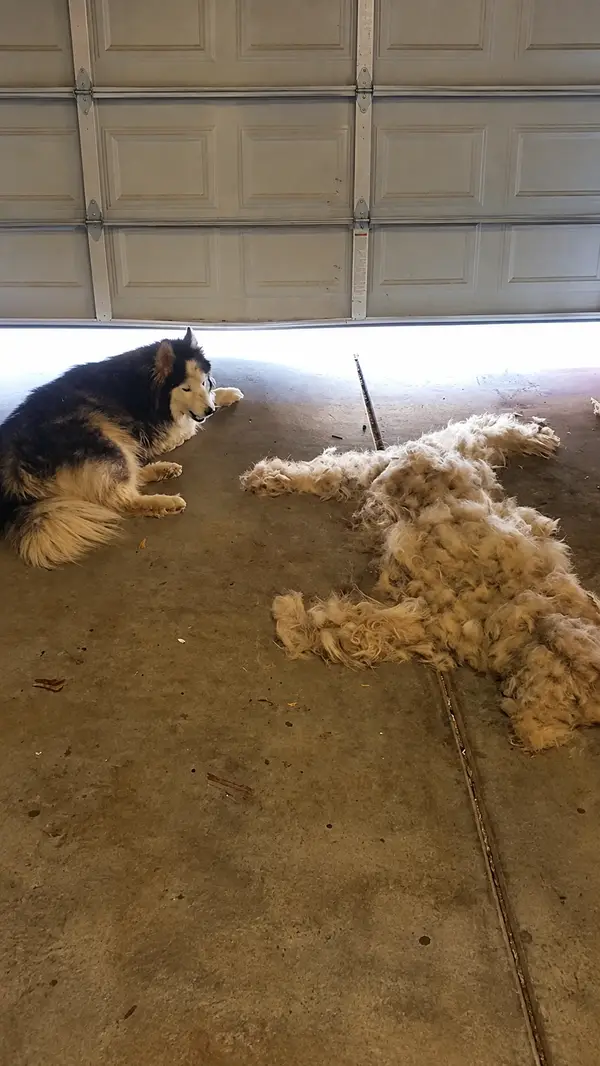
Ella's Pet Diary — Read This If You Own A Pet 👆
Promising

Read This If You Own A Pet 👆

Three black blazers went into my kitchen trash in one month. Not old ones. Not stained. Just so full of cat hair that no roller on earth could make them look clean again. Black ones are the kind you need for client meetings when you work in corporate finance and people judge you before you open your mouth. My two cats, Milo and Luna, are the loves of my life. They were also wrecking my career. I'd started changing in my car before work. Keeping my clothes in vacuum-sealed bags. Setting my alarm 45 minutes earlier for "hair time." Still, by 10 AM, someone would brush past me and I'd see it. That look. The small step back. The polite attempt not to stare at the fur on my shoulders. So when the fourth thing went bad, my good wool coat, I took it to the dry cleaner instead of the trash. She handed it back and said she wouldn't clean it because of the embedded pet hair. Then she told me my lint roller was making it worse. I stood there holding a $300 wool coat with my face burning while the line behind me shifted. "The adhesive from those rollers," she said, not unkindly. "It leaves a film. It makes the hair stick deeper into the fibers." That was Tuesday, November 14th. 3:47 PM. I know because I took a photo of the receipt she gave me for the coat she refused to clean. I needed evidence this was really happening. That night I couldn't sleep. 2:23 AM. On my laptop, searching "why does pet hair stick to clothes permanently" for probably the hundredth time. This time I added two words. Textile science. A textile engineer at North Carolina State had published a paper on static charge in synthetic fabrics. Dense language, but one line stopped me cold. Modern fabrics generate up to 35,000 volts of static through normal friction. Thirty-five thousand. Pet hair carries a natural positive charge. Our clothes, especially the synthetic blends in most work clothes, build a negative charge just from moving around. We're walking magnets. And here's what made me sit up in bed. Adhesive products don't just remove hair. They leave microscopic adhesive behind, and that film holds more static. Every morning I rolled that lint roller over my clothes, I made them more magnetic to cat hair. Those three blazers weren't ruined by my cats. I'd rolled them to death. The paper mentioned something else. Before synthetic fabrics took over closets in the 1950s, people used a slightly damp rubber glove. Rubber neutralizes the static and lifts the hair without leaving anything behind. At 3 AM I was in my bathroom with my yellow dish gloves under the tap. I grabbed yesterday's "ruined" black sweater from the hamper. So much white fur it looked grey. Next in line for the trash. Damp glove. One smooth pull down the sleeve. The hair came off in a sheet. Like peeling a sticker. I did the other sleeve. The front. The back. Three minutes. I held it up to the light and turned it. Nothing. No fur. No residue. No damage. My hands were shaking. I wore that sweater to work the next morning. By 5 PM, still clean. But dish gloves aren't practical. Wet. Bulky. I couldn't carry them in my purse without looking insane. So I went looking for something built on the same principle, friction that kills static instead of adding to it, that works dry. That's how I found the PurePath glove. No water. No residue. You run it down the fabric and the hair rolls into a strip you peel off and throw away. The first time I used it on my black pants, I cried. One swipe down each leg. Maybe 20 seconds. It's been four months. Nothing black has gone in the trash since. I wear black whenever I want. I don't change in my car. I don't set the alarm early. Last week I ran into the dry cleaner at Starbucks. She looked at my coat, the one she wouldn't take, and asked what I'd done. When I told her, she asked me to write down the name. I think about those three blazers a lot. The solution was never trying harder or buying more. You're not crazy. You're not dirty. You don't have to choose between your career and your cats. Press Learn More to read what I found, and see what actually fixes it. P.S. If you lint roll every morning and still walk in covered, you're not failing at it. The roller is charging your clothes up for the next shed. That's the whole problem, and it takes thirty seconds to fix once you know.

Loading the ad's image
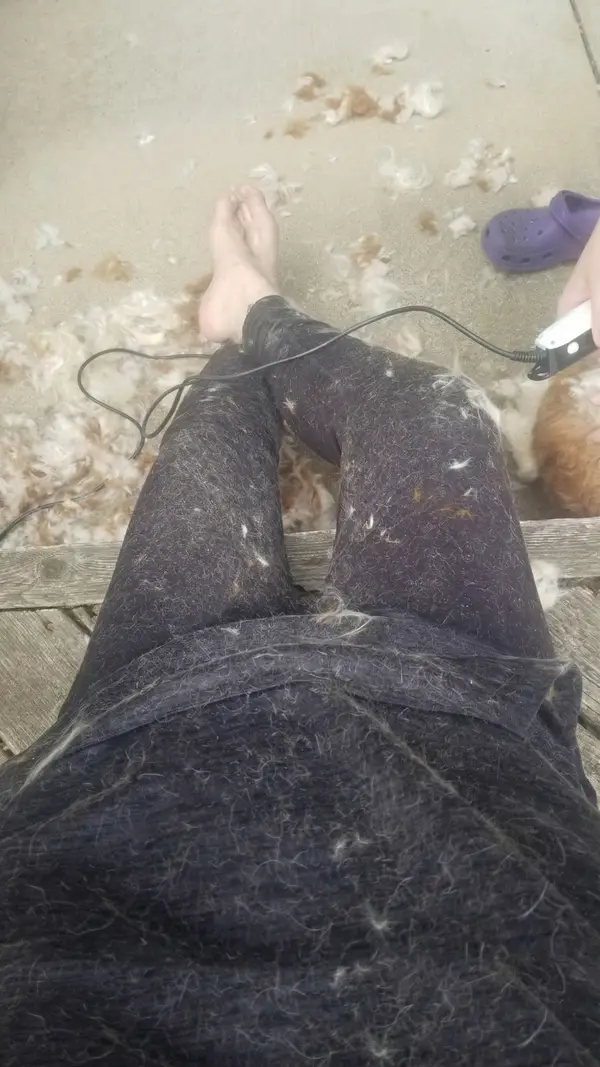
Ella's Pet Diary — Read This If You Own A Pet 👆
Promising

Showing 24 of 49 · all in Meta's Ad Library

From the ads Sniped has collected from this page (49 so far, first seen Nov 2026). Reach is what Meta reports; no spend or sales estimates.