Advertiser

TerraShell by QuietProtector

tryterrashell.comMeta Ad Library

72
Running ads
71 new in 30 days
Oct 2026
Advertising since
longest ad 1 month
256
Reach
running ads, summed
29% video
Formats
21 video · 10 image
7
Products advertised
2 shops

Nobody Freezes: 68% Off

We made too many... Right now, the TerraShell emergency sleeping bags that keep your family warm when the power dies are up to 68% off with free shipping while supplies last ➡️ TerraShell gives your family a warm night with no power and no fuel: 🔥 Holds in their own body heat, so the shivering stops 🌬️ Blocks the wind and the wet, so they stay dry 🥫 Small as a soda can, so there's one ready for every person you love 🔋 No plug, no batteries, so they stay warm even on the third night without power Get one for each person you love today, before they're gone ⬇️

Loading the ad's image
TerraShell by QuietProtector — Nobody Freezes: 68% Off
PromisingVideo

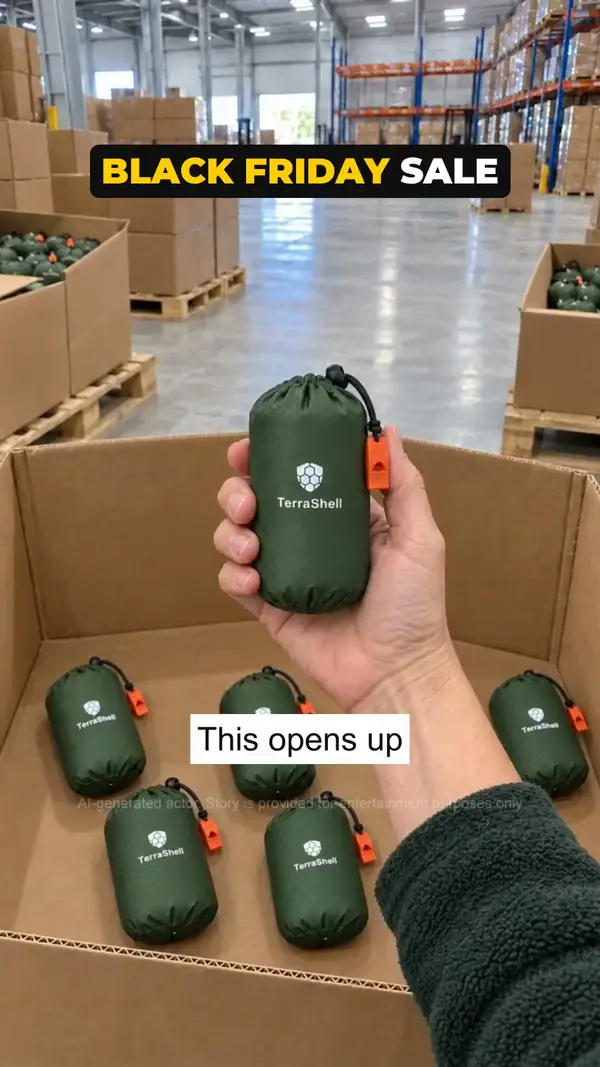
Black Friday Sale Is Live

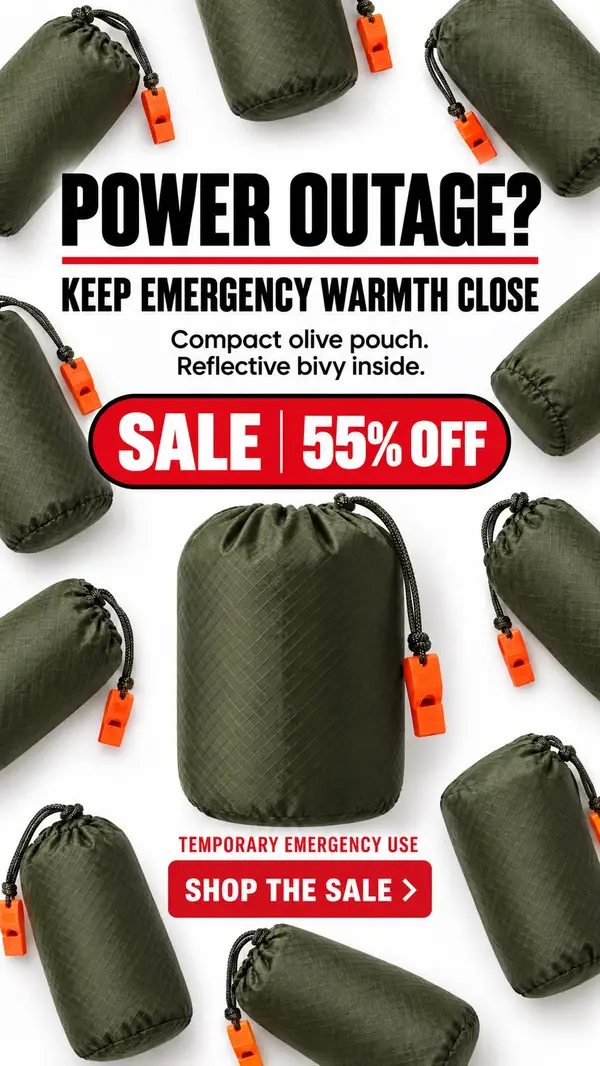
The family pack is up to 55% off, and this price ends tonight. That is one layer for every person under your roof. They are sealed emergency bivies, and every order carries the 120-day money-back guarantee. You can only buy them direct from the official Quiet Protector site. See what a sealed emergency bivy does on the night the heat quits. Owners report staying warm in freezing cars and unheated homes at 30 degrees, in normal clothes. The film sends back at least 90% of the heat a body already makes. There is no battery to check, no fuel to buy, and nothing to charge. Get the family pack before this price ends tonight: https://tryterrashell.com/pp

Loading the ad's image
TerraShell by QuietProtector — Black Friday Sale Is Live
TestingImage

Why blankets won't save you this winter

⚠️ 45+ million Americans under winter weather alerts right now. With TerraShell, you're always ready for anything. Sudden temperature drop? 🥶 Thermal Mylar technology has you covered. Family camping trip? 🏕️ One compact bag = full-body warmth for anyone. Emergency situation? 🆘 Unfold. Wrap. Survive. You don't need to be a survival expert to protect your family 👨‍👩‍👧‍👦 Emergencies hit ordinary people living ordinary lives—be the one who's ready. Get yours before the cold finds you! Start Your Survival Journey →

Loading the ad's image
TerraShell by QuietProtector — Why blankets won't save you this winter
TestingVideo

Nobody Freezes: 68% Off

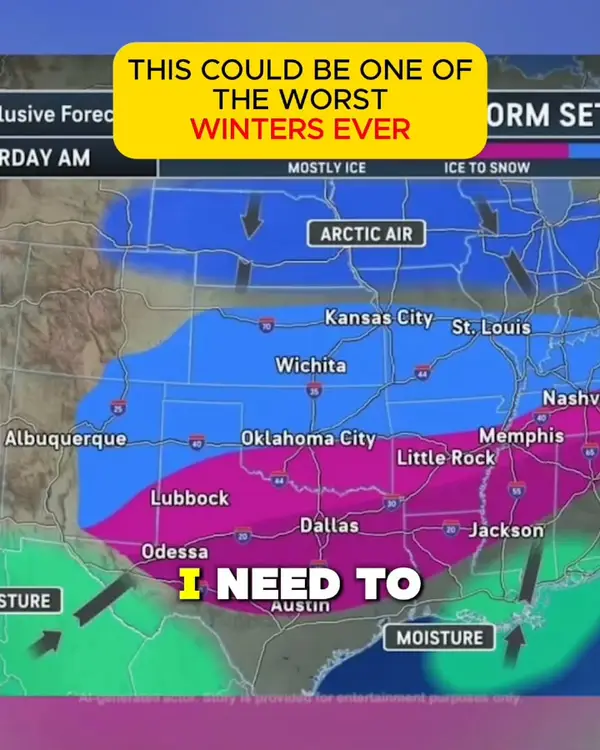
U.S. bases are now being prepared to last up to 90 days without outside support, and the UK just urged its citizens to start stockpiling, and I work for FEMA and I need to tell you about the one item on our emergency checklist that almost nobody owns until it's too late. I can't tell you my name or my office location… But what I can tell you is that 3 weeks ago, we had a coordination call with DHS, DOD, and the National Guard about infrastructure resilience. And the timeline they're planning for isn't 72 hours anymore. It's 90 DAYS. The UK government just told citizens to prepare for blackouts and supply disruptions… Germany's telling people to stockpile food and water… And over here, the Pentagon just finished upgrading every major base to operate independently for 3 months. That's not a coincidence. I've worked disaster response for 11 years. Hurricane Katrina, Sandy, Harvey, Helene. And I'm telling you, the agencies are moving in a way I've never seen before. Not faster. Quieter. We're not allowed to say certain things in public briefings anymore… We're not allowed to use certain timeframes… But the internal memos? They don't say 72 hours. They say extended grid failure. Prolonged service disruption. 90-day operational independence. And every single one of those memos has the same line buried in the logistics section. Hypothermia becomes the primary threat within 72 hours of winter grid loss. Let me tell you what that actually means, because I've seen it in every major cold-weather disaster I've ever worked. Your house runs on one thing: heat. And heat needs electricity or fuel. When the grid goes down in winter, your house becomes a freezer. Within 6 hours, interior temperatures start dropping. Within 24 hours, your house equalizes with the temperature outside. And that's when we issue the notice every single time: SHELTER IN PLACE WITH ALTERNATE HEAT SOURCE. Texas, February 2021. Four million people lost power. Temperatures in the teens. 246 people died. Most of them from hypothermia. In their own homes. And here's what I watched happen in every single one of those disasters. Families who did everything right still fell apart by day 3. They had the generator… But generators need fuel and fuel runs out or can't be delivered. They had propane heaters… But propane heaters need ventilation and families died from carbon monoxide trying to stay warm. They had blankets… But blankets don't stop your core temperature from dropping when you're sitting in 19-degree air for 48 hours. So they tried to improvise. Running cars in garages until the carbon monoxide got them. Burning furniture in fireplaces that hadn't been inspected in years and starting house fires. Huddling under every blanket they owned while their body temperature dropped degree by degree. By day 3, I've seen families trying to decide whether to stay in a freezing house or leave with nowhere to go. I've seen elderly people who couldn't get warm no matter what they tried. I've seen parents watching their kids shiver under six blankets knowing nothing they were doing was enough. After Texas, the after-action reports all said the same thing. The deaths clustered in the first 72 hours. Before response could reach people. In that window where they were on their own. And the cause of death was almost always the same. Hypothermia. Not because help didn't come. Because help couldn't come fast enough. And here's the part that made me break protocol and write this. 2 months ago, I was in a supply coordination meeting. We were reviewing the federal emergency stockpile. Millions of MREs. Pallets of water bottles. Generators. Medical supplies. And someone asked: "What about emergency heat for extended winter grid-down scenarios?" The answer was: "That's not a federal priority. Individuals are responsible for their own heat backup." Let me say that again. If the grid goes down for 90 days in winter, FEMA is not coming to your house with a heat solution. You're on your own. That's when I went home and ordered these for my own family. A TerraShell emergency bivouac for every person in my house. No power. No fuel. No installation. You get inside. Your body heat gets trapped and reflected back to you. That's it. I tested one in my garage in January. Turned off the heat. Let the temperature drop to 28 degrees. Got inside at 9pm. By 9:20pm I could feel warmth building. By 10pm I was comfortable. I stayed in there for three hours. Garage stayed at 28 degrees the whole time. I stayed warm the whole time. I ordered four more. One for each car. One for my daughter. One for my son. And then I started telling people. Other FEMA coordinators. Emergency managers. First responders. The ones who'd seen the same thing I'd seen in Texas. Most of them bought one. Because we all know the same thing. The grid is fragile. And when it fails in winter, you have 72 hours before cold becomes the primary threat. Not on day four. On day one. Here's what I need you to understand. I can't tell you what the agencies know. I can't tell you why the timeline changed from 72 hours to 90 days. I can't tell you why the UK and Germany are suddenly telling citizens to stockpile. But I can tell you this… The federal stockpile doesn't include emergency heat. The disaster response plan assumes you'll figure it out on your own. And every single FEMA coordinator I know who's worked a real extended winter outage has these in their own home now. Not because we're panicking. Because we've seen what happens to families who have everything except this. You've got power right now. The heat's running. Your house is warm. Order this tonight, while it still is. Because when the grid goes down in winter, we're not coming to your house with a heat plan. You'll be on your own. I've put the link below.

Loading the ad's image
TerraShell by QuietProtector — Nobody Freezes: 68% Off
TestingImage

Stay Warm When Power Dies

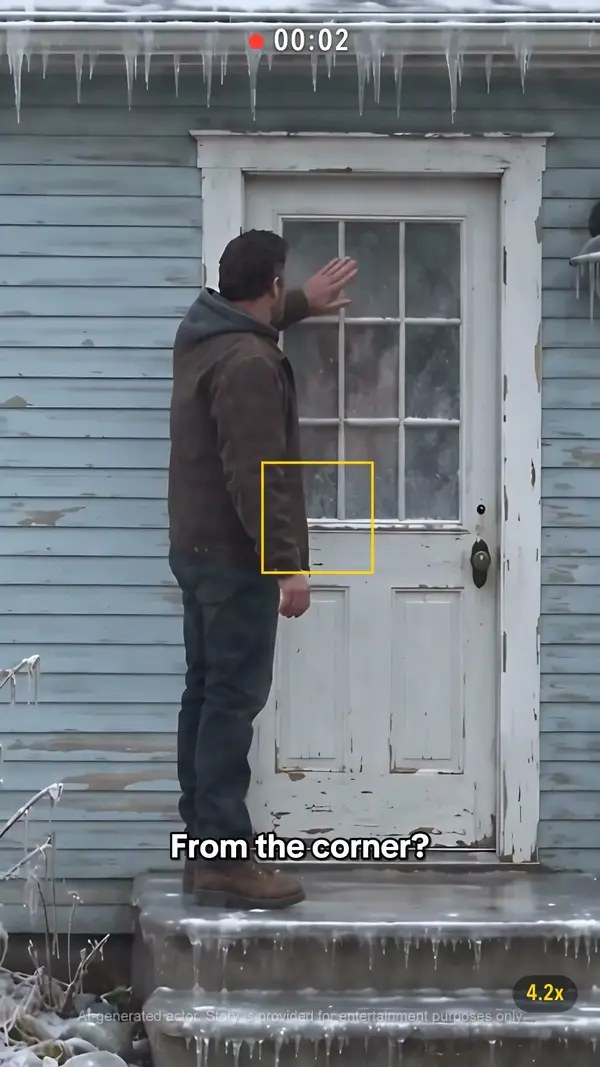
"Is that David? From the corner?" "Mark! Julie!" "Nobody's answered over there since Tuesday. Oh. Oh, Lord. He's going to..." A woman two yards over filmed that through her kitchen window on day five of the ice storm, and she showed it to me a week later. That's me at the Hendersons' back door with a rock in both hands, and that's their dog going crazy on the other side of the glass. She stopped filming before the glass broke. I didn't stop. My name is David. I'm 46 years old. Ten minutes before that clip, I'd walked across two iced yards to a house I'd waved at for six years, because my wife said their chimney hadn't had smoke since the morning before. I knew their names and not much else. Nobody answered my knock. Their dog did, and he wouldn't stop. Through a gap in the curtain I could see a hand on the living-room floor, and it wasn't moving. I called 911 and got a busy signal, twice. Sarah said, "Then get in there, David. Go." So I picked up a rock from the garden bed and put it through the glass in their back door. The inside of that house was colder than outside. Mark and Julie were under every blanket they owned, gray in the face, and I had to dig for a pulse. Their eleven-year-old, Sophie, was sitting on the kitchen floor feeding dry cereal to the dog, one piece at a time. She looked up at me and asked, "Are they dead?" She'd been sitting there since the day before, because her mom had told her to stay inside. When the dispatcher finally picked up, she said at least an hour. Sophie heard that and told me why she was feeding the dog. "If we die, somebody needs to be alive to bark when people come looking." I went around the corner into the hall so an eleven-year-old wouldn't see a grown man fall apart. She was eleven, and she'd spent a day and a night on that floor getting ready for her mom and dad to die. The paramedics got there forty-seven minutes later. The first thing Marcus did was grab a corner of the blankets on Julie. "These are soaked. Get them off her." Then he put a hand on Mark. "He's stopped shivering. That's bad." At the hospital, on generator power, the nurse told me they were critical but warming up, and that another hour in that house would have been too late. Marcus found me in the hallway after. "Days in a cold room, your breath and your sweat soak into the blankets. And wet blankets pull the heat right out of you. People pile on more, and it gets worse." Three days later Mark said it himself, from the ICU: "We thought we were staying warm. Instead we were freezing faster." Julie said, "We didn't know." Back on the night of the rescue, I didn't know either. My boy Noah is nine, and he'd been sleeping a lot in his bag all week. I'd called it tired. Marcus drove me home that night on chains, and he saw it before I did. "That's not tired, David. That's cold." He pointed at the frost on the inside of my own window. "That's your breath. Four people breathing for five days in a shut room. And the same water's going into those bags." He put his hand on the bottom of Noah's sleeping bag. "It's wet. Wet stuffing pulls the heat out of him all night, same as the Hendersons' blankets. You had the right idea, David. It's just the wrong bag for a house this cold." We'd done the sensible things. A fire for four days, until the wood ran out. A camp stove you can't burn in a shut room while you sleep. Candles that barely warm your hands. The good sleeping bags from the store. Then Marcus went out to his truck and came back with a case. Inside were olive sacks the size of a soda can, each with an orange whistle on it. "I keep these in my truck. I hand them out on calls like tonight's. It's called TerraShell." Sarah said what you're thinking. "That's it? It's so thin. Is that really going to keep him warm?" "It will. He's the heater." TerraShell makes no heat of its own. The heat is Noah's own. The trouble all week was where it went, because a soaked bag pulls it out of him all night. The shell keeps the wet off him and keeps that heat in. You climb inside, it closes all the way around you, and the silver inside sends about 90% of the heat your own body makes right back to you. NASA came up with that. The wind, the wet and the cold floor stay off you, so the heat you make at midnight is still with you at dawn. No power, no gas, no fire. He had me put my hand in and give it a minute. That warmth was me. My own heat, the heat that had been leaving my boy for five days. Marcus left us five and said, "I'd rather hand these out than carry another family out." We moved Noah into one that night, the coldest night of the storm, with no fire in the house. Around midnight he said, "Dad? I'm warm." At dawn Sarah had her hand on his. "His hands are warm." Then he sat up and asked if there was any cereal. When the Hendersons came home from the hospital, I walked over with three of them, one for each of them, and Julie opened the door with Sophie and the dog behind her. Sophie asked her mom, "Can we keep these in my room?" Julie said, "Yeah, baby." The next storm took the lines down again, and that family slept warm in their own house. I'm not telling you this to scare you. Mark and Julie weren't careless. They had blankets, a fireplace and each other. They didn't have the right tool. Neither did I, and my boy was going quiet in a wet sleeping bag while I sat in my coat and told myself we were fine. Maybe it's your mom, who lives alone and tells you on the phone she's fine. Maybe it's your husband, who says the fireplace has it covered. Maybe it's your own house, full of family, the night the lines come down. When the power goes out in the cold, you won't have time to order anything. You'll have what's in the house. TerraShell folds down to the size of a soda can, so there's room in the house for one for everybody. 50,000 families keep one already. Stay warm when the power goes out, or get every penny back for 120 days. TerraShell is up to 72% off with free shipping for a limited time. Sophie shouldn't have had to plan for her parents' death. Nobody you love should have to. Get one for each person you love, before the next storm takes the power. https://tryterrashell.com/pp

Loading the ad's image
TerraShell by QuietProtector — Stay Warm When Power Dies
TestingVideo

Black Friday Sale Is Live

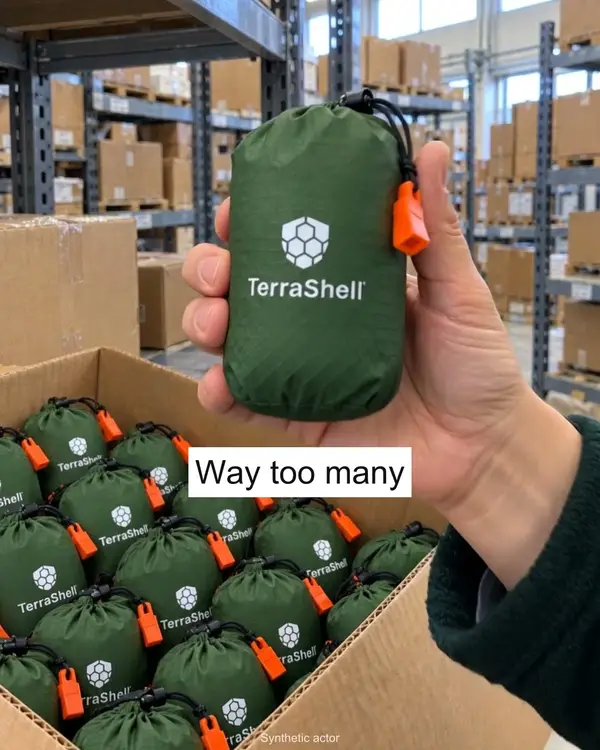
I need to say something to everyone who already owns a TerraShell. Because I have to be honest with you. Our last production run got shipped to the wrong warehouse, right before our Holiday Warehouse Clearance Sale. Shipping them back would cost more than they're worth, so now we've got way more of them sitting here than we ever planned to have. So we're letting every one of them go at cost. That's up to 55% off the family pack. We had the sale planned for later this month, and it starts today instead. The sale comes right before the coldest stretch of the year. You already know what yours does: it holds your own heat in on the night the furnace quits. Now get one for each person you love. Put one in the hall closet, and one in every car in the driveway. That price holds while these pallets last, and Monday morning it's over. Every family pack gives you 120 days to change your mind. Go grab yours right now, before they're gone. https://tryterrashell.com/pp

Loading the ad's image
TerraShell by QuietProtector — Black Friday Sale Is Live
TestingImage

Warmer than your quilts

Summer is Now Over. Fall, winter, and colder weather have arrived. Now is the time to prepare for the cold before you’re caught without a way to stay warm. TerraShell’s thermal technology helps retain body heat in any climate. Just unfold, wrap, and stay warmer. No survival skills needed. No complicated setup. Just one TerraShell for every person you love, ready before you need it. Emergencies don’t pick adventurers. They pick unprepared families. 👨‍👩‍👧 📦 Get 55% OFF + FREE Shipping. Ends today! 📦 Get Your TerraShell Now → https://tryterrashell.com/pp

Loading the ad's image
TerraShell by QuietProtector — Warmer than your quilts
TestingVideo

Stay Warm When Power Dies

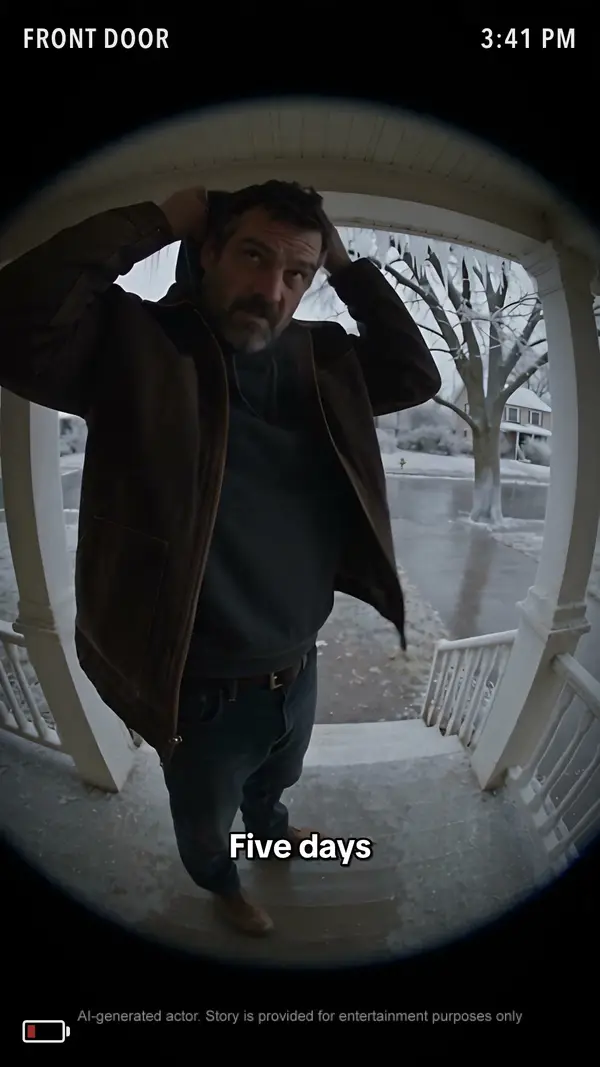
"Five days, Sarah. Nobody's coming today either." "Their chimney's still cold. Go look. Take the big flashlight." "If they don't answer, I'm going in." That's our own front door camera, running on its battery, a little after four on day five of the ice storm. I didn't know it was still recording. Sarah pulled the clip when the power came back, and that's the last thing I said before I walked across two iced yards to a house I'd waved at for six years. My name is David. I'm 46 years old. I knew the Hendersons' names and not much else, and nobody on our street had seen them since the morning before. Nobody answered my knock. Their dog did, and he wouldn't stop. Through a gap in the curtain I could see a hand on the living-room floor, and it wasn't moving. I called 911 and got a busy signal, twice. Sarah said, "Then get in there, David. Go." So I picked up a rock from the garden bed and put it through the glass in their back door. The inside of that house was colder than outside. Mark and Julie were under every blanket they owned, gray in the face, and I had to dig for a pulse. Their eleven-year-old, Sophie, was sitting on the kitchen floor feeding dry cereal to the dog, one piece at a time. She looked up at me and asked, "Are they dead?" She'd been sitting there since the day before, because her mom had told her to stay inside. When the dispatcher finally picked up, she said at least an hour. Sophie heard that and told me why she was feeding the dog. "If we die, somebody needs to be alive to bark when people come looking." I went around the corner into the hall so an eleven-year-old wouldn't see a grown man fall apart. She was eleven, and she'd spent a day and a night on that floor getting ready for her mom and dad to die. The paramedics got there forty-seven minutes later. The first thing Marcus did was grab a corner of the blankets on Julie. "These are soaked. Get them off her." Then he put a hand on Mark. "He's stopped shivering. That's bad." At the hospital, on generator power, the nurse told me they were critical but warming up, and that another hour in that house would have been too late. Marcus found me in the hallway after. "Days in a cold room, your breath and your sweat soak into the blankets. And wet blankets pull the heat right out of you. People pile on more, and it gets worse." Three days later Mark said it himself, from the ICU: "We thought we were staying warm. Instead we were freezing faster." Julie said, "We didn't know." Back on the night of the rescue, I didn't know either. My boy Noah is nine, and he'd been sleeping a lot in his bag all week. I'd called it tired. Marcus drove me home that night on chains, and he saw it before I did. "That's not tired, David. That's cold." He pointed at the frost on the inside of my own window. "That's your breath. Four people breathing for five days in a shut room. And the same water's going into those bags." He put his hand on the bottom of Noah's sleeping bag. "It's wet. Wet stuffing pulls the heat out of him all night, same as the Hendersons' blankets. You had the right idea, David. It's just the wrong bag for a house this cold." We'd done the sensible things. A fire for four days, until the wood ran out. A camp stove you can't burn in a shut room while you sleep. Candles that barely warm your hands. The good sleeping bags from the store. Then Marcus went out to his truck and came back with a case. Inside were olive sacks the size of a soda can, each with an orange whistle on it. "I keep these in my truck. I hand them out on calls like tonight's. It's called TerraShell." Sarah said what you're thinking. "That's it? It's so thin. Is that really going to keep him warm?" "It will. He's the heater." TerraShell makes no heat of its own. The heat is Noah's own. The trouble all week was where it went, because a soaked bag pulls it out of him all night. The shell keeps the wet off him and keeps that heat in. You climb inside, it closes all the way around you, and the silver inside sends about 90% of the heat your own body makes right back to you. NASA came up with that. The wind, the wet and the cold floor stay off you, so the heat you make at midnight is still with you at dawn. No power, no gas, no fire. He had me put my hand in and give it a minute. That warmth was me. My own heat, the heat that had been leaving my boy for five days. Marcus left us five and said, "I'd rather hand these out than carry another family out." We moved Noah into one that night, the coldest night of the storm, with no fire in the house. Around midnight he said, "Dad? I'm warm." At dawn Sarah had her hand on his. "His hands are warm." Then he sat up and asked if there was any cereal. When the Hendersons came home from the hospital, I walked over with three of them, one for each of them, and Julie opened the door with Sophie and the dog behind her. Sophie asked her mom, "Can we keep these in my room?" Julie said, "Yeah, baby." The next storm took the lines down again, and that family slept warm in their own house. I'm not telling you this to scare you. Mark and Julie weren't careless. They had blankets, a fireplace and each other. They didn't have the right tool. Neither did I, and my boy was going quiet in a wet sleeping bag while I sat in my coat and told myself we were fine. Maybe it's your mom, who lives alone and tells you on the phone she's fine. Maybe it's your husband, who says the fireplace has it covered. Maybe it's your own house, full of family, the night the lines come down. When the power goes out in the cold, you won't have time to order anything. You'll have what's in the house. TerraShell folds down to the size of a soda can, so there's room in the house for one for everybody. 50,000 families keep one already. Stay warm when the power goes out, or get every penny back for 120 days. TerraShell is up to 72% off with free shipping for a limited time. Sophie shouldn't have had to plan for her parents' death. Nobody you love should have to. Get one for each person you love, before the next storm takes the power. https://tryterrashell.com/pp

Loading the ad's image

TerraShell by QuietProtector — Stay Warm When Power Dies
TestingVideo

#1 Way to Keep Family Warm

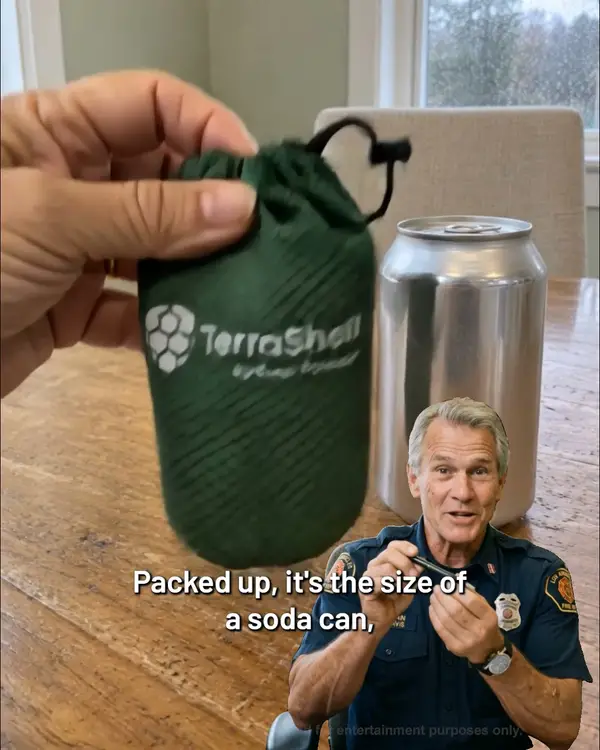
Feel what it's like to sleep warm when the power is out, wrapped in a TerraShell emergency sleeping bag… Trusted by 50,000+ families, it's your key to a warm night. For a limited time, we're offering up to 72% off and free shipping, so everyone you love can have one. TerraShell holds in your body heat like nothing in your closet: Sends At Least 90% Of Your Heat Back, So You Stop Shivering Blocks The Wind And Wet, So You Stay Dry And Warm Warm All Night With No Power Keep your family warm when the power dies. Get one for each person you love today, before this batch is gone! https://tryterrashell.com/pp

Loading the ad's image
TerraShell by QuietProtector — #1 Way to Keep Family Warm
TestingVideo

Warm in every bed and car

Eight TerraShells: one for every car and every bed in the family. Each one keeps a person warm when the power goes out, with no flame and no fumes. Both winter guides come free. Family packs are up to 55% off for a limited time. Black Friday pricing ends Monday, November 30.

Loading the ad's image
TerraShell by QuietProtector — Warm in every bed and car
TestingImage

Before The Next Blackout

I found my neighbor's ten-year-old son trying to burn his sister's stuffed animals in the fireplace at 4am on the sixth day of the blackout, and when I asked him what the hell he was doing, he looked at me with these flat, empty eyes and said: "We ran out of wood three days ago and Emma stopped talking yesterday." I'm writing this because what I saw in that house is going to happen in a thousand houses this winter. And most of the families it happens to will never talk about it. Because what happens when you run out of heat isn't dramatic. It's not a heart attack or a fall or something you can point to and say "that's when it went wrong." It's slow. It's quiet. And by the time you realize something's broken, the breaking already happened days ago. — His name was Kyle. Ten years old. Good kid. Played soccer with my son. His little sister Emma was seven. Their dad worked offshore. Two weeks on, two weeks off. He'd left for his rotation the day before the freeze hit. Their mom Michelle was doing it alone. And she was doing everything right. Flashlights. Batteries. Canned food. Blankets. She had a fireplace. She'd even stacked wood on the back porch before the storm came. I saw her outside on day two, carrying logs in. She waved. I waved back. Day three, I saw smoke from her chimney. Smelled it too. That clean wood smoke smell that makes you feel like someone's got it handled. Day four, same thing. Day five, no smoke. I figured she was conserving. Rationing. Being smart. Day six, I woke up at 3:47am because I heard something outside. A door slamming. Then a kid's voice. High-pitched. Desperate. I pulled on my coat and boots and went out. Kyle was on his front porch in his pajamas and a jacket, trying to rip boards off the porch railing with his bare hands. No gloves. His fingers were bleeding. "Kyle. Kyle, what are you doing?" He didn't answer. Just kept pulling at the boards. I grabbed his shoulders. "Kyle. Stop. What's wrong?" He looked at me. And I will never forget his face. Not scared. Not panicked. Just... gone. "We ran out of wood," he said. "Three days ago. Mom keeps saying it's fine but Emma stopped talking yesterday and I don't know what to do." — I followed him inside. The house was colder than outside. I'm not exaggerating. The air inside that house was colder than the 18-degree air I'd just walked through. Because cold air sinks. And when you've got no heat source for days, the cold doesn't just come in through the windows. It settles into the walls. The floors. The furniture. Everything becomes a cold sink. Michelle was sitting on the couch with Emma wrapped in every blanket they owned. Emma wasn't moving. Her eyes were open but she wasn't looking at anything. Michelle was rocking her. Slowly. Like she'd been doing it for hours. "She's fine," Michelle said when she saw me. "She's just tired. She'll be fine." Her voice was flat. Mechanical. I walked closer. Emma's lips were blue. Her skin was gray. The blankets around her were stiff. Frozen. "Michelle. When's the last time Emma said something?" Michelle kept rocking. "Yesterday morning. She said she was cold. I told her I know, baby. I know." "Has she eaten?" "She won't eat. I tried. She just closes her mouth." "Michelle. She needs a hospital." Michelle looked at me like I'd said something in a foreign language. "The roads are ice. Nobody's coming. I called yesterday. They said it could be 12 hours. Maybe more." She went back to rocking. "She's fine. She's just tired." — I need you to understand something. Michelle wasn't neglectful. She wasn't stupid. She wasn't a bad mother. She was hypothermic. Her core temperature had dropped so low her brain wasn't processing reality anymore. That's what happens. You don't realize you're dying because the thing that would tell you you're dying has already shut down. Michelle thought Emma was sleeping. Emma wasn't sleeping. Emma was in stage two hypothermia. Confusion. Lethargy. Loss of motor control. Another six hours and she'd be in stage three. Unconsciousness. Cardiac arrest. Death. And Michelle would've just kept rocking her. Thinking she was tired. — I didn't call 911. I knew what they'd say. Same thing they told Michelle yesterday. 12 hours. Maybe more. Emma didn't have 12 hours. So I did the only thing I could think of. I picked Emma up — blankets and all — and carried her out of that house. Michelle didn't stop me. Didn't even stand up. Just kept rocking. Empty arms. I carried Emma across the street to my house. My wife met me at the door. Took one look at Emma's face and didn't ask questions. We had something Michelle didn't. Not a generator. Not a fireplace. Something I bought three years ago after a guy I used to work with told me a story about his cousin who died in a blackout in Pennsylvania. Thermal bivvies. Military-grade. Waterproof. Reflective lining. The kind of thing that sounds like prepper paranoia until the night you need it and don't have it. I unrolled one on the living room floor. Slid Emma inside. Sealed it around her. Left just her face exposed. Then I sat there and waited. Five minutes. Nothing. Ten minutes. Still nothing. My wife was standing behind me. I could hear her breathing fast. "Is she—" "Give it time." Fifteen minutes. Emma blinked. Slowly. Like she was waking up from surgery. Twenty minutes. She started shivering. Her whole body shaking inside that bag like she was seizing. My wife grabbed my arm. "Is that normal?" "That's good. Shivering means her body's fighting again." Thirty minutes. Emma's eyes focused. She looked at me. Looked around the room. "Where's my mom?" she whispered. — I went back to Michelle's house. She was still on the couch. Still rocking. Kyle was sitting on the floor next to the fireplace, staring at the ashes. I knelt down in front of Michelle. "Emma's okay. She's at my house. She's warming up." Michelle nodded. Didn't look at me. "You need to come with me. Both of you. Right now." "I'm fine," Michelle said. "We're fine." "Michelle. You're not fine. Your core temperature is too low. You're hypothermic. You don't know it because your brain can't process it anymore. But you are." She kept rocking. I looked at Kyle. "Kyle. Get your coat. You're coming with me." Kyle stood up. Put his coat on. Didn't argue. I pulled Michelle to her feet. She didn't resist. Didn't help either. Just stood there swaying. I walked them both across the street. Got them inside. Got them into bivvies. Sealed them up. And then I sat on my couch and watched three people come back from something they didn't even know they were dying from. — Michelle cried for two hours straight once her body temperature came back up. Not because Emma almost died. Because she didn't know. She thought Emma was sleeping. She thought Kyle was fine. She thought she was handling it. And the whole time, all three of them were shutting down. "I had blankets," she kept saying. "I had so many blankets. Why didn't they work?" I told her what I'd learned three years ago. What the guy I used to work with told me after his cousin died. Cotton and wool absorb moisture. Breath. Sweat. Condensation. Once they get wet — even just damp — they stop insulating. They start conducting. They pull heat out of your body faster than your body can make it. And the worst part is you don't feel it happening. You just get tired. Then confused. Then you stop thinking clearly. And then you die under six blankets thinking you're fine. Michelle's wood ran out on day three. Her blankets soaked through by day four. By day five, all three of them were hypothermic. And nobody knew. Not Michelle. Not the kids. They just thought they were tired. Cold and tired. That's how it happens. —- Michelle's husband got home four days later. Roads finally cleared enough for him to drive back. He walked into my house and saw his family on my couch, wrapped in green bags, drinking hot soup. He looked at me. "What happened?" I told him. He didn't say anything for a long time. Then he asked: "Where do I get those bags?" I wrote it down for him. TerraShell. He ordered twelve that night. One for every room. One for every car. One for every family member to keep in their school bag or work truck. "I'm offshore two weeks a month," he said. "I can't be there when the power dies. But these can." — Here's what nobody tells you about winter blackouts. They're not rare anymore. Texas. Tennessee. Michigan. Pennsylvania. North Carolina. Every winter now, the grid fails somewhere. Ice. Wind. Overload. And every winter, people die in their own homes under their own blankets thinking they're fine. The CDC doesn't call it hypothermia in the reports. They call it "cold-related death." Makes it sound like something that happens outside. It doesn't. It happens inside. In beds. On couches. Under piles of blankets that stopped working three days ago. And the people dying don't know they're dying because hypothermia shuts down the part of your brain that would tell you something's wrong. You just get tired. And confused. And then you're gone. — It's late September now. You've got maybe six weeks before the first freeze. Maybe eight if you're lucky. And I need you to hear this. Your blankets will fail you. Not because they're cheap. Not because you didn't buy enough. Because cotton and wool absorb moisture and wet fabric kills. Your fireplace will fail you. Because wood runs out. Chimneys clog. Carbon monoxide doesn't smell like anything until you're already unconscious. Your generator will fail you. Because fuel runs out and gas stations don't work without power. Everything you think will save your family has a fatal flaw. Except one thing. The thing that doesn't need fuel. Doesn't need power. Doesn't need wood or maintenance or anything external. Just your body's own heat reflected back to you by a material that doesn't absorb moisture. Wind barrier. Moisture barrier. Heat reflector. That's the whole thing. That's what saved Emma. That's what saved Michelle and Kyle. That's what's sitting in my hall closet right now waiting for the next time the grid fails. Because it will fail. This winter. Next winter. The winter after that. The grid is not getting more reliable. It's getting worse. And when it fails in January at 11pm when it's 9 degrees outside and your kids are asleep and you've got nothing but blankets— You're going to find out whether your plan actually works. I watched a ten-year-old boy try to burn his sister's stuffed animals because he didn't know what else to do. I carried a seven-year-old girl out of her own house because her mother's brain had stopped working and didn't know her daughter was dying. I sat on my couch and watched three people come back from something they didn't even know was killing them. And the only reason they're alive is because I had six green bags in my closet that cost thirty bucks each. That's it. That's the difference between Emma waking up and Emma not waking up. Thirty dollars. — I put the link below. If you've got kids. If you've got parents. If you've got anyone you'd wrap in blankets when the power dies— Get them. Don't wait until November when everyone else panic-buys and they're sold out. Don't wait until the first freeze when you're standing in your kitchen at 3am realizing your plan has a fatal flaw. Get them now. Put one in every bedroom. One in every car. One in every place someone you love might be when the grid fails. Because it will fail. And when it does, you'll either have an answer or you'll be Michelle. Rocking empty arms. Thinking everything's fine. https://tryterrashell.com/pp

Loading the ad's image
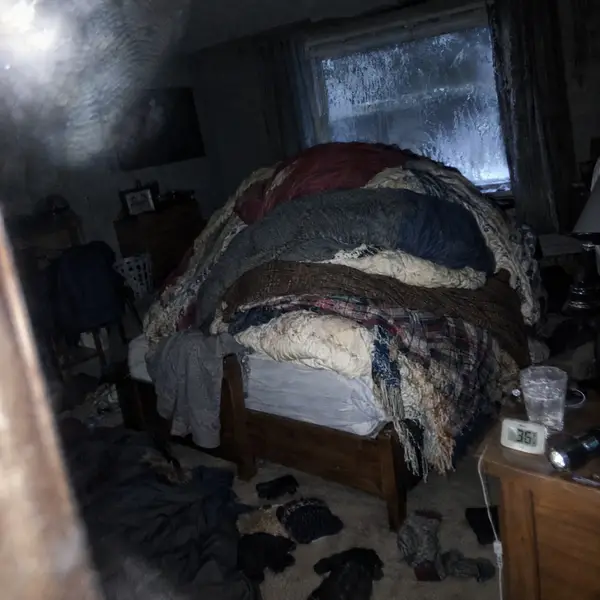
TerraShell by QuietProtector — Before The Next Blackout
TestingImage

Showing 11 of 72 · all in Meta's Ad Library

From the ads Sniped has collected from this page (72 so far, first seen Nov 2026). Reach is what Meta reports; no spend or sales estimates.