Advertiser

Linda Palmer

happywags.coMeta Ad Library

6
Running ads
1 new in 30 days
Apr 2026
Advertising since
longest ad 7 months
—
Reach
running ads, summed
0% video
Formats
0 video · 0 image
3
Products advertised
1 shop

What the dog food industry is hiding from you..

I need every person feeding their dog a food that says "complete and balanced" to stop and read this. That label means your food passed every legal requirement it was held to. Taurine is not on that list. For dogs, it never has been. I know because I found that out three months after I buried mine. MY VET SAID THE FOOD WAS FINE. I fed it to him for three years. And then he was dead at 11 with a heart functioning at less than 20 percent. The bag said complete and balanced. Every single day. It was complete by a standard that never included the one thing his heart needed most. I am not being dramatic. I watched my best friend decline for eighteen months while I fed him the food that was failing him. And I am not letting that happen to your dog without saying something. His name was Milo. A big golden-brown mixed breed with the kind of eyes that made everyone who met him say "that's a good dog." I got him when I was 23. He was my first dog. My best friend for eleven years. When Milo turned 8, his annual bloodwork showed early cardiac markers. Nothing alarming. "Very common in senior dogs," my vet said. "Keep him on a clean, high-quality diet." I went home and researched everything. I bought the best food I could find. Premium. High protein. Real animal ingredients first. $74 a bag. I read every label. I did everything the forums and the vet and the reviews told me to do. Milo ate it every day. For the first year, things seemed stable. Then around age 9, something started shifting. He tired on walks that used to be easy. Slept more. Stopped meeting me at the door. I thought: he has a heart that needs watching. This is part of that. His coat started looking different. Less alive than it used to be. I thought: he's getting older. Senior dogs change. He stopped initiating. Stopped bringing me things. Stopped doing the laps in the backyard he'd always done for no reason. I thought: he's 9. That's just what happens. By the time he turned 11, Milo was a shadow of the dog he used to be. His ribs were showing. Those warm brown eyes looked tired. I took him to the vet. Taurine: 14 nmol/mL. Normal starts at 50. Cardiac function severely reduced. "But I've been so careful," I said. "Premium food. High quality. I do everything right." "Sometimes it progresses despite our best efforts," the vet said. "At this stage, we can try supportive care. But I want you to be prepared." Milo died six weeks later. I held him while it happened. And I sobbed into his fur telling him I was sorry. So, so sorry. After Milo died, I couldn't let it go. I kept thinking: I did everything right. The best food. Regular vet visits. I followed every recommendation. Why did his heart fail so fast? So I started researching again. Not surface-level. Veterinary studies. Scientific papers. Industry reports. And that's when I found it. As dogs age, their body produces less taurine. Every year, less. The heart muscle, the immune cells, the retina, the brain — all of them running on a supply that shrinks a little more with every birthday. By age 7 or 8, most dogs are producing significantly less than they were at 3. And then I found the part that made my blood run cold. AAFCO — the organization that writes the nutritional rules for every bag of dog food sold in America, the one that allows manufacturers to print "complete and balanced" on every bag — requires zero taurine for dogs. Not a minimum. Not a baseline that accounts for what happens to aging bodies. ZERO!! So Milo's heart had been running a growing deficit for years. And the $74 premium bag I'd been buying faithfully had no legal obligation to fill any of it. I kept reading. Many premium dog foods — the ones using plant-based proteins and legume-based fillers to hit their protein numbers cheaply while charging premium prices — contain compounds that interfere with the amino acid precursors dogs need to synthesize taurine on their own. So I wasn't just feeding him food that was required to contain zero taurine. I was feeding him food that made it harder for his body to produce what little taurine it still could. I sat there shaking. Milo's tiredness. His coat. The slow withdrawal from everything he loved. That wasn't aging. That was his heart running dry on something his food was never going to provide — and was actively making harder to produce. There was something I could have done. I could have stopped trusting that "complete and balanced" meant complete for an aging dog's actual needs. I could have questioned why cardiac disease in dogs keeps rising while the bags keep saying "premium." I could have asked: if this food is so complete, why is almost every senior dog declining the same way? But I didn't know. Because no one told me. The bags say complete and balanced. The vets look at the label and nod. And owners like me trust that the system is working. Until our dogs die. I found all of this out three months after Milo died. Three months too late. Something I also found: you can never overdose taurine. It's water-soluble. The body uses what it needs and filters the rest. No toxicity. No side effects. No risk. Which means I could have been giving Milo extra taurine the entire time. Could have been supporting his heart for years. Zero risk. Didn't know. Because no one told me. Not my vet. Not the premium food company. Not a single review on Chewy. I'm writing this because I see so many of you posting the same things I used to post. "My 10-year-old was just diagnosed with early heart disease. What food should I switch to?" "My senior dog is sleeping so much more than he used to. Is this normal?" "He stopped playing, stopped greeting me at the door. Vet says he's healthy for his age." Those aren't normal aging symptoms. Those are signs of a heart running low on something the food was never required to provide. And if you don't address it, the same thing that happened to Milo will happen to your dog. The cardiac markers will climb higher. The decline will accelerate. And one day you'll be sitting in the vet's office being told there's nothing more they can do. After I learned all of this I became obsessed with finding a taurine supplement that actually worked. Bought three different brands. All claimed "pure taurine for dogs" Gave them to my new dog, Simba, for six weeks. Nothing visibly changed. I got suspicious. So I sent all three to a third-party lab. PawVita: Contained only 100mg of actual taurine per scoop. And had contaminated fillers. K9Essentials Taurine, sold at major pet store chains: Heavy metal contamination. Lead levels 3 times the safe limit for dogs. DoggySupps: Their taurine was cut with 48% cheap filler that competes with absorption. Sourced from unverified overseas facilities with zero quality control documentation. These brands were selling random powder in a tub. People had been buying supplements on their own — that were either contaminated, mislabeled, or completely ineffective. I thought about how many dog owners were giving these supplements every single day thinking they were protecting their dogs, while the deficit kept widening. I spent two more weeks looking for something independently verified. Actual pure taurine for dogs. Found a post from a shelter vet on Reddit. She'd tested 17 different taurine brands for dogs. Only one passed. A brand called HappyWags. She posted the lab results. 503mg per scoop. Zero contamination. Zero fillers. 99.7% purity and absorption. I ordered a tub that same day. Within three weeks, I noticed things changing in Simba. Coat looked different. More alive. Eyes brighter. He started doing the backyard laps — the thing young dogs do for no reason, just because they feel like it. I took him for bloodwork six weeks later. Taurine: 61 nmol/mL. Normal range. Cardiac markers stable. The vet looked at the results. "Whatever you're doing, keep doing it." I showed her the HappyWags container. She wrote it down. That was eight months ago. Simba is 3 now. One scoop every morning. He doesn't notice it. Doesn't taste it. But his heart notices. Because I learned my lesson with Milo. Don't trust "complete and balanced" to mean complete for an aging dog. Don't wait for a diagnosis to tell you something's wrong. Don't spend more on the premium bag thinking that fixes the gap — it doesn't change the legal requirement, and it doesn't change what's not in it. And don't buy the Amazon supplements. I tested them. None of them deliver what they claim. I give Simba HappyWags every single day. Less than a dollar a day. The difference between your dog at 12 looking like Milo looked — or looking like Simba does. I didn't get that choice with Milo. You still have it right now. https://happywags.co/products/taurine P.S. Milo went from early cardiac markers to gone in under two years on "premium" food that met every legal requirement. The tiredness, the withdrawal, the coat — I called it aging. It was his heart running dry on something that was never required to be in the bag. Right now, your senior dog's taurine levels are lower than they were last year. Every day the gap stays open, the damage compounds. The food companies treat taurine as a cats-only requirement. For dogs, zero is the legal minimum. The premium bag and the budget bag have the same requirement on this one thing. Don't wait for the diagnosis to find out what that gap costs.

Loading the ad's image
Linda Palmer — What the dog food industry is hiding from you..
Winning

The silent deficiency in dogs no one talks about..

My dog stopped being himself and I spent eleven months blaming grass. The paw licking. The sleeping. The way he'd stopped doing the things that made him him. Three vets. An allergy specialist. Four food switches. One $340 panel. Nobody tested the one thing that was actually wrong. You know that sound, don't you? That wet, rhythmic licking. Over and over. From the dog bed in the corner. You tell yourself it's allergies. You switch the food. You try the shampoo. You buy the wipes. And nothing changes. For eleven months I thought Cooper just had "sensitive skin." But he was only 7 years old. At three years old, Cooper would sprint to the door when I got home. Bring me things — a sock, a toy, whatever was closest. Wrestle with his bed. Normal dog things. Now? He'd look up when I walked in. Maybe wag once. Then go back to licking his paws. My vet said it was environmental allergies. My friend said try a limited ingredient diet. The pet store guy said switch to grain-free. So I tried everything. Hydrolyzed protein food $79 Coconut oil and all those temporary solutions you see online Apoquel — $120 a month. Then a full allergy panel — $340. Results: mildly reactive to grass and dust mites. So we were treating grass and dust mites. Except the paw licking didn't stop. And something else was happening that I kept pushing to the back of my mind. Cooper was disappearing. Not physically. He was eating fine. Weight was okay. But the dog I knew — the one who met me at the door, who brought me things, who did laps in the backyard for no reason — that dog was fading. He slept 17, 18 hours a day. He stopped bringing toys. He'd hear me come home and his ears would go up. Then he'd just stay in his bed. I told myself it was the allergies making him tired. My vet said he was "It's normal aging." My husband said "he's 7, they slow down." But I'd had dogs before. I knew what slowing down looked like. This wasn't that. The breaking point came on a Sunday afternoon. Cooper was lying in the sun — the spot he'd always loved. I threw his rope toy. He looked at it. Then looked at me. Then put his head back down. He used to catch that toy before it hit the ground. I sat down on the floor next to him and started crying. Something was wrong. Something had been wrong for months. And every professional I'd talked to had given me a name for it that didn't fix it. That night, Cooper asleep beside me, I opened my laptop. Not "best food for dog allergies." I'd been down that road a hundred times. I searched: "dog paw licking immune system connection" And fell down a rabbit hole that made me feel sick. Here's what I found. Chronic paw licking isn't a skin problem. It's an immune regulation problem. When a dog's immune system is functioning properly, it manages inflammatory responses — keeps them proportionate, controlled, resolved. When it starts failing to regulate, minor irritants that a healthy immune system would dismiss trigger sustained, disproportionate responses. The paw licking, the itching, the chronic low-grade inflammation that no allergy treatment ever fully resolves — these aren't skin issues. They're the immune system losing its ability to modulate itself. And I kept reading. The slow withdrawal? The sleeping 18 hours? Stopping the things that used to define them? Same mechanism. When the immune system is producing chronic low-grade inflammation, it taxes the body's energy reserves. The dog isn't depressed. The dog isn't just getting older. The body is diverting resources to manage an immune system running dysregulated — and everything else pays the price. Then I found the connection that changed everything. An amino acid called taurine. The immune system depends on taurine to regulate its inflammatory responses. White blood cells need it. T-cells need it. The entire system that decides "this is a real threat" versus "this is grass, stand down" — runs on it. And here's what made me want to throw my laptop across the room. As dogs age, their body produces less taurine. Every year, less. By 7 or 8, most dogs are running significantly lower than they were at 3. And AAFCO — the organization that sets the rules for every bag of dog food sold in America — requires zero taurine. Not a minimum. Not a baseline. ZERO!! So Cooper's immune system had been burning through taurine for years, trying to regulate itself, trying to manage the inflammation that kept coming back. And the food I'd been buying — the expensive premium food, the hydrolyzed protein, all of it — had no obligation to replace a single milligram of what his immune system needed. Let me say that again. His immune system was running dry on the one thing it needed to regulate itself. And the premium foo was doing nothing about it. I sat there at 2:09 AM feeling betrayed. For eleven months I'd been treating symptoms while the underlying cause kept widening. The Apoquel suppressed the immune response. That's all it did. Pressed a thumb on something that kept trying to surface. The food switches were chasing a dietary trigger that was never the real problem. The allergy panel found dust mites while the actual mechanism went untested. I had been given every answer except the right one. And then I got angry. Why was I learning this at 2 AM? Why did three different vets and an allergy specialist never mention taurine testing? I couldn't sleep. I spent the next two days going through every taurine supplement I could find. Facebook groups, Reddit threads, Amazon listings What I found made me even more frustrated. Most of what's being sold is sourced from China with zero quality control. Underdosed. Loaded with fillers. No third-party testing. No accountability. Reviews that mean nothing because nobody is actually verifying what's inside the bottle. I felt completely lost. Then I found a post in a senior dog Facebook group. A woman had done something I hadn't thought to do — she'd taken a taurine supplement to her vet and had it sent to a lab before giving it to her dog. She posted the results. The supplement was HappyWags. 500mg verified. Pharmaceutical-grade purity. Sourced from a certified US facility. Zero fillers. Zero contamination. Her vet had signed off on it. I ordered it that night. When it arrived I stared at it for a moment. Just simple white powder. I mixed it with Cooper's new food. He didn't notice. Day 5: Paw licking was shorter. Not gone — shorter. Day 8: He was at the door when I got home. Not running to it. At it. Day 13: His coat started to change. Something came back to it that I hadn't realized was missing until it returned. Day 21: He brought me the rope toy. I couldn't move for a second. I just held it and looked at him. Day 30: I watched him do laps in the backyard. For no reason. Just because he felt like it. I called my husband in from the other room. He watched Cooper for a minute. "What happened to him?" I showed him the taurine powder. At his next checkup the vet looked at his blood panel. "His cardiac and inflammatory markers are significantly improved. What changed?" I showed him the same thing. He nodded. "That makes sense. Commercial food — especially the legume-heavy formulas — often doesn't deliver adequate taurine for dogs with high immune demand. It's something we should probably be testing more routinely." I wanted to scream. Why didn't you test it eleven months ago? But I just smiled and scheduled the next appointment. That night I found a Facebook group for dog owners dealing with the same problems I had. The posts made me want to cry. Sarah: "Two years of Apoquel. Monthly vet visits. The paw licking never fully stopped. Started taurine six weeks ago. My dog is sleeping less and the licking is almost gone." Mark: "My 9-year-old stopped initiating anything — play, walks, greeting people. Vet said it was age. Taurine levels came back at 18 nmol/mL. Started supplementing. He's back." Kelly: "I spent almost $4,000 treating allergies that were never just allergies. One month of real taurine supplementation changed more than two years of everything else." We'd all been doing the same thing. Treating the surface while the actual cause kept widening. Trusting labels that said "complete" while critical gaps went unfilled. Blaming grass and dust mites while the immune system ran low on what it needed to do its job. Cooper is 9 now. He meets me at the door. Brings things. Does the backyard laps. His coat is the best it's been in three years. He licks his paws occasionally, the way dogs do. Not obsessively. Not for 40 minutes. Just occasionally. He hasn't had an Apoquel prescription in 14 months. My husband pours the taurine himself now. Takes five seconds. Sometimes I think about those eleven months. Cooper trying to tell me something was wrong. Me not understanding what I was actually looking at. Both of us exhausted. If I'd known what chronic paw licking actually meant. If I'd understood what the slow withdrawal was telling me. If I'd tested the one thing nobody tested. But I can't change that. I can only tell you what I learned that night. Your dog isn't allergic to grass. They're not just getting older. They're not "sensitive." Their immune system is losing the ability to regulate itself. And the $64 bag you just switched to is probably making it worse. Listen to the signs: Licking paws obsessively. Ear infections that clear up and come back. Scratching that no food switch ever fully resolves. Sleeping far more than they used to. Stopped initiating — play, greeting, the things that used to define them. Something just feels off and every answer you've been given hasn't fixed it. That's not allergies and that's not 'normal aging' That's a body telling you the immune system is running low on something it can't get from the food. Don't keep treating the surface. Here's the actual REAL taurine that's been tested by vets for purity and absorption https://happywags.co/products/taurine Your dog has been trying to tell you. Maybe it's time to listen.

Loading the ad's image
Linda Palmer — The silent deficiency in dogs no one talks about..
Winning

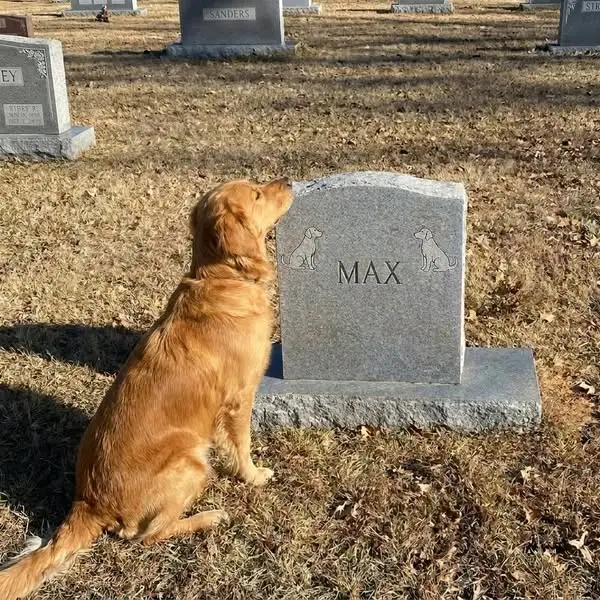
I loved my Max, he died because of my mistake

I'm going to absolutely lose my mind if I see one more person post "my dog has been drinking SO much water lately, bowl is empty twice a day lol, anyone else?" and get fifty comments saying "omg dogs are such goofballs, mine too!" IT IS NOT NORMAL. I posted that exact thing four months before Max died from cardiac failure at 9 years old. That water bowl behavior is your dog's cardiovascular system showing you something is wrong. And every single person telling you it's a quirk is helping your dog die. Here's what happened. Max was 9 years old. Healthy checkups every year. Premium food. Everything a good dog owner is supposed to do. Then about five months before he died, I noticed something. He started finishing his water bowl by noon. I'd fill it in the morning. By the time I got home from work it was empty. I'd fill it again. He'd drink almost immediately. I thought it was the heat. Summer in Phoenix. But it kept happening into fall. I posted in my dog Facebook group. "Max has turned into a water obsessive lol. Bowl is empty twice a day. Is he training for a marathon?? 😂" Fifty-three comments. All variations of "my dog does this too," "omg same," "he's just a hydration king." So I didn't think anything of it. But then other things started happening. He started slowing on walks. Getting tired at distances that used to be nothing. He stopped running to the door when I got home. He'd been doing that for nine years. His coat changed. Something left it. I mentioned the water thing to my vet at his annual checkup. He ran bloodwork. Smiled. "Everything looks normal. Some dogs just drink a lot. As long as he's eating and urinating normally I wouldn't worry." So I didn't. Until the morning he didn't get up for breakfast. Max always got up for breakfast. I found him in the corner of the bedroom breathing in a way that didn't look right. Shallow. Chest moving too hard for just lying there. Emergency vet at 6 AM. They ran everything immediately. Forty minutes later the cardiologist came out. Taurine: 11 nmol/mL. Normal starts at 50. Stage 3 dilated cardiomyopathy. Cardiac function severely compromised. "But he had his checkup two months ago," I said. "The bloodwork was fine." "When did you first notice he was drinking more than usual?" "About five months ago. I mentioned it to his vet. He said it was normal." She looked at me carefully. "Increased thirst is one of the earliest signs of cardiac stress in dogs. When the heart is struggling, the body attempts to maintain blood pressure and volume by signaling for more fluid intake. By the time you noticed him finishing that bowl twice a day, the cardiac muscle had already been weakening for months." I felt the room tilt. "But the bloodwork showed nothing." "Standard bloodwork panels don't test taurine. And cardiac markers on a standard panel often don't catch early DCM without an echocardiogram that most annual checkups don't include. When your vet said normal, what he meant was nothing on the standard tests is flagged. He wasn't telling you the heart was healthy. He was telling you the tests being run couldn't see the problem yet." She paused. "The behavioral signs appear before any test catches it. Your dog was using the only language he had." They tried everything. Max died two days later. $4,300 bill. I drove home with his collar on the passenger seat and could not stop. When I got inside, I watched Rosie and Cooper. Rosie had been finishing her bowl faster than usual. I'd noticed but hadn't let myself think about it. Cooper was slower on his walks lately. I knew what I was looking at. I didn't sleep for weeks. I researched everything. Cardiac disease in dogs. Taurine. Why standard bloodwork misses it. Why dogs drink more when their heart is struggling. And I kept seeing the same story. Dog starts drinking more. Owner posts about it. Gets told it's normal. Dog slows down. Gets told it's age. Bloodwork comes back clean. Cardiac crisis arrives. Everyone is shocked. Then buried in a thread, someone wrote: "By the time a dog is drinking noticeably more water, the cardiovascular system has usually been compensating for months. The drinking is the first visible signal. By the time bloodwork catches cardiac changes, significant muscle damage has already occurred." I stared at that for a long time. Max had been showing me for five months. I immediately ordered taurine from Amazon. $54 Six weeks. Both dogs. Nothing visibly improved. I took them to the vet and specifically asked for plasma taurine panels. Rosie: 19 nmol/mL. Cooper: 23 nmol/mL. Both deficient. Despite six weeks of daily supplementation. I went back to the shelter where I'd adopted all three of my dogs to pick up some paperwork. While I was sitting in the waiting room I noticed a white container on the shelf behind the reception desk. "What's that?" I asked. "Taurine," the receptionist said. "Our head vet gives it to every dog that comes through. She says it's the most important thing we do for cardiac prevention." "Can I talk to her?" Dr. Miller came out five minutes later. I told her everything. Max. The water bowl I'd been posting about as cute for months. The Pawvita supplement that wasn't working. I showed her the bottle on my phone. "This is garbage," she said. "It has four thousand reviews—" "Doesn't matter. I've had eight different taurine supplements independently tested. This brand came back at less than 40% of its labeled claim. The rest is fillers that block absorption. Your dogs aren't getting taurine. They're getting a powder that does nothing while the deficit keeps widening." She reached behind her desk. "This is the only one I've found that passes independent lab verification. HappyWags. I sent it to a lab myself before I used it here." "What did the lab find?" "503 milligrams actual taurine per scoop against a 500 milligram label. Zero contamination. Zero fillers. Pharmaceutical-grade purity. It's the only brand that delivers what it claims." She handed me two containers. I started Rosie and Cooper that same afternoon. Day 6: Rosie's bowl was still half full by noon. First time in months. Day 11: Cooper ran to the door when I got home. Full run. Day 16: My husband noticed without being told. "Something's different with these two." Week 6: Plasma taurine panels. Rosie: 52 nmol/mL. Up from 19. Cardiac markers stable. Cooper: 49 nmol/mL. Up from 23. Inflammatory markers significantly down. My vet looked at the results. "Whatever you changed, keep doing it." That was seven months ago. Both dogs are healthy. Normal water intake. Rosie runs to the door. Cooper brings me things in the morning. Their coats are back. And I think about Max's water bowl every single day. Five months of filling it twice a day. Five months of posting about my "hydration king." Five months of his cardiovascular system showing me in the only language it had. I'm writing this because I see so many of you posting the same things I posted. "My dog is obsessed with water lately, is this just a phase?" "She's been drinking so much more than usual. The vet said bloodwork is fine so I'm not worried." "He empties his bowl every few hours lol. Anyone else?" Stop laughing about it. Your dog doesn't drink more water because they're quirky. They drink more water because their heart is working harder than it should and their body is compensating in the only way it can. Standard bloodwork won't catch it early. The taurine test isn't part of the standard panel. The cardiac markers won't flag early DCM without an echocardiogram. By the time something shows on the tests being run at your annual checkup, the damage has been building for months. Ask your vet for a plasma taurine panel. Ask specifically — it won't be ordered unless you request it. And start pharmaceutical-grade taurine today. Don't wait for the panel results. Taurine is water-soluble. No toxicity. No overdose. Zero risk. But please don't buy whatever Amazon shows you first. Dr. Miller tested eight brands. Most came back significantly underdosed with absorption-blocking fillers. The only one that passed: HappyWags. 503mg verified. Zero contamination. Zero fillers. https://happywags.co/products/taurine I wish someone had told me what a dog emptying his water bowl twice a day actually meant before Max died. I'm telling you now. Please don't ignore it.

Loading the ad's image
Linda Palmer — I loved my Max, he died because of my mistake
Winning

The only taurine I trust for dogs..

I gave my dog taurine every single day for eight months. HE DIED ANYWAY!! Cardiac failure. At 9 years old. And when I brought the supplement bottles to the cardiologist after he was gone — desperate to understand what had happened — what she showed me destroyed me. My name is Patricia Lawson. I live in Denver with my husband. We had a dog named Bear. A 9-year-old mixed breed. The gentlest, most patient dog you'd ever meet. My husband called him the best dog he'd ever had. About ten months ago, Bear started declining. Not dramatically at first. Just slower on walks. Sleeping more. Less himself. I took him to the vet. Bloodwork mostly normal. Slight elevation in cardiac markers. "Keep an eye on it — he's 9, this is common in senior dogs." I started researching. Found studies connecting taurine deficiency to cardiac decline in aging dogs. Found that AAFCO requires zero dietary taurine for dogs — not a minimum, zero. Found that as dogs age their body produces less taurine every year and the food was never required to replace it. It all made sense. So I went to Amazon. Found a supplement "Supports heart health. For dogs and cats." $44. Started giving Bear 500mg every single day. Mixed into his food. The first few weeks, nothing changed. Still slower. Still sleeping more. Still not himself. By month two, getting worse. I thought maybe I'd ordered a bad batch. Or maybe Amazon wasn't the right place to buy it. So I switched. I found a brand in a Facebook dog health group. A lot of owners recommending it. Went to their website to order. Something felt slightly off — no ingredient label visible anywhere on the site. Just "pure taurine" and marketing language. No Certificate of Analysis. No third-party testing listed. I emailed asking for a full ingredient list. Never heard back. I ordered it anyway. I was desperate. Started giving Bear the new supplement. Every single day. 500mg. Month three: still getting winded on walks. Eyes seemed duller. Month four: stopped meeting me at the door. Wasn't bringing his toy anymore. Month five: barely wanted to walk. I took him back to the vet. Taurine: 14 nmol/mL. Normal starts at 50. Stage 2-3 cardiomyopathy. "But he's been on taurine for five months," I said. "Every single day. How is his level still this low?" The vet looked at me with an expression I didn't know how to read. "Sometimes the disease progresses despite supplementation. We should discuss medication." More medications. More tests. Bear kept declining. Month seven: I found him in the corner of the bedroom, breathing shallow and too fast. Emergency vet. Taurine: 9 nmol/mL. Cardiac function severely compromised. They tried everything. Bear died two days later. I held him while it happened. Told him I was sorry. That I'd tried. That I'd given him taurine every single day for eight months. The bill was $4,100. I came home and sat in the kitchen staring at those two supplement bottles. The Amazon one. The Facebook group one. Eight months. Every single day. Taurine at 9 nmol/mL when he died. I couldn't understand it. A week later I called Dr. Patterson. The veterinary cardiologist who had handled Bear's case. I needed to understand what had happened. I brought both bottles with me. She looked at them. Set them on her desk. Opened a folder. "I'm glad you called," she said. "I want to show you something." She spread three lab reports across the desk. "I've been sending supplements to an independent laboratory for the past year. Because I kept seeing the same thing you went through — owners supplementing taurine for months while their dog's cardiac function kept declining. The taurine levels staying critically low despite daily supplementation. And I needed to know why." She pointed to the first report. "Pawvita. We tested it. 198mg actual taurine per scoop. The label claims 500mg. 60% below label claim. And contaminated with fillers — 34% by weight — which actively blocks taurine absorption. So Bear wasn't getting 500mg. He was getting maybe 80 to 100mg that his body could actually use. If that." I felt the room shift. She pointed to the second report. The Facebook group brand. DoggySupp "This one is sourced from an unverified overseas facility. No quality control documentation. The actual taurine content tested at less than 40% of the label claim. Multiple undisclosed fillers. And the fillers aren't neutral — they compete with taurine absorption. Whatever taurine was in the bottle was being partially blocked by what else was in the bottle." She looked at me directly. "Bear was on taurine for eight months. But based on these results, his cardiac cells were probably receiving 50 to 100mg per day at most. The clinical dose needed to address cardiac-level taurine deficiency in an aging large-breed dog is 500mg of bioavailable taurine. He was getting a fraction of that. While his heart kept declining." I couldn't breathe. "So the eight months—" "Were not addressing the deficiency. The products were not delivering what they claimed. And the ones that came close to the milligram count were delivering a form that didn't absorb properly. The pet supplement industry is almost entirely unregulated. Companies can print anything on a label. Pharmaceutical grade. Pure. Clinically dosed. None of these claims require independent verification." She closed the folder. "I should have tested these when you first mentioned supplementing. I assumed it was working. I was wrong to assume." I stared at the two bottles. Eight months of thinking I was protecting him. Eight months of his heart starving while I thought I was feeding it. "What does actually work?" I asked. She reached into her desk drawer. Put a white container on the desk. "After testing eleven brands, this is the only one I've found that delivers what the label claims. HappyWags. 503mg actual taurine per scoop against a 500mg label. Zero contamination. Zero fillers. Pharmaceutical-grade purity verified by an independent accredited laboratory. Single ingredient." She slid it toward me. "I now recommend this to every cardiac patient before we discuss medication. In four cases in the last six months, I've seen early DCM changes stabilize within six to eight weeks of starting it. That doesn't happen with the products you were using." I took it home. I had it verified at a second lab before giving it to my surviving dogs — Rosie and Cooper, both over 6, both showing early signs I'd been explaining away. The results came back: 503mg. Zero contamination. Zero fillers. Exactly what the label claimed. I started Rosie and Cooper on it that same afternoon. Week 2: Rosie met me at the door. She hadn't done that in months. Week 3: Cooper brought me his rope toy. First time in over a year. Week 4: My husband came home from work and stood in the doorway. "What's different with these two?" He hadn't been told I'd changed anything. Week 6: Bloodwork. Both dogs. Rosie: taurine 52 nmol/mL. Up from 21. Cardiac markers stable. Cooper: taurine 49 nmol/mL. Up from 18. Inflammatory markers significantly down. Dr. Patterson looked at the results. "This is what it's supposed to look like. This is what eight months of Bear's supplementation should have produced." I'm writing this because I see so many of you doing what I did. Ordering from Amazon because it ships fast and the reviews look real. Finding something in a Facebook group because other owners swear by it. Looking at the milligrams on the label. Thinking you've handled it. Your dog can be getting 500mg on the label and 80mg in their cardiac cells. While the disease keeps progressing. While the taurine level stays critically low. While you think you're doing everything right. The milligrams on the label mean nothing if the product isn't delivering them. And most products aren't. Before you give your dog anything, ask one question: is there a Certificate of Analysis from an independent accredited laboratory? If they can't produce it — if they won't respond to your email — if there's no ingredient label on their website — that's your answer. A company that won't tell you what's in their product has a reason. Dr. Patterson tested eleven brands. Ten failed. The only one that passed: HappyWags. 503mg verified. Zero contamination. Zero fillers. Third-party tested. https://happywags.co/products/taurine Because Bear deserved taurine that actually reached his cells. And so does your dog. I still think about the drive home from the emergency vet. I'm sharing this because I don't want you to know what that drive feels like. If your dog is on any taurine supplement and not improving, it's not that taurine doesn't work. It's that the product isn't delivering what the label claims. I learned this after Bear died. Rosie and Cooper are both thriving now. They're acting like puppies because of HappyWags taurine. https://happywags.co/products/taurine

Loading the ad's image
Linda Palmer — The only taurine I trust for dogs..
Winning

The dog food industry is hiding this from you..

You're starving your dog's heart. No, seriously — pick up the food bag right now. Find taurine in the ingredient list. It's not there. Or if it is, the amount listed was never enough for an aging dog whose body stopped keeping up years ago. Because AAFCO — the organization that writes the rules for every bag of dog food sold in America — requires zero taurine for dogs. Zero. And the food companies have no reason to add what they aren't required to include. That's what I was feeding Charlie. Premium large-breed food. $80 a bag. And his heart was starving for the one thing the bag was never designed to give him. I'm Linda. My 9-year-old dog was dying. Sleeping most of the day. Couldn't climb stairs anymore. No interest in walks. Just... tired. My vet said "he's just getting older." My husband said I was falling for "internet fear-mongering" again. I ordered HappyWags Taurine anyway. Hid the container in the garage. Mixed it into his food every morning in secret. Here's what happened: Day 5: He met me at the door when I got home. First time in months. Day 8: His tail was wagging at breakfast. Day 11: He picked up his tennis ball and dropped it at my feet. Day 14: He trotted up the stairs. My husband stopped mid-sentence and stared. Day 17: He barked at the mailman. That annoying bark I used to complain about. I cried. Day 21: He pulled on the leash during our walk. Wanted to GO. Like he used to. Day 24: He jumped onto our bed and curled up between us. Where he belonged. Now he plays again. Has energy. His eyes are bright. He acts like himself. My husband — who called it "internet fear-mongering" — now asks me every week: "Do we have enough taurine for Charlie?" He won't let me run out. Taurine deficiency is real. As dogs age their bodies produce less taurine every year. The food was never legally required to replace it. Your dog's heart is running a deficit right now and the bloodwork won't catch it until it's already significant. The only taurine I trust is from HappyWags. I thought it was a scam. I was completely wrong I had it tested from my vet's lab. Single ingredient, Zero Fillers. It's made for absorption for dogs. It's the only one my vet recommends now, https://happywags.co/products/taurine They go out of stock often because they don't mass produce. They told me every batch is tested and quality controlled. Made in USA P.S. He sleeps with us every night now. Right between us. I almost let skepticism rob me of more time with my best friend. Don't make the same mistake.

Loading the ad's image
Winning

Taurine is the lowest price EVER right now..

Ok THIS IS NOT A DRILL. HappyWags taurine is up to 62% off for Black Friday and it ends MONDAY. If you've been sitting on this, if you've had the tab open, if you saved my last post and never went back to it, this is the sign. Stop thinking about it and order it right now. I'm not going to explain the whole thing again. If you're seeing this you probably already know. The heart runs on taurine, dog food barely has any after it's cooked, there's no required minimum, one scoop. You've read the posts. You know what this does. What you need to know right now is that it's cheaper than it's been since I started buying it 5 months ago. I've been paying full price like an idiot this entire time and now it's up to 62% off and I genuinely want to fight someone. A year ago Max was sleeping all afternoon, leaving half his food, stopping at the corner on walks we used to do twice around, and coughing every night when the lights went off. Now he's at the door every single day when I get home, he finishes his bowl, we do the FULL loop again, and most nights the house is quiet and I actually sleep. He's 11 and he's BACK. Because of one scoop every morning. The math is so stupid right now. Under $2 a day for something that actually did what it said, which is less than the treats you bought this week and less than the senior food I switched him to that changed nothing and less than ONE vet copay that ends in "he's just getting older." Shipping is free and the 60 day guarantee is still active, so if it doesn't help you get every dollar back. Worst case you tried it on sale for free. Best case you get your dog back at the lowest price it's ever been. There is no scenario where you lose. There IS a scenario where you wait too long, the sale ends Monday, and you're still watching your dog sleep the afternoon away in January while you "think about it." I just ordered 3 more tubs at this price. I'm not running out again. NEVER AGAIN. happywags.co/products/taurine Seriously. Right now. Not later. Not "I'll come back to this." The price goes back up Monday and your dog isn't getting any younger while you wait. P.S. They do NOT sell on Amazon. If you see it there it's not them, it's only on their website. And their customer service is unreal, actual humans who answer the same day and ask about your dog by name. I've never had that from a pet brand. Order from the link above, that's the real one and that's the sale price. happywags.co/products/taurine

Loading the ad's image
Testing

From the ads Sniped has collected from this page (6 so far, first seen Nov 2026). Reach is what Meta reports; no spend or sales estimates.