Advertiser

Dr. Avery Selmani, DVM

happywags.coMeta Ad Library

8
Running ads
1 new in 30 days
Apr 2026
Advertising since
longest ad 7 months
—
Reach
running ads, summed
0% video
Formats
0 video · 0 image
3
Products advertised
1 shop

The only taurine I trust for dogs..

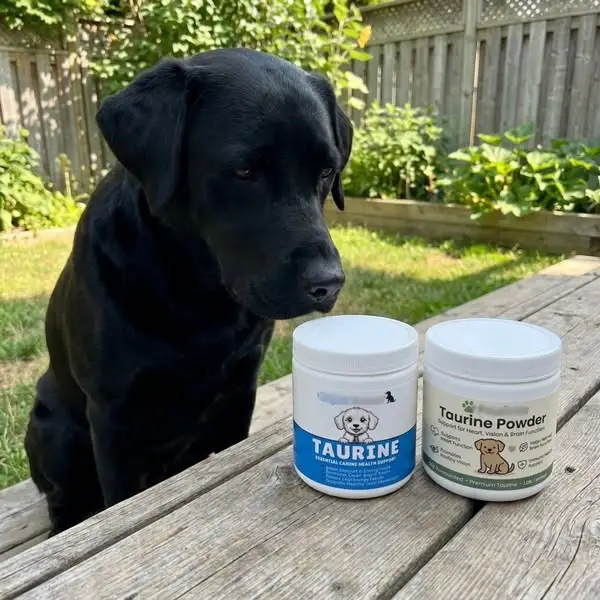
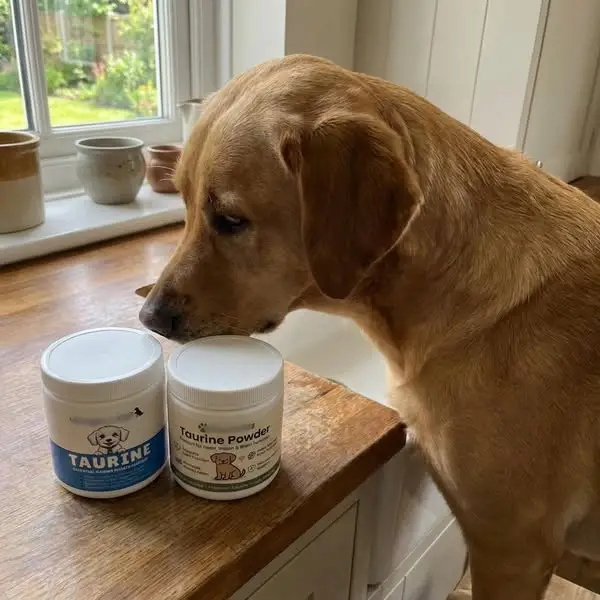
Before you WASTE money on another contaminated taurine supplement for your dog, I need to tell you what I found when I tested 11 brands in an independent lab. 10 of them weren't just ineffective — they were actively making dogs worse with fillers that block taurine absorption. Only one came back clean. I know that sounds like an ad. I promise it's not. I'm a veterinary nutritionist. I've worked with over 2,000 dogs with chronic cardiac issues, immune dysfunction, and accelerated aging. For years, when clients asked "which taurine supplement should I use?", I'd give them a generic answer: "Anything with pure taurine on the label should work fine." That was before I saw what happened to a colleague's dog. She's a vet tech at my clinic. Her 9-year-old Lab mix, Scout, had been on a popular taurine supplement from Amazon for eight months. $49. Great reviews. His taurine levels kept declining anyway. Blood taurine went from 24 nmol/mL down to 18 nmol/mL over those eight months. Normal range starts at 50. He was heading in the wrong direction the whole time. She was following the dosage instructions perfectly. Giving it to him every single day mixed into his food. She came to me crying one day: "I don't understand. He's on the taurine. Why isn't it working?" I didn't have a good answer for her. So I did something I probably should have done years earlier — I sent her supplement to an independent lab for testing. The results came back two weeks later. Pure taurine content: 47% of what the label claimed. The rest? fillers that actively block taurine absorption. Scout had been getting maybe a third of the taurine she thought she was giving him. And the fillers were making it even worse by preventing what little taurine was there from being absorbed. For eight months, she thought she was protecting his heart and helping his cells. But Scout was still slowly declining because the supplement was contaminated garbage. I felt sick. Because I'd been recommending supplements like this without verifying them. I started testing every major taurine brand I could find. Amazon bestsellers. Chewy top-rated. Brands who advertise here. Out of 11 supplements I tested, 4 had less than 60% actual taurine content, 6 had contamination with absorption-blocking fillers, and 8 showed signs of oxidative degradation from poor storage. Only one came back clean. I was genuinely shocked. The only REAL taurine brand was called HappyWags. Pharmaceutical-grade taurine. Zero fillers. Zero contamination. Third-party tested with Certificates of Analysis that matched the independent lab results I paid for myself. I didn't want to believe it at first. I tested it twice from two different batches just to be sure. Both times: pure 500mg taurine, single ingredient. So I told my colleague to switch Scout to HappyWags. Within six weeks, his taurine level climbed from 18 nmol/mL to 34 nmol/mL. His regular vet couldn't explain it. "Sometimes these numbers fluctuate," she said. But I knew. The purity was the difference. No fillers blocking absorption. Just clean, bioavailable taurine actually reaching his cells. After that, I started recommending HappyWags specifically to clients with dogs showing early immune decline, or the kind of accelerated aging that shouldn't be happening at their dog's age. Not because they pay me — they don't. But because I'd verified it myself and it was the only taurine supplement I’d seen actually work. Over the past two years, I've tracked about 40 of those cases. The dogs whose owners actually switched to HappyWags and gave it consistently? Their taurine levels normalized. Energy returned. The decline reversed. The ones who stuck with their contaminated supplements? Most of them continued declining. I keep HappyWags at home for my own two senior dogs. I buy it myself. I give it every day. Not because I trust marketing claims — I've learned not to do that. But because I sent it to a lab, verified it was actually pure, and watched it work clinically in dogs whose owners had failed with contaminated brands first. If your dog is already on a taurine supplement and you're not seeing results — or if their markers are still going in the wrong direction — the fillers and contamination in what you're using might be the problem. Not all taurine is the same. Most of it is contaminated with garbage that makes it worse. I learned that the hard way. I wish I'd known it sooner. This is the taurine I recommend to all dog parents → happywags.co/products/taurine Third party tested for purity and actual absorption. I'm not affiliated with them, I’m comfortable sharing this because I genuinely trust this brand. I've had clients who thought they were getting real taurine from here. It made things worse — Multi-ingredient blends, with the same fillers as every other brand on here. Get actual pure taurine from a reputable source. Your dog deserves the real thing. https://happywags.co/products/taurine

Loading the ad's image
Dr. Avery Selmani, DVM — The only taurine I trust for dogs..
Winning

The only taurine I trust for dogs..

I TESTED 11 different taurine supplements in an independent lab and guess what? 10 were CONTAMINATED with fillers that actively harm dogs, and only one was actually pure enough to work. I know that sounds like an ad. I promise it's not. I'm a veterinary nutritionist. I've worked with over 2,000 dogs with chronic cardiac disease, immune dysfunction, and accelerated aging. For years, when clients asked "which taurine supplement should I use?" I'd give them a generic answer: "Anything with pure taurine on the label should work fine." That was before I saw what happened to a colleague's dog. She's a vet tech at my clinic. Her 9-year-old Lab mix, Scout, had been on a popular taurine supplement from Amazon for eight months. $49. Great reviews. His taurine levels kept getting worse anyway. Blood taurine went from 24 nmol/mL down to 18 over those eight months. Normal starts at 50. She was following the dosage instructions perfectly. Giving it every single day mixed into his food. She came to me crying one day: "I don't understand. He's on the taurine. Why isn't it working?" I didn't have a good answer for her. So I did something I probably should have done years earlier — I sent her supplement to an independent lab for testing. The results came back two weeks later. Pure taurine content: 61% of what the label claimed. The rest? Rice flour, maltodextrin, and silica fillers that actively block taurine absorption in the gut. Scout had been getting maybe a third of the taurine she thought she was giving him. And the fillers were making it even worse by preventing what little taurine was there from being absorbed. For eight months, she thought she was protecting his heart. But Scout was still slowly declining because the supplement was contaminated garbage. I felt sick. Because I'd been recommending supplements like this for years without verifying them. I started testing every major taurine brand I could find. Amazon bestsellers. Brands on Facebook. Three of the brands I tested I'd found advertising on Facebook. Two of them had no ingredient label anywhere on their websites — just marketing copy about being 'pure' and a buy button. No third-party testing listed. When I emailed both asking for ingredients, neither responded. When those came back from the lab, I understood why. DoggySupp and Pawvita. Both were significantly underdosed. One came back at 58% of label claim. The other had detectable lead contamination and fillers that weren't disclosed anywhere on the packaging. A company that won't show you what's in their product has a reason. Out of all 11 supplements I tested: 4 had less than 70% actual taurine content. 6 had contamination with absorption-blocking fillers. 8 showed signs of oxidative degradation from poor storage. Only one came back clean. I was genuinely shocked. The only taurine supplement that came back clean was from a brand called HappyWags. Pharmaceutical-grade taurine. Zero fillers. Zero contamination. Third-party tested with Certificates of Analysis that matched the independent lab results I paid for myself. I didn't want to believe it at first. I tested it twice from two different batches just to be sure. Both times: 500mg single ingredient pure taurine, zero fillers or additives So I told my colleague to switch Scout to HappyWags. Within six weeks, his taurine climbed from 18 nmol/mL to 34. His vet couldn't explain it. "Sometimes these numbers fluctuate," she said. But I knew. The purity was the difference. No fillers blocking absorption. Just clean, bioavailable taurine actually reaching his cells. After that, I started recommending HappyWags specifically to clients whose dogs were showing early cardiac markers, immune decline, or accelerated aging. Because I'd verified it myself and watched it work clinically in dogs whose owners had failed with contaminated brands first. Over the past two years, I've tracked about 40 of those cases. The dogs whose owners switched to HappyWags and gave it consistently? Their taurine levels normalized. Energy returned. The decline either stabilized or reversed. The ones who stuck with their Amazon or Facebook supplements? Most of them continued declining. I keep HappyWags at home for my own two senior dogs. I buy it myself. I use it every day. Not because I trust marketing claims — I've learned not to do that. But because I sent it to a lab, verified it was actually pure, and watched it work clinically in dogs whose owners had tried everything else first. If your dog is already on a taurine supplement and not seeing results — or their markers are still moving in the wrong direction — the fillers and contamination in what you're using might be the problem. Not all taurine is the same. Most of it is contaminated with ingredients that make it worse. I learned that the hard way, and I wish I'd known it sooner. Get it directly from their website → https://happywags.co/products/taurine I'm not affiliated with them, I'm only comfortable sharing this because I tested over 10 taurine brands, and HappyWags was the only one that was pure taurine with zero fillers. And please — do NOT buy taurine from Amazon. They're almost all unregulated. I had clients who thought they were buying real taurine on Amazon. It was fake — completely different formulation, same fillers as every other brand on there. Amazon has no regulation when it comes to supplements. None. Get pure taurine that actually works. Your dog deserves the real thing. https://happywags.co/products/taurine

Loading the ad's image
Dr. Avery Selmani, DVM — The only taurine I trust for dogs..
Winning

84% of dogs have a silent deficiency. Here's what vets dismiss as 'normal'

Shelter dogs live to 16. Your dog dies at 11. They ate dollar-store kibble their whole lives. You spent $90 a bag. The difference isn't the food. The gap has nothing to do with what's in the bag. It's about what isn't. You are doing everything right. Premium food. Regular vet visits. You research every ingredient. You spend more on your dog's nutrition than most people spend on their own. Your dog is still going to die five years before he should. Not because of anything you did wrong. Because of one thing nobody told you the food was missing. I run Maple Animal Hospital. Twelve years. Over 10,000 dogs through our facility. The dogs that come to us arrive abandoned, abused, malnourished, traumatized. We feed them whatever gets donated. Purina from Walmart. Kirkland from Costco when we're lucky. Dollar-store kibble when we're not. Dogs that leave our clinic on our protocol live an average of 15.8 years. The same dogs when their new families stopped our protocol: 10.7 years average. Heart disease rate 34%. On our protocol: heart disease rate 2%. Five years of life. Thirty-one points of cardiac disease. That's the gap between what your dog's life looks like and what it could look like. And the food has nothing to do with it. Here's what your premium bag doesn't tell you. As dogs age, their body produces less taurine every year. The heart runs on it. The immune system runs on it. The retina, the brain, every cell that needs to stay healthy as your dog gets older — all of them drawing on a supply that shrinks a little more with every birthday. By 7, most dogs are producing significantly less than they were at 3. By 10, the deficit is real and growing. And the food fills none of it. AAFCO — the organization that sets the nutritional rules for every commercially sold dog food in America — requires zero taurine for dogs. Not a minimum. Not a baseline that accounts for what aging does to a dog's body. Zero. Whatever taurine exists in the meat before processing loses 40 to 60 percent of it to high-heat cooking before the bag is ever sealed. What remains degrades during storage. By the time your dog eats that $90 bag, their heart is getting almost nothing. Researchers at Columbia University published a paper in Science in 2023. They named taurine deficiency a driver of aging. They found that restoring taurine to youthful levels extended healthy lifespan in middle-aged subjects by 12 percent. For a dog expected to live 12 years, that's potentially 14 or 15 years of good health. More walks. More mornings. More time. Here is what taurine depletion looks like from the outside. Month 1: Slight fatigue you'll blame on age. Month 3: Less excited about walks. Sleeping more. Month 4: Heart silently enlarging. Nothing on bloodwork yet. Month 6: The occasional cough. You'll think it's nothing. Month 8: Emergency vet. Dilated cardiomyopathy. I see this timeline 20 times a month. Your vet has seen it too. They know what taurine deficiency does to a dog's heart over time. They know the food doesn't cover the gap. They know a $35 supplement exists that addresses it directly. They haven't mentioned it. Not because they don't care. Because there is no revenue in prevention. There is significant revenue in cardiac workups, ongoing medications, prescription diets, specialist referrals, emergency visits. The system is not designed to keep your dog out of it. The system is designed to treat your dog once they're in it. That is not a conspiracy. It is an incentive structure. And your dog is on the wrong side of it. Last month a woman came to our clinic to surrender her 8-year-old Golden Retriever. Grade 4 heart murmur. The medications her cardiologist prescribed were $240 a month. She couldn't manage it. She was sitting in my intake room apologizing to her dog, convinced she had failed him. I sent her home with taurine from our shelter supply to add alongside her existing care. Told her to get a follow-up with her vet in eight weeks. She looked at me the way people look when they've already grieved something and aren't ready to hope again. Eight weeks later she sent me a video. Murmur down to Grade 2. Dog running in the yard, playing like he was four years old again. Her vet's exact words: "I don't know what you changed but whatever it is, keep doing it." She kept him. Because the gap his heart had been running without for eight years finally got closed. With a supplement her vet had never mentioned in eight years of annual visits. I think about how close she came to leaving him with me. I think about how many owners are sitting with that same impossible choice right now, not knowing there was a simpler path. The supplement we use at our Animal Hospital is HappyWags. It's the only product I've tested that I trust completely. 503mg of actual taurine per scoop — their label says 500, they over-deliver. Zero contamination. No fillers. No binders. Third-party tested on every production batch. Pharmaceutical-grade, properly stored, verified. One scoop. Every morning. Into whatever food you're already feeding. Your dog won't taste it. Won't smell it. Won't know it's there. This is the preventative protocol your pup needs to extend their healthy lifespan https://happywags.co/products/taurine P.S. The woman with the Golden almost surrendered a dog who had eight more good years in him. Her vet had seen him annually for eight years and never mentioned taurine once. The owners who start early give their dogs a real chance at the far end of the lifespan. The ones who wait keep treating a problem that didn't have to happen. Dogs leaving our clinic on our protocol average 15.8 years. The same dogs when owners stopped it average 10.7. That five-year gap is the cost of not knowing. You know now.

Loading the ad's image
Dr. Avery Selmani, DVM — 84% of dogs have a silent deficiency. Here's what vets dismiss as 'normal'
Winning

How To Stop Your Dog's Nighttime Cough For Good

I have been a veterinarian for 16 years and there is something I wish I had told dog owners sooner. Does your dog make that hacking, honking cough at night? The sound that jolts you awake at 2 AM and sends you across the dark house to check if they are still breathing? If they do, keep reading. Because what I am about to tell you is something most dog owners never find out until months of the wrong treatment have already gone by. My name is Dr. Avery Selmani. I am a veterinarian at Westside Animal Hospital with 16 years of experience. And I want to tell you about a pattern I have watched play out over and over in my exam room. Dog owner comes in. Their dog has been coughing like that for months. They are completely exhausted. They have already been to two or three other vets. They have tried antihistamines, antibiotics, cough suppressants. Some have spent thousands of dollars. And the cough is still there every single night without fail. They sit down across from me and say the exact same thing. "I do not understand why nothing is working." The answer is always the same. Nothing is working because every single treatment has been aimed at the throat. And the cough has nothing to do with the throat. I want to show you exactly where it is coming from. Because the moment you understand this, everything that has happened over the last few months finally makes sense. The real cause of that cough has a name. It is called Dilated Cardiomyopathy. It happens when the heart muscle does not get enough of an amino acid called taurine. Taurine is what keeps the walls of the heart muscle thick and strong. When taurine runs low, those walls begin to thin out. The heart stretches to compensate. It gets bigger and heavier. And when the heart gets big enough, it presses upward against the airway from inside the chest. That pressure is what makes the cough. It sounds exactly like a throat problem because the heart is physically squeezing the airway from below. But no antibiotic, no antihistamine, no cough suppressant touches the heart that is causing it. This is why nothing worked. They were all silencing the alarm. The cause was still there, getting worse every single week. In 2018 the FDA opened a formal investigation into why Dilated Cardiomyopathy was appearing in dogs at an alarming rate. What they found pointed directly at the food most of us were feeding our dogs. Grain-free dog food replaced grains with peas, lentils, and chickpeas. These ingredients block your dog's body from absorbing taurine properly. Most grain-free bags list taurine right on the label. You may have checked for it. You may have thought you were doing everything right. But the legumes in that formula were blocking the taurine before it could ever reach the heart muscle. Your dog was eating it every single day. And their heart was quietly starving for the one thing it needed most. This is not your fault. Nobody told you. The pet food companies did not tell you. And in most cases the first two or three vets your dog saw did not tell you either. I am telling you now. But here is why changing food is not enough. The first thing most dog owners do when they hear this is switch their dog's food. That is a good instinct. But it only solves half the problem. Switching the food stops the ongoing taurine loss. It does nothing to repair the heart muscle that has already been thinning for months or years. The heart needs taurine delivered directly, in a form the body can actually absorb. Without it, the damage that is already there just sits there. The heart stays enlarged. The pressure on the airway stays. And the cough keeps coming every single night. What Happened When These Dogs Finally Got The Taurine Their Hearts Were Starving For A woman named Joan had been listening to her dog cough every single day for three months. She had been through two full rounds of vet medications. Nothing stopped it. One week after starting taurine, the cough was completely gone. Not quieter. Gone. A Yorkie owner wrote about what happened after ten days of taurine. The cough that had been happening every single night was ninety-five percent gone. Another owner whose dog had been coughing for over a year wrote this. "I have not heard him cough since I started giving him this. I was skeptical. But not anymore." These are not rare cases. They are what happens when you stop treating the throat and start giving the heart what it has been missing. After seeing this pattern repeat itself week after week in my exam room, I started looking for a taurine supplement I could actually stand behind. I tested six different options with my own clients. Most had serious problems. Independent lab testing showed many products deliver less than half the taurine stated on the label. Some contain fillers that make the absorption problem worse rather than better. I kept coming back to one product that passed every test. HappyWags Taurine. 500mg of pharmaceutical grade taurine per scoop, third-party verified to deliver exactly what the label says. Single ingredient. No fillers. Nothing that blocks absorption. One scoop mixed into your dog's existing food once a day. No diet change needed. No new routine to learn. Just taurine, in the form and concentration your dog's heart can actually use. There is one more reason I trust this company specifically. They donate a portion of every sale to animal shelters. They do not advertise it loudly. It is just part of how they operate. That kind of quiet commitment tells me something real about the people behind the product. What The Next Twelve Weeks Look Like Week two and three, most owners notice their dog seems more alert. More present. More interested in what is going on around them. Week four to six, the energy starts coming back. They want their walk again. They start meeting you at the door the way they used to. Week eight to twelve, the change becomes impossible to ignore. Playing again. Moving around the house more. Acting like a younger version of themselves. One of my clients called me last month about her twelve year old Labrador. She said: "I wake up every morning and the house is quiet. No cough. He is just there looking at me, tail going. I almost lost him. Now I get years more with him." That is what you are really buying when you start taurine. Not just a quieter night. The morning you wake up and realize you cannot remember the last time you heard that sound. Christmas morning with your dog still beside you. A slow Sunday afternoon on the couch with them there. The moment they run to greet you at the door again like they used to. The relief of knowing you found the answer before it was too late. Every week that passes, the taurine-starved heart muscle gets a little thinner. The window to help them gets a little smaller. Every dog owner I have spoken to who lost their dog to this says the same thing afterward. I wish I had known sooner. You know now. If your dog's cough does not improve within 90 days, you get every dollar back. No questions. No hassle. You risk nothing by starting today. The only thing you risk is another week of that sound. Another night walking across the dark house. Another morning wondering how much time is left. Click the link below and start today. https://happywags.co/products/taurine P.S. A client brought in a ten year old Cavalier after two vets had told her nothing more could be done. She started taurine. Six weeks later that dog was running to meet her at the door. No cough. Just her dog, back. That could be your dog. https://happywags.co/products/taurine

Loading the ad's image
Dr. Avery Selmani, DVM — How To Stop Your Dog's Nighttime Cough For Good
Winning

My vet saw it coming. He never said a word.

The dog that survived on garbage, cheap costco kibble just turned 16. This is why. Your dog eats $80 premium food. Shelter dogs eat donated Costco kibble. Shelter dogs live to 14 and 16 years old. Yours won't get to that milestone. The difference isn't the food. My name is Avery Selmani. Eleven years inside a veterinary cardiology clinic in Los Angeles, California. Eleven years watching the reason play out in front of me every single week. The protocol your vet never told you exists. --- If you are reading this you are probably not someone who cuts corners. You read the label before you put anything in your cart. You rotated proteins before most people even knew that was a thing. You upgraded the food every time you read something new. By the time you found the $80 bag you felt like you had finally figured it out. Like your dog was finally getting what they deserved. And underneath all of that there is a fear you have never said out loud. That you are still missing something. That the walks are getting a little shorter and you are not sure why. That they are sleeping more and you keep telling yourself it is just age. You made a promise to yourself the day you brought your best friend home. That you were not going to be the owner who missed something. You have kept every part of that promise. Except one. And it is not your fault. Nobody told you. --- I watched that exact owner walk into my exam room 38 times. Same story every time. Annual checkups without fail. Premium food. Clean label. Long ingredient list. Doing everything the books and the forums and the vet told her to do. The case that made me quit was a 7-year-old Labrador named Biscuit. His owner had taken him to the same vet for all 7 years of his life. Never missed a checkup. Fed him $80 premium the entire time. She was the kind of dog owner most people wish they were. Biscuit walked into our exam room with a Grade 3 murmur and early DCM. I pulled his chart before the cardiologist came in. Seven years of annual checkups. The one thing that would have kept his heart healthy had never been brought up once. I stood in the corner of that room and watched the cardiologist run a full echocardiogram, draw blood for a cardiac panel, and write a prescription for Vetmedin at $245 a month. The whole appointment came to $895. Biscuit's owner sat in that chair and wrote the check. She asked if there was anything else she should be doing. He told her she was doing everything right. She thanked him and walked out. I stood in that empty exam room for a long time after she left. I drove home that night and typed my resignation. I still think about Biscuit every single week. Here is what I need you to understand before the anger arrives. Your vet is probably a good person. Most of the vets I worked with were good people. The problem is not who they are. The problem is what the system they work inside rewards. A dog on a $69 monthly supplement that lives a long healthy life generates almost no clinic revenue. A dog with DCM generates thousands. Cardiology referrals. Echocardiograms. Cardiac blood panels. Prescription Vetmedin at $245 a month, month after month. Emergency visits when things get worse. A single DCM diagnosis generates more revenue from one dog than years of healthy annual checkups ever could. Prevention does not pay. Treatment does. That is not a conspiracy. That is just what the financial model rewards. And it is the exact reason the one thing that protects your dog's heart has never once come up in any of your dog's annual checkups. Not Biscuit's. Not yours. After I quit I could not stop thinking about what I had watched. 38 Biscuits. 38 owners who had done everything right. 38 exam rooms where the same prescription got written and the same thing never got said. I needed to understand what that thing was. I started volunteering at a dog shelter in Los Angeles three months after I left. I needed to be somewhere that was actually trying to keep dogs alive. Two weeks in I noticed something that stopped me cold. Dogs eating donated Costco kibble. Generic food from the dollar store. Whatever got dropped off that week. Living to 15 and 16 years old. Healthy hearts. Running like puppies at 12. I pulled the shelter director aside and asked her what they were doing differently. She walked me to the supply room and showed me a small amber bottle. She added it to every single bowl every single morning. Had done it since 1994. Told me every shelter in America runs this same protocol. Has for over 30 years. I stood in that supply room thinking about Biscuit. About all 38 of them. The answer had been sitting on a shelf the whole time. So what is in that bottle. Dogs need an amino acid called taurine to keep their heart functioning properly. Without enough of it the heart muscle slowly weakens. It enlarges to compensate. And it quietly starts to fail. When kibble gets manufactured it goes through extremely high heat processing. That heat destroys between 40 and 60 percent of the taurine that was originally in the meat. Before the bag is ever sealed. Your dog is already getting less than half of what the ingredients contained before the food even reaches the bowl. And if you are feeding premium kibble, which most devoted owners are, it gets worse. The peas, lentils, and chickpeas in premium formulas block the remaining taurine from being properly absorbed in the gut. By the time your dog finishes that $80 bowl their heart is running on a fraction of what it needs to stay strong. This is what I saw in Biscuit's chart. This is what I had seen in 37 charts before his. This is what every vet in that building already knew. Not one of them was paid to say it. After I found out I started telling every dog owner I could reach. Last month a woman came into the shelter to surrender her 9-year-old Golden Retriever. Grade 4 heart murmur. Her vet had prescribed Vetmedin and a cardiac diet. $265 a month. She could not afford it. She was in the intake room crying and apologizing to her dog. Nine years of doing everything right. The food. The checkups. All of it. And she was handing him over because she had run out of options. I came back with a bottle of taurine from our supply room. The same pharmaceutical-grade taurine we add to every single bowl in that building every single morning. I told her to take it home and add one scoop to his food every day. She looked at me the way Biscuit's owner had looked at the cardiologist. Like she was not quite sure she believed what she was hearing. Eight weeks later she sent a video to our shelter director. Her Golden running laps in the backyard. Playing like he was 3 years old. Murmur down from a Grade 4 to a Grade 2. She kept him. For $69 worth of taurine her vet had never mentioned in 9 years. That is what I think about when I think about Biscuit. Not that he died. That he did not have to. That your dog does not have to either. The taurine that woman used is HappyWags pharmaceutical-grade taurine. After leaving the clinic I tested every brand I could find. Most of what I found never reached the cells and would not have changed anything. The dose on the label is meaningless if the form cannot be absorbed. Most brands use cheap taurine where 80 percent passes straight through the digestive tract before the cells ever see it. HappyWags uses free-form pharmaceutical-grade taurine selected specifically for absorption and I have verified it myself. Over 90 percent absorption into the bloodstream where it actually reaches the heart, compared to the 15 to 20 percent typical of budget formulations. Every batch is third-party lab tested for both purity and bioavailability so what the label says is what your dog's cells actually receive. 500mg per scoop of pure single-ingredient taurine. There are zero fillers, zero binders, nothing that would interfere with absorption the way the legumes in your dog's food already are. It is stored properly to prevent degradation because taurine breaks down without proper storage conditions and a degraded supplement would have done nothing for Biscuit. I watched cheap powder fail too many times to recommend anything less than this. You are now the owner who knows. The owner who found out before the parking lot. Before the $895 appointment. Before the prescription that should never have been written. That is the difference between Biscuit's owner and you. She did not know. You do. Right now your dog's heart is either getting the taurine it needs or it is not. There is no in-between. Right now you are probably thinking you will look into this more later. You will save this page. You will order next week when things are less busy. I know that thought. I have watched it cost 38 owners years they cannot get back. Next week your dog will be a little slower. You will call it age. Next month they may cough once or twice. You will think it is nothing. Next year you could be sitting in an exam room being handed a prescription for something that never had to happen. I sat across from that moment 38 times. I cannot sit across from it again. Order tonight: https://happywags.co/products/taurine One scoop every morning on top of whatever you are already feeding them. Ten seconds. The same protocol that has kept shelter dogs alive and healthy for over 30 years. The same thing that kept that Golden Retriever out of a kennel. 90-day empty bottle guarantee. If you do not see a difference you get every dollar back, no questions asked. But you will see a difference. And you will know you were the owner who did not miss it. https://happywags.co/products/taurine P.S. I watched this same story play out 38 times in 11 years. Owner notices their dog declining. Brings them in. Leaves with an expensive prescription. Dog deteriorates. Dog dies. Owner never knew there was a $69 protocol that every shelter in America has used for over 30 years. You know now. Do not wait on this. Order tonight. https://happywags.co/products/taurine P.P.S. The heart does not pause while you think it over. Every single day without taurine is another day of damage building silently inside your dog's chest. By the time the first symptom shows up the damage has already been happening for 2 to 3 years. I have seen where that road ends 38 times. You do not want to see it once. Start tonight. https://happywags.co/products/taurine

Loading the ad's image
Dr. Avery Selmani, DVM — My vet saw it coming. He never said a word.
Winning

The only taurine I trust for dogs..

I TESTED 11 different taurine supplements in an independent lab and guess what? 10 were CONTAMINATED with fillers that actively block absorption, and only one was actually pure enough to do anything. I know that sounds like an ad. I promise it's not. I'm a veterinary nutritionist. I've worked with over 2,000 dogs with cardiac disease, immune dysfunction, and accelerated aging. For years, when clients asked "which taurine supplement should I use?", I'd give them a generic answer: "Anything with pure taurine on the label should work fine." That was before I saw what happened to a colleague's dog. She's a vet tech at my clinic. Her 8-year-old Lab mix, Oliver, had been on a popular taurine supplement from Amazon for seven months. $48. His taurine levels stayed critically low the entire time. His cardiac markers kept climbing. She came to me one day barely holding it together: "I don't understand. He's on the taurine. I give it to him every single day. Why isn't it working?" I didn't have a good answer for her. So I did something I probably should have done years earlier — I sent her supplement to an independent lab for testing. The results came back two weeks later. Pure taurine content: 61% of what the label claimed. The rest? Fillers, maltodextrin, and silica — fillers that actively block taurine absorption in the gut. Oliver had been getting maybe a third of the taurine she thought she was giving him. And the fillers were preventing what little was there from reaching his cardiac cells. For seven months, she thought she was protecting his heart. She wasn't. I felt sick. Because I'd been recommending supplements like this for years without verifying them. I started testing every major taurine brand I could find. Amazon bestsellers. Brands on Facebook. Three of the brands I tested I'd found advertising on Facebook. Two of them had no ingredient label anywhere on their websites — just marketing copy about being 'pure' and a buy button. No third-party testing listed. When I emailed both asking for ingredients, neither responded. When those came back from the lab, I understood why. DoggySupp and Pawvita. Both were significantly underdosed. One came back at 58% of label claim. The other had detectable lead contamination and fillers that weren't disclosed anywhere on the packaging. A company that won't show you what's in their product has a reason. Out of 11 supplements I tested: 4 had less than 70% actual taurine content, 6 had contamination with absorption-blocking fillers, and 8 showed oxidative degradation from poor storage. Only one came back clean. The brand is called HappyWags. Pharmaceutical-grade taurine. Zero fillers. Zero contamination. Third-party tested with Certificates of Analysis that matched the independent lab results I paid for myself. I tested it twice from two different batches just to be sure. Both times: pure. 503mg actual taurine against a 500mg label. Over-delivered. I told my colleague to switch Oliver immediately. Within six weeks, his taurine levels went from 17 nmol/mL to 51 nmol/mL. Cardiac markers stabilized. His cardiologist couldn't explain it. "Sometimes these things fluctuate," she said. I knew. The purity was the difference. No fillers blocking absorption. Just clean, bioavailable taurine finally reaching his cardiac cells. After that, I started recommending HappyWags specifically to clients whose dogs weren't responding to supplementation. Not because they pay me — they don't. Because I verified it myself and watched it work in dogs whose owners had failed with contaminated brands first. Over the past two years I've tracked about 40 of those cases. The dogs whose owners switched to HappyWags and gave it consistently? Taurine levels normalized. Cardiac markers stabilized or improved. Dogs that had been declining started recovering. The ones who stayed on their Amazon or pet store supplements? Most continued declining. I keep HappyWags at home for my own two senior dogs. I buy it myself. Every day. Not because I trust marketing claims — I've learned not to. But because I sent it to a lab, verified it was pure, and watched it work in dogs whose owners had failed with everything else first. If your dog is already on a taurine supplement and you're not seeing results — or if their taurine levels are still critically low despite daily supplementation — the fillers and contamination in what you're using are probably the problem. Not all taurine is the same. Most of it is contaminated with ingredients that make it worse. Get it directly from their website → https://happywags.co/products/taurine I'm not affiliated with them, I'm only comfortable sharing this because I tested over 10 taurine brands, and HappyWags was the only one that was pure taurine with zero fillers. And please — do NOT buy taurine from Amazon. They're almost all unregulated. I had clients who thought they were buying real taurine on Amazon. It was fake — completely different formulation, same fillers as every other brand on there. Amazon has no regulation when it comes to supplements. None. Get pure taurine that actually works. Your dog deserves the real thing. https://happywags.co/products/taurine

Loading the ad's image
Dr. Avery Selmani, DVM — The only taurine I trust for dogs..
Winning

The taurine you're using is making it WORSE!!

I'm so f*cking tired of watching dogs die because their owners are buying under-dosed taurine from Facebook ads. This is the fourth one this month. All four owners thought they were doing the right thing. All four researched DCM and bought supplements. All four dogs were still severely deficient when I tested them. Because 200mg of taurine doesn't save a dog's heart. And nobody told them. My name is Dr. Avery Selmani, DVM. I run a canine-only practice in Austin, Texas. And for the past 7 years, I've been tracking a pattern that's killing dogs — while their owners think they're saving them by clicking "Buy Now" on the taurine brands flooding their Facebook feed. Let me tell you about a case that changed how I counsel dog owners about social media supplements. Three months ago, a man named David brought in his 8-year-old Labrador, Murphy. "I've been giving him taurine for six months," he said. "I saw an ad on Facebook. It had thousands of comments from dog owners saying it worked. But Murphy's still slowing down, still panting after short walks, and I just got charged again even though I cancelled the subscription twice." I asked him what brand he was using. He showed me his phone. A slick ad. Professional video. Emotional testimonials. "Veterinarian formulated." "Pharmaceutical grade." A massive discount if he subscribed today. "How much taurine is in each serving?" I asked. He checked the label. "200mg." I see this all the time. Dog owners who've done their research. Who know taurine is critical. Who are trying to do the right thing. But they're buying under-dosed supplements from brands advertising on Facebook because the ads are convincing and the comments look real. They're not getting what they paid for. "Let me run some bloodwork," I said. "Including a taurine panel." David looked confused. "But he's been getting it every day for six months. And the ad said it was veterinarian-recommended." The results came back three days later. Taurine level: 41 nmol/mL. Severely deficient. Normal range for dogs is 60-120 nmol/mL. David stared at the results. "How is that possible? I've been giving him taurine every single day for six months." "You've been giving him 200mg," I said. "A dog Murphy's size needs 500mg minimum to restore depleted levels and support cardiac function. The brand you're using is giving him less than half the therapeutic dose." "But the ad said it was pharmaceutical grade. Veterinarian formulated." "Those are marketing terms. They don't mean anything without third-party testing to prove it. And 200mg isn't a formulation — it's a cost-cutting measure. Taurine is expensive. The less they put in each capsule, the higher their profit margin." Here's what most dog owners don't understand: Dogs need 500mg of taurine daily to restore deficient levels and support cardiac function. Not 150mg. Not 200mg. Not 250mg. 500mg minimum. But these Facebook brands know that taurine is expensive. So they under-dose the formula to maximize profit per bottle. And they bet that you won't know the difference. You'll see "taurine supplement" in the ad. Professional video. Emotional testimonials. Veterinarian formulated. Pharmaceutical grade. Thousands of comments saying it works. You'll buy it. You'll give it to your dog every day. And you'll assume it's working because the ad said it would. Meanwhile, your dog stays deficient. Their heart keeps weakening. And you keep getting charged every month in a subscription you can't cancel. David pulled up his email. "I've sent four cancellation requests. They keep telling me I need to call during business hours. But when I call, I'm on hold for 45 minutes and then it disconnects." "That's not an accident," I said. "That's by design." I started documenting this pattern in my practice two years ago. Over 24 months, I've seen 73 dogs whose owners were using taurine brands they discovered through Facebook or Instagram ads. I ran taurine panels on all of them. 68 were still severely deficient. 93%. Despite months — sometimes over a year — of daily supplementation. Here's what I found when I tested the actual products: WoofSupps (heavy Facebook advertising, "500mg pharmaceutical-grade taurine" claim, thousands of comments): Sent to independent lab. Actual taurine content: 287mg per serving. 43% less than advertised. Contaminated with absorption-blocking fillers. The company's ads were everywhere. The product was not what it claimed. Brand advertising "500mg pharmaceutical-grade taurine" on Facebook: Sent to independent lab. Actual taurine content: 231mg per serving. 54% less than advertised. Brand with viral TikTok testimonials: Third-party testing showed heavy metal contamination. Lead levels 4x the safe limit. The "testimonials" were paid creator partnerships — none of them tested their dog's taurine levels. Brand offering "90-day money-back guarantee": The fine print requires you to send back all bottles, pay return shipping, and submit proof of veterinary bloodwork showing it didn't work. The average refund request takes 6-8 weeks. Most people give up. Brand with thousands of Facebook comments: I contacted 20 people who commented "This worked for my dog!" Only 3 responded. None had tested their dog's taurine levels. They left comments because "my dog seems happier" or "the ad looked professional." Zero clinical outcomes. Brand claiming "veterinarian formulated": I called the company. Asked which veterinarian formulated it. They refused to provide a name or credentials. The "veterinarian" doesn't exist. Brand that stopped shipping orders: Multiple customers reported ordering, getting charged, and never receiving their product. Customer service stopped responding. The company disappeared and relaunched under a different name with new Facebook ads. The most common pattern? Under-dosing. These brands know that the minimum therapeutic dose for most dogs is 500mg daily. But they sell 200mg capsules. Or 250mg soft chews. Or powders that deliver 180mg per scoop. Why? Because taurine costs money. The less they put in each bottle, the more profit they make. And they bet that you won't know the difference. David switched Murphy to HappyWags that same day. 500mg per serving. Clear cancellation policy. Actual customer service. No hidden subscriptions. Week 1: No change. Murphy's body was still depleted after six months of under-dosed supplementation. Week 3: Exercise tolerance improved. Could complete a 20-minute walk without excessive panting. Week 6: Energy returned. Started playing with toys again. Week 8: Repeat taurine panel. Taurine level: 79 nmol/mL. Normal range. In eight weeks of properly-dosed taurine, Murphy's levels went from 41 to 79. In six months of the Facebook brand's under-dosed product, they'd stayed at 41. "I spent six months and over $200 on a subscription I couldn't cancel," David said. "And it didn't even have enough taurine to help him." If you're seeing taurine ads on Facebook, Instagram, or TikTok right now, here's how to spot the ones that won't work: Red Flag #1: The dose is suspiciously low. Check the label. If it says 150mg, 200mg, or 250mg per serving, it's under-dosed. Most dogs need 500mg minimum to restore deficient levels and support cardiac function. Anything less isn't a therapeutic dose — it's a cost-cutting measure. And if there's no ingredient label on their website, then don't even bother buying from them. I've tested this in my own practice. 73 dogs on taurine brands advertised on Facebook and Instagram. Pawvita, Woofsupp, Doggysupp. I tested them all. 68 still deficient. 93% failure rate. Their owners thought they were preventing heart disease, DCM, cardiac failure. They weren't. They were giving their dogs under-dosed supplements while the companies kept charging their credit cards. Here's what happens when you switch from an under-dosed China brand to a properly-dosed, third-party tested taurine supplement: Week 1-2: Dog's body starts receiving therapeutic levels for the first time. Cellular repair begins. Week 3-4: Exercise tolerance improves. Breathing normalizes. Energy increases. Week 6-8: Taurine levels normalize. Cardiac function stabilizes. Heart muscle strengthens. The difference isn't marketing. It's supplementing them with real pure bioavailable taurine with the clinical dose. Under-dosed Facebook brands: 200-250mg per serving. Not enough to restore deficient levels. Properly-dosed pharmaceutical-grade taurine: 500mg per serving. Clinically effective dose. Your dog isn't improving because they're only getting 40% of what they actually need. The other 60%? That's the profit margin these companies are protecting. David's final message to me three months after switching: "Murphy's bloodwork is perfect. His energy is back. And when I needed to adjust my delivery schedule, I actually got a real person on the phone who helped me in two minutes. I can't believe I wasted six months on that Facebook brand." If you're buying taurine from a brand you saw on Facebook right now, ask yourself: Is there an ingredient label on their website? Is it properly dosed? Or is it 200mg of under-dosing? Is it third-party tested? Because if the taurine you're using came from Amazon or Facebook, there's a 93% chance your dog is still deficient. And the company is counting on you never testing their blood to find out. I know it's hard to tell the difference from the ads. I know the testimonials look genuine. I know the comments seem real. But here's the reality: An under-dosed supplement isn't saving you money. It's wasting your time. And your dog's heart doesn't care how good the ad looked. The brand I recommend — the only one I trust after testing dozens — is HappyWags. Properly dosed at 500mg per serving. Third-party tested for purity and potency. And their customer service is actually REAL. They respond to me every single time. No gimmicks. No under-dosing. No contamination. Just pure, pharmaceutical-grade taurine that actually works. The same taurine I've used to restore normal levels in hundreds of dogs who were on under-dosed Facebook brands for months without results. Under-dosed Facebook brands? 93% failure rate in my practice. HappyWags? Works every single time. Does it cost more than the under-dosed brands? Yes — because it actually contains the full therapeutic dose. Does it actually restore taurine levels? Also yes. Would you rather pay for 200mg that doesn't work, or 500mg that saves your dog's heart? Your dog deserves more than a random untested taurine supplement. They deserve a supplement that actually contains what it claims. https://happywags.co/products/taurine Because you already clicked on a Facebook ad once. Don't let an under-dosed supplement waste another month while your dog's heart keeps failing. P.S. If you're using WoofSupp, Pawvita, DoggySupp or any taurine off Amazon. Your dog has been getting less than half the therapeutic dose while their heart keeps losing ground. Test their taurine. You'll see. P.P.S. 93% of the dogs I tested on Facebook taurine brands were still severely deficient. The only brand I stand by and am comfortable sharing is HappyWags. I tested it myself, pure 500mg bioavailable taurine, Made in USA, third party tested. https://happywags.co/products/taurine 500mg verified. Get it before it sells out.

Loading the ad's image
Winning

Holistic Vet Exposes..👆

That panting when nothing is happening. Not hot. Not tired. Just breathing hard. Then that dry hack at night. Neck stretched low. Sometimes after a walk. Sometimes after drinking water. Sometimes at 3am for no reason at all. Nothing comes up. Just that sound. Most owners think their dog is just hot or tired. Your vet said kennel cough. Allergies. Collapsing trachea. "Some dogs just cough." It's NONE of those things. I've listened to over 500 dogs make that exact sound. By the time their owners bring them to me because the cough won't stop, the heart is already enlarged and pressing on the airway from the inside. That panting and that cough are not coming from the throat or the lungs. They are coming from the heart. And I spent 16 years not knowing that. My name is Dr. Avery Selmani. Veterinarian specializing in canine cardiology. What I am about to tell you is something most vets will never connect for you. Not because they are hiding it. Because nobody connected it for them either. Let me tell you what happens to every dog with this cough. Because I have watched it happen hundreds of times and the script never changes. The owner notices the cough. Gets worried. Books an appointment. The vet listens to the chest. Lungs sound clear. "Probably kennel cough. Here's antibiotics." $85. The cough continues. Back again. "Maybe allergies. Let's try Benadryl." Maybe Apoquel. $45 a month. The cough continues. Back again. "Could be collapsing trachea. Let's do x-rays." $400. Trachea looks fine. "Try a harness instead of a collar. Avoid excitement." The cough continues. Now they try a cough suppressant. Hydrocodone. $60 a month. The cough gets quieter. The dog also sleeps 16 hours a day. The second the medication wears off the cough comes back, sometimes worse than before. Back again. "Let's try a different suppressant." Maybe Cerenia for nausea because the coughing is making the dog gag. Maybe a steroid for inflammation. More pills. More money. Six months. Sometimes twelve. Sometimes years. Hundreds of dollars, sometimes thousands. And the whole time the actual cause is going completely untouched. Not in the throat. Not in the lungs. Not in the trachea. In the heart. Those vets were not incompetent. They were looking at the right symptom and guessing the wrong organ. Kennel cough, allergies, collapsing trachea, sensitive throat — all respiratory guesses at a problem whose origin is not respiratory at all. Here is what is actually happening inside your dog right now. Every dog produces an amino acid called taurine. It is not optional. The heart muscle depends on it to contract properly. Every squeeze of your dog's heart requires taurine to fire correctly. When your dog is young they produce enough on their own. The system works. After age 5 that production starts declining. Every year. In every breed. And the food replaces none of it because AAFCO, the organization that sets nutritional standards for dog food, requires zero taurine. Not a minimum. Zero. Because dogs "make their own." They do. Until they don't make enough. And the standard was never updated. When taurine runs low, the heart muscle weakens. It can't pump efficiently. So it compensates. It stretches. It enlarges. This is called dilated cardiomyopathy. Here is the part your vet has never connected for you. An enlarged heart does not stay quietly inside the chest cavity. It grows. And as it grows it presses against the structures around it. The trachea. The bronchi. The airways that sit directly above and beside the heart. That physical pressure on the airway triggers a cough reflex. The same reflex that fires when something is stuck in the throat. Except nothing is stuck in the throat. The heart is pushing from below. The cough sounds respiratory. It sounds like something is in the lungs or the throat or the trachea. Every vet treats it as respiratory because that is what it sounds like. But the lungs are clear. The throat is fine. The trachea isn't collapsing. The cough is mechanical pressure from an organ that has been slowly enlarging for months or years while nobody checked why. Your dog's cough is a heart problem that shows up in the throat. Every round of antibiotics you tried was treating the wrong organ. Every allergy medication was treating the wrong organ. Every cough suppressant was muffling a fire alarm while the fire kept burning underneath. And the cough is not the first symptom. It is the LAST. The panting comes long before it. By the time the cough starts, the heart has been weakening for months. The taurine has been declining for years. The enlargement has been progressing silently while the bloodwork came back clean and the vet said everything looked fine. You couldn't see any of it until the heart got big enough to press on the airway and trigger the cough. That is why the antibiotics never work. Why the allergy meds never work. Why the cough suppressants only work while the dog is sedated. You are treating the throat while the heart keeps growing underneath it. The throat was never the problem. Before the cough there were other signs that nobody told you to watch for. Panting when nothing is happening. Tiring out on walks easily. Sleeping more. Every owner calls that aging. It isn't. It's a heart that doesn't have what it needs slowly losing the ability to pump enough blood to keep a dog being a dog. The cough is when the heart gets big enough to touch the airway. By then you've already lost months. Let me tell you about a dog named Beau. 9 year old lab mix. His owner Karen had been to three different vets over 11 months. Spent over $2,400. Antibiotics twice. Allergy medication. X-rays that showed nothing. A cough suppressant that made him sleep all day. A second cough suppressant when the first stopped working. Prescription food in case it was acid reflux. And still every night that hack at 2am. Sometimes after water. Sometimes after getting excited when someone came to the door. Sometimes just lying on his bed for no reason. Karen did not come to me for a new treatment plan. She came because she was exhausted. Eleven months of listening to that cough. Eleven months of medications that didn't work. Eleven months of that sound in the dark and her husband asking "is he okay" and her not knowing what to say anymore. "I've tried everything. Nothing stops it." I did something her three vets hadn't done. I ran an echocardiogram. Beau's heart was enlarged. Not dramatically. Not emergency-level. But measurably bigger than it should be at his age, with walls thinner than I'd like and a squeeze that wasn't as strong as it needed to be. Then I ran a taurine panel. 18. Normal starts at 50. The cough that three vets had spent 11 months treating as respiratory was cardiac. His heart had been slowly enlarging from taurine depletion, pressing harder against his trachea every month, triggering a cough that sounded like it was in his throat because nobody checked the organ sitting right below it. Eleven months of antibiotics and suppressants and allergy meds. Treating the throat. The heart was the problem the entire time. I started Beau on pure taurine that day. One scoop on his food. Alongside everything else he was on. Nothing else changed. Day 5. Karen texted me. "He only coughed once last night. He's been coughing 4-5 times a night for months." Day 12. "Nothing last night. I lay awake waiting for it. It didn't come. I don't know what to do with the silence." Day 21. "He drank water and didn't cough. I almost dropped my phone. He's coughed after every drink for 8 months." Day 28. "He was at the door when I came home. He hasn't done that since before the cough started." Then a second text 10 minutes later. "I'm sitting on the kitchen floor crying. I thought he was dying. He was just missing taurine." Day 35. Karen's husband came home from work and Beau brought him a tennis ball. He hadn't picked up a ball in over a year. Karen sent me a photo of her husband sitting on the floor with Beau in his lap, ball on the ground between them. Week 6 echo. Heart measurably smaller. Walls thickening. Squeeze stronger. The enlargement that had been pressing on his trachea for months was reversing because the heart was getting what it needed to contract properly. The cough was gone because the pressure was gone because the heart was shrinking back toward normal because the taurine was finally there. Karen cried in my office. "Eleven months. $2,400. And one scoop fixed what none of it could." One scoop didn't fix a throat problem. One scoop addressed the taurine deficiency causing the heart enlargement causing the tracheal pressure causing the cough that eleven months of respiratory treatments were never going to touch. I put my own two senior dogs on taurine. Duke is 10. Sadie is 8. Seven months. Neither of them has developed the cough. Cardiac panels perfect. But I couldn't just send every owner to my clinic's pharmacy supplier. The taurine I used on Beau was hospital-grade. You can't buy it. So I tested what's available. I sent 9 of the top selling dog taurine supplements to an independent lab. 7 had serious problems. 4 had less than half the taurine the label claimed. The dog is getting 200mg when the label says 500 and the heart keeps enlarging and the cough keeps going and the owner thinks taurine doesn't work. 3 had fillers that actively compete with taurine absorption. Magnesium stearate, rice flour, silicon dioxide. So the small amount of taurine that IS in there is being blocked by the other ingredients in the same tub. 2 had contamination I wouldn't put in a dog's bowl. 9 brands. One passed. 503mg verified against a 500mg label. Zero fillers. Zero contamination. Single ingredient. Pharmaceutical-grade free-form taurine. HappyWags. The only one I trust. The only one I recommend. The only one I give my own dogs. Over 100 patients now. Dogs coughing for months, sometimes years. Misdiagnosed as kennel cough, allergies, collapsing trachea. Put on antibiotics, suppressants, steroids. Within 3-6 weeks of starting proper taurine supplementation, the cough stops or dramatically decreases. Because the heart gets what it needs. The enlargement reverses. The pressure on the trachea releases. And the cough that everybody was treating in the throat resolves from the heart. Right now your dog is coughing. And every day that passes, the heart enlarges a little more. The taurine drops a little lower. The pressure on the airway increases. The cough gets worse. The next vet visit will be more x-rays, more suppressants, more money aimed at the wrong organ. You have two choices. Choice one: Keep treating the throat. More antibiotics. More suppressants. More money. More months. The heart keeps growing. Emergency vet at midnight. $4,000. Cardiac medications for life at $230 a month. All because the cough was in the heart and everyone treated the throat. Choice two: Address the heart. One scoop on their food every morning. 503mg verified, single ingredient. The heart gets what it needs. The enlargement slows or reverses. The pressure releases. The cough stops. Your dog finishes the walk, meets you at the door, picks up the toy, and sleeps through the night without that sound. happywags.co/products/taurine 503mg verified. Single ingredient. Independently tested every batch. Made in the USA. 60-day guarantee, doesn't work you get every cent back. "Some dogs just cough" does not exist. If your dog pants when nothing is happening or coughs regularly, especially at night, after water, or after exertion, the heart may be under stress from taurine depletion. The cough is the heart telling you something. Stop treating the throat and start addressing why the heart is pressing on it. happywags.co/products/taurine — Dr. Avery Selmani, DVM EDIT: A lot of people are asking which taurine specifically. It's HappyWags. The only one that passed when I tested 9 at an independent lab. Please only buy from their website, there are counterfeits on Amazon and I cannot verify what's in those tubs: happywags.co/products/taurine P.S. If your dog has started coughing at night or after water and your vet has already ruled out kennel cough and the antibiotics didn't work, ask for an echocardiogram and a taurine panel. Those two tests will tell you whether the cough is coming from the heart. Beau's heart was already enlarged and his taurine was at 18 and he still came back. The dogs I catch before the cough starts do even better because there's less to undo. P.P.S. Karen asked me why nobody tested for this in 11 months. Three vets. Not one of them looked at the heart. Because the cough sounded respiratory and everyone treated what it sounded like instead of where it was coming from. The cough didn't change. The organ they were looking at did. One scoop a day gives the heart what the food never provided. If your dog is on any medication right now, don't stop it. Tell your vet you're adding taurine. Beau stayed on his heart pills the whole time. happywags.co/products/taurine

Loading the ad's image
Testing

From the ads Sniped has collected from this page (8 so far, first seen Nov 2026). Reach is what Meta reports; no spend or sales estimates.