47
Running ads
1 new in 30 days
May 2026
Advertising since
longest ad 6 months
—
Reach
running ads, summed
6% video
Formats
3 video · 14 image
8
Products advertised
1 shop

Reclaim Your Emotional Stability

If your husband is drinking every day and can't stop no matter how hard he tries, hiding bottles around the house, white-knuckling sobriety until he relapses again, waking up with cravings before his feet even hit the floor, going through every treatment program the system throws at him and getting worse — and his addiction specialist just keeps telling you "commit to the program, give it time, this is a chronic disease he'll need to manage for life"... I'm about to tell you exactly what they're hiding from you and why they'll NEVER tell you the truth. And by the end of this, you're gonna be pissed. Because there are three things happening right now: One — His brain is screaming that something is neurologically broken Two — The addiction treatment system is gaslighting both of you into thinking it's a willpower problem Three — There's a billion-dollar rehab industry that profits every single day he stays dependent So let me tell you what happened with my husband, because his story is going to open your eyes to how messed up this really is. For YEARS, and I mean like four straight years, my husband was drowning in alcohol dependency. Not like "oh he drinks too much at parties" drinking. I'm talking he needed a drink by 3pm just to feel like a functioning human being. He was shaking by morning. Breaking promises to himself by noon that he'd made at 6am. Hiding bottles in his car, in the garage, in places I still haven't found. He's 47 years old and I was watching the man I married disappear one drink at a time. And the attempts to get sober? Every time he stopped, he couldn't sustain it. Not because he didn't want to. Because the moment alcohol left his system, this grey, crushing flatness came in that made every sober hour feel unbearable. No joy. No motivation. No sense that anything was worth doing without a drink. Just existing. Just going through the motions, waiting to feel something. He'd sit across from me at dinner and I could see it. Present on the outside. Completely hollow inside. He couldn't connect. Couldn't feel anything worth staying sober for. And I watched him hate himself for it every single day. But there was something else I didn't have words for yet. Somewhere along the way I stopped being his wife. I became his monitor. Counting bottles in the recycling. Checking how his eyes looked when he came home. Pretending not to smell his breath. I wasn't his partner anymore — I was managing him. And I could feel us disappearing too, not just him. So obviously, we go get help, right? Multiple specialists. Addiction counsellors. Psychiatrists. We're talking thousands of dollars in appointments, rehab programs, psychiatric evaluations...the whole nine yards. And you know what every single one of them told him? "It's alcohol use disorder." "You need to commit to the program." "Try naltrexone, it blocks the reward." "Call your sponsor. Go to meetings. One day at a time." "This is a chronic relapsing disease. You'll need to manage it for life." MANAGE IT FOR LIFE. My husband's brain is shutting down and they're telling him to manage it ONE DAY AT A TIME. But here's where it gets worse, and this is the part that made me start digging into what the hell is actually going on. They put him on three different protocols over two years. AA first. Then naltrexone. Then higher-dose naltrexone combined with Antabuse. And their logic was "we just need to find the right combination to suppress the behavior." Those protocols DESTROYED him. Thirty days on naltrexone feeling like a grey, joyless zombie with the craving still running in the background every waking hour. Completing rehab and relapsing worse than before. Sitting through meetings while the need for a drink felt like a physical emergency, not a character defect. And his dependency? Still there. Just now he was dependent AND ashamed AND more hopeless than when we started. So at this point I'm furious. Because I'm watching my husband do everything the system tells him to do, spend everything, try every protocol, and get WORSE. Not better. Worse. And that's when I started asking questions that nobody wants you to ask. Why are addiction specialists so quick to prescribe things that mask the craving but never fix what's causing it? Why do they treat alcohol dependency like a behavioral problem when sober life feels neurologically unbearable no matter how much he wants to stay sober? And why does nobody ever talk about what's actually happening to his brain underneath — or how to heal it? So I went down a rabbit hole. And I mean a DEEP rabbit hole. I started researching why someone would have all of these symptoms. The uncontrollable cravings. The grey flatness the moment alcohol left his system. The relapsing over and over despite genuinely wanting to stop. And every mainstream addiction site gave me the same useless answers. "Rehab. Naltrexone. AA. Willpower. Disease management." But then I found an article from a functional addiction specialist — someone who actually studies ROOT CAUSES instead of just symptoms. And he mentioned something I had never heard of in my entire life. Reward pathway degeneration. Now pause for a second. You know what's insane? We learned about dopamine in health class. We learned about serotonin. But nobody — and I mean NOBODY — ever taught us that years of heavy drinking physically degenerates the reward pathways that control your husband's ability to feel pleasure, experience motivation, and generate any sense that sober life is worth having. And that's not an accident. Because once you understand what reward pathway degeneration actually does to a brain, you realize that 90% of the treatment-resistant alcohol dependency the system can't figure out? It's ALL connected to this. The uncontrollable cravings. The grey crushing flatness the moment alcohol leaves his system. The relapsing over and over despite genuinely wanting to stop. Same cause. Same damaged architecture underneath. Here's what your husband's reward pathways actually do: They're his brain's entire emotional infrastructure. The neural circuitry that generates pleasure from ordinary things, motivation to get through a normal day, genuine connection with the people he loves, and the baseline sense of okayness that makes sober life feel worth living. They're what allow a healthy brain to feel like a sober life is something worth having. And here's what nobody explains about how they work. His reward pathways don't run on dopamine alone. They run on dopamine AND serotonin simultaneously. Dopamine drives the reward response — the signal that generates pleasure, motivation, and baseline okayness when he's not using a substance. When dopamine signaling is healthy his brain generates reasons to stay sober naturally. He feels pleasure from ordinary life. He feels connected to you. He has something to stay sober for. Serotonin regulates the emotional quality of that experience — the ability to feel genuine joy rather than just the absence of pain, the capacity for real connection with the people he loves, and the stable emotional baseline that makes a sober day feel livable rather than something to survive. Both systems working together is what a brain that can sustain sobriety actually looks like. Alcohol degenerates both. At the same time. Here's what happens. Alcohol floods the reward pathways with an artificial signal — a chemical hit that the brain's dopamine and serotonin systems simply cannot compete with. With every year of heavy drinking, the reward pathways downregulate to compensate. They lose sensitivity. The threshold for feeling okay without a drink climbs higher and higher. Until sober life — real life — simply cannot generate enough signal to feel worth staying in. That's why he can feel like a functioning human being for three hours after a drink and completely gone by the afternoon. But while the dopamine system is being destroyed, the serotonin pathways are degenerating alongside it. Because dopamine and serotonin signaling in the reward circuitry are structurally interconnected. Chronic alcohol-induced stimulation dysregulates serotonin function in the same neural architecture. The pathways that generate genuine joy, emotional connection, and the stable baseline that makes sober life feel meaningful break down at the same time. That's why every sober hour feels grey and flat and unbearable — his serotonin-dependent capacity for joy and connection has degenerated alongside the dopamine system. That's why he pours the bottle down the drain and still feels nothing worth staying sober for — the reward pathways that generate genuine pleasure from real life are degenerated across both systems. And this is why naltrexone and rehab fail almost every time. When he attempts sobriety the dopamine system starts trying to recalibrate. Slowly. Painfully. That's the craving — his brain desperately searching for the signal it has been depending on to feel anything at all. But the reward pathways don't just repair themselves because he stopped drinking. The degeneration is structural. Stopping alcohol removes the cause. It does nothing about the damage already done. So you get a husband who genuinely wants to stop. Who has been through every program. Who has white-knuckled it more times than either of you can count. Whose brain still cannot produce what it no longer has the architecture to produce. He is not choosing this. So you get: Waking up with a craving as the first thought before his eyes are even open — his dopamine pathways have degenerated to the point where alcohol is the only signal strong enough to register as relief Grey emotional flatness the moment alcohol leaves his system — his serotonin-dependent capacity for joy and connection has broken down alongside the dopamine system White-knuckling sobriety until the flatness becomes unbearable and relapse feels like neurological survival not moral failure Pouring the bottle down the drain and feeling nothing worth staying sober for — because the reward pathways that generate genuine pleasure from real life have shut down across both systems Sitting across from you at dinner, present on the outside and completely hollow inside — his brain cannot generate the emotional signals that make connection feel real Breaking a promise made at 6am before noon — not because he doesn't mean it, because his brain physically cannot sustain sobriety when sober life feels neurologically unbearable Morning shaking that starts earlier every month — the withdrawal threshold rising as the reward pathways continue to degenerate Relapse that doesn't feel like failure — it feels like the only way to feel anything at all And here's the CASCADE EFFECT that makes it worse: Degenerated dopamine pathways mean his brain's stress response is locked in the ON position the moment alcohol leaves his system. Anxiety that never shuts off. A nervous system in permanent emergency that only alcohol can temporarily quiet. Degenerated serotonin pathways mean he cannot generate the emotional baseline that makes relationships, work, and ordinary daily life feel meaningful. So isolation deepens. Every sober day feels greyer than the last. The reasons to stay sober keep shrinking because his brain can no longer feel them. And the longer both systems stay degenerated, the harder the pathways become to restore. Every month without repair the window for full recovery narrows. His brain is completely stuck. And it cannot unstick itself without reward pathway restoration. And here's the part that made my blood boil. The addiction treatment system KNOWS about this. They know reward pathway degeneration is what makes sobriety feel neurologically unbearable for treatment-resistant patients. But they don't give a single damn about actually helping him repair the damage. Why? Because there's no program they can bill your insurance for that specifically restores degenerated reward pathways across both dopamine and serotonin signaling simultaneously. You can't run a $30,000 inpatient stay on a natural compound that rebuilds the neural architecture alcohol destroyed. There's no money in telling you that the reason sobriety feels impossible is structural — and that the structure can actually be repaired. There IS money in keeping him cycling through rehab, naltrexone protocols, intensive outpatient programs, and relapse management for the REST OF HIS LIFE while his reward pathways keep declining and the system keeps telling you he just needs more commitment. See how that works? So I kept researching. Reading studies. Medical journals. Talking to functional medicine doctors. And I found out there's actual research on a specific compound that directly targets reward pathway degeneration — restoring dopamine signalling AND rebuilding damaged serotonin pathways at the same time. Not one or the other. Both. Simultaneously. The compound is called saffron extract. Bear in mind — this is not the spice sitting in your kitchen cupboard. But you'll never hear an addiction specialist mention it. So my husband finally finds a functional medicine doctor who actually knows about this stuff. And this man says exactly what I'd been reading about for weeks. He says: "His reward pathways are severely degenerated. The dopamine and serotonin signaling architecture that's supposed to make sober life feel worth having has been progressively shutting down for years. We need to restore both systems simultaneously and allow the pathways to rebuild." He writes down saffron extract and tells my husband to start taking it daily. And for the first time in four years, someone gave him a neurological explanation instead of a moral one. But here's the problem. The functional doctor recommended saffron extract but didn't tell us which brand to trust. Because most saffron supplements on the market are either underdosed, unstandardized, or don't actually restore dopamine and serotonin signaling pathways the way the clinically studied versions do. I had to research brands myself. Different companies. Different doses. Some online, some in stores where the quality was completely questionable. Trying to figure out which one actually worked because, surprise, there's no standardized information about this anywhere. And the good brands were expensive. Over $50 a month for something that might not even be the right formulation. But you know what? I did it. I bought a random bottle of saffron extract 88.5mg off Amazon because I was desperate. And after about two weeks? The morning craving wasn't the first thought before his eyes were even open. First time in years. After a month? He poured the bottle he'd been hiding in the garage down the sink. Didn't feel like a heroic act. Just felt unnecessary. After two months? He drove past the liquor store on the way home and realized at the next traffic light he hadn't even thought about stopping. So we were relieved, right? It worked. But here's what kept bothering me. When I dug deeper into the research, I found that most saffron supplements have a critical problem: they don't optimize for reward pathway restoration specifically. Because saffron's ability to restore dopamine and serotonin signaling doesn't come from saffron itself. It comes from two specific active compounds inside it — crocin and safranal. Those are the compounds the clinical research actually studied. Those are the compounds that do the work at the pathway level. Without standardized, verified levels of crocin and safranal specifically, you have no idea what you're actually taking. One batch of saffron extract could contain meaningful levels of both compounds. Another batch with the identical weight printed on the label could contain almost none — depending on where it was grown, how it was harvested, how it was processed. Two bottles. Same dose on the label. Completely different effect on the reward pathways. And here's what the clinical research actually shows. Every study that demonstrated meaningful dopamine and serotonin pathway restoration used 30mg of saffron extract — not 88.5mg, not 500mg — 30mg. But specifically standardized for verified crocin and safranal levels. That standardization is everything. Without it the dose is meaningless. That meant 30mg with standardized crocin and safranal levels was a more effective dose than 88.5mg without. My husband was getting results. But I kept thinking — what if the Amazon bottle wasn't optimized for reward pathway restoration specifically? What if the crocin and safranal levels weren't verified? What if he wasn't getting the full clinical benefit because the supplement wasn't built to the research standard? And then there was the other thing nobody talks about. Most saffron supplements are never tested for heavy metals, pesticide residue, or contamination. You're giving something to your husband daily to repair his brain and you have no idea what else is in it. I needed to find a brand that: Used 30mg of saffron extract specifically — the exact dose used in every clinical study on dopamine and serotonin pathway restoration Had standardized, verified levels of crocin and safranal — the specific active compounds the research actually studied Was third-party tested for heavy metals and contamination — not just the company's word for it Had actual neurologists and clinical researchers behind the formulation — people who understood the reward pathway mechanisms involved in addiction recovery, not just a supplement company throwing saffron in a capsule Wasn't charging an insane markup for pharmaceutical-grade quality And I'm scrolling through a Facebook group about natural addiction recovery one day, literally just looking for answers, and I see someone mention this company called Bio Forge. So I go to their website, ready to be disappointed the way I'd been disappointed by every other company I'd looked at. And I almost fell out of my chair. They had saffron extract at exactly 30mg. The precise clinical dose used in every study on reward pathway restoration. Standardized for verified crocin and safranal levels — the exact active compounds responsible for dopamine and serotonin signaling repair. But that's not even the part that got me. When I looked into who was actually behind the company? They had neurologists and clinical researchers on their team who specialized in neuroplasticity and reward pathway function. People who understood the dopamine and serotonin mechanisms involved in alcohol dependency and recovery at a research level. Who had built the formulation specifically around the clinical evidence on pathway restoration — not around what was cheapest to manufacture. They weren't just putting saffron in a bottle. They understood the mechanism. They understood what standardization of crocin and safranal actually means for reward pathway restoration. They built the product to the research standard. And third-party tested. Every batch. For purity, potency, and heavy metals. And here's where my jaw hit the floor. When I was trying random brands? $60, $70, $80 a month for unstandardized, unverified formulations. Bio Forge? Less than half of that. Already a steal for pharmaceutical-grade standardized manufacturing. But they also have bundle options that bring the cost down even further. Go look at the price right now. I'm serious. And my husband has been taking it for six months now. The daily drinking? Gone. The grey flatness that made every sober hour feel like punishment? Gone for four months. The morning craving that was there before his eyes even opened? Gone. His reward pathways are rebuilding. The dopamine and serotonin signaling architecture that four years of alcohol dependency destroyed is restoring itself. Last week we turned the TV off and just spoke for hours. Not about the drinking. Not about recovery. Just talked like we used to. I didn't want it to end. This is the protocol they don't want you to know about. Because the second his reward pathways restore their dopamine and serotonin signaling capacity, he doesn't need their rehab revolving door anymore. He doesn't need their symptom-masking naltrexone. His brain starts GENERATING THE SIGNALS THAT MAKE SOBER LIFE WORTH HAVING. And I got my partner back. Not a sober stranger going through the motions. Not a man I'm managing and monitoring. My partner. The one who's actually present. Who I can talk to after 4pm. Who I can be close to again without it feeling wrong. Now here's the thing I need you to understand. The longer you wait, the more his reward pathways degenerate and the harder they become to restore. Dopamine and serotonin signaling damage that has been progressing for years becomes harder to reverse the longer it continues. Every month his brain's neuroplasticity — its ability to rebuild itself — decreases. Right now, if your husband is dealing with treatment-resistant alcohol dependency, uncontrollable cravings, that grey sober flatness that makes staying sober feel neurologically impossible — he can reverse this by restoring his reward pathways. But if you wait six months? A year? The dopamine signaling drops even lower. The serotonin damage deepens. His brain loses more of its ability to generate the pleasure, motivation, and emotional connection that make sober life feel worth having. And then it takes even longer to recover. Every month that goes by, his reward circuitry's ability to heal itself decreases. So if your husband is dealing with ANY of this — uncontrollable cravings that start before his eyes are even open, the grey emptiness that makes every sober hour feel like punishment, relapsing despite genuinely wanting to stop, hiding bottles, breaking promises to himself by noon, sitting across from you at dinner completely hollow inside, pouring a bottle down the drain and feeling nothing worth staying sober for, the alcohol dependency his addiction specialist keeps managing but never fixing — This is literally the time. Not next month when his reward pathways have degenerated further and restoration takes even longer. Right now. I put the link below. And even if you're skeptical, get one bottle. Try it for a month. See if his reward pathways respond the way my husband's did. They even offer a 60 day guarantee — so there's no risk at all. Because the addiction treatment industry isn't coming to save him. They profit too much from the revolving door while his reward pathways continue to degenerate underneath. You have to save him yourself. Go get it. And use the joy you get back — the real laughter, the genuine connection, the man who can finally feel something worth staying sober for — to finally bring your husband back to you. https://www.getbioforge.com/products/pure-saffron-extract-alcohol-dependence-support?variant=53788469756243

Loading the ad's image
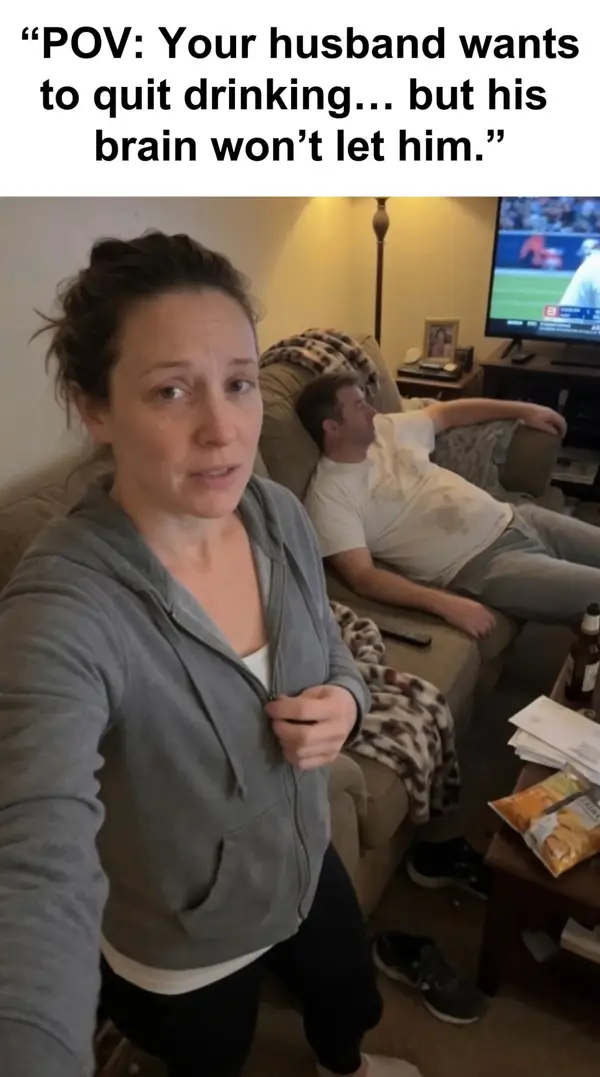
Bio Forge — Reclaim Your Emotional Stability
WinningVideo

Reclaim Your Emotional Stability

If your wife is drinking every day and can't stop no matter how hard she tries, hiding bottles around the house, white-knuckling sobriety until she relapses again, waking up with cravings before her feet even hit the floor, going through every treatment program the system throws at her and getting worse — and her addiction specialist just keeps telling you "commit to the program, give it time, this is a chronic disease she'll need to manage for life"... I'm about to tell you exactly what they're hiding from you and why they'll NEVER tell you the truth. And by the end of this, you're gonna be pissed. Because there are three things happening right now: One — Her brain is screaming that something is neurologically broken Two — The addiction treatment system is gaslighting both of you into thinking it's a willpower problem Three — There's a billion-dollar rehab industry that profits every single day she stays dependent So let me tell you what happened with my wife, because her story is going to open your eyes to how messed up this really is. For YEARS, and I mean like four straight years, my wife was drowning in alcohol dependency. Not like "oh she drinks too much at parties" drinking. I'm talking she needed a drink by 3pm just to feel like a functioning human being. She was shaking by morning. Breaking promises to herself by noon that she'd made at 6am. Hiding bottles in her car, in the garage, in places I still haven't found. She's 34 years old and I was watching the woman I married disappear one drink at a time. And the attempts to get sober? Every time she stopped, she couldn't sustain it. Not because she didn't want to. Because the moment alcohol left her system, this grey, crushing flatness came in that made every sober hour feel unbearable. No joy. No motivation. No sense that anything was worth doing without a drink. Just existing. Just going through the motions, waiting to feel something. She'd sit across from me at dinner and I could see it. Present on the outside. Completely hollow inside. She couldn't connect. Couldn't feel anything worth staying sober for. And I watched her hate herself for it every single day. So obviously, we go get help, right? Multiple specialists. Addiction counsellors. Psychiatrists. We're talking thousands of dollars in appointments, rehab programs, psychiatric evaluations...the whole nine yards. And you know what every single one of them told her? "It's alcohol use disorder." "You need to commit to the program." "Try naltrexone, it blocks the reward." "Call your sponsor. Go to meetings. One day at a time." "This is a chronic relapsing disease. You'll need to manage it for life." MANAGE IT FOR LIFE. My wife's brain is shutting down and they're telling her to manage it ONE DAY AT A TIME. But here's where it gets worse, and this is the part that made me start digging into what the hell is actually going on. They put her on three different protocols over two years. AA first. Then naltrexone. Then higher-dose naltrexone combined with antabuse. And their logic was "we just need to find the right combination to suppress the behaviour." Those protocols DESTROYED her. Thirty days on naltrexone feeling like a grey, joyless zombie with the craving still running in the background every waking hour. Completing rehab and relapsing worse than before. Sitting through meetings while the need for a drink felt like a physical emergency, not a character defect. And her dependency? Still there. Just now she was dependent AND ashamed AND more hopeless than when we started. So at this point I'm furious. Because I'm watching my wife do everything the system tells her to do, spend everything, try every protocol, and get WORSE. Not better. Worse. And that's when I started asking questions that nobody wants you to ask. Why are addiction specialists so quick to prescribe things that mask the craving but never fix what's causing it? Why do they treat alcohol dependency like a behavioural problem when sober life feels neurologically unbearable no matter how much she wants to stay sober? And why does nobody ever talk about what's actually happening to her brain underneath — or how to heal it? So I went down a rabbit hole. And I mean a DEEP rabbit hole. I started researching why someone would have all of these symptoms. The uncontrollable cravings. The grey flatness the moment alcohol left her system. The relapsing over and over despite genuinely wanting to stop. And every mainstream addiction site gave me the same useless answers. "Rehab. Naltrexone. AA. Willpower. Disease management." But then I found an article from a functional addiction specialist — someone who actually studies ROOT CAUSES instead of just symptoms. And he mentioned something I had never heard of in my entire life. Reward pathway degeneration. Now pause for a second. You know what's insane? We learned about dopamine in health class. We learned about serotonin. But nobody — and I mean NOBODY — ever taught us that years of heavy drinking physically degenerates the reward pathways that control your wife's ability to feel pleasure, experience motivation, and generate any sense that sober life is worth having. And that's not an accident. Because once you understand what reward pathway degeneration actually does to a brain, you realise that 90% of the treatment-resistant alcohol dependency the system can't figure out? It's ALL connected to this. The uncontrollable cravings. The grey crushing flatness the moment alcohol leaves her system. The relapsing over and over despite genuinely wanting to stop. Same cause. Same damaged architecture underneath. Here's what your wife's reward pathways actually do: They're her brain's entire emotional infrastructure. The neural circuitry that generates pleasure from ordinary things, motivation to get through a normal day, genuine connection with the people she loves, and the baseline sense of okayness that makes sober life feel worth living. They're what allow a healthy brain to feel like a sober life is something worth having. And here's what nobody explains about how they work. Her reward pathways don't run on dopamine alone. They run on dopamine AND serotonin simultaneously. Dopamine drives the reward response — the signal that generates pleasure, motivation, and baseline okayness when she's not using a substance. When dopamine signalling is healthy her brain generates reasons to stay sober naturally. She feels pleasure from ordinary life. She feels connected to you. She has something to stay sober for. Serotonin regulates the emotional quality of that experience — the ability to feel genuine joy rather than just the absence of pain, the capacity for real connection with people she loves, and the stable emotional baseline that makes a sober day feel livable rather than something to survive. Both systems working together is what a brain that can sustain sobriety actually looks like. Alcohol degenerates both. At the same time. Here's what happens. Alcohol floods the reward pathways with an artificial signal — a chemical hit that the brain's dopamine and serotonin systems simply cannot compete with. With every year of heavy drinking, the reward pathways downregulate to compensate. They lose sensitivity. The threshold for feeling okay without a drink climbs higher and higher. Until sober life — real life — simply cannot generate enough signal to feel worth staying in. That's why she can feel like a functioning human being for three hours after a drink and completely gone by the afternoon. But while the dopamine system is being destroyed, the serotonin pathways are degenerating alongside it. Because dopamine and serotonin signalling in the reward circuitry are structurally interconnected. Chronic alcohol-induced stimulation dysregulates serotonin function in the same neural architecture. The pathways that generate genuine joy, emotional connection, and the stable baseline that makes sober life feel meaningful break down at the same time. That's why every sober hour feels grey and flat and unbearable — her serotonin-dependent capacity for joy and connection has degenerated alongside the dopamine system. That's why she pours the bottle down the drain and still feels nothing worth staying sober for — the reward pathways that generate genuine pleasure from real life are degenerated across both systems. And this is why naltrexone and rehab fail almost every time. When she attempts sobriety the dopamine system starts trying to recalibrate. Slowly. Painfully. That's the craving — her brain desperately searching for the signal it has been depending on to feel anything at all. But the reward pathways don't just repair themselves because she stopped drinking. The degeneration is structural. Stopping alcohol removes the cause. It does nothing about the damage already done. So you get a wife who genuinely wants to stop. Who has been through every program. Who has white-knuckled it more times than either of you can count. Whose brain still cannot produce what it no longer has the architecture to produce. She is not choosing this. So you get: Waking up with a craving as the first thought before her eyes are even open — her dopamine pathways have degenerated to the point where alcohol is the only signal strong enough to register as relief Grey emotional flatness the moment alcohol leaves her system — her serotonin-dependent capacity for joy and connection has broken down alongside the dopamine system White-knuckling sobriety until the flatness becomes unbearable and relapse feels like neurological survival not moral failure Pouring the bottle down the drain and feeling nothing worth staying sober for — because the reward pathways that generate genuine pleasure from real life have shut down across both systems Sitting across from you at dinner, present on the outside and completely hollow inside — her brain cannot generate the emotional signals that make connection feel real Breaking a promise made at 6am before noon — not because she doesn't mean it, because her brain physically cannot sustain sobriety when sober life feels neurologically unbearable Morning shaking that starts earlier every month — the withdrawal threshold rising as the reward pathways continue to degenerate Relapse that doesn't feel like failure — it feels like the only way to feel anything at all And here's the CASCADE EFFECT that makes it worse: Degenerated dopamine pathways mean her brain's stress response is locked in the ON position the moment alcohol leaves her system. Anxiety that never shuts off. A nervous system in permanent emergency that only alcohol can temporarily quiet. Degenerated serotonin pathways mean she cannot generate the emotional baseline that makes relationships, work, and ordinary daily life feel meaningful. So isolation deepens. Every sober day feels greyer than the last. The reasons to stay sober keep shrinking because her brain can no longer feel them. And the longer both systems stay degenerated, the harder the pathways become to restore. Every month without repair the window for full recovery narrows. Her brain is completely stuck. And it cannot unstick itself without reward pathway restoration. And here's the part that made my blood boil. The addiction treatment system KNOWS about this. They know reward pathway degeneration is what makes sobriety feel neurologically unbearable for treatment-resistant patients. But they don't give a single damn about actually helping her repair the damage. Why? Because there's no program they can bill your insurance for that specifically restores degenerated reward pathways across both dopamine and serotonin signalling simultaneously. You can't run a $30,000 inpatient stay on a natural compound that rebuilds the neural architecture alcohol destroyed. There's no money in telling you that the reason sobriety feels impossible is structural — and that the structure can actually be repaired. There IS money in keeping her cycling through rehab, naltrexone protocols, intensive outpatient programs, and relapse management for the REST OF HER LIFE while her reward pathways keep declining and the system keeps telling you she just needs more commitment. See how that works? So I kept researching. Reading studies. Medical journals. Talking to functional medicine doctors. And I found out there's actual research on a specific compound that directly targets reward pathway degeneration — restoring dopamine signalling AND rebuilding damaged serotonin pathways at the same time. Not one or the other. Both. Simultaneously. The compound is called saffron extract. Bear in mind — this is not the spice sitting in your kitchen cupboard. But you'll never hear an addiction specialist mention it. So my wife finally finds a functional medicine doctor who actually knows about this stuff. And this man says exactly what I'd been reading about for weeks. He says: "Her reward pathways are severely degenerated. The dopamine and serotonin signalling architecture that's supposed to make sober life feel worth having has been progressively shutting down for years. We need to restore both systems simultaneously and allow the pathways to rebuild." He writes down saffron extract and tells my wife to start taking it daily. And for the first time in four years, someone gave her a neurological explanation instead of a moral one. But here's the problem. The functional doctor recommended saffron extract but didn't tell us which brand to trust. Because most saffron supplements on the market are either underdosed, unstandardised, or don't actually restore dopamine and serotonin signalling pathways the way the clinically studied versions do. My wife had to research brands herself. Different companies. Different doses. Some online, some in stores where the quality was completely questionable. Trying to figure out which one actually worked because, surprise, there's no standardised information about this anywhere. And the good brands were expensive. Over $50 a month for something that might not even be the right formulation. But you know what? She did it. She bought a random bottle of saffron extract 88.5mg off Amazon because she was desperate. And after about two weeks? The morning craving wasn't the first thought before her eyes were even open. First time in years. After a month? She poured the bottle she'd been hiding in the garage down the sink. Didn't feel like a heroic act. Just felt unnecessary. After two months? She drove past the liquor store on the way home and realised at the next traffic light she hadn't even thought about stopping. So we were relieved, right? It worked. But here's what kept bothering me. When I dug deeper into the research, I found that most saffron supplements have a critical problem: they don't optimise for reward pathway restoration specifically. Because saffron's ability to restore dopamine and serotonin signalling doesn't come from saffron itself. It comes from two specific active compounds inside it — crocin and safranal. Those are the compounds the clinical research actually studied. Those are the compounds that do the work at the pathway level. Without standardised, verified levels of crocin and safranal specifically, you have no idea what you're actually taking. One batch of saffron extract could contain meaningful levels of both compounds. Another batch with the identical weight printed on the label could contain almost none — depending on where it was grown, how it was harvested, how it was processed. Two bottles. Same dose on the label. Completely different effect on the reward pathways. And here's what the clinical research actually shows. Every study that demonstrated meaningful dopamine and serotonin pathway restoration used 30mg of saffron extract — not 88.5mg, not 500mg — 30mg. But specifically standardised for verified crocin and safranal levels. That standardisation is everything. Without it the dose is meaningless. That meant 30mg with standardised crocin and safranal levels was a more effective dose than 88.5mg without. My wife was getting results. But I kept thinking — what if the Amazon bottle wasn't optimised for reward pathway restoration specifically? What if the crocin and safranal levels weren't verified? What if she wasn't getting the full clinical benefit because the supplement wasn't built to the research standard? And then there was the other thing nobody talks about. Most saffron supplements are never tested for heavy metals, pesticide residue, or contamination. You're giving something to your wife daily to repair her brain and you have no idea what else is in it. I needed to find a brand that: Used 30mg of saffron extract specifically — the exact dose used in every clinical study on dopamine and serotonin pathway restoration Had standardised, verified levels of crocin and safranal — the specific active compounds the research actually studied Was third-party tested for heavy metals and contamination — not just the company's word for it Had actual neurologists and clinical researchers behind the formulation — people who understood the reward pathway mechanisms involved in addiction recovery, not just a supplement company throwing saffron in a capsule Wasn't charging an insane markup for pharmaceutical-grade quality And I'm scrolling through a Facebook group about natural addiction recovery one day, literally just looking for answers, and I see someone mention this company called Bio Forge. So I go to their website, ready to be disappointed the way I'd been disappointed by every other company I'd looked at. And I almost fell out of my chair. They had saffron extract at exactly 30mg. The precise clinical dose used in every study on reward pathway restoration. Standardised for verified crocin and safranal levels — the exact active compounds responsible for dopamine and serotonin signalling repair. But that's not even the part that got me. When I looked into who was actually behind the company? They had neurologists and clinical researchers on their team who specialised in neuroplasticity and reward pathway function. People who understood the dopamine and serotonin mechanisms involved in alcohol dependency and recovery at a research level. Who had built the formulation specifically around the clinical evidence on pathway restoration — not around what was cheapest to manufacture. They weren't just putting saffron in a bottle. They understood the mechanism. They understood what standardisation of crocin and safranal actually means for reward pathway restoration. They built the product to the research standard. And third-party tested. Every batch. For purity, potency, and heavy metals. And here's where my jaw hit the floor. When my wife was trying random brands? $60, $70, $80 a month for unstandardised, unverified formulations. Bio Forge? Less than half of that. Already a steal for pharmaceutical-grade standardised manufacturing. But they also have bundle options that bring the cost down even further. Go look at the price right now. I'm serious. And my wife has been taking it for six months now. The daily drinking? Gone. The grey flatness that made every sober hour feel like punishment? Gone for four months. The morning craving that was there before her eyes even opened? Gone. Her reward pathways are rebuilding. The dopamine and serotonin signalling architecture that four years of alcohol dependency destroyed is restoring itself. Last week she laughed at something on TV. Really laughed. Not performed it. Not went through the motions of it. Just laughed the way she used to before any of this started. I sat next to her on the couch and didn't say anything. I didn't want to break it. This is the protocol they don't want you to know about. Because the second her reward pathways restore their dopamine and serotonin signalling capacity, she doesn't need their rehab revolving door anymore. She doesn't need their symptom-masking naltrexone. Her brain starts GENERATING THE SIGNALS THAT MAKE SOBER LIFE WORTH HAVING. Now here's the thing I need you to understand. The longer you wait, the more her reward pathways degenerate and the harder they become to restore. Dopamine and serotonin signalling damage that has been progressing for years becomes harder to reverse the longer it continues. Every month her brain's neuroplasticity — its ability to rebuild itself — decreases. Right now, if your wife is dealing with treatment-resistant alcohol dependency, uncontrollable cravings, that grey sober flatness that makes staying sober feel neurologically impossible — she can reverse this by restoring her reward pathways. But if you wait six months? A year? The dopamine signalling drops even lower. The serotonin damage deepens. Her brain loses more of its ability to generate the pleasure, motivation, and emotional connection that make sober life feel worth having. And then it takes even longer to recover. Every month that goes by, her reward circuitry's ability to heal itself decreases. So if your wife is dealing with ANY of this — uncontrollable cravings that start before her eyes are even open, the grey emptiness that makes every sober hour feel like punishment, relapsing despite genuinely wanting to stop, hiding bottles, breaking promises to herself by noon, sitting across from you at dinner completely hollow inside, pouring a bottle down the drain and feeling nothing worth staying sober for, the alcohol dependency her addiction specialist keeps managing but never fixing — This is literally the time. Not next month when her reward pathways have degenerated further and restoration takes even longer. Right now. I put the link below. And even if you're skeptical, get one bottle. Try it for a month. See if her reward pathways respond the way my wife's did. They even offer a 60 day guarantee — so there's no risk at all. Because the addiction treatment industry isn't coming to save her. They profit too much from the revolving door while her reward pathways continue to degenerate underneath. You have to save her yourself. Go get it. And use the joy you get back — the real laughter, the genuine connection, the woman who can finally feel something worth staying sober for — to finally bring your wife back to you. https://www.getbioforge.com/products/pure-saffron-extract-alcohol-dependence-support?variant=53788469756243

Loading the ad's image
Bio Forge — Reclaim Your Emotional Stability
WinningImage

Treat depression without a prescription

The number one solution for depression isn't exercise, it's not therapy, and it's definitely not "trying harder." And I'm not going to tell you to go for a walk. Because you probably haven't left your bed in weeks. Maybe to use the bathroom. Maybe to grab something from the kitchen. That's about it. You might be reading this right now on your phone, lying down, because even the idea of sitting upright feels like too much effort. Maybe you haven't showered in days. Not because you don't know you should. Because the thought of actually doing it feels physically impossible. Or maybe you did shower this week. And it took everything you had. And now you're completely wiped out from that alone. Texts go unanswered. Calls go to voicemail. Not because you don't care about the people trying to reach you. But because forming words and pretending to be okay feels like too much right now. And here's the cruelest part. Everyone around you has a suggestion. "Just go for a run." "Eat better." "Journal." "Get some sunlight." But you don't even have the energy to brush your teeth. How are you supposed to exercise or cook a proper meal? And even on the days when you do use every last bit of willpower to claw your way out — all it takes is one small thing and you're straight back to zero. That's not laziness. That's not a character flaw. That's a broken signal. And here's what almost no one tells you: you weren't broken — you were given the wrong explanation. For decades, the medical industry built a trillion-dollar empire on one idea: depression is caused by low serotonin. The "chemical imbalance" theory. It's on every commercial. Every prescription pad. Every conversation with your doctor. But here's what the research now shows. Depressed people don’t have low serotonin levels. They have plenty. The problem isn't how much your brain produces. The problem is whether it can actually get through. Your brain sends serotonin — the signal for calm, stability, feeling okay — along specific pathways between brain cells. When those pathways are healthy, the signal travels cleanly. It arrives. You feel it. But chronic stress damages those pathways. Not all at once. Slowly, over months and years, the wiring degrades. The signal still gets sent. But somewhere along the way it breaks down before it arrives. Think of it like a door. Your brain produces serotonin — it knocks. But the door is stuck. Nothing answers. The signal disappears without registering. That's why you feel nothing. Not because your brain stopped making serotonin. Because it stopped being able to land. And that's exactly why SSRIs failed you — and this is the part that should make you furious. SSRIs don't fix the door. They try to force more serotonin through by flooding the entire system — hoping that if they push enough through, some of it lands. And some does. The depression lifts a little. But here's what they never told you when they handed you that prescription. Serotonin doesn't just carry the signal for sadness. When you artificially increase serotonin levels and force it through the brains pathways — you drown out dopamine. Dopamine is the chemical responsible for actually wanting things. For feeling genuine warmth. For pleasure. For looking at someone you love and feeling something. So when SSRIs force more serotonin through, the depression gets turned down, but so does everything good. You stop feeling hopeless. But you also stop feeling happy. You stop crying. But you also stop laughing. And the doctors called it progress. Because here's the truth they won't say out loud: SSRIs were designed to manage symptoms, not repair the underlying problem. Recurring prescriptions = recurring revenue. You became dependent on a medication that was forcing signal through broken wiring — while the wiring itself kept deteriorating underneath. But most people with depression don't even realise it's a pathway problem. Maybe you've told your doctors about the paralysis. The inability to function. The flatness that medications never touched. And they gave you another SSRI. Or added a second one. Or suggested therapy you don't have the energy to attend. They will never tell you there's a different way — one that actually repairs the mechanism instead of forcing more through it — because keeping you on prescriptions is worth billions of dollars to them. But there's a natural compound I've been recommending for years to people who come to me completely bed-bound, emotionally flatlined, and desperate. People who've tried every SSRI. Every therapy. Every supplement stack. People who've been told they're treatment-resistant. And a few weeks later they message me. Not because they're suddenly fixed and dancing through fields. But because for the first time in months — or years — they looked at their kids and actually felt something. Because they brushed their teeth without it feeling like Everest. Because the baseline started rising instead of collapsing. This compound is called saffron extract. And every time I mention it, I get the same response. "Wait — the spice? The thing you put in rice?" I get it completely. It sounds too simple. How could a flower do what Zoloft, Lexapro, and Prozac couldn't? But here's what you need to understand. Saffron extract doesn't work like SSRIs. At all. SSRIs flood your system with serotonin. That turns the depression down. But it turns everything else down with it — because dopamine, the chemical responsible for joy, pleasure, and wanting things, gets crowded out in the process. That's why you can't selectively remove the depression and keep the joy. It's a sledgehammer when you need a scalpel. Saffron works through a completely different mechanism. Its two active compounds — crocin and safranal — don't flood the system. They repair it. Crocin helps serotonin stay in circulation long enough to actually travel the damaged pathways and land. The natural way it is supposed to - without overwhelming everything else. Safranal works directly on the damaged pathways themselves — activating the brain's own repair mechanisms so the wiring starts to rebuild. Which means serotonin gets through — but dopamine isn't drowned out in the process. And because the pathways are being repaired rather than flooded, dopamine can finally get through too. For the first time, both signals arrive as they are meant to. The door opens. And as it does, your brain can finally receive what it's been producing all along. You're not choosing between depression and numbness. You're repairing the actual broken mechanism. And the clinical research backs this up completely. In a direct head-to-head trial, 30mg of standardised saffron extract daily was compared against fluoxetine — Prozac — for six weeks in patients with depression. Result: equal improvement in depression scores. Same effectiveness as Prozac. With zero emotional blunting. Zero sexual dysfunction. Zero weight gain. Because it isn't flooding the system. It's fixing it. A 2013 meta-analysis combining data from multiple clinical trials found saffron performed as effectively as prescription SSRIs — with a large effect size compared to placebo. In the largest trial to date, 72.3% of participants achieved clinically significant improvement. Across 30+ randomised controlled trials. Consistent findings every single time. And in every trial — no serious adverse events. No flatness. No loss of desire. No withdrawal. This isn't fringe science. This is peer-reviewed, published research showing that saffron works for the exact people SSRIs failed — and does it without taking everything else with it. But here's what no one tells you about saffron extract. You won't feel fixed on day three. This isn't a stimulant. It's not going to make you feel suddenly motivated or artificially lifted. Here's what actually happens. Week 1: The weight is still there. But something underneath is fractionally different. Like the volume on the darkest thoughts turned down just slightly. Not gone. Just not quite as loud. Week 2: Basic things start to feel possible in a way they haven't in a while. You reply to a text. You get up before noon. You make a coffee and drink it while it's still hot. Not because you suddenly have energy. Just because the resistance dropped a little. Week 3: Something moves. You're watching something on TV, or a song comes on, or your dog does something stupid — and you feel it. Small. Quiet. But real. And you notice it because it's been so long since anything landed like that. Week 4-6: The crashes start to have floors. You still have bad days. But they don't erase everything the way they used to. You go to sleep and wake up and the progress is still there. The baseline is rising. Slowly. But it's rising. Week 6-8: Someone who loves you says something. Not about the depression. Just — "you seem more like yourself lately." And you realise they're right. You laughed at something last week. A real laugh. Not performed. Not forced. Actually felt. This is what repair looks like. Not a switch. A return. And the part that makes it different from everything you've tried: The joy comes back with it. Not just less depression. Actual warmth. Actual wanting things. Actual feeling. Because both signals are getting through. Not just serotonin. Dopamine too. That's what the prescription was never designed to give you. And here's the part that matters most right now. Every other solution requires something from you that you don't have. Therapy requires you to show up, talk, process. That takes energy. Exercise requires you to get dressed and leave the house. That takes energy. Meal prep, journalling, morning routines — all of it requires executive function you don't possess right now. This requires you to swallow two capsules. That's it. No protocols. No optimising. No fixing yourself first. Just take it. But before you go looking for any saffron supplement — there's one thing you need to know. Most saffron products on the market won't do anything. Not because saffron doesn't work. Because saffron's effects don't come from saffron itself. They come from two specific active compounds inside it — crocin and safranal. The ones that repair the pathways and let the signals land. Without verified, standardised levels of those compounds, you have no idea what you're actually taking. One batch could contain meaningful levels of crocin. Another batch with the identical label could contain almost none — depending on where it was grown, how it was harvested, how it was processed. Two bottles. Same dose on the label. Completely different product. This is why people try a saffron supplement, feel nothing, conclude it doesn't work, and go back to square one more frustrated than before. The compound is right. The execution wasn't. Bio Forge is formulated directly from the clinical research protocols. ✅ 30mg standardised saffron extract — the exact dose used in head-to-head trials against Prozac ✅ Verified crocin and safranal levels — the specific compounds in every clinical trial ✅ Pure formulation — no proprietary blends, no fillers, nothing diluting what actually works ✅ Third-party lab tested for purity, potency, and heavy metals ✅ Pharmaceutical-grade manufacturing in certified facilities This isn't a mood blend with a dozen ingredients at meaningless doses. This is standardised saffron extract at a clinically meaningful dose — designed to repair the actual mechanism behind depression. Not mask it. I take it myself, every day. And I recommend it to nearly every person who comes to me with depression that hasn't responded to SSRIs — or who refuses to go back on them because of what they took away. It's safe. It's studied. And when the compounds are properly standardised, it works. No prescriptions. No dependency. No sexual dysfunction. No emotional flatness. Just real support targeting the system SSRIs ignored — and repairing it instead of overwhelming it. 60-day money-back guarantee — because I'm confident it will work for you the way it's worked for the people I work with who were exactly where you are right now. Most people buy at regular price, but right now they're offering a promotion where you can save significantly when you stock up. The only challenge is they're committed to pharmaceutical-grade standardised manufacturing — which means they can't always keep up with demand. If you click the link below, you might find they're temporarily low on stock. It's happened before. But I'd check now while you're thinking about it. Because if you're exhausted from being told to try harder… If medication made you hollow instead of better… If you want something that targets the actual mechanism — without requiring energy you don't have… Your brain isn't broken. It isn't low on serotonin. It's been making it the whole time. It just needed the pathways repaired so the signal could finally arrive. Not by flooding the system. Not by flattening everything good along the way. By fixing what actually broke. 👇 https://www.getbioforge.com/products/pure-saffron-extract-alcohol-dependence-support?variant=53788469756243

Loading the ad's image
Bio Forge — Treat depression without a prescription
WinningImage

Reclaim Your Emotional Stability

If your husband can't stop drinking no matter how hard he tries, here are three reasons why. 1. Cold turkey He stops. Really stops. Three days later he's back. Everyone calls it a relapse. A willpower problem. But stopping alcohol doesn't repair what the alcohol destroyed. The moment it's gone, that grey crushing flatness comes in and makes every sober hour feel like punishment. No joy. No motivation. No sense that anything is worth doing without a drink. His nervous system treats sobriety like an emergency because his reward circuitry has nothing else left to run on. You're not breaking a habit. You're removing the only substitute for infrastructure that no longer exists. 2. Rules Only on weekends. Only with dinner. Only two drinks. Only after 6. Each rule lasted a few weeks. Then broke. And every time it broke he told himself he just needed more discipline. A harder commitment. A better rule. But the rules were never the problem. The damage underneath was. His reward circuitry had already degenerated to the point where sober hours felt neurologically unbearable — and no rule he made at 6am was going to change what his brain could no longer produce by noon. You're not dealing with a discipline problem. You're dealing with infrastructure that can no longer generate the signal that makes sober life feel worth staying in. 3. Naltrexone It removed the pleasure from drinking. It removed the pleasure from everything else too. Food. The kids. Music. All behind the same grey wall. He stopped taking it. Poured a glass that night. Hated himself for it. Hated himself more for how much better the world looked with color in it again. The system calls that a relapse. What actually happened is his brain went looking for the only signal still strong enough to make him feel anything at all. Because the damage kept progressing the entire time he was on it. So what actually works? His reward circuitry was destroyed at a biological level — before willpower ever had anything to work with. That's the only level where this gets fixed. Years of heavy drinking physically degenerates the reward pathways that control his ability to feel pleasure, motivation, and any sense that sober life is worth having. The drinking that used to make him feel warm and present now barely takes the edge off. The sober hours that used to feel normal now feel grey and unbearable. Stopping alcohol removes the cause. It does nothing about the damage already done. That's why every attempt fails the same way. He gets clean. The pathways are still damaged. Sober life feels unbearable — present on the outside, completely hollow inside, breaking promises to himself by noon that he made at 6am. He goes back. The damage gets worse. The system calls it a commitment problem. There's no program they can bill insurance for that restores degenerated reward pathways. There's no money in telling you the damage can actually be repaired. There's peer-reviewed research on a compound that directly rebuilds the dopamine and serotonin reward pathways alcohol degenerates. Not a prescription. A standardised plant extract at the clinical dose — 30mg, with verified levels of the active compounds the research actually studied. It's called saffron extract. But here's what most people don't know. Saffron's ability to rebuild reward pathways doesn't come from saffron itself — it comes from two specific active compounds inside it called crocin and safranal. Without verified, standardised levels of both, you're taking an expensive capsule that never reaches the threshold where anything happens. Most saffron products on the shelf don't match the clinical dose. That's why most people try saffron and feel nothing. A company called Bio Forge uses the exact clinically-studied dose — 30 mg, standardised for verified crocin and safranal levels. Third-party tested. Over 53,000 customers. $34. My husband is five months in. The daily drinking — gone. The grey flatness that made every sober hour feel like punishment — gone for three months. Last week he laughed at something on TV. Really laughed. Not performed it. Just laughed the way he used to before any of this started. I sat next to him on the couch and didn't say anything. I didn't want to break it. And I got my partner back. Not a sober stranger going through the motions. Not a man I'm managing and monitoring. My partner. The one who's actually present. Who I can talk to after 4pm. Who I can be close to again without it feeling wrong. Right now, if your husband is dealing with this — the cravings, the grey flatness that makes every sober hour feel neurologically unbearable, the relapsing despite genuinely wanting to stop — he can reverse this by restoring his reward pathways. But if you wait six months? A year? The dopamine signalling drops even lower. The serotonin damage deepens. His brain loses more of its ability to generate the pleasure, motivation, and emotional connection that make sober life feel worth having. You can't fix reward pathway degeneration with willpower. You have to address the biology directly. Link below. 90-day guarantee. Try it. https://www.getbioforge.com/products/pure-saffron-extract-alcohol-dependence-support?variant=53788469756243

Loading the ad's image
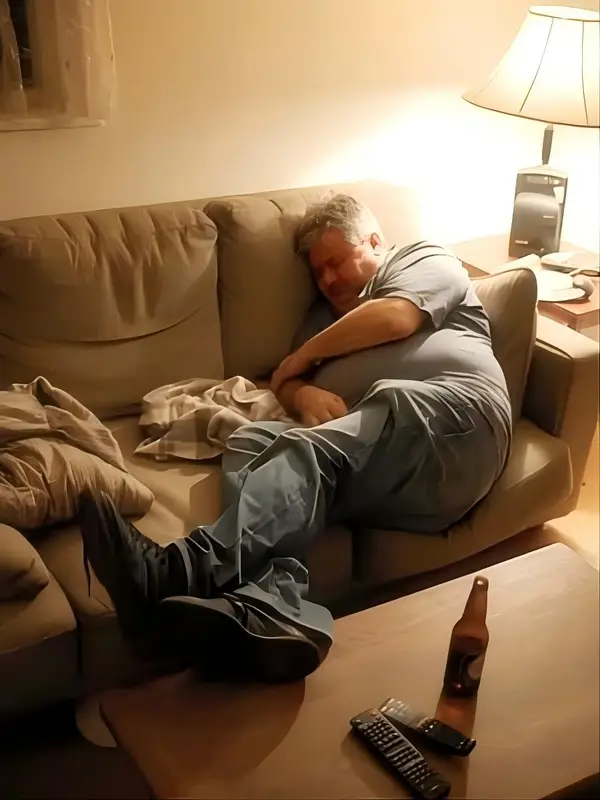
Bio Forge — Reclaim Your Emotional Stability
Winning

Reclaim Your Emotional Stability

If your husband is drinking every day and can't stop no matter how hard he tries, hiding bottles around the house, white-knuckling sobriety until he relapses again, waking up with cravings before his feet even hit the floor, going through every treatment program the system throws at him and getting worse — and his addiction specialist just keeps telling you "commit to the program, give it time, this is a chronic disease he'll need to manage for life"... I'm about to tell you exactly what they're hiding from you and why they'll NEVER tell you the truth. And by the end of this, you're gonna be pissed. Because there are three things happening right now: One — His brain is screaming that something is neurologically broken Two — The addiction treatment system is gaslighting both of you into thinking it's a willpower problem Three — There's a billion-dollar rehab industry that profits every single day he stays dependent So let me tell you what happened with my husband, because his story is going to open your eyes to how messed up this really is. For YEARS, and I mean like four straight years, my husband was drowning in alcohol dependency. Not like "oh he drinks too much at parties" drinking. I'm talking he needed a drink by 3pm just to feel like a functioning human being. He was shaking by morning. Breaking promises to himself by noon that he'd made at 6am. Hiding bottles in his car, in the garage, in places I still haven't found. He's 47 years old and I was watching the man I married disappear one drink at a time. And the attempts to get sober? Every time he stopped, he couldn't sustain it. Not because he didn't want to. Because the moment alcohol left his system, this grey, crushing flatness came in that made every sober hour feel unbearable. No joy. No motivation. No sense that anything was worth doing without a drink. Just existing. Just going through the motions, waiting to feel something. He'd sit across from me at dinner and I could see it. Present on the outside. Completely hollow inside. He couldn't connect. Couldn't feel anything worth staying sober for. And I watched him hate himself for it every single day. But there was something else I didn't have words for yet. Somewhere along the way I stopped being his wife. I became his monitor. Counting bottles in the recycling. Checking how his eyes looked when he came home. Pretending not to smell his breath. I wasn't his partner anymore — I was managing him. And I could feel us disappearing too, not just him. So obviously, we go get help, right? Multiple specialists. Addiction counsellors. Psychiatrists. We're talking thousands of dollars in appointments, rehab programs, psychiatric evaluations...the whole nine yards. And you know what every single one of them told him? "It's alcohol use disorder." "You need to commit to the program." "Try naltrexone, it blocks the reward." "Call your sponsor. Go to meetings. One day at a time." "This is a chronic relapsing disease. You'll need to manage it for life." MANAGE IT FOR LIFE. My husband's brain is shutting down and they're telling him to manage it ONE DAY AT A TIME. But here's where it gets worse, and this is the part that made me start digging into what the hell is actually going on. They put him on three different protocols over two years. AA first. Then naltrexone. Then higher-dose naltrexone combined with antabuse. And their logic was "we just need to find the right combination to suppress the behaviour." Those protocols DESTROYED him. Thirty days on naltrexone feeling like a grey, joyless zombie with the craving still running in the background every waking hour. Completing rehab and relapsing worse than before. Sitting through meetings while the need for a drink felt like a physical emergency, not a character defect. And his dependency? Still there. Just now he was dependent AND ashamed AND more hopeless than when we started. So at this point I'm furious. Because I'm watching my husband do everything the system tells him to do, spend everything, try every protocol, and get WORSE. Not better. Worse. And that's when I started asking questions that nobody wants you to ask. Why are addiction specialists so quick to prescribe things that mask the craving but never fix what's causing it? Why do they treat alcohol dependency like a behavioural problem when sober life feels neurologically unbearable no matter how much he wants to stay sober? And why does nobody ever talk about what's actually happening to his brain underneath — or how to heal it? So I went down a rabbit hole. And I mean a DEEP rabbit hole. I started researching why someone would have all of these symptoms. The uncontrollable cravings. The grey flatness the moment alcohol left his system. The relapsing over and over despite genuinely wanting to stop. And every mainstream addiction site gave me the same useless answers. "Rehab. Naltrexone. AA. Willpower. Disease management." But then I found an article from a functional addiction specialist — someone who actually studies ROOT CAUSES instead of just symptoms. And he mentioned something I had never heard of in my entire life. Reward pathway degeneration. Now pause for a second. You know what's insane? We learned about dopamine in health class. We learned about serotonin. But nobody — and I mean NOBODY — ever taught us that years of heavy drinking physically degenerates the reward pathways that control your husband's ability to feel pleasure, experience motivation, and generate any sense that sober life is worth having. And that's not an accident. Because once you understand what reward pathway degeneration actually does to a brain, you realise that 90% of the treatment-resistant alcohol dependency the system can't figure out? It's ALL connected to this. The uncontrollable cravings. The grey crushing flatness the moment alcohol leaves his system. The relapsing over and over despite genuinely wanting to stop. Same cause. Same damaged architecture underneath. Here's what your husband's reward pathways actually do: They're his brain's entire emotional infrastructure. The neural circuitry that generates pleasure from ordinary things, motivation to get through a normal day, genuine connection with the people he loves, and the baseline sense of okayness that makes sober life feel worth living. They're what allow a healthy brain to feel like a sober life is something worth having. And here's what nobody explains about how they work. His reward pathways don't run on dopamine alone. They run on dopamine AND serotonin simultaneously. Dopamine drives the reward response — the signal that generates pleasure, motivation, and baseline okayness when he's not using a substance. When dopamine signalling is healthy his brain generates reasons to stay sober naturally. He feels pleasure from ordinary life. He feels connected to you. He has something to stay sober for. Serotonin regulates the emotional quality of that experience — the ability to feel genuine joy rather than just the absence of pain, the capacity for real connection with the people he loves, and the stable emotional baseline that makes a sober day feel livable rather than something to survive. Both systems working together is what a brain that can sustain sobriety actually looks like. Alcohol degenerates both. At the same time. Here's what happens. Alcohol floods the reward pathways with an artificial signal — a chemical hit that the brain's dopamine and serotonin systems simply cannot compete with. With every year of heavy drinking, the reward pathways downregulate to compensate. They lose sensitivity. The threshold for feeling okay without a drink climbs higher and higher. Until sober life — real life — simply cannot generate enough signal to feel worth staying in. That's why he can feel like a functioning human being for three hours after a drink and completely gone by the afternoon. But while the dopamine system is being destroyed, the serotonin pathways are degenerating alongside it. Because dopamine and serotonin signalling in the reward circuitry are structurally interconnected. Chronic alcohol-induced stimulation dysregulates serotonin function in the same neural architecture. The pathways that generate genuine joy, emotional connection, and the stable baseline that makes sober life feel meaningful break down at the same time. That's why every sober hour feels grey and flat and unbearable — his serotonin-dependent capacity for joy and connection has degenerated alongside the dopamine system. That's why he pours the bottle down the drain and still feels nothing worth staying sober for — the reward pathways that generate genuine pleasure from real life are degenerated across both systems. And this is why naltrexone and rehab fail almost every time. When he attempts sobriety the dopamine system starts trying to recalibrate. Slowly. Painfully. That's the craving — his brain desperately searching for the signal it has been depending on to feel anything at all. But the reward pathways don't just repair themselves because he stopped drinking. The degeneration is structural. Stopping alcohol removes the cause. It does nothing about the damage already done. So you get a husband who genuinely wants to stop. Who has been through every program. Who has white-knuckled it more times than either of you can count. Whose brain still cannot produce what it no longer has the architecture to produce. He is not choosing this. So you get: Waking up with a craving as the first thought before his eyes are even open — his dopamine pathways have degenerated to the point where alcohol is the only signal strong enough to register as relief Grey emotional flatness the moment alcohol leaves his system — his serotonin-dependent capacity for joy and connection has broken down alongside the dopamine system White-knuckling sobriety until the flatness becomes unbearable and relapse feels like neurological survival not moral failure Pouring the bottle down the drain and feeling nothing worth staying sober for — because the reward pathways that generate genuine pleasure from real life have shut down across both systems Sitting across from you at dinner, present on the outside and completely hollow inside — his brain cannot generate the emotional signals that make connection feel real Breaking a promise made at 6am before noon — not because he doesn't mean it, because his brain physically cannot sustain sobriety when sober life feels neurologically unbearable Morning shaking that starts earlier every month — the withdrawal threshold rising as the reward pathways continue to degenerate Relapse that doesn't feel like failure — it feels like the only way to feel anything at all And here's the CASCADE EFFECT that makes it worse: Degenerated dopamine pathways mean his brain's stress response is locked in the ON position the moment alcohol leaves his system. Anxiety that never shuts off. A nervous system in permanent emergency that only alcohol can temporarily quiet. Degenerated serotonin pathways mean he cannot generate the emotional baseline that makes relationships, work, and ordinary daily life feel meaningful. So isolation deepens. Every sober day feels greyer than the last. The reasons to stay sober keep shrinking because his brain can no longer feel them. And the longer both systems stay degenerated, the harder the pathways become to restore. Every month without repair the window for full recovery narrows. His brain is completely stuck. And it cannot unstick itself without reward pathway restoration. And here's the part that made my blood boil. The addiction treatment system KNOWS about this. They know reward pathway degeneration is what makes sobriety feel neurologically unbearable for treatment-resistant patients. But they don't give a single damn about actually helping him repair the damage. Why? Because there's no program they can bill your insurance for that specifically restores degenerated reward pathways across both dopamine and serotonin signalling simultaneously. You can't run a $30,000 inpatient stay on a natural compound that rebuilds the neural architecture alcohol destroyed. There's no money in telling you that the reason sobriety feels impossible is structural — and that the structure can actually be repaired. There IS money in keeping him cycling through rehab, naltrexone protocols, intensive outpatient programs, and relapse management for the REST OF HIS LIFE while his reward pathways keep declining and the system keeps telling you he just needs more commitment. See how that works? So I kept researching. Reading studies. Medical journals. Talking to functional medicine doctors. And I found out there's actual research on a specific compound that directly targets reward pathway degeneration — restoring dopamine signalling AND rebuilding damaged serotonin pathways at the same time. Not one or the other. Both. Simultaneously. The compound is called saffron extract. Bear in mind — this is not the spice sitting in your kitchen cupboard. But you'll never hear an addiction specialist mention it. So my husband finally finds a functional medicine doctor who actually knows about this stuff. And this man says exactly what I'd been reading about for weeks. He says: "His reward pathways are severely degenerated. The dopamine and serotonin signalling architecture that's supposed to make sober life feel worth having has been progressively shutting down for years. We need to restore both systems simultaneously and allow the pathways to rebuild." He writes down saffron extract and tells my husband to start taking it daily. And for the first time in four years, someone gave him a neurological explanation instead of a moral one. But here's the problem. The functional doctor recommended saffron extract but didn't tell us which brand to trust. Because most saffron supplements on the market are either underdosed, unstandardised, or don't actually restore dopamine and serotonin signalling pathways the way the clinically studied versions do. I had to research brands myself. Different companies. Different doses. Some online, some in stores where the quality was completely questionable. Trying to figure out which one actually worked because, surprise, there's no standardised information about this anywhere. And the good brands were expensive. Over $50 a month for something that might not even be the right formulation. But you know what? I did it. I bought a random bottle of saffron extract 88.5mg off Amazon because I was desperate. And after about two weeks? The morning craving wasn't the first thought before his eyes were even open. First time in years. After a month? He poured the bottle he'd been hiding in the garage down the sink. Didn't feel like a heroic act. Just felt unnecessary. After two months? He drove past the liquor store on the way home and realised at the next traffic light he hadn't even thought about stopping. So we were relieved, right? It worked. But here's what kept bothering me. When I dug deeper into the research, I found that most saffron supplements have a critical problem: they don't optimise for reward pathway restoration specifically. Because saffron's ability to restore dopamine and serotonin signalling doesn't come from saffron itself. It comes from two specific active compounds inside it — crocin and safranal. Those are the compounds the clinical research actually studied. Those are the compounds that do the work at the pathway level. Without standardised, verified levels of crocin and safranal specifically, you have no idea what you're actually taking. One batch of saffron extract could contain meaningful levels of both compounds. Another batch with the identical weight printed on the label could contain almost none — depending on where it was grown, how it was harvested, how it was processed. Two bottles. Same dose on the label. Completely different effect on the reward pathways. And here's what the clinical research actually shows. Every study that demonstrated meaningful dopamine and serotonin pathway restoration used 30mg of saffron extract — not 88.5mg, not 500mg — 30mg. But specifically standardised for verified crocin and safranal levels. That standardisation is everything. Without it the dose is meaningless. That meant 30mg with standardised crocin and safranal levels was a more effective dose than 88.5mg without. My husband was getting results. But I kept thinking — what if the Amazon bottle wasn't optimised for reward pathway restoration specifically? What if the crocin and safranal levels weren't verified? What if he wasn't getting the full clinical benefit because the supplement wasn't built to the research standard? And then there was the other thing nobody talks about. Most saffron supplements are never tested for heavy metals, pesticide residue, or contamination. You're giving something to your husband daily to repair his brain and you have no idea what else is in it. I needed to find a brand that: Used 30mg of saffron extract specifically — the exact dose used in every clinical study on dopamine and serotonin pathway restoration Had standardised, verified levels of crocin and safranal — the specific active compounds the research actually studied Was third-party tested for heavy metals and contamination — not just the company's word for it Had actual neurologists and clinical researchers behind the formulation — people who understood the reward pathway mechanisms involved in addiction recovery, not just a supplement company throwing saffron in a capsule Wasn't charging an insane markup for pharmaceutical-grade quality And I'm scrolling through a Facebook group about natural addiction recovery one day, literally just looking for answers, and I see someone mention this company called Bio Forge. So I go to their website, ready to be disappointed the way I'd been disappointed by every other company I'd looked at. And I almost fell out of my chair. They had saffron extract at exactly 30mg. The precise clinical dose used in every study on reward pathway restoration. Standardised for verified crocin and safranal levels — the exact active compounds responsible for dopamine and serotonin signalling repair. But that's not even the part that got me. When I looked into who was actually behind the company? They had neurologists and clinical researchers on their team who specialised in neuroplasticity and reward pathway function. People who understood the dopamine and serotonin mechanisms involved in alcohol dependency and recovery at a research level. Who had built the formulation specifically around the clinical evidence on pathway restoration — not around what was cheapest to manufacture. They weren't just putting saffron in a bottle. They understood the mechanism. They understood what standardisation of crocin and safranal actually means for reward pathway restoration. They built the product to the research standard. And third-party tested. Every batch. For purity, potency, and heavy metals. And here's where my jaw hit the floor. When I was trying random brands? $60, $70, $80 a month for unstandardised, unverified formulations. Bio Forge? Less than half of that. Already a steal for pharmaceutical-grade standardised manufacturing. But they also have bundle options that bring the cost down even further. Go look at the price right now. I'm serious. And my husband has been taking it for six months now. The daily drinking? Gone. The grey flatness that made every sober hour feel like punishment? Gone for four months. The morning craving that was there before his eyes even opened? Gone. His reward pathways are rebuilding. The dopamine and serotonin signalling architecture that four years of alcohol dependency destroyed is restoring itself. Last week we turned the TV off and just spoke for hours. Not about the drinking. Not about recovery. Just talked like we used to. I didn't want it to end. This is the protocol they don't want you to know about. Because the second his reward pathways restore their dopamine and serotonin signalling capacity, he doesn't need their rehab revolving door anymore. He doesn't need their symptom-masking naltrexone. His brain starts GENERATING THE SIGNALS THAT MAKE SOBER LIFE WORTH HAVING. And I got my partner back. Not a sober stranger going through the motions. Not a man I'm managing and monitoring. My partner. The one who's actually present. Who I can talk to after 4pm. Who I can be close to again without it feeling wrong. Now here's the thing I need you to understand. The longer you wait, the more his reward pathways degenerate and the harder they become to restore. Dopamine and serotonin signalling damage that has been progressing for years becomes harder to reverse the longer it continues. Every month his brain's neuroplasticity — its ability to rebuild itself — decreases. Right now, if your husband is dealing with treatment-resistant alcohol dependency, uncontrollable cravings, that grey sober flatness that makes staying sober feel neurologically impossible — he can reverse this by restoring his reward pathways. But if you wait six months? A year? The dopamine signalling drops even lower. The serotonin damage deepens. His brain loses more of its ability to generate the pleasure, motivation, and emotional connection that make sober life feel worth having. And then it takes even longer to recover. Every month that goes by, his reward circuitry's ability to heal itself decreases. So if your husband is dealing with ANY of this — uncontrollable cravings that start before his eyes are even open, the grey emptiness that makes every sober hour feel like punishment, relapsing despite genuinely wanting to stop, hiding bottles, breaking promises to himself by noon, sitting across from you at dinner completely hollow inside, pouring a bottle down the drain and feeling nothing worth staying sober for, the alcohol dependency his addiction specialist keeps managing but never fixing — This is literally the time. Not next month when his reward pathways have degenerated further and restoration takes even longer. Right now. I put the link below. And even if you're skeptical, get one bottle. Try it for a month. See if his reward pathways respond the way my husband's did. They even offer a 60 day guarantee — so there's no risk at all. Because the addiction treatment industry isn't coming to save him. They profit too much from the revolving door while his reward pathways continue to degenerate underneath. You have to save him yourself. Go get it. And use the joy you get back — the real laughter, the genuine connection, the man who can finally feel something worth staying sober for — to finally bring your husband back to you. 👉 https://www.getbioforge.com/products/pure-saffron-extract-alcohol-dependence-support?variant=53788469756243re

Loading the ad's image
Bio Forge — Reclaim Your Emotional Stability
Winning

Reclaim Your Emotional Stability

If your wife is drinking every day and can't stop no matter how hard she tries, hiding bottles around the house, white-knuckling sobriety until she relapses again, waking up with cravings before her feet even hit the floor, going through every treatment program the system throws at her and getting worse — and her addiction specialist just keeps telling you "commit to the program, give it time, this is a chronic disease she'll need to manage for life"... I'm about to tell you exactly what they're hiding from you and why they'll NEVER tell you the truth. And by the end of this, you're gonna be pissed. Because there are three things happening right now: One — Her brain is screaming that something is neurologically broken Two — The addiction treatment system is gaslighting both of you into thinking it's a willpower problem Three — There's a billion-dollar rehab industry that profits every single day she stays dependent So let me tell you what happened with my wife, because her story is going to open your eyes to how messed up this really is. For YEARS, and I mean like four straight years, my wife was drowning in alcohol dependency. Not like "oh she drinks too much at parties" drinking. I'm talking she needed a drink by 3pm just to feel like a functioning human being. She was shaking by morning. Breaking promises to herself by noon that she'd made at 6am. Hiding bottles in her car, in the garage, in places I still haven't found. She's 34 years old and I was watching the woman I married disappear one drink at a time. And the attempts to get sober? Every time she stopped, she couldn't sustain it. Not because she didn't want to. Because the moment alcohol left her system, this grey, crushing flatness came in that made every sober hour feel unbearable. No joy. No motivation. No sense that anything was worth doing without a drink. Just existing. Just going through the motions, waiting to feel something. She'd sit across from me at dinner and I could see it. Present on the outside. Completely hollow inside. She couldn't connect. Couldn't feel anything worth staying sober for. And I watched her hate herself for it every single day. So obviously, we go get help, right? Multiple specialists. Addiction counsellors. Psychiatrists. We're talking thousands of dollars in appointments, rehab programs, psychiatric evaluations...the whole nine yards. And you know what every single one of them told her? "It's alcohol use disorder." "You need to commit to the program." "Try naltrexone, it blocks the reward." "Call your sponsor. Go to meetings. One day at a time." "This is a chronic relapsing disease. You'll need to manage it for life." MANAGE IT FOR LIFE. My wife's brain is shutting down and they're telling her to manage it ONE DAY AT A TIME. But here's where it gets worse, and this is the part that made me start digging into what the hell is actually going on. They put her on three different protocols over two years. AA first. Then naltrexone. Then higher-dose naltrexone combined with antabuse. And their logic was "we just need to find the right combination to suppress the behaviour." Those protocols DESTROYED her. Thirty days on naltrexone feeling like a grey, joyless zombie with the craving still running in the background every waking hour. Completing rehab and relapsing worse than before. Sitting through meetings while the need for a drink felt like a physical emergency, not a character defect. And her dependency? Still there. Just now she was dependent AND ashamed AND more hopeless than when we started. So at this point I'm furious. Because I'm watching my wife do everything the system tells her to do, spend everything, try every protocol, and get WORSE. Not better. Worse. And that's when I started asking questions that nobody wants you to ask. Why are addiction specialists so quick to prescribe things that mask the craving but never fix what's causing it? Why do they treat alcohol dependency like a behavioural problem when sober life feels neurologically unbearable no matter how much she wants to stay sober? And why does nobody ever talk about what's actually happening to her brain underneath — or how to heal it? So I went down a rabbit hole. And I mean a DEEP rabbit hole. I started researching why someone would have all of these symptoms. The uncontrollable cravings. The grey flatness the moment alcohol left her system. The relapsing over and over despite genuinely wanting to stop. And every mainstream addiction site gave me the same useless answers. "Rehab. Naltrexone. AA. Willpower. Disease management." But then I found an article from a functional addiction specialist — someone who actually studies ROOT CAUSES instead of just symptoms. And he mentioned something I had never heard of in my entire life. Reward pathway degeneration. Now pause for a second. You know what's insane? We learned about dopamine in health class. We learned about serotonin. But nobody — and I mean NOBODY — ever taught us that years of heavy drinking physically degenerates the reward pathways that control your wife's ability to feel pleasure, experience motivation, and generate any sense that sober life is worth having. And that's not an accident. Because once you understand what reward pathway degeneration actually does to a brain, you realise that 90% of the treatment-resistant alcohol dependency the system can't figure out? It's ALL connected to this. The uncontrollable cravings. The grey crushing flatness the moment alcohol leaves her system. The relapsing over and over despite genuinely wanting to stop. Same cause. Same damaged architecture underneath. Here's what your wife's reward pathways actually do: They're her brain's entire emotional infrastructure. The neural circuitry that generates pleasure from ordinary things, motivation to get through a normal day, genuine connection with the people she loves, and the baseline sense of okayness that makes sober life feel worth living. They're what allow a healthy brain to feel like a sober life is something worth having. And here's what nobody explains about how they work. Her reward pathways don't run on dopamine alone. They run on dopamine AND serotonin simultaneously. Dopamine drives the reward response — the signal that generates pleasure, motivation, and baseline okayness when she's not using a substance. When dopamine signalling is healthy her brain generates reasons to stay sober naturally. She feels pleasure from ordinary life. She feels connected to you. She has something to stay sober for. Serotonin regulates the emotional quality of that experience — the ability to feel genuine joy rather than just the absence of pain, the capacity for real connection with people she loves, and the stable emotional baseline that makes a sober day feel livable rather than something to survive. Both systems working together is what a brain that can sustain sobriety actually looks like. Alcohol degenerates both. At the same time. Here's what happens. Alcohol floods the reward pathways with an artificial signal — a chemical hit that the brain's dopamine and serotonin systems simply cannot compete with. With every year of heavy drinking, the reward pathways downregulate to compensate. They lose sensitivity. The threshold for feeling okay without a drink climbs higher and higher. Until sober life — real life — simply cannot generate enough signal to feel worth staying in. That's why she can feel like a functioning human being for three hours after a drink and completely gone by the afternoon. But while the dopamine system is being destroyed, the serotonin pathways are degenerating alongside it. Because dopamine and serotonin signalling in the reward circuitry are structurally interconnected. Chronic alcohol-induced stimulation dysregulates serotonin function in the same neural architecture. The pathways that generate genuine joy, emotional connection, and the stable baseline that makes sober life feel meaningful break down at the same time. That's why every sober hour feels grey and flat and unbearable — her serotonin-dependent capacity for joy and connection has degenerated alongside the dopamine system. That's why she pours the bottle down the drain and still feels nothing worth staying sober for — the reward pathways that generate genuine pleasure from real life are degenerated across both systems. And this is why naltrexone and rehab fail almost every time. When she attempts sobriety the dopamine system starts trying to recalibrate. Slowly. Painfully. That's the craving — her brain desperately searching for the signal it has been depending on to feel anything at all. But the reward pathways don't just repair themselves because she stopped drinking. The degeneration is structural. Stopping alcohol removes the cause. It does nothing about the damage already done. So you get a wife who genuinely wants to stop. Who has been through every program. Who has white-knuckled it more times than either of you can count. Whose brain still cannot produce what it no longer has the architecture to produce. She is not choosing this. So you get: Waking up with a craving as the first thought before her eyes are even open — her dopamine pathways have degenerated to the point where alcohol is the only signal strong enough to register as relief Grey emotional flatness the moment alcohol leaves her system — her serotonin-dependent capacity for joy and connection has broken down alongside the dopamine system White-knuckling sobriety until the flatness becomes unbearable and relapse feels like neurological survival not moral failure Pouring the bottle down the drain and feeling nothing worth staying sober for — because the reward pathways that generate genuine pleasure from real life have shut down across both systems Sitting across from you at dinner, present on the outside and completely hollow inside — her brain cannot generate the emotional signals that make connection feel real Breaking a promise made at 6am before noon — not because she doesn't mean it, because her brain physically cannot sustain sobriety when sober life feels neurologically unbearable Morning shaking that starts earlier every month — the withdrawal threshold rising as the reward pathways continue to degenerate Relapse that doesn't feel like failure — it feels like the only way to feel anything at all And here's the CASCADE EFFECT that makes it worse: Degenerated dopamine pathways mean her brain's stress response is locked in the ON position the moment alcohol leaves her system. Anxiety that never shuts off. A nervous system in permanent emergency that only alcohol can temporarily quiet. Degenerated serotonin pathways mean she cannot generate the emotional baseline that makes relationships, work, and ordinary daily life feel meaningful. So isolation deepens. Every sober day feels greyer than the last. The reasons to stay sober keep shrinking because her brain can no longer feel them. And the longer both systems stay degenerated, the harder the pathways become to restore. Every month without repair the window for full recovery narrows. Her brain is completely stuck. And it cannot unstick itself without reward pathway restoration. And here's the part that made my blood boil. The addiction treatment system KNOWS about this. They know reward pathway degeneration is what makes sobriety feel neurologically unbearable for treatment-resistant patients. But they don't give a single damn about actually helping her repair the damage. Why? Because there's no program they can bill your insurance for that specifically restores degenerated reward pathways across both dopamine and serotonin signalling simultaneously. You can't run a $30,000 inpatient stay on a natural compound that rebuilds the neural architecture alcohol destroyed. There's no money in telling you that the reason sobriety feels impossible is structural — and that the structure can actually be repaired. There IS money in keeping her cycling through rehab, naltrexone protocols, intensive outpatient programs, and relapse management for the REST OF HER LIFE while her reward pathways keep declining and the system keeps telling you she just needs more commitment. See how that works? So I kept researching. Reading studies. Medical journals. Talking to functional medicine doctors. And I found out there's actual research on a specific compound that directly targets reward pathway degeneration — restoring dopamine signalling AND rebuilding damaged serotonin pathways at the same time. Not one or the other. Both. Simultaneously. The compound is called saffron extract. Bear in mind — this is not the spice sitting in your kitchen cupboard. But you'll never hear an addiction specialist mention it. So my wife finally finds a functional medicine doctor who actually knows about this stuff. And this man says exactly what I'd been reading about for weeks. He says: "Her reward pathways are severely degenerated. The dopamine and serotonin signalling architecture that's supposed to make sober life feel worth having has been progressively shutting down for years. We need to restore both systems simultaneously and allow the pathways to rebuild." He writes down saffron extract and tells my wife to start taking it daily. And for the first time in four years, someone gave her a neurological explanation instead of a moral one. But here's the problem. The functional doctor recommended saffron extract but didn't tell us which brand to trust. Because most saffron supplements on the market are either underdosed, unstandardised, or don't actually restore dopamine and serotonin signalling pathways the way the clinically studied versions do. My wife had to research brands herself. Different companies. Different doses. Some online, some in stores where the quality was completely questionable. Trying to figure out which one actually worked because, surprise, there's no standardised information about this anywhere. And the good brands were expensive. Over $50 a month for something that might not even be the right formulation. But you know what? She did it. She bought a random bottle of saffron extract 88.5mg off Amazon because she was desperate. And after about two weeks? The morning craving wasn't the first thought before her eyes were even open. First time in years. After a month? She poured the bottle she'd been hiding in the garage down the sink. Didn't feel like a heroic act. Just felt unnecessary. After two months? She drove past the liquor store on the way home and realised at the next traffic light she hadn't even thought about stopping. So we were relieved, right? It worked. But here's what kept bothering me. When I dug deeper into the research, I found that most saffron supplements have a critical problem: they don't optimise for reward pathway restoration specifically. Because saffron's ability to restore dopamine and serotonin signalling doesn't come from saffron itself. It comes from two specific active compounds inside it — crocin and safranal. Those are the compounds the clinical research actually studied. Those are the compounds that do the work at the pathway level. Without standardised, verified levels of crocin and safranal specifically, you have no idea what you're actually taking. One batch of saffron extract could contain meaningful levels of both compounds. Another batch with the identical weight printed on the label could contain almost none — depending on where it was grown, how it was harvested, how it was processed. Two bottles. Same dose on the label. Completely different effect on the reward pathways. And here's what the clinical research actually shows. Every study that demonstrated meaningful dopamine and serotonin pathway restoration used 30mg of saffron extract — not 88.5mg, not 500mg — 30mg. But specifically standardised for verified crocin and safranal levels. That standardisation is everything. Without it the dose is meaningless. That meant 30mg with standardised crocin and safranal levels was a more effective dose than 88.5mg without. My wife was getting results. But I kept thinking — what if the Amazon bottle wasn't optimised for reward pathway restoration specifically? What if the crocin and safranal levels weren't verified? What if she wasn't getting the full clinical benefit because the supplement wasn't built to the research standard? And then there was the other thing nobody talks about. Most saffron supplements are never tested for heavy metals, pesticide residue, or contamination. You're giving something to your wife daily to repair her brain and you have no idea what else is in it. I needed to find a brand that: Used 30mg of saffron extract specifically — the exact dose used in every clinical study on dopamine and serotonin pathway restoration Had standardised, verified levels of crocin and safranal — the specific active compounds the research actually studied Was third-party tested for heavy metals and contamination — not just the company's word for it Had actual neurologists and clinical researchers behind the formulation — people who understood the reward pathway mechanisms involved in addiction recovery, not just a supplement company throwing saffron in a capsule Wasn't charging an insane markup for pharmaceutical-grade quality And I'm scrolling through a Facebook group about natural addiction recovery one day, literally just looking for answers, and I see someone mention this company called Bio Forge. So I go to their website, ready to be disappointed the way I'd been disappointed by every other company I'd looked at. And I almost fell out of my chair. They had saffron extract at exactly 30mg. The precise clinical dose used in every study on reward pathway restoration. Standardised for verified crocin and safranal levels — the exact active compounds responsible for dopamine and serotonin signalling repair. But that's not even the part that got me. When I looked into who was actually behind the company? They had neurologists and clinical researchers on their team who specialised in neuroplasticity and reward pathway function. People who understood the dopamine and serotonin mechanisms involved in alcohol dependency and recovery at a research level. Who had built the formulation specifically around the clinical evidence on pathway restoration — not around what was cheapest to manufacture. They weren't just putting saffron in a bottle. They understood the mechanism. They understood what standardisation of crocin and safranal actually means for reward pathway restoration. They built the product to the research standard. And third-party tested. Every batch. For purity, potency, and heavy metals. And here's where my jaw hit the floor. When my wife was trying random brands? $60, $70, $80 a month for unstandardised, unverified formulations. Bio Forge? Less than half of that. Already a steal for pharmaceutical-grade standardised manufacturing. But they also have bundle options that bring the cost down even further. Go look at the price right now. I'm serious. And my wife has been taking it for six months now. The daily drinking? Gone. The grey flatness that made every sober hour feel like punishment? Gone for four months. The morning craving that was there before her eyes even opened? Gone. Her reward pathways are rebuilding. The dopamine and serotonin signalling architecture that four years of alcohol dependency destroyed is restoring itself. Last week she laughed at something on TV. Really laughed. Not performed it. Not went through the motions of it. Just laughed the way she used to before any of this started. I sat next to her on the couch and didn't say anything. I didn't want to break it. This is the protocol they don't want you to know about. Because the second her reward pathways restore their dopamine and serotonin signalling capacity, she doesn't need their rehab revolving door anymore. She doesn't need their symptom-masking naltrexone. Her brain starts GENERATING THE SIGNALS THAT MAKE SOBER LIFE WORTH HAVING. Now here's the thing I need you to understand. The longer you wait, the more her reward pathways degenerate and the harder they become to restore. Dopamine and serotonin signalling damage that has been progressing for years becomes harder to reverse the longer it continues. Every month her brain's neuroplasticity — its ability to rebuild itself — decreases. Right now, if your wife is dealing with treatment-resistant alcohol dependency, uncontrollable cravings, that grey sober flatness that makes staying sober feel neurologically impossible — she can reverse this by restoring her reward pathways. But if you wait six months? A year? The dopamine signalling drops even lower. The serotonin damage deepens. Her brain loses more of its ability to generate the pleasure, motivation, and emotional connection that make sober life feel worth having. And then it takes even longer to recover. Every month that goes by, her reward circuitry's ability to heal itself decreases. So if your wife is dealing with ANY of this — uncontrollable cravings that start before her eyes are even open, the grey emptiness that makes every sober hour feel like punishment, relapsing despite genuinely wanting to stop, hiding bottles, breaking promises to herself by noon, sitting across from you at dinner completely hollow inside, pouring a bottle down the drain and feeling nothing worth staying sober for, the alcohol dependency her addiction specialist keeps managing but never fixing — This is literally the time. Not next month when her reward pathways have degenerated further and restoration takes even longer. Right now. I put the link below. And even if you're skeptical, get one bottle. Try it for a month. See if her reward pathways respond the way my wife's did. They even offer a 60 day guarantee — so there's no risk at all. Because the addiction treatment industry isn't coming to save her. They profit too much from the revolving door while her reward pathways continue to degenerate underneath. You have to save her yourself. Go get it. And use the joy you get back — the real laughter, the genuine connection, the woman who can finally feel something worth staying sober for — to finally bring your wife back to you. 👉 https://www.getbioforge.com/products/pure-saffron-extract-alcohol-dependence-support?variant=53788469756243

Loading the ad's image
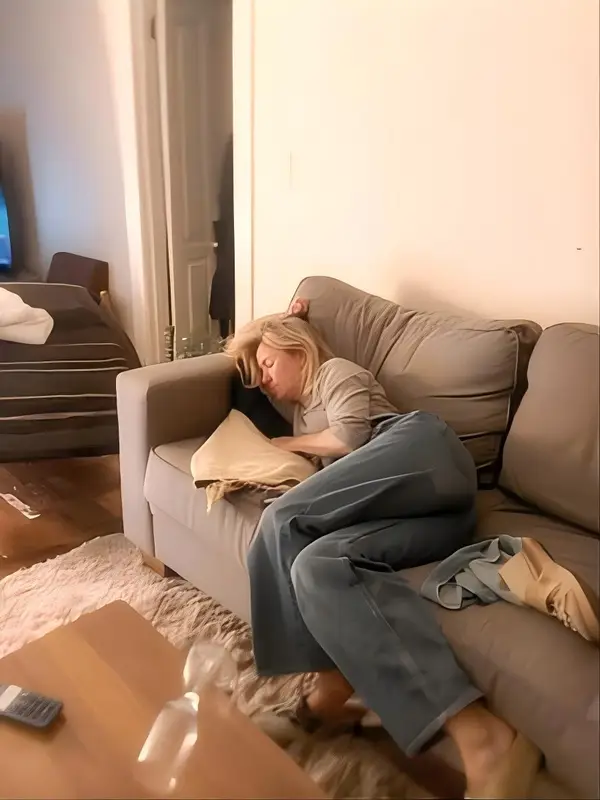
Bio Forge — Reclaim Your Emotional Stability
Winning

Reclaim Your Emotional Stability

My husband wanted to stop drinking more than I've ever wanted anything. Two weeks ago he stood at the kitchen sink and poured every bottle in the house down the drain. He really meant it. Last night I came downstairs at 3am. He was standing at the counter. Empty bottles in front of him. Thinking I was asleep. I didn't say anything. I went back to bed. And lying there in the dark I felt something shift. Not anger. Something quieter and more devastating than anger. He wasn't the problem. The system was. And I was about to find out exactly how deep that went. He had tried managing it himself first. Only on weekends. Just one. Never before dinner. Rules that made complete sense on a Monday morning and were gone by Wednesday evening. So we tried AA. He went every week for three months. Sat in those rooms. Did the steps. Came home from the first meeting with something that looked like hope in his eyes. I hadn't seen that in a long time. By month two the hope was gone. He'd sit across from me and describe how the meetings felt — the pressure to admit powerlessness, to surrender, to take it one day at a time — while every sober hour felt like grey, crushing punishment that no amount of spiritual surrender could explain. He wasn't weak. He was drowning. And they were handing him a pamphlet. He stopped going. Then his doctor put him on naltrexone. Thirty days. I watched him on that medication. He wasn't drinking. He also wasn't there. The joy was gone — not the alcohol-joy, all of it. He couldn't feel pleased about finishing anything. Couldn't feel genuine connection with me or the kids. We'd sit at dinner and I could see it — present on the outside, completely hollow inside. He went to his best friend's birthday and came home saying he'd spent most of the night annoyed that the music was too loud. That was him on the medication. Sober and completely gone. The craving? Still running in the background every waking hour. He was white-knuckling sobriety AND feeling nothing worth staying sober for. We went back to the doctor. He didn't ask about the medication. He asked whether my husband truly wanted to stop. I watched my husband sit there — two years of trying, of keeping promises to himself until noon and breaking them by evening, of genuinely wanting a different life — while a man with a prescription pad told him the medication failed because he didn't want it badly enough. My husband nodded. That's the thing I cannot forgive. Not the medication failing. The fact that when it failed, the system's answer was to hand him back the shame he'd come there to escape. And then it got worse. "This is a chronic relapsing disease," the doctor said. "He'll need to manage it for life." MANAGE IT FOR LIFE. I drove home and sat in the car in the driveway for twenty minutes. Because that sentence didn't sound like a medical opinion. It sounded like a business plan. So I started asking questions nobody in that office wanted me to ask. Why are addiction specialists so quick to prescribe things that suppress the craving but never fix what's causing it? Why could my husband sit in meetings genuinely wanting to stay sober and still relapse the same week? Why did the medication that was supposed to help him feel better make everything darker instead? I went down a rabbit hole. Functional medicine research. Neuroscience papers. Forums for families of alcoholics who'd been through exactly what we had. And I kept finding the same thing. Someone in a thread I'd been reading for hours mentioned it quietly — not pushing it, just sharing what had finally worked after everything else failed. A mechanism nobody in our treatment system had ever mentioned. Reward pathway degeneration. You know what's insane? We learned about dopamine in school. We learned about serotonin. But nobody — and I mean nobody — ever taught us that years of heavy drinking physically degenerates the reward pathways that control his ability to feel pleasure, experience motivation, and generate any sense that sober life is worth having. And that's not an accident. Here's what his reward pathways actually do. They're his brain's entire emotional infrastructure. The neural circuitry that generates pleasure from ordinary things — finishing something, feeling connected at dinner, getting through a Tuesday without needing a drink just to feel like himself. They're what allow a healthy brain to feel like sober life is something worth having. And they don't run on dopamine alone. They run on dopamine AND serotonin simultaneously. Dopamine drives the reward response — the signal that generates pleasure, motivation, and baseline okayness when he's not using a substance. Serotonin regulates the emotional quality of that experience — the ability to feel genuine joy rather than just the absence of pain. Both systems working together is what a brain that can sustain sobriety actually looks like. Alcohol degenerates both. At the same time. With every year of heavy drinking, those pathways downregulate. They lose sensitivity. The threshold for feeling okay without a drink climbs higher and higher. Until sober life simply cannot generate enough signal to feel worth staying in. That's why every sober hour felt grey and flat and unbearable — not weakness, structural damage. That's why he could mean every promise and still be reaching for a bottle by 4pm — his brain physically couldn't sustain sobriety when sober life felt neurologically unbearable. That's why naltrexone made everything darker — it was blocking what little signal he had left, not rebuilding what was lost. And this is the part that made my blood boil. The addiction treatment system knows about this. They know reward pathway degeneration is what makes sobriety feel neurologically unbearable for treatment-resistant patients. But they don't give a single damn about actually helping him repair the damage. Why? Because there's no program they can bill your insurance for that specifically restores degenerated reward pathways. Think about what the system actually bills for. Every appointment. Every protocol adjustment. Every follow-up when this dose isn't working. Every referral to the next specialist when this one runs out of ideas. A patient cycling through naltrexone, adjusting doses, relapsing, re-entering care — that patient is worth tens of thousands of dollars over a decade. There is no billing code for "his brain rebuilt itself." There is no follow-up appointment when he no longer needs to be managed. The chronic disease model — manage it for life, he just needs to want it badly enough — isn't only a treatment philosophy. It's a revenue model. And his continued dependency is the revenue. See how that works? So I kept digging. Looking for anything that actually targeted the damage — not the behaviour. I found research on a specific compound that restores dopamine AND serotonin signalling simultaneously. Not suppresses it. Restores it. Targets the exact architecture that years of drinking had degenerated and helps rebuild it. I found it in a thread from someone who'd been through the same thing — the same treatment failures, the same grey flatness, the same hopelessness. They mentioned it quietly. Not selling anything. Just sharing what had worked. The compound is called saffron extract. Not the spice in your kitchen. A specific standardised extract. And you will never hear an addiction specialist mention it. I was sceptical. I'd watched him fail at everything. But I read the clinical studies. Real peer-reviewed research. The results were significant enough that I couldn't understand why nobody in that system had ever mentioned it. Most saffron supplements don't work, by the way. The compounds that do the repair work — crocin and safranal — have to be at standardised, verified levels for it to do anything. Without that, two bottles with the same label can have completely different effects. One batch meaningful. Another batch, almost nothing. Every study that showed real restoration used one specific dose. 30mg. Standardised for verified crocin and safranal levels. That standardisation is everything. I needed to find a brand built to that standard. I found Bio Forge. 30mg. Standardised for crocin and safranal. Third-party tested for purity and heavy metals. Neurologists and clinical researchers behind the formulation — not just a supplement company putting saffron in a capsule. Under $30 a month. I ordered it expecting nothing. He started taking it three weeks later. I didn't tell him what I was hoping for. I didn't want to put that weight on him. Two weeks in something shifted. The morning craving wasn't the first thought before his eyes were even open. First time in years. A month in he found the bottle he'd been hiding in the garage. He poured it down the sink. Didn't tell me at the time because it didn't feel significant enough to mention. Didn't feel like a heroic act. Just felt unnecessary. That's the word he used when he told me about it later. Unnecessary. That's what reward pathway restoration actually looks like. Not a dramatic declaration. Not white-knuckling through a moment of willpower. Just a bottle in the garage that he no longer had a use for. That was eight weeks ago. This is the protocol they don't want you to know about. Because the second his reward pathways restore their dopamine and serotonin signalling capacity, he doesn't need their rehab revolving door anymore. He doesn't need their symptom-masking naltrexone. His brain starts generating the signals that make sober life worth having. If your husband is drinking every day and can't stop no matter how hard he tries — it's not a willpower problem. His brain's reward pathways are damaged. And damaged things can be repaired. But the longer those pathways stay damaged, the harder they become to repair. Every month the window for full recovery narrows. They have a 60-day money-back guarantee. The addiction treatment industry isn't coming to fix this, and the longer you wait, the harder this becomes to reverse. The brain can rebuild itself. I put the link below. If any of this sounds familiar — go get it. https://www.getbioforge.com/products/pure-saffron-extract-alcohol-dependence-support?variant=53788469756243

Loading the ad's image
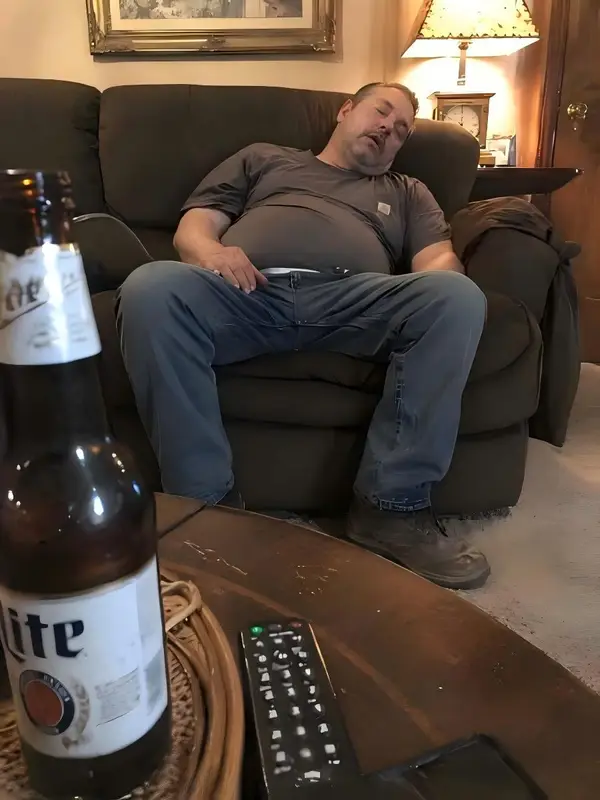
Bio Forge — Reclaim Your Emotional Stability
Winning

Reclaim Your Emotional Stability

If your husband is drinking every day and can't stop no matter how hard he tries, hiding bottles around the house, white-knuckling sobriety until he relapses again, waking up with cravings before his feet even hit the floor, going through every treatment program the system throws at him and getting worse — and his addiction specialist just keeps telling you "commit to the program, give it time, this is a chronic disease he'll need to manage for life"... I'm about to tell you exactly what they're hiding from you and why they'll NEVER tell you the truth. And by the end of this, you're gonna be pissed. Because there are three things happening right now: One — His brain is screaming that something is neurologically broken Two — The addiction treatment system is gaslighting both of you into thinking it's a willpower problem Three — There's a billion-dollar rehab industry that profits every single day he stays dependent So let me tell you what happened with my husband, because his story is going to open your eyes to how messed up this really is. For YEARS, and I mean like four straight years, my husband was drowning in alcohol dependency. Not like "oh he drinks too much at parties" drinking. I'm talking he needed a drink by 3pm just to feel like a functioning human being. He was shaking by morning. Breaking promises to himself by noon that he'd made at 6am. Hiding bottles in his car, in the garage, in places I still haven't found. He's 47 years old and I was watching the man I married disappear one drink at a time. And the attempts to get sober? Every time he stopped, he couldn't sustain it. Not because he didn't want to. Because the moment alcohol left his system, this grey, crushing flatness came in that made every sober hour feel unbearable. No joy. No motivation. No sense that anything was worth doing without a drink. Just existing. Just going through the motions, waiting to feel something. He'd sit across from me at dinner and I could see it. Present on the outside. Completely hollow inside. He couldn't connect. Couldn't feel anything worth staying sober for. And I watched him hate himself for it every single day. But there was something else I didn't have words for yet. Somewhere along the way I stopped being his wife. I became his monitor. Counting bottles in the recycling. Checking how his eyes looked when he came home. Pretending not to smell his breath. I wasn't his partner anymore — I was managing him. And I could feel us disappearing too, not just him. So obviously, we go get help, right? Multiple specialists. Addiction counsellors. Psychiatrists. We're talking thousands of dollars in appointments, rehab programs, psychiatric evaluations...the whole nine yards. And you know what every single one of them told him? "It's alcohol use disorder." "You need to commit to the program." "Try naltrexone, it blocks the reward." "Call your sponsor. Go to meetings. One day at a time." "This is a chronic relapsing disease. You'll need to manage it for life." MANAGE IT FOR LIFE. My husband's brain is shutting down and they're telling him to manage it ONE DAY AT A TIME. But here's where it gets worse, and this is the part that made me start digging into what the hell is actually going on. They put him on three different protocols over two years. AA first. Then naltrexone. Then higher-dose naltrexone combined with antabuse. And their logic was "we just need to find the right combination to suppress the behaviour." Those protocols DESTROYED him. Thirty days on naltrexone feeling like a grey, joyless zombie with the craving still running in the background every waking hour. Completing rehab and relapsing worse than before. Sitting through meetings while the need for a drink felt like a physical emergency, not a character defect. And his dependency? Still there. Just now he was dependent AND ashamed AND more hopeless than when we started. So at this point I'm furious. Because I'm watching my husband do everything the system tells him to do, spend everything, try every protocol, and get WORSE. Not better. Worse. And that's when I started asking questions that nobody wants you to ask. Why are addiction specialists so quick to prescribe things that mask the craving but never fix what's causing it? Why do they treat alcohol dependency like a behavioural problem when sober life feels neurologically unbearable no matter how much he wants to stay sober? And why does nobody ever talk about what's actually happening to his brain underneath — or how to heal it? So I went down a rabbit hole. And I mean a DEEP rabbit hole. I started researching why someone would have all of these symptoms. The uncontrollable cravings. The grey flatness the moment alcohol left his system. The relapsing over and over despite genuinely wanting to stop. And every mainstream addiction site gave me the same useless answers. "Rehab. Naltrexone. AA. Willpower. Disease management." But then I found an article from a functional addiction specialist — someone who actually studies ROOT CAUSES instead of just symptoms. And he mentioned something I had never heard of in my entire life. Reward pathway degeneration. Now pause for a second. You know what's insane? We learned about dopamine in health class. We learned about serotonin. But nobody — and I mean NOBODY — ever taught us that years of heavy drinking physically degenerates the reward pathways that control your husband's ability to feel pleasure, experience motivation, and generate any sense that sober life is worth having. And that's not an accident. Because once you understand what reward pathway degeneration actually does to a brain, you realise that 90% of the treatment-resistant alcohol dependency the system can't figure out? It's ALL connected to this. The uncontrollable cravings. The grey crushing flatness the moment alcohol leaves his system. The relapsing over and over despite genuinely wanting to stop. Same cause. Same damaged architecture underneath. Here's what your husband's reward pathways actually do: They're his brain's entire emotional infrastructure. The neural circuitry that generates pleasure from ordinary things, motivation to get through a normal day, genuine connection with the people he loves, and the baseline sense of okayness that makes sober life feel worth living. They're what allow a healthy brain to feel like a sober life is something worth having. And here's what nobody explains about how they work. His reward pathways don't run on dopamine alone. They run on dopamine AND serotonin simultaneously. Dopamine drives the reward response — the signal that generates pleasure, motivation, and baseline okayness when he's not using a substance. When dopamine signalling is healthy his brain generates reasons to stay sober naturally. He feels pleasure from ordinary life. He feels connected to you. He has something to stay sober for. Serotonin regulates the emotional quality of that experience — the ability to feel genuine joy rather than just the absence of pain, the capacity for real connection with the people he loves, and the stable emotional baseline that makes a sober day feel livable rather than something to survive. Both systems working together is what a brain that can sustain sobriety actually looks like. Alcohol degenerates both. At the same time. Here's what happens. Alcohol floods the reward pathways with an artificial signal — a chemical hit that the brain's dopamine and serotonin systems simply cannot compete with. With every year of heavy drinking, the reward pathways downregulate to compensate. They lose sensitivity. The threshold for feeling okay without a drink climbs higher and higher. Until sober life — real life — simply cannot generate enough signal to feel worth staying in. That's why he can feel like a functioning human being for three hours after a drink and completely gone by the afternoon. But while the dopamine system is being destroyed, the serotonin pathways are degenerating alongside it. Because dopamine and serotonin signalling in the reward circuitry are structurally interconnected. Chronic alcohol-induced stimulation dysregulates serotonin function in the same neural architecture. The pathways that generate genuine joy, emotional connection, and the stable baseline that makes sober life feel meaningful break down at the same time. That's why every sober hour feels grey and flat and unbearable — his serotonin-dependent capacity for joy and connection has degenerated alongside the dopamine system. That's why he pours the bottle down the drain and still feels nothing worth staying sober for — the reward pathways that generate genuine pleasure from real life are degenerated across both systems. And this is why naltrexone and rehab fail almost every time. When he attempts sobriety the dopamine system starts trying to recalibrate. Slowly. Painfully. That's the craving — his brain desperately searching for the signal it has been depending on to feel anything at all. But the reward pathways don't just repair themselves because he stopped drinking. The degeneration is structural. Stopping alcohol removes the cause. It does nothing about the damage already done. So you get a husband who genuinely wants to stop. Who has been through every program. Who has white-knuckled it more times than either of you can count. Whose brain still cannot produce what it no longer has the architecture to produce. He is not choosing this. So you get: Waking up with a craving as the first thought before his eyes are even open — his dopamine pathways have degenerated to the point where alcohol is the only signal strong enough to register as relief Grey emotional flatness the moment alcohol leaves his system — his serotonin-dependent capacity for joy and connection has broken down alongside the dopamine system White-knuckling sobriety until the flatness becomes unbearable and relapse feels like neurological survival not moral failure Pouring the bottle down the drain and feeling nothing worth staying sober for — because the reward pathways that generate genuine pleasure from real life have shut down across both systems Sitting across from you at dinner, present on the outside and completely hollow inside — his brain cannot generate the emotional signals that make connection feel real Breaking a promise made at 6am before noon — not because he doesn't mean it, because his brain physically cannot sustain sobriety when sober life feels neurologically unbearable Morning shaking that starts earlier every month — the withdrawal threshold rising as the reward pathways continue to degenerate Relapse that doesn't feel like failure — it feels like the only way to feel anything at all And here's the CASCADE EFFECT that makes it worse: Degenerated dopamine pathways mean his brain's stress response is locked in the ON position the moment alcohol leaves his system. Anxiety that never shuts off. A nervous system in permanent emergency that only alcohol can temporarily quiet. Degenerated serotonin pathways mean he cannot generate the emotional baseline that makes relationships, work, and ordinary daily life feel meaningful. So isolation deepens. Every sober day feels greyer than the last. The reasons to stay sober keep shrinking because his brain can no longer feel them. And the longer both systems stay degenerated, the harder the pathways become to restore. Every month without repair the window for full recovery narrows. His brain is completely stuck. And it cannot unstick itself without reward pathway restoration. And here's the part that made my blood boil. The addiction treatment system KNOWS about this. They know reward pathway degeneration is what makes sobriety feel neurologically unbearable for treatment-resistant patients. But they don't give a single damn about actually helping him repair the damage. Why? Because there's no program they can bill your insurance for that specifically restores degenerated reward pathways across both dopamine and serotonin signalling simultaneously. You can't run a $30,000 inpatient stay on a natural compound that rebuilds the neural architecture alcohol destroyed. There's no money in telling you that the reason sobriety feels impossible is structural — and that the structure can actually be repaired. There IS money in keeping him cycling through rehab, naltrexone protocols, intensive outpatient programs, and relapse management for the REST OF HIS LIFE while his reward pathways keep declining and the system keeps telling you he just needs more commitment. See how that works? So I kept researching. Reading studies. Medical journals. Talking to functional medicine doctors. And I found out there's actual research on a specific compound that directly targets reward pathway degeneration — restoring dopamine signalling AND rebuilding damaged serotonin pathways at the same time. Not one or the other. Both. Simultaneously. The compound is called saffron extract. Bear in mind — this is not the spice sitting in your kitchen cupboard. But you'll never hear an addiction specialist mention it. So my husband finally finds a functional medicine doctor who actually knows about this stuff. And this man says exactly what I'd been reading about for weeks. He says: "His reward pathways are severely degenerated. The dopamine and serotonin signalling architecture that's supposed to make sober life feel worth having has been progressively shutting down for years. We need to restore both systems simultaneously and allow the pathways to rebuild." He writes down saffron extract and tells my husband to start taking it daily. And for the first time in four years, someone gave him a neurological explanation instead of a moral one. But here's the problem. The functional doctor recommended saffron extract but didn't tell us which brand to trust. Because most saffron supplements on the market are either underdosed, unstandardised, or don't actually restore dopamine and serotonin signalling pathways the way the clinically studied versions do. I had to research brands myself. Different companies. Different doses. Some online, some in stores where the quality was completely questionable. Trying to figure out which one actually worked because, surprise, there's no standardised information about this anywhere. And the good brands were expensive. Over $50 a month for something that might not even be the right formulation. But you know what? I did it. I bought a random bottle of saffron extract 88.5mg off Amazon because I was desperate. And after about two weeks? The morning craving wasn't the first thought before his eyes were even open. First time in years. After a month? He poured the bottle he'd been hiding in the garage down the sink. Didn't feel like a heroic act. Just felt unnecessary. After two months? He drove past the liquor store on the way home and realised at the next traffic light he hadn't even thought about stopping. So we were relieved, right? It worked. But here's what kept bothering me. When I dug deeper into the research, I found that most saffron supplements have a critical problem: they don't optimise for reward pathway restoration specifically. Because saffron's ability to restore dopamine and serotonin signalling doesn't come from saffron itself. It comes from two specific active compounds inside it — crocin and safranal. Those are the compounds the clinical research actually studied. Those are the compounds that do the work at the pathway level. Without standardised, verified levels of crocin and safranal specifically, you have no idea what you're actually taking. One batch of saffron extract could contain meaningful levels of both compounds. Another batch with the identical weight printed on the label could contain almost none — depending on where it was grown, how it was harvested, how it was processed. Two bottles. Same dose on the label. Completely different effect on the reward pathways. And here's what the clinical research actually shows. Every study that demonstrated meaningful dopamine and serotonin pathway restoration used 30mg of saffron extract — not 88.5mg, not 500mg — 30mg. But specifically standardised for verified crocin and safranal levels. That standardisation is everything. Without it the dose is meaningless. That meant 30mg with standardised crocin and safranal levels was a more effective dose than 88.5mg without. My husband was getting results. But I kept thinking — what if the Amazon bottle wasn't optimised for reward pathway restoration specifically? What if the crocin and safranal levels weren't verified? What if he wasn't getting the full clinical benefit because the supplement wasn't built to the research standard? And then there was the other thing nobody talks about. Most saffron supplements are never tested for heavy metals, pesticide residue, or contamination. You're giving something to your husband daily to repair his brain and you have no idea what else is in it. I needed to find a brand that: Used 30mg of saffron extract specifically — the exact dose used in every clinical study on dopamine and serotonin pathway restoration Had standardised, verified levels of crocin and safranal — the specific active compounds the research actually studied Was third-party tested for heavy metals and contamination — not just the company's word for it Had actual neurologists and clinical researchers behind the formulation — people who understood the reward pathway mechanisms involved in addiction recovery, not just a supplement company throwing saffron in a capsule Wasn't charging an insane markup for pharmaceutical-grade quality And I'm scrolling through a Facebook group about natural addiction recovery one day, literally just looking for answers, and I see someone mention this company called Bio Forge. So I go to their website, ready to be disappointed the way I'd been disappointed by every other company I'd looked at. And I almost fell out of my chair. They had saffron extract at exactly 30mg. The precise clinical dose used in every study on reward pathway restoration. Standardised for verified crocin and safranal levels — the exact active compounds responsible for dopamine and serotonin signalling repair. But that's not even the part that got me. When I looked into who was actually behind the company? They had neurologists and clinical researchers on their team who specialised in neuroplasticity and reward pathway function. People who understood the dopamine and serotonin mechanisms involved in alcohol dependency and recovery at a research level. Who had built the formulation specifically around the clinical evidence on pathway restoration — not around what was cheapest to manufacture. They weren't just putting saffron in a bottle. They understood the mechanism. They understood what standardisation of crocin and safranal actually means for reward pathway restoration. They built the product to the research standard. And third-party tested. Every batch. For purity, potency, and heavy metals. And here's where my jaw hit the floor. When I was trying random brands? $60, $70, $80 a month for unstandardised, unverified formulations. Bio Forge? Less than half of that. Already a steal for pharmaceutical-grade standardised manufacturing. But they also have bundle options that bring the cost down even further. Go look at the price right now. I'm serious. And my husband has been taking it for six months now. The daily drinking? Gone. The grey flatness that made every sober hour feel like punishment? Gone for four months. The morning craving that was there before his eyes even opened? Gone. His reward pathways are rebuilding. The dopamine and serotonin signalling architecture that four years of alcohol dependency destroyed is restoring itself. Last week we turned the TV off and just spoke for hours. Not about the drinking. Not about recovery. Just talked like we used to. I didn't want it to end. This is the protocol they don't want you to know about. Because the second his reward pathways restore their dopamine and serotonin signalling capacity, he doesn't need their rehab revolving door anymore. He doesn't need their symptom-masking naltrexone. His brain starts GENERATING THE SIGNALS THAT MAKE SOBER LIFE WORTH HAVING. And I got my partner back. Not a sober stranger going through the motions. Not a man I'm managing and monitoring. My partner. The one who's actually present. Who I can talk to after 4pm. Who I can be close to again without it feeling wrong. Now here's the thing I need you to understand. The longer you wait, the more his reward pathways degenerate and the harder they become to restore. Dopamine and serotonin signalling damage that has been progressing for years becomes harder to reverse the longer it continues. Every month his brain's neuroplasticity — its ability to rebuild itself — decreases. Right now, if your husband is dealing with treatment-resistant alcohol dependency, uncontrollable cravings, that grey sober flatness that makes staying sober feel neurologically impossible — he can reverse this by restoring his reward pathways. But if you wait six months? A year? The dopamine signalling drops even lower. The serotonin damage deepens. His brain loses more of its ability to generate the pleasure, motivation, and emotional connection that make sober life feel worth having. And then it takes even longer to recover. Every month that goes by, his reward circuitry's ability to heal itself decreases. So if your husband is dealing with ANY of this — uncontrollable cravings that start before his eyes are even open, the grey emptiness that makes every sober hour feel like punishment, relapsing despite genuinely wanting to stop, hiding bottles, breaking promises to himself by noon, sitting across from you at dinner completely hollow inside, pouring a bottle down the drain and feeling nothing worth staying sober for, the alcohol dependency his addiction specialist keeps managing but never fixing — This is literally the time. Not next month when his reward pathways have degenerated further and restoration takes even longer. Right now. I put the link below. And even if you're skeptical, get one bottle. Try it for a month. See if his reward pathways respond the way my husband's did. They even offer a 60 day guarantee — so there's no risk at all. Because the addiction treatment industry isn't coming to save him. They profit too much from the revolving door while his reward pathways continue to degenerate underneath. You have to save him yourself. Go get it. And use the joy you get back — the real laughter, the genuine connection, the man who can finally feel something worth staying sober for — to finally bring your husband back to you. https://www.getbioforge.com/products/pure-saffron-extract-alcohol-dependence-support?variant=53788469756243

Loading the ad's image
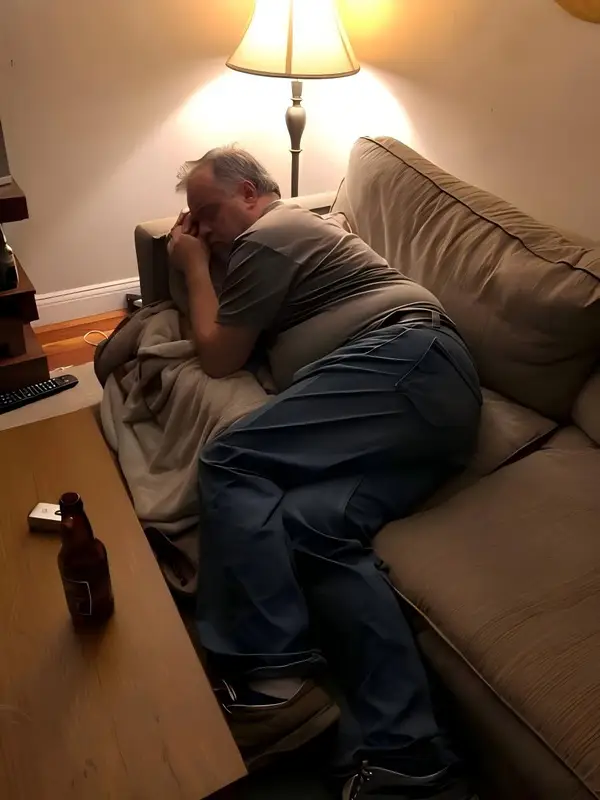
Bio Forge — Reclaim Your Emotional Stability
Winning

Reclaim Your Emotional Stability

If your wife tried naltrexone and came out the other side more hollow than before — unable to feel anything, craving still running in the background every waking hour, sitting across from you at dinner like a ghost — and the doctor just said "let's adjust the dose" or "it takes time to work"... I need you to read this. Because what happened to my wife on that medication is not a side effect. It is the medication working exactly as designed. And once you understand what it's actually doing to her brain, you're going to be furious. My wife is 41. Four years of daily drinking. The kind where she wasn't drunk — she was just trying to feel like a functioning human being. A glass at lunch to stop the shaking. Two more by dinner to feel like a person again. She knew it was out of control. She wanted to stop more than anything. So we did everything right. Addiction specialist. Full evaluation. Naltrexone. The doctor explained the logic. Naltrexone blocks the reward your brain receives from alcohol. You take the drink. No pleasure arrives. Over time your brain stops associating alcohol with reward. The craving dissolves on its own. And on top of that — your mood stabilises. Your anxiety lifts. You start to reconnect with the things that matter. That's what he said. He said it with confidence. He said it like it was settled science. He said it like he'd seen it work a hundred times and there was no reason ours would be different. Thirty days later I watched my wife sit through our daughter's birthday party and feel nothing. Not happy. Not sad. Not present. Just — nothing. The same blank flatness at a birthday party that she used to feel at 7am without a drink. She went to see her favourite band a month in. One of those nights she'd been looking forward to for months. She came home and said she'd spent most of the concert annoyed by her shoes. That was her on the medication. Still alive. Still sober for stretches. But the joy was gone. Not the alcohol-joy. ALL of it. She couldn't feel pleased about finishing anything. Couldn't feel real connection with me or the kids. Just flat. Grey. Numb in a new way. And the craving? Still there. Every waking hour. She was white-knuckling sobriety now AND feeling nothing worth staying sober for. So I went looking for why. Not on the addiction treatment websites. Those just tell you side effects are temporary and to commit to the program. I went deeper. Functional medicine research. Neuroscience papers. The kind of information that doesn't make it into the appointment because there's no prescription at the end of it. And here's what they never told us. Naltrexone doesn't fix what alcohol does to her brain. It suppresses the reward signal on top of damage that is already there. Here's what I mean. Four years of heavy drinking physically degenerates the reward pathways, which are what generates her ability to feel motivation, joy and the baseline sense that sober life is worth living. Her brain doesn't make those signals the way a healthy brain does anymore. The circuitry ran on dopamine and serotonin simultaneously and alcohol degraded both. That's why sober life felt unbearable before the medication. Not willpower. Structural damage. Naltrexone's answer to that damage is: block the remaining reward signal. Her reward pathways are already struggling to generate any signal at all. And the medication cuts off what's left. So she gets sober — and the neurological experience of being sober gets even darker than it already was. More grey. More flat. More "I cannot stay in this." That's not a bug. That's what reward blockade does when the underlying pathways are degenerated. She doesn't need a drug that blocks pleasure. She needs something that restores it. Everything I'd read about addiction treatment was about blocking, suppressing, managing. Then I found research going in the opposite direction entirely. Not blockade. Restoration. The compound was called saffron extract. Clinical research showed that saffron — standardised for two specific active compounds called crocin and safranal — restores dopamine AND serotonin signalling simultaneously. Not suppresses it. Restores it. Targets the exact pathways that alcohol degenerated and helps rebuild it. Nobody told us this. Not one of the specialists we paid thousands of dollars to sit across from mentioned it. Because there's no prescription to write. Think about what the system actually bills for. Every appointment. Every protocol adjustment. Every follow-up to assess the medication she's still tolerating badly. Every referral to the next specialist when this one runs out of ideas. An addiction patient who is being managed — cycling through naltrexone, adjusting doses, relapsing, re-entering care — is worth tens of thousands of dollars over a decade. A patient whose reward pathways have been restored and who no longer needs the revolving door is worth nothing. There is no billing code for "her brain rebuilt itself." There is no follow-up appointment when she stops needing to be managed. That's why nobody in that system is incentivised to tell you that the root cause is structural damage that can be repaired. The chronic disease model — manage it for life, one day at a time — isn't just a treatment philosophy. It's a business model. And your wife's continued dependency is the revenue. There's no prescription to write for saffron. No recurring appointment to justify. No reason to tell you that the thing her brain actually needs is something you can buy for under $30 a month. Most saffron supplements don't do this, by the way. Saffron's ability to restore reward pathway signalling comes specifically from the crocin and safranal content — and most bottles are never standardised or verified for those compounds. Same dose on the label. Completely different effect. You need both compounds verified, at exactly 30mg, built to the clinical research standard. Otherwise you're just taking a spice. I found a company called Bio Forge that built their saffron extract to that exact standard. 30mg. Standardised for crocin and safranal. Third-party tested for heavy metals. Neurologists and clinical researchers behind the formulation, not just a supplement company putting saffron in a capsule. Under $30 a month. I bought it with about zero hope left. My wife has been taking it for five months. Last week she came home from her sister's birthday dinner and she was — animated. Laughing about something that happened at the table. Telling me the story, wanting me to find it as funny as she did. Fully there. I don't think she noticed how significant that was. I did. That's not the woman who sat through a concert annoyed by her shoes. That's not the woman who sat across from me at our daughter's birthday and felt nothing. That's her. The actual her. And the medication's job of blocking pleasure - she's off it now. Because when your brain can generate the signal on its own, you don't need the blockade. But the moment I keep coming back to isn't that dinner. Three months in she told me something she'd been keeping to herself. There was a bottle in the bathroom cabinet. Behind the towels. One she'd hidden there before she started the saffron and forgotten to tell me about. She'd found it six weeks earlier. Poured it down the sink. Didn't tell me at the time because it didn't feel significant enough to mention. Didn't feel like a victory. Didn't feel like white-knuckling through a moment of willpower. Just felt unnecessary. That's the word she used. Unnecessary. That's what reward pathway restoration actually looks like. Not a dramatic moment of triumph. Not a declaration. Just a bottle behind some towels that she no longer had a use for. If your wife tried naltrexone and it made everything worse — that tells you something specific. It tells you her reward pathways were already degenerated and the medication cut off what little signal was left. She doesn't need more blocking. She needs restoration. The link is below. The longer reward pathway damage progresses, the harder it becomes to reverse. They have a 60-day money-back guarantee. There's no reason to wait. The addiction industry spent years telling you the only options were suppress and manage. They were wrong. Her brain can rebuild itself. 👇 https://www.getbioforge.com/products/pure-saffron-extract-alcohol-dependence-support?variant=53788469756243

Loading the ad's image
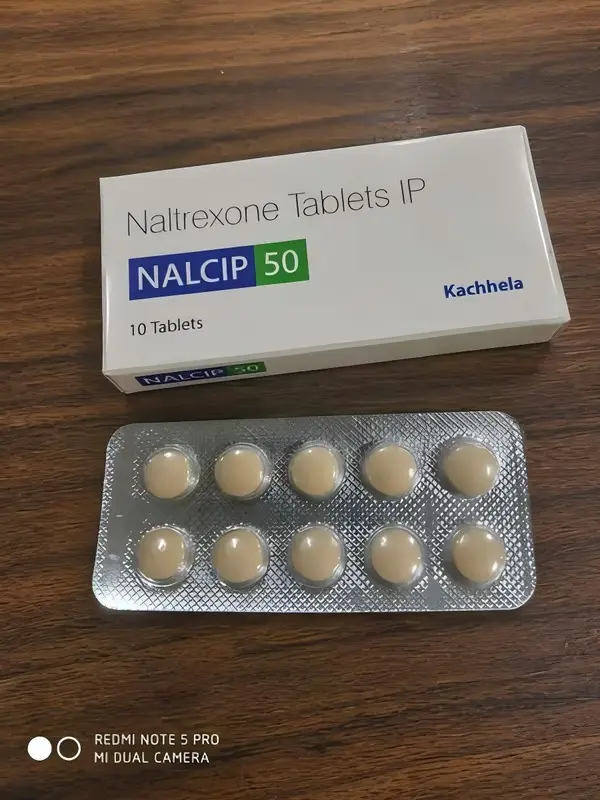
Bio Forge — Reclaim Your Emotional Stability
Winning

Drinking Runs In The Family

I watched my father drink himself into a stranger for twenty years, swore I'd never become him, then one Tuesday night caught my reflection in the kitchen window pouring wine at the exact hour he always did. No one had ever explained why I couldn't stop. "It's a choice," said the first therapist. "You need meetings," said the second. "We can try naltrexone," said the third. "Has anyone looked at your dopamine receptor genetics?" said the fourth. Four professionals. Four different explanations. Three saw another alcoholic. One finally saw the neurology. At the start of the year it became undeniable. The one glass had become three. The wine after dinner had become wine before dinner. The worst part wasn't the drinking. It was the pattern. The same cabinet. The same time of night. The same sigh when the first sip hit. I wasn't becoming him. I was already there. I'd promised myself at twelve, standing in the hallway while he stumbled past me, that I would never be him. That promise was the foundation of my adult life. And it was cracking. Figured I should talk to someone because my daughter had started asking why I was different after dinner. She was nine. The same age I was when I started noticing my father's eyes change after his drinks. The first therapist told me to build coping strategies. Journal. Exercise. Call a friend instead of pouring a glass. Four sessions. Ninety dollars each. Every evening I still reached for the bottle because sober nights felt like sitting in a room with the color drained out. Back to my doctor. New referral. Counselor specializing in alcohol dependency. He recommended AA. I sat in the parking lot of the church for twenty minutes and never went inside. Because saying "I am an alcoholic" wasn't just admitting a problem. It was admitting I'd become the person I swore I'd never be. That everything I'd built to distance myself from my father's life was a lie. Not denial. Identity. Third referral. Addiction medicine specialist. Naltrexone. Thirty days. The pleasure from drinking faded. But so did pleasure from everything else. My kids. Music. Food. All behind a wall. My husband said, "You're not drinking but you're not here either. You're just existing." Naltrexone took away the peak without raising the floor. I stopped it. Poured a glass that same night. Hated myself for it. Hated myself more for how much better the world looked with color in it again. My mother called the following Sunday. Didn't say anything directly. Just, "Your father used to tell me everything was fine too." That broke something in me. I tried supplements. Ashwagandha, magnesium, milk thistle. Six weeks. They helped at the margins. The core problem didn't change. Then my sister sent me a link. A doctor she'd found through a forum for adult children of alcoholics. Research background. Different approach. I almost didn't go. But my daughter had drawn a family picture at school. Everyone smiling except the mom. The mom was holding a glass. I made the appointment. Different clinic. No pamphlets. He started with something none of the others had. He asked about my father. Not "did your father drink." He asked when it started. How it progressed. Whether his father drank. He drew a family tree and circled every person with a pattern. Then he looked at me. "Everyone's been treating this like a behavior problem," he said. "But look at this. Three generations. Same progression. Same age of onset. That's not coincidence. That's genetics." He pulled up a diagram. "There's a gene called DRD2. It controls how many dopamine receptors your brain builds in the reward center. Most people have enough that normal life feels satisfying. But some people inherit a variant that means fewer receptors. Significantly fewer." "What does that mean?" I asked. "Your reward system is quieter than other people's. Moments that feel good to someone else feel flat to you. Your brain figured out that alcohol is the one thing powerful enough to make that system work. That's not a character flaw. That's a brain solving a problem with the only tool it found." "So every time I try to stop and sober life feels unbearable..." "That's not weakness. That's your dopamine system running below the threshold where life feels rewarding. You're white-knuckling through a neurological deficit. And every time you fail, you tell yourself you're just like your father. But what's actually happening is your brain needs more signal than it's getting and nobody has addressed that." "Why didn't anyone tell me this?" "Most treatment doesn't distinguish between behavioral dependence and genetic reward deficiency. Willpower. Meetings. Blocking pleasure. None of it raises the floor." "So what raises the floor?" He showed me studies from the Journal of Behavioral and Brain Sciences, Phytotherapy Research, and Brain Research. "There's a compound that increases dopamine specifically in the reward center," he said. "The same region underperforming because of your genetics. It also calms the anxiety that drives you to drink for relief. And it helps protect memory and cognitive function from the damage alcohol causes over time." "It's not a prescription. It's a plant extract studied in randomized controlled trials. Performed at the same level as prescription antidepressants. No dependency. No side effects." Saffron. Not the spice in your cabinet. A standardized extract with active compounds called crocin and safranal, at concentrations matching published clinical research. "Your genetics built a reward system with a lower ceiling," he said. "Crocin raises the available dopamine where your ceiling is too low. Doesn't change your DNA. Compensates for the effect. Like corrective lenses. The genes are still there. The system just starts working closer to normal." I stared at him. "A supplement?" "A clinically studied compound with a specific mechanism," he said. "This isn't ashwagandha. This targets the exact pathway your genetics compromised." Then he told me something I wish every doctor would. Most saffron products don't use the concentrations that were actually studied. That's why people try saffron and feel nothing. Without the right levels of the active compounds at the clinical dose, you're taking an expensive capsule that never reaches the threshold where anything happens. The one he recommended matched what the research used. Third-party tested. A company called Bio Forge. The label said "Pure Saffron Extract." Nothing about alcohol. Nothing about recovery. A bottle that could sit on my counter next to the multivitamin without announcing anything to anyone. Twenty-nine dollars. After hundreds on therapy. Hundreds on naltrexone. Thousands on a problem nobody correctly diagnosed. I ordered it from the parking lot. Day one. Took the capsule with breakfast and expected nothing. By evening, the 6pm window felt slightly less magnetic. Like someone turned the volume down one notch on a sound that had been screaming for years. Day four. Woke up and the first thought wasn't about wine. It was about my daughter's soccer practice. The background craving that ran beneath every waking moment was quieter. My husband noticed before I said anything. "You seem lighter today." Week one. Tuesday evening. I was on the couch with my daughter reading a book. And I felt something I hadn't felt during a sober evening in years. Present. Not watching the clock. Just sitting there, feeling the warmth of her leaning against me, and my brain registered it as something good. Something worth being there for. That's when I understood what raising the floor meant. Week two. Three evenings without a glass. Hadn't forced it. Hadn't set a rule. The desire had just gotten quieter. My sister called. "How's the new thing going?" "I didn't pour a glass last night." "And?" "And I just watched a movie with the kids and it was fine. It was actually fine." Long pause. "That's never happened before." Week three. My mother visited. She watched me all weekend the way mothers of alcoholics watch. Sunday morning she said, "You seem like yourself." Not "you seem sober." "You seem like yourself." Month one. I told my husband. Explained the dopamine deficit. Why every previous approach had missed it. He was quiet for a long time. Then: "So it wasn't a choice." "The drinking was a choice. The need was neurological." "And now?" "The need is quieter. And quiet means I actually get to choose." Month two. Follow-up with the doctor. "I'm not my father," I said. He nodded. "You never were. You just had his receptors." Month three. My daughter drew another family picture at school. This time the mom was smiling. No glass. Here's what I learned. The therapist saw behavior. The counselor saw a program problem. The psychiatrist saw a chemical to block. Nobody saw the genetic reward deficit driving the pattern. Except the one who drew a family tree. Most people who struggle with alcohol and have a parent who struggled before them aren't weak. They're operating with a brain built with fewer dopamine receptors, which makes sober life feel unrewarding, which makes alcohol feel necessary, which makes every attempt to cut back feel like breathing underwater. And they carry a fear on top of the deficit that nobody else understands. That they're becoming the person who hurt them most. That their children will carry the same memories. Saffron didn't change my DNA. It raised the floor so that sober moments with my kids, my husband, my own life, started to register as worth something. When sober life feels like something, the grip loosens on its own. My sister was hiding bottles in her closet when I told her. Same family. Same genetics. Two weeks later she called. "I went to my daughter's recital. And I was actually there. I heard her sing. I felt something. That hasn't happened in a long time." My mother called me one morning. "Your father could never do what you're doing." "He didn't know about the dopamine deficit, Mom. Nobody told him." Long silence. "I wish someone had." What if the cravings, the feeling that you're slowly becoming your parent, aren't a behavior problem but a dopamine deficit written into your genes before you ever took your first drink? What if the solution isn't blocking reward but raising the floor so sober life registers as worth living? Three professionals told me to try harder. One drew a family tree and told me the truth. That's what finally changed it for me. The grip loosened. The floor came up. The cycle stopped where my father's never could. If you've been stuck in the same loop, it might be worth looking into. 👉 https://www.getbioforge.com/products/pure-saffron-extract-alcohol-dependence-support?variant=53788469756243

Loading the ad's image
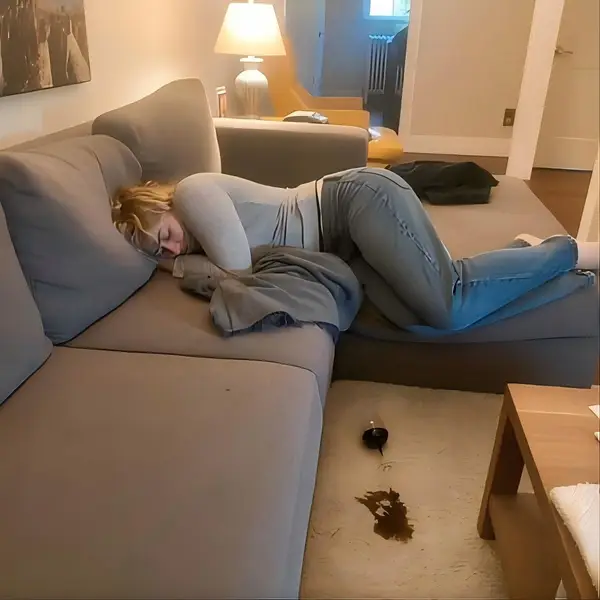
Bio Forge — Drinking Runs In The Family
Winning

Drinking Runs In The Family

I'm 42. I counted last night. That was glass number 1,947 since my youngest was born. I know the exact number because two weeks ago I found out why it keeps getting worse, and I've been counting backwards ever since. My father drank for thirty years. I spent my twenties telling myself I was different because I only drank on weekends. My thirties telling myself I was different because I never drank in the morning. My forties finding new goalposts every time the old ones moved. The wine had crept from Fridays to Tuesdays to every night. From one glass to two to whatever was left in the bottle. And the worst part wasn't the drinking. It was that I couldn't find the moment where I crossed a line, because there wasn't a moment. There was just every year being a little worse than the year before, and me telling myself I'd get it together next month. My daughter is nine. The same age I was when I started noticing my father's eyes change after his drinks. She asked me last month why I seem different after dinner. I didn't have an answer. I had a bottle. I tried the things everyone tries. Dry January. Two-drink rules. Only on weekends. Only with food. Only at dinner. Each rule lasted a few weeks and then broke, and every time it broke I heard my mother's voice in my head saying your father used to say it was under control too. I went to therapy. She told me to journal. Ninety dollars a session. Sober evenings still felt like sitting in a room with the color drained out. I sat in the parking lot of an AA meeting for twenty minutes and drove home. Not because I was in denial. Because saying I am an alcoholic meant saying I had become my father, and every single thing I had built in my life was constructed to prove that wasn't true. I tried naltrexone. It took the pleasure out of drinking and took the pleasure out of everything else with it. My husband said I wasn't drunk but I wasn't there either. I was just existing. I quit the naltrexone. Poured a glass that night. Hated myself for it. Hated myself more for how much better the world looked with color in it again. Then my sister sent me something. A forum for adult children of alcoholics. And buried in a thread about why treatment never sticks, a woman had written something I couldn't stop reading. She said the reason it keeps getting worse isn't that you're getting weaker. It's that you were born with fewer dopamine receptors than most people, and every year of drinking depletes more of them, and the loop closes tighter every year because there's less left to feel with. I read it three times. And then I went looking. Here's what I found, which no therapist, no counselor, no doctor has ever told me. There's a gene called DRD2. It sets how many dopamine receptors your brain builds in the reward center. Most people have enough of these receptors that normal life — a good meal, a decent conversation, a Saturday morning — generates enough feeling that they don't need anything extra to make the day land. People whose parents drank heavily often inherit a variant of DRD2 that means fewer receptors to start with. You were born with a quieter reward system. Normal life was always going to feel flatter to you than it does to other people. That's the starting deficit. That's the hand you were dealt before you ever poured your first drink. Then comes the part nobody told me. Every time you drink, your brain floods with dopamine. It's the spike that makes the wine feel necessary. But your brain doesn't like being flooded. It protects itself by pulling receptors offline. Not all of them. Just enough to tone down tomorrow's signal so the overload doesn't happen again. So the next night, the same glass produces a little less feeling. Which means you need a little more. Which floods your brain again. Which pulls more receptors offline. I wasn't getting weaker. My receptor count was dropping. That is the loop. That is the thing nobody explains. You started with fewer receptors. Every year of drinking pulled more of them offline. Sober life got flatter each year because there was literally less of it to feel. And the wine felt more necessary each year because it was the only thing still loud enough to register. It's not a mystery that my glass went from one on Fridays to three on Tuesdays. I was fewer receptors deep than I was five years ago. The reason it felt impossible to cut back wasn't willpower. It was that sober felt flatter every year because there was less left to feel with. I had been trying to white-knuckle a neurological deficit that had been compounding against me since I was twenty-five. And the cruel part — the part I'm still sitting with — is that my father was in the same loop. My grandfather was in the same loop. Three generations of a family all told they were weak, when what was actually happening was a receptor math that nobody ever measured. The question I kept asking the internet at two in the morning was whether the loop could run the other way. That's how I found the research. A study published in the Journal of Behavioral and Brain Sciences in 2013 — Ettehadi and colleagues — showed that a compound called crocin increased dopamine availability in exactly the brain region where my loop was running. Not by regrowing receptors. By raising the signal at the ones still working. More dopamine reaching the hardware I had left. A 2025 clinical trial published in Phytotherapy Research tested the same compound on people with anhedonia — the clinical word for what I had, the inability to feel pleasure from ordinary things. Significant reduction versus placebo. The reward circuit started firing again on its own signal. Crocin comes from saffron. Not the spice in your cabinet — a standardized extract at the concentration used in the studies. 30mg, with 2.5% crocin and 1.5% safranal. Those are the numbers from the research. Most saffron products on the shelf don't match them, which is why most people try saffron and feel nothing. A company called Bio Forge matches the clinical dose. Third-party tested. The label says Pure Saffron Extract. Nothing about alcohol. Nothing about recovery. A bottle that sits on my counter next to the multivitamin without announcing anything to anyone. Twenty-nine dollars. I had spent more than that on a bottle of wine the week before. I ordered it from my kitchen table at eleven at night. Day one, I took it with breakfast. Expected nothing. By evening the 6pm pull felt slightly less magnetic. One notch quieter on a sound that had been getting louder every year. Day four, I woke up and the first thought wasn't about wine. It was about what to pack in my daughter's lunch. The background hum that had been running beneath every waking moment was quieter than it had been in a decade. Week one. I read a book on the couch with my daughter leaning against me and felt the warmth of her there, and my brain registered it. Not as a thing I was forcing myself to appreciate. As a thing that was actually registering. That's when I understood what raising the signal meant. Week two. Three evenings without a glass. Not because I'd set a rule. The pull had just gotten quieter. The loop was running in the other direction for the first time. Week three. My husband said you seem lighter. My mother visited and said you seem like yourself. Last Tuesday I finished dinner, loaded the dishwasher, and sat down with the kids to watch something dumb. Around 9 I realized the bottle hadn't come out. Not because I'd decided. I just hadn't thought about it. That was the part that surprised me. That it got quiet. I called my sister the next morning. Told her everything I'd found. The gene. The depletion. The loop. The research. She was quiet for a long time. Then she said I've been hiding bottles in my closet for six months. Same family. Same starting deficit. Same loop closing tighter every year. She's three weeks in now. She went to her daughter's recital last weekend and called me from the parking lot afterwards and said I heard her sing. I actually heard her sing. I called my mother and told her about the receptor math. About the loop. About why it got worse every year for her husband and for her father and for me. She was silent for a minute. Then she said your father used to say it got worse every year and he didn't know why. Nobody ever told him there was a reason. I said I know, Mom. Nobody told any of us. What if the reason it keeps getting worse every year isn't that you're getting weaker, but that you were born with fewer dopamine receptors than most people and every year of drinking has been depleting the ones you had left? What if the loop has been closing against you since your twenties, and the reason every attempt to cut back has felt like breathing underwater is that the water has actually been getting deeper? What if the answer isn't more willpower against a deeper deficit. What if it's raising the signal at the receptors still working, so the loop finally runs the other way? I counted 1,947 glasses since my youngest was born. I've been counting backwards for two weeks. If the number you're counting has been getting worse every year and you don't know why, it might be worth looking into. https://www.getbioforge.com/products/pure-saffron-extract-alcohol-dependence-support?variant=53788469756243

Loading the ad's image

Bio Forge — Drinking Runs In The Family
Winning

Showing 11 of 47 · all in Meta's Ad Library

From the ads Sniped has collected from this page (47 so far, first seen Nov 2026). Reach is what Meta reports; no spend or sales estimates.