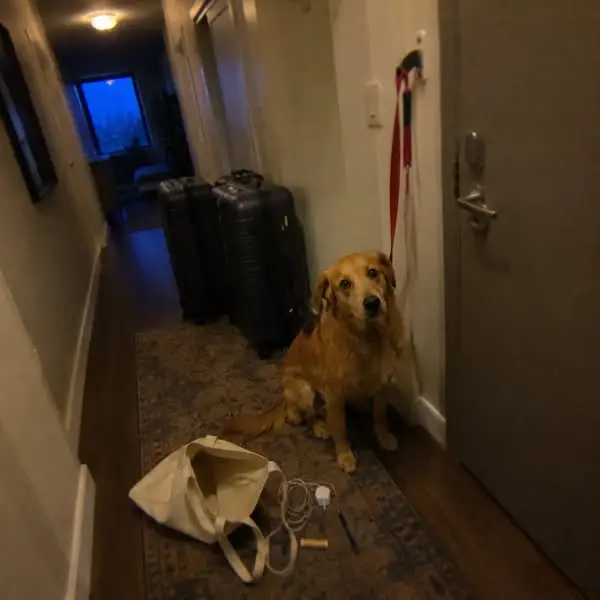
Advertiser · Travel Service

Susan Miller

spotminders.comMeta Ad Library 305 page likes

32
Running ads
9 new in 30 days
Aug 2026
Advertising since
longest ad 3 months
—
Reach
running ads, summed
13% video
Formats
4 video · 2 image
10
Products advertised
1 shop

The Reason Your AirTag Can Get Your Bag Stolen 😵

AirTag? Samsung SmartTag? Tile? NONE of them were built for checked luggage. Not because the technology does not work — because a cargo hold is a completely different environment. ❌ Non-rechargeable batteries that die mid-trip. ❌ Disc shapes that cannot hide inside a bag lining. ❌ Anti-stalking alerts that tell anyone nearby exactly where the tracker is sitting. The tracking industry figured this out years ago. The product never changed. The only tracker I've come across that was actually designed around these constraints is Spotminders. ✅ 1.8mm thin. Slides flat into any suitcase lining or passport holder. ✅ Looks identical to every other card inside — no disc, no logo, no tell. ✅ Wireless rechargeable. Eight months per charge. ✅ Waterproof. ✅ Lifetime warranty. ✅ Apple Find My, fully certified. You are not covered just because you have a tracker. You are covered when you have the right one. Buy 3 Get 2 Free — link is below while it's live.

Loading the ad's image
Susan Miller — The Reason Your AirTag Can Get Your Bag Stolen 😵
WinningVideo

Never lose what matters again

I've been traveling solo since I was 24 and I've gotten good at not looking like a target. Small bag. Walk like you know where you're going. Don't stop in the middle of the pavement to look at your phone. Keep the expensive stuff out of sight. I have a whole system. Most of it I built from experience, and some of it from things that happened. This thing happened in Lisbon. I was two streets from my hotel in the Mouraria neighborhood, coming back from dinner. I had my crossbody bag on the side away from the road, which I'd read to do. I was being careful. Someone on a motorbike came up the hill from behind me and took the bag off my shoulder without slowing down. Four seconds. Then nothing. There were people nearby who saw it happen. One man ran after the bike for half a block before it turned the corner and was gone. A woman put her hand on my arm and stayed with me until I stopped shaking enough to speak. Inside that bag was my passport, my wallet, my phone, and a silver bracelet my grandmother had given me that I'd worn every day for eleven years. The next forty-eight hours were the kind that make you feel completely helpless in a foreign city. The police station, the language barrier, the US Embassy, the calls to the airline about rebooking. Numbers that led to other numbers. Hold music. People reading from scripts. I made it home. It took weeks to sort everything out. But what stayed with me wasn't the chaos or the money. It was a specific feeling I kept coming back to. Standing in that street with absolutely nothing. No direction. No information. No starting point. The bracelet I can't replace. The passport I replaced. But that feeling of having no control over what just happened to me, of being completely without a way to even begin, that was the thing I couldn't shake. A friend who travels for work asked me about it a month later. When I finished telling her, she didn't say much. She just showed me her phone. A dot on a map. She explained that it’s a tracking card. Sits in any bag, any jacket lining, any purse and uses Apple Find My, which means every iPhone nearby is quietly sending a location update back to you. She said: "You can't prevent everything. But if something disappears, you have somewhere to start." She was right. And that's exactly what I didn't have in Lisbon. I travel with one in every bag now. One in the crossbody I use in cities. One in my checked luggage. It doesn't undo what happened. Nothing does. But the thing I was trying to rebuild afterward, that feeling that I had a system and that I wasn't just hoping, this gave some of that back. 👉 https://www.spotminders.com/pages/10-reasons-ditching-airtags-list1

Loading the ad's image
Susan Miller — Never lose what matters again
WinningImage

BUY 2 GET 1 FREE!

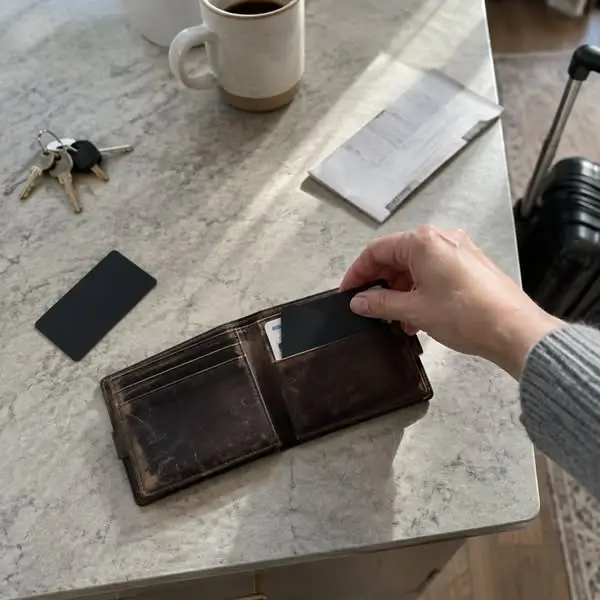
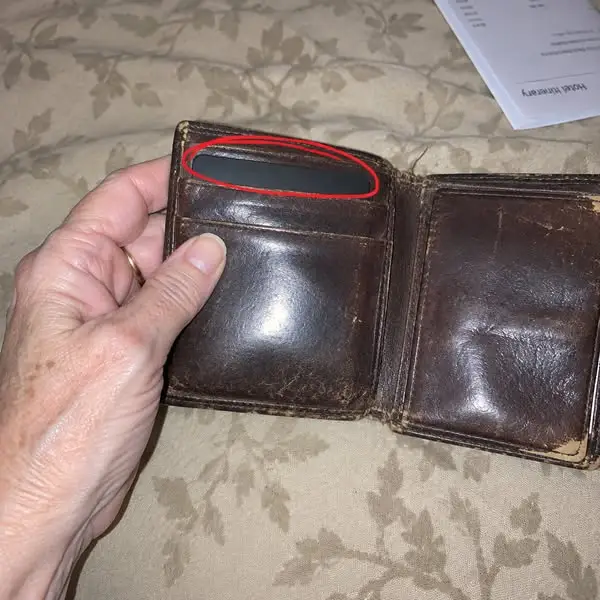
Make your wallet smarter and never lose it again. ✅ Ultra-Slim Design - Fits perfectly in any wallet or purse. ✅ 8-Month Rechargeable Battery - Worry-free use, no frequent charging needed. ✅ Works with Apple Find My and even with RFID-Blocking Wallets.

Loading the ad's image
Susan Miller — BUY 2 GET 1 FREE!
WinningVideo

Never lose what matters again

Someone broke into my car while I was at dinner. They had no idea what they'd taken with them. My little sister, Sally, turned sixty last fall. She'd been saying for years that she didn't want a fuss, which is what Sally says whenever she wants everyone to make a fuss without making her ask for it. My husband and I booked a table at the little Italian restaurant she loves. We invited her two closest friends, her daughter, and my nephew, who'd flown in from Denver for the weekend. We planned it for months. The restaurant had one long table by the window, with warm lights over the bar and a pianist who played old songs without trying too hard to be noticed. Sally arrived in a new green dress and kept telling us we shouldn't have gone to so much trouble. That was the whole point. We had. Our mother died three years ago. Since then, birthdays have felt different. More important somehow. Not in a sad way. In the way that makes you realize how quickly the ordinary evenings become the ones you remember. I had brought a small gift for Sally in my bag. A silver bracelet that had belonged to Mom, polished and repaired by a jeweler near my house. Mom wore it most Sundays. Sally had always loved it, but I couldn't bring myself to give it away until that night. It was in a little blue box at the bottom of my bag, wrapped in the tissue paper from the jeweler. I kept thinking about her face when she opened it. We'd barely sat down before someone brought out prosecco. Sally's daughter made a speech about how her mom had somehow kept the whole family together, even when none of us had deserved it. Sally cried, then laughed at herself for crying, which made the rest of us cry too. For the first time in a long while, I wasn't looking at the time or thinking about the drive home. I was fully there. About forty minutes into the meal, my phone buzzed against the table. It was a notification from Find My saying that my bag had moved. I read it twice because it didn't make sense. My bag was in the footwell of my car, parked two streets away in the restaurant parking lot. My husband saw my face and asked what was wrong. I told him I probably needed to check something outside. I tried to say it lightly so Sally wouldn't notice. He came with me anyway. The walk across the parking lot couldn't have taken more than two minutes. It felt much longer. I remember the restaurant windows glowing behind us. I remember hearing someone laugh as we passed the terrace. I remember thinking there had to be a simple explanation. Maybe I had left the bag at home. Maybe the alert had come through late. Maybe I had put it somewhere else without remembering. Then we reached the car. The driver's side window was gone. Glass was scattered across the seat and into the footwell. The door was still locked. The bag wasn't where I'd left it. For a few seconds, I stood there looking at the empty space as though it might correct itself if I waited long enough. My cards were in that bag. My house keys were in that bag. The little blue box was in that bag. What made the loss feel unbearable was Mom's bracelet. I knew it was only an object. I knew Mom wasn't in it. I knew Sally would have understood. None of that stopped me feeling sick. I had spent so long deciding when to give it to her. Then, on the one night I had finally brought it with me, someone had taken it from a locked car without even knowing what it was. My husband called the police while I opened Find My. A blue marker showed the bag's last known location two streets away, beside a row of garages behind a closed chemist. I looked at the map, then at my husband, then back at the map. I didn't know what it meant. I only knew that I had more than a broken window and a description of a bag. When the officer answered, my husband explained that the car had been broken into. I took the phone from him and said I could see where the bag had last been detected. There was a pause on the line. The officer asked me to stay by the car and not go looking for it ourselves. We waited by the car while the officers made their way to the location. That was the worst part. Not knowing whether the marker would update again. Not knowing whether the bag was still there. Not knowing whether someone had already gone through it, found the cards, taken the cash, and thrown Mom's bracelet into a bin because it looked like nothing special. Inside the restaurant, Sally was still at the table waiting for us to come back. Her birthday dinner was continuing without me. The candle on her dessert would be getting shorter. Her friends would be wondering where I had gone. I kept thinking that I had managed to turn the evening I'd planned for her into another thing for her to worry about. Two patrol cars arrived about fifteen minutes later. I showed the officers the map. One of them asked if the location had changed since I first saw it. It had moved once, then stayed in roughly the same place. That was enough for them to start there. We stayed in the parking lot while they went down the side street. I watched the restaurant door every time it opened, hoping Sally wouldn't come out looking for us. Then one of the officers came back carrying my bag. It was unzipped. My cards were loose inside. The cash I'd had in my purse was gone. But the bracelet was still there, safe in its little blue box. I held it in both hands in the middle of that parking lot and cried harder than I had at the table. The officer told me they had found the bag tucked behind a garage door. Someone had emptied it in a hurry and left before they could get very far. What they didn't find was the card inside the small zip pocket. It was lying flat against the lining, smaller than a credit card and easy to mistake for one. It had been in my bag for months, silent and forgettable right up until I needed one useful piece of information. I had put the Tracking Card there after reading about lost luggage before a vacation. I never imagined it would matter in a restaurant parking lot on my sister's birthday. It works through Apple's Find My network, not a separate app and not a monthly subscription. It showed the bag's last known location, which was enough to give the officers somewhere to begin. The person who took my bag had no idea it was there. They had no idea what they'd taken with them. My husband and I went back inside almost an hour after we had left. Sally stood up before we reached the table. I could tell from her face that she knew something was wrong. I put the blue box in front of her and told her I had a strange story to explain before she opened it. When she saw the bracelet, she held it to her wrist and said, "Mom would have loved this." For the rest of the dinner, I kept my bag under the table by my feet. Not because I expected it to happen again. Because I understood how different that night would have been if I had only had a list of what was missing. A broken window. A bag. A bracelet. No starting point. Instead, I had a place to begin. If you've ever left something important in your car and tried not to think about what could happen, this may be worth a look. 👉 https://www.spotminders.com/pages/10-reasons-ditching-airtags-list1

Loading the ad's image
Susan Miller — Never lose what matters again
WinningImage

Why a Digital Passport Photo Fails at the Border

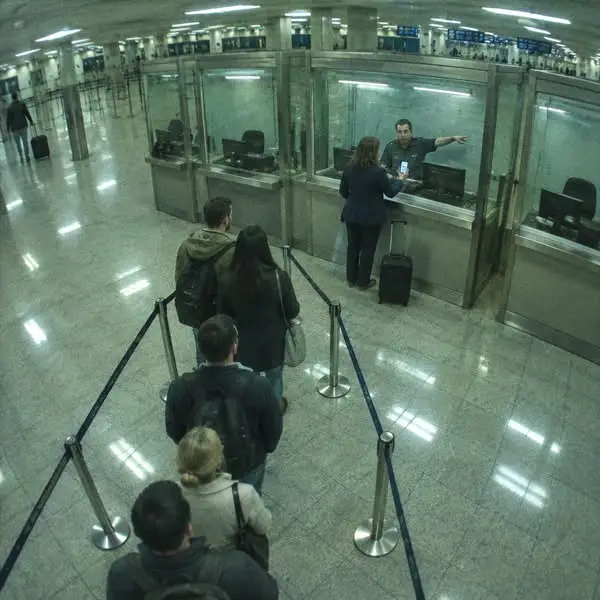
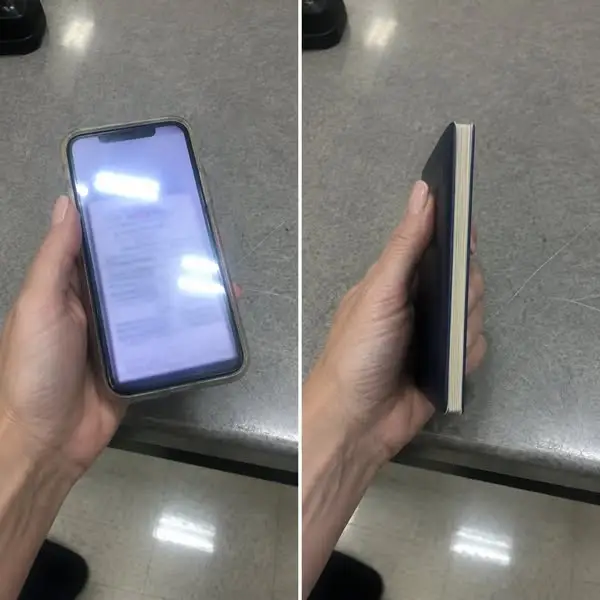
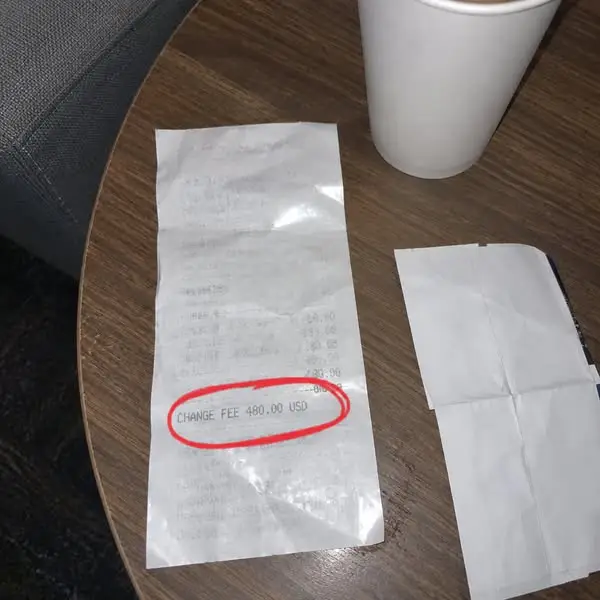
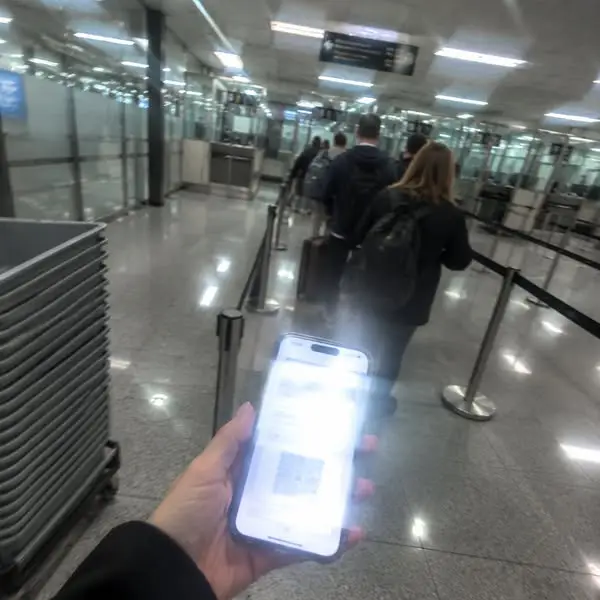
A closed hotel room safe is a dangerous blind spot: the door shuts, the desk looks clear, and your brain assumes your passport is already in your bag. I consider myself an organized traveler. I never check bags, packing everything into a single carry-on that fits cleanly into the overhead bin. My boarding passes stay in Apple Wallet, and my hotel confirmations sit in dedicated digital folders. For twelve years, I have flown overseas several times a year for corporate consulting workshops, navigating European hubs with the quiet rhythm of someone who avoids travel mistakes. My husband David never quite believed me. Ever since he left his passport in a rental apartment in Lisbon two years ago, costing us $1,800 in last-minute tickets and two miserable days outside the embassy, he has lived with a chronic travel anxiety that I always assumed I was immune to. That illusion ended on a Tuesday morning at Amsterdam Schiphol airport. Having checked out of my hotel using their mobile app, I skipped the check-in desks and breezed through airport security in eight minutes. In European airports, security only scans the boarding pass barcode on your phone screen. But to leave the European Schengen area for my flight home to Atlanta, non-EU travelers must clear passport control. My flight was boarding in 35 minutes, with fifty people in queue behind me. When I stepped up to the booth, I reached into my blazer pocket, and felt nothing. I checked the front pocket of my carry-on bag. Empty. I dug through my purse, pushing past my sunglasses case and charging cable. Nothing. That was the second the cold drop hit my stomach. At 6:15 that morning, before showering, I had entered my PIN into the heavy steel room safe in room 304, placed my blue passport booklet on the shelf, and closed the motorized door. When packing my clothes, the closed safe inside the wardrobe was completely out of sight. The physical booklet was sitting locked in a dark steel box twelve miles away in central Amsterdam. With shaking hands, I pulled up a crystal-clear, high-resolution color PDF scan of my passport on my iPhone. I held the screen up to the glass, explaining to the border officer that my flight was boarding at gate D4 and that this verified my full legal identity. The officer looked at the screen, then looked up with calm, tired eyes. 'A digital photo is not a passport, ma'am,' he said. 'You cannot board an international flight without the physical book in your hand.' He pointed toward the terminal exit. 'You cannot pass this gate. You need to return to your hotel.' Standing on the terminal floor while dozens of travelers stared was the most humiliating moment of my adult life. I was forty-six years old, running corporate consulting budgets, stranded like an unprepared amateur. Yet I was not careless. For years, travel blogs, airline columns, and frequent flyer forums have repeated the exact same advice: take a photo of your passport and save a PDF in the cloud in case of emergency. It sounds responsible, but it creates a dangerous psychological illusion. It makes you believe that possessing a digital copy backs up the physical document. It does not. A passport photo or digital scan has never been accepted to cross an international border or board an overseas flight. The check requires the physical book itself. Meanwhile, a hotel room safe creates an easy blind spot. A closed door inside a dark wardrobe is simple to overlook when you are focused on packing visible luggage. A regular passport cover is just a leather sleeve with no tracking, and stuffing a bulky 8mm Apple AirTag into a passport sleeve stretches the leather and creates an awkward circular bulge. By the time I took an eighty-euro taxi back through commuter traffic, had hotel security override the safe, and returned to Schiphol, my flight had departed. I had to pay a $480 airline change penalty, spend seven hours waiting on an airport bench, and arrive home in Atlanta exhausted in the middle of the night. While waiting out those seven hours in the lounge, an old colleague named Paul, who logs over 120,000 flight miles a year, noticed my distress. When I told him, he pulled his passport from his jacket pocket and set it on the small table between us. It was encased in a slim black cover crafted from Spotminders' Litchi Signature Leather. 'Every frequent flyer has that near-miss disaster once,' Paul said quietly. 'After mine in Singapore, I stopped trusting early-morning memory. This is the Spotminders Passport Holder Air.' Paul showed me how the tracking mechanism is permanently integrated directly into the spine of the cover. It connects natively to Apple Find My on your iPhone in under a minute, with no monthly subscriptions and no extra apps. The internal battery lasts up to three full years on a single charge and recharges wirelessly on any standard Qi or MagSafe pad. He opened Find My on his screen, showing the exact map pin of his passport. 'The moment I walk away from my passport, my phone buzzes with a Left-Behind alert,' Paul explained. I asked how Find My communicates through RFID blocking. Paul explained that Spotminders engineered layered shielding: the RFID lining protects the passport chip from digital skimming, while the tracker antenna broadcasts its Bluetooth signal outward to nearby Apple devices across the global Find My network. There was also a built-in 60-decibel sound chime triggered from the iPhone for in-room finding, plus two travel SIM card slots. I ordered the bundle immediately. My true proving ground came three months later on a consulting trip to Frankfurt. My alarm failed, leaving me forty minutes to catch an express train to the airport. I threw my clothes on, grabbed my bag, and bolted out the room door. Halfway down the carpeted hallway toward the elevators, my iPhone vibrated firmly against my hand. A crisp banner notification sat across my lock screen: 'Passport Holder Air Left Behind.' I stopped in my tracks, turned around, tapped my keycard against the door, and picked up my holder sitting right next to the electric kettle. Total time lost: forty seconds. No panic. No missed train. At the airport, I presented my physical passport, cleared passport control smoothly, and boarded with thirty minutes to spare. That single moment ended years of chronic travel anxiety in our household. When I returned home, I handed David the second holder in Litchi Signature Leather, and we paired it to his iPhone in thirty seconds. On our next trip to the airport, David started patting his coat pockets in the car with that familiar look of sudden panic: 'Susan, where did I put my...' I did not let him spiral. I opened Find My and tapped 'Play Sound' on his Passport Holder Air. A clear 60-decibel chime sounded from his carry-on bag. David stopped patting his pockets, let out a long breath of relief, and leaned back against the headrest. The Spotminders Passport Holder Air did not make me a more organized person. But it gave me a permanent, unshakeable layer of operational protection against the unavoidable human fatigue of travel. Walking through an airport calm and composed, knowing your phone will alert you before you leave the building if your passport gets left behind, and being able to check its last known location on a map in seconds, is not a luxury. It is complete peace of mind. 👉 https://www.spotminders.com/products/passport-tracker P.S. When David saw how seamlessly the Left-Behind alerts worked on our trip, he immediately asked if we could give our third holder from the bundle to our daughter, who is studying in Florence this semester. Knowing her phone will alert her before she leaves a hostel or train station if her passport gets left behind is worth ten times the price of the cover. P.P.S. When I missed my flight in Amsterdam, the airline did not care that my passport was twelve miles away. They charged me a $480 change penalty on the spot and offered zero sympathy. Spotminders provides a full 100-day money-back guarantee, even if you have already taken the holder on three overseas trips and tested it in real airports. If it does not give you complete confidence, you return it for a full refund. P.P.P.S. If you travel with a spouse or partner who shares that familiar pit-of-the-stomach anxiety on the way to the airport, the Buy 2 Get 1 Free bundle is by far the smartest choice. It covers both of you and gives you a spare for family.

Loading the ad's image
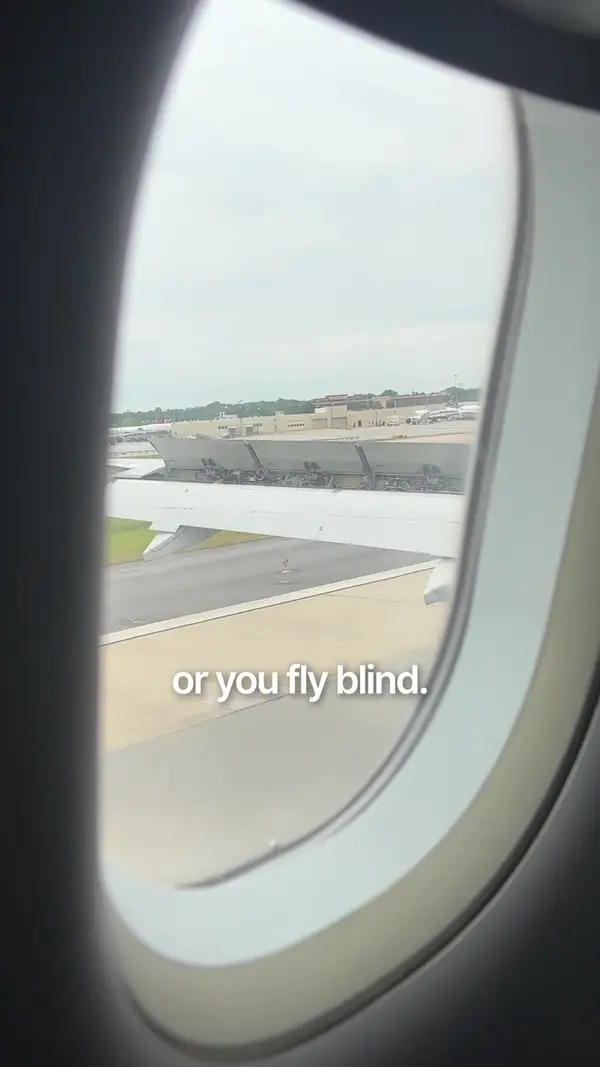
Susan Miller — Why a Digital Passport Photo Fails at the Border
Promising

Why a Digital Passport Photo Fails at the Border

The border officer looked at the PDF scan on my phone, shook his head, and said four words: "A photo is not a passport, ma'am." I consider myself an organized traveler. I never check bags, packing everything into a single carry-on that fits cleanly into the overhead bin. My boarding passes stay in Apple Wallet, and my hotel confirmations sit in dedicated digital folders. For twelve years, I have flown overseas several times a year for corporate consulting workshops, navigating European hubs with the quiet rhythm of someone who avoids travel mistakes. My husband David never quite believed me. Ever since he left his passport in a rental apartment in Lisbon two years ago, costing us $1,800 in last-minute tickets and two miserable days outside the embassy, he has lived with a chronic travel anxiety that I always assumed I was immune to. That illusion ended on a Tuesday morning at Amsterdam Schiphol airport. Having checked out of my hotel using their mobile app, I skipped the check-in desks and breezed through airport security in eight minutes. In European airports, security only scans the boarding pass barcode on your phone screen. But to leave the European Schengen area for my flight home to Atlanta, non-EU travelers must clear passport control. My flight was boarding in 35 minutes, with fifty people in queue behind me. When I stepped up to the booth, I reached into my blazer pocket, and felt nothing. I checked the front pocket of my carry-on bag. Empty. I dug through my purse, pushing past my sunglasses case and charging cable. Nothing. That was the second the cold drop hit my stomach. At 6:15 that morning, before showering, I had entered my PIN into the heavy steel room safe in room 304, placed my blue passport booklet on the shelf, and closed the motorized door. When packing my clothes, the closed safe inside the wardrobe was completely out of sight. The physical booklet was sitting locked in a dark steel box twelve miles away in central Amsterdam. With shaking hands, I pulled up a crystal-clear, high-resolution color PDF scan of my passport on my iPhone. I held the screen up to the glass, explaining to the border officer that my flight was boarding at gate D4 and that this verified my full legal identity. The officer looked at the screen, then looked up with calm, tired eyes. 'A digital photo is not a passport, ma'am,' he said. 'You cannot board an international flight without the physical book in your hand.' He pointed toward the terminal exit. 'You cannot pass this gate. You need to return to your hotel.' Standing on the terminal floor while dozens of travelers stared was the most humiliating moment of my adult life. I was forty-six years old, running corporate consulting budgets, stranded like an unprepared amateur. Yet I was not careless. For years, travel blogs, airline columns, and frequent flyer forums have repeated the exact same advice: take a photo of your passport and save a PDF in the cloud in case of emergency. It sounds responsible, but it creates a dangerous psychological illusion. It makes you believe that possessing a digital copy backs up the physical document. It does not. A passport photo or digital scan has never been accepted to cross an international border or board an overseas flight. The check requires the physical book itself. Meanwhile, a hotel room safe creates an easy blind spot. A closed door inside a dark wardrobe is simple to overlook when you are focused on packing visible luggage. A regular passport cover is just a leather sleeve with no tracking, and stuffing a bulky 8mm Apple AirTag into a passport sleeve stretches the leather and creates an awkward circular bulge. By the time I took an eighty-euro taxi back through commuter traffic, had hotel security override the safe, and returned to Schiphol, my flight had departed. I had to pay a $480 airline change penalty, spend seven hours waiting on an airport bench, and arrive home in Atlanta exhausted in the middle of the night. While waiting out those seven hours in the lounge, an old colleague named Paul, who logs over 120,000 flight miles a year, noticed my distress. When I told him, he pulled his passport from his jacket pocket and set it on the small table between us. It was encased in a slim black cover crafted from Spotminders' Litchi Signature Leather. 'Every frequent flyer has that near-miss disaster once,' Paul said quietly. 'After mine in Singapore, I stopped trusting early-morning memory. This is the Spotminders Passport Holder Air.' Paul showed me how the tracking mechanism is permanently integrated directly into the spine of the cover. It connects natively to Apple Find My on your iPhone in under a minute, with no monthly subscriptions and no extra apps. The internal battery lasts up to three full years on a single charge and recharges wirelessly on any standard Qi or MagSafe pad. He opened Find My on his screen, showing the exact map pin of his passport. 'The moment I walk away from my passport, my phone buzzes with a Left-Behind alert,' Paul explained. I asked how Find My communicates through RFID blocking. Paul explained that Spotminders engineered layered shielding: the RFID lining protects the passport chip from digital skimming, while the tracker antenna broadcasts its Bluetooth signal outward to nearby Apple devices across the global Find My network. There was also a built-in 60-decibel sound chime triggered from the iPhone for in-room finding, plus two travel SIM card slots. I ordered the bundle immediately. My true proving ground came three months later on a consulting trip to Frankfurt. My alarm failed, leaving me forty minutes to catch an express train to the airport. I threw my clothes on, grabbed my bag, and bolted out the room door. Halfway down the carpeted hallway toward the elevators, my iPhone vibrated firmly against my hand. A crisp banner notification sat across my lock screen: 'Passport Holder Air Left Behind.' I stopped in my tracks, turned around, tapped my keycard against the door, and picked up my holder sitting right next to the electric kettle. Total time lost: forty seconds. No panic. No missed train. At the airport, I presented my physical passport, cleared passport control smoothly, and boarded with thirty minutes to spare. That single moment ended years of chronic travel anxiety in our household. When I returned home, I handed David the second holder in Litchi Signature Leather, and we paired it to his iPhone in thirty seconds. On our next trip to the airport, David started patting his coat pockets in the car with that familiar look of sudden panic: 'Susan, where did I put my...' I did not let him spiral. I opened Find My and tapped 'Play Sound' on his Passport Holder Air. A clear 60-decibel chime sounded from his carry-on bag. David stopped patting his pockets, let out a long breath of relief, and leaned back against the headrest. The Spotminders Passport Holder Air did not make me a more organized person. But it gave me a permanent, unshakeable layer of operational protection against the unavoidable human fatigue of travel. Walking through an airport calm and composed, knowing your phone will alert you before you leave the building if your passport gets left behind, and being able to check its last known location on a map in seconds, is not a luxury. It is complete peace of mind. 👉 https://www.spotminders.com/products/passport-tracker P.S. When David saw how seamlessly the Left-Behind alerts worked on our trip, he immediately asked if we could give our third holder from the bundle to our daughter, who is studying in Florence this semester. Knowing her phone will alert her before she leaves a hostel or train station if her passport gets left behind is worth ten times the price of the cover. P.P.S. When I missed my flight in Amsterdam, the airline did not care that my passport was twelve miles away. They charged me a $480 change penalty on the spot and offered zero sympathy. Spotminders provides a full 100-day money-back guarantee, even if you have already taken the holder on three overseas trips and tested it in real airports. If it does not give you complete confidence, you return it for a full refund. P.P.P.S. If you travel with a spouse or partner who shares that familiar pit-of-the-stomach anxiety on the way to the airport, the Buy 2 Get 1 Free bundle is by far the smartest choice. It covers both of you and gives you a spare for family.

Loading the ad's image
Susan Miller — Why a Digital Passport Photo Fails at the Border
Promising

Why a Digital Passport Photo Fails at the Border

Every travel blog tells you to email yourself a PDF scan of your passport, but nobody warns you that an international border check requires the physical book in your hand. I consider myself an organized traveler. I never check bags, packing everything into a single carry-on that fits cleanly into the overhead bin. My boarding passes stay in Apple Wallet, and my hotel confirmations sit in dedicated digital folders. For twelve years, I have flown overseas several times a year for corporate consulting workshops, navigating European hubs with the quiet rhythm of someone who avoids travel mistakes. My husband David never quite believed me. Ever since he left his passport in a rental apartment in Lisbon two years ago, costing us $1,800 in last-minute tickets and two miserable days outside the embassy, he has lived with a chronic travel anxiety that I always assumed I was immune to. That illusion ended on a Tuesday morning at Amsterdam Schiphol airport. Having checked out of my hotel using their mobile app, I skipped the check-in desks and breezed through airport security in eight minutes. In European airports, security only scans the boarding pass barcode on your phone screen. But to leave the European Schengen area for my flight home to Atlanta, non-EU travelers must clear passport control. My flight was boarding in 35 minutes, with fifty people in queue behind me. When I stepped up to the booth, I reached into my blazer pocket, and felt nothing. I checked the front pocket of my carry-on bag. Empty. I dug through my purse, pushing past my sunglasses case and charging cable. Nothing. That was the second the cold drop hit my stomach. At 6:15 that morning, before showering, I had entered my PIN into the heavy steel room safe in room 304, placed my blue passport booklet on the shelf, and closed the motorized door. When packing my clothes, the closed safe inside the wardrobe was completely out of sight. The physical booklet was sitting locked in a dark steel box twelve miles away in central Amsterdam. With shaking hands, I pulled up a crystal-clear, high-resolution color PDF scan of my passport on my iPhone. I held the screen up to the glass, explaining to the border officer that my flight was boarding at gate D4 and that this verified my full legal identity. The officer looked at the screen, then looked up with calm, tired eyes. 'A digital photo is not a passport, ma'am,' he said. 'You cannot board an international flight without the physical book in your hand.' He pointed toward the terminal exit. 'You cannot pass this gate. You need to return to your hotel.' Standing on the terminal floor while dozens of travelers stared was the most humiliating moment of my adult life. I was forty-six years old, running corporate consulting budgets, stranded like an unprepared amateur. Yet I was not careless. For years, travel blogs, airline columns, and frequent flyer forums have repeated the exact same advice: take a photo of your passport and save a PDF in the cloud in case of emergency. It sounds responsible, but it creates a dangerous psychological illusion. It makes you believe that possessing a digital copy backs up the physical document. It does not. A passport photo or digital scan has never been accepted to cross an international border or board an overseas flight. The check requires the physical book itself. Meanwhile, a hotel room safe creates an easy blind spot. A closed door inside a dark wardrobe is simple to overlook when you are focused on packing visible luggage. A regular passport cover is just a leather sleeve with no tracking, and stuffing a bulky 8mm Apple AirTag into a passport sleeve stretches the leather and creates an awkward circular bulge. By the time I took an eighty-euro taxi back through commuter traffic, had hotel security override the safe, and returned to Schiphol, my flight had departed. I had to pay a $480 airline change penalty, spend seven hours waiting on an airport bench, and arrive home in Atlanta exhausted in the middle of the night. While waiting out those seven hours in the lounge, an old colleague named Paul, who logs over 120,000 flight miles a year, noticed my distress. When I told him, he pulled his passport from his jacket pocket and set it on the small table between us. It was encased in a slim black cover crafted from Spotminders' Litchi Signature Leather. 'Every frequent flyer has that near-miss disaster once,' Paul said quietly. 'After mine in Singapore, I stopped trusting early-morning memory. This is the Spotminders Passport Holder Air.' Paul showed me how the tracking mechanism is permanently integrated directly into the spine of the cover. It connects natively to Apple Find My on your iPhone in under a minute, with no monthly subscriptions and no extra apps. The internal battery lasts up to three full years on a single charge and recharges wirelessly on any standard Qi or MagSafe pad. He opened Find My on his screen, showing the exact map pin of his passport. 'The moment I walk away from my passport, my phone buzzes with a Left-Behind alert,' Paul explained. I asked how Find My communicates through RFID blocking. Paul explained that Spotminders engineered layered shielding: the RFID lining protects the passport chip from digital skimming, while the tracker antenna broadcasts its Bluetooth signal outward to nearby Apple devices across the global Find My network. There was also a built-in 60-decibel sound chime triggered from the iPhone for in-room finding, plus two travel SIM card slots. I ordered the bundle immediately. My true proving ground came three months later on a consulting trip to Frankfurt. My alarm failed, leaving me forty minutes to catch an express train to the airport. I threw my clothes on, grabbed my bag, and bolted out the room door. Halfway down the carpeted hallway toward the elevators, my iPhone vibrated firmly against my hand. A crisp banner notification sat across my lock screen: 'Passport Holder Air Left Behind.' I stopped in my tracks, turned around, tapped my keycard against the door, and picked up my holder sitting right next to the electric kettle. Total time lost: forty seconds. No panic. No missed train. At the airport, I presented my physical passport, cleared passport control smoothly, and boarded with thirty minutes to spare. That single moment ended years of chronic travel anxiety in our household. When I returned home, I handed David the second holder in Litchi Signature Leather, and we paired it to his iPhone in thirty seconds. On our next trip to the airport, David started patting his coat pockets in the car with that familiar look of sudden panic: 'Susan, where did I put my...' I did not let him spiral. I opened Find My and tapped 'Play Sound' on his Passport Holder Air. A clear 60-decibel chime sounded from his carry-on bag. David stopped patting his pockets, let out a long breath of relief, and leaned back against the headrest. The Spotminders Passport Holder Air did not make me a more organized person. But it gave me a permanent, unshakeable layer of operational protection against the unavoidable human fatigue of travel. Walking through an airport calm and composed, knowing your phone will alert you before you leave the building if your passport gets left behind, and being able to check its last known location on a map in seconds, is not a luxury. It is complete peace of mind. 👉 https://www.spotminders.com/products/passport-tracker P.S. When David saw how seamlessly the Left-Behind alerts worked on our trip, he immediately asked if we could give our third holder from the bundle to our daughter, who is studying in Florence this semester. Knowing her phone will alert her before she leaves a hostel or train station if her passport gets left behind is worth ten times the price of the cover. P.P.S. When I missed my flight in Amsterdam, the airline did not care that my passport was twelve miles away. They charged me a $480 change penalty on the spot and offered zero sympathy. Spotminders provides a full 100-day money-back guarantee, even if you have already taken the holder on three overseas trips and tested it in real airports. If it does not give you complete confidence, you return it for a full refund. P.P.P.S. If you travel with a spouse or partner who shares that familiar pit-of-the-stomach anxiety on the way to the airport, the Buy 2 Get 1 Free bundle is by far the smartest choice. It covers both of you and gives you a spare for family.

Loading the ad's image
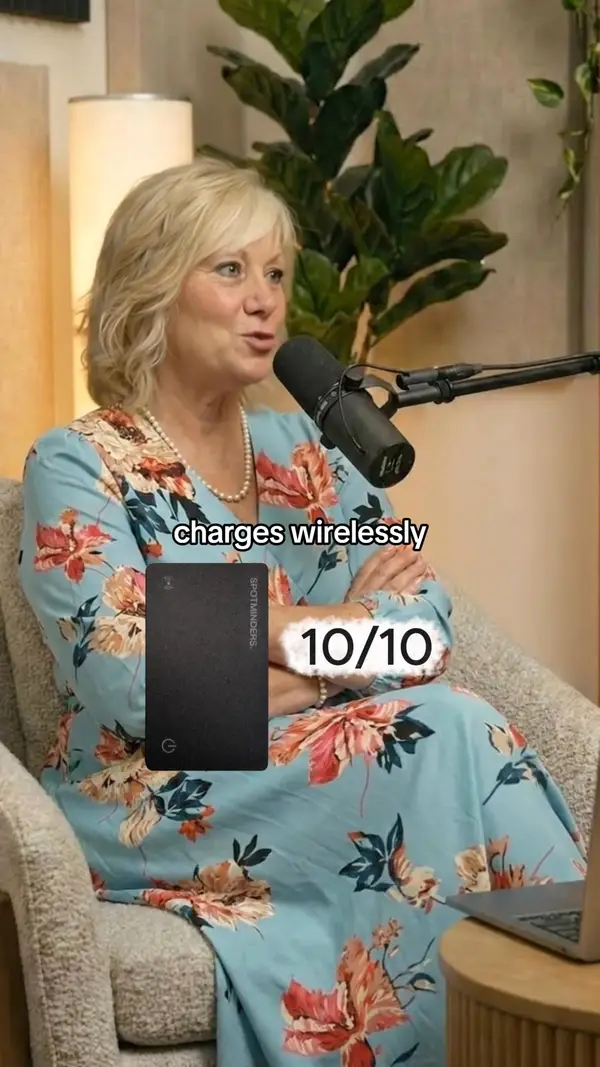
Susan Miller — Why a Digital Passport Photo Fails at the Border
Promising

Why a Digital Passport Photo Fails at the Border

Missing an international flight because of a forgotten passport is the kind of travel disaster you assume only happens to careless people. I consider myself an organized traveler. I never check bags, packing everything into a single carry-on that fits cleanly into the overhead bin. My boarding passes stay in Apple Wallet, and my hotel confirmations sit in dedicated digital folders. For twelve years, I have flown overseas several times a year for corporate consulting workshops, navigating European hubs with the quiet rhythm of someone who avoids travel mistakes. My husband David never quite believed me. Ever since he left his passport in a rental apartment in Lisbon two years ago, costing us $1,800 in last-minute tickets and two miserable days outside the embassy, he has lived with a chronic travel anxiety that I always assumed I was immune to. That illusion ended on a Tuesday morning at Amsterdam Schiphol airport. Having checked out of my hotel using their mobile app, I skipped the check-in desks and breezed through airport security in eight minutes. In European airports, security only scans the boarding pass barcode on your phone screen. But to leave the European Schengen area for my flight home to Atlanta, non-EU travelers must clear passport control. My flight was boarding in 35 minutes, with fifty people in queue behind me. When I stepped up to the booth, I reached into my blazer pocket, and felt nothing. I checked the front pocket of my carry-on bag. Empty. I dug through my purse, pushing past my sunglasses case and charging cable. Nothing. That was the second the cold drop hit my stomach. At 6:15 that morning, before showering, I had entered my PIN into the heavy steel room safe in room 304, placed my blue passport booklet on the shelf, and closed the motorized door. When packing my clothes, the closed safe inside the wardrobe was completely out of sight. The physical booklet was sitting locked in a dark steel box twelve miles away in central Amsterdam. With shaking hands, I pulled up a crystal-clear, high-resolution color PDF scan of my passport on my iPhone. I held the screen up to the glass, explaining to the border officer that my flight was boarding at gate D4 and that this verified my full legal identity. The officer looked at the screen, then looked up with calm, tired eyes. 'A digital photo is not a passport, ma'am,' he said. 'You cannot board an international flight without the physical book in your hand.' He pointed toward the terminal exit. 'You cannot pass this gate. You need to return to your hotel.' Standing on the terminal floor while dozens of travelers stared was the most humiliating moment of my adult life. I was forty-six years old, running corporate consulting budgets, stranded like an unprepared amateur. Yet I was not careless. For years, travel blogs, airline columns, and frequent flyer forums have repeated the exact same advice: take a photo of your passport and save a PDF in the cloud in case of emergency. It sounds responsible, but it creates a dangerous psychological illusion. It makes you believe that possessing a digital copy backs up the physical document. It does not. A passport photo or digital scan has never been accepted to cross an international border or board an overseas flight. The check requires the physical book itself. Meanwhile, a hotel room safe creates an easy blind spot. A closed door inside a dark wardrobe is simple to overlook when you are focused on packing visible luggage. A regular passport cover is just a leather sleeve with no tracking, and stuffing a bulky 8mm Apple AirTag into a passport sleeve stretches the leather and creates an awkward circular bulge. By the time I took an eighty-euro taxi back through commuter traffic, had hotel security override the safe, and returned to Schiphol, my flight had departed. I had to pay a $480 airline change penalty, spend seven hours waiting on an airport bench, and arrive home in Atlanta exhausted in the middle of the night. While waiting out those seven hours in the lounge, an old colleague named Paul, who logs over 120,000 flight miles a year, noticed my distress. When I told him, he pulled his passport from his jacket pocket and set it on the small table between us. It was encased in a slim black cover crafted from Spotminders' Litchi Signature Leather. 'Every frequent flyer has that near-miss disaster once,' Paul said quietly. 'After mine in Singapore, I stopped trusting early-morning memory. This is the Spotminders Passport Holder Air.' Paul showed me how the tracking mechanism is permanently integrated directly into the spine of the cover. It connects natively to Apple Find My on your iPhone in under a minute, with no monthly subscriptions and no extra apps. The internal battery lasts up to three full years on a single charge and recharges wirelessly on any standard Qi or MagSafe pad. He opened Find My on his screen, showing the exact map pin of his passport. 'The moment I walk away from my passport, my phone buzzes with a Left-Behind alert,' Paul explained. I asked how Find My communicates through RFID blocking. Paul explained that Spotminders engineered layered shielding: the RFID lining protects the passport chip from digital skimming, while the tracker antenna broadcasts its Bluetooth signal outward to nearby Apple devices across the global Find My network. There was also a built-in 60-decibel sound chime triggered from the iPhone for in-room finding, plus two travel SIM card slots. I ordered the bundle immediately. My true proving ground came three months later on a consulting trip to Frankfurt. My alarm failed, leaving me forty minutes to catch an express train to the airport. I threw my clothes on, grabbed my bag, and bolted out the room door. Halfway down the carpeted hallway toward the elevators, my iPhone vibrated firmly against my hand. A crisp banner notification sat across my lock screen: 'Passport Holder Air Left Behind.' I stopped in my tracks, turned around, tapped my keycard against the door, and picked up my holder sitting right next to the electric kettle. Total time lost: forty seconds. No panic. No missed train. At the airport, I presented my physical passport, cleared passport control smoothly, and boarded with thirty minutes to spare. That single moment ended years of chronic travel anxiety in our household. When I returned home, I handed David the second holder in Litchi Signature Leather, and we paired it to his iPhone in thirty seconds. On our next trip to the airport, David started patting his coat pockets in the car with that familiar look of sudden panic: 'Susan, where did I put my...' I did not let him spiral. I opened Find My and tapped 'Play Sound' on his Passport Holder Air. A clear 60-decibel chime sounded from his carry-on bag. David stopped patting his pockets, let out a long breath of relief, and leaned back against the headrest. The Spotminders Passport Holder Air did not make me a more organized person. But it gave me a permanent, unshakeable layer of operational protection against the unavoidable human fatigue of travel. Walking through an airport calm and composed, knowing your phone will alert you before you leave the building if your passport gets left behind, and being able to check its last known location on a map in seconds, is not a luxury. It is complete peace of mind. 👉 https://www.spotminders.com/products/passport-tracker P.S. When David saw how seamlessly the Left-Behind alerts worked on our trip, he immediately asked if we could give our third holder from the bundle to our daughter, who is studying in Florence this semester. Knowing her phone will alert her before she leaves a hostel or train station if her passport gets left behind is worth ten times the price of the cover. P.P.S. When I missed my flight in Amsterdam, the airline did not care that my passport was twelve miles away. They charged me a $480 change penalty on the spot and offered zero sympathy. Spotminders provides a full 100-day money-back guarantee, even if you have already taken the holder on three overseas trips and tested it in real airports. If it does not give you complete confidence, you return it for a full refund. P.P.P.S. If you travel with a spouse or partner who shares that familiar pit-of-the-stomach anxiety on the way to the airport, the Buy 2 Get 1 Free bundle is by far the smartest choice. It covers both of you and gives you a spare for family.

Loading the ad's image
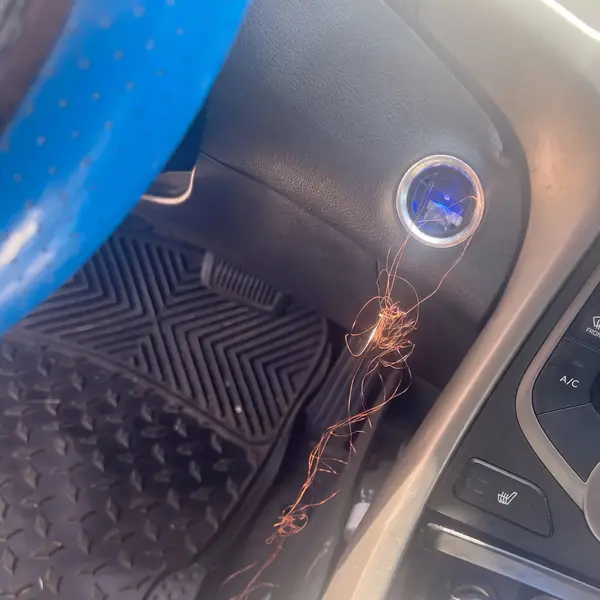
Susan Miller — Why a Digital Passport Photo Fails at the Border
Promising

Why a Digital Passport Photo Fails at the Border

In European airports, your phone boarding pass gets you through security in three minutes, but it cannot get you past the passport control gate to fly home. I consider myself an organized traveler. I never check bags, packing everything into a single carry-on that fits cleanly into the overhead bin. My boarding passes stay in Apple Wallet, and my hotel confirmations sit in dedicated digital folders. For twelve years, I have flown overseas several times a year for corporate consulting workshops, navigating European hubs with the quiet rhythm of someone who avoids travel mistakes. My husband David never quite believed me. Ever since he left his passport in a rental apartment in Lisbon two years ago, costing us $1,800 in last-minute tickets and two miserable days outside the embassy, he has lived with a chronic travel anxiety that I always assumed I was immune to. That illusion ended on a Tuesday morning at Amsterdam Schiphol airport. Having checked out of my hotel using their mobile app, I skipped the check-in desks and breezed through airport security in eight minutes. In European airports, security only scans the boarding pass barcode on your phone screen. But to leave the European Schengen area for my flight home to Atlanta, non-EU travelers must clear passport control. My flight was boarding in 35 minutes, with fifty people in queue behind me. When I stepped up to the booth, I reached into my blazer pocket, and felt nothing. I checked the front pocket of my carry-on bag. Empty. I dug through my purse, pushing past my sunglasses case and charging cable. Nothing. That was the second the cold drop hit my stomach. At 6:15 that morning, before showering, I had entered my PIN into the heavy steel room safe in room 304, placed my blue passport booklet on the shelf, and closed the motorized door. When packing my clothes, the closed safe inside the wardrobe was completely out of sight. The physical booklet was sitting locked in a dark steel box twelve miles away in central Amsterdam. With shaking hands, I pulled up a crystal-clear, high-resolution color PDF scan of my passport on my iPhone. I held the screen up to the glass, explaining to the border officer that my flight was boarding at gate D4 and that this verified my full legal identity. The officer looked at the screen, then looked up with calm, tired eyes. 'A digital photo is not a passport, ma'am,' he said. 'You cannot board an international flight without the physical book in your hand.' He pointed toward the terminal exit. 'You cannot pass this gate. You need to return to your hotel.' Standing on the terminal floor while dozens of travelers stared was the most humiliating moment of my adult life. I was forty-six years old, running corporate consulting budgets, stranded like an unprepared amateur. Yet I was not careless. For years, travel blogs, airline columns, and frequent flyer forums have repeated the exact same advice: take a photo of your passport and save a PDF in the cloud in case of emergency. It sounds responsible, but it creates a dangerous psychological illusion. It makes you believe that possessing a digital copy backs up the physical document. It does not. A passport photo or digital scan has never been accepted to cross an international border or board an overseas flight. The check requires the physical book itself. Meanwhile, a hotel room safe creates an easy blind spot. A closed door inside a dark wardrobe is simple to overlook when you are focused on packing visible luggage. A regular passport cover is just a leather sleeve with no tracking, and stuffing a bulky 8mm Apple AirTag into a passport sleeve stretches the leather and creates an awkward circular bulge. By the time I took an eighty-euro taxi back through commuter traffic, had hotel security override the safe, and returned to Schiphol, my flight had departed. I had to pay a $480 airline change penalty, spend seven hours waiting on an airport bench, and arrive home in Atlanta exhausted in the middle of the night. While waiting out those seven hours in the lounge, an old colleague named Paul, who logs over 120,000 flight miles a year, noticed my distress. When I told him, he pulled his passport from his jacket pocket and set it on the small table between us. It was encased in a slim black cover crafted from Spotminders' Litchi Signature Leather. 'Every frequent flyer has that near-miss disaster once,' Paul said quietly. 'After mine in Singapore, I stopped trusting early-morning memory. This is the Spotminders Passport Holder Air.' Paul showed me how the tracking mechanism is permanently integrated directly into the spine of the cover. It connects natively to Apple Find My on your iPhone in under a minute, with no monthly subscriptions and no extra apps. The internal battery lasts up to three full years on a single charge and recharges wirelessly on any standard Qi or MagSafe pad. He opened Find My on his screen, showing the exact map pin of his passport. 'The moment I walk away from my passport, my phone buzzes with a Left-Behind alert,' Paul explained. I asked how Find My communicates through RFID blocking. Paul explained that Spotminders engineered layered shielding: the RFID lining protects the passport chip from digital skimming, while the tracker antenna broadcasts its Bluetooth signal outward to nearby Apple devices across the global Find My network. There was also a built-in 60-decibel sound chime triggered from the iPhone for in-room finding, plus two travel SIM card slots. I ordered the bundle immediately. My true proving ground came three months later on a consulting trip to Frankfurt. My alarm failed, leaving me forty minutes to catch an express train to the airport. I threw my clothes on, grabbed my bag, and bolted out the room door. Halfway down the carpeted hallway toward the elevators, my iPhone vibrated firmly against my hand. A crisp banner notification sat across my lock screen: 'Passport Holder Air Left Behind.' I stopped in my tracks, turned around, tapped my keycard against the door, and picked up my holder sitting right next to the electric kettle. Total time lost: forty seconds. No panic. No missed train. At the airport, I presented my physical passport, cleared passport control smoothly, and boarded with thirty minutes to spare. That single moment ended years of chronic travel anxiety in our household. When I returned home, I handed David the second holder in Litchi Signature Leather, and we paired it to his iPhone in thirty seconds. On our next trip to the airport, David started patting his coat pockets in the car with that familiar look of sudden panic: 'Susan, where did I put my...' I did not let him spiral. I opened Find My and tapped 'Play Sound' on his Passport Holder Air. A clear 60-decibel chime sounded from his carry-on bag. David stopped patting his pockets, let out a long breath of relief, and leaned back against the headrest. The Spotminders Passport Holder Air did not make me a more organized person. But it gave me a permanent, unshakeable layer of operational protection against the unavoidable human fatigue of travel. Walking through an airport calm and composed, knowing your phone will alert you before you leave the building if your passport gets left behind, and being able to check its last known location on a map in seconds, is not a luxury. It is complete peace of mind. 👉 https://www.spotminders.com/products/passport-tracker P.S. When David saw how seamlessly the Left-Behind alerts worked on our trip, he immediately asked if we could give our third holder from the bundle to our daughter, who is studying in Florence this semester. Knowing her phone will alert her before she leaves a hostel or train station if her passport gets left behind is worth ten times the price of the cover. P.P.S. When I missed my flight in Amsterdam, the airline did not care that my passport was twelve miles away. They charged me a $480 change penalty on the spot and offered zero sympathy. Spotminders provides a full 100-day money-back guarantee, even if you have already taken the holder on three overseas trips and tested it in real airports. If it does not give you complete confidence, you return it for a full refund. P.P.P.S. If you travel with a spouse or partner who shares that familiar pit-of-the-stomach anxiety on the way to the airport, the Buy 2 Get 1 Free bundle is by far the smartest choice. It covers both of you and gives you a spare for family.

Loading the ad's image
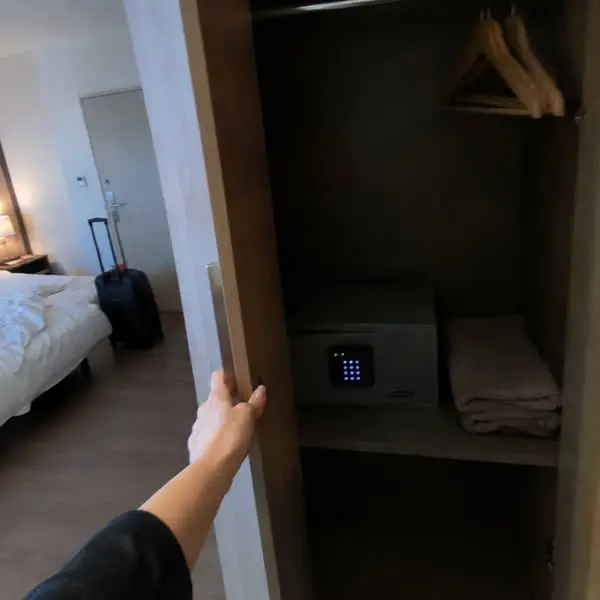
Susan Miller — Why a Digital Passport Photo Fails at the Border
Promising

Track Your Wallet With Apple Find My

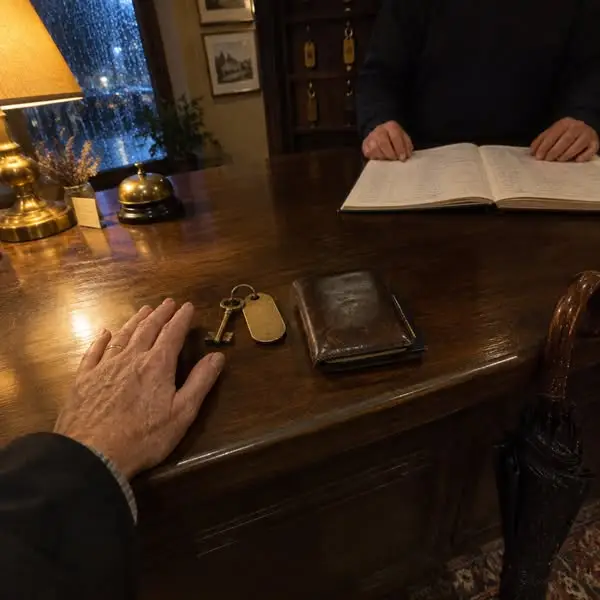
What my daughter slipped into my travel wallet the morning I left for Europe to take the retirement trip my late husband and I planned. When my husband David and I planned our retirement trip across Italy, we spent three years penciling train connections into a little black notebook. Then David got sick. Within fourteen months, the table was covered in prescription bottles instead of train schedules. After he passed, that notebook went into his nightstand drawer, and for two years I could not bear to open it. Around what would have been our forty-fourth anniversary, I finally opened the drawer and read his handwriting. Every restaurant he wanted to try and every museum he flagged was still waiting there. That afternoon I made my decision: I was not going to let our dream die in a drawer. I booked the tickets to take the trip alone at sixty-eight. When I announced it at Sunday dinner, the room went completely silent. Friends smiled while their eyes filled with quiet pity. My neighbor Linda patted my wrist and asked in that fragile voice if I really thought it was wise to travel abroad alone at my age. Another offered to help me look into ticket refunds. Nobody said it out loud, but everyone was thinking the same thing: a woman my age had no business traveling across Europe without a husband to handle everything. Being pitied felt worse than being argued with: the unmistakable implication was that an older widow traveling alone is just a crisis waiting to happen. But my private dread was never about personal safety. I have lived long enough to know how to walk with purpose, stay in well-lit areas, and trust my instincts. My real fear was losing my documents in transit. The thought of standing in a crowded foreign train station, reaching into my purse, and finding an empty pocket terrified me. Navigating a lost passport or canceled cards alone in a country where I did not speak the language would have proven every skeptical whisper right. The morning I left, my daughter Sarah drove me to the airport. Sarah travels regularly for work and has carried a Spotminders Tracking Card since nearly losing her wallet on a train last winter. She never treated me like an invalid. While I locked the house, she set two ultra-slim black cards on the kitchen counter beside David's old leather travel wallet. "I know you are worried about misplacing things, Mom," Sarah said gently. "I use these every week. Take these two. Slip one into your wallet card slot, and put the other inside your passport sleeve. Do not overthink it." She slipped the first card into the front slot of David's wallet. It slid in flush with my driver's license, exactly like an ordinary bank card, without adding bulk or stretching the leather. She handed me the second card, and I tucked it behind my passport. "They connect straight to your iPhone through the Apple Find My network," Sarah explained, showing me her screen. "There is no extra app to download and zero subscription fees ever. If you leave your wallet on a cafe table, your phone shows its last detected location on a map. If it slips behind a nightstand in your hotel room, you can play a sound alert right from your phone to locate it." Sarah paired both cards to my Apple Find My app right at the counter. The entire setup took under forty-five seconds. "I am not checking up on you," she added, kissing my cheek at the security line. "This is your adventure. But I refuse to let a misplaced piece of leather ruin the trip you and Dad planned." When my flight touched down in Rome, the sensory overload hit me immediately. Anyone arriving at a major foreign terminal after a red-eye flight knows the disorientation. Crowds rush past, announcements echo in rapid Italian, and jet lag presses behind your eyes. That is the exact moment when people misplace things. You are not being careless, and you are not losing your edge. You are just overwhelmed: you pull out your passport at a kiosk, tuck your wallet under an arm to grab your bag, and your focus splinters. In that split second, an essential document gets left behind on a counter. Friends had suggested I buy round white tracker pucks, but shoving a thick plastic disc into a leather wallet ruins the card slots and creates an obvious bulge. It screams to pickpockets that something valuable is hidden there. Other tracking options mean downloading separate apps or dealing with batteries you cannot recharge yourself. Spotminders engineered an entirely different solution. Their Tracking Card is precisely 1.8 millimeters thin, engineered to fit standard wallet slots without stretching the leather. It is Apple MFi certified, integrating seamlessly into the native Apple Find My network already built into your iPhone. There are no third-party apps draining your battery, no accounts to create, and zero subscription fees ever. Instead of short-range connections that cut out, it communicates through the Apple Find My network of over two billion active Apple devices worldwide. Whenever any Apple device passes near your card, it securely relays its last detected location to your Find My map. It recharges wirelessly on standard Qi and MagSafe chargers, holding up to eight months of battery life per charge, and it is IP67 waterproof against sudden downpours. I arrived at my small pensione in Florence late on a rainy Tuesday evening. The night clerk looked up from his ledger as I walked in. I set my room key and David's leather wallet down on the wooden counter, looked the clerk in the eye, and gave him my name. That was an important moment for me. I wanted the person behind the front desk to recognize my face, so that over the next few days, he knew exactly who was supposed to be there. Carrying my bag up the stairs, my shoulders finally dropped. For the first time in days, I was not gripped by the panic of patting my purse every two minutes. I knew David's travel wallet was secure in my bag, my passport was safe in the room, and a single glance at my phone would show its last detected location on the map. The next morning, I walked to the Piazza del Duomo. I sat outside at a corner cafe, ordered a cappuccino, and opened David's little black notebook. I drew a neat line through the first note he had written three years ago: Morning coffee facing the cathedral. My phone buzzed in my bag with a text from Sarah: "How is Florence? Did you check your map?" I took a picture of the cathedral in the morning sun and sent it back with a screenshot of my Find My screen. It showed my passport safely back at the hotel, and my wallet right beside my coffee cup. "Everything is exactly where it belongs," I replied. "And so am I." I spent the next two weeks navigating Italy on my own terms. I took the train to Bologna and ended the journey in Venice, taking the water taxis at dusk. Not once did I feel like a burden, and not once did I doubt my ability to manage my own life. Back home at Sunday dinner, my neighbor Linda asked if traveling alone was as stressful as she warned. I did not argue. I simply placed David's worn wallet on the table, opened my phone, and showed the photos of Florence and Venice. Nobody asked if I felt helpless anymore. The room was quiet again, but this time it was genuine respect. The Spotminders Tracking Card did not walk through Europe for me, and it did not carry my luggage. What it did was remove the single logistical fear that nearly kept me trapped in an empty house. It gave me the quiet certainty to step out into the world and honor the life David and I built together. If you are getting ready for your own trip, or if you are simply tired of constantly checking your pockets to make sure your life is still there, you can see how it works here: 👉 https://www.spotminders.com/products/spotminders-tracking-cards P.S. When I unpacked my bags, I returned David's black notebook to his nightstand drawer. But this time, the drawer did not feel like a memorial. Beneath his last penciled note from Florence, I added three words in my own handwriting: We made it. P.P.S. Spotminders backs the cards with a 100-day money-back guarantee, even after you take them on a multi-week trip across Europe. You can test them through airports, train stations, and hotels, and if they do not give you absolute peace of mind, you get a complete refund. Good luck finding an airline or tour operator that stands behind their service like that. P.P.P.S. If you have an older parent or partner who is hesitant to travel alone, slipping one of these into their wallet before they leave might be the quietest way to tell them you believe in them.

Loading the ad's image
Susan Miller — Track Your Wallet With Apple Find My
Promising

Track Your Wallet With Apple Find My

Why taking the European retirement trip my late husband and I planned became the ultimate test of my independence at sixty-eight. When my husband David and I planned our retirement trip across Italy, we spent three years penciling train connections into a little black notebook. Then David got sick. Within fourteen months, the table was covered in prescription bottles instead of train schedules. After he passed, that notebook went into his nightstand drawer, and for two years I could not bear to open it. Around what would have been our forty-fourth anniversary, I finally opened the drawer and read his handwriting. Every restaurant he wanted to try and every museum he flagged was still waiting there. That afternoon I made my decision: I was not going to let our dream die in a drawer. I booked the tickets to take the trip alone at sixty-eight. When I announced it at Sunday dinner, the room went completely silent. Friends smiled while their eyes filled with quiet pity. My neighbor Linda patted my wrist and asked in that fragile voice if I really thought it was wise to travel abroad alone at my age. Another offered to help me look into ticket refunds. Nobody said it out loud, but everyone was thinking the same thing: a woman my age had no business traveling across Europe without a husband to handle everything. Being pitied felt worse than being argued with: the unmistakable implication was that an older widow traveling alone is just a crisis waiting to happen. But my private dread was never about personal safety. I have lived long enough to know how to walk with purpose, stay in well-lit areas, and trust my instincts. My real fear was losing my documents in transit. The thought of standing in a crowded foreign train station, reaching into my purse, and finding an empty pocket terrified me. Navigating a lost passport or canceled cards alone in a country where I did not speak the language would have proven every skeptical whisper right. The morning I left, my daughter Sarah drove me to the airport. Sarah travels regularly for work and has carried a Spotminders Tracking Card since nearly losing her wallet on a train last winter. She never treated me like an invalid. While I locked the house, she set two ultra-slim black cards on the kitchen counter beside David's old leather travel wallet. "I know you are worried about misplacing things, Mom," Sarah said gently. "I use these every week. Take these two. Slip one into your wallet card slot, and put the other inside your passport sleeve. Do not overthink it." She slipped the first card into the front slot of David's wallet. It slid in flush with my driver's license, exactly like an ordinary bank card, without adding bulk or stretching the leather. She handed me the second card, and I tucked it behind my passport. "They connect straight to your iPhone through the Apple Find My network," Sarah explained, showing me her screen. "There is no extra app to download and zero subscription fees ever. If you leave your wallet on a cafe table, your phone shows its last detected location on a map. If it slips behind a nightstand in your hotel room, you can play a sound alert right from your phone to locate it." Sarah paired both cards to my Apple Find My app right at the counter. The entire setup took under forty-five seconds. "I am not checking up on you," she added, kissing my cheek at the security line. "This is your adventure. But I refuse to let a misplaced piece of leather ruin the trip you and Dad planned." When my flight touched down in Rome, the sensory overload hit me immediately. Anyone arriving at a major foreign terminal after a red-eye flight knows the disorientation. Crowds rush past, announcements echo in rapid Italian, and jet lag presses behind your eyes. That is the exact moment when people misplace things. You are not being careless, and you are not losing your edge. You are just overwhelmed: you pull out your passport at a kiosk, tuck your wallet under an arm to grab your bag, and your focus splinters. In that split second, an essential document gets left behind on a counter. Friends had suggested I buy round white tracker pucks, but shoving a thick plastic disc into a leather wallet ruins the card slots and creates an obvious bulge. It screams to pickpockets that something valuable is hidden there. Other tracking options mean downloading separate apps or dealing with batteries you cannot recharge yourself. Spotminders engineered an entirely different solution. Their Tracking Card is precisely 1.8 millimeters thin, engineered to fit standard wallet slots without stretching the leather. It is Apple MFi certified, integrating seamlessly into the native Apple Find My network already built into your iPhone. There are no third-party apps draining your battery, no accounts to create, and zero subscription fees ever. Instead of short-range connections that cut out, it communicates through the Apple Find My network of over two billion active Apple devices worldwide. Whenever any Apple device passes near your card, it securely relays its last detected location to your Find My map. It recharges wirelessly on standard Qi and MagSafe chargers, holding up to eight months of battery life per charge, and it is IP67 waterproof against sudden downpours. I arrived at my small pensione in Florence late on a rainy Tuesday evening. The night clerk looked up from his ledger as I walked in. I set my room key and David's leather wallet down on the wooden counter, looked the clerk in the eye, and gave him my name. That was an important moment for me. I wanted the person behind the front desk to recognize my face, so that over the next few days, he knew exactly who was supposed to be there. Carrying my bag up the stairs, my shoulders finally dropped. For the first time in days, I was not gripped by the panic of patting my purse every two minutes. I knew David's travel wallet was secure in my bag, my passport was safe in the room, and a single glance at my phone would show its last detected location on the map. The next morning, I walked to the Piazza del Duomo. I sat outside at a corner cafe, ordered a cappuccino, and opened David's little black notebook. I drew a neat line through the first note he had written three years ago: Morning coffee facing the cathedral. My phone buzzed in my bag with a text from Sarah: "How is Florence? Did you check your map?" I took a picture of the cathedral in the morning sun and sent it back with a screenshot of my Find My screen. It showed my passport safely back at the hotel, and my wallet right beside my coffee cup. "Everything is exactly where it belongs," I replied. "And so am I." I spent the next two weeks navigating Italy on my own terms. I took the train to Bologna and ended the journey in Venice, taking the water taxis at dusk. Not once did I feel like a burden, and not once did I doubt my ability to manage my own life. Back home at Sunday dinner, my neighbor Linda asked if traveling alone was as stressful as she warned. I did not argue. I simply placed David's worn wallet on the table, opened my phone, and showed the photos of Florence and Venice. Nobody asked if I felt helpless anymore. The room was quiet again, but this time it was genuine respect. The Spotminders Tracking Card did not walk through Europe for me, and it did not carry my luggage. What it did was remove the single logistical fear that nearly kept me trapped in an empty house. It gave me the quiet certainty to step out into the world and honor the life David and I built together. If you are getting ready for your own trip, or if you are simply tired of constantly checking your pockets to make sure your life is still there, you can see how it works here: 👉 https://www.spotminders.com/products/spotminders-tracking-cards P.S. When I unpacked my bags, I returned David's black notebook to his nightstand drawer. But this time, the drawer did not feel like a memorial. Beneath his last penciled note from Florence, I added three words in my own handwriting: We made it. P.P.S. Spotminders backs the cards with a 100-day money-back guarantee, even after you take them on a multi-week trip across Europe. You can test them through airports, train stations, and hotels, and if they do not give you absolute peace of mind, you get a complete refund. Good luck finding an airline or tour operator that stands behind their service like that. P.P.P.S. If you have an older parent or partner who is hesitant to travel alone, slipping one of these into their wallet before they leave might be the quietest way to tell them you believe in them.

Loading the ad's image
Susan Miller — Track Your Wallet With Apple Find My
Promising

Track Your Wallet With Apple Find My

Inside the worn travel wallet my husband gave me for our anniversary was the thin black card my daughter refused to let me leave without. When my husband David and I planned our retirement trip across Italy, we spent three years penciling train connections into a little black notebook. Then David got sick. Within fourteen months, the table was covered in prescription bottles instead of train schedules. After he passed, that notebook went into his nightstand drawer, and for two years I could not bear to open it. Around what would have been our forty-fourth anniversary, I finally opened the drawer and read his handwriting. Every restaurant he wanted to try and every museum he flagged was still waiting there. That afternoon I made my decision: I was not going to let our dream die in a drawer. I booked the tickets to take the trip alone at sixty-eight. When I announced it at Sunday dinner, the room went completely silent. Friends smiled while their eyes filled with quiet pity. My neighbor Linda patted my wrist and asked in that fragile voice if I really thought it was wise to travel abroad alone at my age. Another offered to help me look into ticket refunds. Nobody said it out loud, but everyone was thinking the same thing: a woman my age had no business traveling across Europe without a husband to handle everything. Being pitied felt worse than being argued with: the unmistakable implication was that an older widow traveling alone is just a crisis waiting to happen. But my private dread was never about personal safety. I have lived long enough to know how to walk with purpose, stay in well-lit areas, and trust my instincts. My real fear was losing my documents in transit. The thought of standing in a crowded foreign train station, reaching into my purse, and finding an empty pocket terrified me. Navigating a lost passport or canceled cards alone in a country where I did not speak the language would have proven every skeptical whisper right. The morning I left, my daughter Sarah drove me to the airport. Sarah travels regularly for work and has carried a Spotminders Tracking Card since nearly losing her wallet on a train last winter. She never treated me like an invalid. While I locked the house, she set two ultra-slim black cards on the kitchen counter beside David's old leather travel wallet. "I know you are worried about misplacing things, Mom," Sarah said gently. "I use these every week. Take these two. Slip one into your wallet card slot, and put the other inside your passport sleeve. Do not overthink it." She slipped the first card into the front slot of David's wallet. It slid in flush with my driver's license, exactly like an ordinary bank card, without adding bulk or stretching the leather. She handed me the second card, and I tucked it behind my passport. "They connect straight to your iPhone through the Apple Find My network," Sarah explained, showing me her screen. "There is no extra app to download and zero subscription fees ever. If you leave your wallet on a cafe table, your phone shows its last detected location on a map. If it slips behind a nightstand in your hotel room, you can play a sound alert right from your phone to locate it." Sarah paired both cards to my Apple Find My app right at the counter. The entire setup took under forty-five seconds. "I am not checking up on you," she added, kissing my cheek at the security line. "This is your adventure. But I refuse to let a misplaced piece of leather ruin the trip you and Dad planned." When my flight touched down in Rome, the sensory overload hit me immediately. Anyone arriving at a major foreign terminal after a red-eye flight knows the disorientation. Crowds rush past, announcements echo in rapid Italian, and jet lag presses behind your eyes. That is the exact moment when people misplace things. You are not being careless, and you are not losing your edge. You are just overwhelmed: you pull out your passport at a kiosk, tuck your wallet under an arm to grab your bag, and your focus splinters. In that split second, an essential document gets left behind on a counter. Friends had suggested I buy round white tracker pucks, but shoving a thick plastic disc into a leather wallet ruins the card slots and creates an obvious bulge. It screams to pickpockets that something valuable is hidden there. Other tracking options mean downloading separate apps or dealing with batteries you cannot recharge yourself. Spotminders engineered an entirely different solution. Their Tracking Card is precisely 1.8 millimeters thin, engineered to fit standard wallet slots without stretching the leather. It is Apple MFi certified, integrating seamlessly into the native Apple Find My network already built into your iPhone. There are no third-party apps draining your battery, no accounts to create, and zero subscription fees ever. Instead of short-range connections that cut out, it communicates through the Apple Find My network of over two billion active Apple devices worldwide. Whenever any Apple device passes near your card, it securely relays its last detected location to your Find My map. It recharges wirelessly on standard Qi and MagSafe chargers, holding up to eight months of battery life per charge, and it is IP67 waterproof against sudden downpours. I arrived at my small pensione in Florence late on a rainy Tuesday evening. The night clerk looked up from his ledger as I walked in. I set my room key and David's leather wallet down on the wooden counter, looked the clerk in the eye, and gave him my name. That was an important moment for me. I wanted the person behind the front desk to recognize my face, so that over the next few days, he knew exactly who was supposed to be there. Carrying my bag up the stairs, my shoulders finally dropped. For the first time in days, I was not gripped by the panic of patting my purse every two minutes. I knew David's travel wallet was secure in my bag, my passport was safe in the room, and a single glance at my phone would show its last detected location on the map. The next morning, I walked to the Piazza del Duomo. I sat outside at a corner cafe, ordered a cappuccino, and opened David's little black notebook. I drew a neat line through the first note he had written three years ago: Morning coffee facing the cathedral. My phone buzzed in my bag with a text from Sarah: "How is Florence? Did you check your map?" I took a picture of the cathedral in the morning sun and sent it back with a screenshot of my Find My screen. It showed my passport safely back at the hotel, and my wallet right beside my coffee cup. "Everything is exactly where it belongs," I replied. "And so am I." I spent the next two weeks navigating Italy on my own terms. I took the train to Bologna and ended the journey in Venice, taking the water taxis at dusk. Not once did I feel like a burden, and not once did I doubt my ability to manage my own life. Back home at Sunday dinner, my neighbor Linda asked if traveling alone was as stressful as she warned. I did not argue. I simply placed David's worn wallet on the table, opened my phone, and showed the photos of Florence and Venice. Nobody asked if I felt helpless anymore. The room was quiet again, but this time it was genuine respect. The Spotminders Tracking Card did not walk through Europe for me, and it did not carry my luggage. What it did was remove the single logistical fear that nearly kept me trapped in an empty house. It gave me the quiet certainty to step out into the world and honor the life David and I built together. If you are getting ready for your own trip, or if you are simply tired of constantly checking your pockets to make sure your life is still there, you can see how it works here: 👉 https://www.spotminders.com/products/spotminders-tracking-cards P.S. When I unpacked my bags, I returned David's black notebook to his nightstand drawer. But this time, the drawer did not feel like a memorial. Beneath his last penciled note from Florence, I added three words in my own handwriting: We made it. P.P.S. Spotminders backs the cards with a 100-day money-back guarantee, even after you take them on a multi-week trip across Europe. You can test them through airports, train stations, and hotels, and if they do not give you absolute peace of mind, you get a complete refund. Good luck finding an airline or tour operator that stands behind their service like that. P.P.P.S. If you have an older parent or partner who is hesitant to travel alone, slipping one of these into their wallet before they leave might be the quietest way to tell them you believe in them.

Loading the ad's image
Susan Miller — Track Your Wallet With Apple Find My
Promising

Track Your Wallet With Apple Find My

When my husband and I mapped out our retirement trip across Italy, we never imagined I would be boarding the flight alone at sixty-eight. When my husband David and I planned our retirement trip across Italy, we spent three years penciling train connections into a little black notebook. Then David got sick. Within fourteen months, the table was covered in prescription bottles instead of train schedules. After he passed, that notebook went into his nightstand drawer, and for two years I could not bear to open it. Around what would have been our forty-fourth anniversary, I finally opened the drawer and read his handwriting. Every restaurant he wanted to try and every museum he flagged was still waiting there. That afternoon I made my decision: I was not going to let our dream die in a drawer. I booked the tickets to take the trip alone at sixty-eight. When I announced it at Sunday dinner, the room went completely silent. Friends smiled while their eyes filled with quiet pity. My neighbor Linda patted my wrist and asked in that fragile voice if I really thought it was wise to travel abroad alone at my age. Another offered to help me look into ticket refunds. Nobody said it out loud, but everyone was thinking the same thing: a woman my age had no business traveling across Europe without a husband to handle everything. Being pitied felt worse than being argued with: the unmistakable implication was that an older widow traveling alone is just a crisis waiting to happen. But my private dread was never about personal safety. I have lived long enough to know how to walk with purpose, stay in well-lit areas, and trust my instincts. My real fear was losing my documents in transit. The thought of standing in a crowded foreign train station, reaching into my purse, and finding an empty pocket terrified me. Navigating a lost passport or canceled cards alone in a country where I did not speak the language would have proven every skeptical whisper right. The morning I left, my daughter Sarah drove me to the airport. Sarah travels regularly for work and has carried a Spotminders Tracking Card since nearly losing her wallet on a train last winter. She never treated me like an invalid. While I locked the house, she set two ultra-slim black cards on the kitchen counter beside David's old leather travel wallet. "I know you are worried about misplacing things, Mom," Sarah said gently. "I use these every week. Take these two. Slip one into your wallet card slot, and put the other inside your passport sleeve. Do not overthink it." She slipped the first card into the front slot of David's wallet. It slid in flush with my driver's license, exactly like an ordinary bank card, without adding bulk or stretching the leather. She handed me the second card, and I tucked it behind my passport. "They connect straight to your iPhone through the Apple Find My network," Sarah explained, showing me her screen. "There is no extra app to download and zero subscription fees ever. If you leave your wallet on a cafe table, your phone shows its last detected location on a map. If it slips behind a nightstand in your hotel room, you can play a sound alert right from your phone to locate it." Sarah paired both cards to my Apple Find My app right at the counter. The entire setup took under forty-five seconds. "I am not checking up on you," she added, kissing my cheek at the security line. "This is your adventure. But I refuse to let a misplaced piece of leather ruin the trip you and Dad planned." When my flight touched down in Rome, the sensory overload hit me immediately. Anyone arriving at a major foreign terminal after a red-eye flight knows the disorientation. Crowds rush past, announcements echo in rapid Italian, and jet lag presses behind your eyes. That is the exact moment when people misplace things. You are not being careless, and you are not losing your edge. You are just overwhelmed: you pull out your passport at a kiosk, tuck your wallet under an arm to grab your bag, and your focus splinters. In that split second, an essential document gets left behind on a counter. Friends had suggested I buy round white tracker pucks, but shoving a thick plastic disc into a leather wallet ruins the card slots and creates an obvious bulge. It screams to pickpockets that something valuable is hidden there. Other tracking options mean downloading separate apps or dealing with batteries you cannot recharge yourself. Spotminders engineered an entirely different solution. Their Tracking Card is precisely 1.8 millimeters thin, engineered to fit standard wallet slots without stretching the leather. It is Apple MFi certified, integrating seamlessly into the native Apple Find My network already built into your iPhone. There are no third-party apps draining your battery, no accounts to create, and zero subscription fees ever. Instead of short-range connections that cut out, it communicates through the Apple Find My network of over two billion active Apple devices worldwide. Whenever any Apple device passes near your card, it securely relays its last detected location to your Find My map. It recharges wirelessly on standard Qi and MagSafe chargers, holding up to eight months of battery life per charge, and it is IP67 waterproof against sudden downpours. I arrived at my small pensione in Florence late on a rainy Tuesday evening. The night clerk looked up from his ledger as I walked in. I set my room key and David's leather wallet down on the wooden counter, looked the clerk in the eye, and gave him my name. That was an important moment for me. I wanted the person behind the front desk to recognize my face, so that over the next few days, he knew exactly who was supposed to be there. Carrying my bag up the stairs, my shoulders finally dropped. For the first time in days, I was not gripped by the panic of patting my purse every two minutes. I knew David's travel wallet was secure in my bag, my passport was safe in the room, and a single glance at my phone would show its last detected location on the map. The next morning, I walked to the Piazza del Duomo. I sat outside at a corner cafe, ordered a cappuccino, and opened David's little black notebook. I drew a neat line through the first note he had written three years ago: Morning coffee facing the cathedral. My phone buzzed in my bag with a text from Sarah: "How is Florence? Did you check your map?" I took a picture of the cathedral in the morning sun and sent it back with a screenshot of my Find My screen. It showed my passport safely back at the hotel, and my wallet right beside my coffee cup. "Everything is exactly where it belongs," I replied. "And so am I." I spent the next two weeks navigating Italy on my own terms. I took the train to Bologna and ended the journey in Venice, taking the water taxis at dusk. Not once did I feel like a burden, and not once did I doubt my ability to manage my own life. Back home at Sunday dinner, my neighbor Linda asked if traveling alone was as stressful as she warned. I did not argue. I simply placed David's worn wallet on the table, opened my phone, and showed the photos of Florence and Venice. Nobody asked if I felt helpless anymore. The room was quiet again, but this time it was genuine respect. The Spotminders Tracking Card did not walk through Europe for me, and it did not carry my luggage. What it did was remove the single logistical fear that nearly kept me trapped in an empty house. It gave me the quiet certainty to step out into the world and honor the life David and I built together. If you are getting ready for your own trip, or if you are simply tired of constantly checking your pockets to make sure your life is still there, you can see how it works here: 👉 https://www.spotminders.com/products/spotminders-tracking-cards P.S. When I unpacked my bags, I returned David's black notebook to his nightstand drawer. But this time, the drawer did not feel like a memorial. Beneath his last penciled note from Florence, I added three words in my own handwriting: We made it. P.P.S. Spotminders backs the cards with a 100-day money-back guarantee, even after you take them on a multi-week trip across Europe. You can test them through airports, train stations, and hotels, and if they do not give you absolute peace of mind, you get a complete refund. Good luck finding an airline or tour operator that stands behind their service like that. P.P.P.S. If you have an older parent or partner who is hesitant to travel alone, slipping one of these into their wallet before they leave might be the quietest way to tell them you believe in them.

Loading the ad's image
Susan Miller — Track Your Wallet With Apple Find My
Promising

Track Your Wallet With Apple Find My

Sitting alone at a train station in Florence with the itinerary David and I planned three years ago, I finally stopped second-guessing myself. When my husband David and I planned our retirement trip across Italy, we spent three years penciling train connections into a little black notebook. Then David got sick. Within fourteen months, the table was covered in prescription bottles instead of train schedules. After he passed, that notebook went into his nightstand drawer, and for two years I could not bear to open it. Around what would have been our forty-fourth anniversary, I finally opened the drawer and read his handwriting. Every restaurant he wanted to try and every museum he flagged was still waiting there. That afternoon I made my decision: I was not going to let our dream die in a drawer. I booked the tickets to take the trip alone at sixty-eight. When I announced it at Sunday dinner, the room went completely silent. Friends smiled while their eyes filled with quiet pity. My neighbor Linda patted my wrist and asked in that fragile voice if I really thought it was wise to travel abroad alone at my age. Another offered to help me look into ticket refunds. Nobody said it out loud, but everyone was thinking the same thing: a woman my age had no business traveling across Europe without a husband to handle everything. Being pitied felt worse than being argued with: the unmistakable implication was that an older widow traveling alone is just a crisis waiting to happen. But my private dread was never about personal safety. I have lived long enough to know how to walk with purpose, stay in well-lit areas, and trust my instincts. My real fear was losing my documents in transit. The thought of standing in a crowded foreign train station, reaching into my purse, and finding an empty pocket terrified me. Navigating a lost passport or canceled cards alone in a country where I did not speak the language would have proven every skeptical whisper right. The morning I left, my daughter Sarah drove me to the airport. Sarah travels regularly for work and has carried a Spotminders Tracking Card since nearly losing her wallet on a train last winter. She never treated me like an invalid. While I locked the house, she set two ultra-slim black cards on the kitchen counter beside David's old leather travel wallet. "I know you are worried about misplacing things, Mom," Sarah said gently. "I use these every week. Take these two. Slip one into your wallet card slot, and put the other inside your passport sleeve. Do not overthink it." She slipped the first card into the front slot of David's wallet. It slid in flush with my driver's license, exactly like an ordinary bank card, without adding bulk or stretching the leather. She handed me the second card, and I tucked it behind my passport. "They connect straight to your iPhone through the Apple Find My network," Sarah explained, showing me her screen. "There is no extra app to download and zero subscription fees ever. If you leave your wallet on a cafe table, your phone shows its last detected location on a map. If it slips behind a nightstand in your hotel room, you can play a sound alert right from your phone to locate it." Sarah paired both cards to my Apple Find My app right at the counter. The entire setup took under forty-five seconds. "I am not checking up on you," she added, kissing my cheek at the security line. "This is your adventure. But I refuse to let a misplaced piece of leather ruin the trip you and Dad planned." When my flight touched down in Rome, the sensory overload hit me immediately. Anyone arriving at a major foreign terminal after a red-eye flight knows the disorientation. Crowds rush past, announcements echo in rapid Italian, and jet lag presses behind your eyes. That is the exact moment when people misplace things. You are not being careless, and you are not losing your edge. You are just overwhelmed: you pull out your passport at a kiosk, tuck your wallet under an arm to grab your bag, and your focus splinters. In that split second, an essential document gets left behind on a counter. Friends had suggested I buy round white tracker pucks, but shoving a thick plastic disc into a leather wallet ruins the card slots and creates an obvious bulge. It screams to pickpockets that something valuable is hidden there. Other tracking options mean downloading separate apps or dealing with batteries you cannot recharge yourself. Spotminders engineered an entirely different solution. Their Tracking Card is precisely 1.8 millimeters thin, engineered to fit standard wallet slots without stretching the leather. It is Apple MFi certified, integrating seamlessly into the native Apple Find My network already built into your iPhone. There are no third-party apps draining your battery, no accounts to create, and zero subscription fees ever. Instead of short-range connections that cut out, it communicates through the Apple Find My network of over two billion active Apple devices worldwide. Whenever any Apple device passes near your card, it securely relays its last detected location to your Find My map. It recharges wirelessly on standard Qi and MagSafe chargers, holding up to eight months of battery life per charge, and it is IP67 waterproof against sudden downpours. I arrived at my small pensione in Florence late on a rainy Tuesday evening. The night clerk looked up from his ledger as I walked in. I set my room key and David's leather wallet down on the wooden counter, looked the clerk in the eye, and gave him my name. That was an important moment for me. I wanted the person behind the front desk to recognize my face, so that over the next few days, he knew exactly who was supposed to be there. Carrying my bag up the stairs, my shoulders finally dropped. For the first time in days, I was not gripped by the panic of patting my purse every two minutes. I knew David's travel wallet was secure in my bag, my passport was safe in the room, and a single glance at my phone would show its last detected location on the map. The next morning, I walked to the Piazza del Duomo. I sat outside at a corner cafe, ordered a cappuccino, and opened David's little black notebook. I drew a neat line through the first note he had written three years ago: Morning coffee facing the cathedral. My phone buzzed in my bag with a text from Sarah: "How is Florence? Did you check your map?" I took a picture of the cathedral in the morning sun and sent it back with a screenshot of my Find My screen. It showed my passport safely back at the hotel, and my wallet right beside my coffee cup. "Everything is exactly where it belongs," I replied. "And so am I." I spent the next two weeks navigating Italy on my own terms. I took the train to Bologna and ended the journey in Venice, taking the water taxis at dusk. Not once did I feel like a burden, and not once did I doubt my ability to manage my own life. Back home at Sunday dinner, my neighbor Linda asked if traveling alone was as stressful as she warned. I did not argue. I simply placed David's worn wallet on the table, opened my phone, and showed the photos of Florence and Venice. Nobody asked if I felt helpless anymore. The room was quiet again, but this time it was genuine respect. The Spotminders Tracking Card did not walk through Europe for me, and it did not carry my luggage. What it did was remove the single logistical fear that nearly kept me trapped in an empty house. It gave me the quiet certainty to step out into the world and honor the life David and I built together. If you are getting ready for your own trip, or if you are simply tired of constantly checking your pockets to make sure your life is still there, you can see how it works here: 👉 https://www.spotminders.com/products/spotminders-tracking-cards P.S. When I unpacked my bags, I returned David's black notebook to his nightstand drawer. But this time, the drawer did not feel like a memorial. Beneath his last penciled note from Florence, I added three words in my own handwriting: We made it. P.P.S. Spotminders backs the cards with a 100-day money-back guarantee, even after you take them on a multi-week trip across Europe. You can test them through airports, train stations, and hotels, and if they do not give you absolute peace of mind, you get a complete refund. Good luck finding an airline or tour operator that stands behind their service like that. P.P.P.S. If you have an older parent or partner who is hesitant to travel alone, slipping one of these into their wallet before they leave might be the quietest way to tell them you believe in them.

Loading the ad's image
Susan Miller — Track Your Wallet With Apple Find My
Promising

Built For The One Document You Cannot Replace

At 4:30 AM on the morning of our international flight, my dog was sitting by the door and four months of vet paperwork were nowhere to be found. Most people think flying abroad with a dog is just a matter of buying a travel crate and paying an airline fee. They have no idea. If you've never flown an animal overseas, you can't imagine the bureaucracy. It took four months of preparation to clear my dog Cooper for London: rabies titers, microchip verification, veterinary exams, and USDA government approvals. The paperwork isn't a digital receipt on a phone. In the US it's an official international health certificate with physical stamps. In the UK and Europe it's treated as a pet passport. The airline made it very clear when I booked: without that physical paper at check-in, Cooper would not board. Two months before our flight, my friend Sarah watched her flight to Frankfurt leave without her because her dog's health papers went missing in a cab. It cost her steep rebooking fees and painful quarantine delays. I remember thinking that could never happen to me. At 4:30 AM on the morning of our flight, our luggage was zipped by the front door. Cooper, my four-year-old rescue mix, was sitting patiently by his leash, watching my every move. Our car to JFK was arriving in forty-five minutes. I picked up my travel tote to do one final check. I unzipped the front pocket where I always keep our critical documents. I reached inside to grab our black leather holder with my passport, our boarding passes, and Cooper's endorsed health certificate. My fingers touched empty nylon. I pulled the tote wide open under the hallway light. The pocket was completely empty. That cold drop of ice hit my stomach. It's that specific feeling where the blood rushes to your ears and your heart slams against your ribs. I dropped to my knees and dumped the tote bag onto the rug. I tore open my carry-on suitcase, checked the laptop sleeve, and searched my coat pockets. Nothing. The microwave clock read 4:38 AM. Thirty-seven minutes before our ride, and four months of medical clearances were nowhere to be found. The worst part wasn't the ticket. It was the humiliation. My brother Mark had spent three weeks telling me I was crazy to fly a dog overseas. He said it was a logistical nightmare and that I'd end up stranded at the terminal. Kneeling on that floor with Cooper watching me, I felt like Mark was right. I could already see the gate agent looking at me with pity, explaining that my seat was confirmed but my dog had to stay behind. I want to be clear: I'm not a careless person. I make packing checklists. I keep backups of backups. I had copies of Cooper's vaccinations saved on my phone. But airline agents and border officers don't accept photos on a screen. They require the physical, original certificate with the government seal. If you lose the paper, you lose the trip. Traveling with an animal pushes your attention past its capacity. You're monitoring water intake. You're checking crate dimensions. You're managing your own tickets. Misplacing a folder during that stress isn't carelessness. It's cognitive overload meeting an unforgiving system. The way most people carry these documents is broken. They use flimsy plastic sleeves that tear and slide out of bags, or thick accordion files that don't fit into a coat pocket. Some travelers clip an Apple AirTag onto a standard passport cover. I tried that. It creates an awkward, bulky lump that stretches the leather and snags on every pocket. Others rely on compulsive pocket-patting, tapping their coat twelve times an hour in the terminal. But tapping your chest doesn't prevent loss. It only proves you're terrified. Your standard travel cover was never built to help you find it. It was designed decades ago to protect paper from coffee spills. It's completely blind to modern travel. Three weeks before our flight, I took Cooper to our clinic for his final travel exam. When our vet tech Elena saw the thick plastic folder I was clutching, she shook her head. Elena coordinates overseas pet relocations every month. She told me the main reason animals miss flights isn't medical failure. It's owners misplacing the paperwork between their front door and the check-in desk. Then she showed me the Spotminders Passport Holder Air. It was crafted from black Litchi Signature Leather, designed like an understated luxury travel wallet. Elena pointed out that it was 35% slimmer than regular travel covers, with a built-in Apple Find My tracker integrated seamlessly into the design. Zero awkward lumps. No dangling keychains. No battery doors. It required no third-party app and zero monthly subscriptions. I held my iPhone near it, and it paired natively into Apple Find My in under 45 seconds. A single three-hour wireless charge on any Qi or MagSafe charger powers it for up to three full years. Inside, it had dedicated slots for cards, boarding passes, and travel SIMs with a built-in tray opener. It had plenty of room to keep Cooper's health certificate safely folded beside my passport. At 4:41 AM on my living room floor, I remembered Elena's tool. I pulled out my iPhone and opened the native Find My app. I selected the Passport Holder Air. The map showed the holder right here at my apartment. It wasn't in a cab. It wasn't left at the vet. It was inside my home. I tapped Play Sound and held my breath. For two seconds the room fell quiet. Then, from the corner by the front door, a distinct, clear chime started ringing. It wasn't a muffled buzz. It was a sharp alert designed to cut through fabric and cushions. I followed the sound directly to Cooper's travel carrier. Cooper had bumped my bag off the bench hours earlier, and the holder had slipped inside his carrier, sliding beneath his fleece blanket. I reached under the blanket and pulled it out. The Litchi Signature Leather was cool and undamaged. I opened it: my passport was in the sleeve, Cooper's stamped health certificate was crisp and safe, and our boarding passes were secure. The entire search took less than ninety seconds. The relief was instantaneous. My chest unclenched, my breathing returned to normal, and I didn't have to cancel our trip or call Mark in tears. By the time our car arrived, we were waiting on the curb, calm and ready. During the entire drive to JFK, I didn't pat my bag once. I didn't open zippers to double-check. At JFK, the check-in line was packed. Two counters down, a couple traveling with a dog was arguing with a supervisor because their pet paperwork had been packed in a checked bag already on the belt. The woman was in tears, but the airline system barred the agent from issuing a boarding permit without inspecting the physical document. I walked up to the British Airways desk. Cooper sat quietly beside me. The agent smiled and asked for my passport and Cooper's health certificate. I reached into my coat, pulled out the Spotminders Passport Holder Air, and laid it on the counter. The agent verified my passport, reviewed Cooper's microchip number, checked the USDA stamp, and handed me our boarding passes in under three minutes. She looked at me and said: 'I wish every passenger traveling with a pet were this prepared.' While waiting at the gate, my phone buzzed. It was a text from Mark: 'Did you make it? Did Cooper get through or are you stuck?' I sent him a photo of Cooper sleeping peacefully by my feet: 'Cleared check-in in three minutes flat.' Mark texted back: 'Wait. How?' I sent him the link to the Spotminders holder. He ordered one twenty minutes later. The holder didn't make me capable. But it proved I always was. If you travel with the one family member who cannot speak for themselves, do not leave their most critical papers to chance. 👉 https://www.spotminders.com/products/passport-tracker P.S. Cooper slept through the flight and is currently snoring on the rug in our London flat. Mark called yesterday to admit he spent twenty minutes tearing his apartment apart looking for his passport before a flight to Chicago. He asked if the Find My chime worked through sofa cushions. I told him it does. P.P.S. Airlines charge non-refundable pet fees and will turn you away at the gate if your physical paperwork isn't in your hand. Spotminders backs the Passport Holder Air with a 100-day money-back guarantee, and less than 1% of travelers ever return theirs. You can carry it through airports worldwide, and if it doesn't give you complete confidence, you get a full refund. P.P.P.S. Each holder is made from Litchi Signature Leather with the Apple Find My tracker built directly into the design. If you or someone you love travels with a pet or an irreplaceable passport, check the link above to keep your documents safe before your next flight.

Loading the ad's image

Susan Miller — Built For The One Document You Cannot Replace
Promising

Stop Donating $50 Water Bottles To The Gym Lost-And-Found

My husband looked at the kitchen drying rack on Sunday night and said: "That is the third fifty-dollar water bottle you have donated to the gym this year." My husband looked at the kitchen drying rack on Sunday night and said: "That is the third fifty-dollar water bottle you have donated to the gym this year." He was not yelling. He used that flat tone people use when they decide you are permanently careless. I am forty-four. I manage corporate budgets. I pay our mortgage on time. Yet in my own house, I was branded as the spouse who loses things. And he was right. It was a 32-ounce insulated bottle in sage green. Triple-wall steel. The third one since spring. Exactly one hundred and fifty dollars gone. "Just buy disposable bottles," Greg said. "When you leave those on a machine, it costs sixty cents." That stung. It stung because I am disciplined. I lift four mornings a week at 6:00 AM. I never lose my phone. I never lose my keys. The incident that broke me happened on a crowded Tuesday morning. Peak rush. Every squat rack was taken. I finished my fourth set on the cable machine. A guy in lifting straps asked to work in. I wiped the handles. I grabbed my phone and grips. I walked to the turf to stretch. Twenty minutes later, I walked to my car. At a red light on Oak Ridge Boulevard, I reached for the console. My hand touched empty plastic. That instant drop in your stomach. The flash of self-directed anger. I turned the car around. I drove back through traffic. Behind the front desk was an attendant named Tyler. "Hi," I said. "I left a sage green insulated bottle by the cable machine twenty minutes ago." Tyler reached under the counter. He dropped a heavy plastic crate onto the counter. "Take a look," he said flatly. "If it is not in there, someone grabbed it." Forty different bottles were piled inside. Dented shakers. Crusty protein cups. Jugs covered in chalk. None were mine. Tyler shrugged. "If it is a nice insulated one, someone walked out with it ten minutes later. Half the gym carries the exact same brand." I walked to my car empty-handed. I felt like an idiot. When I got home, I spent an hour looking for a fix. Writing my initials with a permanent marker had already failed. The ink smeared off in the dishwasher after two cycles. I looked into ordinary tracking tags. They made no sense for a bottle. They had no built-in keyring hole. You have to buy flimsy silicone loops that stretched out. They were thick. They ran on disposable coin batteries that died without warning. And they were not built to handle gym sweat or sink washing. I mentioned this that Friday to Marcus, the facility director at our club. "Still hunting for that green tumbler?" he asked. "I gave up," I said. "My husband thinks I am losing my mind." Marcus smiled. "We collect thirty-five to forty high-end bottles every week. It is an environmental design problem. The machines are matte black. The frames are charcoal steel. The floor is black. People buy dark bottles that match the equipment. After a heavy set, your nervous system is drained. You have tunnel vision. Your eyes track your phone. Your hand checks your keys. But a bottle in a black cup holder blends in. Your brain erases it. Unless that bottle calls out to you, it belongs to whoever walks by next." He pulled a stainless bottle from his gym bag. Clipped to the lid was a compact metal tag. "My brother gave me this six months ago," Marcus said. "I have not lost an item since." It was called the Spotminders Rechargeable Smart Tag. The tag has an aluminium alloy frame with a smooth ceramic coating. It felt solid. It weighed twelve grams. The reinforced keychain hole was moulded directly through the aluminium frame. It ships with a steel keyring in the box. Marcus had threaded the keyring through the moulded hole. He looped it through the carry handle on his bottle lid. It sat flat against the collar. No dangling. "Pull out your iPhone," Marcus said. It works natively with Apple Find My. Zero apps. No subscription fees. Ever. Hold the tag near your iPhone. Press the button. It pairs in seconds under your Items tab. It uses Apple's global Find My network to keep its last known location on a private map. "Watch this," Marcus said. He pressed Play Sound. Instantly, the tag emitted a loud chime up to one hundred decibels while an ultra-bright LED flashed on its face. "DualFind," Marcus said. "Sound gets you to the area. The flashing light takes your eyes straight to the cup holder." He showed me the USB-C port on the side. "Plug it in for about an hour and a half. It is fully powered for roughly a full year of workouts," he said. "And it is IP65 water and dust resistant. Sweaty hands, rain, splashes, sink cleaning. It does not care." I went home and ordered three tags that afternoon, enough for my bottle, my gym duffle, and Greg's gear. Two days later, on Sunday, the package arrived. Setup took seconds because the tags came precharged. I pressed the button, held it next to my iPhone, and tapped connect. I labelled it "Sarah's Gym Bottle." I clipped the keyring through the moulded aluminium hole onto the carry loop of my insulated flask. The tag sat flush against the lid. I put the second tag on my gym duffle zipper. The third went onto Greg's golf bag. The real test came the following Thursday. Forty-five minutes of kettlebells, rowing, and box jumps. By the end, I was drenched in sweat. I was running late for an eight-thirty Zoom call. I grabbed my jacket. I hurried out. Twenty yards past the entrance, my iPhone buzzed in my jacket pocket with an alert from Find My, letting me know my gym bottle had been left behind. I stopped on the sidewalk. A month earlier, that bottle was gone. Instead, I turned around. I walked back into the studio. The room was dark between classes. I opened Find My. I tapped Play Sound. From the far corner, on the low shelf of the plyo box rack, a loud chime cut through the room. At the exact same instant, a bright white LED began flashing rhythmically against the floor. I walked over. I grabbed my bottle. I walked back to my car. Total time: forty-two seconds. No searching. No humiliation. Four weeks later, on a Saturday morning, Greg was cleaning his golf irons at the kitchen island. He saw the small metal tag clipped to my bottle handle. "You still have that bottle?" he asked. "I do," I said. "Almost a month now." He picked it up, feeling the aluminium frame. I pulled out my phone and played the sound. The tag chimed on the counter. The bright LED flashed against his fingers. "Does that use the Apple network?" he asked. "Native Find My," I told him. "Zero subscriptions. It lasts about a full year on a ninety-minute USB-C charge. It warned me on my phone the second I walked out the gym doors last week." Greg stood there for a long moment. "The second tag is on my gym duffle," I said. "The third is on your golf bag." For the first time in years, my husband had nothing sarcastic to say about my memory. He smiled, shook his head, and said: "Okay. That is actually brilliant." The tag didn't make me disciplined. But it proved I was never careless. If you are tired of donating fifty-dollar bottles to the gym lost-and-found, you can see the tag here: 👉 https://www.spotminders.com/products/rechargeable-smart-tag P.S. Greg went out for eighteen holes the next weekend. At the turn, he left his golf bag by the green while grabbing lunch. When his phone buzzed thirty yards away warning him his clubs were left behind, he texted me a screenshot with a thumbs-up emoji. That was three months ago. He has not misplaced his bag since. P.P.S. Spotminders includes a 100-day money-back guarantee, even if you have clipped the tag to your bottle, taken it through thirty workouts, and washed it in the sink every single day. If it does not keep you from losing your gear, you get a full refund. When was the last time an athletic club refunded a lost fifty-dollar tumbler? P.P.P.S. If you share gear with your spouse or family, Apple Find My lets you share access with up to five people. I added Greg to my gym bottle tag so he can check the map from his own phone whenever he borrows my car, without ever having to ask me where it is.

Loading the ad's image

Susan Miller — Stop Donating $50 Water Bottles To The Gym Lost-And-Found
Promising

Stop Donating $50 Water Bottles To The Gym Lost-And-Found

The front desk attendant dropped a crate of forty abandoned bottles on the counter and told me someone had already walked off with mine. My husband looked at the kitchen drying rack on Sunday night and said: "That is the third fifty-dollar water bottle you have donated to the gym this year." He was not yelling. He used that flat tone people use when they decide you are permanently careless. I am forty-four. I manage corporate budgets. I pay our mortgage on time. Yet in my own house, I was branded as the spouse who loses things. And he was right. It was a 32-ounce insulated bottle in sage green. Triple-wall steel. The third one since spring. Exactly one hundred and fifty dollars gone. "Just buy disposable bottles," Greg said. "When you leave those on a machine, it costs sixty cents." That stung. It stung because I am disciplined. I lift four mornings a week at 6:00 AM. I never lose my phone. I never lose my keys. The incident that broke me happened on a crowded Tuesday morning. Peak rush. Every squat rack was taken. I finished my fourth set on the cable machine. A guy in lifting straps asked to work in. I wiped the handles. I grabbed my phone and grips. I walked to the turf to stretch. Twenty minutes later, I walked to my car. At a red light on Oak Ridge Boulevard, I reached for the console. My hand touched empty plastic. That instant drop in your stomach. The flash of self-directed anger. I turned the car around. I drove back through traffic. Behind the front desk was an attendant named Tyler. "Hi," I said. "I left a sage green insulated bottle by the cable machine twenty minutes ago." Tyler reached under the counter. He dropped a heavy plastic crate onto the counter. "Take a look," he said flatly. "If it is not in there, someone grabbed it." Forty different bottles were piled inside. Dented shakers. Crusty protein cups. Jugs covered in chalk. None were mine. Tyler shrugged. "If it is a nice insulated one, someone walked out with it ten minutes later. Half the gym carries the exact same brand." I walked to my car empty-handed. I felt like an idiot. When I got home, I spent an hour looking for a fix. Writing my initials with a permanent marker had already failed. The ink smeared off in the dishwasher after two cycles. I looked into ordinary tracking tags. They made no sense for a bottle. They had no built-in keyring hole. You have to buy flimsy silicone loops that stretched out. They were thick. They ran on disposable coin batteries that died without warning. And they were not built to handle gym sweat or sink washing. I mentioned this that Friday to Marcus, the facility director at our club. "Still hunting for that green tumbler?" he asked. "I gave up," I said. "My husband thinks I am losing my mind." Marcus smiled. "We collect thirty-five to forty high-end bottles every week. It is an environmental design problem. The machines are matte black. The frames are charcoal steel. The floor is black. People buy dark bottles that match the equipment. After a heavy set, your nervous system is drained. You have tunnel vision. Your eyes track your phone. Your hand checks your keys. But a bottle in a black cup holder blends in. Your brain erases it. Unless that bottle calls out to you, it belongs to whoever walks by next." He pulled a stainless bottle from his gym bag. Clipped to the lid was a compact metal tag. "My brother gave me this six months ago," Marcus said. "I have not lost an item since." It was called the Spotminders Rechargeable Smart Tag. The tag has an aluminium alloy frame with a smooth ceramic coating. It felt solid. It weighed twelve grams. The reinforced keychain hole was moulded directly through the aluminium frame. It ships with a steel keyring in the box. Marcus had threaded the keyring through the moulded hole. He looped it through the carry handle on his bottle lid. It sat flat against the collar. No dangling. "Pull out your iPhone," Marcus said. It works natively with Apple Find My. Zero apps. No subscription fees. Ever. Hold the tag near your iPhone. Press the button. It pairs in seconds under your Items tab. It uses Apple's global Find My network to keep its last known location on a private map. "Watch this," Marcus said. He pressed Play Sound. Instantly, the tag emitted a loud chime up to one hundred decibels while an ultra-bright LED flashed on its face. "DualFind," Marcus said. "Sound gets you to the area. The flashing light takes your eyes straight to the cup holder." He showed me the USB-C port on the side. "Plug it in for about an hour and a half. It is fully powered for roughly a full year of workouts," he said. "And it is IP65 water and dust resistant. Sweaty hands, rain, splashes, sink cleaning. It does not care." I went home and ordered three tags that afternoon, enough for my bottle, my gym duffle, and Greg's gear. Two days later, on Sunday, the package arrived. Setup took seconds because the tags came precharged. I pressed the button, held it next to my iPhone, and tapped connect. I labelled it "Sarah's Gym Bottle." I clipped the keyring through the moulded aluminium hole onto the carry loop of my insulated flask. The tag sat flush against the lid. I put the second tag on my gym duffle zipper. The third went onto Greg's golf bag. The real test came the following Thursday. Forty-five minutes of kettlebells, rowing, and box jumps. By the end, I was drenched in sweat. I was running late for an eight-thirty Zoom call. I grabbed my jacket. I hurried out. Twenty yards past the entrance, my iPhone buzzed in my jacket pocket with an alert from Find My, letting me know my gym bottle had been left behind. I stopped on the sidewalk. A month earlier, that bottle was gone. Instead, I turned around. I walked back into the studio. The room was dark between classes. I opened Find My. I tapped Play Sound. From the far corner, on the low shelf of the plyo box rack, a loud chime cut through the room. At the exact same instant, a bright white LED began flashing rhythmically against the floor. I walked over. I grabbed my bottle. I walked back to my car. Total time: forty-two seconds. No searching. No humiliation. Four weeks later, on a Saturday morning, Greg was cleaning his golf irons at the kitchen island. He saw the small metal tag clipped to my bottle handle. "You still have that bottle?" he asked. "I do," I said. "Almost a month now." He picked it up, feeling the aluminium frame. I pulled out my phone and played the sound. The tag chimed on the counter. The bright LED flashed against his fingers. "Does that use the Apple network?" he asked. "Native Find My," I told him. "Zero subscriptions. It lasts about a full year on a ninety-minute USB-C charge. It warned me on my phone the second I walked out the gym doors last week." Greg stood there for a long moment. "The second tag is on my gym duffle," I said. "The third is on your golf bag." For the first time in years, my husband had nothing sarcastic to say about my memory. He smiled, shook his head, and said: "Okay. That is actually brilliant." The tag didn't make me disciplined. But it proved I was never careless. If you are tired of donating fifty-dollar bottles to the gym lost-and-found, you can see the tag here: 👉 https://www.spotminders.com/products/rechargeable-smart-tag P.S. Greg went out for eighteen holes the next weekend. At the turn, he left his golf bag by the green while grabbing lunch. When his phone buzzed thirty yards away warning him his clubs were left behind, he texted me a screenshot with a thumbs-up emoji. That was three months ago. He has not misplaced his bag since. P.P.S. Spotminders includes a 100-day money-back guarantee, even if you have clipped the tag to your bottle, taken it through thirty workouts, and washed it in the sink every single day. If it does not keep you from losing your gear, you get a full refund. When was the last time an athletic club refunded a lost fifty-dollar tumbler? P.P.P.S. If you share gear with your spouse or family, Apple Find My lets you share access with up to five people. I added Greg to my gym bottle tag so he can check the map from his own phone whenever he borrows my car, without ever having to ask me where it is.

Loading the ad's image
Susan Miller — Stop Donating $50 Water Bottles To The Gym Lost-And-Found
Promising

Built For The One Document You Cannot Replace

The airline agent told me they could reissue my boarding pass in thirty seconds, but without my dog's international health certificate, neither of us was flying. Most people think flying abroad with a dog is just a matter of buying a travel crate and paying an airline fee. They have no idea. If you've never flown an animal overseas, you can't imagine the bureaucracy. It took four months of preparation to clear my dog Cooper for London: rabies titers, microchip verification, veterinary exams, and USDA government approvals. The paperwork isn't a digital receipt on a phone. In the US it's an official international health certificate with physical stamps. In the UK and Europe it's treated as a pet passport. The airline made it very clear when I booked: without that physical paper at check-in, Cooper would not board. Two months before our flight, my friend Sarah watched her flight to Frankfurt leave without her because her dog's health papers went missing in a cab. It cost her steep rebooking fees and painful quarantine delays. I remember thinking that could never happen to me. At 4:30 AM on the morning of our flight, our luggage was zipped by the front door. Cooper, my four-year-old rescue mix, was sitting patiently by his leash, watching my every move. Our car to JFK was arriving in forty-five minutes. I picked up my travel tote to do one final check. I unzipped the front pocket where I always keep our critical documents. I reached inside to grab our black leather holder with my passport, our boarding passes, and Cooper's endorsed health certificate. My fingers touched empty nylon. I pulled the tote wide open under the hallway light. The pocket was completely empty. That cold drop of ice hit my stomach. It's that specific feeling where the blood rushes to your ears and your heart slams against your ribs. I dropped to my knees and dumped the tote bag onto the rug. I tore open my carry-on suitcase, checked the laptop sleeve, and searched my coat pockets. Nothing. The microwave clock read 4:38 AM. Thirty-seven minutes before our ride, and four months of medical clearances were nowhere to be found. The worst part wasn't the ticket. It was the humiliation. My brother Mark had spent three weeks telling me I was crazy to fly a dog overseas. He said it was a logistical nightmare and that I'd end up stranded at the terminal. Kneeling on that floor with Cooper watching me, I felt like Mark was right. I could already see the gate agent looking at me with pity, explaining that my seat was confirmed but my dog had to stay behind. I want to be clear: I'm not a careless person. I make packing checklists. I keep backups of backups. I had copies of Cooper's vaccinations saved on my phone. But airline agents and border officers don't accept photos on a screen. They require the physical, original certificate with the government seal. If you lose the paper, you lose the trip. Traveling with an animal pushes your attention past its capacity. You're monitoring water intake. You're checking crate dimensions. You're managing your own tickets. Misplacing a folder during that stress isn't carelessness. It's cognitive overload meeting an unforgiving system. The way most people carry these documents is broken. They use flimsy plastic sleeves that tear and slide out of bags, or thick accordion files that don't fit into a coat pocket. Some travelers clip an Apple AirTag onto a standard passport cover. I tried that. It creates an awkward, bulky lump that stretches the leather and snags on every pocket. Others rely on compulsive pocket-patting, tapping their coat twelve times an hour in the terminal. But tapping your chest doesn't prevent loss. It only proves you're terrified. Your standard travel cover was never built to help you find it. It was designed decades ago to protect paper from coffee spills. It's completely blind to modern travel. Three weeks before our flight, I took Cooper to our clinic for his final travel exam. When our vet tech Elena saw the thick plastic folder I was clutching, she shook her head. Elena coordinates overseas pet relocations every month. She told me the main reason animals miss flights isn't medical failure. It's owners misplacing the paperwork between their front door and the check-in desk. Then she showed me the Spotminders Passport Holder Air. It was crafted from black Litchi Signature Leather, designed like an understated luxury travel wallet. Elena pointed out that it was 35% slimmer than regular travel covers, with a built-in Apple Find My tracker integrated seamlessly into the design. Zero awkward lumps. No dangling keychains. No battery doors. It required no third-party app and zero monthly subscriptions. I held my iPhone near it, and it paired natively into Apple Find My in under 45 seconds. A single three-hour wireless charge on any Qi or MagSafe charger powers it for up to three full years. Inside, it had dedicated slots for cards, boarding passes, and travel SIMs with a built-in tray opener. It had plenty of room to keep Cooper's health certificate safely folded beside my passport. At 4:41 AM on my living room floor, I remembered Elena's tool. I pulled out my iPhone and opened the native Find My app. I selected the Passport Holder Air. The map showed the holder right here at my apartment. It wasn't in a cab. It wasn't left at the vet. It was inside my home. I tapped Play Sound and held my breath. For two seconds the room fell quiet. Then, from the corner by the front door, a distinct, clear chime started ringing. It wasn't a muffled buzz. It was a sharp alert designed to cut through fabric and cushions. I followed the sound directly to Cooper's travel carrier. Cooper had bumped my bag off the bench hours earlier, and the holder had slipped inside his carrier, sliding beneath his fleece blanket. I reached under the blanket and pulled it out. The Litchi Signature Leather was cool and undamaged. I opened it: my passport was in the sleeve, Cooper's stamped health certificate was crisp and safe, and our boarding passes were secure. The entire search took less than ninety seconds. The relief was instantaneous. My chest unclenched, my breathing returned to normal, and I didn't have to cancel our trip or call Mark in tears. By the time our car arrived, we were waiting on the curb, calm and ready. During the entire drive to JFK, I didn't pat my bag once. I didn't open zippers to double-check. At JFK, the check-in line was packed. Two counters down, a couple traveling with a dog was arguing with a supervisor because their pet paperwork had been packed in a checked bag already on the belt. The woman was in tears, but the airline system barred the agent from issuing a boarding permit without inspecting the physical document. I walked up to the British Airways desk. Cooper sat quietly beside me. The agent smiled and asked for my passport and Cooper's health certificate. I reached into my coat, pulled out the Spotminders Passport Holder Air, and laid it on the counter. The agent verified my passport, reviewed Cooper's microchip number, checked the USDA stamp, and handed me our boarding passes in under three minutes. She looked at me and said: 'I wish every passenger traveling with a pet were this prepared.' While waiting at the gate, my phone buzzed. It was a text from Mark: 'Did you make it? Did Cooper get through or are you stuck?' I sent him a photo of Cooper sleeping peacefully by my feet: 'Cleared check-in in three minutes flat.' Mark texted back: 'Wait. How?' I sent him the link to the Spotminders holder. He ordered one twenty minutes later. The holder didn't make me capable. But it proved I always was. If you travel with the one family member who cannot speak for themselves, do not leave their most critical papers to chance. 👉 https://www.spotminders.com/products/passport-tracker P.S. Cooper slept through the flight and is currently snoring on the rug in our London flat. Mark called yesterday to admit he spent twenty minutes tearing his apartment apart looking for his passport before a flight to Chicago. He asked if the Find My chime worked through sofa cushions. I told him it does. P.P.S. Airlines charge non-refundable pet fees and will turn you away at the gate if your physical paperwork isn't in your hand. Spotminders backs the Passport Holder Air with a 100-day money-back guarantee, and less than 1% of travelers ever return theirs. You can carry it through airports worldwide, and if it doesn't give you complete confidence, you get a full refund. P.P.P.S. Each holder is made from Litchi Signature Leather with the Apple Find My tracker built directly into the design. If you or someone you love travels with a pet or an irreplaceable passport, check the link above to keep your documents safe before your next flight.

Loading the ad's image
Susan Miller — Built For The One Document You Cannot Replace
Promising

Built For The One Document You Cannot Replace

A plastic folder and a standard keychain tracker might work for daily mail, but they will not survive international airport check-in with an animal. Most people think flying abroad with a dog is just a matter of buying a travel crate and paying an airline fee. They have no idea. If you've never flown an animal overseas, you can't imagine the bureaucracy. It took four months of preparation to clear my dog Cooper for London: rabies titers, microchip verification, veterinary exams, and USDA government approvals. The paperwork isn't a digital receipt on a phone. In the US it's an official international health certificate with physical stamps. In the UK and Europe it's treated as a pet passport. The airline made it very clear when I booked: without that physical paper at check-in, Cooper would not board. Two months before our flight, my friend Sarah watched her flight to Frankfurt leave without her because her dog's health papers went missing in a cab. It cost her steep rebooking fees and painful quarantine delays. I remember thinking that could never happen to me. At 4:30 AM on the morning of our flight, our luggage was zipped by the front door. Cooper, my four-year-old rescue mix, was sitting patiently by his leash, watching my every move. Our car to JFK was arriving in forty-five minutes. I picked up my travel tote to do one final check. I unzipped the front pocket where I always keep our critical documents. I reached inside to grab our black leather holder with my passport, our boarding passes, and Cooper's endorsed health certificate. My fingers touched empty nylon. I pulled the tote wide open under the hallway light. The pocket was completely empty. That cold drop of ice hit my stomach. It's that specific feeling where the blood rushes to your ears and your heart slams against your ribs. I dropped to my knees and dumped the tote bag onto the rug. I tore open my carry-on suitcase, checked the laptop sleeve, and searched my coat pockets. Nothing. The microwave clock read 4:38 AM. Thirty-seven minutes before our ride, and four months of medical clearances were nowhere to be found. The worst part wasn't the ticket. It was the humiliation. My brother Mark had spent three weeks telling me I was crazy to fly a dog overseas. He said it was a logistical nightmare and that I'd end up stranded at the terminal. Kneeling on that floor with Cooper watching me, I felt like Mark was right. I could already see the gate agent looking at me with pity, explaining that my seat was confirmed but my dog had to stay behind. I want to be clear: I'm not a careless person. I make packing checklists. I keep backups of backups. I had copies of Cooper's vaccinations saved on my phone. But airline agents and border officers don't accept photos on a screen. They require the physical, original certificate with the government seal. If you lose the paper, you lose the trip. Traveling with an animal pushes your attention past its capacity. You're monitoring water intake. You're checking crate dimensions. You're managing your own tickets. Misplacing a folder during that stress isn't carelessness. It's cognitive overload meeting an unforgiving system. The way most people carry these documents is broken. They use flimsy plastic sleeves that tear and slide out of bags, or thick accordion files that don't fit into a coat pocket. Some travelers clip an Apple AirTag onto a standard passport cover. I tried that. It creates an awkward, bulky lump that stretches the leather and snags on every pocket. Others rely on compulsive pocket-patting, tapping their coat twelve times an hour in the terminal. But tapping your chest doesn't prevent loss. It only proves you're terrified. Your standard travel cover was never built to help you find it. It was designed decades ago to protect paper from coffee spills. It's completely blind to modern travel. Three weeks before our flight, I took Cooper to our clinic for his final travel exam. When our vet tech Elena saw the thick plastic folder I was clutching, she shook her head. Elena coordinates overseas pet relocations every month. She told me the main reason animals miss flights isn't medical failure. It's owners misplacing the paperwork between their front door and the check-in desk. Then she showed me the Spotminders Passport Holder Air. It was crafted from black Litchi Signature Leather, designed like an understated luxury travel wallet. Elena pointed out that it was 35% slimmer than regular travel covers, with a built-in Apple Find My tracker integrated seamlessly into the design. Zero awkward lumps. No dangling keychains. No battery doors. It required no third-party app and zero monthly subscriptions. I held my iPhone near it, and it paired natively into Apple Find My in under 45 seconds. A single three-hour wireless charge on any Qi or MagSafe charger powers it for up to three full years. Inside, it had dedicated slots for cards, boarding passes, and travel SIMs with a built-in tray opener. It had plenty of room to keep Cooper's health certificate safely folded beside my passport. At 4:41 AM on my living room floor, I remembered Elena's tool. I pulled out my iPhone and opened the native Find My app. I selected the Passport Holder Air. The map showed the holder right here at my apartment. It wasn't in a cab. It wasn't left at the vet. It was inside my home. I tapped Play Sound and held my breath. For two seconds the room fell quiet. Then, from the corner by the front door, a distinct, clear chime started ringing. It wasn't a muffled buzz. It was a sharp alert designed to cut through fabric and cushions. I followed the sound directly to Cooper's travel carrier. Cooper had bumped my bag off the bench hours earlier, and the holder had slipped inside his carrier, sliding beneath his fleece blanket. I reached under the blanket and pulled it out. The Litchi Signature Leather was cool and undamaged. I opened it: my passport was in the sleeve, Cooper's stamped health certificate was crisp and safe, and our boarding passes were secure. The entire search took less than ninety seconds. The relief was instantaneous. My chest unclenched, my breathing returned to normal, and I didn't have to cancel our trip or call Mark in tears. By the time our car arrived, we were waiting on the curb, calm and ready. During the entire drive to JFK, I didn't pat my bag once. I didn't open zippers to double-check. At JFK, the check-in line was packed. Two counters down, a couple traveling with a dog was arguing with a supervisor because their pet paperwork had been packed in a checked bag already on the belt. The woman was in tears, but the airline system barred the agent from issuing a boarding permit without inspecting the physical document. I walked up to the British Airways desk. Cooper sat quietly beside me. The agent smiled and asked for my passport and Cooper's health certificate. I reached into my coat, pulled out the Spotminders Passport Holder Air, and laid it on the counter. The agent verified my passport, reviewed Cooper's microchip number, checked the USDA stamp, and handed me our boarding passes in under three minutes. She looked at me and said: 'I wish every passenger traveling with a pet were this prepared.' While waiting at the gate, my phone buzzed. It was a text from Mark: 'Did you make it? Did Cooper get through or are you stuck?' I sent him a photo of Cooper sleeping peacefully by my feet: 'Cleared check-in in three minutes flat.' Mark texted back: 'Wait. How?' I sent him the link to the Spotminders holder. He ordered one twenty minutes later. The holder didn't make me capable. But it proved I always was. If you travel with the one family member who cannot speak for themselves, do not leave their most critical papers to chance. 👉 https://www.spotminders.com/products/passport-tracker P.S. Cooper slept through the flight and is currently snoring on the rug in our London flat. Mark called yesterday to admit he spent twenty minutes tearing his apartment apart looking for his passport before a flight to Chicago. He asked if the Find My chime worked through sofa cushions. I told him it does. P.P.S. Airlines charge non-refundable pet fees and will turn you away at the gate if your physical paperwork isn't in your hand. Spotminders backs the Passport Holder Air with a 100-day money-back guarantee, and less than 1% of travelers ever return theirs. You can carry it through airports worldwide, and if it doesn't give you complete confidence, you get a full refund. P.P.P.S. Each holder is made from Litchi Signature Leather with the Apple Find My tracker built directly into the design. If you or someone you love travels with a pet or an irreplaceable passport, check the link above to keep your documents safe before your next flight.

Loading the ad's image
Susan Miller — Built For The One Document You Cannot Replace
Promising

Stop Donating $50 Water Bottles To The Gym Lost-And-Found

The most expensive twenty seconds of your entire gym routine is the walk between the stretching mat and the exit door. My husband looked at the kitchen drying rack on Sunday night and said: "That is the third fifty-dollar water bottle you have donated to the gym this year." He was not yelling. He used that flat tone people use when they decide you are permanently careless. I am forty-four. I manage corporate budgets. I pay our mortgage on time. Yet in my own house, I was branded as the spouse who loses things. And he was right. It was a 32-ounce insulated bottle in sage green. Triple-wall steel. The third one since spring. Exactly one hundred and fifty dollars gone. "Just buy disposable bottles," Greg said. "When you leave those on a machine, it costs sixty cents." That stung. It stung because I am disciplined. I lift four mornings a week at 6:00 AM. I never lose my phone. I never lose my keys. The incident that broke me happened on a crowded Tuesday morning. Peak rush. Every squat rack was taken. I finished my fourth set on the cable machine. A guy in lifting straps asked to work in. I wiped the handles. I grabbed my phone and grips. I walked to the turf to stretch. Twenty minutes later, I walked to my car. At a red light on Oak Ridge Boulevard, I reached for the console. My hand touched empty plastic. That instant drop in your stomach. The flash of self-directed anger. I turned the car around. I drove back through traffic. Behind the front desk was an attendant named Tyler. "Hi," I said. "I left a sage green insulated bottle by the cable machine twenty minutes ago." Tyler reached under the counter. He dropped a heavy plastic crate onto the counter. "Take a look," he said flatly. "If it is not in there, someone grabbed it." Forty different bottles were piled inside. Dented shakers. Crusty protein cups. Jugs covered in chalk. None were mine. Tyler shrugged. "If it is a nice insulated one, someone walked out with it ten minutes later. Half the gym carries the exact same brand." I walked to my car empty-handed. I felt like an idiot. When I got home, I spent an hour looking for a fix. Writing my initials with a permanent marker had already failed. The ink smeared off in the dishwasher after two cycles. I looked into ordinary tracking tags. They made no sense for a bottle. They had no built-in keyring hole. You have to buy flimsy silicone loops that stretched out. They were thick. They ran on disposable coin batteries that died without warning. And they were not built to handle gym sweat or sink washing. I mentioned this that Friday to Marcus, the facility director at our club. "Still hunting for that green tumbler?" he asked. "I gave up," I said. "My husband thinks I am losing my mind." Marcus smiled. "We collect thirty-five to forty high-end bottles every week. It is an environmental design problem. The machines are matte black. The frames are charcoal steel. The floor is black. People buy dark bottles that match the equipment. After a heavy set, your nervous system is drained. You have tunnel vision. Your eyes track your phone. Your hand checks your keys. But a bottle in a black cup holder blends in. Your brain erases it. Unless that bottle calls out to you, it belongs to whoever walks by next." He pulled a stainless bottle from his gym bag. Clipped to the lid was a compact metal tag. "My brother gave me this six months ago," Marcus said. "I have not lost an item since." It was called the Spotminders Rechargeable Smart Tag. The tag has an aluminium alloy frame with a smooth ceramic coating. It felt solid. It weighed twelve grams. The reinforced keychain hole was moulded directly through the aluminium frame. It ships with a steel keyring in the box. Marcus had threaded the keyring through the moulded hole. He looped it through the carry handle on his bottle lid. It sat flat against the collar. No dangling. "Pull out your iPhone," Marcus said. It works natively with Apple Find My. Zero apps. No subscription fees. Ever. Hold the tag near your iPhone. Press the button. It pairs in seconds under your Items tab. It uses Apple's global Find My network to keep its last known location on a private map. "Watch this," Marcus said. He pressed Play Sound. Instantly, the tag emitted a loud chime up to one hundred decibels while an ultra-bright LED flashed on its face. "DualFind," Marcus said. "Sound gets you to the area. The flashing light takes your eyes straight to the cup holder." He showed me the USB-C port on the side. "Plug it in for about an hour and a half. It is fully powered for roughly a full year of workouts," he said. "And it is IP65 water and dust resistant. Sweaty hands, rain, splashes, sink cleaning. It does not care." I went home and ordered three tags that afternoon, enough for my bottle, my gym duffle, and Greg's gear. Two days later, on Sunday, the package arrived. Setup took seconds because the tags came precharged. I pressed the button, held it next to my iPhone, and tapped connect. I labelled it "Sarah's Gym Bottle." I clipped the keyring through the moulded aluminium hole onto the carry loop of my insulated flask. The tag sat flush against the lid. I put the second tag on my gym duffle zipper. The third went onto Greg's golf bag. The real test came the following Thursday. Forty-five minutes of kettlebells, rowing, and box jumps. By the end, I was drenched in sweat. I was running late for an eight-thirty Zoom call. I grabbed my jacket. I hurried out. Twenty yards past the entrance, my iPhone buzzed in my jacket pocket with an alert from Find My, letting me know my gym bottle had been left behind. I stopped on the sidewalk. A month earlier, that bottle was gone. Instead, I turned around. I walked back into the studio. The room was dark between classes. I opened Find My. I tapped Play Sound. From the far corner, on the low shelf of the plyo box rack, a loud chime cut through the room. At the exact same instant, a bright white LED began flashing rhythmically against the floor. I walked over. I grabbed my bottle. I walked back to my car. Total time: forty-two seconds. No searching. No humiliation. Four weeks later, on a Saturday morning, Greg was cleaning his golf irons at the kitchen island. He saw the small metal tag clipped to my bottle handle. "You still have that bottle?" he asked. "I do," I said. "Almost a month now." He picked it up, feeling the aluminium frame. I pulled out my phone and played the sound. The tag chimed on the counter. The bright LED flashed against his fingers. "Does that use the Apple network?" he asked. "Native Find My," I told him. "Zero subscriptions. It lasts about a full year on a ninety-minute USB-C charge. It warned me on my phone the second I walked out the gym doors last week." Greg stood there for a long moment. "The second tag is on my gym duffle," I said. "The third is on your golf bag." For the first time in years, my husband had nothing sarcastic to say about my memory. He smiled, shook his head, and said: "Okay. That is actually brilliant." The tag didn't make me disciplined. But it proved I was never careless. If you are tired of donating fifty-dollar bottles to the gym lost-and-found, you can see the tag here: 👉 https://www.spotminders.com/products/rechargeable-smart-tag P.S. Greg went out for eighteen holes the next weekend. At the turn, he left his golf bag by the green while grabbing lunch. When his phone buzzed thirty yards away warning him his clubs were left behind, he texted me a screenshot with a thumbs-up emoji. That was three months ago. He has not misplaced his bag since. P.P.S. Spotminders includes a 100-day money-back guarantee, even if you have clipped the tag to your bottle, taken it through thirty workouts, and washed it in the sink every single day. If it does not keep you from losing your gear, you get a full refund. When was the last time an athletic club refunded a lost fifty-dollar tumbler? P.P.P.S. If you share gear with your spouse or family, Apple Find My lets you share access with up to five people. I added Greg to my gym bottle tag so he can check the map from his own phone whenever he borrows my car, without ever having to ask me where it is.

Loading the ad's image
Susan Miller — Stop Donating $50 Water Bottles To The Gym Lost-And-Found
Promising

Her Phone Died. Her Bag Didn't.

"Mom, where are my keys?!" If that's how your mornings start, this is for you. Clip a SpotMinders Rechargeable Smart Tag to the house keys, the backpack and the gym bag. Your kid presses Play Sound and it rings at 100 decibels and flashes a bright light, so they find it themselves. 🎒 Runs on Apple's Find My network of 2.5 billion devices, so you see the backpack made it to school, even when their phone is dead 📲 The alert that stops the "Mom, I forgot my keys" call from the front step 🔑 A solid aluminum frame with the keyring built right in, and one USB-C charge lasts a year ⚡ Sets up in 30 seconds in the Find My app. No coin batteries, no subscription, no new app, lifetime warranty ⭐⭐⭐⭐⭐ SpotMinders is rated 4.8, "Excellent", on Trustpilot from 7,500+ reviews 🎁 Right now it's Buy 3, Get 2 Free, plus a free charger. That's $23.40 per tag, so every kid's keys and bag get one. ⏳ It's a limited-time offer, and you get 100 days to try it risk-free. 👉 spotminders.com/pages/lp169jj

Loading the ad's image
Susan Miller — Her Phone Died. Her Bag Didn't.
Promising

Always Losing Your Keys? Find Them In Seconds.

You know that moment. You’re already running late, you need your keys, and suddenly you’re checking the kitchen… the couch… your jacket… the car… Now imagine just pulling out your iPhone instead. Spotminders Smart Tag connects directly to Apple Find My, so you can see your keys on the map and make the tag ring when they disappear. And this is where it gets really useful: It doesn’t just make a sound. DualFind gives you sound + light at the same time. The sound helps you find the room. The flashing LED helps you find the actual spot. So instead of tearing the house apart looking for a tiny set of keys, you can follow the sound and light straight to them. It’s also USB-C rechargeable, with roughly 1 year of everyday use from a full charge. No disposable coin batteries. No separate holder. The keyring hole is built directly into the reinforced aluminium frame. Put one on your house keys. Your car keys. Your spare set. Then stop relying on your memory to remember where you put them. Buy 3, Get 2 FREE for $117. Free USB-C charger, free shipping and 100-day returns included.

Loading the ad's image
Susan Miller — Always Losing Your Keys? Find Them In Seconds.
Promising

Set These Up Before You Fly Abroad

I left my passport in a hotel safe in Lisbon once, so now I set a few things up on my iPhone before every flight. I photograph what's inside my suitcase and jot the luggage tag number in Notes, and I text myself my flight number so the phone turns it into a live flight link. The one that changed the most for me is my passport holder. It's a Spotminders Passport Holder Air with a tracker built in: it shows up in the Find My app already on my iPhone, and my phone tells me if I walk off without it. RFID blocking is built in, my boarding pass and cards go in with it, and one charge lasts up to 3 years. No subscription. 4.9 stars from over 3,000 reviews, and 100 days to send it back. 🛂 Buy 2 Get 1 Free at spotminders.com: three holders for $118 instead of $177.

Loading the ad's image
Susan Miller — Set These Up Before You Fly Abroad
TestingVideo

Showing 23 of 32 · all in Meta's Ad Library

From the ads Sniped has collected from this page (48 so far, first seen Nov 2026). Reach is what Meta reports; no spend or sales estimates.