Advertiser

Martha Rodgers

shophealthypetz.comMeta Ad Library

12
Running ads
none new in 30 days
Mar 2026
Advertising since
longest ad 8 months
—
Reach
running ads, summed
0% video
Formats
0 video · 2 image
6
Products advertised
1 shop

I bought Healthy Petz from Amazon. Turns out I didn't.

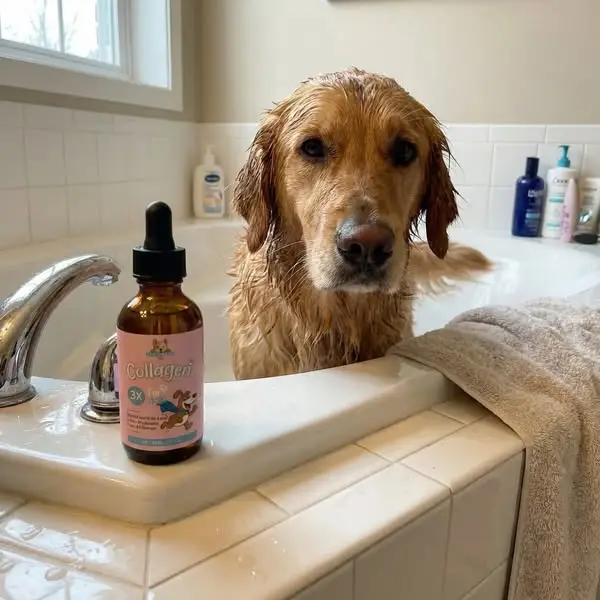
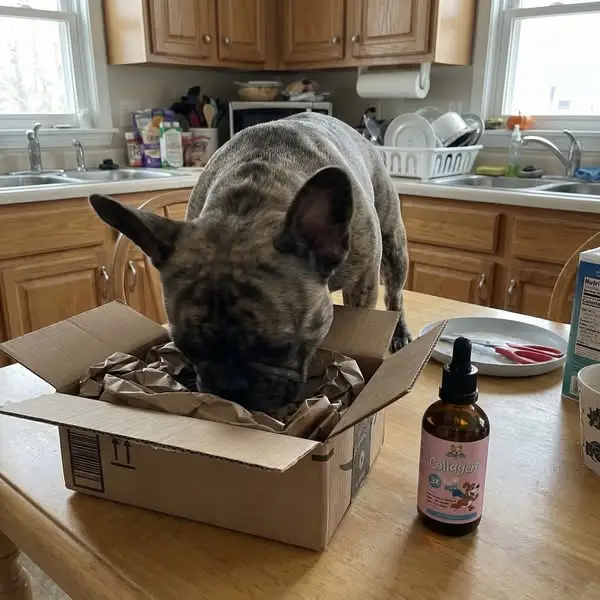
I called Healthy Petz to complain. "Your collagen doesn't work," I said. "I've been giving it to my dog for four months and he's worse than ever." The woman on the phone was quiet for a moment. Then she asked: "Where did you purchase it?" "Amazon. Why?" Another pause. "Ma'am, we don't sell on Amazon. We never have." My stomach dropped. "What do you mean? The bottle says Healthy Petz right on it." "I understand. But we have no authorized Amazon sellers. Any Healthy Petz listing on Amazon is counterfeit. We can't verify what's in those bottles." I was holding the bottle in my hand. Staring at it. Four months. Every single day. $127 total. And it wasn't even real. "How is that possible?" I asked. "It has thousands of reviews." "Anyone can sell anything on Amazon under any name. There's no verification process for supplements. No testing required. These sellers buy cheap collagen — usually only Type I, not properly hydrolyzed — put it in bottles with our label, and sell it as ours." "But... it looks exactly like your product." "The bottles are similar. But the contents aren't. We third-party test every batch. We use all three collagen types. We hydrolyze to under 3,000 Daltons for absorption. We have Certificates of Analysis." "And the Amazon version?" "We have no idea what's in it. Neither do you. Neither does Amazon." I sat down. My dog Max had been suffering for four months. Scratching. Hot spots. Ear infections. Getting worse every week. And I'd been giving him something I couldn't verify was real. Something a stranger on the internet put in a bottle that looked legitimate. I felt sick. "I'm so sorry this happened," she said. "We report these listings constantly, but Amazon takes months to remove them. By then the sellers have made their money and disappeared. Then a new listing pops up under a different seller name." "So what do I do now?" "Order from our website directly. That's the only way to guarantee you're getting the real product. We ship within 48 hours. Every bottle has a lot number you can verify. And we have a 60-day guarantee." I ordered that night. When the real bottle arrived, I held it next to the Amazon bottle. They looked almost identical. Almost. The real bottle was amber glass. The Amazon one was plastic made to look like amber glass. The real label had a QR code linking to the Certificate of Analysis. The Amazon one had a fake QR code that went nowhere. The real bottle had a lot number. The Amazon one had a random string of numbers that didn't match any batch. Four months. Four months of fake collagen. I started Max on the real Healthy Petz that week. Week 1: He slept through the night. First time in months. Week 2: Scratching reduced dramatically. Week 3: Hot spots started healing. Week 4: Wife said "What's going on with Max? He seems so much better." Week 6: Ears cleared up. Coat getting shinier. Week 8: No scratching. No hot spots. Vet said his skin looked healthier than she'd ever seen it. Four months on the fake: Got progressively worse. Eight weeks on the real: Complete transformation. I called Healthy Petz back. "I wanted to thank you," I said. "And apologize for blaming you when it wasn't your product." "Please don't apologize. This happens every single day. We get calls like yours constantly. People think they've tried our product when they've actually tried a counterfeit. They give up on collagen entirely. And their dogs keep suffering." That's why I'm writing this. If you bought Healthy Petz from Amazon — you didn't buy Healthy Petz. You bought something a third-party seller put in a similar-looking bottle. You have no idea what's in it. Neither do they. Healthy Petz does not sell on Amazon. Ever. Any listing is fake. If you've been using Amazon collagen and seeing no results, don't assume collagen doesn't work. Assume the product is counterfeit. Order the real thing: shophealthypetz.com/products/liquidcollagen That's the only place to get it. Directly from them. 60-day money back guarantee. Third-party tested every batch. Certificate of Analysis with every order. I wasted four months and $127 on fake collagen from Amazon. Max wasted four months of comfort. Don't make the same mistake. — Martha R. P.S. I asked them why they don't sell on Amazon. "Because we can't control the supply chain. We can't guarantee storage conditions. We can't verify every bottle. Our reputation depends on quality, not convenience. We'd rather you wait a few extra days for shipping than risk getting a counterfeit." P.P.S. Check your bottle. Real Healthy Petz is amber glass with a verifiable QR code and lot number. If yours is plastic or the QR code doesn't work — you have a counterfeit.

Loading the ad's image
Martha Rodgers — I bought Healthy Petz from Amazon. Turns out I didn't.
Winning

The Amazon listing looked identical. The bottle was fake.

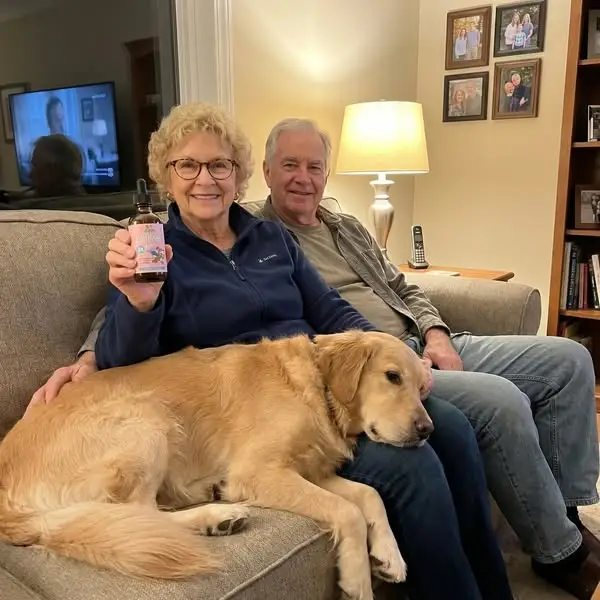
I ordered Healthy Petz from Amazon for 4 months. The whole time, I wasn't buying Healthy Petz. I'm Martha Rodgers. My dog Bailey is my whole world. She'd been suffering for about a year — scratching constantly, waking us up at night, hot spots that wouldn't heal, ear infections every few weeks, chewing her paws raw. My vet said it was probably "just allergies." Gave us Apoquel. It worked for a few months, then stopped. I'd been reading about collagen deficiency. How dogs lose 7-10% of their skin collagen every year after age 2. How that's why allergies get worse as they age. How rebuilding the barrier is the only way to actually fix it. It made sense. So I went to Amazon, searched "Healthy Petz collagen," found a listing, hit Buy Now. Felt good about it. Like I was finally doing something right. Gave it to Bailey every single day for four months. She didn't improve. Not even a little. I figured either collagen supplementation was overhyped, or Bailey's allergies were just too severe for anything to help. Then I joined a Facebook group for dog allergy sufferers. Someone posted a photo of their Healthy Petz bottle and mentioned they'd ordered directly from the website. I scrolled past it. Then something made me scroll back. Her bottle looked different from mine. I went to my cabinet and held my bottle next to her photo on my phone. Same brand name. Completely different design. Her bottle: amber glass, clean minimal label, simple logo. My bottle: white plastic, busier label, different font, slightly different color scheme. I went to their actual website for the first time. The bottle on their website looked nothing like what was sitting in my cabinet. My stomach dropped. I went back to Amazon and looked at the listing properly for the first time. Sold by: "PremiumPetSupplements." Not Healthy Petz. Not even affiliated. I called Healthy Petz customer service. The woman who answered didn't seem surprised. "We've never sold on Amazon," she said. "We don't have any authorized Amazon sellers. Any listing you see there — we can't vouch for what's in those bottles." Four months. Every single day. I'd been giving Bailey something I couldn't verify was real. I didn't know the actual collagen content. I didn't know if it had all three types. I didn't know if it was hydrolyzed properly. I didn't know if it had fillers blocking absorption. I didn't know how it was stored or for how long. The real Healthy Petz is third-party lab tested every batch. All three collagen types. Hydrolyzed under 3,000 Daltons. 90-98% bioavailability. Certificate of Analysis available on request. Whatever I'd been buying had none of that documentation. Here's what I don't know: Whether the Amazon product had any real collagen in it at all. Whether it was the right types. Whether it was properly hydrolyzed. Whether it had fillers that blocked absorption. Whether it was degraded from improper storage. Here's what I do know: Bailey didn't improve for four months on the Amazon product. I ordered the real thing directly from their website. Here's what happened: Week 1: Bailey was still scratching, but she wasn't waking us up at night anymore. Week 2: Scratching reduced by about half. No new hot spots. Week 3: The existing hot spots started healing. She stopped chewing her paws. Week 4: My husband asked what I'd changed. He'd noticed before I even pointed it out. Week 6: Her ears cleared up. First time in months without an infection. Her vet said her skin looked "remarkably healthy" for a dog with her allergy history. After four months of nothing on the Amazon product. I don't know if the Amazon bottle had zero collagen in it, or degraded collagen, or the wrong types entirely. I don't know if Bailey would have responded to real collagen from the start. But she didn't respond to whatever I was giving her. And she did respond to the real thing. Make of that what you will. If you've been buying Healthy Petz from Amazon — check your bottle. Healthy Petz doesn't sell on Amazon. They never have. Every listing you see is fake. The authentic bottle is amber glass. Clean, minimal label. Simple logo. If your bottle is white plastic, or the label looks busier than it should, or it came from a third-party seller — you do not have the real product. Order direct: shophealthypetz.com/products/liquidcollagen Subscribe & Save takes 20% off and ships automatically. I set it up so I never have to think about it. Because I spent four months not thinking about it and giving my dog something I couldn't verify was real. I'm not making that mistake again. P.S. I genuinely don't know if the Amazon product was a complete fake or just an underdosed knockoff with the wrong collagen types. I never had it tested. What I do know is that Healthy Petz ships with a Certificate of Analysis from an independent lab, and whatever was in that Amazon bottle did not come with one. For a supplement you're giving your dog every day for their skin barrier, that matters. P.P.S. If your dog hasn't responded to collagen supplementation, before assuming collagen doesn't work — check where you bought it. That would have saved me four months.

Loading the ad's image
Martha Rodgers — The Amazon listing looked identical. The bottle was fake.
Winning

I gave my dog collagen for 6 months. She kept getting worse.

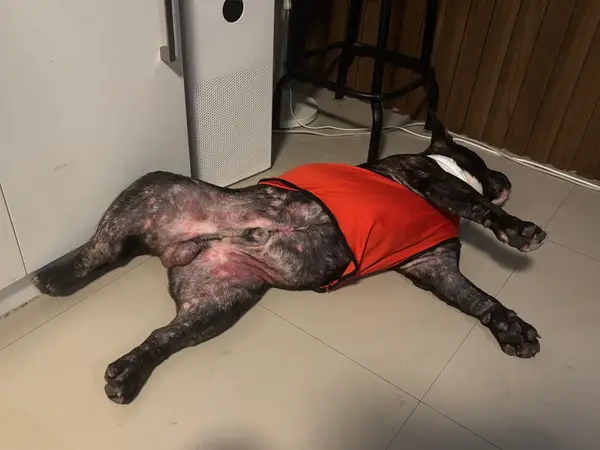
COLLAGEN IS A SCAM!! At least that's what I thought after giving my dog collagen every single day for six months and watching her allergies get worse anyway. Turns out collagen isn't a scam. But the Amazon collagen I used for three months? Counterfeit garbage with the wrong collagen types that my dog's body couldn't absorb. And the Chewy collagen I switched to for the next three months? "Legitimate" but with such terrible bioavailability it passed straight through her system without reaching her skin. Six months. Every single day. $3,800 in vet bills. And she was still scratching herself bloody. My name is Martha Rodgers. I live in Austin with my husband. We have a dog named Rosie. She's my whole world. The sweetest, most gentle dog you'd ever meet. About two years ago, she started scratching. Not every day at first. Maybe a few times a week. Then it got worse. By month three, she was scratching constantly. Waking us up at night. Hot spots spreading. Ears always infected. Chewing her paws until they bled. I took her to the vet. They said allergies. Gave us Apoquel. It worked for a few months. Then stopped. Cytopoint injections. $80 every four weeks. Helped a little. Then stopped helping too. I started researching. Found articles about collagen deficiency. How dogs lose 7-10% of their skin collagen every year after age 2. How that's why allergies get worse as they age. How the skin barrier breaks down and lets every allergen through. It all made sense. So I went to Amazon—where I could get it fast with Prime shipping—and searched for collagen supplements for dogs. Found one with great reviews. Over 4,000 five-star ratings. "Supports skin and coat health." "Premium collagen for dogs." $34. I ordered it. Started giving it to Rosie every single day. Mixed into her food. Just like the label said. The first few weeks, nothing changed. She was still scratching. Still getting hot spots. By month three, she was getting worse. I thought maybe I'd ordered a bad batch. Or maybe Amazon collagen wasn't the right brand. So I switched. I went to Chewy—where I'd been buying Rosie's food for years—and ordered their collagen supplement. Better reviews. "Veterinarian formulated." $38 for a 2-month supply. I figured Chewy was more reliable than Amazon. More legitimate. Started giving Rosie the Chewy collagen. Every single day. Month four on collagen (one month on Chewy's version): Still scratching. Hot spots spreading to new areas. Month five: Ears constantly infected. Vet put her on antibiotics again. Month six: Scratching so bad she had bald patches. Skin raw and bleeding in spots. I took her back to the vet. "But she's been on collagen for six months," I said. "I've been giving it to her every day. Isn't collagen supposed to rebuild the skin barrier?" The vet looked at me. "Collagen can help, but some dogs just have severe allergies. We might need to try immunotherapy." More medications. More expensive treatments. More bills. I did everything he said. Rosie kept getting worse. I was ready to give up. Then, about a week later, I saw a post in a dog allergy Facebook group. Someone mentioned they'd been using collagen from Amazon but their dog wasn't improving. Someone else replied: "Amazon collagen is garbage. Most of it only has Type I collagen—dogs need Types I, II, AND III to rebuild the skin barrier. And it's not hydrolyzed properly so it doesn't absorb." I didn't even know that was a thing. But I started researching. And my stomach dropped. Most collagen supplements only contain Type I collagen. Dogs need all three types—I, II, and III—to actually repair the skin barrier. And even if they have all three types, the molecules are usually too large to absorb. Over 100,000 Daltons. They pass straight through the digestive system without ever reaching the skin. I looked at the Amazon bottle I'd used for the first three months. "Premium collagen for dogs." Sold by a third-party seller. Not a verified brand. No Certificate of Analysis. No third-party testing. No information about collagen types or molecular weight. I'd given Rosie collagen that probably had only one type—and molecules too large to absorb—for three months. I felt sick. A few days later, still scrolling through that same Facebook group, I saw another post. This one was from a veterinary dermatologist. She'd posted about collagen deficiency in dogs and how most supplements don't actually work. She mentioned one brand specifically: Healthy Petz. Said it was the only one she trusted after testing multiple brands in an independent lab. I found their website. Read everything. Third-party lab testing. All three collagen types. Hydrolyzed under 3,000 Daltons. 90-98% bioavailability. Certificates of Analysis. And then I saw a phone number. I called. A woman answered. I told her everything. About Rosie. About the six months of collagen. About trying Amazon first, then switching to Chewy. About the allergies getting worse. About being ready to give up. I was crying by the end of it. "I don't understand," I said. "I gave her collagen every single day for six months. Why isn't her skin barrier rebuilding? Why is she still scratching?" The woman was quiet for a moment. "I'm so sorry you've been through this. That must be incredibly frustrating." She paused. "Can I ask—you mentioned Chewy. Do you know what types of collagen were in that supplement?" "I don't know. It just said collagen." "Okay. I need to tell you something, and I'm not saying this to make you feel worse—I just want you to understand what probably happened. Most collagen supplements—including the popular ones on Chewy—only contain Type I collagen. But dogs need Types I, II, AND III to actually rebuild the skin barrier. Type I alone isn't enough. It's like trying to build a house with only one type of material." "But... the label said it supports skin health—" "I know. And it might contain some collagen. But if it's missing two of the three types your dog needs, her barrier can't fully rebuild. Allergens keep getting through. The scratching continues." I couldn't breathe. "So even though I gave her collagen every single day for six months..." "Her skin barrier probably wasn't rebuilding properly. The Amazon product was likely underdosed with only one collagen type. And even if the Chewy product had all three types, most aren't hydrolyzed properly—the molecules are too large to absorb. They pass straight through." "But why don't they put that on the label? Why doesn't it say anything about collagen types or absorption?" "Because there's no requirement to. As long as they can say 'collagen' on the label, they can sell it. Most people don't even know to ask about types or bioavailability." I asked her about what Rosie actually needed. "She needs all three collagen types—I, II, and III. And it needs to be hydrolyzed to under 3,000 Daltons so it actually absorbs. That's why we make it in liquid form—no heat processing that destroys the peptides, and 90-98% bioavailability instead of 10-20%." We talked for almost 20 minutes. She didn't push me to buy anything. She just listened. And explained. How most collagen supplements are heat-processed, which destroys the peptides before your dog even eats them. How Healthy Petz uses cold-processing to keep the collagen intact. How it's not just about what's on the label—it's about what actually reaches the skin. "The milligrams don't matter if the bioavailability is terrible. That's what most people don't understand. And that's why dogs on Amazon collagen or Chewy collagen don't improve. The product isn't reaching where it needs to go." After we hung up, I sat there for a long time. Rosie had been on collagen for six months. Three months of Amazon collagen that was probably underdosed with only one type. Three months of Chewy collagen that probably wasn't hydrolyzed properly. Six months of me thinking I was doing the right thing. Six months of her skin barrier starving while I thought I was feeding it. I ordered Healthy Petz that night. Here's what happened: Week 1: Rosie was still scratching, but she slept through the night for the first time in months. Week 2: Scratching reduced by about half. No new hot spots. Week 3: The existing hot spots started healing. She stopped chewing her paws. Week 4: My husband asked what I'd changed. He'd noticed before I even pointed it out. Week 6: Her ears cleared up. Her coat was getting shinier. The bald patches were growing back. Week 8: I realized I couldn't remember the last time I heard her scratch. After six months of nothing on Amazon and Chewy collagen. Eight weeks on the real thing. I'm writing this because I see so many of you doing what I did. Ordering collagen from Amazon because it's cheap and ships fast. Ordering from Chewy because you trust the brand. Looking at the label. Reading the reviews. Thinking you're covered. But labels don't tell you about collagen types. Labels don't tell you about molecular weight. Labels don't tell you about bioavailability. Your dog can be getting collagen every single day that their body only absorbs 10-20% of. Which means their skin barrier is still broken. Allergens are still flooding through. The immune system is still in overdrive. And you think you're fixing it because you're giving them collagen every day. But you're not. You're giving them a form of collagen their body can't use. I gave Rosie collagen for six months. First from Amazon—probably underdosed with only one collagen type. Then from Chewy—legitimate but with such low bioavailability it never reached her skin. She kept scratching. Kept getting worse. Because neither supplement was actually working. Don't make my mistake. If you're going to supplement collagen, don't buy it from Amazon. Third-party sellers are sourcing the cheapest collagen they can find. Wrong types. Not hydrolyzed. Fillers that block absorption. It's not designed to actually work. It's designed to be cheap and get good reviews from people who don't know any better. And don't assume Chewy collagen is good enough just because it's from a legitimate retailer. If it only has one collagen type, or it's not properly hydrolyzed, or the bioavailability is only 10-20%, your dog is absorbing almost nothing. It passes straight through. Use liquid collagen with all three types—I, II, and III. Use collagen that's hydrolyzed under 3,000 Daltons so it actually absorbs. Use collagen that actually reaches the skin instead of passing straight through. Rosie is finally comfortable. After two years of scratching. After six months of useless supplements. After thousands of dollars in vet bills. Eight weeks on the real thing and she's a different dog. If your dog has allergies and you're supplementing collagen from Amazon or Chewy without results—please consider this: What if it only has one collagen type instead of three? What if the bioavailability is so low it's passing straight through without being absorbed? What if six months from now, you're sitting where I was sitting, wondering why the collagen didn't work? Get liquid collagen with all three types and 90-98% bioavailability—not Amazon garbage or low-absorption Chewy brands: shophealthypetz.com/products/liquidcollagen Because Rosie deserved collagen that actually worked. And so does your dog. P.S. Amazon collagen is usually underdosed with only Type I—dogs need Types I, II, AND III. Chewy collagen is legitimate but most brands have terrible bioavailability—it passes straight through without being absorbed. Rosie was on both for six months and kept getting worse. Eight weeks on Healthy Petz and she stopped scratching completely. P.P.S. If your dog is on Amazon or Chewy collagen and not improving, it's not that collagen doesn't work—it's that wrong-type collagen and low-bioavailability formulas don't reach your dog's skin. I learned this after six months of watching Rosie suffer. Don't wait that long to find out.

Loading the ad's image
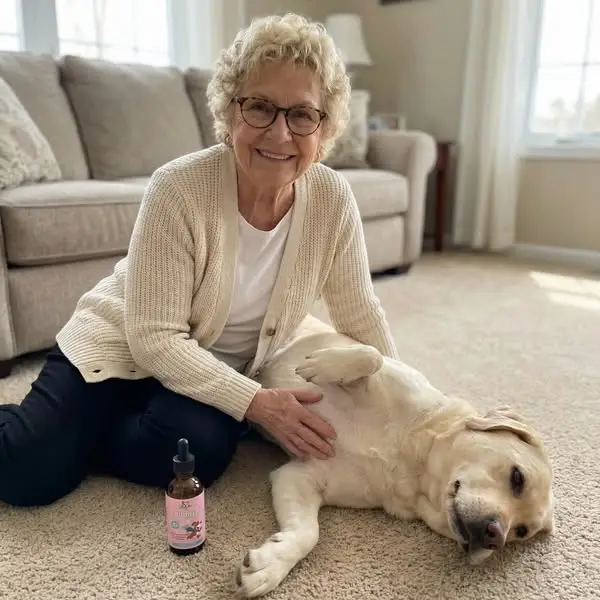
Martha Rodgers — I gave my dog collagen for 6 months. She kept getting worse.
Winning

Don't make the same mistake I almost did.

Healthy Petz is a "SCAM" At least, that's what I thought when I clicked "order" and saw the shipping would take 5-8 days. Turns out I was completely wrong. And my husband who called it "internet nonsense" now won't let me run out. I'm Martha Rodgers. I'm 58. And three months ago I almost let skepticism kill our dog. My dog Max was fading. Scratching constantly. Couldn't sleep through the night. Hot spots that wouldn't heal no matter what we tried. I found an article about collagen deficiency at 2:47am. How dogs lose 7-10% of their skin collagen every year after age 2. How that's why allergies get worse as they age. How the skin barrier breaks down and lets every allergen through. The symptoms matched Max exactly. Showed it to my husband Tom at breakfast. "Another miracle cure from the internet? Remember the coconut oil thing? The apple cider vinegar? Just leave the dog alone, Martha." He was talking about 2003. An MLM vitamin scam. Twenty years later and he still brings it up. I felt stupid. Put my phone down. Didn't order anything. Two weeks later, I found Max lying in the corner of the kitchen. Not eating. Just lying there on the cold tile. Scratched himself so raw he'd given up. Didn't have the energy to walk to his bed. I sat on the kitchen floor and cried. That night, after Tom fell asleep, I ordered Healthy Petz Liquid Collagen on my phone. Under the covers like a teenager. Then I saw the shipping estimate. 5-8 business days due to high demand. My stomach dropped. This is it. This is the scam. They make you wait forever and by the time it arrives you've forgotten you ordered it. I almost cancelled right there. But Max was on the kitchen floor that morning. What choice did I have? Those 8 days felt like torture. Checked tracking obsessively. Morning. Afternoon. Night. Tom noticed. "What are you watching for?" "Nothing. Just... expecting a package." He gave me that look. Here we go again. Day 8: Package finally arrived. I hid it in the pantry behind the cereal boxes. Started mixing a few drops into Max's food every morning before Tom woke up. The liquid looked like... liquid. Nothing special. $29 for this. Tom was right. I got scammed. Day 3: He seemed slightly less itchy. Maybe. Day 6: Slept through the night. First time in months. Day 9: His hot spots were starting to scab over. Not spreading anymore. Day 12: He wasn't scratching after breakfast. Just... lying there. Calm. I almost dropped my coffee. Day 15: Tom was watching TV. Max jumped up on the couch. Curled up next to him. Didn't scratch once the entire evening. He stared at him. "Did Max just sit there for an hour without scratching?" "Yeah." "He hasn't done that in a year." Day 19: Tom walked in while I was mixing the drops into Max's food. "What's that?" "Collagen supplement." Pause. "The stuff from that Facebook article?" "Yep." I waited for the lecture. Instead, he watched Max eat. Max looked up at him, tail wagging. Something he hadn't done in months. He didn't say anything. Just nodded and walked away. Day 23. Evening. "Martha. Come look at this." Max was on his bed. Not scratching. Not licking his paws. Just sleeping. Peacefully. His coat was shinier. The hot spots were almost completely healed. Tom was quiet for a minute. Then: "Whatever's in that bottle... don't ever let us run out." Not "you were right." Just: "Don't ever let us run out." Now Tom reminds ME to reorder. "Did you check if we're running low?" "Order an extra one. I don't want to wait 8 days again." The man who called it "internet nonsense" now texts from work: "Do we have enough collagen for Max?" So yes. I thought Healthy Petz was a scam. The 5-8 day wait felt like a scam. The $25 price felt too cheap to actually work. I was completely wrong. You want to know what the actual scam is? The $150/month Apoquel that stopped working after six months. The $80 Cytopoint injections every four weeks that barely helped. The vet saying "some dogs just have allergies" instead of explaining why his skin barrier was broken. The Amazon collagen I tried first that was 67% underdosed with fillers that blocked absorption. That was the scam. Here's what I learned: Collagen deficiency is real. Dogs lose 7-10% of their skin collagen every year after age 2. By age 5, nearly half their barrier is gone. Microscopic cracks everywhere. Every allergen — grass, pollen, dust — gets through. The immune system goes crazy. That's the scratching. The hot spots. The ear infections. Apoquel and Cytopoint suppress the immune response. But the barrier is still broken. You're turning off the smoke alarm while the house is still on fire. You have to rebuild the barrier. And the barrier is made of collagen. But most collagen supplements are garbage. Wrong form. Not hydrolyzed. 10-20% absorption. Fillers that block what little collagen is there. Healthy Petz is different. Liquid form. Cold-processed. All three collagen types — I, II, and III. Hydrolyzed under 3,000 Daltons. 90-98% absorption. Zero fillers. Third-party tested every batch. A few drops per day. Mixed into food. $29 per bottle. Less than one Cytopoint injection. I signed up for Subscribe & Save. Arrives automatically every 30 days, before I run out. 20% off. Tom made me sign up. "So we don't have to wait 8 days again if we run out." The man who called it nonsense made me get the subscription. Here's where I got it from: shophealthypetz.com/products/liquidcollagen Fair warning: it took 8 days to arrive. High demand. That wait felt like forever. But it's nothing compared to the two years I wasted watching Max suffer. P.S. I remember that 8-day wait. Checking tracking. Feeling stupid. Convinced I'd been scammed. Now Tom won't let us run out. P.P.S. Max sleeps through the night now. Every night. No scratching. No hot spots. No chewing his paws. For two years I thought we'd lost that forever. We didn't. His skin barrier was broken. And I almost let my husband's skepticism stop me from fixing it. Don't make the same mistake.

Loading the ad's image
Martha Rodgers — Don't make the same mistake I almost did.
Winning

Read This Before Your Next Vet Bill

I need to say something that's going to make a lot of people in this group uncomfortable and I really don't care anymore. Your vet is not going to fix your dog's allergies. Not with apoquel. Not with cytopoint. Not with prescription food. Not with the elimination diet they want you to try for 12 weeks. NONE OF IT FIXES THIS. I know because my dog was on all of it. For four years. And by year four she couldn't walk across the living room without stopping to scratch. Her belly was black. Her paws were raw. Her ears smelled so bad my kids wouldn't sit near her. Four years. Over $20,000. And she was worse than the day we started. And the thing that makes me want to put my fist through a wall? The thing that actually fixed it cost $17. And not one person in four years told me it existed. My name is Martha Rodgers. I'm 76. I live outside Charlotte with my husband Tom, our two kids, and our two Labs. Molly is 9. Chocolate Lab. My firstborn before my actual firstborns. I got her the year Tom and I got married. She's been there for everything. Bear is 3. Black Lab. Got him as a puppy two years ago because the kids wanted their own dog. Molly's allergies started when she was about 3. It was so subtle at first I didn't even register it as a problem. She'd shake her head after walks. Scratch behind her ears at night. Lick her front paws while she watched TV with us. I mentioned it to the vet at her annual checkup. "Seasonal allergies. Pretty normal for Labs. We can try Benadryl." So we tried Benadryl. Twice a day for three months. Did absolutely nothing. Went back. Vet said "let's try apoquel." $130 a month. And honestly? It was incredible. Within 48 hours Molly was a different dog. No scratching. No head shaking. No paw licking. She was running around the yard like she was 2 again. I remember telling Tom "why didn't we do this a year ago?" That was the best 6 months we had with Molly in years. And then. Slowly. Quietly. It started slipping. The paw licking came back first. Just in the evenings. Then all day. Then through the night. I could hear it from our bedroom. Lick lick lick lick lick. That wet sound. For hours. Then the ears. Brown discharge. Smell. She'd scratch her ear against the corner of the couch so hard the whole couch would move. Then the hot spots. Her neck first. Then her hip. Oozing. Crusting. Opening back up. I called the vet. "The apoquel might need a dose adjustment." Increased the dose. Helped for maybe a month. Then everything crept back. "Let's add cytopoint." $220 every 5 weeks. Because every 6 weeks wasn't holding. Now I was spending $430 a month. And Molly was STILL scratching. Still licking. Still infected. Still miserable. My vet added prescription food. Hill's z/d. $95 a bag. Bag lasted about 3 weeks. Total monthly spend: $530. For a dog who was still uncomfortable every single day. My husband started making comments. Not mean ones. Just... honest ones. "Babe, that's more than our car payment." "How long are we going to keep doing this?" "Is this really working?" I didn't have answers. Because deep down I knew it wasn't working. I just didn't know what else to do. I tried everything the internet told me to try. Limited ingredient diets. Four of them. $400 in food over three months. No change. Probiotic chews. $38 a month. For six months. $228. Molly loved them. Her skin didn't notice. Fish oil capsules. Coconut oil on her food. Apple cider vinegar in her water. Oatmeal baths every Sunday. Medicated shampoo twice a week. None of it. None of it made any lasting difference. I was spending my Sundays bathing a 70-pound Lab in the tub, blow drying her while she stood there looking at me with those tired brown eyes, knowing that by Wednesday she'd smell like yeast again and the scratching would be right back where it was. Year 3 was bad. Year 4 was worse. Molly's coat thinned out so much I could see her skin from across the room. The dark patches on her belly spread from a small area to almost her entire underside. Black leathery skin where there used to be soft pink. The hot spots stopped cycling and started overlapping. She'd have two or three open at the same time. I was doing wound care on my dog every morning before I made my kids' lunches. She stopped jumping on the bed. Stopped meeting us at the door. Stopped wagging when the kids came home from school. My daughter — she's 11 — came to me one night crying. "Mom, is Molly going to die?" She wasn't dying. But she wasn't living either. She was just... existing. Between medications and infections and scratching and exhaustion. And I was $20,000 into it with nothing to show for it except a dog who looked worse than she did the day we started treatment. I started googling "when to consider quality of life for a dog with chronic allergies." I'm not proud of that either. Then Bear started scratching. He was 2. Almost exactly the same age Molly was when hers began. Behind the ears first. Then the paws. I recognized it like a song I'd heard before. Every note in the right order. And something inside me snapped. Not sadness this time. Rage. I was NOT going to spend another $20,000 on another dog while watching the same thing happen all over again. I was NOT going to do wound care on two dogs every morning. I was NOT going to explain to my daughter why Bear was losing his fur too. I needed to know WHY. Not what to try next. WHY. Why did the apoquel work then stop? Why did every food change fail? Why did the probiotics do nothing? Why did it get worse every year regardless of what we threw at it? Why was Bear starting at the exact same age Molly did? I stayed up until 3 AM every night for two weeks. Tom thought I was losing it. Maybe I was. Reddit threads. Veterinary dermatology papers. Facebook groups. Anything I could find. And then I found it. A post from someone who'd taken her dog to a holistic vet. The holistic vet had explained something that made this woman's entire history with her dog's allergies make sense. I read it three times. Then I read it again. And I sat in my kitchen at 2:30 AM and whispered "oh my god" because I finally understood what had been happening to Molly for four years. Dogs lose collagen from their skin barrier after age 2. The barrier is a wall. Collagen types I and III. It keeps allergens on the outside. Pollen. Dust. Grass. Mold. The barrier keeps all of it on the surface where it causes zero problems. After age 2 the wall starts breaking down. The body loses collagen faster than it replaces it. Gaps form. Every year there are more gaps. Every year the wall is thinner. Allergens that used to bounce off now pass through the gaps into the tissue. The immune system detects invaders in tissue and attacks. That attack is the scratching. The ears. The paws. The hot spots. The belly. The yeast. All of it. One wall failing everywhere. And here's what made me want to scream: Apoquel suppresses the immune attack. That's it. It does not rebuild the wall. So the wall keeps getting thinner while the apoquel masks what's coming through. More gaps every month. More allergens flooding in. More for the medication to suppress. That's why it works for 6 months then fades. The wall is collapsing faster than the medication can keep up. The medication will ALWAYS lose that race because the wall never stops breaking down. Increase the dose. Add cytopoint. Add prescription food. Stack more and more on top. The wall keeps collapsing underneath all of it. And then the part that made me physically sick: Long-term immune suppression from medications like apoquel can actually speed up the barrier breakdown. The immune system maintains and repairs tissue — including the skin barrier. Suppress it for years and the maintenance stops. The wall falls apart faster. So the $530 a month I'd been spending for four years wasn't just failing to fix Molly. It might have been making her worse the entire time. $20,000. Four years. And the thing I was paying for may have been accelerating the destruction of the thing I was trying to protect. I found a holistic vet two days later. Drove over an hour. She was the first vet in four years who didn't hand me a prescription. She confirmed everything. The barrier. The collagen. The gaps. The medication race. The acceleration. She said the barrier needs collagen to rebuild. The actual protein the wall is made of. Liquid form. 98% absorption. All three types — I, II, and III. She said chews and powders absorb at 20-30% because stomach acid destroys most of it before it reaches the skin. She said she tested 6 collagen supplements. Sent all 6 to an independent lab. 5 failed — wrong types, underdosed, fillers, one was contaminated. Only one passed every test. She wrote the name on the back of her prescription pad. She doesn't sell it. Doesn't profit from it. $30 a bottle. I got the multipack and it came out to about $17 a bottle. I started Molly and Bear the next morning. One serving on food alongside everything else. She told me not to stop any medications. Just add the collagen and let the barrier rebuild underneath. For Molly — the dog who'd been suffering for 4 years: Week 3: The scratching at night decreased. The licking sessions got shorter. The collar jingling was softer. Week 5: She slept through the night. First time in over 3 years. Week 7: Ears clean. No brown gunk. No yeast smell. I checked them every morning out of habit. Clean every time. Week 10: Paw chewing stopped. The rust stains started growing out. New fur coming in from the nail bed. Month 3: Tapered apoquel with my vet. Extended cytopoint. She was better on less medication than she'd been on more. Month 4: Molly was on one serving of collagen on her food. Nothing else. $17 a month. Coat thick. Belly lightening. Hot spots gone. Playing again. Meeting us at the door again. Wagging when my daughter comes home from school. For Bear — the dog who was just starting: Week 3: Scratching behind his ears stopped completely. Month 2: Nothing developed. No ears. No paws. No belly. No cascade. His barrier was being rebuilt before it could break down. He never went on apoquel. Never needed cytopoint. Never cost me $530 a month. $17 a month. Before the nightmare. $20,000 on Molly over 4 years. $68 on collagen over 4 months. The $68 did what the $20,000 couldn't. The product is Healthy Petz liquid collagen. All three types. Liquid. 98% absorption. Independently tested. shophealthypetz.com/products/liquidcollagen $30 a bottle. Multipack brings it to about $17 a bottle. Spring sale running right now. 60-day money-back guarantee. Start it alongside whatever your dog is on. Don't stop anything. Just add one serving on food. The barrier rebuilds underneath. 4-8 weeks. You'll hear it before you see it. The silence at night when the scratching stops. That silence is what $17 a month sounds like. I wish I'd heard it four years and $20,000 ago. — Martha Rodgers, 76 EDIT: Please buy directly from their website. I've seen people buy collagen on Amazon and get nothing — the holistic vet tested 6 brands and 5 failed. The one she recommends is only sold here: shophealthypetz.com/products/liquidcollagen P.S. $530/month for 4 years on medications that suppressed the reaction and possibly made the barrier worse. $17/month on collagen that rebuilds the barrier. The barrier was the problem the entire time. Nobody treated the barrier because there's no recurring revenue in fixing it. There's recurring revenue in apoquel refills and cytopoint injections forever. That's the business model. $17/month that fixes the cause isn't a business model the pharmaceutical industry wants you to know about. P.P.S. If your dog is under 3 and just starting to scratch — start collagen now. Before the ears. Before the paws. Before the hot spots. Before the first apoquel prescription. Before the first $530 month. Bear is proof. Same breed as Molly. Same household. One got collagen early. One didn't. The difference is $20,000 and four years of suffering. Start now: shophealthypetz.com/products/liquidcollagen

Loading the ad's image
Martha Rodgers — Read This Before Your Next Vet Bill
Winning

$400/Month And Nobody Could Tell Me Why

My vet said if I didn't continue the apoquel protocol, she'd document it in my dog's chart as "owner declined recommended treatment." I had ten minutes with her. She'd never met my dog before. Dr. Patterson's retirement letter came on a Wednesday. Standard form letter. "After 22 years of practice, I'm stepping away effective March 1st. Your pet's care will be transferred to Dr. Collins." I sat at the kitchen table staring at it. Four years. I'd been bringing Rosie to Dr. Patterson for four years for her allergies. She knew Rosie's history. Knew the allergies started at age 3 with mild scratching. Knew I'd watched my sister's dog deteriorate on long-term apoquel — the lumps, the lethargy, the infections that started appearing out of nowhere. Knew I couldn't hear the word "immune suppressant" without my chest tightening. She'd always worked with me. "Let's stay the course, Martha. We'll keep the apoquel at the current dose. Add the cytopoint when it flares. Monitor the ears. You're doing the right things." I believed her. I needed to believe her. She'd been watching Rosie get worse. Mild scratching in 2021. Constant scratching by 2022. Hot spots, ear infections, paw chewing by 2023. Belly darkening by 2024. Every visit, same conversation. "We'll adjust the dose. Try this new ear drop. Switch to this prescription food. We're managing it." Managing it. $380 a month. Dog still scratching at 2 AM. Now she was gone. My first appointment with Dr. Collins was supposed to be routine. Refill the apoquel. Check the ears. Transfer the records. In and out. I sat in the exam room. Same room I'd been in for four years. Same anatomy poster of a dog's skin layers. Same faded chart about ear infection prevention. Different doctor. Dr. Collins walked in. Young. Maybe 33. Laptop in hand. Didn't smile. "Mrs. Rodgers." She opened Rosie's chart. Scrolled. Stopped scrolling. Scrolled again. Then she turned the screen toward me. "Your dog's allergy treatment history over four years. Apoquel started at standard dose in 2021. Dose increased twice — 2022 and 2023. Cytopoint added in 2022. Injection interval shortened from every 6 weeks to every 3 weeks. Prescription food added 2023. Medicated shampoo twice weekly since 2023. Monthly spend currently $380. And according to these notes the scratching severity, ear infection frequency, and skin pigmentation have all worsened since treatment began." She looked at me. "Four years of escalating treatment with progressive deterioration. Can you explain why no changes were made to the fundamental approach?" "Dr. Patterson was monitoring it. We were adjusting the doses and trying different combinations—" "Different combinations of the same approach." She said it the way you'd say something that tasted spoiled. "Your dog is objectively worse on $380 a month than she was before treatment started. Whoever told you this protocol was working was watching your dog deteriorate in slow motion." The room tilted. "She wasn't watching her deteriorate. She knew Rosie's history. She knew my concerns about long-term immune suppression. She knew what happened to my sister's dog on—" "I've read the file." Dr. Collins pulled up a prescription form. "Mrs. Rodgers, your dog's skin is severely compromised. The protocol she was on clearly isn't working. I want to increase the apoquel to the maximum dose, shorten the cytopoint interval to every two weeks, add oral antibiotics for the secondary skin infections, and start a new immunotherapy protocol. Total monthly cost will be approximately $620." "$620 a month?" "If you decline the recommended treatment adjustments, I'll need to document it in the chart as owner declining recommended care." Declining recommended care. The words hit me like a slap. Dr. Patterson. The woman who sat on the floor with Rosie when she was scared. Who called me on a Saturday to check on a hot spot. Who spent thirty minutes with me when I broke down crying after the belly darkened. Who said "you're doing everything right, Martha. Some dogs are just difficult." And now this woman — who had ten minutes with my dog — was calling that negligent. "Your hesitation will be documented." The printer hummed. She placed the revised treatment plan on the counter. $620/month. Maximum dose apoquel. Biweekly cytopoint. Oral antibiotics. Immunotherapy. She left the room. The whole appointment took ten minutes. I sat there holding the treatment plan. Hands shaking. Rosie looking up at me from the exam table, scratching her ear against my hand. Non-compliant. In the parking lot, I called my husband Tom. "How was the new vet?" "She says Dr. Patterson wasn't aggressive enough. Wants to increase everything. $620 a month. Told me if I say no it goes in Rosie's chart." Silence. Then: "Martha, we're already spending $380 and Rosie's getting worse. Now she wants $620?" "She said if I refuse, she'll document it." "Document what? That you're asking questions? That you noticed $380 isn't working and you don't want to spend $620 on more of the same?" I didn't have an answer. That night I couldn't sleep. Not because of Rosie's scratching — I was used to that by now. The collar jingling. The paw licking. The thump of her back leg against the bed frame. Background noise of failure. Four years of it. I couldn't sleep because of the question Tom asked at dinner. "What if they're both wrong?" I stared at him. "What if Dr. Patterson was too slow and Dr. Collins is too aggressive? What if they're both doing the same thing — suppress, increase, stack — and the only difference is how fast they escalate? What if neither of them is asking WHY Rosie keeps getting worse?" He was right. Dr. Patterson managed Rosie gently. Kindly. Slowly. And Rosie got worse every year. Dr. Collins wanted to manage Rosie aggressively. Higher doses. More medications. More money. But it was still the same approach — suppress the immune response. Just louder. Neither one had ever explained WHY. Why did the apoquel work for 5 months then fade? Why did every dose increase help briefly then fail? Why did the cytopoint intervals keep shortening? Why was Rosie worse at year 4 than year 1 despite continuous treatment? They had answers. "Allergies are complex." "Some dogs are difficult to manage." "We need to try a different combination." But those weren't explanations. They were admissions that the protocol was failing without understanding why. At 3 AM I went downstairs. Sat at my kitchen table. Opened my laptop. I didn't search "best allergy treatment for dogs." I didn't search "apoquel alternatives." I searched something I'd never thought to search before: "why do dog allergy medications stop working" Third result down was an article by a veterinary dermatologist. And the opening paragraph made me sit up straight. "Most chronic dog allergies aren't getting worse because the immune system is becoming more reactive. They're getting worse because the protective barrier that's supposed to keep allergens OUT is breaking down. And every medication in standard veterinary practice suppresses the downstream immune response without repairing the upstream structural failure." I read that three times. She explained that dogs have a protective barrier in their skin. A sealed wall between them and every allergen in their environment. Pollen. Dust. Grass. Bacteria. Mold. When that wall is thick and intact, everything bounces off. The immune system never sees any of it. The dog never scratches. But that wall is made of collagen. Types I and III. And after dogs stop growing — age 2 — their body produces less and less collagen every year. 7-10% loss per year. So the wall develops gaps. Allergens pour through. The immune system detects invaders in tissue and attacks. That's the scratching. The hot spots. The ear infections. The paw chewing. The belly darkening. All of it. One wall failing everywhere. And here's what made me want to throw my laptop across the room: Apoquel suppresses the immune response to those invaders. Cytopoint blocks the chemical signals that create itching. But neither one repairs the wall that's letting invaders through in the first place. So you get temporary relief while the wall continues deteriorating underneath. More gaps form. More allergens penetrate. Need stronger suppression. Higher doses. More frequent injections. More medications stacked. You're not treating allergies. You're suppressing symptoms of structural failure. The article explained why food trials sometimes help temporarily. Why probiotics do nothing for the skin. Why medicated shampoo wears off in 48 hours. Why every treatment follows the same pattern — works then fades. Everything aimed at the downstream response. Nothing aimed at the upstream structure. I sat there reading this article, and everything made sense. Why every treatment followed the same pattern. Why nothing created lasting results. Why we kept needing stronger interventions. Why Rosie was worse at year 4 than year 1. We were treating symptoms while the foundation crumbled. And then the part that made me physically sick: Long-term immune suppression from medications like apoquel can actually accelerate the barrier breakdown. The immune system doesn't just fight invaders — it maintains and repairs tissue. Including the skin barrier. Suppress it for years and the maintenance stops. The wall falls apart faster. The $380 a month I'd been paying for four years wasn't just failing to fix Rosie. It might have been making her worse the entire time. $18,000. Four years. And the medication I was paying for may have been accelerating the destruction of the structure that was causing the problem. I whispered "oh my god" at 3 AM sitting at my kitchen table in Charlotte. And for the first time in four years, the frustration I felt wasn't helpless. It was focused. The article referenced research on collagen barrier repair. The specific types needed — I, II, and III working together. The form that matters — liquid, because stomach acid destroys 70-80% of collagen in chews and powders before it reaches the barrier. 98% absorption in liquid versus 20-30% in solid form. Plus MSM for inflammation support during repair. Hyaluronic acid for barrier hydration. Vitamin C for collagen synthesis. The concept was so simple it seemed obvious in hindsight: Rebuild the wall so allergens can't get through anymore. Not suppress what comes through. Not manage the flood. Fix the wall. I found the formula the article described and ordered it that night. Healthy Petz Premium Liquid Collagen. It arrived Friday. Simple pump bottle. Dark navy label. One serving on food. I didn't tell Tom. I didn't tell my kids. I didn't tell anyone. I was too exhausted by the hope cycle to announce another attempt. Try something. Get excited. Watch it fail. Explain the failure. Start over. Not this time. This time I was going to watch in silence. I added one serving to Rosie's food Saturday morning. She licked the bowl clean. Week one: Nothing obvious. The article said the barrier takes 4-8 weeks to rebuild. Not a medication. Not suppressing the itch in 48 hours. Structural repair. I reminded myself to be patient. Week two: The constant scratching decreased. Not gone. But the sessions were shorter. Where Rosie used to scratch for 20 minutes straight — collar jingling, back leg thumping, the whole bed shaking — she'd scratch for 5 minutes and stop. I wasn't sure if I was imagining it. I wasn't imagining it. Week three: I checked her ears expecting the brown gunk that had been there every morning for over 2 years. Nothing. Pink. Clean. I checked the next morning. Clean. And the next. Clean. I stood in my kitchen holding a clean cotton ball and cried. Two years of ear cleaning every single morning. Medicated drops. Antifungal wash. $40 a month in ear products alone. And the ears just... stayed clean. Week four: Rosie slept through the night. The whole night. No collar jingling. No scratching. No paw licking. No thumping. I woke up at 4 AM in a panic because the silence woke me. I went downstairs. She was asleep on the couch. Belly up. Breathing softly. I sat on the floor next to her and put my hand on her chest. Felt her heartbeat. Steady. Calm. No distress. No discomfort. Just a dog sleeping the way dogs are supposed to sleep. Tom found me there at 5:30 AM. "What are you doing on the floor?" "She slept through the night." "What?" "She didn't scratch. Not once. The whole night." He stared at Rosie. Then at me. Then his eyes filled. "What changed?" "The wall." Week six: The paw chewing stopped. The rust-brown staining that had been on her front paws for over 2 years started growing out. New clean fur from the nail bed. I took photos every week. You could watch the barrier healing through the fur color. Week eight: Her coat was thicker. Her belly — which had gone from pink to dark gray over 4 years — was lightening. The hot spot on her neck that had been cycling every 3 weeks for 18 months healed and didn't reopen. For the first time in 18 months it stayed closed. Month three: I called Dr. Collins' office. "I'd like to taper the apoquel." "Dr. Collins strongly advises against reducing medication without—" "Tell her Rosie's ears have been clean for 10 weeks. The scratching has stopped. The hot spots have resolved. I'd like to taper under her supervision or I'll taper on my own." Pause. "Let me check with the doctor." They scheduled an appointment. Dr. Collins examined Rosie. Looked in her ears. Checked her paws. Looked at her belly. Pulled up the chart from 3 months ago. Long silence. "The skin looks... significantly improved. Ears are clear. No active hot spots. Coat quality is better than any visit in your file." "Yes." "You increased the apoquel as recommended?" "No. I didn't change any medications. I added one thing." "What?" "Liquid collagen. For the skin barrier. The structure that was breaking down underneath every medication you and Dr. Patterson prescribed for four years. The structure nobody mentioned to me. Not once. In four years and $18,000." She stared at me. "The barrier is made of collagen. It keeps allergens out. Dogs lose it after age 2. The medications suppress what comes through the gaps. Nothing in the protocol rebuilds the wall. The wall was the problem the entire time." She looked at the chart. Then at Rosie. Then at me. "We don't learn about this in vet school." "I know. I learned about it at 3 AM on my kitchen floor after your office threatened to document me as non-compliant for asking questions." She didn't say anything. "I'd like to taper the apoquel. Half dose for two weeks. Quarter dose for two weeks. Then stop." She typed something. Slowly. "I'll supervise the taper. Come back in four weeks." I tapered. Half dose. No increase in scratching. Quarter dose. Nothing. Stopped completely. No flare. Extended the cytopoint. Skipped an injection. No flare. Skipped another. Nothing. Month four: Rosie was on one serving of liquid collagen on her food. Nothing else. $380/month became a fraction of that. $620/month — Dr. Collins' recommendation — became unnecessary. Dog more comfortable than she'd been since age 3. Coat thick. Ears clean. Paws healed. Belly lightening. Playing again. Meeting me at the door again. Bringing me socks again. My daughter — she's 11 — came home from school. Rosie ran to the door. Tail wagging. Jumped up. Licked her face. My daughter looked at me. "Mom. She hasn't done that in over a year." "I know." "What happened?" "Someone finally fixed the wall." That was six months ago. Rosie is asleep at my feet right now. Belly up. Ears clean. Paws white. No hot spots. No infections. No scratching. No collar jingling at 2 AM. No $380 a month. No $620 a month. No "managing it." No "owner declined recommended care." Just a dog who is comfortable because someone finally addressed the structure instead of suppressing the symptom. Last weekend Tom and I took the kids and Rosie to the lake. She swam. Chased sticks. Rolled in the mud. Came home filthy and exhausted and slept on the couch — belly up, paws in the air — without scratching once. My daughter took a picture. Rosie covered in mud, tongue out, eyes bright. She texted it to my mother. My mother texted back: "She looks like a different dog." She is. Not because I found a miracle. Because I found a mechanism nobody told me about. And a product formulated correctly to address it. If you're reading this, you know what it feels like to be caught between two vets who can't agree. One says patience. The other says the patience was negligent. You can't go backward. You don't want to go forward with more of the same. And nobody is giving you a third option. Here's what I want you to know: Dr. Patterson made me feel safe. Dr. Collins made me feel reckless. Both of them were looking at Rosie's chart. Neither one of them gave me what my dog actually needed. I found it myself. A supplement formulated correctly. Liquid form so the collagen actually reaches the barrier. All three types. Lab tested. Independently verified. My dog went from $380/month in medications that kept fading to one serving on food that rebuilt the structure. Her skin barrier — the wall that was collapsing underneath four years of treatment — is functioning again. Allergens stay on the outside. The immune system has nothing to overreact to. Not because it's being suppressed. Because there's nothing to fight. If you feel trapped between two opinions and neither one feels right, there's a third path. Try the one thing neither vet was trained to recommend. Track your dog's symptoms honestly. Bring the results to your vet. Let the data decide. — Martha Rodgers, 76 The product is Healthy Petz Premium Liquid Collagen. shophealthypetz.com/products/liquidcollagen $30 a bottle. Multipack brings the cost down. 60-day money-back guarantee. I tried every medication, every food change, every supplement my vets recommended for four years. $18,000. Dog got worse. Then I spent $30 on the one thing that addresses the structure. Dog got better in 6 weeks. Start alongside whatever your dog is on. Don't stop any medications. One serving on food. The barrier rebuilds underneath. 4-8 weeks. You'll hear it before you see it — the silence at night when the scratching stops. That silence is what a rebuilt barrier sounds like. And it's the silence I spent four years and $18,000 trying to buy with medications that never touched the wall. P.S. Dr. Collins monitors Rosie every 8 weeks now. No medications. No escalation. No documentation of "non-compliance." Just numbers and observations that prove the barrier is holding. Results changed the conversation. They'll change yours too. shophealthypetz.com/products/liquidcollagen P.P.S. If your dog is under 3 and just starting to scratch — please hear me. You are in the best position possible right now. The barrier is beginning to thin but the cascade hasn't started. Start collagen now. Before the first apoquel prescription. Before the first dose increase. Before the first "we'll keep managing it." Before the first $380 month. Before the word "non-compliant" ever enters your dog's chart. Rosie lost 4 years because I didn't know the wall existed. You know now. Don't waste the head start. shophealthypetz.com/products/liquidcollagen P.P.P.S. Last weekend at the lake. Rosie swimming. Chasing sticks. Rolling in mud. My daughter taking pictures. My husband laughing. The dog we almost lost to a protocol that managed a collapse instead of fixing it — covered in mud, tongue out, happy. Four years and $18,000 in medications never gave us that afternoon. One serving of collagen on food did.

Loading the ad's image
Martha Rodgers — $400/Month And Nobody Could Tell Me Why
Winning

read what changed everything for us 👆

please stop adding medications to your dog's regimen. i know how that sounds. but please. before you stack one more thing — read this. because the reason you keep stacking is the reason none of them are working. i was up to four medications. plus prescription food. plus medicated shampoo every 4 days. plus omega-3s. plus probiotics. bella was 5. she'd been on this routine for 18 months. and she was still scratching. it started with apoquel. worked for 7 weeks then started fading. vet added cytopoint. worked another 5 weeks then started fading. added an antihistamine on top. small improvement. faded. added a prescription antibiotic for the secondary skin infections. helped temporarily. faded. prescription food. medicated shampoo. omega-3s. probiotics. each new addition: a few weeks of relief. then back to scratching. just on a different baseline. every vet visit was the same conversation. "let's add this." "let's increase this." "let's stack this on top." never a step back. never a "wait — why do we need this many things?" when she had her annual checkup at 18 months in, the bill was $647. JUST the medications. for one month. i sat in the car and added it up over the year. nearly $7,000. my dog was still scratching at 2 AM. i started searching that night. not "next medication for dog allergies." i searched "why are allergy medications additive." every result was the same defensive medical writing. "combination therapy can be beneficial in refractory cases." translated: when the drugs stop working we add more drugs. then i found something different. a veterinary dermatologist had written an article. board-certified. 15 years on the apoquel side of the prescription pad. she'd kept her own data on 147 of her chronic patients. what she found was every single drug she'd been prescribing was working on the same downstream symptom — the immune reaction. NONE of them were touching the upstream cause. the upstream cause is the skin barrier. made of collagen. breaks down with age. lets allergens in. triggers the immune reaction the drugs all suppress. each drug suppresses a slightly different part of the immune cascade. so when one stops working, you add another to suppress a different part. when that fades, another. when that fades, another. that's not progress. that's stacking. the barrier never gets fixed. so the immune system keeps reacting harder. so the suppression has to be harder. so the stack keeps growing. every year on the stack is another year of accelerated barrier damage. apoquel can speed up the depletion further. that's documented. it's why some dogs end up on five drugs by year three. she wrote about what actually rebuilds the barrier. what types of collagen. liquid form versus pills. the supporting nutrients. i ordered what she described. one pump a day on bella's food. week 4: i tapered the antihistamine. no change. week 6: i tapered the antibiotic. no change. week 9: i tapered the cytopoint with my vet's blessing. she didn't crash. week 14: half-dose apoquel. still calm. week 18: off apoquel entirely. sleeping through the night. it's been four months. she's on collagen and nothing else. no prescription food. no medicated shampoo. no probiotics. no antihistamines. $89 a month. one product. comfortable dog. if you're stacking — adding another drug, another shampoo, another supplement, another food — please stop. read why none of them are getting you anywhere. 👉 shophealthypetz.com/pages/vet

Loading the ad's image
Martha Rodgers — read what changed everything for us 👆
Winning

Read This Before Your Next Vet Bill

I am going to say something that nobody who owns a dog wants to hear and I do not give a f*ck if it upsets you. Switching to a different protein is not going to save your dog. Not salmon. Not duck. Not venison. Not the $90 hydrolyzed prescription formula your vet just recommended. NONE OF IT IS GOING TO WORK. I know because I tried ALL of it. Every protein. Every brand. Every prescription diet. For two years. And my dog died anyway. Nine years old. Because I spent two years treating a food allergy that was never a food allergy. And the worst part. My other dog started doing the same thing. Same scratching. Same hot spots cycling back in the same spots. Same slow decline. And I almost let it happen again because I was still listening to the same garbage advice that failed my first dog. I am done being polite about this. If your dog is scratching and you are in here asking what protein to try next you are wasting time your dog does not have. Read this entire post. Every word. Because the answer is in here and it is NOT another bag of dog food. My name is Mary Rooney. I am 43. I live in Denver with my husband James and our two dogs. Well. We used to have two dogs. Buddy was a 7-year-old Golden Retriever. Opinionated. Loud. The kind of dog who made specific different sounds depending on exactly what he wanted and had trained us both to understand all of them. Rosie is a 4-year-old Lab mix. Quieter. More cautious. Watches everything from her bed before deciding whether to participate. Two completely different dogs. But they had the same problem. They both scratched. Every single day. For Buddy it started about two years ago. He would finish his breakfast and then twenty minutes later he would be at his belly. The same spot. Again and again. With that focused intensity that looked less like grooming and more like something was burning under the skin and he could not reach it. I asked my vet about it. Try switching to a novel protein. Chicken is highly allergenic in dogs. Salmon or rabbit would be less likely to trigger a reaction. So I switched. Salmon formula. Limited ingredient. Single protein. For the first two weeks it seemed to work. Buddy scratched less. The hot spot on his belly started to close. I thought finally. Problem solved. Then the scratching came back. But this time it was different. Instead of just his belly it spread to his neck. Then behind his left ear. Then a new hot spot appeared on his lower back that had not been there before. I posted in a dog allergy group. Switched my dog to salmon formula for a food allergy. Still scratching. What am I doing wrong. Everyone had suggestions. Try rabbit instead of salmon. Maybe he is allergic to fish too. Try grain free. The grains might be triggering it. Try a different brand. That formula uses fillers. So I tried. I tried rabbit. Duck. Venison. Grain free. Limited ingredient. Hydrolyzed protein. Prescription food. I spent over $400 on different formulas in three months. Buddy still scratched. And then Rosie started doing it too. She had been fine. No scratching. No hot spots. But I had been watching her coat texture change for a few weeks. Slightly greasier than normal. The fur around her lower back sitting in separated clumps instead of lying flat. Within three weeks Rosie had her first hot spot. Same spot Buddy always got. Same cycling pattern. Clearing up then coming back three weeks later like clockwork. I was applying medicated cream every few days. Checking both dogs every morning with my phone flashlight. Listening for the collar jingling at 2 AM. I was exhausted. But more than that I was terrified. Because Buddy was getting worse. His coat started looking flat. Dull. Like the life had gone out of it. He lost his enthusiasm for walks. For meals. For the sounds that used to make him run to the door. He would just settle on his bed and look at me. Patient. Quiet. Not himself. My dog was disappearing in front of me. And I did not know why. I took him to Whitmore Animal Hospital. Has anything changed recently. I switched him to novel protein formulas about four months ago. Because he was scratching and getting hot spots. Dr. James Whitfield nodded. Sometimes it takes time to find the right protein. Let us try a hydrolyzed prescription diet. It eliminates the most common allergenic proteins entirely. $90 for a bag. I started Buddy on it that day. Week one. Still scratching. Every day. Week two. Still scratching. Week three. I called Whitmore Animal Hospital crying. The prescription food is not working. He is still scratching. The hot spots are still coming back. He is losing weight. What do I do. Bring him in. Let us run some bloodwork and a full barrier assessment. I brought him in the next day. They ran everything. The results came back three days later. Dr. Whitfield called me at work. Mary. Buddy's barrier collagen markers are significantly below what the barrier needs to maintain structural integrity at his age. He has been losing barrier collagen every year since he turned two and nothing has been replacing it in a form the barrier can actually use. I felt like the floor dropped out from under me. What. How. He has been on premium food his entire life. The food is the problem. Not because of the protein. Because of what the manufacturing process does to the collagen before it ever arrives. Every bag of dog food goes through heat processing that destroys 60 to 80 percent of the collagen before it is sealed. What is left cannot rebuild what the barrier has been losing every year since your dog turned two. Will changing the food fix it. No. The collagen has to come in cold pressed liquid form with all three types at therapeutic doses that actually survive delivery. Nothing you have been feeding him has been providing that. I went home and sat on the kitchen floor. I had been so f*cking careful. Premium food. Regular vet visits. Medicated shampoo. Every prescription they recommended. Every food switch. Every cream. And the barrier had been quietly failing underneath all of it. The whole time. Over the next three weeks Buddy got worse. The hot spots became infected. The scratching became constant. The coat continued to break down. And then one Tuesday morning Buddy did not come to the door when I came downstairs. I found him in his bed. Dr. Whitfield said the chronic inflammatory cascade from years of untreated barrier deterioration had progressed into systemic organ involvement. That the medications had been suppressing the symptoms while the actual cause kept deteriorating underneath every single dose. I held James's hand in that parking lot for forty minutes before either of us could speak. Buddy was nine years old. He should have had four more years. And the worst part. Rosie was doing the exact same thing. Hot spots cycling back every three weeks. Coat continuing to change. Scratching getting more frequent. I knew what was coming if I did not do something different. I had watched it play out for two years with Buddy. I was not going to watch it again. I spent the next two weeks obsessively researching. I joined every dog allergy Facebook group. I read every Reddit thread about chronic atopic dermatitis. I read papers on canine skin barrier function that I only partially understood. And I kept seeing the same terrifying pattern. Dog starts scratching → owner switches proteins → dog still scratches → owner tries more proteins and prescription food → nothing works → months pass → coat gets dull → dog loses enthusiasm → medication windows get shorter → doses go up → barrier fails completely → dog dies earlier than they should have. The scratching was not a food allergy. It was the first warning sign of a barrier losing collagen every year with nothing rebuilding it. And every protein switch. Every prescription food. Every medicated shampoo. Was addressing the trigger that the wall could no longer keep out. Not the wall itself. Then buried in a Reddit thread at 2 AM I found a comment that stopped me. Someone wrote. My dog scratched for three years. Tried every protein. Finally tried cold pressed liquid collagen with all three types. Scratching stopped in four weeks. Hot spots have not come back once. Cold pressed liquid collagen with all three types. I had tried collagen chews. Powders. Amazon supplements. Nothing had moved the needle. I googled why collagen supplements do not work for dogs. The answer was everywhere once I knew where to look. Heat processing destroys 60 to 80 percent of the collagen in chews and powders before they arrive. And most of them contain only type I. You cannot rebuild a skin barrier with type I alone. You need all three types working together at therapeutic doses in cold pressed liquid form that actually survives delivery. I did not understand all of the science. I just knew other people's dogs stopped scratching when they got cold pressed liquid collagen with all three types in the right form. That was enough for me. I immediately went on Amazon and bought a liquid collagen supplement. $28. Great reviews. Supports skin health. It arrived two days later. I started giving it to Rosie every day drizzled onto her food. Week one. Still scratching three to four times a day. Week two. Still scratching. Week three. Still scratching. Week four. I was sitting on the back steps watching Rosie sleep in the afternoon. She had lost another half pound. Her coat looked worse. I was watching the same f*cking thing happen all over again. My neighbor Mrs. Carol came outside. Mrs. Carol is 68. She had sent James and me flowers when Buddy died. A card that said she was sorry and that she had loved watching him run to greet us in the driveway. I had not properly talked to her since. She saw my face. She sat down next to me without asking. I told her everything. About Buddy. About the two years. About the food switches and the prescriptions and the medications and losing him. About Rosie doing the same thing. About the Amazon collagen that was not working. I showed her the bottle. Mrs. Carol took it from my hand and looked at it. Her face changed. Oh honey. This is garbage. No wonder it is not working. She sat down next to me on the steps. Can I tell you something. Something I learned in 25 years of veterinary dermatology. I nodded wiping my eyes. You were right to look at collagen. But this supplement. She held up the Amazon bottle. This is not cold pressed liquid collagen with all three types. Or at least not anywhere near the right types at the right doses in a form the barrier can actually use. What do you mean. She settled back. Let me explain what is actually happening. Your dog's skin barrier is a collagen wall. Specific types holding it together. When that wall is intact every allergen stays on the outside. Pollen. Dust. Grass. Bacteria. Mites. The immune system never encounters any of it. The dog never reacts. After age two dogs start losing collagen from that wall every single year. Seven to ten percent less every year. The barrier is supposed to replenish it from dietary sources. But here is the problem. She asked me what I had been feeding Rosie. I told her. Premium grain free. Vet recommended. Skin and coat support right on the bag. She sighed. That is the lie they tell you. Yes the big pet food companies add collagen. But here is what they do not tell you. The high heat manufacturing process they use to make commercial dog food destroys between 60 and 80 percent of the collagen before the bag is even sealed. What remains on the label. Skin and coat support. Complete and balanced. Is what they added before they processed it at a temperature that destroyed most of it. So Rosie is eating food that says collagen on the bag but. But her barrier is getting almost none of it. And then. And this is the part that makes me furious. Those grain free formulas everyone recommends. They are even worse. How. Because when manufacturers remove grains they replace them with legumes. Peas. Lentils. Chickpeas. Cheap plant fillers that let them slap grain free on the bag and charge a premium. And those legumes contain compounds that interfere with how the body processes and converts the collagen that survived the heat into actual barrier tissue. So even the small amount that made it through the manufacturing process never gets converted into the structural material the barrier needs to rebuild. I felt sick. Rosie had been on grain free food her entire life. So the food was making it worse. The expensive food I thought was protecting her. Every day she said. Double hit. The heat destroys most of the collagen. The legumes block the rest from ever becoming barrier tissue. Your dog eats a premium meal every day and the barrier gets almost nothing back. Every year the deficit grows. The gaps widen. The allergens that used to bounce off start soaking through. The immune system attacks what is getting through. That attack is the scratching. The hot spots. The paws licked raw. And every medication you give to suppress that attack does nothing to close the gaps. But I tried collagen I said. I showed her the Amazon bottle again. She picked it up and looked at it. I tested products like this in my practice years ago. Sent them to a lab. You know what we consistently found. One collagen type only. Usually type I. And the absorption rate below 30 percent because the manufacturing heat had already destroyed most of the potency before it arrived. So Rosie is not getting meaningful cold pressed collagen with all three types. She is getting a fraction of one type in a form the barrier cannot efficiently use. That is why it is not working. That is exactly why it is not working. And every day you give her that garbage the barrier keeps losing more than it gains back. Every day Rosie gets closer to the same path Buddy went down. I started sobbing. So what do I actually give her. How do I save her before it is too late. Mrs. Carol stood up. Wait here. She went into her house and came back two minutes later with a bottle. This is Healthy Petz. Over my 25 years in veterinary dermatology I tested dozens of collagen products. Sent them to labs. Most of them failed. Underdosed. Wrong types. Single type. Destroyed by heat before they arrived. This is the only one that consistently passed every single test I ran. I took the bottle from her. All three collagen types at real therapeutic doses. Type I and III at 900mg to physically rebuild the barrier structure. Type II at 40mg to reduce the systemic inflammation driving the chronic itch at its source. MSM at 400mg to convert that collagen into actual new barrier tissue. Hyaluronic acid at 50mg to seal the barrier and lock moisture in. Vitamin C because without it the body cannot synthesize collagen into barrier tissue regardless of how much you give. Cold pressed. Never heat processed. Up to 98 percent absorption. Zero contamination. No fillers. No undisclosed binders. Nothing in the way. And this will stop the scratching. If we are not too late. If the barrier has not deteriorated past the point where recovery is straightforward. Yes. One drizzle per day mixed into her food. Within four to six weeks the barrier should start rebuilding. The gaps should start closing. The allergens should start staying on the outside. The immune system should stop being triggered. The scratching should stop. And if we are too late. Mrs. Carol looked at me with sad eyes. Then at least you will know you tried everything that could actually have addressed the actual cause. She handed me the bottle. And Mary. You cannot overdose cold pressed liquid collagen in this form. Whatever the body does not use the kidneys filter out. No toxicity risk. No side effects. No danger. So there is literally no harm in giving it to her. None. Zero. And here is what I tell every dog owner. Most dogs on commercial food are losing more barrier collagen every year than they are gaining back. Most owners have no idea because the symptoms develop so slowly that by the time you notice something is seriously wrong the deterioration is already significant. So even if you are not sure if your dog is deficient. Even if the scratching is still manageable. Even if the medication is still sort of working. There is literally no harm in giving them cold pressed liquid collagen with all three types. None. But if they are deficient. And most dogs on commercial food are. You could be saving their life. She handed me the bottle. Start her on this today. And Mary. Do not blame yourself for Buddy. Dr. Whitfield should have assessed the barrier instead of just prescribing the next medication. The pet food companies should be honest about what their manufacturing process actually does to collagen. But they are not. Because dogs that keep getting worse are more profitable than dogs that actually heal. I started Rosie on Healthy Petz that day. For the first few days nothing changed. She still scratched three to four times a day. I was terrified it was not going to work. That I was too late. That Rosie's barrier had already deteriorated too far just like Buddy's had. But then around day six I noticed something. She only scratched twice that day instead of her usual three to four times. Week two. She scratched once. The hot spot on her belly that had been cycling for months started actually closing. Not scabbing over. Actually closing. Pink skin appearing underneath. Week three. Zero scratching episodes. I kept waiting for it to come back. But it did not. By week four Rosie had not scratched once. And I noticed other things changing. Her coat got softer. The greasy separated texture along her lower back was gone. She started playing again. Running to the door when she heard my keys. Settling in the evenings without me having to check on her every ten minutes. My dog was coming back to me. I took her to Whitmore Animal Hospital six weeks later for a follow up barrier assessment. Dr. James Whitfield looked at her coat. Checked the affected areas. Looked at me. Her barrier collagen markers have improved significantly. The deficit that was driving the deterioration is closing. Whatever you are doing keep doing it. It is cold pressed liquid collagen with all three types. Healthy Petz. That is the only thing I changed. There was a pause. Interesting. Keep her on it. That was four months ago. Rosie has not scratched once since week three. Her barrier markers are stable. Her coat is thick and glossy. Her eyes are bright. She plays. She runs to the door. She settles. She is healthy. She is happy. She is alive. And I think about Buddy every single day. Because now I understand what happened. For two years Buddy's body was sending me signals. The scratching was his barrier screaming. The allergens are getting through. The wall has gaps I cannot close. The hot spots were his immune system attacking what was never supposed to penetrate the wall in the first place. The coat deterioration was the first sign his body was losing more barrier collagen than it was gaining back every single year. The lethargy was his system under the chronic stress of an inflammatory cascade that had been building for years. And all of it was happening so slowly. So gradually. That I did not understand what I was watching until it was too late to turn it around. I thought I was just dealing with a dog who had allergies. I did not know I was watching my dog deteriorate from a barrier that had been starving for structural collagen for years. Week by week. Month by month. Year by year. While the hot spots cycled back. While the medication windows got shorter. While the doses went up. Until the cascade had progressed too far to reverse. And the worst part. Mrs. Carol told me it was preventable. All of it. If the pet food companies were honest about how much collagen actually survives their manufacturing process. If Dr. Whitfield at Whitmore Animal Hospital had assessed the barrier instead of just prescribing the next medication. If anyone had told me that grain free food with peas and lentils was accelerating the deficit every single day while I thought I was feeding him the best. Buddy would still be here. But I did not know. Because nobody f*cking told me. I am writing this because I see so many of you posting the same things I posted two years ago. Switched my dog to salmon formula for a food allergy. Still scratching. Tried duck venison rabbit. Nothing works. My dog gets hot spots every three weeks. They clear up and come back in the same spots. Vet says it is just atopic dermatitis. Manage it with Apoquel. Spent $500 on vet bills. No real answers. Just told to keep trying different foods and increase the dose. My dog is losing weight but eating full meals every day. What is wrong. His coat looks flat and greasy no matter what I feed him. You are not doing anything wrong. The food is not the problem. Your dog's skin barrier has been losing collagen every year since they turned two with nothing meaningful rebuilding it. And the scratching is not just scratching. It is the first warning sign that the barrier is failing. Every hot spot is an allergen that got through a gap in the wall. Every medication cycle is suppression of the reaction while the wall keeps breaking down underneath every dose. Every shortening Apoquel window is the barrier failing faster than the medication can suppress. And if you do not fix the actual cause the same thing that happened to Buddy will happen to your dog. The scratching will continue. The hot spots will keep cycling back. The medication doses will keep going up. The windows will keep getting shorter. And by the time the barrier has deteriorated past the point where restoration is straightforward it will be too late to easily reverse what has been lost. Mrs. Carol told me something that still haunts me. Most dogs on commercial food are losing meaningful barrier collagen every year. Most owners have no idea because the symptoms develop so slowly. That means your dog is probably losing barrier collagen right now. Even if the hot spots are still manageable. Even if the medication is still sort of working. Because barrier collagen deficit happens slowly. Silently. Until the damage is significant. And here is what Mrs. Carol told me that gave me so much relief. You cannot overdose cold pressed liquid collagen in this form. Whatever the body does not use the kidneys filter out. No toxicity risk. No side effects. No danger. So even if you are not sure if your dog is deficient. Even if the scratching is still mild. Even if the medication is still working well enough. There is literally no harm in giving them cold pressed liquid collagen with all three types. None. But if they are deficient. And Mrs. Carol said most dogs on commercial food are. You could be saving their life. Start them on cold pressed liquid collagen today. Real cold pressed liquid collagen with all three types at therapeutic doses that actually works. Not the heat processed single type garbage on Amazon that is delivering a fraction of what the barrier actually needs in the wrong form. I wasted four weeks giving Rosie Amazon collagen. Four weeks where the hot spots kept coming back. Four weeks I will never get back. Four weeks closer to losing her the same way I lost Buddy. Mrs. Carol tested dozens of collagen products over her 25 years in veterinary dermatology. Sent them to labs. Verified what was actually in them. Most of them were underdosed wrong types or destroyed by heat before they arrived. Only one brand passed every test. Healthy Petz. All three collagen types at verified therapeutic doses. Type I and III at 900mg. Type II at 40mg. MSM at 400mg. Hyaluronic acid at 50mg. Vitamin C. Cold pressed liquid absorbing at up to 98 percent. Zero contamination. No undisclosed fillers. One drizzle per day mixed into food. Within four to six weeks the barrier starts rebuilding. The gaps start closing. The allergens start staying on the outside. The immune system stops being triggered. The scratching stops. Rosie has not scratched in four months. Her barrier markers improved. She is healthy and happy and alive. But Buddy is gone. And I will spend the rest of my life wishing I had known sooner. Your dog is scratching because the barrier has gaps. The barrier has gaps because it has been losing collagen every year since they turned two. And commercial dog food. Even the expensive grain free. Even the prescription formula your vet recommended. Does not provide enough bioavailable collagen in the right types and form to rebuild what is being lost. You do not need to try another protein. You do not need to switch brands again. You do not need to spend another $400 on vet bills for allergy tests that will not find the actual cause. You need to fix the barrier collagen deficit before it deteriorates past the point where restoration is easy. Get the cold pressed liquid collagen that saved Rosie's life. Only buy directly from their website. There are fakes on Amazon and eBay that use similar packaging and will not give you the same result. shophealthypetz.com/products/liquidcollagen Because I thought switching to salmon would stop the scratching. It did not. And two years later Buddy was gone because the barrier had been losing collagen the whole time while I kept treating a food allergy that was never a food allergy. Do not let that be your story. Do not watch your dog deteriorate for months while you try different proteins that will never work. Do not wait until it is too late. Start cold pressed liquid collagen with all three types today. EDIT. A lot of people messaged me saying they bought collagen supplements and their dog did not improve. I asked where they bought it and they said Amazon or Chewy. Only buy directly from their website. There are counterfeit products on third party platforms that use similar packaging and contain a fraction of what the barrier actually needs. Buy only from shophealthypetz.com/products/liquidcollagen P.S. The Amazon collagen I gave Rosie for four weeks was one collagen type processed at high heat delivering maybe 20 to 30 percent of the label dose in a form the barrier could not efficiently use. The hot spots kept coming back. The scratching continued. Four weeks on Healthy Petz and the scratching stopped completely. Six weeks and her barrier markers improved for the first time. Do not waste time on supplements that cannot work. Your dog's barrier cannot wait. P.P.S. Buddy scratched for two years before the barrier deteriorated past the point of no return. The scratching was not just scratching. It was the first warning sign the barrier was slowly failing and the allergens were getting through gaps that kept widening with nothing closing them. I thought I had time. I did not. If your dog is scratching and the hot spots keep cycling back start cold pressed liquid collagen with all three types today. shophealthypetz.com/products/liquidcollagen

Loading the ad's image
Martha Rodgers — Read This Before Your Next Vet Bill
WinningImage

$400/Month And Nobody Could Tell Me Why

My vet wrote "owner declined recommended treatment" in my dog's chart because I asked one question: "Why does everything keep stopping?" My name is Martha Rodgers. I'm 76. And my dog spent 3 years on allergy medications that faded every single time — while I was too afraid of four words in a chart to ask why. His allergies started at age 3. Mild scratching behind the ears. A little paw licking at night. Nothing dramatic. Our vet — Dr. Harmon — started him on apoquel. And honestly? It was incredible. Within 48 hours he stopped scratching. Stopped licking his paws. Stopped shaking his head. Running around the yard like he was a puppy again. I remember telling my husband Tom: "Why didn't we do this sooner?" That was the best 5 months we had with him in years. Then. Slowly. Quietly. It started slipping. The paw licking came back first. Just at night. Then all day. Then through the night. I could hear it from our bedroom. Lick lick lick lick lick. That wet sound. For hours. Then the ears. Brown gunk every morning. Yeast smell. He'd scratch his ear against the corner of the couch so hard the cushions would shift. Then the hot spots. Neck first. Then hip. Oozing. Crusting. Opening back up. I called the vet. "The apoquel might need a dose adjustment." Increased the dose. Helped for maybe 6 weeks. Then everything crept back. "Let's add cytopoint." $200 every 5 weeks. Because every 6 weeks wasn't holding. Now I was spending $400 a month. And he was STILL scratching. Still licking. Still infected. Still miserable. Tom started doing the math. Not to be cruel. Just honest. "Martha, that's more than our car payment. And he's getting worse." He was right. My dog was worse at year 3 than year 1 despite continuous treatment. More medications. Higher doses. Shorter intervals. More money. Less comfort. I tried everything the internet recommended alongside the medications. Grain-free food. Then grain-in food. Then fish-based food. Then novel protein food that cost more per pound than our own groceries. Probiotics. $38 a month for 6 months. $228. He loved the chews. His skin didn't notice. Fish oil. Coconut oil. Apple cider vinegar spray. Oatmeal baths every Sunday morning. Medicated shampoo twice a week. None of it. Not one thing made any lasting difference. I was spending my Sundays bathing him in the tub, blow drying him while he stood there looking at me with those tired brown eyes, knowing by Wednesday the yeast smell would be back and the scratching would be right where it started. Year 3 was bad. His coat thinned out so much I could see skin from across the room. The dark patches on his belly spread from a small area to almost his entire underside. Black leathery skin where there used to be soft pink. The hot spots stopped cycling and started overlapping. Two or three open at the same time. I was doing wound care on my dog every morning before I made breakfast. He stopped jumping on the bed. Stopped meeting us at the door. Stopped wagging when the grandkids came over. My granddaughter — she's 9 — came to me one evening. "Grandma, is he going to die?" He wasn't dying. But he wasn't living either. Just existing. Between medications and infections and scratching and exhaustion. And I was over $14,000 into it with nothing to show except a dog who looked worse than he did the day we started treatment. Then Dr. Harmon retired. His replacement — Dr. Weston — pulled up the chart on her first appointment. Scrolled. Stopped. Scrolled again. "Three years of escalating medications with progressive deterioration. Apoquel dose increased twice. Cytopoint interval shortened from 6 weeks to 3. Prescription food. Medicated shampoo. $400 monthly spend. And according to these notes every metric has worsened since treatment began." She looked at me. "I'd like to increase the apoquel to maximum dose, shorten cytopoint to biweekly, add oral antibiotics for the secondary infections, and start immunotherapy. Monthly cost approximately $650." "$650 a month?" "If you'd prefer not to proceed with the adjusted protocol I'll need to note it in the chart." Non-compliant. The word I'd been terrified of for 3 years. The word that made me fill every prescription without questioning it. The word that kept me paying $400 a month on a protocol I could see wasn't working — because being labelled "difficult" felt worse than watching my dog scratch. I drove home with the $650 treatment plan on the passenger seat. That night Tom found me at the kitchen table at midnight. Laptop open. "What are you doing?" "Trying to figure out who's right." "About what?" "Dr. Harmon said be patient. Dr. Weston says the patience was negligent. Same chart. Same numbers. One says gentle. The other says malpractice." He sat down. Quiet for a long time. "What if they're both wrong?" I stared at him. "What if Dr. Harmon was too slow and Dr. Weston is too fast? What if they're both doing the same thing — suppress, increase, stack — and the only difference is how loud they're doing it? What if neither of them is asking WHY he keeps getting worse?" At 3 AM I was on my laptop. I didn't search "best allergy treatment for dogs." I searched something I'd never thought to search: "why do dog allergy medications stop working" And the third result changed everything. An article by a veterinary dermatologist. Not selling anything. Not promoting a product. Just explaining the science. Dogs have a protective barrier in their skin. A wall made of collagen. When it's intact, allergens stay on the surface. No reaction. No scratching. No ears. No paws. Nothing. After age 2 that wall starts breaking down. 7-10% collagen loss per year. Gaps form. Allergens that used to bounce off now penetrate deep into tissue. The immune system detects invaders and attacks. That's the scratching. The ears. The paws. The hot spots. The belly darkening. All of it. One wall failing everywhere. Apoquel suppresses the immune attack. Doesn't rebuild the wall. Cytopoint blocks the itch signal. Doesn't rebuild the wall. Nothing in the standard protocol rebuilds the wall. So the wall keeps collapsing underneath every prescription. More gaps every month. More allergens flooding through. The medication running a race it was never designed to win. That's why it works then fades. Not tolerance. Not "complex allergies." The wall is getting worse underneath the suppression. The medication can never keep up. And then the part that made me sick: Long-term immune suppression can actually accelerate the barrier breakdown. The immune system maintains and repairs tissue — including the barrier. Suppress it for years and the maintenance stops. The wall falls apart faster. $14,000. Three years. And the medication I was paying for may have been accelerating the collapse that was causing the problem. I sat there at 3 AM and whispered "oh my god" because I finally understood what had been happening for 3 years. The article explained what rebuilds the barrier. Collagen. Types I, II, and III. Liquid form — because stomach acid destroys 70-80% of collagen in chews and powders. 98% absorption in liquid. Plus MSM, hyaluronic acid, and vitamin C. Rebuild the wall. Allergens stay on the surface. Immune system calms down on its own. Not because it's suppressed. Because there's nothing to fight. I ordered what the article described that night. Healthy Petz Premium Liquid Collagen. $30 a bottle. Dark navy label. I didn't tell Tom. I didn't tell anyone. Too tired of the hope cycle. One serving on food alongside everything else. Didn't stop any medications. Just added the collagen. Week one: Nothing obvious. I reminded myself — structural repair, not itch suppression. Week two: The scratching decreased. Sessions shorter. He'd scratch for 5 minutes instead of 20 and stop. I wasn't sure if I was imagining it. I wasn't imagining it. Week three: His ears. I checked them expecting the brown gunk I'd been cleaning every morning for over 2 years. Nothing. Pink. Clean. I checked the next morning. Clean. And the next. Clean. I stood in my kitchen holding a clean cotton ball and cried. Week four: He slept through the night. The whole night. No collar jingling. No scratching. No paw licking. No thumping. I woke up at 4 AM in a panic because the silence woke me. Went downstairs. He was asleep on the couch. Belly up. Breathing softly. Tom found me sitting on the floor next to him at 5:30 AM. "What are you doing?" "He slept through the night." His eyes filled. Week six: Paw chewing stopped. Rust-brown staining growing out. New clean fur from the nail bed. Week eight: Coat thicker. Belly lightening from dark gray back toward pink. Hot spot on neck healed and didn't reopen for the first time in 18 months. Month three: I tapered the apoquel. Half dose. No flare. Quarter dose. Nothing. Stopped completely. Skipped cytopoint. No flare. Skipped again. Nothing. Month four: One serving of collagen on food. Nothing else. $400/month became a fraction of that. $650/month — Dr. Weston's recommendation — became unnecessary. Dog more comfortable than he'd been since age 3. My granddaughter came over. He ran to the door. Tail wagging. Jumped up. Licked her face. She looked at me. "Grandma. He hasn't done that in over a year." "I know." "What happened?" "Someone finally fixed the wall." That was 6 months ago. He's asleep at my feet right now. Belly up. Ears clean. Paws white. No hot spots. No infections. No scratching at 2 AM. No $400 a month. No $650 a month. No "managing it." No "owner declined recommended care." Just a dog who is comfortable because someone finally rebuilt the structure instead of suppressing the symptom. Dr. Weston monitors him every 8 weeks now. No medications. No documentation. No threats. Just numbers that prove the barrier is holding. Results changed the conversation. Silence at 2 AM replaced the documentation. If you're stuck between two vets — one too slow, one too fast — both doing the same thing louder or quieter — neither asking WHY — there's a third path. The wall is broken. Collagen rebuilds it. Liquid form. 98% absorption. One serving on food. $30 a bottle. Multipack brings the cost down. 60-day money-back guarantee. You'll hear it before you see it. The silence at night when the scratching stops. That silence is what a rebuilt barrier sounds like. shophealthypetz.com/products/liquidcollagen — Martha Rodgers, 76 P.S. I was afraid of four words in a chart for 3 years. "Owner declined recommended treatment." Those four words kept me spending $400/month on a protocol I could see wasn't working. Don't let four words cost your dog another year of suffering. The barrier doesn't care what the chart says. It cares about collagen. shophealthypetz.com/products/liquidcollagen P.P.S. If your dog is under 3 and just starting to scratch — start the collagen now. Before the first apoquel prescription. Before the first dose increase. Before the first $400 month. Before the word "non-compliant" ever enters your dog's chart. My dog lost 3 years because I didn't know the wall existed. You know now. n P.P.P.S. Last weekend at the lake. Him swimming. Chasing sticks. Rolling in mud. My granddaughter taking pictures. Tom laughing. The dog we almost lost to a protocol that managed a collapse instead of fixing it — covered in mud, tongue out, happy. Three years and $14,000 in medications never gave us that afternoon. One serving of collagen on food did.

Loading the ad's image
Winning

From the ads Sniped has collected from this page (12 so far, first seen Nov 2026). Reach is what Meta reports; no spend or sales estimates.