8
Running ads
4 new in 30 days
Sep 2026
Advertising since
longest ad 2 months
—
Reach
running ads, summed
0% video
Formats
0 video · 8 image
3
Products advertised
1 shop

Clinically Formulated Magnesium

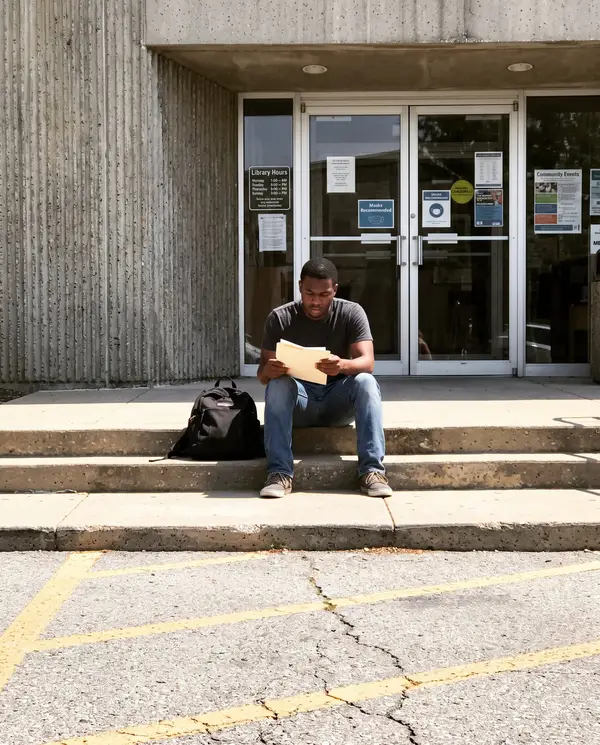
I took care of my 85-year-old neighbor for her inheritance, but she left me nothing — the next morning, her lawyer knocked and said, "Actually, she left you ONE THING." Her name was Dorothy Rhode. Everyone on the block called her Mrs. Rhode and nobody called her Dorothy except the mailman, and she didn't like the mailman. I was nineteen. Just aged out of foster care. No family. No one. I'd been renting the basement apartment in the duplex next to her house for two months when she knocked on my door on a Saturday morning and said: "You. The tall one. My rain gutters are full of leaves and I'm not climbing a ladder at my age. I'll pay you forty dollars." That was the beginning. She didn't need a caretaker. She needed someone to do the things her body wouldn't let her do anymore — gutters, storm windows, the heavy bags of salt for the water softener. She was sharp. Funny in a way that took you off guard because she'd say something devastating with a completely straight face and then go back to watering her tomatoes like nothing happened. One afternoon she watched me reset a sticking hinge on her back door and said: "You've got a craftsman's hands. Somebody should've put you in a trade." Nobody had ever said a thing like that to me. Nobody had ever looked at the one thing I was good at and given it a name. She insisted on cooking me dinner every Tuesday and Thursday. I told her she didn't have to do that. She told me she wasn't asking. "You eat like a boy who raised himself," she said once, watching me microwave a gas station burrito through her kitchen window. "Come over at six. Bring nothing. Don't be late." I came over at six. I brought nothing. I wasn't late. For four years. Every Tuesday and Thursday. Pot roast. Chicken and dumplings. A meatloaf she said was Harold's recipe but she'd changed so many things about it that Harold wouldn't recognize it anymore. She talked about Harold sometimes — her husband. Dead eleven years by the time I met her. The sugar took him at seventy-one. She kept his photo on the mantle and his work boots by the back door and his reading glasses on the side table next to his chair and she never moved any of them in the four years I knew her. I sorted her pills every Sunday night. The plastic Monday-through-Sunday organizer, the six prescriptions, the calcium supplement she took with dinner. I'd sit at her kitchen table on Sunday evenings and fill the little compartments while she told me stories about the neighborhood, about Harold, about the world. She watched me. I didn't know how carefully. I thought the arrangement was simple. She needed help. I needed something I couldn't name. She gave me forty dollars for the gutters and what she really gave me was a kitchen table to sit at and a person who expected me to show up. In four years in the foster system nobody ever expected me to show up. Mrs. Rhode expected it. And not showing up was not an option. "James. You're three minutes late." "I was —" "You were across the street. I watched you sit in your car for four minutes looking at your phone. Come in. The chicken is getting dry." It was on one of those Sunday evenings that I told her the one thing I knew about the family that gave me up. That the men in it had the sugar, and it took them young. My father. His father before him. I didn't know much else about them — not a face, not a town, not a reason. But I knew that. She didn't say anything for a long moment. Just set down the pill she was holding and looked at me. "Harold's doctor told him his numbers were perfect," she said. "Right up until they took his foot." She picked the pill back up. Put it in the compartment. Didn't say another word about it that night. I didn't think anything of it. I didn't know she was already turning it over. She was the closest thing to a mother I'd ever had. I didn't say that to her. I think she knew. She got sick fast. The kind of fast that doesn't give you time to prepare. Three weeks from normal to gone. I drove her to the hospital. I sat in the waiting room. I went home and sorted her pills into the organizer even though she wasn't there to take them because I didn't know what else to do with my hands. She died on a Thursday. One of our dinner nights. I found out about the will from her lawyer. He called me and said there'd be a reading. That I was invited. He said it in a way that made me think being invited meant something. The lawyer's office was small. Wood paneling. A conference table that seated eight. I sat at the end. There were four of us. Me. A woman from the church — Mrs. Rhode had been a member for forty years. A representative from a children's charity. And a woman I'd never seen before, mid-forties, wearing a gray blazer and checking her phone. The lawyer opened the folder. The house — a three-bedroom colonial Mrs. Rhode and Harold had owned since 1971 — went to the children's charity. To be sold, proceeds to the organization. The savings account — I didn't know how much, the lawyer didn't say — went to the church. All of it. Building fund. The jewelry — Harold's mother's ring, a pearl necklace Mrs. Rhode wore to church every Sunday, two bracelets I'd seen in the velvet box on her dresser — went to the woman in the gray blazer. A great-niece. I learned later she'd visited twice in four years. Once at Christmas. Once when Mrs. Rhode was already in the hospital. That was it. The lawyer closed the folder. The church woman shook his hand. The great-niece signed something and left without looking at me. I sat there. Four years. Every gutter. Every storm window. Every bag of salt. Every Tuesday and Thursday. Every Sunday evening sorting pills at her kitchen table while she told me about Harold. Nothing. Not a sentence. Not a mention. Not my name anywhere in the document. I drove home with my hands tight on the wheel and my jaw clenched and I told myself I didn't do it for the money. I told myself it wasn't about that. And it wasn't about the money — it was about the fact that she didn't think of me at all. Four years of showing up and she walked out of this life without putting my name on a single piece of paper. I sat in my apartment that night and I was twenty-three years old and I had no one again. The knock came at 8:15 the next morning. Her lawyer. Standing on my doorstep in a coat and tie, holding something under his arm. A dented metal lunchbox. Green. The paint chipped at the corners. The kind of lunchbox a man would carry to a factory in 1965. "Mrs. Rhode left specific instructions," he said. "This was to be delivered to you separately. Not at the reading. The morning after." He held it out. "She was very clear about the timing." I took it. It was heavier than it looked. "There's a letter inside," he said. "And a key. She asked that I tell you the key opens a safe deposit box at First National on Carroll Street. Box 7414. She added your name to the access list six months ago." He paused. "She also asked me to tell you — and these are her words — 'He's going to be angry. Tell him to read the letter before he does anything stupid with the key.'" That sounded exactly like her. I closed the door. Set the lunchbox on my kitchen table. Sat down and stared at it. I didn't open it. I was too angry. Too raw. I'd spent the night convincing myself I meant nothing to her, and now here was this object — Harold's lunchbox, I recognized it from a photo on her mantle — with a letter inside that I didn't want to read because what if it made it worse? What if it was an apology? What if it was an explanation that didn't explain anything? I picked it up. Carried it to the closet in my hallway. Set it on the top shelf behind a box of winter clothes. Closed the door. I was twenty-three. I was grieving. I was angry at a dead woman for not loving me the way I thought she did. I didn't open that lunchbox for twenty-five years. I'm forty-eight now. Sitting in a paper gown on an exam table. The paper crinkles every time I shift my weight. Dr. Adler pulls up my bloodwork on his laptop. Turns the screen toward me. "James, your A1C is 6.8. Your fasting glucose is 141. That's well into the range where we need to act." "What does that mean?" "It means we need to have a conversation about medication. I'd like to start you on Metformin. Five hundred milligrams twice daily. It's the gold standard for —" "No." The word came out before I'd thought about it. He looked at me. "James, this is a straightforward —" "I said no. Not yet. Give me time." He leaned back. Put his hands on his knees. "I can give you ninety days. But if these numbers don't improve, we're having this conversation again. And next time I'm going to be less flexible." I drove home. Sat on the edge of my bed. My hands were shaking and I didn't know why. I knew the signs, even if I hadn't named them yet. The heavy crash after lunch that hit like someone had unplugged me — I'd started eating at my desk just so nobody would see me fade. The mornings my hands trembled before breakfast, a fine shake I could only see when I held them flat over the table. The feeling of never knowing which direction my body would go — foggy and dragging by three o'clock, then wide awake at two in the morning with my heart racing and my shirt damp. My body couldn't decide what to do with the sugar it had, and I couldn't predict it from one hour to the next. Something about the word — Metformin. Something about the way he'd said it. Gold standard. Take this. Trust me. And then it hit me. Harold. Harold Rhode. The photo on the mantle. The work boots by the back door. The sugar took him at seventy-one. Perfect numbers every checkup, Mrs. Rhode had said. Never missed a dose. The pill bottles I'd seen on her kitchen counter. Harold's bottles. She'd kept some of them even after he died. I remembered now. A brown prescription bottle with Harold's name on it. I couldn't remember the drug name then. But sitting on the edge of my bed at forty-eight, with Metformin ringing in my ears, I could see the bottle. Metformin. Harold had been on Metformin. I got up. Walked to the hallway closet. Reached past the winter coats, past the boxes I'd never unpacked from my last move. Back behind everything. Top shelf. The lunchbox was still there. Dusty. The green paint still chipped. Twenty-five years in a closet. I carried it to the kitchen table. Sat down the same way I used to sit when I sorted her pills. The latch was stiff. I had to work it with my thumbnail. It opened with a click that echoed off the walls. Inside: a sealed envelope, yellowed at the edges. My name on the front in her handwriting — the same handwriting I'd seen on grocery lists and recipe cards for four years. Steady. Precise. The handwriting of a woman who'd learned penmanship when penmanship still mattered. And a key. Small. Brass. Taped to an index card that read: First National. Carroll Street. Box 7414. I picked up the envelope. Slid my finger under the seal. The paper was dry and it tore unevenly. A stack of pages. Her handwriting filling every line. James, If you're reading this, I'm gone. And if you're reading this the morning after the will reading, you're angry. I know you. You're sitting at your kitchen table with your jaw tight and you're thinking I forgot you. I didn't forget you. I could never forget you. You were the best thing that walked into my life after Harold died and I need you to understand that what I left you is worth more than the house or the savings or Margaret's ring. I left you Harold. Not his things. His story. The one his doctors never told him. The one I spent the last four months of my life figuring out because it was too late for Harold but it is NOT too late for you. Harold took a pill for his sugar for twelve years. Every morning. Never missed a dose. His doctor checked his numbers every six months and every six months the number was beautiful. The doctor would smile. Harold would smile. They'd shake hands. See you in six months. They took his foot at sixty-seven. His number was still beautiful the week they took it. Then a second sore came on the same leg. It didn't heal either. The infection got into his blood, and a few winters later he was gone before the spring. Seventy-one years old. Twelve years of medication. Twelve years of perfect numbers. And they buried my husband with one leg. But the foot wasn't the only thing the pill did to him, James. I want you to understand that. The amputation was the ending. The medication wrote a different story first. Year three, Harold started getting tired. Not normal tired. Bone tired. The man who built our back deck with his own hands couldn't mow the lawn without sitting on the porch steps for twenty minutes afterward. I told his doctor. His doctor said it was age. Year five, the feeling started leaving his feet. He'd get out of bed in the morning and have to stand there, pressing his soles into the cold floor, waiting until he trusted them enough to walk. Then his hands — the hands that built everything in this house. He'd wake up and run hot water over his fists trying to get them to open. The doctor said it was neuropathy. "Common with the diabetes." That was the word he used. Common. Manageable. Year eight, I noticed the fog. Harold would start a sentence and lose the end of it. He'd walk into a room and stand there. He forgot our neighbor's name — a man he'd known for thirty years. I thought it was dementia. I was terrified. His doctor said it was "age-related cognitive changes." Not the medication. Not the sugar. Never the disease. Always age. I watched my husband disappear in pieces, James. First his energy. Then his feet. Then his hands. Then his mind. Then a sore he never felt begin because by then he couldn't feel his foot at all. Then his leg. Then his life. And the whole time, the number was perfect. For years after he died, I accepted it. Bad luck. Genetics. These things happen. That's what the doctor said. That's what the church said. That's what the world says when a man dies of the thing the medication was supposed to manage. Then I got angry. And when I get angry, I don't yell. I read. I spent four months at the library. At the computer. Printing articles. Talking to a pharmacist at the Walgreens on Fifth Street who was patient enough to explain things to an old woman who wouldn't stop asking questions. Here's what I found, James. And I'm going to say it plain because I'm not a scientist and I'm not going to pretend to be: Harold's medication lowered a number. That's what it does. It goes to the liver and tells it to release less sugar into the blood, so the reading drops and the chart looks clean. The doctor is happy. But the number wasn't the problem. The problem was the empty tank underneath. Every cell runs on a mineral the chart never measures. Magnesium. Hundreds of reactions a day. The nerves. The vessels. The work that clears a meal. Under a managed A1C, the tank runs empty. Metformin drains it faster than food can refill it. The pharmacist told me to think of it like an engine running without oil. The dipstick can still look fine for a while. Then the parts grind. That's what was happening to Harold's nerves. That's why he lost his feet. That's why his hands stopped working. The tank was empty, and the medication was watching a number while it happened. The medication never refilled the tank. It was never designed to. It lowered the amount of sugar in the blood and it stopped there. It did nothing — nothing — about the empty work already grinding him underneath. And the empty tank did something else nobody ever told Harold or me. The nerves and the vessels and the pancreas all burn magnesium to do their jobs. Every year the tank ran emptier, Harold's body got a little worse at doing the job the medication was supposed to be helping with. The pill was managing a number while the machine underneath was running dry. The pharmacist said it plainly: "The medication kept the score. But the tank was empty." Everyone was trying to reduce how much sugar went in. Nobody was refilling the mineral that lets the work clear it out. The pill reduced how much sugar went in. It never refilled the tank. Harold's clearance system was breaking down for twelve years and nobody ever looked at it because the number on the chart was beautiful. And here's the part that made me sit down in the pharmacy aisle, James. The pill managed Harold's sugar from the outside. But nobody — not his doctor, not the pharmacist who filled the prescription, not one person in twelve years — ever checked whether Harold's body had what it needed to manage sugar on its own. Harold's cells were trying to respond to insulin. They couldn't. Not because the insulin wasn't there — because the mineral that lets the cell hear the insulin signal was missing. Magnesium. The pharmacist said seventy-five percent of people don't have enough of it. And magnesium is required for over three hundred things in the body — including the one that mattered most for Harold. Insulin sensitivity. His cells couldn't hear the signal because they were missing the one thing that carries it. Twelve years of medication. And nobody ever asked whether Harold's body had the mineral it needed to do the job the pill was trying to do for it. The pharmacist told me there's a bottle that actually names the forms — not oxide, not one lonely form. Four forms. Dose printed. He said it's in the safe deposit box with everything else. I couldn't fit it all in a lunchbox, and I know you, James. If I handed you a folder full of medical studies at twenty-three, you'd throw it in the same closet you're about to throw this lunchbox in. I also put a checklist in the box. The pharmacist helped me write it. Five things to look for when you find the bottle. Five things that matter. Follow it exactly. Don't skip steps. Don't buy the drugstore oxide. Promise me, James. You'll need all of this someday. I know because I watched you, James. When you weren't looking, I saw how tired you were by four in the afternoon. I saw you sit down on my porch steps after carrying the salt bags and not get up for five minutes. I saw you eat like a man who doesn't know what food does to him and doesn't think he needs to care. I noticed the things you didn't want me to notice because that's what I do. That's what I did with Harold for thirty-eight years and I wasn't fast enough. I won't make that mistake twice. When your doctor says the word "Metformin" — and he will, someday — open the box. Read what I found. And then decide for yourself. Harold trusted his doctor. I trusted his doctor. We were all trusting the wrong thing. Don't trust the number, James. Ask what the sugar is doing to your body. Ask about the tank. That's the question that would have saved Harold's life. I won't let it go unasked for yours. I love you like you were my own. Dorothy She signed it Dorothy. Four years of Tuesdays and Thursdays and I never once called her that. Nobody did. And here it was at the bottom of the page, in that steady hand, like she was giving me something she'd never given the mailman. I read it three times. Then I put my head on the kitchen table and I cried. Not the angry crying from the night before. A different kind. The kind that comes when you realize someone saw you — really saw you — and you didn't know it. The kind that comes twenty-five years too late. She hadn't forgotten me. She'd been watching me the entire time. The way she watched Harold. The way she watched everything — quiet, careful, noticing the things no one else noticed. She saw how tired I was. She saw me sit on her porch steps and not get up. She saw a pattern she recognized because she'd watched it destroy her husband, and she spent her last months alive trying to make sure it didn't destroy me. And she was right. Twenty-five years later, sitting at my own kitchen table with an A1C of 6.8 and a doctor pushing the same pill that failed Harold — she was right about all of it. I drove to First National the next morning. Hadn't been inside a bank in years. Showed my ID. They looked up the box. My name was there, just like the lawyer said. Added six months before she died. The safe deposit box was small. Inside it was a manila folder, thick, held shut with a rubber band that snapped when I tried to slide it off. Studies. Printed from medical journals. Some highlighted in yellow, some in pink. Margin notes in her handwriting — the same steady hand as the letter, but smaller, more cramped, as if she was running out of time and trying to fit more on each page. And paper-clipped to the inside of the folder, a single index card. Her handwriting. Block letters. Underlined twice at the top: JAMES — FOLLOW THIS. DO NOT SKIP STEPS. Must NAME the forms. Not a mystery blend. Not a trademark with no amounts. L-Threonate. Bisglycinate Chelate. Malate. Taurate. B6 as P-5-P. Must PRINT the dose. Magnesium L-Threonate 2,000mg. Bisglycinate Chelate 550mg. Malate 300mg. Taurate 100mg. B6 as P-5-P 10mg. Four capsules a day. Two in the morning. Two in the afternoon. Must NOT be oxide. Oxide is roughly 4% absorption. You swallow hope and the tank stays empty. Must NOT be glycinate on the front with oxide out back. One lonely form is not the protocol. No Magtein. No branded theater. Third-party tested. If they won't show you what's in it, don't buy it. That was Mrs. Rhode. Even from the grave, she was handing me a grocery list and telling me not to come back with the wrong thing. I set the checklist on the passenger seat and started reading the studies. The first printout was about the mineral the chart never measures. She'd highlighted a section and written next to it: "THIS. This is what happened to Harold." I had to put the folder down before I finished the first page. The empty tank. Metformin draining magnesium faster than food can refill it. The nerves burning the mineral to fire. The vessels doing empty work. Harold's feet at year five. His hands. The sore he never felt. All of it — confirmed while the number stayed beautiful. And the medication — Metformin, Januvia, all of them — aimed at the sugar in the blood. The amount. Not one of them designed to refill the tank. Not one of them within a mile of the mineral Harold's body was missing. Harold's Metformin never refilled the tank. Twelve years. The number looked clean. The empty work never stopped. I sat in my car in the bank parking lot and stared at the page. Mrs. Rhode had written in the margin next to the study: "The number was the cover of the book. Nobody ever read what was inside." She'd read past the pills, too. There were pages on the things people reach for when they want to manage it naturally — cinnamon capsules, berberine, chromium, drugstore magnesium, the blood sugar support supplements off the pharmacy shelf. A line drawn through every one, with a note on why. Every single one was chasing the same thing the pill chased: the number. The amount. Not one of them named the four forms and printed the dose. I kept reading. My hands were shaking. Not from the cold. From anger. From grief. From the realization that an old woman with a library card and a patient pharmacist had figured out what Harold's doctor missed for twelve years. The next section of the folder was about the bottle that finally names them. Not oxide. Four forms. Dose printed. She'd written in the margin, in her own words: "Most magnesium bottles are like pouring water into a cracked tank. This one names every form and prints the dose." That was the difference. Oxide at roughly 4% absorption. One lonely form. Glycinate on the front with oxide out back. You swallow hope and the tank stays empty. The four named forms refill it. L-Threonate for the brain and night cortisol. Bisglycinate Chelate for the body. Malate for energy and ATP. Taurate for the heart and the vessels. B6 as P-5-P so they land. When the tank is full, the machine has what it burns to do the job. The nerves. The vessels. The work that clears a meal. Not forcing the sugar down harder. Helping the body clear it properly. Mrs. Rhode had underlined a sentence and written beside it: "Not about lowering the number. About refilling why it stayed high." I found one more margin note, near the back. She'd written "too late for Harold" and then crossed it out. Pressed so hard with the pen that the cross-out tore the paper slightly. Underneath it, the one she let stand: "In time for James." She'd assembled all of this in four months. Dying. Printing studies at the library. Asking a pharmacist to explain words she'd never heard before. For me. I closed the folder. Pressed it against my chest. And I sat in that bank parking lot and let twenty-five years of anger dissolve into something I didn't have a word for. She didn't leave me nothing. She left me everything. I went home and did what any man in my position would do. I ignored the checklist. Not completely. I read it. I understood it. I set it on my kitchen table next to the folder and I told myself I'd follow it. But I also found a bottle of drugstore magnesium for twelve dollars with four and a half stars and two thousand reviews, and I ordered it because I'm the kind of person who buys the first thing he finds even when a dead woman specifically told him not to. Mrs. Rhode knew me better than I knew myself. The bottle arrived in three days. Oxide. Or glycinate on the front — I didn't check the back carefully enough. I took it every morning. Felt nothing. Took it the next morning. Nothing. Third morning. Nothing. No lift. No clarity. No change in energy. Nothing that felt different from swallowing hope. I took that bottle for two and a half weeks. Every morning. Waiting for the shift Mrs. Rhode's studies had described. It never came. On a Wednesday night I was sitting at the kitchen table staring at the bottle and Mrs. Rhode's checklist was right there. Right next to it. Where it had been the entire time. I picked it up. Step two: Must PRINT the dose. Failed. No real dose. Or oxide numbers that mean nothing. Step three: Must NOT be oxide. Roughly 4% absorption. Failed. Step four: Must NAME all four forms. L-Threonate. Bisglycinate Chelate. Malate. Taurate. B6 as P-5-P. Failed. One lonely form. Or none. Three out of five criteria. Failed. Failed. Failed. I'd spent two and a half weeks taking a product that Mrs. Rhode had already told me wouldn't work. She'd written the checklist. She'd underlined it twice. She'd said DON'T BUY THE DRUGSTORE OXIDE. And I did it anyway because I was forty-eight years old and still the same kid who tries to fix a gutter with the wrong screws. I threw the drugstore bottle in the trash. And then I did what I should have done from the start. I sat down with Mrs. Rhode's checklist and I went through every magnesium product I could find online, one by one, checking each against her five criteria. Oxide bottles — failed. One lonely form — failed. Glycinate on the front, oxide out back — failed. Mystery blends with a trademark and no amounts — failed. I was crossing off everything. Then I found one that passed all five. Gold Seal. Forms named — step one. Dose printed — step two. Not oxide — step three. Not glycinate-front and oxide-back — step four. No Magtein. Third-party tested — step five. Magnesium L-Threonate 2,000mg. Bisglycinate Chelate 550mg. Malate 300mg. Taurate 100mg. B6 as P-5-P 10mg. Four capsules a day. Two in the morning. Two in the afternoon. Every line on her checklist. Check. Check. Check. Check. Check. And the magnesium — the missing mineral Mrs. Rhode had written about in her letter. The one Harold's body had been starved of for twelve years while the pill managed a number. The one that lets the cell hear the insulin signal. Named. Dosed. On the bottle. I could almost hear her: "See? Was that so hard?" I ordered it. More expensive than the drugstore brand. Mrs. Rhode didn't send me to a safe deposit box to save fourteen dollars. When it arrived, I could tell the difference before I opened the bottle. The label named every form. The dose was printed. I took two with breakfast and two in the afternoon. I drank a glass of water and sat down at the kitchen table. The same table where I'd read her letter. Where I'd ignored her checklist. Where I'd wasted two and a half weeks on a product she'd already told me wouldn't work. Week one. That's when I felt it. A lift. Like someone had turned up the oxygen in my blood. The fog that usually settled over my brain by late afternoon — it wasn't there. My head was clear. Sharp. Present. That could be placebo, I told myself. But I'd taken the drugstore bottle for seventeen days and felt nothing. Not once. This was different. This was real. End of week one: the afternoon fatigue that had been my constant companion for three years was gone. Not reduced. Gone. Week two: I noticed it in the mornings. I'd wake up and swing my feet out of bed and they were there. No stamping them into the floor. No waiting for the tingling to quiet down enough to trust my weight. I just stood up and walked. Like it was nothing. Like it had always been nothing. And the swinging stopped. That was the thing I didn't expect. The heavy crash after meals, the shaking hands before breakfast, the feeling of never knowing which direction my body was going to go — it just leveled out. For the first time in years, my body wasn't lurching between too high and too low. It was clearing the sugar the way it was supposed to. Steadily. The way Mrs. Rhode's studies said it would when the tank underneath was actually refilled. Week three: I was in my shop — I'd gone into furniture-building, the slow kind, hand-cut joinery, the craft Mrs. Rhode had told me to make a life out of when I was nineteen. I reached into the hardware tray for a screw and my fingers found it by feel, in the dark, the way they used to. I didn't notice I'd done it until it was already in my hand. My hand just knew what it was touching again. I stood there for a long time. Because a month ago, I'd been dropping screws. Fumbling them. Reaching into that same tray and not being sure what my fingers were closing around. And I'd been calling it age, the same way Harold's doctor had called everything age. Week four: I got my blood drawn. Sat in the lab waiting room and thought about Harold sitting in his own waiting room. Thought about Mrs. Rhode sitting at the library, printing one more study, writing one more margin note, trying to finish before her body finished first. The results came back. A1C: 6.1. Down from 6.8. I stared at the number. Took a photo. Stared at it again. Week eight: went back for a full panel. A1C: 5.7. Normal range. Fasting glucose: 104. Down from 141. And then the one test I'd asked for that you can't argue with — the nerve conduction study. The one that measures whether your feet can still feel. Two years ago, I'd started losing it. The tingling. The numbness. The mornings where I'd press my soles into the floor and wait. The feeling was back. I sat in my car outside the lab and I called no one. Because I had no one to call. Mrs. Rhode was dead. Harold was dead. I had no wife, no family, no one to read the numbers to. So I drove to the cemetery. But that's not where the story ends. The story ends in Dr. Adler's office. Dr. Adler pulled up my chart at the ninety-day appointment. Looked at the screen. Looked at me. Back at the screen. "James." A pause. "What did you do?" "Changed some things." He scrolled. Read the numbers again. His eyebrows pulled together. "Your A1C dropped from 6.8 to 5.7. Your fasting glucose is 104. Your inflammation markers are —" He shook his head. "These are excellent numbers." He closed the laptop halfway. Leaned forward. "Whatever you're doing, don't stop." "No Metformin?" "No Metformin. Not with these numbers. Not even close." He opened the laptop again. "I'm ordering another panel in six months. I want to see if this holds. But James — this is remarkable progress." He didn't ask what I was taking. Didn't endorse it. Didn't say the word "supplement." Just shook his head the way a mechanic shakes his head when you bring in a car he expected to be totaled and it runs clean. I'll be straight about one thing, because Mrs. Rhode would reach out of the ground and correct me if I wasn't. The bottle wasn't the only thing that changed. Those ninety days, I ate like a man who'd read Harold's story. I walked in the mornings because sitting still made me think too much. Even the wasted drugstore weeks got me drinking water instead of coffee all afternoon. One thing feeds the next. But I'd been tired for three years and careful for none of them, and the careful alone had never touched the way I felt by four o'clock. Something else turned. I know which chair I was sitting in when it did. I drove to the cemetery that afternoon. Her headstone is small. Gray granite. Next to Harold's. Dorothy Mae Rhode. Beloved wife of Harold. I stood there with the folder in my hands. The one she'd assembled. The studies. The margin notes. The checklist on the index card. The sticky note that said "the number was the cover of the book." "You left me everything," I said. The wind moved through the trees. "I thought you forgot me. For twenty-five years I thought you forgot me. And you were the only person who ever really saw me." I set my hand on the stone. Cold granite. The October sun low behind me. "Harold would be proud of you. You figured out what his doctor couldn't. And you left it for a kid who wasn't smart enough to open it. Or follow the checklist." A long pause. "Thank you, Dorothy." First time I ever said it. Twenty-five years of Mrs. Rhode, and the one time it finally came out of me, she wasn't there to hear it. Or maybe she was. She always did notice the things I didn't want her to notice. I drove home. Set the folder on my kitchen table. Took my two in the morning and my two in the afternoon. And I sat in the same chair where I used to sort her pills. That was seven months ago. My last blood panel: A1C 5.5. Fasting glucose 98. No medication. No Metformin. No side effects. No four-o'clock collapse. No numb feet in the morning. No fog. No version of Harold's twelve years playing out in my body. Not forcing lower. Refilling better. That's the line Mrs. Rhode would have used if she'd lived long enough to see it work. There's a man named Pete who runs the sawmill where I buy my lumber. Been milling boards for thirty years. Around month four, I watched him load my order, and then I watched him sit down on the stack he'd just built and stay there. Not resting. Waiting. Waiting for his body to give him permission to stand up. I knew that sit. I'd done that sit on Mrs. Rhode's porch steps for years while she watched me through the kitchen window. I didn't say anything that day. I watched him for three more visits, the way she watched me. The four o'clock fade. The tape measure he dropped twice pulling one measurement. The lunch he ate standing at the saw because he said sitting down after eating "put him under." Then I did what she did. I didn't hand him a folder — he'd have thrown it in a closet, same as me. I sat with him on the lumber stack and told him about Harold. About the number that stayed beautiful the whole time. And I gave him a bottle and the five things on an index card, in my handwriting this time. Pete's three months in now. His doctor moved his next panel up because the last one surprised him. He stopped dropping the tape measure. He'll tell you he's got more in the tank at the end of a shift than he's had in years. He'll also tell you his left foot still doesn't feel the cold floor right in the morning. Thirty years of high sugar doesn't hand everything back in ninety days, and I'm not going to stand here and tell you it does. But last week he texted me a photo of a full cord of oak he'd stacked by himself, one word under it: "tank." Mrs. Rhode knocked on one door. Mine. I've knocked on one. Pete's. I'm forty-eight years old. I grew up with no one. But I had Mrs. Rhode. And Mrs. Rhode left me the one thing that mattered more than a house or a savings account or a ring. She left me the truth about what took her husband. And it saved my life. I'm writing this because Mrs. Rhode can't. She spent four months assembling research for one person — me. She didn't have Facebook. She didn't have a platform. She had a library card and a pharmacist and a lunchbox and not enough time. If she'd had more time, she would have told everyone. I know that because I knew her. She would have knocked on every door on the block. So I'm knocking for her. You're standing where I stood seven months ago. Where Harold stood for twelve years. Your doctor is saying the same words — the number, the medication, the gold standard. One path leads where Harold's led. Fill the prescription. Start the Metformin. Watch the number drop and trust that the number means you're safe. Hope the tiredness is just aging. Hope the numbness in your feet is just neuropathy. Hope the fog doesn't mean what you think it means. Hope the sore heals. Hope the next one heals too. And every six months, sit in that exam room and shake hands and hear "looking good" while the empty tank nobody is measuring drains your nerves one fiber at a time and the clearance system nobody is watching breaks down one meal at a time. Harold walked that path for twelve years. Perfect numbers. Perfect compliance. They took his foot. Then they buried him. There's another path. The one Mrs. Rhode spent her last four months building. The one I was too angry and too young to walk for twenty-five years. Ask about the tank. Find out whether the mineral the chart never measures is empty. Address the drain Metformin was never designed to stop. Support the clearance system that nobody is looking at. Track your numbers. Verify the results with your own blood work. Walk into your next appointment with data your doctor can't argue with. That's what I did. That's what Mrs. Rhode wanted me to do. It's what she would have wanted for Harold if she'd found it in time. She ran out of time for Harold. She didn't run out of time for me. And you're reading this now. Which means she didn't run out of time for you, either. P.S. — The product Mrs. Rhode's research led me to is called Gold Seal. You can start here: https://goldsealsupplements.com/pages/mag-v1 When I first ordered it, I didn't know they had a 30-day money-back guarantee. I wish I had — would have saved me the anxiety during those first few weeks of waiting for results. If Gold Seal doesn't work for you, you get every penny back. Empty bottles included. No questions asked. In twelve years, nobody ever offered Harold a refund when the disease took his foot and then his life. The system doesn't do refunds. Gold Seal does. Mrs. Rhode would have appreciated that. She hated wasting money almost as much as she hated being lied to. P.P.S. — Here's what I'd tell you to do, because it's what I did: four capsules a day. Two in the morning. Two in the afternoon. Magnesium L-Threonate 2,000mg. Bisglycinate Chelate 550mg. Malate 300mg. Taurate 100mg. B6 as P-5-P 10mg. Not oxide. No Magtein. Third-party tested. Mrs. Rhode's checklist had a note at the bottom I didn't mention: "If the label names the forms and prints the dose, it's real. If it doesn't, you bought the wrong one." Even from a safe deposit box, she was still telling me what to do. P.P.P.S. — Pete asked me last month why I bothered. Why I sat with him on that lumber stack when I barely knew him. I told him the truth: because somebody once watched me get tired on her porch steps and didn't say anything for four years, and then spent the last four months of her life making sure I'd have what I needed when my turn came. He's not all the way back — I told you that, and I won't pretend otherwise. But he's stacking his own oak again. If you know somebody doing the sit — the one where they're not resting, they're waiting for permission to stand — maybe you're their Mrs. Rhode. P.P.P.P.S. — Do not forget about their 30-day money-back guarantee. Empty bottles accepted. You can start here: https://goldsealsupplements.com/pages/mag-v1

Loading the ad's image

Carol Jones — Clinically Formulated Magnesium
PromisingImage

Nature's Powerful Astaxanthin

I've injected about 11,000 syringes of filler into the faces of women who went through menopause. Last year I stopped putting it in my own face, and I'm about to tell you what my clients don't hear in my chair. I'm a nurse injector. I've done this for eighteen years in the same med spa in Scottsdale. I'm good at it. I have women who drive in from Tucson. I have a waiting list. Here is something I've never said to a client. I can tell how many years past menopause a woman is the second she sits down. Before the consult form. Before she tells me her age. I'm usually within a year. It's not wrinkles. Wrinkles are easy. It's the way the cheek has slid down off the bone and pooled at the jaw. It's the little shelf of skin forming at the corners of the mouth. It's the neck going from smooth to crepe paper in what she tells me was "about eighteen months." Two years. That's the window. I see it every day. A woman at 50 needs one syringe. The same woman at 53 needs four, and she cries in my chair because she doesn't understand what happened. I understood. I just didn't have an answer that didn't come in a syringe. Now I do. And I found it in my own chair, from a 71-year-old woman who has never needed a single drop of what I sell. But first, the money. Because nobody in my industry says this part out loud. Filler is cotton stuffed under a sagging couch cushion. That's all it is. I say that with love, because I am very, very good at stuffing cotton. You lie back in my chair, I numb you, I find the spot where the cushion has sunk, and I fill it until the surface looks level again. It works. You walk out to your car, pull down the visor mirror, press your jaw with your fingertips, and you see a woman you recognize. Here's the part they don't put on the menu board. It has to be redone every nine to twelve months. Forever. And every time you come back, you need more. Not because the filler failed. Because the sagging underneath it never stopped. The cushion kept sinking while the cotton sat on top of it, and now there's a bigger hole to fill. A syringe runs $700 to $800 where I work. A woman's first visit after menopause is usually one or two. By year three it's four. Add the Botox for the forehead and the elevens between the brows, add the touch-up visit when one side settles different from the other, and the women in my chair are spending $6,000 a year on their faces. Every year. I have clients who have spent more on their cheeks than on their cars. And you know the faces I mean. You've seen them in the grocery store. The woman in the cereal aisle with cheeks like two small pillows sitting high on a face that is still falling underneath them. The top half looks 40 and frozen. The bottom half looks 65 and tired. Filler that looks like filler. Botox that freezes the top while the bottom keeps sliding toward the collar. That isn't a bad injector. That's what happens when you keep stuffing cotton into a couch with broken springs. I made a lot of those faces. None of us knew there was a different question to ask. Now let me tell you about my face. I went through menopause at 55. I assumed I'd be the exception, because I had a syringe and a key to the supply room. By 57, I was injecting myself after hours. I'd wait until the last client left and the front desk girls had gone home. I'd lock the door, set up a tray in the supply room, and do my own cheeks in a hand mirror under the fluorescent light. Then my marionette lines. Then a little along the jaw to blur the edge where it had started melting into my neck. My own Botox between my brows. Every month it was a little less enough. I stopped being in pictures. I became the one who takes the pictures. At my nephew's graduation my sister grabbed my phone for a selfie and it flipped the camera from below by accident, and I saw myself the way a toddler sees you. Jowls. A soft, loose hammock under my chin. I made her delete it in front of me. Facebook Memories started ambushing me. Seven years ago today: me at 52, on a patio in Sedona, with a jawline. I'd close the app like it was hot. My husband, Marc, is a retired fire captain who has never once commented on my hair or my clothes. One Sunday at breakfast he looked at me across the table for a long time and said, You look different. I said, Different good? He went back to his eggs. He didn't answer. Which was the answer. A few weeks later I was finishing late in treatment room two. The sun had gone down and the big window had turned into a black mirror, the way windows do at night. I turned around with a syringe in my hand, and there was a woman standing in the glass. Full, smooth cheeks, sitting on top of a jaw that had slid down into a soft fold above her collar. A forehead that didn't move. A neck going to crepe paper. Two little shelves at the corners of her mouth that I had filled three times. I looked done. That's the word we use in the business when somebody has been overdone. Done. I looked like the woman in the cereal aisle. And underneath all that cotton, I could still see my mother's face coming through, the one she had at 70, pulling everything down toward the floor. I went home and I didn't sleep. I sat on the edge of the tub with the overhead light on and did the thing every woman in my chair has confessed to me she does. I put my fingertips at my temples and pulled my cheeks back toward my ears, gently, just to see the old me for one second. Then I let go and watched it fall. Eleven thousand syringes of experience, and I was doing the mirror pull at midnight like everybody else. I have a client I'll call Mrs. Hayashi. She's 71. She was born in Osaka, came to Phoenix in her twenties with her husband, and ran a dry cleaner in Tempe for forty years. She comes to see me once a year, every March, for what she calls just a little Botox between the eyebrows. Twelve units. That's all she has ever wanted from me. Every March I put on my loupes and look at her face the way I look at every face. And every March I find nothing to fill. She has never had a syringe of filler in her life. Her cheeks are where cheeks should be. Her jawline is an actual line. When she smiles, her skin folds and then comes back, like a good sheet being smoothed across a bed. She is sixteen years past menopause. By every rule I've learned in eighteen years, she should need six syringes and a neck consult. This March, I finished her twelve units, took off my gloves, and asked her the question I'd been carrying around for six months. I tried to make it sound like a joke. Mrs. Hayashi, what are you doing that I'm not? She looked at me for a long moment. She didn't laugh. Then she reached over, took my hand, turned it palm down, and pinched the skin on the back of it. She held it while she counted under her breath in Japanese, five seconds. Then she let go. We both watched it. The little ridge of skin stood up on the back of my hand like a tent. And it stayed there. One. Two. Three. Four. Five. Six. Six seconds before it finally lay down. Then she pinched her own hand. Her skin snapped flat before I could get to two. You fill the cushion, she said. I protect the springs. I want you to do what she did to me, right now, before you read another word. Pinch the skin on the back of your hand, enough to raise a ridge, and hold it for five seconds. Let go. Count how long it takes to flatten. Young skin is under two seconds. Past menopause, it's often five to ten. Whatever number you got, remember it. That number is the closest thing you have at home to looking straight at your own springs. She explained it the way you'd explain a recipe. Then I laid it over everything I know from nursing school and eighteen years of faces, and it fit so perfectly I felt sick. Here it is. Your face is upholstery stretched over a mattress. The skin you see, the part I've spent my whole career working on, is the fabric on top. Underneath it, holding it up, are the springs. The springs are collagen. As long as the springs are strong and there are plenty of them, the fabric stays smooth and tight, and it bounces back when you press it. Springs break. They always have. Sun cuts them. Pollution cuts them. Sugar in your blood cuts them. Every day your skin takes thousands of tiny sparks of damage, and every spark snaps a few more springs. For fifty years, that didn't matter much. Because you had a night crew. Estrogen was the night crew. Every night it came in and replaced the broken springs. Snap, replace. Snap, replace. You never noticed, because the crew always showed up. At menopause, the crew stops showing up. Researchers have measured this. Women lose about 30 percent of the collagen in their skin in the first five years after menopause, and most of that loss comes early. Thirty percent. Nearly a third of the springs, gone in the time it takes to pay off a car. That's why it doesn't feel gradual. That's why women sit in my chair and say it was fine at 50 and by 53 I didn't recognize myself. It isn't aging the way you were told aging works. It's a cliff. The sparks keep cutting springs every single day, exactly like they always did, and now nobody comes in at night to replace them. And the mattress sags exactly where a mattress sags. The cheeks drop toward the jaw. The jaw softens into the neck. The neck goes crepey. Those lines from your nose to the corners of your mouth aren't wrinkles. They're the fabric folding where the springs underneath gave out. I'll add one thing from my side of the needle, because I'd be lying if I left it out. The bone of the face changes after menopause too. The jaw thins a little over the years. I can't do anything about bone, but I could stop the springs being cut. Then I did the math that made me sick. Filler stuffs cotton under the sagging spot. Botox freezes the fabric on the top half so it can't crease, while the bottom half keeps falling. Retinol and creams work on the top layer of the fabric. Masks and jade rollers and gua sha stones are a twenty-minute puff. And a facelift, the $18,000 to $25,000 quote my clients bring me in a folder when they're deciding between me and the surgeon down the hall, pulls the fabric tighter over the same broken springs. Then it falls again. Every single one of those works on the upholstery. Not one of them stops the springs from being cut. I had built an eighteen-year career on the upholstery. And I had built my own face on it too. I know what you're thinking, because I thought it too. Fine. Take collagen. Put the springs back. We sell collagen in our own front case. Little glass vials of collagen shots, ten to a box, $79. Beautiful packaging. The front desk pushes it at checkout, and I've told clients myself that it couldn't hurt. Here's the honest version. When you swallow collagen, your stomach does what it does with any protein. It breaks it down into building blocks, the same as it would a chicken breast. It doesn't travel up to your cheek and install itself as a spring. Maybe some of those building blocks get used somewhere. I'm not going to trash it completely. But even if it helps a little, you're dumping a pile of new springs in the driveway while the sparks keep cutting the ones in the mattress. You're refilling a bucket with a hole in the bottom. It's bricks. Nobody stopped the wrecking ball. That's why so many clients tell me collagen sort of worked for six weeks and then nothing. So I asked Mrs. Hayashi the obvious question. How do you protect the springs? She said her mother taught her a rule. Stop the leak first. Then she opened her purse, took out a small dark bottle, and set it on my instrument tray, right next to the syringes. Every morning, she said. Two, with breakfast. Since I was fifty. It was astaxanthin. I'd heard the word. I'd filed it with all the other things clients ask about that I never had time to look up. That night I sat at the kitchen table until 2 AM, reading. Here's what I learned, as simply as I can say it. Astaxanthin is the red pigment a microalgae called Haematococcus pluvialis makes to protect itself. When the algae gets stranded in blistering sun, with its water drying up around it, it turns blood red. That red is its armor. It's how a single cell survives the kind of sun that would kill almost anything else. What makes it different is its shape. Most protective compounds sit on one side of a cell's wall, inside or outside. This one is long enough to span the whole membrane, inner layer to outer layer, like a rod pushed straight through a wall. It guards both sides at once. People call it an antioxidant, and for once the word earns its place, because it's aimed right at the sparks. Then I found the human skin studies, and I put my phone face down on the table and walked around the kitchen. These weren't rats or cells in a dish. These were women. Women taking natural astaxanthin by mouth, compared against women taking a placebo, over eight to sixteen weeks. The women taking it had measurable gains in skin elasticity and in skin moisture, and fewer fine lines, measured with instruments, not with a hopeful look in the mirror. And in one study, the group that didn't take it got worse over those same months, while the women taking astaxanthin held steady. Read that again. Over the same weeks, one group kept sliding down the cliff, and the other group basically stopped. I want to be careful here, because I've heard every overpromise this industry has ever made. It doesn't add collagen. It doesn't put springs back. What it does is protect the springs you still have from being cut. It stops the leak. And when you're on a cliff, losing springs every day with no night crew coming, stopping the leak is the whole game. I had 11,000 syringes of cotton. Mrs. Hayashi had a little red oil from algae. And then I did the dumbest thing a medical professional can do. I went cheap. I opened Amazon, typed in astaxanthin, and bought the one with the most stars. Twenty-two thousand reviews. "Astaxanthin 12mg" in big letters across the front. Nineteen dollars for two months. I told myself a molecule is a molecule. I took it for six weeks. Nothing. My pinch still sat at six seconds. I called Mrs. Hayashi to complain, and she told me to bring the bottle by the dry cleaner her son runs now. She turned it in her hand, read the back with her glasses on the end of her nose, and split one softgel open with her thumbnail. A thin, pale, orange-pink oil ran out onto the counter. That is fish-food color, she said. She was right, and I'd fallen for it with a nursing license. About 95 percent of the astaxanthin sold in the world is synthetic. It's made from petrochemicals, and its main job is coloring the feed on fish farms. It isn't the same molecule shape the algae makes, and the human skin research was done with the natural kind. Then the dose. That 12mg on the front was the weight of a "complex." When I read the fine print, the actual astaxanthin was 2 milligrams. Most bottles out there are 2 to 4. Then the delivery. Astaxanthin dissolves in fat, not water. It needs the right fat to get across your gut and into your blood. Mine was in cheap soybean oil. Plenty of others are dry tablets with no fat at all, and most of what's in them never gets absorbed. And mine was a single ingredient, standing alone, doing a job that needs backup. Three checks. Source: natural, from Haematococcus pluvialis, not petroleum. Dose: a real dose, not 2 to 4 milligrams dressed up as 12. Delivery: in the right oil, not a dry tablet or cheap oil. Fail any one of the three and you're swallowing fish-food coloring. Then Mrs. Hayashi turned her own bottle around and showed me the label. It was Gold Seal's Astaxanthin. Here is exactly what's in it. Natural astaxanthin from Haematococcus pluvialis, 24 milligrams. Lutein, 20 milligrams. Zeaxanthin, 4 milligrams. Lycopene, 10 milligrams. Tocotrienol vitamin E from annatto, 50 milligrams. All of it suspended in MCT oil, the kind of fat your body absorbs most easily. Two softgels a day with breakfast. Third-party tested on every batch. Twenty-four milligrams of the real thing. Twelve times what I'd been swallowing. And the companions aren't decoration. Each one has its own skin research, and they back it up from different sides. Lycopene is the one women end up noticing as the glow. The tocotrienols protect the cell walls the springs depend on. One ingredient alone is a single guard at a very big gate. She told me one more thing, and she was firm about it. It isn't sold on Amazon, or at Walmart, or at Costco. The company sells it only from its own website so it can control the source and the testing. Anything on a marketplace with a similar name is not the same bottle. https://goldsealsupplements.com/pages/astaxanthin I ordered that night from the supply room, sitting on a case of gauze. Mrs. Hayashi had told me to get the three-month supply, because skin turns over slowly and the honest window is weeks 8 to 12. It was sold out, and I waited eleven days for the restock. I found out later it has sold out twice. I kept a log, because nurses chart everything. Week 2. My skin felt a little less tight after I washed it at night. I wrote it down and didn't trust it. Week 4. I was pressing on my own cheek in the bathroom mirror, the way I press a client's cheek to judge the tissue before I inject, and it bounced back. Not dramatically. But it came back up under my finger instead of sitting there in a dent. I have pressed tens of thousands of cheeks. I know the difference. Week 6. The pinch. Six seconds the day Mrs. Hayashi did it in my chair. Four seconds now, timed on my phone. Week 9. This is the one. My own cheek filler was on the calendar, after hours, in the supply room, like always. I set up the tray. I uncapped the syringe. I looked in the hand mirror for a long time. Then I capped it and put it back in the drawer. I wanted to see. It was the first time in four years I hadn't topped myself up on schedule. Week 12. A colleague, an injector I've worked beside for nine years, stopped me in the hallway, leaned in, and squinted at my cheek like she was reading a label. Okay, she said. Who did you? Because it doesn't look done. Nobody did me. That was the whole point. I want to be honest about what didn't change. I'm 59. I have lines. I don't have the jaw I had at 45, and nothing in a bottle was going to hand me that back. But the sliding stopped feeling like a free fall. My makeup sits on my skin instead of in it. And my face looks like it belongs to me again, not like something I did to it. Here's what I do differently now. I still inject. Filler isn't evil. It's a good tool, and if you've lost volume and you want it back by Saturday, I'm still the person to see. But every new client who's past menopause gets a different first five minutes now. Before I pick up a syringe, I pinch the back of her hand. I tell her about the springs and the night crew. I tell her about the cliff. I tell her what Mrs. Hayashi told me. My rebook rate went down. The owner noticed. I don't care. I would rather a woman need two syringes next year instead of four than keep her coming back for a hole that never stops getting bigger. Last month Marc and I were at a friend's daughter's wedding. Somebody's teenager took a picture of our table with the phone held low, from below, the angle I'd spent two years dodging. It showed up online the next morning, and I didn't ask anyone to take it down. I looked at it with my coffee for a long time. Marc came up behind me, looked at the picture, then at me. You look like you again, he said. Then he went back to his eggs. Before I go, the honest part. I am not telling you to cancel your injector, your dermatologist or your sunscreen. Wear the sunscreen every single day; it's the cheapest spring protection you'll ever buy. If you're on HRT, keep taking it. Don't start or stop HRT because of something you read online; that's between you and your doctor. And this doesn't replace filler or a facelift. Filler adds volume. This doesn't. It protects the springs you have left, which is the one thing nothing in my treatment room has ever done. If you want to try Gold Seal's Astaxanthin, buy it only from the official website. Not Amazon, not Walmart, not Costco. Get the three-month supply, because skin turns over slowly and the honest window is weeks 8 to 12. It comes with a 30-day money-back guarantee, even if the bottles are empty. No conditions. And if it's in stock when you read this, don't wait. It has sold out twice. P.S. If you have filler, keep your injector. Just ask yourself why you need more every year. Then go pinch the back of your hand and count. Gold Seal's Astaxanthin is a dietary supplement. It is not a drug and is not intended to diagnose, treat, cure, or prevent any disease. Individual results vary. Talk to your doctor before starting any supplement, especially if you take medication. These are my own lived results, not medical advice. ~ Renee Dubois, RN Aesthetic Nurse Injector 18 Years https://goldsealsupplements.com/pages/astaxanthin

Loading the ad's image
Carol Jones — Nature's Powerful Astaxanthin
PromisingImage

Clinically Formulated Magnesium

For five years I brought supper to the 91-year-old Navy veteran across the street, and his son called me a gold digger in front of the whole block. At the will reading, his family got everything. The next morning, his lawyer was on my porch holding a dented old Navy footlocker. "He left you ONE THING," he said. "He told me you'd want to be mad first." His name was Earl Haskins. Retired machinist's mate, United States Navy. Four years in the engine room of a destroyer out of Norfolk, then forty-one years keeping the boilers running at a textile mill in Rossville. I'm Renee. I'm 34. I work nights at an all-night diner on Brainerd Road in Chattanooga, Tennessee. I've got a nine-year-old named Kaylee, a 2011 Corolla with a heater that only works on high, and a mother who moved in with us after my daddy left her. I moved into the rental on Glenwood five years ago this past March. Across the street was a little white bungalow with green shutters. The first time I saw Earl, it was 6:40 in the morning. I was dragging myself out of my car in my work shoes, smelling like bacon grease and burnt coffee, and there was this tiny old man on his porch steps with a cordless drill, replacing a board. He was 86 then. He looked up at me and said, "You're the new one. You work at the diner. I can smell the hash browns from here." I said I was sorry. He said, "Don't be sorry. Be generous. I haven't had a decent hash brown since 1987." That was the beginning. The next night I brought him a to-go box. Hash browns, extra crispy, extra onions, and a slice of chess pie. I left it inside his storm door at 6:30 in the morning with a sticky note. The next morning there was a sticky note on MY storm door. It said: "Acceptable. Too much onion. Same time Thursday." I laughed so hard I woke up my mother. There's one page in the last of Earl's notebooks that I didn't read for forty-one days, because he told me not to. I'll tell you what it said. But you have to understand Earl first. He was five foot six on a good day. Hands like walnuts. He wore the same gray work pants every day of his life and a ball cap with a little anchor on it, and he walked to First Baptist every Sunday morning. Walked. Nine-tenths of a mile each way, up the hill on Glenwood, in a pressed white shirt. At ninety. He fixed his own porch. He cleaned his own gutters until I caught him on the ladder at 88 and threatened to call his son, and he said, "Go ahead. Dale doesn't answer for me either." So it became our thing. Every shift, I'd box up a supper for him. Meatloaf on Mondays. Chicken and dumplings when Lorraine was cooking. Whatever pie was left. I'd leave it inside his storm door at 6:30, and when I woke up in the afternoon, there'd be a sticky note on my door. "Dumplings: excellent. Tell Lorraine she's wasted on that place." "Meatloaf dry. Not your fault." "Your tire is low. Rear passenger. I put air in it. You're welcome." He did. At 89. With a hand pump. When Kaylee was sick, he'd sit on my porch so I could sleep. When my Corolla wouldn't start in February, he walked across the street in his slippers with jumper cables and a flashlight in his teeth. And on Saturdays, on his steps, he told me stories about the ship. And about June. June was his wife. Fifty-eight years married. She was gone before I moved in, but she was everywhere in that house. Her reading glasses on the side table. Her African violets on the kitchen windowsill, which Earl watered every Tuesday with a measuring cup because "she'd haunt me if I drowned them." He talked about her like she'd just stepped out to the mailbox. He didn't talk about how she got sick. Not for a long time. His son Dale and Dale's wife Kendra came up from Atlanta twice a year, Easter and Christmas. One night at a hotel, one dinner at Cracker Barrel, gone. Kendra always brought the same cellophane fruit basket. Earl gave the pears to me. The Christmas before last, it happened. I was crossing the street with a to-go box, four in the afternoon after a day shift. Dale and Kendra were on the porch. Mrs. Pickens from next door was out getting her mail, and the Alvarez boys were throwing a football in the street. Kendra watched me come up the walk and said, loud enough for every one of them to hear: "Oh, here she is. Meals on Wheels." I smiled like you smile at customers. I said Merry Christmas. I held out the box to Earl. And Dale stepped in front of his daddy and said, "Ma'am, I think we all know what this is." "A single mom across the street. Four years of free dinners for a 90-year-old man with a paid-off house." He looked me up and down, at my work shoes and my apron still on under my coat. "We've talked to a lawyer. Just so you know. Nobody's signing anything over to the help." The help. Mrs. Pickens stopped with her hand in the mailbox. The football stopped bouncing. I couldn't move. My face was on fire. I'd brought that man supper five nights a week for almost four years, and I had never once thought about his house. And I stood there and felt every person on that street wondering if Dale was right. Earl took the box out of my hands. He said, very quiet, "Dale. She brings me supper. You bring me a fruit basket with a card from the store. Go inside." Dale went inside. Earl looked at me and said, "Too much onion, probably." I laughed. I didn't want to, but I laughed, and then I walked back across the street and sat in my bathroom with the fan on so Kaylee wouldn't hear me. I didn't stop bringing the suppers. But I'd leave the box and go. I didn't want Mrs. Pickens watching through her blinds, thinking what Dale said. Earl noticed. Earl noticed everything. A few weeks later he caught me on his steps and said, "You're standing a shorter watch." I said, "I don't want anybody thinking things, Earl." He said, "People think what they think. I know what you are." And then he said something I didn't understand until much later. "How's your mama sleeping?" I told him. Badly. Up every night at three for two years, sitting in the dark kitchen drinking water. Some nights she'd call me at the diner at 3:15 because her heart was "doing the bird thing." Like a bird flapping in a shoebox. And her calves would knot up so bad she'd cry out. Kaylee had started sleeping with headphones. Mama was 59 then. She's 61 now. Her doctor had her on a water pill for her blood pressure and a statin for her cholesterol. Every checkup, he said her numbers looked fine. Earl listened to all of it. Then he looked across the street at our house for a long time. "June was on a water pill," he said. "And a statin." That's all he said that day. I didn't think about it again. I had a double that weekend. Earl died last October. He was 91. It wasn't dramatic. Saturday he fixed a loose rail on his back steps. Sunday he walked to church. Monday morning I came home with a box of meatloaf, and the box from Sunday was still sitting inside his storm door. He'd never left a box. Not once in five years. I knew before I opened the door. He was in his chair by the window, reading glasses on, a crossword on his lap, three words filled in. Peaceful. The way you'd want it, if you got to choose. I called 911. Then I called Dale. He called back four hours later, and the first thing he asked was whether I'd been inside the house. The will reading was eleven days later, in a lawyer's office on McCallie Avenue that smelled like carpet cleaner. The lawyer, Mr. Pettigrew, a gray-haired man in a bow tie, had called me himself and said Earl wanted me there. I wore my good black pants. Kendra wore pearls. Dale's grown son Tyler came too, a boy I'd never once seen on Glenwood. And a man from First Baptist. The house on Glenwood: to Dale. The savings and the checking: to Dale. The truck, a 1994 Ford Ranger with 61,000 miles on it that Earl washed every other Saturday: to Tyler. Five thousand dollars to First Baptist, for the roof. And that was it. Mr. Pettigrew closed the folder. My name was not in it. Not a line. Not a word. Kendra didn't even look at me. She didn't have to. Dale did it for her. On the way out, by the elevator, he leaned in and said, "Guess the casseroles didn't pay off." I drove home with both hands on the wheel at ten and two, telling myself over and over I did not do it for the house. God knows I didn't. But that wasn't what hurt. What hurt was that for five years I'd believed he saw me. And then he left this world without writing my name on one single piece of paper. Like I was the help. Maybe Dale was right. Maybe that's all I was. I worked that night anyway. Dropped a tray of coffee at 2 a.m. Lorraine sent me out back to sit on a milk crate until I got myself together. At 7:15 the next morning, there was a knock on my door. Mr. Pettigrew. And at his feet, an old Navy footlocker. Olive drab, scuffed down to bare metal at the corners. Brass latches gone dark. On the lid, stenciled in white paint that had mostly flaked off, you could still read HASKINS E.R. and a service number. "Mr. Haskins left specific instructions," Mr. Pettigrew said. "This was not to be mentioned at the reading. It was to be delivered to you personally, the morning after. Not before." I just stared at it. He took a little card out of his coat pocket. "He asked me to tell you this. His words, not mine." "'She'll want to be mad first. She's earned that. Tell her to read the letter before she does anything about Dale.'" That was Earl. Down to the comma. He helped me carry it in, set it on my kitchen floor, and said, "For what it's worth, Ms. Colvin, he talked about you every time he came into my office. He called you 'the night watch.'" Then he left. I sat on the floor next to it a long time. The latches were stiff. I had to work the left one with a butter knife. When the lid came up, it smelled like cedar, machine oil and Old Spice. It smelled exactly like him. On top, a long envelope. My name on the front in block capitals. RENEE. Underlined twice. Under the envelope, wrapped in a dish towel I recognized as June's, were notebooks. Fourteen cheap spiral notebooks from the Dollar General, rubber-banded in two stacks. On every cover, in black marker, the same two words and a number. ENGINE LOG. Number 1 through Number 14. I opened the envelope first. Renee, If Pettigrew did what I told him, it's the morning after, and you just got off a shift, and you're sitting on the floor because you're too tired to pull a chair over. You're mad at me. Good. Be mad. You stood five years of watches and the log doesn't show it. I understand. Here's what you need to know about the will. I gave Dale the house because Dale is my son and that's what a father does, and because if I'd left you so much as a teaspoon, he'd have had you in a courtroom for three years calling you everything he called you on my porch at Christmas. I wasn't going to let him do that to you. You've got a little girl and a mother and enough to carry. So I left you the only thing I own that Dale doesn't want and wouldn't understand if he had it. I left you June. Not her things. What happened to her. What I figured out after. And what I think is happening to your mama right now, in that house across the street, at three in the morning. June was the healthiest woman on Glenwood. Walked every morning. Grew her own tomatoes. When she turned 66, her doctor said her blood pressure was "creeping" and put her on a water pill. A couple of years later he said her cholesterol was up and added a statin. Her numbers came down. Every six months, the doctor would look at the chart and say, "June, you're my best patient." And she'd come home proud as a peacock. And then, slowly, she wasn't June anymore. First it was the cramps. Her calves would seize up in the night so hard she'd grab my arm and dig her nails in. The doctor said drink more water. Then it was three in the morning. Every night. She'd wake up with her heart going like a loose piston, and she'd lie there wide awake till dawn. The doctor put a monitor on her and said "a few extra beats, very common, nothing to worry about." Then the tired. Bone tired. A woman who canned forty quarts of beans every August had to sit down on the bench by the pharmacy halfway through the grocery store. Then the fog. Then the falls. Every time, the chart said fine. Blood pressure, fine. Cholesterol, beautiful. One time I asked them to test her minerals, and they did a blood test and said those were "normal" too. Fourteen years she took those pills. Never missed a dose. I sorted them myself every Sunday. Her numbers were perfect right up until the night her heart went out of rhythm for good, and they told me in the hallway at Erlanger that her heart was "worn out." Worn out. Like that explained anything. I kept a ship's engines running in the North Atlantic at nineteen, Renee. And I know this: when a machine wears out early, it's not because it's old. It's because something it needed wasn't getting to it, and nobody was looking at the right gauge. So after June, I started a log. Like I would on a ship. Every day for seven years. What I read, who I asked, what I found. It's all in those notebooks. I'm not a doctor. I'm an old man with a library card, a reading lamp, and a nurse at church named Bernice who worked thirty years in cardiac at Memorial and was patient with my questions. Read the logs. Start with Number 6. That's where I found it. And when you've read Number 6, I want you to look at your mama's pill bottles. Your friend, Earl P.S. Do NOT read the last page of Number 14 yet. You'll know when. I read the letter twice. Then I put my head down on my own knees, on my own kitchen floor, and I cried like I hadn't cried at the funeral. Not because of the house. Because he knew I'd be on the floor. He knew I'd be too tired for a chair. He knew about my mother's three a.m. calls, and he'd been carrying it for months without a word. He hadn't forgotten me. He'd been standing watch over us the whole time. I pulled out Number 6. Small, square handwriting, every entry dated. The first one I read was from March 2020. "Bernice says the heart is the hardest-working muscle in the body and it runs on electricity. Every beat is a spark. The spark needs minerals to fire right. Calcium in, then something has to push it back out so the muscle can relax. If the 'push it back out' runs short, the muscle doesn't relax all the way. Cramps. Extra beats. Misfires. Asked her what does the pushing. She wrote it on a napkin. Looking it up tomorrow." Next page. "Found it. Every cell in the body uses it. Over 300 jobs. Heart rhythm. Muscles letting go. Nerves settling down at night. Turning food into energy. Bernice says when they do open-heart surgery at Memorial, they hang a bag of it in an IV so the heart doesn't go out of rhythm afterwards. They give it to pregnant women with dangerous blood pressure. They have for decades. Doctors KNOW what this mineral does to a heart. Then why did nobody check June's?" And then the next line, underlined so hard the pen went through the paper. "MAGNESIUM." I sat there holding that notebook. "June's blood test said normal. Bernice says this is the trick. Only about one percent of the body's magnesium is in the blood. The rest is in the bones and the muscle and the heart itself. And the body will pull it out of the bones and muscle to keep the blood level steady, because the heart can't afford for that level to drop. So the blood test reads normal right up until you're empty. It's like checking the oil pressure gauge while the engine is eating its own bearings to keep the needle up. The gauge reads fine. The engine's dying." Then the next page. This is where I went cold. "The water pill. Bernice confirms. Diuretics make the kidneys flush water. And when the kidneys flush, they flush minerals with it. Potassium, which they check. And magnesium, which they mostly don't. Fourteen years. Every single morning. June took a pill that drained her tank and then took a blood test that couldn't see the tank." "And the statin did its job on the cholesterol number. Did nothing about the tank. Nobody said it would. Nobody said it wouldn't. Nobody was looking." "Cramps. Three a.m. Extra beats. Tired. Fog. Every one of these is on the list of what happens when the tank runs low. Every one. I wrote them down in order. That's June. That's June from 2004 to 2018, in order." Below it, in a different pen, like he'd come back to it later that night: "I sorted her pills every Sunday for fourteen years. Never once asked what they were taking out of her." I had to put the notebook down. I walked down the hall to my mother's room. She was asleep with a heating pad on her calf. I picked up her bottles off the nightstand and turned them in the hallway light. Hydrochlorothiazide. 25 milligrams. Once daily. Atorvastatin. 20 milligrams. Once daily. A water pill. And a statin. I stood there in the doorway of my mother's room at eight in the morning with June Haskins's two pill bottles in my hands, and I finally understood what Earl had been asking me that day on his steps. "How's your mama sleeping?" He'd recognized it. Three a.m. The bird in the shoebox. The calves. He'd watched it once already, from the other side of the bed, for fourteen years. And he'd told me the only way a man like Earl knew how. In writing. In order. With the dates. I didn't sleep that day. I read straight through. Number 7 was all about why everybody's running low, not just people on pills. He'd copied out a line about how the minerals in American vegetables have dropped since the 1950s, because the same fields have been farmed over and over. He wrote, "June's tomatoes aren't Mama's tomatoes. Same seed. Tired dirt." Then he wrote about his granddaddy's cattle in the Sequatchie Valley. Spring grass, lush and green, and every few years a cow would start trembling, stagger, and go down in the field. "Grass tetany," the vet called it. The cows were standing in a field full of food, starving for one mineral. The fix was to put it out in the feed. Earl wrote: "Granddaddy knew this about cows in 1945. Nobody told June in 2010." Number 8 had a list of other pills that drain the tank. The reflux pills that come in purple capsules. He'd copied out the date the FDA put a warning on them about low magnesium. 2011. Metformin, the sugar pill. More water pills. He wrote, "Half of First Baptist is on one of these. And every one of them gets a blood test that says fine." And then Number 9. Where he got it wrong. "Went to Walgreens on Brainerd. Bought magnesium. $9.99. Big bottle. 250mg. Started taking it. 11 days. Nothing. Bad stomach. Read the back. Magnesium OXIDE." Next page. "Bernice laughed at me. Kindly. Oxide is mostly rock. Your gut only absorbs about four percent. The rest goes right through you, which is why it's sold as a laxative. Four percent. Like pouring oil on the deck instead of in the sump. Wasted 10 dollars and 11 days." A few pages later: "Tried 'glycinate' from GNC. Front of the bottle says glycinate in big letters. Back of the bottle, fine print: 'magnesium oxide, magnesium glycinate.' Oxide FIRST. Mostly rock with a little real stuff for the label. Bernice says they all do this. Read the back, not the front." I'll be honest with you, because Earl would want me to be. I didn't read Number 9 that first day. I skimmed it. I'd seen Mama's bottles, I panicked, and the next morning after my shift I went to the Walmart on Gunbarrel Road and bought the first bottle of magnesium I saw. Big green label. "High Absorption Glycinate." $11.48. I told Mama Earl's whole story at the kitchen table. She cried, because she'd liked Earl, and she said she'd try it. Seventeen days. She still woke up at three. She still called me at the diner on day nine with the bird in the shoebox. Her calves still knotted. And her stomach was a mess. On day eighteen I actually read Number 9. Then I got the Walmart bottle out of the cabinet and turned it around. Supplement Facts. Magnesium (as magnesium oxide, magnesium glycinate). Oxide first. I'd made Earl's exact mistake. He'd written it down, with the date, so I wouldn't have to. And I skipped it, because I'm my mother's daughter and we buy the first thing on the shelf. I could hear him. "Read the back, not the front." I threw that bottle in the trash and went back to the notebooks. All of them. In order this time. Number 10 is where Earl figured out the forms. Read this part slowly. I'm copying it straight out of the log. "Bernice says magnesium has to be bound to something to get into the body. What it's bound to decides where it goes and whether it gets there. Like a part number. Wrong part number, it sits in the warehouse. Right part number, it goes to the right station on the ship." "Station one. The brain. Magnesium L-Threonate. This is the form that can cross into the brain. Why it matters: at three a.m. the body dumps cortisol, the alarm chemical, and if the brain's running low, the alarm doesn't shut off. That's June awake at 3 every night with her heart going. That's the night watch nobody relieves. L-Threonate goes to the bridge and tells the watch to stand down." "Station two. The whole body. Magnesium Bisglycinate Chelate. Magnesium bound to glycine, which the gut absorbs well. This is the one that refills the hull. The muscles. The calves. This is what lets a muscle let go after it fires. No more cramps grabbing in the night." "Station three. The boiler. Magnesium Malate. Bound to malic acid, which is part of how the cells turn food into ATP. That's the fuel. Every cell runs on ATP and ATP doesn't work without magnesium attached to it. That's June sitting on the bench at the grocery store. Out of steam." "Station four. The heart. Magnesium Taurate. Magnesium bound to taurine. Taurine sits in heart muscle in high amounts. Bernice calls this the heart form. The engine room of the engine room. Steady rhythm. Calm spark." "And a cofactor. B6, but the active form, P-5-P. Bernice says it helps the magnesium get into the cells instead of just floating around. Like the deck crew that actually bolts the part in." "Not one. Not oxide. Four forms, each to its own station. One mineral." And under that, in a box he'd drawn with a ruler: "Four forms. One mineral. If June had the whole set, I'd still be sorting her pills." I sat with my hand flat on that cover a long time. I think that's when I stopped being mad at him. Number 11 was Earl's own log. He'd found a supplement that named every one of those four forms, plus the B6, and printed the actual milligrams, and he started taking it himself in early 2021. Right before I moved in. He was honest about it. He wrote: "Cannot say this is why I'm still climbing ladders. I was climbing ladders before. Can say: I quit waking at 3. Calves quit grabbing. Heart quit skipping going up the hill to church. Doc says my rhythm is 'remarkable for my age.' Didn't tell him why. He didn't ask." Then, a few pages later, in March 2021: "New girl across the street. Night shift at the diner. Hash browns too much onion. Has a mama living with her. Sounds like June." Number 12 and Number 13 were full of my mother. Not her name. He never knew her name. But "the mama across the street." Little notes. "Kitchen light on at 3:10 again." "R. says cramps." "R. says the 'bird thing' — palpitations. Same as June." And a page where he'd written out, plain as day, what to look for. The checklist. I've got it taped to my refrigerator now. "For Renee. When she's ready. 1. It has to name the forms. All four. L-Threonate. Bisglycinate Chelate. Malate. Taurate. Plus B6 as P-5-P. 2. It has to print the dose. Milligrams. If it hides the amounts in a 'proprietary blend,' it's hiding something. 3. NO oxide. Not on the front, not on the back, not anywhere. 4. Third-party tested. If they won't let somebody else check, don't let them in your mama's pill box. 5. Four capsules. Two in the morning, two in the afternoon. Not all at once. Keep the tank topped off all day, like you'd keep the boiler fed." And under it: "The one I use is called Gold Seal. It's the one that passed all five. But she shouldn't take my word for it. She should read the back." So I did. I sat with my phone and that list and checked every bottle I could find. Oxide. Failed. One lonely form. Failed. Glycinate on the front, oxide on the back. Failed. Proprietary blend, no amounts. Failed. And then Gold Seal Magnesium Complete. Per four capsules: Magnesium L-Threonate 2,000mg. Magnesium Bisglycinate Chelate 550mg. Magnesium Malate 300mg. Magnesium Taurate 100mg. Vitamin B6 as P-5-P 10mg. Third-party tested. No oxide anywhere. Five for five. Earl's list, check, check, check, check, check. It cost more than the Walmart bottle. I picked up a Saturday double. Earl didn't leave me a footlocker so I could save eight dollars. Before Mama took a single capsule, we did it right. That was in Earl's log too, in capital letters: "TAKE IT TO HER DOCTOR. Don't touch her prescriptions. Not one pill. The doctor's the captain." So I drove her to Dr. Okafor with the bottle and Earl's page about the water pill. Dr. Okafor read the label front and back. She said it was reasonable for a woman on a water pill with leg cramps and palpitations, and she wanted to follow it with us. And she was very clear. "Linda, you keep taking every single one of your prescriptions exactly the way you're taking them now. Your water pill, your statin, all of it. Nothing changes unless I change it." Mama said, "Yes ma'am." She wrote down a starting point. Blood pressure 154 over 94. A heart monitor from that spring had shown hundreds of extra beats a day. Recheck in three months. I bought Mama a spiral notebook from the Dollar General and wrote on the cover in black marker: ENGINE LOG, NUMBER 15. She laughed, then she cried, then she started writing in it. Two in the morning with breakfast. Two in the afternoon with her coffee. Week one, nothing. Mama wrote: "Still up at 3:05. Calves OK-ish." I was scared. But Earl had a line in Number 11 about that too. "First two weeks, nothing to brag on. You're not filling a cup. You're filling a tank that's been running dry for years. Stand the watch." So we stood the watch. Week two. I came home from the diner at 6:40 on a Thursday and the kitchen light was off. For two years that light had been on every morning when I got home. Mama at the table with a glass of water, waiting for the sun. That morning she was asleep. Snoring. I stood in her doorway and had to hold onto the frame. She wrote: "Slept until 5:40. First time I can remember." Week three, the cramps. They didn't stop all at once. They thinned out. Every night, then every few nights, then once that week. The heating pad stayed in the drawer. Kaylee took off her headphones. Week four. Mama called me at the diner at 3:15 in the morning. My stomach dropped. I picked up and said, "Mama, is it the bird?" And she said, "No, baby. I just woke up to pee and I wanted to tell you I didn't feel it all day. Not once." I took my break early and cried into a dish towel on the milk crate out back. Week six, the flutters were down to once or twice a week, and small. Not a bird. More like a moth. And on day forty-one, a Sunday, Mama walked to First Baptist with me. Up the hill on Glenwood. Earl's route. She'd been driving it for three years. At the top she put her hands on her hips, looked back at Earl's house with Dale's SOLD sign in the yard, and said, "Well. He'd have had something smart to say about that." He would have. Then the twelve-week appointment. This is the part I still replay. Dr. Okafor took Mama's blood pressure. 128 over 80. She took it again on the other arm. 126 over 79. The new heart monitor showed the extra beats down a long way from that spring report. Her blood magnesium was a little higher too. Earl said that's a lousy gauge, but it was nice to see it move. Dr. Okafor flipped through Engine Log Number 15, twelve weeks in Mama's loopy handwriting, and smiled at "first time I can remember." Then she said, "Linda, I was going to have a conversation with you today about adding a second blood pressure medication." Mama's face fell. "I'm not going to," Dr. Okafor said. "Not with these readings. Keep doing exactly what you're doing. Keep taking everything I've prescribed. I want to see you again in three months, and then I'll decide whether anything needs to change." In the parking lot, Mama sat in the Corolla with the heater on high and the notebook in her lap and didn't say anything for a long time. Then she said, "Your friend did this." I said, "Earl did this." She said, "No, baby. Your friend. You brought that man supper for five years. That's how this happened." I'll be straight about one more thing, or Earl would reach out of that footlocker and grab my ear. It wasn't only the bottle. Once Mama was sleeping, she started walking. Once she was walking, she started cooking at home instead of eating crackers at 3 a.m. One thing pulls the next. I know that. But she'd been "doing everything right" for years. Every pill, every appointment, every number "fine." And she'd been up at three in the morning with a bird in her chest the whole time. The pills managed the numbers. Nothing was filling the tank. Something turned when the tank started filling. I know which notebook I was holding when it did. The product is called Gold Seal. If you've got your own version of my mama, the one on the water pill whose numbers look fine while she sits in a dark kitchen at three in the morning, this is where I'd start: https://goldsealsupplements.com/pages/mag-v1 Now. The last page of Number 14. I told you I'd tell you. His letter said I'd know when. Day forty-one, the day Mama walked up that hill, was when. I went home and turned to it. His handwriting was shakier there. I think he wrote it near the end. "Renee, If you're reading this, it worked. I knew it would. The footlocker is yours. Keep it. June would want it in a house with a little girl in it. But the log isn't yours. In the Navy, you don't keep the log. When your watch is over, you hand it to the next man and tell him what you saw, so he doesn't have to find it out the hard way. That's the whole job. That's all a watch is. I stood my watch for June. Too late, but I stood it. You stood yours for your mama. Now find the next one. Your friend, Earl Machinist's Mate, Second Class, Retired." Mama was in the next room laughing at the TV. The footlocker sat at the foot of her bed, where it lives now, with her pill organizer on top. And I thought about who I'd been watching. Marcus. Night cook at the diner. Fifty-eight. Twenty-six years on the flat-top. Grabbing his calf by the walk-in at 4 a.m. Sitting down on the dish rack after the bar rush and not getting up. And in his lunch bag, a water pill and a purple reflux capsule. Both on Earl's list. I didn't hand Marcus fourteen notebooks. I sat with him on the milk crate at 4:30 in the morning and told him about Earl and June and the gauge that reads fine while the engine eats its bearings. I gave him a bottle and Earl's checklist on an index card, in my handwriting this time. And I told him: show your doctor first. Don't touch your prescriptions. The doctor's the captain. Marcus is nine weeks in. His doctor's keeping a close eye and every prescription right where it was. He's sleeping through till noon for the first time since his divorce. He hasn't grabbed his calf by the walk-in in a month. He still gets tired after a double, and I'm not going to stand here and tell you a capsule fixes twenty-six years of standing on concrete. But last week he slid a to-go box across the pass to me at the end of the shift. Hash browns. Extra crispy. Light on the onions. Sticky note on top: "Acceptable. Not enough onion." Earl knocked on one door. Mine. I've knocked on one. Marcus's. I'm 34. I wait tables at night. I'll never have a house on Glenwood. Dale sold Earl's in five weeks, and the new people painted the green shutters gray. But I've got a footlocker that smells like cedar and Old Spice. I've got a mother who sleeps through the night. And I've got Earl's log, and a job to do with it. Earl didn't have Facebook. He had a library card, a nurse named Bernice, and seven years of spiral notebooks. So I'm handing you the log. If you're on a water pill, or a statin, or a reflux pill, and your numbers look fine, and you're still waking up at three in the morning with your heart going like a loose piston and your calves in knots, you're June. If you've got a mother who's doing everything right and is still sitting in a dark kitchen at 3 a.m. with a glass of water, you've got my mama. The chart isn't lying. It's just not looking at the right gauge. Ask about the tank. Read the back of the bottle, not the front. Take it to your doctor. Keep the log. And then pass it on. P.S. Please hear this one. Mama never stopped a single prescription, and you shouldn't either. The doctor's the captain. Bring your numbers and the bottle to your doctor and let them make any changes. P.P.S. Don't quit in the first two weeks. Mama's first week was nothing. You're filling a tank that's been running dry for years. For us, sleep came first, then the cramps eased, then the flutters, and the readings moved last. P.P.P.S. Gold Seal has a 30-day money-back guarantee, and they take empty bottles. If it doesn't work for you, you get your money back. Nobody ever offered June a refund on fourteen years of "your numbers look fine." P.P.P.P.S. It isn't on Amazon and it isn't in stores. Watch for knockoffs. Read the back of any bottle, the way Earl taught me: all four forms named (L-Threonate, Bisglycinate Chelate, Malate, Taurate), B6 as P-5-P, doses printed, no oxide anywhere. Four capsules a day, two in the morning and two in the afternoon. P.P.P.P.P.S. If somebody came to mind while you were reading this, the one at the kitchen table at 3 a.m., maybe you're their night watch. Order one for them too. This is where I'd start: https://goldsealsupplements.com/pages/mag-v1

Loading the ad's image
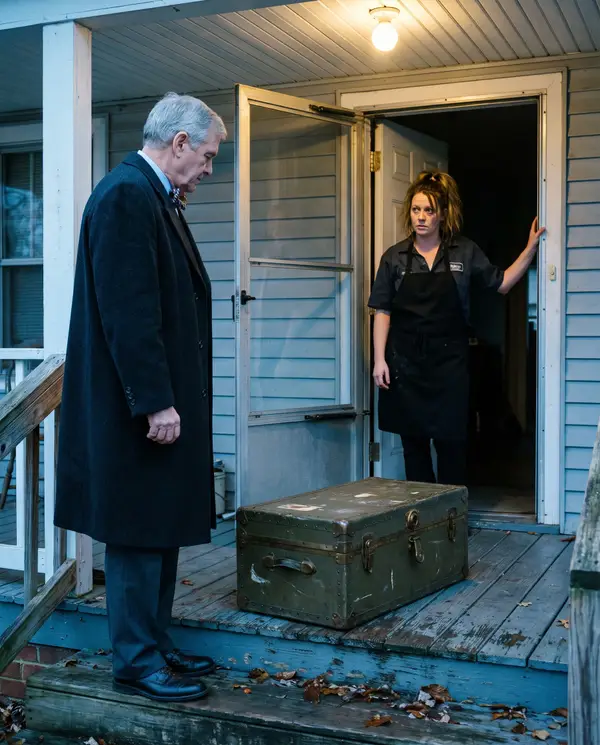
Carol Jones — Clinically Formulated Magnesium
TestingImage

Clinically Formulated Magnesium

My husband died seven weeks after our daughter was born. She’s 13 now. One night last June, I walked past her room and heard her whispering on the phone: “Okay, Dad. I miss you too.” I froze. My husband has been dead for 13 years. She hung up the second she saw me standing in her doorway with a basket of clean laundry. “Who were you talking to?” “Nobody. Wrong number.” “You said Dad.” She wouldn’t look at me. Her face was wet. “I said it was a wrong number, Mom.” She rolled over to face the wall and slid her phone under her pillow. I set the basket down and put her T-shirts away one at a time, slower than I needed to. She didn’t say another word. “Goodnight, Callie.” Nothing. I turned off her light and pulled the door almost shut, the way she likes it. Then I stood out in the hall a long time, listening. Not a sound. I told myself to leave it until morning. I made it till one o’clock. Then I went back down the hall for her phone. She was asleep on her stomach with one arm under the pillow. Her father used to sleep exactly like that. I slid my hand in under the pillow an inch at a time, until I felt the edge of the phone. She didn’t move. I took it back to my room and sat on the edge of my bed. The passcode was Kevin’s birthday. I’d set it up for her myself. My hands were shaking. I got it wrong twice. Her recent calls were almost all the same number. No name. Just the number, with an area code I didn’t recognize. Every night at 8:30. Forty-one minutes. Fifty-two minutes. An hour and six. I scrolled back. Three weeks of it. I didn’t let myself think about it. I pressed the number. It rang once. Twice. Three times. I almost hung up. Four. Then the ringing stopped. Nobody said hello. All I could hear was breathing. Heavy and ragged, like whoever it was had to fight for every bit of air. “Hello?” The breathing got louder. “Who is this?” Click. I called right back. It rang and rang. Nobody picked up. I sat there with her phone in both hands. I couldn’t make myself put it down. Then it buzzed. A text, from the same number. “Do not find me.” I went and woke up my brother. He’d been sleeping on my couch since his divorce. I held the phone in front of his face. He read the text, then sat up and read it again. “Where’d you get this?” “It’s Callie’s. She was on it tonight with somebody. She called him Dad. Then she told me it was a wrong number.” Wes rubbed his face with both hands. “Wrong numbers don’t text back, Dee.” We woke Callie up. At 2:40 in the morning, the three of us were sitting at my kitchen table. She had her knees pulled up inside her sweatshirt, staring at her phone. It was lying face down on the table in front of me. “You went through my phone.” “Who is he, Callie?” “Nobody.” I turned the phone over and slid it across the table so she could read the text. She read it. And all the fight went out of her. “You called him?” “I called him.” “Mom.” Her voice cracked. “Now he’s never going to call back.” She was crying too hard to talk. Wes got up and got her a glass of water. I just sat there. When she could breathe again, she said, “He’s not a stranger, Mom.” Then she got up and went down the hall. Not to her room. To mine. She came back with Kevin’s old boot box from the top shelf of my closet and set it down in front of me. I knew what was in it. Every December for thirteen years, a birthday card came for Callie. And every December, I put it in that box without opening it. They were all open now. “Thirteen birthday cards,” she said. “For me. You never opened even one.” I didn’t say anything. “The last one had a phone number in it. So I called.” She swallowed. “Mom, he sounds just like Dad. Exactly like the video from the hospital.” The kitchen went so quiet I could hear the refrigerator. Wes closed his eyes. “Clement,” he said quietly. I hadn’t heard that name out loud in thirteen years. Callie was looking right at me. “Why did you hide my grandpa from me?” I said it before I could stop myself. “Because that man killed your father.” Wes put his hand flat on the table. “Dee.” “That’s not true.” Callie was shaking her head. “You don’t even know him.” “Callie.” “He told me about Dad. Every night. All the stuff you never told me.” She wiped her face with her sleeve. “Dad drove a tractor into the pond when he was nine and told Grandpa a cow did it. He climbed a pole in an ice storm so the hospital could get its power back. He hated tomatoes. He sang in the truck, really bad.” I knew every one of those stories. I’d just never told her a single one. “Tonight I asked Grandpa if he’d say goodnight to me the way Dad would have. Just once.” Her chin started to go again. “He said, ‘Goodnight, kiddo.’ So I said it back.” I knew exactly where she’d gotten that word. There’s one video of Kevin holding her. Forty seconds. He’s in the hospital chair with her asleep on his chest, eight hours old, and he looks right into my phone and grins. “Hey, kiddo. Every birthday, you get cake for breakfast. Don’t let your mom tell you different.” She’s watched it a thousand times. Seven weeks after I filmed it, I found Kevin face down in our driveway. The ice scraper was still in his hand. His heart just stopped. He was forty-seven. Wes was looking at me. “Tell her, Dee.” Callie looked from him to me. “Tell me what?” “The summer before you were born, your grandpa showed up here without calling,” I said. “He sat right where you’re sitting. Your dad sat where I am.” She looked down at the chair. “I went out to the garden to give them some room. I wasn’t out there ten minutes before I heard your dad yelling. When I came back in, they were both on their feet. Your dad’s face was white. Your grandpa was holding his hat in both hands.” “What did he say?” “He said, ‘You’ll do every last thing they tell you, son. Right into the ground.’” “Your dad pointed at the door. ‘Get out of my house.’” “Your grandpa put his hat on and went. They never said another word to each other.” “What was the fight about?” “I don’t know. Your dad would never tell me. He said it was between him and his dad.” I looked at the window. “He wasn’t the same after that. Some nights he’d sit out in the truck an hour before he came inside.” To me, that fight is what stopped his heart. “Your grandpa came to the funeral,” I said. “He stood at the back by the door, in a coat too thin for January. I walked all the way down the aisle to him.” “What did you say?” I made myself look at her. “I told him the last thing his son ever heard from him was ‘into the ground.’ I told him I hoped he was proud. And I told him never to come near you.” He never did. Just the cards. It was quiet for a long time. Then Callie said, “He told me if you ever found out, I should tell you one thing.” “What?” “Tell your mother I’m sorry I was right.” Nobody went back to bed. Around five, I looked in on Callie. She’d fallen asleep on top of her covers with the boot box next to her, one hand still inside it. I pulled the blanket up over her shoulders. Kevin and I tried eleven years for her. I was forty-three when she finally came. I sat on the edge of her bed until the window went gray. The top envelope was sticking out from under her hand. C. Vogel. Route 2, Wakefield. Two hours west. I’d known that address by heart for thirteen years. I’d never once driven it. At seven, I texted the mothers of my Saturday piano students and told them I was sick. Wes was at the counter making coffee. “You’re going out there,” he said. “He told me not to find him.” “That’s not an answer, Dee.” “I’m going to tell him to stay away from my daughter.” He poured me a cup and set it in front of me. “Drink this first.” I had my keys in my hand when Callie came down the hall in her sweatshirt. She stopped in the doorway. “Mom.” “What.” “Don’t be mean to him.” I didn’t promise her anything. The drive took two hours. I practiced what I was going to say to him the whole way. The last mile was gravel. A white farmhouse, a red machine shed, and corn as far as I could see. There was an old man up a ladder against the porch roof, pulling leaves out of the gutter with his bare hand. Eighty-two years old. On a ladder. He didn’t turn around when my car door slammed. I walked straight for the porch. Five wooden steps, steep ones. I was halfway up when my chest locked. Like a hand pressing flat on me, leaning. The edges of everything went gray. I grabbed the rail and sat down hard on the step. I heard the ladder rattle. Then boots on the gravel, faster than an old man should move. He knelt on the step below me and took my wrist. Two fingers, right on the inside, like he’d done it a hundred times. “Deanna. Look at me.” I knew that voice. It was Kevin’s. “Breathe slow. In through your nose. That’s it.” I did what he said. He didn’t let go of my wrist until the gray pulled back. Then he went inside and came back with a glass of water and held it while I drank. He was thinner than I remembered. White hair under the same kind of hat. Kevin’s eyes. “Is Callie all right?” he said. “She’s fine. She’s furious with me.” I’d driven two hours with a speech. All that came out was the end of it. “Stay away from my daughter.” He nodded slowly. “I tried to, Deanna.” “You called her every night.” “She called me.” He looked down at his hands. “Every night I asked her if you knew. Every night she said yes.” “Last night. That was you.” “I heard a grown woman’s voice, and I knew it was you. After thirteen years.” He shook his head. “I sat down on the kitchen floor. I couldn’t get one word out.” The breathing on the phone. He’d been crying so hard he couldn’t talk. “Callie taught me how to text,” he said. “That was the first one I ever sent. I wasn’t going to make you drive out here.” “Well, I’m here.” “You are.” “Callie gave me your message. That you’re sorry you were right.” My voice shook. “Right about what?” He didn’t answer. He was looking at my hand, still locked on the rail. “How long has your chest been doing that?” “It hasn’t. That was the first time.” “Go see a doctor this week, Deanna.” “Right about what?” “Go see a doctor. Then come back here.” He stood up, one hand on his knee. “And I’ll tell you.” I drove home without stopping. I didn’t tell anybody about the steps. It had passed. I felt fine. Callie was sitting on our front porch when I pulled in. “Did you yell at him?” “No.” She looked at my face like she didn’t believe me. “Can I go see him?” “No.” “Can I still call him?” I didn’t answer right away. “Eight-thirty,” I said. “And you leave your door open.” She threw her arms around my neck before I could say anything else. That night at 8:30, I sat on the floor in the hall outside her room. She laughed. I couldn’t remember the last time I’d heard her laugh like that. Then, at the end, through the open door: “Goodnight, kiddo.” Kevin’s voice. I went to bed before she could come out and see my face. Three days later, Wes was waiting for me in the kitchen when I got home from the grocery store. “Clement asked Callie last night if you’d been to a doctor yet.” He crossed his arms. “Why would he ask her that, Dee?” I put the milk in the refrigerator. Then I told him about the steps. He didn’t say anything for a minute. “I helped carry Kevin out of that church,” he said. “I’m not carrying you.” I started to tell him I was fine. “She already lost one parent she can’t remember. Don’t make her lose one she’ll remember every minute of.” He picked my phone up off the counter and held it out to me. He didn’t leave the kitchen until I’d made the appointment. Dr. Feld has been my doctor for nine years. He’s always running late, and he’s always kind about it. I told him about the steps. He listened to my heart, ordered an EKG, and sent me down the hall to have my blood drawn. The EKG was normal. Two days later, his nurse called me back in. He had my results up on his screen. He didn’t turn it toward me. “Your LDL is 192, Deanna. Your total cholesterol is 268. And your blood pressure’s up.” High cholesterol runs on my mother’s side. I’d always just watched what I ate. “It’s been creeping for three years now,” he said. “Watching what you eat isn’t holding it anymore.” “Given what happened on those steps, I want to start you on a statin. Atorvastatin. Ten milligrams, once a day.” “No.” He looked up from the screen. “Deanna—” “No statins.” He kept talking about risk, and plaque, and what happened on those steps. I could see his mouth moving. But I wasn’t in that room anymore. Kevin’s cholesterol ran high too. They put him on a statin when he was forty. His last four years, they had him on the highest dose. He kept the bottle on the windowsill over our kitchen sink, next to the dish soap. It was still there the morning of his funeral. I couldn’t make myself throw it out for a month. Those last years, his arms ached so bad he couldn’t lift his toolbox into the truck. His grip went. One morning he dropped his wire cutters off a pole and never felt them go. He’d lose the back half of his sentences. He fell asleep in his chair by eight o’clock, forty-seven years old. His doctor said he was well controlled. His LDL was the best it had ever been. That’s what they told me at the hospital, too. Like it was supposed to help. So when Dr. Feld said statin, all I could see was Kevin’s wire cutters falling. “No,” I said again. He tried for another ten minutes. Then he wrote the prescription anyway and put it in my hand. “Then we try it your way. I’ll check you again in eight weeks. But if your LDL isn’t under 130 by December, you start it.” He wrote a date on an appointment card and handed it to me. December 4. I read it twice. December 4 is Callie’s birthday. I drove home and put the prescription and the card on the refrigerator under one magnet, next to Callie’s school picture. From there I could see the windowsill where Kevin’s bottle used to sit. Then I stood in the kitchen, and I could hear Clement at my table. “You’ll do every last thing they tell you, son. Right into the ground.” And for the first time, I wondered what they’d really been fighting about. I didn’t go back to Clement’s. I wasn’t going to show up on that porch again with nothing. I was going to fix it myself first. I quit butter. I quit eggs and cheese. Oatmeal every morning. After supper I walked to the end of our road and back. I hadn’t eaten a piece of birthday cake in three years. Last December I watched Callie blow out thirteen candles and didn’t touch my slice. One Tuesday, the Ostrander boy was playing his piece for me, and I reached over to show him the chord. My finger slipped. Just once. Just enough to hit the wrong key. “You missed it, Mrs. Vogel.” He was eight. He thought it was funny. It was nothing. A bad night’s sleep. The second time, I played it clean. But for a second there, I wasn’t looking at my hand. I was looking at Kevin’s. That night I took the prescription off the refrigerator and sat at the kitchen table with it. If I took the pill, I’d go the way Kevin’s hands went. I teach piano. My hands are the only thing I’ve ever been good at. If I didn’t, my heart might quit on the next set of steps. The way his did. Either way, I’d go the way Kevin went. And Callie would lose the only parent she remembers. I put it back under the magnet. My heart wasn’t waiting for December, either. Halfway up our stairs with a basket of laundry, I’d have to stop and catch my breath. Twice that summer, my chest went tight, the way it had on his steps. I didn’t tell anybody. Every night at 8:30, I sat on the floor outside Callie’s door and listened. One night, near the end, I heard him ask her something. “Did your mom start the pill?” “What pill?” Callie said. He didn’t answer her. I’d never told him one word about a pill. At the end of August, I went back for my eight-week check. 189. Eight weeks of doing everything right, and it moved three points. Dr. Feld turned the pages of the notebook where I’d written down everything I ate. “Are you sure about the butter, Deanna?” “I haven’t touched it since June.” He nodded, like he’d heard that before. “Then December 4,” he said. “If it isn’t under 130, you start it.” He looked at me over his glasses. “I’m not going to watch you go the way your husband did.” “Neither am I,” I said. When I left his office, I didn’t turn toward home. I drove west. It was almost dark when I pulled into his lane. The porch light was on. He was sitting on the top step, like he’d been waiting. Maybe he had. I came up the five steps slowly, one hand on the rail. He didn’t get up. He just watched me. “You saw a doctor.” “He wants me on a statin by December.” He closed his eyes for a second. “How did you know to ask Callie about the pill?” “Your chest locked up on my steps,” he said. “I knew what they’d hand you. The same bottle they handed Kevin.” Then he stood up and held the screen door open. His kitchen was small and clean. One cup in the drainer. A seed catalog on the table. He poured me coffee and sat down across from me. “That’s what Kevin and I were fighting about,” he said. “The pill.” I held on to the cup. “The same year they put Kevin on the highest dose, my doctor put me on a statin too. Same numbers. It runs in this family.” “I’d buried three men from our church with good numbers. All three on the pill. All three charts said they were doing fine.” “So I started reading.” “Reading what?” He folded his hands on the table. “Cholesterol isn’t the enemy, Deanna. Your body makes it on purpose. Your brain runs on it. You’d die without it.” “The trouble starts when something attacks it. Free radicals. When they get hold of your cholesterol, it rusts.” “Rusts,” I said. “Same as an apple. Cut one open in the morning, and it’s brown by lunch. Nobody added anything to it. The air did it.” “That rusted cholesterol turns sticky. It works its way into the walls of your arteries and packs in, year after year, and hardens. Then one day a piece of it tears loose and jams the pipe shut.” “That’s what stops a heart.” I thought about the ice scraper, still in Kevin’s hand. “And the number your doctor watches only counts how much cholesterol you have. It says nothing about how much of it has already gone brown.” “Kevin’s LDL was the best it had ever been,” I said. “I know. He told me.” He turned his cup around in his hands. “The number was the cover of the book. Nobody ever read what was inside.” “A beautiful number and rusting arteries, in the same body.” “I quit the butter,” I said. “I eat oatmeal every morning. I walk every night. And it barely moved.” “Butter isn’t what’s driving it. The rust is.” “When your cholesterol rusts, your body takes it as damage. So it makes more cholesterol to patch it. Which gives the rust more to work on. Which your body takes as more damage. So it makes more.” “Around and around, like a wheel.” “That’s why it won’t come down,” I said. “And the pill?” “The pill forces the number down. Kevin’s came right down. And the rust kept going.” “It bails water as fast as it can, and never once finds the hole the water’s coming in through.” He set his cup down. “I told him that. At your table. I told him the pill would bring his number down, and he’d go anyway. I said it the worst way a man can say it to his son.” “He said I was an old fool who read too much on the computer.” “Maybe I was.” “Seven months later, I was standing at the back of his funeral.” The kitchen was quiet except for the clock over the stove. “I told you I hoped you were proud,” I said. “You’d just buried your husband.” He shook his head. “I’d have said worse.” For thirteen years, I’d believed that fight was what stopped Kevin’s heart. He wasn’t fighting Kevin. He was fighting for him. I looked down at my own hands on his table. “Then what happens to me?” He didn’t answer that. He asked me something instead. “When did Kevin’s arms start aching?” I had to think. “After they put him on the highest dose.” “And his grip? Losing his words? Asleep in his chair by eight?” I didn’t answer. I didn’t have to. Kevin’s arms. Kevin’s wire cutters. Kevin asleep in his chair at forty-seven. “How did you know?” “Because mine went too. Same pill. I was dropping things. My legs felt like somebody poured concrete in them. My doctor said it was my age.” “It wasn’t my age. It was the pill.” “That pill works by shutting down a production line in your liver. Less cholesterol gets made, and the number drops.” “But that same line makes something else. CoQ10. It’s the spark every muscle in your body runs on. Your heart. Your legs. Your hands.” “Shut the line down to force the number lower, and you shut down the spark with it. Same switch. You can’t have one without the other.” “The tiredness sleep doesn’t fix. The grip going soft. The fog that eats the back half of your sentences. High cholesterol doesn’t do that. High cholesterol doesn’t do anything you can feel.” “They call it a side effect. It isn’t. It’s the pill doing exactly what it was built to do.” I thought about the wire cutters, falling off that pole. Kevin never felt them go. “So the pill fails twice, Deanna. It never stops the rust that’s killing you. And it drains the spark that keeps you standing.” “It wasn’t our fight that stopped Kevin’s heart,” he said quietly. “It was the rust.” I couldn’t say anything for a minute. “What you need is the opposite. Something that stops the rust and leaves the spark alone.” He got up and reached to the shelf over the stove. He took down a small cardboard box, still taped shut, and set it on the table in front of me. Across the label, in handwriting I’d know anywhere: RETURN TO SENDER. Kevin’s. “I mailed him what I’d found,” Clement said. “Two weeks before the driveway. It came back like that.” I couldn’t stop looking at my husband’s handwriting. “What was in it?” “The answer. And it wasn’t a drug.” He sat back down. “You know what every cell in your body has to have before it can make a single spark? Before your heart can hold a beat? It’s a mineral. Magnesium.” “Magnesium?” “That’s about what Kevin said.” He waited until I looked at him again. “Here’s what nobody told Kevin. Your body’s own rust-proofing — the defenses it builds to mop up free radicals — runs on magnesium. Run low on it and the rust speeds up. Every study of low-magnesium bodies finds more of the rusted kind.” “And that production line in your liver the pill shuts down? Magnesium is what turns it down on its own. Same switch the pill pulls, only it works like a dimmer, not a pair of wire cutters. The papers call it nature’s statin. And the pill and the water pills they stack on top of it drain your magnesium while they work.” “And it doesn’t shut the line down. It feeds your spark. Every bit of energy your muscles burn has to be bound to magnesium before it works. Your heart. Your legs. Your hands.” “Stop the rust,” I said. “Stop the rust. Leave the spark. The one thing the pill can’t do, this does. And the one thing the pill does to you, this doesn’t.” “Does it work?” “There’s a study. Twelve weeks. People low in magnesium who took it back dropped their cholesterol, and the rusted kind, the kind that stops a heart, fell by more than twenty percent.” “It took me three years of reading to find it. I’d been taking it about a year when I came to your table that summer. My doctor took me off the pill slow, and watched my blood the whole way down.” “My LDL is 121. And the rusted kind, which my doctor never tested for until I made him, is lower than it ever was on the pill.” He opened and closed his fingers. “I can feel every one of them.” “I’m eighty-two years old. I split my own wood. I was up that ladder when you drove in.” “So I just eat spinach?” “Not from the store.” He shook his head. “I’ve grown vegetables for sixty years. The soil under the grocery store’s spinach has been farmed thin for a hundred of them. Thinner and thinner, till the magnesium got farmed right out of it. A leaf today carries a fraction of what it did when I was a boy. You’d be eating bushels to get at the medicine.” “What I take is four forms of magnesium, in one formula. Taurate, for the heart and the walls of the arteries. Malate, for the spark. Bisglycinate, for the muscles and the grip. L-Threonate, the one that gets into the brain. Each one goes somewhere different.” “But be careful. Most of the magnesium on the shelf is oxide, because it’s cheap. Your body takes about four percent of it. What’s left is chalk. It looks like medicine and does nothing.” “Bushels or chalk. That’s most of what’s out there.” “Then just tell me which one you take.” “I told my son what to do once,” he said. “Right at your table.” He turned the seed catalog over and wrote on the back of the order form in block letters, pressing hard. DON’T BUY THE FIRST ONE YOU SEE. 1. Four forms. Not one. Taurate first, for the heart. 2. No oxide. Anywhere. Read the back, not the front. 3. Every form named, every amount printed. No proprietary blend. 4. A lab report you can read. Trust the lab, not the reviews. Turn the bottle around. Four names is alive. Oxide is dead. “Even a cheap one might make you feel a little something,” he said. “Even cheap magnesium moves your blood some. Don’t let it fool you. The feeling isn’t the proof. The lab is.” He tore the page off and slid it across the table to me. Then he walked me out to my car. He held the door while I got in. I rolled the window down. “Clement.” He leaned down. “I’m sorry.” He just nodded. “When your number comes down,” he said, “you bring her out here.” I didn’t tell Callie what he’d said at my car. I wasn’t going to promise her something I couldn’t keep. But I wanted to. The next morning I went to the drugstore for a birthday card for the Ostrander boy. Two aisles over, on the bottom shelf, there was a bottle of magnesium. Fourteen dollars. I didn’t turn it over. Clement’s note was right there in my purse, and I never took it out. December 4 was fourteen weeks away. I wasn’t going to spend one of them reading labels. I took them every morning with my coffee, at the kitchen table. Around day four, I thought I felt something. A little more left in me at the end of a day of lessons. I told myself it was working. That night at 8:30, through Callie’s open door, I heard him ask her. “Did your mom find the right one?” “She’s taking them,” Callie said. “She says she feels better.” “Good.” A pause. “Did she turn the bottle around?” Callie leaned out into the hall. “Mom. Did you turn the bottle around?” “Yes,” I said. I hadn’t. At the end of the two weeks, I paid for a cholesterol test at one of those walk-in labs. LDL: 194. Fourteen dollars, two weeks, and higher than when I started. That night, after Callie hung up, I picked the bottle up off the counter and turned it around under the kitchen light. Magnesium oxide. “Glycinate” on the front, in big letters. Oxide on the back, in small ones. Chalk. Exactly like Clement said. I read the label for the first time. One form. 500 milligrams, inside something called a proprietary blend. No lab report anywhere. I took his note out of my purse and laid it next to the bottle. Four rules. It failed every one. Across the top, in his block letters: DON’T BUY THE FIRST ONE YOU SEE. I’d bought the first one I saw. Off the bottom shelf, next to the birthday cards. I’d felt something on day four, and I’d told my daughter I felt better. The feeling isn’t the proof. I heard her bare feet in the hall. She came into the kitchen in her sweatshirt and stopped behind my chair. She looked at the back of the bottle. “That’s oxide,” she said. “I know.” She sat down across from me and turned the note around so she could read it. “Grandpa’s going to ask again tomorrow.” “I know.” She pulled her laptop across the table and opened it. “Then let’s find the right one.” We sat at that table till after midnight. First, Callie found the study Clement told me about. The twelve weeks. The rusted kind, down by more than a fifth. It was real. He hadn’t made up a word. Then I read his rules out loud, and she looked up every magnesium supplement she could find. “This one’s oxide,” she said. “Chalk.” “This one’s a powder for smoothies.” “One form.” The bottles were worse. Most of them didn’t say which form was in them at all. Callie found one that did. “Magnesium oxide, magnesium glycinate,” she read, and looked at me. “Oxide on the back,” I said. The few that claimed the right dose hid it inside a proprietary blend. Not one of those had a lab report anywhere. Callie crossed them off on the back of her math homework, one after another. A little after midnight, she stopped scrolling. “Mom.” She turned the laptop toward me. Gold Seal. Four forms of magnesium. Taurate 100 milligrams, for the heart. Malate 300, for the spark. Bisglycinate 550, for the muscles. L-Threonate 2,000, for the brain. No oxide anywhere on the label. Every form named, every amount printed. And a lab report posted right on their website, for anybody to read. Callie counted on her fingers. “That’s all four.” It cost more than the drugstore bottle. I paid for it out of my piano money. The box came on a Thursday. Callie got to the porch before I did. She wouldn’t let me swallow a thing. She turned the bottle around herself, under the light by the stove, and read the back out loud. Taurate. Malate. Bisglycinate. L-Threonate. Callie looked up at me. “That’s not oxide.” She read it again, slower, all four, like a spelling list. Callie took a picture and sent it to her grandpa. A minute later her phone buzzed. She held it up so I could read it. “That’s the one.” It was the second text he’d ever sent. I took my first Gold Seal with a tall glass of water and sat down on the piano bench. I had a lesson at four. Callie sat on the floor next to the bench and watched me. Seventeen minutes by the clock on the piano. That’s when I felt it. Warmth, moving down my arms and out into my hands. The heaviness I carried behind my eyes every afternoon, the kind I’d stopped noticing, thinned out. Like somebody turned the lights up in a room I didn’t know had gone dim. It wasn’t my cholesterol. That would take weeks. Magnesium lets the walls of your vessels let go. That’s all this was. My blood, moving easier than it had in a long time. Two weeks earlier, I’d have called that proof. It wasn’t. The proof would be on paper. But I put my hands on the keys and played the chord I’d missed for the Ostrander boy. Then I played it again. December 4 was eleven weeks away. The first week, I woke up before my alarm. I couldn’t remember the last time that had happened. Day ten, I carried the laundry basket up from the basement. All the way to the top. I didn’t stop once. My chest never tightened. The second week, at the end of the call, Callie looked out at me through the door. I held out my hand for her phone. She stared at me a second. Then she gave it to me. “Hi, Clement.” I heard him breathe in. “Hi, Deanna.” “I turned the bottle around,” I said. “This time.” It was quiet on his end for a moment. “I know,” he said. The fourth week, I went back to the walk-in lab. LDL: 158. Callie read the slip before I could fold it up. “Can we go out there now?” “Not yet.” “When?” “When the number comes down.” “Mom. It is coming down.” “Not enough.” She didn’t argue. But every night at 8:30, I heard her tell him the number. The eighth week, on a Monday morning, the slip said 139. I stared at it until Wes came in for coffee and looked over my shoulder. “Dee.” That was all he said. He put his hand on my shoulder and kept it there. I won’t tell you the magnesium did all of it. I’d quit the butter and I walked. But I’d done that all summer, and my number barely moved. That night Callie leaned out of her door with the phone still against her ear. “Grandpa wants to know if it’s enough yet.” “December 4,” I said. “Dr. Feld decides.” She told him. Then she covered the phone with her hand. “Mom. What if it’s not?” 139 still wasn’t under 130. I didn’t have an answer for her. December 4, I was up at five, frosting a cake. Thirteen years I’d done it. Every birthday, cake for breakfast. Kevin’s rule. He never got to see one. Callie came down in her sweatshirt at six-thirty. Fourteen candles. She blew them out, and I cut her a slice. Then I cut one for me. She stopped with her fork in the air. “Mom. You have your blood test.” “I know.” “You’re not supposed to eat.” “I know.” If my number came back high, I’d start Kevin’s pill that night. On her birthday. I wanted a number nobody could argue with. I ate it standing at the counter. Every bite. For three years, I’d let her eat it alone. Before I left, I took the prescription and the card off the refrigerator and put them in my purse. At the clinic, the nurse tied off my arm and looked at her sheet. “When did you last eat?” “About an hour ago. Birthday cake.” She put the needle down. “You can’t eat before a fasting draw.” “I know,” I said. “Draw it.” I sat in the waiting room for forty minutes. Then the nurse came back and took me down the hall for another draw. Then a third. I didn’t have to ask why. They didn’t believe the first one. Through the door of his office, I could hear Dr. Feld on the phone with the lab. When he finally called me in, he didn’t sit down. He turned his screen toward me. “Your LDL is 118, Deanna. It was 192 in June.” He tapped the screen. “And your triglycerides are normal. An hour after birthday cake.” Then he sat down. “What changed?” “My father-in-law,” I said. He waited. I told him all of it. The rust. The spark. The mineral nobody ever tested me for. The four rules on the back of a seed catalog. He asked me which four forms. Then he wrote Taurate on his pad. “These numbers don’t need a statin,” he said. “No statin?” “Not with these numbers. No. I want you back here in three months.” I took the prescription out of my purse, still folded from June, and set it on his desk. I put the card on top of it. December 4. He picked them up and tore them in half. I sat in my car in the parking lot with the engine off. My hands were shaking too hard to drive. I called the number I’d called at one o’clock in the morning, back in June. It rang once. “Deanna?” “118,” I said. He didn’t say anything. All I could hear was breathing. The same breathing I’d heard that night, ragged, like he had to fight for every bit of air. This time I knew what it was. I waited until it stopped. “Six o’clock,” I said. “There’s cake. And don’t tell Callie.” At six o’clock, there was a knock at the front door. Callie was setting the table. “Who’s that?” “Get it,” I said. She opened the door. Clement was standing on our porch in his good coat, holding his hat in both hands. Neither of them moved. “Hey, kiddo.” Callie’s hand was still on the doorknob. “Hi, Grandpa.” Then she was in his arms, and he was holding on to her like he’d waited fourteen years to do it. He had. I took his hat and hung it on the hook by the door. Then I walked him into the kitchen and pulled out a chair. Kevin’s chair. He looked at it. Then he looked at me. “Sit down, Clement.” He sat. Wes put a plate in front of him. Callie cut him the biggest piece of what was left of the cake. When the plates were empty, I took out my phone. “There’s something you’ve never seen.” I set it on the table in front of him and pressed play. Forty seconds. Kevin in the hospital chair, Callie asleep on his chest, grinning right into the camera. “Hey, kiddo. Every birthday, you get cake for breakfast. Don’t let your mom tell you different.” Clement hadn’t heard his son’s voice since the day he walked out of our kitchen. He watched it to the end. Then he reached out and touched the screen, and it started over. I put my hand over his and left it there. He watched it four times. When he finally set the phone down, he wiped his eyes with the back of his wrist. “I called him that,” he said. “Kiddo. Till he was thirty years old. He hated it.” Callie looked at me across the table. She’d watched that video a thousand times. She’d never known where her father got that word. At 8:30, she glanced at the clock on the stove. Then she looked at her grandpa, sitting right there in her dad’s chair. For the first time since June, she didn’t reach for her phone. And I didn’t have to listen from the hall. That Saturday, Callie and I drove west. Two hours. The last mile was gravel. Clement was sitting on the top step of his porch, waiting. Callie was out of the car before I’d turned off the engine. She stopped at the bottom of the steps and looked up at him. “Found you,” she said. He laughed out loud. I’d never once heard him laugh. I came up the five steps behind her. All five. I never touched the rail. I’m writing this because I came very close to going the way Kevin went. One road or the other. And for thirteen years, I blamed the one man who tried to warn us. I’m not a doctor. I teach piano. But I know this much now. Kevin’s chart said well controlled, while his arms ached and his grip went and the rust packed in around his heart. The chart tells you how much. It never tells you what’s going on underneath. The doctor watches the chart. The people who love you watch the hands. Dr. Feld saw a number. Clement asked a thirteen-year-old if I’d started the pill. Callie turned a bottle around and said, “That’s oxide.” Trust the ones watching the hands. So look. At yourself, or at the person across the table from you. The chest that tightens on a flight of stairs. The grip gone soft on jobs one hand used to do alone. The fog that rolls in by afternoon and takes the back half of your sentences. Asleep in your chair by eight. And a lab report in a drawer somewhere that swears everything is fine. If your doctor is pushing a statin, and something in you knows it’s wrong because you watched someone you love go down that road and come out less than they were, you’re not crazy. You’re not being stubborn. You’re seeing something the numbers don’t show. And if somebody in your family has been trying to tell you something for years, pick up the phone. There’s another way. It worked for Clement. It worked for me. It might work for you, or for the person you’ve been thinking about this whole time. Gold Seal. Four forms. One glass of water. The magnesium goes after the rust the pill was never built to touch, and it feeds the spark the pill drains. Taurate for the heart and the artery walls. Malate for the spark. Bisglycinate for the hands. L-Threonate for the fog. No production line shut down. No hands going soft. Stop the rust. Leave the spark. It’s four forms of magnesium, every one named, every amount printed, and the lab report posted where anybody can read it. Not bushels. Not chalk. Do what Clement told me to do. When the bottle comes, turn it around. If it names all four and says oxide nowhere, you’ve got the real thing. Then take it, and give it about twenty minutes. You’ll feel your blood moving. The rust work takes weeks, and it shows up on paper. The proof you got the right one shows up the first day. https://goldsealsupplements.com/pages/mag-v1 — Deanna Vogel P.S. — If you read all the way down here, I think I know why. Somebody’s face kept coming up while you read. Maybe your own, out of breath halfway up the stairs. Maybe your husband’s, calling it his age. Maybe a mother or a father who hasn’t been the same since they started the pill. You’re not imagining what you’ve seen. You’re paying attention. Clement paid attention from two hours away, through a thirteen-year-old’s phone. That’s the only reason I’m still here to write this. P.P.S. — That night, at the door, Clement put his hat back on and turned around one more time. “Don’t spend your years fighting a number, Deanna. Stop the rust.” The wrong fight is arguing with a number on a chart. The right fight is stopping the rust that number doesn’t even measure. That’s what Gold Seal goes after. And they give you 30 days to find out for yourself, money back if it doesn’t work for you, even if the bottle’s empty. Kevin sent his box back without ever opening it. If Gold Seal doesn’t do what I’ve told you it did for me, you can send yours back too, and you won’t lose a penny. P.P.P.S. — You’ll feel it in about twenty minutes. Not a jolt. Not a coffee buzz. Just warmth moving down your arms and into your hands, and the lights coming up in a room you didn’t know had gone dim. That’s not the cholesterol. That part takes weeks and shows up on your bloodwork. What you feel that fast is simpler. Your blood, moving easier. I took the cheap drugstore bottle for two weeks and felt a little something on day four. The first afternoon on the real thing, I sat down at my piano and played the chord I’d missed for an eight-year-old. Turn the bottle around before you take it. Oxide is chalk. Four forms is the real thing. P.P.P.P.S. — I want to be careful how I say this, because it matters. I never started the pill, so I never had to come off it. But if you’re on one now, please don’t stop it on your own. Clement didn’t throw his in a drawer because he read something. He took the research to his doctor, and they made the call together, with his doctor watching his blood the whole way down. Coming off one of these on your own can be dangerous. Start Gold Seal alongside whatever you take, and let your doctor make the call. Magnesium doesn’t ask you to choose. It goes after the rust either way. P.P.P.P.P.S. — For the daughters and the sons reading this. The doctor watches the chart. You watch the hands. If your mom is the one out of breath on the stairs, if your dad can’t hold a wrench like he used to since they put him on the pill and calls it his age, you might be the only one who’s noticed. My daughter was thirteen. She sat at my kitchen table till midnight with a laptop and a list of four rules, and she’s the one who turned the right bottle around. Don’t wait for them to bring it up. They won’t. And the rust works the same in men as it does in women. If your own numbers are climbing, this is for you too. P.P.P.P.P.P.S. — Clement keeps two bottles on the shelf over his stove now, right where Kevin’s box sat for thirteen years. The box is on my piano now. Clement gave it to Callie for her birthday, and she opened it that night. It was all in there, in her grandpa’s handwriting. If your bloodwork is coming up in the next month or two, check now. Every week you wait is another week of rust. And don’t forget the 30-day money-back guarantee. https://goldsealsupplements.com/pages/mag-v1

Loading the ad's image

Carol Jones — Clinically Formulated Magnesium
TestingImage

From the ads Sniped has collected from this page (8 so far, first seen Nov 2026). Reach is what Meta reports; no spend or sales estimates.