“Ceylon Cinnamon 7200mg Equivalent with MCT Oil
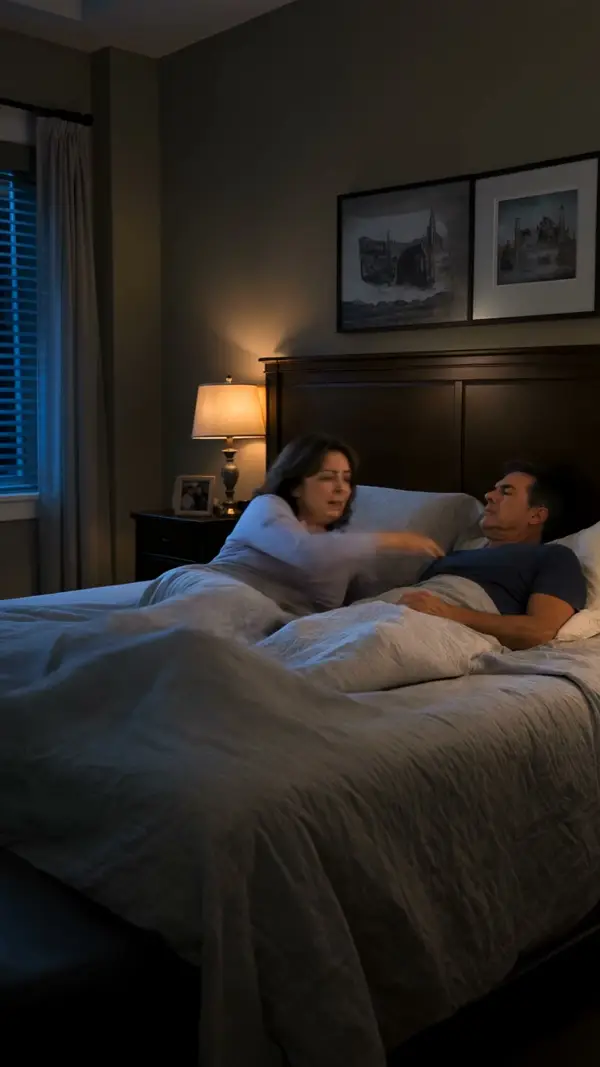
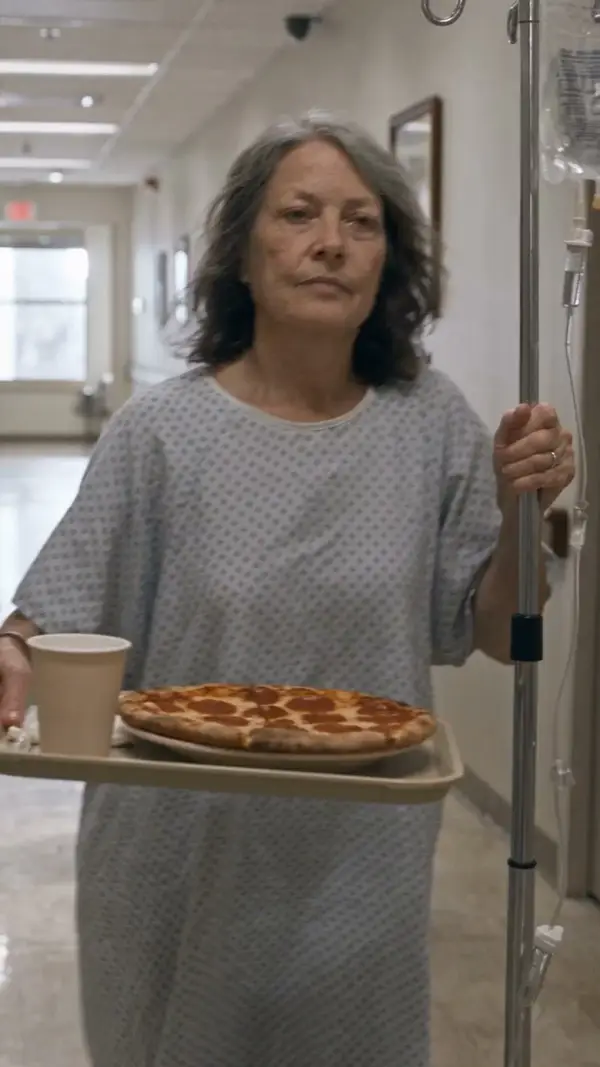
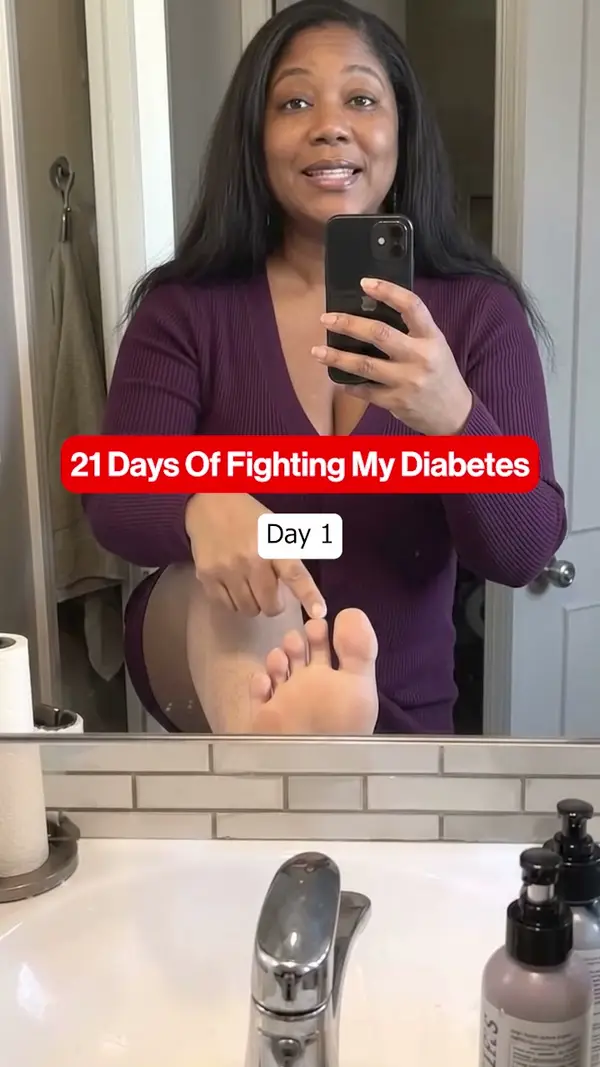
I don't give a f*ck if this upsets you. I am going to say something that no woman who's 60+ with Type 2 diabetes wants to hear. ⠀ I cut out carbs and sweets on July 8th, 2024. Threw out every loaf of bread, every snack, every box of pasta in the house. Went full keto. Walked three miles a day. Started juicing kale, of all things. I did everything I would have told any of my patients to do. I had a massive heart attack on October 19th at 2 AM. ⠀ I was 61 years old. ⠀ I've been a Certified Diabetes Educator for 24 years. ⠀ I taught this protocol to over four thousand patients across two decades. I ran group classes at the hospital every Tuesday and Thursday evening. I sat across from newly diagnosed Type 2 patients and their spouses and told them exactly what to do. Cut the bread. Cut the rice. Cut the pasta. Take the M*tformin. Walk every day. Retest in three months. ⠀ I told them this would work. ⠀ I taught them the same protocol I ended up doing myself. ⠀ And it almost killed me. ⠀ The paramedics got me back. The cardiologist put in two stents. But I nearly didn't come home. ⠀ Three minutes later to the hospital and I would have been gone. My heart stopped on the table for thirty seconds before they brought me back. ⠀ Thank God I survived. ⠀ The hospital bill was $63,000. The cardiac rehab was another $8,400. ⠀ My favorite coffee mug is on the counter this morning. My hand is around it right now. Fifteen months ago I thought I was going to lose everything. My kids. My grandkids. My husband. All of it. ⠀ I need to tell you what happened to me. Because I'm seeing the same posts on Facebook that I was making just months before my heart attack — my A1C is a little high, any tips — and it makes me physically ill. Because I was the woman answering those posts. I was the one giving the tips. ⠀ If you are a woman over 50 and you have Type 2 diabetes, or someone you love does, please read this entire thing. ⠀ I know it's long. I know you're scrolling. I know you have things to do. ⠀ Fifteen months ago I would have given anything, everything, for someone to tell me what I'm about to tell you. ⠀ And I was the diabetes educator. ⠀ I went in for a routine physical on June 28th, 2024. ⠀ I felt fine. Better than fine. I had just turned 61. I still walked five miles every Saturday morning with my sisters. I still gardened in the yard for hours on weekends. I thought I had this thing handled, because I taught it for a living, and honestly so did Frank. ⠀ Two days later my doctor called. ⠀ A1C of 10.3. Fasting glucose of 232. ⠀ Now, I had been diagnosed with Type 2 six years earlier. I had been on M*tformin for four years. My A1C had sat between 6.9 and 7.4 the whole time. My doctor and I both considered it controlled. I taught patients that this range was acceptable. ⠀ Then it jumped. ⠀ Your blood sugar is unmanaged, Caroline. We need to talk about your diet. ⠀ I was quiet on the call. I was in my kitchen, holding a slice of toast in one hand and the phone in the other. ⠀ What does breakfast usually look like for you? ⠀ Toast and eggs on weekdays. Pancakes with the grandkids on Saturdays. Cereal if I'm running late. ⠀ And dinner? ⠀ Chicken or fish with rice or pasta most nights. My mother's meatballs on Sundays. On the weekends Frank and I usually eat out. ⠀ And in between? ⠀ Sandwich for lunch. Slice of pie if I baked one. ⠀ That's enough to do this. You need to cut all of it. The bread. The rice. The pasta. The potatoes. The pancakes. Everything with carbs. Completely. No exceptions. We are doubling your M*tformin today. We will retest in three months. ⠀ I hung up the phone and sat at the kitchen table for forty minutes without saying anything. ⠀ Because I already knew all of it. ⠀ I had been teaching this exact instruction set for 24 years. I had it printed on a handout that I gave to every newly diagnosed patient in the hospital. Cut the carbs. Take the meds. Retest in three months. ⠀ I stood up, walked to the pantry, and took everything out. ⠀ I threw out three loaves of bread. Two boxes of my mother's favorite pasta that I had been saving for Sunday dinners. A five-pound bag of jasmine rice. Four boxes of cereal. The English muffins in the freezer. The tortillas we used for taco Tuesdays. The bag of potatoes on the counter. The pecan pie I had made the day before for my daughter's visit. All of it went in the trash. The whole pantry, gone in under an hour. ⠀ Frank asked me what I was doing. ⠀ That's it, I said. I'm done. ⠀ And I was. ⠀ For 103 days, I didn't touch a bite of it. ⠀ No bread. No rice. No pasta. No pancakes. Not at my niece's wedding in August where the dinner was pasta primavera and I asked the waiter for grilled chicken and vegetables. Not at book club in September where my friend Denise served her homemade banana bread and I ate almonds out of my purse. Not at my own 61st birthday dinner in October where my daughter made her honey-baked ham from scratch, with the sweet potato casserole and cornbread I had asked for on every birthday for 30 years, and I had a plate of ham with just the coleslaw and a pile of greens on the side. ⠀ I stopped going to Wednesday ladies' lunch at the country club because I could not sit there while every other woman ate the chicken salad on croissants and the fresh biscuits that came in the basket. I lost my friend Denise, who told me I was no fun anymore since I stopped drinking the wine and eating the bread, and stopped inviting me. I lost the Sunday brunch group with my sisters, where the standing order was a spinach quiche with a basket of pastries in the middle of the table. I lost a piece of myself I had been carrying for 40 years. ⠀ And I did it anyway. ⠀ Because I was the person who was supposed to know how to fix this. And that's what I would have told anyone else to do. ⠀ I was miserable the whole time. I want to be honest about that. The cravings never went away. I would stand in the kitchen at 9 PM looking at the empty bread drawer like it had personally wronged me. I opened the pantry 3-4 times a night to see if something had magically spawned. ⠀ I was agitated in the afternoons, so I would snap at Frank. He didn't deserve it. I don't blame him for not knowing what to say to me. I could not have said what I was doing to a friend. I could not picture myself eating no bread, no pasta, no dessert for that long. Not for one week. Let alone 103 days. ⠀ But I kept going. ⠀ I lost 22 pounds in those three months. I bought a juicer. Me, with the juicer, my daughter still can't picture it. I added a second daily walk in the evenings. I doubled my M*tformin per doctor's orders. I added a blood sugar complex I found on Amazon that I had been recommending to patients for years. I ate a salad every day. I learned to eat cauliflower rice instead of jasmine rice. I learned to eat zucchini noodles instead of my mother's spaghetti. I learned to say no to desserts. ⠀ I did everything right. ⠀ I did everything I had been teaching for 24 years. ⠀ The follow-up labs came back on October 7th. ⠀ A1C: 9.6. ⠀ Fasting glucose: 198. ⠀ I had quit carbs entirely for 90 days and the numbers had barely moved. ⠀ The doctor said give it more time. Diabetes management is slow. We will retest in 6 months. Keep doing what you are doing. If nothing changes we will add Oz*mpic at the next visit. ⠀ I came home that night and sat at the kitchen table again. The same table I had sat at after the first call. ⠀ I didn't say anything for a long time. ⠀ Then I said to Frank — I gave up everything. Everything. And it didn't work. And I've been telling other women to do the same thing for 24 years. ⠀ He told me to give it time. He told me the doctor said six months. He told me to trust the process. ⠀ I nodded. ⠀ I kept walking. I kept juicing. I kept taking the M*tformin. ⠀ Five days later, five days, I woke up at 2 AM with a pain I had never felt in 61 years. ⠀ It started in my back. Between my shoulder blades. Then it moved into my jaw. Then my chest. Then my left arm. ⠀ I want you to hear that. Because if you are a woman with Type 2 diabetes and you're reading this, you need to know how a heart attack shows up in a woman's body. Not the way they show it on television. Not the way it shows up in a man's body. In a woman it is often the back first. The jaw. The nausea. The exhaustion so deep you cannot lift your arms. I know this because I taught the warning signs of cardiovascular events to patients for 24 years. And when it hit me, in my own body, I still almost missed it. I lay there for eight minutes thinking it was a bad reaction to dinner. ⠀ Then the pressure moved. ⠀ I woke Frank. ⠀ Something is wrong. I need to go to the hospital. ⠀ He did not ask questions. He grabbed his keys and drove me to the ER. ⠀ By the time they admitted me at 2:47 AM, I was gray. Not a little pale. Gray. Like the color had drained out of my face. Like the light behind my eyes had gone dim. ⠀ The ER doctor, a young woman, could not have been 35, looked at my EKG and her face did this thing. ⠀ Mrs. Moore. You are having a massive heart attack. Your left anterior descending artery is 95 percent blocked. We are taking you to the cath lab. Now. ⠀ The doctor just looked at Frank. ⠀ I know, Mr. Moore. I'm sorry. ⠀ They rolled me down the hallway. Frank ran alongside the gurney holding my hand until the doors of the cath lab closed and a nurse gently pulled him back into the waiting room. ⠀ He sat in that plastic chair for three hours and forty minutes. ⠀ He called our daughter. He called my sister. He called my brother in Arizona. He could not stop shaking. ⠀ At 6:42 AM the cardiologist walked into the waiting room. ⠀ Frank stood up so fast he nearly fell over. ⠀ She's stable. We placed two stents in the LAD. She coded once on the table but we got her back within thirty seconds. She's in the ICU now. You can see her in about an hour. ⠀ Thirty seconds. ⠀ Thirty seconds is what stood between me and being gone. ⠀ I spent four days in the ICU. Another five days on the cardiac step-down floor. I came home on October 28th with two stents, a walker, and a shopping bag full of prescriptions. ⠀ That was the day the second nightmare started. ⠀ Because the cardiologist did not just want to see me back in her office for cardiac follow-up. She wanted a full body diabetic workup done, because in her words, when a Type 2 diabetic has a cardiac event this severe, the disease is almost never confined to the heart. We need to know what else is going on. ⠀ Over the next three weeks, I had: ⠀ A kidney panel with a nephrologist. ⠀ A dilated eye exam with an ophthalmologist. ⠀ A liver ultrasound and hepatology consult. ⠀ A nerve conduction study on my feet with a neurologist. ⠀ And every single one of them came back with a problem. ⠀ The nephrologist showed me that my creatinine had been climbing quietly on my last three panels. My kidney function was already declining. She called it early stage 3 diabetic nephropathy. Nobody had told me. I had been reading my own labs for years. I did not catch it. ⠀ The ophthalmologist noted small hemorrhages in both retinas. Early diabetic retinopathy, she said, consistent with several years of elevated blood sugar. I had been complaining about blurry vision that came and went. I told Frank I was tired. I was not tired. My retinas were bleeding. ⠀ The liver ultrasound showed moderate fatty liver disease. My enzymes had been elevated for two years. My previous doctor had said we will keep an eye on it. I had taught patients that phrase meant nothing was wrong. I was wrong. ⠀ The nerve conduction study showed measurable peripheral neuropathy in both feet. The tingling I had been complaining about for six months, the tingling I blamed on my shoes, was diabetic neuropathy. And it had already been damaging my nerves for years. ⠀ Same disease. Same trapped sugar. Damage in my feet. Damage in my kidneys. Damage in my eyes. Damage in my liver. And finally, damage in my heart. ⠀ The cardiologist called it a massive heart attack in a Type 2 diabetic with previously managed A1C. ⠀ Managed A1C. ⠀ That word again. The word I had used in patient charts. The word I had used in group class every Tuesday and Thursday for 24 years. Managed. ⠀ I sat on the edge of my bed that night, thirty-nine days after my heart attack, holding the folders of specialists' reports in my lap, and I said the words that broke something inside me. ⠀ My body was falling apart for years and nobody was watching for it. Not me. Not my doctor. Nobody. ⠀ My A1C was managed. ⠀ That's when I stopped waiting for my doctors to save me. ⠀ I started researching. ⠀ Not because I wanted to. Because I had to. Because I had survived by thirty seconds and I was not going to sit and wait for the next one. ⠀ I started reading everything I could find on Type 2 diabetes at 2 AM when I could not sleep. Medical journals I had subscribed to for 24 years. Endocrinology forums. Studies out of Japan and Germany that had not made it into the CDE curriculum. And one thing kept coming up, over and over, that none of my training had ever taught me. ⠀ The reason my numbers didn't come down when I cut carbs is that cutting the carbs only stops the incoming sugar. It doesn't move the sugar already trapped in the bloodstream. ⠀ But I couldn't understand the mechanism from the papers alone. It was too clinical. Too abstract. And I had spent 24 years reading clinical papers. If I could not put this into words a patient could understand, it did not matter what the paper said. ⠀ Then I found a thread on a diabetes forum with over 4,000 comments. The title. Why does my Sri Lankan grandmother not have diabetes despite eating rice every day? ⠀ I almost scrolled past. Something made me click. I had been dismissing folk medicine testimonials for 24 years. This time I read. ⠀ The post was from a woman whose grandmother had immigrated from Sri Lanka in the 60s. She was 84, ate rice with every meal, drank tea with sugar, had never been on Metformin, had never had elevated blood sugar. The post asked why Sri Lankan women in her grandmother's village rarely developed Type 2 diabetes despite their carb-heavy diet. ⠀ Comment after comment. Stories. Studies. Cinnamon. True Ceylon cinnamon. The kind that grows wild in Sri Lanka. The kind that has been used in their traditional medicine for over a thousand years. ⠀ Someone posted a name. Kumari. A grandmother who lived in a small Sri Lankan community in central New Jersey. People in the thread said she had helped their family members reverse their A1Cs. ⠀ I looked at the clock. 2:39 AM. ⠀ By 5:30 AM I was in my car. My cardiologist had cleared me to drive the week before. Frank tried to come with me. I told him no. I needed to do this by myself. By noon I was in New Jersey. ⠀ I didn't have an address. Just a town name and a description of the street. I drove until I saw a small house with a garden of unusual plants. Bushes I didn't recognize. A small tree by the front door I'd never seen before. ⠀ There was an older woman on the porch. Had to be pushing 80. Small. Thin. Dark hair pulled back with gray streaks running through it. She was sorting through something in a large wooden bowl on her lap, her fingers moving so fast they blurred. ⠀ No swollen knuckles. No brace. Just easy, steady work. ⠀ I parked and walked up to the porch. ⠀ Excuse me, I said. I don't want to bother you. But how old are you? ⠀ She looked up with sharp, clear eyes. Seventy-nine. ⠀ I stood there staring at her. Seventy-nine. I was 61 and had just come home from a nine-day hospital stay with two stents in my heart. ⠀ My name is Caroline. I've been a Certified Diabetes Educator for 24 years. I had a massive heart attack six weeks ago. I almost died. I have Type 2 diabetes. Managed A1C. My body was falling apart underneath the number for years and none of my training or my doctors caught it. I read a thread online. Your name was in it. I drove eight hours to find you. ⠀ She set down the bowl. Looked at me for a long moment. ⠀ You came here for a reason, she said. Come inside. ⠀ Her kitchen smelled like cardamom and cinnamon and rising bread. She poured me a cup of tea without asking. Pulled out a chair. ⠀ Tell me what happened to you. ⠀ I told her everything. The heart attack. The stents. The 103 days of no bread that did not save me. The follow-up labs that barely moved. The five specialists I had seen since I came home from the hospital. The kidneys. The eyes. The liver. The feet. The heart. And that I had been teaching this exact protocol for 24 years and it had almost killed me. ⠀ She nodded through every complication like she was checking items off a list she already had in her head. ⠀ When I finished, she was quiet for a moment. ⠀ Then she said — your medication is fighting the wrong battle. ⠀ I blinked. Not what I expected her to say. ⠀ M*tformin quiets the number on your chart enough that your doctor stays calm. That is all it does. The reason your numbers keep climbing. The reason your feet burn. The reason your blood pressure creeps. The reason your heart almost stopped six weeks ago. Nobody is touching that. ⠀ I know it is blood sugar, I said. I have taught blood sugar for 24 years. I cut the bread. I cut the sugar. I tried berberine. I tried apple cider vinegar. That is not new to me. ⠀ She smiled. Then you know more than most. But you do not know what that sugar is actually doing. Because nobody teaches it. Not even the educators. That is why you almost died in your own body while teaching the same protocol you followed. Without that, none of the rest matters. ⠀ She folded her hands on the table. ⠀ There are two things happening in your diabetes. The number on your chart. And the damage underneath it. They are NOT the same thing. ⠀ She held up two fingers, separated. ⠀ The pill works on the first one. The number. The damage, it never touches. The number is just the reading. Underneath it, the sugar from every meal you eat is trapped in your blood. It cannot get into your cells anymore. The doors are closed. So the sugar stays in your blood. And every heartbeat, it moves. Every meal, more piles on. The pill silences the number on the chart. But it never opens the doors. The sugar keeps grinding. ⠀ I stared at her. ⠀ You do not feel the grinding. You only see the number. So when the pill quiets the number, the doctor thinks you are managed. You were not. The sugar was grinding through your vessels every day for years. Whether you felt it or not. Whether you taught your patients that word or not. ⠀ She leaned forward. ⠀ And here is the part no one has told you. Not even in your own training. That trapped sugar is not only damaging one part of the body. It moves through every blood vessel you have. The smallest ones go first. The vessels feeding the nerves in your feet. That is the tingling. The vessels filtering your kidneys. That is the creatinine climbing. The vessels in the back of your eyes. That is the retinopathy. The vessels feeding your liver. That is the fatty liver. And then. The arteries feeding your heart. ⠀ She picked up two small pieces of cinnamon bark from her bowl. Then a third. Then a fourth. Then a fifth. ⠀ This one is your feet. This one is your kidneys. This one is your eyes. This one is your liver. This one is your heart. Same trapped sugar grinding through all five. Your specialists have been treating five different problems. It was always one. ⠀ My chest tightened. ⠀ That is why your A1C would not come down when you cut the bread. That is why your blood pressure was climbing. That is why the heart attack came anyway. The M*tformin did nothing for any of it. The Oz*mpic they wanted to add would do nothing for it. The carb cutting. They just lower the supply of new sugar. They do nothing about the sugar already trapped in your blood. They never open a single door. ⠀ She looked me straight in the eye. ⠀ Your A1C measures what is in your blood right now. It cannot measure what the trapped sugar has been doing to the vessels feeding your heart for years. Those are two different things. And the one that matters, the grinding in your blood vessels, your doctor was not measuring at all. Neither were you. ⠀ She reached across the table. ⠀ Now here is what Type 2 diabetes really is. It was never just a sugar number. Years of trapped sugar that started moving through your blood the day the doors first closed. Like a fire moving through a house one room at a time. Every meal. Every day. The same trapped sugar working on your feet and your kidneys and your eyes and your liver and your heart at the same time. Your A1C looked managed. Your body was falling apart underneath it. And you kept teaching your patients the same word. ⠀ She tapped the table once. ⠀ And here is the piece that will make you angry. Every part of you has been feeling this damage. But one place paid the highest price. Your heart. The same trapped sugar damaging the smallest vessels has been stiffening the arteries feeding your heart muscle. Year after year. That is where your blood pressure came from. That is where the heart attack came from. The numbers your doctor wanted to medicate one at a time. Never once asking what was causing all of them. And you were the woman on the other side of the desk telling your patients the same thing. ⠀ My eyes started to water. ⠀ That is what almost killed you. Not your diabetes. Not your A1C. The trapped sugar nobody addressed. A heart that took that grinding every single day for years while your doctor read your A1C and told you it was managed. And you told yourself the same thing. ⠀ I couldn't speak. ⠀ Now hear me clearly, she said. I am not telling you to throw the M*tformin in the trash. A blood sugar number is a blood sugar number, and that is between you and your doctor. M*tformin can help. But understand what the medication is. It quiets the number on the chart. It never opens the doors. It never moves the trapped sugar. And taken every morning, year after year, it lowers your B12 and adds its own strain to a body that is already damaged underneath. ⠀ I asked her what does open the doors. I already knew before she answered that whatever it was would depend on the delivery. In 24 years of teaching I had learned that everything depends on the delivery. ⠀ She smiled. A small smile. ⠀ The doors have a key. For over a thousand years the people in Sri Lanka have used one thing for them. My grandmother grew it. Her grandmother before her. Generations of Sri Lankan women living into their eighties without diabetes despite eating rice with every meal. ⠀ She stood. Walked to a shelf along the wall. Pulled down a dark glass jar. Inside were curled pieces of bark, deep red-brown, layered like rolled paper. ⠀ True Ceylon cinnamon, she said. ⠀ I told her I had recommended cinnamon supplements from Amazon to patients for years and had tried them myself. I said none of them did anything for me or for the patients I sent them to. ⠀ She must have read my face. That is not what you think it is, she said. What is in the drugstore and on Amazon is not even cinnamon. It is cassia. A cheaper plant from China. It does nothing for blood sugar. And it contains a compound called coumarin that puts strain on your liver in daily doses. You were sending your patients cassia and calling it cinnamon. That is what the whole American supplement industry is doing. And no one at any of your CDE conferences ever told you the difference. ⠀ She held up the jar. ⠀ Real Ceylon cinnamon is a completely different tree. Cinnamomum verum. It has two compounds your body needs. The first is called MHCP. MHCP is what opens the cellular doors back up. The doors that stopped responding to insulin years ago. Once those doors open, the trapped sugar finally moves out of your blood and into your cells where it gets used as energy. The grinding through your vessels stops. ⠀ She set the jar down. ⠀ And the second compound is called cinnamaldehyde. The one that gives cinnamon its smell. Cinnamaldehyde repairs the lining of the blood vessels that the trapped sugar has been damaging for years. The vessels feeding your feet. Your kidneys. Your eyes. Your liver. The arteries feeding your heart. The ones your cardiologist put stents in. All of them. ⠀ She looked at me. ⠀ Two compounds. From one plant. One opens the doors. The other heals what the trapped sugar damaged while the doors were closed. That is why the people in my grandmother's village do not have heart attacks like you almost had. ⠀ I asked her if it had to be a special form. ⠀ She nodded. It has to be real Ceylon at the right dose, suspended in the right oil. The cinnamon in capsules at the drugstore is mostly cassia. And even the real Ceylon at the drugstore is in dry capsule form. The compounds are fat-soluble. Without an oil to carry them, they pass straight through the body and never reach the bloodstream. This is why we eat coconut with cinnamon in Sri Lanka. The coconut oil carries the cinnamon into the blood. My grandmother did not know the science. She just knew that in our kitchen, coconut and cinnamon go together in every dish. That is why our women live into their nineties without heart disease. ⠀ She paused. ⠀ There is a company my niece in Boston told me about. They source the real species, DNA-verified. They concentrate it twelve to one to match the dose in the published research. They suspend it in MCT oil, which comes from coconut. The same oil my grandmother used. Just concentrated into a small softgel so it actually absorbs. Third-party tested. Made in the USA. ⠀ She wrote the name on a piece of paper and handed it to me. ⠀ Metabolae. ⠀ I ordered three bags from her kitchen table before I left New Jersey. ⠀ I drove eight hours home. Got in at midnight. Frank was asleep in the recliner. I sat on the couch across from him and watched him breathe for two hours before I went to bed. Because he had almost lost me. ⠀ The bags arrived seven days later. ⠀ I took the first softgel with my breakfast the next morning. Sat at our kitchen table with the coffee Frank made me. Looked at the softgel in my palm. ⠀ You believe her, don't you? he said. ⠀ I do. ⠀ I looked up at him. ⠀ Because I have taught the other version for 24 years and it almost killed me. ⠀ Then I swallowed it. ⠀ Week one. ⠀ My afternoon energy came back first. I had been napping every afternoon since the heart attack, exhausted after dinner. On day five of Metabolae, I sat at the kitchen table at 3 PM and read the paper cover to cover without dozing off. I looked at Frank and said I have not felt this awake in the afternoon in months. ⠀ Week two. ⠀ The tingling in my feet started to quiet. I had been sleeping with my feet outside the covers for over a year because the burning would wake me up at 3 AM. That week I pulled the covers up over my feet for the first time. ⠀ Week three. ⠀ The 22 pounds I had lost during my 103 days of misery had been muscle as much as fat. My color was back. My face looked like myself again. My daughter came for dinner and I saw her face when she walked in. She had been watching her mother look sick for months. That night she pulled Frank aside and said, Dad, Mom looks like Mom again. ⠀ Week four. ⠀ I was reading the paper at the kitchen table one morning and looked up at Frank with a strange expression. I held the paper out at arm's length. Then brought it closer. Then closer still. ⠀ Frank. I can read the small print. ⠀ I had been holding the paper at arm's length for over a year. My ophthalmologist had noted the retinopathy at my workup. My vision had been slowly getting blurrier for months and I had blamed my glasses. Now I was reading the sports section without squinting. ⠀ Week six. ⠀ I bought a home glucose meter and started tracking my fasting numbers. 138 on day one. 124 by the end of the week. 108 the week after. I was cheating on my diet occasionally now, a piece of bread here, a little slice of pie there, and my numbers kept coming down. ⠀ Week twelve. ⠀ Full lab panel. A1C: 5.9. ⠀ Down from 9.6 twelve weeks earlier. ⠀ Fasting glucose: 96. Down from 198. ⠀ Triglycerides: down 78 points. ⠀ Blood pressure: 118 over 74. Down from 148 over 92 the week I came home from the ICU. ⠀ Kidney creatinine back in normal range. ⠀ Liver enzymes back in normal range. ⠀ My cardiologist called me in for a special appointment to review the numbers. She looked at me. Looked at Frank. Looked at the chart. Looked at me again. ⠀ Caroline. What did you do? ⠀ I told her. ⠀ The Sri Lankan woman. The kitchen table. The two compounds. The trapped sugar. All of it. And that I was a diabetes educator who had been teaching the wrong thing for 24 years and had almost died learning what I should have known. ⠀ She listened for twenty minutes without interrupting. When I finished, she was quiet for a long time. ⠀ Then she said, I have not been trained on this. But your numbers have improved more than I have ever seen in a patient at your stage. Your cardiac risk markers are dropping. Your kidney and liver function is recovering. Your neuropathy is reversing. Whatever you are doing, keep doing it. ⠀ She cut my M*tformin in half at that appointment. ⠀ I am still on the two stents. Still on my blood pressure medication. Still walking three miles every morning. But I eat bread now. Occasionally. I had pancakes with the grandkids last Saturday for the first time in fifteen months. ⠀ My A1C at my last panel four weeks ago was 5.7. ⠀ I came within thirty seconds of Frank writing you a very different letter. ⠀ I am writing this because I am still here. And I have watched every symptom in my body reverse. And I have watched my cardiologist, a woman who has been practicing for twenty-two years, look at my labs and say the word I had been chasing for a year and a half. ⠀ Improving. ⠀ Not managed. ⠀ Improving. ⠀ If you are a woman over 60 with Type 2 diabetes, or you have a sister, a mother, a friend who is, and you have been told your A1C is managed while your body is quietly falling apart, please listen to what I am telling you. ⠀ The trapped sugar is what is killing us. Not the number on the chart. ⠀ The M*tformin lowers the number. It does not open the doors. It does not move the trapped sugar. It does not repair the damage the trapped sugar has already done to your feet, your kidneys, your eyes, your liver, and your heart. ⠀ Cutting the bread does not save you. I did that for 103 days and it did not stop what was coming. ⠀ Oz*mpic does not save you. Same idea, different lever. Neither one opens the doors. ⠀ There is one thing I know of that opens the doors and heals the damage. The two compounds in real Ceylon cinnamon. MHCP opens the doors. Cinnamaldehyde repairs the vessels. Together, at the right dose, in the right delivery form, they address what my medications never touched. And what I had never been taught to address in 24 years of teaching this disease. ⠀ Metabolae. ⠀ DNA-verified true Ceylon from Sri Lanka. Concentrated 12 to 1 to match the dose in the clinical research. Suspended in organic MCT oil so the active compounds actually absorb. Third-party tested. Made in the USA. ⠀ One softgel every morning with breakfast. That is the whole protocol. ⠀ 90-day money-back guarantee. If the numbers do not move, you pay nothing. ⠀ I almost died on October 19th, 2024, at 2 AM in the back of an ambulance. My father died at 71 of a heart attack. My mother died at 68 of complications from the same Type 2 diabetes I was diagnosed with at 55. I am 61 today. My grandkids call me almost every day. ⠀ I am still here because a Sri Lankan woman I found in a Facebook group brought me to her kitchen table for two hours and told me what my own training never had. What my doctors never told me. What I had never told a single one of my patients in 24 years of teaching them. ⠀ I want that for you. ⠀ I want your sister, your mother, your best friend, or yourself, to still be here five years from now. ⠀ Please do not wait for the ambulance ride to figure this out. ⠀ ~ Caroline Moore, age 61, Certified Diabetes Educator, Springfield, IL ⠀ P.S. My cardiologist told me at my last appointment that if I had come in that October morning even fifteen minutes later, I would not have survived. Fifteen minutes. That is the margin the trapped sugar left me with after six years of doctors — and me — calling me managed. Please do not let your margin be shorter than mine was. ⠀ P.P.S. I don't work for Metabolae. I don't get a penny from this. I'm writing this at 2:14 AM because I woke up in a panic and had to remind myself I was still breathing. That does not go away. Fifteen months later and I still check. Share this with any woman you love who is Type 2 diabetic. Even a little. Even borderline. Even if she already cut carbs. Please. Especially if she's a nurse, or a doctor, or a diabetes educator like me. Because we think we know. And we don't.
Loading the ad's image