Advertiser

Dr. Linda Marsh, DPT

trycevera.comMeta Ad Library

17
Running ads
none new in 30 days
Jun 2026
Advertising since
longest ad 5 months
—
Reach
running ads, summed
0% video
Formats
0 video · 17 image
6
Products advertised
1 shop

Neck Hump? It's Not About Your Posture...

I've watched too many neck hump patients end up in specialist intervention to keep my mouth shut about this. If you've been told "just keep doing your exercises" for your neck hump, I need to tell you something your practitioner isn't telling you. My name is Linda Marsh. I've treated over 200 neck hump patients in 15 years as a manual therapy and cervical rehabilitation specialist. And when a patient walks into my office after their primary care said "do your exercises, we'll recheck in six months," I already know what their assessment will show 5 to 10 years later if nothing changes. Advanced tissue consolidation. The same signal failure driving their forward head progression is quietly building compensatory tissue at the base of their neck right now. And at 51, when my own assessment showed 2.4cm of forward head displacement, I knew exactly what my practitioner was about to tell me. And exactly what she wasn't. Your neck hump isn't a "watch and wait" problem. It's a neuromuscular signal failure happening at the motor nerve level. I've been treating neck hump progression for 15 years. I've seen hundreds of patients dismissed with "keep doing your exercises, we'll recheck in six months." Most of them walked out, Googled the diagnosis on the drive home, and stopped at the wellness store on the way back. Posture braces. Cervical pillows. Foam rollers. One of those 8-in-1 posture correction kits. The tools every neck hump article on the internet eventually recommends. They used them for months. Some for years. Their measurements barely moved. And what's worse, they thought they were doing something about the problem. Because primary care sees you once. Writes the dismissal. Sends you home. They don't see you 5 to 10 years later when you're sitting in my office with tissue that has consolidated past the point of easy reversal and the word "specialist referral" on your chart for the first time. But I do. Margaret's mother. Diagnosed with forward head progression at 49. Same advice. Keep doing your exercises, recheck next year. Year after year. By 62 her tissue had consolidated enough that they finally ordered specialist input. By 65 she had been through three intensive intervention programs. Still progressing. Still managing. Her starting forward head measurement was 2.1cm. Almost exactly what mine was. James — one of my patients, 31. Came to me with forward head displacement of 2.8cm. Normal posture habits. What I'm ashamed to say I didn't recognize quickly enough was that the inhibition was already well established. I gave him the same "exercises and adjustment protocol" speech I'd been giving for years. He came back 18 months later with tissue consolidation at F2-F3 equivalent — visible, measurable, past the window of easy reversal. Still addressable at that stage. But barely. He's the patient I think about at night. They had years. They just didn't know they had them. Because nobody had explained what their assessment was actually pointing at, or what was quietly building underneath those numbers while they waited for the next recheck. The assessment was telling them the truth from the first appointment. The tools they were using didn't change anything. They just made them feel like they were doing something. My symptoms told me I was fine. My assessment said otherwise. I felt fine. A little more careful getting dressed in the morning. A quiet calculation I'd been running for so long it felt normal. My forward head position had crept up but nothing dramatic. Then a routine self-assessment caught it. My practitioner looked at the panel and said what she says to every patient. "Standard plan. Keep doing your exercises, reduce screen time, recheck in six months." I knew it wouldn't work. That's not the point. I'm a cervical rehabilitation specialist. I'd watched over 200 patients try exactly that and watched their measurements stay exactly the same or even progress further. So I ordered my own full cervical assessment. Forward head: 2.4cm. Tissue density at cervicothoracic junction: measurably elevated. Deep cervical muscle activation: 18% of clinical threshold. Because I know what those numbers actually mean. Early inhibition-driven progression. Neuromuscular signal failure at the motor nerve level. The kind of brain-muscle disconnection that exercises and adjustments alone were never going to fix. My forward head progression wasn't a "do more exercises" problem. It was my deep cervical muscles' defense system being switched off faster than any surface protocol could switch them back on. And another six months of "monitoring" would have masked the only early warning sign I had. Here's what primary care doesn't tell you because they don't follow long-term cervical progression outcomes. Your deep cervical muscles don't send obvious pain signals. They don't cramp dramatically. They don't fail suddenly. They don't warn you. By the time your forward head measurement is elevated, the inhibition has been progressing for years. By the time the tissue has consolidated, the signal failure has been running in silence. You're not "just getting older" or "sitting badly" or "stressed." Your deep cervical motor nerves are losing the signal they need to keep the head back. The same process pushing your measurements forward is quietly building compensatory tissue underneath. Right now. Roughly 1 in 4 patients with established neuromuscular inhibition progresses to consolidated tissue within 10 years without signal-level intervention. By the time most neck hump patients seek specialist input, the window for easy reversal has already narrowed significantly. Your neck hump isn't embarrassing. It's your 5 to 10 year early warning system. And exercises silence that alarm while the inhibition advances. So I tried what patients try. Posture habits. Reduced screen time. Ergonomic desk setup. Walking every morning. Improved how I felt a little, but measurements stayed elevated. Tools. Posture brace. Cervical pillow at the clinical dose. Foam roller protocol. A cervical correction kit with 8 components I used religiously. 18 weeks of disciplined use. Assessment came back. Forward head: 2.3cm. I moved one millimeter. 18 weeks of doing exactly what I'd been telling 200 patients to do. Nothing was addressing the signal failure driving the progression. But I kept thinking about something that made no sense. Neuromuscular inhibition IS reversible. The research proves it. The brain-muscle signal CAN be restored. Even established inhibition CAN respond to the right input. So why wasn't mine reversing? And why hadn't my patients' inhibition reversed either? October 8th. Late at night. I was reviewing 18 months of patient outcome data in my home office after a long clinic day. Couldn't sleep. My own assessment had just come back at 2.3cm. I wasn't looking for anything specific. If I'm being honest, I was pretty desperate. I'd compiled outcomes for every patient I'd put on a standard adjustment and exercise protocol for at least six months. Average forward head change at 6 months. Average change at 12 months. Average change at 18 months. The numbers stopped me cold. Patients on standard protocols showed no statistically meaningful improvement compared to patients managing on their own. Eighteen months. 200+ patients. Almost zero meaningful difference. I sat there staring at a spreadsheet I should have run five years earlier. I was the specialist recommending adjustment protocols for 15 years. And I was wrong about the mechanism. Then I pulled up the small subset. The ones who'd done their homework. They'd quietly added something else on their own while I was still recommending exercises. Direct EMS. Electrical muscle stimulation targeted at the deep cervical motor nerves. Some had bought the cheap version after Googling. Generic surface EMS from Amazon. $29.99. Their measurements barely moved either. Maybe a millimeter, then they plateaued. That sent me down another rabbit hole. Generic surface EMS devices have a serious targeting problem. The stimulation frequency and intensity don't reach the deep cervical motor nerves. The signal activates sensory nerves, not motor nerves. Studies show effective motor nerve activation requires specific program parameters — graduated intensity, multiple distinct programs for different stages of inhibition. Most consumer devices deliver fixed surface stimulation. So a generic EMS device? Your deep cervical motor nerves actually receive almost none of the activation required to overcome established inhibition. That's surface stimulation at a fraction of the clinical parameter range, reaching a tenth of the motor nerve depth that matters. No wonder my patients on generic EMS devices saw nothing. But the small group who'd found clinical-grade cervical EMS with 8 unique programs and 19 adjustable intensity levels? Those numbers told a different story. The graduated delivery works past the surface layer and reaches the inhibited motor nerve pathways directly. Same technology basis used in advanced rehabilitation settings. Their forward head measurements were moving. Real movement. The kind of result I'd been promising patients for 15 years but never actually seeing. I'd been a cervical rehabilitation specialist for 15 years. I'd studied neuromuscular inhibition my entire career. And I'd never properly understood why adjustment protocols weren't doing the job. Adjustment protocols work on the joint above the inhibited muscles. That's their mechanism. But they can't give the inhibited motor nerves the direct electrical activation they need to restart the signal. Direct EMS can. It delivers electrical pulses straight to the motor nerve pathway — the one input the inhibited deep cervical muscles need to start activating again regardless of what the brain is or isn't sending. One addresses the joint above. The other restores the signal directly. It's the same mec

Loading the ad's image
Dr. Linda Marsh, DPT — Neck Hump? It's Not About Your Posture...
WinningImage

Neck Hump? It's Not About Your Posture...

I've watched too many neck hump patients end up in specialist intervention to keep my mouth shut about this. If you've been told "just keep doing your exercises" for your neck hump, I need to tell you something your practitioner isn't telling you. My name is Linda Marsh. I've treated over 200 neck hump patients in 15 years as a manual therapy and cervical rehabilitation specialist. And when a patient walks into my office after their primary care said "do your exercises, we'll recheck in six months," I already know what their assessment will show 5 to 10 years later if nothing changes. Advanced tissue consolidation. The same signal failure driving their forward head progression is quietly building compensatory tissue at the base of their neck right now. And at 51, when my own assessment showed 2.4cm of forward head displacement, I knew exactly what my practitioner was about to tell me. And exactly what she wasn't. Your neck hump isn't a "watch and wait" problem. It's a neuromuscular signal failure happening at the motor nerve level. I've been treating neck hump progression for 15 years. I've seen hundreds of patients dismissed with "keep doing your exercises, we'll recheck in six months." Most of them walked out, Googled the diagnosis on the drive home, and stopped at the wellness store on the way back. Posture braces. Cervical pillows. Foam rollers. One of those 8-in-1 posture correction kits. The tools every neck hump article on the internet eventually recommends. They used them for months. Some for years. Their measurements barely moved. And what's worse, they thought they were doing something about the problem. Because primary care sees you once. Writes the dismissal. Sends you home. They don't see you 5 to 10 years later when you're sitting in my office with tissue that has consolidated past the point of easy reversal and the word "specialist referral" on your chart for the first time. But I do. Margaret's mother. Diagnosed with forward head progression at 49. Same advice. Keep doing your exercises, recheck next year. Year after year. By 62 her tissue had consolidated enough that they finally ordered specialist input. By 65 she had been through three intensive intervention programs. Still progressing. Still managing. Her starting forward head measurement was 2.1cm. Almost exactly what mine was. James — one of my patients, 31. Came to me with forward head displacement of 2.8cm. Normal posture habits. What I'm ashamed to say I didn't recognize quickly enough was that the inhibition was already well established. I gave him the same "exercises and adjustment protocol" speech I'd been giving for years. He came back 18 months later with tissue consolidation at F2-F3 equivalent — visible, measurable, past the window of easy reversal. Still addressable at that stage. But barely. He's the patient I think about at night. They had years. They just didn't know they had them. Because nobody had explained what their assessment was actually pointing at, or what was quietly building underneath those numbers while they waited for the next recheck. The assessment was telling them the truth from the first appointment. The tools they were using didn't change anything. They just made them feel like they were doing something. My symptoms told me I was fine. My assessment said otherwise. I felt fine. A little more careful getting dressed in the morning. A quiet calculation I'd been running for so long it felt normal. My forward head position had crept up but nothing dramatic. Then a routine self-assessment caught it. My practitioner looked at the panel and said what she says to every patient. "Standard plan. Keep doing your exercises, reduce screen time, recheck in six months." I knew it wouldn't work. That's not the point. I'm a cervical rehabilitation specialist. I'd watched over 200 patients try exactly that and watched their measurements stay exactly the same or even progress further. So I ordered my own full cervical assessment. Forward head: 2.4cm. Tissue density at cervicothoracic junction: measurably elevated. Deep cervical muscle activation: 18% of clinical threshold. Because I know what those numbers actually mean. Early inhibition-driven progression. Neuromuscular signal failure at the motor nerve level. The kind of brain-muscle disconnection that exercises and adjustments alone were never going to fix. My forward head progression wasn't a "do more exercises" problem. It was my deep cervical muscles' defense system being switched off faster than any surface protocol could switch them back on. And another six months of "monitoring" would have masked the only early warning sign I had. Here's what primary care doesn't tell you because they don't follow long-term cervical progression outcomes. Your deep cervical muscles don't send obvious pain signals. They don't cramp dramatically. They don't fail suddenly. They don't warn you. By the time your forward head measurement is elevated, the inhibition has been progressing for years. By the time the tissue has consolidated, the signal failure has been running in silence. You're not "just getting older" or "sitting badly" or "stressed." Your deep cervical motor nerves are losing the signal they need to keep the head back. The same process pushing your measurements forward is quietly building compensatory tissue underneath. Right now. Roughly 1 in 4 patients with established neuromuscular inhibition progresses to consolidated tissue within 10 years without signal-level intervention. By the time most neck hump patients seek specialist input, the window for easy reversal has already narrowed significantly. Your neck hump isn't embarrassing. It's your 5 to 10 year early warning system. And exercises silence that alarm while the inhibition advances. So I tried what patients try. Posture habits. Reduced screen time. Ergonomic desk setup. Walking every morning. Improved how I felt a little, but measurements stayed elevated. Tools. Posture brace. Cervical pillow at the clinical dose. Foam roller protocol. A cervical correction kit with 8 components I used religiously. 18 weeks of disciplined use. Assessment came back. Forward head: 2.3cm. I moved one millimeter. 18 weeks of doing exactly what I'd been telling 200 patients to do. Nothing was addressing the signal failure driving the progression. But I kept thinking about something that made no sense. Neuromuscular inhibition IS reversible. The research proves it. The brain-muscle signal CAN be restored. Even established inhibition CAN respond to the right input. So why wasn't mine reversing? And why hadn't my patients' inhibition reversed either? October 8th. Late at night. I was reviewing 18 months of patient outcome data in my home office after a long clinic day. Couldn't sleep. My own assessment had just come back at 2.3cm. I wasn't looking for anything specific. If I'm being honest, I was pretty desperate. I'd compiled outcomes for every patient I'd put on a standard adjustment and exercise protocol for at least six months. Average forward head change at 6 months. Average change at 12 months. Average change at 18 months. The numbers stopped me cold. Patients on standard protocols showed no statistically meaningful improvement compared to patients managing on their own. Eighteen months. 200+ patients. Almost zero meaningful difference. I sat there staring at a spreadsheet I should have run five years earlier. I was the specialist recommending adjustment protocols for 15 years. And I was wrong about the mechanism. Then I pulled up the small subset. The ones who'd done their homework. They'd quietly added something else on their own while I was still recommending exercises. Direct EMS. Electrical muscle stimulation targeted at the deep cervical motor nerves. Some had bought the cheap version after Googling. Generic surface EMS from Amazon. $29.99. Their measurements barely moved either. Maybe a millimeter, then they plateaued. That sent me down another rabbit hole. Generic surface EMS devices have a serious targeting problem. The stimulation frequency and intensity don't reach the deep cervical motor nerves. The signal activates sensory nerves, not motor nerves. Studies show effective motor nerve activation requires specific program parameters — graduated intensity, multiple distinct programs for different stages of inhibition. Most consumer devices deliver fixed surface stimulation. So a generic EMS device? Your deep cervical motor nerves actually receive almost none of the activation required to overcome established inhibition. That's surface stimulation at a fraction of the clinical parameter range, reaching a tenth of the motor nerve depth that matters. No wonder my patients on generic EMS devices saw nothing. But the small group who'd found clinical-grade cervical EMS with 8 unique programs and 19 adjustable intensity levels? Those numbers told a different story. The graduated delivery works past the surface layer and reaches the inhibited motor nerve pathways directly. Same technology basis used in advanced rehabilitation settings. Their forward head measurements were moving. Real movement. The kind of result I'd been promising patients for 15 years but never actually seeing. I'd been a cervical rehabilitation specialist for 15 years. I'd studied neuromuscular inhibition my entire career. And I'd never properly understood why adjustment protocols weren't doing the job. Adjustment protocols work on the joint above the inhibited muscles. That's their mechanism. But they can't give the inhibited motor nerves the direct electrical activation they need to restart the signal. Direct EMS can. It delivers electrical pulses straight to the motor nerve pathway — the one input the inhibited deep cervical muscles need to start activating again regardless of what the brain is or isn't sending. One addresses the joint above. The other restores the signal directly. It's the same mechanism intensive rehabilitation units use when a patient has severe neuromuscular inhibition after a spinal injury. They don't give them exercise sheets. They don't give them posture braces. They give them direct electrical muscle stimulation. Same mechanism. Same principle. The difference is speed. Acute inhibition from injury happens suddenly. Cervical inhibition from accumulated load takes years. But the root mechanism is essentially identical. A 2025 randomized trial tested direct cervical EMS at clinical parameters head to head against adjustment protocols and exercise-only programs in 135 patients with established neuromuscular inhibition. Direct EMS at clinical parameters was the only intervention that showed significant signal restoration activity. The ONLY one. At 12 AM, I ordered Cevera. 8 unique programs. 19 adjustable intensity levels. The clinical parameter range. Not the generic surface EMS from Amazon I'd watched patients buy and see nothing from. I didn't expect miracles. But for the first time in 15 years, the mechanism was sound. The device arrived three days later. I started October 12th. 15 minutes in the morning. 10 days in, I noticed the morning calculation wasn't there. I'd just gotten dressed for a 12-hour clinic day and realized I hadn't checked the angle in the mirror once. First time in months. Three weeks in, my husband Jim noticed before I told him. "You're carrying yourself differently," he said over breakfast. "What changed?" I hadn't told him I was using anything. "Different approach," I said. "Whatever you're doing, keep doing it." Eight weeks in, I ran my full self-assessment. When the numbers came up, I stared at the screen for almost one minute. Forward head: 1.3cm. Down from 2.4cm. Nearly 50% reduction in 8 weeks. Deep cervical muscle activation: 41% of clinical threshold. Up from 18%. Tissue at cervicothoracic junction: visibly and measurably reduced. The drop wasn't subtle. It was the kind of movement I'd been promising patients for 15 years and never seeing. My forward head progression was resolving because my deep cervical motor nerves were being directly activated. I printed both assessment panels. Walked them down to the next clinical review meeting. Dr. Patel looked at the panels. Looked at me. Looked back at the panels. "Linda, what protocol did you put yourself on? Forward head doesn't drop this fast on adjustment protocols alone." I explained the neuromuscular inhibition. The motor nerve activation mechanism. The graduated delivery. The 8-program clinical parameter range vs the generic fixed-frequency devices most of our patients were buying. He studied the numbers for another minute. "And you said your muscle activation improved too?" "From 18% to 41% of threshold in eight weeks." He was quiet for a moment. "I need to start asking my cervical patients whether they've ever tried direct EMS at clinical parameters." I cancelled my specialist referral. But I started telling patients something primary care doesn't. I started with Margaret. 54. Three years of doing everything her practitioners told her. Cut screen time. Ergonomic setup. Walked every morning. Lost 22 pounds of body weight that nobody had connected to forward load reduction. Used posture brace twice a day for eight months. Tried a cervical traction device her sister found online. Her forward head when she started? 2.9cm. Her forward head after three years of all of that? 2.7cm. Two millimeters. Three years. That was her reward for doing everything right. Margaret sat across from my desk and said, "I'm not going to be my mother. But nobody will tell me what to do besides more exercises." So I told her what I'd just figured out. 10 weeks on the same protocol I'd put myself on. Cevera. 8 unique programs. 19 adjustable intensity levels. 15 minutes in the morning. Her forward head at 10 weeks: 1.6cm. Down from 2.9cm. At her 8-week follow-up, her husband pulled me aside in the hallway. He said, "I don't know what you gave her, but she's getting dressed in the morning in five minutes instead of thirty. Whatever you're doing, keep doing it." I'm not telling you this because I'm against adjustment protocols. Adjustment protocols have a place. They're a legitimate intervention for joint mobility and surface tissue management. But they don't restore the inhibited signal. They don't address the neuromuscular mechanism causing neck hump progression. They don't move forward head measurements meaningfully in the patients who need it most. They temporarily address the joint above the inhibited muscles while the signal failure progresses inside. Your elevated forward head measurement is warning you. The same signal failure driving your forward head progression is quietly building tissue at the base of your neck underneath. And you have two choices. Address the joint above the inhibited muscles with adjustment protocols while the signal failure progresses below. Or restore the signal directly and let your deep cervical muscles do the job they were designed to do. I think about what I almost did. I almost wasted years the way my own patients had wasted theirs. I almost let my own progression advance on an adjustment protocol I'd already proven didn't work on my own data. I almost became the patient I see in my office 5 to 10 years later, wishing someone had told them their forward head measurement isn't the full picture. Because once the tissue consolidates past F2-F3 equivalent, your treatment options narrow. Once specialist intervention is on your chart, the window has already closed significantly. Once you need intensive clinical management to reverse what built up while you were "monitoring," your timeline changes forever. There's a new pharmaceutical approach to advanced cervical fibrosis intervention. It costs thousands per treatment course and only addresses consolidation after it's already developed. Direct EMS has been used in clinical rehabilitation for over 60 years. It costs about the price of one clinical session per month. And it addresses the signal failure before consolidation develops. You don't get a second warning. Your elevated forward head measurement is your first warning. The only warning you can still act on. Your progressive forward head measurement is your check engine light. Standard adjustment protocols are tape over the warning indicator. The signal is still failing. You just can't see the light anymore. But I see it every day in 200 patients' assessment results. Every single one of them says the same thing. "I wish someone had told me neck hump progression was actually addressable at the signal level." Someone just told you. You can't unhear it. The choice is yours. Restore your signal, and you potentially reverse the progression before it becomes consolidated tissue. Or address the joint above with adjustment protocols, and risk everything underneath. I'm a cervical rehabilitation specialist. I understand neuromuscular inhibition at a mechanistic level. And I chose to restore my own signal before it progressed further. That's all I'm asking you to consider. Give your deep cervical muscles a chance to reactivate before you accept "monitoring" or risk a specialist referral. Your forward head measurement is giving you years of advance warning. Use them. Eight weeks. That's all it took my forward head to drop from 2.4cm to 1.3cm and start reversing established inhibition. Eight weeks of restoring the signal instead of adjusting the joint above it. 👉 Try Cevera Risk-Free: https://trycevera.com/pages/adv2-womens-wellness-report P.S. The direct EMS protocol I used is Cevera. 8 unique programs. 19 adjustable intensity levels. The clinical parameter range, not the fixed-frequency under-powered devices most patients are buying on Amazon. Graduated delivery so the signal reaches the inhibited motor nerve pathway and actually activates the deep cervical muscles (generic EMS devices have motor nerve penetration equivalent to a fraction of what's needed, so most of the activation never reaches the right layer). If you've been told "just do your exercises" for your neck hump, and you've been using adjustment protocols and posture tools, and your measurements have barely moved — get a baseline forward head assessment. Use Cevera at the clinical program range for 8 to 12 weeks. Get follow-up measurements. Compare your numbers. Cevera backs the protocol with a 90-day money-back guarantee. If your measurements don't move on the 90-day protocol, you get every dollar back. No questions. 15 minutes a day. That's the protocol. Cevera is small. They've had limited availability twice this year already. If your device ships, use it. If it's already out of stock, check back before the next batch. You can always go back to adjustment protocols if it doesn't work. But you can't undo consolidated tissue if your forward head measurement tried to warn you and you silenced it with a protocol that wasn't reaching the signal. I wish someone had told me this 15 years ago when I started telling patients to just do their exercises and try posture braces. I can't get those years back. But I can tell you now. Don't waste the time you have. 👉 https://trycevera.com/pages/adv2-womens-wellness-report — Linda Marsh, Manual Therapy Specialist

Loading the ad's image
Dr. Linda Marsh, DPT — Neck Hump? It's Not About Your Posture...
WinningImage

Fight Back Against Your Neck Hump!

I'm a cervical specialist. I bought 9 neck hump products and tested every one of them on real patients with before and after measurements. What I found explains why the shape at the back of your neck keeps building no matter what you buy, and why most women over 55 are wasting their money. After 19 years treating this, I finally asked a patient a question nobody else had. She was 64. Her name was Dottie. She'd been sent to me after running through two clinicians and a posture clinic, all with the same answer: this is what happens, start getting used to it. She'd watched her own mother spend her last years hidden. A woman who stopped going to things. Who sat where nobody could see her. Who stepped out of every photograph. Her mother listening to Christmas dinner from the end of the table with a scarf on in a warm house, because she could not stand being looked at. She died at 74, quiet and shut in, behind a shape that was supposed to have been managed. Dottie was not going down that road. She came to me with a folder. Assessment printouts. Receipts. A log going back two years. Two years of doing everything right. She'd raised her monitor. Done the exercises. Worn the corrector religiously. A drawer of products that had cost her $90 a month. Her head position: climbing. Her holding time: unchanged or worse. Hadn't budged in eighteen months. "My mother did her exercises the whole time," she told me. "And she still ended up hiding at the end of the table. So what exactly am I doing here?" I didn't have a good answer for her. But then I asked her something that changed both our lives. "Has anybody ever checked whether the layer that actually holds your head up is being recruited, instead of just measuring where your head is sitting today?" She looked at me like I'd started speaking another language. Nobody had. I'm a board-certified physical therapist, and I've spent 19 years treating cervical posture at one of the busiest clinics in the Southeast. What I'm about to tell you is something I wish I'd understood my first year out of training. And something the product industry has a financial incentive to keep complicated. Standard assessments measure change that's already happened. Wall measurement. Imaging. Range of motion. What they don't measure is whether the layer that holds your head up is still firing at all. Here's what most specialists know but almost never explain to a patient. Your head — eleven pounds of it — sits on the smallest, most mobile part of your spine. There is no bone locking it in place. Nothing holding it there but muscle. So your body built a system. A deep layer of muscle, sitting underneath the ones you can feel, holds your head over your shoulders every waking hour. Your brain recruits it automatically. You have never once felt it working, and that is exactly how it is supposed to be. When that layer is being called, your head stays back and the shape never forms. But you cannot contract it on purpose. Your brain calls it or it doesn't. And modern life gives it almost no reason to. Think about it… That layer holds your head every waking hour of every single day of your life. For 300,000 years, humans looked ahead. Horizon level. Head over shoulders. All day. Today — phones, laptops, tablets, reading, driving — 8 to 10 hours a day looking down. Head out in front. Your brain reads that as the position being handled by something else. And every single day, it calls that layer a little less. One day is nothing. One month is nothing. But ten, twenty, thirty years of the head out in front with almost nothing asking that layer to work? Decades of accumulated recruitment loss. The holding thins. Thins. Thins. Until the surface muscles are carrying eleven pounds on their own. They were built for movement, not for holding. They start giving out — by four in the afternoon, then by two, then before lunch. And your body compensates. It settles soft tissue in behind wherever your head has ended up — a pad, firm and permanent, filling the space where the taper used to be. That's the neck hump. That's the shape. No corrector recruits a layer that has stopped being called on the inside. Exercises work the muscles you can already contract, which were never the problem, and the moment you stop concentrating your head goes straight back forward. A brace manages the position. It never once touches the layer where it counts. So your measurements sit at borderline, then concerning, then advanced, then set. And one day the specialist's face changes during the assessment. You already know what that means. Excision. A scar across the back of your neck. Watching it come back within four years. This is why women who were doing "everything right" still end up there. Not because they weren't trying. Because they were handed products that were never designed to recruit the layer. And the worst part is... Almost no clinician explains the deep layer mechanism to a patient. They don't even spend enough time on it in training. Mainly because recruitment loss is silent — no sensation, no early warning… And by the time it shows on a measurement, it's already been fading for years. That's why so many women who did everything right still watch this build. The system just isn't set up to address the actual problem. So I stopped looking for a better corrector. I started looking for something with real documented ability to reach past the surface muscles, recruit the layer underneath, and rebuild the holding session by session. But first I wanted to know exactly why everything my patients had already bought had failed. So I bought nine of them. Every category a woman with this ends up buying. And I ran a proper trial — nine patients, one product each, eight weeks, with head position and deep holding time measured before and after by someone who didn't know which product anyone had. Here's what came back. Product 1. The bestselling posture corrector on Amazon. Thousands of reviews, figure-eight straps, "instant results." Head position improved by half an inch — while she was wearing it. Off, it was exactly where it started. Holding time had dropped by two seconds over eight weeks. The brace had been doing the job, so her brain had called the layer even less. It made her measurably worse. Product 2. A rigid cervical brace, prescribed, the serious one. Same result, larger. Position looked excellent in the brace. Holding time down four seconds in eight weeks. The stronger the support, the faster the layer went quiet. Product 3. A contoured cervical pillow, sixty dollars, "clinically designed." No change in either measurement. It manages seven hours of a twenty-four hour problem. Nothing at all for the other seventeen. Product 4. An inflatable cervical traction device. Pump it up, it stretches the neck. Position unchanged. Holding time unchanged. It separates the vertebrae for fifteen minutes. It has no mechanism whatsoever for asking a muscle to fire. Product 5. A percussion massage gun with a neck attachment. Patient reported it felt wonderful. Position unchanged. Holding time unchanged. Percussion works the muscles you can feel — the ones that were never the problem — and stops at the surface every time. Product 6. A wearable heated neck massager, the one all over Facebook. Same as product 5, with warmth. Comfort, no recruitment. Position unchanged at eight weeks. Product 7. Generic stimulation pads from the pharmacy. Two squares and a wire, $14.99. This one was the closest to a real mechanism and the most frustrating result. Position improved a tenth of an inch. Holding time up one second. The principle is right. But a square pad placed where the box shows puts the signal into the surface muscles, and a single flat intensity is a level a dormant muscle tunes out inside a minute. Right idea, wrong placement, wrong setting. Product 8. A collagen and bone support supplement, $70 a month. No change in either measurement. Not one thing you swallow recruits a muscle. The layer isn't undernourished. It's uncalled. Product 9. A foam roller with a printed exercise programme. Position unchanged. Holding time up half a second. The programme trains the muscles you can already contract, which is the entire problem with all of it. But here's the thing every single one of them had in common. Not one of them reached past the muscles you can already feel. Every one worked on the surface, or on the position, or on comfort. The layer underneath — the one that stopped being called, the one actually driving all of this — was untouched by nine products out of nine. And two of them made it measurably worse. You could buy every item on that list and use them perfectly and the layer stays exactly as quiet as it was. Every product my patients had ever tried was working on the wrong muscle. Some were making it worse. No wonder this category has a reputation for not working. Every woman who tried one and saw nothing change had been running the wrong experiment. Wrong muscle. Wrong depth. Wrong mechanism. I almost gave up. Then a colleague at a conference mentioned a device she'd been quietly recommending, one that had come up repeatedly in the deep cervical recruitment research. I was skeptical. After nine failures, I was skeptical of everything. But I got one, and I ran it through the exact same eight-week protocol I'd used on the other nine. The results came back, and I read them twice. ✓ Shaped pads placed at the exact entry point on each side. Not squares stuck near it. ✓ Bilateral delivery, both sides recruited together, because the layer works as a pair. ✓ Progressive escalation that climbs until the muscle actually fires, rather than a level it can ignore. ✓ Daily twenty-minute sessions at home, so the holding builds instead of fading between appointments. It was the only one out of all of them that passed every single box. Position down 0.9 inches i

Loading the ad's image
Dr. Linda Marsh, DPT — Fight Back Against Your Neck Hump!
PromisingImage

Fight Back Against Your Neck Hump!

I'm going to lose my f*cking mind if one more woman posts "I've been wearing my corrector for two years, I do my exercises every day, and the shape at the back of my neck STILL got worse—what am I doing wrong?" and gets flooded with comments saying "ask about a rigid brace" and "maybe try a cervical pillow." YOU'RE NOT DOING ANYTHING WRONG! THE CORRECTOR ISN'T THE PROBLEM. Your corrector holds your shoulders back so your head sits closer to where it belongs. But it doesn't recruit the deep layer of muscle that holds your head there every single day. Without that layer firing, your head drifts the moment the brace comes off and the tissue keeps building—even on full compliance. And switching to a rigid brace doesn't recruit a layer that has stopped being called. My name is Dr. Linda M. I've worked in cervical rehabilitation at Westbrook Cervical Center for 24 years. In that time, I've cared for over 2,800 women with a dowager's hump. And I need to tell you something about your corrector that's going to change everything you think you know. Because for 18 years, I watched the same pattern repeat itself over and over. Someone gets told she has a neck hump. Clinician fits her with a corrector. Tells her to do her chin tucks. Raise her monitor. Come back every six months. Then they come to the clinic. "Dr. M., I don't understand. I've worn my corrector every single day. I do my exercises. I raised my desk. I sit up straight. But the shape got worse again. Should I ask about a stronger brace?" I'd tell them: "We can try you in a rigid brace. Some patients respond better to firmer support. And we should look at increasing your daily wear time." They'd switch. They'd increase the hours. Three months later: shape still building. "What about adding manual therapy?" Still building. "Let's add more exercises. Higher frequency, longer holds." Still building. "Maybe add a cervical pillow alongside the corrector." Still building. This conversation happened so many times I lost count. And every time, I gave the same answer: Adjust the brace. Add another product. Keep monitoring. Because that's what we're taught. Worsening shape = Adjust the support. Add another device. Tighten the routine. Keep watching the measurements. Except the shape kept getting worse. The neck was still changing on full compliance. In 2022, I decided to do something different. I started tracking every patient whose shape was building despite wearing a corrector with well-controlled head position. Over 14 months, I collected data on 68 patients. All of them were in correctors. Position controlled while wearing it. All of them were doing their exercises. All of them were still getting worse. I brought them all in for comprehensive follow-up testing. And I ran a test I'd never thought to run before. A deep holding time test. Out of 68 patients, 64 had critically low holding times. 94%. Their necks weren't changing because of their posture. Their posture was controlled. The tissue at the base was building because the layer underneath had stopped being recruited—a completely different mechanism that a corrector doesn't touch. And here's what made me feel sick: A corrector holds your shoulders back so your head sits closer to where it belongs. That's real. That's important. It manages one part of the problem. But recruitment failure—a deep layer left uncalled while the surface muscles carry eleven pounds they were never built to hold—is a completely separate pathway. Correctors do nothing for it. Exercises work the muscles you can already contract, which isn't remotely enough for the level of recruitment loss I was seeing. My patients had been wearing their braces faithfully. But the braces were only addressing half the problem. The other half—the slow silencing of the layer that was supposed to hold their heads—was continuing unchecked. Every single day. And the shape just kept building. Let me tell you about a patient who made me realize how serious this actually is. Her name was Margaret. Sixty-seven years old. Told she had a neck hump two years before I met her. Margaret's daughter Sarah called the clinic in tears. "Dr. M., I don't know what to do. Mom could still wear whatever she liked when she was diagnosed. Now she won't be in a photograph. She wears her corrector every day. She does her exercises. She's done everything they told her. Every six months we go back and the measurement is worse. Her clinician just says 'the brace is working.' But her neck isn't working." "What is she doing at the moment?" "Corrector six hours a day. Chin tucks twice a day. A cervical pillow at night. She does the desk setup religiously. She even started a foam roller programme because someone in her support group said it helped." "How is she doing?" "Terrified. She won't sit anywhere people are behind her. She stopped going to her book group six months ago. And the shape—it's getting bigger. She looked at herself sideways in the hall mirror last week and cried for an hour." I asked her to bring Margaret in. When I saw her, she looked tired but otherwise healthy. Well-dressed. Alert. Assessment showed well-controlled head position in the brace—the corrector was doing its job on that front. But I ran a full panel anyway. And I included a deep holding time test. The results came back the same afternoon. Deep holding time: critically low. Less than one-third of what a woman her age should manage. Margaret's position was controlled. Her corrector was doing exactly what it was supposed to do. But the layer underneath had gone silent, and nothing in her plan touched it. Her neck wasn't changing because of her posture. It was changing because of recruitment failure that no one was treating. I called Sarah. "Margaret's position is controlled. The corrector is doing its job on that front. But the layer that's supposed to hold her head is barely firing. Her surface muscles are carrying everything through a completely different pathway—one that a brace doesn't address. That's why the shape keeps building even though she's doing everything right." "So the corrector isn't enough?" I hesitated. Because I wasn't sure what else to offer her. But I had a theory. I'd been reading research on deep cervical recruitment. Specifically, two requirements — calibrated placement and progressive escalation — the conditions under which a signal actually reaches and fires the layer that holds your head. Direct stimulation is the only approach that reaches past the muscles you can contract and recruits the layer underneath. It asks the muscle to fire — something a corrector was never designed to do. I asked Margaret: "Besides your corrector, is anything at all asking that deep layer to work?" She said: "I do my chin tucks. Every single day. Those work the neck, don't they?" My stomach dropped. Chin tucks work the muscles you can feel and control. But the deep layer isn't one you control. Your brain recruits it automatically or it doesn't. Without something that reaches it directly, the layer can't come back. And the research I'd been reading made it clear: managing the position without restoring recruitment only addresses one of the two mechanisms driving this. Margaret's corrector was holding the door shut on one side. But the layer underneath had gone quiet. Every single day. "I want to test Margaret's recruitment properly," I said. The results came back a week later. Deep layer response: critically low. Almost nothing firing at all. I called Sarah immediately. "Margaret's deep layer is barely responding. Her corrector is handling the position, but there's nothing holding her head from the inside. That's the missing piece—that's why the shape keeps building despite doing everything else right." "What do we do?" "We need something that actually reaches that layer. The research shows you need placement at the exact point on each side, AND a signal that escalates until the muscle fires. Both. Alongside her corrector—not instead of it. The studies show significant recruitment recovery when both requirements are met." "Escalation? I've never even heard of that. It's not in her exercises?" "It's not. Exercises can't reach a muscle you don't control. She needs a device that gets the signal to the right place and climbs until the layer answers. The studies show real change when both conditions are present." "That's it?" "That's it." Sarah went home and immediately ordered the highest-rated neck device from Amazon. $22 for a set of pads and a small unit. 4.5 stars. Over 4,000 reviews. "Supports neck health." "Complete cervical formula." She started Margaret on it every evening alongside her corrector. Week one: nothing changed. Still the same shape. Week two: Maybe slightly less heaviness. Still turning away from every camera. Week three: Still there. Still wouldn't sit with anyone behind her. Week four: Sarah called me, frustrated. "Dr. M., the device isn't working. She's used it every single day for a month. Nothing has changed at all. Should I try a different brand?" I was confused. The research clearly showed direct stimulation recruits the deep layer. The device should have been working. "Bring her in. Let me run another holding time test." The results came back the same afternoon. Deep holding time: still critically low. Barely changed from a month ago. The device wasn't delivering anything the layer could respond to. "Sarah, what brand is she using?" She pulled up the Amazon listing on her phone and showed me. "VertaLign Complete Neck Support. 4.5 stars. Over 4,000 reviews." I took a photo of the listing. "Can you bring me the unit?" She brought it in the next day. I sent it to an independent testing lab for analysis. The results made me furious. Pad type: two generic adhesive squares. No shaped placement. Intensity: a single fixed output with no escalation whatsoever. Depth of penetration: surfac

Loading the ad's image
Dr. Linda Marsh, DPT — Fight Back Against Your Neck Hump!
PromisingImage

Fight Back Against Your Neck Hump!

I'm going to lose my f*cking mind if one more woman posts "I've been wearing my corrector for two years, I do my exercises every day, and the shape at the back of my neck STILL got worse—what am I doing wrong?" and gets flooded with comments saying "ask about a rigid brace" and "maybe try a cervical pillow." YOU'RE NOT DOING ANYTHING WRONG! THE CORRECTOR ISN'T THE PROBLEM. Your corrector holds your shoulders back so your head sits closer to where it belongs. But it doesn't recruit the deep layer of muscle that holds your head there every single day. Without that layer firing, your head drifts the moment the brace comes off and the tissue keeps building—even on full compliance. And switching to a rigid brace doesn't recruit a layer that has stopped being called. My name is Dr. Linda M. I've worked in cervical rehabilitation at Westbrook Cervical Center for 24 years. In that time, I've cared for over 2,800 women with a dowager's hump. And I need to tell you something about your corrector that's going to change everything you think you know. Because for 18 years, I watched the same pattern repeat itself over and over. Someone gets told she has a neck hump. Clinician fits her with a corrector. Tells her to do her chin tucks. Raise her monitor. Come back every six months. Then they come to the clinic. "Dr. M., I don't understand. I've worn my corrector every single day. I do my exercises. I raised my desk. I sit up straight. But the shape got worse again. Should I ask about a stronger brace?" I'd tell them: "We can try you in a rigid brace. Some patients respond better to firmer support. And we should look at increasing your daily wear time." They'd switch. They'd increase the hours. Three months later: shape still building. "What about adding manual therapy?" Still building. "Let's add more exercises. Higher frequency, longer holds." Still building. "Maybe add a cervical pillow alongside the corrector." Still building. This conversation happened so many times I lost count. And every time, I gave the same answer: Adjust the brace. Add another product. Keep monitoring. Because that's what we're taught. Worsening shape = Adjust the support. Add another device. Tighten the routine. Keep watching the measurements. Except the shape kept getting worse. The neck was still changing on full compliance. In 2022, I decided to do something different. I started tracking every patient whose shape was building despite wearing a corrector with well-controlled head position. Over 14 months, I collected data on 68 patients. All of them were in correctors. Position controlled while wearing it. All of them were doing their exercises. All of them were still getting worse. I brought them all in for comprehensive follow-up testing. And I ran a test I'd never thought to run before. A deep holding time test. Out of 68 patients, 64 had critically low holding times. 94%. Their necks weren't changing because of their posture. Their posture was controlled. The tissue at the base was building because the layer underneath had stopped being recruited—a completely different mechanism that a corrector doesn't touch. And here's what made me feel sick: A corrector holds your shoulders back so your head sits closer to where it belongs. That's real. That's important. It manages one part of the problem. But recruitment failure—a deep layer left uncalled while the surface muscles carry eleven pounds they were never built to hold—is a completely separate pathway. Correctors do nothing for it. Exercises work the muscles you can already contract, which isn't remotely enough for the level of recruitment loss I was seeing. My patients had been wearing their braces faithfully. But the braces were only addressing half the problem. The other half—the slow silencing of the layer that was supposed to hold their heads—was continuing unchecked. Every single day. And the shape just kept building. Let me tell you about a patient who made me realize how serious this actually is. Her name was Margaret. Sixty-seven years old. Told she had a neck hump two years before I met her. Margaret's daughter Sarah called the clinic in tears. "Dr. M., I don't know what to do. Mom could still wear whatever she liked when she was diagnosed. Now she won't be in a photograph. She wears her corrector every day. She does her exercises. She's done everything they told her. Every six months we go back and the measurement is worse. Her clinician just says 'the brace is working.' But her neck isn't working." "What is she doing at the moment?" "Corrector six hours a day. Chin tucks twice a day. A cervical pillow at night. She does the desk setup religiously. She even started a foam roller programme because someone in her support group said it helped." "How is she doing?" "Terrified. She won't sit anywhere people are behind her. She stopped going to her book group six months ago. And the shape—it's getting bigger. She looked at herself sideways in the hall mirror last week and cried for an hour." I asked her to bring Margaret in. When I saw her, she looked tired but otherwise healthy. Well-dressed. Alert. Assessment showed well-controlled head position in the brace—the corrector was doing its job on that front. But I ran a full panel anyway. And I included a deep holding time test. The results came back the same afternoon. Deep holding time: critically low. Less than one-third of what a woman her age should manage. Margaret's position was controlled. Her corrector was doing exactly what it was supposed to do. But the layer underneath had gone silent, and nothing in her plan touched it. Her neck wasn't changing because of her posture. It was changing because of recruitment failure that no one was treating. I called Sarah. "Margaret's position is controlled. The corrector is doing its job on that front. But the layer that's supposed to hold her head is barely firing. Her surface muscles are carrying everything through a completely different pathway—one that a brace doesn't address. That's why the shape keeps building even though she's doing everything right." "So the corrector isn't enough?" I hesitated. Because I wasn't sure what else to offer her. But I had a theory. I'd been reading research on deep cervical recruitment. Specifically, two requirements — calibrated placement and progressive escalation — the conditions under which a signal actually reaches and fires the layer that holds your head. Direct stimulation is the only approach that reaches past the muscles you can contract and recruits the layer underneath. It asks the muscle to fire — something a corrector was never designed to do. I asked Margaret: "Besides your corrector, is anything at all asking that deep layer to work?" She said: "I do my chin tucks. Every single day. Those work the neck, don't they?" My stomach dropped. Chin tucks work the muscles you can feel and control. But the deep layer isn't one you control. Your brain recruits it automatically or it doesn't. Without something that reaches it directly, the layer can't come back. And the research I'd been reading made it clear: managing the position without restoring recruitment only addresses one of the two mechanisms driving this. Margaret's corrector was holding the door shut on one side. But the layer underneath had gone quiet. Every single day. "I want to test Margaret's recruitment properly," I said. The results came back a week later. Deep layer response: critically low. Almost nothing firing at all. I called Sarah immediately. "Margaret's deep layer is barely responding. Her corrector is handling the position, but there's nothing holding her head from the inside. That's the missing piece—that's why the shape keeps building despite doing everything else right." "What do we do?" "We need something that actually reaches that layer. The research shows you need placement at the exact point on each side, AND a signal that escalates until the muscle fires. Both. Alongside her corrector—not instead of it. The studies show significant recruitment recovery when both requirements are met." "Escalation? I've never even heard of that. It's not in her exercises?" "It's not. Exercises can't reach a muscle you don't control. She needs a device that gets the signal to the right place and climbs until the layer answers. The studies show real change when both conditions are present." "That's it?" "That's it." Sarah went home and immediately ordered the highest-rated neck device from Amazon. $22 for a set of pads and a small unit. 4.5 stars. Over 4,000 reviews. "Supports neck health." "Complete cervical formula." She started Margaret on it every evening alongside her corrector. Week one: nothing changed. Still the same shape. Week two: Maybe slightly less heaviness. Still turning away from every camera. Week three: Still there. Still wouldn't sit with anyone behind her. Week four: Sarah called me, frustrated. "Dr. M., the device isn't working. She's used it every single day for a month. Nothing has changed at all. Should I try a different brand?" I was confused. The research clearly showed direct stimulation recruits the deep layer. The device should have been working. "Bring her in. Let me run another holding time test." The results came back the same afternoon. Deep holding time: still critically low. Barely changed from a month ago. The device wasn't delivering anything the layer could respond to. "Sarah, what brand is she using?" She pulled up the Amazon listing on her phone and showed me. "VertaLign Complete Neck Support. 4.5 stars. Over 4,000 reviews." I took a photo of the listing. "Can you bring me the unit?" She brought it in the next day. I sent it to an independent testing lab for analysis. The results made me furious. Pad type: two generic adhesive squares. No shaped placement. Intensity: a single fixed output with no escalation whatsoever. Depth of penetration: surface only. Recruiting the deep layer requires shaped pads at the exact entry point on each side, and a signal that climbs until the muscle fires. The device was delivering less than 20% of the intensity the research called for—and was completely missing escalation, the one thing that makes a dormant muscle respond. But that wasn't even the worst part. The lab report noted: "Fixed low-level output. No escalation protocol. Generic square electrodes with no placement guidance. Signal penetration consistent with superficial muscle stimulation only. No mechanism for deep layer recruitment." So Margaret wasn't getting deep layer stimulation. She was getting a surface tingle. At a level her nervous system tuned out within a minute. No wonder her holding time barely moved. No wonder the shape was still building. I called Sarah immediately. "The Amazon device is worthless. Margaret's getting a surface tingle instead of actual recruitment. And there's no escalation at all. That's why it's not working." "But the reviews were so good—" "I know. But the device is either so underpowered or so poorly designed that the signal can't reach the layer that matters." "So what do I do?" "Let me test some other brands. I'll find one that actually works." I went online and ordered every neck stimulation device I could find. Nine different brands. All claiming to be "clinically designed" and "therapist recommended" and "complete cervical support." I sent them all to the same independent lab. What came back destroyed any remaining faith I had in this industry. VertaLign: generic squares, fixed output, surface only. No escalation. PostureMax Pro: escalation on the box, none in the unit. Output identical at every setting. CerviCare Advanced: shaped pads, but shaped for the shoulders. Wrong anatomy entirely. NeckAlign Plus: output so high at setting one that patients stopped using it after three days. Compliance zero. SpineHealth: adhesive failed within two sessions. Pads no longer made contact. StraightBack Formula: not a stimulation device at all. A vibration unit sold as one. CerviCorrect: single-side delivery. The deep layer works as a pair. Half a signal recruits nothing. PostureVita Premium: escalation present but capped below the threshold where a dormant muscle responds. Eight out of nine brands failed. Underpowered. Misplaced. Single-sided. Not actually stimulation at all. All of them had great reviews on Amazon or in health shops. All of them were worthless. The ninth brand was different. Cevera. I'd ordered it skeptically—just another company making big promises. But when the lab results came back, I had to read them twice. Shaped pads calibrated to the exact entry point on each side. Not squares stuck near it. Bilateral delivery, both sides recruited together, because the layer works as a pair. Progressive escalation that climbs on its own until the muscle actually fires, rather than a level it can ignore. Twenty-minute daily sessions at home, so the holding builds instead of fading between appointments. Independently measured, with head position and holding time published before and after. Zero straps. Zero external holding. Nothing doing the job the layer is supposed to do. It was the only brand that passed every single test. I called Sarah immediately. "Stop the Amazon device. I'm sending you a different one. This one actually works." I brought her a Cevera the next day. She started Margaret on it every evening alongside her corrector. Week one: Her measurement was still the same. But she mentioned something I didn't expect—four minutes into the first session she felt something working at the base of her neck. Underneath, not on the skin. First time in over a year of trying things. Week two: The heaviness across her shoulders was noticeably better. She got through a whole afternoon without sitting down. She specifically mentioned that. Week three: Margaret told me she stood at the sink for ten minutes and her head hadn't drifted forward once. She said she felt like herself again for the first time in months. Week four: Her assessment showed measurable improvement in holding time. Her head position had come down half an inch. Half an inch. I measured it three times because I didn't believe it. It hadn't moved in the right direction in over two years. I ran the full panel. Deep holding time: increased by 58%. Trending toward normal. Head position: down 0.6 inches. In four weeks on Cevera, Margaret went from barely holding her head three seconds to holding it eleven. In four weeks on the Amazon device, nothing had changed at all. Same corrector. Same exercises. Same everything else. Different device. Sarah called me crying. "Dr. M., Mom stood in a photograph at my daughter's birthday yesterday. She hasn't done that in months. She's wearing a boat neck again. Her clinician looked at the numbers and said 'What changed?' Nothing changed except the device." "I know. The Amazon device was worthless. This one actually reaches the layer her neck needs." "Why didn't anyone tell us this?" I didn't have an answer for that. After Margaret, I made a decision. I was only going to recommend Cevera. Not because I was getting paid. Not because I had some deal with them. Because it was the only brand I'd tested that actually reached the deep layer with a signal strong enough to recruit it. I started telling every patient who came in with a building shape despite full compliance: "Your corrector is doing its job on the position. But the layer underneath needs recruiting too. Don't buy devices from Amazon or the pharmacy. Use Cevera. It's the only brand that actually works." Over the past four months, I've recommended it to 156 patients. All of them were in correctors. All of them had a building shape despite compliance. All of them were frustrated and terrified. 156 women started using Cevera every evening alongside their current plan. Within 4-6 weeks: 149 saw their measurements stabilise or improve. 96%. Not because they found the "right" brace. Because they finally addressed the OTHER half of the problem—the recruitment failure their corrector was never designed to fix. These weren't miracle cases. This was just basic muscle physiology. A brace handles the position. Direct stimulation handles the recruitment. You need both. Give the deep layer a signal it can actually respond to—at the right point, at an intensity it can't ignore—and the holding comes back. The layer does the work. The neck responds. But here's what terrified me: I started researching progression rates in treated patients. And I found a study that made my blood run cold. A 2019 longitudinal analysis in a rehabilitation journal. They followed 731 women with moderate cervical thickening over five years. All in correctors. Patients whose recruitment loss remained unaddressed despite bracing: 289 progressed to advanced thickening. 167 progressed to fixed tissue—the point where the shape no longer responds to anything. 118 were referred for excision. Of the 731 patients, only 157 maintained a stable measurement over five years. 79% got worse. In correctors. I sat there staring at that study, thinking about all the patients I'd told "the brace is working, just keep doing what you're doing." All the times I'd adjusted a wear schedule or switched a brace without checking holding time. How many of those women ended up on a surgical list because I was only treating half the problem? How many could have stabilised if I'd addressed the recruitment alongside the bracing? I made a decision that day. Every patient with a building shape—regardless of how well-controlled her position was—gets a holding time test. Because "the brace is working, keep going" doesn't mean your neck is safe. If the shape is building in a corrector, something else is driving it. And a brace doesn't stop it. It just handles one mechanism while the other one continues unchecked. I'm writing this because I see so many of you posting the same things Sarah posted. "Mom's been in a corrector for two years and the shape keeps getting worse. Clinician says the measurements look stable but she won't be in a photo." "Position is fine but the shape is still building. What are we missing?" "Trying to avoid surgery. She does everything the therapist says. What else can we do?" You're not dealing with a brace failure. You're dealing with recruitment loss that your corrector was never designed to address. And that 2019 study is clear: 79% of braced women whose recruitment loss went unaddressed progressed within five years. Your neck isn't just "changing." The layer that holds your head is going quiet in a way your brace can't cover. And adjusting the wear schedule doesn't recruit a layer that stopped being called. If the shape has got noticeably worse in the past year—even in a corrector, even with a controlled position—ask your therapist to test your deep holding time. If they say "the brace is working, just keep doing what you're doing," find a different therapist. Because I've seen what happens when you only treat half the problem. Months of a building shape turns into fixed tissue. Fixed tissue turns into a surgical referral. And a scar across the back of your neck doesn't restore the holding either. Or you address both mechanisms. Keep your corrector for the position side. And give the deep layer a signal it can respond to for the recruitment side. The building slows. The measurements stabilise. And your neck can actually do its job. You don't need your therapist's permission to use a device. It's a home device. Not a prescription. It works alongside your corrector, not against it. You can start today. But—and this is CRITICAL—don't buy random neck devices without knowing what's in them. I tested nine brands. Eight failed. Underpowered. Misplaced. Single-sided. One wasn't even stimulation. Margaret's shape kept building on the Amazon device because it delivered a fixed surface tingle with no escalation and generic square pads. Her deep layer was getting almost nothing. That's why four weeks on the Amazon device did nothing. And four weeks on Cevera gave her eight extra seconds of holding and half an inch of position. The only brand that passed every test was Cevera. Shaped pads at the exact entry point. Bilateral delivery. Progressive escalation to actual recruitment. Twenty minutes daily at home. Independently measured, before and after. Twenty minutes every evening alongside your existing plan. Within 4-6 weeks, the holding should start rebuilding. The measurements should stabilise or improve. I've recommended it to 156 patients in the past four months. 96% saw their numbers hold steady or improve. Not because I'm a miracle worker. Because I finally started treating BOTH mechanisms instead of just one. Braces handle the position. Stimulation handles the recruitment. Together, the neck actually has a chance. Margaret's shape hasn't built in three months. Last check: her position was down more than an inch from where we started and her holding time was 26 seconds. Her clinician couldn't believe it. She's on the same corrector, same exercises. The only thing that changed was adding Cevera. Her corrector was never the problem. Her deep layer needed a signal her corrector couldn't provide. Your neck doesn't need another brace adjustment. It needs recruitment alongside your current plan. And that recruitment requires placement at the exact point and a signal that climbs until the muscle answers. Not pharmacy pads missing the most critical requirement. Not cheap units at a fixed setting your nervous system tunes out. Real, calibrated, escalating stimulation that has been tested and measured. Start today. Not next week. Not after your next appointment. Today. Because every month the layer stays silent is another month of drift your corrector can't prevent. Another fraction of an inch. And that 2019 study is clear: 79% of treated women who don't address recruitment loss get worse. Don't let your neck become a statistic. Get the device I recommend to every patient at Westbrook Cervical Center—the only brand that passed independent testing: https://trycevera.com/pages/adv2-womens-wellness-report Because Margaret was in a corrector for two years doing everything right and the shape still built until she wouldn't be in a photograph. Four weeks on the Amazon device: nothing changed at all. Four weeks on Cevera: eight extra seconds of holding, half an inch of position. Standing in photographs again. Wearing what she likes again. Same corrector. Same exercises. Different device. ~ Dr. Linda M. P.S. — A few things I wish I'd known before ordering: When I first ordered Cevera for Margaret, I didn't know they had a 90-day money-back guarantee. If it doesn't work for you, you get your money back. No questions asked. I wish I'd known that earlier—would've saved us from wasting a month on that Amazon device that did nothing. Most people buy it at regular price, but right now they're running a promotion where you can get it at a significant discount. That's actually how several of my patients have been able to get one—the savings made it possible. The only problem is that Cevera is a smaller company. They're getting really popular (probably because therapists like me keep recommending them to patients), and they can't always keep up with demand. I want to apologize in advance because when you click the link below, you might see that they're sold out. I've had patients wait weeks before Cevera was back in stock. But I'd still suggest clicking to see if they have any left. If you're dealing with a neck hump, a shape that keeps building despite your corrector, shoulders that give out by mid-afternoon, a head that drifts the moment you stop concentrating, or photographs you step out of—and especially if your therapist keeps saying "the brace is working, just keep going"—I'd grab one before they're gone again. Margaret went from barely holding her head three seconds to twenty-six seconds in three months. Still in the same corrector. If there's even a chance this could work for you, it's worth trying. Check if Cevera is in stock here: https://trycevera.com/pages/adv2-womens-wellness-report P.P.S. That 2019 study followed 731 braced women over five years. 79% whose recruitment loss went unaddressed progressed—289 to advanced thickening, 167 to fixed tissue, 118 to a surgical referral. All in correctors. "The brace is working" doesn't mean your neck is safe. I tested 9 device brands—8 failed (underpowered, misplaced, single-sided, or not stimulation at all). Amazon's best-selling neck device had generic square pads and a fixed output with no escalation. Only Cevera passed with shaped pads at calibrated placement plus progressive escalation to real recruitment. I've recommended it to 156 braced patients. 96% saw their measurements stabilise or improve. Only buy from: https://trycevera.com/pages/adv2-womens-wellness-report

Loading the ad's image
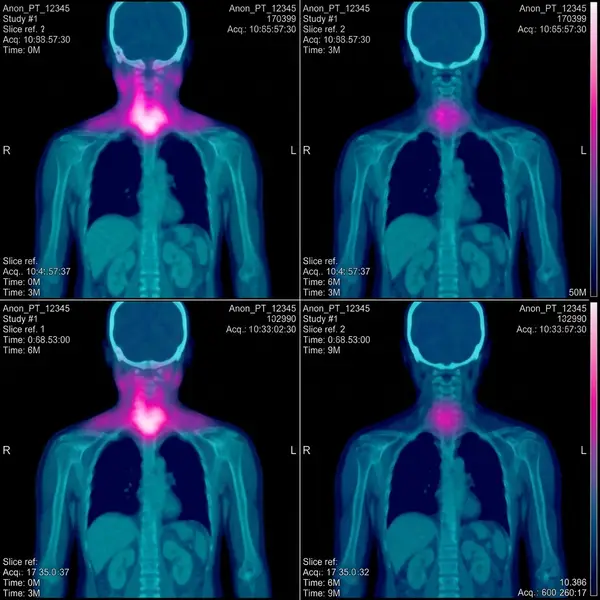
Dr. Linda Marsh, DPT — Fight Back Against Your Neck Hump!
PromisingImage

If you have a neck hump read this

I'm a physical therapist who treats women over sixty. My own measurement hit 3.1 inches and I refused the corrector I fit every day. Here's what actually moved my numbers. My name is Dr. Linda Marsh. I am 58 years old. I've been a practicing physical therapist for 24 years, and cervical change is the single most common thing I treat. I grew up watching my mother manage her neck the same way most women in America do. Mostly by covering it until she couldn't. She stopped coming to family things at 58. My aunt, her younger sister, stopped at 61. I became a therapist because of those empty chairs. Because I needed to believe there was something I could do about what was coming for our family. For two decades I sat across from patients and explained the same things. The shape at the base that gets fuller every year. The shoulders that give out by three in the afternoon. The numbers that creep no matter how straight you sit. I'd sit across from women specifically, women who did their exercises twice a day, who raised every monitor in the house, who hadn't slouched in fifteen years, and their numbers were still sitting at 2.4, 2.6, 2.8 inches. I knew why. I told them what I'd been taught. Age. Hormonal change. Cumulative load. The weight of decades of the head sitting forward that doesn't show up on any scan but wears the neck down year by year. And when posture work wasn't enough, which it often wasn't, I fitted the corrector. Soft brace. Rigid brace. Clavicle strap. I fitted those thousands of times. I watched what they did to people. The shoulders that go soft after four months in a rigid brace. The head that drops the moment the straps come off. The dependency that creeps in so quietly nobody names it. I watched my patients come back again and again. More hours. Firmer supports. Side effects that became their new normal. Some of them were in a brace six hours a day and their numbers were still creeping. I fitted those braces anyway. Because I didn't know what else to give them. Three years ago, it happened to me. I'd been watching my own measurement for a long time. Borderline readings. High normal. I told myself I was managing it. Then my morning readings stopped being borderline. 2.9 inches one Tuesday. 3.0 the same week. 3.1 the following Monday. I sat at my kitchen table at 6 AM with my back against the door frame and I felt something I hadn't expected. Not clinical concern. Fear. The same fear I'd watched on the faces of my patients for twenty-four years. I knew exactly what those numbers meant. I knew what they became if you ignored them. I'd sat at my mother's last Christmas when I was thirty-two, watching her find a reason to be in the kitchen every time somebody got a camera out. I was not going to sit in that same chair. My own clinician wanted to fit me for a rigid corrector. Six hours a day to start. I sat in that chair, the patient's chair, not the therapist's, and heard the exact conversation I'd had with hundreds of my own patients. I told her I'd think about it. But I wasn't going to do it. I fit correctors every week. I know the mechanism cold. I also know what they do to people over twenty years. My mother was never fitted for anything because nobody offered. But I've watched what happens to the ones who are. Hours added. Firmer support. Numbers managed but never reversed. I wasn't doing that to myself. So I did what I tell every patient to do first. Raised every surface in the house. Started the full exercise programme six mornings a week. Dropped the reading habit that had me looking down two hours a night. My numbers moved a tenth of an inch. Still sitting at 3.0 most mornings. I tried stimulation. The research on deep cervical recruitment is solid. I've pointed patients toward it for years. I bought a set of pads from Amazon, one of the top-rated ones. Used it every morning for eight weeks. Nothing moved. Tried a different brand. Six weeks. Same result. I figured my layer was just too far gone for stimulation to make a dent. That was my conclusion. I was wrong about why. About six months ago, one of my regular patients came in for a follow-up. She's 61. Been dealing with a visible neck hump for over a decade. She'd been in a corrector for years and her numbers had plateaued. I pulled up her chart and stopped. Her morning measurement was 1.7 inches. I asked her if she'd changed her brace. She hadn't. I asked her what she'd added. She reached into her coat pocket and set a small flat box on my desk. A stimulation device. "I didn't want to bother you with it, Doc. I know you probably think these things are a waste of time." I did think that. Mostly. But her chart was right in front of me. And I knew her well enough to know she wasn't inflating her home measurements. She said: "The regular ones don't work. You have to get the one with the shaped pads. My daughter found it. There's a difference." I thanked her. That night my own reading was 3.0. I sat at the kitchen counter with my laptop and I went deeper into the recruitment research than I ever had before. Here's what I found. The mechanism is motor recruitment. A signal delivered through the skin reaches the deep cervical layer and asks it to fire. When it fires repeatedly, the holding rebuilds and the head comes back over the shoulders on its own. That's the whole mechanism. The clinical work that demonstrated real change in head position used placement at one specific point on each side of the neck, and an intensity that escalates until the muscle actually contracts. Then I went and looked at the pads I'd been using. Generic squares, four centimetres across, with a diagram on the box showing them stuck roughly at the back of the neck. The entry point is the size of a coin and it is on both sides. I had been placing them, at best, in the general area. No wonder I wasn't seeing results. I kept reading. The second problem is the intensity. Most devices run a single fixed output. It's cheap to engineer. It also means nothing gets recruited. A muscle that has been dormant for years habituates to a fixed low-level stimulus within seconds. Your nervous system registers it, decides it isn't important, and tunes it out. You feel a tingle for a minute and then you feel nothing, and nothing has fired. So a box that says "deep muscle stimulation" can produce no recruitment at all. You're paying for a sensation. You're not getting the mechanism. I thought about my patients. All the times I'd said "the research on stimulation is interesting" and they'd gone out and bought whatever was on the shelf. None of them were placing it correctly. None of them had a device that escalated. No wonder it hadn't worked. No wonder I had written it off. I started looking for any device with shaped pads calibrated to the exact entry point, bilateral delivery, progressive escalation rather than a fixed output, and published before and after measurements from independent assessment. One brand kept coming up in the research forums, in the review threads, and I remembered then, in my patient's coat pocket. Cevera. I ordered it that night. When it arrived I checked the published measurements on their site before I opened the box. Shaped pads calibrated to one point on each side, verified placement, escalation to recruitment rather than a fixed level. No straps. Twenty minutes a day. I used it the first time that Monday evening. Day 7: My morning measurement was 2.8 inches. Lower than it had been in weeks. I checked it twice. Day 14: 2.5. The afternoon heaviness was gone. I noticed I was getting to the end of a clinic day upright. Day 30: 2.1. I hadn't seen that number in three years. I checked it four times in a row just to be certain. Day 60: 1.6. Normal range. The same range I'd been trying to reach for three years with exercises, ergonomics, and giving up my evening reading. I sat at my kitchen table and I didn't move for a long time. Twenty-four years as a therapist. And a patient had to teach me something about what actually works. I've quietly mentioned Cevera to eleven of my patients since then. Because I know what happens when their numbers don't move. I know the conversation that comes next. More hours. Firmer support. A surgical referral that comes back within four years. I've watched that road. I've watched it go nowhere for women who deserved better from the field that was supposed to be helping them. The ones who've actually ordered it have come back with better numbers. One woman, 57, been in a rigid corrector for six years, came back at her follow-up with a morning average of 1.8 inches. She'd been stuck above 2.6 for two years in a brace. She said: "Doc, I feel like I got some years back." I think about my mother when she says that. Here's what I wish someone had told me sooner. The stimulation research is real. But most of what's on the shelf ships generic squares with no placement guidance, which puts the signal into the muscles you can already contract. And what does reach the skin is usually delivered at a fixed level a dormant muscle ignores within a minute. Cevera uses shaped pads at the exact entry point on each side, bilateral, with escalation to actual recruitment, and published measurements. That's the difference. I wasted fourteen weeks on products that couldn't work. If my patient hadn't put that box on my desk, I'd still be managing a number that was slowly grinding toward what my mother's number became. I'm sharing this because I know who's reading it. You've been doing the work. The exercises. The desk height. The sitting up straight at every meal. And your number is still sitting there. Stubborn. Familiar. Inherited. There is a reason. It isn't that you can't change this. It's that the thing you've been using to fight it wasn't built to work. Here's where I got mine: https://trycevera.com/pages/adv2-womens-wellness-report (They're running a discount right now. I ordered two.) ~ Dr. Linda Marsh P.S. A few things I wish I'd known before I ordered. Cevera comes with a 90-day money-back guarantee. If your numbers don't move, you get a full refund. No questions. I wish I'd known that before I spent fourteen weeks and over $150 on devices that were never going to reach the layer. Right now they're running a discount that brings the cost down significantly. That's how I was able to grab two at once. The catch: Cevera is a small operation. Calibrating a shaped pad takes considerably longer than stamping out a generic square, and they only produce in small batches. They sell out. I've had patients reach out asking when it's back in stock. If the page shows out of stock when you click, the email notification is worth signing up for. If you've been doing everything right and your number won't move, if you've watched this play out in your family and you're not willing to be the next one, grab one before they're gone. I went from 3.1 inches to 1.6 in sixty days. Without the corrector I fit every day. If there's any chance it works for you the way it worked for me, it's worth sixty days to find out. Check if Cevera is in stock here: https://trycevera.com/pages/adv2-womens-wellness-report

Loading the ad's image
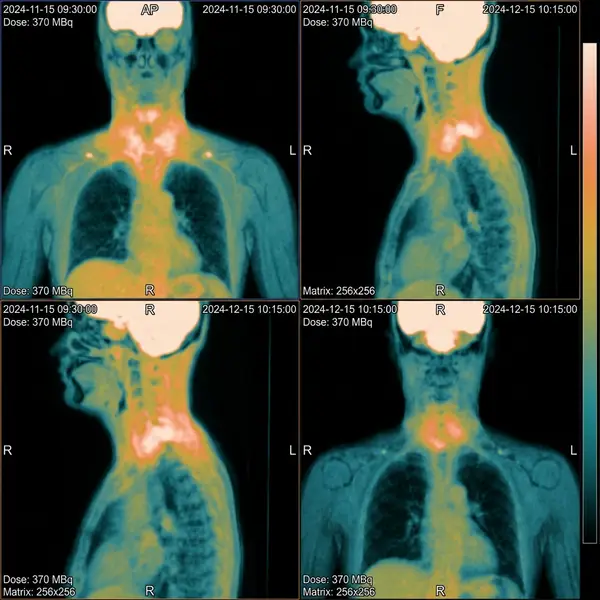
Dr. Linda Marsh, DPT — If you have a neck hump read this
PromisingImage

From the ads Sniped has collected from this page (17 so far, first seen Nov 2026). Reach is what Meta reports; no spend or sales estimates.