Advertiser

Korean Hair Tips

soralune.comMeta Ad Library

5
Running ads
4 new in 30 days
Sep 2026
Advertising since
longest ad 2 months
16
Reach
running ads, summed
0% video
Formats
0 video · 2 image
2
Products advertised
1 shop

Refusing To Let Him Touch My Hair Made Me Hire Chloe

I paid a 24-year-old girl $1,200/hr to sleep with my husband on his 52nd birthday. Not for revenge, I did it because I loved him. I paid her from his amEX card. I did it because for three straight years, I had refused to let him touch me with the bedroom lights on. And at 1:14 this morning, when his truck tires crunched up our gravel driveway and he threw the hotel keycard onto the kitchen table, he looked me in the eyes and said eleven words that almost made my heart stop beating: "I slept with her, Madeline. Are you happy now?" Her name was Chloe. She had smooth skin, thick dark hair that reached halfway down her back, and an apartment three blocks from the state capitol in Richmond. When I spoke to her on the burner phone I bought at the Kroger on Cary Street, my hands shook so hard I dropped my keys on the linoleum. She asked me what Greg liked. I told her he liked single malt Scotch, medium-rare ribeyes, and silence after a long week. Then I told her what he hadn't had since our daughter left for college in Charlottesville, A woman who didn't flinch when he touched her. A woman whose body didn't feel like a locked room. Chloe took the deposit over Cash App without asking another question. She was a professional. She had heard worse. I hung up, sat down on the edge of our clawfoot tub, and threw up into the porcelain basin. —Let me start from the beginning— My name is Madeline Vance. I am 53 years old. For 24 years, I worked as a senior financial controller for an industrial logistics firm in Henrico County. I spent 2 decades managing balance sheets & auditing corporate cash flows. If a department was bleeding money, I found the leak. If a contract was unprofitable, I killed it. I didn't panic. I didn't get emotional. I operated on data and cold math. Greg and I got married in June of 1997 at a small Presbyterian chapel in Mechanicsville. He was 27. I was 26. He was pouring concrete footers for commercial buildings with his partner, Tom. I was working sixty hours a week studying for my CPA license. We didn't have money for a honeymoon in Europe. So we rented a cabin near Shenandoah, cooked eggs on an electric skillet, and stayed in bed until two in the afternoon with the windows open. For 24 years, we were that couple. The couple that held hands across the center console of the truck at red lights. The couple that sat on the back deck with two glasses of cheap Merlot after the kids went to sleep. When Greg walked into a room, my chest still warmed up. When he reached for my waist while I was chopping onions at the kitchen island, I leaned into him. —Then I turned 49— People talk about perimenopause like it's just hot flashes and night sweats. They make jokes on Facebook about ceiling fans and mood swings. They don't talk about the quiet, brutal rot. It started in the spring of 2021 My sleep went first. I would wake up at 3:14 AM with my heart hammering against my ribs, soaked in cold sweat. Then my skin dried out until my elbows felt like rough sandpaper. And then my hair began to leave me. It didn't happen all at once. It wasn't like chemotherapy where you wake up and find a whole ponytail on the pillow. It was a slow, daily leak. Losing the only part of me I ever loved. Ever since I was a girl in Hanover County, I had thick, heavy, chestnut-brown hair. When I braided it, the braid was as thick as a silver dollar. When Greg and I were dating, he used to fall asleep with his fingers tangled in the back of my crown. He told me once that the smell of my hair was how he knew he was home. By the winter of 2022, that woman was gone. What was left was a STRANGER. A sick-looking, hollowed-out ghost staring back at me from the bathroom mirror. If you haven't been through it, you think hair loss is an aesthetic problem. You think it's about vanity. It isn't. It is about shame. It is a secret, filthy, creeping shame that reorganizes your entire day around concealment. It began in the shower. Every Tuesday morning, I washed my hair. And every Tuesday morning, the horror started before I even turned the water off. I would stand naked under the shower head, watching warm water pool around my ankles. The brass drain trap was choked shut. I would reach down with two trembling fingers and pull out a wet, black, matted wad of hair the size of a dead sparrow. The texture made my stomach twist. It was cold. Slimy. Heavy with shampoo lather. I took four squares of Charmin toilet paper, rolled the wet clump into a tight, dense ball, and carried it down the hall to the laundry room. I buried it at the very bottom of the black trash bin, underneath empty Tide bottles and junk mail. I was TERRIFIED Greg would walk in, look into the basket, and see what was coming off my head. That was the first wall I built. Within six months, the whole house was a fortress. I stopped walking across our bedroom without a thick flannel robe tied tight around my waist. If Greg came into the master bathroom while I was brushing my teeth, I immediately grabbed a hair clip and twisted my hair up so he couldn't see how thin the crown had gotten. I bought a black silk sleeping bonnet on Amazon. I told him it was to keep my hair smooth while I slept. The truth was, I couldn't bear the thought of him waking up at six in the morning and seeing my bare scalp resting on the pillowcase. Then came the touch barrier. For 27 years, our routine on Friday nights was identical. We would order a pizza from Sal’s, sit side-by-side on our dark brown leather sofa in the den, and watch old procedural shows. Around nine o’clock, Greg would put his arm along the back of the cushions. He would lean over, kiss my temple, and let his right hand rest against the crown of my head. His fingers would idly trace through my hair. It was his way of letting down his guard. One Friday in October, he reached over. His thumb brushed that bare, tender spot two inches behind my hairline. I didn't think. My nervous system just fired. I jerked my head sideways so violently I spilled hot Earl Grey tea across my knee. Greg froze, His hand hung suspended in the empty air between us, fingers slightly curved, trembling. His face went completely pale. The warmth drained right out of his eyes, replaced by a stunned, hollow humiliation that looked like someone had slapped his face. He didn't get angry. He didn't raise his voice. That would have been easier to bear :( Instead, he slowly pulled his hand back and shoved both fists deep into the pockets of his Carhartt vest, his broad shoulders collapsing inward as if he were trying to make himself smaller. "I'm sorry," he whispered. His voice cracked at the edge, thick with a quiet, gut-wrenching shame. "I didn't mean to crowd you, Maddy. I know you can't stand me touching you anymore." "It's fine," I lied. My voice sounded thin, brittle, like dry paper. "My neck is just stiff from sitting at the desk." He didn't answer. He just looked down at the braided wool rug between his boots, his jaw locked tight against tears he was too proud to shed in front of me. At 9:45, he stood up, rinsed his mug in the kitchen sink, and went upstairs to bed without touching me. He thought I was repulsed by him. He thought after nearly 3 decades, his 52-year-old body was disgusting to me. He thought I had fallen out of love. And because I was a coward, I LET him think it. Because telling him the truth felt worse than death. Admitting that his wife—the woman he had carried across the threshold of three different homes—was balding like an old man felt like the final surrender of my dignity. —-Instead of talking to my husband, I opened a secret ledger—- I treated my head like a failing regional warehouse. I thought if I threw enough money and discipline at the problem, I could force it to comply. Over the next eighteen months, I spent $3,200 out of our personal money market account. I went to 4 different dermatologists in the Richmond area. Each one gave me eight minutes. Each one glanced at my scalp for twenty seconds, shrugged, and said the exact same sentence: "Well, Madeline, you’re past fifty. Estrogen declines. It’s a normal part of aging." Then they wrote a prescription for 5% minoxidil foam and charged my insurance $240. I bought six months of minoxidil at the CVS on Broad Street. Within three weeks, my scalp was on fire. The alcohol base stripped the skin barrier until my head burned under the warm shower spray. Flakes the size of oat bran fell onto the shoulders of my navy work blazers. And then came what the internet calls the "dread shed." Instead of saving my hair, the foam increased the fall. Clumps came out in handfuls. The white gap at my crown widened by nearly half an inch in thirty days. I threw the cans in the outside garbage can behind the garage so Greg wouldn't see the warning labels. I tried the natural side. I bought $60 jars of sugar-loaded biotin gummies that gave me acne along my jawline and did nothing for my scalp. I bought salon thickening shampoos with French names that cost $48 a bottle. They dried my hair into coarse, brittle wire that snapped when I touched it with a comb. I bought $45 aerosol cans of tinted root-coverup powder in medium brown. —That was the most humiliating failure of all— If I slept on my right side, the white percale pillowcase had a greasy brown smudge by morning. And on an unseasonably warm afternoon in May, I had a sudden menopausal hot flash while standing in line at the Henrico County tax office. Sweat broke out across my forehead. I reached up with a tissue to dab my temple, and the paper came away soaked in muddy brown liquid. The powder was dissolving and running down behind my ears. I abandoned my place in line, ran to my Honda Accord in the parking lot, locked the doors, and scrubbed my head with wet wipes until my skin was raw and bleeding. The absolute breaking point came on a Tuesday morning in November. I was standing at the double vanity in our master bathroom under four 60-watt frosted vanity globes. I had washed my hair. I had blown it dry with my head upside down, trying to fabricate the illusion of volume. I picked up a heavy silver-backed hand mirror Greg’s mother had given me for our twentieth anniversary. I turned my back to the main glass and held the small mirror up behind my crown. I looked at the reflection of the reflection. The denial was over. There was no trick of the light. No cowlick. No bad parting. Running from my forehead back to the swirl at the crown was a stark, glaring white river of bare skin. The scalp looked shiny. Waxy. Like the skin on an apple that had been sitting in the sun too long. Surrounding it were only a few dozen limp, translucent, wispy strands that looked like baby feathers. I lowered the mirror onto the granite counter. My hands didn't shake anymore. The panic was gone. In its place was a flat, cold, mathematical certainty. I was 53 years old. My hair was gone. My femininity was GONE. And my husband was sleeping beside a woman who flinched from his fingers and hid in the dark. I picked up my phone. I dialed the number for the burner phone I had purchased the week before. And I booked Room 412 at the Omni downtown for Greg’s fifty-second birthday. I set the trap with the precision of a corporate audit. Greg was driving back from a three-day commercial framing job on a medical annex in Norfolk. He was exhausted. His lower back was sore. I texted him at 4:30 in the afternoon. I told him I had booked a luxury suite for his birthday at the Omni on Cary Street so he wouldn't have to fight Interstate 64 traffic in the dark. I told him the keycard was at the front desk under his company name: Vance Development. I told him to take a hot shower, order room service on the corporate card, and sleep until ten. At 7:00 PM, Chloe checked into Room 412. She had a keycard on the nightstand, an unopened bottle of 18-year Macallan on the glass coffee table, and instructions to wait for him. I sat at our kitchen table in Richmond. The house was completely dark except for the green digital glow of the microwave clock: 7:14... 8:42... 10:15. I didn't turn on the television. I didn't open a book. I sat there in my flannel robe, staring at the Formica table next to the ceramic sugar bowl, waiting for the execution of my own marriage. I found out later what happened in that room. Greg told me every word, through tears that tasted like ash. He had walked into Room 412 expecting to find me. Instead, he found Chloe. She was sitting on the leather sofa, wearing dark jeans and a plain black cashmere sweater. Her long, thick hair fell in waves over her shoulders. Greg dropped his duffel bag on the carpet. His jaw locked. "Who the hell are you?" he said. His voice was loud, defensive, the tone he used on subcontractors who tried to cut corners on rebar. "Where is my wife?" Chloe didn't jump up. She didn't bat her eyelashes. She poured two fingers of Scotch into a lowball glass and pushed it across the glass table. "Your wife sent me, Greg," she said softly. Her voice was calm, almost sorrowful. "She put twelve hundred dollars on your company card. She told me you're a good man who works sixty hours a week pouring concrete, sleeping in an empty bed for 3 years. She said it was your 52nd birthday... and she wanted you to remember what warmth felt like." Greg stepped toward the door. "I'm calling the police. Get your things and get out." "You can leave," Chloe said. She didn't raise her voice. "The door isn't locked. But you drove two hours from Norfolk, your hands are covered in concrete dust, and you haven't taken a breath since you walked in." She pointed to the armchair by the window. "Sit down for five minutes, Greg. Drink the water. You don't have to touch me. You don't have to look at me. Just sit down." He sat. He was so tired his hands shook when he reached for the glass. For twenty minutes, nobody spoke. The hum of the hotel air conditioner filled the room. Then Chloe stood up. She walked slowly behind his chair. She didn't reach for his belt. She didn't try to undress him. She simply rested her hands on the heavy muscles of his shoulders. Greg stiffened like a steel beam. "You look like a man who hasn't been touched in years," she whispered. And then she did the thing that broke him. She slid her fingers gently up his neck and slowly traced her hand through the back of his hair. Gently. Patiently. Over and over. The exact tender gesture I had violently recoiled from for thirty-six months. Greg’s shoulders dropped. A ragged, choking sound came out of his throat. He put his face in his rough, calloused hands and wept like a child in an empty hotel room. And in that fog of scotch, exhaustion, and three years of touch starvation, his defenses completely collapsed. He didn't sleep with an escort because he was a monster. He slept with her because he was starving. And a starving man will eat poison if it's the only thing on the table. The aftermath was instant. The minute it was over, the fantasy evaporated into sickening reality. Chloe got dressed in silence. She left the keycard and the printed American Express receipt on the nightstand: Vance Development Company — $1,200.00. Greg stared at that receipt. And he understood. It wasn't a gift. It was a test. A brutal, calculated trap set by the woman he had promised to love until death. He didn't sleep at the Omni. He threw his bag in the back and drove 55 miles/hr through the rain back to our house. At 1:14 AM, the back door clicked open. Cold wind blew into the kitchen. Greg walked in. His hair was plastered to his forehead from the rain. His eyes were bloodshot, swollen, wild with rage and grief. He didn't say hello. He walked over to the table where I was sitting, pulled the plastic hotel keycard and the paper AmEx slip out of his coat pocket, and slammed them down on the Formica. The plastic card bounced and clattered against the ceramic sugar bowl. "I slept with her, Madeline," he said. His voice wasn't loud. It was a jagged, shaking whisper that sounded like tearing metal. "Are you happy now? Is that what you wanted to find out?" I couldn't breathe. My throat closed up. "For three years," he said, stepping closer, his knuckles resting on the edge of the table. "For three years you haven't let me touch you. You flinch like I'm a monster every time I reach for you on the couch. You turn the lights off like you're ashamed to be in the same room with me." A tear ran down the side of his nose. "That girl ran her fingers through my hair for five minutes and I crumbled. I ruined twenty-seven years of marriage in forty minutes because I forgot what it felt like to have a human being touch me without pulling away. Why did you make me do this, Maddy? Why did you make me into this person?" Something inside my chest snapped clean in half. The three years of lies, the spreadsheets, the hidden trash bags, the shame—it all burst through my ribs like hot glass. I reached up with both hands, grabbed the black silk sleeping bonnet on my head, and ripped it off. I stood up directly under the bare, buzzing fluorescent tube light of our kitchen. —"Because I'm going bald, Greg!" I screamed— My voice echoed off the cabinets. "Look at me! Look at my head! My hair is falling out in handfuls! I have a bald spot the size of a saucer on the top of my skull! I look like an old, sick woman, and I couldn't bear watching you stay with me out of pity!" The kitchen went dead silent. The only sound was the low hum of the refrigerator. Greg stared at me. His eyes traveled from my red face up to the glaring white stripe of bare skin exposed under the fluorescent light. He saw the wispy, fragile baby hairs clinging to my temples. He saw the red, flaking patches from the minoxidil burns. His face crumbled. His knees buckled, and he dropped right there onto the linoleum floor next to the kitchen table. He reached up, grabbed both of my wrists with his calloused hands, and buried his face against my stomach. "You thought I loved you for your hair?" he sobbed into my robe. "Madeline... you thought 27 years was about your hair? You threw our whole life off a cliff over this? Why didn't you just tell me? Why didn't you just let me help you?" We sat on that cold linoleum floor until four in the morning, holding onto each other like two survivors on a piece of wreckage in the middle of the ocean. At 6:15 that morning, Greg stood up from the floor. His eyes were swollen, but the daze was gone. He was a commercial builder. When a foundation shifted or a concrete slab cracked, he didn't sit around mourning. He found the structural failure and stripped it down to the ground. He walked into our master bathroom with an empty cardboard banker's box from the garage. He didn't ask permission. He opened the mirrored medicine cabinet and swept every single bottle, jar, dropper, and tube I owned into that box. The $60 biotin gummy jars. The French thickening shampoos. The half-empty cans of 5% minoxidil. The brown aerosol root sprays. The $180 red-light laser comb. He loaded the box into the passenger seat of his F-250. Then he pulled out his flip phone and called Tom Lindqvist. Tom was Greg’s commercial partner. They had spent 26 years together pouring concrete footers, framing surgical centers, and arguing over lumber invoices across Central Virginia. Tom wasn't just a business partner. He was family. For the past six months on their job site in Norfolk, Tom had watched Greg slowly hollow out. He had seen Greg sitting in the cab of his truck at six in the morning staring blankly at the steering wheel, barely touching his sandwich, carrying dark, sleepless hollows under his eyes. Tom had pressed him twice over coffee on the tailgate, asking "Greg, what is going on with you and Madeline?" But Greg had always choked up, shook his head, and changed the subject. So when Greg called at 6:15 that morning and couldn't even get the words out—his chest hitching in raw, suffocated sobs—Tom didn't need to ask what had happened. He knew the dam had finally broken. "Greg," Tom said, his voice flat, steady, and utterly solid. "Shut your mouth, put Madeline in the truck, and get over to our house right now. Marja is already up making coffee." Tom's wife was Dr. Marja Lindqvist. She was 64 years old. She was born in Odense, Denmark, and held advanced clinical degrees in pharmaceutical compounding and dermal biochemistry from Copenhagen and Zurich. For nearly 30 years, she had worked as a chief formulating chemist for hospital burn units and dermatological research labs before retiring to private trichological consulting. I had known Marja for 22 years. We had shared potato salad at company Fourth of July picnics. We had sat next to each other at Greg and Tom’s project groundbreakings. I knew she was brilliant. But she was also intimidating—tall, quiet, with silver hair pinned back in a neat French twist and eyes that could see through steel plate. I was mortified to face her. I felt like a criminal being driven to an arraignment. When we pulled into the gravel driveway of their brick colonial outside Richmond, Marja was waiting on the back porch. She was wearing a thick charcoal wool cardigan and thick wool socks. She took one look at my raw, swollen face, looked at Greg’s bloodshot eyes, and reached out to take the cardboard box from his arms, setting it just inside the screen door. She didn't offer a hug. She didn't offer sympathy. "Tom," she said over her shoulder. "Take Greg out to the barn. Go look at the brakes on the equipment trailer. Do not come back in until I tell you." Tom grabbed Greg by the elbow and led him down the gravel path. Marja opened the screen door and guided me into her kitchen. The room was warm. It smelled of dark roast coffee and dried bay leaves. She sat me down at a heavy round oak table by the sunroom windows and pushed a steaming ceramic mug into my hands. "Drink," she ordered gently. I took two sips of black coffee. The heat hit my chest like a lifeline. Marja pulled out a chair opposite me and sat down. Her gaze was steady, unblinking. "Madeline," she said quietly. "Tom told me Greg was sobbing so hard at sunrise he could barely speak, babbling about a hotel room and an escort. What on earth is happening between the two of you?" And sitting there in her quiet kitchen, the wall of secrecy I had maintained for 36 months completely caved in. I began to talk. And once I started, I couldn't stop. I told her about the shower drain three years ago, right as my periods stopped. How I started pulling tangled clumps the size of wet field mice every single morning. I told her about buying the tiny metal crochet hook at Michael's so I could fish the clogs out of the pipe before Greg woke up, hiding the wet hair in the bottom of the bathroom trash under paper towels so he would never see the evidence. I told her about watching my center part widen into a bare white river. How my temples thinned until the white scalp gleamed under grocery store fluorescent lights. I told her about the four dermatologists who spent eight minutes with me, shrugged, and handed me cans of chemical foam that made my scalp itch and burn like raw leather. I told her about spending $3,200 out of our savings on biotin gummies, French shampoos, and red-light combs while my hair grew thinner by the week. I told her about flinching when Greg tried to touch my head on the couch. How I locked the bathroom door, undressed in pitch darkness, and refused to let him see me without clothes because I felt like a withered, repulsive stranger. And then I told her about Chloe. How I paid a twenty-four-year-old girl $1200 on his corporate card just to see if our marriage was already dead, convinced he would never want to touch me again. When I finished, I put my face in my trembling hands and wept until my ribs ached. Marja didn't speak for a long time. The only sound in the kitchen was the ticking of the wall clock. Then she reached across the table. Gently, without a word, she took the tortoiseshell clip from my hair and laid it on the oak table. She didn't flinch. She didn't gasp. She ran her long, cool fingers lightly across my temples and down the center part line where the bare white stripe of scalp was exposed to the morning light. "Look at me, Madeline," Marja said. Her voice wasn't harsh. It was the calm, unyielding voice of an emergency room surgeon. "You are 53 years old. You are not rotting. You are not obsolete. You are caught in a biological drought that nobody in this country bothers to explain to women. Now let's see what you’ve been doing to yourself." She dragged Greg’s cardboard banker’s box onto the table. Marja pulled the products from my bag one by one. "Biotin gummies," she said, tossing them aside. "Your scalp capillaries are clamped shut. You're flushing sixty dollars of pink urine down the toilet." She picked up the minoxidil can. "Fifty percent industrial alcohol. That's lighter fluid on cracked leather. It dries out your scalp, and the second you stop, every strand falls out. You don't own that hair, Madeline. You're renting it from a drug company." Then the luxury salon bottle. "Silicones. Fake shine that seals your pores like plastic wrap. Suffocating the root to paint dead leaves." "The dermatologist told me to just get a wig," I whispered. "Because insurance doesn't pay doctors to fix scalp tissue," Marja said flatly. "They get eight minutes. They write a minoxidil script and move to the next room." She stood up, walked into her adjoining study, and returned carrying a small black leather case. Inside was a cylindrical optical device the size of a flashlight, connected by a white cable to an iPad Pro. "Sit still," she said. She plugged the cable into the tablet and rested the polarized glass lens of the 200x digital dermatoscope directly against my crown. I closed my eyes. I was terrified to see what my scalp actually looked like magnified two hundred times. "Look at the screen, Madeline," Marja said. I braced myself for dead skin and empty pores. Instead, I saw dark bulbs sitting beneath the surface. The skin around them was pale, tight, and cracked like baked desert clay, the pores choked with dried waxy plugs. "Your follicles aren't dead," Marja said, tapping the glass. "They're dormant. Trapped in parched soil. You don't have a hair problem, Madeline. You have a drought." She set the screen down. "Hair is dead timber. Spraying serums on your head is like spray-painting dead grass green. It looks fine for an afternoon, but the roots underneath are still starving. The only living part is the bulb buried four millimeters under the surface." And the scalp is skin. In fact, it is the thickest, most vascular, most metabolically active skin on your entire body. When you treat hair thinning like a cosmetic problem, you fail. You must treat it like an agricultural problem. You have to feed the soil." "Then why did it start when I turned forty-nine?" I asked. "The Scalp Fade Cycle," Marja said. She pulled a yellow legal pad out of the oak sideboard, uncapped a black Pilot G2 gel pen, and began drawing. "Between age 40 and 55, a woman’s body loses up to seventy percent of its estrogen. Most women know that causes hot flashes and night sweats. Almost nobody knows what it does to the skin on your head. It happens in three brutal steps. 1. Blood flow slows down. The tiny vessels feeding your hair roots clamp shut, cutting off oxygen and nutrients. That is step one: the starvation phase. 2. Your natural scalp oils vanish. Estrogen is what signals your body to produce natural moisture. When it drops, your scalp loses its protective cushion. The skin dries, stiffens, and tightens across your head like sunbaked clay. 1. The chokehold. Every hair naturally sheds after three to five years. That is normal. On a healthy 25 year-old scalp, when a hair sheds, the empty pore is soft, lubricated, and flexible. The new hair slides out easily. On your 53 year old scalp, when a hair sheds, the empty pore sits in rigid, dried-out tissue. The leftover natural oils harden inside the opening like dried grout in a tile seam. The pore opening shrinks and tightens shut." She tapped the pen against the pad. "When a root has to force its way through dry, hardened skin, the hair grows back thinner every cycle until it snaps off," Marja said. "That’s why your ponytail feels like a pencil." "Then how do you fix it?" I asked. Marja drew four numbered boxes on the pad. "Not with chemicals. With four biological requirements. If an oil misses even one of them, it belongs in the garbage. She wrote in neat, European cursive: 1. Cold-Pressed Jojoba. 2. Calibrated Rosemary. 3. Micro-Dosed Castor Oil. 4. Argan Oil + Vitamin E. Four clean botanicals," Marja said, sliding the sheet toward me. "Zero silicones, zero alcohol. You massage it into a dry scalp two or three times a week before showering, let it absorb for twenty minutes, and wash it out. I folded the yellow sheet and tucked it into my coat pocket. I thought I could solve it myself. I spent the next 48 hours driving all over Richmond. I went to the organic co-op on Cary Street. I went to high-end beauty supply stores. I searched Amazon until my eyes burned at two in the morning. Everything failed. The "rosemary oils" in the health food stores were either tiny bottles of 100% pure essential oil with terrifying warnings on the back, or they were cheap 8-ounce plastic bottles where the first two ingredients were soybean oil and synthetic fragrance. The luxury salon oils were loaded with cheap mineral oils and silicone fillers dressed up in expensive glass bottles. I even bought a bottle of pure jojoba oil and a dropper of rosemary extract and tried to mix them in a mason jar in my kitchen. The first time I applied my homemade concoction, my scalp broke out in red, itchy hives that kept me awake all night scratching until I bled. On Thursday morning, I picked up my phone and called Marja. "I can't find it," I admitted. My voice was hoarse. "Everything on the market is either pure poison, cheap filler, or plastic silicones." Marja laughed quietly over the line. "I know," she said. "I went through the exact same nightmare five years ago when my own estrogen dropped after sixty. Come back to the house, Madeline. I'll give you what I formulated." When I walked back into Marja’s kitchen an hour later, she was standing at the counter holding a heavy, cylindrical bottle of dark amber glass with a white rubber dropper cap. The label was minimalist and clean: Soralune Lumina Oil. "This is it," Marja said, setting the bottle on the table between us. A small compounding lab in California took my clinical parameters and partnered with cold-press growers in the south of Korean to produce it. Every single drop matches the yellow legal pad: French jojoba cold-pressed from virgin seed, calibrated one-point-five percent Rosmarinus Officinalis, micro-dosed castor seed, cold-pressed argan lipid shield, and pure natural d-alpha tocopherol. Zero dimethicone. Zero mineral oil. Zero synthetic fragrances. Zero alcohol. I picked up the bottle. It felt heavy in my palm. The glass was cool. "How do I use it?" I asked. "Two to three times a week, before you wash your hair," Marja instructed. "Do not put it on wet hair. Hair strands swell when wet and block the follicular ostium. You take one or two droppers and apply it straight to your dry scalp along your part line and crown. Massage it with your fingertips for three minutes to wake up the micro-capillaries. Leave it on for 2-6 hours while you make dinner, do laundry, or read. Then get in the shower and wash it out with your regular shampoo. One wash. It rinses completely clean." I took the bottle home, but because of my corporate auditing background, I refused to put it on my head without running my own test. I walked into our master bathroom and stood at the granite sink. On the back of my left hand, I placed three drops of the $48 French salon oil I had bought the week before. On the back of my right hand, I placed three drops of the Soralune Lumina Oil. The difference was violent. The salon oil sat on my left hand like a thick, greasy smear. Ten minutes later, it was still shiny, oily, and slick. It didn't absorb. It just formed a synthetic film. The Soralune on my right hand? Within forty-five seconds, the amber drops sank completely past my skin. My skin drank it like parched desert sand after rain. When I touched the back of my right hand, there was zero grease. Zero slickness. The skin felt soft, cool, and velvety. That evening, I did the ritual. I parted my hair down the center, took the dropper, and ran the golden oil along my exposed scalp. The first thing I noticed was the smell. It didn't smell like cheap perfume or medical alcohol. It smelled like crushed fresh rosemary leaves, rich earth, and clean botanicals. There was zero stinging. Zero burning. Zero redness. I massaged my scalp with my fingertips. For the first time in three years, the chronic, tight, hot ache at the crown of my head began to ease. I left it on for ninety minutes while Greg and I ate dinner. Then I washed it out with my normal shampoo. It rinsed clean in sixty seconds. When I blew my hair dry with a round brush, the roots didn't look greasy or limp. They had natural, weightless lift. Here is what happened over the next ninety days: Day 1: My hair dried soft, airy, and clean at the root. Zero greasy coating. Zero itching. For the first time in years, my scalp felt calm. Week 2: The chronic burning and white flakes vanished first. My scalp actually felt calm and hydrated. Then the shedding slowed down. For two years, every morning brush pulled away loose clumps. By Day 14, I ran a comb from my hairline to the back of my neck and found only two stray hairs on the teeth. Week 4 : I washed my hair and forced myself to look down at the drain. The water was swirling freely around my ankles with no backup. The heavy, matted clumps were completely gone. Sitting in the trap were only six or seven normal hairs. I knelt on the wet tile and cried tears of pure relief. Week 8 : Standing by the bedroom window in morning sunlight, I lifted my hands to my temples. Bristling along my hairline and down my center part were thousands of tiny, dark baby hairs. Not brittle peach fuzz. Strong, thick new growth. The wide white river of scalp was finally starting to close. And then one day... I stopped at the local coffee shop on Cary Street where I had been buying my dark roast every Tuesday for two years. The young barista behind the counter—a girl who had only ever seen me with my hair pinned up tight under a wool knit cap—paused while handing me my cup. "Did you do something to your hair, Mrs. Vance?" she asked, tilting her head. "Did you change your color or get a blowout? It looks so thick." I stood there holding my hot cup, feeling a warmth flood through my chest that had nothing to do with coffee. Two weeks later… I went to my regular hair appointment with Sandra, who had been cutting my hair for eleven years. Sandra had watched my crown dissolve over the last four years. She was the one who had gently suggested hair toppers two years earlier. Sandra draped the black cape over my shoulders and parted my crown with a long metal tail comb. Suddenly, she stopped. She pulled her hands back, stepped to the side of the styling chair, and stared at me through the mirror with her hands on her hips. "Madeline," Sandra said, her voice dead serious. "Who did your extensions?" I looked at her blankly. "What?" "Don't play dumb with me," Sandra said. "Did you go behind my back and get extensions installed at that boutique salon? Because you don't grow hair like this at fifty-three." "Sandra," I laughed, "I don't have extensions." "Let me see," she muttered. She took the tail comb and parted my hair in four tight quadrants. She dragged her fingertips firmly across my scalp, searching for tape-in wefts, keratin glue bonds, or metal micro-rings. She found nothing. Sandra stood back, looking at her comb, looking at my head, and shaking her head in complete disbelief. "Your scalp is sprouting like spring grass after a rainstorm, Madeline," she whispered. "What on earth are you putting on your head?" Day 90 : My ponytail elastic—the same black Goody scrunchee that had required four loose, slipping twists six months earlier—now wrapped twice. Two snug loops. The ponytail in my fist felt heavy, dense, and alive. The real restoration happened on a Sunday evening in March. Greg and I were sitting on our brown leather couch in the den. The fire was crackling in the hearth. Greg reached his right arm across the cushions. He hesitated for half a second. Then he leaned over and gently rested his hand against the crown of my head. I didn't jerk away. I didn't flinch. I closed my eyes, let out a breath I had been holding for three years, and leaned my head directly into the warmth of his chest. Greg’s fingers traced through my hair. Deep. Slow. Tangled in thick, cool, healthy strands. I felt his chest hitch. A single tear fell from his cheek and landed in my hair. "You're back, Maddy," he whispered into my crown. "You're finally back." That night, for the first time in thirty-six months, I didn't reach for the light switch when we went upstairs to bed. I left both ceramic bedside lamps burning in warm amber light. I didn't turn my back to slip under the sheets. I didn't pull the heavy duvet up to my chin like armor. I sat against the headboard in the soft light, bare shoulders, my hair falling loose around my collarbones. Greg walked out of the bathroom in his gray sleep pants. He stopped at the foot of the bed. He looked at me sitting there in the light. His throat moved as he swallowed. He didn't say a word. He climbed onto the bed, moved between my knees, and placed both rough, calloused hands directly against the sides of my head. His palms pressed warm against my temples. His fingers slid deep into my hair, spreading wide, tangling slow and deep into thick, cool strands, pulling me gently into his chest. I closed my eyes and leaned my forehead into the crook of his neck, breathing in the cedar and soap scent of the man I had loved since I was twenty-six. His mouth found mine in the light. We stayed awake until past three in the morning. For three years, our bedroom had been a cold hospital ward of polite silence, averted eyes, and pitch-black darkness. That night, there was no shame, no darkness to hide behind, and no locked doors. His hands never left my hair, tracing every inch of me, rediscovering what thirty-six months of grief had stolen from us. The touch barrier wasn't just broken. It was obliterated. I am not writing this because I want to be internet famous. In fact, writing this is the most humiliating, terrifying thing I have ever done. I was a corporate financial controller for two decades. I guard my private life like an audit file. None of my former coworkers know about this. My daughter in Charlottesville doesn't know about this. I am writing this because I know there is a woman sitting on the edge of her bed right now, looking at a clump of hair in her bathroom wastebasket, feeling like her life is over. I know there is a woman who turned off the bedside lamp tonight so her husband wouldn't see the crown of her head. I know there is a woman who has spent thousands of dollars on doctors who shrugged and told her it was "just normal aging." It is not normal. And you do not have to accept it. If you are past forty and you feel like your womanhood is slipping away while the cosmetic industry sells you sugar gummies and chemical foams, do what Marja made me do. Stop painting dead timber. Start feeding the living soil. Last month, Sandra at the salon texted me asking for the exact link because two of her clients in their fifties were crying in her chair over their receding temples. Then my sister-in-law in Raleigh called me on a Sunday morning, asking what I had been using because she saw a picture of me from our anniversary dinner on Facebook and noticed my part line wasn't wide anymore. And three days ago, a former colleague from the logistics firm sent me a message asking: "Madeline, please tell me what you did. I'm fifty-two and finding handfuls in my drain every morning and I can't take it anymore." I ended up copying and pasting Marja's formulation notes and the lab link four different times in one week. So I am leaving the exact information and the direct link right here so I don't have to keep digging through my text history: When Sandra asked me which option to tell her clients to get, I gave her the exact advice Marja gave me: Do not waste your time with a single bottle. Biology does not work in thirty days. It took your follicles two to three years of estrogen decline to dry out, stiffen, and choke shut under hardened sebum. You cannot awaken dormant roots in four weeks. Marja told me to get the 3-Bottle, 90-Day Ritual Bundle. And Soralune includes the complete Scalp Ritual Kit with it: • Their 100% Pure Mulberry Silk Scrunchie (which prevents friction breakage while your new baby hairs are taking root) • The Clinical Hairgrowth Handbook (Marja’s full scalp and dietary protocol) • The Custom Puffy Travel Beauty Bag (included free on multi-bottle orders) And as someone who spent 24 years auditing corporate guarantees, this was the detail that made me trust them: Soralune has an unconditional 30-Day "Keep the Bottles" Money-Back Guarantee: Use it two or three times a week. Massage it in. Let your parched scalp drink the biomimetic lipids. If you do not see the shedding in your shower drain drastically brake... If you do not feel the chronic tightness and itching vanish... If you do not feel your roots lift with weightless, clean volume... You send an email to their support team and every single dollar comes straight back to your card. Take your life back. People will ask what happened to the $1,200 American Express charge. Greg called American Express the next afternoon and had the corporate card transaction reversed. I didn't let Chloe go unpaid. She did exactly what I had asked her to do. More importantly, she forced a twenty-seven-year marriage to stop sleepwalking toward a divorce. I took twelve hundred dollars out of my personal savings account and sent it to her via Cash App with a short note: "Thank you for breaking our silence so we could fight for our lives." She texted back three words: "Hold him tight." I do. Every single night. Please do not buy this product if you are expecting four inches of new hair in forty-eight hours. Human biology does not work that way. Anyone promising you overnight regrowth is lying for your credit card. Follicles take sixty to ninety days to clear oxidized sebum plugs and cycle from telogen into active anagen growth. Do what Marja made me do: on Day 1, stand in front of your bathroom window in natural morning light. Take a clear, unfiltered photo of your part line on your phone. Then put the phone away. Do the 5-minute pre-wash ritual two or three times a week. On Day 60, take another photo in the exact same window light. Compare them side by side. That is when you will see what living soil looks like. If you are currently using chemical minoxidil foam or drops, do not stop cold turkey. Because your blood vessels have become dependent on the chemical to stay open, quitting overnight can shock your scalp and trigger another sudden, massive shed. Instead, start by introducing Soralune Lumina Oil two or three times a week as a pre-wash treatment to heal and rebuild your dry, stripped skin. Once your scalp is calm, soft, and no longer burning or flaking, speak with your doctor about gradually tapering off the chemical foam over a four-to-six-week period. If you are a husband reading this over your wife’s shoulder, or if she left this page open on your iPad: Please understand that she is not pulling away because she doesn't love you. She is pulling away because she is mourning the loss of the woman she was when you married her. She feels sick, exposed, and terrified that you are staying out of duty. Do not tell her she is overreacting. Do not tell her "it's just hair." Order the 3-bottle bundle for her tonight on your card. Put it on her vanity with a note telling her she is the most beautiful woman you have ever known. And then be patient while her soil heals. Because Soralune uses cold-pressed French virgin jojoba and strictly calibrated 1.5% Rosmarinus Officinalis extracted from small-scale botanical harvests, their inventory is strictly capped by seasonal crop yields. They do not use synthetic shelf-stabilizers or bulk soybean fillers to stretch batches. When a seasonal batch sells out, the website enters backorder status for six to eight weeks while the next pressing cures. If the checkout button is still active on the link below, your batch is in stock and will ship within twenty-four hours from their facility. 👉 Claim Your 90-Day Soralune Scalp Ritual Here (While Current Harvest Lasts)

Loading the ad's image
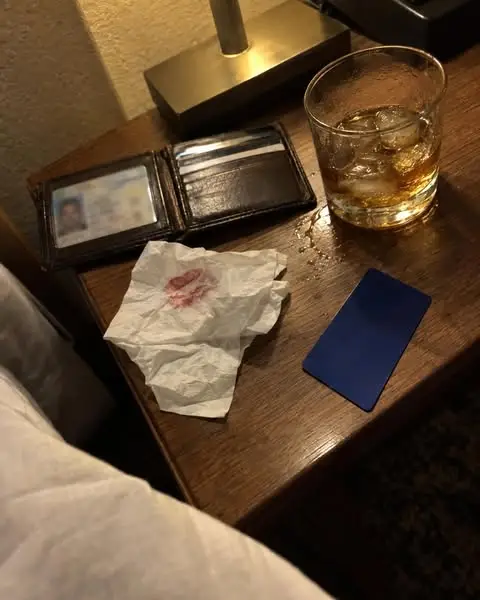

Korean Hair Tips — Refusing To Let Him Touch My Hair Made Me Hire Chloe
Promising

Powered by Five Cold-Pressed Scalp Botanicals 🌿

Three months after my divorce was finalized, I found out my entire friend group went on a four-day wine trip to Napa Valley without me. Not because someone called to tell me. Because on a quiet Saturday morning at 7:15 AM, I opened Facebook with a mug of black coffee and saw 32 photos uploaded to Cassie’s profile. The caption was six words long: "The Napa crew does it again." The crew. Without me. Cassie and I had been best friends for 24 years. We met when our oldest boys were four years old in toddler swim lessons. We traded carpool duties, shared grocery runs, and spent two decades sitting on each other’s back patios with cheap chardonnay while our husbands grilled steaks in the yard. When Mark walked out eleven months ago for a 31 year old marketing assistant from his office named Chloe, Cassie was the first person through my front door. She brought chicken pot pie in a glass Pyrex dish. She sat on my kitchen rug, held my face in both of her hands, and looked straight into my bloodshot eyes. "Mark is dead to us, Ellen," she swore to me, tears running down her cheeks. "Tom and I will never have that man in our home again. We are a package deal. You are our sister." In month one, she called twice a day. By month three, the calls turned into short, polite text check-ins once a week. By month six, my phone was completely silent on Friday nights. I told myself couples naturally drift toward other couples. I told myself people have their own lives. Then I sat at my counter and zoomed in on the fourth photograph Cassie posted. There was Cassie, raising a glass of wine on a sunlit stone terrace overlooking St. Helena. Next to her was Tom, her husband. And sitting directly across from them at the teak patio table, laughing under the bright midday California sun, was Mark. With Chloe. For 14 years, I was the one who built that trip from scratch. I researched the boutique hillside vineyards, booked the private tastings, and reserved the terrace dinners six months in advance. Mark just drove the rental car. Now I was sitting alone in an empty kitchen, staring at 32 photographs of my own life carrying on without me. I didn't yell. I didn't throw my mug. I dialed Cassie's cell phone at 1:00 PM. She picked up on the second ring. "Oh, Ellen." That voice. The specific tone women use when they want to sound like they are wrapping you in cashmere, but they are actually locking you out of the house. "I saw the photos from Napa," I said quietly. There was a three-second silence on the line. "Oh, sweetie," Cassie sighed, her voice dropping into a hushed murmur. "We were going to call you when we got back tomorrow. We just didn't want to make things complicated or put you in an impossible position." "Chloe was sitting at the table, Cassie." "I know," she said, without missing a beat. "Mark reached out to Tom two weeks ago. He was so apologetic. And honestly, Ellen... Napa in June is completely outdoors. It's bright midday sun, open terraces, walking through vineyards in ninety-degree heat." She paused, letting the silence do the work. "You’ve just seemed so fragile and stressed these past six months," she continued softly. "Do you remember last year at the winery? You spent forty minutes in the restroom mirror fixing your hair. You wouldn't take off that giant straw hat even under the covered awning. Every time a gust of wind kicked up, you looked like you were having a panic attack." Every word felt like a tiny, polished needle sliding under my skin. "We just thought... you needed quiet time to heal," she whispered. "We wanted you to rest." Weaponized pity. It cuts deeper than cruelty, because you cannot defend yourself against someone who claims they are protecting you. "I understand," I said. "You're our girl, Ellen," she said quickly. "Nothing has changed. We love you so much." Two weeks later, my phone rang again. It was Cassie. Her voice was bubbling with energy, completely scrubbed clean of the hushed cemetery tone from our last call. "Ellen! Thank God you picked up. We are finalizing plans for the annual Fourth of July lake house in Lake Tahoe." I stood frozen in my hallway. "The rental agency is being impossible with the private boat charter," Cassie rushed on. "And you know how Tom is with logistics. He gets impatient and picks the first pontoon boat he sees on Google. You know all the private owners on the West Shore, and you always get that gorgeous mahogany runabout. Could you call your contact for us? And send over that private lakefront caterer you used two summers ago? You are just so gifted at organizing these things." I held the phone six inches from my ear and stared at the receiver. I was 51 years old. I had been married to Mark for 26 years, raised two children, and hosted every Thanksgiving, New Year's Eve, and summer barbecue for this exact circle of friends. Now, the social mathematics were laid out on the table: I was not suitable to attend the trip. My thinning scalp, my defensive hats, and my visible anxiety ruined the carefree aesthetic of their photographs. I made them uncomfortable because I was living proof that a woman's body past fifty can start showing wear. But I was still considered perfectly qualified to work behind the scenes as their unpaid travel agent. "I'll see what I can find in my email files, Cassie," I said evenly. "You're a lifesaver!" she chimed. "Text me the numbers tonight!" I set my phone on the bathroom marble. Right next to the sink was an $85 tortoiseshell hair claw I bought online three months ago. The ad had promised 'effortless Parisian fullness for fine hair.' It was hollow plastic with fake amber paint... For the first time in eleven months, I didn't cry. I just felt a cold, quiet rage settle deep in my ribs Because Cassie wasn't entirely wrong. I had been neurotic in Napa last year. I had spent forty minutes in the tasting room restroom sweating in front of a three-way mirror, desperately trying to rearrange damp strands of hair over my crown before someone noticed. The real unraveling hadn't started when Mark walked out eleven months ago. It started fourteen months before that, on a blazing hot Sunday afternoon during a family barbecue on my back patio. My seven-year-old granddaughter, Lily, was sitting on my lap while the adults were finishing their grilled salmon around the umbrella table. Lily was eating a watermelon slice. She wiped her sticky hand on her sundress, reached up, and touched the exact center of my head where my center part met the whorl at my crown. Her fingers explored the bare skin for three seconds. Then she tilted her head back and looked right into my eyes, her voice ringing out clear across the entire patio: "Nana, why is your head so pink right there? Did your hair fall out?" You could have heard a hummingbird breathe. The conversation at the table died instantly. My son froze with his beer halfway to his mouth. Mark cleared his throat and looked down at his watch. Cassie immediately turned her head toward the garden fence and pretended to be deeply fascinated by a climbing hydrangea. Nobody laughed. Nobody teased me. If someone had cracked a joke, the tension would have broken. Instead, the patio filled with that heavy, suffocating silence that only happens when people witness an obvious deformity and agree among themselves to look away out of decency. I felt hot blood rush straight to my earlobes. I set Lily down on the grass, mumbled an excuse about paper napkins, and walked into the downstairs bathroom. I locked the door, leaned over the sink, and tilted my head beneath the four vanity bulbs. There it was. A pale, angry pink oval the size of a lemon right at the crown of my head, surrounded by fine, wispy strands that looked like wet cobwebs. Two weeks later, my colorist Rita—who had done my hair for sixteen years—whispered behind my chair at the salon: "Ellen, honey... let's not do the clean center part today, okay? Let's do a deep side zigzag to camouflage the scalp bed. And maybe look into tinted keratin root powder before you leave." That afternoon, my life divided into two chapters: the years when I lived freely, and the years when I lived under surveillance. I kept a small brown aerosol spray can of temporary root concealer in my purse at all times. If I had to run into the grocery store, I would pull down the car visor mirror and blast the crown of my head with cold brown mist, praying I didn't get any on my forehead. I stopped sitting directly under track lighting in restaurants. I lagged behind restaurant hosts, scanning the ceiling downlights, making sure I slid into the booth with the deepest shadows And when Mark sat next to me on the sofa and reached out to stroke my hair, I would involuntarily flinch and duck away, terrified his fingers would feel the bare crown or come away gritty with root powder. He thought I was pulling away from our marriage. He thought I was cold and resentful. How could I tell my husband that I flinched because I was terrified he would feel the bare skin at my crown? When you realize your hair is leaving you, you start where every sensible woman starts: you make an appointment with a board-certified dermatologist. I waited four months to see Dr. Reynolds. She examined my scalp under a magnifying loupe, pulled gently on twenty strands along my crown, and reviewed my metabolic panel. Then she took off her reading glasses. "Ellen, your thyroid is normal and your ferritin is fine," she said calmly. "What you have is female pattern miniaturization, accelerated by perimenopause. You're fifty-one. Estrogen drops, and follicles naturally shorten their growth cycle. It's an unavoidable part of getting older. Our goal is to manage expectations." Manage expectations. That was doctor-speak for: Get used to losing it, but buy these expensive products so you feel like you're fighting back. She wrote a script for blood-pressure pills to block hormones, and handed me a pamphlet for five-percent minoxidil foam. For nine months, I applied that 5% Minoxidil foam to my crown every single evening. Within three weeks, it triggered the "dread shed." Handfuls of loose hairs began showering onto my shoulders every time I brushed. My part line widened by another quarter inch in thirty days. The alcohol base left a dry, yellow, crunchy crust that flaked onto the collars of my blouses like cornmeal, and my scalp began itching so fiercely that I caught myself scratching until I bled at red lights. When prescriptions failed, I pivoted to the high-end retail counter. I bought three different salon "thickening systems" at sixty-eight dollars a bottle. The labels never tell you they don't grow a single hair. They simply wrap dead strands in a film of clear plastic that washes straight down the shower drain the next morning. I swallowed two sweet 10,000 mcg Biotin gummies every morning, which produced zero new hair density at my temples but gifted me with painful cystic acne along my jawline. I bought raw Jamaican black castor oil from a co-op, smeared the thick grease into my scalp, and spent forty-five minutes in the shower weeping as the sticky muck pulled out clumps of my tangled hair by the root while I tried to wash it out. Six months after the divorce, I audited my bank statements with a yellow legal pad: Three years of salon thickening shampoos and bond builders: $1,440. Dermatologist co-pays, biopsies, and prescriptions: $920. An FDA-cleared red-light laser growth cap ordered late at night: $799. Biotin gummies, collagen powders, and root sprays: $680. The total at the bottom was $3,839. Nearly four thousand dollars spent while my scalp starved. I might have kept blaming myself—kept thinking I lacked discipline—if it weren't for my older sister, Margaret. Margaret is fifty-four. She is a retired corporate auditor, and she is the most relentless human being alive. For two solid years, Margaret lived on a strict, 100% organic, sugar-free Mediterranean diet. She drank eighty ounces of alkaline water a day. She spent 88 dollars every single month on Nutrafol, never missing a morning dose for 780 days straight. She bought an $800 clinical laser helmet and strapped it to her head for 25 minutes every evening at 8:00 PM. If human discipline and clean eating could reverse hair loss, Margaret would have had the hair of an equestrian. Do you know what Margaret looked like at Thanksgiving dinner? She was wearing an $85 silk headband pushed forward to hide her receding temples. And two months ago, she broke down in tears in my breakfast nook and confessed she had just paid $1200 for a custom human-hair clip-in topper from a salon in San Francisco. "I did everything the doctors told me to do, Ellen," she sobbed, pulling back the headband to reveal a see-through center part that looked just like mine. "Every pill. Every laser. Every clean meal. It didn't stop a single strand." Looking at Margaret that afternoon, my last illusion shattered. If Margaret couldn't save her hair with iron discipline and four thousand dollars of clinical products, the entire hair-loss industry was selling women over forty an elaborate, profitable lie. I had two choices after Cassie asked me to plan their boat charter. I could have thrown a tantrum, blocked their numbers, and spent the holiday alone in the dark. Or I could play the hand they dealt me. I spent forty-eight hours putting together a flawless Lake Tahoe itinerary. I reserved the private lakefront dining dock at Sunnyside for Saturday sunset, right when the alpenglow lights up the eastern peaks across the water I emailed the confirmation PDFs, slip numbers, and catering contacts directly to Cassie. Her reply came back in four minutes: "Ellen, you are an angel! The mahogany boat is unbelievable. This is going to be our best year yet!" Then, I did something I didn't tell a soul about. I logged onto the website of a private luxury resort on the wooded point directly across the bay from the house they had rented. I booked a private lakeside cedar cabin for four nights over the Fourth of July weekend. Same dates. Paid for with my divorce settlement money. Twelve days later, Cassie texted: "Can you swing by the house tonight after work? Just a quick glass of wine on the patio. Tom and I want to thank you properly for the Tahoe reservations." I arrived at Cassie’s house at 6:30 PM. The moment I stepped inside, my internal alarm started ringing. This wasn't a quick glass of wine on the patio. The dining room table was set with Cassie’s formal Lenox china. Two taper candles were burning in silver holders. Seated around the table were Tom, Cassie’s husband, and Dave and Sarah, the other couple who had anchored our six-couple circle for twenty years. Their drinks were already half-empty. Nobody was laughing. They had that stiff, upright posture people use when they have rehearsed an intervention in the car before you arrived. "Ellen, please, sit down," Cassie said gently, pulling out the corner chair. She poured a splash of Pinot Noir and pushed it toward me. She reached across the linen tablecloth and laid her palm over mine. "Ellen... we need to talk about Tahoe," she began, her eyes glistening with practiced compassion. "We’ve spent the last three days talking as a group, and we feel like we need to be completely transparent with you." I didn't blink. "Transparent about what, Cassie?" "We think it would be best for everyone... if Mark and Chloe took your room in the main house this year." The room went dead silent. "Chloe?" I repeated the name flatly. "Mark reached out to Tom last weekend," Cassie said rapidly, trying to outrun the ugliness of the sentence. "They just got engaged on a trip to Carmel, Ellen. Mark has been Tom’s best friend for twenty-two years. It just felt wrong to banish him from our Fourth of July tradition forever. And Chloe is trying so hard to connect with everyone. She’s young, she’s enthusiastic, and she’s family now." Tom leaned forward across the table. Tom is a commercial litigation attorney who spent 30 years keeping score. "Let’s be honest here, Ellen," Tom said, his voice hard and free of Cassie’s velvet coating. "Last summer at Tahoe was difficult for all of us. You wouldn't step foot on the boat once because you were terrified the wind would blow your hair back. You spent the entire afternoon sitting in the shade clutching a straw hat." Every word hit like a fist. "You took 45 minutes in the shared bathroom before dinner," Tom continued, staring straight at me. "Dusting that brown hair powder all over the sink and wiping down the mirrors. We were walking on eggshells trying not to make you feel self-conscious. It cast a cloud over the whole trip." There it was. Stripped of suburban pleasantries, the verdict was clear: I was 51 My hair was thinning, and my presence reminded them of middle-aged decline, divorce, and biological decay. Mark had traded me in for a 31 year old blonde with a full head of hair who looked great on the bow of a speedboat, and the group had voted to take the upgrade. I looked at Cassie. She was staring down at her napkin, unable to meet my eyes. I picked up my glass of Pinot Noir. I took a slow, deliberate sip. Then I set the glass back on the linen napkin, picked up my purse, and stood up from the table. "I understand," I said. My voice didn't waver. There was no tremor, no anger, no pleading. "Ellen, wait—" Cassie began, half-standing with her hands outstretched. "Have a wonderful Fourth of July, Cassie," I said quietly. I turned, walked out of their dining room, through the front foyer, and closed their front door behind me without making a sound. I sat behind the steering wheel in their dark driveway for five minutes, looking at the warm amber lights glowing from their dining room windows. I had exactly six weeks before the Fourth of July weekend. The next morning at 8:15 AM, my daughter Claire called while driving to her research lab at UC Davis. Claire is twenty-four. She is finishing her master’s degree in plant biology and agricultural biochemistry, and she has inherited her father’s analytical brain and none of his emotional cowardice. I told her about the dinner party at Cassie’s house. I told her about Tom’s speech across the dining table. Claire let out a long, slow breath that crackled through the car speaker. "Mom," she said, her voice dropping into that calm, clinical cadence she uses in the lab. "Let’s strip away the social drama for a second. Look at what’s actually happening." "What’s happening is that I'm 51, my husband replaced me with a girl seven years older than you, and my best friends consider me an aesthetic embarrassment," I said bitterly. "No," Claire said firmly. "That’s the emotional fallout. What actually happened is that you bought into an entire industry’s scam." I gripped the steering wheel. "What scam, Claire? I went to Dr. Reynolds. I took the prescriptions. I spent nearly four thousand dollars." "Exactly," Claire replied. "You listened to doctors who treated your hair like an isolated piece of thread sticking out of a sweater, rather than living tissue connected to an organ. Everyone blames Dad leaving. Then everyone blames perimenopause. And not one person has looked at the actual soil where the plant is trying to grow." She paused. "Mom, do you remember Nana Evelyn?" Nana Evelyn was my maternal grandmother. She grew up in an olive-farming village on the Mediterranean and lived outside San Diego until she passed away peacefully at ninety-two. "Of course I remember Nana," I said. "Do you remember her hair?" A memory from thirty years ago flickered into my mind. Nana Evelyn in her seventies, sitting on a low wooden footstool in the afternoon sun. She had hair so thick, silver, and heavy that when she unpinned it from the nape of her neck, the braid reached below her shoulder blades and felt like a ship’s mooring rope in your hands. She never owned a hair dryer. She never spent sixty-eight dollars on a salon thickening serum. "Every Sunday evening," Claire said softly, "Nana would warm a small dish of botanical oil over the stove, sit at her vanity, and spend ten minutes massaging it into her dry scalp with her fingertips before bed. Then she’d wash it out on Monday morning with basic olive-oil soap. Do you remember that?" "Claire, that was years ago in an immigrant kitchen," I said, unable to keep the cynical eye-roll out of my voice. " An oil? I have spent four years and thousands of dollars trying to keep my hair from looking flat, clumped, and greasy, and you’re telling me to pour salad dressing on my skull?" "Listen to yourself, Mom," Claire shot back. "You’ve spent nine months spraying burning pharmaceutical alcohol foam onto your skin until your scalp flaked like cornmeal. You swallowed hormone blockers that made you too dizzy to put on your stockings. You let doctors tell you that having pink, suffocated skin showing through your crown is just 'part of aging.'" She paused, letting the contrast sink in. "Why does an ancient botanical scalp ritual sound ridiculous to you, but spraying burning industrial chemical solvents onto your head feels like advanced science?" I sat in my kitchen chair, stunned into silence. "The beauty giants spent fifty years teaching American women that hair oil is an enemy," Claire continued quietly. "Because if they taught you the truth about how a hair follicle actually breathes and feeds, they couldn't sell you sixty-dollar bottles of synthetic polymers that wash straight down your shower drain." Over the next thirty minutes, Claire walked me through the actual plant and human physiology she had been studying in her lab. "Think of every hair root on your head as a flower seed planted in soil," Claire explained. "Beneath the surface of your scalp is a dense network of microscopic capillaries. They are like tiny, pressurized irrigation drip lines. They deliver oxygen, amino acids, and trace minerals directly to the bulb of the root." "When you were twenty-five and thirty," she continued, "your estrogen levels kept those micro-capillary drip lines wide open. Blood flowed freely to every follicle bed. At the same time, your scalp was producing a steady supply of natural sebum that locks in moisture and keeps the skin pliable." Then you turned forty-five. "When estrogen declines during perimenopause," Claire said, "two catastrophic biological events happen simultaneously." "First, your body's sensitivity to cortisol and DHT spikes. Cortisol acts like an iron clamp on those microscopic capillaries. It physically constricts the blood vessels at the crown of your head, choking off oxygen to the hair root. It's like someone standing on the garden hose with work boots." "Second, your scalp's production of natural protective oils collapses by nearly 60%." "The skin on your crown dries out. It loses its elasticity. It tightens across the skull like dried leather in the desert sun." "When the soil dries out and the irrigation lines are pinched shut, what happens to the flower?" "It wilts," I whispered. "It doesn't die right away," Claire corrected me immediately. "Your hair follicles are not dead. If they were dead, you'd have smooth, scarred skin like a billiard ball." "Your follicles are alive, but they are trapped in a biological holding pattern called the Scalp Fade Cycle." Starved of natural oils from above and starved of blood flow from below, the hair root shrinks. It stops producing thick, healthy hair and begins producing thin, wispy fuzz that snaps the second you touch a brush to it. "And that," Claire said, "is why every single product in your medicine cabinet failed." "Your sixty-eight-dollar salon thickening shampoos? They touch the dead hair shaft on the outside for sixty seconds, coat it with synthetic dimethicone polymers, and rinse straight down the drain. They never penetrate the tightened scalp barrier." "Your ten-thousand-microgram biotin gummies? You swallow them in your stomach. The nutrients enter your bloodstream, travel up through your body, and hit a dead end at your constricted scalp capillaries. It’s like sending a truck full of fertilizer to a farm where the roads have been bulldozed." "And your five-percent minoxidil foam?" Minoxidil is like throwing lighter fluid on dry soil... You're setting fire to the soil just to force a seed to sprout. The moment you stop, the vessel snaps shut and every hair falls out. "It dries the soil even further. It causes massive inflammation, itching, and flaking. And the moment you stop using it, the chemical vessel snaps shut and every single hair that grew on life support falls out within twenty-one days." "You cannot drug a starved plant into health, Mom," Claire said quietly. "You have to restore the soil." You have to feed the scalp before you wash it... You give the skin the exact plant oils it stopped making, let it drink for a couple of hours, and then shampoo. The roots get nourished without hot water and detergents stripping them bare. For the first time in three years, the entire nightmare made biological sense. I wasn't defective. My scalp was simply suffocating in the desert, and every doctor I saw had tried to cure it by setting fire to the soil. "Okay," I said, grabbing a pen. "What do I buy? What did Nana use?" "Nana used whatever cold-pressed oils were available in the village," Claire said. "We know the exact molecular weight and concentrations required today." She made me write down a strict four-point filter before she would let me buy anything: 1. Precision Rosemary -stimulates roots like minoxidil without the burning alcohol or dread shed); 2. Golden Jojoba - matches scalp sebum, sinks in 60s without grease); 3. Argan, Castor & Vitamin E - nourishes resting roots, shields new strands) 4. Zero Fillers - no silicone wrap, no motor oil mineral sludge I wrote down all four points. Then, because I had already spent nearly four thousand dollars, I tried to take a shortcut. I drove straight to the natural health food store downtown. I bought a bottle of 100% pure undiluted rosemary essential oil and generic castor oil from the bottom shelf. That evening, I mixed them in an egg cup and rubbed the thick mixture directly onto my crown. Within four minutes, my scalp felt like someone had laid a hot cast-iron skillet against my head. My skin turned fiery red. My eyes watered from the fumes, and when I desperately tried to wash the thick, gluey concoction out in the shower, my fingers snagged and pulled out three sickening clumps of wet hair. I sat on my bathroom floor shaking with frustration. I pulled out my laptop and spent six hours scouring the internet, vetting dozens of viral rosemary hair oils against Claire’s checklist. Every single one failed: The best-selling brand on Amazon with twenty thousand reviews had cheap mineral oil listed as its very first ingredient. A famous luxury salon oil selling for seventy-two dollars listed "Fragrance/Parfum" higher on the deck than rosemary, with an estimated active botanical concentration of less than 0.1%. Another trendy French brand was packed with cyclopentasiloxane—a synthetic silicone polymer that coats the hair shaft in plastic. At 2:00 AM, I found a clinical formulation designed specifically for women over forty experiencing hormonal scalp starvation: A small, independent botanical lab called Soralune, formulating a pre-wash treatment called Lumina Oil. I checked their certificate of analysis against Claire’s notes. Every single one of Claire’s four criteria checked off with third-party testing. I ordered two bottles, paid for expedited shipping, and closed my laptop. I had exactly five weeks before Fourth of July weekend. The two amber glass dropper bottles arrived on a Thursday afternoon. The ritual was simple. Two to three times a week, two hours before taking an evening shower, I stood in front of my bathroom mirror with dry hair. I drew four full droppers of the pale golden oil into the glass pipette. I applied it directly along my center part line, parted my hair down the left and right temples, and released the drops across the exposed pink skin at my crown. It felt completely different from the sticky drugstore castor oil or the stinging chemical alcohol foam. It was light, silky, and absorbed into the scalp within ninety seconds with a faint, clean botanical scent of fresh crushed rosemary leaves. I massaged the oil into my scalp in small, slow circular motions for three minutes, the way Nana Evelyn used to do on her porch. Then I pinned my hair up, folded laundry for two hours, and washed it out in the shower using my regular shampoo. It rinsed away completely with one wash. No oily film left on my roots. No greasy residue that flattened my hair. During the first seven days, nothing dramatic happened. • Day 1 : It sinks in 90 seconds & washes clean with normal shampoo, zero greasy film. • Week 1: Chronic itch, tightness, and burning vanish, all gone. • Day 10 : Drain basket down from 60–70 hairs to 4 stray strands. Wet fingers pass through clean. • Week 3 : Hairbrush stays clear all week. Daily shedding down 80%. • Week 6: Half-inch baby hairs bristling at temples and hairline, part line visibly tightened by half, blowout holding natural crown lift without camouflage powder. Dropping the $85 claw clip straight into the trash. Standing on the wooden dock, surrounded by canvas bags and coolers, was my former life: Cassie, Tom, Dave, Sarah, Mark, and Chloe. A sharp mountain wind was whipping across the water, kicking up whitecaps. Cassie was standing near the stern, both hands clamped down desperately on the brim of an oversized straw sunhat, her shoulders hunched against the gusts. Chloe, in a tiny bikini top and cutoff shorts, was visibly miserable. Her 31 year old honey-blonde hair—the glorious mane from the Napa photos—was getting battered by the spray. I could see where her natural hair ended and where heavy clip-in extensions were tangling in the wind, exposing the little silicone clips beneath her crown. Mark was sweating, hauling two heavy coolers down the dock ramp. I walked down the wooden pier toward Slip 14. I wore no hat. I wore no headband. My hair was completely down, falling in full, glossy waves around my shoulders, catching the bright California sun. The mountain wind caught my hair and whipped it freely across my face. I didn't flinch. I didn't reach up to pat my crown. I didn't turn my head to protect a concealed bald spot. I casually brushed a strand of thick hair out of my eyes with one hand and kept walking. Cassie was the first to look up. She turned to shout something to Tom, caught sight of me, and her mouth dropped open. Her hand slipped off her sunhat. She literally forgot to breathe. She looked at my face, then her eyes darted straight to the top of my head—searching instinctively for the wide pink part line, the brown spray residue, the see-through crown she had weaponized against me at her dining room table six weeks earlier. There was nothing there to find. Just a dense, thick, radiant crown of natural hair moving with the wind. "Ellen?" Cassie’s voice came out thin and raspy. "Your hair... what on earth did you do to your hair?" Before I could answer, Mark set the heavy cooler down onto the dock with a dull thud. He straightened his back, wiping sweat from his forehead. He looked at me. Mark had spent 26 years looking at me every day. He had watched my hair thin over the last 3 years of our marriage. He looked at me standing on that sun-drenched dock in my white linen dress, with my hair blowing across my shoulders like it did when we were thirty. Then his eyes drifted sideways toward Chloe, who was whining in an exasperated voice about her tangled extensions and rubbing a spot where a clip was pinching her skin. He looked back at me. He just stood there paralyzed in the midday sun, looking at the woman he had discarded as fading and decrepit. I didn't gloat. I just smiled warmly, the way you smile at polite strangers in an airport terminal. "Good morning, everyone," I said, my voice carrying effortlessly over the wind. "The water looks magnificent. Make sure you take the boat around Emerald Bay before the afternoon chop kicks up." Tom stood near the center console, holding the mooring lines. The litigation attorney who had informed me that my presence was an aesthetic liability to the group looked like someone had hit him with a two-by-four. He couldn't manage a single word. I turned and walked back up the wooden ramp toward the resort path, feeling the cool alpine breeze lifting the weight of my hair off the back of my neck. That evening, I ate dinner alone on the outdoor terrace of the resort restaurant, seated directly at the water’s edge beneath the setting sun. At 8:30 PM, Tom walked past on the stone footpath connecting the marina to the lodge. He saw me through the glass railing. He stopped, hesitated, and then walked over to my table. His posture was completely broken. His shoulders were slumped, his hands buried deep in his khakis, and his eyes wouldn't hold mine for more than two seconds. "Ellen," he said quietly, clearing his throat. "I just... I wanted to say you look breathtaking. Truly. We were all talking about you on the boat this afternoon." I took a slow sip of iced water and looked up at him. "Thank you, Tom," I said, letting the silence hang between us for three seconds. "I hope you enjoyed the mahogany boat I found for you." His face flushed crimson. "Yeah," he mumbled, looking down at his deck shoes. "It was... it was great. Goodnight, Ellen." He turned and walked away into the shadows of the pines. And right then, sitting under the open mountain sky with the wind off the lake tangling my hair, I realized something profound: The best revenge isn't screaming at the people who humiliated you. It’s becoming completely untouchable to their opinions. On Sunday evening, my final night at the lake, I walked out to the very end of the private resort pier just as the sun sank behind the Sierra crest. She sat down a few feet away, looking at the water. Her hair was pulled back flat, and she didn't have her sunhat on. In the twilight, I saw it immediately: Her part line was wide, and her temples were see-through. She was hiding the exact same thing. The hair at her temples was thin, translucent, and wispy. She looked exhausted, diminished, and older than fifty-one. We sat in silence for two full minutes listening to the water lap against the pier pilings. "I haven't slept a full night since Friday," Cassie said, her voice shaking slightly. She turned to face me, tears pooling along her lower eyelids. "Ellen... my hair has been falling out in handfuls since Christmas," she whispered, her hands trembling in her lap. "Every morning I stand in my bathroom with a can of tinted aerosol powder, crying while I spray my crown so Tom won't look at it." The admission hung in the cool mountain air like a confession in a cathedral. "I was terrified to step on that boat on Saturday," she sobbed softly. "I clutched that sunhat all afternoon because I knew if the wind took it, everyone would see how thin I've gotten back here. That's why I pushed you away in April, Ellen. I saw what was happening to you, and I was so terrified it was happening to me that I couldn't look at you without seeing my own future." It was the most honest thing Cassie had said to me in twenty-four years of friendship. "Ellen, please," she begged, reaching across the bench to grip my wrist. "What did you do? Did you get a transplant in Beverly Hills? Tell me what you did." I looked at my oldest friend. I just felt an overwhelming sense of clarity about how deeply women are conditioned to turn on each other when they feel their vitality slipping away. "I didn't get surgery, Cassie," I told her quietly. "And I didn't spend ten thousand dollars in Beverly Hills." I sat with her on that pier for twenty minutes and explained the exact biology Claire had taught me: The Scalp Fade Cycle. The hormonal constriction of the micro-capillaries at the crown. The collapse of the scalp’s natural lipid barrier after forty. Cassie pulled her iPhone out of her pocket with trembling hands right there on the wooden bench. She opened Safari and typed in the website address I gave her: Soralune Lumina Oil. She didn't buy one bottle to test it. She ordered three bottles on the spot and paid for rush overnight delivery to her house in Sacramento. She locked her phone screen, wiped her mascara with the sleeve of her cardigan, and looked up at me with raw desperation: "Ellen... why didn't you tell me about this back in April when we talked about Napa?" I looked at her for four long seconds. I stood up from the wooden bench. I smoothed the front of my white linen dress, letting the evening mountain breeze lift the heavy, shining waves of my hair across my shoulders. "You didn't ask me in April, Cassie," I said evenly. "You assumed." I took a deep breath of the pine air. "Have a wonderful summer." I turned and walked back down the wooden pier toward the lights of the lodge, without looking back once. I drove back down the mountain to the Bay Area on Monday morning with the windows rolled down the entire way. For two solid hours on Interstate 80, the warm California wind poured through the cabin of my car, tossing my hair across my face and shoulders. I didn't roll the windows up once. I didn't check the rearview mirror once to see if my scalp was showing. For three years, the multi-billion-dollar cosmetic beauty machine had convinced me that thinning hair was my personal moral failure. They convinced me it was my age. They convinced me it was the stress of a twenty-six-year marriage falling apart. They sold me sixty-dollar silicone shampoos that washed down the drain in sixty seconds, ninety-dollar vitamin pills that couldn't reach my roots, and alcohol-based pharmaceutical foams that set my scalp on fire. And when none of it worked, their polite doctors patted my hand and told me to "manage expectations." It was never your age. It was never your fault. Your hair follicles didn't die; they were simply suffocating in dry, tight, lipid-starved scalp tissue trapped in the Scalp Fade Cycle. If you are reading this right now, I know exactly where you are sitting. If you have ever tilted your head forward under the harsh fluorescent downlights of a public restroom and felt a wave of cold nausea wash over you as you stared at your widening part line... If you have ever sat in your car in a restaurant parking lot with the visor mirror pulled down, frantically shaking a can of brown aerosol powder to hide the bare skin at your crown before walking inside to meet friends... If you have ever felt someone’s gaze subtly drift upward toward the top of your forehead while they were talking to you, and felt your throat tighten because you knew exactly what they were looking at... If you have ever pulled away when your partner reached out to touch your hair on the sofa, terrified of what his fingers might feel... Or if you have ever been excluded, discarded, or treated like an aesthetic liability by the very people who claimed to love you... I want you to hear this clearly: You are not broken. You are not finished. And you do not have to spend four thousand dollars on useless salon treatments or wear an embarrassing twelve-hundred-dollar hair topper for the rest of your life. You don't need to throw away your favorite shampoo, either. This is not a replacement for your regular shower products. It is a simple pre-wash botanical nourishment ritual you perform two to three times a week for five minutes before you get into the shower. Let me set completely honest expectations with you right now: Soralune Lumina Oil will not give you twenty-year-old hair in forty-eight hours. Anyone on the internet promising you overnight hair growth is lying to take your money. Hair biology operates on strict natural timelines: During the first ten to fourteen days, you will notice your scalp calm down, the tightness disappear, and the shower drain go remarkably quiet as daily shedding drops off a cliff. Between Weeks 4 and 6, your hairbrush will stay clean, your part line will begin visibly tightening, and tiny, strong, pigmented baby hairs will start emerging along your temples and hairline. By Month 3, your ponytail will feel noticeably thicker, heavier, and more substantial in your hands. The founders of Soralune know a human hair follicle takes a full eighty to ninety days to complete its natural transition out of dormancy and establish a strong terminal shaft. So they give you the full month to test it for yourself. Use both bottles. Perform the pre-wash massage two to three times a week. Take a clear photograph of your part line on Day 1, and take another photograph on Day 85. If your shower drain doesn't go silent... If your part line doesn't visibly tighten... If you don't see dense new baby hairs sprouting along your temples... Simply email their customer support team and they will refund one hundred percent of your purchase price immediately. Even if you send back completely empty bottles. Because Soralune is a small botanical formulation lab that uses cold-pressed ingredients their production runs are limited by regional harvest availability. They don't mass-produce millions of bottles filled with cheap mineral oil in overseas contract facilities. When a harvest batch sells out, it often takes four to six weeks to cold-press the next extraction. As of today, they have inventory in stock and ready to dispatch within twenty-four to forty-eight hours with free standard shipping. Cassie is still waiting on her shipment to arrive at her house in Sacramento, sitting inside clutching her oversized straw sunhat. I already have my hair, my confidence, and my life back. The next move is entirely yours. Click the link below to verify current batch availability and claim your 90-day supply of Soralune Lumina Oil directly from the clinical lab: P.S. (If you're worried about greasy roots): I had the exact same fear: "My hair is already flat. Won't oil turn me into an unwashed greaseball?" No. Lumina Oil uses cold-pressed golden jojoba, which matches your scalp's natural oils. It sinks within minutes instead of sitting on top like heavy cooking oil. When you shampoo two hours later, it washes out completely. Your roots are left lighter and fuller than before you washed. P.P.S. (If you got burned by minoxidil): Zero burning alcohol. Zero synthetic chemicals. And zero terrifying "dread shed" where hair falls out in handfuls. Calibrated rosemary stimulates root blood flow gently without chemical shock. Zero flaking, zero yellow crust, and zero rebound loss if you ever miss a day. P.P.P.S. (The Day-1 Photo Rule): Hair biology takes time, not forty-eight hours. The morning your bottles arrive, part your hair in bright light and take an unfiltered photo of your crown and hairline. Save it in a private folder on your phone. In thirty days, pull up that photo. If your shower drain hasn't gone quiet, your scalp isn't calm, and your daily shedding hasn't plummeted, email them for an immediate full refund. You risk nothing. P.P.P.P.S. (A warning on Amazon knockoffs): Do not buy viral rosemary oils on Amazon. Most of them list cheap mineral oil—petroleum sludge that suffocates starving pores—as their first ingredient, or dilute their rosemary to under 0.1% with fake perfume. Soralune is only sold directly through their lab. Don't put motor oil on an already starving scalp. P.P.P.P.P.S. (Look at your calendar): What’s coming up in the next sixty to ninety days? A family wedding? A reunion? A summer vacation? Do you really want to spend another season dodging restaurant downlights, hiding behind people in photos, and clutching a sunhat every time the wind kicks up? In a few weeks, you could be walking in the sun with your hair blowing freely across your face. Or you could still be dusting brown powder onto your scalp in the dark. Take control of your hair today.

Loading the ad's image
Korean Hair Tips — Powered by Five Cold-Pressed Scalp Botanicals 🌿
TestingImage

Catching His Hands In My Sister's Hair Made Me Tell Him To Carve The Bird

I caught my husband having s*x with my young sister on Thanksgiving and I didn't scream I quietly shut the door, let them finish, and walked back down to the kitchen. Richard is 56. We’ve been married for 29 years. My sister Megan is 44. She has never counted a calorie in her life, and her dark hair falls past her shoulder blades in thick, heavy waves. My name is Colleen. I am 54. I feel so ashamed sharing what happened last Thanksgiving but, When I pushed that guest bedroom door open, Richard’s hands were buried deep in her hair. Clutching fists of it. Desperate. I did not scream because, in that sick, humiliating second, standing there in my brand-new size 6 pants, I believed he was only taking what biology had stolen from me. For 5 months, I had been paying $1200 a month out of my own pocket for a weekly GLP-1. I endured the Tuesday morning dry-heaving and the sulfur taste in my mouth to lose forty-six pounds and buy back my husband's desire. I got the smaller waist. And I lost half the hair on my head. But the thing that broke my marriage was not what I saw in that guest bed. It was the nine words Richard muttered 3 weeks earlier in our bedroom. I am going to tell you those nine words. But you need to understand what happened over those five months first. Five months earlier, in June, I made what I thought was the best decision of my adult life. I was 54 and carrying forty-eight stubborn pounds that no diet or walking would budge. Richard was 56. He had just sold his business, bought a grey Porsche, and started dressing like a bachelor. He didn't look at me anymore. When I walked through our kitchen on Saturday mornings, his eyes drifted right through me like I was drywall. If I sat beside him on the sofa, he subtly shifted his weight toward the opposite armrest. The message was clear. I was the invisible, heavy wife. So I went to a private clinic. The doctor prescribed a weekly GLP-1. It was $1200/month out-of-pocket because my insurance considered it cosmetic. I pulled out my Visa and paid for three months upfront. Every Sunday at eight o'clock, I dialed the dose on the pen, pinched my stomach, and pushed the needle in until the little window went yellow. The medicine worked like a switch. Within forty-eight hours, the constant food noise vanished. The thought of eating turned my stomach. I spent Tuesday mornings dry-heaving bile into the toilet. My mouth tasted like sulfur. But the scale dropped two pounds a week, then three, then four. By late October, I had lost 46 pounds. I went from a tight size 16 to a tailored size 6. My collarbones poked through my skin. For the first time in twenty-five years, I slipped into my anniversary dress without shapewear. On paper, I had won. In reality, I had walked directly into the cruelest trap a woman in her fifties can face. If you spend ten minutes reading the online support groups for women on weekly weight-loss shots, you see the exact same confession posted every single day: "I bought a size 4 waist, and I sold all my hair to get it." "I thought I was getting my confidence back. Instead, I am crying on the shower floor watching handfuls of hair wash down the drain." I used to scroll past those posts. I thought they were exaggerating, or that they were doing something wrong. I did not understand until ninety days after my first injection. The damage doesn't show up right away. In the first eight weeks, you think you're the exception. Then day ninety hits. It started on a Tuesday morning in late September. I was standing in the shower, working shampoo through my crown. When I drew my fingers down to the ends, my hands were wrapped in a wet, heavy knot of hair. It wasn't the usual four or five loose strands. It was a thick, wet pelt. I dropped it on the shower floor. I rinsed again. Another handful came away. And another. I stood under the warm spray watching dark clumps gather around the drain cover until the water stopped swirling and started pooling around my ankles. I wrapped a towel around my head, my heart hammering against my ribs. I stood in front of the vanity mirror and carefully lifted my bangs with a comb. My breath caught in my throat. Under the harsh downlights, my crown looked like a freshly mowed field. The part line down the center of my skull was an inch-wide white trench. Along my temples, the skin was completely bare. You could see the blue veins pulsing beneath the scalp. My face looked twenty years older. The rapid fat loss had hollowed out my cheeks, making my eye sockets look sunken and dark. Combined with the visible, thinning skull, I didn't look like a vibrant, slim midlife woman. I looked like a sick patient. Over the next six weeks, my life turned into an exhausting prison of concealment. Every room I walked felt like a trap. I stopped sitting directly beneath the recessed track lights in our kitchen. At dinner, I rushed ahead to pick the booth where no overhead pendant lamp could shine directly down onto my crown. If a ceiling fan was on high, my stomach knotted in panic that the breeze would part my thin top strands and expose the white scalp underneath. Every morning required a forty-five-minute camouflage ritual. I dusted brown root powder onto my bare skin, trying to paint shadows over empty scalp, then blasted it with lacquer. It was brittle and stiff. If I scratched an itch, my fingernails came away coated in dark grime. And then came the bedroom shame. Hair is the silent anchor of a woman's sexual viability. When it disappears, an invisible wall goes up between you and the man who sleeps beside you. Three weeks before Thanksgiving, Richard rolled toward me in the middle of the night. It had been months since he had initiated anything. He reached his left arm across my chest and his right hand went to the back of my head—the effortless, tender gesture he had made since we were twenty-five. The second his fingers grazed the bare skin behind my left ear, my entire body seized. I flinched away so violently that my elbow struck his collarbone. He pulled his hand back like he had touched an electric fence. "Colleen, what the hell?" he snapped, sitting up in the dark. "I'm sorry," I said in a low voice, pulling the duvet up to my chin. "My head just hurts." He reached over and clicked on the bedside lamp. The yellow light hit my pillowcase. Right beside my cheek were three distinct coils of loose shed hair. Richard looked at the pillow. Then he looked up at my forehead. His face showed a cold disgust mixed with irritation. "Jesus, Colleen," he muttered, pulling his hand away. "You're shedding all over the sheets. What is happening to you?" He rolled his back to me and pulled his half of the comforter over his shoulders. I lay in the dark staring at the drywall until dawn. My throat ached with dry sobs. He didn't see a desirable woman who had dropped forty-six pounds for him. He saw a frail, balding invalid who flinched when touched. The public humiliation was even worse. Two weeks later, my mother Evelyn came over on Sunday afternoon. She is seventy-eight, sharp as a razor, and never misses a detail. We were in the kitchen prepping pie crusts. The autumn sun poured through the patio window, hitting me from behind. Mom stopped rolling her dough. She tilted her head, looked at the crown of my head, and set her rolling pin down. Her voice dropped to a hushed murmur. "Colleen," she said, reaching for my forearm with flour-dusted fingers. "You need to look at me right now and tell me the truth." "What are you talking about, Mom?" "Are you having chemotherapy?" The kitchen went dead quiet. "No, Mom," I said, my voice cracking. "Of course not." "Then why do you look like you're wasting away?" she pressed, her eyes brimming with unsolicited pity. "Your cheeks are sunken, Colleen. Your scalp is showing right through your part. You look eighty years old. Have you seen an oncologist?" Pity cuts ten times deeper than cruelty. I stood in my own kitchen, in my brand-new size 6 linen pants, and felt completely hollowed out. I had paid thousands of dollars to inject a drug into my stomach so I could finally feel beautiful again. And all I had bought was the face and hair of a dying woman. Like every desperate woman, I tried to fix it with the textbook playbook. I went to my prescribing doctor first. He looked at my scalp for roughly six seconds. "It's just telogen effluvium, Colleen," he said with a practiced, sympathetic smile. "When you lose forty pounds that fast, your body takes a shock. The hair rests. It's completely normal. Just drink more water and eat at least one hundred grams of clean protein every day." "I can't eat chicken breast," I told him, my voice tight. "The weekly shot makes chicken taste like wet aluminum foil. I get nauseous after three bites." He shrugged gently. "Try a collagen powder in your coffee, then. It will resolve on its own in twelve to eighteen months." Twelve to eighteen months. As if a woman whose marriage is evaporating can wait a year and a half while her scalp turns to skin. So I turned to my friend Brenda. Brenda is fifty-two, an ultra-marathoner, and the most disciplined person I know. Brenda had started her own GLP-1 injections eight months earlier. And Brenda had lost half her hair, too. "Do not listen to the doctor," Brenda told me. "You have to fight for every strand." Brenda showed me her bathroom counter. It looked like a compounding lab. She drank 120 grams of chalky whey isolate shakes every single day, forcing them down through gag reflexes. She took four giant Nutrafol pills every morning at eighty-eight dollars a bottle. She bought a six-hundred-dollar red light therapy helmet and sat under it for thirty minutes every night. She slept strictly on 30-momme mulberry silk pillowcases. And then she bought 5% minoxidil foam. "The foam is the only thing the FDA approves," Brenda insisted. I watched what happened to Brenda over the next eight weeks. First, the minoxidil foam caused an intense burning redness across her scalp. Then came the "dread shed"—a documented reaction where resting hairs fall out all at once. Brenda lost another thirty percent of her density in twenty-one days. Her part became so wide she cried in her car before walking into work. To make it worse, the chemical migrated across her pillowcase. Within two months, Brenda had dark peach fuzz growing along her cheekbones and upper lip, while the top of her skull stayed completely bald. Brenda did everything by the book. She was ten times more disciplined than I was. And her scalp looked like a plucked chicken. That was the terrifying moment my Plan B died. If 120 grams of protein, eight hundred dollars in medical vitamins, laser helmets, and FDA foam couldn't stop the shedding for a marathon runner, what chance did I have? I gave up. I bought wider velvet headbands. I bought darker root spray. And I gave up on myself to becoming an old, s*xless woman in a small-waisted body. Which brings us right back to Thanksgiving afternoon. My younger sister Megan is forty-four. She has never counted a single calorie in her life. She drinks chardonnay, eats butter rolls, and wears her chestnut hair in thick, heavy, waist-length waves that look like a shampoo commercial. Megan has the kind of hair that moves when she turns her head. The kind of hair men look at across a crowded room. Richard had always had a subtle fixation on Megan. Over the years, it showed up in small ways. Offering to carry her luggage. Laughing a little too hard at her jokes. Touching the small of her back when guiding her through the front door. I ignored it for two decades because I trusted my sister, and because I had my own hair, my own vitality, and my own dignity. Until that Thanksgiving. At three o'clock, the turkey was almost done. I went upstairs to get the silver carving set from the guest room cedar chest. I walked up the carpeted stairs while the family roared downstairs. On the landing, the guest room door was cracked open three inches. A sound came from inside. A rhythmic, breathless rustling of linen. I pushed the door open. Richard was on his knees on the edge of the guest mattress. Megan was on her back beneath him, her hands tangled in the sheets, her skirt pushed up around her hips. Her thick, dark, glossy hair was fanned out across my guest pillows like a dark cloud. Richard’s hands were buried deep in Megan’s hair, clutching fists of it as he moved, his face flushed and greedy. I stood in that doorway for four seconds. Neither of them saw me. They were completely lost in each other. I looked at my husband's hands buried in my sister's thick waves. And the thought that hit me was not rage. It was a cold, sick realization: He is holding on to what I don't have anymore. He wants a woman whose body is alive. Not a starving patient who hides under hats. I didn't scream. I didn't push the door. I stepped back into the quiet hallway, pulled the door shut until the latch clicked, and walked back down to the kitchen. I went back to the kitchen. I picked up the bulb baster. I basted the turkey. When Richard came downstairs twenty minutes later in a fresh button-down shirt, smelling like mint mouthwash, I handed him the carving knife. "Carve the bird, Richard," I said. My voice was level. He looked at me, blinked, and took the knife. I waited until Sunday evening, after every relative had packed their cars and driven away. Then I set Richard's suitcases on his side of the bed and laid his car keys on top. "You have thirty minutes to get your things out of my house," I told him. He tried to deny it. He tried to claim I was imagining things, that the weight-loss medicine had made me paranoid. "I saw your hands in Megan's hair, Richard," I said quietly. "If you are not off my driveway in thirty minutes, I am sending the hallway security footage to your daughters and your roofing partners." He went white. He packed his clothes in twenty-two minutes and drove away in his Porsche. The house was empty. The silence was deafening. I had kicked the traitor out, but the wound was wide open. Every time I looked in the mirror, all I saw was the reason he had strayed. I didn't blame Megan. I didn't even blame Richard. I blamed myself. I had traded my womanhood for a size 6 waistband. On Tuesday morning, feeling completely broken, I drove to an appointment-only salon across town. I booked a consultation with a man named Frankie. Frankie was fifty-eight, openly gay, and had spent thirty-two years behind salon chairs in New York, Miami, and Scottsdale. He was known among high-end colorists as the "fixer"—the man women went to when another salon had ruined their hair. I walked into his studio with my head down, wearing a black felt fedora. "Take it off, darling," Frankie said gently, pulling the hydraulic chair out for me. My hands shook as I unpinned the hat. My thin, powdery, over-sprayed strands were plastered to my skull. Frankie did not flinch. He did not gasp. He didn't give me the pity look my mother had given me. He put his hands on my shoulders, turned me to the big mirror, and gently used a rat-tail comb to section my part line. He looked closely at the skin of my crown under the bright station lamps. Then he set the comb on his tray and pulled a stool up beside me. "How long have you been taking the weekly injection, sweetheart?" he asked. I stared at him through the mirror. "How could you possibly know that?" Frankie gave a dry, knowing laugh. "Colleen, I have forty-eight regular clients taking GLP-1s," he said. "Half of them come into this studio crying their eyes out within four months of starting the pen. They all think they have thyroid disease or female pattern baldness. They all think their hair is dying of old age." "My doctor said it's just telogen effluvium from rapid weight loss," I said quietly. "He told me to drink protein shakes." Frankie shook his head slowly. "Your doctor understands metabolism, darling. He does not understand the micro-anatomy of the scalp. If protein shakes could fix this, you wouldn't be sitting in my chair." Then Frankie pulled out a pad of paper and a pen. And in five minutes, he explained the true biological mechanism that no pharmaceutical rep will ever put in a patient pamphlet. "You are fighting a two-front follicle famine beneath your skin," Frankie said, drawing two simple sketches on his pad. "And the drug you're taking creates both fronts at the same time." He pointed to the first sketch. Front 1: The Systemic Protein Catabolism Raid. "Your hair is caught in a double famine," Frankie said, drawing two simple sketches on his pad. "And the shot you are taking triggers both at once." He pointed to the first sketch. "First, your body thinks you are starving. When you drop down to eight hundred or nine hundred calories a day, your survival brain goes into emergency triage. Your heart, liver, and lungs need every gram of protein just to keep you alive. Hair is completely non-essential for survival. So your system quietly diverts the protein away from your scalp to keep your vital organs running. Your hair roots literally starve. And because human hair takes two to three months to fall out after it shuts down, you don't see the shed hit your shower floor until ninety days later." "That's why Brenda's protein shakes didn't work?" I asked. "Exactly," Frankie nodded. "The medication slows down your stomach and cripples absorption. Whatever protein does make it into your system gets devoured by your liver and heart before a single drop reaches the top of your head. Drinking protein shakes to fix GLP-1 hair loss is like watering the front lawn and expecting a houseplant upstairs to drink it." He tapped his pen against the second sketch Front 2: The Dermal Fat Mattress Collapse. Every living hair root sits in a microscopic cushion of natural fat that keeps it anchored and tells it to keep growing. The shot doesn't just burn belly fat. It drains that protective fat layer right out of your scalp. The cushion collapses. The root loses its grip and goes dormant. Your hair isn't dead, Colleen. The roots are just sleeping in starved, parched soil. And because your digestive system is sidelined by the medication, you cannot fix this from the inside out. You have to feed the roots directly through the scalp with pure, topical nutrients." Frankie tore the top sheet off his pad and pushed it across the table. "Do not go online and buy generic hair gummies or viral rosemary water from teenage influencers," he warned. "Water cannot penetrate the scalp's lipid barrier. It just evaporates and dries your skin out further. If you want to reverse GLP-1 follicle collapse, you need a pre-wash botanical oil ritual that satisfies four high-level rules." Here are the four rules Frankie wrote on that card: 1. Biomimetic Jojoba Carrier: Most heavy plant oils sit on your scalp like grease and clog your pores. Jojoba is a liquid wax ester identical to your skin's natural protective sebum. It absorbs in under sixty seconds, carrying nutrients straight into the roots while melting away the hardened waxy plugs choking the follicle openings. 2. Calibrated 1.5% Rosemary Leaf Extract: Calibrated rosemary extract matched minoxidil head-to-head for new hair count after six months, with zero scalp burning, zero contact dermatitis, and zero rebound shedding. But the dose must be strictly calibrated at 1.5%. Raw oil burns the scalp, and under 1% does nothing. 3. Micro-Dosed Castor Seed Oil: Castor oil is rich in ricinoleic acid, which deeply nourishes resting hair roots as they transition back into active growth. It must be micro-dosed into a light lipid carrier so it feeds the bulb without suffocating the pore. 4. The Lipid & Follicle Shield (Argan Oil + Pure Vitamin E): Cold-pressed Moroccan argan oil coats the emerging hair shaft with essential fatty acids so it doesn't snap at the root, while natural Vitamin E shields the resting follicles from oxidative damage. I took Frankie's card and went home. That night, I sat at my kitchen counter with my iPad. Almost everything online failed his test. Viral oils had water or mineral oil as the first ingredient. A salon serum full of dimethicone cost ninety-five dollars. After hours on trichology forums for GLP-1 shedding, I found a small California lab called Soralune. Their formula is called Lumina Oil. Every botanical on Frankie's card was right there on the label: cold-pressed French virgin jojoba, calibrated 1.5% rosemary leaf extract, micro-dosed castor seed oil, Moroccan argan oil, and pure natural Vitamin E. Zero water. Zero mineral oil. Zero silicones. Zero synthetic fragrance. And they offered a thirty-day empty-bottle guarantee: try it for a month, and if you don't love the texture, herbal scent, and reduced shedding, you email them and get every penny back without returning the bottles. And they offered a thirty-day empty-bottle guarantee: try it for a month, and if you don't love the texture, herbal scent, and reduced shedding, you email them and get every penny back without returning the bottles. I ordered the three-bottle ritual. When the amber bottle arrived, the scent was pure crushed rosemary and crisp peppermint. That evening, I traced a dropper along my part, temples, and crown, massaging it in for four minutes. Within ninety seconds, a cool, tingling rush swept across my scalp. The chronic tightness melted away. I left it on for forty minutes, then stepped into the shower and washed with regular shampoo. It rinsed out clean, leaving my roots with a light lift I hadn't felt in years. Here is what happened over the next ninety days: Day 1 to Day 14: The chronic tightness and scalp itch vanished within forty-eight hours. By day fourteen, the shower drain horror was over: instead of a wet, dark knot choking the drain cover, there were only four or five loose strands. Day 15 to Day 30: The shedding stopped completely. When I tilted my head under the vanity mirror, hundreds of tiny, dark, prickly baby hairs were standing straight up along my temples and part line like fresh toothbrush bristles. Day 31 to Day 60: The new growth filled in fast. The inch-wide white trench down my center part narrowed back to a tight line, and my Goody hair elastic only needed two wraps to hold a ponytail instead of four. Day 61 to Day 90: My hair felt heavy again. When I swung my head, it moved like a solid, glossy curtain, erasing the hollow, sick look in my face and completely covering my bare temples. For the first time in five years, I walked out into a brisk autumn wind without reaching up once to hide my head. Six months after Thanksgiving, our daughter Chloe celebrated her engagement party on the outdoor terrace of an Italian restaurant in Paradise Valley. I wore a tailored midnight-blue wrap dress, my full chestnut hair blow-dried into glossy, cascading waves over my shoulders. No root powders. No brown spray. No velvet headbands. I was talking with relatives near the terrace railing when the gate opened and Richard walked in. He stopped dead in his tracks. His eyes locked onto me, his jaw slack. He stared like he was looking at a ghost—or an ex-wife who looked twenty years younger, radiant, and completely out of his reach. Later, while Chloe cut the cake, I walked out to the parking lot to grab a wrap from my car. Footsteps crunched on the gravel behind me. "Colleen," Richard called out, his voice shaking. I turned around, car keys in hand, moonlight catching my hair. Richard stood four feet away, looking exhausted and desperate. He reached a trembling hand toward me, then let it drop. "Colleen... my god," he stammered. "You look incredible. You look like the girl I married twenty-nine years ago. I've been a fool, Colleen. I made the worst mistake of my life on Thanksgiving. Please. Can we talk? Can we try again?" I looked at Richard. The man who had spent twenty-nine years letting his gaze drift past me. The man who told me to leave my sweater on in the dark. I did not feel anger. I did not feel bitterness. I just felt absolute peace. I gave him a calm, quiet smile. "No, Richard," I said softly. "You got exactly what you wanted on Thanksgiving. And now I have what I wanted, too." I unlocked my car, stepped inside, and drove into the night with the windows down and my hair moving in the warm wind. I wasn't planning on writing any of this down publicly (this is the first time i’ve been so vulnerable online) But after I posted my six-month photos in two private weight-loss support groups, my inbox got flooded with over four hundred messages from women begging to know what Frankie had me use. Instead of trying to answer every DM between work and errands, I decided to lay the whole story out here in one place. I wrote this because I know how many women on GLP-1s are standing in front of bathroom mirrors in a smaller dress size, staring at a widening part line, wondering if they sold their hair to buy a smaller waist. You didn't do anything wrong. Your body isn't broken. Your follicles are simply caught between systemic protein triage and dermal fat collapse. Shakes and pills can't reach them through a slowed gut. You have to feed them from the outside in. If you want to try the exact botanical ritual that restored my hair and gave me my dignity back, here is the direct link to Soralune's small California lab: A quick word of advice before you order: Do not buy a single bottle and expect miracles in a week. Follicles cycle on a sixty-to-ninety-day clock. Commit to the 3-bottle 90-day ritual to give your roots continuous lipid support while your body adjusts to your medication. With their 30-day "keep the bottles" guarantee, you risk nothing. If your scalp doesn't feel calmer and fuller in the first month, you email them and get every penny back without shipping anything back. Their batches are small because they use cold-pressed botanicals and wild-harvested Batana oil. If the link above works, they have stock today. Take care of yourself. Don't let anyone make you feel invisible. — Colleen P.S. To Richard: Thank you for walking into the guest bedroom on Thanksgiving afternoon. You thought you were taking something from me, but you set me free. I hope the Porsche keeps you warm. P.S. To Megan: I don't hold malice toward you. But real sisterhood does not take what belongs to family. I hope you find whatever you were looking for that afternoon. P.S. To my daughter Chloe: Never starve your body, never shrink yourself, and never let any man make you feel like your worth depends on his wandering eyes. You are whole just as you are. P.S. To the woman who checks the ceiling lights before picking a table at dinner: I know what it feels like to dread an overhead spotlight or a sudden gust of wind. You don't have to spend the rest of your life hiding under headbands and hats. Your roots aren't gone, and your scalp can heal. P.S. To the woman holding the injection pen tonight: You don't have to choose between a healthy metabolism and a full head of hair. Keep taking care of your health, but feed your starved roots from the outside. Claim the 90-day bundle above and let your follicles breathe again.

Loading the ad's image
Korean Hair Tips — Catching His Hands In My Sister's Hair Made Me Tell Him To Carve The Bird
Testing

It's called the Fade Cycle, and it starts at your scalp

The real reason your drain keeps filling up was never the products on your hair. That clump after a wash looks like your hair giving up. It isn't. Your hair hasn't stopped growing. It falls out and grows back all the time. The trouble is where it grows back from. After 40 your scalp gets thinner and drier, like the skin on your face. The root gets less to work with, so the growing stage quits early, and the strand that replaces it comes back a little finer. Then that one quits early too. A photocopy of a photocopy. That's the Fade Cycle. Every shampoo, pill and serum on your shelf works on hair that's already out. None of it reaches where the next strand is made. Scalp Lumina Oil goes on the scalp before you wash. Rosemary is dosed at 1.5%, under the 2% line where it starts to irritate. Vitamin E, the one most hair oils leave out, guards the root in the gap between cycles. So your next hair grows back stronger, not finer. The first place you'll see it is the drain: less hair there in weeks 2–4. Read the 7 signs your hair is growing back thinner below.

Loading the ad's image
Korean Hair Tips — It's called the Fade Cycle, and it starts at your scalp
Testing

From the ads Sniped has collected from this page (6 so far, first seen Nov 2026). Reach is what Meta reports; no spend or sales estimates.