Advertiser

The Daily Health Project

tryavalis.comMeta Ad Library

56
Running ads
56 new in 30 days
Nov 2026
Advertising since
longest ad under a month
1.6K
Reach
running ads, summed
0% video
Formats
0 video · 0 image
5
Products advertised
1 shop

Feel Like You Again

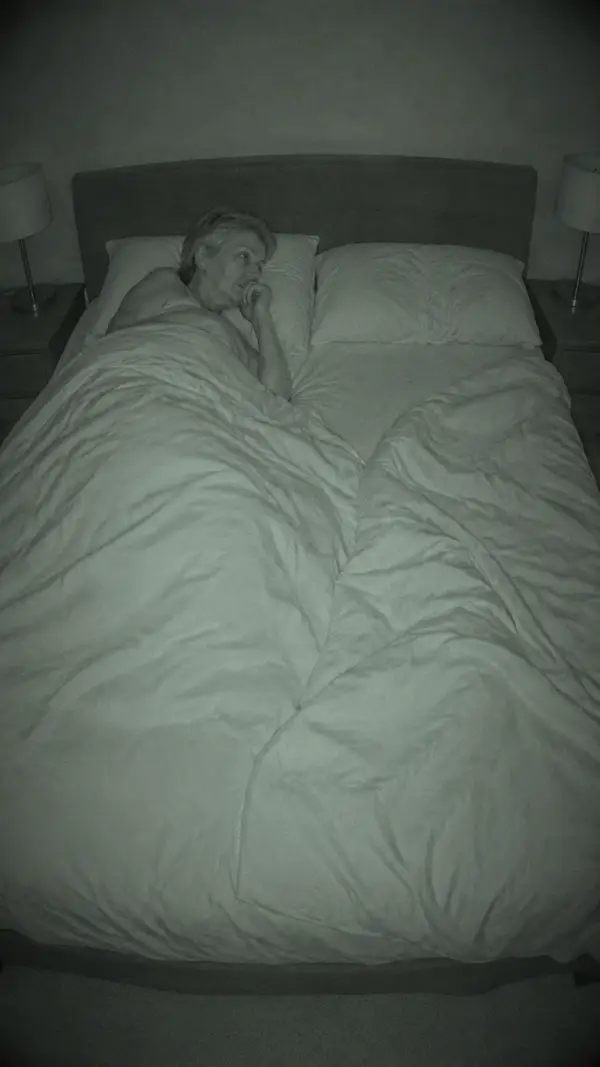
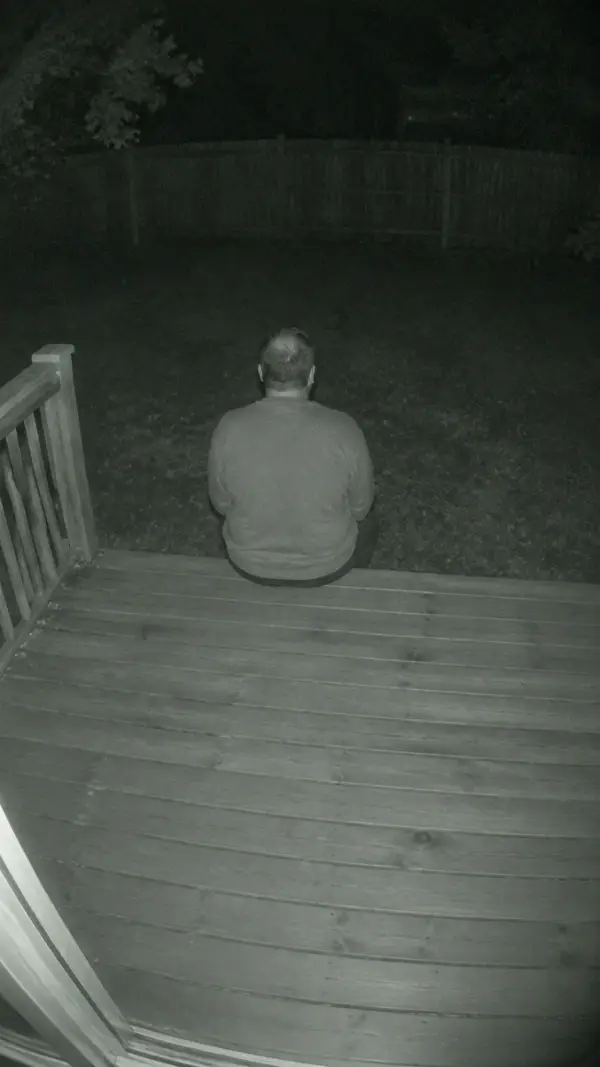
At 3:12 AM I Sat Alone in My Back Yard Googling "Can Tinnitus Make a Man Stop Leaving the House" While the Sleep Pills the Experts Handed Me (The Same Kind My Dad Has Taken for 14 Years) Sat Unopened on Top of the Fridge... I'm 51. My dad's ears started ringing at 56. By 69, he'd stopped going anywhere. Mine started nine years earlier than his did. I have nine years. Maybe less. The ringing started about four years ago. Wasn't bad at first. Just a thin whine in my left ear when the house got quiet. I figured it was the shop. 26 years running grinders and a press brake in a metal fab shop will do that. Lots of guys I worked with had it. Nobody talked about it. Then about eight months ago it climbed. Both ears. Higher pitch. Louder. Like a TV left on in another room that nobody can find the remote for. I'd lie in bed and it would just get bigger in the dark. Couldn't sleep. Couldn't think about anything else. Lay there with my jaw clenched until 2, 3 AM. So I started getting up. Went down the stairs barefoot so I wouldn't wake Dana. Out the slider. Sat on the back step in the dark. Figured if I got out of the house, away from the quiet, it'd ease off. It didn't. Same ringing. Same pitch. Out there with the crickets and the neighbor's AC unit humming, and it was still right there in my head. Month two, I bought a box fan for the bedroom. Helped for a couple weeks. Then I needed it on high. Then I needed the fan and a white noise app on my phone, turned up a notch at a time until Dana said it sounded like we were sleeping on a runway. Didn't matter. Turn it all off and the ringing was right where I left it. Month three, I started on magnesium and B vitamins. A guy on a forum swore by them. Nothing. Tried the ear pills from the pharmacy. The ones with the box that says it's for ringing ears. Two months of those. Nothing. Cut coffee. Cut salt. Cut beer, which I'm still bitter about. Nothing. I was running on three, four hours a night. Coming home from the shop and snapping at the kids over every little thing. My son Luke couldn't leave his cleats in the hallway without me barking at him. And I kept going out to the yard. Dana found me out there the first time around 3:30. Standing in the slider doorway in her robe. "I woke up and you were gone," she said. "Again." I told her I just couldn't sleep. She sat down on the step next to me. Didn't say anything for a while. Then she said, "I'm not doing what your mom did, Mike. Going to everything by myself and making excuses for you." I didn't have anything to say to that. Because she'd watched my mom do it. We both had. Mom tells people Dad has a migraine. That migraine's been going about ten years now. My dad's ears started ringing in 2004. He was 56. He'd spent 30-some years at a steel plant. Hammers, furnaces, the whole place screaming all day. He went to an ENT. Hearing test. "Your hearing's not bad for a guy who worked where you worked," the guy told him. "The ringing is common. You learn to live with it." That was 2004. By 2008 he had hearing aids. Helped him hear us at dinner. Then he'd take them out at night and it was right there in the quiet. Said it was worse than before. By 2012 he was on anti-anxiety pills just to fall asleep. By 2014 he stopped going up to the lake with us. Said the boat motor set it off for a week. By 2017 he'd stopped going pretty much anywhere. I remember my daughter Abby's 8th birthday that year. Pizza place. Arcade games, kids screaming, music going. Loud as hell. Dad made it about twenty minutes. Then he was gone. I went out searching and found him sitting out in his truck in the parking lot, engine off, both hands on the wheel. "I can't be in there," he said. "It's screaming." He left before the cake. And I was pissed. I'm not proud of it. I stood in that parking lot and thought, you're really doing this? At your granddaughter's birthday? For years after that I called it giving up. The TV on 60. The missed dinners. The way he'd sit at Christmas and just nod at whatever anybody said. I said it to Dana more than once. "He just quit." Now he's 78. Hearing aids in a drawer. Curtains pulled shut at noon. TV so loud you can hear it from the driveway. Four walls and that noise. That's about all he's got now. Last Thanksgiving my mom walked me out to the car. "They told him to live with it," she said. "So he did. This is what living with it looks like." And there I was, sneaking out every night to sit alone in my own back yard. Doing the exact same thing I swore at him for. Just one night at a time. Month eight. Abby's 17 now. Plays volleyball. Gym full of whistles and parents yelling. She was getting her bag together one Saturday and said, "You're not coming, right?" Not mad. Just checking. Like she already knew. That's when I booked the ENT. He looked in my ears. Cleaned out some wax. Sent me to the booth for a hearing test. Then I sat in his office while he scrolled through the results. "Your hearing's actually good for your age," he said. Didn't look up. I told him the ringing was getting louder. That I wasn't sleeping. That I was heading outside at 3 AM just to get away from it. "Tinnitus is very common," he said. "There's no fix for it. Most people learn to live with it." Learn to live with it. Twenty-two years later. Same words. Different guy. Then he finally looked at me. "I can give you something to help you sleep through it," he said. "Take the edge off at night." He was already typing it in. I grabbed it after work. Sat in the truck outside the pharmacy, turning the stapled bag over in my hands. Tore it open. Read the sticker on the side. "Do not stop abruptly. Can make you drowsy. Avoid alcohol." Same kind of pills my dad's been on for 14 years. I drove home. Stuck the bottle up on top of the fridge with the magnesium and the ear pills that never did a damn thing. Never opened it. I knew right then he couldn't help me. He's probably a decent doctor. The whole system's just set up to check one thing. Can you hear the beeps in the booth? Yes? Then you're fine. Go home. He was looking at a chart. Not at a guy turning into his father. I didn't even bother trying to sleep that night. I went straight out to the yard. I was fucking furious. Eight months. $400, easy, on fans and pills and vitamins. And the answer was the same one they gave my dad in 2004, plus a bottle to knock me out. Around 2:30 I pulled out my phone. Started searching again. Only this time I asked a different question. Not "how to stop ringing in ears." Not "best supplement for tinnitus." I typed: "why does tinnitus keep getting louder if my hearing test is normal" Got the usual forum threads. People losing their minds. People saying the same stuff I'd been told. Then a PDF popped up. Looked like notes from some hearing research talk. Slides, plain black and white. No ads, nothing for sale. But the information... One slide made me sit straight up. Header said: "Why Ringing Rises While Hearing Tests Stay Normal" Line underneath it: "A normal hearing test does not rule out ongoing inflammation of the hair cells in the cochlea. Masking with sound lowers how loud the ringing seems but does nothing for the inflamed cells. Result: ringing that climbs year over year while the hearing test stays normal." I went over it three times sitting on that step. Ongoing inflammation. Does nothing for the inflamed cells. Climbs year over year. That was my dad. Word for word. And it was me. I had to look up half of it. Here's how I'd explain it to the guys at the shop. Way down in your inner ear there are thousands of these tiny hair cells. They move when sound hits them. That's how your brain knows what you're hearing. All those loud years wear the cells down and leave them inflamed. And the junk we all eat keeps them inflamed, so they never settle down. Inflamed cells keep firing. Even when there's no sound. Your brain hears that as ringing. The slides used a smoke alarm to explain it. And that's when the back yard made sense to me. If there's smoke in your house, the alarm keeps screaming. You can walk out to the yard and stand there all night. Doesn't matter. The smoke's still inside. The smoke was in my ears. No back yard on earth was ever going to be far enough. And the hearing test? The cells still pick up the beeps fine. So the chart says you're fine. Meanwhile they're inflamed and going off all night. Then the next part. Every loud day flares that inflammation back up. A loud restaurant. A gym full of whistles. A day running a grinder. That's why a noisy day could spike mine for days afterward. And each one leaves the cells a little more damaged. So your ringing creeps up every single year. That's what happened to my dad. 22 years of that, plus a TV on 60 that kept flaring it. The fan never touched any of it. It just covered the noise while the inflammation kept going underneath. I kept scrolling. The next slide pissed me off all over again. It said: "Why Most Oral Supplements Fail in the Inner Ear" Said the inner ear is sealed off from the rest of the body. Same way the brain is. Most vitamins you swallow never even get in there. They'd tested B12 and zinc for ringing. No better than a dummy pill. So that's why the magnesium and B vitamins did nothing. They were never getting in the door. It was 2:50 in the morning, phone in my hand, and the first person I thought about was my dad. Nobody ever told him any of this. Twenty-two years of "learn to live with it." Not one doctor said the ringing was inflamed cells still going off. That it was happening right then. That somebody could actually do something about it. They just handed him hearing aids and pills and let it climb. He didn't have to end up in that chair. And neither do I. So I started hunting for what actually gets past that seal. Most of what I found was dead ends. Things that worked in a dish, or nobody knew how much to take. But one thing kept coming up in the research. Something from a plant seed, of all things. I almost scrolled past it because it sounded like something off a health food store shelf. It was black seed oil. The active part of it has a name I can't even say out loud. Thymoquinone. Studies suggest it's one of the few things that gets past the inner ear's seal. The oil's own fats carry it in. In the research, it shielded the hair cells from loud noise. Ears that got it bounced back within 5 days of a loud blast. The others didn't. But then I found the catch. Most cheap black seed oil you'd grab at the store has 1% or less of that active part. Too weak to reach the inner ear. One study tested a bunch of store oils, and the strongest had about 27 times more than the weakest. Same shelf. So if I was going to try this, it had to be the real stuff. I kept digging. Most bottles didn't even say how much was in them. One brand kept coming up: Avalis. Pulled up their page. (Link is here: https://tryavalis.com/products/bso-s-t) Ethiopian black seed oil. Cold-pressed. Seeds from one region in the Ethiopian highlands. 5% thymoquinone, which is the amount that actually did something in the research. Third-party tested. Two softgels before bed. The daily serving matches what the research used. Started reading reviews. Guy after guy describing my last eight months like they'd been out in the yard with me. "I ran a fan on high every night for three years." "ENT said my hearing was perfect. Told me to go home and get used to it." "I didn't think anything would get into my ears. Two weeks in, I'm sleeping again." Then I hit this one: "My father has had the ringing for 25 years and they told him to live with it. He barely leaves the house now. Mine started at 49 and I could see where it was going. Six weeks on this and I'm sleeping with the fan off. I'm not ending up like my dad." I sat there on the step at 3:15 in the morning. Phone in my hand. Unopened bottle of pills up on the fridge. Dana asleep upstairs, or pretending to be. This is probably bullshit, I thought. Like everything else. I hit order anyway. It came five days later. Small bottle. Black softgels. No smell, which honestly surprised me. Took two before bed. Lay there looking at the ceiling. Probably just one more bottle for the pile. Day one, nothing. Day two, same. Back out on the step at 3. Day five, something was... different. Not dramatic. The ringing was still there. It woke me up at 2-something like always. But I just lay there. Didn't feel that jolt of panic. Rolled over and fell back asleep. First time in eight months I didn't end up outside. Day seven, same thing. Woke up, ringing, back to sleep. And I was drifting off quicker too. One of the studies I'd skimmed that night said that usually shows up within the first week. I didn't buy that part until it happened to me. Day ten, I slept through. Woke up at 6:20 with the sun coming in. In my own bed. I just lay there for a minute. Waiting for the catch. Dana rolled over and stared at me for a second. "You're still here," she said. That's all she said. Day fourteen, the ringing spiked after a long day at the shop. Old me would've been out the slider by midnight. I noticed it. That was about it. Went to sleep. Day eighteen, it hit me that I'd gone a whole week without snapping at the kids. Luke left his cleats in the hallway again and I just moved them. Day twenty-five, Abby had a home game. Gym full of whistles. I went. I sat up top where it's a little quieter. Waited for it to flare like it always did. Next morning it was just... normal. A loud day didn't send it up for days anymore. Day thirty-one, I was in the garage most of a Saturday fixing Luke's bike, and around 4 it dawned on me I hadn't noticed the ringing since lunch. Hours. I'd gone hours. Day thirty-six, I turned the fan off. Just to see. The ringing was there. But lower. Quieter. Like someone finally turned the knob down. I fell asleep anyway. Dana noticed the next morning. "Fan's off," she said. Just looking at me. Day forty-five, Abby's team made it to the semifinals. Big tournament two hours away. Two gyms full of screaming parents. Then dinner after at some sports bar packed with every family from both teams. A couple months ago I would've made up something about the shop. Dana asked if I wanted to sit this one out. "No, I'm driving," I said. Didn't even think about it. Luke stopped halfway out the door. "Wait, you're actually coming to the whole thing?" My throat got tight. Because I hadn't clocked until right then that they'd stopped expecting a yes. We went. I yelled myself hoarse in that gym. Ate wings in that loud-ass sports bar. Drove everyone home after. Back at the house that night, I reached up on top of the fridge. Picked up that bottle of pills. Still sealed. Dropped it in the trash. Didn't need it. About seven weeks in, I made a follow-up with an audiologist my brother-in-law sees. I'd been to her once in the spring, before the ENT. Different office. She did the hearing test again. Then the ringing questionnaire. Then a test where she plays a tone and you match it to how loud your ringing is. She stopped. Looked at the screen. Looked at me. "Your loudness match came in a lot lower than last time," she said. "And your questionnaire score dropped a lot. What have you been doing?" I filled her in on the PDF. The inflamed hair cells. The black seed oil and the 5% stuff. She nodded slowly. "Huh. That tracks," she said. "The fan was only ever covering it." She wrote something down. "Whatever you're doing, keep it up," she said. I sat in the truck afterward thinking about the last year. Eight months walking out of my own bed at 3 AM. Fans. Apps. Ear pills. Beer I gave up for nothing. Abby checking whether I'd even show. All that, because I was covering up noise while the actual trouble kept going underneath. My dad never knew. He got 22 years of "learn to live with it" while it climbed and climbed. He's sitting in that chair right now thinking there was never any other way. There was, though. There still is. I'm 51. I won't be the guy out in the truck in the parking lot. Abby's not going to watch me skip her games because a gym is too loud. I'm not spending 20 years with my curtains shut and my TV on 60. I'm not turning into my dad. Now I sleep in my own bed. The fan's off. The ringing's quieter and some days I barely think about it. I go places with my family. I say yes. Dana's got her husband back. The kids have their dad in the car again. If the ringing in your ears has been climbing for a while now, you probably already know what I'm talking about. Maybe it's not the back yard for you. Maybe it's the couch at 3 AM. Or sitting in the truck in the driveway with the radio on just to drown it out. The fan's going every night. Up a notch from last year. Somebody ran a hearing test, told you your ears are fine, and sent you home to live with it. And maybe you've got somebody in your family who already lived with it. And you've watched what it did to them. Maybe there's a bottle of sleep pills in your nightstand right now. Unopened. You've seen where that road ends. Here's the part I need you to hear: Without those slides, I'd be taking those pills right now. Probably every night. Covering it up while the inflammation kept wearing those cells down, year after year. Sitting in my dad's chair in 20 years. But there was a choice nobody told me about. Turns out the ringing was inflamed cells still going off, right now, today. Which means it can be calmed. That changed everything for me. Try Avalis for 30 days. Watch how you sleep. Notice whether you're still getting up at night. And pay attention to how loud the ringing is on a bad day. It builds up over time. It's not a switch. Give it the full 30 days. If you're not happy for ANY reason, if you're not sleeping better, if the ringing isn't quieter, if you don't feel more like yourself, reach out and they'll refund you in full. No questions asked. You risk nothing. You're standing at a fork in the road right now. One path: keep turning the fan up. Keep taking what they hand you. Keep sitting out the loud stuff, one game and one dinner at a time, until your family stops asking. End up where my dad ended up. The other path: try what I tried. Go after the inflammation inside your ear instead of covering it up. Give it a real 30 days without risking a dime. Get your nights back, and your seat in the car. I took the second one. I got my bed back. My patience back. My place with my family back. Which one are you going to take? P.S. I stopped heading out to the yard by day five. Slept all the way through by day ten. Turned the fan off by day thirty-six. Tossed the pills by day forty-five. Yours might move faster or slower. The only way to find out is to try it. P.P.S. Abby graduates in June. They're doing dinner after at the loudest restaurant in town because that's where she wants to go. I'll be there. Sitting right in the middle of it. Not out in the truck. Not making excuses. My story's going to end different than my dad's. Yours can too. https://tryavalis.com/products/bso-s-t

Loading the ad's image
The Daily Health Project — Feel Like You Again
Testing

Feel Like You Again

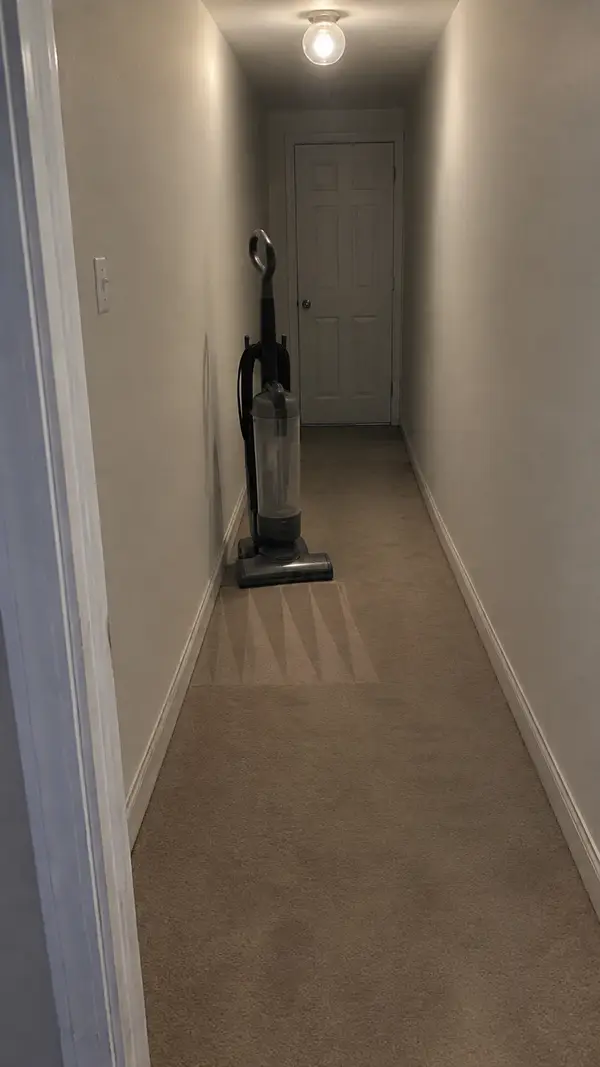
The day my grandpa took me in, he carried both my trash bags of clothes up his porch steps himself, and at 2am one Tuesday last winter I caught him in the hallway with the vacuum and acted like I hadn't. He's 64. He's been standing at a grill since 1989. He used to work all day and then check my homework, and by last winter he could barely keep his eyes open through dinner. I watched him run it over the same spot three times. He saw me in my doorway, shrugged, and told me he couldn't sleep. I stood there acting like I'd only come out for water, and something in my chest went tight that hasn't let go since. I'm Tyler. I'm 16. My grandpa is Ed, everybody at the restaurant calls him Eddie, and I call him Gramps because he pretends he hates it. He owns a breakfast and lunch place called the Skillet. Twelve tables, eight stools at the counter, and a grill he's been standing at since before my mom was born. I work the dish pit after school and Saturdays. He takes half my pay back for "rent" and puts it in a savings account with my name on it, which I'm not supposed to know about. On Sunday nights we do biology at the table in his kitchen, because I was failing it and he never finished school, so we're both learning it out of the same book. He reads ahead so he can quiz me. Honestly he's a better student than I am. So about 5 months ago I'm lying in bed at 1:58 in the morning, waiting for the vacuum. That's how used to it I was. My room is right next to the bathroom. The wall between them is basically cardboard. And that night I heard something I'd heard a thousand times and never once paid attention to. The toilet flushed. Then about 30 seconds later, the vacuum started. I lay there with my eyes open. At 3:20 the toilet flushed again. No vacuum that time, just his door. At 4:45, again. The next night I stayed up and listened on purpose. Flush, then the vacuum. Then a flush. Then another one. Four times before 5am. He was getting up to pee. Over and over, all night long, and once he was up he couldn't get back down, so he cleaned. "Can't sleep" was just a lot easier to say to a 16 year old than the truth. So I did what I do with everything. I pulled the blanket over my head so the light wouldn't show under the door and I typed into my phone: "Why does my grandpa get up to pee 4 times every night." I have to back up for a second. Because none of what I dug up that night means anything unless you know who Gramps was before all this, and what he did for me. My mom went to prison when I was 13. I'm not getting into all of it. It was pills, and then it was the stuff she did to get the pills. She's got 6 years. She calls on Sundays and asks if I'm eating, and I tell her Gramps feeds me like a pig he's trying to win a ribbon with. The last apartment we had, I slept on a couch with a spring sticking up in the middle that I learned to curl around. Gramps came and got me the same day she went in. He gave me my own room. First one I ever had. If he hadn't, I'd be in a group home or on the street, and I know how that ends, because I watched it end that way for her. When I moved in, Gramps was 61 and he was the strongest person I'd ever seen up close. He opened the Skillet at 5:30 every morning. He hauled the potato sacks in off the truck two at a time like they were pillows. He worked the grill through the whole Sunday rush and never sat down once. Darlene has waitressed at the Skillet for 22 years, and she says he once threw a drunk guy out the front door by his belt, then walked back behind the counter and finished flipping the guy's pancakes. And after a whole day of that, he'd still come home and go over my homework like it was a second job. That was 3 years ago. By last fall he was falling asleep at the table during biology. Head down on the book. One night he nodded off halfway through reading me a question about cell walls, so I finished it to myself. He got short with people. He snapped at Darlene over a ticket, which he never does, and she looked over at me like, what is going on with him. He started walking off the grill during the lunch rush. Two, three times a shift. He'd say he had to check something in the back, and Darlene would jump on the grill and burn the hash browns. He looked tired all the time. Gray tired. Like a phone stuck on 8% no matter how long you leave it plugged in. And now the part I'm not proud of. I had a list in my phone. Things I don't like about Gramps. I started it my first night in that house, so when he sent me back like everybody else always did, I'd already have my reasons. Number two on it was that he snores like a tractor. You can hear it through two doors. Number one, for two years straight, was the 2am vacuum. One night in November I lost it. I came out in the hallway in my boxers and yelled at him to turn the fucking vacuum off, that some of us had school, that he was a selfish old man. I actually said that. Selfish. He didn't say anything back. He just wound the cord around his hand real slow and went back in his room. I lay in bed feeling like the biggest piece of shit alive. And I was still mad, which made it worse. In December Darlene finally bullied him into seeing his doctor. He came home and told me about it over dinner like he was reading the weather. "He says, you're 64, Ed. Cut the coffee after lunch. Blood work's fine. Come back in a year." Eight minutes, Gramps said. He timed it on the clock over the door. So he cut the coffee. Then he quit water after dinner, which for a guy who stands over a grill all day is dumb, and he still woke up three or four times a night. Thirsty now, too. He bought a bottle of saw palmetto at the drugstore. I know because I saw it in the cabinet. He finished the whole thing. Nothing. He'd also come home with a script for Flomax. He filled it, and the bottle sat by the toaster for weeks, never opened. He'd read the part on the paper about getting dizzy when you stand up, and he told me, "I'm on my feet 10 hours next to a grill, kid. I go down in that kitchen, who's opening the place?" Everybody said it was age. Gramps said it every time, with this little half smile. "I'm 64, kid, what'd you expect." But Darlene's husband Ray is 68 and still drives a delivery truck. Mr. Haddad, one of our regulars, is 72 and walks across town every morning for the two egg special. Neither one of them is up vacuuming at 2am. Gramps went from the guy who threw a drunk out by his belt to the guy who falls asleep on my biology book, in 3 years. That's not what 64 is supposed to look like. Something is wrong. That night under the blanket, I read until almost 5. I'm 16. Not a doctor. Just a kid who looks stuff up. Gramps says I'd google how to google. But I can tell when a bunch of different people are describing the same exact thing, and that's what I started seeing. Men on forums, typing at 2 and 3 in the morning, which makes sense, because that's the only time they're all awake. Up three, four times a night. Told it's age. Told to cut the coffee. One guy wrote, "50 year old with an 85 year old man prostate here." Another guy wrote, "I could live like this for years if only I knew it wasn't gonna get worse." I read that last one like four times. Gramps would never say it out loud in a million years. But that's him. And what all of those guys had, underneath the coffee and the "it's just age," was something Gramps's doctor never once brought up. Something I don't think anybody tells men like him. Here's what I figured out. Every guy has a gland called the prostate. It's roughly walnut size and it sits right under the bladder. And this is what got me. The tube you pee through runs straight through the middle of it. Like a straw pushed through a walnut. I kind of knew this already. It's in my biology book, chapter 16. Gramps and I skipped that chapter because he went red as a tomato and said, "We'll come back to it." We never came back to it. Every day the prostate leaves stuff behind, used up hormones and waste, and all of that is supposed to drain back out. When you're young, it does. But from around middle age, it stops keeping up. Some of it stays behind. It builds up inside the prostate, and inflammation builds up around it. I work a dish pit. I know exactly what this looks like. The big sink at the Skillet drains a little slower every week. You don't notice it day to day. Then one Saturday the water's just sitting there, gray, up to your elbows. And when Gramps finally pulls the pipe off underneath, the gunk in there isn't gunk anymore. It's gone hard, like old candle wax. You have to scrape it out with a butter knife. And the harder it gets, the slower it drains. So it builds up faster every year. That's the part that scared me. That's what's been happening inside Gramps for years. The buildup makes the prostate swell, up to twice its size. There's nowhere for it to go, so it squeezes the tube and pushes up into the bladder, and the bladder can't empty all the way anymore. There's always some left sitting in there. So he goes at 2am and gets back into bed with his bladder still partly full. Which is why he's up again at 3:20. And 4:45. I lay there and thought about the flush and the vacuum. I pictured him walking off the grill mid rush. I pictured him asleep on my biology book. I thought about me in the hallway in my boxers, calling him selfish. I thought, holy shit. I'd called a 64 year old man selfish who hadn't slept a whole night in years, and nobody had ever told him why. And it doesn't stay the same. A bunch of those guys had a night where it just stopped. Woke up full and nothing would come out. Ended up in the ER at 3am with a tube in them. I could see Gramps like that, alone at 3am. Because I'd be asleep, and he would never in his life wake me up for it. One study I found looked at a big group of men, and almost 8 out of 10 of them had inflammation sitting in the prostate long term. Those guys had bigger prostates and a better chance of suddenly not being able to go at all. So this isn't some rare thing Gramps has. It's most guys. And nobody's getting into it in an 8 minute visit. Cutting the coffee only changes how much goes in. It doesn't touch the buildup. That's what a rushed appointment gets you, turning down the faucet on a sink that's clogged. The Flomax, I read, relaxes the muscle around the tube, so it's easier to go for a while. The buildup stays. It keeps growing. So the question I couldn't shake was a dead simple one. What actually gets inside the prostate and breaks that buildup down? That's how I landed on black seed oil. I almost closed the tab. Black seed? Like the little black seeds on the everything bagels we sell? Come on. (Those are poppy seeds, by the way. I checked. Different seed.) But I read on, and it stopped being funny. One page I found said black seed has been tested in more than 80 real studies. That's a lot more than some guy's blog. In one, they put black seed oil side by side with finasteride, one of the actual pills urologists hand out to shrink the prostate. And the black seed oil brought the swollen prostates down in size, and the men in it got up less at night to pee. I read that at like 4am and sat straight up in bed. Then I found out why it can do that. The active part of black seed has a name so long I had to say it out loud like five times. It dissolves in fat. And because it rides in on the oil, it can soak into the prostate tissue itself, right where the buildup is. In the research it broke that hardened buildup down and calmed the inflammation, so the tissue softens and the swelling goes down. And when the prostate shrinks, it lets go of the bladder and the tube. It's like when Gramps finally gets that pipe off the dish sink and scrapes it clean, and the water just goes. That's the difference. Everything Gramps had tried was about the faucet. This goes after the gunk. And it didn't do the thing that scared him off the Flomax. Nobody in the research was getting dizzy standing up. No stuffed up nose either, and no foggy head. But the oil matters a lot. Most cheap black seed oil has 1% or less of the active part, which is too weak to get anywhere near the prostate. The strongest store bought one somebody tested had about 27 times more than the weakest. Same name on the label. That's two pots of coffee off the same burner at the Skillet, and one of them is basically brown water. So I found one with 5%. Avalis Ethiopian Black Seed Oil. The seeds come from farms in the Ethiopian highlands, 8,000 feet up, all from one place. It's cold-pressed so the oil keeps the natural fats that carry the active part in. It's third party tested. And two softgels a day is the same amount they used in the research. That Sunday I waited for biology. I flipped the book open to chapter 16. Gramps saw the picture and went red again and said, "Kid." I said, "Just give me 5 minutes." And I laid it all out. The flush and the vacuum. The walnut with the tube through it. The dish sink. I said I knew about the Flomax by the toaster. I told him the thing keeping him up had a name, and it could come back down. I said sorry about the hallway. About selfish. He listened with his arms crossed the whole time. Gramps listens like he's waiting for you to finish so he can say no. After I finished, he looked at the picture in the book for a long time. Then he said, "Kid, I trust you." Nothing else. Then he made me do the cell wall questions anyway. Honestly I think the 30 day money back did more than I did. If it does nothing, you return it for a full refund. Gramps has run a diner for 30 something years. He likes a deal where he can't lose. He still called his doctor about it first. He hung up and said, "He said it can't hurt, it's a seed." So Gramps started taking it. Two softgels before bed. No smell, which he checked, because he's Gramps. I'm going to be straight here. I won't be the kid on Facebook saying it's a miracle. It says right on the page it builds up over time, and I almost forgot that in the first week. Here's what I heard through that cardboard wall in the months after that. Week one, nothing. Flush at 2, then the vacuum. Flush. Flush. I counted every night in my notes app, right under the list. I almost told him to stop wasting his money. I didn't, because of the hallway. Week two, I woke up at 2:10 and lay there and heard one flush. Then his door. Then nothing. No vacuum. I waited for it for like 40 minutes and it never came. Weeks three and four, it was one trip a night, and he went right back to sleep. I could tell because the tractor started back up. And he stopped nodding off at the table. One Sunday we did the whole chapter on genetics, 2 straight hours, and he was the one who said, "One more page." Month two, Darlene grabbed me by the dish pit during a Saturday rush and said, "Your grandpa hasn't left that grill once today. What'd you do to him?" I said, "Biology." She thought I was being a smartass. I kind of was. Month three, I woke up at 2am out of habit and lay there waiting for it. Nothing. No flush. No vacuum. Just the tractor through two doors, loud as ever. I almost cried at that snoring. It stayed on the list though. Last week was my biology final. The one I'd been failing all year. The night before, Gramps stayed up with me at the table until 11:30 and quizzed me on the whole book. He didn't nod off once. He caught me mixing up mitosis and meiosis three times and made me draw both on a Skillet napkin until I got it right. He even quizzed me on chapter 16. Didn't go red at all. I got a B plus. First B anything I've ever gotten in biology. I showed him and he didn't say anything. He nodded once and stuck it on the fridge with the Skillet magnet. I had to go in the bathroom for a minute after that. Which is kind of funny, considering. Okay. This last part is for you, if you're the one getting up at 2am. Maybe you're up three or four times a night and you tell everybody you just can't sleep. Maybe you've got something you do with that hour so nobody asks. And somebody gave you 8 minutes and told you it's age, cut the coffee, come back in a year. Think about the dish sink for a second. Whatever doesn't drain out of there goes hard. It doesn't fix itself. And cutting the coffee only turns down the faucet. I'm not your doctor. I'm 16. Ask your doctor if you want. Gramps did. But I wish somebody had told Gramps years ago, back when it was one trip a night, that "getting old" was just what everybody was calling something with a real name. Avalis Ethiopian Black Seed Oil is the one that worked for Gramps. Cold-pressed black seed oil from one place in Ethiopia, 5% of the active part, two softgels before bed. If it does nothing for you in 30 days, you get your money back, no questions asked. I'm buying Gramps another bottle tomorrow out of my dish pit money. He thinks the restaurant pays for it. Don't tell him. And if you're reading this at 2am because you're up again, I'm talking to you. You're the one somebody leans on. You've been carrying them on broken sleep for years and telling them you're fine. Gramps stayed up until 11:30 quizzing me on chapter 16, and he still opened the Skillet at 5:30 the next morning. I almost missed seeing that, because I was too busy keeping a list. Want to see it for yourself? It's right here. P.S. The 30 day guarantee is what got Gramps to try it. He never returned it. Now he asks me when the next bottle's coming. P.P.S. He still snores like a tractor. I deleted the list anyway. P.P.P.S. If you're the one up at night, don't wait for the night it won't come out at all to start asking why. Somebody needs you sharp in the morning. Go look at it. 👉 https://tryavalis.com/products/bso-s-p

Loading the ad's image
The Daily Health Project — Feel Like You Again
Testing

Feel Like You Again

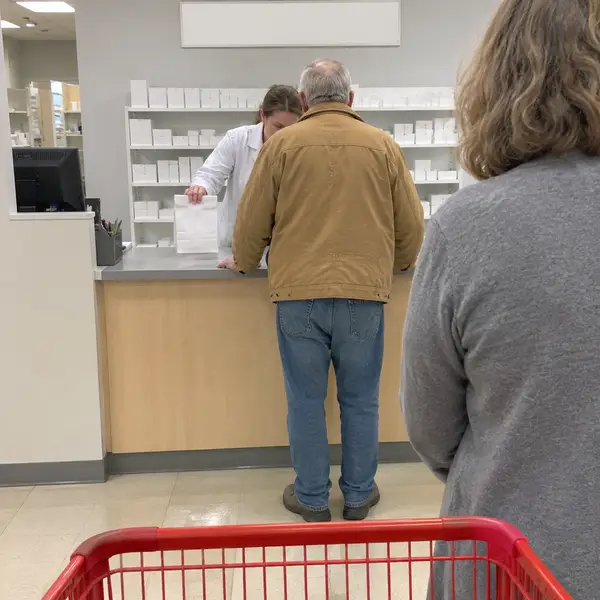
I'm about to say something no man over 70 with a swollen prostate wants to hear. If that pisses you off, tough sh*t. My dad poured every drop of coffee, iced tea and beer in his house down the sink in April of 2025. A Flomax every single night. He did everything the experts told him. He hit the hallway floor on January 14th at 2:10 AM. He was 77 years old. Four stitches over his eye. And one number on an ER screen that showed what he'd been hiding from all of us. This morning he's back in his booth at the diner with the same guys he's known since 1994, a full cup of coffee in his hand. A year ago I thought he'd never hold one again. You need to hear what happened with my dad. Because I've been a CNA in a nursing home for 24 years, and I spend every shift with men his age. I empty their catheter bags. I change their sheets at 3 AM. I've heard every one of them say some version of what my dad kept saying. "It's just age." "I'm fine." "Don't make a fuss." It makes me sick now, because I heard my own father say it for almost two years and I nodded along. If you're a man with a prostate that won't let you empty out, and you've got a bottle stashed somewhere you're sure nobody's going to find, please read this whole thing. I know it's long. I know the TV's on and you're half scrolling. Nine months ago I would've given anything for somebody to sit my dad down and tell him what I'm going to lay out for you here. And I'm not saying this as some expert. I'm saying it as the woman who cleans up after strangers' fathers for a living, who knows the smell of old pee better than her own perfume, and who still walked right past it in her own dad's house every weekend for months. Dad went in for his checkup on April 9th, 2025. He felt fine. That's what he told everybody. He'd just turned 77. He still mowed his own lawn and the widow's lawn next door. He still drove to the diner at 6 AM every weekday to drink coffee with the same four guys he'd been drinking coffee with since 1994. Half the lawnmowers on his street got fixed in his garage for a six-pack. Growing up, my brother Danny and I called him Superman. He worked 31 years at the steel mill, came home and fixed the neighbors' cars after supper, and I never once saw him in bed sick. Mom died in 2019. Since then I've been going over most weekends and a couple weeknights after my shift, sleeping in my old room. Danny's four hours away and calls on Sundays. Three days after the checkup, his doctor called. Dad put him on speaker because he refuses to wear his hearing aids, so I was standing at the counter making him a sandwich and acting like I wasn't listening. "Walt, your PSA's normal. But the prostate's enlarged on the exam. You mentioned getting up at night. How many times?" "Couple." That was a lie. I'd been hearing him through the wall. "What are you drinking in the evening?" "Coffee with the news. Couple beers in the garage. Iced tea with supper." "And during the day?" "Pot and a half of coffee. Maybe more. Water when I'm mowing." "Okay. That's enough to do it. Nothing after 5 o'clock. Cut the coffee way down, and the beer has to go. I'm starting you on Flomax tonight, one every night before bed. You're 77, Walt. This is what happens to every man's prostate. As long as you take the Flomax every night, a full blockage is unlikely. We'll see you in a year." Dad hung up and didn't get up from the table for a good while. Didn't say a word. Then he got up, went over to the counter, and took the big tin of coffee down off the shelf. I watched him pour a half-full pot of coffee down the sink, then the iced tea, out of the same glass pitcher Mom made sun tea in every summer, then the jug of lemonade, and then he went out to the garage and poured eleven cans of beer down the utility sink, can by can, while I stood in the doorway listening to them glug, and he put the 2-liter of root beer he kept for the grandkids out on the porch for the neighbors, and he carried the coffee maker down to the basement so he wouldn't have to look at it, and when he was done the fridge had milk, ketchup, and a bag of carrots in it. I asked him what he was doing. "Doctor says no more." And that was that. For nine months he didn't drink a thing after 5 o'clock. Not at the Friday fish fry, where he'd had the same two beers with the same guys for twenty-some years, so he quit going. Not at my granddaughter Kaylee's 7th birthday party in June, where it was 91 degrees out and he sat in a lawn chair chewing ice out of a paper cup so he'd have something in his mouth. He quit the diner. 30 years of 6 AM coffee with Stan and the Novak brothers and the other Stan, and he just stopped showing up, because he couldn't sit there with an empty cup and he couldn't get through a full one without getting up twice. He stopped driving up to see Danny, because four hours is four hours and there's only so many times you can pull off the highway before somebody notices. Sunday movie night with Kaylee, their thing since she was 3, turned into Papa, which is what she's always called him, getting up three, four times and Kaylee yelling "Pause it!" from the couch every time. He told everybody his knee was acting up. And he did it anyway. Because his doctor told him to. He was miserable every single day of it. I won't pretend otherwise. He was thirsty all day. His lips split. He'd get these headaches by mid-afternoon and I'd find him in the recliner with a wet washcloth over his eyes. At 8 at night he'd stand at the open fridge just staring at the milk like it owed him money. And he got short with me. Snapping about how I loaded the dishwasher, what channel the TV was on. I don't blame him. I can't make it two hours into a shift without a Diet Coke. But he kept going. He bought saw palmetto at the drugstore and took it every morning with one sip of water. When three months of that did nothing, he switched to pumpkin seed capsules. He took the Flomax every single night. Somebody told him to sit down to pee and take his time, so he started sitting, and he'd be in there ten minutes with the fan running. He did everything right. And he was still up four times a night. I know because I counted. Lying in my old bed with the Garfield stickers still stuck to the headboard. The bathroom fan clicking on. A long wait. Then barely anything, a dribble like a kitchen faucet somebody didn't shut all the way. The flush. His door. Forty minutes later, the fan again. Somewhere in there the house started to smell. Not bad at first. A little sharp when you came in the side door. I know that smell. I smell it 40 hours a week. And I still told myself it was the drain. I'm not proud of this. I poured Drano down his bathroom sink three weekends in a row. I bought one of those plug-in air fresheners. I actually called a plumber, and the guy ran a snake down the line, told me there was nothing wrong with it, and charged me $140. Then one Saturday in August I was vacuuming behind his recliner and knocked over a Gatorade bottle. It wasn't Gatorade. The inside had gone brown. Crusted brown, in rings, like a coffee pot nobody's washed in a month. It had been sitting there for days. The smell came up off the carpet and I knew in about one second what I'd been pouring Drano on since June. I yelled at him. I'm going to tell you that straight, because it's the worst thing in this whole story. My father was sitting at the table in the kitchen, and I walked in holding his bottle up like evidence and said, "What the hell is this, Dad?" Like he was 16 and I'd caught him with a beer. He didn't say a word. He took it out of my hand, walked out the back door, and I heard the garage door go up. When he came back in he didn't look at me for the rest of the day. I have never once raised my voice at a resident in 24 years. And I yelled at my own dad over a bottle of his own pee. After that I started looking. And once you start looking, you find them. A blue sports drink bottle in the hall closet behind his winter coat. One wedged in the toolbox in the truck bed. One under his bed, half full, with the cap screwed on tight. An old milk jug in the garage behind the paint cans. I knew exactly what I was looking at. A man who can't make it down that hall as many times a night as his body needs him to, who goes dizzy every time he stands up too fast, and who would rather die than ask his daughter to bring him a urinal. The bottles were how he hid it from us. What I couldn't figure out was why it kept getting worse when he was doing every single thing they told him to do. And there was one thing I knew he was thinking about every time he filled one. Because I was thinking about it too. His brother Ray. Two Christmases ago Ray was staying at Dad's for the holidays. Ray's 74, four years younger. Around 11 on Christmas night he went into the bathroom and didn't come out. Dad finally knocked a little after 1. Ray had been standing over that toilet for almost two hours and nothing would come. Not a drop. His belly was hard as a basketball. Dad drove him to the ER in his slippers. Ray told me about it later, on the phone, in a voice I didn't know that man had in him. "Lori, it's like having to piss so bad you'd cry, and somebody's standing on the hose." They put a catheter in him that night. He wore a bag strapped to his leg for 11 weeks before they could get him in for a procedure. I've emptied a thousand of those bags. I'd never once thought about what it's like to push a cart through the grocery store wearing one. Ray told me he quit going anywhere he might have to sit down next to somebody. Dad sat in that ER with him and drove him to every appointment for 11 weeks. He saw the whole thing up close. And then his own doctor told him a full blockage was "unlikely." In October I made him call the office, because the dizziness was getting bad and he'd stopped pretending he wasn't up all night. I sat right next to him for that one. "Still up a few times? A lot of men your age are, Walt. Keep the fluids down. Stand up slow. You're on the Flomax, so a full blockage is unlikely. Call us if anything changes, and we'll see you in April." Dad hung up and looked at me. "See? Unlikely." He seemed relieved. I wasn't. Three months later, January 14th, 2:10 AM, a sound I'd never heard in that house woke me up. A thump. Then nothing. I found him on the hallway floor outside the bathroom. He'd gotten up too fast, the hall went sideways on him, and he went down and split his eyebrow open on the door frame. There was blood running into his eye. And there was a bottle on its side next to him, and pee soaking into the hall runner Mom put down in 1988. Blood in his eye, and he was reaching for the bottle first. Trying to get it upright before I saw. "Don't call anybody, Lori." I didn't argue. I got his coat on over his pajamas and drove him to the ER. They took us back at 3:05 AM. Four stitches over his eye. The ER doctor was a young woman in pink running shoes, and she asked Dad if he'd been to the bathroom recently. He said he'd gone right before he fell. So she had the nurse run the bladder scanner over his belly. Just to check. I've watched that wand go over a hundred residents. I know what the numbers mean. 640. He'd just peed, and there was still 640 milliliters sitting in his bladder. More than the whole Gatorade bottle I'd found behind his chair. That's what he'd been walking around with all day, every day, for who knows how long. The ER doctor looked at the screen, then at me, then back at him. "Mr. Sobczak, your bladder isn't emptying. You're carrying most of a full bladder around with you all the time. That's why you're up so much. Honestly, you're one bad night away from needing a catheter." Dad stared up at the ceiling tiles. "That's what Ray had," he said. Not really to anybody. We sat in that curtained room till 7:15 in the morning waiting on discharge papers. That scan was only the beginning. Because the ER sent him to a urologist, and the urologist wanted to see everything. In the three weeks after that, Dad had: A flow test, peeing into a machine with a nurse waiting outside the door. Another bladder scan, sitting up this time. The scope. An ultrasound of his kidneys. A blood panel on his kidneys. And every one of them found something. The flow test barely registered. Stop, start, dribble. Dad came out of that little room red to the ears. The sitting-up bladder scan was worse than the ER one. The urologist said the bladder wall had gotten thick from years of pushing against the prostate, like a forearm on a guy who's been trying to open the same stuck jar for ten years. The scope is the one Dad still won't talk about. A camera, in through the tip, and you're awake for it. The urologist showed us the screen afterward. The prostate was pushing up into the bottom of his bladder like a fist shoved up under a mattress. The kidney ultrasound showed some backup. And the kidney number on his blood work had been creeping up on his last two checkups. It was right there on his chart. Nobody had said a word. And I chart for a living. I never once asked to see his. Same prostate. Bottles in the closet. Pee sitting in his bladder. The wall getting thick from pushing. Kidneys starting to back up. And a 77-year-old man on the hallway floor at 2 in the morning. Then the urologist said it. "We should start talking about a procedure. A TURP, or one of the newer ones. The Flomax isn't keeping up anymore." Ten months earlier the whole plan was the Flomax, and as long as he took it, a full blockage was unlikely. Unlikely. That word again. That night Dad was sitting on the side of his bed with the urologist's folder in his lap. I sat down next to him. He didn't look at me. "Don't tell your brother," he said. That was it. That was all he had to say. Four stitches over his eye, a folder full of bad news, and the only thing he was worried about was Danny finding out. I drove home and didn't sleep. I wasn't a CNA that night. I was his kid, I was scared out of my mind, and I wasn't about to sit around waiting for the phone call where he's standing over a toilet like Ray. I started reading. I didn't want to. But I'd seen 640 on that screen and I couldn't stop seeing it. And because it hit me that I'd spent 24 years watching men at the end of this road, the bags, the tubes, the pads, and I'd never once asked how they got there. By the time they're on my floor, it's already done. I read at 2 AM, since I wasn't sleeping anyway. Men's forums where guys post their flow numbers like bowling scores. And the same thing showed up again and again, something I'd never heard anybody say out loud at work. Cutting his water was never going to fix it, because cutting water only changes how much goes into the bladder. It does nothing about why the bladder won't empty. But I couldn't put the rest of it together by myself. It was all charts and words I had to look up twice. Then I came across a thread in a caregivers' group. The title was "Found my dad's pee bottles behind the dryer. What do I even say to him?" It had over 3,000 comments. I nearly kept scrolling. I read until 4 in the morning. Daughters, wives, a few sons, every one of them with some piece of my story. Some of them had already had their Ray night. And about two hundred comments down, somebody wrote "Talk to Hank." Then somebody else. "Hank told my husband what nobody else would." Hank turned out to be an 81-year-old retired pharmacist who posted under his own name, typed with one finger, and had been answering these women for two years. His comment with all the likes said: "I counted out Flomax for 38 years. Then I needed it myself. Ask me how I got off the road your dad is on." I messaged him at 4:20 AM. He wrote back at 6:05. "I dont type good. Im in Fort Wayne. Come by if you want, Im up." By 7 I was in the car. I found the house around 9:30. Little brick ranch, garage door open, an old man in a flannel jacket on a shop stool with a lawnmower carburetor taken apart on a sheet of cardboard in front of him. Every little part lined up in rows. A mug of coffee steaming on the workbench next to him. He looked so much like my dad doing it that I sat in the car for a minute. Then I walked up the driveway. "Are you Hank?" "Depends who's asking." "Lori. From the thread. My dad's the one with the bottles." He set the screwdriver down. "Honey, everybody's dad is the one with the bottles." I asked him how old he was. I don't know why. It just came out. "81." "How many times do you get up at night?" "Once. Some nights none. Depends how much of this I drink." He lifted the coffee mug. 81. Coffee at 9:30 in the morning. My dad was 77 and pouring his down the sink. "Six years ago I was where your father is," he said. "Up four, five times. Flomax quit on me. The urologist had me on the calendar for a TURP. I went another way. Come inside, it's cold." He poured me a coffee without asking and pushed a chair out with his foot. "Tell me what's going on with your father." I told him everything. The checkup. The water. The coffee down the sink. The bottles. Ray. The hallway floor. The 640. The scope. The kidneys. The procedure talk. "Unlikely." He nodded through all of it like he was checking boxes on a list he already had in his head. When I finished, he didn't speak for a bit. Then he said, "Your dad's pill is working on the wrong thing." "I know what Flomax does," I said. "I see it on the med cart every shift." "Then you're ahead of most folks. But you don't know why his prostate keeps growing. Nobody teaches that. I counted those pills for 38 years and I didn't know it either, till it was mine." He put up two fingers, spread apart. "There's two things going on with your dad. The tube he pees through. And the prostate squeezing it. Two DIFFERENT problems." "Flomax only goes after the first one. It relaxes the muscle around the tube so it opens up a little and the stream comes easier. That's all it does. It doesn't do a thing to the prostate. The prostate just keeps getting bigger right behind it." He went out to the garage and came back with the curved drain trap from under a bathroom sink. He said he'd swapped his out last month and kept the old one, "for exactly this conversation." He tipped it so I could see inside. Gray crud, hard as concrete, crusted all the way around the bend so there was a hole in the middle about the size of a pencil. "A man's prostate's about the size of a walnut," he said. "Sits right under the bladder, and the tube runs straight through the middle of it. Every day it leaves behind used-up hormones and waste that are supposed to drain back out. Like a sink. When a man's young, the sink drains fine." He tapped the pipe with his finger. "Somewhere around middle age it stops keeping up. Drains a little slower every year. What doesn't run out settles. What settles goes hard. And the harder it gets, the less drains, so it builds faster every year. Then the body sends inflammation in after it, and that swells everything up even more." "So it's a clogged drain." "It's a clogged drain that keeps growing. By your dad's age the prostate can swell to twice its size. And it doesn't just squeeze the tube. It pushes up into the bottom of the bladder." I thought about the scope. The fist under the mattress. "So the bladder never gets to empty all the way," he said. "There's always a pool sitting in the bottom. He goes, gets a little out, feels done. Forty minutes later he's full again, because he was never empty. That's your four times a night. That's your 640. That's why he can't make it down the hall enough times, and that's why there's a bottle under his bed." I had to put my coffee down. All those nights in my old room counting flushes through the wall. I thought his bladder was just old. It was full the entire time. "Now," Hank said. "Cutting his water. What's that do?" "Less goes in." "Less goes in. And the prostate squeezes exactly as hard as it did before. The pool's still sitting there. All he did was dry himself out, give himself headaches, and quit his friends." "And the saw palmetto?" "The drugstore stuff doesn't get anywhere near what's built up in there. Pumpkin seed, same deal. Takes the edge off for a little while, maybe. Prostate keeps right on growing." He wasn't done. "And the Flomax props the tube open a little. For a while. But the drain behind it keeps clogging and the prostate keeps getting bigger, so every year the pill has more to fight and it does less. That's why it faded on him. And that pill's known for making a man dizzy when he stands up. Put a 77-year-old on it, get him up four times a night in the dark, and you get a man on the hallway floor." "His doctor told him as long as he took it, a full blockage was unlikely." Hank snorted. "Unlikely's a real nice word till you're the one standing over the toilet." He leaned in. "Here's what ought to make you mad. They looked at a big group of men like your dad. And 78.3% of them had this inflammation going on inside the prostate. Day in, day out, for years. And the men who had it had the bigger prostates, the worse nights, and a higher chance of suddenly not being able to pee at all. So the thing nobody's treating is the exact thing that put your uncle in the ER." I felt my face get hot. "And a ten-minute appointment never gets anywhere near any of this. They check the PSA, it's normal, he gets the pill, come back in a year. Nobody's watching the drain. They're watching the number." I sat there thinking about every man on my floor with a bag hanging off the side of his bed. How many of them got told "unlikely"? "Now hear me clear," Hank said. "I'm not telling your dad to throw his Flomax in the trash. That's between him and his doctor, and it does what it does. It opens the tube some. But understand what it is. It's propping the pipe. It's not touching the clog. And every year he's on it, there's more clog." "So what does touch it?" He smiled a little. "You have to get something inside the prostate that can break that buildup down. Something that can actually soak into the tissue. Most of what you swallow never gets anywhere near it." He reached up into the cupboard over the coffee maker and brought down a small bottle and set it next to the pipe. "Black seed oil." I almost laughed. I'm sorry, but I did. "We had a resident whose daughter brought her black seed oil from the grocery store. Big plastic bottle. It sat in her drawer for six months and went rank. Nobody could tell it did anything." "Course it didn't," he said. "Most of that grocery oil has 1% or less of the part that does anything. Way too weak to reach the prostate. When they tested store-bought oils, the strongest one had about 27 times more of the active part than the weakest one. Same shelf. Same price, near enough." "The active part's called thymoquinone. Thigh-mo-quin-own. And the reason it does what the drugstore stuff can't is it dissolves in fat. So it rides the oil right into the prostate tissue itself. Gets in where the buildup is. Breaks it down and calms the inflammation. The tissue softens up, and the drain finally starts running again." "They put it up against finasteride, the big pill urologists use to shrink the prostate. It brought swollen prostates down in size. Men got up less at night and the stream opened up. And when the flow was blocked, it protected the bladder and the kidneys. Your dad's kidneys are already starting to back up. That's the part I'd want for him most." "And here's the other thing. It didn't make anybody dizzy standing up. For a man who's already been on the floor once, that matters." I asked him if any black seed oil would work. "It's got to be strong enough, and you've got to take the full amount. I spent most of a year reading labels on these things. Old habit. Most of them won't tell you how much thymoquinone is in there, because the answer's embarrassing." He tore the corner off a pharmacy receipt and wrote on the back of it. Avalis Ethiopian Black Seed Oil. "Seeds come off farms way up in the highlands in Ethiopia. 8,000 feet. All from that one place. Cold-pressed, so they don't cook the good out of it. Up to 4.64% thymoquinone, which is a whole different animal from that grocery jug. Two softgels before bed, same amount they used in the research. Tested by an outside lab. Made in an FDA-registered, GMP-certified facility. And no smell, which matters when you're 81 and you burp." He held up the bottle. "Six years ago I cancelled that TURP and started on this. I'm 81 and I pee like everybody else." Before I'd finished his coffee, I'd ordered three bottles on my phone right there at his table. I drove the two hours back and went straight to Dad's. That night he fell asleep in the recliner with the TV going. I sat up in Mom's old chair with the TV on mute, waiting for the fan. At 1:15 he got up and went down the hall. At 2:40 he went again. I counted, like always. The oil came five days later. That night Dad had two softgels in his palm at the table, looking at them like they might bite. "You believe this guy." "I do." He studied my face a long time. "Well. You're the one who's been cleaning up after me." Then he swallowed them. Week one. I slept over Friday. He got up once, at 3:30. Fan, flush, his door. Then nothing till 6. I lay there wide awake waiting for the second trip, and it never came. I told myself it was a fluke. He'd had a quiet day. Week two. I stayed over again Saturday, mostly to check. Once again. 4:10. And in the morning he was whistling over the toaster, which I hadn't heard out of him since before Mom got sick. I loaded the dishwasher wrong on purpose. He didn't say a word. Week three. His trips got shorter. I timed one without meaning to. Fan on, flush, fan off, under two minutes. And the thing where he'd flush, get back in bed, and go right back twenty minutes later just stopped. When he went, he was done. Week four. Sunday movie night. Kaylee had picked something with talking dogs, and I came in from the kitchen as the credits started. She looked over at him, kind of suspicious. "Papa, you didn't even go potty the whole movie." Dad just said "Huh," and reached for the remote like it was nothing. Week five. This is the part that wasn't perfect. I worked doubles all week and didn't get over there. When I finally did, I found his bottle of softgels on the counter way fuller than it should've been. He'd been rationing them, one a night instead of two, to make them last. He'd been up three times again that weekend. I wanted to strangle him. I ordered the five-bottle bundle that same morning so he'd quit counting, put him back on two a night, and a week later he was back to once. Week six. The pee bottles stopped. I'd been checking every weekend since August. Closet, under the bed, the truck, the garage. Always one or two. Week six there was nothing. Week seven, nothing. Week eight. He drove up to see Danny. Four hours. I rode along waiting for him to start eyeing exits, and he drove right past the rest stop at the halfway point without even looking at it. Week twelve. Back to the urologist. Another bladder scan, sitting up. 110. Down from 640. The flow test machine actually had something to measure this time. Dad came out of that little room and didn't say a single word about it, which is how I knew. The urologist looked at the scan. Looked at Dad. Looked at the flow numbers. Looked at Dad again. "Walt. What have you been doing?" So Dad told him. The pharmacist in Fort Wayne. The chunk of old drain pipe. The black seed oil, two a night. The urologist listened the whole way through without cutting in. When Dad was done he sat back and rubbed his chin a while. "I don't know a whole lot about that," he said. "But your prostate's smaller than it was in January, and you're emptying. Whatever you're doing, don't stop. Let's take the procedure off the table for now." A couple weekends after that I cleaned his whole house top to bottom. Every closet. Under both beds. The truck, the toolbox, the garage, behind the paint cans. I vacuumed behind the recliner. I was putting the vacuum back in the hall closet when I realized I hadn't found one. Not one bottle anywhere in that house. I'd been looking for so long I didn't even know I was still doing it until there was nothing to find. In June I pulled into the driveway and he was up on the ladder cleaning out the gutters, which he isn't supposed to be doing at 78, and Kaylee was at the bottom of the ladder holding it and yelling "Superman!" at him. I yelled at him to get down. He ignored me. It was the best fight we'd had in two years. And last month, on a Tuesday, he called me. He doesn't call. He's never once called me just to call. "Went once last night," he said. "Thought you'd want to know." Then he asked how my shift was. He's still on the Flomax for now, that's between him and the urologist. But he's back at the diner with the two Stans. He is 78 years old and he is still in his own house, and there's nothing hidden in it. I'm writing this because I've still got my dad. Because I watched him go from 640 to 110. And because I watched the same urologist who had him penciled in for a procedure look at that scan and use the word we'd waited all year to hear. Smaller. Not "unlikely." Smaller. So now I'm talking to you. Not your daughter. Not your wife. You. If you're up three or four times a night, and you've been told it's just age, and as long as you take the pill a full blockage is unlikely, please hear me. I'm saying this as Walt's daughter, and as somebody who's spent 24 years emptying the bags of men who got told the exact same thing. That clog in your prostate is what's filling those bottles, and it was growing in there long before you stashed the first one. The Flomax props the tube open a little. It doesn't touch the buildup. It doesn't stop your prostate pushing up into your bladder. It doesn't empty you out. Cutting your water won't save you. My dad went dry for nine months and still ended up on the hallway floor with 640 sitting in his bladder. There's only one thing I've found that gets in there. The active part of black seed oil, thymoquinone, carried right into your prostate by the oil itself, breaking the buildup down and calming the swelling, at the strength and the amount they used in the research. Avalis Ethiopian Black Seed Oil. Seeds from the Ethiopian highlands, 8,000 feet up. Single origin. Cold-pressed. Up to 4.64% thymoquinone. Tested by an outside lab. Made in an FDA-registered, GMP-certified facility. Two softgels before bed. That's the whole thing. It builds up over a few weeks, so don't do what my dad did and ration it. If you're not getting up less in 90 days, you get every penny back. That's the guarantee. Ray stood over a toilet for two hours on Christmas night and walked out of the ER with a bag on his leg. My dad was a few months behind him and nobody told him. If you're the one awake at 2 AM every night filling a bottle, that same pool is sitting in you right now, and it can start draining. My dad's still at home because an 81-year-old pharmacist from a Facebook thread poured me a coffee, set a chunk of old drainpipe on the table, and explained what nobody had ever explained to Dad. Not his doctor. Not me, and I'm the one who should have. That's what I want for you. I want you getting up once, walking back to bed, and not keeping a thing under it. Please don't wait for the night Ray had. ~ Lorraine Sobczak, age 52, CNA, Toledo, OH P.S. While they were stitching Dad's eyebrow, the ER doctor pulled me out into the hall. She said men holding that much after they go are the ones she sees back in a few months, at night, in pain, needing the tube. He wasn't due back at his doctor's till April. He would not have made it to April. Don't let your warning be a hallway floor or a 1 AM drive to the ER in your slippers. P.P.S. I don't work for Avalis. Nobody's paying me a dime. It's 3:20 AM as I type this, after a double, because I still wake up listening for footsteps down the hall, even in my own bed, 20 minutes from his. And if you're the man reading this with a bottle in the closet right now, you don't have to tell anybody yet. Pour it out. Get the oil. And the first morning you only got up once, call your kid and tell them yourself.

Loading the ad's image
The Daily Health Project — Feel Like You Again
Testing

Feel Like You Again

At 2:10 AM I Was Up at the Kitchen Table Googling "Why Does Mucus Keep Coming Back on Two Inhalers" for My Father-in-Law and Found Out Why My Own Lungs Quit Halfway Up His Driveway at 52, While the Spiriva Box From the Pharmacy (The Same Daily Inhaler He Started at 63) Sat Next to My Keys... I'm 52. My father-in-law Harold started stopping on his driveway with the groceries at 56. He's 72 now. Some days he doesn't have the breath for a conversation. I started stopping on that same driveway last spring. I'm four years ahead of him. The cough started five winters ago. Wasn't bad at first. Just a rattle in the morning that took a couple of hard coughs to clear. I called it a smoker's cough. Which is funny, because I've never smoked a day in my life. It just sounded like one. I'd hawk up a mouthful of thick yellow phlegm in the shower and get on with my day. I've been service manager at a car dealership for 26 years. Desk job, mostly. Nobody at work noticed a damn thing. Stairs were the first giveaway. Two flights up to the break room, and I'd stand at the top reading the same bulletin board notice for a full minute. My wife Denise would ask about the cough. I'd tell her it was a cold that never cleared. Didn't want her worried. Then last spring, Saturdays started going bad. My father-in-law Harold is 72. For 50 years he did everything for my mother-in-law Ruth. Shoveled, hauled, fixed the roof himself at 65. Wouldn't let anybody carry so much as a bag of potatoes for him. Now some days he doesn't have the breath for a conversation. So I do the carrying. Groceries every Saturday. The 40-pound bags of softener salt. Storm windows in October. They live ten minutes from us. Their driveway is maybe 60 feet from where I park to the porch. Slight hill. Nothing. Halfway up, with a bag of salt on each shoulder, my lungs quit. I stop. Set one bag on my knee. Pull out my phone and stare at it like somebody important just texted. Nobody texted. I'm a grown man catching his breath next to a basketball hoop so his mother-in-law can't see him from the kitchen window. The first Saturday it happened, Ruth called through the screen door before I even got to the porch. "Harold had a bad night, honey. Don't get him talking, okay? He'll try." She's already carrying one man's breathing around in her head all day. She doesn't need a second. And I had no idea what took Harold's breath had already started on me. I figured I was just out of shape. 52, with a gut I'd been ignoring since the kids left. Bought a treadmill off Facebook Marketplace for $200 and dragged it into the basement. Walked every night after dinner. Cut out the beer during the week. Week three, I felt... something. Legs stronger maybe. Still stopped in the driveway. Month four, down 15. New hole in the belt. Still stopped in the driveway. Same spot. Right by the hoop Harold put up for Denise in 1981. Everybody online had one answer. It's the mucus. Thin it out. So I started Mucinex. Twice a day, like the box says. It worked, sort of. The mucus came up easier in the afternoon. Next morning, right back. Same rattle at the sink. Denise's cousin swore by mullein tea. I drank a mug every night for six weeks. Tasted like somebody boiled a hay bale. Same deal. Looser till lunch. Back by morning. By summer our bathroom cabinet had Mucinex, mullein, and a jar of local honey. Denise ordered a humidifier. There was a bottle of pineapple juice in the fridge because a guy on Facebook said it "cuts the phlegm." At the time I figured that cabinet was only going to get fuller, until I had a windowsill of inhaler boxes like Harold's. Month six, I finally went to my family doctor. Told her everything. The stairs, the driveway, the cough that had been hanging around for five years. She had me blow into a tube hooked to a computer. Three times, as hard as I could. By the third one I was seeing spots. She looked at the screen for a while. "Breathing test looks fine," she said. "Your numbers are in range for your age." "Honestly? More cardio. Lose a little weight. You'll be surprised." I told her I'd already lost 15 pounds. She nodded and typed. Then she sent me home with a rescue inhaler. "Two puffs when you need it. Come back if it gets worse." More cardio. I wanted to tell her I'd done more fucking cardio in four months than I'd done since high school football. The inhaler worked. I'll give it that. Two puffs in the truck before I pulled into Ruth's driveway and I'd make it further. Sometimes all the way to the porch. A few hours later it wore off. And the mucus was still there every morning, same as before. By fall it wasn't just the driveway. Bending over to lace my boots, I'd hold my breath and come up dizzy. Denise started hearing me at night. The coughing, then the long quiet while I tried not to cough again. She asked me straight out one night if I was all right. I said I'd had a long day at the shop. I've said that to her about 40 times this year. And here's the part I'm not proud of. Some Saturdays, sitting in Harold's driveway with the engine running, I resented him. For needing me. For getting old in a way that meant I had to carry his share and mine. Then I'd hate myself for it. The man drove four hours in a snowstorm in 1999 to pull my car out of a ditch and never once brought it up. One Saturday in October I didn't get my phone out in time. Made it to the porch with two bags of groceries and started coughing so hard I had to set them down on the step. Bent over with my hands on my knees. The screen door opened. Ruth stood there in her apron, looking at me. It was the same look she gives Harold when he starts a sentence and can't finish it. Like she was already counting what she'd have to do next. I stood there on the step and couldn't look back at her. Because I'd promised myself I'd never be the second man she had to worry about. And there I was, turning into him. Harold started coughing in the mornings in his 50s. He worked 41 years at the grain elevator outside town. Came home grey with dust every night of my wife's childhood. He was 56 when he started stopping on that same driveway with the groceries. Told everybody it was his knees. By 63, he was on a daily inhaler. By 66, a second one. Prednisone every winter when a cold went to his chest. Antibiotics. Then more prednisone. By 68, he gave up driving. Ruth drives now. I've taken him to enough lung appointments to know the name on every box on his kitchen windowsill. By 70, he needed a chair in the shower. Two years ago they had their 50th anniversary dinner at the VFW hall. A sheet cake with a picture of their wedding on it. Harold stood up to give a toast. He had it written on a napkin. "Fifty years ago... I married... the best..." Then he just stood there. Mouth open. Pulling for air. Nothing coming. Ruth got up next to him, took the napkin out of his hand, and read the rest. Didn't make a thing of it. Just finished it for him, like she'd done it a hundred times before. Denise squeezed my knee so hard under the table it left a bruise. Driving home, Denise finally said one thing. "He used to carry me on his shoulders at the county fair. The whole day." Month eight, back to my family doctor. Told her it was worse. The treadmill wasn't helping. I couldn't get up my in-laws' driveway. She brought up my breathing test on the screen. She put the old one up right next to it. Just scrolled. "Your numbers are basically the same as last time," she said. "That's good news. Keep up the walking." She never took her eyes off the screen. I kept thinking about Harold's breathing tests. Years of them. Every one came back "basically the same." Meanwhile he lost the driveway, then the car, then the toast. Then, first time all visit, she actually looked at me. "Let's add a daily inhaler. Spiriva. Once a day. It'll help keep the airways open." Spiriva. The first daily inhaler they ever put Harold on. The one that's been on his windowsill since he was 63. I picked it up that afternoon and sat in the truck outside the pharmacy with the bag on my lap. Read the leaflet. "Use once every day." Every day. For the rest of my life, I figured. I took it, the way she said. It does what it says. Some mornings the stairs at work felt a little easier. And every morning at the bathroom sink, the mucus was still there. One night, I couldn't sleep. The cough had nothing to do with it. I was pissed off. Nine months. A treadmill. 15 pounds. A cabinet of Mucinex and boiled hay. Two inhalers. And everybody's answer was the same one Harold has been getting for 20 years. More walking. Here's an inhaler. Come back if it gets worse. Around 1:40 AM I took Denise's iPad off the charger and sat at the kitchen table. I didn't look up my lungs. I looked up Harold's. Typed: "why does mucus keep coming back on two inhalers" Ended up on a forum for people with lung problems and the people who drive them to appointments. One post was from a guy in Ohio. 58. "I park at the far end of the lot at work so nobody sees me stop on the walk in. I tell my wife I like the exercise." Read that one three times. I'd never told a single person about the driveway. Further down, somebody had pasted in a long write-up from a respiratory therapist. No name on it. Looked old. But what it said... One paragraph made me put the iPad down. "Your airways are lined with millions of tiny hairs that sweep mucus up and out all day long. Smoke, fumes, dust, polluted air, or one bad chest infection can knock those hairs out. When that happens the mucus stays put. It sticks to the walls and hardens, and the opening gets a little smaller every year. Inhalers open the airways for a while, but the buildup stays. And a regular breathing test only measures how much air gets through, so it can look fine for years while the buildup grows." I read it twice. Then I went and got my glasses and read it again. The hairs get knocked out. The mucus hardens. It can look fine for years. No wonder nothing worked. I've been around engines my whole life. This was an old radiator. Coolant leaves gunk on the inside of the tubes, it bakes on, and every year a little less gets through. You can run fresh coolant through it all day. The gunk stays where it is. The Mucinex and the mullein were loosening the stuff on top. Whatever had hardened underneath, they couldn't touch. The inhalers were opening the pipe a little wider until they wore off. Nothing was clearing the pipe. And the breathing test was measuring how much air squeezed past the gunk. Not the gunk. Then I thought about Harold. 41 years breathing grain dust. Those little hairs in his airways got knocked out long before anybody was paying attention. That stuff has been hardening in there for 20 years. Every new inhaler bought him a few more hours. And me? 26 years walking a shop floor with the bay doors shut every January. Exhaust. Brake dust. The pneumonia I had in 2011 that put me flat on my back for three weeks. Same buildup. 20 years behind his. I'd lost 15 pounds trying to fix a clogged radiator by driving faster. It was 2:20 in the morning when it hit me. Harold never knew any of this. Nobody ever told him. I've sat in on maybe 30 of his appointments. All of us, me included, were watching that breathing test number. Not one person asked why the mucus keeps coming back. He didn't have to get this far. And I'm not following him there. So I started looking for what actually gets down into the airways and breaks the buildup down. Most of what you breathe in lands on top of the gunk. Whatever was going to work had to come at it from the inside. The same thing kept coming up on the forum and in the research people were linking. Black seed oil. Honestly, I figured it was something my grandmother would have rubbed on a burn. The active part of black seed oil gets carried in with fat, from what I read. You swallow it, your body takes it in, and your heart pumps it through your lungs with every beat. Nothing to breathe in. In those studies it made those tiny hairs beat faster, so the stuck mucus actually moved. It cut how much mucus the airways make about as well as a steroid. And it worked alongside the usual lung meds, which mattered to me, because I wasn't about to throw out anything a doctor gave Harold or me. Then the catch. The oils on store shelves are all over the place. Some have about 27 times more of that active part than others, and most of the cheap ones have 1% or less. Too weak to get anywhere near the lungs. So it had to be the strong stuff, at the amount they tested. One name kept coming up on the forum from guys who'd checked. Avalis. Found their site. (Here's the link: https://tryavalis.com/products/bso-s-l) Ethiopian black seed oil. Cold-pressed. Every seed from farms in the Ethiopian highlands, 8,000 feet up. 5% thymoquinone, which is that active part. Two softgels a day, same amount as the research. Third-party tested, made in an FDA-registered facility. Started reading the reviews. Guy after guy describing my last five years. "Thought I was just out of shape. Turned out I'd been carrying around 10 years of gunk." "I still use my inhaler. But the stuff that's been stuck in my chest for years finally started coming up." Then this one: "My dad needs help getting out of the house now. I'm 55 and I started stopping halfway down the drive to the mailbox, holding onto the fence to get my breath. Week two on this, I coughed up more junk than I thought a man could hold, and there was less every morning after that. Last week I carried the feed bags from the truck to the barn in one trip. I'm not going where my dad went." By then it was 3:05. Denise's iPad on the table. Two inhalers on the counter. A treadmill in the basement. Harold ten minutes away, probably up coughing too. This is one more bottle, I thought. You've got a whole cabinet of those. Ordered it anyway. It came five days later. Black softgels. No smell, which after six weeks of boiled hay I appreciated. Label said two before bed. I took them that night and lay there thinking, this one'll quit too. Night one, nothing. Night two, same. Around night five, the cough woke me at 2 AM like always. I coughed, rolled over, and the next thing I knew it was morning. Night eight, I didn't wake up at all. Day twelve, I stood over the bathroom sink and coughed, and it just came up. A lot of it. More than I want to describe. Easy, like it had all come loose overnight. I stood there looking at it thinking, where the hell was all that hiding? Every morning after that, there was a little less of it. Week three, I caught a cold from one of the techs at the shop. Throat got raw, the cough got loud, and I figured it had stopped working. Kept taking it out of pure stubbornness. The cold never went to my chest. Gone in five days. First winter cold in years that didn't turn into three weeks of hacking. Week four, Denise was making coffee when I came downstairs. She turned around with the pot still in her hand. "I didn't hear you this morning," she said. "I kept waiting for it." I didn't know what to say to that. I'd been lying to her for so long about the cough that I'd forgotten she was listening the whole time. Week five, I carried a bag in each hand up Ruth's porch steps. Stopped at the top, but only because that screen door sticks. Somewhere in there I noticed the rescue inhaler had been sitting in the same cup holder for nine days. Still keep it there. Just haven't reached for it much. Week seven was the salt. Saturday morning. Four bags of softener salt in the bed of the truck. I grabbed two, threw them on my shoulders, and walked them up. Got to the kitchen. Dropped them by the basement door. Went back for the other two. I was standing at Ruth's counter with my keys in my hand before I realized I'd never stopped. Never pulled out my phone. Never even looked at the kitchen window. Ruth was at the stove asking if I wanted eggs. Harold was in his chair by the front window, the one that looks right down the driveway. He looked at me a long time. "You... didn't..." Breath. "...stop." He'd been watching from that window the whole time. Every Saturday. I went back out to the truck for nothing, just so nobody saw my face. About two months in, I had the lung doctor appointment Denise made me book back in the fall. Took five months to get in. She listened to my chest a long time. Back, front, back again. "Huh," she said. "No rattle. Chest's clear." "How's the morning cough?" I told her it was almost gone. She put the pen down. "What changed?" I walked her through the tiny hairs, the buildup, and the black seed oil. She nodded slowly and wrote something down. "Keep doing it," she said. "And keep your inhalers." The next Saturday I brought a bottle over for Harold. Ruth called his lung doctor before she let him take one. He's been on it with his inhalers a few weeks. Ruth says he's sleeping better. That's as far as I'll go on that one. Harold spent 20 years being told this is just what happens to a man. I'm 52. And Ruth is never going to stand in that screen door looking at me the way she looks at him. Saturdays now, I park, grab the bags, and walk them in. Ruth asks about eggs. Harold watches from the window. I don't stop anywhere. Denise is sleeping through the night again too. If you're the guy who stops halfway up somebody's driveway, you know exactly what I'm talking about. You've got a cough you've been calling something else for years. A cold that never cleared. Allergies. Getting older. Somebody told you the breathing test looks fine and to do more cardio. Maybe you did it. Maybe you lost the weight and it didn't change a damn thing on the stairs. There's an inhaler in your cup holder. It helps till it wears off. And there's somebody older in your family who's further down this road than you are. Every time they stop in the middle of a sentence to breathe, you do the math. So hear me on this: If I hadn't gone looking for Harold's answer at 2 in the morning, I'd still be on the treadmill. Still checking my phone in the driveway. Waiting for the second daily inhaler, then the prednisone every winter, then the chair in the shower. The buildup doesn't wait for you to get around to it. Every year it hardens a little more, and the opening gets a little smaller. But that buildup can be broken down. Nobody told me that. Nobody told Harold. Try Avalis for 30 days. Count the coughs at the sink in the morning. Count the stops on the stairs. Notice whether you still need that one spot in the driveway. If you're unhappy for ANY reason, if the morning cough doesn't shrink, if you're still stopping in the same spot, ask them for every dollar back. No questions asked. You're out nothing if it doesn't work. You're standing at a fork right now. One road: keep calling it being out of shape. Keep the treadmill going and the phone in your hand in the driveway. Take whatever they hand you next while the buildup keeps hardening. Follow the man ahead of you. The other road: quit patching it. Go after the buildup itself. Take two softgels before bed for 30 days with nothing to lose, and see if you're still stopping. I took the second one. I got my Saturdays back. My mornings. The whole carry, truck to kitchen. And I'm still the one they lean on, which was the thing I was most scared of losing. Which road are you taking? P.S. Night eight, I slept straight through. The mucus came up easy on day twelve. Porch steps with a bag in each hand by week five. The whole carry without stopping by week seven. Yours could run faster or slower. You won't find out on a treadmill. P.P.S. Ruth and Harold's 52nd anniversary is in May. Denise asked me to give the toast this year. I'm going to stand up and get all the way to the end of it. Then I'm going to carry the cake out to the car, all in one trip. You can too. https://tryavalis.com/products/bso-s-l

Loading the ad's image
The Daily Health Project — Feel Like You Again
Testing

Feel Like You Again

Here is something no man with a swollen prostate wants to hear. If it makes you mad, too f*cking bad. My husband Walt cut out coffee, beer and every drop of water after 5 PM on March 4th, 2025. Took his Flomax every night. Wore the pull-ups. He did everything the experts told him. On August 5th at 2 AM he couldn't pee at all. He was 70 years old. The ER got a catheter in him. A few more hours and his bladder might never have squeezed right again. His fishing pole is by the back door this morning. Fourteen months back, I figured he'd never pick it up again. I have to tell you about Walt. Because I ran a dry cleaner for 31 years, and my Facebook is full of the exact posts I was typing at 5 in the morning the summer before last.. how do you get old man pee smell out of a mattress, asking for my husband.. and every one of them turns my stomach. If you're a man over 60 and you've started leaking at night, or you're the one married to him, please read this whole thing. I know it's long. I know you're scrolling. And you've probably got a load of sheets in the dryer right now. Fourteen months ago I'd have handed over anything, everything, for somebody to say to me what I'm about to say to you. And I'm saying this as a woman who got stains out for a living. For 31 years I ran Duffy's Cleaners on Third Street. Red wine out of a wedding dress two hours before the ceremony. Motor oil out of a choir robe. Blood out of a butcher's whites every Friday for 20 years. Pee, too, more than you'd think. I could get anything out of anything. And I still couldn't get this out of my own bed, or off the man I've slept next to for 44 years. Walt went in for his yearly checkup on March 4th, 2025. He felt fine. He'd just turned 70. Still drove the church van on Sundays. Every Saturday morning our grandkids, Tyler and Josie, climbed into his side of the bed with their cereal bowls and watched cartoons sitting on his chest like he was a couch. He was up two, three times a night to pee, but so was every man at church. The doctor only asked him about one thing that mattered. "How many times are you up at night to pee, Walt?" "Three. Some nights four." "What are you drinking after supper?" "Coffee with my pie. A beer or two with the ball game. Glass of water on the nightstand. Whatever Marlene sets down." "That'll do it. Your prostate's a little enlarged, which is very normal for 70. Cut the fluids. Nothing after 5 PM. No coffee after noon. No beer. I'll start you on Flomax and we'll recheck in six months." Walt didn't say a word the whole drive home. Then he sat out in the garage for forty minutes. Then he came inside, opened the fridge, and started pouring. I watched him pour two 12-packs of Budweiser down the kitchen sink one can at a time. The sweet tea. The pot of coffee. He took the water glasses off both nightstands. The bottle of bourbon his brother Gene gives him every Christmas went next door to the neighbor. All of it gone before supper. I asked him what on earth he was doing. "That's it. I'm done." And he was. For 154 days, he didn't have a drop after 5 PM. Not at Tyler's 8th birthday in May, when it was 88 degrees in the backyard and every other man had a cold can in his hand and Walt sucked on an ice cube. Not at his brother Gene's 73rd birthday dinner, where Walt sat there dry while Gene put away beer after beer and kept asking if he was sick. Gene got up for the men's room three times before the steaks came. Nobody said a word about that either. He quit the Thursday night card game with the guys from the plant. Three hours, nothing to drink, no bathroom he trusted. He quit taking Tyler fishing on Saturdays. No toilet on a little fishing boat. He stopped holding Josie on his lap in church. This was a man who'd sit anywhere, with anybody, for as long as you wanted, and now he wouldn't go anywhere more than a few steps from a toilet. And he did it anyway. Because that's what the doctor told him. He was miserable. He woke up so thirsty his tongue stuck to the roof of his mouth. I'd catch him at 2 AM at the kitchen sink holding a glass of water, just holding it, like it had done something to him. Then he'd pour it out. I couldn't have done it. Not for a week. But he kept going. He took the Flomax every night. It worked for a while. Then it faded, and started making him dizzy getting out of bed. One night in April he grabbed for the dresser and took the lamp down with him. He bought saw palmetto at the drugstore. Then a prostate blend in a green bottle with 14 herbs on the label. He did everything right. And in May, the leaking started. The first time, it was a dark spot on his side of the sheet about the size of a dinner plate. He stripped the bed before I got up and told me he'd spilled his water. There wasn't any water in the bedroom. He'd taken the glasses out himself. I'd been sleeping in the sewing room since April, because neither of us was getting any sleep. So for a while I didn't see most of it. I just heard the washer running at 5 AM. And the smell. You know the smell. If you're reading this, you know exactly the one I mean. Sharp like ammonia, and under that something older and sweeter, and it gets down into the mattress and it waits. It comes back when the room warms up. It comes back when you sit down on the bed to pull your socks on. Then came Father's Day. June 15th, 2025. Our daughter Kristen was bringing the kids at noon. I came down the hall at 6:10 AM and our bedroom door was open and Walt was on his knees on the carpet beside the bed. He'd peed the bed around 2 AM. A big one. He'd been up ever since, four hours, in the same wet pajama pants, because he didn't want to wake me running the shower. He had the mattress cover half pulled off and he was going at it with my white vinegar, a jug of ammonia from the garage and the blue Dawn from beside the kitchen sink. The little brush I use on grout. He turned to me and his eyes were wet. "Marlene. I can't have the kids smelling this. How do I get it out?" Forty-four years. That was the first time I ever saw my husband ashamed of himself. Here's the part I'm not proud of. I'm the one who taught him the vinegar and Dawn. The first time, I showed him in the laundry room. One part vinegar, a squirt of Dawn, blot don't rub. I said it the same way I used to teach a new girl at the shop. And every time after that when he came to me with his head down, I gave him the doctor's line. It's just age, honey. Everybody's husband does this. Your dad went through the same thing. I said it a dozen times. I believed every word. So we cleaned it. Together. I got him in the shower and did that mattress the way I'd do a wedding dress. Vinegar, then an enzyme spray that eats the smell instead of covering it, then baking soda overnight. I bought a $79 waterproof cover that crinkled every time he rolled over. I put a beach towel under him on top of that. He started wearing pads. Then the pull-ups, the kind they sell in the aisle nobody wants to be seen standing in. The smell came back anyway. Every time. I'd get that mattress clean enough to eat off and three nights later there it was again. When a smell comes back, it means you didn't get it all. So I went harder. In July I bought a brand new mattress, $1,200, and had the old one hauled to the dump. The smell was back in the new one in 11 days. I'd never in my whole life lost to a smell. And I was losing to this one, and I couldn't for the life of me work out where it was coming from. Walt started getting up early on Saturdays, before the grandkids came over. He'd bend down over his side of the bed with his nose an inch off the sheet, like a bloodhound. If he caught anything, he stripped it and told the kids Grandpa's back hurt too much for cartoons today. Most Saturdays he caught something. One Saturday in July, Josie stood in our bedroom doorway, scrunched up her nose, and said, "Grandpa's room smells like the hamster cage at school." Walt laughed like it was the funniest thing he ever heard. Then he went out to the garage and didn't come back in until lunch. His doctor had sent him on to a urologist by then. At the follow-up on July 30th, Walt told him he was up five times a night, and told him about the pads, staring at the floor. The urologist said give the Flomax more time, same as they tell every man his age. He doubled the dose. Keep the fluids down. Come back in six months, and if nothing's changed, we'll talk about a procedure. Walt came home, pulled out a kitchen chair, and didn't say a word for the better part of an hour. Then he said, "Marlene. I quit everything. My coffee. My beer. Cards with the guys. Fishing with the boy. I did every damn thing they told me, and it keeps coming back." I told him it just needed more time. It's just age, honey. Everything I said was straight out of the doctor's mouth, and I was so busy getting it out of the bed that I never once asked what was going on inside the man sleeping in it. He nodded. He kept wearing the pull-ups and taking the pills and pouring his water out at the sink. Six days later, six days, a noise woke me at 2 AM. A sound I'd never heard that man make in 44 years. He was in the hall bathroom. Bent over the toilet with both hands flat on the wall, groaning, and nothing was coming out. Not a drop. His belly was round and tight like he'd swallowed a softball. "I can't go. Marlene, I can't go." I didn't ask questions. I got his coat on over his pajamas and drove him to the ER. When they finally took him back at 2:53 AM, he was gray and sweating and shaking so hard the rails on the gurney rattled. The ER doctor was a young man, couldn't have been 30. He put a wand on Walt's belly, looked at the screen, and his whole face changed. "Mr. Duffy, your bladder's blocked. It's called urinary retention. You've got well over a liter sitting in there. We need to get a catheter in right now." They pulled the curtain. I stood on the other side of it and listened to my husband yell. Then a long, awful breath out, like air going out of a tire. 1,150 milliliters. That's what came out of my husband. The young doctor said a full bladder holds maybe 400 or 500. Walt was holding more than twice that, while I slept down the hall. More than twice. And something had been pushing on him like that all those nights I was scrubbing the mattress. Walt came home at 7 that morning with a bag strapped to his calf. That's when nightmare number two started. Because the ER doctor got Walt in to a different urologist that same week, a woman about Kristen's age, and she ordered the whole workup. When a man goes into retention like this, she said, it's almost never one bad night. Something's been building a long time. In the three weeks after that, Walt had: A bladder scan, to see what was left behind after he went. A flow test, peeing into a machine with a nurse waiting outside the door. A scope, a camera up through the tip, awake the whole time. An ultrasound of his kidneys. And every test found something. The bladder scan showed that after he'd pushed out all he could, 340 milliliters was still sitting in there. The urologist said a man should leave a few spoonfuls. Nobody had ever measured it. The flow test barely registered. Almost a full minute before anything started, then a dribble you could count. He came out red in the face and wouldn't look at me. They'd taken the catheter out that morning to see if he could go on his own. By that afternoon it was back in. The scope showed his prostate was about twice the size it should be, pushing up into the bottom of his bladder. And the bladder wall had gotten thick from all those years of pushing, the urologist said. The kidney ultrasound showed his right kidney was a little swollen. Pee backing up into it. Early, she said. But it had started. One prostate. Showing up in his stream, in his bladder, in his kidney, and every night in our bed. The urologist wrote it up as an enlarged prostate with retention. "It's very common at his age," she said, kindly enough. Then she talked about TURP, a surgery to carve out the middle of the prostate, and told him what it usually does to a man in the bedroom afterward, for good. Very common at his age. There it was again. Walt sat on his side of the bed that night with the bag on his leg and the folder of reports in his lap, and he looked my way and said something I'll never forget. "Marlene. I been scrubbing that mattress since May. And the whole time it was me filling up, and everybody kept telling me it was normal." That night I quit being the woman who could get anything out of anything and turned into a scared wife who wasn't going to sit around waiting on the next 2 AM. I started researching. I had to. My husband had come within a few hours of stretching his bladder for good. I'd sit up till 2 or 3 in the morning with my reading glasses and Kristen's old laptop. Urologist websites. Hospital pages. Forums. And the same thing showed up, again and again, that nobody had ever said to us. The reason Walt kept leaking after he'd cut every drink is that cutting drinks only changes how much goes into the bladder. It does nothing about the pee that's already stuck in there, the pee he can't get out. What none of those pages could tell me was why his bladder wouldn't empty in the first place. Then I came across a thread with 3,612 comments under it. Here's the title. "Husband's urine smell keeps coming back in the mattress no matter what I use. What am I missing?" It was a woman in Arizona whose husband was 72. Two mattresses in a year. And under it, comment after comment from wives. Hydrogen peroxide. OxiClean. The spray they sell for cat pee. Then one comment, from somebody whose username was just a first name and a number. "You're cleaning the wrong thing. My husband had this exact thing at 74. Go see Almaz." She named a little Ethiopian community outside Washington, D.C., and an older woman there named Almaz. Under it, a string of replies. Almaz helped my dad. Is she still alive? She's 81 and sharp as a tack. I checked the time. 2:51 AM. By 5:30 I had Kristen on the phone to come sit with her father. By 6 I was in the car. I drove seven and a half hours. I had no address. Only the town and somebody's description of a brick duplex with a big vegetable garden and a blue door. I drove up and down until I found it. There was an old man out in the garden. Had to be close to 90. A wool cap on in September, down on his knees pulling weeds and then getting back up without grabbing onto anything. No bag on his leg. A woman about 80 was sitting on the front steps with a big flat basket in her lap, picking through something so fast I couldn't follow it. I pulled over and went up the walk. "I'm sorry to bother you. Are you Almaz?" She looked up. Sharp eyes. Gray hair wrapped up in a white scarf. "I am." I looked over at the man in the garden. "Can I ask how old he is?" "Getachew? He is 88." I just stood there and stared at him. 88. My husband was 70 and sitting at home in his recliner with a bag of his own pee strapped to his calf. "My name is Marlene. My husband is Walt. He's 70. A month ago he couldn't pee at all and they put a catheter in him at the ER. I ran a dry cleaner for 31 years and I couldn't get the smell out of my own bed. I found your name in a thread at 2 in the morning and drove seven and a half hours." She put the basket aside. Studied my face a good while. "Nobody drives that far for nothing. Come in." The kitchen smelled of coffee beans roasting in a pan and some spice I didn't know. She handed me a tiny cup of coffee so strong it made my eyes water. "So. Your husband. Tell me." I gave her the whole story. The 154 days. The lamp he took down off the dresser. The vinegar and the Dawn on Father's Day. Josie and the hamster cage. The ER, the bag, the scans, the word TURP. She nodded through all of it like she'd heard it a hundred times. Then she said, "You are cleaning the wrong thing." I laughed. I didn't mean to. It was the line from the thread, and after 31 years in the business I still didn't know what it meant. "The vinegar, the pads, the cover, the no water after five. Every one of those is for the bed. The Flomax is for the pipe. Nobody in all of this is doing anything about what is pressing on him." "I know it's his prostate," I said. "I'm not stupid. They told us. He's on Flomax. He took saw palmetto. He took a blend with 14 things in it. I've been married to that man 44 years, Almaz. I know what's wrong with him." She smiled. "Then you are ahead of most wives. But what the prostate is doing, nobody has told you. And without that, nothing else makes sense." She laced her fingers together on the tablecloth. "Two things are happening to your husband. The leak in the bed. And the thing that makes the leak. One is NOT the other." She put two fingers up, apart. "Everything you have done goes after number one. The bed. The second one, nobody has touched." Then she got up, filled a water glass at the sink almost to the top, and set it down by my cup. "This is Walt's bladder. Every night. It is never empty. You see? Always this full." She took a spoon and dribbled a little more water in. It ran over the side and onto her tablecloth. "The doctor tells him, drink less. So he drinks less." She put in a smaller spoonful. It ran over again. "It does not matter how little you pour. A glass that never gets empty will always spill. That is your mattress." I sat there looking at the wet spot spreading on her tablecloth. "So why won't it empty?" I asked her. "Because of what sits under it." She made a little circle with her finger and thumb. "The prostate is the size of a walnut. It sits right here, under the bladder. And the tube he pees through runs straight through the middle of it. Every day the prostate leaves behind waste. Old hormones. Used-up things. They are supposed to drain back out. When a man is young, they do. From the middle of his life, it stops keeping up." She tapped the edge of the sink behind her. "It is like a sink that drains a little slower every year. What does not run out settles at the bottom. And what settles turns hard. And around it, the inflammation comes, like the red around a splinter." "The harder it gets, the worse it drains. So every year it builds faster. The walnut swells up to twice the size it should be. It pushes up into the bottom of the bladder, so he can never get it all out. And it squeezes the tube, so his stream is weak and he dribbles after." I thought about the scope. Twice the size. Pushing up into the bladder. "So he pushes, gets some out, and walks away with the glass still mostly full. It fills right back up. At night he is asleep, his body lets go, and it comes out in the bed. That is your smell coming back. You could buy ten new mattresses. He fills them all." My chest got tight. "That is why cutting his coffee did nothing," she said. "And that is how the Flomax helped, and then faded. The pill relaxes the muscle around the tube so it opens a little. For a while. But the buildup keeps growing, and soon it squeezes harder than the pill can open. The saw palmetto, the blend with 14 things, none of them get inside to where the buildup is. Nobody is touching the walnut." She looked right at me. "The doctor asked how many times he gets up. Did anyone ask how much stays in after he goes?" "Not until after the ER," I said. "340." "340. For years, maybe. Nobody measures that in a ten-minute checkup. And you were busy washing the sheets." She rapped one knuckle on the table. "And this next part is going to make you mad. My grandson, he studies to be a pharmacist, showed me a big study. Almost eight out of ten men in it had inflammation burning inside the prostate. The men with that inflammation had the biggest prostates. And they were far more likely to suddenly not pee at all. Like your husband." I had to blink hard. "Years of pushing against that squeeze make the bladder wall thick, like a callus on your hand. Then it backs up into the kidneys. That is what the kidney picture is showing you. And that is why they are talking TURP." She leaned back. I couldn't say anything. All I could do was think about every time I'd told him it's just age, honey. "Now listen to me carefully," she said. "I am not saying throw out his Flomax. That is between Walt and his doctor. But that pill is why he is falling into the dresser at night." So what does get in there, I asked her. That got a little smile out of her. "Something that can get inside. Everything depends on that. My grandmother kept it in her kitchen in Ethiopia. My mother gave it to my father. I have given it to Getachew every night for 23 years." She took a little cloth bag off a shelf and poured some into her palm. Tiny black seeds. Like sesame seeds, only black, with sharp little corners. "Black seed." I looked down at them. "Those are the things on the bagels." That was the first time I heard her laugh. "Yes. The things on the bagels." I told her I'd seen black seed oil at the health food store for $9 and walked right past it. My face must have given me away. "That oil at the store, it fools people. My grandson looked at the tests, and the strongest oil had about 27 times more of the part that works than the weakest one. Same name on the bottle. Most of the cheap ones have hardly any. Too weak to reach the prostate. He would take it, nothing would happen, and you would say black seed does nothing." She poured the seeds back into the bag. "There is one part inside the seed that does the work. My grandson says it is called thymoquinone. I cannot say it right. I just call it the good part." "It does two jobs. First, it dissolves in fat. So when it comes in the oil, the fat carries it right into the prostate itself. Inside the walnut. Where the pills and the saw palmetto never get. And there, it breaks the hard buildup down. Second, it calms the inflammation. The red around the splinter." "When the buildup breaks down and the inflammation calms, the walnut gets soft again. It drains. Like a sink when you finally get it cleared and the water runs out. The prostate gets smaller. It lets go of the bladder. Then the bladder can empty. And an empty glass does not spill." Her eyes stayed on mine. "That is why my husband is out in the garden at 88 and not in a bag." I wanted to know if there was any real proof, or if this was a grandmother thing. She didn't take offense. "I asked my grandson the same thing. Black seed has been tested in more than 80 controlled trials. They tested the oil side by side with finasteride, the pill the doctors give to shrink the prostate. The black seed brought the swollen prostates down too, and it lowered the hormone that makes the prostate grow. The men got up less at night. Their stream opened up." She shrugged. "They do not teach it in those offices. So nobody said its name to you, and here you are in my kitchen." Did it need to be some particular kind, I asked. She nodded. "Only the real oil, with enough of the good part in it, pressed cold so it keeps the seed's own fat. The fat is what carries it in. In my grandmother's house, we never ate the seed dry. Always crushed into the butter, into the food. She just knew." She paused. "My grandson found a company. Their seeds come from the highlands in Ethiopia, 8,000 feet up. Cold-pressed. Up to 4.64% of the good part, and he says that is very high. Two small softgels before bed, the same amount they used in the research. They test it with an outside lab. And it does not smell. Your husband will like that." I almost laughed out loud. Something that doesn't smell. After the summer we'd had. She printed the name on the back of a grocery receipt and handed it across the table. Avalis. I put in an order for three bottles on my phone before I even got up from her table. I got home after midnight. Walt was asleep in his recliner with the bag hooked over the footrest. I sat down on the couch facing him and watched his chest go up and down until almost 3. The bottles came five days later. By then the catheter was out. This time he'd passed the test at the new urologist's office where they take it out and see if you can go on your own. Barely. He was still on the doubled Flomax, the pull-ups and the crinkly cover. Walt took his first two softgels at 9 o'clock that night, sitting in his spot at the table. He held them in his palm a good long while. "You think she knows what she's talking about." "I do." He glanced up. "Well. You never once been wrong about a stain." Then he swallowed them. Week one. I moved back into our bedroom so I could count. A notepad on my nightstand, a mark every time he got up. The nights before the oil, it was five a night, the first trip always before midnight. By day six it was three. And the first trip wasn't until 1:40 AM. He came back to bed that night and whispered, "Marlene. I slept two hours straight. I forgot what that felt like." Week two. Two marks a night. Then one morning he came out of the bathroom holding the pull-up and just stood there in the hall with it. Dry. The first dry one since May. He didn't say anything. He just held it up like a fish he'd caught. Week three. He slept without the beach towel. Then on a Tuesday he slept without the pull-up, on purpose, while I lay awake half the night waiting. The sheet stayed dry. That Sunday, Walt drank a whole glass of sweet tea with his pot roast at 6:30 at night. Kristen watched him do it, then pulled me into the kitchen and said, "Mom. Dad just drank tea. After five." Week four. He came out of the bathroom one morning with a strange look on his face. "Marlene. I heard it." "Heard what?" "Hitting the water. Like a man. And I'm done. I'm actually done. I don't feel like I have to go back in." At the flow test in August it had been a dribble you could count. Week six. I stripped the bed on a Saturday and took the waterproof cover off and didn't put it back on. The mattress underneath smelled like a mattress. I put my face right down in it to check, 31 years of habit, and there was nothing there. Week eight. Walt called his brother Gene, the one who went to the men's room three times before the steaks came. Gene's been on Flomax four years. Walt mailed him a bottle. Two weeks later Gene called at 7 in the morning. "Walt. I got up once last night. Once." Then he asked where to order more. That's when I quit half-waiting for it to wear off on Walt, the way the Flomax had. Week twelve. Back to the new urologist. Full workup. Bladder scan: 60 milliliters left after he went, down from 340, and I made her read it to me twice. Up at night: once. Some nights not at all. Down from five. Flow test: almost three times as strong as August. Pads: none for five weeks. Kidney ultrasound: the swelling in his right kidney had gone down. The urologist looked at the scan. Looked at Walt. Then the chart. Then the scan again. "Walt. What have you been doing?" He told her. The drive. That water glass on the tablecloth. The walnut. The black seed. All of it. She let him talk a good half hour and never cut in once. Then she told him, "I wasn't trained on any of this. But I don't see scans like this at your stage. Your bladder's emptying. Your kidney's settling down. Whatever you're doing, don't stop. Let's take the TURP off the table." She cut his Flomax back down to the starting dose at that appointment. He's still on that one. But he has a beer with the ball game again. Back in October he took Tyler out fishing, first time since spring, four hours on the water, and came home with three little fish and dry khakis. And one Saturday in November, I was folding towels and heard cartoons going in our bedroom. Tyler and Josie were in Grandpa's bed with their cereal, both of them on top of him, Josie with her cold feet on his stomach. I didn't realize until I was back at the dryer that he hadn't gotten up before them. He hadn't bent down and sniffed the sheets. He just let them climb on. Josie yelled down the hall, "Grandpa's bed smells like Cheerios!" A few more hours that night in August and I'd be writing you a whole other kind of letter. I'm telling you all this because my husband is still in my bed. And I watched his urologist, the woman who wrote "very common at his age" in his chart in August, look at his scan and use the word we'd been waiting all year to hear. Emptying. Not normal for his age. Emptying. If you, your husband, your dad, your brother, or any man you love is up four and five times a night and has started leaking, and he's been told it's normal for his age, please hear me out. And if you're the man, reading this in the bathroom at 3 AM, or sniffing your own pillow before the grandkids come over, I'm talking to you too. I've been married to one of you for 44 years. I know what you're hiding and why. What's soaking the bed is a bladder that never gets empty, because a swollen prostate is sitting under it and squeezing. The Flomax opens the pipe for a while. It never makes the prostate smaller. It does nothing about the buildup inside. Cutting the water won't save you. Walt did that for 154 days and still ended up in the ER at 2 AM. The pads, the vinegar, the waterproof cover, the new mattress. All of it is for the bed. None of it is for the man. I only know of one thing that gets inside the prostate and goes after the buildup itself. The good part in real black seed oil, the stuff Almaz couldn't say right and I still can't. It rides in on the oil's own fat, the way she showed me, breaks down that hard buildup and calms the swelling, so the prostate lets go and the bladder can empty. Avalis. Seeds from the Ethiopian highlands, 8,000 feet up, like Almaz said. Cold-pressed, so the oil keeps the fat that carries the good part in. Up to 4.64% of the good part, which her grandson said is very high. They have an outside lab test it. Made in an FDA-registered facility. And no smell. Two softgels once a day before bed. That's the whole thing. It builds up over time, a little better every week, the way it did for Walt. 90-day money-back guarantee. And if the nights don't change, you get every penny back. Walt stood over a toilet at 2 AM on August 5th, 2025, and couldn't get a drop out. His father wore a bag on his leg for the last four years of his life, and we all thought that's just what happens to old men. Walt is 71 today. His grandkids were in his bed last Saturday. I still have him because an Ethiopian woman whose name I got off a thread about mattress smells handed me coffee strong enough to strip paint and finally told me what nobody else would. Not the doctors. Not the forums. And not me, with my vinegar and my 31 years. That's what I want for you. I want your husband, your dad, your brother, and you, if you're the one hiding the sheets, to be sleeping in your own dry bed years from now with the grandkids piling on top of you. Please don't let the ER be how you find out. ~ Marlene Duffy, age 65, retired dry cleaner, Dayton, OH P.S. The ER doctor told us that night that if Walt had sat at home until morning holding all that, he could have stretched his bladder so far it might never have squeezed right again. A few hours. That's the margin we had left after five months of everybody calling it normal. If he's leaking at night right now, or you are, that's exactly where Walt was in June. Please go after what's pressing on that bladder before your margin gets any thinner than ours did. P.P.S. I don't work for Avalis. I don't get a penny for this. It's 3:07 AM right now. I woke up and lay there listening for Walt to get up, and he didn't, and I still can't get used to that. Fourteen months on, and I still listen. Send this to any man you love who's up half the night. And to any wife who's been stripping a bed at 5 in the morning. Even if he says it's just age. Please.

Loading the ad's image
The Daily Health Project — Feel Like You Again
Testing

Feel Like You Again

I'm about to tell every man with a swollen prostate something he'd rather not hear, and if that pisses you off, f*ck it. You need to hear it anyway. My husband Ray cut out coffee and beer on March 11th, 2025. Poured eleven cans down the kitchen sink. Nothing to drink after six. He wore the pads, then the pull-ups. He did everything the urologist told him. On October 22nd at 1:40 in the morning, he couldn't pee at all. He was 62. The ER nurse drained 1,150 ml of pee out of him with a catheter. But we came close to losing his kidneys. A few more hours and the damage would've been for good. I have to tell you about Ray. Because I spent six years changing my own mother's diapers, and now I keep running into the same posts in the caregiver groups that I was making a year ago, "what's the best overnight pull-up for a man, he soaks through by 3 AM," and it turns my stomach. If you're a man with a prostate problem who's leaking through pads, or you're the woman who buys them for him, please read this whole thing. I know it's long. I know you're scrolling. You've probably got a load in the dryer. Twelve months ago I'd have given anything for somebody to sit me down and say what I'm going to say to you now. And I'm saying this as the woman who knew more about managing a leak than anybody at our church. I knew every brand. Every size. Which bed pads hold and which ones bunch up under a hip. I could change a bed with a grown person still in it. And I never once asked why it was happening. Ray's first urologist visit was March 11th, 2025. He'd put it off a full year. He was 62, retired from the rail yard after 31 years, and he still ushered the 10:30 Mass every Sunday at St. Mark's. He mowed his own lawn and his brother's. He thought getting up at night was just what happens when you get old, and to be honest, I thought so too. I went in the room with him. I always go in the room. The urologist was friendly enough, but he was in and out in under ten minutes. "How many times are you up at night?" "Four. Some nights five." "And during the day?" "About every hour. If we're driving, more." "Any leaking?" Ray looked at me before he answered. "Some." I'd been washing his sheets twice a week since Christmas and hadn't said one word to anybody. "Coffee?" "Three cups in the morning. One after lunch." "Alcohol?" "Two beers with supper." "That's plenty to do it. Cut the coffee. Cut the beer. Nothing to drink after six. We'll start you on Flomax. And for the leaking, pads are completely normal at your age. Lots of men wear them. Come back in six months, and if it's not better we'll talk about a procedure." That was the whole visit. Ray sat in his truck in our driveway for half an hour before he came in the house. Then he walked straight to the fridge and poured out every can of beer in it. Eleven cans, right down the kitchen sink. He dumped the coffee can in the garbage, the big red one from Costco I'd just bought. The coffee maker went down the basement. He filled a water bottle, drank it at 5:45 PM, and didn't touch another drop until morning. I asked him what he was doing. "Doing what the man said." And he did. For six months. No coffee. Not on Easter morning, not at his brother Dale's 60th where they had a whole urn of it and Ray stood by the dessert table holding a cup of ice. No beer. Not at the fire hall fish fry, not at the football at his buddy's place where everybody else had two coolers going. Nothing after six, even in July, even the night it was 94 degrees and he sat up in bed at 2 AM licking his lips like he'd been lost in a desert. He took the Flomax every night, even after it made him so dizzy getting up in the dark that he walked to the bathroom with one hand on the wall. Saw palmetto from the drugstore. A prostate blend from Costco with fourteen herbs in it that cost $34 a bottle. Every night he did the squeezing exercises off a pamphlet the nurse gave him, sitting in his recliner during the evening news, his face going red. And I bought the pads. That was my job. I knew that road. I'd walked my mother all the way down it. The thin ones first. Then the ones with the wings. After that the pull-ups, and then the overnight pull-ups with the tabs on the side. By June his underwear drawer was half underwear, half pull-ups. I put a package in there next to his briefs, just in case. He kept reaching for the briefs. By summer he'd stopped ushering because he couldn't stand still at the back of the church for an hour without needing to go. He quit his Thursday bowling league after 22 years because the lanes only had one men's room and there was always a line. And he stopped riding up with Dale for football Saturdays because it was a two-hour drive and he'd have to stop four times. He stopped sitting on our daughter Kelly's new couch. He'd stand in her kitchen the whole visit, leaning on the counter, saying his back was bothering him. His back was fine. I kept a beach towel folded on the passenger seat of his truck, and when he got out I'd lean in and smell it. I am not proud of that. The cotton briefs kept coming home wet. I did two loads of laundry a day. There was a waterproof bed pad on his side of the mattress, the same blue kind I'd used for my mother. I stopped asking him how he was doing, because we both knew, and asking just made him go quiet for the rest of the night. But he kept trying. His six-month visit was September 16th. "Still up four times a night. Leaking more, if anything." The urologist nodded like that was what he'd expected. "That's common. Let's double the Flomax. Go to a heavier pull-up at night. If we're not where we want to be in the spring, we'll schedule the procedure." Ray came home and sat down at our table. Same chair as always, with his back to the window. He didn't speak for a long while. Then he said, "Nance. I quit my coffee. My beer. I squeeze in that damn chair every night like an idiot. And I'm wetter than when I started." I told him it just needed time. That lots of men wear them. That it was normal at his age. It was the same thing I'd told my mother a hundred times, sitting at her bedside. Word for word. He nodded. And on October 5th, 2025, I did the worst thing I've ever done to my husband. He got back from the 10:30 Mass with the front of his good khakis soaked through. He'd worn the plain cotton briefs he saved for church, because, he told me later, he wanted one hour a week of feeling like a regular man. He walked past me in the kitchen with his jacket held in front of him and went straight down the hall. That afternoon, while he was out in the garage, I took every pair of underwear out of his drawer. Every one. I bagged them up and filled that drawer with pull-ups from the case I kept in the basement. When he came in and saw it, I said it to his face. "Diapers ARE your underwear, Ray." I believed I was being practical. I'd done it for my mother. In my head I was saving him from another Sunday like that one. He stared into that drawer a good while. Then he said, "Okay," and went back out to the garage and didn't come in until supper. Seventeen days later, at 1:40 in the morning, I woke up to a sound I'd never once heard my husband make in 39 years of marriage. He was in the bathroom. Bent over the sink with both hands on the edge. Sweat running off his nose. "I can't go. Nance, I can't go. Nothing's coming out." He'd been standing there twenty minutes. His belly was hard as a melon. He was making a low noise in his throat every few seconds, like a dog that got hit by a car. I didn't ask questions. I got him in the car in his t-shirt and his pull-up and drove. When they finally got him into a room at 2:55 AM, his face was the color of dishwater. A young nurse rolled in a machine and pressed a wand low on his belly, and her eyebrows went up. "Okay. There's well over a liter in there. Mr. Brandt, we're going to put a catheter in right now." They did it right there. The bag on the side of the bed filled so fast I could hear it. 1,150. That's what the nurse wrote down. Ray cried. My husband, who didn't cry at his own father's funeral, lay on that bed and cried because it stopped hurting. At 6:10 AM the hospital urologist came in. A woman about Kelly's age with her hair pulled back. She looked at his chart for a while before she said anything. "Mr. Brandt, this is urinary retention. And from the look of your kidney numbers, it's been going on a lot longer than tonight. We're keeping you a couple of days." I sat in the chair next to his bed till it got light out, and my hands wouldn't quit shaking. That was the start of the part nobody warned us about. Because the hospital urologist didn't just want to send him home with a bag. She wanted to find out what else was going on, because, the way she put it, "When a man's bladder shuts down like this, it didn't happen overnight. I want to see what it's been doing to everything else." In the three weeks after that, Ray had: A kidney ultrasound. A flow test, peeing into a machine with a nurse waiting outside the door. A camera scope, up through the tip of his penis while he was awake for it. And a trial with the catheter out, and a bladder scan after he went. And not a single test came back clean. The kidney ultrasound showed both his kidneys swollen. Pee had been backing up into them. His creatinine was 2.1. She said it should be under 1.3. Nobody had ever told us there was anything wrong with his kidneys. The flow test barely moved the needle. A few drops a second, then nothing, then a few more. The scope showed his prostate pushed up into the bottom of his bladder, and the bladder wall thick from years of pushing. The hospital urologist said the bladder had been stretched like that for years. And the trial. They took the catheter out on a Tuesday and told him to drink and go. He stood in that little hospital bathroom for fifteen minutes and got out 90. Then the nurse did the bladder scan. "Six-forty left." The hospital urologist read it out to me in the hallway like I'd know what to do with it. 640. I wrote it on the back of a pharmacy receipt in my purse. I didn't know 640 of what. Or if that was bad or terrible. The catheter went back in. Bladder, kidneys, stream, that leftover number. Every test pointing at the same place, and none of it connected to anything anybody had told us in March. On the discharge paper from those first two days, under history, it said: chronic urinary retention in a 62-year-old male, incontinence managed with pads. Managed with pads. I was the one managing it. I bought the damn things by the case. Ray sat down on our bed the night he came home, the bag strapped to his calf, that discharge paper in his lap, and he lifted his head and said the thing I'll hear for the rest of my life. "Nance. Eight months I wore those things. Nobody once asked me why I was wet." That night I quit being the woman who knew every size of pull-up they make and became a wife who wanted to know why. I started reading. I didn't want to. But Ray was in a recliner with a tube in him and a procedure on the calendar for spring, and I was the one who had filled his drawer. Because for six years with my mother, and eight months with Ray, I'd never asked one question about the why. Only the how. How to keep the sheets dry. Getting the smell out of a car seat. Buying by the case so it lasts. It was 2 AM and I was in the kitchen with my reading glasses and my phone. Prostate forums. Caregiver groups. Men in their sixties and seventies writing at 3 in the morning because they couldn't sleep either. And one line from a man in one of those threads kept coming back to me. "I thought being blocked means you can't pee. That's not true, you can be blocked and not know it." Blocked and not know it. Ray had peed every hour for a year. How could he be blocked? And how does a blocked man leak through his pants at church? It made no sense to me at all. I couldn't figure it out from the forums. Everybody had a different answer. Half of them were selling something. Then I came across a thread with over 3,800 comments. The title was, Why does my Ethiopian grandfather drink coffee all day at 90 and never get up at night to pee? I almost scrolled right past it. Ray's coffee maker was still sitting in our basement. I don't know why I clicked. The woman who posted it said her grandfather had come over from the Ethiopian highlands in the 80s. He was 90. Coffee from morning to night, the strong kind, three rounds every time somebody came over. He'd never taken a prostate pill. And he slept through. She asked why the old men from her grandfather's part of Ethiopia didn't seem to have what every man in her husband's family had. Comment after comment. Grandfathers. Uncles. Something about a seed. Something the old men took every night before bed. Half of it was in a language I couldn't read. Then somebody dropped a name. Tesfaye. An old man in the Ethiopian community in Silver Spring, Maryland. People said he sat down with their fathers when nothing else worked. The clock on the stove said 3:05 AM. At 6 AM Kelly came over to sit with her dad. By 9:40 I was in Silver Spring. There was no address. Only the name of a street near a church and somebody saying he roasted coffee on his front step. I drove up and down that street three times. Then I smelled it before I saw it. Smoke and something burnt and sweet. There was an old man on a folding chair on the front step of a brick townhouse. Thin. White hair cut short. A white cotton shawl around his shoulders. He was shaking a flat pan over a little burner on the step, beans going from green to black, and his hand never stopped moving. No cane. No shuffle. When he stood up to look at me, he stood straight up. I pulled up at the curb and got out. "Excuse me. I'm sorry to bother you. Can I ask how old you are?" He looked me over. "Eighty-one." Eighty-one. Ray was 62 and at home in a recliner with a bag of his own pee hooked on the footrest. "My name is Nancy. My husband Ray has a tube in him. He leaked for eight months, and I put him in diapers, and seventeen days later he couldn't pee at all. They took more than a liter out of him in the ER. His kidneys are swollen. They want to do a procedure in the spring. At 3 in the morning I was reading a thread, and somebody wrote your name. For six years I took care of my own mother. I know every pad they make. And I still couldn't figure out what was happening to my husband. I drove three hours." He turned off the burner. "Then you need coffee. Come inside." His kitchen smelled like the smoke and something like church incense. There was a little tray on the table with small cups, no handles, and a round clay pot with a long thin neck and a spout. He ground the beans by hand and boiled them in the clay pot. Then he filled a cup for me without asking and set a bowl of popcorn down next to it. "Now tell me what happened to your husband." I told him everything. March. The beer down the sink. The pads, then the wings, then the pull-ups. Church. The drawer. 1:40 AM. The 1,150. The 640 on the back of my receipt. He nodded through all of it like he'd heard it before. When I finished, he poured the second round. Then he said, "Your husband's bladder is full, and it has been full for many, many years." I put my cup down. "He goes every hour. How can it be full?" He held up his hand and made a fist, a small one. "The prostate. It is this big when you are young. Like a walnut. It sits right under the bladder." He put his other hand flat on top of his fist. "And the tube he pees through runs right through the middle of it." "Okay." "Every day the prostate leaves behind old hormones and waste. It is supposed to drain them out. Like water down a sink. But from about the time a man is fifty, it stops keeping up. It is like a sink that drains a little slower every year. What doesn't run out sits there. What sits there gets hard. And the harder it gets, the slower it drains, so it builds faster every year. And all around it, the swelling." He opened his fist a little at a time. "So the walnut gets bigger. Two times, sometimes more. And there is nowhere to go but up. Into the bladder." He pushed his fist up into his flat hand until the hand bent. "Now the bladder cannot empty. Never all the way. He goes, and some comes out, and most stays. That number you wrote down. 640. That is what was still inside your husband after he finished." I didn't say anything. I just looked at the receipt in my hand. Then he picked up the clay pot. He filled it to the top with hot water from the kettle and put his thumb over most of the spout. He tipped it. A thin little trickle came out into a cup. He kept tipping, and while it trickled, he kept pouring more hot water in the top from the kettle. "Every hour he goes. A little comes out. Same as this." The trickle kept going. "Is the pot ever empty?" "No." He kept pouring in the top. The pot filled to the rim. And then it slopped over the rim, down the sides, onto the tray, onto his tablecloth. He didn't stop it. He let it run. "That. That is the diaper." I felt my face go hot. "Nothing is loose down there. The pot was always full, and a full pot spills. Church. The car. The bed. All of it." He set the kettle down. "You cut his coffee." He poured a smaller splash in the top. The trickle kept going. The pot stayed full and kept spilling. "Less goes in. The thumb hasn't moved off the spout." "You gave him the pill." He moved his thumb back, just a little. The trickle got a little stronger. "This pill relaxes the muscle around the tube. The stream comes easier, for a while. But the walnut is still there. Still growing. Every year a little more thumb." He moved his thumb back over. "This is why it worked in April and did nothing by September." "The exercises." He gripped the neck of the clay pot with his other hand, hard, his knuckles going white. "Squeeze a full pot harder. Is it any emptier?" I didn't answer him. "And the pads." He picked up a dish towel off the counter and laid it under the pot, in the puddle. Not one word about the pads. He didn't have to. I put my hand over my mouth. Eight months. I'd been laying towels under the pot. He sat back down. "This next part is going to make you mad. When the pot stays full, the pressure goes somewhere. It goes back up the pipes. Back to the kidneys. That is why his kidneys are swollen. And a pot with the spout closed a little more every year." He pressed his thumb all the way down. The trickle stopped. "One night it closes." 1:40 AM. My husband bent over our sink. "My grandson is a pharmacist in Baltimore. He showed me a big study. They looked inside the prostates of a lot of men. 78 out of every 100 had this swelling inside. And those men had the bigger prostates, and the worse nights, and they were the ones who woke up one night and could not pee at all." My eyes stung. "So October was not bad luck. It was the last stop on a road your husband was already on. And every pad, every bigger pull-up, every come back in six months, was a way to keep him walking it quietly. And nobody told you there is a way off it." I thought about the eleven cans of beer going down the sink. Ray in the recliner, red in the face, squeezing during the news. The blue bed pad. The beach towel on his truck seat. Less water in the top, a harder squeeze, a towel underneath. Not one bit of it ever emptied the pot. And not one person had ever shown us the pot. "Now listen to me." He tapped the table. "I do not say throw his Flomax in the garbage. That is between your husband and his doctor. The pill can help the stream while you fix the real thing. But understand what it is. It moves the thumb a little. It never takes the thumb away." I looked at my cup. He had poured three rounds. He'd had three cups himself, the strongest coffee I've ever tasted in my life. We'd been sitting at that table for almost two hours. He had not gotten up once. I'd been to his bathroom twice. I asked him what takes the thumb away. He smiled. Just a little. "You have to get inside the prostate. Where the old waste is, where it is hard. You have to calm the swelling from the inside, so the walnut gets small again and lets go of the bladder. In my father's village in the highlands, the old men took one thing every night before sleep. My father did. His father did. Men drinking coffee all day into their nineties and sleeping through the night." He got up and opened a cupboard and took down a glass jar. It was full of tiny seeds, flat and black, like somebody had ground pepper and forgot to finish. Next to it he set a small dark bottle of oil. "Black seed. Tikur azmud, we call it at home." I almost laughed, and not in a good way. "Black seed oil? They sell that at the grocery store. Ray could've been taking that since March." He nodded like he'd heard that one before too. "Most of what they sell in the store is weak. One part in a hundred of what matters, or less. Too weak to get in. My grandson showed me where someone tested the oils from the stores. The strongest one had about 27 times more than the weakest. Same label. Same price, almost." He held up the bottle. "The part that matters is called thymoquinone. It dissolves in fat. So the oil carries it in, right into the prostate itself, into the tissue where the buildup is. It breaks the hard buildup down. It calms the swelling. And the walnut comes down." He took his fist out from under his flat hand. "And the bladder can empty. My grandson showed me where they tested it side by side with finasteride, the big prostate pill. It brought the swollen prostates down. The men got up less at night. The stream came back." I asked him if I could just buy a bottle of that at the store, then. A better one. He shook his head. "The seed must be right, and there must be enough of it. I am 81, I do not press seeds anymore. My grandson found a company. They get the seeds from farms in the Ethiopian highlands, 8,000 feet up. All from there, one place. Not mixed. They press it cold, so the oil stays the way the seed made it. Up to 4.64% of the thymoquinone. Two softgels before bed, the same amount they used in the research. They have it tested by people outside the company. That is what I take now." He printed the brand name on the back of a little coffee bag and slid it across to me. Avalis. Before I left Silver Spring I'd ordered three bottles on my phone, sitting right there at his table. It was dark by the time I got home. Ray had dozed off in his recliner with the TV on and the bag hooked on the footrest. I sat down on the couch facing him and stared at that bag till almost midnight. They took the catheter out for good on November 12th. Double Flomax, and he passed the trial by a hair. The hospital urologist said she'd see him in twelve weeks and we'd look at a date for the procedure. The bottles came two days later. That night Ray perched on the side of the bed in a pull-up and his undershirt and looked at the two softgels in his palm. "You really believe this guy." "I do." He glanced up. "Last time you were this sure about something, I ended up in diapers." I didn't have anything to say to that. He swallowed them. Week one. His nights changed first. He'd been up four times a night since spring, five on bad nights. By the sixth night he was up twice. At 5 AM my eyes opened and I realized I'd slept from 1 to 5 without hearing him once. I lay there in the dark listening for him, and he was snoring. Week two. He'd get up once around 3, and he'd come back and fall right asleep. No second trip twenty minutes after he lay down. In the morning he finished the whole crossword over breakfast before 8. He hadn't done the crossword in a year. He said he couldn't keep his eyes on it. Week three. I used to lie in bed and listen to him stand in the bathroom. That long nothing, waiting for it to start, then the dribble, then nothing again. Week three I heard the toilet flush and him back in the hallway before I'd even rolled over. He went, and he was done. Week four. He came into the kitchen one morning holding his overnight pull-up out in front of him like a fish he caught. "Nance. It's dry." Week six. He switched to a thin pad in the daytime. And I'll be honest with you, it wasn't a straight line. We drove to Kelly's on Christmas Eve, two hours with the snow, and when we got there the pad was damp and he said a word I won't put in writing. But he didn't stop the car once. And at the late Mass, he sat in the middle of the pew. Not the end. In the middle. Afterwards in the parking lot Kelly just looked at him and said, "Dad. You didn't get up once." Week eight. I was putting away laundry on a Thursday and I opened his drawer to put his socks in. There was a package of plain white cotton briefs in there. Size 36, still half in the plastic. He'd bought them himself. The pull-ups were gone. I found them later in a box on the floor of the closet, behind his work boots, with the lid on. He never said a word to me about it. I dropped down at the foot of the bed with his socks in my lap and cried like an idiot. Week twelve. The hospital urologist did the bladder scan herself. Ray went into the little bathroom, came out, and lay down on the table, and she ran the wand over his belly. Then she ran it again. She looked at the screen. Then at Ray. Then at the screen. "Seventy." Down from 640. His creatinine was 1.2. The ultrasound showed his kidneys back to normal size. "Ray. What have you been doing?" He told her. The Ethiopian man and his clay pot, the thumb on the spout, the seeds from the highlands. All of it. She let him talk the whole way through. Once he was done, she kept quiet for a bit. Finally she told him, "Nobody ever trained me on any of this. But your bladder is emptying. I don't see a leftover drop like that without a procedure. Keep doing whatever it is you're doing. Let's take the procedure off the table for now. Next visit we'll talk about your Flomax dose." He's still on his Flomax for now. That's between him and her. But he ushers the 10:30 again. He goes bowling Thursdays. He's back to one real cup of coffee every morning out of his old rail yard mug, and he doesn't plan his day around a men's room anymore. One more night and I'd be writing you a whole other kind of letter. I'm writing to you because I didn't lose him. And because I watched a woman with a medical degree look at that number and say a word nobody said to us the whole year before. Emptying. Not managed. Emptying. If you, your husband, your father, your brother, or any man you love has a swollen prostate and keeps hearing the leaking is normal and the pads are the answer, please listen to me. And I'm not telling you this just as Ray's wife. I'm telling you as a woman who managed incontinence for seven years, my mother's and then his, and never once knew what she was managing. A bladder that never empties is what is doing this to you, and nobody in a ten-minute visit is going to tell you so. The pads catch it. They don't empty anything. They don't take one ounce of pressure off your kidneys. Cutting your coffee doesn't save you. Ray poured out every can and every bean and it didn't keep that night in October from coming. The pill doesn't save you. It moves the thumb a little. It never takes it off the spout. And if you're the one buying the pull-ups, I know. I know the case in the basement and the towel on the truck seat and the night you stopped asking. You aren't a bad wife for it. I did all of it, and I did worse. But you can stop being the one who keeps his secret for him. I only know of one thing that gets inside the prostate and calms the swelling so the bladder can empty. Thymoquinone, the active part of real black seed oil, strong enough to actually get in. Avalis. Black seed from farms in the Ethiopian highlands, 8,000 feet up, just like Tesfaye said. All from one place, nothing mixed in. Pressed cold. Up to 4.64% thymoquinone. Somebody outside the company tests it, and the label says it's made in an FDA-registered, GMP-certified place, which I made Kelly look up for me. Easy to swallow, no smell, and Ray checked. Two softgels before bed. That's all he does. It builds up over time. Ray's nights came first. The drawer took eight weeks. If his nights don't change, the 90-day money-back guarantee gets you every penny back. Ray couldn't pee on October 22nd, 2025, at 1:40 in the morning, with 1,150 in him and his kidneys swelling. His father spent the last four years of his life with a bag strapped to his leg. Ray is 63 now. He bought his own underwear. My husband is still here because an 81-year-old man in Silver Spring poured hot water all over his own tablecloth to show me what nobody else would. And what I, after seven years of buying the pads, had never thought to ask. That's what I want for you. I want the man you love to open his own drawer and find his own underwear in it. And I want you to sleep through the night next to him. Please don't wait for the night it stops before you learn this. ~ Nancy Brandt, age 60, Ray's wife of 39 years, Altoona, PA P.S. The hospital urologist told us at his last visit that if we'd waited until morning that night in October, his kidneys could've taken damage they don't come back from. A few more hours. That's how much room eight months of pads left us. Please don't let the margin you and your husband get be any thinner than ours. P.P.S. I don't work for Avalis. I don't get a penny for this. I'm writing it at 2:20 in the morning because I still wake up and listen for him in the bathroom. Last night I heard him go once. Once. Then he came back and started snoring. Send this to any man you love who's leaking, even just a little, and even if he says it's handled. And send it to the woman who buys his pads.

Loading the ad's image
The Daily Health Project — Feel Like You Again
Testing

Feel Like You Again

At 3:12 AM the Night After My Son's College Graduation I Sat on the Edge of a Hotel Bathtub Googling "Why Does My Prostate Keep Getting Bigger" While a Sealed Bottle of Flomax (The Same Pill My Dad Took Until the Night He Couldn't Pee at All) Waited in My Shaving Bag... I'm 58. My dad walked out of my graduation to pee at 53. By 61, he was in the ER with a catheter. That leaves me three years. It started around 52. Wasn't a big deal at first. I'd get up once a night to pee. Then twice. Figured that's just what happens. Every guy at work over 50 joked about it. By 55 it was three times a night. Some nights four. I'd stand at the toilet at 2AM, one hand on the wall, waiting. Nothing. Then a little. Then a thin stream that quit halfway and made me wait again. Back to bed. Twenty minutes later I'd be up again, desperate to go. My wife Denise heard every trip. There's a floorboard right outside our bathroom door that creaks. She didn't say a word about it. Still, I'd hear her breathing change when I got up. Wide awake, listening. Counting with me. Month three of that, I finally caved and saw my GP. Told him about the nights. The slow start. Feeling like I never finished. He typed while I talked. "You're 55," he said. "This is your age. Cut the fluids after six, lay off the coffee and the beer. Come back in a year if it's still bothering you." A year. So I did what he said. No coffee after lunch. No beer with the game. Not one sip of water after six o'clock. Week two, still up three times. Week five, same. Except now I'd jolt awake at 3AM, tongue stuck to the roof of my mouth, bursting to pee and dying of thirst at the same time. That's a special kind of stupid. Your body can't even agree with itself. Started reading online. Every forum said saw palmetto. So I bought saw palmetto. First month, maybe a little easier. Or maybe I just wanted it to be. Second month, right back to four trips a night. Some guy on a forum swore by pumpkin seed oil. Bought that too. Then a prostate blend from the pharmacy with about fifteen herbs crammed into two little capsules. Same deal every time. A couple of decent weeks. Then it slid right back, like it was waiting me out. By last spring the counter by my sink looked like a bait shop. Three bottles lined up next to my toothbrush, and I couldn't have told you what half of it was for. And it kept getting worse. That's the part I couldn't get my head around. I'd cut everything they told me to cut. I'd swallowed everything the forums told me to swallow. So why the hell was it getting WORSE every year? The stream got weaker. Some mornings I'd stand there long enough to read the back of the toothpaste tube twice. Then it started stopping halfway. I'd wait. Push. Wait some more. Finish, zip up, and feel a warm little dribble on my khakis anyway. And I quietly stopped going places. At the movies I'd take the aisle seat and still miss the ending. When the guys joked about it, I laughed along. Felt about 80. At the time I figured that was the rest of my life. A little worse every year, and nothing to do but wait for it. Then came my son's graduation. Caleb. Engineering degree. Four years of him calling home at midnight, convinced he was about to fail. I'd been dreading that weekend for a month. Not the drive. The ceremony. Three hours in a stadium. Bleachers. No getting out of the middle of a row without climbing over twenty people's knees. Friday night we took him and his roommates out to dinner. I got up three times before the food came. "Work call," I told him. "Sorry, bud." Third time, Caleb glanced up from his plate. "Dad, it's Friday night. Who's calling you?" Saturday breakfast, two more "work calls." Five lies to my kid in sixteen hours. All so I wouldn't have to say the word prostate at his graduation breakfast. So for the ceremony, I made a plan. No coffee. No water. Nothing since dinner the night before. It was 91 degrees by ten in the morning. Denise kept passing her water bottle down the row and I kept passing it right back, mouth like sandpaper, smiling like an idiot. Didn't matter. First hour, I had to go. Climbed over nine people. Second hour, again. Then they started reading names. It was alphabetical. We're a W. I figured I had time, and I knew I wasn't going to make it through the whole alphabet. So I went down the concrete ramp into the restroom under the bleachers. Stood at the urinal. And nothing came. I mean nothing. There was this pressure low in my belly like a fist, and not a drop came out. Then a few drops. Then it stopped again. I stood there with my forehead almost against the tile, sweating through my good shirt, and the only thing in my head was: this is it. This is Dad's night. Except it was the middle of the day, four hours from home, and the ER trip would land on my son. In his gown. On his graduation day. Fuck. Through the concrete I could hear the announcer. A name. Clapping. Another name. Clapping. It took 11 minutes. When it finally let go, it was a trickle, and I didn't feel empty when it quit. By the time I got back up the ramp, they were on the Y's. I missed it. Denise had her phone up. She'd filmed it. She caught my eye and didn't say a word. After, down on the field, Caleb hugged me and said, "Did you see me almost trip on the stairs?" "Yeah, buddy," I said. I didn't see it. And 36 years ago, my dad did the exact same thing to me. He started getting up at night in his early 50s. Called it "part of the deal." Laughed about it at barbecues. At my college graduation, he was 53. He left during the ceremony and came back after it was over, red in the face, saying the line for the men's room was a mile long. He missed my name. I was 22 and I didn't speak to him the whole drive home. Figured he couldn't be bothered to sit still for one afternoon. A couple of years later his doctor put him on Flomax. It worked for a while. Then it did less. Then they doubled it. He was 61 the night it stopped. Mom called me at 2AM. He'd been standing in their bathroom for over an hour and nothing was coming out. I drove him to the ER myself. He sat with a towel folded in his lap the whole way and kept saying sorry. Sorry for waking me. Sorry about the seat. They put a catheter in. He went home with a bag strapped to his calf under his slacks. Three months of that. Then they did the procedure. Scraped out the inside of his prostate. After that he leaked into pads, and he quit sitting through anything longer than an hour. He died at 74. Heart. Nothing to do with his prostate. But he spent the last thirteen years of his life planning every room he walked into around a toilet. Caleb was 7 at the funeral. Years later I asked what he remembered about Grandpa. He thought about it and said, "He was always leaving." At the service, Mom said something I still can't shake. "He never got better. He just got more procedures." Three weeks before Caleb's graduation, I'd finally sat in a urologist's office. Three years after "come back in a year." The whole visit took 8 minutes. I know because I checked the time on the parking stub. Finger exam. Then a wand on my belly after I went, to see how much was still sitting in my bladder. "Holding onto a fair bit," he said. A few questions. Nobody asked how I was sleeping. "Your prostate's enlarged," he said. "Very common at your age. We'll start you on tamsulosin. Flomax. Should help the flow within a few days." He was already standing up. I asked him why it keeps getting bigger. "It just does," he said. "We'll keep an eye on it." Grabbed the pills on the way home. Sat in the pharmacy parking lot and read the label. "May cause dizziness. Use caution when standing up." Use caution when standing up. I get up four times a night, in the dark, to go stand at a toilet. And I thought about Dad. Six years on that same pill, and the night it stopped came anyway. I didn't open it. Packed it in my shaving bag for the graduation trip like some kind of insurance policy. It was still sealed when we checked into the hotel. The night after the ceremony, I didn't sleep a wink. I was up peeing, sure. Three times. But that's not what kept me up. I was so angry I could feel it in my teeth. Six years of this. Every bottle on that counter. Every glass of water I didn't drink. A pill I was too scared to open. And I'd still ended up hunched over a urinal while somebody read my kid's name into a microphone. Around 3AM I took my phone into the hotel bathroom so I wouldn't wake Denise and sat on the edge of the tub. This time I didn't type "best prostate pills." I typed: "why does my prostate keep getting bigger no matter what I do" Waded through forums full of men telling their ER nights like war stories. One guy had been seven times. That's when a PDF turned up. Looked like old teaching slides from a urology training course. A blurry scan. No date anywhere. But the information... Then a slide froze me right there on the tub. Header: "Enlarged Prostate: What Fluid Restriction and Alpha-Blockers Leave Untreated" Underneath it: "Fluid restriction reduces bladder volume only. Alpha-blockers relax muscle at the bladder neck to ease flow. Neither affects the gland itself. Retained waste and inflammation inside the prostate accumulate and harden over years. Result: steady enlargement despite treatment. Acute retention is often the first event that changes the plan." I went back over it three times. Neither affects the gland itself. Accumulate and harden over years. Acute retention is often the first event that changes the plan. That was Dad's whole life in one sentence. And unless something changed, it was the next twenty years of mine. Here's how I'd explain it to a buddy now, because nobody ever explained it to me. Your prostate's about the size of a walnut. It sits right under your bladder, and the tube you pee through runs straight through the middle of it. Every day it makes waste. Used-up hormones and junk. That's supposed to drain back out. Somewhere around middle age, it stops keeping up. Think of the bathroom sink in an old house. Drains a little slower every year. Whatever doesn't run out settles in the pipe, and whatever settles goes hard. And the harder it gets, the slower it drains. That's why it went from once a night at 52 to a stadium urinal at 58. Every year was worse because every year the pipe was worse. The buildup makes the prostate swell, sometimes to twice its size. It pushes up into the bladder, so the bladder never empties all the way. That's the four trips a night. That's needing to go again twenty minutes after you went. And it squeezes the tube. That's the slow start. The stopping halfway. The dribble on your khakis after you zip up. So cutting water only changed how much went into my bladder. The swelling squeezed just as hard. Saw palmetto never touched the buildup. And Flomax relaxes the muscle around the tube so it flows easier for a while. Meanwhile the buildup keeps growing right behind it. Which is exactly why Dad's pill worked, then worked less, then got doubled, then didn't matter. I scrolled to the next slide. "Chronic inflammation was found in nearly 8 out of 10 men in a large study. These men had larger glands, worse flow and a higher chance of sudden inability to urinate." Sudden inability to urinate. The stadium. Dad's bathroom at 2AM. Whatever was going to help had to get INSIDE the prostate. Get into that hardened stuff and break it down. Calm the swelling so the sink could drain. Not one thing I'd swallowed in three years did that. Dad never knew any of this. He did what they told him and he waited, right up until the night nothing came out. I didn't know it yet, but it was the final time I'd ever sit in a bathroom at 3AM wondering if I was next. I went hunting for anything that actually gets into prostate tissue. Most of it was junk. Then one thing kept turning up in the research that made me laugh out loud in a hotel bathroom at 3:30 in the morning. Black seed oil. The stuff on bagels? Are you shitting me? But it kept showing up. And not in the miracle-cure corner of the internet. In actual studies. One study tested it side by side with finasteride, the pill they give men to shrink the prostate. You'd figure some seed oil would get flattened by a real drug. But the black seed oil brought swollen prostates down too. The men got up at night less, and their stream opened up. So how does oil off a seed get into a prostate when a whole shelf of pills couldn't? Every study I pulled up named the same active part of black seed oil, something called thymoquinone. It dissolves in fat. That's what carries it into the prostate tissue itself, right where the buildup is. Once it's in there it breaks the hardened stuff down and calms the inflammation. The tissue softens. The sink starts draining again. And none of what Dad put up with on his pill. No getting dizzy when you stand up, no stuffed nose, no trouble in the bedroom. Then I hit a wall. There are about a thousand black seed oils for sale. But in the forums, men were getting specific about which oil. One guy had tried a cheap bottle from the grocery store and gotten nothing. Then he found out most cheap oil carries 1% or less of the active part. Too little to ever reach the prostate. The strongest oil anyone had tested had about 27 times more of that active part than the weakest. One name kept coming up from the guys who'd actually done the homework. Ethiopian oil, with 5% thymoquinone. Avalis. Pulled it up right there. (Here's the link: https://tryavalis.com/products/bso-s-p) Single origin. Every seed grown on farms in the Ethiopian highlands, 8,000 feet up. Cold-pressed. Third-party tested. Two softgels before bed. The same amount used in the research. Then I read the reviews. Still on the edge of that tub, 4AM now. Man after man describing the last six years of my life. "Cut the coffee, cut the beer, cut the water. Still up four times a night and thirsty on top of it." "Had a Flomax bottle I was scared to open. Three weeks on this and I'm up once." One review got me: "My father ended up in the ER with a catheter at 63 and I knew I was headed the same way. Last month I sat through my daughter's whole wedding. Ceremony, speeches, first dance. Didn't leave once. My wife cried more about that than the vows." I sat there. A sealed bottle of Flomax in my shaving bag on the counter. My son asleep across town in his dorm for the last night, with no idea his dad had missed his name. Probably one more bottle for the counter, I thought. Nothing else had worked. It worked out to around $1 a day. Less than the beer I'd given up for nothing. Ordered it anyway. It came four days after we got home. Black softgels. No smell. I'd half expected them to taste like an everything bagel. Took two that night and went to bed. Day one, up four times. Day two, four. Day five, I was up once around 1. Then again at 4. Twice. Lay there doing the math. Twice is half. I hadn't had a twice in about three years. Didn't say anything to Denise. Figured it was a fluke. Day ten, up once at 3 and back asleep before I'd even finished thinking about it. At breakfast, Denise put her coffee down. "Were you up last night?" "Once." "I didn't hear the floor." Day seventeen, I stood at the toilet in the morning and it just... started. No waiting. No toothpaste tube. I actually looked down like something was wrong. Day twenty, bad night. Up three times. I'd had a couple of beers at a cookout and paid for it. Figured that was the end of the good run. Day twenty-one, back to once. Day twenty-six, strong stream. Done in seconds. And when I zipped up, I felt... empty. Actually empty. I'd forgotten that was even a feeling. Day thirty-one, Denise came downstairs at 7 and stood in the kitchen doorway. "I slept through," she said. "Do you know how long it's been since I slept through?" I did. Same as me. Day thirty-eight, Caleb called and asked if I wanted to go to a ballgame Saturday. Six weeks earlier I'd have said yes and then spent the whole week dreading it. I just said yes. At the stadium the usher pointed us down the row, and I took the seat in the middle. Didn't think about it. Halfway through, Caleb asked if I wanted another beer and I said sure. He gave me a long look. "Since when do you get a second beer?" I didn't have an answer for him. It wasn't until the drive home, somewhere on the highway, that it hit me I hadn't checked where the bathroom was. Not once, the whole game. Day forty-five, I was cleaning out my shaving bag and found the Flomax. Still sealed. I put it in the back of the medicine cabinet and shut the door. About six weeks after that, I had my follow-up with the urologist. Same office. Same wand on the belly after I went. He looked at the screen. Then he looked again. "You're emptying a lot better than last time," he said. "A lot better. How's the Flomax treating you?" "Never opened it." He stopped typing. I told him about the slides. The buildup. The black seed oil. He was quiet for a second. Then: "Well. Whatever you're doing, keep doing it." He wrote something down and that was that. 9 minutes this time. I checked. I think about Dad a lot now. I'm 58. I won't be 61 with a towel across my lap and my son driving me to the ER. And the next time somebody reads Caleb's name out for anything, I'll be in my seat to hear it. If you've read this far, odds are you've got your own creaky floorboard. You know exactly how many times you got up last night. You know how long it took to start. Maybe somebody told you it's your age. Drink less after six. Come back in a year. Or maybe there's a Flomax bottle somewhere in your house you haven't opened, because you watched where that road went for somebody you love. So here's the part that matters. Without those slides, that pill would be in my system right now. Dizzy every time I stood up in the dark. Getting a little less out of it every year while the buildup kept growing. Waiting for the night it stops, like Dad. But there was something nobody had time to tell me in 8 minutes. The swelling can be calmed from the inside. The buildup can break down and drain. Try Avalis for 30 days. Count your trips. Notice how long it takes to start. Pay attention to whether your wife still hears the floor. If you're not happy for ANY reason.. if you're not getting up less, if it doesn't start easier, if you don't feel emptier when you're done.. reach out and they'll refund every penny. No questions asked. It's on them, not you. You're at a fork in the road right now. One way: keep cutting water and waiting. Take the pill that loosens the tube while the prostate keeps swelling behind it. Hear "come back in a year" a few more times. Find out where it ends the way Dad did, at 2AM with a towel in your lap. The other way: try what worked for me. Go after the buildup itself. Count your trips for 30 days with nothing to lose. Stay in your seat for the people who matter. I took the second one. I got my nights back. Denise got hers. And I sat next to my son for a whole ballgame without once looking for the exit. Which way are you going? P.S. Up twice by day five. Back asleep easy by day ten. Started without the wait by day seventeen. Empty by day twenty-six. A whole ballgame and a second beer by week six. Yours might move faster or slower. The only way to find out is to try it. P.P.S. Caleb starts his first real job in the fall, 14 hours from home. I'm driving the moving truck out with him. I haven't looked up a single rest stop. I'll be the one carrying the couch up his stairs, not standing in some gas station bathroom waiting for it to start. https://tryavalis.com/products/bso-s-p

Loading the ad's image
The Daily Health Project — Feel Like You Again
Testing

Feel Like You Again

My husband cut every drink after six o'clock for four and a half months, and the list he'd taken to his physical didn't get one line shorter. No coffee after noon. No beer with his softball guys. No water on the nightstand, even on nights he lay there so dry he couldn't swallow. He was still up three times a night. He's 51. He did every single thing they told him. Then a urologist turned a screen around so we could see it, and I finally understood the water had never been the problem. My husband Rob was 51 years old when this started. He put "up 2 to 3 times a night to pee" on a list for his annual physical on March 14th, 2025. He did everything they told him after that. Cut the coffee after noon. Cut the water after six. Quit the beer with his softball guys. He did it for 134 days. He was still up three times a night. Then on August 1st his father Walt, who got told the exact same thing at 52, stood in his bathroom past one in the morning and nothing would come out. Walt was 77. The ER put a catheter in him. He went home with a bag strapped to his leg. 19 days later they did the procedure. He's been wearing pads ever since. And within three weeks of Walt's night, a urologist looked at a scan of my 51-year-old husband and told him his bladder looked like it belonged to a man of 70. Rob's asleep in our bed right now. I can hear him breathing. He hasn't gotten up once tonight. A year ago I'd have bet you the house I'd be lying here listening to the bathroom door instead. You need to hear what happened to us. Because I keep seeing men post the same thing on Facebook that was on Rob's list that spring. Up 3x a night, I'm 51, is this just age? And every time I see it I feel sick to my stomach. If you're a man over 50 and getting up at night to pee is on your list, please read this whole thing. I know it's long. I know the game's on. I know you think it's just a pee thing. A year ago I'd have paid anything for somebody to sit Rob down and say what I'm going to say here. And I'm not anybody special. I write up repair orders at a Ford dealership. I spend all day telling men their trucks aren't too old to fix. And for 25 years I watched Rob's dad get told he was too old to fix, and I never once asked why. When it was my own husband, I said the exact same thing everybody else said. Rob went in for his physical on March 14th. He felt fine. Mostly. He was still playing third base on Thursday nights. Still coaching his niece's 12U team on Saturdays. Still the guy who climbs up on the garage roof to get a ball out of the gutter while the younger dads stand around looking up at him. He's put in furnaces and AC units for 28 years and he still carries his own end of the condenser. He thought he was still 35, and I'd have said the same. He came home from that appointment, walked into the kitchen, and held his phone out to me. "Read it." It was a list in his notes app. He'd typed it the night before, sitting up in our bed. Up 2 to 3 times a night to pee. Stand there forever waiting for it to start. Have to go again like 10 min after. Tired. Short fuse. Ask about sleep? Left knee. Underneath it he'd typed what the doctor said. Just age. Bloodwork. Come back next year. He watched me read it. Then he said it. "It's happening to ME?" I laughed. I'm sorry, but I did. He said it like somebody had just told him his truck got repossessed. "Babe. You're 51. Welcome to it." "But I'm, like, ME!" And I laughed again, and kissed him on the head, and went back to the dishes. I was rinsing out his 40-ounce work cup. I remember that exactly, because I had no idea yet where a list like his ends up. Two days later his bloodwork came back and the doctor called. Rob put it on speaker on the counter because his hands were full of a sandwich. I stood at the sink acting like I wasn't listening. "PSA is normal. Everything on the panel is normal. So about the getting up at night. What are you drinking after dinner?" "Water by the bed. Couple beers on Thursdays at softball. Maybe one if the game's on." "And coffee?" "Two in the morning. One at lunch. Usually one around three at the shop." "That'll do it. Cut the coffee after noon. Nothing to drink after six. No beer at night. Empty your bladder all the way before bed, take your time with it. This is very common at your age. We'll check it again next year." The call was four minutes long. Rob looked at the screen when it ended, like he expected more. That night he went out to the garage fridge. I watched him pour half a 30-rack of Miller Lite down the utility sink, can by can. Then the cold brew he makes every Sunday in the big glass jug. After that, the 40-ounce insulated cup he's carried to every job site for 11 years got shoved behind the mixing bowls in the cabinet over the stove where we keep the things we don't use. The Mountain Dew he keeps in the door of the truck. The water bottle on his nightstand. Even the decaf, because he said he didn't trust it. All of it. Gone before the ten o'clock news. I asked him what he was doing. "Following the list." And he did. For 134 days, he didn't touch any of it after the hour they told him. Not at the big family weekend at his brother's lake place in July, where it was 91 degrees and he stopped drinking water at six and lay awake on the air mattress with his tongue stuck to the roof of his mouth. Not on Thursday nights at the bar after softball, where Gus, who's played first base next to him for 14 years, held up a pitcher and said, "What are you, pregnant?" and the whole table laughed and Rob laughed too and drank a club soda he took two sips of. Not at our son Tyler's 24th birthday dinner in June, where Tyler ordered a round for the table and Rob sat there with a glass of ice, watching it melt, because it was 7:15 and he'd made a rule. He stopped going out after the games. Told Gus it was his knee. He stopped bringing coffee to his afternoon calls and nodded off in the truck at a gas station on Coldwater Road, and the customer had to call the shop to find out where he was. At the drugstore he bought saw palmetto, the bottle with the old guy fishing on the label, and took it every morning like a vitamin. He did all of it. Because that's what the doctor told him. He was miserable. I won't pretend otherwise. He'd wake up at 1 AM dry as a bone and lie there thirsty and not drink. He'd stand in front of the toilet before bed for five whole minutes doing what they told him, emptying all the way, and he'd still be back in there by 12:40. And he got short with me. Over nothing. The dishwasher. The dog. I don't blame him, and I don't know who wouldn't be, sleeping in three pieces every night for months. But he kept going. He started keeping a tally in his phone. Every trip, a little mark. Every morning he'd look at it before he looked at the weather. He did every single thing they told him. At the end of July I sat down with his phone and added it up. 134 nights. 351 trips. The first week of the tally, he was averaging 2.7 a night. The last week, 2.6. He'd cut nearly everything going into his body after six o'clock for four and a half months and the number had barely moved. He called the office. The nurse said keep doing what you're doing, these things take time, and if it's really bothering him they could send him to urology or start him on Flomax. Then she said again it was very common at his age. Rob sank into a kitchen chair that night. He sat there a long while without a word. Then he said, "Dee. I quit everything. Everything. And I'm still up." I told him he was 51. It takes time, I said. That's just what happens. It was the exact speech his dad had been hearing at checkups for 25 years, coming out of my own mouth. He nodded. And he kept at it. The tally, the water, the saw palmetto. Six days later, our phone rang at 1:10 in the morning. It was Rob's mom, Carol. She was crying so hard I couldn't understand her at first. Walt couldn't pee. He'd been trying since before ten. Over three hours. Standing at the toilet. Then sitting. Then running the faucet, the way you do for a little kid. Nothing. He was bent over the bathroom sink gripping both sides when we got there, gray and sweating through his T-shirt, and he wouldn't let Carol call an ambulance because he didn't want the neighbors to see. Rob carried him to the car. A 77-year-old man who used to toss Rob over his shoulder at the lake. They took him back at 1:52 AM. The ER doctor looked barely older than Tyler. She put a wand on his belly and looked at the screen and her face changed. "Mr. Kowal, you've got over a liter in there. We're going to put a catheter in right now." The sound Walt made when it went in. I can't describe it and I don't want to. When it was over and he could breathe again, the doctor asked him how long he'd been getting up at night. Walt pointed at Rob. "Since I was about his age. They told me it was getting old. Cut the coffee." Rob was standing at the foot of the bed in his work boots. I watched it land on him. His dad's words, at his age. And nobody in that room could tell us why. At 4 in the morning, Walt asked his son to empty the bag. It was strapped to his leg under his hospital gown. Rob did it in the little bathroom in the corner of the room with the door half closed, and when he came out his eyes were red, and he washed his hands for a really long time. Walt went home with that bag on his leg for 19 days. Then they did the procedure, the one where they scrape out the inside of the prostate through the tube. He leaks now. He wears a pad to church. He's 78 and he's gone back to the urologist twice since because it's "starting to slow down again." He said one more thing to Rob, in the car on the way home from the procedure, staring out the window. "25 years, they kept telling me I was fine." Rob had called a urologist the morning after the ER. Within three weeks, Rob had been through: A flow test, peeing into a machine on command with a nurse waiting outside the door. A bladder scan, a wand on his belly right after he'd gone. An ultrasound of his prostate. A look back at every bloodwork panel he'd had in four years. And every one of them told us something we didn't want to hear. The flow test took him almost 40 seconds to even start. The bladder scan showed 210 milliliters, almost a whole cup, left behind in his bladder after he'd emptied all the way. After five months of standing there emptying all the way. The ultrasound showed his prostate swollen to almost twice the size it should be. And then the urologist turned the screen so we could see it. "See how thick the bladder wall is? That's from pushing against the blockage. Every night, for years. Honestly, this looks like a 70-year-old's bladder." Rob turned to me. I was holding his jacket in my lap and I couldn't let go of it. And his PSA, the blood test. The urologist went back four years. Normal. Normal. Normal. Normal. There was that word. The urologist said it was BPH. An enlarged prostate. He said it's progressive, which means it keeps going. He wrote Flomax for him and said most men are on it for life, and if it stops working, there are procedures. "Like my dad's?" Rob said. "There are newer options now." That night Rob sat at the foot of our bed with the folder of printouts in his lap. Then he raised his head. "Dee. It's been growing in there for years and everybody kept telling me it was normal." He took the Flomax. Within three days the stream was easier, I'll give it that. But he was still up two, three times a night. His nose was stuffed up all the time, so now his nose was waking him too. On September 3rd at 3:20 in the morning, he got up to pee, the room tilted, and he went down sideways into the corner of the dresser. I woke up to the thud. He was on the carpet with blood running into his eye and he was laughing in that awful way men laugh when they're scared. I taped up his eyebrow with butterfly strips at the bathroom sink. In the morning he put the Flomax bottle in the cabinet over the stove next to his 40-ounce cup. "I'll take peeing three times a night over cracking my skull open." He fell back asleep around 4:30. I didn't. I ended up on the closed toilet lid in our bathroom in the dark, thinking about March. About laughing, and "welcome to it," and every time that winter I'd sighed loud when he got up, loud enough so he'd hear it, like he was doing it to me. I'd watched Walt get the same sh*t story for 25 years. I'd seen the bathroom light under the door at every holiday we spent at their place. And I never once asked anybody why a man would just go on like that. Not one person told Walt. Or Rob. Or me. That was the night I quit laughing about it and went looking for somebody who could tell us why. I'd been reading a little since the urologist. That night I fell all the way in. Not because I'm a research person. Because I'd just wiped my husband's blood off a dresser at 51, and his dad was across town in a pad, and I couldn't get "progressive" out of my head. I read until the sky started getting light. Forums. Old threads. Studies I had to read three times. And the forums were full of men like Rob. Men who'd been told it was age in their 40s. In their early 50s. One guy wrote, "50 year old with an 85 year old man prostate here." Another one, "My prostate was almost 100 grams. They wanted to do the TURP. Nope. I am 51 not 91." And one that I screenshotted and still have: "I have enlarged prostate for over 40 yrs and no one ever asked why?" No one ever asked why. Then came a study that made my hands go cold. In a big group of men, almost 8 out of 10 had inflammation in the prostate that never went away. Those men had bigger prostates. And they had a higher chance of suddenly not being able to pee at all. Suddenly not being able to pee at all. I read that line and I saw Walt bent over his bathroom sink. Then I thought about Rob's tally, and whatever was already sitting in there at 51 keeping that number from moving. And I kept seeing the same thing in different words. The water going in was never the real problem. Something was in the way of it coming out, and it had been getting worse for years. That's why the tally didn't move when Rob cut everything. He'd been chasing the wrong end of it the whole time. But I didn't understand what was in the way. Or why it would start at 51. The papers were way over my head. Every one of them assumed you already knew what they were talking about. After that I landed on a thread with almost 700 comments. The title was, Told it's just age at 48, up 4x a night, has ANYONE actually fixed this? Halfway down, a guy wrote this. "Go see Mr. Tesfaye in Columbus. He fixed the toilets in my apartment building for 30 years. He's 78, he drinks coffee after dinner, and he sleeps till six. My dad was up four times a night. Mr. T sat him down at his kitchen table for an hour. Dad sleeps now. No pills. Blue house on the east side with the grapevines on the fence." A 78-year-old man who drinks coffee after dinner and sleeps through. My 51-year-old husband couldn't have a glass of water at 6:15. My phone said 6:52 AM. I left Rob a note on the coffee maker. By eight I was on Route 33 heading east. Two hours and 50 minutes. There was no address. Only "east side," "blue house," and "grapevines." I drove around for almost an hour like a crazy person. Then I saw it. A small blue house with a chain link fence just buried in grapevines. And there was an old man up on a step ladder, cleaning out his gutters with his bare hands. No one holding the ladder. Thin. Bald, with a little white beard. I parked and got out and stood at the fence. "Excuse me. I'm sorry. Are you Mr. Tesfaye?" He looked down at me. "Who's asking?" "Can I ask your age?" He laughed. "78." I stood there and stared at him. 78. On a ladder. Rob was 51 and had a butterfly strip on his eyebrow from falling over in the night. "My name is Denise. My husband is Rob. He's 51 and he's up three times a night and they keep telling him it's his age. His dad just had a catheter put in. Somebody online said to find you. I drove from Indiana. I don't know what I'm doing here." He came down the ladder slow and wiped his hands on his pants and studied me a while. "You drove from Indiana about your husband's bladder?" "Yes." "Come inside. I'll make coffee." His kitchen smelled like smoke and something sweet. He roasted the beans himself in a flat pan on the stove. He put a tiny cup down by my hand without asking. "I'll have another after supper," he said. "And I'll sleep until six. So. What's going on with your husband?" I pulled up the picture of Rob's list on my phone and slid it across the table. He put on reading glasses and read it out loud. Slow. One line at a time, like he was reading a work order. "Up two to three times a night. Stand there forever waiting for it to start. Go again 10 minutes after. Tired. Short fuse." He looked up. "Left knee." He slid the phone back. "The knee I can't help you with. The rest is one thing." I told him I knew. It was his prostate. It was enlarged. We had the ultrasound. He'd been on Flomax. He'd cut out every drink after six for four and a half months. I'm not stupid, I said. We know. He smiled at me. "You know it got big. Do you know why it got big? At 51?" I opened my mouth and nothing came out. "Nobody told you why. Because the visit is ten minutes. In ten minutes nobody asks why. They ask what, and they write something down." He laced his fingers together on the tabletop. "I fixed sinks for 40 years. You know a bathroom sink that drains a little slower every year? First it's nothing. Then the water sits for a second. Then you're standing there waiting for it to go down." I nodded. "What doesn't run out, settles. What settles, gets hard. And the harder it gets, the slower it drains, so it builds faster. Every year faster." He tapped the table. "The prostate is about the size of a walnut. It sits right under the bladder, and the tube he pees through goes straight through the middle of it. Every day the prostate leaves behind used-up hormones and waste. Those are supposed to drain back out. When a man gets to middle age, it stops keeping up. The waste stays. It builds up inside. And the body puts swelling all around it, the way it does around a splinter." "So it's like his sink," I said. "It is exactly his sink. It drains slower, the buildup gets hard, and the prostate swells. Up to twice the size." Twice the size. That's what the ultrasound said. He'd never seen it. "Now. When it swells, where does it go?" He held his fist under his other hand. "Up into the bladder. And it squeezes the tube." Then he picked up my phone again and went down Rob's list one more time. "Up two or three times a night. The prostate pushes into the bottom of the bladder, so the bladder never empties all the way. He goes, but some stays behind. Then he lies down and there's not much room left, and he's up again." "Standing there forever waiting for it to start. The tube is squeezed. He has to push to get anything past it." "Going again ten minutes after. Same thing. He never emptied. His body knows it." "Tired. Short fuse." He took his glasses off. "You would be short too, if somebody woke you three times a night for a year." I couldn't say anything. My eyes were burning. "Your doctor sees four problems and a man who is 51 and calls it age. It's one problem. It always was. Buildup that stopped draining." Then I asked him what I'd been wondering since the tally. "So why didn't cutting the water do anything? He did it for months." "Because cutting water only changes how much goes in. The buildup is still there. The bladder still can't empty. So he wakes up less full, and still can't finish. And he lies there thirsty for nothing." "And the Flomax?" "The Flomax relaxes the muscle around the tube so the water gets past easier. That's why the stream gets easier fast. But it doesn't go near the buildup. The buildup sits there and keeps growing. So a year from now, two years from now, the pill does a little less. Then they give him a stronger one. Then they talk about the knife." I thought about Walt staring out the car window. He leaned forward. "And this is the part that should make you angry. Half the men his age have this. Half. In their 50s." He held up one finger. "So if it's age, tell me. What about the other half? Same age. Same birthday cakes. They sleep." If it was just being 51, every man at Rob's softball game would be getting up three times a night. Gus sleeps like a log. Gus is 54. "Age just gets the blame because it's standing closest," he said. "And if he leaves it?" He didn't soften it. "You saw where it goes. His father went home with a bag. That's where the sink goes when nobody cleans it out. Your husband is on that same road, and he's 51." For a second I was sure I'd throw up on his kitchen floor. "Now hear me," he said. "The Flomax is between Rob and his doctor. I don't tell a man to stop his pills. I'm a plumber. But you should understand what it is. It loosens the pipe. It never takes out what's clogging it." I asked him how he knew all this. A retired plumber. "When I was 61, I had a kidney stone. They scanned my whole belly. The urologist said, Mr. Tesfaye, your prostate is small for a man your age. I said why? He said he didn't know. So I wanted to know. My granddaughter printed me the studies. I read them with a dictionary next to me. Took me most of a winter." Then I asked him the only thing I'd driven three hours to ask. What gets it out? He smiled. Just a little. He got up, went to the cupboard next to the stove, and returned with a glass jar of tiny black seeds. Shiny. Smaller than sesame seeds. "Tikur azmud. You call it black seed." He shook the jar a little. "I was born in the highlands in Ethiopia. My mother put this in everything. In the bread. In the spice for the stew. A spoon of the oil when we were sick, a spoon of the oil when we weren't. I have had it every day of my life since I was a boy. Every day. 70 years." He set it down between us. "78. Coffee after supper, every night, and I sleep until six. I don't tell you everyone is like me. I tell you what I know, which is me." At the grocery store, I told him, I'd seen black seed oil next to the fish oil. Like $9. "That oil is tired. The part that does the work, most of that cheap oil has 1% of it, or less. Too weak to reach where it has to go. When they measured the oils from the stores, the strongest one had about 27 times more than the weakest one. Twenty-seven. Same name on the bottle." "What's the part that does the work?" "It's called thymoquinone. And here is why it matters for your husband. It dissolves in fat. So when it comes in good oil, real oil with the fat still in it, the fat carries it in. Right into the prostate itself, where the trouble is sitting." He tapped the jar. "There it breaks down the hard buildup and calms the swelling around it. Like finally pouring the right thing down the slow sink. The tissue softens and the swelling drains. Then the prostate gets smaller and lets go of the bladder, and the tube, and he can empty again." I asked him if anybody had actually tested it, or if it was just his mother's kitchen. "They put it up against finasteride. The big prostate pill. Side by side. The oil brought the swollen prostates down. Fewer trips at night. Better stream. More than 80 trials on black seed, my granddaughter counted them for me." Then I asked where I'd even get the real thing. "I can't get it from home anymore the way my mother pressed it. My granddaughter found the one I take now. Seeds from the highlands, from 8,000 feet up, not far from where I was born. All from one place. Pressed cold, so the oil keeps its natural fats, the ones that carry the active part in. Up to 4.64% thymoquinone. Two softgels before bed. The same amount they used in the research. It's tested by other people, not just the company." He printed the name in block letters on the back of a gas station receipt and slid it across to me. Avalis. I bought the 3-bottle pack on my phone sitting in his driveway before I even put the car in reverse. That night, back home, I read every single thing about it I could get my hands on. Black seed oil eased getting up at night in the studies, and it did something else I didn't expect. In one sleep study, people fell asleep 35% faster. They spent 22.5% less time lying awake at night. And I thought about Rob lying there scrolling his phone for an hour after every trip, too wired to go back down. And nowhere in any of it did I see a word about getting dizzy when you stand up. My eyes went to the butterfly strip on his eyebrow, and I closed the laptop. Around midnight I got into bed next to him. Didn't sleep. Just counted. 12:50. 3:15. 5:05. I knew those numbers were going to change. I just didn't know how fast. The bottles came on September 12th. Rob sat on the bed that night and turned one over in his hand. "You drove to Columbus to talk to a stranger about my pee." "Yes." He kept turning it, reading the label. "Some old guy's oil, Dee." "Your dad wears a pad to church." He swallowed two. Week one. Honestly, the first week I almost lost hope. He still got up. Two, three times. But something was off from the usual, and it took me a few nights to figure out what. He was falling back asleep. Before, he'd come back to bed and lie there on his phone for an hour, wide awake, the screen lighting up the ceiling. That week he'd come back and I'd hear him snoring before I could even roll over. And his first trip moved. It used to be 12:40 like a clock. On day six it was 3:30. I remembered Mr. Tesfaye said it builds. That it isn't a pill that does something in three days and stops the day you miss it. The Flomax had worked in three days. And it only worked on the days he took it. This was slower, and it was supposed to be. Week two. Up once. That's all. Once a night, most nights that week. And I slept through too. I didn't know how much I'd been waking up with him until I stopped. On Saturday morning my eyes opened at 7:20 and I had to check the clock twice. Week four. For a year, maybe more, I'd lie there and listen through the bathroom door. The light would click on. Then nothing. Ten seconds of nothing. Twenty. Then the stop and start, stop and start, and the flush, and then sometimes nothing again and a second flush. That week I heard the light, I heard it start right away, and I heard the flush. Under a minute. I lay there with my heart pounding like I'd heard something wrong. Week six. We drove to St. Louis to see Tyler. Five hours. Rob used to know every rest stop on I-70 by heart, and he'd start watching for the signs before we even got out of Indiana. We stopped once, for gas, because the truck needed it. That Thursday was the last game of the fall league. Afterward, at the bar, Rob ordered a beer. Gus looked at him over the pitcher. "You didn't leave the dugout once. Usually we lose you by the fourth." Rob just shrugged and drank his beer. Week twelve. Recheck with the urologist on December 4th. Same flow test, same scan, same ultrasound. Flow test: started in about 3 seconds. Bladder scan: 210 left behind in August. 35 now. Prostate on the ultrasound: smaller than August. Trips up at night: zero or one. Flomax: none since September 3rd. The urologist looked at the screen. Looked at Rob. Looked back at the screen. "What have you been doing?" Rob told him. The kitchen table in Columbus, the plumber, the sink, the oil. He listened all the way through. Then he went silent for a minute. "I don't have a lot of training on that. But your bladder's emptying, and the prostate's smaller than it was in August. Don't change a thing. No reason to bring up procedures today." In the parking garage he sat in the truck with his hands on the wheel and didn't start it. Then he said, "Dad," and that's all he said. In March he went back for his annual physical. Same doctor. A year older. The night before, he sat down on his side of the bed and made his list again. He showed it to me without me asking. Left knee still. Ask about the shingles shot. That was the whole list. The doctor asked him how he was sleeping. Rob said like a rock. The doctor said that's great, that's normal for a man your age. Rob came home and told me about it in the kitchen, laughing. And then he said it, the same way he'd said it a year before, except this time nobody laughed at him. "I mean, come on. I'm, like, ME." He's 52 now. Most nights he sleeps through. He has a beer on Thursdays. If he wants a glass of water at nine at night, he drinks one. Walt still wears his pads, and Rob drives him to his urologist appointments now and sits in the waiting room with him, and I know what he's thinking every time. We came within one summer of Rob turning into his dad 26 years early. If you're a man reading this, and getting up at night to pee is on your list, or you left it off because what's the point, they'll just say it's your age, please listen to me. I'm not a doctor. I'm a woman who writes up repair orders and almost watched her husband turn into his father at 51 because everybody, me included, called it normal. What's pulling you out of bed at night is buildup in your prostate that stopped draining. Your birthday isn't doing that. Cutting the water only changes what goes in. It doesn't take anything out. Rob did it for 134 days and the tally barely moved. Flomax loosens the muscle around the tube. The buildup sits right there and keeps growing. Rob almost split his head open on a dresser for it. The saw palmetto never got to the buildup either. There's one thing I've found that gets inside the prostate and breaks that buildup down. The active part of black seed oil, in oil strong enough to carry it there. Avalis. Seeds from the Ethiopian highlands, 8,000 feet up, every one from the same place. Cold-pressed, so the oil keeps the natural fats that carry the active part into your prostate. Up to 4.64% thymoquinone, when most of the cheap oil is 1% or less. Tested by an outside lab, and made in an FDA-registered, GMP-certified facility. No smell. Two softgels before bed. That's the whole thing. It builds up over time, so give it a few weeks before you decide. There's a 90-day money-back guarantee. So if you're still up three times a night, you get your money back. Walt got told it was age at 52. He's 78 and he wears a pad to church. Rob got told the same thing at 51. Tonight he went to bed at 10:30, and he hasn't gotten up once. My husband is still in our bed because a 78-year-old plumber in Columbus sat me down over his little cups of coffee for most of an afternoon and explained what a ten-minute visit never had time to. And what I'd heard at Walt's table for 25 years and never thought to question. That's what I want for you. I want you lying next to whoever you love five years down the road, asleep, and not reading this from a recliner with a bag strapped to your leg. Please don't wait for the night nothing comes out. ~ Denise Kowal, age 53, service writer, Fort Wayne, IN P.S. The ER doctor told us that night that Walt's bladder had been stretched so far for so long, it might never squeeze right again on its own. She said if he'd sat on it until morning, he could have done damage to his kidneys. That's the margin 25 years of "just age" left him. You're not 77, but if you're up tonight, that buildup's already in there. Don't spend one more night cutting water. P.P.S. I don't work for Avalis. I don't get a cent from this. I'm writing this at 5:10 in the morning because some nights I still wake up out of habit and reach over to see if Rob's side is empty. It isn't. So this last part is for you, the guy with the list. Read your own list again tonight. If "up at night" is on it, you already know which line to deal with first. And don't let anybody tell you it's your birthday. Not your doctor, not the guys at softball, not your wife. I was one of them.

Loading the ad's image
The Daily Health Project — Feel Like You Again
Testing

Feel Like You Again

Every man over 60 with a cough that won't quit is going to hate what I'm about to say, and frankly, f*ck it, somebody has to say it. My husband Ray quit smoking cold turkey in September of 2024. Walked two miles in the dark every morning. Started drinking mullein tea, of all things. He did everything the experts told him. On January 11th at 2 AM he sat bolt upright in our bed gasping and couldn't get a breath in. He was 63 years old. Another hour and it would've been a breathing tube. His tool belt went out the back door with him this morning. Ten months ago I'd have bet the house he'd never put it on again. You need to hear what happened to my husband, Ray. Because I've been married to that man for 40 years, and last spring I found the searches on our iPad from the months before the night of the ambulance. Is it normal to still cough up phlegm after you quit smoking. Does anyone else have to stop halfway up the stairs. Smoker's cough how long does it last. 1:12 AM. 1:40 AM. 2:05 AM. He'd been sitting in the dark living room typing those so I wouldn't hear him. And now I see men posting those exact same questions on Facebook, almost word for word, and my stomach turns every time. If you're a man past 60 and you cough up phlegm every morning, and somebody told you it's a smoker's cough, or your age, or mild, please read every word of this. I know it's long. I know you're scrolling. And you've got a job to get to. Ten months ago I'd have traded anything I own for one person to spell out what you're about to read. And I say that as a woman who spent nine years looking after my mother when her lungs went. I wrote down her pulse ox readings in a notebook by the toaster. Ran her nebulizer at 6 AM before my shift at the bakery. Knew every pharmacist in town by their first name. I was sure I knew exactly what bad lungs sounded like. And I lay next to Ray every night for two years and told myself it was the dust. Ray went in to see his family doctor on September 10th, 2024. He only went because I made the appointment and drove him there myself. He felt fine, he said. He was 61 then. Still running his own crew, four guys, Novak & Son, 31 years in business. Our son Mike had been on that crew since he was 19. To everybody else, Ray was the same Ray. The guy everybody wanted at the barbecue. He thought he was made of rebar, and if I'm honest, so did I. But there were things only I saw. The twenty minutes at the kitchen sink every morning, hacking up thick yellow phlegm before he could even get his coffee down. The way he'd stop on the seventh stair on the way up to bed with his hand on the railing, pretending to look at a scuff on the wall. The way he'd started sitting on the tailgate between loads. The man who used to carry two bags of cement up a ladder, one on each shoulder, sitting on the tailgate like a retiree waiting for a bus. The doctor ran a breathing test. Ray blew into the tube three times and had to sit doubled over in the chair for ten minutes afterward, coughing into his sleeve. Two days later she called. Ray put her on speaker on the kitchen table. — Mr. Novak, your breathing test shows some mild obstruction. Your lungs didn't sound too bad when I listened. Honestly, a lot of what you're describing sounds like a smoker's cough. How much are you smoking these days? — About a pack a day. Since I was 15. Bit less the last few years. — And at work? What are you breathing in on the job? — Sawdust. Cement dust. Drywall dust. Fumes off the sealer and the paint. Old insulation when we tear out a house. Forty-some years of it. — Any coughing at night? — Not really. I was standing at the stove with my back to him and I didn't say one word. I'd been listening to him cough half the night for more than a year. I'd spent nine years listening to that exact rattle in my mother's house. And I stood there stirring the chili and let him tell her not really. — Okay. You need to quit smoking. Completely. Today. Not cutting back, quitting. I'm sending a rescue inhaler to your pharmacy for when you get winded. Keep walking, stay active, stay out of the dust when you can. Come back if it gets worse. Ray hung up and just sat there at the table, staring at the phone, not saying a word. Then he got up, went out to the truck, and came back in with everything. I watched him empty the carton out of the glovebox, the packs in his work jacket, and the one hidden behind the paint cans in the shop that he thought I didn't know about. The coffee can on the porch rail he'd been using as an ashtray since we bought the house in 1989. He carried all of it out to the burn barrel behind the shop, lit it, and stood there in his socks watching it go. I asked him what he was doing. — That's it. I'm done. And he was. He never touched another cigarette. Not at our nephew's wedding in October, where half the groomsmen were out in the parking lot smoking between pictures and Ray stood inside by the cake table holding a ginger ale for three hours. He gave up the Friday nights at the Legion with the crew, because every one of those guys smoked out on the back patio and he didn't trust himself around it. Thirty years of Friday nights, gone. His oldest buddy Gary called him a wet blanket and quit calling. He handed the big roof jobs to Mike, because the ladder had started to scare him, though he'd never in his life say that out loud. And he did it anyway. Because the doctor told him to. He hated every minute of it. I won't pretend otherwise. He chewed through a bag of sunflower seeds a day. There were shells in the truck, in the couch, in the bottom of the washing machine. He snapped at me most evenings around supper. I don't blame him. I couldn't have done what he was doing. Not for a week. But he kept going. He started walking two miles every morning at 5:30 before work, in the dark, with a headlamp. Ray. The man who always said walking was for people who didn't own a truck. Mucinex every morning with his coffee. The mullein tea I brewed him, and he hated every cup. The NAC I bought off the pharmacy shelf. The rescue inhaler rode in his shirt pocket everywhere he went. He did everything right. And the cough didn't go anywhere. That December a cold went straight to his chest. Prednisone and antibiotics. On the prednisone he breathed easier for about ten days. Coming off it, he crashed. In February it happened again. Another round. The family doctor sent him to a lung doctor in March. Another breathing test. This time the word was moderate. COPD, she said. She put him on a daily inhaler, the expensive one, $187 a month even with our insurance, on top of the rescue inhaler. — Mr. Novak, I'll be straight with you. This kind of thing only goes one way. What we can do is slow it down. He took that daily inhaler every single morning. Never missed one. He'd rinse his mouth after like she said and he still got the white patches on his tongue, and his voice went raspy by quitting time so the guys on the crew started calling him Godfather. The follow-up was in October of 2025. Another breathing test. The number had barely moved. A hair worse, if anything. The lung doctor said give the inhaler time. These things are slow. We'll recheck in six months. Stick with what you're doing. If the flare-ups keep coming, we'll look at adding something else, and sooner or later oxygen comes into the picture. Oxygen. I heard that word in the car on the way home and I couldn't breathe myself for a minute. My mother's tank sat in the corner of her living room for nine years. I changed that tubing every week. I watched her world shrink down to the recliner and the 25 feet of tubing that reached the bathroom. That fall is when the cursing started. To everybody else, Ray kept the brave face. On the site, when a coughing fit hit him in front of the crew, he'd wave them off. — Just warming up the engine, boys. At home, at 3 AM, sitting on his side of the bed in the dark, he thought I was asleep. — Look at you. Useless old b*stard. Can't even get up your own goddamn stairs. I lay there with my eyes open and didn't say anything. Most nights I didn't know if he wanted me to. In November, Mike called me from the site. — Ma. Did you know Dad listed the Ford and his good nail guns on Marketplace? I didn't. When I asked Ray about it, he wouldn't look at me. — Mike can run the crew. I'm just slowing everybody down out there. He'd promised the Kowalskis down the road he'd redo their porch roof himself. He handed it to Mike. The week before Christmas, one night after supper, Ray pulled out his usual kitchen chair. The same chair he'd sat in after that first phone call. For a long while he didn't say a thing. Then he said it. — Bev. I quit. I walk every damn morning in the dark like an idiot. I take every puff of that stuff right on time. I did all of it. And none of it worked. I told him to give the inhaler time. I told him the lung doctor said these things are slow. Keep doing what they say, I said. Because that's what you say. I'd said it to my mother for nine years. I was reciting the same lines I'd heard in a hundred waiting rooms. He nodded. He kept walking. He kept taking it. Three weeks later, he picked up a cold from the guys on the crew. And on January 11th, 2026, at 2 AM, a sound woke me that I'd never once heard out of him in 40 years of marriage. He was perched at the edge of the mattress with both hands on his knees, leaning forward, his shoulders going up and down. His mouth was open. Nothing was going in. He couldn't say a word. I still had my mother's pulse ox in the nightstand drawer. I'd never been able to throw it out. I clipped it on his finger with my hands shaking so hard I dropped it twice. 79. I called the ambulance. I followed it in my car with the hazards on. When they finally got him into an ER bay at 2:35 AM, he was gray. His lips had gone the color of the dust on his work boots. The ER doctor was a kid with a buzz cut, younger than Mike. He took one look at the monitor and his jaw went tight. — Mrs. Novak, his oxygen is very low, and the CO2 is building up in his blood because he can't get the air back out. We're putting him on BiPAP. It's a mask that pushes air in and helps him breathe out. If it isn't working in the next hour, we'll have to put in a breathing tube. They strapped the mask over his face. It hissed every time he breathed. He looked at me over the top of it like a scared kid. I spent just over three hours in that hallway, on a bench bolted to the wall. I called Mike. He showed up at 3:30 in his work boots with no socks on. My hands wouldn't stop shaking. At 5:50 AM the ER doctor came back out. I came up off that bench so fast my knees nearly went. — He's responding. His CO2 is coming down. We're going to admit him. But I'll be honest with you. Another hour at home and we'd be talking about a breathing tube and the ICU. You got him here in time. Another hour. One hour was the difference between Ray coming home and Ray with a tube down his throat. The man who's slept next to me every night since I was 21. Ray spent six days in the hospital. He came home on January 17th with a nebulizer, a prednisone taper, and an appointment to be evaluated for home oxygen. The first night home he stopped twice on the stairs and sat down on the fourth step. He'd never sat down on the stairs before. That was the night the second nightmare began. Because I'd sat through my mother's oxygen evaluation. I knew exactly where it led. A tank in the corner and a recliner. I couldn't sleep. At 1 AM I took the folder from the hospital and a notepad to the kitchen table, and I wrote down everything they had given Ray in 16 months. Every single thing. Mucinex for the morning phlegm. A rescue inhaler for the stairs. Antibiotics for the chest colds, three rounds in two winters. Prednisone for the flare-ups, three rounds. A daily inhaler for the word moderate on his breathing test. A BiPAP mask for the night it all caught up with him. And every single thing on that list had been aimed at a different problem. The morning phlegm, I'd told him, was his lungs clearing out the old smoke. It had been 16 months, and the phlegm was thicker than ever. The stairs, I'd put down to his knees and the 14 pounds he'd put on since he quit. The chest colds, I blamed on the job sites and the guys coming to work sick. The coughing at night, I'd told myself was the dust. And I'm the woman who knew that sound better than anybody alive. Every one of those things had its own explanation, its own pill, its own appointment. And not one person, not one doctor and not me, had ever asked why the mucus kept coming back. I wanted to throw that f*cking notepad through the window. The discharge paper said COPD flare-up with low oxygen. Under his history it said mild to moderate, stable. Stable. In September of 2024 the family doctor had called it mild. That night Ray sat at the foot of the bed holding that folder in his lap. He lifted his head, and he said the thing I will hear for the rest of my life. — Bev. I've been filling up in there for years and everybody kept telling me it was mild. I quit for them. 488 days. And they still almost put a tube in me. That's the night I quit being the good wife who trusts the process. I turned into a scared woman who refused to lie there in the dark and listen to it happen to him, too. I started reading. I didn't want to. I needed to, because of that one hour. And because it hit me that I'd spent nine years doing everything for my mother's lungs except ask what was actually going on inside them. I read at 2 AM listening to him breathe beside me. Lung forums. COPD groups on Facebook with 40,000 people in them. Studies I could only half understand. And the same thing kept surfacing, again and again, in different words. Quitting stops new smoke from going in. It doesn't do anything about what's already in there. I read that line about fifty times. Ray had done the hardest thing in his life to stop the smoke going in. But I couldn't figure out what was actually sitting in there, or why it wouldn't come up. The papers talked about it like I was supposed to already know. Then, on the fourth night, I fell into a lung forum thread with over 2,600 comments. The title was, why does my grandfather from the Ethiopian highlands, who cooked over a wood fire inside his house every day of his life, still walk up the mountain at 91 without coughing? I nearly kept scrolling. Something made me tap on it. The post was from a young man whose grandfather still lived in a village up in the mountains. Eighty years of breathing smoke from the cooking fire, in a house with no chimney, and the old man had never touched an inhaler. Comment after comment. Some said it was the altitude. A few people said it was something the families up there had taken for the chest for as long as anyone could remember. One man wrote that his father, a welder for 38 years, had finally gone back to sleeping in his own bed instead of propped up in the recliner. I read that one three times. Then somebody dropped a name. Almaz. An older Ethiopian woman in a little town outside Columbus, Ohio. Three different people there wrote that she'd sat them down over coffee in her kitchen and explained what was going on in their husband's or their dad's lungs better than anyone in a white coat ever had. The clock on the microwave said 2:51 AM. By 6 I was in the car. Mike came over to sit with his dad. By 11 I was in Ohio. There was no address. Only the town and somebody's description of her street. I circled those blocks for an hour before I spotted a narrow brick house at the top of a hill, with a long, steep run of concrete steps going up to her door. I counted them later. 31. There was an old woman coming up those steps with a grocery bag in each hand and a cell phone tucked against her shoulder, talking the whole way. Didn't stop once. Never touched the railing, and she didn't even slow down at the top. Ray couldn't get up our fourteen stairs to bed without sitting down. I parked and went up after her. I had to stop halfway. — Excuse me. I'm so sorry to bother you. Can I ask how old you are? She peered at me over the top of her glasses. — Eighty-one. Who's asking? I just stood there. — My name is Bev. My husband Ray is 63. Ten days ago he was in a BiPAP mask in the ER at 2 AM. He quit smoking almost 500 days ago, he walks every morning, he takes every inhaler they give him, and every winter he gets worse. They keep telling us it's mild. A thread online had your name in it. I drove four and a half hours. She set the bags down on the top step. Took a long look at my face. — Four and a half hours, and you haven't slept. I can see it. Come inside. I'll make coffee. The whole kitchen smelled of roasting coffee and something peppery I couldn't place. She roasted the beans right there in a pan on the stove, poured me a tiny cup before I could say no, and pointed me to a chair. — Now. Your husband. Start at the beginning. So I did. The burn barrel. The walks in the dark. The Mucinex and the mullein and the NAC. The daily inhaler and the white patches on his tongue. The word mild. Him swearing at himself at 3 AM. The pulse ox in my nightstand drawer. The mask. The oxygen evaluation on our calendar. My mother. She nodded through all of it like I was reading her a grocery list she'd already written. After I ran out of words, she went quiet for a minute. Then she said it. — Your husband's inhaler is doing a different job than you think it's doing. I blinked. — The inhaler opens his airways. For a few hours. That's its job, and it does it. But why he coughs every morning. Why he stops on the stairs. Why every cold goes straight to his chest. Why he ended up in that mask. Not one thing they've given him goes near that. — I know what it is. He quit smoking. He tried Mucinex. He tried mullein, he tried NAC. I looked after my mother for nine years with this, Almaz. I know what COPD is. She smiled. — Then you're ahead of most people. But you don't know what's sitting in there. Nobody ever told your mother either, I think. She laced her fingers together on the tabletop. — Two things are going on in your husband's chest. The air getting through. And what's stuck in there. Those are NOT one and the same. She raised two fingers and held them apart. — The inhaler handles the first. The second, it never touches. Listen. The pipes that carry air down into his lungs are lined with tiny hairs. Millions of them. There's a thin layer of mucus over them that catches the dirt he breathes in, and the hairs sweep it up and out, all day long. Like the crew sweeping up the job site before they knock off. You never notice it. That's how it's supposed to work. — Forty years of sawdust and cement dust and cigarettes and paint fumes. It knocks those little hairs flat. And the airways stay angry, so they make more mucus than ever. Nobody's sweeping anymore. So the mucus just sits there. And it hardens. She leaned back. — Your husband builds houses. So he knows what an old drain pipe looks like inside. The gunk sticks to the walls of the pipe. It hardens. Every year the hole the water goes through gets a little smaller. And the smaller it gets, the faster the gunk builds, because nothing can push through hard enough to clear it. My mouth fell open. I've heard Ray explain that exact thing to customers standing in their own basements. — That's his mornings. Twenty minutes at the sink trying to bring up gunk that's hardened on the walls. That's his stairs. The opening's too small now to get air in and out fast enough when he climbs. That's every chest cold. Germs love old mucus sitting there. And that's what put him in the mask. A cold landed on top of pipes that were already half closed. She took five coffee beans off the tray and lined them up on the table between us. — This one is the cough in the morning. This one is the stairs. This one is the colds every winter. This one is him coughing at 3 AM. This one is the night in the mask. They gave him something different for every one of them. It was one thing all along. My chest went tight. — That's why quitting didn't fix it. Quitting stopped the new smoke going in. Good. It needed to stop. But it didn't touch one bit of what was already hardened on the walls. The walks make his legs strong. They don't clear the pipe. The Mucinex, the mullein, the NAC. They loosen what's sitting on top. The hard part underneath stays right where it is. — And the inhaler. It relaxes the muscle around the pipe so the opening gets wider for a few hours. Then it wears off. And the gunk stays stuck to the walls, getting a little thicker every month. She caught my eye and held it. — His breathing test. What does he do? He blows into a tube. It measures how much air comes through and how fast. That's all. It can't see what's on the walls. On a good day the number looks fine, and they write mild. And the buildup keeps growing where nobody is looking. His doctors weren't measuring it. She let that sit. — Neither were you. That one hit me right in the stomach. — They told him it only goes one way, yes? — Every single visit. — Some of it does. Old scarring, that stays. But part of what's closing his airways is still hardening right now. Today. Every morning he stands at that sink. And that part can be broken down. I put my coffee down. My hands were shaking again. — And this next part should make you angry. All those rounds of prednisone, the steroid in that daily inhaler. They calm the flare-up, and he needs that. But they also make it easier for a chest infection to take hold. Meanwhile the old mucus sits there feeding the next one. So every winter he comes out of it with less than he went in. My eyes filled up. — That's what put your husband in that mask. The buildup nobody ever looked for. Airways that took it every single morning for years while everybody read his breathing test and called it mild. And that man he swears at in the dark at 3 AM, Bev? He never went soft. I couldn't say anything. I sat there thinking about my mother's tank in the corner, and Ray on the fourth step. — Now listen close. I'm not saying he should throw out his inhaler. He keeps it. Every puff. That's between him and his lung doctor, and it opens his airways when he needs them open. But understand what it does. It opens the pipe for a few hours. It doesn't clear it. So what does clear it, I asked. She gave me a little smile. — Where my family comes from, up in the highlands, everybody cooks over a fire inside the house. Smoke all day. My grandmother, my mother, me until I was seventeen. You would think every one of us would be coughing. But the old men walk up that mountain with sacks of grain on their backs at eighty. For as long as anyone remembers, there's one thing we take for the chest. She got up and went to the cupboard and brought down a glass jar full of tiny black seeds. Then a small dark bottle. — Black seed. I almost laughed. I'd seen those seeds on bagels. I'd seen black seed oil at the health food store by our house for $12. It must have been all over my face. — Don't buy that one. Don't buy any of them off the shelf. The oils in the store, some have 27 times more of the good part than others. Most of the cheap ones have 1% or less. Too weak to do anything for his lungs. Old, or pressed with heat. You'd give it to him for a month, nothing would happen, and you'd decide black seed doesn't work. She set the bottle down by my cup. — The good part is called thymoquinone. Ti-mo-kwi-nown. Practice it on the drive home. — What does it do? — Three things his inhaler can't. It calms the angry airways so they stop making so much mucus. When they tested it, it cut the mucus as well as a steroid does. It wakes up the little hairs. Makes them sweep faster, so the stuck mucus starts moving out again. And it breaks down the buildup that's hardened on the walls, so the old mucus loosens and finally comes up. She rapped a knuckle on the table. — And the cough. They tested it against codeine, the strong cough medicine. It calmed the cough just as well. And when they gave it to people on top of their usual lung meds, their airways opened more than with the meds alone. — Does he have to breathe it in? Like the nebulizer? — No. He swallows it. The good part dissolves in fat. The oil carries it into his body, and his heart pumps that blood straight through his lungs with every beat. Every heartbeat, it goes through his chest. Nothing to breathe in. That's why it needs to be the oil, cold-pressed, with the seed's own fat still in it. She sat back down. — That's why the old men in my village breathe smoke every day of their lives and still climb the mountain. I asked whether any bottle would do. — No. The right seeds. Strong enough. Pressed cold. My granddaughter in Minneapolis found a company. They get their seeds from the highlands in Ethiopia, 8,000 feet up, all from the one place. Not far from where I was born. Cold-pressed. 5% thymoquinone, so two softgels gives you the same amount they used in the research. Tested by an outside lab. No smell. Easy to swallow, even for a stubborn man. She turned over a grocery receipt, jotted the name on the back, and slid it across the table. Avalis. Before I pulled away from her curb I'd ordered three bottles on my phone. Buy two, get the third free. I pulled into our driveway a little before 11 that night. Ray was asleep in his recliner with the nebulizer mask in his lap. I stood in the doorway in my coat and listened to him breathe until my feet hurt, and then I went up to bed. All I could think about was my mother's recliner. The bottles came five days later. That night before bed, Ray sat on his side of the mattress and looked at the two softgels in his palm. — You really believe this lady. — I do. — Forty years, you've never once talked me into something that didn't work. He thought about it. — Except the timeshare. — Except the timeshare. Then he swallowed them. Week one. The nights changed first. On the sixth night my eyes opened at 3:10 out of habit and lay there waiting. He coughed twice, rolled over, and inside a minute he was snoring again. I lay there in the dark waiting for the rest of it. The rest of it didn't come. Week two. The coughing fits stopped scaring him. Before, when one hit, he'd grab the headboard with his eyes wide open like a man going under. Now he'd sit up, cough it out, slower, and lie back down. And somewhere in that second week I realized I hadn't heard him swear at himself in the dark in eight nights. He was nicer at supper, too. Week three. One morning I heard him at the kitchen sink and then nothing, and then he called me in. — Bev. It's coming up. The stuff that's been stuck. It just comes up now. I'll spare you the details, but it was darker and older looking than anything he'd ever gotten out before. Twenty minutes at the sink turned into five. And honestly that's when I started to believe it. That was years of gunk finally leaving him. Week five. Less of it every morning. Some mornings, just a little clear, and he was done. Week seven. The stairs. One night he went up to bed talking to me over his shoulder about the Lions game, all fourteen stairs, and didn't stop on the seventh one. Didn't touch the railing. I stood at the bottom with a dish towel in my hand and didn't say a word, because I didn't want to jinx it. Week eight. Mike called me from the site at 4:30 in the afternoon. — Ma. Dad did the whole Kowalski roof today. Up the ladder all day. He didn't sit on the tailgate once. Ray had told Mike that morning he was taking the job back. He'd promised them. That night he took the Ford and the nail guns off Marketplace without a word to either of us. Week twelve. His three-month visit with the lung doctor. She asked about his rescue inhaler. He fished it out of his shirt pocket and passed it over. She looked at the counter on the side of it, then up at him. — Mr. Novak. Is this the same one you left the hospital with in January? — Yep. She listened to his chest. Then she listened again, longer, moving the stethoscope around his back. — What have you been doing? He told her. Almaz. The drain. The black seed oil. All of it. I thought he'd be embarrassed. He wasn't. She listened without interrupting. Then she said it. — I don't know much about that, and I'm not going to pretend I do. But your chest is the clearest I've heard it since I met you. You haven't had one flare-up since January. Whatever it is you're doing, don't stop. She told him we could talk about the oxygen evaluation again next year, if he needed it. I had to go sit in the car for a minute after that. He's still on his daily inhaler. Still walks his two miles. Still hasn't touched a cigarette. But he's back at the Legion on Friday nights with the crew, sitting inside where the air's clear, telling the same dirty jokes he's told since 1985. Last Friday he laughed so hard he choked on his beer. For once it was the beer. We came within an hour of the tube and the ICU. I still have him. I lie in bed at night now and hear him breathing slow and quiet. And after all those months of mild and moderate and stable, I was sitting right there in that office when his lung doctor said a word I'd never once heard about Ray's lungs. Clear. If you're a man past 60 and you cough up phlegm every morning, and you've been told it's a smoker's cough, or your age, or mild, please listen to me. I'm Ray's wife. And I'm a woman who looked after my mother's lungs for nine years and never once knew what was sitting inside them. The buildup caked on the walls of your airways is what's been taking your breath, even after you quit, and nobody's been looking for it. Your inhaler opens your airways for a few hours. Keep taking it. But it doesn't clear what's hardened on the walls, and it never will. Quitting doesn't clear it either. Ray went 488 days without a cigarette and it didn't stop what was headed for him. Mucinex and mullein don't clear it. They loosen the top layer. The hard stuff underneath stays put. I only know of one thing that gets down there and breaks it down. Thymoquinone, the active part of black seed. It calms your airways so they make less mucus. It gets those tiny hairs sweeping again. And it breaks down the buildup, so the old mucus finally comes up and out of you. Avalis Ethiopian Black Seed Oil. Pure cold-pressed black seed oil from the Ethiopian highlands, 8,000 feet up, all from one place. 5% thymoquinone. Two softgels give you the same amount used in the research. Checked by an outside lab. Made in an FDA-registered facility. No smell, easy to swallow. Two softgels before bed. That's all there is to it. Right alongside the inhaler you already take. It builds up. It's not instant. Ray's nights changed in the first week. The stairs took seven weeks. 30-day money-back guarantee. If your mornings don't change, you get every penny back. Ray was in a BiPAP mask on January 11th, at 2 AM. My mother spent nine years tied to a tank and a recliner. Ray is 63. This morning he walked out the door at 6:15 with his tool belt over his shoulder. I still have him on that ladder because of a woman whose name I dug out of a forum thread at 2:51 in the morning. She sat me down in her kitchen and explained what 16 months of waiting rooms never did. That's what I want for you. I want you going up your own stairs in one go by spring. I want you back on the job site instead of sitting on the tailgate. Please don't wait for a 2 AM ambulance to make you look into this. ~ Bev Novak, age 61, builder's wife, Saginaw, MI P.S. The ER doctor told us that if Ray had waited one more hour at home that night, it would have been a breathing tube and the ICU. One hour. That's the margin 16 months of "mild" left us with. Please don't let yours get that small. P.P.S. I don't work for Avalis. Nobody pays me a dime for this. It's 3:40 in the morning as I type this. I still wake up out of habit and lie there listening to him breathe. Two years of 3 AM coughing will do that to you. So if you're the one with the cough, and you think your wife is asleep when it starts, she isn't. She hears every bit of it. That man you swear at in the dark never went soft. He's been breathing through a pipe that's been closing up a little more every year, and nobody ever looked inside it. You can do something about that now.

Loading the ad's image
The Daily Health Project — Feel Like You Again
Testing

Feel Like You Again

The week before my wife's 70th birthday cruise, my brother-in-law Ron texted me a picture of himself in a hospital bed, giving a thumbs up. I was out in the garage that Saturday afternoon with the cooler I'd bought for the trip, picking at the price sticker on the lid with my thumbnail. My phone buzzed on the workbench. Blue gown. A plastic band on his wrist. Under the picture, in capitals, the way he types everything, one word. FINE. I didn't leave that workbench for a while. The sticker stayed half on. That was the word Ron had been using for 3 years. It was the word I'd been using too. I came within one phone call of canceling the whole trip. I nearly did it, because whatever put my brother-in-law in that bed, I'd been sitting right next to it at every family dinner for 3 years, and I had no idea. It was a Saturday morning, 8 days before we sailed. I was at the kitchen table going through the cruise papers for maybe the tenth time, because that's the kind of man I am. Boarding passes for 14 people. Across the top of every page, in a little green box, the word CONFIRMED. Joanne's phone rang on the counter. It was Carol, her brother Ron's wife. My wife didn't say much. She said okay a few times, and then she took the phone into the hallway and pulled the door most of the way shut, which she doesn't do. When she came back she pushed the boarding passes out of the way so she could put her elbows on the table. She said Ron was in the hospital. Not ours. Some little hospital 50 minutes from the lake where he and 2 buddies rent a cabin every September. They'd driven him in at 2 in the morning. They were keeping him. I asked if it was his heart. She said no. She said she'd tell me the rest later, Carol was a mess and she had to call her back. My name is Gary. I'm 71 years old. I ran a heating and cooling business for 38 years out of a shop behind our house, and 6 years ago I sold it to my foreman. Joanne and I have been married 46 years. We have 3 kids, Kevin, Michelle and Danny, all married, all with kids of their own. The cruise was for Joanne's 70th birthday. 7 nights. I'd been planning it for a year, and I paid for all of it. The cabins, the specialty dinners, a drink package for every adult on the trip. I'm not saying that to brag. A man who spent 38 years crawling around in other people's attics likes being the one who picks up the check. It's about the only time I get to be the big shot. Ron is Joanne's younger brother. He's 67. He drove a gravel truck for 31 years and he has a laugh you can hear from the parking lot. He's sat at every family dinner I've gone to since 1979. And for about the last 3 years, Ron and I had been the 2 guys getting up from the table. We started calling ourselves the 2 guys who know where every bathroom is. Ron came up with it. I laughed every single time. At a family dinner I get up 3 times. I counted once, on a napkin, which tells you something. Every time I come back, somebody at that table has asked where I went. Usually it's my granddaughter Ella, who's 8, and who says it loud. "Where's he gone again?" Everybody laughs. I laugh. I sit down, and 20 minutes later I'm up again. The worst of it is the toasts. I'm the host. I'm the one who stands up and says a few words. At our 45th anniversary dinner last spring, I went to the restroom right before dessert, and when I came back Kevin had already done the toast for me. He did a nice job. I stood at the end of the table holding my napkin and clapped for my own anniversary. I'd done what you're supposed to do. I cut my own drinks. Club soda with lime while everybody else had the wine I was paying for. Still up 3 times. My doctor said it was age, nothing to drink after 6, come back in a year. My PSA came back normal every year, and every year the printout went in the shoebox with the tax receipts. I even finished a bottle of saw palmetto from the drugstore. Nothing. It was only trips from the table. It never looked like it was heading anywhere. I'd decided it was the drinks. I'd decided it was being 71. Ron said the same thing. At Easter he told me he was fine, it was just age. I let him say he was fine, because I was saying the exact same thing about myself. Joanne told me the rest that night, sitting on our bed. Here's what put Ron in that hospital. On the second night at the cabin, after a few beers and a plate of fried fish, he went to the bathroom before bed and nothing came out. Not a little. Nothing. He stood in that tiny bathroom for close to 3 hours. Ran the tap. Sat in a hot bath. Walked the cabin in his shorts in the dark until the pressure had him bent over, and then he woke his buddies up. They drove him 50 minutes to the nearest hospital with Ron in the back seat swearing the whole way. They put a tube in him in the emergency room. Carol said a liter and a half came out. The doctor there told her his kidneys were backed up and they wanted to watch him for 3 days. He was going home with a bag strapped to his leg for at least a month, a urologist's name on a scrap of paper, and the word surgery already on the table. He was completely blocked. On his own vacation. In a town none of us could find on a map. Joanne said, he's been getting up from the table for years, Gary. Same as you. Ron and I, at that table, were the same man. Not by blood. But we're 4 years apart, we eat the same food at the same dinners, and we both figure anything short of a bone sticking out isn't worth a fuss. And we'd been getting up from that table the same way for the same 3 years. Ron was just a few steps farther down the same road. What happened to him on the way down it, that's what still makes me mad. He'd been on Flomax for about 3 years. Carol said it worked great at first. Then it faded. Last winter his doctor doubled the dose, and Ron told everybody he was good. He was still up 4 times a night. Nobody, not one of us at that table, ever asked why it kept getting worse. He just took more of the pill. My doctor hadn't started me on anything. My next checkup was 6 weeks out. That's the night I almost canceled. I sat at the foot of the bed with the cruise line's number up on my phone and my thumb over it. All I could see was me on day 4, standing in a cabin bathroom the size of a phone booth with nothing coming out, and all 3 of my kids watching them wheel me off the ship. Joanne took the phone out of my hand. She said, you're going. Call the doctor Monday. I called at 8 o'clock Monday morning. They had a cancellation at 2:15. I was parked outside at 1:40. Across the desk, I told my doctor about Ron. Up from the table 3 times a dinner, up 3 times a night, calling it the drinks for 3 years. I told him I sailed in 6 days, and I asked him straight out what the plan was. He did the finger exam, which I'll spare you, except to say there's no dignified way to bend over a paper covered table at 71 while a man you've known for 14 years tells you to just relax. Then he had me go to the restroom, and when I came back a nurse put a cold wand on my belly to see what was still in there after I'd just gone. 190. The doctor said he'd like it under 50. What did that number actually mean, I asked. What was going on in there. He sat back and explained it, slower than I think he usually does. My prostate was swollen. Over the years there's buildup inside it, and it swells, and it squeezes the tube I pee through. So when I go, I don't finish. My bladder never empties all the way. A good part of it stays behind and it fills back up fast, so I have to go again soon after I went. He said that's why you're up from the table 20 minutes after you sat back down. You never really finished the first time. I said, so it was never the drinks. He said the drinks don't help. But no. I could drink nothing after lunch and I'd still be up. I asked him where it ends. He didn't dodge it. If the swelling keeps going, he said, one day the tube gets squeezed shut and you can't go at all. He said, that's your brother-in-law. He wrote me a script for Flomax. Same pill as Ron. I said, does the pill touch the swelling itself. Well, no, he said. It relaxes the muscle around the tube so things flow easier. The swelling it leaves alone. Well, shit, is what I remember thinking. So, I said, the thing that put Ron in that bed keeps growing, and the pill just helps you squeeze past it. I said, what does something about the swelling. He said another pill can shrink it some, slowly, but he wanted to try the Flomax first. Past that, he said, there's some stuff in the research. Some of it looks interesting. But he wouldn't stand behind any of it. I filled the script at the pharmacy on the way home and swallowed the first one that night. I'm not saying ignore your doctor, and I'm not saying throw your pills in the trash. What I'm saying is, I went home, opened Joanne's laptop at the kitchen table, and started reading. I spent 4 nights reading, suitcase half packed in the bedroom. Most of it was over my head, honestly. I fix furnaces. But one thing came clear fast. Nobody had gone after the swelling itself, not for me and not for Ron, and that's the part that's actually growing. On the second night I found something that made me take my reading glasses off. In one big study, almost 8 out of 10 of the men had inflammation inside the prostate. So I figured fine, every man my age has it. But the men with the inflammation had bigger prostates, and a higher chance of suddenly not being able to pee at all. I read that line 3 times. That was Ron, in the back seat of that car at 2 in the morning. So something in there was keeping it swollen, the same something that had Ron bent over in that cabin. And nothing anybody had handed me or Ron was even aimed at it. What I kept tripping over, in articles and message boards and a couple of research write ups I read until past midnight, was a seed. Black seed. I knew black seeds. They're the little black things on bagels. I almost shut the damn laptop right there. I didn't, mostly because it kept coming up. One page I found said black seed's been tried on people in more than 80 studies. The oil pressed out of it has an active part called thymoquinone, and the way I understood it, that part soaks in with fat. So the oil carries it right into the prostate itself. Once it's in there, from what I could follow, it calms the inflammation and goes at the buildup that keeps the thing swollen. That other pill my doctor mentioned is called finasteride. But when researchers tested black seed oil side by side with it, the black seed oil brought swollen prostates down in size too, and the men got up less at night, and their stream opened up. So the stuff on the bagel was holding its own against a pill made for exactly this. I cleared condensate drains for 38 years. That's the little line that carries water off an air conditioner. Once one starts running slow, crud settles in the slow part, and the more crud that settles the slower it runs, and the slower it runs the more crud settles. It's like a kitchen sink that drains a little slower every month. I never once saw one fix itself. Flomax is like turning up the pump. You'll push more water through for a while. You haven't touched what's growing in the line. That's Ron. They kept turning up his pump. The black seed oil was the first thing I'd read about that went at the line. On the third night I found out most of the cheap oil on the shelf carries 1% or less of that active part. Too little to reach the prostate. When somebody checked the store bought oils, the strongest had about 27 times more of it than the weakest. Same seed, same name on the bottle. That's like buying a furnace by the color of the box. So I went looking for one that put a number on the label. The one I landed on was Avalis Ethiopian Black Seed Oil. Cold pressed. Single origin, every seed from farms in the Ethiopian highlands, 8,000 feet up. Up to 4.64% thymoquinone. Third party tested. And 2 softgels a day matched the amount used in the research. I ordered it Thursday night, the last of the 4 nights, and I paid for the fast shipping, which Joanne will tell you I have never done in my life. It came Saturday. We sailed Sunday. First night in the cabin, before bed, I took 2 softgels. I never stopped the Flomax. I'm a 71 year old furnace man whose brother-in-law had a bag on his leg, and I'd take any help I could get. I had no idea yet what that 190 was going to look like 10 weeks later. I'll be straight with you about how it went. On the ship, I couldn't point to a thing. Joanne's birthday dinner was the fourth night. The steakhouse on the ship, 14 of us at one long table, the kids all dressed up. I had my toast written out on a folded piece of ship stationery in my jacket pocket. I'd rewritten it 3 times. I got up twice before the main course. The second time, the ship's photographer came around while I was gone and took the family picture. 14 chairs, 13 people. Mine has my napkin folded on the seat. And when I came back, Kevin was on his feet with a glass in his hand. He'd waited as long as he could. Something else I didn't think much about at the time. Kevin got up from the table twice too. He's 44. But I was never blocked. Not once. Every night I took my 2 softgels, and every night I went and something came out, and I'd lie in that narrow bed listening to the ship hum with the knot in my chest a little looser than the week before. That's not nothing when you've been picturing them wheeling you off the boat. Around week 3, back home, I noticed I was up once at night instead of 3 times. Back asleep in a few minutes. I didn't trust it. I wrote it on the kitchen calendar every morning for a week to make sure I wasn't fooling myself. Around week 5 or 6, I'd go to the restroom, and walk away, and not have to turn right back around 10 minutes later. I hadn't done that in so long I'd forgotten it was something men just do. Sunday lunch, week 7, at our place. The whole crew. About halfway through, Joanne leaned over. She said, "You haven't been up." I said, haven't I. She said no. She'd been watching, she said. I kept quiet. I passed the potatoes. She'd been counting my trips all along, the whole 3 years. Week 10 I was back for the follow up scan. Same nurse, same cold wand. The doctor walked in with the number, sat down and asked what I was doing. I told him. Flomax every morning like he said, and 2 softgels of black seed oil every night before bed. 190 had come down to 68. He said the pill would explain the stream being easier. The pill doesn't usually bring that number down that far, though, because the pill doesn't touch the swelling. He said, "I'll be honest with you, I didn't expect 68." He told me to keep doing both, and he wrote down the name of the oil. I sat in my truck in that parking lot a long time. Then I called Ron. He was 2 weeks off the bag and waiting on a surgery date. Said he was fine. That time I didn't let him say it. I said, Ron, you're not, and neither was I. And then I told him the whole thing. That night I mailed Kevin a bottle. Last month we had Michelle's birthday dinner at the Italian place by the river. All 14 of us again, minus the ship. I took the inside seat against the wall. The one where 3 people have to stand up to let you out. The one you can't get out of in a hurry. I'd been avoiding that chair for 3 years without ever once admitting why. I stood up at dessert and gave the whole toast. Every word I'd written down, and a couple I hadn't. On the drive home Joanne fell asleep against the window, and somewhere around the bridge I realized I'd never once looked to see where the restroom was. I'd been one more year of club soda away from being Ron. Plenty of men out there are like me. I know because I married into one family of them and raised another. You're the one at the end of the table, on the aisle, with the club soda. You've got a doctor who said it's age, come back in a year. And you've got somebody, a brother, a brother-in-law, an old buddy from work, who gets up from the table the same as you, and the 2 of you joke about it. I want you to know it was never the drinks. Your prostate swells, and it squeezes the tube. You never empty out all the way, so you're up again 20 minutes after you sat down. The pill most of us get handed opens the tube. That helps, and I take it. But it leaves the swelling alone, and the swelling's what keeps growing until one night nothing comes out. Black seed oil appears, from the research that's out there right now, to go at the part the pill doesn't. I take Avalis Ethiopian Black Seed Oil. 2 softgels every night before bed. No smell, which I'd worried about. I've been taking it about 4 months now. I'm up once a night. My scan number dropped to about a third of what it was. My wife noticed at the table before I did. It works out to about a dollar a day. I've spent more than that on club soda. The company gives you 90 days to try it. Full refund. 90 days is about how long it needs to build up and show you something. It took me 10 weeks to see that number on the scan. If it does nothing for you, you send it back for your money. I mailed Kevin that bottle the night of my scan. The note said, humor your old man. He's been on it 7 weeks. He keeps this kind of thing to himself. But last Sunday he texted me from his boy's hockey tournament. It said, sat through all 3 periods. No hello. Nothing else. Just that. That was plenty for me. I keep the picture from the ship in my wallet. The one with 13 people and my napkin on the empty chair. I keep it so I never forget that I was standing in a restroom on my wife's 70th birthday while my son gave my toast, and that I'd been calling it the drinks. The next picture they take at one of those tables, I'm going to be sitting in my chair for it. That's all I've got. If you're the one on the aisle. If you've got a Ron. If you've been calling it the drinks. Don't wait for the phone call. 👉 https://tryavalis.com/products/bso-s-p P.S. One more time, so nobody gets it wrong. I'm still on my Flomax every morning. I take both. Black seed oil goes right alongside the pill. Tell your doctor what you're taking. Have him scan you before and after and tell you what he sees. I did it that way. You should too. P.P.S. Without that 90 day guarantee, I'd never have ordered. I've seen every miracle filter and magic thermostat there is, and I've never bought one I couldn't send back. 90 days for it to build up, and my money back if it did nothing. That's the deal I'd have given my own customers. P.P.P.S. Ron called me last week. He made me spell the name of that oil, and I could hear him writing it down. Then he asked if he and Carol could sit next to me and Joanne at Easter. We've sat next to each other at Easter for 40 years. I didn't make a thing of it. I just said sure. Then I went out back by the old shop for a while. P.P.P.P.S. Somebody reading this has a Ron. Or somebody reading this is the Ron. Either way, do something about it while it's still only trips from the table. 👉 https://tryavalis.com/products/bso-s-p

Loading the ad's image
The Daily Health Project — Feel Like You Again
Testing

Feel Like You Again

At 2:40 AM I Sat on the Edge of the Tub Googling "How Do Pilots With an Enlarged Prostate Get Through Long Flights" While My Unopened Finasteride (The Same Pill My Dad Was On the Year Before His Night in the ER) Waited on the Dresser... I'm 56. My dad stopped flying at 58. By 61, he had a bag strapped to his leg. I have two years. It started about three years ago. Wasn't bad at first. Up once a night to pee. Sometimes twice. The stream wasn't what it used to be either. I'd stand there longer than I wanted to, and when I zipped up I never really felt done. I figured that's just what 53 looks like. My dad had it. His dad probably had it. Men get old from the bottom up. My wife Denise would roll over when I slid under the covers again. "You okay?" "Fine. Getting old." Year two, it started showing up at work. I run sales for a region that covers four states. Two, sometimes three flights a month. Fourteen years of that, and I'd never once thought about the toilet on a plane. Now I thought about it every flight. No coffee the morning I flew. Nothing to drink after six the night before. Aisle seat, back third of the cabin, so I could beat everybody to the bathroom. Last stop before boarding was always the urinal by the gate. Standing there with my bag between my feet, pushing, waiting, knowing I'd sit down in 20 minutes and feel like I still had to go. Because I always did. I never boarded empty. Not once in two years. So the whole flight I'd watch that little seat belt light like it owed me money. Finally I dragged myself in to see my regular doctor. Told him about getting up at night, the weak stream, the flights. Finger exam. Blood test. He typed for a while. "Every man your age deals with this," he said. "Cut fluids after six. Go easy on coffee and beer. Come back in a year." Already did all of that. Didn't tell him. Just nodded and left. The numbers came back normal. So that was that. I started reading online. Everybody said saw palmetto. So I bought saw palmetto. Took it three months. Nothing. Switched to one of those prostate blends with fourteen herbs in two little capsules. A small lift, then it fizzled out like everything else. Meanwhile I was up three times a night. Then four. Denise quit asking whether I was okay. She'd just feel the bed move and lie there with her eyes open. Year three I finally went to a urologist. He did the flow test, where you pee into a machine on command while a nurse waits outside the door. Nothing came out for a full minute. Then a dribble the machine barely bothered to measure. He put me on Flomax, like every other guy in that waiting room. And for about a month, I figured I was fixed. The stream came back. I stood at the urinal like a normal man. First time in a year. Week five, it started sliding. By week eight I was stuck right where I'd started. Except now I got dizzy every time I stood up too fast. Which brings me to the flight. Coming home from Denver last March. Seat belt sign on for the descent, then the pilot comes on. Storms at the airport. We're holding. We held for 40 minutes. Forty minutes circling, light on, bladder screaming, and me doing math on whether a 56 year old man could actually piss himself in seat 31C. When it finally went off I stood up too fast. The Flomax hit. The aisle tilted and I grabbed a stranger's headrest to keep from going down. I made it to the toilet. Almost. I walked through that terminal with my sport coat held in front of my khakis like a guy carrying a cake. Bought new pants at an airport shop with a clerk who very politely didn't look down. That was my last flight. Two weeks later I wrote to HR. Medical reasons. Can no longer fly. My urologist signed the letter without asking a single question about why. Then I told my boss Rick I'd have to sit out the annual conference. I've run the opening sales session at that conference for 14 years. Rick's been there for all of them. He didn't even blink. "No problem. Tyler can take your session. Feel better, buddy." That was it. No pushback. No "what's going on, man?" Tyler is 31. I'd been braced for a fight, and him folding that easy stung way worse. And here's the part I'm not proud of. When people at work asked, I let them think I'd developed a fear of flying. Same with Denise. "Scared of planes" sounded a hell of a lot better at 56 than the truth. She bought it. Or let me think she did. But the night I told her I wasn't going to the conference, she gave me this look across the kitchen. I'd seen that look before. It was the look my mother used to give my father every time he cancelled on something. My dad stopped flying at 58. At first it was just the long trips. Then it was any trip he couldn't drive home from by suppertime. Then the pills. A second pill after that, because the first one stopped doing much. At 61 he woke up one night and couldn't go at all. Mom drove him to the ER at 2 in the morning while he sat in the passenger seat rocking back and forth. They put a catheter in. He came home with a bag strapped to his leg for six weeks. Then the surgery. They scraped out the inside of the prostate. The stream came back, mostly. He leaked into pads for a year after. And he told me once, after a few beers, that nothing comes out anymore when he finishes. Retrograde ejaculation, the surgeon called it. He never mentioned it again. He missed my daughter Kelsey's college graduation in Colorado. Wouldn't fly, and the drive was 14 hours. By his 70s, my father's whole world was the house, the hardware store, the diner and church. All of it within 20 minutes of his own toilet. He died at 78. His heart. Nothing to do with the prostate. At the funeral my mother told me something I've never been able to shake. "Twenty years, and every year his world got a little smaller, till it was twenty minutes wide." She wasn't wrong. And there I was, two years ahead of schedule. A month after the Denver flight I was back at the urologist. He did the bladder scan, the wand on your belly that shows what's left in there after you go. He turned the screen so I could see. 210 left behind. After I'd just gone. "Flomax relaxes the muscle," he said. "It doesn't shrink anything. I'm going to add finasteride. Give it six months." He was already typing the script. Then he said the thing that made my stomach drop. "If it keeps growing, we'll talk about a procedure." Flomax and finasteride. That was Dad's combo. Exact same two. The year before his night in the ER. I picked it up on the way home. Read the label in the parking lot. "Take one tablet by mouth daily. Long term use." Long term use. I drove home and set the bag on the dresser. Haven't opened it. Never did, as it turns out. Reading that label, I realized nobody had ever told me why it keeps growing. Not the first doctor, and not the urologist either. They had a pill for the stream and a pill for the size and a procedure for when both quit. Nobody had a reason. I barely slept that night. Up at 11, again at 1, then 2:30, standing over the toilet in the dark with the fan running so I wouldn't wake Denise. Got maybe a quarter of it out. I didn't go back to bed. I sat on the edge of the tub with my phone, and I was pissed. Three years. Hundreds of dollars on pills and blends. A conference I gave away. A wife who thinks her husband is scared of airplanes. And their plan was to walk me down the same road as Dad, one step at a time. Around 2:40 I started searching. Only different this time. Not "best prostate supplement." Not "how to pee more at once." I typed: "how do pilots with an enlarged prostate get through long flights" Figured if anybody had this problem and couldn't walk off the job, it was those guys. Found a bunch of old forum threads. Pilots, flight attendants, guys who fly every week for work. Then I came across a reply on a thread from four years ago. Retired long haul captain. Said he'd flown 777s across the Pacific for 22 years. One line stopped me cold. "Spent my last four years flying chasing the tube. Flomax, then the second pill, then the higher dose. What finally worked was going after the swelling itself. The gunk that builds up in there and goes hard. None of the pills touch that part. Sure wish somebody'd told me at 55." I read that three times. The gunk that builds up in there. None of the pills touch that part. What gunk? Nobody had ever said one word to me about anything building up in there. That thread led to another one, and that one led me to the research. Here's what I pieced together, best I can explain it. Your prostate is about the size of a walnut. It sits right under your bladder, and the tube you pee through runs straight through the middle of it. Every day it leaves behind used up hormones and waste. All of that is supposed to drain back out. But somewhere in middle age, it stops keeping up. The waste stays behind. It builds up inside the prostate. Inflammation builds up around it. And it hardens. Think about the bathroom sink in your first house. Drained a little slower every year till you'd stand there with a mouth full of toothpaste waiting on it. Whatever doesn't run out settles, and whatever settles gets hard. The harder it gets, the less the prostate drains. So it builds faster every year. The prostate swells up, sometimes to twice its size. It squeezes the tube, so the stream gets weak. And it pushes up into the bladder. So the bladder never empties all the way. That's why I never boarded a plane empty, no matter how much coffee I skipped. The prostate was pressing on my bladder before I ever sat down in 31C, and no amount of straining at the gate urinal was going to change that. And that 210 on the scan? That was the buildup talking. Then I dug up a big study that floored me. Close to 8 out of 10 men they looked at had inflammation sitting inside the prostate for years. Those men had bigger prostates. Worse nights. And a higher chance of suddenly not being able to pee at all. The night Dad couldn't go. The ER. The bag. That wasn't bad luck. That was the end of a road the buildup had been laying for him for 20 years. Cutting fluids only changes how much goes into the bladder. The prostate squeezes just as hard either way. Flomax relaxes the muscle around the tube, so the stream comes easier for a while. But the buildup stays put and keeps growing. That's why it faded on me at week five. That's why it faded on Dad. Every pill they'd handed me was working on the tube or the size. None of them touched what was actually sitting inside. I sat on the edge of that tub at 3 AM and thought about my father. Twenty years, two pills, a catheter and a surgery, and not one person ever explained to him what was growing in there or why. He didn't have to end up 20 minutes from his own toilet. And maybe I didn't either. Further down the thread, somebody asked the captain what he meant. He didn't name a product. Just said it was something old, studied more than he expected, and that the cheap version did nothing for him. So I hunted for what actually gets inside the prostate and breaks that buildup down. One thing kept showing up in actual studies. Over and over. Different countries, different years, same ingredient. When I finally figured out what it was, I almost laughed. The stuff on bagels? Black seed. The little black seeds. Pressed into oil. My first thought was, sure. My prostate's probably the size of a lemon and I'm going to fix it with a bagel topping. But I kept reading, because I didn't have anything better to do at that hour. Black seed oil had been tested side by side with finasteride. It brought swollen prostates down in size and lowered the hormone that drives the growth. Men got up less at night. The stream opened up. The reason it gets in where the pills don't is the active part of the oil. It's got a long name, thymoquinone, but all you need to know is it dissolves in fat. So it soaks right into the prostate tissue itself, right where that buildup is sitting, and calms the inflammation around it. And one thing made me sit up. It doesn't make you dizzy when you stand up. That's exactly what nearly dropped me on the floor of that plane. But here's the catch. It depends completely on the oil. Most of the cheap stuff on the shelf has 1% or less of the active part. Too little to ever reach the prostate. The strongest oil they tested had about 27 times more than the weakest. So that's what the captain meant. The cheap version did nothing. I spent another half hour comparing labels. Most don't even say how much of the active part is in there. One did. Avalis Ethiopian Black Seed Oil. Pulled up their site. (Here's the link: https://tryavalis.com/products/bso-s-p) It's cold pressed, and every seed comes from farms in the Ethiopian highlands, 8,000 feet up. Up to 4.64% thymoquinone. Tested by an outside lab. You take two softgels before bed, the same amount they used in the research. Started reading reviews. Guy after guy describing my exact life. "Aisle seat guy for six years. Flew to see my son in Portland last month and didn't get up once." One review got me: "My father ended up with a catheter at 63 and never really traveled again. I was 58 and already turning down trips. Two months on this and I just drove 6 hours to a lake house without stopping once. I'm not following him down that road." I sat there on the edge of the tub. Finasteride on the dresser in the next room. A letter in my sent folder. Two years younger than my dad was when he quit. Probably another dud, I thought. Ordered it anyway. It showed up five days later. Softgels, smaller than I expected. No smell at all, which I appreciated, because I'd pictured a spice drawer. I took two that night before bed. Here goes nothing, I thought. Another bottle for the closet. Day one, nothing. Day four, same. First week, honestly, nothing I could point to. Still up four times. Day nine, I opened my eyes at 5:40 and realized I'd only been up twice. Twice. Down from four. I lay there trying to remember if I'd miscounted. Day thirteen, I got up once, around 3, and went right back to sleep. Denise was already up when I came into the kitchen. She was holding her mug and looking at me kind of strange. "You slept," she said. "I was awake at 2 and you were just... there. Snoring." I didn't know what to say to that. So I made toast. Week three, I was at the urinal at the office and the stream just started. No standing there pushing and counting the tiles. I zipped up and actually felt... empty. I'd forgotten that was a feeling. Week four, I had coffee at my desk on a regular Tuesday. Didn't think about where the nearest toilet was all morning. Week six, I drove three hours to see a client in Nashville. Didn't stop once. Didn't even look at the rest stop signs. And it kept going like that. A little better every week. No big crash at week five like the Flomax. That was what I'd been waiting for, and it never came. Week seven, I opened my email and wrote to HR. Withdrawing the medical letter. Effective immediately. Then I called Rick. "I'm going to Orlando," I said. "And I want my session back. Tyler can run it with me if he wants." Long pause. "Good," Rick said. "Honestly the kid's been losing sleep over it." About two weeks after that, I had my follow up with the urologist. Same wand on the belly. He looked at it. Then he looked at it again. "Forty," he said. "Last time you were at 210." "Did you start the finasteride?" "No." He sat back in his chair. "Okay. What are you doing?" I told him. The buildup. The black seed oil. The strong stuff, not the cheap stuff. He nodded slowly, still looking at the screen. "Well. Whatever it is, keep doing it." He didn't say the word procedure. Not once. And three weeks after that, I got on a plane to Orlando for the annual conference. Window seat. On purpose. About an hour in we hit weather over Georgia. The seat belt sign came on and stayed on. Bumpy enough that the flight attendants sat down too. 45 minutes, maybe more. Didn't notice. Swear to God, I had no idea how long it was on until we were taxiing to the gate and the guy next to me said "Well, that was a rough one." Said yes to the drink cart. Watched half a movie. Fell asleep against the window somewhere over Tallahassee. And I never once looked up at that light. Two days later I stood up in front of 400 people and ran the opening session with Tyler. Fifteenth year. I sat in the hotel bar after, thinking about three years of cutting coffee, counting trips and picking seats by how close they were to a toilet. All because nobody ever told me what was actually going on in there. My dad never knew. He spent 20 years with a world that got smaller every year, and he died thinking that was just what happens to men. It didn't have to be. I'm 56. At 58, I won't be quitting planes. And at 61, I'm not planning on a 2 AM ride to the ER with Denise driving. I'm not walking my father's road. Now I get up once a night, most nights. Some nights not at all. I take the window seat. I drink the coffee. Denise sleeps through, because I do. And she hasn't given me that look in months. If you've read this far, you probably see yourself somewhere in my story. Maybe you've got your own rules. No coffee before a flight. Nothing after six. Aisle seat, always. Or the Flomax worked great for a month. Then it didn't. And now you're scared to stop it and not sure it's doing anything. Your doctor told you every man your age deals with this, and to come back in a year. You've already started quietly turning things down, and you've got a story ready for why. And there's somebody in your family who went down this road before you. And you've done the math on how far behind him you are. Here's what I need you to know: If I hadn't sat on the edge of that tub at 2:40 in the morning, I'd have started the finasteride. Two pills, and the buildup still growing underneath, right up to the night I couldn't go at all. Just like Dad. But there was something that goes after what's actually building up in there. Nobody had told me about it. Give Avalis Ethiopian Black Seed Oil a full 90 days. Count your trips at night. Notice how long you wait at the urinal. Take a long drive. If you're unhappy for ANY reason, if you're still up four times a night, if the stream doesn't start without the wait, if you're not back to your old self, contact them and get a full refund. No questions asked. The 90 days is there because it works slow, a little better every week. You risk nothing. You're at a fork in the road right now. One path: Keep cutting fluids and taking pills that work on the tube while the buildup stays put. Keep skipping the coffee, picking the aisle seat and coming up with excuses to stay home. Follow the road somebody you love already walked. Another path: Copy what I did. Go after what's actually building up in there. Count your nights. Give it a fair 90 days without risking a dime. Get back on the plane. I took the second one. It gave me back my nights. My job. My wife's sleep. The window seat. Which one are you taking? P.S. I was up twice instead of four times by day nine. Up once by day thirteen. Peeing without the wait by week three. Withdrew my medical letter by week seven. Flew to Orlando under a lit seat belt sign and didn't notice. Your timeline might look different. Only one way to find out. P.P.S. Kelsey's having a baby in March. Denise and I are flying to Denver to meet him. Not driving 14 hours. Not sending a card. Flying. When I told her on the phone, she was quiet for a second. "Wait. Flying? Like on a plane, Dad?" Yes, kiddo. A plane. My story's not ending like my father's. Yours doesn't have to either. https://tryavalis.com/products/bso-s-p

Loading the ad's image
The Daily Health Project — Feel Like You Again
Testing

Feel Like You Again

At 2:40 AM I Was Hunched Over the Kitchen Table Typing "Does Tamsulosin Shrink the Prostate" While the Double Dose My Urologist Just Sent Over (The Same Kind of Pill My Dad Took Until the Night He Couldn't Pee) Sat Unopened in the Cabinet... I'm 60. My dad started on that kind of pill at 62. At 72, he called me from his bathroom floor at 2 in the morning because nothing would come out. I've already been on mine five years longer than he was. The trouble peeing started in my early 40s. Wasn't bad at first. I'd stand at the toilet and wait for it to get going. Ten seconds. Twenty. Then it'd come out like a garden hose somebody was standing on. Karen used to say she could empty the dishwasher in the time it took me to pee. She wasn't wrong. Then the nights started. Up once. Then twice. Shuffle down the dark hall half asleep, stand over the bowl for a few drops, shuffle back. Lie down, and ten minutes later I'd swear I needed to go again. Some nights I actually did. I figured it was a guy thing. Dad had the same trouble. Every man I know over 50 has a joke about it. Bought saw palmetto at the drugstore because a guy at work swore by it. Took it for a year. Nothing. Still standing there waiting. Still up twice a night. Next I quit coffee after lunch and quit water after 6pm. Karen thought I'd lost my mind. I'd sit through dinner with my mouth like sandpaper, staring at her iced tea like a dog watching somebody eat a steak. Still up twice a night. Just thirsty now too. So I finally went to a urologist. Bent over the table for the finger exam I'd been putting off for two years. "It's enlarged," he said, snapping the glove off. "Very common at your age. We'll start you on tamsulosin. 0.4 milligrams, once a day. You should notice a difference in a few days." He was right. I did. Third morning on it, I stood at the toilet and it just went. No waiting. Nobody standing on the hose. I swear to God I almost called Karen in to watch. Didn't ask what it was actually doing in there. Why would I? I could pee. It took me 15 years and a pharmacy counter to find out what that pill was really doing to me. And what it never did at all. But I was still getting up at night. Twice. Some nights three times. The stream came easier, but the trips didn't stop. Told the urologist at my yearly visit. He flipped through my chart while I talked. "Stream's good though?" "Stream's good." "Then the pill's doing its job." So I stayed on it. Every morning, right next to my toothbrush. Refilled it every 90 days without a second thought. Five years. Eight. Ten. Somewhere in there, I started getting up off the couch different. I didn't notice it happening. That's the part that gets me now. I'd scoot to the edge of the cushion first. Put my hand on the armrest. Push up slow. Then stand there a second while the room went gray around the edges and my ears filled up with that rushing sound, like holding a seashell up to your head. Then it'd clear, and I'd go get my beer. Never thought about it once. Same thing out in the garage. I'd bend down for something on the bottom shelf, come up too fast, and have to grab the workbench with both hands and wait it out. One time I didn't wait long enough and sat down hard on a paint can. Karen came out to see what the crash was. "You okay?" "Fine. Stood up too fast. Getting old." Getting old. That's what I called it. Every single time. Karen didn't say much. But she started watching me stand up. I'd catch her looking over from her chair when I pushed off the couch, like she was waiting to see if she'd have to catch me. I figured she was just being a worrier. Turned out she was keeping track of things I didn't even know I did. Around year twelve, the nights got worse. Three trips became normal. Some nights four. I'd get back in bed after the second one and lie there wide awake, listening to the furnace kick on, knowing I'd be up again in an hour. Karen started sleeping with a pillow over her head. That pillow stayed on her side of the bed for three years. And even with the pill, some mornings I was back to standing there waiting. Not as bad as before. But back. There was the other thing too. Down there. When I finished, nothing came out anymore. I figured that was age. Hell, I figured everything was age. And in the back of my head, the whole time, was Dad. Dad was on the same kind of pill for years. Different name, same idea. Every visit the doctor asked how the stream was, Dad said fine, and he went home with more pills. He took them right up until the night everything stopped at once. He was 72. Called me a little after 2 in the morning, from the bathroom floor. "Davey, I can't go. Nothing's coming out." I drove him to the ER in my pajama pants. Took them 40 minutes to get a catheter in him. I stood out in the hallway and listened to my father make sounds I'd never heard a grown man make. Six weeks with a bag strapped to his leg. Then a TURP. They scraped out the inside of his prostate through the tube. He came through it. But he never drove more than an hour from home again. He'd been on that pill ten years, and the whole time, everybody told him it was working. So if the pill was doing its job, how did he end up on a bathroom floor at 72? I never once asked that about my own pill. I should have. This spring I went in for my yearly. Told the urologist I was up three, four times a night. That I was tired all the time. That I felt like I lived in the bathroom. He did the bladder scan. Wand on my belly. Squinted at the monitor a while. "You're holding on to some," he said. "Not terrible." Then he clicked over to my chart. "Stream still okay?" "It's... okay." "Alright. We can bump you up to 0.8 milligrams. Or add finasteride on top of what you're taking. Lots of guys end up on both." He was already typing. "This is a pill for life, Dave. You understand that. You're going to be on something for this forever." Forever. I'm 60. Forever is a long time to need a pill just to pee. He went with doubling it. Sent it to the pharmacy before I had my coat on. And I said okay. Shook his hand. Fifteen years of autopilot will do that to a man. Karen came with me to pick it up, because we were doing groceries after. New dose meant the pharmacist had to do the little talk. She came around to the window with the bag. "You've been on the 0.4 a long time," she said. "This is double. I just want to check. Have you ever had side effects on it? Dizziness? Fainting? Light-headed when you stand up?" "No," I said. "Never." Didn't even think about it. Same way you say "fine" when somebody asks how you're doing. Karen turned all the way around and looked at me. "Wait, yes you have!" The pharmacist looked at her. I looked at her. "Dave. You can't get off the couch without holding the arm. You sit on the edge first, every single time. You hang on to the workbench. You sat on a paint can." Then she turned to the pharmacist. "He almost goes down every time he stands up fast." The pharmacist nodded slowly, like she'd heard it a thousand times. "That's a really common one with this pill," she said. "It drops your blood pressure when you stand. At double the dose it's usually worse." I just stood there holding the bag. Ten years of nearly passing out off my own couch, and I'd just told a stranger "never" with a straight face. My wife caught it. The guy who actually swallows the damn pill every morning didn't. Out in the parking lot, Karen ran back in for something and I sat in the car and pulled the folded paper out of the bag. The one nobody ever reads. "May cause dizziness or fainting, especially when standing up." Especially when standing up. A little further down: "Retrograde ejaculation." So that was the other thing. On this paper the whole time. Then I found the part about what the pill was actually for. "Relaxes the muscles in the prostate and bladder neck to improve urine flow." Improve urine flow. That was it. That was the whole job. Not one word about my prostate getting any smaller. And something cold went down my back. Because in 15 years, I had never once asked if it was. I just figured if I could pee, the pill was handling it. So what had my prostate been doing in there all that time? I put the new bottle in the cabinet behind the old one and didn't open it. That night I was up to pee for the third time a little after 2. Stood in the dark bathroom with my hand on the sink, waiting for the gray to clear. And for once in all those years, I actually caught myself doing it. Didn't go back to bed. Went out to the kitchen and grabbed Karen's iPad. Typed in the question I never asked in 15 years. "does tamsulosin shrink the prostate" Forums. Old threads. Guys talking to other guys at 3am, same as me. One guy had been on it seven months. Got dizzy and weak and never connected it to the pill. "Initially I just thought I was becoming seriously out of shape." Out of shape. Getting old. Same excuse, different words. Then I scrolled down, and one comment stopped me cold. "I am taking Tamsulosin for last almost 10 years. Prostate did not shrink." I read that line three times. Almost 10 years. Prostate did not shrink. That was me. Just five years further down the road. That was Dad. Somebody further down had posted a long explanation in plain English. I went through the whole thing sitting there in my underwear. Your prostate is about the size of a walnut. It sits right under your bladder, and the tube you pee through runs straight through the middle of it. Every day it leaves behind used-up hormones and waste that are supposed to drain back out. Somewhere around middle age, it stops keeping up. That stuff stays behind and builds up inside the prostate, and inflammation builds up around it. Then it starts to harden. It's like a kitchen sink that drains a little slower every year. Whatever doesn't go down settles in the pipe and turns to sludge, and the sludge makes the next load drain even slower. So it builds faster every year. The prostate swells, up to twice its size. It pushes up into the bladder, so you never empty out all the way. That's the three trips a night. That's needing to go again ten minutes after you went. And it squeezes the tube. That's the standing there waiting. Then the part about the pill. Tamsulosin relaxes the muscle around the tube. Loosens the grip a little so the pee can get past. It doesn't touch the buildup. Doesn't touch the swelling. The prostate just keeps right on growing behind it, year after year, while you pee a little easier and figure everything's handled. And the pill relaxes muscle in your blood vessels too. That's why your blood pressure drops when you stand. That's why the room goes gray. Sitting at that table, I did the math. Fifteen years of a pill that made the stream easier while the actual problem got bigger. And I paid for it every time I stood up. I was so pissed off I couldn't see straight. Mad at the whole setup more than anybody in it. Once a year somebody asks how the stream is, and as long as you say "good," you go home with another 90 days. Nobody's job is to check if the damn thing is getting any smaller. Dad never knew any of this. He stayed on the pill, the swelling kept building, and one night it shut the tube tight. That's where this road goes. I'd seen the end of it from a hospital hallway. So I stopped searching for what eases the stream and started looking for anything that actually brings the swelling itself down. Finasteride kept coming up. The one the urologist wanted to add. It shrinks the prostate some, slowly, and guys in every thread were complaining about what it did to them in the bedroom. Then, buried in one of those forum posts, a guy mentioned research where they'd tried something you'd never expect on men with enlarged prostates. Black seed oil. The stuff on bagels? I almost shut the iPad right there. But I'd been wrong about enough things that week. So I kept reading. In the research, the swollen prostates came down in size. The hormone that drives the growth went down too. It relaxed the muscle around the tube as well, the same thing the pill does, so the stream opened up. And the men in the studies didn't get dizzy standing up. After the week I'd had, that one got me. The active part of black seed, the way that guy wrote it, is something called thymoquinone. It dissolves in fat, and that's what lets it soak into the prostate tissue itself. Right where the buildup is. But there was a catch, and it's probably the only reason I'd never heard of any of this. Most of the cheap black seed oil out there carries 1% or less of that active part, from what the guys on that forum said. Way too little to get anywhere near the prostate. One of them had compared store-bought oils and found the strongest had something like 27 times more than the weakest. So it wasn't just black seed oil. It had to be one with enough in it to match what they used in the research. I went looking. One name kept coming up in those threads, from guys who'd been where I was. Avalis Ethiopian Black Seed Oil. Found their page. (Here's the link: https://tryavalis.com/products/bso-s-p) The seeds come from one place, farms up in the Ethiopian highlands, 8,000 feet up. Cold-pressed, so the oil keeps the natural fats that carry the active part in. 5% thymoquinone. Two softgels a day matches the amount used in the research. Third-party tested. Then I read the reviews. Guy after guy, same story as mine. "Six years on Flomax. Stream was fine, still up three times a night. Now it's once, most nights." One stopped me: "I stood up off the recliner during a ballgame and my grandson said, 'Grandpa, you didn't do the thing.' I had no idea he'd been watching me do it." Almost 4 in the morning by then. Two bottles of tamsulosin in the cabinet. This probably won't do squat either, I thought. Ordered it anyway. It showed up five days later. Karen picked the box up off the porch and read the label. "Black seed? Like on bagels?" "That's what I said." Black softgels. No smell. Label said two before bed. I'd already called the urologist's office and told them I wanted to hold off on the double dose till my follow-up. The nurse said that was fine. I kept taking my regular 0.4 like always. Added the two softgels at night. Day one, nothing. Day two, same. First week, nothing. Still up three times. Figured I'd been had again. Day ten, I woke up, went, came back to bed, and the next thing I knew it was light out. Up twice instead of three times. I actually checked the clock thinking I'd missed one. Day thirteen, back to three. Figured that was that. But week three, I got up once, came back, and was asleep again before Karen even rolled over. Next morning she put her coffee down and looked at me across the table. "I didn't hear you get up." "I got up once." "Once?" Didn't make a big deal of it. Didn't want to jinx anything. Week four was a mix. A couple of nights at twice. The rest at once. Week five, I walked into the bathroom first thing in the morning, stood there, and it just went. Right away. No standing there with my hand on the wall, waiting on it. Stood there grinning at the toilet like an idiot. Week seven, I had a cup of coffee after dinner, my first in about 15 years. Still up only once. Month two, I had my follow-up with the urologist. Same office. Same chair. He did the bladder scan, then sent me down the hall for an ultrasound. Came back in looking at his screen. "Your prostate's measuring smaller than last time," he said. "And you're emptying a lot better." He scrolled up. Scrolled back down. "What changed?" I told him about the black seed oil. Two softgels before bed. He didn't say anything for a second. Just kept staring at the numbers. "Well..." he said. "Whatever you're doing, keep doing it." Then he turned the screen off. "Let's try stepping you down off the tamsulosin and see how you do." Down. Not doubled. Down. It took a few weeks, and he watched it the whole way. But by month three, I wasn't taking it at all. That Saturday, Karen and I drove back to the same pharmacy with a grocery bag. The leftover 0.4s and the double-dose bottle I never opened. Same pharmacist was working. I slid the bag across the counter and asked if they'd get rid of them for me. She looked in the bag, then at me. Half smiling. "Any dizziness lately?" "No," I said. Karen leaned in. "He's actually right this time." A few weeks after that, I noticed the gray was gone. Didn't happen in one day. It just stopped showing up. Then one Sunday afternoon the doorbell rang during the game, and I was up off the couch and at the front door before I realized what I'd done. No edge of the cushion. No hand on the armrest. No standing there waiting for the room to come back. Just got up. Like a normal person. Karen was in the kitchen doorway, staring at me. Dish towel in her hand. Didn't move. Just held on to it. Last week I bent down to the bottom shelf in the garage for the drill and came right back up with it. Never touched the workbench. And Karen sleeps without the pillow over her head now. I think about those 15 years a lot. All those years sitting on the edge of the couch calling it getting old, while the swelling kept building under a pill that just made it easier to pee. And Dad. Ten years on the same kind of pill, until a bathroom floor at 2 in the morning. He never knew there was anything that went after the swelling itself. I'm 60. Dad was 72 the night he couldn't pee. I used to do that math and get a knot in my stomach. I don't anymore. If you've made it this far, maybe some of it sounds a little too familiar. You're on tamsulosin, or one of its cousins. Have been for years. The stream's alright. You're still up two, three times a night anyway. Maybe you sit on the edge of the couch before you stand. Or grab the counter. Or the bathroom sink at 2am. And you call it getting old. Maybe somebody's already mentioned doubling the dose. Or adding a second pill. And somewhere in the back of your head is the night you can't go at all. So here's the thing I need you to hear: If Karen hadn't opened her mouth at that pharmacy counter, I'd be on double the dose right now. Standing up even slower. Swelling still building where nobody was checking. Same road as Dad. I didn't know there was anything that went after the swelling itself. There is. And please, talk to your urologist before you change anything with your pills. I did. Mine was the one who stepped me down. Try Avalis Ethiopian Black Seed Oil for 30 days. Count your trips every night. Pay attention to how you stand up. If you're not happy for ANY reason at all, if you're still up the same number of times, if nothing's changed, contact them and they'll refund every cent. No questions asked. Works out to around $1 a day, less than the beer I grab out of the fridge during the game. You risk nothing. One path: Keep refilling the pill every 90 days. Keep standing up slow. Let the swelling keep building where nobody's measuring it, until one day somebody's offering you a catheter or a scraping. Another path: Try what I tried. Go after the swelling itself. Count your nights. Give it a fair 30 days, with your money back if it does nothing for you. I took the second one. I got my nights back. Got off the pill. Got up off my own couch without thinking about it. Which one are you taking? P.S. Up twice instead of three times by day ten. Back asleep before Karen rolled over by week three. No more waiting at the toilet by week five. Off tamsulosin by month three, with my urologist watching. Your timeline could look different. Only way to find out is to try it. P.P.S. Karen's sister lives nine hours up the coast. For years I said no to that drive because of all the stops. We leave in May. Karen's taking the first half, and I fully plan to be asleep in the passenger seat by the second hour. https://tryavalis.com/products/bso-s-p

Loading the ad's image
The Daily Health Project — Feel Like You Again
Testing

Feel Like You Again

At 5:45 PM I Botched Backing Into a Restaurant Parking Spot Three Times Until My Daughter Got Out and Waved Me In (After Three Nights the Ringing in My Ears Wouldn't Let Me Sleep)... I'm 72. My father's ears started ringing at 72 too. By 75, I was the one taking his car keys. That leaves me three years. The ringing started about 20 years ago. 41 years of long-haul trucking will do that. Diesel engines, air brakes, wind roaring through a cracked window. Wasn't bad at first. A thin whine in the left ear when the house got quiet. My wife Carol bought me foam earplugs by the box. Left them on the dash, the workbench, my coat pockets. I never wore a single one. Not in the truck, not on the mower, not running the table saw in the garage. "You'll be deaf by 70 and I'll be the one doing the shouting," she'd say. She was half right. I'm not deaf. And she's not here to shout. Lost her four years ago, and some nights I'd give the other ear to hear her nag me once more. After Carol died, the house got a lot quieter. And the quieter it got, the louder my ears got. Bought a box fan for the bedroom. Ran it every night on low. A year later it was on medium. Then high. Then a white noise machine Megan ordered me, the one that sounds like rain on a tin roof. Lay there most nights with both going. Like trying to drown out a smoke alarm by turning up the radio. At the time I figured that fan would be running till the day they buried me. About two years ago, it got worse. Some nights the ringing would spike out of nowhere. Go from a whine to a high, hard screech, like a teakettle somebody forgot on the stove. I'd jolt awake at 2 in the morning with it screaming in both ears, and that was it. Night over. Got up and made coffee in the dark, because what else are you gonna do. Then I'd drag through the day feeling like shit. Missed a turn I've made ten thousand times. Left my blinker on for six miles. My daughter Megan lives two hours away and calls every Sunday. She'd ask if I was sleeping. I'd say like a baby. Spring of last year I finally saw my doctor. Told him about the ringing. The spikes. The nights. He looked in my ears with that little light. Typed something. "You're 72, Walt. Your ears have done a lot of work. Lot of guys your age have it. Try some magnesium at night, might help you settle. B vitamins. Cut back on the coffee." Grabbed the magnesium on the drive home. Started it that night. First week, maybe... something. Two easier nights out of seven. Then it was back to lying there with the teakettle going. Week three. Up at 2 AM every night. Week five. Not a damn thing. Month two. Same as before, plus my stomach was a mess. So I got on the computer. Turned up whole forums of folks with ringing ears trading tips like recipes. One fella swore by tapping the back of his skull. I tried it. Got 30 seconds of quiet. Then it came right back, like it had just stepped outside for a smoke. Bought ginkgo. Maybe one quieter week. Then a headache every afternoon, and the ringing right where I left it. Found a bottle at the pharmacy with a cartoon ear on the label. $34 for a month. Vitamins and some herbs I couldn't pronounce. By the end of that summer my kitchen windowsill could've passed for a pharmacy shelf. Magnesium. B vitamins. Ginkgo. The ear bottle. Zinc, because some forum guy swore by it. Then I went big. Got hearing aids. $5,800. More than I paid for my first truck. The young audiologist who fit them did right by me. I can hear the TV again, and Megan on the phone, without saying "what?" every other sentence. But the minute those aids come out at night... oh yeah. There it is. Louder than ever, in the dark, like it's been waiting up for me all day. The ringing kept getting worse. I started dreading bedtime the way a kid dreads a shot. And the days started showing it. Lost the truck keys twice in one week. Found them once in the freezer, next to the ice cream. Started snapping at people. At Megan on the phone, over nothing. Then a few months back, Megan drove down for dinner. The ringing had spiked three nights in a row before she came. I don't think I slept four hours total. But it was Megan. Two hours each way just to have supper with her old man. I wasn't canceling. I insisted on driving. I always drive. Drove her to kindergarten and to her wedding and every place in between. Little Italian place by the river. Got there fine. Took the long way, but fine. Then I tried to back into a spot. Clipped the curb. Pulled out. Tried again. Too close to the SUV beside me. Pulled out again. Third try I was crooked across the line, my hands sweating on the wheel, and I could hear the ringing over the engine. Megan didn't say a word. She got out of the car. Walked around behind it. And waved me in with both hands, the way you'd guide some old man in a motorhome into a campsite. When I climbed out, I got a look at her face. She was looking at me the same way I looked at my father, the spring I took his car keys. That look. Like she was doing math she didn't want to do. I told her it was the sun in my eyes. It was quarter to six, late in the fall. The sun had been down half an hour. She just said, "Okay, Dad." That was worse than if she'd yelled. My dad drove a milk truck for 30 years. Never had so much as a fender bender. At 72, his ears went. Same as mine. Ringing so bad he'd sit up nights in his recliner with the TV going. His doctor put him on sleeping pills. "Just to get you some rest, Frank." They got him to sleep. They also got him up every morning in a fog that didn't lift till lunch. By 74, he'd quit joining in at Sunday dinner. Sat at the end of the table nodding at things he couldn't hear over the ringing. At 75, he drove through the neighbor's mailbox at 9 in the morning. Said he never even saw it. Mom called me and my brother Dennis. I was the one who went over. I'll never forget it. I sat down at his kitchen table and held out my hand. He looked at me a long time. "You too, Walt?" Then he dropped the keys in my palm and didn't say another word the rest of the night. He lived two more years. Sat in that recliner with the TV too loud and the pill bottle on the side table, waiting for somebody to drive him somewhere. At his funeral, Dennis put his arm around me out by the cars. "Dad didn't die when his heart quit," he said. "He died the night you took his keys." I've carried that for 22 years. And there I was. 72. Sitting in a restaurant booth across from my own daughter, wondering if she was right to worry. Megan barely touched her chicken parm. Halfway through she set her fork down. "Dad. Are you sleeping at all?" I said some. She knew I was lying. Second time that night. "Have you talked to your doctor about the ringing?" I had. Two weeks before. I'd gone back. Told him none of it was working. That the ringing was climbing, not settling. He pulled up my hearing test on the computer. Never once looked my way. Just scrolled. "Your hearing's actually pretty decent for your age," he said. "The ringing is old damage, Walt. All those years in the truck. There's no fixing that. You learn to live with it." He kept his eyes on the screen when he said it. Dad's doctor told him the same thing all those years ago. Back then that's all anybody knew to say. Then my doctor said the words that turned my stomach to ice. "I can give you something for the nights. Anti-anxiety pills, low dose. Just to get you sleeping through it." He was already printing the slip. Anti-anxiety pills. Different name than Dad's sleeping pills. Same job. Same fog every morning. The fog he was in the morning he went through that mailbox. I took the slip. Never filled it. Looked the pill up on my phone in the parking lot. Right there under the warnings: "May cause drowsiness. Use caution when driving or operating machinery." Use caution when driving. I folded it up and stuck it in the glove box. My doctor was looking at a hearing test, not at the man who had to drive himself home. I didn't tell Megan any of that. Told her the doctor said I was doing fine for my age. Third lie of the night. I was on a roll. She drove home around 8:30. Hugged me a little longer than usual in the driveway. I never slept that night. I was furious. At the doctor. At the pills. At 41 years of ignoring Carol and her damn earplugs. At myself, mostly, for letting my little girl wave me into a parking spot like some old fool who had no business on the fucking road. Around 2 AM, I sat down at the kitchen table with the laptop. Started searching again. Only this time I did it different. Not "how to stop ringing in ears." Not "best pills for tinnitus." I typed: "why does my tinnitus keep getting louder every year when my hearing test is fine" Found the usual threads and hearing aid ads. Then, three pages down, a document. Looked like a typed-up handout from some old lecture for hearing clinic staff. No date. Page numbers written in by hand. But what it said... One paragraph stopped me cold. It sat under a heading that said: "Ongoing Inner Ear Inflammation: What the Standard Hearing Test Misses" "Ringing that increases year over year is rarely finished, old damage. Hair cells worn by decades of everyday noise remain inflamed. A diet heavy in processed food keeps them from settling, and each loud day flares them again. A standard hearing test can come back normal while this continues. Most men are told it is age and sent home to live with it. Result: the ringing climbs every year." Went back over it. Three times. Remain inflamed. Each loud day flares them again. A standard hearing test can come back normal while this continues. That's why none of it worked. The fan just covered it up. Hearing aids turned the world up around it. And the magnesium calmed my nerves a little, on a good night. But the tiny hair cells deep in my ears, the ones I'd been beating on since I was 25? Still swollen. Still sore as hell. And every time I mowed the lawn or ran the saw, I was stirring them up all over again. Like a sprained ankle you keep walking on. The swelling never gets a chance to go down. Old damage is done. You can't do a thing about done. This was still happening. Right now. Tonight. Which meant my age had nothing to do with it. And if it was still happening, maybe it could be calmed down. I kept reading. Next page had a heading: "Why Most Vitamins and Ear Products Fail" Said the inner ear is sealed off, the same way the brain is. Most of the vitamins you swallow never even get in there. When they tested B12 and zinc for ringing, they did no better than a dummy pill. I looked over at my windowsill. B vitamins. Zinc. The $34 ear bottle with the cartoon on it. I'd been knocking on a door somebody bricked over years ago. Then one more line, near the bottom of the page: "A small number of natural plant oils appear to get past this seal. The most studied is the active part of black seed, carried in by the oil's own fats." Black seed. Never heard of it in my life. So how the hell was some seed getting in where every bottle on my windowsill couldn't? There I sat at 2:40 in the morning, ringing going like a cicada in July, and thought about my dad. They told him it was age. Gave him pills. Then I took his keys. And his ears were probably still inflamed the whole damn time, if anybody had bothered to look. He didn't have to end up in that recliner. That recliner doesn't have to be mine either. I started reading everything I could find on black seed. The ear research was newer than I'd have guessed. It shielded the hair cells from loud noise, and in the testing, ears that got it bounced back within days when the others didn't. It calmed inflammation in trial after trial, and one study had folks falling asleep about a third faster inside a week. That one I read twice. But the more I dug, the more I ran into a catch. Most of the cheap black seed oil you'll find on a store shelf has 1% or less of that active part. Too weak to ever reach the inner ear. The research that worked used oil with about 5%. One test of store-bought oils found the strongest had about 27 times more of the good stuff than the weakest. Same words on the label. So it wasn't just black seed. It had to be the right one. Found a forum post from a retired railroad man. 30 years of locomotives, ringing for 20, hearing test "fine." He'd been taking a strong black seed oil at bedtime. "Didn't expect a thing. Six weeks later I'm sleeping with the fan off. My wife thinks I'm making it up." Kept digging. One name kept coming up from people who'd done their homework. Avalis. Pulled up their site. (Here's the link: https://tryavalis.com/products/bso-s-t ) Ethiopian black seed oil. Seeds from farms way up in the Ethiopian highlands, 8,000 feet. Cold-pressed, so the oil keeps the seed's natural fats. Those fats are what carry the active part in past that seal. 5% of the active part. Same as the research used. Third-party tested. Two softgels before bed. That's it. Started reading reviews. Men and women laying out the same nights I'd been living. "Hearing aids help all day. Then they come out at night and there it is." "20 years with a fan on. My audiologist told me to learn to live with it." One review hit me hardest: "Drove a dump truck 35 years. My son-in-law started making excuses to drive whenever we went anywhere. Six weeks on Avalis and I'm sleeping through most nights. Last Sunday I drove the whole family to church. Nobody said a word." By then it was 3:06 in the morning. Fan roaring down the hall. A windowsill full of bottles that never did a thing. A pill slip in my glove box. My daughter two hours away, wondering how long before she has to sit me down and have the talk. Probably another dud, I figured. Hit the order button anyway. It came five days later. Small bottle. Black softgels. No smell, which surprised me. Label said two before bed. Here we go, I thought. Bottle number six. Took the two anyway. Night one, nothing. Night two, same. Spiked around 1 AM and I was up till dawn. Night five, something was... different. Wasn't fireworks. I just fell asleep. Before the ringing got its claws in. Head hit the pillow and the next thing I knew it was 4:30. Night seven, same thing. Out before it could get going. Day ten, it woke me around 2. Same old screech. And I drifted off again. 20 minutes, maybe. First time in two years it woke me and I didn't end up making coffee in the dark. Day thirteen I had a bad one. Spiked hard, up half the night. Lay there thinking, well, that's that. Bottle number six joins the windowsill. Next night I slept six hours straight. Week three, I mowed the whole yard, front and back. Normally that's a three-day spike, guaranteed. Woke up the next morning and it was just... regular. The low whine. No spike. I went out on the back porch where it's dead quiet and listened for it like a fool. Still just the whine. Week five, I realized I'd spent a whole afternoon in the garage without noticing the ringing once. Three, four hours. Just me, the radio and a busted carburetor. Megan called that Sunday. Ten minutes in she stopped mid-sentence. "Dad. You haven't snapped at me once." I hadn't noticed. Week six, I turned the fan off. Just to see. Lay in the dark. Heard the ringing, sure. Softer. Lower. Like a fridge humming two rooms over. And I fell asleep anyway. Day forty-four, I unplugged the box fan, wrapped the cord around it, and carried it out to the garage. The rain machine went on the shelf right next to it. Week seven, Megan came down for dinner again. Same restaurant. Same parking lot. Pulled in. Found a tight spot between a pickup and a minivan. Put my arm over the back of her seat, the way I taught her when she was 16. Backed it in. One shot. Square between the lines. Megan looked at the lines. Looked at me. "Okay, show-off." She laughed. I didn't, because my throat was doing something funny. She hasn't brought up the keys. Not that night. Not since. About two months in, I had my yearly hearing check. Same young audiologist who fit my aids. He ran the beeps. Then asked me to rate the ringing, 1 to 10, like he does every year. I said a 3. He stopped typing. Looked at my file. "Last year you told me an 8. You said you were barely sleeping." He scrolled. "Your hearing's about where it was. But a 3... what have you been doing?" I told him about the handout. The hair cells that stay inflamed. The seal. The black seed oil. He sat back. "Huh. The inflammation piece, that makes sense," he said. "Most people don't come back lower. Whatever you're doing, keep doing it." I sat in the truck afterward, thinking about the last two years. Two years of bad nights. Fans and bottles on the windowsill. $5,800 hearing aids. Missed turns. Letting my daughter wave me into a parking spot. All because everybody, me included, figured it was my age. Old damage. Done. My dad never knew. He spent his last two years in that recliner thinking that's just what happens to a man. He went to his grave thinking nothing could be done. There was a way. Still is. I'm 72. I'm not handing my keys to anybody. I won't be the one at the end of the table nodding at things I can't hear. And Megan doesn't need to lie awake two hours away wondering about me. Now I sleep. The fan's in the garage. The ringing's still there if I go listening for it, but most days I don't think to. Megan rides in my passenger seat again. And I'm still the one driving. If you made it this far, you've probably got your own version of that parking lot. Maybe the ringing spiked last night and you lay there counting the hours till morning. Maybe your hearing aids help all day, then come out at night to the loudest room in the house. Your doctor says it's your age. Old damage. Learn to live with it. Maybe he's already offered you something to help you sleep. And somewhere in the back of your mind, you've started wondering when your kids are going to sit you down. So hear me on this: Without that handout, I'd have filled that pill slip by now. Probably within the month. And Megan would've been right to take my keys. But the ringing was still going on in there, every single night, which meant it could still be calmed down. Nobody told me that in 20 years. Try Avalis for 30 days. Track your nights. Track the spikes. Track whether you're still reaching for that fan. If it doesn't do right by you for ANY reason, if you're not falling asleep easier, if the spikes aren't settling down, if you still don't feel like your old self, ask for your money back. Every cent. No questions asked. You don't risk a dime. You're standing at a fork in the road. One path: keep turning the fan up a notch every year. Keep telling yourself it's age. Wait for the pills, and the fog, and the day somebody you love holds out their hand for your keys. Go the way my dad went. The other path: follow what I did. Calm down what's still going on in there. Give it a fair 30 days with nothing to lose. Stay the one who drives. I went with the second one. Now I've got my nights back. My keys. My daughter back in the passenger seat. Which one are you taking? P.S. Night five I fell asleep before the ringing got going. Day ten I got back to sleep after it woke me. Week three the mower didn't spike it. Day forty-four the fan went out to the garage. Yours might run faster or slower. Only way to find out is to try it. P.P.S. Megan's boy gets his learner's permit this spring. She asked if I'd take him out on the back roads, the way I took her. I'll be there. Passenger seat this time. Wide awake, and hearing every word he says. https://tryavalis.com/products/bso-s-t

Loading the ad's image
The Daily Health Project — Feel Like You Again
Testing

Feel Like You Again

Every man with tinnitus is going to hate what I'm about to say, and frankly I don't care one f*cking bit if it makes you mad. My husband Paulo cut out beer, coffee and salt in January 2025. Bought a box fan and turned it up every few months. Did every single thing the experts told him. One night in June I followed him out to the back yard at 3 AM and told him we should separate. He was 45. We'd been married 20 years. He said okay. I almost lost him. His work boots are next to our bed this morning, not by the back door. In June I thought that was over for good. You need to hear what happened to my husband, Paulo. Because I've worked the front desk of a hearing clinic for 14 years, and I keep running into posts online that Paulo could have written two years ago. Ringing's worse at night, wife thinks I'm checking out, anybody else end up sleeping on the couch. And every one of them turns my stomach. If you're a man with ringing in your ears and you get up in the middle of the night and go sit somewhere in the dark, please read this whole thing. I know it's long. I know you're scrolling, and you've got to be up at 6. Four months ago I'd have paid anything for somebody to sit me down and say what I'm going to say here. And I'm saying this as somebody who books hearing tests for a living. I'm not a nurse. I'm not anything fancy. I answer the phones, I build the ENT's schedule, I hand out the clipboards. I've talked to thousands of people with ringing in their ears. And I still almost threw away my own marriage over it, because I had no idea what was actually going on inside my husband's ears every night. Paulo came into my clinic for a hearing test on January 9th, 2025. I booked it myself. I put him in the 2:40 slot because it was the only one left that week. He didn't want to go. He was 43. He'd been doing body work at the same shop for 21 years, sanders and air hammers and a compressor that kicks on every four minutes, and he could still hear our son Mateo mumble from the other end of the house. He was the funny one. The guy who works the grill at my sister Celia's every Sunday and does voices for her grandkids until they cry laughing. But he'd stopped sleeping in our bed. Not every night, at first. I'd wake up and his side would be cold, and around 5 I'd hear the back door latch, and then the shower. The audiologist tested him. Then the ENT saw him for his 12 minutes. I know it's 12 minutes because I'm the one who builds the schedule. "Your hearing's normal, Paulo. Really good, actually, for a guy in your line of work." I was standing in the hallway with a stack of charts, acting like I wasn't listening. I've stood in that hallway a thousand times. "So what's the ringing?" "Tinnitus. Very common. You wear protection at the shop?" "Most days." Which meant about half. "Coffee?" "Four, five cups." It was six. "Drink much?" "Couple beers after work. More on the weekend." "Cut those down. Salt too. Get a fan going at night, or one of those sound machines. Some magnesium, some B vitamins, it can't hurt. Honestly, most people get used to it. Give it a year." Then he handed Paulo the leaflet. The blue one. "Living With Tinnitus." The one I put in the rack by the front desk every Monday morning. I have handed that leaflet to more men than I could ever count. Paulo didn't say a word in the car. When we got home he sat down in his chair in the kitchen holding it, folded in half, for most of an hour. Then he got up, drove to the hardware store, and came home with a box fan. And that was it. Paulo did every single thing that man told him to do. For 371 days he didn't have a beer. Not one. Not at his brother Rui's 50th in March, where the whole family was doing shots in the garage and Paulo stood in the corner with a can of seltzer. And not at the shop barbecue in June, where his boss kept shoving a cold one at him like it was a test. And on our anniversary in May, at the steakhouse, I ordered a bottle of red and drank most of it myself. He quit the salt. The six cups of coffee went too, which for Paulo was like quitting breathing, and he had headaches for two weeks straight. He stopped going to Celia's on Sundays, because 20 people yelling over each other in her little kitchen meant three bad nights after. The games at Rui's went next. Then the Friday nights out with the guys from the shop. At my niece's christening party in May he spent two hours by himself on Celia's front steps, and my sister leaned over to me and said, "He's turning into his father." Paulo's father Armando used to do that at every party for 20 years. Christenings, Christmas, all of it. Sat out on the porch alone. We all said Armando just didn't like people. Paulo lost the Sunday grill and the Friday nights and the guys he'd stood next to at the shop half his life, and he lost a part of himself he'd had since he was a kid. And he kept at it anyway. Because the ENT said to. He was miserable every day of it. The fan went up a notch, then another. He started wearing foam plugs at the shop every single day, and the guys started calling him Grandpa. He took the magnesium and the B vitamins every morning with his toast. In the summer they flushed his ears at the clinic, wax, they figured, and the ringing was up for a week after. He spent all seven of those nights in the yard. In the fall he went to our family doctor on his own and came home with a sleep pill. It knocked him out, and he was so foggy at the shop he almost put a sander through a customer's door. He quit it after nine days. Then Celia's husband gave him a sound machine for Christmas, and that went up too, and by the next spring it was on the ocean setting at full volume and you could hear it from the kitchen. He got short with Mateo. Really short, over nothing, a dish in the sink, a door slammed too hard. Then he'd go quiet and apologize to him later, and Mateo would just shrug, like he was getting used to it too. And the two of us. There's no nice way to say this. We had no intimacy for two years. Saturday mornings, for 18 years, he used to pull me back into bed when I tried to get up. That stopped. Everything stopped. The only thing that didn't stop was the coffee. Every single morning, even after a night in the yard, he made my coffee before he left for the shop. Two sugars, the spoon left in the sink. I could never make sense of that part. And me? I decided it was my snoring. Nasal strips first. Then a $90 mouth guard off the internet that made me drool on the pillow. I sewed a tennis ball into the back of my nightshirt so I couldn't roll onto my back, which is a thing you can apparently do at 49 and still call yourself a grown woman. Then I started sleeping on the couch three nights a week so he could have the whole bed to himself. He still went outside. So if it wasn't my snoring, it was me. I'm ashamed to say it, but I went through his phone. Twice. There was nothing in it but parts suppliers, his mother, and Rui sending him memes. There was nobody else. I knew there was nobody else. That almost made it worse. He did everything right. So did I. And most nights we still weren't even in the same room. He went back to the ENT on January 15th, 2026. One year, like he was told. Hearing test: normal. The ringing: louder. He'd quit the beer and the coffee and the salt for a year, he'd done every single thing on that blue leaflet, and the back step was still where he spent his nights. "Give it a while longer. Some people take longer to get used to it. If it's really getting you down, we could try an antidepressant. Or I can refer you for retraining therapy. It's a year or two of sessions, but a lot of people do well with it." That was the answer. Wait longer, and a pill to help him not mind so much. Paulo came home and dropped into that kitchen chair again. Same one he'd sat in with the leaflet a year before. He didn't talk for a long while. Then he said, "Teresa. I did everything he told me. It's louder." I told him to hang in there. Some people take longer, I said. Most people get used to it. I said it in my phone voice. My front desk voice. The exact same words I've said to thousands of callers who were probably sitting at their own kitchen tables when they dialed. He nodded. Kept the fan up. Kept the plugs in at work. And he kept going outside. And I kept lying there doing math. By the spring I'd decided. If he was that unhappy in our bed, then the kindest thing I could do was let him go be happy somewhere else. I even found him a place. A one-bedroom over a laundromat, $1,150 a month, ten minutes from the shop. I saved the listing on my phone. I booked a viewing for July 19th, the first date the landlord had open. On June 21st I opened my eyes at 3:12 AM to his cold side of the bed for maybe the five hundredth time, and I got up and did something I had never done in 20 years of marriage. I went out after him. He was on the bottom step of the back porch in his work sweatshirt with his elbows on his knees. A dog was barking a few houses down. Somebody's sprinkler was ticking. He didn't turn around when the door opened. I sat down next to him and I said it. "I think we should separate. So you can be happy again. There's nobody else, I know there's nobody else. I just think you'd be happier without me in that bed." He was quiet so long I wondered if he'd heard me. Then he nodded. Like he'd been expecting it. "Okay," he said. "If that's what you need." I don't know why, but that's what broke me. I started crying and I said, "Then just tell me why. Why do you keep coming out here?" He looked out at the yard. "Because it's the only place I can't hear it, Teresa." "Hear what?" "The ringing. That bedroom's so quiet it's all I hear. It's like somebody's holding a whistle against my head all night. Out here there's the dogs and the sprinklers and the wind, and it kind of covers it. A little. Enough to breathe." "Why didn't you tell me?" "I did tell you. You said most people get used to it." I'd been saying that sentence into a phone for 14 f*cking years, and I'd said it to my own husband, and he'd believed me, and he'd gone out and sat on a step in the dark for two years so he wouldn't wake me up. I sat on that step next to him until the sky went gray. Two years I'd been lying in there thinking he couldn't stand me. And he'd been out here on a step in the dark, because in our bedroom there was nothing to cover it. The next morning he packed a bag anyway. "You haven't slept right in two years either," he said. "Let me stay at Rui's a while. One of us should sleep." And before he left, he made my coffee. Two sugars. Spoon in the sink. That morning I got on the phone and called in every favor I had at that clinic. Inside of three weeks, Paulo had: An MRI. A second hearing test, with a different audiologist across town, a friend of mine. A dentist for his jaw. And a chiropractor Celia swore by. All four came back normal. The MRI was clear. It banged around his head for 40 minutes, and the ringing was up for four days after. The second audiologist put him in the same kind of booth with the same kind of beeps and told him his hearing was great. I read her report in the parking lot. "Hearing within normal limits. Tinnitus, subjective. Counsel on habituation." The dentist said maybe he grinds his teeth and made him a night guard for $480. He wore it 11 nights. Nothing. The chiropractor cracked his neck, and Paulo said it was a little quieter for about an afternoon. Four offices, four bills, and he walked out of every one of them with the same ringing he walked in with. Within normal limits. Normal. There was that word again. Paulo was perched on the end of Rui's pullout couch that Sunday night, with all the papers from all those offices in a grocery bag between his feet, and he lifted his head and said the thing I'm never going to get out of my head. "My hearing is normal, Teresa. Everybody says it's normal. And I'm sleeping on my brother's couch." That was the night I quit being the lady at the front desk and turned into a scared wife who wasn't going to sit around and watch her husband sign a lease over a laundromat. I started reading. I didn't want to. But Paulo's side of the bed was empty all night now, every night, and I couldn't sleep either. And because it hit me that in 14 years of booking hearing tests, I'd never asked what was going on underneath one that came back normal. Somebody's test came back fine, I'd say most people get used to it, and I'd move to the next line on the phone. I read everything at 3 AM. The clinic websites, ours included. Forums full of people who hadn't slept in years. Research I had to read four times over. And the same thing showed up again and again, something nobody at my clinic had ever said out loud. Everything Paulo had tried was aimed at the noise in the room or at his nerves. Nobody was talking about what was going on inside the ear itself, where the ringing actually starts. But I couldn't put the rest together myself. It was too technical. Too much. Then I came across a tinnitus forum thread with something like 3,000 comments on it. The title was: My uncle ran a drop forge 38 years and sleeps in a dead quiet room. I'm 41 and I need two fans. What does he know? I nearly kept scrolling. I don't know why I clicked. The man who posted it said his uncle had worked 38 years next to a drop hammer, the kind of noise that rattles the fillings in your teeth, and at 74 he slept with the windows shut and no fan. Nothing. The nephew wanted to know how. Comment after comment. Fans, pills, earplugs. Somebody said magnesium. Somebody said just get used to it. Then one comment, way down. "That's Tesfaye, right? Outside Hartford? My dad drove down to see him last spring and sat in his kitchen for an afternoon. My dad's been sleeping with the fan off since August and he won't shut up about it." I checked the time. 3:41 AM. By 7 I was in the car. By 9:15 I was in Connecticut. No address. Only the name of a street somebody mentioned further down the thread, and "the house with the grapevine over the garage." An older man was out in the driveway with a lawnmower tipped on its side, scraping the grass off the blade with a putty knife. Tall. Thin. A short gray beard. He'd be 74, if the thread was right, and he was crouched down there like it was nothing. I parked. I sat in the car for a minute with the window down and said out loud, to nobody, barely a whisper, "This is so stupid." He didn't even look up. "Probably," he said. "Come sit anyway." I got out of the car. "How long did you work in that forge?" "38 years. Drop hammer, mostly." I couldn't stop staring at him. After 38 years next to a drop hammer, he'd heard me whisper through a car window from across a driveway. Paulo had over 20 years of sanders and he was sleeping on his brother's couch. "My name is Teresa. My husband is Paulo. He's 45, he does body work. He's been getting up in the middle of the night and sitting out in our yard for two years because of the ringing, and his hearing test is normal, every test is normal, and I told him to move out. I've worked at a hearing clinic for 14 years. And I didn't know what was wrong with my own husband. I drove two hours because a stranger on the internet typed your name." He set the putty knife down on the mower. Studied me a good long while. "Come inside. I'll make coffee." His kitchen was so quiet I could hear the clock over the stove. No fan, no radio, no TV going in another room. He didn't seem to notice the quiet at all. He roasted coffee beans in a pan right there on the stove while I talked, the whole kitchen going smoky and sweet, and poured it out of a round clay pot into little cups with no handles. "Tell me about Paulo." I told him everything. The fan, the plugs, the beer he quit, the ear flush that made it worse, the sleep pill, the MRI and the dentist. My nasal strips and the tennis ball and the couch. The back step at 3 AM. The one-bedroom over the laundromat. He nodded through all of it like he was going down a list he already knew by heart. When I was done, he sat without talking for a bit. Then he said, "Paulo is sitting in that yard for the same reason I used to stand in my driveway at 4 in the morning in my bathrobe." I blinked. That was the last thing I thought he'd say. "For 11 years my wife thought I was losing my mind. The street was louder than my head. So I went out to the street." "I know it's tinnitus," I said. "I'm not stupid. I've put a leaflet about it in a rack every Monday for 14 years. He cut the coffee and the beer. He takes the magnesium. Did all of it." Tesfaye smiled. "Then you know the word. But nobody at your clinic told you what's under the word. Because the test they give him doesn't look there. And if you don't know that part, nothing else they told you adds up." He laced his fingers together on the table. "Paulo's got two different things going on. The hearing test. And the ringing. Those are NOT one and the same." He put up two fingers, spread apart. "Way deep in the ear, past where anybody can see with a little light, there's a curl like a snail shell. The cochlea. It's lined with thousands of tiny hair cells. When sound comes in, they move, and they tell the brain what you're hearing. Okay?" "Okay." "Over 20 years of sanders and air hammers wear those cells down. And worn cells get inflamed. Swollen. And the food we all eat, the stuff in a box, the stuff from the drive-through, keeps them that way. So they never settle down." He looked at me. "You ever burn the toast and set off the smoke alarm?" "Every Sunday." "You open the window, you wave a dish towel at it, and it keeps screaming. As long as there's smoke in that room, that alarm is not going to stop. The inflammation is the smoke. Those little cells keep going off. And his brain hears it as ringing." I just stared at him. "Every loud day at that shop puts more smoke in the room. That's why when he gets a rush job, the compressor going all day, he's worse for three nights after. And every time it flares up, the cells come out of it a little more worn than they went in. So it creeps. Every year a little louder." "The fan," I said. "Every few months he turns it up another notch." "Every few months there's a little more smoke." "Then why is his hearing test normal?" "Because the test plays him beeps in a booth and asks, did you hear that? And he did. The worn cells still pick up the beeps fine. Nobody in that booth is checking for smoke." He leaned forward. "And here's what nobody's told you. The fan covers the ringing while it runs. Underneath, those cells stay just as swollen as before. They flushed his ears for wax. Wax sits right inside the front door. The ringing starts all the way in the back bedroom. And that flush is loud, right up against the ear, so all it did was put more smoke in the room. A week in the yard." "And the coffee? The beer?" "Fine, cut them. That's not a bad thing. But cutting coffee can't calm cells that have been swollen for 20 years." "And the magnesium? The B vitamins?" "The inner ear is sealed off from the rest of the body, the same way the brain is. Most vitamins never get in there. When they've tested B12 and zinc on people with ringing, they mostly did no better than a dummy pill." My chest got tight. He started counting on his fingers. "The fan going up every few months. Ears worse after the flush. Three bad nights after every loud day. That sleep pill that did nothing but make him foggy. Him snapping at your boy. Him in the yard at 3 in the morning. You've been chasing six different problems. A fan for this one, a pill for that one, strips on your nose for you. It was one thing the whole time." I couldn't say anything. He knocked on the table, once. "And here's the part that should make you angry. All of him has been paying for this. His work, his temper, your sister's Sundays. But one place took the worst of it." "Where?" "Your bed." "The quietest room in your whole house is your bedroom. There's nothing in there to cover it up. That's where the ringing is loudest. That's where he loses, every night. The yard has noise in it. Dogs, wind, whatever's out there. So he goes where he can breathe. And you lie in the room he can't stand, thinking it's you he can't stand." My eyes filled up. "That's what almost ended your marriage. Swollen cells nobody looked at, in a man everybody kept calling normal." I thought about every man I'd handed that blue leaflet to. Every wife sitting next to her husband in my waiting room, holding his coat. Every single time I'd said most people get used to it, in my nice voice. "Now listen to me," he said. "I'm not telling you Paulo should stop anything his doctors give him. A pill for sleep, a pill for his nerves, that's between him and his doctor. But understand what they do. A sleep pill puts him under. It does nothing in the ear. He wakes up foggy and the ringing is the first thing he hears. An antidepressant can help a man worry less, and the ringing stays exactly as loud as it was. This retraining therapy, a year or two to teach him to care less about it. All of it works on how he takes the ringing. None of it goes in the ear." I asked him what does go in the ear. He smiled. Just a little. "My mother's kitchen," he said. "In the highlands, back home. There was one thing in everything she made. On the bread. In the coffee sometimes. When we got sick she'd make us take it on a spoon and hold our noses." He got up and went to the cupboard and brought back a jar of tiny black seeds. Like poppy seeds, but bigger, with sharp little corners, flat black. "Black seed." I told him Celia had a bottle of black seed oil in her cabinet. She got it at the discount store for $9. It tasted like gasoline and she gave up on it after a couple of days. He must have seen my face. "Then Celia has salad dressing. Most of that cheap oil has 1% or less of the part that matters. Much too weak to get into the ear. My nephew showed me where somebody tested the oils right off the store shelf. The strongest one had about 27 times more than the weakest one. Same kind of label. Same picture of seeds on the front." He put the jar on the table between us. "The part that matters is called thymoquinone. Thigh-mo-kwin-own. It's one of the few things that can get past that seal and into the inner ear. And the oil's own fats are what carry it in. That's why it needs to be the oil, and it needs to be pressed cold, so the fats are still in it." "And once it's in there?" "It calms the inflammation. The smoke clears out of the room. And it protects those cells from the next loud day. In the research my nephew dug up, they took ears that got hit with loud noise. The ones that got this bounced back within 5 days. The others didn't." "And the sleep? He hasn't slept a whole night in two years." "People in the research fell asleep 35% faster within a week. Less time lying there in the quiet, listening to it." I asked him about his own ears. "Look where I'm sitting," he said. "No fan. You've been talking like you're in church since you walked in, and I've heard every word. It's quieter. Some days, after a loud one, I still notice it. But I sleep in my own bed, next to my wife, with the window shut." I asked him if any black seed would do. He shook his head. "It needs to be the real seed, pressed cold, with enough of the active part in it. The research used oil with 5%. Oil with 2% did poorly. You take the same amount they used, every night, and you give it time. It builds up. It's not a pill that knocks you out." He paused. "My nephew, the one who started that thread. He found a company that does it the way my mother would have wanted. The seeds come from farms in the Ethiopian highlands, 8,000 feet up. Every seed from there, one origin. Cold-pressed. 5% thymoquinone, the same as the research. Two softgels before bed, the same amount they used. No smell, no gasoline. Tested by an outside lab. Made in an FDA-registered facility." He printed the name across an old electric bill envelope and slid it across the table to me. Avalis. So that was what the man in the forum thread knew. I ordered five bottles on my phone, right there at his table, before I ever left Connecticut. I stayed until the evening. Then I drove two hours home and didn't go home. I drove straight to Rui's. It was almost 9 and Paulo was sitting out on Rui's front steps in the dark. Of course he was. I sat down next to him and told him everything, the smoke alarm and the two fingers and our bed. He listened the whole way through without saying a word. Then he said, "So it was never you." "No." "I could have told you that." "You did," I said. "I wasn't listening." He came back home with me that night. He still went out to the yard at 2. But he came home. The bottles came six days later. That night Paulo stood at the kitchen counter with two softgels in his palm. Looked at them. Then at me. "Two hours each way. To talk to a stranger about my ears." "Yes." "Teresa. My hearing is normal. Everybody says it's normal." "I know. That's the problem." He laughed, the first real laugh I'd heard out of him in I don't know how long, and he swallowed them with tap water. Week one. The first thing that came back was the sleep. For two years he'd lie there 40 minutes, an hour, listening to it climb, and then I'd feel the mattress lift. On night five my eyes opened at 4:10 and reached over the way I always do, ready for cold sheets. His side was warm. He was right there, flat on his back with his mouth open, snoring. Him. Snoring. After the tennis ball and the mouth guard and the couch. I lay there with my hand on his back until the alarm went off. In the morning he said, "I fell asleep before it got going. I don't even remember it getting going." Week two. The shop got a rush job, two cars off a pileup, and Paulo was on the sander and the air hammer nine hours straight. A day like that used to mean three nights in the yard. That night he came in, showered, and came to bed. That Saturday Mateo backed my car into the mailbox, and Paulo laughed so hard he had to sit down on the curb. Mateo came inside white as a sheet and said, "Ma. Dad's laughing. Is he okay?" Week three. He came home from work and said, "I forgot about it till lunch." He meant the ringing. He'd gone a whole morning at the shop without noticing it. He stood in the kitchen and said it again, like he didn't believe himself. Week four. I was brushing my teeth and heard him in the bedroom fiddling with the fan. I figured he was turning it up. For almost two years that dial only went one way. He'd turned it down. One notch. He didn't say anything about it and I didn't either, because I was scared to death I'd jinx it. Week six. One morning I came in to wake him and something was off. No hum. The fan was off. He'd forgotten to turn it on, slept the whole night, and didn't notice until I said something. He sat up and looked at it like it belonged to somebody else. "Huh," he said. That's all. Week twelve. He went back to the clinic. My clinic. I checked him in myself, same as I did on January 9th, 2025. Same booth, same beeps. Hearing test: normal. Then the questionnaire I've handed out on a clipboard for 14 years. The one where you score how much the ringing gets in the way of your life. January 2026: 74. Week twelve: 26. Nights out of bed in the last month: zero. The back door: locked every night since August. The fan and the sound machine: in the garage. Our ENT looked at the sheet, then at Paulo, then at me standing in the doorway, then back down at the sheet. "Paulo. What have you been doing?" Paulo told him about the man in Connecticut, the smoke alarm, the black seed, all of it. The ENT listened for 15 minutes without interrupting, which is three minutes over the slot, and I know because I built it. When Paulo finished, the ENT was quiet a long time. Then he said, "I haven't been trained on any of that. But this is a lot quieter, Paulo. I don't see scores drop like this, not in 12 weeks. Whatever this is, don't stop. And let's take the retraining therapy off the table for now." Paulo still works at the shop, still wears the plugs on the loud days. His boss told him last month he hasn't had to redo a panel since August. But he's back at Celia's on Sundays, at the grill, doing voices for the kids in a kitchen so loud you can't hear yourself think. Last Sunday he was the last one to leave. Two Saturdays ago I was awake at 7 and the room was quiet. No fan. Paulo was still in the bed. I started to get up to put the coffee on, and he hooked his arm around my waist without opening his eyes and pulled me back in. The way he did for 18 years. The way he hadn't in two. I stayed there until almost 9. Later that morning I opened my phone and deleted the listing for the one-bedroom over the laundromat. I'd never deleted it. I think part of me was still waiting to need it. We were four days from this being a whole different kind of letter. The reason I'm writing this is that Paulo is still here. Because I've watched him come back to our bed one week at a time. And because I watched a man I've booked appointments for since 2012, who has said most people get used to it more times than even I have, look at that sheet and use the word I'd been waiting two years to hear. Quieter. Not normal. Quieter. If you're the one who gets up in the middle of the night and goes out to the back yard, and you've been told your hearing is normal and most people get used to it, please hear me out. And I'm saying this as Paulo's wife. And as a woman who said most people get used to it into a phone for 14 years and didn't know what she was talking about until she nearly sent her husband to live over a laundromat. It's the inflamed cells deep in your ears that walk you out that door every night. Your marriage never had anything to do with it. The fan covers the ringing while it runs. It doesn't do a thing to the cells. The minute it's off, the ringing is right where you left it. Cutting the coffee doesn't calm them. Paulo did that 12 months straight and the back step was still where he spent his nights. A sleep pill doesn't reach them. It puts you under, and you wake up foggy with the ringing waiting for you. Only one thing I've found gets into the inner ear and calms those cells down. The active part of black seed, thymoquinone, at the right amount, carried in by the oil's own fats. Avalis Ethiopian Black Seed Oil. Seeds from farms in the Ethiopian highlands, 8,000 feet up. Every seed from one place. Cold-pressed so the oil keeps the seed's natural fats. 5% thymoquinone, the same amount used in the research. Tested by a third-party lab. Made in an FDA-registered, GMP-certified facility. Two softgels before bed. That's all Paulo does. 30-day money-back guarantee. If you're still out on the back step after 30 days, you get every penny back. Paulo walked out of our bed and into that yard almost every night for two years. His father sat alone on porches at every party for 20 years, and we buried Armando with everybody saying he just didn't like people. Paulo is 45. He's got a lot of Sundays left. I still have him because a retired forge man two hours away sat me down in his quiet kitchen and explained what 14 years at a hearing clinic never did. That's what I want for you. Years from now, I want you in your own bed, with her cold feet on your legs and the back door locked. Please don't wait until she's looking at apartments. ~ Teresa Almeida, age 50, front desk scheduler, Fall River, MA P.S. The viewing for that one-bedroom was booked for July 19th. I sat in Tesfaye's kitchen on July 15th. Four days. That's how close the ringing came to costing us 20 years, after two years of everybody calling his ears normal. Please don't cut it any closer than we did. P.P.S. I don't work for Avalis. I don't make a dime off this. I'm writing this at 3:20 AM because I rolled over and put my hand on his side of the bed to check. Warm. Four months on, I still check. If you know another man with the ringing, send this to him. And if you're reading this out on the back step right now, go inside. Show her this. Then lie down next to her. She's been waiting two years for you to come back in.

Loading the ad's image
The Daily Health Project — Feel Like You Again
Testing

Feel Like You Again

My mom turned back halfway down the path to the beach one Sunday back in June, and I played along like it was my idea. She's been walking down that path since 1971. It's a sandy track from the Shore Road lot down to Gull Cove, rope rail on the steep bit. At 40 she swam a mile across the cove on a bet with my father. That Sunday she didn't make it past the bench. She saw me looking, laughed, said the tide was wrong for it, and started back up to the car. I stood there holding both our towels, and something in me split open that took a long time to close. I'm Annie. I'm 50. I live six minutes from my mom's house, I do the books for my husband Rob's boat repair yard, and I've walked down to Gull Cove with my mother on Sunday mornings since I was small enough to ride on her shoulders. Her name is Maureen. She's 70. She's swum out to the yellow buoy and back every morning, May to October, since she was a teenager. I always had a deal with her, in my head. She was going to be the old lady still going in at 90, the one the summer people take pictures of, and I was going to be next to her in the water at 70, moaning about the cold. That was the deal. It's the one you make with a mother like mine. You just keep showing up on Sundays, and one day you're both old, and you're both still going in. I never thought the deal would end at a bench halfway down the path. And I wasn't ready to let it end there. So that night I did something I'd never once done. I got my laptop out on our kitchen table and went looking. Rob was already asleep. Our cat, Mackerel, was curled up on the bananas in the fruit bowl, which he's not allowed to do. My tea was going cold next to me, and I typed into the search bar: "Why does my mom have to stop on short walks" Let me go back a bit. Because none of what turned up that night means much unless you know who my mom was before. This is a woman who hauled two folding chairs, a cooler, a beach umbrella and me down that path in one trip. Who walked the cliff road to the lighthouse and back every winter morning, 4 miles, in sideways rain, in a coat older than I am. In the summer of 2009 a teenage boy got pulled out past the rocks on his boogie board, and my mother had him by the ankle and was towing him back in before the lifeguard had his boots off. She was 53. She went back out afterwards and finished her swim. Three summers ago she was still making the buoy every single morning. Now she can't get to the sand. It started small. She stopped doing the cliff road. Said the wind was wrong. Then she cut her swim short at the end of the rocks instead of the buoy. Said the water was colder than it used to be. Then she started stopping on the path to fix her sandal strap. Same sandal. Same strap. Every single time. Then she started stopping at the bench halfway down. She'd sit and say she was looking at the boats. My mom was married to a fisherman for 31 years and she couldn't tell you the name of one boat in that harbor. Then I noticed the mornings. When I drop her paper off, she's at the kitchen sink clearing her chest with the tap running. 10 minutes, sometimes more, before she can say good morning properly. She calls it getting the motor started. She stops dead mid sentence on the walk now. She'll be telling me something about the neighbors and she goes quiet and looks out at the water like she's thinking. I know she isn't thinking. She's waiting to get her breath back. And there's a little cough she covers with her hand and blames on the sea air. She's been breathing that sea air for 70 years. We took her to her doctor. Her doctor is a lovely woman named Ruth. She's looked after Mom for 15 years. She had Mom blow into a tube for the breathing test, and afterwards Mom sat there worn out like she'd swum the cove twice. Ruth looked at the printout and said, "For 70, Maureen, honestly, that's not bad. It's mild." She gave Mom a rescue inhaler and told her to come back if it got worse. The whole visit took about 12 minutes. Come back if it gets worse. I sat in the car outside the clinic afterwards and said out loud, to nobody, "Worse than what? Worse than not making it to the fucking water?" The inhaler helped. I'll say that. She'd take a puff before we set off, and for a few hours she was better. Then the next Sunday she was sitting on the same bench, at the same spot, looking at the same boats. So I started bringing things over. Mucinex. Honey and ginger tea in a flask every morning, like I was her nurse. It did loosen things up for a day or two. Then she was back at the sink with the tap running. "It's what happens, love," she'd tell me. "Everybody slows down." She'd shrug when she said it and go put the kettle on. And this next bit I'm not proud of. I started agreeing with her. I told her to take it easy. Said there was no shame in watching. A few weeks before that Sunday I bought a blue folding beach chair and started leaving it at the top of the path on Sundays, so she'd have somewhere nice to sit while I went in. I told myself I was being kind. Looking back, I was helping my mother give up the ocean, and I'd bought her a chair to do it in. Everybody called it age. Ruth called it mild. Mom called it slowing down. My aunt called it "a losing battle, and you just have to let her lose it gracefully." I'd started calling it that too. But the woman I walked back up that path with that Sunday is not what 70 looks like. Pat Hennessy is 72 and she's in that water every morning, out to the buoy and back, talking the whole way. Dot Ferris is 74 and she still does the cliff road to the lighthouse with her terrier. They're Mom's swim girls. The three of them have been going in together since the 1970s. My mom has aged 15 years in 3. Something's going on in her, and nobody's even looked for it. So I stayed at that table until past 2am. Medicine isn't my world. I do invoices and parts orders for a boat yard. But I've spent 20 years finding the one number on a page that doesn't add up, and I can tell when something's off. And what I kept coming across was something nobody had ever told my mom, not once in three years of checkups. Something I'd bet an awful lot of women Mom's age don't know either. This is what I found. The tubes that carry air down into your lungs, your airways, are lined with millions of tiny hairs. There's a thin layer of mucus on top of them that catches the dust and dirt in every breath you take, and those little hairs sweep it up and out, all day long. You never notice it. That's the whole point. It's like a conveyor belt running in the background that nobody thinks twice about. But those tiny hairs can get knocked out. Years of breathing in smoke will do it. So will one bad chest infection that hangs on too long. My dad smoked at our kitchen table every night of my childhood, with the windows shut all winter. Mom never touched a cigarette in her life. And in the winter of 2019 she had a chest cold that went on for two months, and if I'm honest, I don't think it ever really cleared. When the hairs get knocked out, the mucus stops getting swept away. It stays. And over the years it hardens onto the walls of the airways. Rob pulls old hoses out of boats every week at the yard. Some of them are 20 years old, and when he holds one up to the light you can barely see through it, the inside is crusted up so thick. There's no crack in it or anything. Just years of gunk nobody cleaned out, and the hole gets a little smaller every year until hardly any water gets through. That's what had been happening inside my mother. Every year the opening for the air got a little smaller. And the narrower it got, the harder the mucus was to bring up, so it built up faster and faster. That was the sink in the morning. That was the bench. And then came the bit that made me sit back in my chair. The breathing test Ruth gave her only measures how much air you can push out. It doesn't show the buildup at all. So you can be clogging up inside for years, and your number comes back "mild," and everybody goes home relieved. I read on one of the sites that something like 1 in 7 people in their 40s to their 70s have airways that are slowly closing up, and most of them have no idea. And I'd bet most of them are walking around thinking they're just getting old, same as my mom was. The things we'd tried made sense to me now too. The inhaler opens the airways for a few hours. It does what it's meant to do, and Mom still uses it. But the buildup is still sitting there when it wears off. The Mucinex and my ginger tea loosened up what was on top. They couldn't touch what had hardened underneath. I stayed there at our table and thought about the bench. I thought about her at the sink with the tap running so I wouldn't hear. I thought about her looking at boats she couldn't name. I thought about that blue chair in the trunk of my car. Oh God, Annie, I thought. What have you been doing. I won't pretend all of it made sense to me. I'm no nurse, and I'm not telling anybody to quit their inhaler. But sitting there at 1:20 that morning, three years in, I could finally picture what was going on inside my mom, and it was an old hose. And a hose can be cleaned out. So I kept going. And one plain question kept nagging at me. If it's a buildup, what breaks it down? And what could even get to it, all the way down there, past where the inhaler stops? The answer kept turning up in the research, and the first time I saw it I nearly laughed, because I've been picking it out of my teeth my whole life. It was black seed. The tiny black seeds on the bread rolls at the bakery on Front Street. That's all they'd ever been to me. But people have been using black seed for thousands of years, pressed into an oil. And the more I read, the less I was laughing. There's an active part in it with a long name I still can't say out loud. In the research, black seed oil made those tiny hairs in the airways beat faster. Faster sweeping. The trapped mucus finally moving up and out. It also cut how much mucus the airways were making, about as well as a steroid did. And in people already on their usual lung meds, adding black seed oil on top opened their airways up more than the meds did alone. The part that got me, at 1:52 with my tea stone cold, was how it gets down there, or at least how I understood it. You swallow it, same as any softgel. That part dissolves in fat, so your body takes it in with the oil, and from what I read, every beat of your heart carries it through your lungs. Every beat, all day and all night. It gets to the places the inhaler can't reach from the outside. Then I nearly gave up, because it turns out the black seed oil on most shop shelves is all over the place. Some store bought oils were something like 27 times stronger than others. I wrote that on the back of a parts invoice so I wouldn't lose it. Most of the cheap ones have 1% or less of that same part. Too weak to do anything down in the lungs. So I went looking for one that actually matched what the research used. The one I found is called Avalis. Their seeds come from farms in the Ethiopian highlands, 8,000 feet up, every seed from the one place. It's cold pressed. It has 5% of the active part, at least five times what the cheap ones have, and it's third party tested. Taking 2 softgels a day matches the amount used in the research. I'm no doctor, and I'll keep saying so. But once I'd pictured that old hose, I couldn't get it out of my head. It was 2:40 when I finally got into bed. Rob rolled over and asked if everything was okay, and I said I didn't know yet. That Monday I drove over to Mom's after work. She was at her kitchen table doing the crossword with the marine forecast on the radio. She's listened to it every night since back when my dad still had the boat. Wind, tides, swell. She hasn't needed it in 20 years. She says it settles her. I turned it down and I told her what I'd found. I didn't tell her to stop the inhaler. I'm not crazy. All I said was I wanted her to ask Ruth whether she could add something on top of it. Then I told her about the tiny hairs. About Rob's old hoses. About the buildup the test can't see. About the black seed. She listened. My mom listens with her pen still in her hand, tapping it on the paper. When I finished, she said, "Go on, then. You always were the one who read the instructions." That was all she said. She asked Ruth the next week. Ruth said she had no objection at all, keep using the inhaler, and let her know how it went. So Mom started taking Avalis black seed oil. She took 2 softgels before bed, with her cup of tea. No smell, which surprised her. Easy to get down. I'll go carefully here, because overselling this is the last thing I want. I'm not about to become the woman on Facebook selling you a miracle. My family doesn't do miracles. We're fishing people. We expect the weather to be bad. But this is what I've seen since the end of June. The first couple of weeks, I didn't see a thing. Honestly. I almost didn't order the second bottle. Rob said give it a proper go. Somewhere in the second week, Mom mentioned she'd slept right through. Hadn't got up in the night to cough. I said that's nice, Mom, and didn't think about it again. Around the fourth week I dropped her paper off and she wasn't at the sink. She got there later, but it was 2 minutes instead of 10. And what was coming up was old, thick stuff that looked like it had been in there for years. I'll spare you the rest. Mom said, "It's like clearing out the junk drawer." By the sixth week she was saying good morning before I'd got my coat off. Around week eight, Pat Hennessy rang me one Thursday. She said, "Annie, your mother walked past the bench today." I told her that was lovely. She said, "No, love. She walked past it. Didn't even look at it. She was talking the whole time." Then one Sunday in September, my mom walked all the way down to the water. I didn't say a word. I walked beside her with my mouth shut. Past the bench. Past the spot where she always used to fix her sandal. Down the last bit where the path turns to sand. She dropped her towel by the black rock where she's dropped it for 55 years. She took her glasses off and put them in her shoe. And she went in like it was any other morning, which I suppose to her it was. Pat and Dot were already out by the rocks. Dot shouted something rude about her being late. I made out I'd lost an earring in the sand so I could crouch down for a while with my back to everybody. The blue chair stayed folded in my trunk. It's still in there. I keep meaning to take it out. Let me tell you about last Sunday. We were walking back up after her swim, both of us dripping, and Mom was telling me the whole story of the boy on the boogie board in 2009. I've heard it a hundred times. She got in the bit about the lifeguard's boots, and the bit where the boy's mother cried all over her, and the bit where she went back out and finished her swim. She told the whole thing, from the sand to the car. She didn't stop for breath once. I was walking behind her pretending to check my phone. So now I want to talk to you. The one who stops. If you're the one sitting on the bench halfway there, saying you're just enjoying the view. If you stand at the sink every morning clearing your chest before you can talk to anybody. If you've had the breathing test and been told it's mild, or fine for your age, and been handed an inhaler and sent home, and you still can't get where you used to go, then listen to what I found out at my kitchen table. The breathing test measures the air. It doesn't see the buildup. That buildup can be broken down. And what everyone's been calling your age might be an old hose that's never been cleaned out. Keep using your inhaler. I'm nobody's doctor. Ask yours. Take this along and show them. What I wish my mom had known three years ago, the first time she sat down on that bench, is that "slowing down" is sometimes just a polite word for something with its own real name. Avalis black seed oil is the one that helped my mom. It's pure black seed oil from the Ethiopian highlands, cold pressed, 2 softgels before bed. If you don't see a change in 30 days, send it back for every penny. No questions. That's their guarantee. I ordered Mom another 3 bottles today. She's going in tomorrow, whether I'm there or not. And if you're the one who's started turning back, please, at least take a look at it. Because my mom walked into that water on a Sunday. She walked in like she was 50 again. And she almost didn't get to, because we both almost believed the story everybody told us. Don't believe it about yourself. Here's the one my mom takes. P.S. If you're worried about wasting money on one more thing, the 30 day guarantee is what made it easy for me. I bought Mom's first bottle fully expecting to return it. It never went back. I kept ordering more. P.P.S. Mom still sits on that bench sometimes. On the way back up, with Pat, for an hour, gossiping about everybody on the beach. That kind of stopping I don't mind. P.P.P.S. If you're the one making excuses to stop and sit down halfway, you've sat there long enough already. Your walk, your swim, whatever it is that's been taken from you, go and get it back. 👉 https://tryavalis.com/products/bso-s-l

Loading the ad's image
The Daily Health Project — Feel Like You Again
Testing

Feel Like You Again

The crew sheet taped to our job trailer door on a Thursday in March had Gary Novak's name on it after 31 years on our union crew, with a line through it and one word in black Sharpie: RETIRED. I'm starting there, because if I come at this slow I'll lose my nerve and never get it down. I came up from the lot at 6:10 that morning in the sleet, thermos in my hand, and stopped to see where I was working, the way I do every day. And there was the man I've worked beside for 27 years, crossed out in marker. RETIRED. Effective today. I stood on that wooden step until my coffee went cold. He'd never said one word to me about it. His send off was in the job trailer at 2:30 that afternoon. We were 9 months into a parking garage downtown, 4 levels of forms and rebar and concrete, and the foreman, Mike, had picked up a sheet cake at the grocery store on his way in. It said Happy Retirement Gary in blue icing, with a hammer drawn under it that looked more like a toilet plunger. Gary laughed louder than anybody. He stood by the plan table with a paper plate and told everybody he wanted more time with the grandkids. His wife wanted him home. 31 years was plenty. The guys all nodded like that made sense. It didn't make sense to me. Gary had been saying 62 since the day I met him. 62, full pension, and a fishing boat he'd already picked out and would show you a picture of whether you asked or not. He was 59. After the cake he came out and sat in my truck with the heater running and the windows fogging up. I said, what the hell, Gary. He didn't say anything for a while. He picked at the lid on his coffee cup. Then he said, "It's the ringing, Ren. It never shuts off anymore. And the pills they gave me for it, I don't trust myself on a saw." I knew exactly what he meant. And I sat there with the heater running and didn't say one word about why. Before he left, he dumped his gang box into the roll off. Old pencils, a busted chalk line, gloves with no fingers left. And at the bottom, folded in half, a stack of the sheets they hand us every spring after the hearing test in the van that parks by the trailer. He'd kept every one. Each one had the same red stamp in the corner. NORMAL. When he wasn't looking, I reached in and pulled one out. It's in my glove box right now, next to mine. My name is Renee. I'm 54. Home is Erie, Pennsylvania, a ranch house about 10 minutes from the union hall. I've been a union carpenter for 27 years. Most days I'm the only woman on the crew. My husband Dale is 57 and drives a route for a beer distributor. Dale and I raised 2 kids, Kyle and Jess, both grown now, one in Pittsburgh and one in Columbus. Gary Novak broke me in. I came onto his crew as a first year apprentice at 27, and half the guys wouldn't look at me. Gary handed me a chalk line and said snap it or don't, nobody here's going to do it for you. He never once treated me like a girl on the job. He also never once let me carry the light end of anything. We ate lunch on his tailgate for 20 years. He's the reason I stayed in the trade when I almost quit my first winter. I drove home that night and Dale had the game on. I made grilled cheese. I didn't tell him about the truck. At 9:30 I went to bed, switched on the box fan on the dresser like I do every night, summer and winter, and lay there next to Dale in the dark. And when the house is quiet and Dale's breathing gets slow, it's there for me too. A high thin whine, like a TV left on in another room with no picture. It's been there for years. Mine never shuts off either. I looked at the clock at 1:12. Then 2:40. Then 4:05, and my alarm goes at 4:45. That was in March. From then on, every night before a shift went like that. Dale didn't know. Nobody did. Because what I was really scared of was something I'd never said out loud to anybody, which is that I wasn't going to make it to the end of my own years on the crew. That I was Gary, just a few years behind. As far as the job goes, Gary and I have the same ears. And I don't mean that loosely. Same chop saws, same nail guns, same jackhammer guy two bays over on demo days. Same powder gun going off next to your head when you're shooting track into concrete. Same van out in the lot every spring, same 10 minutes in a booth pushing a button when you hear the beep, same sheet with the same red stamp. And I have to admit something I'm not proud of. For my first 6 years on the crew, I didn't wear plugs. On purpose. I was the only woman out there and I was not going to be the one with orange foam sticking out of her ears while 30 guys watched. Fuck that, I thought. Gary didn't wear them. So I didn't. I'm not blaming Gary. That's just how it was back then. It started in my late 30s. A hiss after a loud day that was gone by morning. Then one day it wasn't gone by morning. That's when the fan started. I bought a $20 box fan at the hardware store and ran it on 1. A couple years later it was on 2. Now it's on 3, which is as high as it goes, and Dale sleeps in a sweatshirt in January, and it still doesn't cover it. A guy at the hall swore by magnesium, so I bought it off the pharmacy shelf and took it for 4 months. It took the edge off exactly nothing. For the last 5 years I've doubled up, plugs and muffs, every job. What that actually did was make the whole world quiet all day, and then I'd get home and pull them out and the ringing would be the loudest thing in the house. And I'm not the only one. There's a guy on our crew named Luis, 41, who runs the saw across from mine. Quiet guy. Good hands. Every so often he stops between cuts and sticks a finger in one ear, and nobody says a word. About 2 years before Gary left, he told me on his tailgate that his doctor gave him a pill to sleep and another one for his nerves. Then he started showing up foggy. Slow. He measured a header wrong twice in one week, which he had not done in 31 years. One morning I watched Gary stand at the saw holding a board for a good 10 seconds before he cut it. And when Gary Novak doesn't trust himself on a saw, that's the end of the job. The sheet said he was fine every spring. The safety talks said wear your plugs. His doctor gave him pills. And in 31 years, nobody ever told him it was going to keep climbing. I'd been meaning to see an ear doctor for 6 years. I called an ENT the Monday after Gary left and took a half day, which I almost never do. The ENT was a younger guy, maybe 40, in sneakers. He looked in both ears and sent me into the booth for the beeps. Then he came back with the chart and told me my hearing was normal for my age. I said I know. I've got a stack of papers in my truck that say so. And then I asked him something that hadn't crossed my mind to ask anybody in 27 years. What the ringing actually is. Like, what is physically going on in there. He said deep in the inner ear there are thousands of tiny hair cells that move with sound and tell your brain what you're hearing. Years of loud work wear them down and leave them inflamed. Inflamed cells don't settle. They keep going off even when the room is quiet, and your brain hears that as ringing. I said, so it's not just old damage that's done and over with. He said, some of it is. But the inflammation is still going on, and every loud day flares it back up. Each flare leaves the cells a little more worn. That's why it creeps up every year. My boots were hanging off the end of that exam table and all I could think about was Gary holding that board. I asked him why the test kept saying normal, then. He said the test only checks whether you can hear the tones. The cells still pick up sound, so you pass. It was never built to see the inflammation. 27 springs I sat in that fucking van pushing the button. I said, do the plugs help with the inflammation at all. He said, not really. The plugs keep the next loud day from adding to it. They don't touch what's already going on in there. The fan just covers it. Hearing aids come out when you go to bed, so they wouldn't help the nights either. I said, so what do you do about the inflammation. He said a few things have shown up in studies, but nothing with a real track record. Most people, you just learn to live with it. Then he handed me a leaflet about getting used to the ringing, with a woman doing yoga on the front. I'm a 54 year old carpenter. I don't do yoga. I'm not saying skip the ear doctor. Go. Get the test. Wear your plugs and your muffs. I do, every day. What I'm saying is I came home, got into bed next to Dale with the fan on 3, and started reading on my phone with the brightness turned all the way down. I read for 3 nights. Most of it was over my head. I build things out of wood and concrete. I'm not a science person. But I got enough to see that nothing I'd been doing was about the inflammation already in there. It's like smashing your thumb with a framing hammer on Monday, and then hitting the same thumb Tuesday, and again Wednesday. It never gets a chance to go down. You can wrap it in tape so it doesn't look so bad. It's still swollen under the tape. The next thing I ran into explained why my magnesium did nothing. The inner ear is walled off from everything else in the body, the same way the brain is. Most of the vitamins and minerals you swallow never get in. There was research where people took B12 and zinc for the ringing and did no better than people taking a dummy pill. I read that one at about 1 in the morning and said shit, out loud, and Dale rolled over. So whatever was going to calm those cells had to actually get in there. And I figured that was the end of it. If anything could, wouldn't the ENT have handed it to me instead of a yoga leaflet? The name that kept coming up, in articles, on forums, and in a couple of research write ups I had to go through 3 times apiece before they made sense, was black seed. The active part has a long science name, and it took me a week to say it right. From what I could follow, it's one of the few things that gets past that seal. The natural fats in the oil carry it in, and once it's in there, it appeared to calm the inflammation in those cells. A bunch of the studies I read showed it protecting the inner ear. Then I found the one that made me sit up in bed. As best I understood it, researchers put ears through loud noise, the kind that leaves the inner ear inflamed for days. The ears that got the oil bounced back within 5 days. The others didn't. That's a demo day. That's every carpenter I know on a Friday night, still ringing from a week of tearing out forms. But most of the cheap bottles at the store have 1% or less of that active part, too weak to do much of anything. Oil with 5% calmed inflamed nerves in the research. 2% oil did poorly, and I wrote both numbers down on a gas receipt so I wouldn't forget them. And one more line I read twice. No foggy head. Memory and attention actually got sharper. I thought about Gary at the saw with that board in his hands, and I put the phone face down on the blanket for a minute. The one I found puts the number right on it. Avalis Ethiopian Black Seed Oil. Cold pressed, single origin, from the Ethiopian highlands about 8,000 feet up. Third party tested. 5% of the active part, and 2 softgels a day matches the amount used in the research. I ordered it on a Tuesday at 1:30 in the morning, under the covers, next to a husband who still didn't know any of this. That Friday I swallowed my first 2 softgels before bed. My plugs stayed in at work, and my follow up with the ENT stayed on the calendar. After watching Gary dump his gang box in a roll off, I was ready to throw everything I could get my hands on at this. Here's what changed, and I'm going to be straight about it. The first 2 weeks, the ringing didn't change. Not that I could tell. I wrote the date I started on a strip of blue tape and stuck it on my truck visor. But something else did happen those first 2 weeks. I was falling asleep before the ringing got loud enough to keep me up. Most nights. Not all of them. Around week 3, the Sunday nights changed. Sunday was always the worst. Monday means the saw and the powder gun, and I'd lie there doing the math. How many more Mondays. How many more years. Somewhere in week 3, I stopped checking the clock. I'd just open my eyes and it would be the alarm. Around week 5, we had a demo day on a Friday. Tearing out an old loading dock, jackhammers on 2 sides of me all morning. A day like that used to leave the ringing cranked up for 3 or 4 days after. Saturday morning I stood in the kitchen at 6 listening for it, the way you listen for a faucet you think is dripping. It was already back to its usual. One night, instead of 3 or 4 days. I thought about those ears in the research that bounced back in 5 days, and I stood there holding the coffee pot and forgot to pour it. Around week 8, on a quiet Sunday, Dale was in his chair with the game on low and I was doing the crossword. I looked up and it was after 4, and I realized I'd gone the whole afternoon without noticing the ringing once. It was still there when I went looking for it. It was just quieter. Around week 11, I was back at the ENT. He did the booth again. Normal, same as before. Then he asked me the questions off his sheet. How loud is it, 1 to 10. On the first visit I'd told him 7. This time I said 4, and I meant it. He looked up from the clipboard and said, what have you been doing. I told him. He said, whatever it is, stick with it. He wrote something in my chart. Then he said, "I don't get a lot of people who come back lower." About a month after that, we started a new job. A hospital addition across town, 2 years of work. The Sunday night before that first Monday, I went to bed at 9:30. I woke up at 4:40, 5 minutes before my alarm, and the bedroom was dead quiet. I lay there trying to figure out what was wrong. The fan was off. I'd never turned it on. Dale was awake, looking at the ceiling. He said, "You didn't turn the fan on." So I told him. All of it. Sitting at the foot of the bed in my socks, I told him about Gary in the truck, and the fan on 3, and the sheets in the roll off, and every Sunday night since March. He said he knew I got up. He'd been hearing me get up on Sunday nights for 2 or 3 years. He figured I'd tell him when I was ready, and he'd been too scared to ask in case it was something worse. I was 10 minutes late to the first day of a 2 year job. First time in 27 years. I sat in my truck in that hospital lot and cried, which I don't do in front of anybody. Trucks don't count. I cried because it was a 4. I cried because Gary wasn't on this job. That week I put my name down to stay on the hospital job through the end. It runs past the date I'd quietly decided, lying in bed that spring, was going to be my last year. I'd been one more loud year away from being Gary. There's a lot of us. I know, because I've stood on the decks with them. Maybe there's a fan on your dresser that's been running every night for years, on a higher number than it used to be. You probably have a stack of yearly sheets that all say you're fine. There's a Sunday night you dread, and somebody next to you in bed who doesn't know why. And somewhere behind all that, you've got a Gary. Somebody who went before you, who you watched pack up early, and nobody says it, but you wonder. There's a lot more going on than a red stamp on a sheet of paper can tell you. Those tiny cells deep in your inner ear have probably been inflamed for years, and every loud day keeps feeding the inflammation, which is why the ringing climbs. Plugs and a fan don't calm what's already going on in there. The active part of black seed, in the right amount, appears from the research to get in and calm it down. That's the part nobody brings up at the Monday safety talk. I take Avalis. 2 softgels before bed, every night. I've been on it about 5 months now. The ringing is the quietest it's been in years. I sleep with the fan off most nights. Dale says the bedroom's so quiet now he can hear the air conditioner kick on. The company backs it with a 30 day guarantee. Full refund. 30 days is long enough for it to build up and for you to know. If nothing changes, send it back and they refund you. It works out to around $1 a day, which is less than the energy drinks half our crew is pounding at 6 in the morning. There's one more thing you should know. About 3 weeks ago we were cutting stair stringers, and Luis stopped between cuts and stuck a finger in his left ear and just held it there. I've seen him do that a hundred times. I never asked. You don't ask. This time I walked over and said, ringing? He looked at me for a long second and said yeah. Since his twenties. At lunch I gave him the extra bottle I keep in the glove box. Luis is not a talker. But Friday at the gang box he said, nights are better, Ren. Then he went back to work. That's all he said. Nights are better, Ren. That's about the most words Luis has strung together for me since 2019. I still have Gary's sheet in my glove box. The one I pulled out of the roll off with the red NORMAL stamp in the corner. Maybe I hang onto it so I remember sitting in that truck with the windows fogged up, knowing exactly what he meant. It stays there because I'm 54 and I've got a husband who finally knows, and 2 kids, and a hospital job with my name on it, and a few more years in this trade that I want to finish. It stays there because when I go, I'd like to be the one who picks the day. And I want a sheet cake with a better looking hammer on it. That's all I've got. If you've got a fan. If you've got a stamp. If you've got a Gary. If you've got a Sunday night. Don't wait until you're the one emptying your gang box. 👉 https://tryavalis.com/products/bso-s-t P.S. Let me say it again. Taking this didn't mean I quit my plugs. Plugs and muffs, every day, every job, and I tell the apprentices to do the same, and they roll their eyes at me the way I used to roll mine. Go see an ENT. Get the test. Let them know what you're taking. P.P.S. The 30 day guarantee is why I clicked. I'm careful with money. I've been paying union dues for 27 years and I know what a dollar is. I don't order stuff online at 1:30 in the morning on a hunch. I could try it for a month, long enough for it to build up, and return it if nothing changed. Without that, I never would've hit the button. P.P.P.S. Luis's wife texted me last Sunday. I didn't even know she had my number. It said, thank you, he slept. That was it. I sat in the truck in my driveway for a while before I went inside. P.P.P.P.S. If you made it this far, my guess is there's a Gary in your life. Maybe you're scared you're becoming one. I hope that's not you. And I hope you do something about it while you've still got years on the job left to do it for. 👉 https://tryavalis.com/products/bso-s-t

Loading the ad's image

The Daily Health Project — Feel Like You Again
Testing

Feel Like You Again

On a night bus somewhere in the Andes of Peru, I found out my oldest friend had gone down hard back home, and that he'd sent word I was next. I'm starting with that bus because that's the night all this began for me. If I tiptoe up to it I'll chicken out and never write it. His name is Ray. He's 68, and he's been dropping me on hills since the first Bush was in office. His wife sent me 2 lines that night, and the second line was about me. I read those 2 lines until I could say them with my eyes shut. The bus kept grinding uphill in the dark, and I sat there with my knees jammed into the seat in front of me and didn't move. It was about 1 in the morning, somewhere up in the mountains between Arequipa and Cusco, on a double decker night bus that cost us $31 each. My wife Joanne was asleep against the window with her jacket balled up under her head. The bus was mostly backpackers, kids from Germany and Australia with their earbuds in, plus one lady with a live chicken in a cardboard box. I'm not making up the chicken. And I had to go. I'd had to go since about 11. I hadn't had a drop of water since lunch, on purpose. I'd been doing that before every bus and flight for a while. I wouldn't even drink the coca tea they push on you up there for the altitude. Skipping water doesn't work, by the way. You still have to go, and you get where you're going with a headache like somebody's tapping on your skull with a wrench. The toilet at the back of the bus had a sheet torn out of a notebook taped to the door. NO FUNCIONA. Somebody had drawn a sad face under it in pen. The driver's helper told me the next stop was Juliaca. 3 hours. I sat there doing the math, and that's when my phone buzzed. We'd come over a pass and picked up one bar of signal, and a message came through from Donna, the wife of my oldest friend, Ray. It was a photo. Ray was in a hospital bed in a paper gown, hair sticking straight up, giving the camera the finger. Hanging off the bed rail next to him was a clear plastic bag, half full, with a tube running from it up under the sheet. Under the photo Donna had written, "He said send this to Walt. He said tell Walt he's next." Then the signal dropped and the bus went back into the dark. I said shit, out loud, and the German kid across the aisle took out one of his earbuds and looked at me. My name is Walt. I'm 66. Home is Red Wing, Minnesota, a house I built most of with my own hands. I was a plumber for 41 years. Joanne and I have been married 39 years. We've got a daughter in Denver and 3 grandkids. Since I retired, we travel cheap and hard. Buses, hostels, everything on our backs. Peru was our 4th trip to South America. Ray Lindqvist is 68. We met in 1991 on a Tuesday night group ride. He dropped me on the first hill and waited for me at the top, and he's been doing some version of that for 35 years. He rode 6,000 miles last year. I rode 5,400, and I heard about it all winter. Ray and I had a thing we said. Trust the body. You pull a hamstring, you ride easy and it heals. You crack a rib, you tape it and it heals. You don't go running to a doctor every time something hurts, and you sure as hell don't start on pills. Our bodies had fixed every single thing we ever threw at them. Ray started having trouble about 4 years ago. On rides he'd pull off at every gas station. He'd stand at the urinal forever while the rest of us waited on the curb. I gave him a hard time about it. Then his doctor put him on a pill, and I gave him a harder time. I called him Grandpa for a whole season. Said he'd gone soft. He quit that pill after a month. Said it made him dizzy getting off the bike. I said, see. Told you. Your body will sort it out. So he waited. And I waited too, because by then the same thing had started with me, and I wasn't telling anybody. I got Donna on the phone 2 days later from a hostel in Cusco. Ray had gone up to a fishing cabin on a lake near the Canadian border with his brother. The second night up there, he got up to pee and nothing came out. Nothing at all. He stood there for an hour. The pressure kept building until he was doubled over on the dock in the dark. His brother drove him 2 hours on a gravel road to a little hospital. They tried to get a catheter in 3 times and couldn't, because his prostate was so swollen the tube wouldn't go through. They put him in an ambulance to a bigger hospital 140 miles away. Donna sent me that photo his first morning in the big hospital. They sent him home 2 days later with the bag strapped to his leg. The surgeon wanted to do a procedure in 3 weeks. He'd told Ray most men are dry for good after it. Retrograde ejaculation, he called it. Nothing comes out when you finish, ever again. Ray told Donna he'd rather keep the bag. By the time I got to Cusco the group chat for our cycling club had 60 messages in it. Dale, who's 64 and has been making jokes about his own gas station stops for 2 years, wrote that Ray would be back on the bike in a month, the man's made of rawhide. Everybody put a thumbs up on it. So did I. Then I put the phone face down on the hostel bunk and lay there staring at the slats of the bunk above me until somebody turned the lights out. I need to stop here a second, because this part is the whole reason I'm writing any of this. Ray was me, 2 years down the road. Same age, near enough. We rode the same roads and hated the same waiting rooms, and we said the same line about trusting the body. We'd both been told our whole lives we were in great shape for our age, and we both took it like a law of nature. And for about 3 years I'd been doing exactly what Ray had been doing. Getting up 2 and 3 times a night and blaming the beer. Standing at the urinal at the rest stop on a ride, waiting for it to start, pushing, while the younger guys in the club zipped up and clipped back in and rolled off without me. Shaking and shaking and still feeling a drip in my bike shorts a minute later. On every bus and plane I'd get the aisle seat in the back by the toilet. And at every stop I'd tell Joanne I needed to get off and stretch my back. I told her that for 2 years. There's nothing wrong with my back. I'd gone to my doctor about it once, the spring before Peru. Paul Henning. I've been seeing him for 19 years. He did the finger exam, which I'll spare you, and a blood test, and he said for your age you're in great shape, Walt. Drink less at night. Come back in a year. I walked out of there whistling. It was exactly what I wanted to hear. Ray had gotten the same visit, almost word for word, 4 years before. At Juliaca at 4 in the morning I got off with the backpackers and stood at a long steel trough in a cinder block room with one bulb. A kid from Melbourne next to me finished and left. Another one came in, finished and left. I stood there. The driver honked twice. When I got back on, Joanne was awake. She said, your back again. I said yeah. I cut the trip short by 9 days. I told Joanne the truth on the flight home. She didn't say anything for a while, and then she said she'd known it wasn't my back for a year, you stubborn idiot, and held my hand all the way to Atlanta. I called Paul's office from the airport and got in the Monday after we landed. I took the chair by his desk and told him about Ray. The cabin, the 3 tries with the catheter, the ambulance, the bag. I asked him straight out, is my body going to heal this on its own if I give it time. He brought my chart up on the screen. He ran a scanner over my belly to see what was left in my bladder after I went. He stared at the number and didn't say anything. He told me he was starting me on tamsulosin. Flomax. He said it should make the stream easier in a few days. He said, given what I'd just told him, he probably should have started me on it last spring. Then I asked him something I'd never once wondered about. I wanted to know what the pill actually does. I was a plumber for 41 years. You tell me a pipe's running slow, my first question is what's in the pipe. He kind of smiled. Then he explained it. The tube you pee through runs right through the middle of the prostate, like a pipe through a wall. As you get older the prostate swells and squeezes the tube. There's a muscle in there that tightens up around it too. The pill relaxes that muscle, so the squeeze eases off some. I said, okay, the pill relaxes the muscle. Does it do anything to the prostate itself. He said, no, not really. It doesn't shrink it. I said, so is the prostate going to shrink back on its own. If I eat right and keep riding. He said no. Not at your age. It keeps growing. That one sat on my chest like a sandbag. Every damn injury I ever had, I waited out. Nobody had ever told me the waiting was the problem. I said, so what works on the prostate itself. He said anti inflammatories, diet, maybe. There are a few studies out there, he said, but nothing he could hand me with a straight face. So I got the pill. I filled it at the pharmacy on the way home. Me, the no pills man, filling a script like everybody else. The first one went down that night. Don't hear me saying skip your doctor. Don't hear me saying dump your pills in the trash. What I did was go home, pull a chair up to the kitchen table with my reading glasses and Joanne's laptop, and start reading. I read 5 nights straight. Most of it was over my head, I'll be honest. I'm a plumber, not a scientist. But once I put it in pipe terms, it made more sense than anything I'd heard in an exam room. Every day the prostate leaves behind used up hormones and waste that are supposed to drain back out. Somewhere around middle age it stops keeping up. That stuff stays behind and builds up inside the prostate, and inflammation builds up around it. I've pulled that exact kind of gunk out of a thousand kitchen drains. What doesn't run out settles, and what settles goes hard, and once it's hard the drain runs slower, so more settles. You can wait on a drain like that as long as you want. It never clears itself. I used to tell customers that for a living. Then I read one thing that made my stomach drop. In one big study, 78.3% of men had chronic inflammation in the prostate. And those men had bigger prostates, and a higher chance of suddenly not being able to pee at all. Suddenly not being able to pee at all. That was Ray, doubled over on a dock in the dark. All those years I'd been proud of waiting it out, it had been setting up in there like grout. What kept turning up, night after night, in articles and old forum threads and a couple of research summaries, was a seed. Black seed. My first thought was, the stuff on bagels? I almost shut the laptop. The more I read, the less funny it got. Black seed has been tested in more than 80 controlled trials. People have been eating it for thousands of years. They found it in King Tut's tomb. And the active part of it, something called thymoquinone that took me 3 tries to say out loud, dissolves in fat. So it doesn't just float around in your blood. It soaks into the prostate tissue itself. That was the exact part my doctor had shrugged at. The prostate itself. Then I found the study that got me. Black seed oil went head to head with finasteride, one of the big prostate drugs. It brought swollen prostates down in size, and it lowered the hormone that drives the growth. The men got up less at night and their stream opened up. The way I understand it, the oil calms the inflammation and works on the buildup inside the prostate, the part the pill never touches. The pill eases the squeeze on the tube. The oil goes after what's doing the squeezing. The last thing I learned, and this is the plumber in me again, is that the oil matters. Most of the cheap stuff on the shelf has 1% or less of the active part, way too little to reach the prostate. The strongest oil they checked had about 27 times more than the weakest one. That's the difference between a drain opener that works and a jug of colored water. I ended up with Avalis Ethiopian Black Seed Oil. It's pure cold pressed oil from seeds grown 8,000 feet up in the highlands of Ethiopia, every seed from that one place. It's third party tested, with up to 4.64% thymoquinone. 2 softgels a day is the same amount they used in the research. I ordered it on a Friday night. It came the next Tuesday. I swallowed my first 2 that night before bed, right alongside my Flomax. I want that part on the record. I never quit the pill. I'm a 66 year old plumber who just watched his best friend get a tube put in him, and I was throwing everything I had at it. Here's what changed, and I'll give it to you straight. For the first 2 weeks, I noticed nothing at all. The Flomax made the stream a little easier, sure. But I was still up 3 times a night, and I still stood at the toilet waiting for it to get going. I'd read that the oil builds up slowly, so I kept taking it and marked the start date on the calendar in the garage where I log my rides. Around week 3, I noticed I was going back to sleep. I'd get up the one time, and instead of lying there an hour listening to the furnace kick on, I'd be out before I knew it. Then one night I didn't get up at all. I woke up at 6 and lay there for a while not believing it. Around week 5, Joanne said something at breakfast. She said, "You didn't get up last night." I said, didn't I. She said no. She told me she'd been waking up every time I did for 3 years, and last night she'd slept straight through. I didn't know she'd been waking up. You don't hear that from the inside. Around week 8, on the Saturday ride, we pulled into the gas station in Lake City like always. I went in, it started right away, strong, and I was done and back out. A couple of the young guys were still standing in line for the bathroom. I clipped in and sat on my bike and waited for them, for once in about 3 years. Around week 11, I went back in to see Paul. He ran the scanner over my belly again. He looked at the number, then at me, and asked what I'd been doing. I told him. He said, then keep at it. What was left in my bladder after I went had dropped by more than half. He said the Flomax doesn't usually do that by itself. He typed a note into my chart while I sat there. On my way out he said, "Whatever this is, it's working." I sat in the truck in the driveway with the engine off for about 20 minutes. I sat there out of relief. I sat there because Ray was home healing from a procedure that left him dry for good, at 68. Because Dale was still out there making gas station jokes, and I knew exactly what Dale was doing, because I'd done it for 3 years. Because I came this close to not reading at all that week. I almost just took the Flomax, went back to riding and waited another 4 years, the same as Ray. I'd been one bus ride with a broken toilet away from being Ray. Guys like me are everywhere. I know, because I used to be the loudest one at the coffee stop. You've been in good shape your whole life. You've got a doctor who tells you you're great for your age. You quit drinking before long drives, and you've got an excuse ready for every stop. You've got a friend or a brother or a guy from your club whose story you heard and don't talk about, and you think about it at 3 in the morning. So hear me on this. Your body isn't going to heal this one if you just wait. Like I said, it's a drain that's been backing up in there for years, and the usual pill only eases the squeeze on the pipe while the prostate itself keeps growing. Black seed oil, from everything I read, goes after the part the pill doesn't. Keep taking your pills. I take mine. I'm just telling you there's a whole other half of this that nobody gets to in a 10 minute visit. What I take is Avalis Ethiopian Black Seed Oil. 2 softgels every night before bed. I've been taking them a little over 5 months. I get up once a night now, and some nights not at all. It starts when I want it to start. My doctor saw the number himself. My wife sleeps through. It comes with a 90 day guarantee. Full refund, no questions. 90 days is about how long it takes to build up in you anyway, so you get a fair test. If it does nothing, you send it back and they refund you. The worst that happens is you're out 90 days, and you were going to spend those waiting anyway. There's one more thing you should hear. I handed a bottle to Dale in the lot behind the bike shop before the Tuesday ride, the week after my follow up. I didn't make a speech. I said, you saw Ray. Take these. He's been on it about 10 weeks. Dale doesn't talk about this stuff. But at the coffee stop last Saturday he mentioned he'd been in for his checkup, and his doctor wanted to know what he'd been doing different. He told him. His doctor said, huh. That was it, start to finish. His doctor said, huh. Coming from Dale, that was plenty. In March, Joanne and I took the bus from Mendoza over the Andes into Chile. 7 hours. When we got off in Santiago, I realized I'd had 2 coffees at the station, I'd taken the front window seat, about as far from the toilet as you can get, and I hadn't once thought about where the next stop was. At the border, everybody got off. I stayed in my seat and finished my book. I still have the photo Donna sent me that night on the bus. Ray in the paper gown, giving me the finger, the bag on the rail. I've never deleted it. I hang on to it because I never want to lose the feeling of sitting in the dark on that bus, 3 hours from the next stop, knowing he was right about me. I hang on to it because I'm 66 and I've got a wife who wants to see a lot more of the world with me, and a daughter in Denver, and a lot more Saturday rides I plan on finishing. I hang on to it because whenever Ray sends me another photo, I want it to be from the top of a climb. That's all I've got. If you get up at night. If you stand there waiting. If you stopped drinking before trips. If you've got a Ray. Don't wait for your own night at the cabin. 👉 https://tryavalis.com/products/bso-s-p P.S. I'll say it once more. I never stopped my Flomax. I take both, every day. Bring this up with your doctor and let him track your numbers. Paul checks mine. P.P.S. The 90 days is what sold me. I spent 41 years telling people not to pour junk down their drains, and I don't hand my money to some website on a hope. 3 months to try it, with a refund if it did nothing, is why I ordered it that Friday night. P.P.P.S. Ray had his procedure in November. He's off the bag. He called me last week and said he wants to do the long Tuesday ride again in the spring, the one out to the bluffs. I told him sure, let's do it. Then I went out to the garage and stood there by the calendar for a while. P.P.P.P.S. If you made it this far, my guess is there's a Ray somewhere close to you. Or you're scared you're turning into one. Here's hoping you're wrong. And I hope this gets you to quit waiting while it's still just a few extra stops. 👉 https://tryavalis.com/products/bso-s-p

Loading the ad's image
The Daily Health Project — Feel Like You Again
Testing

Showing 17 of 56 · all in Meta's Ad Library

From the ads Sniped has collected from this page (61 so far, first seen Nov 2026). Reach is what Meta reports; no spend or sales estimates.