“Hands going white in the cold?
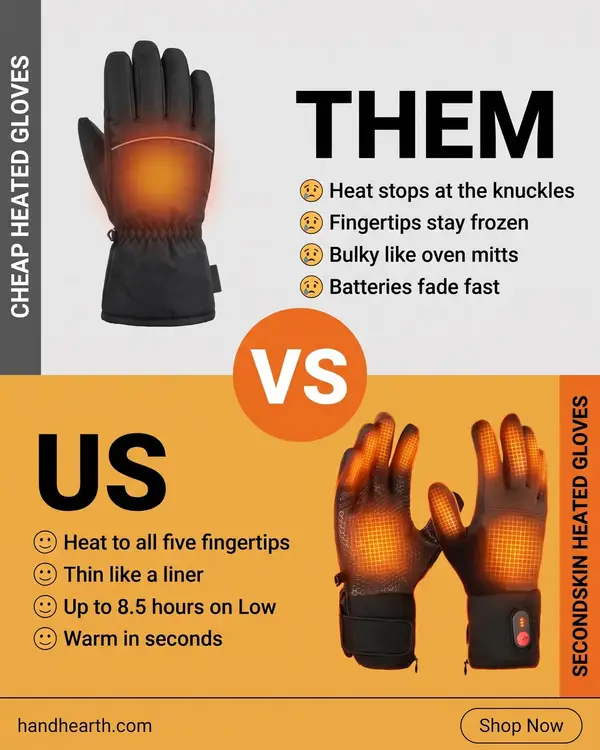
I have been running outdoor morning miles for over twenty-five years. It is the one daily ritual that keeps me sane and grounded. There is nothing quite like cold running shoes hitting pavement at dawn. Crisp air fills your lungs. The quiet streets feel peaceful. Running carried me through demanding career changes and raising two kids. It kept my body strong. It was my true sanctuary. Yet over the last few winters, running turned into pure physical torture. It had nothing to do with my knees or stamina. In fact, my lungs felt strong as ever, and my legs had plenty of miles in them. The problem was entirely in my freezing, numb fingers. People without Raynaud's think cold hands just feel chilly. They imagine thick gloves work. But they have no idea how it feels. When my fingers shut down, they do not merely feel cold. They lose all blood flow and turn completely dead chalk-white. The waxy white discoloration creeps down past the knuckles. The boundary looks stark, as if someone drew a line with chalk. All sensation vanishes. You touch your own fingers and feel nothing but stiff rubber, like someone else's dead hands and skin. Then comes the pain. It is not an ordinary chill, but a deep, sickening, throbbing ache inside every cold finger joint. It feels as if someone drove rusty needles beneath your fingernails. The ache radiates up into your wrists with every single stride. I would be two miles into a sunrise run, feeling energized in my chest. Meanwhile, my frozen fingers were screaming in total agony. I tried curling my hands into tight fists inside my gloves. I tucked thumbs into palms, but nothing helped in the slightest. By mile three, the numbness became total. I could not press my running watch and had zero grip strength left in them. I would finish my run sitting in my cold car. I fought back tears of frustration while waiting for warm blood to return. I am fifty-two years old now. I eat clean, lift weights twice a week, and log twenty to thirty road miles every week. My cardiovascular health has always been exceptional. My resting pulse is low. My arterial blood pressure is completely normal and healthy. Yet circulation in my extremities had been slowly deteriorating for over two decades. It did not strike overnight. It was gradual. Back in my twenties and thirties, winter running was simple. Wearing light knit gloves, I never worried about the winter cold. My fingertips might get slightly cold during a brisk wind. Ten minutes into a run, warm blood rushed right back into them. Then, gradually, the threshold shifted. It was an insidious creep that took years to reveal itself. The cold slowly stole my comfort. In my early forties, my index fingers started turning pale below freezing. I brushed it off as mild cold sensitivity back then. By my late forties, three fingers on each hand blanched stark white on routine morning walks. The numbness took much longer to fade. Each winter stole ground. The cold trigger climbed from freezing into the high thirties, then straight into the low forties every year. Suddenly, holding a cold steering wheel or opening the refrigerator sparked an attack. My vascular system was becoming hyper-reactive to cold. The tiny digital blood vessels in my fingers were slamming shut like iron gates at the very faintest hint of cold. Doctors call it vasospasm. Your autonomic nervous system goes into panic mode. It violently constricts peripheral vessels to protect core organs. The cruel irony was that my core was never in danger. I was running hard. My athletic body was generating massive inner heat. My running shirt would be soaked with sweat. My chest was burning warm, while blood to my fingers was completely blocked off. It felt like a deep physical betrayal. The sport I loved most in the world was slowly becoming a source of constant winter dread. I found myself obsessively checking weather apps on my phone, feeling an anxious knot whenever morning forecast lows dropped below forty degrees outside. The thought of spending another winter trapped on an indoor treadmill made my heart sink. I needed outdoor runs. I needed fresh air. Last November, I brought my hands up during my annual physical examination. I wanted an honest clinical explanation with real answers. My doctor listened carefully while taking my radial pulse. He checked my nail beds and tested capillary refill with meticulous clinical care. He ordered comprehensive blood work to rule out autoimmune conditions. He checked inflammatory markers, thyroid panels, and complete blood counts carefully. Two weeks later, the lab results arrived in my patient portal. Every single test score came back completely normal and totally healthy. Zero autoimmune markers. Perfect thyroid function. Clean arterial flow. On paper, my vascular pathways were completely healthy and fully clear. At the follow-up consult, my doctor offered an easy smile and closed my chart. You have primary Raynaud's phenomenon, he said gently. He explained that millions of otherwise healthy people have it, especially women. It is an exaggerated reaction triggered by cold stimuli. Then he gave me the standard medical advice that every Raynaud's patient knows by heart. Just keep them warm, he said. He suggested wearing warm mittens and avoiding sudden chills. He told me to bundle up carefully before heading out into the cold. I sat on the paper-covered exam table feeling quiet fury. Keep them warm. As if I had never tried wearing thick winter gloves before. Doctors are great at acute emergencies. For chronic peripheral vasospasms, standard medicine offers zero practical daily help. There is no simple prescription. Telling an active runner to just keep her fingers warm is meaningless. How do you keep fingers warm when arterial blood stops flowing completely? Warmth does not come from glove fabric. It comes from arterial blood pumping steadily through the tiny micro-vessels in your hands. When those vessels clamp shut, no passive fabric can create heat out of thin air. The fingers stay icy cold and numb. I left the clinic realizing that nobody in a white coat was going to fix this. I had to find an answer myself. I refused to surrender another winter season to numbness. I decided to test every winter hand solution on the market. I wanted relief. Over the next two months, my hallway closet filled with winter gear. I bought top-rated fleece gloves, windproof shells, and mittens. First, I tried thick mountaineering mittens packed with dense synthetic insulation. The gear shop staff swore by them. They said they were unbeatable. They were an utter disaster for running. Inside a bulky mitten, your fingers are crammed together into an unwieldy, clumsy ball. I could not swipe my phone to change a track. I could not read my watch. I had zero finger dexterity left. Worse yet, my fingers still went numb. Passive insulation only traps whatever heat your body radiates into the glove pocket interior. When vasospasms cut off circulation, my fingertips produced zero warmth. The thick mittens simply trapped frozen fingers in a freezing pocket. Whenever I had to tie an untied shoe lace, I had to pull the entire mitten off into the freezing winter wind. Within thirty seconds of cold exposure, my blood vessels slammed shut. Shoving my numb hand back into the cold mitten solved nothing at all. One morning at the trailhead parking lot, I dropped my car key on the frozen gravel. My fingers went white. I could not pinch. I stood shivering in twenty-degree wind, kneeling on cold gravel stones. I tried to scoop up the key with the flat of my palm. A fellow runner jogged past and asked if I needed help. The embarrassment burned worse than the cold. I felt completely helpless and small inside. Then there was the tap water mistake. Every person with Raynaud's makes this agonizing error at least once in their life. The lesson hurts. I came home from a freezing run with chalk-white fingers. I turned on the faucet and let warm water flow over them. The sudden temperature shock triggered violent rebound vasodilation. A blinding, sickening pain tore through every joint in both my hands. It felt like boiling water had been injected into my bone marrow. My vision swam. I had to sit on the cold floor trembling in pain. Desperate for a better solution, I bought rechargeable battery-heated gloves from an outdoor outfitter online. I spent real money on them. They looked impressive on the website, with digital heat controls and lithium battery packs. But running with them was totally awful. Each glove weighed nearly sixteen ounces. Heavy rectangular battery bricks zipped into the cuffs, banging against my wrists with every single stride. The stiff battery pockets stretched out my jacket sleeves. Cold wind whistled through the gaps and chilled my bare wrists constantly. What nobody explains is that a single winter glove is a fundamentally broken concept from the ground up. It simply fails. Even worse was the heating layout in those bulky gloves. The manufacturer placed heating wires exclusively across the hand back. The placement was wrong. Companies do that because sewing wires onto flat fabric is cheap and easy. But nobody loses circulation in their palm back. The heat was trapped behind thick foam batting. The backs of my hands were sweating uncomfortably, while my fingertips were freezing completely cold. My knuckles were damp, but my fingertips stayed waxy white and completely numb. I threw the heavy gloves into my closet in disgust. Think about how any runner dresses the rest of their body in freezing weather. You never throw one heavy coat over bare skin. Nobody does. You wear a lightweight, moisture-wicking base layer right against your skin. That manages sweat and keeps your inner microclimate dry and comfortable. Over that, you add a breathable thermal mid-layer to trap ambient warmth. Finally, you pull on a windproof shell against icy gusts. Layers protect. Your legs follow the exact same logic. Thermal tights underneath, wind-blocking pants on top. Layering is the golden law of winter athletic gear everywhere. Every outdoor athlete knows that different layers must perform distinct, specialized jobs. You never ask one garment to do everything. Yet on our hands, we expect one single glove to accomplish four contradictory tasks at the exact same moment. It never works. We expect it to generate heat, provide deep insulation, block forty-mile winds, and stay thin enough to tie laces. None can. It is physically impossible. No single glove on earth can ever satisfy all four jobs at the exact same time. The design fails. If a glove is thick enough to block wind and cold, it turns into an immobile mitt that destroys all dexterity. Fingers cannot move easily. If it is thin enough to let fingers move freely, cold wind pierces right through the seams within two minutes. Freezing air leaks inside. And if you put electric heating elements inside a heavy winter glove, heat gets trapped outside the insulation. Warmth never reaches bare skin. Passive insulation cannot warm a finger when digital arteries are clamped shut. Heat must reach the tissue before spasms can trigger. To keep active hands warm and fully functional, you must separate the jobs, exactly like you do on your torso. Layers work. You need targeted, active micro-heat placed directly against bare skin, wrapping around the perimeter of every single fingertip. Direct heat is vital. Then you slide your own lightweight outer glove over the top to lock that heat in and block the biting winter wind. Both work together. I did not figure that out on my own. My running club friend Maya was the person who finally opened my eyes. Maya is fifty-four and runs trail ultras. She has managed Raynaud's since her twenties and understands cold physiology and winter gear exceptionally well. She used to spend post-run coffees sitting with hands tucked beneath her armpits, gritting her teeth in silent frustration. She knew the suffering well. We met for coffee after a freezing Saturday morning group run along the reservoir. I sat at the table blowing on dead white fingers. Maya looked across at my hands and shook her head with gentle sympathy. You are still fighting your gloves, aren't you, she asked. I pointed to the bulky battery gloves and heavy mittens in my gym bag. I told her I was ready to quit outdoor running for good. I told her my hands were broken and that nothing worked. Maya laughed quietly and unzipped her running pack with a warm smile. Inside the pouch was a pair of ultra-thin, sleek black heated liners designed to slip under any ordinary glove. They looked light. Stop buying bulky ski gloves, Maya told me firmly. You do not need another thick glove. You need a heated base layer. You need gentle, consistent warmth right against the skin where your vasospasms strike, she said. Then let your running gloves insulate. The fabric was silky, featherweight, and incredibly flexible. They felt like technical running gloves rather than clunky electronic gear. Very light. Instead of a heavy brick, these heated liners used an ultra-slim lithium power pack that contoured naturally along the inner wrist. Great design. The battery sat completely flat against the forearm. It slipped effortlessly under my running jacket sleeve without any bulk or bounce. I tried them on the following morning before my sunrise run. I slid my cold hands into the silky black liners with relief. The four-way stretch fabric contoured to every curve of my hand like a second skin, with zero bunching at the knuckles. There was no pressure. I pressed the small silicone button on the cuff. A soft LED indicator lit up, and I selected the gentle low heat setting. Within fifteen seconds, I felt the warmth arrive. It was not a blistering, harsh heat that makes your skin sweat. It felt gentle. It felt like soaking my hands in a basin of warm water. A soothing wave of heat spread through all ten fingers. Most importantly, the hair-thin micro-heating elements routed directly around the tip of every single finger. The tips stayed completely warm. The warmth sat right at the exact capillary beds where my vasospasms always started. The painful spasms never triggered at all. Then I pulled my regular lightweight windproof running gloves right over the top of the heated liners. The pair worked great. My outer gloves slid on smoothly without catching. The fit felt completely natural, exactly like wearing a light inner liner. Total dexterity. I stepped outside into twenty-six-degree morning air. A crisp headwind was blowing hard off the frozen foothill ridges. The wind was biting. Normally, my index and middle fingers would have blanched chalk-white before I even reached the end of my driveway on freezing mornings. Not this time. The heated liners maintained a continuous microclimate of gentle warmth right against my digital blood vessels. Blood kept flowing. Because skin temperature never crossed that critical cold threshold, my autonomic nervous system never panicked. Peripheral vessels stayed completely open and warm. Two miles into the run, I looked down at my hands. There was no numbness, no throbbing ache, and completely alive fingers. When my running partner called my cell phone, I did not have to yank my gloves off in the freezing wind. I felt completely relaxed and calm. The conductive touchscreen thread on the index finger reacted instantly. I answered the call and adjusted my pace cleanly. My hands stayed pleasantly warm. For the first time in five long years, I ran six miles in freezing winter weather without a single second of pain. It felt incredible. I returned home that morning with a wave of relief so strong that tears welled up in my eyes. My outdoor winter running was finally back. I ordered my own pair of heated liners that afternoon. They instantly became the single most essential gear item I own. I use them every day. Over the next two months, I put them through every cold condition Colorado could deliver, from sleet to sub-zero mornings. They held up flawlessly. They never failed once. Whether logging eight miles on snow-packed trails or walking my dog, my hands stayed comfortable. The chill never got through at all. The slim battery life proved remarkable. On the gentle low setting, which is plenty under a shell, they run over six hours. Runtime is great and reliable. I plug them in beside my bedside lamp when I go to sleep, and they are fully recharged and ready by dawn. Recharging is simple and fast. Soon, I began wearing the heated liners indoors as well. On chilly mornings, my fingers used to turn stiff while typing. My home desk was cold. Because these heated liners are so thin and flexible, I wear them alone without an outer glove at my computer. Typing feels completely natural and easy. My fingers glide effortlessly across the keyboard. No stiffness, no aching joints, and no waxy discoloration under cold office lights at all. They completely transformed driving in winter too. Grabbing an ice-cold steering wheel used to trigger an instant spasm in my palms. Now it never happens anymore. Now I slip the liners on before getting into the car. My hands stay nimble, relaxed, and fully in control. The steering wheel feels comfortable and warm. The greatest victory came during a weekend trail race in the mountains last December. The starting temperature was eighteen degrees. The mountain air was sharp. Other runners at the starting line were jumping around, blowing into fists, and complaining about burning finger pain. They were suffering in the cold corral. I stood in the corral with warm, calm fingers, completely relaxed and focused on my race strategy. I felt full confidence in my own body. I crossed the finish line in personal best time, stripped off my outer gloves, and saw healthy, pink, functional fingers. My hands were completely fine. Being able to pursue your passion without fear of chronic pain is not a luxury. It is fundamental to feeling alive and free. I’ll leave the link for the liners here in case you want them too: https://handhearth.com/products/heated-liners Take care of your hands this winter. Sarah Miller, 52 Boulder, Colorado P.S. I want to be completely transparent about this recommendation. This post is not sponsored by the manufacturer in any way. I bought my pairs with my own money. After my mountain race, I wrote a heartfelt email thanking their customer service team. I shared how their heated liners gave me my outdoor running back. Their manager kindly created a discount code for my fellow runners and athletes. If you enter the code Sarah at checkout, you will receive an additional ten percent off on top of the pre-season sale. That helps a lot. I receive a small referral credit that helps cover my post-run morning coffees, but I would recommend these heated liners regardless. One important note on inventory. Because these liners are manufactured in small batches, their inventory sells out rapidly every year as winter approaches. Supplies go quickly every season. If you want to secure a pair before the cold weather sets in, I strongly encourage you to check availability today online. P.P.S. Several runners in my local group asked three very practical questions when they saw my liners, so I will answer them here. First, yes, you can wear them indoors alone. The lightweight black fabric looks discreet and feels like an ordinary thin running glove. It works remarkably well. Second, they fit comfortably on hands of all shapes. The four-way stretch fabric hugs your fingers naturally without tight pressure points. The inner seams are smooth. Third, caring for them is very easy. Simply disconnect the slim wrist batteries, wash the liners gently by hand, and lay flat. Daily maintenance is simple. They offer fifty percent off pre-season clearance, free shipping, and an ironclad sixty-day money-back guarantee with every single order placed right now.
Loading the ad's image