Say no to chemicals in your food!
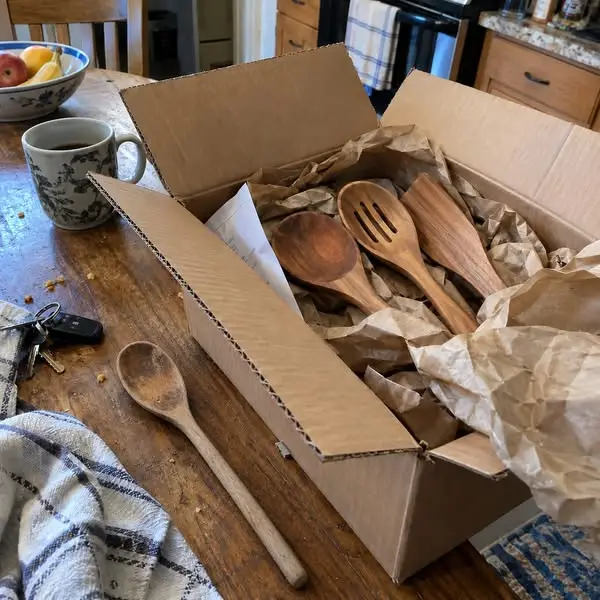
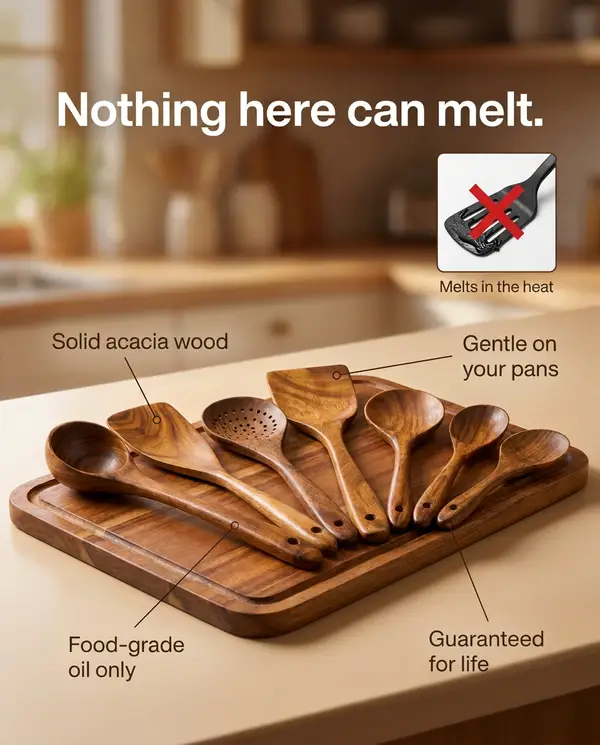
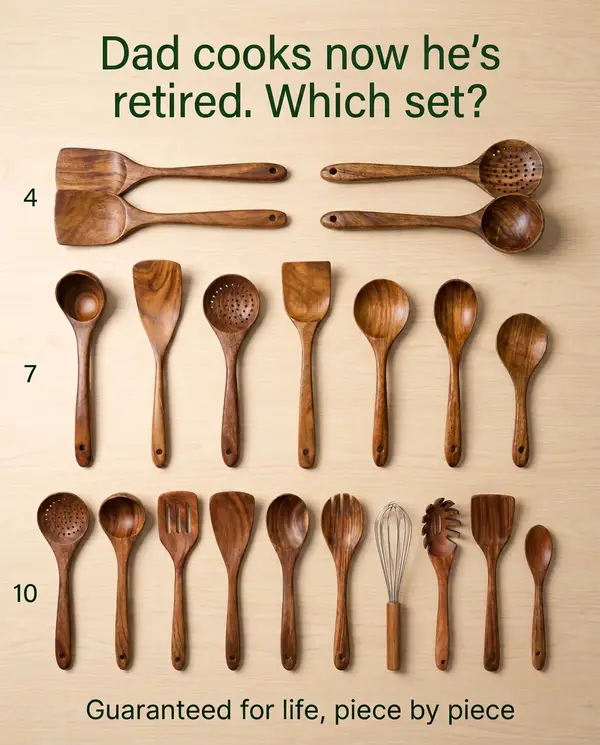
DO NOT BUY CURNAT! I wish someone had stopped me before I paid. I wasn’t even looking for another set of kitchen utensils. I had a drawer full of them. A black plastic spatula, three wooden spoons that didn’t match, a bamboo set my daughter bought me one Christmas. Enough that the drawer caught every time I tried to close it. My daughter noticed the spatula one Sunday while we were making dinner. “Mum, look at the edge of this.” I took it from her. The edge was rough and worn. I’d seen it before. I just hadn’t given it much thought. “I’ve had that forever,” I said. “Do you know if it’s meant for this kind of heat?” I didn’t. The packaging was long gone. She put it down and reached for a wooden spoon. We finished making dinner. But her question stayed with me. I’d heard people talk about microplastics. Until then, it had never made me look twice at the spatula I used in a hot pan almost every morning. That question was what eventually led me to Curnat, a small British company. A few weeks later, I was sending my daughter the link and telling her she should get a set too. Then I saw something that made me wish I hadn’t been quite so quick to recommend it. I’ll get to that. First, you need to understand what happened with the utensils I already owned. After that Sunday dinner, I emptied the drawer onto the worktop. I turned the spatula over, looking for a brand name or a marking I could look up. Then I picked up the wooden spoons. I’d always thought of them as just wood, but one had a glossy finish. I had no idea what that finish was. I couldn’t tell whether anything needed replacing or whether I was worrying unnecessarily. I wanted enough information to make that decision. I started washing the utensils and checking each one as I went. One of the old wooden spoons had dried sauce around the edge, so I left it in a white bowl of warm water while I wiped out the drawer. Then my daughter called. By the time we finished talking, I’d forgotten about the spoon. I went back to empty the bowl and stopped. The water had turned brown. My first thought was the sauce. I washed the spoon properly, rinsed the bowl, and filled it with fresh water. Later, there was a faint brown tint again. I couldn’t tell you what had come out of that spoon. I didn’t know whether it was colour from the wood, old food, or something on the surface. That was what bothered me. I didn’t know much about it at all. I couldn’t remember where I’d bought it. I didn’t know what kind of wood it was. If there had been a label explaining the finish or how to care for it, that was long gone. I’d bought it because it looked nice and felt comfortable in my hand. Then I’d used it for years without asking another question. When my daughter came over again, the spoon was still beside the sink. “Didn’t survive the drawer clear-out?” she asked. “I realised I know more about that saucepan than anything I put inside it.” She picked up the spoon and turned it over, looking for a name. There wasn’t one. So this time, when I started looking for a replacement, I read past the words “wooden utensil set.” What wood? One piece or assembled? What finish? How was I supposed to wash it and look after it? That was what made me stop at Curnat. Their description specified small-leaf acacia, with each utensil carved from one solid piece. It also said no added coating or glue. Those were details I could actually check and ask about. I wasn’t choosing another anonymous wooden spoon because it looked pretty beside a cooker. Then I looked at the shapes. A spoon for the saucepan I use almost every day. Something for stirring a frying pan. Pieces I could picture using, rather than finding room for. I ordered one set. When it arrived, I washed it according to the care instructions and left it beside the cooker. I kept my old favourites in the drawer. The first evening, I used one of the new spoons for dinner. The next night, I reached for the set again. After washing up, I put the pieces back beside the cooker instead of trying to find room in the drawer. That became their spot. A few weeks later, my daughter came over while I was cooking. She picked up a spoon and took over stirring without asking. Halfway through, she looked at it. “Oh. These are the ones you bought?” I nodded. She kept cooking. We talked about work, her drive over, whether we’d made too much food again. I forgot she’d even asked. Then, as she was leaving, she said, “Send me the link to those.” This is the daughter who had specifically asked me to stop buying things for her kitchen. So yes, I was pleased. I sent the link that evening. Then I saw the offer. 50% off. I opened the page and checked the set. Then I opened my order email. Same set. And I had paid full price. I sat there with both pages open for a minute, doing the sort of arithmetic you do when you already know the answer and would prefer a different one. Then I went straight to my conversation with my daughter. “Have you ordered yet?” “Not yet. Why?” “Good. Open this one first.” I sent her the offer. She called me laughing. “Weren’t you just telling me how happy you were with yours?” “I am happy with mine. I would have been even happier paying half.” That was the entire problem. The utensils hadn’t changed. They were still beside my cooker. I was still reaching for them every evening. But I’d recommended them to her without knowing she could get a much better price than I had. She reminded me that I couldn’t have known a sale was coming. Fair enough. I could still make sure she saw it before paying. And if you’ve had Curnat sitting in an open tab, or you’ve been thinking about getting a set for someone, that’s why I’m writing this. Check the current offer first. The offer I found was 50% off. Curnat also advertises a lifetime guarantee and a money-back promise if you don’t love your purchase. The official page has the details of what’s included and which terms apply to your order. Have a look. Check the final price. Think about whether you’d actually use the pieces. I’m glad I bought mine. My only regret is that I didn’t get this price. So when I say don’t buy Curnat, I mean don’t pay full price without checking the offer first. I’ve already done that part for the family. P.S. My daughter said sending her a sale link was dangerously close to buying her another kitchen gift. I told her she’d asked for this one. For once, I had the messages to prove it. https://curnat.co.uk/blogs/news/7-reasons-never-cook-with-anything-but-acacia
Loading the ad's image