Advertiser

Sophie Hartley

Meta Ad Library

9
Running ads
7 new in 30 days
Oct 2026
Advertising since
longest ad 1 month
—
Reach
running ads, summed
0% video
Formats
0 video · 0 image
2
Products advertised

Nine hours' sleep. Still wrecked at 6:45

I'm in bed by half nine. I don't snore. Finn sleeps through now. And I still wake up at quarter to seven feeling like I haven't slept in weeks. That's my phone on the bedside table in Manchester, at 06:45 on a Tuesday. Three snoozes already. The lanyard from the school office hanging on the door handle where I put it the night before so I wouldn't forget it. The curtains bright round the edges, because the morning has started without me. For two years I had one explanation for that alarm: sleep. Not enough of it, or not the right kind. My phone in bed. The kids. Tom's alarm going off at six. So I fixed the sleep. Phone downstairs. Bed by half nine, sometimes nine. Blackout lining on the curtains. A lavender spray from the market that Ava picked out. And honestly, some of that was true. Everybody with a three-year-old is short of sleep. Everybody sleeps better without a phone in their face. But I'd fixed all of it, and I still woke up wrecked. Nine hours, and I'd lie there doing the sum of how long until I could get back into bed. That's when I started to wonder whether the problem was the sleep at all, or what the sleep was supposed to be topping up. Because sleep rests you. It doesn't fill anything that's been emptied. If you go to bed early, sleep right through, and still wake up like you've been up all night, read this before you buy another pillow. I'm Sophie. I'm 34, I live in Manchester with Tom, Ava, who's 6, and Finn, who's 3, and I work in the office of a primary school three days a week: the phone, the dinner money, the late book, the plasters, and the parent who rings at 8.42 to say they're running late. I want to tell you what my mornings looked like, because I think a lot of you will recognise them, and I think a lot of you have been told the same things I was. The alarm goes at quarter to six on school days. I don't hear it. Tom nudges me at six. I lie there with my eyes shut doing the maths: if I skip my shower, I can have ten more minutes. If I put Finn's clothes out tonight, I can have five more. I'd negotiate with the morning like it was a person. When I did get up, it wasn't tiredness like after a late night. It was heavier than that. My arms felt like they belonged to someone else. My head felt like it was full of wet sand. I'd stand under the shower and forget whether I'd washed my hair. By the time I'd done breakfast, packed two bags and got everyone out of the door, I'd have done a full day's worth of something. And the actual day hadn't started. At the school office, the first hour was fine, because it's busy and the phone doesn't stop. By ten I'd be reading the same email three times. By eleven I'd be holding the edge of the desk when I stood up. One of the teaching assistants asked me if I was all right, and I said I'd had a bad night. I hadn't. I'd had a perfect night. That was the bit I couldn't explain. On my days off, I'd sit down "for five minutes" after the school run and wake up at twenty to eleven with the telly talking to itself. Then the rest of it crept in, so slowly I didn't put it together. Hair in the plughole, more than usual, and on Finn's jumper when I'd carried him up to bed. Cold hands at the office, wrapped round a mug of tea I wasn't drinking. Breathless on the stairs at home, which I put down to carrying a three-year-old up them. It cost me. A morning a fortnight off work, which I called a migraine. Swimming lessons for Ava that Tom took over. A friend's birthday lunch I cancelled by text at nine, because I'd got the kids to school and had nothing left. A whole term of saying "next week" to my sister. I had a line for everyone. To Tom: "I'm fine, it's just a bad week." To my mum: "Finn's still waking." He wasn't. He'd slept through since the summer. To the head at school: "Just a headache, I'll be fine by lunch." And to myself, the worst one: "I'm just a tired person. I always have been." The evenings were the strangest part. By half seven, with the kids in bed, I should have had a couple of hours that were mine. A bath, a programme with Tom, a book. Instead I'd sit on the sofa with my eyes closing, fighting it, because if I fell asleep at eight I'd wake at eleven feeling worse and then lie awake till one. So I'd go to bed at nine to be safe. And then I'd sleep, properly, all the way through. And wake up at quarter to seven as if none of it had happened. Tom started to notice before I did. "You're in bed before Ava some nights," he said once, not unkindly. He'd taken over the bath and bedtime on my school days without either of us ever saying it out loud. He'd stopped asking if I fancied going out on a Friday. I'd stopped noticing he'd stopped asking. I think the worst thing about it was how normal it felt. If I'd broken my arm, I'd have known something was wrong. This just felt like me, turned down a bit. Like someone had moved the dimmer switch a notch every month for years, and I'd never been in a room bright enough to notice. Then Ava. A Saturday morning, half past eight, me still in bed, and Ava climbing in with a book. "Mummy, are you poorly or just tired?" "Just tired, love." "You're always just tired." She wasn't being unkind. She was six, and she'd noticed that my "just tired" didn't go away, not even on a Saturday, not even after a lie-in. She'd stopped expecting a mum who got up with her. I lay there after she'd gone downstairs and I thought: I've been tired since before she was born. I was tired at twenty-five. I've never actually known what it's like not to be. Here's what I'd tried by then, in order. Going to bed earlier. Nine, sometimes half eight. No difference. Phone downstairs, blackout lining, no telly in the bedroom. My nights were textbook. My mornings weren't. Cutting caffeine after lunch, then cutting it altogether, then going back to it because I couldn't function at the school office without a tea. A "sleep spray", magnesium bath salts and a sleep app that played rain sounds. Lovely. Didn't touch it. Vitamin D, because a mum at the gate swore by it. Nothing I could notice. Bloods at the GP, after I finally said out loud that I was frightened something was wrong. "All normal." I asked if that was everything. She said it was the standard panel, and that being a working mum of two was tiring. Which is true. I went home feeling like I'd made a fuss. Then a message from my friend Leanne, who I'd moaned to over a coffee. Just one line. "Did they check your ferritin?" I didn't know what it was. I looked at the copy of my results that I'd asked the GP practice to print, and it wasn't on there. Not low, not normal. Just not there. So I did a private finger-prick test, £39, at the kitchen table a week after my period. Ferritin 6. Haemoglobin 123, "normal", same as at the GP. Six. I'd been running my life on six, and sleeping like a baby, and wondering why the sleep never worked. I took the results to the practice nurse, Bev, who I'd known since Ava's jabs. "No wonder you can't get up," she said. "Sleep can rest you. It can't put anything back." She explained it in a way I could actually follow. My haemoglobin is the iron my blood is using today, and the body protects that first, so it keeps saying normal. Ferritin is the store behind it, the cupboard. When the cupboard's empty, the body makes do with what it can, and the first thing it cuts is anything that isn't keeping you alive. Like feeling awake. Like warm hands. Like getting up the stairs without stopping. Then she said something I've thought about every morning since. "Some sleep clinics won't even start looking at your sleep until they've checked this number. Because if it's low, everything else looks like a sleep problem." I asked her what else it can look like, and she went through a list that was basically my last three years. Waking up unrefreshed, however long you've slept. Hitting a wall mid-morning, not mid-afternoon. Breathless on stairs you used to run up. Cold hands and feet when everyone else is fine. Hair in the plughole and on the pillow. Legs that won't settle when you lie down at night. Feeling like you're doing everything through treacle. "None of those on their own means it's iron," she said. "But you've ticked most of them, and your number's six." "So why's my cupboard empty?" I asked. "I've done everything right." "That's the question. Before you put anything back in, we find out what's taking it out." She asked about my periods, which no one had asked about in years. Heavier and longer since I had the copper coil put in after Finn. I'd chosen the coil because I didn't want hormones, and I told her I was keeping it. "Nobody's asking you to take it out," she said. "That's your choice. But tell the GP how heavy it's been, because there are options for the bleeding to talk through. Ask for a coeliac test, because coeliac stops iron getting in, and your thyroid, because tiredness and cold can come from there too. Don't change anything your doctor has prescribed. Rule out the cause first. Then refill the store, every day, with something your stomach will put up with, and retest at twelve weeks." So I did it in that order. Coeliac, clear. Thyroid, normal. The periods were the leak, and the GP and I are talking that through; the coil is staying where it is. The refill part I could start that week. I sat on the bottom stair with my phone after the kids were in bed, reading the backs of bottles, looking for a gentle form of iron that I could take every day without planning my morning round it. Ferava. A UK formula, two capsules a day. Iron bisglycinate, iron bound to an amino acid, so my stomach didn't argue with it. Vitamin C, which increases iron absorption. Copper, which contributes to normal iron transport. L-lysine. Zinc and selenium, which contribute to the maintenance of normal hair. B6, B12 and folate. Nine ingredients, vegan capsules. And on the back: iron contributes to the reduction of tiredness and fatigue. It's £23 a month, a bottle every thirty days, skip or cancel any time, three for £46 if you want the twelve weeks sorted in one go. I got the three. What made me press the button was the 90-day money-back guarantee on the first order, nothing to send back. If my number didn't move, I'd lost nothing. Two capsules a day, whenever suits you, with or without food. I take mine with my tea at the school office, at nine, with the register. Here's how the weeks went for me. Results vary, and nobody can promise you my mornings. Week two. My stomach didn't notice them at all. That was the first surprise. Week three. I woke up before Tom nudged me. Not bouncing. Just awake. I lay there waiting for the wet sand and it wasn't there. Week four. A Saturday. Ava climbed into bed at half seven with her book and I was already sitting up. Week six. The finger-prick test again, a week after my period. 41, from 6, and less in the plughole. Week eight. Short new hairs at my parting. Not a promise. Just what I saw in the mirror. Week twelve. Bloods at the practice, with Bev. Ferritin 72. Haemoglobin 123, the same as it had always been, because that was never the number that needed to move. I still sleep the same. Same bed, same nine hours, same Finn creeping in at six with a book. The nights didn't change. What changed is what I wake up with. Last Saturday Ava came in at half seven and found me downstairs making pancakes. She stood in the doorway in her dressing gown and said, "Are you better now?" "I'm not poorly, love. I just had an empty cupboard." She didn't understand. She ate four pancakes anyway. I'm writing this because I spent years being told that waking up wrecked was a sleep problem, or a mum problem, or a me problem. I fixed the sleep. I couldn't fix being a mum, and I didn't want to. And it wasn't me. If you're reading this at quarter to seven with the alarm on snooze, here's what I'd want someone to have said to me three years ago. You're not lazy. Lazy people don't go to bed at nine and set three alarms. You're not bad at sleep, either, if you're out like a light and sleep right through. And you're not "just a tired person". That's not a personality. It's a symptom that nobody has looked at properly yet. Get the copy of your blood results. Look for the word ferritin. If it isn't there, it wasn't checked. If it's there and it's low, even if it says normal next to it, write the number down and take it with you to the GP. And be kind to yourself about the years you lost to it. I was cross with myself for ages. All those Saturdays in bed, all those times I said "next week" to my sister. But you can't fix what nobody tells you is broken. I found out at 34. Some people find out much later. The important bit is finding out. If you sleep through and still wake up like you haven't slept in weeks, don't change anything your doctor has prescribed. Ask for one number: your ferritin. Tell your GP if your periods are heavy, ask about coeliac and your thyroid, and rule out the cause. Then refill the store, every day, and let a retest at twelve weeks tell you whether it worked. This is what I take: https://ferava-shop.com/products/ferava-iron-ferritin?utm_source=facebook&utm_medium=paid&utm_campaign=TOF-ATLAS-24&utm_content=B1-182-A-text 90-day money-back guarantee on the first order, nothing to send back. P.S. — Nine hours a night and I still woke up empty. It wasn't the sleep. Week two, stomach fine. Week three, awake before the alarm. Week six, 41. Week twelve, 72. P.P.S. — What were you told was making you so tired in the mornings? "The kids", "your phone", or "you need more sleep"?

Loading the ad's image
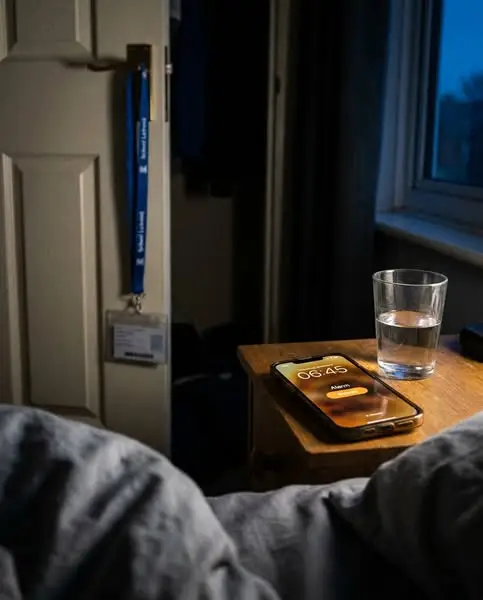
Sophie Hartley — Nine hours' sleep. Still wrecked at 6:45
Promising

'Your bloods are normal.' I wasn't

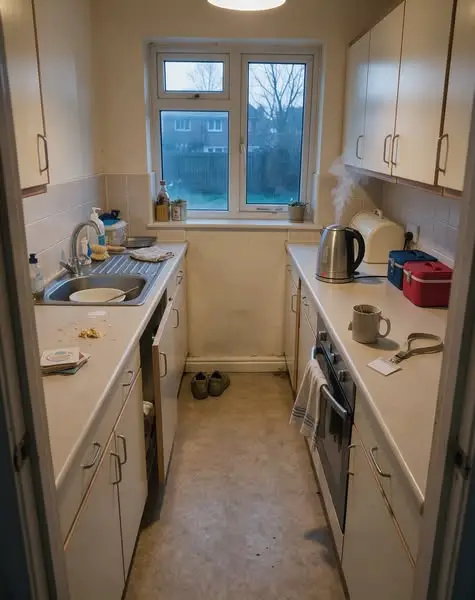
"I was tired before the kids," I told the GP, "so it isn't the kids." She smiled like she'd heard it a hundred times, and sent me home with "your bloods are normal." That's our kitchen in Manchester at ten to seven. The kettle on, the window still blue, one mug out and my lanyard for the school office on the counter beside it. I used to love that ten minutes before everyone else got up. Now I stand there holding the counter, waiting to feel awake, and it never comes. Everyone has a reason for a mum of two being tired. Tom says it's the kids. My mum says it's the job. The internet says it's my phone, my screen time, my bedtime, my mattress. And they're not wrong that all of that makes you tired. It does. But I'd been tired before Ava was born. I was tired at twenty-five with no kids and no school office. I'd just never had a word for it, so I called it being me. The thing nobody asked me, in all those years, was whether my body had anything left to wake up with. Not whether I'd slept. Whether there was anything in the tank when I did. It turned out there wasn't, and the test that would have shown it was one nobody had run. If you've been tired for so long that you've started calling it your personality, read this. I'm Sophie. I'm 34, I live in Manchester with Tom, Ava, who's 6, and Finn, who's 3, and I work in the office of a primary school three days a week: the phone, the dinner money, the late book, the plasters, and the parent who rings at 8.42 to say they're running late. I want to tell you what my mornings looked like, because I think a lot of you will recognise them, and I think a lot of you have been told the same things I was. The alarm goes at quarter to six on school days. I don't hear it. Tom nudges me at six. I lie there with my eyes shut doing the maths: if I skip my shower, I can have ten more minutes. If I put Finn's clothes out tonight, I can have five more. I'd negotiate with the morning like it was a person. When I did get up, it wasn't tiredness like after a late night. It was heavier than that. My arms felt like they belonged to someone else. My head felt like it was full of wet sand. I'd stand under the shower and forget whether I'd washed my hair. By the time I'd done breakfast, packed two bags and got everyone out of the door, I'd have done a full day's worth of something. And the actual day hadn't started. At the school office, the first hour was fine, because it's busy and the phone doesn't stop. By ten I'd be reading the same email three times. By eleven I'd be holding the edge of the desk when I stood up. One of the teaching assistants asked me if I was all right, and I said I'd had a bad night. I hadn't. I'd had a perfect night. That was the bit I couldn't explain. On my days off, I'd sit down "for five minutes" after the school run and wake up at twenty to eleven with the telly talking to itself. Then the rest of it crept in, so slowly I didn't put it together. Hair in the plughole, more than usual, and on Finn's jumper when I'd carried him up to bed. Cold hands at the office, wrapped round a mug of tea I wasn't drinking. Breathless on the stairs at home, which I put down to carrying a three-year-old up them. It cost me. A morning a fortnight off work, which I called a migraine. Swimming lessons for Ava that Tom took over. A friend's birthday lunch I cancelled by text at nine, because I'd got the kids to school and had nothing left. A whole term of saying "next week" to my sister. I had a line for everyone. To Tom: "I'm fine, it's just a bad week." To my mum: "Finn's still waking." He wasn't. He'd slept through since the summer. To the head at school: "Just a headache, I'll be fine by lunch." And to myself, the worst one: "I'm just a tired person. I always have been." The evenings were the strangest part. By half seven, with the kids in bed, I should have had a couple of hours that were mine. A bath, a programme with Tom, a book. Instead I'd sit on the sofa with my eyes closing, fighting it, because if I fell asleep at eight I'd wake at eleven feeling worse and then lie awake till one. So I'd go to bed at nine to be safe. And then I'd sleep, properly, all the way through. And wake up at quarter to seven as if none of it had happened. Tom started to notice before I did. "You're in bed before Ava some nights," he said once, not unkindly. He'd taken over the bath and bedtime on my school days without either of us ever saying it out loud. He'd stopped asking if I fancied going out on a Friday. I'd stopped noticing he'd stopped asking. I think the worst thing about it was how normal it felt. If I'd broken my arm, I'd have known something was wrong. This just felt like me, turned down a bit. Like someone had moved the dimmer switch a notch every month for years, and I'd never been in a room bright enough to notice. Then Ava. A Saturday morning, half past eight, me still in bed, and Ava climbing in with a book. "Mummy, are you poorly or just tired?" "Just tired, love." "You're always just tired." She wasn't being unkind. She was six, and she'd noticed that my "just tired" didn't go away, not even on a Saturday, not even after a lie-in. She'd stopped expecting a mum who got up with her. I lay there after she'd gone downstairs and I thought: I've been tired since before she was born. I was tired at twenty-five. I've never actually known what it's like not to be. Here's what I'd tried by then, in order. Going to bed earlier. Nine, sometimes half eight. No difference. Phone downstairs, blackout lining, no telly in the bedroom. My nights were textbook. My mornings weren't. Cutting caffeine after lunch, then cutting it altogether, then going back to it because I couldn't function at the school office without a tea. A "sleep spray", magnesium bath salts and a sleep app that played rain sounds. Lovely. Didn't touch it. Vitamin D, because a mum at the gate swore by it. Nothing I could notice. Bloods at the GP, after I finally said out loud that I was frightened something was wrong. "All normal." I asked if that was everything. She said it was the standard panel, and that being a working mum of two was tiring. Which is true. I went home feeling like I'd made a fuss. Then a message from my friend Leanne, who I'd moaned to over a coffee. Just one line. "Did they check your ferritin?" I didn't know what it was. I looked at the copy of my results that I'd asked the GP practice to print, and it wasn't on there. Not low, not normal. Just not there. So I did a private finger-prick test, £39, at the kitchen table a week after my period. Ferritin 6. Haemoglobin 123, "normal", same as at the GP. Six. I'd been running my life on six, and sleeping like a baby, and wondering why the sleep never worked. I took the results to the practice nurse, Bev, who I'd known since Ava's jabs. "No wonder you can't get up," she said. "Sleep can rest you. It can't put anything back." She explained it in a way I could actually follow. My haemoglobin is the iron my blood is using today, and the body protects that first, so it keeps saying normal. Ferritin is the store behind it, the cupboard. When the cupboard's empty, the body makes do with what it can, and the first thing it cuts is anything that isn't keeping you alive. Like feeling awake. Like warm hands. Like getting up the stairs without stopping. Then she said something I've thought about every morning since. "Some sleep clinics won't even start looking at your sleep until they've checked this number. Because if it's low, everything else looks like a sleep problem." I asked her what else it can look like, and she went through a list that was basically my last three years. Waking up unrefreshed, however long you've slept. Hitting a wall mid-morning, not mid-afternoon. Breathless on stairs you used to run up. Cold hands and feet when everyone else is fine. Hair in the plughole and on the pillow. Legs that won't settle when you lie down at night. Feeling like you're doing everything through treacle. "None of those on their own means it's iron," she said. "But you've ticked most of them, and your number's six." "So why's my cupboard empty?" I asked. "I've done everything right." "That's the question. Before you put anything back in, we find out what's taking it out." She asked about my periods, which no one had asked about in years. Heavier and longer since I had the copper coil put in after Finn. I'd chosen the coil because I didn't want hormones, and I told her I was keeping it. "Nobody's asking you to take it out," she said. "That's your choice. But tell the GP how heavy it's been, because there are options for the bleeding to talk through. Ask for a coeliac test, because coeliac stops iron getting in, and your thyroid, because tiredness and cold can come from there too. Don't change anything your doctor has prescribed. Rule out the cause first. Then refill the store, every day, with something your stomach will put up with, and retest at twelve weeks." So I did it in that order. Coeliac, clear. Thyroid, normal. The periods were the leak, and the GP and I are talking that through; the coil is staying where it is. The refill part I could start that week. I sat on the bottom stair with my phone after the kids were in bed, reading the backs of bottles, looking for a gentle form of iron that I could take every day without planning my morning round it. Ferava. A UK formula, two capsules a day. Iron bisglycinate, iron bound to an amino acid, so my stomach didn't argue with it. Vitamin C, which increases iron absorption. Copper, which contributes to normal iron transport. L-lysine. Zinc and selenium, which contribute to the maintenance of normal hair. B6, B12 and folate. Nine ingredients, vegan capsules. And on the back: iron contributes to the reduction of tiredness and fatigue. It's £23 a month, a bottle every thirty days, skip or cancel any time, three for £46 if you want the twelve weeks sorted in one go. I got the three. What made me press the button was the 90-day money-back guarantee on the first order, nothing to send back. If my number didn't move, I'd lost nothing. Two capsules a day, whenever suits you, with or without food. I take mine with my tea at the school office, at nine, with the register. Here's how the weeks went for me. Results vary, and nobody can promise you my mornings. Week two. My stomach didn't notice them at all. That was the first surprise. Week three. I woke up before Tom nudged me. Not bouncing. Just awake. I lay there waiting for the wet sand and it wasn't there. Week four. A Saturday. Ava climbed into bed at half seven with her book and I was already sitting up. Week six. The finger-prick test again, a week after my period. 41, from 6, and less in the plughole. Week eight. Short new hairs at my parting. Not a promise. Just what I saw in the mirror. Week twelve. Bloods at the practice, with Bev. Ferritin 72. Haemoglobin 123, the same as it had always been, because that was never the number that needed to move. I still sleep the same. Same bed, same nine hours, same Finn creeping in at six with a book. The nights didn't change. What changed is what I wake up with. Last Saturday Ava came in at half seven and found me downstairs making pancakes. She stood in the doorway in her dressing gown and said, "Are you better now?" "I'm not poorly, love. I just had an empty cupboard." She didn't understand. She ate four pancakes anyway. I'm writing this because I spent years being told that waking up wrecked was a sleep problem, or a mum problem, or a me problem. I fixed the sleep. I couldn't fix being a mum, and I didn't want to. And it wasn't me. If you're reading this at quarter to seven with the alarm on snooze, here's what I'd want someone to have said to me three years ago. You're not lazy. Lazy people don't go to bed at nine and set three alarms. You're not bad at sleep, either, if you're out like a light and sleep right through. And you're not "just a tired person". That's not a personality. It's a symptom that nobody has looked at properly yet. Get the copy of your blood results. Look for the word ferritin. If it isn't there, it wasn't checked. If it's there and it's low, even if it says normal next to it, write the number down and take it with you to the GP. And be kind to yourself about the years you lost to it. I was cross with myself for ages. All those Saturdays in bed, all those times I said "next week" to my sister. But you can't fix what nobody tells you is broken. I found out at 34. Some people find out much later. The important bit is finding out. If you sleep through and still wake up like you haven't slept in weeks, don't change anything your doctor has prescribed. Ask for one number: your ferritin. Tell your GP if your periods are heavy, ask about coeliac and your thyroid, and rule out the cause. Then refill the store, every day, and let a retest at twelve weeks tell you whether it worked. This is what I take: https://ferava-shop.com/products/ferava-iron-ferritin?utm_source=facebook&utm_medium=paid&utm_campaign=TOF-ATLAS-24&utm_content=B1-182-B-text 90-day money-back guarantee on the first order, nothing to send back. P.S. — Nine hours a night and I still woke up empty. It wasn't the sleep. Week two, stomach fine. Week three, awake before the alarm. Week six, 41. Week twelve, 72. P.P.S. — What were you told was making you so tired in the mornings? "The kids", "your phone", or "you need more sleep"?

Loading the ad's image
Sophie Hartley — 'Your bloods are normal.' I wasn't
Promising

I turned my pillow over for months

Every morning for eight months, I turned my pillow over before Tom woke up, so he wouldn't see the hair on it. I'd spent about £200 on shampoos and serums, and my GP had told me my bloods were "normal". So I kept turning the pillow. Then one Sunday Tom emptied the hoover, pulled a clump out of the filter, and held it up. "Is all this yours?" He asked so gently. That's what undid me. Not cross, not disgusted, just puzzled, the way he'd ask Finn whether he was sure he'd washed his hands. I stood in the kitchen in my dressing gown and said something about it being the time of year. He nodded. He didn't believe me, and I didn't believe me either. That's my pillow in the picture, the next morning. I didn't turn it over. I took a photo instead. I'm Sophie. I'm 34, I live in Manchester with Tom and our two, Ava, who's 6, and Finn, who's 3, and I work in a primary school office three days a week. The pillow was only one of the places. Hair on the shoulders of my navy cardigan in the school office, so I kept a lint roller in my desk drawer next to the late book. Hair wound round the shower drain, which I cleared with my fingers before anyone else went in. Hair on the sofa cushions, on Finn's dinosaur pyjamas, in Ava's hairbrush when I'd borrowed it. I'd become very good at clearing myself away before anyone noticed. And I'd spent money trying to make it stop. A caffeine shampoo, £14. A serum in a glass bottle with a dropper, £38, which I bought twice. Hair gummies. A scalp brush. The silk pillowcase, which is the one in the picture. All of it smelled lovely. None of it changed what I found on the pillow every morning. When I finally told the GP about the hair and the tiredness, she ran bloods, and the receptionist rang a week later. "Your results are all normal, nothing to worry about." The GP had already said hair goes through phases, especially after children. I said thank you. I actually said thank you. But it wasn't only the hair. I was holding the banister on the way up to bed at half eight. My hands were cold all day at my desk. By bedtime I was exhausted and annoyed and irritable, and then guilty for it. I would get angry with my toddler and snap at my husband for no reason. Finn would ask for one more story and I'd hear my own voice go sharp, and then lie awake afterwards hating it. And my periods had gone to nine or ten days since I had the coil fitted. I chose the copper coil after Finn because I didn't want hormones, and I'm keeping it. Nobody had ever asked me how heavy my periods were, and I hadn't thought it mattered. As long as I was the only one who knew, I could manage it. I'm the one who holds our house together. I know where the PE kits are and whose turn it is for the reading folder. I wasn't supposed to be the one leaving bits of myself on the pillow and in the hoover. Tom's question meant it wasn't mine to manage on my own any more. I didn't need another shampoo. I needed a number. And I'd never once asked for it. If someone you love has seen it before you were ready, this is for you. So I went back to the GP. Same practice, same plastic chair, same box of tissues on the desk. But this time I'd written one word in biro on the inside of my wrist, because I knew I'd go blank once I sat down. Ferritin. "Last time you said my bloods were normal," I said. "Was my ferritin on there? And can I have the number, please?" It hadn't been checked. She added it, and when the result came back I rang the practice and asked for the actual number, not the word. My ferritin was 9. Nine. And nobody had flagged it, because the other numbers, the ones that usually get looked at, were fine. The GP explained it in a way I could actually hold on to. Think of ferritin as the store cupboard. Your blood takes what it needs for today, and your body protects that first. The cupboard behind it is what quietly runs down. And when the cupboard is nearly empty, your body keeps the important jobs going and stops paying for the extras. Hair is one of the extras. It's near the bottom of the list. So the hair in the hoover wasn't a hair problem. It was a cupboard problem. Every shampoo I'd bought had been working on the wrong end. I'd been mopping the floor while the tap was still running. Then she asked the question nobody had ever asked me. "How heavy are your periods?" Since the coil, nine or ten days. On the worst days, changing everything every hour or two. I'd assumed that was just part of the deal. I chose the copper coil after Finn because I didn't want hormones, and I'm keeping it. She didn't ask me to change that. "That's your decision," she said. "But heavy bleeding takes iron out every single month. That's your leak. Let's talk about the bleeding itself, because there are things we can look at." She checked for coeliac and my thyroid too, because both can do this. And then she said the thing I've repeated to every friend since. "Don't change anything your doctor has prescribed. Rule out the cause first. Then refill the store, gently, every day, and we retest." So I did it in that order. Coeliac, clear. Thyroid, normal. The GP and I are still talking through the bleeding, and the coil is staying. Then I needed something to refill the cupboard that I would actually take every day. The iron tablets I'd tried years ago made me feel sick by mid-morning, so I looked for a gentle form my stomach wouldn't argue with. Ferava. A UK formula, two capsules a day. Nine ingredients. Iron bisglycinate, which is iron bound to an amino acid, so it's gentle on the stomach. Vitamin C, which increases iron absorption. Copper, which contributes to normal iron transport. L-lysine. B6, B12 and folate. Zinc and selenium, which contribute to the maintenance of normal hair. Vegan, in vegetable cellulose capsules. And on the back of the bottle: iron contributes to the reduction of tiredness and fatigue. Two capsules a day, with or without food. I take mine at the school office at quarter to nine, with my tea, before the phones start. It's £23 a month, one bottle every thirty days, and you can skip or cancel any time. Or three for £46, which covers the twelve weeks to the second retest in one go. That's what I did. What made me actually press the button was the 90-day money-back guarantee on the first order, with nothing to send back. I'd spent more than that on one serum. If my number didn't move, I'd lost nothing. Here's what happened for me. Results vary, and I can't promise you anything about your hair, because nobody could promise me. Week two. My stomach didn't notice it. Week four. I got up the stairs at bedtime without stopping on the landing. I stopped snapping at Tom over the dishwasher. Ava noticed before I did. "You're not shouty at bathtime any more," she said, and carried on with her bubbles. Week six. Retest. Ferritin 52. Week eight. Less on the pillow in the morning. Not none. Less. Week twelve. Retest again. Ferritin 74. My hair isn't what it was, and I'm not going to pretend it is. The GP warned me that hair is the slowest part, so judge it by the number first, not the mirror. But I've stopped turning my pillow over before Tom wakes up. I've stopped checking my shoulders in the office window. And the bathroom cupboard has one shampoo in it now. Last Sunday Tom emptied the hoover again. He tipped it into the bin, glanced at the filter, and didn't say anything. Then he put the kettle on. That was it. He didn't say anything because there wasn't anything to say. If someone you love has held up a handful of your hair and asked you a question you couldn't answer, don't change anything your doctor has prescribed. Go back and ask for one number by name: your ferritin. Tell them how heavy your periods are. Ask about coeliac and your thyroid. Rule out the cause. Then refill the store every day, and retest at six and twelve weeks, so the number tells you whether it's working. This is what I take: https://ferava-shop.com/products/ferava-iron-ferritin?utm_source=facebook&utm_medium=paid&utm_campaign=TOF-personal&utm_content=B1-194-C-text 90-day money-back guarantee on the first order, nothing to send back. P.S. My GP said "normal". My ferritin was 9. Ask for the number, not the word. Week six, 52. Week twelve, 74. P.P.S. Who noticed your hair first? You, your partner, a friend, or someone at work?

Loading the ad's image
Sophie Hartley — I turned my pillow over for months
Promising

My cardigan, by eleven o'clock

I wear a navy cardigan to work, and by eleven o'clock the shoulders are covered in long hairs. Last term a mum at the school office hatch pointed and said, "Oh, you've got a..." and reached over to pick one off. Then she saw how many there were, and she pulled her hand back. That night I opened the cupboard under our bathroom sink and counted. Nine bottles of shampoo, serum and scalp stuff, about £200 of it, every one of them half used. Plus a GP who'd told me my bloods were "normal". That's my cardigan in the picture, on the back of my office chair. That one I photographed the next day, at eleven o'clock. I'm Sophie. I'm 34, I live in Manchester with my husband Tom and our two, Ava, who's 6, and Finn, who's 3, and I work in a primary school office three days a week. After the mum at the hatch, I started sitting with my back to the wall. Between the morning register and break I'd nip into the staff toilet and brush my shoulders down in the mirror with my hand. I kept a lint roller in my desk drawer, next to the late book. At home I turned my pillow over every morning before Tom woke up, and wiped the strands off the shower wall so nobody else would see them. I'd become very good at hiding it. The cupboard was the other half of hiding it. A caffeine shampoo, £14. A serum in a glass bottle with a dropper, £38, which I bought twice. Hair gummies. A scalp brush. A silk pillowcase on my side of the bed. Every few weeks I'd read about something new and think, maybe this one. All of it smelled lovely. None of it changed what was on my cardigan by eleven. I did go to the GP. I told her about the hair and about being tired. She ran bloods, and a week later the receptionist rang. "Your results are all normal, nothing to worry about." The GP had already said hair goes through phases, especially after children. I said thank you. I actually said thank you. But it wasn't only the hair. I was holding the banister on the way up to bed at half eight. My hands were cold all day at my desk. By bedtime I was exhausted and annoyed and irritable, and then guilty for being all three. I would get angry with my toddler and snap at my husband for no reason. Finn would ask for one more story and I'd hear my own voice go sharp, and then lie awake afterwards hating it. And my periods had gone to nine or ten days since I had the coil fitted. I chose the copper coil after Finn because I didn't want hormones, and I'm keeping it. Nobody had ever asked me how heavy my periods were, and I hadn't thought it mattered. I could cope with the mum at the hatch. She didn't know me. What I couldn't cope with came on a Sunday. Tom emptied the hoover, pulled a grey clump out of the filter, and held it up to the kitchen window. He said it gently, not cross at all. "Is all this yours?" I'd read a post once from a woman who wrote, "My boyfriend began to complain about finding so much of my hair around the house." Tom didn't complain. Somehow that was worse. As long as I was the only one at home who knew, I could manage it. I'm the one who holds our house together. I wasn't supposed to be the one leaving bits of myself in the hoover. I cried in the downstairs loo with the tap running so Ava and Finn wouldn't hear. Not because of the hair, exactly. Because someone who loves me had seen it, and that made it real. If someone else has seen it before you were ready for them to, this is for you. So I went back to the GP. Same practice, same plastic chair, same box of tissues on the desk. But this time I'd written one word in biro on the inside of my wrist, because I knew I'd go blank once I sat down. Ferritin. "Last time you said my bloods were normal," I said. "Was my ferritin on there? And can I have the number, please?" It hadn't been checked. She added it, and when the result came back I rang the practice and asked for the actual number, not the word. My ferritin was 9. Nine. And nobody had flagged it, because the other numbers, the ones that usually get looked at, were fine. The GP explained it in a way I could actually hold on to. Think of ferritin as the store cupboard. Your blood takes what it needs for today, and your body protects that first. The cupboard behind it is what quietly runs down. And when the cupboard is nearly empty, your body keeps the important jobs going and stops paying for the extras. Hair is one of the extras. It's near the bottom of the list. So the hair in the hoover wasn't a hair problem. It was a cupboard problem. Every shampoo I'd bought had been working on the wrong end. I'd been mopping the floor while the tap was still running. Then she asked the question nobody had ever asked me. "How heavy are your periods?" Since the coil, nine or ten days. On the worst days, changing everything every hour or two. I'd assumed that was just part of the deal. I chose the copper coil after Finn because I didn't want hormones, and I'm keeping it. She didn't ask me to change that. "That's your decision," she said. "But heavy bleeding takes iron out every single month. That's your leak. Let's talk about the bleeding itself, because there are things we can look at." She checked for coeliac and my thyroid too, because both can do this. And then she said the thing I've repeated to every friend since. "Don't change anything your doctor has prescribed. Rule out the cause first. Then refill the store, gently, every day, and we retest." So I did it in that order. Coeliac, clear. Thyroid, normal. The GP and I are still talking through the bleeding, and the coil is staying. Then I needed something to refill the cupboard that I would actually take every day. The iron tablets I'd tried years ago made me feel sick by mid-morning, so I looked for a gentle form my stomach wouldn't argue with. Ferava. A UK formula, two capsules a day. Nine ingredients. Iron bisglycinate, which is iron bound to an amino acid, so it's gentle on the stomach. Vitamin C, which increases iron absorption. Copper, which contributes to normal iron transport. L-lysine. B6, B12 and folate. Zinc and selenium, which contribute to the maintenance of normal hair. Vegan, in vegetable cellulose capsules. And on the back of the bottle: iron contributes to the reduction of tiredness and fatigue. Two capsules a day, with or without food. I take mine at the school office at quarter to nine, with my tea, before the phones start. It's £23 a month, one bottle every thirty days, and you can skip or cancel any time. Or three for £46, which covers the twelve weeks to the second retest in one go. That's what I did. What made me actually press the button was the 90-day money-back guarantee on the first order, with nothing to send back. I'd spent more than that on one serum. If my number didn't move, I'd lost nothing. Here's what happened for me. Results vary, and I can't promise you anything about your hair, because nobody could promise me. Week two. My stomach didn't notice it. Week four. I got up the stairs at bedtime without stopping on the landing. I stopped snapping at Tom over the dishwasher. Ava noticed before I did. "You're not shouty at bathtime any more," she said, and carried on with her bubbles. Week six. Retest. Ferritin 52. Week eight. Less on the pillow in the morning. Not none. Less. Week twelve. Retest again. Ferritin 74. My hair isn't what it was, and I'm not going to pretend it is. The GP warned me that hair is the slowest part, so judge it by the number first, not the mirror. But I've stopped turning my pillow over before Tom wakes up. I've stopped checking my shoulders in the office window. And the bathroom cupboard has one shampoo in it now. Last Sunday Tom emptied the hoover again. He tipped it into the bin, glanced at the filter, and didn't say anything. Then he put the kettle on. That was it. He didn't say anything because there wasn't anything to say. If someone you love has held up a handful of your hair and asked you a question you couldn't answer, don't change anything your doctor has prescribed. Go back and ask for one number by name: your ferritin. Tell them how heavy your periods are. Ask about coeliac and your thyroid. Rule out the cause. Then refill the store every day, and retest at six and twelve weeks, so the number tells you whether it's working. This is what I take: https://ferava-shop.com/products/ferava-iron-ferritin?utm_source=facebook&utm_medium=paid&utm_campaign=TOF-personal&utm_content=B1-194-B-text 90-day money-back guarantee on the first order, nothing to send back. P.S. My GP said "normal". My ferritin was 9. Ask for the number, not the word. Week six, 52. Week twelve, 74. P.P.S. Who noticed your hair first? You, your partner, a friend, or someone at work?

Loading the ad's image
Sophie Hartley — My cardigan, by eleven o'clock
Testing

Tom held up the hoover filter

Tom emptied the hoover on a Sunday morning, pulled a grey clump out of the filter and held it up to the kitchen window. "Is all this yours?" He said it gently. Not cross, not disgusted. The way he asks Finn whether he's sure he's washed his hands. And I stood there in my dressing gown, with about £200 of shampoos and serums in the bathroom cupboard upstairs and a GP who'd told me my bloods were "normal", and I couldn't answer him. It was all mine. Of course it was. That's the filter in the picture. I took it after he'd gone out to the garden with the kids, because I wanted to remember the moment I stopped being able to pretend. I'm Sophie. I'm 34, I live in Manchester with Tom and our two, Ava, who's 6, and Finn, who's 3, and I work in a primary school office three days a week. For about eight months I'd been hiding my hair from everyone, including myself. Picking it off the shoulders of my jumper before I went downstairs. Turning the pillow over in the morning so Tom wouldn't see. Wiping the strands off the shower wall with my hand and rolling them into a little ball before anyone else went in. I kept a lint roller in my handbag. I knew exactly how much was coming out, because I was the one cleaning it up. And I'd spent money trying to make it stop. A caffeine shampoo, £14. A serum in a glass bottle with a dropper, £38, which I bought twice. Hair gummies. A scalp brush. A silk pillowcase. That's where the £200 went, give or take. All of it smelled lovely. None of it changed what I was picking off my jumper. I did go to the GP. I told her about the hair, and about being tired. She ran bloods, and a week later the receptionist rang. "Your results are all normal, nothing to worry about." The GP had already said hair goes through phases, especially after children. I said thank you. I actually said thank you. But it wasn't only the hair. I was holding the banister on the way up to bed at half eight. My hands were cold all day in the school office. By bedtime I was exhausted and annoyed and irritable, and then guilty for being all three. I would get angry with my toddler and snap at my husband for no reason. Finn would ask for one more story and I'd hear my own voice go sharp, and then lie awake afterwards hating it. And my periods had gone to nine or ten days since I had the coil fitted. I chose the copper coil after Finn because I didn't want hormones, and I'm keeping it. Nobody had ever asked me how heavy my periods were, and I hadn't thought it mattered. A while before the hoover, I'd read a post from a woman who wrote, "My boyfriend began to complain about finding so much of my hair around the house." I remember thinking, at least Tom hasn't noticed. As long as I was the only one who knew, I could manage it. I'm the one who holds our house together. I know where the PE kits are and whose turn it is for the reading folder. I wasn't supposed to be the one leaving bits of myself in the hoover. Then Tom held up the filter, and it wasn't my secret any more. I cried in the downstairs loo with the tap running so Ava and Finn wouldn't hear. Not because of the hair, exactly. Because someone else had seen it, and that made it real. If someone you love has seen it before you were ready for them to, this is for you. So I went back to the GP. Same practice, same plastic chair, same box of tissues on the desk. But this time I'd written one word in biro on the inside of my wrist, because I knew I'd go blank once I sat down. Ferritin. "Last time you said my bloods were normal," I said. "Was my ferritin on there? And can I have the number, please?" It hadn't been checked. She added it, and when the result came back I rang the practice and asked for the actual number, not the word. My ferritin was 9. Nine. And nobody had flagged it, because the other numbers, the ones that usually get looked at, were fine. The GP explained it in a way I could actually hold on to. Think of ferritin as the store cupboard. Your blood takes what it needs for today, and your body protects that first. The cupboard behind it is what quietly runs down. And when the cupboard is nearly empty, your body keeps the important jobs going and stops paying for the extras. Hair is one of the extras. It's near the bottom of the list. So the hair in the hoover wasn't a hair problem. It was a cupboard problem. Every shampoo I'd bought had been working on the wrong end. I'd been mopping the floor while the tap was still running. Then she asked the question nobody had ever asked me. "How heavy are your periods?" Since the coil, nine or ten days. On the worst days, changing everything every hour or two. I'd assumed that was just part of the deal. I chose the copper coil after Finn because I didn't want hormones, and I'm keeping it. She didn't ask me to change that. "That's your decision," she said. "But heavy bleeding takes iron out every single month. That's your leak. Let's talk about the bleeding itself, because there are things we can look at." She checked for coeliac and my thyroid too, because both can do this. And then she said the thing I've repeated to every friend since. "Don't change anything your doctor has prescribed. Rule out the cause first. Then refill the store, gently, every day, and we retest." So I did it in that order. Coeliac, clear. Thyroid, normal. The GP and I are still talking through the bleeding, and the coil is staying. Then I needed something to refill the cupboard that I would actually take every day. The iron tablets I'd tried years ago made me feel sick by mid-morning, so I looked for a gentle form my stomach wouldn't argue with. Ferava. A UK formula, two capsules a day. Nine ingredients. Iron bisglycinate, which is iron bound to an amino acid, so it's gentle on the stomach. Vitamin C, which increases iron absorption. Copper, which contributes to normal iron transport. L-lysine. B6, B12 and folate. Zinc and selenium, which contribute to the maintenance of normal hair. Vegan, in vegetable cellulose capsules. And on the back of the bottle: iron contributes to the reduction of tiredness and fatigue. Two capsules a day, with or without food. I take mine at the school office at quarter to nine, with my tea, before the phones start. It's £23 a month, one bottle every thirty days, and you can skip or cancel any time. Or three for £46, which covers the twelve weeks to the second retest in one go. That's what I did. What made me actually press the button was the 90-day money-back guarantee on the first order, with nothing to send back. I'd spent more than that on one serum. If my number didn't move, I'd lost nothing. Here's what happened for me. Results vary, and I can't promise you anything about your hair, because nobody could promise me. Week two. My stomach didn't notice it. Week four. I got up the stairs at bedtime without stopping on the landing. I stopped snapping at Tom over the dishwasher. Ava noticed before I did. "You're not shouty at bathtime any more," she said, and carried on with her bubbles. Week six. Retest. Ferritin 52. Week eight. Less on the pillow in the morning. Not none. Less. Week twelve. Retest again. Ferritin 74. My hair isn't what it was, and I'm not going to pretend it is. The GP warned me that hair is the slowest part, so judge it by the number first, not the mirror. But I've stopped turning my pillow over before Tom wakes up. I've stopped checking my shoulders in the office window. And the bathroom cupboard has one shampoo in it now. Last Sunday Tom emptied the hoover again. He tipped it into the bin, glanced at the filter, and didn't say anything. Then he put the kettle on. That was it. He didn't say anything because there wasn't anything to say. If someone you love has held up a handful of your hair and asked you a question you couldn't answer, don't change anything your doctor has prescribed. Go back and ask for one number by name: your ferritin. Tell them how heavy your periods are. Ask about coeliac and your thyroid. Rule out the cause. Then refill the store every day, and retest at six and twelve weeks, so the number tells you whether it's working. This is what I take: https://ferava-shop.com/products/ferava-iron-ferritin?utm_source=facebook&utm_medium=paid&utm_campaign=TOF-personal&utm_content=B1-194-A-text 90-day money-back guarantee on the first order, nothing to send back. P.S. My GP said "normal". My ferritin was 9. Ask for the number, not the word. Week six, 52. Week twelve, 74. P.P.S. Who noticed your hair first? You, your partner, a friend, or someone at work?

Loading the ad's image
Testing

Ava stopped asking for the fast walk

That's our front door at twenty to nine. Ava used to stand there with her book bag and ask if we were doing the fast walk. Some time in March she stopped asking. She's six. She hadn't gone off it. She'd worked out that Mummy says "not today, sweetheart", and she was saving me the bother of saying it. I'm posting this because a nurse explained to me, in the time it takes to do a sum on the back of an appointment card, why I couldn't do a ten-minute walk at a six-year-old's pace. Nobody had explained it in two years. I'm Sophie. I'm 34, I live in Manchester with Tom and our two, Ava who's six and Finn who's three, and I work in a primary school office three days a week. After Finn I had the copper coil fitted, because I didn't want hormones, and I'd choose it again. What nobody mentioned was that my periods would go from five days to ten. Ten days. The first three are the kind where you set an alarm for 3am. I keep a towel on my side of the bed. The tired came in so slowly that I put it down to two kids and a job. Dizzy every time I bent down for Finn's shoes. Asleep on the sofa before Tom had finished loading the dishwasher. Reading the same line of the school newsletter three times. A cardigan on in the office in June. And the week after every period, all of it turned up. Then the hair: Tom emptied the hoover one Saturday and held the filter up without saying anything. So I did what you do. A thickening shampoo and a scalp serum that cost more than our weekly shop. A multivitamin "with iron" for most of a year. Then, finally, the GP, and a text a week later: "Results normal, no action needed." A mum at the school gate told me to ask for the printout. Haemoglobin 122. Ferritin 14. The range on the sheet started at 13, so 14 got a tick. I rang back. "It's in range," the receptionist said. "The doctor's not concerned." So I sorted it myself. Not the tablets: my mum had the green box years ago and still talks about what it did to her stomach. I bought the sachets. The gentle ones you tip into juice. One every morning at ten to seven, in orange juice, before the kids were up. I didn't miss one. I'd been dropping the empties in the drawer under the kettle, half asleep, and I only saw how many there were when the drawer stopped shutting. Six boxes. 152 mornings. Then I asked for a retest, and I'll admit I was looking forward to it. Ferritin: 13. Five months, about sixty quid, and down one. "Still in range," said the text. That was March. The coil check was in April. Routine, ten minutes, a nurse I'd never met. "And how are your periods on it?" "Long. Ten days." She stopped typing. "Ten? Every month? Has anyone checked your ferritin?" I showed her both results on my phone. 14, then 13. I told her about the sachets, and I think I expected a well done. She picked up an appointment card, turned it over and wrote two numbers on the back. Ten, and thirty. "Ten days going out. Thirty sachets going in. Do you know how much iron is in one of those sachets? About what you'd get from a bowl of fortified cereal. They're gentle because they're small. For somebody topping up, lovely. For somebody losing what you lose in ten days, every month, it's a teaspoon into a bath with the plug out." "So I've wasted five months." "No. You've proved you're not somebody who can't be bothered. You're somebody whose sum doesn't add up. Nobody did the sum." She called it the ten-day sum, and she said you have to do both sides. "The going-out side first. Ten days isn't something you just put up with, coil or no coil. See your GP about the bleeding itself. There are things they can give you for the heavy days, and let them rule out anything else that might be taking it. Then the going-in side. A proper daily amount of iron, in a form your stomach will let you take every single day. Look for iron bisglycinate. It's a gentle form. With vitamin C in the same capsule, because vitamin C increases iron absorption. Retest at twelve weeks, a week after a period." She said she couldn't give me a brand, and to read the label. I found Ferava the way I find most things, which is other mums. It kept coming up in a low ferritin group I'd joined, from women with periods like mine. I read the label against the card. Iron bisglycinate. Vitamin C, which increases iron absorption. Copper, which contributes to normal iron transport in the body. Active B vitamins. Nine ingredients, two capsules a day, with or without food, from a UK company that makes this and nothing else. That night I read the back of everything else I'd bought. The multivitamin: a sprinkle. The sachets: a sprinkle, nicely packaged. Nothing in that drawer was ever going to win the sum. I should say why I was even looking, after five months of being let down. March is when Ava stopped asking for the fast walk. It's a thing we made up when she started Reception: you walk as fast as you can without running, all the way to the lollipop lady, and whoever laughs first loses. I'd been saying "not today, sweetheart" since Christmas. She didn't sulk. She just stopped asking, and at the kerb she'd look up at me to check I was all right. A six-year-old was checking I could manage the kerb. And the bit that made me properly angry was that I'd done everything right, every morning for five months, and gone backwards. One more thing the nurse said has stuck with me. I'd asked how 13 could be "in range". "In range means you're not on the floor yet," she said. "It doesn't mean there's enough in the cupboard for a woman who bleeds ten days a month. Your haemoglobin is 122, so on paper you're fine. That's why nobody's rung you." It's £23 a month and you can skip or cancel any time. I ordered it with no faith at all. I had a drawer full of proof that I'm very good at taking things that don't work. The 90-day money-back guarantee is the only reason I pressed the button. Twelve weeks was the retest anyway. If the number did what it always did, I'd get the money back. While it was in the post I did the going-out side. A different GP, and this time I said "ten days" before she could say "in range". She gave me something to take on the heavy days and sent me for a couple more checks, which came back clear. The coil stayed. Then two capsules with my breakfast, same ten to seven slot. No orange juice required. I put the last of the sachets in the bin, and then I emptied the drawer, which took two goes. The first week, nothing. I want to be straight about that. I'd half expected to bounce out of bed, and I didn't. Week two: my stomach was fine. That was all, and after my mum's stories it felt like a lot. Week four: I bent down for Finn's shoes, stood back up, and the hallway stayed where it was. Week six: Tom pointed out I'd watched a whole programme. All of it. Awake. He said it the way you'd mention a sighting of something rare. Week eight: I sent the newsletter on the first read. I stopped needing the cardigan at my desk. Week nine was a Tuesday, cold, and we were late. I said "fast walk?" before I'd thought about it. Ava looked at me like I'd offered her a pony. We did the whole of it, all the way to the lollipop lady. She laughed first. I had to stop at the end and pretend to do my shoelace, but I did it. Week twelve, a week after my period: ferritin 72. From 13. The same surgery sent the same text. "Results normal, no action needed." It's the first time that sentence has been true. Some things I want to be clear about. My periods aren't fixed. With what the GP gave me they're about seven days, and they're still heavy at the start. I still have the coil, and the towel. There was less in the hoover filter by about week ten, but I'm not promising anybody's hair anything. That's just what I saw. And this is my number and my twelve weeks. Yours might move differently, which is the whole point of retesting. But I'm not starting every month from nothing. And I think about how close I came to buying a seventh box of sachets, because I was being good, and good was all anybody had asked of me. If your periods are long, and you're tired in a way sleep doesn't touch, and somebody has told you your bloods are "normal", ask for the actual ferritin number. Then do the sum. Both sides. See your GP about the bleeding first, and don't change anything you've been prescribed. Then look at what's going in. What I take is here: https://ferava-shop.com/products/ferava-iron-ferritin 90-day money-back guarantee, which is long enough to get to your own retest before you decide. P.S. Six boxes of sachets, 152 mornings, about sixty quid, and my ferritin went from 14 to 13. One nurse, one appointment card, one sum. If you've been consistent and gone nowhere, it might not be you. It might be the sum. P.P.S. My twelve weeks: week two, stomach fine. Week four, the hallway stopped spinning. Week six, awake past nine. Week nine, the fast walk. Week twelve, 72. I kept the card. It's on the fridge, next to Ava's drawing of us winning.

Loading the ad's image
Testing

I stopped locking the bathroom door in March

I stopped locking the bathroom door in March. I told Ava that if Mummy ever didn't answer, she was to go straight down and get Daddy. I said it the way you'd tell a child where the plasters are kept. She's six. She nodded, asked if she could have the blue bowl for her cereal, and I thought that was the end of it. That's her in the photo, on the landing. I came out of the bathroom on a Saturday in April and she was sat against the wall in her pyjamas with her reading book shut on her knees. I took the picture before she looked up. She had been sitting there every time I had a shower for three weeks. Nobody else knew a thing. Not Tom, not my mum, not the surgery that had already texted to say my bloods were normal. I'm posting it because a six-year-old should not have been the only person in my life with a plan. I'm Sophie. I'm 34, I live in Manchester with Tom and our two, Ava who's six and Finn who's three, and I work in a primary school office three days a week. After Finn I had the copper coil fitted, because I didn't want hormones, and I'd choose it again. What nobody mentioned was that my periods would go from five days to ten. Ten days. The first three are the kind where you set an alarm for 3am. I keep a towel on my side of the bed. The tired came in so slowly that I put every bit of it down to two kids and a job. Dizzy every time I bent down for Finn's shoes. Asleep on the sofa before Tom had finished loading the dishwasher. A cardigan on in the office in June. And in the week after every period, all of it turned up at once. None of that frightened me. It wore me out, but I could explain it. I did go to the doctor about being tired. Most of a year on a multivitamin "with iron" first. Then the GP, bloods, and a text a week later: "Results normal, no action needed." A mum at the school gate told me to ask for the printout. Haemoglobin 122. Ferritin 14. The range on the sheet started at 13, so 14 got a tick. I rang back. "It's in range," the receptionist said. "The doctor's not concerned." So I sorted it myself. Not the tablets: my mum had the green box years ago and still talks about what it did to her stomach. I bought the gentle sachets you tip into juice, and I took one every morning. I didn't miss one. I was four months into those sachets, being good, when the shower happened. It was an ordinary Tuesday. I have my showers as hot as I can stand, because by February I was cold all the way through. I was rinsing my hair with both arms up when the sound in the room went a long way off, as if somebody had shut a door on it. Then the edges of everything went grey. My heart was going hard, and I felt sick, and my legs stopped feeling like mine. I got the water off and I got as far as the mat. Then I sat down on it, because I understood very clearly that I was either going to sit or going to fall. Ava was shouting through the door about her PE kit. I said "two minutes, sweetheart" in my normal voice, with my head between my knees. It took about ten minutes for the room to come back. I pulled my clothes down off the radiator and put them on where I was, with my back against the bath. Then I got up slowly, holding the sink, and did the school run. I told myself I'd had the water too hot. The next morning I turned it down, and I was back on the mat before I'd finished drying. So I did what I do with everything, which is get organised. I turned the shower down until it was barely warm and opened the window. I got it down to four minutes. I started folding my clothes on the toilet lid the night before, so I could reach them from the floor. I stopped washing my hair on school mornings. If Tom wasn't going to be in the house, I didn't get in the shower at all. In March I took the plastic step Finn stands on to reach the basin, and I put it in the shower tray and sat on that. Tom asked why it was in there. I said it was for shaving my legs, and he said "fair enough". I know how it looks that I didn't say anything. But I'd had bloods, and they were normal, and I had it in writing. If I rang the surgery and said I was going faint in the shower, I thought they'd either tell me again that I was fine or ask me, kindly, how I was coping at home. And there is no good way for a grown woman to say "I'm scared of the shower." I tried it in my head. It sounded like something Finn would say. Meanwhile the five months were up, and I asked for a retest. Ferritin: 13. Five months of doing it properly, and down one. "Still in range," said the text. That was March. By then I had already stopped locking the bathroom door. I'd noticed one morning that I'd pushed it to and left the bolt alone, and I knew why. If I went down in there with it locked, somebody would have to break it. And I had done the thing I'm least proud of. I sat Ava down at the breakfast table and told her, in my office voice, that the bathroom was a bit slippy, and that if she ever called for Mummy and Mummy didn't answer, she wasn't to come in. She was to go straight downstairs and get Daddy. She asked what if Daddy was in the garden. I said then she was to go to the back door and shout. I thought I'd covered it, the way you cover a fire drill. The first Saturday in April I opened the bathroom door and she was right there, on the landing carpet with her back to the wall, in her pyjamas, with her school reading book. "What are you doing down there?" "Listening for you." "Since when?" "Since you said." Three weeks. Every time she heard the water go on, my daughter had been coming upstairs to sit outside the door, in case her mum stopped answering. She wasn't upset. She was doing her job. I'd given a six-year-old a shift. Tom was at the top of the stairs with the washing basket and heard all of it. He didn't say anything until they were both in bed. Then he said, "It's not for shaving your legs, is it?" I told him all of it. He said he'd have been less frightened if I'd told him in February. He wanted me to ring the GP on Monday. I said they'd tell me my bloods were normal, because they'd told me twice. He said, "Then you tell whoever you see next, and you tell them all of it, or I'm coming with you." Whoever I saw next was the coil check, the following week. Routine, ten minutes, a nurse I'd never met. She read the question off her screen. "And how are your periods on it?" "Long," I said. "Ten days." She stopped typing. "Ten? Every month? Has anyone checked your ferritin?" I showed her both results on my phone. 14, then 13. I told her about the five months of sachets. Then she asked how I was in myself, and because I'd promised Tom, I told her about the shower. It came out all in one go: the mat, the step, the door, Ava on the landing. "Right. Two things, and the first one isn't mine to sort. Going faint in a hot shower needs a GP to look at you, this week. I'm putting a note on now so that they ring you. They'll want your blood pressure and a listen to your heart before anybody says another word about it." "The second thing I can talk about. I can't tell you from this chair why it's happening. I can tell you what I'm looking at. A hot shower is about the smallest extra thing you ask of your body all day. You stand still, you get warm, you put your arms up. If that's what puts you on the floor, you've got no slack. Nothing spare. And the one number that says how much you've got put by, somebody ticked it twice and moved on." Then she explained the number. Your body keeps a store of iron, and ferritin is the number for that store. Every period takes some of it out. If you bleed for ten days, what goes out is a lot, and four weeks later it goes out again, whether or not you've replaced it. The sachets were gentle because there was hardly anything in them. "Ten days going out, thirty sachets going in," she said. "That sum was never going to add up." The reason nobody rang me is that my blood count was fine. Haemoglobin 122. "In range means you're not on the floor yet," she said. "It doesn't mean there's enough put by for a woman who bleeds ten days out of every month." I said I'd been on the floor since February. She didn't laugh. She said the order mattered. "First, the GP, for the shower and for the bleeding. Ten days isn't something you put up with, coil or no coil. There are things they can give you for the heavy days, and you don't have to give the coil up to ask. Let them rule out anything else that could be behind either of them." "Then, once somebody's looking at the cause, refill the store. A proper daily amount of iron, in a form your stomach will let you take every single day. Look for iron bisglycinate. It's a gentle form. With vitamin C in the same capsule, because vitamin C increases iron absorption. Then retest at twelve weeks, a week after a period. That's the number that tells the truth." I asked her which one to buy. She said she couldn't give me a brand, and to read the label. The surgery rang the next morning, which had never happened before, and fitted me in that afternoon. A different GP, and I told her about the shower before she'd finished saying hello. She took my blood pressure sitting down and again standing up. She listened to my chest, sent me for a heart tracing, and put my thyroid, my B12 and a couple of other checks on the blood form. All of it came back clear. She said that was good news and not the same thing as an answer, and that if I ever actually blacked out, or had pain in my chest, I was to ring the same day and not sit on it for ten weeks. Then I said "ten days" before she could say "in range". She gave me something to take on the heavy days. The coil stayed. That's my choice, and I'm not telling anybody what to do about theirs. Only after all of that did I do the second job. I found Ferava the way I find most things, which is other mums. It kept coming up in a low ferritin group I'd joined, from women with periods like mine. I read the label against what the nurse had said: iron bisglycinate with vitamin C, B6, B12 and zinc. Sixty vegan capsules in a bottle, two capsules a day, with or without food, from a brand that makes this and nothing else. I ordered it with no faith at all. I had five months of empty sachet boxes to prove that I'm very good at taking things that don't work. The 90-day money-back guarantee is the only reason I pressed the button. Twelve weeks was the retest anyway. If the number did what it had always done, I'd get my money back. Two capsules with my breakfast, every day. The first week, nothing. I want to be straight about that. I was still on Finn's step with the window open. Week two: my stomach was fine, which after my mum's green box felt like a lot. Weeks three and four: I bent down for Finn's shoes, stood back up, and the hallway stayed where it was. It was a Tuesday in week four. I was in the bedroom doing up my jeans when I realised I was standing, and that I'd walked there from the bathroom without thinking about the mat. Week five: Finn got his step back. Week six: I shut the window and turned the dial back to where it used to be. I washed my hair with both arms up and stayed under until the hot ran out, mostly because I could. Week nine was the week after a period, which had always been the worst week for the bathroom. I went in, shut the door, and slid the bolt across without noticing I'd done it. I only knew because Finn rattled the handle and shouted that it was stuck. Week twelve, a week after my period: ferritin 72. From 13. The same surgery sent the same text. "Results normal, no action needed." It's the first time that sentence has been true. Some things I want to be clear about. I can't tell you that capsules fixed my shower. Three things changed that spring. A GP checked my heart and my blood pressure, the bleeding got treated, and for the first time something was going back into the store every day. I'm not a doctor, and nobody ever gave me one neat reason for February. What I can tell you is the order it happened in. Five months of sachets, and I ended up on a bath mat. Twelve weeks of doing both jobs, and I haven't sat on it since. The capsules didn't change my periods either. The GP did that part. They're about seven days now, and still heavy at the start. I still have the coil, and the towel on my side of the bed. And 72 is my number after my twelve weeks. Yours might move differently, which is the whole point of the retest. I told Ava she was off duty. I said the bathroom wasn't slippy any more and she didn't need to listen for me. She said, "I know. I can hear you singing." I hadn't known I'd started again. What still makes me angry is how long I carried it on my own. Two blood tests, both "normal". Five months on sachets. A receptionist telling me the doctor wasn't concerned. For ten weeks I got dressed on a bathroom floor, a ten-minute walk from that surgery, and the only person who had worked out what to do about it was in Year 1. So this is for you, if any of it is yours. If you turn the shower down because of what hot water does to you. If you get out and have to hold the sink until the grey goes. If you only get in when somebody else is in the house. If you've quietly stopped locking the door. Say it to a GP this week, in those words: faint, in the shower, and how often. Do that before you buy anything, and that includes what I take. Let them check your heart and your blood pressure. It isn't making a fuss. I thought it was, and my daughter sat on a landing for three weeks. Then, if somebody tells you your bloods are "normal", ask for your actual ferritin. The number, not the word. And count how many days out of every month you bleed, because nobody is going to ask. Rule out the cause first, and don't change anything you've been prescribed. Then look at what's going back in, every day, and book the retest. The 90-day money-back guarantee is long enough to get to your own retest before you decide. P.S. Ava banged on the bathroom door last week because she wanted her hairbrush. "Mummy, it's locked." I said I knew. There was a pause, and then she said, "Good," and went back downstairs. I stood in a hot shower and cried for a bit, on my feet. P.P.S. My twelve weeks, so you know what to expect: week one, nothing. Week two, stomach fine. Weeks three and four, the dizziness went and I got dressed standing up. Week five, Finn's step went back under the sink. Week six, a properly hot shower. Week nine, the bolt. Week twelve, 72, from 13. The 90-day money-back guarantee covers all twelve. What I take is here: https://ferava-shop.com/products/ferava-iron-ferritin

Loading the ad's image
Testing

I put my son's step stool in the shower and said it was for shaving my legs

In March I took Finn's step stool out from under the sink and put it in the shower. I told Tom it was for shaving my legs. That's it in the photo: a three-year-old's plastic stool with the water running over it. It lived in there until May. I lifted Finn up to the basin to do his teeth and told him his stool was having a wash. It was in the shower because I'd worked out that if I was already sitting down when the bathroom went grey and far away, I couldn't fall. I'm good at working things out. What I'm not good at, it turns out, is telling anyone. I was 34, I was frightened of a hot shower, and I would sooner have sat on a toddler's stool every day than say so to my own husband. I'm posting it because of who noticed in the end, and how small she was. I'm Sophie. I'm 34, I live in Manchester with Tom and our two, Ava who's six and Finn who's three, and I work in a primary school office three days a week. After Finn I had the copper coil fitted, because I didn't want hormones, and I'd choose it again. What nobody mentioned was that my periods would go from five days to ten. Ten days. The first three are the kind where you set an alarm for 3am. I keep a towel on my side of the bed. The tired came in so slowly that I put every bit of it down to two kids and a job. Dizzy every time I bent down for Finn's shoes. Asleep on the sofa before Tom had finished loading the dishwasher. A cardigan on in the office in June. And in the week after every period, all of it turned up at once. None of that frightened me. It wore me out, but I could explain it. I did go to the doctor about being tired. Most of a year on a multivitamin "with iron" first. Then the GP, bloods, and a text a week later: "Results normal, no action needed." A mum at the school gate told me to ask for the printout. Haemoglobin 122. Ferritin 14. The range on the sheet started at 13, so 14 got a tick. I rang back. "It's in range," the receptionist said. "The doctor's not concerned." So I sorted it myself. Not the tablets: my mum had the green box years ago and still talks about what it did to her stomach. I bought the gentle sachets you tip into juice, and I took one every morning. I didn't miss one. I was four months into those sachets, being good, when the shower happened. It was an ordinary Tuesday. I have my showers as hot as I can stand, because by February I was cold all the way through. I was rinsing my hair with both arms up when the sound in the room went a long way off, as if somebody had shut a door on it. Then the edges of everything went grey. My heart was going hard, and I felt sick, and my legs stopped feeling like mine. I got the water off and I got as far as the mat. Then I sat down on it, because I understood very clearly that I was either going to sit or going to fall. Ava was shouting through the door about her PE kit. I said "two minutes, sweetheart" in my normal voice, with my head between my knees. It took about ten minutes for the room to come back. I pulled my clothes down off the radiator and put them on where I was, with my back against the bath. Then I got up slowly, holding the sink, and did the school run. I told myself I'd had the water too hot. The next morning I turned it down, and I was back on the mat before I'd finished drying. So I did what I do with everything, which is get organised. I turned the shower down until it was barely warm and opened the window. I got it down to four minutes. I started folding my clothes on the toilet lid the night before, so I could reach them from the floor. I stopped washing my hair on school mornings. If Tom wasn't going to be in the house, I didn't get in the shower at all. In March I took the plastic step Finn stands on to reach the basin, and I put it in the shower tray and sat on that. Tom asked why it was in there. I said it was for shaving my legs, and he said "fair enough". I know how it looks that I didn't say anything. But I'd had bloods, and they were normal, and I had it in writing. If I rang the surgery and said I was going faint in the shower, I thought they'd either tell me again that I was fine or ask me, kindly, how I was coping at home. And there is no good way for a grown woman to say "I'm scared of the shower." I tried it in my head. It sounded like something Finn would say. Meanwhile the five months were up, and I asked for a retest. Ferritin: 13. Five months of doing it properly, and down one. "Still in range," said the text. That was March. By then I had already stopped locking the bathroom door. I'd noticed one morning that I'd pushed it to and left the bolt alone, and I knew why. If I went down in there with it locked, somebody would have to break it. And I had done the thing I'm least proud of. I sat Ava down at the breakfast table and told her, in my office voice, that the bathroom was a bit slippy, and that if she ever called for Mummy and Mummy didn't answer, she wasn't to come in. She was to go straight downstairs and get Daddy. She asked what if Daddy was in the garden. I said then she was to go to the back door and shout. I thought I'd covered it, the way you cover a fire drill. The first Saturday in April I opened the bathroom door and she was right there, on the landing carpet with her back to the wall, in her pyjamas, with her school reading book. "What are you doing down there?" "Listening for you." "Since when?" "Since you said." Three weeks. Every time she heard the water go on, my daughter had been coming upstairs to sit outside the door, in case her mum stopped answering. She wasn't upset. She was doing her job. I'd given a six-year-old a shift. Tom was at the top of the stairs with the washing basket and heard all of it. He didn't say anything until they were both in bed. Then he said, "It's not for shaving your legs, is it?" I told him all of it. He said he'd have been less frightened if I'd told him in February. He wanted me to ring the GP on Monday. I said they'd tell me my bloods were normal, because they'd told me twice. He said, "Then you tell whoever you see next, and you tell them all of it, or I'm coming with you." Whoever I saw next was the coil check, the following week. Routine, ten minutes, a nurse I'd never met. She read the question off her screen. "And how are your periods on it?" "Long," I said. "Ten days." She stopped typing. "Ten? Every month? Has anyone checked your ferritin?" I showed her both results on my phone. 14, then 13. I told her about the five months of sachets. Then she asked how I was in myself, and because I'd promised Tom, I told her about the shower. It came out all in one go: the mat, the step, the door, Ava on the landing. "Right. Two things, and the first one isn't mine to sort. Going faint in a hot shower needs a GP to look at you, this week. I'm putting a note on now so that they ring you. They'll want your blood pressure and a listen to your heart before anybody says another word about it." "The second thing I can talk about. I can't tell you from this chair why it's happening. I can tell you what I'm looking at. A hot shower is about the smallest extra thing you ask of your body all day. You stand still, you get warm, you put your arms up. If that's what puts you on the floor, you've got no slack. Nothing spare. And the one number that says how much you've got put by, somebody ticked it twice and moved on." Then she explained the number. Your body keeps a store of iron, and ferritin is the number for that store. Every period takes some of it out. If you bleed for ten days, what goes out is a lot, and four weeks later it goes out again, whether or not you've replaced it. The sachets were gentle because there was hardly anything in them. "Ten days going out, thirty sachets going in," she said. "That sum was never going to add up." The reason nobody rang me is that my blood count was fine. Haemoglobin 122. "In range means you're not on the floor yet," she said. "It doesn't mean there's enough put by for a woman who bleeds ten days out of every month." I said I'd been on the floor since February. She didn't laugh. She said the order mattered. "First, the GP, for the shower and for the bleeding. Ten days isn't something you put up with, coil or no coil. There are things they can give you for the heavy days, and you don't have to give the coil up to ask. Let them rule out anything else that could be behind either of them." "Then, once somebody's looking at the cause, refill the store. A proper daily amount of iron, in a form your stomach will let you take every single day. Look for iron bisglycinate. It's a gentle form. With vitamin C in the same capsule, because vitamin C increases iron absorption. Then retest at twelve weeks, a week after a period. That's the number that tells the truth." I asked her which one to buy. She said she couldn't give me a brand, and to read the label. The surgery rang the next morning, which had never happened before, and fitted me in that afternoon. A different GP, and I told her about the shower before she'd finished saying hello. She took my blood pressure sitting down and again standing up. She listened to my chest, sent me for a heart tracing, and put my thyroid, my B12 and a couple of other checks on the blood form. All of it came back clear. She said that was good news and not the same thing as an answer, and that if I ever actually blacked out, or had pain in my chest, I was to ring the same day and not sit on it for ten weeks. Then I said "ten days" before she could say "in range". She gave me something to take on the heavy days. The coil stayed. That's my choice, and I'm not telling anybody what to do about theirs. Only after all of that did I do the second job. I found Ferava the way I find most things, which is other mums. It kept coming up in a low ferritin group I'd joined, from women with periods like mine. I read the label against what the nurse had said: iron bisglycinate with vitamin C, B6, B12 and zinc. Sixty vegan capsules in a bottle, two capsules a day, with or without food, from a brand that makes this and nothing else. I ordered it with no faith at all. I had five months of empty sachet boxes to prove that I'm very good at taking things that don't work. The 90-day money-back guarantee is the only reason I pressed the button. Twelve weeks was the retest anyway. If the number did what it had always done, I'd get my money back. Two capsules with my breakfast, every day. The first week, nothing. I want to be straight about that. I was still on Finn's step with the window open. Week two: my stomach was fine, which after my mum's green box felt like a lot. Weeks three and four: I bent down for Finn's shoes, stood back up, and the hallway stayed where it was. It was a Tuesday in week four. I was in the bedroom doing up my jeans when I realised I was standing, and that I'd walked there from the bathroom without thinking about the mat. Week five: Finn got his step back. Week six: I shut the window and turned the dial back to where it used to be. I washed my hair with both arms up and stayed under until the hot ran out, mostly because I could. Week nine was the week after a period, which had always been the worst week for the bathroom. I went in, shut the door, and slid the bolt across without noticing I'd done it. I only knew because Finn rattled the handle and shouted that it was stuck. Week twelve, a week after my period: ferritin 72. From 13. The same surgery sent the same text. "Results normal, no action needed." It's the first time that sentence has been true. Some things I want to be clear about. I can't tell you that capsules fixed my shower. Three things changed that spring. A GP checked my heart and my blood pressure, the bleeding got treated, and for the first time something was going back into the store every day. I'm not a doctor, and nobody ever gave me one neat reason for February. What I can tell you is the order it happened in. Five months of sachets, and I ended up on a bath mat. Twelve weeks of doing both jobs, and I haven't sat on it since. The capsules didn't change my periods either. The GP did that part. They're about seven days now, and still heavy at the start. I still have the coil, and the towel on my side of the bed. And 72 is my number after my twelve weeks. Yours might move differently, which is the whole point of the retest. I told Ava she was off duty. I said the bathroom wasn't slippy any more and she didn't need to listen for me. She said, "I know. I can hear you singing." I hadn't known I'd started again. What still makes me angry is how long I carried it on my own. Two blood tests, both "normal". Five months on sachets. A receptionist telling me the doctor wasn't concerned. For ten weeks I got dressed on a bathroom floor, a ten-minute walk from that surgery, and the only person who had worked out what to do about it was in Year 1. So this is for you, if any of it is yours. If you turn the shower down because of what hot water does to you. If you get out and have to hold the sink until the grey goes. If you only get in when somebody else is in the house. If you've quietly stopped locking the door. Say it to a GP this week, in those words: faint, in the shower, and how often. Do that before you buy anything, and that includes what I take. Let them check your heart and your blood pressure. It isn't making a fuss. I thought it was, and my daughter sat on a landing for three weeks. Then, if somebody tells you your bloods are "normal", ask for your actual ferritin. The number, not the word. And count how many days out of every month you bleed, because nobody is going to ask. Rule out the cause first, and don't change anything you've been prescribed. Then look at what's going back in, every day, and book the retest. The 90-day money-back guarantee is long enough to get to your own retest before you decide. P.S. Ava banged on the bathroom door last week because she wanted her hairbrush. "Mummy, it's locked." I said I knew. There was a pause, and then she said, "Good," and went back downstairs. I stood in a hot shower and cried for a bit, on my feet. P.P.S. My twelve weeks, so you know what to expect: week one, nothing. Week two, stomach fine. Weeks three and four, the dizziness went and I got dressed standing up. Week five, Finn's step went back under the sink. Week six, a properly hot shower. Week nine, the bolt. Week twelve, 72, from 13. The 90-day money-back guarantee covers all twelve. What I take is here: https://ferava-shop.com/products/ferava-iron-ferritin

Loading the ad's image
Testing

I got dressed sitting on the bathroom floor for ten weeks

On the last Tuesday in February I got out of the shower, made it as far as the bath mat, and sat down on it in my towel because the room had gone grey at the edges. I got dressed down there, with my back against the bath, and I did it that way for the next ten weeks. That's the photo. My legs, my towel, the side of the bath. I took it one morning in March to send to Tom, who was downstairs doing the packed lunches, with a message that said "this isn't normal, is it". I deleted the message and kept the picture. I didn't tell him, or my mum, or the surgery that had already texted to say my bloods were normal. I was 34 and frightened of having a shower, and I couldn't find a way of saying that out loud. I'm posting it now because the person who ended up with a plan for it was my six-year-old, and it should never have been her. I'm Sophie. I'm 34, I live in Manchester with Tom and our two, Ava who's six and Finn who's three, and I work in a primary school office three days a week. After Finn I had the copper coil fitted, because I didn't want hormones, and I'd choose it again. What nobody mentioned was that my periods would go from five days to ten. Ten days. The first three are the kind where you set an alarm for 3am. I keep a towel on my side of the bed. The tired came in so slowly that I put every bit of it down to two kids and a job. Dizzy every time I bent down for Finn's shoes. Asleep on the sofa before Tom had finished loading the dishwasher. A cardigan on in the office in June. And in the week after every period, all of it turned up at once. None of that frightened me. It wore me out, but I could explain it. I did go to the doctor about being tired. Most of a year on a multivitamin "with iron" first. Then the GP, bloods, and a text a week later: "Results normal, no action needed." A mum at the school gate told me to ask for the printout. Haemoglobin 122. Ferritin 14. The range on the sheet started at 13, so 14 got a tick. I rang back. "It's in range," the receptionist said. "The doctor's not concerned." So I sorted it myself. Not the tablets: my mum had the green box years ago and still talks about what it did to her stomach. I bought the gentle sachets you tip into juice, and I took one every morning. I didn't miss one. I was four months into those sachets, being good, when the shower happened. It was an ordinary Tuesday. I have my showers as hot as I can stand, because by February I was cold all the way through. I was rinsing my hair with both arms up when the sound in the room went a long way off, as if somebody had shut a door on it. Then the edges of everything went grey. My heart was going hard, and I felt sick, and my legs stopped feeling like mine. I got the water off and I got as far as the mat. Then I sat down on it, because I understood very clearly that I was either going to sit or going to fall. Ava was shouting through the door about her PE kit. I said "two minutes, sweetheart" in my normal voice, with my head between my knees. It took about ten minutes for the room to come back. I pulled my clothes down off the radiator and put them on where I was, with my back against the bath. Then I got up slowly, holding the sink, and did the school run. I told myself I'd had the water too hot. The next morning I turned it down, and I was back on the mat before I'd finished drying. So I did what I do with everything, which is get organised. I turned the shower down until it was barely warm and opened the window. I got it down to four minutes. I started folding my clothes on the toilet lid the night before, so I could reach them from the floor. I stopped washing my hair on school mornings. If Tom wasn't going to be in the house, I didn't get in the shower at all. In March I took the plastic step Finn stands on to reach the basin, and I put it in the shower tray and sat on that. Tom asked why it was in there. I said it was for shaving my legs, and he said "fair enough". I know how it looks that I didn't say anything. But I'd had bloods, and they were normal, and I had it in writing. If I rang the surgery and said I was going faint in the shower, I thought they'd either tell me again that I was fine or ask me, kindly, how I was coping at home. And there is no good way for a grown woman to say "I'm scared of the shower." I tried it in my head. It sounded like something Finn would say. Meanwhile the five months were up, and I asked for a retest. Ferritin: 13. Five months of doing it properly, and down one. "Still in range," said the text. That was March. By then I had already stopped locking the bathroom door. I'd noticed one morning that I'd pushed it to and left the bolt alone, and I knew why. If I went down in there with it locked, somebody would have to break it. And I had done the thing I'm least proud of. I sat Ava down at the breakfast table and told her, in my office voice, that the bathroom was a bit slippy, and that if she ever called for Mummy and Mummy didn't answer, she wasn't to come in. She was to go straight downstairs and get Daddy. She asked what if Daddy was in the garden. I said then she was to go to the back door and shout. I thought I'd covered it, the way you cover a fire drill. The first Saturday in April I opened the bathroom door and she was right there, on the landing carpet with her back to the wall, in her pyjamas, with her school reading book. "What are you doing down there?" "Listening for you." "Since when?" "Since you said." Three weeks. Every time she heard the water go on, my daughter had been coming upstairs to sit outside the door, in case her mum stopped answering. She wasn't upset. She was doing her job. I'd given a six-year-old a shift. Tom was at the top of the stairs with the washing basket and heard all of it. He didn't say anything until they were both in bed. Then he said, "It's not for shaving your legs, is it?" I told him all of it. He said he'd have been less frightened if I'd told him in February. He wanted me to ring the GP on Monday. I said they'd tell me my bloods were normal, because they'd told me twice. He said, "Then you tell whoever you see next, and you tell them all of it, or I'm coming with you." Whoever I saw next was the coil check, the following week. Routine, ten minutes, a nurse I'd never met. She read the question off her screen. "And how are your periods on it?" "Long," I said. "Ten days." She stopped typing. "Ten? Every month? Has anyone checked your ferritin?" I showed her both results on my phone. 14, then 13. I told her about the five months of sachets. Then she asked how I was in myself, and because I'd promised Tom, I told her about the shower. It came out all in one go: the mat, the step, the door, Ava on the landing. "Right. Two things, and the first one isn't mine to sort. Going faint in a hot shower needs a GP to look at you, this week. I'm putting a note on now so that they ring you. They'll want your blood pressure and a listen to your heart before anybody says another word about it." "The second thing I can talk about. I can't tell you from this chair why it's happening. I can tell you what I'm looking at. A hot shower is about the smallest extra thing you ask of your body all day. You stand still, you get warm, you put your arms up. If that's what puts you on the floor, you've got no slack. Nothing spare. And the one number that says how much you've got put by, somebody ticked it twice and moved on." Then she explained the number. Your body keeps a store of iron, and ferritin is the number for that store. Every period takes some of it out. If you bleed for ten days, what goes out is a lot, and four weeks later it goes out again, whether or not you've replaced it. The sachets were gentle because there was hardly anything in them. "Ten days going out, thirty sachets going in," she said. "That sum was never going to add up." The reason nobody rang me is that my blood count was fine. Haemoglobin 122. "In range means you're not on the floor yet," she said. "It doesn't mean there's enough put by for a woman who bleeds ten days out of every month." I said I'd been on the floor since February. She didn't laugh. She said the order mattered. "First, the GP, for the shower and for the bleeding. Ten days isn't something you put up with, coil or no coil. There are things they can give you for the heavy days, and you don't have to give the coil up to ask. Let them rule out anything else that could be behind either of them." "Then, once somebody's looking at the cause, refill the store. A proper daily amount of iron, in a form your stomach will let you take every single day. Look for iron bisglycinate. It's a gentle form. With vitamin C in the same capsule, because vitamin C increases iron absorption. Then retest at twelve weeks, a week after a period. That's the number that tells the truth." I asked her which one to buy. She said she couldn't give me a brand, and to read the label. The surgery rang the next morning, which had never happened before, and fitted me in that afternoon. A different GP, and I told her about the shower before she'd finished saying hello. She took my blood pressure sitting down and again standing up. She listened to my chest, sent me for a heart tracing, and put my thyroid, my B12 and a couple of other checks on the blood form. All of it came back clear. She said that was good news and not the same thing as an answer, and that if I ever actually blacked out, or had pain in my chest, I was to ring the same day and not sit on it for ten weeks. Then I said "ten days" before she could say "in range". She gave me something to take on the heavy days. The coil stayed. That's my choice, and I'm not telling anybody what to do about theirs. Only after all of that did I do the second job. I found Ferava the way I find most things, which is other mums. It kept coming up in a low ferritin group I'd joined, from women with periods like mine. I read the label against what the nurse had said: iron bisglycinate with vitamin C, B6, B12 and zinc. Sixty vegan capsules in a bottle, two capsules a day, with or without food, from a brand that makes this and nothing else. I ordered it with no faith at all. I had five months of empty sachet boxes to prove that I'm very good at taking things that don't work. The 90-day money-back guarantee is the only reason I pressed the button. Twelve weeks was the retest anyway. If the number did what it had always done, I'd get my money back. Two capsules with my breakfast, every day. The first week, nothing. I want to be straight about that. I was still on Finn's step with the window open. Week two: my stomach was fine, which after my mum's green box felt like a lot. Weeks three and four: I bent down for Finn's shoes, stood back up, and the hallway stayed where it was. It was a Tuesday in week four. I was in the bedroom doing up my jeans when I realised I was standing, and that I'd walked there from the bathroom without thinking about the mat. Week five: Finn got his step back. Week six: I shut the window and turned the dial back to where it used to be. I washed my hair with both arms up and stayed under until the hot ran out, mostly because I could. Week nine was the week after a period, which had always been the worst week for the bathroom. I went in, shut the door, and slid the bolt across without noticing I'd done it. I only knew because Finn rattled the handle and shouted that it was stuck. Week twelve, a week after my period: ferritin 72. From 13. The same surgery sent the same text. "Results normal, no action needed." It's the first time that sentence has been true. Some things I want to be clear about. I can't tell you that capsules fixed my shower. Three things changed that spring. A GP checked my heart and my blood pressure, the bleeding got treated, and for the first time something was going back into the store every day. I'm not a doctor, and nobody ever gave me one neat reason for February. What I can tell you is the order it happened in. Five months of sachets, and I ended up on a bath mat. Twelve weeks of doing both jobs, and I haven't sat on it since. The capsules didn't change my periods either. The GP did that part. They're about seven days now, and still heavy at the start. I still have the coil, and the towel on my side of the bed. And 72 is my number after my twelve weeks. Yours might move differently, which is the whole point of the retest. I told Ava she was off duty. I said the bathroom wasn't slippy any more and she didn't need to listen for me. She said, "I know. I can hear you singing." I hadn't known I'd started again. What still makes me angry is how long I carried it on my own. Two blood tests, both "normal". Five months on sachets. A receptionist telling me the doctor wasn't concerned. For ten weeks I got dressed on a bathroom floor, a ten-minute walk from that surgery, and the only person who had worked out what to do about it was in Year 1. So this is for you, if any of it is yours. If you turn the shower down because of what hot water does to you. If you get out and have to hold the sink until the grey goes. If you only get in when somebody else is in the house. If you've quietly stopped locking the door. Say it to a GP this week, in those words: faint, in the shower, and how often. Do that before you buy anything, and that includes what I take. Let them check your heart and your blood pressure. It isn't making a fuss. I thought it was, and my daughter sat on a landing for three weeks. Then, if somebody tells you your bloods are "normal", ask for your actual ferritin. The number, not the word. And count how many days out of every month you bleed, because nobody is going to ask. Rule out the cause first, and don't change anything you've been prescribed. Then look at what's going back in, every day, and book the retest. The 90-day money-back guarantee is long enough to get to your own retest before you decide. P.S. Ava banged on the bathroom door last week because she wanted her hairbrush. "Mummy, it's locked." I said I knew. There was a pause, and then she said, "Good," and went back downstairs. I stood in a hot shower and cried for a bit, on my feet. P.P.S. My twelve weeks, so you know what to expect: week one, nothing. Week two, stomach fine. Weeks three and four, the dizziness went and I got dressed standing up. Week five, Finn's step went back under the sink. Week six, a properly hot shower. Week nine, the bolt. Week twelve, 72, from 13. The 90-day money-back guarantee covers all twelve. What I take is here: https://ferava-shop.com/products/ferava-iron-ferritin

Loading the ad's image
Testing

From the ads Sniped has collected from this page (9 so far, first seen Nov 2026). Reach is what Meta reports; no spend or sales estimates.