Advertiser

Michael Dawson

spotminders.comMeta Ad Library

20
Running ads
15 new in 30 days
Oct 2026
Advertising since
longest ad 1 month
4K
Reach
running ads, summed
0% video
Formats
0 video · 1 image
10
Products advertised
1 shop

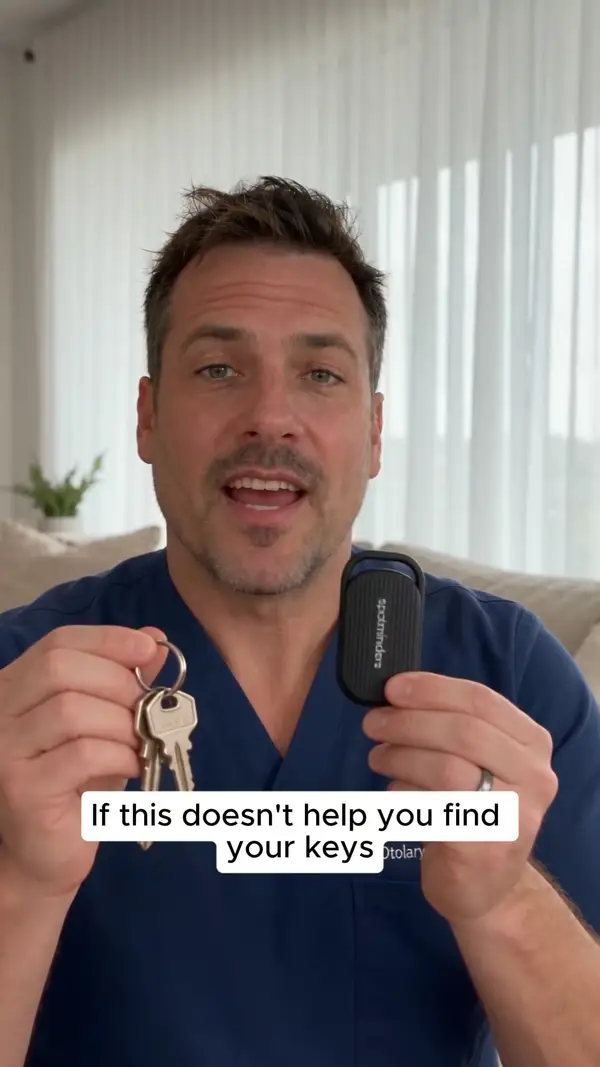
Always Losing Your Keys? Find Them In Seconds.

You know that moment. You’re already running late, you need your keys, and suddenly you’re checking the kitchen… the couch… your jacket… the car… Now imagine just pulling out your iPhone instead. Spotminders Smart Tag connects directly to Apple Find My, so you can see your keys on the map and make the tag ring when they disappear. And this is where it gets really useful: It doesn’t just make a sound. DualFind gives you sound + light at the same time. The sound helps you find the room. The flashing LED helps you find the actual spot. So instead of tearing the house apart looking for a tiny set of keys, you can follow the sound and light straight to them. It’s also USB-C rechargeable, with roughly 1 year of everyday use from a full charge. No disposable coin batteries. No separate holder. The keyring hole is built directly into the reinforced aluminium frame. Put one on your house keys. Your car keys. Your spare set. Then stop relying on your memory to remember where you put them. Buy 3, Get 2 FREE for $117. Free USB-C charger, free shipping and 100-day returns included.

Loading the ad's image
Michael Dawson — Always Losing Your Keys? Find Them In Seconds.
Promising

The 1.8mm Wallet Tracker for Apple Find My

Seventy minutes after my car was rummaged through downtown, I was chasing gas station notifications nine blocks away trying to find the person holding my identification. I am not a careless person. For eleven years as a commercial site estimator, I have kept my truck locked, my tools accounted for, and my paperwork filed. I do not leave cash on the dashboard, and I do not lose my keys. Last November, none of that mattered. I parked downtown for a dinner meeting with an architect and two contractors. It was pouring rain. Juggling a presentation binder, I pushed the truck door shut with my hip and pressed the lock button on my key fob through my jacket pocket. I heard a horn chirp down the street and assumed it was my truck. In the center console tray, right beneath the armrest, was my leather bifold wallet. Seventy minutes later, while signing the dinner receipt, my phone buzzed against my leg with three fraud alerts: Shell for $78.40, Chevron for $91.15, and a declined charge at Circle K. I ran out into the street. The driver's door was half an inch ajar. A gym bag strap in the back had caught in the latch, stopping the lock from engaging. The horn chirp I heard belonged to another car. The dome light was on, the console was open, and my leather wallet was gone. My first instinct was what everyone does. I opened my banking app and froze my cards in under two minutes. The plastic was dead. If this was just about money, the problem was solved. Banks reimburse unauthorized swipes, and credit card companies write off gas station fraud. That is the digital comfort we all lean on. Then I sat in the dark cab and realized what was actually missing. My state driver's license with my full name, date of birth, and home address. My health insurance card. Our family dental card. My commercial contractor credential. Two blank company checks. The security card to our neighborhood gate. My older brother David went through this two years ago. Someone took his wallet from an unlocked truck, and David thought canceling his cards handled it. Over the next fourteen months, someone took out four online loans in his name, filed a fraudulent tax return, and flagged his license number across state registries. David spent hundreds of hours on hold with credit bureaus and nearly lost a mortgage refinance. He told me back then that banks protect their money in minutes, but nobody protects your physical name. When a stranger holds your license and your home address, they own your life until you prove it is yours. Then my phone buzzed again: card ending in 4108 attempted at Metro Petro on 8th Street, declined. It was nine blocks away. The card was dead, but the timestamp was two minutes old. I did not call anyone. I put the truck in gear and drove, hoping my wallet had been tossed near the pumps. Under the gas station awning on 8th Street, two men were standing near a lottery terminal. One of them was holding a worn brown leather bifold with a brass corner clip. My wallet. I stepped out of the truck with my heart hammering against my ribs. I stopped ten feet back and told him flatly that it was my wallet. The taller guy turned around without running, looking tired and unimpressed. "Cards are dead," he said flatly. "You cancelled them." "Yeah, they're dead," I said. "Keep the cash. Just give me my driver's license and my paperwork." He looked down at the leather in his hand, took his time, and said, "Cost you a hundred bucks." There is an unvoiced humiliation in that moment that I hope you never experience. Standing in the freezing rain five feet from someone who just went through your truck, you realize modern digital banking leaves you completely helpless. A bank fraud alert only tells you where a thief tapped your card twenty minutes ago. The second you freeze your cards, the alerts stop completely. The bank goes dark, and you have no idea where your physical license or your home address are heading. I walked into the station, slid my backup bank card into the ATM, and withdrew a hundred-dollar bill. I walked back out and handed it over. He pulled out my license, medical card, and work credential, handed them to me, tossed the empty leather wallet into a puddle by the dumpster, and disappeared into the dark. I stood in the rain clutching my wet cards, feeling smaller than I have ever felt as an adult. The next morning, I was sitting in our job-site trailer with a coffee, completely exhausted. My business partner, Tom, walked in, took one look at me, and asked what happened. I told him the whole story: the unlocked door, the gas station alerts, and standing at an ATM buying back my own driver's license. "You're relying on bank texts to track your wallet?" Tom asked. He shook his head. "Bank alerts only tell you someone spent money. They don't tell you where the leather is sitting." Tom reached into his pocket and pulled out his everyday billfold. Tucked inside the center slot was a slim, matte black card that lay completely flat against the leather. "Spotminders Tracking Card," Tom said. "It is one point eight millimeters thin. Slides into a regular card slot without bulging. No extra apps, no monthly subscriptions. It pairs directly into Apple Find My." Tom pulled out his iPhone, opened the pre-installed Find My app, and showed me the screen. There was a clean map pin showing the card's last detected location, supported by Apple's network of two point three billion Apple devices. "If someone grabs your wallet, you don't wait for a bank text," Tom said. "You open Find My and see the last detected location right on the map. And if you leave your wallet sitting in your truck console, your phone gives you a left-behind alert before you even walk across the parking lot." I asked him why he didn't just use an AirTag. Tom laughed. "An AirTag is a round plastic puck. Put an AirTag inside a wallet and it creates an obvious round bulge. Any car prowler feels it instantly and chucks it on the floorboard. This is flat, waterproof with an IP67 rating, and works inside RFID-blocking wallets." I ordered cards that afternoon. Setup took under forty seconds on my kitchen counter through Apple Find My. It charges wirelessly on standard Qi and MagSafe chargers, delivering up to eight months of battery life on a full charge, with a colour-changing LED that confirms when it is done. It slipped into my new wallet completely flat. Two weeks later, it proved its worth. I parked in a downtown garage on 2nd Street for a morning meeting. While walking toward the elevator lobby, my iPhone vibrated with a left-behind alert: Wallet left behind at 2nd Street Garage. My wallet had slipped from my jacket and was sitting on the driver's seat. I walked back, unlocked the cab, and had it in forty seconds before anyone walked past my truck. Last weekend, my brother David saw the card in my wallet while we were grilling. Hearing that it worked with Apple Find My with zero monthly fees, he held it in silence. For fourteen months, David had lived through the misery of a stolen identity. He looked at the card and told me that having one in his truck console two years ago would have shown him where his wallet was before someone started opening loans in his name. He ordered cards for his own family before leaving my driveway. Having that card in my wallet didn't change what happened that night downtown. But it means the next time I walk away from my truck, I won't spend the night wondering where my life is sitting. 👉 https://www.spotminders.com/products/spotminders-tracking-cards P.S. David texted me yesterday. All the cards for his truck, his wife's purse, and his laptop bag were paired to his phone before dinner. He told me it was the first time in two years he didn't feel a knot in his chest when leaving his truck in a parking lot. P.P.S. Spotminders includes a 100-day money-back guarantee, even on used cards. If you carry it in your wallet and decide it isn't for you, you get a full refund. That is a stark contrast to the DMV, credit bureaus, or banks, none of which will ever refund a single hour you spend recovering a stolen identity. P.P.P.S. If you carry more than one item you cannot afford to replace, protect them all at once. Put one in your everyday wallet, one in your glovebox, and one in the bag your spouse or kid leaves behind every time they leave the house.

Loading the ad's image
Michael Dawson — The 1.8mm Wallet Tracker for Apple Find My
Promising

The 1.8mm Wallet Tracker for Apple Find My

Bank fraud alerts can tell you where a thief just bought gas with your card, but they never tell you where your wallet and your identification are actually sitting. I am not a careless person. For eleven years as a commercial site estimator, I have kept my truck locked, my tools accounted for, and my paperwork filed. I do not leave cash on the dashboard, and I do not lose my keys. Last November, none of that mattered. I parked downtown for a dinner meeting with an architect and two contractors. It was pouring rain. Juggling a presentation binder, I pushed the truck door shut with my hip and pressed the lock button on my key fob through my jacket pocket. I heard a horn chirp down the street and assumed it was my truck. In the center console tray, right beneath the armrest, was my leather bifold wallet. Seventy minutes later, while signing the dinner receipt, my phone buzzed against my leg with three fraud alerts: Shell for $78.40, Chevron for $91.15, and a declined charge at Circle K. I ran out into the street. The driver's door was half an inch ajar. A gym bag strap in the back had caught in the latch, stopping the lock from engaging. The horn chirp I heard belonged to another car. The dome light was on, the console was open, and my leather wallet was gone. My first instinct was what everyone does. I opened my banking app and froze my cards in under two minutes. The plastic was dead. If this was just about money, the problem was solved. Banks reimburse unauthorized swipes, and credit card companies write off gas station fraud. That is the digital comfort we all lean on. Then I sat in the dark cab and realized what was actually missing. My state driver's license with my full name, date of birth, and home address. My health insurance card. Our family dental card. My commercial contractor credential. Two blank company checks. The security card to our neighborhood gate. My older brother David went through this two years ago. Someone took his wallet from an unlocked truck, and David thought canceling his cards handled it. Over the next fourteen months, someone took out four online loans in his name, filed a fraudulent tax return, and flagged his license number across state registries. David spent hundreds of hours on hold with credit bureaus and nearly lost a mortgage refinance. He told me back then that banks protect their money in minutes, but nobody protects your physical name. When a stranger holds your license and your home address, they own your life until you prove it is yours. Then my phone buzzed again: card ending in 4108 attempted at Metro Petro on 8th Street, declined. It was nine blocks away. The card was dead, but the timestamp was two minutes old. I did not call anyone. I put the truck in gear and drove, hoping my wallet had been tossed near the pumps. Under the gas station awning on 8th Street, two men were standing near a lottery terminal. One of them was holding a worn brown leather bifold with a brass corner clip. My wallet. I stepped out of the truck with my heart hammering against my ribs. I stopped ten feet back and told him flatly that it was my wallet. The taller guy turned around without running, looking tired and unimpressed. "Cards are dead," he said flatly. "You cancelled them." "Yeah, they're dead," I said. "Keep the cash. Just give me my driver's license and my paperwork." He looked down at the leather in his hand, took his time, and said, "Cost you a hundred bucks." There is an unvoiced humiliation in that moment that I hope you never experience. Standing in the freezing rain five feet from someone who just went through your truck, you realize modern digital banking leaves you completely helpless. A bank fraud alert only tells you where a thief tapped your card twenty minutes ago. The second you freeze your cards, the alerts stop completely. The bank goes dark, and you have no idea where your physical license or your home address are heading. I walked into the station, slid my backup bank card into the ATM, and withdrew a hundred-dollar bill. I walked back out and handed it over. He pulled out my license, medical card, and work credential, handed them to me, tossed the empty leather wallet into a puddle by the dumpster, and disappeared into the dark. I stood in the rain clutching my wet cards, feeling smaller than I have ever felt as an adult. The next morning, I was sitting in our job-site trailer with a coffee, completely exhausted. My business partner, Tom, walked in, took one look at me, and asked what happened. I told him the whole story: the unlocked door, the gas station alerts, and standing at an ATM buying back my own driver's license. "You're relying on bank texts to track your wallet?" Tom asked. He shook his head. "Bank alerts only tell you someone spent money. They don't tell you where the leather is sitting." Tom reached into his pocket and pulled out his everyday billfold. Tucked inside the center slot was a slim, matte black card that lay completely flat against the leather. "Spotminders Tracking Card," Tom said. "It is one point eight millimeters thin. Slides into a regular card slot without bulging. No extra apps, no monthly subscriptions. It pairs directly into Apple Find My." Tom pulled out his iPhone, opened the pre-installed Find My app, and showed me the screen. There was a clean map pin showing the card's last detected location, supported by Apple's network of two point three billion Apple devices. "If someone grabs your wallet, you don't wait for a bank text," Tom said. "You open Find My and see the last detected location right on the map. And if you leave your wallet sitting in your truck console, your phone gives you a left-behind alert before you even walk across the parking lot." I asked him why he didn't just use an AirTag. Tom laughed. "An AirTag is a round plastic puck. Put an AirTag inside a wallet and it creates an obvious round bulge. Any car prowler feels it instantly and chucks it on the floorboard. This is flat, waterproof with an IP67 rating, and works inside RFID-blocking wallets." I ordered cards that afternoon. Setup took under forty seconds on my kitchen counter through Apple Find My. It charges wirelessly on standard Qi and MagSafe chargers, delivering up to eight months of battery life on a full charge, with a colour-changing LED that confirms when it is done. It slipped into my new wallet completely flat. Two weeks later, it proved its worth. I parked in a downtown garage on 2nd Street for a morning meeting. While walking toward the elevator lobby, my iPhone vibrated with a left-behind alert: Wallet left behind at 2nd Street Garage. My wallet had slipped from my jacket and was sitting on the driver's seat. I walked back, unlocked the cab, and had it in forty seconds before anyone walked past my truck. Last weekend, my brother David saw the card in my wallet while we were grilling. Hearing that it worked with Apple Find My with zero monthly fees, he held it in silence. For fourteen months, David had lived through the misery of a stolen identity. He looked at the card and told me that having one in his truck console two years ago would have shown him where his wallet was before someone started opening loans in his name. He ordered cards for his own family before leaving my driveway. Having that card in my wallet didn't change what happened that night downtown. But it means the next time I walk away from my truck, I won't spend the night wondering where my life is sitting. 👉 https://www.spotminders.com/products/spotminders-tracking-cards P.S. David texted me yesterday. All the cards for his truck, his wife's purse, and his laptop bag were paired to his phone before dinner. He told me it was the first time in two years he didn't feel a knot in his chest when leaving his truck in a parking lot. P.P.S. Spotminders includes a 100-day money-back guarantee, even on used cards. If you carry it in your wallet and decide it isn't for you, you get a full refund. That is a stark contrast to the DMV, credit bureaus, or banks, none of which will ever refund a single hour you spend recovering a stolen identity. P.P.P.S. If you carry more than one item you cannot afford to replace, protect them all at once. Put one in your everyday wallet, one in your glovebox, and one in the bag your spouse or kid leaves behind every time they leave the house.

Loading the ad's image
Michael Dawson — The 1.8mm Wallet Tracker for Apple Find My
Promising

Why Transit Officers in Barcelona Will Threaten to Arrest You If You Tackle a Pickpocket

A transit officer in Barcelona told me the golden rule most tourists learn too late: never pursue the person who bumped you, just open Apple Find My and show us the pin. If you're an American or British traveler stepping onto a European metro train in Barcelona, Rome, or Paris, you probably have a mental script of how you'd react if someone tried to steal your wallet. You imagine catching a hand slipping into your coat, grabbing the thief by the wrist, slamming them against the tiled wall, and waiting for transit security to arrive like a hero. It's a natural human reaction, but it's also one of the fastest ways to end up in a foreign police cell facing criminal assault charges. Two years ago, standing on the Line 3 platform at Plaça de Catalunya in Barcelona, I learned that reality the hard way. As the train doors were about to close, someone abruptly stopped in front of me, creating an awkward doorway collision. In that split second of contact, I felt my coat pocket lighten. I spun around, caught a man pulling his hand away, grabbed him by the collar, and slammed him against a tiled station pillar while shouting for the police. Within two minutes, two armed transit officers from the Mossos d'Esquadra arrived. I expected them to handcuff the man, hand me back my wallet, and thank me for catching a thief in the act. Instead, the officers forcefully pulled me off him, ordered me to keep my hands flat against the wall, and demanded my passport. The man I had pinned immediately raised both hands, began shouting in distress, and pointed to a scraped elbow, claiming in rapid Spanish that he had simply stumbled when the crowd surged and that an aggressive foreigner had attacked him. When the officers searched his pockets right there on the platform, they found nothing. No cash, no cards, and no wallet. I spent the next five hours inside the station police office, the Oficina d'Atenció al Ciutadà, answering interrogations through a sworn translator while facing the threat of criminal assault charges under Spanish law. While I sat at the desk, Officer Jordi Ramos pulled up the station security camera footage on his desktop monitor and walked me through what actually happened. The bump in front of me was a deliberate bottleneck created by an accomplice acting as a blocker. The man who reached into my pocket was the lifter. In less than two seconds, before I even managed to turn around, the lifter handed my wallet behind his back to a third person who stepped onto the departing train. "You grabbed the distraction," Officer Ramos told me. "His pockets are completely clean. On these security cameras, you are the person committing an unprovoked physical assault. Under our penal code, physical battery is taken seriously, while non-violent theft under 400 euros is treated as an administrative offense. The syndicates understand this legal loophole with clinical precision. They deliberately count on your anger to flip the legal blame onto you." Officer Ramos explained that transit officers across major European cities see the exact same catastrophic mistake every single week. He gave me three operational rules that professional transport officers follow: First, never engage in physical pursuit or platform confrontation. Confronting street thieves is physically reckless because syndicates position lookouts nearby who carry utility knives to clear an exit in a crowd. Your personal safety and legal standing are worth far more than three cancelled credit cards. Second, walk directly to an official police station and file a formal report. An official police report, known as a denuncia in Spain, is required by banks and insurance providers to process fraud claims, and helps consular officials verify your identity if travel documents or passports are missing. Third, deploy a discreet tracking device inside your wallet before leaving your hotel room. The goal isn't street confrontation. The goal is giving responding officers a verified starting location instead of a vague description of someone in a crowd. Most travelers make the mistake of using a standard Apple AirTag for this. An AirTag is eight millimeters thick and shaped like a round plastic button. Inside a slim bifold or leather cardholder, it creates an obvious circular bulge. The first thing a thief does after stepping away is feel the exterior of the wallet behind a pillar. The moment they feel that circular plastic lump, they pry the tracker out and toss it onto the tracks, ending your tracking before you even leave the station concourse. On my next trip to Europe, I carried a tool purpose-built for discretion: the Spotminders Tracking Card. The Spotminders card is engineered to the exact 1.8-millimeter profile of two credit cards, measuring standard wallet dimensions of 85 by 54 millimeters. It's flat, matte black, and slides cleanly into a regular card slot directly behind your driver's license. To anyone glancing inside your wallet, it looks like an ordinary membership card or transit pass. There is zero circular bulge, so a thief handling your wallet doesn't notice it. The card is Apple MFi certified and pairs natively with the pre-installed Apple Find My app already running on your iPhone in under 45 seconds. You don't download third-party apps, you don't register an account, and you never pay monthly subscription fees. Because it connects seamlessly to Apple's encrypted Find My network of hundreds of millions of active devices, it updates whenever an iPhone passes within range in a station, airport terminal, or street cafe. Shows your wallet's last known location on a map anywhere in the world. For in-room finding, use the built-in sound alarm. Last spring, that protocol was put to the test when my pocket was picked during a morning rush at Passeig de Gràcia station. Instead of shouting, grabbing, or throwing punches, I remembered Officer Ramos's warning. I walked calmly into the Plaça de Catalunya transit police office, opened Apple Find My on my iPhone, and showed the duty officers the last known location pin. The map showed my wallet resting at an outdoor cafe terrace three blocks away on Carrer de Pelai. Two responding officers walked with me to the terrace. Standing ten paces from the tables, I tapped the sound alert on my phone. The card's built-in 85-decibel buzzer began chiming clearly from a jacket draped over a chair, identifying my stolen property on the spot. The officers recovered my wallet with all identification and cards completely intact, without a single second of physical danger or legal liability. The Spotminders Tracking Card runs on an ultra-thin rechargeable battery that delivers up to eight months of continuous protection on a single wireless charge using any standard Qi or MagSafe charging pad. It features a fully waterproof build that easily withstands heavy rain, accidental spills, or daily moisture without failing. The tracking card didn't make me immune to pickpockets. But it gave me a way to protect my family and walk onto a foreign train with quiet confidence. 👉 https://www.spotminders.com/products/spotminders-tracking-cards P.S. I spent five hours inside that station police office answering questions while my wallet was gone. Reacting with anger almost cost me my freedom. Never trade your physical safety and legal standing for a split-second impulse on a train platform. Let the card do the work. P.P.S. Foreign transit systems and municipal police will never reimburse you for lost vacation days, stolen cash, or ruined itineraries. Spotminders backs every card with a 100-day money-back guarantee, even if you've already traveled abroad with it, plus a lifetime guarantee where they replace or refund your card if it ever fails. P.P.P.S. If you're traveling with your spouse, partner, or kids this year, make sure their daily bags and wallets have the same protection before you board your flight. Distracted travelers are always the primary target in transit bottlenecks.

Loading the ad's image
Michael Dawson — Why Transit Officers in Barcelona Will Threaten to Arrest You If You Tackle a Pickpocket
Testing

The 1.8mm Tracking Card Thieves Overlook

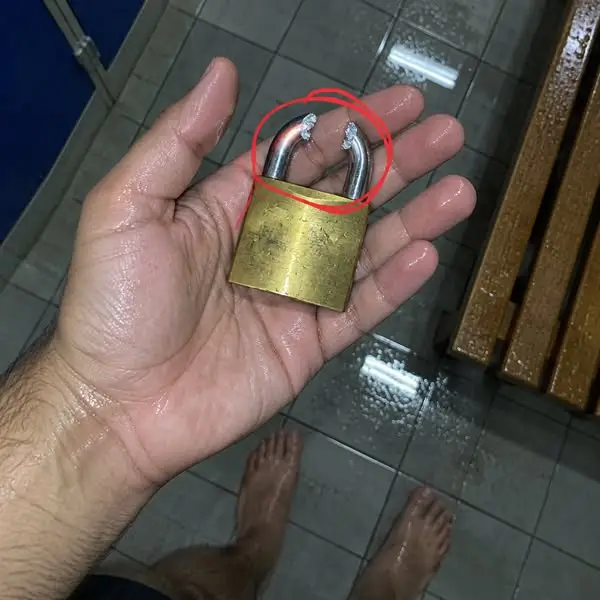
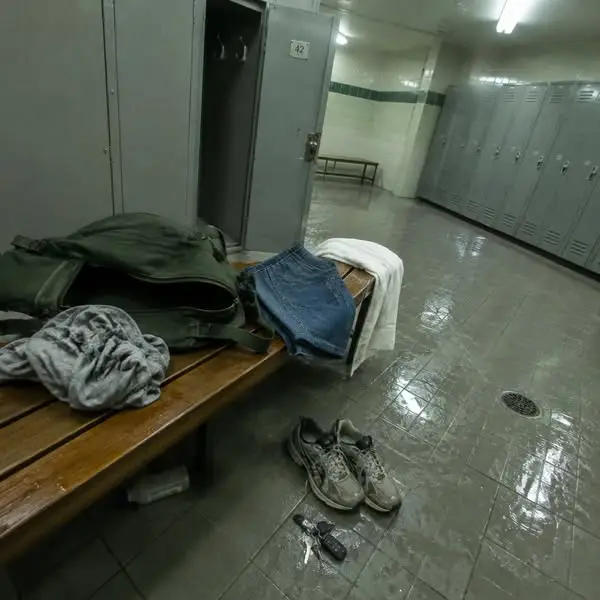
What happens in the three minutes between a thief cutting a pool locker lock and walking out the side exit with your leather wallet. It was 6:30 on a Thursday morning at the municipal aquatic center. I had just finished forty laps and walked toward locker 42 with my towel and goggles. I had used that steel locker for four years. Before swimming at 5:45 AM, I locked my canvas backpack inside with an eighteen-dollar brass padlock, keeping my clothes, keys, and brown leather billfold safe. Then I rounded the corner and stopped dead on the wet tiles. My padlock was lying on the cedar bench, its shackle snapped clean through by bolt cutters. Locker 42 hung open, and my backpack sat upside down with the contents dumped across the wet slats: clean clothes in a puddle, shampoo under the bench, and truck keys beside my shoes. My leather billfold was gone. If you have ever had your wallet stolen while you were fifty feet away, you know that sudden, cold drop in your chest. Your mind refuses what your eyes see. You shake out the empty bag, check under the bench, and peer into the floor drain. Nothing. Inside was my driver license, debit card, two credit cards, health insurance, and $120 cash for my daughter's swim meet. Standing barefoot in dripping trunks while other swimmers glance over with quiet pity is an unvoiced humiliation that stays with you. Nobody wants to make eye contact. Nobody wants to admit that a secure facility has someone hunting lockers. I walked out to the front desk, only for the attendant to point at the plastic wall sign: Management Is Not Responsible For Lost Or Stolen Property. He handed me an incident report clipboard that we both knew was a dead end. Sitting on the bench, the administrative dread set in. If that wallet stayed gone, my month was ruined: hours on hold with fraud departments, ten business days waiting for replacement cards, an unpaid half-day at the DMV, and the dread of knowing a stranger held my home address and driver license. I always told myself I was careful. I never left cash in my truck, and I always locked my gear. Seven months earlier, I tried the standard tech workaround by shoving a popular round tracker puck into my billfold. It was an absolute disaster. At over eight millimeters thick, that round plastic disc created an awkward circular bulge right through the leather, feeling like a golf ball under my hip and stretching the card slots until the seams frayed. More importantly, it completely defeated the purpose of security. My morning lane partner, Mark, went through the exact same thing last spring. He had slipped a round white tag into his billfold, thinking it kept his cards safe. When his locker was hit, the custodial crew found the disc sitting right in the shower floor drain. The thief had felt the thick bulge through the leather, popped it out before walking out the locker room door, and ran up charges on Mark's cards before Mark even finished his shower. Mark told me that bulky tag never protected his wallet. It simply told the thief what to throw away. Standard trackers are engineered for keyrings and luggage, where an eight-millimeter plastic shell does not matter. They do not fit credit card slots because coin-cell batteries and rounded casings are simply too thick. I found a practical solution three months ago, thanks to Dave, an electrical engineer who swims in lane three. Dave pulled a flat black card from his slim leather cardholder. It looked identical to a standard corporate credit card, with no protruding plastic dome, no battery door, and no awkward bulge. It measured exactly 1.8 millimeters thin, roughly the thickness of two credit cards resting together. Dave explained how locker thieves think: "A thief cutting a locker lock works on a three-minute clock. He dumps the bag, scoops up cash, and feels for obvious tracker lumps to throw in the trash. He does not sit on a bench reading the fine print on plastic cards." That afternoon, I ordered the Spotminders Tracking Card. Setup took under 45 seconds using the pre-installed Apple Find My app on my iPhone: tap Add Item, select Other Supported Item, and it pairs immediately. There are no third-party apps to download, no background battery drain, and no recurring monthly subscription fees. I powered it on my Qi wireless charging pad, where the color-changing LED confirmed the charge. A single charge provides up to 8 months of battery life, and its IP67 waterproof rating means it is functional after up to three feet of water for thirty minutes, making it completely durable around a humid pool deck. I slid the 1.8mm card behind my health insurance card. It sat completely flat, with no lump and no pressure against my hip, working seamlessly even inside modern RFID-blocking wallets. For twelve weeks, I carried that billfold everywhere, completely forgetting it was even there. Until 6:42 on Thursday morning, sitting by locker 42 with my heart pounding. I reached into the deep interior pocket of my backpack, which the thief had missed in his rush, and pulled out my iPhone. I opened Apple Find My to check the card's last known location. The screen refreshed with a coordinate pin showing where the card was last detected at 6:39 AM, stationary behind a commercial strip mall on North Oak Street, two miles north of the aquatic center. The card does not rely on live tracking, which would drain a battery in days and demand an ongoing monthly subscription. Instead, it is Apple MFi certified and works natively with Apple Find My across a global network of over 2.3 billion Apple devices. It quietly updates whenever an Apple device passes nearby, giving you the last known location coordinate pin right on your map without broadcasting continuous live movement. I called police dispatch with those exact coordinates, and a patrol officer met me at the mall entrance eleven minutes later. When the aquatic center manager later checked the hallway security camera footage, the recording confirmed what the officer suspected: the thief had entered the locker bay and slipped out the side emergency exit in under three minutes. I showed the officer the Find My pin pointing behind the service alley by the commercial recycling bins. We walked down the alley, and the officer aimed his flashlight into an open green bin filled with flattened cardboard. Lying face up on top of a crushed carton was my brown leather billfold. The officer pointed out that the thief had clearly pulled into the alley right after leaving the pool, flipped open the billfold to strip the $120 cash, and dumped the entire wallet into the recycling bin. He never touched my driver license, debit card, or credit cards. Tucked securely inside the middle slot, completely undisturbed behind my insurance card, was the black Spotminders card. The officer fished the wallet out, looked at my phone, and asked: "Where was the tracker? Did you have a tag sewn into the lining?" I slid the 1.8mm black card from the slot and handed it to him. He turned it over in his fingers, whistled softly, and wrote down the name in his notebook. Getting that billfold back saved me from weeks of administrative chaos. Because the thief dumped the wallet immediately and the police recovered it within forty minutes, I never had to cancel my cards, sit in DMV lines, or worry about credit fraud. The $120 in cash was gone, but the credentials that actually anchor my daily life were back in my pocket, all because of an ultra-thin card that looked so much like a regular payment card that a rushed thief looked right past it. Over 1,000,000 people have already switched to Spotminders to protect their gear, backed by an ironclad lifetime guarantee and a 100-day money-back guarantee with less than 1% of customers asking for a refund. I still swim my forty laps three mornings a week, but I never leave my wallet unprotected again: 👉 https://www.spotminders.com/products/spotminders-tracking-cards P.S. When I walked onto the pool deck on Friday morning, Mark was stretching on the bleachers. When I pulled out my recovered billfold with every credit card still in place, his jaw dropped. He asked for the link and ordered a pack on his phone before we even jumped into the water. P.P.S. Aquatic center staff and gym managers will never take responsibility when a locker is broken into. The disclaimer sign on the locker room wall is there to protect their liability, not your personal property. Spotminders gives you a full 100 days to carry the card in your own wallet, test the signal, and verify the protection yourself. P.P.P.S. Think about your spouse, your workout partner, or your kids who leave their backpacks and wallets in lockers or gym cubbies every day. Taking two minutes to slide an ultra-thin card behind their ID today prevents a month of administrative panic tomorrow.

Loading the ad's image
Michael Dawson — The 1.8mm Tracking Card Thieves Overlook
Testing

The 1.8mm Tracking Card Thieves Overlook

Standing barefoot on the wet locker room tiles, looking at my cut padlock, the first thing that caught my eye was what the thief left behind. It was 6:30 on a Thursday morning at the municipal aquatic center. I had just finished forty laps and walked toward locker 42 with my towel and goggles. I had used that steel locker for four years. Before swimming at 5:45 AM, I locked my canvas backpack inside with an eighteen-dollar brass padlock, keeping my clothes, keys, and brown leather billfold safe. Then I rounded the corner and stopped dead on the wet tiles. My padlock was lying on the cedar bench, its shackle snapped clean through by bolt cutters. Locker 42 hung open, and my backpack sat upside down with the contents dumped across the wet slats: clean clothes in a puddle, shampoo under the bench, and truck keys beside my shoes. My leather billfold was gone. If you have ever had your wallet stolen while you were fifty feet away, you know that sudden, cold drop in your chest. Your mind refuses what your eyes see. You shake out the empty bag, check under the bench, and peer into the floor drain. Nothing. Inside was my driver license, debit card, two credit cards, health insurance, and $120 cash for my daughter's swim meet. Standing barefoot in dripping trunks while other swimmers glance over with quiet pity is an unvoiced humiliation that stays with you. Nobody wants to make eye contact. Nobody wants to admit that a secure facility has someone hunting lockers. I walked out to the front desk, only for the attendant to point at the plastic wall sign: Management Is Not Responsible For Lost Or Stolen Property. He handed me an incident report clipboard that we both knew was a dead end. Sitting on the bench, the administrative dread set in. If that wallet stayed gone, my month was ruined: hours on hold with fraud departments, ten business days waiting for replacement cards, an unpaid half-day at the DMV, and the dread of knowing a stranger held my home address and driver license. I always told myself I was careful. I never left cash in my truck, and I always locked my gear. Seven months earlier, I tried the standard tech workaround by shoving a popular round tracker puck into my billfold. It was an absolute disaster. At over eight millimeters thick, that round plastic disc created an awkward circular bulge right through the leather, feeling like a golf ball under my hip and stretching the card slots until the seams frayed. More importantly, it completely defeated the purpose of security. My morning lane partner, Mark, went through the exact same thing last spring. He had slipped a round white tag into his billfold, thinking it kept his cards safe. When his locker was hit, the custodial crew found the disc sitting right in the shower floor drain. The thief had felt the thick bulge through the leather, popped it out before walking out the locker room door, and ran up charges on Mark's cards before Mark even finished his shower. Mark told me that bulky tag never protected his wallet. It simply told the thief what to throw away. Standard trackers are engineered for keyrings and luggage, where an eight-millimeter plastic shell does not matter. They do not fit credit card slots because coin-cell batteries and rounded casings are simply too thick. I found a practical solution three months ago, thanks to Dave, an electrical engineer who swims in lane three. Dave pulled a flat black card from his slim leather cardholder. It looked identical to a standard corporate credit card, with no protruding plastic dome, no battery door, and no awkward bulge. It measured exactly 1.8 millimeters thin, roughly the thickness of two credit cards resting together. Dave explained how locker thieves think: "A thief cutting a locker lock works on a three-minute clock. He dumps the bag, scoops up cash, and feels for obvious tracker lumps to throw in the trash. He does not sit on a bench reading the fine print on plastic cards." That afternoon, I ordered the Spotminders Tracking Card. Setup took under 45 seconds using the pre-installed Apple Find My app on my iPhone: tap Add Item, select Other Supported Item, and it pairs immediately. There are no third-party apps to download, no background battery drain, and no recurring monthly subscription fees. I powered it on my Qi wireless charging pad, where the color-changing LED confirmed the charge. A single charge provides up to 8 months of battery life, and its IP67 waterproof rating means it is functional after up to three feet of water for thirty minutes, making it completely durable around a humid pool deck. I slid the 1.8mm card behind my health insurance card. It sat completely flat, with no lump and no pressure against my hip, working seamlessly even inside modern RFID-blocking wallets. For twelve weeks, I carried that billfold everywhere, completely forgetting it was even there. Until 6:42 on Thursday morning, sitting by locker 42 with my heart pounding. I reached into the deep interior pocket of my backpack, which the thief had missed in his rush, and pulled out my iPhone. I opened Apple Find My to check the card's last known location. The screen refreshed with a coordinate pin showing where the card was last detected at 6:39 AM, stationary behind a commercial strip mall on North Oak Street, two miles north of the aquatic center. The card does not rely on live tracking, which would drain a battery in days and demand an ongoing monthly subscription. Instead, it is Apple MFi certified and works natively with Apple Find My across a global network of over 2.3 billion Apple devices. It quietly updates whenever an Apple device passes nearby, giving you the last known location coordinate pin right on your map without broadcasting continuous live movement. I called police dispatch with those exact coordinates, and a patrol officer met me at the mall entrance eleven minutes later. When the aquatic center manager later checked the hallway security camera footage, the recording confirmed what the officer suspected: the thief had entered the locker bay and slipped out the side emergency exit in under three minutes. I showed the officer the Find My pin pointing behind the service alley by the commercial recycling bins. We walked down the alley, and the officer aimed his flashlight into an open green bin filled with flattened cardboard. Lying face up on top of a crushed carton was my brown leather billfold. The officer pointed out that the thief had clearly pulled into the alley right after leaving the pool, flipped open the billfold to strip the $120 cash, and dumped the entire wallet into the recycling bin. He never touched my driver license, debit card, or credit cards. Tucked securely inside the middle slot, completely undisturbed behind my insurance card, was the black Spotminders card. The officer fished the wallet out, looked at my phone, and asked: "Where was the tracker? Did you have a tag sewn into the lining?" I slid the 1.8mm black card from the slot and handed it to him. He turned it over in his fingers, whistled softly, and wrote down the name in his notebook. Getting that billfold back saved me from weeks of administrative chaos. Because the thief dumped the wallet immediately and the police recovered it within forty minutes, I never had to cancel my cards, sit in DMV lines, or worry about credit fraud. The $120 in cash was gone, but the credentials that actually anchor my daily life were back in my pocket, all because of an ultra-thin card that looked so much like a regular payment card that a rushed thief looked right past it. Over 1,000,000 people have already switched to Spotminders to protect their gear, backed by an ironclad lifetime guarantee and a 100-day money-back guarantee with less than 1% of customers asking for a refund. I still swim my forty laps three mornings a week, but I never leave my wallet unprotected again: 👉 https://www.spotminders.com/products/spotminders-tracking-cards P.S. When I walked onto the pool deck on Friday morning, Mark was stretching on the bleachers. When I pulled out my recovered billfold with every credit card still in place, his jaw dropped. He asked for the link and ordered a pack on his phone before we even jumped into the water. P.P.S. Aquatic center staff and gym managers will never take responsibility when a locker is broken into. The disclaimer sign on the locker room wall is there to protect their liability, not your personal property. Spotminders gives you a full 100 days to carry the card in your own wallet, test the signal, and verify the protection yourself. P.P.P.S. Think about your spouse, your workout partner, or your kids who leave their backpacks and wallets in lockers or gym cubbies every day. Taking two minutes to slide an ultra-thin card behind their ID today prevents a month of administrative panic tomorrow.

Loading the ad's image
Michael Dawson — The 1.8mm Tracking Card Thieves Overlook
Testing

My Old Tracker Died In The Glovebox

Somebody asked me if this is just another tracker that dies in the glovebox. Fair question, because my last one did exactly that. Two winters back my Chevelle sat five months in a barn. Come April I opened her glovebox, and the coin cell in my old tracker had been dead since Christmas. All winter I'd figured she had a tracker in her. There's a Spotminders card in there now. It's 1.8mm thin and rechargeable, eight months on a charge, and it works with Apple Find My on the iPhone I already had, no subscription. This past February my phone still showed her right where I left her in the barn. Over 1,000,000 sold, a lifetime warranty and 100 days to send it back, even used. Buy 3 Get 2 Free gets you five cards for $117 instead of $195, shipped free with a wireless charger and a mystery gift. One for the glovebox, the truck seat, the RV, the boat and the tool bag. Put one in before she goes into storage.

Loading the ad's image
Michael Dawson — My Old Tracker Died In The Glovebox
Testing

The 1.8mm Tracking Card Thieves Overlook

When I opened locker 42 after my morning swim, my damp towel was on the bench and my backpack was dumped completely empty. It was 6:30 on a Thursday morning at the municipal aquatic center. I had just finished forty laps and walked toward locker 42 with my towel and goggles. I had used that steel locker for four years. Before swimming at 5:45 AM, I locked my canvas backpack inside with an eighteen-dollar brass padlock, keeping my clothes, keys, and brown leather billfold safe. Then I rounded the corner and stopped dead on the wet tiles. My padlock was lying on the cedar bench, its shackle snapped clean through by bolt cutters. Locker 42 hung open, and my backpack sat upside down with the contents dumped across the wet slats: clean clothes in a puddle, shampoo under the bench, and truck keys beside my shoes. My leather billfold was gone. If you have ever had your wallet stolen while you were fifty feet away, you know that sudden, cold drop in your chest. Your mind refuses what your eyes see. You shake out the empty bag, check under the bench, and peer into the floor drain. Nothing. Inside was my driver license, debit card, two credit cards, health insurance, and $120 cash for my daughter's swim meet. Standing barefoot in dripping trunks while other swimmers glance over with quiet pity is an unvoiced humiliation that stays with you. Nobody wants to make eye contact. Nobody wants to admit that a secure facility has someone hunting lockers. I walked out to the front desk, only for the attendant to point at the plastic wall sign: Management Is Not Responsible For Lost Or Stolen Property. He handed me an incident report clipboard that we both knew was a dead end. Sitting on the bench, the administrative dread set in. If that wallet stayed gone, my month was ruined: hours on hold with fraud departments, ten business days waiting for replacement cards, an unpaid half-day at the DMV, and the dread of knowing a stranger held my home address and driver license. I always told myself I was careful. I never left cash in my truck, and I always locked my gear. Seven months earlier, I tried the standard tech workaround by shoving a popular round tracker puck into my billfold. It was an absolute disaster. At over eight millimeters thick, that round plastic disc created an awkward circular bulge right through the leather, feeling like a golf ball under my hip and stretching the card slots until the seams frayed. More importantly, it completely defeated the purpose of security. My morning lane partner, Mark, went through the exact same thing last spring. He had slipped a round white tag into his billfold, thinking it kept his cards safe. When his locker was hit, the custodial crew found the disc sitting right in the shower floor drain. The thief had felt the thick bulge through the leather, popped it out before walking out the locker room door, and ran up charges on Mark's cards before Mark even finished his shower. Mark told me that bulky tag never protected his wallet. It simply told the thief what to throw away. Standard trackers are engineered for keyrings and luggage, where an eight-millimeter plastic shell does not matter. They do not fit credit card slots because coin-cell batteries and rounded casings are simply too thick. I found a practical solution three months ago, thanks to Dave, an electrical engineer who swims in lane three. Dave pulled a flat black card from his slim leather cardholder. It looked identical to a standard corporate credit card, with no protruding plastic dome, no battery door, and no awkward bulge. It measured exactly 1.8 millimeters thin, roughly the thickness of two credit cards resting together. Dave explained how locker thieves think: "A thief cutting a locker lock works on a three-minute clock. He dumps the bag, scoops up cash, and feels for obvious tracker lumps to throw in the trash. He does not sit on a bench reading the fine print on plastic cards." That afternoon, I ordered the Spotminders Tracking Card. Setup took under 45 seconds using the pre-installed Apple Find My app on my iPhone: tap Add Item, select Other Supported Item, and it pairs immediately. There are no third-party apps to download, no background battery drain, and no recurring monthly subscription fees. I powered it on my Qi wireless charging pad, where the color-changing LED confirmed the charge. A single charge provides up to 8 months of battery life, and its IP67 waterproof rating means it is functional after up to three feet of water for thirty minutes, making it completely durable around a humid pool deck. I slid the 1.8mm card behind my health insurance card. It sat completely flat, with no lump and no pressure against my hip, working seamlessly even inside modern RFID-blocking wallets. For twelve weeks, I carried that billfold everywhere, completely forgetting it was even there. Until 6:42 on Thursday morning, sitting by locker 42 with my heart pounding. I reached into the deep interior pocket of my backpack, which the thief had missed in his rush, and pulled out my iPhone. I opened Apple Find My to check the card's last known location. The screen refreshed with a coordinate pin showing where the card was last detected at 6:39 AM, stationary behind a commercial strip mall on North Oak Street, two miles north of the aquatic center. The card does not rely on live tracking, which would drain a battery in days and demand an ongoing monthly subscription. Instead, it is Apple MFi certified and works natively with Apple Find My across a global network of over 2.3 billion Apple devices. It quietly updates whenever an Apple device passes nearby, giving you the last known location coordinate pin right on your map without broadcasting continuous live movement. I called police dispatch with those exact coordinates, and a patrol officer met me at the mall entrance eleven minutes later. When the aquatic center manager later checked the hallway security camera footage, the recording confirmed what the officer suspected: the thief had entered the locker bay and slipped out the side emergency exit in under three minutes. I showed the officer the Find My pin pointing behind the service alley by the commercial recycling bins. We walked down the alley, and the officer aimed his flashlight into an open green bin filled with flattened cardboard. Lying face up on top of a crushed carton was my brown leather billfold. The officer pointed out that the thief had clearly pulled into the alley right after leaving the pool, flipped open the billfold to strip the $120 cash, and dumped the entire wallet into the recycling bin. He never touched my driver license, debit card, or credit cards. Tucked securely inside the middle slot, completely undisturbed behind my insurance card, was the black Spotminders card. The officer fished the wallet out, looked at my phone, and asked: "Where was the tracker? Did you have a tag sewn into the lining?" I slid the 1.8mm black card from the slot and handed it to him. He turned it over in his fingers, whistled softly, and wrote down the name in his notebook. Getting that billfold back saved me from weeks of administrative chaos. Because the thief dumped the wallet immediately and the police recovered it within forty minutes, I never had to cancel my cards, sit in DMV lines, or worry about credit fraud. The $120 in cash was gone, but the credentials that actually anchor my daily life were back in my pocket, all because of an ultra-thin card that looked so much like a regular payment card that a rushed thief looked right past it. Over 1,000,000 people have already switched to Spotminders to protect their gear, backed by an ironclad lifetime guarantee and a 100-day money-back guarantee with less than 1% of customers asking for a refund. I still swim my forty laps three mornings a week, but I never leave my wallet unprotected again: 👉 https://www.spotminders.com/products/spotminders-tracking-cards P.S. When I walked onto the pool deck on Friday morning, Mark was stretching on the bleachers. When I pulled out my recovered billfold with every credit card still in place, his jaw dropped. He asked for the link and ordered a pack on his phone before we even jumped into the water. P.P.S. Aquatic center staff and gym managers will never take responsibility when a locker is broken into. The disclaimer sign on the locker room wall is there to protect their liability, not your personal property. Spotminders gives you a full 100 days to carry the card in your own wallet, test the signal, and verify the protection yourself. P.P.P.S. Think about your spouse, your workout partner, or your kids who leave their backpacks and wallets in lockers or gym cubbies every day. Taking two minutes to slide an ultra-thin card behind their ID today prevents a month of administrative panic tomorrow.

Loading the ad's image
Michael Dawson — The 1.8mm Tracking Card Thieves Overlook
Promising

Spotminders Rechargeable Smart Tag

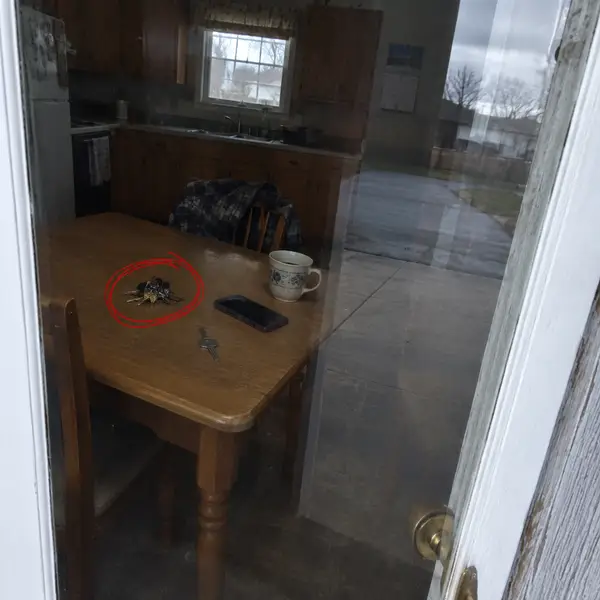
I answered my dad's neighbour with a racing pulse, terrified of an emergency call, only to learn a gust of wind had locked his truck keys in the kitchen. My phone lit up at 12:08 PM on a Tuesday with a call from Jim Henderson, my dad's next-door neighbour. When your 74-year-old father lives on his own, an unexpected midday call from his neighbour freezes your chest. You don't think about casual chats. Your mind instantly jumps to an ambulance in the driveway or a sudden hospital call. I swiped to answer before the second ring finished. "David, take a breath, nobody is hurt," Jim said right away. "Your dad is fine, but we've got a situation with a door latch." My dad had stepped out the side door into the driveway to check the oil on his Ford F-150 before heading to the lumberyard. He only planned to be outside for two minutes, but a sudden gust caught the door, slamming it shut. The spring-loaded latch caught the strike plate with the interior button turned, locking his truck keys, house keys, and phone inside on the kitchen table. I told my office I had a family errand and drove across town. Let me be clear about who my dad is: he's seventy-four, but he isn't frail. He spent thirty-eight years framing custom houses and pouring foundations. He still cleans his own gutters, cuts firewood, and can out-work men half his age. He doesn't wander around confused, and he doesn't forget what day it is. Yet when you reach your forties with an active parent living alone, society whispers that every minor hiccup means taking away car keys or managing them like children. When I pulled in, Dad was sitting on the wooden bench on the side porch, drinking coffee Jim had walked over. He had his canvas jacket zipped up and his boots planted on the concrete, looking thoroughly annoyed. "Stupidest piece of stamped brass ever installed on a frame," he muttered as I walked up with my spare key. I slid the key into the side door handle and pushed the door open. A lot of people assume getting locked out means someone forgot to lock a deadbolt, but a deadbolt doesn't lock itself. A deadbolt requires a human hand to turn a thumb latch or twist a physical key. If the wind blows a door shut, a deadbolt stays completely unlocked. A standard spring latch is totally different: the beveled latch bolt compresses against the strike plate and locks automatically the second the door slams if the interior button is set. "You didn't do anything wrong, Dad," I said, setting my spare key on the counter. "The wind caught the door and the spring latch engaged." He grunted, setting his mug down: "I lost two hours of daylight because a six-dollar door knob clicked shut." The issue wasn't his memory; traditional key backups are fundamentally flawed. Years ago, we tried hiding a spare key outside under a planter on the side porch. That worked once until Dad used it for a contractor, set it on a workshop shelf, and never put it back. The cheap gadgets were even worse. My sister bought him a plastic key beeper set online, but the remote needed direct line of sight, and the tiny coin batteries died every few weeks. When Dad tried to pry open the casing to replace the dead cell, the plastic tab snapped off, gouged his thumb, and the whole mess went into the trash. Apple AirTags weren't built for his keyring either, lacking an integrated hole and requiring bulky holsters. And other trackers wanted a monthly subscription fee just to use their app. The real answer came from a commercial jobsite two days later. I was on a jobsite with Mark Sullivan, our mechanical superintendent who manages twenty-four fleet service trucks, trailers, and tool containers. I noticed a slim, dark metal tag clipped directly to his vehicle ring without any silicone sleeves or bulky holders. It was a sleek, matte alloy tag with a clean hole machined right through the metal frame. "Spotminders Rechargeable Smart Tag," Mark told me. "Best piece of gear I bought all year. Native Apple Find My. No third-party apps, no subscriptions, and zero coin batteries. You plug it into a standard USB-C cable for ninety minutes once a year, and you never think about it again." Mark opened Apple Find My on his iPhone, showing his service truck, job trailer, and tool cage. "If someone drops keys in a dark trailer, tapping Play Sound fires a loud acoustic chime and a bright flashing LED." That evening, I ordered a set for our family. The build is what convinced me: machined from lightweight aluminium alloy with a ceramic protective coating, rated IP65 water and dust resistant against weather and workshop grit. The keyring hole is built directly into the solid aluminium body, so you clip the included keyring straight to your keys with nothing extra to buy. A sealed USB-C port gives you roughly a full year of battery life on a 1.5-hour charge, eliminating coin cells entirely. Setup is completely native. It's Apple MFi certified and pairs inside Apple Find My in under sixty seconds without downloading separate apps, tapping into Apple's encrypted network of hundreds of millions of devices to show your keys' last known location on a map pin. For nearby finding, DualFind triggers a loud acoustic tone and a bright LED flash simultaneously, and you can share access with up to five family members right in Find My, so either my dad or I can check our phones. I ordered the Buy 3 Get 2 Free bundle that night. A single Smart Tag is $39, but the Buy 3 Get 2 Free package gave me five tags for $117 with free shipping, bringing the cost down to just $23.40 per tag. The bundle came with a free USB-C charger, a free mystery gift, and their 100-day money-back guarantee covering used tags. Five tags covered our entire family: Dad's truck, house, workshop, and our family cars. When the package arrived, I drove over to my dad's house on Saturday morning and handed him the box craftsman to craftsman. Dad inspected the tag, felt the solid metal weight, and plugged in the USB-C cable to see the charging indicator light. He held it next to his iPhone, pressed Connect, and had his truck keys paired in forty seconds. With no login screen and zero monthly fees, he gave an approving nod: "Now that's built the way hardware ought to be built." The true test arrived twelve days later. My phone rang around three o'clock, and it was my dad, sounding completely relaxed. He was in his workshop cutting lumber when his truck keys slipped out of his pocket into an open crate under his workbench. Usually that meant tearing through thirty bins of hardware for forty-five minutes. This time, he opened Find My, tapped Play Sound, and heard the clear chime ringing while the bright LED flashed through the wooden slats. He found them in eight seconds flat. Eight seconds. No frantic searching, no elevated blood pressure, and zero feeling that his independence was compromised. The following Sunday, Jim Henderson walked over while Dad was sweeping sawdust from his driveway. Dad pinged his truck keys from his phone, the chime ringing from his pocket as the light flashed. Jim grinned, and by Monday morning, he'd ordered his own bundle. That's what people misunderstand about smart technology for active parents. You aren't buying plastic gadgets to babysit someone who spent their whole life being capable. You're investing in reliable tools that eliminate everyday friction. You're buying your weekends back, protecting your peace of mind, and ensuring that an everyday spring latch or a misplaced keyring never threatens an adult's dignity. My dad didn't need someone managing his routine. He just needed keys that work as hard as he does. 👉 https://www.spotminders.com/products/rechargeable-smart-tag P.S. My dad called me yesterday morning just to let me know he finished building a cedar planter box for Jim's wife. His truck keys were hanging right on the shop magnetic board where they belonged. Hearing that relaxed confidence in his voice every time we talk is worth a hundred times what I paid for the tags. P.P.S. Spotminders backs their tags with a 100-day money-back guarantee, even after you open the box, attach them to your family's keychains, and put them through daily life. Big-box retail stores sell cheap coin-battery beepers that break in a month and refuse to refund your wasted time. Spotminders gives you more than three full months to test them in the real world on your family's keys. P.P.P.S. Think about your parents right now. If they're in their seventies, living on their own, driving, and staying active, an unexpected midday call will happen eventually. Give them the five-pack bundle before an everyday spring latch or a lost set of vehicle keys turns a regular workday into an unnecessary family emergency.

Loading the ad's image
Michael Dawson — Spotminders Rechargeable Smart Tag
PromisingImage

The 1-Year Rechargeable Tag Photographers Loop On Every Bag

I turned my back for forty-five seconds to sign an equipment release, and $9,200 of camera gear was gone from my chair. My former studio partner still thinks I got lucky. Let me explain. For eight years, David treated our photography business like an armory. I'm 42. I've shot over a hundred commercial campaigns across nineteen states. But to David, I was always the liability. The younger partner who moved too fast. One distracted second away from losing fifty thousand dollars of glass. David's solution was brute force. Heavy flight cases. Brass padlocks on every latch. On location shoots, he looped steel cables around radiator pipes while clients watched. It was embarrassing. Every lens swap took four minutes. "You don't understand the industry, Marcus," he'd say in that flat, older-brother voice. "If you lose client footage, your career is over. You lock the hardware down." We all knew what happened to Tom. Back in 2021, Tom was our lead assistant. He left his canvas shoulder bag on a Denver patio bench for ninety seconds. When he walked out, the bench was empty. Two bodies. Three prime lenses. Four unbacked memory cards. The client canceled. Insurance denied the payout under an unattended gear exclusion. Tom works an insurance desk today. That nightmare lived in the back of my skull. Then last November, it happened to me. I was wrapping a commercial architecture shoot at a hotel in downtown Chicago. Sarah, the agency art director, was chatting near the entrance with her team. I set my canvas shoulder pack down on a corner booth seat beside my jacket. I turned around for forty-five seconds to sign the facility release clipboard. When I turned back, the booth seat was bare. My jacket was still there. The bag had vanished. Nine thousand two hundred dollars of Sony FX3 bodies, G-Master glass, and three days of unbacked commercial footage were gone. My stomach dropped into my shoes. If you've never felt that specific panic, consider yourself blessed. Your throat closes up. Your chest tightens until your ribs ache. Cold sweat breaks out across your neck. I stood there patting empty cushions. Checking behind the host stand. Sarah asked if everything was okay. I lied. My voice sounded thin. I walked outside into the rain. Stared at wet pavement. My hands were shaking. I could hear David's voice ringing in my ears: "You're a liability, Marcus. You lock the hardware down." The brutal truth is that you can't padlock an active camera bag on location. Padlocks don't stop thieves. They just broadcast that what's inside is worth taking. Anyone can cut a strap or lift a bag the moment your back is turned. I'd tried standard coin-battery tracker tags before. Most photographers do. But they're flawed for working gear. First, disposable coin batteries run out quietly, leaving your tracker offline right when an emergency hits. Second, standard round tracker pucks are recognizable. Anyone can feel the pocket and discard the tag. Third, sound alone fails in the dark. A standard tracker only beeps. When a bag is shoved into a dark closet, under coats, or behind storage bins, a faint chirp leaves you blind. I thought I was finished until I remembered Elena. Elena Torres is a veteran documentary photojournalist with fifteen years shooting in conflict zones. Two months earlier at a Chicago rental counter, she saw my brass padlocks and laughed. She pulled a compact, matte black tag from the inner webbing of her pack. "Stop acting like a paranoid amateur," she told me. "Get a Spotminders Rechargeable Smart Tag." She showed me how it worked. Zero coin batteries. It charges via USB-C in about an hour and a half. One charge lasts roughly an entire year of daily use. It connects natively to Apple Find My. Zero extra apps. Zero accounts. Zero monthly subscriptions. Best of all was DualFind. "Sound only gets you to the building," Elena told me. "Thieves hide stolen gear in dark corners. When you hit Play Sound in Find My, this tag answers with a loud tone and a bright LED flash together. The sound brings your ears to the room. The flashing light brings your eyes directly to the bag." I bought tags that night. Looped one into the internal webbing of my primary camera pack. Standing on that wet sidewalk, I pulled out my phone and opened Apple Find My. The map pin updated using nearby Apple devices. The tag wasn't miles away on the highway. It was eighty yards away, moving slowly toward the rear alley behind the hotel kitchen. I walked back inside. Showed my screen to the night security supervisor. I told him my gear had just walked out his service exit. He radioed two guards. We took the stairs down into the lower loading corridor. The basement corridor was pitch black. Overhead lights were off for the night. Stacks of industrial rolling laundry bins lined the concrete walls. "You sure it's down here?" the supervisor whispered. "I can't see a thing." I held up my phone. Tapped Play Sound. After three seconds of dead silence, a loud chime echoed down the corridor. And then the tag's bright LED strobe fired. Behind a rolling laundry cart, buried under heavy white tablecloths, a rapid white light began pulsing against the concrete wall. It cut through the pitch-black corridor like a beacon. The guards moved with flashlights drawn. They rounded the cart and found a banquet dishwasher frozen in the glare. At his feet sat my black canvas shoulder pack. Completely intact. Zipper still closed. Within four minutes of opening my phone, my camera pack was back in my hands. Every memory card was accounted for. Every lens untouched. Zero police reports. Zero client panic. I walked back up to the lobby while Sarah and her team were still packing up, completely unaware anything had happened. The real test came three weeks later. The agency hired me for a follow-up shoot in Milwaukee. The client brought in David as a consultant. David spent the morning giving me his usual lectures, asking why my lenses weren't padlocked in steel cases. I didn't argue. I set my canvas bag on the gear table and worked. At wrap dinner that night, David was holding court at the end of the table, lecturing the team about how you're asking for trouble if you don't padlock your gear. Sarah set her drink down and looked across the table. "Actually David, Marcus had someone lift his camera pack in Chicago three weeks ago. He had it back in four minutes flat." The table went quiet. David froze with his fork in the air. "What are you talking about?" "Nine thousand two hundred dollars of footage," Sarah said. "Someone took it down to the basement. Marcus pulled up his phone. Tracked it to the loading corridor. A strobe light on his bag lit up the whole dark hallway. He had it back before we even finished our coffees." David's face went through three shades of red. I reached down. Pulled the small black tag from the inner webbing of my camera pack. Set it on the tablecloth between us. David turned it over in his hand. "Is this an AirTag?" he muttered. "No," I said quietly. "Standard tags run on coin batteries and only beep. This charges by USB-C, runs for roughly a year on a single charge, and answers with a loud tone and an LED flash together so you can actually find your gear in the dark." Long silence. David set the tag down. He didn't mention padlocks for the rest of the night. Four days later, my phone rang. It was David, clearing his throat twice. "Hey Marcus," he said, his voice unusually quiet. "You have a link for that tag? My flight cases are killing my rotator cuff, and I've got two shoots in Seattle next month." I almost laughed. But I kept it professional and sent him the link. The tag didn't make me professional. But it proved I always was. David is still trying to remember which drawer he left his brass padlock keys in. I'm already packed for tomorrow morning's sunrise shoot. Your move. 👉 https://www.spotminders.com/products/rechargeable-smart-tag P.S. David ended up ordering tags for his own gear. He looped one into his primary camera pack, one into his lighting case, and one in his truck. He still hasn't admitted out loud that I was right, but he hasn't brought a brass padlock on location in six months. P.P.S. Equipment insurance companies charge over a thousand dollars a year, demand steep deductibles, and take weeks of paperwork to tell you they won't cover unattended theft. Spotminders backs the Rechargeable Smart Tag with a 100-day money-back guarantee, even after you've worked active shoots with it.

Loading the ad's image
Testing

The 1.8mm Tracking Card Thieves Overlook

If you shove a round AirTag into your wallet, you are basically handing a thief an obvious sign that says throw me away. The locker room smelled like eucalyptus oil and wet towels. It was 6:15 on a Tuesday morning at the athletic club downtown. I had just wrapped up forty-five minutes of lifting. My gym bag was sitting open on the long wooden bench across from the row of shower stalls. I reached into my duffel, pulled out my black leather billfold to grab my locker padlock key, and set the wallet flat on the cedar slats right beside my sweat towel. Then I made the simple mistake that thousands of active guys make every single morning. I turned around, walked four paces over to the stainless steel water cooler to fill my shaker cup, and grabbed a fresh hand towel from the wire stack. I was gone for ninety seconds. Maybe two minutes at the absolute most. There were eight other guys in that locker room. Two were tying running shoes. One was drying his hair. Nobody looked suspicious. Nobody was running toward an emergency exit. When I sat back down on the cedar slats to pull on my work shoes, my towel was still there. My gym keys were still there. My wallet was gone. If you have never felt that sudden, hollow drop in your chest, it is difficult to describe. Your brain refuses to accept what just happened. You pat your gym shorts. You dig through the bottom of your duffel bag three separate times. You shake out your dirty gym clothes on the cedar bench. You peer under the narrow wooden bench slats into the dark floor drain. Nothing. Inside that billfold was my driver license. My main debit card. Two personal credit cards. My health insurance card. And $140 in cash that I had pulled from the ATM the night before for my son's weekend baseball tournament fees. Standing half-dressed on cold locker room tiles while other members glance over with polite pity is an unvoiced humiliation that stays with you. You have to walk out to the front desk in sweatpants and tell a twenty-year-old clerk behind the counter that someone just robbed you inside their facility. The clerk gave me the exact response they are trained to give. He pointed to the small aluminum sign screwed into the wall behind the smoothie counter: Not responsible for lost or stolen personal property. He offered to let me file an incident report on a clipboard. He said he would ask the custodial staff to check the towel bins. We both knew that clipboard was a dead end. I walked out to the parking lot in the cold morning air, sat in the driver seat of my truck, and felt that crushing wave of administrative panic. If that wallet stayed gone, my entire month was ruined. I was looking at sitting on hold with fraud departments for hours, cancelling debit cards, and waiting ten business days for replacements. I was looking at a wasted morning standing in line at the DMV to replace my driver license, paying state credential fees, and updating automatic billing on nine separate subscription accounts. Not to mention the dread of knowing some stranger had my home address and full legal name. For years, I told myself that I was careful. I never left cash lying on a car seat. I never walked around crowded tourist spots with my wallet in an open back pocket. I had even tried the standard tech workaround six months earlier. I took one of those popular round tracker pucks, the ones everyone puts on their key rings and dog collars, and I shoved it into my billfold. It was an absolute disaster. That round white tag is over eight millimeters thick. It created a ridiculous circular bulge right through the exterior leather of my billfold. Every time I sat down in my office chair or on the driver seat of my truck, it felt like I was balancing on top of a golf ball. Within three weeks, the edge seams of my card slots had stretched out and frayed. The leather warped. More importantly, it completely defeated the entire purpose of security. My regular workout partner, Greg, learned that the hard way last winter. His locker was broken into, and the thief snatched his wallet. Greg had one of those round white pucks stuffed inside. The thief did not wait to get home. He ducked into a stall, felt the thick round bulge, popped the tag out, and tossed it straight into the locker room trash bin. Then he went on a spending spree with Greg's cards before Greg even made it to the front desk. A bulky round tracker does not protect a wallet. It waves an obvious flag that tells a thief exactly what to throw away. Most consumer tracking companies built their hardware for keychains, school backpacks, and checked airline luggage, where bulk does not matter. They never solved the wallet problem because standard electronics are thick, rigid, and require chunky coin-cell batteries that take up space. I only found a practical way around that problem two months ago, thanks to a guy named Dave who works in IT security and lifts on my morning schedule. We were talking near the squat racks about Greg's break-in, and Dave pulled his billfold out of his bag. He slid a flat black card out of the middle slot and handed it to me. It looked identical to an ordinary corporate credit card. No screen. No bulging circular battery cover. No protruding buttons. It measured exactly 1.8 millimeters thin, roughly the thickness of two credit cards resting together. Dave looked at me and said, "Thieves want cash. They flip a wallet open, pull the bills, and check for obvious tracker lumps. They do not sit there reading the fine print on plastic cards." That afternoon, I ordered the Spotminders Tracking Card. When the package arrived two days later, setup took less than thirty seconds. I pressed the small button on the face of the card, heard the chime, and opened the pre-installed Apple Find My app already on my iPhone. I held the card next to my phone, tapped Add Item, and it paired immediately. There was no third-party app to download, no unfamiliar software running in the background draining my battery, and no recurring monthly subscription fee. I charged the card on my bedside Qi wireless charging pad for two hours, which provides up to eight months of continuous tracking power. Then I slid it into the leather slot behind my health insurance card. It sat completely flush. No bulge, no warped leather, and no golf-ball pressure against my hip. For eight weeks, I carried that wallet everywhere: to the office, on errands, and to the gym five mornings a week. It was so thin and quiet that I completely forgot it was even there. Until 6:20 on Tuesday morning, sitting in the cab of my truck outside the gym with my heart pounding. I pulled out my phone and tapped the Find My icon. The screen refreshed. The pin was not at the athletic club. At 6:21 AM, six minutes after I had walked to the water cooler, the card had silently pinged an encrypted signal off an iPhone near the gym parking lot exit. At 6:28 AM, the pin updated again. It was moving north along the boulevard, four miles away from the gym. Because the card is Apple MFi certified, it does not rely on sketchy private networks. It securely relays its location whenever any Apple device passes within Bluetooth range. It does not claim to be a military spy satellite with live moving dots on a tactical radar. It simply gives you an accurate, real-world coordinate pin of where your item was last seen. And if you ever misplace your wallet under a couch cushion or beneath a car seat, you just tap Play Sound, and the card chirps a clear acoustic melody right from inside the leather. Watching that pin move four miles north changed everything. I did not try to follow the signal myself. I called the local police non-emergency dispatch, explained that my wallet had just been taken from the athletic club, and gave the operator the exact coordinate pin. A patrol officer met me at the entrance of an apartment complex on North Boulevard twelve minutes later. I showed him my phone screen. The Find My map placed the card directly behind the maintenance garage near the commercial dumpsters. We walked around the side of the brick building toward the large green waste bins. The officer pointed his flashlight into the open top of the dumpster. There, resting on top of a flattened cardboard box, was my brown leather billfold. The thief had taken twenty seconds behind the garage to rip open the billfold and clean out all $140 of the cash. Then he threw the entire wallet into the trash. He never touched my driver license. He never touched my debit card or credit cards. And tucked securely inside the third slot, completely undisturbed between my gym pass and my insurance card, was the black Spotminders card. The officer fished the wallet out, looked at my phone screen, and turned to me. "Where was the tracker?" he asked. "I thought you had a tag taped into the lining." I slid the 1.8mm black card out of the leather slot and showed it to him. He turned it over in his hand, whistled softly, and wrote down the name on his notepad. Getting that wallet back saved me from an absolute nightmare. Because the thief dumped the billfold immediately and the police recovered it within an hour, I did not have to cancel my cards, sit through DMV lines, or spend three weeks repairing my identity. The $140 in cash was gone, but the things that actually anchor my daily life were right back in my pocket. All because of an ultra-thin card that looked so ordinary that an opportunistic thief looked right past it. Over 1,000,000 people worldwide have already switched to Spotminders to protect their wallets, passports, and gear. The company holds a verified 4.9 out of 5 Trustpilot score across thousands of customer reviews, and every card comes backed by a 100-day money-back guarantee and a lifetime warranty. If you carry a wallet to the gym, stop making it easy for people who look for round bulges. Check the live options right here: 👉 https://www.spotminders.com/products/spotminders-tracking-cards P.S. When I walked into the athletic club on Wednesday morning, Greg asked if I had spent all night cancelling bank cards. When I pulled out my recovered billfold with every credit card still in place, he told me to send him the link before we even finished stretching. P.P.S. Gym staff and club managers take zero responsibility the second something goes missing. The disclaimer sign on the locker room wall is there to protect them, not you. Spotminders gives you a full 100-day test drive to carry the card in your own wallet and verify the protection yourself. P.P.P.S. Think about your workout partner, your spouse, or your son who leaves their gym bag on the floor or sets their wallet down on the bench every morning. Taking sixty seconds to protect their billfold today saves a month of administrative chaos down the road.

Loading the ad's image
Testing

Black Friday: 5 Smart Tags, $117, 100 days to decide

🖤 Black Friday at Spotminders: five Rechargeable Smart Tags cost $117, down from $195. Free shipping and a free wireless charger come with them. Not sure? You get 100 days to decide, even after using them. The tag recharges over USB-C and lasts about a year per charge - no coin batteries to replace. It rings loud and flashes so you find your things fast, and it works with Apple Find My with no subscription. Shop now: https://www.spotminders.com/products/rechargeable-smart-tag

Loading the ad's image
Testing

The 1.8mm Wallet Tracker for Apple Find My

There is no humiliation quite like pulling a hundred-dollar bill out of an ATM to hand to the person who stole your wallet just to buy back your own driver's license. I am not a careless person. For eleven years as a commercial site estimator, I have kept my truck locked, my tools accounted for, and my paperwork filed. I do not leave cash on the dashboard, and I do not lose my keys. Last November, none of that mattered. I parked downtown for a dinner meeting with an architect and two contractors. It was pouring rain. Juggling a presentation binder, I pushed the truck door shut with my hip and pressed the lock button on my key fob through my jacket pocket. I heard a horn chirp down the street and assumed it was my truck. In the center console tray, right beneath the armrest, was my leather bifold wallet. Seventy minutes later, while signing the dinner receipt, my phone buzzed against my leg with three fraud alerts: Shell for $78.40, Chevron for $91.15, and a declined charge at Circle K. I ran out into the street. The driver's door was half an inch ajar. A gym bag strap in the back had caught in the latch, stopping the lock from engaging. The horn chirp I heard belonged to another car. The dome light was on, the console was open, and my leather wallet was gone. My first instinct was what everyone does. I opened my banking app and froze my cards in under two minutes. The plastic was dead. If this was just about money, the problem was solved. Banks reimburse unauthorized swipes, and credit card companies write off gas station fraud. That is the digital comfort we all lean on. Then I sat in the dark cab and realized what was actually missing. My state driver's license with my full name, date of birth, and home address. My health insurance card. Our family dental card. My commercial contractor credential. Two blank company checks. The security card to our neighborhood gate. My older brother David went through this two years ago. Someone took his wallet from an unlocked truck, and David thought canceling his cards handled it. Over the next fourteen months, someone took out four online loans in his name, filed a fraudulent tax return, and flagged his license number across state registries. David spent hundreds of hours on hold with credit bureaus and nearly lost a mortgage refinance. He told me back then that banks protect their money in minutes, but nobody protects your physical name. When a stranger holds your license and your home address, they own your life until you prove it is yours. Then my phone buzzed again: card ending in 4108 attempted at Metro Petro on 8th Street, declined. It was nine blocks away. The card was dead, but the timestamp was two minutes old. I did not call anyone. I put the truck in gear and drove, hoping my wallet had been tossed near the pumps. Under the gas station awning on 8th Street, two men were standing near a lottery terminal. One of them was holding a worn brown leather bifold with a brass corner clip. My wallet. I stepped out of the truck with my heart hammering against my ribs. I stopped ten feet back and told him flatly that it was my wallet. The taller guy turned around without running, looking tired and unimpressed. "Cards are dead," he said flatly. "You cancelled them." "Yeah, they're dead," I said. "Keep the cash. Just give me my driver's license and my paperwork." He looked down at the leather in his hand, took his time, and said, "Cost you a hundred bucks." There is an unvoiced humiliation in that moment that I hope you never experience. Standing in the freezing rain five feet from someone who just went through your truck, you realize modern digital banking leaves you completely helpless. A bank fraud alert only tells you where a thief tapped your card twenty minutes ago. The second you freeze your cards, the alerts stop completely. The bank goes dark, and you have no idea where your physical license or your home address are heading. I walked into the station, slid my backup bank card into the ATM, and withdrew a hundred-dollar bill. I walked back out and handed it over. He pulled out my license, medical card, and work credential, handed them to me, tossed the empty leather wallet into a puddle by the dumpster, and disappeared into the dark. I stood in the rain clutching my wet cards, feeling smaller than I have ever felt as an adult. The next morning, I was sitting in our job-site trailer with a coffee, completely exhausted. My business partner, Tom, walked in, took one look at me, and asked what happened. I told him the whole story: the unlocked door, the gas station alerts, and standing at an ATM buying back my own driver's license. "You're relying on bank texts to track your wallet?" Tom asked. He shook his head. "Bank alerts only tell you someone spent money. They don't tell you where the leather is sitting." Tom reached into his pocket and pulled out his everyday billfold. Tucked inside the center slot was a slim, matte black card that lay completely flat against the leather. "Spotminders Tracking Card," Tom said. "It is one point eight millimeters thin. Slides into a regular card slot without bulging. No extra apps, no monthly subscriptions. It pairs directly into Apple Find My." Tom pulled out his iPhone, opened the pre-installed Find My app, and showed me the screen. There was a clean map pin showing the card's last detected location, supported by Apple's network of two point three billion Apple devices. "If someone grabs your wallet, you don't wait for a bank text," Tom said. "You open Find My and see the last detected location right on the map. And if you leave your wallet sitting in your truck console, your phone gives you a left-behind alert before you even walk across the parking lot." I asked him why he didn't just use an AirTag. Tom laughed. "An AirTag is a round plastic puck. Put an AirTag inside a wallet and it creates an obvious round bulge. Any car prowler feels it instantly and chucks it on the floorboard. This is flat, waterproof with an IP67 rating, and works inside RFID-blocking wallets." I ordered cards that afternoon. Setup took under forty seconds on my kitchen counter through Apple Find My. It charges wirelessly on standard Qi and MagSafe chargers, delivering up to eight months of battery life on a full charge, with a colour-changing LED that confirms when it is done. It slipped into my new wallet completely flat. Two weeks later, it proved its worth. I parked in a downtown garage on 2nd Street for a morning meeting. While walking toward the elevator lobby, my iPhone vibrated with a left-behind alert: Wallet left behind at 2nd Street Garage. My wallet had slipped from my jacket and was sitting on the driver's seat. I walked back, unlocked the cab, and had it in forty seconds before anyone walked past my truck. Last weekend, my brother David saw the card in my wallet while we were grilling. Hearing that it worked with Apple Find My with zero monthly fees, he held it in silence. For fourteen months, David had lived through the misery of a stolen identity. He looked at the card and told me that having one in his truck console two years ago would have shown him where his wallet was before someone started opening loans in his name. He ordered cards for his own family before leaving my driveway. Having that card in my wallet didn't change what happened that night downtown. But it means the next time I walk away from my truck, I won't spend the night wondering where my life is sitting. 👉 https://www.spotminders.com/products/spotminders-tracking-cards P.S. David texted me yesterday. All the cards for his truck, his wife's purse, and his laptop bag were paired to his phone before dinner. He told me it was the first time in two years he didn't feel a knot in his chest when leaving his truck in a parking lot. P.P.S. Spotminders includes a 100-day money-back guarantee, even on used cards. If you carry it in your wallet and decide it isn't for you, you get a full refund. That is a stark contrast to the DMV, credit bureaus, or banks, none of which will ever refund a single hour you spend recovering a stolen identity. P.P.P.S. If you carry more than one item you cannot afford to replace, protect them all at once. Put one in your everyday wallet, one in your glovebox, and one in the bag your spouse or kid leaves behind every time they leave the house.

Loading the ad's image
Testing

Why We Built A Key Tag That Lights Up

Nobody loses their car keys on a slow Sunday. It's always the morning of the flight, or the night they're left in the back of an Uber. We built the Spotminders Smart Tag for exactly those moments. It runs on Apple's Find My. Press Play Sound and it beeps and lights up, even in a dark parking lot or down the side of a seat. If the keys leave without you, your iPhone shows where they were last seen. The keyring hole is moulded into the aluminum frame, one USB-C charge runs about a year, and there's no subscription. From the team behind 1,000,000+ tracking cards, with a lifetime warranty and 100-day returns. 🔑 Buy 3 Get 2 Free + a free USB-C charging cable, free shipping and a free mystery gift. Car keys, house keys, the spare set, the office ring, the gym bag 👉 spotminders.com

Loading the ad's image
Testing

The 1.8mm Tracking Card Thieves Overlook

The mistake locker thieves make when they quickly dump a swim bag to ditch anything that looks like a tracker. It was 6:30 on a Thursday morning at the municipal aquatic center. I had just finished forty laps and walked toward locker 42 with my towel and goggles. I had used that steel locker for four years. Before swimming at 5:45 AM, I locked my canvas backpack inside with an eighteen-dollar brass padlock, keeping my clothes, keys, and brown leather billfold safe. Then I rounded the corner and stopped dead on the wet tiles. My padlock was lying on the cedar bench, its shackle snapped clean through by bolt cutters. Locker 42 hung open, and my backpack sat upside down with the contents dumped across the wet slats: clean clothes in a puddle, shampoo under the bench, and truck keys beside my shoes. My leather billfold was gone. If you have ever had your wallet stolen while you were fifty feet away, you know that sudden, cold drop in your chest. Your mind refuses what your eyes see. You shake out the empty bag, check under the bench, and peer into the floor drain. Nothing. Inside was my driver license, debit card, two credit cards, health insurance, and $120 cash for my daughter's swim meet. Standing barefoot in dripping trunks while other swimmers glance over with quiet pity is an unvoiced humiliation that stays with you. Nobody wants to make eye contact. Nobody wants to admit that a secure facility has someone hunting lockers. I walked out to the front desk, only for the attendant to point at the plastic wall sign: Management Is Not Responsible For Lost Or Stolen Property. He handed me an incident report clipboard that we both knew was a dead end. Sitting on the bench, the administrative dread set in. If that wallet stayed gone, my month was ruined: hours on hold with fraud departments, ten business days waiting for replacement cards, an unpaid half-day at the DMV, and the dread of knowing a stranger held my home address and driver license. I always told myself I was careful. I never left cash in my truck, and I always locked my gear. Seven months earlier, I tried the standard tech workaround by shoving a popular round tracker puck into my billfold. It was an absolute disaster. At over eight millimeters thick, that round plastic disc created an awkward circular bulge right through the leather, feeling like a golf ball under my hip and stretching the card slots until the seams frayed. More importantly, it completely defeated the purpose of security. My morning lane partner, Mark, went through the exact same thing last spring. He had slipped a round white tag into his billfold, thinking it kept his cards safe. When his locker was hit, the custodial crew found the disc sitting right in the shower floor drain. The thief had felt the thick bulge through the leather, popped it out before walking out the locker room door, and ran up charges on Mark's cards before Mark even finished his shower. Mark told me that bulky tag never protected his wallet. It simply told the thief what to throw away. Standard trackers are engineered for keyrings and luggage, where an eight-millimeter plastic shell does not matter. They do not fit credit card slots because coin-cell batteries and rounded casings are simply too thick. I found a practical solution three months ago, thanks to Dave, an electrical engineer who swims in lane three. Dave pulled a flat black card from his slim leather cardholder. It looked identical to a standard corporate credit card, with no protruding plastic dome, no battery door, and no awkward bulge. It measured exactly 1.8 millimeters thin, roughly the thickness of two credit cards resting together. Dave explained how locker thieves think: "A thief cutting a locker lock works on a three-minute clock. He dumps the bag, scoops up cash, and feels for obvious tracker lumps to throw in the trash. He does not sit on a bench reading the fine print on plastic cards." That afternoon, I ordered the Spotminders Tracking Card. Setup took under 45 seconds using the pre-installed Apple Find My app on my iPhone: tap Add Item, select Other Supported Item, and it pairs immediately. There are no third-party apps to download, no background battery drain, and no recurring monthly subscription fees. I powered it on my Qi wireless charging pad, where the color-changing LED confirmed the charge. A single charge provides up to 8 months of battery life, and its IP67 waterproof rating means it is functional after up to three feet of water for thirty minutes, making it completely durable around a humid pool deck. I slid the 1.8mm card behind my health insurance card. It sat completely flat, with no lump and no pressure against my hip, working seamlessly even inside modern RFID-blocking wallets. For twelve weeks, I carried that billfold everywhere, completely forgetting it was even there. Until 6:42 on Thursday morning, sitting by locker 42 with my heart pounding. I reached into the deep interior pocket of my backpack, which the thief had missed in his rush, and pulled out my iPhone. I opened Apple Find My to check the card's last known location. The screen refreshed with a coordinate pin showing where the card was last detected at 6:39 AM, stationary behind a commercial strip mall on North Oak Street, two miles north of the aquatic center. The card does not rely on live tracking, which would drain a battery in days and demand an ongoing monthly subscription. Instead, it is Apple MFi certified and works natively with Apple Find My across a global network of over 2.3 billion Apple devices. It quietly updates whenever an Apple device passes nearby, giving you the last known location coordinate pin right on your map without broadcasting continuous live movement. I called police dispatch with those exact coordinates, and a patrol officer met me at the mall entrance eleven minutes later. When the aquatic center manager later checked the hallway security camera footage, the recording confirmed what the officer suspected: the thief had entered the locker bay and slipped out the side emergency exit in under three minutes. I showed the officer the Find My pin pointing behind the service alley by the commercial recycling bins. We walked down the alley, and the officer aimed his flashlight into an open green bin filled with flattened cardboard. Lying face up on top of a crushed carton was my brown leather billfold. The officer pointed out that the thief had clearly pulled into the alley right after leaving the pool, flipped open the billfold to strip the $120 cash, and dumped the entire wallet into the recycling bin. He never touched my driver license, debit card, or credit cards. Tucked securely inside the middle slot, completely undisturbed behind my insurance card, was the black Spotminders card. The officer fished the wallet out, looked at my phone, and asked: "Where was the tracker? Did you have a tag sewn into the lining?" I slid the 1.8mm black card from the slot and handed it to him. He turned it over in his fingers, whistled softly, and wrote down the name in his notebook. Getting that billfold back saved me from weeks of administrative chaos. Because the thief dumped the wallet immediately and the police recovered it within forty minutes, I never had to cancel my cards, sit in DMV lines, or worry about credit fraud. The $120 in cash was gone, but the credentials that actually anchor my daily life were back in my pocket, all because of an ultra-thin card that looked so much like a regular payment card that a rushed thief looked right past it. Over 1,000,000 people have already switched to Spotminders to protect their gear, backed by an ironclad lifetime guarantee and a 100-day money-back guarantee with less than 1% of customers asking for a refund. I still swim my forty laps three mornings a week, but I never leave my wallet unprotected again: 👉 https://www.spotminders.com/products/spotminders-tracking-cards P.S. When I walked onto the pool deck on Friday morning, Mark was stretching on the bleachers. When I pulled out my recovered billfold with every credit card still in place, his jaw dropped. He asked for the link and ordered a pack on his phone before we even jumped into the water. P.P.S. Aquatic center staff and gym managers will never take responsibility when a locker is broken into. The disclaimer sign on the locker room wall is there to protect their liability, not your personal property. Spotminders gives you a full 100 days to carry the card in your own wallet, test the signal, and verify the protection yourself. P.P.P.S. Think about your spouse, your workout partner, or your kids who leave their backpacks and wallets in lockers or gym cubbies every day. Taking two minutes to slide an ultra-thin card behind their ID today prevents a month of administrative panic tomorrow.

Loading the ad's image
Testing

From the ads Sniped has collected from this page (39 so far, first seen Nov 2026). Reach is what Meta reports; no spend or sales estimates.