“When the power goes, stay informed
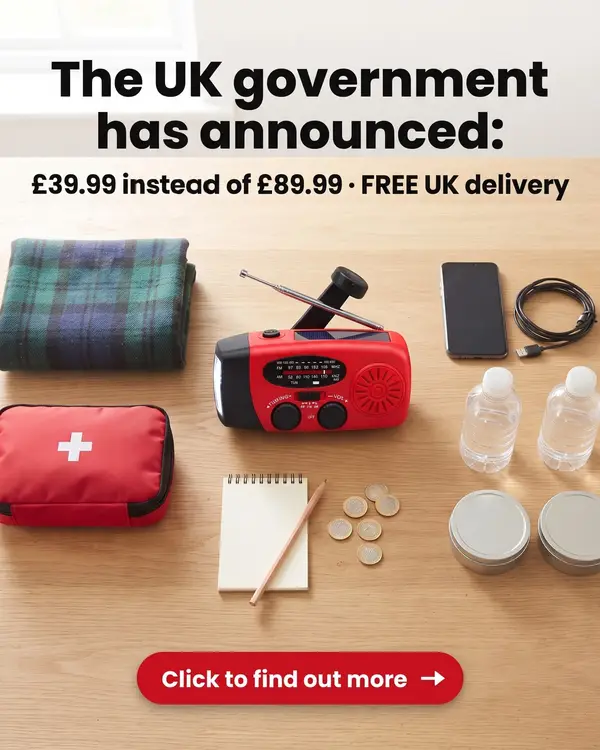
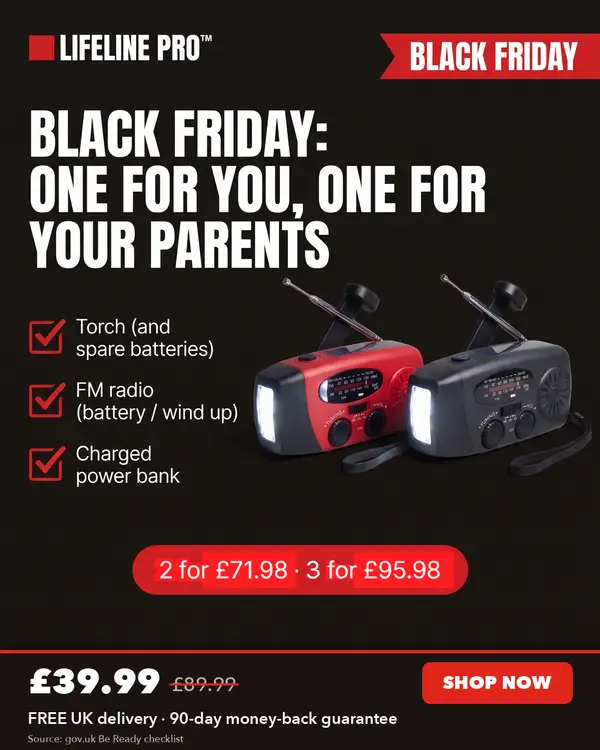
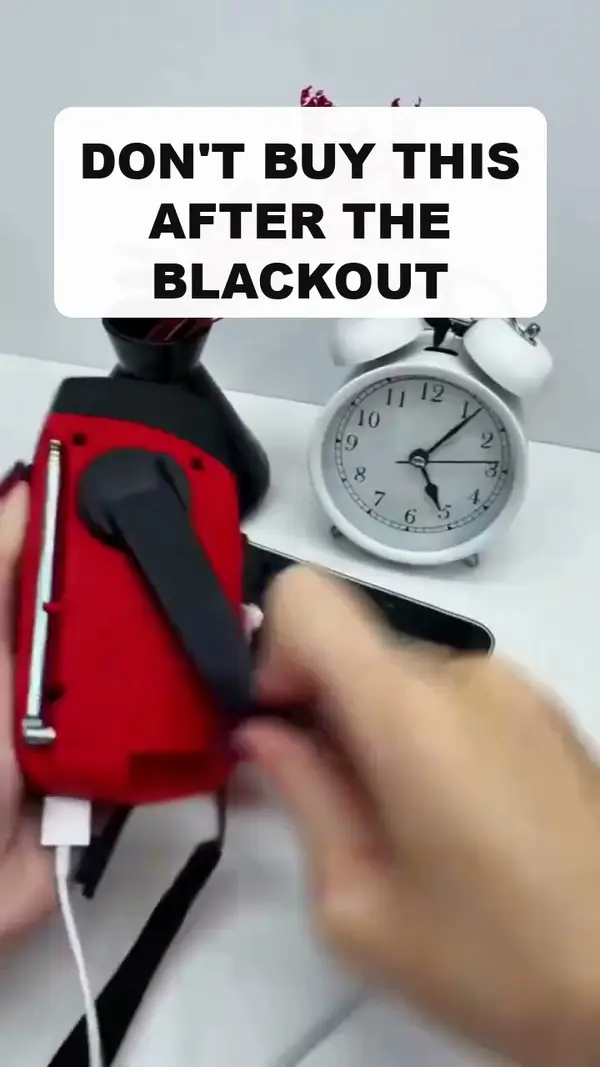
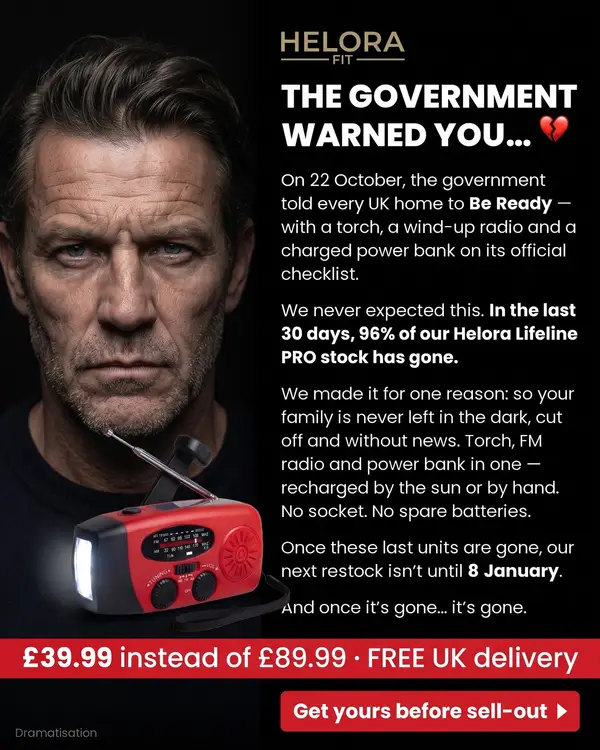
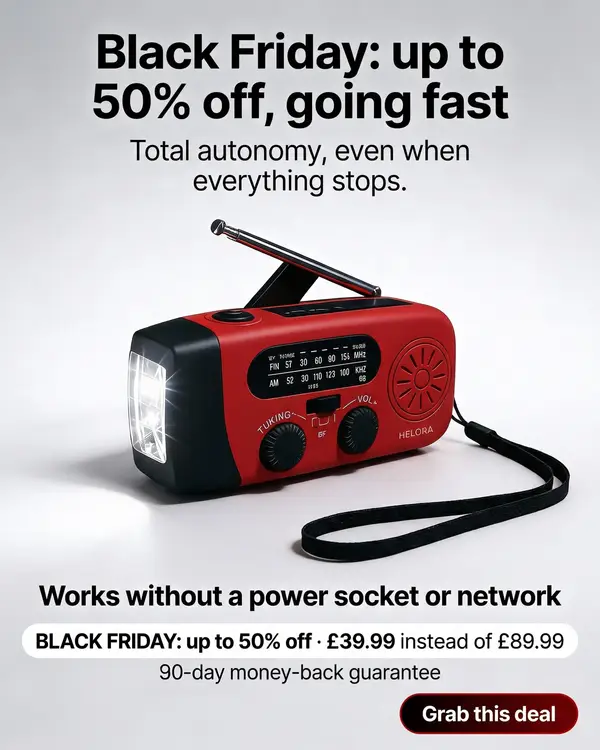
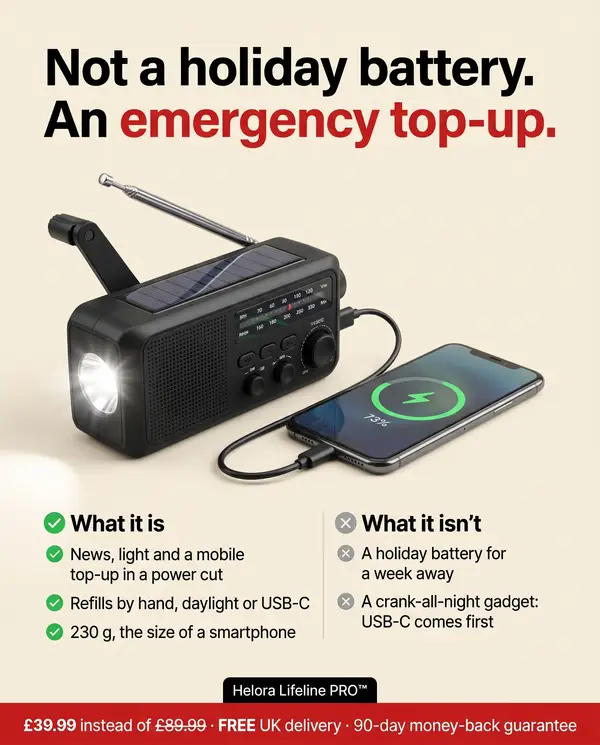
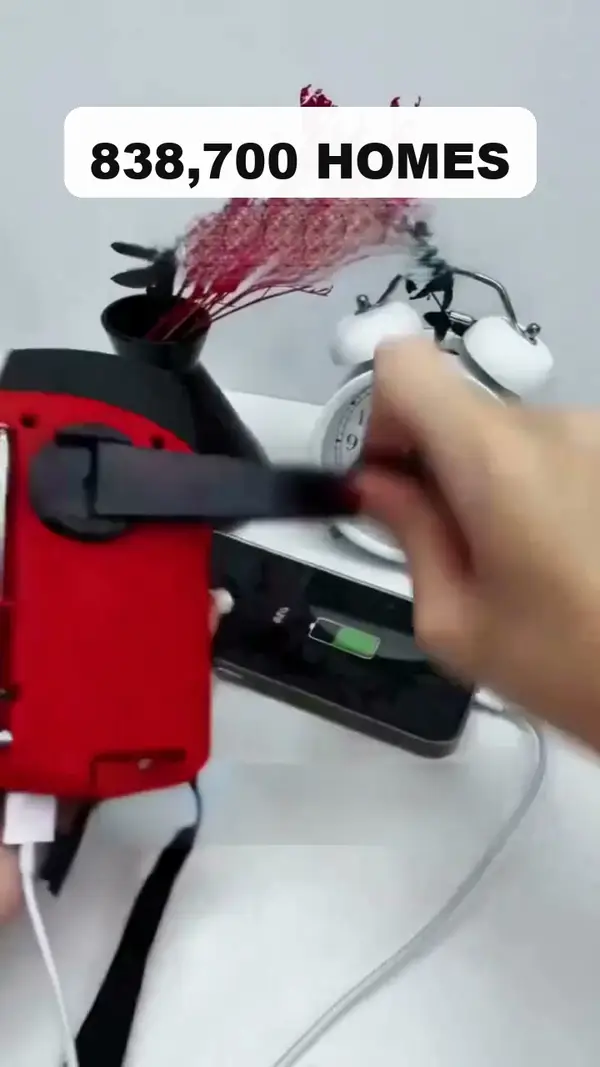
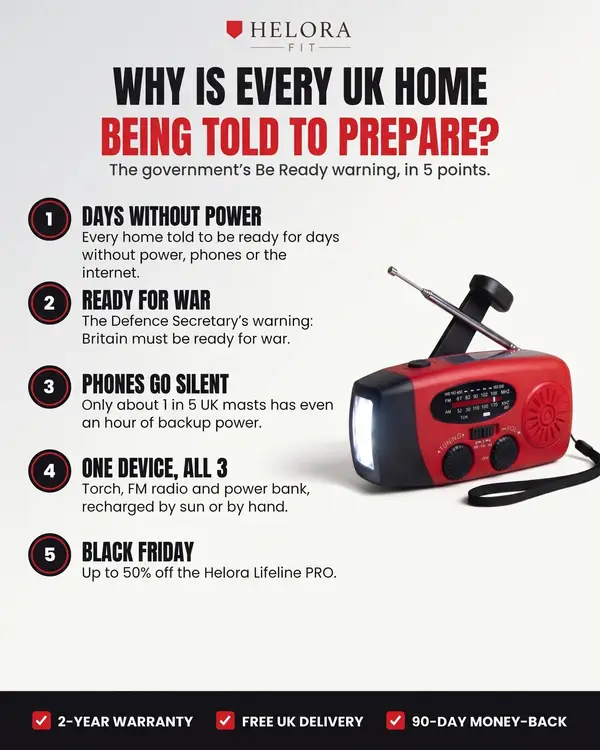
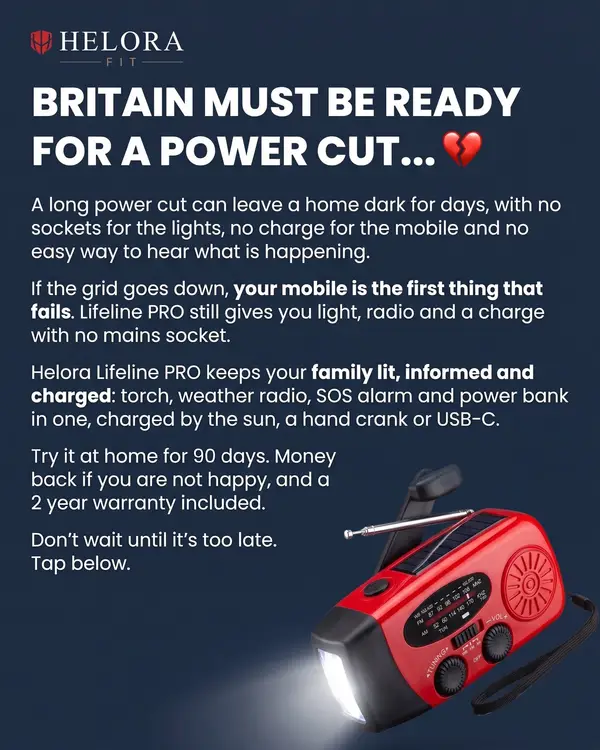
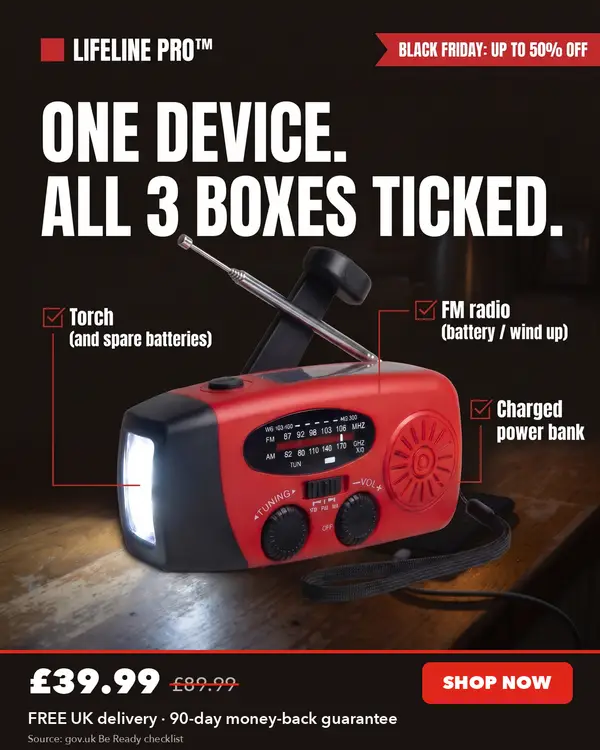
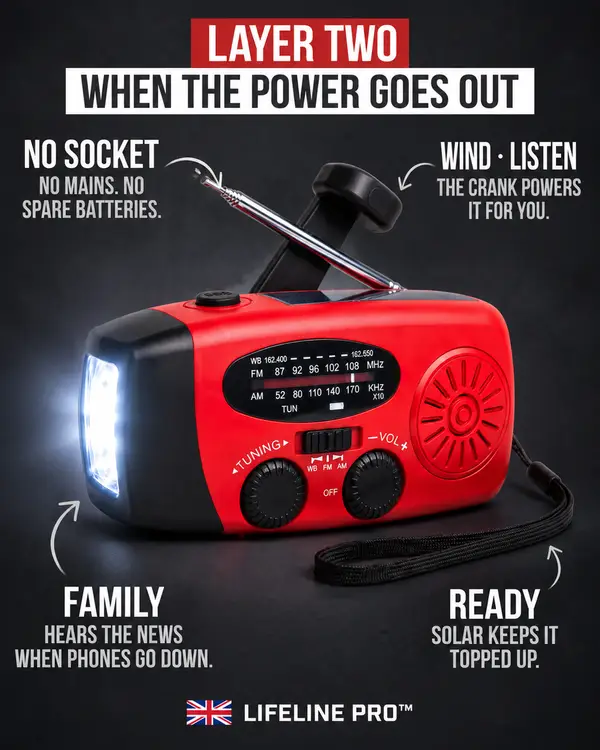
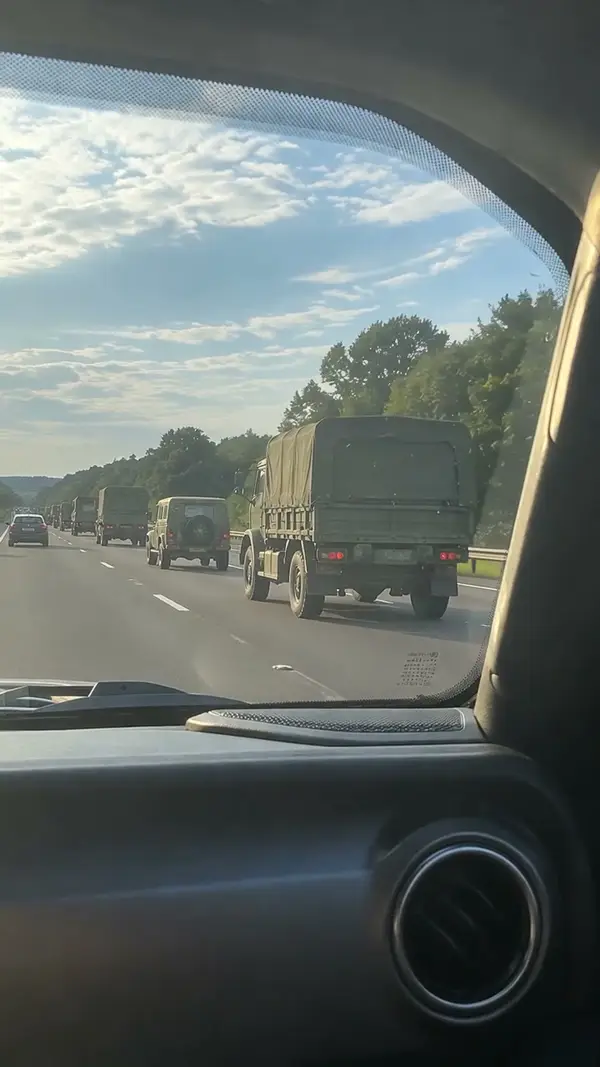
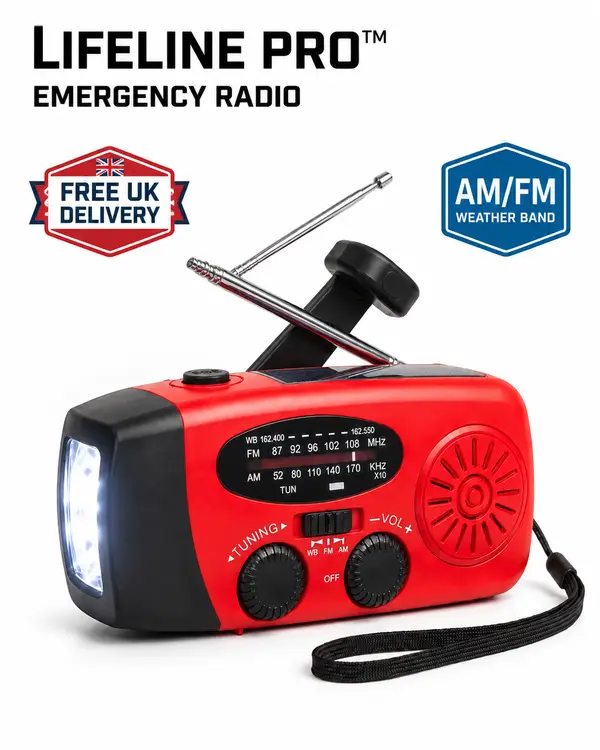
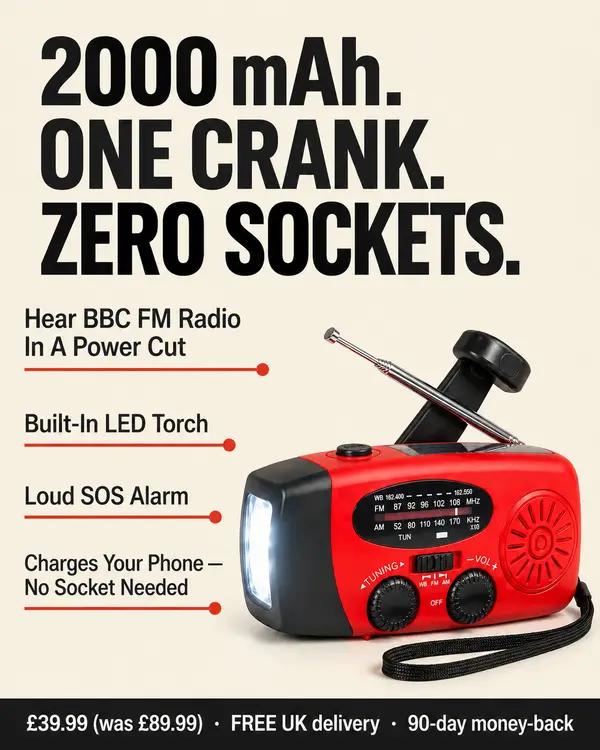
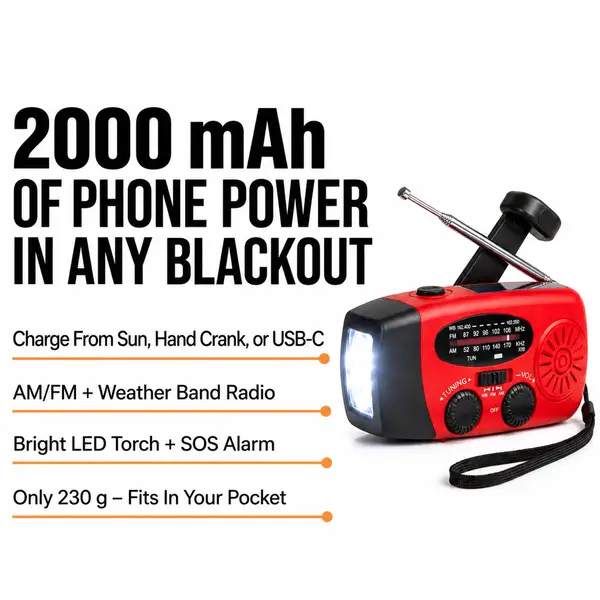
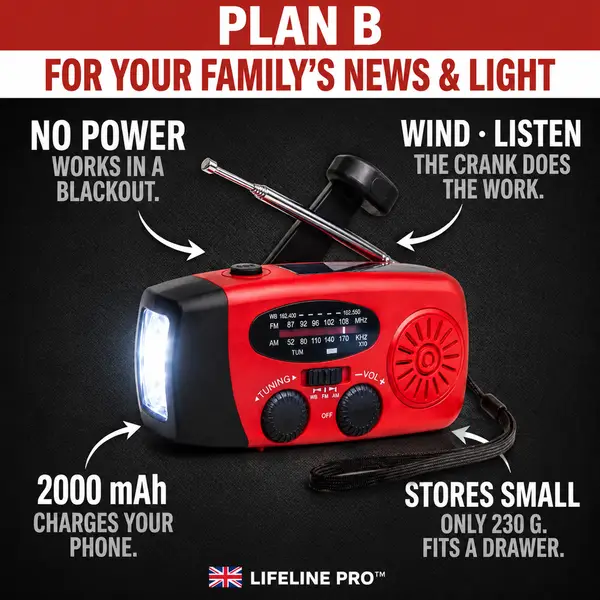
I was driving home on the M1 last Tuesday afternoon when I counted forty-two military vehicles heading south. In a civilian lane. On a weekday. That's when I called my mate Marcus. I served eight years in the British Army. Infantry. Two deployments. I know what a logistics convoy looks like. I know the difference between a training movement and a deployment movement. Training convoys are scheduled, announced, and usually at weekends when traffic is light. They're marked. They're expected. This was a Tuesday at 2pm on a major motorway. Unmarked. No announcement. No escort. Just vehicle after vehicle after vehicle — trucks, armoured vehicles, fuel tankers, communications vehicles — rolling south like they had somewhere to be. I pulled over and watched them pass. Took me almost four minutes. I called Marcus. He's still serving. Can't say much. Never can. But he's the kind of bloke who'll tell you what he can without telling you what he can't. You learn to read between the lines. I said: "Hey. I just watched a convoy roll through Leicester on the M1. Full logistics package. Comms vehicles. Fuel trucks. You know anything about this?" Long pause. "I can't talk about specific movements." "I know. I'm not asking about specifics. I'm asking if I should be concerned." Another pause. "I'll say this. Make sure your family has a plan. A real plan. Not a 'we'll figure it out' plan. Assume communications could get patchy." My stomach dropped. "Patchy like — mobile signal?" "Patchy like everything. Just be ready. Have a way to get information that doesn't depend on the grid." He hung up. I sat in my car on the hard shoulder of the M1 and watched the last few vehicles disappear south. Then I drove home and had a conversation with my wife that I'd been putting off for months. "We need to talk about what happens if the power goes out and doesn't come back quickly." She looked at me. She knows me well enough to know when I'm not being dramatic. "How long are we talking?" "I don't know. Days. Maybe longer." We sat at the kitchen table and went through our situation. We had food — enough for a week, maybe ten days if we stretched it. Water — three cases of bottles. First aid kit. Torches with batteries that were probably half dead. Then I asked the question that changed everything. "If the mobile masts go down — how do we know what's happening? How do we know if it's safe to leave the house? How do we know where to go? How do we know when the power's coming back?" She didn't have an answer. Neither did I. In eight years in the Army — two deployments, countless field exercises, months where nothing worked the way it was supposed to — the one thing that was always there was communications. Radio. Always radio. You could lose power. You could lose vehicles. You could lose GPS. But you never lost radio, because radio doesn't depend on any one mast in your street. As long as you have a receiver, you can hear what is still on the air. At home, that is exactly what the government's Be Ready advice points to. Be ready to cope for three days. Keep a battery or wind-up radio, a torch and a charged power bank — because in a power cut your TV or internet might not be working. The National Risk Register 2026 is blunt: in a national power outage, consumers without backup generators would lose mains electricity instantly and without warning. The UK National Security Strategy 2025 says that, for the first time in many years, Britain must actively prepare for the possibility of the UK homeland coming under direct threat. And almost nobody has a radio that doesn't need the mains. That's what hit me at that kitchen table. We had food and water and torches — but we had zero ability to receive information if the grid went down. Zero. We'd be sitting in the dark guessing. Just like everybody else on our street. I went online that night and found the Helora Lifeline PRO. AM/FM and a weather band. LED torch. SOS alarm. A built-in 2000 mAh battery that charges your phone. Solar panel. Hand crank. USB-C. 230 g. It fits in your hand. Solar on top charges it during the day. The crank on the side gives you power any time — day or night, indoors or out. USB-C charges it from the wall when the power is there. No throwaway batteries to hunt for. No fuel. No grid. It just works. I ordered three. Bedside table. My car. My wife's car. That weekend I sat on the back step and tested it. Weather band. Then AM. Then FM. Local stations. National news. Coming through clear. Then I turned off my phone, unplugged the Wi-Fi, and sat there for twenty minutes with just the radio. Imagining the grid actually down. No phone. No internet. No TV. Just this. It was the most prepared I'd felt since I left the Army. My wife came out and listened for a few minutes. She didn't say anything. Then she went inside and I heard her call her sister. "Do you and Brian have an emergency radio? No — not the weather app on your phone. A real radio. One that works when the phone doesn't." Her sister didn't have one. Her parents didn't have one. My brother didn't have one. Not a single person in our family — including me, eight years in the Army — had a way to hear what was happening without the grid. We fixed that the next day. I don't know what that convoy was for. Marcus couldn't tell me and I stopped asking. But I know what a logistics movement looks like. And I know the people who can see further ahead are already getting ready. Defence Secretary Wes Streeting has said Britain must be ready to fight and win a war within around 1,000 days. Storms Austen and Boelo cut power to 838,700 British homes. This is not a film. Marcus has one. His wife has one. His parents have one. If you've been watching what's happening — the convoys, the warnings, the storms, the movements nobody is explaining — and you've had that feeling in your gut that something is coming — trust your gut. The Helora Lifeline PRO. AM/FM and weather band. LED torch. SOS alarm. 2000 mAh power bank. Hand crank, solar and USB-C. 230 g. UP TO 50% OFF. £39.99 instead of £89.99. 2 for £71.98. 3 for £95.98. FREE UK delivery. 90-day money-back guarantee. 2-year warranty. The Army taught me a lot. The most important thing was this: you don't prepare when the emergency starts. You prepare before it starts. Because once it starts — it's too late. P.S. — Since that convoy on the M1, I've seen two more. Different motorways. Different days. All headed south. I'm not writing this to scare you. I'm writing it because a national power cut would not send you a polite warning first. By the time everyone wants a radio, they'll be gone. Get the Helora Lifeline PRO now, while you still can.
Loading the ad's image