Advertiser

Strongmensecrets

buyekoh.comMeta Ad Library

52
Running ads
52 new in 30 days
Oct 2026
Advertising since
longest ad 1 month
—
Reach
running ads, summed
40% video
Formats
21 video · 3 image
10
Products advertised
1 shop

My doctor deserved this

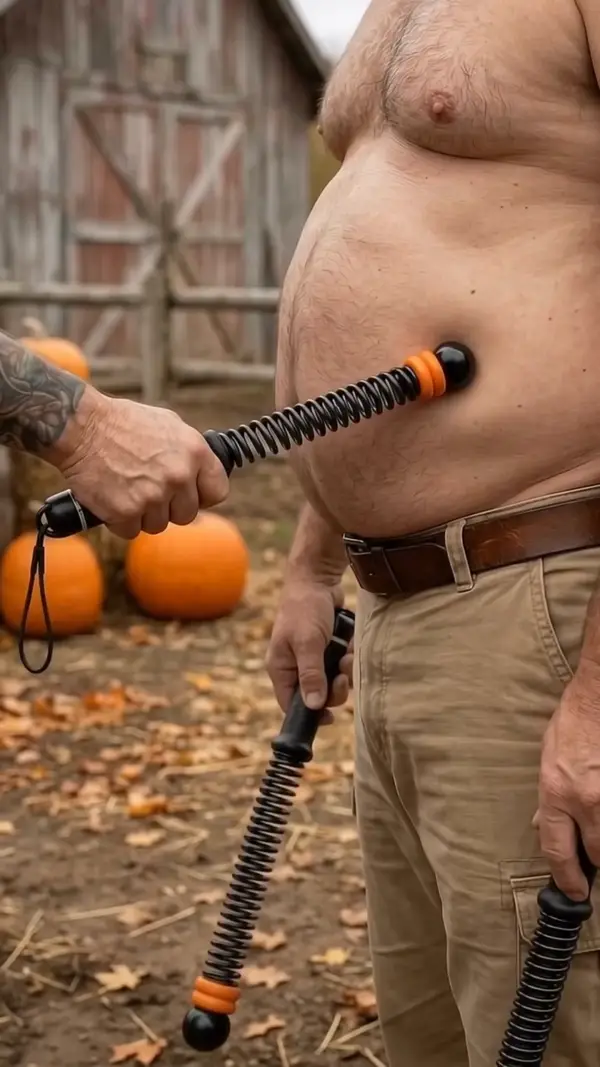
He got what he deserved My doctor recommended weight loss shots, costed me thousands. But 60% of the fat I lost came back in a few months I stopped taking meds. Since I’ve switched to Ekoh Cordless Battle Ropes, life’s never been the same. Two weighted handles. No rope, no anchor, no wall needed. So you can use them in your living room, bedroom or backyard. Each swing fires up your hips, shoulders and thighs at the same time. And the afterburn keeps your body burning calories for hours after your workout. All it takes is 10 minutes a day. But stock is moving fast at 50% off. So grab yours before it’s gone 👇

Loading the ad's image
Strongmensecrets — My doctor deserved this
TestingVideo

🌟 Join 20,000+ Users Getting Stronger Anywhere

✨ Train Anywhere. Stay Strong. Meet Ekoh Cordless Battle Ropes! ✨ 🏋️‍♀️ Ropeless design replicates intense rope waves without the bulk 🛡️ Pro-grade steel core + anti-wear cover for long-lasting durability 🤲 Spiral-textured handles lock sweat away for a secure, confident grip 🔇 Quiet, space-saving, and apartment-friendly — no setup or noise 🎒 Lightweight and travel-ready with hanging strap for instant workouts ⭐️ Perfect for busy lifestyles, travelers, and anyone over 40 looking for low‑impact, high‑result conditioning.

Loading the ad's image
Strongmensecrets — 🌟 Join 20,000+ Users Getting Stronger Anywhere
TestingVideo

🥊 Get Stronger at Any Age

✨ Get Stronger. Get In Shape. Punch Resistance Bands by Ekoh 🥊 💪 Every punch fights the band, so your arms, shoulders, back and core are all working ❤️ Builds strength and gets your heart pumping at the same time 🦵 You stay in one spot, with no running or jumping pounding on your knees 📈 Five levels, 15 to 35 LB, so you start easy and level up as you get stronger 🏠 Sets up in seconds, so you can train at home, in the garage or on the road

Loading the ad's image
Strongmensecrets — 🥊 Get Stronger at Any Age
TestingVideo

Men lose their rounds first

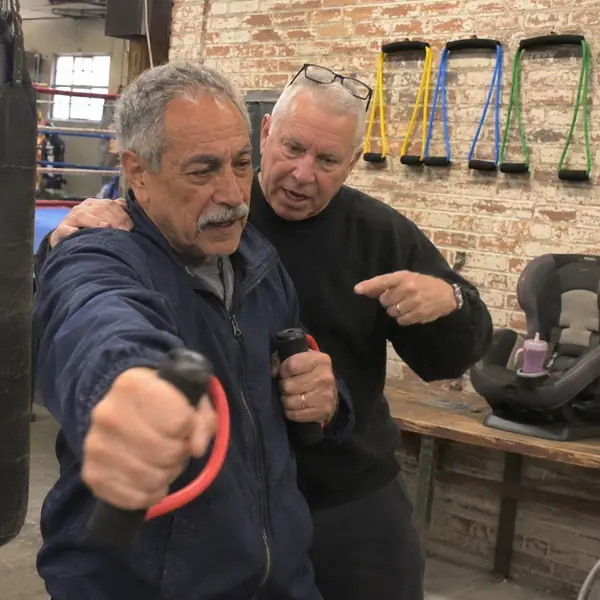
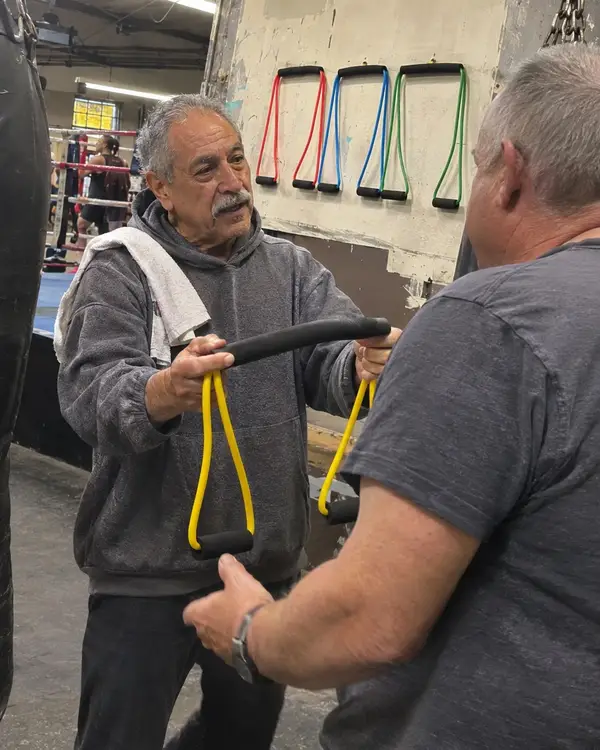
Long story short, if you get winded carrying the groceries up the stairs, or you need a breather halfway through raking the yard, it isn't your age. It's something boxers figured out about a hundred years ago, and nobody bothered to tell you. The fix hangs on a nail in the garage: a padded band across your back and a grip in each fist. I'll get to that. Let me get a few things straight right up front. One. If somebody told you "that's just getting older," that's what people say when they don't know what else to say. It isn't an answer. It's a shrug. Two. You're not lazy. I know it feels like it. I know you walk the dog and mow your own lawn and you still can't believe the stairs got you. You're not soft. Your body is doing exactly what it was trained to do. That's the problem. Three. If you've started letting the young guys carry things, or you've quietly let go of the stuff you love, the woodpile, the ladder, getting down on the floor with the grandkids, I'm not judging you. I hear it every week. But understand this. Every time you hand a job off, it gets a little harder to take it back. So what now? I'm Hank Moreno. I'm 71. I've run a boxing gym in the back of an old bowling alley in Toledo for 41 years. Mostly kids. But for the last fifteen years, more and more of the men walking through my door are my age or close to it. They come in with a son or a son-in-law, and they all say some version of the same thing. "I don't get it, Hank. I'm not out of shape. I walk every day. And I'm gassed after five minutes of anything." You know the feeling. The grocery bags cutting into your fingers on the third step. Your shoulders burning before the leaves are half done. Sitting on the tailgate pretending to check your phone so nobody sees you catching your breath. And here's something you won't see on a poster in any waiting room. Most men don't lose their strength first. They lose their rounds. You can still pick up the bag of water softener salt. Once. What goes is your ability to keep going while you're breathing hard, with your arms, your shoulders, your back and your stomach all working at the same time. And here's the part that makes me mad. It's a slide nobody notices. You get winded, so you hand off the job. You hand off the job, so nothing asks your body for that effort anymore. So the next time, you're winded sooner. Round and round it goes. That's how a man who could change a tractor tire at forty ends up sitting on the porch steps at sixty-two, catching his breath after the walk to the mailbox. Let me tell you about a man named Howard. Howard came into my gym four months ago with his son-in-law, Marcus, who's been boxing with me since he was fourteen. Howard's 66. Retired machinist. Big hands, bigger stubborn streak. Good man. For three years Howard had been running out of gas on everything. And he'd tried everything. He walked three miles a day. He bought a treadmill, which was now holding his winter coats. He did push-ups until his shoulder said no. He bought a set of dumbbells and a bench. He joined a big gym across town, and they sold him a twelve-week personal training package with a kid half his age who had him doing balance work on a rubber ball. His doctor told him he was in great shape for his age. "For his age." You hear that? That's a ceiling dressed up as a compliment. And at the end of twelve weeks, the gym's verdict? "Great progress, Howard! Want to renew?" Howard sat on the bench in my gym and said, "Hank, I'm not trying to be twenty-five. My granddaughter gets married next summer and I want to dance with her without needing a chair after. I've done everything they told me to do. Is this just how it is now?" Then he said the thing I hear too often. "Maybe I should just let Marcus do the heavy stuff from now on." Here's what I told Howard. Most guys think they're winded because they're out of shape. So they think the answer is more of what they're already doing. More walking. More miles. But walking builds walking. That's all it builds. It's good for your heart and I'd never tell a man to stop. But it never asks your arms and your lungs to work together. Neither does curling a dumbbell, sitting on a bench, resting a minute and a half between sets. Here's the simplest way I can say it. For thirty years, nothing in your life asked your upper body to work hard while you were out of breath. So your body, which is a very practical machine, quit keeping that ability around. It's not age. It's not weakness. It's just unused. And boxers have known how to train exactly that forever. Rounds. Three minutes on, one minute off, punching against something that pulls back the whole time. Your arms, your shoulders, your back and your stomach all working at once while you're breathing hard. Strength and cardio at the same time. That's a round. And carrying groceries up the stairs is a round. Raking the yard is a round. Dancing the whole song at a wedding is a round. Which is why none of Howard's fixes worked. Every one of them trained one thing at a time. Now here's what most guys do next. They go online and look up workouts for older men. They find chair exercises, stretching videos, little colored bands for your rotator cuff. Nothing wrong with any of it. But none of it is a round. Or they go the other way. Hit the heavy bag like they're twenty. Jump rope on the driveway. And their knees or their shoulder shut them down in a week, and now they're convinced it really is age. What you actually need is resistance on every punch, with your feet planted so your knees stay out of it, for three-minute rounds you can do in your own garage. Something that fights you on the way out and doesn't care whether you know a single combination. So I took a set off the wall and handed it to Howard. They're called Ekoh. Punch resistance bands. A few of my older guys started bringing them in a couple of years ago, and now I keep sets on the wall for anybody who needs to train at home. A padded sleeve goes across the middle of your back. A loop comes under each arm to a foam grip, and you hold a grip in each fist, up in front of your chest. It takes seconds to set up. Five bands, light to heavy, color-coded. I put Howard on the yellow. "Ten punches," I said. "Straight out. Quick as you can." He told me he's definitely not a boxer. He doesn't know the combinations. "Fist out, fist back," I said. "That's all a punch is." By the sixth one he was breathing hard. By ten he was looking at me like I'd pulled a fast one. "I can't believe how quickly my shoulders started burning," he said. "That was ten punches." "What resistance is this?" he asked. "That's the yellow. Fifteen pounds. The red's twenty. There's five. You start where you are and move up when it gets easy." Fifteen pounds. Howard used to carry parts heavier than that across a shop floor in one hand. "Three rounds, a minute in between," I told him. "Every morning. Ten, fifteen minutes. Feet stay planted." Howard wasn't optimistic. I could see it on his face. He'd been sold a lot of things. But he took the bands. "Come back and see me in four weeks," I said. Week one, Howard called me on day two. "I'm sore in places I didn't know I had. I did one round today. One." I told him one round counts. Week two, Marcus texted me. "Hank. He carried all the groceries in. Both hands, one trip. Mom just stood there." Week three, Howard was doing three rounds every morning before his coffee. He'd started on the lighter band and worked on getting his punches right before he moved up, the way I told him, and he was on the red. He said it feels completely different from shadowboxing. The band fights you on every punch. Week four, Howard walked back into my gym. He sat down on that same bench and didn't say anything for a minute. "Hank," he said. "I raked the whole yard Saturday. Front and back. I never sat on the tailgate once." Then he said, "I'm not done yet. I'm not handing anything off." That was four months ago. Howard still does his three rounds every morning. Marcus says he's started racing him to the truck to carry things, which Marcus does not appreciate. And Howard's practicing his dancing in the garage with the bands on the nail right next to him, because his granddaughter gets married in June. Here's what I want you to understand. If you're winded doing the things you've done your whole life, you're not finished. You're not soft. Your body just stopped getting asked for rounds. And no amount of walking, curling or chair stretching is going to ask for them. You need resistance on every punch, three minutes at a time, with your feet planted. That's what these bands do. Ten or fifteen minutes and you're sweating. It IS a workout. And they're what I hand to every older guy who walks into my gym now. Fair warning: the first week humbles everybody. Start on the yellow. One round counts. If you've got an injury, check with your doctor before you start anything new. P.S. Every week you hand off another job, it gets a little harder to take it back. Right now it's buy 3, get 2 free, so all five levels are hanging on your wall when you're ready to move up. You've got 30 days to send them back if they're not for you. The link is below.

Loading the ad's image

Strongmensecrets — Men lose their rounds first
Testing

3 rounds every morning since 1979

Picture a man who has thrown three rounds on his front porch every morning since 1979, and never once called it a workout. Picture him slipping a padded band across his back, a grip in each fist, while his coffee cools on the railing. Picture a block of narrow two-story houses in a river town in Ohio, the kind of street where everybody knows whose truck is whose and whose dog got loose again. Picture Gary, sixty-three, thirty years with the county highway department, retired two of them, pulling into his daughter's driveway with a duffel bag and a baby gift. His first grandson is three days old, and his daughter needs help for a week. And picture Lou, seventy-four, retired ironworker, on the porch across the street at six in the morning with a cup of coffee on the railing. He's about to become the most useful thing that happens to Gary all year. First, Gary. You probably know a Gary. You might be one. Gary is solid and dependable, the kind of man who shows up early with his own shovel. He's retired, but his body never got the memo that the job was over. Thirty years of shoveling, hauling and patching roads kept him in shape without him ever deciding to be in shape. Then the job ended, and nothing replaced it. In his garage at home, there is a weight bench. He bought it in January. A good one. He read the reviews. The pad still has the plastic on it. Gary isn't lazy. You don't fill potholes in August for thirty years by being lazy. The plan just didn't die in a fight. It stopped one week in February when it was cold and his brother needed help with a basement, and it never started back up. Gary noticed, the way you notice. He decided he's just not a gym guy. Hold onto that. Lou is about to take it apart. So: the week at his daughter's. Day one, six a.m. Gary's on the porch with coffee because the baby has the whole house up anyway. Across the street an old man in a flannel shirt steps out, sets his coffee on the railing, slips something across his back, and starts throwing punches at the air. Steady. Three minutes. Then he picks up his coffee. Then he does it again. Day two, same time, same porch. A woman walking her dog waves at him in the middle of a round. He waves back with a fist and keeps going. Day three, Gary's hauling a boxed-up crib up his daughter's front steps and has to set it down halfway. He's breathing hard. When he looks up, the old man across the street is watching. "Take it in rounds," he calls over. "It's lighter that way." That's Lou. And because a week of newborn hours makes a man sociable, Gary walks across the street the next morning with two coffees, and gets the education. Lou put up steel for thirty-six years. Bridges, mostly. Way up, carrying iron, in the wind. He boxed in the Navy before that, and that's where he learned the rounds. He retired in 2016. He never stopped the rounds. "Gave up the iron," he says, like he's telling you the weather. "Kept the rounds." Gary asks if he ever skips a morning. Lou squints at him like he asked if he ever skips breakfast. "Why would I skip the coffee?" Then he holds up the bands. A padded sleeve across the middle of his back, a loop under each arm to a foam grip in each fist. And he gives Gary the line Gary will repeat to his wife Pam the whole drive home. "Discipline's got nothing to do with it, son. I never hung the rounds on my willpower. I hung them on the coffee. Coffee's been on time every morning for fifty years. It has never once asked me how I feel." He tips his chin at the street. "A program, now. A program asks how you feel every single morning. And one morning you're going to give it the wrong answer, and that's the end of the program. The coffee never asks. So the rounds never ask." His wife calls something through the screen door, and that's the end of it. Gary carries car seats and grocery bags and a stroller the rest of the week, and in between, he keeps thinking about that porch. The bench in his garage died because it was a program. It lived inside his mood, and it asked his opinion every morning, and one cold morning in February it got the wrong answer and never asked again. Lou's rounds never ask. They hang on the coffee, and the coffee doesn't have moods. And there's a second thing Lou told him, on day five, that Gary didn't see coming. Gary asked why rounds. Why not just lift something. Lou said lifting builds how much. Rounds build how long. "You could pick up that crib box," Lou said. "Once. What quit on you on those steps was your wind and your arms at the same time. Three minutes on, one off, punching against something that pulls back. Arms, shoulders, back, stomach, all of it working while you're breathing hard. Strength and cardio at the same time. That's what a round is. And that's what carrying a grandbaby up the stairs is." Gary asked why nobody ever told him that. Lou laughed. Nobody makes money telling a man to do fifteen minutes on his porch. Here it is, plainly, the way Gary told Pam: A habit you hang on your coffee outlives a program you hang on your mood. Anything you have to re-decide every morning will eventually get decided against. Not because you're weak. Because your mood gets a vote every morning, and the coffee doesn't care. Hang the thing you want to keep right next to the thing you'd never skip. And that's where the bands come in. Lou's set hangs on a hook just inside his front door. They're called Ekoh. Punch resistance bands. Five of them, light to heavy, color-coded. A padded sleeve goes across the middle of your back, a loop comes under each arm to a foam grip, and you hold a grip in each fist, up in front of your chest. It takes seconds to set up. Ten or fifteen minutes. Feet planted, so your knees stay out of it. No gym, no bag, no partner. That's the whole list. Nothing on it needs explaining. All they need from you is a hook next to wherever your coffee lives. Gary tried them on Lou's porch the last morning. He told Lou he's definitely not a boxer, he doesn't know the combinations. "Fist out, fist back," Lou said. By the sixth punch Gary was breathing hard. By ten he couldn't believe how quickly his shoulders started burning, and he laughed out loud on a stranger's porch at 6 a.m. "That's the yellow," Lou said. "Start there. Move up when it gets easy." How it ended is small, and most of it happened in a kitchen. Gary ordered his set at his daughter's kitchen table that night. When he got home, he didn't put the bands in the garage by the bench. He hung them on a hook in the kitchen, right next to the coffee maker. Some mornings he only does one round. He does it anyway, while the coffee brews. He started on the lighter band and worked on getting his punches right before he moved up, the way Lou said. Ten or fifteen minutes is enough to have him sweating in the kitchen in his slippers, which Pam finds very funny. The first thing he noticed wasn't in the kitchen. It was the snowblower. He dragged it out of the back of the shed and up the slope to the garage by himself, a job he'd been putting off for two winters. Then Pam's mother needed a recliner moved upstairs, and Gary took the heavy end and didn't ask for a break on the landing. By week four he was on the red. At Christmas he carried his grandson up his daughter's front steps, car seat and diaper bag and all, without setting a thing down. Lou was on his porch across the street. He raised his coffee. The bench still has the plastic on it. Gary's thinking about selling it. He doesn't miss it. And now the plain part. Nobody's promising you'll be thirty again. We're not going to tell you what you'll feel, or when. Every man is different. And we can't hand you Lou's porch, or his fifty years of coffee. All we make is a set of bands that hangs on a hook, small enough to hang next to something you already do every morning. The coffee was always yours. P.S. If there's a bench in your garage with the plastic still on it, it didn't fail because the idea was bad. It failed because it was a program, and programs ask every morning. Right now it's buy 3, get 2 free, so all five levels are on the hook when you're ready to move up. You've got 30 days to send them back if they're not for you. The link is below.

Loading the ad's image
Strongmensecrets — 3 rounds every morning since 1979
TestingImage

I almost sent her gift back

The punch bands my daughter gave me for my birthday made me feel so old that I printed the return label the next morning. Three weeks later I carried the Christmas tree in from the truck by myself while my son-in-law held the door. I've done three rounds every morning since. If you've never seen them, it's a padded band that goes across your back with a grip in each fist. That's what almost went back in the box. My wife Sue says I tell this story wrong because I skip straight to the tree. So I'm going to tell it once, in order. I'm Doug. I'm 61. I climbed poles for the electric co-op for 33 years and retired two Junes ago. Since then I've heard one sentence more than any other. From my wife, my brother, the guys at coffee, the kid who cuts my hair. "You've earned it. Take it easy." I started to hate that sentence. You can't do anything with "take it easy." It isn't a plan. It's a slow, polite way of telling a man to sit down. For 33 years my job was climbing. Forty pounds of gear on my belt, up a wet pole in an ice storm at two in the morning so somebody's furnace would come back on. Nobody ever told me to take it easy then. They told me the power was out on Route 12 and handed me the keys. Then one Friday they gave me a cake and a plaque, and on Monday everybody started telling me to slow down. And I wasn't sitting down. I tried walking with one of those step-counter apps. Eleven days. I went to the senior strength class at the Y once and did arm circles in a folding chair. I drank my son-in-law's protein shakes for a month. They taste like chalk and wet cardboard. Then came my 61st birthday. Everybody at our place, steaks on the grill, my daughter Amy raising a beer. "To Dad, finally taking it easy." Everybody laughed. I raised mine and grinned like I meant it. After they all left, I went out to put the big cooler back in the truck bed. Sixty quarts, mostly melted ice. I couldn't get it over the tailgate. Twice. I ended up dragging it up the ramp I keep for the mower. Then I sat in the cab in my own driveway at eleven o'clock at night, dome light on, breathing harder than any man should after a cooler. And I remember thinking, real quiet: so this is how it goes. Amy had watched me fight that cooler from the kitchen window. She never said a word about it. Two days later a box showed up on my porch with a note in her handwriting. "Dad. Don't make the face. Just open it." I'm the guy who calls every infomercial a scam before the second commercial. I've got a garage full of gadgets that were going to change my life. An ab roller. A thing you hang in a doorway. I left that box on my workbench for five days. Then one Sunday at six in the morning, coffee in hand, I opened it mostly so I could stop looking at it. Inside were five bands with foam grips and a padded piece that goes across your back. Punch resistance bands, the box said. Ekoh. I'll be honest. I was insulted. I took a picture and sent it to the guys from my old crew with the caption "Amy thinks I'm Rocky." We had a good time with it. Rick asked if it came with a robe. Somebody sent a video of an old man falling off a treadmill. But I put it on, mostly to prove it was a toy. Padded sleeve across the middle of my back. A loop under each arm to a foam grip, one in each fist, up in front of my chest. It took about ten seconds to set up. I threw ten punches on the yellow band. By six I was breathing like I'd climbed a pole in January. By ten I couldn't believe how quickly my shoulders started burning, and my stomach was clenched like I'd been laughing for an hour. I'm definitely not a boxer. I don't know the combinations or anything else. I stood there in my garage, winded, wearing a toy my daughter bought me, and I was humiliated. That morning I printed the return label. I emailed the company. Short and not friendly. They wrote back the same day. Not a form letter. A person. The return was mine, they said. Thirty days, no problem. And then one line I can still recite. "If you're up for it, do one round on the yellow every morning before you box them up." I never answered. Not because I believed them. I just stuck the label under the coffee can on my workbench and forgot about it. But here's the thing. Every morning since 1989 I've gone out to the garage with my coffee before anybody else is up. And those bands were hanging on the nail right next to the coffee can. So I did one round. Out of spite, mostly. Then another the next day. Some mornings only one. I started on the lighter band and worked on getting my punches right before I moved up. Ten or fifteen minutes was enough to have me sweating with the garage door open in December. It IS a workout. I'll argue with any of the guys about that now. The label stayed under the coffee can. The first thing I noticed wasn't in the garage. It was the forty-pound bag of dog food at the farm store. The kid at the register came around the counter to carry it out for me, like he always does, and I already had it on my shoulder. He just held the door. Then the gutters. My wife Sue has been on me since October to let Josh do them. I did them myself, ladder and all, and I came down still talking. Sue watched the whole thing from the kitchen window. She didn't say anything. She just put the coffee on, which in our house means she's proud of you and isn't going to make a big deal about it. By week three I was on the red. Three weeks later we went to get the Christmas tree. Nine-foot Fraser fir, Amy's husband Josh and me. Back at the house, Josh got out and came around to my side of the truck the way he has for two years now, reaching for the trunk end. "I got it, Doug." I said, "No. I got it." I pulled that tree out of the bed, got it up on my shoulder, and walked it up the front steps and into the living room. Josh held the door. Amy was standing in the hallway with her hand over her mouth. I sent the picture to the guys. Rick's only reply was a question mark. But this is the part that still gets me. That night I asked Amy why she'd picked them. Of all the things in the world. She told me she'd been taking a boxing class at her gym, and the coach there, a guy around seventy, said something she couldn't stop thinking about after my birthday. He said older guys don't lose their strength first. They lose their rounds. They can still pick something up once. What they can't do is keep going while they're breathing hard, with the arms and the shoulders and the back and the stomach all working at the same time. Boxers train exactly that. Three minutes on, one minute off, punching against something that pulls back. Strength and cardio at the same time. That's the cooler. That's exactly the cooler. I could lift it. I couldn't lift it twice with my lungs on fire. Nobody had ever told me that either. Amy said her coach's line was that nobody makes money telling a man to do fifteen minutes in his garage. After Christmas, Rick ordered his own set. Rick, the robe guy. He's 64. Two weeks later he texted me a picture of his garage at six in the morning with his bands on the nail. Then another one, of him carrying his grandson piggyback up the sledding hill. Then a third text. "Don't tell anybody." Here's what I keep coming back to. For two years, everybody who loves me told me to take it easy. Not one of them could tell me how to keep going. A box of bands did. And I printed a return label for it. Fair warning, though. The first day is humbling. You'll feel about ninety for a week. You'll probably text a picture to somebody and make a joke about it. That's fine. Just don't box them up yet. They're called Ekoh. Punch resistance bands. P.S. About that return: it's real. You've got 30 days to send them back if they're not for you. I never used mine. The label is still under the coffee can. Right now it's buy 3, get 2 free, which gets you all five levels so your next band is already waiting. The link is below.

Loading the ad's image
Strongmensecrets — I almost sent her gift back
Testing

Men lose their rounds first

Long story short, if you get winded carrying the groceries up the porch steps, or you have to stop and catch your breath halfway through mowing the lawn, it isn't your age. It's something fighters figured out about a hundred years ago, and nobody bothered to tell you. The fix fits in a kitchen drawer: two short handles with a steel core inside, close to 2 pounds each. I'll get to that. Let me get a few things straight right up front. One. If somebody told you "that's just getting older," that's what people say when they don't know what else to say. It isn't an answer. It's a shrug. Two. You're not lazy. I know it feels like it. I know you walk the dog every night and cut back on the beer and you still can't believe the belt. You're not undisciplined. Your body is doing exactly what it's been trained to do. That's the problem. Three. If you've started buying the next size up, or standing in the back row of every family picture, or you've quietly given up on ever seeing that old belt notch again, I'm not judging you. I hear it every week. But understand this. Every inch you give ground on gets a little harder to take back. So what now? I'm Sal Benedetto. I'm 72. I've run a boxing gym on the second floor over a hardware store in Erie, Pennsylvania, for 38 years. Mostly kids. But for the last ten or fifteen years, more and more of the men climbing my stairs are my age or close to it. They come up with a son or a son-in-law, and they all say some version of the same thing. "I don't get it, Sal. I walk every day. I don't eat garbage. And this stomach won't move." You know the feeling. The belt digging into you every time you sit down in the truck. The shirt buttons pulling. Holding your breath for the picture at your grandkid's graduation. Bending over to tie your boots and coming back up red in the face. And here's something you won't see on a poster at the doctor's office. Most men don't lose the battle to the food first. They lose their rounds. You can still walk three miles. You can still pick up a 40-pound bag of softener salt. Once. What goes is your ability to work hard while you're breathing hard, with your arms, your shoulders, your back and your stomach all going at the same time. And here's the part that makes me mad. It's a slide nobody notices. You lose your wind, so you slow down. You slow down, so nothing in your week ever makes your body work hard. So it stops burning hot, and the stomach moves in. Round and round it goes. That's how a man who could work a double shift at forty ends up at sixty-two with a belt that's two notches looser than his wedding pictures. Let me tell you about a man named Ray. Ray came up my stairs four months ago with his son-in-law, Danny, who's been boxing with me since he was fifteen. Ray's 64. Retired union pipefitter. Big forearms, bigger opinions. Good man. For about six years Ray's stomach had been winning. And he'd tried everything. He walked three miles a day. He bought a treadmill, which was now holding his laundry. He did a hundred sit-ups a night until his lower back said enough. He and his wife did the no-bread diet twice. He joined a big gym out by the mall, and they sold him a twelve-week personal training package with a kid half his age who had him stepping up and down on a plastic box holding a kettlebell. His doctor told him he was in great shape for his age. Just watch the belly. "For his age." You hear that? That's a ceiling dressed up as a compliment. And at the end of twelve weeks, the gym's verdict? "Great effort, Ray! Want to renew?" Ray sat on the bench by my ring and said, "Sal, I'm not trying to look like Danny. My grandson graduates from boot camp in the spring and I want to stand next to him in the picture without sucking it in. I've done everything they told me. Is this just how it is now?" Then he said the thing I hear too often. "Maybe I'll just buy the bigger shirts and quit fighting it." Here's what I told Ray. Most guys think the stomach is there because they don't move enough. So they think the answer is more of what they're already doing. More walking. More miles. But walking builds walking. That's all it builds. It's good for your heart and I'd never tell a man to stop. But it never makes your body work hard enough to burn hot. Neither do sit-ups. Neither does a kettlebell, a box, and a minute and a half of rest between sets. Here's the simplest way I can say it. For thirty years, nothing in your life asked your whole body to go all out while you were out of breath. So your body, which is a very practical machine, quit burning that hot. It's not age. It's not willpower. It's just unused. And fighters have known how to train exactly that forever. Rounds. Thirty seconds all out, then rest until you can talk, then go again. Ten, twelve minutes and you're done. Your arms, your shoulders, your back and your stomach all working at once while you're breathing hard. It's how fighters make weight. Not an hour on a bike. Rounds. Which is why none of Ray's fixes worked. Every one of them was slow, or trained one little muscle at a time. Now here's what most guys do next. They go online and look up workouts for older men. They find chair exercises, ab gadgets, stretching videos. Nothing wrong with any of it. But none of it is a round. Or they go the other way. Start jogging like they're twenty. Do jumping jacks in the driveway. And their knees or their back shut them down in a week, and now they're convinced it really is age. What you actually need is all-out effort with your feet planted, so your knees stay out of it, for ten minutes you can do in your own house. The big battle ropes do that. Every fight gym has a set bolted to the wall. But nobody's bolting 50 feet of rope to the wall of a spare bedroom. So I took a set out of my desk drawer and handed it to Ray. They're called Ekoh. Cordless battle ropes. A few of my older guys started bringing them in a couple of years ago, and now I keep a few pairs around for anybody who needs to train at home. Two handles, a little longer than your hand to your elbow, with a steel core inside and a textured grip. Close to 2 pounds each. No rope. No anchor. Nothing to set up, and they don't make a sound. You do the same wave you'd do with the big rope, and the steel inside fights you on every one. "Thirty seconds," I said. "Waves. Fast as you can." He told me he'd never done ropes in his life. He didn't know what he was supposed to do. "Hands up, hands down," I said. "That's all a wave is." By fifteen seconds he was breathing hard. By thirty he was looking at me like I'd pulled a fast one. "I can't believe how fast my shoulders lit up," he said. "These don't weigh anything." "It's not the weight," I told him. "It's the speed. The faster you go, the harder they fight you." Two pounds. Ray used to carry pipe wrenches heavier than that up a ladder in one hand. "Thirty seconds on, rest till you can talk, again," I told him. "Ten minutes. Every morning. Feet stay planted." Ray wasn't optimistic. I could see it on his face. He'd been sold a lot of things. But he took the ropes. "Come back and see me in four weeks," I said. Week one, Ray called me on day two. "I'm sore in places I didn't know I had. I did four rounds today. Four." I told him four counts. Week two, Danny texted me. "Sal. He tucked his shirt in for church. Mom took a picture of him." Week three, Ray was doing the full ten minutes every morning before his coffee. He'd started slow and worked on keeping his waves even before he sped up, the way I told him, and now he was going fast enough to rattle the dishes in the cabinet next to him. He said it felt completely different from anything at the gym. The ropes fight you on every wave. Week four, Ray climbed my stairs again. He sat down on that same bench and didn't say anything for a minute. "Sal," he said. "I went back a notch on my belt Saturday. First time in six years it went that direction." Then he said, "I'm not buying the bigger shirts." That was four months ago. Ray's two notches back now. He still does his ten minutes every morning. Danny says Ray's started beating him to the truck to unload things, which Danny does not appreciate. And Ray's got the picture spot picked out already, right next to his grandson, because boot camp graduation is in April. Here's what I want you to understand. If the stomach won't move no matter how much you walk, you're not finished. You're not undisciplined. Your body just stopped getting asked for rounds. And no amount of walking, sit-ups or chair stretches is going to ask for them. You need all-out effort, thirty seconds at a time, with your feet planted. That's what these do. Ten minutes and you're sweating through your shirt. It IS a workout. One of my guys showed me a review he read online. A man wrote, "No setup, no noise, no excuses." That about sums it up. And they're what I hand to every older guy who climbs my stairs now. Fair warning: the first week humbles everybody. Start slow, a few rounds. Four rounds counts. You can't out-train a bad dinner, so go easy at the table too. If you've got an injury, check with your doctor before you start anything new. P.S. Every notch you give up gets a little harder to take back. Right now every order comes with free workout gloves and the tutorial video, so you're not guessing on day one. You've got 30 days to send them back if they're not for you. The link is below.

Loading the ad's image
Strongmensecrets — Men lose their rounds first
Testing

Men lose their rounds first

Long story short, if you have to stop and lean on the snowblower halfway down your own driveway, it isn't your age. It's something boxers figured out about a hundred years ago, and nobody ever told you. The fix hangs by the door of my gym: a padded band across your back and a grip in each fist. I'll get to that. Let me straighten out a few things first. One. If somebody told you "that's just getting up there in years," that's what people say when they're out of real answers. It isn't a reason. It's a shrug. Two. You're not lazy. I know it feels that way some mornings. You keep your own yard. You still change your own oil. And a driveway you've cleared for forty winters somehow beat you this year. You're not soft. Your body is doing exactly what it's been trained to do. That's the catch. Three. If you've started letting the neighbor's boy do your driveway, or you've quietly given up the things that used to be yours, the walk, the roof rake, pulling the grandkids up the sledding hill, I'm not going to judge you. I hear it every week. But understand this. Every job you hand off gets a little harder to take back. So who am I? I'm Hank Moreno. I'm 71. I've run a boxing gym in the back of an old bowling alley in Toledo for 41 years. Mostly kids, mostly after school, mostly good ones. But for the last fifteen years, more and more of the men walking through my door have gray in their beards. They usually come with a son or a son-in-law. And they all say some version of the same thing. "Hank, I'm not weak. I can still lift a bag of concrete. But ten minutes of real work and I'm done." You know the feeling. Your hands on the cold handles. Your shoulders pushing that machine through the heavy stuff the plow left at the end of the drive. Then stopping, pretending to check the chute, so nobody at the window sees you catching your breath. Here's something you won't see on a poster in any waiting room. Most men don't lose their strength first. They lose their rounds. You can still shove the snowblower through the drift. Once. What slips away is your ability to keep pushing while you're breathing hard, with your arms, your shoulders, your back and your stomach all working at the same time. And it slides so slowly you don't notice. You get winded, so you let somebody else do it. Somebody else does it, so your body never gets asked to work that way again. So next time, you're winded sooner. That's how a man who could clear a church parking lot by himself at forty-five ends up behind the storm door at sixty-nine, watching a teenager do his driveway. Let me tell you about Walt. Walt came into my gym two Februaries ago with his grandson, Tommy, who trains here three nights a week. Walt is 69. Roofer for 37 years. Shingles up a ladder in bundles, eighty pounds on his shoulder, all day long. Shoulders like a bull. A neck you couldn't wrap a towel around. Stubborn as a stuck bolt. Good man. That winter we got a big one, nineteen inches overnight, and the plow left a wall at the end of Walt's driveway. He got the snowblower out of the shed, got it started, and pushed it about halfway down the drive. Then he had to stop. Leaned on the handles with the engine running and couldn't catch his breath. His wife Marlene was at the front window. She came out in her slippers. "Walt, let the Novak boy do it. That's what we pay him for." They had never once paid the Novak boy for anything. Walt went back inside. The Novak boy did the rest of the driveway. And the next time it snowed, Marlene called the Novak boy before Walt was even out of bed. "Thirty-seven years on roofs," Walt told me. "And a fifteen-year-old does my driveway now." He'd tried to fix it. He tried everything they tell you to. He walked the mall every morning with the coffee crowd. He bought one of those under-the-desk pedal bikes, and it sits under the TV tray now. He did push-ups on the kitchen counter until his elbow complained. He bought a pair of adjustable dumbbells off the internet. He joined the big gym by the highway, and they gave him a membership card and a kid in a polo shirt who had him doing balance work on a half ball. His doctor told him he was strong as an ox for his age. "For his age." You hear that? That's a ceiling dressed up as a compliment. Walt sat on the bench by my ring and said, "Hank, I'm not trying to be thirty. I just want to do my own driveway. And Tommy's little sister wants me to pull her up the sledding hill this year like I did for him. I can't do that if I can't make it down my own driveway." Then he said the thing I hear way too often. "Maybe I just keep paying the Novak boy." Here's what I told Walt. Most men think they're winded because they're out of shape. So they think the answer is more of what they're already doing. More walking. More laps around the mall. But walking builds walking. That's all it builds. It's good for your heart and I'd never tell a man to stop. But it never asks your arms and your lungs to work hard at the same time. Neither does curling a dumbbell, sitting on a bench, resting a minute and a half between sets. Here's the simplest way I can say it. For thirty years, nothing in his life asked him to keep working with his upper body while he was out of breath. Roofing is hard, but it's lift, set, nail, breathe. So his body, which is a very practical machine, stopped keeping that ability around. It's not age. It's not weakness. It's just unused. And boxers have known how to train exactly that forever. Rounds. Three minutes on, one minute off, punching against something that pulls back the whole time. Your arms, your shoulders, your back and your stomach all working at once while you're breathing hard. Strength and cardio at the same time. And pushing a snowblower down a driveway is the same thing. So is pulling a sled up a hill with a six-year-old on it. So is carrying the Christmas tree in from the truck. Which is why none of Walt's fixes did anything. Every one of them trained one thing at a time. Now, here's what most guys do next. They look up workouts for older men online. They find chair exercises, stretching videos, little colored bands for your rotator cuff. Nothing wrong with any of it. But none of it is a round. Or they go the other way. Hit a heavy bag like they're twenty-five. Jump rope in the garage. And their knees or their shoulder shut them down in a week, and now they're convinced it really is age. What you actually need is resistance on every punch, with your feet planted so your knees stay out of it, for three-minute rounds you can do in your own garage. Something that fights you on the way out and doesn't care whether you know a single combination. So I took a set off the wall and handed it to Walt. They're called Ekoh. Punch resistance bands. A few of my older guys started bringing them in a couple of years ago, and now I keep sets by the door for anybody who needs to train at home. A padded sleeve goes across the middle of your back. A loop comes under each arm to a foam grip, and you hold a grip in each fist, up in front of your chest. It takes seconds to set up. Five bands, light to heavy, color-coded. I put Walt on the yellow. "Ten punches," I said. "Straight out. Quick as you can." He said he's definitely not a boxer. He doesn't know the combinations. "Fist out, fist back," I said. "That's all a punch is." By the sixth one he was breathing hard. By ten he was looking at me like I'd tricked him. "I can't believe how quickly my shoulders started burning," he said. "And I'm out of air at the same time." "What resistance is this?" he asked. "That's the yellow. Fifteen pounds. The red's twenty. There's five. You start where you are and move up when it gets easy." Fifteen pounds. Walt used to carry eighty pounds of shingles up a ladder before lunch. "Three rounds, a minute in between," I told him. "Every morning. Ten, fifteen minutes. Feet stay planted." Walt didn't believe me. He'd been sold plenty of things by people half his age. But he took the bands home. "Come back and see me in four weeks," I said. Week one, Walt called on day two. "Hank, I did one round and sat down on the lawn mower. One round." I told him one round counts. Week two, Tommy came into the gym grinning. "Grandpa shoveled the whole front walk before school. With the shovel. Grandma watched from the window the whole time." Week three, Walt was doing three rounds every morning before Marlene was up. He'd started on the lighter band and worked on getting his punches right before he moved up, the way I told him, and he was on the red. He said it feels completely different from shadowboxing. The band fights you on every punch. Week four, we got eight inches overnight. Walt called me at seven in the morning. "Hank," he said. "I just did the whole driveway. End to end. The plow pile too. Didn't stop once. Marlene came out in her slippers again and I told her to call the Novak boy and tell him he's fired." Then he said, "I'm keeping my driveway. I'm not handing it to anybody." That was almost two years ago. Walt still does his three rounds every morning. He's on the heaviest band now. Last winter he pulled Tommy's little sister up the sledding hill behind the school so many times she fell asleep in the car on the way home. And with the first snow coming this week, his snowblower is already gassed up and sitting at the front of the shed. Here's what I want you to understand. If you're winded doing the things you've done your whole life, you're not finished. You're not soft. Your body just stopped getting asked for rounds. And no amount of walking, curling or chair stretching is going to ask for them. You need resistance on every punch, three minutes at a time, with your feet planted. That's what these bands do. Ten or fifteen minutes and you're sweating. It IS a workout. And they're what I hand to every older man who walks into my gym now. Fair warning: the first week humbles everybody. Start on the yellow. One round counts. If you've got an injury, check with your doctor before you start anything new. P.S. Every winter somebody else does your driveway, it gets a little harder to take it back. Right now it's buy 3, get 2 free, so all five levels are hanging on your wall when you're ready to move up. You've got 30 days to send them back if they're not for you. The link is below.

Loading the ad's image
Strongmensecrets — Men lose their rounds first
Testing

I laughed when my daughter-in-law skipped the cake

My son married a woman who boxes. At my grandson's birthday party I made a crack about her skipping the cake. Four months later my belt is back 2 notches, and she's the reason. It wasn't my age. It was how I'd been going about it. The answer sits on the shelf in my laundry room now. Two short handles with a steel core inside, close to 2 pounds each. I'll get to them. Her name is Jess. She's 29, she's a dental hygienist, and twice a week after work she trains at a boxing club in the basement of an old union hall. She fights amateur, a few times a year. When my son first brought her home, she shook my hand harder than he does. I made a joke about it. She didn't laugh. I wasn't sure what to make of her for about two years. I'm 63. I ran the parts counter at a Ford dealership for 34 years. You stand at that counter, but you don't move much, and you eat whatever the reps bring in. Donuts on Monday, pizza on Friday. Somewhere along the way my belt buckle started pointing at the floor. I made a run at it a few times. I bought one of those ab rollers with the handles and gave myself a hernia scare the first week. I paid for a gym for a year and went maybe 15 times, mostly to sit in the hot tub. I walked the mall with my wife in the mornings until my hip started aching on the hard floors. My wife and I tried the cut-out-carbs thing. That lasted until Easter. So I'd made my peace. I'm 63. Men my age have a stomach. That's the deal. My grandson turned six in February. Big party, my son's house, a cake shaped like a dump truck. Jess took a piece of chicken off the grill and a salad. Skipped the cake entirely. My wife asked if she didn't like chocolate. Jess said she loved it, but she had a fight in five weeks and had to get down to 132. She was sitting at 143. And I said, loud enough for the whole kitchen to hear, "More cake for me, then. I've been trying to lose 20 since the Clinton years. Good luck with 11." My son gave me a look I hadn't seen since he was a teenager. Jess didn't get mad. She just looked at me for a second and asked what I'd been doing about it. So I told her. The ab roller. The gym. The mall walks. My hip. She nodded, like somebody hearing a patient describe exactly how they don't floss. Then she said, "You're not going to like this." I told her try me. Honestly, I was hoping she'd say something I could argue with. She put her plate down on the counter. She said fighters can't do it the slow way. There's a weigh-in the day before, and a number. You miss it, you don't fight, and all the months you trained go in the garbage. So nobody at her club does an hour on the elliptical to make weight. Too slow. They do rounds. Thirty seconds as hard as you can possibly go. Then rest until you can talk. Then go again. Ten minutes, twelve, and you're on your back on the mat, done. She said it takes weight off faster than an hour of steady cardio. Every coach in that basement knows it. It's just how the sport works. I asked her why the gym I paid for a whole year never said one word about this. She said, "Because there's no money in ten minutes, Walt. A gym sells you the building and the hour. Nobody gets paid when you do ten minutes in your laundry room." Then she said, "So people buy the hour. The hour doesn't fit. And they figure it's their age." My wife was cutting cake. She stopped cutting cake. Because the week before, in the car, I'd said almost those exact words to her. Then Jess told me the part I'd never heard. She said when you push that hard, your body doesn't stop when you stop. It keeps working to recover for a while afterward, and that recovering takes energy. So those ten minutes are still doing something for you hours later. The elliptical, she said, stops the minute you step off it. That's most of the difference. I wasn't ready to lose to my daughter-in-law in front of my grandson's whole birthday party. So I gave her every excuse I had. I said I was 63 and she was 29. She said her coach is 67. Does every round with them. She said he's the leanest man in that building and it isn't close. I said my hip won't take jumping. She said nobody's jumping. Half of what they do for conditioning is rope work. Your feet stay planted. Arms, shoulders, stomach and back all at the same time, and your hips just hold you up. I said I'm not hanging some 40-foot rope in my basement. She said nobody does that anymore. They make them cordless now. Two handles, steel core inside, close to 2 pounds each. Same waves as the big ropes, and you put them on a shelf when you're done. No rope, no anchor, no setup. Quiet, too. I said I get maybe ten minutes in the morning before my wife needs the laundry room. She said, "That's enough." She does her rounds on them at home when she can't get to the club. She didn't offer to lend me hers. She didn't push. My grandson opened presents and that was that. But when we were leaving, she walked us to the car and said they're called Ekoh. And she said give it two weeks before I decide she's wrong. I didn't want to order them. Ordering them meant my son's wife understood my stomach better than I did, in front of everybody. So I ordered them that night after my wife went to sleep. I didn't tell anybody. Especially not Jess. They came four days later. First morning, in the laundry room, I made it about three minutes. Then I sat on top of the dryer for a while with my shirt soaked through. They're short. They're light. And within about a minute my shoulders were burning and my heart was pounding. I didn't believe it until it happened to me. I'll say the other thing, too, because it's true. You can't out-train the donuts. I quit the Monday donuts at the same time, and I'd be lying if I didn't tell you that. The first two weeks, nothing happened. The scale sat there. The belt sat there. I almost put them in the closet with the ab roller. But I kept picturing telling Jess she was wrong, and I knew I couldn't say it without actually doing the two weeks. So I kept going. Five weeks after that party, my son and I drove down to the union hall and sat on a metal bench along the wall. My son was so nervous he couldn't sit still. Jess made weight. She won in the third round. Afterward she came over with her gloves off and her hair stuck to her forehead and shook my hand. That same grip. I still didn't tell her. Here's where I am now, four months in. Belt's back 2 notches. My golf shirts don't stretch across the middle anymore. I don't untuck my shirt to hide anything. In May I carried my grandson's new swing set boxes from the truck to the backyard, all of them, while my son was still reading the instructions. My wife noticed first. She asked if I'd been doing the mall walks without her. But the one that got me was the next family party. My granddaughter's christening in June. Cake again. I had a small piece. One. Jess looked at my plate. Then she looked at me, up and down, and she said, "Walt. You've been doing rounds." I said since February. She laughed so hard she had to set her drink down. My son just shook his head. Here's what I'd tell another man my age. I've done ten minutes almost every morning since February. That's more actual exercise than the ten years before it. And the reason is so simple it's embarrassing. Nothing was in my way. No drive, no gym bag, no membership. Coffee, laundry room, ten minutes, shower. I read some reviews after I'd been at it a while. One man wrote that these are easy on the joints and hard on the muscles. That's exactly it. Another wrote that his knees and shoulders can't take high-impact anymore, but these let him push himself safely. Same here. If you've started holding a plate in front of your stomach at parties. If you've walked laps for months and the belt never noticed. If you've promised yourself you'd deal with it after the holidays, six holidays running. I did all of that. It isn't your age. The fittest athletes on the planet train in rounds. All out, rest, go again. Ten minutes. Boxers have been doing it in basements like Jess's for a hundred years. The rest of us got sold the hour and the building. And when we couldn't keep up with that, we called it getting old. I learned that from my daughter-in-law, who I spent two years not quite knowing what to do with. She still shakes my hand harder than my son does. I don't make jokes about it anymore. Fair warning: you'll probably end up sitting on something after the first few minutes, like I did. Start slow, one round counts, and if you've got a heart or joint issue, talk to your doctor first. They're called Ekoh. Cordless battle ropes. P.S. If you've made your peace with the stomach like I had, give it two weeks first. Right now every order comes with free workout gloves and the tutorial video, and you've got 30 days to send them back if it's not for you. The link is below.

Loading the ad's image
Strongmensecrets — I laughed when my daughter-in-law skipped the cake
Testing

Men lose their rounds first

Long story short, if your belt keeps moving out a notch no matter how much you walk, or you've started untucking your shirt so nobody sees the stomach, it isn't your age. It's something fighters figured out about a hundred years ago, and nobody bothered to tell you. The fix fits in a kitchen drawer: two short handles with a steel core inside, close to 2 pounds each. I'll get to that. Let me get a few things straight right up front. One. If somebody told you "that's just getting older," that's what people say when they don't know what else to say. It isn't an answer. It's a shrug. Two. You're not lazy. I know it feels like it. I know you walk the dog every night and cut back on the beer and you still can't believe the belt. You're not undisciplined. Your body is doing exactly what it's been trained to do. That's the problem. Three. If you've started buying the next size up, or standing in the back row of every family picture, or you've quietly given up on ever seeing that old belt notch again, I'm not judging you. I hear it every week. But understand this. Every inch you give ground on gets a little harder to take back. So what now? I'm Sal Benedetto. I'm 72. I've run a boxing gym on the second floor over a hardware store in Erie, Pennsylvania, for 38 years. Mostly kids. But for the last ten or fifteen years, more and more of the men climbing my stairs are my age or close to it. They come up with a son or a son-in-law, and they all say some version of the same thing. "I don't get it, Sal. I walk every day. I don't eat garbage. And this stomach won't move." You know the feeling. The belt digging into you every time you sit down in the truck. The shirt buttons pulling. Holding your breath for the picture at your grandkid's graduation. Bending over to tie your boots and coming back up red in the face. And here's something you won't see on a poster at the doctor's office. Most men don't lose the battle to the food first. They lose their rounds. You can still walk three miles. You can still pick up a 40-pound bag of softener salt. Once. What goes is your ability to work hard while you're breathing hard, with your arms, your shoulders, your back and your stomach all going at the same time. And here's the part that makes me mad. It's a slide nobody notices. You lose your wind, so you slow down. You slow down, so nothing in your week ever makes your body work hard. So it stops burning hot, and the stomach moves in. Round and round it goes. That's how a man who could work a double shift at forty ends up at sixty-two with a belt that's two notches looser than his wedding pictures. Let me tell you about a man named Ray. Ray came up my stairs four months ago with his son-in-law, Danny, who's been boxing with me since he was fifteen. Ray's 64. Retired union pipefitter. Big forearms, bigger opinions. Good man. For about six years Ray's stomach had been winning. And he'd tried everything. He walked three miles a day. He bought a treadmill, which was now holding his laundry. He did a hundred sit-ups a night until his lower back said enough. He and his wife did the no-bread diet twice. He joined a big gym out by the mall, and they sold him a twelve-week personal training package with a kid half his age who had him stepping up and down on a plastic box holding a kettlebell. His doctor told him he was in great shape for his age. Just watch the belly. "For his age." You hear that? That's a ceiling dressed up as a compliment. And at the end of twelve weeks, the gym's verdict? "Great effort, Ray! Want to renew?" Ray sat on the bench by my ring and said, "Sal, I'm not trying to look like Danny. My grandson graduates from boot camp in the spring and I want to stand next to him in the picture without sucking it in. I've done everything they told me. Is this just how it is now?" Then he said the thing I hear too often. "Maybe I'll just buy the bigger shirts and quit fighting it." Here's what I told Ray. Most guys think the stomach is there because they don't move enough. So they think the answer is more of what they're already doing. More walking. More miles. But walking builds walking. That's all it builds. It's good for your heart and I'd never tell a man to stop. But it never makes your body work hard enough to burn hot. Neither do sit-ups. Neither does a kettlebell, a box, and a minute and a half of rest between sets. Here's the simplest way I can say it. For thirty years, nothing in your life asked your whole body to go all out while you were out of breath. So your body, which is a very practical machine, quit burning that hot. It's not age. It's not willpower. It's just unused. And fighters have known how to train exactly that forever. Rounds. Thirty seconds all out, then rest until you can talk, then go again. Ten, twelve minutes and you're done. Your arms, your shoulders, your back and your stomach all working at once while you're breathing hard. It's how fighters make weight. Not an hour on a bike. Rounds. Which is why none of Ray's fixes worked. Every one of them was slow, or trained one little muscle at a time. Now here's what most guys do next. They go online and look up workouts for older men. They find chair exercises, ab gadgets, stretching videos. Nothing wrong with any of it. But none of it is a round. Or they go the other way. Start jogging like they're twenty. Do jumping jacks in the driveway. And their knees or their back shut them down in a week, and now they're convinced it really is age. What you actually need is all-out effort with your feet planted, so your knees stay out of it, for ten minutes you can do in your own house. The big battle ropes do that. Every fight gym has a set bolted to the wall. But nobody's bolting 50 feet of rope to the wall of a spare bedroom. So I took a set out of my desk drawer and handed it to Ray. They're called Ekoh. Cordless battle ropes. A few of my older guys started bringing them in a couple of years ago, and now I keep a few pairs around for anybody who needs to train at home. Two handles, a little longer than your hand to your elbow, with a steel core inside and a textured grip. Close to 2 pounds each. No rope. No anchor. Nothing to set up, and they don't make a sound. You do the same wave you'd do with the big rope, and the steel inside fights you on every one. "Thirty seconds," I said. "Waves. Fast as you can." He told me he'd never done ropes in his life. He didn't know what he was supposed to do. "Hands up, hands down," I said. "That's all a wave is." By fifteen seconds he was breathing hard. By thirty he was looking at me like I'd pulled a fast one. "I can't believe how fast my shoulders lit up," he said. "These don't weigh anything." "It's not the weight," I told him. "It's the speed. The faster you go, the harder they fight you." Two pounds. Ray used to carry pipe wrenches heavier than that up a ladder in one hand. "Thirty seconds on, rest till you can talk, again," I told him. "Ten minutes. Every morning. Feet stay planted." Ray wasn't optimistic. I could see it on his face. He'd been sold a lot of things. But he took the ropes. "Come back and see me in four weeks," I said. Week one, Ray called me on day two. "I'm sore in places I didn't know I had. I did four rounds today. Four." I told him four counts. Week two, Danny texted me. "Sal. He tucked his shirt in for church. Mom took a picture of him." Week three, Ray was doing the full ten minutes every morning before his coffee. He'd started slow and worked on keeping his waves even before he sped up, the way I told him, and now he was going fast enough to rattle the dishes in the cabinet next to him. He said it felt completely different from anything at the gym. The ropes fight you on every wave. Week four, Ray climbed my stairs again. He sat down on that same bench and didn't say anything for a minute. "Sal," he said. "I went back a notch on my belt Saturday. First time in six years it went that direction." Then he said, "I'm not buying the bigger shirts." That was four months ago. Ray's two notches back now. He still does his ten minutes every morning. Danny says Ray's started beating him to the truck to unload things, which Danny does not appreciate. And Ray's got the picture spot picked out already, right next to his grandson, because boot camp graduation is in April. Here's what I want you to understand. If the stomach won't move no matter how much you walk, you're not finished. You're not undisciplined. Your body just stopped getting asked for rounds. And no amount of walking, sit-ups or chair stretches is going to ask for them. You need all-out effort, thirty seconds at a time, with your feet planted. That's what these do. Ten minutes and you're sweating through your shirt. It IS a workout. One of my guys showed me a review he read online. A man wrote, "No setup, no noise, no excuses." That about sums it up. And they're what I hand to every older guy who climbs my stairs now. Fair warning: the first week humbles everybody. Start slow, a few rounds. Four rounds counts. You can't out-train a bad dinner, so go easy at the table too. If you've got an injury, check with your doctor before you start anything new. P.S. Every notch you give up gets a little harder to take back. Right now every order comes with free workout gloves and the tutorial video, so you're not guessing on day one. You've got 30 days to send them back if they're not for you. The link is below.

Loading the ad's image
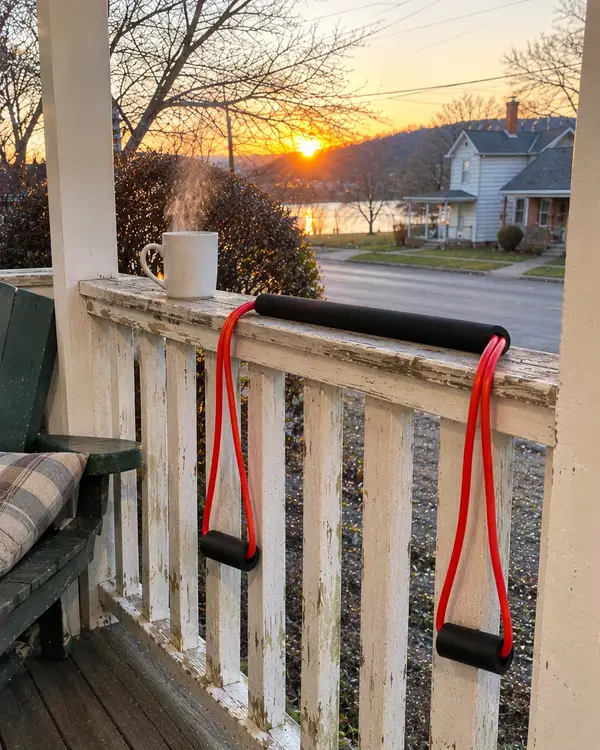
Strongmensecrets — Men lose their rounds first
Testing

Thirty-one years walking. Ten punches did this.

Long story short, if you need to lean on the car door for a second after buckling your grandson into his car seat, it isn't your age. It's something boxers figured out about a hundred years ago, and nobody bothered to mention it to you. What fixes it hangs by the door of my gym: a padded band across your back and a grip in each fist. I'll come back to that. But first, a few things I want to get straight. One. When somebody tells you "well, you're not thirty anymore," that isn't an answer. That's what people say when they've run out of answers. It's a shrug wearing a cardigan. Two. You're not lazy. I know it can feel that way. You keep the yard up. You still fix your own sink. And somehow a thirty-pound toddler and a five-point harness leave you blowing like you ran a mile. You're not soft. Your body is doing exactly what it's been trained to do. That's the problem. Three. If you've started letting your daughter do the lifting, or you've quietly stopped volunteering for the things you used to love, the pumpkin patch, the zoo, the long walk to the pond to feed the ducks, I'm not going to lecture you. I hear it every week. But listen to this part. Every time you hand a job off, it gets a little harder to take it back. So why should you listen to me? I'm Hank Moreno. I'm 71. I've run a boxing gym behind an old bowling alley in Toledo for 41 years. Mostly kids, mostly after school. But somewhere along the way, the men coming through my door started looking more like me. Gray at the temples. Reading glasses in the shirt pocket. Most of them get walked in by a son or a son-in-law, and they all say a version of the same thing. "Hank, I don't understand it. I'm on my feet all day. And I'm worn out by lunch." You know the moment I'm talking about. Twisting into the back seat with a kid on your hip. Your lower back tightening. Then standing up straight and acting like you're looking for your keys while your breathing settles down. Here's what nobody prints on the pamphlets. Most men don't lose their strength first. They lose their rounds. You can still pick the boy up. Once. What goes is your ability to keep at it while you're breathing hard, with your arms, your shoulders, your back and your stomach all working at the same time. And it creeps up quiet. You get winded, so you hand the boy to his mom. You hand him off, so your body never gets asked for that effort. So the next time, you're winded sooner. Round and round it goes, until one day you're the grandpa who sits on the bench and waves. Let me tell you about Gene. Gene came into my gym in July with his son Danny. I trained Danny when he was fifteen and mouthy. He's forty now and still a little mouthy. Gene is 67. Carried mail for 31 years. Walking route, twelve miles a day, rain, snow, August, dogs. If anybody on earth should have endless gas, it's a retired mailman. That's what made it so hard on him. Gene watches his grandson Mason two days a week while his daughter works. Tuesdays and Thursdays. It's the best part of his whole week, and he'll tell you so before you ask. Back in the spring, he'd taken Mason to the park. Two years old, maybe thirty pounds. When it was time to go, Gene leaned into the back of the SUV, lifted Mason into the car seat, worked the buckles, and stood up. And then he had to put a hand on the roof of the car and wait. His chest was going. His arms felt like wet rope. His daughter Kelly had pulled in to swap cars. She saw the whole thing. "Dad, you okay?" The next Tuesday, she started buckling Mason in herself before Gene could get there. Nicely. Without a word about it. "I know what she's thinking," Gene told me. "She's thinking maybe it's time for a daycare." He'd tried to get ahead of it. He'd done all of it. He kept walking. Five miles a day, even retired. He played pickleball with the church group twice a week. He went to physical therapy for his shoulder and did the little colored bands they gave him, faithfully, every night. He joined a gym where a young man with a clipboard had him sit on a machine, do twelve reps, and rest while the young man checked his phone. His doctor said his heart sounded great for 67. "For 67." There it is again. That isn't a compliment. It's a lower ceiling with better manners. Gene sat on the bench by my ring and said, "Hank, I walked twelve miles a day for thirty-one years. If walking built this, I'd be Superman. I just want to lift my grandson in and out of the car all day without leaning on anything. And Kelly's got another one coming in April." Then he said the thing I hear too often. "Maybe she's right. Maybe it's time I just watch him and let her do the lifting." Here's what I told Gene. Most men figure they're winded because they're out of shape. And they figure the answer is more of what they're already doing. More walking. More steps. But walking builds walking. That's all it builds. Gene proved it better than anybody I've ever met. Thirty-one years of walking, and it never once asked his arms and his lungs to work hard together. Neither does a machine with a seat and a rest break built in. Here's the simplest way I can say it. For decades, nothing in Gene's life asked his upper body to keep working while he was out of breath. So his body, which is a very practical machine, stopped keeping that ability on hand. It's not age. It's not weakness. It's just unused. And boxers have trained exactly that for a hundred years. Rounds. Three minutes on, one minute off, punching against something that pulls back the entire time. Your arms, your shoulders, your back and your stomach all working at once while you're breathing hard. Strength and cardio at the same time. That's a round. And lifting a toddler into a car seat, again and again, all day long, is a round. Carrying a grandkid on your shoulders through the zoo is a round. Pushing the stroller up the hill while he's yelling for the ducks is a round. Which is why none of Gene's fixes worked. Every one of them trained one thing at a time. Now here's where most guys go next. They search online for workouts for older men. They find chair yoga, gentle stretching, those skinny bands for your rotator cuff. Nothing wrong with any of it. But none of it is a round. Or they go the other way. Get down on the floor for burpees. Run the stairs at the high school. Their knees file a complaint inside a week, and now they're convinced it really is age. What you actually need is resistance on every punch, with your feet planted so your knees stay out of it, for three-minute rounds you can do in your own garage. Something that fights you on the way out and doesn't care if you know a hook from an uppercut. So I took a set off the wall and handed it to Gene. They're called Ekoh. Punch resistance bands. A few of my older guys started bringing them in a couple of years ago, and now I keep sets by the door for anybody who needs to train at home. A padded sleeve goes across the middle of your back. A loop comes under each arm to a foam grip, and you hold a grip in each fist, up in front of your chest. It takes seconds to set up. Five bands, light to heavy, color-coded. I put Gene on the yellow. "Ten punches," I said. "Straight out. Quick as you can." He laughed and told me he's definitely not a boxer. He doesn't know the combinations. "Fist out, fist back," I said. "That's all a punch is." By the sixth one he'd stopped laughing. By ten he was bent over with his hands on his knees. "I can't believe how quickly my shoulders started burning," he said. "Twelve miles a day, Hank. And ten punches did this." "What's on this band?" he asked. "That's the yellow. Fifteen pounds. The red's twenty. There's five. Start where you are, move up when it gets easy." Fifteen pounds. Gene used to carry a forty-pound mail satchel on his shoulder before the sun came up. "Three rounds, a minute in between," I told him. "Every morning. Ten, fifteen minutes. Feet stay planted." Gene didn't look convinced. He's been told a lot of things by a lot of people with clipboards. But he took the bands home. "Come back in four weeks," I said. Week one, Gene called me on day two. "Hank, my stomach hurts. My stomach. I didn't even punch with my stomach." I told him he did. And I told him one round counts. Week two, Danny texted me. "Dad carried Mason from the car to the house asleep. Didn't even wake him up. Kelly cried a little." Week three, Gene was doing three rounds every morning before Mason got dropped off. He'd started on the lighter band and worked on getting his punches right before he moved up, like I told him, and he was on the red. He said it feels completely different from shadowboxing. The band fights you on every single punch. Week four, Gene came back into the gym. He sat on that same bench and grinned at me for a good while before he said anything. "Took Mason to the county fair Saturday," he said. "In and out of the car seat four times. Up on my shoulders for the tractor pull. Carried him half the midway when his legs gave out. Kelly met us there and just stood back and let me do it." Then he said, "I'm keeping my Tuesdays and Thursdays, Hank. I'm not handing those off to anybody." That was four months ago. Gene still does his three rounds every morning, before the coffee's done. Kelly never brought up daycare again. And the new baby's due in April, so Gene says he's training for two now. Here's what I want you to understand. If you're winded doing the things you've done your whole life, you're not finished. You're not soft. Your body just stopped getting asked for rounds. And no amount of walking, pickleball or chair stretching is going to ask for them. You need resistance on every punch, three minutes at a time, with your feet planted. That's what these bands do. Ten or fifteen minutes and you're sweating. It IS a workout. And they're what I hand to every grandpa who walks into my gym now. Fair warning: the first week humbles everybody. Start on the yellow. One round counts. If you've got an injury, check with your doctor before you start anything new. P.S. Every time somebody else does the lifting, it gets a little harder to take it back. Right now it's buy 3, get 2 free, so all five levels are hanging on your wall when you're ready to move up. You've got 30 days to send them back if they're not for you. The link is below.

Loading the ad's image
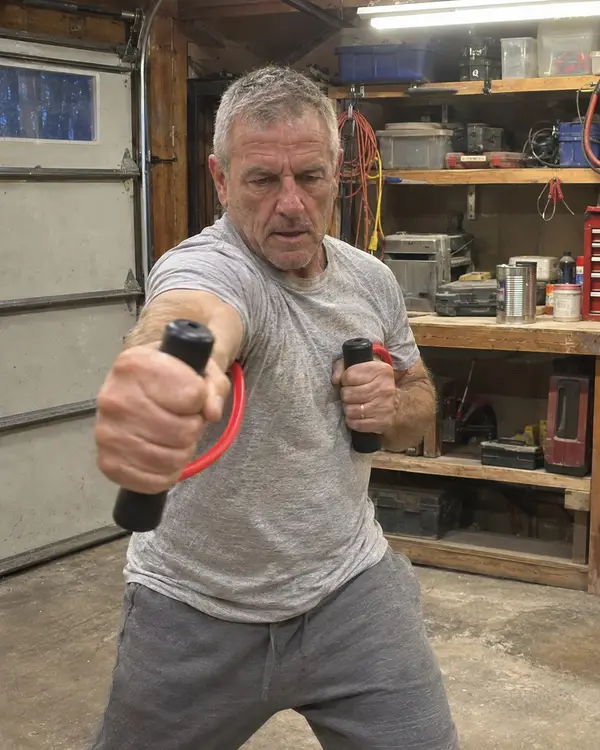
Strongmensecrets — Thirty-one years walking. Ten punches did this.
TestingImage

Personal workouts for 50+, ready every morning

You're not old. You're out of shape. And that, you can fix. Steady is a daily workout and meal plan made for adults 50+: ✅ Your workout is ready every morning, 10–30 min at home ✅ Every move has a seated version ✅ It changes when you're sore ✅ Simple meals + a coach you can ask anything ✅ Nothing to download

Loading the ad's image
Strongmensecrets — Personal workouts for 50+, ready every morning
TestingVideo

Showing 12 of 52 · all in Meta's Ad Library

From the ads Sniped has collected from this page (53 so far, first seen Nov 2026). Reach is what Meta reports; no spend or sales estimates.