Advertiser

Helora Fit

helorafit.comMeta Ad Library

6
Running ads
6 new in 30 days
Nov 2026
Advertising since
longest ad under a month
—
Reach
running ads, summed
17% video
Formats
1 video · 3 image
3
Products advertised
1 shop

If you’re a parent or grandparent, please read this👆

The phone you think will still work in a power outage may not. Not a cell-phone upgrade. Phones, internet and electricity. Quietly. On a page printed in public. No announcement on my street. No press on my doorstep. No change to the school drop-off. I know because I have spent twelve years as an electrician on the distribution side, and this fall I sat up and READ the government's own pages. Ready.gov, the US Government’s preparedness campaign run by FEMA, lists these items for every household’s basic emergency kit. I read it on Ready.gov’s Build a Kit page, ready.gov/kit, on November 12, 2026. "Make a written plan – phones, internet and electricity may be unavailable." "During and after a disaster, utilities like power, water and transportation may be interrupted." In February 2021, Winter Storm Uri left 4.5 million homes and businesses across Texas without power for days (ERCOT). I can't pretend I didn't read it. But I can tell my daughter what to DO. Because when the official page says phones, internet and electricity may be unavailable — they're telling you what can happen to YOUR lights, YOUR tower, YOUR phone. Please read this carefully. My daughter lives outside Oklahoma City. Married. Two kids. Three hours from me up I-35. She calls every Sunday. Grandkids. Her work. Normal things. In August I started a different kind of call. Not the kind where I perform what I do for a living. The kind where I tell her what to prepare. Because what I read — Ready.gov, Build a Kit, the lines on phones and power — doesn't leave me with the luxury of waiting. What I can do — what any dad who has actually read those pages can do — is make sure the people we love have a way to HEAR that does not need the house power or the local tower. Not a government studio. The same principle, in a kitchen. So I wrote her a list. Specific. Ordered. Dated. The kind you follow when your own father has sat with Ready.gov and still didn't like what those pages said about a supply that can fail. I mailed it in a plain envelope. No letterhead. No return address. Just the list. And a note: "Do these things before the next outage. Don't call me about them. Trust me the way you trusted me when I told you to wear a life jacket before you understood what drowning was." She called me anyway. "Dad. What is this?" "A list." "I can see it's a list. Why does it have dates?" "Because the paperwork has a timeline. February 2021 matters. September 2024 matters. October 2024 matters." "What happened then?" "I can tell you exactly, because it isn't a rumor. In February 2021, Winter Storm Uri left about 4.5 million Texas homes and businesses without power, some for days, according to ERCOT. In September 2024, Hurricane Helene left over 4 million customers across the Southeast without power, according to the US Energy Information Administration. In October 2024, Hurricane Milton left about 3.4 million Florida customers without power at the peak, according to poweroutage.us. Ready.gov says: \"Make a written plan – phones, internet and electricity may be unavailable.\" Then the handset on the wall is not a plan." "Why are you mailing me a radio, then?" "Because I read the next page. Ready.gov (FEMA), Build a Kit: \"Keep a battery-powered or hand crank radio and a NOAA Weather Radio with tone alert.\"" "Dad." "I KNOW how it sounds. That's why I wrote a list." Quiet. Then: "You've never done anything like this." "No." "Not even during the storms — " "No. I've watched the lights go out on jobs. In August 2021, Hurricane Ida left over 1 million Louisiana customers without power, some for weeks, according to Entergy. Hurricane season regularly knocks out millions of US homes for a week or more (Hurricane Helene 2024, Hurricane Milton 2024 — FEMA). I have never watched the official advice say, in black and white, to keep a battery-powered or hand-crank radio with NOAA Weather Radio tone alert, and still watched households skip it. They didn't tell families to wait for a better cell signal. Ready.gov says: \"Make a written plan – phones, internet and electricity may be unavailable.\" When the pages you can read yourself say keep a radio — that tells you what they think can happen to your tower." "Dad — you're scaring me." "Good. Scared people prepare. Comfortable people scroll." Let me show you the list. Every item. ITEM 1: Clear a space on your kitchen counter. The one you reach for in the dark. "Why the counter?" "Because Ready.gov says: \"During and after a disaster, utilities like power, water and transportation may be interrupted.\" They don't promise you the tower. They don't promise you the grid the tower depends on. When the supply fails — the page still names a radio. YOURS doesn't, unless you put a set where your hand already goes. Hours in — tower dead. Phone shows SOS. Full battery. Connected to nothing. No calls. No texts. No alerts. No 911 that connects. Fine — if the phone still works. It may not." "Every decision becomes a guess. Stay or go. Water safe. Help coming. Your family guesses until you put something on the counter that doesn't need the tower." "But Dad — we have food. Flashlights. Batteries. A generator in the garage." "A generator covers lights if you can run it. Batteries cover the flashlight. Nothing covers HEARING. Ready.gov, Build a Kit, already lists \"Flashlight and extra batteries.\" \"Battery-powered or hand crank radio and a NOAA Weather Radio with tone alert.\" \"Cell phone with chargers and a backup battery.\" The counter is where the radio goes. You can't stockpile next month's news. Nothing in the garage covers hearing if the TV and the Wi-Fi are dead — and Ready.gov says phones, internet and electricity may be unavailable." "That's what Item 2 solves." ITEM 2: Helora Lifeline PRO™. AM/FM radio and weather band. Bright LED flashlight. SOS alarm. Built-in 2000 mAh battery that charges your phone — USB and USB-C out. Recharges by hand crank, the built-in solar panel, or USB-C. 230 g, the size of a smartphone. Red or Obsidian. On the counter. Tuned to NOAA Weather Radio. Why this one? I didn't take a salesman's word. I matched the Ready.gov line — \"Battery-powered or hand crank radio and a NOAA Weather Radio with tone alert.\" — and \"Cell phone with chargers and a backup battery.\", because this set is both. Lifeline PRO™ is a hand-crank and solar radio that needs no spare batteries. "It's a radio, Dad." "It's a civilian way to hear when the tower is gone. The page they published is theirs. Your version is the voice on NOAA Weather Radio, on a set that does not ask the grid for permission. Wind the crank. Leave it in the window for the solar panel. Plug the phone into the USB-C if you still need a map once, or a number. Different scale. Same principle. Both independent of your tower. Both able to speak when the breaker panel is dark." "Ready.gov says: \"Keep a battery-powered or hand-crank radio with NOAA Weather Radio tone alert.\" Search the band. Advisories. What to do about water. Whether to stay put. Whether the towers are alive or dead. Whether the grid holds or doesn't." "And you — you have one?" "I have three. One at home. One in the van. One at my sister's, who I won't put on a postcard." Then: "I turned the dial last night. The voice was there. In my kitchen. While my cell phone sat next to it, connected to a tower, connected to the same supply the page says may be unavailable." That was the moment. Two ways to hear. Three feet apart. One needs the tower and the grid. One is the weather band, a crank, a small solar panel, and a battery that can also feed the phone. She chose the one that still works in the dark. The pages changed my behavior. The list changed hers. UP TO 50% OFF. $52.99 instead of $118.99. 2 for $95.38. 3 for $127.18. FREE US delivery. 90-day money-back guarantee. 2-year warranty. High demand – 96% sold out. I told her to order two. She ordered three. One for the counter, one for the car, one for her mother-in-law. 👉 https://helorafit.com/products/emergency-radio ITEM 3: Water before you are thirsty. Don't wait for the tap to cough. Ready.gov, Build a Kit: \"Enough non-perishable food and water for at least 72 hours.\" \"During and after a disaster, utilities like power, water and transportation may be interrupted.\" Fill what you can store before the pressure drops. On April 28, 2025, a total blackout in Spain and Portugal left tens of millions without trains, traffic lights, ATMs, phone connections and internet; some areas had no power for 16 hours, according to ENTSO-E and BBC News. Cash as well — a small amount. ITEM 4: Don't rely on the phone. Countdown. "NOAA Weather Radio doesn't depend on your tower. Neither should you. The phone is a candle — it burns while the tower still has power and your battery lasts. The Lifeline PRO is the match factory. Solar. Crank. USB-C. A 2000 mAh pack inside a set the size of the phone it can charge. Flashlight on the same body. SOS if you need to be found, not just informed." ITEM 5: Practice. Counter. Dial. NOAA Weather Radio. Let the kids hear. Normal. She did it. The red set on the counter. Owen — he's six — ear pressed to the speaker, eyes closed, listening. Her husband watching. "Owen asked who's talking." "Let him wonder." Because he's six. He doesn't need the outage totals. He doesn't need the page that says phones, internet and electricity may be unavailable. He just needs to know the voice is on the counter. And the dial says NOAA Weather Radio. He can wonder who's talking. Let him wonder. ITEM 6: Do all of this before the next one. I can tell you why the timing matters. It is printed. Hurricane season regularly knocks out millions of US homes for a week or more (Hurricane Helene 2024, Hurricane Milton 2024 — FEMA). Not a prediction. A season that already did it. She's done. Counter set. Voice confirmed. Flashlight tested. Crank turned once so Owen could feel it. She called me last Sunday: "Dad — they don't write 'phones, internet and electricity may be unavailable' for no reason. And my father doesn't mail lists for no reason. The pages, and the envelope, in the same month. That tells me more than any group chat ever could." She's right. I can't rewire the grid from a house outside Dallas. But I can give you the same list. 👉 https://helorafit.com/products/emergency-radio Not the usual preparations. Usual covers comfort. This covers HEARING. The official advice already names a hand crank radio and a NOAA Weather Radio with tone alert, a flashlight, and a backup battery. This is those three jobs in one 230 g set — Red or Obsidian — that also carries a weather band and an SOS alarm. Same principle as the pages. A kitchen price. 👉 https://helorafit.com/products/emergency-radio EDIT: My daughter gave the list to three families on her street. The Ready.gov line hasn't been withdrawn. The line about a hand-crank radio hasn't been deleted. Helora Lifeline PRO — the offer above is the offer. High demand – 96% sold out. P.S. — She asked: "What happens to the families nobody gave a list to?" I didn't answer. You're reading this. That's your list. P.P.S. — Proverbs 27:12: "The prudent see danger and take refuge, but the simple keep going and pay the penalty." The pages describe the danger. The voice on NOAA Weather Radio is YOUR refuge — if the set is already there. 🙏 👉 https://helorafit.com/products/emergency-radio

Loading the ad's image
Helora Fit — If you’re a parent or grandparent, please read this👆
TestingImage

If you're a parent or grandparent, please read this👆

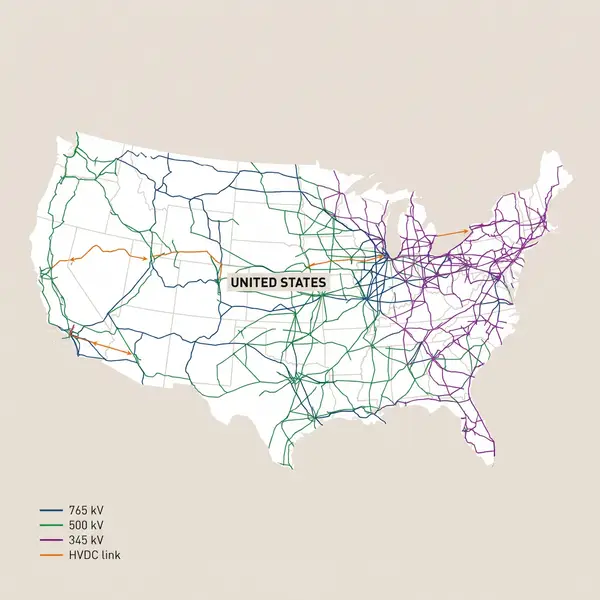
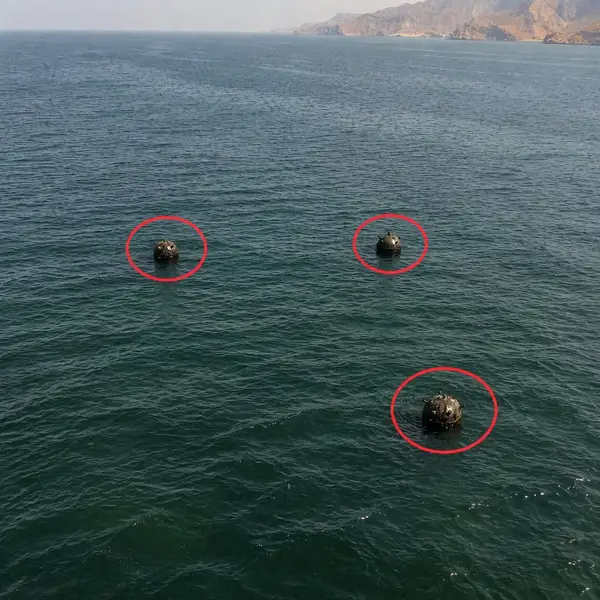
The last thing your family will hear before the grid fails is nothing. No warning. No siren. No announcement. Just the moment the lights go out and every device in the house goes quiet at the same second. I know this because I maintain the civilian grid. I have maintained it for 26 years. And the government's own papers now say in plain English — not about power. About what you lose when the power stops. Most people think a grid failure means the lights go out. That is the first thing that happens. It is not the dangerous thing. The dangerous thing is what goes dark in the hours after the lights — the things you did not know were connected to the same system. Your phone connects to a mobile mast. That mast runs on the grid. The government's Ready.gov (FEMA) Build a Kit says your mobile might stop working if your local mast is in the affected area. In the most serious circumstances your mobile, landline and broadband could all be down. Every phone in your house. Every phone on your street. Every phone in your town. Quiet at the same hour. Your television connects through a box connected to a router connected to the wall. Same grid. Same failure. Same hour. Ready.gov (FEMA) says that in a power cut your TV or internet might not be working. Your laptop connects through the same router. Same grid. Same silence. Your kid's tablet. Your wife's watch. The doorbell camera. The baby monitor. The smart speaker your daughter asks questions to before bed. Every single thing in your house that connects your family to the outside world runs through the same grid the National Risk Register 2026 calls a "Catastrophic" national power outage: "All consumers without backup generators would lose their mains electricity supply instantaneously and without warning." I have been filing this in my reports for years. Not the technical language — the human language. I write about cascade failures and single-point vulnerabilities and fuel-chain dependencies. But what I am actually writing about is silence. Every report I have filed for 26 years is a description of how fast your family loses contact with the outside world when the system I maintain stops working. The Department of Health and Social Care put the human part in writing on 16 December 2025. In a national power outage, "phone, internet and television services would be disrupted." For that reason, "emergency communications to the public would be limited to radio (NOAA Weather Radio), which is the most power resilient form of communication." Radio. Because the people who wrote that understand what most families do not — the most dangerous thing about a grid failure is not what stops working. It is what stops talking. I told my wife on a Wednesday. Not about transformers. Not about substations. I sat across from her at the kitchen table and I said: "Helen, I need to tell you something about the house." "What about the house?" "Everything in this house that tells you what is happening outside — the phone, the TV, the laptop, the tablet — all of it connects through the same grid. The grid I maintain. When the grid fails, you lose all of it. Not as a rumour. The National Risk Register says the loss is instantaneous and without warning. About 60% of demand reconnected within 2 days. Beyond 7 days they expect full and stable power restored to all of Great Britain. Until then you are sitting in this kitchen with the kids and you do not know if there is a flood warning or an evacuation order or a chemical spill south of Austin, TX. You do not know if the schools are closed. You do not know if the motorway is open. You do not know anything. Because every way you find things out runs through the same system that just died." She looked at her phone on the counter. I have seen that look before. I saw it on my mum's face. On my neighbour's face. The look of someone seeing a permanent thing as temporary for the first time. The phone sits on the counter like a fixture. Like a tap. Like a light switch. It is not a fixture. It is rented — from a mast, from a grid, from a fuel tanker. "So how do I know what is happening?" "Right now you do not." She sat with that for a long time. Then she said something that stayed with me for days. "So the person who is supposed to warn me about the emergency — is already gone before the emergency starts?" Yes. That is exactly what those documents describe. The warning path dies before the warning is needed. The grid fails. The masts and the broadband fail with it. The most severe blackout on the European power system in over 20 years, tens of millions without trains, metros, traffic lights, ATMs, phone connections and internet. BBC reported that mobile phones had stopped working and nobody had any information. By the time your family needs information to make a decision — stay or leave, shelter or move, which roads, which direction — the only devices that could deliver that information are already dead. Your family is making life-and-death decisions in silence. Unless they hear the one signal that does not sit on your wall socket. A lad on my crew — ex-U.S. Army — brought something to the van bay the week I read that DHSC line. Put it on the workbench between the coffee flask and the voltmeter. Helora Lifeline PRO™ radio. He wound the crank and turned the dial and a voice came through. FM. Clear. Steady. NOAA Weather Radio, on 7 November 2026, reported the "Black Sky" plan: FM transmitter towers have diesel tanks to keep generators going for three days, and "Why FM? Because it works almost everywhere, even in a blackout or a crippling cyber-attack." Not your mobile mast. Not the router on your wall. "That kind of signal is what this set is built to catch, Mike. AM. FM. Weather band. It does not need your grid socket. It needs the sun and a hand." Built-in solar panel charges it in the window. Hand crank — the wind-up dynamo. Built-in 2000 mAh battery. Charges your phone over USB or USB-C. AM. FM. Weather band. Bright LED torch. SOS alarm. It recharges by crank, solar panel or USB-C. 230 g, the size of a smartphone. Red or Obsidian. So it can be full before the grid fails and it can stay with you after. I took it home that night. I put it on the kitchen table where Helen had asked me how she would know what was happening. I turned the dial. A station came through on FM. A calm, steady voice delivering information that did not travel through my mobile, my router, or the socket that had just gone dead in my head. Helen listened for ten seconds. Then she said: "How long has that been there?" "Your entire life. You have never heard it because the phone was louder." Helora Lifeline PRO™. Not a filter. Not a satellite. A radio you can wind. UP TO 50% OFF. $52.99 instead of $118.99. 2 for $95.38. 3 for $127.18. FREE US delivery. 90-day money-back guarantee. 2-year warranty. High demand – 96% sold out. 👉 https://helorafit.com/products/emergency-radio My mom in Harrisburg, PA. Seventy-four. Lives alone. Her emergency plan is calling me on a mobile connected to a mast, and a digital landline that Ready.gov (FEMA) says will not function in a power cut unless you have a backup power system. Ofcom says that landline battery back-up must last at least one hour. The copper network — which would work even in a power cut — will be switched off on 31 January 2027, BBC News reported. Her plan is shorter than she thinks, and she does not know it. I drove down on a Saturday and I did not start with the phone. I started with the silence. "Mom, when the power goes out, how do you find out what is happening?" She said the phone. I said: "The phone needs the mast. The mast needs the grid. Ready.gov (FEMA) says keep a battery or wind-up radio at home, because there might be updates communicated by radio during a power cut." I put the radio on her nightstand and cranked it and FM came through and she sat on the edge of the bed and listened and said: "Nobody told me the phone stops working." Nobody told her. Nobody told any of them. The National Risk Register rated a national power outage Catastrophic. Hurricane Helene, Over 4 million customers across the Southeast lost power. Ready.gov (FEMA), Build a Kit, lists a torch and spare batteries, an FM radio that is battery or wind-up, and a charged power bank. Being ready for 3 days helps you manage while support reaches those most in need. The government is telling your family to have exactly this kind of thing. Not a prepper blog. Not a YouTube channel. gov.uk. My brother-in-law in Stafford. My neighbour Darren and his wife who just had a baby. Two lads on my crew who maintain the same grid I do and have read the same pages about masts, landlines and radio. The homes closest to mine, in a few weeks. Not because I sold anything. Because when the man who maintains the grid tells you the grid is not guaranteed — and the National Risk Register says the loss can be instantaneous — and you realise the silence comes before the warning — you do not argue. You put a voice in the house that does not need the wall socket to speak. Ready.gov (FEMA) told your family to prepare for 3 days. Torch. Wind-up FM radio. Power bank. The gap between a Catastrophic national outage and a kitchen with only a phone is the gap between a document and a dead screen. Before the next quarterly assessment confirms what the last 104 have said. Before the masts and the broadband go together. Before the copper landline that still works in a power cut is switched off. Helora Lifeline PRO™. Direct from the link. 👉 https://helorafit.com/products/emergency-radio P.S. — There is a line most people in my field have read and nobody repeats at the kitchen table. The National Risk Register 2026: beyond 7 days they expect full and stable power restored to all of Great Britain — and until then, consumers without backup generators are already in the dark, without warning. I asked a mate on the overheads what a phone is worth once the mast is down. He said: "Then the phone is a torch." Ready.gov (FEMA) is telling your family to have a wind-up radio. The man who maintains the grid between that page and your kitchen is telling you the same thing. Check the link before the masts start counting down. P.P.S. — Proverbs 27:12 — "The prudent see danger and take refuge, but the simple keep going and pay the penalty." The National Security Strategy saw a homeland threat and said United States must actively prepare, naming Russia, Iran, China and North Korea. Your family is still on the grid those papers describe — connected through masts that fail with the power, connected to phones that go dark at the same hour, sitting in a silence that arrives before the warning does. The Helora Lifeline PRO™ does not need your mast, your router, or the diesel that normally comes through the Strait of Hormuz. It needs the sun and a hand. Send this to someone whose emergency plan is a phone connected to a mast connected to a grid — before the copper landline that still works in a power cut is switched off. 👉 https://helorafit.com/products/emergency-radio

Loading the ad's image
Helora Fit — If you're a parent or grandparent, please read this👆
TestingImage

Last chance: 55% off ends today

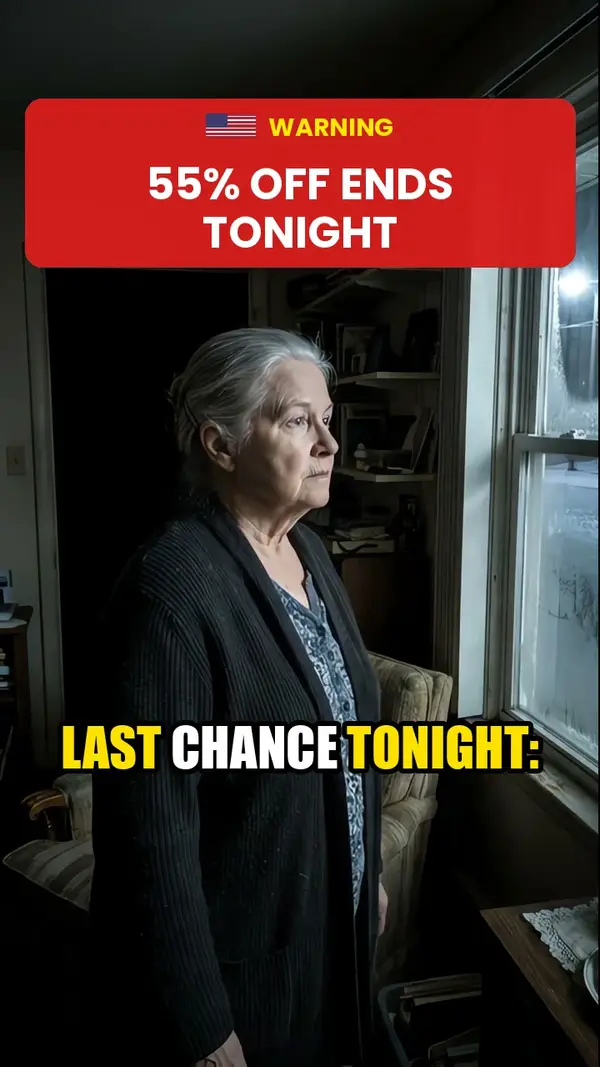
It's pitch black, and the flashlight isn't by the bed. Last chance tonight: the power can go out in this ice storm. ✓ Hand-crank and solar radio: AM, FM, and weather band ✓ A real flashlight, right in your hand ✓ Charges your cell phone ✓ No wall outlet and no spare batteries ✓ The kind of radio Ready.gov says to keep 55% OFF ends today. Almost sold out. No restock before January. Free US shipping. 90-day money-back guarantee. Tap Shop Now.

Loading the ad's image
Helora Fit — Last chance: 55% off ends today
TestingVideo

Helora Closing Sale - Ending Midnight

We tried to warn you… We hoped it would never come to this. This is 55% OFF today (Black Friday). ENDS TODAY. Free UK delivery (we also deliver to Ireland). 90-day money-back guarantee. Once they're gone, the next restock is in January. Today is your last chance to protect your family. Tap below. Thank you for supporting us - Helora Team

Loading the ad's image
Helora Fit — Helora Closing Sale - Ending Midnight
Testing

If you’re a parent or grandparent, please read this👆

You're preparing for the wrong scenario. That's what my mate Jake told me last month while he was standing in my garage, looking at years of food storage, a torch, a wind-up radio, a power bank, backup batteries, water jugs, and every checklist I'd ever printed off the internet. And honestly, it annoyed me. I thought I was ready. I had done more than most people. I had shelves full of food. I had batteries in the cupboard. I had paper maps. I had a radio. I had a torch. I had more bottled water than my wife wanted sitting in the garage. So when Jake looked around and said I was still missing the part that actually breaks families, I almost told him to leave. Then he said one sentence that made me shut up. Don't plan only around the power cut. Plan around what fails after it. I need to back up. I'm 46. Wife, two kids, a normal house in Britain. I'm not some bunker bloke. I'm not living in a shipping container in the woods. I have a mortgage, a car payment, a bad knee, and a wife who rolls her eyes every time another brown box shows up labelled "emergency supply." But I started taking preparedness seriously a few years ago. Then the storms came, and I stopped apologising for it. For years, I built the kind of setup most people would be proud of. Food for a few days, the way the UK government Be Ready advice says to start: non-perishable food, blankets and sleeping bags. Bottled water — three litres per person per day is the figure they give. A torch. A battery or wind-up radio. A charged power bank, because mobile masts run on backup batteries that last only a few hours in a power cut. The boring stuff nobody cares about until the cupboard is empty and the hob is dead. I thought I had checked every box. Then Jake came over. Jake used to teach survival. Not the loud kind. He doesn't brag. He doesn't post. He doesn't tell stories unless there's a reason. He's one of maybe three people I know who can look at a room full of kit and immediately see what's missing. That day, he was helping me move a freezer in the garage. Afterwards, I showed him the setup because I was proud of it. He walked the shelves slowly. Looked at the food. Looked at the batteries. Looked at the water. Looked at the radio and the torch. Didn't say much. Then he said, "You've got a lot of the right kit." I smiled. Then he said, "But you're preparing for the wrong part." That's when I got annoyed. I said, "What part?" He looked at the stack of bottled water by the wall. The part after everybody realises the tap is gone — or that you're being told to boil it. I said, "I have water." He said, "You have stored water." I said, "Same thing." He shook his head. No. Stored water is a countdown. Access is different. I didn't like that. Mostly because I didn't know what he meant, and I hate when someone makes me feel like I missed something obvious. He asked me what I thought happened after a major power cut. I gave him the standard answer. Lights out. Mobiles struggling. No internet. No card payments once the backup runs down. No refrigeration. People panic. You hunker down. He nodded like he had heard it a hundred times. That's day-one thinking. I said, "Okay." He said, "Day one is not what catches most families out." That got my attention. He pulled a folding chair over and sat down next to the garage freezer like he was about to ruin my whole afternoon. Then he said, "Most civilian lists focus on the moment the lights go out. The harder part is the sequence after." He called it the cascade. The part where everything that depends on the grid starts failing in order. First the power. Then communications — those mobile masts on batteries that last a few hours. Then refrigeration. Then the pumps and the tills. Then water pressure, or a boil notice. Then people. He said most people build for the first domino and feel prepared because they have kit. But the real problem is not the first domino. It's the second, third, fourth, and fifth. That's where families get blindsided. He pointed at my food shelves. Food is good. Pointed at the power bank and the radio. A way to charge a phone and hear updates is good. Be Ready says keep both. Then he pointed at the water cases. That is not a water plan. I said, "There's a few days there, if we stick to three litres each." For drinking only? I didn't answer. He said, "What about cooking on a cold hob? Pets? brushing teeth? washing hands? cleaning a cut? your wife making a cup of tea because it's the one thing keeping her calm? your kid spilling half a bottle because he's scared and not thinking?" That annoyed me because he was right. A case of water looks like a lot when you're carrying it. It doesn't look like a lot when you start doing the maths. Jake said, "That's the civilian mistake. They count bottles. The people who understand systems count sources." Sources. That word stuck. Then he said something I haven't stopped thinking about. Everybody thinks the first real crisis is darkness. Often it isn't. It's whether the water is still safe to drink. I looked over at the water cases again. He said, "You can sit in the dark. You can eat cold food. You can miss the internet. You can even be hungry for a while. But once a parent can't give their child clean water, that parent will stand in any queue and follow any instruction." He let that sit. Water is what families run out of first. Then he walked me through it, using storms we had both lived through — not a film. Storm Arwen, 2021: over one million customers lost power, and nearly 4,000 were still off for more than a week. That is from Ofgem. A week is longer than a cupboard of bottles. Storms Austen and Boelo, October 2026: power cuts hit 838,700 homes across Britain. That figure is from The Guardian. And Brixham, 2024: 16,000 homes were told to boil their water because of cryptosporidium. The lights were on. The tap was the problem. When the grid goes down, the water system doesn't magically keep acting like nothing happened. Pumps slow. Pressure drops. Treatment can be interrupted. Boil notices go out. Sometimes the tap runs and nobody knows if it's safe. And when that happens, the bottled-water aisle gets stripped in hours. Not days. Hours. He said, "Everyone remembers the power. Not enough people remember the water." People boiling. Filling the bath. Standing in queues. Trying to work out what could be trusted. That was weather. That was temporary. It was still enough to empty a garage full of bottles. I said, "So what am I missing?" He said, "A way to drink from another freshwater source after storage runs out." I told him I had some cheap filter straws in a drawer. He said, "Good. Know what they actually do before you trust them." Then he looked at me. Real water is not the clean mountain stream you see in a camping advert. Rain. A river. A stream. A pond. Water you stored in advance. The kind of water your family may actually need when the bottles are gone and the tap is off or under a boil notice. I asked him what he carries. He pulled a small straw out of his pocket. Light. Under the weight of a chocolate bar. I said, "What is that?" He said, "Helora Lifeline Pure." I said, "Does it make any water safe?" He shook his head. No. It does not remove viruses. It does not remove salt. It does not remove heavy metals. Don't use it on seawater or on chemical runoff. Be honest about the source. What it does: a 0.1-micron hollow-fibre membrane that blocks bacteria, parasites and sediment, plus an activated carbon stage. No power. No batteries. No chemicals. No tablets. You can drink straight from rain, a river, a stream, a pond, or water you have stored. It is rated to filter up to 1,500 litres. It weighs under 60 g. It comes with a collapsible water pouch, a hose, and a syringe so you can back-flush it. That is the kit. Nothing else is in the offer. I kept looking at it because it looked too simple. Jake said, "That's why I keep one where I can reach it. Test it before you need it. A straw you have never tried is just a rumour." Then he said something I hadn't thought about. You don't just need one if you may be split up. I said, "Why?" He said, "Because in a real power cut, you might not all be together. Your wife might be at the house. You might be on the road. Your kids might be with someone else. And if the tap is off and nobody has a way to drink from rain, a stream, a river or a pond, that's a problem." That night, after he left, I stood in the garage staring at my shelves. All the food. All the kit. All the money. And then the water. The part I thought I had handled. I realised I had built a plan for day one. Not day three — the window Be Ready actually asks households to cover. Not the morning my daughter asks for water and the tap does nothing, or the radio says boil it. I ordered a Helora Lifeline Pure that night. Just one, to start. I still wanted to see it work before I became the bloke buying water straws because another bloke made me feel stupid in my own garage. When it showed up, it was smaller than I expected. Straw, collapsible pouch, hose, syringe. No plugs. No tablets. That Saturday, I took it to the stream behind the estate. The water looked exactly how I remembered. Brownish. Leaves floating. Mud around the edge. I used it the way it's meant to be used: freshwater only. Rain, river, stream, pond, or stored water. Not the sea. Not a ditch I couldn't identify. I took a drink through the straw. No grit I could feel. The carbon stage took the worst of the taste. I am not going to invent a laboratory result. I can tell you what the filter is: 0.1 micron, hollow fibre, for bacteria, parasites and sediment. Not viruses. Not salt. Not heavy metals. I stood there for a while. That stream had been there the whole time. I had walked past it for years. I had built shelves in my garage and stacked food and bottled water and still managed to ignore the one thing that could keep giving my family freshwater after the stored bottles ran out. The source was there. I just didn't have access. That is the difference. Storage is what you have until it's gone. Access is how you make more — from the right kind of water, with a filter that does what it says and no more. I went home and showed my wife. She didn't laugh. She didn't call me paranoid. She watched me use it and said, "Get another before the next storm, if they're still in stock." So I did. One for the grab bag. One for my car. One for her car. One for each child's backpack. One for my parents. Then I sent the page to my brother. He rang me twenty minutes later and said, "You've finally lost it?" I asked him one question. What's your plan when the water cases run out? He didn't answer. Then I asked, "What's the closest freshwater source to your house — rain you can catch, a stream, a river, a pond?" He said, "There's a pond behind the church." I said, "Then know what a straw can and cannot take out of it before you let the kids near it. Bacteria, parasites, sediment: yes, that's what the 0.1-micron membrane is for. Viruses, salt, heavy metals: no." He ordered that night. I don't know who is reading this. Maybe you already prepare. Maybe you don't. Maybe you think storm talk is dramatic. Maybe you think the grid will always come back fast. Maybe you think bottled water is enough because it feels like enough when you see it stacked. I hope you're right. But Jake was right about one thing. Most people are preparing for the wrong part. The power cut is not the whole problem. The cascade is. And when the cascade reaches water, you do not want to be standing in your kitchen learning the difference between storage and access for the first time. Here is the straw I bought. Tap below. It's the Helora Lifeline Pure™ emergency water filter straw. You can drink straight from rain, a river, a stream, a pond, or stored water. A 0.1-micron hollow-fibre membrane blocks bacteria, parasites and sediment. An activated carbon stage sits with it. It filters up to 1,500 litres. It weighs under 60 g. No power. No batteries. No chemicals. No tablets. In the box: the straw, a collapsible water pouch, a hose, and a syringe for back-flushing. No bonus items. It does not remove viruses. It does not remove salt. It does not remove heavy metals. For freshwater of the kind above, it gives you a way to drink when the tap stops or you're told not to trust it — without pretending one straw replaces a water company. And that matters because a family does not need a theory. A family needs water. Tap below. 50% off today, Black Friday. ENDS TODAY. Free UK delivery — we also deliver to Ireland. 90-day money-back guarantee. Almost sold out. Next restock in January. P.S. — The line that stuck with me was "You're preparing for the wrong part." I had food. A torch. A radio. A power bank. Bottled water. I thought I had water solved. I didn't. I had stored water. Stored water is a countdown. Access is different. P.P.S. — Arwen, Austen, Boelo and Brixham showed the sequence people skip past. Power cuts on a huge scale, or a boil notice while the lights stay on. Everybody talks about the lights. Not enough people talk about the tap. The tap is what crowds the shops. P.P.P.S. — If you're thinking you'll just store more cases, store some. Seriously. Be Ready's three litres per person per day is the right starting maths, plus food for three days. But do the maths. A case goes fast with a family. Then you need another. And another. Bottled water is a countdown. A filter straw is access to rain, a river, a stream, a pond, or water you stored — within what this membrane actually blocks. P.P.P.P.S. — My wife tried one herself the next day. I found the pouch by the sink with the straw still on it. She had been down to the stream. When I asked what she was doing, she said, "I needed to know I could do it if you weren't home." That was enough for me. Tap below. 50% off today. ENDS TODAY. Free delivery in the UK and to Ireland. 90-day money-back guarantee. Stock is almost gone. Next restock in January.

Loading the ad's image
Testing

From the ads Sniped has collected from this page (6 so far, first seen Nov 2026). Reach is what Meta reports; no spend or sales estimates.