Advertiser

Olivia Bennett

puraglory.comMeta Ad Library

63
Running ads
61 new in 30 days
Oct 2026
Advertising since
longest ad 1 month
—
Reach
running ads, summed
0% video
Formats
0 video · 22 image
10
Products advertised
1 shop

7 Doctors Missed This For 19 Months

I packed a hospital bag for my mother last Tuesday because we genuinely thought her bowel was about to rupture. She wasn't dying of cancer. What was actually killing her? Seven doctors missed it for nineteen months while writing daily prescriptions for MiraLAX. And when I finally figured it out what that white powder was doing to her inside, sitting on my kitchen floor at 3 AM with a laptop and a cold cup of coffee, I was so angry I threw a ceramic mug clean through the drywall. I need you to read this. Especially if your doctor keeps patting your knee, telling you your colon looks normal, and handing you another bottle of laxative while your body quietly rots from the inside out. Because what was happening to my mother is almost certainly happening inside your gut right now. And the conventional medical system has zero financial reason to ever tell you the truth. My mother is 58. Three years ago she was the person who ran our entire family without a single complaint. She walked four miles every single morning with our golden retriever. She spent her Saturdays planting raised vegetable beds in the backyard. She hosted family dinners for ten people every Sunday afternoon, carrying heavy cast-iron pots from the stove to the table, laughing, full of energy. She was the strongest, most vibrant woman I had ever known. Then something started to shift. It was subtle at first. You barely notice the beginning. The first symptom was the lower belly bloating. She would finish a normal, healthy dinner and within forty-five minutes her stomach would distend so hard she looked six months pregnant. She started unbuttoning her jeans under the dinner table. Then she stopped wearing jeans altogether, switching to loose drawstring sweatpants because the pressure around her waistband made her nauseous. Then the exhaustion hit. Not ordinary tiredness that sleep can cure. A heavy, suffocating, bone-deep exhaustion. She would sleep nine hours and wake up feeling like someone had poured lead into her veins. She gave up her morning walks. She told me she just did not have the physical stamina anymore. Then the brain fog. She would call me on the phone and lose her train of thought right in the middle of a sentence. She started leaving sticky notes on the refrigerator for the simplest tasks, like feeding the dog or locking the back door, because she could no longer trust her own working memory. Then the joint stiffness. Her knees and hips ached so severely in the mornings she had to grip the hallway bannister with both hands just to walk down the stairs. Then the strange, desperate food cravings. My mother had never had a sweet tooth. Suddenly she was sneaking processed cookies late at night, whispering that it felt like an invisible force was driving her appetite. Then the broken sleep. Every night, at 2:45 AM, she would bolt awake with her heart racing and her stomach aching. Fourteen months of steady, terrifying decline. And she went to doctor. After doctor. After doctor. Two general practitioners. A prominent gastroenterologist. A high-end private functional clinic that billed her seven hundred dollars to suggest meditation and herbal peppermint tea. She had complete metabolic panels, stool culture tests, abdominal ultrasounds, an endoscopy, and two full colonoscopies. Every single report came back with the exact same word stamped across the top. NORMAL. "Your blood work is normal." "Your colon mucosal lining is normal." "Your transit time is slightly sluggish, but that is totally expected as women age." "Take a capful of MiraLAX every morning with water. It is gentle. It is non-habit forming. It is the gold standard." One specialist actually looked my mother in the eye and said: "Your colon is just getting older. You need to accept that you will need laxatives long-term." She paid him three hundred and twenty dollars for an eight-minute consultation. She walked out to the car, sat in the passenger seat, and began to cry. She looked at me and whispered: "Maybe my body is just broken. Maybe this is who I am now." That broke my heart into pieces. Because my mother has never quit on anything in her life. She worked two jobs while putting herself through night school. She does not throw her hands up. But this endless medical gaslighting had finally broken her spirit. The emergency room visit happened on a Tuesday night. She got out of bed at 3 AM to use the bathroom, gripped by another wave of agonizing lower abdominal cramping. Her legs simply gave out on the landing. She collapsed, hitting her forehead against the doorframe. My dad woke up to the heavy thud and found her curled on the hardwood floor, shivering in cold sweat, barely able to speak. We rushed her to the emergency room. We sat in the cold waiting area for four agonizing hours. They ran an abdominal X-ray, an ECG, and comprehensive blood work. At 7:30 the next morning, the attending physician walked into the room holding a discharge clipboard. "Her vitals are stable. The scan shows no acute perforation. She just has chronic constipation with some fecal loading. She is severely dehydrated. Make sure she drinks more fluids and take two capfuls of MiraLAX instead of one." He handed her a printed one-page hospital leaflet titled "Healthy Bowel Habits and Proper Hydration." A photocopied leaflet. A 58-year-old woman collapses unconscious on a hardwood landing from severe abdominal agony, and the medical system hands her a paper flyer telling her to drink more tap water. I drove her home in complete, furious silence. I tucked her into bed with a heating pad over her swollen stomach. Then I walked down to my kitchen, opened my laptop, and sat at the table. It was 3:14 AM. I did not search "natural constipation remedies." I had watched my mother try every prune juice and senna tea on the market. I searched the root biochemistry: "chronic constipation, daily polyethylene glycol, distended abdominal bloating, brain fog, morning joint inflammation, waking at 3 AM, all worsening simultaneously." Because these were not six unrelated medical conditions happening by coincidence. They had all started together. They had all worsened together over the exact same eighteen months my mother had been taking daily laxatives. What if they were all symptoms of one single underlying failure? I spent the next four hours reading published clinical papers in gastroenterology journals and functional motility research. And what I discovered made my stomach drop into my shoes. Everything the doctors had told my mother about daily MiraLAX was a dangerous, superficial half-truth. Here is the biological truth no doctor ever explained to my mother. Your colon is not a dumb mechanical pipe that moves waste just because water is pushed into it. Your colon is an electrical and biological engine. It contracts and moves waste through peristalsis only when it receives a specific chemical spark. That chemical spark is made of short-chain fatty acids, primarily a molecule called acetate. Under healthy conditions, billions of specialized bacteria living in your large intestine ferment dietary plant compounds into acetate. That acetate lands directly on receptors along your colon wall, triggering the muscular contractions that sweep waste out of your body naturally and completely. When those acetate-producing bacteria are healthy, your bowel moves effortlessly every single morning. But those bacteria are extremely fragile. A single round of antibiotics, years of environmental stress, or hormonal shifts in midlife can wipe them out. When those bacteria die, the acetate spark vanishes. Your colon is not lazy. It is not damaged. It is not broken. It is simply unsignaled. It is an engine that has lost its electrical ignition. And what does daily MiraLAX do? MiraLAX is polyethylene glycol. It is an osmotic chemical agent. It does not restore a single bacteria. It does not produce a single drop of acetate. It does not give your colon wall the signal to contract. Instead, it forcefully pulls water from your surrounding tissues into the bowel cavity through raw osmotic pressure. It liquefies the stool and forces it through the pipe using bulk fluid pressure alone. The doctor looks at the chart, sees that stool passed, and smiles. "The MiraLAX is working." It is not working. It is repainting a house while the wooden foundation beneath it is rotting to sawdust. The output moved on paper, but the biological engine of the gut died a little more with every single dose. Even worse, the violent osmotic flushing flushes out the few remaining native bacteria your colon desperately needed to survive. You become chemically dependent on the bypass while your gut quietly dies underneath. And here is the terrifying realization that made me throw that mug against the wall. Why did my mother's colonoscopies and scans keep coming back completely "normal"? Because a standard colonoscopy only looks at structural anatomy. The gastroenterologist steers a camera through the colon looking for polyps, bleeding ulcers, or cancerous tumors. If the pink lining looks intact, the doctor writes "healthy bowel" on your chart. A camera cannot photograph a missing chemical signal. It cannot measure the absent acetate molecules on your colon wall. Even worse, behind the watery diarrhea that MiraLAX forces through the center of the bowel, dense, petrified fecal impaction adheres to the deep folds and pockets of the colonic wall. The liquid bypasses the hard blockage, giving the superficial illusion of regular output while months of toxic, rotting waste remains cemented to the colon lining, shielded beneath bacterial biofilms. Seven doctors looked at superficial output. Not one doctor looked at the rotting foundation underneath. Why do doctors push this dangerous cycle instead of fixing the root cause? Because the modern pharmaceutical system is built on symptom management, not biological restoration. There is zero profit in restoring your colon's natural signaling mechanism in thirty days. If your gut restarts its own natural acetate spark, you stop buying daily laxative bottles. You stop paying co-pays for specialist consultations. You stop needing repeat colonoscopies. You are no longer a customer. There are billions of dollars in lifelong management: Daily polyethylene glycol bottles every single month for decades. Adding magnesium citrate tablets when the powder stops moving you. Adding stimulant senna pills for the worst weeks. Prescription motility drugs costing four hundred dollars a refill. Endless outpatient scopes, clinic visits, and eventually, emergency surgical consults for impaction removal. The medical machine profits at every single step of your decline. The only person who loses everything is you. I went upstairs to my mother's bedroom the next morning and sat on the edge of her mattress. I explained the entire biological mechanism to her in plain English. She wept for almost an hour. She was not crying from sadness. She was crying from pure, unadulterated fury and blistering validation. For nineteen months, she had been told she was just getting older, that her body was slowing down, that she was imagining her symptoms. Now, finally, she understood that her colon was completely healthy. It was simply screaming for the chemical spark that years of daily laxative flushes had washed away. So we started digging into the clinical research to find how to put that spark back. The science was unanimous: you cannot jumpstart a stalled colon by swallowing more raw psyllium fiber or drinking more water. In an unsignaled gut, raw fiber simply sits there, fermenting into painful sulfur gas and compacting into immovable bulk like wet concrete poured into a dead engine. To restart peristalsis, you must deliver the finished organic signaling molecules directly to the colon wall: pre-fermented acetate. So I went out to health food stores and online pharmacies to find real, concentrated fermented acetate. And that is where I almost threw my hands up in despair. Because the commercial supplement market is flooded with underdosed, useless garbage. First, I bought grocery store bottled kombucha. My mother drank two bottles every day for three weeks. Nothing happened except her stomach bloated even worse. I inspected the fine print: it was pasteurized, meaning the living cultures were cooked out, and loaded with twelve grams of cane sugar per bottle. It was essentially expensive soda with trace acids. Next, I bought apple cider vinegar gummies from a trendy wellness brand. She took them for a month. Zero result. ACV contains only acetic acid without the living spore probiotics required to recolonize the microbiome. Then I spent sixty dollars on an ultra-strength probiotic capsule from a vitamin shop. Still nothing. My mother remained backed up, going four days between movements without MiraLAX. Standard probiotics use fragile vegetative bacterial strains that get dissolved by stomach acid within twenty minutes. They never reach the large intestine alive. I spent nearly three hundred dollars on useless products that promised the world and delivered nothing. Then, while reading a specialized gastrointestinal motility forum late one night, I saw a detailed post from a woman who had been trapped in the exact same medical nightmare. She described finding an unpasteurized kombucha fermentation matrix delivered in a targeted daily chew, specifically engineered to supply finished organic acetate alongside stomach-acid-resistant spore probiotics. I stopped scrolling. I went straight to the website and opened the ingredient panel. I checked every single specification against the clinical checklist I had built in my research notebook. And for the first time in nineteen months, the formulation was complete: First, 100mg of concentrated Kombucha Powder delivering the finished organic acetate spark directly to the colon wall, requiring zero fermentation work from a damaged gut. Second, 1.6 Billion CFU of Bacillus coagulans, a hardy spore-forming probiotic strain encased in a natural protective shell that survives harsh stomach acid and bile salts intact to colonize the colon. Third, 50mg of Lactobacillus plantarum, clinically documented in bowel motility studies. Fourth, 25mg of inulin-rich Dandelion Root, supplying the specific prebiotic fuel needed to nourish native acetate-producing colonies. Fifth, 25mg of Slippery Elm bark, providing a soothing, protective mucilage barrier along the irritated intestinal lining. One gummy daily with breakfast. Third-party lab tested with public certificates of analysis. I ordered two bottles that afternoon. It was our absolute last resort. If this did not help her, I did not know what else was left to try. My mother took her first gummy the morning the bottle arrived, chewing one chew alongside her breakfast. Day one passed quietly. She said her stomach felt slightly warmer, but nothing dramatic happened. Then came the morning of day two. She called me from her downstairs bathroom, her voice trembling with intense emotion. "You need to hear this," she whispered through tears. "Something just released out of me that has been stuck inside for months." I will not describe the graphic details. But she was looking directly into the toilet bowl at dark, dense, petrified fecal matter that had broken free from the walls of her colon. Not the watery, burning diarrhea that MiraLAX used to force. Real, heavy, compacted waste that had been trapped behind years of daily chemical flushes. She was crying from shock, disgust, and the most overwhelming sense of physical relief she had felt in two decades. For the first time in nineteen months, she had visual, undeniable proof that her body was not broken. The engine had simply received its spark. From that morning on, my mother logged her digestive progress in a daily notebook, strictly following the real physiological recovery timeline. During the first few days, the heavy physical pressure inside her lower left abdomen began to soften. She was not running to the bathroom with urgent chemical cramps. Then, between day 5 and day 9, the milestone occurred: her first completely natural, comfortable bowel movement. She walked out of the bathroom with a stunned look on her face. For the first time in nearly two years, she had passed a full, formed, comfortable movement without taking a single sachet of MiraLAX, without swallowing magnesium citrate, and without straining until her face turned red. She sat down at the breakfast table and exhaled a breath she felt like she had been holding since she was fifty-six. By week two, the stubborn lower abdominal distension that had ruled her life was visibly fading away. For eighteen months, she had carried a hard, swollen belly that made her look six months pregnant every single afternoon. By the end of week two on this new daily routine, that bloating had dramatically receded. Her stomach felt flat, soft, and comfortable when she woke up, and it stayed flat and calm even after eating dinner. She pulled out a pair of structured denim jeans she had buried in the back of her closet over a year ago. She zipped them up without sucking in her breath. Then came week three. Week three was the breakthrough that made both of us cry. The natural biological urge returned. If you have been on daily osmotic laxatives for years, you know that the most terrifying part is the complete silence. Your body stops signaling that it needs to go. You only go when you chemically force it with powders. Around week three, my mother felt a natural, gentle, unmistakable urge in the morning, right after her coffee. She did not have to plan her schedule around a bathroom. She did not have to pack powders in her handbag. Her colon muscles received their native signal, contracted smoothly on their own, and evacuated completely. The brain fog lifted completely. She woke up at 7 AM feeling refreshed instead of waking up at 2:45 AM with a pounding heart. Her morning knee and foot stiffness quieted down as the systemic inflammation subsided. It has now been seven months since my mother threw her last bottle of MiraLAX into the outdoor trash bin. She chews one single gummy every morning with her breakfast. That is her entire daily routine. Water, one chew, and on with her day. She is back to walking four miles every morning with our golden retriever. She hosted Thanksgiving dinner for twelve people, standing on her feet for six hours straight in the kitchen, laughing and energetic. Last month, she and my dad booked a two-week walking tour across coastal Maine, something she had refused to even consider for the past three years. She has her entire life back. And I will never stop feeling a deep, righteous anger that seven different medical professionals watched her health deteriorate for nineteen months, billing her insurance thousands of dollars to tell her that repainting a collapsing foundation with daily chemical laxatives was the best modern medicine could offer. Now, if you are reading this right now, take an honest look in the mirror and ask yourself these questions: Are you backing up four, five, or six days between bowel movements, dreading the next trip to the bathroom? Does your lower abdomen swell up like a basketball by late afternoon, forcing you to unbutton your pants or hide underneath loose sweaters? Are you taking a capful of MiraLAX every single morning, noticing that you now need a cap and a half, or two capfuls, just to get the same output you used to get from one? Have you started adding magnesium tablets or stimulant senna teas on the bad weeks just to keep waste moving? Are you waking up in the middle of the night with a racing heart, dragging yourself through the day with unrefreshing fatigue and thick brain fog? And has your doctor patted your knee, pointed to a clean scope, and told you to just keep taking the laxative and drink more water? If you answered yes to even two of those questions, you need to understand the grave danger you are standing in. Your colon is not broken, but the biological engine of your gut is slowly being starved to death underneath the superficial output on your chart. Every month you lean on osmotic pressure instead of restoring your native bacterial signal, your foundation collapses a little further. That is why I am telling you the exact name of the product that gave my mother her gut back: GoEasy Gummies. Nobody is paying me to write this. I do not work for them. I do not get a commission. I am telling you because my mother nearly collapsed on an emergency room floor after seven doctors told her daily MiraLAX was her only option. And a thirty-dollar bottle of fermented gummies did what nineteen months of medical appointments and thousands of dollars in co-pays could not. That is why GoEasy Gummies was formulated with the exact clinical specifications required to address the root signaling failure: First, 100mg of Kombucha Powder delivering the finished acetate molecules directly to colon wall receptors, providing the ignition spark your bowel has been missing. Second, 1.6 Billion CFU of Bacillus coagulans, a hardy spore-forming strain clinically validated to survive stomach acid and settle in the large intestine. Third, 50mg of Lactobacillus plantarum, supported by bowel frequency and transit trials. Fourth, 25mg of Dandelion Root, an inulin-rich prebiotic that feeds native beneficial bacteria so they can resume producing their own signal. Fifth, 25mg of Slippery Elm bark, coating the irritated intestinal mucosa with a protective, soothing barrier while function recovers. Just one delicious gummy daily with breakfast. No giant horse pills to swallow, no messy powders to dissolve in juice, and no harsh chemical stimulants that cause painful cramping. Before you waste another dollar on standard digestive advice, understand the hard chemistry: Drinking more tap water cannot restart a dead colon engine. Water simply passes through your kidneys unless your colon cells receive the chemical signal to draw it in naturally. Dumping scoops of raw psyllium husk fiber into a paralyzed, unsignaled bowel is even worse. Fiber is raw fuel. If your native bacteria are too depleted to ferment it into acetate, that raw fiber simply sits in your gut like wet concrete, fermenting into toxic gas, triggering violent bloating, and compacting into immovable blockages. You do not need more raw bulk. You do not need more chemical water pressure. You need the finished acetate spark delivered directly to your colon, paired with the exact spore strains and prebiotic fuel to rebuild your natural motility engine. GoEasy Gummies comes backed by an ironclad 30-day money-back guarantee. Take one gummy every morning with breakfast. Follow the real biological timeline. Notice the physical softening in your abdomen during the first week. Experience your first complete, comfortable, natural bowel movement between day 5 and day 9. Watch the stubborn pregnancy bloat recede around week two. And feel your natural morning urge return around week three. If your bowel frequency does not begin returning naturally, if your bloating does not flatten out, or if you do not feel your energy returning, simply contact their team within 30 days and receive a complete refund. Every single penny back, no questions asked. Do not wait until your superficial output gives way to a severe impaction, an emergency room visit, or an irreversible surgical consultation. Do not spend the next twelve years following the same path my mother was trapped on, repainting a collapsing foundation while the engine of your gut quietly dies. Give your body the finished fermented spark it has been waiting for. Click the link below right now to claim your supply of GoEasy Gummies while current batches remain in stock. Your gut was designed to move on its own. It is time to give it back its signal. ---

Loading the ad's image


Olivia Bennett — 7 Doctors Missed This For 19 Months
Promising

7 Doctors Missed This For 19 Months

I packed a hospital bag for my mother last Tuesday because we genuinely thought her bowel was about to rupture from severe fiber impaction. She wasn't dying of cancer. What was actually killing her? Seven doctors missed it for nineteen months while telling her to swallow two heaping scoops of orange psyllium husk every single day. And when I finally figured out that pumping bulk fiber into a paralyzed colon is like pouring wet concrete into a dead engine, sitting on my kitchen floor at 3 AM with a laptop and a cold cup of coffee, I was so angry I threw a ceramic mug clean through the drywall. I need you to read this. Especially if your doctor keeps patting your knee, telling you your colon looks normal, and telling you to "drink more water and eat more fiber" while your stomach bloats into a rock-hard balloon and your body quietly poisons itself from the inside out. Because what was happening to my mother is almost certainly happening inside your gut right now. And the conventional medical system has zero financial reason to ever tell you the truth. My mother is 58. Three years ago she was the person who ran our entire family without a single complaint. She walked four miles every single morning with our golden retriever. She spent her Saturdays planting raised vegetable beds in the backyard. She hosted family dinners for ten people every Sunday afternoon, carrying heavy cast-iron pots from the stove to the table, laughing, full of energy. She was the strongest, most vibrant woman I had ever known. Then something started to shift. It began right after a doctor told her to start taking daily bulk fiber for mild sluggishness. The first symptom was the lower belly bloating. She would drink her daily glass of psyllium husk in the morning, and by mid-afternoon her stomach would distend so hard she looked six months pregnant. She started unbuttoning her jeans under the dinner table. Then she stopped wearing jeans altogether, switching to loose drawstring sweatpants because the pressure around her waistband made her nauseous. Then the exhaustion hit. Not ordinary tiredness that sleep can cure. A heavy, suffocating, bone-deep exhaustion. She would sleep nine hours and wake up feeling like someone had poured lead into her veins. She gave up her morning walks. She told me she just did not have the physical stamina anymore. Then the brain fog. She would call me on the phone and lose her train of thought right in the middle of a sentence. She started leaving sticky notes on the refrigerator for the simplest tasks, like feeding the dog or locking the back door, because she could no longer trust her own working memory. Then the joint stiffness. Her knees and hips ached so severely in the mornings she had to grip the hallway bannister with both hands just to walk down the stairs. Then the strange, desperate food cravings. My mother had never had a sweet tooth. Suddenly she was sneaking processed cookies late at night, whispering that it felt like an invisible force was driving her appetite. Then the broken sleep. Every night, at 2:45 AM, she would bolt awake with her heart racing and her stomach aching. Fourteen months of steady, terrifying decline. And she went to doctor. After doctor. After doctor. Two general practitioners. A prominent gastroenterologist. A high-end private functional clinic that billed her seven hundred dollars to suggest meditation and herbal peppermint tea. She had complete metabolic panels, stool culture tests, abdominal ultrasounds, an endoscopy, and two full colonoscopies. Every single report came back with the exact same word stamped across the top. NORMAL. "Your blood work is normal." "Your colon mucosal lining is normal." "Your transit time is slightly sluggish, but that is totally expected as women age." "You just need more bulk. Take two heaping scoops of psyllium husk fiber every morning with a tall glass of water. It is natural. It is gentle. It is the gold standard." One specialist actually looked my mother in the eye and said: "Your colon just needs more roughage to push against. If one scoop isn't clearing you out, double the dose." She paid him three hundred and twenty dollars for an eight-minute consultation. She walked out to the car, sat in the passenger seat, and began to cry. She looked at me and whispered: "The more fiber I drink, the more bloated and trapped I feel. Maybe my body is just broken. Maybe this is who I am now." That broke my heart into pieces. Because my mother has never quit on anything in her life. She worked two jobs while putting herself through night school. She does not throw her hands up. But this endless medical gaslighting had finally broken her spirit. The emergency room visit happened on a Tuesday night. She got out of bed at 3 AM to use the bathroom, gripped by another wave of agonizing lower abdominal cramping. Her stomach was distended like a drum, hard to the touch. Her legs simply gave out on the landing. She collapsed, hitting her forehead against the doorframe. My dad woke up to the heavy thud and found her curled on the hardwood floor, shivering in cold sweat, barely able to speak. We rushed her to the emergency room. We sat in the cold waiting area for four agonizing hours. They ran an abdominal X-ray, an ECG, and comprehensive blood work. At 7:30 the next morning, the attending physician walked into the room holding a discharge clipboard. "Her vitals are stable. The scan shows no acute perforation. She just has chronic constipation with severe fecal impaction and trapped gas from undigested bulk. She is severely dehydrated. Make sure she drinks more fluids with her daily fiber supplement." He handed her a printed one-page hospital leaflet titled "Healthy Bowel Habits and Proper Hydration." A photocopied leaflet. A 58-year-old woman collapses unconscious on a hardwood landing from severe abdominal agony caused by impacted fiber, and the medical system hands her a paper flyer telling her to drink more tap water. I drove her home in complete, furious silence. I tucked her into bed with a heating pad over her swollen stomach. Then I walked down to my kitchen, opened my laptop, and sat at the table. It was 3:14 AM. I did not search "best fiber supplements." I had watched my mother choke down every Metamucil powder, Benefiber sachet, and psyllium capsule on the pharmacy shelf. I searched the root biochemistry: "why psyllium fiber worsens chronic constipation, severe distension, gas trap, brain fog, morning joint inflammation, waking at 3 AM, all worsening simultaneously." Because these were not six unrelated medical conditions happening by coincidence. They had all started together. They had all worsened together over the exact same eighteen months my mother had been dumping daily bulk fiber into her digestive tract. What if the fiber itself was the weapon making her sick? I spent the next four hours reading published clinical papers in gastroenterology journals and functional motility research. And what I discovered made my stomach drop into my shoes. Everything the doctors had told my mother about eating more fiber was a dangerous, mechanical fallacy. Here is the biological truth no doctor ever explained to my mother. Your colon is not a hollow trash chute that moves waste just because more bulk is shoveled into the top of the tube. Your colon is an electrical and biological engine. It contracts and moves waste through peristalsis only when it receives a specific chemical spark. That chemical spark is made of short-chain fatty acids, primarily a molecule called acetate. Under healthy conditions, specialized bacteria living in your colon ferment plant compounds into acetate. That acetate lands directly on receptors along your colon wall, triggering the muscular contractions that sweep waste out of your body naturally and completely. When those acetate-producing bacteria are healthy, your bowel moves effortlessly every single morning. But when those bacteria die off from antibiotics, stress, or midlife hormonal shifts, the acetate spark disappears. Your colon muscles sit there completely silent. Capable of contracting, but unignited. Now, think about what happens when you pour scoops of psyllium husk fiber into an unsignaled, paralyzed colon. Psyllium husk is a hyper-absorbent bulk polymer. It absorbs forty times its weight in water, swelling into a thick, sticky, expanding gel. In a healthy colon with an active electrical spark, that bulk is moved along by muscular contractions. But in an unsignaled colon that has lost its spark, that fiber has nowhere to go. It does not move. It sits there. It compacts. It rots. Pumping bulk fiber into a paralyzed colon is exactly like pouring wet concrete into a car engine that has lost its electrical spark. It does not start the motor; it seizes the entire mechanism. The fiber sits in the colon absorbing every drop of moisture, drying into an immovable, petrified barrier. Native bacteria attempt to ferment the massive pile of stranded roughage, generating violent clouds of methane and hydrogen gas that balloon the abdomen, stretch the intestinal walls, and trigger excruciating cramping. The doctor tells you to add more fiber. And with every scoop, you pour another bucket of wet cement into a dead engine. And here is the terrifying realization that made me throw that mug against the wall. Why did my mother's colonoscopies and scans keep coming back completely "normal"? Because a standard colonoscopy only looks at structural anatomy. The gastroenterologist steers a camera through the colon looking for polyps, bleeding ulcers, or cancerous tumors. If the pink mucosal lining looks intact, the doctor writes "healthy bowel" on your chart. A camera cannot photograph a missing chemical spark. It cannot measure the absent acetate molecules on your colon wall. Even worse, behind the watery diarrhea that laxatives occasionally force around the blockage, dense, petrified fiber cement adheres to the deep haustral folds and pockets of the colonic wall. The liquid bypasses the hard obstruction, giving the superficial illusion of regular output while pounds of rotting, fermented bulk remain cemented to the colon lining, shielded beneath protective bacterial biofilms. Seven doctors looked at superficial output. Not one doctor asked why the engine had stopped firing in the first place. Why do doctors continue prescribing bulk fiber when it clearly worsens the blockage? Because the medical system is trained on mechanical guidelines, not biochemical restoration. There is zero profit in restoring your colon's natural signaling mechanism in thirty days. If your gut restarts its own natural acetate spark, you stop buying daily tubs of fiber. You stop needing monthly bottles of osmotic laxatives. You stop scheduling specialist appointments to manage your distended abdomen. There are billions of dollars in lifelong management: Daily orange tubs of psyllium husk month after month. Adding polyethylene glycol bottles when the fiber compacts into a stone wall. Adding stimulant senna pills to force the blocked muscle to spasm. Adding prescription motility drugs costing hundreds of dollars a refill. Endless outpatient colonoscopies, abdominal ultrasounds, and emergency room visits for disimpaction. The medical machine profits at every single stage of your escalation. The only person who suffers is you. I went upstairs to my mother's bedroom the next morning and sat on the edge of her mattress. I explained the entire biological mechanism to her in plain English. She wept for almost an hour. She was not crying from sadness. She was crying from pure, unadulterated fury and blistering validation. For nineteen months, she had been told she was just getting older, that she was not drinking enough water, that she needed to eat even more roughage. Now, finally, she understood that her colon was completely healthy. It was not failing from a lack of bulk; it was choking on bulk because it had lost its electrical spark. So we started digging into the clinical research to find how to put that spark back. The science was unanimous: you cannot jumpstart a stalled colon by swallowing more raw fiber. Dumping more raw materials at the door of a shut-down factory does not restart the assembly line. To restart peristalsis, you must bypass the need for fermentation entirely. You must deliver the finished organic signaling molecules directly to the colon wall: pre-fermented acetate. So I went out to health food stores and online pharmacies to find real, concentrated fermented acetate. And that is where I almost threw my hands up in despair. Because the commercial supplement market is flooded with underdosed, useless products. First, I bought grocery store bottled kombucha. My mother drank two bottles every day for three weeks. Nothing happened except her stomach bloated even worse. I inspected the fine print: it was pasteurized, meaning the living cultures were cooked out, and loaded with twelve grams of cane sugar per bottle. It was essentially expensive soda with trace acids. Next, I bought apple cider vinegar gummies from a trendy wellness brand. She took them for a month. Zero result. ACV contains only acetic acid without the living spore probiotics required to recolonize the microbiome. Then I spent sixty dollars on an ultra-strength probiotic capsule from a vitamin shop. Still nothing. My mother remained backed up, going four days between movements without harsh laxatives. Standard probiotics use fragile vegetative bacterial strains that get dissolved by stomach acid within twenty minutes. They never reach the large intestine alive. I spent nearly three hundred dollars on useless products that promised the world and delivered nothing. Then, while reading a specialized gastrointestinal motility forum late one night, I saw a detailed post from a researcher discussing an unpasteurized kombucha fermentation matrix delivered in a targeted daily chew. It was specifically engineered to supply finished organic acetate alongside stomach-acid-resistant spore probiotics. I stopped scrolling. I went straight to the website and opened the ingredient panel. I checked every single specification against the clinical checklist I had built in my research notebook. And for the first time in nineteen months, the formulation was complete: First, 100mg of concentrated Kombucha Powder delivering the finished organic acetate spark directly to the colon wall, requiring zero fermentation work from a damaged gut. Second, 1.6 Billion CFU of Bacillus coagulans, a hardy spore-forming probiotic strain encased in a natural protective shell that survives harsh stomach acid and bile salts intact to colonize the colon. Third, 50mg of Lactobacillus plantarum, clinically documented in bowel motility studies. Fourth, 25mg of inulin-rich Dandelion Root, supplying the specific prebiotic fuel needed to nourish native acetate-producing colonies. Fifth, 25mg of Slippery Elm bark, providing a soothing, protective mucilage barrier along the irritated intestinal lining. One gummy daily with breakfast. Third-party lab tested with public certificates of analysis. I ordered two bottles that afternoon. It was our absolute last resort. If this did not help her, I did not know what else was left to try. My mother took her first gummy the morning the bottle arrived, chewing one chew alongside her breakfast. Day one passed quietly. She said her stomach felt slightly warmer, but nothing dramatic happened. Then came the morning of day two. She called me from her downstairs bathroom, her voice trembling with intense emotion. "You need to hear this," she whispered through tears. "Something just released out of me that has been stuck inside for months." I will not describe the graphic details. But she was looking directly into the toilet bowl at dark, dense, petrified fecal matter and hardened fiber cement that had broken free from the walls of her colon. Not the watery, burning diarrhea that laxatives used to force. Real, heavy, compacted waste that had been trapped behind months of daily psyllium bulk. She was crying from shock, disgust, and the most overwhelming sense of physical relief she had felt in two decades. For the first time in nineteen months, she had visual, undeniable proof that her body was not broken. The engine had simply received its spark. From that morning on, my mother logged her digestive progress in a daily notebook, strictly following the real physiological recovery timeline. During the first few days, the rock-hard physical pressure inside her lower left abdomen began to soften. The agonizing trapped fiber gas stopped stabbing under her ribs. Then, between day 5 and day 9, the milestone occurred: her first completely natural, comfortable bowel movement. She walked out of the bathroom with a stunned look on her face. For the first time in nearly two years, she had passed a full, formed, comfortable movement without choking down heaping scoops of psyllium husk, without taking chemical laxatives, and without straining until her face turned red. She sat down at the breakfast table and exhaled a breath she felt like she had been holding since she was fifty-six. By week two, the stubborn lower abdominal distension that had ruled her life was visibly fading away. For eighteen months, she had carried a hard, swollen belly that made her look six months pregnant every single afternoon as psyllium bulk compacted in her colon. By the end of week two on this new daily routine, that bloating had dramatically receded. Her stomach felt flat, soft, and comfortable when she woke up, and it stayed flat and calm even after eating dinner. She pulled out a pair of structured denim jeans she had buried in the back of her closet over a year ago. She zipped them up without sucking in her breath. Then came week three. Week three was the breakthrough that made both of us cry. The natural biological urge returned. If you have been relying on bulk fiber and laxatives for years, you know that the most terrifying part is the complete silence. Your body stops signaling that it needs to go. You only go when you mechanically force it with bulk roughage. Around week three, my mother felt a natural, gentle, unmistakable urge in the morning, right after her coffee. She did not have to plan her schedule around a bathroom. She did not have to pack fiber powders in her handbag. Her colon muscles received their native signal, contracted smoothly on their own, and evacuated completely. The brain fog lifted completely. She woke up at 7 AM feeling refreshed instead of waking up at 2:45 AM with a pounding heart. Her morning knee and foot stiffness quieted down as the systemic inflammation subsided. It has now been seven months since my mother threw her last tub of psyllium husk fiber into the outdoor trash bin. She chews one single gummy every morning with her breakfast. That is her entire daily routine. Water, one chew, and on with her day. She is back to walking four miles every morning with our golden retriever. She hosted Thanksgiving dinner for twelve people, standing on her feet for six hours straight in the kitchen, laughing and energetic. Last month, she and my dad booked a two-week walking tour across coastal Maine, something she had refused to even consider for the past three years. She has her entire life back. And I will never stop feeling a deep, righteous anger that seven different medical professionals watched her health deteriorate for nineteen months, billing her insurance thousands of dollars to tell her that pouring wet concrete into a paralyzed colon was the best modern medicine could offer. Now, if you are reading this right now, take an honest look in the mirror and ask yourself these questions: Are you backing up four, five, or six days between bowel movements, dreading the next trip to the bathroom? Does your lower abdomen swell up like a basketball by late afternoon, especially after drinking fiber supplements, forcing you to unbutton your pants or hide underneath loose sweaters? Are you choking down scoops of psyllium husk every single morning, noticing that the more fiber you swallow, the more bloated, gassy, and plugged up you feel? Have you started adding magnesium tablets or stimulant senna teas on top of your fiber just to force waste through the blockage? Are you waking up in the middle of the night with a racing heart, dragging yourself through the day with unrefreshing fatigue and thick brain fog? And has your doctor patted your knee, pointed to a clean scope, and told you to just eat more roughage and drink more water? If you answered yes to even two of those questions, you need to understand the grave danger you are standing in. Your colon is not broken, but you are choking your digestive tract with bulk roughage that an unsignaled bowel cannot move. Every scoop of fiber you swallow without restoring your native acetate spark pours more wet concrete into a dead engine. That is why I am telling you the exact name of the product that gave my mother her gut back: GoEasy Gummies. Nobody is paying me to write this. I do not work for them. I do not get a commission. I am telling you because my mother nearly collapsed on an emergency room floor after seven doctors told her bulk fiber was her only option. And a thirty-dollar bottle of fermented gummies did what nineteen months of medical appointments and thousands of dollars in co-pays could not. That is why GoEasy Gummies was formulated with the exact clinical specifications required to address the root signaling failure: First, 100mg of Kombucha Powder delivering the finished acetate molecules directly to colon wall receptors, providing the ignition spark your bowel has been missing. Second, 1.6 Billion CFU of Bacillus coagulans, a hardy spore-forming strain clinically validated to survive stomach acid and settle in the large intestine. Third, 50mg of Lactobacillus plantarum, supported by bowel frequency and transit trials. Fourth, 25mg of Dandelion Root, an inulin-rich prebiotic that feeds native beneficial bacteria so they can resume producing their own signal. Fifth, 25mg of Slippery Elm bark, coating the irritated intestinal mucosa with a protective, soothing barrier while function recovers. Just one delicious gummy daily with breakfast. No giant horse pills to swallow, no gritty orange fiber powders to choke down, and no harsh chemical stimulants that cause painful cramping. Before you waste another dollar on standard digestive advice, understand the hard chemistry: Drinking more tap water cannot restart a dead colon engine. Water simply passes through your kidneys unless your colon cells receive the chemical signal to draw it in naturally. And dumping scoops of raw psyllium husk fiber into a paralyzed, unsignaled bowel is pure biological disaster. Psyllium swells forty times its dry weight. Without the acetate spark to contract the colon wall, that expanding bulk turns into immovable, petrified concrete that traps toxic gas and stretches your intestinal lining. You do not need more raw bulk. You do not need more wet concrete. You need the finished acetate spark delivered directly to your colon, paired with the exact spore strains and prebiotic fuel to rebuild your natural motility engine. GoEasy Gummies comes backed by an ironclad 30-day money-back guarantee. Take one gummy every morning with breakfast. Follow the real biological timeline. Notice the physical softening in your abdomen during the first week. Experience your first complete, comfortable, natural bowel movement between day 5 and day 9. Watch the stubborn pregnancy bloat recede around week two. And feel your natural morning urge return around week three. If your bowel frequency does not begin returning naturally, if your bloating does not flatten out, or if you do not feel your energy returning, simply contact their team within 30 days and receive a complete refund. Every single penny back, no questions asked. Do not wait until your impacted fiber gives way to an acute obstruction, an emergency room visit, or an irreversible surgical consultation. Do not spend the next twelve years following the same path my mother was trapped on, pouring wet concrete into an engine that has lost its spark. Give your body the finished fermented spark it has been waiting for. Click the link below right now to claim your supply of GoEasy Gummies while current batches remain in stock. Your gut was designed to move on its own. It is time to give it back its signal. ---

Loading the ad's image
Olivia Bennett — 7 Doctors Missed This For 19 Months
Promising

End front door bladder leaks

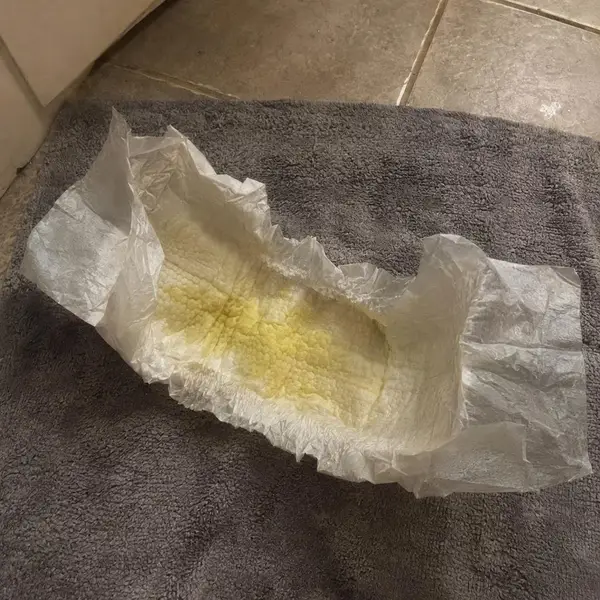
I had to wear thick overnight incontinence pads during the day for five years, not because I leaked while walking, but because the exact second my key touched my front door lock, my bladder dumped half a pint of urine down my legs. I have to warn every woman who has been told that heavy pads are her only option for bladder trouble. I am 61 years old. For nearly five years, I genuinely believed I only had two choices left in this world. Either keep buying bulky incontinence pads for the rest of my days, or learn to live with the terrifying side effects of prescription bladder tablets. Nobody ever told me there was a way to fix what was actually broken inside. Let me start from the beginning, because I know my story is what thousands of women are quietly suffering through right now. My bladder weakness crept in about three years after my menopause. At first it was just the odd drop when I gave a sudden cough or laughed at something on the television. Like almost every woman I know, I assumed it was just part of getting older. My GP agreed with me. She told me it was completely common, told me to do my pelvic floor squeezes three times a day, and sent me on my way with an information leaflet. I did those exercises faithfully for months. They did not make the slightest difference. Instead, the leaks began to take on a terrifying new pattern. I could drive all the way from Salisbury to Bristol to visit my grandchildren, sit in motorway traffic for two hours, and feel completely fine. My bladder stayed calm. I did not even think about a toilet. Then I would pull into my own driveway. The moment my car engine stopped, a panicked buzzing sensation would start deep in my lower stomach. The walk up my garden path felt like running away from a ticking clock. And the exact millisecond my brass house key slid into the lock, before I could even push the door open, my bladder would seize in a violent, uncontrollable clamp. A massive flood of hot urine would dump straight down my legs. It did not trickle. It emptied. It soaked through my knickers, soaked through my trousers, and puddled into my shoes right there on my own welcome mat. I could not stop it. I could not squeeze it back. My pelvic muscles were completely helpless against that violent spasm. Because of that front door flood, I was forced into wearing the thickest overnight pads I could find, even in the middle of a hot summer afternoon. I was going through three or four heavy pads every single day, just to protect myself against the thirty seconds it took to unlock my front door. I had spares stashed in every handbag, in the glovebox of my car, and in the bottom drawer of my desk. I could hear the synthetic plastic rustling between my thighs whenever I walked through Marks and Spencer. I stopped wearing light colours and bought four pairs of identical black trousers to hide any accidental damp patches. And that was humiliating enough on its own. But what came next was even worse. After about six months of wearing those heavy pads every single day, the skin irritation started. At first I thought it was just ordinary chafing from walking around with a thick pad pressed between my legs. But it was far worse than chafing. The delicate skin turned bright red, raw, and itched with a deep, burning fire that drove me half mad. It never got the chance to heal properly, because every morning I had to strap another synthetic pad right over the top of the skin that had been weeping from the day before. I tried every brand on the chemist shelf. Thin ones, extra long ones, cotton surfaced ones, the expensive sensitive skin ones that cost nearly ten pounds a packet. Every single evening still ended with me sitting on the edge of the bed with a cold flannel, crying from the burning and soreness between my thighs. Then came the water infections. Three severe urinary tract infections in five months. Burning agony every time I tried to pass water, fever, shaking, and dark cloudy urine. My doctor prescribed courses of antibiotics each time. She told me the heavy pads were almost certainly contributing, because the dense synthetic plastic traps body heat and sweat all day long, creating the perfect warm, damp breeding ground for bacteria. I sat in my car in the surgery car park and cried with pure rage. The very product I was buying to save myself from humiliation was poisoning my skin and causing infections that sent me back to the doctor every eight weeks. The moment that broke me completely came late one Tuesday night. I could not sleep because I had already been dragged out of bed three times before midnight by false alarms from my bladder. The skin between my thighs was stinging so badly that even the bedsheet touching it felt like sandpaper. I sat in the dark with my tablet computer and started reading about what disposable incontinence pads are actually made of. What I found made my stomach turn. Report after report detailing the synthetic plastics, chemical bleaching agents, artificial fragrances, and forever chemicals used in the manufacturing of many commercial pads and liners. They are called forever chemicals because the human body cannot break them down. They accumulate in tissue over time. And I had been pressing those exact synthetic materials against the thinnest, most sensitive tissue on my body, sixteen hours a day, for years. Nobody had ever warned me. Not my doctor, not the manufacturers, nobody. That night, sitting on the edge of my bed with stinging thighs and exhausted eyes, something snapped inside me. I did not want a better pad. I wanted to never have to strap a piece of chemical plastic between my legs ever again. I needed to know if there was a real way out, or if I was doomed to spend the rest of my life rotting in wet nappies. So I started searching and tried everything medicine had to offer. First, my urologist suggested Botox injections directly into my bladder wall. I was terrified of having needles put into my bladder, but I was so desperate to stop the front door floods that I agreed. The procedure was uncomfortable, but honestly, for the first ten weeks, it seemed to work. My bladder muscle was partially paralysed, so the violent spasms at the front door stopped. I thought I had found my miracle. I nearly hugged the doctor at my follow up appointment. Then, around week fourteen, the effect began to fade. First slowly, then all at once. By month four, the front door spasms were back with a vengeance. My consultant told me that this was completely expected and that I would need fresh rounds of injections every four to six months for the rest of my life. Each private treatment cost over 350 pounds. I was looking at between 700 and 1,400 pounds every single year for a temporary chemical freeze that wore off like clockwork and did nothing to fix the actual tissue. I had a second round of injections, and that time it left me unable to empty my bladder fully, which triggered yet another agonizing water infection. I refused to go back for a third round. It felt like paying a small fortune to rent temporary relief while my body got weaker underneath. I looked into sling surgery, but after reading about women whose surgical mesh had eroded into their tissue causing permanent nerve damage, I decided there was not a chance in hell. I tried oxybutynin tablets. The side effects were horrifying. Within ten days, my mouth was so dry that my lips cracked when I smiled. I became severely constipated. But the scariest part was the strange mental fog. I would lose my train of thought mid-sentence and forget where I had parked my car at the supermarket. When I read published research showing that long-term use of anticholinergic bladder drugs is linked to a higher risk of dementia in older women, I threw the entire box straight into the kitchen bin. I felt completely abandoned. Every medical option was either a temporary band aid, an expensive injection, or a drug that dulled my brain. Then a woman in my online support group changed everything. I belonged to a private UK Facebook group for postmenopausal women dealing with bladder troubles. It was the only place where women spoke openly about ruined trousers, stained hallway carpets, and the secret shame of buying pads in bulk. One evening, a woman named Margaret posted a long message. She wrote that she had completely eliminated her bladder leaks, that her violent front door urgency had stopped firing, and that she had not bought a single incontinence pad in over three months. Most of the women in the comments rolled their eyes. We had all been burned by snake oil, useless herbal teas, and pelvic floor gimmicks. I had personally wasted money on high street cranberry pills, pumpkin seed oil capsules from the health shop, and expensive vitamin blends. None of them had done a single thing. When Margaret mentioned a nutritional approach, half the group nearly scrolled straight past. But Margaret asked us to pause and think about one simple question. She wrote, why do you think you can sit in the car for two hours without leaking, but the second your key hits your front door, your bladder dumps everything on the floor? That question stopped me dead in my tracks. Margaret explained that for years she had blamed her pelvic floor muscles, just like her doctor told her to. Then she spoke to a specialist who explained that the front door flood has almost nothing to do with weak pelvic muscles. Think about it logically, Margaret wrote. If your pelvic floor was too weak to hold back liquid, you would be leaking continuously while sitting in the car or walking down the street. But you do not. Your muscles are physically capable of holding back urine for hours while you are out. So what changes the exact second you put your key in the lock? She explained the real biological mechanism that standard doctors never talk about. Inside your bladder, there is a delicate protective inner wall called the glycosaminoglycan layer, or the GAG mucosal barrier. It works exactly like the protective moisture barrier on your face, or the Teflon lining on a non-stick frying pan. Directly underneath that slippery, waterproof barrier lies a massive network of sensory nerves that constantly communicate with your brain. When a woman is young, natural oestrogen keeps that inner mucosal lining thick, plush, and completely watertight. The acidic urine never touches the raw nerve tissue beneath. The nerves remain calm, insulated, and protected. Then you go through the menopause. Oestrogen levels collapse. And when oestrogen drops, the blood supply to the pelvic organs decreases. The cells responsible for manufacturing that protective inner mucosal lining stop renewing themselves. Year after year, that protective barrier thins out until it is paper thin. In patches, it wears away entirely. Now, instead of sitting safely behind a thick waterproof shield, your sensory nerves are exposed directly to the harsh, acidic salts of your urine. Those raw nerves become hyper-sensitized, inflamed, and twitchy. They sit in a constant state of electrical tension, screaming false alarms at the smallest drop of liquid. While you are driving or out in public, your conscious brain stays on guard. It maintains an active neurological override, holding the gates shut through pure mental focus because you know you are away from home. Then you arrive at your front door. Your brain hears the jingle of your keys. It sees your front porch. It smells your hallway. Your subconscious brain registers safety. The exact millisecond your key enters the brass lock, your conscious brain drops its guard for a fraction of a second. And the instant that mental inhibition relaxes, those raw, uninsulated, twitching nerves inside your stripped bladder wall fire a massive electrical short circuit. They send an emergency panic signal straight down the reflex pathway to your detrusor muscle. The muscle contracts in a violent, involuntary clamp. It does not matter how many Kegel exercises you have done. A smooth muscle seizure driven by raw, exposed sensory nerves will overpower your external pelvic floor every single time. You cannot squeeze away an exposed nerve. And wearing pads does not fix it. It just catches the mess while the trapped moisture rots your skin. Your bladder is not broken. It is not worn out from having babies. Your bladder wall is simply starving for the specific nutrients it needs to rebuild that protective mucosal barrier and calm those exposed sensory nerves. Margaret explained that European clinical research had identified six specific natural compounds that work together to repair the tissue from the inside out. First, you have to rebuild that stripped inner wall so the raw nerve endings are insulated again. The clinically proven compound for this is sodium hyaluronate. In hospital clinics, doctors sometimes inject it through a painful catheter, but clinical trials prove that high-grade oral sodium hyaluronate is absorbed into the bloodstream and delivered straight to mucosal tissue, binding moisture and rebuilding the protective GAG barrier. To support that barrier, you need sea buckthorn extract. It contains rare omega-7 fatty acids that nourish delicate mucous membranes throughout the female pelvic tract, reversing postmenopausal tissue dryness. Second, you must calm the hyper-sensitized sensory nerves that trigger the sudden latchkey spasm. For this, the body requires magnesium citrate. Magnesium is the primary mineral that regulates calcium channels in smooth muscle cells and quietens peripheral nerve excitability. When postmenopausal tissue lacks magnesium, sensory nerves fire false alarms the instant conscious control relaxes. Magnesium citrate calms that overactive tripwire. Third, you must strengthen the smooth muscle fibres of the bladder wall and urethral sphincter so they have the physical tone to maintain closure under pressure. The gold standard compound is water-soluble pumpkin seed extract with active enterolactones. It supports the structural protein synthesis that maintains tone in the sphincter and prevents sudden leakage when you sneeze, laugh, or rush. And finally, cranberry extract to stop bacterial attachment and soothe low-grade inflammation, combined with red clover extract, which provides gentle plant isoflavones to nourish tissue that has been starved of hormonal signalling since menopause. Six clean, naturally sourced ingredients. Working in synergy. Feeding the wall, the nerves, and the muscle all at once. The formula Margaret used was called Urovital. Two capsules every morning with breakfast. No prescription needed. No synthetic chemicals, no artificial fillers, no proprietary blends hiding the amounts. When I read that, sitting at my kitchen table with sore, burning skin and a wastepaper basket full of pads, I felt a spark of hope I had not felt in years. I ordered a three-month bundle from the official website that very evening. The package arrived three days later in a plain, discreet cardboard box. The capsules were clean, smooth, and had no strange taste. I took my first two capsules the next morning with my porridge and a cup of warm water. I told myself to be realistic. Tissue repair does not happen in forty-eight hours. For the first two weeks, just as Margaret had warned, nothing dramatic happened. I still had to hurry at the front door, and I still wore my pads. But I noticed that my mouth felt moist and normal, my head was completely clear, and my digestion had improved. Around week three, the first real miracle occurred. I slept five and a half hours straight without waking up once to use the toilet. I lay in bed looking at the morning light coming through the curtains, and I realised I did not have that desperate, clawing pressure in my belly. My bladder felt calm. Then came week four. The day everything changed. I had driven over to Marlborough to spend the afternoon with my sister. On the drive home, traffic was crawling for nearly forty-five minutes. I pulled into my driveway at five o'clock. I got out of the car, gathered my handbag and my umbrella, and walked up my front path. As I reached the front door, my stomach tensed out of pure habit. My brain anticipated the violent seizure. I braced my thighs and squeezed my legs together, waiting for the flood. I put my key in the lock. I turned the cylinder. The latch clicked open. I stepped onto my doormat. I froze. Nothing happened. No spasm. No seizure. Not a single drop of urine leaked into my pad. My bladder was completely, beautifully silent. I stood there in my hallway with tears pouring down my face. I took off my wet raincoat, hung it on the peg, put my keys on the table, and walked at a completely normal, relaxed pace to the bathroom. I pulled down my trousers and looked at my pad. It was completely, miraculously bone dry. By week six, I sneezed in the kitchen while peeling potatoes. A proper, violent sneeze that in the old days would have soaked me to the knees. Nothing leaked. Not a drop. By week eight, I was only wearing a thin daily liner out of pure habit, and every evening it was completely dry. By week ten, I threw every single box of incontinence pads into the outside bin. I went to the high street and bought three packs of lovely, soft cotton briefs. Within two months of throwing the pads away and taking Urovital, the raw, angry redness between my thighs began to heal. By the third month, my skin was completely normal again. No burning, no itching, no soreness. And I have not had a single water infection since. Think about that for a moment. All those years of spending hundreds of pounds on pads, buying antibiotic prescriptions, applying soothing creams, and living in terror of my own front door. All of that misery was caused by starving tissue and exposed nerves that simply needed the right nutritional building blocks to heal. One bottle of Urovital paid for itself in less than four weeks, just from the money I saved by never buying another box of pads. I am 61 years old now. I take my two capsules of Urovital every single morning with my breakfast. I can drive two hours, walk up my garden path in the pouring rain, unlock my front door, and take my coat off without a second thought. I sleep deeply through the night. I have my dignity, my confidence, and my life back. If you are currently trapped in the nightmare of heavy incontinence pads that are wrecking your skin, please hear me. You do not have to live like this. You are not failing. Your body is not broken. That sudden flood as your key turns in the door is your bladder crying out that its protective lining has thinned and left its nerves raw and exposed. Stop punishing your skin with synthetic pads that only catch the disaster. Fix what is actually broken underneath. The formula that gave me my freedom back is Urovital. Six clean, clinically backed ingredients. Pumpkin seed extract, magnesium citrate, sodium hyaluronate, cranberry extract, red clover, and sea buckthorn. Two capsules each morning with your breakfast. No prescription needed. No chemical additives. The company offers a full 90-day money-back guarantee. You can order a three-month course, take it consistently every morning, and see for yourself how your body responds. If your night-time waking does not drop, if your urgency does not calm down, and if you are not walking through your front door with completely dry underwear in 90 days, you simply email your order number and you get every single penny back. No awkward questions, no forms, no nonsense. I have placed the official link directly below https://puraglory.com/urovital/ Janet, age 61, Wiltshire P.S. Please do not stop any prescription bladder medication suddenly on your own. If you are taking oxybutynin, mirabegron, or any other prescribed tablet, continue taking it while you start Urovital. Give the natural ingredients six to eight weeks to rebuild your tissue, restore the mucosal barrier, and calm your sensory nerves. Track your progress in a simple notebook. Once your front door urgency disappears, take that evidence to your GP and let them supervise coming off the tablets safely. If you take blood thinners or immunosuppressants, always show the label to your doctor first. P.P.S. Do not give up after a fortnight. Rebuilding a cellular lining that has been thinning for five or ten years takes consistent daily nourishment. The first two weeks are quiet while the compounds accumulate in your tissue. Most women notice that their night-time sleep improves first, around week three or four. The urgency softens next. By week six to eight, the front door spasm stops firing altogether. Give your body the full ninety days that the guarantee protects. The official link is right below https://puraglory.com/urovital/ P.P.P.S. When you look at the economics, it is an absolute no-brainer. The average UK woman with bladder weakness spends between 40 and 75 pounds every single month on disposable pads, liners, intimate washes, and ruined clothes. That is over 600 to 800 pounds every year thrown into the bin, without fixing a single cell of damaged tissue. Urovital costs a fraction of that amount, and it actually solves the root cause of why you are leaking. Fewer than three percent of women ever ask for their money back. P.P.P.P.S. Be very careful where you buy this. You cannot purchase genuine Urovital in Boots, Superdrug, or on Amazon. The manufacturer refuses to sell through retail chains because distributors take huge margins that force brands into cheap, watered-down proprietary blends with low-grade fillers. The only place to get the authentic, clinical-grade formulation is direct from their verified website. They currently have up to fifty percent off bundle options for UK customers through the official link below. https://puraglory.com/urovital/

Loading the ad's image

Olivia Bennett — End front door bladder leaks
Testing

Stop front door leaks

I spent 28 years running NHS continence clinics, and the most common place women had their worst bladder accidents was not in bed or in the street, but standing on their own welcome mat with their house key halfway into the lock. My husband told me to leave it alone. I am retired now. Nobody’s career is on the line anymore, not mine, not the consultants’, not the hospital’s. But I am 62 years old, and I spent nearly three decades watching women suffer in total silence, knowing the truth and saying nothing. So here it is. When you work in continence care, you do not just read charts and write clinical reports. You see what is happening to real women in their everyday lives. You see the shame in their eyes when they sit across from you in clinic. And if you do home visits like I did, you see what happens behind closed front doors. You see the dark plastic runner taped over the hallway carpet. You see the spare pair of trousers folded over the bannister. You see the roll of kitchen paper and the disinfectant spray kept permanently beside the umbrella stand. And in 28 years, in patient after patient across Lancashire and Cheshire, I heard the exact same confession whispered over a cup of tea. A woman could drive for two hours down the M6 without feeling a single urge. She could walk around the garden centre with her daughter, sit through a two hour film at the cinema, and feel completely in control. Her bladder behaved itself perfectly while she was away from home. Then she would pull into her own driveway. The walk up the garden path felt like a desperate race against time. A panicked buzzing sensation would start in the pit of her stomach. And the exact millisecond her house key slid into the front door lock, before she could even turn the brass handle, her bladder would seize in a violent, uncontrollable spasm. A flood of warm urine would dump straight down her legs. It did not leak in a few drops. It emptied completely. It soaked through her thick pad, through her knickers, through her trousers, and pooled into her shoes right there on her own doormat. She could not stop it. She could not squeeze it back. Her pelvic floor muscles were completely powerless against that violent internal contraction. It is called latchkey urgency. In medical textbooks they file it under urge incontinence or neurogenic detrusor overactivity. GPs tell women it is psychological. They tell them it is like Pavlov’s dog salivating at a bell. They say your brain knows you are near the toilet, so it releases the handbrake. Then they tell a 60 year old woman to do ten pelvic floor squeezes at the kitchen sink, cut out tea, and take a daily tablet that dries out her mouth. It is absolute nonsense. It is not in your head. It is not because you are lazy with your exercises. And it is certainly not because your mind wants to humiliate you on your own doorstep. What is happening in that hallway is a physical breakdown inside your bladder wall that standard medicine completely ignores. I want to tell you about the two women who made me realise our entire NHS protocol was failing. The first was in 2003. Her name was Barbara Dixon. 65 years old. A retired school secretary from Bolton. Tidy, proud woman who always wore a neat pleated skirt and a warm woollen coat. Barbara had been dealing with latchkey leaks for seven years. Her GP had put her on the standard NHS pathway. Squeeze the pelvic floor three times a day. Cut out caffeine. Take oxybutynin every morning. Barbara followed every single instruction. She logged every sip of water in her little blue bladder diary. She did her squeezes while waiting for the kettle to boil. Her diary showed her night trips had gone from five down to four. Her GP told her she was doing everything right. One wet Tuesday morning, Barbara came home from the post office. She put her key into her front door. The latch clicked open. Her bladder went into a full spasm. She tried to rush down the narrow hallway to reach the downstairs toilet, but her trousers were already soaked and her slippers slipped on the wet linoleum. She fell heavily against the bottom stair. She broke her hip. She lay on the cold hallway floor for four hours until her son came round with her groceries. Barbara ended up on our rehabilitation ward. She developed pneumonia, never walked independently again, and died in a nursing home eighteen months later. The death certificate said complications following a fractured neck of femur. When I looked at Barbara’s medical notes, she had been on oxybutynin for six years. Her bladder wall had been quietly withering away while her doctors celebrated her compliance with pills. Oxybutynin works by blocking acetylcholine receptors in the bladder nerve pathways. It chemically stuns the signal so the muscle does not contract quite as hard. It does not repair a single cell of tissue. It does not rebuild the inner wall. It just drugs the alarm while the tissue underneath continues to starve and thin out. I was 42 at the time. I had a mortgage and two children in secondary school. Hospital sisters who challenged the consultants did not keep their clinic posts for long. So I kept quiet. And I started a private notebook in my desk drawer. The second patient broke my heart even deeper. Her name was Joanne Wright. It was 2015. 53 years old. A secondary school English teacher from Macclesfield. Married 26 years. Two sons at university. Big, warm laugh. Joanne was not Barbara. Joanne was put on the modern, aggressive pathway. Oxybutynin first, then a newer drug when the dry mouth became unbearable. Pelvic floor physiotherapy. The NHS Squeezy app. When the front door floods kept happening, her consultant recommended Botox injections directly into her bladder wall. For the first four months, Joanne thought she had found a miracle. Her urgency dropped. She could unlock her front door without flooding. Then the Botox wore off. She went back for a second round of injections. But this time, the Botox paralysed her bladder muscle too much. She could not empty her bladder on her own. She had to learn how to push a sterile plastic catheter into her own urethra four times every single day. Then came the infections. One after another. Burning, fevers, and courses of strong antibiotics. Joanne died on a Sunday morning. A bladder infection had crossed into her bloodstream, causing fatal urosepsis while she was standing in her kitchen making Sunday lunch for her family. I had looked at her notes the week before. Her bladder wall was thin, raw, and scarred from the injections and the catheter. Her treatments had changed. Her diary had looked better for a short time. And all the while, her bladder was in worse physical condition than a woman who had never had the newer treatments at all. That was the moment I understood that our treatments were never aimed at what was actually failing. The urgency came down temporarily because the nerves were chemically stunned. The damage kept building underneath. And nobody was watching the damage. Everyone was just watching the diary. Not one treatment Joanne had ever received gave her bladder what it needed to actually repair itself. Not one. By the time I retired, that notebook in my desk drawer had 1,624 entries. 1,624 women who were told to squeeze a muscle that was never the problem, while their bladders were literally starving for the nutrients needed to hold a lining together. Then my younger sister, Eileen, turned 59. Eileen ran a busy school canteen in Blackburn. On her feet seven hours a day, lifting heavy soup pots, working in the heat. Strong, lively woman who never complained about anything. Two years ago, Eileen drove down to visit me for Sunday lunch. She pulled into my driveway. I walked out to meet her. The moment Eileen stepped out of her car and walked onto my gravel path, she froze. Her face turned completely pale. She clamped her knees together, dropped her handbag into the wet gravel, and grabbed my garden wall. Urine was pouring down her legs, soaking through her dark trousers, pooling straight into her leather shoes. I rushed her inside, straight to the bathroom. I found her clean clothes and put her ruined trousers in the washing machine. When she came into the kitchen, she was shaking with humiliation. She said, Gillian, it happens every single afternoon when I get home from the school. I can stand by the hot counters all day without a problem. But the second I put my key into the back door, I wet myself like a toddler. My GP says I have a weak pelvic floor from having two big babies. He put me on oxybutynin three months ago. I looked at my sister. Her mouth was bone dry from the tablets. She was constantly sipping water, which made her bladder fill even faster. Her husband had mentioned to me that Eileen seemed muddled lately, forgetting simple family dates and misplacing her handbag constantly. That is what anticholinergic bladder pills do. They cross the blood brain barrier. Research has linked them to memory loss and confusion in older women for years, yet they are still handed out on every NHS prescription pad. I knew right then that I was not going to let my own sister become entry 1,625 in my notebook. I knew what did not work. Pelvic floor squeezes did not work. Squeezing your pelvic floor when your bladder is in a full neurochemical spasm is like trying to hold back a tidal wave with a wooden broom. The pelvic floor is an external support sling. The spasm is happening on the inside. Cranberry capsules from the chemist did not work. Cranberry helps stop bacteria from sticking to the wall, but it does nothing to rebuild thinned tissue and nothing to calm overactive nerves. Cutting out drinks did not work. When women stop drinking water, their urine becomes dark, concentrated, and highly acidic. That concentrated acid burns the inner wall of the bladder, making the front door spasms ten times more violent. I needed to understand what was physically happening on the inside of the bladder when that brass key turned in the lock. I spent weeks pulling medical papers from European urological journals that never crossed my desk in the NHS. And finally, the exact biological truth of Pavlov’s front door fell into place. Your bladder is not a simple rubber balloon. The inside of your bladder is lined with a delicate, slippery protective barrier called the glycosaminoglycan layer, or the GAG mucosal lining. It works exactly like the protective moisture barrier on your skin, or the Teflon coating on a non-stick frying pan. Directly beneath that slippery waterproof barrier sits a massive, dense network of sensory nerves that constantly communicate with your brain. When a woman is young, natural oestrogen keeps that inner lining thick, plush, and completely watertight. The acidic urine never touches the raw nerve tissue beneath. The nerves remain calm, insulated, and protected. Then comes the menopause. Oestrogen levels plunge. And when oestrogen disappears, the blood supply to the pelvic organs dries up. The cells that manufacture that protective inner lining stop renewing themselves. Slowly, quietly, over five, ten, or fifteen years, the inner lining thins out until it is paper thin. In patches, it wears away completely. Now, instead of sitting safely behind a thick waterproof shield, your sensory nerves are exposed directly to the harsh, acidic salts of your urine. Those raw nerves become hyper-sensitized, inflamed, and twitchy. They sit in a constant state of electrical red alert. While you are driving or walking in town, your conscious brain is on guard. It maintains an active neurological override, holding the gates shut through pure mental focus because you know you are away from home. Your conscious brain is literally holding back the flood through pure willpower. Then you pull into your driveway. You walk up your garden path. Your brain hears the jingle of your keys. It sees your front door. It smells your hallway. Your subconscious brain registers safety. The exact millisecond your key enters the brass lock, your conscious brain drops its guard for a fraction of a second. And the instant that mental inhibition drops, those raw, uninsulated, twitching nerves inside your stripped bladder wall fire a massive electrical short circuit. They send an emergency panic signal straight down the reflex arc to your detrusor muscle. The muscle contracts in a violent, involuntary clamp. It does not matter how strong your pelvic floor is. A smooth muscle seizure triggered by raw, exposed sensory nerves will overpower your external pelvic floor every single time. You cannot squeeze away an exposed nerve. And taking oxybutynin does not help either. It drugs the signal in your brain, but it leaves the lining raw and starving underneath. The bladder is not broken. It is starving. It has been stripped of the exact biological building blocks it needs to repair that protective lining, insulate those exposed nerves, and keep the muscle fibres resilient. Once I understood the mechanism, the solution became completely clear. You have to do three things at the exact same time. First, you have to rebuild that stripped inner lining so the raw nerve endings are insulated again. The gold standard compound in clinical research is sodium hyaluronate. In hospital clinics, urologists sometimes instill it directly into the bladder through a catheter to coat the lining. But clinical trials prove that high-grade oral sodium hyaluronate is absorbed into the bloodstream and delivered straight to mucosal tissue, binding moisture and rebuilding the protective GAG barrier. To support that barrier, you need sea buckthorn extract, which is packed with rare omega-7 fatty acids that nourish mucous membranes throughout the female pelvic tract, reversing postmenopausal tissue dryness. Second, you must calm the over-sensitized peripheral nerve network that triggers the sudden latchkey spasm. For this, the body requires magnesium citrate. Magnesium is the primary mineral that regulates calcium channels in smooth muscle cells and quietens hyper-excitable sensory nerves. When postmenopausal tissue lacks magnesium, sensory nerves fire false alarms the instant conscious control relaxes. Magnesium citrate calms that overactive tripwire. Third, you must strengthen the smooth muscle fibres of the bladder wall and urethral sphincter so they have the physical tone to maintain closure under pressure. The clinically proven compound is water-soluble pumpkin seed extract with active enterolactones. It supports structural protein synthesis in the bladder muscle, restoring the physical strength needed to resist sudden pressure when you laugh, sneeze, or rush. And finally, cranberry extract to stop bacterial attachment and calm low-grade tissue irritation, combined with red clover extract, which provides gentle plant isoflavones to nourish tissue that has been starved of hormonal signalling since menopause. Six specific natural ingredients. Working in synergy. Feeding the wall, the nerves, and the muscle all at once. Then I found an old clinical contact who told me about Agnes, an 84-year-old retired continence nurse living in the Yorkshire Dales who had been teaching women this exact nutritional approach for decades. I drove four hours to find her cottage. Agnes sat me down, poured me tea, and confirmed everything the European trials had shown. She said, Gillian, your sister’s doctors have been treating one problem with one tablet. It was always three systems failing together. And the answer was always food for the bladder, not a block on it. She pulled down a bottle from her cupboard. Her granddaughter in Manchester had found a clean clinical formula that combined all six ingredients in their proper ratios. Pumpkin seed extract, magnesium citrate, sodium hyaluronate, cranberry, red clover, and sea buckthorn. No proprietary blend. No artificial fillers. No synthetic additives. Two capsules a day with breakfast. The product was called Urovital. I ordered four bottles straight from my phone at a service station on the drive home. The package arrived four days later. I inspected the label myself. Everything was listed in plain sight with proper clinical doses. I handed the bottles to Eileen and told her, take two capsules every morning with your breakfast toast. Give it time to build up in the tissue. Eileen started the next morning. The first two weeks were quiet, exactly as the biology predicted. The nutrients were saturating the depleted cells. Eileen grumbled, but she kept going. Around week three, the night wakings started to drop. She went from four trips a night down to two. Week four was the test that made us both weep. Eileen drove home from her shift on a wet Thursday afternoon. She walked up her garden path, carrying her handbag and a bag of groceries. She reached her back door. She put her brass key into the lock. She braced herself. She squeezed her thighs together and waited for that violent, familiar spasm. The key turned. The door swung open. Nothing happened. No spasm. No burning panic. Not a single drop of urine leaked into her knickers. She walked into her kitchen, put the groceries on the counter, hung her coat on the peg, and walked at a completely normal, relaxed pace to the bathroom. She sat down on the toilet, looked down, and her knickers were completely, beautifully bone dry. She rang me five minutes later, crying so hard she could barely get the words out. By week eight, Eileen had thrown her pads in the bin. She went back to wearing ordinary cotton underwear from Marks and Spencer. She stopped mapping toilets. She went to a comedy night in Manchester with her friends, laughed until her ribs ached, and never leaked once. At ten weeks, she had her routine GP review. Her night trips were down from five to zero or one. Her daytime frequency had halved. Her leaks had completely vanished. Her GP went through her bladder diary twice, thinking she had brought in someone else’s notebook. Then she cancelled the hospital Botox referral on the spot. A month later, Eileen had a routine follow-up check. The report confirmed the inflamed patches had settled and her bladder wall was visibly healthier. Her bladder had repaired itself. I started taking Urovital myself the following week. The photo attached to this post was taken by my husband on a blustery walk along the Cornish coastal path last summer, before I started. Look at my legs crossed tight. Look at my hand clutching my lower belly. That is a woman with 28 years of continence nursing experience behind her, three miles from the nearest toilet, praying she makes it down the path without soaking herself. Within six weeks of taking Urovital, my own urgency vanished. I sleep through eight solid hours every night. I have energy I have not felt since my forties. I went back along that exact same coastal path in September with a full bottle of water and never thought about a toilet once. Eileen and I both take two capsules every single morning with our breakfast. It is the one habit neither of us will ever drop. I spent 28 years watching women suffer in silence while standard treatments managed their decline. I documented it 1,624 times in a notebook that sat in my desk drawer for years. I am not carrying that silence anymore. That sudden flood at your front door is not your fault. It is not a weak pelvic floor. It is your body screaming that your protective inner lining has thinned out and left your nerves raw and exposed. Stop silencing the alarm with tablets that fog your brain. Fix what is actually broken underneath. The formula Eileen and I rely on every day is Urovital. Six clean, naturally sourced ingredients. Pumpkin seed extract, magnesium citrate, sodium hyaluronate, cranberry, red clover, and sea buckthorn. Two capsules every morning with your breakfast. No prescription needed. The company offers a full 90-day money-back guarantee. If your night trips do not drop, if your urgency does not calm down, and if you are not walking through your front door with completely dry underwear in 90 days, you email your order number and every penny comes back. I have placed the official link directly below https://puraglory.com/urovital/ Gillian, age 62, retired NHS continence specialist P.S. Please do not stop any prescription bladder medication on your own. Eileen stayed on her oxybutynin while starting Urovital, and it was her GP who made the decision to take her off it after seeing the dramatic turnaround in her bladder diary at week ten. Let your doctor supervise coming off medication safely. And if you take blood thinners or immunosuppressants, always show the label to your doctor first. P.P.S. Do not give up early. Cellular tissue repair takes time. The first two weeks are quiet while the nutrients saturate your pelvic tissues. Most women notice their night sleep improves first, around week three or four. The urgency softens next. By week six to eight, the sudden front door spasm stops firing. Give your body the full ninety days that the guarantee protects. The official link is right below https://puraglory.com/urovital/ P.P.P.S. The cost comparison is staggering. The average UK woman with bladder leaks spends between 40 and 70 pounds every single month on pads, liners, and replacement clothing. That is over 600 pounds a year spent on managing the mess without repairing a single cell. Urovital costs a fraction of that, and it actually solves the root cause. Fewer than three percent of women ever ask for their money back. P.P.P.P.S. Be very careful where you order. Urovital is not sold in Boots, Superdrug, or on Amazon. The company sells direct from its own official site to avoid retailer markups and preserve clinical-grade ingredient quality. They currently have up to fifty percent off bundle options for UK customers through the verified link below. https://puraglory.com/urovital/

Loading the ad's image

Olivia Bennett — Stop front door leaks
TestingImage

Stop front door leaks

I spent 26 years as an NHS continence specialist, and I lost count of how many women had a plastic runner taped to the carpet right inside their front door. They could sit through a two hour drive without an urge, but the exact second their house key turned the lock, their bladder dumped a pint of warm urine straight down their legs. My husband told me to leave it alone. I have been retired for eighteen months now. Nobody is going to haul me in front of a disciplinary panel, and nobody can threaten my pension. But I am 61 years old, and I spent a quarter of a century watching women scrub their own hallways in tears while the system handed them useless leaflets and tablets that made them lose their car keys. So I am going to tell you the truth that never gets written on an NHS discharge letter. When you work in continence care, you do not just see women in a hospital clinic under harsh strip lights. If you do community visits like I did, you see them where they actually live. You see the damp bath mat laid across the doormat. You see the pair of clean trousers folded on the radiator in the porch. You see the dark brown linoleum they put down over nice oak floorboards because the wood was ruined three winters ago. And in 26 years, visiting home after home across Lancashire and West Yorkshire, I heard the exact same confession whispered over a cup of instant coffee. A woman could drive two hours down the M6 without a twinge. She could sit through a full church service or walk around Marks and Spencer with her daughter. But the moment she pulled into her own driveway, her lower belly would start to hum. The walk up the garden path felt like a race against a bomb. And the exact millisecond her brass key slid into the front door lock, her bladder would seize in a violent, uncontrollable cramp. Warm urine soaked straight through her liner, through her thick knickers, through her trousers, and down into her shoes before she could even drop her handbag. It is called latchkey urgency. In medical textbooks they file it under urge incontinence or neurogenic detrusor overactivity. GPs tell women it is psychological. They tell them it is Pavlovian conditioning, like a dog salivating at a dinner bell. They say, your brain knows the toilet is ten steps away, so your mind lets go of the handbrake. Then they tell a 55 year old woman to do ten pelvic floor squeezes at the traffic lights, cut out Earl Grey tea, and come back in six months if she is still soaking her skirt. It is absolute rubbish. It is not in your head. It is not because you are lazy with your squeezes. And it is certainly not because your brain wants to humiliate you on your own welcome mat. What is happening in that hallway is a physical breakdown inside your bladder wall that standard medicine completely ignores. I want to tell you about the two women who made me realise our entire approach was broken. The first was in 2004. Her name was Evelyn Morris. She was 63, a retired primary school secretary from Burnley. Tidy woman. Always wore a pressed blouse and a neat cardigan. Evelyn had been dealing with bladder trouble for seven years. Her GP had put her on the standard conveyor belt. Squeeze the pelvic floor three times a day. Stop drinking after six in the evening. Take oxybutynin every morning. Evelyn did every single thing she was told. She kept a bladder diary in a little spiral notebook with neat schoolteacher handwriting. She logged every sip of water and every trip to the loo. One Thursday morning in November, Evelyn came home from the chemist with her shopping. She unlocked her front door. The latch clicked. Her bladder went into a full spasm. She tried to rush down the narrow hallway to the downstairs cloakroom, but her trousers were already soaked and her slippers slid on the wet lino. She went down hard. Smashed her right hip against the corner of the radiator. Her neighbour found her three hours later because the front door was still swinging open in the cold wind. Evelyn ended up on our ward with a fractured neck of femur. She never walked properly again, and within two years she was in a nursing home. When I looked at Evelyn’s notes, she had been on oxybutynin for four years. Her bladder diary showed she was still getting up four times every night, still leaking every time she came through the door, but her GP had written stable on her annual review form because she was compliant with her pills. Stable. The woman was breaking her bones in her own hallway, and the chart called her stable. I sat in the nurses station that afternoon looking at her medication chart. Oxybutynin works by blocking acetylcholine receptors in the bladder nerve pathways. It numbs the emergency brake so the bladder muscle does not contract as hard. It does not repair a single millimetre of tissue. It does not rebuild the lining. It just drugs the signal while the tissue underneath continues to wither. I wanted to scream. But I was 41, I had two teenagers at home, and sisters who spoke out against the consultant’s prescribing habits did not keep their clinic posts for very long. So I kept my mouth shut. And I started my own private notebook. The second woman broke my heart in a different way. Her name was Audrey Vance. 2017. 57 years old. A retired midwife who had delivered half the babies in our borough. Strong, capable woman who could handle a haemorrhage without blinking. Audrey started getting latchkey leaks right after her periods stopped at 52. She tried the NHS Squeezy app. She went to private pelvic floor physiotherapy and spent 80 pounds an hour learning how to lift her pelvic floor like an elevator. She bought weighted cones off the internet. None of it touched the front door spasm. By the time Audrey came into my continence clinic, she was wearing heavy night nappies just to drive home from her daughter’s house. She told me she would sit in her car on the drive for twenty minutes, trying to psyche herself up to make the sprint from the car door to the bathroom. Her GP had escalated her to mirabegron, then to a consultant who injected Botox directly into her bladder wall. Six months later, the Botox had paralysed her bladder muscle so much that she could not pee at all. She had to learn how to push a plastic catheter into her own urethra four times a day just to empty. Then came the urinary tract infections. One after another. Burning, fever, antibiotics that gave her thrush. Audrey sat across from me in clinic and broke down. She looked at me with red, exhausted eyes and said, Brenda, I delivered three thousand babies in this hospital. I know female anatomy inside out. Why is nobody telling me why my bladder is acting like this? I did not have an honest answer for her that fit NHS guidelines. Because the guidelines are designed to manage symptoms with pads, pills, and procedures. They are not designed to ask why a postmenopausal woman’s bladder suddenly turns into an unruly animal the moment she walks through her front door. That notebook in my drawer grew to 1,412 women before I handed in my hospital badge. 1,412 women who were told to squeeze a muscle that was never the problem, while their bladders were literally starving for the nutrients needed to hold a lining together. Then my older sister, Maureen, turned 59. Maureen is three years older than me. She ran a bakery in Preston. On her feet from four in the morning, lifting thirty pound sacks of flour, working near hot ovens. Hard as nails. Two years ago, Maureen drove down to visit me for Sunday roast. She pulled into my driveway. I walked out to meet her with an umbrella because it was pouring. The moment Maureen stepped out of the car and walked onto my gravel path, she froze. Her face went completely grey. She clamped her legs together, dropped her handbag in the wet gravel, and grabbed the doorframe of my porch. Urine was running down her legs, soaking through her dark denim jeans, puddling straight into her trainers. I rushed her inside, straight to the bathroom. I got her into clean clothes and put her soaked jeans in the wash. When she came into the kitchen, she was trembling. She would not look me in the eye. She said, Brenda, it happens every single day when I get home from the bakery. I can stand by the ovens for eight hours and I am fine. But the second I put the key in the back door, I wet myself like a toddler. My GP says I have a weak pelvic floor from having three big lads. He put me on oxybutynin two months ago. I looked at my sister. Her mouth was bone dry from the tablets. She was constantly sipping water, which made her bladder fill even faster. Her husband had told me on the phone the week before that Maureen seemed muddled lately, forgetting recipes she had baked for thirty years. That is what anticholinergic bladder pills do. They cross the blood brain barrier. Research has linked them to memory loss and confusion in older women for years, yet they are still handed out like sweets. I knew right then that I was not going to let Maureen become entry number 1,413. I had spent my entire adult life watching the official medical pathway fail women. I knew what did not work. Kegels did not work. Squeezing your pelvic floor when your bladder is in a full neurochemical spasm is like trying to hold back a burst water main with two fingers. The pelvic floor is an external support sling. The spasm is happening on the inside. Cranberry juice and chemist capsules did not work. Cranberry has compounds that stop E. coli bacteria from sticking to the wall, which helps with certain infections. But it does nothing for tissue atrophy, nothing for the nerves, and nothing for muscle tone. Cutting fluids did not work. When women stop drinking water to avoid peeing, their urine becomes dark, concentrated, and highly acidic. That concentrated acid burns the inner wall of the bladder, making the spasms ten times more violent. I needed to understand what was actually happening on the inside of the bladder when that front door key turned. I spent three weeks in the medical library at Manchester University. I pulled every paper I could find on postmenopausal urogynaecology, detrusor neurobiology, and mucosal lining research. And finally, tucked away in German and Scandinavian clinical journals, the whole picture fell into place. Your bladder is not just a rubber balloon that holds liquid. The inside of your bladder is lined with a delicate, slippery protective shield called the glycosaminoglycan layer, or the GAG layer. Think of it like the Teflon coating on a non-stick frying pan, or the protective moisture barrier on your skin. Directly beneath that slippery lining sits a massive, dense web of sensory nerves. Millions of tiny nerve endings that constantly talk to your brain. When a woman is young, high levels of oestrogen keep that inner lining thick, plush, and completely waterproof. The lining acts as a thick layer of electrical insulation over the nerves. Even when your bladder is completely full, the acidic urine never touches the raw nerve endings underneath. Then comes the menopause. Oestrogen levels fall off a cliff. And when oestrogen drops, blood flow to the pelvic organs dries up. The cells that produce the protective lining stop renewing themselves. Slowly, quietly, over five, ten, or fifteen years, the inner lining thins out until it is paper thin. In patches, it wears away completely. Now, instead of a thick, insulated barrier, you have raw, exposed sensory nerves sitting right against the urine. Every drop of acidic liquid irritates those naked nerve endings. They become hyper-sensitized, inflamed, and twitchy. They are in a state of permanent electrical red alert. While you are driving or walking in public, your central nervous system keeps a lid on it. Your conscious brain is on guard. It maintains an active inhibition signal, holding the gates shut through pure focus. But the exact second you arrive at your front door, your subconscious brain registers safety. It hears the familiar jingle of your house keys. It sees your front door mat. It smells your hallway. Your conscious guard drops for a fraction of a second. The moment that brain inhibition relaxes, those raw, uninsulated, hyper-reactive nerves inside your stripped bladder wall fire an immediate, massive electrical short circuit. They scream an emergency false alarm to the detrusor muscle. The muscle goes into a violent, involuntary clamp. It does not matter if your bladder has two drops of urine or a full pint. The muscle contracts with maximum force. And because the trigger is neurological, driven by raw nerve endings in a starved wall, no amount of pelvic floor exercises can stop it. You cannot exercise away a stripped lining. You cannot do Kegels to fix exposed nerve endings. The bladder is not broken. It is not worn out. It is starving. It has been stripped of the exact biological building blocks it needs to repair that protective lining, insulate those exposed nerves, and keep the muscle fibres resilient. Once I understood the mechanism, the solution became glaringly obvious. You do not need to numb the brain with pharmaceuticals. You do not need to inject toxins into the muscle. You have to do three things at the exact same time. First, you have to rebuild that stripped inner lining so the raw nerve endings are insulated again. Second, you have to calm the hyper-sensitized sensory nerves so they stop firing electrical short circuits at the sound of a key in a lock. Third, you have to nourish the smooth muscle fibres of the bladder and urethral sphincter so they have the tone to stay shut under sudden pressure. I started looking for how to achieve that nutritionally. I found clinical trials from Germany, Switzerland, and Japan. The research had been sitting in urological journals for over fifteen years. To rebuild the protective lining, the gold standard compound is sodium hyaluronate. In hospital clinics, urologists sometimes instill it directly into the bladder through a painful catheter to coat the lining. But high quality clinical trials proved that when taken orally, specific low molecular weight sodium hyaluronate is absorbed into the bloodstream and delivered straight to the mucosal tissue of the pelvic organs. It acts like liquid insulation, repairing the protective barrier and shielding those raw nerve endings from urine acid. To calm the twitchy nerve signals, the body needs magnesium citrate. Magnesium is the primary mineral that regulates calcium channels in smooth muscle cells and quietens peripheral nerve excitability. When postmenopausal women lack cellular magnesium, their bladder nerves fire false alarms constantly, especially when the brain drops its guard. Magnesium citrate calms that overactive tripwire. To strengthen the muscle fibres, nothing in the clinical literature matches pumpkin seed extract. Not generic oil from a supermarket shelf, but water soluble extract containing specific enterolactone compounds. Clinical studies show it supports the tone of the bladder wall muscle and the urethral sphincter, restoring the physical strength needed to resist sudden pressure when you sneeze, laugh, or rush. Then you need the supporting botanicals. Sea buckthorn extract, packed with rare omega 7 fatty acids that nourish mucous membranes and reverse tissue dryness. Cranberry extract to stop bacterial attachment and calm chronic low grade tissue inflammation. And red clover extract, rich in gentle plant isoflavones that provide localized phytoestrogen support to tissue that has been starving since menopause, without systemic hormone risks. Six specific, naturally sourced compounds. Working in synergy. Feeding the wall, the nerves, and the muscle together. I spent a week trying to source all six separately for Maureen. It was an absolute nightmare. I had six different bottles on my kitchen table. Powders, capsules, tinctures. Most of the chemist bottles were full of bulking agents, cheap maltodextrin, and tiny, ineffective doses hidden behind proprietary blends. It would have cost her over 140 pounds a month, and she would have had to swallow eleven pills every morning. Then, on a specialist continence forum, a retired urotherapist from Edinburgh mentioned a formula that combined all six in their exact clinical forms. No fillers. No artificial additives. No proprietary blend hiding the amounts. Just pure pumpkin seed extract, magnesium citrate, sodium hyaluronate, cranberry, sea buckthorn, and red clover, formulated into two capsules taken with breakfast. The product was called Urovital. I ordered four bottles straight to Maureen’s house that evening. When the package arrived, I drove over to inspect the label myself. Everything was listed in plain sight. Proper doses. Clean manufacture. No synthetic chemicals. I told Maureen, stop guessing. Take two capsules every morning with your toast and tea. Give it time to build up in the tissue. She looked at me and asked how long it would take. I told her the truth. Tissue repair does not happen in forty eight hours. Anyone promising you dry knickers overnight is selling you snake oil. The first two weeks, the nutrients are just beginning to saturate the depleted cells of the bladder wall. You will feel very little. Week three, the tissue begins to calm. Week four to six, the lining starts to thicken and cover those exposed nerves. By week eight to twelve, the whole system resets. Maureen agreed. She took her two capsules every single morning without missing a day. For the first fourteen days, she grumbled. She said, Brenda, I am still up three times a night and I still have to sprint through the back door. I told her to trust the biology and keep going. On day twenty two, Maureen called me at nine in the morning. She said, Brenda, something strange happened last night. I only woke up once to use the loo. Usually I am up at one, three, and five. I actually slept four hours in a row. My head feels clear. Week four was the real test. Maureen drove home from the bakery on a wet Tuesday afternoon. She pulled up to her house. She got out of her car, walked up the path, and put her key into the back door lock. She told me later that she braced herself. She tensed her legs, held her breath, and waited for that violent, familiar seizure in her belly. The key turned. The door opened. Nothing happened. No spasm. No flood. No burning urgency. She walked into her kitchen, put her shopping bag on the table, took off her coat, hung it on the hook, and walked at a completely normal pace to the downstairs bathroom. She sat down on the toilet, and for the first time in seven years, her knickers were completely bone dry. She sat there and sobbed her heart out. By week eight, Maureen had thrown her pads in the bin. She went from buying forty pound boxes of Tena liners every fortnight to wearing ordinary cotton briefs from Marks and Spencer. She stopped mapping every public toilet between Preston and Blackburn. She took her grandchildren to Blackpool for the day and rode the tram without once scanning for a disabled toilet sign. At three months, Maureen had her routine NHS check up. Her GP looked at her new bladder diary. Her night wakings had dropped from four times a night to zero or one. Her daytime frequency was down to five or six times a day, which is completely normal. Her accidental leaks were zero for the entire month. Her GP was stunned. He took off his glasses and said, whatever pelvic floor routine you are doing, Mrs. Taylor, keep it up. The improvement is remarkable. Maureen looked him dead in the eye and said, Doctor, I stopped doing your squeezes twelve weeks ago. I rebuilt my bladder lining with nutritional compounds my sister found. He looked uncomfortable, glanced at his computer screen, and murmured something about spontaneous recovery. Spontaneous recovery after seven years of worsening misery. What an insult to female intelligence. I did not wait for the NHS to validate what I was seeing. I started taking Urovital myself. I had been getting up twice every night for six years, telling myself it was just normal aging. I had been crossing my legs whenever I coughed during winter colds. Within five weeks of taking two capsules every morning, my night trips vanished. I sleep eight solid hours. I can drink a large glass of water with dinner and wake up when my alarm goes off, not when an irritated bladder drags me out of bed at three in the morning. I have recommended this exact formula to dozens of women I used to treat, to former nursing colleagues, and to my own friends. Every single one of them had the same story. They had spent years feeling dirty, broken, and terrified of their own front doors. They had spent thousands of pounds on pads, liners, special laundry detergents, and replacement carpets. They had been dismissed by doctors who treated their misery like an inevitable tax on getting older. And every single one of them saw their leaks fade once they stopped trying to drug the alarm and started feeding the bladder what it needed to heal. Here is what you need to understand if you are living through this right now. That sudden flood at your front door is not a sign that your body is failing you. It is a distress signal. Your bladder wall has been worn down by years of oestrogen depletion. The protective lining has thinned. The sensory nerves are exposed and firing violent electrical alarms the second you let your guard down. You can keep doing Kegels until you are blue in the face. You can keep buying thicker pads and hiding them at the bottom of your shopping trolley. You can take pharmaceutical tablets that leave your mouth like sandpaper and your brain in a fog. None of that will ever rebuild a single cell of that protective wall. Until you give your body the exact biological nutrients to repair the lining, calm the nerves, and restore muscle tone, that latchkey trigger will keep catching you out. Stop punishing yourself for a problem that is not your fault. Stop letting your front door terrify you. Fix what is actually broken underneath. The formula Maureen and I use every day is Urovital. Six naturally sourced, clinically backed ingredients. Pumpkin seed extract, magnesium citrate, sodium hyaluronate, cranberry extract, red clover, and sea buckthorn. Two capsules each morning with your breakfast. No prescription needed. No chemical additives. The company offers a full 90 day money back guarantee. If you take it faithfully, and your night trips do not drop, your urgency does not calm down, and you are not walking through your front door with completely dry underwear, you simply email your order number and you get every single penny back. No interrogation, no forms, no nonsense. I have placed the official link below https://puraglory.com/urovital/ Brenda, age 61, retired NHS community continence specialist P.S. Please do not do what my sister Maureen almost did and suddenly stop any prescription medication on your own. If you are taking oxybutynin, mirabegron, or any other bladder drug, stay on it while you start Urovital. Give the six ingredients six to eight weeks to rebuild your tissue and calm your nerves. Track your progress in a simple diary. Then take that diary to your GP, show them the clear evidence of your improvement, and let them supervise coming off the tablets safely. If you take blood thinners or immunosuppressants, always show the ingredient list to your doctor first. P.P.S. Do not give up after ten days. I cannot stress this enough. Rebuilding cellular lining that has been thinning for ten years takes consistent nourishment. The first fortnight is quiet while the compounds build up in your pelvic tissues. Most women notice their night waking drops first, around week three or four. Then the urgency becomes softer and less panicked. By week six to eight, the front door spasm stops firing. Give your body the full ninety days that the guarantee protects. The link is directly below https://puraglory.com/urovital/ P.P.P.S. When you look at the economics, it is an absolute no brainer. The average UK woman with moderate bladder leaks spends between 40 and 70 pounds a month on pads, liners, intimate wipes, and ruined clothes. That is over 600 pounds a year just to manage the leakage, without fixing a single thing. Urovital costs a fraction of that, and it actually addresses why you are leaking in the first place. Fewer than three percent of women ever ask for their money back under the guarantee. P.P.P.P.S. Be very careful where you buy this. You cannot buy genuine Urovital in Boots, Superdrug, or on Amazon. The manufacturer refuses to sell through retail chains because distributors cut margins and push brands into cheap proprietary blends with low quality fillers. The only place to get the authentic, clinical grade formulation is direct from their verified website. They currently have up to fifty percent off bundles for UK customers through the official link below. https://puraglory.com/urovital/

Loading the ad's image
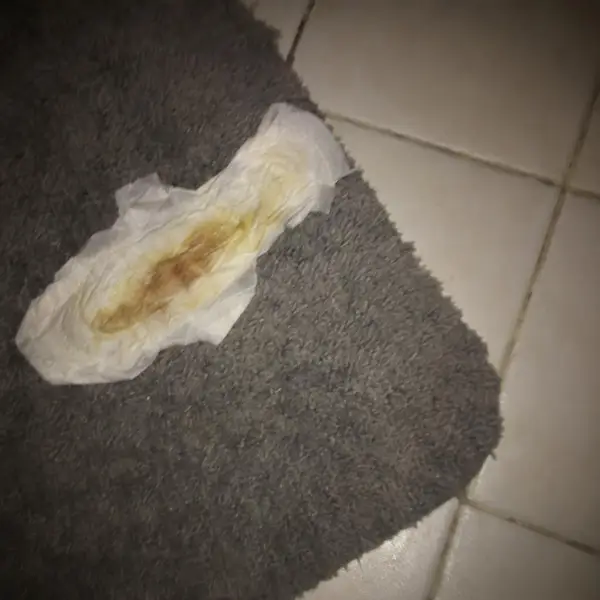
Olivia Bennett — Stop front door leaks
TestingImage

End bladder leak odour

I spent 29 years running NHS continence clinics, and the most humiliating secret my patients ever confessed was buying cheap supermarket sandwich bags by the dozen just to smuggle their own ammonia-soaked pads out to the wheelie bin after dark. My husband told me to leave it alone. I am retired now. Nobody’s career is on the line anymore, not mine, not the consultants’, not the hospital’s. But I am 63 years old, and I spent nearly three decades watching women suffer in total silence, knowing the truth and saying nothing. So here it is. When you work in continence care, you do not just examine bladders and sign off on paperwork. You see what is happening to real women in their everyday lives. You see the shame in their eyes when they sit across from you in clinic. And if you do home visits like I did, you see what happens behind closed doors in ordinary British homes. You see the dark plastic runner taped down over the hallway carpet. You see the spare pair of trousers folded over the bannister. You see the bottle of carpet odour spray kept beside the umbrella stand. And in 29 years, in patient after patient across Yorkshire and Lancashire, I heard the exact same confession whispered over a cup of tea. A woman could drive for two hours without feeling an urgent twinge. She could walk around the shops with her daughter, sit through a two hour film at the cinema, and feel completely in control. Her bladder behaved itself while she was out. Then she would pull into her own driveway. The walk up the garden path felt like a desperate race against time. A panicked buzzing sensation would start in the pit of her stomach. And the exact millisecond her house key slid into the front door lock, before she could even turn the handle, her bladder would seize in a violent, uncontrollable spasm. A flood of warm urine would dump straight down her legs. It did not leak in a few drops. It emptied completely. It soaked through her thick pad, through her knickers, through her trousers, and pooled into her shoes right there on her own welcome mat. She could not stop it. She could not squeeze it back. Her pelvic floor muscles were completely powerless against that violent internal contraction. Because of that sudden flood, she was forced into wearing the thickest overnight pads during the day. And that was bad enough on its own. But the truly heartbreaking part was the secret operation that followed in the bedroom. When you wear an incontinence pad for three or four hours against warm skin, the trapped urine begins to break down. Bacteria turn the urea into sharp, pungent ammonia. It does not matter how many showers you take or how much perfume you spray. By mid-afternoon, that sour, stale smell begins to seep through your underwear, through your trousers, and into the furniture. Women who had raised families, run schools, and worked their entire lives were living like criminals in their own homes. Buying boxes of cheap supermarket sandwich bags with zip-lock seals. Wrapping up their sodden, heavy pads and sealing them airtight so the sharp, sour smell of ammonia would not escape into the bedroom. Creeping down the stairs in the dark at eleven at night, sneaking the plastic parcel out to the outside wheelie bin in the rain, just so their husbands or visiting grandchildren would never smell stale urine. Nobody looked at these women and thought their bladder was failing. They thought, she has had children, she is getting older, it is just her age. That is what I need you to understand. The woman everyone said was just getting older had an inner bladder lining and a urethral seal that had been breaking down for decades. I want to tell you about the two women who made me realise our entire NHS protocol was failing. The first was in 2002. Her name was Dorothy Palmer. 65 years old. A retired postmistress from Halifax. Tidy, proud woman who always wore a neat pleated skirt and a warm woollen coat. Dorothy had been dealing with bladder weakness for seven years. Her GP had put her on the standard NHS pathway. Squeeze the pelvic floor three times a day. Cut out caffeine. Take oxybutynin every morning. Dorothy followed every single instruction. She logged every sip of water in her little blue bladder diary. She did her squeezes while waiting for the kettle to boil. Her diary showed her night trips had gone from five down to four. Her GP told her she was doing everything right. One wet Tuesday morning, Dorothy was found at the bottom of her stairs by her husband. She had got up at three in the morning, rushing for the loo in the dark. Her legs were unsteady and her mouth was bone dry from the tablets. She had missed the top step. She never made it to the hospital. The death certificate said head injury following a fall. Dorothy’s husband sat in my clinic three days later. He was a quiet, gentle man, completely broken. He looked down at his shoes and told me something he said he had never told another human being. He said, Marion, when I was clearing out Dorothy’s bedside table yesterday, I found twelve boxes of plastic sandwich bags and a can of air freshener hidden behind her bibles. She had been wrapping her wet pads in them every single night. She used to sneak out to the dustbin in her dressing gown because she was terrified I would think she smelled like an old woman. Why did she have to live like that if she was doing everything the doctor told her? And I almost told him what I had seen on Dorothy’s records. The paper-thin wall. The raw, bleeding lining. The eroded urethral cushion that could no longer hold a watertight hydraulic seal. The muscle and nerves that nobody had ever fed, under a protocol that never once asked why her bladder was failing in the first place. But I did not have an explanation that fit on an official hospital form, and it was not my place to offer one. I was 43 at the time. I had a mortgage and two children in school. Continence sisters who challenged the consultants did not keep their clinic posts for long. So I kept quiet. And I started a private notebook in my desk drawer. The second patient broke my heart even deeper. Her name was Sarah Jenkins. It was 2016. 53 years old. A secondary school English teacher from Leeds. Married 26 years. Two sons at university. Big, warm laugh. Sarah was not Dorothy. Sarah was put on the modern, aggressive pathway. Oxybutynin first, then a newer drug when the dry mouth became unbearable. Pelvic floor physiotherapy. The NHS Squeezy app. When the heavy leaks kept happening, her consultant recommended Botox injections directly into her bladder wall. For the first four months, Sarah thought she had found a miracle. Her urgency dropped. She could make it home without flooding. Then the Botox wore off. She went back for a second round of injections. But this time, the Botox paralysed her bladder muscle too much. She could not empty her bladder on her own. She had to learn how to push a sterile plastic catheter into her own urethra four times every single day. Then came the infections. One after another. Burning, fevers, and courses of strong antibiotics. Sarah died on a Sunday morning. A bladder infection had crossed into her bloodstream, causing fatal urosepsis while she was standing in her kitchen making Sunday lunch for her family. I had looked at her notes the week before. Her bladder wall was thin, raw, and scarred from the injections and the catheter. Her treatments had changed. Her diary had looked better for a short time. And all the while, her bladder was in worse physical condition than a woman who had never had the newer treatments at all. That was the moment I understood that our treatments were never aimed at what was actually failing. The urgency came down temporarily because the nerves were chemically stunned. The damage kept building underneath. And nobody was watching the damage. Everyone was just watching the diary. Not one treatment Sarah had ever received gave her bladder what it needed to actually repair itself. Not one. By the time I retired, that notebook in my desk drawer had 1,732 entries. 1,732 women who were told to squeeze a muscle that was never the problem, while their bladders were literally starving for the nutrients needed to hold a lining together. Then my younger sister, Margaret, turned 58. Margaret ran a busy school canteen in Wakefield. On her feet seven hours a day, lifting heavy soup pots, working in the heat. Strong, lively woman who never complained about anything. Two years ago, I went round to Margaret’s house for a cup of tea. I went upstairs to use her guest bathroom. While I was in her bedroom, I saw three large green boxes of supermarket zip-lock sandwich bags sitting inside her open wardrobe, stacked next to a spray bottle of carpet odour neutraliser. I walked back into the kitchen and set the box on the table. I said, Margaret, what are these for? Her face went bright red. She looked down at the table, clutched her apron, and burst into tears. She told me she was going through four heavy pads every single day. She told me that by three in the afternoon, the pads smelled so strongly of stale ammonia that she was terrified her husband would smell it when he hugged her. She had been wrapping every single used pad in a zip-lock sandwich bag, hiding them under her side of the bed, and creeping out to the wheelie bin in the alleyway late at night after her husband fell asleep. She looked at me with tears streaming down her cheeks and said, Marion, I am 58 years old, and I am living like a dirty secret in my own home. Her GP had told her exactly what Dorothy Palmer’s GP had told her in 1995. Pelvic floor exercises three times a day. Cut the tea and coffee. Take the oxybutynin. We will review in six months. Margaret came round to my house and asked me what I thought. I looked at her diary. I thought about the 1,732 entries in my notebook. I thought about Dorothy Palmer’s husband sitting across from me in 2002. I thought about Sarah Jenkins’s sons waiting in the hospital corridor. And God forgive me, I told her to take the oxybutynin. I want you to sit with that. Because it is the single decision in 29 years of clinical work that I would give anything to have back. I had 1,732 entries in a drawer telling me the standard pathway was not the answer. And when my own sister was sitting in my kitchen asking me if she should start what every one of them had started, I told her to trust her GP. She took it faithfully. One tablet every morning with her breakfast. She did her squeezes. She cut her tea. She cut her coffee. She stopped drinking anything after six. Six months in, the side effects hit hard. The dry mouth. Not bad at first, but soon she was constantly sipping water, which made her bladder fill even faster. Then the constipation. Her tummy felt full and hard all the time. She could not get through a day without feeling bloated and heavy. Then the brain fog. Her husband told me she was forgetting words halfway through sentences. She lost her car keys twice in a week. She burnt a pan of soup she had made a hundred times. She was losing her sharpness while the one thing the tablet was meant to fix kept going. Then the sore skin. Red and raw where the wet pads rubbed between her legs. Worse after long days. Then her first water infection in years. And the smell did not stop. She was still using the sandwich bags every single night. Then the review. Her diary had gone from four trips a night to five. Leaks every day now, not most days. Six months of doing everything right and the numbers had gotten worse. Her GP said, bladders take time, sometimes it gets a little worse before it gets better, keep doing what you are doing, we will review in six months. Then the referral. Her consultant started talking about a stronger tablet, and then about Botox. Common. Of course it was common. I knew what I was looking at. God help me, I knew. Everything Margaret was showing me was the front end of what I had been watching in my clinics for 29 years. The night trips. The leaks. The dry mouth. The fog. The infections. The constant, humiliating smell of stale urine locked inside plastic bags. The symptoms climbing under a pathway that was not touching the damage. The tablets getting stronger while the wall kept thinning. The muscle weakening while the nerves kept firing false alarms. Margaret was starting the story. I had only ever seen the tragic end of it. I sat in my kitchen that night watching Margaret get up from the table twice in one meal, her hand on her tummy, her legs crossed at the sink, her bag packed with pads by the door. And I felt the full weight of 29 years of silence. I was not going to see fall at night or urosepsis on my sister’s notes. Not Margaret. Not after everything I had seen. Not after I was the one who told her to take the oxybutynin in the first place. I did what any sister would do when the person she grew up with was falling apart in front of her. I tried the two things I had heard of. Cranberry capsules from the chemist. Little red capsules that cost 20 pounds a bottle and claimed to support bladder health. And a bladder support blend from Amazon. Some proprietary mix of herbs with thousands of five star reviews. Margaret took both faithfully every morning with her breakfast, alongside the oxybutynin she was still on. She trusted me. I told her I was figuring it out. Six weeks went by. She was still up four times a night. She still leaked when she laughed. Her energy was still gone by eight in the evening from broken sleep. Her fog was still there. And she was still buying rolls of sandwich bags. I sat at the kitchen table one morning with those two bottles on the windowsill above the sink and I understood I was guessing. I had spent 29 years around the exact damage those two bottles were supposed to prevent, and I had no idea if either one was capable of reaching it. I needed real answers. I went into my study that night and closed the door. I opened my laptop. I pulled up medical journals I still had access to through my university credentials. European clinical trials that had never crossed my desk in clinic. And one thing kept coming up, over and over, that no GP had ever explained to us. The reason Margaret was leaking and soaking pads that reeked of ammonia is that her bladder had lost its natural, watertight hydraulic seal. Your bladder is not one simple muscle. It is three interconnected systems working together. First, the muscular wall and the urethral sphincter. Second, the protective inner lining, known as the glycosaminoglycan or GAG mucosal barrier. Third, the vascular cushion and the dense sensory nerve network running directly underneath that lining. When a woman is in her thirties and forties, high natural oestrogen levels keep that inner mucosal lining thick, hydrated, and completely watertight. That plush lining acts like a soft, pliable rubber gasket around the urethral opening. When your bladder fills, that thick mucosal cushion seals tightly against itself, creating a perfect hydraulic seal that prevents even a single drop from escaping under pressure. At the same time, that thick mucosal barrier covers the millions of tiny sensory nerves underneath, keeping them insulated from the acidic urine. Then comes the menopause. Oestrogen levels plunge. And when oestrogen disappears, blood flow to the pelvic organs dries up. The cells that manufacture that protective inner lining stop renewing themselves. Year after year, that protective gasket thins out until it is paper thin. In patches, it wears away completely. The plush mucosal cushion that once kept your urethra sealed collapses. The hydraulic seal is broken. Without that watertight gasket, urine constantly seeps into the neck of the bladder. And because the lining is stripped bare, the raw, uninsulated sensory nerves underneath are exposed directly to the harsh acidic salts of your urine. Those raw nerves become hyper-sensitized, inflamed, and twitchy. They fire emergency alarms to the brain all day and night. The smooth muscle detrusor contracts in violent, twitchy spasms. The weakened sphincter cannot hold back the pressure because the mucosal cushion is gone. Urine leaks out, saturating a pad where it sits against body heat, decomposing and turning into harsh, foul-smelling ammonia within hours. That is why pelvic floor exercises cannot fix it. You can do Kegels until you are blue in the face. Squeezing an external pelvic muscle cannot recreate an eroded mucosal gasket on the inside. If the rubber seal on a tap is worn away, squeezing the pipe with a wrench will not stop the leak. And taking oxybutynin does nothing for the seal either. It drugs the signal in the brain while the lining continues to dry out and thin underneath. The bladder is not broken. It is starving. It has been stripped of the exact biological building blocks it needs to rebuild that watertight mucosal gasket, insulate those exposed nerves, and restore tone to the sphincter muscle. The European clinical trials confirmed that the mucosal seal can be rebuilt nutritionally through the bloodstream. To rebuild the eroded lining and restore the watertight gasket, the clinically documented compound is sodium hyaluronate. When delivered systemically, it binds water molecules deep within pelvic mucosal tissue, rebuilding the glycosaminoglycan layer and restoring the physical thickness of the urethral seal. To nourish that mucosal tissue, you need sea buckthorn extract. Sea buckthorn is the richest natural source of rare omega-7 fatty acids, the essential structural fats that repair dry, atrophied mucous membranes throughout the female pelvic tract. To strengthen the muscle fibres of the bladder wall and urethral sphincter, clinical trials pointed directly to water-soluble pumpkin seed extract with bioactive enterolactones. It supports structural protein synthesis, restoring the muscular tone needed to clamp the seal shut under pressure. To calm the hyper-sensitized sensory nerves that cause twitchy spasms, the body needs magnesium citrate. Magnesium regulates calcium channels in smooth muscle cells and quietens overactive peripheral nerves, ending the false alarms that wake you at three in the morning. And to complete the repair, cranberry extract to stop bacterial attachment and calm low-grade tissue irritation, combined with red clover extract, which provides gentle plant isoflavones to nourish tissue that has been starved of hormonal signalling since menopause. Six specific natural ingredients. Working in synergy. Feeding the wall, the nerves, and the muscle all at once. Then I found an old clinical contact who told me about Agnes, an 84-year-old retired continence nurse living in the Yorkshire Dales who had been teaching women this exact nutritional approach for decades. I drove four hours to find her stone cottage. Agnes sat me down in her kitchen, poured me tea, and confirmed everything the European trials had shown. She said, Marion, your sister’s doctors have been treating one problem with one tablet. It was always three systems failing together. And the answer was always food for the bladder, not a block on it. She pulled down a bottle from her dresser. Her granddaughter in Manchester had found a clean clinical formula that combined all six ingredients in their proper ratios. Pumpkin seed extract, magnesium citrate, sodium hyaluronate, cranberry, red clover, and sea buckthorn. No proprietary blend. No artificial fillers. No synthetic additives. Two capsules a day with breakfast. The product was called Urovital. I ordered four bottles straight from my phone at a service station on the drive home. The package arrived four days later. I inspected the label myself. Everything was listed in plain sight with proper clinical doses. I handed the bottles to Margaret and told her, take two capsules every morning with your breakfast toast. Give it time to build up in the tissue. Margaret started the next morning. Week one and two were quiet, exactly as the biology predicted. The nutrients were saturating the depleted cells. Margaret grumbled, but she kept going. Week three, the night wakings started to drop. She went from four trips a night down to two. Week four, the real change began. Margaret spent an entire Saturday morning cleaning the house, doing laundry, and walking to the butcher. At lunchtime, she went to the bathroom to change her pad and wrap it in her usual sandwich bag. She pulled down her knickers. The pad was completely, perfectly white and dry. She did not need a sandwich bag. There was no smell of ammonia. There was no dampness. She sat down on the edge of the bath and stared at that dry pad for ten minutes with tears running down her cheeks. By week six, she laughed so hard at her grandson’s birthday party that she bent double. Not a single drop leaked. Her watertight seal was holding. By week eight, Margaret took the green boxes of sandwich bags and the thick incontinence pads and threw them straight into the outside wheelie bin. She went to Marks and Spencer and bought three packs of pretty, soft cotton knickers. Her bedroom no longer smelled of air freshener covering up ammonia. Her skin had completely healed. She was sleeping seven hours straight through the night. At ten weeks, she had her routine GP review. Her night trips were down from five to zero or one. Her daytime leaks had completely vanished. Her GP went through her bladder diary twice, thinking she had brought in someone else’s notebook. Then she cancelled the hospital Botox referral on the spot. A month later, Margaret had a routine follow-up check. The report confirmed the inflamed patches had settled and her bladder wall was visibly healthier. The watertight seal had restored itself. Her bladder had repaired itself. I started taking Urovital myself the following week. The photo attached to this post was taken by my husband on the Cornish coastal path last summer, before I started. Look at my legs crossed tight. Look at my hand on my tummy. That is a woman with 29 years of continence nursing experience behind her, three miles from the nearest loo, praying she makes it down without soaking herself. Within six weeks of taking Urovital, my own urgency vanished. I sleep through eight solid hours every night. I have energy I have not felt since my forties. I went back along that exact same coastal path in September with a full bottle of water and never thought about a loo once. Margaret and I both take two capsules every single morning with our breakfast. It is the one habit neither of us will ever drop. I spent 29 years watching women suffer in silence while standard treatments managed their decline. I documented it 1,732 times in a notebook that sat in my desk drawer for years. I am not carrying that silence anymore. Living like a criminal in your own bedroom, hoarding sandwich bags to hide the stench of rotting pads, is not your fault. It is your body screaming that your protective inner mucosal seal has eroded away and left your bladder leaking and starving for nutrients. Stop silencing the alarm with tablets that fog your brain. Stop hiding the damage in plastic bags. Fix what is actually broken underneath. The formula Margaret and I rely on every day is Urovital. Six clean, naturally sourced ingredients. Pumpkin seed extract, magnesium citrate, sodium hyaluronate, cranberry, red clover, and sea buckthorn. Two capsules every morning with your breakfast. No prescription needed. The company offers a full 90-day money-back guarantee. If your night trips do not drop, if your leaks do not fade, if that awful odour does not disappear, and if you are not completely free from the nightmare of pads in 90 days, you email your order number and every penny comes back. I have placed the official link directly below https://puraglory.com/urovital/ Marion, age 63, retired NHS continence specialist P.S. Please do not stop any prescription bladder medication on your own. Margaret stayed on her oxybutynin while starting Urovital, and it was her GP who made the decision to take her off it after seeing the dramatic turnaround in her bladder diary at week ten. Let your doctor supervise coming off medication safely. And if you take blood thinners or immunosuppressants, always show the label to your doctor first. P.P.S. Do not give up early. Rebuilding an eroded mucosal lining takes time. The first two weeks are quiet while the nutrients saturate your pelvic tissues. Most women notice their night sleep improves first, around week three or four. The leaks fade next. By week six to eight, the watertight seal is fully restored. Give your body the full ninety days that the guarantee protects. The official link is right below https://puraglory.com/urovital/ P.P.P.S. The cost comparison is staggering. The average UK woman with bladder leaks spends between 40 and 70 pounds every single month on pads, liners, sandwich bags, and air fresheners. That is over 600 pounds a year spent on hiding the smell without repairing a single cell. Urovital costs a fraction of that, and it actually solves the root cause. Fewer than three percent of women ever ask for their money back. P.P.P.P.S. Be very careful where you order. Urovital is not sold in Boots, Superdrug, or on Amazon. The company sells direct from its own official site to avoid retailer markups and preserve clinical-grade ingredient quality. They currently have up to fifty percent off bundle options for UK customers through the verified link below. https://puraglory.com/urovital/

Loading the ad's image
Olivia Bennett — End bladder leak odour
TestingImage

End bladder leak odour

The most humiliating thing I packed for our ten-day Lake District holiday was not a box of heavy incontinence pads, but three rolls of supermarket zip-lock sandwich bags to hide the smell of stale urine from my husband. I am 63 years old. My husband, David, and I had been planning this trip for two years. Ten days through the Lake District. Windermere, Keswick, Grasmere. We had rented a small holiday cottage right by the water. It was supposed to be the trip of a lifetime. Instead, I spent the entire holiday in a state of absolute, sick panic. In a small holiday cottage, there is nowhere to hide. The bedroom was tiny, and the bathroom opened directly into the hallway right next to the kitchen. For four years, I had been living with a shameful secret that ruled my entire existence. My bladder weakness had crept in after the menopause. At first it was just a few drops when I sneezed, but over the years it had worsened into a relentless, continuous leakage. I was wearing thick overnight pads during the day just to make it through a morning walk. And that was bad enough on its own. But the truly humiliating part, the part that made me want to curl up and die, was the smell. When you wear an incontinence pad for three or four hours against warm skin, the trapped urine begins to break down. Bacteria turn the urea into sharp, pungent ammonia. It does not matter how many showers you take or how much perfume you spray. By mid-afternoon, that sour, stale smell begins to seep through your underwear, through your trousers, and into the cushions of whatever chair you sit on. At home in Cheshire, I had developed an elaborate, clandestine operation just to keep David from smelling it. I bought cheap supermarket sandwich bags with zip-lock closures. Every time I changed my pad, I would roll the soaked pad up tightly, seal it inside the plastic sandwich bag, squeeze the air out, and hide it in a small pedal bin under my side of the bed. Then, late at night after David was asleep, I would creep down the stairs in my dressing gown and sneak the plastic bags out to the outside wheelie bin in the dark. I was 63 years old, and I was living like a smuggler in my own master bedroom. Now we were in Keswick, sharing a small holiday cottage where David was never more than ten feet away. By day four, the wheels came off completely. We were walking along the shoreline path near Windermere. Cobblestone trails, gentle inclines, beautiful views across the water. David was smiling, holding my hand, pointing out the ducks on the lake. I could barely hear a word he was saying. My bladder was screaming. That constant, heavy pressure I had carried for years was building with every single step. My pad was already soaked through from a coughing fit an hour earlier. Then David said something funny about a man trying to launch an inflatable kayak. I let out a sudden laugh. My bladder completely gave way. A warm flood burst straight past the edges of my pad. I felt the wetness spread across my knickers and down the inside of my pale linen trousers. I froze on the path. The sour, sharp smell of warm ammonia rose up from my clothes immediately. I tried to pull my long cardigan down to cover the dark damp patch spreading across my thigh, but the breeze was blowing towards David. David stopped walking. He looked at me, then looked down at my cardigan, then looked back at my face. He did not look angry. He looked devastated. He said softly, Christine, love, we need to get you looked at. I wanted the ground to open up and swallow me whole. I had spent four years hiding the sandwich bags, hiding the bins, hiding the damp patches, pretending I just had a bit of an active bladder. And now, on a sunny path in front of other holidaymakers, the truth was out. I did not want a doctor looking at me. I had not told my sister, I had not told my daughters, and my regular GP had spent years telling me it was just my age and handing me useless pelvic floor leaflets. But standing there on that shoreline path with wet linen trousers and tears running down my cheeks, I knew I had run out of road. The next morning, while David was buying the morning newspaper, I rang the local walk-in health centre in Keswick. I told the receptionist I needed to see a doctor about an urgent personal matter. She gave me an appointment for two o'clock that afternoon. The consulting room was small, clean, and smelled of antiseptic. The doctor on duty was Dr. Brenner. A German woman, perhaps in her mid-fifties, with kind, sharp blue eyes and a calm, no-nonsense manner. She asked me to sit down. She asked about my daytime frequency, my night wakings, my urgency, how long it had been going on, and what treatments I had tried. I sat with my hands clenched tightly in my lap and told her everything. I told her about the six years of useless pelvic floor squeezes. I told her about the oxybutynin my GP had prescribed that left my mouth like sand, fogged my brain, and did not stop a single leak. And then, with my face burning red, I confessed the thing that haunted me most. I told her about the boxes of zip-lock sandwich bags. I told her about smuggling wet pads out to the wheelie bin in the dark because I was terrified of smelling like stale urine in my own home. Dr. Brenner listened quietly without interrupting. She set her pen down on her desk. She looked at me for a long moment and asked ONE question that made my regular GP look fifteen years behind the times. Has anyone ever discussed your bladder lining and the mucosal seal with you, Christine? I stared at her. My bladder lining? What is that? Dr. Brenner turned her chair towards me. Christine, she said, your GP has treated your problem as if your bladder is just a muscle that needs squeezing. But your bladder is not just a muscle. It relies on a delicate, watertight internal seal. She explained that inside every woman’s bladder, there is a protective inner wall called the glycosaminoglycan layer, or the GAG mucosal barrier. Think of it like the protective moisture barrier in your facial skin, or the soft rubber gasket on a high-pressure valve. Around the neck of the bladder, where urine enters the urethra, that plush mucosal lining forms a thick, pliable vascular cushion. When your bladder fills, that cushion seals tightly against itself, creating a perfect hydraulic seal that prevents even a single drop of liquid from escaping. Beneath that protective lining sits a massive network of sensory nerves that constantly talk to your brain. When a woman is young, natural oestrogen keeps that inner mucosal lining thick, plush, and completely watertight. Then comes the menopause. Oestrogen levels collapse. And when oestrogen disappears, the blood supply to the pelvic organs dries up. The cells that manufacture that protective inner lining stop renewing themselves. Year after year, that protective barrier thins out until it is paper thin. The plush mucosal cushion at the neck of the bladder collapses. The watertight hydraulic seal is broken. Without that seal, urine constantly seeps past into the urethra. And because the inner lining has thinned and frayed, your sensory nerves are left raw and exposed to the harsh, acidic salts of your urine. Those raw nerves become hyper-reactive. They fire violent false alarms all day and night. Your detrusor muscle goes into twitchy spasms, and because the mucosal seal is gone, urine leaks out continuously. It trickles into your pad hour after hour. And because the pad sits against warm body heat, bacteria immediately begin breaking down the urea, releasing the foul, choking smell of ammonia. Dr. Brenner leaned forward. Now, think about what your treatments have been aimed at, Christine. Kegel exercises strengthen the external pelvic floor muscles. Squeezing an external muscle cannot recreate an eroded mucosal gasket on the inside. If the rubber seal on a tap is worn away, squeezing the pipe with a pair of pliers will not stop the leak. And taking oxybutynin only numbs the brain signal while the tissue underneath continues to dry out and thin. Your bladder is not broken. It is not worn out from having children. It is starving. Your bladder wall has been stripped of the exact biological building blocks it needs to rebuild that watertight mucosal gasket, cover those raw nerves, and restore tone to the sphincter muscle. I sat there in that small clinic room with tears welling in my eyes. For four years, I had felt dirty, defective, and ashamed. I had believed I was failing because I could not do my squeezes properly. To hear a doctor explain the clear, logical cellular biology of what had happened to my body lifted a crushing burden off my soul. I asked her what could be done. Dr. Brenner told me that in German and European gynaecology clinics, they do not waste time telling postmenopausal women to squeeze muscles that cannot compensate for eroded tissue. They use targeted nutritional compounds delivered systemically through the bloodstream to rebuild the lining from the inside out. She explained that clinical trials had identified six specific natural ingredients that work together to restore the watertight seal. First, to rebuild the eroded mucosal barrier and restore the hydraulic cushion, the gold standard compound is sodium hyaluronate. When absorbed through the bloodstream, it binds moisture deep inside the mucosal tissue of the pelvic tract, physically rebuilding the glycosaminoglycan layer and restoring the watertight seal. To support that mucosal tissue, you need sea buckthorn extract. Sea buckthorn contains rare omega-7 fatty acids, the essential structural building blocks that repair atrophied mucous membranes and reverse tissue dryness throughout the female pelvic organs. Second, to strengthen the smooth muscle fibres of the bladder wall and urethral sphincter, the clinically proven compound is water-soluble pumpkin seed extract with bioactive enterolactones. It supports structural protein synthesis, giving the sphincter the physical tone to clamp the seal shut under pressure. Third, to calm the over-sensitized sensory nerves that trigger twitchy spasms, the body requires magnesium citrate. Magnesium regulates calcium channels in smooth muscle cells and quietens hyper-excitable nerves, ending the false alarms that drag you out of bed at three in the morning. And finally, cranberry extract to stop bacterial attachment and calm low-grade tissue irritation, combined with red clover extract, which provides gentle plant isoflavones to nourish tissue that has been starved of hormonal signalling since menopause. Six specific natural ingredients. Working in synergy. Feeding the wall, the nerves, and the muscle all at once. Dr. Brenner told me that when she was working in clinical practice in Munich, they recommended a clean, all-in-one British formulation that combined all six ingredients in their proper clinical ratios, without any synthetic fillers or chemical additives. She wrote the name on a slip of paper and handed it to me. The formula was called Urovital. She told me, Christine, when you get home, look into this. Take two capsules every morning with your breakfast. Give it time to build up in the tissue. Six years of Kegels for a muscle that is not the problem is not treatment, she added. It is exercise while the lining continues to thin. I thanked her and left the clinic. For the rest of our holiday, I could not stop thinking about what she had told me. The night we unpacked our suitcases back home in Cheshire, I opened my laptop. It was a quarter to twelve at night. I searched European clinical trials on sodium hyaluronate and bladder mucosal restoration. I searched pumpkin seed enterolactones and urethral sphincter tone. I searched sea buckthorn omega-7 and postmenopausal mucous membrane repair. Study after study, published in peer-reviewed urological journals, confirming every single word Dr. Brenner had explained. The research was there. It was documented. Some of it was over a decade old. I read the reviews for Urovital. Women describing the exact same nightmare I had lived through. Years of useless exercises. The awful side effects of oxybutynin. The humiliating boxes of sandwich bags and bedroom bins. And then, within weeks of starting the systemic nutritional rebuild, waking up with bone dry knickers and a fresh bedroom. I ordered a three-month supply at a quarter past three in the morning. When the parcel arrived three days later, I started immediately. Two capsules every morning with my breakfast porridge and a cup of tea. No complicated routines. No timing my drinks. No pelvic floor apps. Sixty seconds each morning. Done. During the first fortnight, just as Dr. Brenner had warned, nothing dramatic seemed to happen. The nutrients were quietly saturating the depleted cells of my bladder wall. Around week three, the first real change arrived. I slept five and a half hours straight through the night without waking up once to use the toilet. I woke up, looked at the morning light on the wall, and realized that the clawing, desperate pressure in my lower stomach had simply vanished. Week four was the day I knew I had my life back. I went shopping in Chester with my sister. We spent four hours browsing shops, having lunch, and walking around the city walls. I did not map a single public toilet. When I got home at five in the afternoon, I went straight upstairs to my bedroom. I pulled down my trousers to change my pad and wrap it in a sandwich bag out of pure habit. I looked at the pad. It was completely, miraculously, perfectly white and dry. There was no smell. There was no ammonia. There was no dampness. I did not need a sandwich bag. I sat on the edge of the bed and cried so hard that David came running up the stairs thinking I had hurt myself. I held up the dry pad and told him the whole truth. He sat down next to me, put his arms around me, and we both cried together. By week eight, our granddaughter had her school play. I sat in the middle of a crowded row in the school hall for nearly two hours. No leaks, no urgency, no creeping out to find a toilet. When we got home that evening, I took the boxes of zip-lock sandwich bags, the air freshener spray, and the remaining incontinence pads, and I threw every single one of them straight into the outside wheelie bin. I went to Marks and Spencer and bought three packs of lovely, normal cotton briefs. At three months, I had my routine review with my regular NHS GP. She examined my notes, saw my history of severe bladder weakness, and asked how I was managing. I told her I had not experienced a single leak in over seven weeks. I told her I was sleeping eight hours through the night. I told her I had stopped doing her squeezes and rebuilt my bladder lining with a six-ingredient nutritional formula. My GP looked at me in complete silence. Then she said quietly, I am not familiar with that approach, Christine, but your clinical results speak for themselves. Whatever you are doing, keep doing it. I walked out of that surgery feeling like a free woman. My GP was not a bad person. She was simply trapped in a system that trains doctors to manage decline with pads and drugs, rather than giving the body the biological nutrients it needs to heal. I am 64 years old now. I sleep through the night. My bedroom smells clean and fresh. I never have to hide a plastic sandwich bag again. If you are currently trapped in the nightmare of incontinence pads that smell of ammonia, sneaking bags out to the bin in the dark because you are ashamed in your own home, please hear me. You are not broken. You are not dirty. Your bladder is simply starving for the nutrients it needs to rebuild its watertight mucosal seal and calm its exposed nerves. Stop living like a criminal in your own home. Fix what is actually broken underneath. The formula I use every single morning is Urovital. Six clean, clinically documented natural ingredients. Pumpkin seed extract, magnesium citrate, sodium hyaluronate, cranberry extract, red clover, and sea buckthorn. Two capsules with your breakfast. No prescription needed. No chemical additives. The company offers a full 90-day money-back guarantee. If your leaks do not stop, if that awful odour does not disappear, and if you are not walking through your day completely free from the nightmare of pads in 90 days, you email your order number and you get every single penny back. No awkward questions, no forms, no nonsense. I have included the official link directly below https://puraglory.com/urovital/ Christine Ashworth, age 64, Cheshire P.S. Please do not do what I was tempted to do and stop any prescription bladder medication suddenly without speaking to your doctor. If you are currently taking oxybutynin or any other prescribed bladder tablet, continue taking it while you start Urovital. Give the six ingredients six to eight weeks to rebuild your tissue, restore the mucosal seal, and calm your nerves. Track your progress in a notebook. Once your leaks disappear, take that evidence to your GP and let them supervise coming off the tablets safely. If you take blood thinners or immunosuppressants, always show the label to your doctor first. P.P.S. Do not give up early on this. Rebuilding an eroded mucosal lining takes time. The first two weeks are quiet while the nutrients saturate your pelvic tissues. Most women notice that their night-time sleep improves first, around week three or four. The leaks fade next. By week six to eight, the watertight seal is fully restored. Give your body the full ninety days that the guarantee covers. The official link is right below https://puraglory.com/urovital/ P.P.P.S. When you look at the economics, it is an absolute no-brainer. The average UK woman with bladder leaks spends between 40 and 70 pounds every single month on disposable pads, liners, sandwich bags, and air fresheners. That is over 600 to 800 pounds every year spent on hiding the smell without repairing a single cell of damaged tissue. Urovital costs a fraction of that, and it actually solves the root cause of why you are leaking. Fewer than three percent of women ever ask for their money back. P.P.P.P.S. Be very careful where you buy this. You cannot buy genuine Urovital in Boots, Superdrug, or on Amazon. The manufacturer refuses to sell through retail chains because distributors demand heavy markups that force brands into cheap, watered-down proprietary blends with low-grade fillers. The only place to get the authentic, clinical-grade formulation is direct from their verified website. They currently offer multi-bottle bundle discounts of up to fifty percent off for UK customers through the official link below. https://puraglory.com/urovital/

Loading the ad's image

Olivia Bennett — End bladder leak odour
TestingImage

Feed the seal, stop the leak.

Urovital is 2 daily capsules you take every morning with breakfast: pumpkin seed extract, magnesium citrate, sodium hyaluronate, cranberry extract, red clover, and sea buckthorn. Keep your pelvic floor exercises and prescription medication. They manage urgency signals in the brain. This is the other half, the part that physically rebuilds the eroded mucosal lining and restores tone to the urethral seal at the cellular level. And yes, it is specifically formulated for postmenopausal oestrogen-deficient bladder changes, 100% natural, and free of synthetic fillers or PFAS chemicals. It does not magically cure bladder weakness overnight. It gives your bladder wall, mucosal gasket, and sphincter muscle what they need to restore a watertight hydraulic seal and quieten twitchy nerves. Buy 3 Get 3 Free right now. 90 days to try it. Full refund if you don't love it. Order below 👇

Loading the ad's image

Olivia Bennett — Feed the seal, stop the leak.
TestingImage

Stop bladder leak odour

If you keep boxes of cheap supermarket sandwich bags hidden in your wardrobe just to smuggle your own soaked pads out to the wheelie bin after dark, read this. I have to warn every woman who has been told that incontinence pads and prescription tablets are her only choices for bladder weakness. There. I have said it. I spent six years living through this private nightmare, and for nearly all that time I genuinely believed I had only two paths forward. Either keep buying bulk packs of heavy disposable pads for the rest of my days, or resign myself to the dizzy spells and dry mouth of daily medication. I had no idea there was something natural that could get straight to the real root of the breakdown. Let me start right at the beginning, because I know for a fact my story is happening in thousands of ordinary British bedrooms every single evening. My bladder weakness crept in about eighteen months after menopause. It arrived so quietly at first that I barely paid it any mind. Just a tiny squirt when I coughed during a winter cold, or a few damp drops in my knickers if I stood up too quickly from an armchair. Like almost every woman my age, I told myself it was simply part of growing older. I went to see my GP. She gave me a friendly smile, told me it was completely common once oestrogen drops, handed me a black and white photocopy showing pelvic floor squeezes, and sent me on my way. I did those exercises faithfully. I squeezed while waiting for the kettle to boil. I squeezed while stopped at red lights. I squeezed during the evening news. They did not make the slightest bit of difference. In fact, things grew steadily worse. Within a single year, those occasional drops had turned into regular gushes. I was forced to move from light panty liners to thick, bulky incontinence pads. I went through three or four of them every single day. I could not leave the house without two spares packed into the zip pocket of my handbag. My entire calendar became a logistical calculation based entirely around where the nearest public toilets were located. And that constant anxiety was humiliating enough on its own. But what came next was ten times worse. After about six months of wearing those heavy pads day in and day out, the real nightmare began. It started with the smell. When you wear a synthetic pad pressed tight against your skin for four or five hours, your body heat turns that trapped urine into a breeding ground for bacteria. The urea breaks down into sharp, pungent ammonia. It does not matter how cleanly you wash or how many times you change your knickers. By mid-afternoon, that stale, sour odour begins seeping through your trousers, through your coat, and into the fabric of whatever chair you are sitting on. I was terrified my husband, David, would smell it. We had been married thirty four years, yet the thought of him catching a whiff of stale urine on me made my stomach drop with pure shame. So I started what I can only describe as a secret smuggling operation in our own home. I started buying store brand sandwich bags with zip-lock seals from Sainsbury's. I would buy three boxes at a time, hiding them at the very bottom of my shopping trolley beneath the cereal and tins of soup. I kept a box tucked away in the back of my wardrobe, hidden behind my winter jumpers. Every time I changed a pad in our ensuite bathroom, I would roll it up tight, slide it into a clear plastic sandwich bag, and press the zip-lock seam shut until it was completely airtight. That trapped the ammonia smell inside. Then came the sneaking. I could not bring myself to put those bags in our small bathroom bin because David might see them. So I hid the sealed parcels under the bed until late at night. At eleven o'clock, after David had fallen asleep, I would creep down the stairs in my slippers, carrying two or three sandwich bags tucked into my dressing gown pockets. I would unlock the back door without making a sound, walk out into the cold garden in the dark, and drop them deep into the outside wheelie bin so nobody would ever find them. I was sixty one years old. I had spent thirty years teaching children, running staff meetings, and managing a household. And there I was, creeping around my own garden in the rain like a common criminal, desperately trying to hide the fact that my bladder was failing me. Then came the skin breakdown. At first I thought it was just ordinary chafing from walking with a thick wad of synthetic fluff between my thighs. But it was far worse than chafing. The delicate skin turned bright red, inflamed, and angry. It itched and stung with a relentless, throbbing burn that never stopped. The skin never had a single hour of fresh air to heal properly. Every morning I had to peel off yesterday's sweaty pad and strap a fresh synthetic pad directly against raw, weeping flesh. I tried every single brand the chemist stocked. Thin ones, overnight ones, pads with organic cotton topsheets, expensive pads marketed for sensitive skin. It made zero difference. Every single evening ended with the same fiery, raw irritation between my legs. Then came the urinary tract infections. Four separate water infections in seven months. Every single one brought feverish chills, a vicious burning pain every time I tried to pass water, and another course of strong antibiotics from the surgery. My doctor admitted that the synthetic pads were likely feeding the problem. The non-breathable plastic backing traps moisture and warmth all day long, creating the exact tropical greenhouse environment where bacteria thrive and migrate straight up the urethra. I sat in my car in the surgery car park and cried until my eyes were swollen. The very product I was buying to save me from public embarrassment was actively poisoning my skin and giving me recurrent infections. The final straw arrived on a rainy Thursday night at two in the morning. I had already been woken up four times by sharp, violent spasms in my lower belly. I was sitting on the edge of the bed in the dark, exhausted to my bones, shivering from broken sleep, waiting for the burning sensation to settle. I took my tablet and started searching the internet for what those disposable pads were actually made of. What I read made my blood run cold. Article after medical report detailing how commercial pads and liners are packed with petroleum-based plastics, synthetic perfumes, chemical adhesives, and perfluoroalkyl substances, commonly known as PFAS or forever chemicals. They are called forever chemicals because the human body cannot break them down. They accumulate in your tissues over time. And for five straight years, I had been pressing those harsh industrial compounds directly against the thinnest, most absorbent skin on my entire body. Skin that had already become delicate and depleted after menopause. Nobody had ever warned me. Not the GP who signed my repeat prescriptions. Not the manufacturers printing pictures of smiling grandmothers on their plastic packaging. Nobody. They were perfectly content to let me spend forty pounds every single month buying their chemical-laden pads, trapping bacteria against my skin, while my body broke down further. Something snapped inside me that night. I did not want a better sandwich bag. I did not want a thicker pad or a bottle of carpet deodoriser. I wanted to never buy an incontinence pad again for as long as I lived. I began searching desperately for an actual way out. I decided to try every treatment modern medicine could throw at me. The first major intervention was Botox injections directly into my bladder wall. My private consultant recommended it with great confidence. He explained that by injecting the neurotoxin straight into the detrusor muscle, it would chemically block the twitchy nerve signals and stop the spasms. The procedure itself was deeply uncomfortable. Lying on a cold clinic table with a rigid cystoscope inserted into my bladder was undignified and painful. But honestly, for the first ten weeks, I thought I had found my salvation. My sudden urges quietened down. I could walk around the garden centre without that panicked buzz in my belly. I only needed one light liner a day. I felt like a normal human being again. Then the fourth month arrived. The effect began to slip away. Slowly at first, and then all at once. By the fifth month, the violent spasms came roaring back with a vengeance. My bladder was contracting just as hard as before, and the leaks returned full force. I went back to the consultant. He shrugged and said this was entirely expected. He explained that Botox is strictly temporary and that I would need fresh rounds of injections every four to six months for the rest of my life. Each private treatment cost over 350 pounds out of my own pocket. I was staring down the barrel of paying between 700 and 1,400 pounds every single year just to rent a few months of temporary peace, knowing full well that the moment the toxin wore off, I would be right back at square one. I went for a second round of injections because I was desperate. But the second time, my bladder muscle became so sluggish that I struggled to empty it completely. I was terrified I would end up needing self-catheterisation. I knew I could not keep pumping nerve toxins into my body year after year. I looked into surgical mesh slings. I read the harrowing forums written by British women whose pelvic mesh had eroded through their tissue, leaving them with permanent nerve pain and crippling complications. I decided right then, not in a million years. I went back to intensive pelvic floor physiotherapy. I downloaded the NHS Squeezy app. I squeezed until my pelvic floor muscles ached. It gave me slightly more warning when an urge hit, but the moment I sneezed or laughed, the hydraulic seal simply failed and urine flooded out anyway. Then my GP put me on Oxybutynin. The side effects hit me like a train within two weeks. My mouth became so dry it felt as though I had swallowed a handful of dry sand. My tongue stuck to the roof of my mouth at night, waking me up choking. Then came the severe constipation. My bowels simply stopped moving, leaving me bloated, heavy, and miserable. Worst of all was the frightening brain fog. I started walking into rooms and having no idea why I was there. I forgot the names of children I had taught for years. I lost my car in the supermarket car park twice in one week. I genuinely believed I was developing early onset dementia. When I read a clinical study showing that long-term use of anticholinergic bladder medications is linked to a significantly higher risk of dementia in older adults, I threw the entire bottle straight into the rubbish bin. Six years of trying. Thousands of pounds spent. And I was still sneaking sandwich bags out to the dustbin in the dark. Then an ordinary Facebook group changed everything. A few years into my struggles, I had joined a private UK support group for women dealing with post-menopausal bladder issues. It was the only space where anyone spoke the unvarnished truth about wet trousers, ruined car seats, and the shame of bedroom odours. One Tuesday evening, a member named Margaret posted a long message. She wrote that she had found a specific nutritional formula that had completely restored her bladder control, far better than Botox ever had. She said she had not worn an incontinence pad in nine weeks. Naturally, most of the group rolled their eyes. We had all seen snake oil remedies before. Every woman in that group had already tried cranberry juice from the supermarket, high-dose B vitamins, or generic magnesium tablets from the high street chemist. None of them had ever done a single thing except produce expensive, brightly coloured urine. When Margaret used the word supplement, several members told her not to peddle false hope. Margaret did not get defensive. She replied gently and said she completely understood our cynicism, because she had felt exactly the same way. She simply asked us to read the biology of what she had discovered. She explained that after a decade of clinical dead ends, she had finally asked a different question. Instead of asking how to force an exhausted muscle to squeeze harder with exercises, she asked why the bladder was failing to hold liquid in the first place. That shift in perspective unlocked the real answer. She explained that your bladder is not just a muscular bag that needs tightening. It is a complex organ made of three separate, interconnected layers that all break down simultaneously when oestrogen drops. First, the muscular wall and the urethral sphincter. Second, the protective mucosal lining inside the bladder, known as the glycosaminoglycan or GAG layer. Third, the delicate sensory nerve network running directly beneath that lining. When you are young and your body has healthy oestrogen, that inner mucosal lining is thick, plush, and deeply hydrated. It acts like a soft, pliable rubber gasket around the neck of the bladder. When your bladder fills, that thick mucosal cushion seals tightly against itself, creating a watertight hydraulic seal that stops even a single drop from escaping, no matter how hard you cough or jump. At the same time, that thick mucosal barrier acts as a waterproof insulating blanket over the millions of tiny sensory nerves beneath it, shielding them from the acidic, stinging salts in your urine. Then menopause happens. Oestrogen levels plunge. Blood flow to the pelvic floor slows down. The cells responsible for manufacturing that protective inner mucosal seal stop renewing themselves. Year after year, that protective gasket thins out until it becomes fragile and paper thin. In places, it wears away completely. The plush mucosal cushion collapses, breaking the hydraulic seal. Without that watertight gasket, urine constantly seeps into the neck of the urethra under the slightest pressure. Even worse, with the protective lining stripped bare, the raw, unprotected sensory nerves underneath are exposed directly to acidic urine. Those raw nerves become inflamed, agitated, and hyper-reactive. They fire frantic emergency alarms to your brain when your bladder is barely a quarter full. The detrusor muscle seizes in violent, twitchy contractions. You get that frantic, panicked urge to run for the toilet. And because the mucosal gasket has eroded away, the sphincter muscle cannot hold the pressure. Urine floods out into your pad, where it sits against your skin, decomposing into foul-smelling ammonia within hours. That is why pelvic floor exercises can never solve this problem on their own. You can do Kegels until you are blue in the face. Squeezing an external pelvic muscle cannot recreate an eroded mucosal gasket on the inside. If the rubber washer inside a garden tap has perished, tightening the metal handle with a wrench will not stop the drip. And taking prescription tablets does nothing to rebuild the tissue. It merely drugs the nerve signals in your brain while the bladder lining continues to thin and starve underneath. Your bladder is not permanently broken. It is literally starving for the precise biological building blocks it needs to repair that watertight mucosal seal. The clinical research Margaret shared confirmed that the mucosal seal can be rebuilt through targeted nutritional support. To repair the eroded GAG lining and restore the plush, watertight gasket, the clinically validated compound is sodium hyaluronate. When absorbed systemically, it binds water molecules deep within pelvic mucosal tissue, physically restoring the thickness and elasticity of the urethral seal. To nourish and replenish that delicate mucosal tissue, you need sea buckthorn extract. Sea buckthorn is nature's richest source of rare omega-7 fatty acids, the exact structural lipids required to regenerate dry, atrophied mucous membranes throughout the female urinary tract. To rebuild structural strength in the bladder wall and restore clamping tone to the urethral sphincter, clinical trials pointed directly to water-soluble pumpkin seed extract rich in enterolactones. It supports structural protein synthesis, giving the sphincter the muscular power to stay locked under sudden pressure. To calm the twitchy, hyper-sensitised nerves that trigger violent urgency and wake you at three in the morning, the body requires magnesium citrate. Magnesium regulates calcium channels in smooth muscle cells and quietens overactive peripheral nerves, turning off the false alarms. And to complete the repair, cranberry extract to stop bacteria from adhering to the bladder wall and calm inflammation, combined with red clover extract, which delivers gentle plant isoflavones to nourish pelvic tissues starved of hormonal signalling since menopause. Six targeted ingredients working in harmony. Rebuilding the lining, quietening the nerves, and strengthening the muscle all at the same time. The specific formula Margaret had used was called Urovital. Two clean capsules every morning with breakfast. No synthetic fillers. No artificial preservatives. No prescription chemicals. Just pure, clinically studied nutrients designed to feed the bladder tissue back to health. When I read that Urovital contained zero synthetic additives and zero PFAS chemicals, I felt an overwhelming wave of relief. After years of poisoning my skin with chemically treated pads and choking down prescription tablets, the thought of giving my body clean, natural nourishment felt like common sense. I ordered three bottles straight from their website that very night. I started taking two capsules every morning with a glass of water and my breakfast toast. The first two weeks were completely quiet. Exactly as the biological research predicted, the nutrients needed time to saturate depleted cells and begin repairing the mucosal barrier. I felt a familiar flicker of doubt, but Margaret had warned us that rebuilding cellular tissue does not happen overnight. I kept going. Week three was when the first real shift occurred. I woke up on a Tuesday morning and looked at the bedside clock. It was twenty past six. I had slept five and a half hours in one continuous stretch. I had not been woken up by that frantic, burning ache in my bladder at two or four in the morning. I lay there in the quiet bedroom and nearly cried from the sheer novelty of feeling rested. Week four brought the moment that completely broke my heart open. I drove to the large retail park in Chester to do my weekly shopping. I spent forty five minutes in Marks and Spencer, walked over to Boots, and browsed through the home goods shop. I was sitting in my car with the shopping bags in the boot when I suddenly realised something extraordinary. I had walked through three large shops without once checking where the customer toilets were. I had not looked for the illuminated signs. I had not planned my route around a bathroom. I had just shopped like a normal, carefree person. I sat behind the steering wheel and cried so hard I could not start the ignition for ten minutes. Week six was the ultimate test. I was in the kitchen chopping carrots for Sunday lunch when a sudden tickle hit my throat. I sneezed hard. Twice in rapid succession. The kind of violent, full-body sneeze that used to mean an instant flood and an emergency change of clothes. I froze. I waited for that awful warm dampness to soak through my knickers. Nothing. Not a single drop. My watertight mucosal seal had held completely firm against the sudden pressure. I set the knife down, rested my hands on the kitchen counter, and breathed in relief. By week eight, I was down to wearing one thin liner a day simply out of habit and old psychological fear. Every evening when I went to change it, the cotton was bone dry. There was no sour ammonia odour in our bedroom. There was no dampness. By week ten, I made a final trip out to the garden. I walked up to our green wheelie bin in broad daylight. I took the remaining boxes of supermarket sandwich bags, the half-used packs of heavy incontinence pads, and the spray bottle of carpet odour neutraliser, and I threw every single one of them straight into the bin. I did not have to sneak around in the dark anymore. I went straight into town that afternoon and treated myself to three packs of soft, pretty cotton knickers from Marks and Spencer. Real knickers, without thick elastic or plastic backing. Within three months of taking Urovital, the raw, weeping skin irritation between my legs had completely healed. The redness was gone, the itching had stopped, and my skin felt soft and normal again for the first time in six years. I have not suffered a single urinary tract infection since. My night wakings have dropped from five trips down to zero or one. I have my dignity back, my marriage feels easy and close again, and our bedroom smells of nothing but fresh clean linen. All from two simple capsules taken with my morning breakfast. Urovital did what Botox, pelvic floor squeezes, and harsh medications could never do. It gave my body the exact building blocks it needed to rebuild its own protective mucosal seal. I look back at the thousands of pounds I wasted over those six years and feel angry. The hundreds spent on bulk pads, the private consultant fees, the creams for irritated skin, the prescriptions for antibiotics and dizzying tablets. All that money spent just managing my decline and hiding rotting pads in sandwich bags. One bottle of Urovital paid for itself within weeks just from the money I saved on pads and laundry. If you are currently living like a criminal in your own home, wrapping sodden pads in plastic sandwich bags and sneaking them out to the dustbin after dark because you are terrified someone will smell stale urine, please listen to me. You do not have to accept this humiliating existence as your normal life. Your bladder is not permanently ruined. It is simply crying out for the nutrition it needs to rebuild its watertight hydraulic seal. You deserve to wake up rested. You deserve to laugh and cough without terror. You deserve to feel clean, dry, and safe inside your own body again. The formula that gave me my life back is Urovital. Six pure, targeted botanical and mineral extracts. Pumpkin seed extract, magnesium citrate, sodium hyaluronate, cranberry extract, red clover, and sea buckthorn. Two capsules every morning. No doctor appointments, no painful injections, and no synthetic chemicals. The company offers a full ninety day money back guarantee. If your night trips do not drop, if your sudden leaks do not disappear, and if you are not completely free from the embarrassment of pads within ninety days, you simply email your order number and they refund every single penny without question. The official link for UK orders is right below https://puraglory.com/urovital/ Janet, age 61, Cheshire P.S. Please do not stop any current prescription medication suddenly without speaking to your GP first. If you are taking tablets like oxybutynin, stay on them while you start Urovital so the nutrients have time to saturate your bladder tissue. Let your doctor review your bladder diary after eight or ten weeks and guide you off your medication safely once your control is restored. P.P.S. Please do not expect an overnight miracle. Healing damaged tissue takes time. The first two weeks are quiet while the sodium hyaluronate and sea buckthorn rebuild the inner mucosal gasket. Most women notice their night sleep improves first, around week three or four. The daytime leaks fade next. By week eight, your watertight seal is fully functioning. Give your body the full ninety days protected by the guarantee. The official link is directly below https://puraglory.com/urovital/ P.P.P.S. The financial side of this was an eye-opener for me. The average British woman dealing with daily bladder leaks spends between 45 and 75 pounds every single month on pads, liners, sandwich bags, soothing creams, and laundry boosters. That adds up to more than 600 pounds every year just to manage the mess without fixing a single cell. Urovital costs a tiny fraction of that, and fewer than three per cent of customers ever ask for their money back. P.P.P.P.S. Be careful where you purchase. Urovital is not sold on high street shelves in Boots or Superdrug, and it is not available on Amazon. The manufacturer sells directly through their own secure website to keep clinical ingredient quality high and eliminate middleman markups. They currently offer bundle savings of up to fifty per cent off for UK customers through the verified link below. https://puraglory.com/urovital/

Loading the ad's image
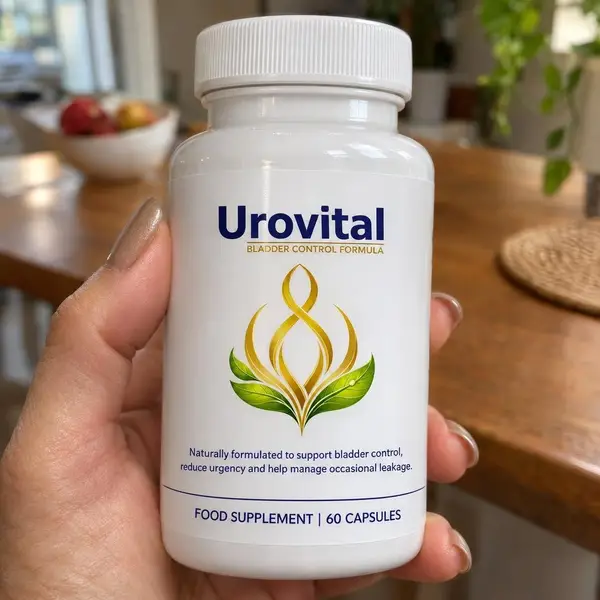
Olivia Bennett — Stop bladder leak odour
TestingImage

End front door bladder leaks

I can sit in stop-start traffic on the M6 for two solid hours without feeling a single urge, but the exact second my front door key turns in the lock, my bladder dumps half a pint of warm urine straight down my legs. I am 63 years old. My husband, David, and I have lived in the same Cheshire semi-detached house for thirty-four years. It is the house where we raised our two daughters. It is the house where I ought to feel safer than anywhere else on earth. Yet for six long years, stepping onto our front porch filled me with absolute dread. I could drive all the way from my sister’s house in Yorkshire, navigate Friday afternoon motorway queues, stop for petrol, and feel completely fine. My bladder would behave itself perfectly while I was sitting in the driver’s seat. I did not even think about a toilet. Then I would pull into our driveway. The engine would stop. I would step out onto the gravel and gather my handbag and shopping bags. And right there, on the short brick path between the garden gate and our front door, my lower stomach would begin to throb. It was not a gentle signal that my bladder was getting full. It was an aggressive, panicky hum that grew louder with every single footstep. By the time I reached the porch, my entire body was shaking. I would fumble through my handbag with cold, trembling fingers, desperately trying to fish out the brass front door key. My mind would scream at my hands to hurry up. Faster. Just find the key. And then came the moment that made me want to curl up and die. The millisecond that key slid into the brass cylinder, before the latch even clicked open, my bladder would seize in a violent, involuntary clamp. A flood of warm urine would soak through my thick pad, through my knickers, through my trousers, and down into my socks. I could not stop it. I could not squeeze it back. I could not cross my legs hard enough to hold back the tide. I would stand frozen on my own welcome mat, clutching the doorframe, crying silent tears of pure humiliation while the puddle spread around my shoes. David would hear the key rattling in the lock and come into the hallway to greet me. I would have to shout through the wood, do not come in, David, please do not come into the hall. I would kick off my soaked shoes, peel off my dripping trousers right there on the plastic mat I had secretly taped down over the carpet, and scurry straight into the downstairs toilet with my face burning red. David was always kind. He would pretend he had not noticed. He would take the shopping into the kitchen, put the kettle on, and leave me to rinse out my clothes in the sink. He thought it was just my age. He thought having two ten-pound babies in my twenties had finally caught up with my pelvic floor. I let him believe that, because the truth felt far too shameful to admit out loud. I was 63 years old, and I could not make it from my car to my own hallway without wetting myself like a sick animal. I went to my NHS GP four times about it. Every single visit followed the exact same script. She would take a urine sample. It would come back clear, with no signs of a bacterial infection. She would tell me I had mixed urinary incontinence with an overactive bladder component. Then she would hand me an A4 photocopy from the NHS continence service. Do your pelvic floor exercises three times every day, she told me. Ten slow squeezes, ten fast squeezes. Pull up your pelvic muscles as if you are trying not to pass wind. Cut out tea, coffee, and carbonated drinks. Stop drinking anything after six in the evening. Keep a bladder diary on your bedside table. I was desperate, so I followed every word like a religion. I did my squeezes while brushing my teeth. I did my squeezes while watching the evening news. I gave up my beloved morning Yorkshire tea and switched to lukewarm water. I stopped drinking by half past five, which left my throat so dry by bedtime that my tongue stuck to the roof of my mouth. I spent 45 pounds on a medical pelvic floor trainer from the chemist. I even paid for three private sessions with a women’s health physiotherapist who hooked electrodes up to my pelvic floor and told me my muscle strength was actually quite good. None of it made the slightest difference to my front door. If anything, the leaks got worse. I started wearing the heavy overnight pads during the daytime. Those bulky, crinkly pads that feel like a thick nappy between your legs. I could hear them rustling under my linen trousers whenever I walked. I stopped wearing skirts altogether. I only bought dark navy or black trousers, because dark fabric hides the wet patches if an accident bleeds through the edges. Two years ago, my GP escalated me to oxybutynin. She told me it was an anticholinergic medication that would relax the bladder muscle and quieten down the spasms. Within two weeks of taking that little blue tablet every morning, my mouth felt like it was coated in dry sand. I had to suck on sugar-free sweets just to speak without choking. My bowel movements ground to a complete halt. I went four days at a time feeling horribly bloated, heavy, and uncomfortable. Worst of all was the strange mental fog. I would walk into the kitchen and completely forget what I was looking for. I misplaced my reading glasses three times in an afternoon. One Tuesday, I forgot to collect my granddaughter from her swimming lesson, something I had never done in my entire life. My mother suffered from severe vascular dementia before she died, and watching my own memory start to slip terrified me to my core. I looked up the medical research on anticholinergics and discovered that long-term use in older women has been linked to a significantly higher risk of cognitive decline and memory problems. I threw the bottle of oxybutynin in the kitchen bin the very next morning. I resigned myself to a life of pads, dark trousers, and secret hallway dampness. I stopped travelling. I turned down weekend trips with our friends. I stopped going to the theatre because the thought of getting stuck in an aisle seat made my chest tighten with panic. I mapped out every public toilet in our local town centre, and I timed every trip out of the house down to the minute. Then, last summer, something happened that completely changed the course of my life. David’s brother lives outside Munich, and for his 65th birthday, the entire family travelled to Germany for a long weekend in Bavaria. I almost refused to go. The idea of the airport, the flight, the foreign car journeys, and staying in someone else’s home filled me with sheer dread. But David had not seen his brother in four years, and I could not bring myself to spoil it for him. We arrived on a Friday afternoon. David’s brother and his wife, Anke, welcomed us at their front door. We walked up their stone steps. David took the suitcases out of the boot. I walked up to the threshold. And right there, the moment my foot touched the entrance hallway, my bladder betrayed me completely. The spasm hit so violently that my knees actually buckled. I felt the hot flood burst right past my heavy pad. It soaked through my trousers and trickled down into my walking shoes before I could even say hello. I stood there in their entrance hall, clutching my coat around my legs, praying the earth would open up and swallow me whole. Anke saw my face immediately. She did not say a word, and she did not make a scene. She gently took my arm, led me straight upstairs to the guest bathroom, handed me a clean pair of trousers, and closed the door. I sat on the edge of the bath and sobbed until I could hardly breathe. When I finally came downstairs, Anke was sitting in the kitchen with a pot of herbal tea. David was outside in the garden with his brother. Anke looked at me across the table. Her eyes were warm, calm, and completely without pity. Anke is a senior gynaecological nurse who has worked in women’s urology clinics in Munich for over twenty-five years. She set down her teacup and said, Christine, tell me what happened out there on the doorstep. I was so ashamed, but the dam broke. I told her everything. I told her about the stop-start traffic where I felt fine, and the front door lock that triggered a flood. I told her about the six years of useless Kegel squeezes. I told her about the dry mouth and memory fog from the oxybutynin. I told her about my GP calling it normal wear and tear for a woman of my age. Anke listened quietly, nodding her head as if she had heard the exact same story a thousand times before. When I finished, she shook her head slowly. Christine, she said, your GP has treated you as if your bladder is an isolated mechanical squeeze toy. In the NHS, doctors look at incontinence through the lens of pelvic floor muscles and nerve-blocking drugs. But in German urogynaecology, we have known for over fifteen years that latchkey urgency has almost nothing to do with weak pelvic muscles. I stared at her. What do you mean, it has nothing to do with pelvic muscles? Anke leaned forward and folded her hands on the table. Christine, why do you think you can sit in motorway traffic for two hours with a full bladder and never leak a single drop, but the second your key touches your front door, your body dumps everything on the floor? I mumbled something about psychological conditioning. I said my GP told me my brain knows the toilet is near, so it gives up. Anke smiled gently. That is the standard excuse doctors give when they do not understand the underlying tissue biology. Think about it logically, she said. If your pelvic floor muscle was too weak to hold back urine, you would be leaking continuously while sitting in the car. You would leak when your tyres hit a pothole on the motorway. You would leak when you turned the steering wheel. But you do not. Your muscle is physically strong enough to hold back liquid for hours when you are out. So what changes the second you reach your front door? She pointed to her own lower belly. Inside your bladder, there is a protective inner wall. In medical science, we call it the glycosaminoglycan layer, or the GAG mucosal lining. It is a thick, slippery, waterproof barrier that coats the inside of the bladder wall, exactly like the protective moisture barrier on your face, or the Teflon lining on a non-stick pan. Beneath that slippery barrier sits a massive network of sensory nerve endings. Millions of tiny electrical receptors that communicate directly with your spinal cord and brain. When a woman is in her thirties and forties, high levels of natural oestrogen keep that inner mucosal barrier thick, hydrated, and completely watertight. The acidic urine never touches the raw nerve tissue beneath. The nerves remain calm and insulated. Then you go through the menopause. Oestrogen levels plunge. And when oestrogen disappears, the cells that manufacture that protective inner lining stop renewing themselves. Year after year, that protective barrier gets thinner, drier, and more brittle. Eventually, the lining wears away in patches, leaving your sensory nerves completely raw and exposed. Now, instead of sitting safely behind a thick waterproof shield, your nerve endings are exposed directly to the harsh, acidic salts of your urine. Those raw nerves become hyper-reactive. They sit in a constant state of electrical tension, twitching and misfiring at the smallest drop of liquid. Now, here is what happens when you are driving home. While you are out in public or driving on the motorway, your conscious brain is on high alert. Without you even realizing it, your cerebral cortex sends down continuous inhibitory signals through your nervous system. It acts like an emergency override switch, actively holding the bladder shut because you know you are in an unsafe place to urinate. Your conscious brain is literally holding back the flood through pure mental focus. Then you pull into your driveway. You walk up your garden path. Your brain hears the jingle of your keys. It sees your front door. It smells your own home. Your subconscious brain registers safety. The exact millisecond your key enters the lock, your conscious brain releases that emergency override switch. It drops its guard for a fraction of a second. And the instant that mental inhibition drops, those raw, uninsulated, twitching nerves inside your stripped bladder wall fire a massive electrical alarm. They send an emergency panic signal straight down the reflex arc to your detrusor muscle. The muscle contracts in a violent, uncontrollable spasm. It does not matter how strong your pelvic floor is. A smooth muscle seizure triggered by raw, exposed sensory nerves will overpower the external pelvic floor every single time. Anke paused, letting her words sink in. You cannot squeeze away an exposed nerve, Christine, she said softly. Squeezing your pelvic floor when your inner wall is stripped bare is like trying to put out an electrical fire by painting the front door. And taking oxybutynin does not help either. It drugs the signal in your brain, but it leaves the lining raw and starving underneath. That is why the moment the pill wears off, the leaks return worse than ever. Your bladder is not broken. Your pelvic floor is not failing. Your bladder wall is simply starving for the exact nutrients it needs to rebuild its protective mucosal barrier and calm those exposed nerves. Sitting in that sunny German kitchen, I felt a massive weight lift off my shoulders. For six years, I had believed I was weak, lazy, and failing at my exercises. I had believed my mind was playing cruel tricks on me. To hear a senior clinical nurse explain the precise cellular biology of what was happening inside my body made everything make sense. I looked at Anke and asked the obvious question. Can that lining actually be rebuilt after menopause? Anke nodded firmly. Of course it can, she said. In German and European clinics, we do not waste time telling 60 year old women to squeeze their muscles while their tissue withers. We use targeted nutritional compounds delivered through the bloodstream to restore the tissue from the inside out. She explained that there are three specific jobs that must be done simultaneously. First, you must restore the inner mucosal barrier so the raw nerve endings are insulated and protected from acidic urine. The most clinically documented compound for this is sodium hyaluronate. In hospital clinics, urologists sometimes inject it directly into the bladder through a catheter to coat the lining. But clinical studies show that high-potency oral sodium hyaluronate is absorbed into the bloodstream and selectively concentrated in mucosal tissues, where it binds water and rebuilds the protective glycosaminoglycan layer. To support that barrier, you need sea buckthorn extract. Sea buckthorn is the richest natural source of rare omega-7 fatty acids, which are the essential building blocks for healthy mucous membranes throughout the female pelvic tract. Second, you must calm the over-sensitized peripheral nerve network that triggers the sudden latchkey spasm. For this, the body requires magnesium citrate. Magnesium is the primary mineral responsible for regulating calcium channels in smooth muscle cells and quietening hyper-excitable sensory nerves. When postmenopausal tissue lacks cellular magnesium, sensory nerves fire involuntary alarms the second conscious control relaxes. Magnesium citrate stabilizes the electrical potential of those nerves so they stop overreacting to the sound of a key in a lock. Third, you must strengthen the smooth muscle fibres of the bladder wall and urethral sphincter so they have the physical tone to maintain closure under pressure. The gold standard ingredient in clinical literature is water-soluble pumpkin seed extract. Not generic culinary pumpkin seed oil, but specialized extract containing bioactive enterolactones. These compounds bind to tissue receptors in the bladder wall, supporting the structural protein synthesis that maintains tone in the sphincter and prevents sudden leakage when you sneeze, laugh, or move. To complete the synergy, you need cranberry extract to prevent bacterial adhesion and soothe low-grade tissue irritation, and red clover extract, which provides gentle plant isoflavones to nourish postmenopausal tissue that has been starved of hormonal signalling. Six specific natural ingredients. Working in synergy. Rebuilding the lining, calming the nerves, and strengthening the muscle all at once. I asked Anke where on earth I was supposed to find all of those ingredients in the UK. She smiled and reached into her handbag. She pulled out a white bottle with clean blue lettering. My colleagues and I recommend this to our patients who want a simple, clean, all-in-one clinical solution, she said. It combines all six of those exact ingredients in their proper clinical ratios. No cheap fillers. No artificial additives. No proprietary blends hiding the amounts. Just two capsules taken every morning with your breakfast. The product was called Urovital. Anke wrote down the website address on a piece of paper and handed it to me. She said, Christine, when you get home to England, order this from their official website. Do not buy cheap imitations from the high street chemist. Give it ninety days. Be consistent every single morning. And remember, she added, tissue repair is biological, not magic. The first fortnight will be quiet while the nutrients saturate your cells. But if you give it time to rebuild the lining, your front door will stop terrifying you. The very night David and I returned to Cheshire, I sat down at my laptop and went straight to the official website. I ordered a three-month bundle. The package arrived three days later in a plain, discreet cardboard box. The next morning, I took my first two capsules of Urovital with my breakfast porridge and a glass of water. The capsules were smooth, easy to swallow, and had no strange taste or aftertaste whatsoever. I marked day one on our kitchen calendar. During the first two weeks, just as Anke had warned, I did not feel a dramatic change. I still had to hurry when I got to the front door, and I still kept my dark trousers on. But I noticed that my mouth was not dry anymore, my head felt clear, and my digestion had returned to normal now that I was completely free of the prescription tablets. Around week three, the first real shift occurred. I woke up on a Sunday morning and glanced at the bedside clock. It was ten past six. For four years, I had been waking up at one in the morning, three in the morning, and five in the morning to stumble to the toilet in the dark. I had just slept five and a half hours without waking up once. I lay in bed beneath the duvet, listening to the morning birds outside our window, and I almost cried with relief. My head felt rested, my eyes felt clear, and my lower stomach felt completely calm. Then came week four. The moment I will remember for the rest of my life. I had driven into Chester to do some shopping and meet a former colleague for lunch. I spent three hours walking around the shops. On the drive home, traffic on the bypass was backed up for nearly forty minutes. I pulled into our driveway at four in the afternoon. It was raining, a cold October drizzle. I stepped out of the car, gathered my shopping bags, and walked up our brick garden path. As I approached the front door, the old panic tried to claw its way into my chest. My mind anticipated the violent seizure. I braced my thighs and squeezed my legs together out of pure muscle memory. I put my brass key into the lock. I turned the cylinder. The latch clicked open. I pushed the door open and stepped onto the welcome mat in our hallway. I froze. I waited. Nothing happened. No violent cramp. No burning seizure. No flood of warm urine soaking through my trousers. My bladder was completely silent. Calm. In control. I stood in my hallway with tears streaming down my face. I took off my wet coat and hung it on the peg. I took off my shoes and put them on the shoe rack. I carried my shopping bags through to the kitchen, set them on the counter, and walked at a completely normal, leisurely pace to the downstairs cloakroom. I pulled down my trousers and looked at my pad. It was completely, miraculously, one hundred percent bone dry. By week eight, my life had completely transformed. I threw my boxes of heavy incontinence pads straight into the wheelie bin. I went to Marks and Spencer and bought three packs of lovely, normal cotton briefs. The constant, exhausting low-level anxiety that had lived in the pit of my stomach for six years was completely gone. I stopped scanning rooms for the nearest emergency exit. I stopped dreading long car journeys. I stopped planning my outfits around the thickness of my pads. David noticed the change in me immediately. He told me one evening across the dinner table that I was laughing like I used to thirty years ago. He said the tension in my face and shoulders had completely vanished. At the twelve-week mark, I had my routine annual check-up with my NHS GP. She looked at my notes, saw my previous diagnoses of overactive bladder and urge incontinence, and asked how my symptoms were progressing. I looked her in the eye and told her the truth. I told her I had not experienced a single leak in over seven weeks. I told her I was sleeping eight hours through the night without waking. I told her I had stopped doing her pelvic floor exercises, thrown the oxybutynin away, and rebuilt my bladder lining using a six-ingredient nutritional formula. She looked genuinely taken aback. She adjusted her spectacles, scrolled through my records on her computer screen, and murmured that such a turnaround was extraordinarily unusual in a woman of my age. She asked to see the bottle. I handed her the container of Urovital from my handbag. She read the label carefully, looking at the pumpkin seed extract, the sodium hyaluronate, the magnesium citrate, and the botanicals. She handed it back to me with a thoughtful expression. Well, Christine, she said quietly, I am not trained in nutritional urogynaecology, but the clinical logic makes complete sense, and your clinical results speak for themselves. Whatever you are doing, keep doing it. I walked out of that surgery into the crisp autumn air feeling taller than I had in a decade. My GP was not a bad doctor. She was simply practising the limited guidelines she had been taught by an NHS system that treats symptoms with drugs and surgery rather than nourishing the underlying tissue. I am 64 years old now. I take my two capsules of Urovital every single morning with my breakfast, alongside my morning tea. I will never skip a single day for the rest of my life. I can walk through my front door in pouring rain, carry four heavy bags of groceries up the garden path, fiddle with my keys for two minutes, and never leak a single drop. I sleep deeply through the night, waking up refreshed and full of energy. I wear whatever clothes I want, including pale linen trousers and light summer dresses, without a single second thought about wet patches or rustling pads. If you are reading this right now, and you know the quiet terror of your own front door key, I want you to hear me clearly. You are not broken. You are not dirty. And you are not failing because you did not do enough pelvic floor squeezes. That sudden flood as you step onto your welcome mat is not your fault. It is your body’s distress signal that your protective inner bladder lining has thinned out and left your sensory nerves completely exposed to acidic urine. Your brain cannot protect you forever when the tissue itself is starving. You can keep buying thicker pads and hiding them in your wardrobe. You can keep doing Kegels until your hips ache. You can take pharmaceutical drugs that dry out your mouth and cloud your thinking. None of that will ever rebuild a single cell of that protective inner wall. Until you give your body the exact biological building blocks to restore the mucosal barrier, insulate those raw nerves, and strengthen the bladder muscle, your front door will continue to catch you out. Stop accepting a life of quiet embarrassment and damp trousers. Give your bladder what it actually needs to heal itself from the inside out. The formula that gave me my dignity and my life back is Urovital. Six naturally sourced, clinically validated ingredients in their purest, most potent forms. Pumpkin seed extract, magnesium citrate, sodium hyaluronate, cranberry extract, red clover, and sea buckthorn. Two simple capsules each morning with your breakfast. No prescription needed. No harsh chemicals. No embarrassing clinic appointments. The company offers a complete 90-day money-back guarantee. You can order a three-month supply, take it consistently every single morning, and see for yourself how your body responds. If your night-time waking does not drop, if your urgency does not calm down, and if you are not walking through your front door with completely dry underwear, you simply email your order number to their customer support team and they will refund every single penny of your purchase price. No awkward questions, no forms to fill out, and no hassle. I have included the official link directly below. https://puraglory.com/urovital/ Christine Ashworth, age 64, Cheshire P.S. Please do not do what I was tempted to do and stop any prescription bladder medication abruptly without consulting your GP. If you are currently taking oxybutynin, mirabegron, or any other prescribed tablet, continue taking it alongside Urovital for the first six to eight weeks. Allow the natural ingredients time to saturate your tissue, rebuild your protective mucosal lining, and calm your sensory nerves. Keep a simple daily diary of your trips and leaks. Once you see the undeniable evidence of your improvement, take that diary to your doctor and let them guide you off the prescription medication safely. If you take prescription blood thinners or immunosuppressants, always show the ingredient list to your doctor before beginning. P.P.S. Please give this the full time it deserves. Cellular tissue repair does not happen overnight. The first fortnight is quiet while the compounds accumulate in your pelvic tract. Most women notice that their night-time sleep improves first, usually around the third or fourth week. Next, the panicked urgency softens. By weeks six to eight, the sudden latchkey spasm stops firing altogether. That is why a 90-day course is recommended by clinical specialists, and that is why the money-back guarantee covers you for three full months. The official link is right here. https://puraglory.com/urovital/ P.P.P.S. When you calculate the true financial cost of living with bladder leaks, continuing to manage the problem with pads is sheer madness. Between disposable liners, heavy overnight pads, specialist laundry detergents, and ruined clothes, the average British woman spends between 45 and 75 pounds every single month. That is over 600 to 800 pounds every year spent on throwing paper into the bin, without fixing a single millimetre of damaged tissue. Urovital costs a fraction of that amount, and it actually solves the root cause of why you are leaking. Fewer than three percent of women who try it ever ask for a refund. P.P.P.P.S. Make sure you only purchase through their official website. You will not find genuine Urovital in Boots, Holland and Barrett, or on Amazon. The manufacturers refuse to sell through third-party retail chains because large retailers demand heavy discounts that force brands to compromise on ingredient quality and resort to cheap, watered-down proprietary blends. To guarantee you receive the authentic, clinical-grade formulation with pure sodium hyaluronate and enterolactone-rich pumpkin seed extract, you must order direct. They currently offer multi-bottle bundle discounts of up to fifty percent off for UK customers through the verified link below. https://puraglory.com/urovital/

Loading the ad's image
Olivia Bennett — End front door bladder leaks
TestingImage

Stop Living Around The Problem

Nights should not be ruined by creaking floorboards at 3am, panicked dashes to the bathroom in the dark, and waking up shattered every single morning. But when pelvic floor squeezes fail to fix an eroded bladder lining, a weak bladder ends up running the entire household. Urovital helps change that. Taken as 2 daily capsules with breakfast, Urovital uses 6 clinically documented natural extracts to physically rebuild the watertight mucosal gasket and restore tone to the sphincter muscle, helping her regain reliable bladder control without endless exercises or prescription pills that cloud the brain. She gets her independence and dignity back. You get uninterrupted sleep and peace of mind back. No more scouting every public toilet before leaving the car. No more waking up four times a night to rushing footsteps. No more feeling like a prisoner to a weak bladder. Just clean, targeted nutrition that puts bladder control back where it belongs. Buy 3 Get 3 Free today (Sale ends tonight). Try Urovital with our 90-day 100% Money-Back Guarantee.

Loading the ad's image
Olivia Bennett — Stop Living Around The Problem
TestingImage

If you're using incontinence pads for bladder weakness, read this

I have to warn every woman who's been told that incontinence pads are her only option for urinary leakage. So. There, I've said it. I've been struggling with bladder weakness for six years now, and for nearly all of that time I thought I only had two choices. Either keep buying incontinence pads for the rest of my life, or learn to live with the side effects of prescription medication. I had no idea there was actually something that could get to the root of the problem. Let me start from the beginning, because I think my story is far more common than we realise. The bladder weakness started after menopause. It crept in slowly. At first just a few drops when I coughed or got up too quickly. And like most women, I assumed it was just part of getting older. My GP said it was normal, gave me some pelvic floor exercises and sent me home again. The exercises barely helped. It only got worse. Within a year I was using three or four pads a day, always carried spares with me everywhere, and planned my entire life around never being caught without protection. And that was bad enough on its own. But what came next was even worse After about six months, the skin irritation started. At first I thought it was just ordinary chafing because the pad sits against the skin all day. But this wasn't ordinary chafing. The skin turned red, sore, and itched constantly, and it never got the chance to heal properly. Every morning I put a fresh pad on skin that was already damaged from the day before. I genuinely tried every brand. Thin ones, thick ones, with a cotton surface, the expensive "for sensitive skin" ones. Every evening still ended with the same burning, itching, irritated skin. Then came the urinary tract infections. Three in five months. My doctor prescribed antibiotics every time and said the pads were likely contributing, because the synthetic material traps heat and moisture all day. Perfect conditions for bacteria. I was furious. The product I thought was helping me was actually creating a vicious cycle of infections that kept sending me back to the doctor again and again. But the moment it all really hit me came late one night. I couldn't sleep because I'd already been up three times before midnight to go to the toilet. I started reading about what disposable pads actually contain, and I felt sick. Article after article about PFAS, the so-called forever chemicals, that some manufacturers use in pads and liners. They're called forever chemicals because the body doesn't break them down. They stay there and build up over time. And they'd been pressed against my most sensitive skin, for hours every day, for years. I'm no scientist and I won't pretend I understood every study I read that evening. But I understood one thing very clearly. For years I'd been pressing synthetic chemicals against skin that had already become thinner and more sensitive after menopause. And nobody had ever warned me. Not my doctor. Not the companies. Nobody. That's when something broke inside me. I didn't want another pad. I wanted to never need pads again. Was that even possible? My doctor had spent six years telling me this was simply my life now. But I needed to know if there was actually a way out. So I started searching and tried everything you could think of. The first thing I tried was Botox injections in the bladder. My urologist recommended it and I had real hope, because the idea of actually treating the problem instead of just masking it sounded like a genuine solution. And honestly, the first treatment worked. For about three months I had significantly fewer problems and it felt like I'd got my life back. I was so relieved I nearly cried at the follow-up appointment. But then the effect wore off. Slowly at first, then all at once. By the fourth month I was back to square one. My urologist said this was completely normal and that I'd need new injections every three to six months to maintain the effect. Each treatment cost over £350 out of my own pocket. So there I was, facing between £700 and £1,400 a year for something that gave me a few good months before everything came back. I had a second treatment. Same story. A few months better, then back to the start. I couldn't justify the money for something that would never be permanent. It felt like I was buying temporary relief instead of a real solution. I read up on sling surgery. Read women's experiences. Decided immediately, not in a million years. I tried pelvic floor training. It helped a little with the urgency, but the leakage didn't go away. I tried Oxybutynin. The side effects were unbearable. My mouth was so dry I couldn't sleep, I became constipated, and got a brain fog that made me think I was losing my mind. After six weeks I stopped. Then I read that long-term use had been linked to dementia in older women, and I went cold at the thought I'd even taken it. Nothing helped. And the options were running out. Then the women in my online group changed everything. I'd joined a Facebook group a few years earlier, full of women with exactly the same problem. It was the only place I could speak honestly without feeling embarrassed. We shared everything. Good days, bad days, embarrassing stories, products that had let us down. One evening, a woman called Margaret wrote a post that caught my attention. She wrote that she'd found a supplement that had reduced her bladder weakness more than Botox ever had. And that she hadn't used pads in two months. Honestly, most of us just rolled our eyes. We'd already been through pelvic floor exercises, medications, injections, and the endless cycle of treatments that promised results and delivered disappointment. The last thing we needed was another miracle cure. We'd all been let down before. I'd personally wasted money on three different "bladder supplements" from the chemist and online. One with cranberry, one full of B vitamins, one with magnesium. None of them made any difference. I just produced expensive urine, as one woman in the group put it. When Margaret mentioned the word "supplement," half the group nearly scrolled straight past. But Margaret wasn't finished. She said she understood exactly why we were sceptical, because she'd thought the same thing herself at first. She just asked us to hear her out. She explained that after years of failed treatments, she'd started asking a different question. Instead of "how do I get the muscles to work harder?" she asked herself: "What if the muscles aren't even the main problem?" That changed everything for her. She explained step by step what she'd discovered. And by the time she finished, we understood why this was completely different from every other supplement we'd tried before. She'd discovered that the bladder isn't just a muscle. It's an organ with three parts that all weaken at the same time as we get older. The muscle itself. The protective lining inside the bladder. And the nerve signals between the bladder and the brain. Most women's bladders don't weaken because of "age" or because the pelvic floor is too weak. They weaken because the tissue in the bladder lacks the specific nutrients it needs to repair itself. When hormone levels drop, the lining becomes thinner. The thinner lining means urine comes into contact with sensitive tissue. The sensitive tissue makes the nerves overreactive. The nerves send urgency signals at the wrong moments. And the muscle weakens because magnesium deficiency is extremely common in women over 50 and almost never gets tested. You can do pelvic floor exercises until you drop. If the tissue itself in the bladder is damaged, the muscles around it can't compensate for that. The brand she used was called Urovital. Six ingredients, all studied for bladder health. Pumpkin seed extract for the bladder muscle. Magnesium citrate for the nerve signals. Sodium hyaluronate to rebuild the protective lining. Cranberry extract against inflammation. Red clover for the hormonal side. Sea buckthorn to repair the mucous lining. All in two capsules a day. No prescription. No strong medication. No PFAS, no synthetic chemicals, no fragrances, no unnecessary additives. When I read "no synthetic chemicals," it actually got to me emotionally. After everything I'd been through with disposable pads, the idea of something natural meant more than I can explain. Something that would actually support my body instead of exposing it to even more chemicals. I ordered a bottle that same evening, fully convinced I'd be let down again. Ladies, I have never been so glad to be wrong. For the first two weeks I barely noticed anything and honestly I came close to giving up. I'd been disappointed so many times before that I assumed this was just another expensive mistake. Week three I slept five hours straight. That hadn't happened in two years. Week four I was walking round the supermarket and suddenly realised I hadn't planned my route around where the toilets were. I'd just shopped like a normal person. Halfway home I started crying so much I nearly had to pull over. Week six I sneezed in the kitchen. A proper hard sneeze. The kind that used to cost me a clean pair of knickers. And nothing happened. I sat down at the kitchen table and cried again. Not because of a supplement. But because my life had become so small for so long that I hadn't even noticed it, until I suddenly felt normal again. Week eight I was only using one pad a day, mostly out of habit. Most days it stayed dry. Week ten I stopped buying them altogether. Within two months, the irritation that had been there for years started disappearing. By the third month, it was gone completely. I haven't had a single urinary tract infection since. My skin feels normal again. I'd forgotten what that felt like. The capsules are ridiculously simple. Two with breakfast. Done. Urovital doesn't promise to fix everything overnight. Neither did Botox, and that cost me thousands of pounds. But Urovital did something Botox never even attempted. It helped the tissue repair itself. And my skin finally healed after years of damage from products I thought were helping me. I sometimes think about all the money I wasted. The pads. The Botox treatments. The Oxybutynin. The creams for the skin irritation the pads caused. The antibiotics for the urinary tract infections the pads contributed to. Thousands of pounds treating problems that were actually created or hidden by the products I thought were helping me. One bottle of Urovital nearly paid for itself within a month, just from no longer buying pads. And I didn't get a single side effect. If you're trying to manage bladder weakness with incontinence pads that are wrecking your skin, or if you've spent a fortune on Botox that still stops working, or if you're taking prescription medication that leaves you dizzy and dry-mouthed, I genuinely think you should look into Urovital. Not because anyone's paying me to say it. But because a 61 year old woman, with four years of sore skin and six years of her bladder running her entire life, wants you to know there's something better. Six natural ingredients in two capsules. Not another product that just tries to hide the symptoms. You deserve to actually heal. Not just get better at hiding the problem. You deserve to feel safe in your own body again. 👉 Click "Read More" to find out more about Urovital. EDIT: Sorry, I forgot to add this earlier and my inbox is full of questions. Just click "Read More" and you'll find everything there.

Loading the ad's image
Olivia Bennett — If you're using incontinence pads for bladder weakness, read this
TestingImage

Retired bladder surgeon's warning

I spent 27 years as a urogynaecological surgeon. I looked inside more than 800 women's bladders with my own eyes, and operated on most of them with my own two hands. And I'm about to tell you something I should have said 15 years ago. My husband told me to leave it alone. I'm retired now. Nobody's career is on the line anymore, not mine, not the consultants', not the hospital's. But I'm 62 years old, and I looked into too many worn out bladders knowing the truth and saying nothing. So here it is. When you put a camera inside a woman's bladder during a cystoscopy, you don't just read a report about it. You see it. You see the colour of it. You see the difference between a healthy bladder wall and a wall that has been quietly thinning and fraying for decades while its owner was still walking around, still going to work, still doing everything her GP told her to do. And in 27 years, in bladder after bladder on my screen in theatre, I found the same thing. Walls worn thin where they should have been thick and smooth. Damage that had been building since the woman was in her forties, since the babies, since the menopause. Inflammation everywhere the lining had broken down. Red, raw patches that flared every time a drop of urine touched them. A muscle that had gone from strong and steady to slack in one place and twitchy in another. Damage that had been building for years. Sometimes decades. I found it in women who had done their pelvic floor exercises every day for ten years. I found it in women who had cut out tea and coffee completely. I found it in the ones who had been taking cranberry tablets every morning since their first leak and the ones whose GPs were still trying to "keep an eye on it" with bladder diaries. I found it in the teachers and the nurses and the nans who still did the school run. I found it in women whose husbands sat in my clinic and told me, "but she did everything the GP told her. She did the squeezes. She cut the tea. She took the tablets." Everything right. Every clinic letter I signed said the same thing. Overactive bladder. Stress incontinence. Mixed incontinence. Age related. Never what I actually saw. Never the truth. And almost every one of them had the same life. The aisle seat. The liners "just in case". Knowing where every loo in town was. The crossed legs before a sneeze. Nobody looked at these women and thought their bladder was failing. They thought, she's had children. She's getting older. It's just her age. That is what I need you to understand. The woman everyone said was "just getting older" had a bladder that had been breaking down for decades. I want to tell you about the two times I almost said something. And why I didn't. It was 2001. Four years into my consultant post. Her name was Margaret Foster. 64 years old. Retired postmistress. Diagnosed with an overactive bladder six years earlier, and her GP had told her what GPs told newly diagnosed women in 1995. Do your pelvic floor exercises. Cut the caffeine. Take the oxybutynin. We'll review in six months. Margaret did it. She did her squeezes three times a day. She gave up her tea after lunch. She took the oxybutynin every day for six years. Her bladder diary had gone from five trips a night to four. Her GP told her she was doing everything right. Margaret's husband found her at the bottom of their stairs on a Tuesday morning. She had got up at 3am, the fourth time that night, rushing for the loo in the dark. Her legs were unsteady from the tablets. She had missed the top step. She never made it to the hospital. The death certificate said head injury following a fall. When I pulled up the pictures from the cystoscopy I had done on her three weeks before, I understood what had actually happened. Her bladder wall was thin from top to bottom. The lining was inflamed and raw in patch after patch. The muscle was weak where it needed to hold and jumpy where it needed to rest. The damage had taken decades to form. Every drop was setting off an alarm. Six years of doing everything right, on a problem that had been quietly building for two decades before anyone noticed. And from the outside, Margaret just looked like a woman who needed the loo a lot. Nobody looked at her and thought, that woman's bladder is failing and it's going to kill her. They thought, she should drink less. Margaret's husband sat in my clinic three days later and asked me, quietly, if I had any idea why a woman who had done her exercises and taken her tablets for six years had died at the bottom of her own stairs at 3am. And I almost told him what I had seen. The thin wall. The raw lining. The muscle and nerves that nobody had ever fed, under a protocol that never once asked why her bladder was failing in the first place. But I didn't have an explanation that fit on a form, and it wasn't my place to offer one. I was 36. I had three kids and a mortgage and a post in a department that expected me to follow the guidelines without question. I had been told, not in writing, never in writing, just understood, that a surgeon's job is to operate, not to second guess the treatment that came before the surgery. So I told Margaret Foster's husband I was sorry for his loss. And I signed the paperwork as written and carried a question I couldn't shake. I went home that night and started a notebook. Not for anyone. Not for court. Just for me, because I couldn't carry it in my head anymore. Every patient. The date. The age. What the referral said. What the bladder said. What the woman had been told to do. Fifteen years later, I looked inside a bladder that made me want to walk out of theatre. Her name was Michelle Reyes. It was 2016. 52 years old. Primary school teacher. Married 25 years. Two daughters at secondary school. Big laugh. The kind of woman who made a staffroom feel safe just by walking into it. From the outside she looked like any woman in her fifties with "a bit of a weak bladder". Liners in her handbag. Always by the door. Everyone who knew Michelle thought it was just the babies and the menopause. Nobody looked at Michelle and thought her bladder was failing. They thought, she drinks too much tea. Michelle was not Margaret. Michelle had been diagnosed with an overactive bladder twelve years earlier. Her GP had put her on the newer, more aggressive pathway. Oxybutynin first, then a newer tablet when the dry mouth got too much. Physio with a pelvic floor specialist. The NHS Squeezy app. Then Botox injected into her bladder wall eighteen months earlier, when the tablets stopped working. Her urgency had dropped for the first time in years. Her consultant had told her, at her last review, that her bladder diary was "the best it has been since we started seeing you." Then the Botox wore off. And the second round left her unable to empty properly. She had to use a catheter at home. Then came the infections. One, then two, then three. Michelle died on a Sunday morning. The infection had spread to her blood while she was standing in her kitchen making birthday pancakes for her younger daughter. She was 15. She was sitting at the kitchen table when her mum collapsed. I had looked inside her bladder the Wednesday before, to plan the next round of injections. I didn't know it would be the last time. What I saw on that screen was worse than Margaret's had been. Not a little worse. The wall was thinner. The inflammation had spread further. The lining was raw and broken, with scarring from the injections and the catheter running through it. I sat with those pictures for a long time. Because the treatments had changed. The medications had changed. Her diary looked better than Margaret's ever had. Her urgency had actually come down. And the bladder on my screen was in worse shape than a woman who had never had the newer treatments at all. That was the moment I understood the treatments had never been aimed at what was actually failing. The urgency came down. The damage kept building. And nobody was watching the damage. They were all watching the diary. And I understood something else. Not one treatment Michelle had ever received gave her bladder what it needed to actually repair itself. Not one. I added a new column to the notebook that night. Whether she had been on oxybutynin. Botox. And in what combination. By the time I retired six weeks ago, that notebook had 1,847 entries. 1,847 families who shook my hand and thanked me for my care and never once heard what I was really thinking. That's what I carried for 27 years. Here's where it stopped being something I carried and became something I could not live with. My sister, Jean. We grew up in the same terrace in Lancashire. She's 58. Retired school cook. Worked on her feet her whole life. The kind of woman who never sat still, never complained, and never once thought of herself as unwell. But over the last fifteen years, her bladder had been changing in a way she laughed off as "just getting older." It started with the odd leak when she sneezed. Then when she laughed. Then on the way back from the shops with heavy bags. Then up in the night, once, then twice, then three times. She joked about her "dodgy bladder" even though it was ruining her sleep. Her husband joked about it. Her friends joked about it. Nobody was laughing at what was happening inside her. Menopause at 51. Liners every day for nine years. Pads for walks. She knew every loo between her house and the town centre. Her GP called it common at every visit. Then last year at her check up, her bladder diary came back with four trips a night. Leaks most days. Both worse than ever. The urine test was clear. No infection. Overactive bladder with stress incontinence, the letter said. Her GP told her exactly what Margaret Foster's GP had told her in 1995. Pelvic floor exercises three times a day. Cut the tea and coffee. Take the oxybutynin. We'll review in six months. Jean came round to my house and asked me what I thought. I looked at the diary. I thought about the 1,847 entries in my notebook. I thought about Margaret Foster's husband sitting across from me in 2001. I thought about Michelle Reyes's daughter waiting for pancakes. I told her to take the oxybutynin. I want you to sit with that. Because it is the single decision in 27 years of this work that I would give anything to have back. I had 1,847 entries in a drawer telling me the standard pathway wasn't the answer. And when my own sister was sitting in my kitchen asking me if she should start what every one of them had started, I told her to trust her GP. She took it faithfully. One tablet every morning with her breakfast. She did her squeezes. She cut her tea. She cut her coffee. She stopped drinking anything after six. Six months in, it started. The dry mouth. Not bad at first. Just enough that she kept a glass of water by the bed and couldn't drink it because of the night trips. She joked about it. "Getting old." I didn't joke back. Then the constipation. Her tummy felt full and hard all the time now. She could not get through a day without feeling bloated and heavy. She said it felt like everything had stopped moving. Then the fog. Her husband told me she was forgetting words halfway through sentences. She lost her car keys twice in a week. She burnt a pan of soup. She was losing her sharpness while the one thing the tablet was meant to fix kept going. Then the sore skin. Red and raw where the pads rubbed. Worse after long days. Then her first water infection in years. Then the review. Her diary had gone from four trips a night to five. Leaks every day now, not most days. Six months of doing everything right and the numbers had gotten worse. Her GP said, "Bladders take time. Sometimes it gets a little worse before it gets better. Keep doing what you are doing. We'll review in six months." Then the referral. Her consultant started talking about a stronger tablet. Then about Botox. Common. Of course it was. I knew what I was looking at. God help me, I knew. I knew because everything Jean was showing me was the front end of what I had been looking at on my screen for 27 years. The night trips. The leaks. The dry mouth. The fog. The infections. The symptoms climbing under a pathway that was not touching the damage. The tablets getting stronger while the wall kept thinning. The muscle weakening while the nerves kept firing false alarms. Jean was starting the story. I had only ever seen the end of it. I sat in my kitchen that night watching Jean get up from the table twice in one meal, her hand on her tummy, her legs crossed at the sink, her bag packed with pads by the door. And I felt the full weight of 27 years of silence. I was not going to see "fall at night" or "urosepsis" on my sister's notes. Not Jean. Not after everything I had seen. Not after I was the one who told her to take the oxybutynin in the first place. I did what any sister would do when the person she grew up with was falling apart in front of her. I tried the two things I had heard of. Cranberry capsules from the chemist. Little red capsules that cost £20 a bottle and claimed to support bladder health. If the oxybutynin was only blocking the signal, I figured giving her bladder something for the lining might actually reach further. And a bladder support blend from Amazon. Some proprietary mix of herbs with 3,000 five star reviews. Jean took both of them faithfully every morning with her breakfast, alongside the oxybutynin she was still on. She trusted me. I told her I was figuring it out. Six weeks. She was still up four times a night. She still leaked when she laughed. Her energy was still gone by 8 PM from the broken sleep. Her fog was still there. Her next diary had one more trip on it. I sat at the kitchen table one morning with those two bottles on the windowsill above the sink and I understood I was guessing. I had spent 27 years around the exact damage those two bottles were supposed to prevent, and I had no idea if either one of them was capable of reaching it. I was the right woman to catch this. I was not the right woman to fix it. I needed help. I went into my study that night and closed the door. I opened my laptop. I typed "repair bladder wall naturally" into Google. I went down the rabbit hole. Not because I wanted to. Because I had to. Because Jean's Botox appointment was booked in eight weeks and I was watching her turn into the front end of what I had spent my career looking at on a screen. Medical journals I still had access to through my hospital login. Bladder forums where daughters described the exact path I was watching in my own kitchen. European clinical trials that had never crossed my desk in clinic. And one thing kept coming up, over and over, that no GP had ever told us. The reason Jean's leaks were not stopping when she took the tablets is that the tablets only block the urgency signal. They do not give her bladder what it needs to actually repair itself. Your bladder is not one thing. It is three systems. The muscle. The protective inner wall. And the nerve signals between bladder and brain. They weaken at the same time. And no amount of squeezing or cutting drinks or oxybutynin feeds a single one of them. But I couldn't understand the whole picture from the papers alone. It was too clinical. Too abstract. Then I found a thread on a bladder forum with over 3,000 comments. The title: "Why does my 86 year old nan never need a pad?" I almost scrolled past. Something made me click. The post was from a woman whose nan had been a farmer's wife in the Yorkshire Dales. She lived to 94. Walked the fields every day of her life. Never once wore a pad. Never once got up in the night, as far as anyone knew. The post asked why some women from that generation never had bladder trouble, even after five children and a life of heavy lifting. Comment after comment. Stories. Studies. Pumpkin seeds. The lining of the bladder. Feeding it, not blocking it. The kind of thing country women had known for generations until we all started reaching for tablets. Someone posted a name. Agnes. A retired district nurse in her eighties who had run the continence clinic in a little Dales town for forty years. People in the thread said she had helped their mums understand what their bladders were actually missing. I looked at the clock. 2:39 AM. By 5:30 AM I was in my car. By lunchtime I was in the Dales. I didn't have an address. Just a village name and a description of the cottage. I drove until I saw a stone house with a green door and a garden that had been growing longer than I'd been alive. Sheep in the field behind it. Pumpkins along the wall. There was an older woman in the doorway. Had to be pushing 85. Small frame. Straight back. Bright eyes. Hands that looked like they'd been working in that garden for sixty years. I parked and walked up the path. "Excuse me," I said. "I don't want to bother you. But how old are you?" She looked up with sharp, clear eyes. "Eighty four." I stood there staring at her. Eighty four. No pad bag. No glance at where the loo was. Standing straight. My sister was 58 and had a bladder on the way to Botox that no doctor was capable of repairing. "My name is Helen. My sister is Jean. She has been diagnosed with an overactive bladder and leaks. She has done the exercises. She has taken the oxybutynin. Her diary keeps getting worse. I am a retired urogynaecological surgeon. I have looked inside 800 bladders in my career and I have no idea how to help my own sister. I read a thread online. Your name was in it. I drove four hours to find you." She dried her hands on her apron. Looked at me for a long moment. "You came here for a reason," she said. "Come inside." Her kitchen smelled like tea and toast and something baking in the Aga. She poured me a cup without asking. Pulled out a chair. "Tell me about your sister." I told her everything. The diagnosis. The oxybutynin. The nine months of squeezes that did not save her. The diary getting worse at every review. The cranberry capsules. The Amazon blend. The dry mouth. The fog. The sore skin. The infection. The four trips a night. The GP who kept saying keep doing what you are doing. She nodded through every failed treatment like she was ticking items off a list she already had in her head. When I finished, she was quiet for a moment. Then she said, "Your sister's treatment is fighting the wrong battle." I blinked. Not what I expected her to say. "The oxybutynin quiets one alarm. It blocks the urge so she feels it less. It never touches the wall that is setting the alarm off. The squeezes work the muscle a little. They never rebuild the lining or calm the nerves." "I know the bladder wall thins," I said. "I have seen it on a screen. I am not a stranger to this." She smiled. "Then you know more than most. But you do not know what your patients' bladders were actually missing. Because nobody teaches this. And without it, none of the rest matters." She folded her hands on the table. "There are three things failing in your sister's bladder. The muscle. The wall. And the nerves. They are NOT the same thing." She held up three fingers, separated. "The tablets work on one of them. The nerves. And only by blocking them. Sometimes it helps. Sometimes it does not. The muscle and the wall, the tablets never touch. And here is the part nobody told your sister. Her bladder can rebuild itself. The wall can thicken back up. The muscle can get its strength back. The nerves can settle. But only if they get what they need. Without it, the damage just sits there. Year after year." She paused. "Since the menopause, your sister's bladder has been running on empty. Not because her bladder was broken. Because her bladder was starving for what it needs to repair itself. Blocking the urge at 58 dulls the alarm. It does not touch years of damage that has nothing to repair it." I stared at her. "When your sister's bladder is that worn, three things happen at once. The muscle lets go when it should hold. That is why she leaks when she laughs. The wall is thin and raw, so every drop irritates it. That is why she has to go NOW even when there's nothing there. And the nerves send false alarms to the brain all night. That is why she is up four times. The three of them fail together. When one goes, the others follow." She leaned forward. "That is why the squeezes did not save her. That is why the oxybutynin did not save her. Both of those things are aimed at one corner. Neither of them gives the wall or the muscle a single thing they need. And her GP has been calling her decline 'a little worse before it gets better' for nine months, while the damage has been finishing what it started." She stood up and went to the dresser. Took down a jar of pumpkin seeds from her own garden. Then she reached into the cupboard and pulled out a little tin of magnesium powder and a jar of bright orange sea buckthorn berries. She set all three on the table. One at a time. "This one is her leaking when she laughs." She pointed to the seeds. "This one is her nerves waking her at 3am." She pointed to the magnesium. "This one is her raw, thin wall." She pointed to the berries. "Same bladder failing three ways. Her GP has been treating one problem with one tablet. It was always three. And the answer for all three was always food for the bladder, not a block on it." She put her hand flat on the table next to the jars. "The things your sister's bladder has not been getting for years." My chest tightened. "That is why her leaks did not stop when she did the squeezes. That is why the urge got worse even though she had done everything right for nine months. That is why the Botox they want to give her would do nothing for the cause. It paralyses the muscle. It does not rebuild the wall that is setting off the alarm. And there is nothing for the wall in oxybutynin. There is nothing for the wall in squeezes. There is nothing for the wall in cutting tea. There is nothing for the wall in Botox." She looked me straight in the eye. "Her diary counts how often the alarm goes off. It cannot see the wall that is setting it off. Those are two different things. And the one that matters, the wall, her GP was not looking at all." She reached across the table. "Now here is what a weak bladder really is. It was never just a number in a diary. It was years of your sister's bladder wearing down, one night at a time, because the things it needs to repair itself were never given to it. The tablets looked reasonable on paper. Her diary looked stable enough to keep going. Her bladder was falling apart underneath the treatment." She tapped the table once. "And here is the piece that will make you angry. Every doctor who ever wrote a script for oxybutynin and told a woman to do her squeezes was following the guidelines. That is what makes it dangerous. The guidelines never treated the bladder. They managed the symptoms. Year after year. While the wall kept thinning and the muscle kept weakening and nobody once mentioned feeding it. Until the woman ended up in your theatre with a bladder too far gone to save." My eyes started to water. "That is what has been happening to your patients. Not the diagnosis. Not the diary. The repair that nobody ever gave them. Bladders that starved every single day for decades while their doctors read their diaries and told them they were doing everything right." I couldn't speak. "Now hear me clearly," she said. "I am not telling you to throw the oxybutynin in the bin. If it helps your sister get through a day, that is between her and her GP. But understand what it is. It blocks the signal. It never repairs the bladder. Taken every morning, year after year, it lets her feel like she is treating it while the damage keeps building." I asked her what actually repairs it. She smiled. A small smile. "The bladder has an answer. For as long as women have been growing food, the answer has been sitting in the garden and the hedgerow. My mother ate pumpkin seeds by the handful. Her mother before her. Cranberries, red clover, sea buckthorn. Generations of women up here living into their nineties without a pad in the house." She stood. Went to the dresser. Picked up the jar of seeds. "Pumpkin seed," she said. "It strengthens the fibres of the bladder muscle and the sphincter, the ones that let go when you sneeze, laugh or lift. Magnesium calms the nerves that send the false alarms. And there's one more your sister has never had. Sodium hyaluronate. It's part of the bladder wall itself. It's what the wall is built from." I told her Jean had already tried cranberry capsules from the chemist and they did nothing. She must have read my face. "That is not what you think it is," she said. "Cranberry on its own does one job. It helps protect the lining. It does nothing for the muscle. Nothing for the nerves. Nothing to rebuild the wall. And half of what is on the chemist shelf is a proprietary blend, so you never know how much of anything you're getting. Just one ingredient on its own with nothing to back it up." She held up the jar. "What a worn bladder needs is all of it at once. Pumpkin seed for the muscle. Magnesium for the nerves. Sodium hyaluronate to rebuild the wall, documented in European clinical trials to restore it. Cranberry to calm the inflammation. Sea buckthorn to repair the lining. Red clover for the hormonal side, because after the menopause everything down there gets thinner. Six things. Your sister's bladder would know what to do with them, because it is what it has been missing all along. And once it has them, the repair finally has what it needs to start." She set the jar down. "Three things happen. The first. The muscle gets its strength back. The sphincter holds when she sneezes. The leaks when she laughs start to fade." She looked at me. "The second. The wall rebuilds. Once the lining is thick and smooth again, every drop stops setting off the alarm. The 'I have to go NOW' eases. She can walk past a loo without a second look." She paused. "The third. The nerves calm down. They stop waking her at 3am for nothing. She sleeps. Three things. From one morning habit. That is why the women in my family never wore pads. We fed our bladders. Always have. The parts of the garden your sister's generation stopped eating because the chemist was easier." I asked her if it had to be a certain kind. She nodded. "It has to be all six together, in the right amounts, every day. No proprietary blend, so you can see what's in it. No artificial additives. No fragrances. Nothing synthetic. One ingredient on its own is a waste of money. That is the only way it works." She paused. "Now I know you are not going to get your sister eating pumpkin seeds and sea buckthorn three times a day. I tried to get my own daughter to do it when she moved to the city. She would not bother. My granddaughter is the same. That is the problem. The answer has always been there. Women just will not do it anymore." She went to a cupboard and pulled down a small bottle. "My granddaughter found this. She lives in Manchester. Works in an office. Could not be bothered with the jars. She found a company that puts all six into two capsules. Pumpkin seed, magnesium citrate, sodium hyaluronate, cranberry, red clover and sea buckthorn. No proprietary blend. No artificial additives. No synthetic anything. Just the six, in a capsule you can swallow with your breakfast. 100% natural. Two capsules a day. That is the whole thing." She wrote the name on the back of an envelope and handed it to me. I ordered it that afternoon from a service station on my drive back. The bottles arrived four days later. The cranberry capsules I had bought Jean the first time were still on the windowsill. I went and got them. Turned the bottle round and read the label properly for the first time. One ingredient. Bulking agents. Colourings. A "proprietary blend" with no amounts listed. It looked like something made in a factory because it was. When I turned the new bottle round and read its label, all six ingredients were listed in plain sight. No proprietary blend. No artificial additives. No fragrances. A completely different thing, in every way that mattered. I read the leaflet that came with it. Six natural ingredients. Pumpkin seed for the muscle. Magnesium citrate for the nerves. Sodium hyaluronate for the wall. Cranberry, sea buckthorn and red clover for the lining and the hormonal side. No prescription. No side effects reported in their database. Two capsules every morning with breakfast. Jean took the first two that morning with her toast. Week 1 and 2: Nothing much. I told her Agnes had said to expect that. She grumbled. She kept going. Week 3: One night, she was up three times instead of four. She didn't say anything about it. I noticed because she wasn't yawning on the phone at nine. Week 4: The urge started coming less fast. And one evening she rang me and told me, carefully, like she didn't quite believe it, that she'd walked round the whole supermarket without looking for the toilets. Also that week, she laughed at something on the telly and didn't cross her legs first. She only noticed afterwards. Week 6: Her husband told me she'd gone from pads back to liners. Not because she was trying to save money. Because she wasn't leaking through them anymore. He said she was singing in the kitchen again. Week 8: She slept through the night. The whole night. For the first time in nine years. Her husband rang me. He said he'd woken at 7 and found her still asleep next to him and he'd checked she was breathing. Week 10: I drove over to Jean's house for Sunday dinner. I had not seen her in person in three weeks. When she opened the door I stopped on the step. She looked rested. Her eyes were clear. She stood up straight. She looked like the Jean I remembered from ten years ago. Her husband stood behind her and said, "Look at her. She's got her old self back." Jean smiled and looked at me. I couldn't say anything. I was thinking about every family I had sat across from and lied to. Every husband. Every son. Every daughter waiting for pancakes. All the ones whose wife, whose mum, whose sister had these same symptoms, the same dismissals, the same "let's keep an eye on it, we'll review in six months." The only difference was that I knew what to look for. And this time I had looked in time. The four trips a night were down to none most nights. She could sleep past dawn again. The leaks when she laughed had disappeared entirely. She went to a comedy night with her friends for the first time in years and laughed till she cried and felt nothing but happy. The pads that had made her skin sore were gone. Her skin had healed. She was carrying the shopping in from the car like she used to. The woman who had been checking every loo in town, ten months earlier, was walking the canal towpath at noon and asking her husband if he fancied a weekend in the Lakes. She said she felt like herself for the first time in nine years. Because she was herself again. The damage had stopped. Her bladder was doing what a bladder does when you finally give it what it needs to repair itself. That same week, she had her GP review. Her night trips had come down from five to under one on average. The best they'd been in nearly ten years. Her daytime trips had come down from fourteen to seven. Normal. Her leaks had gone from every day to none in the last fortnight. She had stopped using pads. Completely. She hadn't had a single water infection since week 2. Every number moved the right direction. Every single one. Her GP went through her diary twice because it looked so different from the last one that she thought Jean had filled in the wrong week. Then she cancelled the Botox referral. A few weeks later Jean had the follow up cystoscopy that had been booked months before. The report came back. The inflamed patches had settled. The wall looked healthier. The bladder was repairing itself. The GP asked Jean what she had changed. Jean told her she had added a natural bladder supplement her sister had recommended. She was quiet for a long time. Then she agreed to bring Jean's oxybutynin down, slowly, and see how she went. Told her whatever she was doing, she should keep doing it. Dry. But I will be honest with you. I have never cared less about a number in my life. Because I finally understood it was never the diary that was going to take her. It was the bladder that had been wearing down for years because nobody ever gave it what it needed to repair itself. And it repaired. And then there was the thing I still have trouble putting into words. The thing that, after 27 years, I did not believe I would ever see. Jean's bladder wall looked different. Not a little. On my screen I had only ever watched walls go one way. Thinner, redder, rawer. Hers had gone the other way. Calmer. Smoother. I have looked inside more than 800 bladders. I have watched more worn out walls than I can count. And I will tell you the one thing I never once had to wonder about in 27 years. A worn bladder doesn't come back. Once it's gone, it's gone. Every consultant who ever spoke to a family in my department said the same thing, in the same tired voice. Bladders only go one way. All we can do is manage it. Jean's went the other way. I started taking it myself the following week. The photo with this post was taken by my husband on a walk last summer, before I started. Look at my legs crossed. Look at my hand on my tummy. That is a woman with 27 years of bladder surgery behind her, three miles from the nearest loo, praying she makes it down. I'd stopped drinking water on walks. I'd been getting up twice a night for years and telling myself it was normal. The rest came the way it came for Jean. The night trips I had blamed on 27 years of on call nights, gone. I sleep through. I have energy I haven't felt since my 40s. My own urgency, which I had been ignoring for years, started easing within a month. I went back on that same walk in September with a full bottle of water and didn't think about a loo once. I laughed at the top. Properly laughed. Because my bladder was finally getting what it had been missing. I'm 62 years old and I feel better than I did at 45. We both take it every morning now. Two capsules with breakfast. It's the last thing either of us will ever skip. I've been retired for six weeks. I don't operate anymore. I don't sign clinic letters. I don't sit across from widowers in my clinic and say "I'm so sorry" and keep what I saw to myself. But I think about Margaret Foster. And Michelle Reyes. And their families sitting in my clinic with the same question and me giving them the same silence. The notebook in my desk drawer with 1,847 names in it. The families I sent home without ever telling them what I had seen, because I was told that was my place. And I think about Jean. How close she came to being entry 1,848. How her symptoms lined up, line for line, with what I had been seeing on my screen for 27 years. How her reviews came back "a little worse" and "very common" while a woman I loved was quietly being worn down from the inside. The only difference was that I finally spoke up. I drove to Agnes. And then to Jean. And then to her GP through her. That's why I'm telling you now. Because I finally can. The little leak when you sneeze that you've been crossing your legs for. The urge that hits the moment you put your key in the door. The pads you resent with every purchase. The three or four trips a night that leave you shattered by the afternoon. The loo you check for the second you walk into a shop. The tea you've stopped drinking. The walks you've stopped going on. The laughing you've stopped doing. The knickers you rinse out in secret. The water infections. The bladder your GP calls "very common at your age." Those aren't separate problems. Those are warnings. Something is happening inside you right now. Your bladder wall has been wearing down since the menopause. Silently. Under a diagnosis your GP calls common. Your reviews will come back "a little worse" and "let's keep an eye on it." Your GP will say bladders take time. Sometimes it gets a little worse before it gets better. I've read those exact words in the notes of women whose bladders ended up on my screen. Hundreds of them. Women whose bladders were worn out silently, because everyone was watching the wrong thing. The diary counts how often the alarm goes off. It does not see the wall setting it off. It never has. And the oxybutynin your GP mentions does the same thing. It blocks the signal. It never reaches the wall, the muscle or the nerves. Cutting tea does nothing to it. Squeezes alone do nothing to it. Botox does nothing to it. Cranberry capsules on their own do nothing to it because one ingredient can't repair three systems. When one stops working they add a second and then offer you a physio and a review in six months, and not one of them goes within a mile of the wall that is failing. I'm not telling you to stop taking what your GP prescribed. That conversation belongs to you and your GP. What I'm telling you is that the pathway only ever did a third of the job. And the parts it skips are the parts that end up in my theatre. That reassurance is the same lie I signed 1,847 times. The comfortable diary and the comfortable word "common" on the letter are the same lie, told at two ends of the same problem. The only thing that works gives your bladder what it needs to repair itself at the source. The muscle. The wall. The nerves. All three. Pumpkin seed strengthens the muscle. Magnesium calms the nerves. Sodium hyaluronate rebuilds the wall. Cranberry, sea buckthorn and red clover protect and repair the lining. The same things that kept Agnes's mother dry into her nineties. That's what these capsules do. Six natural ingredients. No prescription. No proprietary blend. No artificial additives. No fragrances. Recommended by urologists. Over 12,000 verified reviews. Two capsules every morning with breakfast. That's the whole thing. 90 day money back guarantee. If your night trips don't drop, if the leaks don't fade, if the urge doesn't ease, if there's no real improvement in 90 days, you email your order number and every penny comes back. No forms. No proof. No waiting. Most of what calls itself a bladder supplement at the chemist or on Amazon will do nothing for you, and now you know why. It is one ingredient with nothing to back it up, or a proprietary blend that won't tell you the amounts, padded with fillers and colourings. They write "bladder support" and "natural" on the label. Then they fill it with rubbish. I spent 27 years watching what happens when women wait. I documented it 1,847 times in a notebook nobody was ever supposed to see. I'm not carrying it anymore. I'm 62. I'm retired. And for the first time in 27 years, I'm telling the truth. The wall won't rebuild on its own. The muscle won't strengthen on its own. The nerves won't settle on their own. The night trips won't stop on their own. I'd have told you that myself six months ago, and I'd have been wrong. None of it turns around until you stop blocking the alarm and start feeding the bladder what it needs to repair itself. Stop silencing the alarm. Fix what's setting it off. I've added the link below Helen, age 62, retired urogynaecological surgeon P.S. I need to say this as plainly as I can, because Jean came down off her oxybutynin in this story and I do not want you doing the same thing on your own. She came down because her GP looked at her diary at week 12, a drop from five night trips to under one that she had never seen on any tablet, and made that call herself. That is the only version of coming off any medication I would ever defend. If you are on oxybutynin, another bladder tablet, or anything else, do not stop on your own. Take your diary to your GP after 60 or 90 days on these capsules and let your GP decide. And if you're on immunosuppressants or blood thinners, check with your doctor first. The point is not to fight your GP. The point is to put the thing on the table that the prescription pad never did. P.P.S. Do not quit early on this. The first two weeks are quiet. What the six ingredients do in those weeks happens inside the bladder wall, where you cannot feel it, as the lining starts to rebuild and the muscle starts to strengthen. Agnes told me at the start what to expect and it landed exactly the way she said it would. One less night trip usually comes first, around week 3 or 4. The urge comes less fast next. The leaks when you laugh fade. The full change usually comes around weeks 6 to 8. A 90 day course is what's recommended, because a bladder that has worn down over years needs time to repair. Give it the full 90 days. That is exactly what the guarantee window covers. I've added the link to the learn more button below P.P.P.S. The guarantee is the part I keep coming back to. A company selling six natural ingredients in a capsule will bet its own money that this helps you. If there's no real improvement in 90 days, you email your order number and every penny comes back. The oxybutynin Jean took every morning for nine months never came with a promise like that. Nobody ever offered her a refund on the pads, the pelvic floor trainer or the app her GP recommended. Fewer than 3% of women send it back. You can decide for yourself what that tells you. I've decided what it tells me. P.P.P.P.S. It is not on Amazon. It is not in the chemist. Six natural ingredients with no proprietary blend and no fillers is expensive to make and impossible to fake at chemist prices, which is why the company sells direct from its own site and nowhere else. Right now it's 50% off there. If you see it listed on Amazon or eBay, it is not the real product. The link below is the only place the real one is available. I don't work for this company. I don't get a penny from this. I'm writing this at 2:15 AM, and not because I'm up for the loo anymore. I can't sleep because my notebook of 1,847 entries is in a drawer in my desk and every one of them is a Jean who didn't get the warning in time. Share this with any woman you know who leaks. Even "a little." Even "only when I sneeze." Even if she's doing her squeezes perfectly. Especially those. Because "doing everything right" was what every single one of them was told, right up until the end.

Loading the ad's image
Olivia Bennett — Retired bladder surgeon's warning
TestingImage

Our Apology: Buy 3 Get 3 Free

We're doing something we swore we'd never do. Our Urovital Bladder Control Formula is clearing out faster than our warehouse can pack boxes. We are clearing out our UK warehouse pallets before our next production run, and instead of paying heavy storage fees, we'd rather give 3 bottles away free. Urovital restores the bladder's mucosal seal and sphincter tone. 6 active natural extracts, 100% synthetic-free, 2 capsules every morning, no prescription required. Backed by our 100% 90-Day Money-Back Guarantee. 90 days, and if your leaks and night trips do not stop, you don't pay. Claim your Buy 3 Get 3 Free bundle before midnight, before remaining stock runs out.

Loading the ad's image
Olivia Bennett — Our Apology: Buy 3 Get 3 Free
TestingImage

Retired bladder surgeon's warning

I spent 27 years as a urogynaecological surgeon. I looked inside more than 800 women's bladders with my own eyes, and operated on most of them with my own two hands. And I'm about to tell you something I should have said 15 years ago. My husband told me to leave it alone. I'm retired now. Nobody's career is on the line anymore, not mine, not the consultants', not the hospital's. But I'm 62 years old, and I looked into too many worn out bladders knowing the truth and saying nothing. So here it is. When you put a camera inside a woman's bladder during a cystoscopy, you don't just read a report about it. You see it. You see the colour of it. You see the difference between a healthy bladder wall and a wall that has been quietly thinning and fraying for decades while its owner was still walking around, still going to work, still doing everything her GP told her to do. And in 27 years, in bladder after bladder on my screen in theatre, I found the same thing. Walls worn thin where they should have been thick and smooth. Damage that had been building since the woman was in her forties, since the babies, since the menopause. Inflammation everywhere the lining had broken down. Red, raw patches that flared every time a drop of urine touched them. A muscle that had gone from strong and steady to slack in one place and twitchy in another. Damage that had been building for years. Sometimes decades. I found it in women who had done their pelvic floor exercises every day for ten years. I found it in women who had cut out tea and coffee completely. I found it in the ones who had been taking cranberry tablets every morning since their first leak and the ones whose GPs were still trying to "keep an eye on it" with bladder diaries. I found it in the teachers and the nurses and the nans who still did the school run. I found it in women whose husbands sat in my clinic and told me, "but she did everything the GP told her. She did the squeezes. She cut the tea. She took the tablets." Everything right. Every clinic letter I signed said the same thing. Overactive bladder. Stress incontinence. Mixed incontinence. Age related. Never what I actually saw. Never the truth. And almost every one of them had the same life. The aisle seat. The liners "just in case". Knowing where every loo in town was. The crossed legs before a sneeze. Nobody looked at these women and thought their bladder was failing. They thought, she's had children. She's getting older. It's just her age. That is what I need you to understand. The woman everyone said was "just getting older" had a bladder that had been breaking down for decades. I want to tell you about the two times I almost said something. And why I didn't. It was 2001. Four years into my consultant post. Her name was Margaret Foster. 64 years old. Retired postmistress. Diagnosed with an overactive bladder six years earlier, and her GP had told her what GPs told newly diagnosed women in 1995. Do your pelvic floor exercises. Cut the caffeine. Take the oxybutynin. We'll review in six months. Margaret did it. She did her squeezes three times a day. She gave up her tea after lunch. She took the oxybutynin every day for six years. Her bladder diary had gone from five trips a night to four. Her GP told her she was doing everything right. Margaret's husband found her at the bottom of their stairs on a Tuesday morning. She had got up at 3am, the fourth time that night, rushing for the loo in the dark. Her legs were unsteady from the tablets. She had missed the top step. She never made it to the hospital. The death certificate said head injury following a fall. When I pulled up the pictures from the cystoscopy I had done on her three weeks before, I understood what had actually happened. Her bladder wall was thin from top to bottom. The lining was inflamed and raw in patch after patch. The muscle was weak where it needed to hold and jumpy where it needed to rest. The damage had taken decades to form. Every drop was setting off an alarm. Six years of doing everything right, on a problem that had been quietly building for two decades before anyone noticed. And from the outside, Margaret just looked like a woman who needed the loo a lot. Nobody looked at her and thought, that woman's bladder is failing and it's going to kill her. They thought, she should drink less. Margaret's husband sat in my clinic three days later and asked me, quietly, if I had any idea why a woman who had done her exercises and taken her tablets for six years had died at the bottom of her own stairs at 3am. And I almost told him what I had seen. The thin wall. The raw lining. The muscle and nerves that nobody had ever fed, under a protocol that never once asked why her bladder was failing in the first place. But I didn't have an explanation that fit on a form, and it wasn't my place to offer one. I was 36. I had three kids and a mortgage and a post in a department that expected me to follow the guidelines without question. I had been told, not in writing, never in writing, just understood, that a surgeon's job is to operate, not to second guess the treatment that came before the surgery. So I told Margaret Foster's husband I was sorry for his loss. And I signed the paperwork as written and carried a question I couldn't shake. I went home that night and started a notebook. Not for anyone. Not for court. Just for me, because I couldn't carry it in my head anymore. Every patient. The date. The age. What the referral said. What the bladder said. What the woman had been told to do. Fifteen years later, I looked inside a bladder that made me want to walk out of theatre. Her name was Michelle Reyes. It was 2016. 52 years old. Primary school teacher. Married 25 years. Two daughters at secondary school. Big laugh. The kind of woman who made a staffroom feel safe just by walking into it. From the outside she looked like any woman in her fifties with "a bit of a weak bladder". Liners in her handbag. Always by the door. Everyone who knew Michelle thought it was just the babies and the menopause. Nobody looked at Michelle and thought her bladder was failing. They thought, she drinks too much tea. Michelle was not Margaret. Michelle had been diagnosed with an overactive bladder twelve years earlier. Her GP had put her on the newer, more aggressive pathway. Oxybutynin first, then a newer tablet when the dry mouth got too much. Physio with a pelvic floor specialist. The NHS Squeezy app. Then Botox injected into her bladder wall eighteen months earlier, when the tablets stopped working. Her urgency had dropped for the first time in years. Her consultant had told her, at her last review, that her bladder diary was "the best it has been since we started seeing you." Then the Botox wore off. And the second round left her unable to empty properly. She had to use a catheter at home. Then came the infections. One, then two, then three. Michelle died on a Sunday morning. The infection had spread to her blood while she was standing in her kitchen making birthday pancakes for her younger daughter. She was 15. She was sitting at the kitchen table when her mum collapsed. I had looked inside her bladder the Wednesday before, to plan the next round of injections. I didn't know it would be the last time. What I saw on that screen was worse than Margaret's had been. Not a little worse. The wall was thinner. The inflammation had spread further. The lining was raw and broken, with scarring from the injections and the catheter running through it. I sat with those pictures for a long time. Because the treatments had changed. The medications had changed. Her diary looked better than Margaret's ever had. Her urgency had actually come down. And the bladder on my screen was in worse shape than a woman who had never had the newer treatments at all. That was the moment I understood the treatments had never been aimed at what was actually failing. The urgency came down. The damage kept building. And nobody was watching the damage. They were all watching the diary. And I understood something else. Not one treatment Michelle had ever received gave her bladder what it needed to actually repair itself. Not one. I added a new column to the notebook that night. Whether she had been on oxybutynin. Botox. And in what combination. By the time I retired six weeks ago, that notebook had 1,847 entries. 1,847 families who shook my hand and thanked me for my care and never once heard what I was really thinking. That's what I carried for 27 years. Here's where it stopped being something I carried and became something I could not live with. My sister, Jean. We grew up in the same terrace in Lancashire. She's 58. Retired school cook. Worked on her feet her whole life. The kind of woman who never sat still, never complained, and never once thought of herself as unwell. But over the last fifteen years, her bladder had been changing in a way she laughed off as "just getting older." It started with the odd leak when she sneezed. Then when she laughed. Then on the way back from the shops with heavy bags. Then up in the night, once, then twice, then three times. She joked about her "dodgy bladder" even though it was ruining her sleep. Her husband joked about it. Her friends joked about it. Nobody was laughing at what was happening inside her. Menopause at 51. Liners every day for nine years. Pads for walks. She knew every loo between her house and the town centre. Her GP called it common at every visit. Then last year at her check up, her bladder diary came back with four trips a night. Leaks most days. Both worse than ever. The urine test was clear. No infection. Overactive bladder with stress incontinence, the letter said. Her GP told her exactly what Margaret Foster's GP had told her in 1995. Pelvic floor exercises three times a day. Cut the tea and coffee. Take the oxybutynin. We'll review in six months. Jean came round to my house and asked me what I thought. I looked at the diary. I thought about the 1,847 entries in my notebook. I thought about Margaret Foster's husband sitting across from me in 2001. I thought about Michelle Reyes's daughter waiting for pancakes. I told her to take the oxybutynin. I want you to sit with that. Because it is the single decision in 27 years of this work that I would give anything to have back. I had 1,847 entries in a drawer telling me the standard pathway wasn't the answer. And when my own sister was sitting in my kitchen asking me if she should start what every one of them had started, I told her to trust her GP. She took it faithfully. One tablet every morning with her breakfast. She did her squeezes. She cut her tea. She cut her coffee. She stopped drinking anything after six. Six months in, it started. The dry mouth. Not bad at first. Just enough that she kept a glass of water by the bed and couldn't drink it because of the night trips. She joked about it. "Getting old." I didn't joke back. Then the constipation. Her tummy felt full and hard all the time now. She could not get through a day without feeling bloated and heavy. She said it felt like everything had stopped moving. Then the fog. Her husband told me she was forgetting words halfway through sentences. She lost her car keys twice in a week. She burnt a pan of soup. She was losing her sharpness while the one thing the tablet was meant to fix kept going. Then the sore skin. Red and raw where the pads rubbed. Worse after long days. Then her first water infection in years. Then the review. Her diary had gone from four trips a night to five. Leaks every day now, not most days. Six months of doing everything right and the numbers had gotten worse. Her GP said, "Bladders take time. Sometimes it gets a little worse before it gets better. Keep doing what you are doing. We'll review in six months." Then the referral. Her consultant started talking about a stronger tablet. Then about Botox. Common. Of course it was. I knew what I was looking at. God help me, I knew. I knew because everything Jean was showing me was the front end of what I had been looking at on my screen for 27 years. The night trips. The leaks. The dry mouth. The fog. The infections. The symptoms climbing under a pathway that was not touching the damage. The tablets getting stronger while the wall kept thinning. The muscle weakening while the nerves kept firing false alarms. Jean was starting the story. I had only ever seen the end of it. I sat in my kitchen that night watching Jean get up from the table twice in one meal, her hand on her tummy, her legs crossed at the sink, her bag packed with pads by the door. And I felt the full weight of 27 years of silence. I was not going to see "fall at night" or "urosepsis" on my sister's notes. Not Jean. Not after everything I had seen. Not after I was the one who told her to take the oxybutynin in the first place. I did what any sister would do when the person she grew up with was falling apart in front of her. I tried the two things I had heard of. Cranberry capsules from the chemist. Little red capsules that cost £20 a bottle and claimed to support bladder health. If the oxybutynin was only blocking the signal, I figured giving her bladder something for the lining might actually reach further. And a bladder support blend from Amazon. Some proprietary mix of herbs with 3,000 five star reviews. Jean took both of them faithfully every morning with her breakfast, alongside the oxybutynin she was still on. She trusted me. I told her I was figuring it out. Six weeks. She was still up four times a night. She still leaked when she laughed. Her energy was still gone by 8 PM from the broken sleep. Her fog was still there. Her next diary had one more trip on it. I sat at the kitchen table one morning with those two bottles on the windowsill above the sink and I understood I was guessing. I had spent 27 years around the exact damage those two bottles were supposed to prevent, and I had no idea if either one of them was capable of reaching it. I was the right woman to catch this. I was not the right woman to fix it. I needed help. I went into my study that night and closed the door. I opened my laptop. I typed "repair bladder wall naturally" into Google. I went down the rabbit hole. Not because I wanted to. Because I had to. Because Jean's Botox appointment was booked in eight weeks and I was watching her turn into the front end of what I had spent my career looking at on a screen. Medical journals I still had access to through my hospital login. Bladder forums where daughters described the exact path I was watching in my own kitchen. European clinical trials that had never crossed my desk in clinic. And one thing kept coming up, over and over, that no GP had ever told us. The reason Jean's leaks were not stopping when she took the tablets is that the tablets only block the urgency signal. They do not give her bladder what it needs to actually repair itself. Your bladder is not one thing. It is three systems. The muscle. The protective inner wall. And the nerve signals between bladder and brain. They weaken at the same time. And no amount of squeezing or cutting drinks or oxybutynin feeds a single one of them. But I couldn't understand the whole picture from the papers alone. It was too clinical. Too abstract. Then I found a thread on a bladder forum with over 3,000 comments. The title: "Why does my 86 year old nan never need a pad?" I almost scrolled past. Something made me click. The post was from a woman whose nan had been a farmer's wife in the Yorkshire Dales. She lived to 94. Walked the fields every day of her life. Never once wore a pad. Never once got up in the night, as far as anyone knew. The post asked why some women from that generation never had bladder trouble, even after five children and a life of heavy lifting. Comment after comment. Stories. Studies. Pumpkin seeds. The lining of the bladder. Feeding it, not blocking it. The kind of thing country women had known for generations until we all started reaching for tablets. Someone posted a name. Agnes. A retired district nurse in her eighties who had run the continence clinic in a little Dales town for forty years. People in the thread said she had helped their mums understand what their bladders were actually missing. I looked at the clock. 2:39 AM. By 5:30 AM I was in my car. By lunchtime I was in the Dales. I didn't have an address. Just a village name and a description of the cottage. I drove until I saw a stone house with a green door and a garden that had been growing longer than I'd been alive. Sheep in the field behind it. Pumpkins along the wall. There was an older woman in the doorway. Had to be pushing 85. Small frame. Straight back. Bright eyes. Hands that looked like they'd been working in that garden for sixty years. I parked and walked up the path. "Excuse me," I said. "I don't want to bother you. But how old are you?" She looked up with sharp, clear eyes. "Eighty four." I stood there staring at her. Eighty four. No pad bag. No glance at where the loo was. Standing straight. My sister was 58 and had a bladder on the way to Botox that no doctor was capable of repairing. "My name is Helen. My sister is Jean. She has been diagnosed with an overactive bladder and leaks. She has done the exercises. She has taken the oxybutynin. Her diary keeps getting worse. I am a retired urogynaecological surgeon. I have looked inside 800 bladders in my career and I have no idea how to help my own sister. I read a thread online. Your name was in it. I drove four hours to find you." She dried her hands on her apron. Looked at me for a long moment. "You came here for a reason," she said. "Come inside." Her kitchen smelled like tea and toast and something baking in the Aga. She poured me a cup without asking. Pulled out a chair. "Tell me about your sister." I told her everything. The diagnosis. The oxybutynin. The nine months of squeezes that did not save her. The diary getting worse at every review. The cranberry capsules. The Amazon blend. The dry mouth. The fog. The sore skin. The infection. The four trips a night. The GP who kept saying keep doing what you are doing. She nodded through every failed treatment like she was ticking items off a list she already had in her head. When I finished, she was quiet for a moment. Then she said, "Your sister's treatment is fighting the wrong battle." I blinked. Not what I expected her to say. "The oxybutynin quiets one alarm. It blocks the urge so she feels it less. It never touches the wall that is setting the alarm off. The squeezes work the muscle a little. They never rebuild the lining or calm the nerves." "I know the bladder wall thins," I said. "I have seen it on a screen. I am not a stranger to this." She smiled. "Then you know more than most. But you do not know what your patients' bladders were actually missing. Because nobody teaches this. And without it, none of the rest matters." She folded her hands on the table. "There are three things failing in your sister's bladder. The muscle. The wall. And the nerves. They are NOT the same thing." She held up three fingers, separated. "The tablets work on one of them. The nerves. And only by blocking them. Sometimes it helps. Sometimes it does not. The muscle and the wall, the tablets never touch. And here is the part nobody told your sister. Her bladder can rebuild itself. The wall can thicken back up. The muscle can get its strength back. The nerves can settle. But only if they get what they need. Without it, the damage just sits there. Year after year." She paused. "Since the menopause, your sister's bladder has been running on empty. Not because her bladder was broken. Because her bladder was starving for what it needs to repair itself. Blocking the urge at 58 dulls the alarm. It does not touch years of damage that has nothing to repair it." I stared at her. "When your sister's bladder is that worn, three things happen at once. The muscle lets go when it should hold. That is why she leaks when she laughs. The wall is thin and raw, so every drop irritates it. That is why she has to go NOW even when there's nothing there. And the nerves send false alarms to the brain all night. That is why she is up four times. The three of them fail together. When one goes, the others follow." She leaned forward. "That is why the squeezes did not save her. That is why the oxybutynin did not save her. Both of those things are aimed at one corner. Neither of them gives the wall or the muscle a single thing they need. And her GP has been calling her decline 'a little worse before it gets better' for nine months, while the damage has been finishing what it started." She stood up and went to the dresser. Took down a jar of pumpkin seeds from her own garden. Then she reached into the cupboard and pulled out a little tin of magnesium powder and a jar of bright orange sea buckthorn berries. She set all three on the table. One at a time. "This one is her leaking when she laughs." She pointed to the seeds. "This one is her nerves waking her at 3am." She pointed to the magnesium. "This one is her raw, thin wall." She pointed to the berries. "Same bladder failing three ways. Her GP has been treating one problem with one tablet. It was always three. And the answer for all three was always food for the bladder, not a block on it." She put her hand flat on the table next to the jars. "The things your sister's bladder has not been getting for years." My chest tightened. "That is why her leaks did not stop when she did the squeezes. That is why the urge got worse even though she had done everything right for nine months. That is why the Botox they want to give her would do nothing for the cause. It paralyses the muscle. It does not rebuild the wall that is setting off the alarm. And there is nothing for the wall in oxybutynin. There is nothing for the wall in squeezes. There is nothing for the wall in cutting tea. There is nothing for the wall in Botox." She looked me straight in the eye. "Her diary counts how often the alarm goes off. It cannot see the wall that is setting it off. Those are two different things. And the one that matters, the wall, her GP was not looking at all." She reached across the table. "Now here is what a weak bladder really is. It was never just a number in a diary. It was years of your sister's bladder wearing down, one night at a time, because the things it needs to repair itself were never given to it. The tablets looked reasonable on paper. Her diary looked stable enough to keep going. Her bladder was falling apart underneath the treatment." She tapped the table once. "And here is the piece that will make you angry. Every doctor who ever wrote a script for oxybutynin and told a woman to do her squeezes was following the guidelines. That is what makes it dangerous. The guidelines never treated the bladder. They managed the symptoms. Year after year. While the wall kept thinning and the muscle kept weakening and nobody once mentioned feeding it. Until the woman ended up in your theatre with a bladder too far gone to save." My eyes started to water. "That is what has been happening to your patients. Not the diagnosis. Not the diary. The repair that nobody ever gave them. Bladders that starved every single day for decades while their doctors read their diaries and told them they were doing everything right." I couldn't speak. "Now hear me clearly," she said. "I am not telling you to throw the oxybutynin in the bin. If it helps your sister get through a day, that is between her and her GP. But understand what it is. It blocks the signal. It never repairs the bladder. Taken every morning, year after year, it lets her feel like she is treating it while the damage keeps building." I asked her what actually repairs it. She smiled. A small smile. "The bladder has an answer. For as long as women have been growing food, the answer has been sitting in the garden and the hedgerow. My mother ate pumpkin seeds by the handful. Her mother before her. Cranberries, red clover, sea buckthorn. Generations of women up here living into their nineties without a pad in the house." She stood. Went to the dresser. Picked up the jar of seeds. "Pumpkin seed," she said. "It strengthens the fibres of the bladder muscle and the sphincter, the ones that let go when you sneeze, laugh or lift. Magnesium calms the nerves that send the false alarms. And there's one more your sister has never had. Sodium hyaluronate. It's part of the bladder wall itself. It's what the wall is built from." I told her Jean had already tried cranberry capsules from the chemist and they did nothing. She must have read my face. "That is not what you think it is," she said. "Cranberry on its own does one job. It helps protect the lining. It does nothing for the muscle. Nothing for the nerves. Nothing to rebuild the wall. And half of what is on the chemist shelf is a proprietary blend, so you never know how much of anything you're getting. Just one ingredient on its own with nothing to back it up." She held up the jar. "What a worn bladder needs is all of it at once. Pumpkin seed for the muscle. Magnesium for the nerves. Sodium hyaluronate to rebuild the wall, documented in European clinical trials to restore it. Cranberry to calm the inflammation. Sea buckthorn to repair the lining. Red clover for the hormonal side, because after the menopause everything down there gets thinner. Six things. Your sister's bladder would know what to do with them, because it is what it has been missing all along. And once it has them, the repair finally has what it needs to start." She set the jar down. "Three things happen. The first. The muscle gets its strength back. The sphincter holds when she sneezes. The leaks when she laughs start to fade." She looked at me. "The second. The wall rebuilds. Once the lining is thick and smooth again, every drop stops setting off the alarm. The 'I have to go NOW' eases. She can walk past a loo without a second look." She paused. "The third. The nerves calm down. They stop waking her at 3am for nothing. She sleeps. Three things. From one morning habit. That is why the women in my family never wore pads. We fed our bladders. Always have. The parts of the garden your sister's generation stopped eating because the chemist was easier." I asked her if it had to be a certain kind. She nodded. "It has to be all six together, in the right amounts, every day. No proprietary blend, so you can see what's in it. No artificial additives. No fragrances. Nothing synthetic. One ingredient on its own is a waste of money. That is the only way it works." She paused. "Now I know you are not going to get your sister eating pumpkin seeds and sea buckthorn three times a day. I tried to get my own daughter to do it when she moved to the city. She would not bother. My granddaughter is the same. That is the problem. The answer has always been there. Women just will not do it anymore." She went to a cupboard and pulled down a small bottle. "My granddaughter found this. She lives in Manchester. Works in an office. Could not be bothered with the jars. She found a company that puts all six into two capsules. Pumpkin seed, magnesium citrate, sodium hyaluronate, cranberry, red clover and sea buckthorn. No proprietary blend. No artificial additives. No synthetic anything. Just the six, in a capsule you can swallow with your breakfast. 100% natural. Two capsules a day. That is the whole thing." She wrote the name on the back of an envelope and handed it to me. I ordered it that afternoon from a service station on my drive back. The bottles arrived four days later. The cranberry capsules I had bought Jean the first time were still on the windowsill. I went and got them. Turned the bottle round and read the label properly for the first time. One ingredient. Bulking agents. Colourings. A "proprietary blend" with no amounts listed. It looked like something made in a factory because it was. When I turned the new bottle round and read its label, all six ingredients were listed in plain sight. No proprietary blend. No artificial additives. No fragrances. A completely different thing, in every way that mattered. I read the leaflet that came with it. Six natural ingredients. Pumpkin seed for the muscle. Magnesium citrate for the nerves. Sodium hyaluronate for the wall. Cranberry, sea buckthorn and red clover for the lining and the hormonal side. No prescription. No side effects reported in their database. Two capsules every morning with breakfast. Jean took the first two that morning with her toast. Week 1 and 2: Nothing much. I told her Agnes had said to expect that. She grumbled. She kept going. Week 3: One night, she was up three times instead of four. She didn't say anything about it. I noticed because she wasn't yawning on the phone at nine. Week 4: The urge started coming less fast. And one evening she rang me and told me, carefully, like she didn't quite believe it, that she'd walked round the whole supermarket without looking for the toilets. Also that week, she laughed at something on the telly and didn't cross her legs first. She only noticed afterwards. Week 6: Her husband told me she'd gone from pads back to liners. Not because she was trying to save money. Because she wasn't leaking through them anymore. He said she was singing in the kitchen again. Week 8: She slept through the night. The whole night. For the first time in nine years. Her husband rang me. He said he'd woken at 7 and found her still asleep next to him and he'd checked she was breathing. Week 10: I drove over to Jean's house for Sunday dinner. I had not seen her in person in three weeks. When she opened the door I stopped on the step. She looked rested. Her eyes were clear. She stood up straight. She looked like the Jean I remembered from ten years ago. Her husband stood behind her and said, "Look at her. She's got her old self back." Jean smiled and looked at me. I couldn't say anything. I was thinking about every family I had sat across from and lied to. Every husband. Every son. Every daughter waiting for pancakes. All the ones whose wife, whose mum, whose sister had these same symptoms, the same dismissals, the same "let's keep an eye on it, we'll review in six months." The only difference was that I knew what to look for. And this time I had looked in time. The four trips a night were down to none most nights. She could sleep past dawn again. The leaks when she laughed had disappeared entirely. She went to a comedy night with her friends for the first time in years and laughed till she cried and felt nothing but happy. The pads that had made her skin sore were gone. Her skin had healed. She was carrying the shopping in from the car like she used to. The woman who had been checking every loo in town, ten months earlier, was walking the canal towpath at noon and asking her husband if he fancied a weekend in the Lakes. She said she felt like herself for the first time in nine years. Because she was herself again. The damage had stopped. Her bladder was doing what a bladder does when you finally give it what it needs to repair itself. That same week, she had her GP review. Her night trips had come down from five to under one on average. The best they'd been in nearly ten years. Her daytime trips had come down from fourteen to seven. Normal. Her leaks had gone from every day to none in the last fortnight. She had stopped using pads. Completely. She hadn't had a single water infection since week 2. Every number moved the right direction. Every single one. Her GP went through her diary twice because it looked so different from the last one that she thought Jean had filled in the wrong week. Then she cancelled the Botox referral. A few weeks later Jean had the follow up cystoscopy that had been booked months before. The report came back. The inflamed patches had settled. The wall looked healthier. The bladder was repairing itself. The GP asked Jean what she had changed. Jean told her she had added a natural bladder supplement her sister had recommended. She was quiet for a long time. Then she agreed to bring Jean's oxybutynin down, slowly, and see how she went. Told her whatever she was doing, she should keep doing it. Dry. But I will be honest with you. I have never cared less about a number in my life. Because I finally understood it was never the diary that was going to take her. It was the bladder that had been wearing down for years because nobody ever gave it what it needed to repair itself. And it repaired. And then there was the thing I still have trouble putting into words. The thing that, after 27 years, I did not believe I would ever see. Jean's bladder wall looked different. Not a little. On my screen I had only ever watched walls go one way. Thinner, redder, rawer. Hers had gone the other way. Calmer. Smoother. I have looked inside more than 800 bladders. I have watched more worn out walls than I can count. And I will tell you the one thing I never once had to wonder about in 27 years. A worn bladder doesn't come back. Once it's gone, it's gone. Every consultant who ever spoke to a family in my department said the same thing, in the same tired voice. Bladders only go one way. All we can do is manage it. Jean's went the other way. I started taking it myself the following week. The photo with this post was taken by my husband on the Cornish cliff path last summer, with the sea below us and not a loo for miles, before I started. Look at my legs crossed. Look at my hand on my tummy. That grin is a woman with 27 years of bladder surgery behind her, three miles from the nearest loo, praying she makes it to the next village. I'd stopped drinking water on walks. I'd been getting up twice a night for years and telling myself it was normal. The rest came the way it came for Jean. The night trips I had blamed on 27 years of on call nights, gone. I sleep through. I have energy I haven't felt since my 40s. My own urgency, which I had been ignoring for years, started easing within a month. I went back along that same cliff path in September with a full bottle of water and didn't think about a loo once. I laughed at the headland. Properly laughed. Because my bladder was finally getting what it had been missing. I'm 62 years old and I feel better than I did at 45. We both take it every morning now. Two capsules with breakfast. It's the last thing either of us will ever skip. I've been retired for six weeks. I don't operate anymore. I don't sign clinic letters. I don't sit across from widowers in my clinic and say "I'm so sorry" and keep what I saw to myself. But I think about Margaret Foster. And Michelle Reyes. And their families sitting in my clinic with the same question and me giving them the same silence. The notebook in my desk drawer with 1,847 names in it. The families I sent home without ever telling them what I had seen, because I was told that was my place. And I think about Jean. How close she came to being entry 1,848. How her symptoms lined up, line for line, with what I had been seeing on my screen for 27 years. How her reviews came back "a little worse" and "very common" while a woman I loved was quietly being worn down from the inside. The only difference was that I finally spoke up. I drove to Agnes. And then to Jean. And then to her GP through her. That's why I'm telling you now. Because I finally can. The little leak when you sneeze that you've been crossing your legs for. The urge that hits the moment you put your key in the door. The pads you resent with every purchase. The three or four trips a night that leave you shattered by the afternoon. The loo you check for the second you walk into a shop. The tea you've stopped drinking. The walks you've stopped going on. The laughing you've stopped doing. The knickers you rinse out in secret. The water infections. The bladder your GP calls "very common at your age." Those aren't separate problems. Those are warnings. Something is happening inside you right now. Your bladder wall has been wearing down since the menopause. Silently. Under a diagnosis your GP calls common. Your reviews will come back "a little worse" and "let's keep an eye on it." Your GP will say bladders take time. Sometimes it gets a little worse before it gets better. I've read those exact words in the notes of women whose bladders ended up on my screen. Hundreds of them. Women whose bladders were worn out silently, because everyone was watching the wrong thing. The diary counts how often the alarm goes off. It does not see the wall setting it off. It never has. And the oxybutynin your GP mentions does the same thing. It blocks the signal. It never reaches the wall, the muscle or the nerves. Cutting tea does nothing to it. Squeezes alone do nothing to it. Botox does nothing to it. Cranberry capsules on their own do nothing to it because one ingredient can't repair three systems. When one stops working they add a second and then offer you a physio and a review in six months, and not one of them goes within a mile of the wall that is failing. I'm not telling you to stop taking what your GP prescribed. That conversation belongs to you and your GP. What I'm telling you is that the pathway only ever did a third of the job. And the parts it skips are the parts that end up in my theatre. That reassurance is the same lie I signed 1,847 times. The comfortable diary and the comfortable word "common" on the letter are the same lie, told at two ends of the same problem. The only thing that works gives your bladder what it needs to repair itself at the source. The muscle. The wall. The nerves. All three. Pumpkin seed strengthens the muscle. Magnesium calms the nerves. Sodium hyaluronate rebuilds the wall. Cranberry, sea buckthorn and red clover protect and repair the lining. The same things that kept Agnes's mother dry into her nineties. That's what these capsules do. Six natural ingredients. No prescription. No proprietary blend. No artificial additives. No fragrances. Recommended by urologists. Over 12,000 verified reviews. Two capsules every morning with breakfast. That's the whole thing. 90 day money back guarantee. If your night trips don't drop, if the leaks don't fade, if the urge doesn't ease, if there's no real improvement in 90 days, you email your order number and every penny comes back. No forms. No proof. No waiting. Most of what calls itself a bladder supplement at the chemist or on Amazon will do nothing for you, and now you know why. It is one ingredient with nothing to back it up, or a proprietary blend that won't tell you the amounts, padded with fillers and colourings. They write "bladder support" and "natural" on the label. Then they fill it with rubbish. I spent 27 years watching what happens when women wait. I documented it 1,847 times in a notebook nobody was ever supposed to see. I'm not carrying it anymore. I'm 62. I'm retired. And for the first time in 27 years, I'm telling the truth. The wall won't rebuild on its own. The muscle won't strengthen on its own. The nerves won't settle on their own. The night trips won't stop on their own. I'd have told you that myself six months ago, and I'd have been wrong. None of it turns around until you stop blocking the alarm and start feeding the bladder what it needs to repair itself. Stop silencing the alarm. Fix what's setting it off. I've added the link below https://puraglory.com/urovital/ Helen, age 62, retired urogynaecological surgeon P.S. I need to say this as plainly as I can, because Jean came down off her oxybutynin in this story and I do not want you doing the same thing on your own. She came down because her GP looked at her diary at week 12, a drop from five night trips to under one that she had never seen on any tablet, and made that call herself. That is the only version of coming off any medication I would ever defend. If you are on oxybutynin, another bladder tablet, or anything else, do not stop on your own. Take your diary to your GP after 60 or 90 days on these capsules and let your GP decide. And if you're on immunosuppressants or blood thinners, check with your doctor first. The point is not to fight your GP. The point is to put the thing on the table that the prescription pad never did. P.P.S. Do not quit early on this. The first two weeks are quiet. What the six ingredients do in those weeks happens inside the bladder wall, where you cannot feel it, as the lining starts to rebuild and the muscle starts to strengthen. Agnes told me at the start what to expect and it landed exactly the way she said it would. One less night trip usually comes first, around week 3 or 4. The urge comes less fast next. The leaks when you laugh fade. The full change usually comes around weeks 6 to 8. A 90 day course is what's recommended, because a bladder that has worn down over years needs time to repair. Give it the full 90 days. That is exactly what the guarantee window covers. I've added the link to the learn more button below P.P.P.S. The guarantee is the part I keep coming back to. A company selling six natural ingredients in a capsule will bet its own money that this helps you. If there's no real improvement in 90 days, you email your order number and every penny comes back. The oxybutynin Jean took every morning for nine months never came with a promise like that. Nobody ever offered her a refund on the pads, the pelvic floor trainer or the app her GP recommended. Fewer than 3% of women send it back. You can decide for yourself what that tells you. I've decided what it tells me. P.P.P.P.S. It is not on Amazon. It is not in the chemist. Six natural ingredients with no proprietary blend and no fillers is expensive to make and impossible to fake at chemist prices, which is why the company sells direct from its own site and nowhere else. Right now it's 50% off there. If you see it listed on Amazon or eBay, it is not the real product. The link below is the only place the real one is available. I don't work for this company. I don't get a penny from this. I'm writing this at 2:15 AM, and not because I'm up for the loo anymore. I can't sleep because my notebook of 1,847 entries is in a drawer in my desk and every one of them is a Jean who didn't get the warning in time. Share this with any woman you know who leaks. Even "a little." Even "only when I sneeze." Even if she's doing her squeezes perfectly. Especially those. Because "doing everything right" was what every single one of them was told, right up until the end. https://puraglory.com/urovital/

Loading the ad's image
Olivia Bennett — Retired bladder surgeon's warning
TestingImage

We f*cked up. Your gain.

we f*cked up and ordered way too many bottles 😅 help us clear the warehouse before our monthly storage fees hit: buy 3, get 3 free while stock lasts. if you've been sitting on the fence waiting to try Urovital, this is the lowest price we will ever offer. grab your bundle before midnight or before the pallets run out.

Loading the ad's image
Olivia Bennett — We f*cked up. Your gain.
TestingImage

End bladder leak odour

Scented panty liners do not hide a single thing in warm weather, because body heat bakes trapped micro-leaks into a sharp ammonia cloud that everyone around you smells before you even open your mouth. My husband told me to leave it alone. I am retired now. Nobody's career is on the line anymore, not mine, not the consultants', not the hospital trust's. But I am 62 years old, and I spent nearly three decades looking into worn out bladders knowing the truth and saying nothing. So here it is. When you put a camera inside a woman's bladder during a cystoscopy, you do not just read a sanitized clinical report. You see it with your own eyes. You see the colour of the tissue. You see the difference between a healthy, plush bladder wall and a wall that has been quietly thinning, fraying, and starving for decades while its owner was still walking around, still working, and still doing every single exercise her GP told her to do. And in 27 years, in bladder after bladder on my screen in theatre, I found the exact same tragedy. Walls worn down until they were paper thin where they should have been thick, soft, and elastic. Damage that had been quietly building since the woman was in her forties, since childbirth, since the menopause. Raw, angry inflammation everywhere the protective inner lining had broken down. Red, bleeding patches that flared in agony every time acidic urine touched them. A detrusor muscle that had gone from strong and steady to weak in one area and violently twitchy in another. Damage that had been accumulating for years. Sometimes for decades. I found that exact same tissue destruction in women who had done their pelvic floor squeezes three times a day for ten years. I found it in women who had completely cut out tea, coffee, and wine. I found it in women who had been taking cranberry tablets every single morning since their first leak, and in women whose doctors were still attempting to keep an eye on things with little blue bladder diaries. I found it in teachers, in nurses, and in grandmothers who still did the school run. I found it in women whose heartbroken husbands sat across from me in clinic and pleaded, but she did everything the GP said, she did the exercises, she cut the tea, she took the tablets every single morning. Everything right. And yet every clinic discharge letter I signed repeated the exact same sterile phrases. Overactive bladder. Stress incontinence. Mixed urinary incontinence. Age related decline. Never what I actually saw on the screen. Never the real truth. Almost every single one of those women was living the exact same diminished life. The aisle seat at the theatre. The scented liners tucked into every handbag. Mapping out every public toilet in town before stepping out of the front door. Crossing their legs tight before a cough or a sneeze. And worst of all, the sickening paranoia about how they smelled. Nobody looked at these women and thought their internal organs were failing. People just thought, she has had children, she is getting on in years, it is just what happens to women. That is what I need you to understand. The woman everyone dismissed as just getting older had an inner bladder lining and a urethral seal that had been breaking down for decades without receiving a single scrap of nourishment. I want to tell you about the two times in my career I almost broke my professional silence. And why I stayed quiet. The first was in 2001. Four years into my consultant post. Her name was Margaret Foster. 64 years old. A retired postmistress from outside Preston. She had been diagnosed with an overactive bladder six years earlier. Her GP had put her on the standard NHS protocol from that era. Do your pelvic floor exercises three times a day. Cut the caffeine. Take oxybutynin every morning. We will review in six months. Margaret followed every single order. She logged every cup of water in her diary. She gave up her afternoon tea. She took her tablet faithfully every single morning for six years. Her bladder diary showed her night trips had moved from five down to four. Her GP told her she was doing everything right. One wet Tuesday morning in November, Margaret was found at the bottom of her stairs by her husband. She had got up at three in the morning, rushing for the toilet in the dark. Her mouth was bone dry and her legs were unsteady from the medication. She had missed the top step. She died before the ambulance arrived. The death certificate said head injury following an accidental fall. Margaret's husband came to my clinic three days later to collect her paperwork. He was a quiet, shattered man. He sat in the chair opposite my desk, looked down at his trembling hands, and told me something he said he had never whispered to another living soul. He told me that when he was clearing out Margaret's dressing table the day before, he found six bottles of lavender body spray and four large boxes of fresh blossom scented panty liners hidden behind her jewellery box. He said, Helen, whenever the central heating came on or we sat in the car on a warm afternoon, Margaret would start spraying perfume over her skirt. She was terrified that people could smell warm urine on her. She thought she was going mad. Why was she so terrified of smelling like an old woman if the tablets were supposed to be fixing her. And I almost told him what I had seen on the cystoscopy screen three weeks earlier. The paper-thin wall. The raw, weeping patches where the mucosal gasket had worn away completely. The exposed, bleeding sensory nerves that fired emergency signals every time a drop of urine touched them. The microscopic gaps around her urethral neck that allowed tiny droplets of urine to constantly seep into her underwear, where body heat turned the trapped moisture into sharp ammonia gas within hours. I almost told him. But I was 36 years old. I had three young children, a heavy mortgage, and a hospital post in a surgical department that did not tolerate consultants challenging standard clinical protocols. So I told him I was terribly sorry for his loss. I signed the paperwork. And I went home that night and started a private notebook in my study. A notebook for the truth. Every patient. Her age. What her referral said. What her bladder actually looked like on my screen. And what she had been instructed to do. Fifteen years later, I looked inside a bladder that made me want to rip off my surgical gloves and walk straight out of theatre. Her name was Michelle Reyes. It was 2016. 52 years old. A secondary school teacher from Leeds. Married 25 years. Two teenage daughters. Big, booming laugh. The kind of lively woman who made an entire staffroom feel safe and cheerful just by walking in. From the outside, Michelle looked like any vibrant woman in her fifties dealing with a bit of a weak bladder. Liners in her handbag. Always glancing toward the staff toilet. Michelle was put on the modern, aggressive pathway. Oxybutynin first, then a newer anticholinergic when the dry mouth became intolerable. Intensive physiotherapy with a pelvic health specialist. The NHS Squeezy app on her phone. When the heavy leaks continued, her consultant recommended Botox injections directly into her bladder wall. For the first four months, Michelle believed she had found a miracle. Her urgent spasms eased off. She could teach a double period without flooding. Then the Botox wore off. She went back for a second round of injections. But on the second round, the neurotoxin paralysed her detrusor muscle too deeply. She could no longer empty her bladder on her own. She had to learn how to insert a plastic catheter into her own urethra four times a day just to drain herself. Then came the infections. One after another. Blinding fevers, burning pain, and courses of strong antibiotics. Michelle died on a Sunday morning. A bladder infection had entered her bloodstream, triggering fatal urosepsis while she was standing in her kitchen making birthday pancakes for her fifteen-year-old daughter. Her daughter was sitting at the kitchen table when her mother collapsed. I had looked inside Michelle's bladder the Wednesday before to assess her tissue. What I saw on that monitor was worse than anything I had seen in Margaret. The wall was thin, scarred, and pitted from repeated needle punctures and catheter trauma. The protective lining was entirely gone. I sat in theatre staring at those images long after she was wheeled out. The treatments had changed. The technology had progressed. Michelle's bladder diary had looked far better on paper than Margaret's ever did. Her urgency had been chemically silenced for months. And all the while, the physical organ inside her was in far worse condition than that of a woman who had never received any modern treatments at all. That was the exact moment I understood our entire approach was fundamentally flawed. The treatments were never designed to heal what was actually failing. The drugs and the injections merely drugged or paralysed the alarm. The structural damage kept building underneath in total darkness. And nobody was watching the damage. Everyone was just staring at the numbers in the bladder diary. Not one treatment Michelle had ever received gave her bladder tissue the biological nutrients it needed to actually repair itself. Not one single thing. By the time I retired from clinical practice, that private notebook in my desk drawer contained 1,847 entries. 1,847 women who were told their decline was normal, while their bladders were literally starving for the cellular building blocks required to maintain a watertight seal. Then my own sister, Jean, turned 58. Jean ran a busy primary school kitchen in Lancashire. On her feet seven hours a day, lifting heavy soup tureens, working in the steam and heat. Strong, hearty woman who never complained about a single ache in her life. Two years ago, in the middle of a hot July heatwave, I went over to Jean's house for Sunday lunch. The moment I stepped into her warm hallway, I smelled something that broke my heart. It was an overwhelming, sickly sweet wave of artificial floral room spray mixed with the unmistakable, sour, stinging stench of stale ammonia. I went upstairs to wash my hands. In the bathroom, I saw three different aerosol cans of body mist sitting on the windowsill, and a half-empty packet of spring blossom scented liners stuffed behind the towels. I walked back downstairs into the kitchen. Jean was standing by the stove with her back to me, wearing a thick apron over loose dark trousers, even though the kitchen was sweltering. I set my handbag down and said, Jean, what is that smell. Jean froze. Her shoulders slumped. She turned round to face me, and her eyes were brimming with tears. She sank onto a kitchen chair and buried her face in her hands. She confessed that for the past two years, she had been living with constant micro-leaks. She was not flooding, but a steady drip of urine was escaping past her valve all day long. She thought she was being clever by buying scented panty liners. She kept them in her handbag, in her kitchen drawer, and in the glove compartment of her car. She told me that the moment the weather got warm, or the kitchen ovens were on, her own body heat acted like an incubator against the synthetic pad. Within two hours, the trapped urea decomposed into sharp, volatile ammonia. The artificial floral perfume did not mask it. It mixed with the ammonia to create a pungent, sour cloud of vapour that rose straight up through the waistband of her trousers. She looked at me with tears streaming down her cheeks and said, Helen, last week at the staff meeting, the headmistress sniffed the air and asked if someone had spilled disinfectant on the carpet. I wanted the floor to open up and swallow me whole. I am 58 years old, and I am walking around in an ammonia cloud that everyone can smell except me. Her GP had already put her on the exact same road. Pelvic floor exercises three times a day. Stop drinking tea. Take the oxybutynin. We will review in six months. Jean asked me what she should do. I looked at my sister. I thought about the 1,847 entries in my notebook. I thought about Margaret Foster's husband standing in my clinic in 2001. I thought about Michelle Reyes's teenage daughter waiting for pancakes. And God forgive me, I told her to take the oxybutynin. I want you to sit with that for a moment. Because it is the single decision in 27 years of medical practice that I would give anything to take back. I had a notebook full of evidence showing that the standard pathway does not repair the organ. And when my own sister sat in my kitchen asking for guidance, I fell back on the comfortable hospital guidelines and told her to trust her prescription. Jean took it faithfully. One tablet every morning with her toast. She did her squeezes. She cut her tea. She stopped drinking anything after six in the evening. Six months in, the side effects arrived. First, the dry mouth. So severe that her tongue felt like rough sandpaper, yet she was terrified to sip water because of her night trips. Then the constipation. Her tummy was hard, bloated, and painful every single day. Then the terrifying brain fog. Her husband rang me in tears because she was forgetting common words in the middle of sentences. She left the gas ring on twice. She burnt a pan of soup she had made for thirty years. She was losing her mental sharpness while the underlying bladder weakness kept marching forward. Then the skin broke down. Raw, weeping, red rashes where the damp synthetic pads chafed between her legs in the summer heat. And the ammonia cloud never stopped. The moment she got warm, the smell returned. At her six-month GP review, her diary had worsened from four night trips to five. Leaks every single day now. Her GP said, bladders take time, sometimes it gets a little worse before it gets better, keep doing what you are doing, we will review in six months. Then came the referral letter. Her consultant began discussing a stronger tablet, and then scheduling her for Botox. Common. Of course they called it common. I knew what I was looking at. God help me, I knew. Everything Jean was experiencing was the front end of what I had spent 27 years watching on my theatre screen. The broken sleep. The leaks. The dry mouth. The fog. The recurrent infections. The humiliating smell of ammonia hovering around her clothes. The symptoms worsening under a pathway that never touched the physical damage. The tablets getting stronger while the bladder wall kept thinning. The sphincter muscle weakening while the exposed nerves fired continuous false alarms. Jean was at the beginning of the story. I had only ever seen the catastrophic end. I sat in my kitchen that evening watching my sister get up from the table three times in one meal, her hand pressed against her lower belly, her legs crossed tight, her handbag loaded with scented liners and body spray by the back door. I was not going to let Jean become entry 1,848 in my notebook. Not my sister. I tried the obvious high street remedies first. Cranberry capsules from the chemist that cost 20 pounds a bottle and promised urinary tract support. And an expensive herbal bladder complex from Amazon with thousands of glowing reviews. Jean took both faithfully every morning alongside her oxybutynin. She trusted me completely. Six weeks went by. She was still waking up four times a night. She still leaked every time she laughed. Her energy was completely drained. The brain fog lingered. And the ammonia cloud was still there whenever she got warm. I sat at my kitchen table looking at those two useless bottles on the windowsill and realized I was blindly guessing. I had spent my entire adult life operating on the exact tissue those bottles were supposed to help, and I had no idea whether either one was biologically capable of repairing an eroded bladder. I needed real answers. I went into my study, shut the door, and logged into international medical research databases I still had access to through my university credentials. I read European urological trials that had never once been mentioned in NHS hospital guideline meetings. And then, late one night on a specialist continence forum, I stumbled across a thread with over 3,000 comments. The title read, Why does my 86 year old nan never need a pad. The post was written by a woman whose grandmother had been a hill farmer's wife in the Yorkshire Dales. She lived to 94. Walked the moors every single day. Had five children. Never wore an incontinence pad in her entire life, and never got up in the night. Comment after comment described the traditional nutritional knowledge of older rural women who fed their pelvic tissues instead of taking nerve-blocking drugs. One name kept appearing in the thread. Agnes. An 84-year-old retired district continence nurse living in a remote Dales village who had spent forty years helping women reverse bladder weakness through targeted nutrition. At five the next morning, I was in my car driving north. By lunchtime, I found the stone cottage with a green door and sheep grazing in the fell behind it. An older woman opened the door. Small, upright, with clear, piercing eyes and hands weathered from working her garden. I stood on her doorstep and said, my name is Helen, I am a retired urogynaecological surgeon, I have looked inside 800 bladders and operated on hundreds of women, and I have no idea how to save my own sister from Botox and scented incontinence pads. Agnes looked at me for a long moment, dried her hands on her apron, and said, come inside, you have come a long way. Her kitchen smelled of brewing tea and warm baking. She poured me a cup, sat down at the wooden table, and listened as I poured out Jean's entire history. When I finished, Agnes smiled gently and shook her head. She said, Helen, your sister's doctors are fighting the wrong war. She explained that a woman's bladder is not just a simple muscle that needs squeezing. It is three interconnected biological systems that all deteriorate simultaneously when oestrogen levels drop after menopause. First, the muscular wall and the urethral sphincter. Second, the protective inner mucosal lining, known as the glycosaminoglycan or GAG layer. Third, the dense sensory nerve network running directly beneath that lining. When a woman is in her thirties, high natural oestrogen keeps that inner mucosal lining plush, thick, and completely watertight. That plush lining functions exactly like a soft, pliable rubber gasket around the neck of the bladder. When your bladder fills, that thick mucosal cushion seals tightly against itself, creating a watertight hydraulic seal that prevents even a single drop from escaping under sudden pressure. At the same time, that plush mucosal barrier acts as a waterproof insulating blanket over the millions of sensitive nerves underneath, shielding them from the harsh acidic salts of your urine. Then menopause arrives. Oestrogen levels plummet. Blood flow to the pelvic floor slows. The cells that manufacture that protective mucosal gasket stop renewing themselves. Year after year, that protective seal thins out until it is paper thin. In patches, it wears away completely. The plush mucosal cushion collapses. The hydraulic seal is broken. Without that watertight gasket, the urethral neck can no longer close completely. Urine constantly micro-drips past the weakened valve. Those micro-drips seep directly into whatever liner you are wearing. Once trapped against your body heat, bacteria instantly feast on the urea, turning it into sharp, pungent ammonia vapour that escapes through your clothing. Even worse, with the protective lining stripped bare, the raw, uninsulated sensory nerves are exposed directly to acidic urine. Those raw nerves become inflamed, agitated, and hyper-reactive. They fire violent emergency alarms to the brain when the bladder holds barely a teacup of fluid. The detrusor muscle contracts in sudden, violent spasms. And because the mucosal gasket has eroded away, the sphincter cannot hold the pressure. That is why pelvic floor exercises can never fix this problem on their own. You can do Kegels until you are exhausted. Squeezing an external muscle cannot recreate an eroded mucosal gasket on the inside. If the rubber washer inside a garden tap has perished, tightening the metal handle with a spanner will not stop the drip. And taking oxybutynin does nothing for the tissue. It merely drugs the signal in the brain while the bladder lining continues to dry out and thin underneath. Agnes stood up and went to her dresser. She brought back three jars and set them on the table. She pointed to a jar of dark pumpkin seeds. This is for her leaking when she laughs. She pointed to a jar of magnesium powder. This is for her nerves waking her at three in the morning. She pointed to a jar of bright orange sea buckthorn berries. This is for her raw, eroded mucosal wall. Agnes said, Helen, your sister's bladder is not broken, it is starving. For years it has been denied the precise structural nutrients it needs to rebuild that watertight seal. The clinical research Agnes showed me confirmed that this mucosal gasket can be restored nutritionally through the bloodstream. To repair the eroded GAG lining and rebuild the watertight hydraulic seal, the clinically proven compound is sodium hyaluronate. When delivered systemically, it binds water molecules deep within pelvic mucosal tissue, physically restoring the thickness and cushioning of the urethral seal so the valve closes completely. To nourish and replenish that delicate mucosal tissue, the body needs sea buckthorn extract. Sea buckthorn is nature's richest source of rare omega-7 fatty acids, the essential structural lipids required to regenerate dry, atrophied mucous membranes throughout the female pelvic tract. To rebuild structural tone in the bladder wall and strengthen the sphincter muscle, clinical trials pointed directly to water-soluble pumpkin seed extract rich in enterolactones. It stimulates structural protein synthesis, giving the sphincter the muscular clamping strength to stay shut under pressure. To calm the twitchy, hyper-sensitised nerves that trigger violent spasms and wake you at night, the body requires magnesium citrate. Magnesium regulates calcium channels in smooth muscle cells and quietens overactive peripheral nerves, silencing the false emergency alarms. And to complete the restoration, cranberry extract to stop bacterial attachment and calm tissue inflammation, combined with red clover extract, which delivers gentle plant isoflavones to nourish pelvic tissues starved of hormonal signalling since menopause. Six natural ingredients working in synergy. Feeding the wall, calming the nerves, and strengthening the muscle all at once. Then Agnes pulled down a small white bottle from her cupboard. She told me her granddaughter in Manchester worked in an office and could not be bothered grinding seeds and berries. She had found a clean clinical formula that combined all six ingredients in their precise therapeutic ratios. The product was called Urovital. Two capsules a day with breakfast. No artificial binders. No synthetic chemicals. No proprietary blends hiding tiny doses. I ordered four bottles straight from my phone in my car before I even left the village. The parcel arrived at Jean's house four days later. I inspected the label myself with a surgeon's eye. Every single ingredient was listed in plain sight with proper clinical doses. I handed the bottles to Jean and told her, take two capsules every morning with your breakfast toast, give the tissue time to saturate and repair, and do not stop. Jean took her first two capsules the next morning. Weeks one and two were quiet, exactly as the cellular biology predicted. The nutrients were saturating depleted pelvic cells. Jean was doubtful, but she kept going. Week three, the night wakings began to drop. She went from five trips a night down to two. Week four brought the breakthrough that broke my heart. It was a sweltering Saturday afternoon in August. Jean spent the day shopping in Preston, walking through three department stores and sitting in a sun-baked cafe with a friend. When she got back into her hot car, she suddenly realized something miraculous. There was no sour smell. There was no ammonia vapour rising from her seat. Her knickers were bone dry. She had spent five hours in thirty-degree heat without checking for a toilet once. She sat in her car and cried with pure relief. Week six, Jean was in her kitchen when her husband told a hilarious joke. She laughed until she was bent double. She did not cross her legs. Not a single drop leaked out. Her watertight seal held completely firm. By week eight, Jean slept eight solid hours through the night. Her husband woke up at seven, found her sleeping peacefully, and put his hand on her shoulder just to check she was breathing. By week ten, Jean walked out into her back garden in the middle of a sunny Tuesday morning. She took the packets of scented liners, the spray cans of floral body mist, and the room deodorisers, and threw every single one of them into the outside dustbin. She did not have to hide behind cheap perfume anymore. That afternoon, she went to Marks and Spencer and bought three packs of soft cotton knickers. The raw, weeping skin irritation between her legs had completely vanished. Her clothes smelled of nothing but fresh laundry. Her mind was sharp and clear again. At twelve weeks, Jean had her scheduled hospital review. Her night trips were down to zero or one. Her daytime leaks had completely stopped. Her consultant reviewed her diary twice, looked at Jean's glowing face, and cancelled the Botox procedure on the spot. A month later, Jean had a routine follow-up cystoscopy. I reviewed the imaging myself. The angry red patches were gone. The bladder wall was smooth, thick, and pink. The mucosal gasket had rebuilt itself. Her bladder had repaired from the inside out. I started taking Urovital myself the following week. The photo attached to this post was taken by my husband on a beach walk last summer, before I started taking these capsules. Look at my legs crossed tight against each other. Look at my hand pressed over my tummy. That is a woman with 27 years of bladder surgery behind her, three miles from the nearest public convenience, terrified she was about to soak her trousers. Within six weeks of starting Urovital, my own urgency completely disappeared. I sleep eight solid hours every night. My energy has returned to what it was in my forties. I walked that exact same windy beach path in September with a full bottle of water and never thought about a toilet once. Jean and I both take two capsules every single morning with our breakfast. It is the one daily habit neither of us will ever abandon. I spent 27 years watching women suffer in total silence while standard treatments merely managed their steady decline. I documented it 1,847 times in a notebook that sat in my study drawer for years. I am not carrying that silence another day. Living in terror of the summer ammonia cloud, drenching your clothes in perfume to hide the smell of rotting micro-leaks, is not your fault. It is your body screaming that your protective mucosal gasket has eroded away and left your bladder leaking and starving for nourishment. Stop silencing the alarm with tablets that fog your brain. Stop masking the damage with scented liners. Fix what is actually broken underneath. The formula Jean and I rely on every single day is Urovital. Six clean, clinically documented natural ingredients. Pumpkin seed extract, magnesium citrate, sodium hyaluronate, cranberry extract, red clover, and sea buckthorn. Two capsules every morning with your breakfast. No prescription required. The company provides a full 90-day money-back guarantee. If your night trips do not drop, if your leaks do not vanish, if that humiliating odour does not disappear, and if you are not completely free from the nightmare of pads in 90 days, you simply email your order number and every penny is refunded without question. The official link for UK orders is directly below https://puraglory.com/urovital/ Helen, age 62, retired urogynaecological surgeon P.S. Please do not stop any prescription bladder medication abruptly on your own. Jean remained on her oxybutynin while starting Urovital, and it was her own doctor who made the decision to safely taper her off after seeing her dramatic turnaround at week twelve. Always let your GP supervise changes to prescription medication. And if you are taking blood thinners or immunosuppressants, show the label to your doctor first. P.P.S. Do not give up during the first fortnight. Cellular repair takes time. The first two weeks are quiet while the nutrients saturate your depleted pelvic tissues. Most women notice their night sleep improves first, around week three or four. The daytime leaks fade next. By week six to eight, the watertight mucosal seal is fully functioning. Give your body the full ninety days protected by the guarantee. The official link is right below https://puraglory.com/urovital/ P.P.P.S. The cost comparison is staggering. The average British woman dealing with bladder leaks spends between 40 and 70 pounds every single month on disposable pads, scented liners, body sprays, soothing creams, and laundry boosters. That is over 600 pounds every year spent on hiding the smell without repairing a single cell. Urovital costs a fraction of that, and fewer than three per cent of customers ever ask for a refund. P.P.P.P.S. Be very careful where you order. Urovital is not sold on high street shelves in Boots or Superdrug, and it is not available on Amazon. The company sells exclusively through its own verified website to prevent retailer markups and maintain clinical-grade ingredient quality. They currently offer bundle discounts of up to fifty per cent off for UK customers through the verified link below. https://puraglory.com/urovital/

Loading the ad's image
Olivia Bennett — End bladder leak odour
TestingImage

End bladder leak odour

In 27 years as a urogynaecological surgeon, the saddest thing I ever discovered in a patient’s handbag was not medical paperwork, but a roll of supermarket sandwich bags she used to smuggle her own ammonia-soaked pads out of the house. My husband told me to leave it alone. I am retired now. Nobody’s career is on the line anymore, not mine, not the consultants’, not the hospital’s. But I am 62 years old, and I looked into too many worn out bladders knowing the truth and saying nothing. So here it is. When you put a camera inside a woman’s bladder during a cystoscopy, you do not just read a report about it. You see it. You see the colour of it. You see the difference between a healthy bladder wall and a wall that has been quietly thinning, fraying, and eroding for decades while its owner was still walking around, still going to work, still doing everything her GP told her to do. And in 27 years, in bladder after bladder on my screen in theatre, I found the exact same thing. Walls worn thin where they should have been thick, plush, and smooth. Damage that had been building since the woman was in her forties, since the babies, since the menopause. Inflammation everywhere the lining had broken down. Red, raw patches that flared every time a drop of urine touched them. A muscle that had gone from strong and steady to slack in one place and twitchy in another. Damage that had been building for years. Sometimes decades. I found it in women who had done their pelvic floor exercises every single day for ten years. I found it in women who had cut out tea and coffee completely. I found it in the ones who had been taking cranberry tablets every morning since their first leak and the ones whose GPs were still trying to keep an eye on it with bladder diaries. I found it in the teachers and the nurses and the nans who still did the school run. I found it in women whose husbands sat in my clinic and told me, but she did everything the GP told her, she did the squeezes, she cut the tea, she took the tablets. Everything right. Every clinic letter I signed said the same thing. Overactive bladder. Stress incontinence. Mixed incontinence. Age related. Never what I actually saw on that screen. Never the truth. And almost every one of them had the same secret life. The aisle seat. The thick liners just in case. Knowing where every loo in town was. The crossed legs before a sneeze. And worst of all, the secret shame of the bedroom bin. Women who had raised families, run businesses, and lived full lives were living like criminals in their own homes. Buying boxes of cheap supermarket sandwich bags with zip-lock seals. Wrapping up their sodden, heavy pads and sealing them shut so the sharp, sour smell of ammonia would not escape into the master bedroom. Creeping down the stairs in the dark at eleven at night, sneaking the plastic parcel out to the outside wheelie bin in the rain, just so their husbands or visiting grandchildren would never smell stale urine. Nobody looked at these women and thought their bladder was failing. They thought, she has had children, she is getting older, it is just her age. That is what I need you to understand. The woman everyone said was just getting older had an inner bladder lining and a urethral seal that had been breaking down for decades. I want to tell you about the two times I almost broke my silence. And why I did not. It was 2001. Four years into my consultant post. Her name was Margaret Foster. 64 years old. Retired postmistress. Diagnosed with an overactive bladder six years earlier, and her GP had told her what GPs told newly diagnosed women in 1995. Do your pelvic floor exercises. Cut the caffeine. Take the oxybutynin. We will review in six months. Margaret did it. She did her squeezes three times a day. She gave up her tea after lunch. She took the oxybutynin every day for six years. Her bladder diary had gone from five trips a night to four. Her GP told her she was doing everything right. Margaret’s husband found her at the bottom of their stairs on a Tuesday morning. She had got up at three in the morning, the fourth time that night, rushing for the loo in the dark. Her legs were unsteady from the tablets. She had missed the top step. She never made it to the hospital. The death certificate said head injury following a fall. Margaret’s husband sat in my clinic three days later. He was a quiet, gentle man, completely broken. He looked down at his shoes and told me something he said he had never told another human being. He said, Helen, when I was clearing out Margaret’s bedside table yesterday, I found twelve boxes of plastic sandwich bags and a can of air freshener hidden behind her bibles. She had been wrapping her wet pads in them every single night. She used to sneak out to the dustbin in her dressing gown because she was terrified I would think she smelled like an old woman. Why did she have to live like that if she was doing everything the doctor told her? And I almost told him what I had seen on Margaret’s cystoscopy pictures three weeks before. The paper-thin wall. The raw, bleeding lining. The eroded urethral cushion that could no longer hold a watertight hydraulic seal. The muscle and nerves that nobody had ever fed, under a protocol that never once asked why her bladder was failing in the first place. But I did not have an explanation that fit on an official hospital form, and it was not my place to offer one. I was 36. I had three kids and a mortgage and a post in a department that expected me to follow the guidelines without question. I had been told, not in writing, never in writing, just understood, that a surgeon’s job is to operate, not to second guess the treatment that came before the surgery. So I told Margaret Foster’s husband I was sorry for his loss. And I signed the paperwork as written and carried a question I could not shake. I went home that night and started a notebook. Not for anyone. Not for court. Just for me, because I could not carry it in my head anymore. Every patient. The date. The age. What the referral said. What the bladder said. What the woman had been told to do. Fifteen years later, I looked inside a bladder that made me want to walk out of theatre. Her name was Michelle Reyes. It was 2016. 52 years old. Primary school teacher. Married 25 years. Two daughters at secondary school. Big laugh. The kind of woman who made a staffroom feel safe just by walking into it. From the outside she looked like any woman in her fifties with a bit of a weak bladder. Liners in her handbag. Always by the door. But Michelle’s leaks had become so heavy that she was changing pads four times during a school day, hiding them inside scented freezer bags in her briefcase until she could find an outside dustbin on her drive home. Everyone who knew Michelle thought it was just the babies and the menopause. Nobody looked at Michelle and thought her bladder was failing. They thought, she drinks too much tea. Michelle was not Margaret. Michelle had been diagnosed twelve years earlier, and her GP had put her on the newer, more aggressive pathway. Oxybutynin first, then a newer tablet when the dry mouth got too much. Physio with a pelvic floor specialist. The NHS Squeezy app. Then Botox injected into her bladder wall eighteen months earlier, when the tablets stopped working. Her urgency had dropped for the first time in years. Her consultant had told her, at her last review, that her bladder diary was the best it had been since they started seeing her. Then the Botox wore off. And the second round left her unable to empty properly. She had to use a plastic catheter at home. Then came the infections. One, then two, then three. Michelle died on a Sunday morning. The infection had spread to her blood while she was standing in her kitchen making birthday pancakes for her younger daughter. She was 15. She was sitting at the kitchen table when her mum collapsed. I had looked inside her bladder the Wednesday before, to plan the next round of injections. I did not know it would be the last time. What I saw on that screen was worse than Margaret’s had been. Not a little worse. The wall was thinner. The inflammation had spread further. The lining was raw and broken, with scarring from the injections and the catheter running right through it. I sat with those pictures for a long time. Because the treatments had changed. The medications had changed. Her diary looked better than Margaret’s ever had. Her urgency had actually come down. And the bladder on my screen was in worse shape than a woman who had never had the newer treatments at all. That was the moment I understood the treatments had never been aimed at what was actually failing. The urgency came down because the nerves were stunned. The damage kept building underneath. And nobody was watching the damage. They were all watching the diary. And I understood something else. Not one treatment Michelle had ever received gave her bladder what it needed to actually repair itself. Not one. I added a new column to the notebook that night. Whether she had been on oxybutynin. Botox. And in what combination. By the time I retired eighteen months ago, that notebook had 1,847 entries. 1,847 families who shook my hand and thanked me for my care and never once heard what I was really thinking. That is what I carried for 27 years. Here is where it stopped being something I carried and became something I could not live with. My sister, Jean. We grew up in the same terrace in Lancashire. She is 58. Retired school cook. Worked on her feet her whole life. The kind of woman who never sat still, never complained, and never once thought of herself as unwell. Over the last ten years, her bladder had been changing in a way she laughed off as just getting older. It started with the odd leak when she sneezed. Then when she laughed. Then on the way back from the shops with heavy bags. Then up in the night, once, then twice, then three times. She joked about her dodgy bladder even though it was ruining her sleep. Her husband joked about it. Nobody was laughing at what was happening inside her. Menopause at 51. Liners every day for nine years. Pads for walks. She knew every loo between her house and the town centre. Her GP called it common at every visit. Then last year, I went round to Jean’s house for a cup of tea. I went upstairs to use her guest bathroom. While I was in her bedroom, I saw three large green boxes of supermarket zip-lock sandwich bags sitting inside her open wardrobe, stacked next to a spray bottle of carpet odour neutraliser. I walked back into the kitchen and set the box on the table. I said, Jean, what are these for? Her face went bright red. She looked down at the table, clutched her apron, and burst into tears. She told me she was going through four heavy pads every single day. She told me that by three in the afternoon, the pads smelled so strongly of stale ammonia that she was terrified her husband would smell it when he hugged her. She had been wrapping every single used pad in a zip-lock sandwich bag, hiding them under her side of the bed, and creeping out to the wheelie bin in the alleyway late at night after her husband fell asleep. She looked at me with tears streaming down her cheeks and said, Helen, I am 58 years old, and I am living like a dirty secret in my own home. Her GP had told her exactly what Margaret Foster’s GP had told her in 1995. Pelvic floor exercises three times a day. Cut the tea and coffee. Take the oxybutynin. We will review in six months. Jean came round to my house and asked me what I thought. I looked at her diary. I thought about the 1,847 entries in my notebook. I thought about Margaret Foster’s husband sitting across from me in 2001. I thought about Michelle Reyes’s daughter waiting for pancakes. And God forgive me, I told her to take the oxybutynin. I want you to sit with that. Because it is the single decision in 27 years of this work that I would give anything to have back. I had 1,847 entries in a drawer telling me the standard pathway was not the answer. And when my own sister was sitting in my kitchen asking me if she should start what every one of them had started, I told her to trust her GP. She took it faithfully. One tablet every morning with her breakfast. She did her squeezes. She cut her tea. She cut her coffee. She stopped drinking anything after six. Six months in, it started. The dry mouth. Not bad at first. Just enough that she kept a glass of water by the bed and could not drink it because of the night trips. Then the constipation. Her tummy felt full and hard all the time. She could not get through a day without feeling bloated and heavy. Then the fog. Her husband told me she was forgetting words halfway through sentences. She lost her car keys twice in a week. She burnt a pan of soup. She was losing her sharpness while the one thing the tablet was meant to fix kept going. Then the sore skin. Red and raw where the wet pads rubbed between her legs. Worse after long days. Then her first water infection in years. And the smell did not stop. She was still using the sandwich bags every single night. Then the review. Her diary had gone from four trips a night to five. Leaks every day now, not most days. Six months of doing everything right and the numbers had gotten worse. Her GP said, bladders take time, sometimes it gets a little worse before it gets better, keep doing what you are doing, we will review in six months. Then the referral. Her consultant started talking about a stronger tablet, and then about Botox. Common. Of course it was. I knew what I was looking at. God help me, I knew. I knew because everything Jean was showing me was the front end of what I had been looking at on my screen for 27 years. The night trips. The leaks. The dry mouth. The fog. The infections. The constant, humiliating smell of stale urine locked inside plastic bags. The symptoms climbing under a pathway that was not touching the damage. The tablets getting stronger while the wall kept thinning. The muscle weakening while the nerves kept firing false alarms. Jean was starting the story. I had only ever seen the end of it. I sat in my kitchen that night watching Jean get up from the table twice in one meal, her hand on her tummy, her legs crossed at the sink, her bag packed with pads by the door. And I felt the full weight of 27 years of silence. I was not going to see fall at night or urosepsis on my sister’s notes. Not Jean. Not after everything I had seen. Not after I was the one who told her to take the oxybutynin in the first place. I did what any sister would do when the person she grew up with was falling apart in front of her. I tried the two things I had heard of. Cranberry capsules from the chemist. Little red capsules that cost 20 pounds a bottle and claimed to support bladder health. If the oxybutynin was only blocking the signal, I figured giving her bladder something for the lining might actually reach further. And a bladder support blend from Amazon. Some proprietary mix of herbs with thousands of five star reviews. Jean took both of them faithfully every morning with her breakfast, alongside the oxybutynin she was still on. She trusted me. I told her I was figuring it out. Six weeks went by. She was still up four times a night. She still leaked when she laughed. Her energy was still gone by eight in the evening from broken sleep. Her fog was still there. And she was still buying rolls of sandwich bags. I sat at the kitchen table one morning with those two bottles on the windowsill above the sink and I understood I was guessing. I had spent 27 years around the exact damage those two bottles were supposed to prevent, and I had no idea if either one of them was capable of reaching it. I needed real answers. I went into my study that night and closed the door. I opened my laptop. I pulled up medical journals I still had access to through my hospital credentials. European clinical trials that had never crossed my desk in clinic. And one thing kept coming up, over and over, that no GP had ever explained to us. The reason Jean was leaking and soaking pads that reeked of ammonia is that her bladder had lost its natural, watertight hydraulic seal. Your bladder is not one simple muscle. It is three interconnected systems working together. First, the muscular wall and the urethral sphincter. Second, the protective inner lining, known as the glycosaminoglycan or GAG mucosal barrier. Third, the vascular cushion and the dense sensory nerve network running directly underneath that lining. When a woman is in her thirties and forties, high natural oestrogen levels keep that inner mucosal lining thick, hydrated, and completely watertight. That plush lining acts like a soft, pliable rubber gasket around the urethral opening. When your bladder fills, that thick mucosal cushion seals tightly against itself, creating a perfect hydraulic seal that prevents even a single drop from escaping under pressure. At the same time, that thick mucosal barrier covers the millions of tiny sensory nerves underneath, keeping them insulated from the acidic urine. Then comes the menopause. Oestrogen levels plunge. And when oestrogen disappears, blood flow to the pelvic organs dries up. The cells that manufacture that protective inner lining stop renewing themselves. Year after year, that protective gasket thins out until it is paper thin. In patches, it wears away completely. The plush mucosal cushion that once kept your urethra sealed collapses. The hydraulic seal is broken. Without that watertight gasket, urine constantly seeps into the neck of the bladder. And because the lining is stripped bare, the raw, uninsulated sensory nerves underneath are exposed directly to the harsh acidic salts of your urine. Those raw nerves become hyper-sensitized, inflamed, and twitchy. They fire emergency alarms to the brain all day and night. The smooth muscle detrusor contracts in violent, twitchy spasms. The weakened sphincter cannot hold back the pressure because the mucosal cushion is gone. Urine leaks out, saturating a pad where it sits against body heat, decomposing and turning into harsh, foul-smelling ammonia within hours. That is why pelvic floor exercises cannot fix it. You can do Kegels until you are blue in the face. Squeezing an external pelvic muscle cannot recreate an eroded mucosal gasket on the inside. If the rubber seal on a tap is worn away, squeezing the pipe with a wrench will not stop the leak. And taking oxybutynin does nothing for the seal either. It drugs the signal in the brain while the lining continues to dry out and thin underneath. The bladder is not broken. It is starving. It has been stripped of the exact biological building blocks it needs to rebuild that watertight mucosal gasket, insulate those exposed nerves, and restore tone to the sphincter muscle. The European clinical trials confirmed that the mucosal seal can be rebuilt nutritionally through the bloodstream. To rebuild the eroded lining and restore the watertight gasket, the clinically documented compound is sodium hyaluronate. When delivered systemically, it binds water molecules deep within pelvic mucosal tissue, rebuilding the glycosaminoglycan layer and restoring the physical thickness of the urethral seal. To nourish that mucosal tissue, you need sea buckthorn extract. Sea buckthorn is the richest natural source of rare omega-7 fatty acids, the essential structural fats that repair dry, atrophied mucous membranes throughout the female pelvic tract. To strengthen the muscle fibres of the bladder wall and urethral sphincter, clinical trials pointed directly to water-soluble pumpkin seed extract with bioactive enterolactones. It supports structural protein synthesis, restoring the muscular tone needed to clamp the seal shut under pressure. To calm the hyper-sensitized sensory nerves that cause twitchy spasms, the body needs magnesium citrate. Magnesium regulates calcium channels in smooth muscle cells and quietens overactive peripheral nerves, ending the false alarms that wake you at three in the morning. And to complete the repair, cranberry extract to stop bacterial attachment and soothe low-grade tissue irritation, combined with red clover extract, which provides gentle plant isoflavones to nourish tissue that has been starved of hormonal signalling since menopause. Six specific natural ingredients. Working in synergy. Feeding the wall, the nerves, and the muscle all at once. Then I found an old clinical contact who told me about Agnes, an 84-year-old retired continence nurse living in the Yorkshire Dales who had been teaching women this exact nutritional approach for decades. I drove four hours to find her stone cottage. Agnes sat me down in her kitchen, poured me tea, and confirmed everything the European trials had shown. She said, Helen, your sister’s doctors have been treating one problem with one tablet. It was always three systems failing together. And the answer was always food for the bladder, not a block on it. She pulled down a bottle from her dresser. Her granddaughter in Manchester had found a clean clinical formula that combined all six ingredients in their proper ratios. Pumpkin seed extract, magnesium citrate, sodium hyaluronate, cranberry, red clover, and sea buckthorn. No proprietary blend. No artificial fillers. No synthetic additives. Two capsules a day with breakfast. The product was called Urovital. I ordered four bottles straight from my phone at a service station on the drive home. The package arrived four days later. I inspected the label myself. Everything was listed in plain sight with proper clinical doses. I handed the bottles to Jean and told her, take two capsules every morning with your breakfast toast. Give it time to build up in the tissue. Jean started the next morning. Week one and two were quiet, exactly as the biology predicted. The nutrients were saturating the depleted cells. Jean grumbled, but she kept going. Week three, the night wakings started to drop. She went from four trips a night down to two. Week four, the real change began. Jean spent an entire Saturday morning cleaning the house, doing laundry, and walking to the butcher. At lunchtime, she went to the bathroom to change her pad and wrap it in her usual sandwich bag. She pulled down her knickers. The pad was completely, perfectly white and dry. She did not need a sandwich bag. There was no smell of ammonia. There was no dampness. She sat down on the edge of the bath and stared at that dry pad for ten minutes with tears running down her cheeks. By week six, she laughed so hard at her grandson’s birthday party that she bent double. Not a single drop leaked. Her watertight seal was holding. By week eight, Jean took the green boxes of sandwich bags and the thick incontinence pads and threw them straight into the outside wheelie bin. She went to Marks and Spencer and bought three packs of pretty, soft cotton knickers. Her bedroom no longer smelled of air freshener covering up ammonia. Her skin had completely healed. She was sleeping seven hours straight through the night. At ten weeks, she had her routine GP review. Her night trips were down from five to zero or one. Her daytime leaks had completely vanished. Her GP went through her bladder diary twice, thinking she had brought in someone else’s notebook. Then she cancelled the hospital Botox referral on the spot. A month later, Jean had a follow-up cystoscopy report come back. The red, raw inflamed patches had settled. The mucosal lining was thicker, smoother, and visibly healthier. The watertight seal had restored itself. Her bladder had repaired itself. I started taking Urovital myself the following week. The photo with this post was taken by my husband on the Langdale fells last summer, before I started. Look at my legs crossed tight. Look at my hand on my tummy. That is a woman with 27 years of bladder surgery experience behind her, three miles from the nearest loo, praying she makes it down without soaking herself. Within six weeks of taking Urovital, my own urgency vanished. I sleep through eight solid hours every night. I have energy I have not felt since my forties. I went back up those same fells in September with a full bottle of water and never thought about a loo once. Jean and I both take two capsules every single morning with our breakfast. It is the one habit neither of us will ever drop. I spent 27 years watching women suffer in silence while standard treatments managed their decline. I documented it 1,847 times in a notebook that sat in my desk drawer for years. I am not carrying that silence anymore. Living like a criminal in your own bedroom, hoarding sandwich bags to hide the stench of rotting pads, is not your fault. It is your body screaming that your protective inner mucosal seal has eroded away and left your bladder leaking and starving for nutrients. Stop silencing the alarm with tablets that fog your brain. Stop hiding the damage in plastic bags. Fix what is actually broken underneath. The formula Jean and I rely on every day is Urovital. Six clean, naturally sourced ingredients. Pumpkin seed extract, magnesium citrate, sodium hyaluronate, cranberry, red clover, and sea buckthorn. Two capsules every morning with your breakfast. No prescription needed. The company offers a full 90-day money-back guarantee. If your night trips do not drop, if your leaks do not fade, if that awful odour does not disappear, and if you are not completely free from the nightmare of pads in 90 days, you email your order number and every penny comes back. I have placed the official link directly below https://puraglory.com/urovital/ Helen, age 62, retired urogynaecological surgeon P.S. Please do not stop any prescription bladder medication on your own. Jean stayed on her oxybutynin while starting Urovital, and it was her GP who made the decision to take her off it after seeing the dramatic turnaround in her bladder diary at week ten. Let your doctor supervise coming off medication safely. And if you take blood thinners or immunosuppressants, always show the label to your doctor first. P.P.S. Do not give up early. Rebuilding an eroded mucosal lining takes time. The first two weeks are quiet while the nutrients saturate your pelvic tissues. Most women notice their night sleep improves first, around week three or four. The leaks fade next. By week six to eight, the watertight seal is fully restored. Give your body the full ninety days that the guarantee protects. The official link is right below https://puraglory.com/urovital/ P.P.P.S. The cost comparison is staggering. The average UK woman with bladder leaks spends between 40 and 70 pounds every single month on pads, liners, sandwich bags, and air fresheners. That is over 600 pounds a year spent on hiding the smell without repairing a single cell. Urovital costs a fraction of that, and it actually solves the root cause. Fewer than three percent of women ever ask for their money back. P.P.P.P.S. Be very careful where you order. Urovital is not sold in Boots, Superdrug, or on Amazon. The company sells direct from its own official site to avoid retailer markups and preserve clinical-grade ingredient quality. They currently have up to fifty percent off bundle options for UK customers through the verified link below. https://puraglory.com/urovital/

Loading the ad's image
Olivia Bennett — End bladder leak odour
TestingImage

Stop front door leaks

In 27 years as a urogynaecological surgeon, the most disturbing question I ever heard came from a woman who asked why she could drive three hours on the M6 without an urge, but soaked her hallway floor the exact second her front door key turned in the lock. My husband told me to leave it alone. I am retired now. Nobody’s career is on the line anymore, not mine, not the consultants’, not the hospital’s. But I am 62 years old, and I looked into too many worn out bladders knowing the truth and saying nothing. So here it is. When you put a camera inside a woman’s bladder during a cystoscopy, you do not just read a report about it. You see it. You see the colour of it. You see the difference between a healthy bladder wall and a wall that has been quietly thinning and fraying for decades while its owner was still walking around, still going to work, still doing everything her GP told her to do. And in 27 years, in bladder after bladder on my screen in theatre, I found the exact same thing. Walls worn thin where they should have been thick, plush, and smooth. Damage that had been quietly building since the woman was in her forties, since the babies, since the menopause. Inflammation everywhere the inner mucosal lining had broken down. Red, raw patches that flared every time a single drop of acidic urine touched them. A muscle that had gone from strong and steady to slack in one place and twitchy in another. Damage that had been building for years. Sometimes decades. I found it in women who had done their pelvic floor exercises every single day for ten years. I found it in women who had cut out tea and coffee completely. I found it in the ones who had been taking cranberry tablets every morning since their first leak and the ones whose GPs were still trying to keep an eye on it with bladder diaries. I found it in the teachers and the nurses and the nans who still did the school run. I found it in women whose husbands sat in my clinic and told me, but she did everything the GP told her, she did the squeezes, she cut the tea, she took the tablets. Everything right. Every clinic letter I signed said the same thing. Overactive bladder. Stress incontinence. Mixed incontinence. Age related. Never what I actually saw on that screen. Never the real truth. And almost every one of them had the same secret life. The aisle seat at the cinema. The thick liners tucked into the handbag just in case. Knowing where every public loo in town was located. The crossed legs before a sneeze. And most agonizing of all, that panicked race from the car to the front door. A woman could drive two hours across the county without a problem, but the second her key touched the front door lock, her bladder would dump a flood down her legs before she could kick off her shoes. Nobody looked at these women and thought their bladder was failing. They thought, she has had children, she is getting older, it is just her age. That is what I need you to understand. The woman everyone said was just getting older had an inner bladder wall that had been breaking down for decades. I want to tell you about the two times I almost broke my silence. And why I did not. It was 2001. Four years into my consultant post. Her name was Margaret Foster. 64 years old. Retired postmistress. Diagnosed with an overactive bladder six years earlier, and her GP had told her what GPs told newly diagnosed women in 1995. Do your pelvic floor exercises. Cut the caffeine. Take the oxybutynin. We will review in six months. Margaret did it all. She did her squeezes three times a day. She gave up her tea after lunch. She took the oxybutynin every day for six years. Her bladder diary had gone from five trips a night to four. Her GP told her she was doing everything right. Margaret’s husband found her at the bottom of their stairs on a Tuesday morning. She had got up at three in the morning, the fourth time that night, rushing for the loo in the dark. Her legs were unsteady and her mouth was bone dry from the tablets. She had missed the top step. She never made it to the hospital. The death certificate said head injury following a fall. When I pulled up the pictures from the cystoscopy I had done on her three weeks before, I understood what had actually happened. Her bladder wall was paper thin from top to bottom. The lining was inflamed and raw in patch after patch. The sensory nerves were completely uninsulated, exposed directly to acidic urine. Every drop was setting off an emergency alarm. Six years of doing everything right, on a problem that had been quietly building for two decades before anyone noticed. Margaret’s husband sat in my clinic three days later and asked me, quietly, if I had any idea why a woman who had done her exercises and taken her tablets for six years had died at the bottom of her own stairs in the dark. And I almost told him what I had seen. The thin wall. The raw lining. The exposed nerves that nobody had ever fed, under an NHS protocol that never once asked why her bladder was failing in the first place. But I did not have an explanation that fit on an official hospital form, and it was not my place to offer one. I was 36. I had three children and a mortgage and a post in a department that expected me to follow the guidelines without question. I had been told, not in writing, never in writing, just understood, that a surgeon’s job is to operate, not to second guess the treatment that came before the surgery. So I told Margaret Foster’s husband I was sorry for his loss. And I signed the paperwork as written and carried a question I could not shake. I went home that night and started a notebook. Not for court. Not for the medical board. Just for me, because I could not carry the guilt in my head anymore. Every patient. The date. The age. What the referral said. What the bladder looked like on my screen. What the woman had been told to do. Fifteen years later, I looked inside a bladder that made me want to walk out of the operating theatre. Her name was Michelle Reyes. It was 2016. 52 years old. Primary school teacher. Married 25 years. Two daughters at secondary school. Big laugh. The kind of woman who made a staffroom feel safe just by walking into it. From the outside she looked like any woman in her fifties with a bit of a weak bladder. Liners in her handbag. Always standing by the door. Michelle could hold her bladder through an entire morning of teaching, but the moment she put her key in her own front door at four in the afternoon, her bladder would dump straight into her trousers. Everyone who knew Michelle thought it was just the babies and the menopause. Nobody looked at Michelle and thought her bladder was failing. They thought, she drinks too much tea. Michelle was put on the newer, more aggressive NHS pathway. Oxybutynin first, then a newer tablet when the dry mouth became intolerable. Physio with a pelvic floor specialist. The NHS Squeezy app. Then Botox injected directly into her bladder wall eighteen months earlier, when the tablets stopped working. Her urgency had dropped for the first time in years. Her consultant had told her, at her last review, that her bladder diary was the best it had been since they started seeing her. Then the Botox wore off. And the second round of injections left her unable to empty her bladder properly. She had to use a plastic catheter at home four times a day. Then came the infections. One, then two, then three. Michelle died on a Sunday morning. The infection had spread from her bladder into her blood while she was standing in her kitchen making birthday pancakes for her younger daughter. The girl was 15. She was sitting at the kitchen table when her mum collapsed on the floor. I had looked inside Michelle’s bladder the Wednesday before, to plan the next round of injections. I did not know it would be the last time. What I saw on that screen was worse than Margaret’s had been. Not a little worse. The wall was thinner. The inflammation had spread further. The lining was raw and broken, with puncture scarring from the Botox needles and the catheter running right through it. I sat with those pictures for a long time. Because the treatments had changed. The medications had become more high-tech. Her diary looked better than Margaret’s ever had. Her urgency had actually come down. And the bladder on my screen was in worse shape than a woman who had never had the newer treatments at all. That was the moment I understood the treatments had never been aimed at what was actually failing. The urgency came down because the nerves were chemically stunned. The damage kept building underneath. And nobody was watching the damage. They were all watching the diary. And I understood something else. Not one treatment Michelle had ever received gave her bladder what it needed to actually repair itself. Not one. I added a new column to the notebook that night. Whether she had been on oxybutynin. Botox. And in what combination. By the time I retired eighteen months ago, that notebook had 1,847 entries. 1,847 families who shook my hand and thanked me for my care and never once heard what I was really thinking. That is what I carried for 27 years. Here is where it stopped being something I carried and became something I could not live with. My sister, Jean. We grew up in the same terrace in Lancashire. She is 58. Retired school cook. Worked on her feet her whole life. The kind of woman who never sat still, never complained, and never once thought of herself as unwell. Over the last ten years, her bladder had been changing in a way she laughed off as just getting older. It started with a tiny leak when she sneezed. Then when she laughed. Then on the way back from the shops with heavy bags. Then waking up in the night, once, then twice, then three times. And then came the front door leaks. Jean could stand over hot school stoves for seven hours without needing a loo. She could drive all the way from Preston to Manchester to visit her grandchildren without stopping. But the exact second her key turned in her back door lock, her bladder would seize in a violent, uncontrollable spasm, dumping urine straight down her legs. She joked about her dodgy bladder even though it was ruining her life. Her husband joked about it. Nobody was laughing at what was happening inside her body. Menopause at 51. Liners every day for seven years. Heavy pads for walks. She knew every public toilet between her house and the town centre. Her GP called it common at every visit. Then last year at her check up, her bladder diary came back with four trips a night. Latchkey leaks every single day. Both worse than ever. The urine test was clear. No infection. Overactive bladder with stress incontinence, the letter said. Her GP told her exactly what Margaret Foster’s GP had told her in 1995. Pelvic floor exercises three times a day. Cut the tea and coffee. Take the oxybutynin. We will review in six months. Jean came round to my house and asked me what I thought. I looked at the diary. I thought about the 1,847 entries in my notebook. I thought about Margaret Foster’s husband sitting across from me in 2001. I thought about Michelle Reyes’s daughter waiting for pancakes. And God forgive me, I told her to take the oxybutynin. I want you to sit with that. Because it is the single decision in 27 years of medical practice that I would give anything to have back. I had 1,847 entries in a drawer telling me the standard pathway was a trap. And when my own sister was sitting in my kitchen asking me if she should start what every one of them had started, I told her to trust her GP. She took it faithfully. One tablet every morning with her toast. She did her squeezes. She cut her tea. She cut her coffee. She stopped drinking anything after six in the evening. Six months in, the side effects hit hard. The dry mouth. Not bad at first, but soon she was constantly sipping water, which made her bladder fill even faster. Then the constipation. Her stomach felt full and rock hard. She could not get through a day without feeling bloated and heavy. Then the brain fog. Her husband told me she was forgetting words halfway through sentences. She lost her car keys twice in one week. She burnt a pan of soup she had cooked a hundred times. She was losing her mental sharpness while the front door leaks kept getting worse. Then the sore skin. Red and raw where the pads rubbed between her thighs. Worse after long days. Then her first water infection in years. Then the review. Her diary had gone from four trips a night to five. Front door accidents every single afternoon, soaking right through her trousers. Six months of doing everything right and the numbers had worsened. Her GP said, bladders take time, sometimes it gets a little worse before it gets better, keep doing what you are doing, we will review in six months. Then the referral. Her consultant started talking about a stronger tablet, and then about Botox injections into her bladder wall. Common. Of course it was common. I knew what I was looking at. God help me, I knew. Everything Jean was showing me was the front end of what I had been watching on my surgical screen for 27 years. The night trips. The violent front door floods. The dry mouth. The fog. The infections. The symptoms climbing under a pathway that was not touching the underlying damage. The tablets getting stronger while the wall kept thinning. The muscle weakening while the nerves kept firing false alarms. Jean was living the beginning of the story. I had only ever seen the tragic end of it. I sat in my kitchen that night watching Jean get up from the table twice in one meal, her hand on her lower belly, her legs crossed at the sink, her handbag packed with pads by the door. And I felt the full, crushing weight of 27 years of silence. I was not going to see fall at night or urosepsis on my own sister’s hospital chart. Not Jean. Not after everything I had seen. Not after I was the one who told her to take the oxybutynin in the first place. I did what any desperate sister would do. I tried the two things I had heard about outside the clinic. Cranberry capsules from the chemist. Little red capsules that cost 20 pounds a bottle and claimed to support urinary health. And a bladder support blend from Amazon. Some proprietary mix of herbs with thousands of five star reviews. Jean took both faithfully every morning alongside her oxybutynin. She trusted me. I told her I was working on it. Six weeks went by. She was still waking four times a night. She still dumped half a pint of urine the second her key touched the back door. Her energy was completely gone by mid-afternoon from broken sleep. Her brain fog was still there. Her next diary had one more trip on it. I sat at my kitchen table one morning with those two bottles on the windowsill above the sink and I understood that I was guessing. I had spent 27 years operating on the exact tissue those bottles were supposed to help, and I had no idea if either one was capable of reaching it. I needed real answers. I went into my study that night and closed the door. I opened my laptop. I pulled up medical databases I still had access to through my university credentials. I searched German and Scandinavian urological trials that had never crossed my NHS desk. And suddenly, the exact biological truth of Pavlov’s front door became crystal clear. The reason Jean’s leaks never stopped when she took tablets or did Kegels is that both treatments completely ignore why the bladder misfires at the door. Your bladder is not one simple muscle. It is three interconnected systems working together. First, the muscular wall and the urethral sphincter. Second, the protective inner lining, known as the glycosaminoglycan or GAG mucosal layer. Third, the dense network of sensory nerves running directly underneath that lining, talking constantly to your brain. When a woman is young, natural oestrogen keeps that inner mucosal barrier thick, slippery, and completely waterproof. It acts exactly like the plastic coating on an electrical wire. Even when your bladder is full, the acidic urine never touches the raw nerve endings underneath. Then comes the menopause. Oestrogen levels plummet. And without oestrogen, the blood supply to the pelvic organs diminishes. The cells that manufacture that protective inner lining stop renewing themselves. Year after year, that protective barrier thins out until it is paper thin. In patches, it wears away completely. Now, your sensory nerves are completely exposed to the harsh, acidic urine. Those raw nerves become hyper-sensitized, inflamed, and twitchy. They sit in a state of permanent electrical red alert. While you are driving or walking in town, your conscious brain maintains an active inhibition signal, holding the gates shut through pure focus. But the exact millisecond you put your key in your front door, your subconscious brain registers safety. It hears the brass key turn. It sees your hallway. Your conscious brain drops its guard for a split second. The moment that mental inhibition drops, those raw, uninsulated, hyper-reactive nerves inside your stripped bladder wall fire a massive electrical short circuit. They scream an emergency false alarm straight to your detrusor muscle. The muscle contracts in a violent, involuntary seizure. It does not matter how strong your pelvic floor is. A smooth muscle seizure driven by raw, exposed sensory nerves will overpower external muscle squeezes every single time. You cannot squeeze away an exposed nerve. And taking oxybutynin only dumbs down the brain signal while the wall continues to thin underneath. The bladder is not broken. It is starving. It has been stripped of the exact biological building blocks it needs to repair that protective mucosal barrier and calm those exposed nerves. I found clinical trials from Germany, Switzerland, and urological centres across Europe confirming that the lining can be rebuilt nutritionally through the bloodstream. To rebuild the protective wall, the clinically proven compound is sodium hyaluronate. When delivered systemically, it binds moisture and restores the glycosaminoglycan lining, covering those exposed nerves like fresh insulation. To calm the twitchy nerve signals, the body needs magnesium citrate. Magnesium regulates the calcium channels in smooth muscle cells and quietens hyper-excitable peripheral nerves so they stop firing false alarms at the sound of a key in a lock. To strengthen the muscle fibres and urethral sphincter, clinical trials pointed directly to water-soluble pumpkin seed extract with active enterolactones. It restores the physical tone needed to resist sudden pressure when you laugh, sneeze, or rush. And to support the tissue, you need cranberry extract to calm inflammation, sea buckthorn with rare omega-7 fatty acids to repair mucosal tissue, and red clover extract to provide gentle plant isoflavones to postmenopausal tissue. Six specific natural ingredients. Working in synergy. Feeding the wall, the nerves, and the muscle all at once. Then I found a thread on a continence forum mentioning a woman named Agnes, an 84-year-old retired continence nurse living in the Yorkshire Dales who had taught women this exact three-part approach for decades. I drove four hours to find her stone cottage. Agnes sat me down in her kitchen, poured me tea, and confirmed everything the European papers had shown. She said, Helen, your sister’s doctors have been treating one problem with one tablet. It was always three systems failing together. And the answer was always food for the bladder, not a block on it. She pulled down a bottle from her dresser. Her granddaughter in Manchester had found a clean clinical formula that combined all six ingredients in their proper ratios. Pumpkin seed extract, magnesium citrate, sodium hyaluronate, cranberry, red clover, and sea buckthorn. No proprietary blend. No artificial fillers. No synthetic additives. Two capsules a day with breakfast. The product was called Urovital. I ordered four bottles straight from my phone at a service station on the drive home. The package arrived four days later. I inspected the label myself. Everything was listed in plain sight with proper clinical doses. I handed the bottles to Jean and told her, take two capsules every morning with your breakfast toast. Give it time to build up in the tissue. Jean started the next morning. Week one and two were quiet, exactly as the biology predicted. The nutrients were saturating the depleted cells. Jean grumbled, but she kept going. Week three, the night wakings started to drop. She went from four trips a night down to two. Week four was the test that made us both weep. Jean drove home from her shift on a rainy Thursday afternoon. She walked up her garden path, carrying her handbag and a loaf of bread. She reached her back door. She put her brass key into the lock. She braced herself. She squeezed her thighs together and waited for that violent, familiar spasm. The key turned. The door swung open. Nothing happened. No spasm. No burning panic. Not a single drop of urine leaked into her knickers. She walked into her kitchen, put the bread on the counter, hung her coat on the peg, and walked at a completely normal, relaxed pace to the bathroom. She sat down on the toilet, looked down, and her knickers were completely, beautifully bone dry. She rang me five minutes later, crying so hard she could barely get the words out. By week eight, Jean had thrown her pads in the bin. She went back to wearing ordinary cotton underwear from Marks and Spencer. She stopped mapping toilets. She went to a comedy night in Manchester with her friends, laughed until her ribs ached, and never leaked once. At ten weeks, she had her routine GP review. Her night trips were down from five to zero or one. Her daytime frequency had halved. Her leaks had completely vanished. Her GP went through her bladder diary twice, thinking she had brought in someone else’s notebook. Then she cancelled the hospital Botox referral on the spot. A month later, Jean had the follow-up cystoscopy that had been booked months earlier. The report came back to my desk. The red, raw inflamed patches had settled. The bladder wall was thicker, smoother, and visibly healthier. Her bladder had repaired itself. I started taking Urovital myself the following week. The photo attached to this post was taken by my husband on the Cornish coastal path last summer, before I started. Look at my legs crossed tight. Look at my hand clutching my lower belly. That is a woman with 27 years of bladder surgery experience behind her, three miles from the nearest toilet, praying she makes it down the hill without soaking herself. Within six weeks of taking Urovital, my own urgency vanished. I sleep through eight solid hours every night. I have energy I have not felt since my forties. I went back along that exact same cliff path in September with a full bottle of water and never thought about a toilet once. Jean and I both take two capsules every single morning with our breakfast. It is the one habit neither of us will ever drop. I spent 27 years watching women suffer in silence while standard treatments managed their decline. I documented it 1,847 times in a notebook that has sat in my desk drawer for years. I am not carrying that silence anymore. That sudden flood at your front door is not your fault. It is not a weak pelvic floor. It is your body screaming that your protective inner lining has thinned out and left your nerves raw and exposed. Stop silencing the alarm with tablets that fog your brain. Fix what is actually broken underneath. The formula Jean and I rely on every day is Urovital. Six clean, naturally sourced ingredients. Pumpkin seed extract, magnesium citrate, sodium hyaluronate, cranberry, red clover, and sea buckthorn. Two capsules every morning with your breakfast. No prescription needed. The company offers a full 90-day money-back guarantee. If your night trips do not drop, if your urgency does not calm down, and if you are not walking through your front door with completely dry underwear in 90 days, you email your order number and every penny comes back. I have placed the official link directly below https://puraglory.com/urovital/ Helen, age 62, retired urogynaecological surgeon P.S. Please do not stop any prescription bladder medication on your own. Jean stayed on her oxybutynin while starting Urovital, and it was her GP who made the decision to take her off it after seeing the dramatic turnaround in her bladder diary at week ten. Let your doctor supervise coming off medication safely. And if you take blood thinners or immunosuppressants, always show the label to your doctor first. P.P.S. Do not give up early. Cellular tissue repair takes time. The first two weeks are quiet while the nutrients saturate your pelvic tissues. Most women notice their night sleep improves first, around week three or four. The urgency softens next. By week six to eight, the sudden front door spasm stops firing. Give your body the full ninety days that the guarantee protects. The official link is right below https://puraglory.com/urovital/ P.P.P.S. The cost comparison is staggering. The average UK woman with bladder leaks spends between 40 and 70 pounds every single month on pads, liners, and replacement clothing. That is over 600 pounds a year spent on managing the mess without repairing a single cell. Urovital costs a fraction of that, and it actually solves the root cause. Fewer than three percent of women ever ask for their money back. P.P.P.P.S. Be very careful where you order. Urovital is not sold in Boots, Superdrug, or on Amazon. The company sells direct from its own official site to avoid retailer markups and preserve clinical-grade ingredient quality. They currently have up to fifty percent off bundle options for UK customers through the verified link below. https://puraglory.com/urovital/

Loading the ad's image
Olivia Bennett — Stop front door leaks
TestingImage

End bladder leak odour

Scented panty liners do not hide a single thing in warm weather, because body heat bakes trapped micro-leaks into a sharp ammonia cloud that everyone around you smells before you even open your mouth. I have to warn every woman who has been told that panty liners, incontinence pads, and prescription tablets are her only choices for bladder weakness. So. There, I have said it. I spent six years struggling through this humiliating reality, and for nearly all of that time I honestly believed I had only two paths forward. Either keep buying bulk packs of scented liners and thick pads for the rest of my days, or resign myself to the dizzy spells and bone-dry mouth of daily medication. I had no idea there was something natural that could get straight to the real root of the breakdown. Let me start right from the beginning, because I know for a fact my story is happening to thousands of British women every single summer. My bladder weakness started about two years after menopause. It crept in so quietly at first that I barely paid it any mind. Just a few damp drops in my knickers when I coughed during a cold, or a sudden trickle if I stood up too quickly from an armchair. Like almost every woman my age, I assumed it was simply part of getting older. My GP gave me a polite smile, told me it was completely common once oestrogen levels drop, handed me a photocopy showing pelvic floor exercises, and sent me home. The exercises barely helped. In fact, things grew steadily worse. Within a year, those occasional drops had turned into constant, unpredictable micro-leaks. I was not flooding, but a persistent seepage was escaping past my bladder neck all day long. Whenever I walked briskly, laughed at a joke, or carried heavy shopping bags, my bladder would leak. To cope, I became completely reliant on panty liners. I bought the ones with fresh meadow and spring blossom fragrances stamped on the packaging. I kept packets in my bathroom drawer, in the glove box of my car, and tucked into the zip pocket of every handbag. I used three or four of them every single day. I honestly convinced myself I was staying clean and protected. I had no idea that those scented liners were setting me up for the most humiliating season of my entire adult life. The real nightmare began the following summer, during a warm spell in late June. It started with the smell. When you wear a synthetic liner pressed tight against your skin on a warm day, your pelvis acts like an incubator. That liner, backed with waterproof plastic, traps every single micro-drip against your skin, heating the liquid to thirty seven degrees. Within two hours, the bacteria naturally living on your skin begin breaking down the urea in that trapped moisture. It decomposes into sharp, volatile ammonia gas. The artificial floral perfume in the liner does not mask the smell. It binds chemically with the ammonia, creating a pungent, sour vapour that rises straight up through the waistband of your trousers. The first time I noticed it was during a warm afternoon staff meeting at work. The room had eight people in it and the windows were shut. About twenty minutes into the meeting, as my body warmed up, a sharp, sickly sweet tang began drifting into the air. It smelled like floor disinfectant mixed with stale urine. The woman sitting next to me subtly shifted her chair two inches away. Another colleague sniffed the air, looked around with a puzzled expression, and asked if someone had spilled cleaning fluid. I froze in my seat. My heart pounded against my ribs. I wanted the floor to crack open and swallow me whole. The smell was coming directly from me. From that afternoon on, my life turned into an exhausting campaign of scent paranoia. Whenever the weather climbed above eighteen degrees, or whenever I had to sit in a warm car or a heated room, I was convinced that everyone around me could smell warm ammonia hovering around my waist. I started carrying small cans of floral body mist everywhere. I would slip into the disabled toilet three times a day, pull my trousers down, and spray perfume directly onto my clothes and between my thighs. I chewed strong peppermint gum all day long. I bought dark, heavy trousers to hide any moisture, sweating in thick fabric while every other woman was wearing light summer skirts. And that constant shame was devastating enough on its own. But what came next was even worse. After about six months of wearing synthetic liners all day long, the skin breakdown began. At first I thought it was just ordinary chafing from walking with a synthetic strip wedged between my thighs. But it was far worse than ordinary chafing. The delicate skin turned bright red, inflamed, and raw. It itched and stung with a fiery, relentless burn that never gave me a moment of peace. The skin never had a single hour of fresh air to heal properly. Every morning I had to peel off yesterday's damp liner and strap a fresh synthetic strip directly against raw, weeping flesh. I genuinely tried every single brand the chemist stocked. Thin ones, thick ones, liners with organic cotton surfaces, and the expensive varieties advertised for sensitive skin. It made zero difference. Every single evening ended with the same burning, itching, irritated skin. Then came the urinary tract infections. Three severe water infections in five months. Every single one brought feverish shivers, a vicious burning pain every time I tried to pass water, and another course of strong antibiotics from the surgery. My doctor prescribed the antibiotics and admitted that the liners were likely contributing. The non-breathable plastic backing traps moisture and heat all day long, creating the exact tropical greenhouse conditions where bacteria thrive and migrate straight up into the bladder. I was furious and heartbroken. The very product I thought was saving me from embarrassment was actively poisoning my skin, giving me infections, and generating the exact ammonia cloud I was desperately trying to hide. The moment that broke something inside me came late one night. I could not sleep because I had already been up three times before midnight to go to the toilet. The skin between my legs was burning like fire. I sat up in bed in the dark and started reading about what disposable pads and liners actually contain. What I read made me feel physically sick. Article after clinical study detailing how commercial liners and pads are manufactured using bleached wood pulp, petroleum-based plastics, synthetic fragrance chemicals, and perfluoroalkyl substances, known as PFAS or forever chemicals. They are called forever chemicals because the human body cannot break them down. They accumulate in your tissues over time. And for years, I had been pressing those harsh industrial compounds directly against the most delicate, thinnest skin on my body. Skin that had already become paper thin and fragile after menopause. Nobody had ever warned me. Not my GP who signed my repeat prescriptions. Not the companies selling smiling grandmothers on their packaging. Nobody. For years, I had been pressing synthetic chemicals against compromised skin, creating an ammonia cloud, and trapping bacteria, while everyone told me it was just my age. That was the night something snapped inside me. I did not want another box of scented liners. I did not want another can of body spray to mask the smell. I wanted to never need a panty liner again for as long as I lived. Was that even possible. My GP had spent six years telling me this was simply what happens to older women. But I needed to know if there was an actual way out. So I started searching and tried everything you could think of. The first major intervention I tried was Botox injections into the bladder wall. My urologist recommended it with great optimism. He told me that by injecting the neurotoxin directly into the detrusor muscle, it would chemically paralyze the twitchy nerves and stop the sudden contractions. The idea of actually treating the organ instead of just catching the leaks sounded like a genuine solution. And honestly, for the first three months, the treatment worked. My urgent spasms eased significantly. The constant micro-dripping slowed down. I felt like I had got my dignity back. I was so relieved I nearly wept with gratitude at my follow-up appointment. Then the fourth month arrived. The effect began wearing off. Slowly at first, and then all at once. By the fifth month, the sudden spasms returned with full force, and the micro-leaks were back to where they started. My urologist said this was completely normal and that I would need fresh injections every three to six months to maintain the effect. Each private treatment cost over 350 pounds out of my own pocket. So there I was, facing between 700 and 1,400 pounds every single year for something that gave me a few comfortable months before dropping me right back at square one. I went for a second treatment. Exactly the same story. A few months of temporary peace, and then right back to the start. I could not justify spending thousands of pounds on something that would never be permanent. It felt like I was renting temporary relief instead of fixing the problem. I read up on surgical sling procedures. I read the harrowing accounts written by women whose surgical mesh had eroded into their pelvic tissue, leaving them with permanent nerve pain. I decided immediately, not in a million years. I tried intensive pelvic floor training with a specialist physiotherapist. It helped slightly with holding on for an extra minute when an urge struck, but the micro-leaking when I walked or laughed did not go away at all. Then my GP prescribed Oxybutynin. The side effects were completely unbearable. My mouth was so dry I could not swallow food without gulping water. My tongue stuck to my teeth at night. I became severely constipated, feeling bloated and heavy every day. Worst of all, I developed a terrifying brain fog that made me forget common words and lose my train of thought mid-sentence. I genuinely thought I was developing early dementia. After six weeks, I stopped taking it. When I later read clinical studies showing that long-term use of anticholinergic bladder medications is linked to an increased risk of dementia in older women, I went cold at the thought that I had even swallowed a single pill. Nothing helped. The medical options were running out. Then the women in my online group changed everything. A few years earlier, I had joined a private Facebook support group for UK women dealing with bladder weakness. It was the only place where we could speak honestly about the damp knickers, the ruined trousers, and the terror of smelling like ammonia in public. One evening, a woman named Margaret wrote a long post that caught my attention. She wrote that she had found a natural nutritional formula that had reduced her bladder weakness more than Botox ever had. And she announced that she had not worn a liner or pad in two months. Honestly, most of us just rolled our eyes. We had all been through pelvic floor exercises, medications, injections, and the endless cycle of commercial treatments that promised miracles and delivered nothing but disappointment. The last thing any of us needed was another false cure. Every woman in that group had already wasted money on useless high street supplements. I had personally thrown money away on three different bladder remedies from the chemist and online. One with cranberry, one with high-dose B vitamins, and one with generic magnesium. None of them made the slightest difference. As one woman in the group put it, all they did was produce expensive, bright yellow urine. When Margaret used the word supplement, half the group nearly scrolled straight past. But Margaret was not finished. She said she understood our cynicism completely, because she had thought the exact same thing herself. She just asked us to listen to the biological facts she had discovered. She explained that after years of failed clinical treatments, she had finally started asking a different question. Instead of asking how to force an exhausted pelvic muscle to squeeze harder, she asked, what if the muscle is not even the main problem. That single question changed everything for her. She explained step by step what she had uncovered. And by the time she finished, we understood why this was completely different from every useless pill we had ever tried before. She explained that your bladder is not just a muscular pouch. It is an organ with three interconnected systems that all break down simultaneously as hormone levels fall after menopause. First, the muscular wall and the urethral sphincter. Second, the protective inner mucosal lining inside the bladder and urethra, known as the glycosaminoglycan or GAG layer. Third, the delicate sensory nerve network running directly beneath that lining. Most women's bladders do not leak because of simple age, and they do not leak because the external pelvic floor is too weak. They leak because the inner tissue of the bladder has been starved of the specific nutrients it needs to maintain a watertight seal. When oestrogen levels drop after menopause, that inner mucosal lining thins out dramatically. In a younger woman, that plush mucosal lining acts like a soft, thick, pliable rubber gasket around the neck of the bladder. When the bladder fills, that cushion seals tightly against itself, creating a watertight hydraulic seal that prevents even a single drop from seeping past. At the same time, that thick mucosal lining covers and insulates the millions of sensitive nerves underneath, protecting them from the stinging acidic salts in your urine. When menopause starves that tissue of hormonal signalling, the mucosal gasket shrivels and wears away until it is paper thin. Without that watertight gasket, the urethral valve cannot close completely. Urine constantly micro-drips past the unsealed neck. And when that microscopic leakage is caught in a synthetic cellulose liner and warmed by body heat, bacteria instantly turn it into volatile ammonia gas. Even worse, with the protective lining stripped bare, raw sensory nerves are exposed directly to acidic urine. Those raw nerves become hyper-reactive and twitchy. They fire frantic emergency alarms to your brain when your bladder is barely a quarter full. The detrusor muscle contracts in violent, twitchy spasms. You feel that panicked urgency to run for the toilet. And because the internal mucosal gasket has eroded away, the sphincter cannot hold the pressure. You can do pelvic floor exercises until you drop. Squeezing an external muscle cannot recreate an eroded mucosal gasket on the inside. If the rubber washer inside a garden tap has perished, tightening the metal handle with a spanner will never stop the drip. And taking prescription tablets does nothing to rebuild the tissue. It merely drugs the signal in the brain while the bladder lining continues to dry out and thin underneath. The brand Margaret had used was called Urovital. Six clean, clinically studied natural ingredients. Pumpkin seed extract to strengthen the muscular fibres of the bladder wall and restore clamping tone to the urethral sphincter. Magnesium citrate to calm the hyper-sensitised nerves that trigger violent spasms and false alarms. Sodium hyaluronate to physically rebuild the eroded GAG mucosal lining and restore the watertight hydraulic seal. Cranberry extract to prevent bacterial attachment and calm tissue inflammation. Red clover extract to supply gentle plant isoflavones that nourish pelvic tissues starved of hormonal signalling since menopause. And sea buckthorn extract, the richest natural source of rare omega-7 fatty acids, to regenerate dry, atrophied mucous membranes throughout the female urinary tract. All in two capsules a day. No prescription. No strong pharmaceutical drugs. No PFAS, no synthetic chemicals, no artificial fragrances, and no unnecessary bulking agents. When I read that it contained zero synthetic chemicals, it actually brought tears to my eyes. After everything I had been through with chemically treated liners and toxic medication, the idea of something completely natural meant more than I can put into words. Something that would actually feed my body instead of exposing it to even more chemicals. I ordered a bottle that very evening, fully expecting to be disappointed again. Ladies, I have never been so glad to be wrong in my entire life. For the first two weeks, I barely noticed anything at all, and I came very close to giving up. I had been let down so many times before that I assumed this was just another expensive mistake. Week three arrived, and one morning I woke up and realized I had slept five hours straight through the night. That had not happened in over two years. Week four was the moment that changed everything. It was a warm, humid Saturday afternoon in July. I spent three hours walking around a busy shopping centre with my daughter, had lunch in a warm cafe, and sat in my sun-baked car on the drive home. Halfway home, I suddenly realized something extraordinary. I had not checked for a customer toilet once. I had not mapped out my route. I had not worried about where the nearest loo was. And when I got home and went to the bathroom, there was no sour ammonia smell. There was no odour rising from my clothes. My liner was completely, perfectly dry. I sat down on the edge of the bath and cried so hard my daughter came knocking on the door to check if I was alright. Week six brought the ultimate test. I was in the kitchen chopping onions for dinner when a violent sneeze hit me. A proper, hard sneeze. The kind of sneeze that used to cost me a clean pair of knickers and a fresh pair of trousers. I froze. I waited for that awful warm dampness to soak through my clothes. Nothing happened. Not a single drop leaked out. My watertight mucosal seal had held completely firm against the sudden pressure. I sat down at the kitchen table and cried again. Not because of a supplement. But because my life had become so small, so fearful, and so ruled by the terror of smelling like ammonia, that I had not even noticed how much freedom I had lost until I suddenly felt normal again. Week eight, I was down to wearing one thin liner a day entirely out of psychological habit. Day after day, it remained bone dry. Week ten, I threw every packet of scented liners, every can of floral body spray, and every pack of thick pads straight into the outside wheelie bin. I went straight to Marks and Spencer and bought three packs of soft cotton knickers. Within three months, the raw, weeping skin irritation between my legs had completely vanished. The redness was gone, the burning had stopped, and my skin felt soft and healthy again for the first time in six years. I have not suffered a single urinary tract infection since. My skin feels completely normal. I had forgotten what that felt like. The routine is ridiculously simple. Two capsules with breakfast. Done. Urovital does not promise to fix everything overnight. Neither did Botox, and that cost me thousands of pounds. But Urovital did something Botox never even attempted. It helped my bladder tissue repair itself from the inside out. And my skin finally healed after years of damage from products I thought were helping me. I look back at all the money I wasted over those six years and feel stunned. The boxes of scented liners. The thick overnight pads. The private Botox treatments. The Oxybutynin prescriptions. The soothing creams for irritated skin. The antibiotics for water infections that the synthetic liners caused. Thousands of pounds spent treating symptoms that were actually created or worsened by the products I thought were protecting me. One bottle of Urovital paid for itself within weeks just from no longer buying liners, pads, and body sprays. And I did not experience a single side effect. If you are trying to manage bladder weakness with scented panty liners that are baking into an ammonia cloud in warm weather, or if you are spending a fortune on Botox that wears off every four months, or if you are taking prescription medication that leaves you dizzy, foggy, and dry-mouthed, I genuinely urge you to look into Urovital. Not because anyone is paying me to say this. But because a 61-year-old woman, who spent six years living in terror of people smelling warm urine on her, wants you to know there is a better way. Six clean, clinically documented natural ingredients in two daily capsules. Not another product that tries to hide the odour. You deserve to actually heal. Not just get better at covering up the smell. You deserve to feel clean, dry, and safe inside your own body again. The official link for UK orders is right below https://puraglory.com/urovital/ Gillian, age 61, Warwickshire P.S. Please do not stop any prescription medication suddenly on your own. If you are currently taking tablets like oxybutynin, stay on them while you introduce Urovital so the nutrients have time to saturate your bladder tissue. Let your doctor review your progress after eight or ten weeks and guide you off your medication safely once your control is restored. P.P.S. Do not expect an overnight miracle. Cellular repair takes time. The first two weeks are quiet while the sodium hyaluronate and sea buckthorn saturate depleted mucosal cells and begin rebuilding the urethral gasket. Most women notice their night sleep improves first, around week three or four. The daytime micro-dripping stops next. By week six to eight, the watertight seal is fully functioning. Give your body the full ninety days protected by the guarantee. The official link is directly below https://puraglory.com/urovital/ P.P.P.S. The financial comparison is eye-opening. The average British woman dealing with daily bladder leaks spends between 40 and 70 pounds every month on scented liners, disposable pads, body sprays, and laundry boosters. That adds up to more than 600 pounds every single year spent on hiding the odour without repairing a single cell. Urovital costs a fraction of that, and fewer than three per cent of customers ever ask for a refund. P.P.P.P.S. Be very careful where you purchase. Urovital is not sold on high street shelves in Boots or Superdrug, and it is not available on Amazon. The company sells exclusively through its own verified website to prevent retailer markups and maintain clinical-grade ingredient quality. They currently offer bundle discounts of up to fifty per cent off for UK customers through the verified link below. https://puraglory.com/urovital/

Loading the ad's image
Olivia Bennett — End bladder leak odour
TestingImage

End bladder leak odour

Scented panty liners do not hide a single thing in warm weather, because body heat bakes trapped micro-leaks into a sharp ammonia cloud that everyone around you smells before you even open your mouth. I had to learn that humiliating lesson the hard way on a hot canal boat holiday in the Lake District, when an on-duty German doctor asked me ONE question that made my NHS GP look fifteen years behind the times. I am 63 years old. My husband and I had been planning that trip for nearly two years. Ten days gliding through the waterways around Windermere, Keswick, and Grasmere. Day four arrived with a blazing July heatwave. The sun was beating down on the water, and we decided to moor the boat and walk along the shoreline trail. Cobblestone paths. Gentle green inclines. Beautiful summer scenery. Every other woman on that path was wearing light summer dresses or shorts. I was trapped in thick, dark trousers, sweating profusely, with that familiar sick dread churning in my stomach. For six years, I had been dealing with constant micro-leaks. It was rarely a full flood, but a steady, uncontrollable seepage of drops that escaped past my bladder neck whenever I took a brisk step, laughed, or carried a shopping basket. To manage it, I had become entirely dependent on scented panty liners. I bought the ones with spring blossom or fresh meadow fragrance stamped on the box. I kept them in every handbag, in the glove box of our car, and in the boat cabin. I honestly thought I was keeping myself fresh and protected. I had no idea I was walking into the most humiliating afternoon of my adult life. As we walked along that sunny lakeside path in 26-degree heat, my body temperature began to climb. When you walk in the summer heat, your pelvis becomes a natural incubator. That synthetic liner, backed with non-breathable plastic, trapped every single micro-drip against my skin. Within two hours, the bacteria naturally present on the skin began feasting on the warm trapped urea, breaking it down into volatile ammonia gas. The artificial floral perfume did not cover it up. It reacted chemically with the decomposing urine, creating a sharp, pungent, sour vapour that rose straight up through my waistband. I smelled it first. That sickly sweet, sharp tang of hot ammonia. Then I noticed people on the path glancing in our direction. A young couple walking their dog stepped off the narrow trail to let us pass, and the woman wrinkled her nose and looked right at me. Then came a violent coughing fit triggered by pollen from the lakeside trees. My bladder seized. A warm gush dumped straight through the liner. The synthetic core could not absorb it fast enough. The wetness breached the edges and soaked into my linen trousers. A dark, damp stain spread right across my crotch and down the inside of my left thigh. I froze on the path. The summer heat was baking that soaked fabric, radiating an unmistakable cloud of stale ammonia into the clear afternoon air. I frantically tied my heavy cardigan around my waist to hide the stain, even though I was dripping with sweat in the blazing sun. My husband turned round and saw my face. He looked worried and heartbroken. He said, Brenda, love, we need to get you looked at right now. I wanted the ground to open up and swallow me whole. I had spent four years hiding this from everyone. Not my sister. Not my closest friends. Not even Peter, not really. He knew I had a weak bladder, but he did not know I had stopped going to the cinema, that I mapped every public toilet in town before stepping out of the car, or that I cried in public bathroom cubicles while spraying body mist over my clothes. By the time we got back to the boat, I had leaked twice more while climbing down the steep wooden steps into the cabin. I was shivering with shame. I knew I could not spend another day living like that. The next morning, Peter drove me to the nearest community hospital walk-in clinic. The waiting room was quiet. When my name was called, I walked into a small, clean consultation room. The doctor behind the desk was a woman in her mid-fifties with short grey hair and a calm, direct manner. Her name badge read Dr. Brenner. She spoke with a crisp, precise German accent. She asked me about my symptoms. How often I went during the day. How many times I woke up at night. How long this had been happening. What treatments I had attempted. I gave her the usual catalogue of NHS failures. I told her, I have done Kegels for six straight years. My regular GP put me on oxybutynin last year, but I had to stop after six weeks because my mouth was bone dry, I was severely constipated, and the brain fog was so terrifying I thought I was losing my mind. My mother had dementia, and I refuse to take medications linked to cognitive decline. So I am back to wearing scented liners every single day. Dr. Brenner set her pen down flat on the desk. She looked straight across at me and asked the question that stopped me cold. Has anyone ever discussed your urethral mucosal seal with you. I stared at her blankly. I said, what is that. She leaned back in her chair and sighed softly. She said, your bladder is not failing because your pelvic muscles forgot how to squeeze. Your bladder is leaking because the protective inner lining has eroded away. She took out a pad of paper and drew a simple diagram. She said, inside the neck of your bladder and throughout your urethra, there is a specialized inner mucosal lining, known as the glycosaminoglycan or GAG layer. When you are young and your body has healthy oestrogen, that lining is thick, plush, and deeply hydrated. It acts like a soft, pliable rubber washer inside a garden tap. When your bladder fills, that thick mucosal cushion seals tightly against itself, creating a watertight hydraulic seal that stops even a single drop from escaping, no matter how hard you cough, walk, or laugh. At the same time, that plush mucosal barrier acts as an insulating blanket over the millions of tiny sensory nerves beneath it, shielding them from the harsh acidic salts in your urine. Then comes the menopause. Oestrogen levels plunge. Blood flow to the pelvic floor dries up. The cells that manufacture that protective inner seal stop renewing themselves. Year after year, that protective gasket thins out until it is paper thin. In places, it wears away completely. The plush mucosal cushion collapses. The hydraulic seal is broken. Without that watertight gasket, the urethral valve cannot close completely. Urine constantly seeps past, drop by drop, like water dripping from a tap with a perished washer. Then Dr. Brenner leaned forward and touched the drawing. She said, and that brings us to your scented liners. When you have microscopic leaks dripping all day long, you put a synthetic pad in place to catch them. Those pads are made of bleached wood pulp, petroleum plastics, and synthetic perfumes. When you walk in the summer heat, your body temperature warms that trapped urine to 37 degrees. The bacteria break the urea down into volatile ammonia gas. The synthetic perfumes do not hide the smell. They bind with the ammonia to create a pungent, sour vapour that rises right through your clothes. Every exercise your GP gave you, and every tablet you were prescribed, completely missed the actual problem. Kegels only squeeze the external muscle around the pipe. If the rubber washer on the inside has eroded away, squeezing the metal pipe with a spanner will never stop the drip. And oxybutynin merely drugs the nerve signals in your brain while the lining continues to dry out and thin underneath. Your bladder is not broken, Brenda. It is starving. Its watertight seal has dried out, and nothing you have ever been given addresses that. I sat there in total silence. I said, why on earth has my own GP never explained this to me. Dr. Brenner nodded slowly, without surprise. She said, it is not part of standard NHS training. The NHS protocol is rigid. You prescribe pelvic floor squeezes. When they fail, you escalate to anticholinergic drugs. When those fail, you refer for Botox injections or surgery. She looked at me intently. She said, in German and European gynaecology, we have understood the role of the mucosal seal in postmenopausal urinary leaking for over a decade. I asked her, so what do I actually do. She said, there is extensive clinical research on restoring the mucosal seal nutritionally through the bloodstream. You need sodium hyaluronate to bind water deep within the tissue and rebuild the physical thickness of the gasket. You need clinical pumpkin seed extract to restore muscular tone to the sphincter so it clamps shut under pressure. You need magnesium citrate to quieten the twitchy nerves that fire false alarms. And you need sea buckthorn omega-7 to regenerate mucous membranes throughout the pelvic tract. Delivered systemically through the bloodstream. Not external exercises. Not nerve-blocking drugs. Actually feeding the tissue what it needs to restore its watertight seal. She paused, then added a sentence that has stayed with me ever since. Six years of squeezing an external muscle that is not the cause is not medical treatment, Brenda. It is just exercising while your internal seal continues to erode. I walked out of that clinic into the Lake District sunshine with my head spinning. For the rest of our holiday, I could not get her words out of my mind. Six years. Six years of my GP telling me to keep squeezing. Handing me photocopied leaflets. Prescribing drugs that made my mouth feel like cardboard and clouded my brain. Telling me it was just what happens to women at my age. Never once mentioning that my bladder had a protective lining. Never once mentioning that a dry, eroded mucosal seal causes micro-leaks. Never once mentioning that body heat turns those micro-leaks into an ammonia cloud inside synthetic liners. Or that published clinical research showed the seal could be rebuilt nutritionally. The moment we returned home to North Yorkshire and unpacked our bags, I went straight to my laptop. It was 11:45 PM. I began searching medical journals and clinical research archives. I searched postmenopausal bladder lining thinning. I searched glycosaminoglycan layer urinary incontinence trials. I searched European clinical studies pumpkin seed sodium hyaluronate bladder seal. By two in the morning, I had twelve clinical studies open on my screen. Published, peer-reviewed trials from leading urological and gynaecological research teams across Europe. Study after study documenting the exact biological mechanism Dr. Brenner had described in that small clinic room. The trials proved that systemic delivery of high-molecular-weight sodium hyaluronate stimulates the regeneration of the glycosaminoglycan mucosal barrier, physically plumping the urethral cushion and restoring the watertight seal. Clinical trials showed that water-soluble pumpkin seed extract with bioactive enterolactones significantly increases sphincter closure pressure and restores muscle tone to the pelvic floor. Magnesium citrate was proven to regulate smooth muscle contraction and calm hyper-sensitive sensory nerves, putting an end to false urgency alarms. Sea buckthorn extract, with its rare profile of omega-7 fatty acids, was documented to reverse postmenopausal atrophy of delicate pelvic mucous membranes. Red clover extract provided gentle plant isoflavones to nourish hormonal receptor sites that had been starved since menopause. And cranberry extract prevented bacterial attachment, calming the low-grade inflammation that makes bladder tissue irritable. The clinical proof had been sitting in medical journals for over a decade. I sat back in my chair in the dark study and felt an overwhelming wave of emotion. I was not crazy. I was not dirty. I did not have a hygiene problem. My bladder was literally starving for the precise biological building blocks required to seal its valve. I immediately began searching for formulas that contained those exact clinical compounds. Most of what was on the market was complete rubbish. High street chemist shelves were filled with cheap cranberry tablets padded out with bulking agents. Amazon was littered with generic bladder support pills using underdosed proprietary blends that hid their actual quantities behind fancy marketing. Then I found one formula that matched every single requirement Dr. Brenner and the European clinical trials had laid out. All six targeted ingredients. Clinical, therapeutic doses. Clean extraction. No synthetic fillers. No artificial preservatives. No pharmaceutical chemicals. Two capsules a day with breakfast. That formula was called Urovital. I read through hundreds of verified customer reviews written by women whose stories mirrored mine almost word for word. Women who had wasted years on pelvic floor exercises, women who had abandoned prescription tablets because of unbearable side effects, and women who had finally stopped buying pads and liners after taking this formula. I ordered three bottles straight from their website at 3:15 AM. When the package arrived four days later, I inspected the label carefully. Every single ingredient was listed in plain sight with proper clinical amounts. I took my first two capsules that morning with a glass of water and my breakfast toast. No complicated exercises. No timing my drinks. No stressing over where the nearest toilet was. Just two capsules with breakfast. Week one, the constant nervous pressure in my lower pelvis began to soften. That frantic, stinging urge that hit me the moment my feet touched the floor in the morning felt distinctly calmer. Week two brought a milestone that made me weep. I woke up on a Thursday morning, glanced at the bedside clock, and saw it was 6:45 AM. I had slept five and a half hours straight through the night without waking up once. I had not been dragged out of bed at two or four in the morning by that familiar burning spasm. I lay there in the quiet bedroom and cried tears of pure relief. Week four was the real test. It was a warm Saturday afternoon in August. My sister and I went into York for a day of shopping. We walked through three department stores, had lunch in an outdoor cafe, and strolled along the city walls in 24-degree heat. When we got back to the car, I suddenly realized something that stopped me in my tracks. I had spent four hours walking around a busy city on a hot summer day without checking for a customer toilet once. I had not mapped out a bathroom. I had not worried about where the nearest loo was. And when I slipped into the passenger seat, there was no sour smell. There was no ammonia vapour rising from my clothes. My underwear was completely, perfectly dry. I sat in the car and cried so hard my sister had to hand me her handkerchief. Week six, I was in the garden carrying two heavy watering cans over to my tomato plants. I stumbled slightly on an uneven paving slab and caught my balance with a jolt. Normally, that sudden physical impact would have caused an immediate, warm leak down my leg. Not a single drop escaped. My internal hydraulic seal held completely firm under pressure. By week eight, I was no longer wearing panty liners at all. Not even thin ones. The ammonia cloud was completely gone. The constant fear of smelling like stale urine in warm rooms had vanished from my life. At three months, I attended my routine review with my regular NHS GP. She went through my symptom checklist. She looked at my notes, then looked up at me across her desk, clearly puzzled. She said, Brenda, your frequency has dropped by more than half, your night trips have gone from four down to zero or one, and you are reporting zero leaks. That degree of reversal does not happen on pelvic floor exercises alone. I looked her straight in the eye and said, I stopped doing the exercises three months ago. She blinked. You stopped. I said, yes. On holiday in the Lake District, an on-duty German doctor explained that my bladder had an eroded mucosal seal that Kegels could never reach. She told me about European clinical research on rebuilding the lining nutritionally. I found a formula called Urovital with pumpkin seed, sodium hyaluronate, magnesium, and sea buckthorn. I have been taking two capsules every morning. It rebuilt the watertight seal that my bladder was missing. My GP stared at my chart in silence for a long time. Then she said, that approach is not part of our standard NHS guidelines. But your clinical results speak for themselves. Whatever you are doing, keep doing it. I walked out of that surgery into the fresh morning air with my head held high. I did not feel angry at my GP. I felt empowered. My GP was not a bad doctor. She was simply trapped inside an outdated protocol that only knows how to prescribe external exercises, prescribe symptom-blocking drugs, or refer for surgery. Meanwhile, in European clinical practice, they have known for over a decade that a postmenopausal bladder is starving for the exact nutrients needed to restore its internal seal. I am 64 now. I sleep straight through the night. I go on long walks in the summer heat without fear. And I think about that walk-in clinic in the Lake District all the time. The ten minutes with Dr. Brenner that explained what my bladder is actually made of, why scented liners create a humiliating ammonia cloud, and why external exercises can never fix an eroded internal washer. Something my NHS doctor had never mentioned in six years of appointments. If your doctor is telling you to keep doing your squeezes and that bladder leaks and odours are just your age, you need to know the truth. The published clinical research is real. Peer-reviewed medical trials prove that your bladder valve can be restored systemically from the inside out when you give it high-molecular-weight sodium hyaluronate, pumpkin seed extract, magnesium citrate, sea buckthorn, red clover, and cranberry. Your GP probably has not seen that research yet. Not because she does not care, but because standard NHS guidelines have not caught up. You do not have to spend another summer dreading the ammonia cloud. You do not have to live in fear that people can smell warm urine through your trousers. You can fix what is actually broken underneath. The formula I take every single morning is Urovital. Six clean, clinically documented natural ingredients. Two capsules with breakfast. No synthetic chemicals, no artificial fillers, and no prescription required. The company provides a full 90-day money-back guarantee. If your night trips do not drop, if your micro-leaks do not vanish, if that embarrassing odour does not completely disappear, and if you are not totally free from the nightmare of liners within 90 days, you simply email your order number and they refund every single penny without question. The official link for UK orders is directly below https://puraglory.com/urovital/ Brenda, age 64, North Yorkshire P.S. Peter took a candid photograph of me in the Lake District on that awful canal holiday. I was standing by the boat with my dark trousers on and my cardigan wrapped tight around my waist in the July heat, looking miserable and terrified. Last month, we went to our niece's outdoor summer wedding in the Cotswolds. The temperature was 27 degrees. I wore a sleeveless, pale blue linen dress that had been folded at the back of my wardrobe for six years. Peter looked at me when we were getting ready and said, Brenda, you look like the woman I married all over again. I wore that pale dress all afternoon in the blazing sun without a single liner, without a single leak, and without a trace of odour. P.P.S. Please do not give up during the first two weeks. Cellular tissue repair takes time. The first fortnight is quiet while the sodium hyaluronate and sea buckthorn saturate depleted mucosal cells and begin rebuilding the urethral gasket. Most women notice their night sleep improves first, around week three or four. The daytime micro-dripping stops next. By week six to eight, the watertight seal is fully functioning. Give your body the full ninety days that the guarantee protects. The official link is right below https://puraglory.com/urovital/ P.P.P.S. The financial comparison is remarkable. The average UK woman dealing with bladder leaks spends between 40 and 70 pounds every month on scented liners, disposable pads, body sprays, and laundry detergents. That is over 600 pounds every year spent on hiding the odour without repairing a single cell. Urovital costs a fraction of that, and fewer than three per cent of customers ever ask for their money back. P.P.P.P.S. Be careful where you purchase. Urovital is not sold on high street shelves in Boots or Superdrug, and it is not available on Amazon. The company sells exclusively through its own verified website to prevent retailer markups and maintain clinical-grade ingredient quality. They currently offer bundle discounts of up to fifty per cent off for UK customers through the verified link below. https://puraglory.com/urovital/

Loading the ad's image
Olivia Bennett — End bladder leak odour
TestingImage

End bladder leak odour

Scented panty liners do not hide a single thing in warm weather, because body heat bakes trapped micro-leaks into a sharp ammonia cloud that everyone around you smells before you even open your mouth. My husband told me to leave it alone. I am retired now. Nobody's career is on the line anymore, not mine, not the consultants', not the hospital trust's. But I am 62 years old, and I spent nearly three decades looking into worn out bladders knowing the truth and saying nothing. So here it is. When you put a camera inside a woman's bladder during a cystoscopy, you do not just read a sanitized clinical report. You see it with your own eyes. You see the colour of the tissue. You see the difference between a healthy, plush bladder wall and a wall that has been quietly thinning, fraying, and starving for decades while its owner was still going to work, still sitting in staffrooms, and still doing every single exercise her GP told her to do. And in 27 years, in bladder after bladder on my screen in theatre, I found the exact same tragedy. Walls worn down until they were paper thin where they should have been thick, soft, and elastic. Damage that had been quietly building since the woman was in her forties, since childbirth, since the menopause. Raw, angry inflammation everywhere the protective inner lining had broken down. Red, bleeding patches that flared in agony every time acidic urine touched them. A detrusor muscle that had gone from strong and steady to weak in one area and violently twitchy in another. Damage that had been accumulating for years. Sometimes for decades. I found that exact same tissue destruction in women who had done their pelvic floor squeezes three times a day for ten years. I found it in women who had completely cut out tea, coffee, and wine. I found it in women who had been taking cranberry tablets every single morning since their first leak, and in women whose doctors were still attempting to keep an eye on things with little blue bladder diaries. I found it in teachers, in nurses, and in grandmothers who still did the school run. I found it in women whose heartbroken husbands sat across from me in clinic and pleaded, but she did everything the GP said, she did the exercises, she cut the tea, she took the tablets every single morning. Everything right. And yet every clinic discharge letter I signed repeated the exact same sterile phrases. Overactive bladder. Stress incontinence. Mixed urinary incontinence. Age related decline. Never what I actually saw on the screen. Never the real truth. Almost every single one of those women was living the exact same diminished life. The aisle seat at the theatre. The scented liners tucked into every handbag. Mapping out every public toilet in town before stepping out of the front door. Crossing their legs tight before a cough or a sneeze. And worst of all, the sickening paranoia about how they smelled. Nobody looked at these women and thought their internal organs were failing. People just thought, she has had children, she is getting on in years, it is just what happens to women. That is what I need you to understand. The woman everyone dismissed as just getting older had an inner bladder lining and a urethral seal that had been breaking down for decades without receiving a single scrap of nourishment. I want to tell you about the two times in my career I almost broke my professional silence. And why I stayed quiet. The first was in 2001. Four years into my consultant post. Her name was Margaret Foster. 64 years old. A retired postmistress from outside Preston. She had been diagnosed with an overactive bladder six years earlier. Her GP had put her on the standard NHS protocol from that era. Do your pelvic floor exercises three times a day. Cut the caffeine. Take oxybutynin every morning. We will review in six months. Margaret followed every single order. She logged every cup of water in her diary. She gave up her afternoon tea. She took her tablet faithfully every single morning for six years. Her bladder diary showed her night trips had moved from five down to four. Her GP told her she was doing everything right. One wet Tuesday morning in November, Margaret was found at the bottom of her stairs by her husband. She had got up at three in the morning, rushing for the toilet in the dark. Her mouth was bone dry and her legs were unsteady from the medication. She had missed the top step. She died before the ambulance arrived. The death certificate said head injury following an accidental fall. Margaret's husband came to my clinic three days later to collect her paperwork. He was a quiet, shattered man. He sat in the chair opposite my desk, looked down at his trembling hands, and told me something he said he had never whispered to another living soul. He told me that when he was clearing out Margaret's dressing table the day before, he found six bottles of lavender body spray and four large boxes of fresh blossom scented panty liners hidden behind her jewellery box. He said, Helen, whenever the central heating came on or we sat in the car on a warm afternoon, Margaret would start spraying perfume over her skirt. She was terrified that people could smell warm urine on her. She thought she was going mad. Why was she so terrified of smelling like an old woman if the tablets were supposed to be fixing her. And I almost told him what I had seen on the cystoscopy screen three weeks earlier. The paper-thin wall. The raw, weeping patches where the mucosal gasket had worn away completely. The exposed, bleeding sensory nerves that fired emergency signals every time a drop of urine touched them. The microscopic gaps around her urethral neck that allowed tiny droplets of urine to constantly seep into her underwear, where body heat turned the trapped moisture into sharp ammonia gas within hours. I almost told him. But I was 36 years old. I had three young children, a heavy mortgage, and a hospital post in a surgical department that did not tolerate consultants challenging standard clinical protocols. So I told him I was terribly sorry for his loss. I signed the paperwork. And I went home that night and started a private notebook in my study. A notebook for the truth. Every patient. Her age. What her referral said. What her bladder actually looked like on my screen. And what she had been instructed to do. Fifteen years later, I looked inside a bladder that made me want to rip off my surgical gloves and walk straight out of theatre. Her name was Michelle Reyes. It was 2016. 52 years old. A secondary school teacher from Leeds. Married 25 years. Two teenage daughters. Big, booming laugh. The kind of lively woman who made an entire staffroom feel safe and cheerful just by walking in. From the outside, Michelle looked like any vibrant woman in her fifties dealing with a bit of a weak bladder. Liners in her handbag. Always glancing toward the staff toilet. Michelle was put on the modern, aggressive pathway. Oxybutynin first, then a newer anticholinergic when the dry mouth became intolerable. Intensive physiotherapy with a pelvic health specialist. The NHS Squeezy app on her phone. When the heavy leaks continued, her consultant recommended Botox injections directly into her bladder wall. For the first four months, Michelle believed she had found a miracle. Her urgent spasms eased off. She could teach a double period without flooding. Then the Botox wore off. She went back for a second round of injections. But on the second round, the neurotoxin paralysed her detrusor muscle too deeply. She could no longer empty her bladder on her own. She had to learn how to insert a plastic catheter into her own urethra four times a day just to drain herself. Then came the infections. One after another. Blinding fevers, burning pain, and courses of strong antibiotics. Michelle died on a Sunday morning. A bladder infection had entered her bloodstream, triggering fatal urosepsis while she was standing in her kitchen making birthday pancakes for her fifteen-year-old daughter. Her daughter was sitting at the kitchen table when her mother collapsed. I had looked inside Michelle's bladder the Wednesday before to assess her tissue. What I saw on that monitor was worse than anything I had seen in Margaret. The wall was thin, scarred, and pitted from repeated needle punctures and catheter trauma. The protective lining was entirely gone. I sat in theatre staring at those images long after she was wheeled out. The treatments had changed. The technology had progressed. Michelle's bladder diary had looked far better on paper than Margaret's ever did. Her urgency had been chemically silenced for months. And all the while, the physical organ inside her was in far worse condition than that of a woman who had never received any modern treatments at all. That was the exact moment I understood our entire approach was fundamentally flawed. The treatments were never designed to heal what was actually failing. The drugs and the injections merely drugged or paralysed the alarm. The structural damage kept building underneath in total darkness. And nobody was watching the damage. Everyone was just staring at the numbers in the bladder diary. Not one treatment Michelle had ever received gave her bladder tissue the biological nutrients it needed to actually repair itself. Not one single thing. By the time I retired from clinical practice, that private notebook in my desk drawer contained 1,847 entries. 1,847 women who were told their decline was normal, while their bladders were literally starving for the cellular building blocks required to maintain a watertight seal. Then my own sister, Jean, turned 58. Jean ran a busy primary school kitchen in Lancashire. On her feet seven hours a day, lifting heavy soup tureens, working in the steam and heat. Strong, hearty woman who never complained about a single ache in her life. Two years ago, in the middle of a hot July heatwave, I went over to Jean's house for Sunday lunch. The moment I stepped into her warm hallway, I smelled something that broke my heart. It was an overwhelming, sickly sweet wave of artificial floral room spray mixed with the unmistakable, sour, stinging stench of stale ammonia. I went upstairs to wash my hands. In the bathroom, I saw three different aerosol cans of body mist sitting on the windowsill, and a half-empty packet of spring blossom scented liners stuffed behind the towels. I walked back downstairs into the kitchen. Jean was standing by the stove with her back to me, wearing a thick apron over loose dark trousers, even though the kitchen was sweltering. I set my handbag down and said, Jean, what is that smell. Jean froze. Her shoulders slumped. She turned round to face me, and her eyes were brimming with tears. She sank onto a kitchen chair and buried her face in her hands. She confessed that for the past two years, she had been living with constant micro-leaks. She was not flooding, but a steady drip of urine was escaping past her valve all day long. She thought she was being clever by buying scented panty liners. She kept them in her handbag, in her kitchen drawer, and in the glove compartment of her car. She told me that the moment the weather got warm, or the kitchen ovens were on, her own body heat acted like an incubator against the synthetic pad. Within two hours, the trapped urea decomposed into sharp, volatile ammonia. The artificial floral perfume did not mask it. It mixed with the ammonia to create a pungent, sour cloud of vapour that rose straight up through the waistband of her trousers. She looked at me with tears streaming down her cheeks and said, Helen, last week at the staff meeting, the headmistress sniffed the air and asked if someone had spilled disinfectant on the carpet. I wanted the floor to open up and swallow me whole. I am 58 years old, and I am walking around in an ammonia cloud that everyone can smell except me. Her GP had already put her on the exact same road. Pelvic floor exercises three times a day. Stop drinking tea. Take the oxybutynin. We will review in six months. Jean asked me what she should do. I looked at my sister. I thought about the 1,847 entries in my notebook. I thought about Margaret Foster's husband standing in my clinic in 2001. I thought about Michelle Reyes's teenage daughter waiting for pancakes. And God forgive me, I told her to take the oxybutynin. I want you to sit with that for a moment. Because it is the single decision in 27 years of medical practice that I would give anything to take back. I had a notebook full of evidence showing that the standard pathway does not repair the organ. And when my own sister sat in my kitchen asking for guidance, I fell back on the comfortable hospital guidelines and told her to trust her prescription. Jean took it faithfully. One tablet every morning with her toast. She did her squeezes. She cut her tea. She stopped drinking anything after six in the evening. Six months in, the side effects arrived. First, the dry mouth. So severe that her tongue felt like rough sandpaper, yet she was terrified to sip water because of her night trips. Then the constipation. Her tummy was hard, bloated, and painful every single day. Then the terrifying brain fog. Her husband rang me in tears because she was forgetting common words in the middle of sentences. She left the gas ring on twice. She burnt a pan of soup she had made for thirty years. She was losing her mental sharpness while the underlying bladder weakness kept marching forward. Then the skin broke down. Raw, weeping, red rashes where the damp synthetic pads chafed between her legs in the summer heat. And the ammonia cloud never stopped. The moment she got warm, the smell returned. At her six-month GP review, her diary had worsened from four night trips to five. Leaks every single day now. Her GP said, bladders take time, sometimes it gets a little worse before it gets better, keep doing what you are doing, we will review in six months. Then came the referral letter. Her consultant began discussing a stronger tablet, and then scheduling her for Botox. Common. Of course they called it common. I knew what I was looking at. God help me, I knew. Everything Jean was experiencing was the front end of what I had spent 27 years watching on my theatre screen. The broken sleep. The leaks. The dry mouth. The fog. The recurrent infections. The humiliating smell of ammonia hovering around her clothes. The symptoms worsening under a pathway that never touched the physical damage. The tablets getting stronger while the bladder wall kept thinning. The sphincter muscle weakening while the exposed nerves fired continuous false alarms. Jean was at the beginning of the story. I had only ever seen the catastrophic end. I sat in my kitchen that evening watching my sister get up from the table three times in one meal, her hand pressed against her lower belly, her legs crossed tight, her handbag loaded with scented liners and body spray by the back door. I was not going to let Jean become entry 1,848 in my notebook. Not my sister. I tried the obvious high street remedies first. Cranberry capsules from the chemist that cost 20 pounds a bottle and promised urinary tract support. And an expensive herbal bladder complex from Amazon with thousands of glowing reviews. Jean took both faithfully every morning alongside her oxybutynin. She trusted me completely. Six weeks went by. She was still waking up four times a night. She still leaked every time she laughed. Her energy was completely drained. The brain fog lingered. And the ammonia cloud was still there whenever she got warm. I sat at my kitchen table looking at those two useless bottles on the windowsill and realized I was blindly guessing. I had spent my entire adult life operating on the exact tissue those bottles were supposed to help, and I had no idea whether either one was biologically capable of repairing an eroded bladder. I needed real answers. I went into my study, shut the door, and logged into international medical research databases I still had access to through my university credentials. I read European urological trials that had never once been mentioned in NHS hospital guideline meetings. And then, late one night on a specialist continence forum, I stumbled across a thread with over 3,000 comments. The title read, Why does my 86 year old nan never need a pad. The post was written by a woman whose grandmother had been a hill farmer's wife in the Yorkshire Dales. She lived to 94. Walked the moors every single day. Had five children. Never wore an incontinence pad in her entire life, and never got up in the night. Comment after comment described the traditional nutritional knowledge of older rural women who fed their pelvic tissues instead of taking nerve-blocking drugs. One name kept appearing in the thread. Agnes. An 84-year-old retired district continence nurse living in a remote Dales village who had spent forty years helping women reverse bladder weakness through targeted nutrition. At five the next morning, I was in my car driving north. By lunchtime, I found the stone cottage with a green door and sheep grazing in the fell behind it. An older woman opened the door. Small, upright, with clear, piercing eyes and hands weathered from working her garden. I stood on her doorstep and said, my name is Helen, I am a retired urogynaecological surgeon, I have looked inside 800 bladders and operated on hundreds of women, and I have no idea how to save my own sister from Botox and scented incontinence pads. Agnes looked at me for a long moment, dried her hands on her apron, and said, come inside, you have come a long way. Her kitchen smelled of brewing tea and warm baking. She poured me a cup, sat down at the wooden table, and listened as I poured out Jean's entire history. When I finished, Agnes smiled gently and shook her head. She said, Helen, your sister's doctors are fighting the wrong war. She explained that a woman's bladder is not just a simple muscle that needs squeezing. It is three interconnected biological systems that all deteriorate simultaneously when oestrogen levels drop after menopause. First, the muscular wall and the urethral sphincter. Second, the protective inner mucosal lining, known as the glycosaminoglycan or GAG layer. Third, the dense sensory nerve network running directly beneath that lining. When a woman is in her thirties, high natural oestrogen keeps that inner mucosal lining plush, thick, and completely watertight. That plush lining functions exactly like a soft, pliable rubber gasket around the neck of the bladder. When your bladder fills, that thick mucosal cushion seals tightly against itself, creating a watertight hydraulic seal that prevents even a single drop from escaping under sudden pressure. At the same time, that plush mucosal barrier acts as a waterproof insulating blanket over the millions of sensitive nerves underneath, shielding them from the harsh acidic salts of your urine. Then menopause arrives. Oestrogen levels plummet. Blood flow to the pelvic floor slows. The cells that manufacture that protective mucosal gasket stop renewing themselves. Year after year, that protective seal thins out until it is paper thin. In patches, it wears away completely. The plush mucosal cushion collapses. The hydraulic seal is broken. Without that watertight gasket, the urethral neck can no longer close completely. Urine constantly micro-drips past the weakened valve. Those micro-drips seep directly into whatever liner you are wearing. Once trapped against your body heat, bacteria instantly feast on the urea, turning it into sharp, pungent ammonia vapour that escapes through your clothing. Even worse, with the protective lining stripped bare, the raw, uninsulated sensory nerves are exposed directly to acidic urine. Those raw nerves become inflamed, agitated, and hyper-reactive. They fire violent emergency alarms to the brain when the bladder holds barely a teacup of fluid. The detrusor muscle contracts in sudden, violent spasms. And because the mucosal gasket has eroded away, the sphincter cannot hold the pressure. That is why pelvic floor exercises can never fix this problem on their own. You can do Kegels until you are exhausted. Squeezing an external muscle cannot recreate an eroded mucosal gasket on the inside. If the rubber washer inside a garden tap has perished, tightening the metal handle with a spanner will not stop the drip. And taking oxybutynin does nothing for the tissue. It merely drugs the signal in the brain while the bladder lining continues to dry out and thin underneath. Agnes stood up and went to her dresser. She brought back three jars and set them on the table. She pointed to a jar of dark pumpkin seeds. This is for her leaking when she laughs. She pointed to a jar of magnesium powder. This is for her nerves waking her at three in the morning. She pointed to a jar of bright orange sea buckthorn berries. This is for her raw, eroded mucosal wall. Agnes said, Helen, your sister's bladder is not broken, it is starving. For years it has been denied the precise structural nutrients it needs to rebuild that watertight seal. The clinical research Agnes showed me confirmed that this mucosal gasket can be restored nutritionally through the bloodstream. To repair the eroded GAG lining and rebuild the watertight hydraulic seal, the clinically proven compound is sodium hyaluronate. When delivered systemically, it binds water molecules deep within pelvic mucosal tissue, physically restoring the thickness and cushioning of the urethral seal so the valve closes completely. To nourish and replenish that delicate mucosal tissue, the body needs sea buckthorn extract. Sea buckthorn is nature's richest source of rare omega-7 fatty acids, the essential structural lipids required to regenerate dry, atrophied mucous membranes throughout the female pelvic tract. To rebuild structural tone in the bladder wall and strengthen the sphincter muscle, clinical trials pointed directly to water-soluble pumpkin seed extract rich in enterolactones. It stimulates structural protein synthesis, giving the sphincter the muscular clamping strength to stay shut under pressure. To calm the twitchy, hyper-sensitised nerves that trigger violent spasms and wake you at night, the body requires magnesium citrate. Magnesium regulates calcium channels in smooth muscle cells and quietens overactive peripheral nerves, silencing the false emergency alarms. And to complete the restoration, cranberry extract to stop bacterial attachment and calm tissue inflammation, combined with red clover extract, which delivers gentle plant isoflavones to nourish pelvic tissues starved of hormonal signalling since menopause. Six natural ingredients working in synergy. Feeding the wall, calming the nerves, and strengthening the muscle all at once. Then Agnes pulled down a small white bottle from her cupboard. She told me her granddaughter in Manchester worked in an office and could not be bothered grinding seeds and berries. She had found a clean clinical formula that combined all six ingredients in their precise therapeutic ratios. The product was called Urovital. Two capsules a day with breakfast. No artificial binders. No synthetic chemicals. No proprietary blends hiding tiny doses. I ordered four bottles straight from my phone in my car before I even left the village. The parcel arrived at Jean's house four days later. I inspected the label myself with a surgeon's eye. Every single ingredient was listed in plain sight with proper clinical doses. I handed the bottles to Jean and told her, take two capsules every morning with your breakfast toast, give the tissue time to saturate and repair, and do not stop. Jean took her first two capsules the next morning. Weeks one and two were quiet, exactly as the cellular biology predicted. The nutrients were saturating depleted pelvic cells. Jean was doubtful, but she kept going. Week three, the night wakings began to drop. She went from five trips a night down to two. Week four brought the breakthrough that broke my heart. It was a sweltering Saturday afternoon in August. Jean spent the day shopping in Preston, walking through three department stores and sitting in a sun-baked cafe with a friend. When she got back into her hot car, she suddenly realized something miraculous. There was no sour smell. There was no ammonia vapour rising from her seat. Her knickers were bone dry. She had spent five hours in thirty-degree heat without checking for a toilet once. She sat in her car and cried with pure relief. Week six, Jean was in her kitchen when her husband told a hilarious joke. She laughed until she was bent double. She did not cross her legs. Not a single drop leaked out. Her watertight seal held completely firm. By week eight, Jean slept eight solid hours through the night. Her husband woke up at seven, found her sleeping peacefully, and put his hand on her shoulder just to check she was breathing. By week ten, Jean walked out into her back garden in the middle of a sunny Tuesday morning. She took the packets of scented liners, the spray cans of floral body mist, and the room deodorisers, and threw every single one of them into the outside dustbin. She did not have to hide behind cheap perfume anymore. That afternoon, she went to Marks and Spencer and bought three packs of soft cotton knickers. The raw, weeping skin irritation between her legs had completely vanished. Her clothes smelled of nothing but fresh laundry. Her mind was sharp and clear again. At twelve weeks, Jean had her scheduled hospital review. Her night trips were down to zero or one. Her daytime leaks had completely stopped. Her consultant reviewed her diary twice, looked at Jean's glowing face, and cancelled the Botox procedure on the spot. A month later, Jean had a routine follow-up cystoscopy. I reviewed the imaging myself. The angry red patches were gone. The bladder wall was smooth, thick, and pink. The mucosal gasket had rebuilt itself. Her bladder had repaired from the inside out. I started taking Urovital myself the following week. The photo attached to this post was taken by my husband on a walk last summer, before I started taking these capsules. Look at my legs crossed tight against each other. Look at my hand pressed over my tummy. That is a woman with 27 years of bladder surgery behind her, three miles from the nearest public convenience, terrified she was about to soak her trousers. Within six weeks of starting Urovital, my own urgency completely disappeared. I sleep eight solid hours every night. My energy has returned to what it was in my forties. I went back on that exact same coastal cliff walk in September with a full bottle of water and never thought about a toilet once. Jean and I both take two capsules every single morning with our breakfast. It is the one daily habit neither of us will ever abandon. I spent 27 years watching women suffer in total silence while standard treatments merely managed their steady decline. I documented it 1,847 times in a notebook that sat in my study drawer for years. I am not carrying that silence another day. Living in terror of the summer ammonia cloud, drenching your clothes in perfume to hide the smell of rotting micro-leaks, is not your fault. It is your body screaming that your protective mucosal gasket has eroded away and left your bladder leaking and starving for nourishment. Stop silencing the alarm with tablets that fog your brain. Stop masking the damage with scented liners. Fix what is actually broken underneath. The formula Jean and I rely on every single day is Urovital. Six clean, clinically documented natural ingredients. Pumpkin seed extract, magnesium citrate, sodium hyaluronate, cranberry extract, red clover, and sea buckthorn. Two capsules every morning with your breakfast. No prescription required. The company provides a full 90-day money-back guarantee. If your night trips do not drop, if your leaks do not vanish, if that humiliating odour does not disappear, and if you are not completely free from the nightmare of pads in 90 days, you simply email your order number and every penny is refunded without question. The official link for UK orders is directly below https://puraglory.com/urovital/ Helen, age 62, retired urogynaecological surgeon P.S. Please do not stop any prescription bladder medication abruptly on your own. Jean remained on her oxybutynin while starting Urovital, and it was her own doctor who made the decision to safely taper her off after seeing her dramatic turnaround at week twelve. Always let your GP supervise changes to prescription medication. And if you are taking blood thinners or immunosuppressants, show the label to your doctor first. P.P.S. Do not give up during the first fortnight. Cellular repair takes time. The first two weeks are quiet while the nutrients saturate your depleted pelvic tissues. Most women notice their night sleep improves first, around week three or four. The daytime leaks fade next. By week six to eight, the watertight mucosal seal is fully functioning. Give your body the full ninety days protected by the guarantee. The official link is right below https://puraglory.com/urovital/ P.P.P.S. The cost comparison is staggering. The average British woman dealing with bladder leaks spends between 40 and 70 pounds every single month on disposable pads, scented liners, body sprays, soothing creams, and laundry boosters. That is over 600 pounds every year spent on hiding the smell without repairing a single cell. Urovital costs a fraction of that, and fewer than three per cent of customers ever ask for a refund. P.P.P.P.S. Be very careful where you order. Urovital is not sold on high street shelves in Boots or Superdrug, and it is not available on Amazon. The company sells exclusively through its own verified website to prevent retailer markups and maintain clinical-grade ingredient quality. They currently offer bundle discounts of up to fifty per cent off for UK customers through the verified link below. https://puraglory.com/urovital/

Loading the ad's image
Olivia Bennett — End bladder leak odour
TestingImage

My wife got her life back

At quarter past three in the morning, I woke up to an empty bed and cold sheets. I did not move. I just lay there in the dark, staring at the ceiling, listening with my heart in my throat. I was listening for the creak of the top floorboard, the shuffle of slippers, and the sound of my wife Jean making it safely onto the landing. Because three weeks earlier, she had missed the top step in the rush. She caught herself on the banister just in time, but the terror never left me. She was fifty-eight years old. We had been married thirty-two years. She had spent her whole working life on her feet as a school cook in Lancashire, never complaining, never taking a sick day, and laughing off things that would have broken other people. But for the last nine years, her bladder had been turning our lives into a quiet nightmare. It started like it starts for every woman. A little leak when she coughed. A damp patch when she carried heavy bags from the boot. Then getting up once a night, then twice, then three times. She joked about her dodgy bladder. I joked back. Our friends joked about it down the pub. Nobody was joking about what was really happening to her. By fifty-seven, she was buying the heavy purple pads from the chemist in bulk. She kept two tucked in her coat pocket, three in her handbag, and a spare packet in the glovebox of the car. If we went into town, she mapped every public loo before we even parked. If we went to the pictures, she had to have the aisle seat. If our granddaughter made her laugh, Jean crossed her legs, squeezed her eyes shut, and prayed. I would find her in the utility room late at night, running the tap quietly, rinsing out her knickers in the sink with cold water so nobody would know. She felt dirty. She felt old. She felt like her body was giving up on her. Her GP told her the exact same thing every GP tells women her age. Do your pelvic floor exercises three times a day. Cut out tea. Cut out coffee. Do not drink anything after six in the evening. And take this oxybutynin tablet every morning with breakfast. It is very common at your age, Mrs Taylor. Keep an eye on it and we will review in six months. Jean did everything she was told. She did her squeezes while watching the news. She drank plain warm water. She took her little white tablet every single morning without fail. Six months in, the side effects hit her like a train. Her mouth was so dry she could barely swallow her food. Her tongue felt like sandpaper, but she was terrified to drink water because of the toilet trips. Then came the constipation. Her tummy felt bloated, hard, and painful every day. Then the brain fog started. She would stop halfway through a sentence, looking around the room, unable to find the word she wanted. She burnt two pans of soup. She misplaced her car keys three times in one week. Her skin down below was raw and red from the friction of wet pads rubbing against her all day. And then came the water infections. One after another. At her next review, she handed over her bladder diary. She was up five times a night now, not four. She was leaking every single day. The GP looked at the paper, sighed, and said bladders take time. Sometimes things get a little worse before they get better. Keep doing the exercises, keep taking the tablets, and we will refer you to the hospital for Botox injections into the bladder wall. I sat in that plastic chair next to my wife and felt completely helpless. The treatment was making her sicker, her bladder was worse than ever, and the only answer the NHS had left was sticking needles of paralysing toxin into her inside. We would have gone through with it too, if it had not been for Jean's sister Helen. Helen is sixty-two. She spent twenty-seven years as a senior urogynaecological surgeon in an NHS hospital. She has looked inside more than eight hundred women's bladders with a camera in theatre and operated on most of them with her own hands. Helen came round for Sunday tea a few days after that hospital referral. Jean got up from the kitchen table twice during one meal, pressing her hand against her lower belly, crossing her legs by the kettle, her bag of pads sitting on the sideboard. Helen looked at Jean, looked at the oxybutynin box sitting by the microwave, and put her cup down. Helen looked like she was about to cry. Colin, she said to me, Jean is starting the exact story I spent twenty-seven years watching the end of. Then Helen told us the truth she had kept locked inside her head for nearly three decades. In her desk drawer at home, Helen kept a private notebook. By the time she retired, it had one thousand eight hundred and forty-seven names in it. Every single one was a woman who had been diagnosed with an overactive bladder, told to do squeezes, told to cut tea, and handed a script for oxybutynin. Helen told us about Margaret Foster in 2001. A retired postmistress of sixty-four who did her squeezes three times a day and took her tablets for six years. Her GP said she was doing everything right. Her husband found her dead at the bottom of the stairs at three in the morning. She had rushed in the dark, dizzy from the pills, missed the top step, and broke her neck. When Helen pulled up her camera scans from three weeks before, the bladder wall was thin as tissue paper, raw, bleeding, and ulcerated. Helen told us about Michelle Reyes in 2016. A fifty-two-year-old schoolteacher with two teenage girls. She did the squeezes, took the pills, and had the Botox injections. The Botox wore off, left her unable to empty her bladder, and she had to use catheters. Michelle collapsed on a Sunday morning from a bloodstream water infection while making birthday pancakes for her fifteen-year-old daughter. She died on the kitchen floor. Helen looked at me and said, Colin, not one of those women had a broken bladder. Their bladders were starving to death. Helen explained that the bladder is made of three separate systems working together. The muscle that squeezes and holds, the thick protective inner wall that stops acid urine from touching raw nerves, and the nerve signals that talk to the brain. After menopause, when oestrogen drops, all three systems begin to wear down at the same time. The muscle loses its tone and lets go when you sneeze. The protective inner wall thins out until it is raw and red, meaning every drop of urine burns like acid on an open graze. And the irritated nerves start firing false panic alarms all night long, waking you up when there is only a spoonful of liquid inside. The GP gives you oxybutynin, Helen said. All that tablet does is chemically drug the alarm nerve so you feel the urge a little less. It does not rebuild one millimetre of the thinning wall. It does not give the muscle one scrap of strength. It leaves the damage sitting there to rot while the doctor watches a diary. Helen told us she had tried chemist cranberry tablets and herbal blends from Amazon for Jean, but nothing worked because they were cheap single herbs padded out with synthetic fillers and sawdust. Helen had spent weeks digging through clinical research until she found a continence nurse named Agnes in the Yorkshire Dales. Agnes was eighty-four years old, lived in a stone cottage, and had never worn a pad in her life. Neither had her mother or her grandmother. Agnes showed Helen what country women had known for hundreds of years. The bladder knows how to repair its own wall, rebuild its own muscle, and calm its own nerves, but only if you give it the exact raw materials it lost. Six specific natural ingredients, taken together in therapeutic amounts every single day. First, pumpkin seed extract. It directly feeds and strengthens the muscle fibers of the bladder wall and the pelvic sphincter, the exact muscular clamp that lets go when you laugh, sneeze, or cough. Second, magnesium citrate. It calms the twitching, overexcited nerve endings around the bladder base, switching off the false midnight emergency alarms so you can sleep. Third, sodium hyaluronate. This is the big one. It is the actual biological glue the protective bladder wall is built from. European clinical trials showed it literally thickens and coats the frayed lining, turning a raw, weeping wall back into a smooth, thick barrier that urine cannot irritate. And fourth, fifth, and sixth, pure cranberry extract, sea buckthorn berry, and red clover. Together they heal mucosal inflammation, flush out bad bacteria, and provide natural plant isoflavones to soothe the post-menopausal drying of pelvic tissue. Agnes told Helen that trying to eat bowls of seeds and berries every day was impossible for modern women. But her granddaughter in Manchester had found a specialist company that put all six clinically verified ingredients into two small morning capsules. No synthetic fillers. No prescription. No proprietary blend hiding the doses. The formula is called Urovital. Helen ordered four bottles for Jean that very afternoon. When they arrived, Jean looked at the bottle on our kitchen counter and sighed. She was exhausted, her skin was sore, and she had lost all faith. But she trusted Helen. She took two capsules of Urovital every morning with her toast and tea. The first two weeks, nothing dramatic happened. Jean grumbled that it was just another fancy vitamin. But Helen had warned us that the wall takes time to rebuild from the inside out. Around week three, I woke up at four in the morning. The bedroom was silent. Jean was still in bed beside me, breathing deeply. She had only been up once that night instead of five times. In week four, we went to Morrisons for the big Saturday shop. We walked every single aisle, stood in the queue, packed the bags into the car, and drove home. As we pulled into the drive, Jean turned to me with wide eyes. Colin, she whispered, I did not look for the customer toilets once. That same evening, our son sent a video of the grandkids on WhatsApp. Jean burst out laughing. She did not cross her legs. She did not grab her stomach. She just sat there on the settee laughing until tears ran down her cheeks, completely dry. By week six, the purple pads were in the wheelie bin. She was back in normal cotton knickers with a tiny liner just for peace of mind. Her dry mouth was gone, her tummy had flattened back down, and she was singing in the kitchen while frying bacon on Saturday mornings. In week eight, something happened that made me cry. I woke up at seven on Sunday morning. The sun was coming through the curtains. Jean was curled up asleep next to me. She had slept eight hours straight without waking up once. I honestly laid my hand on her shoulder to make sure she was still breathing. It had been nine years since she had slept through the night. She woke up, stretched, looked at the clock, and smiled the biggest smile I had seen in a decade. By week ten, Helen came over for Sunday roast. When Jean answered the door, standing tall, eyes bright, looking ten years younger, Helen just stood on the doorstep with her hands over her mouth. That same week, Jean had her hospital review. Her bladder diary showed her daytime trips had dropped from fourteen down to seven, which is completely normal. Her night trips had dropped from five down to zero on most nights. Her leaks had vanished entirely. The hospital consultant went through the diary twice, checked the name on the file to make sure it was the right patient, and immediately cancelled the Botox surgery. A month later, Jean had her follow-up camera check. The specialist looked at the monitor in disbelief. The angry red ulcers were gone. The raw patches were healed. The bladder wall was thick, pale pink, and smooth. The doctor told Jean that whatever she was doing, to keep doing it for the rest of her life. The photo attached to this post was taken by me on a walk in Cornwall last summer, right before Helen stepped in. Look at Jean. Look at her legs crossed tight on that cliff path. Look at her hand clamped over her tummy. Look at the smile that is not really a smile. That was my wife, three miles from a toilet, terrified of wetting herself in front of strangers, exhausted from getting up all night, and convinced her life was over. Today, she walks that same path with a water bottle in her rucksack and never gives a toilet a second thought. I am writing this because I know how many husbands and daughters are watching the woman they love disappear into pads, exhaustion, and shame. Do not let your GP tell you this is just ageing. The bladder does not fail because you got older. It fails because it ran out of the materials it needs to repair itself. Stop drugging the alarm. Fix the wall that is setting it off. Urovital is available through the link below. https://puraglory.com/urovital/ Colin Taylor, Lancashire PS If your wife or mum is currently taking oxybutynin or any other bladder prescription, please listen to me carefully. Do not throw the tablets in the bin tomorrow. Jean stayed on hers until week twelve, when her doctor saw her diary drop from five trips to zero and made the call to take her off them safely. Let the six ingredients in Urovital rebuild the bladder wall first, then take the clear diary back to the GP and let them take her off the medication properly. PPS Do not give up after two weeks. The first fortnight is quiet because the cellular repair is happening deep inside the lining where you cannot feel it. Week three is usually when the first night trip drops off. Week four is when the panic urge eases. Weeks six to eight are when the sphincter muscle locks in and the leaks stop completely. A full ninety-day course is what is recommended to rebuild years of thinning tissue. Give it the full ninety days. PPPS The ninety-day empty-bottle guarantee is why I let Jean try it in the first place. The makers of Urovital promise that if your night trips do not drop, if the leaks do not stop, and if you do not get your life back within ninety days, they will refund every single penny of your order. Even if you send back completely empty bottles. No interrogation, no forms, no fuss. The NHS never offered Jean a refund on the pads that burned her skin. Less than three per cent of women ever ask for their money back on Urovital. PPPPS Urovital is not sold in Boots, Superdrug, or on Amazon. The real clinical formula uses concentrated, unadulterated botanical extracts without bulking agents, which cannot be produced at high-street chemist prices. The manufacturer only sells direct to the public through their official site to prevent counterfeits. Right now they are offering fifty per cent off multi-bottle packs through the official link below. If you see it anywhere else, it is a fake blend. https://puraglory.com/urovital/ PPPPPS I am not a doctor, and I do not make a penny from this company. I am just a retired lorry driver from Lancashire whose wife was nearly destroyed by a system that watches bladders fail while reading diaries. Please share this with any woman you love who is secretly washing her knickers in the sink, carrying pads in her coat, or getting up four times a night. She does not have to live like that anymore.

Loading the ad's image
Olivia Bennett — My wife got her life back
TestingImage

It has been years since I felt this confident in my body...

I feel like I have the bladder of a 20-year-old, but I am in my sixties. Let us just say my bladder and I were not on the same team for a long time. I was anxious, exhausted, leaking every time I laughed, and planning every trip around the nearest toilet. So I decided to try Urovital - Bladder leakage / urgency support for women after reading the positive reviews. I took this natural bladder restoration formula once a day and here is what happened: First, I started sleeping straight through the night without waking up once. Next, that panicked morning rush to the loo completely stopped. Then, I went on long walks without mapping a single public toilet. Now, I can sneeze and laugh with zero leaks and no bulky pads. All in all, I feel completely free, comfortable, and in control again. So yes, click below and try Urovital - Bladder leakage / urgency support for women. https://puraglory.com/urovital/

Loading the ad's image
Olivia Bennett — It has been years since I felt this confident in my body...
TestingImage

Showing 24 of 63 · all in Meta's Ad Library

From the ads Sniped has collected from this page (102 so far, first seen Nov 2026). Reach is what Meta reports; no spend or sales estimates.