Advertiser

Margaret Holloway

canbloomstore.comMeta Ad Library

4
Running ads
1 new in 30 days
Jul 2026
Advertising since
longest ad 4 months
—
Reach
running ads, summed
0% video
Formats
0 video · 3 image
1
Products advertised
1 shop

☝️Read this if the scratching won't stop

I'm going to say something nobody who owns a dog with allergies wants to hear, and I don't give a f*ck if it upsets you. Apoquel isn't going to save your dog. Cytopoint isn't going to save your dog. Steroids aren't going to save your dog. None of it is going to work. I know, because I tried the lot. Every drug. Every injection. Every medication. For two years. And my dog died anyway. Six years old. Paw licking. Because I spent two years treating an allergy problem that was never an allergy problem. And the worst part? My other dog started doing the same thing. Same itching. Same paw licking. Same slow decline. And I nearly let it happen again, because I was still listening to the same rubbish that killed my first dog. I'm done being polite about this. If your dog's scratching and you're in here asking what treatment to try next, you're wasting time your dog hasn't got. Read this whole post. Every word. Because the answer's in here — and it is NOT another treatment. I'm Margaret. I'm 44. I live just outside Harrogate with my husband David and our two dogs. Well. We used to have two dogs. Max was a six-year-old Lab. Energetic. Demanding. The sort of dog who'd want feeding ten times a day. Lily's a three-year-old Frenchie. Cute. Stubborn. Follows me from room to room like a silent shadow. Two completely different dogs. But they had the same problem. They both scratched. Every single day. For Max, it started about two years ago. He'd eat his breakfast — dry kibble — and then ten minutes later he'd be scratching himself raw. His ears. His bottom. Like his skin just switched on and said "go." I asked the vet about it. "Seasonal allergies. Very common in Labs. Let's start him on Apoquel. It works fast and most dogs do really well on it." So we started Apoquel. For the first fortnight, it was like a miracle. Max stopped scratching. He slept through the night. He'd come in from outside and just... lie down. I thought: finally. Sorted. Then the scratching came back. But this time it was different. Instead of scratching after walks, he was scratching constantly. Morning. Night. 3am, when I'd hear that wet sound of him licking his paws, and I'd lie there in the dark, too tired to get up. I posted in a Facebook group for dog allergies. "Dog was great on Apoquel for a few weeks. Now the scratching's back. Same dose. What do I do?" Everyone had a suggestion. "Ask your vet to increase the dose." "Try Cytopoint injections instead. Works differently." "Switch to a raw diet. Kibble's the problem." So I tried. I tried a higher Apoquel dose. Cytopoint injections at £75 a shot. Raw diet. Hypoallergenic diet. Salmon. Kangaroo. I spent over £600 in four months trying to work out what Max was reacting to. Max still scratched. And then Lily started doing it too. She'd been fine on dry food. No scratching. No issues. But I'd switched her food to match Max's — thinking if he needed it, maybe she should too. Within a fortnight, Lily was scratching too. Not like Max. But chewing her paws three or four times a day. Waking up at 2am to scratch her ears. I was checking her ears every single day. In the morning before my own tablets. When I got home. Middle of the night, when I'd hear that awful sound and jump out of bed to check she wasn't scratching her ear. I was exhausted. But more than that, I was terrified. Because Max was getting worse. His coat started looking dull. Old. Like he'd aged years in weeks. He started smelling different too. Like corn chips. He lost weight. I could feel his ribs when I stroked him. He stopped playing. Stopped running to the door. He even stopped demanding his food. He'd just... sleep all day. My baby was disappearing in front of me. I took him to the vet's. "Has anything changed recently?" "He's been on Apoquel for four months. It worked at first. Now the scratching's back as bad as before." The vet nodded. "Sometimes the dose needs adjusting as the seasons change. Let's add Cytopoint alongside the Apoquel. It works on a different pathway." I started him on it that day. Week one: still scratching. Week two: still scratching. Week three: I rang the vet, crying. "The Cytopoint isn't working. He's still scratching constantly. His skin looks worse. What do I do?" "Bring him in. Let's run some bloods." I brought him in the next day. They ran a full allergy panel. Skin-prick test. Blood draw to check for food and environmental triggers. The results came back a week later. The vet rang me at work. "Margaret, we ran everything. The results came back and it could be a million different things — dust mites, grass, mould, something in his food. We just can't pinpoint it." I felt the floor go out from under me. "What? How am I supposed to help him if I don't know what's wrong?" "That's unfortunately how allergies work in dogs. We can't always find the source. What we can do is manage the response. Let's move him onto an immunotherapy programme. Monthly injections. It won't cure the allergy but it should reduce how severely his body reacts." "How long until we see results?" "Two to three months. Sometimes longer." I went home and started him on the immunotherapy shots that month. £180 a month. Month one: still scratching. Month two: still scratching. Month three: I rang the vet, crying. "The shots aren't working. He's still scratching and his skin's turned red. What do I do?" "Give it more time. These things take time." More time? I was sitting on the bathroom floor at 11pm, trying to wrap a hot spot on his thigh that had been bleeding for three days straight. He kept pulling away from me. "Please, Max. Please just let me help you." He turned his head away. Over the next fortnight, Max got worse. He stopped eating. He lost another pound. His ribs were showing. His eyes looked sunken. I was watching my child waste away. And then one night, I came home from work and found him lying in the corner of our bedroom. He'd scratched a hot spot open on his bottom. There was blood on the bed. On the carpet. He was unconscious but still alive. I grabbed my keys and drove to the emergency vet. They took him straight through. Forty-five minutes later, the vet came out. "The infection has spread. He's septic. His body is shutting down trying to fight what started as a skin infection." I couldn't breathe. "Can you save him?" "We can try. IV antibiotics. But I need to be honest with you — at this stage, the prognosis isn't good. And even if we get him through this, his quality of life going forward..." She stopped. I knew what she wasn't saying. I went home and sat on the bathroom floor where I'd been wrapping his bandages for three months. I couldn't sleep. At 6:47am, my phone rang. "Margaret, I'm so sorry. Max passed about twenty minutes ago. We did everything we could." I don't remember much after that. David drove me to the surgery. I paid the bill. £2,400. We drove home in silence. I couldn't stop thinking: I saw it. I SAW IT. For TWO YEARS, I watched Max scratch. First on Apoquel. Then on Cytopoint. Then on immunotherapy injections that did nothing. Then on the bathroom floor, bleeding through his bandages. And everyone told me it was normal. It was just allergies. "Some dogs just don't respond as well." "Give it more time." But it wasn't about time. His body was screaming for help. And by the time I understood what that meant, the infection had already taken him. The worst part? Lily was doing the exact same thing. Licking her paws three or four times a day. A hot spot forming on her shoulder. Coat going dull. I knew what was coming. Lily was going to die the same way Max did. And I couldn't let that happen. So I tried everything else first. I changed her bedding. Still scratched. Tried a calming collar. Still scratched. Sprayed the house with antifungal spray. Still scratched. It wasn't the house. It wasn't stress. It was something inside her that nothing I was doing was fixing. I spent the next two weeks obsessively researching. I joined every dog allergy Facebook group. I read every Reddit thread about itching and skin infections. I watched YouTube videos from holistic vets and practitioners. And I kept seeing the same terrifying pattern. Dog scratches → Apoquel prescribed → seems to work → wears off → dose increased → scratches again → coat thins → hot spots develop → infections follow → skin gets infected → dog passes away. The scratching wasn't just scratching. It was the first warning sign. And I'd watched it play out for two years without ever understanding what it meant. Then, buried in a Reddit thread at 1am, I found a comment that stopped me cold. Someone wrote: "My dog scratched for four years. Tried every medication. Every steroid. Finally tried liquid collagen. Scratching stopped in four weeks." Liquid collagen? I'd tried collagen chews with Max — they'd done nothing. But I'd never seen anyone talk about liquid. I googled: "liquid collagen for dog itching." There were articles. Studies. Forum posts. All saying the same thing: collagen deficiency can cause chronic itching in dogs. I didn't understand the science. I didn't know how it worked. I just knew: other people's dogs stopped scratching when they gave them liquid collagen. That was enough for me. I went straight out and bought a liquid collagen supplement for dogs. £26. Thousands of reviews. "Supports skin and coat health." It arrived two days later. I started giving it to Lily every day, mixed into her food. Week one: still scratching. Week two: still scratching. Week three: still scratching. Week four: I was sitting on my front step crying, watching Lily sleep in the shade. She'd lost another half-pound. Her coat looked worse. I was watching the same thing happen all over again. My neighbour, Mrs. Adams, came out to water her plants. Mrs. Adams is 73. She's a retired vet. Ran a small-animal practice for 30 years before she retired five years ago. She's lived next door to us since we moved in two years ago. She saw me crying and came over. "Margaret? Love, what's wrong?" I told her everything. About Max. About the scratching. About the hot spots that kept coming back. About how Lily was doing the same thing, and how terrified I was of losing her too. "I found something online about liquid collagen helping with itching," I said, showing her the blue bottle. "I've been giving it to her for four weeks but it's not working. She's still scratching. I don't know what to do." Mrs. Adams took the bottle from my hand and looked at it. Her face changed. "Oh, love. This is rubbish. No wonder it's not working." She sat down next to me on the step. "Can I tell you something? Something I learned in 30 years of practice?" I nodded, wiping my eyes. "You were right. The itching's from a collagen deficiency. But this supplement?" She held up the bottle. "This isn't real collagen. Or at least, not enough of it." "What do you mean?" She settled back. "Let me explain what's actually happening. Around the age of two or three, a dog starts producing less collagen. Some dogs lose more than others. And without enough collagen, the skin goes thin. Irritants get in. The body's got no defence, so it sends the itch signal. That's why Lily's scratching. Not because she's broken. Because her skin stopped getting what it needed to stay strong." "So the allergies aren't actually the problem?" "The allergies are just what's getting through. Fix the collagen, you fix the skin. Fix the skin, you stop the itch." I thought about all those trips to the vet's. All those Apoquel refills. Nobody had ever once mentioned her collagen was low. "But I bought collagen chews and liquids? They didn't work." Mrs. Adams sighed. "That's the lie the whole industry's built on. Yes, the big supplement companies all add collagen. But here's what they don't tell you: they make it using heat extrusion — pressed at high temperatures to form the chew shape. Those temperatures destroy the very peptides that make the collagen work. Real collagen needs to be cold-pressed to stay intact. The collagen's technically on the label. But by the time it reaches Lily's mouth, its structure's already been demolished." "So it's not enough?" "Not even close. And most liquid collagens? They don't work either. They haven't got the carrier hyaluronic acid the liquid needs to actually reach the skin. Without it, it's just like the chews." My stomach dropped. "So Lily was getting collagen every day, but..." "But her skin wasn't getting any of it. And then — and this is the part that makes me furious — those liquids with hyaluronic acid everyone recommends? They're even worse than you think." "How?" "Because they use cheap sources of hyaluronic acid with heavy metals and toxic fillers. The industry's unregulated. People can sell whatever they like." I felt sick. "So the collagen was making it worse. Every single day." "Every single day. And Max's skin was getting worse with every bottle. I'm sorry, love. I know that's hard to hear." "But I tried to fix it. I bought good liquid collagen. They said no fillers on the site." She looked at the blue bottle again. "This bottle? I had it tested. Sent it to a lab. You know what we found? The HA in this bottle comes from a cheap, unregulated source. Heavy metals. Toxic fillers. The label says hyaluronic acid. What's actually in here?" She paused. "You don't want to know." "What?" "And the amount that actually reaches the skin was basically zero. So Lily isn't getting pharmaceutical-grade collagen to her skin. She's getting maybe a fraction of it. That's why it's not working. And every day you give her this, her skin's getting thinner and thinner. Just like Max's did." Mrs. Adams stood up. "Wait here." She went into her house and came back a minute later with a bottle. "This is what we used at the practice. Canbloom. Over my 30 years I tested dozens of brands. Sent them to labs. Most were contaminated, underdosed, or had cheap HA that did nothing. This is the only one that passed." I took the bottle from her. "How's this different?" "203mg of real collagen per dropper. Label says 200mg — so they actually over-deliver. 95–98% bioavailability. No contamination. No fillers. And it's cold-pressed. Pure hyaluronic acid, checked before every batch goes out. They're the real deal." "And this'll stop the scratching?" "If we're not too late — if her skin isn't too far gone — yes. One dropper a day, mixed into her food. Within four to six weeks, her skin barrier should rebuild. The scratching should stop. And her skin should start to heal." "And if we are too late?" Mrs. Adams looked at me with sad eyes. "Then at least you'll know you tried. But Margaret, you can't overdose collagen. It's not a drug. If she gets more than she needs, her body just uses what it can. No toxicity risk. No side effects. No danger." "So there's no harm in giving it to her?" "None. Zero." She handed me the bottle. "Start her on this today. And Margaret? Don't blame yourself for Max. The vets should have known. The supplement companies should be honest. But here's the thing — a rescue vet fixes the root cause, because they can't afford to manage symptoms forever. In private practice, managing the symptoms is the business model. Same training. Different incentives." I started Lily on Canbloom that day. For the first few days, nothing changed. She still scratched. I was terrified it wasn't going to work. That I was too late. That Lily's skin was already too far gone, just like Max's. But then, around day six, I noticed something. She only scratched twice that day, instead of the usual three or four. Week two: she scratched once. Week three: no scratching. I couldn't believe it. I kept waiting for it to come back. But it didn't. By week four, Lily hadn't scratched once. And I noticed other things changing too. Her ear was clear. No blood, no smell. The hot spot on her shoulder started closing. She gained weight. Not a lot, but enough that I couldn't feel her ribs any more. She started playing again. Chasing her toys. Running to the door when I grabbed her lead. The corn-chip smell was gone. The paw-licking that kept me up at night — gone. I couldn't believe it. My child was coming back to me. I took her to the vet's six weeks later. I was so scared. What if her skin was already too damaged? What if I was too late? The vet rang me two days later with the results. "Margaret, I've got good news. Lily's skin inflammation markers have improved significantly." I started crying right there on the phone. "Improved?" "Yes. Whatever you're doing, it's working." "It's collagen. Real pharmaceutical-grade liquid collagen with pure hyaluronic acid." There was a pause. "Well. Keep her on it. I've never seen a dog with this history improve like this." That was four months ago. Lily hasn't scratched once since week three. Her skin's clear. Her coat's beautiful. Her eyes are bright. She plays. She's happy. She's healthy. And I think about Max every single day. Don't let that be your story. Don't watch your child deteriorate for months while you try different medications that won't work. Don't wait until it's too late. Start pharmaceutical-grade liquid collagen today. https://canbloomstore.com/products/canbloom-premium-liquid-collagen EDIT: A lot of people have messaged saying they bought Canbloom and their dog didn't improve like Lily did. I asked where they'd bought it, and they said either "Amazon" or one of the big online pet shops. I always buy direct from the website. They have a direct warning about counterfeits, and they ONLY sell from their own site. I'm sorry — I forgot to add the link. Here it is: https://canbloomstore.com/products/canbloom-premium-liquid-collagen P.S. The Amazon liquid collagen I gave Lily for four weeks had basically zero bioavailability. Cheap HA with heavy metals. Her skin kept breaking down while I was giving it to her. The scratching carried on. Her body was still failing. Four weeks on Canbloom and the scratching stopped completely. Six weeks and her inflammation markers improved for the first time. Don't waste time on supplements that don't work. Your dog's skin can't wait. https://canbloomstore.com/products/canbloom-premium-liquid-collagen P.P.S. Max scratched for two years before his skin failed. The scratching wasn't "just allergies" — it was the first warning sign his collagen was running out and his skin barrier was breaking down under constant strain. I thought I had time. I didn't. If your dog scratches more than once a day, start pharmaceutical-grade liquid collagen today: https://canbloomstore.com/products/canbloom-premium-liquid-collagen — Margaret Holloway, Harrogate

Loading the ad's image
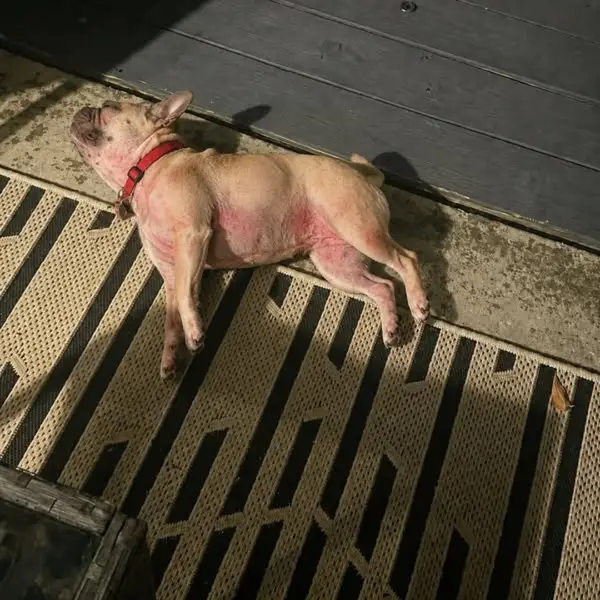
Margaret Holloway — ☝️Read this if the scratching won't stop
WinningImage

�Read this if the scratching won't stop

I'm going to say something nobody who owns a dog with allergies wants to hear, and I don't give a f*ck if it upsets you. Apoquel isn't going to save your dog. Cytopoint isn't going to save your dog. Steroids aren't going to save your dog. None of it is going to work. I know, because I tried the lot. Every drug. Every injection. Every medication. For two years. And my dog died anyway. Six years old. Paw licking. Because I spent two years treating an allergy problem that was never an allergy problem. And the worst part? My other dog started doing the same thing. Same itching. Same paw licking. Same slow decline. And I nearly let it happen again, because I was still listening to the same rubbish that killed my first dog. I'm done being polite about this. If your dog's scratching and you're in here asking what treatment to try next, you're wasting time your dog hasn't got. Read this whole post. Every word. Because the answer's in here — and it is NOT another treatment. I'm Margaret. I'm 44. I live just outside Harrogate with my husband David and our two dogs. Well. We used to have two dogs. Max was a six-year-old Lab. Energetic. Demanding. The sort of dog who'd want feeding ten times a day. Lily's a three-year-old Frenchie. Cute. Stubborn. Follows me from room to room like a silent shadow. Two completely different dogs. But they had the same problem. They both scratched. Every single day. For Max, it started about two years ago. He'd eat his breakfast — dry kibble — and then ten minutes later he'd be scratching himself raw. His ears. His bottom. Like his skin just switched on and said "go." I asked the vet about it. "Seasonal allergies. Very common in Labs. Let's start him on Apoquel. It works fast and most dogs do really well on it." So we started Apoquel. For the first fortnight, it was like a miracle. Max stopped scratching. He slept through the night. He'd come in from outside and just... lie down. I thought: finally. Sorted. Then the scratching came back. But this time it was different. Instead of scratching after walks, he was scratching constantly. Morning. Night. 3am, when I'd hear that wet sound of him licking his paws, and I'd lie there in the dark, too tired to get up. I posted in a Facebook group for dog allergies. "Dog was great on Apoquel for a few weeks. Now the scratching's back. Same dose. What do I do?" Everyone had a suggestion. "Ask your vet to increase the dose." "Try Cytopoint injections instead. Works differently." "Switch to a raw diet. Kibble's the problem." So I tried. I tried a higher Apoquel dose. Cytopoint injections at £75 a shot. Raw diet. Hypoallergenic diet. Salmon. Kangaroo. I spent over £600 in four months trying to work out what Max was reacting to. Max still scratched. And then Lily started doing it too. She'd been fine on dry food. No scratching. No issues. But I'd switched her food to match Max's — thinking if he needed it, maybe she should too. Within a fortnight, Lily was scratching too. Not like Max. But chewing her paws three or four times a day. Waking up at 2am to scratch her ears. I was checking her ears every single day. In the morning before my own tablets. When I got home. Middle of the night, when I'd hear that awful sound and jump out of bed to check she wasn't scratching her ear. I was exhausted. But more than that, I was terrified. Because Max was getting worse. His coat started looking dull. Old. Like he'd aged years in weeks. He started smelling different too. Like corn chips. He lost weight. I could feel his ribs when I stroked him. He stopped playing. Stopped running to the door. He even stopped demanding his food. He'd just... sleep all day. My baby was disappearing in front of me. I took him to the vet's. "Has anything changed recently?" "He's been on Apoquel for four months. It worked at first. Now the scratching's back as bad as before." The vet nodded. "Sometimes the dose needs adjusting as the seasons change. Let's add Cytopoint alongside the Apoquel. It works on a different pathway." I started him on it that day. Week one: still scratching. Week two: still scratching. Week three: I rang the vet, crying. "The Cytopoint isn't working. He's still scratching constantly. His skin looks worse. What do I do?" "Bring him in. Let's run some bloods." I brought him in the next day. They ran a full allergy panel. Skin-prick test. Blood draw to check for food and environmental triggers. The results came back a week later. The vet rang me at work. "Margaret, we ran everything. The results came back and it could be a million different things — dust mites, grass, mould, something in his food. We just can't pinpoint it." I felt the floor go out from under me. "What? How am I supposed to help him if I don't know what's wrong?" "That's unfortunately how allergies work in dogs. We can't always find the source. What we can do is manage the response. Let's move him onto an immunotherapy programme. Monthly injections. It won't cure the allergy but it should reduce how severely his body reacts." "How long until we see results?" "Two to three months. Sometimes longer." I went home and started him on the immunotherapy shots that month. £180 a month. Month one: still scratching. Month two: still scratching. Month three: I rang the vet, crying. "The shots aren't working. He's still scratching and his skin's turned red. What do I do?" "Give it more time. These things take time." More time? I was sitting on the bathroom floor at 11pm, trying to wrap a hot spot on his thigh that had been bleeding for three days straight. He kept pulling away from me. "Please, Max. Please just let me help you." He turned his head away. Over the next fortnight, Max got worse. He stopped eating. He lost another pound. His ribs were showing. His eyes looked sunken. I was watching my child waste away. And then one night, I came home from work and found him lying in the corner of our bedroom. He'd scratched a hot spot open on his bottom. There was blood on the bed. On the carpet. He was unconscious but still alive. I grabbed my keys and drove to the emergency vet. They took him straight through. Forty-five minutes later, the vet came out. "The infection has spread. He's septic. His body is shutting down trying to fight what started as a skin infection." I couldn't breathe. "Can you save him?" "We can try. IV antibiotics. But I need to be honest with you — at this stage, the prognosis isn't good. And even if we get him through this, his quality of life going forward..." She stopped. I knew what she wasn't saying. I went home and sat on the bathroom floor where I'd been wrapping his bandages for three months. I couldn't sleep. At 6:47am, my phone rang. "Margaret, I'm so sorry. Max passed about twenty minutes ago. We did everything we could." I don't remember much after that. David drove me to the surgery. I paid the bill. £2,400. We drove home in silence. I couldn't stop thinking: I saw it. I SAW IT. For TWO YEARS, I watched Max scratch. First on Apoquel. Then on Cytopoint. Then on immunotherapy injections that did nothing. Then on the bathroom floor, bleeding through his bandages. And everyone told me it was normal. It was just allergies. "Some dogs just don't respond as well." "Give it more time." But it wasn't about time. His body was screaming for help. And by the time I understood what that meant, the infection had already taken him. The worst part? Lily was doing the exact same thing. Licking her paws three or four times a day. A hot spot forming on her shoulder. Coat going dull. I knew what was coming. Lily was going to die the same way Max did. And I couldn't let that happen. So I tried everything else first. I changed her bedding. Still scratched. Tried a calming collar. Still scratched. Sprayed the house with antifungal spray. Still scratched. It wasn't the house. It wasn't stress. It was something inside her that nothing I was doing was fixing. I spent the next two weeks obsessively researching. I joined every dog allergy Facebook group. I read every Reddit thread about itching and skin infections. I watched YouTube videos from holistic vets and practitioners. And I kept seeing the same terrifying pattern. Dog scratches → Apoquel prescribed → seems to work → wears off → dose increased → scratches again → coat thins → hot spots develop → infections follow → skin gets infected → dog passes away. The scratching wasn't just scratching. It was the first warning sign. And I'd watched it play out for two years without ever understanding what it meant. Then, buried in a Reddit thread at 1am, I found a comment that stopped me cold. Someone wrote: "My dog scratched for four years. Tried every medication. Every steroid. Finally tried liquid collagen. Scratching stopped in four weeks." Liquid collagen? I'd tried collagen chews with Max — they'd done nothing. But I'd never seen anyone talk about liquid. I googled: "liquid collagen for dog itching." There were articles. Studies. Forum posts. All saying the same thing: collagen deficiency can cause chronic itching in dogs. I didn't understand the science. I didn't know how it worked. I just knew: other people's dogs stopped scratching when they gave them liquid collagen. That was enough for me. I went straight out and bought a liquid collagen supplement for dogs. £26. Thousands of reviews. "Supports skin and coat health." It arrived two days later. I started giving it to Lily every day, mixed into her food. Week one: still scratching. Week two: still scratching. Week three: still scratching. Week four: I was sitting on my front step crying, watching Lily sleep in the shade. She'd lost another half-pound. Her coat looked worse. I was watching the same thing happen all over again. My neighbour, Mrs. Adams, came out to water her plants. Mrs. Adams is 73. She's a retired vet. Ran a small-animal practice for 30 years before she retired five years ago. She's lived next door to us since we moved in two years ago. She saw me crying and came over. "Margaret? Love, what's wrong?" I told her everything. About Max. About the scratching. About the hot spots that kept coming back. About how Lily was doing the same thing, and how terrified I was of losing her too. "I found something online about liquid collagen helping with itching," I said, showing her the blue bottle. "I've been giving it to her for four weeks but it's not working. She's still scratching. I don't know what to do." Mrs. Adams took the bottle from my hand and looked at it. Her face changed. "Oh, love. This is rubbish. No wonder it's not working." She sat down next to me on the step. "Can I tell you something? Something I learned in 30 years of practice?" I nodded, wiping my eyes. "You were right. The itching's from a collagen deficiency. But this supplement?" She held up the bottle. "This isn't real collagen. Or at least, not enough of it." "What do you mean?" She settled back. "Let me explain what's actually happening. Around the age of two or three, a dog starts producing less collagen. Some dogs lose more than others. And without enough collagen, the skin goes thin. Irritants get in. The body's got no defence, so it sends the itch signal. That's why Lily's scratching. Not because she's broken. Because her skin stopped getting what it needed to stay strong." "So the allergies aren't actually the problem?" "The allergies are just what's getting through. Fix the collagen, you fix the skin. Fix the skin, you stop the itch." I thought about all those trips to the vet's. All those Apoquel refills. Nobody had ever once mentioned her collagen was low. "But I bought collagen chews and liquids? They didn't work." Mrs. Adams sighed. "That's the lie the whole industry's built on. Yes, the big supplement companies all add collagen. But here's what they don't tell you: they make it using heat extrusion — pressed at high temperatures to form the chew shape. Those temperatures destroy the very peptides that make the collagen work. Real collagen needs to be cold-pressed to stay intact. The collagen's technically on the label. But by the time it reaches Lily's mouth, its structure's already been demolished." "So it's not enough?" "Not even close. And most liquid collagens? They don't work either. They haven't got the carrier hyaluronic acid the liquid needs to actually reach the skin. Without it, it's just like the chews." My stomach dropped. "So Lily was getting collagen every day, but..." "But her skin wasn't getting any of it. And then — and this is the part that makes me furious — those liquids with hyaluronic acid everyone recommends? They're even worse than you think." "How?" "Because they use cheap sources of hyaluronic acid with heavy metals and toxic fillers. The industry's unregulated. People can sell whatever they like." I felt sick. "So the collagen was making it worse. Every single day." "Every single day. And Max's skin was getting worse with every bottle. I'm sorry, love. I know that's hard to hear." "But I tried to fix it. I bought good liquid collagen. They said no fillers on the site." She looked at the blue bottle again. "This bottle? I had it tested. Sent it to a lab. You know what we found? The HA in this bottle comes from a cheap, unregulated source. Heavy metals. Toxic fillers. The label says hyaluronic acid. What's actually in here?" She paused. "You don't want to know." "What?" "And the amount that actually reaches the skin was basically zero. So Lily isn't getting pharmaceutical-grade collagen to her skin. She's getting maybe a fraction of it. That's why it's not working. And every day you give her this, her skin's getting thinner and thinner. Just like Max's did." Mrs. Adams stood up. "Wait here." She went into her house and came back a minute later with a bottle. "This is what we used at the practice. Canbloom. Over my 30 years I tested dozens of brands. Sent them to labs. Most were contaminated, underdosed, or had cheap HA that did nothing. This is the only one that passed." I took the bottle from her. "How's this different?" "203mg of real collagen per dropper. Label says 200mg — so they actually over-deliver. 95–98% bioavailability. No contamination. No fillers. And it's cold-pressed. Pure hyaluronic acid, checked before every batch goes out. They're the real deal." "And this'll stop the scratching?" "If we're not too late — if her skin isn't too far gone — yes. One dropper a day, mixed into her food. Within four to six weeks, her skin barrier should rebuild. The scratching should stop. And her skin should start to heal." "And if we are too late?" Mrs. Adams looked at me with sad eyes. "Then at least you'll know you tried. But Margaret, you can't overdose collagen. It's not a drug. If she gets more than she needs, her body just uses what it can. No toxicity risk. No side effects. No danger." "So there's no harm in giving it to her?" "None. Zero." She handed me the bottle. "Start her on this today. And Margaret? Don't blame yourself for Max. The vets should have known. The supplement companies should be honest. But here's the thing — a rescue vet fixes the root cause, because they can't afford to manage symptoms forever. In private practice, managing the symptoms is the business model. Same training. Different incentives." I started Lily on Canbloom that day. For the first few days, nothing changed. She still scratched. I was terrified it wasn't going to work. That I was too late. That Lily's skin was already too far gone, just like Max's. But then, around day six, I noticed something. She only scratched twice that day, instead of the usual three or four. Week two: she scratched once. Week three: no scratching. I couldn't believe it. I kept waiting for it to come back. But it didn't. By week four, Lily hadn't scratched once. And I noticed other things changing too. Her ear was clear. No blood, no smell. The hot spot on her shoulder started closing. She gained weight. Not a lot, but enough that I couldn't feel her ribs any more. She started playing again. Chasing her toys. Running to the door when I grabbed her lead. The corn-chip smell was gone. The paw-licking that kept me up at night — gone. I couldn't believe it. My child was coming back to me. I took her to the vet's six weeks later. I was so scared. What if her skin was already too damaged? What if I was too late? The vet rang me two days later with the results. "Margaret, I've got good news. Lily's skin inflammation markers have improved significantly." I started crying right there on the phone. "Improved?" "Yes. Whatever you're doing, it's working." "It's collagen. Real pharmaceutical-grade liquid collagen with pure hyaluronic acid." There was a pause. "Well. Keep her on it. I've never seen a dog with this history improve like this." That was four months ago. Lily hasn't scratched once since week three. Her skin's clear. Her coat's beautiful. Her eyes are bright. She plays. She's happy. She's healthy. And I think about Max every single day. Don't let that be your story. Don't watch your child deteriorate for months while you try different medications that won't work. Don't wait until it's too late. Start pharmaceutical-grade liquid collagen today. https://canbloomstore.com/products/canbloom-premium-liquid-collagen EDIT: A lot of people have messaged saying they bought Canbloom and their dog didn't improve like Lily did. I asked where they'd bought it, and they said either "Amazon" or one of the big online pet shops. I always buy direct from the website. They have a direct warning about counterfeits, and they ONLY sell from their own site. I'm sorry — I forgot to add the link. Here it is: https://canbloomstore.com/products/canbloom-premium-liquid-collagen P.S. The Amazon liquid collagen I gave Lily for four weeks had basically zero bioavailability. Cheap HA with heavy metals. Her skin kept breaking down while I was giving it to her. The scratching carried on. Her body was still failing. Four weeks on Canbloom and the scratching stopped completely. Six weeks and her inflammation markers improved for the first time. Don't waste time on supplements that don't work. Your dog's skin can't wait. https://canbloomstore.com/products/canbloom-premium-liquid-collagen P.P.S. Max scratched for two years before his skin failed. The scratching wasn't "just allergies" — it was the first warning sign his collagen was running out and his skin barrier was breaking down under constant strain. I thought I had time. I didn't. If your dog scratches more than once a day, start pharmaceutical-grade liquid collagen today: https://canbloomstore.com/products/canbloom-premium-liquid-collagen — Margaret Holloway, Harrogate

Loading the ad's image
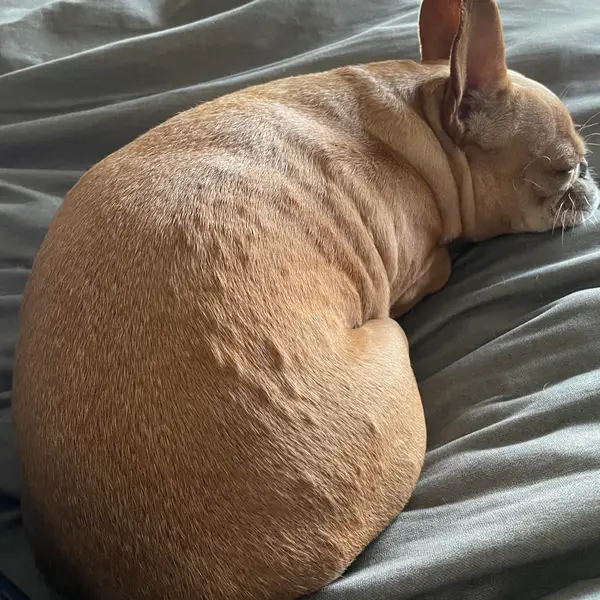
Margaret Holloway — �Read this if the scratching won't stop
WinningImage

☝️Read this if the scratching won't stop

I'm going to say something nobody who owns a dog with allergies wants to hear, and I don't give a f*ck if it upsets you. Apoquel isn't going to save your dog. Cytopoint isn't going to save your dog. Steroids aren't going to save your dog. None of it is going to work. I know, because I tried them all. Every drug. Every injection. Every medication. For two years. And my dog died anyway. Six years old. Paw licking. Because I spent two years treating an allergy problem that was never an allergy problem. And the worst part? My other dog started doing the same thing. Same itching. Same paw licking. Same slow decline. And I nearly let it happen again, because I was still listening to the same garbage that killed my first dog. I'm done being polite about this. If your dog's scratching and you're in here asking what treatment to try next, you're wasting time your dog doesn't have. Read this whole post. Every word. Because the answer's in here — and it is NOT another treatment. I'm Margaret. I'm 44. I live just outside Columbus with my husband David and our two dogs. Well. We used to have two dogs. Max was a six-year-old Lab. Energetic. Demanding. The kind of dog who'd want to be fed ten times a day. Lily's a three-year-old Frenchie. Cute. Stubborn. Follows me from room to room like a silent shadow. Two completely different dogs. But they had the same problem. They both scratched. Every single day. For Max, it started about two years ago. He'd eat his breakfast — dry kibble — and then ten minutes later he'd be scratching himself raw. His ears. His rear end. Like his skin just switched on and said "go." I asked the vet about it. "Seasonal allergies. Very common in Labs. Let's start him on Apoquel. It works fast and most dogs do really well on it." So we started Apoquel. For the first two weeks, it was like a miracle. Max stopped scratching. He slept through the night. He'd come in from outside and just... lie down. I thought: finally. Problem solved. Then the scratching came back. But this time it was different. Instead of scratching after walks, he was scratching constantly. Morning. Night. 3am, when I'd hear that wet sound of him licking his paws, and I'd lie there in the dark, too tired to get up. I posted in a Facebook group for dog allergies. "Dog was great on Apoquel for a few weeks. Now the scratching's back. Same dose. What do I do?" Everyone had a suggestion. "Ask your vet to increase the dose." "Try Cytopoint injections instead. Works differently." "Switch to a raw diet. Kibble's the problem." So I tried. I tried a higher Apoquel dose. Cytopoint injections at $75 a shot. Raw diet. Hypoallergenic diet. Salmon. Kangaroo. I spent over $600 in four months trying to figure out what Max was reacting to. Max still scratched. And then Lily started doing it too. She'd been fine on dry food. No scratching. No issues. But I'd switched her food to match Max's — thinking if he needed it, maybe she should too. Within two weeks, Lily was scratching too. Not like Max. But chewing her paws three or four times a day. Waking up at 2am to scratch her ears. I was checking her ears every single day. In the morning before my own pills. When I got home. Middle of the night, when I'd hear that awful sound and jump out of bed to check she wasn't scratching her ear. I was exhausted. But more than that, I was terrified. Because Max was getting worse. His coat started looking dull. Old. Like he'd aged years in weeks. He started smelling different too. Like corn chips. He lost weight. I could feel his ribs when I petted him. He stopped playing. Stopped running to the door. He even stopped demanding his food. He'd just... sleep all day. My baby was disappearing in front of me. I took him to the vet. "Has anything changed recently?" "He's been on Apoquel for four months. It worked at first. Now the scratching's back as bad as before." The vet nodded. "Sometimes the dose needs adjusting as the seasons change. Let's add Cytopoint alongside the Apoquel. It works on a different pathway." I started him on it that day. Week one: still scratching. Week two: still scratching. Week three: I called the vet, crying. "The Cytopoint isn't working. He's still scratching constantly. His skin looks worse. What do I do?" "Bring him in. Let's run some blood work." I brought him in the next day. They ran a full allergy panel. Skin-prick test. Blood draw to check for food and environmental triggers. The results came back a week later. The vet called me at work. "Margaret, we ran everything. The results came back and it could be a million different things — dust mites, grass, mold, something in his food. We just can't pinpoint it." I felt the floor go out from under me. "What? How am I supposed to help him if I don't know what's wrong?" "That's unfortunately how allergies work in dogs. We can't always find the source. What we can do is manage the response. Let's move him onto an immunotherapy program. Monthly injections. It won't cure the allergy but it should reduce how severely his body reacts." "How long until we see results?" "Two to three months. Sometimes longer." I went home and started him on the immunotherapy shots that month. $180 a month. Month one: still scratching. Month two: still scratching. Month three: I called the vet, crying. "The shots aren't working. He's still scratching and his skin's turned red. What do I do?" "Give it more time. These things take time." More time? I was sitting on the bathroom floor at 11pm, trying to wrap a hot spot on his thigh that had been bleeding for three days straight. He kept pulling away from me. "Please, Max. Please just let me help you." He turned his head away. Over the next two weeks, Max got worse. He stopped eating. He lost another pound. His ribs were showing. His eyes looked sunken. I was watching my child waste away. And then one night, I came home from work and found him lying in the corner of our bedroom. He'd scratched a hot spot open on his rear end. There was blood on the bed. On the carpet. He was unconscious but still alive. I grabbed my keys and drove to the emergency vet. They took him straight back. Forty-five minutes later, the vet came out. "The infection has spread. He's septic. His body is shutting down trying to fight what started as a skin infection." I couldn't breathe. "Can you save him?" "We can try. IV antibiotics. But I need to be honest with you — at this stage, the prognosis isn't good. And even if we get him through this, his quality of life going forward..." She stopped. I knew what she wasn't saying. I went home and sat on the bathroom floor where I'd been wrapping his bandages for three months. I couldn't sleep. At 6:47am, my phone rang. "Margaret, I'm so sorry. Max passed about twenty minutes ago. We did everything we could." I don't remember much after that. David drove me to the clinic. I paid the bill. $2,400. We drove home in silence. I couldn't stop thinking: I saw it. I SAW IT. For TWO YEARS, I watched Max scratch. First on Apoquel. Then on Cytopoint. Then on immunotherapy injections that did nothing. Then on the bathroom floor, bleeding through his bandages. And everyone told me it was normal. It was just allergies. "Some dogs just don't respond as well." "Give it more time." But it wasn't about time. His body was screaming for help. And by the time I understood what that meant, the infection had already taken him. The worst part? Lily was doing the exact same thing. Licking her paws three or four times a day. A hot spot forming on her shoulder. Coat going dull. I knew what was coming. Lily was going to die the same way Max did. And I couldn't let that happen. So I tried everything else first. I changed her bedding. Still scratched. Tried a calming collar. Still scratched. Sprayed the house with antifungal spray. Still scratched. It wasn't the house. It wasn't stress. It was something inside her that nothing I was doing was fixing. I spent the next two weeks obsessively researching. I joined every dog allergy Facebook group. I read every Reddit thread about itching and skin infections. I watched YouTube videos from holistic vets and practitioners. And I kept seeing the same terrifying pattern. Dog scratches → Apoquel prescribed → seems to work → wears off → dose increased → scratches again → coat thins → hot spots develop → infections follow → skin gets infected → dog passes away. The scratching wasn't just scratching. It was the first warning sign. And I'd watched it play out for two years without ever understanding what it meant. Then, buried in a Reddit thread at 1am, I found a comment that stopped me cold. Someone wrote: "My dog scratched for four years. Tried every medication. Every steroid. Finally tried liquid collagen. Scratching stopped in four weeks." Liquid collagen? I'd tried collagen chews with Max — they'd done nothing. But I'd never seen anyone talk about liquid. I googled: "liquid collagen for dog itching." There were articles. Studies. Forum posts. All saying the same thing: collagen deficiency can cause chronic itching in dogs. I didn't understand the science. I didn't know how it worked. I just knew: other people's dogs stopped scratching when they gave them liquid collagen. That was enough for me. I went straight out and bought a liquid collagen supplement for dogs. $26. Thousands of reviews. "Supports skin and coat health." It arrived two days later. I started giving it to Lily every day, mixed into her food. Week one: still scratching. Week two: still scratching. Week three: still scratching. Week four: I was sitting on my front step crying, watching Lily sleep in the shade. She'd lost another half-pound. Her coat looked worse. I was watching the same thing happen all over again. My neighbor, Mrs. Adams, came out to water her plants. Mrs. Adams is 73. She's a retired vet. Ran a small-animal practice for 30 years before she retired five years ago. She's lived next door to us since we moved in two years ago. She saw me crying and came over. "Margaret? Honey, what's wrong?" I told her everything. About Max. About the scratching. About the hot spots that kept coming back. About how Lily was doing the same thing, and how terrified I was of losing her too. "I found something online about liquid collagen helping with itching," I said, showing her the blue bottle. "I've been giving it to her for four weeks but it's not working. She's still scratching. I don't know what to do." Mrs. Adams took the bottle from my hand and looked at it. Her face changed. "Oh, honey. This is garbage. No wonder it's not working." She sat down next to me on the step. "Can I tell you something? Something I learned in 30 years of practice?" I nodded, wiping my eyes. "You were right. The itching's from a collagen deficiency. But this supplement?" She held up the bottle. "This isn't real collagen. Or at least, not enough of it." "What do you mean?" She settled back. "Let me explain what's actually happening. Around the age of two or three, a dog starts producing less collagen. Some dogs lose more than others. And without enough collagen, the skin goes thin. Irritants get in. The body's got no defense, so it sends the itch signal. That's why Lily's scratching. Not because she's broken. Because her skin stopped getting what it needed to stay strong." "So the allergies aren't actually the problem?" "The allergies are just what's getting through. Fix the collagen, you fix the skin. Fix the skin, you stop the itch." I thought about all those trips to the vet. All those Apoquel refills. Nobody had ever once mentioned her collagen was low. "But I bought collagen chews and liquids? They didn't work." Mrs. Adams sighed. "That's the lie the whole industry's built on. Yes, the big supplement companies all add collagen. But here's what they don't tell you: they make it using heat extrusion — pressed at high temperatures to form the chew shape. Those temperatures destroy the very peptides that make the collagen work. Real collagen needs to be cold-pressed to stay intact. The collagen's technically on the label. But by the time it reaches Lily's mouth, its structure's already been demolished." "So it's not enough?" "Not even close. And most liquid collagens? They don't work either. They don't have the carrier hyaluronic acid the liquid needs to actually reach the skin. Without it, it's just like the chews." My stomach dropped. "So Lily was getting collagen every day, but..." "But her skin wasn't getting any of it. And then — and this is the part that makes me furious — those liquids with hyaluronic acid everyone recommends? They're even worse than you think." "How?" "Because they use cheap sources of hyaluronic acid with heavy metals and toxic fillers. The industry's unregulated. People can sell whatever they like." I felt sick. "So the collagen was making it worse. Every single day." "Every single day. And Max's skin was getting worse with every bottle. I'm sorry, honey. I know that's hard to hear." "But I tried to fix it. I bought good liquid collagen. They said no fillers on the site." She looked at the blue bottle again. "This bottle? I had it tested. Sent it to a lab. You know what we found? The HA in this bottle comes from a cheap, unregulated source. Heavy metals. Toxic fillers. The label says hyaluronic acid. What's actually in here?" She paused. "You don't want to know." "What?" "And the amount that actually reaches the skin was basically zero. So Lily isn't getting pharmaceutical-grade collagen to her skin. She's getting maybe a fraction of it. That's why it's not working. And every day you give her this, her skin's getting thinner and thinner. Just like Max's did." Mrs. Adams stood up. "Wait here." She went into her house and came back a minute later with a bottle. "This is what we used at the practice. Canbloom. Over my 30 years I tested dozens of brands. Sent them to labs. Most were contaminated, underdosed, or had cheap HA that did nothing. This is the only one that passed." I took the bottle from her. "How's this different?" "203mg of real collagen per dropper. Label says 200mg — so they actually over-deliver. 95–98% bioavailability. No contamination. No fillers. And it's cold-pressed. Pure hyaluronic acid, checked before every batch goes out. They're the real deal." "And this'll stop the scratching?" "If we're not too late — if her skin isn't too far gone — yes. One dropper a day, mixed into her food. Within four to six weeks, her skin barrier should rebuild. The scratching should stop. And her skin should start to heal." "And if we are too late?" Mrs. Adams looked at me with sad eyes. "Then at least you'll know you tried. But Margaret, you can't overdose collagen. It's not a drug. If she gets more than she needs, her body just uses what it can. No toxicity risk. No side effects. No danger." "So there's no harm in giving it to her?" "None. Zero." She handed me the bottle. "Start her on this today. And Margaret? Don't blame yourself for Max. The vets should have known. The supplement companies should be honest. But here's the thing — a rescue vet fixes the root cause, because they can't afford to manage symptoms forever. In private practice, managing the symptoms is the business model. Same training. Different incentives." I started Lily on Canbloom that day. For the first few days, nothing changed. She still scratched. I was terrified it wasn't going to work. That I was too late. That Lily's skin was already too far gone, just like Max's. But then, around day six, I noticed something. She only scratched twice that day, instead of the usual three or four. Week two: she scratched once. Week three: no scratching. I couldn't believe it. I kept waiting for it to come back. But it didn't. By week four, Lily hadn't scratched once. And I noticed other things changing too. Her ear was clear. No blood, no smell. The hot spot on her shoulder started closing. She gained weight. Not a lot, but enough that I couldn't feel her ribs anymore. She started playing again. Chasing her toys. Running to the door when I grabbed her leash. The corn-chip smell was gone. The paw-licking that kept me up at night — gone. I couldn't believe it. My child was coming back to me. I took her to the vet six weeks later. I was so scared. What if her skin was already too damaged? What if I was too late? The vet called me two days later with the results. "Margaret, I've got good news. Lily's skin inflammation markers have improved significantly." I started crying right there on the phone. "Improved?" "Yes. Whatever you're doing, it's working." "It's collagen. Real pharmaceutical-grade liquid collagen with pure hyaluronic acid." There was a pause. "Well. Keep her on it. I've never seen a dog with this history improve like this." That was four months ago. Lily hasn't scratched once since week three. Her skin's clear. Her coat's beautiful. Her eyes are bright. She plays. She's happy. She's healthy. And I think about Max every single day. Don't let that be your story. Don't watch your child deteriorate for months while you try different medications that won't work. Don't wait until it's too late. Start pharmaceutical-grade liquid collagen today. https://canbloomstore.com/products/canbloom-premium-liquid-collagen EDIT: A lot of people have messaged saying they bought Canbloom and their dog didn't improve like Lily did. I asked where they'd bought it, and they said either "Amazon" or one of the big online pet stores. I always buy direct from the website. They have a direct warning about counterfeits, and they ONLY sell from their own site. I'm sorry — I forgot to add the link. Here it is: https://canbloomstore.com/products/canbloom-premium-liquid-collagen P.S. The Amazon liquid collagen I gave Lily for four weeks had basically zero bioavailability. Cheap HA with heavy metals. Her skin kept breaking down while I was giving it to her. The scratching continued. Her body was still failing. Four weeks on Canbloom and the scratching stopped completely. Six weeks and her inflammation markers improved for the first time. Don't waste time on supplements that don't work. Your dog's skin can't wait. https://canbloomstore.com/products/canbloom-premium-liquid-collagen P.P.S. Max scratched for two years before his skin failed. The scratching wasn't "just allergies" — it was the first warning sign his collagen was running out and his skin barrier was breaking down under constant strain. I thought I had time. I didn't. If your dog scratches more than once a day, start pharmaceutical-grade liquid collagen today: https://canbloomstore.com/products/canbloom-premium-liquid-collagen — Margaret Holloway, Columbus

Loading the ad's image
Margaret Holloway — ☝️Read this if the scratching won't stop
PromisingImage

Read This Before Your Next Vet Bill

I'm going to say something nobody with an arthritic dog wants to hear, and honestly, I don't care if it upsets you. Librela is not going to fix your dog. Not Librela. Not Galliprant. Not glucosamine chews. Not the $35 joint supplement your whole Facebook group swears by. NONE OF IT IS GOING TO FIX THIS. I know because I tried it all. Every prescription, every supplement, for two years. And my dog got so bad that my vet started talking to me about her "quality of life." Because I spent two years covering up a problem nobody bothered to explain to me. And the worst part? My second dog started with exactly the same thing. Same breed, same age, the same back legs starting to fail. And I almost let the nightmare repeat itself, because I was seriously considering giving him the same injection. So today I'm not going to be polite. If your dog just got their first Librela injection, or you're here wondering whether to book the next one, you're wasting time your dog doesn't have. Read the whole thing. Every word. Because the answer is here, and it is NOT another injection. My name is Sharon, I'm 51 and I live in Ohio with my husband, David, and our two Labs. Poppy was 8. My shadow. The kind of dog who leans her whole weight against your legs and just stays there, waiting for you to hug her. Otis is 4. Same breeder and same line, but a completely different personality: a lunatic, a clown, who'll steal your socks the second you look away. Two dogs who were nothing alike. But who ended up with the same problem: they both slipped, and they both struggled to get up. Every day. With Poppy it started when she was about 7. First she slipped on the kitchen floor. Then she struggled to get up. Then, every time she stood, her back legs splayed out on the tiles, and at night I'd hear her nails scrabbling on the floor. Thump, thump, thump, her back leg hitting the floor, over and over, for hours. I took her to the vet. "Back leg weakness. Very normal at her age. Let's start her on Librela." She told me it was the most expensive option, but the safest and the best. $130 a month. And for a while it seemed to help: she was steadier. I thought that was it. But after the third injection it started again. She was panting, she seemed confused and she could barely stand. "Let's add Adequan injections," she told me. $55 every four weeks, on top of the Librela and on top of the glucosamine she'd already been on for two months. All in, $185 a month. And Poppy was still slipping. Her legs were still splaying on the tiles and she still needed help getting up after lying down. $185 a month for a dog who was getting weaker and weaker. I posted in a Lab Facebook group: "Poppy is on Librela AND Adequan and she's still slipping. Has this happened to anyone?" Everyone had an idea. "Try glucosamine chews." "Get a ramp for the couch." "Give it time, Librela takes a few months." "Fish oil." "Yoga mats all over the house." And I tried it all. Glucosamine chews, $35 a month for 8 months: $280. Poppy ate them every morning wagging her tail, and every night she was still slipping. They tasted good, I'll give them that. That's all they did. Physical therapy, $60 a session. It helped for that hour and nothing after. Yoga mats all over the floor and grips on all four paws. After every walk she looked steadier for an hour or so. Then her legs would splay again, and there I was once more, taping rugs all over the house for absolutely nothing. I stopped adding up what I'd spent, because just thinking about the number made me sick. And Poppy kept getting worse. Her hindquarters, which used to be round and strong, sank. You could see the muscle loss from across the living room. She stopped coming to greet me at the door. She stopped following me around the house. She'd lie on the cold tiles and wait for me to come to her. All day. Even the look in her eyes changed. It wasn't pain exactly. It was… exhaustion. Like she'd accepted that this was what her life was going to be. That look is what broke me. One night I sat on the floor next to her and held her, because she couldn't get up. And I thought: I'm watching my dog disappear, little by little, week by week, and there's nothing I can do. I started reading about how to assess "quality of life." I'm not proud of it. I scored her honestly and saw myself in every point. I closed the laptop and broke down crying on the kitchen floor. Poppy dragged herself over to me and put her head in my lap. She didn't understand why I was crying. She just knew I was sad. My dog was comforting me while her legs gave out. That was a Tuesday. The next day, Otis started slipping on the kitchen floor. He was 5, the same age Poppy was when hers started. I recognized it instantly. I knew exactly what the next two years would look like for Otis: injections that work and then stop, supplements aimed at the wrong target and bills piling up while the problem gets worse underneath. I couldn't go through that again. I needed to understand WHY. Not what to try next. WHY. Why did Librela work and then stop working? Why didn't any supplement change anything? Why did everything get worse every year, no matter what I did? Four vets in two years, and not one of them answered WHY. They all told me WHAT. I spent two weeks researching every night, after David had gone to bed. And one morning, at 2 a.m., I found an article about senior dogs' joints that explained what no vet had told me. The cartilage that cushions the bones, and the ligaments and tendons that hold their legs together, are made of collagen. From age 7, a dog's body makes less and less of it. Every year the cushion is thinner, the tendons and ligaments hold up less and the joint gets looser. That's what slips. That's what splays on the tiles. That's what won't let her get up. And here's the part that turned my stomach. Librela blocks a pain signal. And that's ALL it does. It doesn't give the joint back a single gram of collagen. While Librela covers up the pain, the cushion keeps getting thinner. That's why it works for a few months and then stops: it's not that the drug stops working, it's that the wear underneath grows faster than the injection can cover it up. And glucosamine? It only looks after the little cushion that's left. It doesn't give it what it's made of. On top of that, chews get baked, and the heat damages whatever collagen they might have. Two years. Four vets. Librela, Adequan, glucosamine, physical therapy, mats and ramps. And the wear got worse in spite of all of it. Because nobody ever said the word "collagen" to me. The next morning I called every holistic vet within 50 miles. I found one and drove 40 minutes. She was the first vet in two years who didn't write me a prescription. She confirmed everything I'd read. And then she said the line that made everything click: "Her joints need the material they're made of. You can't rebuild cartilage with a pain blocker, or with glucosamine, or with physical therapy, or with fish oil. None of that is collagen." "So I just buy her collagen and that's it?" "It has to be liquid, because chews get baked. And it has to have the types a joint needs: type II for cartilage and types I and III for ligaments and tendons." The one she recommended was Canbloom liquid collagen: type I and III collagen, 900 mg per serving; UC-II, the type II collagen in cartilage; hyaluronic acid for the joint fluid; MSM for inflammation; and vitamin C so her body can make its own collagen. "Don't take her off anything she's on," she told me. "Add it to her food and give it eight weeks." I started Poppy the next day. And Otis too, because his had only just started. I spent the first two weeks watching her, waiting to see if anything changed. In the third week she stopped scrabbling at the floor at night. In the fourth she crossed the kitchen cleanly. No slipping, no sliding, no thump, thump, thump. In the sixth she was waiting for me at the door when I got home. I stood in the entryway with my keys in my hand, unable to move. In month three, with my vet, we started spacing out the Librela. Then the Adequan. By month four, Poppy was only on her collagen over her food. And Otis, the little one, stopped slipping after three weeks. Nothing ever developed. One night, once things were calm, I added up everything I'd spent on Poppy in those two years: Librela: $3,120. Adequan: $1,430. Glucosamine: $280. Physical therapy: $960. Mats and ramps: $140. Vet visits and tests: $140. $6,070. Not a single dollar went to giving her joints back the material they were missing. Not one. Right now there's an early Black Friday sale: up to 70% off, and if you buy 3 bottles they give you 2 more free. That's the one I'd get, because this is about giving it every day without a break, and a friend who waited for the real Black Friday missed out. And the guarantee is honestly impressive: the brand is so sure of what it does that if you don't see your dog moving better in 60 days, you can simply ask for a refund. Don't take them off anything they're taking. Just add one serving to their food. You can thank me later. canbloomstore.com/products/hip-and-joints P.S. If your dog is 6 or 7 and just starting to slow down, you're in the best position possible. The wear is still small. Start now, before their legs start splaying, before the first Librela injection and before the first $185 month. Otis is the proof: same breeder, same house. One started in time and the other didn't. The difference is $6,070 and two years of watching her disappear.

Loading the ad's image
Margaret Holloway — Read This Before Your Next Vet Bill
Testing

From the ads Sniped has collected from this page (4 so far, first seen Nov 2026). Reach is what Meta reports; no spend or sales estimates.