Stop Vacuuming Your Car
🐾 Fur-free car made easy! The PurePath™ Hair Remover Glove is the easiest way to clean pet hair off car seats and carpets. Swipe, lift, and go—no mess, no fuss! 🧤
Loading the ad's image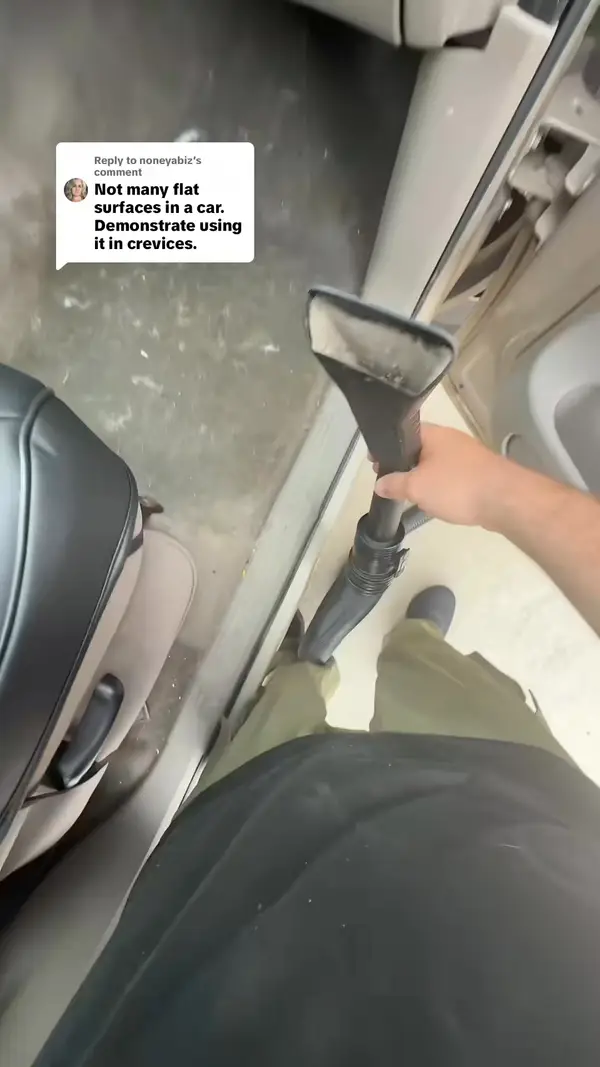
Stop Vacuuming Your Car
🐾 Fur-free car made easy! The PurePath™ Hair Remover Glove is the easiest way to clean pet hair off car seats and carpets. Swipe, lift, and go—no mess, no fuss! 🧤
Loading the ad's imageDog Owners Read This 👆
I bought a pet hair glove on Amazon for eight dollars and it folded in half the first time I pressed down on the seat. What little it grabbed stuck to the mesh and wouldn't come off. I threw it in the garbage and decided gloves were a gimmick. That was a year before a dealership appraiser opened my rear door, looked at my back seat for three seconds, and deducted $1,400 for "permanent fabric contamination." "Pet hair woven into the seat fiber," he said. "Nothing gets it out." My golden, Biscuit, has ridden back there for three years. Here's what I'd tried, in order. Lint roller. Seat covers. The eight-dollar glove. A shop vac sold for pet hair, every two weeks. After the deduction, a detailer. Marco, 19 years in the trade, $80 a month. Forty minutes on the back seat, a trash bag of fur, and "the deep stuff is just there now." At 1:47 AM one night I searched why pet hair embeds in fabric permanently and found an automotive textile study from a university in Michigan. The woven synthetic fabric in most car seats builds a negative static charge from friction. Getting in. Sliding out. Driving. A dog's short, stiff guard hairs carry a positive charge. The hair isn't resting on the seat. It's being pulled into the weave and held. And every tool I'd used works by friction. Vacuum. Roller. Brush. Marco's extractor. Friction makes static. Static pulls hair in. The study mentioned a damp cloth, moved slowly across the fabric, could neutralize the charge and release the embedded hair. It was 2 AM. I went to the driveway with a damp microfiber cloth and pulled it across the back seat. The hair came up in a rolled sheet. That's when I understood what the eight-dollar glove had gotten wrong. The idea was right. Something flat, run slowly across the fabric, that neutralizes the charge instead of adding to it. The cheap one was thin, dead mesh with no body. It couldn't stay flat. It folded the second I pushed in, so it only ever skimmed the surface. And the mesh had nothing for the hair to roll against, so it gummed up. It wasn't that gloves don't work. It was that what I'd bought wasn't really one. So I went looking for the real version. Something firm enough to stay flat, built to roll the hair instead of catch it, that works dry. That's how I found the PurePath glove. I'll say this plainly because I'd been burned. Make sure you get the actual one. The name is on the glove. Run it across the seat or the carpet and the hair rolls into a layer you peel off. No water. No residue. No new static. It doesn't fold. Two passes on the headrest. One down the seat. One across the base. The hair that had stuck to the cheap mesh came off this one in a single strip. Five months now. Biscuit rides every day. I run the glove across before I park. Two minutes. Last month I went back to the same dealership. Same appraiser. "Good condition. No deductions on the interior." If your dog rides in your car and you've already been burned by a cheap glove, the hair is still in the weave. You weren't wrong to be angry. You were sold a copy. Press Learn More to see why, and what actually gets it out.
Loading the ad's image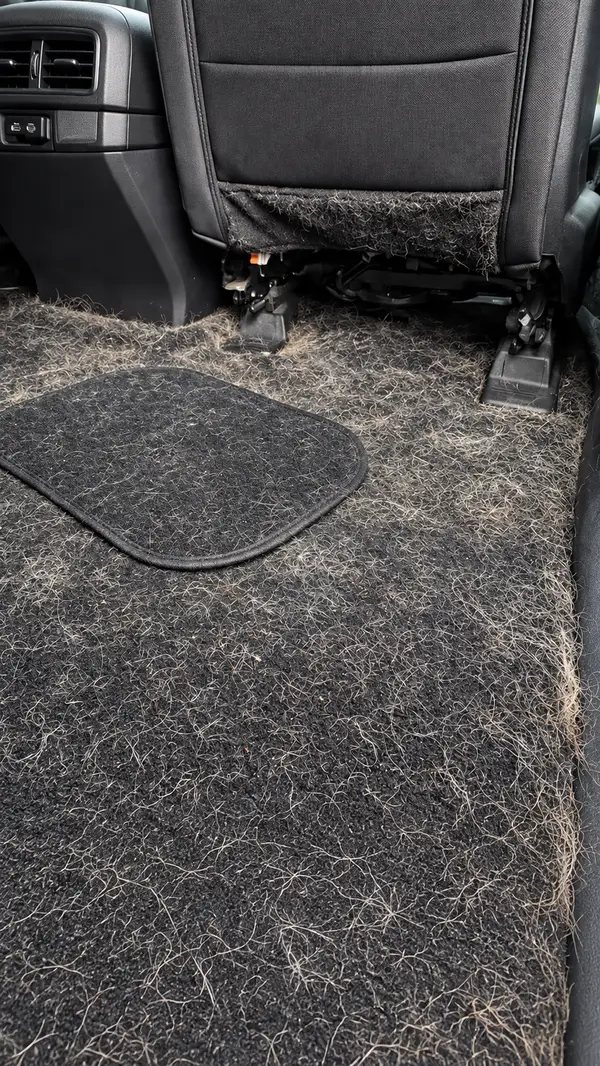
Dog Owners Read This 👆
Every tool I've ever bought with "pet hair" printed on the box has one thing in common. It generates static. Nobody told me that until a university study did, at 1:47 AM, four months after a dealership deducted $1,400 from my trade-in. "Permanent fabric contamination." Pet hair woven into the seat fiber. "Nothing gets it out." My golden, Biscuit, has ridden in that back seat for three years. Here's what was in my car the day the appraiser opened the door. A lint roller marked PET. A rubber brush marked PET HAIR. A shop vac with PET printed on the side, used every two weeks. Seat covers sold as pet covers. And after the deduction, $80 a month for a detailer named Marco, 19 years in the trade, who handed me a trash bag of fur and told me the deep stuff was "just there now." Every one of those things made it worse. Here's how. The woven synthetic fabric in most car seats builds a negative static charge from friction. Getting in. Sliding out. Driving. A dog's short, stiff guard hairs carry a positive charge. The hair isn't resting on the seat. It's being pulled into the weave and held. Now look at the tools. The roller peels off the fabric. Friction. The rubber brush drags across it. Friction. Rubber is one of the most static-generating materials there is. The vacuum head scrubs it. Friction. The seat cover slides on it every trip. Friction. The extractor in Marco's van does all of the above, harder. Friction makes static. Static pulls hair in. Every product sold to remove the hair was charging the seat up to hold the next hair tighter. The study mentioned a damp cloth, moved slowly across the fabric, could neutralize the charge and release the embedded hair. It was 2 AM. I went to the driveway with a damp microfiber cloth and pulled it across the back seat. The hair came up in a rolled sheet. I stood there holding it. Eighteen minutes for the whole back seat. But a damp cloth soaks through, leaves marks, and does nothing on carpet. So I looked for something built on the same principle, friction that kills static instead of making it, that works dry. That's how I found the PurePath glove. Run it across the seat or the carpet and the hair rolls into a layer you peel off. No water. No residue. No new static. Two passes on the headrest. One down the seat. One across the base. Five months now. Biscuit rides every day. I run the glove across before I park. Two minutes. Everything with PET on the box went in a bin in the garage. Last month I went back to the same dealership. Same appraiser. "Good condition. No deductions on the interior." If your dog rides in your car, the fur you can't see is already in the weave, and every "pet hair" tool you own is pushing it deeper. Press Learn More to see why, and what actually gets it out.
Loading the ad's image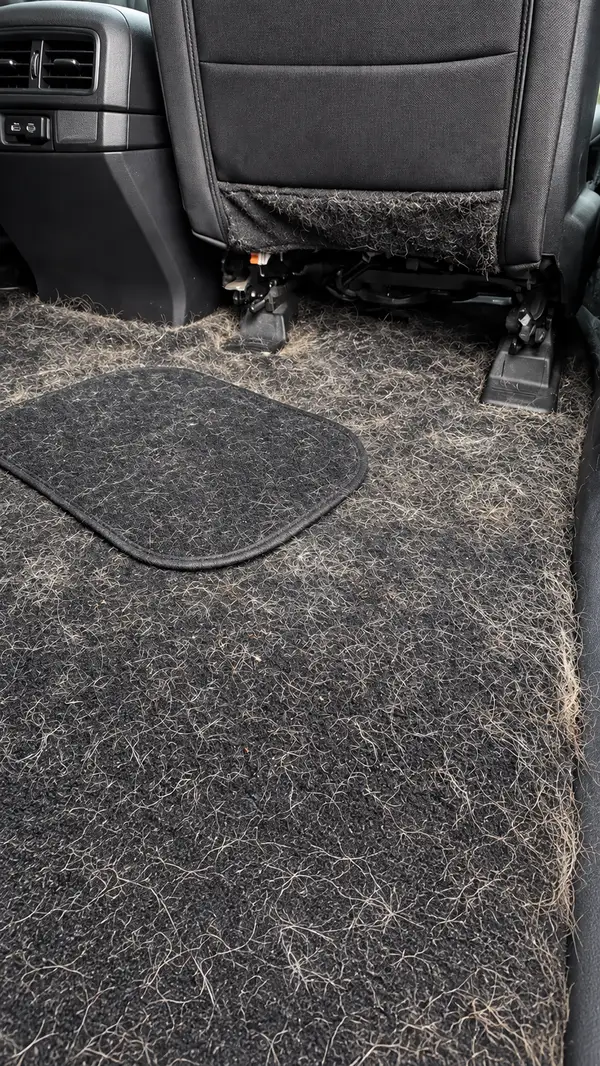
Dog Owners Read This 👆
I'm a dog trainer. Six different dogs ride in my car every week. Goldens, labs, a shepherd, two doodles and a boxer. If anyone should know how to get hair out of a car seat, it's me. Last March a dealership appraiser opened my rear door, looked at the back seat for three seconds, and deducted $1,400. "Permanent fabric contamination." Pet hair woven into the seat fiber. "Nothing gets it out." I told him I vacuum that car every single day. Shop vac marketed for pet hair. Lint roller between clients. Seat covers I rotate and wash. He said, "I believe you," and walked back to his desk. I started paying a detailer $80 a month. Marco, 19 years in the trade. He spent 40 minutes on the back seat and handed me a trash bag of fur. "That's most of it. The deep stuff is woven in. That's just there now." Four months. The hair was back within a week every time, because six dogs a week. At 1:47 AM one night I searched why pet hair embeds in fabric permanently, and found an automotive textile study from a university in Michigan. The woven synthetic fabric in most car seats builds a negative static charge from friction. Getting in. Sliding out. Driving. Six dogs a week climbing in and out. A dog's short, stiff guard hairs carry a positive charge. The hair isn't resting on the seat. It's being pulled into the weave. And every tool I used every single day works by rubbing the fabric. Vacuum. Roller. Brush. Marco's extractor. Rubbing makes static. Static pulls hair in. I was charging the seats up daily and then loading in the next dog. The study mentioned a damp cloth, moved slowly across the fabric, could neutralize the charge and release the embedded hair. It was 2 AM. I went to the driveway with a damp microfiber cloth and pulled it across the back seat. The hair came up in a rolled sheet. Six breeds in one strip. I stood there holding it like evidence. Eighteen minutes and the back seat looked like a seat. But a damp cloth soaks through, leaves marks, and I can't put a client's dog on a wet seat. So I looked for something built on the same principle that works dry. That's how I found the PurePath glove. Run it across the seat or the carpet and the hair rolls into a layer you peel off. No water. No residue. No new static. Two passes on the headrest. One down the seat. One across the base. Between clients, in the parking lot. It's been five months. Six dogs a week, still. I run the glove across before I park. Two minutes. Last month I went back to the same dealership. Same appraiser. "Good condition. No deductions on the interior." I didn't tell him about the six dogs. If your dog rides in your car, the fur you can't see is already in the weave, and every tool you own is pushing it deeper. Press Learn More to see why, and what actually gets it out.
Loading the ad's image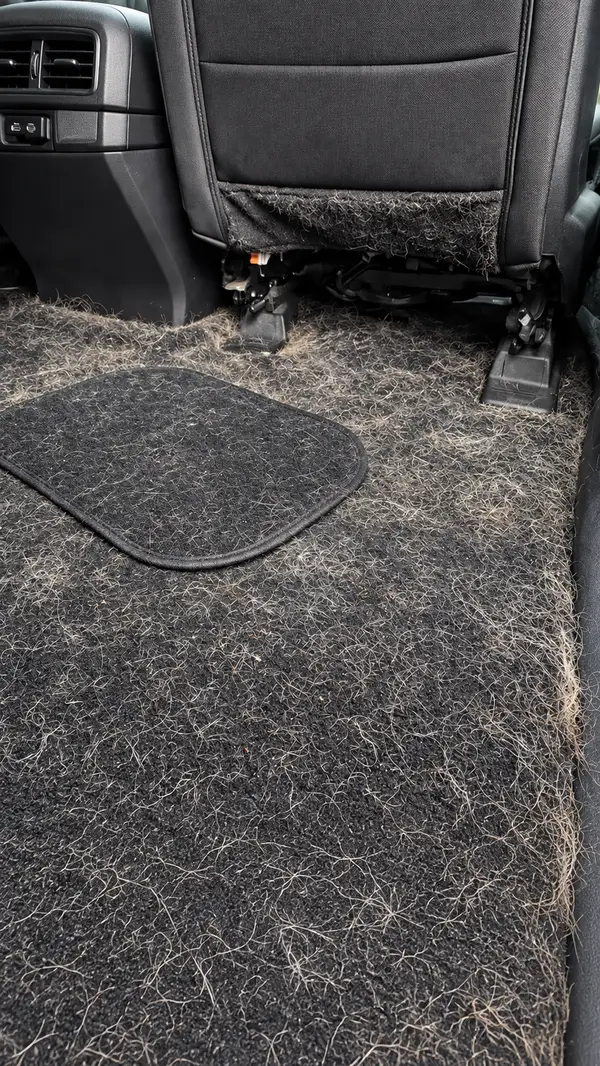
Dog Owners Read This 👆
My neighbor uses a leaf blower on the inside of his truck for dog hair. I thought he was a genius. I copied him for a year. Doors open, blower on high, hair everywhere, then the shop vac. The driveway looked like a golden retriever exploded. The seats looked fine for about a week. Then a dealership appraiser opened my rear door last March, looked at the back seat for three seconds, and deducted $1,400 for "permanent fabric contamination." "Pet hair woven into the seat fiber," he said. "Nothing gets it out." My golden, Biscuit, has ridden back there for three years. Before the leaf blower it was the lint roller, the seat covers, the shop vac sold for pet hair every two weeks. After the deduction I paid a detailer $80 a month. Marco, 19 years in the trade. He uses compressed air, which is the leaf blower with a license. Forty minutes, a trash bag of fur, and "the deep stuff is just there now." At 1:47 AM one night I searched why pet hair embeds in fabric permanently and found an automotive textile study from a university in Michigan. The woven synthetic fabric in most car seats builds a negative static charge from friction. Getting in. Sliding out. Driving. A dog's short, stiff guard hairs carry a positive charge. The hair isn't resting on the seat. It's being pulled into the weave and held. Here's why the blower only ever got the top layer. Air moves what's loose. The embedded hair is held in by charge, point first, and air goes right over it. Then the shop vac head scrubs the fabric. Friction. Static. The seat is charged up again to grab the next shed. Marco's compressed air and extractor did the same thing with more horsepower. Every cleaning pulled out the loose hair and tightened the grip on the rest. The study mentioned a damp cloth, moved slowly across the fabric, could neutralize the charge and release the embedded hair. It was 2 AM. I went to the driveway with a damp microfiber cloth and pulled it across the back seat. The hair came up in a rolled sheet. The stuff the blower had never moved. Eighteen minutes for the whole back seat. No cloud of fur in the driveway. But a damp cloth soaks through, leaves marks, and does nothing on carpet. So I looked for something built on the same principle, friction that kills static instead of making it, that works dry. That's how I found the PurePath glove. Run it across the seat or the carpet and the hair rolls into a layer you peel off. No water. No residue. No new static. Nothing blown into the air. Two passes on the headrest. One down the seat. One across the base. Five months now. Biscuit rides every day. I run the glove across before I park. Two minutes. The leaf blower is back on leaves. Last month I went back to the same dealership. Same appraiser. "Good condition. No deductions on the interior." If your dog rides in your car, the fur you can't see is already in the weave, and air and suction are pushing it deeper. Press Learn More to see why, and what actually gets it out.
Loading the ad's image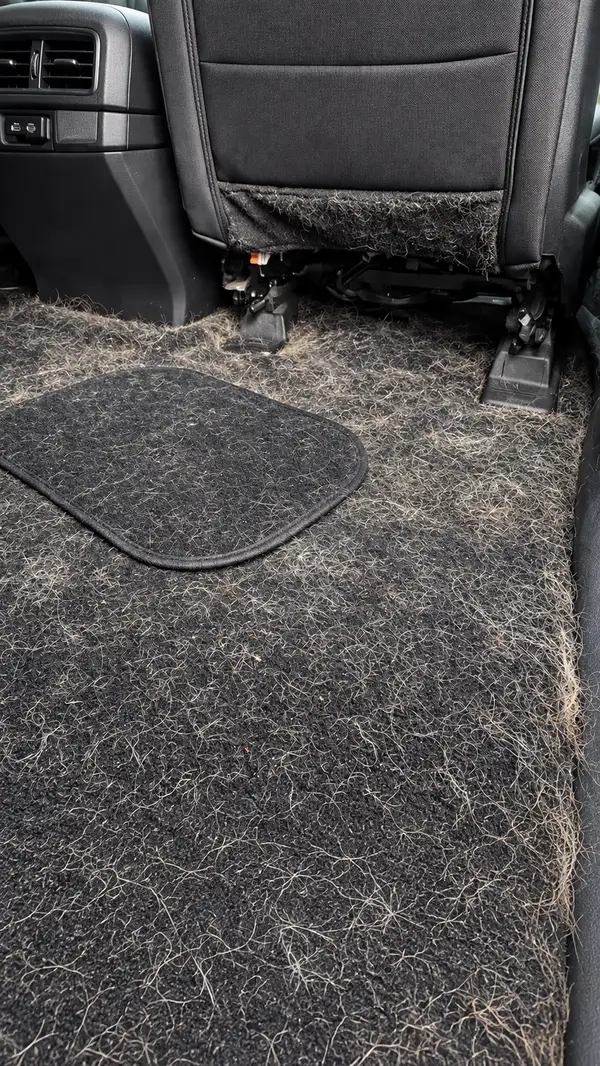
Dog Owners Read This 👆
The car wash and detailing industry in this country is worth about seventeen billion dollars a year. It runs on one assumption. The dog hair always comes back. I paid into it for four months before I found out why it always comes back, and it wasn't the reason anyone in that industry gave me. Last March a dealership appraiser opened my rear door, looked at the back seat for three seconds, and deducted $1,400 for "permanent fabric contamination." "Pet hair woven into the seat fiber. Nothing gets it out." My golden, Biscuit, has ridden back there for three years. Lint roller in the glove box. Seat covers. Shop vac sold for pet hair, every two weeks. So I hired a detailer. Marco. Nineteen years in the trade, $80 a month. First visit, 40 minutes on the back seat and a trash bag of fur. "That's most of it. The deep stuff is woven in. That's just there now." Two weeks later it looked the same. So I booked again. And again. That's the business model. Not a scam. Just a job nobody can finish, sold monthly. At 1:47 AM one night I searched why pet hair embeds in fabric permanently and found an automotive textile study from a university in Michigan. The woven synthetic fabric in most car seats builds a negative static charge from friction. Getting in. Sliding out. Driving. A dog's short, stiff guard hairs carry a positive charge. The hair isn't resting on the seat. It's being pulled into the weave and held. And every tool in a detailer's van works by friction. Extractor. Rubber brush. Pumice stone. Compressed air. Friction makes static. Static pulls hair in. Every $80 visit pulled out the loose hair and charged the seat up for the next layer. That's why it comes back in two weeks. That's why the industry can say "that's just there now" with a straight face and still book you for next month. The study mentioned a damp cloth, moved slowly across the fabric, could neutralize the charge and release the embedded hair. It was 2 AM. I went to the driveway with a damp microfiber cloth and pulled it across the back seat. The hair came up in a rolled sheet. Four months of professional work hadn't touched it. Eighteen minutes for the whole back seat. But a damp cloth soaks through, leaves marks, and does nothing on carpet. So I looked for something built on the same principle, friction that kills static instead of making it, that works dry. That's how I found the PurePath glove. Run it across the seat or the carpet and the hair rolls into a layer you peel off. No water. No residue. No new static. Two passes on the headrest. One down the seat. One across the base. Five months now. Biscuit rides every day. I run the glove across before I park. Two minutes. I haven't booked a detail since. Last month I went back to the same dealership. Same appraiser. "Good condition. No deductions on the interior." If your dog rides in your car, the fur you can't see is already in the weave, and the industry's tools are pushing it deeper. Press Learn More to see why, and what actually gets it out.
Loading the ad's image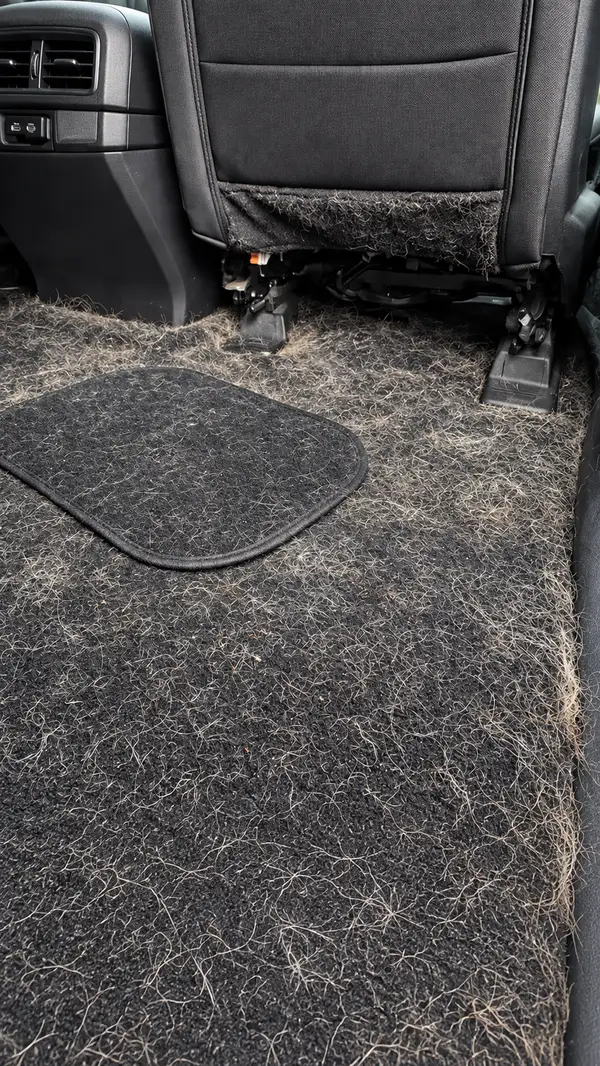
Dog Owners Read This 👆
Seat covers don't protect your seats from dog hair. They hide the problem until the day someone takes the cover off. For me that day was a Thursday in March, in a dealership lot. The appraiser pulled the cover off my back seat, looked at the fabric for three seconds, and deducted $1,400 for "permanent fabric contamination." "Pet hair woven into the seat fiber," he said. "Nothing gets it out." I'd had covers on that seat since the week I brought my golden, Biscuit, home. Three years. I'd washed them. Swapped them. Lint rolled them. Vacuumed under them every two weeks with a shop vac sold for pet hair. The hair still got underneath. Through the gaps. Around the edges. Off my clothes. And once it was on the fabric, it never left. I started paying a detailer $80 a month. Marco, 19 years in the trade. Forty minutes on the back seat, a trash bag of fur, and "the deep stuff is just there now." Four months of that. At 1:47 AM one night I searched why pet hair embeds in fabric permanently and found an automotive textile study from a university in Michigan. The woven synthetic fabric in most car seats builds a negative static charge from friction. Getting in. Sliding out. Driving. A seat cover sliding against the fabric underneath it, every single trip. A dog's short, stiff guard hairs carry a positive charge. The hair isn't resting on the seat. It's being pulled into the weave and held. So the cover wasn't stopping anything. It was rubbing the seat underneath and charging it up, and the few hairs that got under it got locked in deeper than they would have on a bare seat. And every tool I used on it works the same way. Vacuum. Roller. Brush. Marco's extractor. Friction makes static. Static pulls hair in. The study mentioned a damp cloth, moved slowly across the fabric, could neutralize the charge and release the embedded hair. It was 2 AM. I went to the driveway, pulled the cover off, and ran a damp microfiber cloth across the bare seat. The hair came up in a rolled sheet. Three years of it. Eighteen minutes for the whole back seat. But a damp cloth soaks through, leaves marks, and does nothing on carpet. So I looked for something built on the same principle, friction that kills static instead of making it, that works dry. That's how I found the PurePath glove. Run it across the seat or the carpet and the hair rolls into a layer you peel off. No water. No residue. No new static. Two passes on the headrest. One down the seat. One across the base. I threw the covers out. Five months now. Biscuit rides on the bare seat every day. I run the glove across before I park. Two minutes. Last month I went back to the same dealership. Same appraiser. "Good condition. No deductions on the interior." If your dog rides in your car under a cover, the hair you can't see is already in the weave underneath, and the cover is pushing it deeper. Press Learn More to see why, and what actually gets it out.
Loading the ad's image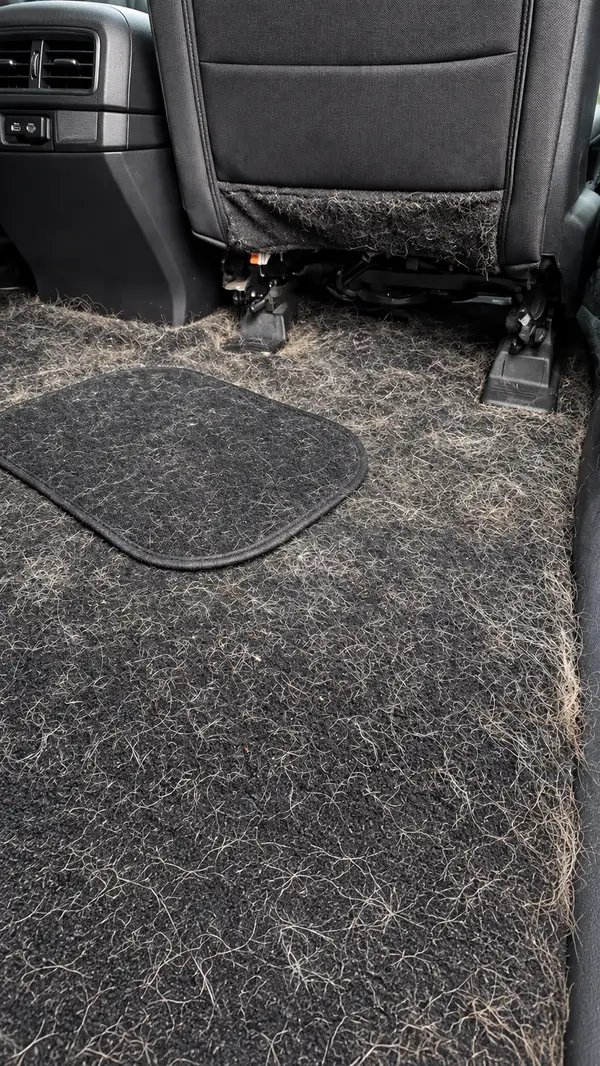
Dog Owners Read This 👆
I've detailed cars for 19 years, and for 19 years I've told dog owners the same thing. "I'll get most of it. The deep stuff is woven in. That's just there now." Last March a customer named Chris paid me $80 a month for four months after a dealership deducted $1,400 from his trade-in for his golden's hair. Every visit, it was back in two weeks. Then he cancelled and sent me a textile study from a university in Michigan. Car seat fabric builds a negative static charge from friction. Dog hair carries a positive charge. The hair isn't sitting on the seat. It's pulled into the weave. And every tool in my van, the extractor, the rubber brush, the pumice stone, works by friction. I was pulling the loose hair and charging the seat up for the next layer. Every car. For 19 years. He'd proved it with a damp cloth at 2 AM. Then he found a glove that does the same thing dry. The PurePath glove. I watched it pull up hair I'd called permanent. I keep one in the van now. He went back to the same appraiser last month. "Good condition. No deductions." If your dog rides in your car, your detailer's tools are pushing the hair deeper. Mine were. Press Learn More to read what he found.
Loading the ad's image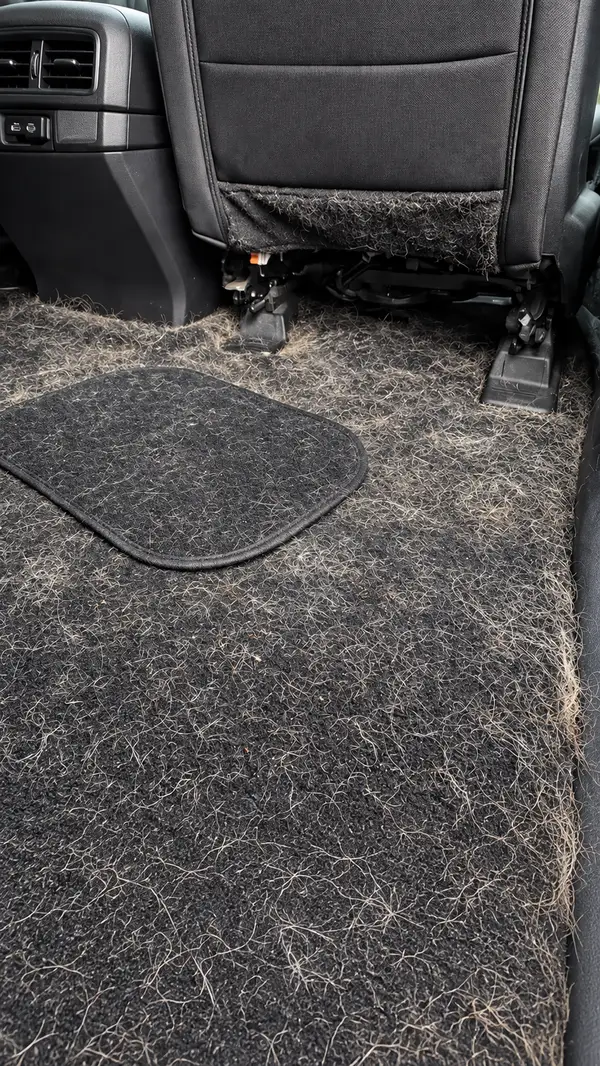
Dog Owners Read This 👆
For two years I would have told you my detailer gets every bit of the dog hair out. No problem. Then I started paying attention to how long it lasted. Two weeks. Sometimes ten days. Then my golden, Biscuit, rode in the back a few times and the seat looked exactly like it had before the appointment. I thought that was just the dog. Turns out it was the detail. Last March a dealership appraiser opened my rear door, looked at the back seat for three seconds, and deducted $1,400 for "permanent fabric contamination." I told him I'd had it professionally detailed eleven days earlier. "I can tell," he said. "They got the top layer. This is woven into the fiber. Nothing gets it out." Biscuit has ridden back there for three years. Lint roller in the glove box. Seat covers. A shop vac sold for pet hair, every two weeks. And Marco, 19 years in the trade, $80 a month. After the deduction I asked Marco straight out. He was honest. "I get most of it. The deep stuff is woven in. That's just there now. It's like that in every dog car." At 1:47 AM one night I searched why pet hair embeds in fabric permanently and found an automotive textile study from a university in Michigan. The woven synthetic fabric in most car seats builds a negative static charge from friction. Getting in. Sliding out. Driving. A dog's short, stiff guard hairs carry a positive charge. The hair isn't resting on the seat. It's being pulled into the weave and held. And every tool in a detailer's van works by friction. Extractor. Rubber brush. Pumice stone. Compressed air. Friction makes static. Static pulls hair in. So a detail pulls out the loose top layer, which looks great for a week, and charges the seat up so the next shed locks in faster. That's why it looked perfect leaving the shop and identical two weeks later. The embedded layer never moved. The surface just got refilled. The study mentioned a damp cloth, moved slowly across the fabric, could neutralize the charge and release the embedded hair. It was 2 AM. I went to the driveway with a damp microfiber cloth and pulled it across the back seat. The hair came up in a rolled sheet. Eleven days after a professional detail. Eighteen minutes for the whole back seat. But a damp cloth soaks through, leaves marks, and does nothing on carpet. So I looked for something built on the same principle, friction that kills static instead of making it, that works dry. That's how I found the PurePath glove. Run it across the seat or the carpet and the hair rolls into a layer you peel off. No water. No residue. No new static. Two passes on the headrest. One down the seat. One across the base. Five months now. Biscuit rides every day. I run the glove across before I park. Two minutes. The seat looks the way it looked leaving Marco's shop. It's looked that way for five months, not two weeks. Last month I went back to the same dealership. Same appraiser. "Good condition. No deductions on the interior." If your dog rides in your car and your detailer "gets it all," check again in two weeks. The embedded layer is still there, and his tools are pushing it deeper. Press Learn More to see why, and what actually gets it out.
Loading the ad's image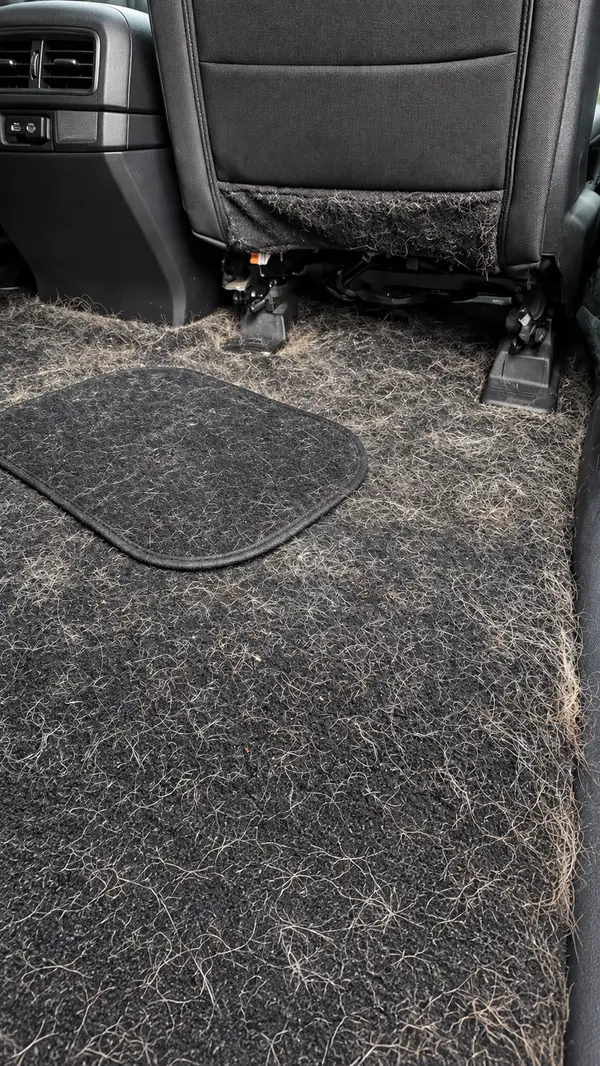
Dog Owners Read This 👆
Short version, because the long one annoyed people. My golden rides in my back seat. A dealership deducted $1,400 from my trade-in for the hair. "Permanent fabric contamination." Three seconds of looking. I'd vacuumed every two weeks with a shop vac for pet hair. Lint roller. Seat covers. Then $80 a month for a detailer with 19 years in, who handed me a trash bag of fur and said the deep stuff was "just there now." Here's what I found at 1:47 AM in a textile study from a university in Michigan. Car seat fabric builds a negative static charge from friction. Dog hair carries a positive charge. The hair isn't on the seat. It's pulled into the weave. And every tool for pet hair works by friction. Vacuum, roller, brush, extractor. Friction makes static. Static pulls hair in. Every cleaning charged the seat up for the next shed. Three years of making it worse while trying to fix it. A damp cloth at 2 AM killed the static and the hair came up in a sheet. Eighteen minutes for the whole seat. Then I found a glove that does the same thing dry. The PurePath glove. Run it across, the hair rolls up, peel it off. Two minutes before I park. Five months later, same appraiser. "Good condition. No deductions on the interior." That's it. If your dog rides with you, press Learn More to see why nothing has worked.
Loading the ad's image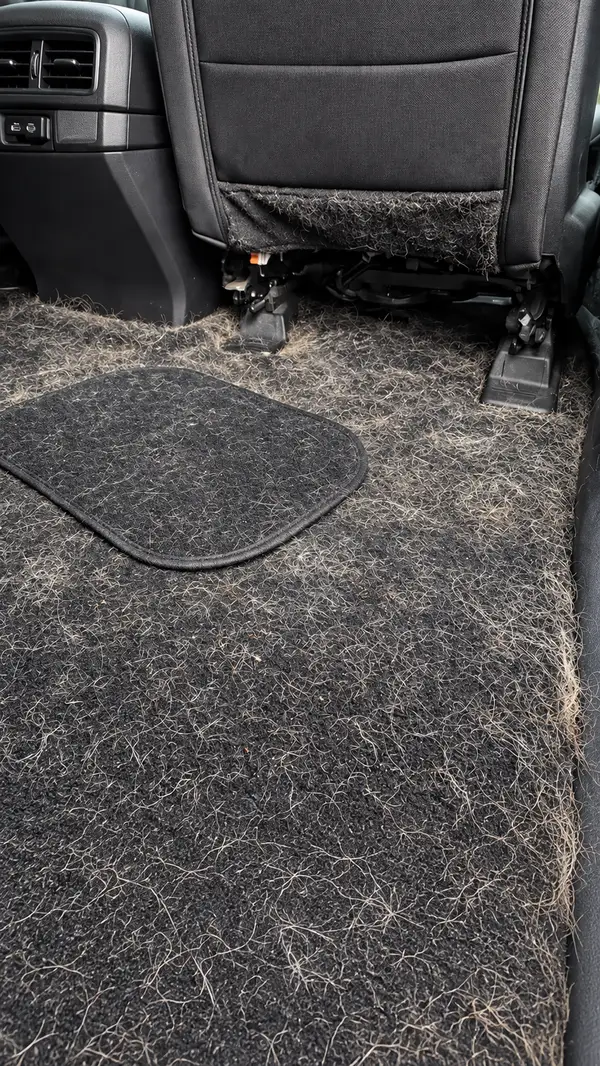
Dog Owners Read This 👆
If your dog rides in your car, you've already lost money on it. You just haven't been told yet. I got told on a Thursday in March, in a dealership lot, by a man who looked at my back seat for three seconds. $1,400. "Permanent fabric contamination." "Pet hair woven into the seat fiber," he said. "Nothing gets it out." My golden, Biscuit, has ridden back there for three years. Every errand. Every weekend. Every dog park trip. And I'd been careful. Lint roller in the glove box. Seat covers. A shop vac sold for pet hair, every two weeks. None of it counted. The thing is, the deduction was already there before I pulled into the lot. It had been building for three years. The appraiser just said it out loud. I paid a detailer $80 a month after that. Marco, 19 years in the trade. Forty minutes on the back seat, a trash bag of fur, and "the deep stuff is just there now." Four months of that. The hair came back in two weeks every time. At 1:47 AM one night I searched why pet hair embeds in fabric permanently and found an automotive textile study from a university in Michigan. The woven synthetic fabric in most car seats builds a negative static charge from friction. Getting in. Sliding out. Driving. A dog's short, stiff guard hairs carry a positive charge. The hair isn't resting on the seat. It's being pulled into the weave and held there. And every tool I'd used for three years works by friction. Vacuum. Roller. Brush. Marco's extractor. Friction makes static. Static pulls hair in. Every cleaning charged the seat up for the next shed. The deduction was growing every time I tried to prevent it. The study mentioned a damp cloth, moved slowly across the fabric, could neutralize the charge and release the embedded hair. It was 2 AM. I went to the driveway with a damp microfiber cloth and pulled it across the back seat. The hair came up in a rolled sheet. Three years of it. Eighteen minutes for the whole back seat. But a damp cloth soaks through, leaves marks, and does nothing on carpet. So I looked for something built on the same principle, friction that kills static instead of making it, that works dry. That's how I found the PurePath glove. Run it across the seat or the carpet and the hair rolls into a layer you peel off. No water. No residue. No new static. Two passes on the headrest. One down the seat. One across the base. Five months now. Biscuit rides every day. I run the glove across before I park. Two minutes. Last month I went back to the same dealership. Same appraiser. "Good condition. No deductions on the interior." The $1,400 was never permanent. It was just waiting for the right tool. If your dog rides in your car, the deduction is already in the weave, and every tool you own is making it bigger. Press Learn More to see why, and what actually gets it out.
Loading the ad's image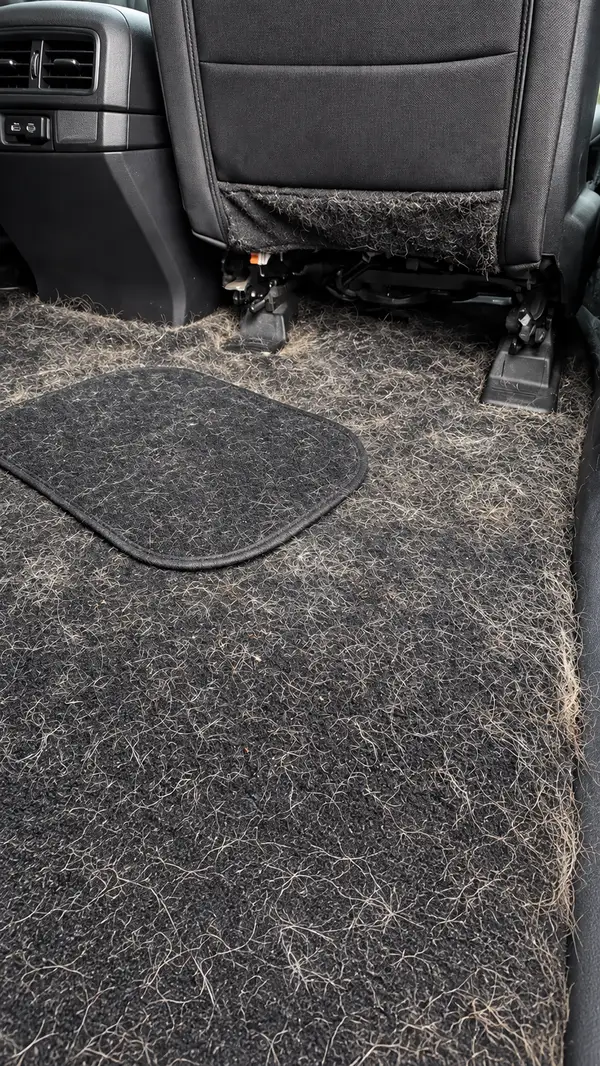
Dog Owners Read This 👆
Stop lint rolling your car seats. You're making it worse. I kept one in my glove box for three years. I used it before every passenger got in. Then a dealership appraiser opened my rear door, looked at the seat for three seconds, and deducted $1,400 for "permanent fabric contamination." "Pet hair woven into the seat fiber. Nothing gets it out." My golden, Biscuit, rides back there every day. I'd done the lint roller. The seat covers. The shop vac sold for pet hair, every two weeks. And I'd just been told it was permanent. I paid a detailer $80 a month after that. Marco, 19 years in the trade. Forty minutes on the back seat, a trash bag of fur, and "the deep stuff is just there now." Four months. The hair came back in two weeks every time. At 1:47 AM one night I searched why pet hair embeds in fabric permanently and found an automotive textile study from a university in Michigan. Here's what the lint roller was actually doing. The woven synthetic fabric in most car seats builds a negative static charge from friction. Getting in. Sliding out. Driving. A dog's short, stiff guard hairs carry a positive charge. The hair isn't resting on the seat. It's being pulled into the weave. A lint roller only touches the surface. The adhesive grabs the loose top layer and nothing underneath. And when you peel the roller back off the fabric, that's friction. That's static. That's a seat that now holds the next hair a little tighter. Every sheet I tore off was pulling the surface hair and charging up the embedded layer. The vacuum did the same thing. The rubber brush did it harder. Marco's extractor did it hardest of all. Three years of making the seats more magnetic and calling it cleaning. The study mentioned a damp cloth, moved slowly across the fabric, could neutralize the charge and release the embedded hair. It was 2 AM. I went to the driveway with a damp microfiber cloth and pulled it across the back seat. The hair came up in a rolled sheet. Hair the roller had been sliding over for three years. Eighteen minutes for the whole back seat. But a damp cloth soaks through, leaves marks, and does nothing on carpet. So I looked for something built on the same principle, friction that kills static instead of making it, that works dry. That's how I found the PurePath glove. Run it across the seat or the carpet and the hair rolls into a layer you peel off. No water. No residue. No new static. Two passes on the headrest. One down the seat. One across the base. Five months now. Biscuit rides every day. I run the glove across before I park. Two minutes. The lint roller is still in the glove box. I haven't touched it since. Last month I went back to the same dealership. Same appraiser. "Good condition. No deductions on the interior." If your dog rides in your car, the fur you can't see is already in the weave, and the roller is pushing it deeper. Press Learn More to see why, and what actually gets it out.
Loading the ad's image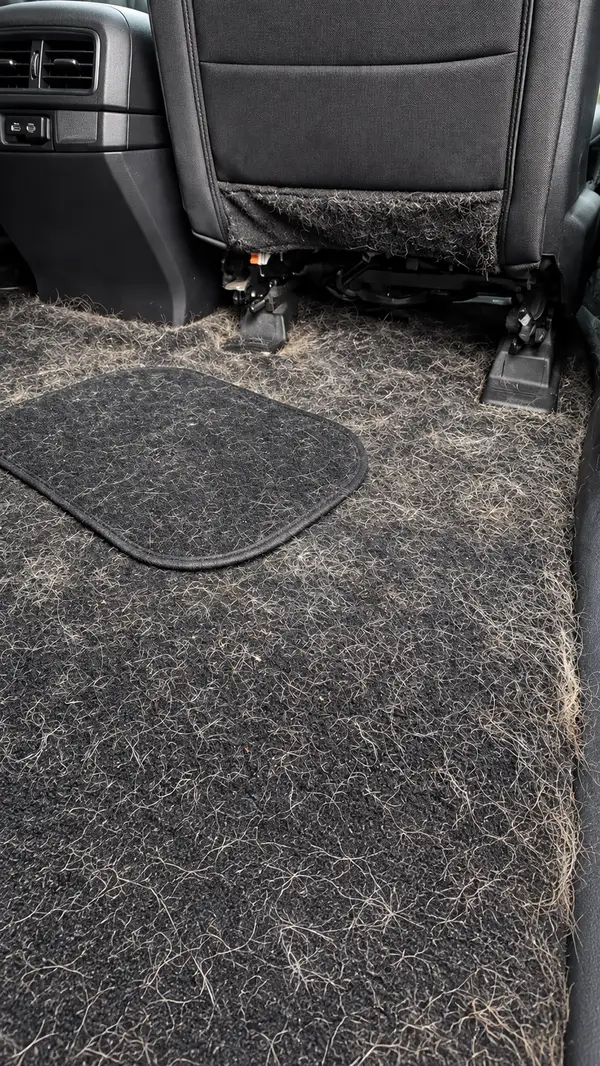
Dog Owners Read This 👆
Your detailer isn't ripping you off when the dog hair comes back in two weeks. He genuinely can't get it out. And it's not his fault. I paid one $80 a month for four months before I understood why. Here's how I got there. Last March a dealership appraiser opened my rear door, looked at the back seat for three seconds, and deducted $1,400 for "permanent fabric contamination." My golden, Biscuit, has ridden back there for three years. I had a lint roller in the glove box, seat covers, a shop vac sold for pet hair every two weeks. "Pet hair woven into the seat fiber," he said. "Nothing gets it out." So I hired Marco. Nineteen years detailing. Good reviews. Honest guy. He spent 40 minutes on the back seat and handed me a trash bag of fur. "That's most of it," he said. "The deep stuff is woven in. That's just there now." He wasn't being lazy. He wasn't upselling. He was telling me the truth as the whole industry understands it. Two weeks later the seat looked the same as before. At 1:47 AM one night I searched why pet hair embeds in fabric permanently and found an automotive textile study from a university in Michigan. The woven synthetic fabric in most car seats builds a negative static charge from friction. Getting in. Sliding out. Driving. A dog's short, stiff guard hairs carry a positive charge. The hair isn't resting on the seat. It's being pulled into the weave. And here's the part that explains Marco. Every tool in a detailer's van works by friction. The extractor. The rubber brush. The pumice stone. The compressed air. Friction makes static. Static pulls hair in. He was pulling out the loose hair and charging the seat up for the next layer. Every visit. Harder than I ever could with a shop vac. That's why it came back in two weeks. That's why "most of it." That's why the whole trade says "that's just there now." They've been fighting the hair with the thing that holds it in. The study mentioned a damp cloth, moved slowly across the fabric, could neutralize the charge and release the embedded hair. It was 2 AM. I went to the driveway with a damp microfiber cloth and pulled it across the back seat. The hair came up in a rolled sheet. Stuff Marco's extractor had slid over four times. Eighteen minutes for the whole back seat. But a damp cloth soaks through, leaves marks, and does nothing on carpet. So I looked for something built on the same principle, friction that kills static instead of making it, that works dry. That's how I found the PurePath glove. Run it across the seat or the carpet and the hair rolls into a layer you peel off. No water. No residue. No new static. Two passes on the headrest. One down the seat. One across the base. Five months now. Biscuit rides every day. I run the glove across before I park. Two minutes. I told Marco. He asked for the link. He keeps one in the van now. Last month I went back to the same dealership. Same appraiser. "Good condition. No deductions on the interior." If your dog rides in your car, the fur your detailer can't reach is already in the weave, and his tools are pushing it deeper. Press Learn More to see why, and what actually gets it out.
Loading the ad's image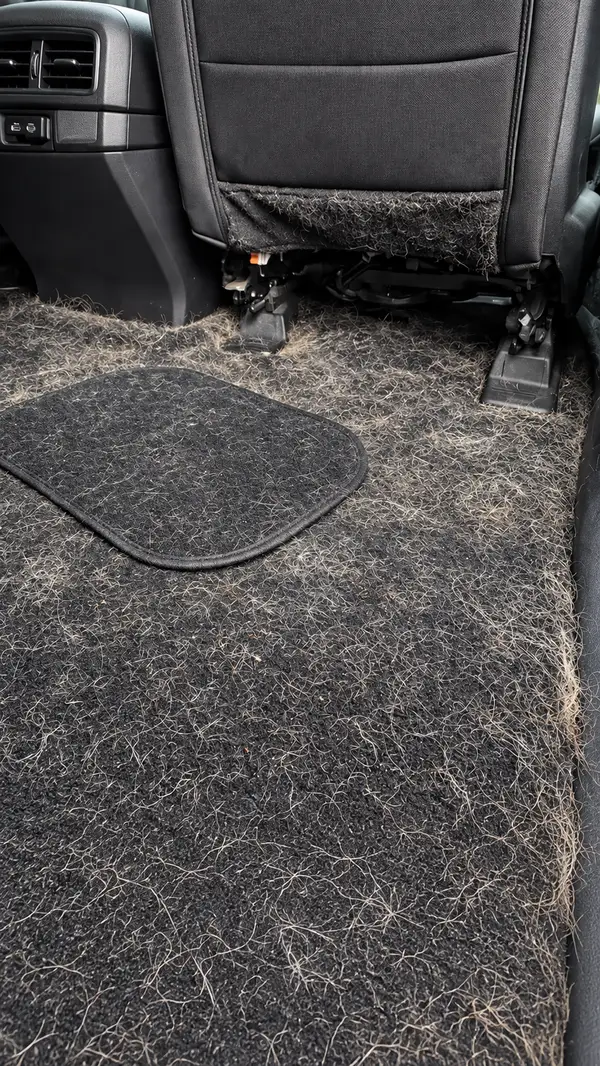
Dog Owners Read This 👆
I wasn't going to write this. I don't review things. I don't post about products. I'm the guy who scrolls past the long ones. But I lost $1,400 to a golden retriever and I think a lot of you are about to do the same, so here it is. Last March I took my car in for a trade-in quote. The appraiser opened the rear door, looked at the back seat for maybe three seconds, and walked back to his desk. When he came back, there was $1,400 off for "permanent fabric contamination." "Pet hair woven into the seat fiber," he said. "We see it with dogs. Nothing gets it out." Biscuit has ridden in that seat for three years. I'd vacuumed it every two weeks with a shop vac that said PET on it. Lint roller in the glove box. Seat covers. I'm not going to pretend I handled it well. I stood in that lot for a full minute and then took a photo of the dashboard clock so I'd remember the exact moment I got told my car was worth less because of my dog. 2:04 PM. It's still on my phone. Then I did the thing you're supposed to do. I hired a detailer. Marco, 19 years in the trade, $80 a month. First visit he spent 40 minutes on the back seat and handed me a trash bag that was almost entirely fur. "That's most of it," he said. "The deep stuff is woven in. That's just there now." Four months of that. Every time, the seat looked better for about two weeks. One night I couldn't sleep and I searched something I'd never searched. Not "how to remove dog hair from car seats." I'd done that a hundred times. I typed: why does pet hair embed in fabric permanently. At 1:47 AM I found an automotive textile study from a university in Michigan. I'm not going to pretend I understood all of it. Here's the part I did. Car seat fabric, the woven synthetic kind, builds a negative static charge from friction. Getting in. Sliding out. Driving. Dog hair, especially the short stiff guard hairs, carries a positive charge. The hair isn't sitting on your seat. It's being pulled into the weave. And every tool I owned works by rubbing the fabric. The vacuum. The roller. The rubber brush. Marco's extractor. Rubbing makes static. Static pulls hair in. For three years I'd been charging the seat up every time I cleaned it. The study mentioned a damp cloth, moved slowly across the fabric, could neutralize the charge and let the embedded hair go. So at 2 AM I went to my driveway in slippers with a damp microfiber cloth. I'm aware of how that sounds. I pressed it flat on the back seat and pulled. The hair came up in a rolled-up layer. Stuff Marco had gone over four times. Eighteen minutes for the whole seat. A damp cloth isn't a real tool, though. It soaks through, leaves marks, does nothing on carpet. So I looked for something built on the same idea that works dry. That's how I found the PurePath glove. You run it over the seat and the hair rolls into a strip you peel off. No water, no residue, no new static. I was skeptical. I'd been burned by cheap gadgets. I'm telling you it did what the damp cloth did, dry, in less time. Two passes on the headrest. One down the seat. One across the base. It's been five months. Biscuit still rides in the back every day. I run the glove across before I park. Two minutes. Last month I went back to the same dealership and asked for the same appraiser. He opened the door. Ran his hand across the fabric. "Good condition. No deductions on the interior." I didn't tell him about the dog. That's the whole thing. I'm not getting anything for writing this. I just know how many of you are vacuuming a magnet and calling it cleaning. Press Learn More if you want to read what I found.
Loading the ad's image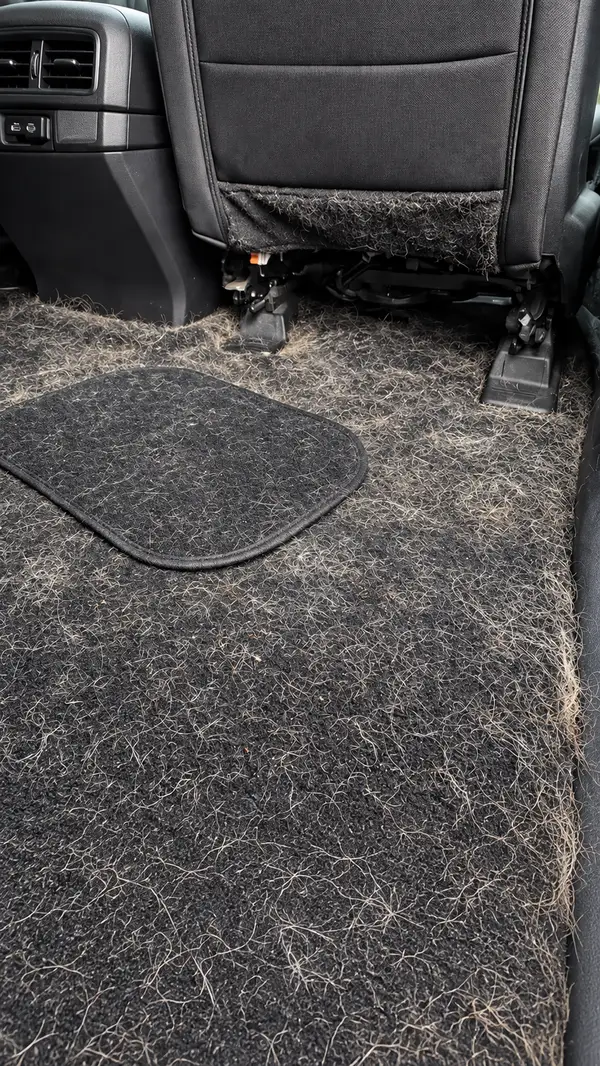
Dog Owners Read This 👆
I drive for Uber on weekends and a passenger left me three stars with one word in the comment box. "Hair." My golden, Biscuit, rides in that back seat all week. Weekends, strangers do. I vacuumed before every shift with a shop vac sold specifically for pet hair. Lint roller between rides. Seat covers that I swapped out and washed. The three stars still came. Then a two. "Car full of dog hair." That's rent money, for me. So I took the car to a detailer. Marco, 19 years in the trade. Forty minutes on the back seat alone. He handed me a trash bag of fur at the end. "That's most of it," he said. "The deep stuff is woven in. That's just there now." I paid him $80 a month for four months. The ratings got a little better for a week after each visit, then slid back. Then I tried to trade the car in for something newer, and the appraiser opened the rear door, looked for three seconds, and deducted $1,400. "Permanent fabric contamination." Pet hair woven into the fiber. "Nothing gets it out." I'd just paid a professional to get it out. Twice that month. That night I searched something different. Not "how to remove pet hair from car seats." Why does pet hair embed in fabric permanently. At 1:47 AM I found an automotive textile study from a university in Michigan. The woven synthetic blends in most car seats build a negative static charge from friction. Getting in. Sliding out. Driving. Every passenger that climbs in and out. A golden's short, stiff guard hairs carry a positive charge. The hair isn't resting on the seat. It's being pulled into the weave. And every tool I used before every shift works by rubbing the fabric. Vacuum. Roller. Brush. Marco's extractor too. Rubbing makes static. Static pulls hair in. I'd been charging the seats up before every shift and then loading in strangers to sit on a magnet. The study mentioned a damp cloth, moved slowly across the fabric, could neutralize the charge and release the embedded hair. It was 2 AM. I went to the car with a damp microfiber cloth and pulled it across the back seat. The hair came up in a rolled sheet. Four months of professional detailing hadn't touched it. Eighteen minutes. It looked like a seat. But a damp cloth soaks through, leaves marks, and you can't put a passenger on a wet seat. So I looked for something built on the same principle, friction that kills static instead of making it, that works dry. That's how I found the PurePath glove. Run it across the seat and the hair rolls into a layer you peel off. No water. No residue. No new static. Two passes on the headrest. One down the seat. One across the base. It takes less time than the lint roller did. It's been five months. Biscuit still rides all week. I run the glove across the back seat before I go online on Saturday mornings. No "hair" comments since. My rating is back where it was before the dog. I went back to the same dealership last month. Same appraiser. "Good condition. No deductions on the interior." If your dog rides with you and other people ride after, the fur you can't see is already in the weave, and the tools you own are pushing it deeper. Press Learn More to see why, and what actually gets it out.
Loading the ad's image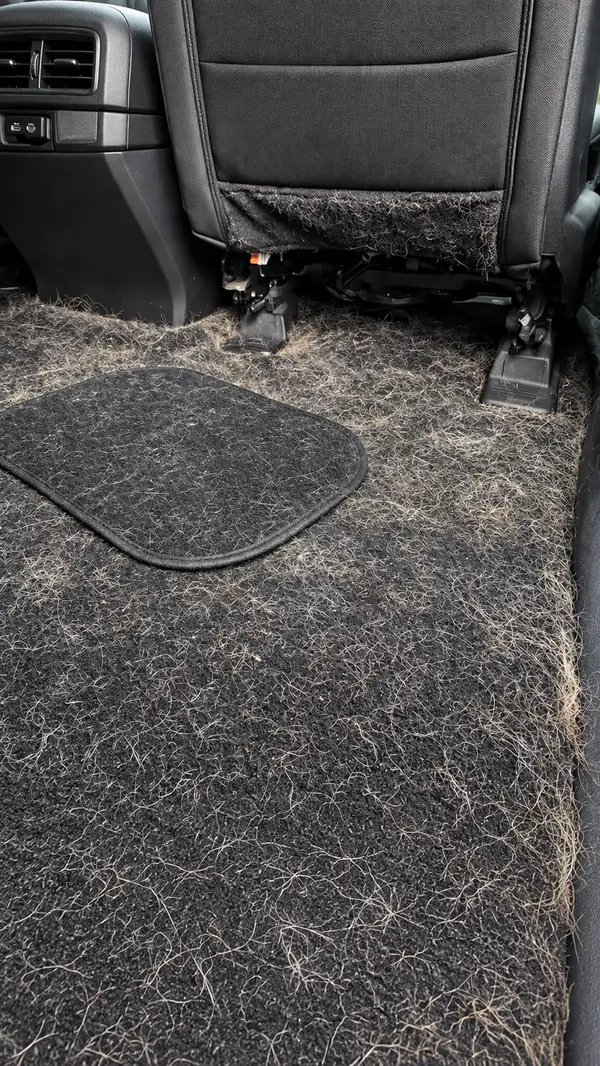
Dog Owners Read This 👆
I did reconditioning at a used car lot for six years. I'm going to tell you something the industry doesn't put in writing. When a dog car comes in and we can't get the embedded hair out of the carpet, some shops dye it. Spray the remaining hair to match the carpet color. Stage the photos. Mark it "detailed." I did it. The hair was still there. The buyer just couldn't see it. So when my own golden retriever, Biscuit, cost me $1,400 on a trade-in last March, I knew exactly what "permanent fabric contamination" meant on the appraiser's sheet. It meant they couldn't get it out either, and they weren't going to pretend. I'd been careful with my own car. Lint roller in the glove box. Seat covers. A shop vac sold for pet hair, every two weeks. I even paid a detailer named Marco $80 a month after the deduction. Nineteen years in the trade. He handed me a trash bag of fur and told me the deep stuff was "just there now." He wasn't lying. I'd said it myself to a hundred customers. But I'd never asked why. At 1:47 AM one night I searched why pet hair embeds in fabric permanently, and found an automotive textile study from a university in Michigan. The woven synthetic fabric in most car seats builds a negative static charge from friction. Getting in. Sliding out. Driving. A dog's short, stiff guard hairs carry a positive charge. The hair isn't resting on the seat. It's being pulled into the weave and held. And every tool in every reconditioning bay works by friction. Extractor. Brush. Pumice stone. Air. Friction makes static. Static pulls hair in. We were pulling out the loose hair and charging the seat up for the next layer, then dyeing what was left. The study mentioned a damp cloth, moved slowly across the fabric, could neutralize the charge and release the embedded hair. I tested it at 2 AM in my driveway with a damp microfiber cloth. The hair came up in a rolled sheet. Eighteen minutes for the back seat. Then I looked for something built on the same principle that works dry. That's how I found the PurePath glove. Run it across the seat or the carpet and the hair rolls into a layer you peel off. No water. No residue. No new static. Two passes on the headrest. One down the seat. One across the base. Five months now. Biscuit rides in the back every day. I run the glove across before I park. Two minutes. Last month I went back to the same dealership. Same appraiser. "Good condition. No deductions on the interior." Nothing was dyed. Nothing was hidden. It was just gone. If your dog rides in your car, the hair in the weave is the part nobody can reach with a vacuum. Some of them just paint over it. Press Learn More to see why, and what actually gets it out.
Loading the ad's image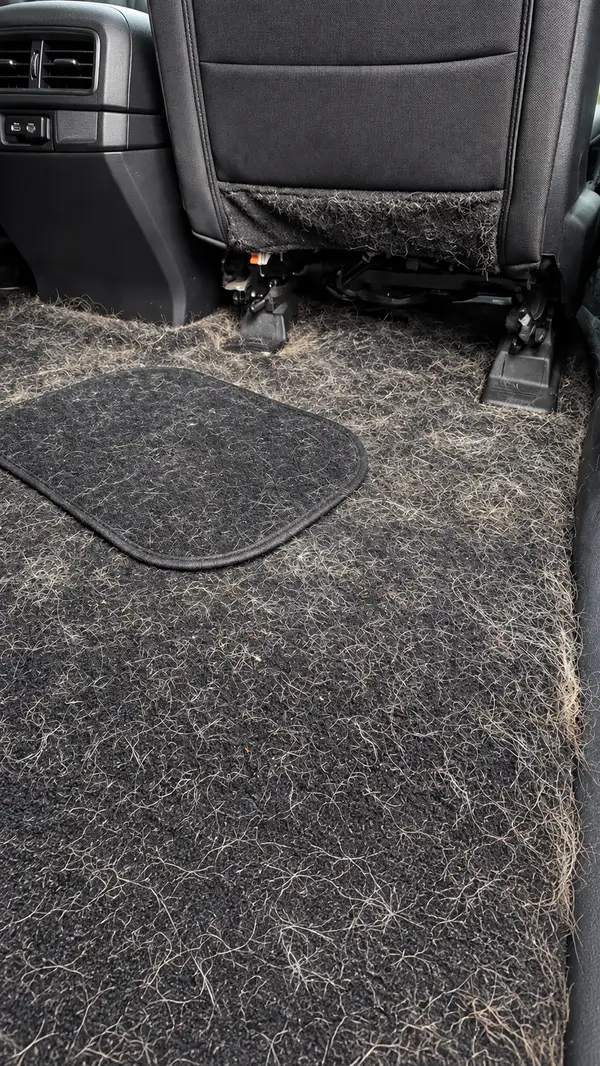
Buy 1 Get 1 FREE Ending Soon!
🐾 Fur-free home in seconds! The PurePath™ Hair Remover Glove is the easiest way to clean pet hair off couches, carpets, and clothes. Swipe, lift, and go—no mess, no fuss! 🧤
Loading the ad's imageFrom the ads Sniped has collected from this page (17 so far, first seen Nov 2026). Reach is what Meta reports; no spend or sales estimates.