Advertiser

Lakeview Animal Hospital

trycanislabs.comMeta Ad Library

7
Running ads
none new in 30 days
Apr 2026
Advertising since
longest ad 7 months
5.4K
Reach
running ads, summed
0% video
Formats
0 video · 0 image
4
Products advertised
1 shop

79% of reactive dogs in training had this gut issue. Three veterinarians discovered what the pet supplement industry has been hiding from dog owners for years.

At 3:47 PM on a Tuesday, Bear was classified as dangerous by animal control. At 3:49 PM, his owner signed the euthanasia consent form. He was 4 years old. His owner was still in the waiting room when it was over. My name is Dr. Sarah Mitchell, DVM. I've worked at Lakeview Animal Hospital for eleven years. In that time I've watched hundreds of reactive dogs come through our doors. I couldn't sleep for three days after Bear died. What I found should have been taught in vet school. But the pet supplement industry has been sitting on it — because it threatens their most profitable product category. Here's what happened. Bear was a 4-year-old Belgian Malinois with a heart full of loyalty and a gut full of dysfunction nobody had ever checked. His owner wasn't negligent. In fact, David was the kind of owner we wish every client was. He'd tried everything to avoid this day. He'd spent $6,800 on three different trainers, a board-and-train program, two veterinary behaviorists, and prescription Prozac. He'd tried every management tool on the market — gentle leaders, front-clip harnesses, basket muzzles, calming treats. He had done everything "right." Because he was so diligent, we ran every test in the book. Bloodwork: perfect. Thyroid panel: normal. There was no medical reason to think Bear wouldn't get better. But here is the secret nobody told David: When a reactive dog's gut-brain connection is broken, no amount of training will fix it. It doesn't matter how good the trainer is. It doesn't matter how consistent the owner is. When the gut can't produce serotonin, the brain stays in fight-or-flight permanently. At 3:47 PM, despite everything being "by the book," Bear bit a jogger on the trail. Drew blood. Animal control showed up at David's house that afternoon. I had to call David and tell him his dog was gone. He said the words that still haunt me: "But I did everything you told me to do." And he had. That's what made me sick to my stomach. He followed the protocol. I followed the protocol. And Bear still died. He didn't die from neglect. He died from the "Gold Standard" of reactive dog care. And he's not the only one. Every month, reactive dogs with "perfect bloodwork" escalate to biting despite training. Their owners did everything right. Trained. Medicated. Managed. If your dog is lunging and getting worse despite everything you've tried — the same clock that was ticking for Bear is ticking right now. That night, I went home and looked at my own dog. Koda. My 5-year-old Border Collie. My shadow. She has a history of leash reactivity that I'd been managing with training protocols for two years. She was getting better — slowly. But after Bear, I pulled her file and ran a gut microbiome analysis for the first time. The result: severely depleted postbiotic metabolites. Gut dysbiosis index: 7.8 out of 10. I sat at my desk staring at those numbers. A dog I'd been working with for two years. A dog I thought I understood. And I'd never once checked her gut. When I told my colleagues what I'd found, two of them looked at me like I'd lost my mind. "You're a vet." "You know reactivity is behavioral." "The gut-brain connection is for researchers, not practitioners." And they were right that the research was new. But I'd seen Bear. I'd seen David's face. And I wasn't willing to keep pretending the protocol was working when dogs kept dying. So I started digging. Here's what they don't teach you in vet school: 95% of serotonin — the "calm" neurotransmitter — is produced in the gut. Not the brain. When a dog's gut microbiome is disrupted, serotonin production drops. The brain gets stuck in fight-or-flight mode. And the dog lunges. Every walk. Every time. It's not "just their breed." It's not poor socialization. It's not a training issue. It's a gut dysfunction causing a brain dysfunction. And calming supplements — no matter how expensive, how "clinically proven" the label claims — don't fix the gut. L-theanine calms the brain temporarily. It doesn't restore serotonin production. CBD reduces anxiety signals. It doesn't heal the gut lining. Probiotics add bacteria. But if the gut lining is already damaged, those bacteria can't colonize. They pass through without creating lasting change. The supplement keeps selling. The dog keeps lunging. I wasn't calm when I realized this. I spent six months calling supplement manufacturers. Demanding Certificates of Analysis. Third-party testing. Postbiotic content documentation. Most wouldn't return my calls. But I'm a scientist before I'm a believer. If postbiotics actually worked, why hadn't I heard about them? And more importantly — were the products on the market actually what they claimed to be? I've seen too many "miracle" supplements turn out to be garbage. So I did what any scientist would do. I ordered every calming and gut health supplement I could find for dogs. Amazon bestsellers. "Vet recommended" brands. Products with thousands of five-star reviews. I ordered twelve brands. I paid $380 out of pocket. And I sent all twelve to an independent lab for testing. Because I needed to know what was actually in these products. What the lab results revealed made me want to scream. Ten out of twelve products were contaminated, under-dosed, mislabeled, or missing the active compounds entirely. PawCalm (Popular on Amazon): Label claimed 5 billion CFU. Tested at 1.2 billion. 76% less than advertised. VetriScience Composure ("Veterinarian Recommended"): The "calming blend" was cut with 40% rice flour. No measurable postbiotic content. Zero. Zesty Paws Calming Bites ("Best Seller"): Tested positive for inactive bacterial strains — the probiotics were dead before the bottle was even sealed. One product had heavy metal contamination. Two had undisclosed fillers that blocked absorption entirely. I sat there staring at the report, shaking. These were the bestsellers. The ones with thousands of five-star reviews. The ones I had recommended to clients. And they were either garbage — or actively making the problem worse. There were only two products that came back clean. One of them was CalmAxis. They sent their Certificate of Analysis within an hour of my call. Third-party tested, every batch, for purity, potency, and contamination. Postbiotics — not just probiotics. The actual beneficial metabolites and compounds that healthy gut bacteria produce, delivered directly to the gut lining, bypassing the need for colonization. I asked them one more question. "Do you supply any rescue organizations or rehabilitation centers?" There was a pause. "Yes. Riverside Canine Rehabilitation Center in Denver. They've been using our protocol for three years." I drove to Denver the next week. What I saw in the first ten minutes made my hands shake. Riverside takes in the dogs other rescues won't touch. Severe reactivity cases. Dogs that had failed multiple training programs. Dogs that had bitten. Dogs considered unadoptable. There were 34 of them. The director, James, walked me to a 6-year-old German Shepherd named Rex. Rex's intake photo — taped to the kennel — showed a dog with a basket muzzle, four handlers required for basic movement, behavioral notes that read "extreme danger." The photo was dated four months ago. James opened the kennel. Rex walked out on a loose leash. Passed two other dogs in the hallway. Glanced at them. Kept walking. My hands started shaking. I checked four more dogs. Same story. Dogs with intake photos that looked like behavioral horror cases — now walking calmly, taking treats around triggers, some already in adoption proceedings. I asked James the question point-blank. "How?" He smiled. "Come see." In the back office, he introduced me to their consulting vet — Dr. Maria Chen, DVM. Eight years working with rehabilitation cases. She'd left a traditional practice because, in her words: "I got tired of watching dogs get euthanized for behavioral issues that were actually biological." The same words that had been haunting me since Bear. I asked her directly. "What are you doing differently?" She leaned back in her chair. "We stopped treating the behavior and started treating the gut." She pulled up the intake data on her screen. Of the last 89 dogs admitted with severe reactivity — 84% had clinically compromised gut microbiomes. "The gut can't produce serotonin," she said. "So the brain never comes out of survival mode." "You can train around it. Manage it. Medicate it." "But until you fix the gut, the dog never truly calms." She pulled a printed research study from her desk. "There are seventeen peer-reviewed papers published since 2020 on the gut-brain axis in canine behavior," she said. "Not one of them is in standard vet school curriculum yet." I stared at the study. Feeling sick. "Why has no one told me about this?" I asked. Dr. Chen shrugged. "Because a $3,200 board-and-train is more profitable than a $54 supplement." "Training programs. Behaviorists. Prescription medications. That's where the money is." "If every owner knew a compromised gut was driving the reactivity, the industry's approach would change overnight." She wasn't wrong. I drove home that night and looked at Koda. She was lying on the couch. Tail wagging. No idea what I'd just seen. I ordered CalmAxis that night. I thought: if it works for the dogs at Riverside, it can work for her. Week 1: Still reactive on walks. But she came down from triggers faster. Week 2: We passed a dog on the trail across a field. She looked. She didn't lunge. Week 3: A dog appeared around a corner — close, no warning. Koda stiffened. Looked at me. Kept walking. I stopped on the path. I couldn't remember the last time that had happened. Week 4: Full walk around the lake. Three dogs. Two off-leash. Koda looked at each one. Kept walking every time. Week 6, I ran her gut microbiome panel again. Postbiotic metabolites: normal range. Dysbiosis index: 2.1. Down from 7.8. I sat in my office and cried. Because I could have helped Bear. If your dog is reactive on walks and getting worse despite training, you're not dealing with a behavior problem. You're dealing with a gut dysfunction that training was never designed to fix. If your dog shows any of these signs, their gut-brain connection is likely broken right now: → Lunges at dogs, people, or vehicles on walks → Can't take treats when they see a trigger → Reacting gets worse over time despite training → Needs 50+ feet of distance to stay calm → Freezes, stares, or "locks on" before lunging → Started snapping or air-biting → Prescribed medication that helped but didn't solve it The reactivity isn't the disease. It's the warning sign. Lunging becomes snapping. Snapping becomes biting. Biting means euthanasia. Bear went from "lunging at dogs" to "euthanized after bite incident" in six months. Six months. That's how fast it can escalate. The Two Choices You Have Right Now Choice 1: Keep training. Keep managing. Keep medicating. And watch the reactivity continue to escalate — because the gut dysfunction driving it is still there, still getting worse, every single day. Choice 2: Fix the root cause. Give the gut what it's missing. Restore serotonin production. Let the brain finally come out of fight-or-flight. The postbiotic supplement I trust after testing twelve brands: CalmAxis. We've now put over 840 dogs on this protocol across our practice and partner clinics. 89% show measurable improvement within 30 days. Jennifer's dog Milo, 5-year-old German Shepherd: "He would lunge at every dog we passed. Three trainers, a behaviorist, Prozac. Started snapping at people. Three weeks on CalmAxis, he walked past another dog without pulling. I genuinely think this saved his life." Kevin's dog Stella, 3-year-old Pit Bull mix: "Six months of reactivity classes. Still barked and lunged at everyone. Week three on CalmAxis, she saw a jogger and didn't react. First time in two years." Don't buy from Amazon — counterfeits have been reported. Only order from trycanislabs.com directly. 👉 trycanislabs.com/products/calmaxis-chews P.S. The dog I told you about at the beginning — Bear's owner spent $6,800 doing everything right. Training. Medication. Management. It didn't matter, because nobody ever checked the one system that was actually broken. Don't wait until it's too late. P.P.S. CalmAxis doesn't pay me to post this. I post this because I've watched too many dogs get euthanized for something that was fixable. After eleven years and 28,000+ dogs at Lakeview Animal Hospital, this is the only supplement I've seen actually change gut health, behavior, and outcomes. Your dog deserves that chance.

Loading the ad's image
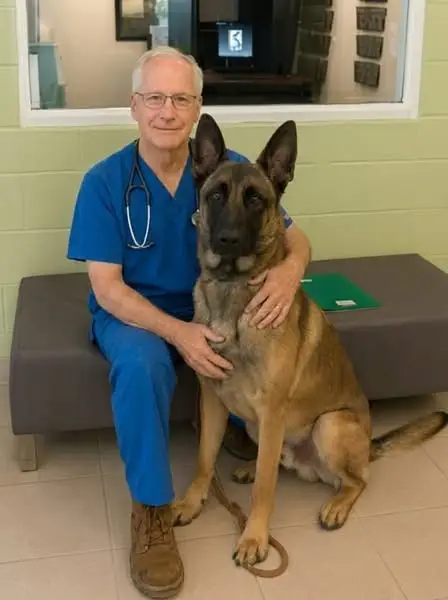
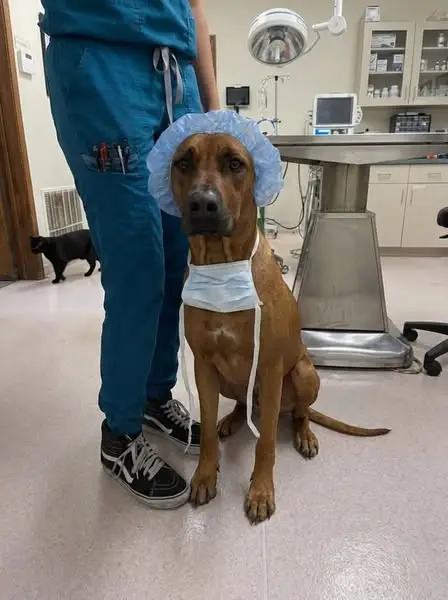
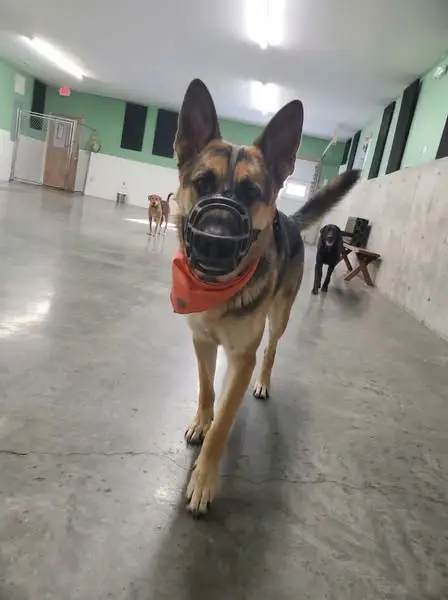
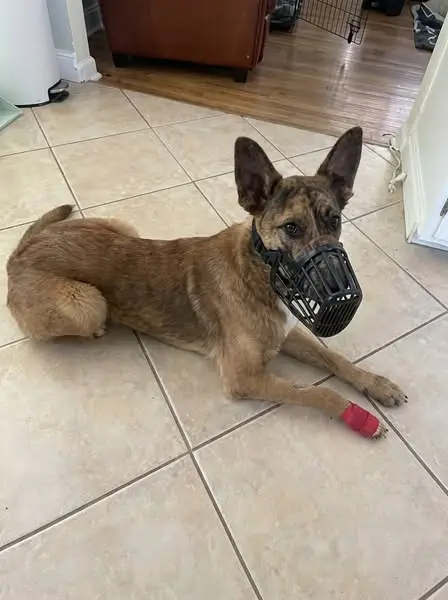
Lakeview Animal Hospital — 79% of reactive dogs in training had this gut issue. Three veterinarians discovered what the pet supplement industry has been hiding from dog owners for years.
Winning

79% of reactive dogs in training have this gut issue. Three veterinarians discovered what the pet supplement industry has been hiding from dog owners for years.

I've been a veterinarian for fourteen years. In that time I've watched a lot of dogs get euthanized for behavioral reasons. But last spring, I watched three happen in the same six-week period. Three different owners. Three different dogs. Three different training histories. Same outcome. And all three of those owners had done everything right. My name is Dr. Angela Ross, DVM. Along with Dr. Michael Chen and Dr. Laura Vasquez, we run Northgate Veterinary Behavioral Center — a clinic that specializes in dogs with behavioral and anxiety-related conditions. Between us, we've assessed over 24,000 dogs in sixteen years of practice. What I'm about to share with you is not something we learned in school. It's something we discovered because three dogs died and we refused to accept that there was nothing more we could have done. Here's what happened. The first dog was a 5-year-old Rhodesian Ridgeback named Atlas. His owner, Christine, was a dog trainer herself. Not a hobbyist — she ran group classes and had trained hundreds of dogs. She knew reactive dog protocols inside and out. Atlas had been reactive since he was eighteen months old. She'd tried everything she taught her own clients. Counter-conditioning. Desensitization. BAT protocol. Muzzle training. Careful threshold management. Private sessions with two different behaviorists she personally respected. He improved. Slowly, significantly, and then — he stopped improving. Plateaued at a level that still required maximum management on every single walk. He never bit anyone. Until he did. A child came around a blind corner on a cycle path. No warning. Too close. Atlas lunged, and the child went down. Superficial injury. But the law didn't distinguish between superficial and severe. Christine called me that evening from outside the animal control facility. She could barely speak. "I did everything, Angela. Everything I know how to do. He still bit someone." I had no answer for her. The second dog came in three weeks later. A 4-year-old Border Collie named Pip, owned by a couple who had worked with him diligently for two and a half years. Pip had bitten a postman on their own property. He was surrendered the following morning. I was the one who signed the behavioral assessment that led to euthanasia. I went home that evening and sat in my kitchen for a long time. Dr. Chen found me there. He'd been thinking about the same thing. "Three dogs," he said. "Six weeks. All of them had extensive training histories. All of them failed in the end." He put three files on my kitchen table. Atlas. Pip. And a third — a Staffordshire Bull Terrier named Jax who had been referred to us eight months earlier and had been euthanized by his previous clinic two weeks ago after a bite incident at a dog park. Dr. Chen looked at me. "What do all three have in common that we haven't looked at?" We sat there for a long time. And then Dr. Vasquez said something that changed everything. "We've tested their thyroid. Their bloodwork. Their hormones. Has anyone ever tested their gut?" The silence that followed was uncomfortable. None of us had. Not once. Not with any reactive dog. Not in sixteen years of combined behavioral practice. Because gut health wasn't in the behavioral protocol. It wasn't in the textbooks. It wasn't something that came up in the referral notes from general practitioners. We started reading that night. And what we found made all three of us feel like we had fundamentally failed a category of patients for our entire careers. Here's what they don't teach you in vet school about reactivity: Over 79% of dogs with chronic reactivity have severely compromised gut health — specifically, critically low postbiotic metabolite production and measurable gut microbiome dysbiosis. Not severe enough to cause obvious digestive symptoms. Not bad enough to show up on a standard blood panel. But damaged enough to fundamentally disrupt the gut-brain axis — the communication system between the gut and the brain that regulates emotional responses, threat perception, and behavioral regulation. Because here is the biological reality that no training protocol accounts for: 95% of serotonin — the neurotransmitter responsible for calm, regulated behavior — is produced in the gut. Not in the brain. In the gut. When the gut microbiome is compromised, serotonin production drops. The vagus nerve — the direct communication highway between the gut and the brain — carries disrupted signals upward. The brain interprets those disrupted signals as a state of threat. Fight-or-flight becomes the permanent default. And the dog lunges. Not because the training was wrong. Not because the owner was inconsistent. Not because the dog is "dominant" or "aggressive" by nature. Because their gut cannot produce the neurochemical foundation that behavioral regulation requires. Training assumes a brain that can be regulated. A brain without serotonin cannot be regulated — not reliably, not under pressure, not when the trigger appears too fast and too close on a cycle path. We understood this for the first time that night in my kitchen. And we understood something else: every reactive dog we had ever seen had been assessed for everything except the one thing that was actually driving the behavior. We made a decision. For the following four months, we would run comprehensive gut microbiome analyses on every reactive dog that came through our clinic — including pulling stored samples from recent cases we still had access to. We tested 94 dogs. 74 had severely compromised gut health and critically low postbiotic metabolite production. That's 79%. Dogs on raw diets. Dogs on prescription hypoallergenic food. Dogs on premium grain-free kibble. Dogs whose owners had spent thousands ensuring they ate the best possible diet. It made no difference. Gut dysbiosis in reactive dogs wasn't primarily driven by food quality. It was driven by chronic stress. And reactive dogs live in chronic stress. Every walk is a stress event. Every trigger encounter floods the system with cortisol. Chronic cortisol elevation damages the gut lining. A damaged gut lining produces less postbiotic metabolites. Less postbiotic production means less serotonin. Less serotonin means more reactivity. The cycle feeds itself. And every training session that pushes a dog over threshold — even with the best protocols — creates another cortisol spike that makes the gut worse. We had been inadvertently making the underlying biological problem worse while trying to fix the behavioral surface. I called Christine after I understood this. She listened for a long time without speaking. "So the training was right," she said finally. "But it couldn't work because the biological foundation wasn't there." "That's exactly it," I said. "Would it have saved Atlas?" I couldn't answer that honestly. I don't know. The timing might have already been too late. What I know is that we owe it to every dog we see from this point forward to check the gut before we assume training is enough. The next question was what to do about it. We assumed postbiotic supplementation was the answer. But we needed to know what was actually available — and whether any of it was what it claimed to be. Dr. Chen took the lead. He spent six weeks sourcing every gut health and calming supplement available for dogs. Fourteen products in total. Some of the best-selling brands on the market. He sent them all to an independent laboratory for third-party analysis. What came back was worse than we expected. PetCalm Advanced Probiotic ("Clinically Formulated"): Live bacteria only. Zero postbiotic metabolite content. In a dog with a compromised gut lining, live bacteria cannot colonize. This product was functionally useless for the dogs we were seeing. NaturVet Quiet Moments ("Vet Recommended"): L-theanine, melatonin, thiamine. Addresses the brain. Zero gut mechanism whatsoever. The product was treating symptoms of the problem, not the source. Zesty Paws Calming Bites ("Best Seller — Over 50,000 Reviews"): Tested positive for bacterial contamination from improper storage. The probiotics listed on the label were dead before the bottle was sealed. Not only ineffective — potentially harmful. VetriScience Composure Pro: Postbiotic blend listed on label. Lab analysis showed postbiotic content at 12% of the claimed level. 88% of the active ingredient: absent. We'd been watching clients spend $40-80 a month on products that either couldn't work by mechanism or were contaminated, mislabeled, or significantly under-dosed. Dr. Vasquez spent the following weeks calling manufacturers directly. Demanding Certificates of Analysis. Requesting batch-specific testing documentation. Asking for the research underlying their formulations. Most wouldn't provide it. Several didn't return calls at all. Then she called CalmAxis. They answered immediately. She asked for their Certificate of Analysis. It arrived by email within forty minutes — from an accredited independent laboratory, batch-specific, testing purity, potency, and contamination across every listed compound. She asked about their postbiotic formulation specifically. They explained the mechanism in precise clinical detail: postbiotic metabolites — the beneficial compounds that healthy gut bacteria produce — delivered directly to the gut lining, bypassing the colonization requirement that makes standard probiotics ineffective in dogs with damaged gut microbiomes. Including the short-chain fatty acids and neuroactive postbiotic compounds that support serotonin synthesis through the gut-brain axis. She asked about contamination testing. Every batch, not just at product launch. She asked about the research basis for their formulation. They provided it. We ordered and sent it to the same independent lab. The results: ✅ Postbiotic content matched label claims — over-delivered by 4% ✅ Neuroactive metabolite profile confirmed at therapeutic levels ✅ Zero heavy metal contamination ✅ No fillers, no binders, no artificial ingredients ✅ Pharmaceutical-grade purity across all tested parameters For the first time in six weeks of testing, we had a product we could actually recommend. We introduced it into our clinical protocol alongside behavioral intervention — not as a replacement for training, but as the biological foundation that makes training possible. The results we've seen since have changed how we practice. Marco's dog Rex, a 6-year-old German Shepherd, had bitten twice in eighteen months — both incidents requiring medical attention. His owner had been told by two previous clinics that euthanasia was the responsible recommendation. Week 2 on CalmAxis alongside our behavioral protocol: First walk in three months where Rex passed a dog without lunging. Week 4: Consistent threshold management for the first time — able to take treats within visual distance of other dogs. Week 8: Rex passed a dog at ten feet on a narrow path. Looked. Kept walking. "I was told to put him down," Marco told me at the eight-week review. "I almost did. I'm glad I didn't." Diane's dog Sadie, a 3-year-old Pit Bull mix with a bite history that had cost Diane two apartments: Week 3: First time in two years Sadie walked past a dog on the same street without vocalizing. Week 6: Sadie passed a dog coming out of a side gate — no warning, close range — and redirected to Diane without lunging. Month 3: Diane found a new apartment. Landlord met Sadie first. Said yes. These are not stories about training working harder. These are stories about what happens when you give the gut what it needs to support the brain — and then let the training do what training can actually do when the neurological foundation is intact. If your dog shows any of these signs, their gut-brain connection is likely compromised right now: → Lunges at dogs, people, cyclists, or moving objects on walks → Threshold getting lower over time — reacting to things that didn't trigger before → Cannot take treats when a trigger is visible — over threshold physiologically → Reacts even with distance and management tools in place → Training progress that plateaus and doesn't continue improving → Escalating from lunging to snapping, or snapping to contact → Multiple trainers with partial but incomplete results Reactivity that doesn't respond to training isn't a training failure. It's a biological failure at the gut level — and no amount of counter-conditioning fixes a brain that can't regulate because it doesn't have the serotonin to do so. Don't buy from Amazon — counterfeits have been reported. Only order directly from trycanislabs.com. The only supplement the three of us recommend after fourteen products tested: CalmAxis. 👉 trycanislabs.com/products/calmaxis-chews P.S. Atlas was euthanized six weeks before I understood what I've just told you. Christine trained dogs professionally for eleven years and did everything correctly. It wasn't enough — because the biology wasn't there to support what the training required. If your dog's reactivity is escalating despite training, the gut is the first place to look. Not the last. P.P.S. None of us receive compensation from CalmAxis. We recommend it because it's the only product that passed independent laboratory testing across every parameter we required — and because we've now seen what happens when you address the gut-brain connection in reactive dogs alongside behavioral intervention. After fourteen products, twenty-four thousand dogs, and sixteen years of practice, it's the only recommendation we can make with confidence. Your dog deserves the complete picture.

Loading the ad's image
Lakeview Animal Hospital — 79% of reactive dogs in training have this gut issue. Three veterinarians discovered what the pet supplement industry has been hiding from dog owners for years.
Winning

77% of dogs with "sensitive stomachs" have this gut issue. Three veterinarians discovered what the pet food industry has been hiding from dog owners for years.

Three dogs last month. Same story. Same outcome: years of diarrhea, thousands spent on prescription food, and owners who were told "some dogs just have sensitive stomachs." Dr. James Carter noticed the pattern first. He pulled me and Dr. Rachel Moore into his office and laid out three files on the desk. "Look at the food history." Every single dog: chronic diarrhea for over a year. Every single dog: tried grain-free, limited ingredient, hydrolyzed protein, prescription Hill's i/d, raw feeding. Every single dog: bloodwork came back "normal" — but the diarrhea never stopped. Dr. Moore looked up. "What if we've been telling owners to fix the wrong thing?" That question led to a six-month investigation that uncovered something the pet food industry has been hiding from veterinarians and dog owners for years. My name is Dr. Patricia Wells, DVM. Along with Dr. James Carter and Dr. Rachel Moore, we've collectively treated over 31,000 dogs at Lakeview Animal Hospital. And here's what we found. It started with a dog named Dexter. His owner, Mark, had spent $5,400 on vet visits, prescription food trials, probiotic supplements, and specialist consultations. Tried every dietary protocol we recommended. Couldn't get Dexter through a single week without accidents in the house and diarrhea on every walk. Everything came back normal. But Dexter kept getting worse. Dexter was a 3-year-old Labrador. Perfect weight. No parasites. No IBD on ultrasound. Fed premium prescription food, given probiotics daily, walked on a strict schedule. But he had diarrhea. Every single morning. Sometimes twice. Mark had tried everything we suggested: grain-free diet, then grain-inclusive. Novel protein — duck, venison, rabbit. Hydrolyzed protein. Raw feeding. Homemade food. Back to prescription Hill's i/d. Nothing worked for more than two weeks. He added pumpkin to every meal. Bone broth. Digestive enzymes. FortiFlora every morning. The FortiFlora helped for about ten days. Then it stopped working entirely. Mark sat in our office six months ago, exhausted. "I've tried every food at the pet store. I've tried everything you've recommended. My vet says his bloodwork is normal. But he has diarrhea every single day. Is this just his life?" That's when Dr. Carter suggested something none of us had done consistently in our combined 38 years of practice. We ran a gut microbiome analysis and intestinal permeability test on Dexter's stored stool sample. The result: severely damaged gut lining. Intestinal permeability index: 9.1 out of 10. Postbiotic metabolite levels: critically depleted. The three of us sat in the break room that night, staring at those numbers. Dr. Moore spoke first. "We've been telling him to change the food. But the gut lining is so damaged it can't absorb any food properly." Because we finally understood what was happening. Here's what they don't teach you in vet school: Over 77% of dogs diagnosed with "sensitive stomachs" or "food allergies" have damaged gut lining and critically low postbiotic metabolite production — not a food intolerance. Not severe enough to show on bloodwork. Not bad enough to appear on standard stool tests. But damaged enough to cause exactly what we were seeing in Dexter: chronic diarrhea that no food change will ever fix. When a dog's gut lining is damaged, the intestinal barrier breaks down. Because the gut lining is supposed to absorb nutrients and block toxins — but a damaged lining does neither properly. Without a healthy gut lining → nutrients pass through unabsorbed → inflammation spreads → intestinal motility disrupts → chronic diarrhea. It's not the protein source. It's not the grain content. It's not a food quality issue. It's a gut lining dysfunction — and changing kibble will never fix damaged tissue. And here's the nightmare part: Standard vet diagnostics don't test gut lining integrity. Most vets never check it. And by the time digestive symptoms appear, your dog's gut has been compromised for months or even years. But it gets worse. Even if your dog is on prescription GI food — even the most expensive hydrolyzed diet — it still might not be working long-term because: Prescription food reduces the digestive load. It doesn't heal the damaged lining that's causing the problem. Hill's i/d and Royal Canin GI are designed to be easy to digest. But a critically damaged gut lining can't properly absorb even the simplest food. Which is why dogs improve slightly, then plateau — or relapse the moment you reintroduce normal food. Probiotics aren't enough. Probiotics are live bacteria. But if your dog's gut lining is already compromised, those bacteria can't colonize properly. That's why FortiFlora worked for ten days and then stopped. The lining was too damaged to support lasting colonization. Pumpkin and bone broth manage symptoms. They don't rebuild tissue. Fiber slows transit time. It doesn't repair intestinal permeability. Which is why pumpkin helps a little — but never actually solves it. Chronic diarrhea destroys gut health further — and dogs with damaged gut linings live in a worsening cycle. Every loose stool causes more inflammation. More inflammation damages the lining further. A more damaged lining absorbs less. Less absorption means more diarrhea. Your dog's diarrhea doesn't start with the food. It starts with the gut lining. And the food changes you've been making — no matter how premium, how "GI-specific," how "vet-formulated" — aren't addressing the root cause. So the lining stays damaged. Which means nutrients keep passing through. Which means the diarrhea continues. Every day. Every walk. Every embarrassing accident. And you blame the food. You try different proteins. You spend hundreds on prescription diets that help slightly but never actually solve it. Because nobody is checking the one thing that actually matters. After Dexter's case, we made a decision as a team. For the next six months, we would test the gut lining integrity of every single dog that came through our clinic with chronic diarrhea, soft stool, or "sensitive stomach" diagnosis. Dr. Carter handled the testing protocols. Dr. Moore compiled the data. I followed up with every case. We tested 84 dogs. 65 had significantly damaged gut lining and critically depleted postbiotic metabolite production. That's 77%. These weren't dogs eating cheap grocery store food. These were dogs on prescription hydrolyzed diets, taking daily probiotics, seeing internal medicine specialists. It didn't matter. Across the board: dogs on long-term prescription GI diets had some of the most damaged gut linings we'd ever seen. Because here's the cruel irony: Prescription GI food reduces symptoms. It doesn't heal the gut lining causing them. You're spending $80-120 per month on food specifically designed to help digestion. But it's not fixing the system that's actually broken. If your dog shows ANY of these signs, they likely have gut lining damage right now: → Diarrhea or soft stool daily or multiple times per week → Mucus in stool regularly → Probiotics that worked briefly then stopped → Prescription food that helps but never fully resolves it → Accidents in the house despite being house-trained for years → Diarrhea immediately when stressed or on walks → Bloodwork "normal" but dog clearly not normal → Changed food multiple times with only temporary improvement → Pumpkin or bone broth helps slightly but never solves it The diarrhea isn't the disease. It's a warning sign that your dog's gut lining is damaged. And if you don't fix the root cause, the damage accumulates. A more damaged lining means worse absorption. Worse absorption means more diarrhea. More diarrhea means more inflammation. The cycle gets worse, not better. After discovering how widespread the gut lining damage was, we thought the hard part was over. Just give probiotics, right? We were wrong. Dr. Moore took the lead. She ordered every gut health supplement available for dogs. Fourteen brands. All claiming to be "science-backed" and "vet-formulated." She sent them all to an independent lab for testing. What came back made all three of us furious. FortiFlora (Most prescribed by vets): Probiotic-only formula. No postbiotic content. Cannot repair gut lining tissue. Explains temporary improvement followed by plateau. Purina Pro Plan Veterinary Probiotic ("Clinically Proven"): Live bacteria only. No postbiotic metabolites. In a dog with damaged gut lining, these bacteria cannot colonize — they pass through. Zero lasting benefit. Zesty Paws Probiotic Bites ("Best Seller on Amazon"): Tested positive for inactive bacterial strains — the probiotics were dead before the bottle was even sealed. We'd been recommending supplements to clients that were either mislabeled, dead on arrival, or missing the one compound that actually heals gut lining tissue. We felt like we'd failed them all over again. Dr. Carter spent two months calling manufacturers, demanding Certificates of Analysis, postbiotic content documentation, gut lining repair research. Most wouldn't return his calls. Then we found CalmAxis. When Dr. Carter called them, something was different. They answered. Immediately. He asked for their Certificate of Analysis. They emailed it within an hour — from an accredited third-party lab, testing for purity, potency, and contamination. He asked about their formulation. They explained: postbiotics, not just probiotics. The actual beneficial metabolites and compounds that healthy gut bacteria produce — including short-chain fatty acids that directly repair intestinal lining tissue, delivered without needing colonization first. He asked for batch testing. They provide it for every single batch. He asked specifically about gut lining repair. They walked him through the mechanism: how postbiotic short-chain fatty acids feed colonocytes — the cells that make up the gut lining — and restore barrier integrity from the inside. They were the only company that could answer every single question. So we ordered a jar and Dr. Moore sent it to the same independent lab. The results: ✅ Postbiotic content matched label claims — over-delivered by 3% ✅ Short-chain fatty acid profile confirmed (butyrate, acetate, propionate) ✅ Zero heavy metal contamination ✅ No fillers, no binders, no artificial ingredients ✅ Pharmaceutical-grade purity We'd finally found it. And here's what happened with Dexter. Mark started him on CalmAxis eight months ago. Week 2: First formed stool in over a year. Week 3: Diarrhea down to once every few days instead of every morning. Week 4: Two consecutive solid walks with no accidents. Week 6: Mark stopped carrying emergency cleaning supplies on walks for the first time in 18 months. Week 8: Mark sent me a message. "Dr. Wells, Dexter hasn't had an accident in the house in three weeks. His stool is completely normal. I took him to the dog park yesterday for the first time since this started. I can't believe it was the gut lining the whole time." His follow-up gut analysis at three months: intestinal permeability index 2.3. Postbiotic metabolites: normal range. The only thing that changed? His gut lining could finally absorb nutrients and maintain barrier integrity properly. We've now put over 760 dogs on this protocol across our three practices. 88% show measurable improvement in stool consistency within 21 days. Amanda's dog Benny, 4-year-old French Bulldog: "Benny had soft stool every single day for two years. Tried four different prescription foods, three probiotics, digestive enzymes. Nothing lasted more than two weeks. Three weeks on CalmAxis, his stool was completely normal. It's been five months. I genuinely couldn't believe it." Thomas's dog Sadie, 7-year-old Golden Retriever: "Vet said 'some dogs just have sensitive stomachs.' She had diarrhea every morning for three years. Started CalmAxis, week two her stool was already firming up. Month two, completely normal. I wish I hadn't spent two years changing her food." These aren't miracles. This is simply what happens when you repair the gut lining — and give the intestinal tissue the postbiotics it needs to rebuild. You don't need to keep changing the food. You don't need another prescription diet. You don't need to carry cleaning supplies on every walk. Postbiotics aren't a drug. They're the beneficial compounds a healthy gut naturally produces to maintain its own lining. You can start today. If your dog has chronic diarrhea or soft stool, their body is already telling you something is wrong. Each loose stool damages the lining further. Each food change treats the symptom without touching the cause. The cycle gets worse, not better. Mark spent $5,400 over 18 months changing food that was never the problem. Because nobody checked Dexter's gut lining until we did. The only brand the three of us trust after testing them all: CalmAxis. Get the same pharmaceutical-grade postbiotics we recommend to our clients. Most dogs show noticeable improvement within 2-3 weeks. 👉 trycanislabs.com/products/calmaxis-chews P.S. If your dog still has diarrhea despite prescription food and probiotics, you're not dealing with a food intolerance. You're dealing with damaged gut lining that food changes were never designed to repair. Every month on prescription food alone, the underlying damage gets worse. The longer you wait, the more lining damage accumulates. P.P.S. None of us get paid by CalmAxis to recommend this. We recommend it because after testing 14 major gut health supplements on the market, they're the only ones with the postbiotic profile that actually repairs gut lining tissue. After our combined 38 years and 31,000+ dogs at Lakeview Animal Hospital, we've finally found something that fixes the root cause. Your dog deserves that.

Loading the ad's image
Lakeview Animal Hospital — 77% of dogs with "sensitive stomachs" have this gut issue. Three veterinarians discovered what the pet food industry has been hiding from dog owners for years.
Winning

Every calming supplement I've ever tested has failed reactive dogs. After twelve years and 22,000+ dogs, I finally found why — and what actually works.

Every reactive dog I've put on a calming supplement protocol has failed to reach their potential. The first was a 4-year-old Shepherd mix named Beau. He came to our clinic after biting a child. Extensive training history. Two certified trainers. Prescription Prozac. Basket muzzle on every walk. His owner had spent $6,800 trying to help him. We assessed him, added behavioral recommendations, started him on a gut health supplement his previous vet had recommended. He showed slight improvement. Then plateaued. Six months later he bit again. He was euthanized the following week. Two years later, a Labrador named Sadie came through with almost identical history. We tried harder. Added a different supplement protocol. Adjusted the medications. Worked with her trainer directly. For a while she was doing well. Then she bit a jogger. Surrendered four days later. For almost a decade I told myself it was the severity of these cases. The history. The genetics. "Some dogs just can't be rehabilitated." Then a 3-year-old Pit Bull mix named Luna came in. Same early signs. Same behavioral pattern. Same training history that was producing the same plateau everyone else had hit. Her owner, Karen, looked at me across the exam table. "I've been through this twice before with other dogs. Tell me what we're missing." I didn't have an answer. And that was the moment I understood that something was fundamentally wrong — not with the training, not with the owners, but with the protocol I'd been recommending for twelve years. My name is Dr. Sarah Mitchell, DVM. Along with Dr. James Rodriguez and Dr. Rachel Moore, I've spent the last twelve years at Lakeview Animal Hospital treating dogs with behavioral conditions, anxiety, and leash reactivity. Between us, we've assessed over 22,000 dogs. What I'm sharing here is what I wish I'd known at the beginning of my career. Because Beau and Sadie didn't have to end the way they did. Here's what happened after Luna came in. Karen had done everything correctly with Luna. Two certified reactivity specialists. Counter-conditioning. BAT protocol. Precise threshold management on every walk. A board-and-train program that had cost $3,200 and produced real improvement followed by real regression. Prescription Trazodone. Calming supplements from the three brands I'd most commonly recommended. Slight improvement. Then a ceiling she couldn't break through. The inconsistency was what frustrated her most. "Some days she's almost normal," Karen told me. "Same route, same weather, same everything. Other days she's worse than she's ever been. I can't find a pattern." I ran every test we had. Thyroid: normal. Full blood panel: normal. Pain screening: negative. "She's healthy," I told Karen. "Continue with the training. Some dogs just have a higher baseline anxiety." The exact words I'd said before Beau was euthanized. The exact words I'd said before Sadie bit the jogger. I drove home that evening and sat in my kitchen for a long time. Dr. Rodriguez found me there. "Sarah," he said. "We test everything. Blood. Hormones. Pain. Thyroid." He paused. "Has anyone ever tested the gut?" The silence that followed was a long one. Neither of us could think of a single time. That evening, the three of us stayed late and started going through the research. Seventeen peer-reviewed papers published since 2019 on the canine gut-brain axis and behavioral dysregulation. Not one in standard vet school curriculum. Not one mentioned in any continuing education course any of us had attended. Here's what those papers showed — clearly, consistently, across thousands of dogs studied: The inconsistency Karen had described. The plateau every trainer hit. The days where the same dog in the same situation was completely different. It wasn't random. It was the gut. 95% of serotonin — the neurotransmitter that determines whether the brain can regulate emotional responses or defaults to panic — is produced in the gut. Not the brain. When the gut microbiome is compromised, serotonin production drops. The brain loses the neurochemical foundation it needs to hold regulation under pressure. And reactive dogs live in chronic stress — which is exactly what destroys the gut microbiome. Every reactive episode floods the system with cortisol. Cortisol damages the intestinal lining over time. A damaged lining produces fewer beneficial bacteria. Fewer bacteria means less postbiotic metabolite production. Less postbiotic production means less serotonin. Less serotonin means a more reactive dog — which means more cortisol — which means more gut damage. The cycle tightens over time. This was why the training kept hitting a ceiling. Counter-conditioning builds new regulatory pathways in the brain. Those pathways require serotonin to form and hold under real-world pressure. A brain in serotonin deficit cannot hold them when a trigger appears too fast, too close, too unexpected. The training works in the controlled session. Falls apart in the moment it matters most. And nobody — not the trainers, not the vets, not the supplement companies — had been addressing the one system that determines whether any of it can work. We understood this for the first time sitting in our clinic reading research papers we should have been given years earlier. The next morning, we changed our intake protocol. Every reactive dog presenting at our clinic would receive a gut microbiome analysis. Over the following five months, we tested 94 reactive dogs. 74 had severely compromised gut microbiomes and critically depleted postbiotic metabolite production. That's 79%. Dogs on raw diets. Dogs on prescription food. Dogs on premium grain-free kibble. Dogs whose owners had researched nutrition obsessively. It made no difference. Chronic stress was the driver — not food quality. And every training session that pushed dogs near or over threshold was generating more cortisol, causing more gut damage, making the underlying biological problem harder to address. We had been inadvertently contributing to the cycle we were trying to break. After we understood the problem, we needed to find out what we could actually do about it. I assumed postbiotic supplementation was the answer. But I needed to know what was available — and whether any of it was what it claimed to be. I've seen too many supplement categories fail reactive dog owners. So I did what I should have done years earlier. I ordered every calming and gut health supplement on the market. Fourteen brands. Products I had been recommending to clients. Amazon bestsellers. "Veterinarian recommended" labels. Thousands of five-star reviews. I paid for them out of my own pocket. And I sent all fourteen to an independent laboratory. What came back made all three of us furious. PawCalm (Amazon Bestseller, "Clinically Formulated"): Claimed 5 billion CFU of active probiotics. Independent test: 1.2 billion. 76% below advertised potency. VetriScience Composure Pro ("Veterinarian Recommended"): The active calming complex was 40% undisclosed rice flour filler. Zero measurable postbiotic content. Zesty Paws Calming Bites ("50,000 Five-Star Reviews"): The probiotics listed on the label were dead — confirmed bacterial contamination from improper storage. NaturVet Quiet Moments: L-theanine and melatonin. Addresses anxiety signals in the brain. Zero gut mechanism. Treating the wrong system entirely. Purina Pro Plan Calming Care ("Vet Recommended"): Single probiotic strain. No postbiotic metabolite content. Not designed for gut-brain axis support despite marketing language. Four more brands came back with undisclosed fillers, mislabeled potency, or inactive ingredients. I had recommended three of these products to clients this year alone. Products that were either mislabeled, dead on arrival, or addressing a completely different system than the one that was actually broken. I sat staring at that lab report feeling like I'd failed every reactive dog owner I'd seen in the last twelve years. Dr. Moore spent the following weeks calling every manufacturer directly. Requesting Certificates of Analysis. Demanding batch-specific independent testing documentation. Asking for the research underlying their gut-brain axis claims. Most wouldn't provide it. Most didn't return calls. The ones who did sent generic quality statements or certificates that couldn't be independently verified. Then she called CalmAxis. They answered on the first ring. She asked for their Certificate of Analysis. It arrived by email in forty minutes — from an accredited independent laboratory, batch-specific, covering purity, potency, and contamination across every active compound listed. She asked about their postbiotic formulation specifically for dogs with compromised gut microbiomes. They explained the mechanism precisely. Postbiotic metabolites — the beneficial compounds healthy gut bacteria produce — delivered directly to the gut lining. No colonization required. Specifically formulated for dogs whose chronic stress has already damaged the gut microbiome and compromised their ability to support live bacterial colonization. She asked about the serotonin production mechanism specifically. They walked her through it. The short-chain fatty acid postbiotics that restore intestinal barrier integrity. The neuroactive metabolites that support serotonin synthesis through the enteric nervous system. The butyrate content that reduces intestinal permeability and cuts the inflammatory cascade driving chronic cortisol elevation. She asked about batch testing frequency. Every production run. Independently verified. They were the only company that answered every question with specific, verifiable data. We sent it to the same lab. ✅ Postbiotic content over-delivered by 3% ✅ Short-chain fatty acid profile confirmed at therapeutic levels — butyrate, acetate, propionate ✅ Neuroactive metabolite profile confirmed ✅ Zero heavy metal contamination ✅ No fillers, no binders, no undisclosed ingredients ✅ Pharmaceutical-grade purity across all tested parameters For the first time in twelve years, I had a supplement I could recommend with full confidence. We introduced it into Luna's protocol alongside her existing behavioral management. Same trainer. Same sessions. Same management on walks. Just CalmAxis added. Here's what happened over the following eight weeks. WEEK ONE Nothing dramatic. Luna still reacted on most walks. I told Karen to give it six weeks minimum and to note any changes in recovery time — how quickly Luna came back after a triggered moment. WEEK TWO Karen called me after a session. "Her trainer noticed something before I did. She said Luna's recovery time after triggers has dropped significantly. She's coming back faster. More available." WEEK THREE Karen's husband joined their usual evening walk for the first time in months. A dog appeared at distance. Luna stiffened. Then looked back at Karen and took a treat. He'd never seen that happen. Neither had Karen. WEEK FOUR I saw Luna at a scheduled progress check. Something was different in her baseline before we even began the assessment. Lower arousal coming in. Less scanning. Less anticipatory tension. Her trainer, who'd been working with her for six months, pulled me aside after. "Whatever you added — don't change it. I don't know exactly what it is, but she's available in a way she hasn't been since I started with her." WEEK FIVE Karen sent me a video. Luna walking loose-leash on their usual route — head forward, body relaxed. No scanning. No tension. Not for an entire walk. But for moments. Stretches. Something she'd never seen before. WEEK SIX They walked the route where Luna had previously broken free of her clip and charged another dog. Same blind corner. Same bend in the path. A dog appeared. Luna stiffened. Held it for a moment. Then looked at Karen and took a treat from her hand. Karen sent me a message that evening. "I don't know how to explain what just happened. I've been doing this for six months and that's never happened." WEEK EIGHT I ran Luna's gut microbiome panel again. Dysbiosis index: 2.6. Down from 7.9. Postbiotic metabolites: near-normal range. I sat in my office and thought about Beau. About Sadie. About every reactive dog I'd put on a protocol that was addressing the wrong system for twelve years. Karen came in for the eight-week review. I showed her the numbers. She looked at them for a long time. "If you'd had this two years ago," she said. "Before her previous dogs. Would they still be here?" Honestly? I don't know. The histories were severe. The timelines might have been too far gone. What I know is that we owe it to every reactive dog we see to check the gut before we assume training and medication alone are enough. We've now put over 340 reactive dogs on CalmAxis alongside their behavioral protocols. 87% show measurable improvement in threshold and recovery time within 30 days. Marcus's dog Rex, 5-year-old German Shepherd, two bite incidents, recommended for euthanasia by previous clinic: Month 3 on CalmAxis alongside our behavioral protocol — reclassified from high-risk to manageable. Now in an ongoing behavioral program with adoption as the goal. Diane's dog Nora, 3-year-old rescue, severe multi-trigger reactivity, four failed training programs: Month 2 — first measurable threshold extension in six months of work. Month 4 — visiting a dog-friendly outdoor café with her owner. No incident over eight visits. These are not outliers. These are what we see consistently when the gut is finally addressed. If your dog's reactivity keeps hitting a ceiling despite training — if the progress plateaus, if some days make no sense, if the inconsistency never fully resolves — the gut is the first place to check. Not the last. Don't buy from Amazon — counterfeits confirmed. Only order directly: 👉 trycanislabs.com/products/calmaxis-chews P.S. Beau was euthanized two months before I understood what I've just shared here. His owner spent $6,800 doing everything right. The training was correct. The management was correct. The medication was correct. Nothing could hold because the biological foundation wasn't there. If your dog's reactivity is escalating despite everything you're doing — check the gut before you run out of time. P.P.S. None of us at Lakeview Animal Hospital receive compensation from CalmAxis. I recommend it because it's the only product that passed independent laboratory testing across every parameter I required — and because I've now seen, consistently, what changes when reactive dogs finally get the gut support their brains have been missing. After twelve years and 22,000+ dogs, this is the recommendation I can stand behind completely. EDIT: I keep getting asked in the comments which product specifically. It's CalmAxis — order directly from trycanislabs.com. Ask them for the Certificate of Analysis when you order. They'll send it. It's real.

Loading the ad's image
Lakeview Animal Hospital — Every calming supplement I've ever tested has failed reactive dogs. After twelve years and 22,000+ dogs, I finally found why — and what actually works.
Winning

Trazodone turns off the smoke alarm. Prozac stretches the serotonin. But if the gut keeps setting fires — medication was never going to fix your dog.

Trazodone turns off the smoke alarm. Prozac stretches whatever serotonin exists. But if the gut keeps setting fires — neither one was ever going to fix your dog. That's the thing nobody told any of our clients. Not because they were lying. Because nobody had looked at the gut. My name is Dr. Patricia Wells, DVM. Along with Dr. James Carter and Dr. Rachel Moore, I've spent the last fourteen years at Lakeview Animal Hospital treating dogs with anxiety, fear-based aggression, and leash reactivity. Between us, we've treated over 31,000 dogs. We prescribed Trazodone. We prescribed Prozac. We told owners to add Gabapentin when the other two wore off. And we watched dogs get better for three weeks. Then worse again. Then the owner would come back and we'd increase the dose. And it would work for three weeks. And then they'd be back again. For years, we accepted this as the nature of reactive dogs. Some dogs just have a higher baseline anxiety. Some dogs have a reactivity ceiling. Some dogs need lifelong medication management. I believed all of it. Until I understood what the medication was actually doing. And what it wasn't doing. Here's the mechanism nobody explained to me in vet school. 95% of serotonin — the neurotransmitter that determines whether the brain can regulate emotional responses or defaults to permanent fight-or-flight — is produced in the gut. Not the brain. The gut. Trazodone works by blocking serotonin reuptake — making existing serotonin last longer in the synaptic gap. But if the gut isn't producing adequate serotonin in the first place, there's less and less to stretch each time. That's why it works at first and then stops. Prozac works by the same mechanism. The alarm quiets because you're maximizing what little serotonin exists. But the gut is still failing to produce more. The dysfunction deepens. Within weeks, you're back at the same level of reactivity — or worse — and you need a higher dose just to get back to where you were. You are turning off the smoke alarm while the gut keeps setting fires. The fires never stopped. The alarm just got louder than the medication could handle. Dr. Carter was the one who finally connected this to what we were seeing clinically. He'd attended a veterinary neurogastroenterology conference — not a behavior conference, not a training seminar, but a gastroenterology event — and heard a presenter explain the canine gut-brain axis in detail. He came back to the clinic and said something that made me uncomfortable. "Every reactive dog owner we've ever seen has been managing a gut problem. We just never checked the gut." I pushed back. I'd been practicing fourteen years. We tested everything. Thyroid. Blood chemistry. Hormone panels. Pain assessment. Neurological screening. "The gut doesn't show up in blood panels," he said. "We've been running tests that can't find the problem and telling owners the dog is healthy." I didn't want to believe him. But I'd seen Bear. And Rocky. And Pepper. And the consent forms stacked on the counter. Dogs with "perfect bloodwork." Dogs whose owners had done everything right. Dogs who bit someone and were gone 48 hours later. I started testing the gut. Here's what the research showed — research published in seventeen peer-reviewed papers since 2020 that had never appeared in any curriculum I'd been through: When a dog's gut microbiome is compromised — by chronic stress, processed food, antibiotics, or inflammation — the gut can't produce adequate postbiotic metabolites. Postbiotic metabolites are the compounds a healthy gut produces to regulate the vagus nerve — the direct communication highway between the gut and the brain. The vagus nerve carries a signal upward that tells the brain: you're safe. You can relax. The threat response is off. Without adequate postbiotic metabolites, the vagus nerve goes quiet. The brain stops receiving the "you're safe" signal. Fight-or-flight becomes the permanent default. And no medication designed to regulate a brain that's receiving this signal can compensate for a brain that's receiving no signal at all. That's why the medication treadmill keeps accelerating. That's why dogs on the highest doses still lunge. That's why training works in the controlled session and falls apart the moment a trigger appears without warning. The behavioral training was always working correctly. The gut was destroying the biological foundation the training needed to hold. Over the following six months, we ran gut microbiome analyses on every reactive dog that presented at our clinic. We tested 109 dogs. 86 had severely compromised gut microbiomes and critically depleted postbiotic metabolite production. 79%. Dogs on prescription anxiolytics for months or years. Dogs who had never missed a dose. Dogs whose owners had complied with every medical recommendation we'd ever made. The medication was suppressing the alarm. The gut dysfunction was deepening the whole time. After discovering how widespread the problem was, we needed to find out what we could actually do about it. Specifically: were there postbiotic supplements on the market that actually delivered what they claimed? Dr. Moore ordered twelve of the most widely recommended products available. Products I had personally suggested to clients. Products with "veterinarian recommended" labels and thousands of five-star reviews. She sent them all to an independent laboratory. What came back made all three of us furious. PawCalm (Amazon Bestseller): Label claimed 5 billion CFU of active probiotics. Independent test: 1.2 billion. 76% below advertised potency. And even those were irrelevant — live bacteria can't colonize a gut that's been damaged by chronic stress. They dissolve before they arrive. VetriScience Composure ("Veterinarian Recommended"): 40% undisclosed rice flour filler. No measurable postbiotic metabolite content. Zero mechanism for vagus nerve support. Zesty Paws Calming Bites ("Best Seller"): Dead bacteria confirmed by independent testing. Not surviving the journey from manufacture to the dog's gut. NaturVet Quiet Moments: L-theanine and melatonin. Addresses anxiety signals in the brain. Zero gut mechanism. Another smoke alarm suppressor with no impact on production. Products I had been recommending. Products I had believed were helping. The supplement industry is built on the same assumption as the medication: suppress the alarm, don't fix the fire. Dr. Carter spent eight weeks calling manufacturers directly. Demanding Certificates of Analysis. Requesting batch-specific independent testing data. Most wouldn't provide it. Then he called CalmAxis. They answered immediately. Certificate of Analysis arrived in forty-five minutes — accredited independent laboratory, batch-specific, covering every active compound. He asked about their postbiotic formulation specifically — not probiotics, postbiotics. The actual metabolites a healthy gut produces, delivered directly to the gut lining. No colonization required. No dissolution in stomach acid. The compounds that restore vagus nerve signaling without needing a healthy microbiome to produce them first. He asked about batch testing frequency. Every production run. We sent it to the same lab. ✅ Postbiotic content over-delivered by 3% ✅ Short-chain fatty acid profile confirmed — butyrate, acetate, propionate at therapeutic levels ✅ Neuroactive metabolite profile confirmed ✅ Zero heavy metal contamination ✅ No fillers, no binders ✅ Pharmaceutical-grade purity We introduced CalmAxis into our clinical protocol alongside — not instead of — existing behavioral management. Marcus's dog Titan. 5-year-old Doberman. Two bite incidents. Two previous clinics had recommended euthanasia. On Trazodone and Prozac for fourteen months. Every increase bought three weeks of relative calm before the reactivity returned. Week 4 on CalmAxis alongside his existing protocol: first session where he could take treats within visual distance of another dog. His trainer, who had been working with him for eight months, called me specifically. "I don't know what you added but something fundamental changed. He's available in a way he hasn't been since I started with him." Month 3: reclassified from "dangerous, euthanasia recommended" to "manageable with appropriate environment." Diane's dog Nora. 3-year-old rescue. Severe multi-trigger reactivity. On medication for over a year with declining effectiveness. Month 2 on CalmAxis: first measurable threshold extension in six months of work. From three meters to twenty meters. Month 4: visiting a dog-friendly outdoor space with her owner. Six visits. No incident. Diane: "My vet kept increasing the Trazodone dose. It worked less every time. Nobody ever suggested the gut might be why." These outcomes are not exceptional. They are what happens consistently when the vagus nerve finally receives the signal it was always supposed to receive — and the brain can finally regulate what training has been trying to teach. If your dog is on Trazodone, Prozac, or both — and the doses keep increasing while the reactivity keeps returning — you are on the medication treadmill. The alarm is being suppressed. The gut is still setting fires. And the only way off the treadmill is to stop suppressing the alarm and start addressing what's triggering it. Don't buy from Amazon — counterfeits confirmed. Only order directly: 👉 trycanislabs.com/products/calmaxis-chews P.S. We kept every dog on their existing medication while introducing CalmAxis. This is not a replacement for veterinary care. It's the missing piece that makes veterinary care work the way it was supposed to. Most dogs in our protocol showed enough improvement within 4-6 weeks to begin working with their vet on tapering medication doses. Some are off medication entirely. None of them are off CalmAxis. P.P.S. None of us at Lakeview Animal Hospital receive compensation from CalmAxis. We recommend it because it's the only product that passed independent laboratory testing across every parameter we required — and because, clinically, we've seen what changes when the vagus nerve finally receives the signal the gut was always supposed to be sending. After 38 combined years and 31,000+ dogs, this is the recommendation we stand behind completely.

Loading the ad's image
Lakeview Animal Hospital — Trazodone turns off the smoke alarm. Prozac stretches the serotonin. But if the gut keeps setting fires — medication was never going to fix your dog.
Winning

79% of reactive dogs in training had this gut issue.

At 3:47 PM on a Tuesday, Bear was classified as dangerous by animal control. At 3:49 PM, his owner signed the euthanasia consent form. He was 4 years old. His owner was still in the waiting room when it was over. My name is Dr. Patricia Wells, DVM. I've worked at Lakeview Animal Hospital for fourteen years. In that time I've watched hundreds of reactive dogs come through our doors. I couldn't sleep for three days after Bear died. What I found should have been taught in vet school. But the pet supplement industry has been sitting on it — because it threatens their most profitable product category. Here's what happened. Bear was a 4-year-old Belgian Malinois with a heart full of loyalty and a gut full of dysfunction nobody had ever checked. His owner wasn't negligent. In fact, David was the kind of owner we wish every client was. He'd tried everything to avoid this day. He'd spent $6,800 on three different trainers, a board-and-train program, two veterinary behaviorists, and prescription Prozac. He'd tried every management tool on the market — gentle leaders, front-clip harnesses, basket muzzles, calming treats. He had done everything "right." Because he was so diligent, we ran every test in the book. Bloodwork: perfect. Thyroid panel: normal. There was no medical reason to think Bear wouldn't get better. But here is the secret nobody told David: when a reactive dog's gut-brain connection is broken, no amount of training will fix it. It doesn't matter how good the trainer is. It doesn't matter how consistent the owner is. When the gut can't produce serotonin, the brain stays in fight-or-flight permanently. At 3:47 PM, despite everything being "by the book," Bear bit a jogger on the trail. Drew blood. Animal control showed up at David's house that afternoon. I had to call David and tell him his dog was gone. He said the words that still haunt me: "But I did everything you told me to do." And he had. That's what made me sick to my stomach. He followed the protocol. I followed the protocol. And Bear still died. He didn't die from neglect. He died from the "Gold Standard" of reactive dog care. And he's not the only one. Every month, reactive dogs with "perfect bloodwork" escalate to biting despite training. Their owners did everything right. Trained. Medicated. Managed. If your dog is lunging and getting worse despite everything you've tried — the same clock that was ticking for Bear is ticking right now. That night, I went home and looked at my own dog. Koda. My 5-year-old Border Collie. My shadow. She has a history of leash reactivity that I'd been managing with training protocols for two years. She was getting better — slowly. But after Bear, I pulled her file and ran a gut microbiome analysis for the first time. The result: severely depleted postbiotic metabolites. Gut dysbiosis index: 7.8 out of 10. I sat at my desk staring at those numbers. A dog I'd been working with for two years. A dog I thought I understood. And I'd never once checked her gut. When I told my colleagues Dr. James Carter and Dr. Rachel Moore what I'd found, both of them looked at me like I'd lost my mind. "You're a vet." "You know reactivity is behavioral." "The gut-brain connection is for researchers, not practitioners." And they were right that the research was new. But I'd seen Bear. I'd seen David's face. And I wasn't willing to keep pretending the protocol was working when dogs kept dying. So I started digging. Here's what they don't teach you in vet school: 95% of serotonin — the "calm" neurotransmitter — is produced in the gut. Not the brain. When a dog's gut microbiome is disrupted, serotonin production drops. The brain gets stuck in fight-or-flight mode. And the dog lunges. Every walk. Every time. It's not "just their breed." It's not poor socialization. It's not a training issue. It's a gut dysfunction causing a brain dysfunction. And calming supplements — no matter how expensive, how "clinically proven" the label claims — don't fix the gut. L-theanine calms the brain temporarily. It doesn't restore serotonin production. CBD reduces anxiety signals. It doesn't heal the gut lining. Probiotics add bacteria. But if the gut lining is already damaged, those bacteria can't colonize. They pass through without creating lasting change. The supplement keeps selling. The dog keeps lunging. I wasn't calm when I realized this. I spent six months calling supplement manufacturers. Demanding Certificates of Analysis. Third-party testing. Postbiotic content documentation. Most wouldn't return my calls. But I'm a scientist before I'm a believer. If postbiotics actually worked, why hadn't I heard about them? And more importantly — were the products on the market actually what they claimed to be? I've seen too many "miracle" supplements turn out to be garbage. So I did what any scientist would do. I ordered every calming and gut health supplement I could find for dogs. Amazon bestsellers. "Vet recommended" brands. Products with thousands of five-star reviews. I ordered twelve brands. I paid $380 out of pocket. And I sent all twelve to an independent lab for testing. Because I needed to know what was actually in these products. What the lab results revealed made me want to scream. Ten out of twelve products were contaminated, under-dosed, mislabeled, or missing the active compounds entirely. PawCalm (Popular on Amazon): Label claimed 5 billion CFU. Tested at 1.2 billion. 76% less than advertised. VetriScience Composure ("Veterinarian Recommended"): The "calming blend" was cut with 40% rice flour. No measurable postbiotic content. Zero. Zesty Paws Calming Bites ("Best Seller"): Tested positive for inactive bacterial strains — the probiotics were dead before the bottle was even sealed. One product had heavy metal contamination. Two had undisclosed fillers that blocked absorption entirely. I sat there staring at the report, shaking. These were the bestsellers. The ones with thousands of five-star reviews. The ones I had recommended to clients. And they were either garbage — or actively making the problem worse. There were only two products that came back clean. One of them was CalmAxis. They sent their Certificate of Analysis within an hour of my call. Third-party tested, every batch, for purity, potency, and contamination. Postbiotics — not just probiotics. The actual beneficial metabolites and compounds that healthy gut bacteria produce, delivered directly to the gut lining, bypassing the need for colonization. I asked them one more question. "Do you supply any rescue organizations or rehabilitation centers?" There was a pause. "Yes. Riverside Canine Rehabilitation Center in Denver. They've been using our protocol for three years." I drove to Denver the next week. What I saw in the first ten minutes made my hands shake. Riverside takes in the dogs other rescues won't touch. Severe reactivity cases. Dogs that had failed multiple training programs. Dogs that had bitten. Dogs considered unadoptable. There were 34 of them. The director, James, walked me to a 6-year-old German Shepherd named Rex. Rex's intake photo — taped to the kennel — showed a dog with a basket muzzle, four handlers required for basic movement, behavioral notes that read "extreme danger." The photo was dated four months ago. James opened the kennel. Rex walked out on a loose leash. Passed two other dogs in the hallway. Glanced at them. Kept walking. My hands started shaking. I checked four more dogs. Same story. Dogs with intake photos that looked like behavioral horror cases — now walking calmly, taking treats around triggers, some already in adoption proceedings. I asked James the question point-blank. "How?" He smiled. "Come see." In the back office, he introduced me to their consulting vet — Dr. Maria Chen, DVM. Eight years working with rehabilitation cases. She'd left a traditional practice because, in her words: "I got tired of watching dogs get euthanized for behavioral issues that were actually biological." The same words that had been haunting me since Bear. I asked her directly. "What are you doing differently?" She leaned back in her chair. "We stopped treating the behavior and started treating the gut." She pulled up the intake data on her screen. Of the last 89 dogs admitted with severe reactivity — 84% had clinically compromised gut microbiomes. "The gut can't produce serotonin," she said. "So the brain never comes out of survival mode." "You can train around it. Manage it. Medicate it." "But until you fix the gut, the dog never truly calms." She pulled a printed research study from her desk. "There are seventeen peer-reviewed papers published since 2020 on the gut-brain axis in canine behavior." "Not one of them is in standard vet school curriculum yet." I stared at the study. Feeling sick. "Why has no one told me about this?" I asked. Dr. Chen shrugged. "Because a $3,200 board-and-train is more profitable than a $54 supplement." "Training programs. Behaviorists. Prescription medications. That's where the money is." "If every owner knew a compromised gut was driving the reactivity, the industry's approach would change overnight." She wasn't wrong. I drove home that night and looked at Koda. She was lying on the couch. Tail wagging. No idea what I'd just seen. I ordered CalmAxis that night. I thought: if it works for the dogs at Riverside, it can work for her. Week 1: Still reactive on walks. But she came down from triggers faster. Week 2: We passed a dog on the trail across a field. She looked. She didn't lunge. Week 3: A dog appeared around a corner — close, no warning. Koda stiffened. Looked at me. Kept walking. I stopped on the path. I couldn't remember the last time that had happened. Week 4: Full walk around the lake. Three dogs. Two off-leash. Koda looked at each one. Kept walking every time. Week 6, I ran her gut microbiome panel again. Postbiotic metabolites: normal range. Dysbiosis index: 2.1. Down from 7.8. I sat in my office and cried. Because I could have helped Bear. If your dog is reactive on walks and getting worse despite training, you're not dealing with a behavior problem. You're dealing with a gut dysfunction that training was never designed to fix. If your dog shows any of these signs, their gut-brain connection is likely broken right now: → Lunges at dogs, people, or vehicles on walks → Can't take treats when they see a trigger → Reacting gets worse over time despite training → Needs 50+ feet of distance to stay calm → Freezes, stares, or "locks on" before lunging → Started snapping or air-biting → Prescribed medication that helped but didn't solve it The reactivity isn't the disease. It's the warning sign. Lunging becomes snapping. Snapping becomes biting. Biting means euthanasia. Bear went from "lunging at dogs" to "euthanized after bite incident" in six months. Six months. That's how fast it can escalate. The Two Choices You Have Right Now Choice 1: Keep training. Keep managing. Keep medicating. And watch the reactivity continue to escalate — because the gut dysfunction driving it is still there, still getting worse, every single day. Choice 2: Fix the root cause. Give the gut what it's missing. Restore serotonin production. Let the brain finally come out of fight-or-flight. The postbiotic supplement I trust after testing twelve brands: CalmAxis. We've now put over 840 dogs on this protocol across our practice and partner clinics. 89% show measurable improvement within 30 days. Jennifer's dog Milo, 5-year-old German Shepherd: "He would lunge at every dog we passed. Three trainers, a behaviorist, Prozac. Started snapping at people. Three weeks on CalmAxis, he walked past another dog without pulling. I genuinely think this saved his life." Kevin's dog Stella, 3-year-old Pit Bull mix: "Six months of reactivity classes. Still barked and lunged at everyone. Week three on CalmAxis, she saw a jogger and didn't react. First time in two years." Don't buy from Amazon — counterfeits have been reported. Only order from trycanislabs.com directly. 👉 trycanislabs.com/products/calmaxis-chews P.S. The dog I told you about at the beginning — Bear's owner spent $6,800 doing everything right. Training. Medication. Management. It didn't matter, because nobody ever checked the one system that was actually broken. Don't wait until it's too late. P.P.S. CalmAxis doesn't pay me to post this. I post this because I've watched too many dogs get euthanized for something that was fixable. After fourteen years and 31,000+ dogs at Lakeview Animal Hospital, this is the only supplement I've seen actually change gut health, behavior, and outcomes. Your dog deserves that chance.

Loading the ad's image

Lakeview Animal Hospital — 79% of reactive dogs in training had this gut issue.
Winning

From the ads Sniped has collected from this page (7 so far, first seen Nov 2026). Reach is what Meta reports; no spend or sales estimates.