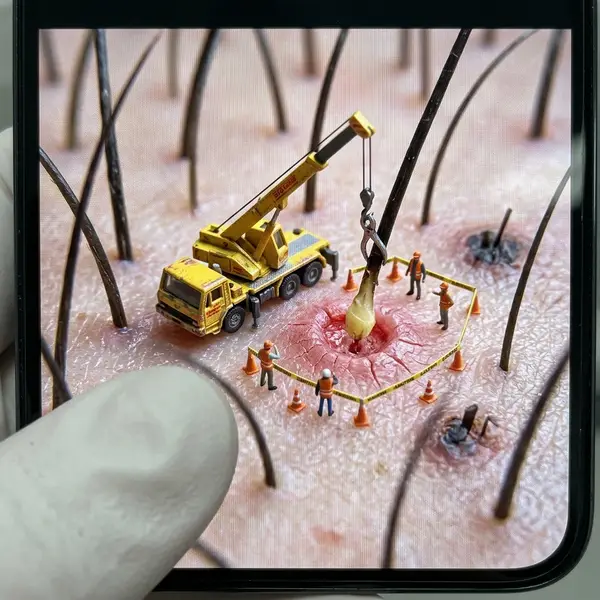
Advertiser

The PCOS Doctor

aurlux.coMeta Ad Library

29
Running ads
4 new in 30 days
Feb 2026
Advertising since
longest ad 9 months
866
Reach
running ads, summed
0% video
Formats
0 video · 8 image
6
Products advertised
1 shop

Read This If PCOS Is Stealing Your Confidence ☝️

It was 2:47 AM when I heard the sound no mother wants to hear - my daughter sobbing in the bathroom like her world was ending. I live in Austin with my husband Tom and our 28-year-old daughter Emma, who'd moved back home temporarily to plan her wedding. For three years since her PCOS diagnosis, Emma had been managing. She'd learned to live with the weight fluctuations, the irregular cycles, the fertility concerns. But nobody had prepared either of us for what PCOS would do to her face. It began subtly. Emma spending longer in the bathroom each morning. Her makeup routine taking twenty extra minutes. The way she'd angle her face away from bright lights. "Mom, it's fine," she'd say when I asked. "Just some skin stuff." But as the months progressed, Emma's behavior became increasingly concerning. She stopped FaceTiming her fiancé. She rescheduled the engagement photos twice. She started wearing heavy foundation even to bed. By her bridal shower, she wouldn't let anyone get close for photos. Something in my gut told me this wasn't normal wedding jitters. By 2 AM that Tuesday, Emma was having a complete breakdown. When I knocked and she finally let me in, my worst fears were confirmed. "Mom, I can't get married like this," she whispered, showing me her chin. "I removed it this morning and it's already back. I'm going to have stubble in my wedding photos. Jake keeps trying to touch my face and I keep pulling away." The engagement photos she'd been avoiding? She finally showed me. In every single one, her hand was strategically covering her chin. "I've tried everything," she broke down. "Laser made it worse. I'm plucking twice a day and it's back within hours. I spent $400 on electrolysis last month. The wedding is in eight weeks and I look like I'm growing a beard." My heart shattered watching my beautiful daughter disappear into shame. The next morning, I called her endocrinologist's office the moment they opened. Dr. Martinez agreed to see us that afternoon for an emergency consultation. "Emma, your hormone levels are actually stable," Dr. Martinez said after reviewing her labs. "The facial hair isn't getting worse because your PCOS is progressing, it's getting worse because of how you're removing it." We both looked at her in confusion. "Every time you pluck, wax, or laser that hair, you're sending a massive trauma signal to the follicle," Dr. Martinez explained. "Your body responds by rushing blood and nutrients to that area. But with PCOS, your follicles are already hypersensitive to androgens." "So every removal method you're using is literally telling those follicles to grow stronger, thicker hair. You're not managing the problem, you're making it worse with every single pluck." Emma's face crumbled. "But I can't just stop removing it," she said, tears streaming. "The wedding is in eight weeks. What am I supposed to do?" That's when Dr. Martinez said something that changed everything: "The solution isn't more aggressive removal. It's changing what happens AFTER you remove the hair. You need to prevent the regrowth cycle from accelerating." She explained that there's a plant extract called Cyperus Rotundus that's been used for centuries, and recent clinical studies confirmed it actually slows hair regrowth at the follicle level. "Unlike removal methods that just take hair off temporarily, Cyperus Rotundus applied after removal gradually trains follicles to produce hair slower and finer. For PCOS patients, it interrupts the trauma-response cycle." Dr. Martinez showed us before-and-after photos,women with facial hair just like Emma's, showing dramatic improvement over 45 days. "This is what I recommend to all my PCOS patients dealing with facial hair," she said. "It's called the Aurlux Afterglow Oil. Apply it twice daily after hair removal, and within 2-3 weeks, you'll notice the regrowth slowing. By 45 days, most patients see 60% reduction in regrowth speed." "But the wedding is in eight weeks," Emma said desperately. Dr. Martinez looked at her with genuine compassion. "If you start today, you could see significant changes before your wedding. But more importantly, you'll stop making it worse every time you remove hair." We ordered it that afternoon, sitting in my car in the parking lot. I paid for express shipping. I would have paid anything to see my daughter smile again. When it arrived two days later, Emma was skeptical. "Mom, I've tried so many things," she said quietly. "What if this doesn't work either?" "Then we'll figure something else out," I told her. "But right now, let's just try. For eight weeks." Emma started that night. She removed her facial hair, then applied 4 drops of the Cyperus oil to her chin and upper lip, massaging it in like Dr. Martinez instructed. She did it again the next morning. And every single day after. For the first week, nothing seemed different. Hair still came back at its usual aggressive pace. But I made her promise to stick with it for the full eight weeks. Week two, something shifted. "Mom, I think it's taking longer to grow back," Emma said one morning. "Like, I removed it two days ago and I barely feel anything." By week three, the change was undeniable. Emma went four full days before needing to remove hair again. When she'd been doing it twice daily just weeks before. "Mom, look," she showed me. "Even when it does grow back, it's so much softer. Not those thick, dark hairs." By week five, I heard something I hadn't heard in months, Emma laughing on FaceTime with her fiancé, her camera angled directly at her face. No strategic covering. No anxiety. At her final dress fitting six weeks in, the seamstress commented on how radiant Emma looked. I watched my daughter stand in that white dress under harsh lighting, turning her face confidently in the three-way mirror. No hand covering her chin. No panic about the lighting. Just pure joy. "Mom," she whispered when we were alone, "I can't believe I almost let this ruin everything. The hair is barely noticeable now. Even when I do see it, it's so fine I almost don't care." The wedding day arrived, and Emma was absolutely luminous. Jake kept cupping her face tenderly throughout the ceremony and she didn't flinch. Didn't pull away. Just smiled and leaned into his touch. The photographer captured hundreds of close-up shots. Natural sunlight, golden hour, harsh indoor lighting, she was confident in every single one. At the reception, watching Emma dance with her husband, her face tilted up toward his with complete confidence, I finally let myself cry. Tears of relief. Three months after the wedding, Emma came over for dinner. "Mom, I need to tell you something," she said. "I'm still using the Cyperus oil every day. It's been almost five months now." "I remove facial hair about once every two weeks. Sometimes I go longer because the regrowth is so fine I forget it's there. Do you remember when I was removing it twice every single day?" I remembered. The 2 AM breakdown. The canceled photos. The fear in her eyes. "Dr. Martinez was right," Emma continued. "It wasn't about finding a better removal method. It was about stopping the cycle. Every time I plucked or waxed, I was training my follicles to produce thicker hair." She showed me a recent photo, a close-up selfie in bright sunlight, no filter, no angles. Just Emma, glowing and confident. "I haven't felt this comfortable in my own skin since before my PCOS diagnosis," she said. "And Mom? Thank you for not letting me give up that first week." Since Emma's transformation, I've told every mother I know who has a daughter with PCOS: My friend Janet's daughter stopped having breakdowns before dates after six weeks. My sister's 19-year-old went from plucking three times daily to weekly removal within two months. A woman in my book club said her daughter finally stopped declining job interviews because of facial hair anxiety. The truth is, most PCOS women have no idea their removal methods are making everything worse until they're having 2 AM breakdowns. Every day your daughter removes facial hair the old way is another day training her follicles to fight back harder. Every pluck, every wax, every laser session sends signals that make the next regrowth worse. Don't wait for the breakdown that changes everything. Emma is confident today because we found Aurlux's Afterglow Oil before her wedding and she committed to using it consistently. The Oil isn't just about slowing regrowth, it's about breaking the cycle that's stealing your daughter's confidence. If you're a mother watching your daughter suffer with PCOS facial hair, if you've heard the 2 AM crying, if you've seen her cancel photos or pull away from affection, I'm telling you what I wish someone had told me sooner: There's a way to stop making it worse. There's a way to break the cycle. There's a way to give her back her confidence. Don't let another day go by watching her suffer.

Loading the ad's image
The PCOS Doctor — Read This If PCOS Is Stealing Your Confidence ☝️
WinningImage

Read this if you're shaving your face daily ☝️

I took Metformin, Spironolactone, spearmint tea, and inositol religiously for 4 years. Still plucking 47 hairs every morning. Until I learned that dermatology researchers were looking at something completely different... I'm 31. PCOS diagnosis since I was 19. The facial hair started maybe a year after diagnosis. Wasn't terrible at first. Just annoying. I'd wake up with a few on my chin. Pluck them out. Move on. Then it started getting thicker. Darker. Like wire pushing through my skin. By year two, some mornings I'd stand at my magnifying mirror for 45 minutes. Just pulling hair after hair after hair. Started going through tweezers like other women go through mascara. Kept a backup pair in my purse. Another in my car. Another at my desk at work. My husband would see me in the bathroom in the morning. Never said anything. But I could tell. Went to my endocrinologist. She said facial hair is part of PCOS. Prescribed Metformin. 500mg twice a day. "This should help with the insulin resistance. Hair growth should slow down." I started taking it that day. It helped slightly. For maybe a few weeks. The hair seemed to grow a tiny bit slower. Then right back to that thick stubble feeling by noon. I kept taking it. Month three. Month six. Year two. Still the same every morning. Started googling. Found people talking about Spironolactone. Anti-androgen. Blocks testosterone at the follicle. Asked my doctor. She prescribed it. 50mg daily. "This one actually targets the hair growth directly." Same thing. Slight change at first. Felt like progress for maybe a month. Then right back. Read about spearmint tea. Said it lowers androgens naturally. Studies showed it reduced testosterone in women with PCOS. Ordered a box. Started drinking two cups every morning with breakfast. Week two, nothing. Week three, same. Month two, no change. Never kicked in. Found something about inositol. Said it helps with PCOS hormone balance. Improves insulin sensitivity. Some women swore by it. Started taking 4 grams daily. The powder kind mixed into water. Every single one gave me the same false hope: slight improvement for a week or two... then right back to 45 minutes every morning. By year three, my bathroom cabinet looked like a pharmacy. Metformin. Spironolactone. Spearmint tea boxes. Inositol powder. DIM supplements. Saw palmetto capsules. Zinc. Vitamin D. The hair didn't improve. If anything, it got worse. The mornings became my worst enemy. I'd spend 45 minutes in front of my magnifying mirror pulling hairs one by one. Just standing there hunched over with tweezers, my neck aching, my eyes straining. My husband would be downstairs making coffee. I'd still be upstairs plucking away. Some mornings I'd wake up and immediately run my fingers across my chin. Feel the stubble already. Thick. Coarse. Sharp like sandpaper even though I'd plucked everything the day before. I couldn't wear my hair up anymore. If I pulled it back, people could see my jawline. The shadow. The dark spots scattered across my chin from years of plucking. Some days I'd cancel plans because I'd found a hair I missed and couldn't face being seen in public. Started wearing my hair down even in 95-degree heat. Sweating through dinners with my hair plastered to my neck. Just to make it through without anyone seeing. Year four. I went back to my endocrinologist. Sat down in her office. Told her nothing was working. Told her it was getting worse, not better. She pulled up my chart on her computer. Scrolled through my labs. Didn't even look at me. "Your testosterone is actually lower than when we started. The medication is working. The hair is just part of PCOS progression. Keep taking the Spironolactone. Stay consistent. Maybe consider laser if you want faster results." She didn't even look up from her computer when she said it. I just sat there staring at her. I wanted to scream. Four years. Thousands of dollars on medications that were "working" according to her. And my face was worse than ever. I realized right then: she didn't even understand the problem I was begging her to fix. I left her office feeling completely alone. Like nobody in the medical system actually knew how to help me. That night, I couldn't sleep. Not just because I'd be up at 5:30am to pluck before my husband woke. Because I was furious. Four years. Thousands of dollars on medications and supplements. Nothing worked. And my doctor didn't even care enough to look at me when she dismissed me. Around 2 AM, I grabbed my phone. Started googling again. But this time I went deeper. Past the usual PCOS supplement articles. Past the forums recommending spearmint and inositol. Past the same recycled advice I'd been following for years. I typed something like "why does PCOS facial hair get worse even when testosterone drops" Found random medical discussions. Old forum posts from dermatology residents. Scattered research abstracts. Then I found a PDF. Looked like research slides from a European dermatology conference. Couldn't tell what year. One of the slides had a section on hormonal hirsutism progression. There was a line that stopped me cold: "Anti-androgen therapy reduces new terminal hair conversion but does not reverse trauma-induced follicular thickening in mechanically damaged follicles." I read it three times. Does not reverse trauma-induced follicular thickening. That's why nothing worked. The medication was slowing NEW hair growth. Preventing new follicles from converting to terminal hair. But the existing follicles I'd been plucking for years? Still damaged. Still producing thick, coarse hair. Getting worse with every pluck. I kept reading through the slides. Another one said something about mechanical removal methods triggering a defense response in the follicle itself. Defense response. Not hormones. The follicle itself fighting back. That line hit me like a truck. Pills slow new hair. Plucking trains old follicles to grow thicker. I'd been treating the wrong problem for four years. I started searching for what actually happens when you pluck a hair. Found scattered mentions in dermatology forums. Repeated mechanical trauma. Follicular defense mechanism. Increased blood flow to the damaged area. The body literally grows the hair back thicker and stronger to protect the site from future attack. It made perfect sense. My body thought it was being attacked. So it built armor. Kept digging. Old archived threads. Medical discussions from aesthetic dermatology forums. Found something about chemical dissolution as an alternative. Breaking down the hair shaft chemically without physically traumatizing the follicle. No ripping. No tearing. No defense response triggered. Kept seeing a brand mentioned in these discussions. Aurlux. Clinical-grade thioglycolate formula specifically designed for thick, coarse hormonal facial hair. Not the weak drugstore stuff for leg hair. I looked it up. Read reviews from women describing exactly what I'd been going through. Taking every medication. Plucking getting worse every year despite treatment. Then using this kit and watching their hair grow back finer over weeks. Not thicker like always happened after plucking. Actually finer. Softer. Less of it. I sat there at 3:30 AM. Phone in my hand. Blue light burning my eyes. This sounded too simple. A cream instead of pills. But I was desperate. I ordered it. Didn't tell my doctor. Didn't ask anyone. Didn't even tell my husband. It arrived about a week later. Three-step kit. Small bottles. Instructions said use every 2-3 weeks instead of daily plucking. I opened the box. Stared at it. This probably won't work either. But I used it anyway. Applied the pre-treatment. Then the main formula. Waited fifteen minutes. Wiped it off. The hair came off with it. Dissolved. Gone. Day one, nothing different. Just smooth where I'd applied it. Same as any hair removal. Day two, still smooth. Day three, something felt different. Not dramatic. Just... no stubble yet. Usually by now I'd feel sharp regrowth poking through. Day four, I touched my chin that morning. Out of habit. Expecting sandpaper. It was soft. Not sharp. Not stubbly. Not that coarse feeling I'd woken up with for years. Soft. Like peach fuzz. I just stood there in my bathroom touching my face. Running my fingers back and forth across my chin. This wasn't right. This wasn't how regrowth worked. It always came back sharp. Always came back fast. Day six, still soft. Still fine. Day ten, the regrowth was finally visible. But it looked different. Thinner. Lighter. Not the thick black wire I was used to fighting. Day fourteen, I used the kit again. Same process. Fifteen minutes. Day eighteen, I noticed the hair growing back was even finer than the first cycle. Week three, I woke up and realized something. The hair growing back was actually finer than before I used the kit. Not just softer regrowth. Actually finer at the root. Thinner shaft. Lighter color. This is it. The trauma cycle breaking. What's been building up for 12 years finally reversing. It kept happening. Every cycle, the regrowth came back softer. Lighter. Less dense. Less of it. It was shocking. But I remembered what the research slides said. No mechanical trauma means no defense response. No defense response means no progressive thickening. The follicle can finally calm down. Week six, I woke up and realized something else. I hadn't thought about my chin in three days. Hadn't touched it compulsively at red lights. Hadn't checked mirrors in every bathroom. Hadn't felt that familiar panic. Just... didn't think about it. My chin didn't run my life anymore. Week eight, I did something I hadn't done in eight years. I pulled my hair up. Into a ponytail. Before leaving the house. I was nervous. What if people see my jawline? What if the shadow shows? What if someone notices the spots? But I looked in the mirror. Really looked. The shadow was fading. The dark spots were lighter. My jawline looked... normal. I wore the ponytail to work. All day. Nobody stared. Nobody glanced at my chin. Because there was nothing to see. Week twelve, my morning bathroom routine was gone. I'd wake up. Touch my chin once out of old habit. Smooth. Walk downstairs. No 45 minutes of plucking. No magnifying mirror. No aching neck. No backup tweezers needed. My husband was shocked. One morning he just looked at me and asked what happened to all the time in the bathroom. I just smiled. "I figured something out." About two months later, I had my regular appointment with my endocrinologist. Same doctor who dismissed me six months ago. She did the usual check. Looked at my chart. Then looked at my face. Then she stopped. Frowned. Looked closer at my chin. At my jawline. Looked up at me. "The hirsutism has improved significantly. Your skin looks clearer. What are you doing differently?" I told her about the research slides. About trauma-induced follicular thickening. About how mechanical damage triggers a defense response. About dissolution instead of plucking. She just nodded. Wrote something down in my chart. Didn't say much. Didn't apologize for four years of failed treatment either. I sat there thinking about everything. Four years taking pills that reduced androgens but didn't reverse the trauma I was causing myself every morning. Thousands of dollars on medications. Thousands more on supplements. Backup tweezers in every bag, every car, every drawer. Wearing my hair down in summer heat. Canceling plans because of my face. Missing my best friend's outdoor wedding because I couldn't face the sunlight. All because I was treating my hormones while the real problem was the damage I was doing every single morning with those tweezers. Every pluck made it worse. And nobody told me. For twelve years. Now I wake up and touch smooth skin. I wear ponytails whenever I want. I go to brunch in direct sunlight and don't think about my chin once. My mornings are mine again. Because I finally found what dermatology researchers knew all along. The pills were never going to fix it. I had to stop the trauma first.

Loading the ad's image
The PCOS Doctor — Read this if you're shaving your face daily ☝️
WinningImage

Read this if you're shaving your face daily ☝️

Still trusting your endocrinologist when your facial hair keeps getting worse? I did, until I broke down at my sister's wedding and a salon owner told me the truth. I was there because I'd locked myself in the bathroom. Just collapsed onto the toilet seat, sobbing into my hands while 200 guests waited for the bridesmaid photos. At 29, I thought my life was over. But let me back up, because if you're reading this while doing that thing where you compulsively touch your chin every few minutes, checking for stubble, wondering if anyone can see the shadow, you need to hear what that 52-year-old salon owner taught me. What three doctors had completely missed. It started four years ago. I'd wake up and immediately run my fingers across my jawline. Just a quick check, but I'd stand there in the dark bathroom feeling the sharp prickle of regrowth that had appeared overnight. My boyfriend would watch me disappear into the bathroom every morning. Sometimes for twenty minutes. Sometimes for almost an hour. He never said anything, but I saw the confusion in his eyes when I'd finally emerge. By last year, I was organizing my entire day around my chin. Getting ready meant 45 minutes minimum of plucking under a magnifying mirror. I'd skip video calls at work to avoid the camera showing my jawline. Stopped meeting friends for brunch, made excuses about being too busy, too tired, too behind on work. The truth? I couldn't face direct sunlight without panicking about my shadow. Couldn't sit near a window. Couldn't let anyone see me from certain angles. The worst moment came at Christmas dinner. My niece wanted to take a family selfie. Fifteen relatives crowding together around the table as I tried desperately to angle my face away from the overhead light. My hand kept drifting up to cover my chin like I was thinking about something. The photo came out with me looking terrified, half my face hidden behind my fingers. My mom pulled me aside after dinner to ask if I was okay, but I caught her exchange that look with my aunt across the room. The "something's wrong with her" look. The "she's not coping" look. I'd already tried everything. Metformin twice daily for the insulin resistance. Spironolactone 100mg for the androgens. Spearmint tea every single morning because some study said it lowered testosterone. My bathroom cabinet looked like a supplement store exploded. The medications helped for maybe the first month. I'd notice slightly slower regrowth and think finally, this is working. Then the hair would creep back, starting on my chin like always, then spreading across my jawline, down to my neck. My endocrinologist kept increasing the doses. "Your androgens are elevated," she'd say, barely looking up from her computer while writing another prescription. "This should help with the hair growth." But each new medication seemed to make no difference to what was actually happening on my face. The Metformin made me nauseous for months. The Spironolactone made me dizzy and I had to get my potassium levels checked constantly. And still, every morning felt like going to war with my own body. I spent nights googling at 2 AM, hunched over my phone in bed while my boyfriend slept: "Why does PCOS facial hair get worse" "Medications not working for hirsutism" "Facial hair spreading despite treatment" "Why is my chin hair thicker than before" The forums were full of women exactly like me. Years on medications. Gradually getting worse. Doctors saying it's just PCOS, just your hormones, just need to give it more time, just need stronger doses, just need to be patient. None of them were getting better. They were all just managing. Just coping. Just accepting. Then came that Saturday at my sister's wedding. I was in the bridal suite getting ready with the other bridesmaids when I caught my reflection in the window. Harsh, direct afternoon sunlight. I could see every single hair on my chin. The shadow spreading across my jaw. The dark spots scattered everywhere from years of plucking and irritation. The panic just... hit. Like someone had squeezed all the air out of my chest. My heart started racing. My vision went blurry with tears. I mumbled something about needing the bathroom and locked myself in, making these horrible sobbing sounds I couldn't control. My sister knocked for ten minutes. Then my mom tried. The photographer was waiting. The timeline was ruined. Everyone was waiting for me to pull myself together. By the time I emerged with fresh concealer and powder caked on my chin, I'd missed half the getting-ready photos. My sister never said anything, but I saw the disappointment. Her wedding day, and her sister was having a breakdown over facial hair. That's when Rosa, the salon owner who'd been hired to do hair and makeup, came over to touch up my face. She was older, maybe my mom's age, with kind eyes and steady hands that had clearly seen everything in forty years of working with women. She looked at my chin closely under her makeup light and frowned. "How long have you been plucking, honey?" "Every day. Sometimes twice. For four years." She set down her brush and pulled up a chair next to me. What she said next made four years of suffering suddenly make complete sense. "Your follicles think they're being attacked. Every single time you pluck that hair, you're ripping it out by force, but you're not addressing why it keeps coming back thicker each time. So your body panics and grows it back stronger. It's literally armoring itself trying to protect you from what it thinks is constant injury." I stared at her. My hands felt cold. "But my doctor said the medication—" "I know what they say. Lower the androgens, slow the hair growth, problem solved. But what if your follicles are thickening for a completely different reason? What if they're responding to trauma, not just hormones?" She tilted my chin gently toward the light and pointed. "You've been plucking the same spots for years, right? Same chin, same jawline, same areas every single morning?" I nodded. "And those exact spots have the thickest, darkest, most stubborn hair now, don't they? The spots you pluck most are the spots that grow back worst?" I felt my stomach drop. She was right. The areas I'd been attacking the longest were the areas that had become impossible. "Your medications might be slowing brand new hairs from forming. But every single time you pluck, you're training those existing follicles to produce thicker, coarser, darker hair. It's a defense mechanism. Your body thinks that area is under attack, so it fortifies it. The more you traumatize them, the stronger they grow back." She showed me a patch on my jawline near my ear. "See how the hair here is almost invisible? Fine, light, soft? Now look at your chin. Same hormones flowing through your whole body. Same PCOS. Same testosterone levels. But your chin gets plucked daily. This spot near your ear doesn't." My throat tightened. "So what do I do? I can't just let it grow. I can't walk around with a beard." She looked around at the other bridesmaids doing their makeup, then leaned closer to me. "My daughter had the exact same problem. PCOS, chin hair, years of plucking making it worse. She found something that helped her stop the trauma cycle completely. Instead of ripping the hair out, she dissolves it. No pulling, no tearing, no defense response triggered. The follicle doesn't think it's being attacked anymore." I thought she was talking about Nair or some drugstore depilatory cream I'd already tried and given up on. But I was desperate. Rock bottom desperate. That night, still in my bridesmaid dress with mascara stains on my cheeks, I researched everything about follicular trauma and hair removal methods. Found studies about how mechanical removal triggers increased blood flow to the area and stimulates thicker regrowth. How the body interprets plucking and waxing as injuries and responds by reinforcing the hair follicle. How this happens regardless of hormone levels. When I got home from the wedding weekend, I ordered the kit Rosa's daughter used. Aurlux. Clinical-grade thioglycolate formula specifically designed for thick, coarse hormonal facial hair. Not the weak drugstore stuff made for leg hair that had burned my face and done nothing. The first time I used it, I felt completely skeptical. Almost annoyed at myself for trying yet another thing. How could a cream do what four years of prescription medication couldn't? But within days, something was different. Not the sharp, prickly stubble of regrowth that always followed plucking. More like... soft fuzz. Barely there. Like my follicles finally felt safe enough to stop producing armor. Day four, I touched my chin first thing in the morning. Out of habit. Expecting that familiar sandpaper feeling. It was soft. Actually soft. Like peach fuzz on a child's face. I stood there in my bathroom running my fingers back and forth across my chin for five minutes, convinced I was imagining it. This wasn't how regrowth worked. It always came back sharp. Always came back angry. I called Rosa, my hands shaking as I found the salon's number. "Is this normal? The regrowth is so fine. So soft." "Completely normal," she said, and I could hear her smiling through the phone. "That's your follicles finally calming down. Most women notice it within the first week or two. Your body's doing what it always wanted to do—you've just finally stopped attacking it every morning." By day twelve, I noticed something I hadn't expected. The hair growing back was not only softer, it was lighter. Less visible. Thinner at the root. I kept using the kit. Fifteen minutes every two to three weeks. No daily plucking. No magnifying mirror sessions. No trauma. After one week, I made it through a whole day without touching my chin compulsively. My boyfriend noticed I seemed calmer, more present. Asked if something had changed at work. I didn't tell him the real reason. After three weeks, I looked in the mirror under harsh bathroom lighting. The shadow was fading. Actually fading. The hair growing back was thinner, lighter, less dense. The dark spots from years of plucking were starting to heal. After six weeks, I climbed into my car for work and realized I hadn't checked the visor mirror once. Just got in and drove. Like a normal person. But the real moment was last month. Three months after that bathroom breakdown at my sister's wedding. My sister was putting together the wedding album. She showed me the photos from that day. There I was in picture after picture, face angled away, hand covering my chin, looking miserable and distracted during what should have been a beautiful celebration. Then she showed me a photo from last weekend. A casual brunch with friends. Outdoor patio. Direct sunlight streaming across the table. My hair was up in a ponytail. My face was tilted toward the sun. I was laughing at something someone said. I was smiling. Actually smiling. Not thinking about my chin at all. Not calculating angles or checking shadows. Just... there. She hugged me and said, "I don't know what changed, but you look like yourself again. I missed you." Not completely gone. I still have PCOS. I still use the kit every few weeks. But I can live now. Really live. Not that careful, calculated, exhausting existence I'd been managing for four years. Going to restaurants without checking the lighting first. Wearing my hair up whenever I want. Taking photos without hiding. Letting my boyfriend see me in the morning. I think about all the women my age, organizing their entire days around their facial hair. Hiding their shadows from their families. Canceling plans because they found a hair they missed. Being told by doctors it's just PCOS, just hormones, just take more medication and wait. Your follicles aren't failing. They're trying to protect themselves the only way they know how. They just need you to stop attacking them every single day. I sleep without setting a 5:30 AM alarm for plucking now. I wear ponytails whenever I want. I take selfies with my niece without strategic hand placement. All because I finally understood what my follicles were trying to tell me. You don't need stronger medications. You don't need more pills. You need to stop the trauma cycle. There's a reason your facial hair keeps getting worse despite years of treatment. Once you understand what's really happening, everything changes.

Loading the ad's image
The PCOS Doctor — Read this if you're shaving your face daily ☝️
Winning

Read this before waxing your body ☝️

That wax strip your beautician just ripped off? Look at it. Every single hair on it grew back thicker because of the one before it. But when you need to remove hair from their bikini line? "Just wax it." Like I haven't been waxing since I was 16. Like paying a stranger to pour hot wax on my most sensitive skin and rip it off while I bite down on my fist is just a minor inconvenience instead of a special kind of torture. ======== At 20, waxing my bikini line was uncomfortable. At 30? My bikini area looked like a crime scene every time I left the salon. Waxing wasn't just painful... it was bruising, bleeding, ingrowns, and that special humiliation of lying spread-eagle on a table while someone rips your hair out by the root. ======== It was the ingrowns that broke me first. Not the pain. The ingrowns. Those angry red bumps that would appear 3 days after every wax. Like clockwork. Some would swell up along my bikini line like tiny volcanoes. Some would get infected. Some would leave dark spots that lasted months. My boyfriend never said anything, but I knew he saw them. How could he not? They were everywhere. Bikini line. Inner thighs. Even where my underwear sat. I started avoiding intimacy for the first two weeks after every wax because that's how long the bumps took to calm down. Let that sink in. I was paying $60 to look WORSE for half the month. ======== Then came the thick regrowth... Wax on the 1st. Smooth for a week. Stubble by the 10th. Full bush by the 20th. And every cycle, the hair came back coarser. Thicker. Darker. "Waxing makes it grow back finer!" they said. Absolute bollocks. My hair was getting WORSE with every appointment. Not better. Not finer. Thicker, angrier, and more painful to rip out every single time. Another appointment. Another $60. Another round of trauma to skin that was already covered in dark spots. ======== And the hyperpigmentation? One woman in a forum described it perfectly: "It looks like I have a permanent shadow down there, even right after a fresh wax." That's exactly it. Dark patches along both sides of my bikini line from years of ripping hair out by the root. No amount of exfoliating fixed it. No brightening serum faded it. Just... dark, damaged skin in my most intimate area. Courtesy of the method that was supposed to be "better than shaving." ======== My breaking point came at a spa day with the girls. Standing in the changing room. Everyone stripping down for the jacuzzi. I looked down at my bikini line. Dark spots along both sides. Three ingrowns from last week's wax. Two of them angry and red. One of them had scabbed over. My friend called out: "You coming in?" I grabbed a towel and wrapped it around my waist. I was 31 years old, at a spa I'd been looking forward to for weeks, and all I could think about was hiding my bikini line from my own friends. I kept that towel on all day. Sat on the edge of the jacuzzi with my legs covered. Didn't get in once. ======== That night I went home and cancelled my next wax appointment. Keep in mind, I'd already tried: Waxing ("It gets less painful, I promise" — it didn't) Razors ("Less irritation than wax" — worse, actually) Hair removal cream ("Nair works great on legs" — burned my bikini line) An epilator ("You get used to the pain" — I didn't) Laser ("Six sessions and you're done" — four sessions, $800, still grew back) But Jade from my gym had mentioned something I'd never heard of: "You HAVE to try dissolution. It's completely different." ======== I'd never heard of dissolution for body hair. So I Googled it at 1 AM. Obviously. Turns out, every method I'd been using for 15 years was causing the exact same problem: Trauma to the hair follicle. Every time you wax, you're ripping the hair from the root. The follicle tears. Blood rushes to repair the damage. Your body registers it as an injury and rebuilds the follicle wall THICKER. That's your coarser regrowth. Every time you shave, you're slicing the hair at a sharp angle. It grows back with a pointed edge that curls into the skin. That's your ingrown. Every time the follicle gets traumatised, the surrounding skin inflames. The inflammation triggers melanin production. That's your dark spots. I wasn't fighting hair. I was fighting the damage my wax appointments were causing. Every strip. Every rip. Every $60 session. They weren't solving the problem. They were the problem. ======== Then I found a Reddit thread about body hair removal (you know the ones — 2 AM, desperate, where women actually tell the truth). Dozens of women raving about something called Aurlux. "I used to wax every month and dread every appointment. One month of dissolution and my bikini line is SMOOTH. Without the pain or the ingrowns." "The dark spots from years of waxing? FADING. After I thought they were permanent." "I wore a bikini without a sarong for the first time in 4 years." I checked the system. It was a 3-step kit. Not a single wax strip involved: Tube 1: Pre-Treatment Gel. Opens the hair cuticle so the active ingredient can penetrate properly. Even on thick, coarse bikini hair. Tube 2: Clinical-Grade Dissolver. Thioglycolate-based. The same concentration used in professional settings. Dissolves the hair at the surface without touching the follicle. No ripping. No tearing. No trauma. Tube 3: Aftercare Serum. Calms inflammation, soothes irritation, and fades the dark spots left behind by years of waxing. Plus reviews from women describing MY EXACT LIFE: "I've been waxing for 10 years and my hair grows back thicker every time" (literally me) "My inner thighs are covered in dark patches from waxing damage" (YES) "I haven't worn a bikini without shorts over the top in 3 years" (crying reading this) ======== $25 seemed insultingly cheap for something that could undo a decade of waxing damage. Considering I'd already spent: $7,200 on waxing appointments ($60/month for 10 years) $800 on laser (4 sessions, still grew back) $500 on ingrown hair serums that did nothing $300 on brightening creams for the dark spots $200 on fake tan to camouflage the damage $150 on an epilator I used twice and threw in the bin What's another $25? It arrived in a discreet box. (Thank God, because explaining "intimate hair removal kit" to my flatmate would've been a conversation I didn't need) Three tubes. Once a month. That's it. ======== Day 1: Applied to my bikini line. Waited 10 minutes. Wiped away. Smooth. Actually smooth. No pain. No wincing. No biting my lip. Just... smooth. Day 3: Ran my hand across my bikini line in the shower. Still smooth. No prickle. No bumps forming. I actually gasped. Day 7: No ingrowns. Not a single one. After every wax appointment I'd have at least 5 by now. Zero. Day 14: The dark spots along my bikini crease were visibly lighter. After YEARS of looking the same. Day 21: The hair starting to grow back was FINER. Softer. Barely visible. Not the thick coarse regrowth I got after every wax. Day 28: Reapplied for month two. 10 minutes. No pain. No appointment. No lying on a table while a stranger pours hot wax on me. Just me in my bathroom, in complete control. ======== Day 35: I went shopping. Tried on a bikini in the fitting room. No sarong. No shorts. No coverup. Just me. In a bikini. Under fluorescent fitting room lighting. The most unforgiving lighting known to womankind. And my bikini line looked CLEAN. No bumps. No dark spots. No ingrown scabs. No waxing bruises. I bought the bikini. And I wore it that weekend. To an actual beach. With actual people. ======== Three months later, I'm a different person. No, that's wrong. I'm ME again. The me who wore matching underwear without thinking about it. The me who didn't cancel plans because her wax appointment left her looking worse than before. The me who could book a beach holiday without timing it around her waxing schedule. The me who didn't own 14 sarongs as emergency coverups. The me who actually got UNDRESSED in front of someone without saying "sorry, I just got waxed" as a disclaimer. ======== Because here's what still makes me absolutely RAGE: The waxing industry is a $4 BILLION business. They have ZERO incentive to tell you that ripping hair from the root causes trauma that makes it grow back thicker. Zero incentive to tell you that the ingrowns, the dark spots, the bruising — that's not a side effect. That IS the effect. Every wax strip. Every appointment. Every loyalty card. They're not solving your problem. They're creating it. And charging you $60 a month to keep the cycle going. Meanwhile, men's grooming products get actual R&D investment. Precision trimmers. Gentle formulas. "Manscaping" brands worth billions. Women's intimate hair removal? Here's some hot wax and a stranger's hands. Lie down. Spread your legs. Bite your lip. See you next month. $60 please. FCK. THAT. We deserve a method that actually works without destroying our skin in the process. ======== Listen, I spent 10 years and over $7,000 trying to get smooth skin in my intimate areas: Waxing that left me bruised, bumpy, and covered in ingrowns Razors that gave me stubble by the next morning Nair that chemically burned my bikini line An epilator I used twice and binned Laser that promised "permanent" and delivered "see you next year" Fake tan to camouflage the dark spots from all of the above Then I found Aurlux which costs $25. TWENTY-FIVE DOLLARS. Less than half of one waxing appointment. Less than the tip I used to leave my wax lady. Less than the sarong I bought to hide the damage those appointments caused. ======== The science is stupidly simple: Your intimate skin needs ONE thing to stop producing ingrowns, bumps, and dark spots: For the trauma to stop. Waxing = trauma (rips follicle, triggers thicker regrowth) Shaving = trauma (sharp edge curls into skin) Epilating = trauma (tears multiple follicles at once) Dissolution = zero trauma Aurlux dissolves the hair at the surface without ripping, tearing, or touching the follicle. No damaged follicle to rebuild thicker. No inflammation to trigger dark spots. No ingrowns forming under the skin. The hair grows back finer. The skin heals. The bumps disappear. It's not magic. It's just biology. Your skin isn't broken. It just needs the trauma to stop. ======== 👉 Try Aurlux Risk-Free Today: 💗 60-Day Money-Back Guarantee. Use the full kit, then decide. 🧬 Clinical-Grade Thioglycolate Formula. Not drugstore strength. 📍 3-Step System: Pre-Treat, Dissolve, Heal. ⭐ Trusted by 240,000+ Women Worldwide. 🔒 No Subscriptions Unless You Choose One. Try Aurlux Now: https://aurlux.co/pages/instantly-remove-hair-v2 ======== P.S. Remember that bikini I tried on in the fitting room? Under the fluorescent lights? I wore it to a pool party last weekend. No sarong. No shorts. No coverup. No timing it 10 days after a wax so the ingrowns would be gone. Just me. Try Aurlux: https://aurlux.co/pages/instantly-remove-hair-v2

Loading the ad's image
The PCOS Doctor — Read this before waxing your body ☝️
WinningImage

Doc said “just shave it.” She was WRONG! 👇

I am an endocrinologist. I have not removed a single chin hair in twelve years of practice, because officially, the hair on your face is not what I am trained to look at. I am, however, the person your dermatologist sent you to when she said "it's your PCOS" and wanted someone else to deal with the hormones. I am going to tell you the sentence I have said, in a West Los Angeles consult room, to fourteen hundred women with PCOS whose dermatologists had already sent them home with "just shave it" and a shrug. Read every word of this post before you buy another razor. Your facial hair is not getting worse on its own. It is being provoked. Your dermatologist has never looked at the thing that is provoking it, because the thing that is provoking it is not a skin condition, and it is not a hormone result on a lab sheet. It is your morning routine. I am Dr. Elizabeth Reed. I am a board-certified endocrinologist with a fellowship in reproductive endocrinology. I have spent the last twelve years running a practice that treats women, almost exclusively women, with PCOS and the hormonal conditions your OB/GYN calls "irregular cycles" and your dermatologist calls "just genetics." I did not set out to become the doctor who figured out why PCOS facial hair keeps getting worse. I became her because for twelve years I sat across from women who had been told by four doctors in a row that their chin hair was "genetic" or "hormonal" or "cosmetic," and none of the four had ever asked the one question I ask in the first ten minutes of every intake. The question takes ten seconds. Your dermatologist has never once asked it. The answer to it is sitting in basic hair chemistry, in every dermatology textbook printed in the last fifty years. It should have ended the "just shave it" conversation forever. It did not. I will get to why in a minute. But first I need to tell you what happened in my own bathroom on a Tuesday morning in April 2022. I was forty-one. I had spent the previous decade telling my patients that the coarse hair on their chin was a downstream signal of androgen excess, and that the hormones were only half the story. The other half was what they were doing to the follicle every single morning. And no dermatologist in Los Angeles was ever going to ask about it, because dermatology treats the skin you walk in with, not the routine that made it that way. I said those sentences with a clinician's confidence. I said them because the biology is clear. In PCOS, androgens convert the fine, soft vellus hair on a woman's chin into terminal hair: thick, dark, coarse, with a deeper root. That part is hormonal. Nobody argues with it. But what happens next is not hormonal. Every time a woman plucks that hair, she rips it from a living follicle. The follicle is injured. It becomes inflamed. Do that to the same follicle every few days for ten years, and the follicle never gets a chance to calm down. The skin around it darkens. The hair keeps coming back coarse, because nothing has ever let it settle. Every time she shaves it, the razor cuts the hair flat at the surface and leaves the darkest section sitting just under the skin. That is her shadow. And the blade scrapes the skin on every pass, so the bumps and dark marks never fade before new ones arrive. The hormones lit the fire. The removal keeps throwing fuel on it. I said this to hundreds of women. And on a Tuesday morning in April 2022, I stood in my own bathroom in front of the window, holding my razor in one hand, and I saw my own chin in daylight for the first time in years. Not "a little shadowy." Darker than I had ever allowed myself to look at. I put the razor down. I sat on the edge of my bathtub and I did something I had never done as a clinician about my own body. I ran through my own history. Diagnosed with PCOS at nineteen. Testosterone elevated since my twenties. Insulin resistance well managed. Cycles regulated. Labs stable for years. My hormones had not meaningfully changed in a decade. And yet my chin was worse at forty-one than at thirty-one. Measurably worse. More hair, darker shadow, a cluster of brown marks along my jaw that had not been there when I started residency. If the hormones had not changed, something else had. I sat on my bathtub and I knew, with the clinical certainty I bring to every patient in my consult room, exactly what was happening on my chin. Twenty years of tweezers. Twelve years of razors. And I also knew there was nothing on the drugstore shelf designed to fix it. Because dermatology has not asked for that product. Because dermatology does not ask the question the product would need to be designed around. This is not a slur against dermatology. Dermatology is a beautiful specialty. It looks at skin. But PCOS facial hair is not a skin condition. It is an endocrine condition expressed at the chin, made worse by a removal method nobody ever reviewed. And when the specialty responsible for the skin never asks how the hair is being removed, you get exactly what you have now: women with PCOS walking into a dermatologist's office with a shadow on their chin and walking out with "just shave it" and a $250 bill. Read the next sentence twice. A hair removal cream dissolves hair. A hair removal cream dissolves hair. Somewhere along the way, a doctor, a friend or a pharmacist told you to "try Nair." And it was the right idea. Dissolving is the one method that removes hair below the surface without ripping it from the follicle. They pointed you at the right category of product for the wrong reason. And at the wrong strength. Read this if a hair removal cream has ever burned your face. The reason it burned is not that your skin is "too sensitive" for creams. Drugstore creams are formulated for the biggest market on the shelf: legs and underarms. Leg hair is fine and soft. Your chin hair is terminal hair, with a thicker structure that a leg-hair formula cannot fully break down in the time on the box. So half the hair stays. So you leave it on longer. And a strongly alkaline cream sits on bare, unprepared facial skin for twice as long as it was ever meant to. Your burn is a footnote in a formulating decision made for somebody's calves. Your dermatologist has never told you this because she was never taught to ask how you remove the hair in the first place. I know she was never taught it, because I have explained it to dozens of dermatologists at continuing education seminars over the last four years, and every single one of them wrote it down in her notebook like it was new information. That was my discovery moment. I want to tell you what I did before I got there, because you have almost certainly done every one of these things too, and I want you to stop feeling stupid about them. That morning in the bathroom, before I ran my own history, I had already been through the Graveyard. Tweezers. Twenty years. Every morning, every red light, every car mirror. Worse every year. A pink "women's" razor. Twelve years. Shadow by lunch. Bumps along my jaw that never fully healed. A dermaplaning wand from a beauty counter. Six months. Smooth for a day. Stubble by the next morning. Wax strips from the drugstore. Three months. The hair came back coarser, and the redness lasted longer than the result. Threading at a salon near my clinic. Two years. Every ten days. Forty dollars a visit. An at-home epilator. Two weeks. I could not make myself do it a third time. Nair for the face. One use. A burn on my upper lip that I hid under concealer for five days. A prescription for Vaniqa from a dermatology colleague. Eight months. Two hundred dollars a tube. Nothing I could see. Spironolactone at increasing doses. Two years. Some slowing of new growth. Dizzy every morning. The hair that was already there stayed exactly where it was. Spearmint tea twice a day. Fourteen months. Nothing at the chin. An at-home IPL device. Four hundred dollars. Seven months. Nothing on hair this coarse, in a woman whose hormones never stop sending the signal. Six sessions of laser at a medical spa, at professional courtesy. Two thousand dollars. A few months of relief. Then it came back in patches, and I was told I would need maintenance forever. Twelve methods. I kept what I called the Endocrine Cabinet of Shame in a lower drawer in my master bathroom. Every one of them was recommended by someone I professionally respected. Every one of them was wrong for my chin, because every one of them either cut the hair at the surface, ripped it from the follicle, or burned the skin around it. And in the middle of the twelve, I had a specific kind of professional shame nobody outside my field would understand. I was the doctor women with PCOS drove in from Phoenix and San Diego to see. I had a five-month waitlist. I stood across from a patient at her third-month follow-up in June 2021, a woman named Deborah, who I will not identify further, and I saw her look at my chin. I saw her look at my chin the way I had watched women with PCOS look at each other's chins in waiting rooms for a decade. Deborah did not say anything. She did not need to. I stopped leaning in close to patients that week. I have a photograph of myself at my son's high school graduation in June 2022. I am wearing a navy dress and a high-necked scarf. The scarf is not decorative. The scarf is there because I had woken up at 5:14 that morning to shave twice and cover the shadow three different ways, and none of the three would hide my jaw from the angle the photographer was going to shoot from at the outdoor ceremony in the full California sun. The scarf was a compromise between the woman in my medical school graduation photograph and the woman I could not bring myself to be photographed as at my own son's graduation. I stopped being able to use one specific word about myself somewhere in year three of the Graveyard. The word was "authoritative." I could not walk into a consult room and tell a woman ten years younger than me that her facial hair was a solvable problem when I could not solve my own. That was the beat that broke me. It was not the shadow. It was the sentence I could no longer say out loud without hearing my own voice fail on it. So on that Tuesday morning in April 2022, I sat on the edge of the bathtub, ran my own history and gave myself the diagnosis I had given fourteen hundred other women. The follicle trauma cycle. And I did what none of my dermatology colleagues had ever done for any of those fourteen hundred women. I went back to the chemistry. Hair is made of keratin. Keratin is held together by disulfide bonds, chemical bridges that make a hair strong. Terminal hair, the kind PCOS produces, is packed with them. That is why your chin hair feels like wire. Thioglycolate, the active ingredient in hair removal creams, works by breaking those bonds. The hair softens below the skin line and wipes away. No blade. No pulling. Nothing left behind at the surface to show through as a shadow. That chemistry has been in the textbooks for longer than I have been alive. Every doctor who ever told you to "try Nair" was, in principle, pointing you at exactly this mechanism. None of them ever explained it to you. Half of them have never thought about it. I know because I asked them. Then I went back to the skin. Your skin is naturally slightly acidic, sitting around pH 5. It has a protective barrier, a thin layer of lipids and cells that keeps irritants out and moisture in. A hair removal cream strong enough for terminal hair has to be strongly alkaline, around pH 12, to break those bonds. Read that gap twice. pH 5 to pH 12. That is the distance between the skin on your chin and the cream you put on it. And every drugstore cream you have ever used asked your bare, unprotected facial skin to absorb that entire distance on its own. Nobody at any dermatology office you have ever visited has drawn that gap for you. I have drawn it for dozens of dermatologists at seminars over the last four years. Every one of them wrote it down. Then I went back to the marks. Every pluck and every razor bump causes inflammation. On many skin types, inflammation heals with a dark mark, called post-inflammatory hyperpigmentation. Pluck and scrape the same small patch of skin every few days, and the marks never get the time they need to fade before the next round of inflammation arrives. The marks are not your skin "being bad." They are a record of every morning you fought your own chin. Your chin is a smoke alarm that has been set off every single morning for ten years. The alarm is not broken. Someone just keeps lighting a match under it. And I sat on my bathtub at forty-one and I said the sentence out loud that I had been paid to say to fourteen hundred women: "So we have to stop the injury." Except there was nothing on the shelf built to stop it properly. Every facial hair product I could find at the drugstore, on Amazon or on Instagram was one of three things. A leg-hair cream with a pink label and the word "facial" added to it. A razor or dermaplaning wand in pretty packaging. Or a $95 "luxury facial depilatory" from a beauty brand with a PR agency but no clinical advisor. I bought the $95 cream. I opened it in my kitchen and read the box. No preparation step. No aftercare. A strong alkaline formula, a spatula, and a line telling me to rinse with cool water if I felt "tingling." I applied it once, to a small patch on my jaw. The patch burned for an hour. It stayed red for two days. Half the coarse hairs were still standing when I wiped it off. I threw the box in the kitchen trash. I stood over the trash can and made a decision. I was going to find a system that did all three things this problem actually requires, or I was going to stop recommending creams to my patients altogether. I spent the next eighteen months testing. I read every ingredient panel I could find. I ruled out six products that looked reasonable on the label but failed on my own chin or on the patients who volunteered to try them. The one that survived is called the Aurlux Hair Removal Trilogy Kit. Three steps. Five ingredients I care about. Each one is there because it either protects the skin before the cream touches it, dissolves terminal hair below the surface, or calms the skin and helps the marks fade afterward. If you want to see the full kit and how it works, it is here → https://aurlux.co/pages/instantly-remove-hair Provitamin B5. Panthenol. Not because it is "nourishing." Because panthenol is one of the most studied barrier-support ingredients in dermatology. It is in Step 1, the Pre-Treatment Cleanser, so it reaches your skin before anything strong does. This is the step the drugstore never gave you. The cream does not have to be weaker to stop burning you. Your skin has to be ready for it. Clinical-grade thioglycolate. The same mechanism the drugstore uses. At a strength built for coarse, terminal hormonal hair, not leg hair. In Step 2, it dissolves the hair below the skin line, where your shadow lives. No blade. No pulling. Nothing left at the surface. Same mechanism as the cream that burned you. Different formula. Different skin underneath it. Jojoba oil. In Step 3, the Brightening Serum. Jojoba is structurally close to the oil your own skin produces, which is why your skin accepts it so easily. It helps restore moisture to the barrier the cream just worked next to. Cynanchum atratum root. The plant your dermatologist has almost certainly never heard of, and that East Asian medicine has used for centuries as a calming root. It is now used in Korean skincare to quiet irritated, reactive skin. You cannot fade a mark on skin that stays inflamed. Cynanchum atratum calms the skin. The marks finally get time to fade. Tasmannia lanceolata. Tasmanian pepperberry. Used in skincare to soothe sensitive skin and reduce that tight, stinging feeling after a strong treatment. This is the ingredient that makes the morning after feel like nothing happened. And panthenol again, in Step 3, so the barrier gets support on both sides of the cream. Five ingredients. None of them is a razor. None of them is a pair of tweezers. None of them is a hormone. None of them is a leg-hair cream with a "facial" sticker on it. None of them is a $95 luxury cream with no preparation and no aftercare. Three steps. Fifteen minutes, in your own bathroom, about once every three to four weeks. Cleanse. Apply. Wipe away. Serum. Go on with your life. Not every morning. Not at every red light. Not a lifestyle. Not a $250 dermatology appointment. Not a $2,000 laser package. Here is what happened when I used the Trilogy Kit on my own chin. I am giving you my own results because I am a doctor and I would rather tell you the truth than sell you a fantasy. First use: I wiped the cream away and ran my fingers along my jaw. Smooth. No burn. That evening, out of twenty years of habit, I checked my chin in the car mirror at a red light. No shadow. Weeks 1–4: The razor stayed in the drawer. The tweezers stayed in the drawer. My chin stopped being the first thing I thought about in the morning. Months 2–4: The bumps along my jaw were gone. The brown marks were lighter. With nothing scraping or plucking them, they were finally fading. Months 4–12: The regrowth came back softer and finer at the tip. Not wire. The scarf came off for my daughter's graduation photograph in June 2024. That photograph is on my desk now, next to the one from my son's graduation. They were taken two years apart. I started leaning in close to my patients again in the spring of 2024. Fourteen weeks after that, in July 2024, I received an email from the head of dermatology at a hospital in Los Angeles whose name I am not going to publish. She had turned down a referral from me in 2020. Her exact email in 2020 had been: "Elizabeth, I don't refer facial hair patients out. It's my scope, not yours." The 2024 email was five sentences. "Elizabeth. I've noticed your skin over the last two years. I don't know what you changed. Please don't tell anyone I asked. I've been shaving my upper lip since college. I'd like a consult. And a kit." I sent her the kit the next morning. I never charged her for the consult. I keep the printout of that email in the top drawer of the desk in my exam room. Because I owe it to fourteen hundred women I sent home over twelve years with a diagnosis that was correct, PCOS, and no method to give them. They were never lazy. They were never "just genetic." They were never doing it wrong because they didn't try hard enough. They were women whose follicles were being injured every morning, by the methods every specialist had told them to use. Their skin can still calm down. It could always calm down. It just never got the chance. The Aurlux Trilogy Kit is the system I wish I had been able to hand every one of those women: protect the skin, dissolve the hair below the surface, calm what is left behind. All three, at the same time. If you don't try it, at minimum take this with you. The next time a dermatologist tells you to "just shave it," ask her what a razor leaves under the surface of your skin. Ask her whether the cream she suggested was formulated for terminal hair or for legs. Ask her whether anyone has ever asked how you remove your facial hair. She has not. Almost none of them have. Not once. Not ever. And if you are ready to try what your dermatologist was never trained to suggest, tap below to check it out. It comes with a 60-day money-back guarantee, so your chin gets to decide. https://aurlux.co/pages/instantly-remove-hair P.S. The Trilogy Kit is available directly through Aurlux. There are already several sellers on Amazon this year using the Aurlux name, or packaging that looks almost identical. I have read the labels on some of them. A single tube with no preparation step and no aftercare is not a three-step system, whatever the listing says. If it isn't from Aurlux directly, it isn't what I am describing here. P.S. #2 If you are a woman with PCOS whose dermatologist has told you in the last five years that your facial hair is "genetic," "hormonal" or "cosmetic," you are not being told the wrong story out of malice. You are being told half the story, out of specialty scope. Dermatology looks at skin. Endocrinology looks at hormones. Nobody in either specialty was trained to ask what your razor and tweezers do between appointments. That is not your dermatologist's fault. But it is her responsibility. And it is now yours to know. P.S. #3 If a dermatologist tells you this post is "not evidence-based," ask her three things. What does a razor leave under the skin? What pH is a hair removal cream compared with facial skin? What does repeated inflammation do to the color of the skin over a follicle? She will know the answers. She has just never put them together for you. Almost none of them have. Tap below to check it out. https://aurlux.co/pages/instantly-remove-hair

Loading the ad's image
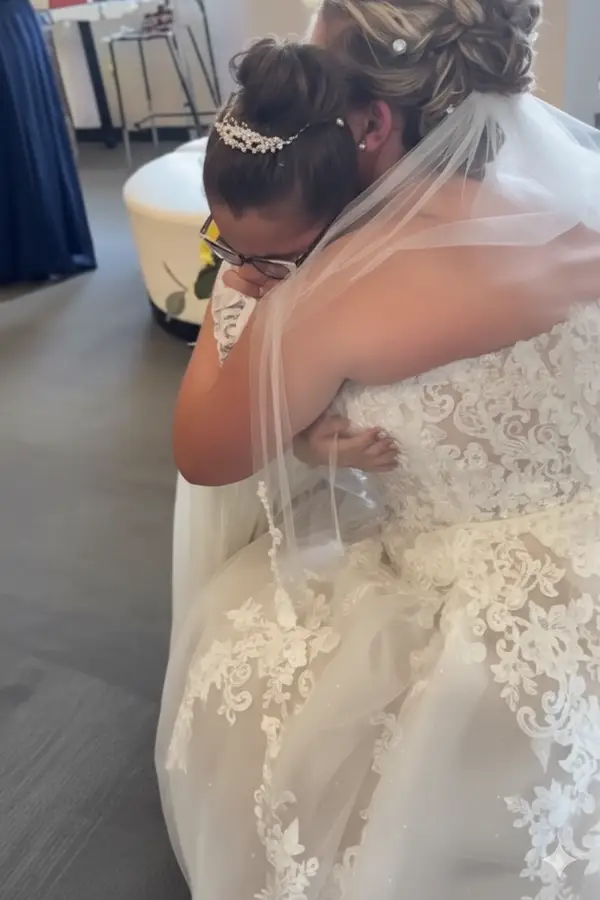
The PCOS Doctor — Doc said “just shave it.” She was WRONG! 👇
PromisingImage

Remove Facial Hair Without The Trauma

If you pluck your chin every morning and the hair keeps coming back thicker no matter what you try, and your doctor keeps telling you it's "just hormones"... I'm about to tell you exactly what they're hiding from you and why they'll NEVER tell you the truth. And by the end of this, you're gonna be pissed. Because there are three things happening right now: One. Your body is responding to something you're doing every single day. Two. The medical system is gaslighting you into thinking thick facial hair is just something you have to "manage." And three. There's a $4 billion dollar hair removal industry that profits every single day you stay trapped in the cycle. So let me tell you what happened with my sister, because her story is gonna open your eyes to how messed up this really is. For YEARS. And I mean like ten straight years. My sister was in agony. Her facial hair was so bad she would wake up at 5:30 AM every single morning to pluck before anyone saw her. Not like "oh I have a few chin hairs" facial hair. I'm talking she would be hunched over a magnifying mirror for 45 minutes, plucking one hair at a time, watching the clock, knowing she'd be late for work but unable to leave the house until every hair was gone. Her chin? Covered in dark spots from years of inflammation. Post-inflammatory hyperpigmentation that made her look like she had a permanent shadow even when freshly plucked. She couldn't wear her hair up. Couldn't sit by windows. Couldn't be in direct sunlight without panicking. And the thickness? The hair that started as a few fine strands at 19 had become coarse and black by 29. Wire-like. She could feel it pushing through her skin by noon even after plucking that morning. The stubble was visible in her rearview mirror at every red light. The hiding was constant. She missed her best friend's outdoor wedding because she couldn't face being seen in sunlight. Skipped family photos for three years straight. Her husband had never seen her without makeup. She carried tweezers everywhere. Purse, car, desk drawer. "I felt like I was living a double life," she told me once. "The version of me people saw, and the real me who was obsessed with hair that nobody was supposed to notice." So obviously, she goes to doctors, right? Multiple doctors. An endocrinologist. A dermatologist. Her GP. We're talking thousands of dollars in appointments, blood tests, hormone panels... the whole thing. And you know what every single one of them told her? "Your testosterone is slightly elevated." "It's probably just PCOS." "You need to manage your hormones." "Try Metformin." "Have you considered laser? It's expensive but it works." PCOS. This woman can barely function socially and they're telling her it's just polycystic ovary syndrome and she needs to "manage it." But here's where it gets worse. And this is the part that made me start digging into what is actually going on. She spent $4,200 on laser treatments. Six sessions at a medical spa with hundreds of five-star reviews. Dermatologists recommended it. It HAD to work. For the first three sessions, it seemed like it might. Less hair. More confidence. Finally an answer. Then came the appointment that shattered everything. Session six. The technician looked at her face with obvious concern. "The hair is... coming back thicker in some areas." "But that's impossible," my sister said, voice breaking. "I've spent over four thousand dollars. You said laser destroys the follicles." "For most people, yes. But with PCOS, hormones keep triggering follicles. Sometimes laser makes it worse." "Why didn't anyone tell me this before I spent all this money?" The technician looked uncomfortable. "We did have you sign the waiver..." My sister drove home in tears. Looked in her rearview mirror at a red light and saw dark stubble emerging on her chin. Eleven AM. She'd plucked at six. That's when the plucking got obsessive. Every morning. Forty-five minutes hunched over that magnifying mirror. One hair at a time. The bathroom became her prison. She couldn't leave the house without "checking." Every bathroom, every car mirror, every reflective surface. Constant vigilance. And her symptoms? Never got better. Just stayed the same or got worse. So at this point, I'm furious. Because I'm watching my sister. Who's doing everything the doctors tell her. Spending all this money. Following their advice. And she's getting WORSE. Not better. Worse. And that's when I started asking questions that nobody wants you to ask: Why are doctors so quick to prescribe things that manage symptoms but never fix the root cause? Why do they act like thick facial hair is just... normal and you have to live with it forever? And why does nobody ever talk about what's actually causing the hair to get thicker in the first place? So I went down a rabbit hole. And I mean a DEEP rabbit hole. I started researching why someone would have all these symptoms. The thickening hair, the dark spots, the spreading shadow. And every mainstream medical site was giving me the same answers. "Balance your hormones. Try laser. Pluck between treatments. Manage it." But then I found this research paper from a dermatologist in Europe who actually studies ROOT CAUSES instead of just symptoms. And she mentioned something that completely changed everything I thought I knew about facial hair removal. Your hair removal method isn't just ineffective. It's actively making your facial hair worse. Now pause for a second. Here's what nobody ever taught you about what happens when you pluck, wax, or get laser: The hair doesn't just grow back the same. Your body registers the removal as trauma. An attack. An injury to the follicle. Think about what happens when you scrape your knee over and over in the same spot. The skin doesn't stay the same. It builds up. Gets thicker. Creates scar tissue to protect itself. That's what's happening inside your hair follicles right now. But here's where it gets worse. And this is what doctors don't explain: That trauma doesn't just make the current hair grow back. It actively triggers your follicle to build stronger defenses. The dermal papilla enlarges. The follicle walls thicken. Blood supply to the follicle increases. All because your body thinks it's under attack and needs to protect itself. Dermatologists call this "follicle trauma response." You've probably never heard of it. Because there's no money in telling you about it. And once that trauma response is triggered, everything gets worse: Your hair grows back thicker because the follicle built a stronger foundation. That's why your chin hair feels like wire now when it used to be fine. Your hair grows back darker because increased blood supply means more melanin production. That's why hairs that were barely visible at 19 are jet black at 29. Your hair grows back faster because the follicle is in defense mode, prioritizing rapid regrowth. That's why you have stubble by noon even after plucking at 6 AM. The dark spots spread because every single pluck causes micro-inflammation. When it heals, it leaves hyperpigmentation. That's why you have a permanent shadow even when there's no hair visible. The thickening, the darkening, the spreading, and the dark spots aren't separate problems. They're all symptoms of the same trauma response. You know what's insane? Doctors treat each symptom separately. Thick hair? "Try laser." Dark spots? "Use this expensive serum." Spreading coverage? "Your hormones must be getting worse." But they're all connected. And they all start with trauma to your follicles triggering a defense response that makes everything progressively worse. And here's what should make you furious: Plucking rips the hair from the root. Maximum trauma. Maximum defense response. That's why your hair keeps getting thicker. Waxing does the same thing but to more follicles at once. That's why women who wax their face often see rapid spreading. Threading pulls multiple hairs simultaneously. Same trauma, same response. Laser blasts the follicle with heat damage. And for 10 to 30 percent of women with hormonal hair, it triggers paradoxical hypertrichosis. The hair comes back THICKER. Not thinner. Thicker. None of them address the actual problem: they ALL traumatize the follicle and trigger the defense response that makes your hair worse. So you can pluck every morning for the rest of your life. But if you're not: 1. Stopping the mechanical trauma that triggers the defense response 2. Dissolving the hair WITHOUT pulling or ripping or heat damage 3. Healing the inflammation and hyperpigmentation from years of damage The symptoms just keep getting worse. So you get trapped in this cycle: Hair that keeps getting thicker and darker Dark spots that keep spreading Morning routines that take longer and longer Hiding that becomes more and more exhausting And every time you pluck, you trigger more trauma, which triggers more defense response, which makes the hair grow back thicker, which makes you pluck more aggressively. And here's the part that made my blood boil: The medical system KNOWS about this. They know mechanical removal causes follicle trauma. They know trauma response makes hair thicker over time. They know laser often fails on hormonal hair and can make it worse. But they don't give a single damn about telling you. Why? Because there's no money in a method that actually stops the trauma cycle. You can't make billions teaching women to stop traumatizing their follicles. There's no money in telling you to fix the ROOT CAUSE. There IS money in keeping you on laser packages, waxing appointments, expensive skincare for dark spots, and hormone medications for the REST OF YOUR LIFE while your facial hair never actually gets better. See how that works? So I kept researching. I'm reading studies now. Dermatology journals. Research on follicle trauma and terminal hair conversion... And I found out there's an actual METHOD that addresses the trauma cycle completely. It involves three specific steps that work together: Step One: Pre-Treatment to Open the Hair Cuticle. Here's the problem with most hair removal creams. They're formulated for leg hair. Fine, sparse, light hair that dissolves easily. Your hormonal facial hair is completely different. It's terminal hair. Thick, coarse, dark, with a dense cuticle layer that regular creams can't penetrate. That's why Nair and Veet don't work on your chin. They literally cannot break through the hair's protective outer layer. A proper pre-treatment softens and opens that cuticle so the dissolving agent can actually reach the hair shaft beneath. Without this step, you're just burning your skin while the thick hairs stay intact. Step Two: Clinical-Grade Dissolution That Actually Works on Hormonal Hair. This is where most products fail completely. Drugstore creams use weak concentrations designed for body hair. They cannot dissolve terminal facial hair. Clinical-grade thioglycolate at proper concentration breaks down the protein bonds in the hair shaft itself. The hair literally dissolves below the skin surface. No pulling. No ripping. No heat damage. No trauma to the follicle. The follicle never registers an attack because there IS no attack. The hair simply breaks down chemically and wipes away. No trauma means no defense response. No defense response means the hair grows back at its NATURAL thickness. Not thicker. Not darker. The same or FINER over time. This is the opposite of what happens with plucking, waxing, or laser. Step Three: Aftercare to Heal Years of Damage. Your follicles have been under assault for years. Maybe decades. The inflammation is chronic. The hyperpigmentation has built up layer by layer with every pluck. Proper aftercare calms that inflammation, promotes healing, and actually fades the dark spots that make you look like you have shadow even when there's no hair. This isn't about covering up the damage. It's about reversing it. Together, they don't just remove hair. They break the trauma cycle. Pre-treatment opens the cuticle so dissolution actually works. Clinical-grade dissolution removes hair without triggering defense response. Aftercare heals years of inflammation and hyperpigmentation. The result isn't just hair removal. It's hair that grows back FINER because you stopped traumatizing the follicle. It's dark spots that actually FADE because you stopped causing inflammation. It's a morning routine measured in MINUTES instead of 45-minute plucking sessions. And you finally stop living in fear of sunlight and windows and anyone getting too close. Now here's what's crazy: I found studies. Actual peer-reviewed research. Showing that chemical dissolution does NOT trigger the follicle trauma response that mechanical removal causes. And that hair can actually grow back finer over time when the trauma cycle is broken. But you'll never hear a dermatologist mention this. Because if women knew they could break the trauma cycle with a $25 kit, the entire laser and waxing industry would collapse. So my sister finally finds a dermatologist who actually knows about this stuff. And this woman literally explains everything I'd been researching. She's like "Your follicles have been traumatized for ten years. That's WHY the hair keeps getting thicker. We need to stop the mechanical trauma, switch to dissolution, and let your follicles heal. Or the thickening will just keep getting worse." She writes down exactly what to look for: Clinical-grade thioglycolate. Pre-treatment to open the cuticle. Aftercare for hyperpigmentation. And for the first time in ten years, someone actually explained WHY nothing was working. But here's the problem... My sister had to find a dissolution system formulated specifically for hormonal facial hair. Which is damn near impossible because most hair removal creams are made for legs. They're either too weak to work on terminal hair or they burn your face trying. She's searching online, finding products that aren't formulated for thick hormonal hair, trying to figure out which ones might actually work because. Surprise. There's no standardized information about chemical dissolution for PCOS facial hair. And she was worried about quality, concentration, whether what she was getting would even penetrate her coarse hair. But you know what? She found one. Because she was desperate. And after about four days? Her chin felt different. Soft. Not stubbly. For the first time in years. After two weeks? She'd stopped checking mirrors at every red light. Stopped touching her chin compulsively. The obsession was lifting. After a month? The hair growing back was visibly finer. Not thicker and darker like after plucking. Actually finer and lighter. After two months? She felt like a completely different person. The dark spots were fading. Her skin texture was improving. She wore her hair in a ponytail to work for the first time in eight years. After three months? She went to brunch. Outdoor patio. Direct sunlight streaming across her face. And she didn't think about her chin once. The hair hadn't just been removed. The trauma cycle was broken. Her follicles were healing instead of defending. So now I'm thinking: Okay, this method works. It's literally life-changing. But why is it so hard to find a dissolution system formulated for hormonal facial hair? That's when I started looking for a company that actually understood this. I spent weeks researching. Looking at ingredient quality, concentration levels, whether they had the three-step system, whether they understood hormonal hair is different from leg hair. Because here's the thing: The beauty industry is full of garbage. Most facial hair removal products are just repackaged leg creams that burn your skin and leave the thick hairs behind. I needed to find a company that: Had clinical-grade thioglycolate strong enough for terminal hair Included a pre-treatment to open the cuticle Included aftercare for inflammation and dark spots Was formulated specifically for hormonal facial hair Wasn't going to burn my sister's face off And I'm scrolling through reviews one day and I see someone mention this company called Aurlux. So I go to their website, ready to be disappointed like I had been with the twenty other hair removal products I'd looked at. And I almost fell out of my chair. They had a three-step system specifically for hormonal facial hair. Clinical-grade dissolution. Pre-treatment gel to open the cuticle. Aftercare serum for hyperpigmentation and inflammation. Formulated specifically for PCOS and hormonal hair. Not just a cream. A complete SYSTEM designed for women whose facial hair is thick, coarse, and doesn't respond to normal products. And my sister's been using it for eight months now. The thick wire-like hair? Growing back finer with every cycle. The dark spots? Almost completely faded. The 45-minute morning routine? Replaced by 15 minutes every few days. The hiding? Over. She wears ponytails. Sits by windows. Went to her niece's outdoor birthday party last month without a single thought about her chin. And the hair hasn't gotten thicker. Because she broke the trauma cycle. Her follicles aren't defending anymore. Now here's the thing I need you to understand: Facial hair doesn't fix itself. And trauma damage accumulates. Every month you keep plucking, the follicles get more traumatized. The hair gets thicker. The dark spots get darker. The cycle gets harder to break. And that's when women get desperate and spend $4,000 on laser that makes it worse. I've seen it happen over and over. Women who've plucked for 15 years, 20 years, watching their chin go from a few fine hairs to a permanent shadow they can't escape. That's what the trauma cycle does. That's what your instinct to "just remove it" leads to. That's what nearly destroyed my sister's confidence completely. I put the link below. And honestly? Even if you're skeptical, grab one kit. Try it for 60 days. See if your hair responds the way my sister's did. Because the medical system isn't coming to save you. They profit too much from keeping you on laser packages and hormone medications and treating symptoms instead of root causes. You have to save yourself. Go get it. And use the freedom you get back to finally stop hiding and start living again.Your follicles aren't broken. They've just been under attack for years. It's time to let them heal. www.aurlux.co/pages/instantly-remove-hair

Loading the ad's image
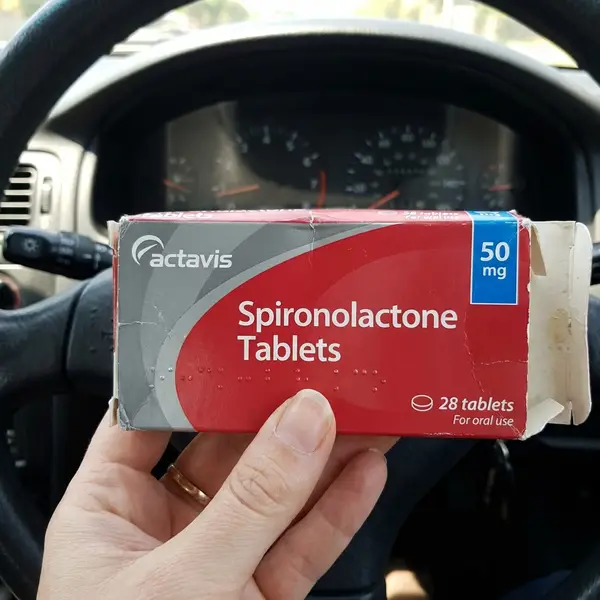
Winning

Your facial hair is making you age faster 🤯

The moment my endocrinologist saw what I was using on my face, she said THAT'S why my facial hair was WORSE. I live in Chicago with a PCOS diagnosis I've had since I was 19, and I'd spent the last decade trying to solve my facial hair problem. It started innocently enough. During a routine appointment, my previous endocrinologist mentioned I had some facial hair. "Maybe try Nair," she suggested. "It's quick and easy." Simple enough. I went to CVS that afternoon and bought the pink bottle. Marketed for sensitive skin. Had great reviews. Problem solved. Except it wasn't. The smell was horrific, that chemical sulfur stench that lingered for hours. And after the recommended six minutes, half the hair remained. When I left it on longer to "make it work," my upper lip burned for days. "You just have thick hair," I told myself. "Try something stronger." So I upgraded. Spent $60 on a waxing kit with "natural ingredients" and "gentle removal." Surely the professional approach would work. The pain was excruciating. But worse? Within two weeks, the hair came back darker and thicker than before. The aesthetician said this was "normal" and I needed to "stay consistent." By the third method, $2,400 in laser treatments at a medical spa. I was desperate. This one had hundreds of five-star reviews. Endocrinologist recommended it. It HAD to work. For the first three sessions, it seemed like it might. Less hair. More confidence. This was finally the answer. Then came the appointment that shattered everything. Session six. The technician looked at my face with obvious concern. "The hair is... coming back thicker in some areas." "But that's impossible," I said, my voice breaking. "I've spent over two thousand dollars. You said laser destroys the follicles." "For most people, yes. But with PCOS, hormones keep triggering new follicles. Sometimes laser makes it worse." "Why didn't anyone tell me this before I spent all this money?" She looked uncomfortable. "We did have you sign the waiver..." I drove home in tears, looked in my rearview mirror at a red light, and saw dark stubble emerging on my chin. Eleven AM. I'd shaved at six. That's when I started plucking. Every morning. Forty-five minutes hunched over a magnifying mirror. One hair at a time. The sound of tweezers gripping, pulling, the sharp pain as each hair released. My bathroom became my prison. I couldn't leave the house without "checking." Every bathroom, every car mirror, every reflective surface. Constant vigilance. My husband never saw me without makeup. I cancelled brunch plans if I didn't have time to pluck first. I carried tweezers everywhere. In my purse, my car, my desk drawer. "I felt like I was living a double life," I told my therapist. "The version of me people saw, and the real me who obsessed over facial hair that nobody was supposed to notice." The worst part? It was getting worse. The more I plucked, the thicker and darker the hair grew back. My chin developed dark spots, hyperpigmentation from years of trauma. The hair that had been fine and barely visible at 19 was now coarse and black at 29. Then came the endocrinologist appointment that changed everything. I'd switched doctors after moving neighborhoods. Dr. Martinez was younger, more current on research. During my skin check, she asked about my PCOS management. "I'm on Metformin," I said. "And I pluck my facial hair every day." Her expression shifted immediately. "Show me your current hair removal routine." I demonstrated with my tweezers, explaining my careful technique. The magnifying mirror. The 45-minute sessions. How I'd tried everything else first. Nair, waxing, laser. Dr. Martinez's face darkened. "You're making it worse. Significantly worse." "But I don't have another option. I can't just... walk around with facial hair." She turned her computer screen toward me. "This is what follicle trauma looks like under magnification." The image made my stomach turn. A plucked hair follicle, inflamed and damaged. The surrounding tissue scarred and distorted. "Every time you pluck, wax, or thread, you traumatize the follicle. Your body interprets this as an injury and responds by growing the hair back thicker and darker as protection. It's called follicle trauma response." "But my first dermatologist never mentioned" "Most don't. They recommend what's common, not what's correct. Let me show you something else." She pulled out photos. Women with severe hyperpigmentation from years of plucking. Timelines showing hair becoming progressively coarser with repeated trauma. Statistics about PCOS women and the "hair removal trauma cycle." "I was trying to help myself," I said, tears flowing. "I've spent thousands. Ten years of my life." "You didn't know. The beauty industry doesn't educate women about this because trauma-based removal is profitable. Waxing every two weeks. Laser packages that don't work on hormonal hair. They know you'll keep coming back." She pulled up photos of her own setup at home. "I have PCOS too. I haven't plucked, waxed, or used laser in seven years." "What do you use?" "A clinical-grade dissolving system. Specifically formulated for hormonal facial hair, not generic body hair like Nair. It breaks down the hair below the skin surface without any follicle trauma." "Which brand?" I asked, already pulling out my phone. "Aurlux. It's the only one designed specifically for PCOS and hormonal hair. Three-step system. Takes fifteen minutes monthly. My hair actually grows back finer now, not thicker." That night, I did something that confirmed everything Dr. Martinez had said. I took out my magnifying mirror and really looked at my chin. The horror of what I saw made me physically ill. Dark spots everywhere. Scarring from years of plucking. The follicles were inflamed, enlarged. The skin texture completely destroyed. But worse was realizing the pattern. The hair WAS thicker. Comparing photos from age 19 to now, the difference was undeniable. Fine, light hair had become coarse and dark. I'd been making it worse. Every single day. For ten years. I ordered Aurlux at 1 AM, paying extra for expedited shipping. While waiting, I researched obsessively. Forum post after forum post echoed my experience: "Plucked for 15 years. Switched to Aurlux. Hair growing back finer now, not thicker." "My endocrinologist said plucking causes follicle trauma response. Aurlux breaks the cycle. Life changing." "Wasted $3,000 on laser that made PCOS hair worse. Aurlux actually works on hormonal hair." "Nair burned my face for years. Aurlux is gentle and actually removes the hair completely." When the Aurlux cream arrived, I understood immediately why it was different. Three separate products, not just one cream. The packaging explained the science: molecular dissolution versus cutting or pulling. Step 1: Softening Gel to prepare coarse hormonal hair. Step 2: Dissolving Cream with clinical-grade ingredients. Step 3: Soothing Aftercare with medical-grade botanicals. I set it up in my bathroom where the tweezers and magnifying mirror had lived, then followed the instructions carefully. Fifteen minutes total. Five for softening. Ten for dissolving. Then the aftercare. When I wiped away the cream, I did something I hadn't done in years. I ran my hand across my upper lip and chin. Completely smooth. No stubble. No rough edges. No pulled follicles. "No trauma," I whispered. "Finally." The feeling was unlike anything I'd experienced. Not the smooth-but-painful aftermath of waxing. Not the stubble-by-noon result of shaving. Actual smooth skin that felt healthy. Over the following days, something remarkable happened. I stopped checking mirrors constantly. The obsessive bathroom visits ended. I didn't carry tweezers in my purse anymore. But the real change was psychological. The anxiety about "someone getting too close" vanished. The cancelled plans because I "didn't have time" stopped happening. Within a week, my skin looked different, less inflamed, less red. The hyperpigmentation started fading. The follicles were finally healing from years of trauma. At my one-month follow-up, Dr. Martinez examined my skin closely. "This is remarkable," she said, studying my chin under the light. "The inflammation is almost completely resolved. The hyperpigmentation is fading faster than I expected." "Just from changing methods?" "From finally stopping the trauma cycle. Look at your skin texture. This is what we want to see, your healthy follicles that aren't under constant assault." She showed me comparison photos from my first visit. The difference was undeniable. Less inflammation. Lighter skin. Smaller follicles. "You were trapped in the cycle," she explained. "Every removal method you tried caused trauma, which made the hair grow back worse, which made you more desperate to remove it. Aurlux broke that cycle." Four months later, something incredible happened. The hair that grew back was noticeably finer. Not thicker and darker like after plucking. Actually finer and softer. "That's the difference between trauma-based and dissolution-based removal," Dr. Martinez explained at my checkup. "No follicle trauma means no protective thickening response. Your body isn't fighting back anymore." My fifteen minute monthly treatments became routine. Not a daily 45 minute prison sentence. Not painful bi weekly waxing. Not thousands on ineffective laser. Fifteen minutes. Once a month. Actually effective. I kept my old tweezers as a reminder. Sometimes I look at them and think about the thousands of hours I spent plucking. The cancelled plans. The constant anxiety. The progressive worsening I was causing. That's what trauma-based removal does. That's what my instincts to "just remove it" led to. That's what nearly destroyed my confidence completely. I think about the marketing that fooled me. "Gentle waxing." "Permanent laser removal." "Quick and easy." All meaningless when the methods themselves cause the problem to worsen. Plucking causes trauma. Waxing causes trauma. Threading causes trauma. Shaving leaves stubble. Nair burns facial skin. Laser doesn't work on hormonal hair. Dissolution without trauma isn't about being fancy. It's about being the only approach that doesn't make it worse. Every month when I do my fifteen minute treatment, I think about all the women slowly making their facial hair worse because they're using the methods I used. The same methods I used for ten years. Here's where I got my Aurlux kit, they're having a sale right now with buy one get one free and free gifts. If you're plucking, waxing, or using Nair, please, throw them out tonight. Your skin and your follicles are counting on you to get this right. Don't let the beauty industry fool you like it fooled me. "Gentle waxing" doesn't mean no trauma. "BPA-free cream" doesn't mean it works on hormonal hair. And trauma-free dissolution is the only thing that matters. Your body will keep making the problem worse as long as you keep traumatizing your follicles. Make sure you break the cycle before another ten years passes.

Loading the ad's image
Winning

Didn't Know Low Estrogen Did This Much Damage...🤯

My dermatologist laughed when I said plucking was making my facial hair worse 😡 Little did she know… I was right! If it was just "normal PCOS hair," then why did laser treatments and electrolysis make it grow back THICKER? It didn't make any sense. Shaving helped for a while but the stubble came back within hours. Waxing lasted maybe a week before the coarse hairs returned with a vengeance. They were short-term solutions. A band-aid for a bullet wound. They weren't addressing the REAL reason my facial hair kept getting worse! But if it wasn't just my hormones… what could it be? None of the 5 dermatologists I went to could give me the answer. "It's PCOS, that's just what happens," was the common response 🙄 Note to self: Don't seek help from doctors who only know how to prescribe Spironolactone and send you to laser clinics 🤦♀️ So I did the logical thing: I went to an endocrinologist who specialized in hormonal skin conditions – someone who actually studied how androgens affect facial hair growth in women. After 10 minutes of examining my chin under different lighting… Dr. Chen asked: "Do you feel like the more you remove the hair, the thicker and faster it comes back?" "Erm… yes?", I replied shakily, fearing the worst. "Hmm just as I suspected… it's Follicular Trauma Response." "Follicular… what??", I asked, confused and terrified at the same time. Dr. Chen removed her glasses and wiped them, before continuing: "It's your body's response to repeated mechanical damage to the hair follicle. It's responsible for worsening facial hair in most of my PCOS patients. Every time you pluck, wax, or thread, you create trauma at the follicle. Your body interprets this as an injury and floods the area with blood, nutrients, and healing factors. But with PCOS, those healing signals combine with your elevated androgens and tell the follicle to grow back even thicker and darker for protection. The tell-tale sign is hair that keeps getting worse no matter how much you remove it. The most important thing to know is this: Plucking more aggressively and booking more laser sessions isn't going to help… Because it doesn't solve the root problem: You're traumatizing your follicles." I sat there quietly, digesting the huge knowledge bomb Dr. Chen just dropped on me. It explained why everything I'd tried so far made the problem worse instead of better. Plucking twice daily with a magnifying mirror… Waxing every two weeks that left my skin inflamed… Spending $2,400 on laser that somehow made it THICKER… Threading sessions so painful I'd leave in tears… All of it was making the trauma worse, not better. "So… how do I stop it, Doc? I can't afford more laser sessions… and I can't keep living like this, checking my chin every hour." Dr. Chen nodded understandingly, then proceeded to open her drawer and pulled out a white box: "Don't worry. You don't have to spend thousands on treatments that make it worse. All you have to do is use this system once a month. It's called Aurlux, a clinical-grade depilatory system that's specially formulated to dissolve hair without follicular trauma. https://aurlux.co/pages/instantly-remove-hair Most of my PCOS patients shared they saw their hair growing back finer and slower within 6 weeks. And it's all thanks to its 3 step "Trauma-Free Removal" Formula: 1️⃣ Clinical-grade thioglycolate dissolves hair at the molecular level Unlike plucking or waxing that RIPS hair out and damages the follicle, thioglycolate breaks down the protein bonds in hair. The hair dissolves completely below the skin's surface. No pulling. No trauma. No inflammatory signals telling your body to grow it back stronger. When you stop traumatizing the follicle, the progressive worsening cycle stops – and hair actually starts growing back finer and slower. Do not confuse this with Nair or Veet. Aurlux is formulated specifically for thick hormonal facial hair, which means it actually WORKS on the coarse chin hairs that drugstore creams can't touch. Knowing this crucial difference will ensure you're spending your hard-earned dollars on something that ACTUALLY works. 2️⃣ Medical-grade botanicals heal years of follicle damage Aloe vera and chamomile are powerful anti-inflammatory ingredients that calm the chronic inflammation caused by years of plucking and waxing. When inflammation decreases, your skin can finally heal. The hyperpigmentation fades. The bumps disappear. The redness calms down. These healing botanicals also contain compounds that support healthy skin barrier function – protecting your face while it recovers from trauma. 3️⃣ Hyaluronic acid + Vitamin E repair damaged skin A clinical study found that hyaluronic acid and vitamin E, the key ingredients in Aurlux Step 3 work together to… - Reduce post-inflammatory hyperpigmentation - Improve skin texture and smoothness - And support collagen synthesis in damaged follicular areas This means your skin doesn't just look smooth, it actually HEALS from years of trauma: https://aurlux.co/pages/instantly-remove-hair I know it's a lot to take in right now... But my point is this: Aurlux is backed by science and the ingredients in it have all been selected to remove hair WITHOUT trauma while healing damaged skin. I only want the best for my patients... So here, take this kit with you. Give it a try for 30 days and if you love how your skin looks and feels… you can go ahead and order more from the company's website." I took the Aurlux box and inspected it skeptically. Can this really help with my facial hair? I've been burnt by products promising the world before… But hey, since I get to test-drive this for free… why not? So I used the 3-step system once every 3 weeks as instructed for 90 days… And the results… were INCREDIBLE: Within the first 2 weeks, my chin stayed completely smooth. No stubble. No shadow. Nothing. I could take video calls without angling my camera away from harsh lighting. At the end of 30 days, I realized something shocking, the hair that grew back was SOFTER and LIGHTER! I loved the transformation so much that I ordered 2 more kits: By the end of the 2nd kit, my skin was healing. The dark spots from years of plucking started fading. My chin looked like skin again, not a battlefield covered in hyperpigmentation and ingrown hairs... The constant red bumps disappeared without any expensive treatments... And by the end of the 3rd kit? I was using Aurlux once a month. Not twice daily plucking. Not weekly waxing. But actually… once a MONTH 🎉 I know it sounds unbelievable… But this is the God-honest truth: Using Aurlux broke the trauma cycle that was making my facial hair worse. I highly recommend Aurlux to any woman with PCOS or hormonal facial hair who wants to stop making it worse. This was a game-changer for me. And I hope it will be for you too ❤️ Click below to try it yourself and say goodbye to twice daily plucking and constant chin checking: https://aurlux.co/products/hair-removal-trilogy-kit P.S There are 75,000+ positive Aurlux reviews you can read on their official page via the link above. Just thought I'd share some here, so you can listen to Aurlux transformation stories of other women as well 😌 ⭐Sarah M., 28, USA⭐ "This product is amazing and I highly recommend it to women with PCOS. I went from plucking twice a day to using this once a month. My facial hair grows back so much finer now that I barely notice it anymore. My skin has healed and the dark spots are fading." ⭐Lisa K., 35, USA⭐ "LOVE IT. I have always been skeptical about reviews but I have to leave one. Before this I was spending 45 minutes every morning with tweezers and a magnifying mirror. I felt like I was fighting a losing battle. So I researched to try to find anything out there to help. I found Aurlux and I'm now on my third kit. Being able to stop obsessing over my chin is definitely the biggest change for me! My husband commented that I seem happier and more present since I'm not constantly checking mirrors. I have smooth skin for weeks now. My facial hair stopped getting worse since the second treatment. I can go on dates without worrying about stubble anymore." ⭐Jennifer T., 32, USA⭐ "I had the worst PCOS facial hair I had ever experienced. Saw an Aurlux review where someone said it helped break the worsening cycle. Nothing had worked for me till this point… laser made it WORSE, electrolysis was too expensive, plucking was a full-time job. Aurlux was the best decision of my life. I saw results after just one treatment! My skin stayed smooth for 3 weeks! The hair that grows back now is so much lighter. It really WORKS." ==== P.P.S These women were spending every day obsessing over their facial hair… But now, they wake up with smooth skin and can actually enjoy photos, video calls, and intimate moments without constant anxiety. All they did was put their skepticism aside for a little while and give Aurlux a try. I sincerely hope you'll do the same… So you can experience the freedom of smooth skin without the trauma cycle holding you back. All first time orders are protected by a 60-day money back guarantee… So there's nothing to lose. Try Aurlux without risking a single cent here: https://aurlux.co/pages/instantly-remove-hair

Loading the ad's image
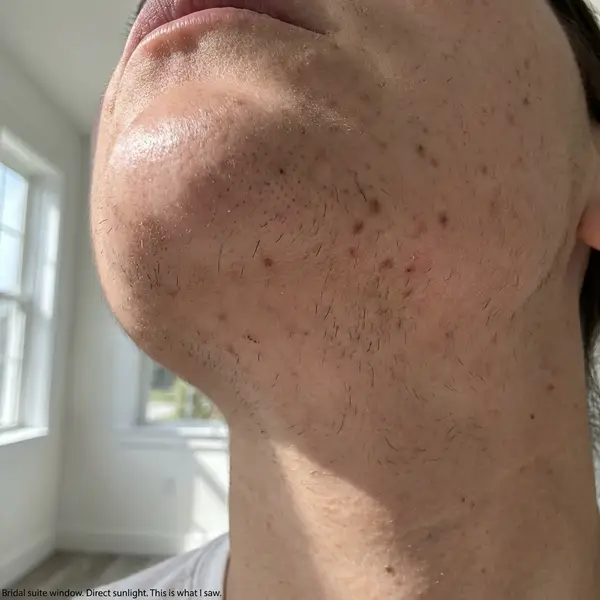
Winning

Your facial hair is making you age faster 🤯

Please STOP plucking your facial hair. I know that sounds crazy, but every time you tweeze, wax, or shave, you're actually making the underlying problem worse. Let me explain. I used to be just like you. Standing in front of my bathroom mirror with tweezers, desperately plucking every single hair I could find, hoping this time it would stop coming back so fast. Booking $80 waxing appointments every three weeks, convincing myself the pain meant it was working. Shaving my face twice daily, dealing with the razor burn and stubble because that's what I thought I had to do. Month after month, the hair kept coming back faster. Thicker. Darker. It was a slow, creeping panic. I felt like I was losing my mind. Was I doing something wrong? Was my hormonal hair just too severe for anything to help? The breaking point came during my best friend's wedding. I spent an hour in the hotel bathroom plucking every visible hair, using a magnifying mirror to make sure I hadn't missed anything. But by the reception, I could feel stubble returning. I spent the whole night covering my chin with my hand in photos. My stomach just dropped. A wave of shame washed over me. In that moment, I felt unfeminine and broken. That's when I stumbled across something that changed everything. Dr. Sarah Farmer, a dermatologist specializing in hormonal skin conditions, was giving a talk at a local PCOS support group. She said something that made my blood run cold: "Ladies, if you're dealing with facial hair and you're plucking, waxing or shaving, you need to understand something critical. These methods are like watering a weed you're trying to kill. Not only do they fail to address the real problem, they can actually make it worse." The room went silent. "Here's what's really happening," she continued. "When you pluck or wax, you're sending a rush of blood and nutrients directly to that follicle. Your body interprets this trauma as a signal to grow stronger, thicker hair. It's literally like fertilizing the exact problem you're trying to eliminate. Now, when you shave, you're creating blunt, sharp edges that make regrowth feel coarser and more noticeable. The stubble appears within hours because you never removed the root. But here's the kicker, your follicles are being traumatized daily. This constant irritation causes inflammation, ingrown hairs and hyperpigmentation. You're stuck in a cycle where the more you remove hair, the worse the problem becomes." She paused, letting that sink in. "As for laser treatments… they're expensive, painful, and often ineffective on hormonal hair. PCOS and menopausal hair is driven by internal hormones that keep signaling your follicles to grow. Laser might work temporarily, but many women experience regrowth that's even thicker than before. Plus, the trauma to your skin can cause permanent scarring and dark spots." My heart was racing. This explained everything. Why the hair kept coming back faster. Why my skin looked worse despite constant maintenance. "The solution," Dr. Farmer said, "isn't traumatizing your follicles over and over. It's about dissolving hair completely from the root without causing trauma, so your body doesn't respond by growing it back stronger." She showed before and after photos of women who'd used her approach. Women in their 20s, 30s, even 50s who had gone from daily shaving to smooth skin that lasted weeks. But these weren't women forcing results with painful methods. These were women who had stopped traumatizing their follicles and started dissolving hair properly. After the talk, I practically ran to speak with her. "What you described is exactly what I've been experiencing," I told her. "All these methods, all this time, and my hair just keeps getting worse." She nodded knowingly. "You're not alone. Most of my patients come to me after wasting years on methods that make the problem worse. The good news? Once you stop traumatizing your follicles and start dissolving hair properly, the improvement can be remarkable." That's when she told me about Aurlux. "Unlike tweezing that stimulates the follicle, this dissolves hair at the molecular level," she explained. "And unlike harsh drugstore creams that burn your skin, it uses clinical-grade thioglycolate with soothing botanicals that heal rather than inflame." I was skeptical. After so many failures, how could this be different? But Dr. Farmer explained the science: "Aurlux's formula works through complete dissolution. The thioglycolate breaks down the protein structure of the hair shaft completely, removing it from below the surface without any pulling or cutting. Combined with medical grade aloe and chamomile, it creates an environment where your skin can finally heal from years of trauma." The key difference? Instead of traumatizing your follicles or cutting hair at the surface, Aurlux dissolves the entire hair shaft at the root level without inflammation. I started using it that night. Just the simple 3 step process on my chin and upper lip. No painful plucking. No burning like other creams I'd tried. Within three weeks, something changed. The regrowth was noticeably slower. By week six, the hair that did come back was softer and lighter. Not the thick, dark stubble I was used to. For the first time in years, I felt hopeful instead of desperate. My esthetician noticed at my three month facial. She examined my skin and said, "Your hyperpigmentation is fading. What have you been doing differently?" By month four, I realized I'd gone an entire month without thinking about facial hair. No mirror checks every few hours. No emergency plucking sessions in my car. No avoiding close conversations because I was worried about visible stubble. But the real test came when I decided to stop all my other methods. No more tweezers in my purse. No more painful waxing appointments. No more shaving twice a day. I expected the hair to come roaring back. Instead, it continued staying away longer and growing back finer. That's when I understood what Dr. Farmer meant about healing versus traumatizing. My follicles were recovering. My skin was healthy again. I didn't need to fight my facial hair anymore. It's been eight months now. I look at old photos and can't believe that was me. The woman hiding behind her hand in every photo. The woman carrying tweezers everywhere. The woman who thought facial hair was just something she had to accept with PCOS. If you're reading this and you recognize yourself in my story, please understand: You don't need to keep traumatizing your skin with methods that make the problem worse. You don't need to accept thick facial hair as inevitable. You just need to stop fighting your follicles and start dissolving hair properly. Aurlux addresses hair removal at the molecular level. It heals instead of traumatizing. It works with your skin's natural healing process instead of against it. And because they offer a 60 day money back guarantee, you can try it without the fear of wasting more money on something that doesn't work. Stop traumatizing your facial hair. Start dissolving it properly. Your skin is waiting to recover. It just needs the right treatment to do it. Click here to try the Aurlux Trilogy Kit and finally address facial hair the right way. https://aurlux.co/pages/instantly-remove-hair P.S. – Every day you continue plucking, waxing, or shaving, you're potentially making your facial hair worse. Follicle trauma doesn't take a day off from stimulating thicker regrowth. The sooner you stop the cycle, the more you can heal your skin and reduce regrowth.

Loading the ad's image
Winning

I’m Tired of Being Dismissed And Ignored …

My Doctor Laughed When I Said My Insulin Levels Were Making My Facial Hair Worse 😡 Little Did She Know… I Was Right! If it was just high testosterone, then why didn't the Spironolactone and birth control pills help stop the hair from getting thicker? It didn't make any sense. The medications helped for a while, but the moment my insulin spiked, the facial hair came back darker and coarser than before. They were a short term solution. A band aid for a bullet wound. They weren't addressing the REAL reason my facial hair kept getting worse! But if it wasn't just testosterone… what could it be? None of the 4 doctors I went to could give me the answer. "It's just your PCOS hormones. You need to lose weight," was the common response 🙄 Note to self: Don't seek help from doctors who only know how to prescribe Metformin and tell you to "just keep plucking"…🤦‍♀️ So I did the logical thing: I went to a specialist, someone who specialized in studying the hormonal pathways of PCOS. After 10 minutes of examining my blood work and my chin under magnification… Dr. Elena asked "Do you notice your facial hair gets worse after eating carbs or during stress?" "Erm… yes? How did you know?" I replied shakily, fearing the worst. "Hmm just as I suspected… it's the Insulin-DHT Amplification Cycle." "The Insulin… what??" I asked, confused and terrified at the same time. Dr. Elena pulled up a diagram on her screen and turned it toward me "This is what's happening inside your body when insulin spikes." She continued: "It's the conversion of testosterone into DHT in your hair follicles. It's responsible for the thick, coarse facial hair in my PCOS patients. Here's how it works: When insulin spikes, it does two things: It tells your ovaries to overproduce testosterone, and it suppresses your SHBG, the protein that binds testosterone and makes it inactive. Less SHBG means more Free Testosterone reaches your skin. Inside your facial follicles, there's an enzyme called 5-Alpha Reductase. It converts testosterone into DHT, which is five times more potent. DHT binds to your hair follicle receptors with five times the strength and forces the hair to grow thick, dark, and fast. Every time you pluck, wax, or thread, you traumatize the follicle. Your body responds by growing the hair back even thicker as protection. That's why laser didn't work long term. That's why medications only helped temporarily. The most important thing to know is this: Taking more Spironolactone and scheduling more laser sessions isn't going to help… Because it doesn't solve the root problem: Your follicles are being traumatized mechanically while your insulin-DHT cycle runs in the background." I sat there quietly, digesting the huge knowledge bomb Dr. Elena just dropped on me. It explained why everything I've tried so far didn't stop the hair from getting worse. Going on Metformin for insulin resistance… Taking 100mg of Spironolactone daily… Spending $2,400 on laser treatments… Plucking for 45 minutes every single morning… All of it wasn't addressing the root cause: the mechanical trauma combined with insulin driven DHT production. "So… how do I stop the cycle, Doc? I don't want to traumatize my follicles for the rest of my life." Dr. Elena nodded understandingly, then proceeded to open her drawer and pulled out three products "Don't worry. You don't have to keep traumatizing your follicles or taking escalating medication doses. What you need is molecular dissolution, not mechanical trauma. All you have to do is use this Aurlux hair removal trilogy kit every 3-4 weeks. It dissolves hair below the skin surface without any follicle trauma. Most of my PCOS patients saw their hair growing back finer instead of thicker within two cycles because there's no mechanical injury triggering the protective response. And it's all thanks to its chemistry-based approach: 1️⃣ Pre-Treatment opens the hair cuticle without mechanical force It uses alkaline pH to swell the hair shaft, allowing the dissolving agent to penetrate where the keratin bonds hold the structure together. No pulling. No trauma. 2️⃣ Clinical-Grade Thioglycolate breaks molecular bonds It chemically breaks the bonds in your hair's structure. The hair dissolves and wipes away. Because it dissolves below the surface with a tapered tip, not a sharp cut and regrowth feels soft, not stubbly. 3️⃣ Aftercare Serum prevents inflammation and dark spots. It calms the skin and prevents hyperpigmentation from repeated trauma. It helps existing spots fade and prevents new ones forming. I know it's a lot to take in right now… But my point is this: This system works around your hormones by removing hair without the mechanical trauma that makes everything worse. Your insulin-DHT cycle will still be active, that's managed with diet and medication. But your follicles can finally heal without daily injury. I only want the best for my patients… So here, take this kit with you. Give it a try for two cycles, and if you love the results… you can order more from the company's website." I took the Aurlux kit and used it skeptically. Can this really stop the trauma cycle? I've been burnt by treatments promising the world before… But hey, since I get to try this for free… why not? So I used it once every 3-4 weeks as instructed… And the results… were INCREDIBLE Within the first cycle, the hair stayed gone for 4+ weeks instead of stubble by noon. My skin finally got a break from daily plucking trauma. By the end of the second cycle, something shocking happened: the hair growing back was finer, not thicker. For the first time in 7 years, the hair was getting better. I loved the transformation so much that I ordered 2 more kits: By the end of the 2nd kit, the dark spots on my chin started fading. The constant inflammation from plucking disappeared… The enlarged pores were shrinking… And by the end of the 3rd kit? The hair was so fine you could barely see it. Not coarse. Not dark. But actually… GONE 😭😭 I know it sounds unbelievable… But this is the God honest truth: This Aurlux system broke my trauma cycle 🎉 I went back to Dr. Elena for follow up. She examined my chin under magnification. After a long silence, she looked up and said: "This is remarkable. Your follicles are healing. The inflammation is gone. The hair is growing back finer, exactly what we'd expect when mechanical trauma is removed." She pulled up my before photos. The thick, coarse hair? Finer now. The progressive thickening? Reversed. The dark spots from plucking? Fading. "Your insulin-DHT pathway is still active, that's your PCOS biology. But your follicles are no longer being traumatized daily. They're finally healing." I highly recommend this system to any woman with PCOS who has facial hair that keeps getting worse despite medication. This was a game changer for me. And I hope it will be for you too ❤️ Your follicles are counting on you to break the trauma cycle. Try the Aurlux trilogy kit without risking a single cent https://aurlux.co/pages/instantly-remove-hair

Loading the ad's image
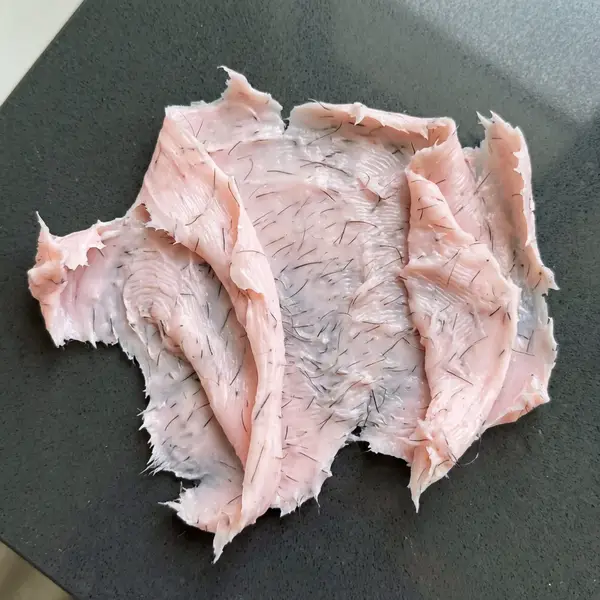
Winning

Your facial hair is making you age faster 🤯

It was 2:47 AM when I heard the sound no mother wants to hear—my daughter sobbing in the bathroom like her world was ending. I live in Austin with my husband Tom and our 28-year-old daughter Emma, who'd moved back home temporarily to plan her wedding. For three years since her PCOS diagnosis, Emma had been managing. She'd learned to live with the weight fluctuations, the irregular cycles, the fertility concerns. But nobody had prepared either of us for what PCOS would do to her face. It began subtly. Emma spending longer in the bathroom each morning. Her makeup routine taking twenty extra minutes. The way she'd angle her face away from bright lights. "Mom, it's fine," she'd say when I asked. "Just some skin stuff." But as the months progressed, Emma's behavior became increasingly concerning. She stopped FaceTiming her fiancé. She rescheduled the engagement photos twice. She started wearing heavy foundation even to bed. By her bridal shower, she wouldn't let anyone get close for photos. Something in my gut told me this wasn't normal wedding jitters. By 2 AM that Tuesday, Emma was having a complete breakdown. When I knocked and she finally let me in, my worst fears were confirmed. "Mom, I can't get married like this," she whispered, showing me her chin. "I shaved this morning and there's already stubble. I'm going to have a shadow in my wedding photos. Jake keeps trying to touch my face and I keep pulling away." The engagement photos she'd been avoiding? She finally showed me. In every single one, her hand was strategically covering her chin. "I've tried everything," she broke down. "Laser made it worse. Waxing leaves me red and bumpy for days. I'm shaving twice a day and it's back by afternoon. I spent $400 on electrolysis last month. The wedding is in eight weeks and I can see stubble through my makeup." My heart shattered watching my beautiful daughter disappear into shame. The next morning, I called her endocrinologist's office the moment they opened. Dr. Martinez agreed to see us that afternoon for an emergency consultation. "Emma, your hormone levels are actually stable," Dr. Martinez said after reviewing her labs. "The facial hair isn't getting worse because your PCOS is progressing—it's getting worse because of how you're removing it." We both looked at her in confusion. "Every time you pluck, wax, or shave that hair, you're traumatizing the follicle," Dr. Martinez explained. "Shaving creates blunt edges that make regrowth feel coarser and more visible. Plucking and waxing send trauma signals that make follicles produce thicker hair. With PCOS, your follicles are already hypersensitive." "So every removal method you're using is literally making the hair grow back worse. Thicker, darker, faster. You're not managing the problem—you're trapped in a cycle that's making it exponentially worse." Emma's face crumbled. "But I can't just stop removing it," she said, tears streaming. "The wedding is in eight weeks. What am I supposed to do?" That's when Dr. Martinez said something that changed everything: "The solution isn't removing hair more often. It's removing it without trauma. There's a system specifically designed for hormonal facial hair that dissolves hair at the molecular level instead of cutting or pulling it." She explained that clinical-grade thioglycolate breaks down hair's protein structure completely below the skin's surface—no cutting that creates stubble, no pulling that triggers trauma responses. "Unlike shaving that cuts hair at the surface or waxing that traumatizes follicles, this method dissolves hair completely from the root without any inflammatory signals. For PCOS patients, it interrupts the cycle that's making your facial hair worse." Dr. Martinez showed us before-and-after photos—women with facial hair just like Emma's, showing dramatic improvement over weeks. "This is what I recommend to all my PCOS patients dealing with facial hair," she said. "It's called Aurlux Trilogy Kit. It's a 3-step system that takes 15 minutes. Step 1 prepares the follicles, Step 2 dissolves the hair completely, Step 3 soothes the skin." "Within the first use, you'll have smooth skin. But more importantly, the hair that grows back will be finer and slower. By week 3-4, most patients notice significantly reduced thickness and regrowth speed." "But the wedding is in eight weeks," Emma said desperately. Dr. Martinez looked at her with genuine compassion. "If you start today, you'll see immediate smoothness after your first treatment. And every time you use it instead of shaving or waxing, you're breaking the cycle instead of making it worse. By your wedding, the difference will be remarkable." We ordered it that afternoon, sitting in my car in the parking lot. I paid for express shipping. I would have paid anything to see my daughter smile again. When it arrived two days later, Emma was skeptical. "Mom, I've tried so many things," she said quietly. "What if this doesn't work either?" "Then we'll figure something else out," I told her. "But right now, let's just try. For eight weeks." Emma started that night, following the instructions exactly. Step 1 for 5 minutes to soften the follicles. Step 2 for 10 minutes to dissolve the hair. Wipe away—and I watched her face transform as she touched her chin. "Mom," she whispered. "It's completely smooth. Not shaving-smooth with that rough feeling. Actually smooth." Step 3 to soothe and protect. Fifteen minutes total. The next morning, Emma woke up and immediately touched her chin—a habit I'd watched her develop over months. "Still smooth," she said, surprised. "Usually by now I'd have stubble." That evening, still smooth. The next day, still smooth. Three days later, when her shaving routine would have required multiple sessions, she was still completely smooth. "Mom, this has never happened," Emma said, running her fingers over her face in disbelief. "I've never gone three days without visible regrowth." Week two arrived, and when hair finally started growing back, something was different. "Look at this," Emma showed me. "It's not the thick, dark stubble I'm used to. It's softer. Lighter. I can barely see it." She used Aurlux again. Another 3+ weeks of smooth skin. By week four, the transformation was undeniable. "Mom, I haven't shaved my face in almost a month," Emma said one morning, her voice full of wonder. "Do you understand? A MONTH. I used to shave twice a day." By week five, I heard something I hadn't heard in months—Emma laughing on FaceTime with her fiancé, her camera angled directly at her face. No strategic covering. No anxiety. At her final dress fitting six weeks in, the seamstress commented on how radiant Emma looked. I watched my daughter stand in that white dress under harsh lighting, turning her face confidently in the three-way mirror. No hand covering her chin. No panic about the lighting. Just pure joy. "Mom," she whispered when we were alone, "my skin has never looked this good. Even when I was using Aurlux just yesterday, there's nothing visible today. It's like my facial hair is finally under control." The wedding day arrived, and Emma was absolutely luminous. Jake kept cupping her face tenderly throughout the ceremony—and she didn't flinch. Didn't pull away. Just smiled and leaned into his touch. The photographer captured hundreds of close-up shots. Natural sunlight, golden hour, harsh indoor lighting—she was confident in every single one. At the reception, watching Emma dance with her husband, her face tilted up toward his with complete confidence, I finally let myself cry. Tears of relief. Three months after the wedding, Emma came over for dinner. "Mom, I need to tell you something," she said. "I'm still using Aurlux. It's been five months now, and I use it about once a month. Once. A. Month." "Do you remember when I was shaving twice every single day?" I remembered. The 2 AM breakdown. The canceled photos. The fear in her eyes. "Dr. Martinez was right," Emma continued. "It wasn't about finding a better removal method. It was about stopping the trauma cycle. Every time I shaved or waxed, I was making the hair grow back worse. Aurlux broke that cycle completely." She showed me a recent photo—a close-up selfie in bright sunlight, no filter, no angles. Just Emma, glowing and confident. "I haven't felt this comfortable in my own skin since before my PCOS diagnosis," she said. "And Mom? Thank you for not giving up on finding a solution." Since Emma's transformation, I've told every mother I know who has a daughter with PCOS: My friend Janet's daughter went from daily shaving to monthly treatments within six weeks. My sister's 19-year-old stopped having breakdowns before dates after switching to Aurlux. A woman in my book club said her daughter finally stopped declining job interviews because of facial hair anxiety. The truth is, most PCOS women have no idea their removal methods are making everything worse until they're having 2 AM breakdowns. Every day your daughter shaves or waxes is another day making the regrowth worse. Every cut, every pull, every trauma signal tells follicles to fight back harder. Don't wait for the breakdown that changes everything. Emma is confident today because we found Aurlux before her wedding and she used it consistently instead of traumatizing her skin with methods that made everything worse. The Aurlux Trilogy Kit isn't just about removing hair—it's about breaking the cycle that's stealing your daughter's confidence. If you're a mother watching your daughter suffer with PCOS facial hair, if you've heard the 2 AM crying, if you've seen her cancel photos or pull away from affection—I'm telling you what I wish someone had told me sooner: There's a way to stop making it worse. There's a way to break the cycle. There's a way to give her back her confidence. Don't let another day go by watching her suffer.

Loading the ad's image
Winning

Your facial hair is making you age faster 🤯

"Your Hair is Growing Back Finer, Not Thicker" – My Dermatologist's Exact Words After 7 Years of It Getting Progressively Worse Three months ago, I sat in my dermatologist's exam chair. She studied my chin under her magnification lamp in complete silence. Finally, she looked up and said: "These results don't make sense." My name is Sarah. I'm 31. And that skin examination didn't just shock me. It shocked the same doctor who'd documented my follicle damage, hyperpigmentation, and progressive scarring for seven brutal years. But let me back up to when this nightmare started. At 24, my PCOS diagnosis came with facial hair. Within months, I wasn't just dealing with hair. I was drowning in symptoms I created trying to remove it Dark spots so severe I needed full-coverage concealer daily Hyperpigmentation spreading across my chin like a shadow Scarring from years of aggressive plucking Inflamed follicles that stayed red for days Skin texture so damaged my foundation wouldn't blend Hair growing back thicker every time I removed it Anxiety attacks in bathroom mirrors Panic in good lighting: car mirrors, restaurant bathrooms, FaceTime calls More dark spots spreading to my upper lip, enlarged pores from repeated trauma, ingrown hairs becoming infected cysts, more hyperpigmentation spreading to my jawline Hair so coarse it felt like beard stubble by noon, obsessive mirror checking at every reflective surface, carrying tweezers everywhere in my purse, car, and desk My boyfriend could feel the stubble when he kissed me and the dark spots multiplying until I counted forty seven of them. I became an obsessed woman who spent 45 minutes daily at a magnifying mirror. And here's the part that still makes me angry: My dermatologist had a treatment for every single symptom on that list. A different laser package. A higher waxing frequency. New prescription creams. Another electrolysis consultation. But never once did she mention what I discovered three months ago. The discovery that led to that shocking examination. The $8,400 Beauty Industry Merry-Go-Round "Try laser," my dermatologist said. "It's the gold standard." Within six sessions: The dark spots got worse, not better. My skin was so inflamed I couldn't wear makeup. The hair came back thicker. My hyperpigmentation intensified. Anxiety through the roof. "Give it more time," she said, recommending additional sessions. Three months later, I was having panic attacks checking my chin in car mirrors. The dark spots were worse than ever. So we switched to professional waxing. "Every two weeks," they promised. "Consistency is key." $65 per appointment. $130 monthly. $1,560 per year. One year later: $1,560 spent. Improvement: The hair grew back darker and created more spots. Then came the electrolysis recommendation. The Plucking Trap That Kept Me Trapped Every PCOS forum screams about tweezing as maintenance and they're right. The hair needs removing. So I bought the highest-rated Tweezerman tweezers. Then magnifying mirrors with LED lights. Then prescription numbing cream. Here's what happeneD Week 1: Hair removed, slight redness. Week 2: Redness persisting longer. Week 3: First dark spot appearing where I'd plucked repeatedly. Week 4: Hair growing back noticeably thicker. My new dermatologist explained it this way: "When you pluck, wax, or thread, you traumatize the follicle. Your body interprets this as injury and responds by growing the hair back thicker and darker as protection. The dark spots? Post-inflammatory hyperpigmentation from repeated trauma." Your follicles can't heal if you keep traumatizing them. It's like picking a scab over and over. I was trapped in a cycle of removal, damage, and progressive worsening. Until last February. The Conference That Changed Everything I attended a dermatology conference in San Diego. During lunch, I overheard two cosmetic chemists discussing something that made me put down my salad. "The problem isn't hair removal," one said. "It's that we're traumatizing follicles instead of dissolving hair at the molecular level." I cornered them after lunch. What they told me led me down a path that ended three months later. In my dermatologist's office. With a skin examination that made her go completely silent. The Molecular Dissolution Discovery The chemists explained that thioglycolate formulations aren't equal. Drugstore creams are designed for body hair Fine, light, sparse. Not the thick, coarse, hormonal facial hair PCOS creates. Think of it this way Plucking/waxing = Ripping hair out by force, traumatizing the follicle. Generic cream = Weak formula designed for leg hair. Clinical grade dissolution = Breaking down hair below skin surface without any follicle trauma. Your follicles heal instead of scarring. No inflammation response. No dark spots forming. No protective thickening. One chemist showed me microscopic follicle comparisons: Women who pluck: Progressively damaged follicles producing thicker, darker hair with surrounding hyperpigmentation. Women using clinical grade dissolution: Healthy follicles producing progressively finer hair with clear skin. But here's the catch they warned me about: 99% of facial hair creams are just repackaged body formulas. The One Product That Was Different I went home and ordered seven different facial hair removal creams. Then I did something obsessive, I analyzed every ingredient concentration. Six of them had thioglycolate concentrations below 4%. That's fine for soft body hair. Useless for PCOS facial hair. The seventh was different. Clinical grade concentration specifically formulated for hormonal facial hair. Three separate products. Not one generic cream. It was called Aurlux Trilogy Kit. I decided to document everything because I'm the person who takes weekly progress photos. I wanted real, measurable proof this time. And in 12 weeks, I got it. The 12 Week Transformation Week 1: Nothing dramatic, but I noticed the hair stayed gone for 4 days versus stubble by noon with shaving. No chemical burn like Nair caused. Week 2: The constant redness around my follicles looked... calmer. Week 3: First time in seven years I didn't pluck once. The dissolution actually lasted 3+ weeks. Week 4: My boyfriend kissed my face without pulling back. First time in two years he didn't feel stubble. Week 5: The dark spots on my chin looked lighter in my progress photos. Week 6: My mom said, "Your skin looks different. What changed?" Coming from her, that was huge. Week 7: Wore light makeup to work. The hyperpigmentation had faded enough that I didn't need full coverage. Week 8: My coworker asked what skincare I was using. Nobody had complimented my skin in seven years. Week 9: The hair growing back was finer. Not thicker like after plucking. Actually finer. Week 10: Went to a wedding. Didn't check my chin obsessively in bathroom mirrors. Week 11: My boyfriend proposed. In the photos, my skin looks clear. Week 12: Got my dermatology appointment. The Examination That Made My Doctor Go Silent I'll never forget walking into my dermatologist's office for that skin check. She positioned her magnification lamp over my chin. Examined my skin for what felt like a full minute. Her expression shifted from routine to disbelief. Finally, she said: "Your follicles look like someone in their early 20s." Another pause. "The hyperpigmentation is reduced by at least 70%. The inflammation is completely gone. The hair texture is finer, not coarser." She looked at me with an expression I'd never seen before. "Sarah... what are you doing differently?" I told her about Aurlux. About clinical grade thioglycolate. About molecular dissolution versus mechanical trauma. She nodded slowly. "I've heard of this approach," she said quietly. "But we don't typically recommend it." "Why not?" I asked. She didn't answer directly. Instead, she said: "Well, whatever you're doing, keep doing it. This is the healthiest your skin has looked in seven years." Then she made a note in my chart. And we both knew something had shifted. The Numbers That Tell the Real Story After seven years of trauma based removal: Total spent: $8,400+ Dark spots counted: 47 Symptoms on my list: 16 Hair thickness: Progressively worse Time at mirror daily: 45 minutes Panic attacks: Weekly in good lighting Foundation needed: Full-coverage only Relationships damaged: Intimacy affected Feeling attractive: 0% of the time Skin examination: "Significant follicle trauma and post-inflammatory hyperpigmentation" After three months of Aurlux: Total spent: $267 Dark spots remaining: 14 (70% reduction) Symptoms remaining: 2 Hair thickness: Finer with each cycle Time monthly: 15 minutes once Panic attacks: Gone Foundation needed: Light coverage Relationships healing: Confidence restored Feeling like myself: 85% and climbing Skin examination: "Follicles look like someone in their early 20s" The math isn't complicated. Why Your Dermatologist Won't Tell You This My dermatologist makes $400 per laser consultation. She refers patients to the med spa for treatment packages. That's $2,400+ per patient. If I use an $30 cream that actually works? She sees me once a year for a routine check. Do the math on 200 PCOS patients. That's $480,000 annually. The beauty industry isn't evil. They're businesses. And keeping you on expensive, trauma-based removal methods that need constant maintenance is good business. A clinical-grade formula that helps follicles heal instead of traumatizing them? That's terrible for profits. But incredible for your skin examination results. The Choice You're Facing Right Now You can keep doing what you're doing. Keep spending hundreds monthly on trauma that creates dark spots instead of healing them. Keep suffering through that list of symptoms, the hyperpigmentation, the scarring, the thicker hair, the anxiety, all of it. Keep plucking, watching stubble return by noon, and hoping the next laser package finally works. Or you can try what gave me examination results that shocked my dermatologist of seven years. Clinical-grade molecular dissolution doesn't mask symptoms. It gives your follicles what they actually need, healing instead of trauma. To produce finer hair instead of thicker hair. To clear dark spots instead of creating more. But not all hair removal creams are created equal. If it's designed for body hair, you're buying expensive lotion that burns. Aurlux is the only one I've found that gets it right. Clinical-grade thioglycolate specifically formulated for hormonal facial hair. Designed to prevent hyperpigmentation formation. No follicle trauma = progressively finer hair. What Happens Next I'm not here to sell you anything. I'm here because I lost seven years of my life and $8,400 learning what I'm telling you for free. If you're exhausted from the trauma-based removal roller coaster... If you're tired of methods that create dark spots and thicker hair... If you want skin examination results that shock your dermatologist in the best way possible... Then you need to read about the clinical dermatologist who's exposing why plucking, waxing, and laser are "brute-force approaches" that ignore the real problem. She's revealing the buried research about molecular dissolution that the beauty industry has hidden since the 1940s. Click below to discover why everything you've been told about PCOS facial hair removal is backwards and what actually works. Here's where I got my Aurlux kit, they're having a sale right now with buy one get one free and free gifts. If you're plucking, waxing, or using drugstore creams, please consider trying something designed for hormonal facial hair, not leg hair. Your follicles are counting on you to break the trauma cycle before another seven years passes. P.S. After you read this, you'll understand why my dermatologist went silent when she examined my follicles, and why she'll never tell her other PCOS patients about clinical grade dissolution. The truth about facial hair removal will make you angry. But it will also set you free.

Loading the ad's image
Winning

Read this if you're shaving your face daily ☝️

I was diagnosed with PCOS at 19. I'm 36 now. Turns out the reason my facial hair kept getting worse had nothing to do with my hormones. For twelve years, I "managed" a problem that I was actually making worse every single day. Twelve years of plucking for 45 minutes every morning while my husband waited for me to finish getting ready. Twelve years of laser treatments that cost $1,000 and made the hair come back darker. Twelve years of being handed Spironolactone and told to "learn to live with it." I did everything they asked. I took Metformin for three years. My stomach never adjusted. I tried Spironolactone at increasing doses until my potassium got dangerously high. I went on birth control. Four different brands. One gave me migraines. Another killed my sex drive. Another made me gain 18 pounds in three months. When that didn't work, they sent me for laser. Six sessions. One thousand dollars. The hair came back thicker. They tested my testosterone. Elevated. They did an ultrasound. Cysts on both ovaries. Blood work. Insulin resistance confirmed. "It's your hormones," my endocrinologist said. "Some women with PCOS just have more facial hair. Keep plucking between treatments." She handed me another Metformin refill and told me to lose weight. I felt like my body was broken. The tests all confirmed it. Hormones. PCOS. Permanent. But every single day, my face told me it was getting worse. By noon, I could feel stubble. By 3pm, I'd be in the bathroom at work with my phone flashlight, checking my jawline, running my fingers across my chin for hairs I knew were coming. By dinner, I was hunched over a magnifying mirror, tweezers in hand, pulling hair after hair while my husband waited. "Just five more minutes," I'd say. Fifteen minutes later, I was still there. Then I'd wake up at 6am and do it all over again. Forty-five minutes every single morning. I mapped out every bathroom with good lighting. Every restaurant. Every friend's house. I needed to know where I could check my chin without anyone seeing. I stopped going to brunch. Morning light shows everything. I couldn't sit across from someone at a sunny café without wondering if they could see the stubble. I wore my hair down every single day. Even in summer. Even at 95 degrees. I couldn't pull it back without exposing my jawline. And every doctor just nodded. "That's PCOS. The elevated testosterone causes it. There's no cure. Just management." I tried threading. The woman said, "You need to come every week." Forever. I tried Vaniqa cream. Two hundred dollars a tube. It did nothing. I tried spearmint tea, saw palmetto, DIM supplements, inositol powder. My bathroom looked like a supplement store. Nothing stopped the hair from getting thicker. I started to believe this was just my life now. That I'd spend the rest of my life with tweezers, declining morning plans, wearing my hair down in 20-degree heat, checking every reflective surface. My husband stopped trying to kiss me without me pulling away to "just check one thing first." We stopped having morning sex. I couldn't. Not until I'd spent 45 minutes making my face "acceptable." I felt like I was living a double life. The version people saw "put together" and the real me, who spent 8 hours a week removing hair from her face. Then my sister said something that changed everything. She manages a salon. We were on the phone, and I was crying about my face. "Have you ever thought about why it keeps getting worse?" I laughed. "Because I have PCOS. Because my testosterone is high." "No," she said. "I mean why is it worse now than at 19? Your testosterone was high then too. Why is the hair thicker now?" I didn't have an answer. "I see this at the salon all the time. Women with PCOS come in for waxing every two weeks. And I watch their facial hair get progressively worse. Thicker. Darker. More of it." "Because it's hormonal." "That's what everyone thinks. But here's what I've learned: it's not just hormones. It's what you're doing to the hair." She paused. "Every time you pluck a hair, you rip it out by the root. That's trauma. Your body registers that as injury, like you're being attacked. So it builds a stronger hair to protect that spot. Thicker. Coarser. You pluck it again. It comes back stronger. You've been training your body to grow worse hair for twelve years." My stomach dropped. "The dark spots on your chin? That's from plucking trauma. Every time you pull a hair, the follicle gets inflamed. When it heals, it leaves a mark." "What about laser?" "Laser burns the follicle. But your hormones are still telling your body to grow hair. So it repairs the damage and grows back stronger. That's why it came back thicker." I was sitting on my bathroom floor, staring at my tweezers. "You're not managing a hormone problem," she said. "You're stuck in a trauma cycle. Your hormones started it. But plucking and waxing and laser have been making it worse every day for twelve years." I Googled the moment we hung up. "Does plucking make hair thicker." Page after page confirmed it. Repeated trauma triggers a defense response. The body grows hair back thicker, coarser, faster. I found Reddit threads from women with PCOS whose stories were exactly like mine. Plucking for years. Hair getting worse. Spent thousands. Nothing worked. Then they stopped the trauma. Switched to dissolving the hair instead of ripping it out. The hair started growing back finer. Not thicker. Finer. I texted my sister at midnight: "If you're right, what do I do?" She called me the next morning. "You can't just stop removing it, your hormones are still making it grow. And most creams don't work on PCOS hair. They're designed for leg hair. Fine, sparse, light. Your hair is terminal—thick, coarse, dark. Drugstore Nair won't touch it." "So what does?" "There's one I recommend to every PCOS client. The Aurlux Trilogy Kit. It's clinical grade formula is way stronger than anything at Walgreens. It dissolves hormonal hair at the root. And because it dissolves instead of pulling, there's no trauma. Over time, the hair grows back finer instead of thicker." I found it online that night. Three step system. Designed for hormonal facial hair. I ordered it. Four days after I started, I touched my chin and stopped. It was soft. Not stubbly. Soft. I ran my hand across my jawline. Smooth. No sharp regrowth. For the first time in years, I didn't feel like I needed to pluck. By week one, I realized I hadn't checked my reflection in a car window. Hadn't touched my chin compulsively. That hadn't happened since I was 19. Week three, I looked at my chin under my magnifying mirror, the same mirror I'd used for 12 years. The hair growing back was different. Finer. Softer. Lighter. Not the thick, coarse hair I'd been fighting. This looked like before I started plucking. Before the cycle started. I cried. For twelve years, doctors told me it was hormones. That I needed better medication or more laser or to "just lose weight." Nobody told me I was making it worse. "Keep plucking," they said. "Wax every two weeks," they said. "This is your hormones, you can't change it," they said. Nobody explained that my methods were training my body to grow worse hair. Over the next two months, everything continued improving. The dark spots faded. The inflammation calmed. The hair kept getting finer. By month three, I wore my hair up to work for the first time in 8 years. I went to brunch in direct sunlight and didn't think about my face once. My husband kissed me in the morning and I didn't pull away. I still have PCOS. My testosterone is still elevated. I still take Metformin. But the hair is finer now. Not thicker. Because I'm not traumatizing it anymore. I use Aurlux every three weeks. Fifteen minutes. No more 45 minute plucking sessions. No more checking every mirror. No more tweezers in my purse. If you've been diagnosed with PCOS… If your facial hair has gotten progressively worse over years despite treatment… If you've spent thousands on laser and it came back anyway… If you've been plucking for years and nobody told you that you might be making it worse… I'm not saying your hormones aren't part of it. But I spent twelve years treating the hormones while making it worse every single day. While training my body to grow thicker, darker hair. Aurlux makes their kit specifically for hormonal facial hair that drugstore products can't handle. Right now they have stock. Once it sells out, the next batch is six weeks away. Sixty day guarantee. If it doesn't work, send back the empty bottles. But if it does? If you touch your face four days from now and it's soft instead of stubbly? If three weeks from now the hair is finer instead of thicker? If two months from now you're wearing your hair up and not checking your chin every thirty minutes? You'll wish you'd stopped the cycle twelve years ago. I know I do. https://aurlux.co/pages/instantly-remove-hair You don't have to keep making it worse while trying to make it better.

Loading the ad's image
Winning

Your facial hair is making you age faster 🤯

I called it 'The PCOS Beard' and I finally discovered the one secret to stopping it for good. That's what I started calling it when thick, dark hairs began sprouting on my chin at 28. Not "facial hair" or "unwanted hair." The PCOS Beard. Because that's exactly what it felt like, my face was literally growing a beard like I was turning into a man I couldn't recognize. Every morning, I'd wake up afraid to even look in the mirror, knowing I'd find new dark hairs staring back at me. Every time I touched my chin, feeling the rough stubble that had grown overnight. My tweezers became my constant go to. I'd spend 45 minutes every morning plucking, only to feel stubble by afternoon. The worst part? Everyone kept telling me it was "normal." "It's just PCOS, honey." "Hormones make hair grow." "Try laser treatment." Normal? There was nothing normal about growing a beard as a woman. My chin went from smooth to constantly shadowed with visible hair. I'd catch my reflection in a shop window and just freeze, seeing the dark spots on my face. I started wearing make up constantly, checking every mirror obsessively, declining close-up photos because I was so embarrassed. I felt like I was disappearing. Like the feminine woman I'd always been was literally being covered up, hair by hair. I tried everything the doctors suggested. Laser treatments for months? Made it grow back thicker. Electrolysis that left my skin scarred and bumpy? Waste of money. Even prescription creams that barely slowed the growth but cost a fortune. Nothing worked. Nothing even made a dent. The PCOS Beard just kept getting worse. Then my sister mentioned something she'd heard in a PCOS support group that changed everything. "The woman said it's not actually PCOS causing the hair growth" she told me. "It's the way most removal methods actually stimulate the follicles to grow MORE hair." Stimulation. I'd never thought about it that way, but it explained everything. I researched like my life depended on it. What I discovered shocked me. Every time you pluck, wax or laser facial hair, you're sending blood flow and nutrients directly to that follicle. Your body interprets this as a signal to grow stronger, thicker hair. It was like I'd been fertilizing my facial hair for years without knowing it. No wonder nothing was working! I was literally making my PCOS Beard worse with every removal attempt. This explained everything, why it started mild but got progressively worse, why laser made it thicker, and why my dermatologist's "keep plucking" advice was completely wrong. Armed with this knowledge, I found Dr. Sarah Chen, a specialist in hormonal skin conditions who had helped hundreds of women just like me. She confirmed what I'd discovered, but took it further. "The biggest mistake women make is using removal methods that traumatize the follicle," she explained. "They never address the root cause, dissolving the hair without stimulating more growth." She showed me before-and-after photos of her patients who'd used a cream her team recommended. It wasn't just one or two women, it was dozens all telling a story I desperately wanted for myself. Women my age who had gone from hiding their chins and avoiding close conversations to having smooth, confident faces again. I couldn't believe the transformations. "What makes this different?" I asked skeptically. "Three things" she said. "First, it dissolves hair at the molecular level without traumatizing the follicle. Second, it contains soothing ingredients that calm inflammation instead of causing it. And third, it actually makes regrowth finer and slower over time." After wasting thousands on treatments that made things worse, I was cautious. But I was also desperate to stop my PCOS Beard. So I started using the Aurlux Trilogy Kit that night. Just the simple 3-step process on my chin and upper lip. No pain, no irritation like I'd experienced with everything else. Three weeks later, I noticed I wasn't reaching for my tweezers every few hours. By week six, I could see that the regrowth was actually softer and lighter. At my three-month checkup, my dermatologist stopped mid-examination and asked, "What are you using? Your follicles look completely different." I nearly burst into tears right there in her office. It wasn't just my doctor; I could feel the difference. Touching my chin and feeling smooth skin instead of stubble. Going a whole week without thinking about facial hair. The PCOS Beard had finally stopped. By my best friend's wedding six months later, I felt confident enough to be in close-up photos, meaning I could finally enjoy that special day without covering my face. The photographer captured a moment with me laughing with the bridesmaids, my skin looking smoother than it had since my PCOS diagnosis. That photo is now my profile picture. It's been over a year now. My chin has stayed smooth. The thick, dark hairs have been replaced by barely visible fuzz. I've thrown away all my magnifying mirrors. But the question women always ask me is: "What happens if you stop using it? Will your hair come back thicker like with other methods?" That was my fear too. Dr. Chen explained the fundamental difference: Traditional removal methods force trauma that creates stronger hair. Aurlux works by dissolving hair gently and retraining your follicles to produce finer hair over time. It's about healing your skin and creating an environment where your natural femininity can shine through, not fighting against your hormones. Many women, including me, find they can eventually reduce to using it just once a month. The science makes sense—once you stop traumatizing your follicles and start dissolving hair properly, your skin has a chance to heal naturally. I look back at those months of my PCOS Beard and wish I could tell that desperate woman what I know now. It wasn't "just PCOS." It wasn't something I had to live with forever. It was follicle trauma and there was something I could do about it. If you're experiencing your own version of the PCOS Beard and feeling hopeless like I was, please know it doesn't have to be that way. You don't have to accept thick facial hair as "just part of having PCOS." The truth is, there's a real, scientific reason it keeps getting worse, and there's something you can do about it. Aurlux stopped my PCOS Beard, and it might do the same for you. They offer a 60 day money-back guarantee, so there's zero risk in trying. Don't waste years like I did on treatments that make the problem worse. Don't let another doctor tell you to "just keep plucking" when you're actually making it thicker. Your smooth skin is waiting to come back. All you need to do is give it the right help. Click here to try Aurlux Trilogy Kit and finally stop your PCOS Beard for good. https://aurlux.co/pages/instantly-remove-hair P.S. Whether your facial hair is from PCOS, menopause or "genetics" follicle trauma is likely making it worse. It affects almost ALL women who use traditional removal methods. You have nothing to lose with their satisfaction guarantee except more confidence.

Loading the ad's image
Winning

Your facial hair is making you age faster 🤯

I called it 'The PCOS Beard' and I finally discovered the one secret to stopping it for good. That's what I started calling it when thick, dark hairs began sprouting on my chin at 28. Not "facial hair" or "unwanted hair." The PCOS Beard. Because that's exactly what it felt like, my face was literally growing a beard like I was turning into a man I couldn't recognize. Every morning, I'd wake up afraid to even look in the mirror, knowing I'd find new dark hairs staring back at me. Every time I touched my chin, feeling the rough stubble that had grown overnight. My tweezers became my constant go to. I'd spend 45 minutes every morning plucking, only to feel stubble by afternoon. The worst part? Everyone kept telling me it was "normal." "It's just PCOS, honey." "Hormones make hair grow." "Try laser treatment." Normal? There was nothing normal about growing a beard as a woman. My chin went from smooth to constantly shadowed with visible hair. I'd catch my reflection in a shop window and just freeze, seeing the dark spots on my face. I started wearing make up constantly, checking every mirror obsessively, declining close-up photos because I was so embarrassed. I felt like I was disappearing. Like the feminine woman I'd always been was literally being covered up, hair by hair. I tried everything the doctors suggested. Laser treatments for months? Made it grow back thicker. Electrolysis that left my skin scarred and bumpy? Waste of money. Even prescription creams that barely slowed the growth but cost a fortune. Nothing worked. Nothing even made a dent. The PCOS Beard just kept getting worse. Then my sister mentioned something she'd heard in a PCOS support group that changed everything. "The woman said it's not actually PCOS causing the hair growth" she told me. "It's the way most removal methods actually stimulate the follicles to grow MORE hair." Stimulation. I'd never thought about it that way, but it explained everything. I researched like my life depended on it. What I discovered shocked me. Every time you pluck, wax or laser facial hair, you're sending blood flow and nutrients directly to that follicle. Your body interprets this as a signal to grow stronger, thicker hair. It was like I'd been fertilizing my facial hair for years without knowing it. No wonder nothing was working! I was literally making my PCOS Beard worse with every removal attempt. This explained everything, why it started mild but got progressively worse, why laser made it thicker, and why my dermatologist's "keep plucking" advice was completely wrong. Armed with this knowledge, I found Dr. Sarah Chen, a specialist in hormonal skin conditions who had helped hundreds of women just like me. She confirmed what I'd discovered, but took it further. "The biggest mistake women make is using removal methods that traumatize the follicle," she explained. "They never address the root cause, dissolving the hair without stimulating more growth." She showed me before-and-after photos of her patients who'd used a cream her team recommended. It wasn't just one or two women, it was dozens all telling a story I desperately wanted for myself. Women my age who had gone from hiding their chins and avoiding close conversations to having smooth, confident faces again. I couldn't believe the transformations. "What makes this different?" I asked skeptically. "Three things" she said. "First, it dissolves hair at the molecular level without traumatizing the follicle. Second, it contains soothing ingredients that calm inflammation instead of causing it. And third, it actually makes regrowth finer and slower over time." After wasting thousands on treatments that made things worse, I was cautious. But I was also desperate to stop my PCOS Beard. So I started using the Aurlux Trilogy Kit that night. Just the simple 3-step process on my chin and upper lip. No pain, no irritation like I'd experienced with everything else. Three weeks later, I noticed I wasn't reaching for my tweezers every few hours. By week six, I could see that the regrowth was actually softer and lighter. At my three-month checkup, my dermatologist stopped mid-examination and asked, "What are you using? Your follicles look completely different." I nearly burst into tears right there in her office. It wasn't just my doctor; I could feel the difference. Touching my chin and feeling smooth skin instead of stubble. Going a whole week without thinking about facial hair. The PCOS Beard had finally stopped. By my best friend's wedding six months later, I felt confident enough to be in close-up photos, meaning I could finally enjoy that special day without covering my face. The photographer captured a moment with me laughing with the bridesmaids, my skin looking smoother than it had since my PCOS diagnosis. That photo is now my profile picture. It's been over a year now. My chin has stayed smooth. The thick, dark hairs have been replaced by barely visible fuzz. I've thrown away all my magnifying mirrors. But the question women always ask me is: "What happens if you stop using it? Will your hair come back thicker like with other methods?" That was my fear too. Dr. Chen explained the fundamental difference: Traditional removal methods force trauma that creates stronger hair. Aurlux works by dissolving hair gently and retraining your follicles to produce finer hair over time. It's about healing your skin and creating an environment where your natural femininity can shine through, not fighting against your hormones. Many women, including me, find they can eventually reduce to using it just once a month. The science makes sense—once you stop traumatizing your follicles and start dissolving hair properly, your skin has a chance to heal naturally. I look back at those months of my PCOS Beard and wish I could tell that desperate woman what I know now. It wasn't "just PCOS." It wasn't something I had to live with forever. It was follicle trauma and there was something I could do about it. If you're experiencing your own version of the PCOS Beard and feeling hopeless like I was, please know it doesn't have to be that way. You don't have to accept thick facial hair as "just part of having PCOS." The truth is, there's a real, scientific reason it keeps getting worse, and there's something you can do about it. Aurlux stopped my PCOS Beard, and it might do the same for you. They offer a 60 day money-back guarantee, so there's zero risk in trying. Don't waste years like I did on treatments that make the problem worse. Don't let another doctor tell you to "just keep plucking" when you're actually making it thicker. Your smooth skin is waiting to come back. All you need to do is give it the right help. Click here to try Aurlux Trilogy Kit and finally stop your PCOS Beard for good. https://aurlux.co/pages/instantly-remove-hair P.S. Whether your facial hair is from PCOS, menopause or "genetics" follicle trauma is likely making it worse. It affects almost ALL women who use traditional removal methods. You have nothing to lose with their satisfaction guarantee except more confidence if you wait.

Loading the ad's image
Winning

Your facial hair is making you age faster 🤯

The moment my dermatologist saw what I was using on my face, she said "THAT'S why your facial hair keeps getting worse." I live in Chicago. PCOS diagnosis at 19. For the last decade, I've been trying to solve my facial hair problem. It started during a routine skin check. My old dermatologist mentioned I had some facial hair. "Try Nair," she said. "Quick and easy." I went to CVS that afternoon. Bought the pink bottle marketed for sensitive skin. Five-star reviews. Problem solved. Except it wasn't. The smell was horrific, that chemical sulfur stench that clung to my skin for hours. After six minutes, half the hair remained. When I left it on longer, my upper lip burned for three days. "You just have thick hair," I told myself. "Try something stronger." So I upgraded. Sixty dollars on a waxing kit. "Natural ingredients." "Gentle removal." Professional approach. The pain was excruciating. But worse? Two weeks later, the hair came back darker. Thicker than before. The aesthetician shrugged. "That's normal. You need to stay consistent." By my third method, I was desperate. Twenty-four hundred dollars in laser treatments at a medical spa. Hundreds of five-star reviews. Dermatologists recommended it. The first three sessions seemed promising. Less hair. More confidence. Finally. Then session six. The technician studied my face with visible concern. "The hair is coming back thicker in some areas." My voice broke. "But that's impossible. I've spent over two thousand dollars. You said laser destroys follicles." "For most people, yes. But with PCOS, hormones keep triggering new follicles. Sometimes laser makes it worse." "Why didn't anyone tell me this before I paid for everything?" She looked uncomfortable. "It was in the waiver you signed." I drove home crying. At a red light, I looked in my rearview mirror. Dark stubble emerging on my chin. Eleven AM. I'd shaved at six. That's when the plucking started. Every morning. 45 minutes hunched over a magnifying mirror. One hair at a time. The sound of tweezers gripping. Pulling. The sharp pain as each hair released. My bathroom became my prison. I couldn't leave without "checking." Every bathroom. Every car mirror. Every reflective surface. Constant vigilance. My husband never saw me without makeup. I cancelled brunch if I didn't have time to pluck first. I carried tweezers everywhere! purse, car, desk drawer. "I'm living a double life," I told my therapist. "The version people see, and the real me obsessing over facial hair nobody's supposed to notice." The worst part? It was getting worse. The more I plucked, the thicker the hair grew back. My chin developed dark spots—hyperpigmentation from years of trauma. The fine, barely visible hair at 19 was now coarse and black at 29. Then everything changed. I'd switched dermatologists after moving. Dr. Martinez was younger. More current on research. During my skin check, she asked about my PCOS management. "Metformin," I said. "And I pluck my facial hair every day." Her expression shifted immediately. "Show me your routine." I demonstrated with my tweezers. The magnifying mirror. The 45 minute sessions. How I'd tried everything first! Nair, waxing, laser. Dr. Martinez's face darkened. "You're making it worse. Significantly worse." "But I don't have another option. I can't walk around with facial hair." She turned her screen toward me. "This is follicle trauma under magnification." The image made my stomach turn. A plucked follicle inflamed, damaged. The surrounding tissue scarred and distorted. "Every time you pluck, wax, or thread, you traumatize the follicle. Your body interprets this as injury and responds by growing the hair back thicker and darker for protection. It's called follicle trauma response." "But my first dermatologist never" "Most don't. They recommend what's common, not what's correct." She pulled out photos. Women with severe hyperpigmentation from years of plucking. Timelines showing hair becoming progressively coarser. Statistics about PCOS women trapped in the "hair removal trauma cycle." Tears started flowing. "I was trying to help myself. I've spent thousands. Ten years of my life." "You didn't know. The beauty industry doesn't educate women about this because trauma-based removal is profitable. Waxing every two weeks. Laser packages that don't work on hormonal hair. They're counting on you coming back." She pulled up photos on her phone. Her own bathroom setup. "I have PCOS too. I haven't plucked, waxed, or lasered in seven years." "What do you use?" "Clinical grade dissolving system. Specifically formulated for hormonal facial hair, not generic body hair like Nair. It breaks down the hair below the skin surface without follicle trauma." I was already pulling out my phone. "Which brand?" "Aurlux. It's the only one designed specifically for PCOS and hormonal hair. Three step system. Fifteen minutes monthly. My hair actually grows back finer now, not thicker." That night, I did something that confirmed everything she'd said. I took out my magnifying mirror and really looked at my chin. The horror of what I saw made me physically ill. Dark spots everywhere. Scarring from years of plucking. Inflamed, enlarged follicles. Skin texture completely destroyed. But worse was the pattern. The hair WAS thicker. I pulled out old photos. Age 19 to 29. The progression was undeniable. Fine, light hair → coarse, dark hair. I'd been making it worse. Every single day. For ten years. I ordered Aurlux at 1 AM. Paid extra for expedited shipping. While waiting, I researched obsessively. Forum after forum echoed my experience: "Plucked for 15 years. Switched to Aurlux. Hair growing back finer now, not thicker." "My dermatologist said plucking causes follicle trauma response. Aurlux breaks the cycle. Life changing." "Wasted $3,000 on laser that made PCOS hair worse. Aurlux actually works on hormonal hair." "Nair burned my face for years. Aurlux is gentle and completely removes the hair." When it arrived, I understood immediately why it was different. Three separate products. Not one generic cream. The packaging explained the science: molecular dissolution versus cutting or pulling. **Step 1:** Softening gel to prepare coarse hormonal hair. **Step 2:** Dissolving cream with clinical grade ingredients. **Step 3:** Soothing aftercare with medical botanicals. I set it up where the tweezers and magnifying mirror had lived. Followed the instructions carefully. Fifteen minutes total. Five for softening. Ten for dissolving. Then aftercare. When I wiped away the cream, I did something I hadn't done in years. I ran my hand across my upper lip and chin. Completely smooth. No stubble. No rough edges. No pulled follicles. "No trauma," I whispered. "Finally." The feeling was unlike anything I'd experienced. Not the smooth-but-painful aftermath of waxing. Not the stubble-by-noon result of shaving. Actual smooth skin that felt healthy. Over the following days, something remarkable happened. I stopped checking mirrors constantly. The obsessive bathroom visits ended. I didn't carry tweezers anymore. But the real change was psychological. The anxiety about "someone getting too close" vanished. The cancelled plans because I "didn't have time" stopped happening. Within a week, my skin looked different. Less inflamed. Less red. The hyperpigmentation started fading. The follicles were finally healing from years of trauma. One month follow up with Dr. Martinez. She examined my skin closely under the light. "This is remarkable. The inflammation is almost completely resolved. The hyperpigmentation is fading faster than I expected." "Just from changing methods?" "From finally stopping the trauma cycle. Look at your skin texture. These are healthy follicles that aren't under constant assault." She showed me comparison photos from my first visit. The difference was undeniable. Less inflammation. Lighter skin. Smaller follicles. "You were trapped in the cycle. Every removal method caused trauma, which made the hair grow back worse, which made you more desperate to remove it. Aurlux broke that cycle." Four months later, something incredible happened. The hair growing back was noticeably finer. Not thicker and darker like after plucking. Actually finer and softer. "That's the difference between trauma based and dissolution based removal," Dr. Martinez explained. "No follicle trauma means no protective thickening response. Your body isn't fighting back anymore." My 15 minute monthly treatments became routine. Not a daily 45 minute prison sentence. Not painful biweekly waxing. Not thousands on ineffective laser. Fifteen minutes. Once a month. Actually effective. I kept my old tweezers as a reminder. Sometimes I look at them and think about the thousands of hours I spent plucking. The cancelled plans. The constant anxiety. The progressive worsening I was causing. That's what trauma-based removal does. That's what my "just remove it" instinct led to. That's what nearly destroyed my confidence completely. I think about the marketing that fooled me. "Gentle waxing." "Permanent laser removal." "Quick and easy." All meaningless when the methods themselves cause the problem to worsen. Plucking causes trauma. Waxing causes trauma. Threading causes trauma. Shaving leaves stubble. Nair burns facial skin. Laser doesn't work on hormonal hair. Dissolution without trauma isn't about being fancy. It's about being the only approach that doesn't make it worse. Every month when I do my fifteen-minute treatment, I think about all the women slowly making their facial hair worse with the methods I used. The same methods I used for ten years. Here's where I got my Aurlux kit. They're having a sale right now! buy one get one free and free gifts. If you're plucking, waxing, or using Nair, please throw them out tonight. Your skin and follicles are counting on you to get this right. Don't let the beauty industry fool you like it fooled me. "Gentle waxing" doesn't mean no trauma. "BPA-free cream" doesn't mean it works on hormonal hair. Trauma-free dissolution is the only thing that matters. Your body will keep making the problem worse as long as you keep traumatizing your follicles. Break the cycle before another ten years passes.

Loading the ad's image
Winning

Your facial hair is making you age faster 🤯

The moment my dermatologist saw what I was using on my face, she said THAT'S why my facial hair was WORSE. I live in Chicago with a PCOS diagnosis I've had since I was 19, and I'd spent the last decade trying to solve my facial hair problem. It started innocently enough. During a routine appointment, my previous dermatologist mentioned I had some facial hair. "Maybe try Nair," she suggested. "It's quick and easy." Simple enough. I went to CVS that afternoon and bought the pink bottle. Marketed for sensitive skin. Had great reviews. Problem solved. Except it wasn't. The smell was horrific, that chemical sulfur stench that lingered for hours. And after the recommended six minutes, half the hair remained. When I left it on longer to "make it work," my upper lip burned for days. "You just have thick hair," I told myself. "Try something stronger." So I upgraded. Spent $60 on a waxing kit with "natural ingredients" and "gentle removal." Surely the professional approach would work. The pain was excruciating. But worse? Within two weeks, the hair came back darker and thicker than before. The aesthetician said this was "normal" and I needed to "stay consistent." By the third method, $2,400 in laser treatments at a medical spa. I was desperate. This one had hundreds of five-star reviews. Dermatologists recommended it. It HAD to work. For the first three sessions, it seemed like it might. Less hair. More confidence. This was finally the answer. Then came the appointment that shattered everything. Session six. The technician looked at my face with obvious concern. "The hair is... coming back thicker in some areas." "But that's impossible," I said, my voice breaking. "I've spent over two thousand dollars. You said laser destroys the follicles." "For most people, yes. But with PCOS, hormones keep triggering new follicles. Sometimes laser makes it worse." "Why didn't anyone tell me this before I spent all this money?" She looked uncomfortable. "We did have you sign the waiver..." I drove home in tears, looked in my rearview mirror at a red light, and saw dark stubble emerging on my chin. Eleven AM. I'd shaved at six. That's when I started plucking. Every morning. Forty-five minutes hunched over a magnifying mirror. One hair at a time. The sound of tweezers gripping, pulling, the sharp pain as each hair released. My bathroom became my prison. I couldn't leave the house without "checking." Every bathroom, every car mirror, every reflective surface. Constant vigilance. My husband never saw me without makeup. I cancelled brunch plans if I didn't have time to pluck first. I carried tweezers everywhere. In my purse, my car, my desk drawer. "I felt like I was living a double life," I told my therapist. "The version of me people saw, and the real me who obsessed over facial hair that nobody was supposed to notice." The worst part? It was getting worse. The more I plucked, the thicker and darker the hair grew back. My chin developed dark spots, hyperpigmentation from years of trauma. The hair that had been fine and barely visible at 19 was now coarse and black at 29. Then came the dermatology appointment that changed everything. I'd switched doctors after moving neighborhoods. Dr. Martinez was younger, more current on research. During my skin check, she asked about my PCOS management. "I'm on Metformin," I said. "And I pluck my facial hair every day." Her expression shifted immediately. "Show me your current hair removal routine." I demonstrated with my tweezers, explaining my careful technique. The magnifying mirror. The 45-minute sessions. How I'd tried everything else first. Nair, waxing, laser. Dr. Martinez's face darkened. "You're making it worse. Significantly worse." "But I don't have another option. I can't just... walk around with facial hair." She turned her computer screen toward me. "This is what follicle trauma looks like under magnification." The image made my stomach turn. A plucked hair follicle, inflamed and damaged. The surrounding tissue scarred and distorted. "Every time you pluck, wax, or thread, you traumatize the follicle. Your body interprets this as an injury and responds by growing the hair back thicker and darker as protection. It's called follicle trauma response." "But my first dermatologist never mentioned" "Most don't. They recommend what's common, not what's correct. Let me show you something else." She pulled out photos. Women with severe hyperpigmentation from years of plucking. Timelines showing hair becoming progressively coarser with repeated trauma. Statistics about PCOS women and the "hair removal trauma cycle." "I was trying to help myself," I said, tears flowing. "I've spent thousands. Ten years of my life." "You didn't know. The beauty industry doesn't educate women about this because trauma-based removal is profitable. Waxing every two weeks. Laser packages that don't work on hormonal hair. They know you'll keep coming back." She pulled up photos of her own setup at home. "I have PCOS too. I haven't plucked, waxed, or used laser in seven years." "What do you use?" "A clinical-grade dissolving system. Specifically formulated for hormonal facial hair, not generic body hair like Nair. It breaks down the hair below the skin surface without any follicle trauma." "Which brand?" I asked, already pulling out my phone. "Aurlux. It's the only one designed specifically for PCOS and hormonal hair. Three-step system. Takes fifteen minutes monthly. My hair actually grows back finer now, not thicker." That night, I did something that confirmed everything Dr. Martinez had said. I took out my magnifying mirror and really looked at my chin. The horror of what I saw made me physically ill. Dark spots everywhere. Scarring from years of plucking. The follicles were inflamed, enlarged. The skin texture completely destroyed. But worse was realizing the pattern. The hair WAS thicker. Comparing photos from age 19 to now, the difference was undeniable. Fine, light hair had become coarse and dark. I'd been making it worse. Every single day. For ten years. I ordered Aurlux at 1 AM, paying extra for expedited shipping. While waiting, I researched obsessively. Forum post after forum post echoed my experience: "Plucked for 15 years. Switched to Aurlux. Hair growing back finer now, not thicker." "My dermatologist said plucking causes follicle trauma response. Aurlux breaks the cycle. Life changing." "Wasted $3,000 on laser that made PCOS hair worse. Aurlux actually works on hormonal hair." "Nair burned my face for years. Aurlux is gentle and actually removes the hair completely." When the Aurlux cream arrived, I understood immediately why it was different. Three separate products, not just one cream. The packaging explained the science: molecular dissolution versus cutting or pulling. Step 1: Softening Gel to prepare coarse hormonal hair. Step 2: Dissolving Cream with clinical-grade ingredients. Step 3: Soothing Aftercare with medical-grade botanicals. I set it up in my bathroom where the tweezers and magnifying mirror had lived, then followed the instructions carefully. Fifteen minutes total. Five for softening. Ten for dissolving. Then the aftercare. When I wiped away the cream, I did something I hadn't done in years. I ran my hand across my upper lip and chin. Completely smooth. No stubble. No rough edges. No pulled follicles. "No trauma," I whispered. "Finally." The feeling was unlike anything I'd experienced. Not the smooth-but-painful aftermath of waxing. Not the stubble-by-noon result of shaving. Actual smooth skin that felt healthy. Over the following days, something remarkable happened. I stopped checking mirrors constantly. The obsessive bathroom visits ended. I didn't carry tweezers in my purse anymore. But the real change was psychological. The anxiety about "someone getting too close" vanished. The cancelled plans because I "didn't have time" stopped happening. Within a week, my skin looked different, less inflamed, less red. The hyperpigmentation started fading. The follicles were finally healing from years of trauma. At my one-month follow-up, Dr. Martinez examined my skin closely. "This is remarkable," she said, studying my chin under the light. "The inflammation is almost completely resolved. The hyperpigmentation is fading faster than I expected." "Just from changing methods?" "From finally stopping the trauma cycle. Look at your skin texture. This is what we want to see, your healthy follicles that aren't under constant assault." She showed me comparison photos from my first visit. The difference was undeniable. Less inflammation. Lighter skin. Smaller follicles. "You were trapped in the cycle," she explained. "Every removal method you tried caused trauma, which made the hair grow back worse, which made you more desperate to remove it. Aurlux broke that cycle." Four months later, something incredible happened. The hair that grew back was noticeably finer. Not thicker and darker like after plucking. Actually finer and softer. "That's the difference between trauma-based and dissolution-based removal," Dr. Martinez explained at my checkup. "No follicle trauma means no protective thickening response. Your body isn't fighting back anymore." My fifteen minute monthly treatments became routine. Not a daily 45 minute prison sentence. Not painful bi weekly waxing. Not thousands on ineffective laser. Fifteen minutes. Once a month. Actually effective. I kept my old tweezers as a reminder. Sometimes I look at them and think about the thousands of hours I spent plucking. The cancelled plans. The constant anxiety. The progressive worsening I was causing. That's what trauma-based removal does. That's what my instincts to "just remove it" led to. That's what nearly destroyed my confidence completely. I think about the marketing that fooled me. "Gentle waxing." "Permanent laser removal." "Quick and easy." All meaningless when the methods themselves cause the problem to worsen. Plucking causes trauma. Waxing causes trauma. Threading causes trauma. Shaving leaves stubble. Nair burns facial skin. Laser doesn't work on hormonal hair. Dissolution without trauma isn't about being fancy. It's about being the only approach that doesn't make it worse. Every month when I do my fifteen minute treatment, I think about all the women slowly making their facial hair worse because they're using the methods I used. The same methods I used for ten years. Here's where I got my Aurlux kit, they're having a sale right now with buy one get one free and free gifts. If you're plucking, waxing, or using Nair, please, throw them out tonight. Your skin and your follicles are counting on you to get this right. Don't let the beauty industry fool you like it fooled me. "Gentle waxing" doesn't mean no trauma. "BPA-free cream" doesn't mean it works on hormonal hair. And trauma-free dissolution is the only thing that matters. Your body will keep making the problem worse as long as you keep traumatizing your follicles. Make sure you break the cycle before another ten years passes.

Loading the ad's image
Winning

Showing 17 of 29 · all in Meta's Ad Library

From the ads Sniped has collected from this page (29 so far, first seen Nov 2026). Reach is what Meta reports; no spend or sales estimates.