Advertiser

Jake Morrison

tryterrashell.comMeta Ad Library

10
Running ads
4 new in 30 days
Oct 2026
Advertising since
longest ad 1 month
—
Reach
running ads, summed
0% video
Formats
0 video · 0 image
3
Products advertised
1 shop

He Drowned In Warm Water

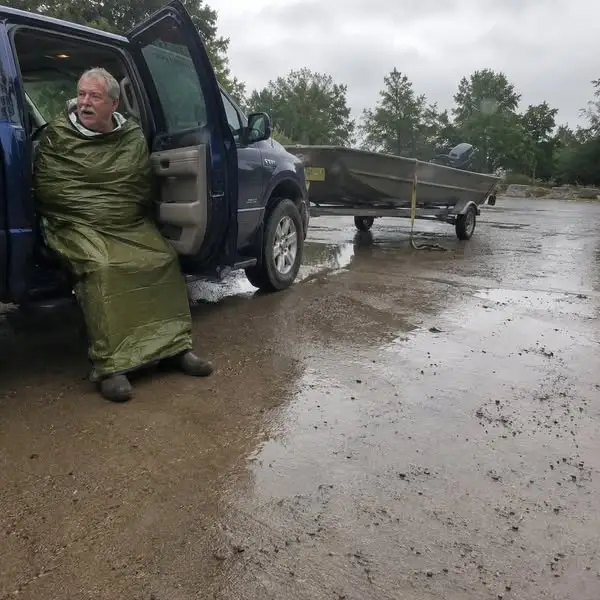
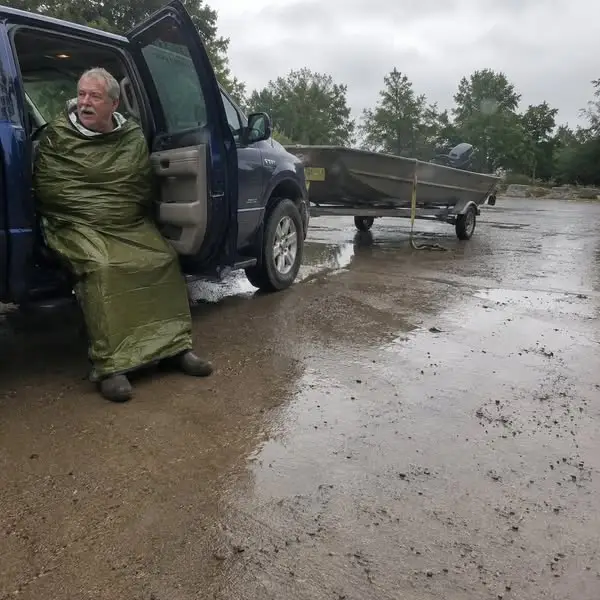
While two medics were cutting Ray's shirt off at the ramp, his phone buzzed in my hand with a text from his wife. What time you boys coming home, keeping supper warm. Ray is 72, and she has packed him a sandwich for the lake every Saturday for fifty years. I stood there in the sun holding his phone, watching the cursor blink, with no idea what to tell that woman. Behind me they were wrapping him in layers and arguing about whether his heart rate was coming back up. Supper stayed warm till dark. I grabbed the seat cushion and threw it long. It slapped down six feet wide of him. I threw the rope bag next, and that landed worse. So I cranked the motor and crept toward Ray, because a prop and a swimming man share the same stretch of water. His head went under twice before I reached him. Both times it came back up. His arms did their job. But those arms were slapping the surface flat, over and over, like he was beating out a fire on the water. His legs hung under him like they belonged to a sleeping man. -- I've had to tell this four times now, to Kathy, to my wife, to the men at church, and I still don't tell it right. So let me do it straight through while my hands are steady. Me and Ray run two boats on this lake, same ramp, most Saturdays. Close enough across the water to argue about spinnerbaits, which we did that morning over coffee out of his dented thermos. I turned 71 that week. He's 72. Between us we've got better than a hundred years on that water, and neither one of us had ever heard of July hurting anybody. A pontoon drifted past us mid-morning with a radio going on it. The fellow driving raised his beer can at us, friendly, and I raised mine back. Ten minutes later Ray's rod doubled over and he was on his feet before I finished hollering. His rod stayed behind him dancing on the deck of his empty boat. On the water where his shoulders punched through, the ring was already smoothing out flat. I got a fist in his collar at the side of the boat, and his weight near took me over too. Wet clothes hold water like a bucket does. A proud 72-year-old turns to cargo real quick. Getting him over the side took everything I own. He came across the edge and folded onto the floorboards like a sack of feed. Somewhere in the middle of all that he tried to apologize to me. A man apologizing while his own body is quitting on him. -- He was awake. His eyes followed me around the boat. But his words came out slow and thick, like a man three beers into a wedding reception. Ray hasn't touched a beer since Easter. His teeth were going hard enough that I could hear them over the motor. It was pushing ninety that morning. My shirt was stuck to my back with sweat. I stood there dripping on the carpet while my best friend's lips turned gray in the sunshine. -- I dialed 911 with wet fingers and gave them our ramp, the main one at Miller's landing. The dispatcher said the ambulance was rolling, and to keep him out of the wind if I could. She kept me talking the whole idle down the bank. Asked me his name, his age, whether he was still shivering. Shivering is good, she said. Tell me if it stops. There was wind coming across that open water. I parked my back into it like a fence post and checked his jaw every hundred yards like a fuel gauge. Miller's sits a mile and a half down from where we were. With him sliding around on the floor I couldn't run the boat hard, so I idled the whole way and hollered his name regular. Each time, a hand would lift up to show me he was still with me. That arm came up slower every time. Backing the trailer down, my hands shook so bad I took three runs at it. I loaded him into my truck and the air conditioning caught him square in the face. He curled away from the vent like it was throwing ice. Kill that cold air, he said. Slurred, but stubborn with it. So I shut it off and rolled the windows down and let July cook the both of us the whole drive. A soaked man begging for hot wind. That one went in the pile of things I didn't understand yet. -- There was a beach towel rolled up in the dry box behind my seat. I wrapped his neck and shoulders and rubbed his arms like they do on television. Inside five minutes that towel was as wet as he was. It drank the water off his skin and then quit on him. I remember thinking, a towel is nothing out here. Then I felt ashamed for thinking it, because a towel was what I had. His sandwich sat squashed on the seat between us, and neither one of us touched it the whole ride. -- The ambulance met us waterside, lights turning circles in all that sunshine, which never once looks right. Jet skis buzzed the far point. Kids were jumping off the public dock. Saturday at the lake, same as every Saturday. Two young medics out of the fire house up the road took him off my hands. The woman knelt right down in the wet on the ramp boards beside him. She laid the back of her hand flat on his chest and snatched it back like the stove had surprised her. They cut his shirt off him right there in front of everybody. Underneath he was fish-belly white, bumped all over with goosebumps on a ninety-degree morning. They started stacking dry layers on him out of the rig. The last layer came off the sled their rescue boat tows. I never got a good look at it. They had it closed around him before I thought to ask what it was. I held the stretcher rail and watched his teeth slow down. Some pink came back around his mouth by the time they lifted him. A little crowd gathers quick at a boat ramp. A fellow over by the ice machine had his phone up, filming. Ray, laid out bare-chested with his teeth going, for strangers to watch later. I stepped into the shot and planted myself there till the man pocketed it. That's the kind of friend Ray's got. I'd do it again tomorrow. -- The young medic found me at the back doors of the ambulance. She must have read something on my face, because she spent two minutes on me she probably didn't have. You're thinking he's too old for this, she said. Stop that. His age cost him maybe a minute. The water did the rest. I asked her about the legs. Flat water, ten feet, and they wouldn't answer him. Cold water grabs the breath out of a body, she said. One big swallow you can't stop. And for about a minute after that, the legs stop taking orders. She's seen it in strong men, sober as church, on warm July Sundays. I asked her about the sound he made coming up. That was breathing, she said. Families ask all the time why their man hollered. He wasn't hollering. That gulp was his body trying to stay alive. Then she gave me the one number I'll carry out of this whole thing, and I've told it her way ever since. Water pulls the heat out of a man about twenty-five times faster than air does. I stood there looking at that lake a long piece after she said it. She nodded at my shirt, dried stiff by then. You felt a taste of it today and don't know it, she said. A wet man standing in a breeze loses his heat while the water leaves his skin. The drying itself drains him. The month has nothing to do with it. I asked why they don't just bury a man like that in blankets. She gave me the teacher look. Blankets drink him and then sit there, she said. And heating a cold body from the outside takes longer than he's got. We quit playing that game a while back. What we do now is meaner and simpler. We try to keep what he's still holding from leaking out of him. Keep what he's holding from leaking out. I've turned that sentence over every day since. She said pulling a man out of the water isn't the finish line people think it is. A body keeps paying the bill even after it's safe on land. Watch him close, those first hours. I asked how often this happens, summer water and grown men. More than winter, she said, on this lake anyway. January, nobody's in the water. Summer, everybody is. And nine times out of ten it's not some rookie, either. Rookies hold onto the boat. It's the fellow who's stood up ten thousand times before. There was a kayaker two summers back, out with his grandkids on a warm evening close to shore. Warm like that day. They didn't get him back. She said the family kept asking how a man drowns on a day like that, and she quit being surprised by it years ago, and that quitting is what scares her. Then somebody hollered her name and the doors took her away. -- I followed the ambulance into town with the boat rattling behind the truck, going the speed limit like a funeral procession, making deals with God I had no business offering. At the hospital I sat down square under the ceiling vent in the waiting room, still in my wet shorts. That cold came down the back of my neck while I waited on news about my friend. I sat shivering inside a building in July for a good while before I understood why I'd picked that seat. Then I moved. Around suppertime a nurse came out and said his core temperature was low but climbing back up the slow safe way. She asked was I family. I'm Walt, I said. Twenty summers' worth. She used the word lucky twice. I held onto it the rest of the night like a handrail. The doctor stopped by my chair on his rounds. Another stretch floating out there, he said, and this is a different conversation with a different family. They let me back once they had him settled. He looked smaller in that bed than he does in his boat. First clear sentence out of him, no slur anywhere in it. Don't tell Kathy. -- Kathy is his girl. Lives three hours south. Buried her husband young and raised two boys by herself. Every Friday Ray drives over and puts those boys on the water, because their daddy can't. It's the one thing he builds his whole week around. I won't say a word, I told him. Then I stood out by the vending machines and did the math on that promise. I'd watched a strong man's lips go gray over a bass today. Kathy deserved to hear it from me, not from a deputy some other morning. So I called her from the vending machines. She cried a long piece, thanked me twice, which was backwards, and pointed the car north that night. First thing she said at the hospital was they'd talk Monday about him keeping the boat. I watched Ray's jaw set from across the room. She asked me two questions on the drive over. Did he suffer, and did he know what was happening to him. I told her the truth. He knew the water was happening. He just couldn't get his body to obey. Ray didn't speak to me for two days after that. Tuesday at the diner he stirred one cup of coffee till it went cold in front of him. Some of the regulars asked about all the sirens Saturday. Ray told them smooth as anything it was motor trouble, needed a tow. A man hiding a drowning like it was something he'd done wrong. That told me more than the silence did. Thursday he phoned me himself, voice leveled back out. He wanted to know what else the medic said at the ramp. I fed him every word I still had. He went so quiet on the line I checked the call was still connected. Finally he said, me and that water go back sixty years. I reached for that net like I was forty years old. -- Monday morning I collected his boat off the ranger at Miller's and cleaned the live well out for him. Those nightcrawlers he bought at the bait shop that morning were still rolling around the ice chest. Seemed wrong somehow to feed them to the fish after all that. Kathy's boys came up the next weekend anyway. Mine too. July does that. Everybody lands at the house with the dock. My grandkids swam till their lips matched Ray's from the ramp. My wife wrapped the youngest girl in a beach towel, and I stood on the dock boards watching that towel drink lake water and hand nothing back to her. Every time a kid went off the ladder, I watched the ring spread flat behind them, and my stomach went with it. I caught myself counting heads on that dock every ten minutes like a hired lifeguard. After supper I walked to the end and put a hand in the water. The top foot was honest bathwater. Reaching under a foot more, my forearm found the cold band that lives down there all summer long. Fifty years I've run baits through that cold line. Every man who trolls this lake knows about it. I'd just never once aimed it at the children jumping off my own ladder. Saturday morning, before church, I emptied my dry box out onto the garage floor. Sunscreen, rope, flares gone pink with age, a poncho, two towels. I stood over that pile a good while. Nothing in it works on soaked skin. Nothing stops heat from leaving you. Most of it wants two dry hands and a cool head, and I've met myself at a ramp with my heart slamming. I had neither. Sunday my son came by and borrowed the trailer setup for the following weekend. Him and my two oldest grandboys, up the river where the current runs cold off the dam. I got four words into Ray's story. Dad, he said. It's July. That water's as warm as the pool. He's forty-one, strong as Ray ever was, and his boys can't swim a lick yet. That night my wife told me I've been somewhere else since the lake. She was right. I lay in the dark going through every soul I love touching water. Ray and his Fridays. Me and my dock. My boy and that cold river. Kathy's two in the motel pool every vacation. The calendar calls every one of those days safe. Swimming weather, boating weather, the months where nothing bad is supposed to happen. -- Here's what that young medic left me holding, and I've checked it against every name I just counted. Whatever answers this has to start where the lake hands you over. The man arrives soaked, so soaked is where the work begins. The towel drank Ray's water and quit inside five minutes, so the answer can't be one more thing that soaks. She told me they quit adding heat, so the answer has to hold a man's own warmth inside him, like a lid on what's left, instead of chasing warmth from outside. The wind put shivers in me on that drive and my boots never got wet, so it has to stand between a man and the breeze too. They loaded Ray off those ramp boards, and concrete stays concrete in July, so it has to mind the ground under a man and not only the air on him. Nothing out there plugs in. The truck's AC fought us harder than it helped. So the answer can't owe anybody a cord or a charge. The whole rescue fit inside two minutes, and most of it was me throwing badly, so it has to open fast in scared, shaking hands. Mine shook on the trailer hitch, and I was the dry one. And it has to live in the boat year-round, small enough to hide under a seat, because nobody plans the day. I keep seeing that pontoon fellow wave his beer can while Ray slapped the water flat. Ten feet of warm water stood between a normal Saturday and a phone call to Kathy. Nobody on that lake knew but me and him. I'm no genius about equipment. I buy what the marina sells and forget it in a box. But I've started asking one question at every counter in this county. Does it work on a soaking-wet man, in the wind, on cold ground, in July, with no power, in the hands of a scared seventy-year-old, fast? So far every store has handed me the same answer in a different color. A folded towel. Friday I'll be on that lake anyway, watching Ray's grandboys bait their own hooks. I'd just like to stop being the man who owns nothing that answers her question. -- Friday morning I skipped the ramp and drove to the fire house instead. Carried a box of doughnuts from the diner, because men my age still believe sugar opens doors. The young medic was in the bay rinsing off the rescue sled. She squinted at me until I said Ray's name and the date, and her face opened right up. You're the partner, she said. The one in the wet shorts. Guilty on both counts, I told her. An older fellow came through the bay wiping his hands on a red rag, and neither of them needed my name. Everybody in this county knows the story by now, courtesy of the ice-machine filmographer. She waved me into a folding chair by the trucks and poured me gas-station coffee in a paper cup. Then she unrolled the thing off the sled right there on the concrete so I could see it proper. It looked like a sleeping bag that had gone on a diet. Silver as a dime inside. Weighed less than the pillow off my couch. Go on and touch it, she said, so I laid my hand inside. My own warmth came right back at my knuckles through that lining. This bought Ray his hour, she said. A body makes heat all day long whether he's smart about anything else or not. All this does is stop it leaking out of him into the water, the wind, the ground under him. Keeps about nine parts out of ten of his own warmth right there where it belongs. Nothing plugs in. Nothing runs out. Nothing cares how soaked he is. Wet is the whole reason for it, she said. She topped my coffee off without asking and nodded at the cork board behind her desk. Ball teams, retirements, and a whole row of people wrapped in that same silver stuff on stretchers. Half of them grinning like they'd been caught at something. That's one summer on this lake, she said. Half of them went in on days hotter than today. I stood there holding a bag light as my lunch and thought about every towel I've ever owned. Where do regular people get such a thing, I asked her. Not from mine, she said, laughing. But the same idea exists for regular folks now. Read what a thing actually claims before you pay for it. Half of what's out there is shine with nothing underneath. The good ones will tell you straight what share of the heat they hold in, she said. Make them say the number out loud. Somebody hollered her name from the rigs and she went. I sat in my truck a good minute before I drove home. -- Three evenings that week I sat at the kitchen table reading instead of watching television. Glasses sliding down my nose, pushing them up, reading on. Some nights she set her book down and let me read a page out loud to her. If I read it twice, she knew it wasn't the one. My wife finally asked what I was hunting. An answer, I told her. To her question, all seven parts of it. Soaked man, wind, cold ground, no power, scared old hands, fast, July. Most everything I found was my folded towel wearing a nicer wrapper. I looked at a proper cold-weather sleeping bag. But it won't hide under a boat seat year-round, and it's no use at all once it gets soaked. Thursday night, somewhere past midnight, I found the TerraShell. The picture showed a pouch about the size of a soda can sitting in a boat's cup holder like it belonged there. I read that page twice, slower the second time. It works soaking wet, the page said. Wet is when it goes to work. It stands between a man and the wind, and between a man and the ground under him. Ninety percent of the heat a body already makes gets bounced straight back into him. That silver film came out of the space program, the page said, made so astronauts wouldn't leak their warmth into empty space. No batteries, no cords, nothing to charge. Unzip, shake it open, wrap him, done. Faster than I threw two cushions wide of my best friend. And the price sat at the bottom of the page being sensible. About what me and Ray lay on the table at the diner after we fish. I ordered seven before my coffee got cold. One per butt across our boats, plus extras, because somebody always brings a friend. -- The box came the following Tuesday. My wife met it on the porch with her arms crossed. Looks like a chip bag, she said. It surely does look like a chip bag, I agreed. Until you're the one inside it. After supper we spread a TerraShell out on the living room floor. It crinkles some, I'll tell you straight. Our youngest grandboy was there, so we zipped him in up to his chin just to see. Thirty seconds went by. Then he's clawing at the zipper, cheeks gone pink. Grandpa, I'm cooking. Standing on the carpet. In July. With the AC blowing on us. That's the moment my wife stopped crossing her arms about the TerraShell. She claimed one for her car door pocket on the spot. Said if it's good enough for a space program it can warm her knees at the drive-in. The grandboy asked could he sleep in his, so we tried it over his quilt one night. By morning he'd kicked every blanket off but that one. He announced his bed was a spaceship now and quit arguing about bedtime altogether. The rest of the TerraShells went out like this. One under my seat. One under Ray's. One in the dock box, rolled up tight beside the rope. One behind the truck seat, because trucks end up in places boats can't. One in my boy's river bag, with orders to leave it there clear past Labor Day. Two rode south in Kathy's van, for the motel pools and the drive up. Ray called the night his TerraShell showed. Said the note in the box made him laugh for the first time since July. What note, I asked. One per butt, he said. You signed it. Tuesday I stood at the marina counter buying hooks, and the fellow there asked why I kept grinning at my receipt. So I told him about July, short version. He quit counting change halfway through. Showed me where his own boat sits in the slip, two slips down from ours. He ordered his TerraShells before I paid for the hooks. First cool front of the season came through one Sunday evening not long after, seventy degrees with a wind straight through the porch screens. I took my own TerraShell out to the swing and sat in it a while, just to know what Ray felt on that ramp. Ten minutes in, I had to unzip it to the waist. Seventy degrees, mind you, with a breeze on me. I sat there understanding my best friend a little better and thanking God again under my breath. -- Two Saturdays ago the sky did its August trick. Blue over the ramp at ten o'clock. By noon a gray wall was walking across the far point, rain hitting like gravel. We ran for Miller's ahead of it and made the dock mostly dry. Then Ray stood out in the thick of it cinching his boat down to the trailer, because that's Ray. Both trailers parked, and his teeth were going in seventy-eight degree air. Wind straight off the water, shirt soaked through, and here came that jaw again. My stomach knew before my head did. Under my seat, the TerraShell. I shook it open one-handed against my knee, easier than shaking out my rain jacket. Zipped the TerraShell around him up to the neck and walked him to the truck. He worked the zipper himself from inside, which surprised me, wet hands and all. Ten feet of that silver hood and he looked like a man riding home from a moon landing. I watched him in the mirror more than I watched the road, which I don't recommend. At the Dairy Bar his teeth had settled down. Before the highway, color was back around his mouth. Ten minutes, wrapped in a TerraShell weighing less than his tackle box. Soaked to the skin, wind doing its worst, seventy-eight degrees. Everything the lake handed us in July, except the terror. He laughed about it over burgers. Twice now that silver stuff has bailed me out, he said. One of those times didn't even scare me. He made me pull over at the Dairy Bar window so he could show the space bag to the girl working the counter. She'd already heard the July version from somebody. Word gets around a town this size by Sunday. His word for the TerraShell is the same as the boys' now. Space bag. He tells people about it at the diner whether they ask or not. -- Week before last, the young medic was restocking the rig at Miller's while we launched. I carried the TerraShell over and put it in her hands without a word. She turned it over and read the tag slow. Then she nodded the way a teacher nods over her own homework. That's the idea, she said. That is exactly the idea. She asked where I'd found it. Then she wrote TerraShell on the back of a call ticket in her neat medic printing. For my dad, she said. He floats the river every Sunday with his neighbors and won't hear a word about it from me. I keep that ticket stub in my glove box. -- Kathy's Monday came and went the way Mondays should. His doctor found no harm done to his heart, and the boat stayed in the family. The doctor drew one line for him, plain as a fence post. Get soaked like that again soon, he said, and we do this over with worse odds. Her conditions were plain too. Vests on the boys every ride. And Ray listens when his own body starts talking now. They gave him a week clear out of the water, which about killed him worse than the lake did. He washed that boat in the driveway twice like it was a sick calf. Kathy caught him messing with the outboard Wednesday and made him go sit on the porch. Me, I woke up a few of those nights at some dark hour with my ears full of the sound he made coming up. No dream worth naming. Just the sound, then wide awake, listening to the ceiling fan turn. It fades a little more every week. My wife says that's how it goes for everybody who was there. That first Friday back I idled alongside him the whole morning, close enough to holler across. Neither of us mentioned it. Last Friday I watched him put Kathy's youngest on his first bass off the point. The boy hollered like the fish meant to eat him, and Ray laughed till he had to sit down on the cooler. He told those boys the truth about July too. Sat right on that cooler and told it plain. No motor trouble anywhere in it. Showed them the TerraShell riding under each seat of both boats. The boys call the TerraShells space bags. They argue over who carries two. Me, I've changed on my own dock, but only in one direction. Sunday the grandkids jumped off my ladder until supper. I counted heads exactly once. Then I let it be and spent the afternoon watching bobbers with the little ones instead. My wife caught me sitting easy in the shade with my coffee going cold on me. She squeezed my shoulder going past with the lemonade. Never said a word. She's the one who told our daughter I'd come back from wherever I went after the lake. -- I'm not telling this to scare anybody. Scared is where I lived most of three weeks, and I wouldn't hand that to Kathy, or to you. I'm telling it because the fix turned out small and cheap and real. Keeping quiet about that started to feel wrong. I'm not a prepper. I'm a grandfather with a boat and a dock. Every family I know owns the same inventory. A dock, or a pond, or a pool ladder, or a creek, or a boat. Kids who run hot all June and still climb out of the water blue-lipped in August. A husband or a boy who thinks gear is for other people, standing on a wet deck in a breeze he calls nothing. Somebody riding home soaked and shaking while the whole car laughs at the chattering teeth. Because chattering teeth are supposed to be funny. I laughed too, right up until the fourth Saturday in July. And the trouble doesn't always wear swimsuits, either. Trucks find ditches in November sleet. Ice storms take the power out for days at a stretch. A TerraShell under a seat or in a trunk works all the same no matter which kind of cold finds you. The TerraShell costs about what lunch costs at the diner. Better than fifty thousand families keep these in their boats and trunks now. I believed that number the day my grandboy started cooking on my carpet. I've since ordered four more. Two ride in my boy's boat up the cold river. One lives in the camper. One stays in Kathy's trunk, because she hauls those boys more than anybody alive. When your own family starts arguing over who got shorted on the last order, you'll understand why I quit counting. One per person, one per butt, like the note says. You get 120 days to try yours. Spread it out in the living room, feel your own heat come back at you, take your time deciding. If it doesn't earn the spot under your seat, send it back inside those 120 days and they return your money. That window runs once per order, which sits fine with me. It's still summer as I write this. Saturday that lake will lie flat and glassy again, pushing ninety by noon, every soul on it swearing warm water never hurt anybody. The TerraShell under my seat has already earned its keep twice. -- https://tryterrashell.com/pp P.S. Kathy sent me a photo last night. Ray asleep in his chair, both boys sacked out against him, rods leaning in the corner by the door. Friday nights are Fridays again at their house. The youngest boy lost his first tooth that same week and made Ray pay out a fishing dollar for it. And my wife says I laugh at supper again, loud enough to shame the grandkids. Best review I've had in years. P.P.S. When your TerraShell shows up, do one thing before you stash it. Unfold it in the living room and sit yourself in it a few minutes. Your own heat comes back at you faster than feels reasonable. After that you'll never wonder about it again. Then put it where the story put mine. Under a seat, in the dock box, behind the truck bench, in the beach bag. Half the good gear I ever bought lives forgotten on a closet shelf. Don't let a TerraShell join it. P.P.P.S. The guarantee, one more time, plain. 120 days from when it lands on your porch. Try it in the den, try it at the lake, let the grandkids test it. If it doesn't earn its keep, back it goes and your money comes back with it. Once per order. Decide inside the window and be done thinking about it. P.P.P.P.S. About supply, honest. I'm a customer, nothing more. I don't set their prices and I've never seen their warehouse. I checked Friday and they're still shipping at that lunch-money figure. How long that holds, I couldn't tell you, and I won't pretend otherwise. Everything costs more every year around here. And the warm Saturdays left this year can be counted on two hands. P.P.P.P.P.S. My Saturday list grew one line this summer. Gas, life vests, sandwiches, cold drinks. Then I flip open the under-seat box and count the TerraShells. One per butt, plus spares, same as always. Takes a minute. Means I never ride that bank road again hollering a man's name across the water. P.P.P.P.P.P.S. Thursday Ray pulled out of the driveway towing the boat, both boys buckled in the middle seat, headed for the dam pool. Your Saturday's coming too. Glass water, hot sun, everybody swearing it's too warm out for anything bad. Ride with the TerraShell under your seat and be the one whose boat already carries the answer. https://tryterrashell.com/pp

Loading the ad's image
Jake Morrison — He Drowned In Warm Water
Promising

He Drowned In Warm Water

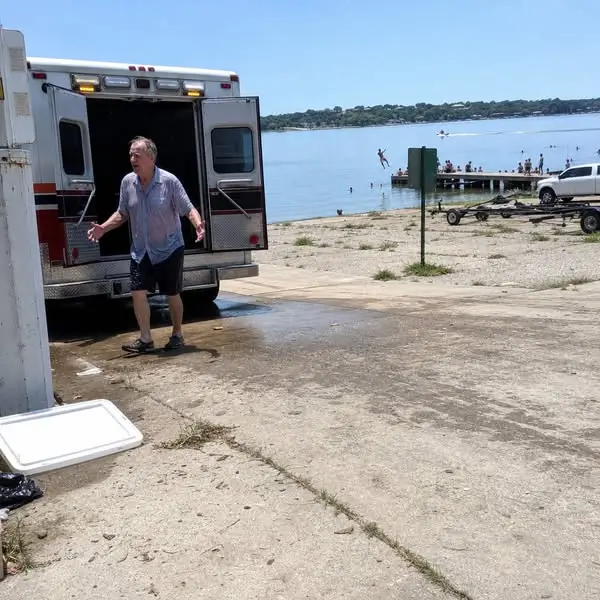
"Grab the net," Ray hollered at me from the water, holding it up in one hand like that fish still mattered. That's exactly who he is, 72 years old and more worried about losing a crappie than looking foolish. Thirty seconds later he wasn't hollering anything. His mouth was still moving, but nothing organized was coming out, and his chin dipped under between tries. I have replayed those thirty seconds most nights since. The net floated away, and I let it go. I grabbed the seat cushion and threw it long. It slapped down six feet wide of him. I threw the rope bag next, and that landed worse. So I cranked the motor and crept toward Ray, because a prop and a swimming man share the same stretch of water. His head went under twice before I reached him. Both times it came back up. His arms did their job. But those arms were slapping the surface flat, over and over, like he was beating out a fire on the water. His legs hung under him like they belonged to a sleeping man. -- I've had to tell this four times now, to Kathy, to my wife, to the men at church, and I still don't tell it right. So let me do it straight through while my hands are steady. Me and Ray run two boats on this lake, same ramp, most Saturdays. Close enough across the water to argue about spinnerbaits, which we did that morning over coffee out of his dented thermos. I turned 71 that week. He's 72. Between us we've got better than a hundred years on that water, and neither one of us had ever heard of July hurting anybody. A pontoon drifted past us mid-morning with a radio going on it. The fellow driving raised his beer can at us, friendly, and I raised mine back. Ten minutes later Ray's rod doubled over and he was on his feet before I finished hollering. His rod stayed behind him dancing on the deck of his empty boat. On the water where his shoulders punched through, the ring was already smoothing out flat. I got a fist in his collar at the side of the boat, and his weight near took me over too. Wet clothes hold water like a bucket does. A proud 72-year-old turns to cargo real quick. Getting him over the side took everything I own. He came across the edge and folded onto the floorboards like a sack of feed. Somewhere in the middle of all that he tried to apologize to me. A man apologizing while his own body is quitting on him. -- He was awake. His eyes followed me around the boat. But his words came out slow and thick, like a man three beers into a wedding reception. Ray hasn't touched a beer since Easter. His teeth were going hard enough that I could hear them over the motor. It was pushing ninety that morning. My shirt was stuck to my back with sweat. I stood there dripping on the carpet while my best friend's lips turned gray in the sunshine. -- I dialed 911 with wet fingers and gave them our ramp, the main one at Miller's landing. The dispatcher said the ambulance was rolling, and to keep him out of the wind if I could. She kept me talking the whole idle down the bank. Asked me his name, his age, whether he was still shivering. Shivering is good, she said. Tell me if it stops. There was wind coming across that open water. I parked my back into it like a fence post and checked his jaw every hundred yards like a fuel gauge. Miller's sits a mile and a half down from where we were. With him sliding around on the floor I couldn't run the boat hard, so I idled the whole way and hollered his name regular. Each time, a hand would lift up to show me he was still with me. That arm came up slower every time. Backing the trailer down, my hands shook so bad I took three runs at it. I loaded him into my truck and the air conditioning caught him square in the face. He curled away from the vent like it was throwing ice. Kill that cold air, he said. Slurred, but stubborn with it. So I shut it off and rolled the windows down and let July cook the both of us the whole drive. A soaked man begging for hot wind. That one went in the pile of things I didn't understand yet. -- There was a beach towel rolled up in the dry box behind my seat. I wrapped his neck and shoulders and rubbed his arms like they do on television. Inside five minutes that towel was as wet as he was. It drank the water off his skin and then quit on him. I remember thinking, a towel is nothing out here. Then I felt ashamed for thinking it, because a towel was what I had. His sandwich sat squashed on the seat between us, and neither one of us touched it the whole ride. -- The ambulance met us waterside, lights turning circles in all that sunshine, which never once looks right. Jet skis buzzed the far point. Kids were jumping off the public dock. Saturday at the lake, same as every Saturday. Two young medics out of the fire house up the road took him off my hands. The woman knelt right down in the wet on the ramp boards beside him. She laid the back of her hand flat on his chest and snatched it back like the stove had surprised her. They cut his shirt off him right there in front of everybody. Underneath he was fish-belly white, bumped all over with goosebumps on a ninety-degree morning. They started stacking dry layers on him out of the rig. The last layer came off the sled their rescue boat tows. I never got a good look at it. They had it closed around him before I thought to ask what it was. I held the stretcher rail and watched his teeth slow down. Some pink came back around his mouth by the time they lifted him. A little crowd gathers quick at a boat ramp. A fellow over by the ice machine had his phone up, filming. Ray, laid out bare-chested with his teeth going, for strangers to watch later. I stepped into the shot and planted myself there till the man pocketed it. That's the kind of friend Ray's got. I'd do it again tomorrow. -- The young medic found me at the back doors of the ambulance. She must have read something on my face, because she spent two minutes on me she probably didn't have. You're thinking he's too old for this, she said. Stop that. His age cost him maybe a minute. The water did the rest. I asked her about the legs. Flat water, ten feet, and they wouldn't answer him. Cold water grabs the breath out of a body, she said. One big swallow you can't stop. And for about a minute after that, the legs stop taking orders. She's seen it in strong men, sober as church, on warm July Sundays. I asked her about the sound he made coming up. That was breathing, she said. Families ask all the time why their man hollered. He wasn't hollering. That gulp was his body trying to stay alive. Then she gave me the one number I'll carry out of this whole thing, and I've told it her way ever since. Water pulls the heat out of a man about twenty-five times faster than air does. I stood there looking at that lake a long piece after she said it. She nodded at my shirt, dried stiff by then. You felt a taste of it today and don't know it, she said. A wet man standing in a breeze loses his heat while the water leaves his skin. The drying itself drains him. The month has nothing to do with it. I asked why they don't just bury a man like that in blankets. She gave me the teacher look. Blankets drink him and then sit there, she said. And heating a cold body from the outside takes longer than he's got. We quit playing that game a while back. What we do now is meaner and simpler. We try to keep what he's still holding from leaking out of him. Keep what he's holding from leaking out. I've turned that sentence over every day since. She said pulling a man out of the water isn't the finish line people think it is. A body keeps paying the bill even after it's safe on land. Watch him close, those first hours. I asked how often this happens, summer water and grown men. More than winter, she said, on this lake anyway. January, nobody's in the water. Summer, everybody is. And nine times out of ten it's not some rookie, either. Rookies hold onto the boat. It's the fellow who's stood up ten thousand times before. There was a kayaker two summers back, out with his grandkids on a warm evening close to shore. Warm like that day. They didn't get him back. She said the family kept asking how a man drowns on a day like that, and she quit being surprised by it years ago, and that quitting is what scares her. Then somebody hollered her name and the doors took her away. -- I followed the ambulance into town with the boat rattling behind the truck, going the speed limit like a funeral procession, making deals with God I had no business offering. At the hospital I sat down square under the ceiling vent in the waiting room, still in my wet shorts. That cold came down the back of my neck while I waited on news about my friend. I sat shivering inside a building in July for a good while before I understood why I'd picked that seat. Then I moved. Around suppertime a nurse came out and said his core temperature was low but climbing back up the slow safe way. She asked was I family. I'm Walt, I said. Twenty summers' worth. She used the word lucky twice. I held onto it the rest of the night like a handrail. The doctor stopped by my chair on his rounds. Another stretch floating out there, he said, and this is a different conversation with a different family. They let me back once they had him settled. He looked smaller in that bed than he does in his boat. First clear sentence out of him, no slur anywhere in it. Don't tell Kathy. -- Kathy is his girl. Lives three hours south. Buried her husband young and raised two boys by herself. Every Friday Ray drives over and puts those boys on the water, because their daddy can't. It's the one thing he builds his whole week around. I won't say a word, I told him. Then I stood out by the vending machines and did the math on that promise. I'd watched a strong man's lips go gray over a bass today. Kathy deserved to hear it from me, not from a deputy some other morning. So I called her from the vending machines. She cried a long piece, thanked me twice, which was backwards, and pointed the car north that night. First thing she said at the hospital was they'd talk Monday about him keeping the boat. I watched Ray's jaw set from across the room. She asked me two questions on the drive over. Did he suffer, and did he know what was happening to him. I told her the truth. He knew the water was happening. He just couldn't get his body to obey. Ray didn't speak to me for two days after that. Tuesday at the diner he stirred one cup of coffee till it went cold in front of him. Some of the regulars asked about all the sirens Saturday. Ray told them smooth as anything it was motor trouble, needed a tow. A man hiding a drowning like it was something he'd done wrong. That told me more than the silence did. Thursday he phoned me himself, voice leveled back out. He wanted to know what else the medic said at the ramp. I fed him every word I still had. He went so quiet on the line I checked the call was still connected. Finally he said, me and that water go back sixty years. I reached for that net like I was forty years old. -- Monday morning I collected his boat off the ranger at Miller's and cleaned the live well out for him. Those nightcrawlers he bought at the bait shop that morning were still rolling around the ice chest. Seemed wrong somehow to feed them to the fish after all that. Kathy's boys came up the next weekend anyway. Mine too. July does that. Everybody lands at the house with the dock. My grandkids swam till their lips matched Ray's from the ramp. My wife wrapped the youngest girl in a beach towel, and I stood on the dock boards watching that towel drink lake water and hand nothing back to her. Every time a kid went off the ladder, I watched the ring spread flat behind them, and my stomach went with it. I caught myself counting heads on that dock every ten minutes like a hired lifeguard. After supper I walked to the end and put a hand in the water. The top foot was honest bathwater. Reaching under a foot more, my forearm found the cold band that lives down there all summer long. Fifty years I've run baits through that cold line. Every man who trolls this lake knows about it. I'd just never once aimed it at the children jumping off my own ladder. Saturday morning, before church, I emptied my dry box out onto the garage floor. Sunscreen, rope, flares gone pink with age, a poncho, two towels. I stood over that pile a good while. Nothing in it works on soaked skin. Nothing stops heat from leaving you. Most of it wants two dry hands and a cool head, and I've met myself at a ramp with my heart slamming. I had neither. Sunday my son came by and borrowed the trailer setup for the following weekend. Him and my two oldest grandboys, up the river where the current runs cold off the dam. I got four words into Ray's story. Dad, he said. It's July. That water's as warm as the pool. He's forty-one, strong as Ray ever was, and his boys can't swim a lick yet. That night my wife told me I've been somewhere else since the lake. She was right. I lay in the dark going through every soul I love touching water. Ray and his Fridays. Me and my dock. My boy and that cold river. Kathy's two in the motel pool every vacation. The calendar calls every one of those days safe. Swimming weather, boating weather, the months where nothing bad is supposed to happen. -- Here's what that young medic left me holding, and I've checked it against every name I just counted. Whatever answers this has to start where the lake hands you over. The man arrives soaked, so soaked is where the work begins. The towel drank Ray's water and quit inside five minutes, so the answer can't be one more thing that soaks. She told me they quit adding heat, so the answer has to hold a man's own warmth inside him, like a lid on what's left, instead of chasing warmth from outside. The wind put shivers in me on that drive and my boots never got wet, so it has to stand between a man and the breeze too. They loaded Ray off those ramp boards, and concrete stays concrete in July, so it has to mind the ground under a man and not only the air on him. Nothing out there plugs in. The truck's AC fought us harder than it helped. So the answer can't owe anybody a cord or a charge. The whole rescue fit inside two minutes, and most of it was me throwing badly, so it has to open fast in scared, shaking hands. Mine shook on the trailer hitch, and I was the dry one. And it has to live in the boat year-round, small enough to hide under a seat, because nobody plans the day. I keep seeing that pontoon fellow wave his beer can while Ray slapped the water flat. Ten feet of warm water stood between a normal Saturday and a phone call to Kathy. Nobody on that lake knew but me and him. I'm no genius about equipment. I buy what the marina sells and forget it in a box. But I've started asking one question at every counter in this county. Does it work on a soaking-wet man, in the wind, on cold ground, in July, with no power, in the hands of a scared seventy-year-old, fast? So far every store has handed me the same answer in a different color. A folded towel. Friday I'll be on that lake anyway, watching Ray's grandboys bait their own hooks. I'd just like to stop being the man who owns nothing that answers her question. -- Friday morning I skipped the ramp and drove to the fire house instead. Carried a box of doughnuts from the diner, because men my age still believe sugar opens doors. The young medic was in the bay rinsing off the rescue sled. She squinted at me until I said Ray's name and the date, and her face opened right up. You're the partner, she said. The one in the wet shorts. Guilty on both counts, I told her. An older fellow came through the bay wiping his hands on a red rag, and neither of them needed my name. Everybody in this county knows the story by now, courtesy of the ice-machine filmographer. She waved me into a folding chair by the trucks and poured me gas-station coffee in a paper cup. Then she unrolled the thing off the sled right there on the concrete so I could see it proper. It looked like a sleeping bag that had gone on a diet. Silver as a dime inside. Weighed less than the pillow off my couch. Go on and touch it, she said, so I laid my hand inside. My own warmth came right back at my knuckles through that lining. This bought Ray his hour, she said. A body makes heat all day long whether he's smart about anything else or not. All this does is stop it leaking out of him into the water, the wind, the ground under him. Keeps about nine parts out of ten of his own warmth right there where it belongs. Nothing plugs in. Nothing runs out. Nothing cares how soaked he is. Wet is the whole reason for it, she said. She topped my coffee off without asking and nodded at the cork board behind her desk. Ball teams, retirements, and a whole row of people wrapped in that same silver stuff on stretchers. Half of them grinning like they'd been caught at something. That's one summer on this lake, she said. Half of them went in on days hotter than today. I stood there holding a bag light as my lunch and thought about every towel I've ever owned. Where do regular people get such a thing, I asked her. Not from mine, she said, laughing. But the same idea exists for regular folks now. Read what a thing actually claims before you pay for it. Half of what's out there is shine with nothing underneath. The good ones will tell you straight what share of the heat they hold in, she said. Make them say the number out loud. Somebody hollered her name from the rigs and she went. I sat in my truck a good minute before I drove home. -- Three evenings that week I sat at the kitchen table reading instead of watching television. Glasses sliding down my nose, pushing them up, reading on. Some nights she set her book down and let me read a page out loud to her. If I read it twice, she knew it wasn't the one. My wife finally asked what I was hunting. An answer, I told her. To her question, all seven parts of it. Soaked man, wind, cold ground, no power, scared old hands, fast, July. Most everything I found was my folded towel wearing a nicer wrapper. I looked at a proper cold-weather sleeping bag. But it won't hide under a boat seat year-round, and it's no use at all once it gets soaked. Thursday night, somewhere past midnight, I found the TerraShell. The picture showed a pouch about the size of a soda can sitting in a boat's cup holder like it belonged there. I read that page twice, slower the second time. It works soaking wet, the page said. Wet is when it goes to work. It stands between a man and the wind, and between a man and the ground under him. Ninety percent of the heat a body already makes gets bounced straight back into him. That silver film came out of the space program, the page said, made so astronauts wouldn't leak their warmth into empty space. No batteries, no cords, nothing to charge. Unzip, shake it open, wrap him, done. Faster than I threw two cushions wide of my best friend. And the price sat at the bottom of the page being sensible. About what me and Ray lay on the table at the diner after we fish. I ordered seven before my coffee got cold. One per butt across our boats, plus extras, because somebody always brings a friend. -- The box came the following Tuesday. My wife met it on the porch with her arms crossed. Looks like a chip bag, she said. It surely does look like a chip bag, I agreed. Until you're the one inside it. After supper we spread a TerraShell out on the living room floor. It crinkles some, I'll tell you straight. Our youngest grandboy was there, so we zipped him in up to his chin just to see. Thirty seconds went by. Then he's clawing at the zipper, cheeks gone pink. Grandpa, I'm cooking. Standing on the carpet. In July. With the AC blowing on us. That's the moment my wife stopped crossing her arms about the TerraShell. She claimed one for her car door pocket on the spot. Said if it's good enough for a space program it can warm her knees at the drive-in. The grandboy asked could he sleep in his, so we tried it over his quilt one night. By morning he'd kicked every blanket off but that one. He announced his bed was a spaceship now and quit arguing about bedtime altogether. The rest of the TerraShells went out like this. One under my seat. One under Ray's. One in the dock box, rolled up tight beside the rope. One behind the truck seat, because trucks end up in places boats can't. One in my boy's river bag, with orders to leave it there clear past Labor Day. Two rode south in Kathy's van, for the motel pools and the drive up. Ray called the night his TerraShell showed. Said the note in the box made him laugh for the first time since July. What note, I asked. One per butt, he said. You signed it. Tuesday I stood at the marina counter buying hooks, and the fellow there asked why I kept grinning at my receipt. So I told him about July, short version. He quit counting change halfway through. Showed me where his own boat sits in the slip, two slips down from ours. He ordered his TerraShells before I paid for the hooks. First cool front of the season came through one Sunday evening not long after, seventy degrees with a wind straight through the porch screens. I took my own TerraShell out to the swing and sat in it a while, just to know what Ray felt on that ramp. Ten minutes in, I had to unzip it to the waist. Seventy degrees, mind you, with a breeze on me. I sat there understanding my best friend a little better and thanking God again under my breath. -- Two Saturdays ago the sky did its August trick. Blue over the ramp at ten o'clock. By noon a gray wall was walking across the far point, rain hitting like gravel. We ran for Miller's ahead of it and made the dock mostly dry. Then Ray stood out in the thick of it cinching his boat down to the trailer, because that's Ray. Both trailers parked, and his teeth were going in seventy-eight degree air. Wind straight off the water, shirt soaked through, and here came that jaw again. My stomach knew before my head did. Under my seat, the TerraShell. I shook it open one-handed against my knee, easier than shaking out my rain jacket. Zipped the TerraShell around him up to the neck and walked him to the truck. He worked the zipper himself from inside, which surprised me, wet hands and all. Ten feet of that silver hood and he looked like a man riding home from a moon landing. I watched him in the mirror more than I watched the road, which I don't recommend. At the Dairy Bar his teeth had settled down. Before the highway, color was back around his mouth. Ten minutes, wrapped in a TerraShell weighing less than his tackle box. Soaked to the skin, wind doing its worst, seventy-eight degrees. Everything the lake handed us in July, except the terror. He laughed about it over burgers. Twice now that silver stuff has bailed me out, he said. One of those times didn't even scare me. He made me pull over at the Dairy Bar window so he could show the space bag to the girl working the counter. She'd already heard the July version from somebody. Word gets around a town this size by Sunday. His word for the TerraShell is the same as the boys' now. Space bag. He tells people about it at the diner whether they ask or not. -- Week before last, the young medic was restocking the rig at Miller's while we launched. I carried the TerraShell over and put it in her hands without a word. She turned it over and read the tag slow. Then she nodded the way a teacher nods over her own homework. That's the idea, she said. That is exactly the idea. She asked where I'd found it. Then she wrote TerraShell on the back of a call ticket in her neat medic printing. For my dad, she said. He floats the river every Sunday with his neighbors and won't hear a word about it from me. I keep that ticket stub in my glove box. -- Kathy's Monday came and went the way Mondays should. His doctor found no harm done to his heart, and the boat stayed in the family. The doctor drew one line for him, plain as a fence post. Get soaked like that again soon, he said, and we do this over with worse odds. Her conditions were plain too. Vests on the boys every ride. And Ray listens when his own body starts talking now. They gave him a week clear out of the water, which about killed him worse than the lake did. He washed that boat in the driveway twice like it was a sick calf. Kathy caught him messing with the outboard Wednesday and made him go sit on the porch. Me, I woke up a few of those nights at some dark hour with my ears full of the sound he made coming up. No dream worth naming. Just the sound, then wide awake, listening to the ceiling fan turn. It fades a little more every week. My wife says that's how it goes for everybody who was there. That first Friday back I idled alongside him the whole morning, close enough to holler across. Neither of us mentioned it. Last Friday I watched him put Kathy's youngest on his first bass off the point. The boy hollered like the fish meant to eat him, and Ray laughed till he had to sit down on the cooler. He told those boys the truth about July too. Sat right on that cooler and told it plain. No motor trouble anywhere in it. Showed them the TerraShell riding under each seat of both boats. The boys call the TerraShells space bags. They argue over who carries two. Me, I've changed on my own dock, but only in one direction. Sunday the grandkids jumped off my ladder until supper. I counted heads exactly once. Then I let it be and spent the afternoon watching bobbers with the little ones instead. My wife caught me sitting easy in the shade with my coffee going cold on me. She squeezed my shoulder going past with the lemonade. Never said a word. She's the one who told our daughter I'd come back from wherever I went after the lake. -- I'm not telling this to scare anybody. Scared is where I lived most of three weeks, and I wouldn't hand that to Kathy, or to you. I'm telling it because the fix turned out small and cheap and real. Keeping quiet about that started to feel wrong. I'm not a prepper. I'm a grandfather with a boat and a dock. Every family I know owns the same inventory. A dock, or a pond, or a pool ladder, or a creek, or a boat. Kids who run hot all June and still climb out of the water blue-lipped in August. A husband or a boy who thinks gear is for other people, standing on a wet deck in a breeze he calls nothing. Somebody riding home soaked and shaking while the whole car laughs at the chattering teeth. Because chattering teeth are supposed to be funny. I laughed too, right up until the fourth Saturday in July. And the trouble doesn't always wear swimsuits, either. Trucks find ditches in November sleet. Ice storms take the power out for days at a stretch. A TerraShell under a seat or in a trunk works all the same no matter which kind of cold finds you. The TerraShell costs about what lunch costs at the diner. Better than fifty thousand families keep these in their boats and trunks now. I believed that number the day my grandboy started cooking on my carpet. I've since ordered four more. Two ride in my boy's boat up the cold river. One lives in the camper. One stays in Kathy's trunk, because she hauls those boys more than anybody alive. When your own family starts arguing over who got shorted on the last order, you'll understand why I quit counting. One per person, one per butt, like the note says. You get 120 days to try yours. Spread it out in the living room, feel your own heat come back at you, take your time deciding. If it doesn't earn the spot under your seat, send it back inside those 120 days and they return your money. That window runs once per order, which sits fine with me. It's still summer as I write this. Saturday that lake will lie flat and glassy again, pushing ninety by noon, every soul on it swearing warm water never hurt anybody. The TerraShell under my seat has already earned its keep twice. -- https://tryterrashell.com/pp P.S. Kathy sent me a photo last night. Ray asleep in his chair, both boys sacked out against him, rods leaning in the corner by the door. Friday nights are Fridays again at their house. The youngest boy lost his first tooth that same week and made Ray pay out a fishing dollar for it. And my wife says I laugh at supper again, loud enough to shame the grandkids. Best review I've had in years. P.P.S. When your TerraShell shows up, do one thing before you stash it. Unfold it in the living room and sit yourself in it a few minutes. Your own heat comes back at you faster than feels reasonable. After that you'll never wonder about it again. Then put it where the story put mine. Under a seat, in the dock box, behind the truck bench, in the beach bag. Half the good gear I ever bought lives forgotten on a closet shelf. Don't let a TerraShell join it. P.P.P.S. The guarantee, one more time, plain. 120 days from when it lands on your porch. Try it in the den, try it at the lake, let the grandkids test it. If it doesn't earn its keep, back it goes and your money comes back with it. Once per order. Decide inside the window and be done thinking about it. P.P.P.P.S. About supply, honest. I'm a customer, nothing more. I don't set their prices and I've never seen their warehouse. I checked Friday and they're still shipping at that lunch-money figure. How long that holds, I couldn't tell you, and I won't pretend otherwise. Everything costs more every year around here. And the warm Saturdays left this year can be counted on two hands. P.P.P.P.P.S. My Saturday list grew one line this summer. Gas, life vests, sandwiches, cold drinks. Then I flip open the under-seat box and count the TerraShells. One per butt, plus spares, same as always. Takes a minute. Means I never ride that bank road again hollering a man's name across the water. P.P.P.P.P.P.S. Thursday Ray pulled out of the driveway towing the boat, both boys buckled in the middle seat, headed for the dam pool. Your Saturday's coming too. Glass water, hot sun, everybody swearing it's too warm out for anything bad. Ride with the TerraShell under your seat and be the one whose boat already carries the answer. https://tryterrashell.com/pp

Loading the ad's image
Jake Morrison — He Drowned In Warm Water
Promising

He Drowned In Warm Water

My best friend went under a flat-calm lake in July while I watched from fifty yards away. Ray is 72 years old and has been standing up to net fish since before either of us had gray hair. That morning the water looked warm enough for the kids jumping off the point, and it mirrored the ramps like a picture. He tipped over the side reaching for a crappie, the same way he has a thousand times. What showed where he went in was his ball cap, turning slow in the ring he left. Then I heard the sound he made when his head came back up, and I got my motor started. I grabbed the seat cushion and threw it long. It slapped down six feet wide of him. I threw the rope bag next, and that landed worse. So I cranked the motor and crept toward Ray, because a prop and a swimming man share the same stretch of water. His head went under twice before I reached him. Both times it came back up. His arms did their job. But those arms were slapping the surface flat, over and over, like he was beating out a fire on the water. His legs hung under him like they belonged to a sleeping man. -- I've had to tell this four times now, to Kathy, to my wife, to the men at church, and I still don't tell it right. So let me do it straight through while my hands are steady. Me and Ray run two boats on this lake, same ramp, most Saturdays. Close enough across the water to argue about spinnerbaits, which we did that morning over coffee out of his dented thermos. I turned 71 that week. He's 72. Between us we've got better than a hundred years on that water, and neither one of us had ever heard of July hurting anybody. A pontoon drifted past us mid-morning with a radio going on it. The fellow driving raised his beer can at us, friendly, and I raised mine back. Ten minutes later Ray's rod doubled over and he was on his feet before I finished hollering. His rod stayed behind him dancing on the deck of his empty boat. On the water where his shoulders punched through, the ring was already smoothing out flat. I got a fist in his collar at the side of the boat, and his weight near took me over too. Wet clothes hold water like a bucket does. A proud 72-year-old turns to cargo real quick. Getting him over the side took everything I own. He came across the edge and folded onto the floorboards like a sack of feed. Somewhere in the middle of all that he tried to apologize to me. A man apologizing while his own body is quitting on him. -- He was awake. His eyes followed me around the boat. But his words came out slow and thick, like a man three beers into a wedding reception. Ray hasn't touched a beer since Easter. His teeth were going hard enough that I could hear them over the motor. It was pushing ninety that morning. My shirt was stuck to my back with sweat. I stood there dripping on the carpet while my best friend's lips turned gray in the sunshine. -- I dialed 911 with wet fingers and gave them our ramp, the main one at Miller's landing. The dispatcher said the ambulance was rolling, and to keep him out of the wind if I could. She kept me talking the whole idle down the bank. Asked me his name, his age, whether he was still shivering. Shivering is good, she said. Tell me if it stops. There was wind coming across that open water. I parked my back into it like a fence post and checked his jaw every hundred yards like a fuel gauge. Miller's sits a mile and a half down from where we were. With him sliding around on the floor I couldn't run the boat hard, so I idled the whole way and hollered his name regular. Each time, a hand would lift up to show me he was still with me. That arm came up slower every time. Backing the trailer down, my hands shook so bad I took three runs at it. I loaded him into my truck and the air conditioning caught him square in the face. He curled away from the vent like it was throwing ice. Kill that cold air, he said. Slurred, but stubborn with it. So I shut it off and rolled the windows down and let July cook the both of us the whole drive. A soaked man begging for hot wind. That one went in the pile of things I didn't understand yet. -- There was a beach towel rolled up in the dry box behind my seat. I wrapped his neck and shoulders and rubbed his arms like they do on television. Inside five minutes that towel was as wet as he was. It drank the water off his skin and then quit on him. I remember thinking, a towel is nothing out here. Then I felt ashamed for thinking it, because a towel was what I had. His sandwich sat squashed on the seat between us, and neither one of us touched it the whole ride. -- The ambulance met us waterside, lights turning circles in all that sunshine, which never once looks right. Jet skis buzzed the far point. Kids were jumping off the public dock. Saturday at the lake, same as every Saturday. Two young medics out of the fire house up the road took him off my hands. The woman knelt right down in the wet on the ramp boards beside him. She laid the back of her hand flat on his chest and snatched it back like the stove had surprised her. They cut his shirt off him right there in front of everybody. Underneath he was fish-belly white, bumped all over with goosebumps on a ninety-degree morning. They started stacking dry layers on him out of the rig. The last layer came off the sled their rescue boat tows. I never got a good look at it. They had it closed around him before I thought to ask what it was. I held the stretcher rail and watched his teeth slow down. Some pink came back around his mouth by the time they lifted him. A little crowd gathers quick at a boat ramp. A fellow over by the ice machine had his phone up, filming. Ray, laid out bare-chested with his teeth going, for strangers to watch later. I stepped into the shot and planted myself there till the man pocketed it. That's the kind of friend Ray's got. I'd do it again tomorrow. -- The young medic found me at the back doors of the ambulance. She must have read something on my face, because she spent two minutes on me she probably didn't have. You're thinking he's too old for this, she said. Stop that. His age cost him maybe a minute. The water did the rest. I asked her about the legs. Flat water, ten feet, and they wouldn't answer him. Cold water grabs the breath out of a body, she said. One big swallow you can't stop. And for about a minute after that, the legs stop taking orders. She's seen it in strong men, sober as church, on warm July Sundays. I asked her about the sound he made coming up. That was breathing, she said. Families ask all the time why their man hollered. He wasn't hollering. That gulp was his body trying to stay alive. Then she gave me the one number I'll carry out of this whole thing, and I've told it her way ever since. Water pulls the heat out of a man about twenty-five times faster than air does. I stood there looking at that lake a long piece after she said it. She nodded at my shirt, dried stiff by then. You felt a taste of it today and don't know it, she said. A wet man standing in a breeze loses his heat while the water leaves his skin. The drying itself drains him. The month has nothing to do with it. I asked why they don't just bury a man like that in blankets. She gave me the teacher look. Blankets drink him and then sit there, she said. And heating a cold body from the outside takes longer than he's got. We quit playing that game a while back. What we do now is meaner and simpler. We try to keep what he's still holding from leaking out of him. Keep what he's holding from leaking out. I've turned that sentence over every day since. She said pulling a man out of the water isn't the finish line people think it is. A body keeps paying the bill even after it's safe on land. Watch him close, those first hours. I asked how often this happens, summer water and grown men. More than winter, she said, on this lake anyway. January, nobody's in the water. Summer, everybody is. And nine times out of ten it's not some rookie, either. Rookies hold onto the boat. It's the fellow who's stood up ten thousand times before. There was a kayaker two summers back, out with his grandkids on a warm evening close to shore. Warm like that day. They didn't get him back. She said the family kept asking how a man drowns on a day like that, and she quit being surprised by it years ago, and that quitting is what scares her. Then somebody hollered her name and the doors took her away. -- I followed the ambulance into town with the boat rattling behind the truck, going the speed limit like a funeral procession, making deals with God I had no business offering. At the hospital I sat down square under the ceiling vent in the waiting room, still in my wet shorts. That cold came down the back of my neck while I waited on news about my friend. I sat shivering inside a building in July for a good while before I understood why I'd picked that seat. Then I moved. Around suppertime a nurse came out and said his core temperature was low but climbing back up the slow safe way. She asked was I family. I'm Walt, I said. Twenty summers' worth. She used the word lucky twice. I held onto it the rest of the night like a handrail. The doctor stopped by my chair on his rounds. Another stretch floating out there, he said, and this is a different conversation with a different family. They let me back once they had him settled. He looked smaller in that bed than he does in his boat. First clear sentence out of him, no slur anywhere in it. Don't tell Kathy. -- Kathy is his girl. Lives three hours south. Buried her husband young and raised two boys by herself. Every Friday Ray drives over and puts those boys on the water, because their daddy can't. It's the one thing he builds his whole week around. I won't say a word, I told him. Then I stood out by the vending machines and did the math on that promise. I'd watched a strong man's lips go gray over a bass today. Kathy deserved to hear it from me, not from a deputy some other morning. So I called her from the vending machines. She cried a long piece, thanked me twice, which was backwards, and pointed the car north that night. First thing she said at the hospital was they'd talk Monday about him keeping the boat. I watched Ray's jaw set from across the room. She asked me two questions on the drive over. Did he suffer, and did he know what was happening to him. I told her the truth. He knew the water was happening. He just couldn't get his body to obey. Ray didn't speak to me for two days after that. Tuesday at the diner he stirred one cup of coffee till it went cold in front of him. Some of the regulars asked about all the sirens Saturday. Ray told them smooth as anything it was motor trouble, needed a tow. A man hiding a drowning like it was something he'd done wrong. That told me more than the silence did. Thursday he phoned me himself, voice leveled back out. He wanted to know what else the medic said at the ramp. I fed him every word I still had. He went so quiet on the line I checked the call was still connected. Finally he said, me and that water go back sixty years. I reached for that net like I was forty years old. -- Monday morning I collected his boat off the ranger at Miller's and cleaned the live well out for him. Those nightcrawlers he bought at the bait shop that morning were still rolling around the ice chest. Seemed wrong somehow to feed them to the fish after all that. Kathy's boys came up the next weekend anyway. Mine too. July does that. Everybody lands at the house with the dock. My grandkids swam till their lips matched Ray's from the ramp. My wife wrapped the youngest girl in a beach towel, and I stood on the dock boards watching that towel drink lake water and hand nothing back to her. Every time a kid went off the ladder, I watched the ring spread flat behind them, and my stomach went with it. I caught myself counting heads on that dock every ten minutes like a hired lifeguard. After supper I walked to the end and put a hand in the water. The top foot was honest bathwater. Reaching under a foot more, my forearm found the cold band that lives down there all summer long. Fifty years I've run baits through that cold line. Every man who trolls this lake knows about it. I'd just never once aimed it at the children jumping off my own ladder. Saturday morning, before church, I emptied my dry box out onto the garage floor. Sunscreen, rope, flares gone pink with age, a poncho, two towels. I stood over that pile a good while. Nothing in it works on soaked skin. Nothing stops heat from leaving you. Most of it wants two dry hands and a cool head, and I've met myself at a ramp with my heart slamming. I had neither. Sunday my son came by and borrowed the trailer setup for the following weekend. Him and my two oldest grandboys, up the river where the current runs cold off the dam. I got four words into Ray's story. Dad, he said. It's July. That water's as warm as the pool. He's forty-one, strong as Ray ever was, and his boys can't swim a lick yet. That night my wife told me I've been somewhere else since the lake. She was right. I lay in the dark going through every soul I love touching water. Ray and his Fridays. Me and my dock. My boy and that cold river. Kathy's two in the motel pool every vacation. The calendar calls every one of those days safe. Swimming weather, boating weather, the months where nothing bad is supposed to happen. -- Here's what that young medic left me holding, and I've checked it against every name I just counted. Whatever answers this has to start where the lake hands you over. The man arrives soaked, so soaked is where the work begins. The towel drank Ray's water and quit inside five minutes, so the answer can't be one more thing that soaks. She told me they quit adding heat, so the answer has to hold a man's own warmth inside him, like a lid on what's left, instead of chasing warmth from outside. The wind put shivers in me on that drive and my boots never got wet, so it has to stand between a man and the breeze too. They loaded Ray off those ramp boards, and concrete stays concrete in July, so it has to mind the ground under a man and not only the air on him. Nothing out there plugs in. The truck's AC fought us harder than it helped. So the answer can't owe anybody a cord or a charge. The whole rescue fit inside two minutes, and most of it was me throwing badly, so it has to open fast in scared, shaking hands. Mine shook on the trailer hitch, and I was the dry one. And it has to live in the boat year-round, small enough to hide under a seat, because nobody plans the day. I keep seeing that pontoon fellow wave his beer can while Ray slapped the water flat. Ten feet of warm water stood between a normal Saturday and a phone call to Kathy. Nobody on that lake knew but me and him. I'm no genius about equipment. I buy what the marina sells and forget it in a box. But I've started asking one question at every counter in this county. Does it work on a soaking-wet man, in the wind, on cold ground, in July, with no power, in the hands of a scared seventy-year-old, fast? So far every store has handed me the same answer in a different color. A folded towel. Friday I'll be on that lake anyway, watching Ray's grandboys bait their own hooks. I'd just like to stop being the man who owns nothing that answers her question. -- Friday morning I skipped the ramp and drove to the fire house instead. Carried a box of doughnuts from the diner, because men my age still believe sugar opens doors. The young medic was in the bay rinsing off the rescue sled. She squinted at me until I said Ray's name and the date, and her face opened right up. You're the partner, she said. The one in the wet shorts. Guilty on both counts, I told her. An older fellow came through the bay wiping his hands on a red rag, and neither of them needed my name. Everybody in this county knows the story by now, courtesy of the ice-machine filmographer. She waved me into a folding chair by the trucks and poured me gas-station coffee in a paper cup. Then she unrolled the thing off the sled right there on the concrete so I could see it proper. It looked like a sleeping bag that had gone on a diet. Silver as a dime inside. Weighed less than the pillow off my couch. Go on and touch it, she said, so I laid my hand inside. My own warmth came right back at my knuckles through that lining. This bought Ray his hour, she said. A body makes heat all day long whether he's smart about anything else or not. All this does is stop it leaking out of him into the water, the wind, the ground under him. Keeps about nine parts out of ten of his own warmth right there where it belongs. Nothing plugs in. Nothing runs out. Nothing cares how soaked he is. Wet is the whole reason for it, she said. She topped my coffee off without asking and nodded at the cork board behind her desk. Ball teams, retirements, and a whole row of people wrapped in that same silver stuff on stretchers. Half of them grinning like they'd been caught at something. That's one summer on this lake, she said. Half of them went in on days hotter than today. I stood there holding a bag light as my lunch and thought about every towel I've ever owned. Where do regular people get such a thing, I asked her. Not from mine, she said, laughing. But the same idea exists for regular folks now. Read what a thing actually claims before you pay for it. Half of what's out there is shine with nothing underneath. The good ones will tell you straight what share of the heat they hold in, she said. Make them say the number out loud. Somebody hollered her name from the rigs and she went. I sat in my truck a good minute before I drove home. -- Three evenings that week I sat at the kitchen table reading instead of watching television. Glasses sliding down my nose, pushing them up, reading on. Some nights she set her book down and let me read a page out loud to her. If I read it twice, she knew it wasn't the one. My wife finally asked what I was hunting. An answer, I told her. To her question, all seven parts of it. Soaked man, wind, cold ground, no power, scared old hands, fast, July. Most everything I found was my folded towel wearing a nicer wrapper. I looked at a proper cold-weather sleeping bag. But it won't hide under a boat seat year-round, and it's no use at all once it gets soaked. Thursday night, somewhere past midnight, I found the TerraShell. The picture showed a pouch about the size of a soda can sitting in a boat's cup holder like it belonged there. I read that page twice, slower the second time. It works soaking wet, the page said. Wet is when it goes to work. It stands between a man and the wind, and between a man and the ground under him. Ninety percent of the heat a body already makes gets bounced straight back into him. That silver film came out of the space program, the page said, made so astronauts wouldn't leak their warmth into empty space. No batteries, no cords, nothing to charge. Unzip, shake it open, wrap him, done. Faster than I threw two cushions wide of my best friend. And the price sat at the bottom of the page being sensible. About what me and Ray lay on the table at the diner after we fish. I ordered seven before my coffee got cold. One per butt across our boats, plus extras, because somebody always brings a friend. -- The box came the following Tuesday. My wife met it on the porch with her arms crossed. Looks like a chip bag, she said. It surely does look like a chip bag, I agreed. Until you're the one inside it. After supper we spread a TerraShell out on the living room floor. It crinkles some, I'll tell you straight. Our youngest grandboy was there, so we zipped him in up to his chin just to see. Thirty seconds went by. Then he's clawing at the zipper, cheeks gone pink. Grandpa, I'm cooking. Standing on the carpet. In July. With the AC blowing on us. That's the moment my wife stopped crossing her arms about the TerraShell. She claimed one for her car door pocket on the spot. Said if it's good enough for a space program it can warm her knees at the drive-in. The grandboy asked could he sleep in his, so we tried it over his quilt one night. By morning he'd kicked every blanket off but that one. He announced his bed was a spaceship now and quit arguing about bedtime altogether. The rest of the TerraShells went out like this. One under my seat. One under Ray's. One in the dock box, rolled up tight beside the rope. One behind the truck seat, because trucks end up in places boats can't. One in my boy's river bag, with orders to leave it there clear past Labor Day. Two rode south in Kathy's van, for the motel pools and the drive up. Ray called the night his TerraShell showed. Said the note in the box made him laugh for the first time since July. What note, I asked. One per butt, he said. You signed it. Tuesday I stood at the marina counter buying hooks, and the fellow there asked why I kept grinning at my receipt. So I told him about July, short version. He quit counting change halfway through. Showed me where his own boat sits in the slip, two slips down from ours. He ordered his TerraShells before I paid for the hooks. First cool front of the season came through one Sunday evening not long after, seventy degrees with a wind straight through the porch screens. I took my own TerraShell out to the swing and sat in it a while, just to know what Ray felt on that ramp. Ten minutes in, I had to unzip it to the waist. Seventy degrees, mind you, with a breeze on me. I sat there understanding my best friend a little better and thanking God again under my breath. -- Two Saturdays ago the sky did its August trick. Blue over the ramp at ten o'clock. By noon a gray wall was walking across the far point, rain hitting like gravel. We ran for Miller's ahead of it and made the dock mostly dry. Then Ray stood out in the thick of it cinching his boat down to the trailer, because that's Ray. Both trailers parked, and his teeth were going in seventy-eight degree air. Wind straight off the water, shirt soaked through, and here came that jaw again. My stomach knew before my head did. Under my seat, the TerraShell. I shook it open one-handed against my knee, easier than shaking out my rain jacket. Zipped the TerraShell around him up to the neck and walked him to the truck. He worked the zipper himself from inside, which surprised me, wet hands and all. Ten feet of that silver hood and he looked like a man riding home from a moon landing. I watched him in the mirror more than I watched the road, which I don't recommend. At the Dairy Bar his teeth had settled down. Before the highway, color was back around his mouth. Ten minutes, wrapped in a TerraShell weighing less than his tackle box. Soaked to the skin, wind doing its worst, seventy-eight degrees. Everything the lake handed us in July, except the terror. He laughed about it over burgers. Twice now that silver stuff has bailed me out, he said. One of those times didn't even scare me. He made me pull over at the Dairy Bar window so he could show the space bag to the girl working the counter. She'd already heard the July version from somebody. Word gets around a town this size by Sunday. His word for the TerraShell is the same as the boys' now. Space bag. He tells people about it at the diner whether they ask or not. -- Week before last, the young medic was restocking the rig at Miller's while we launched. I carried the TerraShell over and put it in her hands without a word. She turned it over and read the tag slow. Then she nodded the way a teacher nods over her own homework. That's the idea, she said. That is exactly the idea. She asked where I'd found it. Then she wrote TerraShell on the back of a call ticket in her neat medic printing. For my dad, she said. He floats the river every Sunday with his neighbors and won't hear a word about it from me. I keep that ticket stub in my glove box. -- Kathy's Monday came and went the way Mondays should. His doctor found no harm done to his heart, and the boat stayed in the family. The doctor drew one line for him, plain as a fence post. Get soaked like that again soon, he said, and we do this over with worse odds. Her conditions were plain too. Vests on the boys every ride. And Ray listens when his own body starts talking now. They gave him a week clear out of the water, which about killed him worse than the lake did. He washed that boat in the driveway twice like it was a sick calf. Kathy caught him messing with the outboard Wednesday and made him go sit on the porch. Me, I woke up a few of those nights at some dark hour with my ears full of the sound he made coming up. No dream worth naming. Just the sound, then wide awake, listening to the ceiling fan turn. It fades a little more every week. My wife says that's how it goes for everybody who was there. That first Friday back I idled alongside him the whole morning, close enough to holler across. Neither of us mentioned it. Last Friday I watched him put Kathy's youngest on his first bass off the point. The boy hollered like the fish meant to eat him, and Ray laughed till he had to sit down on the cooler. He told those boys the truth about July too. Sat right on that cooler and told it plain. No motor trouble anywhere in it. Showed them the TerraShell riding under each seat of both boats. The boys call the TerraShells space bags. They argue over who carries two. Me, I've changed on my own dock, but only in one direction. Sunday the grandkids jumped off my ladder until supper. I counted heads exactly once. Then I let it be and spent the afternoon watching bobbers with the little ones instead. My wife caught me sitting easy in the shade with my coffee going cold on me. She squeezed my shoulder going past with the lemonade. Never said a word. She's the one who told our daughter I'd come back from wherever I went after the lake. -- I'm not telling this to scare anybody. Scared is where I lived most of three weeks, and I wouldn't hand that to Kathy, or to you. I'm telling it because the fix turned out small and cheap and real. Keeping quiet about that started to feel wrong. I'm not a prepper. I'm a grandfather with a boat and a dock. Every family I know owns the same inventory. A dock, or a pond, or a pool ladder, or a creek, or a boat. Kids who run hot all June and still climb out of the water blue-lipped in August. A husband or a boy who thinks gear is for other people, standing on a wet deck in a breeze he calls nothing. Somebody riding home soaked and shaking while the whole car laughs at the chattering teeth. Because chattering teeth are supposed to be funny. I laughed too, right up until the fourth Saturday in July. And the trouble doesn't always wear swimsuits, either. Trucks find ditches in November sleet. Ice storms take the power out for days at a stretch. A TerraShell under a seat or in a trunk works all the same no matter which kind of cold finds you. The TerraShell costs about what lunch costs at the diner. Better than fifty thousand families keep these in their boats and trunks now. I believed that number the day my grandboy started cooking on my carpet. I've since ordered four more. Two ride in my boy's boat up the cold river. One lives in the camper. One stays in Kathy's trunk, because she hauls those boys more than anybody alive. When your own family starts arguing over who got shorted on the last order, you'll understand why I quit counting. One per person, one per butt, like the note says. You get 120 days to try yours. Spread it out in the living room, feel your own heat come back at you, take your time deciding. If it doesn't earn the spot under your seat, send it back inside those 120 days and they return your money. That window runs once per order, which sits fine with me. It's still summer as I write this. Saturday that lake will lie flat and glassy again, pushing ninety by noon, every soul on it swearing warm water never hurt anybody. The TerraShell under my seat has already earned its keep twice. -- https://tryterrashell.com/pp P.S. Kathy sent me a photo last night. Ray asleep in his chair, both boys sacked out against him, rods leaning in the corner by the door. Friday nights are Fridays again at their house. The youngest boy lost his first tooth that same week and made Ray pay out a fishing dollar for it. And my wife says I laugh at supper again, loud enough to shame the grandkids. Best review I've had in years. P.P.S. When your TerraShell shows up, do one thing before you stash it. Unfold it in the living room and sit yourself in it a few minutes. Your own heat comes back at you faster than feels reasonable. After that you'll never wonder about it again. Then put it where the story put mine. Under a seat, in the dock box, behind the truck bench, in the beach bag. Half the good gear I ever bought lives forgotten on a closet shelf. Don't let a TerraShell join it. P.P.P.S. The guarantee, one more time, plain. 120 days from when it lands on your porch. Try it in the den, try it at the lake, let the grandkids test it. If it doesn't earn its keep, back it goes and your money comes back with it. Once per order. Decide inside the window and be done thinking about it. P.P.P.P.S. About supply, honest. I'm a customer, nothing more. I don't set their prices and I've never seen their warehouse. I checked Friday and they're still shipping at that lunch-money figure. How long that holds, I couldn't tell you, and I won't pretend otherwise. Everything costs more every year around here. And the warm Saturdays left this year can be counted on two hands. P.P.P.P.P.S. My Saturday list grew one line this summer. Gas, life vests, sandwiches, cold drinks. Then I flip open the under-seat box and count the TerraShells. One per butt, plus spares, same as always. Takes a minute. Means I never ride that bank road again hollering a man's name across the water. P.P.P.P.P.P.S. Thursday Ray pulled out of the driveway towing the boat, both boys buckled in the middle seat, headed for the dam pool. Your Saturday's coming too. Glass water, hot sun, everybody swearing it's too warm out for anything bad. Ride with the TerraShell under your seat and be the one whose boat already carries the answer. https://tryterrashell.com/pp

Loading the ad's image
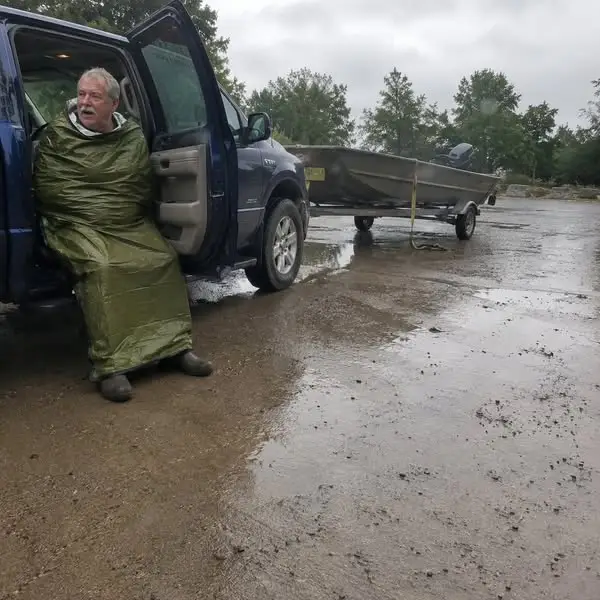
Jake Morrison — He Drowned In Warm Water
Promising

He Drowned In Warm Water

By the time I beached both boats at the ramp, Ray was slurring his words in ninety-degree heat. He kept asking me why his hands wouldn't work, polite as anything, like I'd have the answer. Twenty-nine summers we've fished that lake together, and I had never once seen him confused. His lips had gone a pale gray that didn't belong on a living face. The county rescue rig was still four miles out, and nobody on that ramp knew what to grab first. I had his wife's number up on my screen and my thumb wouldn't push call. I grabbed the seat cushion and threw it long. It slapped down six feet wide of him. I threw the rope bag next, and that landed worse. So I cranked the motor and crept toward Ray, because a prop and a swimming man share the same stretch of water. His head went under twice before I reached him. Both times it came back up. His arms did their job. But those arms were slapping the surface flat, over and over, like he was beating out a fire on the water. His legs hung under him like they belonged to a sleeping man. -- I've had to tell this four times now, to Kathy, to my wife, to the men at church, and I still don't tell it right. So let me do it straight through while my hands are steady. Me and Ray run two boats on this lake, same ramp, most Saturdays. Close enough across the water to argue about spinnerbaits, which we did that morning over coffee out of his dented thermos. I turned 71 that week. He's 72. Between us we've got better than a hundred years on that water, and neither one of us had ever heard of July hurting anybody. A pontoon drifted past us mid-morning with a radio going on it. The fellow driving raised his beer can at us, friendly, and I raised mine back. Ten minutes later Ray's rod doubled over and he was on his feet before I finished hollering. His rod stayed behind him dancing on the deck of his empty boat. On the water where his shoulders punched through, the ring was already smoothing out flat. I got a fist in his collar at the side of the boat, and his weight near took me over too. Wet clothes hold water like a bucket does. A proud 72-year-old turns to cargo real quick. Getting him over the side took everything I own. He came across the edge and folded onto the floorboards like a sack of feed. Somewhere in the middle of all that he tried to apologize to me. A man apologizing while his own body is quitting on him. -- He was awake. His eyes followed me around the boat. But his words came out slow and thick, like a man three beers into a wedding reception. Ray hasn't touched a beer since Easter. His teeth were going hard enough that I could hear them over the motor. It was pushing ninety that morning. My shirt was stuck to my back with sweat. I stood there dripping on the carpet while my best friend's lips turned gray in the sunshine. -- I dialed 911 with wet fingers and gave them our ramp, the main one at Miller's landing. The dispatcher said the ambulance was rolling, and to keep him out of the wind if I could. She kept me talking the whole idle down the bank. Asked me his name, his age, whether he was still shivering. Shivering is good, she said. Tell me if it stops. There was wind coming across that open water. I parked my back into it like a fence post and checked his jaw every hundred yards like a fuel gauge. Miller's sits a mile and a half down from where we were. With him sliding around on the floor I couldn't run the boat hard, so I idled the whole way and hollered his name regular. Each time, a hand would lift up to show me he was still with me. That arm came up slower every time. Backing the trailer down, my hands shook so bad I took three runs at it. I loaded him into my truck and the air conditioning caught him square in the face. He curled away from the vent like it was throwing ice. Kill that cold air, he said. Slurred, but stubborn with it. So I shut it off and rolled the windows down and let July cook the both of us the whole drive. A soaked man begging for hot wind. That one went in the pile of things I didn't understand yet. -- There was a beach towel rolled up in the dry box behind my seat. I wrapped his neck and shoulders and rubbed his arms like they do on television. Inside five minutes that towel was as wet as he was. It drank the water off his skin and then quit on him. I remember thinking, a towel is nothing out here. Then I felt ashamed for thinking it, because a towel was what I had. His sandwich sat squashed on the seat between us, and neither one of us touched it the whole ride. -- The ambulance met us waterside, lights turning circles in all that sunshine, which never once looks right. Jet skis buzzed the far point. Kids were jumping off the public dock. Saturday at the lake, same as every Saturday. Two young medics out of the fire house up the road took him off my hands. The woman knelt right down in the wet on the ramp boards beside him. She laid the back of her hand flat on his chest and snatched it back like the stove had surprised her. They cut his shirt off him right there in front of everybody. Underneath he was fish-belly white, bumped all over with goosebumps on a ninety-degree morning. They started stacking dry layers on him out of the rig. The last layer came off the sled their rescue boat tows. I never got a good look at it. They had it closed around him before I thought to ask what it was. I held the stretcher rail and watched his teeth slow down. Some pink came back around his mouth by the time they lifted him. A little crowd gathers quick at a boat ramp. A fellow over by the ice machine had his phone up, filming. Ray, laid out bare-chested with his teeth going, for strangers to watch later. I stepped into the shot and planted myself there till the man pocketed it. That's the kind of friend Ray's got. I'd do it again tomorrow. -- The young medic found me at the back doors of the ambulance. She must have read something on my face, because she spent two minutes on me she probably didn't have. You're thinking he's too old for this, she said. Stop that. His age cost him maybe a minute. The water did the rest. I asked her about the legs. Flat water, ten feet, and they wouldn't answer him. Cold water grabs the breath out of a body, she said. One big swallow you can't stop. And for about a minute after that, the legs stop taking orders. She's seen it in strong men, sober as church, on warm July Sundays. I asked her about the sound he made coming up. That was breathing, she said. Families ask all the time why their man hollered. He wasn't hollering. That gulp was his body trying to stay alive. Then she gave me the one number I'll carry out of this whole thing, and I've told it her way ever since. Water pulls the heat out of a man about twenty-five times faster than air does. I stood there looking at that lake a long piece after she said it. She nodded at my shirt, dried stiff by then. You felt a taste of it today and don't know it, she said. A wet man standing in a breeze loses his heat while the water leaves his skin. The drying itself drains him. The month has nothing to do with it. I asked why they don't just bury a man like that in blankets. She gave me the teacher look. Blankets drink him and then sit there, she said. And heating a cold body from the outside takes longer than he's got. We quit playing that game a while back. What we do now is meaner and simpler. We try to keep what he's still holding from leaking out of him. Keep what he's holding from leaking out. I've turned that sentence over every day since. She said pulling a man out of the water isn't the finish line people think it is. A body keeps paying the bill even after it's safe on land. Watch him close, those first hours. I asked how often this happens, summer water and grown men. More than winter, she said, on this lake anyway. January, nobody's in the water. Summer, everybody is. And nine times out of ten it's not some rookie, either. Rookies hold onto the boat. It's the fellow who's stood up ten thousand times before. There was a kayaker two summers back, out with his grandkids on a warm evening close to shore. Warm like that day. They didn't get him back. She said the family kept asking how a man drowns on a day like that, and she quit being surprised by it years ago, and that quitting is what scares her. Then somebody hollered her name and the doors took her away. -- I followed the ambulance into town with the boat rattling behind the truck, going the speed limit like a funeral procession, making deals with God I had no business offering. At the hospital I sat down square under the ceiling vent in the waiting room, still in my wet shorts. That cold came down the back of my neck while I waited on news about my friend. I sat shivering inside a building in July for a good while before I understood why I'd picked that seat. Then I moved. Around suppertime a nurse came out and said his core temperature was low but climbing back up the slow safe way. She asked was I family. I'm Walt, I said. Twenty summers' worth. She used the word lucky twice. I held onto it the rest of the night like a handrail. The doctor stopped by my chair on his rounds. Another stretch floating out there, he said, and this is a different conversation with a different family. They let me back once they had him settled. He looked smaller in that bed than he does in his boat. First clear sentence out of him, no slur anywhere in it. Don't tell Kathy. -- Kathy is his girl. Lives three hours south. Buried her husband young and raised two boys by herself. Every Friday Ray drives over and puts those boys on the water, because their daddy can't. It's the one thing he builds his whole week around. I won't say a word, I told him. Then I stood out by the vending machines and did the math on that promise. I'd watched a strong man's lips go gray over a bass today. Kathy deserved to hear it from me, not from a deputy some other morning. So I called her from the vending machines. She cried a long piece, thanked me twice, which was backwards, and pointed the car north that night. First thing she said at the hospital was they'd talk Monday about him keeping the boat. I watched Ray's jaw set from across the room. She asked me two questions on the drive over. Did he suffer, and did he know what was happening to him. I told her the truth. He knew the water was happening. He just couldn't get his body to obey. Ray didn't speak to me for two days after that. Tuesday at the diner he stirred one cup of coffee till it went cold in front of him. Some of the regulars asked about all the sirens Saturday. Ray told them smooth as anything it was motor trouble, needed a tow. A man hiding a drowning like it was something he'd done wrong. That told me more than the silence did. Thursday he phoned me himself, voice leveled back out. He wanted to know what else the medic said at the ramp. I fed him every word I still had. He went so quiet on the line I checked the call was still connected. Finally he said, me and that water go back sixty years. I reached for that net like I was forty years old. -- Monday morning I collected his boat off the ranger at Miller's and cleaned the live well out for him. Those nightcrawlers he bought at the bait shop that morning were still rolling around the ice chest. Seemed wrong somehow to feed them to the fish after all that. Kathy's boys came up the next weekend anyway. Mine too. July does that. Everybody lands at the house with the dock. My grandkids swam till their lips matched Ray's from the ramp. My wife wrapped the youngest girl in a beach towel, and I stood on the dock boards watching that towel drink lake water and hand nothing back to her. Every time a kid went off the ladder, I watched the ring spread flat behind them, and my stomach went with it. I caught myself counting heads on that dock every ten minutes like a hired lifeguard. After supper I walked to the end and put a hand in the water. The top foot was honest bathwater. Reaching under a foot more, my forearm found the cold band that lives down there all summer long. Fifty years I've run baits through that cold line. Every man who trolls this lake knows about it. I'd just never once aimed it at the children jumping off my own ladder. Saturday morning, before church, I emptied my dry box out onto the garage floor. Sunscreen, rope, flares gone pink with age, a poncho, two towels. I stood over that pile a good while. Nothing in it works on soaked skin. Nothing stops heat from leaving you. Most of it wants two dry hands and a cool head, and I've met myself at a ramp with my heart slamming. I had neither. Sunday my son came by and borrowed the trailer setup for the following weekend. Him and my two oldest grandboys, up the river where the current runs cold off the dam. I got four words into Ray's story. Dad, he said. It's July. That water's as warm as the pool. He's forty-one, strong as Ray ever was, and his boys can't swim a lick yet. That night my wife told me I've been somewhere else since the lake. She was right. I lay in the dark going through every soul I love touching water. Ray and his Fridays. Me and my dock. My boy and that cold river. Kathy's two in the motel pool every vacation. The calendar calls every one of those days safe. Swimming weather, boating weather, the months where nothing bad is supposed to happen. -- Here's what that young medic left me holding, and I've checked it against every name I just counted. Whatever answers this has to start where the lake hands you over. The man arrives soaked, so soaked is where the work begins. The towel drank Ray's water and quit inside five minutes, so the answer can't be one more thing that soaks. She told me they quit adding heat, so the answer has to hold a man's own warmth inside him, like a lid on what's left, instead of chasing warmth from outside. The wind put shivers in me on that drive and my boots never got wet, so it has to stand between a man and the breeze too. They loaded Ray off those ramp boards, and concrete stays concrete in July, so it has to mind the ground under a man and not only the air on him. Nothing out there plugs in. The truck's AC fought us harder than it helped. So the answer can't owe anybody a cord or a charge. The whole rescue fit inside two minutes, and most of it was me throwing badly, so it has to open fast in scared, shaking hands. Mine shook on the trailer hitch, and I was the dry one. And it has to live in the boat year-round, small enough to hide under a seat, because nobody plans the day. I keep seeing that pontoon fellow wave his beer can while Ray slapped the water flat. Ten feet of warm water stood between a normal Saturday and a phone call to Kathy. Nobody on that lake knew but me and him. I'm no genius about equipment. I buy what the marina sells and forget it in a box. But I've started asking one question at every counter in this county. Does it work on a soaking-wet man, in the wind, on cold ground, in July, with no power, in the hands of a scared seventy-year-old, fast? So far every store has handed me the same answer in a different color. A folded towel. Friday I'll be on that lake anyway, watching Ray's grandboys bait their own hooks. I'd just like to stop being the man who owns nothing that answers her question. -- Friday morning I skipped the ramp and drove to the fire house instead. Carried a box of doughnuts from the diner, because men my age still believe sugar opens doors. The young medic was in the bay rinsing off the rescue sled. She squinted at me until I said Ray's name and the date, and her face opened right up. You're the partner, she said. The one in the wet shorts. Guilty on both counts, I told her. An older fellow came through the bay wiping his hands on a red rag, and neither of them needed my name. Everybody in this county knows the story by now, courtesy of the ice-machine filmographer. She waved me into a folding chair by the trucks and poured me gas-station coffee in a paper cup. Then she unrolled the thing off the sled right there on the concrete so I could see it proper. It looked like a sleeping bag that had gone on a diet. Silver as a dime inside. Weighed less than the pillow off my couch. Go on and touch it, she said, so I laid my hand inside. My own warmth came right back at my knuckles through that lining. This bought Ray his hour, she said. A body makes heat all day long whether he's smart about anything else or not. All this does is stop it leaking out of him into the water, the wind, the ground under him. Keeps about nine parts out of ten of his own warmth right there where it belongs. Nothing plugs in. Nothing runs out. Nothing cares how soaked he is. Wet is the whole reason for it, she said. She topped my coffee off without asking and nodded at the cork board behind her desk. Ball teams, retirements, and a whole row of people wrapped in that same silver stuff on stretchers. Half of them grinning like they'd been caught at something. That's one summer on this lake, she said. Half of them went in on days hotter than today. I stood there holding a bag light as my lunch and thought about every towel I've ever owned. Where do regular people get such a thing, I asked her. Not from mine, she said, laughing. But the same idea exists for regular folks now. Read what a thing actually claims before you pay for it. Half of what's out there is shine with nothing underneath. The good ones will tell you straight what share of the heat they hold in, she said. Make them say the number out loud. Somebody hollered her name from the rigs and she went. I sat in my truck a good minute before I drove home. -- Three evenings that week I sat at the kitchen table reading instead of watching television. Glasses sliding down my nose, pushing them up, reading on. Some nights she set her book down and let me read a page out loud to her. If I read it twice, she knew it wasn't the one. My wife finally asked what I was hunting. An answer, I told her. To her question, all seven parts of it. Soaked man, wind, cold ground, no power, scared old hands, fast, July. Most everything I found was my folded towel wearing a nicer wrapper. I looked at a proper cold-weather sleeping bag. But it won't hide under a boat seat year-round, and it's no use at all once it gets soaked. Thursday night, somewhere past midnight, I found the TerraShell. The picture showed a pouch about the size of a soda can sitting in a boat's cup holder like it belonged there. I read that page twice, slower the second time. It works soaking wet, the page said. Wet is when it goes to work. It stands between a man and the wind, and between a man and the ground under him. Ninety percent of the heat a body already makes gets bounced straight back into him. That silver film came out of the space program, the page said, made so astronauts wouldn't leak their warmth into empty space. No batteries, no cords, nothing to charge. Unzip, shake it open, wrap him, done. Faster than I threw two cushions wide of my best friend. And the price sat at the bottom of the page being sensible. About what me and Ray lay on the table at the diner after we fish. I ordered seven before my coffee got cold. One per butt across our boats, plus extras, because somebody always brings a friend. -- The box came the following Tuesday. My wife met it on the porch with her arms crossed. Looks like a chip bag, she said. It surely does look like a chip bag, I agreed. Until you're the one inside it. After supper we spread a TerraShell out on the living room floor. It crinkles some, I'll tell you straight. Our youngest grandboy was there, so we zipped him in up to his chin just to see. Thirty seconds went by. Then he's clawing at the zipper, cheeks gone pink. Grandpa, I'm cooking. Standing on the carpet. In July. With the AC blowing on us. That's the moment my wife stopped crossing her arms about the TerraShell. She claimed one for her car door pocket on the spot. Said if it's good enough for a space program it can warm her knees at the drive-in. The grandboy asked could he sleep in his, so we tried it over his quilt one night. By morning he'd kicked every blanket off but that one. He announced his bed was a spaceship now and quit arguing about bedtime altogether. The rest of the TerraShells went out like this. One under my seat. One under Ray's. One in the dock box, rolled up tight beside the rope. One behind the truck seat, because trucks end up in places boats can't. One in my boy's river bag, with orders to leave it there clear past Labor Day. Two rode south in Kathy's van, for the motel pools and the drive up. Ray called the night his TerraShell showed. Said the note in the box made him laugh for the first time since July. What note, I asked. One per butt, he said. You signed it. Tuesday I stood at the marina counter buying hooks, and the fellow there asked why I kept grinning at my receipt. So I told him about July, short version. He quit counting change halfway through. Showed me where his own boat sits in the slip, two slips down from ours. He ordered his TerraShells before I paid for the hooks. First cool front of the season came through one Sunday evening not long after, seventy degrees with a wind straight through the porch screens. I took my own TerraShell out to the swing and sat in it a while, just to know what Ray felt on that ramp. Ten minutes in, I had to unzip it to the waist. Seventy degrees, mind you, with a breeze on me. I sat there understanding my best friend a little better and thanking God again under my breath. -- Two Saturdays ago the sky did its August trick. Blue over the ramp at ten o'clock. By noon a gray wall was walking across the far point, rain hitting like gravel. We ran for Miller's ahead of it and made the dock mostly dry. Then Ray stood out in the thick of it cinching his boat down to the trailer, because that's Ray. Both trailers parked, and his teeth were going in seventy-eight degree air. Wind straight off the water, shirt soaked through, and here came that jaw again. My stomach knew before my head did. Under my seat, the TerraShell. I shook it open one-handed against my knee, easier than shaking out my rain jacket. Zipped the TerraShell around him up to the neck and walked him to the truck. He worked the zipper himself from inside, which surprised me, wet hands and all. Ten feet of that silver hood and he looked like a man riding home from a moon landing. I watched him in the mirror more than I watched the road, which I don't recommend. At the Dairy Bar his teeth had settled down. Before the highway, color was back around his mouth. Ten minutes, wrapped in a TerraShell weighing less than his tackle box. Soaked to the skin, wind doing its worst, seventy-eight degrees. Everything the lake handed us in July, except the terror. He laughed about it over burgers. Twice now that silver stuff has bailed me out, he said. One of those times didn't even scare me. He made me pull over at the Dairy Bar window so he could show the space bag to the girl working the counter. She'd already heard the July version from somebody. Word gets around a town this size by Sunday. His word for the TerraShell is the same as the boys' now. Space bag. He tells people about it at the diner whether they ask or not. -- Week before last, the young medic was restocking the rig at Miller's while we launched. I carried the TerraShell over and put it in her hands without a word. She turned it over and read the tag slow. Then she nodded the way a teacher nods over her own homework. That's the idea, she said. That is exactly the idea. She asked where I'd found it. Then she wrote TerraShell on the back of a call ticket in her neat medic printing. For my dad, she said. He floats the river every Sunday with his neighbors and won't hear a word about it from me. I keep that ticket stub in my glove box. -- Kathy's Monday came and went the way Mondays should. His doctor found no harm done to his heart, and the boat stayed in the family. The doctor drew one line for him, plain as a fence post. Get soaked like that again soon, he said, and we do this over with worse odds. Her conditions were plain too. Vests on the boys every ride. And Ray listens when his own body starts talking now. They gave him a week clear out of the water, which about killed him worse than the lake did. He washed that boat in the driveway twice like it was a sick calf. Kathy caught him messing with the outboard Wednesday and made him go sit on the porch. Me, I woke up a few of those nights at some dark hour with my ears full of the sound he made coming up. No dream worth naming. Just the sound, then wide awake, listening to the ceiling fan turn. It fades a little more every week. My wife says that's how it goes for everybody who was there. That first Friday back I idled alongside him the whole morning, close enough to holler across. Neither of us mentioned it. Last Friday I watched him put Kathy's youngest on his first bass off the point. The boy hollered like the fish meant to eat him, and Ray laughed till he had to sit down on the cooler. He told those boys the truth about July too. Sat right on that cooler and told it plain. No motor trouble anywhere in it. Showed them the TerraShell riding under each seat of both boats. The boys call the TerraShells space bags. They argue over who carries two. Me, I've changed on my own dock, but only in one direction. Sunday the grandkids jumped off my ladder until supper. I counted heads exactly once. Then I let it be and spent the afternoon watching bobbers with the little ones instead. My wife caught me sitting easy in the shade with my coffee going cold on me. She squeezed my shoulder going past with the lemonade. Never said a word. She's the one who told our daughter I'd come back from wherever I went after the lake. -- I'm not telling this to scare anybody. Scared is where I lived most of three weeks, and I wouldn't hand that to Kathy, or to you. I'm telling it because the fix turned out small and cheap and real. Keeping quiet about that started to feel wrong. I'm not a prepper. I'm a grandfather with a boat and a dock. Every family I know owns the same inventory. A dock, or a pond, or a pool ladder, or a creek, or a boat. Kids who run hot all June and still climb out of the water blue-lipped in August. A husband or a boy who thinks gear is for other people, standing on a wet deck in a breeze he calls nothing. Somebody riding home soaked and shaking while the whole car laughs at the chattering teeth. Because chattering teeth are supposed to be funny. I laughed too, right up until the fourth Saturday in July. And the trouble doesn't always wear swimsuits, either. Trucks find ditches in November sleet. Ice storms take the power out for days at a stretch. A TerraShell under a seat or in a trunk works all the same no matter which kind of cold finds you. The TerraShell costs about what lunch costs at the diner. Better than fifty thousand families keep these in their boats and trunks now. I believed that number the day my grandboy started cooking on my carpet. I've since ordered four more. Two ride in my boy's boat up the cold river. One lives in the camper. One stays in Kathy's trunk, because she hauls those boys more than anybody alive. When your own family starts arguing over who got shorted on the last order, you'll understand why I quit counting. One per person, one per butt, like the note says. You get 120 days to try yours. Spread it out in the living room, feel your own heat come back at you, take your time deciding. If it doesn't earn the spot under your seat, send it back inside those 120 days and they return your money. That window runs once per order, which sits fine with me. It's still summer as I write this. Saturday that lake will lie flat and glassy again, pushing ninety by noon, every soul on it swearing warm water never hurt anybody. The TerraShell under my seat has already earned its keep twice. -- https://tryterrashell.com/pp P.S. Kathy sent me a photo last night. Ray asleep in his chair, both boys sacked out against him, rods leaning in the corner by the door. Friday nights are Fridays again at their house. The youngest boy lost his first tooth that same week and made Ray pay out a fishing dollar for it. And my wife says I laugh at supper again, loud enough to shame the grandkids. Best review I've had in years. P.P.S. When your TerraShell shows up, do one thing before you stash it. Unfold it in the living room and sit yourself in it a few minutes. Your own heat comes back at you faster than feels reasonable. After that you'll never wonder about it again. Then put it where the story put mine. Under a seat, in the dock box, behind the truck bench, in the beach bag. Half the good gear I ever bought lives forgotten on a closet shelf. Don't let a TerraShell join it. P.P.P.S. The guarantee, one more time, plain. 120 days from when it lands on your porch. Try it in the den, try it at the lake, let the grandkids test it. If it doesn't earn its keep, back it goes and your money comes back with it. Once per order. Decide inside the window and be done thinking about it. P.P.P.P.S. About supply, honest. I'm a customer, nothing more. I don't set their prices and I've never seen their warehouse. I checked Friday and they're still shipping at that lunch-money figure. How long that holds, I couldn't tell you, and I won't pretend otherwise. Everything costs more every year around here. And the warm Saturdays left this year can be counted on two hands. P.P.P.P.P.S. My Saturday list grew one line this summer. Gas, life vests, sandwiches, cold drinks. Then I flip open the under-seat box and count the TerraShells. One per butt, plus spares, same as always. Takes a minute. Means I never ride that bank road again hollering a man's name across the water. P.P.P.P.P.P.S. Thursday Ray pulled out of the driveway towing the boat, both boys buckled in the middle seat, headed for the dam pool. Your Saturday's coming too. Glass water, hot sun, everybody swearing it's too warm out for anything bad. Ride with the TerraShell under your seat and be the one whose boat already carries the answer. https://tryterrashell.com/pp

Loading the ad's image
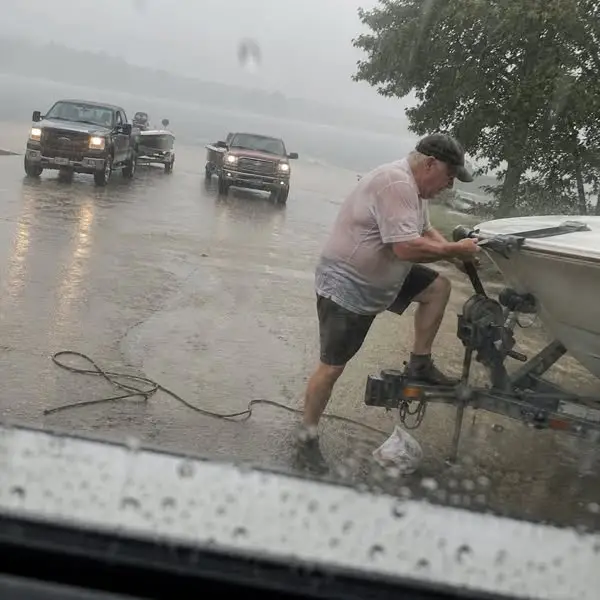
Jake Morrison — He Drowned In Warm Water
Promising

He Drowned In Warm Water

At the ramp a young paramedic crouched in front of Ray and asked him what month it was. Ray said July, clear as a bell, like he'd aced the question. Then he couldn't come up with the year, or how we got to the ramp, or my name, and we've been best friends twenty-eight summers. I was sitting right beside him when it happened, in the sunshine, with the fish still flipping in the cooler. The medic told me he runs this same call every summer, pulling grown men out of warm-looking lakes. He said it tired, like he wished somebody somewhere had warned us. I grabbed the seat cushion and threw it long. It slapped down six feet wide of him. I threw the rope bag next, and that landed worse. So I cranked the motor and crept toward Ray, because a prop and a swimming man share the same stretch of water. His head went under twice before I reached him. Both times it came back up. His arms did their job. But those arms were slapping the surface flat, over and over, like he was beating out a fire on the water. His legs hung under him like they belonged to a sleeping man. -- I've had to tell this four times now, to Kathy, to my wife, to the men at church, and I still don't tell it right. So let me do it straight through while my hands are steady. Me and Ray run two boats on this lake, same ramp, most Saturdays. Close enough across the water to argue about spinnerbaits, which we did that morning over coffee out of his dented thermos. I turned 71 that week. He's 72. Between us we've got better than a hundred years on that water, and neither one of us had ever heard of July hurting anybody. A pontoon drifted past us mid-morning with a radio going on it. The fellow driving raised his beer can at us, friendly, and I raised mine back. Ten minutes later Ray's rod doubled over and he was on his feet before I finished hollering. His rod stayed behind him dancing on the deck of his empty boat. On the water where his shoulders punched through, the ring was already smoothing out flat. I got a fist in his collar at the side of the boat, and his weight near took me over too. Wet clothes hold water like a bucket does. A proud 72-year-old turns to cargo real quick. Getting him over the side took everything I own. He came across the edge and folded onto the floorboards like a sack of feed. Somewhere in the middle of all that he tried to apologize to me. A man apologizing while his own body is quitting on him. -- He was awake. His eyes followed me around the boat. But his words came out slow and thick, like a man three beers into a wedding reception. Ray hasn't touched a beer since Easter. His teeth were going hard enough that I could hear them over the motor. It was pushing ninety that morning. My shirt was stuck to my back with sweat. I stood there dripping on the carpet while my best friend's lips turned gray in the sunshine. -- I dialed 911 with wet fingers and gave them our ramp, the main one at Miller's landing. The dispatcher said the ambulance was rolling, and to keep him out of the wind if I could. She kept me talking the whole idle down the bank. Asked me his name, his age, whether he was still shivering. Shivering is good, she said. Tell me if it stops. There was wind coming across that open water. I parked my back into it like a fence post and checked his jaw every hundred yards like a fuel gauge. Miller's sits a mile and a half down from where we were. With him sliding around on the floor I couldn't run the boat hard, so I idled the whole way and hollered his name regular. Each time, a hand would lift up to show me he was still with me. That arm came up slower every time. Backing the trailer down, my hands shook so bad I took three runs at it. I loaded him into my truck and the air conditioning caught him square in the face. He curled away from the vent like it was throwing ice. Kill that cold air, he said. Slurred, but stubborn with it. So I shut it off and rolled the windows down and let July cook the both of us the whole drive. A soaked man begging for hot wind. That one went in the pile of things I didn't understand yet. -- There was a beach towel rolled up in the dry box behind my seat. I wrapped his neck and shoulders and rubbed his arms like they do on television. Inside five minutes that towel was as wet as he was. It drank the water off his skin and then quit on him. I remember thinking, a towel is nothing out here. Then I felt ashamed for thinking it, because a towel was what I had. His sandwich sat squashed on the seat between us, and neither one of us touched it the whole ride. -- The ambulance met us waterside, lights turning circles in all that sunshine, which never once looks right. Jet skis buzzed the far point. Kids were jumping off the public dock. Saturday at the lake, same as every Saturday. Two young medics out of the fire house up the road took him off my hands. The woman knelt right down in the wet on the ramp boards beside him. She laid the back of her hand flat on his chest and snatched it back like the stove had surprised her. They cut his shirt off him right there in front of everybody. Underneath he was fish-belly white, bumped all over with goosebumps on a ninety-degree morning. They started stacking dry layers on him out of the rig. The last layer came off the sled their rescue boat tows. I never got a good look at it. They had it closed around him before I thought to ask what it was. I held the stretcher rail and watched his teeth slow down. Some pink came back around his mouth by the time they lifted him. A little crowd gathers quick at a boat ramp. A fellow over by the ice machine had his phone up, filming. Ray, laid out bare-chested with his teeth going, for strangers to watch later. I stepped into the shot and planted myself there till the man pocketed it. That's the kind of friend Ray's got. I'd do it again tomorrow. -- The young medic found me at the back doors of the ambulance. She must have read something on my face, because she spent two minutes on me she probably didn't have. You're thinking he's too old for this, she said. Stop that. His age cost him maybe a minute. The water did the rest. I asked her about the legs. Flat water, ten feet, and they wouldn't answer him. Cold water grabs the breath out of a body, she said. One big swallow you can't stop. And for about a minute after that, the legs stop taking orders. She's seen it in strong men, sober as church, on warm July Sundays. I asked her about the sound he made coming up. That was breathing, she said. Families ask all the time why their man hollered. He wasn't hollering. That gulp was his body trying to stay alive. Then she gave me the one number I'll carry out of this whole thing, and I've told it her way ever since. Water pulls the heat out of a man about twenty-five times faster than air does. I stood there looking at that lake a long piece after she said it. She nodded at my shirt, dried stiff by then. You felt a taste of it today and don't know it, she said. A wet man standing in a breeze loses his heat while the water leaves his skin. The drying itself drains him. The month has nothing to do with it. I asked why they don't just bury a man like that in blankets. She gave me the teacher look. Blankets drink him and then sit there, she said. And heating a cold body from the outside takes longer than he's got. We quit playing that game a while back. What we do now is meaner and simpler. We try to keep what he's still holding from leaking out of him. Keep what he's holding from leaking out. I've turned that sentence over every day since. She said pulling a man out of the water isn't the finish line people think it is. A body keeps paying the bill even after it's safe on land. Watch him close, those first hours. I asked how often this happens, summer water and grown men. More than winter, she said, on this lake anyway. January, nobody's in the water. Summer, everybody is. And nine times out of ten it's not some rookie, either. Rookies hold onto the boat. It's the fellow who's stood up ten thousand times before. There was a kayaker two summers back, out with his grandkids on a warm evening close to shore. Warm like that day. They didn't get him back. She said the family kept asking how a man drowns on a day like that, and she quit being surprised by it years ago, and that quitting is what scares her. Then somebody hollered her name and the doors took her away. -- I followed the ambulance into town with the boat rattling behind the truck, going the speed limit like a funeral procession, making deals with God I had no business offering. At the hospital I sat down square under the ceiling vent in the waiting room, still in my wet shorts. That cold came down the back of my neck while I waited on news about my friend. I sat shivering inside a building in July for a good while before I understood why I'd picked that seat. Then I moved. Around suppertime a nurse came out and said his core temperature was low but climbing back up the slow safe way. She asked was I family. I'm Walt, I said. Twenty summers' worth. She used the word lucky twice. I held onto it the rest of the night like a handrail. The doctor stopped by my chair on his rounds. Another stretch floating out there, he said, and this is a different conversation with a different family. They let me back once they had him settled. He looked smaller in that bed than he does in his boat. First clear sentence out of him, no slur anywhere in it. Don't tell Kathy. -- Kathy is his girl. Lives three hours south. Buried her husband young and raised two boys by herself. Every Friday Ray drives over and puts those boys on the water, because their daddy can't. It's the one thing he builds his whole week around. I won't say a word, I told him. Then I stood out by the vending machines and did the math on that promise. I'd watched a strong man's lips go gray over a bass today. Kathy deserved to hear it from me, not from a deputy some other morning. So I called her from the vending machines. She cried a long piece, thanked me twice, which was backwards, and pointed the car north that night. First thing she said at the hospital was they'd talk Monday about him keeping the boat. I watched Ray's jaw set from across the room. She asked me two questions on the drive over. Did he suffer, and did he know what was happening to him. I told her the truth. He knew the water was happening. He just couldn't get his body to obey. Ray didn't speak to me for two days after that. Tuesday at the diner he stirred one cup of coffee till it went cold in front of him. Some of the regulars asked about all the sirens Saturday. Ray told them smooth as anything it was motor trouble, needed a tow. A man hiding a drowning like it was something he'd done wrong. That told me more than the silence did. Thursday he phoned me himself, voice leveled back out. He wanted to know what else the medic said at the ramp. I fed him every word I still had. He went so quiet on the line I checked the call was still connected. Finally he said, me and that water go back sixty years. I reached for that net like I was forty years old. -- Monday morning I collected his boat off the ranger at Miller's and cleaned the live well out for him. Those nightcrawlers he bought at the bait shop that morning were still rolling around the ice chest. Seemed wrong somehow to feed them to the fish after all that. Kathy's boys came up the next weekend anyway. Mine too. July does that. Everybody lands at the house with the dock. My grandkids swam till their lips matched Ray's from the ramp. My wife wrapped the youngest girl in a beach towel, and I stood on the dock boards watching that towel drink lake water and hand nothing back to her. Every time a kid went off the ladder, I watched the ring spread flat behind them, and my stomach went with it. I caught myself counting heads on that dock every ten minutes like a hired lifeguard. After supper I walked to the end and put a hand in the water. The top foot was honest bathwater. Reaching under a foot more, my forearm found the cold band that lives down there all summer long. Fifty years I've run baits through that cold line. Every man who trolls this lake knows about it. I'd just never once aimed it at the children jumping off my own ladder. Saturday morning, before church, I emptied my dry box out onto the garage floor. Sunscreen, rope, flares gone pink with age, a poncho, two towels. I stood over that pile a good while. Nothing in it works on soaked skin. Nothing stops heat from leaving you. Most of it wants two dry hands and a cool head, and I've met myself at a ramp with my heart slamming. I had neither. Sunday my son came by and borrowed the trailer setup for the following weekend. Him and my two oldest grandboys, up the river where the current runs cold off the dam. I got four words into Ray's story. Dad, he said. It's July. That water's as warm as the pool. He's forty-one, strong as Ray ever was, and his boys can't swim a lick yet. That night my wife told me I've been somewhere else since the lake. She was right. I lay in the dark going through every soul I love touching water. Ray and his Fridays. Me and my dock. My boy and that cold river. Kathy's two in the motel pool every vacation. The calendar calls every one of those days safe. Swimming weather, boating weather, the months where nothing bad is supposed to happen. -- Here's what that young medic left me holding, and I've checked it against every name I just counted. Whatever answers this has to start where the lake hands you over. The man arrives soaked, so soaked is where the work begins. The towel drank Ray's water and quit inside five minutes, so the answer can't be one more thing that soaks. She told me they quit adding heat, so the answer has to hold a man's own warmth inside him, like a lid on what's left, instead of chasing warmth from outside. The wind put shivers in me on that drive and my boots never got wet, so it has to stand between a man and the breeze too. They loaded Ray off those ramp boards, and concrete stays concrete in July, so it has to mind the ground under a man and not only the air on him. Nothing out there plugs in. The truck's AC fought us harder than it helped. So the answer can't owe anybody a cord or a charge. The whole rescue fit inside two minutes, and most of it was me throwing badly, so it has to open fast in scared, shaking hands. Mine shook on the trailer hitch, and I was the dry one. And it has to live in the boat year-round, small enough to hide under a seat, because nobody plans the day. I keep seeing that pontoon fellow wave his beer can while Ray slapped the water flat. Ten feet of warm water stood between a normal Saturday and a phone call to Kathy. Nobody on that lake knew but me and him. I'm no genius about equipment. I buy what the marina sells and forget it in a box. But I've started asking one question at every counter in this county. Does it work on a soaking-wet man, in the wind, on cold ground, in July, with no power, in the hands of a scared seventy-year-old, fast? So far every store has handed me the same answer in a different color. A folded towel. Friday I'll be on that lake anyway, watching Ray's grandboys bait their own hooks. I'd just like to stop being the man who owns nothing that answers her question. -- Friday morning I skipped the ramp and drove to the fire house instead. Carried a box of doughnuts from the diner, because men my age still believe sugar opens doors. The young medic was in the bay rinsing off the rescue sled. She squinted at me until I said Ray's name and the date, and her face opened right up. You're the partner, she said. The one in the wet shorts. Guilty on both counts, I told her. An older fellow came through the bay wiping his hands on a red rag, and neither of them needed my name. Everybody in this county knows the story by now, courtesy of the ice-machine filmographer. She waved me into a folding chair by the trucks and poured me gas-station coffee in a paper cup. Then she unrolled the thing off the sled right there on the concrete so I could see it proper. It looked like a sleeping bag that had gone on a diet. Silver as a dime inside. Weighed less than the pillow off my couch. Go on and touch it, she said, so I laid my hand inside. My own warmth came right back at my knuckles through that lining. This bought Ray his hour, she said. A body makes heat all day long whether he's smart about anything else or not. All this does is stop it leaking out of him into the water, the wind, the ground under him. Keeps about nine parts out of ten of his own warmth right there where it belongs. Nothing plugs in. Nothing runs out. Nothing cares how soaked he is. Wet is the whole reason for it, she said. She topped my coffee off without asking and nodded at the cork board behind her desk. Ball teams, retirements, and a whole row of people wrapped in that same silver stuff on stretchers. Half of them grinning like they'd been caught at something. That's one summer on this lake, she said. Half of them went in on days hotter than today. I stood there holding a bag light as my lunch and thought about every towel I've ever owned. Where do regular people get such a thing, I asked her. Not from mine, she said, laughing. But the same idea exists for regular folks now. Read what a thing actually claims before you pay for it. Half of what's out there is shine with nothing underneath. The good ones will tell you straight what share of the heat they hold in, she said. Make them say the number out loud. Somebody hollered her name from the rigs and she went. I sat in my truck a good minute before I drove home. -- Three evenings that week I sat at the kitchen table reading instead of watching television. Glasses sliding down my nose, pushing them up, reading on. Some nights she set her book down and let me read a page out loud to her. If I read it twice, she knew it wasn't the one. My wife finally asked what I was hunting. An answer, I told her. To her question, all seven parts of it. Soaked man, wind, cold ground, no power, scared old hands, fast, July. Most everything I found was my folded towel wearing a nicer wrapper. I looked at a proper cold-weather sleeping bag. But it won't hide under a boat seat year-round, and it's no use at all once it gets soaked. Thursday night, somewhere past midnight, I found the TerraShell. The picture showed a pouch about the size of a soda can sitting in a boat's cup holder like it belonged there. I read that page twice, slower the second time. It works soaking wet, the page said. Wet is when it goes to work. It stands between a man and the wind, and between a man and the ground under him. Ninety percent of the heat a body already makes gets bounced straight back into him. That silver film came out of the space program, the page said, made so astronauts wouldn't leak their warmth into empty space. No batteries, no cords, nothing to charge. Unzip, shake it open, wrap him, done. Faster than I threw two cushions wide of my best friend. And the price sat at the bottom of the page being sensible. About what me and Ray lay on the table at the diner after we fish. I ordered seven before my coffee got cold. One per butt across our boats, plus extras, because somebody always brings a friend. -- The box came the following Tuesday. My wife met it on the porch with her arms crossed. Looks like a chip bag, she said. It surely does look like a chip bag, I agreed. Until you're the one inside it. After supper we spread a TerraShell out on the living room floor. It crinkles some, I'll tell you straight. Our youngest grandboy was there, so we zipped him in up to his chin just to see. Thirty seconds went by. Then he's clawing at the zipper, cheeks gone pink. Grandpa, I'm cooking. Standing on the carpet. In July. With the AC blowing on us. That's the moment my wife stopped crossing her arms about the TerraShell. She claimed one for her car door pocket on the spot. Said if it's good enough for a space program it can warm her knees at the drive-in. The grandboy asked could he sleep in his, so we tried it over his quilt one night. By morning he'd kicked every blanket off but that one. He announced his bed was a spaceship now and quit arguing about bedtime altogether. The rest of the TerraShells went out like this. One under my seat. One under Ray's. One in the dock box, rolled up tight beside the rope. One behind the truck seat, because trucks end up in places boats can't. One in my boy's river bag, with orders to leave it there clear past Labor Day. Two rode south in Kathy's van, for the motel pools and the drive up. Ray called the night his TerraShell showed. Said the note in the box made him laugh for the first time since July. What note, I asked. One per butt, he said. You signed it. Tuesday I stood at the marina counter buying hooks, and the fellow there asked why I kept grinning at my receipt. So I told him about July, short version. He quit counting change halfway through. Showed me where his own boat sits in the slip, two slips down from ours. He ordered his TerraShells before I paid for the hooks. First cool front of the season came through one Sunday evening not long after, seventy degrees with a wind straight through the porch screens. I took my own TerraShell out to the swing and sat in it a while, just to know what Ray felt on that ramp. Ten minutes in, I had to unzip it to the waist. Seventy degrees, mind you, with a breeze on me. I sat there understanding my best friend a little better and thanking God again under my breath. -- Two Saturdays ago the sky did its August trick. Blue over the ramp at ten o'clock. By noon a gray wall was walking across the far point, rain hitting like gravel. We ran for Miller's ahead of it and made the dock mostly dry. Then Ray stood out in the thick of it cinching his boat down to the trailer, because that's Ray. Both trailers parked, and his teeth were going in seventy-eight degree air. Wind straight off the water, shirt soaked through, and here came that jaw again. My stomach knew before my head did. Under my seat, the TerraShell. I shook it open one-handed against my knee, easier than shaking out my rain jacket. Zipped the TerraShell around him up to the neck and walked him to the truck. He worked the zipper himself from inside, which surprised me, wet hands and all. Ten feet of that silver hood and he looked like a man riding home from a moon landing. I watched him in the mirror more than I watched the road, which I don't recommend. At the Dairy Bar his teeth had settled down. Before the highway, color was back around his mouth. Ten minutes, wrapped in a TerraShell weighing less than his tackle box. Soaked to the skin, wind doing its worst, seventy-eight degrees. Everything the lake handed us in July, except the terror. He laughed about it over burgers. Twice now that silver stuff has bailed me out, he said. One of those times didn't even scare me. He made me pull over at the Dairy Bar window so he could show the space bag to the girl working the counter. She'd already heard the July version from somebody. Word gets around a town this size by Sunday. His word for the TerraShell is the same as the boys' now. Space bag. He tells people about it at the diner whether they ask or not. -- Week before last, the young medic was restocking the rig at Miller's while we launched. I carried the TerraShell over and put it in her hands without a word. She turned it over and read the tag slow. Then she nodded the way a teacher nods over her own homework. That's the idea, she said. That is exactly the idea. She asked where I'd found it. Then she wrote TerraShell on the back of a call ticket in her neat medic printing. For my dad, she said. He floats the river every Sunday with his neighbors and won't hear a word about it from me. I keep that ticket stub in my glove box. -- Kathy's Monday came and went the way Mondays should. His doctor found no harm done to his heart, and the boat stayed in the family. The doctor drew one line for him, plain as a fence post. Get soaked like that again soon, he said, and we do this over with worse odds. Her conditions were plain too. Vests on the boys every ride. And Ray listens when his own body starts talking now. They gave him a week clear out of the water, which about killed him worse than the lake did. He washed that boat in the driveway twice like it was a sick calf. Kathy caught him messing with the outboard Wednesday and made him go sit on the porch. Me, I woke up a few of those nights at some dark hour with my ears full of the sound he made coming up. No dream worth naming. Just the sound, then wide awake, listening to the ceiling fan turn. It fades a little more every week. My wife says that's how it goes for everybody who was there. That first Friday back I idled alongside him the whole morning, close enough to holler across. Neither of us mentioned it. Last Friday I watched him put Kathy's youngest on his first bass off the point. The boy hollered like the fish meant to eat him, and Ray laughed till he had to sit down on the cooler. He told those boys the truth about July too. Sat right on that cooler and told it plain. No motor trouble anywhere in it. Showed them the TerraShell riding under each seat of both boats. The boys call the TerraShells space bags. They argue over who carries two. Me, I've changed on my own dock, but only in one direction. Sunday the grandkids jumped off my ladder until supper. I counted heads exactly once. Then I let it be and spent the afternoon watching bobbers with the little ones instead. My wife caught me sitting easy in the shade with my coffee going cold on me. She squeezed my shoulder going past with the lemonade. Never said a word. She's the one who told our daughter I'd come back from wherever I went after the lake. -- I'm not telling this to scare anybody. Scared is where I lived most of three weeks, and I wouldn't hand that to Kathy, or to you. I'm telling it because the fix turned out small and cheap and real. Keeping quiet about that started to feel wrong. I'm not a prepper. I'm a grandfather with a boat and a dock. Every family I know owns the same inventory. A dock, or a pond, or a pool ladder, or a creek, or a boat. Kids who run hot all June and still climb out of the water blue-lipped in August. A husband or a boy who thinks gear is for other people, standing on a wet deck in a breeze he calls nothing. Somebody riding home soaked and shaking while the whole car laughs at the chattering teeth. Because chattering teeth are supposed to be funny. I laughed too, right up until the fourth Saturday in July. And the trouble doesn't always wear swimsuits, either. Trucks find ditches in November sleet. Ice storms take the power out for days at a stretch. A TerraShell under a seat or in a trunk works all the same no matter which kind of cold finds you. The TerraShell costs about what lunch costs at the diner. Better than fifty thousand families keep these in their boats and trunks now. I believed that number the day my grandboy started cooking on my carpet. I've since ordered four more. Two ride in my boy's boat up the cold river. One lives in the camper. One stays in Kathy's trunk, because she hauls those boys more than anybody alive. When your own family starts arguing over who got shorted on the last order, you'll understand why I quit counting. One per person, one per butt, like the note says. You get 120 days to try yours. Spread it out in the living room, feel your own heat come back at you, take your time deciding. If it doesn't earn the spot under your seat, send it back inside those 120 days and they return your money. That window runs once per order, which sits fine with me. It's still summer as I write this. Saturday that lake will lie flat and glassy again, pushing ninety by noon, every soul on it swearing warm water never hurt anybody. The TerraShell under my seat has already earned its keep twice. -- https://tryterrashell.com/pp P.S. Kathy sent me a photo last night. Ray asleep in his chair, both boys sacked out against him, rods leaning in the corner by the door. Friday nights are Fridays again at their house. The youngest boy lost his first tooth that same week and made Ray pay out a fishing dollar for it. And my wife says I laugh at supper again, loud enough to shame the grandkids. Best review I've had in years. P.P.S. When your TerraShell shows up, do one thing before you stash it. Unfold it in the living room and sit yourself in it a few minutes. Your own heat comes back at you faster than feels reasonable. After that you'll never wonder about it again. Then put it where the story put mine. Under a seat, in the dock box, behind the truck bench, in the beach bag. Half the good gear I ever bought lives forgotten on a closet shelf. Don't let a TerraShell join it. P.P.P.S. The guarantee, one more time, plain. 120 days from when it lands on your porch. Try it in the den, try it at the lake, let the grandkids test it. If it doesn't earn its keep, back it goes and your money comes back with it. Once per order. Decide inside the window and be done thinking about it. P.P.P.P.S. About supply, honest. I'm a customer, nothing more. I don't set their prices and I've never seen their warehouse. I checked Friday and they're still shipping at that lunch-money figure. How long that holds, I couldn't tell you, and I won't pretend otherwise. Everything costs more every year around here. And the warm Saturdays left this year can be counted on two hands. P.P.P.P.P.S. My Saturday list grew one line this summer. Gas, life vests, sandwiches, cold drinks. Then I flip open the under-seat box and count the TerraShells. One per butt, plus spares, same as always. Takes a minute. Means I never ride that bank road again hollering a man's name across the water. P.P.P.P.P.P.S. Thursday Ray pulled out of the driveway towing the boat, both boys buckled in the middle seat, headed for the dam pool. Your Saturday's coming too. Glass water, hot sun, everybody swearing it's too warm out for anything bad. Ride with the TerraShell under your seat and be the one whose boat already carries the answer. https://tryterrashell.com/pp

Loading the ad's image
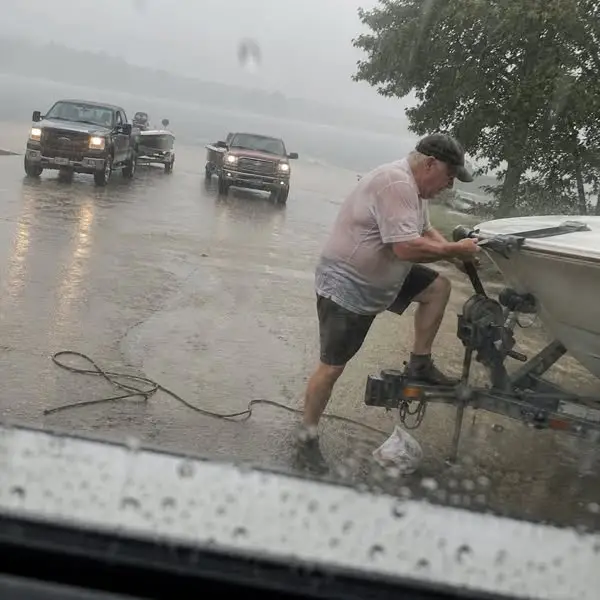
Jake Morrison — He Drowned In Warm Water
Promising

He Drowned In Warm Water

"I'm fine, just winded," Ray said from the floor of my boat, and his words came out thick, like his jaw had frozen. It was eighty-some degrees and we were both sweating through our shirts. I peeled his wet shirt off him the way you'd do for a toddler, and he let me, which scared me worse than the water did. Ray has never once let me drive his truck or touch his tackle box. On the run to the ramp I kept checking the mirror, and he'd slid down against the bench with his eyes half shut. Behind us the lake went back to looking like nothing had happened. I grabbed the seat cushion and threw it long. It slapped down six feet wide of him. I threw the rope bag next, and that landed worse. So I cranked the motor and crept toward Ray, because a prop and a swimming man share the same stretch of water. His head went under twice before I reached him. Both times it came back up. His arms did their job. But those arms were slapping the surface flat, over and over, like he was beating out a fire on the water. His legs hung under him like they belonged to a sleeping man. -- I've had to tell this four times now, to Kathy, to my wife, to the men at church, and I still don't tell it right. So let me do it straight through while my hands are steady. Me and Ray run two boats on this lake, same ramp, most Saturdays. Close enough across the water to argue about spinnerbaits, which we did that morning over coffee out of his dented thermos. I turned 71 that week. He's 72. Between us we've got better than a hundred years on that water, and neither one of us had ever heard of July hurting anybody. A pontoon drifted past us mid-morning with a radio going on it. The fellow driving raised his beer can at us, friendly, and I raised mine back. Ten minutes later Ray's rod doubled over and he was on his feet before I finished hollering. His rod stayed behind him dancing on the deck of his empty boat. On the water where his shoulders punched through, the ring was already smoothing out flat. I got a fist in his collar at the side of the boat, and his weight near took me over too. Wet clothes hold water like a bucket does. A proud 72-year-old turns to cargo real quick. Getting him over the side took everything I own. He came across the edge and folded onto the floorboards like a sack of feed. Somewhere in the middle of all that he tried to apologize to me. A man apologizing while his own body is quitting on him. -- He was awake. His eyes followed me around the boat. But his words came out slow and thick, like a man three beers into a wedding reception. Ray hasn't touched a beer since Easter. His teeth were going hard enough that I could hear them over the motor. It was pushing ninety that morning. My shirt was stuck to my back with sweat. I stood there dripping on the carpet while my best friend's lips turned gray in the sunshine. -- I dialed 911 with wet fingers and gave them our ramp, the main one at Miller's landing. The dispatcher said the ambulance was rolling, and to keep him out of the wind if I could. She kept me talking the whole idle down the bank. Asked me his name, his age, whether he was still shivering. Shivering is good, she said. Tell me if it stops. There was wind coming across that open water. I parked my back into it like a fence post and checked his jaw every hundred yards like a fuel gauge. Miller's sits a mile and a half down from where we were. With him sliding around on the floor I couldn't run the boat hard, so I idled the whole way and hollered his name regular. Each time, a hand would lift up to show me he was still with me. That arm came up slower every time. Backing the trailer down, my hands shook so bad I took three runs at it. I loaded him into my truck and the air conditioning caught him square in the face. He curled away from the vent like it was throwing ice. Kill that cold air, he said. Slurred, but stubborn with it. So I shut it off and rolled the windows down and let July cook the both of us the whole drive. A soaked man begging for hot wind. That one went in the pile of things I didn't understand yet. -- There was a beach towel rolled up in the dry box behind my seat. I wrapped his neck and shoulders and rubbed his arms like they do on television. Inside five minutes that towel was as wet as he was. It drank the water off his skin and then quit on him. I remember thinking, a towel is nothing out here. Then I felt ashamed for thinking it, because a towel was what I had. His sandwich sat squashed on the seat between us, and neither one of us touched it the whole ride. -- The ambulance met us waterside, lights turning circles in all that sunshine, which never once looks right. Jet skis buzzed the far point. Kids were jumping off the public dock. Saturday at the lake, same as every Saturday. Two young medics out of the fire house up the road took him off my hands. The woman knelt right down in the wet on the ramp boards beside him. She laid the back of her hand flat on his chest and snatched it back like the stove had surprised her. They cut his shirt off him right there in front of everybody. Underneath he was fish-belly white, bumped all over with goosebumps on a ninety-degree morning. They started stacking dry layers on him out of the rig. The last layer came off the sled their rescue boat tows. I never got a good look at it. They had it closed around him before I thought to ask what it was. I held the stretcher rail and watched his teeth slow down. Some pink came back around his mouth by the time they lifted him. A little crowd gathers quick at a boat ramp. A fellow over by the ice machine had his phone up, filming. Ray, laid out bare-chested with his teeth going, for strangers to watch later. I stepped into the shot and planted myself there till the man pocketed it. That's the kind of friend Ray's got. I'd do it again tomorrow. -- The young medic found me at the back doors of the ambulance. She must have read something on my face, because she spent two minutes on me she probably didn't have. You're thinking he's too old for this, she said. Stop that. His age cost him maybe a minute. The water did the rest. I asked her about the legs. Flat water, ten feet, and they wouldn't answer him. Cold water grabs the breath out of a body, she said. One big swallow you can't stop. And for about a minute after that, the legs stop taking orders. She's seen it in strong men, sober as church, on warm July Sundays. I asked her about the sound he made coming up. That was breathing, she said. Families ask all the time why their man hollered. He wasn't hollering. That gulp was his body trying to stay alive. Then she gave me the one number I'll carry out of this whole thing, and I've told it her way ever since. Water pulls the heat out of a man about twenty-five times faster than air does. I stood there looking at that lake a long piece after she said it. She nodded at my shirt, dried stiff by then. You felt a taste of it today and don't know it, she said. A wet man standing in a breeze loses his heat while the water leaves his skin. The drying itself drains him. The month has nothing to do with it. I asked why they don't just bury a man like that in blankets. She gave me the teacher look. Blankets drink him and then sit there, she said. And heating a cold body from the outside takes longer than he's got. We quit playing that game a while back. What we do now is meaner and simpler. We try to keep what he's still holding from leaking out of him. Keep what he's holding from leaking out. I've turned that sentence over every day since. She said pulling a man out of the water isn't the finish line people think it is. A body keeps paying the bill even after it's safe on land. Watch him close, those first hours. I asked how often this happens, summer water and grown men. More than winter, she said, on this lake anyway. January, nobody's in the water. Summer, everybody is. And nine times out of ten it's not some rookie, either. Rookies hold onto the boat. It's the fellow who's stood up ten thousand times before. There was a kayaker two summers back, out with his grandkids on a warm evening close to shore. Warm like that day. They didn't get him back. She said the family kept asking how a man drowns on a day like that, and she quit being surprised by it years ago, and that quitting is what scares her. Then somebody hollered her name and the doors took her away. -- I followed the ambulance into town with the boat rattling behind the truck, going the speed limit like a funeral procession, making deals with God I had no business offering. At the hospital I sat down square under the ceiling vent in the waiting room, still in my wet shorts. That cold came down the back of my neck while I waited on news about my friend. I sat shivering inside a building in July for a good while before I understood why I'd picked that seat. Then I moved. Around suppertime a nurse came out and said his core temperature was low but climbing back up the slow safe way. She asked was I family. I'm Walt, I said. Twenty summers' worth. She used the word lucky twice. I held onto it the rest of the night like a handrail. The doctor stopped by my chair on his rounds. Another stretch floating out there, he said, and this is a different conversation with a different family. They let me back once they had him settled. He looked smaller in that bed than he does in his boat. First clear sentence out of him, no slur anywhere in it. Don't tell Kathy. -- Kathy is his girl. Lives three hours south. Buried her husband young and raised two boys by herself. Every Friday Ray drives over and puts those boys on the water, because their daddy can't. It's the one thing he builds his whole week around. I won't say a word, I told him. Then I stood out by the vending machines and did the math on that promise. I'd watched a strong man's lips go gray over a bass today. Kathy deserved to hear it from me, not from a deputy some other morning. So I called her from the vending machines. She cried a long piece, thanked me twice, which was backwards, and pointed the car north that night. First thing she said at the hospital was they'd talk Monday about him keeping the boat. I watched Ray's jaw set from across the room. She asked me two questions on the drive over. Did he suffer, and did he know what was happening to him. I told her the truth. He knew the water was happening. He just couldn't get his body to obey. Ray didn't speak to me for two days after that. Tuesday at the diner he stirred one cup of coffee till it went cold in front of him. Some of the regulars asked about all the sirens Saturday. Ray told them smooth as anything it was motor trouble, needed a tow. A man hiding a drowning like it was something he'd done wrong. That told me more than the silence did. Thursday he phoned me himself, voice leveled back out. He wanted to know what else the medic said at the ramp. I fed him every word I still had. He went so quiet on the line I checked the call was still connected. Finally he said, me and that water go back sixty years. I reached for that net like I was forty years old. -- Monday morning I collected his boat off the ranger at Miller's and cleaned the live well out for him. Those nightcrawlers he bought at the bait shop that morning were still rolling around the ice chest. Seemed wrong somehow to feed them to the fish after all that. Kathy's boys came up the next weekend anyway. Mine too. July does that. Everybody lands at the house with the dock. My grandkids swam till their lips matched Ray's from the ramp. My wife wrapped the youngest girl in a beach towel, and I stood on the dock boards watching that towel drink lake water and hand nothing back to her. Every time a kid went off the ladder, I watched the ring spread flat behind them, and my stomach went with it. I caught myself counting heads on that dock every ten minutes like a hired lifeguard. After supper I walked to the end and put a hand in the water. The top foot was honest bathwater. Reaching under a foot more, my forearm found the cold band that lives down there all summer long. Fifty years I've run baits through that cold line. Every man who trolls this lake knows about it. I'd just never once aimed it at the children jumping off my own ladder. Saturday morning, before church, I emptied my dry box out onto the garage floor. Sunscreen, rope, flares gone pink with age, a poncho, two towels. I stood over that pile a good while. Nothing in it works on soaked skin. Nothing stops heat from leaving you. Most of it wants two dry hands and a cool head, and I've met myself at a ramp with my heart slamming. I had neither. Sunday my son came by and borrowed the trailer setup for the following weekend. Him and my two oldest grandboys, up the river where the current runs cold off the dam. I got four words into Ray's story. Dad, he said. It's July. That water's as warm as the pool. He's forty-one, strong as Ray ever was, and his boys can't swim a lick yet. That night my wife told me I've been somewhere else since the lake. She was right. I lay in the dark going through every soul I love touching water. Ray and his Fridays. Me and my dock. My boy and that cold river. Kathy's two in the motel pool every vacation. The calendar calls every one of those days safe. Swimming weather, boating weather, the months where nothing bad is supposed to happen. -- Here's what that young medic left me holding, and I've checked it against every name I just counted. Whatever answers this has to start where the lake hands you over. The man arrives soaked, so soaked is where the work begins. The towel drank Ray's water and quit inside five minutes, so the answer can't be one more thing that soaks. She told me they quit adding heat, so the answer has to hold a man's own warmth inside him, like a lid on what's left, instead of chasing warmth from outside. The wind put shivers in me on that drive and my boots never got wet, so it has to stand between a man and the breeze too. They loaded Ray off those ramp boards, and concrete stays concrete in July, so it has to mind the ground under a man and not only the air on him. Nothing out there plugs in. The truck's AC fought us harder than it helped. So the answer can't owe anybody a cord or a charge. The whole rescue fit inside two minutes, and most of it was me throwing badly, so it has to open fast in scared, shaking hands. Mine shook on the trailer hitch, and I was the dry one. And it has to live in the boat year-round, small enough to hide under a seat, because nobody plans the day. I keep seeing that pontoon fellow wave his beer can while Ray slapped the water flat. Ten feet of warm water stood between a normal Saturday and a phone call to Kathy. Nobody on that lake knew but me and him. I'm no genius about equipment. I buy what the marina sells and forget it in a box. But I've started asking one question at every counter in this county. Does it work on a soaking-wet man, in the wind, on cold ground, in July, with no power, in the hands of a scared seventy-year-old, fast? So far every store has handed me the same answer in a different color. A folded towel. Friday I'll be on that lake anyway, watching Ray's grandboys bait their own hooks. I'd just like to stop being the man who owns nothing that answers her question. -- Friday morning I skipped the ramp and drove to the fire house instead. Carried a box of doughnuts from the diner, because men my age still believe sugar opens doors. The young medic was in the bay rinsing off the rescue sled. She squinted at me until I said Ray's name and the date, and her face opened right up. You're the partner, she said. The one in the wet shorts. Guilty on both counts, I told her. An older fellow came through the bay wiping his hands on a red rag, and neither of them needed my name. Everybody in this county knows the story by now, courtesy of the ice-machine filmographer. She waved me into a folding chair by the trucks and poured me gas-station coffee in a paper cup. Then she unrolled the thing off the sled right there on the concrete so I could see it proper. It looked like a sleeping bag that had gone on a diet. Silver as a dime inside. Weighed less than the pillow off my couch. Go on and touch it, she said, so I laid my hand inside. My own warmth came right back at my knuckles through that lining. This bought Ray his hour, she said. A body makes heat all day long whether he's smart about anything else or not. All this does is stop it leaking out of him into the water, the wind, the ground under him. Keeps about nine parts out of ten of his own warmth right there where it belongs. Nothing plugs in. Nothing runs out. Nothing cares how soaked he is. Wet is the whole reason for it, she said. She topped my coffee off without asking and nodded at the cork board behind her desk. Ball teams, retirements, and a whole row of people wrapped in that same silver stuff on stretchers. Half of them grinning like they'd been caught at something. That's one summer on this lake, she said. Half of them went in on days hotter than today. I stood there holding a bag light as my lunch and thought about every towel I've ever owned. Where do regular people get such a thing, I asked her. Not from mine, she said, laughing. But the same idea exists for regular folks now. Read what a thing actually claims before you pay for it. Half of what's out there is shine with nothing underneath. The good ones will tell you straight what share of the heat they hold in, she said. Make them say the number out loud. Somebody hollered her name from the rigs and she went. I sat in my truck a good minute before I drove home. -- Three evenings that week I sat at the kitchen table reading instead of watching television. Glasses sliding down my nose, pushing them up, reading on. Some nights she set her book down and let me read a page out loud to her. If I read it twice, she knew it wasn't the one. My wife finally asked what I was hunting. An answer, I told her. To her question, all seven parts of it. Soaked man, wind, cold ground, no power, scared old hands, fast, July. Most everything I found was my folded towel wearing a nicer wrapper. I looked at a proper cold-weather sleeping bag. But it won't hide under a boat seat year-round, and it's no use at all once it gets soaked. Thursday night, somewhere past midnight, I found the TerraShell. The picture showed a pouch about the size of a soda can sitting in a boat's cup holder like it belonged there. I read that page twice, slower the second time. It works soaking wet, the page said. Wet is when it goes to work. It stands between a man and the wind, and between a man and the ground under him. Ninety percent of the heat a body already makes gets bounced straight back into him. That silver film came out of the space program, the page said, made so astronauts wouldn't leak their warmth into empty space. No batteries, no cords, nothing to charge. Unzip, shake it open, wrap him, done. Faster than I threw two cushions wide of my best friend. And the price sat at the bottom of the page being sensible. About what me and Ray lay on the table at the diner after we fish. I ordered seven before my coffee got cold. One per butt across our boats, plus extras, because somebody always brings a friend. -- The box came the following Tuesday. My wife met it on the porch with her arms crossed. Looks like a chip bag, she said. It surely does look like a chip bag, I agreed. Until you're the one inside it. After supper we spread a TerraShell out on the living room floor. It crinkles some, I'll tell you straight. Our youngest grandboy was there, so we zipped him in up to his chin just to see. Thirty seconds went by. Then he's clawing at the zipper, cheeks gone pink. Grandpa, I'm cooking. Standing on the carpet. In July. With the AC blowing on us. That's the moment my wife stopped crossing her arms about the TerraShell. She claimed one for her car door pocket on the spot. Said if it's good enough for a space program it can warm her knees at the drive-in. The grandboy asked could he sleep in his, so we tried it over his quilt one night. By morning he'd kicked every blanket off but that one. He announced his bed was a spaceship now and quit arguing about bedtime altogether. The rest of the TerraShells went out like this. One under my seat. One under Ray's. One in the dock box, rolled up tight beside the rope. One behind the truck seat, because trucks end up in places boats can't. One in my boy's river bag, with orders to leave it there clear past Labor Day. Two rode south in Kathy's van, for the motel pools and the drive up. Ray called the night his TerraShell showed. Said the note in the box made him laugh for the first time since July. What note, I asked. One per butt, he said. You signed it. Tuesday I stood at the marina counter buying hooks, and the fellow there asked why I kept grinning at my receipt. So I told him about July, short version. He quit counting change halfway through. Showed me where his own boat sits in the slip, two slips down from ours. He ordered his TerraShells before I paid for the hooks. First cool front of the season came through one Sunday evening not long after, seventy degrees with a wind straight through the porch screens. I took my own TerraShell out to the swing and sat in it a while, just to know what Ray felt on that ramp. Ten minutes in, I had to unzip it to the waist. Seventy degrees, mind you, with a breeze on me. I sat there understanding my best friend a little better and thanking God again under my breath. -- Two Saturdays ago the sky did its August trick. Blue over the ramp at ten o'clock. By noon a gray wall was walking across the far point, rain hitting like gravel. We ran for Miller's ahead of it and made the dock mostly dry. Then Ray stood out in the thick of it cinching his boat down to the trailer, because that's Ray. Both trailers parked, and his teeth were going in seventy-eight degree air. Wind straight off the water, shirt soaked through, and here came that jaw again. My stomach knew before my head did. Under my seat, the TerraShell. I shook it open one-handed against my knee, easier than shaking out my rain jacket. Zipped the TerraShell around him up to the neck and walked him to the truck. He worked the zipper himself from inside, which surprised me, wet hands and all. Ten feet of that silver hood and he looked like a man riding home from a moon landing. I watched him in the mirror more than I watched the road, which I don't recommend. At the Dairy Bar his teeth had settled down. Before the highway, color was back around his mouth. Ten minutes, wrapped in a TerraShell weighing less than his tackle box. Soaked to the skin, wind doing its worst, seventy-eight degrees. Everything the lake handed us in July, except the terror. He laughed about it over burgers. Twice now that silver stuff has bailed me out, he said. One of those times didn't even scare me. He made me pull over at the Dairy Bar window so he could show the space bag to the girl working the counter. She'd already heard the July version from somebody. Word gets around a town this size by Sunday. His word for the TerraShell is the same as the boys' now. Space bag. He tells people about it at the diner whether they ask or not. -- Week before last, the young medic was restocking the rig at Miller's while we launched. I carried the TerraShell over and put it in her hands without a word. She turned it over and read the tag slow. Then she nodded the way a teacher nods over her own homework. That's the idea, she said. That is exactly the idea. She asked where I'd found it. Then she wrote TerraShell on the back of a call ticket in her neat medic printing. For my dad, she said. He floats the river every Sunday with his neighbors and won't hear a word about it from me. I keep that ticket stub in my glove box. -- Kathy's Monday came and went the way Mondays should. His doctor found no harm done to his heart, and the boat stayed in the family. The doctor drew one line for him, plain as a fence post. Get soaked like that again soon, he said, and we do this over with worse odds. Her conditions were plain too. Vests on the boys every ride. And Ray listens when his own body starts talking now. They gave him a week clear out of the water, which about killed him worse than the lake did. He washed that boat in the driveway twice like it was a sick calf. Kathy caught him messing with the outboard Wednesday and made him go sit on the porch. Me, I woke up a few of those nights at some dark hour with my ears full of the sound he made coming up. No dream worth naming. Just the sound, then wide awake, listening to the ceiling fan turn. It fades a little more every week. My wife says that's how it goes for everybody who was there. That first Friday back I idled alongside him the whole morning, close enough to holler across. Neither of us mentioned it. Last Friday I watched him put Kathy's youngest on his first bass off the point. The boy hollered like the fish meant to eat him, and Ray laughed till he had to sit down on the cooler. He told those boys the truth about July too. Sat right on that cooler and told it plain. No motor trouble anywhere in it. Showed them the TerraShell riding under each seat of both boats. The boys call the TerraShells space bags. They argue over who carries two. Me, I've changed on my own dock, but only in one direction. Sunday the grandkids jumped off my ladder until supper. I counted heads exactly once. Then I let it be and spent the afternoon watching bobbers with the little ones instead. My wife caught me sitting easy in the shade with my coffee going cold on me. She squeezed my shoulder going past with the lemonade. Never said a word. She's the one who told our daughter I'd come back from wherever I went after the lake. -- I'm not telling this to scare anybody. Scared is where I lived most of three weeks, and I wouldn't hand that to Kathy, or to you. I'm telling it because the fix turned out small and cheap and real. Keeping quiet about that started to feel wrong. I'm not a prepper. I'm a grandfather with a boat and a dock. Every family I know owns the same inventory. A dock, or a pond, or a pool ladder, or a creek, or a boat. Kids who run hot all June and still climb out of the water blue-lipped in August. A husband or a boy who thinks gear is for other people, standing on a wet deck in a breeze he calls nothing. Somebody riding home soaked and shaking while the whole car laughs at the chattering teeth. Because chattering teeth are supposed to be funny. I laughed too, right up until the fourth Saturday in July. And the trouble doesn't always wear swimsuits, either. Trucks find ditches in November sleet. Ice storms take the power out for days at a stretch. A TerraShell under a seat or in a trunk works all the same no matter which kind of cold finds you. The TerraShell costs about what lunch costs at the diner. Better than fifty thousand families keep these in their boats and trunks now. I believed that number the day my grandboy started cooking on my carpet. I've since ordered four more. Two ride in my boy's boat up the cold river. One lives in the camper. One stays in Kathy's trunk, because she hauls those boys more than anybody alive. When your own family starts arguing over who got shorted on the last order, you'll understand why I quit counting. One per person, one per butt, like the note says. You get 120 days to try yours. Spread it out in the living room, feel your own heat come back at you, take your time deciding. If it doesn't earn the spot under your seat, send it back inside those 120 days and they return your money. That window runs once per order, which sits fine with me. It's still summer as I write this. Saturday that lake will lie flat and glassy again, pushing ninety by noon, every soul on it swearing warm water never hurt anybody. The TerraShell under my seat has already earned its keep twice. -- https://tryterrashell.com/pp P.S. Kathy sent me a photo last night. Ray asleep in his chair, both boys sacked out against him, rods leaning in the corner by the door. Friday nights are Fridays again at their house. The youngest boy lost his first tooth that same week and made Ray pay out a fishing dollar for it. And my wife says I laugh at supper again, loud enough to shame the grandkids. Best review I've had in years. P.P.S. When your TerraShell shows up, do one thing before you stash it. Unfold it in the living room and sit yourself in it a few minutes. Your own heat comes back at you faster than feels reasonable. After that you'll never wonder about it again. Then put it where the story put mine. Under a seat, in the dock box, behind the truck bench, in the beach bag. Half the good gear I ever bought lives forgotten on a closet shelf. Don't let a TerraShell join it. P.P.P.S. The guarantee, one more time, plain. 120 days from when it lands on your porch. Try it in the den, try it at the lake, let the grandkids test it. If it doesn't earn its keep, back it goes and your money comes back with it. Once per order. Decide inside the window and be done thinking about it. P.P.P.P.S. About supply, honest. I'm a customer, nothing more. I don't set their prices and I've never seen their warehouse. I checked Friday and they're still shipping at that lunch-money figure. How long that holds, I couldn't tell you, and I won't pretend otherwise. Everything costs more every year around here. And the warm Saturdays left this year can be counted on two hands. P.P.P.P.P.S. My Saturday list grew one line this summer. Gas, life vests, sandwiches, cold drinks. Then I flip open the under-seat box and count the TerraShells. One per butt, plus spares, same as always. Takes a minute. Means I never ride that bank road again hollering a man's name across the water. P.P.P.P.P.P.S. Thursday Ray pulled out of the driveway towing the boat, both boys buckled in the middle seat, headed for the dam pool. Your Saturday's coming too. Glass water, hot sun, everybody swearing it's too warm out for anything bad. Ride with the TerraShell under your seat and be the one whose boat already carries the answer. https://tryterrashell.com/pp

Loading the ad's image
Jake Morrison — He Drowned In Warm Water
Promising

Warmer than your quilts

"Daddy, why is Mommy's face the same color as the snow?" That’s what my 6-year-old son said as he looked up at me from the backseat of our dead minivan on the shoulder of I-77. I didn't have an answer. Because I was asking myself the same question. Three weeks ago, I watched my wife start dying in the front seat of our minivan while our two kids sat in the back asking questions I couldn't answer. It was February 18th. A Saturday. We were driving back from my parents' house in Beckley, a trip we make twice a month, every month, for the last six years. Two hours down I-77. Stop at the Cracker Barrel in Beckley for lunch. Spend the afternoon with Grandma and Grandpa. Drive home before dark. We'd done it a hundred times. That Saturday was supposed to be no different. My wife Sarah was in the passenger seat, scrolling through her phone, looking for a new podcast to start. Our son Liam was in his booster seat behind me, playing with his dinosaur toys. Our daughter Emma, four years old, was asleep in her car seat with her head tilted against the window. The heat was on full blast. The radio was playing some pop station Sarah had found. Everything was warm and normal and fine. We were forty-three miles from home. At 4:17pm, the temperature gauge on the dashboard spiked into the red. I noticed it first because I'd been checking the mirrors, getting ready to pass a semi in the right lane. I tapped the gauge with my finger like that would make it go back down. It didn't. Then the engine started making a sound I'd never heard before. A rattling. Deep and mechanical. Like something inside was coming loose. Sarah looked over at me. "What's that noise?" "I don't know." The rattling got louder. Then the whole van started shaking. I put my hazards on and started easing toward the shoulder. Liam's voice came from the back seat, nervous. "Dad? What's happening?" "It's okay, buddy. Just a car problem. We're pulling over." I got us onto the shoulder and put it in park. Turned the key off. Sat there for a second, listening to the engine tick as it cooled. Then I turned the key back on. Nothing. The dashboard stayed dark. The engine didn't even try to turn over. I tried again. Still nothing. Sarah was already pulling out her phone. "I'll call AAA." She held the phone up, staring at the screen. One bar. Then no bars. Then one bar again. "It's not connecting." She tried three more times. Same result. I pulled out my phone. Same thing. We were in a dead zone. I need you to understand where we were. Interstate 77 between Beckley and Charleston runs through some of the most remote terrain in West Virginia. Mountains on both sides. Dense forest. Long stretches where you don't see a house or a gas station for ten, fifteen miles. In the summer, it's beautiful. In February, it's a wind tunnel. And that Saturday, the temperature was 14 degrees. With windchill, it was -2. I got out of the van to pop the hood, thinking maybe I could see something obvious. The cold hit me like a wall. I wasn't wearing a heavy coat. Just a fleece pullover. I'd left my winter jacket at my parents' house. I lifted the hood and stared at the engine like I knew what I was looking at. I didn't. Steam was rising off something near the radiator. Everything looked wet and wrong. I stood there for maybe two minutes, my hands already going numb, before I gave up and got back in the van. Sarah looked at me. "Can you fix it?" "No." She nodded. Didn't say anything else. Liam's voice came from the back again. "Dad, are we stuck?" "Just for a little bit, buddy. Someone's going to come help us." Emma woke up and started crying. Not because anything was wrong. Just because she'd woken up in a car that wasn't moving and didn't know where she was. Sarah unbuckled and climbed into the back to comfort her. I sat in the driver's seat, staring out at the empty highway, waiting for another car to come. Ten minutes passed. No cars. The van was still warm from the drive, but I could feel it starting to fade. The cold was creeping in through the door seals, through the gaps around the windows. Every time one of the kids opened their mouth, I could see their breath. Sarah pulled Emma onto her lap and wrapped her arms around her. "It's okay, baby. We're okay." But her voice was tight. I could hear the worry underneath it. Fifteen minutes. Still no cars. Liam said, "Dad, I'm cold." "I know, bud. Me too." I turned around and looked at him. He had his arms tucked inside his sweatshirt, trying to keep warm. Sarah's lips were starting to lose color. Twenty minutes. I got out of the van again, thinking maybe I could flag someone down if I stood on the shoulder. The wind was worse than before. It cut straight through my fleece like it wasn't even there. I stood there for five minutes, waving at the empty road, before I got back in. My hands were shaking so hard I could barely grip the door handle. Thirty minutes. Sarah had stopped talking. She was just sitting in the back seat with Emma on her lap, staring straight ahead. Her face was pale. Too pale. Liam was the one who said it. "Daddy, why is Mommy's face the same color as the snow?" I looked at Sarah. He was right. Her lips were almost white. Her skin had this grayish tint I'd never seen before. "Sarah." She didn't respond. "Sarah, look at me." She turned her head slowly, like it took effort. Her eyes were unfocused. Glassy. "I'm cold," she said. Her voice was flat. Distant. That's when I realized: this wasn't just uncomfortable anymore. This was dangerous. I need to tell you what I didn't know at the time. Hypothermia doesn't announce itself. It sneaks up on you in stages, and by the time you realize what's happening, you're already too far gone to think clearly. Stage one: You shiver. Your body is trying to generate heat. You're uncomfortable, but functional. Stage two: The shivering gets violent. You can't stop it. Your fingers stop working. You start fumbling with simple tasks. Stage three: You stop shivering. Not because you're warming up, because your body has given up on generating heat. It's using every last calorie just to keep your vital organs alive. You get confused. Drowsy. You make terrible decisions because your brain isn't getting enough oxygen. Stage four: You lose consciousness. Stage five: Your heart stops. In a car with no heat, in subzero temperatures, the whole process takes about three hours. We'd been sitting there for forty minutes. I climbed into the back seat and pulled Sarah against me, trying to share body heat. She was shaking, but not the way you shiver when you're cold. It was deeper than that. Involuntary. Her whole body was convulsing. Emma started crying again because Mommy was shaking and she didn't understand why. Liam just sat there, staring at us with this look on his face I'll never forget. Fear. Confusion. And something else. The realization that his parents didn't know what to do. I pulled Sarah tighter and tried to think. We couldn't stay in the van. The cold was winning. But we couldn't leave either. It was colder outside than inside. And where would we even go? I looked out the window at the empty highway and felt something I'd never felt before as a father. Helplessness. Complete, paralyzing helplessness. At the fifty-minute mark, a truck finally appeared in the distance. I saw the headlights first, cutting through the gray afternoon light. I threw the door open and ran into the road, waving my arms over my head. The truck slowed. Pulled onto the shoulder behind us. A man in his sixties climbed out. Flannel jacket, work boots, the kind of guy who's spent his whole life fixing things. "You folks alright?" "No. My wife, she's not okay. She's freezing. We need help." He looked past me into the van and his face changed. "How long you been out here?" "Almost an hour." He shook his head and pulled out his phone. "I got signal. I'm calling 911." He made the call. Told them where we were. Told them it was urgent. Then he opened the passenger door of his truck and said, "Get her in here. Heat's on full blast." I carried Sarah to his truck. She couldn't walk on her own. Her legs wouldn't hold her. I set her down in the passenger seat and she just slumped against the door. The man, his name was Carl, went back to the van and got the kids. He put them in the back seat of his truck and cranked the heat as high as it would go. Then he looked at me. "Paramedics are twenty minutes out. She gonna make it that long?" "I don't know." Sarah didn't fully come back until we were in the hospital. The paramedics had wrapped her in heated blankets and hooked her up to an IV as soon as they arrived. Her core body temperature was 91 degrees. Normal is 98.6. Below 95 is hypothermia. Below 90 is severe hypothermia, the kind where your organs start shutting down. The ER doctor told me that if Carl hadn't stopped when he did, we would've been looking at a very different outcome. He used the word "critical" three times. Sarah spent the night in the hospital for observation. The kids stayed with my parents. I sat in the chair next to her bed, watching her sleep, replaying the whole thing in my head. When she woke up the next morning, the first thing she said was, "Where are the kids?" "They're fine. They're with your mom." She nodded. Closed her eyes again. Then, very quietly: "I thought I was going to die in that van." I didn't say anything. Because I'd thought the same thing. The next afternoon, one of the paramedics who'd responded to the call came by Sarah's room to check on her. His name was Derek. Mid-forties. Twenty-two years with the county EMS. He stood in the doorway for a second, then came in and sat down in the chair across from me. "How's she doing?" "Better. They're releasing her this evening." He nodded. Looked at Sarah, then back at me. "You got lucky yesterday. You know that, right?" "I know." "No, I mean really lucky. Another twenty minutes and we would've been doing CPR in the back of that ambulance." He leaned forward, elbows on his knees. "I've been running calls in these mountains for over two decades. And every winter, I pull people out of cars who didn't make it. Families just like yours. Car dies. No heat. They wait for help. And by the time we get there, it's too late." He paused. "You want to know the worst part? Most of them had blankets in the trunk. Wool blankets. Heavy ones. The kind people think are going to save them." "Why doesn't that work?" "Because blankets absorb moisture. From your breath. From your sweat. From the condensation in the air. And once a blanket gets damp, it pulls heat away from your body twenty-five times faster than air. It becomes a liability, not a solution." He sat back in the chair. "The people who survive? They're the ones who have something that actually works. Something that traps body heat and reflects it back. No moisture absorption. No heat loss." I asked him what he meant. He reached into his EMS bag and pulled out a small package. Army green. About the size of a soda can. "This is what I keep in my own truck. And what I tell every family to keep in theirs." He handed it to me. "It's called TerraShell. It's an emergency bivy. You climb inside, and it reflects ninety percent of your body heat back to you. Creates a warm microclimate even when it's below zero outside." He tapped the package. "No batteries. No fuel. No setup. You just open it and get in. Your own body does the rest." I turned the package over in my hands, reading the label. "Where do you get these?" "You have to order them online. They're not in stores. But they're cheap. Twenty-seven bucks right now. I keep four of them. One in my truck. One in my wife's car. One in each of my kids' cars." He stood up. "Look, I can't tell you what to do. But I can tell you this: I've seen what happens when people don't have a backup plan. And I've seen what happens when they do." He looked at Sarah, still asleep in the hospital bed. "Your wife almost didn't make it. Your kids almost watched that happen. Don't let it happen again." Then he left. That night, after we got home and the kids were asleep, I pulled out my phone and looked up TerraShell. Found their website. Read through the product description. Full-body emergency bivy. Aluminized film. Reflects 90% of body heat. Weighs four ounces. Fits in a glove box. I read through the reviews. Families who'd kept them in their cars. A guy who'd been stranded in a blizzard for eight hours and said it was the only reason he didn't lose his fingers. A mom who'd used one with her toddler when their car died in Montana and said it kept them warm until help arrived. I ordered a 4-pack that night. One for the van. One for my truck. One for Sarah's car. One for the hall closet. They arrived six days later. Each one is about the size of a soda can. Weighs four ounces. Fits in a glove box. I opened one just to see what it looked like. Army green. Not the bright orange you see on cheap emergency blankets. The material felt thick. Substantial. Like something that could actually hold up in a real emergency. I put it back in the package and stuck it in the center console of the van. Then I sat down with Liam and Emma and showed them what it was. "If we're ever in the car and it's really cold and we need help, this is what we use. You open it like this. You climb inside. It keeps you warm. Okay?" Liam nodded, serious. Emma said, "Like a sleeping bag?" "Kind of. But better." I'm not telling you this story to scare you. I'm telling you because I know how easy it is to think it won't happen to you. To assume someone will come. To believe a blanket in the trunk is good enough. I thought all of those things. And I was wrong. If Carl hadn't driven past when he did, if he'd taken a different route, if he'd left five minutes later, my kids would've watched their mother die. And there was nothing I could've done to stop it. Because body heat alone isn't enough when the cold is winning. You need something that traps it. Reflects it. Keeps it from escaping. That's what TerraShell does. It's not camping gear. It's not a sleeping bag. It's emergency survival equipment designed for the exact situation I was in: stranded, no heat, no help, and time running out. Right now, TerraShell is running a winter preparedness discount. Normally, a single bivy costs $90. But last I checked they were offering them at $27.95. 69% off. And if you get the family bundle, it's buy one get one free. That means you can get multiple bivys, one for every car your family drives, for the price of one. They also offer a 120-day money-back guarantee. If you don't feel safer having it in your car, if you don't think it's worth it, send it back. Full refund. I'm not affiliated with TerraShell. I don't get paid a dime to tell you this. I’m telling you because I feel it’s my responsibility. I'm telling you because I'm a father who almost lost his wife in front of his kids, and I don't want that to happen to anyone else. If you drive in winter, if you have a family in the car, you need one of these in every vehicle you own. Not next month. Not when you "get around to it." Now. Because the next time your car dies on the side of the road in subzero temperatures, you won't have time to order one. You'll have what's in the car. And if what's in the car is a blanket and hope, that's not enough. Click the link below to check if TerraShell still has stock. If they do, get the family bundle. Put one in every car. Show your kids where they are and how to open them. And then you can stop carrying the fear I carried for three weeks, the fear that you're one breakdown away from watching someone you love slip away while your children ask questions you can't answer. https://tryterrashell.com/pp

Loading the ad's image
Testing

Warmer than your quilts

Their 11-year-old daughter had cut open the couch cushions with a kitchen knife and was stuffing the foam inside her little brother's coat. That's the first thing I saw when I opened my eyes. Emma, kneeling on the floor of our minivan, ripping chunks of yellow foam out of the seat cushion and shoving them into six-year-old Mason's jacket like she was packing insulation into a wall. Mason was crying. Not loud. Just this quiet, hiccupping sob that kids do when they've been crying so long they're too tired to make noise anymore. "Emma, it's itchy," he kept saying. "I know. But it's warm. Just hold still." I tried to say their names. Nothing came out. My throat was frozen shut. My jaw wouldn't move. I tried to sit up. My body didn't respond. Emma looked over at me, and for a second, I saw something in her face I'd never seen before. Relief. But not the good kind. The kind that comes after you've been alone with something terrible for too long. "Dad. You're awake." Her voice cracked on the word "awake." Like she hadn't been sure I would be. — I'm 38 years old. I live in Fargo, North Dakota. And four weeks ago, I woke up in the back of my minivan on the side of Highway 29 to discover that my eleven-year-old daughter had been trying to keep her little brother alive while I'd been unconscious from hypothermia for God knows how long. She'd cut open the seat cushions with a kitchen knife. Stuffed the foam into his coat. And when that wasn't enough, she'd started cutting up her own jacket. Because she thought I was dying. And she thought Mason was next. — Let me back up to the beginning, because none of this makes sense without context. I'm a single dad. Have been for three years, since my ex-wife moved to Arizona with her new husband and decided long-distance parenting was "better for everyone." It's just me and the kids. Emma's eleven. Smart. Responsible. The kind of kid who reminds me when I forget to pack her brother's lunch. Mason's six. Still believes in Santa. Still thinks I know everything. We make it work. That Saturday in February, we were driving back from Emma's basketball tournament in Grand Forks. Two-hour drive. Emma was in the back seat with her headphones on, doing homework. Mason was asleep in his booster seat. The heater was on full blast. The radio was playing some country station I'd stopped paying attention to. Everything was normal. We were thirty-eight miles from home. — At 4:52pm, the check engine light came on. I noticed it first because I'd been watching the fuel gauge, trying to decide if I needed to stop for gas. I tapped the light with my finger like that would make it go away. It didn't. Then the temperature gauge started climbing. Fast. Into the red. Then the whole dashboard lit up like a Christmas tree. Check engine. Battery. Oil pressure. Three other lights I didn't recognize. "Dad?" Emma's voice from the back seat. She'd taken her headphones off. "It's okay. Just a car thing." But it wasn't okay. The engine started making a grinding sound. Then a high-pitched squeal. Then the whole van started shaking. I put my hazards on and started moving toward the shoulder. Mason woke up. "Where are we?" "Almost home, buddy. Just pulling over for a second." I got us onto the shoulder and put it in park. Turned the key off. The engine ticked as it cooled, and I could hear the wind outside. I turned the key back on. Nothing. Dead. I tried again. Still nothing. — I need you to understand where we were. Highway 29 between Grand Forks and Fargo is seventy miles of flat, open prairie. No towns. No gas stations. Just snow-covered fields and the occasional farmhouse a mile back from the road. In the summer, it's boring. In February, it's a wind tunnel. And that Saturday, the temperature was 9 degrees. With windchill, it was -12. I pulled out my phone. No signal. Emma pulled out hers. "I have one bar." "Try calling 911." She tried. It rang once, then dropped. She tried again. Same thing. I got out of the van to check under the hood. The cold hit me like a wall. I wasn't wearing my heavy coat. Just a fleece pullover. My winter jacket was at home in the closet where I'd left it that morning. I popped the hood and stared at the engine. Steam was rising off something near the radiator. Everything looked wet. I stood there for maybe a minute, my hands already going numb, before I gave up and got back in. Emma looked at me. "Can you fix it?" "No." She nodded. Didn't ask anything else. Mason's voice from the back: "Dad, I'm cold." "I know, bud. Me too." — Ten minutes passed. No cars. The van was still warm from the drive, but I could feel it fading. The cold was seeping in through the door seals, through the gaps around the windows. Fifteen minutes. Emma said, "Dad, should we get out and wave at cars?" "There aren't any cars." "But if one comes…" "If one comes, they'll see the hazards." Twenty minutes. Mason started crying. "I'm cold. I want to go home." "I know, buddy. We're going to go home soon. Someone's going to come help us." But I didn't believe it. And I could tell Emma didn't either. — Thirty minutes. I was shivering so hard I couldn't hold my phone steady. Emma had pulled Mason onto her lap and wrapped her arms around him. "Tell me a story, Dad," Mason said. I tried. I started telling him about the three little pigs, but halfway through I lost my train of thought. I couldn't remember what came next. Emma picked up where I left off. Her voice was steady. Calm. But I could see her hands shaking. Forty-five minutes. I wasn't shivering anymore. That should've been a good sign. It wasn't. I knew enough to know that when you stop shivering in the cold, it's not because you're warming up. It's because your body has given up. — I don't remember much after that. I remember Emma's voice asking me something. I remember trying to answer and not being able to make my mouth work. I remember thinking: I need to stay awake. And then nothing. — When I opened my eyes, Emma was kneeling on the floor of the van, cutting into the seat cushion with a kitchen knife. The knife was from our picnic kit. The one we keep in the back for road trips. She was sawing through the fabric, pulling out chunks of yellow foam, and stuffing them into Mason's coat. Mason was sitting against the door, shivering, his face red and blotchy from crying. "Emma, it's itchy." "I know. But it's warm. Just hold still." I tried to say something. My throat wouldn't work. I tried to move. Nothing. Emma looked over at me. "Dad. You're awake." She crawled over to me, still holding the knife. "Dad, you stopped talking. You wouldn't answer me. I thought—" Her voice broke. "I thought you were dead." — I don't know how long I'd been out. Emma told me later it was at least an hour. Maybe longer. She said she'd tried to wake me up. Shook my shoulder. Said my name. Yelled. But I wouldn't open my eyes. So she did what she thought she had to do. She took the knife from the picnic kit and cut open the seat cushions. Pulled out the foam. Stuffed it into Mason's coat because he was smaller and colder and she thought he'd die first. Then she started cutting up her own jacket. Ripping the lining out and wrapping it around his hands. She was eleven years old. And she was trying to insulate her little brother with car upholstery because she thought I was dying and nobody else was coming. — A truck finally stopped at the two-hour mark. A man in his fifties. Farmer. He'd been driving home from town when he saw our van on the shoulder. He knocked on the window. Emma opened the door. "Are you folks okay?" "My dad won't wake up." The man looked past her at me, slumped in the driver's seat. His face changed. "How long's he been like that?" "I don't know. A long time." He pulled out his phone and called 911. Told them where we were. Told them we had two kids and an unconscious adult with probable hypothermia. Then he opened the passenger door of his truck and said, "Get in. Both of you. Heat's on." Emma grabbed Mason and carried him to the truck. The man came back to the van and pulled me out. I remember the feeling of being lifted. The cold air. The sound of his boots crunching on the frozen gravel. He put me in the back seat of his truck next to the kids and cranked the heat as high as it would go. — The paramedics arrived eighteen minutes later. They wrapped me in heated blankets and hooked me up to an IV. My core body temperature was 88 degrees. Normal is 98.6. Below 95 is hypothermia. Below 90 is severe hypothermia. The paramedic told the farmer that if he'd been ten minutes later, I wouldn't have made it. Emma heard him say it. She didn't cry. Didn't say anything. Just sat there in the truck with her arms around Mason, staring straight ahead. — I spent two days in the hospital. My sister flew in from Minneapolis to stay with the kids. When I got home, Emma was sitting on the couch in the living room, doing homework like nothing had happened. I sat down next to her. "Emma. We need to talk about what you did." She didn't look up from her math worksheet. "I know I shouldn't have cut the seats. I'm sorry." She looked up. Her eyes were red. She'd been crying. "You saved your brother's life. You understand that, right? You kept him warm. You kept him alive." She shook her head. "I didn't know what else to do. You wouldn't wake up. And Mason was so cold. And I thought—" Her voice broke. "I thought if I could just keep him warm enough, maybe someone would come before he died too." — That night, after the kids were asleep, I sat at the kitchen table and stared at the wall. I kept replaying it in my head. Emma. Eleven years old. Cutting open the seat cushions with a kitchen knife. Stuffing foam into her brother's coat. Preparing for both of us to die. Because I didn't have a backup plan. Because I thought staying in the van and waiting for help was enough. — Three days later, one of the paramedics who'd responded to the call stopped by the house. His name was Joel. Early forties. Fifteen years with the county EMS. He stood on my porch with his hands in his coat pockets. "I wanted to check in. See how you're doing." "Better. Thank you." He nodded. "Your daughter's something else. You know that?" "I know." "Most kids that age would've panicked. She kept her head. Kept her brother warm. Probably saved both of your lives." He paused. "But she shouldn't have had to." I looked at him. "What do you mean?" "I mean, you shouldn't have been in a position where your eleven-year-old daughter had to cut open the seats and improvise insulation because you didn't have the right equipment." He pulled something out of his coat pocket. A small package. Army green. About the size of a soda can. "This is what I keep in my truck. And what I keep in my kids' cars. And what I tell every parent to keep in theirs." He handed it to me. "It's called TerraShell. It's an emergency bivy. You climb inside, and it reflects ninety percent of your body heat back to you. No foam. No improvisation. Just your own body heat trapped in a reflective layer that keeps you alive until help arrives." I turned it over in my hands. "Where do you get these?" "Online. About twenty-seven bucks right now. I keep six of them. One in every vehicle. One in the house." He looked at me. "If you'd had three of these in your van, your daughter wouldn't have been cutting up the seats. She would've climbed inside one, put her brother in another, and wrapped you in the third. And all three of you would've stayed warm until we got there." He paused. "She's a smart kid. But she's eleven. She shouldn't have to be the one with the plan." — I ordered a 6-pack of TerraShells that night. They arrived five days later. Each one is about the size of a soda can. Weighs four ounces. I opened one just to see what it looked like. Army green. Thick, durable material. Not flimsy. I put two in the van. One in my truck. One in the hall closet. Two more in the garage. And I sat down with Emma and Mason and showed them what they were. "If we're ever in a situation like that again—and we won't be, but if we are—this is what we use." I opened one and showed them how it worked. "You climb inside. It reflects your body heat back to you. Keeps you warm. You don't have to cut anything. You don't have to figure it out. You just get in and wait." Emma looked at the package, then at me. "Can I keep one in my backpack?" "Yeah, baby. You can keep one in your backpack." — I'm not telling you this story to make you feel sorry for me. I'm telling you this story because I need you to understand something. My eleven-year-old daughter cut open the seat cushions in our van with a kitchen knife because she thought I was dying and she had to save her little brother. She was eleven years old. And she had to make adult survival decisions because I didn't have the right equipment in the car. I thought staying inside and waiting for help was enough. I thought the van would keep us warm enough. I was wrong. And my daughter paid the price for my mistake. — Here's what you need to know. When your car dies in subzero temperatures, you have about three hours before hypothermia becomes life-threatening. Three hours. That's not a lot of time. And if you're waiting for help in a dead vehicle with no heat, you need something that actually works. Blankets don't work. They absorb moisture from your breath and sweat, and once they're damp, they pull heat away from your body faster than air. Seat foam doesn't work. It's not designed to insulate a human body. Layering clothes doesn't work. Not when the temperature inside the vehicle drops below freezing. What works is something that traps and reflects your body heat back to you without absorbing moisture. That's what TerraShell does. It's an emergency bivy made with aluminized reflective film that reflects 90% of your body heat back toward you. You climb inside. Your body heat gets trapped. You stay warm. No power. No fuel. No improvisation. Just you and your body heat and a reflective layer that keeps you alive until help arrives. — Right now, TerraShell is running a winter preparedness discount. Normally, a single bivy costs $90. But they're offering them at $27.95 (69% off). And if you get the family bundle, it's buy one get one free. That means you can get multiple bivys, one for every car your family drives, for the price of one. They also offer a 120-day money-back guarantee. If you don't feel safer having them in your car, send them back. Full refund. No questions asked. I'm not affiliated with TerraShell. I'm not getting paid to tell you this. I'm telling you because I'm a single father who woke up to find his eleven-year-old daughter cutting up the car seats to save her little brother's life, and I don't want that to happen to your family. If you drive in winter, if you have kids in the car, you need one of these in every vehicle you own. Not next month. Not when you "get around to it." Now. Because the next time your car dies on the side of the road in subzero temperatures, you won't have time to order one. You'll have what's in the car. And if what's in the car is seat foam and a kitchen knife, that's not enough. Click the link below to check if TerraShell still has stock. If they do, get the family bundle. Put one in every car. Show your kids where they are and how to use them. And then you can stop carrying the image I carry every single day - an eleven-year-old girl kneeling on the floor of a minivan, cutting open seat cushions with a kitchen knife because she thought her father was dying and nobody else was coming. Emma shouldn't have had to save her brother with car foam and improvisation. Your kids shouldn't have to either. https://tryterrashell.com/pp

Loading the ad's image
Testing

Warmer than your quilts

When I broke into my neighbor's house on day five of the blackout, their eleven-year-old daughter was sitting on the kitchen floor hand-feeding dry cereal to the family dog one piece at a time. Both her parents were unconscious on the living room floor under a pile of wet blankets, and when I asked her if she was okay she said "I'm feeding Biscuit because if we die somebody needs to be alive to bark when people come looking." I had to leave the room because I could not let an eleven-year-old see a grown man fall apart. My name is David. I'm 46 years old. I live in Erie, Pennsylvania. And five weeks ago, I kicked in my neighbor's front door and found two adults dying of hypothermia in their own home while their daughter sat on the kitchen floor preparing for all three of them to freeze to death. She was eleven years old. And she had a better plan than her parents did. Let me back up to the beginning, because none of this makes sense without context. The blackout started on a Tuesday morning in late January. Ice storm. Came in fast. By 6am, half the city was dark. My wife Sarah and I woke up to a cold house and no power. We've been through this before. Erie gets hammered every winter. So we did what we always do. Pulled out the camping stove. Lit some candles. Layered up in sweaters. Our kids, two boys, 14 and 9, thought it was an adventure. We figured the power would be back by dinner. It wasn't. Day two: Still no power. House was getting colder. We moved everyone into the living room, closed off the rest of the house, and slept in sleeping bags in front of the fireplace. Day three: Temperature inside the house dropped to 48 degrees. We burned through most of our firewood. I drove around looking for more, but every store was sold out. Gas stations had lines three blocks long. Day four: 42 degrees inside. We started talking about whether we should leave. Go to a shelter. Stay with family two hours south. But the roads were a mess. Ice everywhere. And the news kept saying power would be restored "within 24 hours." So we stayed. Day five: 38 degrees inside the house. That's when I started thinking about the Hendersons. The Hendersons live three houses down. Mark and Julie. Early forties. One daughter. Quiet family. We wave when we see each other. Exchange pleasantries about the weather. But we're not close. I didn't know their daughter's name until that morning. On day five, I was standing in my driveway trying to clear ice off the car when I realized I hadn't seen any movement from their house in two days. No smoke from the chimney. No one coming or going. No lights at night, but nobody had lights, so that didn't mean anything. I mentioned it to Sarah. "Maybe they left," she said. "Went to stay with family." "Maybe." But something about it bothered me. That afternoon, I walked down to their house and knocked on the door. No answer. I knocked again. Harder. Still nothing. I walked around to the side of the house and looked in the window. The curtains were drawn, but I could see through a gap. There was someone lying on the floor. I went back to my house and told Sarah. "Someone's on the floor. I can't tell if they're asleep or—" "Call 911." I tried. Lines were jammed. Couldn't get through. I tried again. Same thing. Sarah looked at me. "David. If someone's hurt, you need to go over there." She was right. I grabbed a flashlight and went back to the Hendersons' house. Knocked again. Yelled through the door. "Mark! Julie! It's David from down the street! Are you okay?" Nothing. I tried the door. Locked. I walked around to the back. Sliding glass door. Also locked. I stood there for a second, trying to decide. Then I picked up a rock from the garden bed and smashed the glass. The inside of the house was colder than outside. I'm not exaggerating. The wind had been blowing through gaps around the windows for days, and the cold had settled into every corner like something alive. I could see my breath in thick clouds. The living room was dark except for the gray light coming through the windows. And there, on the floor, were Mark and Julie Henderson. Both of them lying on their sides under a pile of blankets. Not moving. I ran over and dropped to my knees next to Mark. Shook his shoulder. "Mark. Mark, can you hear me?" His eyes fluttered but didn't open. His skin was gray. Cold to the touch. I checked for a pulse. It was there, but faint. Slow. I moved to Julie. Same thing. That's when I heard the voice behind me. "Are they dead?" I spun around. Standing in the doorway between the kitchen and living room was a little girl. Maybe eleven years old. Brown hair pulled back in a ponytail. Wearing two sweatshirts and a winter coat. She was holding a box of Cheerios. "Are they dead?" she asked again. Calm. Like she was asking what time it was. "No. No, they're not dead. But they need help. What's your name?" "Sophie." "Okay, Sophie. I'm David. I live down the street. How long have your parents been like this?" "Since yesterday." "Since yesterday? And you've been here alone?" She nodded. I looked at her. Then at her parents. Then back at her. "Sophie, why didn't you come get help?" "Mom said to stay inside. She said it's dangerous to go out in the cold." I called 911 again. This time it went through. Told them the address. Told them I had two adults unconscious from hypothermia and a child who'd been alone with them for over 24 hours. The dispatcher said it would be at least an hour. Maybe longer. They were overwhelmed with calls. I hung up and looked at Sophie. "Okay. We're going to take care of your parents until the ambulance gets here. Can you help me?" She nodded. "What were you doing in the kitchen?" "Feeding Biscuit." "Who's Biscuit?" She pointed to the corner of the living room. A golden retriever was lying on a dog bed, watching us. "I'm feeding Biscuit because if we die somebody needs to be alive to bark when people come looking." I stared at her. This eleven-year-old girl had watched her parents slip into unconsciousness. She'd spent the night alone in a freezing house with two dying adults. And her plan, her backup plan, was to keep the dog alive so it could alert rescuers when they finally came. I had to leave the room. I walked into the kitchen, leaned against the counter, and put my head in my hands. Because I couldn't let her see me cry. The paramedics arrived forty-seven minutes later. They loaded Mark and Julie onto stretchers and rushed them to the hospital. Sophie rode in the ambulance with them. I followed in my car. At the hospital, a doctor told me Mark and Julie were in critical condition. Core body temperatures in the low 80s. Severe hypothermia. Organ failure risk. They'd been minutes away from dying. If I'd waited another hour to check on them, they wouldn't have made it. Sophie sat in the waiting room with a blanket wrapped around her shoulders, still calm, still composed. A nurse brought her hot chocolate. She drank it slowly, staring at the wall. I sat down next to her. "Sophie, you did a really good job taking care of Biscuit." She looked at me. "I didn't know what else to do." Mark and Julie survived. They spent four days in the ICU, then another week in recovery. When they were finally released, I went to visit them. Julie answered the door. She looked thin. Tired. But alive. "David. Come in." I sat down in their living room, the same room where I'd found them on the floor. Mark came in a moment later. Moved slowly, like his body was still remembering how to work. "We owe you our lives," he said. "You don't owe me anything." Julie sat down next to Mark. "The doctors told us if you'd found us an hour later, we wouldn't have made it." She paused. "Sophie told us what you said. That you broke in because you saw someone on the floor." "I'm just glad I checked." Mark shook his head. "We thought we were doing the right thing. Staying inside. Keeping warm under blankets. We had a whole pile of them. Wool blankets. Heavy ones." He looked at the floor. "The doctors said that's what almost killed us. The blankets got damp from our breath and our sweat, and they started pulling heat away from our bodies. We thought we were staying warm, but we were actually freezing faster." Julie's voice was quiet. "We didn't know." Three days later, one of the paramedics who'd responded to the call stopped by my house. His name was Marcus. Mid-thirties. Ten years with the county EMS. He stood on my porch, hands in his coat pockets. "I wanted to thank you for calling when you did. That family wouldn't have made it if you'd waited." "I'm just glad they're okay." He nodded. Then he said something I wasn't expecting. "I've been running calls for a decade. And every time we get a bad winter, I pull people out of their own homes who are dying of hypothermia. It's always the same thing. They think staying inside is safe. They think blankets will keep them warm. And by the time they realize it's not working, they're too far gone to do anything about it." He pulled something out of his coat pocket. A small package. Army green. About the size of a soda can. "This is what I keep in my house. And what I keep in my truck. And what I tell every family to keep in theirs." He handed it to me. "It's called TerraShell. It's an emergency bivy. You climb inside, and it reflects ninety percent of your body heat back to you. No moisture absorption. No heat loss. Just your own body heat trapped in a reflective layer." I turned it over in my hands. "Where do you get these?" "Online. They're not in stores. But they're cheap. About twenty-seven bucks right now. I keep six of them. One for every room in my house. One in each vehicle." He looked at me. "If the Hendersons had these, they wouldn't have ended up in the ICU. They would've climbed inside, stayed warm, and waited for help." He paused. "And their eleven-year-old daughter wouldn't have spent a night preparing for her parents to die." I ordered a 6-pack of TerraShells that night. They arrived a week later. Each one is about the size of a soda can. Weighs four ounces. I opened one just to see what it looked like. Army green. Thick, durable material. Not like the flimsy emergency blankets you see at camping stores. I put one in every bedroom in my house. One in my car. One in Sarah's car. And I walked down to the Hendersons' house and gave them two. Julie opened the door. Sophie was standing behind her. I handed Julie the packages. "These are for you. In case it happens again." Julie looked at them, then at me. "What are they?" "Emergency bivys. They reflect your body heat back to you. Keep you warm without power, without blankets, without anything. You just climb inside." Sophie stepped forward. "Can I see one?" I handed her the package. She turned it over, reading the label. "It's small." "That's the point. You can keep it anywhere. And when you need it, you open it and get in." Sophie looked up at her mom. "Can we keep these in my room?" Julie nodded, her eyes filling with tears. "Yeah, baby. We can keep them in your room." I'm not telling you this story to scare you. I'm telling you this story because I need you to understand something. The Hendersons almost died in their own home. Not because they were careless. Not because they didn't try to stay warm. But because they didn't have the right tool. They had blankets. Lots of them. Heavy wool blankets. And those blankets absorbed moisture and pulled heat away from their bodies until they slipped into hypothermia and lost consciousness. Meanwhile, their eleven-year-old daughter sat in the kitchen feeding the dog one piece of cereal at a time, preparing for all three of them to freeze to death. She was eleven years old. And she had a better survival plan than her parents did. Because her plan was: keep something alive to alert rescuers. Their plan was: wait under wet blankets and hope. Here's what you need to know about hypothermia. It doesn't just happen outside. It happens in your own home when the power dies and the temperature drops and you don't have a way to trap your body heat. Blankets don't work. They absorb moisture and make it worse. Space heaters don't work if you don't have power. Fireplaces don't work if you don't have wood. What works is something that reflects your body heat back to you without absorbing moisture. That's what TerraShell does. It's not a blanket. It's not a sleeping bag. It's an emergency bivy made with aluminized reflective film that traps 90% of your body heat and creates a warm microclimate around you. No power. No fuel. No moisture absorption. You just climb inside and your body does the rest. Right now, TerraShell is running a winter preparedness discount. Normally, a single bivy costs $90. But they're offering them at $27.95. 69% off. And if you get the family bundle, it's buy one get one free. That means you can get multiple bivys, one for every bedroom in your house, one for every car you drive, for the price of one. They also offer a 120-day money-back guarantee. If you don't feel safer having them in your home, send them back. Full refund. No questions asked. I'm not affiliated with TerraShell. I'm not getting paid to tell you this. I'm telling you because I kicked in my neighbor's door and found two adults dying under a pile of wet blankets while their daughter sat in the kitchen feeding the dog because she thought they were all going to freeze to death. And I don't want that to be your family. If you live anywhere that loses power in the winter, if you have kids in your house, you need one of these in every bedroom. Not next month. Not when you "get around to it." Now. Because the next time the power dies and the temperature drops and your blankets stop working, you won't have time to order one. You'll have what's in the house. And if what's in the house is a pile of wool blankets and hope, that's not enough. Click the link below to check if TerraShell still has stock. If they do, get the family bundle. Put one in every bedroom. Show your kids where they are and how to use them. And then you can stop carrying the image I carry every single day, an eleven-year-old girl sitting on a kitchen floor hand-feeding cereal to a dog because she thought her parents were going to die and someone needed to be alive to bark when rescuers came. Sophie shouldn't have had to plan for her parents' death. Your kids shouldn't have to either. https://tryterrashell.com/pp

Loading the ad's image
Testing

Warmer than your quilts

I watched a father carry his dead son for two miles through a blizzard thinking he was carrying him to safety, and the coroner told me later the boy had been gone since the first half mile. His name was Daniel Pritchard. The boy's name was Owen. He was nine years old. I didn't know them. I was the one who found them. I'm 37 and I work for the Department of Natural Resources in northern Minnesota. I spend most of my winter doing backcountry patrols, checking on ice fishermen, making sure hunters don't get lost in whiteout conditions. On February 18th, I was finishing a routine patrol near the Boundary Waters when I got a call on the radio. A vehicle had been reported abandoned on County Road 77. Engine running. Driver's door open. No one inside. Dispatch said state patrol was tied up with accidents. Asked if I could check it out. I was twelve minutes away. When I pulled up, I saw a silver Honda CR-V sitting in the middle of the road with snow piling up around it. Hazards blinking. Engine running. Driver's door wide open like someone had just stepped out for a second. But there was no one there… I got out of my truck, walked up to the vehicle and looked inside. Keys in the ignition. Phone in the cupholder. A child's backpack in the back seat with a dinosaur on it. There were footprints in the snow leading away from the car. Two sets. One large and one small. They headed straight into the woods. I grabbed my pack. My radio. My GPS. And I followed. The snow was coming down hard. Visibility maybe fifty feet. The tracks were already filling in fast. I radioed dispatch and told them what I'd found… They said they'd send backup but it would be at least 40 minutes. I didn't have 40 minutes. Those tracks would be gone in 20. I followed them into the trees. The prints were erratic. The larger ones were deep, staggering. The smaller ones disappeared after about a hundred yards. That's when I realized the father was carrying the boy. I moved faster. A quarter mile in, I found a child's glove. Bright red. Half-buried in snow. Half a mile in, I found the other glove. Three-quarters of a mile in, I found a small winter coat… Just lying in the snow like it had been dropped. My chest tightened. A child taking off their coat in freezing weather is one of the most dangerous signs you can see. It's called paradoxical undressing. It happens in the late stages of hypothermia when the blood vessels near the skin suddenly dilate and the person feels a rush of warmth even though they're freezing to death. They think they're overheating. So they take off their clothes. It means the body is shutting down. I started running. At the 1-mile mark, I saw him… A man stumbling through the snow with a child in his arms. He was moving slow. Weaving. His head down against the wind. I shouted. "Hey! Hey, stop!" He didn't stop. I ran toward him. Got within twenty feet. "Sir! I'm with DNR! I'm here to help!" He turned and looked at me. His face was gray. His eyes were glassy. Ice in his beard. He was holding a boy against his chest. The boy's arms hung limp. His head lolled to the side. "Sir, let me help you. Let me take him." The man shook his head. "No. I got him. Almost there." "Almost where?" He pointed vaguely ahead. "Road. Just over there." There was no road. We were a mile and a half deep in state forest. I moved closer. "Sir, you need to stop. You need to let me help." "I got him," he said again. His words were slurred. He took another step and nearly fell. I reached for the boy. "Let me carry him. You're exhausted." The man pulled away. "No. He's cold. I gotta keep him warm." I looked at the boy's face. His lips were blue. His skin was white. His eyes were half-open and unfocused. "Sir, when's the last time he responded to you?" The man blinked. "What?" "When's the last time your son talked to you?" He didn't answer. "Sir, I need you to put him down so I can check him." "No. He's fine. He's just sleeping." "Sir…" "He's FINE." The man turned and started walking again. Staggering through the snow with the boy in his arms. I followed. Keyed my radio. "Dispatch, I have two hypothermic subjects. One adult male, late thirties, severely disoriented. One juvenile male, approximately nine years old, unresponsive. I need EMS and a warming unit at my location immediately." Dispatch confirmed. ETA thirty minutes. Thirty minutes was too long. I caught up to the man. Walked beside him. "What's your name?" I asked. He didn't answer. "Sir, what's your name?" "Daniel." "Okay, Daniel. I'm Jake. I'm here to help you. What's your son's name?" "Owen." "Okay. Daniel, I need you to stop walking so I can check on Owen." "Can't stop. Gotta get him warm." "I understand. But I have equipment that can help him. I have heat packs. I have blankets. But I need you to stop so I can use them." He kept walking. I stepped in front of him. Put my hand on his chest. "Daniel. Stop." He stopped. Looked at me with those glassy, unfocused eyes. "I need to check Owen," I said. "Just for a second. Then you can keep carrying him. Okay?" He nodded slowly. I reached for the boy. Daniel's grip loosened. I took Owen from his arms. The second I touched him, I knew. His body was cold. Stiff. No breath. No pulse. This child had been dead for a while. I looked at Daniel. He was swaying on his feet. Staring at me. "Is he okay?" Daniel asked. I didn't know what to say. I laid Owen on the ground. Started CPR. Chest compressions. Rescue breaths. I knew it was futile but I did it anyway. Daniel stood there watching me. "What are you doing? Why'd you put him down?" "I'm helping him," I said. "He's cold. Pick him up." I kept doing compressions. Daniel dropped to his knees next to me. "Pick him up. He's cold. He needs to be warm." I stopped. Looked at him. "Daniel, when did Owen stop talking?" He blinked. "What?" "When's the last time Owen said something to you?" "I don't... I don't know." "When did he stop walking?" Daniel's face crumpled. "He was tired. He said he was tired. So I picked him up." "When was that?" "I don't know. A while ago." "How long ago, Daniel?" "I don't know!" He was crying now. "I don't know. We were walking and he said he was hot and he took off his coat and I told him to put it back on but he wouldn't and then he said he was tired and I picked him up and I've been carrying him and I just need to get him somewhere warm." I put my hand on his shoulder. "Daniel, I need you to listen to me. Owen is gone. I'm sorry. He's gone." Daniel shook his head. "No. No, he's just cold. He's just sleeping." "Daniel…" "HE'S JUST SLEEPING." I heard the helicopter before I saw it. The EMS bird coming in fast. They landed in a clearing two hundred yards away. Two paramedics and a flight nurse ran toward us with gear. They took one look at Owen and stopped CPR. Called it. Time of death: 3:47 p.m. They wrapped Daniel in heated blankets. Got an IV in him. Loaded him on a stretcher. He kept asking about Owen. Kept saying he just needed to get him warm. The flight nurse looked at me. "How long was he carrying him?" "At least a mile. Maybe more." She shook her head. "Jesus." They flew Daniel to Duluth. I stayed with Owen's body until the coroner arrived. When she got there, she did her examination. Took photos. Filled out paperwork. Then she looked at me. "You found them?" I nodded. "The father was carrying him?" "Yeah." "How far?" "I tracked them for about a mile and a half. But based on where their car was, probably closer to two miles total." She was quiet for a moment. "The boy's been dead for at least ninety minutes," she said. "Probably longer. His core temp is 71 degrees. That doesn't happen fast." I didn't say anything. "The father didn't know," she said. "He was hypothermic himself. Stage two, moving into stage three. He wasn't thinking clearly. He probably thought he was saving his son. Thought if he could just get him somewhere warm, he'd be okay." She zipped up the body bag. "But the boy was already gone. Probably died within the first half mile. And the father just kept walking. Kept carrying him. Thinking he was carrying him to safety." She looked at me. "You know what kills me about these cases?" I shook my head. "It's always the same thing. People get stuck. Car breaks down. They get lost. Power goes out. And they think they can just tough it out. Wait for help. Keep moving. But they don't have anything that actually keeps them warm. So they freeze. And they don't even realize it's happening until it's too late." She stood up. "If that father had something, anything, that could've kept that boy warm without him having to move, that kid would still be alive. They could've stayed with the car. Stayed warm. Waited for help. But they didn't have anything. So they walked. And the boy died." She walked to her vehicle. Drove away. I stood there in the woods for a long time after everyone left… Thinking about Daniel carrying Owen through two miles of blizzard… Thinking his son was just sleeping… Thinking he was saving him. Not knowing he'd been carrying a body for over an hour. Three days later, I went to see Daniel in the hospital. He was in a regular room by then. No longer in ICU. Physically, he was going to be fine. Mentally, I didn't know. I knocked on the door. He looked up. Recognized me. "You're the guy who found us," he said. I nodded. "Yeah." "They told me Owen didn't make it." "I'm sorry." He stared at the wall. "They told me he'd been dead for a while. That I was carrying him and he was already gone and I didn't know." I didn't know what to say. "Our car broke down," Daniel said. "Middle of nowhere. No cell service. I thought I could walk to the highway. I thought it was just over the ridge. Owen was doing okay at first. Then he said he was hot. Took off his coat. I tried to get him to put it back on but he fought me. Then he got tired. So I picked him up. And I just kept walking." His voice broke. "I thought I was saving him. I thought if I could just get him warm, he'd be okay." I sat down in the chair next to his bed. "There was nothing you could do," I said. "You were hypothermic yourself. You weren't thinking clearly." "I should've stayed with the car." "Maybe. But you didn't know that. You were trying to save your son." He looked at me. "The doctor said if I'd had some kind of emergency heat source, Owen would've lived. Said we could've stayed in the car and stayed warm and waited for help. But I didn't have anything. I just had a car with no heat and a dead phone and a kid who was freezing." He wiped his eyes. "I'm a father. I'm supposed to protect him. And I killed him because I wasn't prepared." I didn't know what to say to that. A nurse came in to check his vitals. I stood up to leave. Daniel stopped me. "The doctor gave me a card. For some kind of emergency gear. Said search and rescue uses them. Said if I'd had them, Owen would still be alive." He handed me a card. TerraShell. "You know about these?" he asked. I looked at the card. "I've heard of them. Some of the guys on my team carry them." "The doctor said they're heat-reflective bivys. You get in them and they trap your body heat. Keep you warm without power or fuel. Said if I'd had two of them in my car, Owen and I could've climbed in and stayed warm all night. Waited for help. But I didn't have them. So I walked. And Owen died." He looked at me. "Don't let someone else make my mistake." I left the hospital with that card in my pocket. When I got home, I pulled up the website. TerraShell. Emergency heat-reflective bivys. Reflects 90% of body heat. No power. No fuel. Just climb in and stay warm. Used by search and rescue. Military. Emergency services. Weighs four ounces. Folds smaller than a water bottle. I read testimonials from people who'd used them. Families stranded in cars. Hikers caught in storms. People whose power went out. They all said the same thing: it saved their life. I ordered a case.12 bivys. Put two in every vehicle I own. Two in my patrol truck. Two in my house. Two in my gear bag. I've handed out the rest to people I know who spend time in the backcountry. Because I never want to find another father carrying his dead son through the woods thinking he's carrying him to safety. I never want to track another set of footprints that end with a small coat lying in the snow. I never want to tell another parent their child died because they didn't have something that costs 30 bucks and weighs 4 ounces. If Daniel had TerraShell in his car that day, Owen would still be alive. They could've climbed into the bivys when the car died. Stayed warm on their own body heat. Waited for help in comfort instead of walking into a blizzard. No hypothermia. No confusion. No death. Just warmth. Last I checked they were even running a 55% off winter sale. Literally less than an oil change. Less than a tank of gas. Less than the cost of thinking you can tough it out and finding out too late that you can't. They also offer a 120-day money-back guarantee. Order one for every person in your family. Keep them in your car. Keep them in your house. And if your car breaks down in the middle of nowhere, or your power dies, or you get stuck, you'll have something that actually works. Not hope. Not luck. Something real.

Loading the ad's image
Testing

From the ads Sniped has collected from this page (10 so far, first seen Nov 2026). Reach is what Meta reports; no spend or sales estimates.