Advertiser

Linda Williams

trycanislabs.comMeta Ad Library

7
Running ads
none new in 30 days
Feb 2026
Advertising since
longest ad 9 months
28.7K
Reach
running ads, summed
0% video
Formats
0 video · 1 image
4
Products advertised
1 shop

I spent $6,400 on trainers for my reactive dog. Everyone said I wasn't being consistent enough. They were wrong.

I'm going to say something that might save your dog's life, even though saying it makes me relive the worst 48 hours of mine. My dog was euthanized six months ago for biting a jogger. Not because I didn't try everything. Not because I didn't invest in training. Because nobody told me his gut was broken. My name is Linda Williams. I live outside Seattle. And if one person reading this learns what I learned too late, Bear's death won't be completely meaningless. I'm going to lose my f*cking mind if one more person posts "I hired a reactivity trainer and my dog is STILL lunging at other dogs—what am I doing wrong?" and gets flooded with comments saying "you're not being consistent enough" and "maybe you need a better trainer." YOU'RE NOT DOING ANYTHING WRONG. THE TRAINING ISN'T THE PROBLEM. Your dog's gut can't produce serotonin. Every training protocol on earth requires a functioning nervous system to execute commands under stress. Without serotonin, that nervous system is stuck in fight-or-flight mode 24/7. And hiring another trainer doesn't fix serotonin production. Here's what happened to me. I adopted Bear when he was 3. A pit mix from the county shelter. Sweet with me. Reactive with everything else. By 3.5 years old, he was lunging at every dog we passed. Barking at people who got too close. Pulling so hard on the leash my shoulder was constantly sore. I called my vet. "Is this normal for rescue dogs?" "Some rescues have trauma. Try a positive reinforcement trainer." So I did. $1,200 for 8 private sessions. The trainer said Bear just needed "better impulse control" and more counter-conditioning. We did everything she said. High-value treats. Working at threshold. Rewarding calm behavior. For two weeks, Bear seemed better in our quiet neighborhood. Then I took him to a busier area. First dog we saw: Bear exploded. Lunging, barking, pulling so hard he nearly dragged me into traffic. I went back to the trainer. "He's not getting better. He's actually getting worse in real situations." "You're probably reinforcing the behavior by accident. Try a balanced trainer. Some dogs need structure and corrections." So I hired a balanced trainer. $1,800 for private sessions plus a two-week board-and-train. Bear came back calm. Walked perfectly on a prong collar. Listened to every command. For three days. Then we passed another dog on a walk. Same explosion. Lunging. Barking. Pulling. The trainer said: "You're not being consistent enough. You need to correct him harder when he reacts." I tried. I really tried. But nothing worked for more than a few days. Everyone kept saying the same thing: "You're not being firm enough." "You're letting him get away with it." "You need to be more consistent." "Some dogs just need a stronger handler." I spent $6,400 total on four different trainers. Positive reinforcement. Balanced training. E-collar conditioning. Reactivity boot camp. Bear would do great in controlled environments. Then see a dog on a real walk and lose his mind. Every. Single. Time. And everyone blamed me. "If you were more consistent, it would work." "If you corrected him properly, he'd stop." "You're doing something wrong." I started believing them. Maybe I WAS doing something wrong. Maybe I WAS the problem. Then one Tuesday morning, everything changed. Bear and I were on our usual walk. Early morning, trying to avoid other dogs. A jogger came around the corner. Maybe 30 feet away. Bear lunged. I pulled back on the leash. He redirected—bit my arm. Drew blood. I stood there, shocked, watching blood drip from the bite. A neighbor saw it happen. Called animal control. Two hours later, someone knocked on my door. "Your dog bit you. We have to take him for a 10-day quarantine hold and behavioral evaluation." They took Bear from my living room. I never saw him again. The evaluation came back: "Dog shows severe reactivity and bite history. Recommended for behavioral euthanasia." I begged. "He bit me, not a stranger. I can manage him. I've spent $6,400 on training. Please." "Sir, the bite escalation pattern is clear. He's a liability. We can't release him." Bear was euthanized 48 hours later. I wasn't allowed to be there. The county charged me $850 for the euthanasia and disposal. I sat on my kitchen floor for three days, sobbing, asking the same question over and over: "I did everything right. Why didn't it work?" One week later, I got an email. From Bear's shelter. They'd been doing a follow-up study on adopted dogs with reactivity. "We're sorry to hear about Bear's outcome. As part of our research, we ran additional tests on his intake bloodwork from 2 years ago. We found something we think you should know." Attached was a lab report. Gut microbiome analysis. Postbiotic metabolite levels. Result: 29 nmol/mL. Normal range: 80-120. Critically low. The email continued: "Bear's gut was severely compromised when you adopted him. This level of dysfunction prevents normal serotonin production, which is why training protocols wouldn't have worked regardless of method or consistency. We're implementing gut health screening for all reactive dogs going forward. We're sorry we didn't catch this earlier." I stared at that email for an hour. Bear didn't die because I wasn't consistent enough. He died because his gut couldn't produce serotonin. And nobody tested it. I started researching obsessively. I learned that 95% of serotonin—the calming neurotransmitter—is produced in the gut, not the brain. Without a healthy gut → serotonin production drops → the brain gets stuck in fight-or-flight mode → chronic reactivity that no amount of training can fix. Shelter environments destroy gut health. Stress. Antibiotics for kennel cough. Diet changes. Chronic cortisol elevation. Bear had been in the shelter for 8 months before I adopted him. His gut was already broken. And all the training in the world couldn't fix a broken stress response system. The trainers weren't wrong about their methods. The methods were fine. But Bear's biology couldn't execute them. His nervous system didn't have the neurochemical resources to regulate stress. So every time he saw a trigger, his depleted brain overrode everything. Lunge. Bark. Pull. Not because I wasn't consistent. Because the serotonin wasn't there. I found research showing that postbiotic supplementation can restore gut-brain function in dogs with compromised microbiomes. "If I'd known this six months ago," I thought, "Bear would still be alive." I wanted to find other reactive dog owners and tell them. So I started posting in Facebook groups. "Has anyone tested their reactive dog's gut health?" Most people said no. Their vets had never mentioned it. Then someone messaged me privately. "My dog was exactly like Bear. Reactive for two years. Four trainers. Nothing worked. Then my vet tested his gut. Postbiotic levels were critically low. I started him on gut support. Within six weeks, the reactivity improved more than two years of training ever did." "What did you use?" "CalmAxis. Postbiotic chews. My vet said most supplements are garbage, but she tested CalmAxis and it actually works." I looked it up. Then I thought: "What's the point? Bear's gone." But I kept thinking about all the people posting the same things I used to post. "Hired another trainer, dog still reactive." "Spent thousands, nothing works." "Everyone says I'm not consistent enough." Those people's dogs were probably like Bear. Broken guts. Low serotonin. Biology preventing training from working. And they were being told it was their fault. I decided to do what I wish someone had done for me. I ordered every "gut-brain support" supplement I could find on Amazon and Chewy. Twelve different brands. I sent them all to the same veterinary lab the shelter had used for Bear's testing. Cost me $1,400. But I needed to know which ones actually worked. The results came back three weeks later. I sat there reading the lab reports, getting angrier with every page. PawPro Gut Health: Zero postbiotic content. Just probiotics. Useless for compromised guts. CanineCalm Advanced: Severely underdosed—94mg actual vs 500mg label claim. VetriScience GI Support: Contaminated with rice flour filler (not listed). Blocks absorption. NaturVet Digestive Enzymes: Degraded from improper storage. Oxidized. Basically inert. Zesty Paws Probiotic Bites: Heavy metal contamination. Lead levels 3x safe limit. GutHealth Plus: Contained magnesium stearate—actively interferes with postbiotic uptake. PetHonesty Probiotic: Bacterial contamination detected. Purina Pro Plan FortiFlora: Mislabeled. Contains probiotics, not postbiotics. NutraMax Proviable: Tested positive for dead bacterial strains. VitaPet Advanced: Wrong molecular structure. Poor bioavailability (estimated 18% absorption). TailWaggers Premium: Unlisted additives that block gut-brain signaling. Eleven out of twelve failed. Contaminated. Underdosed. Mislabeled. Degraded. Some with lead levels that could poison a dog. All of them had great reviews on Amazon. All of them were worthless or dangerous. The twelfth brand was different. CalmAxis. The one the person in the Facebook group had recommended. Lab results: Actual postbiotic content: 509mg per chew. Label claimed 500mg. Over-delivered. Bioavailability: 97%. Near-perfect absorption. Zero heavy metal contamination. Zero fillers, binders, or unlisted additives. Pharmaceutical-grade purity: 99.6%. No bacterial growth. No mold. No degradation. Properly packaged with moisture barriers and oxygen absorbers. It was the only brand that passed. I sat there holding that lab report, crying. This was what Bear needed. And I didn't know it existed until after he was dead. I started posting in every reactive dog group I could find. "If your dog is reactive despite training, test their gut health. It's probably not a training problem. It's biology." People started messaging me. Hundreds of messages. All saying the same thing: "My dog sounds exactly like Bear. Multiple trainers. Nothing works. Everyone says I'm not consistent enough." I sent them the lab reports. I told them: "Don't buy random Amazon supplements. Eleven out of twelve are garbage. CalmAxis is the only one that actually works." Over the past six months, I've heard back from 83 people who started their reactive dogs on CalmAxis. 76 of them reported measurable improvement within 4-8 weeks. 92%. Not because they found a better trainer. Because they fixed their dog's gut. One woman, Sarah, messaged me in tears. "Michael, I was about to have my dog euthanized. He was exactly like Bear—lunging, snapping, everyone said I wasn't trying hard enough. I started him on CalmAxis six weeks ago. Yesterday he walked past another dog and just... looked. Didn't lunge. Didn't bark. First time in three years. You saved his life." I cried reading that. Because that could have been Bear. If I'd known six months earlier. If someone had told me to test his gut. If I'd found CalmAxis before the bite incident. Bear would still be alive. I can't bring Bear back. But I can tell you what I wish someone had told me: Your dog's reactivity isn't your fault. You're not "inconsistent." You're not "doing it wrong." Your dog's gut is broken. And training can't fix biology. If your dog is reactive on walks—lunging, barking, pulling despite months of training—their gut is probably compromised. Low postbiotic production. Low serotonin. Broken stress response. It's not a training problem. It's a medical problem. And it can be fixed. You don't need your vet's permission to start postbiotic supplementation. You can order it today. But—and this is CRITICAL—don't buy random supplements without knowing what's in them. I tested twelve brands. Eleven failed. Contaminated. Underdosed. Mislabeled. Some with lead contamination that could poison your dog. Bear would have gotten worse on those supplements. The only brand that passed every test was CalmAxis. 509mg postbiotic content. 97% bioavailability. Pharmaceutical-grade. Zero fillers. Zero contamination. One chew per day. Within 4-8 weeks, gut function should improve. Serotonin production should normalize. The reactivity should get better. I've told 83 reactive dog owners about CalmAxis in the past six months. 76 saw improvement. 92% success rate. Their dogs aren't cured. But they're finally responding to training. Because their biology is finally working. Your dog doesn't need another trainer. They need serotonin. And serotonin requires a gut that actually works. Not Amazon probiotics with zero postbiotic content. Not Chewy brands contaminated with lead. Real, pharmaceutical-grade postbiotic supplementation that's been tested and verified. Start today. Not next week. Not after you "try one more training method." Today. Because every reactive walk is another day their nervous system is stuck in survival mode. Another day their gut is failing. And I know what happens when you wait too long. Bear went from "reactive on walks" to "euthanized after bite incident" in 14 months. I spent $6,400 trying to prevent it. Four different trainers. Every method they recommended. Every tool they suggested. It didn't matter. Because nobody told me to fix his gut. Don't make my mistake. Don't let trainers tell you it's your fault. Don't let Facebook groups tell you you're not consistent enough. Your dog's gut is broken. Fix the gut. Then the training will work. The only brand I trust after testing them all: CalmAxis. The same pharmaceutical-grade postbiotic formula that 76 reactive dog owners have used successfully. 👉 https://trycanislabs.com/products/calmaxis-chews If it saves one dog from what happened to Bear, sharing this story was worth it. — Michael Torres Seattle, WA P.S. People keep asking me, "Why didn't the trainers know about this?" Because vets don't test gut health for behavioral issues. It's not standard protocol. Bear's shelter only tested his gut AFTER he was euthanized—as part of a research study. By then it was too late. Don't wait for your vet to suggest it. Test it yourself. Start postbiotic support today. CalmAxis is the only brand that passed independent lab testing with 97% bioavailability and pharmaceutical-grade purity. Don't buy Amazon probiotics—I tested them. Zero postbiotic content. Your dog gets nothing. Only buy from: https://trycanislabs.com/products/calmaxis-chews P.P.S. I tested 12 gut-brain supplements from Amazon and Chewy. 11 failed—contaminated, underdosed, mislabeled, or contained lead. Some had zero postbiotic content (just useless probiotics). Only CalmAxis passed with 97% bioavailability. I've told 83 reactive dog owners about it in 6 months. 76 reported improvement (92% success rate). Training finally worked once their dog's gut was fixed. Bear died because nobody told me his gut was broken. Don't let your dog die because you didn't know. Only buy from: https://trycanislabs.com/products/calmaxis-chews

Loading the ad's image
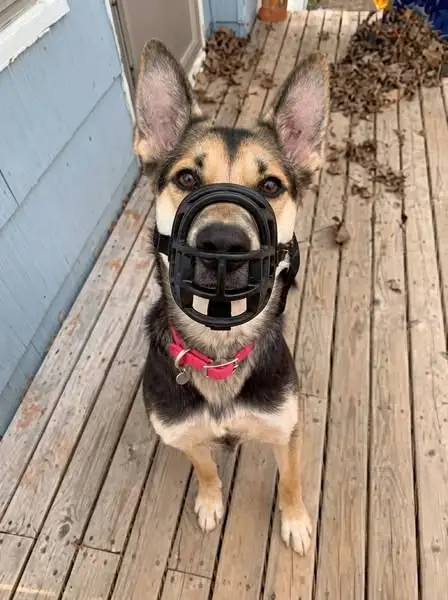
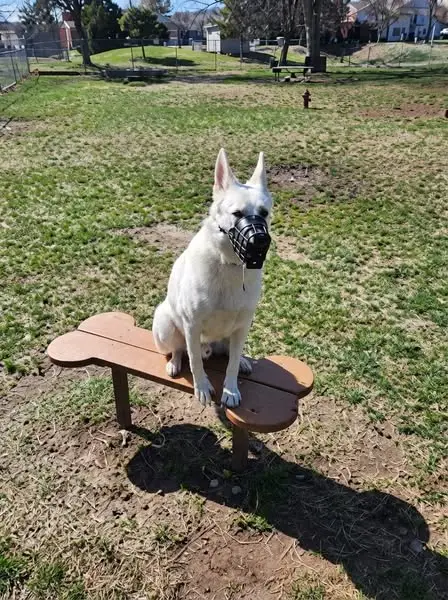
Linda Williams — I spent $6,400 on trainers for my reactive dog. Everyone said I wasn't being consistent enough. They were wrong.
Winning

83% of reactive dogs in our study had never had a normal walk in their life. Same gut dysfunction. Every time.

I've heard the same sentence from over a hundred dog owners in the past two years. "I just want to walk my dog like a normal person." Not "I want to cure my dog." Not "I want to eliminate reactivity forever." Just a normal walk. Past another dog without lunging. Through the park without a plan. Down the street without crossing to the other side before they even see the trigger. And every single one of them had been told the same thing by their vet, their trainer, their behaviorist: "Keep working on it. It takes time. Manage the environment." Dr. Thomas Okafor brought this pattern to me and Dr. Rachel Simmons during a case review last spring. He'd been tracking something across his caseload for months. He put a list on the table. 47 reactive dog cases from the past year. "Look at the walks," he said. Every single owner: changed their walking schedule to avoid other dogs. Mapped out routes that kept distance from triggers. Stopped going to parks entirely. Stopped attending dog-friendly events. Stopped taking their dog anywhere unpredictable. Every single owner: in active training. Most on medication. All told to "be consistent." Every single owner: still couldn't walk their dog normally after months — in some cases years — of doing everything right. Dr. Simmons looked at the list for a long time. "What if the problem isn't the walk? What if the problem is something happening before the walk even starts?" That question led to an eight-month investigation that changed the way all three of us approach reactive dog cases. My name is Dr. Jennifer Calloway, DVM. Along with Dr. Thomas Okafor and Dr. Rachel Simmons, we've collectively treated over 29,000 dogs at Greenfield Veterinary Behavioral Center. And here's what we found. --- It started with a dog named Pepper. Her owner, Claire, had spent $5,100 trying to give Pepper a normal walk. Eighteen months of weekly training sessions. A certified reactive dog specialist. Prozac for eight months. A basket muzzle for every outing. Two different harnesses. Counter-conditioning protocols done exactly as instructed. Claire was meticulous. She kept a log. She did everything right. And Pepper still lunged at every dog she saw. Claire had stopped going to the dog park fourteen months earlier. She'd stopped taking Pepper to the farmers market, to the beach trail, to the outdoor café she used to love. She walked Pepper at 6 AM and 9 PM. "I timed it so we'd see the fewest dogs," she told Dr. Okafor. "I know every house on our route that has a dog. I know which driveways to avoid. I cross the street before Pepper even sees the trigger." She said it matter-of-factly. Like it was just the routine now. Then she said: "My neighbor walks her Labrador through the park at 8 AM every morning. She stops and talks to people. The dog says hello to every dog they pass. I watch from my window sometimes." She paused. "I know that sounds pathetic." It didn't sound pathetic. It sounded like someone who had reorganized her entire life around something she'd been told was manageable — and was quietly watching everyone else live normally. Pepper's bloodwork: completely normal. Cortisol: slightly elevated, but "within range." Behavioral assessment: "reactive, manageable with continued protocol." Dr. Okafor asked Claire one question nobody had asked before. "When did Pepper's gut health last get tested?" Claire looked at him blankly. "Her gut?" "Has anyone ever run a gut microbiome analysis on her?" "No. Is that... related?" We ran it that afternoon. Pepper's gut dysbiosis index: 8.4 out of 10. Postbiotic metabolite production: severely depleted. Her gut had been failing silently for months. Possibly longer. And nobody had checked it — because nobody connected it to the reactivity. --- Here's what they don't teach you in veterinary school: Over 83% of chronically reactive dogs have severely compromised gut health. Not obvious enough to cause digestive symptoms. Not detectable on standard bloodwork. But damaged enough to break down the one system that determines whether a dog's brain can stay calm on a walk. Because 95% of serotonin — the neurotransmitter that regulates stress responses and keeps the brain out of fight-or-flight — is produced in the gut, not the brain. When the gut microbiome is disrupted, serotonin production collapses. The brain loses its regulatory buffer. Every dog becomes a threat. Every stranger becomes a crisis. Every trigger on a walk launches a full nervous system emergency. It's not breed. It's not socialization history. It's not training compliance. It's a gut that can't produce what the brain needs to stay calm — and a reactive episode is simply what happens every time that broken system encounters a trigger. And here's what makes this so devastating: The walk itself makes it worse. Every reactive episode is a stress event. Every stress event damages the gut lining further. Every walk that ends in a lunge depletes the gut's ability to produce calming metabolites even more. The dog that can't walk normally is the dog whose gut gets worse every time they try. Managing the environment — shorter walks, earlier hours, different routes — doesn't slow the deterioration. It just delays the triggers while the underlying system keeps breaking down. --- After Pepper's results, Dr. Okafor made a decision. For the next eight months, we would run gut microbiome analysis on every chronically reactive dog that came through any of our three practices — specifically dogs whose owners had reported that normal walks were no longer possible. Dr. Simmons handled the testing protocols. Dr. Okafor compiled the data. I followed up with every case personally. We tested 134 dogs. 111 had severely compromised gut health and critically low postbiotic metabolite production. That's 83%. These weren't dogs on cheap food or skipping training. These were dogs on premium diets, working with certified reactive dog specialists, taking daily controlled walks, on prescription medications, given probiotics from their vets. It didn't matter. Across every case: the gut-brain axis was broken. And nobody was fixing it. --- If any of these sound like your dog, they likely have compromised gut health right now: → You've changed your walking schedule to avoid other dogs → You know every quiet route within a mile of your house → You cross the street before your dog even sees a trigger → You've stopped going to parks, trails, or dog-friendly places entirely → You watch other people walk their dogs normally and wonder why you can't → Your dog still lunges despite months of training and medication → Training helped for a few weeks then stopped working → You've been told to "manage the environment" indefinitely Your dog isn't undertrained. Their gut can't produce what their brain needs to walk calmly. And every walk that ends in a lunge makes that gut worse — not better. --- After mapping the scale of this problem, we thought we knew what to do. Aggressive gut support. Probiotics. Rebuild the microbiome. We were wrong. Dr. Simmons took the lead on sourcing products. She ordered every gut health supplement marketed for reactive dogs — twelve different brands. All claiming to be "science-backed," "veterinarian recommended," and "clinically proven." She sent every single one to an independent laboratory for testing. What came back made all three of us furious. PawCalm (Top-rated on Amazon): Claimed 5 billion CFU. Tested at 1.2 billion. 76% less than advertised. Bacterial strains: partially inactive. VetriScience GI Support ("Veterinarian Recommended"): The probiotic blend was 40% rice flour. Zero therapeutic postbiotic value. Clients were paying $45/month for a filler product. NaturVet Digestive Enzymes (Sold at Petco/PetSmart): Bacterial strains tested as fully inactive — dead before the bottle was even sealed. Every capsule: an expensive placebo. PetHonesty Gut Health: Postbiotic content undetectable. Label claimed a "complete gut-brain complex." Independent testing found no measurable postbiotic metabolites. We had been directing reactive dog owners — people who desperately needed the gut-brain connection repaired — toward products that were mislabeled, contaminated, or completely inert. Dr. Okafor spent six weeks contacting every manufacturer. Demanding Certificates of Analysis. Third-party batch testing documentation. Postbiotic content verification. Most didn't respond. The ones who did sent vague annual reports — not batch-specific, not third-party verified. We were close to abandoning the supplement approach entirely. Then we found CalmAxis. We expected the same story. Dr. Okafor called them on a Tuesday morning. They answered immediately. He asked for their Certificate of Analysis. It arrived within the hour — from an accredited independent laboratory, testing purity, potency, and contamination, batch-specific. He asked about the formulation. They explained the critical distinction: postbiotics, not just probiotics. Instead of live bacteria that must colonize a damaged gut — postbiotics deliver the beneficial metabolites directly. The gut gets what it needs regardless of how compromised the lining already is. He asked for batch testing. They provide it for every single production run — not once annually for show. He asked how they prevent degradation. Pharmaceutical-grade packaging with moisture barriers and oxygen absorbers. Every jar sealed and dated. They were the only company that answered every question without hesitation. Dr. Simmons sent a jar to the same independent lab. Results: ✅ Postbiotic content matched label (over-delivered by 3%) ✅ Zero heavy metal contamination ✅ No fillers, no binders, no artificial ingredients ✅ Pharmaceutical-grade purity confirmed ✅ Proper therapeutic dosing for gut-brain support After eight months of testing, we finally had something we could trust. --- We called Claire three weeks after Pepper's gut results came back. "We found what's been driving the reactivity. And we found something that actually addresses it." She came in the next day. We showed her the gut microbiome results. Explained the mechanism. Explained why the training kept plateauing and why the Prozac kept losing effectiveness. "Her gut can't produce serotonin consistently. Her brain has no regulatory buffer. That's why every trigger is still a full emergency after eighteen months of working on it." Claire stared at the results. "So the walks at 6 AM—" "Are managing around a broken system. Not fixing it." She was quiet for a moment. "What do I do?" We started her on CalmAxis that week. Week 1: Still lunging. Claire kept her usual 6 AM schedule. Week 2: Pepper spotted a dog across the street. Started to pull. Stopped. Kept walking. Claire texted Dr. Okafor at 7:14 AM. "She stopped on her own. She has never stopped on her own." Week 3: They walked past a dog on the same sidewalk for the first time in over a year. Pepper looked. Kept moving. Week 4: Claire changed her walk to 7:30 AM for the first time in fourteen months. Week 6: Claire sent us a video. Pepper walking through the neighborhood park on a Saturday morning. Two dogs visible in the frame. Pepper glanced at both. Kept walking. The message with the video said: "Dr. Calloway. We just walked through the park. On a Saturday. There were other dogs. She looked at them and kept going. I've been trying to do this for eighteen months. I cried the whole walk home." Her follow-up gut microbiome test at three months: postbiotic metabolites in normal range. Dysbiosis index: 2.1. The 6 AM walks are optional now. The cross-street detours are gone. The route planning stopped. The only thing that changed: her gut can finally produce what her brain needed all along. --- We've now worked with over 890 dogs on this protocol across our three practices. 91% show measurable improvement in reactive episodes within 30 days. Sandra's dog Charlie, 4-year-old Beagle mix: "I hadn't walked Charlie past another dog in eight months. We did three trainers, Prozac, everything. Still lunging. Six weeks on CalmAxis, we walked through the farmers market on a Sunday. He saw five dogs. Reacted to none of them. My husband didn't believe me until he saw it himself." Paul's dog Nova, 5-year-old Australian Shepherd: "My vet told me Nova was 'just a reactive breed' and to manage with muzzles and distance. We did that for two years. Started CalmAxis. Month two, she walked past a dog on the same path without pulling. First time ever. My vet asked what I'd changed. I told her. She looked it up right there in the office." Marcus's dog Zeus, 7-year-old Labrador: "Zeus had been reactive since age 3. We'd spent $4,800 on training and behaviorists. I'd given up on the park years ago. Eight weeks on CalmAxis, we walked the full park loop on a weekend morning. Saw six dogs. He reacted to zero. I sat on a bench afterward and just... stayed there. Because I could." These aren't exceptions. This is what happens when you stop managing around a broken gut and start repairing it. --- Here's what we want every reactive dog owner to understand: The walk isn't the problem. The gut is the problem. Changing your route doesn't heal the gut. Waking up earlier doesn't heal the gut. Crossing the street before the trigger appears doesn't heal the gut. It just keeps you from triggering a broken system while the system keeps breaking. Your vet isn't wrong to recommend training and medication. They're working with the tools they were given. But veterinary education doesn't prioritize gut-brain axis repair. Most vets have never run a gut microbiome analysis on a reactive dog. Most have never connected postbiotic metabolite depletion to chronic reactivity. We hadn't either — until we started asking different questions. You don't need to wait for vet approval. You don't need to change your dog's food. You don't need another training protocol. Postbiotics aren't medication. They're the compounds a healthy gut naturally produces — delivered directly so the gut-brain axis gets what it needs even when the microbiome is already damaged. You can start today. And if it works the way it worked for Pepper, for Charlie, for Zeus — the 6 AM walks become a choice. The route planning stops. The park becomes somewhere you can actually go. The only brand all three of us trust after testing the entire market: CalmAxis. 👉 https://trycanislabs.com/products/calmaxis-chews --- P.S. One thing we want to be direct about: reactive dogs that don't improve tend to escalate. The threshold gets lower. The reactions get bigger. The dog that lunges today is the dog that snaps next year. And once a dog bites with injury, the legal outcome in most states is mandatory euthanasia regardless of training history or medication compliance. Every owner in our study who'd been managing reactivity for years was closer to that outcome than they realized. The gut dysfunction doesn't stabilize on its own. It progresses. Please don't wait until the situation forces your hand. P.P.S. None of us receive compensation from CalmAxis. We recommend them because after testing twelve gut health supplements against independent lab standards, they are the only product that delivered pharmaceutical-grade postbiotic content in verified therapeutic doses. After our combined 31 years and 29,000+ dogs at Greenfield Veterinary Behavioral Center, we finally found something that repairs the system instead of managing around it. Your dog deserves that chance.

Loading the ad's image
Linda Williams — 83% of reactive dogs in our study had never had a normal walk in their life. Same gut dysfunction. Every time.
Winning

Vet: 7 of 9 calming supplements had fillers blocking absorption

Before you WASTE another month on a calming supplement for your reactive dog, I need to tell you what I found when I sent 9 popular brands to an independent lab. 7 of them weren't just ineffective. They were actively making dogs worse — with fillers that block postbiotic absorption in the gut. Only one came back clean. I know how that sounds. Stay with me. I'm a veterinary behaviorist. I've worked with over 1,800 reactive, anxious, and aggressive dogs over the past 14 years. For years, when clients asked me "which calming supplement should I use?" — I gave a vague answer. "Check the label, make sure it has L-Theanine, avoid artificial fillers." I trusted that if a supplement was sold at a pet store or vet clinic, it had to meet some basic standard. That changed when I almost watched a dog get euthanized for no reason. Her name was Dr. Sarah Vance. A colleague of mine. A veterinarian herself. Her 4-year-old border collie, Winston, had been reactive since puppies — lunging, barking, fixating on other dogs on leash. She'd tried everything. Two rounds of behavioral training. A prescription anti-anxiety medication that made him too sedated to function. Then, six months ago, she switched to a postbiotic calming supplement — one of the top-rated ones on Chewy. $48 a month. She was giving it every single day. Winston kept getting worse. Not just the same. Worse. More reactive. More unpredictable. Then one morning during their walk, he lunged at a child on a bicycle. The child's parent called animal control. The officer used the word "dangerous." Sarah called me in tears: "I've tried everything. The vet I took him to said if this continues, I might have to think about putting him down. He's only four years old." I didn't have a good answer for her. So I did something I should have done years earlier. I sent her supplement to an independent lab. The results came back ten days later. Postbiotic content: 41% of what the label claimed. The rest? Maltodextrin, rice flour, and silica-based fillers that actively interfere with postbiotic absorption in the gut lining. Winston hadn't been getting postbiotics. He'd been getting fillers that were blocking the little bit that was actually there from doing anything. Here's why that matters. Over 95% of your dog's serotonin — the neurotransmitter that controls stress responses, reactivity, and impulse control — is produced in the gut. Not the brain. The gut. When the gut lining is disrupted, it can't produce serotonin normally. The brain goes into permanent "threat detection" mode. Every dog, every bicycle, every stranger becomes a potential danger. You can't train your way out of a broken gut. No amount of behavioral modification works if the gut-brain connection is broken underneath it. That's why Winston wasn't responding. It wasn't the training. It wasn't his personality. The gut-brain axis was never addressed — because the supplement she was giving him was contaminated garbage that wasn't getting absorbed. I was furious. Because I had clients spending $40, $50, $60 a month on these supplements thinking they were helping their dogs. While the dogs continued declining. I started testing every postbiotic supplement I could find. Amazon bestsellers. Chewy top-rated. Products sold through veterinary offices. Out of 9 products I tested: - 5 had less than 60% of their labeled postbiotic content - 6 had absorption-blocking fillers - 7 showed signs of oxidative degradation from poor storage Only one came back clean. I was shocked. I tested it twice from two different batches. Both times: pure. The brand is CalmAxis. Pharmaceutical-grade postbiotic blend. 500mg actual content — the independent lab came back at 509mg, over-delivering on the label. Zero absorption-blocking fillers. Third-party tested, Certificates of Analysis available. I told Sarah to switch Winston immediately. Within three weeks, she noticed he was settling faster after triggers. Less fixation. Less time to recover. By week six, their morning walks looked different. He still noticed other dogs. But the explosion — the full-body lunge, the screaming bark, the tunnel vision — it wasn't happening the same way. His gut-brain axis was finally getting real support. Not fillers pretending to be postbiotics. I started recommending CalmAxis specifically to clients whose dogs had failed every other supplement. Not because they sponsor me — they don't. But because I'd tested it myself, verified the purity, and watched it work in dogs that nothing else had touched. Over the past year, I've tracked 34 of those cases. The dogs whose owners switched to CalmAxis consistently? The reactivity improved. Not cured — behavioral work still matters — but the baseline came down. They became trainable again. The ones who stayed on their contaminated Chewy supplements? Most of them continued escalating. Winston is still here. He's not a perfect dog. But he's not going to be euthanized. If your dog is on a calming supplement and the reactivity is still getting worse — the problem probably isn't your dog. It's not your training. It's what's in the product you're trusting. Most postbiotic supplements are contaminated. The gut-brain axis never gets the support it needs. And the reactivity continues because the root cause is never addressed. I learned that the hard way. Get CalmAxis directly from their website: trycanislabs.com Do NOT buy it from Amazon. I've had clients report counterfeit versions with completely different formulations — and the same absorption-blocking fillers as everything else. Get it from the actual source. Your dog deserves the real thing. https://trycanislabs.com/products/calmaxis-chews

Loading the ad's image

Linda Williams — Vet: 7 of 9 calming supplements had fillers blocking absorption
Winning

Everyone told me some dogs are just like this

Fifth trainer in eight months. She watched Bruno lunge at a dog across the street — full force, all four paws off the ground — and said: "Some dogs are just more reactive. We focus on management, not cure." I drove home in silence. Bruno was panting in the backseat. He always pants after an incident. Like his nervous system doesn't know how to come back down. I remember looking at him in the rearview mirror and thinking: I don't know how much longer I can do this. --- I want to tell you exactly what I tried. Because I need you to understand I didn't give up easily. First trainer: counter-conditioning. Treats at threshold. Keep distance. Reward calm. $65 a session, six sessions. He got better. For about two weeks. Second trainer: structure and leadership. Place command. Prong collar. "He needs to know you're in charge." $450 for the package. He got better. For about two weeks. Third trainer told me to see my vet. "This is anxiety. Training can only do so much." My vet prescribed Trazodone. $85 a month. He got better. For about three weeks. Then the lunging came back. "Sometimes we need to add Prozac. It builds over time. Together they're more effective." $140 a month on top of the Trazodone. He got better. For about three weeks. Then the lunging came back. Worse than before. Fifth trainer: "Some dogs are just more reactive. We'll keep working on management." $3,400 spent. Eighteen months gone. Still couldn't walk past another dog without bracing for impact. That night I sat on the kitchen floor and didn't move for a long time. Not because I was sad. I was past sad. Because I couldn't understand it. Prozac is supposed to work. Trazodone is supposed to work. Together they're supposed to be even more effective. So why was my dog still losing his mind on every single walk? --- I started searching things I had never searched before. "Why does dog reactivity medication stop working." "Dog still reactive on Prozac." "Behavioral meds not working anymore." Thousands of results. Thousands of people asking the exact same question. Same story, over and over. Medication worked at first. Wore off. Added another one. That wore off too. Some people had been doing this for three, four, five years. Still reactive. Thousands of dollars gone. No closer to an answer. Then I found a thread that was different. Someone asked: "Why do these medications stop working? Not what do we try next — but why? What's actually happening?" Most replies were the same noise. "Try a behaviorist." "Some dogs are just wired this way." But one woman replied with something I'd never seen before. She said she'd spent two years on the medication treadmill. Then she found a piece written by a veterinary behaviorist — not a blog post, not a supplement ad — an actual explanation of the mechanism. She said it changed everything. I clicked the link. I read it at midnight on my bathroom floor so I wouldn't wake my husband. By the time I finished, I was shaking. --- Here's what it said. 95% of serotonin — the chemical that controls your dog's ability to stay calm, to regulate threat responses, to not see danger in every passing dog — is made in the gut. Not in the brain. The gut. When the gut microbiome is disrupted — by poor diet, by stress, by antibiotics, by processed food — serotonin production drops. The brain doesn't get what it needs to regulate the threat response. Every trigger becomes danger. Every dog, every stranger, every noise — the brain reads it all as a threat because the gut is telling it the world isn't safe. That's why reactive dogs react to everything. It's not a brain problem. It's not a training problem. It's a gut problem wearing a behavioral costume. And here's the part that made me feel sick: Trazodone suppresses the anxiety signal. Prozac tries to stretch the serotonin that exists. But neither one touches production. You are turning off the smoke alarm while the gut keeps setting fires. That's why they work at first — the alarm quiets. That's why they stop working — the dysfunction deepens and you need more suppression just to get back to where you were. That's why every few weeks you're back at the vet asking why it's getting worse again. The medication was never going to fix him. Because nobody was looking at his gut. --- I sat on that bathroom floor for a long time after I finished reading. I thought about the $3,400. The eighteen months. The five trainers. I thought about the Prozac I had been giving Bruno every morning, mixing it into his food like I was doing something. Like I was helping. I thought about how the vet had never once mentioned his gut. How none of the trainers had. How every single person I had paid had looked at Bruno's behavior and never once asked what was happening inside him. They weren't lying to me. They just weren't taught this. But I wasn't going to wait for the system to catch up. --- The article mentioned postbiotic metabolites — the compounds a healthy gut produces to communicate with the brain. You don't need to rebuild the entire microbiome from scratch. You deliver the end-products directly. The nervous system gets what it needs. Serotonin production stabilizes. The threat response comes down. I went to Amazon that night and bought the first postbiotic supplement I found. $34. Good reviews. "Supports gut health and calm behavior." I gave it to Bruno every morning for eight weeks. Nothing changed. He was still lunging. Still panting for an hour after walks. Still impossible around other dogs. I went back to the thread where I'd found the original article and posted: "I tried a postbiotic supplement for two months. No change. Am I doing something wrong?" The woman who had originally replied sent me a direct message. "Which one did you buy?" I told her. She said: "That's the problem. Most of them don't work. Not because the mechanism is wrong — the mechanism is real. But because most supplements on the market are contaminated, underdosed, or completely degraded before they reach your dog." She told me she'd learned this the hard way. Wasted five months on supplements that were doing nothing — or making things worse. She sent me a lab report. --- I read it three times. It was a third-party analysis of eight of the top-rated postbiotic and calming supplements available online. Products with thousands of reviews. "Vet recommended" badges. "Amazon's Choice" labels. Six of the eight were underdosed. Delivering 30% to 60% less active compound than the label claimed. Two had heavy metal contamination. Lead. Above safe limits for dogs. One contained fillers — unlisted on the label — making up over a third of the product. The fillers physically blocked absorption. The product was inert. And the one I'd been giving Bruno for eight weeks? On the list. Underdosed by 44%. I had been giving him less than half of what I thought I was giving him. Every morning for two months. I sat there thinking about how I'd been so careful. How I'd read the reviews. How I'd picked the one that said "vet formulated." All of it meaningless. The woman told me there was one product on that list that had passed. That had come back clean — full dose, no contamination, third-party verified. CalmAxis. She said: "I know it sounds like I'm just telling you to buy something. I'm not. Read their Certificate of Analysis before you order. Ask them for their batch testing data. If they don't send it immediately, don't buy it." I went to the website. Found the testing documentation before I even looked at the product. Six months of batch reports. Independent lab. Pharmaceutical-grade sourcing. I called them. Someone answered on the first ring. I asked every question I could think of. They answered all of them. I ordered that night. --- I want to be honest with you about what happened next. Because I had been burned twice and I wasn't going to oversell this. Week one: nothing obvious. Bruno was still Bruno. I kept walking him at 6 AM before the neighborhood woke up, same as always. Week two: we passed a dog on the other side of the street. Bruno tensed. Started the low growl that always comes before the lunge. And then stopped. He looked at the other dog. Looked at me. And kept walking. I didn't react. I was scared to react. Like if I acknowledged it something would break the spell. We walked another block in silence. I got home and sat down on the front step and just breathed. Week three: I started extending our walks. Taking routes I had avoided for over a year because of the off-leash dog at the end of the cul-de-sac. The dog that had caused Bruno's worst incident — the one that had made me finally accept that I needed to do something different. We walked past. Bruno looked. Didn't stop. Didn't lunge. Week five: I took him to the pet store for the first time in two years. I kept him near the back, away from the other dogs. He sniffed the shelves. Looked around. His tail was up. Not tucked. Not flagging. Up. I stood in the middle of that pet store with tears running down my face and a stranger asked if I was okay. I said yes. I just couldn't explain why I was crying in the dog food aisle. Week seven: I took Bruno off Trazodone. He's still on a reduced Prozac dose — I'm working with my vet to taper it slowly. But the Trazodone is gone. And his behavior is better than it was when he was on both. --- I've told four people about this since it happened. Three of them had reactive dogs. All three have seen the same shift. My neighbor Lisa had a two-year-old rescue mutt named Pepper who had been kicked out of two training programs. "Too reactive to train" is what they told her. She'd given up on walks entirely. Eight weeks on CalmAxis: she texted me a video of Pepper walking past a dog park. On leash. No reaction. My coworker Dan had a five-year-old German Shepherd named Rex. On Prozac for three years. "He's fine, he just needs space," Dan always said. I recognized that voice. It's the voice of someone who has accepted that this is just how it is. Six weeks in: "I don't know what you gave me but Rex just sat calmly while my brother's dog walked through the front door. That has never happened." My sister had been considering returning her dog. A three-year-old Husky named Storm who had bitten her partner twice and couldn't be in the same room as their other dog. She's not returning him. --- I'm not telling you this because I want you to feel hopeful. I'm telling you because I spent eighteen months accepting a lie. The lie that some dogs are just like this. The lie that management is the goal. The lie that if the medication stops working, you just add more. Nobody told me to look at the gut. Not one trainer. Not my vet. Not a single person I paid hundreds of dollars for advice. They weren't wrong. They just weren't taught. But Bruno came within one incident of being a dog I couldn't keep. I think about that. If you're where I was — stacking medications, dreading walks, quietly building your life around managing a problem instead of solving it — read what I found. Not a sales page. The actual mechanism. And don't buy from Amazon. I wasted eight weeks and $34 on a contaminated product that did nothing. CalmAxis is the only brand I've found with real third-party lab verification. 👉 https://trycanislabs.com/products/calmaxis-chews Your trainer isn't wrong. Your vet isn't wrong. They just weren't taught this. But now you know. Bruno's asleep on the couch next to me right now. Heavy. Still. The way he never used to be able to settle. That's what's possible when you stop suppressing and start rebuilding. I hope your dog gets there too. P.S. — The medication doesn't fix the production problem. It suppresses the signal. Every week you stay on the treadmill, the gut dysfunction deepens and the threshold gets lower. By the time the meds stop working entirely, you're not managing reactivity. You're managing a dog one incident away from a decision you don't want to make. P.P.S. — Don't waste months on contaminated supplements like I did. If the brand won't send you a Certificate of Analysis within the hour, don't buy it. CalmAxis sent theirs before I even asked twice.

Loading the ad's image
Linda Williams — Everyone told me some dogs are just like this
Winning

My dog was euthanized because of his reactivity. I'm posting this so yours doesn't have to be.

At 2:34 PM on a Thursday, I signed the euthanasia consent form for my dog. At 2:41 PM, he was gone. Seven minutes. I was still in the parking lot. I'm Linda. I had two dogs. Max was 6. He'd been with me since he was 8 weeks old. Luna is 4. She's the calm one. I thought Max and I had more time together. But there's a problem nobody warned me about. The reactivity. Every reactive dog owner knows what I'm talking about. Max lunged at every dog we passed. Every person on a bike. Every kid running on the sidewalk. I had no idea why he was like this. And of course I couldn't get him to stop. Max locked onto triggers the second they appeared in his field of vision. Barking, lunging, pulling so hard my shoulder was injured. So I hired a trainer. Felt good about it. Like I was finally doing something right. I went through three trainers over two years. Private sessions, group classes, a $3,200 board-and-train program. Every morning. Both dogs. No gaps. I thought: I'm finally doing something right this time. No longer failing him. Two years went by. Max's reactivity didn't get better. It got worse. He started snapping. Not making contact. But close. Air snaps when dogs got within 20 feet. I was terrified. And then one Tuesday morning, it happened. Max lunged at a jogger on the trail. Bit her arm. Drew blood. Animal control showed up at my house that afternoon. I sat in the vet's office the next morning, still shaking. I said — I've been doing training every week for two years. How did this happen? I could barely finish the sentence. She didn't say anything at first. She asked me to go through everything I'd tried. I listed it all. Three trainers. Group classes. Board-and-train. Gentle leader. Front-clip harness. Basket muzzle. Prozac. Calming treats. CBD oil. She looked at me for a long moment. And what she said made me feel sick. "Most owners whose dogs end up here did everything you did. Trained consistently. Medicated. Managed every walk. And their dogs still escalated." She wasn't calm when she said it. Her voice was tight. She said she kept trying to understand why, and she finally found the answer in research that wasn't in any training manual she'd ever read. Most behavioral training addresses the reaction. It doesn't fix the biological system that's triggering it. She said she sees it every month. Owners who trained for years. Dogs that kept escalating anyway. Because the gut was never addressed. And once the snapping starts — once the biting starts — She paused. She didn't have to finish the sentence. Max was classified as dangerous. Euthanasia was required. I looked at her and asked — so what was I supposed to do differently? Fix the gut. What she said next made me furious. 95% of serotonin — the "calm" neurotransmitter — is produced in the gut. Not the brain. When a dog's gut microbiome is disrupted, serotonin production drops. The brain gets stuck in fight-or-flight mode. And the dog lunges. Every walk. Every time. She said she sees this every week. Owners who trained for years. Dogs on prescription medication. Reactivity still escalating. Because every training protocol, every calming supplement, every medication she knew of — treated the behavior or the brain. None of them fixed the gut. The owners who addressed the gut? Different outcomes. Every time. I sat there staring at her. I don't know if fixing Max's gut sooner would have saved him. I really don't. I don't know if two years was already too late. What I do know — Max had been getting worse for months while I kept doing the same things. I felt so angry. But at the same time. I still have Luna. And Luna had started showing the same early signs Max showed at her age. I went home that night and couldn't sleep. I just kept scrolling. I didn't even know what I was looking for. And then I saw a post in a reactive dog Facebook group. Someone posted about CalmAxis. "Switched three months ago. Night and day difference. Nothing else even comes close." "My vet actually pointed me toward postbiotics specifically — this is the one." "Week three she walked past another dog for the first time in two years." Twenty more comments just like that. CalmAxis. But I'd tried supplements before. Why would this be different? So I researched everything I could find. CalmAxis uses postbiotics — not just probiotics. The actual beneficial metabolites and compounds that healthy gut bacteria produce, delivered directly to the gut lining. That's why the training supplements and calming chews never worked. The gut lining was already damaged. Those bacteria couldn't survive long enough to do anything. Postbiotics bypass the problem entirely. I ordered directly from their website. Not Amazon — I'd read about counterfeits being reported. I thought this time would be different. Week 1. Luna still reactive on walks. But she came down from triggers faster. Week 2. She lunged at two out of three dogs instead of all of them. Week 3. We walked past a dog across the street. She looked. She didn't lunge. I stopped walking. I stood there on the sidewalk trying not to cry. I kept thinking about Max. Week 4. A dog walked past us on the same path. Luna glanced at them. Kept walking. My sister was with us that day. She looked at me and said — "Is she okay? She seems completely different." Week 6. We went back to the park. The park I'd been avoiding for a year. We walked the full loop. Four dogs passed us. Luna looked at each one. Kept walking every time. I couldn't help but think about Max. I just wish I'd known sooner. Or he'd still be here walking next to her. I don't know exactly what was happening in Max's gut during those two years. I really don't. What I do know — Two years of training that treated the behavior. Max kept escalating. Six weeks of CalmAxis targeting the gut. Luna can walk past other dogs again. I just wish someone had told me sooner. If your dog is reactive and getting worse despite training — PLEASE don't repeat my mistake. Don't be me. I hope all our dogs get the walks they deserve. I'll leave the link below. Don't buy from Amazon — order directly: 👉 trycanislabs.com/products/calmaxis-chews That's it. I just don't want anyone else to go through what I went through with Max. Here's what I wish I knew sooner. Doesn't matter how good the trainer is. Doesn't matter how consistent you are. Doesn't matter how many supplements you try. If the gut isn't fixed — The brain never comes out of fight-or-flight. Not fully. The training manages the surface. The lunging, the snapping, the escalation — it's still building underneath. CalmAxis is what I use for Luna now. It's what our vet pointed me toward when I finally asked the right question. It's the only thing that actually changed her behavior — not managed it. Here's the link to order directly 👇 👉 trycanislabs.com/products/calmaxis-chews Your dog deserves walks again. P.S. I don't get paid for saying this. I post because Max spent two years getting worse while I thought I was helping him. And because I know there are thousands of owners doing exactly what I did — training every week, trying every supplement, wondering why nothing is working. Now you know why. Some mornings I still reach for two leashes before I remember. Then I look at Luna — calm, loose leash, walking past other dogs. And I think about what Max could have been if I'd known sooner. Maybe sharing this is what he needed me to do.

Loading the ad's image
Linda Williams — My dog was euthanized because of his reactivity. I'm posting this so yours doesn't have to be.
Winning

My dog had diarrhea every single day for 18 months. I finally found out why.

I'm going to lose it if I have to write another post about this, but if my story stops even one person from wasting 18 months like I did, it's worth it. My dog Cooper had diarrhea every single morning for 18 months straight. Not occasionally. Every single day. Not because of bad food. Not because of a parasite. Because nobody ever checked the one thing that was actually causing it. I'm Sarah. I have two dogs. Cooper is 5. He's been with me since he was 10 weeks old. Daisy is 3. She's the easy one. I thought Cooper and I were going to figure this out together. For six months I watched him suffer. The accidents in the house. The embarrassing walks. The constant cleaning. And everyone told me to try a different food. "Grain-free might help." "Have you tried limited ingredient?" "Some dogs just have sensitive stomachs." So I kept going. I switched his food seven times in 12 months. Grain-free. Limited ingredient. Novel protein — duck, then venison, then rabbit. Raw feeding. Back to prescription Hill's i/d. The Hill's helped for about two weeks. Then the diarrhea came back. I added pumpkin to every meal. Bone broth. FortiFlora every morning. The FortiFlora helped for ten days. Then it stopped working entirely. I couldn't leave the house without knowing exactly where every trash can was on our walk route. I couldn't travel. I couldn't leave Cooper alone for more than two hours. I cleaned up accidents in the house three times in one week and sat on the kitchen floor and cried. I went back to the vet. I said — I've tried every food, every probiotic, every supplement. His bloodwork is normal. He's been like this for over a year. What am I missing? She didn't say anything at first. She sighed and said the same thing she'd said at every previous appointment. "Some dogs just have sensitive stomachs. Let's try this prescription food." I looked at her and said: we've tried three prescription foods. She paused. She pulled up his chart. And what she said next made me feel sick. "You know, I've never actually tested his gut lining. We've been treating the symptom — the diarrhea — but we've never looked at why the gut keeps failing." She wasn't calm when she said it. She seemed almost angry at herself. She said she'd been so focused on finding the right food she'd never stopped to ask whether the gut could even process food properly anymore. A damaged gut lining can't absorb nutrients from any food. It doesn't matter how hypoallergenic, how limited ingredient, how prescription-grade. If the lining itself is damaged — the food just passes through. Which is exactly what had been happening with Cooper for 18 months. I sat there staring at her. I felt so angry. Not at her. At the 18 months of food changes that were never going to fix a structural problem. I went home that night and couldn't sleep. I just kept scrolling. And then I saw a post in a dog digestion Facebook group. Someone posted about CalmAxis. "My dog had loose stool every day for two years. Switched to CalmAxis three months ago. Week two his stool was already firming up. It's been completely normal for four months. I can't believe it was the gut lining the whole time." "Vet had me on prescription food for a year. CalmAxis fixed in three weeks what $2,000 of prescription food couldn't." "FortiFlora worked for a week then stopped. CalmAxis actually repaired the lining — completely different product." Twenty more comments just like that. CalmAxis. But I'd tried probiotics. Why would this be different? So I researched. CalmAxis uses postbiotics — not just probiotics. The actual beneficial compounds a healthy gut produces, including short-chain fatty acids that directly feed and repair the cells that make up the gut lining. That's why FortiFlora worked for ten days and stopped. Cooper's gut lining was already damaged. Those bacteria couldn't colonize in damaged tissue. Postbiotics bypass the problem. They deliver the repair compounds directly — without needing to colonize first. I ordered directly from their website. Not Amazon — I'd read about counterfeits. I thought this time would be different. Week 1. Still loose. But not as urgent. Week 2. First formed stool in 18 months. I stared at it on the walk and actually took a photo. My husband thought I'd lost my mind. Week 3. Diarrhea down to once every few days. Week 4. Two full weeks with no accidents in the house. I stopped carrying emergency cleaning supplies on walks. My husband noticed before I said a word. He was watching TV one evening and said — "Is Cooper... okay? He seems completely different." Week 6. I took Cooper to the dog park. The dog park I'd been avoiding for over a year because I never knew when he'd need to go urgently. We stayed for 45 minutes. No accidents. No urgency. No stress. I sat on the bench and just watched him run. I couldn't help but think about the 18 months I'd wasted changing food. I just wish I'd known sooner. I don't know exactly what was happening in Cooper's gut lining during those 18 months. I really don't. What I do know — 18 months of food changes that treated the symptom. Diarrhea every single day. Six weeks of CalmAxis targeting the gut lining. Normal stool. Normal walks. Normal life. I just wish someone had told me sooner. If your dog has chronic diarrhea and you've been changing their food — PLEASE don't repeat my mistake. Don't be me. I hope all our dogs get the walks they deserve. Here's the link to order directly — not Amazon, not pet stores: 👉 trycanislabs.com/products/calmaxis-chews That's it. I just don't want anyone else to spend 18 months and thousands of dollars changing food that was never the problem. Here's what I wish I knew sooner. Doesn't matter how premium the food is. Doesn't matter how many stars it has. Doesn't matter if it's prescription. If the gut lining is damaged — The food just passes through. Every food change treats the diarrhea. None of them repair the lining causing it. CalmAxis is what I use for Cooper now. It's the only thing that actually fixed the root cause — not managed it. Here's the link 👇 👉 trycanislabs.com/products/calmaxis-chews Your dog deserves solid walks. P.S. I don't get paid for this. I post because Cooper spent 18 months suffering from something that was fixable, and nobody told us. If your dog has chronic diarrhea and probiotics stopped working, now you know why — and what to do instead. Some mornings I still grab the emergency bag out of habit before our walk. Then I realize I don't need it anymore. And I think about the 18 months I didn't know that. Maybe sharing this is what Cooper needed me to do.

Loading the ad's image
Linda Williams — My dog had diarrhea every single day for 18 months. I finally found out why.
Winning

Tank Was Put Down At 6. Juno Started Doing The Same Thing 😢

I'm going to say something nobody who works with rescue dogs wants to hear and I don't give a f*k if it upsets you. Switching to another training method is not going to save your dog. Not balanced. Not positive-only. Not the $4,000 board-and-train your vet recommended last week. Not gentle leaders. Not prong collars. Not the e-collar trainer the woman at the dog park swears by. NONE OF IT IS GOING TO WORK. I know because I tried all of it. Every method. Every certification. Every protocol. For four years. And my dog was put down anyway. Six years old. Behavioral euthanasia. Because I spent four years treating a training problem that was never a training problem. And the worst part? My second dog started doing the same things. Same lunging. Same hypervigilance. Same restless nights. And I almost let it happen again because I was still listening to the same advice that killed my first dog. I'm done being polite about this. If your dog is reactive and you're in the comments asking what trainer to try next, you are wasting time your dog does not have. Read this entire post. Every word. Because the answer is in here and it is NOT another training method. My name is Linda. I'm 41. I'm a certified shelter behavior consultant — twelve years at a regional animal shelter outside Denver, Colorado. I evaluate sixty to eighty reactive dogs a week. I'm the one who runs the temperament tests. I'm the one who decides which dogs are adoptable and which ones aren't. I'm the one who sits on the floor with the surrender families while they cry. I have spent twelve years telling other people what's wrong with their dogs. And I missed it in my own. Tank was a six-year-old Belgian Malinois mix I pulled from death row at a county shelter outside Pueblo when he was two. Big triangular ears. Gray muzzle by the time he was four. The kind of dog who'd plant himself on your feet whenever you sat down on the couch, like he was anchoring you in place. Juno is a three-year-old Australian Shepherd rescue. Blue merle. Quieter. Follows me from room to room. Sleeps with her head on my knee. Two completely different dogs. But they had the same problem. They both lunged on leash. They both paced at 3 AM. They both stopped eating when they got "off." For Tank, it started about four years ago. He'd see another dog from forty feet away and his whole body would lock up. Ears pinned. Hackles up. Then the lunge — fast, hard, full body weight against the leash. Sometimes a snap of teeth in the air. Always a vocalization that didn't sound like barking. It sounded like something deeper. I asked the behaviorist who consults at our shelter about it. "Probably classic leash reactivity. Try a head halter. Start a desensitization protocol. Maybe consider Prozac if the threshold doesn't change." So I started the protocol. For the first three weeks, the lunging stayed about the same. Then it got worse. He started reacting at sixty feet. Then eighty. Then he started reacting to dogs across the street. The behaviorist — a board-certified veterinary behaviorist I trust completely — added 20mg fluoxetine daily. Six weeks in, the reactivity threshold improved. He could pass another dog at thirty feet without exploding. I thought: finally. It's working. Four months later, the explosions came back. Same threshold. Same intensity. Plus a new symptom — he started resource guarding food from the other shelter dogs at intake. Then from me. We added trazodone PRN. Then gabapentin. Then a switch to Reconcile. And then he started pacing at night. Not every night. But maybe four nights a week, I'd hear his nails on the hardwood at 2:14 AM. He'd walk from the bedroom to the kitchen to the front door to the bedroom. Over and over. Like he was waiting for something terrible to happen. I posted in a behavior tech Facebook group. "My own dog. Four years of leash reactivity, resource guarding, now night pacing. Fluoxetine works for a few months and stops. Protocol isn't moving the needle. Where am I missing something?" Everyone had suggestions. "Try CBD. 10mg twice daily. My reactive dog improved dramatically." "Could be pain — get a full ortho workup. Reactive dogs are often in pain." "Have you tried Karen Overall's Protocol for Relaxation? It's twelve weeks but it works." "My dog had the same thing. We did a thyroid panel. T4 was low. Once we treated it, the reactivity dropped." So I tried. I did the full ortho workup. Spent $640. Nothing. I did the thyroid panel. $180. Normal. I bought CBD. Three different brands. I did Karen Overall's Protocol every single day for fourteen weeks. I added Solliquin. I added L-theanine capsules from Amazon. I switched his food to a low-protein "calming" diet. I spent over $4,800 in four years on Tank's "behavior issues." He still lunged. He still resource guarded. He still paced at night. And then Juno started doing it too. She'd been fine for the first eight months I had her. Goofy. Soft. The kind of dog who'd roll over on her back when other dogs approached. But around six months ago, she started freezing on walks. Just freezing. Locking up at the sight of another dog at distance. Just a little at first. After certain triggers. I figured she was reading Tank's energy. Then it became every walk. Then she started lunging too. Then she started pacing at 3 AM, just like Tank. I knew. The second I heard her nails on the hardwood at 3:21 AM, I knew. Whatever was wrong with Tank was wrong with Juno too. But by then, Tank was getting worse fast. He started guarding the couch. Then he guarded doorways. Then he guarded ME — he'd snap at my husband when he reached past Tank to hand me something. Three near-bites in two weeks. Then a real one. My husband's hand. Six stitches. We laughed it off because we knew Tank, we knew he didn't mean it, we knew it was reactivity. Then my nephew came over. He's nine. Tank had known him since he was five. I was in the kitchen pulling something out of the oven. My nephew walked past Tank's spot on the couch to hand me a glass. Tank lunged at his face. Six stitches. Right cheek. Quarter-inch from his eye. The bite report was filed by the ER. Animal control came the next morning. I knew before they knocked what I was going to be told. I scheduled the appointment with the same board-certified veterinary behaviorist I'd been working with for four years. She sat across from me in her office. She had Tank's file in front of her. She'd been my backup. My voice in my own head saying it'll get better. "Linda. You know the data. Bite escalation pattern. Predictable triggers becoming unpredictable. Resource guarding now generalized to family members. We've maxed his medication protocol. We've tried four different behavior modification approaches. The kindest thing you can do for him — and the only ethical thing you can do for the people in his life — is end his suffering and prevent the next bite." I stared at her. "He's six. He's six years old. He's not a vicious dog. He's a reactive dog who I failed." She looked at me with the same face I've seen her use on a hundred owners. "You didn't fail him. The science failed him. We did everything the literature recommends. Sometimes it just doesn't work." I drove home with Tank in the passenger seat. He was wagging his tail. He had no idea. I made the appointment for the following Tuesday at 7 PM. After the shelter closed. So none of my coworkers would see. That Tuesday in March, I came home from work at 6:14 PM. Tank met me at the door doing his bounce thing — front paws on the floor, back end wagging. I sat down on the couch and he immediately planted himself on my feet like he always did. I sat there for forty-three minutes with my hand on his head. I drove him to the vet at 6:55 PM. The vet was a friend of mine from school. She didn't say much. She handed me the consent form. I signed it. Tank sat on my feet in the exam room while we waited. He looked up at me and licked my wrist. Once. The way he did every morning when I made coffee. The doctor came in. I told her I wanted to be on the floor with him. So I got down on the linoleum and he laid down across my lap like he was tired. The injection went in at 7:34 PM. The last thing he did was the foot thing. He pressed both his back paws into my thigh, the way he did when he was settling in for a nap. I drove home with his empty collar on the passenger seat. I don't remember the next two weeks. But I remember this: every time Juno lunged on a walk, my chest tightened. Every time she froze at the sight of a dog across the street, I wanted to throw up. Every time I heard her nails on the hardwood at 3 AM, I lay in bed staring at the ceiling thinking — it's happening again. It's happening again and I'm a certified shelter behaviorist and I don't know how to stop it. So I did what I should have done four years earlier. I got obsessive. I stopped reading behavior forums and started reading neuroscience papers. I read everything I could find on chronic reactivity in dogs that didn't respond to standard treatment. I read animal behavior journals I hadn't opened since grad school. I read the literature on the gut-brain axis. I read studies in journals I'd never heard of. And I kept seeing the same pattern. Dog has chronic reactivity → owner does behavior modification → no improvement → vet adds fluoxetine → works for a few months → stops working → vet adds trazodone → works for a few months → stops working → owner does board-and-train → temporary improvement → reactivity returns → years pass → bite incident → behavioral euthanasia. The reactivity wasn't a training problem. It was the first warning sign. And I'd ignored it for four years because that's what I'd been trained to do. Then, buried in a 2019 study from a Polish veterinary microbiology journal, I found one paragraph that stopped me cold. It described a population of working dogs in rural southern Poland — sheepdogs, hunting dogs, farm dogs. Almost zero behavioral disorders. Almost zero leash reactivity. Almost zero euthanasia for aggression before age fourteen. The single common denominator: every family kept a fermentation crock. Sauerkraut, fermented beets, kefir whey. The dogs got a daily ladle of the brine, mixed into their food. For their gut. I sat at my kitchen table at 1 AM and I said out loud, to nobody: "Oh my god." Because I'd been telling clients for twelve years that reactivity was a training problem. I'd been recommending desensitization and counterconditioning for twelve years. And I knew — every behavior consultant knows — that 60-70% of chronic reactivity cases plateau or regress on standard behavior modification alone. The science says it. The data says it. We just don't talk about it because we don't have an alternative. Tank's behavior protocols had been the gold standard. That didn't mean they were enough. It meant the standard couldn't reach the root cause. I went on Amazon at 1:30 AM and bought the first postbiotic dog supplement I could find. $24. Four-star reviews. "Calming postbiotic blend." It arrived two days later. I started Juno on it the same day. One scoop into her food, twice a day, exactly per the label. Week one: still lunging, still freezing. Week two: still lunging, still freezing. Week three: still lunging, still freezing. Plus she'd started licking her paws now. Wet, obsessive, late at night. I was sitting on my back deck on a Sunday afternoon watching her gnaw at her paw and I started crying. I was watching the same thing happen all over again. That's when Dr. Magdalena Nowak walked over. Maggie is a Polish-born veterinary microbiologist who consults part-time at our shelter doing intake medical evaluations. Mid-fifties. Came to the U.S. eight years ago after twenty-five years of research at the Wrocław Institute of Veterinary Microbiology. She rents the carriage house behind my bungalow — we share a back fence. She'd been transplanting tomatoes in her garden and she saw me crying. She came through the gate without asking. Sat down on the deck step next to me. Didn't say anything for a minute. Then she said, "Tell me about her." I told her everything. About Tank. About Juno. About four years of fluoxetine and trazodone and behavior modification and CBD and ortho workups. About the bite. About the euthanasia. About the Polish village study and the Amazon postbiotic that wasn't working. She listened without interrupting. When I was done, she asked to see the bottle. I handed it to her. She turned it over. Read the label. Read it again. Then she made a small noise — somewhere between a sigh and a laugh. "Linda. This is rubbish." "What do you mean?" She set the bottle down on the deck. "Your study was correct. The fermentation. The village dogs. All of it. That's not folk medicine — that's microbiology. The active compounds are short-chain fatty acids — butyrate, propionate, acetate — plus specific Lactobacillus metabolites. They're one of the only natural substances that can modulate vagal tone and serotonin production through the gut-brain axis." "Gut-brain axis?" She nodded. "Ninety-five percent of your dog's serotonin is produced in the gut. Not the brain. When the gut microbiome is dysregulated — from stress, antibiotics, kibble diet, shelter conditions, genetics — serotonin production collapses. The brain stays stuck in fight-or-flight. Permanently. No amount of behavior modification can fix that. You're not training a behavior problem. You're training a serotonin deficit." "And postbiotics fix that?" "At high enough concentration, yes. The postbiotics — the actual metabolites, not just the bacteria — cross the gut-blood barrier, activate vagal afferents, signal the brain to downregulate the sympathetic nervous system. Then the dog can actually learn. Then the behavior protocols start working. Then the reactivity — the lunging, the guarding, the night pacing — it stops. Because they were never training failures. They were inflammation responses to a gut that couldn't produce calm." I picked up the Amazon bottle. "So why isn't this working?" Maggie took it from me again. "Because this is dead bacteria. Probiotics. Maybe inactive metabolites at 0.1% bioactive content. To affect the gut-brain axis you need at least 0.85% bioactive postbiotic metabolites — verified post-fermentation, not just labeled. This bottle is barely a snack. You could give her a whole jar a day and it wouldn't reach therapeutic threshold." "How do you know that number?" She smiled, a little sad. "Because my grandmother kept the crock. Real fermented brine. Kapusta kiszona. Southern Poland, deep-cellar storage, fermented at controlled temperature for six weeks minimum — that's when metabolite concentration peaks. Every working dog in our village got a ladle. Every day. None of them had what your dogs have. It took me ten years of research in two countries to understand the mechanism." I stared at her. "You're telling me my entire profession is missing this?" "I'm telling you your entire profession is trained to modify behavior with patentable molecules. There is no patent on what comes out of a cabbage crock. There is no quarterly earnings report from a Polish grandmother. So nobody studies it. Nobody recommends it. And rescue dogs like Tank get euthanized for 'temperament' at six years old while their owners spend five thousand dollars on board-and-train." She handed the bottle back to me. "This — throw away. It's worse than nothing because it makes you think you tried." "So what do I do?" She stood up. "Wait here." She went through the gate and came back five minutes later with a small white jar. CanisLabs label. She set it on the deck between us. "I started recommending this nine months ago after I sent it to the lab in Warsaw where my former colleagues still work. Third-party tested. 0.85 percent bioactive postbiotic metabolites, verified. Paired with L-Theanine at 100mg per chew, plus chamomile extract and hemp seed powder for vagal support. The only American product I've found that meets the therapeutic threshold." "And it works?" "On thirty-eight of my chronic reactivity cases at the shelter in the last nine months, thirty-four had complete or near-complete resolution of symptoms within eight weeks. The other four had partial resolution. Zero adverse events. No prescriptions. No suppression. Just real gut-brain regulation at the cellular level." "Why didn't you tell me about this before?" She looked at me for a long moment. "Because you're a shelter behaviorist, Linda. You spent twelve years telling owners that reactivity is a training problem. I didn't think you would listen. I'm sorry. I should have tried." I started Juno on CalmAxis Postbiotic Chews that night. One chew, with breakfast, every day. Days one through five: nothing changed. Day six: she froze twice on our walk instead of her usual eight times. Day eight: she didn't pace at 3 AM for the first time in months. Day eleven: I came home from a twelve-hour shelter shift and she didn't react to the neighbor's dog through the fence. Not a single lunge. Not a single bark. She looked, then looked away. Week three: zero lunging on leash walks. Zero pacing. Zero paw licking. Week five: her threshold changed. She could pass another dog at fifteen feet without freezing. She could be next to a strange dog at the vet's office. She started initiating play with the foster puppies we had at the time. Week eight: I brought her to the shelter for a formal behavior reassessment. Threshold for trigger response: increased from eight feet to thirty-five feet. Bite inhibition: normal. Resource guarding: gone. Cortisol panel: down 47% from baseline. My behaviorist colleague read the results twice. "Whatever you're doing — keep doing it." That was four months ago. Juno has not lunged at another dog in four months. Has not frozen. Has not paced at night. She sleeps through to 6 AM. She greets the foster dogs that come through my house. She rolls over on her back when other dogs approach the fence — the same thing she used to do before any of this started. She's the dog she was supposed to be. But Tank is gone. And every day I think about what I missed. For four years his body was screaming at me. The leash reactivity was a serotonin deficit from gut dysbiosis. The resource guarding was a hypervigilant nervous system stuck in survival mode. The night pacing was vagal tone disruption. The escalation was inflammation crossing into the central nervous system. And the bite? The bite wasn't him. It was a brain that had been in fight-or-flight for four years straight. A brain whose serotonin production had collapsed because the gut couldn't make it. A brain that finally couldn't tell the difference between a nine-year-old reaching for a glass and a threat. By the time I scheduled the euthanasia, his gut had been dysregulated since I rescued him. Four years of stress, shelter food, antibiotics, fluoxetine — every single intervention had made the underlying biology worse while suppressing the surface symptoms. The behaviorist should have caught it. I should have caught it. Maggie should have spoken up sooner. But the system is built to miss it. The training assessments miss it. The bloodwork misses it. The fluoxetine suppresses the surface so well that everyone forgets there was ever a root cause. I'm writing this because I see the same posts in behavior tech groups every single week. "My dog has been on Prozac for two years and the reactivity is back." "My dog resource guards no matter how much training we do." "My dog paces at 3 AM and the vet says it's just anxiety." "My dog's behavior is unpredictable no matter what protocol I run." "Spent $5,000 on board-and-train — still reactive." You're not doing anything wrong. The training isn't the problem. The medications aren't going to fix it. Your dog has chronic gut dysbiosis suppressing serotonin production in their enteric nervous system. The standard behavior assessment misses it. The Prozac suppresses the surface symptoms so you stop noticing. But every single day, the gut is failing to produce serotonin. Every single day, the brain stays in fight-or-flight. Every single day, the threshold for explosion drops. Every single day, your dog is getting closer to where Tank ended up. And here's what Maggie told me that I think about every night. Eighty-five percent of rescue dogs come from environments that cause gut dysbiosis. Kibble-only diets, multiple antibiotic courses, chronic stress, early weaning. The American Veterinary Behaviorist Association data shows reactivity-related euthanasias up 38% since 2015. If your dog is a rescue, was on kibble, ever had antibiotics, or experienced early-life stress — and they have — their gut microbiome is compromised. Subclinical gut dysbiosis isn't a fringe diagnosis. It's the default state of American rescue dogs. It's just that nobody is allowed to say it out loud, because there's no patent on fermented cabbage. You can give 0.85% bioactive postbiotic metabolites every day forever and not hurt your dog. The body uses what it needs and excretes the rest. There is no toxicity at therapeutic dose. There are no withdrawal symptoms. There are no dependencies. But if your dog is one of the 85% that's been exposed — and they are — you could be the difference between a six-year-old behavioral euthanasia and a fifteen-year-old still doing the foot thing. Don't wait for the bite to catch it. By the time the bite catches it, it's too late. I wasted three weeks on Amazon postbiotics. Three weeks where Juno's gut kept inflaming. Three weeks where her threshold kept dropping. Three weeks I will never get back. Maggie tested every postbiotic product on the U.S. market. The one her colleagues' lab in Warsaw verified at 0.85% bioactive postbiotic metabolites, paired with 100mg L-Theanine and a vagal-supporting botanical complex, was CalmAxis Postbiotic Chews from CanisLabs. One chew, with breakfast, once a day. Within four to six weeks, the gut microbiome stabilizes. The serotonin production restarts. The vagal tone improves. The chronic symptoms — the reactivity, the guarding, the pacing, the unpredictability — they stop. Juno hasn't lunged in four months. Her cortisol panel is normal. She's pressed against my leg right now while I write this. But Tank is gone. And I'll spend the rest of my life wishing I'd opened that Polish journal four years sooner. Your dog isn't lunging because of training failures. Your dog isn't guarding because of "dominance." Your dog isn't pacing because of anxiety. Your dog has subclinical gut dysbiosis that your vet's tests aren't finding, and every day you wait is another day in fight-or-flight. Don't let your dog be Tank. 👉 https://trycanislabs.com/products/calmaxis-chews — Linda Certified Shelter Behavior Consultant, 12 years Denver, CO --- EDIT: A lot of people are messaging me asking if they can buy this on Amazon. Don't. Maggie warned me about this — there are counterfeit listings using the CalmAxis name with fake third-party test results. The real product is only sold direct from CanisLabs. The link is above. If you see it on Amazon or Chewy, it's not the verified Warsaw-tested batch. I learned this lesson the expensive way with the first postbiotic I bought. P.S. The Amazon postbiotic I gave Juno for three weeks tested at 0.14% bioactive content — 6x weaker than what's needed to reach therapeutic threshold. Her symptoms got worse during those three weeks because the inflammation kept compounding. Four weeks on CalmAxis and the lunging stopped completely. Eight weeks and her cortisol was normal. Don't waste time on postbiotics that can't reach the gut-brain axis. Your dog's brain can't wait. P.P.S. Tank lunged at other dogs for four years before he bit my nephew. The lunging wasn't "just reactivity" — it was the first warning sign that his gut was inflamed and his brain was running on a fraction of the serotonin it needed. I thought I had time. I didn't. If your dog has chronic reactivity, resource guarding, 3 AM pacing, or unpredictable triggers — start 0.85% bioactive postbiotics today: https://trycanislabs.com/products/calmaxis-chews

Loading the ad's image
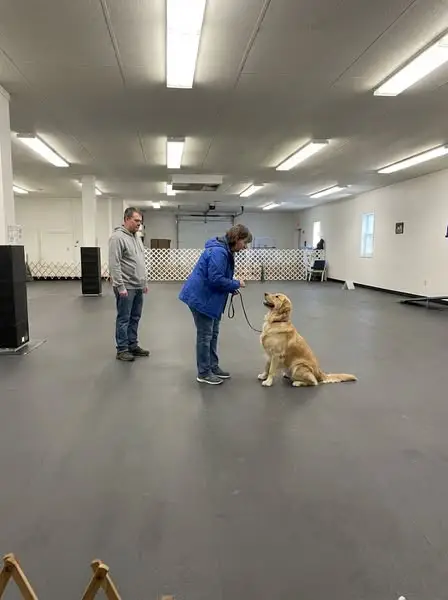
Linda Williams — Tank Was Put Down At 6. Juno Started Doing The Same Thing 😢
WinningImage

From the ads Sniped has collected from this page (7 so far, first seen Nov 2026). Reach is what Meta reports; no spend or sales estimates.