The #1 Foot Massager Ends Foot Pain in 15 min
How People With Chronic Foot Pain Are Getting Back On Their Feet In 2 Weeks With Triple Therapy (Without Pills, Injections Or $200 Podiatrist Visits)
Loading the ad's image
The #1 Foot Massager Ends Foot Pain in 15 min
How People With Chronic Foot Pain Are Getting Back On Their Feet In 2 Weeks With Triple Therapy (Without Pills, Injections Or $200 Podiatrist Visits)
Loading the ad's imageThis Foot Massager Is Flying Off The Shelves ✅
The $80 Neuropathy Solution That Works in Your Living Room
Loading the ad's image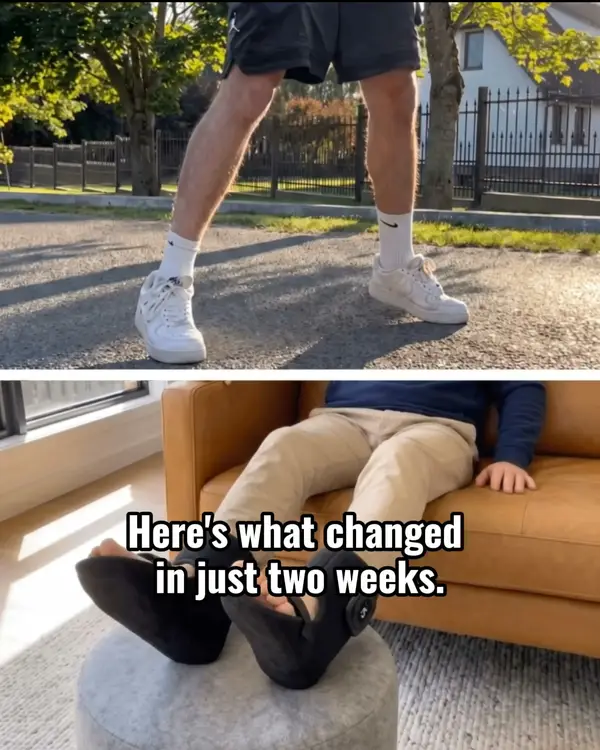
Try ORVEX Foot Massager Today!
Neuropathy, poor circulation, and burning feet can make every step a struggle. When the nerves don’t get enough blood flow and oxygen, they can become damaged. This leads to tingling, numbness, pain, and restless nights. ORVEX uses gentle EMS (electrical muscle stimulation) and soothing heat to boost circulation, calm nerve pain, and restore sensation in your feet. Its built-in compression support gently hugs your feet, helping reduce swelling and improve stability, leaving the feet feeling lighter after each session. Regular use can help reduce burning and tingling, ease swelling, and support healthier, stronger feet. You can use ORVEX right from the comfort of your home — while watching TV, reading, or relaxing — and start feeling relief in just 15 minutes a day. Try it today: www.getorvex.com/pages/articles-p1-b?
Loading the ad's image
Try ORVEX Foot Massager Today!
Neuropathy, poor circulation, and burning feet can make every step a struggle. When the nerves don’t get enough blood flow and oxygen, they can become damaged. This leads to tingling, numbness, pain, and restless nights. ORVEX uses gentle EMS (electrical muscle stimulation) and soothing heat to boost circulation, calm nerve pain, and restore sensation in your feet. Its built-in compression support gently hugs your feet, helping reduce swelling and improve stability, leaving the feet feeling lighter after each session. Regular use can help reduce burning and tingling, ease swelling, and support healthier, stronger feet. You can use ORVEX right from the comfort of your home — while watching TV, reading, or relaxing — and start feeling relief in just 15 minutes a day. Try it today: www.getorvex.com/pages/articles-5reasons?
Loading the ad's image
Try ORVEX Foot Massager Today!
Neuropathy, poor circulation, and burning feet can make every step a struggle. When the nerves don’t get enough blood flow and oxygen, they can become damaged. This leads to tingling, numbness, pain, and restless nights. ORVEX uses gentle EMS (electrical muscle stimulation) and soothing heat to boost circulation, calm nerve pain, and restore sensation in your feet. Its built-in compression support gently hugs your feet, helping reduce swelling and improve stability, leaving the feet feeling lighter after each session. Regular use can help reduce burning and tingling, ease swelling, and support healthier, stronger feet. You can use ORVEX right from the comfort of your home — while watching TV, reading, or relaxing — and start feeling relief in just 15 minutes a day. Try it today: www.getorvex.com/products/orvex-triple-therapy
Loading the ad's image
This Foot Massager Is Flying Off The Shelves
How People With Chronic Foot Pain Are Getting Back On Their Feet In 2 Weeks With Triple Therapy (Without Pills, Injections Or $200 Podiatrist Visits)
Loading the ad's image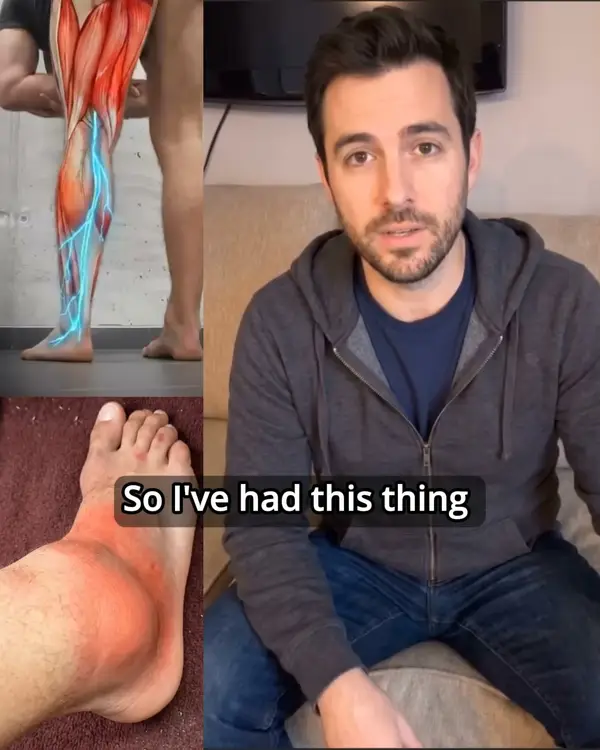
Try ORVEX Foot Massager Today!
Neuropathy, poor circulation, and burning feet can make every step a struggle. When the nerves don’t get enough blood flow and oxygen, they can become damaged. This leads to tingling, numbness, pain, and restless nights. ORVEX uses gentle EMS (electrical muscle stimulation) and soothing heat to boost circulation, calm nerve pain, and restore sensation in your feet. Its built-in compression support gently hugs your feet, helping reduce swelling and improve stability, leaving the feet feeling lighter after each session. Regular use can help reduce burning and tingling, ease swelling, and support healthier, stronger feet. You can use ORVEX right from the comfort of your home — while watching TV, reading, or relaxing — and start feeling relief in just 15 minutes a day. Try it today: www.getorvex.com/pages/articles-5reasons-p2?
Loading the ad's image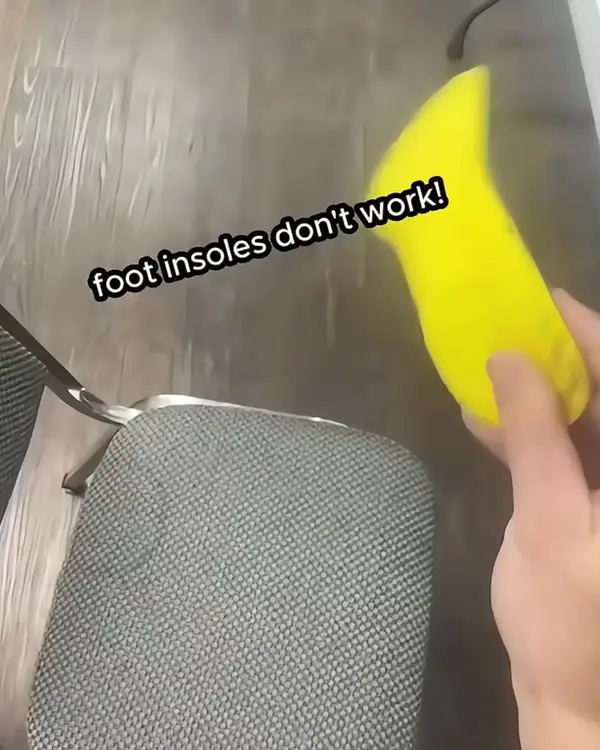
Read this if you're a caretaker 👆
I am going to say something that nobody caring for an aging parent wants to hear and I do not care if it upsets you. Buying more orthotic shoes is probably not going to change how the evenings look in your parent's house. Not the wider Skechers. Not the memory foam insoles. Not the arch support inserts you ordered off Amazon. Not driving over twice a week to help them up off the couch. NONE OF IT DID MUCH FOR US. I know because I did ALL of it. Every pair of shoes. Every insole. Every recommendation the discharge nurse gave us. For eight months. And my father still ended up spending his evenings in a recliner, feet up, TV on, silent. Seventy-four years old. Chronic foot fatigue that took the joy out of everything he used to love. Because I spent eight months treating a footwear problem that turned out to be much more than a footwear problem. And the worst part? My mother was doing the exact same things. Same routine. Same shoes. Same slow decline into evenings on the couch. And I almost let it play out the same way because I was still following the same advice. I am done being polite about this. If you are watching an aging parent lose their evenings and you are in here asking whether to try turmeric supplements or buy another pair of orthopedic shoes, you may be missing the piece that actually matters. Read this entire post. Every word. Because the piece nobody talks about is in here and it is NOT another pair of shoes. Here is what happened. My dad was 74. Independent. Still driving himself to breakfast with his buddies every week. Still calling me every Sunday like clockwork. Then his feet started giving out on him at the end of every day. Started small. He would sit down in the middle of the grocery store. Skip his morning walk. Cancel golf. The doctor said it was normal for his age. Suggested better shoes and Advil. So I did everything they told me to do. I drove him to the good shoe store. Spent six hundred dollars on Hokas and custom insoles. Bought him compression socks. Set him up with a podiatrist. Dad hated all of it. "I feel like an invalid." But he tried. Because he was frustrated too. Then it kept getting worse. His feet throbbed all evening. He stopped taking the dog out. Stopped going to breakfast with his buddies. Stopped calling me on Sundays because he was too tired to talk. Eight months in, he was in the recliner from 4 p.m. onward every day. Feet up. TV on. Silent. The man who mowed his own lawn three weeks before the fatigue started was now dreading the walk to the mailbox. He is still with us. But his evenings are not what they used to be. He watches game shows. He waits. The Hokas are in the closet. The insoles are in a drawer. The compression socks he gave up on because he could not pull them over his calves anymore. None of it changed how his feet felt at the end of the day. I drove home from his house one Sunday and sat in my car in the driveway for an hour. Because all I could think about was the routine. I had spent six hundred dollars on shoes. Bought him three pairs of insoles. Refilled his Advil every month. I had done EVERYTHING the doctors and the discharge nurses and the podiatrist told me to do. And none of it changed his evenings. But here is what made it worse. When I finally went inside, I thought about my mother. She is 73. Lives alone. On her feet all day cooking, cleaning, gardening. Comes home. Sits down. Advil. TV. Ice packs. Same pattern. Same setup. Same slow buildup of fatigue that never gets addressed after 6 p.m. I started crying. Because I knew exactly what her evenings were going to start looking like. Unless something changed. I could not sleep that night. Or the next night. Or the night after that. So I started actually researching. Not Googling "best shoes for elderly." Not reading articles about turmeric. Not joining Facebook groups where people recommend the same products over and over. I mean ACTUALLY researching. Physical therapy journals. Geriatric mobility studies. Reddit threads from PTs who actually know what they are talking about. And I started seeing a pattern. The same story. Over and over. "Dad's feet started hurting at the end of the day." "Doctor said it was normal for his age." "We bought him better shoes." "He slowed down." "He stopped leaving the house." "His evenings disappeared." Hundreds of families. Same timeline. Same standard advice. Same outcome. And then I found a comment buried in a thread from two years ago. A physical therapist who had worked in geriatric care for fifteen years. She wrote: "Better shoes and painkillers do very little for what is actually happening at night. Every day the tissue in your feet gets tight, the muscles in your arches lock up, and the circulation in your calves slows down. If nothing helps that reset at night, the fatigue just compounds. You are not stopping the slowdown. You are pretending you are. The $200 shoes support the load for eight hours. They do not do anything after they come off." I read that three times. Then I thought about it. Monday: Dad wears the good shoes for six hours. Tissue tightens anyway. Monday night: Sits in the recliner. Nothing helps reset it. Tuesday: Wakes up stiffer. Wears the shoes. Tissue tightens more. Wednesday. Thursday. Friday. Weeks of compounding on a body that already needed the recovery. The shoes were doing what shoes do. Supporting the load during the day. They were not doing anything at night. I was so angry I could not see straight. Why did the podiatrist not mention this? Why did the discharge nurse not talk about it? Why did everyone focus on shoes and insoles when the real issue was what happened AFTER he sat down every evening? Because shoes are billable. Insoles check a box. Nobody makes money telling you about a $80 wrap you use for fifteen minutes on your own couch. I kept researching. Found out that physical therapy clinics use a specific combination of inputs to help the feet feel reset after a full day of standing. Heat to open circulation. Rhythmic compression to gently squeeze the tissue the way movement does. Gentle vibration to help the locked muscles release. All three, at the same time, on the foot AND the ankle. I immediately went on Amazon and bought a cheap foot massager. Fifty bucks. Four-star reviews. "Deep tissue Shiatsu." Set it up at Mom's house that same day. Two weeks later she stopped using it. The hard rollers hurt her arches. The heat barely got warm. The plastic node dug into her heel. She said it felt like torture. Three weeks after that, her ankles felt tighter than they ever had. I sat at her kitchen table and felt my whole body go cold. The Amazon device had not helped. And Mom's evenings were starting to look like Dad's. I almost gave up. Almost accepted that this was just what happens. Then I got angry instead. Two weeks later I was visiting my aunt in her retirement community. Nice place. Independent living. Active residents. I sat with her while she did her evening routine. Wrap on her feet. Soft. Fabric. She had it on while we watched Jeopardy. I asked her about it. "Everyone here uses one. Fifteen minutes every evening. It helps you feel reset." "Everyone?" "Everyone. People here still take walks to dinner instead of getting rides in the golf cart." My heart started pounding. "I bought her a foot massager on Amazon. It hurt her arches. She stopped using it." She shook her head. "Those cheap ones do not really work. Hard plastic rollers hurt the arches. The heat is too weak. The nodes miss the ankle entirely. Everyone here found that out before landing on one that actually feels good." "Which one?" She showed me. ORVEX. Triple Therapy Foot & Ankle Wrap. Soft. Wraps around the whole foot AND the ankle. No hard rollers. Heat, air compression, and gentle vibration in one fifteen-minute session. "Where do I get it?" "Online. Direct from the brand. Around eighty dollars. Families order them for their parents all the time." I ordered two before I left the parking lot. One for Mom. One for me. Set it up that same evening. First week, nothing felt dramatic. Mom used it after dinner every night. Watched her shows. Fell asleep in the wrap twice. I told myself not to get my hopes up. But then I noticed something. When I went over the following Sunday, I braced myself for the usual. Her ankles up on the ottoman. The ice pack. The Advil bottle within reach. Nothing. She was standing at the sink. Doing dishes. In socks. "Mom, sit down." "I do not need to. My feet feel okay right now." Mom had not had a "my feet feel okay right now" evening in over a year. Over the following weeks, she started walking to the mailbox again. Hosted my brother's family for a weekend and stayed on her feet cooking. Took the dog on a full lap around the neighborhood. Her podiatrist noticed before I said anything. "Whatever you two are doing, keep doing it. She looks so much more comfortable than the last time I saw her." Whatever we are doing. It is a fifteen-minute wrap she uses on the couch every evening because a physical therapist at a retirement community pointed us to it. That is what we are doing. Four months on now. Mom is still herself. Still cooking. Still walking to the mailbox. Still hosting on the weekends. And I think about my father every single day. If I had known about this two years ago, I would have tried it with him. Not the shoes. Not the insoles. Not the six hundred dollars in podiatry visits. A fifteen-minute reset every evening on the couch. I would have wanted him to at least try it. So when I see people posting in these groups asking what brand of insole to try, or whether they should buy another pair of orthopedic shoes, or how often they should drive over to help their parent up off the couch — I want to reach through the screen and shake them. None of that addresses what happens after 6 p.m. The shoes do not do anything for the tissue once they come off. Advil was part of his routine, but it did not change what his evenings looked like. The insoles support the load during the day, they do not undo what a full day of standing does to the tissue. You do not need to buy more shoes. You do not need to drive over three times a week to help them up off the couch. You do not need to spend another six hundred dollars on custom orthotics. You need to think about what happens every evening once the shoes come off. 📢 EDIT: A lot of people messaged me saying they bought a foot massager and it hurt or stopped working. I asked where they bought it and they said "Amazon." The cheap ones do not really work. Hard plastic rollers hurt sensitive feet. The heat is too weak. The nodes miss the ankle entirely. I only use the ORVEX Triple Therapy Foot & Ankle Wrap because that is what the physical therapist at my aunt's community pointed us to. P.S. The Amazon foot massager I bought lasted two weeks at Mom's house before she stopped using it because it hurt her arches. Three weeks later her ankles felt tighter than ever. Four months on the ORVEX wrap and she is walking the dog again. Do not waste time on devices that hurt to use. P.P.S. My father spent eight months on the standard routine before he stopped leaving the house. His podiatrist kept saying "common for his age." I thought we had time to figure it out. If you have been watching an aging parent's evenings shrink for more than six months, start looking at what happens in those evenings.
Loading the ad's imageBest 3-in-1 Therapy to “Ease” Tired, Aching Feet?
I have been treating chronic foot and ankle discomfort for 19 years. And if you are one of those people whose feet ache, throb, or burn every single evening after work… I am about to tell you exactly what most of my colleagues will never admit — and why they will keep sending you home with the same failing routine. By the end of this, you are going to be furious. My name is Dr. Blane. Board-certified pain management specialist. Nineteen years treating chronic musculoskeletal fatigue, standing-related discomfort, and stubborn foot and ankle pain that nobody could explain. And I am breaking ranks with my own profession to tell you this. Because three things are happening right now. One. A lot of you are pushing through discomfort every single day. Two. The medical system is telling you it is normal wear and tear. Three. There is a billion-dollar industry that profits every single day you stay stiff, aching, and desperate for relief. So let me tell you what happened with one of my patients. Because her story is going to open your eyes. Her name was Margaret. 68 years old. A retired nurse who still watched her grandkids three days a week. For three straight years, she dealt with this. A deep, throbbing ache in both feet that started by mid-afternoon and never let up. She had been active her whole life. Gardened. Walked her dog every morning. And suddenly she had the feet of someone twenty years older. She could not stand at the stove long enough to cook dinner in comfort. Reaching down to tie her shoes had become a whole event. Walking barefoot to the bathroom at 6 a.m.? She stopped trying. She kept slippers next to the bed because the first ten steps every morning felt like walking on gravel. She stopped taking evening walks. Stopped joining her friends at the farmers market on weekends. Started sitting on a bench every time her grandkids ran off to play. And the discomfort kept spreading. A dull ache in her arches. A burning line across the balls of her feet. Heavy ankles that felt stiff by 6 p.m. She described it as someone strapping sandbags to her calves all day, every day. Here is what makes me sick to my stomach. She came through my office. Multiple doctors. Her GP. A podiatrist. Me, the pain specialist. Thousands of dollars in appointments, X-rays, gait analyses. And you know what every single one of us told her? "There is no structural damage. Nothing to repair." "It is just wear and tear. Normal for someone on their feet all day." "Try better shoes. Get custom orthotics." Custom orthotics. This woman had already spent hundreds on Hokas, Brooks, and three sets of insoles. And we told her to buy another pair. I watched this woman do everything I told her, spend thousands, and still come back six months later saying nothing had changed. And I did not understand why. Until a physical medicine researcher stopped me in my tracks at a conference and taught me more about tired, aching feet in thirty minutes than I had learned in two decades of practice. October 2023. Chicago. The Annual Pain and Musculoskeletal Medicine Symposium. I was standing alone during a coffee break, shifting my weight from foot to foot, trying to relieve the familiar dull ache in my own arches. Because fourteen months earlier, my own feet had started aching after clinic days. And nothing I had been recommending to patients for nineteen years worked on me either. That is when I noticed him. Dr. Leonard Voss. Physical medicine and recovery researcher. He had been on his feet at his exhibit booth for the entire morning. Setting up displays. Standing on the concrete floor of the convention hall. No shifting his weight. No favoring one leg. No sitting down every ten minutes to give his feet a break. I walked over. "How is it that you can stand on that concrete for four straight hours and look completely comfortable?" He smiled. The kind of smile that knows something you do not. He glanced down at my shoes and did not need to ask. "Dr. Blane, may I show you something? It will take thirty minutes. But it will change how you understand this completely." He pulled out a notepad and drew a simple diagram. "Your treatment model treats end-of-day foot fatigue as a structural or footwear problem. So you tell people to buy better shoes. Add insoles. Rest more." "That is like putting a bigger cushion in a car with a broken suspension. It masks the load. It does not address what happens to the tissue at the end of the day." He tapped the notepad. "You need to think about this differently. It is a compounding fatigue problem in the foot and ankle. And the reason shoes and rest alone do not cut it is because they only support the load during the day. Nothing you are recommending resets the tissue at night." Here is how he explained it. Every step you take sends force up through the twenty-six bones and dozens of tendons in your foot. Over an eight or ten-hour day, that repeated compression tightens the muscles, stiffens the fascia, and slows the movement of fluid out of your lower legs. By the end of the day, three things have stacked up. The tissue in your feet is tight and tired from repeated compression. The muscles in your arches and calves are locked in a low-grade contraction. The lower-body circulation has slowed way down because you have barely moved your calves in hours. That is where the throbbing, the heaviness, and the burning feeling come from. Every night. On repeat. And here is what nobody ever told me in two decades of pain management training. All three of those problems respond to a very specific combination of physical inputs. Not a drug. Not another pair of shoes. Three inputs delivered at the same time, in the same place. Warmth to soften the tight tissue and encourage circulation to the area. Rhythmic pressure to gently squeeze the muscles the way movement is supposed to. Gentle vibration to help the muscles in your arches release. Dr. Voss pulled up study after study on his phone. All pointing to the same idea. Heat alone helps a little. Compression alone helps a little. Vibration alone helps a little. But when you deliver all three at the exact same location at the exact same time, the sensation is completely different. The tissue feels warmer and more relaxed. The muscles release. The heaviness lifts. The comfort follows. "But here is the critical piece," he said. "A heating pad only heats. Compression socks only squeeze — and getting them on is a wrestling match. A hard plastic Shiatsu massager only jabs at the sole of your foot, and it hurts." "None of these single-mechanism tools address the ankle. And none of them do all three things at once." He leaned forward. "You need a device that wraps around the foot AND the ankle, delivers deep warmth, rhythmic air compression, and gentle vibration in one fifteen-minute session. That is the sensation your patients are missing." Then he said something that made my stomach drop. "And it needs to be soft. No hard rollers. No plastic nodes. Because a lot of people who need this most — people over forty who have been on their feet for years — have sensitive tissue. Anything aggressive makes it worse." I sat there thinking about every patient I had sent home with orthotics and a shrug. Supporting the load. Not resetting the tissue. Here is what makes my blood boil. The medical system knows about the effect of combined heat, compression, and vibration. Physical therapists use versions of it every day. But the connection between an at-home device that delivers all three at once — to both the foot AND the ankle — and finally breaking the cycle of end-of-day discomfort? Nobody is joining those dots. Because there is no profit in it. The money is in the $200 shoes you replace every six months. The insoles. The clinic visits. Not in a $80 wrap you use for fifteen minutes on your own couch. Every recommendation I had made for nineteen years worked around the problem. Not one of them reset what was actually happening in the tissue at the end of the day. After that conversation I went looking for a device that matched what the research pointed to. The heat. The air compression. The vibration. All three, at the foot and the ankle, in one wrap. Most products I found were one or the other. Hard plastic foot rollers with weak heat. Full-leg pneumatic boots that cost seven hundred dollars and were too bulky to actually use. Heating pads that fell off the moment I moved. Until I found ORVEX. The Triple Therapy Foot & Ankle Wrap. Not a shoe. Not a magic cure. Not a symptom masker. A soft, cordless wrap that surrounds your foot AND your ankle and delivers deep warmth, rhythmic air compression, and gentle vibration in one fifteen-minute session. When I looked at the design it mapped directly onto what the research pointed to. They understood the sensation. They built the wrap to match it. I started using it myself first. Week 1: Fifteen minutes on the couch every evening. The morning stiffness in my arches felt noticeably better within days. Over the following weeks: Woke up feeling more comfortable. Stood through full clinic days feeling steadier. By week eight: I stopped shifting my weight the whole drive home. I called Margaret. And every other patient I had failed. "I need to tell you something. The recommendations I made were incomplete. I was telling you how to support the load when I should have been telling you how to reset the tissue at night. I did not know the difference. But I do now." Margaret, weeks later: "Dr. Blane, I walked around the farmers market with my grandkids on Saturday. I stood at the stove and cooked a full Sunday dinner. I felt like myself again." Over the following weeks she went back to her morning walks. Stopped keeping slippers next to the bed. Started meeting her friends at the farmers market again. She got her evenings back. This is the approach they do not want you to know about. Because the second you address what actually happens in the tissue at the end of the day, everything downstream feels different. The tissue feels warmer. The muscles feel looser. The heaviness eases. The comfort follows. And here is what I need you to understand about timing. End-of-day fatigue compounds. The longer that tissue stays tight night after night, the harder it is to feel truly relaxed again. Early stages respond faster. Longer-term cases take more time. If you have been dealing with this for over a year, do not wait longer. If you are one of those people whose feet feel heavy at night, whose ankles feel tight by dinner time, whose evenings disappear the moment you sit down — it may not be because you are just getting older. It may be because the tissue in your feet has never actually been reset. And nobody is talking about it. The ORVEX Triple Therapy Foot & Ankle Wrap comes with a 30-Day Happy Feet Guarantee. If you are not happy with the sensation and comfort it delivers, you get every dollar back. And honestly? Even if you are skeptical, try it for a month. See how your feet respond. Because the industry is not going to talk about this. They profit too much from the shoes that only support the problem for eight hours a day. A physical medicine researcher taught me more in thirty minutes than I learned in two decades of practice. It is about time I passed that lesson on. Go get it. P.S. I have stopped writing "buy better shoes" on my recommendation pad as the only option for end-of-day foot fatigue. I recommend a fifteen-minute Triple Therapy session on the couch every evening first. My colleagues think I have lost my mind. But my patients are walking their neighborhoods again instead of sitting on benches. P.P.S. Every pair of $200 shoes buys you eight hours of support while the fatigue keeps compounding underneath. The shoes come off. The tightness does not. Stop paying to support the problem for eight hours a day. Start resetting the tissue at night. P.P.P.S. Margaret: "Three years of ibuprofen, better shoes, and orthotics and my feet still felt the same. A few weeks of fifteen minutes a night on the couch and I stood through a full family dinner. I wish someone had told me sooner."
Loading the ad's imageFrom the ads Sniped has collected from this page (9 so far, first seen Nov 2026). Reach is what Meta reports; no spend or sales estimates.