Advertiser

Brian Davidson

neckline-us.comMeta Ad Library

6
Running ads
none new in 30 days
May 2026
Advertising since
longest ad 6 months
—
Reach
running ads, summed
0% video
Formats
0 video · 6 image
3
Products advertised
1 shop

Don't Buy From Amazon

★☆☆☆☆ "No relief. No change in my tinnitus. Nothing. I have somatic tinnitus from neck issues and was hoping this would help with the compression. Felt absolutely nothing. Don't waste your money if you have cervical tinnitus." I wrote that review. About a product I thought was Neckline. If you have somatic tinnitus and have written off cervical traction based on something you bought on Amazon — you may have made the same mistake I made. I've had tinnitus for eleven years. Diagnosed as "incurable neurological tinnitus" by three different ENTs. But the ringing always changed when I moved my jaw or turned my head. And my neck tension had been quietly destroying my quality of life in ways I was too exhausted to keep explaining. My ENT said the neck tension was likely just a consequence of living with chronic tinnitus stress. She prescribed sound therapy and scheduled my next six-month follow-up. Then a colleague mentioned something about neck compression causing tinnitus. Something about her seemed different. Calmer. Less tense in her shoulders. I didn't ask directly but I understood something had changed. She told me she'd been using a cervical traction device. Fifteen minutes a day. Her tinnitus — the ringing she'd had for six years — was almost completely gone. I ordered it that night. From Amazon. Same gray device. Same cervical collar design. Cheaper than the official website. Four stars. I used it for fifteen minutes before bed as directed. Nothing. No warmth. No muscle release. Nothing suggesting the device had reached the compressed structures at the base of my skull. Week two. Nothing. Week four. Nothing. Week six. Done. I examined the device more carefully one evening. The heating elements barely got warm. I held a thermometer against the pads. 92°F. Room temperature coffee. I looked up therapeutic heat penetration requirements. For heat to reach the suboccipital muscles — the deep muscles where cervical compression happens — you need sustained temperatures above 110°F. Anything less only warms the skin surface. The compression at C1-C2 sits deep beneath multiple muscle layers. Surface warmth doesn't reach it. Not only was the heat inadequate. The traction angle was completely wrong. I measured it against a protractor. 15 degrees. Maybe. The clinical research on cervical decompression consistently requires 26-degree traction to create space between C1 and C2 — the exact vertebrae where somatic tinnitus compression occurs. 15 degrees doesn't generate enough posterior shift to decompress those structures. Wrong heat. Wrong angle. For six weeks. It was not a fair test of the mechanism. I left the one star review. Warned others with cervical tinnitus. Moved on. Four months later my colleague asked how my tinnitus was doing. I told her what had happened. She went quiet. Then — "Did you buy it from their actual website?" She held her device next to mine. Hers had thick, medical-grade heating pads that covered the entire occipital ridge. Mine had thin foam pads with barely visible heating wires. She turned hers on. Within two minutes the heat was unmistakable — deep, penetrating warmth. Mine stayed lukewarm even after ten minutes. She showed me the traction angle. Hers locked precisely at 26 degrees with a rigid support structure. Mine flexed and collapsed under even slight pressure. She sent me the official website link that evening. The specifications. 120°F therapeutic heat penetration — clinically proven to reach the suboccipital muscles at the base of the skull. The research on somatic tinnitus and cervical decompression consistently requires deep heat to release chronic muscle tension. Even legitimate cheap Amazon devices typically max out at 95-100°F — well below the penetration threshold. And the angle. Neckline uses medical-grade rigid traction at exactly 26 degrees — the precise angle required to decompress C1-C2 and create space for the vertebral arteries that supply blood to the inner ear. Wrong angle means no decompression. No decompression means the compression causing your tinnitus stays locked in place. Wrong heat. Wrong angle. For six weeks. It was not a fair test of the mechanism. I ordered from the official website that night. The device was noticeably heavier. Medical-grade construction. I positioned it at the base of my skull and turned it on. Within five minutes there was distinct, deep warmth spreading through the muscles at the back of my neck. Not surface heat. Penetrating warmth. And the traction — I could feel the gentle pull creating space where my skull met my spine. Completely different from six weeks of nothing. Within ten minutes the ringing in my left ear — always the loudest — started to fade. Not gone. Just... quieter. Like someone had turned down the volume on a speaker that had been screaming at full blast for eleven years. Week two my morning ringing was consistently softer than my three-year baseline. Still there — but it had moved to the background instead of dominating every waking moment. Week four I slept through the night without my white noise machine for the first time in years. I woke up at 2 AM — my usual spike time — and the ringing was still quiet. I fell back asleep. Didn't wake until morning. Week six my neck tension had released enough that I could turn my head fully to the right without triggering a spike in the ringing. My jaw unclenched. My shoulders dropped. Week eight I sat in a quiet coffee shop and worked for two hours. No earbuds. No background noise. Just silence. The ringing was there. But it wasn't torture anymore. I had not told my husband I was trying anything new. I had told him too many times about too many devices that had not worked. Week nine he said something seemed different. He could not identify what. But he noticed. "You seem calmer. Less tense." Week ten my ENT called me after my routine follow-up. My tinnitus distress scores: down 67% from my baseline. Lowest scores in eleven years. "What changed?" I told her about Neckline. She looked at the research on cervical decompression and somatic tinnitus. She called back two days later. "Your tinnitus wasn't neurological. It was mechanical. The compression at C1-C2 was restricting blood flow to your inner ear and irritating the auditory nerves. You've decompressed those structures. This is exactly what we want to see." I updated my Amazon review. "Update — likely counterfeit listing. Thin foam pads with barely-warm heating elements and incorrect traction angle. Tried the real Neckline from the official website. Medical-grade heating pads with 120°F therapeutic penetration and rigid 26-degree traction. Distinct warmth and gentle decompression within five minutes of the first session. Tinnitus volume dropped by week two — ringing moved to background instead of constant foreground screaming. Neck tension released by week four. ENT confirmed cervical decompression at follow-up and said my tinnitus was mechanical, not neurological. If you felt nothing with cervical tinnitus — check the heat penetration and traction angle. Lukewarm surface heat likely means no decompression." The deep warmth within five minutes is the confirmation. Medical-grade heating pads. 120°F penetration. Rigid 26-degree traction. Warmth that reaches the suboccipital muscles. If you have those four things — you have the real product. Safe with chronic tinnitus and cervical compression. Cervical traction actually addresses the root cause by decompressing C1-C2 and restoring blood flow to the inner ear. 👉 https://neckline-us.com/lstc-t-2 30 days. Money back. No questions.

Loading the ad's image
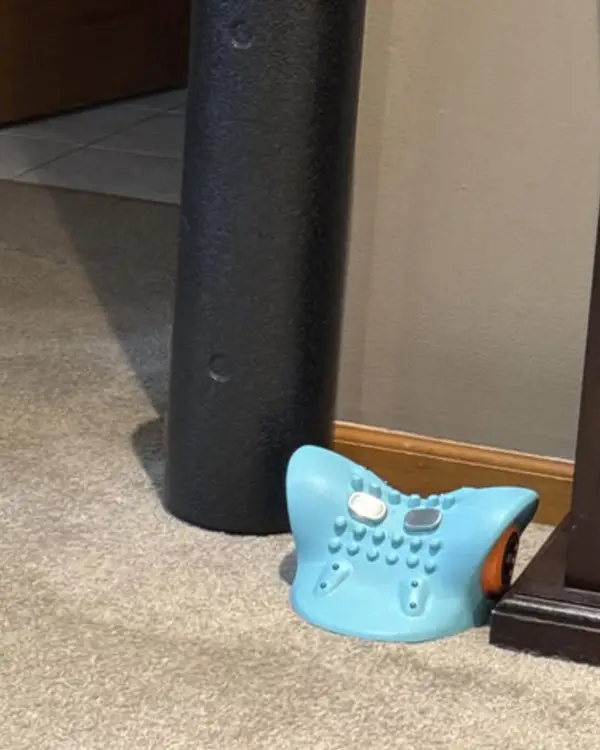
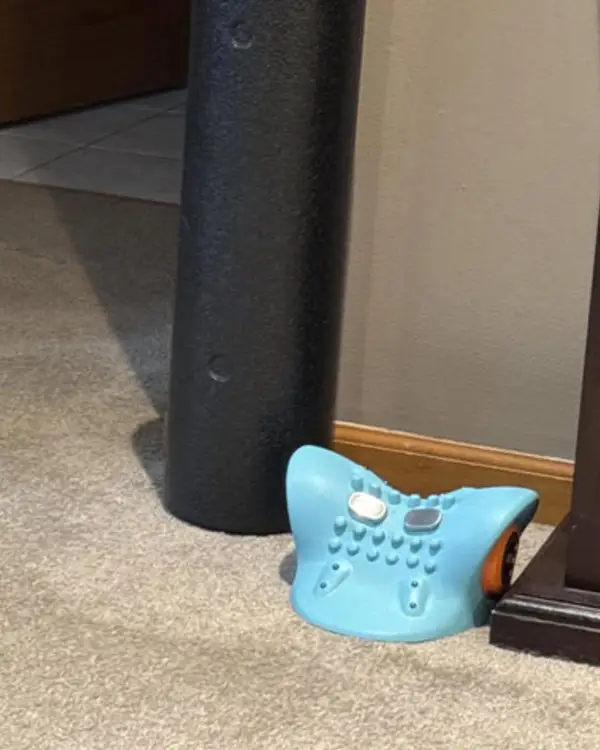
Brian Davidson — Don't Buy From Amazon
WinningImage

Don't Buy From Amazon

★☆☆☆☆ "No relief. No change in my tinnitus. Nothing. I have somatic tinnitus from neck issues and was hoping this would help with the compression. Felt absolutely nothing. Don't waste your money if you have cervical tinnitus." I wrote that review. About a product I thought was Neckline. If you have somatic tinnitus and have written off cervical traction based on something you bought on Amazon — you may have made the same mistake I made. I've had tinnitus for eleven years. Diagnosed as "incurable neurological tinnitus" by three different ENTs. But the ringing always changed when I moved my jaw or turned my head. And my neck tension had been quietly destroying my quality of life in ways I was too exhausted to keep explaining. My ENT said the neck tension was likely just a consequence of living with chronic tinnitus stress. She prescribed sound therapy and scheduled my next six-month follow-up. Then a colleague mentioned something about neck compression causing tinnitus. Something about her seemed different. Calmer. Less tense in her shoulders. I didn't ask directly but I understood something had changed. She told me she'd been using a cervical traction device. Fifteen minutes a day. Her tinnitus — the ringing she'd had for six years — was almost completely gone. I ordered it that night. From Amazon. Same gray device. Same cervical collar design. Cheaper than the official website. Four stars. I used it for fifteen minutes before bed as directed. Nothing. No warmth. No muscle release. Nothing suggesting the device had reached the compressed structures at the base of my skull. Week two. Nothing. Week four. Nothing. Week six. Done. I examined the device more carefully one evening. The heating elements barely got warm. I held a thermometer against the pads. 92°F. Room temperature coffee. I looked up therapeutic heat penetration requirements. For heat to reach the suboccipital muscles — the deep muscles where cervical compression happens — you need sustained temperatures above 110°F. Anything less only warms the skin surface. The compression at C1-C2 sits deep beneath multiple muscle layers. Surface warmth doesn't reach it. Not only was the heat inadequate. The traction angle was completely wrong. I measured it against a protractor. 15 degrees. Maybe. The clinical research on cervical decompression consistently requires 26-degree traction to create space between C1 and C2 — the exact vertebrae where somatic tinnitus compression occurs. 15 degrees doesn't generate enough posterior shift to decompress those structures. Wrong heat. Wrong angle. For six weeks. It was not a fair test of the mechanism. I left the one star review. Warned others with cervical tinnitus. Moved on. Four months later my colleague asked how my tinnitus was doing. I told her what had happened. She went quiet. Then — "Did you buy it from their actual website?" She held her device next to mine. Hers had thick, medical-grade heating pads that covered the entire occipital ridge. Mine had thin foam pads with barely visible heating wires. She turned hers on. Within two minutes the heat was unmistakable — deep, penetrating warmth. Mine stayed lukewarm even after ten minutes. She showed me the traction angle. Hers locked precisely at 26 degrees with a rigid support structure. Mine flexed and collapsed under even slight pressure. She sent me the official website link that evening. The specifications. 120°F therapeutic heat penetration — clinically proven to reach the suboccipital muscles at the base of the skull. The research on somatic tinnitus and cervical decompression consistently requires deep heat to release chronic muscle tension. Even legitimate cheap Amazon devices typically max out at 95-100°F — well below the penetration threshold. And the angle. Neckline uses medical-grade rigid traction at exactly 26 degrees — the precise angle required to decompress C1-C2 and create space for the vertebral arteries that supply blood to the inner ear. Wrong angle means no decompression. No decompression means the compression causing your tinnitus stays locked in place. Wrong heat. Wrong angle. For six weeks. It was not a fair test of the mechanism. I ordered from the official website that night. The device was noticeably heavier. Medical-grade construction. I positioned it at the base of my skull and turned it on. Within five minutes there was distinct, deep warmth spreading through the muscles at the back of my neck. Not surface heat. Penetrating warmth. And the traction — I could feel the gentle pull creating space where my skull met my spine. Completely different from six weeks of nothing. Within ten minutes the ringing in my left ear — always the loudest — started to fade. Not gone. Just... quieter. Like someone had turned down the volume on a speaker that had been screaming at full blast for eleven years. Week two my morning ringing was consistently softer than my three-year baseline. Still there — but it had moved to the background instead of dominating every waking moment. Week four I slept through the night without my white noise machine for the first time in years. I woke up at 2 AM — my usual spike time — and the ringing was still quiet. I fell back asleep. Didn't wake until morning. Week six my neck tension had released enough that I could turn my head fully to the right without triggering a spike in the ringing. My jaw unclenched. My shoulders dropped. Week eight I sat in a quiet coffee shop and worked for two hours. No earbuds. No background noise. Just silence. The ringing was there. But it wasn't torture anymore. I had not told my husband I was trying anything new. I had told him too many times about too many devices that had not worked. Week nine he said something seemed different. He could not identify what. But he noticed. "You seem calmer. Less tense." Week ten my ENT called me after my routine follow-up. My tinnitus distress scores: down 67% from my baseline. Lowest scores in eleven years. "What changed?" I told her about Neckline. She looked at the research on cervical decompression and somatic tinnitus. She called back two days later. "Your tinnitus wasn't neurological. It was mechanical. The compression at C1-C2 was restricting blood flow to your inner ear and irritating the auditory nerves. You've decompressed those structures. This is exactly what we want to see." I updated my Amazon review. "Update — likely counterfeit listing. Thin foam pads with barely-warm heating elements and incorrect traction angle. Tried the real Neckline from the official website. Medical-grade heating pads with 120°F therapeutic penetration and rigid 26-degree traction. Distinct warmth and gentle decompression within five minutes of the first session. Tinnitus volume dropped by week two — ringing moved to background instead of constant foreground screaming. Neck tension released by week four. ENT confirmed cervical decompression at follow-up and said my tinnitus was mechanical, not neurological. If you felt nothing with cervical tinnitus — check the heat penetration and traction angle. Lukewarm surface heat likely means no decompression." The deep warmth within five minutes is the confirmation. Medical-grade heating pads. 120°F penetration. Rigid 26-degree traction. Warmth that reaches the suboccipital muscles. If you have those four things — you have the real product. Safe with chronic tinnitus and cervical compression. Cervical traction actually addresses the root cause by decompressing C1-C2 and restoring blood flow to the inner ear. 👉 https://neckline-us.com/lstclt2 30 days. Money back. No questions.

Loading the ad's image
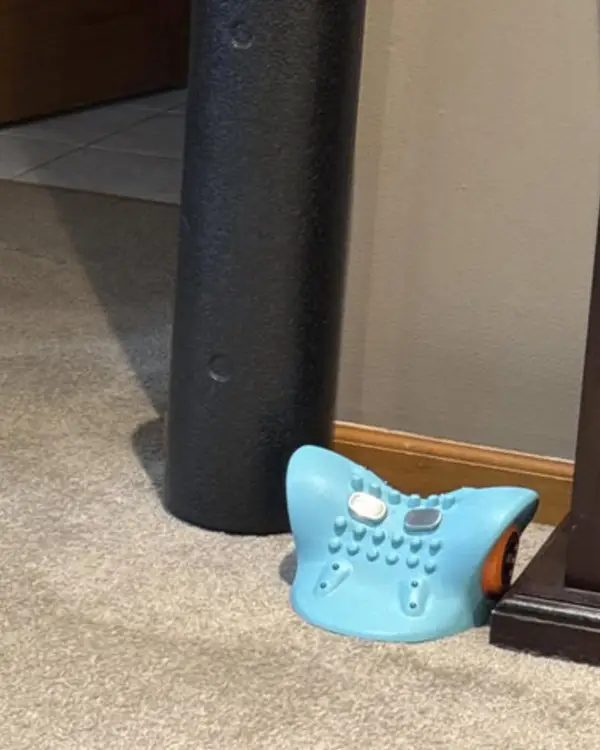
Brian Davidson — Don't Buy From Amazon
WinningImage

Don't Buy From Amazon

★☆☆☆☆ "No relief. No change in my tinnitus. Nothing. I have somatic tinnitus from neck issues and was hoping this would help with the compression. Felt absolutely nothing. Don't waste your money if you have cervical tinnitus." I wrote that review. About a product I thought was Neckline. If you have somatic tinnitus and have written off cervical traction based on something you bought on Amazon — you may have made the same mistake I made. I've had tinnitus for eleven years. Diagnosed as "incurable neurological tinnitus" by three different ENTs. But the ringing always changed when I moved my jaw or turned my head. And my neck tension had been quietly destroying my quality of life in ways I was too exhausted to keep explaining. My ENT said the neck tension was likely just a consequence of living with chronic tinnitus stress. She prescribed sound therapy and scheduled my next six-month follow-up. Then a colleague mentioned something about neck compression causing tinnitus. Something about her seemed different. Calmer. Less tense in her shoulders. I didn't ask directly but I understood something had changed. She told me she'd been using a cervical traction device. Fifteen minutes a day. Her tinnitus — the ringing she'd had for six years — was almost completely gone. I ordered it that night. From Amazon. Same gray device. Same cervical collar design. Cheaper than the official website. Four stars. I used it for fifteen minutes before bed as directed. Nothing. No warmth. No muscle release. Nothing suggesting the device had reached the compressed structures at the base of my skull. Week two. Nothing. Week four. Nothing. Week six. Done. I examined the device more carefully one evening. The heating elements barely got warm. I held a thermometer against the pads. 92°F. Room temperature coffee. I looked up therapeutic heat penetration requirements. For heat to reach the suboccipital muscles — the deep muscles where cervical compression happens — you need sustained temperatures above 110°F. Anything less only warms the skin surface. The compression at C1-C2 sits deep beneath multiple muscle layers. Surface warmth doesn't reach it. Not only was the heat inadequate. The traction angle was completely wrong. I measured it against a protractor. 15 degrees. Maybe. The clinical research on cervical decompression consistently requires 26-degree traction to create space between C1 and C2 — the exact vertebrae where somatic tinnitus compression occurs. 15 degrees doesn't generate enough posterior shift to decompress those structures. Wrong heat. Wrong angle. For six weeks. It was not a fair test of the mechanism. I left the one star review. Warned others with cervical tinnitus. Moved on. Four months later my colleague asked how my tinnitus was doing. I told her what had happened. She went quiet. Then — "Did you buy it from their actual website?" She held her device next to mine. Hers had thick, medical-grade heating pads that covered the entire occipital ridge. Mine had thin foam pads with barely visible heating wires. She turned hers on. Within two minutes the heat was unmistakable — deep, penetrating warmth. Mine stayed lukewarm even after ten minutes. She showed me the traction angle. Hers locked precisely at 26 degrees with a rigid support structure. Mine flexed and collapsed under even slight pressure. She sent me the official website link that evening. The specifications. 120°F therapeutic heat penetration — clinically proven to reach the suboccipital muscles at the base of the skull. The research on somatic tinnitus and cervical decompression consistently requires deep heat to release chronic muscle tension. Even legitimate cheap Amazon devices typically max out at 95-100°F — well below the penetration threshold. And the angle. Neckline uses medical-grade rigid traction at exactly 26 degrees — the precise angle required to decompress C1-C2 and create space for the vertebral arteries that supply blood to the inner ear. Wrong angle means no decompression. No decompression means the compression causing your tinnitus stays locked in place. Wrong heat. Wrong angle. For six weeks. It was not a fair test of the mechanism. I ordered from the official website that night. The device was noticeably heavier. Medical-grade construction. I positioned it at the base of my skull and turned it on. Within five minutes there was distinct, deep warmth spreading through the muscles at the back of my neck. Not surface heat. Penetrating warmth. And the traction — I could feel the gentle pull creating space where my skull met my spine. Completely different from six weeks of nothing. Within ten minutes the ringing in my left ear — always the loudest — started to fade. Not gone. Just... quieter. Like someone had turned down the volume on a speaker that had been screaming at full blast for eleven years. Week two my morning ringing was consistently softer than my three-year baseline. Still there — but it had moved to the background instead of dominating every waking moment. Week four I slept through the night without my white noise machine for the first time in years. I woke up at 2 AM — my usual spike time — and the ringing was still quiet. I fell back asleep. Didn't wake until morning. Week six my neck tension had released enough that I could turn my head fully to the right without triggering a spike in the ringing. My jaw unclenched. My shoulders dropped. Week eight I sat in a quiet coffee shop and worked for two hours. No earbuds. No background noise. Just silence. The ringing was there. But it wasn't torture anymore. I had not told my husband I was trying anything new. I had told him too many times about too many devices that had not worked. Week nine he said something seemed different. He could not identify what. But he noticed. "You seem calmer. Less tense." Week ten my ENT called me after my routine follow-up. My tinnitus distress scores: down 67% from my baseline. Lowest scores in eleven years. "What changed?" I told her about Neckline. She looked at the research on cervical decompression and somatic tinnitus. She called back two days later. "Your tinnitus wasn't neurological. It was mechanical. The compression at C1-C2 was restricting blood flow to your inner ear and irritating the auditory nerves. You've decompressed those structures. This is exactly what we want to see." I updated my Amazon review. "Update — likely counterfeit listing. Thin foam pads with barely-warm heating elements and incorrect traction angle. Tried the real Neckline from the official website. Medical-grade heating pads with 120°F therapeutic penetration and rigid 26-degree traction. Distinct warmth and gentle decompression within five minutes of the first session. Tinnitus volume dropped by week two — ringing moved to background instead of constant foreground screaming. Neck tension released by week four. ENT confirmed cervical decompression at follow-up and said my tinnitus was mechanical, not neurological. If you felt nothing with cervical tinnitus — check the heat penetration and traction angle. Lukewarm surface heat likely means no decompression." The deep warmth within five minutes is the confirmation. Medical-grade heating pads. 120°F penetration. Rigid 26-degree traction. Warmth that reaches the suboccipital muscles. If you have those four things — you have the real product. Safe with chronic tinnitus and cervical compression. Cervical traction actually addresses the root cause by decompressing C1-C2 and restoring blood flow to the inner ear. 👉 https://neckline-us.com/landing-t 30 days. Money back. No questions.

Loading the ad's image
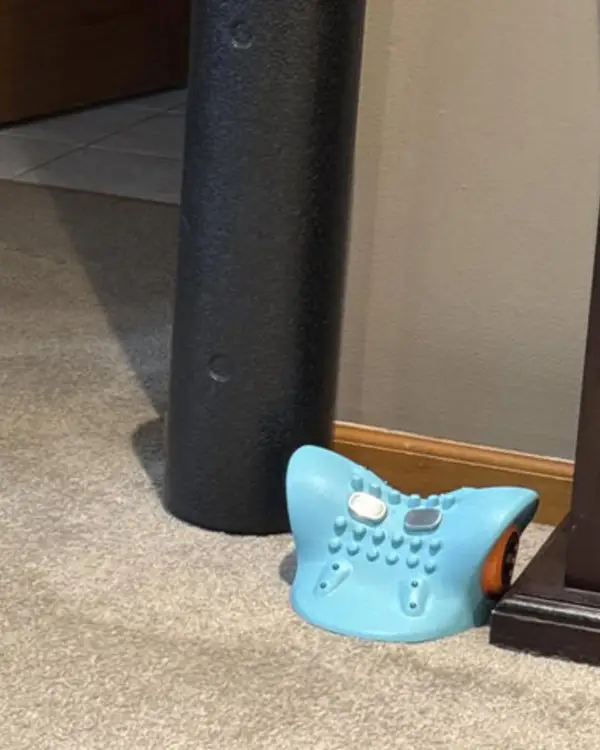
Brian Davidson — Don't Buy From Amazon
WinningImage

Don't Buy From Amazon

★☆☆☆☆ "No relief. No change in my dizziness. Nothing. I have constant vertigo and panic attacks and was hoping this would help with the floating sensation and pressure at the base of my skull. Felt absolutely nothing. Don't waste your money." I wrote that review. About a product I thought was Neckline. If you have chronic dizziness and have written off cervical traction based on something you bought on Amazon — you may have made the same mistake I made. I've had dizziness for fourteen years. Diagnosed as "generalized anxiety disorder with panic attacks" by two different psychiatrists. But the floating sensation always started at the base of my skull and that tight band of tension at the back of my neck never went away. And I felt unsteady every single morning. My psychiatrist said it was anxiety and the neck tension was likely just my body's stress response to chronic panic. She prescribed Lexapro that made me so numb I couldn't feel anything but didn't stop the dizziness. Then a coworker mentioned something about neck compression causing dizziness. Something about her seemed different. More steady. She wasn't gripping counters when she walked anymore. I didn't ask directly but I understood something had changed. She told me she'd been using a cervical traction device. Fifteen minutes a day. Her dizziness — the debilitating floating sensation she'd had for six years — was almost completely gone. I ordered it that night. From Amazon. Same blue device. Same cervical collar design. Cheaper than the official website. Four stars. I used it for fifteen minutes before bed as directed. Nothing. No warmth. No muscle release. Nothing suggesting the device had reached the tight muscles at the base of my skull where the floating sensation originated. Week two. Nothing. Week four. Nothing. Week six. Done. I examined the device more carefully one evening. The heating elements barely got warm. I held a thermometer against the pads. 92°F. Room temperature coffee. I looked up therapeutic heat penetration requirements. For heat to reach the suboccipital muscles — the deep muscles that sit directly on the arteries supplying blood to your brain's balance centers — you need sustained temperatures above 110°F. Anything less only warms the skin surface. The compression at C1-C2 sits deep beneath multiple muscle layers. Surface warmth doesn't reach it. Not only was the heat inadequate. The traction angle was completely wrong. I measured it against a protractor. 15 degrees. Maybe. The clinical research on cervical decompression for vestibular symptoms consistently requires 26-degree traction to create space between C1 and C2 — the exact vertebrae where compressed arteries restrict blood flow to your balance centers. 15 degrees doesn't generate enough space to release that compression. I left the one-star review. Warned others with dizziness and panic. Moved on. Four months later my coworker asked how my dizziness was doing. I told her what had happened. She went quiet. Then — "Did you buy it from their actual website?" She held her device next to mine. Hers had thick, medical-grade heating pads that covered the entire occipital ridge. Mine had thin foam pads with barely visible heating wires. She turned hers on. Within two minutes the heat was unmistakable — deep, penetrating warmth. Mine stayed lukewarm even after ten minutes. She showed me the traction angle. Hers locked precisely at 26 degrees with a rigid support structure. Mine flexed and collapsed under even slight pressure. She sent me the official website link that evening. The specifications were clear. 120°F therapeutic heat penetration — clinically proven to reach the suboccipital muscles that sit directly on the vertebral arteries. Even legitimate cheap Amazon devices typically max out at 95-100°F — well below the penetration threshold needed to release the compression restricting blood flow to your brain's balance centers. And the construction. Medical-grade rigid traction that locks at the precise angle needed for decompression. Counterfeit devices use flexible foam that collapses under pressure — meaning no decompression, no matter how long you use it. Wrong heat. Wrong construction. For six weeks. It was not a fair test of the mechanism. I ordered from the official website that night. The device was noticeably heavier. Medical-grade construction. I positioned it at the base of my skull and turned it on. Within five minutes there was distinct, deep warmth spreading through the muscles at the back of my neck. Not surface heat. Penetrating warmth. And the traction — I could feel the gentle pull creating space where my skull met my spine. Completely different from six weeks of nothing. Within ten minutes that constant background floating sensation started to quiet. Not gone. Just... lighter. Like something that had been running at full volume for fourteen years was finally turning down. Week two the random panic episodes had stopped completely. My chest stayed calm and open instead of that constant pre-panic tightness. Week four I went to the grocery store. Bright fluorescent lights. People moving everywhere. Visual chaos. I walked through the entire store without that overwhelming feeling of visual overload. No clutching my phone for something solid to focus on. No grabbing the counter when the dizziness spiked. Just walking. Week six the constant floating sensation — the feeling like I was living on a boat that never stopped rocking — was gone. I could stand up without bracing for the tilt. I could turn my head without triggering spatial disorientation. Week eight I met my sister for lunch at a busy restaurant. Noise. Visual motion. All the triggers that used to send my nervous system into panic mode. I stayed for an hour and a half. No escape plan. No overwhelming need to leave. I had not told my sister I was trying anything new. I had told her too many times about too many treatments that had not worked. Week ten she said something seemed different. She could not identify what. But she noticed. "You seem calmer. Present. Like you're actually here." Week twelve I went back to my psychiatrist for a routine follow-up. My panic attack frequency: down from 15-20 episodes per month to zero. Lowest count in fourteen years. "What changed?" I told her about Neckline. She looked at the research on cervical compression and vestibular symptoms. She called back two days later. "Your symptoms weren't anxiety. They were mechanical. The compression at C1-C2 was restricting blood flow to your brain's balance centers and pressing on your vagus nerve. You've decompressed those structures. This is exactly what we want to see." It wasn't psychological. It was mechanical. The dizziness came from my neck. At the base of my skull. I updated my Amazon review. The deep warmth within five minutes is the confirmation. Medical-grade heating pads. 120°F penetration. Rigid 26-degree traction. Warmth that reaches the suboccipital muscles sitting on your vertebral arteries and vagus nerve. If you have those four things — you have the real product. If you're reading this at 2 AM feeling like you're floating and your heart is racing for no reason — you're not an anxious person. Your psychiatrist isn't wrong about your tests being normal. They're just not looking in the right place. I lost fourteen years to the wrong diagnosis. It was my neck. At the base of my skull. 👉 https://neckline-us.com/9rynjlist-opt 30 days. Money back. No questions.

Loading the ad's image
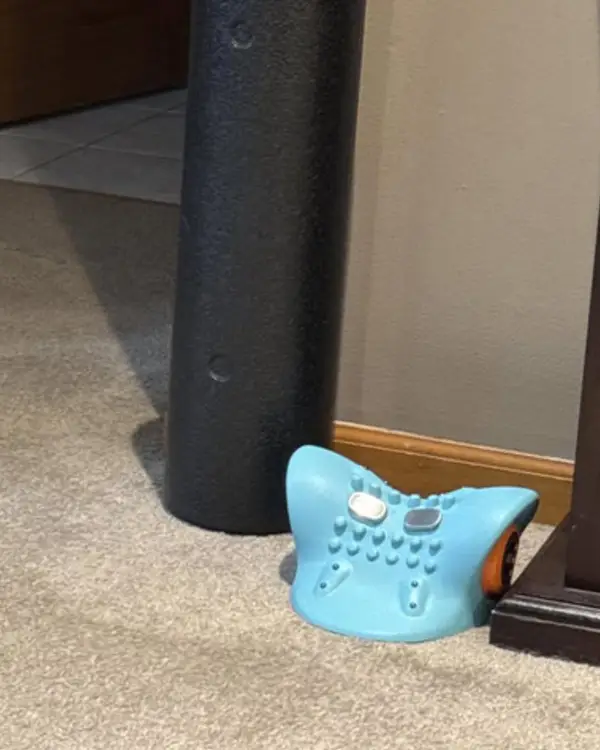
Brian Davidson — Don't Buy From Amazon
WinningImage

Don't Buy From Amazon

★☆☆☆☆ "No relief. No change in my dizziness. Nothing. I have constant vertigo and panic attacks and was hoping this would help with the floating sensation and pressure at the base of my skull. Felt absolutely nothing. Don't waste your money." I wrote that review. About a product I thought was Neckline. If you have chronic dizziness and have written off cervical traction based on something you bought on Amazon — you may have made the same mistake I made. I've had dizziness for fourteen years. Diagnosed as "generalized anxiety disorder with panic attacks" by two different psychiatrists. But the floating sensation always started at the base of my skull and that tight band of tension at the back of my neck never went away. And I felt unsteady every single morning. My psychiatrist said it was anxiety and the neck tension was likely just my body's stress response to chronic panic. She prescribed Lexapro that made me so numb I couldn't feel anything but didn't stop the dizziness. Then a coworker mentioned something about neck compression causing dizziness. Something about her seemed different. More steady. She wasn't gripping counters when she walked anymore. I didn't ask directly but I understood something had changed. She told me she'd been using a cervical traction device. Fifteen minutes a day. Her dizziness — the debilitating floating sensation she'd had for six years — was almost completely gone. I ordered it that night. From Amazon. Same blue device. Same cervical collar design. Cheaper than the official website. Four stars. I used it for fifteen minutes before bed as directed. Nothing. No warmth. No muscle release. Nothing suggesting the device had reached the tight muscles at the base of my skull where the floating sensation originated. Week two. Nothing. Week four. Nothing. Week six. Done. I examined the device more carefully one evening. The heating elements barely got warm. I held a thermometer against the pads. 92°F. Room temperature coffee. I looked up therapeutic heat penetration requirements. For heat to reach the suboccipital muscles — the deep muscles that sit directly on the arteries supplying blood to your brain's balance centers — you need sustained temperatures above 110°F. Anything less only warms the skin surface. The compression at C1-C2 sits deep beneath multiple muscle layers. Surface warmth doesn't reach it. Not only was the heat inadequate. The traction angle was completely wrong. I measured it against a protractor. 15 degrees. Maybe. The clinical research on cervical decompression for vestibular symptoms consistently requires 26-degree traction to create space between C1 and C2 — the exact vertebrae where compressed arteries restrict blood flow to your balance centers. 15 degrees doesn't generate enough space to release that compression. I left the one-star review. Warned others with dizziness and panic. Moved on. Four months later my coworker asked how my dizziness was doing. I told her what had happened. She went quiet. Then — "Did you buy it from their actual website?" She held her device next to mine. Hers had thick, medical-grade heating pads that covered the entire occipital ridge. Mine had thin foam pads with barely visible heating wires. She turned hers on. Within two minutes the heat was unmistakable — deep, penetrating warmth. Mine stayed lukewarm even after ten minutes. She showed me the traction angle. Hers locked precisely at 26 degrees with a rigid support structure. Mine flexed and collapsed under even slight pressure. She sent me the official website link that evening. The specifications were clear. 120°F therapeutic heat penetration — clinically proven to reach the suboccipital muscles that sit directly on the vertebral arteries. Even legitimate cheap Amazon devices typically max out at 95-100°F — well below the penetration threshold needed to release the compression restricting blood flow to your brain's balance centers. And the construction. Medical-grade rigid traction that locks at the precise angle needed for decompression. Counterfeit devices use flexible foam that collapses under pressure — meaning no decompression, no matter how long you use it. Wrong heat. Wrong construction. For six weeks. It was not a fair test of the mechanism. I ordered from the official website that night. The device was noticeably heavier. Medical-grade construction. I positioned it at the base of my skull and turned it on. Within five minutes there was distinct, deep warmth spreading through the muscles at the back of my neck. Not surface heat. Penetrating warmth. And the traction — I could feel the gentle pull creating space where my skull met my spine. Completely different from six weeks of nothing. Within ten minutes that constant background floating sensation started to quiet. Not gone. Just... lighter. Like something that had been running at full volume for fourteen years was finally turning down. Week two the random panic episodes had stopped completely. My chest stayed calm and open instead of that constant pre-panic tightness. Week four I went to the grocery store. Bright fluorescent lights. People moving everywhere. Visual chaos. I walked through the entire store without that overwhelming feeling of visual overload. No clutching my phone for something solid to focus on. No grabbing the counter when the dizziness spiked. Just walking. Week six the constant floating sensation — the feeling like I was living on a boat that never stopped rocking — was gone. I could stand up without bracing for the tilt. I could turn my head without triggering spatial disorientation. Week eight I met my sister for lunch at a busy restaurant. Noise. Visual motion. All the triggers that used to send my nervous system into panic mode. I stayed for an hour and a half. No escape plan. No overwhelming need to leave. I had not told my sister I was trying anything new. I had told her too many times about too many treatments that had not worked. Week ten she said something seemed different. She could not identify what. But she noticed. "You seem calmer. Present. Like you're actually here." Week twelve I went back to my psychiatrist for a routine follow-up. My panic attack frequency: down from 15-20 episodes per month to zero. Lowest count in fourteen years. "What changed?" I told her about Neckline. She looked at the research on cervical compression and vestibular symptoms. She called back two days later. "Your symptoms weren't anxiety. They were mechanical. The compression at C1-C2 was restricting blood flow to your brain's balance centers and pressing on your vagus nerve. You've decompressed those structures. This is exactly what we want to see." It wasn't psychological. It was mechanical. The dizziness came from my neck. At the base of my skull. I updated my Amazon review. The deep warmth within five minutes is the confirmation. Medical-grade heating pads. 120°F penetration. Rigid 26-degree traction. Warmth that reaches the suboccipital muscles sitting on your vertebral arteries and vagus nerve. If you have those four things — you have the real product. If you're reading this at 2 AM feeling like you're floating and your heart is racing for no reason — you're not an anxious person. Your psychiatrist isn't wrong about your tests being normal. They're just not looking in the right place. I lost fourteen years to the wrong diagnosis. It was my neck. At the base of my skull. 👉 https://neckline-us.com/neckline-usa/adv-opt 30 days. Money back. No questions.

Loading the ad's image
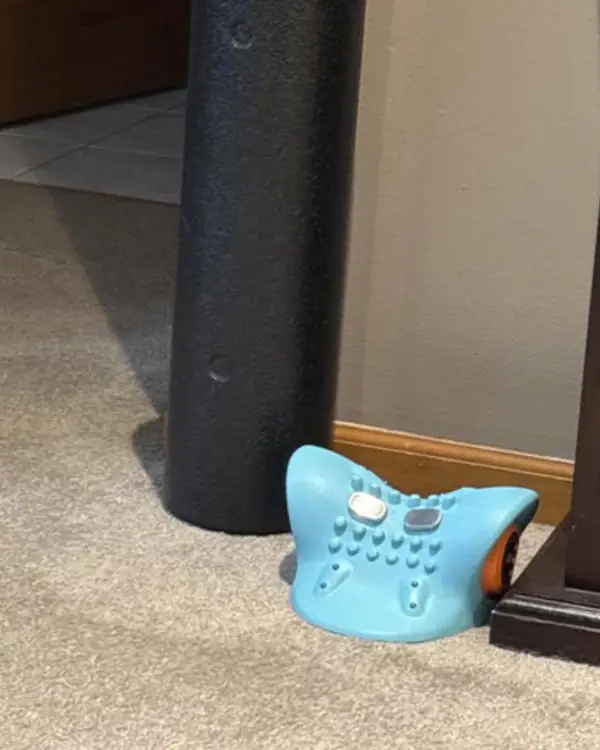
Brian Davidson — Don't Buy From Amazon
WinningImage

Don't Buy From Amazon

★☆☆☆☆ "No relief. No change in my dizziness. Nothing. I have constant vertigo and panic attacks and was hoping this would help with the floating sensation and pressure at the base of my skull. Felt absolutely nothing. Don't waste your money." I wrote that review. About a product I thought was Neckline. If you have chronic dizziness and have written off cervical traction based on something you bought on Amazon — you may have made the same mistake I made. I've had dizziness for fourteen years. Diagnosed as "generalized anxiety disorder with panic attacks" by two different psychiatrists. But the floating sensation always started at the base of my skull and that tight band of tension at the back of my neck never went away. And I felt unsteady every single morning. My psychiatrist said it was anxiety and the neck tension was likely just my body's stress response to chronic panic. She prescribed Lexapro that made me so numb I couldn't feel anything but didn't stop the dizziness. Then a coworker mentioned something about neck compression causing dizziness. Something about her seemed different. More steady. She wasn't gripping counters when she walked anymore. I didn't ask directly but I understood something had changed. She told me she'd been using a cervical traction device. Fifteen minutes a day. Her dizziness — the debilitating floating sensation she'd had for six years — was almost completely gone. I ordered it that night. From Amazon. Same blue device. Same cervical collar design. Cheaper than the official website. Four stars. I used it for fifteen minutes before bed as directed. Nothing. No warmth. No muscle release. Nothing suggesting the device had reached the tight muscles at the base of my skull where the floating sensation originated. Week two. Nothing. Week four. Nothing. Week six. Done. I examined the device more carefully one evening. The heating elements barely got warm. I held a thermometer against the pads. 92°F. Room temperature coffee. I looked up therapeutic heat penetration requirements. For heat to reach the suboccipital muscles — the deep muscles that sit directly on the arteries supplying blood to your brain's balance centers — you need sustained temperatures above 110°F. Anything less only warms the skin surface. The compression at C1-C2 sits deep beneath multiple muscle layers. Surface warmth doesn't reach it. Not only was the heat inadequate. The traction angle was completely wrong. I measured it against a protractor. 15 degrees. Maybe. The clinical research on cervical decompression for vestibular symptoms consistently requires 26-degree traction to create space between C1 and C2 — the exact vertebrae where compressed arteries restrict blood flow to your balance centers. 15 degrees doesn't generate enough space to release that compression. I left the one-star review. Warned others with dizziness and panic. Moved on. Four months later my coworker asked how my dizziness was doing. I told her what had happened. She went quiet. Then — "Did you buy it from their actual website?" She held her device next to mine. Hers had thick, medical-grade heating pads that covered the entire occipital ridge. Mine had thin foam pads with barely visible heating wires. She turned hers on. Within two minutes the heat was unmistakable — deep, penetrating warmth. Mine stayed lukewarm even after ten minutes. She showed me the traction angle. Hers locked precisely at 26 degrees with a rigid support structure. Mine flexed and collapsed under even slight pressure. She sent me the official website link that evening. The specifications were clear. 120°F therapeutic heat penetration — clinically proven to reach the suboccipital muscles that sit directly on the vertebral arteries. Even legitimate cheap Amazon devices typically max out at 95-100°F — well below the penetration threshold needed to release the compression restricting blood flow to your brain's balance centers. And the construction. Medical-grade rigid traction that locks at the precise angle needed for decompression. Counterfeit devices use flexible foam that collapses under pressure — meaning no decompression, no matter how long you use it. Wrong heat. Wrong construction. For six weeks. It was not a fair test of the mechanism. I ordered from the official website that night. The device was noticeably heavier. Medical-grade construction. I positioned it at the base of my skull and turned it on. Within five minutes there was distinct, deep warmth spreading through the muscles at the back of my neck. Not surface heat. Penetrating warmth. And the traction — I could feel the gentle pull creating space where my skull met my spine. Completely different from six weeks of nothing. Within ten minutes that constant background floating sensation started to quiet. Not gone. Just... lighter. Like something that had been running at full volume for fourteen years was finally turning down. Week two the random panic episodes had stopped completely. My chest stayed calm and open instead of that constant pre-panic tightness. Week four I went to the grocery store. Bright fluorescent lights. People moving everywhere. Visual chaos. I walked through the entire store without that overwhelming feeling of visual overload. No clutching my phone for something solid to focus on. No grabbing the counter when the dizziness spiked. Just walking. Week six the constant floating sensation — the feeling like I was living on a boat that never stopped rocking — was gone. I could stand up without bracing for the tilt. I could turn my head without triggering spatial disorientation. Week eight I met my sister for lunch at a busy restaurant. Noise. Visual motion. All the triggers that used to send my nervous system into panic mode. I stayed for an hour and a half. No escape plan. No overwhelming need to leave. I had not told my sister I was trying anything new. I had told her too many times about too many treatments that had not worked. Week ten she said something seemed different. She could not identify what. But she noticed. "You seem calmer. Present. Like you're actually here." Week twelve I went back to my psychiatrist for a routine follow-up. My panic attack frequency: down from 15-20 episodes per month to zero. Lowest count in fourteen years. "What changed?" I told her about Neckline. She looked at the research on cervical compression and vestibular symptoms. She called back two days later. "Your symptoms weren't anxiety. They were mechanical. The compression at C1-C2 was restricting blood flow to your brain's balance centers and pressing on your vagus nerve. You've decompressed those structures. This is exactly what we want to see." It wasn't psychological. It was mechanical. The dizziness came from my neck. At the base of my skull. I updated my Amazon review. The deep warmth within five minutes is the confirmation. Medical-grade heating pads. 120°F penetration. Rigid 26-degree traction. Warmth that reaches the suboccipital muscles sitting on your vertebral arteries and vagus nerve. If you have those four things — you have the real product. If you're reading this at 2 AM feeling like you're floating and your heart is racing for no reason — you're not an anxious person. Your psychiatrist isn't wrong about your tests being normal. They're just not looking in the right place. I lost fourteen years to the wrong diagnosis. It was my neck. At the base of my skull. 👉 https://neckline-us.com/neckline-usa/landing-2 30 days. Money back. No questions.

Loading the ad's image
Brian Davidson — Don't Buy From Amazon
WinningImage

From the ads Sniped has collected from this page (6 so far, first seen Nov 2026). Reach is what Meta reports; no spend or sales estimates.