Advertiser

Susan Lynn

happywags.coMeta Ad Library

9
Running ads
1 new in 30 days
Mar 2026
Advertising since
longest ad 8 months
—
Reach
running ads, summed
0% video
Formats
0 video · 0 image
3
Products advertised
1 shop

I was watching him suffer and calling it normal aging..

I didn't know Cooper's heart was failing while he was still running and playing and passing every vet check with flying colors. He's four. My soulmate. The dog who got me through the worst year of my life. And he was dying right in front of me while looking completely healthy because I didn't know large breed dogs can fail silently with zero warning signs until it's already too late. He started slowing down. Stopped greeting me at the door. Then one day on our walk he just turned back. Stopped halfway. Looked at me. Couldn't keep going. And I knew something was actually wrong. The vet said his immune cells were failing from something that's missing from his food. Something Golden Retrievers need that premium dog food doesn't have to include. And I'd been watching symptoms for months thinking it was normal. I put him on Taurine that same day. Six months later he's running full walks again. Meeting me at the door. He's acting like a puppy again. I got him back and I can't stop thinking about how close I came to losing him. If your dog is slowing down please don't ignore it.

Loading the ad's image
Susan Lynn — I was watching him suffer and calling it normal aging..
Winning

I loved my dog, he died because of my mistake..

I paid $3,900 for a dog who didn't make it six months ago because I thought his paw licking and sleeping all day meant he was just 'getting older'. Biscuit died in my arms at the emergency vet at 11:52 PM. He was 9 years old. I have two other dogs. Daisy and Duke. And right now they're doing the exact same thing Biscuit did before he died — sleeping 18 hours a day, not meeting me at the door, less interested in everything they used to love. Everyone told me it was normal. Facebook groups. Reddit. Even my vet. It wasn't normal. It was Biscuit screaming for help in the only way he could. About eight months before Biscuit died, something changed in all three of my dogs. Slower. Less there. Like someone had turned down a dial on whatever made them themselves. Biscuit stopped bringing his ball in the morning. The same ball he'd brought me every single morning for seven years. Started sleeping 18-19 hours a day. Daisy and Duke were doing it too, but not as bad. I posted in my Facebook dog group: "My dogs are all in their senior years and suddenly so much calmer — is this normal?" Everyone said yes. Senior dogs slow down. It's beautiful. Golden years. So I didn't think anything of it. By month 4, Biscuit was sleeping through everything. Ball sat at the door untouched for three weeks. He'd hear me come home and his ears would go up. But he'd stay in his bed. I posted again. "He just seems so checked out. Is this normal?" Someone said depression. Someone said joints — try a supplement. My vet at his annual checkup said "he's 9, senior dogs sleep more. Age-appropriate behavior." So I kept ignoring it. Then one morning, Biscuit didn't come out of the bedroom. Found him on his side, breathing fast and shallow. Couldn't stand up. Gums white. I picked him up and drove to the emergency vet at 9 PM crying so hard I could barely see. They took him back immediately. The vet came out forty minutes later with that look. "His heart is severely enlarged. Dilated cardiomyopathy. His taurine levels are critically low. He's been running on empty for a long time." I didn't understand. He'd just had bloodwork six months ago. Everything came back fine. "When did you first notice he was less himself?" "About five months ago. Stopped bringing his ball. Stopped meeting me at the door. I posted about it online. Everyone said it was just age." Her face changed. "That was the warning. When a dog who has always initiated play just stops — that's their body telling you something is wrong. By the time you noticed those signs, his taurine had probably been depleted for six months or more." I felt like the floor dropped out. "But I mentioned it. To my vet. To Facebook groups. Everyone said it was normal." "It's not normal. It's what dogs look like when they're running out of something critical. By the time the behavior changes, you're already months behind." They tried everything. IV fluids. Cardiac medication. Oxygen support. Biscuit died at 11:52 PM with me holding him. Then the front desk handed me the bill. $3,900. I drove home with his collar on the passenger seat. And I couldn't stop thinking: I SAW it. For five months I watched him pull away from everything. I watched the ball sit untouched. I watched him stop coming to the door. I posted about it. I asked people. And everyone told me it was just age. When I got home, I watched Daisy and Duke. Doing the exact same thing. Duke hadn't brought me his rope toy in two weeks. Daisy had stopped running to the back door in the mornings. I started sobbing. Because I knew what I was looking at. I didn't sleep for weeks. I read every study, every forum, every veterinary paper I could find about dogs declining too fast and why. And I started seeing a pattern. Hundreds of stories identical to mine. Dog slows down. Bloodwork normal. Everyone says it's age. Then collapse. Then cardiac failure. Over and over. Here's what I found. This kind of decline doesn't happen overnight. It happens slowly over years. And the only warning a dog gives you is behavioral. Withdrawal. Sleeping. Losing interest in the things that defined them. Because dogs are hardwired to hide illness. They mask it until they can't anymore. But the behavioral withdrawal — that starts earlier. That's when the body is still compensating, but running low on something it needs to keep running. A dog who used to bring his ball every morning and suddenly doesn't isn't just getting old. He's depleted. I kept reading. And I found the research on taurine. An amino acid that every system in a dog's body depends on as they age. The heart. The eyes. The immune system. The brain. Not just one thing — everything. But here's the part that made me want to punch a wall. AAFCO — the organization that sets the rules for all dog food sold in America — requires zero taurine. None. Not a baseline. Not a minimum that accounts for what happens as dogs age. Zero. And as dogs get older, their body produces less of it on its own. Less every year. So by the time your dog is 8 or 9, they need MORE taurine than ever to protect an aging heart and immune system — and are producing less of it than they were at age 3. The food has never been required to fill that gap. Biscuit had been on premium food his whole life. $70 a bag. "Complete and balanced." I thought I was doing everything right. The one thing his cells needed most as he aged wasn't in there. And nobody told me. I was NOT going to let Daisy and Duke go the same way. I went on Amazon. Found a taurine supplement. $49. Gave it to both of them every day for six weeks. And it got WORSE. Duke went from occasionally disinterested to almost completely withdrawn. Daisy stopped finishing her walks. I took both of them to the vet. Demanded taurine blood levels tested. They were deficient. The vet said it was "concerning" and to monitor it. I wanted to scream. "They're ON a taurine supplement! I've been giving it to them for six weeks!" She shrugged. "Sometimes these things progress anyway." I went home furious. A few weeks later, I had to go back to the shelter where I'd adopted Daisy and Duke. Updating health records. Sitting in the waiting area, I noticed something on the shelf behind the reception desk. A green tub that looked like a supplement. "What's that for?" The receptionist smiled. "We give it to all our dogs. Started about a year ago — we had a group of older dogs all getting lethargic and withdrawn at the same time. Our head vet told us to put them all on taurine immediately. Within three weeks, every one of them turned around." My heart was racing. "Can I talk to your head vet? Please. My dog just died and my other two are declining and the supplement I've been giving them isn't working." Her face changed. She called him. Dr. Miller met me the next day. I told him everything. Showed him the Amazon supplement on my phone. He looked at it and shook his head. "This is garbage." "What?" "Underdosed. Probably contaminated. Your dogs are getting maybe 30 to 40 percent of what the label claims. If that. Most taurine supplements on the consumer market are worthless. They're either underdosed, contaminated with fillers that block absorption, or the taurine has degraded from improper storage." "So for six weeks—" "You thought you were fixing it. But the deficiency was still progressing the whole time." I put my face in my hands. He reached behind him and picked up the HappyWags container. "I sent this to an independent lab before I'd recommend it to anyone. 503 milligrams of actual taurine per scoop. Label says 500 — over-delivered. Zero contamination. No fillers. Pharmaceutical-grade verified. It's the only one I've found that actually passes." "Why isn't this what vets recommend?" He leaned back. "Because most vets make more money treating the consequences of taurine deficiency than preventing them. Cardiac workups, medications, repeat visits — that's a revenue stream. A $40 supplement isn't. I left my last practice because I was tired of watching owners go through exactly what you went through while knowing something could have helped years earlier." He handed me two containers. "Take these. Start today." I started that evening. Days 1 through 4: nothing. Around day 8, Duke walked to the back door and stood there. Wanted to go out. Telling me. Week 2: coming to the door when I got home. Not running. But coming. Week 3: Daisy finished her full walk for the first time in months. Six weeks later, back to the vet. "What did you change?" "Switched to a different taurine supplement." She didn't say anything. But I knew. That was seven months ago. Both of them are still healthy. Duke brought me his rope toy this morning. I cried. I think about Biscuit every single day. Because if I'd found real taurine eight months earlier, I think he'd still be here. I'm writing this because I keep seeing the same posts I used to make. "My dog just seems tired lately — is this normal at 8?" "She's not herself. My vet says it's age." "His bloodwork is fine but something feels off." That's your dog running low on something critical. In the only way a dog can tell you — through the slow disappearance of the things that made them themselves — they're telling you. Biscuit tried to tell me something was wrong. For five months he tried. Don't waste weeks on supplements that don't work while the deficiency keeps progressing. I wasted six weeks I'll never get back. I only use HappyWags now. Because Dr. Miller tested it himself and it's the only one that passed. Because it actually worked for Daisy and Duke. I don't work for them. I'm not getting paid. I'm just a person who held their dog while he died and got handed a $3,900 bill. And I have two dogs who are still here because I found something that actually worked. Here's where I get Daisy and Duke's taurine: https://happywags.co/products/taurine I wish someone had told me about this before Biscuit died. I'm telling you now. P.S. Dogs hide decline until it's severe. The behavioral changes — sleeping more, withdrawing, losing interest in the things they love — those are their only warning. By the time you see them clearly, the deficiency has been building for months. Don't wait for collapse like I did. Vets make more treating immune failure than preventing it. That's just true. Take control of what you can. Real taurine from HappyWags saved Daisy and Duke.

Loading the ad's image
Susan Lynn — I loved my dog, he died because of my mistake..
Winning

Gave him taurine for 6 months, He died anyway💔

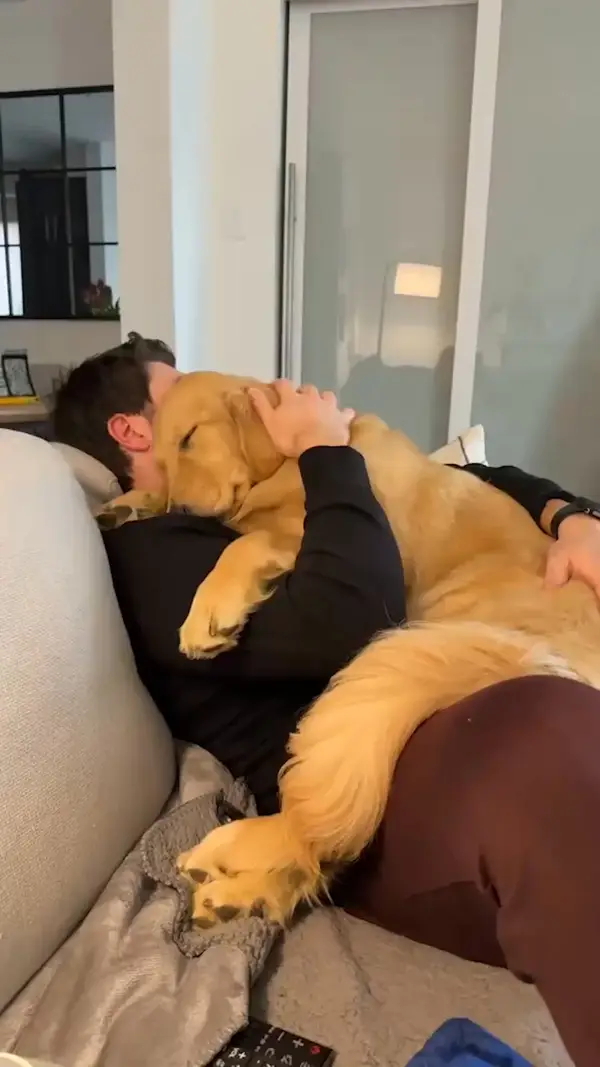
I tried 2 taurine supplements — one from Amazon. My dog still died from immune collapse. Reason: low taurine levels. How does a dog die from taurine deficiency after being supplemented with taurine every single day for seven months? Because the Amazon product was underdosed and contaminated — my dog was getting less than 40% of what the label claimed, with fillers that blocked what little was there. And the Chewy product used a low-bioavailability form of taurine so poorly absorbed that 80-85% of it passed straight through his system without reaching his cells. The milligrams on the label meant nothing if his cells never got it. My name is Susan. I live in Phoenix with my husband. We had a dog named Bear. A 9-year-old mixed breed. The kind of dog that made everyone in the room feel calm. Patient, gentle, steady. My husband called him the best dog he'd ever had. About ten months ago, Bear started slowing down. Not dramatically at first. Just a little less interested in his walks. Taking shorter routes. Getting winded in ways he never used to. I took him to the vet. Bloodwork came back mostly normal. Slight elevation in some cardiac markers, but the vet said "keep an eye on it — he's 9, this is common in senior dogs." He suggested a prescription cardiac support food. $74 a bag. Bear ate it but didn't love it. He'd look at the bowl and then at me like he was asking if this was really all there was. And he kept declining. I started researching. Found studies connecting taurine deficiency to cardiac decline in dogs. Found the Columbia University research naming taurine depletion a driver of aging. Found article after article explaining that AAFCO requires zero dietary taurine for dogs. It all made sense. So I went to Amazon — where I could get it fast with Prime shipping — and searched for dog taurine supplements. Found one with great reviews. Good reviews. "Supports heart for dogs and cats." $54. I ordered it. Started giving Bear 500mg every single day. Mixed right into his food. The first few weeks, nothing changed. He was still getting winded. Still less interested in walks. Still not himself. By month two, things were getting worse. I thought maybe I'd ordered a bad batch. Or maybe Amazon wasn't the right place to buy it. So I switched. I went to Chewy — where I'd been buying Bear's food and supplies for years — and ordered their taurine supplement. Better reviews. $94 for a three-month supply. I figured Chewy was more reputable than Amazon. More trustworthy. Started giving Bear the Chewy taurine. Every single day. Month three on taurine (one month on Chewy's version): Still getting winded. Started sleeping even more. Eyes seemed duller. Month four: Stopped meeting me at the door. Wasn't bringing his toy in the mornings. The things that were his things — gone. Month five: Barely wanted to walk. Sleeping 18-20 hours a day. I took him back to the vet. New bloodwork. Stage 2-3 cardiomyopathy. "But he's been on taurine for five months," I said. "I've been giving it to him every single day. Isn't that supposed to help his heart?" The vet looked at me. "Taurine can support cardiac function, but once disease progresses to this stage, it's very difficult to reverse." He prescribed medications. More expensive food. A follow-up echocardiogram. I did everything he said. Bear kept declining. Month six: Barely eating. Breathing seemed different. I kept watching his chest. Month seven: I found him in the corner of the bedroom, breathing wrong. Shallow. Too fast. I rushed him to the emergency vet. They ran everything immediately. Taurine: Severely deficient. Cardiac function severely compromised. Heart working at a fraction of what it should. They tried IV fluids. Cardiac medications. Everything they had. Bear died two days later. I sat with him while it happened. I told him I was sorry. That I'd tried. That I'd given him taurine every single day for seven months. The bill was $4,100. For a dog who didn't make it. I came home and sat in the kitchen looking at those two taurine bottles. The Amazon one. The Chewy one. Seven months. Every single day. And he still died from taurine deficiency. I couldn't understand it. Then about a week later, I saw a post in a senior dog Facebook group. Someone mentioned they'd been giving their dog taurine from Amazon for three months with no improvement. Someone else replied: "A lot of taurine supplements are underdosed or contaminated. They buy bulk taurine that doesn't meet quality standards and just put it in bottles." I didn't know that. So I started researching. And my stomach dropped. Third-party sellers buying budget raw material, mixing it with cheap fillers to extend volume, packaging it in bottles.. No Certificate of Analysis. No independent testing. No accountability. I looked at the Amazon bottle I'd used for the first two months. No verified brand. No third-party testing documentation. Just a label and some reviews. I felt sick. A few days later, still in that same Facebook group, I saw a different post. Someone had shared a link with a note: "This is the only dog taurine supplement I've found that has real third-party verification and actually worked for my dog." The link was to a brand called HappyWags. I went to their website. Pharmaceutical-grade taurine. Purity testing for every batch. And then I saw a phone number. I called. A woman answered. Her name was Emma. I told her everything. About Bear. About the seven months of taurine. About trying Amazon first, then switching to Chewy. About how he died anyway with deficiency. I was crying before I finished. "I don't understand," I said. "I gave him taurine every single day for seven months. How did he die with taurine levels that low? Wasn't it supposed to help? Was anything even working?" Emma was quiet for a moment. "I'm so sorry. That must be devastating." She paused. "Can I ask — you mentioned Chewy. How long was he on the Chewy product?" "Five months. The last five months of his life." "Okay. I need to tell you something, and I'm not saying this to make what you went through worse — I just want you to understand what likely happened. The Chewy brand uses a form of taurine that has very low bioavailability for dogs. Do you know what that means?" "Not really." "Bioavailability is how much of a nutrient actually gets absorbed into the bloodstream and reaches the tissues and cells where it's needed. Both products you tried, their molecular form isn't optimized for absorption. When Bear took it, most of it passed through his digestive tract and got excreted before his cells could use it." "But the label said 300mg—" "It probably did contain 300mg. But if his body was only absorbing 15 to 20% of it, that means he was really only getting 75 to 100mg per day at the cellular level. That's not nearly enough to address deficiency, especially in an aging dog whose body was already making less taurine on its own." I couldn't breathe. "And the Amazon product — most Amazon sellers source cheap bulk taurine that hasn't been tested for purity or potency. When we've had independent labs test the leading Amazon brands, they typically contain 30 to 40 percent less than the label claims. Some have contamination. Some have fillers that compete with what little taurine is there." "So even though I gave him 500mg every single day for seven months—" "His cells were probably still starving. Two months of underdosed, contaminated taurine from Amazon. Five months of taurine from Chewy that looked right on the label but barely absorbed. Either way, his heart cells weren't getting what they needed." "But why doesn't it say any of this on the label? Why doesn't it say anything about bioavailability?" "Because there's no requirement to. Most pet owners don't even know to ask about absorption rates. Most vets don't know to tell them." I asked her about Bear's taurine levels. "His level was 9 nmol/mL when he died. After seven months of supplementation. How is that possible?" Emma's voice was gentle. "Based on what you've described, the supplements were never delivering clinical levels to his cells. The Amazon product was under-delivering on dose. The Chewy product was delivering the dose but barely absorbing. Seven months of supplementation without pharmaceutical-grade bioavailability can leave a dog just as deficient as never supplementing at all." I started crying again. "So I was giving him something that wasn't actually working. For seven months." "You were doing everything you could with the information you had. You researched. You bought products with reviews and legitimate-looking labels. You didn't know about bioavailability. Almost nobody does. The supplement industry isn't required to disclose it." We talked for almost thirty minutes. Emma didn't try to sell me anything. She just explained. How pharmaceutical-grade taurine is specifically selected for absorption efficiency — not just purity, but the molecular form that actually crosses into cells. How HappyWags uses a free-form taurine tested in independent labs for both purity and bioavailability. How their internal testing shows over 90% absorption compared to the 15-20% typical of budget formulations. How it's not just about what's on the label — it's about what actually makes it into the cells. "The milligrams don't matter if the bioavailability is terrible. That's what most dog owners don't understand. And that's why dogs on Amazon taurine or Chewy taurine don't improve the way they should. The product isn't reaching where it needs to go." After we hung up, I sat there for a long time. Bear had been on taurine for seven months. Two months of underdosed, contaminated taurine from Amazon — delivering maybe 40% of the label claim. Five months of low-bioavailability taurine from Chewy — his cells probably absorbing 15-20% of even that. Seven months of me thinking I was protecting his heart. Seven months of his heart cells starving while I thought I was feeding them. If I'd known about bioavailability — if I'd known about pharmaceutical-grade formulations — would he still be alive? I don't know. But I think about it every single day. I'm writing this because I see so many of you doing what I did. Ordering taurine from Amazon because it ships fast Checking the reviews. Thinking you've done your job. But mg doesn't matter if 60% of the dose is missing because the product is contaminated and underdosed. The dose doesn't matter if the bioavailability is so low that 80-85% passes straight through without being absorbed. Your dog can be getting 400mg of taurine every day that their body is only absorbing 50-100mg of. Which means their heart cells are still starving. Their immune system is still depleted. Their vision cells are still running dry. And you think you're fixing it because you're giving them taurine every morning. But you're not. You're giving them a form of taurine their body can't properly use. I gave Bear taurine for seven months. First from Amazon — underdosed, contaminated, delivering less than half of what was on the label. Then from Chewy — legitimate milligrams, but absorbed at 15-20%, passing straight through before it could reach his heart. He died from cardiac failure with taurine levels severely deficient. Because neither supplement was actually working. Don't make my mistake. If you're going to supplement taurine, please don't buy it from Amazon. Make sure you read labels. Third-party sellers source cheap bulk taurine that hasn't been independently tested. When labs test these products, they're consistently underdosed and often contaminated And don't assume Chewy taurine is good enough just because it's from a legitimate retailer. The taurine you get for your dog should be single ingredient and 500mg, don’t get anything from any brand that hides their ingredient label. Use pharmaceutical-grade taurine that's been independently tested for purity and absorption. Use taurine that actually reaches the cells instead of passing straight through. Because the mg on the label mean nothing if Bear's cells never got it. And they didn't. I can't bring Bear back. But if you have a dog on taurine — and they're not improving, please consider this: What if the dose is 40% lower than what the label claims? What if the bioavailability is so low it's passing through without being absorbed? What if seven months from now, you're sitting where I'm sitting, staring at two empty bottles that didn't save your dog? Get REAL taurine tested for actual absorption and purity: https://happywags.co/products/taurine Because Bear deserved taurine that actually reached his cells. And so does your dog. P.S. Amazon taurine is frequently underdosed and contaminated — independent lab testing consistently shows these products delivering 30-60% less than label claims, with fillers that block what little taurine is present. Bear was on it for two months. Chewy taurine is legitimate by milligram count, but uses a low-bioavailability form where 80-85% passes through without being absorbed. Bear was on that for five months and he still passed from deficiency. P.P.S. If your dog is on any taurine and not improving, it's not that taurine doesn't work — it's that underdosed formulas and low-bioavailability forms don't reach your dog's cells. I learned this after Bear died. Don't wait that long to find out. I only trust HappyWags now. https://happywags.co/products/taurine

Loading the ad's image
Susan Lynn — Gave him taurine for 6 months, He died anyway💔
Winning

I loved my dog, he died because of my mistake..

I told myself I was done writing posts like this. But if sharing my story saves even one dog from what happened to mine, it's worth it. My dog Max died four months ago in my arms at the emergency vet for something that was preventable. The bill was $3,900. For a dog who didn't make it. I have two other dogs. Rosie and Cooper. And right now, they're showing the exact same signs Max showed before he died. And I'm terrified. I'm not a vet. I'm just a regular person who thought I was doing everything right. And I want to tell you what happened because I see so many of you posting the same things I posted six months ago. If you have a dog over 7 who's been getting less active — noticeably less, month by month — please read this whole thing. I know it's long. But four months ago I would have given anything for someone to tell me what I'm about to tell you. Seven months before Max died, I bought all three of my dogs GPS activity trackers. Peace of mind for senior dogs. Know exactly how active they are. Catch changes early. First month, Max was doing 7,000-8,000 steps a day. Solid. Then his numbers started dropping. Month 2: 5,500 steps. Month 3: 3,800. Month 4: under 2,000. I posted in my Facebook dog group: "My 9-year-old's steps have dropped from 8,000 to under 2,000 in four months. Is this just what aging looks like?" Everyone said yes. Senior dogs slow down. The tracker just makes it visible. My vet at his checkup said "he's 9, his activity level is age-appropriate." So I kept ignoring it. Then one morning Max didn't come out of the bedroom. Found him on his side, breathing fast and shallow. Couldn't stand. Gums pale. I picked him up and drove to the emergency vet, crying the whole way. The vet came out forty minutes later with that look. "His heart is severely enlarged. Dilated cardiomyopathy. His taurine levels are critically low. He's been running on empty for a long time." "When did you first notice his activity declining?" "About five months ago. His tracker showed his steps dropping every month. I posted about it. I mentioned it at his checkup. Everyone said it was normal aging." Her face changed. "That was the warning. By the time you're seeing that kind of decline, the deficiency has been building for months. His heart has been working without what it needs for a long time." They tried everything. IV fluids. Cardiac medication. Max died at 11:52 PM with me holding him. $3,900. I drove home with his tracker still clipped to his collar in the passenger seat. I SAW it. For five months I watched those numbers drop. I posted about it. I asked my vet. I did everything right. And everyone told me it was normal. When I got home, I opened the app and looked at Rosie and Cooper. Both of them had been declining for months. I started sobbing. Because I knew what I was looking at. I didn't sleep for weeks. I read everything I could find — every study, every forum, every veterinary paper on dogs declining too fast and why. And the same story kept appearing. Dog's activity drops. Vet says it's age. Bloodwork normal. Then collapse. Heart failure. Here's what I found. This kind of decline doesn't happen overnight. It builds over years. And declining activity — the slow withdrawal from walks, from play, from the things they've always loved — that's the only way a dog's body can signal that something critical is running low. Dogs mask illness until they can't anymore. But the gradual pulling away starts earlier. That's when the body is still compensating but running short. A dog whose steps have been dropping month over month isn't just getting old. He's depleted. And here's what's actually causing it. There's an amino acid called taurine that every system in an aging dog's body depends on. The heart. The eyes. The immune system. The brain. Everything. But AAFCO — the organization that sets the rules for all dog food sold in America — requires zero taurine. Not a minimum. Not a baseline. Zero. As dogs age, their body produces less of it on its own. Less every year. So by the time your dog is 8 or 9, they need more taurine than ever to protect an aging heart — and are making less of it than they were at age 3. The food has never been required to fill that gap. Max had been on premium food his whole life. $72 a bag. "Complete and balanced." I thought I was giving him everything he needed. The one thing his heart needed most as he aged was never in there. And nobody told me. I was NOT going to let Rosie and Cooper go the same way. I went on Amazon. Found a taurine supplement. $49. Thousands of reviews. Started giving it to both of them immediately. Six weeks later, it got WORSE. Rosie dropped from 4,500 steps to under 3,000. Cooper declining too. Demanded taurine blood levels at the vet. Rosie: 23 nmol/mL. Normal starts at 50. Cooper: 21 nmol/mL. "Just monitor it." I wanted to scream. "They've been on a taurine supplement for six weeks!" She shrugged. "Sometimes these things progress anyway." Then I got MAD. A few weeks later I went back to the shelter where I'd adopted all three of my dogs. Updating records. Sitting in the waiting area when I noticed something on the shelf behind the reception desk. A container with a green label. HappyWags Taurine. "What's that for?" "We give it to all our senior dogs. Started about a year ago — a group of older dogs all started declining at the same time. Our head vet told us to put them all on this immediately. Within three weeks, every one of them turned around." "Can I talk to your head vet? Please. My dog just died and my other two are declining and the supplement I've been giving them isn't working." He met me the next day. I told him everything. Showed him the Amazon supplement on my phone. He looked at it and shook his head. "This is garbage." "What?" "Contaminated. Under-dosed. Your dogs are getting 30 to 40 percent of what the label claims. Most taurine supplements on the consumer market are worthless — under-dosed, contaminated with fillers that block absorption, or degraded from improper storage. The label means nothing without third-party verification." "So for six weeks—" "The deficiency was still progressing. Because you thought you were closing the gap. You weren't." I put my face in my hands. He reached behind him and picked up a green tub. "I sent this to an independent lab before I'd recommend it to anyone. 503 milligrams of actual taurine per scoop when the label says 500. Zero contamination. No fillers. Pharmaceutical-grade verified. It's the only one I've found that actually passes." "Why isn't this what vets recommend?" He leaned back. "Because most vets make more money treating the consequences of taurine deficiency than preventing them. Cardiac workups, medications, repeat visits — that's revenue. A $40 supplement isn't. I left my last practice because I couldn't keep watching owners go through exactly what you went through while knowing something could have helped years earlier." He handed me two containers. "Start today." Days 1 through 5: nothing. Same numbers. Around day 9, Rosie's step count went up. From 2,800 to 3,400. I told myself not to read into it. By week 2: 4,800 steps. Coming to the door when I got home. Cooper took longer. By week 3 his numbers started climbing. Finishing walks he'd been cutting short for months. Six weeks later at the vet. Rosie: taurine 56 nmol/mL. Up from 23. Cooper: 52 nmol/mL. Up from 21. Cardiac markers stable. "What did you change?" "Switched to a real taurine supplement." That was eight months ago. Both of them are still healthy. Rosie hit 7,200 steps last Tuesday. I screenshotted it and cried. I think about Max every single day. Because those tracker numbers were telling me something for five months. And everyone — Facebook groups, my vet — told me it was just age. It wasn't. I'm writing this because I keep seeing the same posts I used to make. "My dog's activity has been dropping for months. Is this normal?" "He just doesn't want to walk as far. Vet says it's his age." "She's sleeping so much. Everyone says that's what old dogs do." That's your dog running low on something critical. In the only way they can tell you — through the slow disappearance of the things that made them themselves — they're telling you. Max tried to tell me for five months. Every morning a little lower. Every morning running a little shorter on what his heart needed. Don't be me. And for the love of everything, don't waste weeks on Amazon supplements while the deficiency keeps progressing. I wasted six weeks I can't get back. Six weeks closer to losing them the way I lost Max. I only use HappyWags now. Because Dr. Miller tested it himself and it's the only one that passed. Because it actually worked for Rosie and Cooper. I don't work for them. I'm not getting paid. I'm just a person who held their dog while he died at 11:52 at night and got handed a $3,900 bill. Here's where I get their taurine — the only brand that actually worked for me https://happywags.co/products/taurine I wish someone had told me about this before Max died. I'm telling you now. Please don't ignore it. P.S. Dogs hide decline until it's severe. A steadily dropping activity level, less interest in walks, sleeping through things that used to excite them — those are their only warning. By the time the pattern is obvious, the deficiency has been building for months. Don't wait for collapse like I did. Vets make more treating a declining immune system than preventing it. That's just the reality. Take control of what you can. Real taurine saved Rosie and Cooper.

Loading the ad's image
Susan Lynn — I loved my dog, he died because of my mistake..
Winning

The most common dog parent mistake..

If one more person says "my dog food has taurine listed so we're covered" I am going to lose my mind. YOU'RE NOT COVERED. I said the same thing. For three years. My dog's food had taurine right there on the ingredient label. I pointed to it in the pet store and felt responsible. He still died from cardiac failure at 9. Taurine at 12 nmol/mL. Because the amount of taurine listed on your dog's food bag is not designed for your aging dog. It was never designed for your aging dog. And by the time your dog is 7, 8, 9 years old — their body is producing less taurine every single year, the food fills almost none of the gap, and the deficit compounds silently until something breaks. The label isn't lying to you. It just isn't telling you what matters. My name is Susan. We had a dog named Bailey. 9 years old. Mixed breed. The gentlest dog you'd ever meet. I fed Bailey premium large-breed food his entire life. $74 a bag. Taurine listed in the ingredients. I felt good about it every time I filled his bowl. About a year ago, Bailey started declining. Slower on walks. Sleeping more. Stopped meeting me at the door. Coat changed. Eyes hazed. Not himself. Vet said cardiac markers slightly elevated. Probably just aging. Keep an eye on it. I kept feeding the $74 bag because taurine was on the label and I thought that meant something. Eight months later I found him in the corner of the bedroom, breathing wrong. Emergency vet. Taurine: 12 nmol/mL. Normal starts at 50. Stage 3 cardiomyopathy. "But his food has taurine listed," I said. "I specifically checked. I've been buying this food for three years because it had taurine." The cardiologist looked at me. "The taurine listed in commercial dog food is calibrated for a young dog who still synthesizes significant amounts on his own. At 2 or 3 years old, a dog's body produces enough taurine that a trace amount in the food is sufficient. But that production declines every year. By 7 or 8, most dogs are producing a fraction of what they were. The food was formulated for a different dog than the one you have now. And most foods that do list taurine are delivering 50 to 80mg per serving after heat processing — against a clinical need of 500mg for an aging large-breed dog." I stared at her. "And AAFCO — the organization that sets the nutritional rules for every commercial dog food — requires zero taurine for dogs. Not a minimum. Zero. So most foods don't include it at all. The ones that do add trace amounts voluntarily — enough to list it on the label, not enough to close the gap in an aging dog." "So for three years I bought the food with taurine listed—" "And Bailey was running a growing deficit the entire time. His body was making less every year. The food was providing almost nothing by the time he was 8." They tried everything. Bailey died two days later. $4,100. I came home and sat with his food bag. Taurine. Right there. Third from the bottom of the ingredient list. It meant nothing. --- After Bailey died I started researching supplements obsessively. And I made new mistakes. I found DoggySupps in a dog health Facebook group. Went to their website to order. No ingredient label anywhere on the site. Just marketing language about being pharmaceutical grade. No COA. Emailed asking for a full ingredient list. Never heard back. Ordered anyway for my surviving dogs. Desperate. Someone in the group later had it independently tested. Less than 40% of labeled taurine. Undisclosed fillers — rice flour, maltodextrin — none on the label. Sourced from an unverified overseas facility. The company that never answered my email had a reason. Switched to PawVita. Professional Facebook ads. "Clinically dosed." $44 for two months. That level of branding had to mean something. Six weeks. Nothing visibly changing in my surviving dogs. I called HappyWags. Found them through a rescue vet's post — she'd tested seven brands and they were the only one that passed. A woman named Olivia answered. I told her everything. She explained what I'd been missing. "PawVita's milligram count is probably accurate. But the molecular form they use has very low bioavailability for dogs — 15 to 20% absorption. So 500mg on the label means 75 to 100mg reaching the cells. DoggySupps is delivering even less than that, with fillers actively blocking what little is there." "And the food with taurine listed?" "That 50 to 80mg the food provides is what it was providing when your dog was 3. It was never recalculated for a dog at 8 whose body is producing significantly less of its own. The food met the standard it was held to. The standard was never designed for an aging dog." She sent me their Certificate of Analysis before I asked. Independent accredited lab. 503mg actual taurine. Zero contamination. Zero fillers. Single ingredient. Every batch tested. I had it verified at my vet's lab. 503mg. Zero contamination. Exactly what they claimed. --- I'm writing this because I see so many of you posting the same thing I told myself for three years. "My food has taurine listed. We're good." You're not. Go look at your dog's food bag right now. Find taurine in the ingredient list. Most of you won't find it. Because most foods don't include it — AAFCO requires zero, so most don't bother. And if you do find it — the amount was calibrated for a young dog who still synthesizes plenty of his own. Not your 7-year-old. Not your 9-year-old. Not a dog whose taurine production has been declining every year and whose food was never adjusted to account for it. The label isn't lying to you. It just isn't telling you what's actually happening inside your aging dog's body. And if you try to fix it with supplements — don't buy whatever shows up first. Check for an independent COA. Check that the company will tell you what's actually in their product. A company that won't answer a basic question about their ingredients has a reason. The only brand I trust after everything: HappyWags. 503mg verified. Zero contamination. Zero fillers. Third-party tested every batch. https://happywags.co/products/taurine Because Bailey's food had taurine listed. It just wasn't enough for the dog he'd become. I still think about the drive home from the emergency vet. I'm sharing this because I don't want you to know what that drive feels like. P.S. Taurine listed on a dog food label means the food contains a trace amount calibrated for young dogs who still synthesize significant taurine on their own. By age 7 or 8, that production has declined significantly. The food doesn't account for this. AAFCO never required it to. Bailey's food listed taurine. His level was 12 nmol/mL when he died. The label told me what was in the bag. It didn't tell me what was happening inside my dog. ALSO PLEASE don't just buy whatever taurine supplement you find first. Most are sourced from overseas facilities with zero quality control, cut with fillers that actively block absorption, and will make the problem worse while you think you're helping. My vet tested HappyWags independently before I gave it to my surviving dogs. Made in the USA. Single ingredient. Zero fillers. Zero contamination. 503mg actual taurine — exactly what the label claims. That's the difference between something that closes the gap and something that just makes you feel like you're doing something. Here's the HappyWags taurine I get - https://happywags.co/products/taurine

Loading the ad's image
Susan Lynn — The most common dog parent mistake..
Winning

The only taurine I trust for dogs..

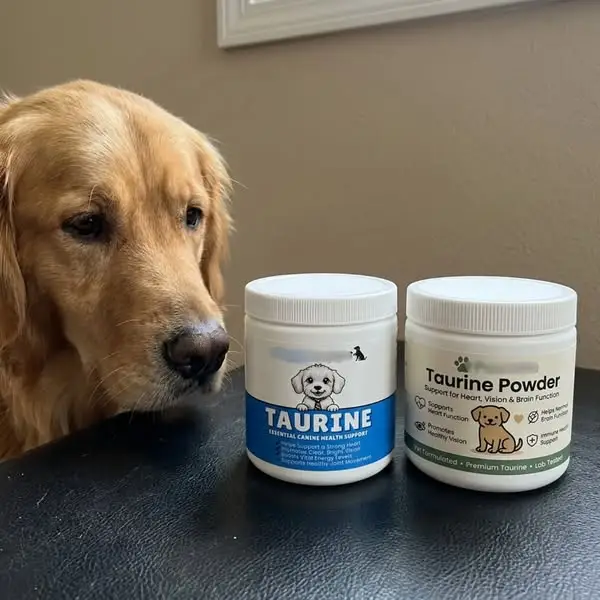
I tried 3 taurine supplements — Amazon, DoggySupp, and PawVita. My dog died from cardiac failure. Reason: critically low taurine levels. How does a dog die from taurine deficiency after being supplemented with taurine every single day for eight months? Because the Amazon product was underdosed and contaminated — he was getting maybe 40% of what the label claimed, with fillers that blocked what little was there. Because DoggySupp couldn't even tell me what was in their product. No ingredient label on their website. No third-party testing listed anywhere. I emailed them twice. No response. And because the PawVita product had bioavailability so low that 80-85% of it passed straight through his system without ever reaching his cells. Three supplements. Eight months. The milligrams on the labels meant nothing if his cells never got it. My name is Susan. I live in Phoenix with my husband. We had a dog named Bear. A 9-year-old mixed breed. The gentlest, steadiest dog. My husband called him the best dog he'd ever had. About ten months ago, Bear started declining. Not dramatically at first. Just a little slower on his walks. Sleeping more than usual. Less himself. I took him to the vet. Bloodwork mostly normal. Slight elevation in cardiac markers. "Keep an eye on it — he's 9, this is common in senior dogs." I started researching. Found the studies connecting taurine deficiency to cardiac decline. Found that AAFCO requires zero dietary taurine for dogs. Found that as dogs age their body produces less of it every year and the food was never required to replace it. It all made sense. So I went to Amazon. Found a taurine supplement. $54. Started giving Bear 500mg every single day. Mixed into his food. First few weeks, nothing changed. Still declining. Still sleeping more. By month two, getting worse. I thought maybe I'd ordered the wrong brand. So I switched. I'd seen DoggySupp come up on my feed. Looked like a real company. Had a website. Decent packaging. I went to order and noticed something strange — no ingredient label anywhere on the site. Just "pure taurine" and a lot of marketing language. No third-party testing. No breakdown of what else was in it. I emailed them asking for their ingredient list. Never heard back. I tried anyway. Three weeks. Bear didn't improve. When I finally tracked down a vet in a Facebook group who'd tested the product herself, she told me it had tested positive for contaminated fillers and low-dosage taurine. So I switched again. I'd been seeing PawVita ads on Facebook for months. $78 for a two-month supply. I figured something I'd seen advertised this heavily had to be properly made. Started giving Bear the PawVita taurine. Every single day. 500mg. Month three: still getting winded. Eyes seemed duller. Month four: stopped meeting me at the door. Wasn't bringing his toy anymore. Month five: barely wanted to walk. I took him back to the vet. Taurine: 14 nmol/mL. Normal starts at 50. Stage 2-3 cardiomyopathy. "But he's been on taurine for five months," I said. "Every single day. Isn't that supposed to help?" "Taurine can support cardiac function, but once disease progresses to this stage, it's difficult to reverse." More medications. More tests. Follow-ups scheduled. Bear kept declining. Month seven: I found him in the corner of the bedroom, breathing shallow and too fast. Emergency vet. Taurine: 9 nmol/mL. Cardiac function severely compromised. They tried everything. Bear died two days later. I sat with him while it happened. Told him I was sorry. That I'd tried. That I'd given him taurine every single day for seven months. The bill was $4,100. I came home and sat in the kitchen staring at the taurine bottles I bought. Seven months. Every single day. And he still died from taurine deficiency. I couldn't understand it. A week later I saw a post in a senior dog Facebook group. Someone had been giving their dog Amazon taurine for months with no improvement. Someone else replied: "Most Amazon supplements are underdosed or contaminated — third-party sellers buy cheap bulk material and put it in bottles. No testing, no accountability." I started digging. Found exactly what they described. Third-party sellers sourcing Chinese taurine, cutting it with fillers, and packaging it. No independent testing. The reviews meant nothing because nobody was testing what was actually inside. A few days later, same group, someone posted about a supplement that had actually worked for their dog. The link was to a brand called HappyWags. Read everything. Then I saw a phone number. I called. A woman named Emma answered. I told her everything. About Bear. About eight months of taurine. About Amazon first, then DoggySupps, then PawVita. About his levels at 14 in month five. About dying at 9 after all of it. I was crying before I finished. "How does a dog die with taurine at 9 after seven months of supplementation? Was anything even working?" Emma was quiet for a moment. "I'm so sorry. Can I ask — the PawVita product. How long was he on it?" "Five months. The last five months of his life." "I need to tell you something, and I'm not saying this to make what you went through worse. Most supplements use a form of taurine with very low bioavailability for dogs. Bioavailability is how much of a nutrient actually gets absorbed and reaches the cells that need it. The product probably does contain the 500mg on the label. But the molecular form isn't optimized for absorption. When Bear took it, most of it passed through his digestive tract and was excreted before his cells could use it." "But the label said 500mg—" "It probably did. But if his body was only absorbing 15 to 20 percent of it, he was really only getting 75 to 100mg at the cellular level. That's not enough to address cardiac-level deficiency in an aging dog whose body is already making less taurine on its own." I couldn't breathe. "And the Amazon product — independent lab testing on those consistently shows 30 to 40 percent less than label claims, with fillers that compete with whatever taurine is actually present." "So even though I gave him 500mg every single day—" "His cells were starving. Two months of underdosed, contaminated taurine from Amazon. Five months of PawVita that looked right on the label but barely absorbed. Either way, his heart wasn't getting what it needed." "Why doesn't any of this say on the label? Why doesn't it say anything about bioavailability?" "Because there's no requirement to. As long as the milligrams are accurate, a company can sell it. Most dog owners don't know to ask about absorption rates. Most vets don't know to tell them." We talked for almost 30 minutes. Emma didn't try to sell me anything. She just explained. How pharmaceutical-grade taurine is selected specifically for absorption efficiency — not just purity, but the molecular form that actually crosses into cells. How HappyWags uses free-form taurine tested independently for both purity and bioavailability, with absorption rates over 90% compared to the 15-20% typical of budget formulations. "The milligrams don't matter if the bioavailability is terrible. That's why dogs on Amazon or PawVita taurine don't improve the way they should. The product isn't reaching where it needs to go." After we hung up, I sat with it. Bear had been on taurine for eight months. Two months of Amazon — delivering maybe 40% of the label claim, with fillers blocking what little was there. Three weeks of DoggySupp — undisclosed binders competing with absorption, no third-party verification, a company that wouldn't even respond to a basic question about their own ingredients. Five months of PawVita — his cells absorbing 15 to 20% of even that. Eight months of me thinking I was protecting his heart. Eight months of his heart cells starving while I thought I was feeding them. If I'd known about bioavailability — would he still be alive? I don't know. But I think about it every single day. I'm writing this because I see so many of you doing what I did. Buying from Amazon because it ships fast and the reviews look real. Buying DoggySupps because it came up in a group and the website looked professional enough. Buying PawVita because you've seen the ads and it looks legitimate and clinically dosed. Looking at the milligrams on the label. Thinking you've handled it. But milligrams don't matter if 60% of the dose is missing. Milligrams don't matter if the company won't tell you what's actually in the bottle. Milligrams don't matter if the bioavailability is so low it passes through before reaching the cells. Your dog can be getting 500mg on the label and 75mg in their heart cells. And you think you're fixing it because you're giving them taurine every morning. You're not. You're giving them a form of taurine their body can't properly use. Don't make my mistake. If you're supplementing from Amazon — most of them are unregulated with fillers. If you're supplementing from DoggySupp — a company that can't provide an INGREDIENT LABEL or answer a basic email is not a company whose product should supplement your dog. PLEASE use real taurine tested for actual purity and absorption. Because the milligrams don't matter if they never reach the cells. Bear's didn't. For seven months. Every single day. https://happywags.co/products/taurine Because Bear deserved taurine that actually reached his cells. And so does your dog. P.S. Amazon taurine is frequently underdosed and contaminated — independent labs consistently find these products delivering 30-60% less than label claims. If your dog is on Amazon, DoggySupp, or PawVita taurine and not improving, it's not that taurine doesn't work. It's that underdosed formulas, unverified products, and low-bioavailability forms don't reach your dog's cells. I learned this after Bear died. Don't wait that long to find out. I wouldn't be comfortable sharing this if I didn't trust HappyWags. I got it tested personally through my vet and it came back verified — 500mg pure taurine, single ingredient and zero fillers. https://happywags.co/products/taurine

Loading the ad's image
Susan Lynn — The only taurine I trust for dogs..
Winning

The only taurine I trust for dogs..

I tried 2 taurine supplements — Amazon, then DoggySupp. My dog died from cardiac failure. Reason: critically low taurine levels. How does a dog die from taurine deficiency after being supplemented with taurine every single day for five months? Because the Amazon taurine was underdosed and contaminated — Bear was getting maybe 40% of what the label claimed, with fillers that blocked what little was there. And DoggySupps couldn't even tell me what was in their product. No ingredient label on their website. No third-party testing listed anywhere. Just marketing copy and a buy button. I emailed them twice asking for an ingredient label. Never heard back. Five months. 500mg daily. His cells were getting almost none of it. The milligrams on the labels meant nothing if his cells never got it. My name is Susan. I live in Phoenix with my husband and two other dogs — Rosie and Cooper. We had a dog named Bear. A 9-year-old mixed breed. The gentlest, steadiest dog. My husband called him the best dog he'd ever had. About ten months ago, Bear started declining. Not dramatically at first. Just slower on his walks. Sleeping more. Less himself. Vet bloodwork mostly normal. Slight elevation in cardiac markers. "Keep an eye on it — he's 9, this is common in senior dogs." I started researching. Found studies connecting taurine deficiency to cardiac decline in aging dogs. Found that AAFCO requires zero dietary taurine for dogs. Found that as dogs age their body produces less of it every year and the food was never required to replace it. It all made sense. So I went to Amazon. Found a supplement. $54. Started giving it to Bear every single day. Mixed into his food. Nothing changed. Still declining. By month two, worse. So I switched. I'd seen an ad for something called DoggySupp on Facebook. Clicked through to their site. Looked decent. But when I tried to find an actual ingredient label — anything that would tell me what was actually in the bottle — there was nothing. Just marketing copy and a buy button. After what I'd already been through with Amazon, a company that won't show you what's in their product wasn't something I was willing to try on my dog. I emailed them anyway asking for their ingredient list and COA. Twice. Never heard back. I kept looking. Bear kept declining. Month four: stopped meeting me at the door. Wasn't bringing his toy anymore. Month five: barely wanted to walk. Taurine: 14 nmol/mL. Normal starts at 50. Stage 2-3 cardiomyopathy. "But he's been on taurine for five months. Every single day." "Taurine can support cardiac function, but once disease progresses to this stage, it's difficult to reverse." Bear kept declining. Month seven: I found him in the corner of the bedroom, breathing shallow and too fast. Emergency vet. Taurine: 9 nmol/mL. Cardiac function severely compromised. They tried everything. Bear died two days later. $4,100. I came home and sat in the kitchen staring at that Amazon bottle. Five months. Every single day. And he still died with taurine at 9 nmol/mL. I couldn't understand it. When I got home I looked at Rosie and Cooper. Both of them were showing early signs. Sleeping more. Less themselves. I could see it starting. I was not going to let what happened to Bear happen to them. But I also wasn't going to put anything in their food without knowing exactly what was in it. That became the rule. No supplement went into my dogs without independent verification. I spent two weeks researching. Found a post in a senior dog Facebook group from someone who'd had actual lab results. The supplement they'd verified: HappyWags. I went to the website. The first thing I looked for: ingredient label. It was there. Single ingredient. Taurine. Nothing else. I read everything. Then I picked up the phone and called my vet. "I found a taurine supplement I want to try for Rosie and Cooper. Before I give them anything, I want to send it to a lab and have you verify what's actually in it. Can you help me do that?" She said yes. I ordered a bottle of HappyWags. When it arrived I opened it, took a sample, sealed the rest. My vet sent the sample to the diagnostic laboratory she uses for independent testing. Results came back eight days later. She called me. "Lisa. This is actually what it claims to be. 503 milligrams of taurine per scoop against a 500mg label claim. Zero contamination. No fillers. No binders. I don't see this often." I asked her what she usually saw when she tested supplements. She paused. "Usually? Between 30-50 percent of what the label says. Sometimes fillers that actively compete with absorption. Sometimes contamination. This one's different." I asked her why the Amazon supplement hadn't worked for Bear. She was quiet for a moment. "Bioavailability. Even if a product contains the milligrams on the label, the molecular form of taurine determines how much actually gets absorbed and reaches the cells. Budget formulations typically have 15 to 20 percent absorption rates. That means Bear was probably getting 75 to 100mg per day at the cellular level — nowhere near enough to address a cardiac-level deficit in an aging dog." I couldn't breathe. "So even though I gave him 400mg every single day—" "His heart cells were still starving. The product wasn't reaching where it needed to go." "Why doesn't it say any of this on the label?" "Because there's no requirement to disclose bioavailability. As long as the milligrams are accurate, a company can sell it. Most owners don't know to ask. Most vets don't think to mention it. Including me." She paused again. "I'm sorry I didn't tell you about this before Bear." We stayed on the phone for a while after that. I started Rosie and Cooper on HappyWags that same day. I watched them every morning. Waiting for anything. Week 2: Rosie started meeting me at the back door again. I hadn't realized how much I'd missed that until I was standing there crying because a dog walked toward me. Week 3: Cooper brought me his rope toy. Just walked over and dropped it at my feet and looked up at me like nothing had ever changed. I called my husband in from the other room. We both just stood there. Week 4: I woke up and Beau was on the bed. Not at the foot of it. Next to me. His head on the pillow. Hadn't done that in over a year. Week 5: My husband came in from work, didn't know I was watching, and said out loud to nobody in particular — "something's different with these dogs." He hadn't been told I changed anything. Week 6: took them in for bloodwork. Rosie: taurine 54 nmol/mL. Up from 22. Cooper: taurine 51 nmol/mL. Up from 19. My vet looked at the results and then looked at me. "Whatever you're giving them, keep giving it." That was seven months ago. Both of them are still healthy, they act like puppies now. And I think about Bear every single day. Because the Amazon supplement was giving him maybe 40% of the label claim with fillers blocking the rest. And DoggySupp — the company that couldn't produce an ingredient label or answer a basic email — almost certainly wasn't giving him anything useful either. Five months of me thinking I was protecting his heart. Five months of his heart cells starving while I thought I was feeding them. I'm writing this because I see so many of you doing what I did. Buying from Amazon because it ships fast and the reviews look real. Clicking on Facebook ads for supplements that look legitimate but have no ingredient label anywhere on their site. Looking at the milligrams. Thinking you've handled it. Here's what I want you to know. Before you give your dog any taurine supplement, ask one question: can you show me an ingredient label or a third-party test from a lab? If the answer is no — if the company won't produce it, won't respond to your email, or you can't find an ingredient label on their website — that's your answer. A company that can't tell you what's in their product has a reason. If I had found Happywags before spending five months giving Bear something that was barely reaching his cells. He might still be here. The gap doesn't pause while you figure it out. His heart doesn't wait. Every day on a supplement that isn't absorbing is another day the deficiency widens. I had HappyWags tested by my vet's lab before it went anywhere near Rosie and Cooper. 503mg actual taurine. Zero contamination. Zero fillers. The only one that came back clean. That's the only reason I'm sharing it. Because I watched Bear die on supplements I thought were helping him, and I refuse to watch another dog owner go through that without knowing what I know now. Use REAL taurine. Tested for actual purity and absorption. Here's the one I got verified from my vet's lab: https://happywags.co/products/taurine Because Bear deserved pure taurine that actually reached his cells. And so does your dog.

Loading the ad's image
Susan Lynn — The only taurine I trust for dogs..
Winning

How I stopped my dogs constant paw licking..

When your dog won't stop licking their paws no matter what you try, you're not dealing with an allergy. You're watching their immune system lose the ability to regulate itself. The foot soaks soothe the irritation. The coconut oil moisturizes the skin. The food switch removes a potential trigger. But none of it addresses why the licking keeps coming back. I spent nine months in this cycle with Loki before I learned what the obsessive paw licking actually meant. My name is Susan. I live in Portland with my husband and our dog, Loki. And I need to tell you what happened because I see so many of you posting the same things I was posting nine months ago. "My dog won't stop licking his paws. Tried everything. Nothing works. What am I missing?" You're not missing a better solution. You're treating the wrong problem. Loki is 8 years old. Mixed breed. Healthy. Ate well. Played. Everything seemed fine. Then about nine months ago, I noticed him licking his paws constantly. Not occasionally. Not a quick groom. For 20, 30, sometimes 40 minutes straight. Every evening without fail. Between his toes. Up his legs. Relentless. I googled it. Every forum said the same thing: "Probably environmental allergies. Try wiping his paws after walks." So I started wiping his paws every time we came inside. $12 for a pack of paw wipes. Loki licked anyway. Someone in a Facebook group suggested an apple cider vinegar soak. "Works instantly for allergies." I soaked his paws every other evening. Still licking. I changed his laundry detergent. Changed his bed. Vacuumed every day in case it was dust mites. Still licking. I posted in my dog group: "My dog won't stop licking his paws. I've tried paw wipes, apple cider vinegar soaks, changed detergent, changed his bed. Nothing helps. Anyone?" Forty-two comments. All variations of: "Try coconut oil on the paws. Works wonders." "Switch to a limited ingredient food. Probably a food allergy." "My dog does this too. The vet just says it's environmental. We've learned to live with it." "Try fish oil. Helped my dog a little." So I tried coconut oil. Twice daily. Loki licked it off and kept going. Switched his food to salmon and sweet potato. $68 a bag. Still licking. Added fish oil. $28 a month. STILL LICKING, I FELT SO HOPELESS I mentioned it at his annual checkup. "He's been licking his paws obsessively for about five months. I've tried everything I've found online." The vet looked at his paws. Slightly pink between the toes. Some saliva staining. "Looks like environmental allergies. Very common in dogs. Some dogs are just sensitive. If the home remedies aren't working you could try an antihistamine." So I tried Benadryl For three months. DIDNT WORK Then I finally gave in and asked the vet for Apoquel. I'd been resisting it because I'd read things about it suppressing the immune system. But after eight months of failed solutions, I was out of ideas. The licking decreased a little at first. But something felt wrong. He seemed more tired on it. Less himself. Like I'd turned down a dial on something I shouldn't be turning down. He started getting a recurring ear infection — he'd never had one before. His coat looked worse. I'd traded visible licking for something quieter that felt worse. I took him off it after six weeks. The licking came back immediately. I sat on the kitchen floor watching him go at his paws and felt completely out of options. That's when I started actually researching. Not Facebook groups. Medical studies. And I found something that reframed everything I thought I was dealing with. A study on taurine and immune regulation in aging dogs. Taurine is an amino acid dogs produce on their own — but significantly less of it as they age. By 7 or 8, most dogs are producing a fraction of what they were at 3. And taurine isn't just for the heart. It's what immune cells need to regulate their responses. Specifically — it controls the inflammatory signaling that determines whether the immune system reacts proportionately or keeps firing when it shouldn't. Without adequate taurine, immune cells lose that regulation. They start treating minor irritants as major threats. They generate sustained inflammatory responses to things a healthy immune system would dismiss. The paw licking isn't an allergy to something in the environment. It's an immune system that can no longer regulate its own responses. The paw wipes remove the surface irritant. The food switch removes a potential trigger. But neither addresses why the immune system keeps firing regardless. And here's what made me want to scream: AAFCO — the organization that sets nutritional rules for every bag of dog food sold in America — requires zero taurine for dogs. As Loki aged, his body was making less every year. The food was never required to replace it. The gap between what his immune cells needed and what they were getting had been widening silently for years. I ordered taurine from Amazon that night. Started giving it to Loki every day, mixed into his food. Four weeks went by. Still licking. Every evening. Same duration. I was starting to think I'd been wrong about all of it. Then I had to go to the rescue shelter where I'd adopted Loki to drop off some donated supplies. While I was waiting at the desk I noticed a white tub on the shelf behind the receptionist. "What's that?" I asked. "Taurine. Our head vet puts all our senior dogs on it. She says most dogs over 5 are depleted and it makes a huge difference for immune issues especially." My heart started racing. "Can I talk to her?" Ten minutes later I was sitting across from Dr. Lisa Miller. I told her everything. Nine months of failed solutions. The Apoquel that made things feel worse. The Amazon taurine that wasn't working. I showed her the bottle. Her face changed. "That's the problem. Not the taurine — the product." She explained it. The pet supplement industry is almost entirely unregulated. Companies can print anything on a label. Most taurine supplements online are sourced from bulk material with no quality control — cut with fillers, stored improperly, often delivering 30 to 60 percent below label claims. Some have fillers that actively block absorption. Some have contamination. "When I've tested Amazon supplements," she said, "they consistently come back under-dosed. And some have binders that compete with taurine absorption — so even what little is there can't reach the immune cells that need it." She pulled a white tub from her desk. "This is what we use here. HappyWags. I tested seven brands before finding this. It's the only one that passed independent lab verification. 503mg actual taurine per scoop. Zero contamination. Zero fillers." She handed it to me. "But here's what I want you to understand. The Apoquel feeling you described — him seeming worse, more infections? That's because immune suppression treats the symptom without addressing the depletion underneath. The immune system keeps misfiring because it still doesn't have what it needs. You weren't imagining it." I started Loki on HappyWags that same afternoon. For the first week, the licking continued. I watched. Day 8: He licked for maybe five minutes Day 18: He groomed his paws briefly after a walk and stopped. Normal dog behavior. Day 23: My husband asked when I'd last seen him doing the obsessive licking. I had to think about it. Week 6: Follow-up at the vet. Inflammatory markers significantly down. No ear infections in two months. "Whatever you changed," the vet said, "keep doing it." That was five months ago. Loki doesn't lick his paws obsessively anymore. The staining between his toes has faded. His coat is back. His energy is different. He's himself. He doesn't get those seasonal allergies anymore either. It's like hes finally comfortable again. And I think about those nine months constantly. Nine months of treating the surface while the actual cause kept widening underneath. I'm writing this because I see so many of you posting the same things I posted. "Tried paw wipes, apple cider vinegar, coconut oil, three food switches. Still licking." "My vet said environmental allergies. Just manage it." "Apoquel helped a little but it feels wrong to keep him on it forever." "I've accepted this is just his thing now." Stop accepting it. The paw licking isn't an allergy symptom that needs a better surface solution. It's an immune system that lost the ability to regulate its own inflammatory responses — because the one amino acid that controls that regulation has been depleting every year while the food was never required to replace it. The foot soaks won't fix that. The food switch won't fix that. Apoquel suppresses the response without restoring what's causing it to misfire. Fix the root. Not the symptom. But don't go straight to Amazon. Dr. Miller tested seven brands. Most failed — contaminated, under-dosed, absorption-blocking fillers. The only brand that passed: HappyWags. 503mg verified. Zero contamination. Zero fillers. Third-party tested. Made in USA One scoop into their food every morning. https://happywags.co/products/taurine Because Loki licked his paws for nine months while I tried every solution I could find on Facebook. And it stopped three weeks after I addressed what was actually causing it. I still think about the drive home from the emergency vet when the Apoquel made things worse. I'm sharing this because I don't want you to spend nine months treating the wrong problem. https://happywags.co/products/taurine P.S. Obsessive paw licking that returns no matter what surface solution you try isn't an allergy problem. It's an immune system that can't regulate its own inflammatory responses because taurine depletion has removed the mechanism that controls them. The foot soaks clear the irritation. They don't restore what the immune cells are missing. Neither does Apoquel. I know because I tried both. P.P.S. The Amazon taurine I used for four weeks delivered maybe 30 to 40 percent of the label claim with fillers blocking what little was there. Dr. Miller tested seven brands. HappyWags was the only one that passed independent lab verification. The licking stopped within three weeks of switching. Five months later it hasn't come back.

Loading the ad's image
Susan Lynn — How I stopped my dogs constant paw licking..
Winning

From the ads Sniped has collected from this page (9 so far, first seen Nov 2026). Reach is what Meta reports; no spend or sales estimates.