4
Running ads
none new in 30 days
Sep 2026
Advertising since
longest ad 2 months
—
Reach
running ads, summed
0% video
Formats
0 video · 3 image
1
Products advertised
3 shops

What Is On Your Keys?

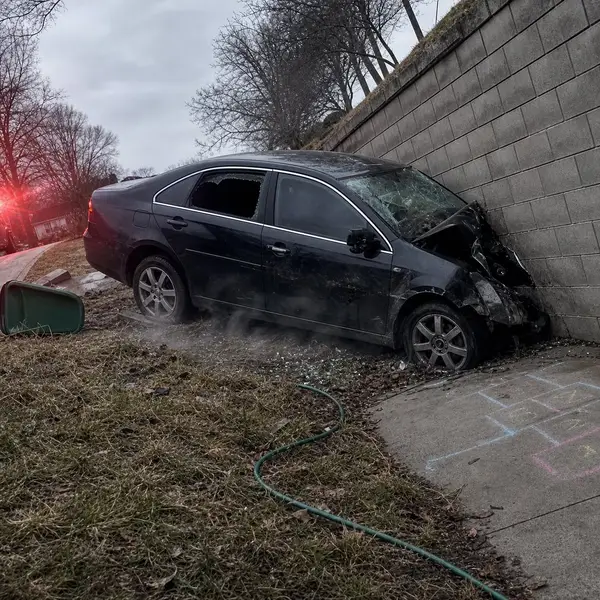
Three boys lived through that crash and died waiting for a door. I was on the truck that pulled up four minutes later. The handles were dead because the hit took the power. The one window already broken was the work of a friend with his bare hands. We cut the rest open, and for three of them it didn't matter anymore. The twenty-year-old by the mailbox kept saying there were three more boys in the car. He said it like he had misplaced them and our crew could still go get them. The borrowed T-shirt around his hands had already gone dark. He kept stepping around my captain's arm. Each time he pointed at the car, smoke slid low across the grass. The back-door handle wore a black glove mark from the first officer's last pull. I stepped off the engine with the Halligan in my right hand and crossed the yard. The car sat sideways against the block wall with the nose folded into the engine bay. The driver's door had a crease through it that ran right across the handle. The passenger side was tight against the wall. The back door on our side looked clean enough that a neighbor tried it before we got there. That handle moved in his hand and did nothing. The first officer on scene had pulled on it hard enough to leave his glove mark in the paint. The car gave him nothing back. The boys inside were not thrown around the road. They were still inside the shell. One boy was out because the left rear window was gone. The glass from that window was spread across the curb like road salt. The friend had broken that window before our engine reached the yard. He kept lifting both wrapped hands toward the one broken window. My captain put one hand on his shoulder and moved him behind the engine. My name is Ray Calder. I have been a firefighter and EMT for almost twenty years. I have cut open cars in ditches, in driveways, on bridges, and in water up to my belt. I have heard people scream from inside a car. I have heard people stop screaming from inside a car. I still remember that one because the car did not look like the worst one. The roof was not flattened to the seats. The engine was not burning through the hood yet. The windshield was cracked but still there. The passenger compartment had held. The first boy we reached still had his school hoodie bunched under his shoulder. There was a fast-food cup wedged under the brake pedal. There was a paperback on the floorboard with a bookmark sticking out halfway through it. Those small things made the car feel worse. They made the boys look like they had been interrupted, not destroyed. We had all the gear people picture when they picture a rescue crew. We had cutters. We had spreaders. We had cribbing. We had saws. We had men who knew which post to cut and which hinge to take first. We also had the clock. The call came in after the crash had already happened. The friend had already run to the door. The neighbor had already pulled the handle. The first officer had already tried his baton on the glass and watched it bounce. The friend had already put his hand through one window before anybody in turnout gear reached the yard. When I say four minutes, I do not mean four minutes from the crash. I mean four minutes from the call. Four minutes from the time somebody got a phone out and told dispatch where to send us. Those boys had already used the only minutes they had on their side of the glass. I did not know their names on the lawn. I knew the driver had braces because I saw the rubber bands when we tilted his head. I knew one of the back-seat boys had a plastic wristband from a school event. I knew one had a cheap watch that kept lighting every time his arm moved under our hands. I knew the living boy outside had broken the window because the glass had his skin oil on it. The rag on his hands was already dark. The deputy kept him near the mailbox. The boy kept trying to step back toward the car. He had come in another vehicle behind them. He was twenty, maybe a little older than the boys in the car. He had heard the crash from the street. He had run before anyone told him to run. He had tried the driver door. He had tried the back door. He had picked up a landscaping brick and hit the glass. The brick bounced out of his hands and landed in the mulch. He picked up the brick again and tried the corner. The window did not go. He wrapped one hand in his shirt and hit the glass with his fist. The first hit made a sound that everyone in the yard heard. The second hit made the window go white. The third hit opened the back seat. He reached through the hole and dragged one boy toward the grass. Then he tried the next window. His hands would not do it again. By the time we took the door, that second window still had a long smear where his palm slid down. I saw it under my helmet light. I saw it again two days later in the tow yard. The report called the crash survivable. That word came from the investigator, not from me. He meant the cabin had not collapsed. He meant the boys were not killed at impact. He used the word the way investigators use words. He pointed to the roof line. He pointed to the seats. He pointed to the belts. He pointed to the fact that one boy got out through the window his friend broke. Nobody in that room used the word like a mother would use it. The mothers were not in the room when the investigator used it. The fathers were outside with paper cups of coffee they had not touched. The living boy sat in a chair near the wall with both hands wrapped from knuckle to wrist. His mother stood behind him and kept rubbing the back of his neck. He stared at the floor while adults talked about roads, speed, power loss, and impact angle. Then he lifted his wrapped hands and said, "I got one." Nobody answered him. He looked at me because I still had my station shirt on. He said, "Why couldn't I get the other windows?" I had a radio on my belt. I had a duty phone in my pocket. I had a captain two chairs away who had already told us not to answer questions beyond our lane. I still moved my chair closer to that boy. I told him he did what most grown men would not have done. I told him he put his hands through glass for his friends. I told him the car did not give him a fair job. His mother started crying before he did. I crossed the first line when I moved that chair closer to him. The next morning, my truck turned toward the tow yard instead of my driveway. I was supposed to go home after shift. My wife Marla had left a plate for me in the microwave. My boots were still wet at the hem. The station smelled like coffee, diesel, and the wet canvas from our gear. I signed my run sheet and stood by the back door with my keys in my hand. The tow yard was only a few miles off my route. I drove there before I drove home. I did not tell my captain first. I did not have a form to fill out. I had a boy's question in my head and a car sitting behind a chain-link fence. The tow yard owner knew our department. He saw my shirt and let me walk back with him. The car sat under a floodlight between a pickup with no hood and a minivan with the airbags hanging out. The one broken window was covered with plastic. The other windows still held the night inside the car. I put my gloved hand on the driver handle and pulled. Nothing moved but the handle. I put my shoulder against the back door and pulled again. Nothing moved but my jacket. The tow yard owner stood ten feet away and watched me try all four doors. He said the battery was gone. He said the whole side was locked up when they loaded it. He said his driver had to winch it by the control arm because nothing rolled right. I asked him to let me look at the glass. He pointed his flashlight through the plastic. The inside of the broken window was full of tiny cubes. The seat had those cubes packed into the seam. The frame around the glass still held little teeth of the window. The smear from the friend's hand was still there on the next pane. It was not blood like people imagine. It was a dull mark where skin, dirt, and panic had slid over glass that would not open. The tow yard owner said an emergency escape tool was in the center console. The deputy found it when they inventoried the car. That tool stayed under that cracked console while the boy used his hands. It had been in the car. It had not been in a hand. The console lid was cracked and jammed halfway under the dash. The belt over the driver's seat was still tight. The buckle sat deep against the crushed plastic by the seat. I stood there long enough for my phone to buzz three times from Marla. I took a picture of the outside handle for the investigator. I took a picture of the unbroken window for myself. The tow yard owner finally said, "Ray, you good?" I said no because I was standing beside a car that had kept its shape and kept three boys inside it. He closed the gate behind me when I left. The chain hit the post hard enough that I heard it over my truck engine. The living boy left his question on my passenger seat. The guys at the station put the next question on the kitchen table. Nobody at my station wanted to sit with that call at the kitchen table. We all had ways to put bad calls back in the locker. One man scrubbed the saw until the blade looked new. One man washed the mud off the step of the engine even though rain was coming. Captain Paul made coffee and lined the mugs up by the sink. I put the tow-yard picture on the table. The picture showed a clean window with a hand smear down the middle. The room got quiet. One of our younger firefighters, Mike, said he had emergency gear in his truck. He pointed toward the parking lot when he said it. Another firefighter asked where. Mike said center console. Nobody made fun of him. Nobody called it dumb. Most of us had something like that somewhere in a truck, a bag, or a garage. Captain Paul opened his locker and pulled out a pouch with rescue pieces in it. He kept it on his gear, not on his body. I opened my turnout coat and showed the trauma shears in my pocket. They lived on my gear too. The living boy had not had our gear. The mothers in that waiting room had not had our gear. The boys in that car had had pockets, belts, phones, and keys. Mike dumped his pockets on the kitchen table. Out came a phone, a wallet, a pocketknife, a receipt, and keys. Another firefighter did the same thing. Out came keys, a lighter, a folded grocery list, and two screws from a job he had done at home. The table filled with ordinary things. None of those ordinary things could open that side window. None of them could cut a belt if the buckle sat under bent plastic. Captain Paul picked up his own key ring and turned it over in his palm. He said his wife drove a car with electronic handles. He said she kept a blanket in the trunk and a roadside kit under the floor. He said none of it would help if she could not get out of the seat. Mike looked through the bay window at his own truck. Captain Paul set his key ring beside the tow-yard photo. Mike stopped looking through the bay window and patted his own pockets. I drove home after that meeting with my gear still in the bed of the truck. The microwave plate was cold. Marla had fallen asleep in the recliner with a quilt over one shoulder. Her keys were in the ceramic bowl by the door. My truck keys landed beside them when I came in. Our daughter Jess had keys there too, on a lanyard from her college. Three rings sat in that bowl. Three drivers lived in that house. The bowl held house keys, car keys, a grocery-store tag, and a little flashlight Marla never used. I stood there in my socks and put each ring in my hand. Marla's car key had a plastic fob and a mailbox key. Jess's lanyard had a rubber charm from school and the key to a hatchback she drove home on weekends. My truck key had a bottle opener from a beach trip and a brass house key with the teeth worn smooth. I had rescue gear in my truck. I had roadside gear in my truck. I had two decades of training in my hands. None of that sat in the bowl. None of that would be clipped to Jess if she slid off a wet road and the car spun into a ditch. None of that would be in Marla's hand if a side impact killed the power and her phone went under the seat. I picked up the lanyard and pictured Jess reaching for a handle that moved and did nothing. I put the lanyard back down because my hand was shaking. Marla woke up and asked if I was hurt. I said no. Then I told her about the hand smear on the window. I told her about the boy with his wrapped hands. I told her about the unused tool in the console. I told her about the three rings in our bowl. She got up and stood next to me in the hall. She picked up her own keys and looked at them like they belonged to somebody else. She asked what a person is supposed to do if the power dies. I gave her the answer we teach in classes. I said you get out fast, break the side glass, cut yourself free if the belt is stuck, and get away from the car. She held the keys and asked me what she was supposed to use. I had no object in the house to put in her hand. That Saturday, I asked Jess to sit in my parked truck outside the bay. I clipped the belt across her lap and told her to keep her back against the seat. I put my phone under the passenger seat. I put the roadside pouch in the console. I shut the door and told her to reach both items without taking the belt off. Jess laughed at first because the truck was parked and the bay door was open. Then the belt locked when she leaned. Her left hand hit the console lid and slid off. Her right hand could touch the phone with two fingers and still could not pull it out. Marla stood by the bumper with her arms folded. Jess stopped laughing and looked at me through the side glass. She said, "That is stupid." I opened the door and unlatched the belt for her. The pouch had been less than an arm's length from her knee. The phone had been under a seat in a truck that was not upside down. The bay floor was dry. The lights were on. No smoke was in the cab. No stranger was yelling at her through a broken window. That little parking-lot test made Marla's keys look worse in the bowl that night. I carried Marla's question back to the station. I heard it in the bay while I checked the air bottles. I heard it on a rollover call where the driver got out before we arrived. I heard it in a rainstorm where a sedan hydroplaned into a drainage ditch and the woman inside kept saying the door would not open. She lived. Her husband arrived in a work shirt and hugged her against the side of our ambulance. I watched her point at her car and show him where she had tried the handle. Her hand went back to the handle while she talked. Her fingers closed on it. The handle moved. The door stayed shut. Her husband put both hands on her shoulders. I saw the same motion from an older man whose belt buckle jammed under his hip after his pickup rolled into a shallow ditch. He kept apologizing because he could not help us help him. His wife stood behind our engine with her purse clutched to her chest. She kept saying his name every time the roof made a new sound. Those drivers stood beside the ambulance afterward. I wrote handles, belts, glass, and keys on a pad at the station. The older man's utility knife sat in a cup holder on the far side of his hip. The boys' backup stayed in the cracked console while the second window kept the hand smear. A few days later, I stopped writing the crash in my head as an electronic-door call. The dead battery was one piece. The tight belt was one piece. The unbroken glass was one piece. The console, trunk, pouch, and glove compartment kept showing up on the wrong side of a locked belt. A phone can slide under a seat. A backup piece can stay in a console. A knife can sit in a work bag in the back. A trained firefighter can be four minutes away from the call and still arrive after the useful minutes are gone. The living boy did not need a lecture about preparedness. He needed a tool in the first hand that reached the car. The boys inside did not need better instructions in the owner's manual. They needed a way to open side glass without the car's power, without a clear head, and without a perfect grip. Marla did not need another kit in the trunk. Jess did not need a checklist in the dash. The drivers in my family needed the answer where their hands already went before every drive. They needed it with the keys. I started asking other firefighters what was on their keys. Not in their trucks. Not in their gear bags. Not on the shelf by the garage. On their keys. Most of them had nothing that could help a trapped driver. One had a small flashlight. One had a pocket pry bar that could open a paint can but not side glass. One had a folding knife sharp enough for rope but slow to open with wet hands. One had a bottle opener shaped like a fish. The joke died as soon as we laid those rings on the table. Every man at that table could name a car we had cut open. Every man at that table had a pouch, knife, tool, or cutter somewhere away from his keys. Every object on that table depended on a hand reaching the right pocket, console, locker, or bag. The next month, we cut a driver out of a better-trim sedan after a side hit killed the power. He kept pulling the chrome interior handle while we set the cribbing. The handle clicked under his fingers and gave him nothing. His phone was lit on the floorboard under the pedals. His roadside pouch was in the trunk. His right hand stayed on that dead handle until my partner touched his wrist and told him we had the door. The answer I wanted had to pass the boy's question. It had to help the first person at the window before the truck arrived. It had to sit on the body because the console, trunk, pouch, and glove compartment could all be on the wrong side of the crash. It had to work when the car gave no power back. It had to cut belt webbing if the buckle disappeared under bent plastic. It had to be small enough that Marla would actually keep it with her keys. It had to be simple enough that the living boy outside the car could have used it with both hands shaking. I did not want another object for a trunk. I did not want another plan that started after somebody found a phone. I wanted the thing that should have been in the first hand at that window. I found TerraStrike at my kitchen table after a late shift. The tow-yard photo was open on my phone. The key bowl was on my left. Marla's keys were in it because she had gone to bed early. Jess's lanyard was still hanging over the side like it had been dropped by somebody in a hurry. The TerraStrike page showed a keychain-sized vehicle escape tool. It was not a dashboard gadget. It was not a tool that needed the car to help. It had a spring-loaded tungsten striker on one end. It had a recessed stainless cutter on the other. The body was small enough to sit beside a fob. The spec line said 34.5 grams. The length was 105 millimeters. That meant Marla could carry it without feeling like I had hung shop hardware on her purse. That meant Jess could clip it next to her school lanyard without turning her keys into a brick. The striker did the part the boy's hand had tried to do. The spring stores the force and drives the tungsten point into the glass. The point hits one small spot instead of throwing a whole fist at a whole window. The tungsten point turns the corner into cubes while a palm slides down the glass. The page said to use it on passenger-vehicle side windows, best on tempered glass. It said to check your vehicle's window stamp because side glass can vary. I kept my thumb on that line and read it to Marla from the kitchen table. I kept reading because the page named real side glass instead of promising every window in every vehicle. The cutter sat inside a narrow slot where fingers could not reach the edge. The belt webbing slides into the slot. The tool does not ask a trapped driver to find a buckle buried under bent plastic. It gives the hand a place to pull. No battery sat inside it. The same failure that killed the doors could not kill the tool. I ordered six before I talked myself into sleeping on it. One for Marla. One for Jess. One for my truck. One for Captain Paul's wife. One for the living boy. One for his mother to keep by the door until he was ready to carry it. I am not a survivalist with shelves of canned food and code words. I am a firefighter who has knocked on family doors after a crash. I am a husband who watched his wife hold her empty keys in the hall. I am a father who made his daughter sit in a parked truck and reach for a phone she could not grab. That night I bought the rescue tool because the keys were the only object every driver in my house actually carried. The box came on a Tuesday. Marla found it on the porch before I got home. She had set it on the kitchen table without opening it. The six TerraStrikes sat in a row beside the ceramic bowl. Three black. Three red. Jess picked up a red one first. She weighed it in her palm. She said, "This is it?" The red tool looked small in Jess's palm beside the tow-yard photo on my phone. I took an old seatbelt strap from a training bin in the garage. I put the strap on the kitchen table. I showed Jess the cutter slot. She pulled the webbing through it once. The strap opened with a rough little sound. Marla touched the cut edge and went quiet. I took Jess outside to my truck. I pointed to the lower corner of the side window from outside the door. I said, "Corner." I held the tool against a scrap test panel from the station, not the truck window. The spring snapped in my hand. Jess flinched. Then she took it from me and pressed it against the same test panel. Snap. Jess lowered her shoulders after the spring snapped twice in her own hand. Marla clipped the black one to her keys while we were still standing in the driveway. She held the ring up and shook it once. The TerraStrike clicked against her fob. She said, "I will keep it there." I watched the black TerraStrike stay on Marla's ring when she walked back into the house. Marla did not make a big scene. Marla did not make a speech. Marla dropped the ring back into the ceramic bowl beside the door. The next morning, Jess picked up her lanyard from the bowl before class. The red TerraStrike bumped the ceramic side and made a new sound. She heard the sound too. She rolled her eyes because she saw me looking. Then she shoved the keys into her jacket pocket instead of tossing them into her bag. Jess patted that jacket pocket once before she opened the front door. The red TerraStrike left with Jess, not with her backpack. I gave Captain Paul the black one for his wife at the station. He did not make a joke. He put it on the table where he had put his own keys the week before. He picked it up and pressed the striker against a folded shop towel. The spring snapped. He turned it over and looked at the cutter. He said, "This lives on the ring." Mike walked in with a grocery bag in one hand and a radio clipped to his belt. He saw the tools on the table and set the bag down. Mike had been the one who pointed toward his truck and said his gear was in the console. He picked up a red TerraStrike. He pulled his own keyring from his pocket. The fish-shaped bottle opener came out with it. He clipped the red tool on without asking me what it cost. Then he carried the grocery bag to the fridge and came back for the training strap. He cut the strap twice. The second time he used his left hand. He said, "If my wife can do that, I want it." Captain Paul took the training strap to the bay. He made every firefighter on our shift use the cutter with gloves on. He made every firefighter press the striker against the test panel with the wrong hand. He made everyone put their own keys on the table afterward. After the drill, three more key rings landed beside the training strap. The men who had pouches in trucks ordered for the keys. The men who had kids ordered for the keys. The men who had wives driving cars with electronic handles ordered for the keys. Nobody used the word fear. They used names. Marla. Jess. Paul's wife Karen. Mike's son Ben. The grocery receipt and fish-shaped bottle opener stayed on the table while the names went around the room. The living boy did not take his right away. His mother called me first. She said he still kept his wrapped hands in his sweatshirt pocket when he walked through a room. She said he had not driven since the crash. She said his father had opened the garage and offered to ride with him. The boy stood by the car and said no. I drove over after shift with one red TerraStrike and the old seatbelt strap in my coat pocket. His mother met me on the porch. The porch light was on even though it was still afternoon. He sat at the kitchen table with a glass of water in front of him. Both hands were unwrapped by then. The skin across his knuckles was pink and stiff. I put the red tool on the table. I kept my mouth shut about the three boys. I did not say the three boys' names in his kitchen. I put the strap next to it. I said, "This is the tool I wish you had been holding before you ever touched that glass." He looked at the tool for a long time. Then he picked it up with his left hand. He pressed the striker against the folded towel I had brought. Snap. His right hand twitched on the table. He turned the tool over and pulled the old belt strap through the cutter. The webbing opened. His mother put one hand over her mouth. The boy set the tool beside his keys. He did not clip it on. He just set it there. The red tool beside his keys was enough for that day. Two weeks later, his mother sent me a picture. The red TerraStrike was on his keyring beside a house key and a bent bottle opener. His hand was on the steering wheel. The message said, "He drove around the block." I sat on the tailboard of the engine and looked at that picture until Mike asked if I was coming inside. Our extrication instructor, Dale Mercer, came through the station for a county drill with a clipboard under his arm. Dale has a voice like gravel and no patience for gadgets. He has cut more practice cars than most people have owned. He saw the TerraStrike on Mike's keys during a break. He held out his hand. Mike gave it to him like a kid handing over a phone in class. Dale turned it over. He pressed the striker against the test panel. Snap. He looked at the tungsten point. He pulled the training strap through the cutter. The strap opened. Dale looked at the ring. He said, "Passenger side glass, lower corner, teach them before the crash." Dale put the tool back in Mike's hand after that review. Dale tapped Mike's key ring twice with one finger. Then he looked at me. He said, "It won't replace us." I said I knew. He said, "Good. It buys the person inside a first move." I wrote Dale's words on the whiteboard over the coffee pot. TerraStrike does not replace 911. It does not replace a crew. It does not change a crushed roof or a car under ten feet of water. It gives the person in the seat a first move while the crew is coming. Those boys had reached for that first move from the wrong side of the glass. Now I think about your keys when I hear mine hit the bowl. Maybe you run a crew and every driver in your yard has a key ring but no escape tool on the body. Maybe you drive forty minutes through hill roads before sunrise. Maybe your wife keeps an emergency kit in the trunk and has never tried to reach it with the belt locked across her chest. Maybe your son keeps his phone in the cup holder and his keys in his pocket. Maybe your daughter drives a car with electronic handles and you have never pulled that handle with the battery dead. Maybe you bought responsible gear already and put it somewhere that made sense on a normal day. I am not wagging my finger at that gear. I have a truck full of gear. I also have a tow-yard photo of a clean window with a hand smear down the middle. Tonight, pick up the keys before you inspect the car. Pick up the ring your spouse drops in the bowl. Pick up the ring your teen carries to school. Pick up the ring your driver takes at the start of a shift. Ask the ugly question while everybody is still walking through the house. If the door will not open and the belt will not release, what is on that ring? TerraStrike answered that question in my house and at my station. Spring-loaded tungsten striker for passenger-vehicle side glass. Recessed stainless cutter for a jammed belt. Small enough to stay beside the fob. No battery inside it to die with the car. No fist-against-glass contest. No hand searching a dark console while smoke or water takes the room. Teach lower corner. Teach strap. Check the window stamp on the cars your people actually drive because glass types can vary. This tool is best on tempered side glass, and it is made for passenger vehicles, not bus, train, or aircraft windows. The company behind it is Quiet Protector, the emergency-preparedness team trusted by more than 50,000 families across the brand. I am telling you that because I did not want a novelty keychain from a stranger's warehouse. I wanted a rescue tool that looked ordinary enough for Marla to keep on her keys and simple enough for Jess to remember under stress. The multi-packs made sense in my house because I was not buying units. I laid the order against the names in my house and at the station. Marla. Jess. My truck. Captain Paul's wife. The living boy. His mother. If you outfit drivers, picture their key rings laid across your desk. I do not buy one for the vehicle. I buy one for the person who carries the key. It costs less than a tank of gas. It comes with a 120-day money-back guarantee and a 2-year warranty. If you clip it on, teach corner and strap, and decide it does not belong on your family's keys, you can send it back. I cannot give you a fake warehouse count from a firehouse table. I can tell you Quiet Protector sells direct in batches, and emergency gear moves fast when one story starts making people check the key bowl. If the page is still taking orders, this batch is available. P.S. -- When TerraStrike arrives, do not toss it in a drawer and call the job done. Clip it to the keys while the person is standing there. Put the keys in their hand. Point to the lower corner of the side window from outside the car. Say corner. Slide an old strap or piece of webbing through the recessed cutter if you have one. Say strap. Do not give the whole panic speech in the driveway. Give the hand two words and one object. P.P.S. -- Before you close this, go to the key bowl. Leave the big kit where it is. Leave the phone charger in the console. Leave the tools in the truck. Pick up the keys. If the ring has nothing for the first useful minute, fix that while the people you care about are still walking through the door. https://www.tryterrastrike.com/discover

Loading the ad's image
Linda Lawson — What Is On Your Keys?
PromisingImage

What Is On Your Keys?

Three boys lived through that crash and died waiting for a door. I was on the truck that pulled up four minutes later. The handles were dead because the hit took the power. The one window already broken was the work of a friend with his bare hands. We cut the rest open, and for three of them it didn't matter anymore. The twenty-year-old by the mailbox kept saying there were three more boys in the car. He said it like he had misplaced them and our crew could still go get them. The borrowed T-shirt around his hands had already gone dark. He kept stepping around my captain's arm. Each time he pointed at the car, smoke slid low across the grass. The back-door handle wore a black glove mark from the first officer's last pull. I stepped off the engine with the Halligan in my right hand and crossed the yard. The car sat sideways against the block wall with the nose folded into the engine bay. The driver's door had a crease through it that ran right across the handle. The passenger side was tight against the wall. The back door on our side looked clean enough that a neighbor tried it before we got there. That handle moved in his hand and did nothing. The first officer on scene had pulled on it hard enough to leave his glove mark in the paint. The car gave him nothing back. The boys inside were not thrown around the road. They were still inside the shell. One boy was out because the left rear window was gone. The glass from that window was spread across the curb like road salt. The friend had broken that window before our engine reached the yard. He kept lifting both wrapped hands toward the one broken window. My captain put one hand on his shoulder and moved him behind the engine. My name is Ray Calder. I have been a firefighter and EMT for almost twenty years. I have cut open cars in ditches, in driveways, on bridges, and in water up to my belt. I have heard people scream from inside a car. I have heard people stop screaming from inside a car. I still remember that one because the car did not look like the worst one. The roof was not flattened to the seats. The engine was not burning through the hood yet. The windshield was cracked but still there. The passenger compartment had held. The first boy we reached still had his school hoodie bunched under his shoulder. There was a fast-food cup wedged under the brake pedal. There was a paperback on the floorboard with a bookmark sticking out halfway through it. Those small things made the car feel worse. They made the boys look like they had been interrupted, not destroyed. We had all the gear people picture when they picture a rescue crew. We had cutters. We had spreaders. We had cribbing. We had saws. We had men who knew which post to cut and which hinge to take first. We also had the clock. The call came in after the crash had already happened. The friend had already run to the door. The neighbor had already pulled the handle. The first officer had already tried his baton on the glass and watched it bounce. The friend had already put his hand through one window before anybody in turnout gear reached the yard. When I say four minutes, I do not mean four minutes from the crash. I mean four minutes from the call. Four minutes from the time somebody got a phone out and told dispatch where to send us. Those boys had already used the only minutes they had on their side of the glass. I did not know their names on the lawn. I knew the driver had braces because I saw the rubber bands when we tilted his head. I knew one of the back-seat boys had a plastic wristband from a school event. I knew one had a cheap watch that kept lighting every time his arm moved under our hands. I knew the living boy outside had broken the window because the glass had his skin oil on it. The rag on his hands was already dark. The deputy kept him near the mailbox. The boy kept trying to step back toward the car. He had come in another vehicle behind them. He was twenty, maybe a little older than the boys in the car. He had heard the crash from the street. He had run before anyone told him to run. He had tried the driver door. He had tried the back door. He had picked up a landscaping brick and hit the glass. The brick bounced out of his hands and landed in the mulch. He picked up the brick again and tried the corner. The window did not go. He wrapped one hand in his shirt and hit the glass with his fist. The first hit made a sound that everyone in the yard heard. The second hit made the window go white. The third hit opened the back seat. He reached through the hole and dragged one boy toward the grass. Then he tried the next window. His hands would not do it again. By the time we took the door, that second window still had a long smear where his palm slid down. I saw it under my helmet light. I saw it again two days later in the tow yard. The report called the crash survivable. That word came from the investigator, not from me. He meant the cabin had not collapsed. He meant the boys were not killed at impact. He used the word the way investigators use words. He pointed to the roof line. He pointed to the seats. He pointed to the belts. He pointed to the fact that one boy got out through the window his friend broke. Nobody in that room used the word like a mother would use it. The mothers were not in the room when the investigator used it. The fathers were outside with paper cups of coffee they had not touched. The living boy sat in a chair near the wall with both hands wrapped from knuckle to wrist. His mother stood behind him and kept rubbing the back of his neck. He stared at the floor while adults talked about roads, speed, power loss, and impact angle. Then he lifted his wrapped hands and said, "I got one." Nobody answered him. He looked at me because I still had my station shirt on. He said, "Why couldn't I get the other windows?" I had a radio on my belt. I had a duty phone in my pocket. I had a captain two chairs away who had already told us not to answer questions beyond our lane. I still moved my chair closer to that boy. I told him he did what most grown men would not have done. I told him he put his hands through glass for his friends. I told him the car did not give him a fair job. His mother started crying before he did. I crossed the first line when I moved that chair closer to him. The next morning, my truck turned toward the tow yard instead of my driveway. I was supposed to go home after shift. My wife Marla had left a plate for me in the microwave. My boots were still wet at the hem. The station smelled like coffee, diesel, and the wet canvas from our gear. I signed my run sheet and stood by the back door with my keys in my hand. The tow yard was only a few miles off my route. I drove there before I drove home. I did not tell my captain first. I did not have a form to fill out. I had a boy's question in my head and a car sitting behind a chain-link fence. The tow yard owner knew our department. He saw my shirt and let me walk back with him. The car sat under a floodlight between a pickup with no hood and a minivan with the airbags hanging out. The one broken window was covered with plastic. The other windows still held the night inside the car. I put my gloved hand on the driver handle and pulled. Nothing moved but the handle. I put my shoulder against the back door and pulled again. Nothing moved but my jacket. The tow yard owner stood ten feet away and watched me try all four doors. He said the battery was gone. He said the whole side was locked up when they loaded it. He said his driver had to winch it by the control arm because nothing rolled right. I asked him to let me look at the glass. He pointed his flashlight through the plastic. The inside of the broken window was full of tiny cubes. The seat had those cubes packed into the seam. The frame around the glass still held little teeth of the window. The smear from the friend's hand was still there on the next pane. It was not blood like people imagine. It was a dull mark where skin, dirt, and panic had slid over glass that would not open. The tow yard owner said an emergency escape tool was in the center console. The deputy found it when they inventoried the car. That tool stayed under that cracked console while the boy used his hands. It had been in the car. It had not been in a hand. The console lid was cracked and jammed halfway under the dash. The belt over the driver's seat was still tight. The buckle sat deep against the crushed plastic by the seat. I stood there long enough for my phone to buzz three times from Marla. I took a picture of the outside handle for the investigator. I took a picture of the unbroken window for myself. The tow yard owner finally said, "Ray, you good?" I said no because I was standing beside a car that had kept its shape and kept three boys inside it. He closed the gate behind me when I left. The chain hit the post hard enough that I heard it over my truck engine. The living boy left his question on my passenger seat. The guys at the station put the next question on the kitchen table. Nobody at my station wanted to sit with that call at the kitchen table. We all had ways to put bad calls back in the locker. One man scrubbed the saw until the blade looked new. One man washed the mud off the step of the engine even though rain was coming. Captain Paul made coffee and lined the mugs up by the sink. I put the tow-yard picture on the table. The picture showed a clean window with a hand smear down the middle. The room got quiet. One of our younger firefighters, Mike, said he had emergency gear in his truck. He pointed toward the parking lot when he said it. Another firefighter asked where. Mike said center console. Nobody made fun of him. Nobody called it dumb. Most of us had something like that somewhere in a truck, a bag, or a garage. Captain Paul opened his locker and pulled out a pouch with rescue pieces in it. He kept it on his gear, not on his body. I opened my turnout coat and showed the trauma shears in my pocket. They lived on my gear too. The living boy had not had our gear. The mothers in that waiting room had not had our gear. The boys in that car had had pockets, belts, phones, and keys. Mike dumped his pockets on the kitchen table. Out came a phone, a wallet, a pocketknife, a receipt, and keys. Another firefighter did the same thing. Out came keys, a lighter, a folded grocery list, and two screws from a job he had done at home. The table filled with ordinary things. None of those ordinary things could open that side window. None of them could cut a belt if the buckle sat under bent plastic. Captain Paul picked up his own key ring and turned it over in his palm. He said his wife drove a car with electronic handles. He said she kept a blanket in the trunk and a roadside kit under the floor. He said none of it would help if she could not get out of the seat. Mike looked through the bay window at his own truck. Captain Paul set his key ring beside the tow-yard photo. Mike stopped looking through the bay window and patted his own pockets. I drove home after that meeting with my gear still in the bed of the truck. The microwave plate was cold. Marla had fallen asleep in the recliner with a quilt over one shoulder. Her keys were in the ceramic bowl by the door. My truck keys landed beside them when I came in. Our daughter Jess had keys there too, on a lanyard from her college. Three rings sat in that bowl. Three drivers lived in that house. The bowl held house keys, car keys, a grocery-store tag, and a little flashlight Marla never used. I stood there in my socks and put each ring in my hand. Marla's car key had a plastic fob and a mailbox key. Jess's lanyard had a rubber charm from school and the key to a hatchback she drove home on weekends. My truck key had a bottle opener from a beach trip and a brass house key with the teeth worn smooth. I had rescue gear in my truck. I had roadside gear in my truck. I had two decades of training in my hands. None of that sat in the bowl. None of that would be clipped to Jess if she slid off a wet road and the car spun into a ditch. None of that would be in Marla's hand if a side impact killed the power and her phone went under the seat. I picked up the lanyard and pictured Jess reaching for a handle that moved and did nothing. I put the lanyard back down because my hand was shaking. Marla woke up and asked if I was hurt. I said no. Then I told her about the hand smear on the window. I told her about the boy with his wrapped hands. I told her about the unused tool in the console. I told her about the three rings in our bowl. She got up and stood next to me in the hall. She picked up her own keys and looked at them like they belonged to somebody else. She asked what a person is supposed to do if the power dies. I gave her the answer we teach in classes. I said you get out fast, break the side glass, cut yourself free if the belt is stuck, and get away from the car. She held the keys and asked me what she was supposed to use. I had no object in the house to put in her hand. That Saturday, I asked Jess to sit in my parked truck outside the bay. I clipped the belt across her lap and told her to keep her back against the seat. I put my phone under the passenger seat. I put the roadside pouch in the console. I shut the door and told her to reach both items without taking the belt off. Jess laughed at first because the truck was parked and the bay door was open. Then the belt locked when she leaned. Her left hand hit the console lid and slid off. Her right hand could touch the phone with two fingers and still could not pull it out. Marla stood by the bumper with her arms folded. Jess stopped laughing and looked at me through the side glass. She said, "That is stupid." I opened the door and unlatched the belt for her. The pouch had been less than an arm's length from her knee. The phone had been under a seat in a truck that was not upside down. The bay floor was dry. The lights were on. No smoke was in the cab. No stranger was yelling at her through a broken window. That little parking-lot test made Marla's keys look worse in the bowl that night. I carried Marla's question back to the station. I heard it in the bay while I checked the air bottles. I heard it on a rollover call where the driver got out before we arrived. I heard it in a rainstorm where a sedan hydroplaned into a drainage ditch and the woman inside kept saying the door would not open. She lived. Her husband arrived in a work shirt and hugged her against the side of our ambulance. I watched her point at her car and show him where she had tried the handle. Her hand went back to the handle while she talked. Her fingers closed on it. The handle moved. The door stayed shut. Her husband put both hands on her shoulders. I saw the same motion from an older man whose belt buckle jammed under his hip after his pickup rolled into a shallow ditch. He kept apologizing because he could not help us help him. His wife stood behind our engine with her purse clutched to her chest. She kept saying his name every time the roof made a new sound. Those drivers stood beside the ambulance afterward. I wrote handles, belts, glass, and keys on a pad at the station. The older man's utility knife sat in a cup holder on the far side of his hip. The boys' backup stayed in the cracked console while the second window kept the hand smear. A few days later, I stopped writing the crash in my head as an electronic-door call. The dead battery was one piece. The tight belt was one piece. The unbroken glass was one piece. The console, trunk, pouch, and glove compartment kept showing up on the wrong side of a locked belt. A phone can slide under a seat. A backup piece can stay in a console. A knife can sit in a work bag in the back. A trained firefighter can be four minutes away from the call and still arrive after the useful minutes are gone. The living boy did not need a lecture about preparedness. He needed a tool in the first hand that reached the car. The boys inside did not need better instructions in the owner's manual. They needed a way to open side glass without the car's power, without a clear head, and without a perfect grip. Marla did not need another kit in the trunk. Jess did not need a checklist in the dash. The drivers in my family needed the answer where their hands already went before every drive. They needed it with the keys. I started asking other firefighters what was on their keys. Not in their trucks. Not in their gear bags. Not on the shelf by the garage. On their keys. Most of them had nothing that could help a trapped driver. One had a small flashlight. One had a pocket pry bar that could open a paint can but not side glass. One had a folding knife sharp enough for rope but slow to open with wet hands. One had a bottle opener shaped like a fish. The joke died as soon as we laid those rings on the table. Every man at that table could name a car we had cut open. Every man at that table had a pouch, knife, tool, or cutter somewhere away from his keys. Every object on that table depended on a hand reaching the right pocket, console, locker, or bag. The next month, we cut a driver out of a better-trim sedan after a side hit killed the power. He kept pulling the chrome interior handle while we set the cribbing. The handle clicked under his fingers and gave him nothing. His phone was lit on the floorboard under the pedals. His roadside pouch was in the trunk. His right hand stayed on that dead handle until my partner touched his wrist and told him we had the door. The answer I wanted had to pass the boy's question. It had to help the first person at the window before the truck arrived. It had to sit on the body because the console, trunk, pouch, and glove compartment could all be on the wrong side of the crash. It had to work when the car gave no power back. It had to cut belt webbing if the buckle disappeared under bent plastic. It had to be small enough that Marla would actually keep it with her keys. It had to be simple enough that the living boy outside the car could have used it with both hands shaking. I did not want another object for a trunk. I did not want another plan that started after somebody found a phone. I wanted the thing that should have been in the first hand at that window. I found TerraStrike at my kitchen table after a late shift. The tow-yard photo was open on my phone. The key bowl was on my left. Marla's keys were in it because she had gone to bed early. Jess's lanyard was still hanging over the side like it had been dropped by somebody in a hurry. The TerraStrike page showed a keychain-sized vehicle escape tool. It was not a dashboard gadget. It was not a tool that needed the car to help. It had a spring-loaded tungsten striker on one end. It had a recessed stainless cutter on the other. The body was small enough to sit beside a fob. The spec line said 34.5 grams. The length was 105 millimeters. That meant Marla could carry it without feeling like I had hung shop hardware on her purse. That meant Jess could clip it next to her school lanyard without turning her keys into a brick. The striker did the part the boy's hand had tried to do. The spring stores the force and drives the tungsten point into the glass. The point hits one small spot instead of throwing a whole fist at a whole window. The tungsten point turns the corner into cubes while a palm slides down the glass. The page said to use it on passenger-vehicle side windows, best on tempered glass. It said to check your vehicle's window stamp because side glass can vary. I kept my thumb on that line and read it to Marla from the kitchen table. I kept reading because the page named real side glass instead of promising every window in every vehicle. The cutter sat inside a narrow slot where fingers could not reach the edge. The belt webbing slides into the slot. The tool does not ask a trapped driver to find a buckle buried under bent plastic. It gives the hand a place to pull. No battery sat inside it. The same failure that killed the doors could not kill the tool. I ordered six before I talked myself into sleeping on it. One for Marla. One for Jess. One for my truck. One for Captain Paul's wife. One for the living boy. One for his mother to keep by the door until he was ready to carry it. I am not a survivalist with shelves of canned food and code words. I am a firefighter who has knocked on family doors after a crash. I am a husband who watched his wife hold her empty keys in the hall. I am a father who made his daughter sit in a parked truck and reach for a phone she could not grab. That night I bought the rescue tool because the keys were the only object every driver in my house actually carried. The box came on a Tuesday. Marla found it on the porch before I got home. She had set it on the kitchen table without opening it. The six TerraStrikes sat in a row beside the ceramic bowl. Three black. Three red. Jess picked up a red one first. She weighed it in her palm. She said, "This is it?" The red tool looked small in Jess's palm beside the tow-yard photo on my phone. I took an old seatbelt strap from a training bin in the garage. I put the strap on the kitchen table. I showed Jess the cutter slot. She pulled the webbing through it once. The strap opened with a rough little sound. Marla touched the cut edge and went quiet. I took Jess outside to my truck. I pointed to the lower corner of the side window from outside the door. I said, "Corner." I held the tool against a scrap test panel from the station, not the truck window. The spring snapped in my hand. Jess flinched. Then she took it from me and pressed it against the same test panel. Snap. Jess lowered her shoulders after the spring snapped twice in her own hand. Marla clipped the black one to her keys while we were still standing in the driveway. She held the ring up and shook it once. The TerraStrike clicked against her fob. She said, "I will keep it there." I watched the black TerraStrike stay on Marla's ring when she walked back into the house. Marla did not make a big scene. Marla did not make a speech. Marla dropped the ring back into the ceramic bowl beside the door. The next morning, Jess picked up her lanyard from the bowl before class. The red TerraStrike bumped the ceramic side and made a new sound. She heard the sound too. She rolled her eyes because she saw me looking. Then she shoved the keys into her jacket pocket instead of tossing them into her bag. Jess patted that jacket pocket once before she opened the front door. The red TerraStrike left with Jess, not with her backpack. I gave Captain Paul the black one for his wife at the station. He did not make a joke. He put it on the table where he had put his own keys the week before. He picked it up and pressed the striker against a folded shop towel. The spring snapped. He turned it over and looked at the cutter. He said, "This lives on the ring." Mike walked in with a grocery bag in one hand and a radio clipped to his belt. He saw the tools on the table and set the bag down. Mike had been the one who pointed toward his truck and said his gear was in the console. He picked up a red TerraStrike. He pulled his own keyring from his pocket. The fish-shaped bottle opener came out with it. He clipped the red tool on without asking me what it cost. Then he carried the grocery bag to the fridge and came back for the training strap. He cut the strap twice. The second time he used his left hand. He said, "If my wife can do that, I want it." Captain Paul took the training strap to the bay. He made every firefighter on our shift use the cutter with gloves on. He made every firefighter press the striker against the test panel with the wrong hand. He made everyone put their own keys on the table afterward. After the drill, three more key rings landed beside the training strap. The men who had pouches in trucks ordered for the keys. The men who had kids ordered for the keys. The men who had wives driving cars with electronic handles ordered for the keys. Nobody used the word fear. They used names. Marla. Jess. Paul's wife Karen. Mike's son Ben. The grocery receipt and fish-shaped bottle opener stayed on the table while the names went around the room. The living boy did not take his right away. His mother called me first. She said he still kept his wrapped hands in his sweatshirt pocket when he walked through a room. She said he had not driven since the crash. She said his father had opened the garage and offered to ride with him. The boy stood by the car and said no. I drove over after shift with one red TerraStrike and the old seatbelt strap in my coat pocket. His mother met me on the porch. The porch light was on even though it was still afternoon. He sat at the kitchen table with a glass of water in front of him. Both hands were unwrapped by then. The skin across his knuckles was pink and stiff. I put the red tool on the table. I kept my mouth shut about the three boys. I did not say the three boys' names in his kitchen. I put the strap next to it. I said, "This is the tool I wish you had been holding before you ever touched that glass." He looked at the tool for a long time. Then he picked it up with his left hand. He pressed the striker against the folded towel I had brought. Snap. His right hand twitched on the table. He turned the tool over and pulled the old belt strap through the cutter. The webbing opened. His mother put one hand over her mouth. The boy set the tool beside his keys. He did not clip it on. He just set it there. The red tool beside his keys was enough for that day. Two weeks later, his mother sent me a picture. The red TerraStrike was on his keyring beside a house key and a bent bottle opener. His hand was on the steering wheel. The message said, "He drove around the block." I sat on the tailboard of the engine and looked at that picture until Mike asked if I was coming inside. Our extrication instructor, Dale Mercer, came through the station for a county drill with a clipboard under his arm. Dale has a voice like gravel and no patience for gadgets. He has cut more practice cars than most people have owned. He saw the TerraStrike on Mike's keys during a break. He held out his hand. Mike gave it to him like a kid handing over a phone in class. Dale turned it over. He pressed the striker against the test panel. Snap. He looked at the tungsten point. He pulled the training strap through the cutter. The strap opened. Dale looked at the ring. He said, "Passenger side glass, lower corner, teach them before the crash." Dale put the tool back in Mike's hand after that review. Dale tapped Mike's key ring twice with one finger. Then he looked at me. He said, "It won't replace us." I said I knew. He said, "Good. It buys the person inside a first move." I wrote Dale's words on the whiteboard over the coffee pot. TerraStrike does not replace 911. It does not replace a crew. It does not change a crushed roof or a car under ten feet of water. It gives the person in the seat a first move while the crew is coming. Those boys had reached for that first move from the wrong side of the glass. Now I think about your keys when I hear mine hit the bowl. Maybe you run a crew and every driver in your yard has a key ring but no escape tool on the body. Maybe you drive forty minutes through hill roads before sunrise. Maybe your wife keeps an emergency kit in the trunk and has never tried to reach it with the belt locked across her chest. Maybe your son keeps his phone in the cup holder and his keys in his pocket. Maybe your daughter drives a car with electronic handles and you have never pulled that handle with the battery dead. Maybe you bought responsible gear already and put it somewhere that made sense on a normal day. I am not wagging my finger at that gear. I have a truck full of gear. I also have a tow-yard photo of a clean window with a hand smear down the middle. Tonight, pick up the keys before you inspect the car. Pick up the ring your spouse drops in the bowl. Pick up the ring your teen carries to school. Pick up the ring your driver takes at the start of a shift. Ask the ugly question while everybody is still walking through the house. If the door will not open and the belt will not release, what is on that ring? TerraStrike answered that question in my house and at my station. Spring-loaded tungsten striker for passenger-vehicle side glass. Recessed stainless cutter for a jammed belt. Small enough to stay beside the fob. No battery inside it to die with the car. No fist-against-glass contest. No hand searching a dark console while smoke or water takes the room. Teach lower corner. Teach strap. Check the window stamp on the cars your people actually drive because glass types can vary. This tool is best on tempered side glass, and it is made for passenger vehicles, not bus, train, or aircraft windows. The company behind it is Quiet Protector, the emergency-preparedness team trusted by more than 50,000 families across the brand. I am telling you that because I did not want a novelty keychain from a stranger's warehouse. I wanted a rescue tool that looked ordinary enough for Marla to keep on her keys and simple enough for Jess to remember under stress. The multi-packs made sense in my house because I was not buying units. I laid the order against the names in my house and at the station. Marla. Jess. My truck. Captain Paul's wife. The living boy. His mother. If you outfit drivers, picture their key rings laid across your desk. I do not buy one for the vehicle. I buy one for the person who carries the key. It costs less than a tank of gas. It comes with a 120-day money-back guarantee and a 2-year warranty. If you clip it on, teach corner and strap, and decide it does not belong on your family's keys, you can send it back. I cannot give you a fake warehouse count from a firehouse table. I can tell you Quiet Protector sells direct in batches, and emergency gear moves fast when one story starts making people check the key bowl. If the page is still taking orders, this batch is available. P.S. -- When TerraStrike arrives, do not toss it in a drawer and call the job done. Clip it to the keys while the person is standing there. Put the keys in their hand. Point to the lower corner of the side window from outside the car. Say corner. Slide an old strap or piece of webbing through the recessed cutter if you have one. Say strap. Do not give the whole panic speech in the driveway. Give the hand two words and one object. P.P.S. -- Before you close this, go to the key bowl. Leave the big kit where it is. Leave the phone charger in the console. Leave the tools in the truck. Pick up the keys. If the ring has nothing for the first useful minute, fix that while the people you care about are still walking through the door. https://www.tryterrastrike.com/lead4

Loading the ad's image
Linda Lawson — What Is On Your Keys?
PromisingImage

Eight Hours Without Heat Is A Long Time

I know at least four women my age who live alone in houses with electric heat and no generator and no plan. They are the women in my Sunday school class. They are the woman who runs the library in town. They are my best friend Marlene who has been a widow longer than I have. Every one of them would do exactly what I did the night the power went out at my house. Every one of them is sitting in her own living room right now making the same decision. I'm writing this so that one of them stops making it. And so that you can give your own mother whatever it takes to make her stop. I'm going to tell you what happened the night the power went out at my house and then I'm going to tell you what was sitting in my own hall closet the entire time, because the closet is the part I cannot stop thinking about. I am seventy-four years old. I have been telling my daughter I'm fine for eighteen months. The night I am about to tell you about, I almost gave her the kind of phone call you only get once in your life because of one sentence I have been saying to her since the day her father died. "I didn't want to be a burden." -- I live alone. I have lived alone since my husband Jim passed in October of the year before last. We were married for forty-six years and I do not know how to describe what that house feels like in the evenings now and I am not going to try. What I will tell you is this. Since the day Jim died, I have made one promise to my daughter and I have kept it the way some women keep a vow at a kitchen sink in the middle of the night, which is the way most women I know keep their vows. The promise was that I would not be a burden. She has her own family. She has her own job. She has two children who need her every minute of every day. She lives ten miles down the road from me and she calls me every morning at eight o'clock and I tell her every morning that I'm fine. Some mornings I am fine. Some mornings I am not. The mornings I am not, I tell her I am anyway. I have not asked her to come over for anything in eighteen months. Not for a burnt-out lightbulb in a high ceiling, or a heavy box from the garage, or the night the smoke alarm started chirping at midnight and I climbed onto a kitchen chair in my nightgown to pull the battery out of it. I have not asked. I have not called. I have done what I have always done. She does not know any of that. She just knows her mother says she is fine. -- The power went out around ten o'clock at night. It was the second week of April and we'd had a normal spring day, sixty-five and breezy, with the kind of sky that promises a thunderstorm in the evening and delivers exactly what it promised. I was watching the news in the living room when the lights flickered once, then twice, then went out completely. I was not worried. I have been through forty years of power outages in this house. I know exactly what to do. I went to the kitchen drawer and I got the flashlight my husband always kept in the second drawer next to the matches. I lit the two candles I keep on the mantle. I found my phone, which had been charging on the counter, and I checked the time and the weather radar. The radar was clear. The storm had moved through. The power would come back. It always does. I sat down on my couch with a quilt over my legs and I waited. -- By midnight the house was at sixty-one degrees. I noticed because I went to the bathroom and the seat was cold in a way it isn't usually cold. I checked the thermostat on my way back through the hall and the screen was blank because the power was still out, but I could feel it. The house had been losing heat for two hours and there was nothing replacing it. I went to the linen closet. I got my husband's heavy winter quilt down off the top shelf and I added it to the one I already had. I took an old afghan my mother had crocheted and put it across my shoulders. I went to the closet by the front door and I got my husband's hunting jacket because I always feel safer when I'm inside it. I put it on over my nightgown and the quilts and I sat back down on the couch. I looked at my phone. It was twelve forty-five. I thought about calling my daughter. I thought about how she would be sleeping next to her husband and the sound of her phone ringing at quarter to one in the morning would scare both of them. I thought about how she would say "of course Mom, of course, what's wrong," and I would have to tell her that the power was out at my house. And what would I be telling her? That my heat was off? That my house was at sixty? Sixty is not an emergency. Sixty is a chilly afternoon in September. I put the phone face down on the cushion next to me and I closed my eyes. -- By the worst hour of the morning the house was at fifty-two and I was awake and shivering inside three layers under two quilts. I was not panicking. I was annoyed. I was the kind of annoyed you get when something you expected to be over is not over. I went to the kitchen and I made myself a cup of coffee on the camp stove I keep on the back porch for emergencies, because I am a woman who has prepared for emergencies for forty years. The coffee was hot and I drank it standing in the dark kitchen because I did not want to disturb the candles on the mantle. I went back to the couch. I was still cold. I added another quilt. I tucked the corners under my legs the way you tuck a sheet under a mattress. I pulled my husband's jacket tighter and I noticed that the inside of it had started to feel damp. Not wet. Damp. The kind of damp you feel in a basement in August. The kind of damp that means the air around you is doing something different than it usually does. I did not understand it. I had not spilled anything. The roof was not leaking. There was nothing in my house that should have been making anything damp. But I could feel it on the inside of the jacket and I could feel it on the quilts and I could feel it on the back of my own neck. I am going to tell you what I know now that I did not know then. The air in a sealed-up house with the power off in the spring fills with moisture from your own breathing in a way that nothing in your closet is built to deal with. It is something firefighters know about. It is something paramedics know about. It is not something the weatherman tells you and it is not something the news will ever say out loud. I learned it the next day from a woman in an EMT uniform who looked at me with kind eyes and explained that I had been doing everything right and the conditions in my house had still gone past what any of it was built for. -- I'm going to be honest with you about the next part. Around four-thirty in the morning, I stopped thinking clearly. I do not remember most of it the way you remember a normal night. I remember being on the couch. I remember thinking about Jim and wondering if it would have been different if he had still been there. I remember reaching for my phone and not being able to make my fingers do what I wanted them to do. I remember setting the phone back down and thinking I would call my daughter when the sun came up. I remember feeling like the cold was something inside me, not outside me. I remember thinking it was a very long night. I do not remember the time the sky started getting light. -- My daughter showed up at noon. She told me later that she had called my house at eight, the way she always does, and the call had gone straight to the recording. She had tried again at nine. At nine-thirty she had called my best friend Marlene, who lives two streets over, and Marlene had walked over and rung my doorbell and gotten no answer and tried the door and found it locked. My daughter had been in the car within ten minutes. She let herself in with her key. I do not remember her opening the door. I remember her standing in front of me in her coat with her hand over her mouth and saying "Mama? Mama can you hear me?" and I remember being confused about why she sounded so far away. I remember her kneeling in front of the couch and pulling the quilts off me and putting her hand on my forehead and then on my neck and then saying my name three times in a row very fast. I remember her dialing 911. I remember her saying the words "my mother" and "she's not responding right" and "the power's been out all night" and "please." -- The paramedic who walked in was a woman in her thirties with a calm voice and tired eyes and she knelt by the couch the way my daughter had knelt and she put two fingers against my wrist and she watched my face for a long time and then she looked at my daughter and said "I want to take her temperature." She put a thermometer in my ear and she looked at the number and she looked back at my daughter and the look on her face was the look I had seen on my husband's doctor's face the day he was diagnosed. It was the look of a person who is keeping something in a careful place behind her eyes. She said, very gently, "Ma'am, I want you to stay with me, okay?" She turned to my daughter and asked her a few questions. When the power had gone out. What I had used to stay warm. My daughter looked around the living room. She saw the quilts, the afghan, her father's hunting jacket on the floor. And then my daughter said the sentence that stopped my heart even through the fog I was in. "Mom. What about the silver packets I sent you?" -- I am going to skip what I said next because it is the most painful sentence I have ever said out loud to my own daughter. "I didn't want to waste them. I didn't know it was bad enough." The paramedic stood up. She walked to my hall closet. My daughter had told her where they were because my daughter had sent them to that hall closet a year ago and had hoped, the way daughters hope, that her mother would put them somewhere she could find them. The paramedic opened the closet door and she stood there for a second. Then she came back to the couch with one of the silver packets in her hand. There were five of them in the closet. All five were unopened. All five were in their original shipping wrapper. All five had been sitting on the linen shelf for fourteen months because I did not want to waste them. She tore the package open. She unfolded what was inside. It was the size and shape of a sleeping bag and it was made out of what looked like the inside of the wrap on a Hershey's kiss except it was thicker and stronger and it did not crinkle when she unfolded it. She slid it around my legs and up around my torso, sealed it under my chin, and said "Ma'am, give this two minutes." Then she explained. -- She said your body is a furnace. She said it so simply that I have not forgotten the word she used. She said you are 98.6 degrees all day every day from the day you are born to the day you die, and that nothing in nature can stop a body from making heat. She said the problem in my living room had not been that I was not making heat. She said the problem in my living room was that the air in this house had been pulling at the heat coming off me for eight hours straight, like a hand pulling slowly on a rope, until there was almost nothing left to pull. She said this is what we carry on every cold-exposure call. She said it is the same heat-reflecting material NASA developed for astronauts in the 1960s, when they needed to keep men alive in the cold of space without giving them a power source. She said that the inside of the bivy reflects roughly 90 percent of the body's own radiant heat back to the body, and that this is why a person inside one warms up in minutes instead of hours. She said this is what every ambulance in this county carries. She said this is what she pulls out for elderly women in cold houses, for hikers who fall in creeks, for people they pull out of cars in the snow, for kids who go down on the side of the road. She said it is a different category of gear from anything most people have at home, and that most people don't know it exists, which is why most people don't have it. And she said, very quietly, "Ma'am. You had five of these. They were fifteen feet from this couch." -- I felt the warmth come back inside the bivy in about ten minutes. It started in my chest. Then my arms. Then my legs. Then my fingers, which had not really felt like my fingers since around midnight. By the time the second paramedic came in with the stretcher to take me to the hospital for observation, I was sitting up on the couch under the bivy and I was crying the way you cry when something inside you is finally allowed to come out. The paramedic who had wrapped me up did not say anything else about the closet. She did not have to. She had her hand on my shoulder and she was watching the color come back into my face and she was nodding the way a person nods when she has seen this exact same thing seventy times before and is going to see it seventy more times this spring. -- I went to the hospital. They kept me overnight. The next morning my daughter drove me home. We sat at my kitchen table and we did not talk for a long time. Then she said, "Mama, I want you to tell me. Why didn't you open them." I told her the truth. I told her I had not wanted to waste them. I told her I had not thought it was bad enough. I told her I had not wanted to bother her. I told her I had been telling her I was fine for eighteen months because I did not want to be the thing she had to take care of. I told her that her father had been the thing I took care of for forty-six years and I did not know how to be the thing somebody else took care of, and that opening one of those silver packets in my own living room would have meant admitting that I was the thing now. She was crying. I was crying. She held my hands across the kitchen table and she said something I am going to put on my refrigerator. She said, "Mama. You taking care of yourself is not a burden. It's the only thing I want from you." -- I want to tell you about the bivy itself because I think you should know. It is called a TerraShell. The company that makes them is called Quiet Protector. They are not a company I had ever heard of before my daughter sent them to me. The bivy is something else than the products you see in the aisle at the drug store, and it is built for the situation I had in my living room that night, which is the situation a lot of women my age are going to have in their living rooms this spring. It is a multi-layer pouch made of high-density tear-resistant material. The inside is lined with the same heat-reflecting film NASA built for spaceflight. The outside is built like a small sleeping bag and it packs down to the size of a soda can. You can put one in a hall closet. You can put one in a glove compartment. You can put one in a purse. There is a survival whistle built right into the carrying case and the whistle is loud enough to be heard three football fields away if you are ever in a place where calling out doesn't reach anybody. It does not need batteries. It does not need a power source. It does not need a fuel source. It does not need to be plugged in or charged or set up in any way that requires a single instruction. You open it. You step in. You zip up. That is all. -- I'm not a prepper. I want you to know that. I am a 74-year-old widow who has lived in the same house for forty-three years and grew up on a farm in eastern Tennessee. I have been through hurricanes and ice storms and the blizzard of 1993 and the day Hurricane Helene came through this side of the Smokies last fall. I am the woman who organized the meal trains at my church for thirty years and the woman whose grandkids stayed in the spare bedroom every other weekend before the spare bedroom had a name. I am not a person who has ever bought tactical gear or a generator or anything you would call survival equipment. I am the person who thought she had everything. I had a flashlight in the kitchen drawer. I had candles on the mantle. I had a camp stove on the back porch. I had quilts in the linen closet. I had my husband's old hunting jacket. I had a phone with a full charge. None of those things were built for the conditions inside my house at four o'clock in the morning on a spring night with the power out for eight hours. The TerraShells in my closet were. I just didn't know they were. -- After I got home from the hospital, I ordered ten more. I sent two to my best friend Marlene because she lives alone in a smaller house than mine and she has electric heat and no generator and she is the kind of stubborn that I recognize because it is my own stubborn. I sent two to my sister-in-law in Kentucky who lives on a farm an hour from the nearest town and whose power goes out twice a year minimum. I put two in my daughter's car so they would be there for her family on the next road trip. I put one in my own car. I put two in my hall closet next to the original five, which I have now opened and put with the rest of my emergency supplies because they are not gear you save for a worse emergency. They are gear you keep ready for the emergency you are in. I sent the last one to my granddaughter at college because when I told her the story she said "Grandma, can I have one for my dorm?" and I almost cried again right there at my kitchen table. -- Quiet Protector has a special bundle right now for spring storm season. Up to 55 percent off the family bundles. They come with a 365-day guarantee, which means if you open one and don't feel the warmth coming back to you in the first 30 seconds, you send the whole order back and they refund every penny. I'm going to tell you something I learned from the woman who runs the company. She told me they don't get a lot of returns. They get a lot of orders. They get orders the way I just described, which is one for the closet and one for the car and one for your sister and one for your mother. That is how women my age order things. We order in fives. We order in sevens. We order one for everyone we love. The reason I'm telling you the bundle is on sale is not because I want you to hurry. The reason I'm telling you is because the last time there was a major power event in this part of the country, which was the Texas freeze a few years back, Quiet Protector sold out their entire warehouse in 48 hours. They had families waiting three weeks for a restock. Three weeks during which other women my age were sitting in their own houses doing exactly what I had been doing. The bundle is on sale right now. The link below should still be active. If it is not, you missed this batch and you can wait for the next one. I am asking you not to wait. https://www.getterrashell.com/adv1 -- Here is the thing I have been trying to figure out how to say. The night the power went out at my house, the gear that would have saved me was already in my closet. My daughter had sent it to me a year ago because she loved me and she was worried about me and she wanted me to have it. I did not open it because I told myself I did not want to waste it. The truth, which I did not let myself see until I was sitting in a hospital bed the next morning, is that I was protecting the gear from being used. I was treating it the way I had been treating myself for eighteen months, which is the way you treat something that is supposed to last and not be a burden. I almost lost everything because of it. If you have a mother who lives alone, please send her one of these. Tell her it's for her car. Tell her it's for her closet. Tell her it's for the night she'll need it that you both hope never comes. And then call her every morning and ask her whether she's opened it yet, and don't take "I'm fine" for an answer. If you ARE the mother who lives alone, please get one for yourself and please open the package the day it arrives and please put it on your couch where you can see it every day, so that the next time the power goes out you don't have to talk yourself into using it. It is not a burden. It is the only thing your daughter wants from you. https://www.getterrashell.com/adv1

Loading the ad's image
Linda Lawson — Eight Hours Without Heat Is A Long Time
Promising

From the ads Sniped has collected from this page (4 so far, first seen Nov 2026). Reach is what Meta reports; no spend or sales estimates.