Ayurveda's "Dream Herb"
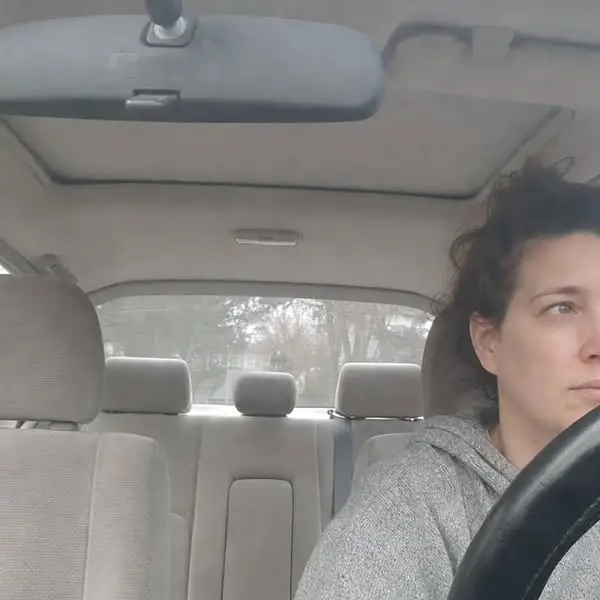
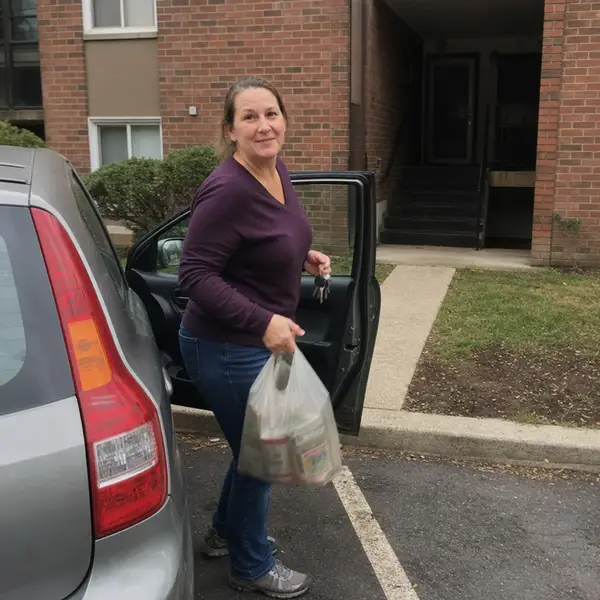
I stayed in my parked car after dreaming about my father driving us through warm sunlight, trying to remember exactly how he laughed. The dream was rare for me. I could picture him looking back from the driver's seat, but the sound I wanted to keep was already less clear than it had been when I woke. I learned to record that peaceful moment without turning it into a medical or spiritual conclusion. Haritaki later interested me as a traditional botanical within a personal evening ritual, not as a way to dream of him again. I had walked out to the car with my keys and stopped before starting the engine. The morning was gray, nothing like the light in the dream. I was supposed to drive to work. Instead I sat with both hands on the steering wheel and tried to see the windshield the way it had looked while I slept. Dad was driving. I was in the back seat. I think another family member sat beside me at first, but that part is uncertain. He kept turning just enough to smile at us, as he used to do when he was pleased with a joke and wanted to see whether anyone else had heard it. Then the ride became quiet. It was just him and me, with no important conversation to remember. I could hear his laugh in the dream. It was short, almost under his breath. The light grew brighter and I woke feeling calm. That last part surprised me. Since he died, mornings had often started with a list of things I needed to do and a small thought about what I could no longer tell him. The dream gave me a few minutes in which I had simply been in the car with him. I did not want to lose that feeling. I am a doctor. That fact shaped my first response, even though I wasn't at work yet. I started asking myself what I could reasonably conclude. I could describe a vivid dream. I could describe my emotional response. I couldn't conclude that my father had communicated from somewhere else or that the dream told me anything about the future. Those limits were familiar. They were also beside the point in the parked car. No one had asked me for a clinical interpretation. I was a daughter who wanted to remember how her father smiled. I reached for my phone and made a voice note. I described the seat, the light, and the way he looked back. I tried to imitate the laugh, then stopped because I felt foolish. I left the pause in the recording. It was the first account I made while the dream still felt close. At work I went through the morning as usual. A colleague asked whether I wanted coffee. I said yes. Between tasks I noticed myself trying to replay the car ride. The more I ran through it, the more uncertain I became about who else had been in the back seat. I could remember the light well, but did I see a road? Had Dad said anything at all? I listened to the voice note once during lunch. It didn't mention a road or a conversation. It said, "He kept looking back and laughing." That was more than I might have remembered by evening. I put the phone away and stopped trying to add scenery. After work I called my mother. She had asked me more than once whether I ever dreamed about Dad. I rarely remembered my dreams, so I usually said no. That evening I nearly told her I had finally had one, then hesitated. She missed him in her own way. I didn't want to give her a beautiful account she might feel excluded from, or an uncertain one that would become a family story more definite than my memory. I asked about her day instead. On my way home I stopped at a traffic light near the turn Dad always took when he wanted to avoid the main road. I had been taking the faster route for years. For a moment I considered following his old way, then the light changed and I drove straight. I did not need to recreate a car journey to respect the one I had dreamed. Still, I felt a small disappointment when the ordinary drive offered no sudden memory of his laugh. I had expected the whole city to feel different because my morning had. When I got home, there was a message from my mother about a practical matter. She wanted to know whether I had the spare keys to a cupboard. I called back, answered her question, and again said nothing about the dream. I knew I was postponing a conversation, not protecting her from some urgent truth. I was afraid that if I described the light as beautiful, she would ask whether Dad had spoken. I was also afraid she wouldn't ask anything at all. Both fears were guesses about a person I could simply listen to when I was ready. My brother had once told me about a dream in which Dad was angry. He had felt embarrassed to mention it because everyone else seemed to tell stories about comforting reunions. I remembered that conversation now. If I shared my peaceful ride as though it were the right kind of dream, I might make his harder one feel like a failure. I called him first. I described Dad smiling without suggesting that the dream showed us how Dad felt. My brother said he remembered Dad laughing at his own jokes before the rest of us caught up. We spent ten minutes trading real stories, then went back to our separate evenings. The dream remained mine. The memories were ours. When I hung up, I wondered why I had made a peaceful dream so difficult to share. Perhaps I was still trying to decide what it meant before I could say what happened. My mother had not asked me for evidence. She had asked whether I ever saw him in dreams. The next day I listened to the recording again. My voice sounded calm. I had expected to hear someone overwhelmed. I heard someone taking a moment to describe sunlight and a laugh. I wrote the same details in a small notebook and added a question mark after the other passenger. I could keep the uncertainty where it belonged. I thought about the real car rides. Dad liked to drive. He would choose the longer route if it meant passing a place he wanted to show us. When we were children, we complained. As adults, we still teased him about it. The dream car did not need to match one of those rides precisely to remind me of the man who kept looking back to see if we were enjoying ourselves. For a while I tried to find a video with his laugh. There were plenty of photographs, but not much audio. One short clip had him speaking off camera before someone covered the microphone with a thumb. I played it several times. His real voice made me smile, but it also changed the sound I thought I remembered from the dream. I stopped using the clip to test my memory. The clip was one thing. The dream was another. I could keep both. My professional training did not make me immune to the wish for certainty. Part of me wanted a clear explanation for why this dream came on that night and why it felt gentler than other dreams. Another part wanted to hear Dad's laugh one more time without having to ask why. I let the questions sit beside each other. I read about dream recall because I was curious about why I so rarely remembered anything. Sleep patterns, awakenings, and the attention we give a dream after waking can affect what comes back to mind. That broad information did not tell me what my father dream meant. It did suggest a modest thing I could do: leave myself a way to record whatever I noticed first, before work filled the morning. I put the notebook on the nightstand. The next morning I wrote nothing. The following morning I remembered an unfamiliar hallway and a dog I had never owned. The notebook was not becoming a path back to the car. It was simply a place to put the pieces that did appear. If I used it only to wait for Dad, every ordinary dream would feel disappointing. At dinner with my mother a week later, I finally told her. I said I had dreamed he was driving and looking back at me with a big smile. I said the light was warm and I woke with a feeling of peace. I didn't explain what I thought the dream proved, because I didn't think it proved anything. She listened and told me she could picture him checking the back seat. She did not ask for the road. She did not ask for a message. She asked whether I wanted another helping of dinner. I laughed because it was exactly the kind of question Dad would have asked after a serious conversation. We spoke about a road trip from years earlier, when he had made us stop for a view we could barely see through the rain. That waking memory had its own details, and Mom could help me remember them. I went home with two accounts in my head: the brief, private dream and the old trip we could both talk about. I wrote the trip in another part of the notebook. I didn't want them to blend into a single ride that had never happened. Keeping the accounts separate did not make either less important. One Sunday my mother gave me a small stack of photographs she had found while clearing a drawer. In one, Dad leaned against a car with a paper cup in his hand. The color of the car was different from what I thought I had seen in the dream. I nearly corrected my notebook, then remembered I had not actually named a color in the first voice note. I had pictured one later. I wrote that distinction down. It did not take anything away from the moment in the parked car. It kept me from turning a photograph into something I had seen while asleep. I had used the word peaceful when I told Mom. A few evenings later I was sad again. I missed being able to ask Dad which route he would take to a place I had never visited. I missed the way he turned a short drive into a story. Having one calm dream had not completed the work of missing him. It was one experience among many, and its value did not depend on making the next week easy. I could tell my mother that without retracting the comfort I had felt. My brother called after finding an old map Dad had marked in pencil. He asked whether I wanted it. I did, but we decided he should keep the original and send me a photograph. I looked at the uneven line Dad had drawn around a town he liked. For once I did not compare it to the landscape in the dream. I asked my brother when Dad had made the marks. He remembered a trip with a flat tire and a long lunch while they waited for help. The map opened a memory that had nothing to do with sleep. I was glad I had let that happen. At work, my day had its own demands. I could not pause between tasks to recover a dream scene whenever a detail threatened to fade. That initially made me feel disloyal to the peaceful morning. Then I listened to the voice note again and understood that its purpose was to let me get on with the day. I had saved what I could while it was fresh. I did not have to hold every image in my mind for the dream to have mattered. I tried describing the ride to a close friend who had not known Dad. She asked how old I was in the dream. I didn't know. I had been in the back seat and had felt like myself, but the dream did not come with an age or a date. She accepted that answer and asked what Dad was like on real trips. I told her about the detours and the terrible jokes. It was a relief to speak about him to someone who could meet him through those stories without asking the dream to explain him. Around then I noticed Haritaki in discussions of meditation and dream routines. Some people were talking about traditional plants and intentional evenings. Others claimed a supplement could activate a hidden part of the brain or guarantee encounters with people who had died. The second kind of statement was especially troubling to me. It borrowed a person's longing and offered an outcome no one could responsibly promise. I looked at TryHaritaki as a product, not as a medical answer to my dream. Haritaki is derived from Terminalia chebula and has a history of traditional use. I could understand why a person might consider it within a private wellness or reflection ritual. I could not use that history to conclude that the finished supplement caused vivid dreams, improves dream recall, or could bring my father into one. If I chose a botanical for myself, I would read the current label, consider my own health and medications, and keep the decision separate from my professional work. I would not recommend it to a patient as a dream intervention on the strength of my personal interest. I would not call my father's smile a product result. The dream came first. That separation gave the routine a more honest shape. Before bed I could put aside the day's work, spend a few quiet minutes remembering something ordinary about Dad if I felt like it, and keep the notebook nearby. On nights when I didn't think of him, that was all right. On mornings when I remembered nothing, that was all right too. A personal ritual did not need to produce a particular person in a dream to be worthwhile to me. I spoke with a friend who had dreamed about a relative and woken upset. Her dream was not peaceful. I was glad I had not made my own experience into a rule about what bereavement dreams are supposed to feel like. Some people wake comforted, some distressed, and sometimes the same person can feel both. The feeling after one dream is not a diagnosis or a forecast of how grief will go. The next time I dreamed of a family gathering, Dad was not in it. I wrote down the part I remembered anyway. It was a crowded room, a chair moved out of the way, and someone asking where to put a coat. The details were mundane. I noticed I did not resent the dream for leaving him out. I had stopped making each night an attempt to reproduce that car ride. When I listened to my first voice note months later, the laugh was still difficult to hear in my mind. But I could hear myself describing how he looked back, and I remembered the calm that followed me into the parked car. The note held the first version of an experience I cared about. That was its job. If you dream about someone you lost, you can record the first image, sound, or feeling you remember. You do not have to make it a message. You also do not have to strip away its personal value because you cannot prove a meaning. If it is distressing or your sleep is suffering, you can talk about that with someone qualified to help. If it is peaceful, you can tell a person who knew them what you saw. The traditional botanical I considered for my own personal evening practice is described at https://www.tryharitaki.com/pages/dreams . Read the product details and assess whether it fits your circumstances. It is not a way to order a dream of someone who has died, and I cannot credit it for the dream I had before I ever looked at it. I still drive to work most mornings. Sometimes the car is just a car and the light is gray. Once in a while I remember Dad turning from the driver's seat with that pleased look on his face. I let the picture be brief. Then I start the engine and take the road that's actually in front of me.
Loading the ad's image