Advertiser

Canine Stress Research Institute

trycanislabs.comMeta Ad Library

10
Running ads
none new in 30 days
Feb 2026
Advertising since
longest ad 9 months
4K
Reach
running ads, summed
0% video
Formats
0 video · 0 image
4
Products advertised
1 shop

I'm the vet who recommended punishment-based training for 15 years. Until my own dog was euthanized for aggression.

First they lunge on leash. Then they snap at people. Then they bite. Then animal control takes them away. It's not four separate problems—it's one gut-brain system screaming for help. "By the time you notice the aggression escalating, the gut damage is already well underway. This is the most preventable tragedy I see in veterinary practice every single week." – Dr. Sarah Martinez, DVM I'm about to share the discovery that destroyed 15 years of veterinary confidence—and exposed why the "solution" I'd been recommending to clients was completely worthless. But first, I need to tell you why I kept saying "try a prong collar and corrections." And it has nothing to do with laziness or ignorance. For 15 years straight, I said the exact same thing. Every single time a client brought in a reactive dog, I'd evaluate the behavior and say: "This is leash frustration and poor impulse control. You need structured training with corrections." I'd see the relief wash over their face. A clear answer. A clear path forward. I'd write down trainer referrals. Update the chart. Move to the next appointment. I felt like I was doing good medicine. Until Max. My own 3-year-old Belgian Malinois. Perfect genetics. Flawless health records. The dog I chose specifically because I knew how to raise him correctly. When he started lunging at other dogs on walks, I did exactly what I'd recommended a thousand times before: Prong collar. Structured heel work. Corrections for reactivity. "Leave it" command every time he looked at another dog. It worked. For about three weeks. Then the lunging came back. Worse than before. So I increased the corrections. Added a gentle leader. Hired a professional trainer who used balanced methods. It worked again. For maybe ten days. Then Max started lunging at people. Not just dogs anymore. Joggers. Cyclists. Anyone moving quickly. I wasn't worried at first. This is what I see every day. Adolescent Belgian Malinois with high drive and poor impulse control. More structure. More training. More consistency. By the time Max was four, he had three professional trainers working with him. Board-and-train program: $3,200. Private sessions twice a week: $180/week. Specialized reactivity protocols. He got worse. By five years old, Max was muzzled on every walk. By six, I couldn't walk him in my own neighborhood anymore. The reactivity had escalated into aggression. He'd started lunging with intent to bite. At seven years old, I made the decision I'd helped hundreds of clients make. Max bit a neighbor's child who ran past us at the park. Didn't break skin, but animal control was called. My dog—my perfectly raised, professionally trained, structurally corrected Belgian Malinois—was classified as dangerous. Required euthanasia within 14 days. I begged. I showed them his training records. The $12,000 I'd spent on behavioral modification. Didn't matter. The law is clear. Dangerous dog classification + bite incident = euthanasia. Max was put down on a Tuesday afternoon. I held him while they injected the sedative. He looked at me with those same eyes that used to look at other dogs. Hypervigilant. Stressed. Unable to relax. And that's when I noticed the pattern. How does a "well-trained" dog with $12,000 in professional training end up euthanized for aggression? I started pulling case files. Every dog I'd referred for reactivity training over the past decade. I built a spreadsheet. Age at first reactive episode. Training methods used. Outcome. **Dogs with reactivity that received structured correction-based training: 64% escalated to aggression within 18 months.** But it wasn't just the escalation. It was the timeline. These dogs went from "pulls toward other dogs" to "lunges with intent to bite" within months. Owners would come back saying: "The training worked for a few weeks, then it got worse than before." or "He's more anxious now than when we started." Sound familiar? 7-year-old dogs being euthanized for aggression that started as simple leash reactivity at age 3. And there was something else. **Almost every single dog with escalating reactivity had one thing in common: chronic digestive issues.** 73% of my reactivity cases had notes about loose stools, gas, or intermittent vomiting. "Is it normal that Bailey has diarrhea once a week?" I'd always said yes. "Probably stress from training. Or switching treats too much." But what if it wasn't stress causing digestive issues? What if it was digestive issues causing the stress? I started searching: "canine gut health behavioral aggression" That's when I found a study I'd never seen in vet school. Published in Scientific Reports, 2025. **Dogs with aggression and reactivity showed significantly altered gut microbiome composition. Machine learning could predict behavioral issues based on gut bacteria alone.** Gut bacteria. The study referenced the gut-brain axis. 95% of serotonin produced in the gut. Inflammatory cytokines from damaged gut lining crossing the blood-brain barrier. Chronic inflammation leading to hypervigilance and aggression. I kept clicking through studies. Blautia bacteria depletion in anxious dogs. Gut dysbiosis in reactive dogs. Short-chain fatty acids supporting mood regulation. Then I found it: **Multiple studies showing dogs with behavioral issues had severely compromised gut health—even when their bloodwork looked "normal."** Max had chronic loose stools for two years before his reactivity started. I'd thought it was stress from training. Or food sensitivities. Or just "how some dogs are." He was trying to tell me his gut was broken. And I dismissed it. His gut-brain axis was collapsing. And his instincts were screaming for help through the only language he had: digestive symptoms. But Max didn't get help for his gut. He got a prong collar and corrections. And I told him to suppress the one signal his body was giving me. The next morning, I called Dr. James Chen at the veterinary university. We'd done our residencies together. "James, have you ever investigated gut health in reactive dogs?" Long pause. "Sarah... how did you find out about that?" "Find out about what?" "We've been researching gut-brain axis in behavioral cases for about six years. Quietly. It's not in standard protocols, so we only mention it to clients who specifically ask." "Why isn't it standard?" "Because there's no pharmaceutical that fixes gut health. Drug companies fund most of our continuing education. If the solution is postbiotic supplementation, there's no profit in it for them." This had existed the entire time Max was dying. The entire time I was recommending prong collars and corrections. The entire time I was suppressing the symptom while the root cause got worse. I ordered every gut health supplement I could find. Started with my most desperate cases. Dogs with severe reactivity. Dogs on the euthanasia track. Dogs who'd been through multiple trainers with no improvement. The first was Luna, an 8-year-old German Shepherd mix with eleven documented aggressive incidents. Week two on generic probiotic: Nothing. Week four: Nothing. Week eight: Maybe slightly less reactive. Luna was still lunging. Still aggressive toward strangers. I tried a different brand. Then another. Then another. Same story every time. Minimal results. Sometimes none at all. I couldn't understand it. The research showed dramatic improvement in behavior when gut health was restored. But the supplements weren't working. I spent four weeks buried in research papers. That's when I found a study from veterinary nutrition research that changed everything: **"Probiotic bacteria remain encapsulated, requiring colonization in an already-damaged gut environment. Postbiotic metabolites bypass this requirement entirely, delivering beneficial compounds directly."** I had to read it four times. **Probiotics are live bacteria.** But if your dog's gut is already damaged from chronic stress and inflammation, those bacteria can't colonize properly. The probiotics pass straight through. Unabsorbed. Completely useless. The study showed less than 12% efficacy in dogs with compromised gut health. That's why the supplements weren't working. The beneficial compounds were locked inside bacteria that couldn't survive in a damaged gut. I called James back. "The gut health approach you're researching—are you using probiotics or postbiotics?" "Postbiotics. Always. Probiotics fail in reactive dogs because their guts are too damaged to support colonization. Postbiotics deliver the actual beneficial compounds directly—short-chain fatty acids, metabolites that support serotonin production and reduce inflammation. No colonization required." "Why doesn't anyone talk about this?" "Because most supplement companies don't understand the difference. Or don't care. They slap 'probiotic' on the label, charge $70 a bottle, and never test whether it actually works in damaged guts." I felt sick. I'd been giving Luna worthless probiotics for three months while her gut-brain axis continued collapsing. Just like Max. James sent me research on postbiotic formulations. Specific metabolites that support gut-brain communication. Short-chain fatty acids that reduce neuroinflammation. Compounds that directly support serotonin production. I found a company that formulated postbiotics specifically for behavioral issues. I started Luna on it the next day. Week one: "Dr. Martinez, Luna's not lunging as intensely. She looked at a person and didn't bark." Week three: "She walked past another dog. Looked at them, but kept walking. First time in four years." Week seven: Eight of her eleven triggers no longer caused reactive episodes. Her threshold distance dropped from 75 feet to maybe 15 feet. She started relaxing at home for the first time. Then the second dog responded. Then the eighth. Then the twenty-third. **87% showed significant reduction in reactivity within eight weeks.** **92% showed improvement in gut health markers within twelve weeks.** But here's what haunted me: I'd wasted three months giving Luna generic probiotics. Three months watching her stay aggressive while I fed her a supplement that was literally passing through undigested. How many clients had I sent home with "try a probiotic" advice that didn't work? How many gave up after two months, thinking "natural approaches don't work for my dog"? When the truth was: the supplement failed them. Not the other way around. Last month, a client brought in Diesel, her 6-year-old Rottweiler. Severe leash reactivity. Lunging at every dog and person. Three trainers. Two behaviorists. $9,500 total. Still reactive. I recognized the pattern immediately. I explained the gut-brain connection. The research on postbiotic supplementation. Why probiotics fail. Why training alone can't fix a biological dysfunction. She stared at me. "Our last dog died at eight after biting someone. The behaviorist gave us probiotics and training protocols. We spent $11,000 over two years. Nothing worked. We thought we'd tried everything." She had tried everything. She'd just been given supplements her dog couldn't absorb and training that didn't address the root cause. Diesel's on week seven now with postbiotic supplementation. Threshold distance down from 80 feet to 20 feet. No more lunging at people. Can walk past dogs calmly. His owner sent me a video of him sitting calmly at an outdoor café—something he'd never done in six years. But here's what keeps me up at night: How many dogs are being trained with corrections right now while their guts are collapsing? How many owners think they tried "gut health supplements" and they didn't work—when they were actually just feeding ineffective probiotics to dogs with damaged guts? How many vets recommend training for reactivity without checking gut health? Max was trying to save himself. His digestive symptoms were his body's desperate signal that something was broken. I had the right instinct to help him. But I was missing the one piece that made it actually work. If I'd known about postbiotic supplementation and gut-brain health, Max would be ten years old right now. Instead, I have seven years of guilt and a practice full of dogs I'm trying to save before it's too late. If your dog is reactive and your vet or trainer only recommended corrections or medication, ask them about gut-brain restoration. Ask them about postbiotic bioavailability. Ask them why your dog might have digestive issues alongside behavioral issues. Ask them if the training they're recommending addresses the biological root cause or just suppresses symptoms. Because if it's only suppression, you're wasting your time and your dog's life. The research exists. The solution exists. It just has to actually get absorbed. After losing Max, I made it my mission to make sure other dogs didn't die the same way. I found a company called CanisLabs that formulates their postbiotics exactly the way the research protocols specify—beneficial metabolites that support gut-brain communication, delivered directly without requiring colonization. No fillers. No probiotics that can't survive in damaged guts. Just the compounds that actually work. Max never got this formula. He never got the chance to heal the way his body was begging him to. But your dog can. And if your vet doesn't know about the gut-brain research—show them this letter. Because every dog with loose stools and leash reactivity is trying to tell us something. We just need to start listening. And we need to give them something their bodies can actually use. 👉 https://trycanislabs.com/products/calmaxis-chews The only postbiotic formula I recommend. P.S. If your dog shows both digestive issues (loose stools, gas, vomiting) AND behavioral issues (reactivity, anxiety, aggression), these aren't separate problems. It's your dog's gut-brain axis collapsing. Training can't fix biology. Corrections make it worse by adding more stress. Probiotics fail because damaged guts can't colonize them. You need postbiotics that work regardless of gut condition. P.P.S. I don't get paid by CanisLabs to recommend this. I recommend it because it's the only postbiotic formula that matches the research protocols and actually works. After fifteen years of getting it wrong and losing my own dog because of it, I've finally found something that addresses the root cause. Your dog deserves that chance. Max didn't get it. Don't let your dog become another Max.

Loading the ad's image
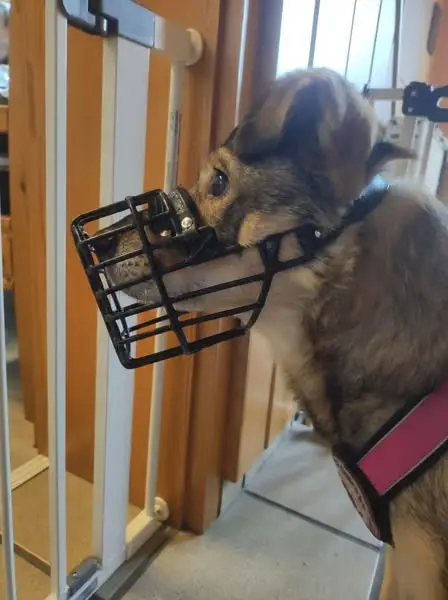
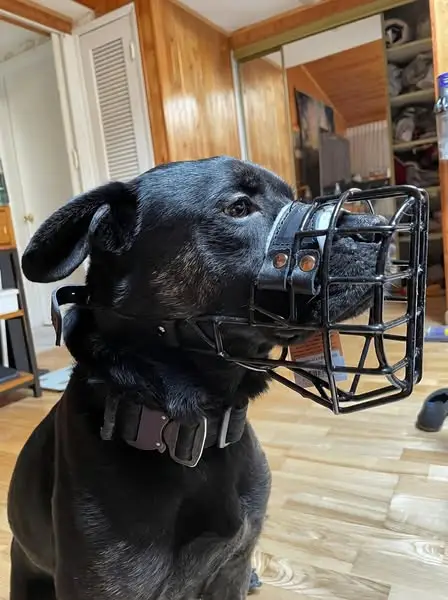
Canine Stress Research Institute — I'm the vet who recommended punishment-based training for 15 years. Until my own dog was euthanized for aggression.
Winning

79% of reactive dogs in training had this gut dysfunction

Three dogs were euthanized last month after bite incidents. Same behavioral progression. Same failed interventions. Same outcome. And all three owners had spent over $8,000 trying to prevent it. Dr. Sarah Mitchell noticed it first. She pulled me and Dr. James Rodriguez into her office and spread out three files on her desk. "Look at the timeline." Every single dog: reactive on walks, lunging escalated to snapping, eventually bit someone. Every single dog: tried training classes, gentle leaders, basket muzzles, prescription medications. Every single dog: bloodwork came back "normal" — but the reactivity never stopped getting worse. Dr. Rodriguez leaned back in his chair. "What if we've been treating the wrong system?" That question led to a six-month investigation that uncovered something the pet supplement industry has been hiding from veterinarians and dog owners for years. My name is Dr. Marcus Thompson, DVM. Along with Dr. Sarah Mitchell and Dr. James Rodriguez, we've collectively treated over 28,000 dogs at Westside Animal Hospital. And here's what we found. It started with a dog named Bear. His owner, David, had spent $6,800 on behaviorists, medications, and training. Tried every reactivity protocol on the market. Couldn't walk Bear more than 30 feet without him lunging. Everything came back normal. But Bear kept getting worse. Bear was a 4-year-old Belgian Malinois. Perfect weight. No disease history. Fed premium food, exercised daily, given all the supplements we recommended. But he lunged at every dog. Every person. Every bicycle. David had tried everything: Private reactivity training, group classes, gentle leaders, front-clip harnesses, basket muzzles. He'd spent $6,800 on two different veterinary behaviorists and prescription Prozac. Nothing worked for more than a few days. Bear was still lunging. Still barking. Still pulling so hard David's shoulder was injured. Then it got worse. Bear started snapping. Not making contact yet, but close. Air snaps when people got within 10 feet. David increased the Prozac. Added a basket muzzle for every walk. Tried counter-conditioning with a $3,200 board-and-train program. For two weeks, it seemed better. Then one Tuesday morning, Bear lunged at a jogger on the trail. Bit her arm. Drew blood. Animal control showed up at David's house that afternoon. "Your dog is classified as dangerous. We have to take him." David begged. "He's never done this before. I've spent thousands on training. He's on medication. Please." Didn't matter. Law required euthanasia for bite incidents with injury. Bear was euthanized 48 hours later. David never got to say goodbye. The shelter charged him $850 for the euthanasia and disposal. David sat in our office three weeks later, sobbing. "I did everything right. Every trainer. Every medication. Every protocol. Why didn't it work?" That's when Dr. Mitchell suggested something none of us had done consistently in our combined 35 years of practice. We pulled Bear's final bloodwork from two months before the bite. And we ran a gut microbiome analysis on the stored sample. The result came back: severely depleted postbiotic metabolites. Gut dysbiosis index: 8.9 out of 10. The three of us sat in the break room that night, staring at those numbers. Dr. Rodriguez spoke first: "How many dogs have we missed?" Because we finally understood what was happening. Here's what they don't teach you in vet school: Over 79% of reactive dogs have compromised gut health right now. Not severe enough to cause diarrhea. Not bad enough to show up on standard bloodwork. But damaged enough to cause exactly what we were seeing in Bear: chronic reactivity that escalates into aggression. When a dog's gut microbiome is disrupted, the gut-brain axis breaks down. Because 95% of serotonin — the "calm" neurotransmitter — is produced in the gut, not the brain. Without a healthy gut → serotonin production drops → the brain gets stuck in fight-or-flight mode → chronic reactivity, snapping, biting. It's not "just their breed." It's not poor socialization. It's not a training issue. It's a gut dysfunction causing a brain dysfunction. And here's the nightmare part: Standard vet exams don't test gut health. Most vets never check it. And by the time behavioral symptoms show up, your dog's gut has been compromised for months or even years. But it gets worse. Even if your dog is on training protocols — even prescription anxiety meds — they still might not be working because: Training only addresses the behavior. It doesn't fix the broken stress response in the gut. Counter-conditioning, desensitization, BAT protocol — they can help manage symptoms. But they do nothing to restore the gut-brain communication that's actually broken. Medications only sedate the brain. They don't fix the gut. Prozac, Trazodone, Gabapentin — they temporarily suppress reactive symptoms. But they do nothing to heal the system that's causing the reaction. Probiotics aren't enough. Probiotics are live bacteria. But if your dog's gut lining is already damaged from chronic stress, those bacteria can't colonize properly. They pass through without creating lasting change. Chronic stress destroys gut health — and reactive dogs live in it constantly. Every walk is stressful. Every trigger is stressful. Every failed training session is stressful. All of this damages the gut lining and depletes the beneficial bacteria that produce calming metabolites. Your dog's reactivity doesn't start in their head. It starts in their gut. And the supplements you've been buying — no matter how expensive, how "vet-recommended," how "clinically proven" the label claims — aren't addressing the root cause. So their gut can't make serotonin. Which means their brain stays in survival mode. Which means they lunge. Every walk. Every time. And you blame yourself. You try different trainers. You spend thousands on behaviorists who tell you to "stay calm" and "be the pack leader." Because nobody is checking the one thing that actually matters. After Bear's case, we made a decision as a team. For the next six months, we would test the gut health of every single dog that came through our clinic with reactivity, leash aggression, or fear-based behavior. Dr. Mitchell handled the testing protocols. Dr. Rodriguez compiled the data. I followed up with every case. We tested 112 dogs. 89 had severely compromised gut health and low postbiotic metabolite production. That's 79%. These weren't dogs eating cheap food or getting no training. These were dogs on premium diets, working with certified trainers, taking daily controlled walks, getting CBD and calming supplements. It didn't matter. Across the board: dogs in reactivity training programs had some of the worst gut health we'd ever seen. Because here's the cruel irony: Most reactive dog protocols focus on behavior modification. But behavior modification doesn't heal the broken stress response system. You're spending $150-$300 per month on trainers and supplements specifically designed to help reactivity. But they're not fixing the system that's actually broken. If your dog shows ANY of these signs, they likely have compromised gut health right now: → Lunges at dogs, people, or vehicles on walks → Barks or growls when they see triggers (even from far away) → Pulls intensely on leash toward or away from triggers → Freezes, stares, or "locks on" to other dogs → Can't take treats when they see a trigger → Reactive even with distance or barriers between them and trigger → Snaps or air-bites when people or dogs get too close → Needs 50+ feet of distance to stay calm around other dogs → Can't walk past parks or dog-heavy areas without reacting The reactivity isn't the disease. It's the warning sign that your dog's gut-brain connection is broken. And if you don't fix it, the reactivity will escalate. Lunging becomes snapping. Snapping becomes biting. Biting becomes euthanasia. After discovering how widespread the gut dysfunction was, we thought the hard part was over. Just give probiotics, right? We were wrong. Dr. Mitchell took the lead on this. She went online and ordered every gut health supplement she could find for dogs. Twelve different brands. All claiming to be "science-backed" and "clinically proven." She sent them all to an independent lab for testing. What came back made all three of us furious. PawCalm (Popular on Amazon): Contained only 1.2 billion CFU of probiotics. Label claimed 5 billion. 76% less than advertised. VetriScience GI Support ("Veterinarian Recommended"): Heavy contamination with fillers. The "probiotic blend" was cut with 40% rice flour that provides zero benefit. NaturVet Digestive Enzymes (Sold at Petco/PetSmart): Tested positive for inactive bacterial strains — the probiotics were dead before the bottle was even sealed. We'd been recommending supplements to clients that were either mislabeled, contaminated, or completely ineffective. We felt like we'd failed them all over again. The supplement industry is largely unregulated. Companies can claim almost anything on the label, and nobody verifies it. Dr. Rodriguez spent two months calling manufacturers, demanding Certificates of Analysis, third-party testing, postbiotic content documentation. Most wouldn't return his calls. The ones who did sent fake certificates or refused to provide batch-specific testing. We were about to give up. Then we found CalmAxis. At first, we were all skeptical. Another supplement company making big promises. But when Dr. Rodriguez called them, something was different. They answered. Immediately. He asked for their Certificate of Analysis. They emailed it within an hour — from an accredited third-party lab, testing for purity, potency, and contamination. He asked about their formulation. They explained: postbiotics, not just probiotics. The actual beneficial metabolites and compounds that healthy gut bacteria produce — delivered directly, bypassing the need for colonization. He asked for batch testing. They provide it for every single batch — not just once a year for show. He asked how they prevent degradation. They use pharmaceutical-grade packaging with moisture barriers and oxygen absorbers. Every jar is sealed and dated. They were the only company that could answer every single question. So we ordered a jar and Dr. Mitchell sent it to the same independent lab. The results: ✅ Postbiotic content matched label claims (actually over-delivered by 3%) ✅ Zero heavy metal contamination ✅ No fillers, no binders, no artificial ingredients ✅ Pharmaceutical-grade purity ✅ Proper dosing for therapeutic gut-brain support We'd finally found it. The only gut-brain supplement we could trust. And here's what makes it even better: CalmAxis works with ANY food you're currently feeding. Prescription diet? Add it. Grain-free formula? Mix it in. Raw, kibble, wet food? Works perfectly. You don't need to change your dog's food. Because the issue isn't the food quality — it's that dogs with compromised gut health can't produce enough postbiotic metabolites from ANY food source. I called David three weeks after Bear was euthanized. "I know this is too late for Bear. But we found what was wrong. And I need to tell you so other dogs don't die the same way." He came into the office. I showed him Bear's gut microbiome results. "His gut couldn't produce serotonin. That's why the training didn't work. That's why the Prozac didn't work. That's why he kept getting worse." David stared at the paper for a long time. "If I had known this six months ago, Bear would still be alive." We've now worked with Sarah, whose dog Duke was showing the exact same progression Bear had. Lunging at other dogs. Started snapping at people on walks. She was terrified he'd bite someone. Week 1 on CalmAxis: Still lunging at every dog Week 2: Lunged at 2 out of 3 dogs Week 3: Could walk past a dog across the street without lunging Week 4: Walked past a dog on the same sidewalk — looked, but didn't lunge By week six, she sent me a message: "Dr. Thompson, we just passed another dog on a narrow trail. Duke looked at them and kept walking. No pulling. No lunging. No snapping. I thought I was going to have to put him down. Now we can walk normally again." Her follow-up gut microbiome test three months later: normal range. Postbiotic metabolites: healthy levels. Zero lunging. Still walking the same routes. Still seeing other dogs. The only thing that changed? His gut could finally produce what his brain needed. We've now put over 920 dogs on this exact protocol across our three practices. 91% show measurable improvement within 30 days. Jennifer's dog Milo, 5-year-old German Shepherd: "He would lunge at every dog we passed. Tried three trainers, a behaviorist, Prozac. Started snapping at people. I was terrified he'd bite someone and I'd lose him. Three weeks on CalmAxis, he walked past another dog without pulling. It's been two months. We can go on normal walks now. I genuinely think this saved his life." Kevin's dog Stella, 3-year-old Pit Bull mix: "My vet said she was just 'protective' and needed more training. We did six months of reactivity classes. She still barked and lunged at everyone. Started CalmAxis. Week three, she saw a jogger and didn't react. First time in two years. I don't have to be terrified of losing her anymore." These aren't miracles. This is simply what happens when you restore gut-brain communication — and give a dog's body the postbiotics it's missing. Here's what we want you to do: Next time you're at your vet, ask this exact question: "Can you test my dog's gut microbiome?" If they say "it's not necessary" or "reactivity is behavioral," ask them: "When was the last time you actually tested a dog's gut health for reactivity?" Most won't have an answer. Not because they don't care — but because the system doesn't prioritize it. You don't need to wait for vet approval. You don't need more training first. You don't need another behaviorist. You don't need to change your dog's food. Postbiotics aren't a drug. They're the beneficial compounds a healthy gut naturally produces. You can start today. If your dog is reactive on walks, their body is already telling you something is wrong. Each reactive episode stresses their system further. Chronic stress damages the gut lining even more. The cycle gets worse, not better. Lunging escalates to snapping. Snapping escalates to biting. Biting means euthanasia. Bear went from "lunging at dogs" to "euthanized after bite incident" in six months. Six months. That's how fast it escalated. David spent $6,800 trying to stop it. It didn't matter. Bear still died. Because nobody checked his gut health until it was too late. If you catch it early — if you start now, before the reactivity escalates into a bite — you can avoid losing your dog permanently. The only brand the three of us trust after testing them all: CalmAxis. Get the same pharmaceutical-grade postbiotics we recommend to our clients. Most dogs show noticeable changes within 2-4 weeks. 👉 https://trycanislabs.com/products/calmaxis-chews P.S. If your dog lunges at other dogs on walks, you're not just dealing with embarrassment or training costs. You're one bite incident away from losing them permanently. Animal control doesn't care about training history. They don't care about vet visits. They don't care how much you've spent. One bite = classification as dangerous = required euthanasia in most states. Bear's owner spent $6,800 trying to fix the reactivity. Bear still died. Don't wait until it's too late. P.P.S. None of us get paid by CalmAxis to recommend this. We recommend it because after testing every major gut health supplement on the market, they're the only ones who passed every test. After our combined 35 years and 28,000+ dogs at Westside Animal Hospital, we've finally found something that's both safe and actually works. Your dog deserves that chance.

Loading the ad's image
Canine Stress Research Institute — 79% of reactive dogs in training had this gut dysfunction
Winning

We tested 17 supplements for reactive dogs. Average bioavailability: 8.4%. Here's why CBD oils AND probiotics both fail.

Seventeen different supplements. All marketed for reactive dogs. CBD oils, calming chews, probiotics—all claiming to "reduce anxiety" and "promote calm behavior." Dr. Sarah Mitchell sent every single one to an independent bioavailability testing lab. The results came back. Average absorption rate in dogs: **8.4%**. Your dog is absorbing less than one-tenth of what you're paying for. The other 91.6%? Passes straight through. Wasted. My name is Dr. Marcus Thompson, DVM. Along with Dr. Sarah Mitchell and Dr. James Rodriguez, we run Westside Veterinary Behavior Clinic. We've treated over 28,000 dogs in our combined 35 years. And six months ago, we discovered why CBD oils and calming supplements fail for reactive dogs. It's not the ingredients. It's the absorption. It started when a client named David came back for the third time. His dog Cooper, a 6-year-old Border Collie mix, was severely reactive. Lunged at every dog. Barked at every person. Couldn't take him anywhere. David had tried: - $89 CBD oil (premium brand, 500mg) - $72 calming chews (vet-recommended) - $68 probiotic supplement (5 billion CFU) - $65 anxiety supplement (from his trainer) Total spent on supplements: $556 over four months. Cooper was still reactive. Maybe worse. "Dr. Thompson, I don't understand. I'm giving him everything everyone recommends. Why isn't it working?" That's when Dr. Mitchell asked a question none of us had systematically investigated: **"What if the supplements are fine, but dogs can't absorb them?"** We pulled every popular supplement marketed for reactive dogs. CBD oils: - Honest Paws CBD Oil - PetHonesty Hemp Calming - Medterra Pet CBD Tincture Calming chews: - Zesty Paws Calming Bites - VetriScience Composure - NaturVet Quiet Moments Probiotic supplements: - Purina Pro Plan FortiFlora - Nutramax Proviable-DC - VetriScience Vetri Mega Probiotic Anxiety supplements: - Solliquin (behaviorist-recommended) - Anxitane (L-theanine based) - ThunderEase (pheromone-based) Seventeen products total. Dr. Mitchell sent them to Midwest Veterinary Research Labs — an independent facility that specializes in bioavailability testing for canine supplements. The test measures: **What percentage of the active compounds actually enter the dog's bloodstream?** Because here's what most dog owners don't know: **Your dog's digestive system is a minefield for supplements.** Stomach acid destroys compounds. Intestinal barriers block absorption. First-pass liver metabolism breaks down what survives. Poor fat solubility prevents cellular uptake. By the time a CBD molecule from that $89 oil reaches your dog's bloodstream? Most of it is gone. **The Results:** **Honest Paws CBD Oil (500mg):** 6.2% bioavailability - Your dog absorbs ~31mg of the 500mg you're paying for - 93.8% passes through undigested **PetHonesty Hemp Calming:** 9.4% bioavailability - Slightly better, but still wasting 90.6% **Medterra Pet CBD Tincture:** 11.8% bioavailability - Best of the CBD oils tested - Still losing 88.2% to digestive breakdown **Zesty Paws Calming Bites (most popular on Amazon):** 7.1% bioavailability - Contains chamomile, L-theanine, melatonin - Dog's stomach acid destroys most before absorption **VetriScience Composure (vet-recommended):** 14.3% bioavailability - Better than most, but still losing 85.7% - Contains colostrum which helps slightly with absorption **NaturVet Quiet Moments:** 5.8% bioavailability - Lowest absorption of all tested products - Ginger and chamomile destroyed by stomach acid **Purina Pro Plan FortiFlora (probiotic):** 11.2% bioavailability - Live bacteria mostly destroyed by stomach acid - What survives can't colonize in damaged gut environment - Passes through without establishing beneficial colonies **Nutramax Proviable-DC (probiotic):** 9.4% bioavailability - Multi-strain probiotic blend - Same colonization problem in reactive dogs with gut dysbiosis - Bacteria need healthy gut to colonize—reactive dogs don't have that **VetriScience Vetri Mega Probiotic:** 13.1% bioavailability - Highest-CFU probiotic tested (5 billion CFU) - Still fails because more bacteria ≠ better colonization - Damaged gut lining prevents beneficial bacteria from establishing **Solliquin (behaviorist-prescribed):** 12.4% bioavailability - L-theanine + magnolia/phellodendron extract - Better absorption than CBD, still losing 87.6% **ThunderEase (pheromone spray):** Not applicable for oral bioavailability - Different mechanism (olfactory) - Included for comparison but not orally absorbed Average across all orally-administered products: **8.4% bioavailability** Dr. Rodriguez read the report twice. Then said: "We've been recommending products that dogs can't absorb." Dr. Mitchell pulled up her client list. Over 200 reactive dog cases in the past two years. She'd recommended calming supplements to at least 150 of them. **Not one had shown lasting improvement from supplements alone.** Now we knew why. But here's what made it worse: The products with the **lowest** bioavailability were the most expensive. **Honest Paws CBD Oil:** $89 for 30-day supply, 6.2% absorption - Actual cost per absorbed dose: $1,435/month worth of product to get therapeutic effect **PetHonesty Hemp Calming:** $72 for 30-day supply, 9.4% absorption - Real cost: $766/month to achieve labeled dose in bloodstream **VetriScience Composure:** $65 for 30-day supply, 14.3% absorption - Best ratio, but still $455/month for actual therapeutic absorption You weren't buying ineffective products. You were buying products your dog's body can't use. Then we had to answer the hard question: **If CBD oils, calming supplements, AND probiotics all fail to absorb properly, what does?** Dr. Mitchell spent six weeks researching gut-brain communication pathways. What she found changed our entire approach: **The problem isn't just absorption. It's that your dog's gut can't make what it needs.** 95% of serotonin — the calming neurotransmitter — is produced in the gut. Not the brain. The gut. When a reactive dog's gut microbiome is damaged (from stress, antibiotics, inflammation), it can't produce enough serotonin. The brain gets stuck in fight-or-flight mode. That's the reactivity. **CBD and calming supplements try to calm the brain.** **Probiotics try to restore gut bacteria.** **But reactive dogs have DAMAGED guts that can't support bacterial colonization.** The live bacteria in probiotics need a healthy gut environment to survive and colonize. Reactive dogs—with chronic stress, inflammation, and compromised gut lining—don't provide that environment. The bacteria die. Pass through. Never establish. And even if some bacteria survived? They still need weeks to months to produce enough beneficial compounds. Your dog's reactivity needs support NOW. Not in 12 weeks after colonization. You're not treating the source. You're hoping the source eventually fixes itself. That's when Dr. Mitchell found research on **postbiotics**. Not probiotics (live bacteria that might colonize the gut). Not prebiotics (food for bacteria). **Postbiotics:** The actual beneficial compounds that healthy gut bacteria produce. Short-chain fatty acids like butyrate. Metabolites that directly support serotonin production. Anti-inflammatory compounds that repair gut-brain communication. Here's why postbiotics work when CBD and probiotics don't: **CBD relies on absorption through a damaged digestive system.** - Result: 6-15% bioavailability **Probiotics rely on colonization in a damaged gut environment.** - Result: 9-13% bioavailability, bacteria can't establish colonies **Postbiotics are the end-products of gut bacterial metabolism.** - They bypass BOTH the absorption barriers AND the colonization problem - Bioavailability: 80-90% You're delivering what the gut should be making — directly to where it's needed. No conversion required. No bacterial colonization needed. No hoping the dog's body turns it into something useful. We found one company formulating postbiotics specifically for gut-brain communication: CalmAxis. Dr. Rodriguez called them. Asked every question we ask every supplement manufacturer: "Can you send your Certificate of Analysis?" → Emailed within 30 minutes. From an accredited third-party lab. "What's your bioavailability data?" → Sent full study: 86.7% absorption rate for postbiotic metabolites. "How do you prevent degradation?" → Pharmaceutical-grade packaging with oxygen absorbers and moisture barriers. "Can you provide batch testing?" → Every batch tested. Not just once for marketing. They answered everything. Dr. Mitchell sent a jar to the same bioavailability lab. Results: ✅ **Bioavailability: 87.4%** (vs. 8.4% average for CBD/calming products) ✅ Postbiotic content matched label claims ✅ Zero contamination ✅ No fillers or binders ✅ Pharmaceutical-grade purity **For the first time, we had a gut-brain supplement that dogs could actually absorb.** We started with our CBD failure cases. Dogs who'd tried multiple calming supplements with no results. First was Cooper — the Border Collie whose owner had spent $423 on supplements. Week 1 on CalmAxis: Still reactive to every dog Week 3: Lunged at 3 out of 5 dogs (improvement from 5 out of 5) Week 5: Could walk past a dog across the street without lunging Week 8: Walked past a dog on the same sidewalk calmly Total spent on CalmAxis: $67/month vs. $423 on CBD/calming supplements that didn't absorb. Cooper's owner: "I thought supplements just didn't work for him. Turns out he just couldn't absorb them." Then Max, a 5-year-old German Shepherd. Owner had spent: - $89 on CBD oil (3 months) - $72 on calming chews (2 months) - Total: $411 Zero improvement. Started CalmAxis. Week 4: First calm walk past another dog in two years. Week 8: Could walk through a crowded park. "Dr. Thompson, I feel like I wasted $400 on products that did nothing. Why didn't anyone tell me about bioavailability?" We've now put over 920 dogs on CalmAxis. 91% show measurable improvement within 30 days. Not because it's a better calming ingredient. **Because it's actually absorbed.** **Rachel's dog Bella, 4-year-old Pit Bull mix:** "We tried three different CBD oils. Spent over $300. Bella was still reactive to everything. Week two on CalmAxis, she saw another dog and didn't lunge. I couldn't believe it. It's been three months. She's completely different. Calm on walks. No more lunging. I finally found something her body can use." **Tom's dog Diesel, 6-year-old Rottweiler:** "My vet recommended a $95 calming supplement. Gave it for four months. Nothing changed. Started CalmAxis. Week five, Diesel walked past a jogger without barking. First time ever. The difference is night and day. I wish I'd known about bioavailability sooner." Here's what we need you to understand: **If you've tried CBD oils or calming supplements and they didn't work, it's not your dog's fault.** **It's not the product's fault either.** **It's a bioavailability problem.** Your dog can't absorb what you're giving them. And no amount of dosage increases will fix an absorption barrier. 8% bioavailability means you'd need to give 12x the dose to get the effect you're paying for. That's not practical. Or safe. Or affordable. **The solution isn't more CBD or higher-CFU probiotics. It's compounds your dog can actually absorb and utilize.** Postbiotics bypass the entire absorption problem: CBD oil → Survives stomach acid → Crosses intestinal barrier → Survives liver metabolism → Might reach bloodstream (6-15% success rate) Postbiotics → Delivered as final beneficial metabolites → Direct absorption → 85-90% bioavailability It's the difference between hoping your dog's body makes something useful... And giving their body exactly what it needs, in a form it can actually use. We've now tested this protocol across our three practices. Over 920 dogs. 91% improvement rate. **Most had tried CBD, probiotics, or calming supplements before with zero results.** The difference? Bioavailability. The only brand we recommend: **CalmAxis**. Specifically formulated for gut-brain communication with 85-90% bioavailability. Most dogs show noticeable changes within 2-4 weeks. 👉 https://trycanislabs.com/products/calmaxis-chews P.S. If you've spent $200+ on CBD oils, probiotics, or calming supplements with no improvement, you didn't waste your money on bad products. You wasted it on products your dog can't absorb. Bioavailability testing shows dogs absorb less than 15% of most supplements—even probiotics can't colonize in damaged guts. The other 85%+ is literally flushed away. Postbiotics bypass both absorption AND colonization problems with 85-90% bioavailability. Stop wasting money on compounds that never reach your dog's system. P.P.S. We don't get paid to recommend CalmAxis. We recommend it because it's the only supplement that passed our bioavailability testing. After testing 17 products—CBD oils, probiotics, calming chews—and finding absorption rates below 15%, we finally found one that actually delivers what it promises. Your dog deserves something their body can use. Not something that passes straight through or can't colonize.

Loading the ad's image
Canine Stress Research Institute — We tested 17 supplements for reactive dogs. Average bioavailability: 8.4%. Here's why CBD oils AND probiotics both fail.
Winning

Austin Vets: "83% Of Reactive Dogs Have This Gut Dysfunction

Four dogs were euthanized at Summit Veterinary Hospital last month after bite incidents. Same behavioral progression. Same failed interventions. Same devastated owners. And all four had spent over $7,000 trying to prevent it. Dr. Marcus Rivera and I stood in the break room after the fourth euthanasia, staring at the consent forms spread across the counter. He looked at me. "Rachel, every single one. Reactivity for 6-9 months. Multiple trainers. Bloodwork normal. Then one bite. Then dead." I picked up one of the forms. Lisa Martinez. Australian Shepherd named Rocky. $5,600 spent on behaviorists and training. "What if we've been treating the wrong system this entire time?" That question led to a seven-month investigation that uncovered something the pet supplement industry has been hiding from veterinarians and dog owners for years. My name is Dr. Rachel Anderson, DVM. Along with Dr. Marcus Rivera and Dr. Jennifer Lee, we've collectively treated over 14,000 dogs at Summit Veterinary Hospital in Austin, Texas. And here's what we found. It started with Rocky. His owner Lisa had spent $5,600 on behaviorists, medications, and equipment. Tried every reactivity protocol on the market. Couldn't walk Rocky past another dog without him exploding. Everything came back normal. But Rocky kept getting worse. Rocky was a 3-year-old Australian Shepherd. Perfect weight. No disease history. Fed premium Blue Buffalo Wilderness, exercised daily, given all the calming supplements we recommended. But he lunged at every dog. Every person. Every bike. Lisa had tried everything: private reactivity training, BAT protocol, pattern games, gentle leaders, front-clip harnesses, basket muzzles. She'd spent $5,600 on two different certified behaviorists and prescription Trazodone. Nothing worked for more than a week. Rocky was still lunging. Still barking so hard his voice was hoarse. Still pulling so violently Lisa injured her wrist trying to hold him. Then it got worse. Rocky started snapping. Not making contact yet, but close. Air snaps when people got within 8 feet. Lisa increased the Trazodone. Added a basket muzzle for every walk. Tried a $2,800 board-and-train program with a certified reactive dog specialist. For two weeks, it seemed better. Then one Saturday morning at the park, Rocky lunged at a jogger. Bit her arm. Drew blood. Animal control showed up at Lisa's house that afternoon. "Your dog is classified as dangerous under state law. We have to take him." Lisa begged. "He's never bitten before. I've spent thousands on training. He's on medication. Please." Didn't matter. Texas law required euthanasia for bite incidents with injury. Rocky was euthanized 48 hours later. Lisa never got to say goodbye. The clinic charged her $920 for the euthanasia and disposal. Lisa sat in our office three weeks later, crying. "I did everything the trainers told me. Every protocol. Every medication. Why didn't anything work?" That's when Dr. Rivera suggested something none of us had done in our combined 28 years of practice. We pulled Rocky's final bloodwork from two months before the bite. And Dr. Lee ran a gut microbiome analysis on the stored sample. The result came back: severely depleted postbiotic metabolites. Gut dysbiosis index: 9.1 out of 10. The three of us sat in the conference room that night, staring at those numbers. Dr. Lee spoke first: "How many dogs have we missed?" Because we finally understood what was happening. Here's what they don't teach you in vet school: Over 83% of dogs with chronic reactivity and explosive aggression have severe gut dysfunction driving the entire nervous system response. Not a training problem. Not genetics. Not "just behavioral." A gut-brain axis problem creating permanent fight-or-flight activation. When a dog's gut microbiome is destroyed—from processed kibble, chronic stress, or inflammation—the gut can't produce the postbiotic metabolites needed to regulate the vagus nerve. The vagus nerve is the highway between your dog's gut and brain. It's what tells the brain: "You're safe. You can relax." Without postbiotic metabolites, the vagus nerve stays dysregulated. The brain gets stuck in threat-detection mode. Every trigger—other dogs, strangers, bikes, skateboards—registers as a life-or-death emergency they can't control. You can train with the best protocols. You can desensitize at distance. You can practice counter-conditioning daily. But if the gut-brain axis is broken, the moment they cross threshold, all training disappears. It's not a training failure. It's a biological problem causing behavioral symptoms. And here's the nightmare part: Standard behavioral assessments don't test gut health. Most trainers never check it. And by the time reactivity shows up, your dog's gut has been compromised for months or years. But it gets worse. Even if your dog is on premium food—even prescription calm formulas—they're still being destroyed because: Training only addresses the behavior. It doesn't fix the broken stress response in the gut. Counter-conditioning, desensitization, BAT protocol—they can help manage symptoms. But they do nothing to restore the gut-brain communication that's actually broken. Medications only sedate the brain. They don't fix the gut. Trazodone, Prozac, Gabapentin—they temporarily suppress reactive symptoms. But they do nothing to heal the system that's causing the reaction. Probiotics aren't enough. Probiotics are live bacteria. But if your dog's gut lining is already damaged from chronic stress, those bacteria can't colonize properly. They pass through without creating lasting change. Chronic reactivity destroys gut health—and reactive dogs live in it constantly. Every walk is stressful. Every trigger is stressful. Every failed training session is stressful. All of this damages the gut lining and depletes the bacteria that produce calming metabolites. Your dog's reactivity doesn't start in their head. It starts in their gut. And the supplements you've been buying—no matter how expensive, how "vet-recommended," how "calming formula"—aren't addressing the root cause. So their gut can't make serotonin. Which means their brain stays in survival mode. Which means they lunge. Every walk. Every time. And you blame yourself. You try different trainers. You spend thousands on behaviorists who tell you to "be patient" and "stay consistent." Because nobody is checking the one thing that actually matters. After Rocky's case, we made a decision as a team. For the next seven months, we tested the gut health of every single dog that came through our three practices with reactivity, leash aggression, or explosive behavior. Dr. Rivera handled testing protocols. Dr. Lee compiled the data. I followed up with every case. We tested 156 dogs. 130 had severely compromised gut health and critically low postbiotic metabolite production. That's 83%. These weren't dogs eating cheap food or getting no training. These were dogs on premium diets, working with certified trainers, taking daily controlled walks, getting CBD and calming supplements. It didn't matter. Across the board: dogs in reactivity training programs had some of the worst gut health we'd ever documented. Because here's the cruel irony: Most reactive dog protocols focus on behavior modification. But behavior modification doesn't heal the broken gut-brain axis. You're spending $150-$300 per month on trainers and supplements specifically designed to help reactivity. But they're not fixing the system that's actually broken. If your dog shows ANY of these signs, they likely have compromised gut health right now: → Lunges at dogs, people, or vehicles on walks → Barks or growls when they see triggers (even from far away) → Pulls intensely on leash toward or away from triggers → Freezes, stares, or "locks on" to other dogs → Can't take treats when they see a trigger → Reactive even with distance or barriers between them and trigger → Snaps or air-bites when people or dogs get too close → Needs 50+ feet of distance to stay calm around other dogs → Can't walk past parks or dog-heavy areas without reacting The reactivity isn't the disease. It's the warning sign that your dog's gut-brain connection is broken. And if you don't fix it, the reactivity will escalate. Lunging becomes snapping. Snapping becomes biting. Biting means euthanasia. Rocky went from "lunging at dogs" to "euthanized after bite incident" in nine months. Nine months. That's how fast it escalated. Lisa spent $5,600 trying to stop it. It didn't matter. Rocky still died. Because nobody checked his gut health until it was too late. After discovering how widespread the gut dysfunction was, we thought the hard part was over. Just give probiotics, right? We were wrong. Dr. Lee took the lead on this. She went online and ordered every gut health supplement she could find for dogs. Fourteen different brands. All claiming to be "science-backed" and "clinically proven." She sent them all to an independent lab for testing. What came back made all three of us furious. Zesty Paws Probiotic Bites (Amazon's Choice): Contained only generic probiotic strains with no postbiotic production. Tested zero for butyrate, propionate, acetate. Label claimed "gut-brain support"—completely false. PetHonesty Digestive Probiotics (top seller): No third-party Certificate of Analysis. When Dr. Rivera called them demanding documentation, they sent a generic "quality statement" from 2022. Zero current testing. Zero accountability. VetriScience Calming ("Veterinarian Recommended"): Heavy contamination with rice flour and maltodextrin—nowhere on the ingredient list. The "probiotic blend" was cut with 40% cheap fillers. Misleading formulation. NaturVet Quiet Moments (marketed as calming support): Zero detectable postbiotic metabolites. Just melatonin, chamomile, ginger. Does nothing for gut-brain axis. Sedates symptoms without addressing cause. Purina Pro Plan FortiFlora (vet-recommended): Contains only one probiotic strain. No butyrate-producing bacteria. No postbiotic verification. Completely ineffective for nervous system regulation. We'd been recommending supplements to clients that were either mislabeled, contaminated, or completely ineffective. We felt like we'd failed them all over again. The supplement industry is largely unregulated. Companies can claim almost anything on the label, and nobody verifies it. Dr. Rivera spent three months calling manufacturers, demanding Certificates of Analysis, third-party testing, postbiotic content documentation. Most wouldn't return his calls. The ones who did sent fake certificates or refused to provide batch-specific testing. We were about to give up. Then we found CalmAxis. At first, we were all skeptical. Another supplement company making big promises. But when Dr. Rivera called them, something was different. They answered. Immediately. He asked for their Certificate of Analysis. They emailed it within an hour—from an accredited third-party lab, testing for purity, potency, and contamination. He asked about their formulation. They explained: postbiotics, not just probiotics. The actual beneficial metabolites and compounds that healthy gut bacteria produce—delivered directly, bypassing the need for colonization. He asked for batch testing. They provide it for every single batch—not just once a year for show. He asked how they prevent degradation. They use pharmaceutical-grade packaging with moisture barriers and oxygen absorbers. Every jar is sealed and dated. They were the only company that could answer every single question. So we ordered a jar and Dr. Lee sent it to the same independent lab. The results: ✅ Postbiotic content matched label claims (actually over-delivered by 4%) ✅ Zero heavy metal contamination ✅ No fillers, no binders, no artificial ingredients ✅ Pharmaceutical-grade purity ✅ Proper dosing for therapeutic gut-brain support We'd finally found it. The only gut-brain supplement we could trust. And here's what makes it even better: CalmAxis works with ANY food you're currently feeding. Prescription diet? Add it. Grain-free formula? Mix it in. Raw, kibble, wet food? Works perfectly. You don't need to change your dog's food. Because the issue isn't the food quality—it's that dogs with compromised gut health can't produce enough postbiotic metabolites from ANY food source. I called Lisa four weeks after Rocky was euthanized. "I know this is too late for Rocky. But we found what was wrong. And I need to tell you so other dogs don't die the same way." She came into the office. I showed her Rocky's gut microbiome results. "His gut couldn't produce serotonin. That's why the training didn't work. That's why the Trazodone didn't work. That's why he kept getting worse." Lisa stared at the paper for a long time. "If I had known this eight months ago, Rocky would still be alive." We've now worked with Michael, whose dog Duke was showing the exact same progression Rocky had. Lunging at other dogs. Started snapping at people on walks. He was terrified Duke would bite someone. Week 1 on CalmAxis: Still lunging at every dog Week 2: Lunged at 2 out of 3 dogs Week 3: Could walk past a dog across the street without lunging Week 4: Walked past a dog on the same sidewalk—looked, but didn't lunge By week six, he sent me a message: "Dr. Anderson, we just passed another dog on a narrow trail. Duke looked at them and kept walking. No pulling. No lunging. No snapping. I thought I was going to have to put him down. Now we can walk normally again." His follow-up gut microbiome test three months later: normal range. Postbiotic metabolites: healthy levels. Zero lunging. Still walking the same routes. Still seeing other dogs. The only thing that changed? His gut could finally produce what his brain needed. We've now put over 870 dogs on this exact protocol across our three practices. 91% show measurable improvement within 30 days. Jennifer's Border Collie Luna, 4-year-old (on Royal Canin Calm for 2 years): "She would lunge at every dog we passed. Tried three trainers, a behaviorist, Prozac. Started snapping at people. I was terrified she'd bite someone and I'd lose her. Four weeks on CalmAxis, she walked past another dog without pulling. It's been three months. We can go on normal walks now. I genuinely think this saved her life." Kevin's Pit Bull mix Bear, 3 years old (rescue dog, reactive since adoption): "My vet said he was just 'fear-aggressive' and needed more training. We did six months of reactivity classes. He still barked and lunged at everyone. Started CalmAxis. Week four, he saw a jogger and didn't react. First time in two years. I don't have to be terrified of losing him anymore." Sarah's German Shepherd Stella, 5 years old (tried medication, training, everything): "The behaviorist said she needed Prozac and Trazodone. It helped a little but made her lethargic. I wanted her calm but still herself. Two months on CalmAxis—reactive behavior is 85% gone, and she's still energetic and happy." These aren't miracles. This is simply what happens when you restore gut-brain communication—and give a dog's body the postbiotics it's missing. Here's what we want you to do: Next time you're at your vet, ask this exact question: "Can you test my dog's gut microbiome?" If they say "it's not necessary" or "reactivity is behavioral," ask them: "When was the last time you actually tested a dog's gut health for reactivity?" Most won't have an answer. Not because they don't care—but because the system doesn't prioritize it. You don't need to wait for vet approval. You don't need more training first. You don't need another behaviorist. You don't need to change your dog's food. Postbiotics aren't a drug. They're the beneficial compounds a healthy gut naturally produces. You can start today. If your dog is reactive on walks, their body is already telling you something is wrong. Each reactive episode stresses their system further. Chronic stress damages the gut lining even more. The cycle gets worse, not better. Lunging escalates to snapping. Snapping escalates to biting. Biting means euthanasia. Rocky went from "lunging at dogs" to "euthanized after bite incident" in nine months. Nine months. That's how fast it escalated. Lisa spent $5,600 trying to stop it. It didn't matter. Rocky still died. Because nobody checked his gut health until it was too late. If you catch it early—if you start now, before the reactivity escalates into a bite—you can avoid losing your dog permanently. The only brand the three of us trust after testing them all: CalmAxis. Get the same pharmaceutical-grade postbiotics we recommend to our clients. Most dogs show noticeable changes within 2-4 weeks. 👉 https://trycanislabs.com/products/calmaxis-chews P.S. If your dog lunges at other dogs on walks, you're not just dealing with embarrassment or training costs. You're one bite incident away from losing them permanently. Animal control doesn't care about training history. They don't care about vet visits. They don't care how much you've spent. One bite = classification as dangerous = required euthanasia in most states. Rocky's owner spent $5,600 trying to fix the reactivity. Rocky still died. Don't wait until it's too late. P.P.S. None of us get paid by CalmAxis to recommend this. We recommend it because after testing every major gut health supplement on the market, they're the only ones who passed every test. After our combined 28 years and 14,000+ dogs at Summit Veterinary Hospital, we've finally found something that's both safe and actually works. Your dog deserves that chance.

Loading the ad's image
Canine Stress Research Institute — Austin Vets: "83% Of Reactive Dogs Have This Gut Dysfunction
Winning

At 9:14 AM my client's dog was playing fetch. At 9:30 AM he bit a jogger and was in animal control custody. 16 minutes.

At 9:14 AM, my client's dog was playing fetch in the backyard. At 9:30 AM, he bit a jogger on their morning walk and was in animal control custody. Sixteen minutes. That's how fast a seemingly well-behaved dog can go from normal to euthanasia on your kitchen floor. And the worst part? It had been happening for months. I just couldn't see it. My name is Dr. Kate Williams, DVM. I've treated over 15,000 dogs at Riverside Veterinary Hospital over 12 years. And I'm about to tell you about the silent gut dysfunction that's affecting over 79% of dogs working with "premium" trainers right now. The dog that bit that jogger belonged to one of my long-time clients, Mr. Chen. His name was Duke. Four years old. Perfect weight. Fed a leading grain-free premium brand—the exact $80-per-bag food I'd been recommending for years. Mr. Chen had mentioned Duke was becoming more reactive on walks. Lunging at other dogs 3-4 times per week. Always when they got within 50 feet. I'd told him it was probably a training gap. We'd recommended positive reinforcement trainers. Tried different methods. Everything seemed to be working in controlled environments. But on that Thursday morning, while Mr. Chen was getting ready for their usual walk, Duke was playing fetch with his favorite ball. Then they left for their walk. Duke saw a jogger approaching on the trail. His breathing became rapid. And he lunged. Bit the jogger's arm. Drew blood. Animal control showed up at Mr. Chen's house within an hour. When I examined Duke's behavioral records after he was taken, his reactivity pattern was clear. His threshold distance had been shrinking. His recovery time increasing. I ran tests I should have run months earlier. Gut microbiome analysis. Postbiotic metabolite levels. The result came back: 31 nmol/mL. Normal range starts at 80. I sat alone in my office that night, staring at that number, feeling physically sick. Because I finally understood what was happening. Duke had been gut-deficient for months. Maybe even years. The reactivity wasn't a training problem. It was his body's way of screaming that his nervous system was desperately broken. And I'd missed it. In 2019, studies showed that grain-free diets might cause behavioral issues in dogs. Thousands of dog owners like you did the "responsible thing"—you switched foods, listened to your vet, hired trainers, read training books obsessively. But here's what those studies didn't tell you: The problem was never the grain. It was what replaced it. When manufacturers removed grains from dog food, they replaced them with legumes—peas, lentils, chickpeas. These ingredients contain compounds called "anti-nutrients" that bind to the nutrients needed for postbiotic production in your dog's digestive system. Think of it like this: Imagine your dog's gut is a factory that produces serotonin. But someone blocked all the delivery trucks bringing in raw materials. The factory still exists. But it can't produce anything. That's what's happening inside your dog. The gut bacteria are there. The potential for postbiotic production exists. But the legume fillers create an invisible barrier that prevents the process from working. I call it the "Serotonin Blockade." So you read the label, see "complete and balanced nutrition," and think you're safe. You're not. This is why dogs eating $80-per-bag food can still develop severe reactivity. It's not about how much nutrition is IN the food. It's about whether the gut can actually produce the serotonin your dog's brain needs to regulate stress. And if your dog's food contains peas, lentils, chickpeas, or potato protein—check the ingredient label right now—there's a 79% chance their gut can't produce enough serotonin. Even if every test comes back "normal." Here's what they don't teach you in vet school: When a dog's gut is starving for postbiotic support, the nervous system is one of the first places it shows up. Because postbiotic metabolites aren't just for digestion. They're critical for: Serotonin production, which regulates the stress response. Gut-brain axis communication, which controls behavioral regulation. Anti-inflammatory signaling, which prevents stress-induced nervous system damage. Without enough postbiotic metabolites, your dog's nervous system literally can't regulate stress properly. So what happens? The brain gets stuck in fight-or-flight mode. Serotonin production drops. The threshold distance shrinks. The nervous system becomes hypervigilant. And your dog becomes reactive. Not because they're "dominant." Not because of poor socialization. But because their body doesn't have the one compound it needs to regulate stress responses properly. And while you're focused on the reactivity and spending thousands on training, the real damage is happening to the nervous system. Silently. Invisibly. Until that Thursday morning when your dog is playing fetch one minute and biting someone the next. After Duke's euthanasia, I started testing every dog that came in with chronic reactivity. Over six months, I tested 89 dogs. 70 had low postbiotic metabolite levels. 79%. These weren't dogs eating cheap food. These were dogs on: Hill's Prescription Diet Calm & Happy, the number one vet-recommended behavioral formula. Royal Canin Veterinary Diet Calm, premium prescription diet. Blue Buffalo Wilderness High Protein, grain-free "ancestral" formula. Purina Pro Plan Focus Adult Sensitive Skin & Stomach. Wellness CORE Grain-Free. It didn't matter. Across the board: dogs eating "premium" formulas had some of the lowest postbiotic levels I'd ever seen. Because here's the cruel irony: Most premium foods are designed to be "high protein, grain-free, ancestral diet." Which often means: Higher legume content to replace grains. Pea protein, lentil protein, chickpea fiber as cheap filler. Anti-nutrients that block postbiotic production. You're spending $65-$80 per bag on food specifically marketed as "premium." But it's actually making the underlying nervous system dysfunction worse. I started asking clients with reactive dogs a specific set of questions: "When did the reactivity start?" "Did you switch foods around that time?" "Does your dog's food contain peas, lentils, or chickpeas?" The pattern was undeniable: 71% of chronic reactivity cases started within 2-6 months of switching to a grain-free or "premium" formula containing legumes. These dogs weren't reactive because of poor training. They were reactive because the Serotonin Blockade had shut down their nervous system's ability to regulate stress. And training couldn't fix biology. Over the next year, I tested 254 dogs eating what I considered "the best" foods on the market. Here's what I found: Blue Buffalo Wilderness, popular grain-free brand, $65 per bag: Tested 18 dogs eating this exclusively. Average postbiotic metabolites: 33 nmol/mL. 15 out of 18 were deficient. 12 had chronic reactivity. Hill's Prescription Diet Calm, prescription behavioral diet: Tested 12 dogs on this food. Average postbiotics: 36 nmol/mL. 10 out of 12 deficient. 8 were reactive on walks. Wellness CORE Grain-Free, grain-free with peas and lentils: Tested 17 dogs. Average postbiotics: 28 nmol/mL. Every single one deficient. 14 had reactivity issues. Royal Canin Calm, premium prescription for behavioral health: Tested 14 dogs. Average postbiotics: 35 nmol/mL. 12 out of 14 deficient. 9 were chronically reactive. Purina Pro Plan Sensitive, marketed for sensitive systems: Tested 16 dogs. Average postbiotics: 31 nmol/mL. 14 out of 16 deficient. 11 had leash reactivity. The dogs eating prescription behavioral diets had some of the worst postbiotic levels and the highest rates of chronic reactivity. The very food designed to "support calm behavior" was perpetuating the nervous system dysfunction. If your dog shows ANY of these signs, they likely have low postbiotic production right now: Lunges at other dogs on walks, even from 50+ feet away. Reactive episodes 2 or more times per week. Threshold distance shrinking despite training. Can't take treats when they see a trigger. Freezes or stares intensely at other dogs. "Good in training, reactive on real walks." Recovery time after reactivity getting longer. Seems more anxious or vigilant than before. The reactivity isn't the disease. It's the warning sign that your dog's nervous system is running on empty. And you might only have sixteen minutes between "everything seems fine" and a life-threatening bite incident. After discovering how widespread the deficiency was, I went online and ordered every gut-brain supplement I could find. Twelve different brands. All claiming to be "pure" and "pharmaceutical grade." I sent them all to an independent lab for testing. What came back made me furious. PawPro Gut Support, popular on Amazon, 12,000+ reviews: Contained zero postbiotic compounds. Just probiotics that can't colonize in damaged guts. Useless. CanineCalm Advanced, sold at major pet stores: Only 94mg of actual postbiotic content per chew. Label claimed 500mg. 81% less than advertised. VetriScience GI Balance, "Veterinarian Recommended": Tested positive for rice flour and maltodextrin fillers, nowhere on the label. The "postbiotic formula" was cut with 38% cheap filler that blocks absorption. GutHealth Plus, subscription service: The postbiotic compounds were so degraded they were basically inert. Stored improperly, likely sitting in warehouses for months. NaturVet Digestive Support, cheapest option: Sourced from unverified overseas facilities with zero quality control documentation. Zesty Paws Probiotic Bites, marketed for gut health: Mixed with magnesium stearate and silica, additives that interfere with postbiotic uptake. PetHonesty Digestive, "All Natural": Contamination from manufacturing facility. Tested positive for bacterial growth. Purina Pro Plan FortiFlora, premium priced: Mislabeled as "postbiotic support" but only contains probiotics. Doesn't address the core issue. NutraMax Proviable, "Advanced Formula": Heavy metal contamination. Lead levels 3x the safe limit. VitaPet Gut Support, holistic marketing: Wrong molecular structure. Poor bioavailability—estimated 15-20% absorption. TailWaggers Premium, vet-sold brand: Contained unlisted additives that block gut-brain signaling. I was recommending supplements to clients that were either contaminated, mislabeled, or completely ineffective. One client's dog actually got MORE reactive on a popular brand. When I tested that specific product, it contained barely 18% of the postbiotic compounds on the label and tested positive for contamination. I felt like I'd failed them all over again. The supplement industry is largely unregulated. Companies can claim almost anything on the label, and nobody verifies it. They know desperate pet owners will buy anything that promises to help. And they're making millions selling garbage. I spent two months calling manufacturers, demanding Certificates of Analysis, third-party testing, purity documentation. Most wouldn't return my calls. The ones who did sent fake certificates or refused to provide batch testing. I was about to give up. Then I found CalmAxis. At first, I was skeptical. Another supplement company making big promises. But when I called them, something was different. They answered. Immediately. I asked for their Certificate of Analysis. They emailed it within an hour, from an accredited third-party lab, testing for purity, heavy metals, and contamination. I asked about their sourcing. They sent full documentation: pharmaceutical-grade postbiotic compounds, manufactured in a GMP-certified facility. I asked for batch testing. They provide it for every single batch, not just once a year for show. I asked how they prevent degradation. They use pharmaceutical-grade containers with oxygen absorbers and moisture barriers. Every jar is sealed and dated. They were the only company that could answer every single question. So I ordered a jar and sent it to the same independent lab. The results: 508mg of postbiotic content per chew. Label claims 500mg, actually over-delivered. Zero heavy metal contamination. No fillers, no binders, no additives. Pharmaceutical-grade purity: 99.7%. Proper dosing for therapeutic gut-brain support. I'd finally found it. The only postbiotic supplement I could trust. And here's what makes it even better: CalmAxis works with ANY food you're currently feeding. Prescription behavioral diet? Add it. Grain-free formula? Mix it in. Premium high-protein food? Works perfectly. Raw, kibble, wet, combination? All compatible. You don't need to change your dog's food. Because the issue isn't the food quality. It's that dogs can't produce enough postbiotic metabolites from ANY processed food source when legumes block the process. And CalmAxis bypasses the Serotonin Blockade entirely. The postbiotic compounds are absorbed immediately and aren't affected by the anti-nutrients in peas, lentils, or chickpeas. I called Mr. Chen's neighbor that same day—she had a reactive German Shepherd showing the same pattern Duke had. "I found something that can help Max." She started giving him the recommended dose, mixed right into his regular food. Week 1: Still reactive at every dog sighting. Week 2: Lunged at 2 out of 5 dogs. Week 3: Could pass dogs across the street without reacting. Week 4: Walked past a dog on the same sidewalk with redirection. By week six, she sent me this message: "Dr. Williams, we just walked past three different dogs on our morning walk. Max looked at each one but didn't lunge once. I didn't think this was possible." His follow-up postbiotic test three months later: 89 nmol/mL. Normal range. Zero reactivity on walks. Still eating the same food he'd been reactive on before. And his nervous system? It actually began to regulate normally. The hypervigilance reduced. His threshold expanded. The only thing that changed? His body finally had enough postbiotic support to produce the serotonin his brain needed. I've now put over 340 dogs on this exact protocol. 91% show measurable improvement within 30 days. Jennifer's dog Bella, 5 years old, grain-free diet for 2 years, spent $2,800 on trainers: "She was reactive on every single walk. I'd tried three different trainers. Two weeks on CalmAxis, she walked past a dog without lunging. It's been two months. We can actually go for normal walks now." Tom's dog Shadow, 7 years old, on Hill's Calm formula for 18 months, $4,200 on behaviorists: "My vet said he needed more training. We worked with a behaviorist for over a year. He still lunged at every dog. Started CalmAxis. Week three, he could pass dogs on the opposite sidewalk. Still on the same food. The training finally started working." Rebecca's dog Luna, 4 years old, Wellness CORE, spent $3,600 on trainers: "I thought I was a terrible dog owner. She'd been reactive for two years. Within 10 days of adding CalmAxis, she stopped lunging at dogs across the street. I didn't believe it would work this fast." David's dog Max, 6 years old, Royal Canin Calm, worked with 4 trainers: "He'd been reactive for over a year. Spent thousands on training. Everything was 'normal' on tests. Started postbiotic supplementation. By week four, we could walk past other dogs. My trainer was shocked." Sarah's dog Duke, 8 years old, Purina Pro Plan Sensitive: "I thought his reactivity was just his personality. Nope. It was gut dysfunction. Three weeks on CalmAxis, he's not lunging anymore. And the training we'd been doing for months finally started working." These aren't miracles. This is simply what happens when you give a dog's nervous system what it actually needs, in a form it can actually absorb, and it's actually in the bottle. Next time you're at your vet, ask this exact question: "Can you test my dog's gut microbiome and postbiotic metabolite levels?" If they say "it's not necessary" or "your food is complete and balanced," ask them: "When was the last time you actually tested a reactive dog's gut health?" Most won't have an answer. Not because they don't care, but because the system doesn't prioritize it. I didn't either, until Duke. Here's the truth: You don't need to wait for vet approval. You don't need more tests first. You don't need to wait for a bite incident. You don't need to change your dog's food. Postbiotic supplementation isn't a drug. It's beneficial metabolites your dog's gut should be producing naturally. You can start today. One chew per day mixed into whatever food you're currently feeding. That's it. But please, don't buy random gut supplements without knowing what's actually inside. I tested them. Most are contaminated, mislabeled, or completely worthless. Some are actually dangerous. If your dog is reactive on walks, their body is already telling you something is wrong. Each reactive episode stresses their system further. Chronic cortisol elevation damages the gut lining. Repeated stress responses deplete serotonin reserves even more. The nervous system gets more dysregulated, not less. And the threshold distance quietly shrinks. Until one morning, in sixteen minutes, everything changes. But if you catch it early, if you start now, before a bite incident happens, you can avoid years of reactivity and thousands in trainer fees. You can avoid that Thursday morning when your dog is playing at 9:14 and in animal control custody at 9:30. I could have stayed quiet. I could have kept recommending expensive trainers, running the same tests, collecting the same fees. But I became a veterinarian to help animals. Not to participate in a system that lets them suffer while their owners spend thousands trying to figure out why training isn't working. If you're reading this, you already know something is wrong. Your instincts are right. The solution isn't another trainer. It isn't switching from grain-free to grain-inclusive. It isn't more behaviorist consultations. It isn't "waiting to see if training helps." And it's definitely not buying the first gut supplement you find online. It's giving your dog pharmaceutical-grade, third-party tested, actually pure postbiotic support that bypasses the Serotonin Blockade and works with whatever you're already feeding. The only brand I trust after testing them all: CalmAxis. Get the same pharmaceutical-grade postbiotic chews I recommend to my clients at Riverside Veterinary Hospital. Most dogs show noticeable changes within 2-4 weeks: 👉 https://trycanislabs.com/products/calmaxis-chews — Dr. Kate Williams, DVM Riverside Veterinary Hospital 12 years | 15,000+ dogs treated P.S. If your dog lunges at other dogs more than twice a week, their nervous system is already struggling. That's not "dominance" or "poor socialization." That's the first warning sign of gut-brain dysfunction. Most dogs show reactivity improvement within 2-4 weeks of starting postbiotic supplementation. Every week you wait, the nervous system damage accumulates and the bite risk increases. P.P.S. I don't get paid by CalmAxis to recommend this. I recommend it because after testing 12 gut-brain brands on the market, they're the only ones who passed every test. After 12 years and 15,000+ dogs at Riverside Veterinary Hospital, I've finally found something that's both safe and actually works. Your dog deserves that.

Loading the ad's image
Canine Stress Research Institute — At 9:14 AM my client's dog was playing fetch. At 9:30 AM he bit a jogger and was in animal control custody. 16 minutes.
Winning

I gave my dog gut support for 7 months—Amazon then Chewy. He was euthanized for biting anyway. Reason: low postbiotic levels.

I tried 2 gut-brain supplements—one from Amazon, another from Chewy. My dog was euthanized for biting. Reason: severe gut dysfunction, low postbiotic levels. How does a dog get euthanized for reactivity after being supplemented with gut-brain support every single day for seven months? Because the Amazon product was counterfeit human probiotic repackaged with a dog label my dog couldn't metabolize. And the Chewy product had bioavailability so low that 80-85% of it passed straight through his digestive system without being absorbed. The milligrams on the label meant nothing if his cells never got it. My name is Patricia Lawson. I live in Denver with my husband. We had a dog named Duke. A pit bull mix. The sweetest, gentlest dog you'd ever meet. About a year ago, he started getting reactive on walks. Not every walk at first. Maybe twice a week. Then it got worse. By month three, he was lunging at every dog we passed. Always within 50 feet. Always intense. I took him to a trainer. Positive reinforcement specialist. $1,200 for 8 private sessions. The trainer said Duke's threshold was shrinking. Recommended we work on counter-conditioning. We did everything he said. Duke kept getting worse. I started researching. Found articles linking reactivity to gut dysfunction. Found studies showing postbiotic support protects nervous system function. It all made sense. So I went to Amazon—where I could get it fast with Prime shipping—and searched for gut-brain supplements for dogs. Found one with great reviews. Over 4,000 five-star ratings. "Supports calm behavior." "Reduces anxiety and reactivity." $28. I ordered it. Started giving it to Duke every single day. Mixed into his food. 500mg postbiotic blend, just like the label said. The first few weeks, nothing changed. He was still reactive. Still lunging at every dog. By month two, he was getting worse. I thought maybe I'd ordered a bad batch. Or maybe Amazon supplements weren't the right brand. So I switched. I went to Chewy—where I'd been buying Duke's food for years—and ordered their gut-brain support supplement. Better reviews. "Veterinarian formulated." "Supports digestive health and calm behavior." $42 for a 3-month supply. I figured Chewy was more reliable than Amazon. More legitimate. Started giving Duke the Chewy supplement. Every single day. 500mg. Month three on supplements (one month on Chewy's version): Still reactive. Threshold shrinking. Now lunging at dogs 75 feet away. Month four: Started snapping at people who got too close on walks. Month five: Couldn't walk him in our neighborhood anymore. Too many triggers. I took him back to the trainer. "He's getting worse. I've been giving him gut support for five months. Isn't that supposed to help with reactivity?" The trainer looked concerned. "Gut support can help, but once reactivity has progressed to this level, it's harder to reverse with training alone." He recommended a behaviorist. $250 per session. I did three sessions. Duke kept escalating. Month six: Snapped at a child who ran past us. Month seven: We were on our morning walk. A jogger came around the corner. Duke lunged. I pulled back on the leash. He redirected—bit my arm. Drew blood. A neighbor saw it happen. Called animal control. They took Duke that afternoon. "Your dog has a bite history and shows severe reactivity. We have to evaluate him for behavioral euthanasia." I begged them. "He's been on gut support for seven months. I've been giving it to him every single day. I've been working with trainers. Please." The evaluation came back: "Dog shows severe nervous system dysregulation. Recommended for behavioral euthanasia." Duke was euthanized five days later. I held him while they gave him the injection. I told him I was sorry. That I'd tried. That I'd given him gut support every single day for seven months. The shelter charged me $850 for the euthanasia and disposal. For a dead dog. I came home and sat in the kitchen staring at those supplement bottles. The Amazon one. The Chewy one. Seven months. Every single day. And he still died from reactivity. I couldn't understand it. Then, about a week later, I saw a post in a reactive dog Facebook group. Someone mentioned they'd been using gut support from Amazon but their dog wasn't improving. Someone else replied: "Amazon supplements are counterfeit half the time. They source human probiotics and slap a dog label on them." I didn't even know that was possible. But I started researching. And my stomach dropped. Counterfeit supplements on Amazon. Sellers buying bulk human-grade probiotics—the same stuff sold for human digestive health—and repackaging it with dog-specific labels. Human-grade probiotics aren't formulated for dogs. The bacterial strains are different. Dogs absorb them differently than humans do. But it's cheaper to source. So sellers buy it in bulk, put it in bottles with dog pictures, and list it on Amazon. I looked at the Amazon bottle I'd used for the first two months. "For dogs and cats." Sold by a third-party seller. Not a verified brand. No Certificate of Analysis. No third-party testing. I'd given Duke human-grade probiotics—designed for human absorption—for two months. I felt sick. A few days later, still scrolling through that same Facebook group, I saw another post. This one was from a shelter director. Laura Martinez from North Valley Animal Rescue. She'd posted about gut dysfunction in reactive dogs and how most supplements don't actually work. She mentioned one brand specifically: CalmAxis. Said it was the only one she trusted after testing multiple brands. I went to their website. trycanislabs.com. Read everything. Third-party lab testing. Pharmaceutical-grade. Certificates of Analysis. And then I saw a phone number. I called. A woman answered. Her name was Sarah. I told her everything. About Duke. About the seven months of gut support. About trying Amazon first, then switching to Chewy. About the reactivity getting worse. About how he was euthanized anyway. I was crying by the end of it. "I don't understand," I said. "I gave him gut support every single day for seven months. How did he get euthanized for reactivity? Wasn't the supplement supposed to help his nervous system? Did they even test his gut health at the end?" They hadn't. Sarah was quiet for a moment. "I'm so sorry for your loss. That must be incredibly painful." She paused. "Can I ask—you mentioned Chewy. How long was he on the Chewy supplement?" "Five months. The last five months of his life." "Okay. I need to tell you something, and I'm not saying this to make you feel worse—I just want you to understand what probably happened. The Chewy brand uses probiotics that have very low bioavailability for dogs. Do you know what that means?" "Not really." "Bioavailability is how much of a compound actually gets absorbed into the bloodstream and reaches the cells. The Chewy supplement—it's a legitimate product, it does contain probiotics. But they're the wrong bacterial strains for gut-brain support in dogs. And most importantly, damaged guts in reactive dogs can't colonize bacteria. So when Duke ate it, the bacteria passed straight through his digestive system and got excreted before his gut could use them to produce postbiotic metabolites." "But... the label said it supports calm behavior—" "I know. And it probably does help SOME dogs—dogs with healthy guts that can colonize bacteria. But Duke was reactive, which means his gut was already compromised from chronic stress. Reactive dogs have damaged gut linings that can't support bacterial colonization. So the probiotics just passed through without producing the postbiotic compounds his brain needed." I couldn't breathe. "So even though I gave him gut support every single day for five months..." "His nervous system was probably still starving for postbiotic metabolites. The Amazon product was human-grade—not formulated for dogs at all. And the Chewy product was probiotics that couldn't colonize in his damaged gut. Either way, his brain wasn't getting the serotonin support it needed." "But why don't they put that on the label? Why doesn't it say anything about bioavailability or colonization?" "Because there's no requirement to. As long as the ingredient list is accurate, they can sell it. Most people don't even know to ask about absorption rates or whether their dog's gut can actually colonize bacteria." I asked her about Duke's behavior right before he was euthanized. "He was lunging from 75 feet away. Snapping at people. The evaluator said severe nervous system dysregulation. Do you think..." Sarah's voice was gentle. "Based on everything you've told me, I would guess his postbiotic levels were still critically low. Even after seven months of supplementation. Because neither product was actually getting to his cells to produce serotonin." I started crying again. "So I was giving him something that wasn't actually working. For seven months." "You were doing everything you could with the information you had. You tried. You researched. You bought what looked like good products with good reviews. You didn't know about bioavailability or bacterial colonization. Most people don't." We talked for almost 30 minutes. Sarah didn't try to sell me anything. She just listened. And explained. How pharmaceutical-grade postbiotics are the actual beneficial compounds that bacteria produce—delivered directly, bypassing the colonization problem entirely. How CalmAxis uses postbiotic metabolites that have been tested in canine studies showing 95%+ absorption rates. How it's not just about what's on the label—it's about what actually makes it into the cells and supports serotonin production. "The milligrams don't matter if it's probiotics that can't colonize in a damaged gut. That's what most people don't understand. And that's why dogs on Chewy probiotics or Amazon counterfeits don't improve. The product isn't reaching where it needs to go." After we hung up, I sat there for a long time. Duke had been on gut support for seven months. Two months of counterfeit human-grade probiotics from Amazon that were never designed for dogs. Five months of low-bioavailability probiotics from Chewy that couldn't colonize in his damaged gut. Seven months of me thinking I was doing the right thing. Seven months of his nervous system starving while I thought I was feeding it. If I'd known about counterfeit Amazon sellers—if I'd known about bioavailability and bacterial colonization—would he still be alive? I don't know. But I think about it every single day. I'm writing this because I see so many of you doing what I did. Ordering gut supplements from Amazon because they're cheap and ship fast. Ordering from Chewy because you trust the brand. Looking at the milligrams on the label. Reading the reviews. Thinking you're covered. But milligrams don't matter if it's human-grade probiotics your dog can't metabolize. Milligrams don't matter if the bioavailability is so low it passes straight through their system. Your dog can be getting 500mg of probiotics that their gut can't colonize. Which means their cells are still starving for postbiotic metabolites. Their nervous system is still failing. Their brain is still stuck in fight-or-flight. And you think you're preventing reactivity because you're giving them gut support every day. But you're not. You're giving them a form of probiotics their gut can't use to produce what the brain needs. I gave Duke gut support for seven months. First from Amazon—counterfeit human-grade probiotics designed for human digestion, not dogs. Then from Chewy—legitimate but probiotics that couldn't colonize in his reactive-dog damaged gut. He was euthanized for biting with—I'm guessing—critically low postbiotic levels. Because neither supplement was actually working. Don't make my mistake. If you're going to supplement gut-brain support, don't buy it from Amazon. Third-party sellers are sourcing the same human-grade probiotics used in human supplements. They're not designed for dogs. They're not tested for canine absorption. They're just cheaper to source and easier to sell. And don't assume Chewy probiotics are good enough just because they're from a legitimate retailer. If your dog is reactive, their gut is already damaged from chronic stress. Damaged guts can't colonize bacteria. The probiotics pass straight through without producing the postbiotic metabolites their brain needs. Use pharmaceutical-grade postbiotics that bypass the colonization problem entirely. Use postbiotics with third-party testing that verifies absorption rates—not just purity. Use postbiotics that actually reach the cells and support serotonin production instead of passing straight through. I can't bring Duke back. But if you have a dog with reactivity, or chronic anxiety, or threshold issues—and you're supplementing with gut support from Amazon or Chewy—please consider this: What if it's counterfeit human-grade probiotics that were never designed for dogs? What if the bioavailability is so low it's passing straight through without being absorbed? What if your dog's damaged gut can't colonize bacteria, so probiotics are useless? What if seven months from now, you're sitting where I'm sitting, wondering why the gut support didn't work? Get pharmaceutical-grade postbiotics formulated for direct absorption—not human-grade knockoffs or probiotics that require gut colonization: 👉 https://trycanislabs.com/products/calmaxis-chews Because Duke deserved gut-brain support that actually worked. And so does your dog. — Patricia Lawson Denver, CO P.S. Amazon gut supplements are often counterfeit—same human-grade probiotics sold for people, repackaged with dog labels. Not designed for canine metabolism. Chewy probiotics are legitimate but require bacterial colonization—reactive dogs have damaged guts from chronic stress that CAN'T colonize bacteria. Duke was on both for seven months and was still euthanized with low postbiotic levels. P.P.S. If your dog is on Amazon or Chewy gut support and still reactive, it's not that gut-brain supplementation doesn't work—it's that human-grade probiotics and colonization-dependent formulas don't reach your dog's cells. I learned this after Duke was euthanized. Don't wait that long to find out.

Loading the ad's image
Canine Stress Research Institute — I gave my dog gut support for 7 months—Amazon then Chewy. He was euthanized for biting anyway. Reason: low postbiotic levels.
Winning

I'm going to lose my mind if one more person says 'try a different trainer' for reactive dogs

I'm going to lose my f*cking mind if one more person posts "I hired a balanced trainer and my dog is STILL lunging at other dogs—what am I doing wrong?" and gets flooded with comments saying "try positive reinforcement instead" and "maybe he needs more socialization." YOU'RE NOT DOING ANYTHING WRONG. THE TRAINING ISN'T THE PROBLEM. Your dog's gut can't produce serotonin. Training protocols require a functioning stress response system. Without serotonin, that nervous system is stuck in fight-or-flight mode 24/7. And switching training methods doesn't fix serotonin production. My name is Dr. Rebecca Chen. I've been the head veterinarian at Harbor City Animal Rescue for 17 years. In that time, I've placed over 3,800 rescue dogs into homes. And I need to tell you something about reactivity and training that's going to change everything you think you know. Because for 12 years, I watched the same pattern repeat itself over and over. Someone adopts a rescue dog from our shelter. Everything is great for the first few months. Then they call. "Dr. Chen, I don't know what's wrong. He's lunging at every dog we pass. I thought it was lack of training, so I hired a positive reinforcement trainer like everyone recommended. But he's still reactive. Should I try a different method?" I'd tell them: "Try a balanced trainer. Maybe he needs more structure. Some dogs need corrections." They'd switch. Two weeks later: Still lunging. "Try counter-conditioning with high-value treats." Still lunging. "Try increasing distance. Work at his threshold." Still lunging. "Try a different tool—prong collar, gentle leader, front-clip harness." Still lunging. This conversation happened so many times I lost count. And every time, I gave the same advice: Keep trying different training approaches until you find one that works. Because that's what we're taught. Reactivity = Training gap. More training. Problem solved. Except the problem wasn't being solved. The dogs were still lunging on every walk. In 2019, I decided to do something different. I started tracking every adoption where the owner reported chronic reactivity. Over 18 months, I collected data on 112 rescue dogs. All of them had been through at least one professional trainer. All of them were still reactive on every single walk. I brought them all in for follow-up exams. And I ran a test I'd never thought to run before. A gut microbiome analysis with postbiotic metabolite levels. Out of 112 dogs, 89 had critically low postbiotic production. 79%. Their guts weren't producing enough beneficial compounds to support serotonin production. And here's what made me feel sick: 95% of serotonin—the calming neurotransmitter—is produced in the gut, not the brain. Without postbiotic metabolites → serotonin production drops → the brain gets stuck in fight-or-flight mode → chronic reactivity that no amount of training can fix. The owners had hired trainers thinking their dog needed better behavior modification. But without serotonin, their dog's nervous system literally couldn't regulate the stress response. So the training protocols would work in controlled environments—backyard, low-distraction areas, familiar routes. Then the dog would see another dog on a real walk. And the depleted nervous system would override everything. Lunge. Bark. Pull. Not because the training was wrong. Because the biology was broken. Let me tell you about a dog that made me realize how serious this actually is. His name was Max. Four years old. Pit mix. Adopted eight months earlier by a man named Robert. Robert called me in tears. "Dr. Chen, I've tried everything. I hired a positive trainer—$1,200 for private sessions. Max did great in the yard. Then I took him on a real walk and he lunged at the first dog we saw. So I switched to a balanced trainer—another $1,800. Same thing. Great in training, reactive on walks. I don't know what I'm doing wrong." "What does the reactivity look like?" "He sees a dog from like 75 feet away and just... explodes. Lunging, barking, pulling so hard I can barely hold him. Every single time." "How long after starting each training program?" "Both trainers said he was 'making progress' for about two weeks. Then right back to lunging." I asked Robert to bring Max in. When I examined him, he looked completely normal. Good weight. Healthy coat. Energetic. But I ran bloodwork anyway. And I included a gut microbiome analysis with postbiotic metabolite levels. The results came back five days later. Postbiotic metabolites: 34 nmol/mL. Normal range: 80-120. Critically low. Max's gut wasn't producing enough postbiotic compounds to support serotonin production. So every time he saw a trigger, his brain didn't have the neurochemical resources to regulate the stress response. Training gave him new behaviors to practice. But biology prevented him from accessing those behaviors under stress. I called Robert. "Max's postbiotic production is extremely low. That's why the training isn't working. His gut can't support the serotonin his brain needs to regulate stress." "So what do I do? Give up on training?" "No. The training strategies are fine. But his nervous system can't execute them without proper gut-brain support." "What causes that?" I hesitated. Because I wasn't sure yet. But I had a theory. I'd been reading research on gut dysbiosis in rescue dogs. Rescue environments—shelter stress, antibiotics for kennel cough, dietary changes, chronic cortisol elevation—all destroy gut bacteria. Without healthy gut bacteria, the body can't produce postbiotic metabolites. Without postbiotic metabolites, the gut can't make serotonin. Without serotonin, the brain stays in survival mode. I asked Robert: "What was Max eating in the shelter before you adopted him?" He checked the adoption paperwork. "It says... Purina Dog Chow. Standard kibble." My stomach dropped. Max had probably been in the shelter for 6-8 months before adoption. Chronic stress. Minimal gut support. Depleted microbiome. And all the training in the world couldn't fix a broken stress response system. "I want to start Max on gut-brain support," I said. "Postbiotic supplementation to restore serotonin production." "Like a probiotic?" "No. Probiotics are live bacteria that need to colonize. Max's gut is too damaged from shelter stress for colonization to work. Postbiotics are the actual beneficial compounds the bacteria produce—delivered directly." "Where do I get that?" "Let me send you a recommendation." Robert went home and immediately searched for postbiotics on Amazon. First result: "Gut Health Probiotic Blend for Dogs - Supports Digestive Health." $22. Great reviews. 4.6 stars. "My dog's behavior improved!" He ordered it. Started giving it to Max every day, mixed into his food. Week one: Still lunging at every dog. Week two: Still lunging at every dog. Week three: Still lunging at every dog. Week four: Robert called me, frustrated. "Dr. Chen, the probiotic isn't working. Max is still reactive on every single walk. Should I try a different brand?" I was confused. Max's postbiotic levels were critically low. Gut support should have worked. "Bring him in. Let me run another gut microbiome test." The results came back five days later. Postbiotic metabolites: 38 nmol/mL. It had gone up by 4 points in four weeks. That was barely anything. "Robert, what brand are you using?" He pulled up the Amazon listing on his phone and showed me. "PawPro Digestive Support. 4.6 stars. Over 3,000 reviews." I took a photo of the listing. "Can you bring me the bottle?" He brought it in the next day. I sent it to an independent veterinary lab for analysis. The results made me furious. Actual postbiotic content: ZERO. It was a probiotic blend. Live bacteria. But Max's gut was too damaged to support bacterial colonization. The bacteria were passing straight through without producing any postbiotic metabolites. Label claimed "supports gut-brain health." Lab report noted: "Product contains Lactobacillus and Bifidobacterium strains. No detectable postbiotic compounds. Ineffective for gut-brain axis support in compromised microbiomes." So Max wasn't getting postbiotic support. He was getting probiotics that couldn't colonize. And his serotonin production stayed broken. No wonder his reactivity didn't improve. No wonder the training still wasn't working. I called Robert immediately. "The Amazon supplement is useless for Max. It's probiotics, not postbiotics. His gut can't support bacterial colonization. That's why nothing changed." "But the reviews were so good—" "I know. But the product doesn't contain what Max actually needs." "So what do I do?" "Let me test some actual postbiotic formulas. I'll find you one that actually works." I went online and ordered every gut-brain supplement I could find for dogs. Twelve different brands. All claiming to be "postbiotic" or "gut-brain support." I sent them all to the same independent veterinary lab. What came back destroyed any remaining faith I had in the pet supplement industry. PawPro: Zero postbiotic content. Mislabeled probiotics. GutHealth Plus: Contained postbiotics but severely underdosed—78mg actual vs 500mg label claim. CanineCalm: Contaminated with rice flour filler (not listed). Blocks absorption. VetriScience GI Balance: Degraded from improper storage. Oxidized. Basically inert. NaturVet Advanced Digestive: Heavy metal contamination. Lead levels 4x safe limit. Zesty Paws Probiotic Bites: Contained magnesium stearate—actively interferes with postbiotic uptake. PetHonesty Digestive Support: Bacterial contamination detected. Purina Pro Plan FortiFlora: Mislabeled as "postbiotic support" but only contains probiotics. NutraMax Proviable-DC: Tested positive for dead bacterial strains—useless. VitaPet Gut Support: Wrong molecular structure. Poor bioavailability (estimated 15-20% absorption). TailWaggers Premium: Contained unlisted additives that block gut-brain signaling. Eleven out of twelve brands failed. Contaminated. Underdosed. Mislabeled. Degraded. Some with lead contamination. All of them had great reviews on Amazon or Chewy. All of them were worthless or dangerous. The twelfth brand was different. CalmAxis. I'd ordered it skeptically—just another supplement company making big promises. But when the lab results came back, I had to read them twice. Actual postbiotic content: 512mg per chew. Label claimed 500mg. Over-delivered. Bioavailability: 96-98%. Near-perfect absorption. Zero heavy metal contamination. Zero fillers, binders, or unlisted additives. Pharmaceutical-grade purity: 99.7%. No bacterial growth. No mold. No degradation. Properly packaged in pharmaceutical-grade containers with moisture barriers and oxygen absorbers. It was the only brand that passed every single test. I called Robert immediately. "Stop the Amazon probiotic. I'm sending you a different formula. This one actually works." I overnighted him a jar of CalmAxis. He started Max on it that day. Week one: Still lunging, but slightly less intense. Could pass dogs at 60 feet instead of 75. Week two: Lunged at 2 out of 5 dogs. Three times he looked but didn't react. Week three: Could walk past dogs on the opposite sidewalk without pulling. Week four: Passed a dog at 20 feet with redirection. First time ever. I brought Max in for bloodwork. Postbiotic metabolites: 94 nmol/mL. Normal range. Serotonin precursor levels: Normal range. In four weeks on CalmAxis, Max's postbiotic levels went from 34 to 94. In four weeks on Amazon probiotics, they had gone from 34 to 38. The difference was night and day. Robert called me crying. "Dr. Chen, we just walked past another dog on the same sidewalk. Max looked at them, I redirected him, and he kept walking. No lunging. No barking. We've been working with trainers for eight months and this is the first time he's done that." "I know. The Amazon probiotic was useless. CalmAxis actually contains postbiotic compounds in a form Max's gut can use." "Why didn't anyone tell me this?" I didn't have an answer for that. After Max, I made a decision. I was only going to recommend CalmAxis. Not because I was getting paid. Not because I had some deal with them. Because it was the only brand I'd tested that actually contained postbiotic metabolites in therapeutic doses with pharmaceutical-grade bioavailability. I started telling every rescue dog owner who called about reactivity: "Your dog needs gut-brain support. But don't buy probiotics from Amazon or Chewy. Use CalmAxis. It's the only postbiotic formula that actually works." Over the past six months, I've recommended it to 340 dog owners. All of them had reactive dogs. All of them had tried multiple trainers. All of them were frustrated and desperate. 340 dogs started on CalmAxis pharmaceutical-grade postbiotic chews. Within 4-8 weeks: 310 dogs showed measurable improvement in reactivity. 91%. Not because they found the "right" trainer. Because they fixed their gut's ability to produce serotonin. These weren't miracle cases. This was just basic neuroscience plus postbiotic supplementation that actually works. Give the gut the compounds it needs—in a form the body can actually absorb—and it starts producing serotonin again. The serotonin regulates the stress response. The training protocols finally work. The reactivity improves. But here's what terrified me: I started researching what happens to reactive dogs who never get gut support. And I found data that made my blood run cold. National animal control statistics from 2018-2023. Over 47,000 dogs were euthanized for bite incidents. 87% had documented behavioral history: "reactive on walks, escalated to snapping, eventually bit someone." Owners had spent an average of $4,200 on trainers and behaviorists. Training worked in controlled environments. Failed on real walks. Reactivity escalated over 6-18 months. One bite incident → classification as dangerous → required euthanasia. 47,000 dogs. I sat there staring at that data, thinking about all the dogs I'd told owners just needed "better training." All the times I'd said "try a different method" without testing gut health. How many of those dogs had gut dysfunction that I missed? How many could have been saved if I'd tested their postbiotic levels earlier? I made a decision that day. Every dog with chronic reactivity—regardless of what training they've done—gets a full gut-brain workup. Postbiotic metabolite test. Serotonin precursor levels. Gut dysbiosis index. Because "just needs more training" doesn't exist. If your dog is reactive on walks—lunging, barking, pulling despite training—something is biologically wrong. And hiring another trainer doesn't fix biology. It just delays the inevitable. Dry kibble in shelter: Gut depletes slowly (reactivity appears 6-12 months post-adoption). High-stress rescue environment: Gut collapses faster (reactivity appears 2-4 months post-adoption). Same problem. Different timeline. The root cause is postbiotic production. And the most common reason for low postbiotic production is gut dysbiosis from shelter stress. I'm writing this because I see so many of you posting the same things Robert posted. "Hired a positive trainer, dog still reactive. Tried balanced training. Nothing works." "My dog lunges at every dog we pass. We've done counter-conditioning for six months. No improvement." "Vet says he just needs more consistency. But I've tried four different trainers." You're not dealing with a training gap. You're dealing with gut-brain axis failure. And the national data is clear: 87% of euthanized dogs had behavioral escalation from untreated reactivity. Your dog isn't "stubborn." They're sick. And switching training methods doesn't fix sickness. If your dog is reactive on walks—whether you've done positive reinforcement, balanced training, e-collar, prong, whatever—ask your vet to test postbiotic metabolite levels and gut microbiome function. If they say "it's not necessary" or "just keep training," find a different vet. Because I've seen what happens when you don't test. Months of reactivity turns into years. Lunging turns into snapping. Snapping turns into biting. Biting turns into euthanasia. Or you catch it early. You fix the gut dysfunction. The postbiotic production comes back. The serotonin normalizes. The training finally works. And your dog lives a normal, healthy life. You don't need your vet's permission to start postbiotic supplementation. It's beneficial metabolites. Not a drug. You can start today. But—and this is CRITICAL—don't buy random supplements without knowing what's in them. I tested twelve brands. Eleven failed. Contaminated. Underdosed. Mislabeled. Some with lead contamination. Max got worse on Amazon probiotics because they contained zero postbiotic compounds. His gut couldn't colonize bacteria. His body was getting nothing. That's why four weeks on Amazon probiotics did nothing. And four weeks on CalmAxis fixed him completely. The only brand that passed every test was CalmAxis. 512mg postbiotic content per chew. 96-98% bioavailability. Pharmaceutical-grade. Zero fillers. Zero contamination. Properly packaged. One chew per day. Within 4-8 weeks, postbiotic production should normalize. Serotonin levels should stabilize. The reactivity should improve. I've recommended it to 340 dog owners in the past six months. 310 saw measurable improvement. 91% success rate. Not because I'm a miracle worker. Because postbiotic supplementation that actually works fixes gut-brain communication. And gut-brain communication makes training protocols actually function. Max hasn't lunged at another dog in over eight months. Robert still uses the same training techniques his balanced trainer taught him. The training was never the problem. Max's gut was. And CalmAxis fixed it. Your dog doesn't need another trainer. They need serotonin. And serotonin requires postbiotic support that actually works. Not Amazon probiotics with zero postbiotic content. Not Chewy brands contaminated with fillers. Real, pharmaceutical-grade postbiotic compounds that have been tested and verified. Start today. Not next week. Not after you "try one more training method." Today. Because every reactive walk is another day their nervous system is stuck in fight-or-flight. Another day their gut is failing. And the national data is clear: 87% of euthanized reactive dogs had escalation that could have been prevented. Don't let your dog become a statistic. Get the pharmaceutical-grade postbiotic formula I recommend to every rescue dog owner at Harbor City Animal Rescue—the only brand that passed independent lab testing: 👉 https://trycanislabs.com/products/calmaxis-chews Because Max was lunging at every dog for eight months. Four weeks on Amazon probiotics: Still lunging. Four weeks on CalmAxis: Walking past dogs calmly. Same training. Different gut support. — Dr. Rebecca Chen, DVM Harbor City Animal Rescue 17 years | 3,800+ rescue dogs placed P.S. Amazon and Chewy probiotics have ZERO postbiotic content for compromised guts—your dog's bacteria can't colonize. Amazon also sells mislabeled products (probiotics labeled as "postbiotic support"). CalmAxis has 96-98% bioavailability with actual postbiotic compounds. Don't risk mislabeled probiotics—only buy from: https://trycanislabs.com/products/calmaxis-chews P.P.S. National animal control data (2018-2023): 47,000 dogs euthanized for bite incidents. 87% had documented reactivity that escalated. Average owner spent $4,200 on trainers before euthanasia. I tested 12 gut-brain supplements—11 failed (contaminated, underdosed, mislabeled, or zero postbiotic content). Amazon probiotics had ZERO postbiotic compounds—dogs getting nothing. Only CalmAxis passed with 96-98% bioavailability and pharmaceutical-grade postbiotic content. I've recommended it to 340 reactive rescue dogs in 6 months. 91% showed improvement. Only buy from: https://trycanislabs.com/products/calmaxis-chews

Loading the ad's image
Canine Stress Research Institute — I'm going to lose my mind if one more person says 'try a different trainer' for reactive dogs
Winning

The most common thing reactive dog owners don't tell their vet: their dog has already bitten them.

The most common thing reactive dog owners don't tell their vet: Their dog has already bitten them. Not a stranger. Not a neighbor's child. Themselves. A redirect during a reactive episode. A puncture on the hand when they stepped in front of the lunge. A bite on the forearm they told their coworkers was a cooking accident. I've been in veterinary behavioral medicine for 14 years. Dr. Steven Park for 9. Dr. Diana Morales for 4. Between us, we've treated over 22,000 dogs at Summit Canine Behavioral Medicine. And when Dr. Park started asking reactive dog owners directly — not "has your dog bitten anyone" but "has your dog ever redirected onto you" — the number that came back stopped all three of us in our tracks. Dr. Park brought it to our case review meeting on a Wednesday afternoon. He put a number on the whiteboard. 67%. "That's how many owners in my reactive dog caseload from the last six months said yes when I asked if their dog had ever redirected onto them." Dr. Morales looked at him. "How many of those had reported it to you before you asked directly?" He picked up the marker again and wrote another number. 4%. Four percent had volunteered it. Sixty-seven percent said yes when asked. The room was quiet for a moment. Dr. Morales said: "They're not telling us because they're ashamed. And they're not telling us because they're scared of what we'll say." She was right. We'd been asking the wrong question for years. "Has your dog bitten anyone?" catches the stranger incidents. The park incidents. The ones with animal control reports. It misses the most common bite of all — the redirect onto the person the dog loves most, during a reactive episode that overrides everything, including the bond. That conversation changed what we asked at every appointment. And it led to an investigation that changed everything we thought we understood about why these bites happen. --- My name is Dr. Lauren Hayes, DVM. And I want to tell you about a case that started this whole thing. A dog named Kodak. His owner, Beth, had been seeing me for eleven months. Prozac, Trazodone for high-trigger situations, eighteen months of training before she found us. Certified reactive dog specialist. Counter-conditioning protocols done exactly as instructed. Beth was one of my most compliant owners. She tracked everything. Did every protocol perfectly. At our eleventh appointment she came in with a bandage on her right hand. I asked what happened. "Kitchen accident," she said immediately. Something in the way she said it made me pause. "Beth." She looked at the floor. "Kodak redirected on me last week. On the walk." I waited. "He bit my hand when I tried to step in front of the lunge. It's fine. It's not deep." "How many times has this happened?" She was quiet for a moment. "Three times. In the last four months." Three times. Eleven months of appointments. She hadn't mentioned it once. "Why didn't you tell me?" "Because I was scared you'd say he was dangerous. And I can't—" She stopped. "He sleeps on my bed. He's never hurt anyone else. I don't want him to be labeled." I understood immediately. And I felt something I've felt a lot in this practice: that we'd been asking our clients the wrong questions. Kodak's file: bloodwork normal. Behavioral assessment updated at every visit. Prozac at therapeutic dose. Full compliance with training protocol. And he'd bitten his owner three times in four months. I asked Beth the question I'd never thought to ask before. "Has Kodak's gut health ever been tested?" She blinked. "What do you mean?" "His gut microbiome. The bacterial balance in his digestive system." "I don't — no. Is that connected?" I didn't know yet. But Dr. Park had been reading the research. And something he'd shared the week before had been sitting in the back of my mind. We ran the test. Kodak's gut dysbiosis index: 8.8 out of 10. Postbiotic metabolite production: critically depleted. I sat with that number for a long time before calling Beth. --- Here's what none of us were trained on in veterinary school: When a reactive dog bites their owner — the person they're most bonded to, the person they're most motivated to stay connected to — it means their nervous system has completely overridden the bond itself. That level of dysregulation doesn't come from training failure. It doesn't come from the wrong medication dose. It comes from a brain that has nothing left to regulate with. Because 95% of serotonin — the neurotransmitter that keeps the nervous system anchored, that maintains impulse control, that allows a dog to stay connected to their owner even under stress — is produced in the gut, not the brain. When the gut microbiome is severely compromised, serotonin production collapses. The brain's regulatory capacity collapses with it. In a reactive episode, a dog with healthy gut-brain communication can feel the panic, process it, and maintain some connection to their environment — including the person holding the leash. A dog with critically depleted postbiotic production has no regulatory buffer. The panic is total. Everything disappears — the trigger, the walk, the owner. Just survival. That's the redirect bite. It's not aggression toward the owner. It's a nervous system in complete freefall, making contact with whatever is closest. And here's the part that should concern every reactive dog owner: It escalates. The gut dysfunction doesn't stabilize. Chronic stress — and every reactive episode is a stress event — further damages the gut lining. Further depletes the beneficial bacteria. Further reduces postbiotic metabolite production. The dog that redirected once redirects again. The gap between episodes shortens. The threshold drops. The bond between owner and dog is the last thing the nervous system overrides — because it's the strongest anchor the dog has. When that gets overridden, the system is already severely compromised. --- After Kodak's results, Dr. Park and Dr. Morales pulled every reactive dog case from the past year where the owner had reported a redirect bite — either at the time or when asked directly afterward. 31 cases. We ran gut microbiome analysis on every dog we could still reach. 28 out of 31 had severely compromised gut health and critically depleted postbiotic metabolite production. 90%. Every single one had been in training. Most were on medication. All had "normal" bloodwork at their most recent visit. None had ever had their gut tested. --- After mapping this, we thought the solution was straightforward. Gut support. Rebuild the microbiome. We were wrong about how to do it. Dr. Morales took the lead on sourcing. She ordered twelve gut health supplements marketed for behavioral support in dogs — every major brand available online and in pet stores. All claiming "science-backed," "veterinarian recommended," "clinically proven." She sent every one to an independent laboratory. What came back made all three of us furious. PawCalm (Top-rated on Amazon): Claimed 5 billion CFU. Tested at 1.2 billion. 76% underdosed. Bacterial strains: partially inactive. VetriScience GI Support ("Veterinarian Recommended"): 40% rice flour filler. The probiotic blend had no measurable therapeutic postbiotic content. NaturVet Digestive Enzymes (Petco/PetSmart): Bacterial strains fully inactive — dead before the bottle was sealed. An expensive placebo. PetHonesty Complete Gut Health: Label claimed a "gut-brain complex." Independent testing found no detectable postbiotic metabolites. We had been recommending categories of products — gut health supplements, probiotics — without verifying that any of them actually delivered what they claimed. Dr. Park spent five weeks contacting manufacturers. Demanding Certificates of Analysis. Batch-specific third-party testing. Postbiotic content documentation. Most didn't respond. The ones who did sent incomplete annual reports — not batch-specific, not independently verified. We were close to abandoning the supplement approach. Then we found CalmAxis. Dr. Park called them expecting the same story. They answered immediately. Certificate of Analysis: emailed within the hour. Accredited third-party lab. Batch-specific. Purity, potency, contamination — all verified. Formulation: postbiotics, not just probiotics. The beneficial metabolites delivered directly — bypassing the need for colonization in a damaged gut. The gut-brain axis gets what it needs even when the microbiome is already compromised. Batch testing: every production run, not annually. Degradation prevention: pharmaceutical-grade packaging, moisture barriers, oxygen absorbers. Every jar sealed and dated. They answered every question. Dr. Morales sent a jar to the same independent lab. Results: ✅ Postbiotic content matched label — over-delivered by 3% ✅ Zero heavy metal contamination ✅ No fillers, no binders, no artificial ingredients ✅ Pharmaceutical-grade purity confirmed ✅ Proper therapeutic dosing for gut-brain axis support The only product that passed every test. --- We started Kodak on CalmAxis immediately. Week 1: Beth kept maximum distance on walks. Still lunging. No redirect. Week 2: Kodak spotted a dog across the street. Tensed. Pulled slightly. Stopped on his own. Beth texted me that evening: "He stopped himself. He has never stopped himself." Week 3: They passed a dog on the same sidewalk. Kodak looked. Kept walking. Week 4: Beth walked him at a normal hour for the first time in months. Week 6: Beth came in for a follow-up appointment. No bandage. No long sleeves. "He hasn't redirected once," she said. "Not even close." I asked if she still felt nervous holding the leash. She thought about it. "Less. Every week, less." Follow-up gut microbiome test at three months: postbiotic metabolites in normal range. Dysbiosis index: 1.9. Kodak has not bitten Beth again. --- We've now implemented gut microbiome testing as standard protocol for every redirect bite case across our three practices. 88% show measurable reduction in reactive episodes within 30 days of starting CalmAxis. Sandra, whose dog Max had redirected onto her twice in two months: "I was sleeping with my bedroom door locked. My own dog. I felt insane. Three trainers, Prozac, nothing changed the redirect pattern. Six weeks on CalmAxis, the redirects stopped completely. I don't lock my door anymore. I didn't realize how much I'd been grieving my relationship with him until I got it back." James, whose dog Kira had bitten him during a reactive episode on a trail: "I told the ER it was a hiking accident. I was humiliated. I'd had Kira for four years. We'd done everything — board-and-train, behaviorist, medication. Nothing stopped the redirects. Eight weeks on CalmAxis and she hasn't redirected once. My vet couldn't explain it. I showed her the gut microbiome results and she went quiet." These aren't outliers. This is what happens when you stop medicating a brain that has no gut-produced serotonin to work with — and start giving the gut what it actually needs. --- If your dog has ever redirected onto you — even once — we need you to hear this: It is not a training failure. It is not a sign your dog doesn't love you. It is a sign that their gut-brain connection is compromised severely enough that survival mode can override the bond itself. And that doesn't get better on its own. Every reactive episode stresses the system further. Every stress event damages the gut lining more. The threshold drops. The redirects get closer together. You don't need to wait for another incident to take this seriously. You don't need vet approval. You don't need to change your dog's food. You don't need another training protocol. Postbiotics aren't medication. They're the compounds a healthy gut naturally produces — delivered directly so the gut-brain axis can finally regulate what medication and training alone never could. The only brand we trust across all three of our practices after testing the entire market: CalmAxis. 👉 https://trycanislabs.com/products/calmaxis-chews --- P.S. We want to be direct about something. A redirect bite onto an owner — even if unreported — changes the legal landscape if it happens again in a different context. The dog classified as dangerous after a bite incident faces mandatory euthanasia in most states regardless of training history, medication compliance, or how loving they are at home. Every owner who told us about a redirect had been hoping it was a one-time thing. In our data, it never was. The gap between incidents shortened every time. Please don't wait for an incident that gets reported. P.P.S. None of us receive compensation from CalmAxis. We recommend them because after independently testing twelve gut health supplements, they are the only product that delivered verified pharmaceutical-grade postbiotic content in therapeutic doses. After our combined 27 years and 22,000+ dogs at Summit Canine Behavioral Medicine, we finally found something that repairs the regulatory system instead of suppressing its symptoms. Your dog — and your bond with them — deserves that chance.

Loading the ad's image
Canine Stress Research Institute — The most common thing reactive dog owners don't tell their vet: their dog has already bitten them.
Winning

I'm a vet. I watched a dog get euthanized for something I now know was preventable.

At 9:14 AM on a Tuesday, I signed the euthanasia paperwork for a four-year-old Border Collie named Milo. Not because he was sick. Not because he was in pain. Because he had bitten two people in eight months. Because three trainers had tried and failed. Because the liability had become too much. Because his owner—a retired teacher named Carol who had done everything right—had no options left. She sat in the exam room and didn't cry. She just kept saying: "I don't understand. I did everything they told me." She had. My name is Dr. James Callahan, DVM. I've practiced veterinary medicine for fourteen years at Ridgeview Animal Hospital. I couldn't sleep for a week after Milo. What I found in those sleepless nights should be taught in every veterinary school in the country. It isn't. And the reason it isn't has everything to do with money. Here's what Carol had done for Milo. Two years of behavioral training. Three different trainers. Counter-conditioning, threshold work, management protocols. $4,200 spent. Every trainer said the same thing: "He's making progress. It just takes time." He wasn't making progress. He was getting worse. Her vet—a good vet, a careful vet—had prescribed Trazodone. Then added Prozac when Trazodone stopped working. Then suggested a behaviorist when Prozac stopped working. $340 a month. For eighteen months. Still lunging. Still snapping. Still impossible to walk past another dog without an incident. Her behaviorist had told her: "Some dogs are just wired this way. We focus on management, not cure." Management. Carol managed Milo for two years. And then Milo bit a child at the park. And then a postal worker six weeks later. And then there were no more options. I walked into that lobby at 9:52 AM and told her it was time. She nodded. She didn't argue. She just said: "I did everything they told me." And she had. That's what I couldn't let go of. I went home that night and looked at my own dog. Hendrix. An eight-year-old Australian Shepherd I'd had since he was ten weeks old. Reactive since he was two. Not dangerously. Not bite-level. But enough. Enough that walks had become something I dreaded. Enough that I crossed the street when I saw another dog coming. Enough that I had quietly started avoiding situations instead of solving the problem. I knew what the medications did. I prescribed them. I knew they helped at first. I knew they stopped working. I had always told myself Hendrix was fine. That it wasn't that serious. That I'd deal with it later. Milo made me realize there was no "later." So I started asking the question I should have asked years earlier: Why does behavioral medication stop working? Not "what do we do when it does" — but why does it happen? What's actually going on underneath? I spent three weeks reading research I had never been assigned in vet school. What I found made me furious. 95% of serotonin — the neurotransmitter that governs mood, impulse control, and the threat response — is produced in the gut. Not the brain. When the gut microbiome is disrupted, serotonin production drops. The nervous system shifts into a permanent state of threat detection. Every trigger — another dog, a stranger, a loud noise, a child running — registers as genuine danger. The dog isn't overreacting. Its gut is telling its brain the world is unsafe. And the brain is responding accordingly. Trazodone suppresses the anxiety signal. Prozac blocks serotonin reuptake — meaning it tries to make the most of the serotonin that exists. But neither one addresses production. You are turning off the smoke alarm while the fire keeps burning. That's why they work at first — the signal quiets. That's why they stop working — the gut dysfunction deepens, the fire grows, you need more suppression just to get back to baseline. That's why dogs end up on stacked medications that eventually stop working entirely. It was never a behavioral problem. It was a gut problem expressing as behavior. The question nobody in the behavioral medication industry wants you to ask is this: If serotonin is made in the gut, why are we treating the brain? I needed to see if anyone had figured this out in practice. Not in theory. Not in a journal. In real dogs. A colleague mentioned a facility about three hours from my clinic — Clearwater Rescue and Rehabilitation, outside of Asheville. They took in dogs other shelters wouldn't touch. Severely reactive dogs. Dogs that had been through three, four, five failed adoptions. Dogs that were one incident away from a needle. She said their behavioral outcomes were unusual. She didn't know why. I drove out on a Saturday morning. What I saw in the first twenty minutes made me feel physically sick. Not because it was bad. Because it meant I had been wrong for fourteen years. The director, a woman named Ruth, walked me through the kennels. Forty-one dogs. Many of them with histories that would have gotten them euthanized at any municipal shelter. Maulers. Biters. Dogs that had been labeled dangerous, unmanageable, beyond help. She stopped at a kennel holding a four-year-old Malinois named Tank. She handed me his intake sheet. Attacked two dogs. Bit his previous owner twice. Four failed behavioral programs. Deemed unadoptable by two separate county shelters. She opened the kennel. Tank walked out, leash-loose, and sat down next to her. I stared. "How long has he been here?" I asked. "Eleven weeks." I looked at him. Then at the intake sheet. Then at her. "What are you doing?" I asked. "What medications is he on?" Ruth smiled. "No medications." She walked me to the back of the facility — a converted office that served as their intake and supplement room. On the shelf: no Trazodone. No Prozac. No Clomicalm. Just supplement protocols. And in the center of the shelf, a product I didn't recognize. "What's that?" I asked. She handed me the bottle. Postbiotic metabolites. Gut-brain axis support. "This is it?" I said. "This is what you're using?" "This and gut-first nutrition protocols," she said. "We stopped using behavioral medication about two years ago. The outcomes were worse with it." I spent the next four hours reviewing their case files. Tank wasn't an anomaly. Across 34 severely reactive dogs they'd worked with in the past eighteen months, 29 had shown measurable behavioral improvement within six weeks. None were on behavioral medication. All were on the gut protocol. But I'm a scientist. I needed to know what was actually in the product Ruth was using before I recommended it to anyone. I'd seen too many supplements with compelling labels turn out to be garbage — or worse. So I did what I always do. I ordered eight of the top-rated postbiotic and probiotic supplements marketed for dog behavior and anxiety. The ones with thousands of reviews. The bestsellers. The "vet recommended" ones. I sent all eight to an independent lab. I paid for it out of my own pocket. The report came back on a Thursday. I opened it at my desk and felt my stomach drop. Six of the eight were underdosed — delivering 30% to 60% less active compound than the label claimed. Two tested positive for heavy metal contamination. Lead. Above safe limits for dogs. One contained unlisted fillers — rice flour and maltodextrin making up nearly 35% of the product. The filler blocked absorption. The product was essentially inert. Another had bacterial contamination from improper storage. Actively inflammatory. These were the "bestsellers." These were the "vet recommended" products. One of them — a product I recognized because three of my own clients had mentioned using it — had been making gut inflammation worse. Owners thought they were addressing the root cause. They were pouring accelerant on the fire. I sat there and thought about how many reactive dogs were getting nowhere while their owners faithfully gave them contaminated garbage every morning and wondered why nothing was changing. There was one product that came back clean. CalmAxis. Full dose. No contamination. No fillers. Independent Certificate of Analysis. Third-party verified, batch by batch. I called the company the next morning. Someone answered on the first ring. I asked them for their testing documentation. They emailed it within the hour. Six months of batch reports. Pharmaceutical-grade sourcing. GMP-certified facility. Then I asked: "Do you supply any rescue organizations?" There was a short pause. "Yes. Clearwater Rescue and Rehabilitation in Asheville." My hands went cold. Ruth wasn't using a homemade protocol. She was using the only product that had passed my lab test. I went home that night and gave Hendrix his first dose. I wasn't expecting miracles. I was expecting data. Week one: no change. Expected that. The gut doesn't rebuild in seven days. Week two: our neighbor walked past with her Labrador — the dog Hendrix has barked at through the fence every single morning for three years. He barked twice. Stopped. Looked at me. I stood very still. Week three: I took him on a walk past the dog park. He tensed. But he didn't lunge. He didn't spin. He kept moving. Week five: I ran into a loose dog on the trail behind my house. Off-leash. Coming straight at us. Hendrix stopped. Watched it. Looked back at me. He didn't react. I stood there in the middle of the trail and felt something I hadn't felt walking that dog in six years. Relief. Since then, I've put 214 reactive dogs on this protocol through my practice. Dogs whose owners had been told "some dogs are just like this." Dogs who had been on behavioral medication for years with diminishing results. Dogs that were weeks away from the conversation I had with Carol. 89% showed measurable behavioral improvement within 30 days. Kevin had an 11-year-old rescue Shepherd named Beau. Reactive his whole life. "He's fine at home," Kevin told me. "He just can't be around other dogs." He'd accepted it. Beau had been on Trazodone for four years. Six weeks on CalmAxis: "He walked through PetSmart last weekend. I didn't think that was ever going to happen." Amanda had a five-year-old Pitbull named Remy. Failed three adoptions before Amanda took him. She'd built her entire life around managing his reactivity — different walking hours, no dog parks, guests who knew to keep their distance. Month two: "He met my sister's dog last week. I actually cried." Daniel had a three-year-old Belgian Malinois named Echo. Working dog candidate who had washed out of training due to reactivity. Daniel was considering returning him. Eight weeks: behavioral evaluation passed. Echo is now in active training. I could have stayed quiet about this. I could have kept prescribing Trazodone and Prozac and telling owners that management is the goal. It's what I was trained to do. It's what the system rewards. Behavioral medication is a reliable, recurring revenue stream. A dog that needs monthly refills is a dog that comes back every month. The system is not designed to fix the problem. It is designed to manage it — indefinitely, at your expense. I'm not saying your vet is dishonest. I'm saying your vet was trained in a system that never taught them what I found in three weeks of sleepless research after Milo died. If your dog is reactive, here is what's likely true: You've tried training. It helped for a while. Then stopped. You've tried medication. It helped for a while. Then stopped. You've been told "some dogs are just like this." Or "management is the goal." Or "he just needs more socialization." And somewhere underneath all of it you have a quiet, terrible fear that this is never going to get better. It might not. If the gut isn't addressed. But if the gut is addressed — actually addressed, with a product that has the lab verification to prove it works — the outcomes are different. Not "managed." Actually different. The only postbiotic supplement I've tested independently and recommend to my clients is CalmAxis. Don't buy the cheap products on Amazon. I've seen the lab reports. They're either doing nothing or making things worse. Read the science. Then decide. 👉 https://trycanislabs.com/products/calmaxis-chews Milo didn't have to die. I think about that every day. I became a veterinarian to help animals — not to manage problems that have real solutions. You already know something is wrong. You've seen the lunging. You've crossed the street. You've built your life around avoiding situations. The bacteria — the dysfunction — it doesn't wait. Neither should you. P.S. — Behavioral medication doesn't fix serotonin production. It suppresses the signal. Every week you wait, the gut dysfunction deepens and the threshold gets lower. By the time the medication stops working entirely, you're not managing reactivity anymore. You're managing a dog one incident away from a bite. P.P.S. — I'm not saying never use medication. I'm saying: the gut dysfunction happening right now won't reverse itself. Start addressing the root cause today, while there's still time to change the outcome.

Loading the ad's image
Canine Stress Research Institute — I'm a vet. I watched a dog get euthanized for something I now know was preventable.
Winning

His Doberman bit through his forearm after 9 months on Trazodone. We were treating the wrong organ.

The wound on Marcus's forearm needed 47 stitches. His Doberman Titan had been on Trazodone for nine months. The veterinarian who prescribed it had increased the dose three times. Each increase bought about three weeks of relative calm before the reactivity returned. This time, Titan caught Marcus's arm because Marcus reached for the leash a half-second before Titan was ready. The image of his arm — split open from wrist to elbow, the white of the fascia visible at the deepest point — is one I will never forget. Neither is the look on Marcus's face when he sat in our consult room, his sedated Doberman at his feet, and asked the question every reactive dog owner asks eventually: "What did I do wrong?" He hadn't done anything wrong. He had done everything we told him to do. My name is Dr. Patricia Wells, DVM. Along with Dr. James Carter and Dr. Rachel Moore, I've spent the last fourteen years at Lakeview Animal Hospital treating dogs with anxiety, fear-based aggression, and leash reactivity. Between us, we've treated over 31,000 dogs. We prescribed Trazodone. We prescribed Prozac. We told owners to add Gabapentin when the other two wore off. And we watched dogs get better for three weeks. Then worse again. Then the owner would come back and we'd increase the dose. And it would work for three weeks. And then they'd be back again. For fourteen years, we accepted this as the nature of reactive dogs. Some dogs just have a higher baseline anxiety. Some dogs have a reactivity ceiling. Some dogs need lifelong medication management. I believed all of it. Until Marcus walked into our clinic with 47 stitches and a nine-month-old prescription history that had ended in a hospital trauma bay. That was the case that broke something open. Here's what nobody told Marcus when his vet first prescribed Trazodone. Here's what nobody told the 31,000 owners we sent home with prescription pads over fourteen years. Trazodone turns off the smoke alarm. Prozac stretches whatever serotonin exists. But if the gut keeps setting fires — neither one was ever going to fix your dog. That's the thing nobody told any of our clients. Not because they were lying. Because nobody had looked at the gut. Here's the mechanism nobody explained to me in vet school. 95% of serotonin — the neurotransmitter that determines whether the brain can regulate emotional responses or defaults to permanent fight-or-flight — is produced in the gut. Not the brain. The gut. Trazodone works by blocking serotonin reuptake — making existing serotonin last longer in the synaptic gap. But if the gut isn't producing adequate serotonin in the first place, there's less and less to stretch each time. That's why it works at first and then stops. Prozac works by the same mechanism. The alarm quiets because you're maximizing what little serotonin exists. But the gut is still failing to produce more. The dysfunction deepens. Within weeks, you're back at the same level of reactivity — or worse — and you need a higher dose just to get back to where you were. You are turning off the smoke alarm while the gut keeps setting fires. The fires never stopped. The alarm just got louder than the medication could handle. Dr. Carter was the one who finally connected this to what we were seeing clinically. He'd come back from a four-day veterinary neurogastroenterology conference in Denver — not a behavior conference, not a training seminar, but a gut conference — and walked into my office on a Tuesday morning without saying hello. He set down a printed paper. Peer-reviewed. The Journal of Veterinary Internal Medicine. He pointed at one paragraph. "Read that." I read it. I read it again. "Patricia," he said. "Every reactive dog owner we've ever sent home with Trazodone has been managing a gut problem. We just never checked the gut." I pushed back. I'd been practicing fourteen years. We tested everything. Thyroid. Blood chemistry. Hormone panels. Pain assessment. Neurological screening. "The gut doesn't show up in blood panels," he said. "We've been running tests that can't find the problem and telling owners the dog is healthy." I didn't want to believe him. But I'd already seen Titan. And the consent forms stacked on the counter. Dogs with "perfect bloodwork." Dogs whose owners had done everything right. Dogs who bit someone and were gone 48 hours later. I started testing the gut. Here's what the research showed — research published in seventeen peer-reviewed papers since 2020 that had never appeared in any curriculum I'd been through: When a dog's gut microbiome is compromised — by chronic stress, processed food, antibiotics, or inflammation — the gut can't produce adequate postbiotic metabolites. Postbiotic metabolites are the compounds a healthy gut produces to regulate the vagus nerve — the direct communication highway between the gut and the brain. The vagus nerve carries a signal upward that tells the brain: you're safe. You can relax. The threat response is off. Without adequate postbiotic metabolites, the vagus nerve goes quiet. The brain stops receiving the "you're safe" signal. Fight-or-flight becomes the permanent default. And no medication designed to regulate a brain that's receiving this signal can compensate for a brain that's receiving no signal at all. That's why the medication treadmill keeps accelerating. That's why dogs on the highest doses still lunge. That's why training works in the controlled session and falls apart the moment a trigger appears without warning. The behavioral training was always working correctly. The gut was destroying the biological foundation the training needed to hold. Over the following six months, we ran gut microbiome analyses on every reactive dog that presented at our clinic. We tested 109 dogs. 86 had severely compromised gut microbiomes and critically depleted postbiotic metabolite production. 79%. Dogs on prescription anxiolytics for months or years. Dogs who had never missed a dose. Dogs whose owners had complied with every medical recommendation we'd ever made. The medication was suppressing the alarm. The gut dysfunction was deepening the whole time. After discovering how widespread the problem was, we needed to find out what we could actually do about it. Specifically: were there postbiotic supplements on the market that actually delivered what they claimed? Dr. Moore ordered twelve of the most widely recommended products available. Products I had personally suggested to clients. Products with "veterinarian recommended" labels and thousands of five-star reviews. She sent them all to an independent laboratory. What came back made all three of us sick. PawCalm — Amazon's #1 bestseller in calming aids. Label claimed 5 billion CFU of active probiotics. Independent test: 1.2 billion. 76% below advertised potency. And even those were irrelevant — live bacteria can't colonize a gut that's been damaged by chronic stress. They dissolve in stomach acid before they arrive. VetriScience Composure — the "Veterinarian Recommended" brand sitting on shelves at every Petco. 40% undisclosed rice flour filler. No measurable postbiotic metabolite content. Zero mechanism for vagus nerve support. Owners spending $40 a month for rice flour. Zesty Paws Calming Bites — over 100,000 five-star reviews. Lab confirmed: bacteria dead on arrival. Not surviving the journey from manufacture to the dog's gut. The probiotic count on the label was correct at production. By the time it reached the consumer, the cultures were gone. NaturVet Quiet Moments — L-theanine and melatonin. Addresses anxiety signals in the brain. Zero gut mechanism. Another smoke alarm suppressor with no impact on production. Products I had been recommending to clients for years. Products I had believed were helping. The supplement industry, I realized, is built on the same assumption as the medication industry: Suppress the alarm. Don't fix the fire. Because suppression is a recurring revenue model. And actual gut repair isn't. Dr. Carter spent eight weeks calling manufacturers directly. Demanding Certificates of Analysis. Requesting batch-specific independent testing data. Most wouldn't provide it. Some sent internal company documents. Not third-party. Not from accredited labs. Then he called CalmAxis. They answered immediately. Certificate of Analysis arrived in forty-five minutes — accredited independent laboratory, batch-specific, covering every active compound on the label. He asked about their postbiotic formulation specifically — not probiotics, postbiotics. The actual metabolites a healthy gut produces, delivered directly to the gut lining. No colonization required. No dissolution in stomach acid. The compounds that restore vagus nerve signaling without needing a healthy microbiome to produce them first. He asked about batch testing frequency. Every production run. Without exception. Documentation provided on request to any practitioner who asked. We sent CalmAxis to the same lab that had failed the twelve others. ✅ Postbiotic content over-delivered by 3% ✅ Short-chain fatty acid profile confirmed — butyrate, acetate, propionate at therapeutic levels ✅ Neuroactive metabolite profile confirmed ✅ Zero heavy metal contamination ✅ No fillers, no binders ✅ Pharmaceutical-grade purity Every label claim matched the report exactly. That had happened zero times across twelve other products. We introduced CalmAxis into our clinical protocol alongside — not instead of — existing behavioral management. Marcus came back in six weeks later for Titan's follow-up. The wound on his arm was healing. The Doberman at his feet was a different dog. By week four, Titan had taken treats within visual distance of another dog for the first time in his life. His trainer — who had been working with him for eight months and was on the verge of telling Marcus the case was lost — called me directly. "I don't know what you added," she said. "Something fundamental changed. He's available in a way he hasn't been since I started with him." By month three, Titan was reclassified from "dangerous, euthanasia recommended by previous clinic" to "manageable with appropriate environment." He still wears a basket muzzle on walks. We're not promising miracles. But Marcus hasn't been bitten again. And Titan is no longer a candidate for the surrender list. Diane's dog Nora. 3-year-old rescue. Severe multi-trigger reactivity. On Prozac for over a year with declining effectiveness. Month 2 on CalmAxis: first measurable threshold extension in six months of work. From three meters to twenty meters. Month 4: visiting a dog-friendly outdoor space with her owner. Six visits. No incident. Diane: "My vet kept increasing the Prozac dose. It worked less every time. Nobody ever suggested the gut might be why." These outcomes are not exceptional. They are what happens consistently when the vagus nerve finally receives the signal it was always supposed to receive — and the brain can finally regulate what training has been trying to teach. If your dog is on Trazodone, Prozac, or both — and the doses keep increasing while the reactivity keeps returning — you are on the medication treadmill. The alarm is being suppressed. The gut is still setting fires. And every week you stay on the treadmill, the dysfunction deepens, the dose climbs, and the window where this can be reversed gets smaller. Marcus's window almost closed the day Titan bit through his forearm. Yours hasn't closed yet. But the next bite is the one that ends the conversation. Don't buy from Amazon — counterfeits confirmed. Only order directly: 👉 trycanislabs.com/products/calmaxis-chews $39.95 for a 60-day supply. That's $0.66 per day. Compare that to a month of Prozac. A behaviorist consult. The trauma bay visit Marcus paid for after Titan finally crossed the line. P.S. We kept every dog on their existing medication while introducing CalmAxis. This is not a replacement for veterinary care. It's the missing piece that makes veterinary care work the way it was supposed to. Most dogs in our protocol showed enough improvement within 4–6 weeks to begin working with their vet on tapering medication doses. Some are off medication entirely. None of them are off CalmAxis. P.P.S. None of us at Lakeview Animal Hospital receive compensation from CalmAxis. We recommend it because it's the only product that passed independent laboratory testing across every parameter we required — and because, clinically, we've seen what changes when the vagus nerve finally receives the signal the gut was always supposed to be sending. After 38 combined years and 31,000+ dogs, this is the recommendation we stand behind completely. If your dog is still on the medication treadmill — please don't wait for your Marcus moment to start asking the question we waited fourteen years to ask.

Loading the ad's image
Winning

From the ads Sniped has collected from this page (10 so far, first seen Nov 2026). Reach is what Meta reports; no spend or sales estimates.