“Find Your Wallet in Seconds With Apple Find My
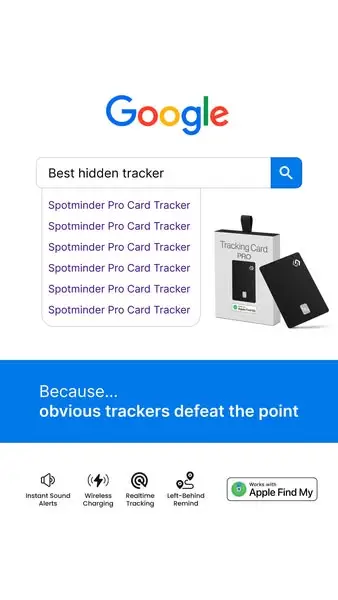
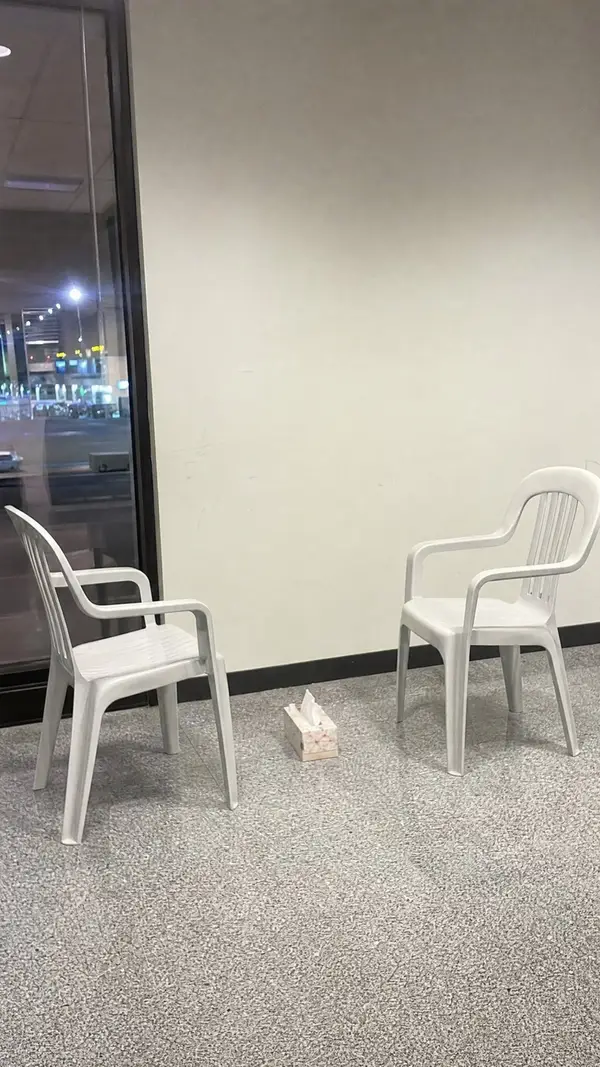
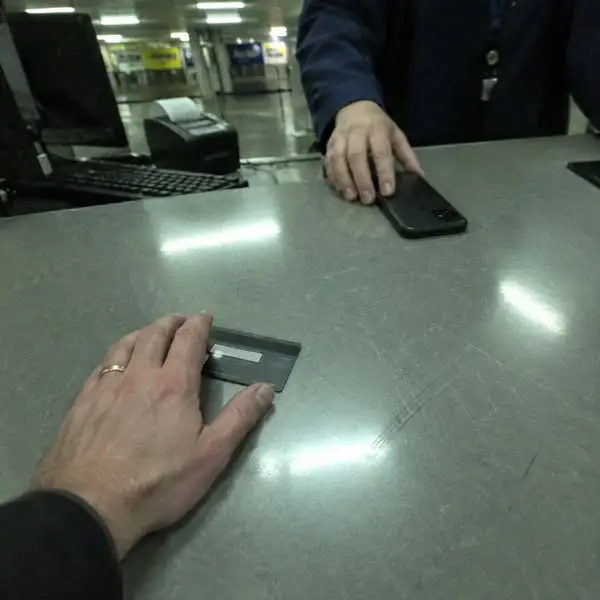
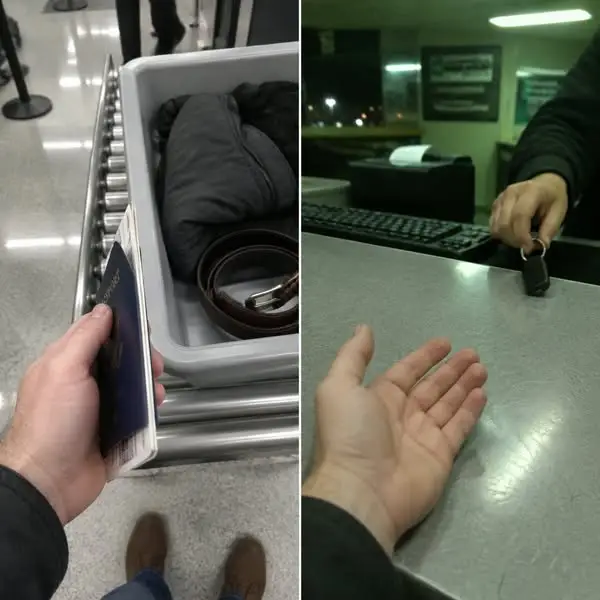
Standing at the rental car counter with my wife and kids waiting, the agent gave me the six words that derailed our first day. The neon clock above the Denver rental counter read 9:22 PM. My eleven-year-old son, Liam, was slumped over his duffel on the tile floor. Maya, who is eight, was leaning against her mother's coat, exhausted. We had been traveling since six that morning: two flights, a connection in Chicago, and a shuttle out to the remote rental facility. We had flown 1,800 miles from Boston to Denver for a family ski trip I had planned for months. I stepped up to counter position four with my family right behind me and laid our US Passports on the desk. The agent, Marcus, tapped on his keyboard without looking up: "Welcome to Denver, Mr. Stevens. I have your SUV right here. Just need to swipe your driver's license and a card for the deposit." "Of course," I said. I slid my credit card forward. Then I unlocked my iPhone, opened our official state DMV app, and tilted the screen toward him. It displayed my verified digital driver's license with the state seal, my photo, and the active barcode. "I misplaced my leather wallet on Wednesday while loading the car," I explained. "TSA cleared me with my passport in Boston and Chicago. This is my state digital credential, and I have a photo of the physical plastic card right here if you need to inspect the back." Marcus stopped typing. He looked at the screen, then pushed my phone back across the counter: "No physical card, no car keys." The air left my chest. Behind me, travelers shifted their boots on the tile. "Marcus, my family has been traveling all day," I said. "Our cabin is in Breckenridge, and it is freezing outside. There has to be a supervisor override." "There is no override," Marcus said. "If I release this vehicle without swiping a physical plastic license, our insurance is void. If you get into an accident on I-70, the company is liable. I cannot hand you the keys." I turned around to look at my wife, Sarah. She did not yell at me. A screaming fight would have been easier to handle. Instead, she gave me that quiet, hollow look every husband dreads: the look that says I trusted you to handle this, and now our children are stranded on airport linoleum at ten at night. Sarah could not rent the vehicle either because her license had expired three weeks earlier. At our counter, the rule was absolute: without the physical card in hand, they would not release the vehicle. We booked an airport hotel room on my phone, dragged our luggage back onto the shuttle, and paid for an emergency private van to the cabin the next morning. We lost the entire first day of our vacation, and over $600 vanished before we ever touched snow. And the worst part was knowing where that little piece of plastic actually was. It was not stolen. It was sitting on the workbench in my garage back home, tucked under folded microfiber towels where I set it down on Wednesday while packing ski gear. If I had known where that wallet was forty-eight hours earlier, I would have walked five steps, picked it up, and slid it into my pocket. I am not an irresponsible person. I check the stove burners twice before leaving the house and keep our family passports in a fireproof pouch. But for years, we have been told that smartphones make physical leather obsolete. So when I could not find my bifold on Wednesday, I rationalized the mistake, assuming my passport and phone would get us through. What nobody tells you is that travel has two checkpoints. Airport security is checkpoint one: they care about identity, and a passport clears that easily. The rental counter is checkpoint two: they care about property liability. Marcus's desk answered to fleet insurance rules that do not recognize digital apps. When we returned home on Sunday night, I was exhausted and humiliated. On Monday afternoon, my neighbor Dave walked over. Dave is a regional logistics technician who flies thirty-five weeks a year. I told him the whole miserable story: Denver, Marcus, the lost first day, and the quiet look Sarah gave me at the counter. Dave nodded slowly. "The second checkpoint," he said. "Happens to travelers every week. You think the phone replaces the card until you hit private fleet insurance." "I tried an AirTag in my wallet last year," I admitted. "It was eight millimeters thick. It turned my wallet into an awkward hockey puck that stretched the leather and felt like sitting on a golf ball. I threw it in a drawer after three days." Dave pulled out his leather bifold. It was completely flat. He slid a card from the top slot: "Stop trying to cram key fobs into a leather wallet. Take a look at this." It was matte black, dense, and remarkably thin: exactly 1.8 millimeters thick, the precise footprint of a standard credit card. "Spotminders Tracking Card," Dave said. "Works natively with Apple Find My. No extra apps. No monthly subscriptions. Slips into any normal card slot." For two years, I looked at travel trackers, and every option felt like an ugly compromise. Older tracker cards forced you to install third-party apps that drained your battery, pushed ongoing subscriptions, and had non-rechargeable batteries you had to throw away when they died. The Spotminders card was the first tracker I found that actually fit a normal wallet. At 1.8mm thin, it slides completely flush into any card slot without stretching the leather. You cannot feel it when you sit down. First, it is officially Apple MFi certified, integrating directly into the pre-installed Apple Find My app on your iPhone or iPad in under forty-five seconds. No third-party apps, no user accounts, and zero monthly subscriptions ever. Second, it connects directly to Apple's Find My network of over 2.3 billion active Apple devices worldwide. When your wallet is left behind, nearby Apple devices securely and anonymously update your wallet's last detected location on a clean map. To be completely transparent: it does not provide live moving GPS tracking. If a pickpocket runs down an alley, you will not see a live moving dot on your screen. Instead, it displays your wallet's last detected location on the map anywhere in the world. And for finding it around the house or in your car, it features a built-in sound alarm you trigger with one tap in Find My to pinpoint it under cushions or laundry. The internal battery lasts up to eight months per charge and recharges wirelessly on standard Qi and MagSafe chargers. It is also IP67 waterproof, meaning spills or heavy rain will not damage it. I bought three cards that evening. The real test came three weeks later on a Tuesday morning before an early flight to Philadelphia. Packing my laptop in the kitchen, I patted my right hip pocket. Empty. In the past, that empty pocket meant instant panic: cold sweat, tearing couch cushions apart, and frantic yelling while watching the clock run down. Instead, I opened Find My on my iPhone. In three seconds, the map showed my wallet's last detected location parked in my truck in the driveway. I walked outside, tapped "Play Sound," and followed the chime to my gym towel on the passenger floorboard. From empty pocket to wallet in hand took forty-two seconds. No screaming. No missed flight. Two months later, our family flew to Phoenix for spring break. We landed, took the shuttle, and walked to the rental desk. When the agent asked for my credentials, I opened my bifold, slid my physical driver's license and credit card across the desk, and had the keys to our SUV in under ninety seconds. Walking into the Arizona sunshine, Sarah squeezed my arm. She didn't say anything, but the quiet relief on her face was worth fifty times what I spent on those cards. I did not need a lecture on being organized. I just needed a wallet that tells me where I left it. 👉 https://www.spotminders.com/products/spotminders-tracking-cards P.S. Sarah put our second card inside her leather tote before Phoenix, and the third card lives in Liam's travel backpack. For the first time on a family vacation, nobody asked "where is my bag?" once during the entire trip. P.P.S. When an airline loses your luggage or a rental counter refuses to release your car, they keep your money and offer you a voucher. Spotminders backs their cards with a 100-day money-back guarantee, even if you have actively traveled with the card and kept it in your wallet for months. If it does not save you from a travel disaster, you send it back for a full refund. They also include a Lifetime Guarantee against manufacturing defects.
Loading the ad's image