Advertiser

Dr. Cornelius Carter

metabolae.comMeta Ad Library

7
Running ads
4 new in 30 days
Oct 2026
Advertising since
longest ad 1 month
—
Reach
running ads, summed
14% video
Formats
1 video · 3 image
3
Products advertised
1 shop

Ceylon Cinnamon 7200mg Equivalent with MCT Oil

This is an 8mm kidney stone pulled from a patient of mine who thought he knew every warning sign. Dehydration. Salt. Family history. The worst thing is the one warning he missed had nothing to do with how much water he was drinking. The best thing about that warning is that this time, you can hold it in your hand. My name is Dr. Cornelius Carter. I'm a nephrologist, and I've spent 22 years watching kidneys fail slowly in people who were told their numbers were fine. I want to tell you about the man this stone came out of. Because if your blood sugar has been creeping up and someone told you to keep an eye on it, this is the conversation you should be having and almost certainly are not. His name is Ray. He's 58. He runs the service department at a heating and cooling company, and most days he's out on jobs himself, in attics in July, under houses in January. He drinks water all day long. He keeps a gallon jug on the passenger seat of his truck. He didn't look sick. No swollen ankles. No foam he'd ever noticed. He worked every day. Every time he saw his doctor, he said the same thing. I feel fine. His A1C had been 6.3 for two years. His doctor called it prediabetic and told him to keep an eye on it. His fasting sugar sat around 118 most mornings. He was on one blood pressure pill. His father had spent the last four years of his life in a dialysis chair three days a week, and Ray had promised himself he would never end up in one. He did everything he was told. Then one night in March, he woke up at 3:15 with a pain in his right side like someone had driven a screwdriver into his back. He tried to walk it off. He couldn't stand up straight. By the time his wife got him to the emergency room it was 3:47, and he was on his knees on the floor of the triage bay, sweating through his shirt, vomiting into a trash can. The CT showed an 8 millimeter stone jammed in the tube between his kidney and his bladder. Too big to pass on its own. My urology colleague went in and pulled it out the next morning. Most people's story ends there. The stone is out. The pain is gone. Drink more water. Go home. I got involved because the ER flagged something else on his bloodwork. His kidney function, his GFR, was 64. Four years earlier it had been 78. When I walked into his room the next afternoon, he was sitting up with his wife beside him. Before I said a word, he said it. Doc, I drink water all day. I don't understand how this happened. I said, Ray, everybody blamed the water. Did anybody ever tell you what else could have caused it? He thought about it. Really thought about it. They said salt. Maybe it runs in the family. Maybe I sweat too much on the job. Did anybody mention your blood sugar? He looked at me like I'd changed the subject. What does my sugar have to do with a kidney stone? Twenty-two years in nephrology, and I've learned the answer to that question is the most important thing I ever tell a stone patient. And almost nobody tells them. Because most people look at a kidney stone and ask, how do we get it out? I want to know why his body made it in the first place. So I'd sent his stone to the lab for analysis. Not every kidney stone is the same. Some are calcium. Some are something else. Ray's came back almost pure uric acid. And his urine pH, the measure of how acidic it is, came back 5.0. That's very acidic. And it was the clue nobody had looked for. The worst thing about how we treat this is that your stone gets one doctor, your sugar gets another, and your kidneys get a third. The best thing about that mistake is it means this was never three separate problems. It was one. I pulled a chair up to Ray's bed and walked him through it. I want to walk you through it exactly the way I walked him through it, because this is the part nobody explains. Your urine isn't just water your body throws away. It's a chemical environment. And your kidneys work hard all day to keep that environment balanced. One of the tools they use is a natural buffer. Your kidneys make ammonia, and ammonia soaks up acid before it builds up in your urine. Think of it like the baking soda your body uses to keep things neutral. Now here's the part about sugar. Every cell in your body has little doors on its surface called GLUT4 transporters. When insulin knocks, those doors are supposed to open, so sugar can leave your blood and go into your cells to be burned for energy. In insulin resistance, those doors stop answering. Insulin knocks. Nothing happens. Your pancreas sends more. Still nothing. The sugar has nowhere to go. It stays in your blood. That's the number your doctor has been telling you to keep an eye on. But insulin resistance doesn't only happen in your muscles. It happens in your kidneys too. When the kidney cells stop responding to insulin properly, they make less of that ammonia buffer. Less baking soda. So the acid builds up. Your urine turns sour. Month after month. Year after year. And uric acid can't stay dissolved in sour urine. It starts coming out of solution. Tiny crystals. Too small to feel. Crystal sticks to crystal. Layer on layer. For years. Until one night at 3:15 in the morning, you have this. So when I hold this stone, I don't see an 8 millimeter rock. I see years of chemistry. I see what Ray's blood sugar had been doing to his urine long before he ever felt a thing. The pain started that week. The conditions that built it had been developing for years. And here's the part that worried me more than the stone. The same sugar that can't get into your cells keeps passing through your kidneys. Your kidneys filter your entire blood supply every 30 minutes, through tiny structures called glomeruli. Microscopic clusters of blood vessels so small that red blood cells pass through them single file. Sugar-soaked blood is rough on those filters. It inflames them. It thickens their walls. Over time they lose their ability to hold protein inside your blood where it belongs. Protein starts slipping into your urine. Ray's urine test showed it: microalbumin of 112. Normal is under 30. That's why his GFR had dropped from 78 to 64 in four years. Quietly. With no pain at all. Behind an A1C his doctor called prediabetic. The stone was loud. The filter damage was silent. Same cause. The acidic urine. The uric acid stone. The protein leaking. The GFR sliding. The fasting number that wouldn't drop. The afternoon exhaustion he'd been blaming on the job. Different rooms in the same house. And every doctor he'd seen had been managing a room. Your urologist removes the stone. Your primary doctor watches your sugar. Your nephrologist watches your filters. But your body doesn't split those problems into three different offices. The worst thing about getting the stone out is that it doesn't change a single drop of the chemistry that made it. The best thing about understanding that is it changes the question you ask. I want to be clear, because I believe in what my urology colleagues do. Ray needed that stone out. It was blocking his kidney. That surgery protected him. But removing a stone solves today's emergency. Understanding why it formed is a different problem. About half of people who have one kidney stone will have another within ten years. Because the stone was removed, and the sour urine that built it was still there the next morning. The standard answer is drink more water. Ray already drank a gallon a day. The next answer is a pill called potassium citrate, which neutralizes the acid in your urine chemically. It helps. But it manages the chemistry. It doesn't fix the reason the kidney stopped making its own buffer. The metformin his doctor would eventually add tells the liver to make less new sugar. It doesn't open a single door. His blood pressure pill eases the pressure on his filters. It doesn't stop the sugar wearing them down. Every prescription treats one room. Nobody treats the house. That's how a man who drinks a gallon of water a day ends up on his knees on an ER floor at 3:47 in the morning, with kidneys quietly heading the same direction as his father's. So the question I asked for Ray wasn't only how do we keep stones from forming. It was, what fixes the insulin problem upstream, so the kidney can start doing its own job again? Ray asked me that too. Then what treats the house? I'll tell you what I told him. Over the last decade, researchers have been studying a specific compound in true Ceylon cinnamon. Not the cinnamon on grocery store shelves, which is almost always Cassia, a different tree from China that stresses the liver at supplement doses. True Ceylon cinnamon. Cinnamomum verum. From Sri Lanka. Ceylon cinnamon contains two active compounds that do something none of the drugs on Ray's list could do. The first is called MHCP. It works like insulin without being insulin. It doesn't push your pancreas to make more. It goes to the GLUT4 doors that stopped answering and opens them directly. The sugar that's been circulating moves into your cells, where it belongs. The insulin signal starts getting through again, including in the kidney. The second is called cinnamaldehyde. It's what gives cinnamon its smell. It calms a stuck alarm system inside your cells called the NLRP3 inflammasome, the inflammation that keeps insulin receptors from responding and keeps your kidney filters inflamed. One compound opens the doors. The other quiets the fire in the filters. Together they don't manage a room. They address the house. There's a growing body of published research on cinnamon supplementation and fasting blood sugar, more than most doctors realize. It's not a drug. Nobody from a drug company is walking into a nephrology office to explain it. So it sits in the journals. Before Ray went home, I tore a sheet off the notepad on his bedside table and wrote one word. Metabolae. I told him it was the formula several of my colleagues in nephrology had been quietly recom

Loading the ad's image
Dr. Cornelius Carter — Ceylon Cinnamon 7200mg Equivalent with MCT Oil
PromisingImage

Ceylon Cinnamon 7200mg Equivalent with MCT Oil

I used to tease my wife that she loved her sweet tea and her Sunday apple pie more than she loved me. She would laugh and say at least the pie never forgot their anniversary. She was 56. She felt completely fine. She brewed a fresh pitcher of sweet tea every single morning, steeped it with 3 scoops of sugar the way her mother taught her in their kitchen in Savannah. She made apple pie every Sunday afternoon in a white dish that had been her grandmother's. Granny Smith apples sliced thin. Brown sugar and nutmeg. Lattice crust she would weave by hand because her mother said a pie with a solid top was lazy baking. She kept roses in the side yard that the neighbors stopped to photograph every June. Nobody in our life was worried about anything. Then one Thursday in March 2023, she went to her annual physical. 5 days later her doctor called. She got 2 diagnoses from one phone call. Type 2 diabetic. Stage 3 chronic kidney disease. Her eGFR was 52. Her urine albumin was 5 times what it should have been. I watched the expression she had carried her whole adult life rearrange itself into something I had never seen on her face before. She sat on the back porch for over an hour without saying a word. Then she came inside, went to the kitchen, and poured the pitcher of sweet tea down the sink. I watched her pour out every drop. But what neither of us understood that day was that the sweet tea was not the real villain sitting inside her kidneys. She was 58 years old when she died. She stopped the sweet tea on March 14th, 2023. Cut out sugar entirely. Went on the renal diet her nephrologist prescribed. Walked 2 miles every single morning for 2 years and 4 months. Lost 27 pounds. She did everything her doctors told her. The hospital bill was $127,000. The funeral was $12,400. Her pitcher is still on the kitchen counter. The blue glass one her mother gave her the summer before we were married. She used to fill it every morning before the rest of the house was awake. 4 tea bags in a pot on the stove. 3 scoops of sugar stirred in while it was still warm. Poured into the blue pitcher and set in the refrigerator. By noon it was cold and she would pour the first glass and take it out to the back porch and sit there with her book watching the roses. She stopped filling it in March of 2023. I cannot move it. If I move it, she is really gone. I need to tell you what happened to Evelyn. Because every week I see posts in the kidney health groups my patients forward me. Women writing things like: my doctor told me my creatinine is climbing and my eGFR is dropping, anyone tried supplements for kidney support? And women who have already cut the sugar, already cut the salt, already walking every morning, still asking: been doing everything right for over a year and my eGFR keeps falling, what else can I do? And it makes me physically ill. I am a nephrologist. I have spent 26 years treating the disease that killed my wife. I know what kidney disease looks like at Stage 2. I know what it looks like at Stage 4. I know what it looks like at 4 in the morning in a dialysis center when the alarms go off. I watched it in clinic. I watched it in the family waiting room outside a transplant unit. And I watched it in my own home. If you have been told your kidney numbers are declining, or your blood sugar is climbing, or you love someone dealing with either of those things, please read every word of this. I know it is long. I know you are scrolling. I know you have things to do. 2 years ago I would have given anything. Everything. For someone to tell me what I am about to tell you. Evelyn went in for her annual physical on March 9th, 2023. She felt fine. Better than fine. She had just turned 56. She still organized the spring garden tour for our neighborhood every April. She still grew roses from bare root in the side yard, the climbing ones that covered the fence by midsummer. She had never smoked a day in her life. She cooked everything from scratch. Her mother was 84 and still sharp, still walking herself to the farmers market every Saturday morning in the same Savannah neighborhood where Evelyn grew up. Sweet tea every morning, 3 scoops of sugar. Apple pie every Sunday afternoon. The kind of life nobody would look at twice. 5 days later her doctor called. Creatinine of 1.4. eGFR of 52. Urine albumin to creatinine ratio of 150. A1C of 7.1. The nephrologist confirmed it 2 weeks later. Her endocrinologist the week after that. Stage 3 chronic kidney disease. Type 2 diabetic. Both doctors landed on the same direction. Evelyn, the sweet tea needs to stop completely. No exceptions. Sugar goes entirely. You are going on a renal diet. Low sodium. Low potassium. Low phosphorus. Controlled protein. Lose about 10 percent of your body weight. Walk every day. We will retest in 6 months. Evelyn hung up the phone and sat on the back porch for over an hour without saying anything. Then she came inside, went to the kitchen, and started pouring. The pitcher of sweet tea in the refrigerator. The sugar canister on the counter. The box of tea bags in the pantry. The honey she stirred into her yogurt every morning. The brown sugar she used in the pie. The bag of Granny Smith apples on the bottom shelf. The nutmeg. The pie crust dough she had already made for Sunday. Then the rest. The bananas on the counter. The orange juice in the door of the refrigerator. The potatoes in the pantry. The canned tomatoes. The bag of almonds. The cheese. The black beans. All of it. Everything the renal diet said to remove. That is it, she said. I am done. And she was. For 28 months, she did not break once. No sweet tea at the kitchen table. No apple pie on Sunday afternoon. Not at her best friend Janet's retirement dinner in June where everyone had sweet tea and pecan pie and Evelyn sat there with plain water and a plate of grilled chicken and smiled like it was not costing her something. Not at our 32nd anniversary dinner where I made her baked salmon and steamed vegetables and she said it was the best anniversary meal she had ever had. Not at her own 58th birthday dinner where our daughter brought a cake from the bakery Evelyn had gone to since before the children were born and Evelyn watched everyone eat a slice and said she was fine. She stopped organizing the spring garden tour because everyone gathered afterward for sweet tea and pie in someone's kitchen and she could not sit there watching her friends eat and drink what she had given up without feeling like a guest in the life she had built. She stopped going to Sunday dinners at her sister Dorothy's in Savannah because the food she grew up eating was everything the renal diet forbade. Salt. Potatoes. Her mother's rice and gravy. Fried okra. Dorothy's cornbread. Sitting at that table with a plate of steamed vegetables at a meal she had been coming to for 35 years felt impossible. Her friend Marilyn told her she was not the same Evelyn anymore and gradually stopped calling. She lost a piece of herself she had been carrying since she was a young woman. And she did it anyway. Because her doctors said to. She lost 27 pounds. She walked 2 miles every single morning before the rest of the house was awake, summer and winter, did not matter. She tested her blood sugar before and after every meal and logged every number in a green notebook she kept on the nightstand. She took the milk thistle her doctor said he was not against. She took a B complex vitamin. She drank lemon water every morning. She ate exactly what they told her to eat. And she found a cinnamon supplement at Costco that a woman in her kidney health forum swore by. Ceylon cinnamon, the label said. Supports healthy blood sugar and kidney function. She took 2 capsules every day without fail, the same way she did everything else. She did everything right. The follow-up labs came back on September 18th, 2023. eGFR: 49. Down from 52. Creatinine: 1.5. Up from 1.4. UACR: 170. Up from 150. 6 months of doing everything right, and the numbers had moved in the wrong direction. Her nephrologist said: The kidneys heal slowly. Give it more time. We will retest in 6 months. Keep doing what you are doing. So she did. March 2024 labs. eGFR: 44. Creatinine: 1.7. UACR: 230. Worse. September 2024 labs. eGFR: 36. Creatinine: 2.0. UACR: 340. Worse still. Her nephrologist reclassified her in October 2024. Stage 3b. Approaching Stage 4. She had progressed. July 2025 labs. eGFR: 23. Creatinine: 2.8. UACR: 520. Stage 4. Her nephrologist told her the kidney function she had lost was unlikely to come back. The conversation had shifted from slowing the decline to managing what was left. Evelyn came home that evening and sat on the back porch. The same porch she had sat on after the first phone call. She did not say anything for a long time. Then she said: Cornelius, I gave up everything. The sweet tea. The apple pie. The Sunday afternoons that were just mine. The dinners at Dorothy's table that I have been going to since I was a girl. 28 months of walking and grilled fish and plain water at every table I sat at. And it is getting worse. I told her to give it more time. I told her the doctors said this could take years. I told her to trust the process. I am a nephrologist. I told my own wife to trust a process I now know was missing the most important piece. She nodded. She kept walking. She kept eating the salmon and the steamed broccoli. She kept logging her glucose every morning in that green notebook. She opened a new bottle of the Costco cinnamon supplement and set it back on the windowsill above the kitchen sink, next to the milk thistle and the B vitamins. And she asked me something I did not have a good answer for. Cornelius. You treat this disease. Is there anything else I should be doing? I told her she was doing everything. I ordered additional labs. I said the right things. What I did not tell her was the truth: that I did

Loading the ad's image
Dr. Cornelius Carter — Ceylon Cinnamon 7200mg Equivalent with MCT Oil
PromisingImage

Ceylon Cinnamon 7200mg Equivalent with MCT Oil

Looking to Support Healthy Blood Sugar Naturally? 🌿 Experience the Power of Metabolae Sri Lankan Ceylon Cinnamon! ✅ Helps support healthy blood sugar levels ✅ Supports steady daily energy ✅ Helps reduce blood sugar crashes ✅ Authentic Sri Lankan Ceylon cinnamon ✅ 200+ Clinical studies ✅ Enhanced with MCT oil for absorption Support healthier glucose metabolism naturally with research-backed ingredients designed for daily stability.

Loading the ad's image
Dr. Cornelius Carter — Ceylon Cinnamon 7200mg Equivalent with MCT Oil
TestingVideo

Ceylon Cinnamon 7200mg Equivalent with MCT Oil

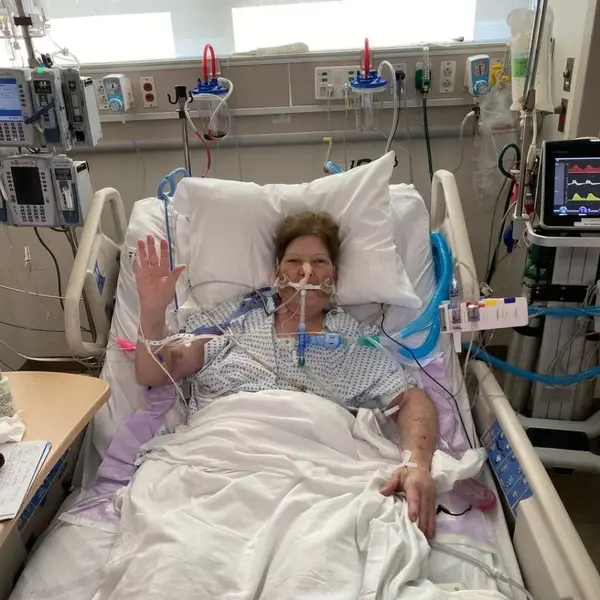
I don't give a f*ck if this upsets you. I am going to say something that no woman who's 60+ with Type 2 diabetes wants to hear. ⠀ I cut out carbs and sweets on July 8th, 2024. Threw out every loaf of bread, every snack, every box of pasta in the house. Went full keto. Walked three miles a day. Started juicing kale, of all things. I did everything I would have told any of my patients to do. I had a massive heart attack on October 19th at 2 AM. ⠀ I was 61 years old. ⠀ I've been a Certified Diabetes Educator for 24 years. ⠀ I taught this protocol to over four thousand patients across two decades. I ran group classes at the hospital every Tuesday and Thursday evening. I sat across from newly diagnosed Type 2 patients and their spouses and told them exactly what to do. Cut the bread. Cut the rice. Cut the pasta. Take the M*tformin. Walk every day. Retest in three months. ⠀ I told them this would work. ⠀ I taught them the same protocol I ended up doing myself. ⠀ And it almost killed me. ⠀ The paramedics got me back. The cardiologist put in two stents. But I nearly didn't come home. ⠀ Three minutes later to the hospital and I would have been gone. My heart stopped on the table for thirty seconds before they brought me back. ⠀ Thank God I survived. ⠀ The hospital bill was $63,000. The cardiac rehab was another $8,400. ⠀ My favorite coffee mug is on the counter this morning. My hand is around it right now. Fifteen months ago I thought I was going to lose everything. My kids. My grandkids. My husband. All of it. ⠀ I need to tell you what happened to me. Because I'm seeing the same posts on Facebook that I was making just months before my heart attack — my A1C is a little high, any tips — and it makes me physically ill. Because I was the woman answering those posts. I was the one giving the tips. ⠀ If you are a woman over 50 and you have Type 2 diabetes, or someone you love does, please read this entire thing. ⠀ I know it's long. I know you're scrolling. I know you have things to do. ⠀ Fifteen months ago I would have given anything, everything, for someone to tell me what I'm about to tell you. ⠀ And I was the diabetes educator. ⠀ I went in for a routine physical on June 28th, 2024. ⠀ I felt fine. Better than fine. I had just turned 61. I still walked five miles every Saturday morning with my sisters. I still gardened in the yard for hours on weekends. I thought I had this thing handled, because I taught it for a living, and honestly so did Frank. ⠀ Two days later my doctor called. ⠀ A1C of 10.3. Fasting glucose of 232. ⠀ Now, I had been diagnosed with Type 2 six years earlier. I had been on M*tformin for four years. My A1C had sat between 6.9 and 7.4 the whole time. My doctor and I both considered it controlled. I taught patients that this range was acceptable. ⠀ Then it jumped. ⠀ Your blood sugar is unmanaged, Caroline. We need to talk about your diet. ⠀ I was quiet on the call. I was in my kitchen, holding a slice of toast in one hand and the phone in the other. ⠀ What does breakfast usually look like for you? ⠀ Toast and eggs on weekdays. Pancakes with the grandkids on Saturdays. Cereal if I'm running late. ⠀ And dinner? ⠀ Chicken or fish with rice or pasta most nights. My mother's meatballs on Sundays. On the weekends Frank and I usually eat out. ⠀ And in between? ⠀ Sandwich for lunch. Slice of pie if I baked one. ⠀ That's enough to do this. You need to cut all of it. The bread. The rice. The pasta. The potatoes. The pancakes. Everything with carbs. Completely. No exceptions. We are doubling your M*tformin today. We will retest in three months. ⠀ I hung up the phone and sat at the kitchen table for forty minutes without saying anything. ⠀ Because I already knew all of it. ⠀ I had been teaching this exact instruction set for 24 years. I had it printed on a handout that I gave to every newly diagnosed patient in the hospital. Cut the carbs. Take the meds. Retest in three months. ⠀ I stood up, walked to the pantry, and took everything out. ⠀ I threw out three loaves of bread. Two boxes of my mother's favorite pasta that I had been saving for Sunday dinners. A five-pound bag of jasmine rice. Four boxes of cereal. The English muffins in the freezer. The tortillas we used for taco Tuesdays. The bag of potatoes on the counter. The pecan pie I had made the day before for my daughter's visit. All of it went in the trash. The whole pantry, gone in under an hour. ⠀ Frank asked me what I was doing. ⠀ That's it, I said. I'm done. ⠀ And I was. ⠀ For 103 days, I didn't touch a bite of it. ⠀ No bread. No rice. No pasta. No pancakes. Not at my niece's wedding in August where the dinner was pasta primavera and I asked the waiter for grilled chicken and vegetables. Not at book club in September where my friend Denise served her homemade banana bread and I ate almonds out of my purse. Not at my own 61st birthday dinner in October where my daughter made her honey-baked ham from scratch, with the sweet potato casserole and cornbread I had asked for on every birthday for 30 years, and I had a plate of ham with just the coleslaw and a pile of greens on the side. ⠀ I stopped going to Wednesday ladies' lunch at the country club because I could not sit there while every other woman ate the chicken salad on croissants and the fresh biscuits that came in the basket. I lost my friend Denise, who told me I was no fun anymore since I stopped drinking the wine and eating the bread, and stopped inviting me. I lost the Sunday brunch group with my sisters, where the standing order was a spinach quiche with a basket of pastries in the middle of the table. I lost a piece of myself I had been carrying for 40 years. ⠀ And I did it anyway. ⠀ Because I was the person who was supposed to know how to fix this. And that's what I would have told anyone else to do. ⠀ I was miserable the whole time. I want to be honest about that. The cravings never went away. I would stand in the kitchen at 9 PM looking at the empty bread drawer like it had personally wronged me. I opened the pantry 3-4 times a night to see if something had magically spawned. ⠀ I was agitated in the afternoons, so I would snap at Frank. He didn't deserve it. I don't blame him for not knowing what to say to me. I could not have said what I was doing to a friend. I could not picture myself eating no bread, no pasta, no dessert for that long. Not for one week. Let alone 103 days. ⠀ But I kept going. ⠀ I lost 22 pounds in those three months. I bought a juicer. Me, with the juicer, my daughter still can't picture it. I added a second daily walk in the evenings. I doubled my M*tformin per doctor's orders. I added a blood sugar complex I found on Amazon that I had been recommending to patients for years. I ate a salad every day. I learned to eat cauliflower rice instead of jasmine rice. I learned to eat zucchini noodles instead of my mother's spaghetti. I learned to say no to desserts. ⠀ I did everything right. ⠀ I did everything I had been teaching for 24 years. ⠀ The follow-up labs came back on October 7th. ⠀ A1C: 9.6. ⠀ Fasting glucose: 198. ⠀ I had quit carbs entirely for 90 days and the numbers had barely moved. ⠀ The doctor said give it more time. Diabetes management is slow. We will retest in 6 months. Keep doing what you are doing. If nothing changes we will add Oz*mpic at the next visit. ⠀ I came home that night and sat at the kitchen table again. The same table I had sat at after the first call. ⠀ I didn't say anything for a long time. ⠀ Then I said to Frank — I gave up everything. Everything. And it didn't work. And I've been telling other women to do the same thing for 24 years. ⠀ He told me to give it time. He told me the doctor said six months. He told me to trust the process. ⠀ I nodded. ⠀ I kept walking. I kept juicing. I kept taking the M*tformin. ⠀ Five days later, five days, I woke up at 2 AM with a pain I had never felt in 61 years. ⠀ It started in my back. Between my shoulder blades. Then it moved into my jaw. Then my chest. Then my left arm. ⠀ I want you to hear that. Because if you are a woman with Type 2 diabetes and you're reading this, you need to know how a heart attack shows up in a woman's body. Not the way they show it on television. Not the way it shows up in a man's body. In a woman it is often the back first. The jaw. The nausea. The exhaustion so deep you cannot lift your arms. I know this because I taught the warning signs of cardiovascular events to patients for 24 years. And when it hit me, in my own body, I still almost missed it. I lay there for eight minutes thinking it was a bad reaction to dinner. ⠀ Then the pressure moved. ⠀ I woke Frank. ⠀ Something is wrong. I need to go to the hospital. ⠀ He did not ask questions. He grabbed his keys and drove me to the ER. ⠀ By the time they admitted me at 2:47 AM, I was gray. Not a little pale. Gray. Like the color had drained out of my face. Like the light behind my eyes had gone dim. ⠀ The ER doctor, a young woman, could not have been 35, looked at my EKG and her face did this thing. ⠀ Mrs. Moore. You are having a massive heart attack. Your left anterior descending artery is 95 percent blocked. We are taking you to the cath lab. Now. ⠀ The doctor just looked at Frank. ⠀ I know, Mr. Moore. I'm sorry. ⠀ They rolled me down the hallway. Frank ran alongside the gurney holding my hand until the doors of the cath lab closed and a nurse gently pulled him back into the waiting room. ⠀ He sat in that plastic chair for three hours and forty minutes. ⠀ He called our daughter. He called my sister. He called my brother in Arizona. He could not stop shaking. ⠀ At 6:42 AM the cardiologist walked into the waiting room. ⠀ Frank stood up so fast he nearly fell over. ⠀ She's stable. We placed two stents in the LAD. She coded once on the table but we got her back within thirty seconds. She's in the ICU now. You can see her in about an hour. ⠀ Thirty seconds. ⠀ Thirty seconds is what stood between me and being gone. ⠀ I spent four days in the ICU. Another five days on the cardiac step-down floor. I came home on October 28th with two stents, a walker, and a shopping bag full of prescriptions. ⠀ That was the day the second nightmare started. ⠀ Because the cardiologist did not just want to see me back in her office for cardiac follow-up. She wanted a full body diabetic workup done, because in her words, when a Type 2 diabetic has a cardiac event this severe, the disease is almost never confined to the heart. We need to know what else is going on. ⠀ Over the next three weeks, I had: ⠀ A kidney panel with a nephrologist. ⠀ A dilated eye exam with an ophthalmologist. ⠀ A liver ultrasound and hepatology consult. ⠀ A nerve conduction study on my feet with a neurologist. ⠀ And every single one of them came back with a problem. ⠀ The nephrologist showed me that my creatinine had been climbing quietly on my last three panels. My kidney function was already declining. She called it early stage 3 diabetic nephropathy. Nobody had told me. I had been reading my own labs for years. I did not catch it. ⠀ The ophthalmologist noted small hemorrhages in both retinas. Early diabetic retinopathy, she said, consistent with several years of elevated blood sugar. I had been complaining about blurry vision that came and went. I told Frank I was tired. I was not tired. My retinas were bleeding. ⠀ The liver ultrasound showed moderate fatty liver disease. My enzymes had been elevated for two years. My previous doctor had said we will keep an eye on it. I had taught patients that phrase meant nothing was wrong. I was wrong. ⠀ The nerve conduction study showed measurable peripheral neuropathy in both feet. The tingling I had been complaining about for six months, the tingling I blamed on my shoes, was diabetic neuropathy. And it had already been damaging my nerves for years. ⠀ Same disease. Same trapped sugar. Damage in my feet. Damage in my kidneys. Damage in my eyes. Damage in my liver. And finally, damage in my heart. ⠀ The cardiologist called it a massive heart attack in a Type 2 diabetic with previously managed A1C. ⠀ Managed A1C. ⠀ That word again. The word I had used in patient charts. The word I had used in group class every Tuesday and Thursday for 24 years. Managed. ⠀ I sat on the edge of my bed that night, thirty-nine days after my heart attack, holding the folders of specialists' reports in my lap, and I said the words that broke something inside me. ⠀ My body was falling apart for years and nobody was watching for it. Not me. Not my doctor. Nobody. ⠀ My A1C was managed. ⠀ That's when I stopped waiting for my doctors to save me. ⠀ I started researching. ⠀ Not because I wanted to. Because I had to. Because I had survived by thirty seconds and I was not going to sit and wait for the next one. ⠀ I started reading everything I could find on Type 2 diabetes at 2 AM when I could not sleep. Medical journals I had subscribed to for 24 years. Endocrinology forums. Studies out of Japan and Germany that had not made it into the CDE curriculum. And one thing kept coming up, over and over, that none of my training had ever taught me. ⠀ The reason my numbers didn't come down when I cut carbs is that cutting the carbs only stops the incoming sugar. It doesn't move the sugar already trapped in the bloodstream. ⠀ But I couldn't understand the mechanism from the papers alone. It was too clinical. Too abstract. And I had spent 24 years reading clinical papers. If I could not put this into words a patient could understand, it did not matter what the paper said. ⠀ Then I found a thread on a diabetes forum with over 4,000 comments. The title. Why does my Sri Lankan grandmother not have diabetes despite eating rice every day? ⠀ I almost scrolled past. Something made me click. I had been dismissing folk medicine testimonials for 24 years. This time I read. ⠀ The post was from a woman whose grandmother had immigrated from Sri Lanka in the 60s. She was 84, ate rice with every meal, drank tea with sugar, had never been on Metformin, had never had elevated blood sugar. The post asked why Sri Lankan women in her grandmother's village rarely developed Type 2 diabetes despite their carb-heavy diet. ⠀ Comment after comment. Stories. Studies. Cinnamon. True Ceylon cinnamon. The kind that grows wild in Sri Lanka. The kind that has been used in their traditional medicine for over a thousand years. ⠀ Someone posted a name. Kumari. A grandmother who lived in a small Sri Lankan community in central New Jersey. People in the thread said she had helped their family members reverse their A1Cs. ⠀ I looked at the clock. 2:39 AM. ⠀ By 5:30 AM I was in my car. My cardiologist had cleared me to drive the week before. Frank tried to come with me. I told him no. I needed to do this by myself. By noon I was in New Jersey. ⠀ I didn't have an address. Just a town name and a description of the street. I drove until I saw a small house with a garden of unusual plants. Bushes I didn't recognize. A small tree by the front door I'd never seen before. ⠀ There was an older woman on the porch. Had to be pushing 80. Small. Thin. Dark hair pulled back with gray streaks running through it. She was sorting through something in a large wooden bowl on her lap, her fingers moving so fast they blurred. ⠀ No swollen knuckles. No brace. Just easy, steady work. ⠀ I parked and walked up to the porch. ⠀ Excuse me, I said. I don't want to bother you. But how old are you? ⠀ She looked up with sharp, clear eyes. Seventy-nine. ⠀ I stood there staring at her. Seventy-nine. I was 61 and had just come home from a nine-day hospital stay with two stents in my heart. ⠀ My name is Caroline. I've been a Certified Diabetes Educator for 24 years. I had a massive heart attack six weeks ago. I almost died. I have Type 2 diabetes. Managed A1C. My body was falling apart underneath the number for years and none of my training or my doctors caught it. I read a thread online. Your name was in it. I drove eight hours to find you. ⠀ She set down the bowl. Looked at me for a long moment. ⠀ You came here for a reason, she said. Come inside. ⠀ Her kitchen smelled like cardamom and cinnamon and rising bread. She poured me a cup of tea without asking. Pulled out a chair. ⠀ Tell me what happened to you. ⠀ I told her everything. The heart attack. The stents. The 103 days of no bread that did not save me. The follow-up labs that barely moved. The five specialists I had seen since I came home from the hospital. The kidneys. The eyes. The liver. The feet. The heart. And that I had been teaching this exact protocol for 24 years and it had almost killed me. ⠀ She nodded through every complication like she was checking items off a list she already had in her head. ⠀ When I finished, she was quiet for a moment. ⠀ Then she said — your medication is fighting the wrong battle. ⠀ I blinked. Not what I expected her to say. ⠀ M*tformin quiets the number on your chart enough that your doctor stays calm. That is all it does. The reason your numbers keep climbing. The reason your feet burn. The reason your blood pressure creeps. The reason your heart almost stopped six weeks ago. Nobody is touching that. ⠀ I know it is blood sugar, I said. I have taught blood sugar for 24 years. I cut the bread. I cut the sugar. I tried berberine. I tried apple cider vinegar. That is not new to me. ⠀ She smiled. Then you know more than most. But you do not know what that sugar is actually doing. Because nobody teaches it. Not even the educators. That is why you almost died in your own body while teaching the same protocol you followed. Without that, none of the rest matters. ⠀ She folded her hands on the table. ⠀ There are two things happening in your diabetes. The number on your chart. And the damage underneath it. They are NOT the same thing. ⠀ She held up two fingers, separated. ⠀ The pill works on the first one. The number. The damage, it never touches. The number is just the reading. Underneath it, the sugar from every meal you eat is trapped in your blood. It cannot get into your cells anymore. The doors are closed. So the sugar stays in your blood. And every heartbeat, it moves. Every meal, more piles on. The pill silences the number on the chart. But it never opens the doors. The sugar keeps grinding. ⠀ I stared at her. ⠀ You do not feel the grinding. You only see the number. So when the pill quiets the number, the doctor thinks you are managed. You were not. The sugar was grinding through your vessels every day for years. Whether you felt it or not. Whether you taught your patients that word or not. ⠀ She leaned forward. ⠀ And here is the part no one has told you. Not even in your own training. That trapped sugar is not only damaging one part of the body. It moves through every blood vessel you have. The smallest ones go first. The vessels feeding the nerves in your feet. That is the tingling. The vessels filtering your kidneys. That is the creatinine climbing. The vessels in the back of your eyes. That is the retinopathy. The vessels feeding your liver. That is the fatty liver. And then. The arteries feeding your heart. ⠀ She picked up two small pieces of cinnamon bark from her bowl. Then a third. Then a fourth. Then a fifth. ⠀ This one is your feet. This one is your kidneys. This one is your eyes. This one is your liver. This one is your heart. Same trapped sugar grinding through all five. Your specialists have been treating five different problems. It was always one. ⠀ My chest tightened. ⠀ That is why your A1C would not come down when you cut the bread. That is why your blood pressure was climbing. That is why the heart attack came anyway. The M*tformin did nothing for any of it. The Oz*mpic they wanted to add would do nothing for it. The carb cutting. They just lower the supply of new sugar. They do nothing about the sugar already trapped in your blood. They never open a single door. ⠀ She looked me straight in the eye. ⠀ Your A1C measures what is in your blood right now. It cannot measure what the trapped sugar has been doing to the vessels feeding your heart for years. Those are two different things. And the one that matters, the grinding in your blood vessels, your doctor was not measuring at all. Neither were you. ⠀ She reached across the table. ⠀ Now here is what Type 2 diabetes really is. It was never just a sugar number. Years of trapped sugar that started moving through your blood the day the doors first closed. Like a fire moving through a house one room at a time. Every meal. Every day. The same trapped sugar working on your feet and your kidneys and your eyes and your liver and your heart at the same time. Your A1C looked managed. Your body was falling apart underneath it. And you kept teaching your patients the same word. ⠀ She tapped the table once. ⠀ And here is the piece that will make you angry. Every part of you has been feeling this damage. But one place paid the highest price. Your heart. The same trapped sugar damaging the smallest vessels has been stiffening the arteries feeding your heart muscle. Year after year. That is where your blood pressure came from. That is where the heart attack came from. The numbers your doctor wanted to medicate one at a time. Never once asking what was causing all of them. And you were the woman on the other side of the desk telling your patients the same thing. ⠀ My eyes started to water. ⠀ That is what almost killed you. Not your diabetes. Not your A1C. The trapped sugar nobody addressed. A heart that took that grinding every single day for years while your doctor read your A1C and told you it was managed. And you told yourself the same thing. ⠀ I couldn't speak. ⠀ Now hear me clearly, she said. I am not telling you to throw the M*tformin in the trash. A blood sugar number is a blood sugar number, and that is between you and your doctor. M*tformin can help. But understand what the medication is. It quiets the number on the chart. It never opens the doors. It never moves the trapped sugar. And taken every morning, year after year, it lowers your B12 and adds its own strain to a body that is already damaged underneath. ⠀ I asked her what does open the doors. I already knew before she answered that whatever it was would depend on the delivery. In 24 years of teaching I had learned that everything depends on the delivery. ⠀ She smiled. A small smile. ⠀ The doors have a key. For over a thousand years the people in Sri Lanka have used one thing for them. My grandmother grew it. Her grandmother before her. Generations of Sri Lankan women living into their eighties without diabetes despite eating rice with every meal. ⠀ She stood. Walked to a shelf along the wall. Pulled down a dark glass jar. Inside were curled pieces of bark, deep red-brown, layered like rolled paper. ⠀ True Ceylon cinnamon, she said. ⠀ I told her I had recommended cinnamon supplements from Amazon to patients for years and had tried them myself. I said none of them did anything for me or for the patients I sent them to. ⠀ She must have read my face. That is not what you think it is, she said. What is in the drugstore and on Amazon is not even cinnamon. It is cassia. A cheaper plant from China. It does nothing for blood sugar. And it contains a compound called coumarin that puts strain on your liver in daily doses. You were sending your patients cassia and calling it cinnamon. That is what the whole American supplement industry is doing. And no one at any of your CDE conferences ever told you the difference. ⠀ She held up the jar. ⠀ Real Ceylon cinnamon is a completely different tree. Cinnamomum verum. It has two compounds your body needs. The first is called MHCP. MHCP is what opens the cellular doors back up. The doors that stopped responding to insulin years ago. Once those doors open, the trapped sugar finally moves out of your blood and into your cells where it gets used as energy. The grinding through your vessels stops. ⠀ She set the jar down. ⠀ And the second compound is called cinnamaldehyde. The one that gives cinnamon its smell. Cinnamaldehyde repairs the lining of the blood vessels that the trapped sugar has been damaging for years. The vessels feeding your feet. Your kidneys. Your eyes. Your liver. The arteries feeding your heart. The ones your cardiologist put stents in. All of them. ⠀ She looked at me. ⠀ Two compounds. From one plant. One opens the doors. The other heals what the trapped sugar damaged while the doors were closed. That is why the people in my grandmother's village do not have heart attacks like you almost had. ⠀ I asked her if it had to be a special form. ⠀ She nodded. It has to be real Ceylon at the right dose, suspended in the right oil. The cinnamon in capsules at the drugstore is mostly cassia. And even the real Ceylon at the drugstore is in dry capsule form. The compounds are fat-soluble. Without an oil to carry them, they pass straight through the body and never reach the bloodstream. This is why we eat coconut with cinnamon in Sri Lanka. The coconut oil carries the cinnamon into the blood. My grandmother did not know the science. She just knew that in our kitchen, coconut and cinnamon go together in every dish. That is why our women live into their nineties without heart disease. ⠀ She paused. ⠀ There is a company my niece in Boston told me about. They source the real species, DNA-verified. They concentrate it twelve to one to match the dose in the published research. They suspend it in MCT oil, which comes from coconut. The same oil my grandmother used. Just concentrated into a small softgel so it actually absorbs. Third-party tested. Made in the USA. ⠀ She wrote the name on a piece of paper and handed it to me. ⠀ Metabolae. ⠀ I ordered three bags from her kitchen table before I left New Jersey. ⠀ I drove eight hours home. Got in at midnight. Frank was asleep in the recliner. I sat on the couch across from him and watched him breathe for two hours before I went to bed. Because he had almost lost me. ⠀ The bags arrived seven days later. ⠀ I took the first softgel with my breakfast the next morning. Sat at our kitchen table with the coffee Frank made me. Looked at the softgel in my palm. ⠀ You believe her, don't you? he said. ⠀ I do. ⠀ I looked up at him. ⠀ Because I have taught the other version for 24 years and it almost killed me. ⠀ Then I swallowed it. ⠀ Week one. ⠀ My afternoon energy came back first. I had been napping every afternoon since the heart attack, exhausted after dinner. On day five of Metabolae, I sat at the kitchen table at 3 PM and read the paper cover to cover without dozing off. I looked at Frank and said I have not felt this awake in the afternoon in months. ⠀ Week two. ⠀ The tingling in my feet started to quiet. I had been sleeping with my feet outside the covers for over a year because the burning would wake me up at 3 AM. That week I pulled the covers up over my feet for the first time. ⠀ Week three. ⠀ The 22 pounds I had lost during my 103 days of misery had been muscle as much as fat. My color was back. My face looked like myself again. My daughter came for dinner and I saw her face when she walked in. She had been watching her mother look sick for months. That night she pulled Frank aside and said, Dad, Mom looks like Mom again. ⠀ Week four. ⠀ I was reading the paper at the kitchen table one morning and looked up at Frank with a strange expression. I held the paper out at arm's length. Then brought it closer. Then closer still. ⠀ Frank. I can read the small print. ⠀ I had been holding the paper at arm's length for over a year. My ophthalmologist had noted the retinopathy at my workup. My vision had been slowly getting blurrier for months and I had blamed my glasses. Now I was reading the sports section without squinting. ⠀ Week six. ⠀ I bought a home glucose meter and started tracking my fasting numbers. 138 on day one. 124 by the end of the week. 108 the week after. I was cheating on my diet occasionally now, a piece of bread here, a little slice of pie there, and my numbers kept coming down. ⠀ Week twelve. ⠀ Full lab panel. A1C: 5.9. ⠀ Down from 9.6 twelve weeks earlier. ⠀ Fasting glucose: 96. Down from 198. ⠀ Triglycerides: down 78 points. ⠀ Blood pressure: 118 over 74. Down from 148 over 92 the week I came home from the ICU. ⠀ Kidney creatinine back in normal range. ⠀ Liver enzymes back in normal range. ⠀ My cardiologist called me in for a special appointment to review the numbers. She looked at me. Looked at Frank. Looked at the chart. Looked at me again. ⠀ Caroline. What did you do? ⠀ I told her. ⠀ The Sri Lankan woman. The kitchen table. The two compounds. The trapped sugar. All of it. And that I was a diabetes educator who had been teaching the wrong thing for 24 years and had almost died learning what I should have known. ⠀ She listened for twenty minutes without interrupting. When I finished, she was quiet for a long time. ⠀ Then she said, I have not been trained on this. But your numbers have improved more than I have ever seen in a patient at your stage. Your cardiac risk markers are dropping. Your kidney and liver function is recovering. Your neuropathy is reversing. Whatever you are doing, keep doing it. ⠀ She cut my M*tformin in half at that appointment. ⠀ I am still on the two stents. Still on my blood pressure medication. Still walking three miles every morning. But I eat bread now. Occasionally. I had pancakes with the grandkids last Saturday for the first time in fifteen months. ⠀ My A1C at my last panel four weeks ago was 5.7. ⠀ I came within thirty seconds of Frank writing you a very different letter. ⠀ I am writing this because I am still here. And I have watched every symptom in my body reverse. And I have watched my cardiologist, a woman who has been practicing for twenty-two years, look at my labs and say the word I had been chasing for a year and a half. ⠀ Improving. ⠀ Not managed. ⠀ Improving. ⠀ If you are a woman over 60 with Type 2 diabetes, or you have a sister, a mother, a friend who is, and you have been told your A1C is managed while your body is quietly falling apart, please listen to what I am telling you. ⠀ The trapped sugar is what is killing us. Not the number on the chart. ⠀ The M*tformin lowers the number. It does not open the doors. It does not move the trapped sugar. It does not repair the damage the trapped sugar has already done to your feet, your kidneys, your eyes, your liver, and your heart. ⠀ Cutting the bread does not save you. I did that for 103 days and it did not stop what was coming. ⠀ Oz*mpic does not save you. Same idea, different lever. Neither one opens the doors. ⠀ There is one thing I know of that opens the doors and heals the damage. The two compounds in real Ceylon cinnamon. MHCP opens the doors. Cinnamaldehyde repairs the vessels. Together, at the right dose, in the right delivery form, they address what my medications never touched. And what I had never been taught to address in 24 years of teaching this disease. ⠀ Metabolae. ⠀ DNA-verified true Ceylon from Sri Lanka. Concentrated 12 to 1 to match the dose in the clinical research. Suspended in organic MCT oil so the active compounds actually absorb. Third-party tested. Made in the USA. ⠀ One softgel every morning with breakfast. That is the whole protocol. ⠀ 90-day money-back guarantee. If the numbers do not move, you pay nothing. ⠀ I almost died on October 19th, 2024, at 2 AM in the back of an ambulance. My father died at 71 of a heart attack. My mother died at 68 of complications from the same Type 2 diabetes I was diagnosed with at 55. I am 61 today. My grandkids call me almost every day. ⠀ I am still here because a Sri Lankan woman I found in a Facebook group brought me to her kitchen table for two hours and told me what my own training never had. What my doctors never told me. What I had never told a single one of my patients in 24 years of teaching them. ⠀ I want that for you. ⠀ I want your sister, your mother, your best friend, or yourself, to still be here five years from now. ⠀ Please do not wait for the ambulance ride to figure this out. ⠀ ~ Caroline Moore, age 61, Certified Diabetes Educator, Springfield, IL ⠀ P.S. My cardiologist told me at my last appointment that if I had come in that October morning even fifteen minutes later, I would not have survived. Fifteen minutes. That is the margin the trapped sugar left me with after six years of doctors — and me — calling me managed. Please do not let your margin be shorter than mine was. ⠀ P.P.S. I don't work for Metabolae. I don't get a penny from this. I'm writing this at 2:14 AM because I woke up in a panic and had to remind myself I was still breathing. That does not go away. Fifteen months later and I still check. Share this with any woman you love who is Type 2 diabetic. Even a little. Even borderline. Even if she already cut carbs. Please. Especially if she's a nurse, or a doctor, or a diabetes educator like me. Because we think we know. And we don't.

Loading the ad's image
Dr. Cornelius Carter — Ceylon Cinnamon 7200mg Equivalent with MCT Oil
Testing

Ceylon Cinnamon 7200mg Equivalent with MCT Oil

My wife took Ceylon cinnamon every single morning for six weeks. Her kidney numbers didn't drop a single point. And I say that as someone who spent 34 years reading kidney labs. I held the hands of 500 type 2 diabetics as their kidneys failed. And I'm about to tell you something I should have said 20 years ago. My wife told me to leave it alone. I'm retired now. Nobody's career is on the line anymore, not mine, not the endocrinologists', not the hospital's. But I'm 64 years old, and I sat across from too many families knowing the truth and saying nothing. So here it is. When you read kidney after kidney, you don't just see the numbers. You learn what the numbers are hiding. You learn the difference between filters that were healthy and filters that had been scarring shut from the inside while their owner was still walking around, still going to work, still telling his wife his A1C was managed. And in 34 years, in diabetic patient after diabetic patient who came through my clinic, I found the same thing. Filters scarred into glass, hardened from the inside like sugar cooked down in a pan and left to set. Kidneys shrunk down to half their size on the scan. Protein pouring into the urine for years before anyone looked. Creatinine creeping up one tenth at a time, every tenth called normal for his age. And behind the kidneys, the same story everywhere else. Vessels feeding the feet strangled shut. Retinas bled through. Hearts thickened and struggling in men and women who should have had twenty more years. Damage that had been building for years. Sometimes decades. I found it in men on Metformin. I found it in women on Ozempic. I found it in the ones who'd been on Jardiance for a decade and the ones whose doctors were still trying to manage it with diet. I found it in the school teachers and the truck drivers and the grandfathers whose grandchildren were still in car seats. I found it in people whose families sat in my office and told me, but his A1C was fine. His doctor said the numbers looked great. He was doing everything right. Everything right. Every referral letter that reached my desk said the same thing. Early kidney changes. Monitor. Likely age related. Never what I actually found. Never the truth. I want to tell you about the two times I almost said something. And why I didn't. It was my fourth year in practice. His name was David Cooper. 53 years old. Delivery route driver for a bread company. Type 2 diabetic diagnosed six months earlier, and his doctor had told him what doctors told newly diagnosed type 2 patients back then. Lose the weight. Cut the sugar. Walk every day. We'll retest in six months and talk about Metformin if we need to. David did it. He lost 19 pounds. He walked three miles every morning before his first delivery. He hadn't touched anything with sugar since March. His last A1C had come down from 7.4 to 6.8. His doctor told him he was doing everything right. He reached me because a routine urine test showed protein. His doctor had called it nothing. I took one look at the rest of his chart and I knew it was not nothing. I did the biopsy myself. Twenty years of sugar had turned the filters inside his kidneys into something hard and scarred, and the wall of every tiny capillary had been thickening the whole time underneath an A1C nobody had been watching until six months ago. His kidneys were already at half the function they should have been. Six months of doing everything right, on a disease that had been quietly wrecking him for two decades before anyone noticed. Within three years David was in my dialysis unit three mornings a week. He never complained. He brought bread for the nurses. His wife found him slumped over his workbench on a Saturday morning. He'd been out there since 6am building a birdhouse for his granddaughter. Cardiac arrest, the report said, which is how so many of the people in my unit end. David's wife sat in my office three days later and asked me, quietly, if I had any idea why a man who'd lost the weight and eaten right for six months had ended up on a machine, and then on a workbench, at 56. And I almost told her what I'd seen. The filters scarred to glass. The numbers that had been slipping for years under a number that looked fine. But I didn't have an explanation that fit on a form, and it wasn't my place to offer one. I was 34. I had two kids and a mortgage and a practice in a small county where the hospitals sent me my work. I'd been told, not in writing, never in writing, just understood, that a nephrologist's job is to manage the kidney the way the guidelines say, not to second-guess the treatment that came before it. So I told David Cooper's wife I was sorry for her loss. And I closed the chart as written and carried a question I couldn't shake. I went home that night and started a notebook. Not for anyone. Not for court. Just for me, because I couldn't carry it in my head anymore. Every diabetic patient. The date. The age. The A1C. The creatinine. The eGFR. What the filters looked like. What the person had been told to do. Fourteen years later, another patient made me want to walk out of the room. His name was Richard. 49 years old. High school basketball coach. Married 23 years. Three kids, two in college, one still at home. Big man. The kind who made a room feel safe just by walking into it. Richard was not David. Richard had been type 2 for twelve years. On Metformin twice a day the whole time. His endocrinologist had added Ozempic eighteen months earlier when his A1C climbed to 7.4. The Ozempic had brought it down to 6.6. He'd lost 22 pounds on the shot. His endocrinologist had told him, at his last three month check, that his A1C was the kind of number I wish every type 2 patient in this practice had. He was going to be fine. He came to me with foam in his toilet that wouldn't go away and ankles that swelled by evening. His eGFR was 38. His creatinine had climbed on three charts in a row while his A1C improved on every one of them. I pulled his biopsy. The filters were worse than David's had been. Not a little worse. The scarring was thicker. The protein spillage was heavier. There was almost nothing left to save. Richard started dialysis that spring. He died on a Sunday morning. His heart stopped while he was standing at the stove making pancakes for his youngest daughter. She was 16. She was sitting at the kitchen table when it happened. I stood at the back of the church for a long time. Because the medication had changed. The number on Richard's chart looked better than David's ever had. And the kidneys were the same. Worse. Fourteen years of the profession's best answer, and the man in my chair was in worse shape than a man who'd never gotten the answer at all. That was the moment I understood the pill had never been aimed at what was actually destroying him. The number came down. The disease kept building. And nobody was watching for the disease. They were all watching the number. I added a new column to the notebook that night. Whether he'd been on the medication. And which one, or which combination. By the time I retired six weeks ago, that notebook had 2,700 entries. 2,700 diabetic families who shook my hand and thanked me for my care and never once heard what I was really thinking. That's what I carried for 34 years. Here's where it stopped being something I carried and became something I could not live with. My wife, Susan. We've been married 34 years. She's 60. Retired kindergarten teacher. Walks three miles every morning. The healthiest person in any room she walks into. Type 2 diabetic since she was 48. On Metformin twice a day for twelve years. Her A1C had sat between 6.7 and 7.1 for those twelve years. Her endocrinologist called it managed at every visit. Said she was doing great. Two months ago, Susan's A1C ticked up to 7.6 at her regular check-in. Her endocrinologist told her it wasn't dangerous, but he wanted to add a low dose of Jardiance to hold the number down before it climbed further. Ten milligrams, once a day, with breakfast. Susan came home and asked me what I thought. I looked at the number. I thought about the 2,700 entries in my notebook. I thought about David Cooper's A1C coming down from 7.4 to 6.8. I thought about Richard's coming down to 6.6 on the Ozempic. I told her to take it. I want you to sit with that. Because it is the single decision in 34 years of this work that I would give anything to have back. I had 2,700 entries in a drawer telling me the A1C wasn't the disease. And when my own wife was standing in the kitchen asking me if she should add another pill to the one she was already on, I told her to trust her doctor. She took it faithfully. Ten milligrams every morning with her coffee. Six months in, it started. The tiredness after meals. Not bad at first. Just enough that she'd sit down after dinner and be asleep in the chair by eight. She joked about it. Getting old. I didn't joke back. Then the bathroom. She was getting up three, four times a night. She'd never done that. She blamed the Jardiance and told herself it was doing its job. Then I saw it myself, one morning, in our own toilet. Foam. The kind that sits on the water and doesn't clear. She said it was probably the soap. I knew it wasn't the soap. Then her ankles. A faint line from her socks that stayed pressed into her skin well into the evening. Then her eyes. She started holding the menu farther away. Squinting at the crossword she used to do in pen. Asking me to read the prices on the shelf. Then her panel. Her creatinine had ticked up to 1.4. Her eGFR had slid to 46, down from the high fifties two years earlier. Her urine protein was 510. Her doctor said the kidney numbers were still fine, nothing to worry about at her A1C. Then her blood pressure. 134 over 86 at her follow-up. Her doctor said it was a little elevated but common with type 2, cut back on the salt, we'll recheck it next time. Managed. Of course it was. I knew what I was looking at. God help me, I knew. I knew because everything Susan was showing me was the front end of what I'd been charting in diabetic patients for 34 years. The foam. The creatinine ticking up. The protein climbing. The blood pressure creeping. The exhaustion after meals. The blurred vision. Susan was starting the story. I'd only ever seen the end of it. I sat in our living room that night watching Susan hold the newspaper at arm's length and give up on it. And I felt the full weight of 34 years of silence. I was not going to sit across a desk from my own wife and explain dialysis. Not Susan. Not after everything I'd seen. Not after I was the one who told her to add the Jardiance in the first place. I did what any husband would do when his wife was disappearing in front of him. I tried the two things I'd heard of. Berberine, because I'd heard people mention it my whole career. If the medication was only lowering the number without touching the damage, I figured a natural compound aimed at the same target might at least do less harm. 500 milligrams three times a day. And chromium, because every diabetes book I'd ever picked up had chromium in it. Susan took both of them faithfully every morning and every evening with her meals, alongside the Metformin and the Jardiance she was still on. She trusted me. I told her I was figuring it out. Six weeks. The foam was still there. She was still getting up three, four times a night. Her A1C came down another 0.2 points and her ankles were still swelling by evening. Her creatinine did not move. I sat at the kitchen table one morning with those two supplements on the windowsill above the sink and I understood I was guessing. I had spent 34 years around the exact damage those two things were supposed to prevent, and I had no idea if either one of them was capable of reaching it. I was the right man to catch this. I was not the right man to fix it. I needed help. That's when I called Rachel. Rachel Henderson. She'd been a nephrologist in the next county over for 38 years before she retired. Old school. The kind of woman who said exactly what she thought regardless of consequence. Rachel was the only colleague I'd ever known who talked openly about what we see in diabetic kidneys. Not publicly, but between us, over coffee. Another one today, she'd say. 44 years old. Type 2. On Metformin and Ozempic. A1C 6.9. Filters scarred to nothing. Referred too late. She'd shake her head. Take a sip. Move on. I called her and told her about Susan. Told her what I'd tried. Told her none of it worked. She was quiet for a long moment. Then she said, Cornelius, you've been thinking about this wrong your whole career. Come on, Rachel. I'm serious. You keep looking at the A1C. You of all people know the A1C isn't the disease. You've been reading the disease off biopsy slides for 34 years. So what am I missing? Everything the pill was never built to reach. Grab a pen. I grabbed a pen. Type 2 diabetes is not really an A1C problem. The A1C is just the surface measurement. It tells you nothing about what that sugar has already been doing. Then what has it been doing? After years of constant carbs and elevated insulin, your cells stopped responding. The doors on your muscle cells, your liver cells, your organ cells. The doors that are supposed to open when insulin knocks. They stop responding. So the sugar from every meal cannot get into your cells where it is supposed to be burned for energy. It stays in your blood. Trapped. And once it is trapped, it does not sit politely. It moves with every heartbeat. It grinds against the inside lining of every blood vessel in your body. And your kidneys are the most exposed organ you own. Each one is a million tiny filters, knots of capillaries thinner than a hair, and every meal sends a spike of trapped sugar straight through them. They strain in real time. They scar one meal at a time. That trapped sugar is what causes every diabetic complication. Not the A1C. The trapped sugar. And it has been scarring Susan's filters for years before her doctor told her anything was wrong. Her kidneys. That's the foam. That's the protein spilling. That's the creatinine and the eGFR you're watching slide. Her nerves. That's the buzzing in the feet you missed. Her eyes. That's the vision loss. Her liver. That's the enzymes creeping up. And the arteries feeding her heart. That's what took Richard. Five different organs. All being damaged silently. Every meal. Every heartbeat. For decades. While her doctor watches the number and shakes her hand and says she's right where we want her. That's what you and I have been reading off charts and slides our whole careers. I didn't say anything for a long time. Then I asked her what the Metformin had been doing for Susan if all of this was happening underneath it. Metformin tells your liver to make less new sugar. It reduces the supply coming in. The number on her chart drops. Her doctor is satisfied. But it does not open the cellular doors. It does not move the sugar already trapped in her blood. The grinding through her filters continues whether she takes the pill or not. It manages the number while the disease finishes what it has been doing the whole time. You can shut off the faucet. If the drain is still clogged, the water does not drain. I sat with that. And the Jardiance her doctor added six months ago. Jardiance forces your kidneys to dump the extra sugar out through your urine. The number drops. But it does not open the cellular doors. The sugar in her blood is still trapped. The grinding does not stop. And it asks the kidneys to do the dumping. That sugar has to pass through them every day for the rest of her life. Susan's kidney numbers were already ticking up. Jardiance just gave them more work. And the Ozempic. Her doctor said Ozempic is the next step if the Jardiance doesn't hold. She let that land. All the GLP-1 shots everyone is calling a miracle right now. Ozempic. Mounjaro. Wegovy. They slow how fast your stomach empties so less new sugar enters your blood after a meal. They take some weight off. Some patients see real benefits. But what they cannot do is open the cellular doors that have stopped responding to insulin. The trapped sugar is still trapped. The grinding does not stop. And the lawsuits stacking up against them right now, the gastroparesis, the muscle wasting, the bone density loss, are real problems showing up in people who took the shots and trusted they were safe. GLP-1s are like draining a flooded basement while the pipe is still leaking. I asked her what actually works if the medications don't. You have to get the sugar out of Susan's blood the way her body is supposed to. Not tell her liver to make less new sugar. Not force it out through her kidneys. Not slow her digestion. You have to get the cellular doors opening again. Every meal. So the sugar finally moves out of her blood and stops grinding through her filters. There is one plant that does that. True Ceylon cinnamon. Cinnamon. I know how it sounds, Cornelius. I told myself I knew how it sounded when I found this. And I want you to hear me out because it took me two years to accept it. Grab your pen again. There are four things a real Ceylon cinnamon has to be, and almost nothing on a supplement shelf hits all of them. I grabbed the pen. One. It has to be true Ceylon. Cinnamomum verum. DNA-verified. Not cassia. Ninety-five percent of what calls itself cinnamon on a supplement shelf is cassia, a completely different tree from China. Cassia does almost nothing for blood sugar and contains a compound called coumarin that damages the liver at daily doses. Two. It has to be grown in Sri Lanka, not Vietnam or China. Sri Lanka is where true Ceylon originated and where the plant has the highest MHCP content, the compound that opens the cellular doors. Ceylon grown elsewhere has been measured with a fraction of the MHCP the studies were built on. Three. It has to be concentrated. Twelve to one at minimum. That's what matches the dose in the research. Regular cinnamon powder isn't concentrated enough. You could eat a spoonful every day for a year and not get what she needs. Four. It has to be suspended in MCT oil. Not a dry capsule. Not a powder. The active compounds in true Ceylon, both MHCP and cinnamaldehyde, are fat soluble. Without an oil carrier they cannot cross the intestinal wall into the bloodstream. Dry capsules pass through the body unabsorbed. Almost every supplement on the shelf is a dry capsule. Almost none of it reaches her blood. I asked her how MHCP actually opens the doors if the medications can't. MHCP signals the cellular doors in her muscle cells to start responding to insulin again. Like a key turning in a lock that had been jammed for years. Once the doors open back up, the trapped sugar finally moves out of her blood and into her cells where it gets used. Published in Diabetes Care, the American Diabetes Association's own journal, twenty years ago. Our doctors still don't recommend it. And the second compound? Cinnamaldehyde. The one that gives cinnamon its smell. Cinnamaldehyde supports the lining of the small blood vessels that have been damaged for years. Helps the lining start doing its own repair. That's the lining inside every one of those million filters in her kidneys. It's what gives them the chance to hold what they were built to hold, and to stop spilling protein. It's also what restores blood flow to the places that stopped getting it. Her feet. Her eyes. Her liver. And the arteries feeding her heart. Two compounds. One plant. One opens the doors. The other helps the damage already done start to repair. Rachel. How long have you been doing this? Twelve years. My husband too. He's 74, type 2 since he was 55, and in remission for over a decade. His A1C sits at 5.6. His kidney function has held steady for twelve years. His doctor stopped calling him diabetic three years ago. And you never told me. You never asked. And honestly? A retired nephrologist telling people to take cinnamon every morning. Nobody wants to hear that from the woman who spent 38 years handing out dialysis schedules. I got off the phone with Rachel and I did the obvious thing. I drove to the pharmacy. I went to the same aisle I'd stood in six weeks earlier when I bought the berberine. This time I knew what I was looking for. Ceylon cinnamon. Not cassia. With MCT oil. There were four brands of cinnamon capsules on the shelf. I stood there and read every label. I picked the two that looked the most serious, a bigger dose, an organic seal, one that even said Ceylon on the front, and I brought them home. Susan was skeptical this time. She'd been swallowing supplements for two months and her ankles still swelled every evening. I told her Rachel had explained the mechanism and this was different. Six weeks. Nothing changed. The foam was still there. She was still getting up to pee three, four times a night. Her creatinine sat at 1.4. I called Rachel back. You bought commercial cinnamon, didn't you. I bought the two most serious looking ones on the shelf. One of them said Ceylon on the label. Doesn't matter what the label says. Almost none of them are DNA-verified. Almost none of them are grown in Sri Lanka specifically. Almost none of them are concentrated to the research dose. And exactly none of them are in MCT oil, because MCT oil costs money and dry capsules are cheap. The label is designed to look serious. The product inside is the same commodity cassia dust as the cheap ones. So how do I find one that actually hits all four? There's a company that makes it the way it actually has to be made. Only one I've found. My husband's been on theirs for years. She told me the name. Metabolae. I ordered it that afternoon. The cheap cinnamon capsules I'd bought Susan the first time were still on the counter. I went and got one. Twisted it open over a white saucer. A fine, gray-brown dust spilled out. Almost no smell. When the Metabolae arrived four days later I opened the bag and twisted a softgel over the same white saucer I'd used for the cheap one. Where that powder had been a dead gray-brown dust, this was deep amber MCT oil that beaded across the plate. The cinnamon suspended in it, alive, ready to absorb. And it smelled like actual cinnamon. Warm and sweet, like a bakery. A completely different thing, in every way that mattered. I read the paperwork that came with it. DNA-verified Cinnamomum verum, grown in Sri Lanka. Concentrated 12 to 1 to match the dose in the research. Suspended in organic MCT oil so both compounds actually reach the bloodstream. Third-party tested per batch. One softgel every morning with breakfast. Susan took the first one that morning with her coffee. Week 1 and 2: The foam in the toilet cleared. I noticed it on a Thursday and checked again on Friday, because I did not trust it. Gone. The crash she always hit after dinner, the one that put her in the chair asleep by eight, didn't come. She sat up reading a novel. First time in months. She didn't say anything about it. I noticed because she was still awake when I came in to say goodnight. Week 3 and 4: Her morning fasting reading dropped below where it had sat for a year. The getting up at night to pee dropped from three times to one. She slept the stretch from midnight to five for the first time in nine months. The line from her socks was gone by dinner. Week 6 to 8: I drew her labs myself, because I couldn't wait for the regular schedule. Her creatinine had settled from 1.4 to 1.1. I read it three times. Then I put the sheet face down on the counter and went outside for ten minutes. Week 12: Her sister came by for dinner. Halfway through the meal she stopped and stared. Susan. What have you done? You look ten years younger. Susan smiled and looked at me. I couldn't say anything. I was thinking about every diabetic family I'd sat across from and lied to. Every husband. Every wife. Every daughter waiting for pancakes. All the ones whose person had these same symptoms, the same dismissals, the same your A1C is 6.9, we'll check it in six months. The only difference was that I knew what to look for. And this time I'd looked in time. Her eyes cleared. She did the crossword in pen again. The bloating after meals was gone. She could sit through dinner without loosening her belt. The woman who'd been asleep in her chair by eight, six months earlier, was reorganizing the garage at noon and asking if I wanted to go for a bike ride after lunch. She said she felt like herself for the first time in two years. Because she was herself again. The damage had stopped. Her body was doing what a body does when you finally get the sugar out of the way. That same week, her endocrinologist ran her full panel. Her A1C had come down from 7.6 to 6.1. Her fasting glucose, from 187 to 94. Her creatinine was 1.1, down from 1.4. Her eGFR had climbed from 46 to 54. Her urine protein had dropped from 510 to 280. Her blood pressure was 122 over 78. Every number moved the right direction. Every single one. He asked her what she'd changed. She told him she'd added a Ceylon cinnamon supplement Rachel had recommended. He took her off the Jardiance entirely. Cut her Metformin from twice a day back to once. Told her whatever she was doing, she should keep doing. Remission. But I'll be honest with you. I've never cared less about an A1C in my life. Because I finally understood it was never the number that was going to take her. It was the damage the sugar was doing on its way through her body every day. And the damage stopped. And then there was the thing I still have trouble putting into words. The thing that, after 34 years, I did not believe I would ever see. Susan's eGFR went up. Not a little. I have signed hundreds of orders for patients whose eGFR never once went the other direction. I have watched that number slide from 46 to 38 to 29 to 15 on chart after chart, and I will tell you the one thing I never once had to wonder about in 34 years: Filters do not come back. Once they're scarred, they're scarred. Every doctor who ever dismissed one of the people in my notebook said the same thing, in the same tired voice. Diabetic kidney disease. Nothing to be done. It only goes one direction. Susan's went the other direction. I started taking it myself the following week. The first morning, about twenty minutes after I swallowed it, I felt something I hadn't felt in years. A lift, a clarity, like someone had wiped a film off a window I didn't know was dirty. The rest came the way it came for Susan. The low-grade fatigue I'd blamed on 34 years of night calls and dialysis rounds, gone. I sleep through the night. I have energy I haven't felt since my 40s. I'm 64 years old and I feel better than I did at 45. We both take it every morning now. One softgel on a saucer next to the coffee. It's the last thing either of us will ever skip. I've been retired for six weeks. I don't read biopsy slides anymore. I don't start dialysis orders. I don't sit across from wives in my office and say I'm sorry, ma'am, and keep what I saw to myself. But I think about David Cooper. And Richard. And their wives sitting in my office with the same question and me giving them the same silence. The notebook in my desk drawer with 2,700 names in it. The diabetic families I sent home without ever telling them what I'd seen, because I was told that was my place. And I think about Susan. How close she came to being entry 2,701. How her symptoms lined up, line for line, with what I'd been charting for 34 years. How her tests came back a little creep and very common with type 2 while a life I loved was quietly being taken apart from two different directions. The only difference was that I finally spoke up. To Rachel. And then to her. And then to her endocrinologist through her. That's why I'm telling you now. Because I finally can. The foam in the toilet you keep telling yourself is the soap. The ankles that are swollen by dinner. The four o'clock exhaustion that drops you in a chair with the evening still ahead of you. The words on the page that swim when the light gets low. The bathroom trips at 3am you tell yourself are just the medicine doing its job. The creatinine that went from 1.0 to 1.1 to 1.2 and every time got a shrug. Those aren't separate problems. Those are warnings. Something is happening inside you right now, 24 hours a day. Sugar circulating in your blood after every meal, straining the million filters in your kidneys, damaging your heart, your eyes, your nerves, your liver. Silently. Under an A1C your doctor calls managed. Your tests will come back fine. Your doctor will say age. Or early changes. Or your A1C is 6.9, this is exactly where we want you. I've read those exact words in the charts of type 2 diabetics I later put on dialysis. Hundreds of them. Diabetics whose kidneys were destroyed silently, because everyone was watching the wrong thing. The A1C measures how much sugar was in your blood on average over the last three months. It does not measure the damage. It never has. And the pill your doctor hands you does the very same thing the number does. It lowers the amount of sugar and touches none of the damage it's already causing. Metformin does nothing to it. Jardiance does nothing to it. Ozempic does nothing to it. When one stops holding the number they add a second, then offer you the weekly shot, and not one of them goes within a mile of the actual thing taking your kidneys, your eyes, and your feet. I'm not telling you to stop taking what your doctor prescribed. That conversation belongs to you and your doctor. What I'm telling you is that the pill only ever did half the job. And the half it skips is the half that ends up in my dialysis unit. That reassurance is the same lie I let stand 2,700 times. The comfortable number on the chart and the comfortable line in the referral letter are the same lie, told at two ends of the same disease. The only thing that works opens the cellular doors so the trapped sugar finally moves out of your blood at every meal. And it supports the blood flow and the lining of the organs the sugar has already been damaging. MHCP opens the doors. Cinnamaldehyde does the repairing. Both compounds. From true Ceylon cinnamon. Suspended in MCT oil so they actually absorb. That's what Metabolae makes. DNA-verified Cinnamomum verum from Sri Lanka. Concentrated 12 to 1 to match the dose in the research. Suspended in organic MCT oil so both compounds actually reach the bloodstream. Third-party tested per batch. One softgel every morning with breakfast. That's the whole protocol. 90-day money-back guarantee. If your numbers don't move, if the foam doesn't clear, if the fog doesn't lift, you send back what is left and every dollar comes back with it. Most of what calls itself cinnamon at the drugstore will do nothing for you, and now you know why. It's cassia. A cheap tree from China with almost none of the active compounds and a coumarin load that damages your liver on top of everything the sugar is already doing. I spent 34 years watching what happens when diabetics wait. I documented it 2,700 times in a notebook nobody was ever supposed to see. I'm not carrying it anymore. I'm 64. I'm retired. And for the first time in 34 years, I'm telling the truth. The creatinine won't turn around on its own. The filters won't heal on their own. I'd have told you that myself six months ago, and I'd have been wrong. None of it turns around until you stop watching the number and start stopping the damage. Stop measuring the fire. Put it out. Dr. Cornelius Carter, age 64, retired nephrologist P.S. I need to say this as plainly as I can, because Susan came off her Jardiance in this story and I do not want you doing the same thing on your own. She came off it because her endocrinologist looked at her bloodwork at Week 8, an A1C drop from 7.6 to 6.1 she had never seen on any medication, and made that call himself. That is the only version of coming off a diabetes medication I would ever defend. If you are on Metformin, Jardiance, Ozempic, or any combination, do not stop them on your own. Bring your bloodwork to your doctor after 60 or 90 days on Metabolae and let your doctor decide. The point is not to fight your endocrinologist. The point is to put the thing on the table that the prescription pad wasn't allowed to. P.P.S. Do not quit early on this. The first few weeks are quiet. What the MHCP does in those weeks happens inside your muscle cells, where you can't feel anything, before the trapped sugar starts moving out of your blood. Rachel told me at the start what to expect and it landed exactly the way she said it would. The foam and the energy usually turn first, in the first couple of weeks. The fasting number moves next. The kidney labs move last, around Week 6 to 8, and the eGFR the slowest of everything because kidney tissue is some of the slowest-healing tissue in the body. Give it the full 90 days. That is exactly what the guarantee window covers. P.P.P.S. The guarantee is the part I keep coming back to. A small company selling a DNA-verified Ceylon cinnamon in MCT oil softgels will bet its own money that this helps you. If your numbers don't move and your symptoms don't lift in 90 days, you send back what is left and every dollar comes back with it. The Metformin Susan took every morning for twelve years never came with a promise like that. Nobody ever offered her a refund on the Jardiance her doctor added to it. You can decide for yourself what that tells you. I've decided what it tells me. P.P.P.P.S. Metabolae is not on Amazon. It's not in stores. DNA-verified true Ceylon in MCT oil softgels is expensive to make and impossible to fake at drugstore prices, which is why the company sells it direct from the site and nowhere else. If you see a Metabolae listing on Amazon or eBay, it is not the real product. I don't work for Metabolae. I don't get a penny from this. I'm writing this at 1:40 AM because I can't sleep and my notebook of 2,700 entries is in a drawer in my desk and every one of them is a Susan who didn't get the warning in time. Share this with anyone you love who is type 2. Even the ones on Metformin and doing fine. Especially those. Because doing fine was what every single one of them was told, right up until the end.

Loading the ad's image
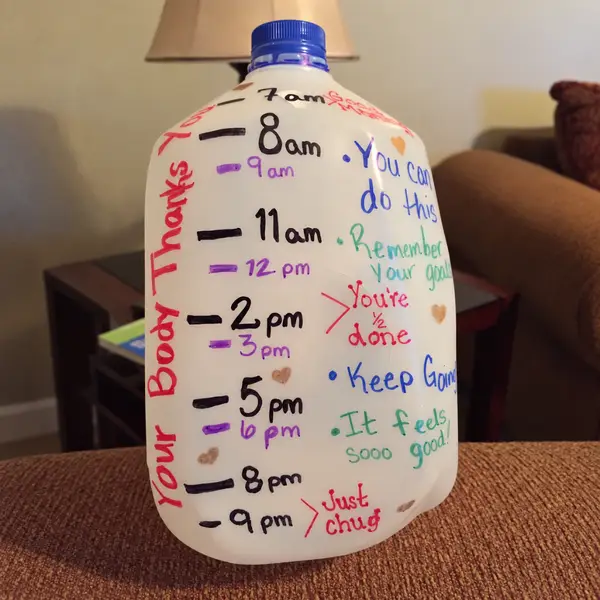
Testing

Ceylon Cinnamon 7200mg Equivalent with MCT Oil

I've curled my stepdaughter's hair before every school dance since sixth grade. Her daddy told her I was too sick to make it to her wedding. ⠀ I found out why on our kitchen iPad. It gets every text my husband sends. Eight months, and he never once thought about that. ⠀ I was pulling up my pot roast recipe when a picture came through. Me, out cold in my recliner, socks pulled tight over ankles so puffy the elastic had left grooves. He'd sent it to his ex-wife, Sharon. Under it she'd typed, Lord, she's headed down the same road as her mother. ⠀ He'd answered with a laughing face. ⠀ My mama spent her last years on dialysis. She was sixty-one when she passed. I'm fifty-two. My husband knew all of that. He'd sat in the hospital with me. ⠀ So I scrolled back. Months of it. The bathroom light under the door at 3 a.m. Me nodding off before the evening news. Me bent over the laundry basket. Close-ups of my feet, again and again. Sharon laughed at every one. ⠀ She'd asked him how old Mama was when it started. He gave her the number. Then he typed, tick tock. ⠀ And two weeks earlier, Sharon had asked him for one thing. The chair beside him at Kayla's wedding. He'd said yes. He told her I'd be gone by June. ⠀ I set that iPad down and finished his supper. When he came in, he kissed my head and told me to go rest my feet. I did. I lay in that recliner with my eyes shut and heard his phone click. ⠀ That night, I counted. Three trips to the bathroom. Ankles swollen by dinnertime. Foam sitting on top of the water in the toilet, some mornings. I knew every one of those. I'd watched each of them happen to Mama. ⠀ I drove her to dialysis three mornings a week for two years. She'd hold my wrist when the needles went in and make me promise I'd never end up like her. ⠀ That Monday, my doctor ran the test. The results came back. Protein in my urine, the first sign of kidney damage. She told me it happens a lot with diabetes, and they'd watch it. ⠀ They watched it with Mama too. For years. ⠀ And I'd done everything right. No more bread. A walk before every shift. Metformin every single day, even with what it did to my stomach. Berberine, until it put me in bed for three days feeling like I had the flu. Cinnamon stirred into my coffee every morning. My numbers would not come down. ⠀ One night, sitting on the bathroom floor, I looked Sharon up. Fifty-eight, which makes her six years older than I am. Holding a race medal. On a boat, in a swimsuit, laughing. I wondered if my husband was right to start planning without me. ⠀ That Saturday, a stranger knocked on my door. Bev. Sixty-three, still in her bowling shirt from league night. She and Sharon go back thirty years, and she's in the group chat where Sharon had been passing my pictures around. Everybody laughed. Bev didn't. She has the same feet. ⠀ She asked me straight out if I was dying. I told her no. She said, well, then we've got work to do. ⠀ Bev's had type 2 for twenty years, and her own doctor found protein eight years back. She sat at my table and told me watching it is just a nicer way to say waiting for it to get worse. Then she told me the part nobody had ever told me, or Mama either. ⠀ Every cell in your body has little doors on it. Insulin knocks, the doors open, and the sugar goes in and gets burned for energy. After enough years of high sugar, those doors stop answering. So the sugar stays in your blood and rubs on every little blood vessel with every heartbeat. The smallest ones are in your kidneys, millions of tiny filters. That's where it does its damage first, and you don't feel a thing. ⠀ Cutting bread only sends less sugar to doors that are still shut. Metformin tells your liver to make less sugar, and that's good. It just doesn't open the doors. ⠀ The cinnamon in my coffee? Cassia. Grocery store cinnamon, a different tree with 250 times more coumarin. The real one is Ceylon, from Sri Lanka, with MHCP in it, and MHCP is what gets those doors answering insulin again. And it only works in oil. A dry powder capsule is like mailing a letter with no stamp. ⠀ She reached in her purse, pulled out a little pouch and laid it on my table, right beside her phone. My swollen feet were still lit up on it. Metabolae. Clinically dosed, so it's all in one softgel, and already suspended in oil so your body actually takes it in. ⠀ My stomach, I told her, couldn't handle one more thing. She said it's gentle, one softgel with breakfast. Then she grabbed her keys and reminded me what day the wedding was. ⠀ I started the next morning, one softgel with my coffee. Bev checked in every Friday after. ⠀ The first week, the bathroom light stayed off all night. ⠀ The second week, after a double shift, I peeled my socks off and there were no grooves in my ankles. ⠀ The third week, I was up and making coffee before my husband woke up. He had nothing to take a picture of. ⠀ The fourth week, Bev took me dress shopping. I tried on a pair of heels and walked the whole length of the store in them. ⠀ My husband started looking at me differently. Then one night a message from Sharon came up on the iPad, asking him what I was taking. He told her he didn't know. ⠀ Come June, I went back to that clinic, the one where I'd spent so many afternoons waiting on Mama. Same fish tank. My doctor walked out smiling. I sat in my car afterward and cried until my mascara ran. ⠀ Then the wedding. Navy dress. Heels. Kayla saw me from across the room and ran, holding her dress up off the floor. And there at the family table was Sharon, in my chair. ⠀ What I said to her is in the video. She stood up without a word. ⠀ By the end of that week, my husband had packed his truck. ⠀ Nobody ever sat Mama down and explained the doors to her. I wish somebody had. ⠀ This is what Bev set on my kitchen table: ⠀ Metabolae. True Ceylon cinnamon from Sri Lanka, not cassia. Concentrated 12 to 1, DNA verified, and clinically dosed so it all fits in one softgel. Already suspended in MCT oil, so it isn't a dry powder sitting in your stomach. Third-party tested. One softgel with breakfast. ⠀ It comes with a 90-day money-back guarantee, and right now it's buy two, get one free. ⠀ Tap the link below. ⠀ ~ Kayla's stepmom ⠀ P.S. Kayla's first anniversary is this June. She already called to ask if I'll come over early and curl her hair for the pictures.

Loading the ad's image
Testing

From the ads Sniped has collected from this page (7 so far, first seen Nov 2026). Reach is what Meta reports; no spend or sales estimates.