Advertiser

Amanda Parker

pawsylabs.comMeta Ad Library

9
Running ads
none new in 30 days
Apr 2026
Advertising since
longest ad 7 months
—
Reach
running ads, summed
22% video
Formats
2 video · 3 image
3
Products advertised
2 shops

Wildcrafted Wormwood + Black Walnut Hull

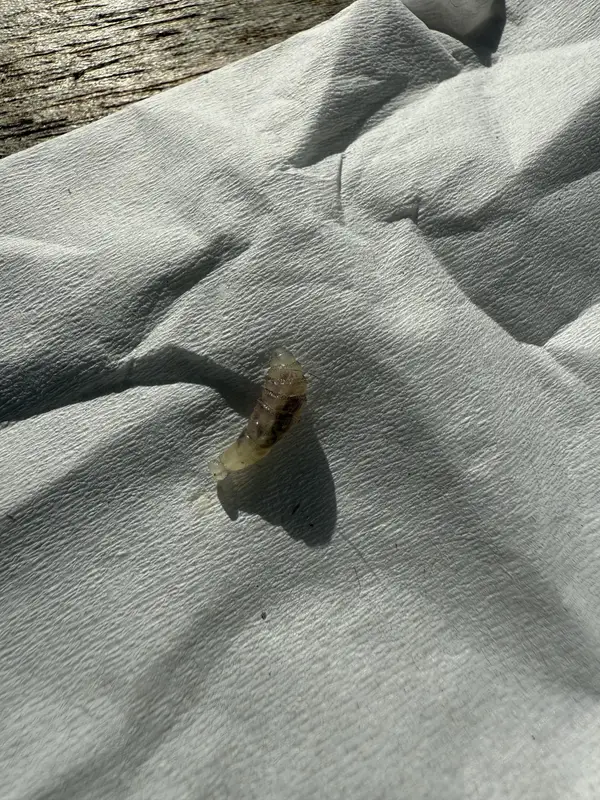
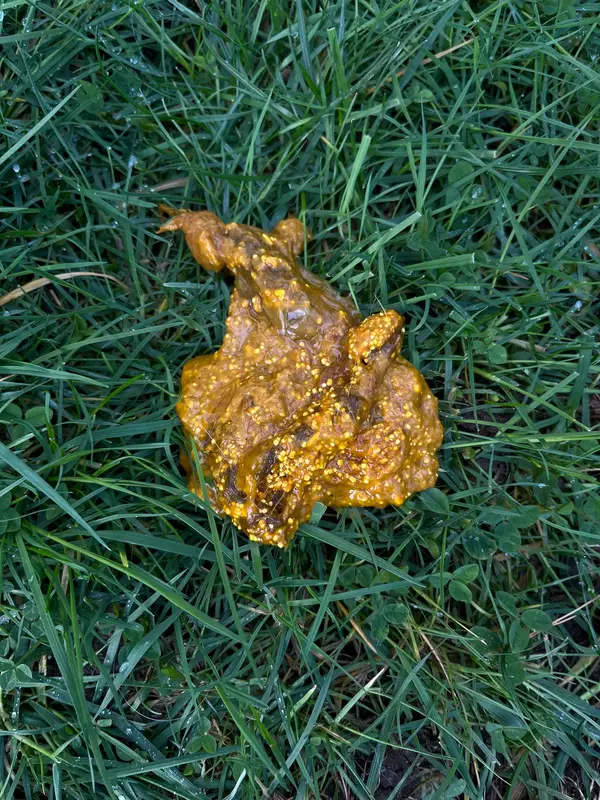
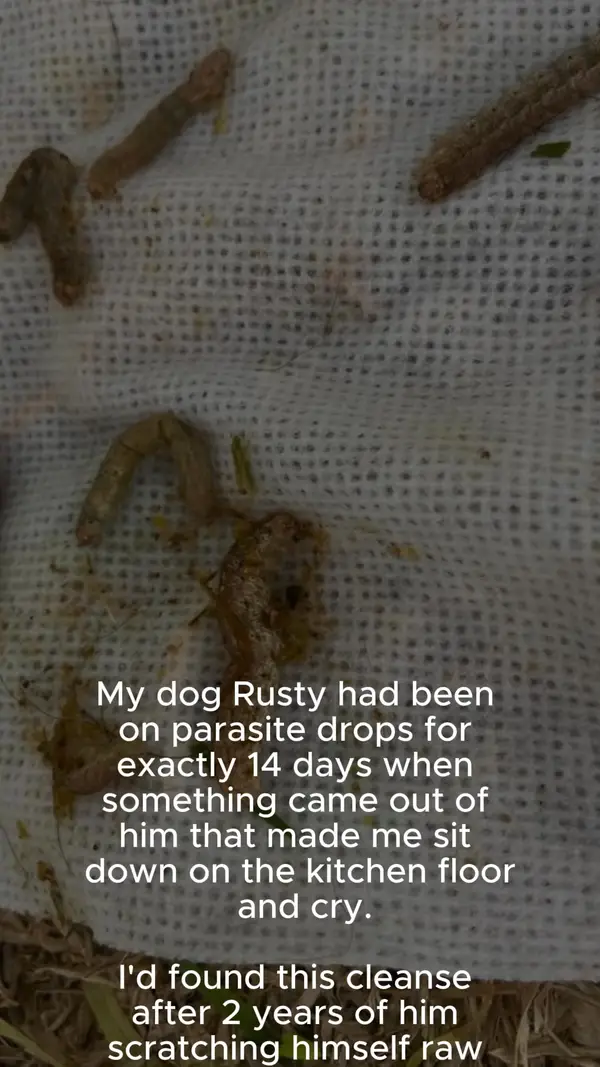
My dog Rusty had been on parasite drops for exactly 14 days when something came out of him that made me sit down on the kitchen floor and cry. I'd found this cleanse after 2 years of him scratching himself raw and pacing the house at 2 AM every single night—but nothing prepared me for what I'd see. I'm Amanda, 47, from Asheville. That morning in January, I was cleaning up the backyard when I saw it. I froze. My hand went over my mouth. There, on the grass, was what Rusty had just passed. Rope-like strands. Mucus-covered. Exactly the kind of thing I'd seen in pictures on a Facebook group but never believed were real. Biofilm. Parasites. Things that had been living inside my dog for God knows how long. I just sat there and cried. Two years of watching him suffer. Two years of vets saying "it's allergies." Two years of watching Rusty tear his skin apart while I tried everything they told me to try. And the answer had been parasites hiding behind biofilm all along. Let me back up. Rusty's nightmare started about eight months after I adopted him. Constant scratching that never let up. Paw licking so bad his front paws were stained dark brown. Pacing the bedroom at 2 AM like clockwork. "Environmental allergies," my vet said. "Common in rescues. Try Apoquel." Apoquel worked for three weeks, then stopped. So did Cytopoint. So did the hydrolyzed protein kibble that cost $120 a bag. So did the $400 allergy test that told me he was allergic to chicken, beef, rice, eggs, and grass. The specialist's verdict: "Chronic atopic dermatitis. Lifetime management. Stay on medications." Lifetime. On drugs. For a 4-year-old dog. The scratching got worse. I'd watch Rusty wake up at 2 AM and immediately start licking his paws, his belly, the base of his tail. I stopped inviting friends over because he couldn't settle down around guests. "He's miserable," I told my sister on the phone one night, crying in my kitchen. "I've done everything the vet said. Pills, shots, special food, $1,800 in tests. He's still suffering. What am I missing?" That's when I went into research mode. Nurse by day, internet detective at midnight. Three months in, I found it: studies showing that intestinal parasites in dogs don't just cause diarrhea like every vet article claims. They burrow into the gut wall. They hide behind something called biofilm—a protective layer that shields them from the immune system, from standard fecal tests, and from every dewormer the vet prescribes. But here's what made me furious—there were natural compounds that break down biofilm and eliminate what's hiding behind it. Had been used in veterinary medicine across Europe for decades. Still used in the UK, Germany, and France as standard quarterly deworming. Black walnut. Wormwood. Oregon grape root. Pumpkin seed. Pau d'arco. Six herbs that dissolve biofilm matrices, paralyze parasites, and clear what's hiding in the gut wall. But concentration and combination matter more than anything else. Most "natural dewormers" flooding Amazon use one or two of these herbs at weak doses. At that level they don't touch the biofilm. The parasites survive and nothing changes. That's why every "natural cleanse" I'd seen dog moms rave about online never worked for the women in the comments who actually tried them. Pawsy is different. Six parasite-targeting herbs in a single liquid formula, at concentrations based on what European vets have been using for decades. Plus a veterinary-grade probiotic to repopulate the gut after the cleanse clears it. Liquid drops, not chews. Because liquid absorbs at 98% compared to 20% for chewables that get destroyed by stomach acid. I found a holistic vet online who confirmed what I'd discovered: "Your dog almost certainly has a chronic parasite load hiding behind biofilm. That's why the scratching won't stop. The parasites are triggering constant immune reactions and stealing the nutrients he needs to maintain a healthy skin barrier." She explained that standard fecal tests miss up to 75% of parasites because biofilm-protected parasites don't shed eggs consistently. So when vets say "his stool sample came back clean"—that means almost nothing. Trying one more thing was hard. I'd been burned by so many products my vet and the internet had promised would work. I almost didn't order it. Then I found Pawsy. Formulated specifically for dogs. Third-party tested. Duck-flavored so Rusty would actually eat it. Five drops on his food once a day—that was it. No pills to hide. No powder to mix. No protocol to follow. I started him that night. Day 3: More stool activity than usual. Something was moving through his system. Day 7: The 2 AM pacing stopped. He slept through the night for the first time in a year. I slept for the first time in a year. Day 14: Those things came out on the lawn. The biofilm. The strands. Two years of buildup finally releasing. Day 18: The paw licking stopped. His front paws weren't stained anymore. Day 21: The scratching slowed to almost nothing. Not zero, but nothing like before. Day 30: Complete transformation. Shiny coat. Calm dog. Sleeping through the night. Not chewing his paws raw. My dog back. But what really shocked me was what kept coming out during those weeks. More mucus. More strands. Years of parasite load that had been destroying his gut lining while vets kept prescribing drugs that suppressed the symptoms without ever touching the cause. After Rusty's transformation, my friends started asking questions. My sister, whose beagle had been on Apoquel for 18 months: "Three weeks on Pawsy. Scratching gone. Off the meds completely." My neighbor, whose boxer had been scooting for a year: "The scooting stopped by week 2. The vet was stunned at his next appointment." A coworker who'd spent $3,000 on a dermatology specialist: "Nothing worked until this. Now my dog actually rests." Every one of them had been told "allergies" or "behavioral." Every one had parasites hiding behind biofilm. Here's the truth the vet industry won't tell us: Your dog's scratching isn't allergies. The 2 AM pacing isn't anxiety. The indoor accidents aren't behavioral. It's parasites burrowed into the gut wall, protected by biofilm, stealing nutrients, triggering immune overreactions while your dog tries to sleep. Standard fecal tests miss up to 75% of parasites. The biofilm hides them. Meanwhile, parasites multiply. Steal amino acids. Trigger inflammation. Cause: Chronic scratching that never goes away Paw licking your dog can't stop Scooting across every carpet you own Indoor accidents that started out of nowhere Reactivity on walks that gets worse, not better Dull coat that no shampoo fixes The whole veterinary industry profits from managing symptoms forever. Not from telling us about herbs European vets have been using for fifty years that cost less than one month of Apoquel. Think about it: Apoquel: $90/month for life Cytopoint injections: $80 each Hydrolyzed protein kibble: $120/bag Allergy testing: $400-800 Dermatology specialist: $300/visit Versus: Pawsy Parasite Cleanse Drops. Five drops on food. Once a day. That's it. See why vets don't lead with this? Rusty has been on Pawsy for 8 months now. Shiny coat. Sleeps through the night. No Apoquel. No Cytopoint. No prescription food. Lives normally. At his last check-up, the vet asked what I'd done. I told him about the parasite cleanse. He wrote "owner-administered supplement" in the file and changed the subject. My sister said to me last week: "You didn't just save Rusty. You saved your whole life with him. He's not the miserable itching dog anymore. He's actually a dog." If your dog has "allergies" with scratching and scooting and 2 AM pacing, here's what 2 years taught me: It's not allergies. It's parasites hiding behind biofilm. Your dog needs the six herbs at concentrations high enough to actually dissolve the shield. Plus the probiotic that restores what the parasites destroyed. No more vet visits. No more prescription refills. No more $300 specialist copays. Just Pawsy. Five drops on food. Once a day. Problem solved. 90-day money-back guarantee. If your dog's symptoms don't improve, full refund. But they will improve. Because it's not allergies—it's biofilm-protected parasites. And Pawsy finally reaches them. Every day you wait is another day of: Scratching that's destroying your dog 2 AM pacing that's wrecking your sleep Parasites multiplying inside him Your dog doesn't have to suffer anymore. Rusty is proof. My sister's beagle is proof. My neighbor's boxer is proof. My coworker's dog is proof. 3 weeks from now, your dog could be proof too. Amanda P.S. — I keep a photo of Rusty from last January on my phone. Raw paws, dull coat, exhausted eyes. That dog was disappearing inside himself. Don't let that be your dog's story. Pawsy brought him back. It can bring yours back too. 👉 https://pawsylabs.com/pages/pawsy-parasite-adv

Loading the ad's image
Amanda Parker — Wildcrafted Wormwood + Black Walnut Hull
Winning

Bear Died At 8. Bodhi Started Doing The Same Thing 😢

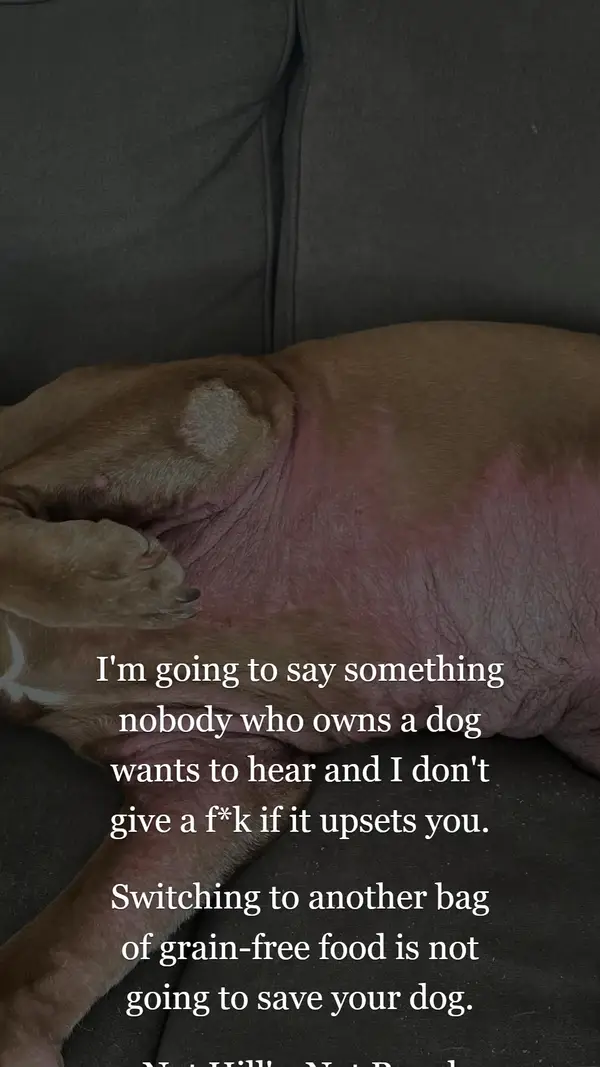
I'm going to say something nobody who owns a dog wants to hear and I don't give a f*k if it upsets you. Switching to another bag of grain-free food is not going to save your dog. Not Hill's. Not Royal Canin. Not the $120 prescription kibble your vet recommended last week. Not raw. Not freeze-dried. Not the boutique brand the woman at the dog park swears by. NONE OF IT IS GOING TO WORK. I know because I tried all of it. Every brand. Every protein. Every elimination diet. For three years. And my dog died anyway. Eight years old. Kidney failure. Because I spent three years treating an allergy problem that was never an allergy problem. And the worst part? My second dog started doing the same things. Same scratching. Same scooting. Same dull coat. Same restless nights. And I almost let it happen again because I was still listening to the same advice that killed my first dog. I'm done being polite about this. If your dog has chronic symptoms and you're in the comments asking what food to try next, you are wasting time your dog does not have. Read this entire post. Every word. Because the answer is in here and it is NOT another bag of food. My name is Amanda. I'm 38. I'm a licensed veterinary nurse — fifteen years in the same small-animal clinic outside Charlotte, North Carolina. I see forty to fifty dogs a week. I'm the one who runs the fecal tests. I'm the one who holds them while the doctor draws blood. I'm the one who sits on the floor with the worried owners while they cry. I have spent fifteen years telling other people what's wrong with their dogs. And I missed it in my own. Bear was an eight-year-old German Shepherd mix I rescued from a shelter outside Houston when he was two. Big black mask. White star on his chest. The kind of dog who'd lean his whole body weight into your leg when you were having a bad day, like he could feel it. Bodhi is a four-year-old shepherd mix. Gray. Quieter. Follows me from room to room. Sleeps with his head on my foot. Two completely different dogs. But they had the same problem. They both itched. They both scooted. They both paced at 3 AM. For Bear, it started about three years ago. He'd come in from the yard and immediately start chewing his paws raw. The fronts. The sides. Between the toes. Until they were pink and wet and smelled like corn chips. I asked the vet I work for about it. "Probably environmental allergies. Try a hypoallergenic diet. Switch to limited ingredient. Salmon and sweet potato — that usually works." So I switched. For the first ten days, the chewing slowed down a little. Then it came back. Worse. His paws got red and swollen. Hot to the touch. He started getting these flaky bald patches on his belly. The vet — my own boss, a woman I trust completely — put him on Apoquel. Two weeks in, the chewing stopped. I thought: finally. Problem solved. Three months later, the chewing came back. Same paws. Same belly patches. Plus a new symptom — he started scooting his rear across the carpet. Multiple times a day. We expressed his anal glands at the clinic. Twice. Three times. Four. The scooting kept coming back within a week of every expression. And then he started pacing at night. Not every night. But maybe three nights a week, I'd hear his nails on the hardwood at 2:47 AM. He'd walk from the bedroom to the kitchen to the living room to the bedroom. Over and over. Like he couldn't get comfortable in his own body. I posted in a vet tech Facebook group. "My own dog. Three years of paw chewing, scooting, now night pacing. Apoquel works for a few months and stops. Diet changes don't help. Where am I missing something?" Everyone had suggestions. "Cytopoint injection. Lasts 4-8 weeks." "Try a dermatologist referral." "Could be food, could be environmental — have you done an elimination diet for 12 weeks?" "My dog had the same thing. We did intradermal allergy testing. $800 but worth it." So I tried. I did the 12-week elimination diet. I added Cytopoint on top of the Apoquel. I paid $812 for intradermal allergy testing that came back showing dust mites and three different grasses. I bought immunotherapy serum. I ran a HEPA filter in the bedroom 24/7. I spent over $2,400 in three years on Bear's "allergies." He still itched. He still scooted. He still paced at night. And then Bodhi started doing it too. He'd been fine. Sleek coat. No issues. The kind of dog you'd photograph for a kibble bag. But around six months ago, he started licking his paws. Just a little at first. After walks. I figured he stepped in something. Then it became every night. Then he started scooting on the rug. Then he started pacing at 3 AM, just like Bear. I knew. The second I saw him drag his rear across the rug, I knew. Whatever was wrong with Bear was wrong with Bodhi too. But by then, Bear was getting worse fast. His coat had gone from glossy black to dull and dusty. He'd lost three pounds without me noticing. He stopped jumping into the back of the SUV — I had to lift him in. He stopped meeting me at the door. He stopped doing the lean. He'd just sleep. On the cool tile in the kitchen. Barely moving. My boy was disappearing in front of me and I was a vet nurse and I didn't know why. I brought him into the clinic. "Bloodwork. Full panel. Today." The results came back the next afternoon. I was sitting in the break room when my boss walked in holding the printout. "Amanda. Sit down." I knew before she said it. "His creatinine is 4.1. BUN is 78. SDMA is 32. Amanda— Bear is in stage 3 kidney failure." I dropped my coffee. "He's eight. He's eight years old. How is he in kidney failure?" She looked at me with the same face I've seen her use on a hundred owners. "Sometimes it just happens. We need to start renal support immediately. Subcutaneous fluids. Renal diet. We can buy him time." "How much time?" "Months. Maybe a year if we're aggressive." I went home and sat on the kitchen floor. Bear came over and put his head in my lap. His coat felt like straw under my hand. I started him on Royal Canin Renal that night. He refused to eat it. I tried warming it. Mixing in low-sodium broth. Hand-feeding him from my fingers like he was a puppy. He'd take two bites and walk away. Over the next eight weeks, Bear lost another four pounds. His eyes sank back into his skull. His gums turned pale. He stopped drinking unless I held the bowl for him. And one Tuesday in October, I came home from work at 6:14 PM and found him in the laundry room. He was breathing wrong. Fast and shallow. I put him in the car and drove to the emergency clinic — a place I'd been to a hundred times for work. The receptionist saw my face and waved me straight back. Forty minutes later the doctor came out. "His kidneys are at less than 10%. He's septic. Amanda, I'm so sorry. We can keep him comfortable but he's not coming home." I stayed with him on the floor of the exam room until 11:47 PM. I held his head while they gave the injection. The last thing he did was the lean. Even at the end. Even with his body shutting down. He pressed his weight into my leg one more time. I drove home with an empty collar on the passenger seat. I don't remember much of the next two weeks. But I remember this: every time Bodhi licked his paws, I felt my chest tighten. Every time he scooted across the rug, I wanted to throw up. Every time I heard his nails on the hardwood at 3 AM, I lay in bed staring at the ceiling thinking — it's happening again. It's happening again and I'm a goddamn veterinary nurse and I don't know what to do. So I did what I should have done three years earlier. I got obsessive. I stopped reading vet forums and started reading research papers. I read everything I could find on chronic symptoms in dogs that didn't respond to standard treatment. I read parasitology textbooks I hadn't opened since school. I read the CAPC surveillance data. I read studies in journals I'd never heard of. And I kept seeing the same pattern. Dog has chronic itching → owner does diet trial → no improvement → vet adds Apoquel → works for a few months → stops working → vet adds Cytopoint → works for a few months → stops working → owner does allergy testing → starts immunotherapy → mild improvement at best → years pass → coat dulls → weight drops → kidney values start creeping up on bloodwork → kidney failure. The itching wasn't allergies. It was the first warning sign. And I'd ignored it for three years because that's what I'd been trained to do. Then, buried in a 2018 study from a Slovak veterinary journal, I found one paragraph that stopped me cold. It described a population of dogs in rural Eastern Europe — farm dogs, working dogs, sheep dogs. Almost zero chronic skin conditions. Almost zero behavioral disorders. Almost zero kidney disease before age fourteen. The single common denominator: every autumn, the farmers gave them wildcrafted wormwood. Artemisia absinthium. Harvested from the Carpathian foothills. For parasites. I sat at my kitchen table at 1 AM and I said out loud, to nobody: "Oh my god." Because I'd been running fecal tests for fifteen years. I'd been telling owners their dogs were "negative" for fifteen years. And I knew — every vet nurse knows — that standard fecal flotation misses up to 50% of whipworm and up to 75% of Giardia. The tests aren't designed to find subclinical parasite loads. They're designed to find acute infections. Bear's fecal tests had been negative every single year. That didn't mean he didn't have parasites. It meant the test couldn't find them. I went on Amazon at 1:30 AM and bought the first wormwood drop product I could find. $19. Four-star reviews. "Natural dewormer for dogs." It arrived two days later. I started Bodhi on it the same day. One dropper into his food, twice a day, exactly per the label. Week one: still scooting, still licking paws. Week two: still scooting, still licking paws. Week three: still scooting, still licking paws. Plus he'd started scratching his ears now. Wet, yeasty ears that smelled sweet. I was sitting on my back deck on a Sunday afternoon watching him gnaw at his paw and I started crying. I was watching the same thing happen all over again. That's when Dr. Petra Kovaříková walked over. Petra is the new associate at our clinic. She started with us about a year ago. Czech. Mid-fifties. Came to the U.S. fifteen years ago after twenty years of mixed-practice work in rural Slovakia and the Czech Republic. She rents the small house behind mine — we share a back fence. She'd been pulling weeds in her garden and she saw me crying. She came through the gate without asking. Sat down on the deck step next to me. Didn't say anything for a minute. Then she said, "Tell me about him." I told her everything. About Bear. About Bodhi. About three years of Apoquel and Cytopoint and elimination diets and immunotherapy. About the kidney failure. About the wormwood study and the Amazon drops that weren't working. She listened without interrupting. When I was done, she asked to see the bottle. I handed it to her. She turned it over. Read the label. Read it again. Then she made a small noise — somewhere between a sigh and a laugh. "Amanda. This is rubbish." "What do you mean?" She set the bottle down on the deck. "Your study was correct. The wormwood. The farm dogs. All of it. That's not folk medicine — that's pharmacology. The active compound is thujone. It's one of the only natural substances that can dissolve biofilm." "Biofilm?" She nodded. "When parasites colonize the gut, they don't just sit there. Within days they build a protective slime — a biofilm. It's a polysaccharide matrix that shields them from immune cells, from digestive enzymes, and from almost every dewormer on the market. That's why standard treatments fail. You're not killing the parasites. You're treating the symptoms while they multiply behind the shield." "And thujone breaks through it?" "At high enough concentration, yes. The thujone penetrates the biofilm, dissolves the matrix, and exposes the parasites at every life stage — eggs, larvae, adults. Then they die. Then the toxins flush out. Then the gut lining can heal. Then the chronic symptoms — the itching, the scooting, the night pacing — they stop. Because they were never allergies. They were inflammation responses to parasites your fecal tests couldn't see." I picked up the Amazon bottle. "So why isn't this working?" Petra took it from me again. "Because this is cultivated wormwood. Industrial farm. Probably grown at low elevation in China. Thujone concentration in that source material is between 0.1 and 0.2 percent. To penetrate biofilm you need at least 0.85 percent. This bottle is barely a tea. You could give him a whole bottle a day and it wouldn't break through the shield." "How do you know that number?" She smiled, a little sad. "Because my grandmother grew it. Real wormwood. Polín pravý. Carpathian foothills, two thousand feet elevation, harvested in late autumn after the second frost — that's when thujone concentration is highest. Every farm dog in our village got it. Every autumn. None of them had what your dogs have. It took me ten years of practice in America to understand why." I stared at her. "You're telling me my entire profession is missing this?" "I'm telling you your entire profession is trained to suppress symptoms with patentable molecules. There is no patent on a weed that grows on a Slovak hillside. There is no quarterly earnings report from a plant my grandmother harvested with a sickle. So nobody studies it. Nobody recommends it. And dogs like Bear die of kidney failure at eight years old while their owners spend two thousand dollars on allergy testing." She handed the bottle back to me. "This — throw away. It's worse than nothing because it makes you think you tried." "So what do I do?" She stood up. "Wait here." She went through the gate and came back five minutes later with a small amber dropper bottle. Pawsy Labs label. She set it on the deck between us. "I started recommending this six months ago after I sent it to the lab in Prague where my brother still works. Third-party tested. 0.85 percent thujone, verified. Sourced from the same Carpathian region my grandmother harvested. Paired with five other antiparasitic herbs and a veterinary-grade probiotic so you rebuild the gut as you clear it. The only American product I've found that meets the standard." "And it works?" "On forty-three of my chronic-symptom dogs in the last six months, thirty-nine had complete or near-complete resolution of symptoms within eight weeks. The other four had partial resolution. Zero adverse events. No prescriptions. No suppression. Just real parasite elimination at the cellular level." "Why didn't you tell me about this before?" She looked at me for a long moment. "Because you're a veterinary nurse, Amanda. You spent fifteen years telling owners that allergies are allergies and chronic itching is environmental. I didn't think you would listen. I'm sorry. I should have tried." I started Bodhi on Pawsy Parasite Cleanse Drops that night. One milliliter, into his food, once a day. Days one through five: nothing changed. Day six: he scooted twice instead of his usual five times. Day eight: he didn't pace at 3 AM for the first time in months. Day eleven: I came home from a twelve-hour shift and his paws were dry. Not pink. Not wet. Not chewed raw. Dry. Week three: zero scooting. Zero pacing. Zero paw licking. Week five: his coat changed. The dusty look was gone. He had this faint shine I hadn't seen since he was a year old. Week eight: I took him into the clinic for a full panel. Kidney values: pristine. Liver values: normal. Inflammatory markers: down across the board. My boss read the results twice. "Whatever you're doing — keep doing it." That was four months ago. Bodhi has not scooted in four months. Has not licked his paws raw. Has not paced at night. He sleeps through to 6 AM. He chases squirrels. He leans on me when I've had a bad day. He does the thing Bear used to do. He's healthy. But Bear is gone. And every day I think about what I missed. For three years his body was screaming at me. The paw chewing was inflammation from gut toxins. The scooting was rectal inflammation from parasite load. The night pacing was serotonin disruption from gut dysbiosis. The dull coat was nutrient malabsorption. The weight loss was systemic inflammation. And the kidney failure? The kidneys are filters. Every day, they were filtering out the toxins parasites were releasing into Bear's bloodstream. Every day for three years. They didn't fail because he was old. They failed because they'd been working overtime since he was five. By the time my own bloodwork caught it, 90% of his kidney function was destroyed. The vet should have caught it. I should have caught it. Petra should have spoken up sooner. But the system is built to miss it. The fecal tests miss it. The elimination diets miss it. The Apoquel suppresses the symptoms so well that everyone forgets there was ever a root cause. I'm writing this because I see the same posts in vet tech groups every single week. "My dog has been on Apoquel for two years and the itching is back." "My dog scoots constantly even after gland expression." "My dog paces at 3 AM and the vet says it's just anxiety." "My dog's coat is dull no matter what food I try." "Spent $1,800 on allergy testing — still itching." You're not doing anything wrong. The food isn't the problem. The allergy testing isn't going to find it. Your dog has subclinical parasite load multiplying behind biofilm in their gut. The standard fecal test misses up to 75% of it. The Apoquel suppresses the inflammation so you stop noticing. But every single day, the parasites are releasing toxins. Every single day, the kidneys are filtering them. Every single day, the gut lining is degrading. Every single day, your dog is getting closer to where Bear ended up. And here's what Petra told me that I think about every night. 85% of U.S. dog parks test positive for parasites. CAPC data shows hookworm infections up 45% since 2012. If your dog has ever been to a dog park, walked on grass another dog walked on, drunk from a shared water bowl, or sniffed another dog's rear — and they have — they have been exposed. Subclinical parasite load isn't a fringe diagnosis. It's the default state of American dogs. It's just that nobody is allowed to say it out loud, because there's no patent on the weed that fixes it. You can give 0.85% Carpathian thujone every day forever and not hurt your dog. The body uses what it needs and excretes the rest. There is no toxicity at therapeutic dose. There are no withdrawal symptoms. There are no dependencies. But if your dog is one of the 85% that's been exposed — and they are — you could be the difference between an eight-year-old kidney failure and a fifteen-year-old still doing the lean. Don't wait for the bloodwork to catch it. By the time the bloodwork catches it, it's too late. I wasted three weeks on Amazon wormwood. Three weeks where Bodhi's body kept inflaming. Three weeks where his kidneys kept filtering. Three weeks I will never get back. Petra tested every wormwood product on the U.S. market. The one her brother's lab in Prague verified at 0.85% Carpathian-sourced thujone, paired with a real probiotic and five supporting antiparasitic herbs, was Pawsy Labs Parasite Cleanse Drops. One milliliter, into food, once a day. Within four to six weeks, the biofilm dissolves. The parasites die. The gut lining heals. The inflammation drops. The chronic symptoms — the itching, the scooting, the pacing, the dull coat — they stop. Bodhi hasn't scooted in four months. His kidney values are perfect. He's leaning on me right now while I write this. But Bear is gone. And I'll spend the rest of my life wishing I'd opened that Slovak journal three years sooner. Your dog isn't itching because of allergies. Your dog isn't scooting because of anal glands. Your dog isn't pacing because of anxiety. Your dog has subclinical parasites that your vet's tests aren't finding, and every day you wait is another day on their kidneys. Don't let your dog be Bear. 👉 https://pawsylabs.com/pages/pawsy-parasite-adv — Amanda Licensed Veterinary Nurse, 15 years Charlotte, NC --- EDIT: A lot of people are messaging me asking if they can buy this on Amazon. Don't. Petra warned me about this — there are counterfeit listings using the Pawsy Labs name with fake third-party test results. The real product is only sold direct from Pawsy Labs. The link is above. If you see it on Amazon or Chewy, it's not the verified Carpathian source. I learned this lesson the expensive way with the first wormwood I bought. P.S. The Amazon wormwood drops I gave Bodhi for three weeks tested at 0.14% thujone — 6x weaker than what's needed to penetrate biofilm. His symptoms got worse during those three weeks because the parasites kept multiplying. Four weeks on Pawsy and the scooting stopped completely. Eight weeks and his bloodwork was pristine. Don't waste time on dewormers that can't break through the shield. Your dog's kidneys can't wait. P.P.S. Bear chewed his paws for three years before his kidneys failed. The chewing wasn't "just allergies" — it was the first warning sign that his gut was inflamed and his body was filtering toxins he couldn't clear. I thought I had time. I didn't. If your dog has chronic itching, scooting, ear infections, or 3 AM pacing — start Carpathian-sourced thujone today: https://pawsylabs.com/pages/pawsy-parasite-adv

Loading the ad's image
Amanda Parker — Bear Died At 8. Bodhi Started Doing The Same Thing 😢
Winning

Wildcrafted Wormwood + Black Walnut Hull

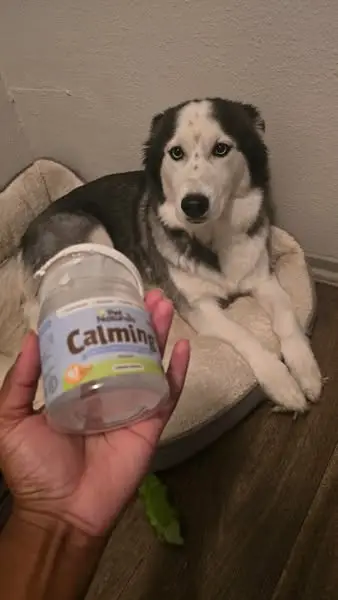
Before you spend another month on a calming supplement for your reactive dog, I need to tell you what I found out the hard way. I wasted eight months giving my dog supplements that were doing nothing. Worse than nothing. The real problem the whole time was parasites — and every supplement, every prescription, every diet change I tried just kept feeding around the actual cause. I'm Amanda, 47, from Asheville. My dog Rusty is a rescue. By the time I figured out what was actually wrong with him, I'd been failing him for two years — and the calming chews were the longest, most expensive failure of all of them. Rusty was reactive from almost the day I brought him home. Lunging at dogs on walks. Fixating on cyclists. Pacing the bedroom at 2 AM like clockwork. And on top of all that — paws he wouldn't stop licking, and scooting across the rug after every meal. I tried everything. Two different trainers. Hundreds of dollars in sessions. They told me he needed "more structure" and a "calmer environment." It helped a little. Not enough. My vet put him on Trazodone. He was so sedated he could barely walk. I stopped after three weeks. Then I started reading about the gut-brain axis. How 90% of a dog's serotonin is made in the gut. How gut dysfunction keeps dogs stuck in fight-or-flight. As a nurse, this made complete sense to me. I'd seen the same thing in human patients for years. So I bought one of the top-rated postbiotic calming chews on Chewy. $44 a month. Hundreds of five-star reviews. I gave it to Rusty every single day. Three months went by. Nothing changed. I added Apoquel for the scratching, because the vet swore it was allergies. It quieted his skin for a week. Then it came back, worse. I switched to a hypoallergenic prescription diet. $120 a bag. Rusty stopped eating after four days because he was nauseous. Five months in, Rusty bit another dog at the park. Not badly. But it happened. The other owner threatened to report it. My vet used a word I wasn't ready to hear: "options." I went home and cried for two hours. Then someone in a dog owners Facebook group mentioned getting supplements tested. I didn't know that was possible. She'd sent hers to an independent lab and found it had less than half the postbiotic content on the label. Nurse by day, internet detective at midnight — I did the same thing. I sent the calming chews and the cheap dewormer I'd been rotating Rusty through every six months. Both went to an independent lab. Twelve days later the results came back. The chews: 41% of the label's postbiotic content. The rest was maltodextrin, tapioca, and silica fillers. The dewormer: 0.09% thujone. Basically water. That's when I started researching what I should have been researching for two years. Standard fecal tests miss up to 75% of parasites because the ones hiding behind biofilm don't shed eggs consistently. Rusty's tests had come back clean. Twice. The tests aren't designed to catch what's actually there. And once parasites colonize a dog's gut, they start building biofilm — a protective slime shield that makes them up to 1,000 times harder to kill with conventional dewormers. Behind that biofilm, they release toxins into the bloodstream, steal nutrients before the gut can absorb them, and collapse the gut-brain connection that produces 90% of your dog's serotonin. The gut-brain axis was real. But you can't fix a gut that's being actively eaten. No postbiotic on earth could have worked while parasites were sabotaging the system every single day. The only natural compound proven to penetrate biofilm at every parasite life stage is wormwood thujone. At 0.85% concentration. Not the 0.1% to 0.2% in the cheap cultivated wormwood flooding Amazon and Chewy — up to 8× weaker, and useless against the slime shield. I spent two weeks researching. One brand kept coming up as the only one anyone had verified at the right concentration: Pawsy Parasite Cleanse Drops. A holistic vet had independently lab-tested seven dewormers and published her results. Pawsy was the only one that came back at 0.85% thujone — Carpathian wildcrafted, sourced from highland farms in Eastern Europe at 2,000+ feet, paired with five other clinically studied herbs and a vet-grade probiotic. Third-party tested in the USA. No fillers. I ordered it that same day. Five drops on Rusty's food, once a day. Day 3 — more stool activity than usual. Something was moving through his system. Day 7 — the 2 AM pacing stopped. He slept through the night for the first time in a year. I slept for the first time in a year. Day 14 — what came out on the lawn that morning made me sit down on the kitchen floor and cry. Rope-like strands. Mucus-covered. Two years of buildup finally releasing. The biofilm. The parasites. Things that had been living inside Rusty for God knows how long. Day 21 — we walked past another dog at maybe four meters distance. Rusty looked. He glanced at me. We kept walking. I stood there on the pavement and I couldn't move for a minute. That had never happened in two years. Day 30 — Rusty is a different dog. Calmer. Sleeping through the night. No more lunging on walks. No more scooting. The reactivity isn't gone, but the explosion-mode is. His gut-brain axis is finally getting real support — because there's nothing left in there sabotaging it. Rusty is not a cured dog. We still train. We still manage his environment. But he is a different dog than he was four months ago. And I spent eight months wondering why nothing was working — when the answer was that the calming chews were 41% real and the dewormer he was on was basically water. If your dog is reactive, scratching, scooting, or pacing at 2 AM and what you're giving him isn't working — get it tested. Or just switch to the one that's already been verified. Don't waste eight months like I did. Get Pawsy Parasite Cleanse Drops directly from their website. Don't buy it from Amazon — there are counterfeit versions with the same fillers as everything else. Get it from the source. Rusty wishes I'd found it sooner. Amanda 👉 https://pawsylabs.com/pages/pawsy-parasite-adv

Loading the ad's image
Amanda Parker — Wildcrafted Wormwood + Black Walnut Hull
Winning

It's not agression. It's parasites.

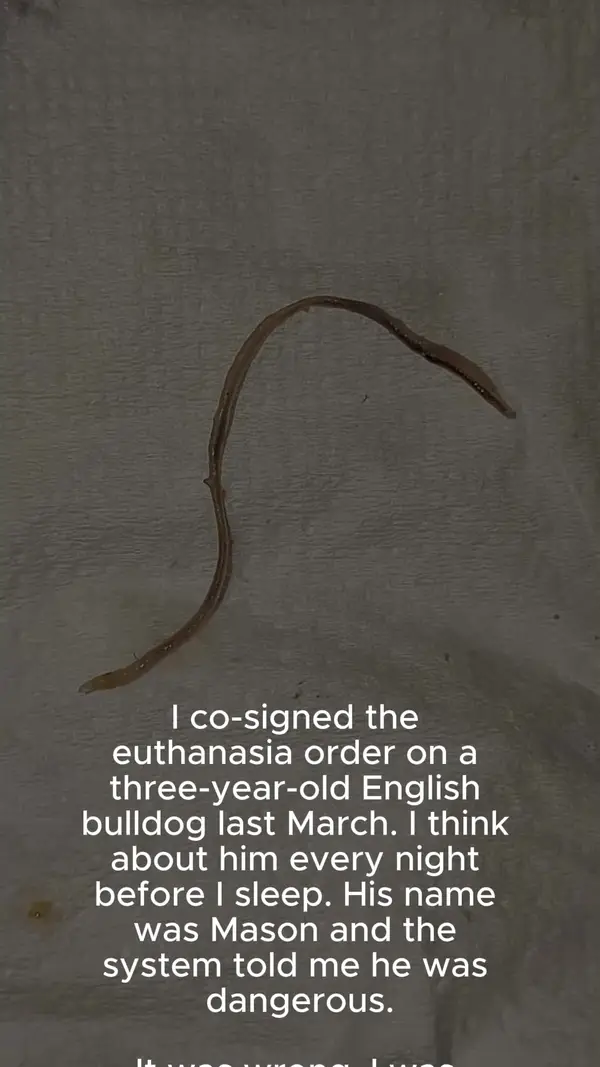
I co-signed the euthanasia order on a three-year-old English bulldog last March. I think about him every night before I sleep. His name was Mason and the system told me he was dangerous. It was wrong. I was wrong. Fourteen months later I know exactly what was eating him alive. And it wasn't his temperament. I'm Amanda, 44, and for nine years I've been the behavior evaluator at a regional rescue outside Atlanta. My signature is what gets a dog adopted out, sent to a sanctuary, or — when there is nothing else left — taken to the vet on a one-way trip. I take that pen seriously. I sat with Mason in the evaluation room for forty minutes. He paced. He panted. He would not settle. He snapped at the slip lead twice. I wrote "behaviorally compromised, not safe for placement." Six weeks of work-up by the shelter trainers, two rounds of Prozac, a behaviorist consult, and a basket muzzle had not moved the needle in either direction. I signed the form. The shelter charged the surrender family $850 for the euthanasia and disposal. They had already spent $4,400 trying to keep him. Mason was the first. Then there was Apollo, a Lab mix surrendered with bite history. Same pacing in the eval room. Same lunging at the door. Same six months of failed training notes in his file. I signed the form. Then a Belgian Malinois named Hank. Three years old. Owner had spent $6,800 on private trainers and two veterinary behaviorists before she finally surrendered him. He'd bitten a jogger on the trail. Animal control classified him as dangerous. I signed the form. Then a senior pit bull named Lulu, who had snapped at a family child. The family had spent $3,200 on board-and-train. Prozac for nine months. Trazodone for the bad days. The bite never broke skin but the report was filed. I signed the form. Four dogs in eight months. Four families ruined. Four signatures. Every single one of them: bloodwork came back clean. Fecal panel came back clean. Standard vet exam normal. Premium food. Daily exercise. Trainer hours that would shame a Marine recruit. Some of them had three different supplements rotating through their bowls. Every single one of them got worse, not better. I stopped sleeping after Lulu. I sat at my kitchen table at 2 AM scrolling through behavior journals, looking for something I had missed. I read papers on the gut-brain axis. I read about serotonin pathways and chronic stress and inflammation. None of it added up to a protocol I could actually run on a shelter dog. Then in November I went to a rescue fundraiser at a winery north of the city. There was a holistic vet there — a woman named Dr. Petra Vance who had left clinical practice to do consult-only work for shelters in three states. We got into a conversation about behavior cases. I told her about Mason and Apollo and Hank and Lulu. She did not say anything for a while. Then she said this: "Amanda. Every reactive dog I have worked up in the last decade has had a hidden parasite load behind biofilm. Every single one. The bloodwork won't catch it. The fecal won't catch it. The behaviorist won't catch it. And until that load is cleared and the gut is rebuilt, that dog cannot calm down. It is physically incapable." I asked her to repeat it twice. I made her draw it for me on a cocktail napkin. Here is what she explained, in the order I figured it out over the next three months of reading. Parasites — whipworm, hookworm, Giardia, and three or four less famous ones — do not just sit in the gut waiting to be flushed. They build a biofilm. A protective slime shield that wraps around them on the gut wall. Inside the biofilm, they can be up to a thousand times harder to kill with conventional dewormers. Standard fecal tests miss them: 50% of whipworm, 75% of Giardia. The parasite is hiding behind a wall. This is not a fringe problem. 85% of US dog parks test positive for parasites. Canine hookworm infections are up 45% since 2012. Your dog does not need to live a careless life to get infected. They need to sniff a patch of grass another dog has been on. While the parasites hide, they leak toxins. Constant low-grade leakage into the bloodstream. The dog's immune system stays on. The gut microbiome — the hundreds of bacterial species that produce the metabolites a dog's body uses to function — gets shredded by the chronic inflammation. The protective bacteria die back. The pathogenic bacteria take over. The gut lining, already compromised, gets thinner and more permeable. And here is the part that broke my brain: roughly 95% of a dog's serotonin is produced in the gut, not the brain. Serotonin is the molecule that lets a dog come down from a stress spike. It is the brake pedal. Without a working gut microbiome, the brake pedal does not work. So the dog's brain stays in fight-or-flight. Every walk. Every trigger. Every door knock. Every car backfire. The dog cannot recover. The behaviorist tells the owner to "stay calm and reward calm states." The trainer tells the owner to "manage thresholds." The vet adds Prozac, which sedates the brain a little but does nothing to fix the gut. The reactivity escalates, because the system that is supposed to dampen it is gone. That dog is not aggressive. That dog is physiologically unable to come back down from stress. Behavioral protocols cannot fix it. Prozac cannot fix it. Board-and-train cannot fix it. Counter-conditioning cannot fix it. They are all addressing a brain that does not have the chemistry to respond. It is not aggression. It was never aggression. It was parasites hiding behind biofilm, and the gut they were destroying. I want to say this slowly: I have been signing euthanasia papers for dogs whose actual diagnosis was a hidden, treatable, physical condition that nobody on the case team — including me — was checking for. The whole industry checks the brain. Nobody checks the gut wall. Dr. Vance told me that in the UK, Germany, and France, herbal antiparasitic protocols are standard quarterly deworming for working and rescue dogs. Black walnut. Wormwood — specifically the Carpathian highland cultivar, around 0.85% thujone, eight times more concentrated than the cheap commercial wormwood you find on Amazon. Oregon grape root. Pumpkin seed. Pau d'arco. Six herbs together, not one or two. And alongside them, a veterinary-grade probiotic to rebuild the gut wall after the parasite load comes down. She told me concentration and combination matter more than anything else, and that liquid drops absorb at about 98% versus around 20% for chews. I almost did not try anything. I had recommended four different gut supplements over the years and none of them had moved a single behavior case. I had been burned. But I had a foster on my couch — a wirehaired schnauzer mix named Beau, surrendered for resource guarding, three behaviorists and one round of Trazodone deep — and I was three weeks out from another evaluation room appointment with him. I found a brand called Pawsy. Formulated specifically for dogs. Third-party lab tested in the United States. Carpathian-sourced wormwood at the right thujone concentration. Six herbs plus the probiotic. Duck-flavored liquid drops. 90-day money-back guarantee. Five drops on food, once a day. Day 7: Beau's evening pacing — the constant, can't-settle 9 PM circling I had assumed was just his temperament — stopped. He laid down on the rug at 8:30 and slept until morning. I stayed up watching him because I did not believe it. Day 10: He passed something on a walk that I will not describe in detail except to say it was the visible biofilm-and-strands debris Dr. Vance had warned me to watch for. I sat on the curb. Day 14: First walk where he did not lock onto another dog at 100 feet. He looked. He kept walking. Day 18: A toddler on a scooter rolled past us on the sidewalk. Beau did not react. Six months ago that would have been a snap. Day 21: I dropped his food bowl on the kitchen floor with another dog three feet away. He looked at me. He waited. He ate. The resource guarding that had been the whole reason he was surrendered was gone. Day 30: My co-worker at the rescue ran his temperament eval as a blind. She did not know I had been working with him. She passed him for adoption with the note "calm, biddable, easy in cohort." That dog was a bite-history return six weeks earlier. I have now run this protocol on every behavior foster I have taken in since November. Eleven dogs. Nine of them resolved enough to be safely adopted out. The other two are still on protocol and still improving. Different breeds. Different presentations. Resource guarders, leash-reactive dogs, fence-fighters, two with documented bite histories. The same protocol. The same window. Apollo is proof. Hank's owner found him a sanctuary placement based on what I learned. Lulu's family — I had to call them and tell them what I had figured out. That conversation broke me. They did not blame me. They asked me to make sure no other family went through what they did. Mason is not coming back. I have to live with that. Here is the truth the behavior industry will not tell you, because there is no Rx code for it and no insurance billing line and no specialist credential. If your dog is reactive on walks, lunging, snapping, can't settle in the evening, paces at 2 AM, has indoor accidents in a previously trained dog, scoots, licks paws raw, or needs 50 feet of distance to stay below threshold — it almost certainly has a chronic parasite load hiding behind biofilm, a wrecked gut microbiome, and a stress-recovery system that is physically broken. Standard fecal tests will miss it. Bloodwork will miss it. Your behaviorist is not trained to look for it. Your vet writes "owner-administered supplement" in the file when you bring it up and changes the subject. It is not aggression. It was never aggression. It was parasites. The math on the alternative: Prozac at $90 a month. Trazodone at $40. Behaviorist consults at $300 to $400 a visit. Reactivity classes at $250 a session. Board-and-train at $2,500 to $5,000. A basket muzzle and a front-clip harness and a gentle leader you will buy three times. And, if it goes wrong, $850 for an animal control surrender and a vet who will not let you in the room. Versus five drops of a duck-flavored liquid on food, once a day, for about three weeks before the timeline starts to move. I want every family who has been told their dog has a behavior problem to read this. I want every behavior eval volunteer in this country to read this. I want every owner who has been quoted a five-figure board-and-train before they get a refund-or-euthanize letter to read this. Because Mason did not have to die. Apollo did not have to come within four weeks of dying. Hank did not have to bite a jogger. Lulu's family did not have to take her to a vet for a controlled appointment they will never tell their child the truth about. It was not aggression. It was parasites hiding behind biofilm. The dog is not broken. The system that keeps the dog calm is — and you can rebuild it. Three weeks from now, your dog could be the next one I add to the list. — Amanda P.S. I keep Mason's intake photo on my phone. I do not look at it because it makes me sad. I look at it because it reminds me what I did not check, and what I will check from now on, every single time. If your dog is showing any of the signs I listed above, please do not wait until you are sitting where his family sat. Get the protocol started. The 90-day guarantee means it costs you nothing to find out whether it is parasites. It cost Mason's family everything to find out the other way. 👉 https://pawsylabs.com/pages/pawsy-behavior-adv

Loading the ad's image
Amanda Parker — It's not agression. It's parasites.
Winning

Wildcrafted Wormwood + Black Walnut Hull

My dog Rusty had been on parasite drops for exactly 14 days when something came out of him that made me sit down on the kitchen floor and cry. I'd found this cleanse after 2 years of him scratching himself raw and pacing the house at 2 AM every single night—but nothing prepared me for what I'd see. I'm Amanda, 47, from Asheville. That morning in January, I was cleaning up the backyard when I saw it. I froze. My hand went over my mouth. There, on the grass, was what Rusty had just passed. Rope-like strands. Mucus-covered. Exactly the kind of thing I'd seen in pictures on a Facebook group but never believed were real. Biofilm. Parasites. Things that had been living inside my dog for God knows how long. I just sat there and cried. Two years of watching him suffer. Two years of vets saying "it's allergies." Two years of watching Rusty tear his skin apart while I tried everything they told me to try. And the answer had been parasites hiding behind biofilm all along. Let me back up. Rusty's nightmare started about eight months after I adopted him. Constant scratching that never let up. Paw licking so bad his front paws were stained dark brown. Pacing the bedroom at 2 AM like clockwork. "Environmental allergies," my vet said. "Common in rescues. Try Apoquel." Apoquel worked for three weeks, then stopped. So did Cytopoint. So did the hydrolyzed protein kibble that cost $120 a bag. So did the $400 allergy test that told me he was allergic to chicken, beef, rice, eggs, and grass. The specialist's verdict: "Chronic atopic dermatitis. Lifetime management. Stay on medications." Lifetime. On drugs. For a 4-year-old dog. The scratching got worse. I'd watch Rusty wake up at 2 AM and immediately start licking his paws, his belly, the base of his tail. I stopped inviting friends over because he couldn't settle down around guests. "He's miserable," I told my sister on the phone one night, crying in my kitchen. "I've done everything the vet said. Pills, shots, special food, $1,800 in tests. He's still suffering. What am I missing?" That's when I went into research mode. Nurse by day, internet detective at midnight. Three months in, I found it: studies showing that intestinal parasites in dogs don't just cause diarrhea like every vet article claims. They burrow into the gut wall. They hide behind something called biofilm—a protective layer that shields them from the immune system, from standard fecal tests, and from every dewormer the vet prescribes. But here's what made me furious—there were natural compounds that break down biofilm and eliminate what's hiding behind it. Had been used in veterinary medicine across Europe for decades. Still used in the UK, Germany, and France as standard quarterly deworming. Black walnut. Wormwood. Oregon grape root. Pumpkin seed. Pau d'arco. Six herbs that dissolve biofilm matrices, paralyze parasites, and clear what's hiding in the gut wall. But concentration and combination matter more than anything else. Most "natural dewormers" flooding Amazon use one or two of these herbs at weak doses. At that level they don't touch the biofilm. The parasites survive and nothing changes. That's why every "natural cleanse" I'd seen dog moms rave about online never worked for the women in the comments who actually tried them. Pawsy is different. Six parasite-targeting herbs in a single liquid formula, at concentrations based on what European vets have been using for decades. Plus a veterinary-grade probiotic to repopulate the gut after the cleanse clears it. Liquid drops, not chews. Because liquid absorbs at 98% compared to 20% for chewables that get destroyed by stomach acid. I found a holistic vet online who confirmed what I'd discovered: "Your dog almost certainly has a chronic parasite load hiding behind biofilm. That's why the scratching won't stop. The parasites are triggering constant immune reactions and stealing the nutrients he needs to maintain a healthy skin barrier." She explained that standard fecal tests miss up to 75% of parasites because biofilm-protected parasites don't shed eggs consistently. So when vets say "his stool sample came back clean"—that means almost nothing. Trying one more thing was hard. I'd been burned by so many products my vet and the internet had promised would work. I almost didn't order it. Then I found Pawsy. Formulated specifically for dogs. Third-party tested. Duck-flavored so Rusty would actually eat it. Five drops on his food once a day—that was it. No pills to hide. No powder to mix. No protocol to follow. I started him that night. Day 3: More stool activity than usual. Something was moving through his system. Day 7: The 2 AM pacing stopped. He slept through the night for the first time in a year. I slept for the first time in a year. Day 14: Those things came out on the lawn. The biofilm. The strands. Two years of buildup finally releasing. Day 18: The paw licking stopped. His front paws weren't stained anymore. Day 21: The scratching slowed to almost nothing. Not zero, but nothing like before. Day 30: Complete transformation. Shiny coat. Calm dog. Sleeping through the night. Not chewing his paws raw. My dog back. But what really shocked me was what kept coming out during those weeks. More mucus. More strands. Years of parasite load that had been destroying his gut lining while vets kept prescribing drugs that suppressed the symptoms without ever touching the cause. After Rusty's transformation, my friends started asking questions. My sister, whose beagle had been on Apoquel for 18 months: "Three weeks on Pawsy. Scratching gone. Off the meds completely." My neighbor, whose boxer had been scooting for a year: "The scooting stopped by week 2. The vet was stunned at his next appointment." A coworker who'd spent $3,000 on a dermatology specialist: "Nothing worked until this. Now my dog actually rests." Every one of them had been told "allergies" or "behavioral." Every one had parasites hiding behind biofilm. Here's the truth the vet industry won't tell us: Your dog's scratching isn't allergies. The 2 AM pacing isn't anxiety. The indoor accidents aren't behavioral. It's parasites burrowed into the gut wall, protected by biofilm, stealing nutrients, triggering immune overreactions while your dog tries to sleep. Standard fecal tests miss up to 75% of parasites. The biofilm hides them. Meanwhile, parasites multiply. Steal amino acids. Trigger inflammation. Cause: Chronic scratching that never goes away Paw licking your dog can't stop Scooting across every carpet you own Indoor accidents that started out of nowhere Reactivity on walks that gets worse, not better Dull coat that no shampoo fixes The whole veterinary industry profits from managing symptoms forever. Not from telling us about herbs European vets have been using for fifty years that cost less than one month of Apoquel. Think about it: Apoquel: $90/month for life Cytopoint injections: $80 each Hydrolyzed protein kibble: $120/bag Allergy testing: $400-800 Dermatology specialist: $300/visit Versus: Pawsy Parasite Cleanse Drops. Five drops on food. Once a day. That's it. See why vets don't lead with this? Rusty has been on Pawsy for 8 months now. Shiny coat. Sleeps through the night. No Apoquel. No Cytopoint. No prescription food. Lives normally. At his last check-up, the vet asked what I'd done. I told him about the parasite cleanse. He wrote "owner-administered supplement" in the file and changed the subject. My sister said to me last week: "You didn't just save Rusty. You saved your whole life with him. He's not the miserable itching dog anymore. He's actually a dog." If your dog has "allergies" with scratching and scooting and 2 AM pacing, here's what 2 years taught me: It's not allergies. It's parasites hiding behind biofilm. Your dog needs the six herbs at concentrations high enough to actually dissolve the shield. Plus the probiotic that restores what the parasites destroyed. No more vet visits. No more prescription refills. No more $300 specialist copays. Just Pawsy. Five drops on food. Once a day. Problem solved. 90-day money-back guarantee. If your dog's symptoms don't improve, full refund. But they will improve. Because it's not allergies—it's biofilm-protected parasites. And Pawsy finally reaches them. Every day you wait is another day of: Scratching that's destroying your dog 2 AM pacing that's wrecking your sleep Parasites multiplying inside him Your dog doesn't have to suffer anymore. Rusty is proof. My sister's beagle is proof. My neighbor's boxer is proof. My coworker's dog is proof. 3 weeks from now, your dog could be proof too. Amanda P.S. — I keep a photo of Rusty from last January on my phone. Raw paws, dull coat, exhausted eyes. That dog was disappearing inside himself. Don't let that be your dog's story. Pawsy brought him back. It can bring yours back too. 👉

Loading the ad's image
Amanda Parker — Wildcrafted Wormwood + Black Walnut Hull
WinningImage

Wildcrafted Wormwood + Black Walnut Hull

My dog Rusty had been on parasite drops for exactly 14 days when something came out of him that made me sit down on the kitchen floor and cry. I'd found this cleanse after 2 years of him scratching himself raw and pacing the house at 2 AM every single night—but nothing prepared me for what I'd see. I'm Amanda, 47, from Asheville. That morning in January, I was cleaning up the backyard when I saw it. I froze. My hand went over my mouth. There, on the grass, was what Rusty had just passed. Rope-like strands. Mucus-covered. Exactly the kind of thing I'd seen in pictures on a Facebook group but never believed were real. Biofilm. Parasites. Things that had been living inside my dog for God knows how long. I just sat there and cried. Two years of watching him suffer. Two years of vets saying "it's allergies." Two years of watching Rusty tear his skin apart while I tried everything they told me to try. And the answer had been parasites hiding behind biofilm all along. Let me back up Rusty's nightmare started about eight months after I adopted him. Constant scratching that never let up. Paw licking so bad his front paws were stained dark brown. Pacing the bedroom at 2 AM like clockwork. "Environmental allergies," my vet said. "Common in rescues. Try Apoquel." Apoquel worked for three weeks, then stopped. So did Cytopoint. So did the hydrolyzed protein kibble that cost $120 a bag. So did the $400 allergy test that told me he was allergic to chicken, beef, rice, eggs, and grass. The specialist's verdict: "Chronic atopic dermatitis. Lifetime management. Stay on medications." Lifetime. On drugs. For a 4-year-old dog. The scratching got worse. I'd watch Rusty wake up at 2 AM and immediately start licking his paws, his belly, the base of his tail. I stopped inviting friends over because he couldn't settle down around guests. "He's miserable," I told my sister on the phone one night, crying in my kitchen. "I've done everything the vet said. Pills, shots, special food, $1,800 in tests. He's still suffering. What am I missing?" That's when I went into research mode. Nurse by day, internet detective at midnight. Three months in, I found it: studies showing that intestinal parasites in dogs don't just cause diarrhea like every vet article claims. They burrow into the gut wall. They hide behind something called biofilm—a protective layer that shields them from the immune system, from standard fecal tests, and from every dewormer the vet prescribes. But here's what made me furious—there were natural compounds that break down biofilm and eliminate what's hiding behind it. Had been used in veterinary medicine across Europe for decades. Still used in the UK, Germany, and France as standard quarterly deworming. Black walnut. Wormwood. Oregon grape root. Pumpkin seed. Pau d'arco. Six herbs that dissolve biofilm matrices, paralyze parasites, and clear what's hiding in the gut wall. But concentration and combination matter more than anything else. Most "natural dewormers" flooding Amazon use one or two of these herbs at weak doses. At that level they don't touch the biofilm. The parasites survive and nothing changes. That's why every "natural cleanse" I'd seen dog moms rave about online never worked for the women in the comments who actually tried them. Pawsy is different. Six parasite-targeting herbs in a single liquid formula, at concentrations based on what European vets have been using for decades. Plus a veterinary-grade probiotic to repopulate the gut after the cleanse clears it. Liquid drops, not chews. Because liquid absorbs at 98% compared to 20% for chewables that get destroyed by stomach acid. I found a holistic vet online who confirmed what I'd discovered: "Your dog almost certainly has a chronic parasite load hiding behind biofilm. That's why the scratching won't stop. The parasites are triggering constant immune reactions and stealing the nutrients he needs to maintain a healthy skin barrier." She explained that standard fecal tests miss up to 75% of parasites because biofilm-protected parasites don't shed eggs consistently. So when vets say "his stool sample came back clean"—that means almost nothing. Trying one more thing was hard. I'd been burned by so many products my vet and the internet had promised would work. I almost didn't order it. Then I found Pawsy. Formulated specifically for dogs. Third-party tested. Duck-flavored so Rusty would actually eat it. Five drops on his food once a day—that was it. No pills to hide. No powder to mix. No protocol to follow. I started him that night. Day 3: More stool activity than usual. Something was moving through his system. Day 7: The 2 AM pacing stopped. He slept through the night for the first time in a year. I slept for the first time in a year. Day 14: Those things came out on the lawn. The biofilm. The strands. Two years of buildup finally releasing. Day 18: The paw licking stopped. His front paws weren't stained anymore. Day 21: The scratching slowed to almost nothing. Not zero, but nothing like before. Day 30: Complete transformation. Shiny coat. Calm dog. Sleeping through the night. Not chewing his paws raw. My dog back. But what really shocked me was what kept coming out during those weeks. More mucus. More strands. Years of parasite load that had been destroying his gut lining while vets kept prescribing drugs that suppressed the symptoms without ever touching the cause. After Rusty's transformation, my friends started asking questions. My sister, whose beagle had been on Apoquel for 18 months: "Three weeks on Pawsy. Scratching gone. Off the meds completely." My neighbor, whose boxer had been scooting for a year: "The scooting stopped by week 2. The vet was stunned at his next appointment." A coworker who'd spent $3,000 on a dermatology specialist: "Nothing worked until this. Now my dog actually rests." Every one of them had been told "allergies" or "behavioral." Every one had parasites hiding behind biofilm. Here's the truth the vet industry won't tell us: Your dog's scratching isn't allergies. The 2 AM pacing isn't anxiety. The indoor accidents aren't behavioral. It's parasites burrowed into the gut wall, protected by biofilm, stealing nutrients, triggering immune overreactions while your dog tries to sleep. Standard fecal tests miss up to 75% of parasites. The biofilm hides them. Meanwhile, parasites multiply. Steal amino acids. Trigger inflammation. Cause: Chronic scratching that never goes away Paw licking your dog can't stop Scooting across every carpet you own Indoor accidents that started out of nowhere Reactivity on walks that gets worse, not better Dull coat that no shampoo fixes The whole veterinary industry profits from managing symptoms forever. Not from telling us about herbs European vets have been using for fifty years that cost less than one month of Apoquel. Think about it: Apoquel: $90/month for life Cytopoint injections: $80 each Hydrolyzed protein kibble: $120/bag Allergy testing: $400-800 Dermatology specialist: $300/visit Versus: Pawsy Parasite Cleanse Drops. Five drops on food. Once a day. That's it. See why vets don't lead with this? Rusty has been on Pawsy for 8 months now. Shiny coat. Sleeps through the night. No Apoquel. No Cytopoint. No prescription food. Lives normally. At his last check-up, the vet asked what I'd done. I told him about the parasite cleanse. He wrote "owner-administered supplement" in the file and changed the subject. My sister said to me last week: "You didn't just save Rusty. You saved your whole life with him. He's not the miserable itching dog anymore. He's actually a dog." If your dog has "allergies" with scratching and scooting and 2 AM pacing, here's what 2 years taught me: It's not allergies. It's parasites hiding behind biofilm. Your dog needs the six herbs at concentrations high enough to actually dissolve the shield. Plus the probiotic that restores what the parasites destroyed. No more vet visits. No more prescription refills. No more $300 specialist copays. Just Pawsy. Five drops on food. Once a day. Problem solved. 90-day money-back guarantee. If your dog's symptoms don't improve, full refund. But they will improve. Because it's not allergies—it's biofilm-protected parasites. And Pawsy finally reaches them. Every day you wait is another day of: Scratching that's destroying your dog 2 AM pacing that's wrecking your sleep Parasites multiplying inside him Your dog doesn't have to suffer anymore. Rusty is proof. My sister's beagle is proof. My neighbor's boxer is proof. My coworker's dog is proof. 3 weeks from now, your dog could be proof too. Amanda P.S. — I keep a photo of Rusty from last January on my phone. Raw paws, dull coat, exhausted eyes. That dog was disappearing inside himself. Don't let that be your dog's story. Pawsy brought him back. It can bring yours back too. 👉 https://pawsylabs.com/pages/pawsy-parasite-adv

Loading the ad's image
Amanda Parker — Wildcrafted Wormwood + Black Walnut Hull
WinningImage

Bear Died At 8. Bodhi Started Doing The Same Thing 😢

I'm going to say something nobody who owns a dog wants to hear and I don't give a f*k if it upsets you. Switching to another bag of grain-free food is not going to save your dog. Not Hill's. Not Royal Canin. Not the $120 prescription kibble your vet recommended last week. Not raw. Not freeze-dried. Not the boutique brand the woman at the dog park swears by. NONE OF IT IS GOING TO WORK. I know because I tried all of it. Every brand. Every protein. Every elimination diet. For three years. And my dog died anyway. Eight years old. Kidney failure. Because I spent three years treating an allergy problem that was never an allergy problem. And the worst part? My second dog started doing the same things. Same scratching. Same scooting. Same dull coat. Same restless nights. And I almost let it happen again because I was still listening to the same advice that killed my first dog. I'm done being polite about this. If your dog has chronic symptoms and you're in the comments asking what food to try next, you are wasting time your dog does not have. Read this entire post. Every word. Because the answer is in here and it is NOT another bag of food. My name is Amanda. I'm 38. I'm a licensed veterinary nurse — fifteen years in the same small-animal clinic outside Charlotte, North Carolina. I see forty to fifty dogs a week. I'm the one who runs the fecal tests. I'm the one who holds them while the doctor draws blood. I'm the one who sits on the floor with the worried owners while they cry. I have spent fifteen years telling other people what's wrong with their dogs. And I missed it in my own. Bear was an eight-year-old German Shepherd mix I rescued from a shelter outside Houston when he was two. Big black mask. White star on his chest. The kind of dog who'd lean his whole body weight into your leg when you were having a bad day, like he could feel it. Bodhi is a four-year-old shepherd mix. Gray. Quieter. Follows me from room to room. Sleeps with his head on my foot. Two completely different dogs. But they had the same problem. They both itched. They both scooted. They both paced at 3 AM. For Bear, it started about three years ago. He'd come in from the yard and immediately start chewing his paws raw. The fronts. The sides. Between the toes. Until they were pink and wet and smelled like corn chips. I asked the vet I work for about it. "Probably environmental allergies. Try a hypoallergenic diet. Switch to limited ingredient. Salmon and sweet potato — that usually works." So I switched. For the first ten days, the chewing slowed down a little. Then it came back. Worse. His paws got red and swollen. Hot to the touch. He started getting these flaky bald patches on his belly. The vet — my own boss, a woman I trust completely — put him on Apoquel. Two weeks in, the chewing stopped. I thought: finally. Problem solved. Three months later, the chewing came back. Same paws. Same belly patches. Plus a new symptom — he started scooting his rear across the carpet. Multiple times a day. We expressed his anal glands at the clinic. Twice. Three times. Four. The scooting kept coming back within a week of every expression. And then he started pacing at night. Not every night. But maybe three nights a week, I'd hear his nails on the hardwood at 2:47 AM. He'd walk from the bedroom to the kitchen to the living room to the bedroom. Over and over. Like he couldn't get comfortable in his own body. I posted in a vet tech Facebook group. "My own dog. Three years of paw chewing, scooting, now night pacing. Apoquel works for a few months and stops. Diet changes don't help. Where am I missing something?" Everyone had suggestions. "Cytopoint injection. Lasts 4-8 weeks." "Try a dermatologist referral." "Could be food, could be environmental — have you done an elimination diet for 12 weeks?" "My dog had the same thing. We did intradermal allergy testing. $800 but worth it." So I tried. I did the 12-week elimination diet. I added Cytopoint on top of the Apoquel. I paid $812 for intradermal allergy testing that came back showing dust mites and three different grasses. I bought immunotherapy serum. I ran a HEPA filter in the bedroom 24/7. I spent over $2,400 in three years on Bear's "allergies." He still itched. He still scooted. He still paced at night. And then Bodhi started doing it too. He'd been fine. Sleek coat. No issues. The kind of dog you'd photograph for a kibble bag. But around six months ago, he started licking his paws. Just a little at first. After walks. I figured he stepped in something. Then it became every night. Then he started scooting on the rug. Then he started pacing at 3 AM, just like Bear. I knew. The second I saw him drag his rear across the rug, I knew. Whatever was wrong with Bear was wrong with Bodhi too. But by then, Bear was getting worse fast. His coat had gone from glossy black to dull and dusty. He'd lost three pounds without me noticing. He stopped jumping into the back of the SUV — I had to lift him in. He stopped meeting me at the door. He stopped doing the lean. He'd just sleep. On the cool tile in the kitchen. Barely moving. My boy was disappearing in front of me and I was a vet nurse and I didn't know why. I brought him into the clinic. "Bloodwork. Full panel. Today." The results came back the next afternoon. I was sitting in the break room when my boss walked in holding the printout. "Amanda. Sit down." I knew before she said it. "His creatinine is 4.1. BUN is 78. SDMA is 32. Amanda— Bear is in stage 3 kidney failure." I dropped my coffee. "He's eight. He's eight years old. How is he in kidney failure?" She looked at me with the same face I've seen her use on a hundred owners. "Sometimes it just happens. We need to start renal support immediately. Subcutaneous fluids. Renal diet. We can buy him time." "How much time?" "Months. Maybe a year if we're aggressive." I went home and sat on the kitchen floor. Bear came over and put his head in my lap. His coat felt like straw under my hand. I started him on Royal Canin Renal that night. He refused to eat it. I tried warming it. Mixing in low-sodium broth. Hand-feeding him from my fingers like he was a puppy. He'd take two bites and walk away. Over the next eight weeks, Bear lost another four pounds. His eyes sank back into his skull. His gums turned pale. He stopped drinking unless I held the bowl for him. And one Tuesday in October, I came home from work at 6:14 PM and found him in the laundry room. He was breathing wrong. Fast and shallow. I put him in the car and drove to the emergency clinic — a place I'd been to a hundred times for work. The receptionist saw my face and waved me straight back. Forty minutes later the doctor came out. "His kidneys are at less than 10%. He's septic. Amanda, I'm so sorry. We can keep him comfortable but he's not coming home." I stayed with him on the floor of the exam room until 11:47 PM. I held his head while they gave the injection. The last thing he did was the lean. Even at the end. Even with his body shutting down. He pressed his weight into my leg one more time. I drove home with an empty collar on the passenger seat. I don't remember much of the next two weeks. But I remember this: every time Bodhi licked his paws, I felt my chest tighten. Every time he scooted across the rug, I wanted to throw up. Every time I heard his nails on the hardwood at 3 AM, I lay in bed staring at the ceiling thinking — it's happening again. It's happening again and I'm a goddamn veterinary nurse and I don't know what to do. So I did what I should have done three years earlier. I got obsessive. I stopped reading vet forums and started reading research papers. I read everything I could find on chronic symptoms in dogs that didn't respond to standard treatment. I read parasitology textbooks I hadn't opened since school. I read the CAPC surveillance data. I read studies in journals I'd never heard of. And I kept seeing the same pattern. Dog has chronic itching → owner does diet trial → no improvement → vet adds Apoquel → works for a few months → stops working → vet adds Cytopoint → works for a few months → stops working → owner does allergy testing → starts immunotherapy → mild improvement at best → years pass → coat dulls → weight drops → kidney values start creeping up on bloodwork → kidney failure. The itching wasn't allergies. It was the first warning sign. And I'd ignored it for three years because that's what I'd been trained to do. Then, buried in a 2018 study from a Slovak veterinary journal, I found one paragraph that stopped me cold. It described a population of dogs in rural Eastern Europe — farm dogs, working dogs, sheep dogs. Almost zero chronic skin conditions. Almost zero behavioral disorders. Almost zero kidney disease before age fourteen. The single common denominator: every autumn, the farmers gave them wildcrafted wormwood. Artemisia absinthium. Harvested from the Carpathian foothills. For parasites. I sat at my kitchen table at 1 AM and I said out loud, to nobody: "Oh my god." Because I'd been running fecal tests for fifteen years. I'd been telling owners their dogs were "negative" for fifteen years. And I knew — every vet nurse knows — that standard fecal flotation misses up to 50% of whipworm and up to 75% of Giardia. The tests aren't designed to find subclinical parasite loads. They're designed to find acute infections. Bear's fecal tests had been negative every single year. That didn't mean he didn't have parasites. It meant the test couldn't find them. I went on Amazon at 1:30 AM and bought the first wormwood drop product I could find. $19. Four-star reviews. "Natural dewormer for dogs." It arrived two days later. I started Bodhi on it the same day. One dropper into his food, twice a day, exactly per the label. Week one: still scooting, still licking paws. Week two: still scooting, still licking paws. Week three: still scooting, still licking paws. Plus he'd started scratching his ears now. Wet, yeasty ears that smelled sweet. I was sitting on my back deck on a Sunday afternoon watching him gnaw at his paw and I started crying. I was watching the same thing happen all over again. That's when Dr. Petra Kovaříková walked over. Petra is the new associate at our clinic. She started with us about a year ago. Czech. Mid-fifties. Came to the U.S. fifteen years ago after twenty years of mixed-practice work in rural Slovakia and the Czech Republic. She rents the small house behind mine — we share a back fence. She'd been pulling weeds in her garden and she saw me crying. She came through the gate without asking. Sat down on the deck step next to me. Didn't say anything for a minute. Then she said, "Tell me about him." I told her everything. About Bear. About Bodhi. About three years of Apoquel and Cytopoint and elimination diets and immunotherapy. About the kidney failure. About the wormwood study and the Amazon drops that weren't working. She listened without interrupting. When I was done, she asked to see the bottle. I handed it to her. She turned it over. Read the label. Read it again. Then she made a small noise — somewhere between a sigh and a laugh. "Amanda. This is rubbish." "What do you mean?" She set the bottle down on the deck. "Your study was correct. The wormwood. The farm dogs. All of it. That's not folk medicine — that's pharmacology. The active compound is thujone. It's one of the only natural substances that can dissolve biofilm." "Biofilm?" She nodded. "When parasites colonize the gut, they don't just sit there. Within days they build a protective slime — a biofilm. It's a polysaccharide matrix that shields them from immune cells, from digestive enzymes, and from almost every dewormer on the market. That's why standard treatments fail. You're not killing the parasites. You're treating the symptoms while they multiply behind the shield." "And thujone breaks through it?" "At high enough concentration, yes. The thujone penetrates the biofilm, dissolves the matrix, and exposes the parasites at every life stage — eggs, larvae, adults. Then they die. Then the toxins flush out. Then the gut lining can heal. Then the chronic symptoms — the itching, the scooting, the night pacing — they stop. Because they were never allergies. They were inflammation responses to parasites your fecal tests couldn't see." I picked up the Amazon bottle. "So why isn't this working?" Petra took it from me again. "Because this is cultivated wormwood. Industrial farm. Probably grown at low elevation in China. Thujone concentration in that source material is between 0.1 and 0.2 percent. To penetrate biofilm you need at least 0.85 percent. This bottle is barely a tea. You could give him a whole bottle a day and it wouldn't break through the shield." "How do you know that number?" She smiled, a little sad. "Because my grandmother grew it. Real wormwood. Polín pravý. Carpathian foothills, two thousand feet elevation, harvested in late autumn after the second frost — that's when thujone concentration is highest. Every farm dog in our village got it. Every autumn. None of them had what your dogs have. It took me ten years of practice in America to understand why." I stared at her. "You're telling me my entire profession is missing this?" "I'm telling you your entire profession is trained to suppress symptoms with patentable molecules. There is no patent on a weed that grows on a Slovak hillside. There is no quarterly earnings report from a plant my grandmother harvested with a sickle. So nobody studies it. Nobody recommends it. And dogs like Bear die of kidney failure at eight years old while their owners spend two thousand dollars on allergy testing." She handed the bottle back to me. "This — throw away. It's worse than nothing because it makes you think you tried." "So what do I do?" She stood up. "Wait here." She went through the gate and came back five minutes later with a small amber dropper bottle. Pawsy Labs label. She set it on the deck between us. "I started recommending this six months ago after I sent it to the lab in Prague where my brother still works. Third-party tested. 0.85 percent thujone, verified. Sourced from the same Carpathian region my grandmother harvested. Paired with five other antiparasitic herbs and a veterinary-grade probiotic so you rebuild the gut as you clear it. The only American product I've found that meets the standard." "And it works?" "On forty-three of my chronic-symptom dogs in the last six months, thirty-nine had complete or near-complete resolution of symptoms within eight weeks. The other four had partial resolution. Zero adverse events. No prescriptions. No suppression. Just real parasite elimination at the cellular level." "Why didn't you tell me about this before?" She looked at me for a long moment. "Because you're a veterinary nurse, Amanda. You spent fifteen years telling owners that allergies are allergies and chronic itching is environmental. I didn't think you would listen. I'm sorry. I should have tried." I started Bodhi on Pawsy Parasite Cleanse Drops that night. One milliliter, into his food, once a day. Days one through five: nothing changed. Day six: he scooted twice instead of his usual five times. Day eight: he didn't pace at 3 AM for the first time in months. Day eleven: I came home from a twelve-hour shift and his paws were dry. Not pink. Not wet. Not chewed raw. Dry. Week three: zero scooting. Zero pacing. Zero paw licking. Week five: his coat changed. The dusty look was gone. He had this faint shine I hadn't seen since he was a year old. Week eight: I took him into the clinic for a full panel. Kidney values: pristine. Liver values: normal. Inflammatory markers: down across the board. My boss read the results twice. "Whatever you're doing — keep doing it." That was four months ago. Bodhi has not scooted in four months. Has not licked his paws raw. Has not paced at night. He sleeps through to 6 AM. He chases squirrels. He leans on me when I've had a bad day. He does the thing Bear used to do. He's healthy. But Bear is gone. And every day I think about what I missed. For three years his body was screaming at me. The paw chewing was inflammation from gut toxins. The scooting was rectal inflammation from parasite load. The night pacing was serotonin disruption from gut dysbiosis. The dull coat was nutrient malabsorption. The weight loss was systemic inflammation. And the kidney failure? The kidneys are filters. Every day, they were filtering out the toxins parasites were releasing into Bear's bloodstream. Every day for three years. They didn't fail because he was old. They failed because they'd been working overtime since he was five. By the time my own bloodwork caught it, 90% of his kidney function was destroyed. The vet should have caught it. I should have caught it. Petra should have spoken up sooner. But the system is built to miss it. The fecal tests miss it. The elimination diets miss it. The Apoquel suppresses the symptoms so well that everyone forgets there was ever a root cause. I'm writing this because I see the same posts in vet tech groups every single week. "My dog has been on Apoquel for two years and the itching is back." "My dog scoots constantly even after gland expression." "My dog paces at 3 AM and the vet says it's just anxiety." "My dog's coat is dull no matter what food I try." "Spent $1,800 on allergy testing — still itching." You're not doing anything wrong. The food isn't the problem. The allergy testing isn't going to find it. Your dog has subclinical parasite load multiplying behind biofilm in their gut. The standard fecal test misses up to 75% of it. The Apoquel suppresses the inflammation so you stop noticing. But every single day, the parasites are releasing toxins. Every single day, the kidneys are filtering them. Every single day, the gut lining is degrading. Every single day, your dog is getting closer to where Bear ended up. And here's what Petra told me that I think about every night. 85% of U.S. dog parks test positive for parasites. CAPC data shows hookworm infections up 45% since 2012. If your dog has ever been to a dog park, walked on grass another dog walked on, drunk from a shared water bowl, or sniffed another dog's rear — and they have — they have been exposed. Subclinical parasite load isn't a fringe diagnosis. It's the default state of American dogs. It's just that nobody is allowed to say it out loud, because there's no patent on the weed that fixes it. You can give 0.85% Carpathian thujone every day forever and not hurt your dog. The body uses what it needs and excretes the rest. There is no toxicity at therapeutic dose. There are no withdrawal symptoms. There are no dependencies. But if your dog is one of the 85% that's been exposed — and they are — you could be the difference between an eight-year-old kidney failure and a fifteen-year-old still doing the lean. Don't wait for the bloodwork to catch it. By the time the bloodwork catches it, it's too late. I wasted three weeks on Amazon wormwood. Three weeks where Bodhi's body kept inflaming. Three weeks where his kidneys kept filtering. Three weeks I will never get back. Petra tested every wormwood product on the U.S. market. The one her brother's lab in Prague verified at 0.85% Carpathian-sourced thujone, paired with a real probiotic and five supporting antiparasitic herbs, was Pawsy Labs Parasite Cleanse Drops. One milliliter, into food, once a day. Within four to six weeks, the biofilm dissolves. The parasites die. The gut lining heals. The inflammation drops. The chronic symptoms — the itching, the scooting, the pacing, the dull coat — they stop. Bodhi hasn't scooted in four months. His kidney values are perfect. He's leaning on me right now while I write this. But Bear is gone. And I'll spend the rest of my life wishing I'd opened that Slovak journal three years sooner. Your dog isn't itching because of allergies. Your dog isn't scooting because of anal glands. Your dog isn't pacing because of anxiety. Your dog has subclinical parasites that your vet's tests aren't finding, and every day you wait is another day on their kidneys. Don't let your dog be Bear. 👉 https://thecaninegut.com/parasites/ — Amanda Licensed Veterinary Nurse, 15 years Charlotte, NC --- EDIT: A lot of people are messaging me asking if they can buy this on Amazon. Don't. Petra warned me about this — there are counterfeit listings using the Pawsy Labs name with fake third-party test results. The real product is only sold direct from Pawsy Labs. The link is above. If you see it on Amazon or Chewy, it's not the verified Carpathian source. I learned this lesson the expensive way with the first wormwood I bought. P.S. The Amazon wormwood drops I gave Bodhi for three weeks tested at 0.14% thujone — 6x weaker than what's needed to penetrate biofilm. His symptoms got worse during those three weeks because the parasites kept multiplying. Four weeks on Pawsy and the scooting stopped completely. Eight weeks and his bloodwork was pristine. Don't waste time on dewormers that can't break through the shield. Your dog's kidneys can't wait. P.P.S. Bear chewed his paws for three years before his kidneys failed. The chewing wasn't "just allergies" — it was the first warning sign that his gut was inflamed and his body was filtering toxins he couldn't clear. I thought I had time. I didn't. If your dog has chronic itching, scooting, ear infections, or 3 AM pacing — start Carpathian-sourced thujone today: https://thecaninegut.com/parasites/

Loading the ad's image
Amanda Parker — Bear Died At 8. Bodhi Started Doing The Same Thing 😢
WinningVideo

Bear Died At 8. Bodhi Started Doing The Same Thing 😢

I'm going to say something nobody who owns a dog wants to hear and I don't give a f*k if it upsets you Switching to another bag of grain-free food is not going to save your dog. Not Hill's. Not Royal Canin. Not the $120 prescription kibble your vet recommended last week. Not raw. Not freeze-dried. Not the boutique brand the woman at the dog park swears by. NONE OF IT IS GOING TO WORK. I know because I tried all of it. Every brand. Every protein. Every elimination diet. For three years. And my dog died anyway. Eight years old. Kidney failure. Because I spent three years treating an allergy problem that was never an allergy problem. And the worst part? My second dog started doing the same things. Same scratching. Same scooting. Same dull coat. Same restless nights. And I almost let it happen again because I was still listening to the same advice that killed my first dog. I'm done being polite about this. If your dog has chronic symptoms and you're in the comments asking what food to try next, you are wasting time your dog does not have. Read this entire post. Every word. Because the answer is in here and it is NOT another bag of food. My name is Amanda. I'm 38. I'm a licensed veterinary nurse — fifteen years in the same small-animal clinic outside Charlotte, North Carolina. I see forty to fifty dogs a week. I'm the one who runs the fecal tests. I'm the one who holds them while the doctor draws blood. I'm the one who sits on the floor with the worried owners while they cry. I have spent fifteen years telling other people what's wrong with their dogs. And I missed it in my own. Bear was an eight-year-old German Shepherd mix I rescued from a shelter outside Houston when he was two. Big black mask. White star on his chest. The kind of dog who'd lean his whole body weight into your leg when you were having a bad day, like he could feel it. Bodhi is a four-year-old shepherd mix. Gray. Quieter. Follows me from room to room. Sleeps with his head on my foot. Two completely different dogs. But they had the same problem. They both itched. They both scooted. They both paced at 3 AM. For Bear, it started about three years ago. He'd come in from the yard and immediately start chewing his paws raw. The fronts. The sides. Between the toes. Until they were pink and wet and smelled like corn chips. I asked the vet I work for about it. "Probably environmental allergies. Try a hypoallergenic diet. Switch to limited ingredient. Salmon and sweet potato — that usually works." So I switched. For the first ten days, the chewing slowed down a little. Then it came back. Worse. His paws got red and swollen. Hot to the touch. He started getting these flaky bald patches on his belly. The vet — my own boss, a woman I trust completely — put him on Apoquel. Two weeks in, the chewing stopped. I thought: finally. Problem solved. Three months later, the chewing came back. Same paws. Same belly patches. Plus a new symptom — he started scooting his rear across the carpet. Multiple times a day. We expressed his anal glands at the clinic. Twice. Three times. Four. The scooting kept coming back within a week of every expression. And then he started pacing at night. Not every night. But maybe three nights a week, I'd hear his nails on the hardwood at 2:47 AM. He'd walk from the bedroom to the kitchen to the living room to the bedroom. Over and over. Like he couldn't get comfortable in his own body. I posted in a vet tech Facebook group. "My own dog. Three years of paw chewing, scooting, now night pacing. Apoquel works for a few months and stops. Diet changes don't help. Where am I missing something?" Everyone had suggestions. "Cytopoint injection. Lasts 4-8 weeks." "Try a dermatologist referral." "Could be food, could be environmental — have you done an elimination diet for 12 weeks?" "My dog had the same thing. We did intradermal allergy testing. $800 but worth it." So I tried. I did the 12-week elimination diet. I added Cytopoint on top of the Apoquel. I paid $812 for intradermal allergy testing that came back showing dust mites and three different grasses. I bought immunotherapy serum. I ran a HEPA filter in the bedroom 24/7. I spent over $2,400 in three years on Bear's "allergies." He still itched. He still scooted. He still paced at night. And then Bodhi started doing it too. He'd been fine. Sleek coat. No issues. The kind of dog you'd photograph for a kibble bag. But around six months ago, he started licking his paws. Just a little at first. After walks. I figured he stepped in something. Then it became every night. Then he started scooting on the rug. Then he started pacing at 3 AM, just like Bear. I knew. The second I saw him drag his rear across the rug, I knew. Whatever was wrong with Bear was wrong with Bodhi too. But by then, Bear was getting worse fast. His coat had gone from glossy black to dull and dusty. He'd lost three pounds without me noticing. He stopped jumping into the back of the SUV — I had to lift him in. He stopped meeting me at the door. He stopped doing the lean. He'd just sleep. On the cool tile in the kitchen. Barely moving. My boy was disappearing in front of me and I was a vet nurse and I didn't know why. I brought him into the clinic. "Bloodwork. Full panel. Today." The results came back the next afternoon. I was sitting in the break room when my boss walked in holding the printout. "Amanda. Sit down." I knew before she said it. "His creatinine is 4.1. BUN is 78. SDMA is 32. Amanda— Bear is in stage 3 kidney failure." I dropped my coffee. "He's eight. He's eight years old. How is he in kidney failure?" She looked at me with the same face I've seen her use on a hundred owners. "Sometimes it just happens. We need to start renal support immediately. Subcutaneous fluids. Renal diet. We can buy him time." "How much time?" "Months. Maybe a year if we're aggressive." I went home and sat on the kitchen floor. Bear came over and put his head in my lap. His coat felt like straw under my hand. I started him on Royal Canin Renal that night. He refused to eat it. I tried warming it. Mixing in low-sodium broth. Hand-feeding him from my fingers like he was a puppy. He'd take two bites and walk away. Over the next eight weeks, Bear lost another four pounds. His eyes sank back into his skull. His gums turned pale. He stopped drinking unless I held the bowl for him. And one Tuesday in October, I came home from work at 6:14 PM and found him in the laundry room. He was breathing wrong. Fast and shallow. I put him in the car and drove to the emergency clinic — a place I'd been to a hundred times for work. The receptionist saw my face and waved me straight back. Forty minutes later the doctor came out. "His kidneys are at less than 10%. He's septic. Amanda, I'm so sorry. We can keep him comfortable but he's not coming home." I stayed with him on the floor of the exam room until 11:47 PM. I held his head while they gave the injection. The last thing he did was the lean. Even at the end. Even with his body shutting down. He pressed his weight into my leg one more time. I drove home with an empty collar on the passenger seat. I don't remember much of the next two weeks. But I remember this: every time Bodhi licked his paws, I felt my chest tighten. Every time he scooted across the rug, I wanted to throw up. Every time I heard his nails on the hardwood at 3 AM, I lay in bed staring at the ceiling thinking — it's happening again. It's happening again and I'm a goddamn veterinary nurse and I don't know what to do. So I did what I should have done three years earlier. I got obsessive. I stopped reading vet forums and started reading research papers. I read everything I could find on chronic symptoms in dogs that didn't respond to standard treatment. I read parasitology textbooks I hadn't opened since school. I read the CAPC surveillance data. I read studies in journals I'd never heard of. And I kept seeing the same pattern. Dog has chronic itching → owner does diet trial → no improvement → vet adds Apoquel → works for a few months → stops working → vet adds Cytopoint → works for a few months → stops working → owner does allergy testing → starts immunotherapy → mild improvement at best → years pass → coat dulls → weight drops → kidney values start creeping up on bloodwork → kidney failure. The itching wasn't allergies. It was the first warning sign. And I'd ignored it for three years because that's what I'd been trained to do. Then, buried in a 2018 study from a Slovak veterinary journal, I found one paragraph that stopped me cold. It described a population of dogs in rural Eastern Europe — farm dogs, working dogs, sheep dogs. Almost zero chronic skin conditions. Almost zero behavioral disorders. Almost zero kidney disease before age fourteen. The single common denominator: every autumn, the farmers gave them wildcrafted wormwood. Artemisia absinthium. Harvested from the Carpathian foothills. For parasites. I sat at my kitchen table at 1 AM and I said out loud, to nobody: "Oh my god." Because I'd been running fecal tests for fifteen years. I'd been telling owners their dogs were "negative" for fifteen years. And I knew — every vet nurse knows — that standard fecal flotation misses up to 50% of whipworm and up to 75% of Giardia. The tests aren't designed to find subclinical parasite loads. They're designed to find acute infections. Bear's fecal tests had been negative every single year. That didn't mean he didn't have parasites. It meant the test couldn't find them. I went on Amazon at 1:30 AM and bought the first wormwood drop product I could find. $19. Four-star reviews. "Natural dewormer for dogs." It arrived two days later. I started Bodhi on it the same day. One dropper into his food, twice a day, exactly per the label. Week one: still scooting, still licking paws. Week two: still scooting, still licking paws. Week three: still scooting, still licking paws. Plus he'd started scratching his ears now. Wet, yeasty ears that smelled sweet. I was sitting on my back deck on a Sunday afternoon watching him gnaw at his paw and I started crying. I was watching the same thing happen all over again. That's when Dr. Petra Kovaříková walked over. Petra is the new associate at our clinic. She started with us about a year ago. Czech. Mid-fifties. Came to the U.S. fifteen years ago after twenty years of mixed-practice work in rural Slovakia and the Czech Republic. She rents the small house behind mine — we share a back fence. She'd been pulling weeds in her garden and she saw me crying. She came through the gate without asking. Sat down on the deck step next to me. Didn't say anything for a minute. Then she said, "Tell me about him." I told her everything. About Bear. About Bodhi. About three years of Apoquel and Cytopoint and elimination diets and immunotherapy. About the kidney failure. About the wormwood study and the Amazon drops that weren't working. She listened without interrupting. When I was done, she asked to see the bottle. I handed it to her. She turned it over. Read the label. Read it again. Then she made a small noise — somewhere between a sigh and a laugh. "Amanda. This is rubbish." "What do you mean?" She set the bottle down on the deck. "Your study was correct. The wormwood. The farm dogs. All of it. That's not folk medicine — that's pharmacology. The active compound is thujone. It's one of the only natural substances that can dissolve biofilm." "Biofilm?" She nodded. "When parasites colonize the gut, they don't just sit there. Within days they build a protective slime — a biofilm. It's a polysaccharide matrix that shields them from immune cells, from digestive enzymes, and from almost every dewormer on the market. That's why standard treatments fail. You're not killing the parasites. You're treating the symptoms while they multiply behind the shield." "And thujone breaks through it?" "At high enough concentration, yes. The thujone penetrates the biofilm, dissolves the matrix, and exposes the parasites at every life stage — eggs, larvae, adults. Then they die. Then the toxins flush out. Then the gut lining can heal. Then the chronic symptoms — the itching, the scooting, the night pacing — they stop. Because they were never allergies. They were inflammation responses to parasites your fecal tests couldn't see." I picked up the Amazon bottle. "So why isn't this working?" Petra took it from me again. "Because this is cultivated wormwood. Industrial farm. Probably grown at low elevation in China. Thujone concentration in that source material is between 0.1 and 0.2 percent. To penetrate biofilm you need at least 0.85 percent. This bottle is barely a tea. You could give him a whole bottle a day and it wouldn't break through the shield." "How do you know that number?" She smiled, a little sad. "Because my grandmother grew it. Real wormwood. Polín pravý. Carpathian foothills, two thousand feet elevation, harvested in late autumn after the second frost — that's when thujone concentration is highest. Every farm dog in our village got it. Every autumn. None of them had what your dogs have. It took me ten years of practice in America to understand why." I stared at her. "You're telling me my entire profession is missing this?" "I'm telling you your entire profession is trained to suppress symptoms with patentable molecules. There is no patent on a weed that grows on a Slovak hillside. There is no quarterly earnings report from a plant my grandmother harvested with a sickle. So nobody studies it. Nobody recommends it. And dogs like Bear die of kidney failure at eight years old while their owners spend two thousand dollars on allergy testing." She handed the bottle back to me. "This — throw away. It's worse than nothing because it makes you think you tried." "So what do I do?" She stood up. "Wait here." She went through the gate and came back five minutes later with a small amber dropper bottle. Pawsy Labs label. She set it on the deck between us. "I started recommending this six months ago after I sent it to the lab in Prague where my brother still works. Third-party tested. 0.85 percent thujone, verified. Sourced from the same Carpathian region my grandmother harvested. Paired with five other antiparasitic herbs and a veterinary-grade probiotic so you rebuild the gut as you clear it. The only American product I've found that meets the standard." "And it works?" "On forty-three of my chronic-symptom dogs in the last six months, thirty-nine had complete or near-complete resolution of symptoms within eight weeks. The other four had partial resolution. Zero adverse events. No prescriptions. No suppression. Just real parasite elimination at the cellular level." "Why didn't you tell me about this before?" She looked at me for a long moment. "Because you're a veterinary nurse, Amanda. You spent fifteen years telling owners that allergies are allergies and chronic itching is environmental. I didn't think you would listen. I'm sorry. I should have tried." I started Bodhi on Pawsy Parasite Cleanse Drops that night. One milliliter, into his food, once a day. Days one through five: nothing changed. Day six: he scooted twice instead of his usual five times. Day eight: he didn't pace at 3 AM for the first time in months. Day eleven: I came home from a twelve-hour shift and his paws were dry. Not pink. Not wet. Not chewed raw. Dry. Week three: zero scooting. Zero pacing. Zero paw licking. Week five: his coat changed. The dusty look was gone. He had this faint shine I hadn't seen since he was a year old. Week eight: I took him into the clinic for a full panel. Kidney values: pristine. Liver values: normal. Inflammatory markers: down across the board. My boss read the results twice. "Whatever you're doing — keep doing it." That was four months ago. Bodhi has not scooted in four months. Has not licked his paws raw. Has not paced at night. He sleeps through to 6 AM. He chases squirrels. He leans on me when I've had a bad day. He does the thing Bear used to do. He's healthy. But Bear is gone. And every day I think about what I missed. For three years his body was screaming at me. The paw chewing was inflammation from gut toxins. The scooting was rectal inflammation from parasite load. The night pacing was serotonin disruption from gut dysbiosis. The dull coat was nutrient malabsorption. The weight loss was systemic inflammation. And the kidney failure? The kidneys are filters. Every day, they were filtering out the toxins parasites were releasing into Bear's bloodstream. Every day for three years. They didn't fail because he was old. They failed because they'd been working overtime since he was five. By the time my own bloodwork caught it, 90% of his kidney function was destroyed. The vet should have caught it. I should have caught it. Petra should have spoken up sooner. But the system is built to miss it. The fecal tests miss it. The elimination diets miss it. The Apoquel suppresses the symptoms so well that everyone forgets there was ever a root cause. I'm writing this because I see the same posts in vet tech groups every single week. "My dog has been on Apoquel for two years and the itching is back." "My dog scoots constantly even after gland expression." "My dog paces at 3 AM and the vet says it's just anxiety." "My dog's coat is dull no matter what food I try." "Spent $1,800 on allergy testing — still itching." You're not doing anything wrong. The food isn't the problem. The allergy testing isn't going to find it. Your dog has subclinical parasite load multiplying behind biofilm in their gut. The standard fecal test misses up to 75% of it. The Apoquel suppresses the inflammation so you stop noticing. But every single day, the parasites are releasing toxins. Every single day, the kidneys are filtering them. Every single day, the gut lining is degrading. Every single day, your dog is getting closer to where Bear ended up. And here's what Petra told me that I think about every night. 85% of U.S. dog parks test positive for parasites. CAPC data shows hookworm infections up 45% since 2012. If your dog has ever been to a dog park, walked on grass another dog walked on, drunk from a shared water bowl, or sniffed another dog's rear — and they have — they have been exposed. Subclinical parasite load isn't a fringe diagnosis. It's the default state of American dogs. It's just that nobody is allowed to say it out loud, because there's no patent on the weed that fixes it. You can give 0.85% Carpathian thujone every day forever and not hurt your dog. The body uses what it needs and excretes the rest. There is no toxicity at therapeutic dose. There are no withdrawal symptoms. There are no dependencies. But if your dog is one of the 85% that's been exposed — and they are — you could be the difference between an eight-year-old kidney failure and a fifteen-year-old still doing the lean. Don't wait for the bloodwork to catch it. By the time the bloodwork catches it, it's too late. I wasted three weeks on Amazon wormwood. Three weeks where Bodhi's body kept inflaming. Three weeks where his kidneys kept filtering. Three weeks I will never get back. Petra tested every wormwood product on the U.S. market. The one her brother's lab in Prague verified at 0.85% Carpathian-sourced thujone, paired with a real probiotic and five supporting antiparasitic herbs, was Pawsy Labs Parasite Cleanse Drops. One milliliter, into food, once a day. Within four to six weeks, the biofilm dissolves. The parasites die. The gut lining heals. The inflammation drops. The chronic symptoms — the itching, the scooting, the pacing, the dull coat — they stop. Bodhi hasn't scooted in four months. His kidney values are perfect. He's leaning on me right now while I write this. But Bear is gone. And I'll spend the rest of my life wishing I'd opened that Slovak journal three years sooner. Your dog isn't itching because of allergies. Your dog isn't scooting because of anal glands. Your dog isn't pacing because of anxiety. Your dog has subclinical parasites that your vet's tests aren't finding, and every day you wait is another day on their kidneys. Don't let your dog be Bear. 👉 https://pawsylabs.com/pages/pawsy-parasite-adv — Amanda Licensed Veterinary Nurse, 15 years Charlotte, NC --- EDIT: A lot of people are messaging me asking if they can buy this on Amazon. Don't. Petra warned me about this — there are counterfeit listings using the Pawsy Labs name with fake third-party test results. The real product is only sold direct from Pawsy Labs. The link is above. If you see it on Amazon or Chewy, it's not the verified Carpathian source. I learned this lesson the expensive way with the first wormwood I bought. P.S. The Amazon wormwood drops I gave Bodhi for three weeks tested at 0.14% thujone — 6x weaker than what's needed to penetrate biofilm. His symptoms got worse during those three weeks because the parasites kept multiplying. Four weeks on Pawsy and the scooting stopped completely. Eight weeks and his bloodwork was pristine. Don't waste time on dewormers that can't break through the shield. Your dog's kidneys can't wait. P.P.S. Bear chewed his paws for three years before his kidneys failed. The chewing wasn't "just allergies" — it was the first warning sign that his gut was inflamed and his body was filtering toxins he couldn't clear. I thought I had time. I didn't. If your dog has chronic itching, scooting, ear infections, or 3 AM pacing — start Carpathian-sourced thujone today: https://pawsylabs.com/pages/pawsy-parasite-adv

Loading the ad's image
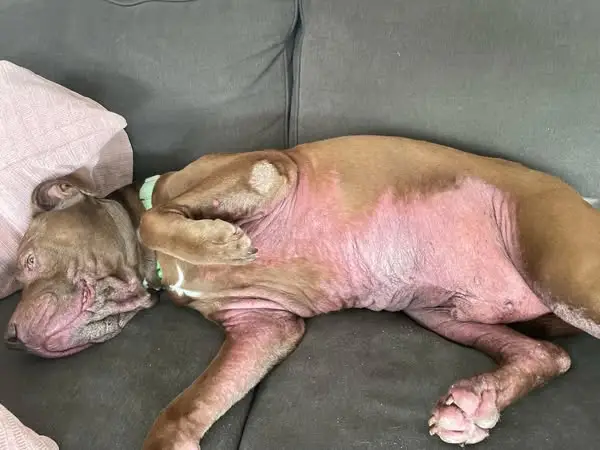
Amanda Parker — Bear Died At 8. Bodhi Started Doing The Same Thing 😢
WinningImage

From the ads Sniped has collected from this page (9 so far, first seen Nov 2026). Reach is what Meta reports; no spend or sales estimates.