Advertiser

American Health Support

shop.pipitea.comMeta Ad Library

3
Running ads
1 new in 30 days
Sep 2026
Advertising since
longest ad 2 months
—
Reach
running ads, summed
0% video
Formats
0 video · 3 image
1
Products advertised
1 shop

Natural Relief in Weeks

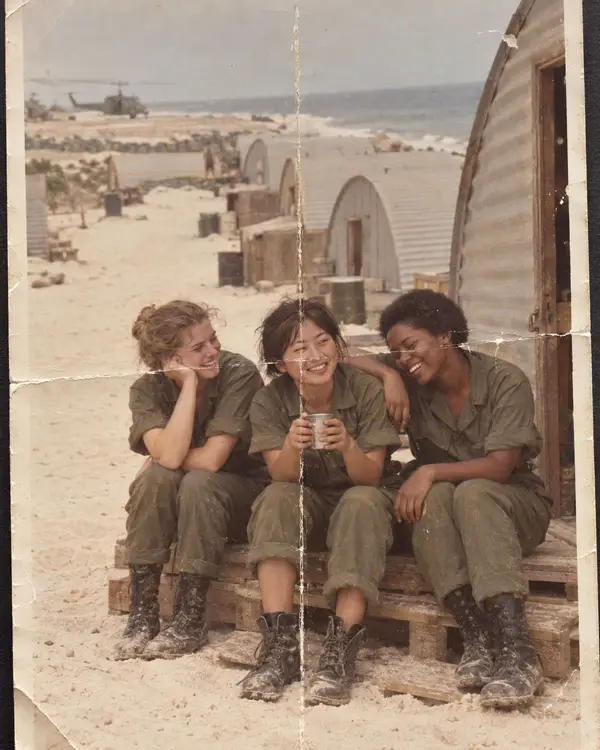
My son died at nineteen. Twenty-seven years later, the DNA kit my daughter gave me for the family tree came back with a granddaughter on his branch, and the first thing she asked me was whether he ever knew about her. He didn't. I'm a big part of the reason why. And in her very next message, she asked me to take her to meet him. Karen gave me the kit for my sixty-eighth birthday, in June, wrapped in the Sunday comics the way her father used to wrap things. She'd spent two winters building our family tree on her laptop, Ray's side all the way back to a farm outside Kraków, and she'd hit a wall on mine. "Spit in the tube, Mom," she said. "I want Grandma's people." I spit in the tube at her kitchen table with my grandchildren laughing at me, mailed it, and forgot about it. The email came on a Saturday in August, four days before the anniversary. I almost didn't open it. Every August I let things go unanswered longer than I should. There was a pie chart about Slovakia and a map with shaded parts. Then a list of people I shared DNA with. Second cousins in Ohio. A third cousin in Texas. And at the very top, above all of them, in bigger letters: Rachel L. Close family: Granddaughter. Shared DNA: 24%. I read it with my reading glasses on and then with them off, as if that might change it. I have one living child, Karen. Karen has two children, Emma and Luke, and I know where both of them were born because I was in the waiting room. There was no Rachel. Under her name was a little envelope. One message. Hi. My name is Rachel. I'm 26 and I live in Columbus. The site says you're my grandmother. My mom told me once that my father's name was Tommy and that he died before I was born. That's all she would ever say. I looked up your name and found an obituary for Thomas Raymond Marsh, 19, from 1996. I'm sorry if this is a shock. I only want to ask one thing. Did he ever know about me? Tommy. Nobody had written his name to me in years. People say "your son" now, carefully, the way you carry a full cup across a room. Thomas Raymond Marsh was born on April 19, 1977, nine pounds and furious about it. He grew up fishing the river below the hill with his father, played third base badly and loudly, and at seventeen recorded the greeting on our answering machine in a radio announcer's voice and wouldn't let me change it. In the summer of 1996 he was nineteen, working at the boat works, and in love with a seventeen-year-old named Jodi Lasko who worked the window at the Dairy Queen with a red bandana in her hair. I didn't like her. That's the plain truth. I've had twenty-seven years to find a kinder way to say it, and there isn't one. Her father was long gone. Her mother, Donna, waited tables at the Riverview Diner and rented half a house on Water Street. I'd run the cafeteria at Harmon Falls Elementary for twelve years by then. I'd handed Jodi a free lunch tray every school day for six of them, and I'd decided I knew exactly where a girl like that would take my son. A baby, a rented half-house, and the boat works for the rest of his life. I told him to stop seeing her. He laughed. In July I told him again, and he didn't laugh. So one afternoon I drove to the Riverview, waited until Donna Lasko brought my coffee, and told her that if her daughter came near my son again, everybody at St. Stan's and the school board would hear what kind of house she kept. Ray said to leave those people alone. I didn't. By the first of August the Laskos had packed a borrowed truck and gone to Donna's sister in Columbus. Tommy heard it from the neighbor girl. He didn't yell. He went quiet with me, and he stayed quiet for three weeks, the longest he'd ever gone. On Friday, August 23, he went to his friend Dale's to watch the Pirates. At 10:40 the phone rang in our kitchen. I was standing right next to it. I knew it was him, because he always called when he was leaving somewhere, and I was still angry that he was angry, so I let the machine pick up. I stood there and listened to my son tell a machine he'd be home by eleven. At 10:55 a pickup crossed the center line on the river road in the rain. What came after, I'll put in one paragraph, because that's how it felt: one long gray day. We buried him at the top of St. Stanislaus Cemetery, on the hill above town, under an oak by the fence where you can see the stretch of river he fished. Karen was sixteen and stopped telling me anything that mattered. Ray unplugged the answering machine, wrapped the cord around it, put it on the top shelf of the hall closet, and never said a word about it. I went back to the cafeteria in September and counted milk cartons for nineteen more years. Ray died in 2017 of a cough he'd called nothing for two years, and we put him next to Tommy. I went up the hill twice a year, on the birthday and the anniversary, with Karen driving me up the service road to the top. People in town stopped saying Tommy's name around me, and I let them think it was because it hurt too much. Part of it was. The other part was that his name meant thinking about the last three weeks of his life, and the phone I let ring. Twenty-seven years of that. Then a stranger asking if he ever knew. I didn't answer for four days. Every night I sat down at Karen's old laptop, started a reply, and shut the lid on it. There was no honest way to answer her question without answering the one behind it: why didn't he know? On the fourth day, the anniversary, Karen drove me to the cemetery, and for the first time the service road was chained. A storm in May had cut a gully across it, and the association was still raising money for gravel. I left the flowers at the bottom gate, looked up the long path to the oak, and told Karen I'd walk it on his birthday. Then I went home and typed the truest thing I had. Dear Rachel. I don't believe he knew. I believe if he had known, he would have driven to Columbus that same night. I'm sorry it took this long for someone to answer you. I would like to meet you, if you'd like that. Linda Marsh. Her answer came in nine minutes. Yes. Can I come this Saturday? And afterward, would you take me to meet him? I said yes to both before I let myself think. I picked the Riverview without thinking, too. I only understood where I'd be sitting when I parked. The municipal lot is a block below the diner, up Second Street. I've walked that block a thousand times. That Saturday I had to stop at the hardware store halfway up and pretend to study a display of lawn sprinklers while my breath caught up with me. I blamed my nerves. By the time I sat down in a booth by the window, my blouse was stuck to my back. She came in at eleven exactly. I knew her before the door closed behind her. She had his eyebrows, the ones that went up in the middle when he was about to say something hard. She had his walk, a little bounce on the toes, like the floor was a trampoline. She was taller than I expected and wore a gray Ohio State sweatshirt, and she stood in the doorway holding her car keys in both hands the way you hold something you might need to throw. I stood up. She saw me. Neither of us knew what to do with our arms, so we shook hands, like two women closing on a house. "Linda?" "Rachel." She sat. The waitress brought coffee, and I looked down at the cup and remembered the last time I'd sat in this room waiting for a cup of coffee, and what I'd said when it came. I almost told her right then. I didn't, not yet. I'd brought an envelope of pictures. Tommy at five with a sunfish. Tommy at sixteen in his baseball uniform, cap backward. Tommy at nineteen on the porch steps with the dog. She went through them slowly, then went through them again, holding each one by the edges. She's a dietitian at a hospital in Columbus, she told me, three years out of school. She's married to a high school science teacher named Ben. Her mother never married. Her grandmother Donna died in 2015 and never said a word about Harmon Falls. "Mom says he was a good boy and to leave it alone," she said. "That's the whole speech. She's said it maybe four times in my life." "He was a good boy." "She cried when I told her I'd done the test." Rachel set the porch picture down. "She didn't tell me not to message you. She just went in her room." Then she looked up at me with his eyebrows. "What did he sound like?" I opened my mouth, and nothing came out. I could have told her about the answering machine on the top shelf of my hall closet, unplugged for twenty-seven years. I said, "Like his father. Only louder." Then I told her the rest of what I owed her: the Riverview, Donna, the coffee, what I'd said. She listened without moving. When I finished, she folded her hands on top of the pictures. "So that's why Mom left." "That's why." She was quiet for a long time. "Thank you for telling me," she said finally. She didn't say it was all right. She called me Linda for the rest of the day. That was fair. At one o'clock we drove to St. Stanislaus. The cemetery sits on the steepest hill in Harmon Falls. From the lower lot by the gate, a paved path climbs about a third of a mile to the top. A third of the way up there's a stone angel with a chipped wing. Halfway there's a bench the Rotary put in. Two-thirds up is the Novak family's mausoleum, gray granite with a little iron door. And at the very top, by the fence, under the oak, is my son, with his father on his left. Rachel carried yellow roses. She started up the path ahead of me with that bounce in her step, then slowed to stay beside me. By the angel, something laid itself flat across my chest, like a warm iron set down on my breastbone. My breath went short and high. I stopped and put my hand on the angel's base and said I wanted to look at the view. "Okay," Rachel said. I made myself go on. Twenty steps. The iron pressed down harder, and the edges of the path went gray. I couldn't make the bench. I lowered myself onto the low stone curb around somebody's

Loading the ad's image
American Health Support — Natural Relief in Weeks
PromisingImage

Natural Relief in Weeks

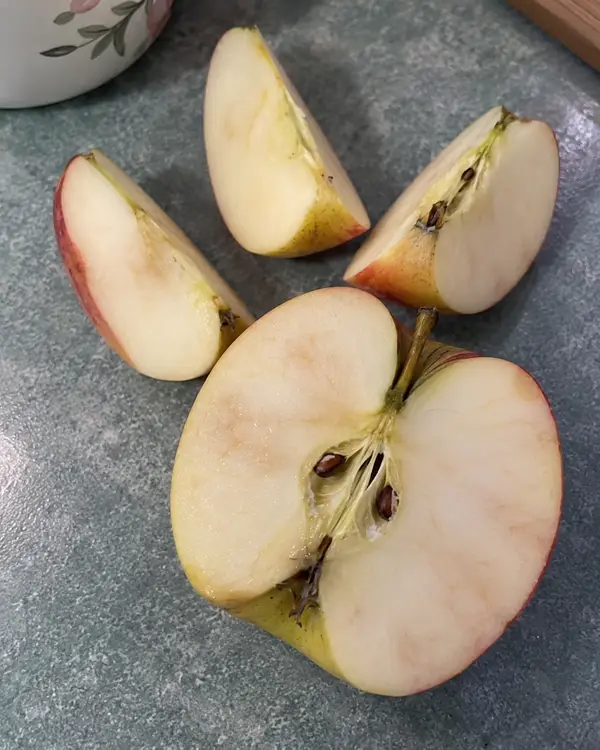
I am a cardiologist. When a blocked artery is about to cause a heart attack, I am the doctor who goes in and opens it. I have done it 1,247 times in twenty-five years. And the patients on blood pressure pills like lisinopril and amlodipine, the ones whose doctors say their numbers look great, keep ending up on my operating table. Last spring I found out why. On my own brain scan. I am writing this because I owe it. Not to a company. Not to a colleague. To the 1,247 people whose arteries I opened without ever asking why they closed. I know what my chief of cardiology will say when he reads this. I know what the drug company reps who walk through our department every week will say. I have spent twenty-five years not saying it. I am done. If you are on lisinopril, amlodipine or any blood pressure pill, or someone you love is, and your doctor says your numbers look great, but you are putting up with the cough, the dizziness, the tiredness, please read all of it. I know it is long. I will not waste a sentence of your time. My name is Richard Bowman. I am 60 years old. Board-certified cardiologist. Twenty-five years at a hospital that does over 600 heart procedures a year. I am the doctor you see after the other cardiologist finds the blockage. I am the one who goes inside. I chose this work because of my father. He was 65. Retired bus driver. Two blood pressure pills for twelve years. Never missed a dose. His doctor told him at every visit that his blood pressure was right where they wanted it. 126 over 78. The chart was perfect. On a Saturday morning in May he was washing his car in the driveway, and he went down. My mother found him lying next to the bucket, the hose still running. She thought he had slipped. He had not slipped. A massive stroke. Gone before they got him to the hospital. 126 over 78 at his last visit. Twelve years of pills. Twelve years of "right where we want it." The numbers were perfect. The man was dead. I was 31 years old. Third year of my cardiology training. I stood in the hallway of a hospital I did not work at, holding the chart of a man I could not save, and I made the decision that shaped my entire career. I would become a doctor who saves lives. Not by reading numbers on a chart. With my own hands. Because the numbers on a chart could not protect my father. Today, after twenty-five years in the cath lab, I have opened 1,247 blocked arteries. And I need to tell you what I saw. When I thread a thin tube into a heart artery, I am watching a live image on a screen. Dye flows through the artery and I can see exactly where it narrows, exactly where it is blocked, and exactly how much blood is getting through. But there is something else I see. Something that does not show up on a blood pressure cuff. Something your doctor will never see, because your doctor reads a number off a cuff. I see the inside of the artery itself. I see the lining. A healthy artery lining is smooth. Shiny. Even. When the heart pushes blood through, a healthy artery widens a little to let it pass, the way a garden hose swells when you turn the water on. A damaged lining is something else entirely. It is rough. Dull. Uneven. The artery around it is stiff. When the blood comes through, it barely moves. I have pushed a wire along linings like this. I can feel it through the wire. It scrapes. It does not look like a healthy artery. It looks like rust. I said that word out loud to a colleague once, during a procedure. Early in my career. He was watching the screen over my shoulder while I worked on a 63-year-old man on three blood pressure pills. His cuff read 124 over 80 that morning. His main heart artery was 90 percent closed. "Look at the lining," I said. "That's not just a blockage. That looks like the inside of a pipe that's been rusting for twenty years." He nodded. We finished the procedure. We placed the stent. We never talked about it again. But I saw it again. And again. And again. Over twenty-five years and 1,247 procedures, I learned to see a pattern nobody trained me to look for, because nobody trained me to look at the lining. They trained me to open the blockage. Here is the pattern. The patients on blood pressure pills. The ones with good numbers. The ones whose doctors were happy. The ones who came to me anyway when an artery closed. Their arteries should have looked like the arteries of people whose blood pressure had always been normal. They did not. Not even close. The people with normal pressure usually had one blockage. Clear. In one spot. The kind I could see clearly and open cleanly. The long-time pill patients had something else. Damage spread along the whole artery. Not one blockage. The whole lining rough, the whole artery stiff and narrow, end to end. As if it had been rusting from the inside for years. Harder to work with. And it went further than the scan had shown before I went in. And their pill lists kept growing. One pill. Then two. Then three. I mentioned this to our chief of cardiology once. At a department meeting. Carefully. As an observation, not a conclusion. He said: "The pills are doing their job. The numbers prove it. What you're seeing is normal aging." I did not bring it up again. But I kept a count. Not officially. In my head. How many of my 1,247 patients were already on blood pressure pills, with good numbers, when they ended up on my table. I stopped counting at 700 because the number made me sick. More than half. And every time, every single time, the referring doctor's note said some version of the same sentence: "Blood pressure well controlled on current medication." Well controlled. On my table. With a wire in their heart artery. I put that pattern in a drawer in my mind and I left it there. Because I did not know what to do with it. I fix blockages. I do not question the pills the other doctors prescribe. That is not my job. Then six years ago my own doctor sat me down with my readings. 158 over 98. "Rich, you know what the guidelines say." I did. I had watched 700 patients follow those guidelines onto my table. But I also knew my father's blood pressure had been 126 over 78 the day he died, and his doctor had been calling it perfect for twelve years while his arteries quietly closed. I filled the prescription anyway. Lisinopril. Because I am a physician, and I could not ignore my own numbers, and I did not yet understand why the number on the cuff was not the right thing to watch. The pill worked beautifully on paper. Three years in, my numbers started creeping back up. My doctor added a second pill. Amlodipine. Within two months I was at 128 over 82. My doctor said the word "textbook" and smiled. Six years of pills. Six years of textbook numbers. Six years of my doctor smiling. Six years of feeling worse and telling myself it was something else. The dry cough that started a few weeks after the first pill and never left. Worse at night. I blamed allergies. I blamed the dry air in the cath lab. The dizziness when I stood up from the stool after a long procedure. The room would tilt for a second and I would grab the table. I blamed long cases. I blamed skipping lunch. The tiredness that hit me by 3 PM every day. I blamed my age. I am 60 and running a cath lab. And my cuff at home would not settle. 126 one morning. 142 the next. I was checking it five times a day. On the high mornings I woke up with a pounding head. My doctor said, "Home readings vary. That's normal." My wife noticed before I did. Janet is not a physician. She is a high school biology teacher who has been married to a cardiologist for thirty-two years and knows more about the heart than most of the young doctors I train. She said it once, in February, across the dinner table. Quietly. Like she had been holding it for months. "You're disappearing, Rich. You're here but you're not here. You come home and you sit down and you don't get back up. That's not you." I told her I was tired. She didn't argue. She just looked at me the way she used to look at students who gave her the wrong answer and knew it. Then the words started going. I would be explaining a case to the young doctors in our morning meeting, and a word would just not come. Then another. One morning in March I stood in front of six of them and could not find the word "balloon." A word I have said every working day for twenty-five years. That week I ordered a brain scan on myself. The scan took twenty minutes. The results came to my inbox while I was between procedures. I opened them standing in the hallway outside the cath lab. The same hallway I walk through every morning on my way to open other people's arteries. My hands went still on the tablet. I could feel my pulse in my fingertips. I have sent patients with fewer spots than this to a neurologist the same week. I have sat across from families and explained what those spots mean. I walked into the cath lab. Empty between cases. The monitors were off. I stood in the room where I have done 1,247 procedures and I looked at the table where patients lie down and give me their arteries and trust me to know what I am doing. Six years of lisinopril. Three years of amlodipine. Six years of textbook numbers and my doctor smiling. And a brain full of small silent strokes. Tiny spots where small blood vessels had already been damaged. The kind you never feel happen. The kind of damage that comes before a big stroke. The kind my father would have had. I was looking at my own body and I was seeing the same pattern I had seen through a catheter 1,247 times. The rust. Building quietly inside my arteries while every reading on every chart said I was fine. That night I did not go home. I went to my office and ordered the tests I should have ordered five years ago. Not the standard checkup. Every organ my arteries feed. The results came back over the next two weeks. I read each one alone, in my office, with the door closed. Brain. Small silent strokes. Already knew. Heart. An ultrasound of my own heart. The wall of my heart had grown thick. That happens when the heart has to push against tight arteries, year after year. For two years I had been stopping halfway up the hospital stairs to catch my breath. I blamed the heavy lead apron I wear in the cath lab. Kidneys. My kidney function number, the eGFR, was 71. Five years earlier it had been 93. I had been getting up twice a night to use the bathroom since the autumn before. I told Janet it was my prostate. Something every man my age deals with. I never thought of my kidneys, because my other kidney test was still in the normal range, and nobody gets flagged until it drops further. Nobody had flagged it. I had not flagged it myself. Legs. I had been getting a cramp in my right calf when I walked from the parking garage to the hospital. Six minutes, slight uphill. I blamed my shoes. So I put a blood pressure cuff on my ankle and compared it with my arm. The ankle should read the same as the arm or higher. Mine read lower. 0.88 of my arm reading, where normal is 1.0 or higher. The arteries feeding my legs were narrowing. Eyes. By late afternoon the monitor in the cath lab had been going blurry. I blamed my reading glasses. The eye doctor looked at the tiny blood vessels at the back of my eyes. They were narrowed. She asked me, "How long have you had high blood pressure?" I said six years, and that it was controlled. She noted it and moved on. Five organs. My brain. My heart. My kidneys. My legs. My eyes. Every one of them showing the same pattern. The same quiet damage. The same slow rust from the inside. And if I had gone through the system the way my patients do, each one would have sent me to a different specialist who would have prescribed a different pill. A neurologist and a pill for the brain. A cardiologist and another pill for the heart. A kidney doctor and another pill for the kidneys. A vascular surgeon and a blood thinner for the legs. An eye doctor and drops for the eyes. Five specialists. Five prescriptions. Five charts in five offices. None of them talking to each other. And every one of them would check my blood pressure cuff. Not one of them would check whether the lining of my arteries could still relax. Nobody does that test. And not one of those five prescriptions would touch the thing doing this to all five organs at the same time. What is doing this to five organs at the same time? I drove home that night with the five reports in my briefcase. Janet was reading in the living room. She looked up when I came through the door and the book came down into her lap. "Rich. What happened." Not a question. She could see it on my face. I sat down across from her and I told her. The brain scan. The heart. The kidneys. The legs. The eyes. Five organs. I watched her face go white. I watched her hands close slowly around the arm of the chair. When I got to the brain scan she put her hand over her mouth and held it there. "How bad?" she said. "It's early. All of it is early. But it is all moving in the same direction." She was quiet for a long time. Then she said: "Your father was 65." I could not answer that. That night Janet went to bed and I sat at the kitchen table and opened my laptop and did something I had not done since my training. I searched for the cause. Not the prescribing data. Not the drug trials. Not the guidelines I had followed for twenty-five years. The cause. What actually happens to the lining I had been looking at for 1,247 procedures, and reading about now in five reports sitting in my briefcase by the front door. I read until 3 AM. What I found was not hidden. It was sitting in Hypertension and Circulation and the American Journal of Cardiology, journals I have subscribed to my entire career. The rough, dull lining I had called rust to a colleague two decades earlier was not just old. It was damaged. And that damage had a name. The next morning was a Saturday. Janet was making coffee. I had not slept. She took one look at me and knew I had been up all night. She set a mug in front of me. Sat down across the table. She had been crying. I could see it around her eyes. She had gone to bed knowing her husband's brain, heart, kidneys, legs and eyes were all quietly being damaged, and she had spent the night with that. "Did you find anything?" she said. "I found what's doing it. To all five." She wrapped both hands around her mug. Steadied herself. "Show me." "It's a kind of damage," I said. "One kind. It's the thing that connects all five reports. Doctors call it oxidative damage. You only need to know the name once. What matters is what it does." I picked up an apple from the bowl on our counter. Cut it in half with a kitchen knife. Set one half on the cutting board between us, cut side up. "Watch that," I said. "In twenty minutes it'll turn brown. You know why. You teach it." "Oxidation." "Right. The air attacks the cut apple. The flesh changes color. Changes texture. Goes from fresh to damaged. That is oxidation." I pointed at the apple half. "Now think about the lining of your arteries. The thin layer on the inside, the layer the blood touches. When it's healthy, it does something important. It sends out a signal called nitric oxide. That signal tells your arteries to relax and open up." "But oxidative damage does to the lining what the air is doing to that apple. Age, stress and salty food speed it up. The damaged lining stops sending the signal. So the arteries stay tight. Your blood has to push harder to get through. That push is what the cuff measures. That's high blood pressure." I looked at her. "That's the rust, Janet. That's what I've been looking at through a catheter for twenty-five years. A lining that's been damaged and can't send its signal anymore. In the arteries that feed my heart. And my brain. And my kidneys. And my legs. And my eyes. Same damage. Same lining. Five organs." She was staring at the apple. "And your pills?" I pointed at the half that was already starting to brown. "My pills don't touch this. They force the artery open from the outside, so the cuff number drops. The doctor smiles. But the lining underneath keeps rusting. That's why one pill became two." She was quiet for a long time. Then she said it. "So your pills have been holding the number down for six years. And the lining has been rusting the whole time. That's what the brain scan is showing." "Yes." "And the cough? The dizziness? Being tired all the time?" "Different cost. Same pills." I got up and took my lisinopril bottle down from the cabinet. Set it on the table. "This pill blocks a chemical that tightens my arteries. But that same block lets an irritant build up in my lungs. You can't have one without the other. That's the cough." I set the amlodipine next to it. "And with two pills pushing my pressure down all day, it drops too far when I stand up. That's the dizziness. Too low when I stand. Too high on the bad mornings. Forced down from outside, never steady. The tiredness by 3 PM. Same pills." She looked at the two bottles. Then at me. "So the pills that are supposed to protect you are the reason you cough all night." "Every night. For six years. That wasn't allergies. That wasn't skipping lunch. That wasn't my age. That was the pills." She reached across the table and put her hand over mine. I want to be clear about something before I go further. Your doctor is not the villain in this. Neither was mine. Neither was my father's doctor, who smiled at his 126 over 78 for twelve years. They prescribed the best tool they were trained to use. The training is the problem. Every doctor in the country learned from the same textbook I learned from. Not one of those textbooks told us to look at the lining. "Is there anything that fixes the lining without the side effects?" That was the question I had been up all night trying to answer. Janet got up and opened the cabinet above the refrigerator. The one where we keep supplements. She set four things on the table between us. "Fish oil," she said, pointing at the first one. "My sister has taken this for nine years. Her doctor told her it's good for her blood pressure." "It lowers the fat in her blood a little. That's all. It doesn't fix the lining. The damage on your sister's arteries is still building." She held up the bag of cough drops. "And these. You've been going through a bag a week. Ever since the lisinopril." This one mattered. Because she was right. I had been sucking on cough drops for six years so my cough wouldn't wake her up at night. Cough drops were never for my blood pressure. They were for the pill I take for my blood pressure. "So that's two problems," Janet said. "The cough from the pill. And the lining." Cough drops cover up the first one. Nothing in this cabinet fixes the second. She picked up the third bottle. Beet gummies. "This was my idea. I read they help your arteries relax." "Beet gives your arteries a burst of nitric oxide from the outside. A few hours, then it's gone. The lining still can't make its own." She looked at the fourth bottle. Magnesium. My doctor suggested it the year he added my second pill. "And that one?" "Same story as my pills. It helps the artery relax a little from the outside. The lining underneath is still damaged." She looked at the four things on the table. Then at the browned apple. Then at my pill bottles. "So nothing in there fixes the lining." "One thing does." At 3 AM I had found research on a flower. Published in the same journals I had been reading for twenty-five years. Not hidden. Not suppressed. Sitting in plain sight, the way the damage on my cath lab screen had been sitting there for twenty-five years. Hibiscus. The deep red flower people brew into tea. It has been used for blood pressure for generations. In Nigeria they call the drink zobo. In Egypt, karkade. For generations, grandmothers brewed it for their husbands when the doctor said "pressure." Not as a treat. Not as tradition. Because they watched their husbands drink it and keep going. Keep working. Keep walking to the market. Keep sitting at the head of the table. And researchers have tested hibiscus tea on blood pressure again and again. In one clinical trial, it lowered blood pressure about as much as captopril, a pill from the same family as my lisinopril. Not a folk remedy. Measured. And the way it works is the thing I could not stop reading at 3 AM. The red in hibiscus comes from natural protectors called anthocyanins. Anthocyanins are antioxidants. That means they neutralize oxidative damage. The same damage that browned the apple. And anthocyanins travel in the blood. The lining is the layer of the artery the blood touches. So the anthocyanins reach the lining directly. Everything in that cabinet works around the damage. Anthocyanins are the only thing on that table that clears it. I stopped reading when I hit that line. I read it again. Then a third time. The damage that had been wearing down my lining, in my brain, my heart, my kidneys, my legs and my eyes, gets neutralized right where it sits. The rust stops spreading. And once the damage is cleared, the lining starts sending nitric oxide again. The relax signal comes back. The artery opens on its own. Not forced open from outside. Opening by itself. And because anthocyanins travel in the blood, they go wherever the blood goes. The arteries in my brain. My heart. My kidneys. My legs. The tiny vessels at the back of my eyes. Every one of them has the same lining. Every one of them gets the same fix. The places I see through a catheter every day, that no pill I prescribe has ever fixed. And hibiscus doesn't block anything in your body the way lisinopril does. So there is nothing to set off a cough. Nothing to make you dizzy when you stand up. Fix the lining. Skip the side effects. Two things my pills were never built to do. "It fixes the lining itself?" Janet said. "Right where the damage is. The damage nothing in that cabinet could clear." She looked at the browned apple on the cutting board. Then at me. "Then why doesn't everyone know about this?" I did not have a good answer. I still don't. That afternoon I drove to the grocery store and bought a box of hibiscus tea bags. I drank two cups a day, every day, for two weeks. I felt nothing. I checked my cuff every morning. 128 over 82 when I started. 127 over 82 two weeks later. Barely moved. That is when I tore one of those tea bags open, and understood why most hibiscus tea barely works. I tore it open over a white plate. Dust. Brown crumbs. Bits of stem. Not one flower. Most store-bought hibiscus is harvested by machine. The whole plant gets ground up together, stems and leaves along with the flower. Then it is dried in hot machines to save time. And heat destroys anthocyanins. I looked at the hibiscus capsules and the "blood pressure blends." Same problem. A pinch of heat-dried powder mixed with fillers. You get the name on the label and almost none of what works. The tea industry found a flower grandmothers trusted for generations and did what it always does. Made the cheapest possible version. Slapped a label on it. Sold the name without what works. Turned a flower people relied on for their blood pressure into a supermarket tea bag. There is only one way to keep the anthocyanins in the flower. Grow it where the sun is harsh, because harsh sun makes the flower pack in more anthocyanins. Pick only the red part of the flower, by hand. Dry it in the sun, never with heat. Keep the flowers whole. Steep the whole flowers. Two cups a day. No grinding. No heat. No dust. The anthocyanins reach your lining. I searched for a hibiscus tea that met every one of those requirements. One did. PiPi Tea. Janet wrote the name down on the back of a napkin. Her hand was shaking. Whole organic hibiscus from northern Nigeria, at the edge of the Sahara. Hand-picked, only the red part of the flower. Sun-dried, never heat-dried. Whole flowers in every tea bag. 80 milligrams of anthocyanins in every cup. From small family farms. Janet asked me, standing in the kitchen looking at the box of grocery store tea bags, why something as simple as a flower could work when two pills couldn't fix it. I told her the truth. "Everything complex is profitable. My pills need a prescription and a refill every month for the rest of my life. The gummies need a new bottle every month. And none of it was made to fix the lining." "A flower reaches what two pills can't. That's not a weakness. That's the whole point. Natural protectors that ride in your blood straight to the lining. That neutralize the damage. That let your arteries relax on their own again. And nobody can patent a flower. No drug company will pay for the research or the advertising on something they can't own. That's why your doctor has never told you about this. Not because the science is weak. Because the business model doesn't exist." I ordered three pouches of PiPi Tea that night. They arrived on a Tuesday. I tore one PiPi tea bag open on the same white plate, right next to the grocery store bag. Whole flowers. Deep red petals you could pick up between your fingers. Next to a pile of brown dust. I steeped my first cup at the kitchen counter and drank it. My second that evening. Two cups a day, every day. I need to be precise about this, because I am a physician and I will not overstate anything. I did not feel anything dramatic on the first day. A damaged lining does not fix itself overnight. That takes weeks, and it shows up on your cuff. Week two. What I noticed first was my cuff. For two years it had jumped around. 126 one morning. 142 the next. On day fourteen it read 125 over 80. The next morning, 125 over 79. The morning after that, 124 over 80. It had stopped jumping. And the mornings I used to wake up with a pounding head were gone. That was the lining starting to send its signal again. My arteries relaxing on their own, instead of only being forced open by two pills. That week I took one reading, wrote it down, and put the cuff back in the drawer. Janet saw me do it. She didn't say a word. She just smiled. I didn't have to check my cuff five times a day anymore. Week three. I stood in front of the same six young doctors in our morning meeting and walked them through a case. Forty minutes. I did not lose a single word. Balloon. Stent. Every word came when I reached for it. I walked out of that room and something tightened in my chest that had nothing to do with my arteries. Week four. 122 over 79. That same week I walked from the parking garage to the hospital. Six minutes, the same slight uphill. No cramp in my right calf. It simply was not there. Week six. Janet said something I was not expecting. We were walking up the steps to a restaurant. A place we had not been to in over a year, because I had stopped wanting to go out in the evening. She was a half step behind me. She said it casually, like she was commenting on the weather. "You didn't stop on the stairs." "What?" "Halfway up. Every staircase. You stop and catch your breath and pretend you're looking at something. You've been doing it for two years." I thought I had hidden it. I thought she never noticed. "You didn't stop just now. You just walked up." I stood on that step and I felt something shift in my chest. Not a reading. Not a number on a chart. My wife had been watching me struggle with every staircase for two years, and now it was gone. Week eight. My checkup. I brought my doctor my home log. 118 over 76, two weeks straight. My kidney function number, the eGFR, was 77, climbing back up from 71. And I had slept through the night for three weeks straight. The trips to the bathroom I had blamed on my prostate had simply stopped. Then I told him about the cough. Six years of it. He had never heard about it, because I had never mentioned it. He looked at my log. Then at my kidney number. Then he said, "Let's take you off the lisinopril and see how you do on the amlodipine alone." That evening Janet asked me how the checkup went. I showed her the log and the lab report. She read them, then read them again. "Rich. The kidneys." "I know." "And he took you off a pill." "I know." She put the paper down. Looked at me for a long time. Then she said something so quiet I almost missed it. "You look like you again." Week ten. Twelve days after my last lisinopril, I slept through the night without coughing. So did Janet. I finished a case and stood up from the stool and the room stayed still. No grabbing the table. At 4:30 I walked to my office after a three-artery case and read journals for an hour without my eyes going heavy. The cough drops are still in the cabinet. I have not opened the bag since. Week twelve. The checkup I had been afraid of. One pill instead of two. Would my numbers climb back up? Here is what you need to know. Once you are on two blood pressure pills, you almost never go back to one. Pills get added. They do not get taken away. Most cardiologists will tell you that. Two pills in March. One pill in June. 120 over 78. Holding. That afternoon in the cath lab, the monitor stayed sharp right to the end of my last case. My reading glasses were still in my pocket. I showed Janet the numbers that evening. She looked at them side by side. She did not say anything for a long time. I knew what she was thinking. I was thinking it too. My father was on two pills when he died. I am on one. And for the first time, I was not heading where he went. I was heading away from it. She did not say it. Neither did I. She just put her hand on the back of my neck and held it there. I printed my home log, my lab reports and my medication list and walked them down the hall to my colleague Ken. Another cardiologist who puts in stents. Eighteen years in the cath lab. A man who has placed nearly as many stents as I have. I put everything on his desk and I did not say anything. He read through it twice. Slowly. Flipped back to my medication list. Looked at the dates. "Rich. These are yours?" "Yes." He was quiet for a moment. "What happened between March and June?" I told him everything. The pattern I had been seeing for twenty-five years. The brain scan. The five reports. The 3 AM research. The lining that stops sending its signal. The apple on Janet's cutting board. The pill bottles on the table. The grocery store tea bags full of dust. PiPi Tea. All of it. He listened for the better part of an hour. When I finished he sat back and said something I think about every day. "I see it too. The patients on blood pressure pills. The damage spread down the whole artery. Their arteries look nothing like the ones with normal pressure. I thought I was the only one who noticed." He paused. "Send me the name. I want my stent patients on blood pressure pills to try it alongside their treatment. If you're right, if the damaged lining is what keeps bringing them back to our table, this is the first thing I've seen in twenty years that might actually stop it." He has had nineteen of his stent patients drinking it for three months. He called me nine days ago. Thirteen have lower readings. Seven have had a blood pressure pill taken away by their own doctors, based on their numbers. None of them have come back to the cath lab. Last Sunday Janet and I hiked to the lookout above the lake. Four miles. I had not made it to the top in three years. My calf did not cramp. I did not stop to catch my breath. I did not cough once on the way down. Janet was a few steps behind me at the top. She watched me stand there, breathing easy, looking out at the water. "You're back," she said. Not a question. A verdict. And last Tuesday Ken stood in my office doorway with my latest readings and used the word I have been waiting twenty-five years to hear a colleague use about a patient, and never thought I would hear about myself. Improving. Not managed. Improving. You are at a crossroads right now. I know because I stood at the same one. One path: you fill the prescription. Or you keep taking the ones you are already on. The number drops. The doctor smiles. When the number creeps back up, another pill gets added. And the damage keeps building on the lining of your arteries. In the arteries that feed your brain. Your heart. Your kidneys. Your legs. The tiny vessels in your eyes. Silently. Steadily. While every chart says you are fine. The cough keeps you up at night. You blame allergies. The room tilts when you stand. You blame skipping lunch. You are tired by 3 PM. You blame your age. You stop halfway up the stairs. You lose a word here and there. You slow down in ways you cannot quite name, but your wife can see. She watches the cuff. She also watches the man. And she knows which one is telling the truth. And one morning, maybe five years from now, maybe three, maybe next spring, you are washing your car or climbing the stairs or standing at the kitchen counter, and the damage that has been building for a decade catches up with you. The way it caught up with my father at 65, with a blood pressure of 126 over 78 and twelve years of perfect numbers in his chart. That is one path. I have watched 1,247 people walk it onto my table. More than half of them were on the pills that were supposed to keep them from ever needing me. Another path: you fix the lining. You drink the one thing that clears the damage on the lining of your arteries, the damage no pill and no supplement has ever fixed. Natural protectors that travel in your blood and neutralize the damage right where it sits. Two cups of PiPi Tea a day. You keep your medication. You add this alongside it. And you write down your readings. You watch the numbers move. Not just the number your doctor smiles at. The home readings that stop jumping around. Your kidney number. And maybe one day, a pill your doctor decides you no longer need. You feel your head clear. You walk up the stairs without stopping. You watch the chart start telling the same story your body is telling. And when you walk into your next appointment, your doctor does not say "looks great, keep taking it." Your doctor says something different. Something new. Improving. The 90-day money-back guarantee takes every dollar of risk off that second path. Try it for three months, the shortest honest window for real change to show up on your cuff. If your numbers have not moved, you pay nothing. Every penny back. Your pills do not come with a guarantee. My procedures do not come with a guarantee. The "numbers look great" your doctor gives you at every visit does not come with a guarantee. Twenty-five years of "well controlled" does not come with a guarantee. My father had twelve years of perfect numbers, and nobody offered to give anything back when we buried him. I chose the second path. It gave me back my words, my kidneys, my legs and my nights. It took a pill off my list. And it gave me back the woman sitting across from me at dinner who said I looked like myself again. PiPi Tea. Whole organic hibiscus from northern Nigeria, at the edge of the Sahara. Hand-picked, sun-dried, never heat-dried. Whole flowers. 80 milligrams of anthocyanins in every cup. Two cups a day. Every day. https://shop.pipitea.com/hbt/sp-nm P.S. My father took two blood pressure pills for twelve years. His numbers were perfect at every visit. He died at 65 next to a bucket in his own driveway. I built my entire career on the belief that if I could save lives with my own hands, I could prevent what happened to him. I have opened 1,247 arteries. More than half of those 1,247 people were on blood pressure pills, with good numbers, when they ended up on my table. The damaged lining was there every time. I just did not know what I was looking at until I saw it on my own brain scan. Please do not wait for yours. And remember the 90-day money-back guarantee. P.P.S. Do not expect to feel it in an hour. A damaged lining takes weeks to fix, not minutes. What most people notice first, around two weeks in, is the cuff. The readings stop jumping around. The pounding-head mornings stop. That is the lining starting to send its relax signal again, something your pills have never done, because they only force the artery open from the outside. If you have tried things before and felt nothing, it is because they never cleared the damage on the lining. This is different. But the feeling is not the proof. The proof is in your log. Write your readings down every morning. P.P.P.S. About your medication. Do not stop it. Start PiPi Tea alongside whatever you are taking now. When your readings start moving, and you will see it in your log, bring the log to your doctor. Let the numbers make the case. Ken's nineteen patients all stayed on their prescriptions and were checked every month. The seven who came off a pill came off because their own doctors decided it, based on their readings. That decision came from their doctors, not from them. That is how you do this right. P.P.P.P.S. For the woman reading this whose husband is the one on the pills. Or the one whose father's numbers were "perfect" before the day that changed everything. The damage to the lining works the same in women as it does in men. PiPi Tea is not a men's tea. It is for anyone with arteries. If your husband is the one with the climbing numbers, pour him the cup. If he is on the pills and you can hear the cough at night, see him grab the counter when he stands up, see him stop halfway up the stairs, the man you married slowly fading while his doctor says the numbers look great, trust what your eyes are seeing. The doctor watches the cuff. You watch the man. You are closer to the truth than the cuff is. P.P.P.P.P.S. If you have tried hibiscus tea before and nothing happened, there is a specific reason. Tear open one of those grocery store tea bags over a white plate. Dust. Crumbs. Stems. Most store-bought hibiscus is harvested by machine, the whole plant ground up together, then dried in hot machines. And heat destroys the anthocyanins, the part that clears the damage on your lining. I drank two cups a day of grocery store tea for two weeks, and my cuff went from 128 over 82 to 127 over 82. The tea industry sold the name of the flower without what works. PiPi Tea is whole, hand-picked, sun-dried flowers, with 80 milligrams of anthocyanins in every cup. Worth knowing before you write off hibiscus because of a tea bag that was never going to work. P.P.P.P.P.P.S. PiPi Tea comes from small family farms. Every flower is picked by hand and dried in the sun, which means they cannot rush it, and when the harvest is done, it's done. I tried to reorder after my first month and waited eleven days. I keep two pouches in the pantry now. If your next doctor's visit is in the next 30 to 60 days, and you want to walk in with a log full of steady readings instead of the same "looks great, keep taking it" conversation you have been having for years, check availability now. And remember the 90-day money-back guarantee. P.P.P.P.P.P.P.S. I am writing this in my office on a Wednesday night because a patient sat in my chair last week. A 66-year-old man I put a stent in fourteen months ago. His doctor had just taken him off one of his blood pressure pills. He told me he found PiPi Tea on his own, after reading something a doctor in another state had written. That is the third time this year a patient has walked in with results I cannot explain with the standard treatment. I am done being quiet about the pattern. Please send this to anyone you love who has been told their numbers are controlled. I have opened 1,247 arteries. Controlled numbers did not keep a single one of them off my table. https://shop.pipitea.com/hbt/sp-nm Dr. Richard Bowman, cardiologist, age 60

Loading the ad's image
American Health Support — Natural Relief in Weeks
PromisingImage

Natural Relief in Weeks

In 1969 I kept a 21-year-old cowboy alive for 31 hours, and he swore he'd dance with me for it. For four reunions I sat at the table while the band played, and watched him dance with every other woman in the room. Every one of those nights, when the first song started, he crossed the floor and held out his hand. Every one of those nights I had a reason ready. New shoes. A bad knee. Somebody had to watch the purses. Not one of those reasons was the truth. Last Veterans Day, I flew to Denver for the reunion again, and for once I was the one waiting on him. I sat down at a round table near the dance floor and put my hand on the empty chair beside me. A young Navy corpsman in dress blues, one of the volunteers they send over every year, stopped with a tray of ginger ale and asked me who I was saving it for. "A man who's late," I said. "About 56 years late." He sat down. So I took him back to the sand at Chu Lai, and I told him. He was maybe 22. He had the same short haircut and the same careful manners as the boys I used to wash and shave, and he called me ma'am every other sentence. I liked him right away. Two widows at my table quit pretending to read the program. A drummer from the band came down off the stage with his coffee. People started dragging chairs over from the other tables, the way you do at a wedding when somebody's telling a good one. By the time Bill Hargrove walked into that ballroom, there were sixteen chairs pulled in around me. I've told that story one time in my life, to sixteen people in a hotel ballroom. I'm writing it down now because I think somebody else needs it. My name is Peggy Wu. Back then it was Peggy Chan. I'm 79. My father ran a grocery on King Street in Seattle's Chinatown, and I was raised in the rooms above it. I joined the Army Nurse Corps at 21 because my brother Henry got drafted and I wasn't about to let him go over there without somebody who knew how to stop bleeding. Henry came home fine, by the way, and complained about the Army food for 50 years. In January of 1969 the Army flew me to Chu Lai. An evacuation hospital made of Quonset huts on the sand, the South China Sea on one side and the helicopter pad on the other. You learned fast at Chu Lai. You learned to tell how bad a night was going to be by how many rotors you could hear at once. The wards were long tin tubes with plywood floors, forty beds to a side, fans that pushed the heat around without ever moving it out. We wore fatigues and jungle boots and worked twelve hours on and twelve off, which mostly meant twelve hours on and then however many more the helicopters said. Bill Hargrove came in on one of those helicopters in March. Twenty-one years old. Six foot four. Boots longer than my forearm. A ranch kid from outside Billings, Montana, and before I'd finished cutting his shirt off he'd told me about his horse. He was my patient for 23 days. Seven days in, I could have told you his mother was Arlene, his horse was Duster, and he'd never seen the ocean until he flew over it on his way to the war. But the first night was the one that counted. Fourteen helicopters in two hours. Bill came out of surgery with a hole through his belly and another in his chest, and a little before midnight his pressure started to fall. Our head nurse was Major Ruth Calloway. Thirty-four years old, from Muncie, Indiana, with a back as straight as a tent pole. She looked at the ward. She looked at him. She looked at me. "Lieutenant Chan, that bed is yours. You don't leave it." I didn't leave it for 31 hours. I took his pressure every 15 minutes and wrote it on a white index card clipped to the head of his bed. I hung blood and squeezed it in by hand. I talked to him when he couldn't hear me, and when he could. Ruth ran that ward all night like a train station. She never raised her voice. She'd walk the aisle between the beds with a flashlight in her teeth and a clipboard under her arm, and every time she passed his bed she'd look at my card, then at me, and keep walking. That was how you knew you were doing it right. She didn't stop. Here's what I remember most. He took hold of the bed rail with his right hand and my wrist with his left, and he did not let go. Not when he was out cold. Not when they took him back to surgery at hour nine and brought him back. Somewhere around hour 18 my legs quit, and I sat down on the plywood floor next to his bed with my arm still up in his hand. I sat down again at hour 26. He never let go of that rail. I sat down twice. At hour 20, Ruth Calloway knelt down on that floor beside me in her fatigues and put a canteen cup of coffee in my free hand. "Steady hands, Chan," she said. "He's watching your face, not his own." By morning of the third day his pressure held. By the fifth he was cussing the orderlies. By the second week he was trying to get out of bed without asking anybody. The doctors said later that he shouldn't have made it, that the bleeding was too much and too long. I don't know about that. I know he squeezed my wrist every time I said his name, and for 31 hours I said it about every two minutes. Now. My mother. My mother believed there was nothing in this world a pot of tea couldn't put right, and she mailed oolong to me at that hospital every two weeks, my name brushed on the brown paper in Chinese. Tight little dark curls of leaf, from the herb shop on Jackson Street. I'd switched to coffee at 14 to be American. I called it my mother's weeds, and I gave every single parcel away. The first one went to Bill. He was sitting up by then. He dropped a pinch of it into a clear water glass from the mess hall, poured hot water over it from the coffee urn, and held it up to the window. "Look at that, Lieutenant," he said. "Opens up like a hand." He drank it. He made a face like I'd given him castor oil. "Boiled saddle," he said. And he finished every drop. After that, every parcel that came while he was there went to Bill's bed. Every time, he held a glass out to me. "I'd rather drink the IV bag," I'd say. "Boiled saddle," he'd say, and drink it himself. By the end of the month the whole ward was saying it. Boiled saddle. I can still hear twenty boys saying it in the dark. In April the Viet Cong put rockets into the compound one night. A piece of one opened Ruth Calloway's shoulder from the collarbone down. They stitched her up in the next hut, and two days later she was back on the ward with her arm in a sling, straight as a tent pole, telling the orderlies the floor was a disgrace. On day 23 they flew Bill out to Japan. I walked with them to the pad. He was thin and yellow and grinning, and he pushed the last parcel of my mother's tea back into my hands. "When we dance, Lieutenant, you're drinking a glass of this." "When we what?" "When I'm home," he said, "I'll dance with you. A real dance. A whole song, start to finish." "You'll walk first, Hargrove," I said. "That's an order." "Yes ma'am, Lieutenant." He's answered me that way on every phone call for 56 years. That night, when I went to clip a fresh card on his bed for the next boy, I found the card from that first night was gone from his folder. He'd taken the index card with my handwriting on it. I came home in January of 1970. I married Tom Wu, a machinist at Boeing, in 1972, and I worked 33 years of nights in an intensive care unit on First Hill. Bill went home to Montana and broke colts and fixed fence on one ranch outside Billings for 50 years, and he wrote me a letter every Christmas. He never once mentioned the dance. He never once had to. The Chu Lai nurses started holding a reunion in the 1980s. Every year on Veterans Day, a hotel in Denver, a banquet, and a band. Ruth came every single year in her dress uniform, with the shoulder she said still told her the weather. She gave the toast. She was the last one off the dance floor. I went to every one of them. I'd sit with the girls from my ward and we'd laugh about things nobody else on earth would laugh at. The rats in the supply hut. The chaplain who couldn't swim. The night the generator died in the middle of a surgery and six of us held flashlights over the table for an hour and a half. Bill found us in 2021. His granddaughter found the reunion online and drove him down from Billings. For four years after that, he danced with every nurse in the room. Except one. By then Ruth's cholesterol had gone bad, and I'd watched it take her apart one reunion at a time. 2001, a statin. 2010, they doubled it. 2017, an injection every two weeks. After the toast she'd excuse herself to the ladies' room with her purse, and come back with her sleeve buttoned at the wrist. "My numbers are right where they should be, Peggy," she told me that year, with her napkin folded in her lap. "My doctor's thrilled with me." 2018, two stents. 2020, a small stroke, and a cane, and her hands shook so bad on her coffee cup she drank it through a straw. Ruth Calloway, who once stitched a boy's scalp by flashlight. 2022, she came in a wheelchair and sat at the end of the head table, and her numbers were still right where they should be. In August of 2023 the phone rang before the sun was up. It was Ruth's husband, Gordon, and he skipped every word you'd normally start with. "She doesn't know me anymore, Peggy." The big stroke. A memory-care home in Tacoma. That's the part I could never get past. A rocket couldn't put Ruth Calloway down in 1969. Fifty-four years later her own arteries did it, and left her alive to not know it. Gordon died just after New Year's. The memorial was set for a Saturday in January, in a little Lutheran chapel in Tacoma. Ruth's daughter Janet called me that week. She wanted Mom's girls up front for "Abide With Me". All four verses, standing, the way Ruth would have wanted. "Would you stand with them, Peggy?" The yes was right there in my throat, waiting to come out. But by then my own cholesterol had been climbing for a long time. I'd been on atorvastatin since 2013, and my LDL went up a little at every checkup anyway. And the last few years, my calves knotted up on the Seattle hills and my chest went tight on my own stairs. I pictured that chapel. Four verses on my feet at the front of the room. The cramp climbing my legs by the second verse. Going down in front of Ruth's wheelchair, in front of every nurse I'd ever served with, in front of her grandchildren in the second row. I'd sat down twice on a plywood floor in 1969. I wasn't going to fold up in front of Ruth. "I'll be there, Janet," I said. "But I'll be sitting down." She was too polite to ask me why. So that Saturday I sat in the front pew with five purses in my lap, while five old nurses, not one of them under 75, stood up front and sang. Bill had flown in from Billings. 76 years old, a gray suit he'd bought for the occasion, and his boots. He walked those old women up the aisle one on each arm, three trips, as easy as feeding horses. Then he stood behind Ruth's wheelchair with his hands on the grips through all four verses, and he never once shifted his feet. Same monsoon. Same ward. Same year. He was a boy with a hole through him on a plywood floor. I was the one who knew how to keep him alive. Fifty-six years later he was the one standing. And he stood up there holding her chair while I sat in the pew holding the purses. Afterward, in the fellowship hall, he found me by the cookie table. "You doing all right, Lieutenant?" "I'm fine." He studied my face the way I used to study a monitor. Then he let it go. "Come to Denver this year," he said. "And this time you dance with me. You still owe me one." Four reunions. Four first songs. Four times he'd crossed that floor with his hand out, and four times I'd found a reason. The shoes. The knee. The purses. "I don't dance to this one." The first year it might even have been the shoes. After that it never was. It was my legs, and it was my breath, and I was not going to let the boy I'd kept alive watch me need a chair halfway through a song. "I'll think about it," I said. He took the memorial program out of his jacket, wrote on the back with a pencil stub, and handed it to me. "Nov 11. Denver. First song." I took it home to Seattle and put it in the little velvet box where I keep my Army Nurse Corps pin. I let the story rest there and lifted my eyes. I was back at the round table in Denver, and the band was tuning. The corpsman hadn't touched his ginger ale. One of the widows, a little woman named Dottie whose husband had been a surgeon at Qui Nhon, had turned her chair all the way around to face me. "Is he coming, honey?" she asked. "He said he was." I looked at the ballroom doors. No Bill yet. So I picked the story up again at the winter after the memorial. By February my calves were knotting on the hill up from the bus stop on Queen Anne. Halfway up, every time, I'd have to stop and hold on to the same lamppost and pretend I was looking at the view. Then I started stopping on my own stairs. Twenty-two of them up to our apartment, and I'd stop on the landing with my hand on the rail. My chest went tight carrying groceries. I wore wool socks to bed and my toes stayed like ice. And by 7:30 the news was watching me instead of the other way round, my chin on my chest. I told myself that's 78. I'd written those exact words in a hundred charts about other people, and I'd never once believed them. Then came the night in March. A little after 3, I woke up with my chest in a band and my left leg locked up like a fist. I made it to the bathroom doorway, and my legs folded and put me on the tile. That's where Tom found me. On the bathroom floor in my nightgown, two fingers on my own wrist, counting. He had 911 half dialed before I could even lift my head. "I'm counting, Tom. Let me count." "You're counting your own pulse on the bathroom floor." "It's coming down now." He pulled me up by both hands and walked me out to the kitchen. He put the kettle on, because neither one of us was going back to bed, and when he sat down across from me his hand shook on his mug. "Fifty years," he said. "Fifty years you've told every man on your floor to go in. You'd chart this on anybody else in five seconds. You're going in." He said it evenly. The mug said otherwise. I'd only seen that hand shake once before, at the airport in 1969, and he wasn't even my husband yet. "You win," I said. He was on the phone to the VA the minute they opened, and he stayed on hold 50 minutes rather than hang up. Tom isn't a talker. He was a machinist for 38 years and he says about as many words a day as a lathe does. When Tom makes a speech at 3 in the morning, you listen. The VA clinic is on Beacon Hill. A waiting room full of old men in ball caps, and one television nobody was watching. Dr. Sundquist. Young, tall, tired. He was eating a granola bar between patients, and he finished it while he read my file. They took four tubes of blood. The results were in by Friday, and so was I. He swung the laptop around so I could see the screen, as if a retired nurse might not know how to read a lipid panel. I knew. That was the trouble. "Mrs. Wu, your LDL is 169. Your blood pressure's up too." I didn't give him a word back. "Twelve years on atorvastatin, and every panel's been higher than the one before. After that business on your bathroom floor, I'm putting you on forty milligrams instead of twenty." Then he said something kinder than I expected. "Hear me on this: you didn't bring this on yourself. Your father had a heart attack at 61. That's genes. And you worked thirty-three years of nights and ate out of hospital cafeterias. That's not a moral failing, Mrs. Wu. That's a job." I thought about my father, face down behind the counter between the rice sacks and the soy sauce, and my mother screaming for somebody to call the ambulance in two languages. "If it's the genes and the job," I said, "then explain Bill Hargrove to me." "And who would that be?" I gave him the short version. Same ward, same year. Fifty years of ranch beef and fried eggs and no doctor if he could help it. Never once on a pill. And he'd walked five old women up a chapel aisle in January without breathing hard. Dr. Sundquist shrugged. "Some people just get lucky, Mrs. Wu." Then he scrolled down. "One more thing. In October I want your LDL below 100. If it isn't, you go to the injection clinic. A shot every two weeks." I didn't hear much after that. The injection clinic was Ruth excusing herself after the toast. It was her sleeve buttoned at the wrist. It was a cane, and a straw, and a wheelchair at the end of the head table. It was Gordon's voice on the phone before sunrise. The girl at the front desk handed me a card. Fasting lipid panel. Tuesday, October 21. Dr. Sundquist leaned out of his door as I went. "Get me under a hundred, Mrs. Wu, and we'll talk." When I got home I opened the velvet box and put the card in it, on top of a memorial program with "Nov 11. Denver. First song." written on the back. One date to keep a needle out of my arm. One date to keep a promise I'd made on a helicopter pad. In May I took the bus downtown to meet my granddaughter for lunch. On the Harbor Steps my left leg locked and I sat down on a step, and I couldn't get back up. A teenage boy with a skateboard under his arm hauled me up by both elbows while a tour group off a cruise ship stood there and watched. "You okay, grandma?" I told him I was fine. I'd been telling everybody I was fine all year. I rode the bus home with my hands in my lap so nobody would see them shaking. My granddaughter had waited at the restaurant forty minutes. I told her the bus was late. That night I took both cards out of the velvet box and laid them side by side on my dresser, under the pin. One said October 21. One said November 11. And I knew how both of them ended if nothing changed. I wasn't going to fly to Denver and sit at that table a fifth time while Bill stood alone on the floor with his hand out. He'd walked every old nurse in Tacoma up an aisle. He was not going to walk me. So I nursed myself. I'm a nurse. It's the one thing I know how to do. I gave up the roast duck skin from King Street and the Sunday bacon. Oatmeal every morning. Egg whites. I walked the Queen Anne hill twice a day, lamppost and all. I took the doubled pill every night. And I bought a fingerstick cholesterol tester off the drugstore shelf on Queen Anne Avenue and wrote every number in a little spiral notebook, like a chart. Six weeks of that. My home meter said 172. Higher than April. I'd done every single thing I would have told a patient to do, and the number went the wrong way. I checked the meter against the strip lot number. I checked it against Tom. His was fine. Tom eats like a teenager and his was fine. Mine was the one going the wrong way. The June check. Dr. Sundquist read my spiral notebook for a long time before he looked up at me. "One sixty-six," he said. "Better than nothing. Not enough. October stays." "I'll take your pill," I said. "I'm not going to the injection clinic." He shut the laptop lid with one finger. "Then I'm out of ideas, Mrs. Wu." I sat in the car in the VA lot with the engine off until the windows fogged. Then I called Billings. "Bill. I can't dance with you. My legs won't hold me through a song. They haven't for years. And my cholesterol won't come down. If it isn't under 100 by October 21, they send me to the injection clinic." There was nothing on the line. Nothing for so long I checked the screen to see if the call had died. "Yes ma'am, Lieutenant," he said. And he hung up. Ten days later a box came from Billings. A boot box, taped shut three times around, with my address in that square handwriting. Inside, wrapped in an old canvas ranch jacket that smelled like horse, was a cassette player, one tape, and a note on a feed-store receipt. PEGGY. PLAY ALL OF IT. At the round table in Denver, the other widow touched my sleeve. Marlene Kovach. She'd lost her first husband in 1968, she said, and married Frank in '74. "My Frank says he's fine," she said. "He won't dance anymore. He's upstairs right now with the TV on." Nobody at the table said anything to that. Dottie patted her hand. The corpsman leaned in. "What was on the tape, ma'am?" I pushed play at my kitchen table, with Tom across from me. There was Bill, slow, a screen door banging somewhere behind him. "You never told me, Lieutenant. All this time. I watched you sit for that hymn in January and I knew something was wrong. I didn't know what till you called." "You're going to call me a dumb cowboy when you hear the answer. You already know it. You handed it to me in a mess-hall glass. But first you have to understand what's making your number climb." "After Gordon called about Ruth, I couldn't make it add up. So I spent two winters at the library in Billings, and my daughter's a pharmacist, so I made her read along. And you know what Ruth's numbers were the week of her stroke? Gordon read me her chart. Right where they should be. The pills got her number down. The stroke came anyway." "Here's what I learned, Peggy. High cholesterol isn't really a cholesterol problem. The high LDL number is the symptom. The real problem is what happens to that cholesterol once it's in your bloodstream." "After years of chronic inflammation from modern processed food, and constant exposure to free radicals, some of that LDL gets into your artery walls and gets held there." "Then it gets oxidized. It turns sticky. And once it's sticky, it starts forming plaque. Your arteries start filling up with oxidized cholesterol that was never supposed to be there." "And once that LDL is in the wall and oxidized, your immune system answers it like damage. More plaque forms. With every heartbeat your vessels stiffen and keep closing, and one day the plaque ruptures into the heart attack that kills you. Or the stroke that takes your name." "Ruth's stents. Ruth's stroke. Your legs on that hill. Your chest on your stairs. That's not four things, Lieutenant. It's one. Oxidized LDL is what causes every one of them. Not the total number. The oxidized cholesterol your body can't clear." "Now the statin. The statin lowers your LDL. Fine. But it does nothing to stop the cholesterol you've still got from oxidizing. Lowering the supply doesn't stop the oxidation. It just lowers the number on the chart, while the cholesterol you still have keeps turning dangerous underneath." "That's why you gave up the duck skin and walked that hill and the number didn't care. You were working the supply. Nothing in your whole day was touching the oxidation." "A chart number's a head count, Peggy. It tells you how many head are in the pen. It doesn't tell you how many of them are sick. Ruth's head count was right where it should be the whole way down." "And it feeds itself. Oxidized cholesterol, damage, more plaque, a stiffer vessel, more cholesterol held in the wall, more of it oxidized. Every heartbeat, another turn. And a pill that only lowers the head count can't stop it turning." "Now here's what nobody at that clinic is going to tell you. Same ward. Same monsoon. Same powdered eggs. Any doctor in that ward would have bet you'd outlive the boy with the hole in his belly by twenty years. Look at us. I've eaten beef every day for fifty years, and I've never taken a pill for anything but a hangover. In March my doctor sent me for a scan of the arteries in my heart, and he came out and said he'd never seen a rancher's that clean. Luck had nothing to do with it." "There's exactly one thing I did every day for 56 years that you didn't. Your mother's tea." "You gave away every parcel. I drank every glass. Boiled saddle, and I never once stopped. When I got home and the parcels quit, I wrote to your mother off the return address on the paper. Mrs. Chan, King Street, Seattle. She mailed me a tin every month until 1994. You didn't know that, did you." I didn't. My mother never said one word. Tom stopped the tape for me, and I sat there a minute. Dumb cowboy, he'd said I'd call him. I was the dumb one. I thought about her at the kitchen table on King Street, writing a man's name in English letters she'd practiced on the back of a grocery bag, wrapping a tin in newspaper for a cowboy in Montana she'd never meet. For twenty-five years. While her own daughter drank coffee. "When she passed, the tins stopped. I bought every oolong in Billings. Not one of them opened in the glass. I wrote to shops in Chinatowns all over the country till I found whole leaf again, and I've had a cup every morning since. Every morning, Peggy. Calving season. Blizzards. The morning my wife died. Every morning." "There's a class of compounds in oolong called polyphenols. Powerful antioxidants. They're concentrated in oolong, and they neutralize the free radicals responsible for oxidizing LDL cholesterol." "Researchers in Japan took human LDL and added oolong to it, and it held out almost twice as long before it oxidized. Then in a second test, the oolong neutralized the free radicals themselves." "Once the oxidation stops, the cholesterol in your blood stays in its normal, harmless form, and your body processes it through the liver the way it was designed to. But those polyphenols leave your blood within a day. So it's a cup every morning, Lieutenant. Not when you remember. Every morning. The cholesterol is not the enemy. The oxidation is." "Your mother mailed you the answer every two weeks for a year, and you handed it to a ranch kid with a hole in his belly. I've been drinking your share for 56 years." "Now listen, because you're cheap and I know it. The word oolong on a grocery box is a category name and nothing more. Nobody's promising you a gram of leaf. Nobody's promising you a thing about what ends up in your glass. Your average grocery-store oolong puts around 12 milligrams of EGCG in a cup. EGCG's the strongest of the polyphenols, and 12 is next to nothing." "What your mother sent was whole leaf. You put it in a clear glass and it opens up like a hand. That's leaf that still has the polyphenols in it." "Most of what's in a bag on the shelf is dust. Chopped and ground because it's cheaper. Put it in a clear glass and it clouds the water and sits on the bottom like silt." There was a long pause on the tape there. I could hear him breathing, and a horse somewhere, and the screen door again. When he came back his voice was different. "Look in the jacket pocket," he said. I did. There was an index card, soft as cloth and yellow as an old tooth. On the front, in blue ballpoint, in my own handwriting: Hargrove, W. PFC. BP q15min. Then line after line of numbers, 15 minutes apart, so small I needed my glasses. He'd kept it 56 years. On the back, in pencil, in his: READ THE GLASS, NOT THE BOX. 1. Whole leaf, not dust. 2. Every bag weighs the same. 3. They measure the polyphenols in the tea you actually drink. 4. One way to make it, every morning, even half asleep. Under that, smaller: Steep one bag in a clear drinking glass. Whole leaf opens back into leaves. Dust clouds the glass. A number like yours takes weeks, not days. On the tape he said, "A hot cup of anything feels good going down, Lieutenant. Don't let a good feeling fool you. Look in the glass. Look at what's printed on the bag." The last line on the card was squeezed in at the bottom edge: Under 100, you come to Denver. First song's mine. In July I walked down to the big supermarket on Mercer Street and bought the store-brand oolong. Forty bags for $3.49. Never turned the box over. Never did the glass. I grabbed the cheapest thing on the shelf, the way I had my whole life. I'll be honest with you. Part of me was glad it was cheap. Part of me still didn't want to be drinking my mother's weeds at all, at 78, because a cowboy told me to on a cassette tape. It was nice enough. A hot cup in the morning. I felt a little better and told myself that was it working. Two weeks later my home meter said 168. Only then did I follow the card. One bag in a clear drinking glass. The water went the color of a mud puddle in about ten seconds, and when I tipped the glass, a brown silt slid along the bottom. Not one leaf. After that I turned the box over and read every word on it. It didn't meet a single one of the four rules. Thirty-one hours I sat with that man, and he still knew I'd reach for the bottom-dollar box. I'd been grabbing the cheapest everything since I was stocking cans in my father's store. The next morning I walked to the branch library on Queen Anne. A librarian about my granddaughter's age sat me down at a computer and made the letters big enough to read without my glasses, and she never once rushed me. I went back three days running. I read up on every brand of oolong the library's computer would show me. And I looked up the oxidation work Bill had talked about, because I'm a nurse and I don't take anybody's word for anything, not even a cowboy's. It was real. I crossed them off on the back of the supermarket receipt, one after another. The dust bags. The "blends". The fancy loose tins that never say how much leaf you're getting. Every box that didn't say one word about what's in the cup. Every one of them said oolong. That was the whole trouble. Bill was right. It was a category name, and most of them were hiding behind it. Some had pretty pictures of mountains. Some had a little gold dragon. Not one in ten said how much leaf was in a bag, and almost none said anything at all about what ends up in the cup you drink. One was left. PiPi Tea. Whole-leaf oolong. Every bag weighs the same. 340 milligrams of total polyphenols in the brewed cup, including 187 milligrams of EGCG, tested by Light Labs. More than fifteen times the supermarket cup. One bag with breakfast, made the same way every morning. 4 for 4. Their page explained why. PiPi Tea's cup is the strong one for three reasons. The plants are grown above 4,500 feet in Pu'er, Yunnan. High altitude, strong sun and slow growth push the young leaf to make more of these compounds than lowland leaf grown for a factory. They only take the tip. The bud and the first leaves hold most of the EGCG. The older leaves hold less. The stem holds the least. A picker taking the tip by hand leaves the weak parts on the bush. A machine taking the same top growth can't do that. It cuts the tip, the stem and the lower leaves in one pass, and all of it goes into the same batch because it's cheaper. Then it's ground up into dust. That's why when you open a supermarket bag, it's dust. And when you open a PiPi Tea bag, it's whole leaf. Whole leaf. The leaf Bill held up to the window in 1969. It cost more than $3.49. I paid for it out of my Army pension and didn't think twice. I've spent more on worse for less reason. The PiPi Tea pouch was on the doormat the following Thursday. I put one bag in a clear glass on the kitchen counter, poured the water over it, and stood there and watched. The little dark curls loosened. Then they opened. Whole green leaves, edges and all, turning slowly in the glass. Like a hand. Exactly the way he'd said it in 1969. I drank it with breakfast. And somewhere in the middle of the dishes I noticed I was humming. Standing at the sink, humming, the way I used to on the ward at 4 in the morning when the boys were finally asleep. I hadn't hummed in a year. Tom came in from the other room to see who'd turned the radio on. That wasn't the cholesterol moving. Bill's card had been plain about that: a number like mine takes weeks. Day 5, I walked up from the bus stop, past my lamppost, all the way to the top without stopping. Day 10, with Tom out at the hardware store, I put "Moon River" on the record player and danced the kitchen with a dish towel. One whole verse. I sat down after. But I'd done a verse. I wanted to call Bill so bad my hands itched. I didn't. Under 100, you come to Denver. The number had to come first. Week 2, the 7:30 slump didn't come. I watched the whole news and then read in bed till 10. I took all twenty-two stairs without stopping on the landing. Week 3 I walked down to the Harbor Steps by myself on a Saturday, and I went up them, all of them, slow, with my hand an inch off the rail and not on it. A man selling flowers at the top clapped for me. I don't think he knew why. I didn't tell him. The tea didn't do every bit of it, and I won't pretend it did. I walked that hill all summer. I took the doubled pill. But I'd been doing all that since May, and the number had gone up. Week 5, I slept without the wool socks for the first time since winter. Week 8, on a Monday morning, my home meter said 117. I sat down on the edge of the tub and looked at it for a long time. Tuesday, October 21 came. I got to the VA an hour early, went down to the cafeteria, and ordered bacon and eggs. The same breakfast the Chu Lai cooks used to make us after a bad night, the only real bacon in all of I Corps. Two strips, two eggs, buttered toast. I ate every bite of it before a fasting draw. The phlebotomist saw the toast crumbs on my sweater. "Mrs. Wu, you know this is a fasting panel." "Honey, I was drawing fasting panels before your mother was born. Draw it." She drew it. She shook her head the whole time. Dr. Sundquist came in with the printout an hour later, frowning at it like it was in the wrong language. He had them stick me again for a fresh tube. Then he dialed the lab from the wall phone, standing up, while I sat there with a cotton ball taped in my elbow. "You're sure that's Wu," he said into the phone. "W, U. Margaret Wu. Date of birth 1946." He hung up and sat down on his stool. "Mrs. Wu. Your LDL is 91." From 169. "I don't know what you've been up to," he said, "but don't stop. The injection clinic can have somebody else. And your atorvastatin goes back to 20 milligrams, starting tonight." He typed it in while I watched. "I guess some people do get lucky." "Luck had nothing to do with it," I said. The appointment card from the velvet box was in my purse. I slid it across his desk. He turned it over once, read his own clinic's printing, and let it fall into the wastebasket under the desk. Tom was waiting in the car. When I told him, he put both hands over his face and sat like that for a while. "Go call your cowboy, Peg." Same car. Same lot. Same phone. "Bill," I said. "What's the band playing first this year?" Nothing. Then he laughed until he was coughing, and through the coughing he said, "You know what they're playing, Lieutenant." That was the end of the story. I looked up from the table. Sixteen chairs. Marlene had her phone out with Frank's room number on the screen. The bandleader had run the first bars of "Moon River" for the sound check and then held the song. It was 7:40, and still no Bill. Marlene leaned over to me. "Next year," she said. "Tell your Bill to come up to 614 and make my Frank come down." Dottie had a tissue out. The drummer had gone back up on the stage and was looking over at our table instead of at his bandleader. The corpsman kept looking at the doors, then at me, then at the doors, like he could make a man from Montana walk through them by staring. I touched my collar. The appointment card wasn't in the velvet box anymore. The pin was on my dress. When I looked up from it, a tall man in a silverbelly Stetson was coming across the dance floor from the elevators, a thermos under one arm and snow still on his shoulders. Billings had been socked in all afternoon. He stopped at the table. He looked at my legs, and then he looked at me. I got to my feet. Nothing on the table under my hand. Nothing on the chair-back. "You're late, Hargrove," I said. "Yes ma'am, Lieutenant." And then two old people pushing 160 years between them stood in front of sixteen strangers and held on to each other, and neither one of us said anything for a while. He put his right hand flat on my back and took my right hand in his left, the same hand that had held my wrist for 31 hours, and it was just as strong. I could feel every one of those sixteen chairs watching. I didn't look down at my feet once. I looked at his face, like Ruth told me to. We danced "Moon River". The whole song, every bar, start to finish. When it ended the band went straight into the next one, and I didn't sit down for that one either. Ruth wasn't there. She's in Tacoma, in a room with a window, and she doesn't know either of our names. But halfway through that first song my right leg gave a little warning, and I heard her as clear as 1969. Steady hands, Chan. I kept my feet. In January I sat in a pew with five purses in my lap and couldn't stand for one hymn. In November I danced two songs with the man who held my wrist for 31 hours. Back at the table, Bill twisted the cap off his thermos and filled a clear hotel water glass. The leaves turned over in it. He held it up to the chandelier, and then he held it out to me, the way he had a hundred times on that ward. I took it. I drank the whole glass in front of sixteen people. "Boiled saddle," I said. He laughed till his hat came off and he had to grab a chair. I stayed on my feet. I'm writing this because I came very close to sitting out that dance too. Ruth's chart said right where it should be, every year, right up until the year she didn't know her own husband. The doctor reads the chart. A nurse watches the patient. Be the nurse. So watch. Yourself, or the one who shares your kitchen with you. Stopping on the stairs. Holding a lamppost and pretending to look at the view. Icy toes under the covers. Asleep in the chair before the news is over. Sitting out the dance and blaming the shoes. Nobody's going to put those things on a chart. Nobody's going to circle them. Your number can sit right where it should be while you stop going places, one by one, and nobody notices but your own family. And sometimes not even them, because you're good at hiding it. I was the best there was. If a doctor is booking you into an injection clinic, and something in you says no because you sat beside somebody you loved all the way down that path, you're not being difficult. You're paying attention. Bill drank his way past all of it for 56 years and never knew what he was doing. I caught up in eleven weeks. PiPi Tea. One bag with breakfast. Whole leaf, the same in every bag, 340 milligrams of polyphenols in the cup. It's there to stop the cholesterol oxidation your medications were never designed to address. Stop the oxidation. Do what Bill told me to do. When the pouch comes, steep one bag in a clear drinking glass. If the leaves open up like a hand, that's the tea he drank for 56 years. https://shop.pipitea.com/oo/ppch/sp-nm Peggy Wu, 1st Lt., Army Nurse Corps (ret.), Seattle P.S. You didn't read a letter this long by accident. Somewhere around the chapel, I'd bet you started seeing a particular chair. Somebody you love, sitting at the edge of things while the music plays. Go ask them to dance, and bring a glass. P.P.S. Coming off the floor after the second song, Bill said, "Fifty years you nursed everybody in sight, Lieutenant, and you never once let anybody nurse you." Then he said, "Stop the oxidation." So I'm passing it on, and you've got nothing to lose trying. PiPi Tea's 90-day money-back guarantee: if you don't notice a difference, they'll refund you within 90 days of delivery, no questions asked. P.P.P.S. With the first proper cup, you'll feel something before the dishes are done. Not a jolt. More like somebody opened a window in a stuffy room. The cholesterol takes weeks; Bill's card said so, and he was right. And if you're not sure which tea you've got, the glass will tell you the first morning. P.P.P.P.S. Please don't stop your statin. I'm still on mine. Dr. Sundquist lowered the dose himself when my number earned it. That's his call and your doctor's call. Not yours, and not mine. P.P.P.P.P.S. For Marlene, and for every woman whose husband says he's fine and stays upstairs when the music starts. Brew it in a clear glass, set it next to his eggs, and put on a record he used to dance to. P.P.P.P.P.P.S. PiPi Tea is a small company. They buy tip-picked leaf from family farms above 4,500 feet, and a bush only grows so much tip in a season, so they do run out. Get enough for two glasses every morning: yours, and the one across the table. On a first order it's buy two, get one free, and they ship free over $50. And it's still PiPi Tea's 90-day money-back guarantee: if you don't notice a difference, they'll refund you within 90 days of delivery, no questions asked. https://shop.pipitea.com/oo/ppch/sp-nm

Loading the ad's image

American Health Support — Natural Relief in Weeks
TestingImage

From the ads Sniped has collected from this page (3 so far, first seen Nov 2026). Reach is what Meta reports; no spend or sales estimates.