Advertiser

Whitmore Animal Hospital

shophealthypetz.comMeta Ad Library

6
Running ads
none new in 30 days
Mar 2026
Advertising since
longest ad 8 months
—
Reach
running ads, summed
0% video
Formats
0 video · 0 image
3
Products advertised
1 shop

Why 10 out of 11 collagen brands failed my lab test

I tried Amazon collagen for my dog's allergies. Then I got it lab tested. I'm a veterinary dermatologist. I should've known better. My own dog, a 6-year-old Lab, started scratching constantly last year. Allergies. I knew the skin barrier breaks down as dogs age—they lose 7-10% of their collagen every year after age 2. So I ordered collagen from Amazon. Top-rated brand. $34. Great reviews. Gave it to her every day for four months. She kept scratching. Hot spots spreading. Ears constantly infected. I was confused. The science made sense. Why wasn't it working? So I sent the supplement to an independent lab. The results made me furious. Actual collagen content: 165mg. Label claimed 500mg. 67% underdosed. Molecular weight over 180,000 Daltons—way too large to absorb. Bioavailability: 12-18%. My dog was getting maybe 20mg of usable collagen per day. No wonder it didn't work. I tested 10 more brands after that. Amazon bestsellers. Chewy top-rated. Vet office brands. Same story. Underdosed. Wrong types. Contaminated. Fillers blocking absorption. Only one came back clean: Healthy Petz Liquid Collagen. All three collagen types. Hydrolyzed for 90-98% absorption. Zero fillers. Zero contamination. Switched my dog to it immediately. Four weeks later—no more scratching. Hot spots healed. Ears cleared up. Her skin barrier finally rebuilt because she was actually absorbing real collagen. I've since recommended it to 231 clients. 95% saw complete resolution within 4-8 weeks. But here's something that makes me angry: I've had clients tell me they "bought Healthy Petz on Amazon." They didn't. Someone is selling counterfeit Healthy Petz on Amazon. Completely different formulation. Same garbage fillers as everything else. Fake reviews. Looks legit. It's not. Amazon has zero regulation. Anyone can slap a label on garbage and sell it. Do NOT buy Healthy Petz from Amazon. You will get a fake. Only buy from the actual source: shophealthypetz.com/products/liquidcollagen That's the only place to get the real thing. Your dog deserves better than contaminated counterfeits.

Loading the ad's image
Whitmore Animal Hospital — Why 10 out of 11 collagen brands failed my lab test
Winning

The $3,000 Dog Food Mistake I See Every Week

I'm going to lose my f*cking mind. If one more person posts "I switched my dog to salmon and sweet potato and he's STILL scratching—what am I doing wrong?" and gets flooded with comments saying "try venison instead" and "maybe he needs grain-free." YOU'RE NOT DOING ANYTHING WRONG. THE FOOD ISN'T THE PROBLEM. Your dog's skin barrier is broken. Every "limited ingredient" food in the world won't fix that. Without collagen, your dog's skin has microscopic cracks that let every allergen — grass, dust, pollen, even their own dander — penetrate directly into the bloodstream. And switching proteins doesn't rebuild a broken barrier. My name is Dr. Katherine Mercer. I've been a veterinary dermatologist for 14 years. In that time, I've treated over 4,200 dogs for chronic allergies. And I need to tell you something about food allergies and scratching that's going to change everything you think you know. Because for 10 years, I watched the same pattern repeat itself over and over. Someone brings in their dog. Scratching constantly. Red skin. Hot spots. Maybe ear infections. "Dr. Mercer, we've tried everything. We switched from chicken to salmon. Then to venison. Then to duck. Then to hydrolyzed protein. He's still scratching. Should we try rabbit?" I'd tell them: "Try an elimination diet. Maybe he's allergic to something else in the food." They'd try it. Two months later: Still scratching. "Try grain-free." Still scratching. "Try limited ingredient." Still scratching. "Try raw." Still scratching. This conversation happened so many times I lost count. And every time, I gave the same advice: Keep trying different foods until you find one that works. Because that's what we're taught. Scratching = Food allergy. Switch the food. Problem solved. Except the problem wasn't being solved. The dogs were still scratching on every diet we tried. In 2019, I decided to do something different. I started tracking every patient with chronic scratching who'd already tried 3+ food switches. Over 12 months, I collected data on 147 dogs. All of them had been through multiple "hypoallergenic" diets. All of them were still scratching daily. I brought them all in for follow-up exams. And I ran a test I'd never thought to run before. A skin barrier integrity test. Out of 147 dogs, 139 had severely compromised skin barriers. 95%. Their skin wasn't keeping allergens out. And here's what made me feel sick: I'd been telling these owners for years that their dog had a "food allergy." But it wasn't food at all. Their dogs were reacting to EVERYTHING — grass, pollen, dust mites, mold spores — because their skin barrier had broken down. The allergens were walking right through the front door. Switching from chicken to salmon doesn't matter when the entire house has no walls. Let me explain what I mean by "broken skin barrier." Your dog's skin is made of collagen. It's the protein that holds everything together — creates a tight, protective seal that keeps allergens OUT and moisture IN. Puppies have tons of collagen. That's why they rarely have allergy problems. But starting around age 2, dogs lose 7-10% of their skin collagen every single year. By age 4, they've lost 20-30% of their barrier. By age 6, they've lost 40-50%. And some breeds — French Bulldogs, Golden Retrievers, Labradors, German Shepherds — have a genetic defect that causes them to lose collagen even faster. That's why these breeds get allergies as young as 1 or 2. Their barriers are collapsing before they're even fully grown. The skin that used to be a fortress is now full of microscopic cracks. Every blade of grass. Every dust particle. Every pollen spore. They all get through. The immune system sees these invaders and goes into overdrive. That's the itching. The scratching. The hot spots. The ear infections. It's not a food allergy. It's a broken barrier letting EVERYTHING in. Let me tell you about a dog that made me realize how serious this actually is. Her name was Bella. Golden retriever. Four years old. Her owner, Michelle, had been through hell. "Dr. Mercer, I've tried everything. Salmon and sweet potato. Venison. Duck. Hydrolyzed protein. Raw food. I've spent over $3,000 on specialty foods. She's still scratching herself raw. Her belly is always red. She gets ear infections every month." "What does the scratching look like?" "Constant. She wakes up scratching. Goes to sleep scratching. She's chewed her paws until they bleed." "When did it start?" "Around age 2. It's gotten worse every year." That last part caught my attention. Started at age 2. Getting worse every year. That's exactly when collagen loss begins. And exactly how it progresses. I ran a skin barrier test. The results came back three days later. Bella's barrier integrity score: 34%. Normal is 85-100%. Her skin was barely holding together. I called Michelle. "Bella doesn't have a food allergy. She has a broken skin barrier. That's why she's reacting to everything. Switching foods won't fix this because food isn't the problem." "So what do I do? Put her on Apoquel?" "Apoquel suppresses the immune response. It stops the itching, but it doesn't fix WHY she's itching. Her barrier is still broken. Allergens are still getting through. You're just turning off the alarm while the house is still on fire." "Then what fixes it?" "You have to rebuild the barrier. The barrier is made of collagen. Bella needs collagen." Michelle went home and immediately ordered collagen from Amazon. $22. Great reviews. "Supports skin and coat health." She started giving it to Bella every day, sprinkled on her food. Week one: Still scratching constantly. Week two: Still scratching constantly. Week three: Still scratching constantly. Week four: Michelle called me, frustrated. "Dr. Mercer, the collagen isn't working. She's still scratching just as much. Should I try a different brand?" I was confused. Bella's barrier was severely compromised. The collagen should have helped. "Bring her in. Let me run another barrier test." The results came back three days later. Barrier integrity: 36%. It had gone up by 2 points in four weeks. That was barely anything. "Michelle, what brand are you using?" She pulled up the Amazon listing on her phone and showed me. "PawsPlus Collagen Chews. 4.7 stars. Over 5,000 reviews." I took a photo of the listing. "Can you bring me the bag?" She brought it in the next day. I sent it to an independent lab for analysis. The results made me furious. Actual collagen content: 180mg per chew. Label claimed 500mg. It was 64% underdosed. But that wasn't even the worst part. The lab report noted: "Sample contains bovine collagen with molecular weight of 150,000+ Daltons. Estimated absorption rate: 10-20%." Translation: The collagen molecules were too big to absorb. So Bella wasn't getting 500mg of collagen. She was getting 180mg. And her body could only absorb 10-20% of that. She was actually getting around 20-35mg per day. No wonder her barrier barely improved. No wonder she was still scratching. I called Michelle immediately. "The Amazon collagen is garbage. Bella's only absorbing about 25mg per day instead of 500mg. That's why it's not working." "But the reviews were so good—" "I know. But the supplement is either so poorly manufactured or using the wrong form of collagen that it's basically useless." "So what do I do?" "Let me test some other brands. I'll find you one that actually works." I went online and ordered every collagen supplement for dogs I could find. Eleven different brands. All claiming to be "premium" and "veterinarian-formulated." I sent them all to the same independent lab. What came back destroyed any remaining faith I had in the pet supplement industry. PawsPlus Chews: 180mg actual vs 500mg label. Molecular weight too high. 10-20% absorption. BarkWell Powder: Contained only Type I collagen. Missing Types II and III essential for skin repair. CanineCoat: Degraded from improper storage. Oxidized. Basically inert. PetVitality: Heavy metal contamination. Arsenic levels above safe limit. NaturalPaws: Made from hooves and horns — inferior collagen source with poor amino acid profile. FurHealth: Bacterial contamination detected. WoofWell: Heat-processed at high temperatures — destroyed the collagen peptides. PrimeCanine: 340mg actual vs 600mg label. Contained rice flour as filler. TailWagger: Not hydrolyzed. Molecules too large. Less than 15% absorption. PupLife: Mislabeled — contained gelatin, not collagen peptides. Ten out of eleven brands failed. Underdosed. Wrong type. Degraded. Contaminated. Unabsorbable. All of them had great reviews on Amazon or Chewy. All of them were worthless or dangerous. The eleventh brand was different. Healthy Petz Liquid Collagen. I'd ordered it skeptically—just another supplement company making promises. But when the lab results came back, I had to read them twice. Actual collagen content: 940mg per serving. Label claimed 900mg. Over-delivered. Collagen types: I, II, AND III. All three types needed for skin barrier repair. Hydrolyzed: Yes. Molecular weight under 3,000 Daltons. Small enough to absorb. Bioavailability: 90-98%. Near-perfect absorption. Zero heavy metal contamination. Zero fillers, binders, or unlisted additives. Liquid form: Cold-processed. No heat degradation. Properly stored in pharmaceutical-grade containers. It was the only brand that passed every single test. I called Michelle immediately. "Stop the Amazon chews. I'm sending you a different brand. This one actually works." I overnighted her a bottle of Healthy Petz Liquid Collagen. She started Bella on it that day. Week one: Still scratching, but Michelle noticed she wasn't waking up scratching anymore. Week two: Scratching reduced by about half. No new hot spots. Week three: Ear infection cleared up without antibiotics for the first time in a year. Week four: Michelle called me crying. "Dr. Mercer, I can actually pet her belly. It's not red anymore. She slept through the night without scratching." I brought Bella in for testing. Barrier integrity: 71%. In four weeks on Healthy Petz, it had gone from 36% to 71%. In four weeks on Amazon collagen, it had gone from 34% to 36%. The difference was night and day. Week six: Barrier integrity hit 84%. Normal range. The scratching stopped completely. The ear infections stopped. The hot spots healed and didn't come back. Michelle was still feeding the same food — the salmon and sweet potato she'd tried months ago. The food was never the problem. The barrier was. And Healthy Petz fixed it. After Bella, I made a decision. I was only going to recommend Healthy Petz Liquid Collagen. Not because I was getting paid. Not because I had some deal with them. Because it was the only brand I'd tested that actually contained what it claimed, had the right collagen types, and had the bioavailability to work. Over the past four months, I've recommended it to 231 dog owners. All of them had dogs scratching constantly. All of them had tried switching foods multiple times. All of them were frustrated and desperate. 231 dogs started on Healthy Petz Liquid Collagen. Within 4-8 weeks: 219 dogs stopped scratching completely. 12 dogs had significant improvement but needed additional treatment (these turned out to have secondary infections that needed antibiotics first). 95% complete resolution. Not because they found the "right" food. Because they fixed the barrier that was letting everything through. But here's what keeps me up at night: I started researching what happens to dogs with chronic, untreated barrier dysfunction. And what I found terrified me. When allergens constantly penetrate a broken barrier, the immune system stays in permanent overdrive. This leads to: Chronic inflammation throughout the body. Secondary bacterial and yeast infections. Permanent skin thickening. Immune system exhaustion. And in some cases — immune-mediated diseases. I've seen dogs who scratched for years without treatment end up with skin so thickened and damaged it could never fully recover. I've seen dogs develop systemic infections that spread from constant open wounds. I've seen dogs whose owners thought they just had "allergies" end up with autoimmune conditions. "Just a scratchy dog" doesn't exist. If your dog is scratching constantly, something is wrong. And switching to venison doesn't fix it. You don't need your vet's permission to start collagen. It's a protein. Not a drug. You can start today. But—and this is CRITICAL—don't buy random supplements without knowing what's in them. I tested eleven brands. Ten failed. Underdosed. Wrong type. Degraded. Contaminated. Unabsorbable. Bella got worse on Amazon collagen because it was 64% underdosed with only 10-20% bioavailability. Her body was getting 25mg per day instead of 500mg. That's why four weeks on Amazon collagen did nothing. And six weeks on Healthy Petz fixed her completely. The only brand that passed every test was Healthy Petz Liquid Collagen. 940mg per serving (over-delivers on label claim) All three collagen types (I, II, and III) Hydrolyzed for 90-98% absorption Liquid form — no heat degradation Zero fillers, zero contamination 60-day money-back guarantee Just a few drops per day, mixed into food. Within 4-8 weeks, the barrier should rebuild. The scratching should stop. I've recommended it to 231 dog owners in the past four months. 95% saw complete resolution. Not because I'm a miracle worker. Because collagen that actually works rebuilds the barrier. And a rebuilt barrier stops the scratching. Bella hasn't scratched in over a year. She's still on the same salmon and sweet potato food Michelle bought months ago. The food was never the problem. Her barrier was. And Healthy Petz fixed it. Your dog doesn't need another food switch. They need a barrier. And a barrier requires collagen that actually works. Not Amazon garbage with 10% bioavailability. Not Chewy brands with the wrong collagen types. Real, hydrolyzed, liquid collagen with all three types — tested and verified. Start today. Not next week. Not after you "try one more elimination diet." Today. Because every scratch is another day their barrier is broken. Another day allergens are flooding their bloodstream. Another day their immune system is in overdrive. Don't let your dog suffer another month while you chase the wrong solution. Get the liquid collagen I recommend to every patient in my practice — the only brand that passed independent lab testing: shophealthypetz.com/products/liquidcollagen Because Bella was scratching herself bloody for two years. Six weeks on Amazon collagen: Still scratching. Six weeks on Healthy Petz: Completely stopped. Same food. Different collagen. P.S. Amazon and Chewy collagen has 10-30% bioavailability — your dog only absorbs a fraction. Most use the wrong collagen types or aren't properly hydrolyzed. Healthy Petz has 90-98% bioavailability with all three types (I, II, III). 60-day money-back guarantee. Only buy from: shophealthypetz.com/products/liquidcollagen P.P.S. I tested 11 collagen brands — 10 failed (underdosed, wrong type, contaminated, or poor bioavailability). Amazon collagen had only 10-20% absorption — dogs getting 25mg instead of 500mg. Only Healthy Petz passed with 90-98% bioavailability and all three collagen types. I've recommended it to 231 dog owners in 4 months. 95% saw scratching stop completely. Only buy from: shophealthypetz.com/products/liquidcollagen

Loading the ad's image
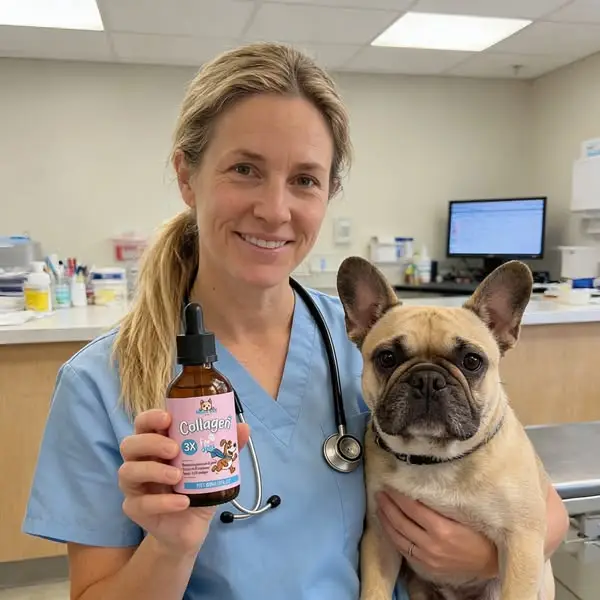
Whitmore Animal Hospital — The $3,000 Dog Food Mistake I See Every Week
Winning

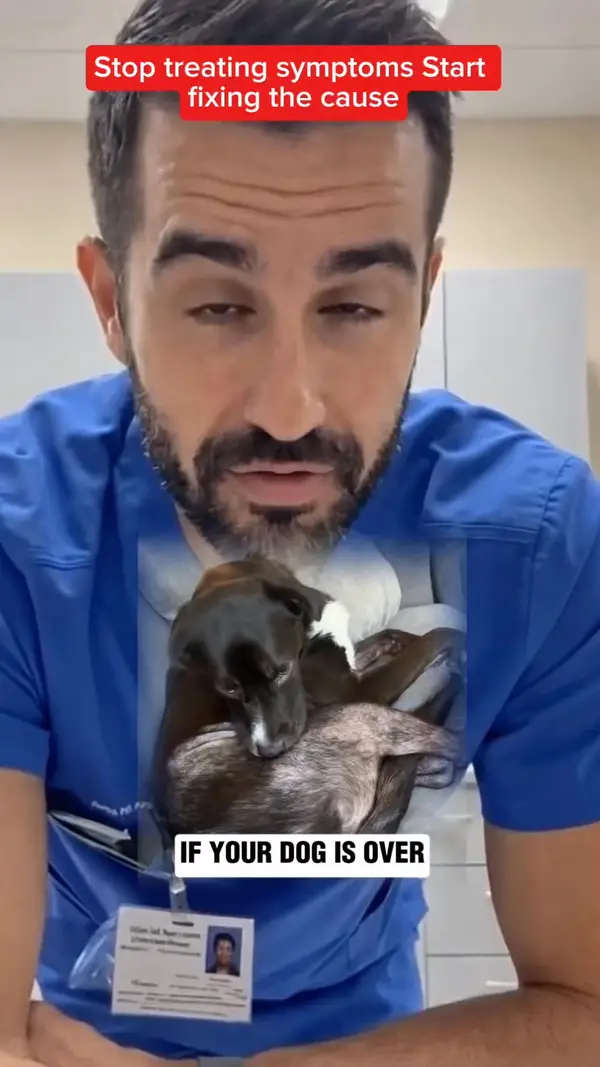
Apoquel Is Not Fixing Your Dog's Allergies

Every medication your dog has tried targets the symptom. None of them target what's broken. I'm a veterinary health researcher. 14 years. Watch this — it will change how you understand your dog's allergies ⬇️

Loading the ad's image
Whitmore Animal Hospital — Apoquel Is Not Fixing Your Dog's Allergies
Winning

The Structural Problem Behind Summer Allergies

I'm going to lose my mind if one more dog owner walks into my exam room in summer asking why their dog is "suddenly" worse this year. He's not suddenly worse. He's been on the same trajectory for years and summer is the season that exposes every weakness in his skin barrier at the same time. That's not bad luck. That's biology. My name is Dr. Susie Boyd. I'm a veterinarian at Whitmore Animal Hospital. I've been in clinical practice for 15 years. And I need to explain something about summer specifically that almost no general practice vet has the time to walk through in a 20-minute appointment. Summer is not just "another season with allergies." Summer is the convergence of every environmental trigger a dog can encounter, all hitting the same skin barrier at the same time, all amplified by heat and humidity. Let me walk you through what your dog is actually facing from May through September. Fleas reproduce faster in warm humid weather. A single female flea lays up to 50 eggs per day in optimal conditions. By July, the flea population in your yard, your neighborhood, the dog park, and every patch of grass your dog walks through has multiplied 30-fold compared to March. Your monthly preventative is killing the fleas that bite. It is not preventing the bites themselves. And every bite injects flea saliva proteins designed to trigger immune response in the host. 40% of dogs have flea allergy dermatitis. That isn't 40% who get heavy infestations. That's 40% whose immune system goes into overdrive when even a single bite penetrates compromised skin. A dog with a compromised barrier in July is being bitten more often, by more fleas, with each bite causing a deeper reaction. Grass pollen peaks in late spring through midsummer. Your dog walks through it daily. Rolls in it on hot afternoons. The pollen lands on the belly, the paws, the muzzle, the ears. Brushes against the inguinal area. Settles into the coat. On a dog with an intact barrier this is uneventful. The pollen sits on the surface where it belongs. On a dog with a compromised barrier the pollen penetrates through the gaps directly into living tissue and the immune system attacks. The paw licking that starts after every walk in July is not anxiety. It is not boredom. It is your dog's immune system responding to allergens that crossed a barrier that should have held them out. Tree pollen tapers off by June. Then weed pollen takes over for the rest of the summer. Then ragweed in August dominates everything else. There is no break in the pollen calendar from April through October. Every walk, every afternoon in the yard, every visit to the park is another exposure event. A dog with a working barrier processes those exposures without incident. A dog without one accumulates immune debt across the whole summer until something tips over. Mosquitoes inject saliva proteins the same way fleas do. Different proteins, same general mechanism. The immune cascade triggered by a mosquito bite on a dog with a compromised barrier is identical in shape to the cascade triggered by a flea bite. Multiply by the mosquito population that descends on the eastern half of the country every June. Stinging insects show up at the same time. Wasps, hornets, yellow jackets, fire ants in the south. A sting on an intact barrier is a localized reaction that resolves in hours. A sting on a compromised barrier becomes a systemic event with secondary inflammation that lasts weeks. Heat and humidity trap moisture against the skin underneath thick coats. Dogs cannot sweat. They dump heat through panting and through their paw pads. When ambient humidity is high, the moisture has nowhere to go. It sits against the skin. Bacteria that live harmlessly on intact skin overgrow rapidly in damp conditions and penetrate the gaps in a compromised barrier. That is the mechanism behind almost every hot spot you see between June and September. The bacteria were always there. The heat and humidity created the conditions for overgrowth. The compromised barrier let them in. Smog and air pollution rise in summer in every major US city. The fine particulate matter settles on the dog's coat and skin during walks. On an intact barrier it sits on the surface and gets brushed off or washed away during the next bath. On a compromised barrier the particulates penetrate and contribute to chronic low-grade inflammation that owners often describe as "my dog just seems irritated all the time in summer." Now stack all of these together. Your dog in July is being hit by flea saliva proteins, grass pollen, weed pollen, mosquito saliva, occasional stings, bacterial overgrowth from heat-trapped moisture, and air pollution — every single day. On a dog with an intact barrier this is uneventful. The summer passes. The dog is comfortable. On a dog with a compromised barrier, every one of those triggers is penetrating into tissue. The immune system cannot tell which one started the cascade. It just keeps attacking everything it finds. That is the scratching. The ear infections. The paw licking. The belly rash. The migrating hot spots. The yeast smell. The rust staining on the paws. The dark hyperpigmentation on the belly. All of it. One barrier failure expressing as a dozen different symptoms across the body, depending on where the exposures land first. This is why every summer it gets worse. The barrier keeps degrading. Dogs lose collagen from their skin barrier every year after age 2. By age 5, the cumulative deficit is significant. By age 7, it's severe in most dogs not actively supporting barrier repair. And every year on long-term Apoquel or Cytopoint accelerates this further, because chronic immune suppression also suppresses the tissue maintenance signals the body uses to keep the barrier intact. So you arrive in my exam room every July with the same dog and the same complaint and the same question. Why does this keep happening every summer? And the answer is the same answer it was last summer. The barrier is failing faster than the medications can suppress the resulting reactions, and summer is when the trigger load peaks high enough to overwhelm whatever the medications were managing in the off-season. The flea preventative is necessary. It is not sufficient. The Apoquel may be necessary. It is not sufficient. The Cytopoint may be necessary. It is not sufficient. None of them rebuild the barrier the triggers are flooding through. What rebuilds the barrier is what the barrier is made of. The stratum corneum is built from structural collagen, types I and III primarily, with type II as the connective layer underneath, held in a lipid matrix of ceramides and fatty acids. You cannot rebuild a wall that's missing collagen by giving the body more immune suppressants. You have to give it the structural building blocks of what's actually breaking down. The form matters. Chews and powders lose 70-80% of their active material to stomach acid before any of it reaches the bloodstream. Liquid hydrolyzed collagen absorbs at up to 98% because the peptides are already broken down and bypass most of the gastric degradation. This is the same absorption principle behind hydrolyzed protein in prescription veterinary diets. I recommend Healthy Petz Liquid Collagen to my patients now. All three collagen types in a liquid hydrolyzed form. Combined with MSM, hyaluronic acid, and vitamin C as the cofactors the body uses to assemble dietary collagen into actual barrier tissue. One drizzle on food daily. The timeline is the part I need every owner reading this to understand clearly. The stratum corneum regenerates roughly every 22 days in dogs. Meaningful barrier reinforcement requires 2 to 3 full epidermal turnover cycles. That's 6 to 8 weeks of consistent supplementation before the new barrier is structurally meaningful. Peak summer trigger load is July through September. If you start the collagen now, your dog has the runway to be barrier-fortified before the worst of it. If you wait until your dog is already in a flare cycle in late July, you're treating the fire while the wall is still falling apart underneath, and the collagen takes the same 6 to 8 weeks to work no matter when you start it. The difference is whether peak season catches your dog with a wall or without one. If your dog has spent two or more summers in this cycle. If you're stacking flea preventative, Apoquel, Cytopoint, medicated shampoo, prescription kibble, and still watching him spiral every August. If you've been told some version of "some dogs are just sensitive in summer." Please understand what I'm telling you. Your dog isn't unprotected from fleas. He's unprotected from his own immune system. And the only thing that protects him from his own immune system is a barrier intact enough to keep allergens on the surface where they were always supposed to stay. Don't switch vets. Don't quit the preventative. Don't stop the Apoquel cold turkey. Add the collagen and let the barrier rebuild underneath the existing protocol. In 6 to 8 weeks you'll see the difference. Some dogs end up off the medications entirely. Others need lower doses. That's between you and your regular vet. But your dog won't be in my August exam room with the third hot spot of the season asking why this keeps happening. Healthy Petz Liquid Collagen. 60-day money-back guarantee. Multipack is around $17 a bottle. Start it today. — Dr. Susie Boyd, DVM Whitmore Animal Hospital shophealthypetz.com/products/liquidcollagen

Loading the ad's image
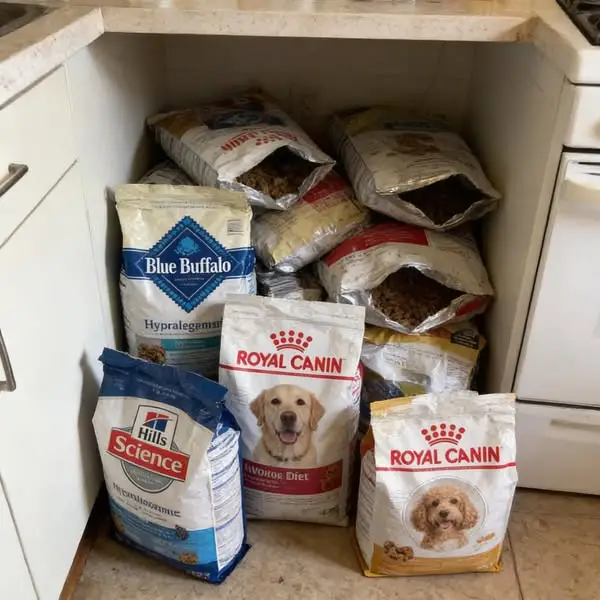
Whitmore Animal Hospital — The Structural Problem Behind Summer Allergies
Winning

The Structural Problem Behind Summer Allergies

I'm going to lose my mind if one more dog owner tells me their dog is "protected this summer" because they're up to date on flea preventatives. No. You are not protected. Not from what's actually hurting your dog. Your flea preventative kills the flea. It does not address what your dog's skin does when one bites. And the dog you're seeing scratch through July and chew his paws by August and develop a third hot spot by Labor Day weekend — that dog isn't unprotected because the preventative failed. That dog is unprotected because the second half of summer defense is something nobody at your vet appointment told you about. My name is Dr. Susie Boyd. I'm a veterinarian at Whitmore Animal Hospital. I've been in practice for 15 years. And the conversation I need to have right now is the conversation general practice vets are not trained to have. Your dog has a wall in their skin. It's called the stratum corneum. It's made of skin cells held together by a lipid matrix that includes ceramides, fatty acids, and structural collagen. This isn't fringe science. It's the brick-and-mortar model that's been in veterinary dermatology textbooks for over a decade. The 2024 Veterinary Dermatology review by Santoro confirmed it again — skin barrier dysfunction is core to canine atopic dermatitis pathogenesis. When this wall is intact, here's what happens in summer: A flea bites. Injects saliva proteins. Those proteins sit on the surface. Minor local reaction. The dog scratches once or twice. Moves on. The dog walks through grass. Pollen and grass proteins make contact with the paw pads and belly. They sit on the surface. Nothing penetrates. Nothing escalates. Mosquito bite. Wasp graze. Ragweed exposure. Heat-trapped moisture under a thick coat. Same outcome. Surface contact. Minor reaction. Resolved within hours. Now here's what happens when the wall is compromised — and it is compromised in most dogs over age 3, faster in any dog on long-term Apoquel or Cytopoint, because chronic immune suppression also suppresses tissue maintenance: The same flea bite. The same saliva proteins. Only now they penetrate the gaps in the barrier directly into living tissue. The immune system detects foreign material inside the body. Responds with a full inflammatory cascade. That one bite is now a 2-3 week hot spot. Same grass walk. Pollen flooding through gaps. Paw chewing starts that night. Doesn't stop for a week. Ragweed in August. Ear inflammation. Heat trapping moisture against compromised skin underneath a coat the dog can't lick clean. Hot spot opens. Bacteria overgrow through the gaps. Now you're at the vet for a $300 ear infection visit again. 40% of dogs have flea allergy dermatitis. That isn't 40% who get fleas. That's 40% whose immune system goes into overdrive when a single bite penetrates compromised skin. 10-15% of all dogs have full atopic dermatitis. 17 million US dogs have allergic skin disease. The flea preventative reaches none of them. It kills the flea. It doesn't fix the barrier the flea's saliva is flooding through. The Apoquel reaches none of them. It blocks the itch signal downstream of the immune attack. It doesn't fix the barrier the allergens are entering through. The Cytopoint reaches none of them. It binds to one cytokine. It doesn't fix the barrier the trigger is bypassing. None of the standard summer protocol rebuilds the wall. That's why every summer it gets worse. That's why the medications need higher doses by August. That's why the Cytopoint interval shrinks every year. That's why some dogs sail through summer and other dogs spiral. It isn't that some dogs are "more sensitive." It's that some dogs still have a wall and other dogs don't. Last week a Golden's owner came in for the fourth summer in a row of the same flare cycle. She told me, "We're doing everything right. NexGard on the 15th of every month. Baths on Sundays. Wiping his paws after walks. And he's still on hot spot number 2 of the season and it's only the 7th of May." Her dog had been on Apoquel for 22 months. Cytopoint added at month 10. Dose climbing twice. She had spent over $9,000. I walked her through the wall mechanism. She stared at me for a full ten seconds. "Why has nobody told me this in 4 years?" I didn't have a good answer for her. Veterinary curriculum is heavily weighted toward pharmacological intervention. Barrier repair via nutritional support isn't taught in general practice. It's only beginning to be discussed in dermatology continuing education. But here's what I told her about the protocol going forward. The wall is built primarily out of collagen — types I and III. Plus ceramides and lipids. Plus a connective layer of type II collagen underneath. You cannot rebuild a wall that's missing collagen by giving the body more immune suppressants. You have to give the body the building blocks of what's actually missing. The form matters. Chews and powders lose 70-80% of the active material to stomach acid before any of it reaches the bloodstream. Liquid hydrolyzed collagen absorbs at up to 98% because the peptides are already broken down and the form bypasses most of the gastric degradation. This is the same reason hydrolyzed protein is used in prescription veterinary diets — same absorption principle. I recommend Healthy Petz Liquid Collagen to my patients now. All three types — I, II, III. Liquid hydrolyzed form. Combined with MSM, hyaluronic acid, and vitamin C as the cofactors the body uses to assemble the collagen into actual barrier tissue. One drizzle on food daily. The timeline is the part owners need to understand, and the part I need to write this post about right now. Barrier rebuilding takes 6-8 weeks of consistent supplementation to reach meaningful integrity. The stratum corneum regenerates roughly every 22 days in dogs — so you're looking at 2-3 full epidermal turnover cycles before the new barrier is structurally meaningful. Peak summer trigger load is July and August. Today is May 12th. If you start now, your dog has 8 weeks to rebuild before peak season hits. If you wait until your dog is already in a flare in July, you're treating the fire instead of building the wall. And the wall takes the same 6-8 weeks to build whether you start in May or July. The difference is whether your dog spends summer ahead of the cycle or buried under it. I'm writing this because I'm tired of having this conversation in my exam room one dog at a time. Every summer the same flare cycle. Every summer the same owner standing across the table from me asking why this keeps happening. And the answer is the same answer it was last summer. The wall. If your dog has spent 2+ summers in a flare cycle. If you're stacking flea preventative + Apoquel + Cytopoint + medicated shampoo + prescription kibble and still watching him spiral every August. If you've been told some version of "some dogs are just sensitive in summer" — please read this carefully. Your dog isn't unprotected from fleas. He's unprotected from his own immune system. And the only thing that protects him from his own immune system is a barrier intact enough to keep allergens on the surface where they were always supposed to stay. Healthy Petz Liquid Collagen. 60-day money-back guarantee. Multipack is around $17 a bottle. Start it today. Not next week. Not in August when he's already mid-flare. Today. Because the wall takes 6-8 weeks to build no matter when you start. The only question is whether peak season catches your dog with a wall or without one. — Dr. Susie Boyd, DVM Whitmore Animal Hospital shophealthypetz.com/products/liquidcollagen

Loading the ad's image
Winning

The Mechanism Behind Chronic Dog Allergies....

I am going to lose my mind if I see one more dog parent tell me they tried collagen for their dog's allergies and it "didn't work." I'm a veterinarian. 22 years in clinical practice. Most of my dermatology cases come to me after their general vet has cycled them through Apoquel, Cytopoint, three prescription diets, and a $19 bag of collagen chews from Amazon. By the time the owner gets to me, they've decided collagen is a scam. They tried it. It did nothing. They're back to thinking the only option is the medication their dog is slowly being destroyed by. Here's what I need every single one of those owners to understand. You did not try collagen. You tried a marketing label. The skin barrier in your dog's body — the thing that determines whether allergens penetrate into tissue and trigger the immune cascade or stay harmlessly on the surface — is built from three different types of collagen working together. Type I and Type III form the structural wall. Type II forms the connective tissue underneath. All three must be present in the correct ratios for the barrier to rebuild. Any product that contains only Type I collagen is rebuilding roughly one third of a wall. The other two thirds of the structure are missing. The gaps don't close. The allergens still penetrate. Your dog still scratches. Almost every collagen chew and powder on Amazon contains Type I collagen only. Look at the label. It will tell you. The reason these products exist is not to rebuild your dog's skin barrier. It is to take advantage of dog parents who have heard collagen is good for their dog and don't yet know that not all collagen is the same. Second issue. The form matters as much as the type. Your dog's stomach acid destroys 70 to 80 percent of any solid collagen before it reaches the bloodstream. That is not a marketing claim. That is basic pharmacokinetics. The reason hydrolyzed protein exists at all in veterinary medicine — the same reason Royal Canin Hydrolyzed and Hill's z/d work for dogs with severe sensitivities — is that breaking peptides down before ingestion bypasses the gastric destruction that would otherwise destroy them. A collagen chew that says 500mg on the label is delivering 100 to 150mg of usable collagen to your dog's body. A 1000mg powder is delivering 200 to 300mg. None of these are clinical doses for barrier rebuild. They are subclinical at best, completely inert at worst. Liquid hydrolyzed collagen, properly formulated, absorbs at up to 98 percent because the peptides are already broken down. That is the form veterinary research has been pointing toward for the last several years. That is what produces measurable clinical response. That is what your dog needs. Third issue. The cofactors. Collagen alone, even in the right type and the right form, does not rebuild barrier tissue on its own. The body uses three additional compounds to actually assemble dietary collagen into new tissue — MSM, hyaluronic acid, and vitamin C. Without these, the collagen circulates in the bloodstream and never gets built into anything. It's like delivering bricks to a construction site without delivering any mortar. The materials are there but nothing actually gets built. Look at the label of the collagen product you tried. Check if MSM, hyaluronic acid, and vitamin C are all present. They are almost never all three. Most products skip the cofactors entirely to keep manufacturing costs down. Some include one in a token dose. Almost none include all three at therapeutic levels. So when a dog parent tells me collagen didn't work for their dog, what they actually mean is this. They gave their dog 30 to 50mg of usable Type I collagen, no cofactors, for six weeks, and saw no change. And they concluded the entire mechanism is a scam. The mechanism is not a scam. The product was a scam. This is why I've been recommending one specific brand to my chronic dermatitis patients for the past 18 months. Healthy Petz Premium Liquid Collagen. All three collagen types in liquid hydrolyzed form. MSM, hyaluronic acid, and vitamin C as the assembly cofactors. Third-party lab tested every batch with the Certificate of Analysis published on their website. Made in a dedicated facility. I am not affiliated with the company. I have no financial relationship with them. I do not receive any compensation for recommending them. I recommend them because in 22 years of practice they are the only product I have found that meets every single criterion the dermatology literature points to for barrier rebuild. In my chronic patients, the most common pattern is measurable reduction in scratching by week 4 to 6. Cleaner ears by week 6 to 8. Dogs tapered off Apoquel under supervision within 10 to 12 weeks. Full barrier reconstruction stabilizing around month 4. These are clinical outcomes I now expect rather than hope for. If your dog is scratching, has chronic ear infections, has rust-staining around the paws, or is on long-term Apoquel and the doses are climbing — please understand that the mechanism behind every one of those symptoms is the same. Skin barrier failure. And the structural cause can be addressed nutritionally if the formulation is right. Do not buy this product on Amazon. There are counterfeit versions of the bottle being sold by third-party sellers that contain something different from what's on the label. Purchase directly from the manufacturer to get the actual formulation. 60-day money-back guarantee. If your dog doesn't respond, every penny back. 👉 shophealthypetz.com/products/liquidcollagen — Dr. R. Stevenson, DVM

Loading the ad's image
Winning

From the ads Sniped has collected from this page (6 so far, first seen Nov 2026). Reach is what Meta reports; no spend or sales estimates.