Advertiser

Julia Peterson

happywags.coMeta Ad Library

5
Running ads
none new in 30 days
Apr 2026
Advertising since
longest ad 7 months
—
Reach
running ads, summed
0% video
Formats
0 video · 0 image
3
Products advertised
1 shop

The most common dog parent mistake.

I need every single person spending $60, $70, $80 a bag on "premium" dog food to STOP and listen to me. You are not giving your dog premium nutrition. You are giving your dog a $74 bag with a legal zero next to the one nutrient their aging heart, immune system, and cells depend on most. I know how that sounds. I know you think I'm insane. I KNOW your vet said the food was fine. MY VET SAID THE FOOD WAS FINE TOO. My dog ate premium food for three years. And then he was dead at 11 — heart failing, immune system collapsed, eyes that had been quietly deteriorating for longer than I knew. Do you know what I found out three months after I buried him? That the food I was buying — every single bag, at every price point — is legally required to contain zero taurine for dogs. Not a small amount. ZERO. And the brands that do add it voluntarily? The amounts are so small they're meaningless for a dog over 5 whose body is producing less taurine every single year. Nobody told me what that means for a dog who's aging. Not my vet. Not the pet store employee. Not the 4.8-star reviews on Chewy. NOBODY. Go look at your dog's food right now. Look for taurine on the ingredient label. Most of you won't find it. Because most foods don't include it. And if you do find it — the amount listed is less than 20% of what research shows an aging dog needs after 5. It's there to check a box. Not to protect your dog. Your dog is on the same path mine was. Read this entire post. I am not being dramatic. I am not exaggerating. I watched my best friend decline for 18 months while I fed him food that was leaving every major system in his body without what it needed. And I am NOT letting that happen to your dog without saying something. My name is Julia. I'm 34. I live in Austin. And I need to tell you something that's going to make you furious. Because what happened to my dog is happening to yours right now. His name was Milo. A golden-brown mixed breed with the kind of eyes that made every person who met him say "that's a good dog." I got him when I was 23. He was my first dog. My best friend for eleven years. When Milo turned 9, his annual bloodwork showed early cardiac markers. "Very common in senior dogs," my vet said. "Let's keep an eye on it and make sure he's on a quality diet." I went home and did what any worried dog mom would do. I researched everything. And I kept seeing the same advice: feed high-quality premium food. High protein. Real meat first. So I bought the best I could find. $74 a bag. High protein. Veterinarian recommended. All the things I was told to look for. Milo ate it every day. And for the first year, things seemed stable. Then, around age 10, something started shifting. He tired on walks that used to be easy. Slept more. Stopped meeting me at the door. I thought: he has a heart that needs watching. This is what that looks like. His coat started changing. Less shine than it used to have. I thought: he's getting older. Senior dogs change. He stopped initiating play. Stopped bringing me things. His eyes that used to track everything in the room started looking past things. He kept getting a recurring ear infection. Cleared up with medication. Came back two months later. Over and over. I thought: maybe allergies. Try a different food. By the time he turned 11, Milo was a shadow of the dog he used to be. His ribs were showing. His coat was dull. Those warm brown eyes looked tired. I took him to the vet. Taurine: 14 nmol/mL. Normal starts at 50. Cardiac function significantly reduced. Inflammatory markers elevated. White blood cell counts showing chronic immune stress. Stage 3 dilated cardiomyopathy. "But I've been so careful," I said. "Premium food. The best I could find. I do everything right." "Sometimes it progresses despite our best efforts," the vet said. "At this stage, we can try supportive care. But I want you to be prepared." Milo died six weeks later. I held him while the vet gave him the injection. And I sobbed into his fur telling him I was sorry. So, so sorry. After Milo died, I couldn't let it go. I kept thinking: I did everything right. The best food. Regular vet visits. I followed every recommendation. Why did everything fail at once? So I started researching again. Not surface-level this time. Veterinary studies. Scientific papers. Industry reports. And that's when I found it. As dogs age, their body produces less taurine. Every year, less. And taurine isn't just one thing. It's what keeps every major system functioning as a dog gets older. The heart needs it to maintain the electrical stability and muscle strength that keeps it beating the way it should. When it depletes, the heart walls weaken. Chambers enlarge. This builds silently for years before it shows on an echocardiogram. The immune system needs it to regulate inflammation. Without adequate taurine, immune cells lose the ability to control their own responses. Chronic low-grade inflammation sets in. The dog that keeps getting allergies and infections, the recurring ear issues that antibiotics clear and clear and keep coming back, the skin that never fully settles — that's an immune system running without what it needs to modulate itself. The retina holds more taurine than almost any other tissue in the body. The cells that let your dog track movement, recognize your face, navigate in low light — they run on it. When it depletes, those cells begin to break down quietly. Long before you notice cloudiness. Long before the missed treat. Long before the hesitation at the top of the stairs. At the cellular level, taurine is critical for mitochondrial function — the energy production inside every cell. When it depletes, cells age faster, repair themselves more slowly, and die sooner than they should. The dog that seems to be aging faster than makes sense. The coat that changed. The energy that dropped. The dog that bloodwork says is fine but isn't the same dog anymore. By age 7 or 8, most dogs are producing significantly less taurine than they were at 3. By 9 or 10, the deficit is real and compounding. And then I found the part that made my blood run cold. AAFCO — the organization that writes the nutritional rules for every bag of dog food sold in America, the one that allows manufacturers to print "complete and balanced" on every bag — requires zero taurine for dogs. Not a minimum. Not a baseline that accounts for what happens as dogs age. ZERO!! Some brands add a trace amount voluntarily. You might see "taurine" low on the ingredient list and feel like it's covered. It isn't. Here's what they don't tell you: the amounts added are calibrated for a young dog who can still synthesize reasonable amounts on their own. A dog under 3 who is producing plenty. Not a dog who is 5, 6, 7 years old — whose body is making less every year — whose systems are running a growing deficit that the food was never designed to close. 500mg is the clinical threshold researchers use when studying taurine support in aging dogs. Most foods — even the premium ones that list taurine voluntarily — deliver less than 20% of that per serving. Not because the brand is dishonest. Because they never had to do more. Because the standard never required it. So Milo's heart, his immune system, his retina, his cells — every system that runs on taurine — had been quietly running a growing deficit for years. And the premium food I paid real money for, the food my vet approved, had no obligation to close any of it. I sat there shaking. Milo's tiredness. His coat. His eyes. The recurring infections. His slow withdrawal from everything he loved. That wasn't aging. That was every system that depends on taurine losing ground simultaneously while I kept buying the premium bag thinking I was handling it. And I found something else that made me furious: You can never overdose taurine. It's water-soluble. The body uses what it needs and filters the rest. No toxicity. No side effects. No danger. Which means I could have been giving Milo taurine his entire adult life. Supporting his heart. His immune cells. His retina. His cellular energy. Zero risk. I just didn't know. Because no one told me. I'm writing this because I see so many of you posting the same things I used to post. "My 10-year-old was just diagnosed with early heart disease. What food should I switch to?" "My senior dog keeps getting ear infections. We treat it and it comes back." "He stopped playing, stopped greeting me at the door, his eyes look different. Vet says he's healthy for his age." "She's just not herself and I don't know how to explain it. Bloodwork is normal." Those aren't normal aging symptoms. Those are signs of a body running low across multiple systems on something the food was never required to provide. And if you don't address it, the same thing that happened to Milo will happen to your dog. The cardiac markers will climb higher. The immune system will keep misfiring. The vision will slowly deteriorate. The cells will age faster than they should. And one day you'll be sitting in the vet's office being told there's nothing more they can do. But here's what you need to understand. The pet food companies treat taurine as optional for dogs. The legal requirement is zero. The brands that add trace amounts are doing it for marketing, not for your 9-year-old dog's actual physiological needs. You cannot trust the food to handle this. Not the premium food. Not the prescription food. Not the one with the vet's endorsement. You have to handle it yourself. After I learned all of this, I became obsessed with finding a taurine supplement that actually worked. I went on Amazon first. Bought three different brands. All claimed "500mg pure taurine." Gave them to my new dog, Simba, for six weeks. Nothing visibly changed. I got suspicious. So I sent all three to a third-party lab. DoggySupp: Their taurine was cut with 48% cheap filler that competes with absorption. Sourced from unverified overseas facilities with zero quality control documentation. Ferapet, sold on Amazon: Heavy metal contamination. Lead levels 3 times the safe limit for dogs. PawVita: Contained only 100mg of actual taurine per scoop. And had contaminated fillers. None of them close to what they claimed. These brands were selling random powder in a tub. Parents had been buying supplements on their own — that were either contaminated, mislabeled, or completely ineffective. I thought about how many dog owners were giving their dogs these supplements every single day thinking they were doing something — while the deficit kept widening across every system. I spent two weeks looking for something independently verified. Found a post from a shelter vet on Reddit. She'd tested 17 different taurine brands. Only one passed. A brand called Happywags. She posted the actual lab results. 503mg per scoop against a 500mg label. Over-delivered. Zero contamination. Zero fillers. Pharmaceutical-grade purity. 99.8%. I ordered a bottle that same day. Within three weeks, things were changing in Simba. Coat changed. More alive. Eyes brighter and tracking the way they used to. He started doing the backyard laps — the thing he used to do when he was younger, just running for no reason because he felt like it. I took him for bloodwork six weeks later. Taurine: 58 nmol/mL. Normal range. Cardiac markers stable. Inflammatory markers down. The vet looked at me. "Whatever you're doing, keep doing it." I showed her the HappyWags container. She wrote it down. That was eight months ago. Simba is 3 now. Every morning, one scoop. He doesn't notice it. Doesn't taste it. But every system that depends on taurine notices. I'm writing this because I see too many of you doing what I did. Spending real money on premium food and trusting that "complete and balanced" means complete for an aging dog. It doesn't. The legal requirement is zero. The trace amounts some brands add voluntarily don't meet what a dog over 5 actually needs. And nobody is required to tell you any of this. You have to handle it yourself. Taurine is water-soluble. No toxicity. No overdose. You can start this morning. But PLEASE don't buy what I bought on Amazon. I tested them. None of them deliver what they claim, it makes everything worse. HappyWags is the only brand I found that passed independent lab verification. Less than a dollar a day. The difference between your dog at 12 looking like Milo looked — or looking like Simba does. I didn't get that choice with Milo. You still have it right now. Don't make the same mistake I did. Don't wait until it's too late. Here's the pure taurine for dogs that's been lab tested → https://happywags.co/products/taurine The tiredness, the coat, the eyes, the infections, the withdrawal — I called it aging. It was every system that depends on taurine running dry on something the food was never required to provide. Right now, your senior dog's taurine is lower than it was last year. Every day the gap stays open, the damage compounds.

Loading the ad's image
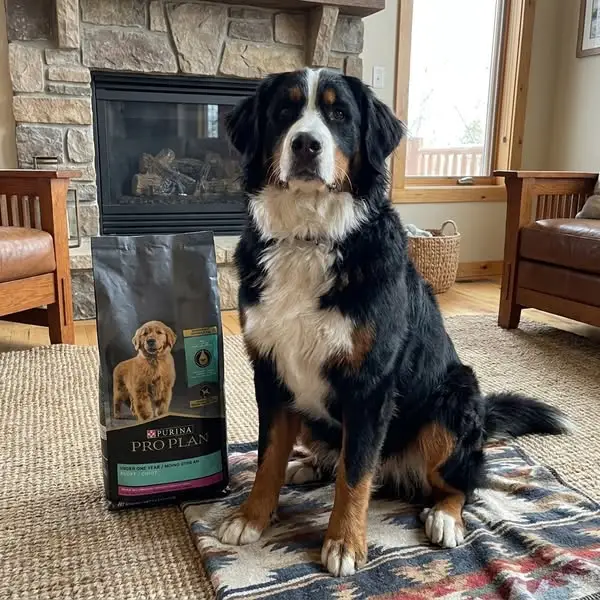
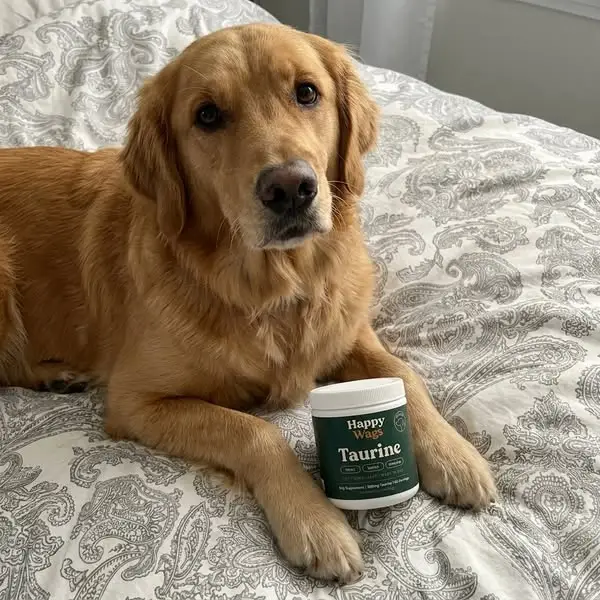
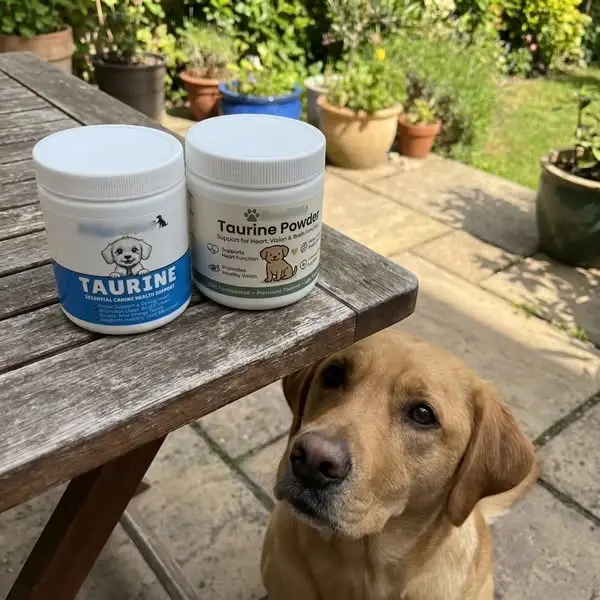
Julia Peterson — The most common dog parent mistake.
Winning

This changed the course of my dogs life..

HappyWags Dog Taurine is a SCAM. At least, that's what I thought when I clicked "order" and saw the shipping would take 7-10 days. Turns out I was completely wrong. And my husband who called it "internet nonsense" now won't let me run out. I'm Julia. And three months ago I almost let skepticism cost us our dog. My dog Cooper was fading. Sleeping 20 hours a day. Stopped meeting me at the door after nine years of being there every single time I came home. I found an article about taurine deficiency in aging dogs at 2:47am. The symptoms matched Cooper exactly. Showed it to my husband Tom at breakfast. "Another miracle cure from the internet? Remember the coconut oil for his coat? The apple cider vinegar for his paws? Just leave the dog alone, Julia." He was talking about the essential oil phase. Years later and he still brings it up. I felt stupid. Put my phone down. Didn't order anything. Three weeks later, I found Cooper at the bottom of the stairs. Not hurt. Just lying there on the hardwood looking up at the landing. Didn't have the energy to climb them. I sat on the bottom step and cried. That night, after Tom fell asleep, I ordered HappyWags Taurine on my phone. Under the covers like a teenager. Then I saw the shipping estimate. 7-10 business days due to high demand. My stomach dropped. This is it. This is the scam. They make you wait forever and by the time it arrives you've forgotten you ordered it. I almost cancelled right there. But Cooper was at the bottom of the stairs that morning. What choice did I have? Those 10 days felt like torture. Checked tracking obsessively. Morning. Afternoon. Night. Tom noticed. "What are you watching for?" "Nothing. Just expecting a package." He gave me that look. Here we go again. Day 10: Package arrived. I hid it in the pantry behind the cereal boxes. Started mixing a scoop into Cooper's food every morning before Tom woke up. The powder looked like powder. Nothing special. Less than a dollar a day for this. Tom was right. I got scammed. Day 3: He seemed slightly more alert. Maybe. Day 6: Waiting by his bowl in the morning. First time in weeks. Day 9: His coat felt softer. Something different about it. Day 12: He jumped up on the couch next to me. I almost dropped my book. Day 15: Tom was watching the news. Cooper walked over and put his head in his lap. Tom looked at him. "Is his coat different?" "A little." He petted him for a long time without saying anything. Day 19: Tom walked in while I was mixing the powder. "What's that?" "Taurine supplement." Pause. "The stuff from that Facebook article?" "Yep." I waited for the lecture. Instead he watched Cooper eat. Cooper was wagging his tail while he ate. Hadn't done that in months. Tom didn't say anything. Just nodded and walked away. Day 23. Evening. "Julia. Come look." Cooper was at the top of the stairs. He'd climbed them on his own. Walking to his spot at the foot of the bed like nothing had ever changed. Tom was quiet for a minute. Then: "Whatever's in that powder — don't ever let us run out." Not "you were right." Just: "Don't ever let us run out." Now Tom reminds ME to reorder. "Did you check if we're running low?" "Order an extra one. I don't want to wait 10 days again." The man who called it "internet nonsense" now texts from the hardware store: "Do we have enough taurine?" So yes. I thought HappyWags was a scam. The 10-day wait felt like a scam. The countless dog owners on Facebook groups felt like a scam. I was completely wrong. You want to know what the actual scam is? The $72 bag of "complete and balanced" food that was legally permitted to contain zero taurine while I thought I was being responsible. The vet saying "dogs just slow down" instead of testing his levels. The weeks I wasted doubting myself because I was afraid of looking gullible. That was the scam. Here's what I learned: As dogs age, their body produces less taurine every year. By 7 or 8, most dogs are running significantly low. And AAFCO — the organization that sets the rules for every bag of dog food in America — requires zero taurine for dogs. The food was never required to replace what his aging body couldn't make anymore. His heart, his immune cells, his energy, his coat — all of it running a growing deficit while I fed him the best food I could find and thought I was covering everything. The research exists. The veterinary studies exist. This isn't internet nonsense — it's documented biology. But most vets don't test for it because they assume commercial food has enough. It doesn't. HappyWags Taurine is pharmaceutical-grade. Third-party tested every batch. 99.8% pure. Made in USA 500mg per scoop. Mixed into food once daily. Cooper doesn't notice it. Less than a dollar a day. Less than Tom spends on coffee. I signed up for Subscribe and Save. Tom made me. "So we don't have to wait 10 days again if we run out." The man who called it nonsense made me get the subscription. https://happywags.co/products/taurine Please just start now. I remember the months I spent watching Cooper fade. I wish I started this sooner. EDIT: Cooper jumped on the couch on his own today. No struggle or anything. He's been BEGGING to go on walks now. For months I thought we'd lost that forever. We hadn't. His body was running dry on something the food was never required to provide. And I almost let my husband's skepticism stop me from doing anything about it. Don't make the same mistake. https://happywags.co/products/taurine

Loading the ad's image
Julia Peterson — This changed the course of my dogs life..
Winning

The silent deficiency in dogs no one talks about

I'm a championship Golden Retriever breeder with 11 AKC champions and I just realized I've been sending $2,500 puppies home with a taurine deficit that's destroying their hearts, their immune systems, their vision, and their lifespan — before they turn 6. Every single one of them. For 12 years. My name is Julia Peterson. I run Goldenbrook Champion Kennels. I've produced 280 registered puppies, competed nationally, and worked with veterinary cardiologists on cardiac screening programs. I thought I was doing everything right. Then Marcus called. "Cooper collapsed during his morning walk. The cardiologist said his heart is failing. He's only 4." Cooper was from my litter. Heart-clear at 8 weeks, 16 weeks, and 12 months. Fed exactly what I recommended on my care sheet: Purina Pro Plan. $68 per bag. "Complete and balanced." Marcus had already spent $5,800 on emergency cardiology. Multiple echocardiograms. Specialist consultations. Every cardiac screening: "consistent with DCM but no identifiable genetic cause." But his Golden was dying at 4 years old. That's when I started asking the question that would change everything I thought I knew: "What if the food isn't enough?" I called my vet. Dr. Reeves. We've worked together for 12 years. "I need plasma taurine panels. On every dog from my last four litters." Three days later, he called back. His voice was flat. "Sixteen dogs tested. Thirteen are deficient. Two are borderline." 81%. These weren't rescue dogs eating cheap kibble. These were $2,200-$2,500 champion-bloodline Goldens in homes that could afford that price tag. Homes feeding $65-$90 bags of premium, large-breed, veterinarian-recommended formulas. Homes doing everything I told them to do. I sat staring at the lab results feeling physically sick. Because I finally understood what was happening. Here's what most breeders don't know — and won't tell you when you buy a premium puppy: Golden Retrievers have significantly elevated taurine requirements compared to average dogs. Their larger body mass. Their specific breed metabolism. Their documented genetic predisposition to DCM even when cardiac genes test clear. Research from UC Davis — published and peer-reviewed — specifically identified Goldens as one of the breeds most affected by taurine deficiency. Not because of a genetic defect. Because their body size and metabolism create a higher daily requirement that most commercial food simply doesn't meet. And here's what made me want to scream: The premium foods I'd been recommending for 12 years are calibrated for the average dog. Not for a 65-75 pound Golden with breed-specific vulnerability. Dr. Reeves walked me through the physiology. "Taurine isn't just a cardiac nutrient. It's the amino acid that keeps every major system functioning as a dog ages. The heart muscle absolutely — but also the immune cells that regulate inflammation and fight infection, the retinal cells that maintain vision and light sensitivity, and the mitochondria inside every cell that determines how fast the body ages. When taurine production declines with age and the food fills none of the gap, you don't just get cardiac decline. You get all of it at once. The coat changes. The energy drops. The recurring infections. The eyes that look different. The dog that bloodwork says is fine but isn't the same dog anymore." He paused. "And here's the part that should be on every bag: AAFCO — the organization setting nutritional rules for every commercial dog food — requires zero taurine for dogs. Not a minimum. Not a baseline that accounts for an aging large breed. Zero. None of the foods you've been recommending are required to address that gap. And as these dogs age, their body produces less taurine on its own every year. The gap between what they need and what they're getting gets wider. Silently." I felt like I'd been gutted. I've spent 12 years selecting breeding pairs. Health testing for hips, elbows, eyes, heart. Socializing puppies from day one. Providing written health guarantees. And I'd been sending them home with a deficit that was quietly depleting every system that keeps a dog healthy and alive. I started contacting other Golden breeders in my network. Breeder in Washington: Lost her own 5-year-old to sudden DCM. Fed Orijen exclusively. "I thought the protein content meant the taurine was covered." Breeder in Texas: Three buyers reported cardiac diagnoses in dogs under 3 years old. All feeding the premium brands from his care sheet. Two others reporting chronic skin and immune issues the vets kept attributing to allergies. Breeder in Ontario: Refunded $9,400 to two buyers whose dogs developed DCM at 22 and 28 months. "Fed exactly what I recommended." We've all been making the same catastrophic mistake. We obsessed over hip scores and OFA certifications. We tested for every known genetic marker. We marketed "champion bloodlines" and "health-tested parents." And we completely missed the most fundamental nutritional gap in the breed. Here's what three weeks of desperate research taught me: Large-breed dogs like Goldens need 500-800mg of bioavailable taurine per day to support cardiac health, immune function, vision, and healthy cellular aging. Most premium large-breed dog foods — even the $80-$90 per bag options — deliver somewhere between 50-80g of bioavailable taurine per day when you account for: High-heat processing that degrades taurine before the bag is sealed. Plant-based protein sources — peas, lentils, chickpeas — that interfere with the amino acid precursors dogs use to synthesize their own taurine. Storage degradation after the bag is opened. An aging body making less taurine on its own with every passing year. Do the math. Your dog needs 500-800mg per day. The food you're trusting provides maybe 60-100mg of what their body can actually use. That gap widens silently, every day, for years. And it doesn't just show up in the heart. By the time symptoms appear — the exercise intolerance, the coat that changed, the infections that keep coming back, the eyes that look different, the labored breathing — the damage has been building across multiple systems for months. Sometimes years. After Cooper's diagnosis I did what I should have done a decade ago. I started supplementing every dog and puppy in my program with pharmaceutical-grade taurine. Within eight weeks: My 6-year-old female who'd been "slowing down" started running in the yard again. My 8-year-old stud's coat went from dull to the kind of shine I hadn't seen since he was three. My retired 10-year-old female started initiating play for the first time in over a year. Two of my younger dogs who'd been having recurring ear infections — which two vets had attributed to allergies — stopped having them entirely. Dr. Reeves retested them at 90 days. Every single dog: optimal to high-normal taurine levels. But here's what broke me. I called Marcus. Told him everything. Overnighted him pharmaceutical-grade taurine that afternoon. Too late for Cooper. But Marcus adopted a 6-year-old Golden rescue with early-stage DCM. He started taurine supplementation immediately. The cardiologist, Dr. Patterson, repeated the echocardiogram at 4 months. She used a word Marcus had never heard in relation to this dog before: "Stabilization." Left ventricular function hadn't declined. Ejection fraction had actually improved slightly. No new arrhythmias. "This is unusual," Dr. Patterson told Marcus. "DCM in Goldens typically progresses. This dog is holding — and I'm seeing some improvement." Marcus sent me a video last month. His rescue Golden running laps in the backyard. Bringing toys. Moving like a dog five years younger. "I thought I'd have maybe eight months with her," Marcus wrote. "It's been fourteen. She's thriving." I sobbed. Because I thought about every buyer I never got to call. Every Golden I sent home with champion pedigree and health-cleared parents and a nutritional gap I didn't even know existed. I've changed everything about my program. Every puppy now goes home with a 90-day supply of pharmaceutical-grade taurine and dosing instructions. I don't care what food they choose. The taurine is mandatory. Because excellent genetics and a DCM-clear heart check at 12 months means nothing if the body can't maintain cardiac function, immune regulation, and cellular health without the one nutrient the food was never required to provide. Here's what other breeders won't tell you: The food you're feeding — even the premium large-breed formula — is almost certainly not providing enough bioavailable taurine for an adult dog whose body is making less of it every year. Your breeder probably didn't know. I didn't. Most still don't. Taurine deficiency doesn't show on standard bloodwork. Standard panels don't test plasma taurine — you have to ask for it specifically. It doesn't cause one obvious symptom. It causes the whole picture — the coat, the energy, the immunity, the eyes, and the heart — all declining together. Slowly enough to explain away. Until you can't anymore. But the industry chooses not to include taurine tests in yearly checkups. Why? Because treating these symptoms is millions of dollars in profit for the industry. The supplement costs less than $40 per month. After I confirmed the problem in my own program, I ordered every taurine supplement marketed for dogs. Eleven brands. All claiming pure and pharmaceutical grade. I sent them all to an independent laboratory. What came back made me furious. PawVita: Contained only 100mg of actual taurine per scoop. And had contaminated fillers. Ferapet, sold on Amazon: Heavy metal contamination. Lead levels 3 times the safe limit for dogs. DoggySupp: Their taurine was cut with 48% cheap filler that competes with absorption. Sourced from unverified overseas facilities with zero quality control documentation. These brands were selling random powder in a tub. Parents had been buying supplements on their own — that were either contaminated, mislabeled, or completely ineffective. I tested eleven brands. Ten failed. The only one that passed every verification: HappyWags. Certificate of Analysis from an accredited third-party lab. Pharmaceutical-grade taurine. GMP-certified manufacturing. Batch testing on every production run. Independent lab results: 503mg pure taurine per scoop against a 500mg label claim. Zero heavy metal contamination. No fillers. No binders. 99.8% purity. I've now put over 140 of adopters on this protocol over the past 14 months. Sarah's Golden, Oliver, age 7: "His cardiologist said the DCM progression stopped. First time she's seen stabilization without medication. She asked what we changed." Tom's Golden, Stella, age 5: "She was sleeping 18 hours a day and getting ear infections every two months. Six weeks on HappyWags, she's running again. Eyes look different — alive again. Hasn't had an ear infection since." Rebecca's Golden, Jasper, age 9: "Even on premium food he was declining across the board — coat, energy, immunity. Taurine changed all of it. The vet was genuinely shocked at his last checkup." These aren't anomalies. This is what happens when you give a dog's body what it needs across every system — not just enough to meet a legal standard that requires none of it. If you own a Golden Retriever, Doberman, Great Dane, Boxer or any large-breed dog: Your breeder probably didn't know to warn you. I didn't. The food you trust meets every legal requirement it's held to. Taurine for dogs was never on that list. Standard bloodwork won't catch this. The symptoms that do appear — the coat, the energy, the infections, the declining vision, the cardiac murmur — each get attributed to something else until the pattern becomes undeniable. You don't need to wait for a diagnosis. You don't need vet approval first. You don't need to change their food. Just add pharmaceutical-grade taurine to whatever they're already eating. But please — don't buy random supplements without lab verification. I tested eleven brands. Ten failed. One had lead contamination three times the safe limit. The only brand I trust after independent testing: HappyWags. Get the same pharmaceutical-grade taurine I now include with every puppy that leaves Goldenbrook Champion Kennels. https://happywags.co/products/taurine If your dog is sleeping more than they used to, getting winded on easy walks, having recurring infections that antibiotics keep clearing and keep coming back, coat that changed, eyes that look different — that's not the breed slowing down with age. That's a taurine deficiency. Across every system. Don't wait until the damage is visible. I use HappyWags because after testing every major brand independently, they're the only ones who passed for purity, potency, and safety. After 12 years and 280 champion-bloodline puppies, I've finally found something I can send home with every dog I produce. Your dog deserves the same protection.

Loading the ad's image
Julia Peterson — The silent deficiency in dogs no one talks about
Winning

The mistake that cost my dog's life..

If one more person posts "I ordered taurine from Amazon for my dog!" like they just saved their dog's life, I am going to scream. YOU DIDN'T. I gave my dog three different taurine supplements. Eight months of daily supplementation. She died from cardiac failure anyway. Critically low taurine levels. Why? Because Amazon taurine is underdosed garbage with fillers that block what little gets through. Because DoggySupp had no ingredient label on their website, sourced from China, and turned out to be full of undisclosed binders that compete with absorption. And because PawVita — the one with the slick Facebook ads and claims — has such terrible bioavailability that 80% passes straight through before reaching the cells. The reviews lie. The labels lie. And your dog pays the price. My name is Julia. I live in Denver with my husband. We had a dog named Bella. A golden-brown Lab mix. The sweetest, most patient dog I've ever known. About a year ago, she started declining. Not dramatically. Slower on walks. Sleeping more. Less herself. I took her to the vet. Bloodwork mostly normal. Slight elevation in cardiac markers. "Keep an eye on it — she's 9, this is common in senior dogs." I started researching. Found studies connecting taurine deficiency to cardiac decline in aging dogs. Found that AAFCO requires zero dietary taurine for dogs. Found that as dogs age their body produces less of it every year and the food was never required to replace it. It all made sense. So I went to Amazon — where I could get it fast with Prime shipping — and searched for dog taurine supplements. Found one with decent reviews. "Supports heart and immune health." "For dogs and cats." $54. I ordered it. Started giving it to Bella every single day. Mixed into her food. 500mg, just like the label said. The first few weeks, nothing changed. She was still declining. Still sleeping more. By month two, getting worse. I thought maybe I'd ordered a bad batch. Or maybe Amazon taurine wasn't right. So I switched. I'd seen DoggySupp come up in my feed. Looked like a real company. Had a decent looking website. But when I went to order, I couldn't find an ingredient label anywhere on the site. Just "pure taurine" and that's it. No third-party testing. No breakdown of what exactly is in the tub. I emailed them asking for the ingredient list Never heard back. I tried it anyway. I was desperate. Three weeks. Bella didn't improve. When I tracked down someone in a group who'd had the product independently tested, she told me it had come back positive for fillers and that the actual taurine content was nearly 40% below the label claim. The product was sourced from an unverified facility in China with zero quality control documentation. I felt betrayed. So I switched again. I'd been seeing PawVita advertised on Facebook for months. Started giving Bella the PawVita taurine. Every single day. Month four: still getting winded on easy walks. Eyes seemed duller. Month five: stopped meeting me at the door. Wasn't bringing her toy anymore. Month six: barely wanted to walk. I took her back to the vet. Taurine: 14 nmol/mL. Normal starts at 50. Stage 2-3 cardiomyopathy. "But she's been on taurine for six months," I said. "Every single day. Isn't that supposed to help?" "Taurine can support cardiac function, but once disease progresses to this stage, it's difficult to reverse." He prescribed more medications. More tests. Bella kept declining. Month eight: I found her in the corner of the bedroom, breathing shallow and too fast. Emergency vet. Taurine: 9 nmol/mL. Cardiac function severely compromised. They tried everything. Bella died two days later. I held her while they gave her the injection. I told her I was sorry. That I'd tried. That I'd given her taurine every single day for eight months. The bill was $4,100. I came home and sat in the kitchen staring at those three bottles. The Amazon one. The DoggySupp one. The PawVita one. Eight months. Every single day. And she still died with critically low taurine levels. I couldn't understand it. I tried everything Then about a week later I saw a post in a senior dog Facebook group. Someone had been using Amazon taurine for months with no improvement. Someone else replied: "Most taurine supplements are underdosed or contaminated — third-party sellers buy cheap bulk material, source it from unverified facilities, and put it in bottles with professional labels. No real testing. No accountability." I started digging. And my stomach dropped. Found exactly what they described. Third-party sellers sourcing cheap bulk taurine, cutting it with fillers, packaging it to look legitimate. No independent testing. The reviews meant nothing because nobody was verifying what was actually inside. A few days later, same group, someone posted about a supplement that had actually worked for their dog. The link was to a brand called HappyWags. I went to the website. The first thing I looked for: ingredient label. It was there. Single ingredient. 500mg of taurine. Nothing else Sourced and shipped from USA, third-party tested But I wasn't taking anyone's word for it. After eight months and three failed supplements and a dead dog, I was not giving anything to my surviving dogs without verification first. I ordered a bottle. Took a sample to my vet. Asked her to send it to the diagnostic lab she uses. Results came back eight days later. She called me. "Patricia. This is actually what it claims to be. 503 milligrams of taurine per scoop. Zero contamination. No fillers. No binders. I don't see this often." I asked her what she usually saw when she tested supplements. She paused. "Usually? Between 40 and 70 percent of what the label says. Sometimes fillers that actively compete with absorption. Sometimes contamination from overseas manufacturing. This one is different." I asked her why the Pawvita hadn't worked. "Bioavailability. Even if a product contains the milligrams on the label, the molecular form of taurine determines how much actually gets absorbed and reaches the cells that need it. Budget and mid-tier formulations typically have 15 to 20 percent absorption rates. If Bella's body was only absorbing 15 to 20 percent of the PawVita taurine, she was getting 70-90mg at the cellular level. That's not enough to address a deficit in an aging dog whose body is already making less taurine on its own every year." "But the label said 350mg—" "I know. And it probably did contain that. But the mg on the label mean nothing if the molecular form isn't optimized for absorption. The product wasn't reaching where it needed to go." "And the DoggySupps?" "Undisclosed fillers competing with what little taurine was there. Plus — any supplement sourced from an unverified facility with no batch testing documentation is impossible to trust. You have no way of knowing what's actually in it from one bottle to the next." She paused. "I'm sorry I didn't tell you about any of this before Bella." I started crying again. "So I was giving her something that wasn't actually working. For eight months." "You were doing everything you could with the information you had. You researched. You switched products. You tried. You didn't know about bioavailability or what to look for in sourcing documentation. Most people don't." After we hung up I sat there for a long time. Bella had been on taurine for eight months. Two months of Amazon — delivering maybe 40% of the label claim, with fillers blocking what little was there. Three weeks of DoggySupp — sourced from China, undisclosed fillers, no independent verification, a company that wouldn't tell me what was in their own product. Five months of PawVita — only 75-100mg reaching her cells. Eight months of me thinking I was protecting her heart. Eight months of her heart cells starving while I thought I was feeding them. If I'd known about bioavailability. If I'd known what to look for. Would she still be alive? I don't know. But I think about it every single day. I'm writing this because I see so many of you doing what I did. Ordering from Amazon because it ships fast and the reviews look real. Ordering from whatever brand shows up on your feed. Thinking you've handled it. But it doesn't matter if the source is unverified and the product is full of undisclosed fillers. Mg doesn't matter if the company won't tell you what's actually in the tub. And you think you're fixing it because you give them something every single morning. You're not. You're giving them a form of taurine their body can't properly use. Please don't make my mistake. Before you give your dog any taurine supplement — ask one question: can you show me a proper ingredient label with exactly what's inside the tub? If they can't produce it, won't respond when you ask, or there's no ingredient label on their website — that's your answer. A company that won't tell you what's in their product has a reason. Bella paid for my ignorance. Please don't make the mistake I did. Use REAL pure taurine tested for actual absorption and purity. From a verified source. With real batch testing. Here's the only taurine supplement I trust for dogs → https://happywags.co/products/taurine Because Bella deserved taurine that actually reached her cells. And so does your dog. If your dog is on a supplement and not improving, it's not that taurine doesn't work. It's that the product isn't reaching your dog's cells. I learned this after Bella died. Don't wait that long to find out

Loading the ad's image
Julia Peterson — The mistake that cost my dog's life..
Winning

Most common dog parent mistake..

I have been breeding Golden Retrievers for 16 years and I am telling you right now that I almost lost my own dog to something I should have known about on day one. She was eight years old. She was eating the food I recommend to every single buyer. She had passed every cardiac screening I had ever ordered. She lived in my house. I watched her every day. And her taurine level came back at 19 nmol/mL. Normal starts at 50. My own dog. The one I knew better than any dog I have ever raised. Critically deficient. Right under my nose. For years. If it happened to her — with me watching — I don't want to think about what's happening in the homes of the 200 dogs I placed over the last 16 years. I've thought about almost nothing else since March. My name is Julia. I've been breeding Goldens since 2008. I health-test obsessively — hips, elbows, eyes, heart. I screen buyers. I provide written guarantees. I answer every call that comes in about the dogs I've placed, no matter how many years later. I thought I was one of the good ones. I ordered taurine panels on my whole program after getting Sadie's results. Nine dogs tested. Six deficient. Two borderline. Six dogs eating the premium large-breed formula I have been putting on my care sheet since 2011. Six dogs from health-cleared parents with clean cardiac certifications. Six dogs being fed an $80 bag of food with "complete and balanced" printed on every panel. I called my vet and asked her to explain how this was possible. She told me something that should be in every breeder handbook, every care sheet, and every conversation a vet has with a large-breed dog owner. After around age five, dogs produce significantly less taurine on their own every year. ESPECIALLY Golden Retrievers — because of their body mass and breed-specific metabolism — have higher taurine demands Their documented predisposition to dilated cardiomyopathy exists even when every cardiac gene tests clear, because the gap isn't in their DNA. It's in their bowl. And AAFCO — the organization that sets the nutritional standards for every bag of commercial dog food in America — requires zero taurine for dogs. Not a minimum. Not a baseline for a 70-pound Golden in the second half of her life. Zero. Yes.. literally no requirement for the one nutrient your dog NEEDS to thrive. The food I have been recommending for 13 years met every legal standard it was held to. Taurine was never on that standard. Large breeds need 500-800mg of bioavailable taurine per day to support the cardiac muscle, the immune system, the retinal tissue, the cellular energy that determines how fast a dog ages. Most premium formulas — even the $80-90 per bag options — deliver somewhere between 50-80mg that actually reaches the cells. High-heat extrusion destroys most of the taurine before the bag is sealed. Storage degrades what's left. And the aging body makes less of its own every year. 500-800mg needed. 50-80mg arriving. A gap that widens every year. In silence. And it doesn't look like heart disease at first. It looks like a dog who gets up a little slower. Who doesn't finish the walk. Whose coat changed and you're not sure when. Who the vet says is fine. Who the bloodwork says is normal. Because the standard panel doesn't test taurine — you have to ask for it specifically, and most owners never know to ask. By the time it reaches the heart, years of damage have already happened everywhere else. I spent three weeks researching every taurine supplement available before I gave Sadie or any of my dogs a single scoop of anything. I tested six products. I tried human taurine from a supplement store first. It seems logical — taurine is taurine, right? It isn't. Human taurine supplements are formulated for human digestive systems. The fillers, the molecular form, the way it metabolizes — none of it is designed for a dog's gut. Most of it passes through without being absorbed. And the other ingredients in those products were never meant to go into a dog at all. I know people recommend this in dog groups. Please don't do it. I ordered DoggySupps. Multiple ingredients on the label I couldn't verify. Unknown sourcing. When I pressed for documentation on where the taurine was actually sourced, I got nothing. Heavily marketed. No transparency. WoofSupps was worse. Fillers that actively compete with taurine absorption. Overseas manufacturing with no quality control records I could find. Claimed 500mg per scoop. Independent testing I found in a Facebook group showed 31% of that claim actually arriving. PawVita. Same story. Multiple additives. No ingredient accountability. It made me furious. These companies are targeting the exact moment when a dog owner is scared and motivated — and selling them something that barely works and might be dangerous. And Amazon pet supplements — I need to say this clearly — do not buy taurine for your dog on Amazon. The pet supplement market is almost entirely unregulated. Anyone can source bulk powder from an overseas facility with zero quality control, put it in a container with a Golden on the label, and list it alongside legitimate products. There are counterfeit listings. There are fake reviews. There is no accountability. I found one brand with lead contamination at 3.4 times the safe limit for dogs. Hundreds of positive reviews. Still listed. Six supplements tested. Five failed. The only one that passed: a brand called HappyWags. Certificate of Analysis from an accredited third-party lab. 503mg actual taurine per scoop — they exceeded their own label claim. Zero heavy metal contamination. Zero fillers. Zero binders. Single ingredient. Batch-tested every production run. Only one actually Made in the USA. I know it sounds like I'm trying to sell you something. I promise I'm not. I've seen so many of you posting in dog groups asking why the taurine they bought isn't working. THIS IS WHY I'm sharing this for some awareness. I want us dog parents to stop getting burned from scammy companies. HappyWags was the only one that passed all my requirements Only one I could give to Sadie. I started her on HappyWags in March. Same food. Same everything. One scoop every morning. Week three: She ran in the yard. Just ran, across the grass, for no reason, the way she used to when she was three. I stood at the back door and didn't move. Week six: Her coat was different. The kind of difference you can feel before you can see it — thicker, warmer, alive in a way it hadn't been for two years. Week ten: Her taurine panel. 61 nmol/mL. Normal range. Cardiac markers stable. Her cardiologist looked at the numbers and looked at me. "I don't see this. This kind of improvement without medication — I don't see this." Sadie is eight years old and she runs in the yard now. I almost called it aging. Every dog I place now goes home with a 90-day supply of HappyWags. It's on the care sheet. It's in the puppy packet. It's non-negotiable. Because 16 years of health testing and premium food recommendations and genuine love for this breed didn't protect my own dog. And it didn't protect the dogs I placed in homes across the country who are probably running the same deficit right now with owners who have no idea. If you have a dog over four years old: Start pharmaceutical-grade taurine today. Not Amazon. Not the brands heavily advertised with no ingredient labels on their website. Not human taurine from a supplement store. Get proper vet tested taurine specifically made for dogs and you'll see the difference. Single ingredient. 503mg verified. Made in the USA. The only one that passed when I tested what was actually in six supplements marketed for dogs. https://happywags.co/products/taurine The breeder who sent your dog home with a care sheet told you the premium food was enough. They weren't lying. They just didn't know. Now you do, so don't make that mistake. Last thing — I ran out last month and they were sold out for two weeks. Every batch gets tested before it ships so they never have much stock. Took me forever to reorder. If it's in stock right now, I would get it right away. Don't wait for your dog to decline even more → https://happywags.co/products/taurine

Loading the ad's image
Winning

From the ads Sniped has collected from this page (5 so far, first seen Nov 2026). Reach is what Meta reports; no spend or sales estimates.