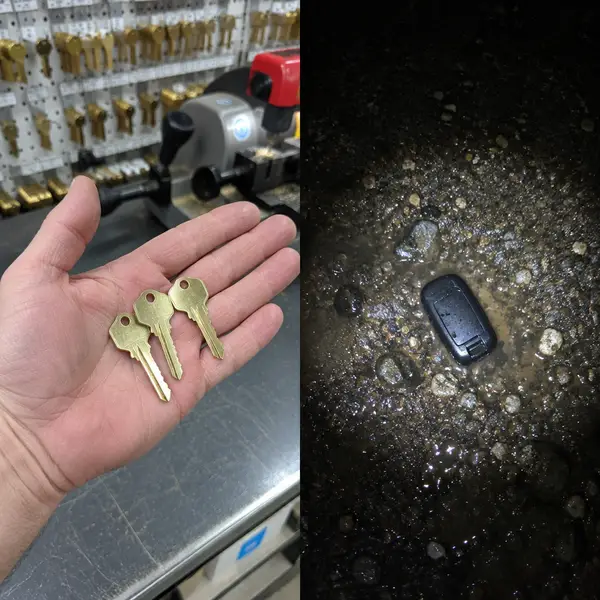
Advertiser · Travel & Transport

Ryan Westbrook

spotminders.comMeta Ad Library 350 page likes

15
Running ads
6 new in 30 days
Jul 2026
Advertising since
longest ad 4 months
—
Reach
running ads, summed
33% video
Formats
5 video · 6 image
8
Products advertised
1 shop

Free Shipping & Returns

Make every wallet in the house smarter and never lose them again. ✅ 8 ultra-slim cards for every wallet & bag. ✅ Includes 4 wireless chargers (no batteries to buy!) ✅ Works with Apple Find My and even with RFID-Blocking Wallets. ✨ 4x Standard Tracking Cards ✨ 4x Pro Tracking Cards ✨ 4x Wireless Chargers Shop now: https://www.spotminders.com/products/the-ultimate-family-christmas-bundle

Loading the ad's image
Ryan Westbrook — Free Shipping & Returns
WinningImage

Never lose what matters again

Someone broke into my car while I was at dinner. They had no idea what they'd taken with them. We were about forty minutes into the meal when my phone buzzed. A notification from Find My. My bag had moved. I excused myself from the table and stepped outside. On the screen, a blue dot sitting two streets away from the restaurant parking lot where I'd left my car. I walked back to where I'd parked. Driver's side window gone. Glass on the seat. My bag was not in the footwell where I'd left it. But I knew exactly where it was. I called the police from the parking lot. Told them my bag had been stolen and I could see its location updating in real time on my phone. The officer on the line went quiet for a second, then said "stay where you are." Two patrol cars were there within fifteen minutes. I showed them the map on my phone. The dot had barely moved. They found it abandoned in an alley two blocks away. Bag unzipped, cards scattered on the ground. Whoever took it had gone through everything they could find and left the rest. What they didn't find was the card in the inside zip pocket. Smaller than a credit card. Thinner than two stacked cards. Sitting flat against the lining doing nothing until the moment I needed it to do everything. I got almost everything back. The cash was gone. The bag itself was fine. The whole thing from notification to recovery took just under an hour. I had put the tracker in the bag a few months earlier, mostly thinking about airports. Lost luggage, delayed connections, that kind of thing. I never thought about this scenario. It didn't occur to me that the same card that tells you which carousel your suitcase is on can also tell two police officers which alley to walk down. The officer who handed me back the bag said he wished more people had these. He'd seen dozens of theft reports where nothing was ever recovered because there was simply nothing to go on. A story and a list of what was missing. That was all most people had. I had a dot on a map. That's the whole difference. Not a complicated system. Not a monthly subscription or a separate app or a device that needs its battery changed every few weeks. A card the size of my driving licence, sitting in my bag, connected to Apple's Find My network. Every iPhone nearby quietly updating its location without anyone knowing. Including the person who took it. I've put one in everything I travel with now. My checked bag. My wife's handbag. My laptop case. Not because I expect any of it to get stolen. But because an hour after someone broke my car window, I was back at the dinner table finishing my meal. And the only reason for that was a card I almost didn't bother buying. 👉 https://www.spotminders.com/products/spotminders-tracking-cards

Loading the ad's image
Ryan Westbrook — Never lose what matters again
WinningImage

Never lose what matters again

At 12:40am in an airport parking garage, I stopped wondering where I parked and started wondering whether the car was there at all. When I dropped the car at the airport eleven days earlier, it was still dark outside. We were leaving for a trip we'd planned for months, and I remember thinking I should take a picture of the level sign before we caught the shuttle. But I didn't take one. Our flight home was delayed by almost four hours. By the time we collected our luggage, it was after midnight. My wife had been awake since before sunrise, and I could see she was running on whatever energy people somehow find at the end of a travel day. I told her to wait inside the terminal with the suitcases while I went to get the car. "Ten minutes," I said. I took the lift to the level I was sure I remembered. The car wasn't there. I walked the next aisle, then the one after that. I clicked the key fob, but there was nothing I could hear over the garage fans and the cars moving through the exit lanes. I went up a level. Then I went up another. Every floor looked exactly like the last one, with the same concrete pillars, faded signs, and rows of cars that could've been parked anywhere. Twenty minutes passed before I checked my phone again. My wife had sent a message asking if I was okay. I wrote back that I was looking for the car, then deleted it. I wrote back that I was almost there. I was still walking rows of cars. At that point, I was carrying the kind of tired that makes you doubt every decision you've made. I couldn't remember whether I'd parked on the fourth level, the fifth, or whether we'd come into a completely different section of the structure. The longer I looked, the less certain I became that I was even searching the right place. I kept thinking about my wife waiting downstairs with our luggage, tired and wondering why I was taking so long. I also had a thought I didn't want to say out loud. What if I hadn't forgotten where it was? What if it wasn't there? I eventually found it on the sixth level, one section over from where I'd been looking. The car was completely fine. I was the one who felt wrecked. When I pulled up outside the terminal, my wife got in and asked what took so long. I told her I'd forgotten where I parked. She laughed at first. Then she saw my face. The next week, I mentioned it to my brother-in-law. He travels for work and has a system for everything, which is usually annoying until you need it. He showed me his phone. In the Find My app, he had a card in his glove compartment listed alongside his keys and travel bags. It showed the card's last known location on a map, so he didn't have to start from zero after leaving his car somewhere unfamiliar. The card he uses is called a Spotminders Tracking Card. It sits flat in the glove compartment, recharges wirelessly, and works with the Find My app already on my iPhone. There isn't another app to download or a monthly subscription to add. Before our next trip, I put one in my car too. I also took advantage of their Buy 2 Get 1 Free offer, because I knew I wasn't going to be the only person in the family who could use a better starting point after a long day. I can't stop flights from being delayed. But I don't have to walk through an airport garage at midnight, trying to decide whether I forgot something important or lost it. If you've ever walked out of an airport and suddenly realized you have no idea where the car is, you may want this. 👉 https://www.spotminders.com/products/spotminders-tracking-cards P.S. I want to be clear about one thing. It isn't a live GPS feed. The card shows its last known location when a nearby iPhone updates it. For finding the place where I left my car, that is a lot more useful than guessing which level I parked on eleven days ago. P.P.S. The Buy 2 Get 1 Free offer is why I put a second card in my wife's car and kept the third for the travel bag we both rely on. I didn't want one bad night in a parking garage to teach me a lesson I only used once.

Loading the ad's image
Ryan Westbrook — Never lose what matters again
PromisingImage

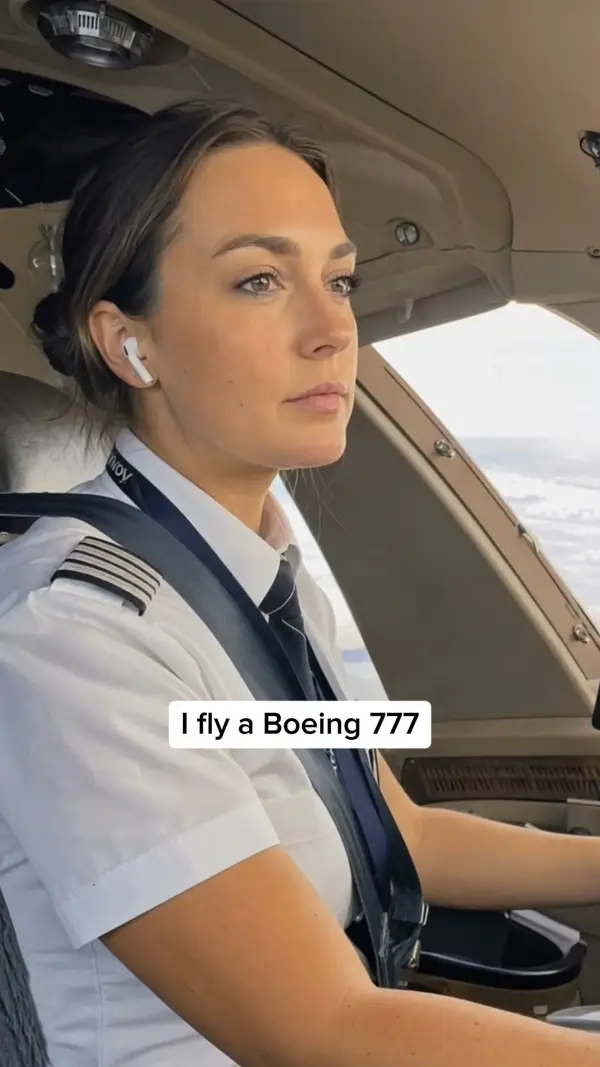
A Pilot With 12,000 Hours Rated AirTag 3/10

4 things every tracker on that list has in common — and the one thing Spotminders doesn't: 1. They all go silent in the cargo hold. AirTag. Tile. Samsung. Ridge. Seven miles of air between your bag and the nearest relay. Not a glitch. Physics. 2. They all fail the 45-minute transfer window. CDG. ORD. That's when bags get put on the wrong aircraft. That's the window every Bluetooth tracker cannot see. 3. They were all designed for something else. Keys. Wallets. Coffee shops. Then repurposed for a cargo hold they were never built for. 4. None of them are in the pilot's own bag. Spotminders is. Every deadhead flight. 60+ countries. Never flagged. Charged twice a year. The passengers he's told don't refresh the airline app anymore. They walk straight to the belt. Buy 3 Get 2 Free. Free wireless charger. Free shipping. Link below. 👇

Loading the ad's image
Ryan Westbrook — A Pilot With 12,000 Hours Rated AirTag 3/10
PromisingVideo

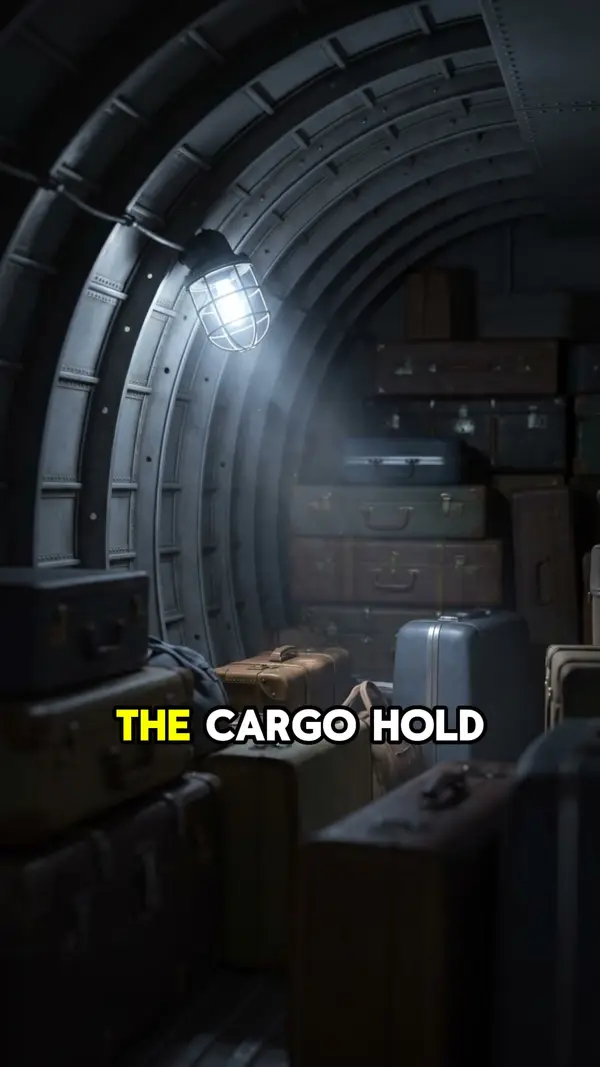
Airline Crew Tested Six Trackers on the Same Cargo Run. Five Didn't Survive the Flight…

What airline crew found when they tested every tracker on a transatlantic cargo run — and only told each other about it. AirTag: dead before Heathrow. Coin cell froze somewhere over the Atlantic. Last known location: JFK departure gate. Tile: gone before the cargo door closed. No network. No ping. No trace. Samsung SmartTag: never registered. Pulled by ground crew in London as an unidentified signal device. Generic Amazon card: dark over the Atlantic. GPS subscription tracker: jammed. Spotminders: live on the carousel before they were off the plane. The ramp supervisor who ran the test has been loading bags at JFK for eleven years. He wasn't surprised. He said the crews have known for a while. They just don't talk about it outside the terminal. Now they do. Buy 3 Get 2 Free. Five cards. $117. Free wireless charger. Free shipping. Link below. 👇

Loading the ad's image
Ryan Westbrook — Airline Crew Tested Six Trackers on the Same Cargo Run. Five Didn't Survive the Flight…
PromisingVideo

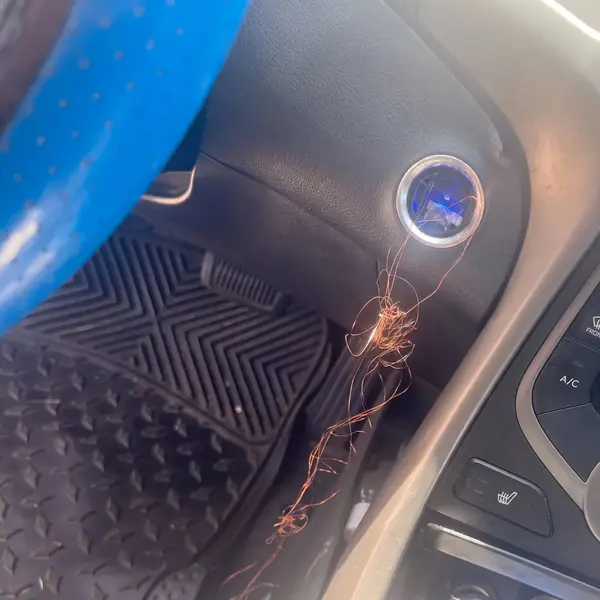
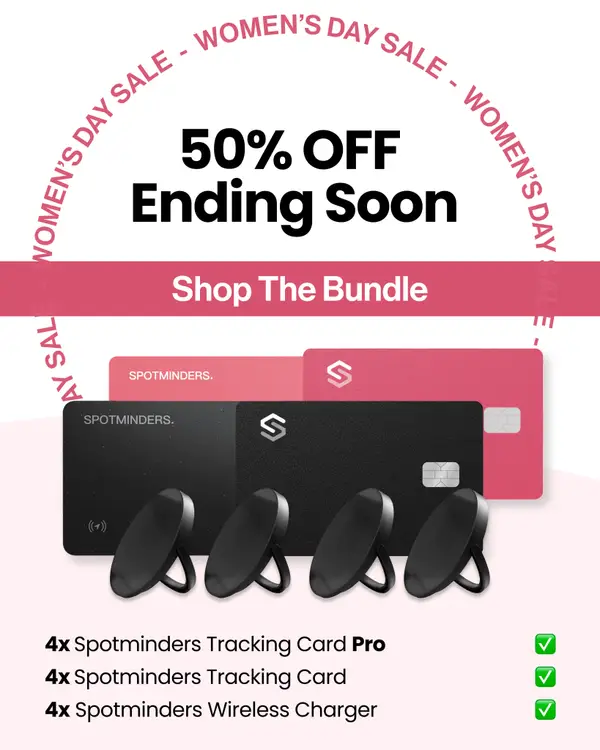
The 2:15 AM Car Key Warning

My local dealership told me a replacement fob would cost $540, plus a seventy-dollar tow truck fee to get my car into their service bay. The emergency locksmith handed me a $420 paper invoice at 2:15 AM and told me I was his fourth customer tonight. I was standing on wet gravel outside an empty warehouse depot. It was forty-one degrees outside. My work boots were soaked through. My car was sitting ten feet in front of me, locked tight. Through the driver side glass, I could see the digital clock on the dashboard glowing green. My keys were nowhere to be found. Half an hour earlier, I had spent forty-five minutes on my hands and knees in the dark, crawling between parked trailers and wet shipping pallets, waving my phone flashlight across puddles of cold rainwater. Nothing. Just an empty feeling in my right jacket pocket. A small tear in the inner seam that I had noticed three weeks earlier and never bothered to mend. Six months before that night, my brother-in-law Dan had gone through his own nightmare with a lost car key. He lost his push-to-start fob at a stadium parking lot on a Sunday afternoon. He had to pay a seventy-dollar tow truck fee to drag his car to the dealership service bay, waited four business days for a replacement fob to arrive, and paid $540 out of pocket to get it cut and programmed. I remember listening to Dan complain about it over dinner, thinking to myself that he was just disorganized. I told myself I was careful. I told myself that only distracted people lose their everyday keys. Standing in that freezing warehouse lot, listening to the wind cut through my jacket, I realized how arrogant that was. Most people still think of a car key as a piece of stamped brass. You remember the keys our parents carried. You could lose a set on a Tuesday afternoon, walk into any local hardware store with ten dollars, and walk out seven minutes later with three fresh duplicates. Those days are completely gone. If your car was built in the last ten years, that key in your pocket is not just a key. It is an encrypted radio transmitter with a paired computer chip, a high-frequency transponder, and an integrated rolling code. Lose that piece of molded plastic, and you are facing two separate financial hits. First, you have to get inside the locked vehicle. Second, if the key is truly gone, you have to pay the dealership hundreds of dollars for a new programmed computer chip. Standing in that empty lot with seven percent battery left on my phone, I had no choice. I called a 24-hour emergency mobile locksmith just to get the door unlocked so I could see if the keys had fallen under the driver seat. When his white service van pulled up forty minutes later, the technician stepped out carrying a lock tool and an invoice clipboard. His name was Frank. He had grease on the cuffs of his jacket and the tired, calm eyes of someone who spends his nights dealing with people in high-stress situations. It took him less than three minutes to pop the driver side door. I scrambled inside, checked the floor mats, tore through the center console, and checked under both front seats. The car was completely empty. The keys were somewhere out in the dark lot, buried in gravel or washed down a storm drain. Frank clicked his pen and handed me the yellow carbon-copy invoice. Four hundred and twenty dollars. "Cash, card, or debit," he said quietly. Four hundred and twenty dollars just for the midnight emergency callout and unlocking the door. And if I could not find that fob, I was still looking at Dan's $540 dealership replacement bill plus a seventy-dollar tow truck in the morning. I stood there by the front fender, staring at the number. My hands were shaking so hard from the cold that I could barely punch my PIN into his card reader. The embarrassment was worse than the cold. Frank took the card reader back and looked at me. "Do not beat yourself up," he said. "You are my fourth call tonight. Two at the airport parking deck, one nurse at the regional hospital, and now you." He leaned against the hood of his van and zipped his coat against the wind. "Modern push-to-start keys are smooth plastic pebbles," he said. "They slide out of pockets when you sit down. They slip through worn coat linings. People treat them like old brass keys until they see the bill." I asked him what people who drive modern cars are supposed to do. "You attach a tracker to the ring before you end up calling someone like me," he told me. I told him I had tried a Bluetooth key finder a couple of years ago. I bought a cheap plastic tag online. The battery died after three months with no warning, and the app wanted a monthly subscription fee just to look at a map. Frank reached into his pocket and pulled out his own work key ring. It was heavy, loaded with shop keys and master padlocks. Attached to the center of the ring was a compact, matte-black tag with an aluminium frame and a smooth ceramic coating. "This costs forty-four dollars," Frank said. "It is the Spotminders Rechargeable Smart Tag." He pulled out his iPhone to show me how it worked. There was no separate app to download. No monthly tracking subscription. No accounts or extra logins. He opened the Apple Find My app that comes pre-installed on every iPhone and iPad. He tapped Items, selected his keys, and tapped Play Sound. The tag on his key ring immediately answered with a loud, sharp tone, up to 100 decibels, paired with a bright LED flash right from the face of the tag. Frank called the feature DualFind. He explained that the loud sound tells you which room or corner you are in, while the bright LED flash lets you spot the keys if they are dropped in dark gravel, wedged between car seats, or hidden under furniture. Then he showed me the side of the tag. It has a USB-C charging port. A full charge takes about 1.5 hours on a standard cable and lasts roughly a full year of everyday use. No coin-cell batteries to buy at the store. No prying open plastic covers with a screwdriver. Because it works natively with Apple Find My, it connects directly into the Apple network. If you ever leave your keys behind at a job site, a coffee shop, or an airport, the app shows the last known location on a map. You also get left-behind notifications on your iPhone if you walk away from your keys. It is Apple MFi certified. Never live GPS tracking, just the last known location on your map and a loud sound alert when you are close enough to hear it. It weighs twelve grams. At roughly forty-eight by thirty millimeters, it sits flat on a key ring without getting in the way. I went back to the warehouse dock, borrowed a heavy flashlight from the night supervisor, and finally found my keys wedged beneath a wooden pallet forty yards from my car. The next morning, I ordered the Rechargeable Smart Tag. Two weeks later, the tag proved its worth in our house. It was 7:15 on a Tuesday morning. I had an early site meeting, my travel mug was packed, and my car keys were missing from the entryway table. In the past, that would have meant tearing the living room apart, flipping cushions, checking every coat, and walking into work twenty minutes late with elevated blood pressure. Instead, I pulled out my phone, opened Find My, and tapped Play Sound. A loud chime and a bright LED flash came from inside the front closet. My keys had slipped out of my jacket pocket into a storage bin on the floor. I picked them up and walked out the door in less than thirty seconds. Having the tag on my ring does not mean I will never drop my keys again. Gravity still happens, and human attention still slips when you are tired or carrying an armful of work gear. What it changes is the outcome. Instead of panic, tearing the house apart, or facing another $420 emergency locksmith invoice in the middle of the night, you open your phone and locate them right away. Spotminders offers a 100-day return policy on the Rechargeable Smart Tag, even if you have attached it to your keys and used it. If you carry a modern push-to-start car key and want simple protection against misplaced keys, you can see the Rechargeable Smart Tag here: 👉 https://www.spotminders.com/products/rechargeable-smart-tag P.S. When I showed the tag to Dan, he put one on his Honda key ring that same week. After paying a $540 dealer replacement fee and a seventy-dollar tow six months earlier, he wanted a straightforward way to track his fob using Find My whenever he needs to locate it. P.P.S. An emergency locksmith charges $420 at 2:15 AM and leaves you with an invoice, while a dealership charges $540 for a replacement fob with zero recourse. Spotminders includes 100-day returns on the Rechargeable Smart Tag, even if used, so you can test it on your own keys with your iPhone.

Loading the ad's image
Ryan Westbrook — The 2:15 AM Car Key Warning
TestingImage

Pilot LIED About This Tracking Card

If you have been skeptical about Spotminders — good. Most trackers fail at the exact moment you need them and travelers are tired of finding that out at the carousel. This pilot told people the previous sale was the best deal they would ever see. She was wrong. Buy 3 Get 2 Free. Free wireless charger. Free shipping. 100-day money back. Lifetime guarantee. 1.8mm flat in any lining. Apple Find My — not Bluetooth. Works through cargo holds, transfer terminals, foreign airports. Green dot when you land. The deal she lied about was never this good. Tap below before this one ends

Loading the ad's image
Ryan Westbrook — Pilot LIED About This Tracking Card
WinningVideo

Do Not Buy Spotminders Right Now

Do not buy a Spotminders Passport Holder Air yet. Hear what the third one costs first. Report a passport lost and it's cancelled, even if it turns up an hour later. The Passport Holder Air has Apple Find My built into the cover, so your iPhone shows where your passport was last seen before you report anything. Up to 3 years per charge, RFID-blocking lining, no subscription. From the people behind 1,000,000+ tracking cards. ✈️ Buy 2 Get 1 Free: 3 holders for $118 (instead of $177). Free shipping, free wireless charger + mystery gift. 100-day returns 👉 spotminders.com

Loading the ad's image
Testing

Never lose what matters again

Someone on a motorbike took my bag in Lisbon. It was gone before I understood what had happened. Small bag. Walk like you know where you're going. Don't stop in the middle of the pavement to look at your phone. Keep the expensive stuff out of sight. I have a whole system. Most of it I built from experience, and some of it from things that happened. This thing happened in Lisbon. I was two streets from my hotel in the Mouraria neighborhood, coming back from dinner. I had my crossbody bag on the side away from the road, which I'd read to do. I was being careful. Someone on a motorbike came up the hill from behind me and took the bag off my shoulder without slowing down. Four seconds. Then nothing. There were people nearby who saw it happen. One man ran after the bike for half a block before it turned the corner and was gone. A woman put her hand on my arm and stayed with me until I stopped shaking enough to speak. Inside that bag was my passport, my wallet, my phone, and a silver bracelet my grandmother had given me that I'd worn every day for eleven years. The next forty-eight hours were the kind that make you feel completely helpless in a foreign city. The police station, the language barrier, the US Embassy, the calls to the airline about rebooking. Numbers that led to other numbers. Hold music. People reading from scripts. I made it home. It took weeks to sort everything out. But what stayed with me wasn't the chaos or the money. It was a specific feeling I kept coming back to. Standing in that street with absolutely nothing. No direction. No information. No starting point. The bracelet I can't replace. The passport I replaced. But that feeling of having no control over what just happened to me, of being completely without a way to even begin, that was the thing I couldn't shake. A friend who travels for work asked me about it a month later. When I finished telling her, she didn't say much. She just showed me her phone. A dot on a map. She explained that it’s a tracking card. Sits in any bag, any jacket lining, any purse and uses Apple Find My, which means every iPhone nearby is quietly sending a location update back to you. She said: "You can't prevent everything. But if something disappears, you have somewhere to start." She was right. And that's exactly what I didn't have in Lisbon. I travel with one in every bag now. One in the crossbody I use in cities. One in my checked luggage. It doesn't undo what happened. Nothing does. But the thing I was trying to rebuild afterward, that feeling that I had a system and that I wasn't just hoping, this gave some of that back. 👉 https://www.spotminders.com/pages/10-reasons-ditching-airtags-list1

Loading the ad's image
Testing

Nobody Goes Looking For Your Bag

Eleven years as a federal air marshal. Plain clothes, aisle seat, three rows behind you. You watch enough terminals and you learn exactly how bags go missing. At the desk, an agent reads a status off a screen and files a report so a claim can be paid. A claim is not a search. Nobody is going out to look for your bag. So I keep a Spotminders card inside the lining of every case I own. One point eight millimetres, runs on Apple's Find My, holds a charge for eight months. I watched a woman at a lost-bag desk open her phone and tell the agent it was still in the building. Four seconds, and that desk started working for her. Over a million sold, 4.9 stars, lifetime warranty, 100-day returns. 🧳 Buy 3 Get 2 Free at spotminders.com. Five cards for $117, under $24 each, free shipping and a free wireless charger.

Loading the ad's image
Testing

From the ads Sniped has collected from this page (18 so far, first seen Nov 2026). Reach is what Meta reports; no spend or sales estimates.