Sale Ends Tonight!!
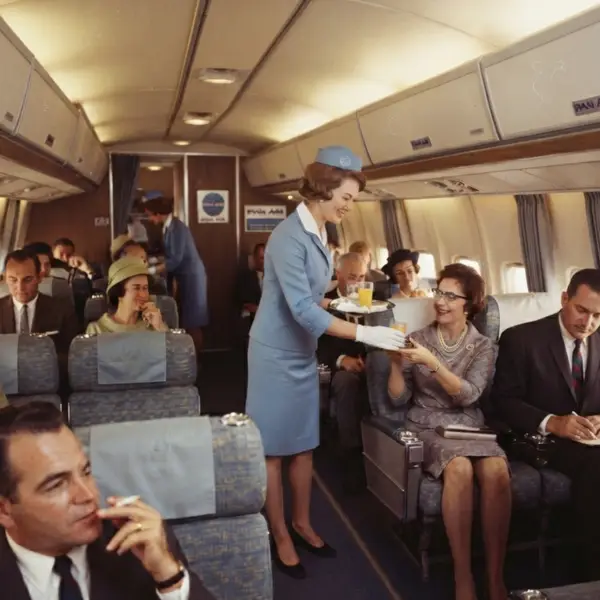
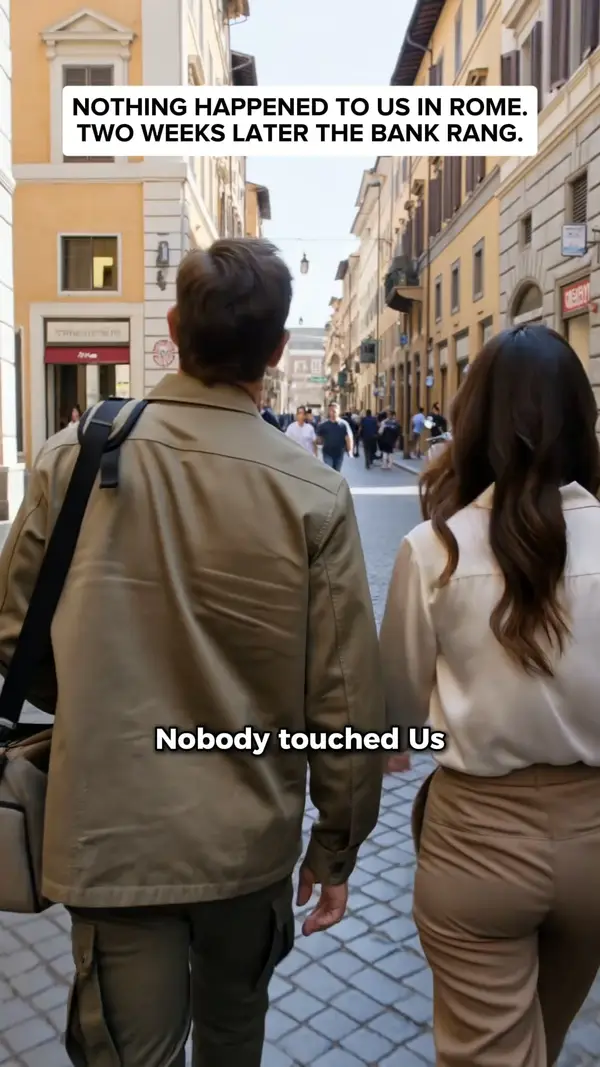
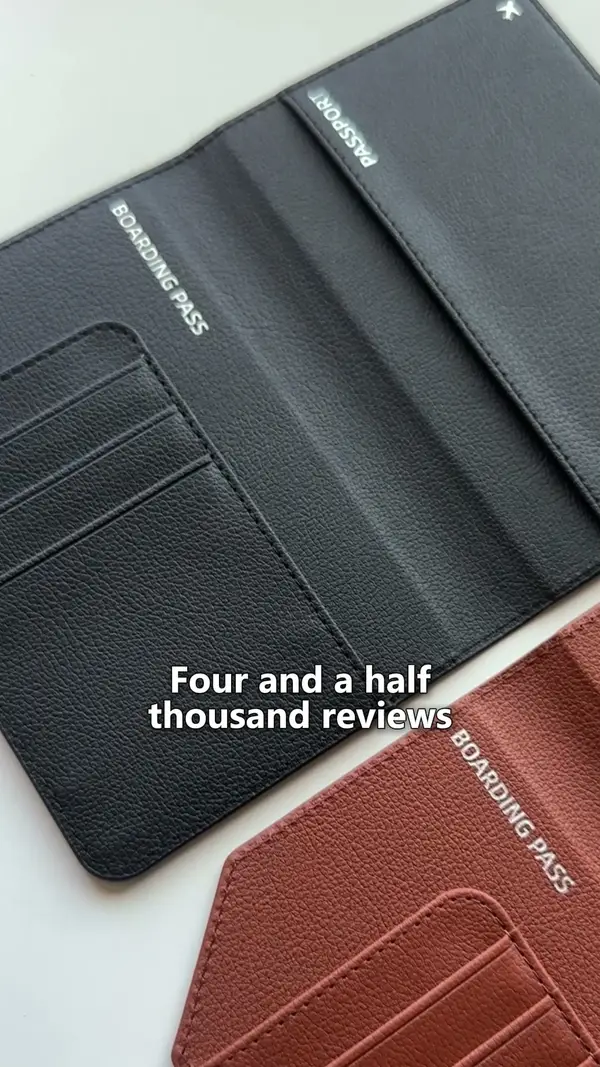
I'm 81. I was a flight attendant for 51 years. And I can finally tell you about something flight crew have been quietly carrying since long before you were allowed to. Let me start from the beginning. I started in 1967 when I was 22. Pan Am hired me out of a recruitment office on Madison Avenue, and I lived in a stewardess apartment in Forest Hills with five other girls. We had to be unmarried, under 5'9", and speak at least one foreign language. I spoke French. My friend Helen spoke Italian and Mandarin. My first route was New York to Honolulu. Nine hours each way on a 707. I want you to picture that cabin with me for a moment. The men wore suits. The women wore dresses and pearls and gloves. The seats were 34 inches apart, wide enough that the man next to you wasn't touching your elbow when he reached for his drink. The drinks started before takeoff. Cocktails on a tray, real glasses, with an olive or a twist. I knew the regulars by name from their boarding passes, and I knew what they drank before they ordered. Dinner was beef Wellington on china with real silver. The 747s had a piano bar on the upper deck. Eight hours in, somebody's husband would walk up there and play Fly Me to the Moon while I refilled drinks at the bar. When we landed, the bags were waiting on a brass cart on the tarmac, and the skycap took them to a town car. That was what flying was. And in all that glamour, there was one quiet fear that never changed, for passengers and crew alike. The passport. Because a passport was the one thing that could end a trip before it began. I watched it happen from my very first year. A passenger who set it down on a meal tray and never saw it again. A businessman who left his in a customs hall in Rome and missed three days of meetings. A young couple on their honeymoon, turned around at a foreign gate because she couldn't find hers. Losing a passport abroad was, and still is, one of the worst things that can happen to a traveler. The consulate queue. The emergency document. The days of waiting. The flights rebooked at your own cost. And then something happened that made everything about travel harder. In May of 2008, American Airlines became the first U.S. airline to charge a fee for the first checked bag. Fifteen dollars. It was a small story in the business section. Most passengers didn't even notice. Within a year, every other airline had copied them. That single decision changed the whole spirit of flying. Once the airlines learned they could nickel-and-dime the traveler, they never stopped. Bag fees. Overweight fees. Seat fees. And the one thing they never did, the one thing that would have actually helped you, was take any responsibility for the single document you can't replace. Because here is the truth I watched from the galley for fifty years. When a passenger loses a passport, nobody is coming to find it. Not the airline. Not the airport. You file a report and you wait. The system was never built to protect the one thing that matters most. And the whole time, I watched passengers suffer through that, while I didn't. I watched a woman sob at a counter in Rome because her passport was gone and her mother's funeral was the next morning in another country. I watched a man in Heathrow turn his entire bag inside out on the floor, checking every pocket twice, that specific pale panic on his face. I watched it for fifty years. And the whole time, I never once had that fear. Not because I was more careful. Not because I knew some trick. But because of what flight crew of my generation carried. We had a specific way of keeping our passports, and I want to describe it to you, because most passengers have never seen it. It looked like an ordinary leather passport holder. Slim. Elegant. Nothing on the outside to give it away. But built inside the cover was a small tracker, and it meant that at any moment, from anywhere in the world, you could open a phone and see exactly where your passport was. Crew lose passports more than anyone. Different city every night. Half asleep, rushing through security at 5am. Hotel safes, seat pockets, jacket pockets in a dozen countries a month. So we found the thing that made it impossible to truly lose one, and we all carried it. We talked about it in crew lounges the way other women talked about handbags. We knew which supplier made the best leather. We knew that once you carried one, you never had that pale panic at a gate again. But it was never sold to the public. For decades, the tool that solved the single worst thing that can happen to a traveler was sitting in our crew lockers, and you didn't have access to it. I retired in October of 2018. I was 73. On my last flight, walking down the jet bridge for the last time, I cried for the first time in fifteen years. Because I knew the way I'd flown for fifty years, calm, unworried, always knowing where the one thing that mattered was, was over. For me. For everyone. That was what I thought, anyway. Three years into retirement, my granddaughter had her first baby in Seattle, and I booked a ticket out to see her. I was at the gate in Atlanta, waiting for boarding. A woman walked past me toward the jet bridge. About sixty. Not in uniform. Just a regular passenger. She had something in her hand as she checked for her boarding pass. A slim leather passport holder. And she opened a phone, glanced at it, and I saw a little map with a single glowing dot, and she smiled and put both away. I would have known that gesture anywhere. That quiet certainty. I stopped breathing. She must have seen my face, because she paused. "Are you alright, ma'am?" I told her. The 51 years. Pan Am. Delta. The way we always knew where our passports were when no one else did. She smiled the way people smile when they're about to give you good news. "It's called Spotminders," she said. "The tracker's built right into the cover. It runs on the Find My app that's already on your phone. So the second your passport goes missing, at security, at a gate, in a hotel, you open your phone and there it is on the map. Anywhere in the world." She let me hold it for a second. The leather was right. The weight was right. And when she showed me her own phone, there it was, a pin sitting right on top of us at that gate, the same quiet certainty I'd carried for fifty years. "One charge lasts three years," she said. "I've never had that airport panic. Not once since I got it." She showed me the website on her phone. A small company. Limited runs, sold out most of the time. I sat at that gate for the next twenty minutes looking at the site on my own phone. I ordered one from my hotel room in Seattle that night. It came two weeks later, wrapped in tissue paper. I held it in my kitchen for a long time before I put it down. The leather smelled the way good leather smells. And when I slid my passport inside and opened Find My, and saw that little dot glowing on the map, sitting on my own kitchen counter, I felt something I hadn't felt as a passenger in ten years. I felt like I used to feel in the galley. Calm. Certain. Unworried about the one thing that could ruin everything. My next trip was to Charleston to see Helen. I walked through that airport, and at security, when my passport went into the tray and I had that old flicker of instinct to watch it like a hawk, I remembered I didn't have to. I knew exactly where it was. I could see it on my phone. For the first time in ten years of flying as a passenger, I wasn't part of the disaster I'd watched from the galley. I was flying the way I used to fly. The way it used to be for me, and now can be for anyone. The brand is called Spotminders. The tracker is built right into the cover of a real leather holder. It runs on Apple Find My, the app already on your iPhone. One charge lasts three whole years. There's no subscription. And it looks like any elegant passport holder, so no pickpocket ever knows it's there. They do limited runs, sold mostly through their own website. When a batch sells out, they pause for a while. If you're tired of that cold flicker of panic every time you reach for your passport. If you're tired of knowing that if it ever goes missing abroad, nobody's actually coming to find it. If you want to move through an airport the way I did for fifty years, calm, certain, always knowing where the one thing you can't replace is. You should consider it. Not because I'm trying to sell you anything. I don't get a penny for telling you this. But because I spent fifty years watching passengers suffer at airports over the one thing that never had to be lost. And you don't have to be one of them. Your move.
Loading the ad's image