“Travel Better Together
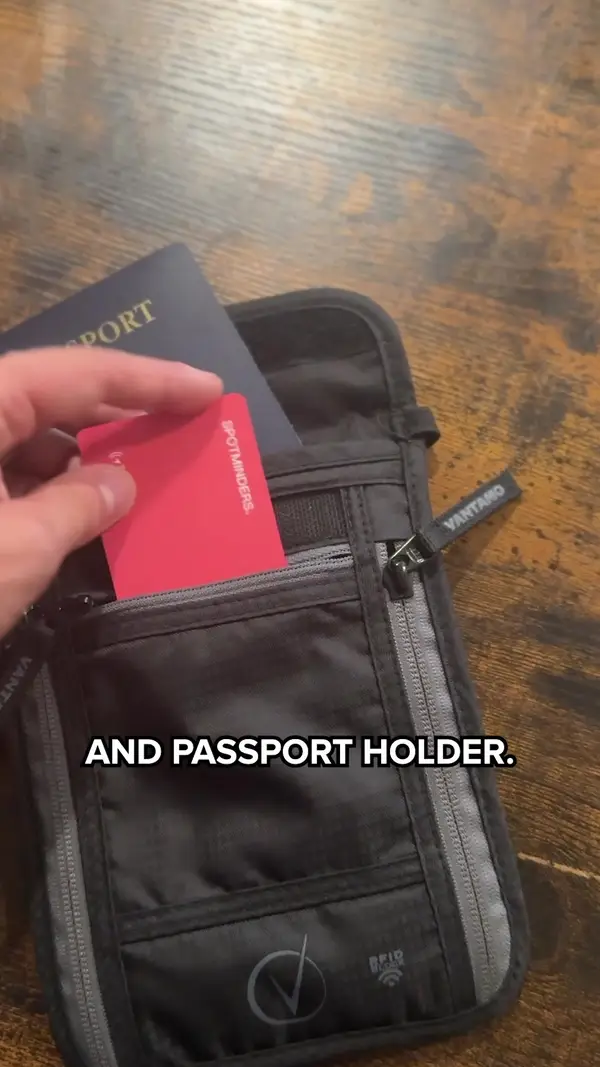
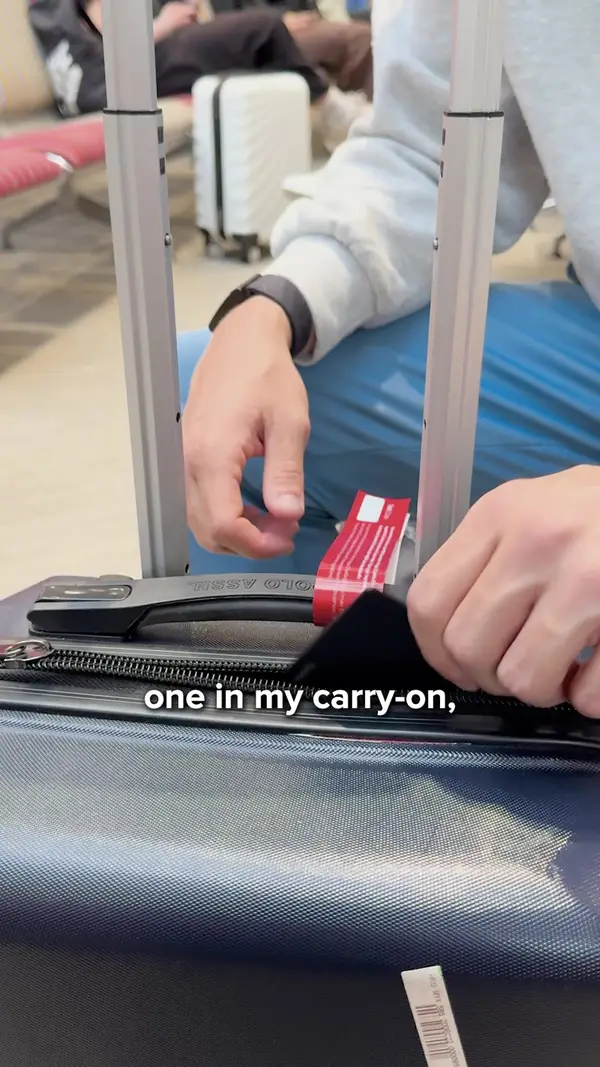
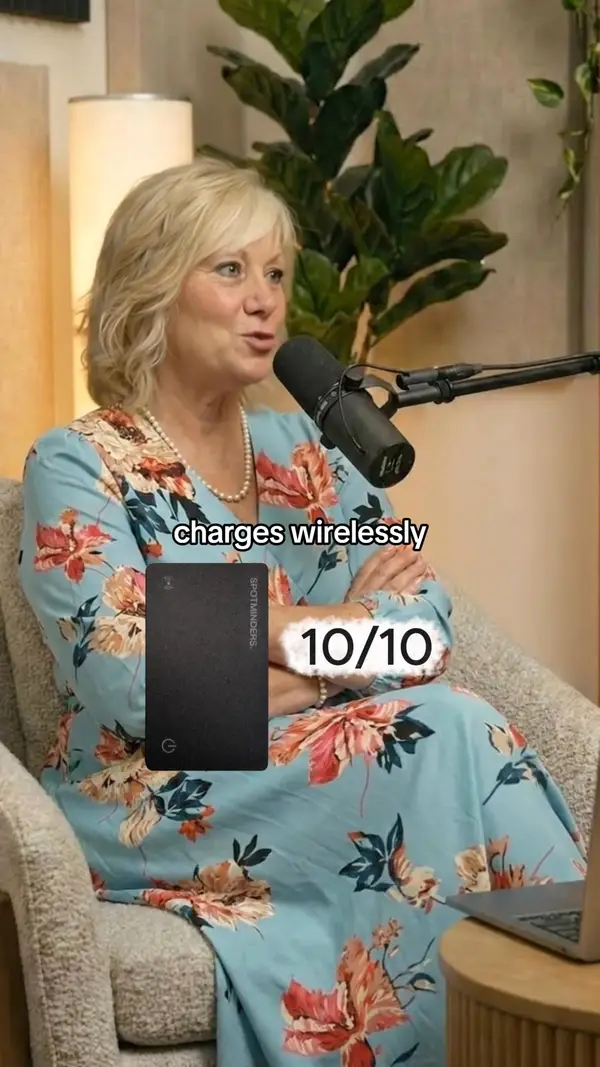
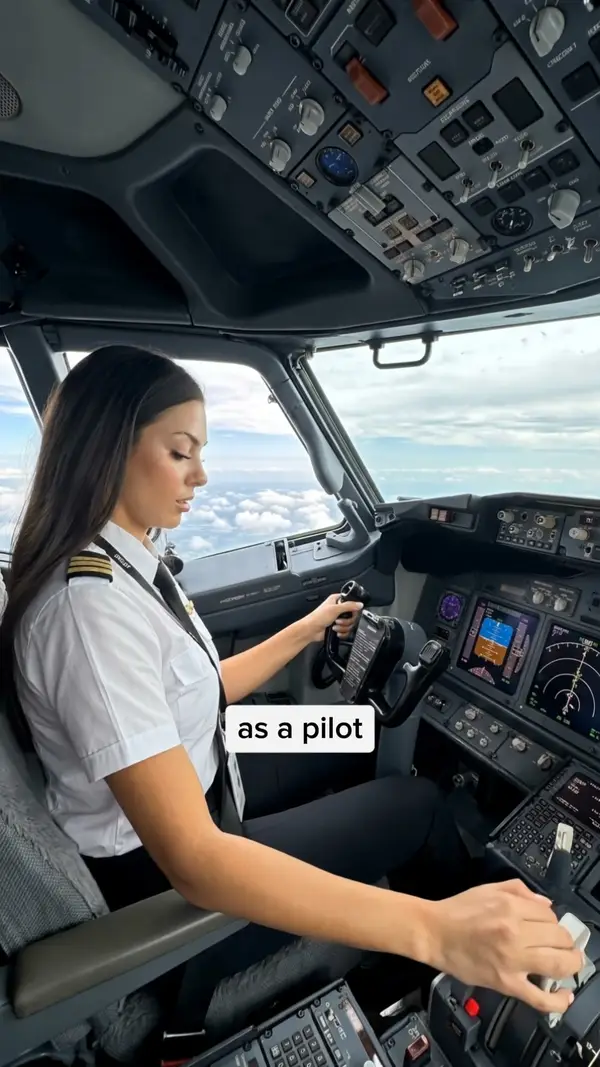
I was a federal air marshal for eleven years. The travellers who never lose anything all do the same three things. Almost nobody does. Plain clothes, aisle seat, a few rows behind you, and you had no idea I was there. That was the job. And you spend a decade doing that and you stop being able to switch it off. I still can't sit in a terminal without reading the room, and eleven years of reading rooms teaches you a lot about how people lose things. Because here's the part that surprised me most about the job. Most of what I watched wasn't crime. It was people making themselves easy. Bags with the zip facing out. A phone in a back pocket. Somebody stopped dead in the middle of a walkway staring at a map, which is the loudest signal in any airport. And an enormous amount of ordinary carelessness that had nothing to do with anybody stealing anything at all. Wallet on the counter at the currency desk. Bag left against a chair leg at a gate. A case pulled off a carousel by someone who wasn't paying attention, taken all the way to a hotel before either party noticed. The travellers who never end up in that situation all do the same three things, and I've started telling people about them because two of them are free. The first is that everything valuable has one place, and only one place, for the entire trip. Not the jacket at the airport, the bag on the train, the hotel safe on the second night, back in the daypack for the excursion. One designated spot that doesn't change. The number of people I watched go through five pockets in sequence, with increasing speed, because they genuinely could not remember which one they'd used last, stopped surprising me somewhere around year four. Moving something around feels like being careful with it. It's the opposite. Every move is a chance. The second is photographing the contents of your checked bag before you close it. Just lay it out on the bed and take one picture on your phone. I'll be honest about what this does and doesn't do, because it gets oversold. It does not get your bag back. Nothing about it makes anyone look harder for it. What it does is make every conversation afterwards faster and more credible. Airlines settle claims on itemised lists, not on memory, and a photograph taken twenty minutes before check-in is worth considerably more than a list you wrote from recollection three days later in a hotel lobby. It takes ten seconds. Everybody should do it. It's just not a solution, it's a consolation prize, and I watched a lot of people find out the difference the hard way. The third is the one I've only started mentioning in the last couple of years, because it's the one that actually changes the outcome. It's a tracking card. Card shaped, thin enough that it lies flat inside a wallet, a suitcase lining, a laptop sleeve. Not a tag clipped to a handle. Not a disc dropped in a side pocket. Flat, and indistinguishable from every other card in there. And I want to explain why that specific detail matters more than any of the tracking specs, because it comes directly from the eleven years. I've watched what happens in the first minute after a bag is taken. It gets gone through, fast, somewhere quiet. And the first thing out is anything obviously electronic. A round tracker is unmistakable, everybody knows what it is now, and it goes in a bin before the owner has even noticed the bag is missing. You cannot remove what you cannot identify. That's the whole principle, and it's the thing almost nothing else on the market has solved. The first time I saw one working was in a baggage hall, and it wasn't a theft at all. A woman's case hadn't come out. She was at the desk with the agent, and the agent was doing the thing they do, which is read her a status from a system that updates on its own schedule and tell her to wait. She opened her phone instead and said, it's in this building. And then she said which end of the building. I've thought about that a lot since, because what struck me wasn't the technology. It was the change in the conversation. She stopped being someone asking for help and became someone providing information, and the entire dynamic at that desk reversed in about four seconds. I've watched the alternative more times than I can count. Someone describing a black case to a person who has heard forty descriptions of a black case that shift. A form. A reference number. And a process that exists to close the file, not to find the item. That's the thing I'd want people to understand, and I say it as someone who was part of the system. Nobody is coming to look for it. There is no team. There's a report so a claim can be paid, and that is a completely different thing from a search. The only person who can find your bag in the window where it's still findable is you, and only if you know where it went. The one I carry is called Spotminders. It's 1.8 millimetres thin, it runs on Apple's Find My network so it's the app already on the phone, and there's nothing to download. Rechargeable, eight months a charge, wireless. No subscription. I've got one in my wallet, one in each case, one in the laptop bag. I'll be straight about what it doesn't do, because I spent eleven years watching people find out that something they'd bought wasn't what they thought. It won't stop anything. Nothing stops anything. Someone who wants your bag will have your bag, and no card changes that. What it does is stay in there, unnoticed, long enough to tell you where it ended up. Two of those three things are free. That's not a sales pitch, that's just what I watched work. 👉 https://www.spotminders.com/pages/10-reasons-ditching-airtags-list1
Loading the ad's image