Water Jet Water Flosser For Teeth Oral Hygiene Dental Electric Ipx7 Portable Water Dental Flosser Teeth Whitening Light
Source Personal Care & Household Cleaning on Alibaba.com. Alibaba.com-World's Leading B2B Marketplace.
Loading the ad's image
Advertisers keep paying only for ads that sell. These are the products many of them keep advertising for months, the longest-running ads behind them, and the ads that were switched off early.
Water Jet Water Flosser For Teeth Oral Hygiene Dental Electric Ipx7 Portable Water Dental Flosser Teeth Whitening Light
Source Personal Care & Household Cleaning on Alibaba.com. Alibaba.com-World's Leading B2B Marketplace.
Loading the ad's imageLumipax Portale Red Light Torch
🚨 Your Extra 20% OFF offer is expiring! We saved the Cervitrax Gen-2 just for you. Get the relief you deserve, plus FREE GLOBAL SHIPPING. Act NOW before this exclusive discount vanishes!
Loading the ad's image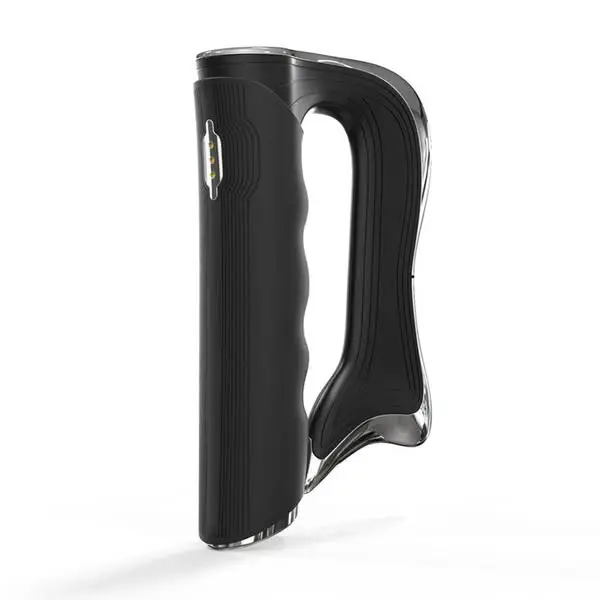
Lift the Pressure Instantly. Feel the Difference.
"I thought I needed deep tissue massages forever. Turns out my neck needed gentle traction. After daily 15-minute sessions with Cervitrax Gen-2, my shoulders dropped and my back finally relaxed." ⭐⭐⭐⭐⭐ - Mark T. ✅ Helps relax shoulder and upper back tension ✅ Supports better neck posture ✅ Ergonomic 3D support, adjustable fit ❌ No appointments — just 15 minutes at home
Loading the ad's image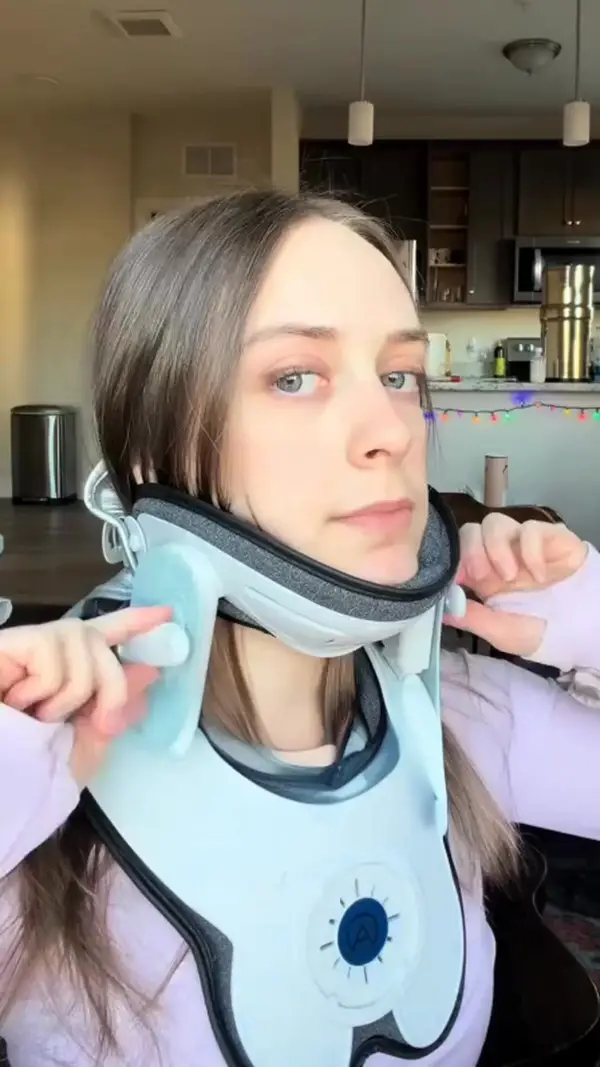
Relieve neck discomfort now | 38% off
"I've had headaches and terrible neck pain for years. Started using this couple of times a day and got INSTANT relief. Few weeks in, the pain is almost completely gone." ⭐⭐⭐⭐⭐ - Anthony M. - SC, USA ✅ Eliminate neck & back pain at home ❌ No pills & expensive chiropractor bills Shop now ➡️ https://kozlic.com/nts
Loading the ad's image
Say Goodbye to Neck & Back Pain — Instantly! 💆♂️✨
💥 Don’t let pain control your life! Experience real relief today with NeckRelief Pro™ — your neck will thank you later! 🙌 🎁 Limited stock available — order now and get FREE worldwide shipping! 🌎🚀
Loading the ad's image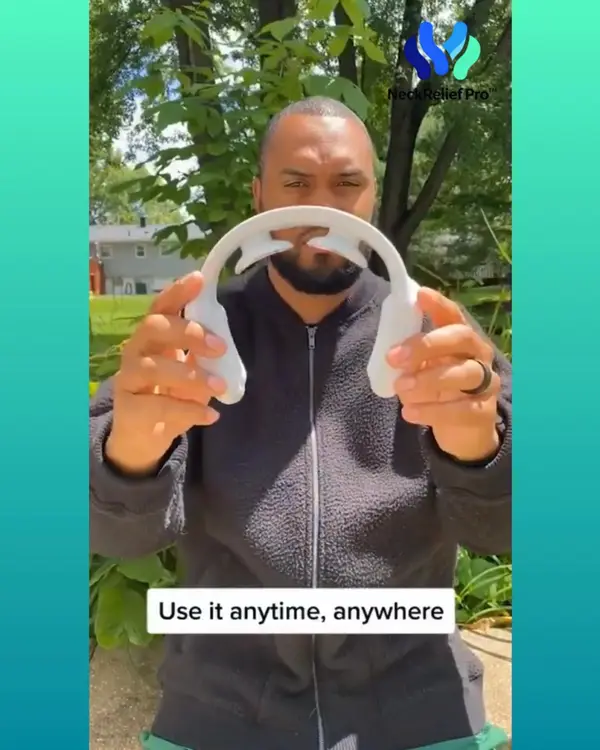
Lift the Pressure Instantly. Feel the Difference.
"I thought I needed deep tissue massages forever. Turns out my neck needed gentle traction. After daily 15-minute sessions with Cervitrax Gen-2, my shoulders dropped and my back finally relaxed." ⭐⭐⭐⭐⭐ - Mark T. ✅ Helps relax shoulder and upper back tension ✅ Supports better neck posture ✅ Ergonomic 3D support, adjustable fit ❌ No appointments — just 15 minutes at home
Loading the ad's image
Lift the Pressure Instantly. Feel the Difference.
"I kept blaming the gym for my tight shoulders. Turns out my neck alignment was off. With 15 minutes a day on Cervitrax Gen-2, after three weeks that stubborn knot finally eased. I feel lighter and more open." ⭐⭐⭐⭐⭐ - Megan L. ✅ Helps relax shoulder and upper back tension ✅ Supports better neck posture ✅ Ergonomic 3D support, adjustable fit ❌ No appointments — just 15 minutes at home
Loading the ad's image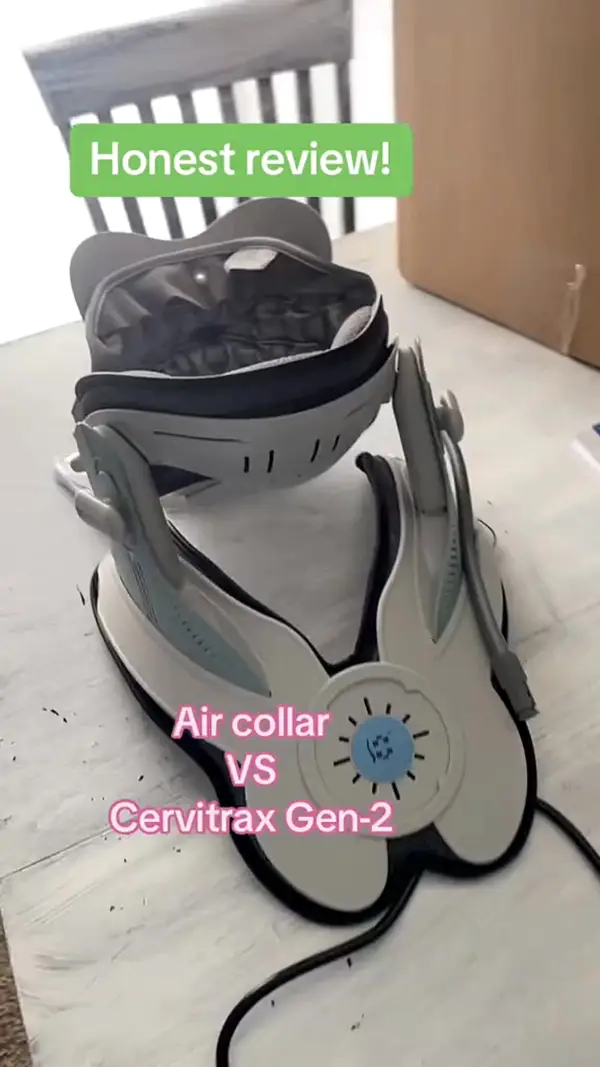
Neck Streacher
Lets get you feeling loose😁
Loading the ad's image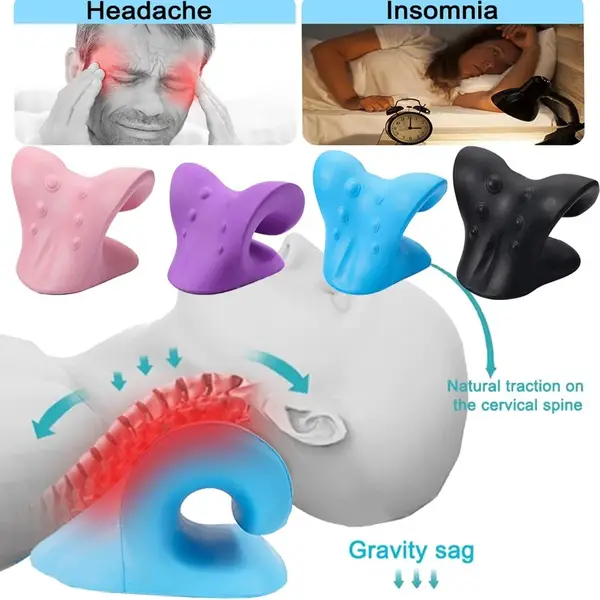
Cervical Neck Stretcher Now
Say goodbye to neck pain! Get instant relief with our Cervical Neck Stretcher, now just ₹399/- Limited time offer!
Loading the ad's image
Relieve neck discomfort now | 38% off
"I've had headaches and terrible neck pain for years. Started using this couple of times a day and got INSTANT relief. Few weeks in, the pain is almost completely gone." ⭐⭐⭐⭐⭐ - Anthony M. - SC, USA ✅ Eliminate neck & back pain at home ❌ No pills & expensive chiropractor bills Shop now ➡️ https://kozlic.com/nts
Loading the ad's image
🦷 Over 10,000 5⭐ Reviews — UK's Favourite Water Flosser
🚿 Next-Level Dental Care at Home. Plaque? Gone. Food bits? Blasted away. Meet your new oral care obsession — 5 cleaning modes, ultra-quiet, and compact for travel. 💧 300ml tank | 30-day battery | Fast USB-C charge 🛍️ Back in stock now — don’t miss out!
Loading the ad's image
50% OFF for New Customers 💥
🚨 NEW CUSTOMER OFFER – 50% OFF! 🚨 Meet the Dental Wireless 5-in-1 Water Flosser Pro — the smarter, faster way to floss 💦 🦷 1200 water pulses per minute for deep cleaning 💧 300ml tank = fewer refills 🔋 Long-lasting battery + USB-C fast charging 🔄 360° rotating tip to reach every spot No more boring flossing — just fresh, dentist-level clean from home ✨ ✅ 4.9★ Rated by 10,000+ Users ✅ Safe for braces, implants & dental work
Loading the ad's image
Stop paying £50 a session for temporary relief.
A single physio session costs £50-80. Most people need 6-10 sessions just to feel a difference. And the moment you stop going, it starts coming back. That's £400-800 a year. For temporary relief. NovaNeck gives you the same therapeutic benefits — heat, vibration and cervical traction — for a one-off £59.99. No appointments. No waiting rooms. No ongoing costs. 15 minutes a day at home. That's it. 30 nights risk free. If you don't feel a genuine difference, you get every penny back. Most of our customers say they wish they'd found it sooner.
Loading the ad's image
No More Neck Pain | 1000+ Happy Sleepers 👉
"I have been suffering with chronic neck pain for several years now. I have tried many, many devices over that time, but none of them worked...until now. I use the Thera Pillow every night for 15 minutes before I go to sleep and my neck pain is gone. I am able to sleep all night. I realize that this might sound exaggerated, but seriously, this pillow has changed my life." ⭐⭐⭐⭐⭐ - Karen F. USA ✅ Relieve Neck Pain For Deep Restful Sleep ❌ Save Money on Painkillers & Chiropractor Visits
Loading the ad's image
Lift the Pressure Instantly. Feel the Difference.
Stop ignoring that stubborn neck tension. 🛑 The Cervitrax Gen-2 is the ultimate at-home solution to reverse the effects of Forward Head Posture and "tech neck." Just put it on, turn the precision dials, and feel the heavy pressure instantly lift off your shoulders. ✅ Gently decompresses tight, locked-up muscles ✅ Takes the pressure off pinched nerves ✅ Restores a natural, pain-free posture ✅ Use it anywhere, even while watching TV! Experience a calmer, more relaxed neck in just minutes a day. 🎁 LIMITED TIME OFFER: Get 50% OFF + FREE Shipping today!
Loading the ad's image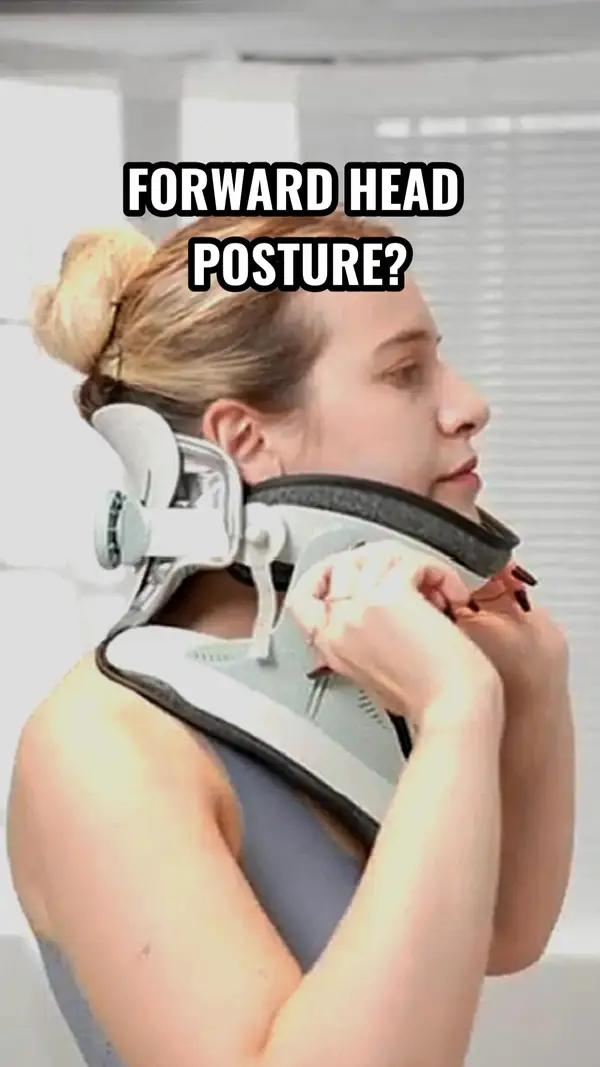
Why Your Face is Puffy (It’s Not the Sodium) 💧
Turn your head to the left and pinch the thick muscle on the side of your neck. 🤏 Does it feel tight, ropey, or tender? If yes, you have a "Blocked SCM Valve." Here is why that matters for your face: Your Sternocleidomastoid (SCM) muscles act as the drainage pipes for your head. When "Tech Neck" makes them tight, they act like a kinked garden hose. 🚫💦 Fluid backs up. Your eyes look puffy. Your jawline disappears. And no amount of Gua Sha or ice rolling will fix it because the drain is clogged further down. Meet the Core Hero®. It’s the only device that uses Vertical Air-Lift Traction to physically "un-kink" the hose. ✅ 15 minutes to open the pathways. ✅ Instant fluid drainage. ✅ Cheaper than a single lymphatic facial. Unclog the drain and watch your jawline reappear. 👇 https://mycorehero.com/products/neck-massager
Loading the ad's image
15 minute neck relief 👉
"I use the Thera Pillow every night for 15 minutes. I am able to sleep all night. I realize that this might sound exaggerated, but seriously, this pillow has changed my life." ⭐⭐⭐⭐⭐ - Karen F. USA
Loading the ad's image
If you wake up with jaw pain, headaches, or tight shoulders… this might actually help 👀 I started using this traction therapy pillow for my TMJ because my neck tension was making everything worse 😭 The @heycallixe thera pillow has been helping me at home!
Loading the ad's image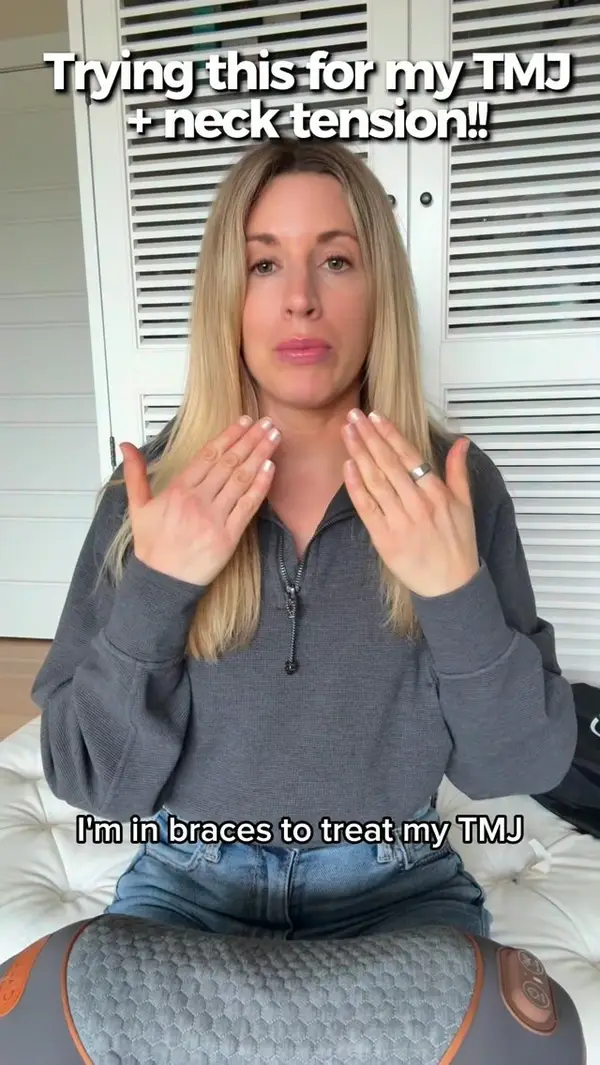
Score 50Started 6 months ago
Neck Hump? It's Not About Your Posture...
I've watched too many neck hump patients end up covering themselves completely to keep my mouth shut about this. If you've been told "just keep up the adjustments" for your neck hump, I need to tell you something your chiropractor isn't telling you. My name is Carol Bennett. I've treated over 200 neck hump patients in 15 years as a manual therapist. And when a patient walks into my practice with progressing tissue after their chiropractor said "keep up the adjustments, we'll recheck in six months," I already know what their measurements will show 2 to 3 years later if nothing changes. Advanced tissue consolidation. The same suboccipital contracture driving their tissue buildup is silently consolidating their cervical structure right now. And at 52, when my own forward head translation came back elevated at my annual assessment, I knew exactly what my colleague was about to tell me. And exactly what she wasn't. Your neck hump isn't a "watch and adjust" problem. It's a neurological lock happening at the cellular level of your suboccipital muscle layer. I've been treating neck humps for 15 years. I've seen hundreds of patients dismissed with "keep up the adjustments, we'll monitor the measurements." Most of them walked out, Googled their diagnosis, and stopped at the posture aisle on the way home. Foam rollers. Cervical pillows. Posture braces. One of those multi-function cervical devices. The tools every neck hump article on the internet eventually recommends. They used them for months. Some for years. Their measurements barely moved. And what's worse, they thought they were doing something about the problem. Because the chiropractor sees you every two weeks. Writes the measurement. Sends you home. They don't see you 2 to 3 years later when you're sitting in my practice with tissue that has consolidated to the point where your entire wardrobe has reorganized itself and you've stopped appearing in family photos. But I do. Dorothy's daughter. Dorothy diagnosed with a progressing neck hump at 56. Same advice. Keep up the adjustments, recheck next year. Year after year. By 68 her tissue had consolidated enough that she stopped going to family gatherings. By 71 she was essentially invisible in her own life. Her starting forward head translation was 2.6cm. Almost exactly what mine was. Patricia, 58. Came to me with forward head translation 2.9cm. Perfect posture habits. What I'm ashamed to say I didn't recognize quickly enough was that the adjustment protocol I put her on was never reaching the structure that was actually driving the tissue. I gave her the same "brace and twice-weekly adjustment" protocol I'd been giving for years. She came back 18 months later with tissue that had consolidated significantly. Still addressable at that stage. But barely. She's the patient I think about at night. They had months to address this properly. They just didn't know they had them. Because nobody had explained what their measurements were actually pointing at, or what was quietly building underneath while they attended their adjustment sessions. The assessments were telling them the truth from the first appointment. The tools they were using didn't change anything. They just made them feel like they were doing something. My own situation told me I was fine. My measurements said otherwise. I felt fine. A little more tightness in the morning than I used to notice. Brain fog about my own cervical position that I told myself was just awareness from my work. My tissue had built slightly but nothing dramatic. Then a routine annual assessment caught it. My colleague looked at the measurements and said what practitioners say to every patient. "Standard plan. Keep up your postural awareness, add some cervical exercises, recheck in six months." I knew it wouldn't work. That's not the point. I'm a manual therapist. I'd watched over 200 patients try exactly that and watched their measurements stay exactly the same or even worsen. So I ran my own full cervical assessment. Forward head translation 2.6cm. Suboccipital pressure response minimal. I ordered a detailed contracture assessment. Because I know what elevated forward head translation actually means. Early contracture establishment. Neurological lock at the cellular level of the suboccipital muscles. The kind of chronic pull that posture awareness alone was never going to fix. My progressing tissue wasn't a "sit up straighter" problem. It was my suboccipital release mechanism being overridden faster than my body could compensate for it. And another six months of "monitoring" would have masked the only early warning sign I had. Here's what standard chiropractic doesn't tell you because they don't follow long-term contracture outcomes. Your suboccipital muscles don't send pain signals when they lock. They don't swell noticeably. They don't warn you the way an injury does. By the time your tissue is visibly building, the suboccipital contracture has been established for years. By the time the tissue has consolidated, the lock has been running in silence. You're not "just getting older" or "not sitting straight enough" or "spending too much time on screens." Your suboccipital muscles are losing the ability to release after every forward movement. The same process pulling your head forward is quietly consolidating your tissue underneath. Right now. Roughly 1 in 3 women with established cervical tissue buildup sees significant consolidation within 3 to 5 years of initial diagnosis if the contracture is never directly addressed. By the time most neck hump patients come to me, the lock is already well established. Your tissue buildup isn't something to be embarrassed about. It's your 3 to 5 year early warning system. And foam rollers silence that alarm while the contracture advances. So I tried what patients try. Postural awareness. Ergonomic assessment. Screen time reduction. Improved how I felt a little, but tissue kept building. Tools. Foam roller. Cervical pillow at 1,200 thread count. A multi-function cervical traction device. A posture correction blend of 4 different tools. 18 weeks of disciplined use. Reassessment came back. Forward head translation 2.7cm. I gained a millimetre. 18 weeks of doing exactly what I'd been telling 200 patients to do. Nothing was releasing the contracture driving the tissue buildup. But I kept thinking about something that made no sense. The cervical structure can restore. Early tissue buildup CAN reverse. The suboccipital contracture CAN release. The research proves it. So why wasn't mine releasing? And why hadn't my patients' contractures released either? October 8th. Late at night. I was reviewing 18 months of patient outcome data in my home office after a long shift. Couldn't sleep. My own assessment had just come back at 2.7cm. I wasn't looking for anything specific. If I'm being honest, I was pretty desperate. I'd compiled outcomes for every patient I'd put on twice-weekly adjustment for at least six months. Average forward head translation change at 6 months. Average change at 12 months. Average change at 18 months. The numbers stopped me cold. Patients on twice-weekly adjustment showed no statistically meaningful improvement in tissue buildup compared to patients doing posture exercises alone. Eighteen months. 200+ patients. Almost zero meaningful difference in tissue. I sat there staring at a spreadsheet I should have run five years earlier. I was the therapist recommending adjustment protocols for 15 years. And I was wrong about what it was actually doing. Then I pulled up the small subset. The ones who'd done their own research. They'd quietly added something else on their own while I was still recommending adjustments. Home tools. Self-directed protocols. Some had bought generic tools after Googling. Foam wedges. Standard cervical rolls from Amazon. Their tissue barely moved either. Maybe a millimetre, then they plateaued. That sent me down another rabbit hole. Standard cervical tools have a serious placement problem. They apply broad pressure to the thoracic spine or general cervical curve rather than the exact suboccipital pressure points where the contracture lives. So a foam wedge at the upper back? Your suboccipital contracture sees almost none of it. That's the wrong address, delivering the wrong type of pressure. No wonder my own patients on standard cervical tools saw nothing. But the small group who'd found precision-engineered direct suboccipital compression? Those outcomes told a different story. Tools with two foam nodes positioned specifically at C1-C2, with gravity-assisted delivery through their own head weight, held for the minimum 8 to 10 minutes required for the neurological release signal to activate. Their tissue was reducing. Real reduction. The kind of result I'd been hoping to see in 15 years of practice but never actually seen. I'd been a manual therapist for 15 years. I'd studied cervical biomechanics my entire career. And I'd never properly understood why adjustment protocols weren't doing the job. Standard adjustment mobilizes the joint above the contracture. That's its mechanism. But it can't give your suboccipital muscles the three simultaneous inputs they need to release the lock directly. Direct suboccipital compression can. It delivers sustained gravity-assisted pressure at the exact C1-C2 pressure points, held long enough for the proprioceptive receptors to activate and the release signal to fire. One mobilizes the joint above the lock. The other releases the lock itself. It's the same principle emergency manual therapists use when they need rapid cervical release in acute forward head trauma. They don't apply broad thoracic adjustment. They don't use general cervical decompression. They target the suboccipital zone with sustained precision compression. Same structure. Same mechanism. Same problem. The difference is speed. Acute trauma requires immedia
Loading the ad's image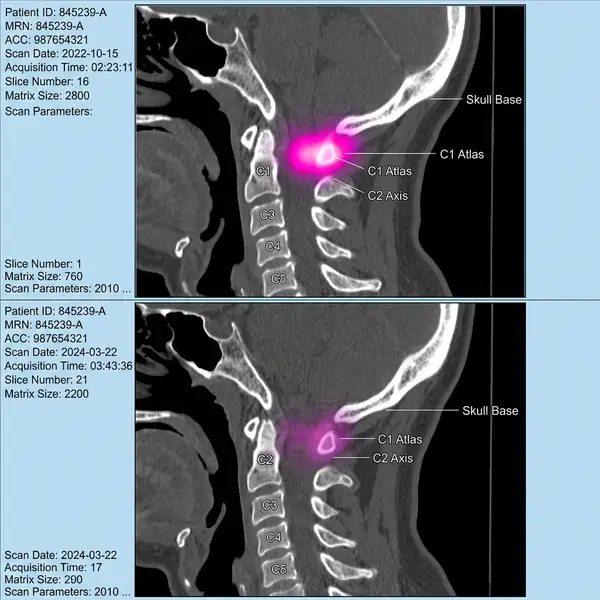
Neck pain relief backed by science
The first home device that does all three things your physical therapist does to release neck pain. Without the $120 copay or the months of weekly appointments. The 26-degree decompression angle. This is the same angle physical therapists use to gently decompress the cervical spine and create space at the base of the skull, right where the suboccipital muscles are clamping down on your occipital nerves. Most cheap neck stretchers use a random angle and either do nothing or make the pinch worse. The 26-degree angle is what makes the decompression safe and what makes it actually work. Adjustable therapeutic heat. A cold, tight muscle fights the stretch. Heat tells it to let go. Without warmth softening the tissue first, decompression is just pulling on a clenched fist, which is why those YouTube stretches stopped working after week two and the heating pad alone never fixed anything either. Heat is the piece that makes the decompression land. Deep-muscle vibration tuned for the layer below the surface. This is the part most other solutions miss. The knots driving your tension headaches don't sit on the skin. They live deeper, in the suboccipital muscles at the base of the skull. A handheld massager or one of those rolling balls from Amazon feels good for ten minutes, and then the pressure comes right back. Targeted vibration reaches the layer where the actual trigger points are. Miss any one of these and the neck stays stuck. That's why a heating pad alone doesn't work. Why stretching alone doesn't work. Why a $30 plastic stretcher doesn't work. Each one does a single piece. The neck needs all three together, in the right order, while you lie still and let the device do the work. That's what physical therapists and engineers built with Artuvate when they put Fisiorest together. 15 minutes a day. Lie down. Press one button. No appointments. No copays. No learning curve. Click below to see how it works.
Loading the ad's image
Stop trying to reverse your neck hump the wrong way
Neck humps aren't a posture issue. They're a contracture issue. And after 60, they don't reverse the way you've been told. My chiropractor pressed her fingers along the base of my skull and told me my forward head translation was elevated. "Classic cervical kyphosis," she said. "Very common in women your age. We'll monitor it. If it keeps progressing, we can discuss escalated management. Otherwise, just keep up with the adjustments." I was 62 years old. I'd had reasonable posture my whole life. Until one day while getting dressed, I caught my side profile in the mirror and froze. I thought maybe I was standing funny. Maybe I was tired. I'd be more conscious of my posture and it would sort itself out. That was four years ago. And in those four years, I learned something that the posture management industry desperately doesn't want you to know: they have no effective treatment for progressive neck hump in women over 60 except monitoring and management that keeps you coming back. Not because they can't help you. Because actually fixing the contracture doesn't generate recurring revenue. Let me explain what happened. That first assessment was in January. By March, my forward head translation had crept up again. By June, the tissue at my cervical base was more visible in photos than it had been at my last appointment. I did what everyone does: started doing posture exercises religiously and waited to see if it would stabilize. The tissue kept building. Slowly at first. Then faster. By month six, I had visibly more tissue at my cervical base than when I'd started treatment. That's when my chiropractor told me the measurements were elevated and recommended twice-weekly structured management. Here's what nobody tells you: You cannot manage your way out of progressive neck hump formation after 60. Every single week, more tissue deposits. The contracture that should release after every forward movement just... doesn't. It's locked. Pulling. Never stopping. Management becomes this maddening cycle where you're supposed to watch your tissue build while doing adjustments that help for 48 hours and then release back to where they were. But I tried. I really tried. I attended every appointment. Measured my forward head translation weekly. Tracked every millimetre. Nothing improved. And here's the part that bothered me almost as much as the tissue building: I started avoiding cameras obsessively. Every. Single. Gathering. I'd position myself behind someone. Step back. Find an angle. Like I was desperately seeking something my photos weren't giving me. My chiropractor said it was normal. Try a different exercise program. I switched programs four times. The camera avoidance never stopped. And the tissue kept building. By month eight, I had restructured my entire wardrobe. I was stiffening up in my morning routine. Moving through my neckline choices more carefully. Nothing with an open collar. Nothing that showed the base of my neck from the side. Forget wearing what I wanted. I went from choosing freely to calculating every outfit around what covered it. My entire relationship with getting dressed changed. Not because of a major health issue. Because of tissue my body couldn't clear. So I went back to my chiropractor. She recommended premium posture braces. Daily wear. Eight weeks. When that failed, she recommended escalated adjustment frequency. "We can address the largest areas of forward pull," she said. "Though I should mention — cervical kyphosis tends to re-establish between sessions, especially at your age." At your age. I paid $3,800 for six months of intensive management. The tissue came back within three months. Plus the forward pull was just as established as before. That's when I started researching what actually causes neck hump tissue to keep forming after 60. And I learned something that made me furious: Management doesn't fix neck humps. It temporarily addresses the joint while the underlying contracture continues building tissue. And in women over 60, the contracture is almost impossible to address indirectly because of something nobody in the posture system ever explained to me. Here's what nobody tells you: After age 60, your body's natural ability to reset the suboccipital contracture declines dramatically. The reset mechanisms that kept your head sitting where it belonged when you were younger — the ones that fired automatically after every forward movement, maintained cervical position, brought your head back to center after every screen session — they slowly fail. Suboccipital muscle elasticity decreases. Connective tissue stiffens. The proprioceptive feedback loop between C1-C2 and the brainstem slows. Your body stops resetting the contracture naturally. Not because of bad posture. Not because of aging in general. Because of a specific mechanical failure in one specific structure — and the failure accelerates dramatically after 60. And posture exercises? They work on the muscles around the contracture. When your suboccipital reset mechanism has degraded from decades of forward load, these exercises have almost zero chance of reversing tissue buildup. So neck humps, progressive tissue, chronic forward head positioning in women over 60 — they're not just age issues that need "more management." They're reset failures. And the posture system profits from that failure. Premium posture tools: Ongoing purchases that don't reach the contracture. $60-140+ per device working on the wrong structure. Management protocols: Temporary joint mobilization that doesn't fix the contracture and ensures tissue will re-establish. $3,000-5,000 per year, indefinitely. Monitoring: Endless appointments watching tissue build because the reset mechanism never gets addressed. $80-180+ per session with no solution. So I started researching alternatives. That's when I discovered direct suboccipital contracture release. A mechanism that uses gravity-assisted sustained compression — your own head weight providing the pressure — delivered at the exact C1-C2 anatomical pressure points. Something that could bypass the failed reset mechanism entirely. Release the neurological lock from the outside rather than waiting for the body to release it from within. The research was compelling. Studies showing contracture release and tissue reduction through direct suboccipital compression — even in patients where the natural reset mechanism had significantly degraded. But here's where I hit a wall: Most posture tools claimed "cervical release" or "neck decompression" but had zero direct contracture addressing. No C1-C2 precision. No sustained gravity-assisted delivery. No minimum hold threshold. Professional-looking designs. Endorsements. Online retailers full of five-star reviews from women who didn't understand why their tissue kept building. I ordered four different posture release tools from major retailers. All of them claimed "cervical decompression" or "posture correction." All had professional-looking designs. I started with a foam cervical wedge. Eight weeks. My tissue built exactly the same. Cervical traction device. Eight more weeks. Zero change. Third device. Fourth device. Not one of them did anything. And I was ready to conclude that posture tools were complete BS when I found a research paper that explained exactly why these tools don't work — especially in women over 60. The problem isn't the material. The problem is that standard posture tools can't deliver the three simultaneous inputs required for the neurological release signal to fire. And in women over 60, where the natural reset mechanism has already degraded, the threshold for what's required to trigger release is even higher than it is in younger women. Standard posture tools apply broad pressure to the thoracic spine or general cervical curve. The C1-C2 contracture stays locked because the exact inputs are never delivered. And for women whose reset mechanism has been declining for decades, near-threshold inputs produce near-zero results. You're paying $80 for ineffective pressure while your tissue continues consolidating. At 62, my body needed the full three inputs, precisely delivered. Nothing less was going to fire the release signal. Most posture tool companies know this. They know broad cervical tools don't deliver the three required inputs. They know their products deliver almost zero contracture release. But they sell them anyway. When I finally discovered precision-engineered direct suboccipital compression, everything changed. Two foam nodes positioned at exact C1-C2 anatomical pressure points. Gravity-assisted delivery through your own head weight — consistent, sustained, non-fatiguing. Ten-minute protocol before sleep. All three inputs simultaneously. At the exact address where the contracture lives. For a woman over 60 whose natural reset mechanism has degraded — this isn't just more effective than a foam roller. It's the difference between a signal that never fires and one that actually reaches the contracture. I found one company engineering to this standard: Cevera. Week 1: The camera avoidance reduced noticeably. First real shift in over a year. Week 2: Camera avoidance stopped. I stood in the center of a family photo without thinking about it. Week 3: The tissue at my cervical base felt different — softer, less prominent from certain angles. Week 4: I reached for a lower neckline without calculating first. Week 6: Largest tissue buildup at cervical base reduced by about 40%. Week 8: Getting dressed freely again. No coverage calculation. No second outfit. Week 12: Down to minimal stable tissue from significant buildup across four years. By month four, I was living without new tissue formation. Wearing what I wanted. Moving without thinking about angles. The progressive tissue buildup that two different practitioners told me would require ongoing management indefinitely... Stopped forming. Existing tissue shrinking. And it wasn't because Cevera is some miracle tool. It's because I finally gave my contracture the three inputs it required to release — inputs my body had stopped being able to generate naturally after 60. This is why exact C1-C2 placement matters infinitely more than general cervical support. Especially after 60. When the natural reset mechanism has degraded, you can't work around the contracture. You have to deliver directly to it. And here's what I experience now, four years after that first assessment, using Cevera every single night: ✓ Zero new tissue formation. Down to minimal stable cervical tissue. ✓ Camera avoidance completely stopped. I stand anywhere without thinking. ✓ No coverage calculation, second outfits, or neckline strategy. I just get dressed. ✓ My practitioner couldn't believe the measurements at my last appointment. ✓ Quality of life restored. I don't think about my neckline anymore. This isn't just about avoiding ongoing management. This is about understanding that most posture tools are selling you mechanical theater — products that look like they're addressing the issue but deliver zero contracture release to your suboccipital muscles. Especially in women over 60 where the threshold for release is higher and the tools that were already marginal become completely useless. Because the truth is, your body WANTS to release the contracture. After 60, it just can't do it on its own anymore. It needs the three right inputs delivered at the right address with enough sustained pressure to actually fire the signal. And when you deliver precision direct suboccipital compression — not broad tools that apply pressure to the wrong location — it starts working the way it's supposed to. Even at 62. Even at 68. Even after years of failed management. I use Cevera every single night. Ten minutes. Before bed. Non-negotiable. And I recommend it to nearly every woman over 60 I know struggling with: Progressive neck hump that keeps building despite everything tried. Tissue formation that management didn't stop. Camera avoidance that won't quit. Premium posture tools that aren't working. The progressive loss of wardrobe freedom from tissue buildup. Why? Because Cevera is the one tool that delivers the three simultaneous inputs the contracture requires — through precision engineering, exact C1-C2 placement, and gravity-assisted delivery that conventional tools can't match. And for women over 60, where the natural reset has failed, it's not just better than the alternatives. It's the only thing that actually reaches the contracture. Just 10 minutes a night could help you: 💧 Stop new tissue formation within weeks 💧 Reduce existing cervical tissue over 2-3 months 💧 Eliminate camera avoidance and constant angle-checking 💧 Enable actual contracture release vs near-zero with standard tools 💧 Stop the management cycle that doesn't fix the root cause 💧 Experience cervical function that women over 60 haven't felt in years 💧 Save thousands on failed tools and repeated management cycles That chiropractor who told me I'd need ongoing monitoring and eventual acceptance of permanent postural change? I saw her at a community event six months ago. She watched me standing freely, wearing an open neckline, not calculating anything. Then she asked what I did. I just smiled and said: "I found a tool that actually reaches the contracture. And works even after 60." If you want to stop tissue formation, restore full cervical function, and break free from the management cycle, I'd try Cevera before anything else. 👉 https://trycevera.com/pages/adv-womens-wellness-report ✅ 90-Day Money-Back Guarantee You don't have to keep managing a condition that has a direct solution. Even after 60.
Loading the ad's image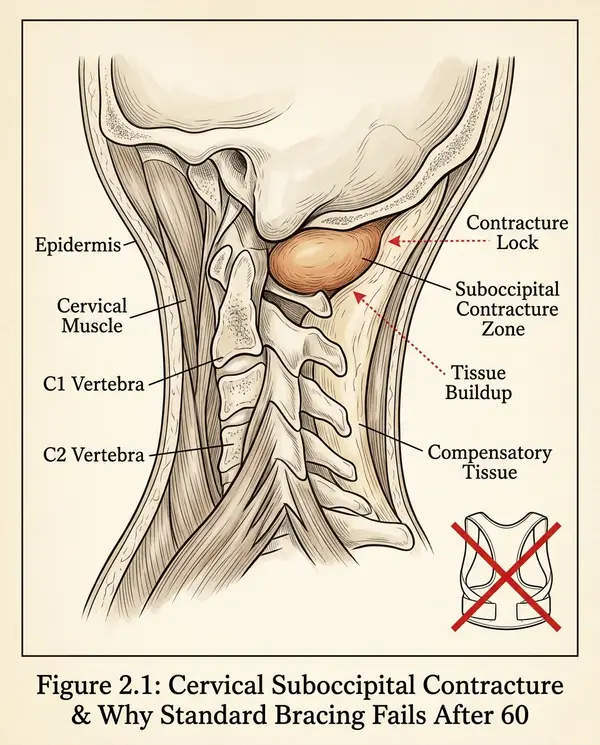
Neck Hump? It's Not About Your Posture...
I've watched too many neck hump patients end up covering themselves completely to keep my mouth shut about this. If you've been told "just keep up the adjustments" for your neck hump, I need to tell you something your chiropractor isn't telling you. My name is Carol Bennett. I've treated over 200 neck hump patients in 15 years as a manual therapist. And when a patient walks into my practice with progressing tissue after their chiropractor said "keep up the adjustments, we'll recheck in six months," I already know what their measurements will show 2 to 3 years later if nothing changes. Advanced tissue consolidation. The same suboccipital contracture driving their tissue buildup is silently consolidating their cervical structure right now. And at 52, when my own forward head translation came back elevated at my annual assessment, I knew exactly what my colleague was about to tell me. And exactly what she wasn't. Your neck hump isn't a "watch and adjust" problem. It's a neurological lock happening at the cellular level of your suboccipital muscle layer. I've been treating neck humps for 15 years. I've seen hundreds of patients dismissed with "keep up the adjustments, we'll monitor the measurements." Most of them walked out, Googled their diagnosis, and stopped at the posture aisle on the way home. Foam rollers. Cervical pillows. Posture braces. One of those multi-function cervical devices. The tools every neck hump article on the internet eventually recommends. They used them for months. Some for years. Their measurements barely moved. And what's worse, they thought they were doing something about the problem. Because the chiropractor sees you every two weeks. Writes the measurement. Sends you home. They don't see you 2 to 3 years later when you're sitting in my practice with tissue that has consolidated to the point where your entire wardrobe has reorganized itself and you've stopped appearing in family photos. But I do. Dorothy's daughter. Dorothy diagnosed with a progressing neck hump at 56. Same advice. Keep up the adjustments, recheck next year. Year after year. By 68 her tissue had consolidated enough that she stopped going to family gatherings. By 71 she was essentially invisible in her own life. Her starting forward head translation was 2.6cm. Almost exactly what mine was. Patricia, 58. Came to me with forward head translation 2.9cm. Perfect posture habits. What I'm ashamed to say I didn't recognize quickly enough was that the adjustment protocol I put her on was never reaching the structure that was actually driving the tissue. I gave her the same "brace and twice-weekly adjustment" protocol I'd been giving for years. She came back 18 months later with tissue that had consolidated significantly. Still addressable at that stage. But barely. She's the patient I think about at night. They had months to address this properly. They just didn't know they had them. Because nobody had explained what their measurements were actually pointing at, or what was quietly building underneath while they attended their adjustment sessions. The assessments were telling them the truth from the first appointment. The tools they were using didn't change anything. They just made them feel like they were doing something. My own situation told me I was fine. My measurements said otherwise. I felt fine. A little more tightness in the morning than I used to notice. Brain fog about my own cervical position that I told myself was just awareness from my work. My tissue had built slightly but nothing dramatic. Then a routine annual assessment caught it. My colleague looked at the measurements and said what practitioners say to every patient. "Standard plan. Keep up your postural awareness, add some cervical exercises, recheck in six months." I knew it wouldn't work. That's not the point. I'm a manual therapist. I'd watched over 200 patients try exactly that and watched their measurements stay exactly the same or even worsen. So I ran my own full cervical assessment. Forward head translation 2.6cm. Suboccipital pressure response minimal. I ordered a detailed contracture assessment. Because I know what elevated forward head translation actually means. Early contracture establishment. Neurological lock at the cellular level of the suboccipital muscles. The kind of chronic pull that posture awareness alone was never going to fix. My progressing tissue wasn't a "sit up straighter" problem. It was my suboccipital release mechanism being overridden faster than my body could compensate for it. And another six months of "monitoring" would have masked the only early warning sign I had. Here's what standard chiropractic doesn't tell you because they don't follow long-term contracture outcomes. Your suboccipital muscles don't send pain signals when they lock. They don't swell noticeably. They don't warn you the way an injury does. By the time your tissue is visibly building, the suboccipital contracture has been established for years. By the time the tissue has consolidated, the lock has been running in silence. You're not "just getting older" or "not sitting straight enough" or "spending too much time on screens." Your suboccipital muscles are losing the ability to release after every forward movement. The same process pulling your head forward is quietly consolidating your tissue underneath. Right now. Roughly 1 in 3 women with established cervical tissue buildup sees significant consolidation within 3 to 5 years of initial diagnosis if the contracture is never directly addressed. By the time most neck hump patients come to me, the lock is already well established. Your tissue buildup isn't something to be embarrassed about. It's your 3 to 5 year early warning system. And foam rollers silence that alarm while the contracture advances. So I tried what patients try. Postural awareness. Ergonomic assessment. Screen time reduction. Improved how I felt a little, but tissue kept building. Tools. Foam roller. Cervical pillow at 1,200 thread count. A multi-function cervical traction device. A posture correction blend of 4 different tools. 18 weeks of disciplined use. Reassessment came back. Forward head translation 2.7cm. I gained a millimetre. 18 weeks of doing exactly what I'd been telling 200 patients to do. Nothing was releasing the contracture driving the tissue buildup. But I kept thinking about something that made no sense. The cervical structure can restore. Early tissue buildup CAN reverse. The suboccipital contracture CAN release. The research proves it. So why wasn't mine releasing? And why hadn't my patients' contractures released either? October 8th. Late at night. I was reviewing 18 months of patient outcome data in my home office after a long shift. Couldn't sleep. My own assessment had just come back at 2.7cm. I wasn't looking for anything specific. If I'm being honest, I was pretty desperate. I'd compiled outcomes for every patient I'd put on twice-weekly adjustment for at least six months. Average forward head translation change at 6 months. Average change at 12 months. Average change at 18 months. The numbers stopped me cold. Patients on twice-weekly adjustment showed no statistically meaningful improvement in tissue buildup compared to patients doing posture exercises alone. Eighteen months. 200+ patients. Almost zero meaningful difference in tissue. I sat there staring at a spreadsheet I should have run five years earlier. I was the therapist recommending adjustment protocols for 15 years. And I was wrong about what it was actually doing. Then I pulled up the small subset. The ones who'd done their own research. They'd quietly added something else on their own while I was still recommending adjustments. Home tools. Self-directed protocols. Some had bought generic tools after Googling. Foam wedges. Standard cervical rolls from Amazon. Their tissue barely moved either. Maybe a millimetre, then they plateaued. That sent me down another rabbit hole. Standard cervical tools have a serious placement problem. They apply broad pressure to the thoracic spine or general cervical curve rather than the exact suboccipital pressure points where the contracture lives. So a foam wedge at the upper back? Your suboccipital contracture sees almost none of it. That's the wrong address, delivering the wrong type of pressure. No wonder my own patients on standard cervical tools saw nothing. But the small group who'd found precision-engineered direct suboccipital compression? Those outcomes told a different story. Tools with two foam nodes positioned specifically at C1-C2, with gravity-assisted delivery through their own head weight, held for the minimum 8 to 10 minutes required for the neurological release signal to activate. Their tissue was reducing. Real reduction. The kind of result I'd been hoping to see in 15 years of practice but never actually seen. I'd been a manual therapist for 15 years. I'd studied cervical biomechanics my entire career. And I'd never properly understood why adjustment protocols weren't doing the job. Standard adjustment mobilizes the joint above the contracture. That's its mechanism. But it can't give your suboccipital muscles the three simultaneous inputs they need to release the lock directly. Direct suboccipital compression can. It delivers sustained gravity-assisted pressure at the exact C1-C2 pressure points, held long enough for the proprioceptive receptors to activate and the release signal to fire. One mobilizes the joint above the lock. The other releases the lock itself. It's the same principle emergency manual therapists use when they need rapid cervical release in acute forward head trauma. They don't apply broad thoracic adjustment. They don't use general cervical decompression. They target the suboccipital zone with sustained precision compression. Same structure. Same mechanism. Same problem. The difference is speed. Acute trauma requires immediate release. Chronic contracture takes weeks. But the root cause is identical. A 2024 manual therapy research review studied direct suboccipital compression head to head against adjustment-based management in 89 patients with established cervical tissue buildup. Direct suboccipital compression was the only approach that showed significant tissue reduction at 12 weeks. The ONLY one. At 12 AM, I ordered Cevera. Two foam nodes engineered for exact C1-C2 placement. Gravity-assisted delivery through my own head weight. Ten-minute protocol before sleep. The clinical delivery method, not the broad foam tool I'd been telling patients to try. I didn't expect miracles. But for the first time in 15 years, the mechanism was sound. The tool arrived three days later. I started October 12th. Ten minutes before bed. 10 days in, I noticed the morning tightness wasn't there. I'd just woken from a full night's sleep and the automatic forward pull awareness I'd been waking up with for months was quieter. First change in months. Three weeks in, my colleague noticed before I told her. "Your posture looks different," she said during a shared clinic session. "What changed?" I hadn't told her I was using anything. "Different approach," I said. "Whatever you're doing, keep doing it." Eight weeks in, I had my forward head translation reassessed and a full contracture evaluation. When the numbers came up, I stared at the screen for almost one minute. Forward head translation: 1.4cm. Down from 2.6cm. Nearly 50% reduction in 8 weeks. Suboccipital pressure response measurable in both points for the first time. Tissue at cervical base visibly reduced on assessment. The drop wasn't subtle. It was the kind of movement I'd been hoping to see in patients for 15 years and never seeing. My tissue was reducing because my contracture was finally being directly released. I printed both assessments. Walked them to the next clinical review meeting. Dr. Sarah, my colleague physiotherapist, looked at the results. Looked at me. Looked back at the results. "Carol, what protocol did you put yourself on? Tissue doesn't reduce this fast on adjustment alone." I explained the suboccipital contracture. The three simultaneous input requirement. The direct compression delivery. The exact C1-C2 placement vs the broad tools most of our patients were buying. She studied the numbers for another minute. "And you said your contracture assessment improved too?" "Measurable release in both pressure points at 8 weeks. Nothing on the assessment at baseline." She was quiet for a moment. "I need to start asking my cervical patients whether they've ever tried direct suboccipital compression at the clinical delivery standard." I cancelled my referral to the posture specialist. But I started telling patients something standard management doesn't. I started with Margaret. 61. Three years of doing everything her practitioners told her. Cut all screen time. Perfect ergonomic setup. Walked every morning. Attended every adjustment session twice weekly for eight months. Tried a foam roller her daughter found online. Her forward head translation when she started with me? 3.1cm. Her translation after three years of all of that? 2.9cm. Two millimetres. Three years. That was her reward for doing everything right. Margaret sat across from my desk and said, "I'm not going to end up like my mother. But nobody will tell me what to do besides keep coming in for adjustments." So I told her what I'd just figured out. 10 weeks on the same protocol I'd put myself on. Cevera. Ten minutes before bed. Direct C1-C2 suboccipital compression with gravity-assisted delivery. Her forward head translation at 10 weeks: 1.6cm. Down from 3.1cm. At her 8-week follow-up, her husband pulled me aside in the hallway. He said, "I don't know what you gave her, but she's getting dressed in ten minutes for the first time in two years. Whatever you're doing, keep doing it." I'm not telling you this because I'm against adjustment. Chiropractic adjustment has a place. It's a useful mobilization approach. It might marginally improve joint mobility above the contracture. But it doesn't release the suboccipital contracture. It doesn't address the neurological lock causing tissue progression. It doesn't move tissue meaningfully in the patients who need it most. It temporarily mobilizes the joint above the lock while the contracture progresses below. Your progressing tissue is warning you. The same suboccipital contracture driving your tissue buildup is quietly consolidating your cervical structure underneath. And foam rollers silence that warning while the contracture advances. Your tissue buildup isn't your fault. But it is your early warning system. And you have two choices. Work around the lock with foam rollers and adjustments while the contracture progresses inside. Or deliver the three inputs the contracture requires and let your cervical structure restore. I think about what I almost did. I almost wasted years the way my own patients had wasted theirs. I almost let my own tissue consolidate on a protocol I'd already proven didn't reach the contracture. I almost became the patient I see in my practice 2 to 3 years later, wishing someone had told them their tissue buildup isn't something to just monitor. Because once your tissue has fully consolidated, your treatment options narrow. Once the wardrobe has completely reorganized, the behavioral changes are harder to reverse. Once you've stopped appearing in your own family's photographs, something is lost that's hard to get back. You don't get a second early warning. Your progressing tissue is your first warning. The only warning you can still act on before the contracture becomes more established. Your tissue buildup is your check engine light. Foam rollers are electrical tape over the warning indicator. The contracture is still running. You just can't feel the pull as clearly anymore. But I see it every day in my patients' assessments. Every single one of them says the same thing. "I wish someone had told me the tissue buildup was actually addressable." Someone just told you. You can't unhear it. The choice is yours. Release your contracture, and you potentially reverse tissue buildup before it consolidates completely. Or work around the lock with tools that never reach it, and risk everything continuing underneath. I'm a manual therapist. I understand suboccipital neuromechanics at a clinical level. And I chose to address my own contracture directly before it progressed further. That's all I'm asking you to consider. Give your cervical structure a chance to restore before you accept "monitoring" or risk further tissue consolidation. Your progressing tissue is giving you months of advance warning. Use them. Eight weeks. That's all it took my tissue to begin measurably reducing and my contracture assessment to show release for the first time. Eight weeks of releasing the contracture directly instead of working around it. This is the tool I used: 👉 https://trycevera.com/pages/adv-womens-wellness-report P.S. The direct suboccipital compression protocol I used is Cevera. Two foam nodes at exact C1-C2 placement. The clinical delivery standard, not the broad foam tools most patients are buying that never reach the contracture address. Gravity-assisted delivery so the pressure is consistent and non-fatiguing throughout the full hold. Ten minutes before sleep when the nervous system is most receptive to releasing chronic holding patterns. If you've been told "just keep up the adjustments" for your neck hump, and you've been using foam rollers or braces, and you have any family history of neck hump progression or cervical tissue consolidation, get a baseline forward head translation measurement. Use Cevera for 8 to 12 weeks. Get a follow-up assessment. Compare your tissue. Cevera backs the protocol with a 90-day money-back guarantee. If your tissue doesn't measurably reduce on the 90-day protocol, you get every dollar back. No questions. Cevera is small. They've had availability constraints twice this year already. If your tool ships, use it consistently. If it's low on stock, get on the waitlist before the next batch. You can always go back to foam rollers if it doesn't work. But you can't undo consolidated tissue if your progressing measurements tried to warn you and you managed them with a tool that was never reaching the contracture. I wish someone had told me this 15 years ago when I started telling patients to just keep attending adjustments and try some foam rolling. I can't get those years back. But I can tell you now. Don't waste the time you have. This is the tool I used: 👉 https://trycevera.com/pages/adv-womens-wellness-report
Loading the ad's image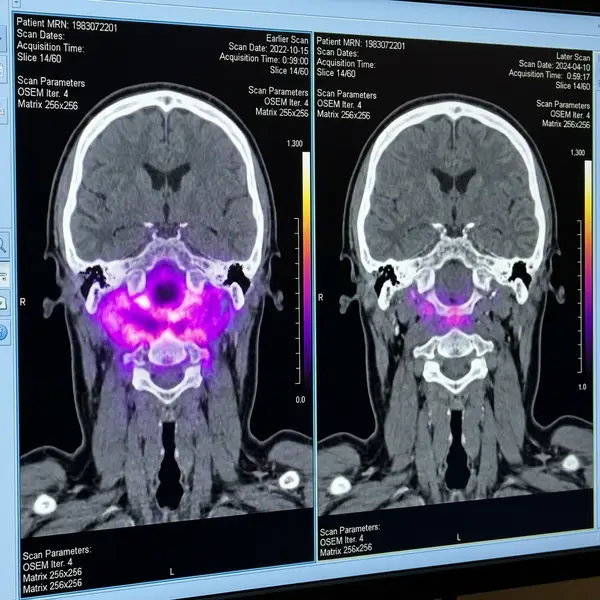
Don't Buy From Amazon
★☆☆☆☆ "No relief. No change in my tinnitus. Nothing. I have somatic tinnitus from neck issues and was hoping this would help with the compression. Felt absolutely nothing. Don't waste your money if you have cervical tinnitus." I wrote that review. About a product I thought was Neckline. If you have somatic tinnitus and have written off cervical traction based on something you bought on Amazon — you may have made the same mistake I made. I've had tinnitus for eleven years. Diagnosed as "incurable neurological tinnitus" by three different ENTs. But the ringing always changed when I moved my jaw or turned my head. And my neck tension had been quietly destroying my quality of life in ways I was too exhausted to keep explaining. My ENT said the neck tension was likely just a consequence of living with chronic tinnitus stress. She prescribed sound therapy and scheduled my next six-month follow-up. Then a colleague mentioned something about neck compression causing tinnitus. Something about her seemed different. Calmer. Less tense in her shoulders. I didn't ask directly but I understood something had changed. She told me she'd been using a cervical traction device. Fifteen minutes a day. Her tinnitus — the ringing she'd had for six years — was almost completely gone. I ordered it that night. From Amazon. Same gray device. Same cervical collar design. Cheaper than the official website. Four stars. I used it for fifteen minutes before bed as directed. Nothing. No warmth. No muscle release. Nothing suggesting the device had reached the compressed structures at the base of my skull. Week two. Nothing. Week four. Nothing. Week six. Done. I examined the device more carefully one evening. The heating elements barely got warm. I held a thermometer against the pads. 92°F. Room temperature coffee. I looked up therapeutic heat penetration requirements. For heat to reach the suboccipital muscles — the deep muscles where cervical compression happens — you need sustained temperatures above 110°F. Anything less only warms the skin surface. The compression at C1-C2 sits deep beneath multiple muscle layers. Surface warmth doesn't reach it. Not only was the heat inadequate. The traction angle was completely wrong. I measured it against a protractor. 15 degrees. Maybe. The clinical research on cervical decompression consistently requires 26-degree traction to create space between C1 and C2 — the exact vertebrae where somatic tinnitus compression occurs. 15 degrees doesn't generate enough posterior shift to decompress those structures. Wrong heat. Wrong angle. For six weeks. It was not a fair test of the mechanism. I left the one star review. Warned others with cervical tinnitus. Moved on. Four months later my colleague asked how my tinnitus was doing. I told her what had happened. She went quiet. Then — "Did you buy it from their actual website?" She held her device next to mine. Hers had thick, medical-grade heating pads that covered the entire occipital ridge. Mine had thin foam pads with barely visible heating wires. She turned hers on. Within two minutes the heat was unmistakable — deep, penetrating warmth. Mine stayed lukewarm even after ten minutes. She showed me the traction angle. Hers locked precisely at 26 degrees with a rigid support structure. Mine flexed and collapsed under even slight pressure. She sent me the official website link that evening. The specifications. 120°F therapeutic heat penetration — clinically proven to reach the suboccipital muscles at the base of the skull. The research on somatic tinnitus and cervical decompression consistently requires deep heat to release chronic muscle tension. Even legitimate cheap Amazon devices typically max out at 95-100°F — well below the penetration threshold. And the angle. Neckline uses medical-grade rigid traction at exactly 26 degrees — the precise angle required to decompress C1-C2 and create space for the vertebral arteries that supply blood to the inner ear. Wrong angle means no decompression. No decompression means the compression causing your tinnitus stays locked in place. Wrong heat. Wrong angle. For six weeks. It was not a fair test of the mechanism. I ordered from the official website that night. The device was noticeably heavier. Medical-grade construction. I positioned it at the base of my skull and turned it on. Within five minutes there was distinct, deep warmth spreading through the muscles at the back of my neck. Not surface heat. Penetrating warmth. And the traction — I could feel the gentle pull creating space where my skull met my spine. Completely different from six weeks of nothing. Within ten minutes the ringing in my left ear — always the loudest — started to fade. Not gone. Just... quieter. Like someone had turned down the volume on a speaker that had been screaming at full blast for eleven years. Week two my morning ringing was consistently softer than my three-year baseline. Still there — but it had moved to the background instead of dominating every waking moment. Week four I slept through the night without my white noise machine for the first time in years. I woke up at 2 AM — my usual spike time — and the ringing was still quiet. I fell back asleep. Didn't wake until morning. Week six my neck tension had released enough that I could turn my head fully to the right without triggering a spike in the ringing. My jaw unclenched. My shoulders dropped. Week eight I sat in a quiet coffee shop and worked for two hours. No earbuds. No background noise. Just silence. The ringing was there. But it wasn't torture anymore. I had not told my husband I was trying anything new. I had told him too many times about too many devices that had not worked. Week nine he said something seemed different. He could not identify what. But he noticed. "You seem calmer. Less tense." Week ten my ENT called me after my routine follow-up. My tinnitus distress scores: down 67% from my baseline. Lowest scores in eleven years. "What changed?" I told her about Neckline. She looked at the research on cervical decompression and somatic tinnitus. She called back two days later. "Your tinnitus wasn't neurological. It was mechanical. The compression at C1-C2 was restricting blood flow to your inner ear and irritating the auditory nerves. You've decompressed those structures. This is exactly what we want to see." I updated my Amazon review. "Update — likely counterfeit listing. Thin foam pads with barely-warm heating elements and incorrect traction angle. Tried the real Neckline from the official website. Medical-grade heating pads with 120°F therapeutic penetration and rigid 26-degree traction. Distinct warmth and gentle decompression within five minutes of the first session. Tinnitus volume dropped by week two — ringing moved to background instead of constant foreground screaming. Neck tension released by week four. ENT confirmed cervical decompression at follow-up and said my tinnitus was mechanical, not neurological. If you felt nothing with cervical tinnitus — check the heat penetration and traction angle. Lukewarm surface heat likely means no decompression." The deep warmth within five minutes is the confirmation. Medical-grade heating pads. 120°F penetration. Rigid 26-degree traction. Warmth that reaches the suboccipital muscles. If you have those four things — you have the real product. Safe with chronic tinnitus and cervical compression. Cervical traction actually addresses the root cause by decompressing C1-C2 and restoring blood flow to the inner ear. 👉 https://neckline-us.com/landing-t 30 days. Money back. No questions.
Loading the ad's image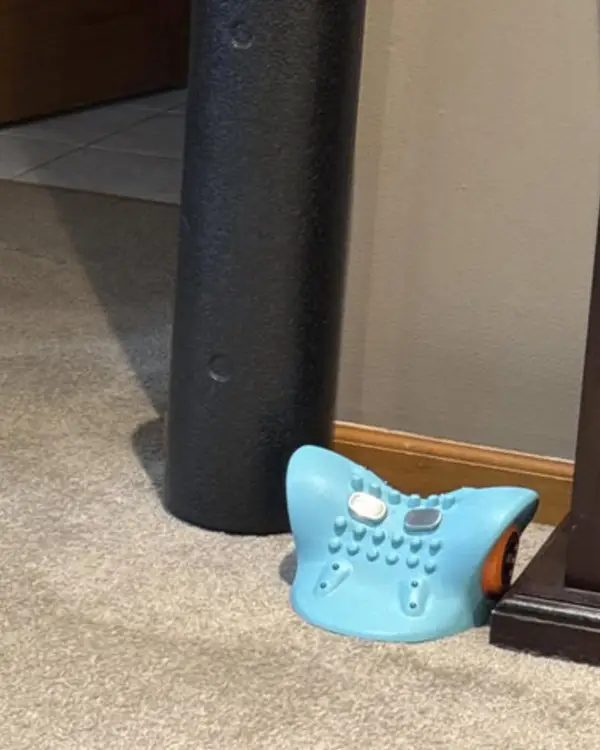
Don't Buy From Amazon
★☆☆☆☆ "No relief. No change in my tinnitus. Nothing. I have somatic tinnitus from neck issues and was hoping this would help with the compression. Felt absolutely nothing. Don't waste your money if you have cervical tinnitus." I wrote that review. About a product I thought was Neckline. If you have somatic tinnitus and have written off cervical traction based on something you bought on Amazon — you may have made the same mistake I made. I've had tinnitus for eleven years. Diagnosed as "incurable neurological tinnitus" by three different ENTs. But the ringing always changed when I moved my jaw or turned my head. And my neck tension had been quietly destroying my quality of life in ways I was too exhausted to keep explaining. My ENT said the neck tension was likely just a consequence of living with chronic tinnitus stress. She prescribed sound therapy and scheduled my next six-month follow-up. Then a colleague mentioned something about neck compression causing tinnitus. Something about her seemed different. Calmer. Less tense in her shoulders. I didn't ask directly but I understood something had changed. She told me she'd been using a cervical traction device. Fifteen minutes a day. Her tinnitus — the ringing she'd had for six years — was almost completely gone. I ordered it that night. From Amazon. Same gray device. Same cervical collar design. Cheaper than the official website. Four stars. I used it for fifteen minutes before bed as directed. Nothing. No warmth. No muscle release. Nothing suggesting the device had reached the compressed structures at the base of my skull. Week two. Nothing. Week four. Nothing. Week six. Done. I examined the device more carefully one evening. The heating elements barely got warm. I held a thermometer against the pads. 92°F. Room temperature coffee. I looked up therapeutic heat penetration requirements. For heat to reach the suboccipital muscles — the deep muscles where cervical compression happens — you need sustained temperatures above 110°F. Anything less only warms the skin surface. The compression at C1-C2 sits deep beneath multiple muscle layers. Surface warmth doesn't reach it. Not only was the heat inadequate. The traction angle was completely wrong. I measured it against a protractor. 15 degrees. Maybe. The clinical research on cervical decompression consistently requires 26-degree traction to create space between C1 and C2 — the exact vertebrae where somatic tinnitus compression occurs. 15 degrees doesn't generate enough posterior shift to decompress those structures. Wrong heat. Wrong angle. For six weeks. It was not a fair test of the mechanism. I left the one star review. Warned others with cervical tinnitus. Moved on. Four months later my colleague asked how my tinnitus was doing. I told her what had happened. She went quiet. Then — "Did you buy it from their actual website?" She held her device next to mine. Hers had thick, medical-grade heating pads that covered the entire occipital ridge. Mine had thin foam pads with barely visible heating wires. She turned hers on. Within two minutes the heat was unmistakable — deep, penetrating warmth. Mine stayed lukewarm even after ten minutes. She showed me the traction angle. Hers locked precisely at 26 degrees with a rigid support structure. Mine flexed and collapsed under even slight pressure. She sent me the official website link that evening. The specifications. 120°F therapeutic heat penetration — clinically proven to reach the suboccipital muscles at the base of the skull. The research on somatic tinnitus and cervical decompression consistently requires deep heat to release chronic muscle tension. Even legitimate cheap Amazon devices typically max out at 95-100°F — well below the penetration threshold. And the angle. Neckline uses medical-grade rigid traction at exactly 26 degrees — the precise angle required to decompress C1-C2 and create space for the vertebral arteries that supply blood to the inner ear. Wrong angle means no decompression. No decompression means the compression causing your tinnitus stays locked in place. Wrong heat. Wrong angle. For six weeks. It was not a fair test of the mechanism. I ordered from the official website that night. The device was noticeably heavier. Medical-grade construction. I positioned it at the base of my skull and turned it on. Within five minutes there was distinct, deep warmth spreading through the muscles at the back of my neck. Not surface heat. Penetrating warmth. And the traction — I could feel the gentle pull creating space where my skull met my spine. Completely different from six weeks of nothing. Within ten minutes the ringing in my left ear — always the loudest — started to fade. Not gone. Just... quieter. Like someone had turned down the volume on a speaker that had been screaming at full blast for eleven years. Week two my morning ringing was consistently softer than my three-year baseline. Still there — but it had moved to the background instead of dominating every waking moment. Week four I slept through the night without my white noise machine for the first time in years. I woke up at 2 AM — my usual spike time — and the ringing was still quiet. I fell back asleep. Didn't wake until morning. Week six my neck tension had released enough that I could turn my head fully to the right without triggering a spike in the ringing. My jaw unclenched. My shoulders dropped. Week eight I sat in a quiet coffee shop and worked for two hours. No earbuds. No background noise. Just silence. The ringing was there. But it wasn't torture anymore. I had not told my husband I was trying anything new. I had told him too many times about too many devices that had not worked. Week nine he said something seemed different. He could not identify what. But he noticed. "You seem calmer. Less tense." Week ten my ENT called me after my routine follow-up. My tinnitus distress scores: down 67% from my baseline. Lowest scores in eleven years. "What changed?" I told her about Neckline. She looked at the research on cervical decompression and somatic tinnitus. She called back two days later. "Your tinnitus wasn't neurological. It was mechanical. The compression at C1-C2 was restricting blood flow to your inner ear and irritating the auditory nerves. You've decompressed those structures. This is exactly what we want to see." I updated my Amazon review. "Update — likely counterfeit listing. Thin foam pads with barely-warm heating elements and incorrect traction angle. Tried the real Neckline from the official website. Medical-grade heating pads with 120°F therapeutic penetration and rigid 26-degree traction. Distinct warmth and gentle decompression within five minutes of the first session. Tinnitus volume dropped by week two — ringing moved to background instead of constant foreground screaming. Neck tension released by week four. ENT confirmed cervical decompression at follow-up and said my tinnitus was mechanical, not neurological. If you felt nothing with cervical tinnitus — check the heat penetration and traction angle. Lukewarm surface heat likely means no decompression." The deep warmth within five minutes is the confirmation. Medical-grade heating pads. 120°F penetration. Rigid 26-degree traction. Warmth that reaches the suboccipital muscles. If you have those four things — you have the real product. Safe with chronic tinnitus and cervical compression. Cervical traction actually addresses the root cause by decompressing C1-C2 and restoring blood flow to the inner ear. 👉 https://neckline-us.com/lstclt2 30 days. Money back. No questions.
Loading the ad's image
Offers, occasions and brand names aren’t listed as products. Winning score (0–100): how long the ad has run (50%), how many people it reached (30%), how many versions the advertiser made (10%) and how often Sniped saw it running (10%). How Sniped scores ads