Baby Bath Support Mat
Did you forget something? Take another look 😍
Loading the ad's image
Advertisers keep paying only for ads that sell. These are the products many of them keep advertising for months, the longest-running ads behind them, and the ads that were switched off early.
Baby Bath Support Mat
Did you forget something? Take another look 😍
Loading the ad's imageYour new favorite thing.
Keno Pouf is designed for lounging, whether it’s you or your pet.
Loading the ad's image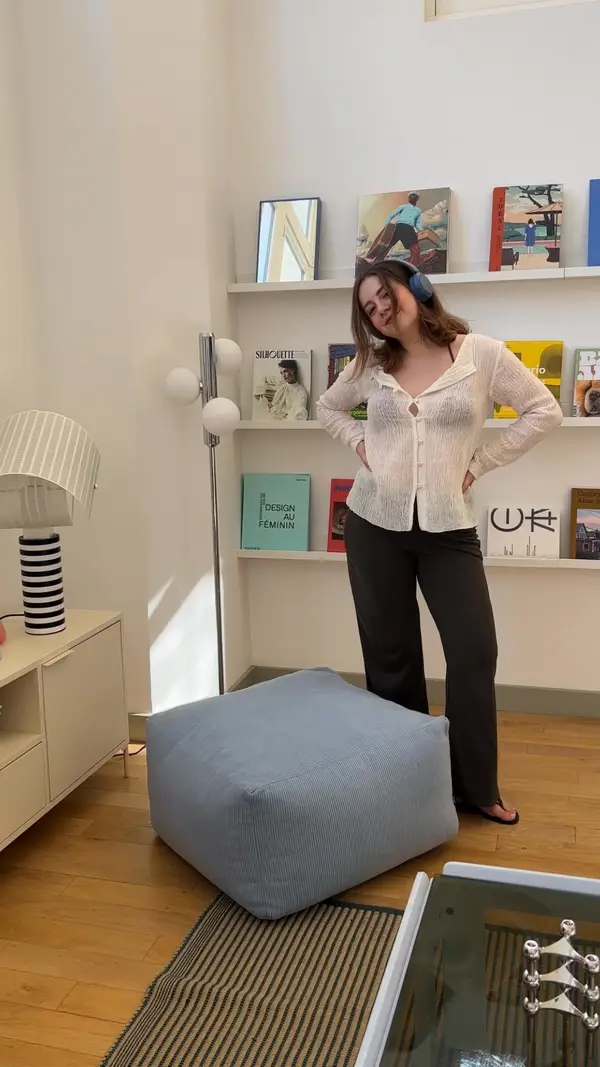
A pouf that always fits
Blends soft shapes with versatile function for any room.
Loading the ad's image
Boucle floor cushion
Select your favourite
Loading the ad's image
NOW 40% OFF!
❗️Is your dog struggling with loose stools?! - Fix it with our vet-approved Vitamin Chews! 🌱 ✅ Six essential health benefits ✅ 100% Science Backed Ingredients ✅ Vet formulated Give them the gift of a happy, healthy life - Buy now with 40% off!
Loading the ad's image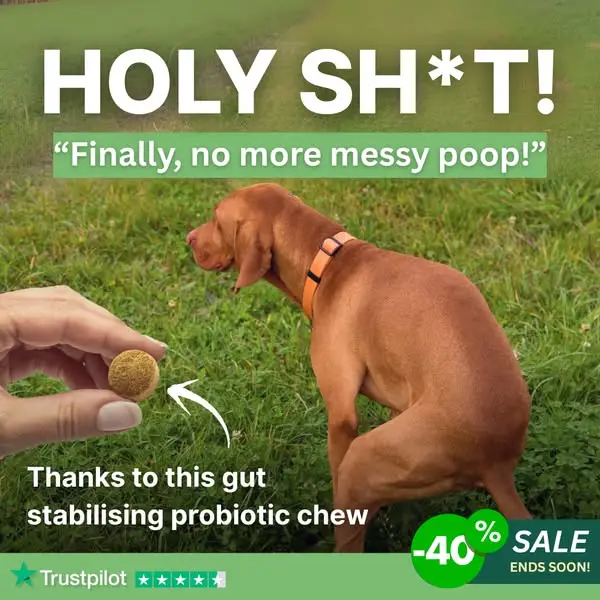
More color, more joy, more of everything please 🌈💘 #lamp #lampdesign #lampshades #lampshade #lampwork #lampen #lampenliebe #lampenschirm #lampandlight #ceilinglamp #lámpa
Loading the ad's image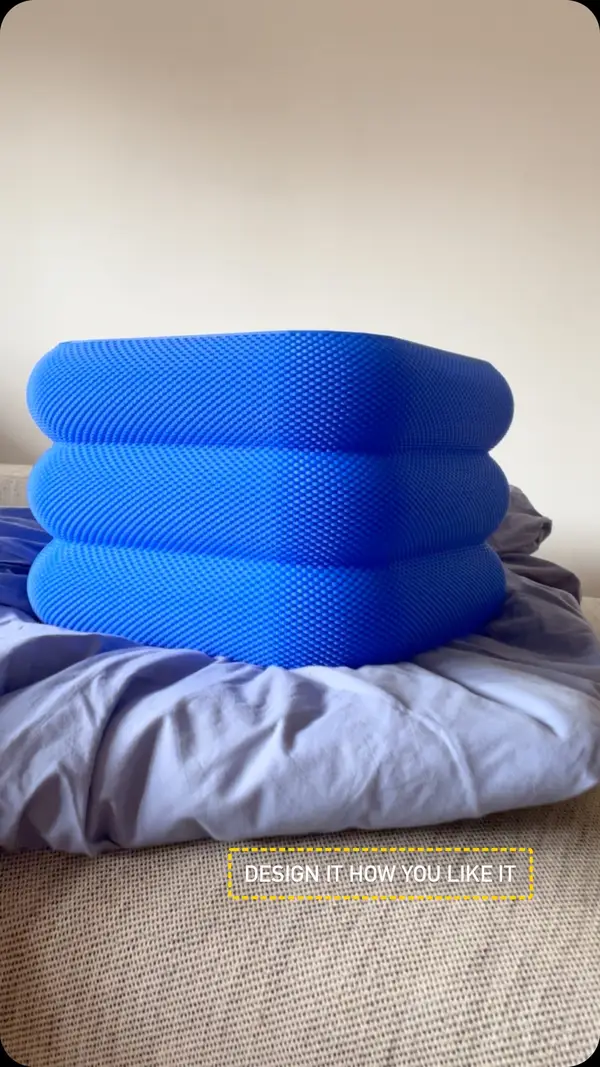
A few of our latest bed deliveries completed in Bettystown — comfort and style sorted from top to bottom.🏡👌 👉 Respa 2000 Pocket Harmony Mattress • Base with 2 drawers • 27” panel headboard in Wool Steel 👉 Pearl 1000 Pocket Mattress • Base with 21” panel headboard in Ebony 👉 Cashel 2000 Pocket Mattress (Pillow Top) • Ottoman base • Full-height Florence headboard in Naples Cream Quality sleep, tailored to suit every home 👌 Looking for beds, flooring or blinds? We make it easy: • Samples brought to your door • Accurate measurements • FREE, no-obligation quote 📞 087 794 7086 | 041 981 3817 💬 Message us on Facebook 🌐 coastalcarpets.ie
Loading the ad's image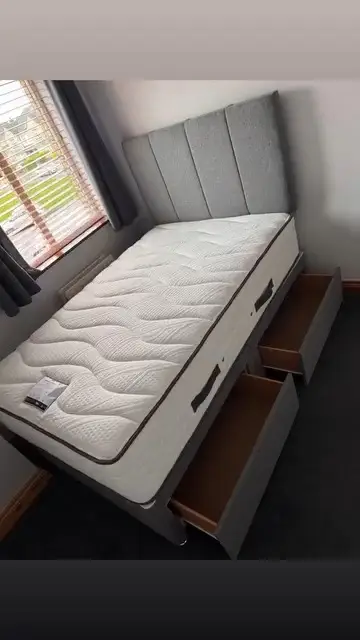
77% of dogs with "sensitive stomachs" have this gut issue. Three veterinarians discovered what the pet food industry has been hiding from dog owners for years.
Three dogs last month. Same story. Same outcome: years of diarrhea, thousands spent on prescription food, and owners who were told "some dogs just have sensitive stomachs." Dr. James Carter noticed the pattern first. He pulled me and Dr. Rachel Moore into his office and laid out three files on the desk. "Look at the food history." Every single dog: chronic diarrhea for over a year. Every single dog: tried grain-free, limited ingredient, hydrolyzed protein, prescription Hill's i/d, raw feeding. Every single dog: bloodwork came back "normal" — but the diarrhea never stopped. Dr. Moore looked up. "What if we've been telling owners to fix the wrong thing?" That question led to a six-month investigation that uncovered something the pet food industry has been hiding from veterinarians and dog owners for years. My name is Dr. Patricia Wells, DVM. Along with Dr. James Carter and Dr. Rachel Moore, we've collectively treated over 31,000 dogs at Lakeview Animal Hospital. And here's what we found. It started with a dog named Dexter. His owner, Mark, had spent $5,400 on vet visits, prescription food trials, probiotic supplements, and specialist consultations. Tried every dietary protocol we recommended. Couldn't get Dexter through a single week without accidents in the house and diarrhea on every walk. Everything came back normal. But Dexter kept getting worse. Dexter was a 3-year-old Labrador. Perfect weight. No parasites. No IBD on ultrasound. Fed premium prescription food, given probiotics daily, walked on a strict schedule. But he had diarrhea. Every single morning. Sometimes twice. Mark had tried everything we suggested: grain-free diet, then grain-inclusive. Novel protein — duck, venison, rabbit. Hydrolyzed protein. Raw feeding. Homemade food. Back to prescription Hill's i/d. Nothing worked for more than two weeks. He added pumpkin to every meal. Bone broth. Digestive enzymes. FortiFlora every morning. The FortiFlora helped for about ten days. Then it stopped working entirely. Mark sat in our office six months ago, exhausted. "I've tried every food at the pet store. I've tried everything you've recommended. My vet says his bloodwork is normal. But he has diarrhea every single day. Is this just his life?" That's when Dr. Carter suggested something none of us had done consistently in our combined 38 years of practice. We ran a gut microbiome analysis and intestinal permeability test on Dexter's stored stool sample. The result: severely damaged gut lining. Intestinal permeability index: 9.1 out of 10. Postbiotic metabolite levels: critically depleted. The three of us sat in the break room that night, staring at those numbers. Dr. Moore spoke first. "We've been telling him to change the food. But the gut lining is so damaged it can't absorb any food properly." Because we finally understood what was happening. Here's what they don't teach you in vet school: Over 77% of dogs diagnosed with "sensitive stomachs" or "food allergies" have damaged gut lining and critically low postbiotic metabolite production — not a food intolerance. Not severe enough to show on bloodwork. Not bad enough to appear on standard stool tests. But damaged enough to cause exactly what we were seeing in Dexter: chronic diarrhea that no food change will ever fix. When a dog's gut lining is damaged, the intestinal barrier breaks down. Because the gut lining is supposed to absorb nutrients and block toxins — but a damaged lining does neither properly. Without a healthy gut lining → nutrients pass through unabsorbed → inflammation spreads → intestinal motility disrupts → chronic diarrhea. It's not the protein source. It's not the grain content. It's not a food quality issue. It's a gut lining dysfunction — and changing kibble will never fix damaged tissue. And here's the nightmare part: Standard vet diagnostics don't test gut lining integrity. Most vets never check it. And by the time digestive symptoms appear, your dog's gut has been compromised for months or even years. But it gets worse. Even if your dog is on prescription GI food — even the most expensive hydrolyzed diet — it still might not be working long-term because: Prescription food reduces the digestive load. It doesn't heal the damaged lining that's causing the problem. Hill's i/d and Royal Canin GI are designed to be easy to digest. But a critically damaged gut lining can't properly absorb even the simplest food. Which is why dogs improve slightly, then plateau — or relapse the moment you reintroduce normal food. Probiotics aren't enough. Probiotics are live bacteria. But if your dog's gut lining is already compromised, those bacteria can't colonize properly. That's why FortiFlora worked for ten days and then stopped. The lining was too damaged to support lasting colonization. Pumpkin and bone broth manage symptoms. They don't rebuild tissue. Fiber slows transit time. It doesn't repair intestinal permeability. Which is why pumpkin helps a little — but never actually solves it. Chronic diarrhea destroys gut health further — and dogs with damaged gut linings live in a worsening cycle. Every loose stool causes more inflammation. More inflammation damages the lining further. A more damaged lining absorbs less. Less absorption means more diarrhea. Your dog's diarrhea doesn't start with the food. It starts with the gut lining. And the food changes you've been making — no matter how premium, how "GI-specific," how "vet-formulated" — aren't addressing the root cause. So the lining stays damaged. Which means nutrients keep passing through. Which means the diarrhea continues. Every day. Every walk. Every embarrassing accident. And you blame the food. You try different proteins. You spend hundreds on prescription diets that help slightly but never actually solve it. Because nobody is checking the one thing that actually matters. After Dexter's case, we made a decision as a team. For the next six months, we would test the gut lining integrity of every single dog that came through our clinic with chronic diarrhea, soft stool, or "sensitive stomach" diagnosis. Dr. Carter handled the testing protocols. Dr. Moore compiled the data. I followed up with every case. We tested 84 dogs. 65 had significantly damaged gut lining and critically depleted postbiotic metabolite production. That's 77%. These weren't dogs eating cheap grocery store food. These were dogs on prescription hydrolyzed diets, taking daily probiotics, seeing internal medicine specialists. It didn't matter. Across the board: dogs on long-term prescription GI diets had some of the most damaged gut linings we'd ever seen. Because here's the cruel irony: Prescription GI food reduces symptoms. It doesn't heal the gut lining causing them. You're spending $80-120 per month on food specifically designed to help digestion. But it's not fixing the system that's actually broken. If your dog shows ANY of these signs, they likely have gut lining damage right now: → Diarrhea or soft stool daily or multiple times per week → Mucus in stool regularly → Probiotics that worked briefly then stopped → Prescription food that helps but never fully resolves it → Accidents in the house despite being house-trained for years → Diarrhea immediately when stressed or on walks → Bloodwork "normal" but dog clearly not normal → Changed food multiple times with only temporary improvement → Pumpkin or bone broth helps slightly but never solves it The diarrhea isn't the disease. It's a warning sign that your dog's gut lining is damaged. And if you don't fix the root cause, the damage accumulates. A more damaged lining means worse absorption. Worse absorption means more diarrhea. More diarrhea means more inflammation. The cycle gets worse, not better. After discovering how widespread the gut lining damage was, we thought the hard part was over. Just give probiotics, right? We were wrong. Dr. Moore took the lead. She ordered every gut health supplement available for dogs. Fourteen brands. All claiming to be "science-backed" and "vet-formulated." She sent them all to an independent lab for testing. What came back made all three of us furious. FortiFlora (Most prescribed by vets): Probiotic-only formula. No postbiotic content. Cannot repair gut lining tissue. Explains temporary improvement followed by plateau. Purina Pro Plan Veterinary Probiotic ("Clinically Proven"): Live bacteria only. No postbiotic metabolites. In a dog with damaged gut lining, these bacteria cannot colonize — they pass through. Zero lasting benefit. Zesty Paws Probiotic Bites ("Best Seller on Amazon"): Tested positive for inactive bacterial strains — the probiotics were dead before the bottle was even sealed. We'd been recommending supplements to clients that were either mislabeled, dead on arrival, or missing the one compound that actually heals gut lining tissue. We felt like we'd failed them all over again. Dr. Carter spent two months calling manufacturers, demanding Certificates of Analysis, postbiotic content documentation, gut lining repair research. Most wouldn't return his calls. Then we found CalmAxis. When Dr. Carter called them, something was different. They answered. Immediately. He asked for their Certificate of Analysis. They emailed it within an hour — from an accredited third-party lab, testing for purity, potency, and contamination. He asked about their formulation. They explained: postbiotics, not just probiotics. The actual beneficial metabolites and compounds that healthy gut bacteria produce — including short-chain fatty acids that directly repair intestinal lining tissue, delivered without needing colonization first. He asked for batch testing. They provide it for every single batch. He asked specifically about gut lining repair. They walked him through the mechanism: how postbiotic short-chain fatty acids feed colonocytes — the cells that make up the gut lining — and restore barrier integrity from the inside. They were the only company that could answer every single question. So we ordered a jar and Dr. Moore sent it to the same independent lab. The results: ✅ Postbiotic content matched label claims — over-delivered by 3% ✅ Short-chain fatty acid profile confirmed (butyrate, acetate, propionate) ✅ Zero heavy metal contamination ✅ No fillers, no binders, no artificial ingredients ✅ Pharmaceutical-grade purity We'd finally found it. And here's what happened with Dexter. Mark started him on CalmAxis eight months ago. Week 2: First formed stool in over a year. Week 3: Diarrhea down to once every few days instead of every morning. Week 4: Two consecutive solid walks with no accidents. Week 6: Mark stopped carrying emergency cleaning supplies on walks for the first time in 18 months. Week 8: Mark sent me a message. "Dr. Wells, Dexter hasn't had an accident in the house in three weeks. His stool is completely normal. I took him to the dog park yesterday for the first time since this started. I can't believe it was the gut lining the whole time." His follow-up gut analysis at three months: intestinal permeability index 2.3. Postbiotic metabolites: normal range. The only thing that changed? His gut lining could finally absorb nutrients and maintain barrier integrity properly. We've now put over 760 dogs on this protocol across our three practices. 88% show measurable improvement in stool consistency within 21 days. Amanda's dog Benny, 4-year-old French Bulldog: "Benny had soft stool every single day for two years. Tried four different prescription foods, three probiotics, digestive enzymes. Nothing lasted more than two weeks. Three weeks on CalmAxis, his stool was completely normal. It's been five months. I genuinely couldn't believe it." Thomas's dog Sadie, 7-year-old Golden Retriever: "Vet said 'some dogs just have sensitive stomachs.' She had diarrhea every morning for three years. Started CalmAxis, week two her stool was already firming up. Month two, completely normal. I wish I hadn't spent two years changing her food." These aren't miracles. This is simply what happens when you repair the gut lining — and give the intestinal tissue the postbiotics it needs to rebuild. You don't need to keep changing the food. You don't need another prescription diet. You don't need to carry cleaning supplies on every walk. Postbiotics aren't a drug. They're the beneficial compounds a healthy gut naturally produces to maintain its own lining. You can start today. If your dog has chronic diarrhea or soft stool, their body is already telling you something is wrong. Each loose stool damages the lining further. Each food change treats the symptom without touching the cause. The cycle gets worse, not better. Mark spent $5,400 over 18 months changing food that was never the problem. Because nobody checked Dexter's gut lining until we did. The only brand the three of us trust after testing them all: CalmAxis. Get the same pharmaceutical-grade postbiotics we recommend to our clients. Most dogs show noticeable improvement within 2-3 weeks. 👉 trycanislabs.com/products/calmaxis-chews P.S. If your dog still has diarrhea despite prescription food and probiotics, you're not dealing with a food intolerance. You're dealing with damaged gut lining that food changes were never designed to repair. Every month on prescription food alone, the underlying damage gets worse. The longer you wait, the more lining damage accumulates. P.P.S. None of us get paid by CalmAxis to recommend this. We recommend it because after testing 14 major gut health supplements on the market, they're the only ones with the postbiotic profile that actually repairs gut lining tissue. After our combined 38 years and 31,000+ dogs at Lakeview Animal Hospital, we've finally found something that fixes the root cause. Your dog deserves that.
Loading the ad's image
B-STYLE Boarding School Juliet Hasuki Komai Bunny Ver. 1/4 Complete Figure
Discover Bunny Girl Style Figures at animota. Our store ships directly from Japan, bringing you authentic anime figures and collectibles you won’t easily find elsewhere. Build your collection with beautifully designed bunny girl figures from your favorite anime characters. Enjoy special discounts when you purchase multiple items. Start exploring our Bunny Girl collection today. Thank you for reading this article. #BunnyGirl #BunnyGirlFigure #AnimeFigures #AnimeCollectors #AnimeMerch #AnimeCollection #OtakuCollection #FigureCollector #AnimeStyle #animota
Loading the ad's image
Score 62Started 7 months ago
Faux Leather Counter Height Bar Stool Brown
🔥Hottest on Trend Designs at Everyday Low Prices ✅ FREE Shipping & Free Returns 🙌 ✅ 10,000+ 5 ⭐️ Reviews ✅ Lifetime Warranty 🏆
Loading the ad's image
Zato Thai Cuisine And Sushi
Restaurant
Loading the ad's image
UP TO 50% OFF
Here’s why over 87,000 customers endorse Aimerla kneeler Seat: ✔️ Painless kneeling with widened Thick Kneeling Pad ✔️ Patented design supports easy transition from kneeling to standing ✔️ Durable construction ensures it lasts season after season ✔️ Lightweight & foldable for easy storage ✔️ Versatile design doubles as a garden stool ✔️ Lifetime Warranty ✔️ Free Shipping Get up to 50% off best-selling garden kneelers and discover why over 57,000 customers have made this their go-to gardening tools Order now --> https://aimerlallc.com/pages/evergreen1
Loading the ad's image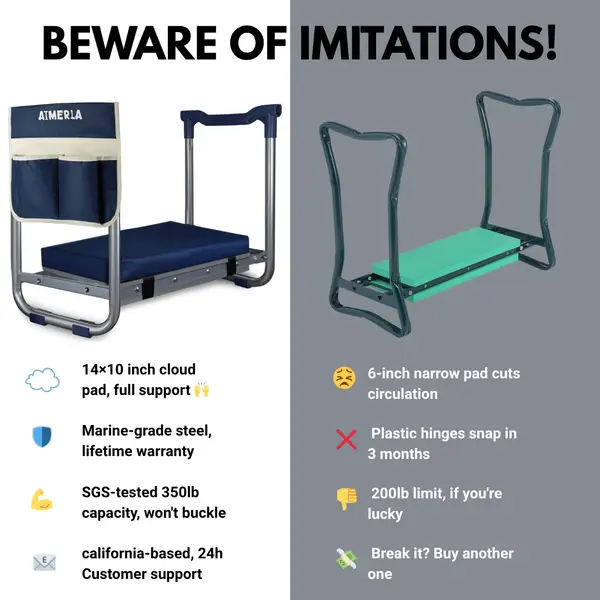
How I discovered the cause of my potty training issues...
My daughter will pee in the potty but refuses to poop anywhere but her diaper So I tried these 3 things and she was fully trained in 3 weeks I am a 33f, stay-at-home mom. The pee part was hard but we got there in the end. Now she would holds her poop all day until I put a diaper on for nap or bedtime. It was so frustrating because we were so close but couldn't finish. So I tried these tips that finally worked. Hope it helps. Get a potty stool for the toilet so their feet are flat. Their knees need to be higher than their hips to relax the right muscles. This position makes pooping physically easier - when their legs dangle they literally can't relax enough to go. Have them blow bubbles while sitting on the toilet. I know this sounds weird but an OT told me that blowing through a straw or blowing bubbles activates the same pelvic floor muscles as pooping. When they blow hard it naturally makes their body push. Use training pants instead of diapers. Diapers block the feeling completely - they absorb in seconds so kids never feel uncomfortable. If pooping in a diaper feels fine they'll keep asking for one. Their brain needs that feedback to learn. I've been using UpAiry training pants all day and for naps because they let her feel the wetness and mess immediately instead of absorbing it away, but they contain it so there's no huge cleanup. I was worried about poop accidents but honestly it wasn't as bad as I thought. And yes she finally started pooping on the potty within a week once she couldn't request a diaper anymore. The discomfort from feeling it in the training pants made her not want to do that again. All three of these together and she was fully trained including poop in about 3 weeks. I've also tried rewards and bribes for pooping which worked once or twice but didn't break the habit of asking for a diaper. So yeah I 100% recommend the following steps above, and if you want to try these training pants, use this link because of a bigger discount
Loading the ad's image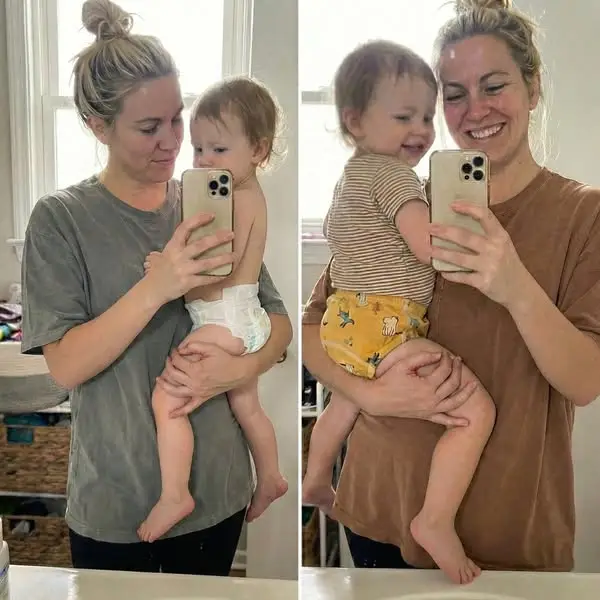
How I discovered the cause of my potty training issues...
**Please STOP using diapers when potty training your toddler.** I know that sounds backwards, but every time you tape one onto your three-and-a-half-year-old, or tell yourself "she'll get it when she's ready," You might be using the one thing that's making it impossible for her to learn. I used to do the same thing. Asking "do you need to go potty?" twelve times a day and getting the same blank stare every single time. Watching her pee in a diaper, then two minutes later ask to go to the bathroom to wash her hands. Like the connection just wasn't there. Changing her right before we left the house. Getting to Target. Walking in. "Mama, I need a change." Every single time. Going up a diaper size. Then another one. Watching her outgrow 4T clothes while still in overnight diapers during the day. She turned four in March. Four years old. Still in diapers. All day, every day. My younger sister's kid trained at two and a half. My neighbor's twins trained at three. Every kid at the playground was in underwear except mine. And the preschool I'd already paid the deposit for? They called six weeks before start date. "We saw on the intake form that she's not fully trained yet. Our program requires—" I cut her off. "She'll be ready. I promise. We're working on it." But I didn't promise her. I begged her. Because I had no idea how I was going to make that happen in six weeks when we'd been trying for ten months. We'd tried everything. The three-day method. Twice. Both times ended the same way—day three, still having six accidents a day, me cleaning pee off the couch at 9pm then putting her back in diapers. By day four because I physically couldn't keep doing it. The sticker charts. The rewards. The potty watch that played a song every thirty minutes. The books where the characters go on the potty and everyone claps. None of it worked. She'd sit on the toilet for twenty minutes, get up, and pee on the floor five minutes later. I bought the fancy wooden potty. The padded seat that goes on the big toilet. The step stool. The flushable wipes. The underwear with her favorite characters. You name it, we've tried it... She wore the underwear exactly once. Had three accidents in two hours. Looked at me and said, "I want my diaper back." My husband asked one night, after I'd changed the sheets for the third time that week, "Is this normal? Should we be worried?" I didn't know. I told him some kids just take longer. That's what everyone says, right? She won't go to college in diapers. She'll get it when she's ready. But she was four. And she wasn't getting it. And preschool started in six weeks. And I was changing twelve diapers a day on a kid who could write her own name and count to fifty. I made an appointment with her pediatrician. Told her everything. She checked her over. "Physically, everything's normal," she said. "Just keep being consistent. She'll get there." But consistent with what? We'd been doing the same thing for ten months. If it was going to work, wouldn't it have worked by now? I left that appointment and felt SO defeated. Not because she said anything wrong. But because I'd hoped she'd tell me what I was doing wrong so I could fix it. Two weeks later I was at a birthday party. Another mom mentioned her son had just trained. He was three and a half. I asked her, trying to sound casual, "What did you end up doing that worked?" She told me she's a pediatric occupational therapist and works with kids on developmental milestones all day. Even she'd struggled with her own son until she understood what was actually blocking him. She said most kids can't train in diapers because diapers are designed to pull wetness away from the skin. They're supposed to keep kids dry. That's the whole point. But kids learn by feeling wet. By not liking it. By their brain connecting "I peed" with "I feel uncomfortable now." Diapers erase that entire signal. The absorbent core pulls the liquid away in seconds. Kids pee, stay dry, keep playing - their brain never makes the connection. She said that's why so many potty training methods don't work. For most toddlers, you're supposed to go straight to underwear, but then you're cleaning puddles off your floor eight times a day and it feels impossible. So you go back to diapers. And then you're stuck. Because in diapers, they'll never feel the discomfort they need to learn. She told me about training pants she'd used. Not diapers. Not regular underwear. Something in between. They let kids feel the wetness—actually feel it against their skin—but had enough protection that accidents didn't destroy your furniture. Her son had started telling her when he needed to go within four days. Not because of rewards. Not because of stickers. Just because he didn't want to feel wet. The brand was UpAiry. I ordered them that night. Six weeks until preschool. If they didn't work, I'd have to withdraw her and lose the deposit. But what else was I going to do? Day one, I put them on her after breakfast. 10am, she had an accident. Stopped playing, looked down, pulled at the waistband. "I'm wet," she said. She'd never said that before. Not once. Not in ten months of accidents. She'd pee in a diaper and keep playing like nothing happened. An hour later, she walked into the kitchen and said, "I need to go potty." Ran to the bathroom. Pulled them down herself. Went. I stood in the doorway staring at her. Day two, three accidents. But she told me about all three. Felt them, didn't like them, came and found me. Day three, two accidents. Both times she made it halfway to the bathroom before it happened. Day four, she made it to the toilet every time except once during outside play. Week two, we left the house in them. Target. The park. Playdate. She told me every single time. Four weeks in, I bought regular underwear. But she still loves to wear her training pants. She's been in underwear for two weeks now. She tells me when she needs to go. She goes by herself. She washes her hands after. The box of diapers under her changing table is still sitting there. I keep thinking I should give them away. I know we won't go back to them but I'm scared ya know? Preschool starts in one week. When they ask if she's fully trained, I get to say yes. Not because I became more consistent. Not because she suddenly "got ready." Not because we found the right reward chart. Because we stopped using the one thing that was preventing her from learning. I'm not saying every kid who's still in diapers has the same problem. But if you've been trying for months with no progress, or you're facing a preschool deadline, or you're watching other kids the same age move on while yours stays stuck— Maybe it's not that they're not ready. Maybe it's that diapers are erasing the feedback they need to figure it out. The training pants I used are called UpAiry. They're designed to let kids feel wetness without making you clean puddles off your floor six times a day. My daughter puts them on herself every morning. That's it. And she's trained. Four weeks from "I want my diaper back" to using the toilet independently. If you're reading this and you're still buying diapers, still doing the same thing that isn't working, still hoping something will just click one day. You don't have to keep waiting. You don't have to miss the preschool deadline. You don't have to watch them turn four, then four and a half, still in the same place. I thought we'd be buying diapers until kindergarten. That this was just how it was going to be. And then in four weeks, we were done. Click below to learn more about what worked for us, and why letting her actually feel it changed everything. You don't have to wait another six months. You just have to stop erasing the signal they need to learn.
Loading the ad's image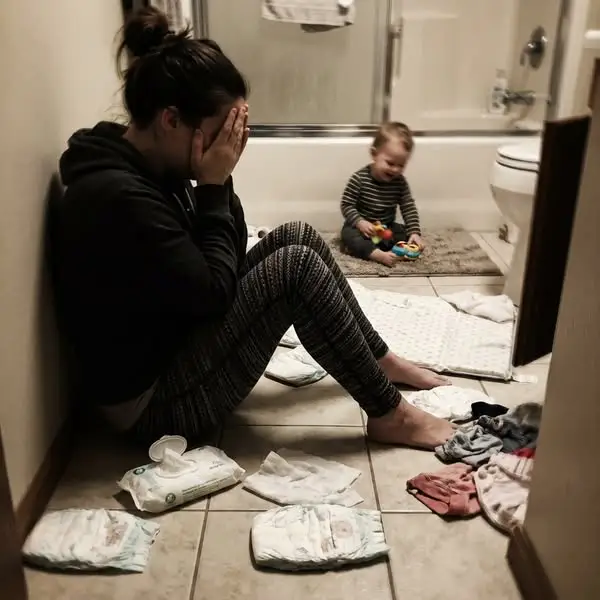
Score 54Started 10 months ago
Ottoman L black with black fringes Frin
From refined tableware to iconic design pieces — rediscover the Serax items that first caught your eye.
Loading the ad's image
Up To 75% OFF!
🏠 Attention Nottingham Homeowners! 🏠 Let us transform your kitchen into a masterpiece! We're offering you a staggering discount with up to 75% OFF your brand new bespoke kitchen when you let us showcase it online. We're your trusted local experts, renowned for quality craftsmanship, competitive pricing, and a reputation you can count on. We specialize in creating bespoke kitchens tailored to your unique vision, just like we did for Alison. With our in-house installation service and extensive selection of 400+ styles, your dream kitchen is well within reach. Click the Get offer button to fill in a quick form, and we'll be in touch soon to arrange your free in-home design consultation and no-obligation quote!
Loading the ad's image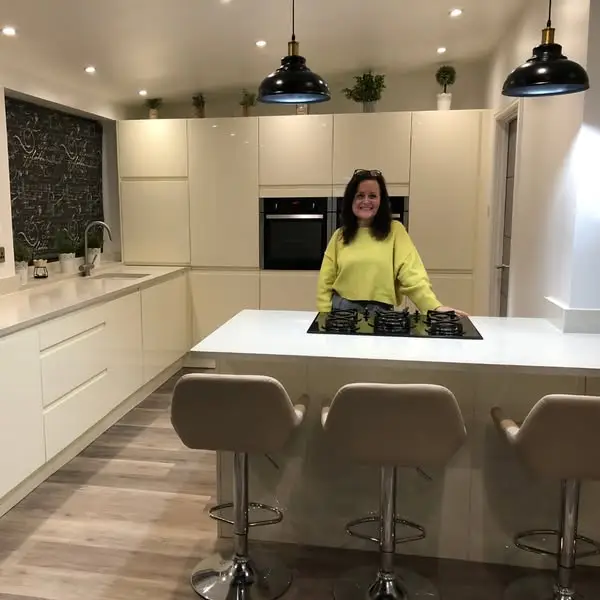
How I discovered the cause of my potty training issues...
My son can EXPLAIN what the potty is for but has never once told me he needs to go. He's almost 4. How does he understand it but not feel it?? We've been trying to potty train him since just before he turned 2. He doesn't resist. He's not scared of the potty. He'll happily sit on it if I ask him to. He understands the concept. H e can explain it back to me. He knows pee goes in the potty. But he never feels it coming. He'll be standing right next to me, mid-conversation, and just pee. Doesn't flinch. Doesn't pause. Doesn't look down. Half the time he doesn't even know until I point it out. I'll say "buddy, you're wet" and he looks at me like I just told him something brand new. He's not being defiant. He's not holding it. He's not choosing to ignore it. He just doesn't feel it happening. I've tried the 3-day method. Twice. Sticker charts. M&M rewards. Timers every 15 minutes. Sitting him on the potty after meals, after naps, after drinks. Taking him with us to the bathroom so he can watch and learn. He goes when we sit him there sometimes. But he NEVER goes on his own. Never once has he stopped what he's doing and said "I need to go." Not one time in over a year and a half of trying. His pediatrician said he's fine developmentally. Said some kids just take longer. Said to be patient. But we're going on a year of this. At what point does "be patient" stop being advice and start being a brushoff? I see kids a full year younger than him at the playground in underwear. His cousin trained at 2 in a weekend. A WEEKEND. I'm not comparing to be dramatic. I'm comparing because something feels off and nobody can tell me what it is. What am I missing? Is there something wrong with him that nobody's catching? Or is this really just "normal" and I need to wait? Because I don't know how much longer I can do this. _________ UPDATE: Ok. I need to come back to this post because something happened this week and I think every parent in this thread needs to hear it. First — thank you to everyone who commented. I read every single one. A lot of you are dealing with the same thing which honestly made me feel less alone but also made me realize this is way more common than anyone talks about. But one comment changed everything for me. A woman DM's and said she'd been an early childhood educator for over a decade. She said she'd seen hundreds of kids go through potty training and the thing I was describing — the "not knowing" — she saw it all the time. And she said it's not behavioral and it's not developmental. It's sensory. She explained it like this and I swear it was like someone turned a light on in a dark room. When babies wear diapers from birth, the diaper absorbs everything instantly. The skin never stays wet. The brain never gets feedback that anything happened. So over time, the brain starts filtering out the sensation of peeing altogether. It's the same way you stop feeling your socks on your feet ten minutes after you put them on. Your brain decides that sensation isn't important anymore and stops registering it. By the time a kid is 2, 2 and a half, 3 — if they've been in diapers the whole time — that filter is strong. Really strong. Years of the brain practicing ignoring a signal that never once produced any feedback. And that's exactly what I've been watching with my son. He's not ignoring the signal. His brain has erased it. He literally cannot feel it. That's why he pees and doesn't react. That's why he can sit on the potty and "try" and nothing happens, then pee two minutes later standing in the kitchen. His brain isn't sending him the signal that says "you need to go." And here's the part that made me actually angry. She said disposable training pants do the EXACT same thing as diapers. They absorb just as fast. To the brain, there is no difference between a Pampers diaper and a Pullup. None. So every time I switched him to them thinking I was making progress, I was giving his brain the same product in different packaging. The filter was still running. The signal was still being erased. I looked this up after her comment and she's right. In the 1950s, 92% of kids were potty trained by 18 months. Ninety-two percent. Because cloth diapers stayed wet. The brain always got the feedback. Kids felt it, didn't like it, and learned to prevent it. Then disposable diapers came along. The average training age nearly doubled within one generation. Kids didn't change. Parents didn't change. The product changed. And nobody talks about it because there's a $78 billion diaper industry that benefits from parents training later rather than sooner. So here's what she recommended. She said I needed to get him out of anything that absorbs instantly and into training pants that let him actually feel the wetness against his skin. Not regular underwear. She said she'd seen parents try that and it creates a different problem. The mess stresses the kid out and the parent has to mop up every 30 minutes. Real training pants. Ones with a layer that stays wet long enough for the brain to register it, then an outer layer that catches everything. She specifically mentioned UpAiry training pants. Said they have a Feel & Learn technology designed to do exactly this. She'd seen dozens of kids in her daycare switch to them and said the awareness shift usually started within the first few days. I was skeptical. Honestly. Because at this point I've spent money on every method, every book, every product that promised results. But the science made sense. For the first time in almost two years, someone explained WHY nothing was working. Not "be patient." Not "he'll get there." An actual reason. So I ordered them because why not?? They arrived Thursday. I put them on him Friday morning. By 10 AM he was playing with his trains on the living room floor. And he stopped. Looked down. Then looked at me. "Mommy. I'm wet." I cannot explain what that sentence did to me. Eighteen months. Eighteen MONTHS of trying. And he has never once told me he was wet. Not one time. I knelt down and said "You're right, buddy. You are. Can you feel it?" He nodded and said "I don't like it." He felt it. And he didn't like it. And he TOLD me. On the first day. He had three accidents that day. He noticed every single one. Every single one he stopped, looked down, and told me. That has never happened before. Not once in eighteen months. By Monday he had started pausing mid-pee and running to the bathroom. Not every time. But he was catching it DURING instead of after. His brain was starting to connect the sensation to the action in real time. By Wednesday of the second week he was going on his own. Walking to the bathroom without me saying anything. No timer. No prompt. He'd just get up and go. I stood in the hallway and watched him walk in there by himself and close the door and I had to put my hand over my mouth. A year of thinking something was wrong with him. A year of hearing "be patient." A year of watching him pee without knowing and wondering what I was doing wrong. And it wasn't him. It wasn't me. It was the thing he'd been wearing since birth doing exactly what it was designed to do. Absorb fast enough that his brain never learned what the sensation meant. We're in week three now. He's had two accidents in five days. Both times he caught it immediately and ran to the bathroom to finish. He's so proud of himself. He told his grandma on the phone last night "I go potty now." I'm done!!! --- EDIT 2 - ONE LAST UPDATE I'm coming back to this post one more time because I've gotten over 40 messages from parents asking what I used and where to get them. Here's the link: https://www.upairy.com/pages/training-underwear These are the UpAiry ones with the Feel & Learn technology. The ones the educator recommended. I have nothing to do with this company. I'm just a mom who spent almost two years trying everything and nobody, not my pediatrician, not Google, not a single parenting book, told me the actual reason my son couldn't feel it. If your kid is like mine, knows what the potty is for, isn't scared, isn't resistant, but just doesn't feel it happening. This might be the missing piece. The problem isn't your child. The problem isn't your method. It might just be what they're wearing.
Loading the ad's image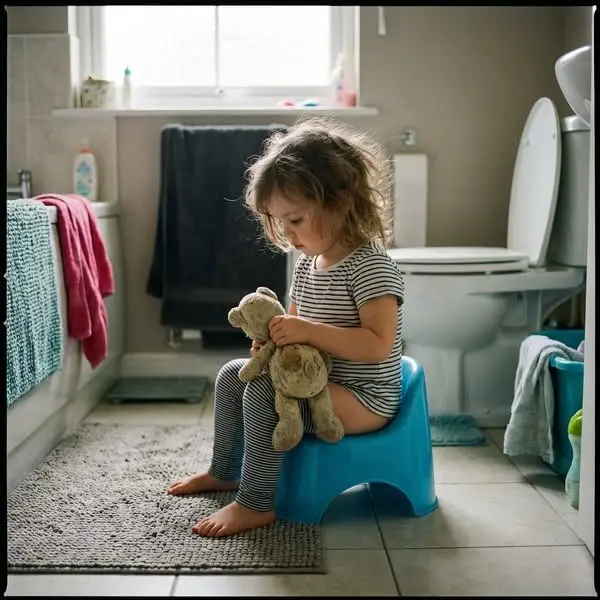
Score 53Started 9 months ago
Washable seating, Italian leather, brass details…a stool designed for real life 🤌🏻 The Avon counter stools by @denver_modern has everything I love in one design. Italian leather that softens with time, sturdy brass pin detailing, a solid wood frame, and a removable seat pad that makes easy to clean. The perfect mix of luxury and real-life practicality. I have them in Oat Woven Seat / Maple Brown Leather Back / Walnut Frame 🤎 and they come in 8 different cover materials. 🔗 Comment SHOP below to receive a DM with the link to this post on my LTK ⬇ https://liketk.it/5B8fa #liketkit #counterstools #neutralhomedecor #mydenvermodern #ad
Loading the ad's image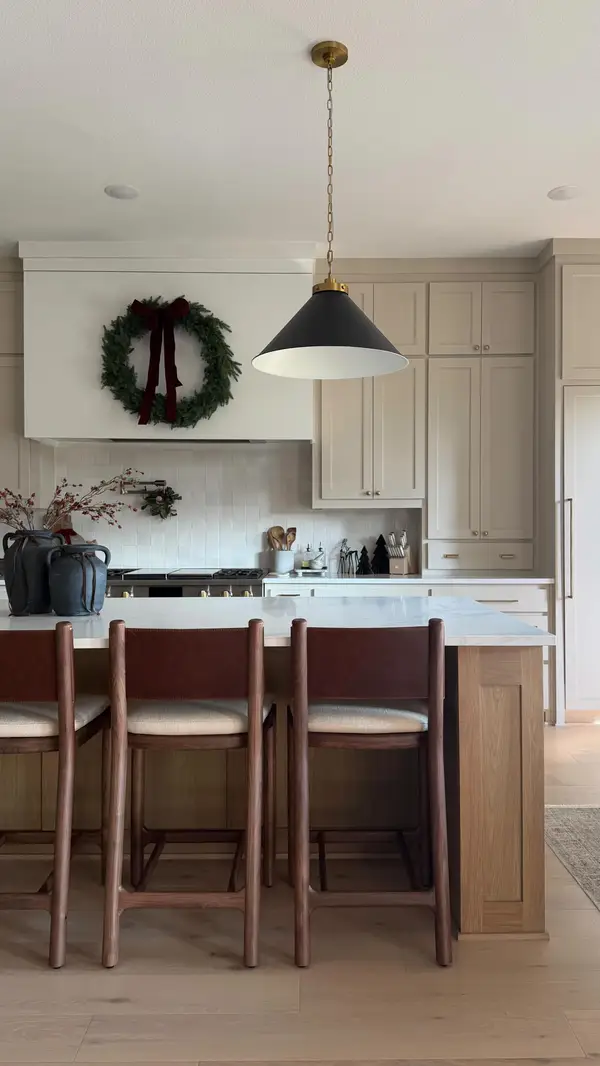
Score 52Started 8 months ago
Relaxačné masážne kreslo s podnožkou béžové K36
Na FAVI nájdete nábytok do obývačky. Naozaj veľa nábytku do obývačky. :)
Loading the ad's image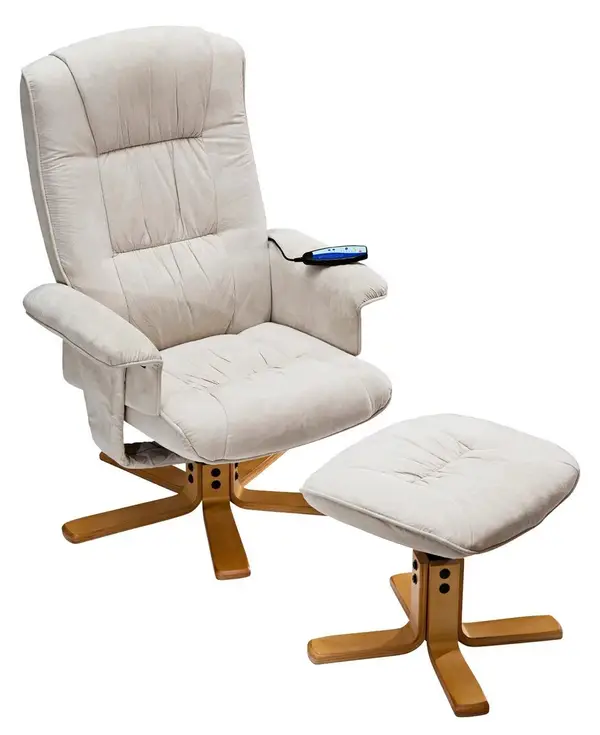
Holistic Vet Explains The Probiotic Problem....
I'm going to lose my f*cking mind if one more dog owner tells me they spent $540 on probiotic chews for a year and when I ask "did the scratching stop?" they say "no but her poops are great." GREAT POOPS. $540. A YEAR. AND GREAT POOPS IS THE RESULT. Your dog's skin is on fire. She's scratching every night. Ears infected every month. Paws chewed raw. Hot spots cycling. And the probiotic gave her great poops. I'm genuinely glad her poops are great. That means the probiotic is working. FOR THE GUT. Which is where probiotics work. Because they're probiotics. They support gut bacteria. Gut bacteria affects digestion. Better digestion means better poops. THE GUT IS NOT THE SKIN BARRIER. My name is Dr. Sarah Mitchell. Holistic veterinarian. 18 years. And the "great poops" conversation is one I have at least twice a week. Here's how it always goes. Owner comes in. Dog still scratching despite months on a probiotic. I ask what improvements they've seen. "Well her digestion is definitely better. Less gas. Better poops. So I think it's working on the inside. Maybe the skin just takes longer?" The skin doesn't "take longer." The skin isn't taking ANY time because the probiotic isn't going to the skin. It's going to the gut. Where it's doing its job. Perfectly. Your dog has excellent gut health and a broken skin barrier. Those are two separate things. The probiotic company WANTS you to think they're connected. "Gut health supports immune function supports skin health." That's their marketing chain. And each link in that chain gets weaker until the last one — "supports skin health" — is essentially meaningless for structural barrier damage. Let me break the chain. Link 1: Probiotics support gut bacteria. TRUE. That's what probiotics do. No argument. Link 2: Gut bacteria influences immune function. TRUE. The gut-immune connection is real science. Published. Established. Link 3: Better immune function leads to less allergic overreaction. PARTIALLY TRUE. For mild food sensitivities and genuine immune imbalances this can make a difference. Link 4: Less allergic overreaction means less scratching. FALSE for structural barrier damage. Here's where the chain snaps. Your dog's immune system isn't "overreacting." It's CORRECTLY reacting to allergens that are physically present in skin tissue because the collagen barrier is broken. Pollen and dust and grass are flooding through gaps in the barrier into tissue where they don't belong. The immune system detects actual foreign particles in actual living tissue and responds appropriately. That's not an overreaction. That's a correct reaction to a real threat. You could have the most perfectly balanced immune system on earth. The most pristine gut microbiome ever achieved. If allergens are embedded in skin tissue the immune system will respond. That's what immune systems do. Balanced or imbalanced. The great poops are real. The immune support is real. The skin barrier repair is nonexistent. Because probiotics don't contain collagen. The barrier is made of collagen. No collagen reaches the barrier from a probiotic chew. The barrier keeps breaking down. The allergens keep flooding through. The immune system keeps responding. The scratching continues. With great poops. I've tracked this in my practice across 200+ allergy patients. The dogs on probiotics had the same scratching frequency at month 6 as month 1. Some had improved digestion. Some had slightly shinier coats from the omega 3s that most probiotics include. None had measurable improvement in the core allergy symptoms — scratching frequency ear infection cycling paw chewing hot spot recurrence. Because the core allergy symptoms are driven by barrier failure. And barrier failure requires collagen repair. And probiotic chews contain zero milligrams of collagen. The dogs I switched to liquid collagen showed measurable improvement within 4-6 weeks. Scratching frequency down. Ear infection cycles broken. Paw chewing stopping. Coat changing structurally not just getting shinier from fish oil. Because the collagen went to the barrier. The barrier rebuilt. The allergens stopped flooding through. The immune response decreased — not because I balanced the gut but because I eliminated the invaders from the tissue. The immune system calmed down because there was nothing left to fight. Not because probiotics told it to be calmer. Fix the cause and the response resolves on its own. That's how immune systems work. Remove the threat and the army stands down. You don't need to negotiate with the army through the gut. You just need to stop the invasion at the wall. The wall needs collagen. One pump of liquid. $17/month. Not $45/month of gut bacteria that produces great poops while the wall crumbles and the invasion continues and the army keeps fighting and the dog keeps scratching. Let me give you a specific patient because this one really drove it home for me. A woman brought in her 5-year-old Frenchie. On three supplements — a probiotic a prebiotic and a postbiotic. The full "gut health trinity" as the supplement company marketed it. $87/month for all three. She'd been on this stack for 8 months. "How's the scratching?" "About the same honestly. But his digestion is incredible. He used to have loose stools and now they're perfect. So I know the gut health is improving." "And the scratching?" "The same. Maybe slightly worse actually because it's spring." $696 over 8 months. Digestion improved. Scratching unchanged or worsening. The gut health trinity was working beautifully — for the gut. The barrier was still collapsing — as it does every month — and no amount of gut health was reaching it. I replaced all three gut supplements with one pump of liquid collagen. $17/month. Kept her apoquel running for comfort. The owner was skeptical. "I'm going from $87/month on three products to $17 on one?" "You're going from $87/month aimed at the wrong system to $17/month aimed at the right one." Week 3: scratching decreased below where apoquel plus the gut trinity had ever pushed it. Week 6: face folds staying dry. Ears clean. Paws calming. Month 3: off apoquel. One pump collagen. $17. Completely comfortable. "But what about his gut health?" "His gut was fine before the supplements and it's fine now. The poops are still great. You were solving a problem that didn't need solving while ignoring the problem that did." $87/month → $17/month. Three products aimed at the gut → one pump aimed at the barrier. Eight months of unchanged scratching → 6 weeks of dramatic improvement. Because she finally aimed at the right target. I tested 6 collagen supplements before recommending one. 5 failed independent lab testing. The only one that passed: Healthy Petz liquid collagen. All three types. Liquid. 98% absorption. Verified every batch. I'll leave the link below. Spring sale. 60-day guarantee. Multipack about $17. shophealthypetz.com/products/liquidcollagen Your dog might have great poops right now. Congratulations. The probiotic is working — in the gut. Your dog is also still scratching right now. Because the probiotic isn't working — in the skin. Because it was never going to work in the skin. Because the skin barrier is made of collagen not bacteria. Keep the probiotic if you want great poops. Add the collagen if you want the scratching to stop. Or replace the probiotic with collagen and get comfortable skin AND great poops because most dogs digest fine without probiotic supplementation anyway. $45/month for great poops and continued scratching. Or $17/month for a rebuilt barrier and a comfortable dog. One pump. Right target. Right material. Right form. The scratching stops when the barrier rebuilds. The barrier rebuilds when it gets collagen. The collagen arrives when you send it. Send it. $17. Stop waiting for the gut to fix the skin. It can't. It never could. The poops were always going to be great. The scratching was never going to stop. Not on probiotics. Not in a million months. Send the collagen. Fix the barrier. Keep the great poops. P.S. The probiotic company claims "86% of customers see results after 90 days" based on their own subscriber survey. Ask what "results" means. Improved digestion counts. Shinier coat from the added omega 3s counts. "Seems slightly better" counts. Actual cessation of scratching from barrier repair? That's not even in their metrics. Because their product can't do it. The 86% number measures gut health outcomes marketed as skin health outcomes. It's technically accurate and completely misleading. P.P.S. Chew form absorbs at 20-30%. Liquid absorbs at 98%. Even if someone made a collagen CHEW it would deliver a fraction of what liquid delivers. Form matters. The skin barrier needs collagen in the form that reaches it — liquid through the bloodstream. Not a chew that mostly passes through the digestive tract. Right ingredient AND right form. Both matter. shophealthypetz.com/products/liquidcollagen
Loading the ad's image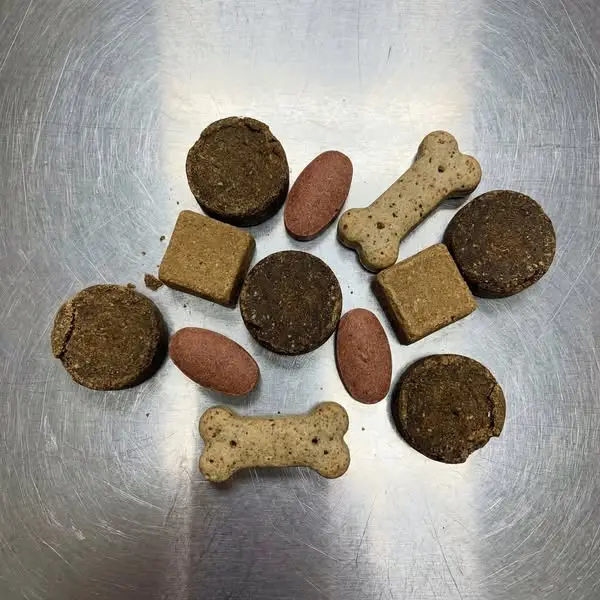
Dream Doors
A local family run kitchen makeover showroom servicing Preston and Blackburn, and surrounding areas. Diane and the team can provide you with a free no obligation quote for your kitchen, whether you're looking for a refresh or a full kitchen refit.
Loading the ad's image
Wildcrafted Wormwood + Black Walnut Hull
Before you spend another month on a calming supplement for your reactive dog, I need to tell you what I found out the hard way. I wasted eight months giving my dog supplements that were doing nothing. Worse than nothing. The real problem the whole time was parasites — and every supplement, every prescription, every diet change I tried just kept feeding around the actual cause. I'm Amanda, 47, from Asheville. My dog Rusty is a rescue. By the time I figured out what was actually wrong with him, I'd been failing him for two years — and the calming chews were the longest, most expensive failure of all of them. Rusty was reactive from almost the day I brought him home. Lunging at dogs on walks. Fixating on cyclists. Pacing the bedroom at 2 AM like clockwork. And on top of all that — paws he wouldn't stop licking, and scooting across the rug after every meal. I tried everything. Two different trainers. Hundreds of dollars in sessions. They told me he needed "more structure" and a "calmer environment." It helped a little. Not enough. My vet put him on Trazodone. He was so sedated he could barely walk. I stopped after three weeks. Then I started reading about the gut-brain axis. How 90% of a dog's serotonin is made in the gut. How gut dysfunction keeps dogs stuck in fight-or-flight. As a nurse, this made complete sense to me. I'd seen the same thing in human patients for years. So I bought one of the top-rated postbiotic calming chews on Chewy. $44 a month. Hundreds of five-star reviews. I gave it to Rusty every single day. Three months went by. Nothing changed. I added Apoquel for the scratching, because the vet swore it was allergies. It quieted his skin for a week. Then it came back, worse. I switched to a hypoallergenic prescription diet. $120 a bag. Rusty stopped eating after four days because he was nauseous. Five months in, Rusty bit another dog at the park. Not badly. But it happened. The other owner threatened to report it. My vet used a word I wasn't ready to hear: "options." I went home and cried for two hours. Then someone in a dog owners Facebook group mentioned getting supplements tested. I didn't know that was possible. She'd sent hers to an independent lab and found it had less than half the postbiotic content on the label. Nurse by day, internet detective at midnight — I did the same thing. I sent the calming chews and the cheap dewormer I'd been rotating Rusty through every six months. Both went to an independent lab. Twelve days later the results came back. The chews: 41% of the label's postbiotic content. The rest was maltodextrin, tapioca, and silica fillers. The dewormer: 0.09% thujone. Basically water. That's when I started researching what I should have been researching for two years. Standard fecal tests miss up to 75% of parasites because the ones hiding behind biofilm don't shed eggs consistently. Rusty's tests had come back clean. Twice. The tests aren't designed to catch what's actually there. And once parasites colonize a dog's gut, they start building biofilm — a protective slime shield that makes them up to 1,000 times harder to kill with conventional dewormers. Behind that biofilm, they release toxins into the bloodstream, steal nutrients before the gut can absorb them, and collapse the gut-brain connection that produces 90% of your dog's serotonin. The gut-brain axis was real. But you can't fix a gut that's being actively eaten. No postbiotic on earth could have worked while parasites were sabotaging the system every single day. The only natural compound proven to penetrate biofilm at every parasite life stage is wormwood thujone. At 0.85% concentration. Not the 0.1% to 0.2% in the cheap cultivated wormwood flooding Amazon and Chewy — up to 8× weaker, and useless against the slime shield. I spent two weeks researching. One brand kept coming up as the only one anyone had verified at the right concentration: Pawsy Parasite Cleanse Drops. A holistic vet had independently lab-tested seven dewormers and published her results. Pawsy was the only one that came back at 0.85% thujone — Carpathian wildcrafted, sourced from highland farms in Eastern Europe at 2,000+ feet, paired with five other clinically studied herbs and a vet-grade probiotic. Third-party tested in the USA. No fillers. I ordered it that same day. Five drops on Rusty's food, once a day. Day 3 — more stool activity than usual. Something was moving through his system. Day 7 — the 2 AM pacing stopped. He slept through the night for the first time in a year. I slept for the first time in a year. Day 14 — what came out on the lawn that morning made me sit down on the kitchen floor and cry. Rope-like strands. Mucus-covered. Two years of buildup finally releasing. The biofilm. The parasites. Things that had been living inside Rusty for God knows how long. Day 21 — we walked past another dog at maybe four meters distance. Rusty looked. He glanced at me. We kept walking. I stood there on the pavement and I couldn't move for a minute. That had never happened in two years. Day 30 — Rusty is a different dog. Calmer. Sleeping through the night. No more lunging on walks. No more scooting. The reactivity isn't gone, but the explosion-mode is. His gut-brain axis is finally getting real support — because there's nothing left in there sabotaging it. Rusty is not a cured dog. We still train. We still manage his environment. But he is a different dog than he was four months ago. And I spent eight months wondering why nothing was working — when the answer was that the calming chews were 41% real and the dewormer he was on was basically water. If your dog is reactive, scratching, scooting, or pacing at 2 AM and what you're giving him isn't working — get it tested. Or just switch to the one that's already been verified. Don't waste eight months like I did. Get Pawsy Parasite Cleanse Drops directly from their website. Don't buy it from Amazon — there are counterfeit versions with the same fillers as everything else. Get it from the source. Rusty wishes I'd found it sooner. Amanda 👉 https://pawsylabs.com/pages/pawsy-parasite-adv
Loading the ad's image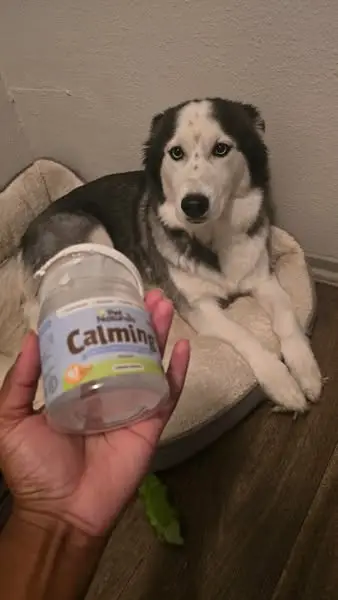
UP TO 60% OFF
Here’s why over 157,000 customers endorse Aimerla kneeler Seat: ✔️ Painless kneeling with widened Thick Kneeling Pad ✔️ Patented design supports easy transition from kneeling to standing ✔️ Durable construction ensures it lasts season after season ✔️ Lightweight & foldable for easy storage ✔️ Versatile design doubles as a garden stool ✔️ Lifetime Warranty ✔️ Free Shipping Get up to 60% off best-selling kneeler seat and discover why over 157,000 customers have made this their go-to gardening tools Order now -->>> https://aimerlallc.com/pages/evergreen1
Loading the ad's image
Divan Factory Outlet
The bed base sale is live! Save up to 75% off on divan bases, ottoman storage bases, bases with headboards, low bases and adjustable electric bases. Use code Extra25 for extra sitewide savings.
Loading the ad's image
Offers, occasions and brand names aren’t listed as products. Winning score (0–100): how long the ad has run (50%), how many people it reached (30%), how many versions the advertiser made (10%) and how often Sniped saw it running (10%). How Sniped scores ads