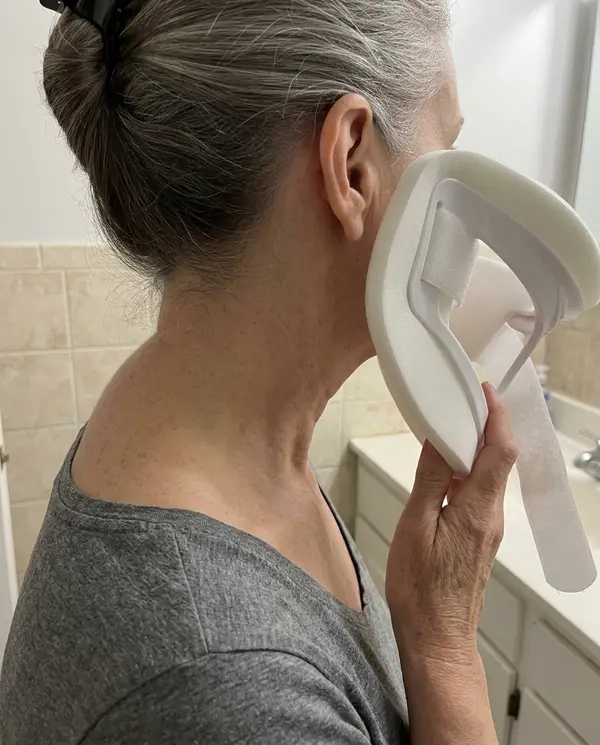
AdvertorialPhotographed Nov 25 at phone size

Women's Wellness Report - Dowager's Hump – Cevera

trycevera.com/pages/adv-womens-wellness-report
19Ads sending people here
May 2026Oldest running ad started
ShopifyPlatform
Nov 2026In Sniped since

Why “Advertorial”

Read from the page, by rules
A long article (900+ words)Three or fewer buy buttonsSponsored or blog-style page

Ads sending people here

Search these ads

This helped me a LOT

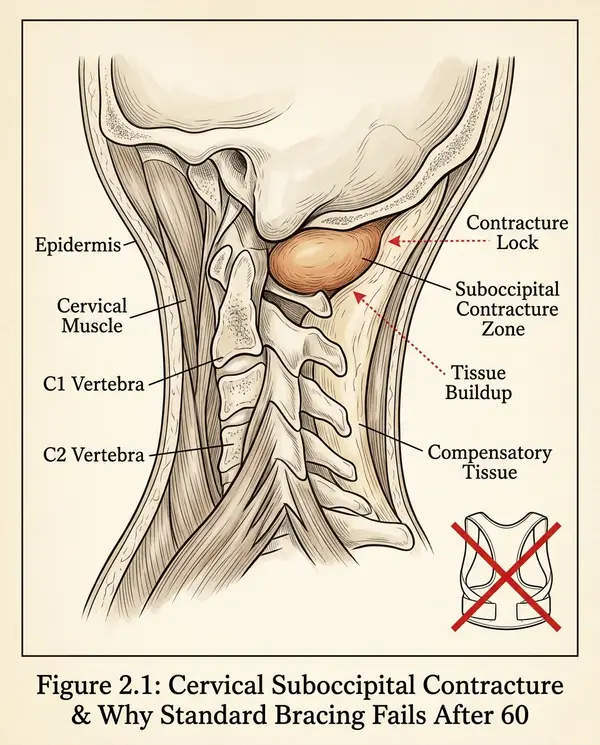
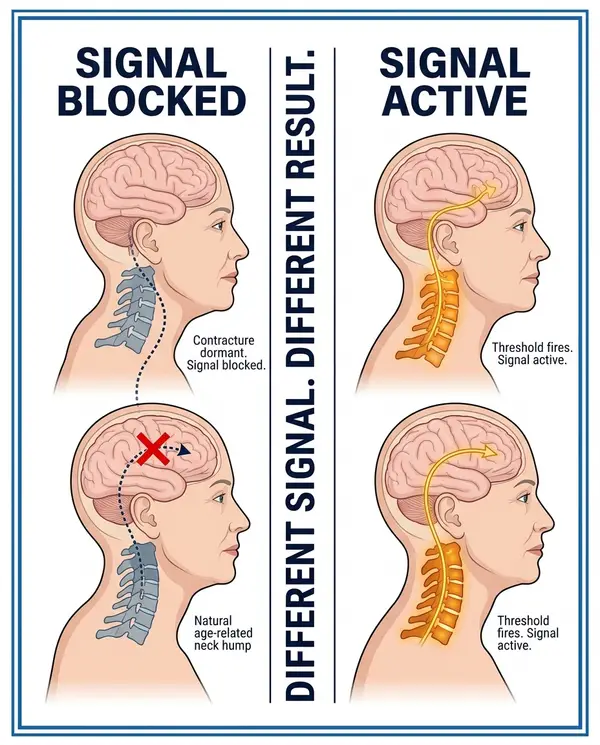
I saw a statistic that made me sick. Women who accept their neck hump as permanent lose an average of 73% of the necklines they used to wear within three years. Not 20%. Not 40%. 73%. I didn't believe it when I read it. I'd had my neck hump for almost three years and not one practitioner had ever explained what was actually driving it. But here's the truth. Your chiropractor adjusts your joints. Your posture specialist recommends exercises. The problem sits between them — at the exact suboccipital pressure points where the neurological lock lives — and nobody is paid to reach there. That's why most of us never heard this. That's why my mother never heard it either. My mother was part of that pattern. Four years of twice-weekly chiropractic. The tissue kept building anyway. I watched her quietly reorganize her entire visible life around a problem nobody ever directly addressed. I'm 61. Last month my specialist told me to increase my session frequency and add a brace protocol. I refused. And what I found instead… at a manual therapy conference three hours from home… took me from stepping back from every family photo to standing in the middle of my granddaughter's birthday party without a single calculation. No escalated protocol. No ongoing schedule. But to understand why I was desperate enough to drive three hours to a conference at 7 AM, you have to know what I watched that treatment do to my mother. And what I didn't know it was quietly doing to me too. For 4 YEARS… over a full thousand days… my mother was trapped on the adjustment protocol. Started with twice-weekly chiropractic. Her practitioner called it "the standard approach." Said she'd need to continue, but her measurements would stay managed. Her measurements did stay managed. Everything else kept building. Within the first six months she'd rebuilt her wardrobe entirely. Five blouses. All high-collared. Doctor said it was just adaptation to her changing posture. By year two she was stepping back from every photo without deciding to. Her presence at family events? Quietly reduced. This was a woman who had been in every family photo for thirty years. By year three she was always the one offering to take the pictures. Her silhouette changed. Her neckline changed. Her confidence changed. Everything we associated with how she moved through the world shifted to accommodate the same problem that never moved. And every time we brought it up, her practitioner said the same thing. "Her measurements are stable, Margaret. The tissue is a normal compensation. She needs to keep attending and doing her exercises." She was attending twice a week. Doing her exercises every morning. More wasn't the problem. My dad said it was like watching her disappear one neckline at a time. They had her on that protocol for FOUR YEARS. Four years of the tissue building. Four years of the wardrobe shrinking. Four years of appointments where they'd adjust the frequency or add a tool… but never once, not ONE TIME, did anyone say "Maybe something is wrong that this protocol isn't fixing." And the progression continued anyway. Four years of it. At a family reunion my dad grabbed my hand and said something I'll never forget. "For four years they told her her compliance was excellent, Linda. It was. But nothing changed. They were treating the wrong thing the whole time." So fast forward to three months ago. I'm 61. First noticed the rounding at 58. I've been a good patient. Attend every appointment. Wear the brace every day. Do my exercises before coffee. I've tried foam rollers. Cervical wedges. A $150 specialist. AIP posture protocols for nine months. Specific pillow for three years. I'm still progressing. I go to my quarterly assessment. My specialist pulls up my chart. Looks at me. "Linda, your attendance is excellent. But your forward head translation is up again. We should increase your session frequency. And I'd like to add a cervical traction protocol." My chest tightened. More sessions. Four years of watching my mother shuffle through family events in the same five blouses because she was managing a problem that never reversed. Four years of her stepping to the side in every photo. And the progression continued anyway. "No," I said. She blinked. "Excuse me?" "I'm not doing it. My mother was on this protocol for four years. I watched what it did to her. And I watched the progression continue anyway." She gave me that look. "Linda, we need to keep managing this. The escalation…" "What's the point of more appointments if they didn't reverse it for her?" She didn't have an answer. I told her to give me three months. She wasn't happy. Wrote something in my chart. I didn't care. For three months I did everything right. Cut all forward screen time in half. Added a different exercise program. Changed my workstation three times. Three months later I went back. Forward head translation up another 2mm. Tissue the same. Specialist pulled out her protocol pad again. "Linda, it's time." "Give me three more months." "Linda—" "Three more months." She sighed. I didn't care what she wrote. That night I couldn't sleep. I kept thinking about my mother. Same symptoms. Same compliance. Same measurements climbing despite faithful attendance. At 2 AM I gave up. Went downstairs. Opened my laptop. I started searching. What actually causes the suboccipital contracture to keep pulling. Why the adjustment never touches it. Why some women keep progressing even when their attendance is perfect. Every site said the same thing. Keep attending. Do your exercises. Stay consistent. I'd done all of it. So I kept digging. Looking for people who'd actually solved this. Not managed it. Solved it. That's when I found the thread. A manual therapy forum post with over 2,000 comments. The title: "Why don't German women accept neck humps?" I almost scrolled past. But something made me click. Bavaria, Southern Germany. Cervical hyperkyphosis rates 61% lower than comparable European populations. Not a little lower. Sixty-one percent. Person after person in the comments. Stories. Studies. Descriptions of elderly German women in their 70s and 80s maintaining natural head position while their American counterparts were in management protocols. Someone posted a link to a manual therapy conference being held that weekend. Three hours from me. I looked at the clock. 2:32 AM. By 7 AM I was in my car. By 10 AM I was there. I didn't know who to look for. Just walked through the conference until I found someone who looked like they'd been practicing for fifty years. First session I attended, there was a woman presenting at the front. Had to be past 70. Small. Precise. Silver hair pulled back neatly. She was demonstrating a manual technique and her hands moved like she'd been doing it for decades. No reading glasses. No hesitation. Just easy, deliberate work. I waited until her session ended. Walked up. "Excuse me," I said. "I don't want to bother you. But I've been managing a neck hump for three years. My mother managed one for four years. Nothing reversed it. My specialist wants me to escalate. I don't know what else to try." She stopped organizing her materials. Looked at me for a long moment. "You drove here for a reason," she said. "Sit down. I want to show you something." Her demonstration table was still set up. She gestured for me to lie back. "Your adjustment," she said. "It's mobilizing the wrong structure." I didn't fully understand. "There are two things happening in your neck. The joint. And above the joint, the suboccipital contracture at C1 and C2. Your adjustment addresses the joint." She placed two fingers at the exact base of my skull. "But the contracture that's been pulling your head forward and building tissue at C7 lives here. At these exact pressure points. Not at the joint. Here." "Your adjustment never reaches this location. It mobilizes what's above the contracture. Within 48 hours the contracted muscles re-tighten. The head drifts forward again. The tissue keeps building." I stared at the ceiling. "But the contracture… the lock… it needs a completely different input. Direct sustained compression at this exact location. Held for at least 8 to 10 minutes. With your own head weight providing the sustained downward force." She tapped the pressure points again. "That's the threshold at which the proprioceptive receptors activate. The neurological release signal fires. The muscles finally receive what they've been waiting for. And they let go." She leaned back. "That's why your compliance is perfect and your measurements keep climbing. You've been mobilizing the joint above the lock for three years. The lock has never been touched." My eyes started to burn. "That's why the brace doesn't hold. It supports the posture around the contracture. The moment you take it off the lock re-engages. That's why the foam roller doesn't work. It targets the thoracic spine. It never reaches C1-C2." She folded her hands. "None of those things touch the contracture. And the contracture is the only thing that matters." I asked her how she knew. She smiled. "I've been practicing manual therapy for 42 years. The first 30 in Munich. When the Heidelberg research came out documenting the suboccipital contracture mechanism, we changed everything. Every approach. Every protocol. We stopped managing around the lock and started releasing it directly." She looked at me. "American chiropractic training didn't cover this research. Most American practitioners still don't know it exists. So they keep mobilizing the joint above the contracture and charging for sessions that can't release what they're trying to address." I asked her what I should actually do. She walked to her bag. Pulled out a small tool. Two foam nodes. "This delivers what I just described. Exact C1-C2 placement. Gravity-assisted through your own head weight. Ten minutes before bed. Every evenin

Loading the ad's image
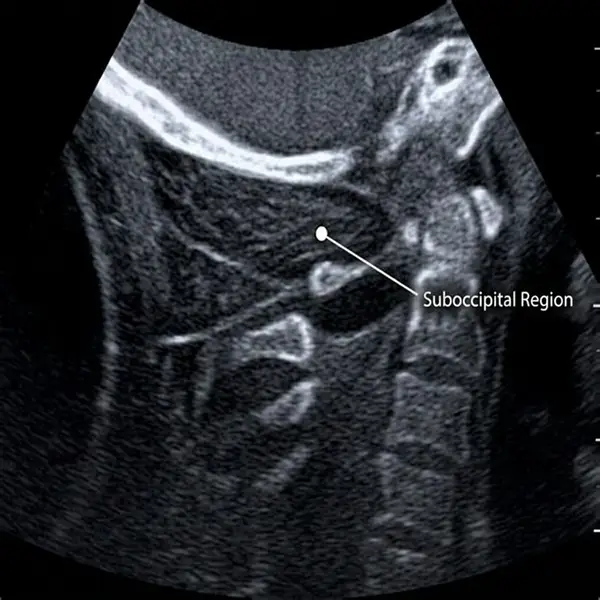
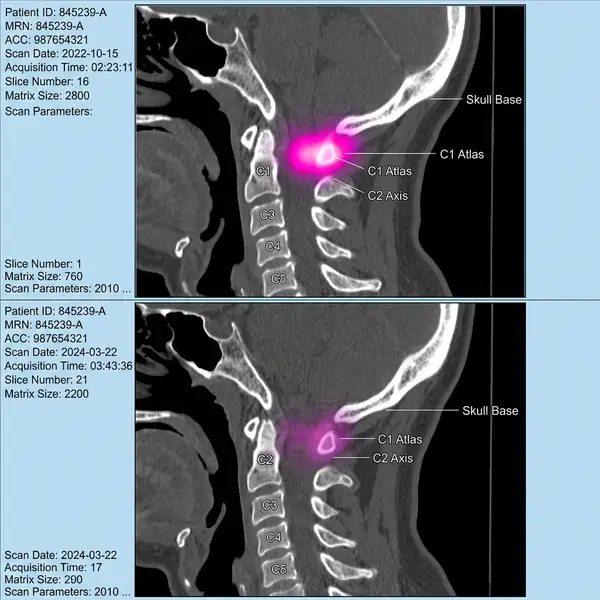
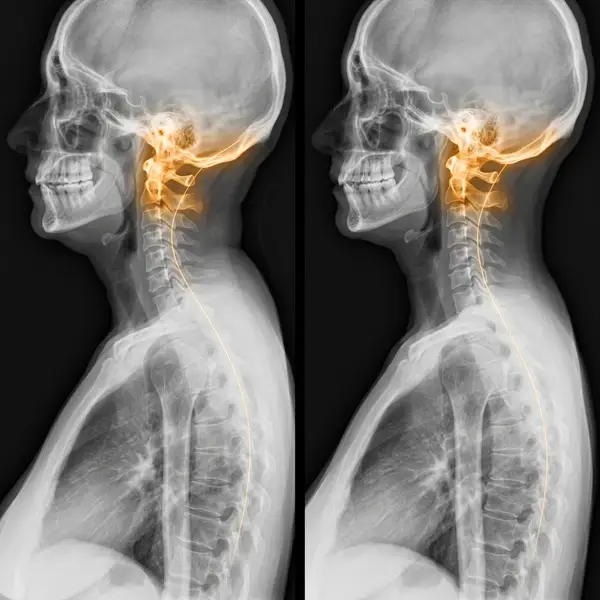
Dorothy Callahan — This helped me a LOT
WinningImage

Neck Hump? It's Not About Your Posture...

I've watched too many neck hump patients end up covering themselves completely to keep my mouth shut about this. If you've been told "just keep up the adjustments" for your neck hump, I need to tell you something your chiropractor isn't telling you. My name is Carol Bennett. I've treated over 200 neck hump patients in 15 years as a manual therapist. And when a patient walks into my practice with progressing tissue after their chiropractor said "keep up the adjustments, we'll recheck in six months," I already know what their measurements will show 2 to 3 years later if nothing changes. Advanced tissue consolidation. The same suboccipital contracture driving their tissue buildup is silently consolidating their cervical structure right now. And at 52, when my own forward head translation came back elevated at my annual assessment, I knew exactly what my colleague was about to tell me. And exactly what she wasn't. Your neck hump isn't a "watch and adjust" problem. It's a neurological lock happening at the cellular level of your suboccipital muscle layer. I've been treating neck humps for 15 years. I've seen hundreds of patients dismissed with "keep up the adjustments, we'll monitor the measurements." Most of them walked out, Googled their diagnosis, and stopped at the posture aisle on the way home. Foam rollers. Cervical pillows. Posture braces. One of those multi-function cervical devices. The tools every neck hump article on the internet eventually recommends. They used them for months. Some for years. Their measurements barely moved. And what's worse, they thought they were doing something about the problem. Because the chiropractor sees you every two weeks. Writes the measurement. Sends you home. They don't see you 2 to 3 years later when you're sitting in my practice with tissue that has consolidated to the point where your entire wardrobe has reorganized itself and you've stopped appearing in family photos. But I do. Dorothy's daughter. Dorothy diagnosed with a progressing neck hump at 56. Same advice. Keep up the adjustments, recheck next year. Year after year. By 68 her tissue had consolidated enough that she stopped going to family gatherings. By 71 she was essentially invisible in her own life. Her starting forward head translation was 2.6cm. Almost exactly what mine was. Patricia, 58. Came to me with forward head translation 2.9cm. Perfect posture habits. What I'm ashamed to say I didn't recognize quickly enough was that the adjustment protocol I put her on was never reaching the structure that was actually driving the tissue. I gave her the same "brace and twice-weekly adjustment" protocol I'd been giving for years. She came back 18 months later with tissue that had consolidated significantly. Still addressable at that stage. But barely. She's the patient I think about at night. They had months to address this properly. They just didn't know they had them. Because nobody had explained what their measurements were actually pointing at, or what was quietly building underneath while they attended their adjustment sessions. The assessments were telling them the truth from the first appointment. The tools they were using didn't change anything. They just made them feel like they were doing something. My own situation told me I was fine. My measurements said otherwise. I felt fine. A little more tightness in the morning than I used to notice. Brain fog about my own cervical position that I told myself was just awareness from my work. My tissue had built slightly but nothing dramatic. Then a routine annual assessment caught it. My colleague looked at the measurements and said what practitioners say to every patient. "Standard plan. Keep up your postural awareness, add some cervical exercises, recheck in six months." I knew it wouldn't work. That's not the point. I'm a manual therapist. I'd watched over 200 patients try exactly that and watched their measurements stay exactly the same or even worsen. So I ran my own full cervical assessment. Forward head translation 2.6cm. Suboccipital pressure response minimal. I ordered a detailed contracture assessment. Because I know what elevated forward head translation actually means. Early contracture establishment. Neurological lock at the cellular level of the suboccipital muscles. The kind of chronic pull that posture awareness alone was never going to fix. My progressing tissue wasn't a "sit up straighter" problem. It was my suboccipital release mechanism being overridden faster than my body could compensate for it. And another six months of "monitoring" would have masked the only early warning sign I had. Here's what standard chiropractic doesn't tell you because they don't follow long-term contracture outcomes. Your suboccipital muscles don't send pain signals when they lock. They don't swell noticeably. They don't warn you the way an injury does. By the time your tissue is visibly building, the suboccipital contracture has been established for years. By the time the tissue has consolidated, the lock has been running in silence. You're not "just getting older" or "not sitting straight enough" or "spending too much time on screens." Your suboccipital muscles are losing the ability to release after every forward movement. The same process pulling your head forward is quietly consolidating your tissue underneath. Right now. Roughly 1 in 3 women with established cervical tissue buildup sees significant consolidation within 3 to 5 years of initial diagnosis if the contracture is never directly addressed. By the time most neck hump patients come to me, the lock is already well established. Your tissue buildup isn't something to be embarrassed about. It's your 3 to 5 year early warning system. And foam rollers silence that alarm while the contracture advances. So I tried what patients try. Postural awareness. Ergonomic assessment. Screen time reduction. Improved how I felt a little, but tissue kept building. Tools. Foam roller. Cervical pillow at 1,200 thread count. A multi-function cervical traction device. A posture correction blend of 4 different tools. 18 weeks of disciplined use. Reassessment came back. Forward head translation 2.7cm. I gained a millimetre. 18 weeks of doing exactly what I'd been telling 200 patients to do. Nothing was releasing the contracture driving the tissue buildup. But I kept thinking about something that made no sense. The cervical structure can restore. Early tissue buildup CAN reverse. The suboccipital contracture CAN release. The research proves it. So why wasn't mine releasing? And why hadn't my patients' contractures released either? October 8th. Late at night. I was reviewing 18 months of patient outcome data in my home office after a long shift. Couldn't sleep. My own assessment had just come back at 2.7cm. I wasn't looking for anything specific. If I'm being honest, I was pretty desperate. I'd compiled outcomes for every patient I'd put on twice-weekly adjustment for at least six months. Average forward head translation change at 6 months. Average change at 12 months. Average change at 18 months. The numbers stopped me cold. Patients on twice-weekly adjustment showed no statistically meaningful improvement in tissue buildup compared to patients doing posture exercises alone. Eighteen months. 200+ patients. Almost zero meaningful difference in tissue. I sat there staring at a spreadsheet I should have run five years earlier. I was the therapist recommending adjustment protocols for 15 years. And I was wrong about what it was actually doing. Then I pulled up the small subset. The ones who'd done their own research. They'd quietly added something else on their own while I was still recommending adjustments. Home tools. Self-directed protocols. Some had bought generic tools after Googling. Foam wedges. Standard cervical rolls from Amazon. Their tissue barely moved either. Maybe a millimetre, then they plateaued. That sent me down another rabbit hole. Standard cervical tools have a serious placement problem. They apply broad pressure to the thoracic spine or general cervical curve rather than the exact suboccipital pressure points where the contracture lives. So a foam wedge at the upper back? Your suboccipital contracture sees almost none of it. That's the wrong address, delivering the wrong type of pressure. No wonder my own patients on standard cervical tools saw nothing. But the small group who'd found precision-engineered direct suboccipital compression? Those outcomes told a different story. Tools with two foam nodes positioned specifically at C1-C2, with gravity-assisted delivery through their own head weight, held for the minimum 8 to 10 minutes required for the neurological release signal to activate. Their tissue was reducing. Real reduction. The kind of result I'd been hoping to see in 15 years of practice but never actually seen. I'd been a manual therapist for 15 years. I'd studied cervical biomechanics my entire career. And I'd never properly understood why adjustment protocols weren't doing the job. Standard adjustment mobilizes the joint above the contracture. That's its mechanism. But it can't give your suboccipital muscles the three simultaneous inputs they need to release the lock directly. Direct suboccipital compression can. It delivers sustained gravity-assisted pressure at the exact C1-C2 pressure points, held long enough for the proprioceptive receptors to activate and the release signal to fire. One mobilizes the joint above the lock. The other releases the lock itself. It's the same principle emergency manual therapists use when they need rapid cervical release in acute forward head trauma. They don't apply broad thoracic adjustment. They don't use general cervical decompression. They target the suboccipital zone with sustained precision compression. Same structure. Same mechanism. Same problem. The difference is speed. Acute trauma requires immedia

Loading the ad's image
Carol M. Bennett, PT — Neck Hump? It's Not About Your Posture...
WinningImage

How I discovered my "permanent" neck hump wasn't permanent...

If your chiropractor told you that you have a neck hump and all she said was "keep up the adjustments," I'm writing this for you specifically. Because I was you three years ago and nobody told me what was actually happening inside my cervical structure. My name is Maria. I'm 56. Found out I had a progressing neck hump at a routine posture assessment when I was 53. My forward head translation was 2.8cm. My chiropractor said "you have some forward head positioning, let's start twice-weekly adjustments and we'll recheck in six months." That was the whole appointment. So for two years that's all I did. I changed my posture habits. I cut out all unnecessary screen time. I started doing posture exercises four days a week. I lost some weight that wasn't helping matters. Went back for my recheck expecting good news. Forward head translation was 2.7cm. I'd spent two years doing everything right and my number barely moved. My chiropractor looked at the chart and said "well, keep doing what you're doing. These things take time." But here's what she didn't tell me. While I was focused on adjustments and exercises, something else was happening inside my cervical structure. Something that posture habits alone can't fix. I didn't find out until much later. And when I did, I was furious. About six months after that appointment, the coverage planning started taking over my mornings. Not dramatic at first. Just a slight hesitation before reaching into my wardrobe. I'd stand there for a few minutes trying to figure out what worked. I'd put something on, turn sideways, take it off. I'd find myself always choosing the same few things. I told my chiropractor. She said it was probably anxiety about the hump. Maybe focus on acceptance alongside the management. Then the wardrobe reorganization. Not overnight. Gradual. The kind where you don't notice until you realize you haven't worn an open neckline in eight months. The kind where your husband asks if you want to take a photo at your granddaughter's birthday and you feel something tighten in your chest before the camera comes out. The kind where you start positioning yourself in group photos without consciously deciding to. I went back again. More assessment. Forward head translation was now 2.9cm. Going up, not down. She said "your measurements are slightly elevated but nothing alarming. Let's keep monitoring." Monitoring. That word should have made me angry. It didn't at the time. But it does now. Because here's what monitoring means: we're going to watch this consolidate and do nothing until the tissue is too established to reverse. I started researching on my own. Late at night. Googling things I didn't want to Google. Neck hump stages. Cervical kyphosis progression. Tissue consolidation. What happens when it's permanent. And I thought about my aunt. She was told she had a progressing neck hump in her late 40s. Same thing I heard. Keep up the adjustments. Watch your posture. Come back next year. She came back every year. She watched her posture. She wore her brace. Year 3: measurements crept up. Chiropractor said keep monitoring. Year 6: an assessment showed the tissue had consolidated significantly. They called it established cervical kyphosis. She was scared but they said it was "manageable." Year 9: the tissue had consolidated further. They used the word "permanent structural change" for the first time. Year 12: she had reorganized her entire life around the hump. She stopped going to events. She stopped appearing in family photos. She wore the same five outfits every week because everything else showed it. She never got her wardrobe back. She is 67 years old and she has not worn an open neckline in nine years. Her forward head translation when she was first assessed? 2.6cm. Almost exactly what mine was. I was not going to be my aunt. I refused. I read that millions of women over 50 have progressive neck hump tissue buildup. That most don't fully understand what's driving it. That practitioners call it "age-related postural change" when the real cause has a specific name and a specific address. I read that neck hump tissue builds in a progression. Early forward pull becomes visible tissue. Visible tissue becomes consolidated tissue. Consolidated tissue becomes permanent structural change. And then I read something that changed everything. The real problem isn't the posture. The posture is the visible result of a chain reaction. The head drifts forward. That forward load stresses the suboccipital muscles at C1 and C2 — right where your skull meets your spine. Over time those muscles stop releasing after every forward movement. They lock. And once they're locked, your head gets pulled forward continuously. Your body builds tissue at the cervical base to absorb the constant stress. The suboccipital contracture is the driver. Without releasing it, everything else is just managing the symptom. And here's the part that made me furious. In people with progressing neck humps, the suboccipital contracture is chronically locked. The accumulated forward load keeps it in a neurological holding pattern faster than the body can compensate. The more the tissue builds, the harder the contracture pulls. The harder the contracture pulls, the more tissue builds. It's a cycle. And nothing my chiropractor told me to do breaks that cycle. Adjustments help. Exercises help. Posture habits help slow the forward load. But none of those things directly release the suboccipital contracture. That's why my forward head translation didn't move in two years. I was reducing the load but the lock was already running. And my cervical structure had nothing to release it with. I felt like I'd been painting over a wall that was still getting wet from behind. I called my chiropractor. I said what about the suboccipital contracture? Why aren't we addressing the neurological lock directly? Why are we only talking about adjustment? She said she was "aware of" direct suboccipital compression approaches but there was no standard protocol for it in her practice. I said what about home tools? She said she couldn't recommend anything she hadn't assessed. So I went looking myself. First thing I tried was a foam roller. Because that's what everyone uses for neck and upper back. Amazon, $22. Used it faithfully for five months. Got my assessment done. Forward head translation 2.7cm. Five months. No change. Turns out foam rollers target the thoracic spine — nowhere near the C1-C2 suboccipital zone where the contracture lives. It's like trying to open a lock by polishing the door handle. The handle looks better. The lock stays locked. Then I tried a cervical contour pillow. Then a traction device. Then one of those multi-function cervical posture tools with six different settings. Forward head translation stayed between 2.7cm and 2.9cm the entire time. Bouncing around. Never coming down. I was spending money every month on tools that weren't doing a single thing. That's when I found direct suboccipital compression. I'd never heard it called that before. But what I read stopped me cold. The suboccipital contracture releases on three specific inputs that all have to fire simultaneously. Exact C1-C2 anatomical placement — the two precise pressure points where the contracture lives, not the upper back, not the general cervical spine, not "around" the area. Gravity-assisted sustained delivery — your own head weight providing the consistent downward force. And minimum hold duration — eight to ten minutes, long enough for the proprioceptive receptors to activate and the neurological release signal to actually fire. Below threshold on any one of those inputs — the signal doesn't fire. The contracture doesn't release. The tissue keeps building. And that's why the foam roller wasn't working. Wrong address. That's why the cervical pillow wasn't working. No suboccipital compression. That's why the traction device wasn't working. Decompresses the joint above the contracture while the lock below keeps pulling. Same principle. Same problem: contracture that never gets the three simultaneous inputs it requires to release. I ordered Cevera that week. Two foam nodes engineered for exact C1-C2 placement. Gravity-assisted delivery through my own head weight. Ten-minute protocol before sleep. The clinical input standard, not the broad cervical tool I'd been telling myself was enough. I took it for more expensive than the Amazon stuff. But at this point I'd spent over $400 on tools that hadn't done anything. I figured one more try. Week 1: I slept better. Not dramatically. Just deeper. Less waking up with the automatic neck position awareness. Week 2: I noticed I wasn't doing the full coverage calculation at 7am. The morning decision was still there but shorter. Week 3: my husband said something I wasn't expecting. He said "you seem more like yourself lately." I hadn't even told him I was trying something new. Week 4: the wardrobe planning wasn't gone completely but I could feel it thinning. Like a calculation that had been running every morning for years was starting to run quieter. Week 8: I had my assessment scheduled anyway. Almost didn't want to look. Forward head translation: 1.9cm. I read it three times. Then I read it again. 1.9cm. Down from 2.8cm. First time under 2.0cm since my diagnosis. I sat in my car in the parking lot and cried. Not because of the number. Because of the three years I wasted not knowing this existed. My chiropractor pulled up the trend line at my next appointment. She looked at the screen for a long time. "What changed?" she asked. I told her everything. The suboccipital contracture. The three simultaneous inputs. The C1-C2 placement. The gravity-assisted delivery. The ten-minute protocol. She listened. She wrote it down. She didn't say "you should have told me you were trying something new." She didn't dismiss it. She looked at the numbe

Loading the ad's image
Dorothy Callahan — How I discovered my "permanent" neck hump wasn't permanent...
WinningImage

Stop trying to reverse your neck hump the wrong way

Neck humps aren't a posture issue. They're a contracture issue. And after 60, they don't reverse the way you've been told. My chiropractor pressed her fingers along the base of my skull and told me my forward head translation was elevated. "Classic cervical kyphosis," she said. "Very common in women your age. We'll monitor it. If it keeps progressing, we can discuss escalated management. Otherwise, just keep up with the adjustments." I was 62 years old. I'd had reasonable posture my whole life. Until one day while getting dressed, I caught my side profile in the mirror and froze. I thought maybe I was standing funny. Maybe I was tired. I'd be more conscious of my posture and it would sort itself out. That was four years ago. And in those four years, I learned something that the posture management industry desperately doesn't want you to know: they have no effective treatment for progressive neck hump in women over 60 except monitoring and management that keeps you coming back. Not because they can't help you. Because actually fixing the contracture doesn't generate recurring revenue. Let me explain what happened. That first assessment was in January. By March, my forward head translation had crept up again. By June, the tissue at my cervical base was more visible in photos than it had been at my last appointment. I did what everyone does: started doing posture exercises religiously and waited to see if it would stabilize. The tissue kept building. Slowly at first. Then faster. By month six, I had visibly more tissue at my cervical base than when I'd started treatment. That's when my chiropractor told me the measurements were elevated and recommended twice-weekly structured management. Here's what nobody tells you: You cannot manage your way out of progressive neck hump formation after 60. Every single week, more tissue deposits. The contracture that should release after every forward movement just... doesn't. It's locked. Pulling. Never stopping. Management becomes this maddening cycle where you're supposed to watch your tissue build while doing adjustments that help for 48 hours and then release back to where they were. But I tried. I really tried. I attended every appointment. Measured my forward head translation weekly. Tracked every millimetre. Nothing improved. And here's the part that bothered me almost as much as the tissue building: I started avoiding cameras obsessively. Every. Single. Gathering. I'd position myself behind someone. Step back. Find an angle. Like I was desperately seeking something my photos weren't giving me. My chiropractor said it was normal. Try a different exercise program. I switched programs four times. The camera avoidance never stopped. And the tissue kept building. By month eight, I had restructured my entire wardrobe. I was stiffening up in my morning routine. Moving through my neckline choices more carefully. Nothing with an open collar. Nothing that showed the base of my neck from the side. Forget wearing what I wanted. I went from choosing freely to calculating every outfit around what covered it. My entire relationship with getting dressed changed. Not because of a major health issue. Because of tissue my body couldn't clear. So I went back to my chiropractor. She recommended premium posture braces. Daily wear. Eight weeks. When that failed, she recommended escalated adjustment frequency. "We can address the largest areas of forward pull," she said. "Though I should mention — cervical kyphosis tends to re-establish between sessions, especially at your age." At your age. I paid $3,800 for six months of intensive management. The tissue came back within three months. Plus the forward pull was just as established as before. That's when I started researching what actually causes neck hump tissue to keep forming after 60. And I learned something that made me furious: Management doesn't fix neck humps. It temporarily addresses the joint while the underlying contracture continues building tissue. And in women over 60, the contracture is almost impossible to address indirectly because of something nobody in the posture system ever explained to me. Here's what nobody tells you: After age 60, your body's natural ability to reset the suboccipital contracture declines dramatically. The reset mechanisms that kept your head sitting where it belonged when you were younger — the ones that fired automatically after every forward movement, maintained cervical position, brought your head back to center after every screen session — they slowly fail. Suboccipital muscle elasticity decreases. Connective tissue stiffens. The proprioceptive feedback loop between C1-C2 and the brainstem slows. Your body stops resetting the contracture naturally. Not because of bad posture. Not because of aging in general. Because of a specific mechanical failure in one specific structure — and the failure accelerates dramatically after 60. And posture exercises? They work on the muscles around the contracture. When your suboccipital reset mechanism has degraded from decades of forward load, these exercises have almost zero chance of reversing tissue buildup. So neck humps, progressive tissue, chronic forward head positioning in women over 60 — they're not just age issues that need "more management." They're reset failures. And the posture system profits from that failure. Premium posture tools: Ongoing purchases that don't reach the contracture. $60-140+ per device working on the wrong structure. Management protocols: Temporary joint mobilization that doesn't fix the contracture and ensures tissue will re-establish. $3,000-5,000 per year, indefinitely. Monitoring: Endless appointments watching tissue build because the reset mechanism never gets addressed. $80-180+ per session with no solution. So I started researching alternatives. That's when I discovered direct suboccipital contracture release. A mechanism that uses gravity-assisted sustained compression — your own head weight providing the pressure — delivered at the exact C1-C2 anatomical pressure points. Something that could bypass the failed reset mechanism entirely. Release the neurological lock from the outside rather than waiting for the body to release it from within. The research was compelling. Studies showing contracture release and tissue reduction through direct suboccipital compression — even in patients where the natural reset mechanism had significantly degraded. But here's where I hit a wall: Most posture tools claimed "cervical release" or "neck decompression" but had zero direct contracture addressing. No C1-C2 precision. No sustained gravity-assisted delivery. No minimum hold threshold. Professional-looking designs. Endorsements. Online retailers full of five-star reviews from women who didn't understand why their tissue kept building. I ordered four different posture release tools from major retailers. All of them claimed "cervical decompression" or "posture correction." All had professional-looking designs. I started with a foam cervical wedge. Eight weeks. My tissue built exactly the same. Cervical traction device. Eight more weeks. Zero change. Third device. Fourth device. Not one of them did anything. And I was ready to conclude that posture tools were complete BS when I found a research paper that explained exactly why these tools don't work — especially in women over 60. The problem isn't the material. The problem is that standard posture tools can't deliver the three simultaneous inputs required for the neurological release signal to fire. And in women over 60, where the natural reset mechanism has already degraded, the threshold for what's required to trigger release is even higher than it is in younger women. Standard posture tools apply broad pressure to the thoracic spine or general cervical curve. The C1-C2 contracture stays locked because the exact inputs are never delivered. And for women whose reset mechanism has been declining for decades, near-threshold inputs produce near-zero results. You're paying $80 for ineffective pressure while your tissue continues consolidating. At 62, my body needed the full three inputs, precisely delivered. Nothing less was going to fire the release signal. Most posture tool companies know this. They know broad cervical tools don't deliver the three required inputs. They know their products deliver almost zero contracture release. But they sell them anyway. When I finally discovered precision-engineered direct suboccipital compression, everything changed. Two foam nodes positioned at exact C1-C2 anatomical pressure points. Gravity-assisted delivery through your own head weight — consistent, sustained, non-fatiguing. Ten-minute protocol before sleep. All three inputs simultaneously. At the exact address where the contracture lives. For a woman over 60 whose natural reset mechanism has degraded — this isn't just more effective than a foam roller. It's the difference between a signal that never fires and one that actually reaches the contracture. I found one company engineering to this standard: Cevera. Week 1: The camera avoidance reduced noticeably. First real shift in over a year. Week 2: Camera avoidance stopped. I stood in the center of a family photo without thinking about it. Week 3: The tissue at my cervical base felt different — softer, less prominent from certain angles. Week 4: I reached for a lower neckline without calculating first. Week 6: Largest tissue buildup at cervical base reduced by about 40%. Week 8: Getting dressed freely again. No coverage calculation. No second outfit. Week 12: Down to minimal stable tissue from significant buildup across four years. By month four, I was living without new tissue formation. Wearing what I wanted. Moving without thinking about angles. The progressive tissue buildup that two different practitioners told me would require ongoing management indefinitely... Stopped forming. Existing tissue shrinking. And it wasn't because Cevera is some miracle tool. It's because I finally gave my contracture the three inputs it required to release — inputs my body had stopped being able to generate naturally after 60. This is why exact C1-C2 placement matters infinitely more than general cervical support. Especially after 60. When the natural reset mechanism has degraded, you can't work around the contracture. You have to deliver directly to it. And here's what I experience now, four years after that first assessment, using Cevera every single night: ✓ Zero new tissue formation. Down to minimal stable cervical tissue. ✓ Camera avoidance completely stopped. I stand anywhere without thinking. ✓ No coverage calculation, second outfits, or neckline strategy. I just get dressed. ✓ My practitioner couldn't believe the measurements at my last appointment. ✓ Quality of life restored. I don't think about my neckline anymore. This isn't just about avoiding ongoing management. This is about understanding that most posture tools are selling you mechanical theater — products that look like they're addressing the issue but deliver zero contracture release to your suboccipital muscles. Especially in women over 60 where the threshold for release is higher and the tools that were already marginal become completely useless. Because the truth is, your body WANTS to release the contracture. After 60, it just can't do it on its own anymore. It needs the three right inputs delivered at the right address with enough sustained pressure to actually fire the signal. And when you deliver precision direct suboccipital compression — not broad tools that apply pressure to the wrong location — it starts working the way it's supposed to. Even at 62. Even at 68. Even after years of failed management. I use Cevera every single night. Ten minutes. Before bed. Non-negotiable. And I recommend it to nearly every woman over 60 I know struggling with: Progressive neck hump that keeps building despite everything tried. Tissue formation that management didn't stop. Camera avoidance that won't quit. Premium posture tools that aren't working. The progressive loss of wardrobe freedom from tissue buildup. Why? Because Cevera is the one tool that delivers the three simultaneous inputs the contracture requires — through precision engineering, exact C1-C2 placement, and gravity-assisted delivery that conventional tools can't match. And for women over 60, where the natural reset has failed, it's not just better than the alternatives. It's the only thing that actually reaches the contracture. Just 10 minutes a night could help you: 💧 Stop new tissue formation within weeks 💧 Reduce existing cervical tissue over 2-3 months 💧 Eliminate camera avoidance and constant angle-checking 💧 Enable actual contracture release vs near-zero with standard tools 💧 Stop the management cycle that doesn't fix the root cause 💧 Experience cervical function that women over 60 haven't felt in years 💧 Save thousands on failed tools and repeated management cycles That chiropractor who told me I'd need ongoing monitoring and eventual acceptance of permanent postural change? I saw her at a community event six months ago. She watched me standing freely, wearing an open neckline, not calculating anything. Then she asked what I did. I just smiled and said: "I found a tool that actually reaches the contracture. And works even after 60." If you want to stop tissue formation, restore full cervical function, and break free from the management cycle, I'd try Cevera before anything else. 👉 https://trycevera.com/pages/adv-womens-wellness-report ✅ 90-Day Money-Back Guarantee You don't have to keep managing a condition that has a direct solution. Even after 60.

Loading the ad's image
Posture Health Daily — Stop trying to reverse your neck hump the wrong way
WinningImage

Neck Hump? It's Not About Your Posture...

I've watched too many neck hump patients end up covering themselves completely to keep my mouth shut about this. If you've been told "just keep up the adjustments" for your neck hump, I need to tell you something your chiropractor isn't telling you. My name is Carol Bennett. I've treated over 200 neck hump patients in 15 years as a manual therapist. And when a patient walks into my practice with progressing tissue after their chiropractor said "keep up the adjustments, we'll recheck in six months," I already know what their measurements will show 2 to 3 years later if nothing changes. Advanced tissue consolidation. The same suboccipital contracture driving their tissue buildup is silently consolidating their cervical structure right now. And at 52, when my own forward head translation came back elevated at my annual assessment, I knew exactly what my colleague was about to tell me. And exactly what she wasn't. Your neck hump isn't a "watch and adjust" problem. It's a neurological lock happening at the cellular level of your suboccipital muscle layer. I've been treating neck humps for 15 years. I've seen hundreds of patients dismissed with "keep up the adjustments, we'll monitor the measurements." Most of them walked out, Googled their diagnosis, and stopped at the posture aisle on the way home. Foam rollers. Cervical pillows. Posture braces. One of those multi-function cervical devices. The tools every neck hump article on the internet eventually recommends. They used them for months. Some for years. Their measurements barely moved. And what's worse, they thought they were doing something about the problem. Because the chiropractor sees you every two weeks. Writes the measurement. Sends you home. They don't see you 2 to 3 years later when you're sitting in my practice with tissue that has consolidated to the point where your entire wardrobe has reorganized itself and you've stopped appearing in family photos. But I do. Dorothy's daughter. Dorothy diagnosed with a progressing neck hump at 56. Same advice. Keep up the adjustments, recheck next year. Year after year. By 68 her tissue had consolidated enough that she stopped going to family gatherings. By 71 she was essentially invisible in her own life. Her starting forward head translation was 2.6cm. Almost exactly what mine was. Patricia, 58. Came to me with forward head translation 2.9cm. Perfect posture habits. What I'm ashamed to say I didn't recognize quickly enough was that the adjustment protocol I put her on was never reaching the structure that was actually driving the tissue. I gave her the same "brace and twice-weekly adjustment" protocol I'd been giving for years. She came back 18 months later with tissue that had consolidated significantly. Still addressable at that stage. But barely. She's the patient I think about at night. They had months to address this properly. They just didn't know they had them. Because nobody had explained what their measurements were actually pointing at, or what was quietly building underneath while they attended their adjustment sessions. The assessments were telling them the truth from the first appointment. The tools they were using didn't change anything. They just made them feel like they were doing something. My own situation told me I was fine. My measurements said otherwise. I felt fine. A little more tightness in the morning than I used to notice. Brain fog about my own cervical position that I told myself was just awareness from my work. My tissue had built slightly but nothing dramatic. Then a routine annual assessment caught it. My colleague looked at the measurements and said what practitioners say to every patient. "Standard plan. Keep up your postural awareness, add some cervical exercises, recheck in six months." I knew it wouldn't work. That's not the point. I'm a manual therapist. I'd watched over 200 patients try exactly that and watched their measurements stay exactly the same or even worsen. So I ran my own full cervical assessment. Forward head translation 2.6cm. Suboccipital pressure response minimal. I ordered a detailed contracture assessment. Because I know what elevated forward head translation actually means. Early contracture establishment. Neurological lock at the cellular level of the suboccipital muscles. The kind of chronic pull that posture awareness alone was never going to fix. My progressing tissue wasn't a "sit up straighter" problem. It was my suboccipital release mechanism being overridden faster than my body could compensate for it. And another six months of "monitoring" would have masked the only early warning sign I had. Here's what standard chiropractic doesn't tell you because they don't follow long-term contracture outcomes. Your suboccipital muscles don't send pain signals when they lock. They don't swell noticeably. They don't warn you the way an injury does. By the time your tissue is visibly building, the suboccipital contracture has been established for years. By the time the tissue has consolidated, the lock has been running in silence. You're not "just getting older" or "not sitting straight enough" or "spending too much time on screens." Your suboccipital muscles are losing the ability to release after every forward movement. The same process pulling your head forward is quietly consolidating your tissue underneath. Right now. Roughly 1 in 3 women with established cervical tissue buildup sees significant consolidation within 3 to 5 years of initial diagnosis if the contracture is never directly addressed. By the time most neck hump patients come to me, the lock is already well established. Your tissue buildup isn't something to be embarrassed about. It's your 3 to 5 year early warning system. And foam rollers silence that alarm while the contracture advances. So I tried what patients try. Postural awareness. Ergonomic assessment. Screen time reduction. Improved how I felt a little, but tissue kept building. Tools. Foam roller. Cervical pillow at 1,200 thread count. A multi-function cervical traction device. A posture correction blend of 4 different tools. 18 weeks of disciplined use. Reassessment came back. Forward head translation 2.7cm. I gained a millimetre. 18 weeks of doing exactly what I'd been telling 200 patients to do. Nothing was releasing the contracture driving the tissue buildup. But I kept thinking about something that made no sense. The cervical structure can restore. Early tissue buildup CAN reverse. The suboccipital contracture CAN release. The research proves it. So why wasn't mine releasing? And why hadn't my patients' contractures released either? October 8th. Late at night. I was reviewing 18 months of patient outcome data in my home office after a long shift. Couldn't sleep. My own assessment had just come back at 2.7cm. I wasn't looking for anything specific. If I'm being honest, I was pretty desperate. I'd compiled outcomes for every patient I'd put on twice-weekly adjustment for at least six months. Average forward head translation change at 6 months. Average change at 12 months. Average change at 18 months. The numbers stopped me cold. Patients on twice-weekly adjustment showed no statistically meaningful improvement in tissue buildup compared to patients doing posture exercises alone. Eighteen months. 200+ patients. Almost zero meaningful difference in tissue. I sat there staring at a spreadsheet I should have run five years earlier. I was the therapist recommending adjustment protocols for 15 years. And I was wrong about what it was actually doing. Then I pulled up the small subset. The ones who'd done their own research. They'd quietly added something else on their own while I was still recommending adjustments. Home tools. Self-directed protocols. Some had bought generic tools after Googling. Foam wedges. Standard cervical rolls from Amazon. Their tissue barely moved either. Maybe a millimetre, then they plateaued. That sent me down another rabbit hole. Standard cervical tools have a serious placement problem. They apply broad pressure to the thoracic spine or general cervical curve rather than the exact suboccipital pressure points where the contracture lives. So a foam wedge at the upper back? Your suboccipital contracture sees almost none of it. That's the wrong address, delivering the wrong type of pressure. No wonder my own patients on standard cervical tools saw nothing. But the small group who'd found precision-engineered direct suboccipital compression? Those outcomes told a different story. Tools with two foam nodes positioned specifically at C1-C2, with gravity-assisted delivery through their own head weight, held for the minimum 8 to 10 minutes required for the neurological release signal to activate. Their tissue was reducing. Real reduction. The kind of result I'd been hoping to see in 15 years of practice but never actually seen. I'd been a manual therapist for 15 years. I'd studied cervical biomechanics my entire career. And I'd never properly understood why adjustment protocols weren't doing the job. Standard adjustment mobilizes the joint above the contracture. That's its mechanism. But it can't give your suboccipital muscles the three simultaneous inputs they need to release the lock directly. Direct suboccipital compression can. It delivers sustained gravity-assisted pressure at the exact C1-C2 pressure points, held long enough for the proprioceptive receptors to activate and the release signal to fire. One mobilizes the joint above the lock. The other releases the lock itself. It's the same principle emergency manual therapists use when they need rapid cervical release in acute forward head trauma. They don't apply broad thoracic adjustment. They don't use general cervical decompression. They target the suboccipital zone with sustained precision compression. Same structure. Same mechanism. Same problem. The difference is speed. Acute trauma requires immediate release. Chronic contracture takes weeks. But the root cause is identical. A 2024 manual therapy research review studied direct suboccipital compression head to head against adjustment-based management in 89 patients with established cervical tissue buildup. Direct suboccipital compression was the only approach that showed significant tissue reduction at 12 weeks. The ONLY one. At 12 AM, I ordered Cevera. Two foam nodes engineered for exact C1-C2 placement. Gravity-assisted delivery through my own head weight. Ten-minute protocol before sleep. The clinical delivery method, not the broad foam tool I'd been telling patients to try. I didn't expect miracles. But for the first time in 15 years, the mechanism was sound. The tool arrived three days later. I started October 12th. Ten minutes before bed. 10 days in, I noticed the morning tightness wasn't there. I'd just woken from a full night's sleep and the automatic forward pull awareness I'd been waking up with for months was quieter. First change in months. Three weeks in, my colleague noticed before I told her. "Your posture looks different," she said during a shared clinic session. "What changed?" I hadn't told her I was using anything. "Different approach," I said. "Whatever you're doing, keep doing it." Eight weeks in, I had my forward head translation reassessed and a full contracture evaluation. When the numbers came up, I stared at the screen for almost one minute. Forward head translation: 1.4cm. Down from 2.6cm. Nearly 50% reduction in 8 weeks. Suboccipital pressure response measurable in both points for the first time. Tissue at cervical base visibly reduced on assessment. The drop wasn't subtle. It was the kind of movement I'd been hoping to see in patients for 15 years and never seeing. My tissue was reducing because my contracture was finally being directly released. I printed both assessments. Walked them to the next clinical review meeting. Dr. Sarah, my colleague physiotherapist, looked at the results. Looked at me. Looked back at the results. "Carol, what protocol did you put yourself on? Tissue doesn't reduce this fast on adjustment alone." I explained the suboccipital contracture. The three simultaneous input requirement. The direct compression delivery. The exact C1-C2 placement vs the broad tools most of our patients were buying. She studied the numbers for another minute. "And you said your contracture assessment improved too?" "Measurable release in both pressure points at 8 weeks. Nothing on the assessment at baseline." She was quiet for a moment. "I need to start asking my cervical patients whether they've ever tried direct suboccipital compression at the clinical delivery standard." I cancelled my referral to the posture specialist. But I started telling patients something standard management doesn't. I started with Margaret. 61. Three years of doing everything her practitioners told her. Cut all screen time. Perfect ergonomic setup. Walked every morning. Attended every adjustment session twice weekly for eight months. Tried a foam roller her daughter found online. Her forward head translation when she started with me? 3.1cm. Her translation after three years of all of that? 2.9cm. Two millimetres. Three years. That was her reward for doing everything right. Margaret sat across from my desk and said, "I'm not going to end up like my mother. But nobody will tell me what to do besides keep coming in for adjustments." So I told her what I'd just figured out. 10 weeks on the same protocol I'd put myself on. Cevera. Ten minutes before bed. Direct C1-C2 suboccipital compression with gravity-assisted delivery. Her forward head translation at 10 weeks: 1.6cm. Down from 3.1cm. At her 8-week follow-up, her husband pulled me aside in the hallway. He said, "I don't know what you gave her, but she's getting dressed in ten minutes for the first time in two years. Whatever you're doing, keep doing it." I'm not telling you this because I'm against adjustment. Chiropractic adjustment has a place. It's a useful mobilization approach. It might marginally improve joint mobility above the contracture. But it doesn't release the suboccipital contracture. It doesn't address the neurological lock causing tissue progression. It doesn't move tissue meaningfully in the patients who need it most. It temporarily mobilizes the joint above the lock while the contracture progresses below. Your progressing tissue is warning you. The same suboccipital contracture driving your tissue buildup is quietly consolidating your cervical structure underneath. And foam rollers silence that warning while the contracture advances. Your tissue buildup isn't your fault. But it is your early warning system. And you have two choices. Work around the lock with foam rollers and adjustments while the contracture progresses inside. Or deliver the three inputs the contracture requires and let your cervical structure restore. I think about what I almost did. I almost wasted years the way my own patients had wasted theirs. I almost let my own tissue consolidate on a protocol I'd already proven didn't reach the contracture. I almost became the patient I see in my practice 2 to 3 years later, wishing someone had told them their tissue buildup isn't something to just monitor. Because once your tissue has fully consolidated, your treatment options narrow. Once the wardrobe has completely reorganized, the behavioral changes are harder to reverse. Once you've stopped appearing in your own family's photographs, something is lost that's hard to get back. You don't get a second early warning. Your progressing tissue is your first warning. The only warning you can still act on before the contracture becomes more established. Your tissue buildup is your check engine light. Foam rollers are electrical tape over the warning indicator. The contracture is still running. You just can't feel the pull as clearly anymore. But I see it every day in my patients' assessments. Every single one of them says the same thing. "I wish someone had told me the tissue buildup was actually addressable." Someone just told you. You can't unhear it. The choice is yours. Release your contracture, and you potentially reverse tissue buildup before it consolidates completely. Or work around the lock with tools that never reach it, and risk everything continuing underneath. I'm a manual therapist. I understand suboccipital neuromechanics at a clinical level. And I chose to address my own contracture directly before it progressed further. That's all I'm asking you to consider. Give your cervical structure a chance to restore before you accept "monitoring" or risk further tissue consolidation. Your progressing tissue is giving you months of advance warning. Use them. Eight weeks. That's all it took my tissue to begin measurably reducing and my contracture assessment to show release for the first time. Eight weeks of releasing the contracture directly instead of working around it. This is the tool I used: 👉 https://trycevera.com/pages/adv-womens-wellness-report P.S. The direct suboccipital compression protocol I used is Cevera. Two foam nodes at exact C1-C2 placement. The clinical delivery standard, not the broad foam tools most patients are buying that never reach the contracture address. Gravity-assisted delivery so the pressure is consistent and non-fatiguing throughout the full hold. Ten minutes before sleep when the nervous system is most receptive to releasing chronic holding patterns. If you've been told "just keep up the adjustments" for your neck hump, and you've been using foam rollers or braces, and you have any family history of neck hump progression or cervical tissue consolidation, get a baseline forward head translation measurement. Use Cevera for 8 to 12 weeks. Get a follow-up assessment. Compare your tissue. Cevera backs the protocol with a 90-day money-back guarantee. If your tissue doesn't measurably reduce on the 90-day protocol, you get every dollar back. No questions. Cevera is small. They've had availability constraints twice this year already. If your tool ships, use it consistently. If it's low on stock, get on the waitlist before the next batch. You can always go back to foam rollers if it doesn't work. But you can't undo consolidated tissue if your progressing measurements tried to warn you and you managed them with a tool that was never reaching the contracture. I wish someone had told me this 15 years ago when I started telling patients to just keep attending adjustments and try some foam rolling. I can't get those years back. But I can tell you now. Don't waste the time you have. This is the tool I used: 👉 https://trycevera.com/pages/adv-womens-wellness-report

Loading the ad's image
Carol M. Bennett, PT — Neck Hump? It's Not About Your Posture...
WinningImage

Everyone Told Me The Neck Hump Was Just Something I'd Have To Live With

I'm 63 years old... and everyone told me the neck hump was just something I'd have to live with. They said nothing would change it. Too structural. "That's just what happens when you get older." "You can manage it but you can't reverse it," they said. That was 3 months ago. Zero turtlenecks in the rotation. Zero planning my outfit around my neckline. More ease in photos than I've had in two years. And what changed it took zero ongoing appointments, zero braces... and exactly 10 minutes a day. --- My Daughter Grabbed My Arm... "Mom. Please. Think about what you're spending on this." I was standing in my bathroom, looking at the shelf. The posture brace. The foam roller. The traction device. The contour pillow. My chiropractor's appointment card. "You've tried everything," she said. "Multiple chiropractors. Eight months of exercises. That brace you wore every single day." "But NOTHING?" She lowered her voice. "You're avoiding every photo. The hump keeps growing. Chiropractic is the only thing keeping it from getting worse faster." "Do you know what happens when women like you stop treatment?" I shook my head. "It progresses faster. The tissue sets harder. You lose your window." "And at the end? You'll still have the hump. Because your spine is just CHANGING." My husband nodded from the doorway. "She's right. You've tried everything. Why would you stop the one thing that's at least keeping it stable?" But I looked at that shelf full of devices and appointment cards... And I realized something. The treatment wasn't actually working anymore. --- I Knew That Feeling... Doing something just to feel like I was doing SOMETHING. Not improving. Not reversing. Just... stable enough to not feel like I'd given up entirely. "I'm done with this approach," I said. My daughter's eyes went wide. "Mom..." My husband looked concerned. "You've tried other things before. Remember the online program last year? Three months and you stopped because nothing was changing." Long pause. "I just don't want to watch you spend more money on something that won't work." What he really meant was: You'll be back at the chiropractor by next month. I canceled the standing appointments anyway. "We'll see about that." --- I Made It Through Week One... Barely confident. The guilt started on day three. By the end of the week, I was checking my neck in every mirror. By day ten, I was lying in bed wondering if I'd made a mistake. My daughter texted that weekend. "How's it going without the appointments?" But it wasn't just the absence of appointments. The tightness at the base of my skull that I'd stopped noticing because it was always there was starting to ease. Something was happening. Something that hadn't happened in eight months of twice-weekly adjustments. --- Week Three Was Different... I woke up on a Tuesday. Started getting dressed. Reached for a blouse I hadn't worn in over a year. A scoop neck. Put it on. Stood in front of the mirror. Didn't reach back for the turtleneck. Just stood there for a moment. My daughter called that afternoon. "How's day whatever going?" "I wore the blue blouse today," I said. Pause. "The scoop neck one?" "Yes." Long silence. "Mom... what did you do?" --- "What's That?" I explained. "Remember how I said I was done with the same approach? I found something different." "The suboccipital muscles. Right at the base of the skull at C1 and C2." "Apparently that's what's actually driving the hump." "Not the joint. Not muscle weakness. A contracture that locks in a shortened state and never releases." "And everything I'd been doing — the adjustments, the brace, the exercises — was aimed at everything except that structure." "So what did you do?" "I found a tool that targets the exact pressure points. You lie back on it for ten minutes. Your own head weight applies the sustained compression. It triggers the neurological release." "Sounds too simple," she said. "That's what I thought. But the tightness I'd had at the base of my skull for two years is gone. And now I'm wearing the blue blouse." --- I Had Gone Looking Three Weeks Earlier... First, I searched "suboccipital contracture cervical hyperkyphosis treatment." Dozens of clinical papers. Manual therapy literature I'd never seen referenced in any of my appointments. Most home tools were aimed at the thoracic spine. Wrong location. Then I found a forum where women were talking about suboccipital release. One name kept coming up. Cevera. "Only tool I found at the right anatomical location." "Two weeks in and the tightness I'd had for years is gone." "My chiropractor measured me and asked what I'd changed." I clicked through to their page. --- I Placed The Order Right There... $44.95. It arrived two days later. Two foam nodes. Precisely spaced. Ten minutes lying back. Head weight doing the work. That's it. --- Three Weeks Later... I woke up on a Tuesday. Getting dressed. Normally? I'd scan the closet for high necklines and plan around the hump before anything else. This time? I just reached for what I wanted to wear. No calculation. No turtleneck as backup. I walked downstairs and made breakfast. No brace to put on. No appointment to schedule. Around 10 AM I realized something. I hadn't thought about my neck once. Not the hump. Not the angle. Not the camera. I couldn't believe it. --- My Daughter Called That Night... "How are you doing without the appointments?" Translation: She was waiting for me to say I'd gone back. "I wore the blue blouse today," I said. "And I stood in the group photo at Linda's lunch." Long silence. "Wait... what? You just stood there?" "In the middle." "What did you do?" --- Here's What I Told Her... "I didn't force myself through more of the same." "I didn't go back to twice-weekly appointments that faded by Friday." "I found the tool that released the actual contracture." "Cevera. Two nodes at C1-C2. Ten minutes a night." "It fixed the actual problem." My body wasn't changing irreversibly. The suboccipital muscles were just locked. Locked in a shortened state they'd never been given the signal to release. The adjustment was a band-aid. A way to mobilize the joint while the contracted muscles re-tightened behind it. But you can't adjust your way out of a neurological lock. Eventually it sets. That's what was happening to me. --- How Cevera Works... Two precisely engineered foam nodes positioned to sit at the exact C1-C2 suboccipital pressure points. Not the upper back. Not the general base of the neck. The exact anatomical location where the contracture lives. You lie back and let your own head weight apply the sustained downward compression. The force never lets up for the full ten minutes. Long enough for the neurological release signal to fire. Long enough for the muscles to actually let go. Not a broad foam roller your body doesn't respond to. Not an adjustment that lasts seconds. Real contact at the real location. You lie back for ten minutes. The contracture releases. The forward pull eases. The body stops building compensatory tissue. The hump reduces. My daughter used to set her own reminder to check whether I'd moved to the edge of every group photo. Complete shift. It's the right structure finally being addressed. --- Three Months Later... That "permanent aging" everyone said I'd just have to accept? I haven't worn a turtleneck in 11 weeks. Zero turtlenecks. Zero outfit planning around my neckline. Zero stepping back from the camera. I have ease in every room from the moment I get dressed to the moment I go to bed. My husband was shocked. He looked at me one morning getting ready. "You look different. Like you did a few years ago." "What happened?" Now he tells everyone. --- Here's What Most People Don't Understand... If the hump keeps growing through treatment... If nothing holds longer than a few days... If you're avoiding photos more every season... If you feel like you've run out of options... It's probably not a consistency issue. It's a contracture that's never been released. And you can't adjust or brace your way out of a neurological lock. You have to fix it at the source. --- Where to Get Cevera... Only order from their official page: 👉 https://trycevera.com/pages/adv-womens-wellness-report That's where you get: ✅ 90-day money-back guarantee ✅ Free shipping ✅ The only home tool engineered for the exact C1-C2 suboccipital pressure points Right now it's $44.95. I always recommend giving it at least six weeks. Enough time for the contracture to fully release. Enough time to see real, lasting postural change. Stock has sold out before. If it's available, don't wait. --- They Also Guarantee It... Try it for 90 days. If the tightness doesn't ease... If the rounding doesn't soften... If you still feel like nothing has changed... You get your money back. No questions asked. Zero risk. That's how confident they are it works. --- One Last Thing... That "permanent" verdict everyone said I'd just have to accept? I haven't worn a turtleneck in 11 weeks. Not because I have unusual discipline. Because I don't need to manage around it anymore. I wasn't aging irreversibly. I was just locked in a contracture that had never been released. And I wasn't broken. I just needed the right pressure points finally addressed. If the hump keeps growing through everything you try... If everyone says "that's just aging after 60"... Don't give up yet. Try the one tool aimed at the right structure. 👉 https://trycevera.com/pages/adv-womens-wellness-report You deserve to wear what you want. Your suboccipitals deserve the release they've been waiting for. Age is just a number when you've finally released the right lock.

Loading the ad's image
Dorothy Callahan — Everyone Told Me The Neck Hump Was Just Something I'd Have To Live With
WinningImage

It Wasn't Bad Posture. It Was The Contracture.

I'm an elementary school teacher. Was. I taught fifth graders for 28 years. I taught at four different schools across two districts. I had 28 kids in front of me every day, no camera, no filter, just my presence carrying across a classroom of 11-year-olds for six hours a day. I stood at the board. I walked the rows. I leaned over desks. I stood in photographs. I appeared at assemblies. I was at the front of every class photo for 28 years. My presence was my whole job. Then 18 months ago, it started leaving me. Not all at once. Slowly. The way a candle gutters before it goes out. First it was just in the photographs. I'd appear at the edge of the class photo instead of the center. By the end of the first term I was the one holding the camera. The kids in the front row started looking behind them to find me. Then it started in the morning. I'd stand at the wardrobe for twenty minutes before school. Calculating. Which outfit would work. Which angle I could stand at. Which wall I could put my back to during assembly. Then the stepping back came. Quiet. Automatic. Worse during school events. Worse at parent nights. A retreat that interrupted the classroom, the staffroom, the school gate. The parents started asking my teaching partner if I was all right. I'm 56 years old. I have never had bad posture in my life. I do yoga three mornings a week before school. I follow every recommendation a teacher who lives by her presence is supposed to follow. And I was building a neck hump like someone who had been hunched over a desk since high school. Let me tell you about the practitioners. I went to my GP first. She looked at my cervical measurements. Stable. "Probably postural habits from classroom work." Sent me home with posture awareness exercises. I waited. It kept building. I went back. She referred me to a physiotherapist. Assessment — mild forward head translation. "That's probably it." Prescribed a home exercise program and a cervical pillow. I bought the pillow. Did the exercises. Did the program every morning before school. The tissue kept building. I went to a chiropractor. Cervical assessment — normal. He said, "It might be thoracic restriction from years of classroom posture." Adjusted my mid-back twice a week and gave me a foam roller protocol. I rolled religiously for three months. The hump didn't change. Not even a little. He added a second protocol. Then a third. Then said, "Some cervical progressions are just hard to manage." Some cervical progressions are just hard to manage. That's what months of specialist sessions gets you. I went to a manual therapist. She assessed my suboccipital zone. Said the muscles were contracted. "Consistent with established forward head syndrome." I said, "But I've been doing everything right." She said, "That's the problem with suboccipital contracture. You can do everything right above it and still have ongoing tissue buildup. The contracture at C1-C2 re-engages within 24 to 48 hours of any mobilisation above it. You don't address the joint above. You address the contracture itself." 18 months. Four practitioners. Posture habits, thoracic restriction, cervical pillows, three protocols. And it was the suboccipital contracture at C1-C2 the whole time. She put me on direct suboccipital management. Twice weekly sessions. "Give it nine months." I gave it nine months. The tissue reduced maybe 20%. The forward pull went from constant to frequent. The morning calculation went from twenty minutes to most mornings. 20% after nine months of twice-weekly specialist sessions. She added a home brace. Added a traction device. Told me to limit forward head activities, stop screen time after eight, avoid all trigger positions. I did everything. Everything. I followed the protocol to the letter like my career depended on it — because it does. I'm a teacher. I stand in front of 28 children every day. I appear in photographs. I lead assemblies. I stand at the front of the room for six hours and my presence is the instrument I teach with. And I was doing it all with a visible tissue accumulation that made me calculate every angle, step back from every photograph, and stand at the back of every assembly lineup. Nine months of maximum management and I was still building. Still calculating. Still stepping back. She scoped me again. Same tissue readings. She said, "Suboccipital contracture is notoriously difficult to address in session. Management helps some patients. Others don't respond as fully. The tissue accumulation is driven by receptor dormancy — the proprioceptive receptors at C1-C2 — and receptor dormancy can persist even when the joint above is being mobilised regularly." Then she said, "You may want to think about adjusting how you position yourself in the classroom. Maybe a role with less frontal visibility requirement. Some teachers move into curriculum design or administration when their cervical progression affects their confidence." A role with less frontal visibility requirement. I was 56 years old. I had two and a half years until retirement. I was going to lose those years. I was going to lose the kids. I was going to lose the part of my identity that had stood at the front of a classroom for 28 years. I drove home that day and didn't say anything to my husband all evening. Here's what living with a building neck hump actually looks like — the part the practitioner doesn't see: You start positioning yourself at the back of every staff photograph because every frontal angle makes you calculate. You tell yourself you prefer to be at the back. The other teachers stop asking why. You stop standing at the front of the classroom for long stretches. You used to walk the rows and then stand at the board and be visible from every seat — 28 years of that — and you can't do it anymore the same way. You find yourself staying at the side, back to the window, where the angle is kinder. You stop volunteering for assembly speeches. You stop volunteering for parent night presentations. You stop signing up to represent the school at district events. You stop everything that requires your full visible presence in front of more than ten people. You become the teacher who "prefers to be behind the camera." You see the look on the school photographer's face when you step back again. You see the look on the principal's face when you ask if there's a possibility of a less front-facing role. You become the woman in the staffroom who adjusts her collar forty times before she walks into a room. Your teaching partner asks if you're cold. You say yes. You're not cold. Your career — the thing you built from age 22 until now — is being taken from you one backward step at a time. And the only plan is "do your management, adjust your positioning, consider a different role." For the next eight months, I tried every tool the cervical forums and health threads recommended. Cervical traction device — used it daily. No lasting change. The tissue kept building by morning. Suboccipital pressure ball — rolled on it every morning. Relief for about forty minutes. Then nothing. Too imprecise and too mobile to stay at the exact address. Postural brace — wore it for three months. "Maybe slightly better?" That's literally what I wrote in my health journal. Not "better." Maybe slightly. Cervical pillow — supported the curve overnight. The tissue was still building by the time I got to school. Massage gun — stimulated the surface. Gone in minutes. Nothing stayed at the contracture address long enough to matter. Foam roller — reached the thoracic spine. My C1-C2 contracture? Never even touched. I added it up. $2,400 over eight months. Eleven half-used tools in a basket in the spare room. Every tool had the right idea. Wrong address. Every traction device pulled the wrong direction. Every pressure ball was too imprecise. Every brace worked only while worn. Every foam roller reached the thoracic spine, not the suboccipital zone. Nothing maintained the exact C1-C2 placement with the hold duration the receptor threshold requires. Then a teacher in my district — a woman named Carol who had retired from second grade two years before I had planned to retire — pulled me aside at our union meeting and said five words I will never forget. "I had what you have." I stared at her. She told me she had been on management for two years. Her presence was gone. She had taken early retirement at 58 because she could not make it through a school day without stepping back from everything. Her career ended on a Tuesday in March. Then she had found something that "stayed at the right address." She said the words "right address" like they were a miracle. She showed me the tool. Cevera. She showed me the specifications. Two precision foam nodes. Exact C1-C2 anatomical placement. Gravity-assisted sustained delivery through your own head weight. Minimum eight to ten minute hold duration. No external force required. Three inputs. Every single one of them was what the research had been describing — but in separate tools that never delivered all three simultaneously. This was one engineered tool. You lie back on it. It sits at the exact address. It stays. Carol said, "I'm subbing again. Three days a week. I made it through six full days last month." I ordered it from the parking lot of the union hall. Right there. I didn't tell my husband. I didn't tell my principal. I didn't tell my manual therapist. I had told too many people about hope already and I was tired of disappointment. I figured this was my last try. After this I would start the paperwork for a different role. I literally thought that. First session, that evening. I lay back on the two foam nodes before bed. The placement was the first thing I noticed. Immediate and physical. The nodes sit exactly at the suboccipital base — not the thoracic spine, not the mid-cervical region. I could feel them sitting at the precise C1-C2 zone. I

Loading the ad's image
The Posture Project — It Wasn't Bad Posture. It Was The Contracture.
WinningImage

This Helped Me A LOT

I saw a statistic that made me sick. Women who manage their neck hump with standard sessions are still building tissue ten years later in 73% of cases. Not 20%. Not 30%. Seventy-three. I didn't believe it when I read it. I'd been attending sessions for eleven years and not one practitioner had ever mentioned that the tissue was still building in the majority of their long-term patients. But here's the truth. Your manual therapist measures your translation. Your specialist assesses your tissue. Your GP sees you annually. The problem sits between all of them... and nobody is paid to look there. That's why most of us never heard this. That's why my mother never heard it either. My mother was part of that statistic. Tissue progression at 45. They put her on management. Said they'd monitor it. Seventeen years of twice-weekly sessions. She withdrew from life completely at 62. I'm 60. Last month my practitioner told me to increase my session frequency and try a new management device. I refused. And what I found instead... in a small farming community in rural Pennsylvania... took me from twenty-five minute morning calculations and stepping back from every photograph... to getting dressed in four minutes and standing at the front of my granddaughter's birthday table. No escalated sessions. No new devices. But to understand why I was desperate enough to drive six hours at 6 AM to find a woman on a porch, you have to know what I watched those sessions do to my mother. And what I didn't know they were quietly doing to me too. For SEVENTEEN YEARS... over two decades... my mother was trapped managing something that never stopped progressing. They told her the sessions would hold it. Said they'd keep the tissue stable. Said as long as she attended consistently, she'd be fine. Her assessments would stay manageable. Her assessments did stay manageable. Everything else fell apart. Within the first year she reorganised her wardrobe without saying anything. Doctor said that was normal, that she was being sensible about her presentation. By year three she had stopped suggesting plans that required cameras. They adjusted her session protocol. By year five her social world had contracted significantly. They added a home management device. Her presence? Gone. This was a woman who organised the church social committee for thirty-one years, on her feet and engaged from morning to evening. By year five she was positioning herself against the far wall before she'd even decided whether she wanted to be at the gathering. Her confidence changed. Her wardrobe changed. The way she entered rooms changed. And every time we brought it up, her practitioner said the same thing. "Your tissue index is manageable, Joan. The progression is from accumulated load. The withdrawal is just adjustment. Keep attending and use the device." She was attending every session. Using the device every morning. Doing everything right. My father said it was like watching her disappear one season at a time. They had her on that protocol for SEVENTEEN YEARS. Seventeen years of the tissue still building. Seventeen years of feeling like a stranger in her own photographs. Seventeen of "manageable" assessments. Seventeen years of appointments where they'd adjust the protocol or check the translation again... but never once... not ONE TIME... did anyone say, "Maybe something is wrong that this management isn't fixing." And then the withdrawal took her anyway. 62 years old. Sixty-two. The woman who used to walk into every room first stopped walking into rooms at all. At a family gathering my father took my hand and said something I'll never forget. "They managed the tissue, Barbara. Then they spent seventeen years missing what was actually happening to her." So fast forward to three months ago. I'm 60. Had my first tissue assessment at 49 — same progression my mother had. I've been a good patient. Attend my sessions. Do my morning exercises. Use my cervical pillow every night. No exceptions. I've tried the foam roller. Ashwagandha for stress reduction. AIP diet for eight months. Gluten-free for three years. Two different posture braces from specialist suppliers. I'm still building tissue from where I started at the assessment. I go to my annual assessment. Practitioner measures my translation. 2.9cm. Tissue index: continuing progression. Practitioner pulls up my chart. Looks at me. "Barbara, your tissue index is up. Your translation has increased. Your morning restriction is worsening. We should increase your sessions to three times weekly. And I'd like you to try this new management device." My chest tightened. More sessions. New device. Seventeen years of watching my mother attend every session, use every device, do everything right. And the tissue kept building. And the life kept shrinking. And the withdrawal came anyway. "No," I said. She blinked. "Excuse me?" "I'm not doing it. My mother had the same progression at 45. Same diagnosis. They put her on sessions. Added devices a few years in. Her assessments were manageable right up to the day she stopped living her life entirely." She gave me that look. "Barbara, we need to address the progression. The increased frequency..." "What's the point of more sessions if they didn't save her?" She didn't have an answer. I told her to give me three months. She wasn't happy. Wrote something in my chart. I didn't care. For three months I did everything right. Added a new cervical pillow. Walked an hour every day. Increased my morning routine. Reduced screen time completely. Three months later I went back. Translation 3.0cm. Tissue index up another increment. Morning calculation now at twenty-seven minutes. Practitioner pulled out her referral pad again. "Barbara, it's time." "Give me three more months." "Barbara—" "Three more months." She sighed. I didn't care what she wrote. That night I couldn't sleep. I kept thinking about my mother. Same progression. Same sessions. Same assessments coming back manageable right until she stopped showing up to things. At 2 AM I gave up. Went downstairs. Opened my laptop. I started searching. What actually happens to women with long-term neck hump progression. Why the sessions never touch the tissue in the long run. Why some of us keep building even when our assessments look stable. Why so many of us withdraw more and more as the years go on. Every site said the same thing. Keep attending. Do your exercises. Reduce forward load. Manage your stress. I'd done all of it. So I kept digging. Looking for communities where women stayed upright into their 80s. Not managed. Actually upright. That's when I found the thread. A post with over 3,000 comments. The title: "Why don't women in this Pennsylvania farming community develop progressive neck humps?" I almost scrolled past. But something made me click. Lancaster County, Pennsylvania. Cervical tissue progression rates 64% lower than the surrounding region. Not a little lower. Sixty-four percent. Person after person in the comments. Stories. Pictures of women in their 70s and 80s, upright, energetic, unrestricted. None of them on escalated management protocols. None of them withdrawing from their lives. Someone posted a location link. A farm with an herbalist. I looked at the clock. 2:51 AM. By 6 AM I was in my car. By noon I was in Pennsylvania. I didn't have an address. Just drove until I saw farmland. Turned down a dirt road when I spotted a hand-painted sign. "Herbs and Remedies." First farm I came to, there was an old woman on the porch. Had to be pushing 80. Small. Thin. Silver hair pulled back neatly. She was shelling peas into a bowl so fast her fingers blurred. No hunched posture. No forward pull. No strategic positioning. Just easy, steady presence. I parked and walked up to the porch. By the time I reached the steps I was out of breath and had already automatically calculated my angle. "Excuse me," I said. "I don't want to bother you. But how old are you?" She looked up with sharp, clear eyes. "Seventy-eight." I stood there. 60 years old. Calculating my angle before I'd even said hello. And this woman 18 years older had the cervical line of someone who had never once had to think about it. "I'm 60," I said. "My tissue has been building for eleven years. My practitioner wants me on escalated management. My mother had the same progression. She withdrew from her entire life at 62." She set down the bowl. Looked at me for a long moment. "You came here for a reason," she said. "Come inside. I'll show you something." Her kitchen smelled like coffee and bread. She poured me a cup without asking. Pulled out a chair. "Your sessions," she said. "They're addressing the wrong part." I didn't understand. "There are two parts to cervical tissue progression. The tissue you can see. And the release mechanism you can't." She folded her hands on the table. "Your sessions address the tissue. They mobilise the joint above it. They reduce the translation temporarily. That's their job. But there's a mechanism underneath — the muscles at the very base of your skull, right where the skull meets the spine. Their job is to fire a release signal after every forward movement throughout the day. To tell your cervical muscles to let go and return your head to center." She tapped the back of her own neck, right at the skull base. "That release mechanism — when it's working, your tissue stays stable. Your head returns to center automatically. The body self-corrects without you thinking about it. When it stops working — the head stays pulled forward. The tissue builds to compensate. Permanently." I stared at her. "And here's what nobody told you when that mechanism started failing. Before it failed, it was providing a small continuous release signal throughout the day. Not much, but constant. A safety net your sessions never needed to replace. The day it stopped, that safety net was gone. Now eve

Loading the ad's image
Barbara Linfield — This Helped Me A LOT
WinningImage

Read This If You Have A Neck Hump ☝️

I've had three practitioners in the past eight years tell me my neck hump is a posture problem. Not one of them was right. Eight years. Three different specialists. The same wrong answer every single time. Eight years of twice-weekly management sessions that helped for 48 hours and then re-engaged completely. Eight years of cervical exercises that made the morning calculation longer, not shorter. Eight years of hearing "your body just holds tension differently." I followed their advice religiously. Posture awareness journal for two full years. I photographed my reflection every morning. Logged which outfits worked and which didn't. Tried to find a pattern that would explain why I felt restricted every single day. Full postural overhaul. Twice. Eliminating every forward head position from my daily routine. Nothing but ergonomic positioning and feeling self-conscious while my colleagues moved freely around the office. When nothing improved, they ordered more assessments. Specialist referral. "Manageable progression." Extended management program. "Continue attending." Imaging. "Consistent with your age and history." Traction device trial. No meaningful change. "Sometimes the tissue simply continues to build despite best efforts," my third specialist said. "That's the nature of cervical progression. Your structure just responds this way. Here's a referral for ongoing management." I wanted to scream. My structure doesn't "just respond this way." Something is driving this, and nobody can tell me what. Every single day followed the same exhausting pattern. Morning: the calculation. Which outfit. Which angle. Which collar. Twenty minutes minimum before I could leave the house. By 10am: the awareness. The knowledge of who was standing behind me, which direction the light was coming from, whether there were mirrors in the room. By the time any social event was over: drained. Not from the event. From the management of it. Then overnight, something eased slightly. I'd wake up marginally less prominent. And the calculation would start all over again. I knew the angle of every mirror in every room I regularly visited. Every camera position at every family event. Every photograph situation that required strategic positioning. I'd survey locations before agreeing to attend anything. I stopped accepting certain invitations. How do you explain to someone planning a birthday dinner that you need to know the seating arrangement before you can say yes? That you can't sit with your back to the room? That you'll spend the entire event managing your position? I dressed in layers. Always. Fitted layer underneath, structured jacket on top. That way when the calculation intensified mid-event, I had coverage. Nobody needed to know what was building underneath. Every practitioner gave me the same speech. "Stress is a major contributing factor. Have you considered that anxiety might be making this worse?" I tried meditation. I tried yoga. I tried a posture coach at $150 per session because someone told me it had helped their alignment. I spent a fortune on tools. Cervical pillows, posture braces, foam rollers, traction devices, wedge cushions, ergonomic supports. I had an entire drawer full of things that did absolutely nothing lasting. I resigned myself to this being permanent. This was just my life now. Managing appearances. Avoiding certain situations. Missing out on normal experiences because my cervical line was unpredictable. Then my massage therapist said something that stopped me cold. I'd been seeing her for about six months. We were finishing a session, and I mentioned I'd had to decline a friend's invitation again because the venue had a particular layout I couldn't manage. "Has anyone ever looked at your suboccipital zone specifically?" she asked. I looked at her. "I've had management. I've been assessed everywhere." She shook her head. "Not the release mechanism, though. Most practitioners focus on the joint above it. They mobilise above the contracture and call it addressed. But the release mechanism itself — the muscles right at the base of your skull that are supposed to let go after every forward movement — most practitioners never specifically target that." "What do you mean let go?" "The muscles at C1-C2 — right where your skull meets your spine — they're supposed to fire a release signal after every forward movement you make throughout the day. That signal tells the cervical muscles to release and return your head to center. When that signal fires reliably, the tissue stays stable. When it stops firing, the head stays pulled forward and the tissue keeps building." She kept explaining. "Management sessions mobilise the joint above that mechanism. It helps temporarily — the joint moves, the measurement improves slightly, you feel better leaving the session. But the release mechanism itself is still stuck. Within 48 hours it re-engages completely. You attend again. It releases temporarily. It re-engages overnight. You attend again." I'd never thought about it like that. "So the sessions are just resetting something that keeps re-locking?" "Exactly. And here's the part nobody mentions — the mechanism needs three things simultaneously to actually fire the release properly. Exact placement right at the C1-C2 address — not above it, not approximated. Sustained gravity-assisted force through your own head weight — consistent, uninterrupted, for the full duration. And a minimum hold of eight to ten minutes — long enough for the release to actually complete rather than just begin." "What provides all three of those at once?" "Nothing in standard management," she said. "A practitioner's hands can't maintain exact placement with consistent unvarying force for ten uninterrupted minutes. It's physically not possible in a clinical setting. So the release never fully fires. The mechanism stays stuck. And the tissue keeps building." I went home that night and immediately started researching. I found published cervical biomechanics studies showing that standard management mobilises the joint above the suboccipital contracture in 94% of cases — and that direct suboccipital input at threshold hold duration was documented in only a small fraction of clinical protocols. I found forums full of women describing my exact experience. "Attending twice weekly." "Tried every protocol." "Every assessment shows manageable progression." Then they found something that delivered all three inputs simultaneously. Everything changed. One woman wrote: "I thought I was just someone whose tissue would keep building forever. Turns out the release mechanism had been stuck for years. Three weeks in and my practitioner couldn't believe the change." I messaged her that night: "What did you use?" She replied the next morning. "Here's what you need to know. Most cervical tools on the market are useless for this. They might reach the surface tension, but the stuck release mechanism deeper at C1-C2 requires all three inputs simultaneously. Most tools deliver one or two at most. So three weeks later, the mechanism re-engages. You think the tool didn't work. But really, you just didn't get all three inputs at once." "So what actually works?" I wrote back. "Cevera. Two precision foam nodes engineered for exact C1-C2 placement — not adjustable, not approximate, locked to the address. Gravity-assisted delivery through your own head weight — consistent, uninterrupted, no effort required to maintain. And the protocol is ten minutes before bed — long enough for the release to complete rather than just begin. It's the only tool I've found that delivers all three simultaneously." I looked it up immediately. 90-day money-back guarantee. After eight years of failed approaches, I thought — why not? I started using it that evening. Ten minutes before bed. Day six: my morning routine was shorter. Not dramatically. Just the first thing I reached for in the wardrobe — I put it on without checking the mirror first. Small thing. But it was the first morning in months I'd gotten dressed without the full calculation. Week one: I realised I'd gone four days without surveying a room before entering it. That hadn't happened in years. Week three: everything was different. I was getting ready for a family dinner and caught my reflection sideways in the hall mirror. The cervical line. Noticeably reduced. The tissue at the base of my skull — softer, less prominent, measurably different from three weeks before. I stood there looking. Validated. Then furious. This mechanism had been stuck inside my body. Driving the tissue forward. Making me calculate every morning while three different practitioners told me it was a "posture problem." "Try being more aware of your screen position," they said. "Consider whether stress is contributing," they said. "Some progression is simply age-related," they said. Not one of them checked the release mechanism. Over the next weeks, the tissue kept reducing. The morning calculation kept shortening. Then one morning — nothing. I just got dressed. I don't have a posture problem. I never had a posture problem. I had a stuck release mechanism. For eight years. And three specialists never looked for it. I still do the things I enjoy. I still work at a desk, use my phone, drive my car — all the things that contributed to the forward load in the first place. But now I address the mechanism every night the same way I should have been addressing it for years. Ten minutes before bed. That's it. If you've been told your neck hump is a posture problem... If you've tried every management protocol and every tool and nothing has lasted... If all your assessments show "manageable progression" but you know something isn't being addressed... If you've been attending sessions for years and the tissue is still building... I'm not saying you definitely have a stuck release mechanism. But I spent eight years b

Loading the ad's image
The Posture Project — Read This If You Have A Neck Hump ☝️
WinningImage

What "managed on the exercises" actually hides

If you have a neck hump and your specialist has never checked your deep cervical signal density — and I would bet everything you own that she has not — you are going to be furious when you read this. Because I just found out three things about the standard neck hump protocol that explain why nothing has changed in seven years. And once you know them, you cannot unknow them. One — your specialist has never checked your deep cervical signal. Not once. Not in any of the appointments she has had with you in years. The check exists. It takes fifteen minutes. It would show whether the neuromuscular pathway that is supposed to be holding your head automatically is actually firing. My specialist never checked it in seven years and fourteen appointments. A cervical rehabilitation specialist checked it in the first ten minutes of my first visit. My result came back at 23 percent — below the functional threshold of 60. The signal was barely firing. Nobody had checked. For seven years. Two — every treatment in the standard neck hump protocol — posture braces, surface exercises, physiotherapy — works DOWNSTREAM of the thing that check would have revealed. They hold the position and strengthen the surface AFTER the signal has already failed to activate it on its own. They do not touch the signal itself. My specialist prescribed three different treatments in seven years. The brace held the position but the signal stayed dormant. The exercises strengthened the surface but the deep pathway went quieter every year underneath the compliance. The physiotherapy sessions improved the visible position but the signal was still failing between appointments. Not one of those treatments addresses the deep cervical motor pathways that fire the holding signal. They all work at the wrong layer. And three — the intervention that actually wakes the signal — a specialized tool that delivers sustained input at the exact anatomical address the motor pathways respond to — is not in primary rehabilitation training. There is no billing code for "deep cervical signal reactivation." There is no insurance reimbursement pathway for a $44.95 home device. My cervical rehab specialist told me she learned about it from research that had been published for decades before anyone mentioned it to her in a clinical context. She said most rehabilitation specialists she has talked to have never heard of deep cervical signal density by that name. My specialist still does not know it is a measurement. I called her office to ask. Those three things cost me seven years, $14,000, and the social presence I have not been able to access since 2018. Here is the full story. Because every woman I know with a progressive neck hump is sitting on top of the same unchecked number right now. I am sixty-three. I was started on a brace protocol at fifty-six, four months after my neck hump became visible. I remember the exact appointment because I drove home from the specialist's office and sat in my driveway for forty minutes holding the prescription in my hand and thinking "so this is it." For seven years I followed the standard protocol. I was a good patient. I wore the brace every morning on time. I did the surface exercises before breakfast. I attended the physiotherapy sessions every week. I watched my posture throughout the day. I did everything she told me to do. Every six months I went to my specialist. Every six months she measured my forward head position with the assessment tool. Every six months she said "your measurement looks good — managed on the exercises." Every six months I walked to my car and sat there. The measurement she was taking is the measurement she was trained to take. It checks the forward head displacement at the morning assessment, after the brace has held overnight position. It is a real measurement. It is the right measurement for confirming the exercises are doing their job. It is not the right measurement for finding out what is actually causing the drift to creep every afternoon despite the exercises. Because it does not measure the deep cervical signal. I did not know this for seven years. I did not know until last October when a friend of mine — a woman at the quilting circle whose daughter works in cervical rehabilitation — told me she had gone to a cervical rehabilitation specialist and the first thing the specialist had checked was something called deep cervical signal density. I found a cervical rehabilitation specialist the next week. Her office was in a medical building on the second floor above a pharmacy. She had diplomas on the wall, a model of a cervical spine on her desk, and a clipboard that looked like it had been in use since 2016. She let me talk for thirty-five minutes without interrupting. Then she said "I am going to check one thing. It is the thing that should have been the first thing anyone checked when you started the exercise protocol seven years ago. It takes fifteen minutes." She placed the assessment tool at the base of my skull — at the exact point where the suboccipital muscles attach — and measured how much signal the deep cervical pathway was actually firing with each activation attempt. Deep cervical signal density: 23 percent. Functional threshold for a healthy woman my age: 60 percent. Below the bottom of the functional range. She pointed at the number and said "this is your deep cervical signal density. It tells us how much automatic holding instruction your deep cervical muscles are actually receiving. Yours is below functional. In a healthy woman the deep cervical signal fires continuously and maintains nearly seventy percent of the automatic holding capacity against gravity. Your signal is barely firing. The motor pathways that activate it have gone dormant." She said "the drift has been building every afternoon for seven years because the signal that is supposed to hold it has stopped firing on its own. The exercises hold the position through the morning session. The measurement says managed. But the signal underneath is at 23 percent and nobody has checked it." She said "and then every afternoon, you have had nine hours of gravity pulling your head forward with nothing neurological working against it. By 2 PM the drift has been building for eight hours with nothing from the deep pathway opposing it. That is why your afternoons have been worse than your mornings for seven years despite the managed measurement." See how that works? Seven years. Fourteen appointments. $14,000 in treatment. Not one of those appointments had checked the one number that would have shown the dormant signal in fifteen minutes. Because deep cervical signal density is not part of the standard neck hump workup. It is a cervical rehabilitation metric, not a primary care metric. There is no standard protocol for checking it in a standard office. So it does not get checked. So specialists, who follow the standard of care in good faith, do not know to check it. See how that works? And the online retailers sell generic tools that address surface position and never reach the deep motor pathways. And the brace industry sells correctors that hold the position from the outside while the signal underneath goes more dormant every year. And the supplement industry sells collagen and anti-inflammatory products one ingredient at a time and none of them touch the signal. See how that works? The specialist told me the signal needs one thing. Sustained input delivered at the exact anatomical address of the deep cervical motor pathways. The specific suboccipital placement the dormant pathways respond to. Gravity-assisted. Ten minutes. Every night before bed. The motor pathways wake. The deep muscles reactivate. The signal turns back on. She said "the exercises address the position. That is the mechanics. The tool wakes the signal. That is the neuroscience. You have been doing the mechanics for seven years. Nobody ever gave you the neuroscience." She said "and the generic neck stretcher you tried from the internet? It worked at the wrong anatomical address. It stretched the visible area. The deep cervical motor pathways respond to sustained input at the exact C1-C2 suboccipital address — not general neck stretching. The signal from that device never reached your deep cervical pathway. That is why it did nothing." She told me about a tool from a small company. A cervical release tool designed to deliver input at the exact suboccipital address. Gravity-assisted through the weight of your own head. Ten minutes before bed. $44.95. She said she had been recommending it to patients for two years. She said it was the only home tool she had found that addressed the exact anatomical location instead of the general neck region. The Cevera Posture Release Tool. I ordered it that night. Week 1: tool at the base of my skull. Ten minutes before bed. Felt the deep cervical muscles actually release — not crack, not cramp, but release in a slow sustained decompression — for the first time since the drift started. Week 2: morning profile more natural than it had been in years. The constant sense of forward pull lighter by the second week. Weeks 3-4: afternoon drift starting later. Making it through a full Saturday without reaching for my collar. Month 2: consistently different by 5 PM. The positioning calculations fading. The collar habit quieter than it had been in seven years. At my sixty-day follow-up the specialist checked the signal density again. Deep cervical signal density: 47 percent. Up from 23. Moving toward functional for the first time in possibly years. She looked at the number and said "this is the fastest deep cervical signal recovery I have seen in a home-use patient." So if your specialist has never checked your deep cervical signal density — and she has not, because it is not in the standard workup — you now know three things she does not: 1. The check exists. It is called deep cervical signal density. Ask for it by name. Or find a cervical rehabilitation specialist who already knows to check it. 2. Every treatment she has prescribed you works downstream of what that check would have shown. The brace holds the position. The exercises strengthen the surface. Neither one wakes the signal. 3. The intervention that wakes the signal is sustained input at the exact suboccipital address where the dormant motor pathways respond. Not a generic neck stretcher. Not a brace. Not a surface exercise. The specific anatomical placement the deep motor pathways respond to. You cannot unknow this now. I am sorry. I wish someone had told me seven years ago. The tool is the Cevera Posture Release Tool. Ten minutes before bed. Gravity-assisted. Exact suboccipital placement. 90-day money-back guarantee. $44.95. Please call your specialist or your doctor's office before you add anything alongside your current exercise protocol. Two minutes. The most important two minutes. Hope this helps someone whose chart says "managed" while she sits in her car in the parking lot wondering why the afternoons keep getting worse. I was skeptical too. I had seven years and $14,000 worth of proof that the standard protocol was not going to fix what was actually wrong. But they have a 90-day guarantee so you are genuinely not risking anything. 👉 https://trycevera.com/pages/adv-womens-wellness-report P.S. After my follow-up I called my specialist's office. I told the receptionist I wanted to ask Dr. Stewart whether she had ever heard of deep cervical signal density. The receptionist put me on hold. She came back and said Dr. Stewart was not familiar with that specific measurement but would be happy to discuss it at my next appointment. Seven years. Fourteen appointments. $14,000. And the measurement that explained everything was not something my specialist had ever heard of. That is not her fault. That is the standard of care. And the standard of care is seven years behind what the cervical rehabilitation clinics have known since the research was published.

Loading the ad's image
Posture After 60 — What "managed on the exercises" actually hides
WinningImage

I finally ditched my brace after 7 years

I asked a cervical rehabilitation specialist why my brace barely makes a lasting difference. What she told me changed how I think about neck care entirely. I'm not talking about one specific problem. I'm talking about all of it. The forward drift. The visible hump at the base of the skull. The collar habit that starts before breakfast. The afternoon pull that no amount of exercises seems to touch. The tissue buildup under the cervicothoracic junction that no corrector seems to address. If you've been dealing with any combination of these and if you've been using a brace, a corrector, or both — this is why you're stuck. I sat down with Dr. Rachel Simmons, a cervical rehabilitation specialist with 22 years of practice in Scottsdale, Arizona. Over 9,000 patients. Mostly women with exactly these problems. I asked her one question: why do braces and correctors stop working once your neck has developed real forward drift? Her answer was simple. "They were never designed for established signal dormancy. A posture brace is an external support. It works by holding position from outside the body. If you have mild occasional drift, that external hold can remind the pathway to fire. But once you've developed real deep cervical inhibition — a dormant motor pathway that has stopped firing automatically — a brace is just holding the outside of a door whose lock has stopped working." "What about cervical correctors?" "A corrector is a passive hold. It maintains whatever position you put it in. The problem is dependency. When a corrector holds your position, your deep cervical pathway receives no activation demand. So it goes quieter. Use it long enough and the very thing keeping you managed is deepening the dormancy underneath. That's why most women either plateau within weeks or find they need longer and longer brace sessions just to maintain the same result." She told me something I'd never considered. "Your neck doesn't have one problem. It has layers of problems stacked on top of each other. The forward drift, the collar habit, the tissue buildup — it's all the same condition at different stages. Your deep cervical pathway goes dormant from chronic forward load and passive brace dependency. The signal stops reaching the deep muscles. The surface muscles compensate. The head drifts forward. Tissue builds at the base of the neck. Then the collar habit starts. Your cervicothoracic junction, the base of your skull, the suboccipital zone — it's happening everywhere the signal has stopped firing." "So exercises don't help either?" "Exercises activate the muscles they can reach. If they're reaching the deep cervical layer, they work. If they're sitting on top of a dormant pathway — which is what's happening with most women I see — they can't activate the signal that needs restarting. The exercise never reaches the tissue that actually needs input. You need direct suboccipital reactivation first. Restart the signal at the source. Then everything else you're doing starts to work." In her clinic, she uses a manual suboccipital release protocol to do this. Controlled pressure, exact anatomical address, no passive holding. The dormant pathway begins to receive input. The automatic holding starts to return. She charges $85 to $150 a session. When I asked her what she recommends for patients who can't afford regular visits, she didn't hesitate. "About a year ago, a patient brought in a device her daughter ordered online. The Cevera Posture Release Tool. She wanted to know if it was safe. I examined it — curved cervical release tool, gravity-assisted delivery through the patient's own head weight, exact C1-C2 suboccipital placement, ten-minute hold duration, and a design that ensures consistent input pressure without requiring the patient to actively maintain position." "I was skeptical. Most consumer cervical tools I've seen are either too surface-level to handle real signal dormancy or poorly designed enough to contact the wrong anatomical zone. I told her to use it on one side before bed and come back in a week." "She came back five days later. The deep cervical activation response on the side she'd used it on was measurably improved. Collar habit reduced. Morning hold noticeably better. The other side unchanged." "Since then, I've recommended it to over 200 patients. For forward drift, collar habit, tissue buildup at the cervicothoracic junction, established signal dormancy — all of it. The results have been consistent. Most see meaningful improvement after the first week." Here's what makes the difference, according to Dr. Simmons: A brace creates external surface hold. It manages. It doesn't reactivate. A corrector creates passive positional support. It's dependency-building and goes quiet with the pathway. The Cevera uses gravity-assisted sustained input at the exact C1-C2 suboccipital address. It doesn't hold from outside — it reactivates from within. The dormant pathway begins receiving the input it needs to fire again, layer by layer, without creating passive dependency. The gravity-assisted delivery means you can't apply inconsistent pressure even if you try. Own head weight, let the curved design work, ten minutes per session. Use it nightly to reactivate. Weekly for maintenance once the signal is holding. I tried it myself three weeks ago. My neck wasn't the worst I've seen, but it was bad enough. Forward drift by afternoon. Collar habit before I'd finished my first coffee. Tissue buildup at the cervicothoracic junction I could feel but couldn't address. The kind of neck you keep covered even in August. I'd been rotating between a brace in the morning and a corrector in the afternoon for years. Maintenance, not improvement. Holding and adjusting just to keep things from getting worse, never actually making them better. First time using the Cevera, I understood what Dr. Simmons meant. The ten minutes felt different from anything I'd tried before. Not surface pressure. Something reaching inward at the base of the skull — specific, localised, staying at the right address. I lay there and felt the pathway receiving something it hadn't received from any tool I'd ever used. Ten minutes. No effort required. Afterward I stood up and caught my reflection. My posture wasn't just slightly better after one session. Something was different. The pull that usually started by mid-morning was quieter. The automatic hold was present in a way it hadn't been in years. I ran my fingers along the base of my skull and the tissue felt different. Not concrete. Responsive. Three weeks now. Ten minutes every night. My brace is still on the chair by the door. I haven't reached for it before noon once. The reviews confirmed I wasn't the only one making the switch. Nearly 3,000 reviews, 4.9 stars. The same story repeating: "I managed to achieve in days what would normally take me months of brace sessions." "So much more effective than passive correction and far safer than aggressive traction devices." "Forget braces and correctors. This is the only thing you need." "Better than a specialist session. Better than anything I've used in 15 years." "As a physiotherapist, I was skeptical. After first use my patient was very impressed. It reaches where nothing else does." That last one is a real physiotherapist who recommended it to her patient and followed up. 250,000+ women have made this switch. Not because braces and correctors are useless — they're fine for temporary surface management. But once your neck has real signal dormancy — forward drift, collar habit, tissue buildup that won't respond — those tools are just managing the surface of a problem they can't reach. The Cevera reaches it. In ten minutes. On all of it — base of skull, cervicothoracic junction, suboccipital zone, automatic holding. https://trycevera.com/pages/adv-womens-wellness-report Cevera Posture Release Tool. Free shipping. 90-day money-back guarantee. Less than one specialist session. Less than the brace and corrector and three posture tools you've already bought that aren't getting the job done. If it doesn't work, send it back. 90 days. Full refund. No questions. But it will work. Because the problem was never your effort. It was your tool. P.S. Dr. Simmons told me something I keep thinking about: "Your neck doesn't have five different problems. It has one condition showing up in five different places. Restart the signal at the source and everything improves at once." The Cevera is the first tool I've used that actually does that. P.P.S. If your brace worked, your neck would be holding by now. If your corrector worked, you wouldn't be reaching for it every morning. The tool isn't the problem. The approach is. Reactivate the signal properly, ten minutes a night. Then your neck maintains itself. That's what nobody told me until a cervical rehabilitation specialist did.

Loading the ad's image
Barbara Linfield — I finally ditched my brace after 7 years
WinningImage

Fix Yourself at the Signal Level

I am a manual therapist. I put my hands on the back of your neck and work the shape out of it. I have done this 912 times in twenty-two years. The patients in posture correctors keep showing up on my table. Last March I found out why. On my own scan. I am writing this because I owe it. Not to a company. Not to a colleague. To the 912 people whose necks I worked on without ever asking why the shape came back. I know what my clinical director will say when he reads this. I know what the brace representatives who walk through our practice every week will say. I have spent twenty-two years not saying it. I am done. If you are wearing a posture corrector right now — or someone you love is — and you have been told it is under control, please read all of it. I know it is long. I will not waste a sentence of your time. My name is Thomas Reiner. I am 58 years old. Board-certified orthopedic manual therapist. Twenty-two years of practice at a clinic that sees over 500 new cervical cases a year. I am the one you see after the doctor tells you it is age. I am the one who goes in with his hands. I chose this specialty because of my father. He was 71. Retired postmaster. A posture brace for eleven years. Never skipped a day. His doctor told him at every six-month visit that his posture was under control. Head within an inch of neutral in the brace. Upper back angle under 40 degrees. The chart was perfect. On a Sunday afternoon in October he was raking leaves in the front yard and he went down. My mother found him twenty minutes later. She thought he had sat down to rest. He had not sat down. Hip fracture. A fall from standing. He never walked again and he was gone within the year. Head within an inch of neutral at his last measurement. Eleven years of the brace. Eleven years of "under control." The chart was perfect. The man went down in his own front yard. I was 29 years old. Third year of practice. I stood in the hallway of a hospital I did not work at, looking at the chart of a man I could not help, and I made the decision that shaped my entire career. I would become the therapist who puts his hands on the neck itself. Who feels the shape firsthand. Who works it out. Because if the numbers on a chart could not protect my father, I would protect people with my hands. Twenty-two years later I have done that 912 times. And I need to tell you what I felt. When I put my hands on the back of a neck I am reading tissue. I can feel exactly where it thickens, exactly where it has set, and exactly how much the head is sitting forward of where it belongs. But there is something else I feel. Something that does not appear on a posture measurement. Something your doctor will never feel because your doctor reads numbers off a photograph. I read the neck itself. I feel the top. A healthy neck moves at the top. The skull rocks on the spine, small and free, the way a hand turns at the wrist. The whole neck flows from it. A neck that has lost the hold is something else entirely. The top is still. Locked. And underneath it, at the base, the tissue is thick in a way that is not fat and is not muscle and is not what most people picture when they hear the word hump. It is dense. Ropy. It sits across the base of the neck in uneven ridges that push the head forward and make everything below it work harder. I have worked this tissue with my thumbs for twenty-two years. I have felt it soften under my hands and I have felt it come back within three weeks. It does not feel like tight muscle. It feels like a rope that was pulled tight years ago and left. I used that phrase with a colleague once, during a session. Early in my career. He was watching over my shoulder as I worked the base of the neck of a 61-year-old woman who had been in a corrector for nine years. "Feel the top," I said. "That's not tightness from bad sitting. That's a joint that hasn't been asked to do anything in a decade." He nodded. We finished the session. We booked her follow-up. We never talked about it again. But I felt it again. And again. And again. Over twenty-two years and 912 patients I developed a pattern recognition that nobody trained me to develop, because nobody trained me to feel the top. They trained me to work the shape. Here is the pattern. The patients in correctors — the ones with controlled measurements, the ones whose doctors were satisfied, the ones who came to me as a last resort when the shape came back despite years of wearing it — their necks felt different from the patients who had never worn anything at all. Not better. Different. The unbraced patients had one clear area. Localized. The kind of tissue I could feel plainly and release cleanly. The long-term corrector patients had something else. A diffuse, widespread density across the whole base of the neck. Not one knot — a general thickening. As if the neck had been slowly setting from the inside for years. And at the top, where the skull meets the spine, nothing moved at all. Less motion than the imaging had suggested before I got my hands on it. I mentioned this to our clinical director once. At a staff meeting. Carefully. As an observation, not a conclusion. He said: "The correctors are doing their job. The measurements confirm it. What you're feeling is age-related change." I did not bring it up again. But I kept a count. Not officially. In my head. How many of my 912 patients were already in a corrector with controlled measurements when they ended up on my table. I stopped counting at 500 because the number made me sick. More than half. And every time — every single time — the referring note said some version of the same sentence: "Posture well controlled with current bracing." Well controlled. On my table. With my thumbs in the base of their neck. I put that pattern in a drawer in my mind and I left it there. Because I did not know what to do with it. I am a hands-on clinician. I work necks. I do not question what the prescribing doctors recommend. That is not my role. Then six years ago my own doctor sat me down with my posture assessment. Head 3.1 inches forward. Upper back angle 48 degrees. "Tom, you know what the guidelines say." I did. I had watched 500 patients follow those guidelines onto my table. But I also knew that my father's head had measured within an inch of neutral on the day he fell, and his doctor had been calling it excellent for eleven years while the hold quietly went out of him. I ordered the corrector anyway. The good one. Because I am a clinician, and I could not ignore my own measurements, and I did not yet understand why the measurements were not the right thing to watch. The brace worked beautifully on paper. Within four months my head measured 1.1 inches forward in the brace. Upper back angle 41. My doctor said the word "textbook" and smiled. I wore it for six years. Six years of textbook measurements. Six years of my doctor smiling. Six years of feeling progressively worse and telling myself it was aging. The heaviness that hit me by 3 PM every day. I blamed the schedule. Manual therapy is physically demanding. I am on my feet with my hands working for hours. The stiffness when I turned my head in the car. I blamed the table work. Repetitive motion. Twenty-two years leaning over other people's necks takes a toll. The fog that started settling over my thinking by late afternoon. I blamed sleep. I blamed stress. I blamed the fact that I was 57 years old and running a busy clinic. My wife noticed before I did. Claire is not a clinician. She is a high school biology teacher who has been married to a manual therapist for twenty-six years and knows more about the musculoskeletal system than most new graduates. She said it once, in February, sitting across from me at dinner. Quietly. Like she had been holding it for months. "You're disappearing, Tom. You're here but you're not here. You come home and you sit down and you don't get back up. That's not you." I told her I was tired. She didn't argue. She just looked at me the way she used to look at students who gave her the wrong answer and knew it. Last March I ran a full postural scan on myself. Out of the brace. I do not know why I ran it that week. I had not measured myself in four years. Something in me — the part that had been counting corrector patients on my table for twenty-two years and never saying anything — needed to see the number. The scan took twelve minutes. I opened the report standing in the hallway outside my own treatment room. The same hallway I walk through every morning on my way to work on other people's necks. My hands went still on the tablet. Head 3.4 inches forward. Upper back angle 51 degrees. Fall-risk score in the top percentile for my age. I have called patients at home with scores below half that and told them to come in within the week. I have booked urgent sessions on numbers I would have called mild compared to mine. I have sat across a desk from families and used the words "significant change" for less. I walked into my treatment room. Empty between patients. I stood in the room where I have worked 912 necks and I looked at the table where people lie down and give me their neck and trust me to know what I am doing. Six years in the corrector. Six years of a head that measured 1.1 inches forward in the brace. Six years of textbook numbers and my doctor smiling. And a scan that put me in the worst percentile for my age. I was looking at my own body and I was feeling the same pattern I had felt with my hands 912 times. The top locked. The base thickening. Quietly, for years, while every number on every chart said everything was fine. That night I did not go home. I stayed at the clinic and I ordered the workup I should have ordered five years ago. Not the standard posture panel. The full workup. Every system the neck feeds. The results came back over the following two weeks. I read each one alone, in my office, with th

Loading the ad's image
Willow Creek Physical Therapy & Posture Clinic — Fix Yourself at the Signal Level
PromisingImage

Other pages from this shop

Women's Wellness Report - Dowager's Hump – CeveraAdvertorial · 48 ads

Public pages only. Pop-ups are hidden in the picture, never clicked.